




Journal Menu
► ▼ Journal Menu-
- Cells Home
- Aims & Scope
- Editorial Board
- Reviewer Board
- Topical Advisory Panel
- Early Career Editorial Board
- Instructions for Authors
- Special Issues
- Topics
- Sections & Collections
- Article Processing Charge
- Indexing & Archiving
- Editor’s Choice Articles
- Most Cited & Viewed
- Journal Statistics
- Journal History
- Journal Awards
- Society Collaborations
- Conferences
- Editorial Office
Journal Browser
► ▼ Journal BrowserNeed Help?
Announcements
7 August 2024
MDPI Insights: The CEO's Letter #14 - New Headquarters, Marketing, Poland

Welcome to the MDPI Insights: The CEO's Letter.
In these monthly letters, I will showcase two key aspects of our work at MDPI: our commitment to empowering researchers and our determination to facilitating open scientific exchange.
Opening Thoughts
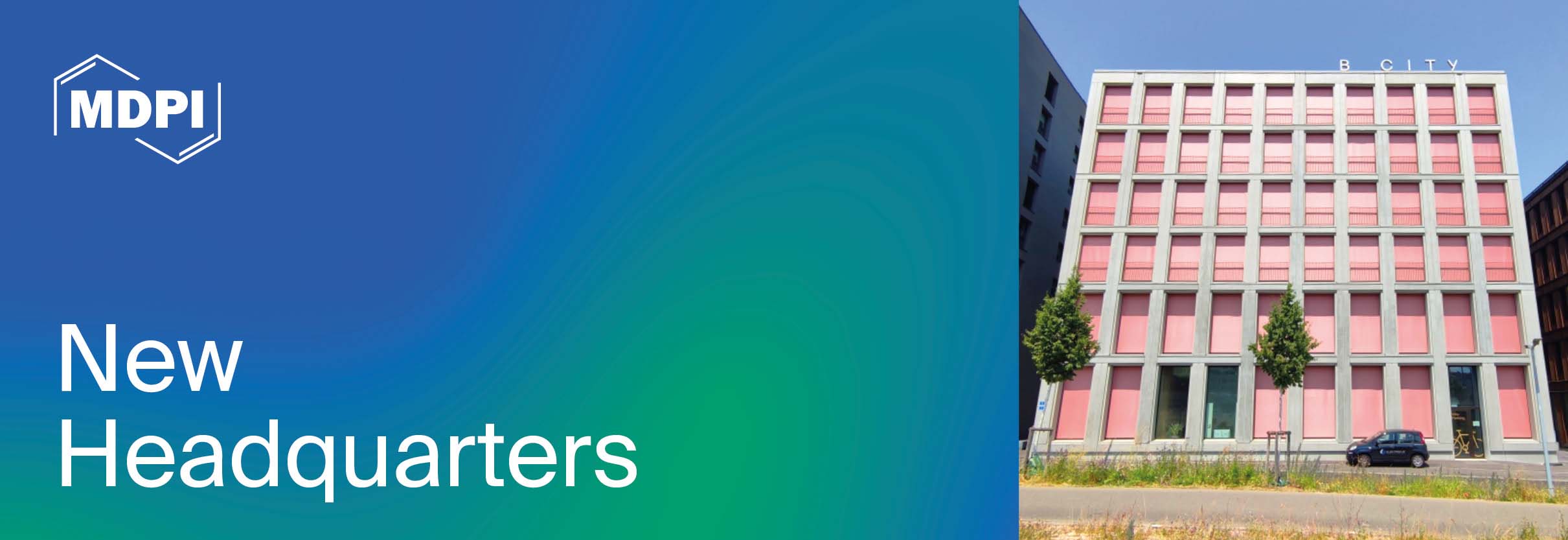
MDPI Moves to New Headquarters in Basel, Switzerland

I am excited to share that MDPI has moved to a new state-of-the-art office space in Basel, Switzerland. This move consolidates our operations by bringing together our two previously separated Basel offices into one central location.
We are always growing our talent pool and encourage you to view our Careers Page for the positions available in Basel and across our offices.
New Address: Grosspeteranlage 5, CH-4052 Basel, Switzerland
Effective Date: 1 July 2024
This new chapter in our company’s journey is designed to continue our mission of positioning MDPI as a leader in Open Access (OA) publishing, highlighting our commitment to making scholarly research accessible to everyone.

Boasting modern amenities, improved meeting and event spaces designed to support our growing needs, the new location provides a more collaborative and efficient working environment for our employees. The location offers convenient accessibility to public transportation and is situated near the Basel SBB railway station, with a variety of nearby services and amenities.
In fact, I can see the trains right outside of my window as I write these lines!
This move marks an exciting milestone in MDPI’s development, and I am confident that the new headquarters will serve as an inspiring and productive space for everyone. We also very much look forward to welcoming visitors here. You can read more about MDPI's history here.
“This new chapter continues our mission of positioning MDPI as a leader in OA publishing”
For Those New to MDPI
A pioneer in scholarly, Open Access publishing, MDPI has supported academic communities since 1996. MDPI is leading the transition to Open Science by making a greater proportion of the research conducted worldwide free and accessible to everyone. To date, over 3.5 million researchers have entrusted MDPI with publishing their scientific discoveries. MDPI’s editorial process is bolstered by a network of dedicated reviewers, a team of 6,000 professional, well-trained staff members, and an in-house article submission platform designed to ensure efficient processes within its 440 fully Open Access titles. MDPI supports more than 800 academic institutions worldwide, helping them adhere to national mandates while facilitating authors’ publication in fully compliant (CC BY) Open Access journals.
Impactful Research
New and Emerging MDPI Journals Making an Immediate Impact
Unpacking some of the Impact Factor updates from the June CEO Letter, I wanted to dive a little deeper into the 137 MDPI journals which received Impact Factor for the first time.
Academic authors highly value efficient publishing processes, robust editorial support, and the opportunity to publish in high-impact journals. We are proud that our newly launched journals typically achieve coverage in the Emerging Sources Citation Index (ESCI) of the Web of Science within just a few years, with a median time of only three years from release to inclusion.
As part of our commitment to advancing academic research and providing high-quality OA publishing, we actively seek new research areas to expand our portfolio of journals. We have a proven track record of successfully establishing new journals.
Our dedicated teams excel in fostering dynamic editorial boards and working closely with Editors-in-Chief (EiC) to define the precise scope and focus of each new journal. Our expertise extends to collaborating with indexing services, ensuring that our journals comply with best practices and are indexed promptly in all relevant databases.
Emerging Titles Ranked for the First Time
Our commitment to excellence is reflected in the annual impact metrics released this past June. The latest edition of the Journal Citation Reports (JCR) showcases the integration of journals from the ESCI in the new unified category rankings, providing a simplified and more complete view of all journals within each subject category, including newly established titles.
Out of 137 new and developing MDPI journals ranked in the 2024 release, 79 are in the top half (Q1 or Q2) of their categories. Here is a breakdown of the number of MDPI’s ESCI-indexed journals by quartile in the JCR:
| Quartile | No. of journals |
| Q1 | 17 (12.4%) |
| Q2 | 62 (45.3%) |
| Q3 | 43 (31.4%) |
| Q4 | 15 (10.9%) |
| Not ranked (humanities-related journals) | 2 |
These rankings highlight our success in rapidly establishing high-impact new journals. Among those that made it directly into the top 25% of their category are the International Journal of Neonatal Screening, Journal of Xenobiotics, Polysaccharides, Smart Cities, and thirteen other journals.
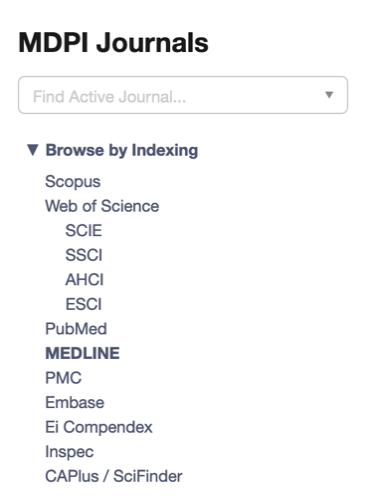
You can browse MDPI journals by Indexing. Simply visit our Journals page and select from the list of Indexing bodies in the top left-hand corner.
Inside MDPI

MDPI Corporate Marketing Strategy and Team Meeting 2024
In July, I hosted the annual Corporate Marketing strategy and team-building activity with 15 of our team members.
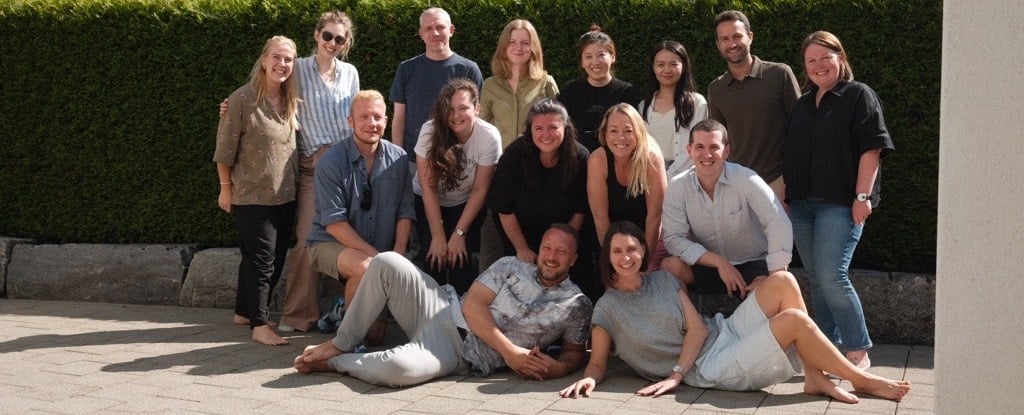
The aim was to align the Corporate Marketing strategy with MDPI's goal of becoming the world's most trusted OA publisher. While we provide a high-level publishing experience for our authors, as seen from our surveys, we need to keep building on our transparent and open communication to foster trust within the scholarly community and continue enhancing our reputation.
The Corporate Marketing team plays an important role as the mouthpiece for all our major activities within MDPI, especially those that model what it means to be a trusted partner. The purpose of the strategy meeting was to develop a feeling of trust in one another and an understanding of how to inspire trust in the stakeholders with whom we interact.
“We need to keep building on our transparent and open communication to foster trust within the scholarly community”

We conducted a set of activities to facilitate that sense of mutual trust and trustworthiness. Examples of some activities we worked on during this strategy-building event include:
- Exploring what trust means
- ‘Letter to self’
- ‘The brand I most trust’
- Most Trusted Academic Publisher
- ‘The brand I would like MDPI to become’
- ‘The 2029 MDPI Annual Report’
- Voice of Customer and Share of Voice – survey/data update on MDPI Brand Experience and Brand Perception
- Integrate Trust-Based Objective into Marketing Plan
- ‘Becoming the MDPI experience’
- ‘Trusting the next steps’
While two days is not enough to finalize a marketing strategy, it is sufficient to get everyone who attended into the mindset of the direction in which we are working. From here, we will develop a program with next steps on main projects, update communications, and collaborate with team leads to incorporate this approach into our work going forward.
As a marketing team, we can communicate our messages, but trust has to be built at every touchpoint in the stakeholder journey. Just talking about it isn’t enough. We need to be about it. That’s a role each of us plays, from editorial to IT, from marketing to HR. We must build trust from the inside out. It starts with each manager and resonates out via every team member.
As a company, our goal is to give all stakeholders with whom we interact – whether internal or external – the experience of working with an organization it can trust.
Coming Together for Science

MDPI in Poland: Krakow Office
In July, I had the pleasure of visiting our Krakow office, following my recent trip to Warsaw to meet with the Polish Ministry of Science and Higher Education.
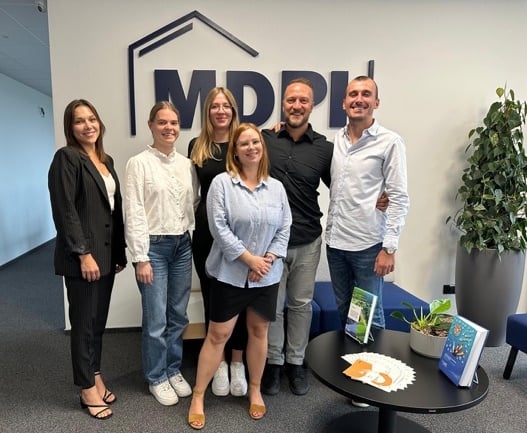
During these visits, I prioritized meeting with our Office Manager, Editorial Director, Group Leads, and members from various teams, including editorial, production, marketing, and journal relationship specialists, to understand their roles and current challenges. Instead of a formal presentation, I opted for an open discussion, sharing updates from headquarters to engage with colleagues in a more personal way.
Our Krakow office has many things to be proud of, including a large number of PhD colleagues (over a third of its staff holds a PhD degree). Krakow provides an opportunity for expanding beyond the 100 colleagues we currently have, by adding new hires in departments including editorial, production and marketing, among others.
About our Krakow office
- Opened in 2020
- 99 staff members as at 1 August 2024
- Main Departments include Editorial, Production, English Department, JRS, PR
Our Krakow office participates in international conferences, conducts author trainings and scholar visits, and engages in local market outreach. The office is also a member of the Polish Chamber of Commerce for High Technology (IZTECH) and is working on expanding its local engagement.
Krakow is the second-largest city in Poland, with a population of about 800,000. It also has a large student population of around 128,000, with seven universities. This means that roughly one in every eight residents is a student.
Poland and MDPI
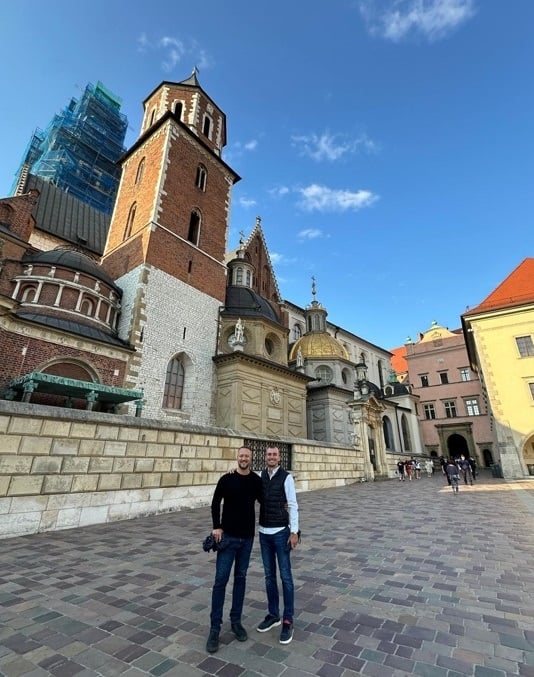
Poland is a crucial market for MDPI. From 2020 to June 2024, Poland ranked 7th in submissions and 5th in publications for MDPI research articles. As at 31 July 2024, Poland ranks 7th in total MDPI publications, with approximately 70,000 research papers.
Between 2020 and June 2024, 61,500 authors from Poland published with MDPI. As at 30 June 2024, there are 1,205 active Editorial Board Members (EBMs) from Poland, with 661 EBMs (55% of the total) having an H-index over 25.
We also have four Editors-in-Chief (EiC) from Poland leading our journals: Coatings, Venereology, Advances in Respiratory Medicine, and Limnological Review, along with six Section EiC.
In 2023, we received approximately 21,000 submissions from Polish-affiliated authors, of which 12,032 were published.
“Poland is a crucial market for MDPI”
Meeting with Ministry of Education
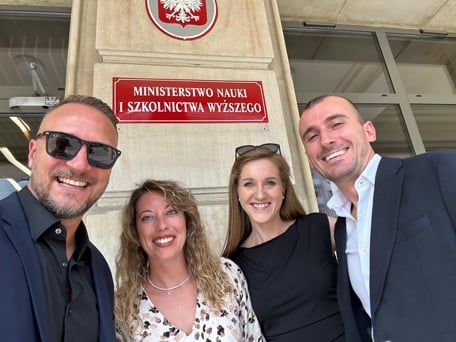
On 22 July, we visited Warsaw to meet with the Polish Ministry of Science and Higher Education.
We were pleased to learn that they are strong supporters of the OA publishing model and value MDPI’s approach to the peer-review process, including our high ethical standards for quality control.
In 2023 Polish authors predominantly published their papers in OA, with MDPI holding the largest market share in OA publications within the country.
Our commitment to collaborating with Polish institutions is evident through our 33 Institutional Open Access Program (IOAP) agreements with prestigious institutions such as the University of Warsaw, the University of Wroclaw, the Jagiellonian University, and Gdańsk University of Technology. Through IOAP discounts, a healthy waiver rate, and our peer-review voucher system, we provide the Polish scholarly community with significant savings in OA publishing. The Minister greatly appreciated these efforts and our commitment to offsetting some of the APC costs.
We discussed industry concerns about the threat of papermills and presented the preventive measures MDPI has in place to mitigate this risk and uphold high ethical standards. We informed them of our commitment to combating papermills, including our involvement with United2Act and the STM Research Integrity Hub, as well as our efforts to expand our research integrity team and explore proactive measures.
Closing Thoughts

MDPI Thought Leadership Op-ed on Open Access is Now Live on Politico
I am pleased to share that our thought leadership Op-ed piece on Open Access (OA) is now live on Politico. This is a nice push for continued influence and support of OA among policymakers and industry leaders.
Why Politico?
Politico's reputation as a highly credible and influential news platform makes it an important venue to reach key opinion leaders (KOL) from academia, policymakers, and thought leaders from many industries. This visibility helps promote the OA philosophy.
Open Access: A Moral Imperative for Progress
In this piece, I discuss the necessity of making scientific research freely available to all. I argue that publicly funded research should be publicly accessible, highlighting how OA democratizes scientific knowledge, accelerates research availability, and fosters collaboration.
“Open Access is a fundamental right for all citizens”
Democratizing scientific communication
The impulse to democratize scientific communication is nothing new. OA may seem like a recent innovation, but its principles have historical roots traceable to Europe in the 15th century. Just as the printing revolution accelerated the dissemination of new ideas, OA publishing unlocks new scientific insights that would otherwise only be accessible to a few.
Benefits for scholars: amplifying impact through Open Access
Authors publishing in an OA journal can expect more citations of their work, increasing its potential impact. Research findings that are freely available are more likely to be cited than those hidden behind a paywall. Freedom of access greatly increases the potential audience for each paper, fostering a sense of community among researchers worldwide. Heightened visibility can attract prospective collaborators and employers for young scientists. At MDPI, we believe that all these factors can only accelerate the advance of science. Additionally, authors retain copyright in their work instead of signing it away, permitting broader dissemination under Creative Commons licenses and increasing its capacity for impact.
The moral imperative
OA is not just a matter of scientific policy; it is a fundamental right for all citizens and a prerequisite for a brighter, more informed future. Publicly funded research should be a top priority, and I am pleased to see policy moving in this direction. Our capacity to generate transformative scientific insights has to be democratized. The question today is no longer whether we can afford to embrace OA; rather, it is whether we can afford not to.
Chief Executive Officer
MDPI AG
2 August 2024
Meet the Editors | Interview with Prof. Dr. Alexander V. Ljubimov—Section Editor-in-Chief of Cells

Prof. Dr. Alexander V. Ljubimov is an internationally recognized eye researcher, with over 100 peer-reviewed papers, reviews, and book chapters published. He is the Director of the Board of Governors Regenerative Institute Eye Program and a Professor of Biomedical Sciences and Neurosurgery at Cedars-Sinai Medical Center. Dr. Ljubimov is also an Adjunct Professor of Medicine at the David Geffen School of Medicine at University of California, Los Angeles (UCLA), USA. He has studied ocular diabetes for the past 30 years.
We had the pleasure of meeting him online and had a discussion in which we learned more about his background, views, and interests.
The following is a brief interview with Prof. Dr. Alexander V. Ljubimov:
1. You are an internationally recognized eye researcher—could you share your current research focus with us and what is exciting about it?
We have several National Institutes of Health (NIH)-funded projects in the lab. They deal with the restoration of normal wound healing and stem cell functions in the diabetic corneas, studies of a new wound healing regulator Wnt-5a, and novel nanopolymers for the treatment of glioblastoma. The most exciting recent findings were 1. the discovery of epigenetic changes in the diabetic cornea related to new wound healing mediator Wnt-5a; 2. the first single-cell RNA-seq analysis of a systemic corneal disease (diabetes) using human samples, which is ongoing; and 3. the discovery of the influence of a tumor extracellular matrix component laminin-411 on glioblastoma innate immune system, providing new rationale for its inhibition for brain tumor treatment.
2. What made you decide to lead this Section?
I am on many editorial boards and have much experience in editing scientific papers. My research in the field of cell biology closely relates to stem cell markers and functions. When MDPI offered me this position in Cells, I did not hesitate. The journal and editorial model are for quality reviews with fast turnaround and open access for all articles. This is a very appealing combination for researchers, making Cells more and more popular. I am happy that I am part of this process of rapid dissemination of quality science and growth in the popularity of Cells.
3. What suggestions do you have for our Section’s development?
Last year, we organized a free one-day webinar on ocular cell biology in order to make the community more familiar with the journal. We need to make such webinars a routine practice, highlighting various directions of research that the journal focuses on. Organizing more thematic issues with invited original papers and reviews also seems important for the Section's development.
4. What made you move from your home country and pursue research in the USA?
Back in 1991, I obtained a prestigious fellowship from the International Union Against Cancer (UICC) to work in Sanford Burnham Prebys Institute in San Diego and spent two years there studying apoptosis. At that time, my home country, the Soviet Union, collapsed and I decided to continue my work in the USA. In the process, I had to change fields from cancer research to ophthalmology, studying neovascularization as a common topic. We received the first NIH grant within 2 years in my new field, and I am still continuing this research. Because of my wife’s studies, I have also maintained close ties with the cancer field over the years.
5. Do you have any advice for young researchers?
My advice may sound trivial, but it helped me along the way. In my opinion, research requires perseverance and enthusiasm. The more you love your studies, the more exciting and interesting your life will be. Do not be afraid of failures or changes, everybody has them at some point. Also, I was fortunate that most of my mentors and superiors were people who commanded respect by their breadth of knowledge, bright ideas, and strong work ethics. This made working with them enjoyable.
2 August 2024
MDPI Romania Author Training Sessions in May
In May, MDPI Romania held three author training sessions – one endorsing an external event and two stand-alone sessions.
The National Session of Scientific Student Communications took place at Technical University Cluj on 17 and 18 May 2024. MDPI Romania sponsored this event and contributed an author training session on the production of research papers and case study analyses. JRS Norbert Kiss gave a presentation called The World of Open Access to explain different open access publishing models and the benefits of open access publishing. His presentation highlighted the impact of open access publishing on scientific progress and innovation.
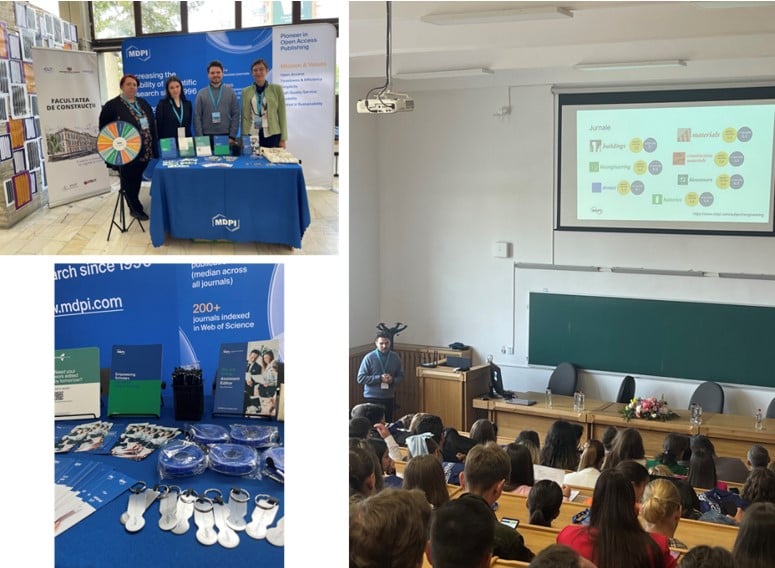
On 29 May 2024, MDPI Romania hosted an author training session for Ph.D. students, early career researchers, and professors at the Carol Davila University of Medicine and Pharmacy. In collaboration with Prof. Andreea Arsene, JRS Ioana Paunescu prepared two presentations: The Steps of the Publishing Process and Elaboration of a Peer Review Report. In her first presentation, she delved into MDPI’s history and mission, MDPI’s editorial process, and MDPI journals of various scopes that are accepting submissions. Her second presentation outlined the types of peer review, the contents of a peer review report by an MDPI reviewer, and the responsibilities of an MDPI reviewer.
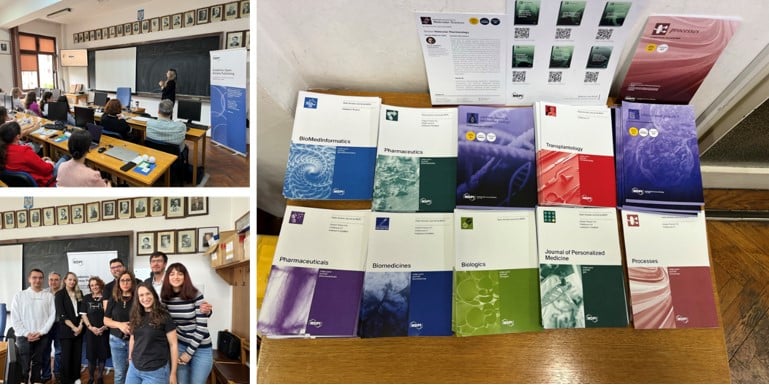
MDPI Romania also hosted an author training session at the Iasi University of Life Sciences on 29 May 2024. JRSs Laurentiu Preda and Cosmin Artan gave four presentations: Efficient Writing of an ISI-Indexed Scientific Article, Benefits of Publishing in the Open Access Model, Various Methods of Open Access Publishing, and MDPI Guide for the Article Review Process. The first three presentations offered guidance on how to improve academic writing, the fourth focused on how to write peer review reports. A highly interactive discussion followed the presentations, during which the JRSs provided extensive answers to attendees’ questions.
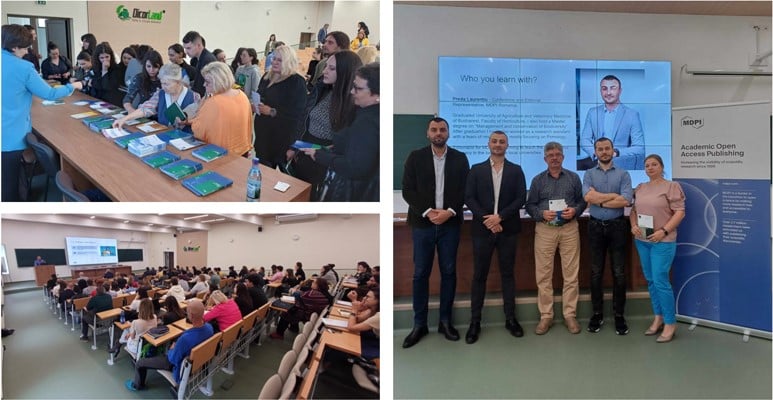
MDPI is grateful for all the attendees, speakers, and organizers involved in these events. Through their enthusiasm and dedication, these events were great successes.
19 July 2024
Meet Us at the 46th Congress of the Spanish Society of Biochemistry and Molecular Biology, 3–6 September 2024, A Coruña, Spain

MDPI will be attending the 46th Congress of the Spanish Society of Biochemistry and Molecular biology (46th SEBBM Congress), which will be held from 3 to 6 September 2024 in A Coruña, Spain.
The 46th SEBBM Congress will enjoy a wide range of plenary conferences, symposia, including the Hispanic-Luso Scientific Symposium and the Scientific Symposium of Education, meetings of the scientific groups of SEBBMs, poster sessions and the commercial exhibition of collaborating companies. We will be able to enjoy satellite activities such as the Research Initiation Course in Biochemistry and Molecular Biology, the Professional Development Forum for Young Researchers, and the activities of Biochemistry in the city, with exhibitions, scientific–artistic shows, round tables and scientific workshops.
The following MDPI journals will be represented at the conference:
- Cells;
- Biomolecules;
- CIMB;
- IJMS;
- Biomedicines;
- Organoids;
- Biology;
- BioTech;
- Biologics;
- Diagnostics;
- Medicina;
- BioMedInformatics;
- JMP;
- Genes.
If you are planning to attend the above conference, we encourage you to visit our booth and speak to our representatives. We are eager to meet you in person and assist you with any queries that you may have.
For more information about the conference, please visit the official website at https://congresos.sebbm.es/coruna2024/.
12 July 2024
MDPI Webinar | World Hepatitis Day 2024, 29 July 2024

MDPI invites all experts recognized in their fields to attend the MDPI World Hepatitis Day Webinar 2024. Inspired by the collaborative spirit of World Hepatitis Day, this webinar aims to raise awareness about hepatitis and promote the development of innovative strategies to combat it. By engaging experts and the public, the webinar seeks to drive advancements and highlight the importance of collective efforts in scientific research and innovation.
We are looking forward to seeing you at the MDPI World Hepatitis Day Webinar 2024.
Title: MDPI World Hepatitis Day Webinar 2024
Date: 29 July 2024
Time: 15:00–17:00 (CEST) | 21:00–23:00 (CST Asia)
More Information: https://sciforum.net/event/WHD2024
This is a free webinar. After registration, you will receive a confirmation email containing information on how to join the webinar. Registrations with academic institutional email addresses will be prioritized.
Unable to attend? Register anyway and we will let you know when the recording is available for viewing.
Register for free:

Program:
|
Speaker/Presentation |
Time in CEST |
Time in CST Asia |
|
Host |
15:00–15:10 |
21:00–21:10 |
|
Assoc. Prof. Yee-Joo Tan |
15:10–15:40 |
21:10–21:40 |
|
Dr. Giuseppe Colucci |
15:40–16:10 |
21:40–22:10 |
|
Prof. Dr. Chia-Yen Dai |
16:10–16:40 |
22:10-22:40 |
|
Q&A Session |
16:40–16:50 |
22:40–22:50 |
|
Host |
16:50–17:00 |
22:50–23:00 |
Relevant Special Issues:
Animals
“Diseases of the Small and Large Intestine, Liver and Pancreas in Small Animals: Second Edition”
Edited by Dr. Alessio Pierini and Dr. Eleonora Gori
Deadline for submission: 20 December 2024
“Metabolic Disorders of Poultry”
Edited by Dr. Victoria Anthony Uyanga and Dr. Felix Kwame Amevor
Deadline for submission: 28 February 2025
Cancers
“Hepatitis Viruses and Cancer”
Edited by Prof. Dr. John Koskinas and Dr. Urania Georgopoulou
Deadline for submission: 1 November 2024
Cells
“Interdisciplinary Approaches to Studying Human Liver Biology and Promoting Organ Regeneration: Understanding the Curse of Prometheus”
Edited by Prof. Dr. David C. Hay, Dr. Matthew Sinton and Alvile Kasarinaite
Deadline for submission: N.A.
Children
“Old and New Therapeutic Strategies in Children with Liver Disease”
Edited by Dr. Raffaele Iorio and Dr. Fabiola Di Dato
Deadline for submission: 30 September 2024
Diagnostics
“Diagnosis, Management, and Prognosis of Liver Disease and Its Syndromes”
Edited by Prof. Dr. Chien Hao Huang
Deadline for submission: 31 August 2024
“Diagnostic and Prognostic Markers in Liver Diseases”
Edited by Dr. Dávid Tornai
Deadline for submission: 31 October 2024
“Diagnosis of Liver Disease”
Edited by Dr. Sung-Eun Kim
Deadline for submission: 31 December 2024
Gastroenterology Insights
“Novelties in Diagnostics and Therapeutics in Hepatology: 2nd Edition”
Edited by Dr. Giovanni Marasco and Dr. Matteo Renzulli
Deadline for submission: 31 December 2024
Journal of Personalized Medicine
“Chronic Liver Disease: New Targets and New Mechanisms”
Edited by Dr. Theodoros Androutsakos
Deadline for submission: 20 February 2025
Livers
“Liver Fibrosis: Mechanisms, Targets, Assessment and Treatment”
Edited by Prof. Dr. Ralf Weiskirchen and Prof. Dr. Tilman Sauerbruch
Deadline for submission: 20 December 2024
Medicina
“Editorial Board Members’ Collection Series: Gastrointestinal and Hepatic Diseases”
Edited by Prof. Dr. Ludovico Abenavoli and Dr. Marcello Candelli
Deadline for submission: 24 December 2024
“Advances in Liver Surgery”
Edited by Prof. Dr. Jai Young Cho
Deadline for submission: 24 December 2024
“Novelties in Chronic Liver Diseases”
Edited by Prof. Dr. Ludovico Abenavoli
Deadline for submission: 30 September 2024
Metabolites
“Research on Pharmacotherapy of Metabolic-Associated Fatty Liver Disease”
Edited by Dr. Aleksandra Bołdys
Deadline for submission: 30 September 2024
“Metabolic Syndrome and Non-alcoholic Liver Disease”
Edited by Prof. Dr. Mircea-Catalin Fortofoiu, and Dr. Luigi Boccuto
Deadline for submission: 20 October 2024
“Liver Injury and Regeneration—Metabolic Research”
Edited by Dr. Miguel Suárez Matías
Deadline for submission: 31 December 2024
Microorganisms
“Hepatitis B Virus Infection and Vaccine”
Edited by Dr. Nishi N. Prabdial-Sing
Deadline for submission: 15 December 2024
Nutrients
“Metabolic-Dysfunction-Associated Steatotic Liver Disease at the Forefront: Confronting Nutritional Obstacles in Advanced Chronic Liver Disease and Portal Hypertension”
Edited by Dr. Angelo Armandi and Dr. Federico Ravaioli
Deadline for submission: 15 October 2024
“Prevention and Treatment of Liver Diseases by Dietary Habits and Lifestyle”
Dr. Marica Cariello and Dr. Raffaella Maria Gadaleta
Deadline for submission: 15 December 2024
“Managing Nonalcoholic Fatty Liver Disease with Nutrition”
Edited by Dr. Nobuyuki Toshikuni
Deadline for submission: 25 December 2024
Pathogens
“Zoonotic Hepatitis E Virus: A Focus on Animals, Food and Environment”
Edited by Prof. Dr. Barbara Di Martino, Dr. Federica Di Profio and Dr. Andrea Palombieri
Deadline for submission: 10 October 2024
Vaccines
“Vaccines and Vaccination: HIV, Hepatitis Viruses, and HPV”
Edited by Dr. Ivan Schietroma and Dr. Sonia Moretti
Deadline for submission: 28 February 2025
“Vaccination and Treatments against Viral Hepatitis: Achievements, Challenges and Perspectives”
Edited by Dr. Bárbara Vieira Do Lago and Dr. Vinicius M. Mello
Deadline for submission: 15 March 2025
10 July 2024
MDPI's Newly Launched Journals in June 2024
 Five new journals covering multiple subjects have launched their inaugural issue in June 2024. We are excited to be able to share with you the newest research rooted in the value of open access.
We would like to express our deepest appreciation to all the Editorial Board Members and each journal will ensure its high-quality output using excellent editorial and rigorous peer review processes, to ensure that the articles achieve high impact and visibility.
Please feel free to browse and discover more about the new journals below.
|
Journal |
Founding Editor-in-Chief |
Journal Topics (Selected) |
 |
Prof. Dr. Marco Ranucci, IRCCS Policlinico San Donato, Italy |
anaesthetic medications; blood and fluid management; pain management; critical care; critical illness | view journal scope | submit an article |
 |
Dr. Giovanni E. Cacciamani, University of Southern California, USA |
surgical/procedural complications; complications; perioperative adverse events; postoperative adverse events | view journal scope | submit an article |
 |
Prof. Dr. Gassan Hodaifa, Universidad Pablo de Olavide, Spain |
laboratory management; laboratory safety; protective equipment; laboratory problems and challenges; laboratory Innovation | view journal scope | submit an article |
 |
Prof. Dr. Jan S. Suchodolski, Texas A&M University, USA |
companion animals health and disease; veterinary care and nutrition; genetics and genomics; behavior and welfare; human-animal relations | view journal scope | submit an article |
 |
Prof. Dr. Pierfrancesco De Paola, University of Naples Federico II, Italy |
real estate appraisal; economic and financial valuation of real estate projects; sustainable real estate; housing and urban economics | view journal scope | submit an article |
We wish to thank everyone who has supported the development of open access publishing. You are welcome to send an application here, or contact the New Journal Committee (newjournal-committee@mdpi.com) if you would like to create more new journals.
20 June 2024
2023 Impact Factors for MDPI Journals Released

MDPI is pleased to announce the inclusion of 237 journals in the 2024 release of the Journal Citation Reports (JCR) and share the key results (see above).
This year, journals covered in the Emerging Sources Citation Index (ESCI) received category ranks together with journals in the Science Citation Index Expanded (SCIE) and Social Sciences Citation Index (SSCI). Overall, 139 MDPI journals indexed in ESCI are included in the new unified rankings for the first time.
Enhanced Comparability of Data
According to Clarivate, "the creation of unified category rankings [provides] a simpler and more complete category view for the evaluation of journal performance. [...] The category-first approach simplifies journal performance assessment with a holistic view of all journals in each subject category."
We are thrilled to announce that 72% of our ranked MDPI journals (171 of 237) are above average, in Q1 or Q2. Twenty-nine of our journals received their first Impact Factor this year, accounting for more than 5% of the journals accepted into the Web of Science last year.
MDPI Journals Ranked in JCR
The following data includes all MDPI journals indexed in SCIE, SSCI, ESCI and AHCI.
|
Journal |
Impact Factor |
Rank Quartile |
Category |
|
Q3 |
Acoustics |
||
|
Q2 |
Engineering, Mechanical |
||
|
Q2 |
Instruments & Instrumentation |
||
|
Q2 |
Management |
||
|
Q3 |
Respiratory System |
||
|
Q2 |
Engineering, Aerospace |
||
|
Q1 |
Agronomy |
||
|
Q2 |
Agricultural Engineering |
||
|
Q1 |
Agronomy |
||
|
Q1 |
Plant Sciences |
||
|
Q2 |
Computer Science, Artificial Intelligence |
||
|
Q2 |
Computer Science, Interdisciplinary Applications |
||
|
Q3 |
Computer Science, Artificial Intelligence |
||
|
Q2 |
Computer Science, Theory & Methods |
||
|
Q1 |
Agriculture, Dairy & Animal Science |
||
|
Q1 |
Veterinary Sciences |
||
|
Q1 |
Infectious Diseases |
||
|
Q1 |
Pharmacology & Pharmacy |
||
|
Q3 |
Immunology |
||
|
Q1 |
Biochemistry & Molecular Biology |
||
|
Q1 |
Chemistry, Medicinal |
||
|
Q1 |
Food Science & Technology |
||
|
Q2 |
Chemistry, Multidisciplinary |
||
|
Q1 |
Engineering, Multidisciplinary |
||
|
Q3 |
Materials Science, Multidisciplinary |
||
|
Q2 |
Physics, Applied |
||
|
Q2 |
Computer Science, Information Systems |
||
|
Q2 |
Engineering, Electrical & Electronic |
||
|
Q2 |
Telecommunications |
||
|
N/A |
Humanities, Multidisciplinary |
||
|
Q3 |
Environmental Sciences |
||
|
Q3 |
Meteorology & Atmospheric Sciences |
||
|
Q3 |
Physics, Atomic, Molecular & Chemical |
||
|
Q1 |
Audiology & Speech-language Pathology |
||
|
Q1 |
Mathematics, Applied |
||
|
Q2 |
Electrochemistry |
||
|
Q2 |
Energy & Fuels |
||
|
Q2 |
Materials Science, Multidisciplinary |
||
|
Q2 |
Psychology, Multidisciplinary |
||
|
Q2 |
Food Science & Technology |
||
|
Q2 |
Computer Science, Artificial Intelligence |
||
|
Q2 |
Computer Science, Information Systems |
||
|
Q1 |
Computer Science, Theory & Methods |
||
|
Q2 |
Engineering, Biomedical |
||
|
Q1 |
Biology |
||
|
Q2 |
Biochemistry & Molecular Biology |
||
|
Q2 |
Medicine, Research & Experimental |
||
|
Q1 |
Pharmacology & Pharmacy |
||
|
Q1 |
Engineering, Multidisciplinary |
||
|
Q3 |
Materials Science, Biomaterials |
||
|
Q1 |
Biochemistry & Molecular Biology |
||
|
Q1 |
Chemistry, Analytical |
||
|
Q1 |
Instruments & Instrumentation |
||
|
Q2 |
Nanoscience & Nanotechnology |
||
|
Q3 |
Biotechnology & Applied Microbiology |
||
|
Q1 |
Ornithology |
||
|
Q3 |
Neurosciences |
||
|
Q2 |
Construction & Building Technology |
||
|
Q2 |
Engineering, Civil |
||
|
Q2 |
Materials Science, Multidisciplinary |
||
|
Q1 |
Oncology |
||
|
Q4 |
Cardiac & Cardiovascular Systems |
||
|
Q2 |
Chemistry, Physical |
||
|
Q2 |
Cell Biology |
||
|
Q1 |
Materials Science, Ceramics |
||
|
Q3 |
Materials Science, Multidisciplinary |
||
|
Q2 |
Engineering, Chemical |
||
|
Q3 |
Chemistry, Multidisciplinary |
||
|
Q2 |
Chemistry, Analytical |
||
|
Q2 |
Electrochemistry |
||
|
Q1 |
Instruments & Instrumentation |
||
|
Q2 |
Pediatrics |
||
|
Q2 |
Engineering, Environmental |
||
|
Q2 |
Environmental Sciences |
||
|
Q3 |
Green & Sustainable Science & Technology |
||
|
Q2 |
Meteorology & Atmospheric Sciences |
||
|
Q2 |
Medicine, General & Internal |
||
|
Q3 |
Clinical Neurology |
||
|
Q3 |
Neurosciences |
||
|
Q2 |
Materials Science, Coatings & Films |
||
|
Q3 |
Materials Science, Multidisciplinary |
||
|
Q2 |
Physics, Applied |
||
|
Q3 |
Chemistry, Physical |
||
|
Q2 |
Mathematics, Interdisciplinary Applications |
||
|
Q2 |
Computer Science, Interdisciplinary Applications |
||
|
Q3 |
Physics, Condensed Matter |
||
|
Q2 |
Biochemistry & Molecular Biology |
||
|
Q2 |
Dermatology |
||
|
Q3 |
Computer Science, Information Systems |
||
|
Q2 |
Computer Science, Theory & Methods |
||
|
Q2 |
Crystallography |
||
|
Q3 |
Materials Science, Multidisciplinary |
||
|
Q3 |
Biochemistry & Molecular Biology |
||
|
Q2 |
Oncology |
||
|
Q3 |
Computer Science, Information Systems |
||
|
Q2 |
Multidisciplinary Sciences |
||
|
Q2 |
Dentistry, Oral Surgery & Medicine |
||
|
Q3 |
Dermatology |
||
|
Q3 |
Endocrinology & Metabolism |
||
|
Q1 |
Medicine, General & Internal |
||
|
Q2 |
Medicine, Research & Experimental |
||
|
Q2 |
Biodiversity Conservation |
||
|
Q3 |
Ecology |
||
|
Q1 |
Remote Sensing |
||
|
Q3 |
Environmental Sciences |
||
|
Q3 |
Geosciences, Multidisciplinary |
||
|
Q3 |
Ecology |
||
|
Q3 |
Economics |
||
|
Q2 |
Economics |
||
|
Q1 |
Education & Educational Research |
||
|
Q2 |
Computer Science, Information Systems |
||
|
Q2 |
Engineering, Electrical & Electronic |
||
|
Q2 |
Physics, Applied |
||
|
Q3 |
Energy & Fuels |
||
|
Q2 |
Physics, Multidisciplinary |
||
|
Q2 |
Environmental Sciences |
||
|
Q3 |
Genetics & Heredity |
||
|
Q4 |
Critical Care Medicine |
||
|
Q4 |
Dermatology |
||
|
European Journal of Investigation in Health Psychology and Education |
Q1 |
Psychology, Clinical |
|
|
Q2 |
Biotechnology & Applied Microbiology |
||
|
Q2 |
Materials Science, Multidisciplinary |
||
|
Q2 |
Ecology |
||
|
Q1 |
Forestry |
||
|
Q2 |
Fisheries |
||
|
Q2 |
Marine & Freshwater Biology |
||
|
Q3 |
Mechanics |
||
|
Q3 |
Physics, Fluids & Plasmas |
||
|
Q1 |
Food Science & Technology |
||
|
Q2 |
Multidisciplinary Sciences |
||
|
Q1 |
Forestry |
||
|
Q1 |
Mathematics, Interdisciplinary Applications |
||
|
Q3 |
Energy & Fuels |
||
|
Q3 |
Engineering, Chemical |
||
|
Q2 |
Computer Science, Information Systems |
||
|
Q2 |
Astronomy & Astrophysics |
||
|
Q4 |
Economics |
||
|
Q4 |
Mathematics, Interdisciplinary Applications |
||
|
Q4 |
Social Sciences, Mathematical Methods |
||
|
Q3 |
Gastroenterology & Hepatology |
||
|
Q4 |
Gastroenterology & Hepatology |
||
|
Q1 |
Polymer Science |
||
|
Q3 |
Ethnic Studies |
||
|
Q4 |
Family Studies |
||
|
Q3 |
Sociology |
||
|
Q2 |
Genetics & Heredity |
||
|
Q2 |
Geosciences, Multidisciplinary |
||
|
Q3 |
Geriatrics & Gerontology |
||
|
Q2 |
Health Care Sciences & Services |
||
|
Q2 |
Health Policy & Services |
||
|
Q4 |
Hematology |
||
|
Q4 |
Hematology |
||
|
N/A |
Humanities, Multidisciplinary |
||
|
Q2 |
Multidisciplinary Sciences |
||
|
Q1 |
Horticulture |
||
|
N/A |
Humanities, Multidisciplinary |
||
|
Q2 |
Water Resources |
||
|
Q4 |
Immunology |
||
|
Q2 |
Infectious Diseases |
||
|
Q2 |
Computer Science, Interdisciplinary Applications |
||
|
Q3 |
Computer Science, Information Systems |
||
|
Q2 |
Construction & Building Technology |
||
|
Q2 |
Engineering, Civil |
||
|
Q2 |
Transportation Science & Technology |
||
|
Q2 |
Chemistry, Inorganic & Nuclear |
||
|
Q1 |
Entomology |
||
|
Q2 |
Business, Finance |
||
|
Q1 |
Biochemistry & Molecular Biology |
||
|
Q2 |
Chemistry, Multidisciplinary |
||
|
Q1 |
Genetics & Heredity |
||
|
Q1 |
Pediatrics |
||
|
International Journal of Turbomachinery Propulsion and Power |
Q2 |
Engineering, Aerospace |
|
|
Q3 |
Engineering, Mechanical |
||
|
Q2 |
Engineering, Multidisciplinary |
||
|
Q2 |
Computer Science, Information Systems |
||
|
Q2 |
Geography, Physical |
||
|
Q2 |
Remote Sensing |
||
|
Q2 |
Cardiac & Cardiovascular Systems |
||
|
Q1 |
Medicine, General & Internal |
||
|
Q2 |
Materials Science, Composites |
||
|
Q3 |
Developmental Biology |
||
|
Q1 |
Engineering, Biomedical |
||
|
Q2 |
Materials Science, Biomaterials |
||
|
Q1 |
Sport Sciences |
||
|
Q2 |
Microbiology |
||
|
Q1 |
Mycology |
||
|
Q3 |
Imaging Science & Photographic Technology |
||
|
Q1 |
Psychology, Multidisciplinary |
||
|
Q3 |
Engineering, Electrical & Electronic |
||
|
Q2 |
Engineering, Manufacturing |
||
|
Q1 |
Engineering, Mechanical |
||
|
Q2 |
Materials Science, Multidisciplinary |
||
|
Q1 |
Engineering, Marine |
||
|
Q2 |
Engineering, Ocean |
||
|
Q2 |
Oceanography |
||
|
Q2 |
Health Care Sciences & Services |
||
|
Q1 |
Medicine, General & Internal |
||
|
Q2 |
Computer Science, Information Systems |
||
|
Q2 |
Telecommunications |
||
|
Journal of Theoretical and Applied Electronic Commerce Research |
Q1 |
Business |
|
|
Q1 |
Toxicology |
||
|
Q2 |
Biodiversity Conservation |
||
|
Q2 |
Communication |
||
|
Q2 |
Environmental Studies |
||
|
N/A |
Language & Linguistics |
||
|
Q2 |
Linguistics |
||
|
Q1 |
Law |
||
|
Q1 |
Biology |
||
|
Q2 |
Management |
||
|
Q2 |
Operations Research & Management Science |
||
|
Q2 |
Engineering, Mechanical |
||
|
Q2 |
Computer Science, Artificial Intelligence |
||
|
Q2 |
Computer Science, Interdisciplinary Applications |
||
|
Q2 |
Engineering, Electrical & Electronic |
||
|
Q3 |
Engineering, Electrical & Electronic |
||
|
Q2 |
Engineering, Mechanical |
||
|
Q2 |
Chemistry, Inorganic & Nuclear |
||
|
Q3 |
Chemistry, Physical |
||
|
Q3 |
Materials Science, Multidisciplinary |
||
|
Q1 |
Chemistry, Medicinal |
||
|
Q1 |
Pharmacology & Pharmacy |
||
|
Q3 |
Chemistry, Physical |
||
|
Q2 |
Materials Science, Multidisciplinary |
||
|
Q1 |
Metallurgy & Metallurgical Engineering |
||
|
Q2 |
Physics, Applied |
||
|
Q2 |
Physics, Condensed Matter |
||
|
Q2 |
Mathematics, Interdisciplinary Applications |
||
|
Q1 |
Mathematics |
||
|
Q1 |
Medicine, General & Internal |
||
|
Q2 |
Chemistry, Physical |
||
|
Q2 |
Engineering, Chemical |
||
|
Q2 |
Materials Science, Multidisciplinary |
||
|
Q2 |
Polymer Science |
||
|
Q2 |
Biochemistry & Molecular Biology |
||
|
Q3 |
Materials Science, Multidisciplinary |
||
|
Q2 |
Metallurgy & Metallurgical Engineering |
||
|
Q3 |
Biochemical Research Methods |
||
|
Q3 |
Microbiology |
||
|
Q2 |
Chemistry, Analytical |
||
|
Q2 |
Instruments & Instrumentation |
||
|
Q3 |
Nanoscience & Nanotechnology |
||
|
Q2 |
Physics, Applied |
||
|
Q2 |
Microbiology |
||
|
Q2 |
Geochemistry & Geophysics |
||
|
Q2 |
Mineralogy |
||
|
Q2 |
Mining & Mineral Processing |
||
|
Q3 |
Engineering, Multidisciplinary |
||
|
Q4 |
Chemistry, Organic |
||
|
Q2 |
Biochemistry & Molecular Biology |
||
|
Q2 |
Chemistry, Multidisciplinary |
||
|
Q3 |
Computer Science, Artificial Intelligence |
||
|
Q2 |
Computer Science, Cybernetics |
||
|
Q3 |
Computer Science, Information Systems |
||
|
Q2 |
Chemistry, Multidisciplinary |
||
|
Q2 |
Materials Science, Multidisciplinary |
||
|
Q2 |
Nanoscience & Nanotechnology |
||
|
Q2 |
Physics, Applied |
||
|
Q2 |
Clinical Neurology |
||
|
Q3 |
Clinical Neurology |
||
|
Q4 |
Neurosciences |
||
|
Q4 |
Environmental Sciences |
||
|
Q2 |
Biochemistry & Molecular Biology |
||
|
Q2 |
Genetics & Heredity |
||
|
Q1 |
Nursing |
||
|
Q1 |
Nutrition & Dietetics |
||
|
Q3 |
Marine & Freshwater Biology |
||
|
Q3 |
Oceanography |
||
|
Q4 |
Optics |
||
|
Q3 |
Chemistry, Organic |
||
|
Q3 |
Astronomy & Astrophysics |
||
|
Q2 |
Physics, Nuclear |
||
|
Q3 |
Physics, Particles & Fields |
||
|
Q2 |
Microbiology |
||
|
Q2 |
Pathology |
||
|
Q3 |
Pediatrics |
||
|
Q2 |
Chemistry, Medicinal |
||
|
Q1 |
Pharmacology & Pharmacy |
||
|
Q1 |
Pharmacology & Pharmacy |
||
|
Q3 |
Pharmacology & Pharmacy |
||
|
Q2 |
History & Philosophy of Science |
||
|
N/A |
Philosophy |
||
|
Q2 |
Optics |
||
|
Q2 |
Physics, Multidisciplinary |
||
|
Q1 |
Plant Sciences |
||
|
Q3 |
Physics, Fluids & Plasmas |
||
|
Q1 |
Polymer Science |
||
|
Q1 |
Polymer Science |
||
|
Q2 |
Engineering, Chemical |
||
|
Q4 |
Materials Science, Biomaterials |
||
|
Q2 |
Biochemistry & Molecular Biology |
||
|
Q4 |
Psychiatry |
||
|
Q1 |
Information Science & Library Science |
||
|
Q3 |
Instruments & Instrumentation |
||
|
Q3 |
Materials Science, Characterization & Testing |
||
|
Q4 |
Quantum Science & Technology |
||
|
Q2 |
Geosciences, Multidisciplinary |
||
|
Q3 |
Chemistry, Multidisciplinary |
||
|
Q2 |
Green & Sustainable Science & Technology |
||
|
N/A |
Religion |
||
|
Q2 |
Environmental Sciences |
||
|
Q1 |
Geosciences, Multidisciplinary |
||
|
Q2 |
Imaging Science & Photographic Technology |
||
|
Q2 |
Remote Sensing |
||
|
Q3 |
Medicine, General & Internal |
||
|
Q4 |
Obstetrics & Gynecology |
||
|
Q4 |
Reproductive Biology |
||
|
Q2 |
Environmental Sciences |
||
|
Q3 |
Green & Sustainable Science & Technology |
||
|
Q2 |
Business, Finance |
||
|
Q2 |
Robotics |
||
|
Q3 |
Public, Environmental & Occupational Health |
||
|
Q3 |
Pharmacology & Pharmacy |
||
|
Q2 |
Chemistry, Analytical |
||
|
Q2 |
Engineering, Electrical & Electronic |
||
|
Q2 |
Instruments & Instrumentation |
||
|
Q3 |
Chemistry, Analytical |
||
|
Q2 |
Medicine, General & Internal |
||
|
Q3 |
Psychology, Multidisciplinary |
||
|
Q2 |
Social Sciences, Interdisciplinary |
||
|
Q2 |
Womens Studies |
||
|
Q1 |
Engineering, Electrical & Electronic |
||
|
Q1 |
Urban Studies |
||
|
Q2 |
Social Sciences, Interdisciplinary |
||
|
Q2 |
Sociology |
||
|
Q2 |
Soil Science |
||
|
Q3 |
Chemistry, Physical |
||
|
Q3 |
Materials Science, Multidisciplinary |
||
|
Q2 |
Sport Sciences |
||
|
Q4 |
Mathematics, Interdisciplinary Applications |
||
|
Q3 |
Statistics & Probability |
||
|
Q3 |
Chemistry, Physical |
||
|
Q3 |
Materials Science, Multidisciplinary |
||
|
Q4 |
Surgery |
||
|
Q2 |
Environmental Sciences |
||
|
Q2 |
Environmental Studies |
||
|
Q3 |
Green & Sustainable Science & Technology |
||
|
Q2 |
Multidisciplinary Sciences |
||
|
Q1 |
Social Sciences, Interdisciplinary |
||
|
Q1 |
Engineering, Multidisciplinary |
||
|
Q3 |
Telecommunications |
||
|
Q4 |
Hematology |
||
|
Q2 |
Radiology, Nuclear Medicine & Medical Imaging |
||
|
Q2 |
Environmental Sciences |
||
|
Q1 |
Toxicology |
||
|
Q2 |
Food Science & Technology |
||
|
Q1 |
Toxicology |
||
|
Q2 |
Infectious Diseases |
||
|
Q2 |
Parasitology |
||
|
Q1 |
Tropical Medicine |
||
|
Q2 |
Astronomy & Astrophysics |
||
|
Q2 |
Physics, Particles & Fields |
||
|
Q3 |
Environmental Sciences |
||
|
Q3 |
Environmental Studies |
||
|
Q2 |
Geography |
||
|
Q3 |
Regional & Urban Planning |
||
|
Q2 |
Urban Studies |
||
|
Q1 |
Immunology |
||
|
Q1 |
Medicine, Research & Experimental |
||
|
Q2 |
Engineering, Mechanical |
||
|
Q2 |
Transportation Science & Technology |
||
|
Q2 |
Veterinary Sciences |
||
|
Q3 |
Engineering, Mechanical |
||
|
Q3 |
Mechanics |
||
|
Q2 |
Virology |
||
|
Q2 |
Environmental Sciences |
||
|
Q2 |
Water Resources |
||
|
Q2 |
Economics |
||
|
Q2 |
Political Science |
||
|
Q1 |
Social Sciences, Interdisciplinary |
||
|
Q2 |
Engineering, Electrical & Electronic |
||
|
Q2 |
Transportation Science & Technology |
Source: 2023 Journal Impact Factors, Journal Citation Reports TM (Clarivate, 2024)
About MDPI
A pioneer in scholarly, open access publishing, MDPI has supported academic communities since 1996. MDPI is leading the transition to open science by making more research free and accessible to everyone. Over 3.5 million researchers have entrusted MDPI with publishing their scientific discoveries. MDPI’s editorial process is bolstered by a network of dedicated reviewers, a team of 6000 professional, well-trained staff members, and an in-house article submission platform that was designed to ensure efficient processes within its 440 fully open access titles.
14 June 2024
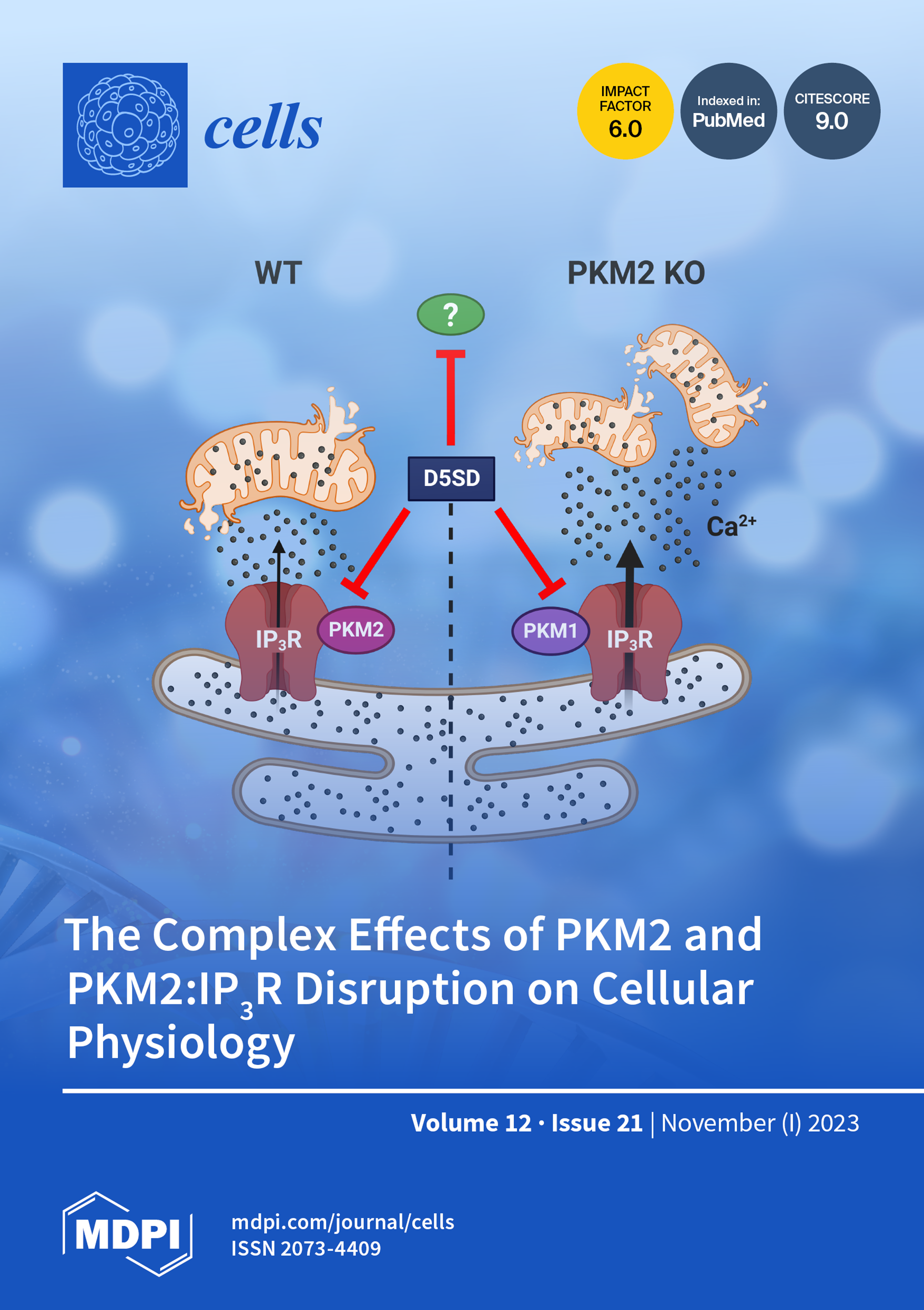
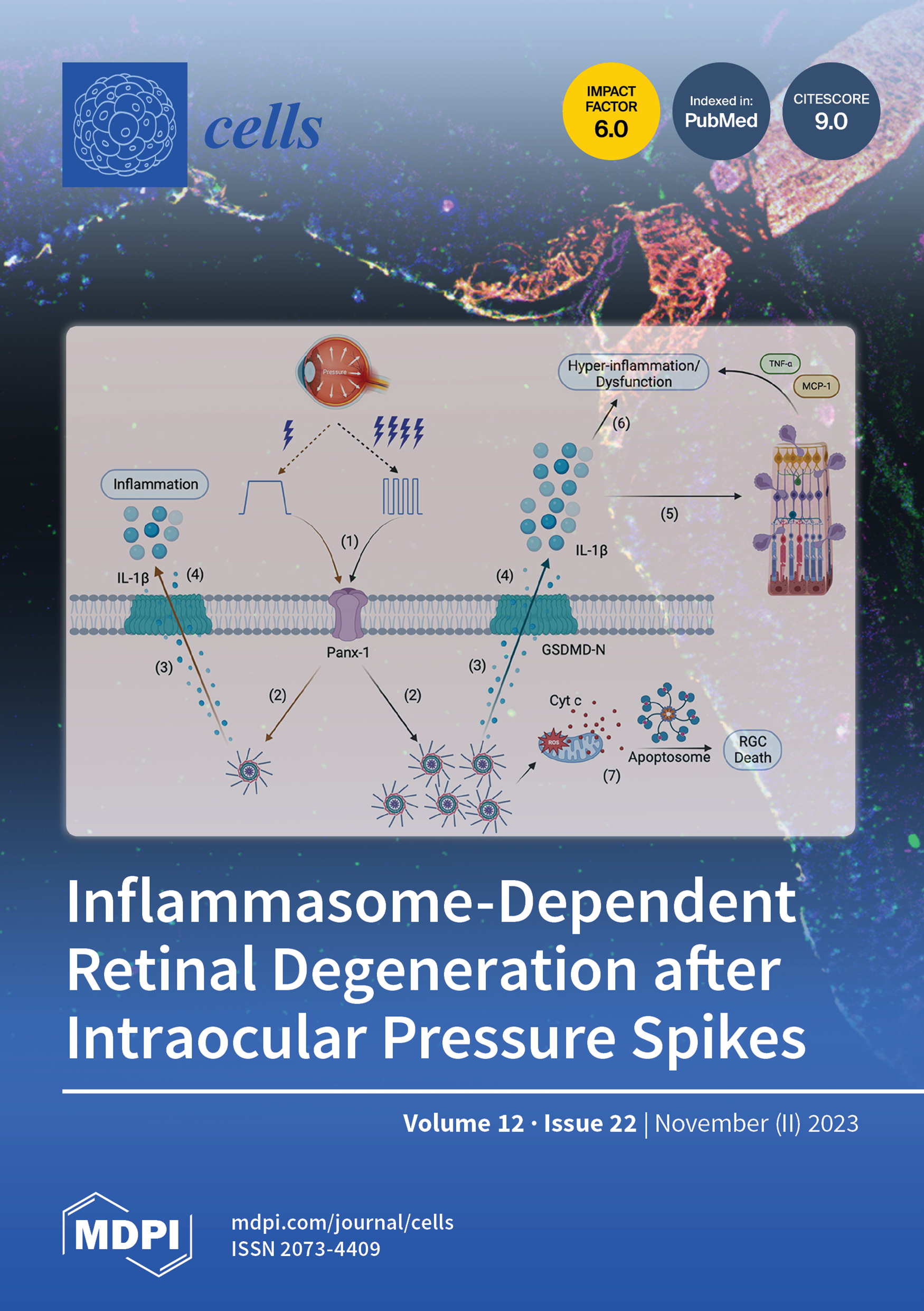
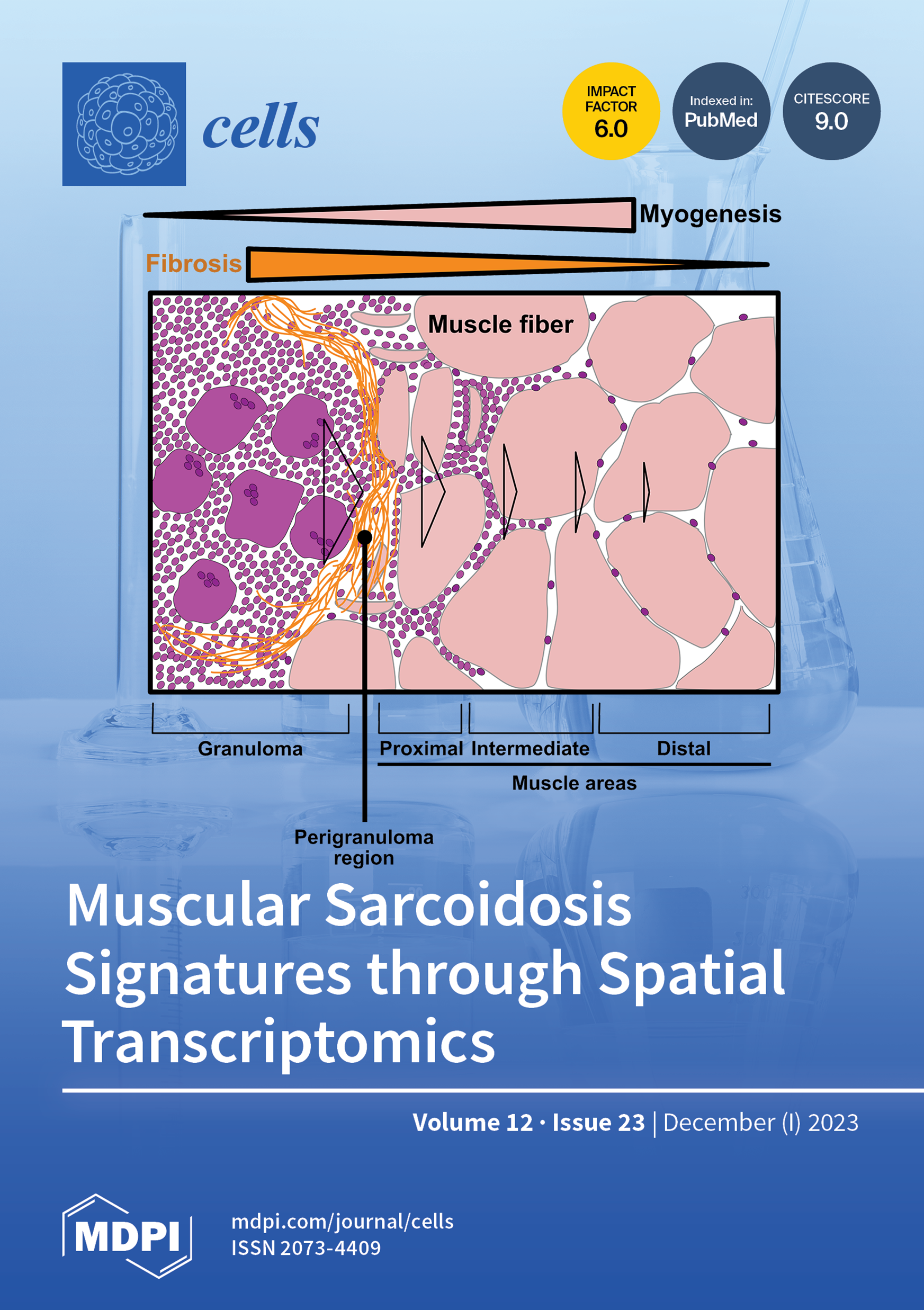
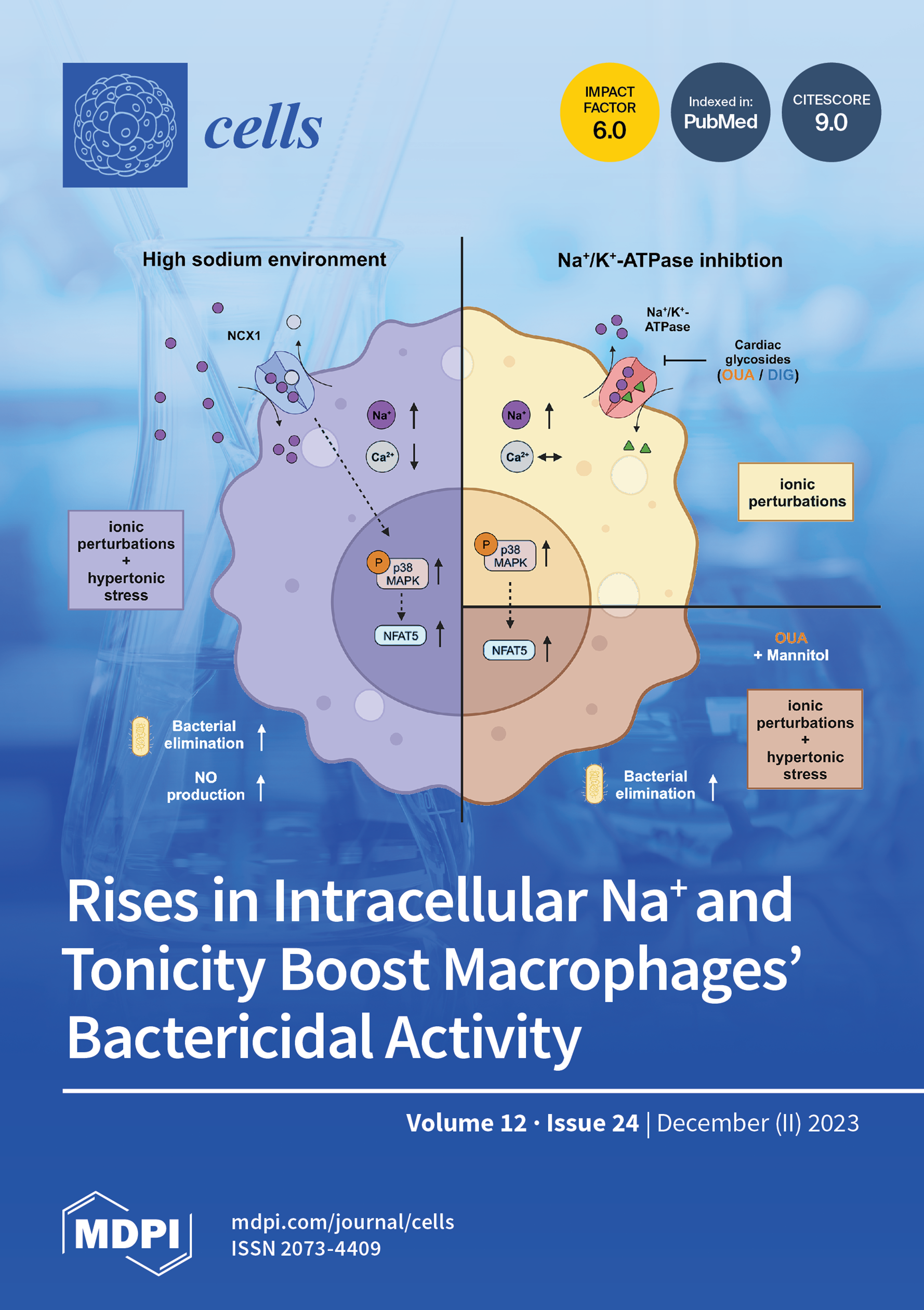
Cells | Issue Cover Articles in 2023
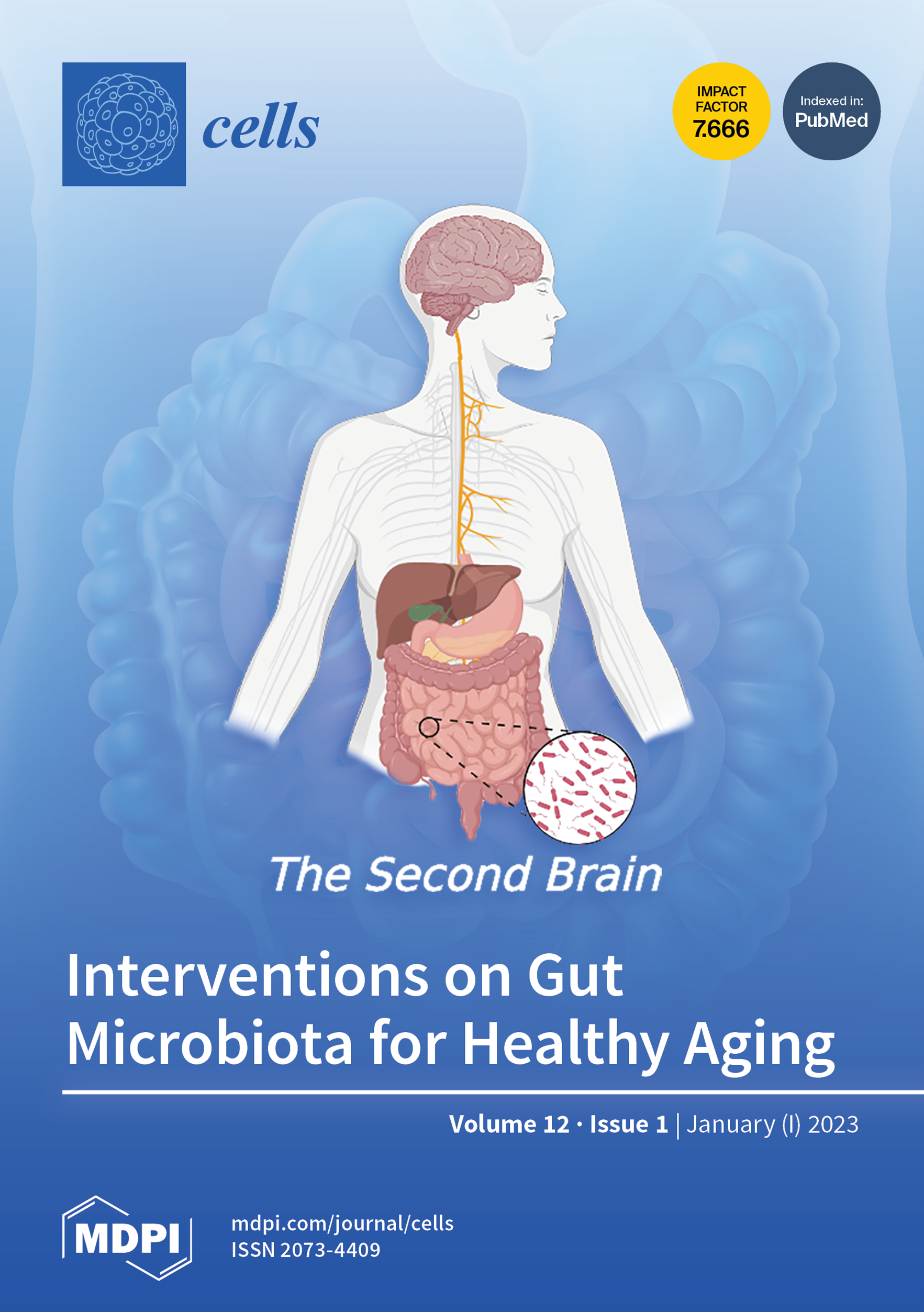
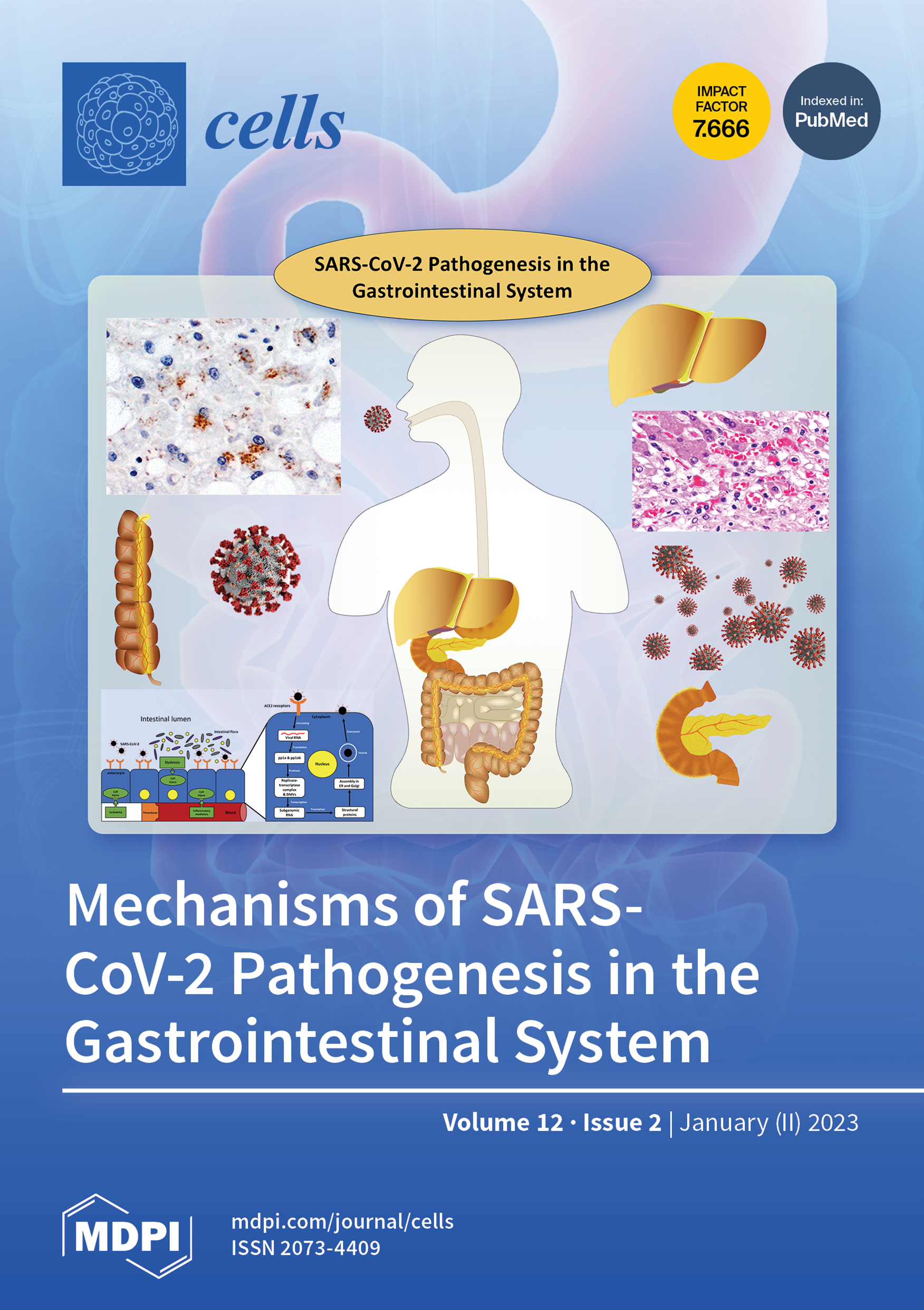
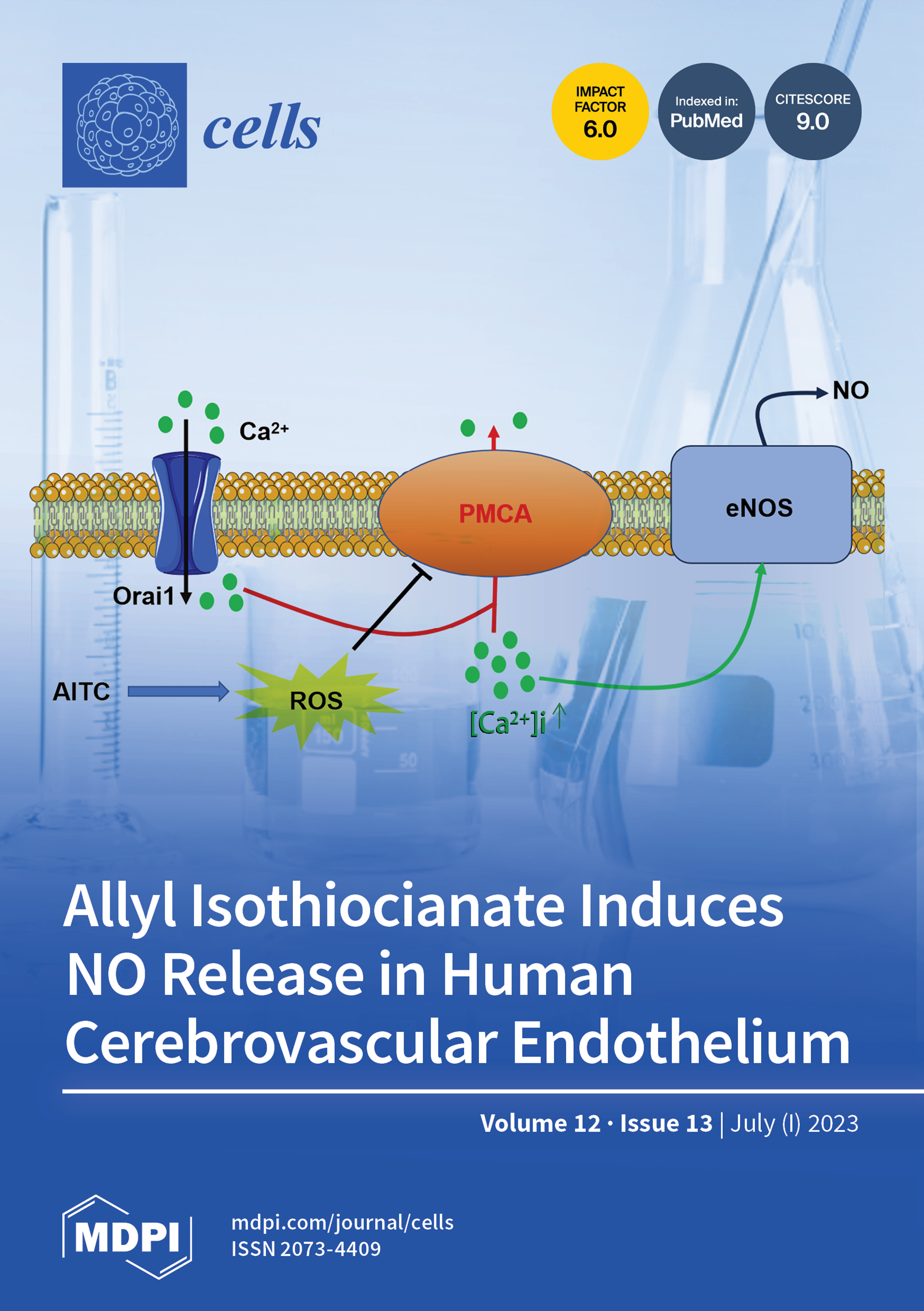
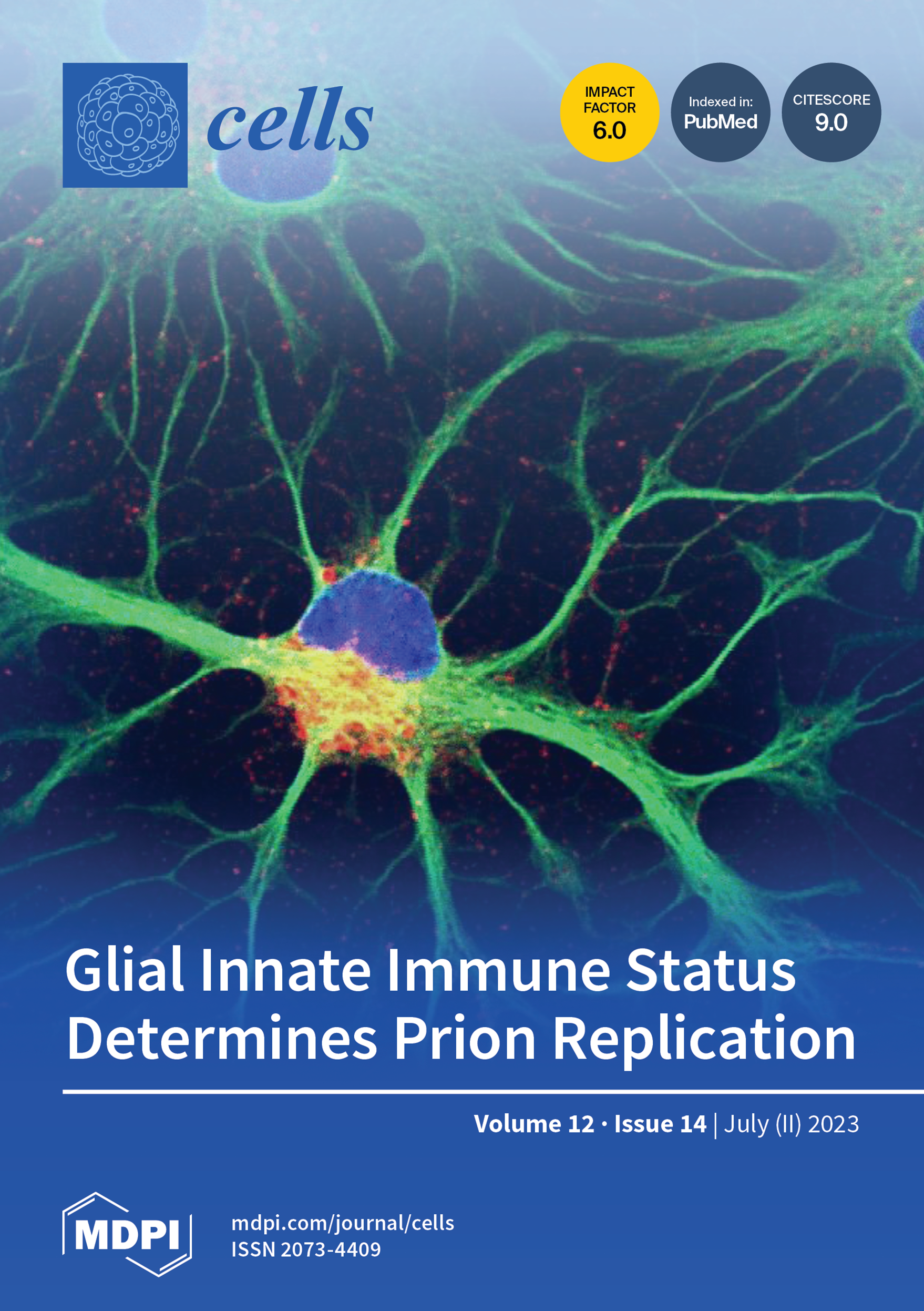
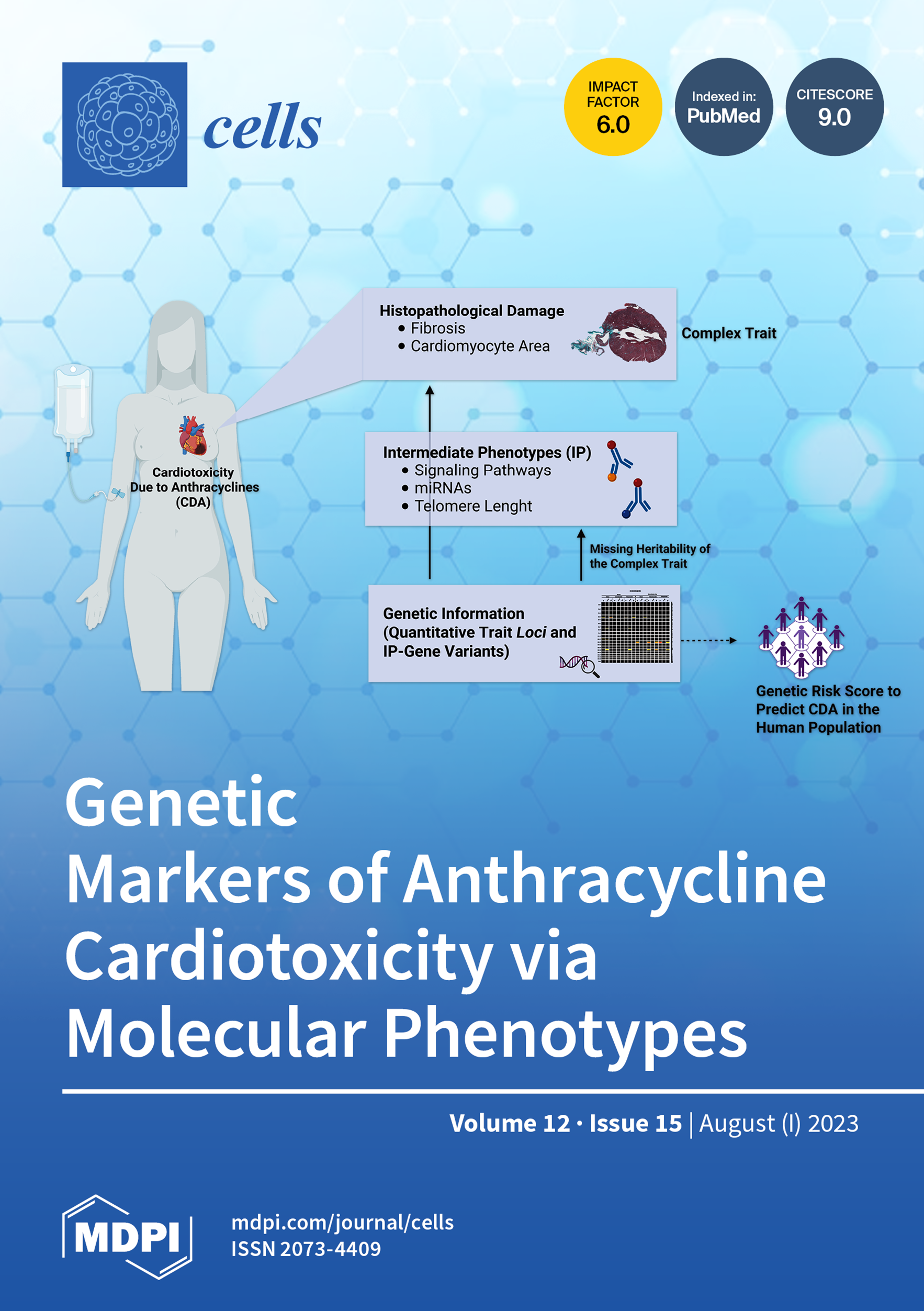
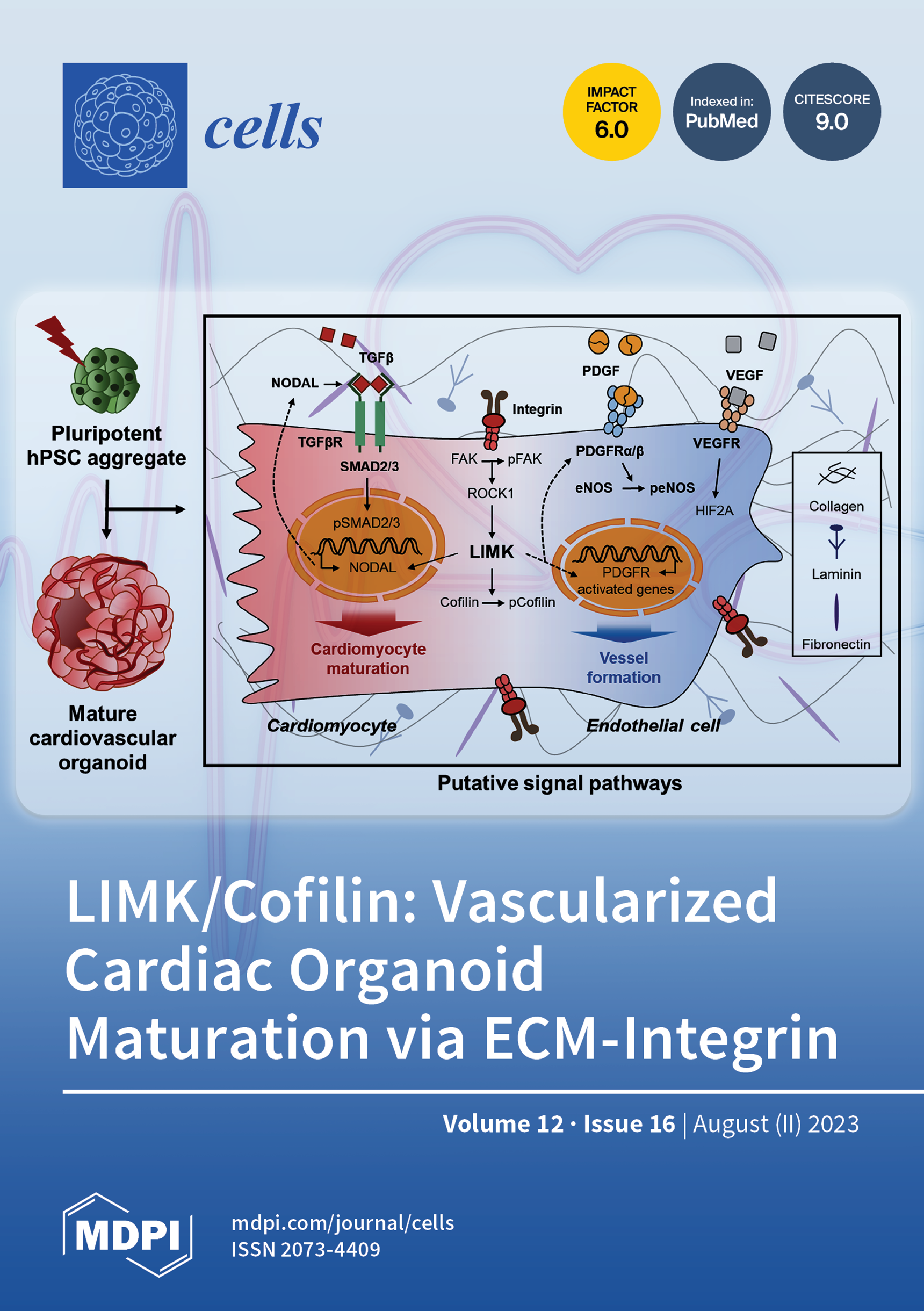
The articles below have been selected as 2023 Issue Cover Articles by the Editorial Office of Cells (ISSN: 2073-4409). These articles come from multiple fields within the scope of Cells, and we hope that they can provide insights and references for scholars in related fields.
|
|
1. “Interventions on Gut Microbiota for Healthy Aging” by Sabrina Donati Zeppa, Deborah Agostini, Fabio Ferrini, Marco Gervasi, Elena Barbieri, Alessia Bartolacci, Giovanni Piccoli, Roberta Saltarelli, Piero Sestili and Vilberto Stocchi Cells 2023, 12(1), 34; https://doi.org/10.3390/cells12010034 Available online: https://www.mdpi.com/2073-4409/12/1/34 |
|
|
2. “Pathogenesis and Mechanisms of SARS-CoV-2 Infection in the Intestine, Liver, and Pancreas” by Zaid Khreefa, Mallory T. Barbier, Ali Riza Koksal, Gordon Love and Luis Del Valle Cells 2023, 12(2), 262; https://doi.org/10.3390/cells12020262 Available online: https://www.mdpi.com/2073-4409/12/2/262 |
|
|
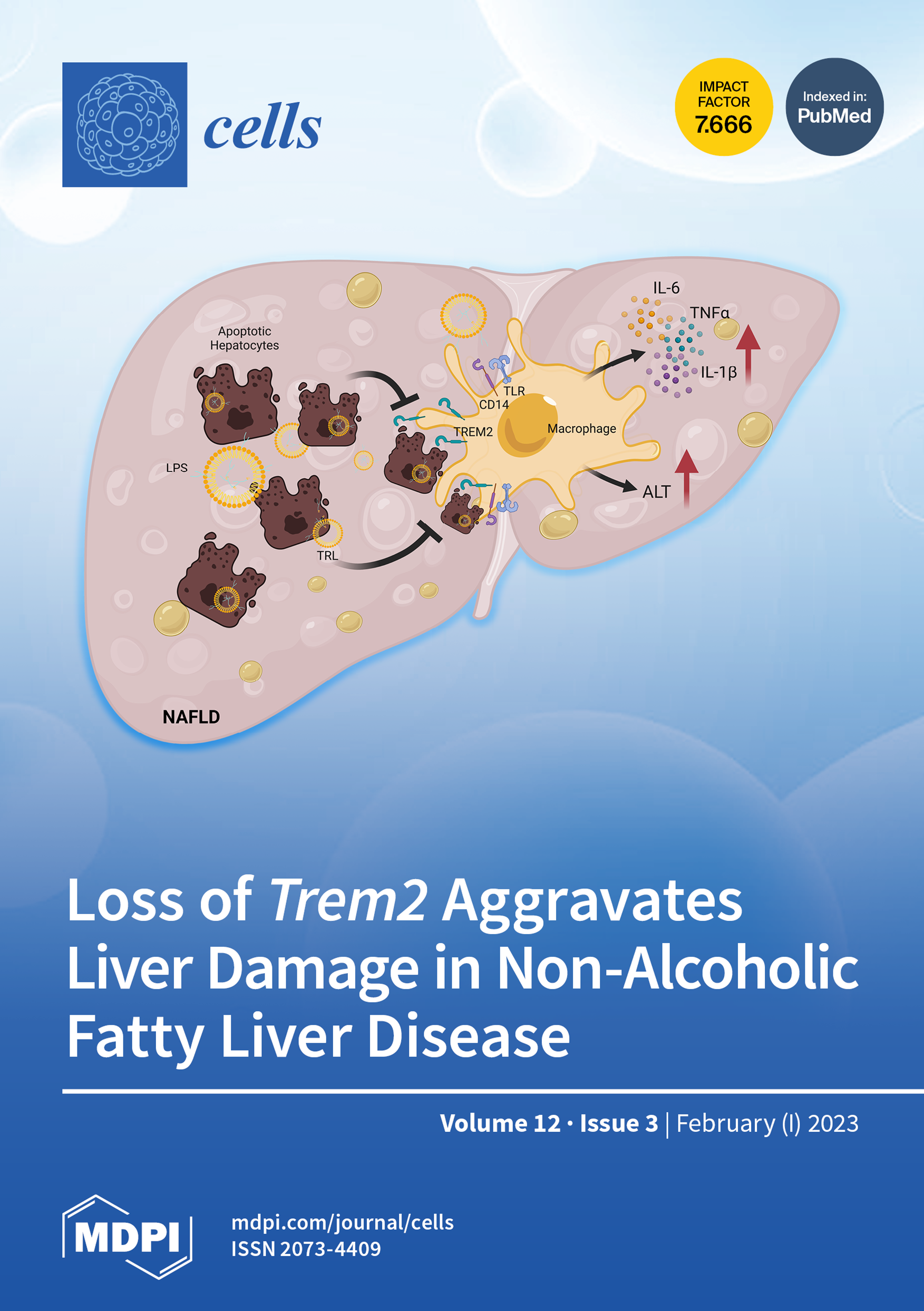
3. “TREM2 Regulates the Removal of Apoptotic Cells and Inflammatory Processes during the Progression of NAFLD” by Imke Liebold, Simon Meyer, Markus Heine, Anastasia Kuhl, Jennifer Witt, Leah Eissing, Alexander W. Fischer, Anja Christina Koop, Johannes Kluwe, Julian Schulze zur Wiesch et al. Cells 2023, 12(3), 341; https://doi.org/10.3390/cells12030341 Available online: https://www.mdpi.com/2073-4409/12/3/341 |
|
|
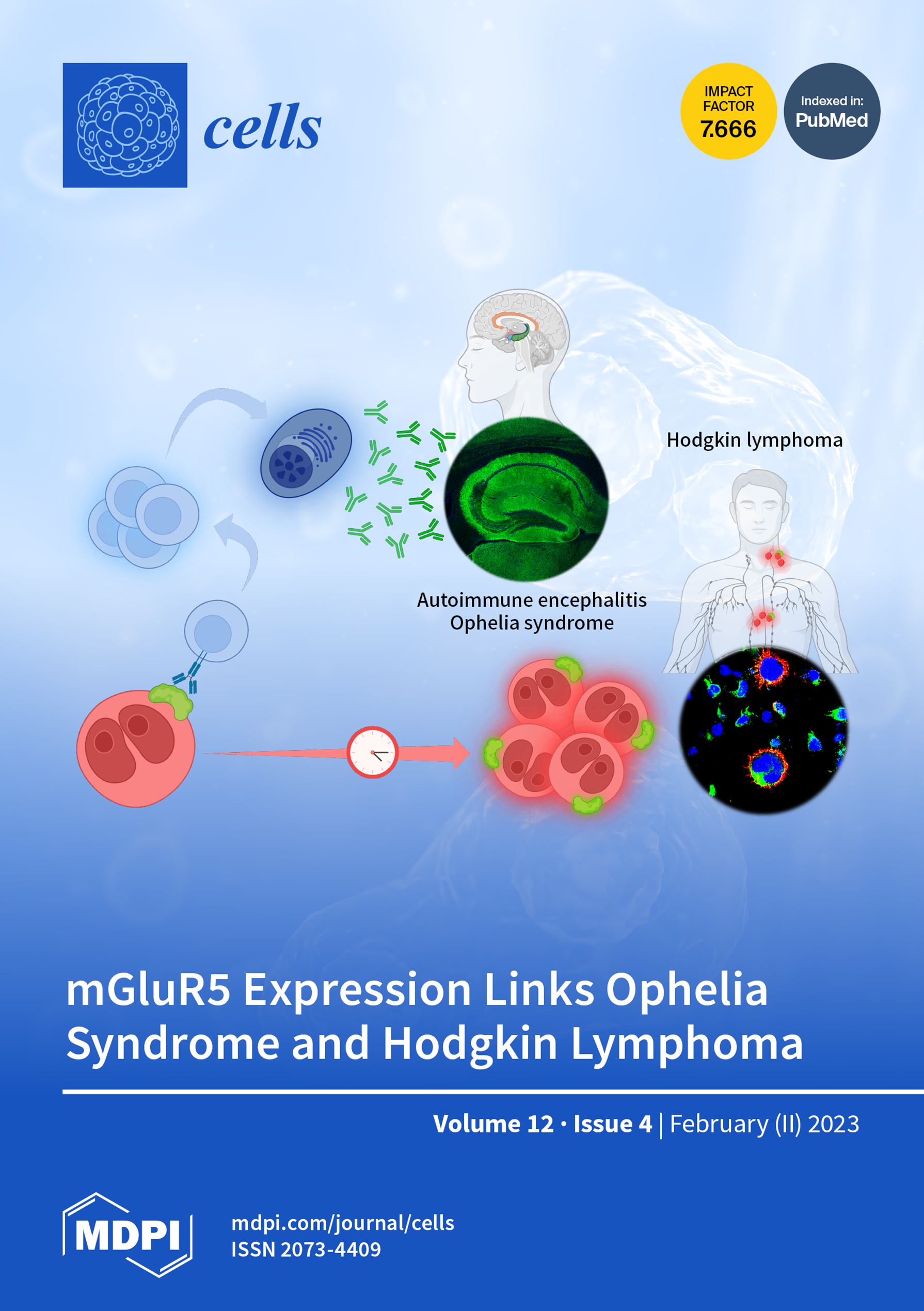
4. “Hodgkin Lymphoma Cell Lines and Tissues Express mGluR5: A Potential Link to Ophelia Syndrome and Paraneoplastic Neurological Disease” by Sofia Schnell, Ellen Knierim, Petra Bittigau, Jakob Kreye, Kathrin Hauptmann, Patrick Hundsdoerfer, Susanne Morales-Gonzalez, Markus Schuelke and Marc Nikolaus Cells 2023, 12(4), 606; https://doi.org/10.3390/cells12040606 Available online: https://www.mdpi.com/2073-4409/12/4/606 |
|
|
5. “Hydroquinone, an Environmental Pollutant, Affects Cartilage Homeostasis through the Activation of the Aryl Hydrocarbon Receptor Pathway” by Cintia Scucuglia Heluany, Anna De Palma, Nicholas Jame, Sandra Helena Poliselli and Giovanna Nalesso Cells 2023, 12(5), 690; https://doi.org/10.3390/cells12050690 Available online: https://www.mdpi.com/2073-4409/12/5/690 |
|
|
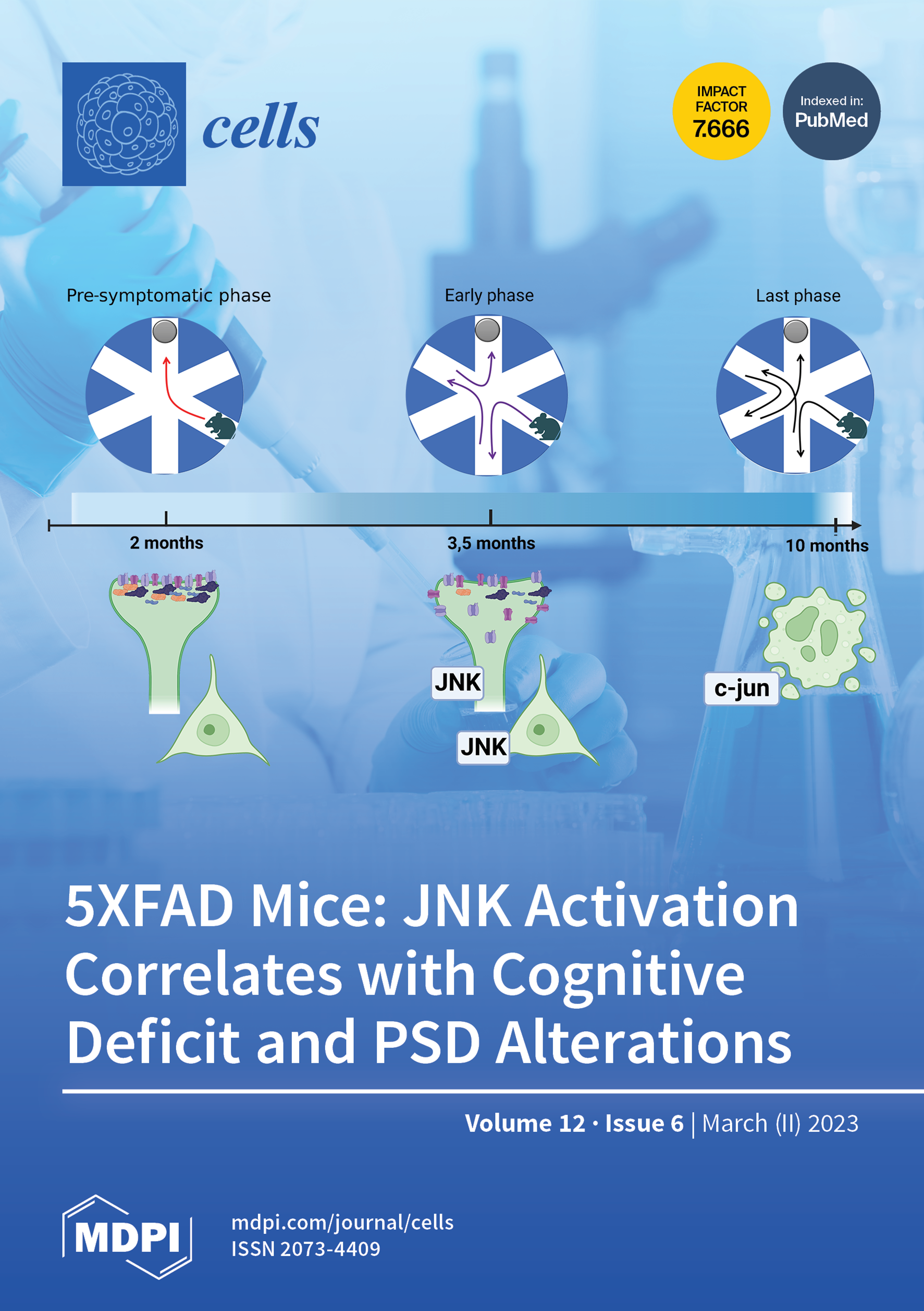
6. “JNK Activation Correlates with Cognitive Impairment and Alteration of the Post-Synaptic Element in the 5xFAD AD Mouse Model” by Erica Cecilia Priori, Clara Alice Musi, Arianna Giani, Luca Colnaghi, Ivana Milic, Andrew Devitt, Tiziana Borsello and Mariaelena Repici Cells 2023, 12(6), 904; https://doi.org/10.3390/cells12060904 Available online: https://www.mdpi.com/2073-4409/12/6/904 |
|
|
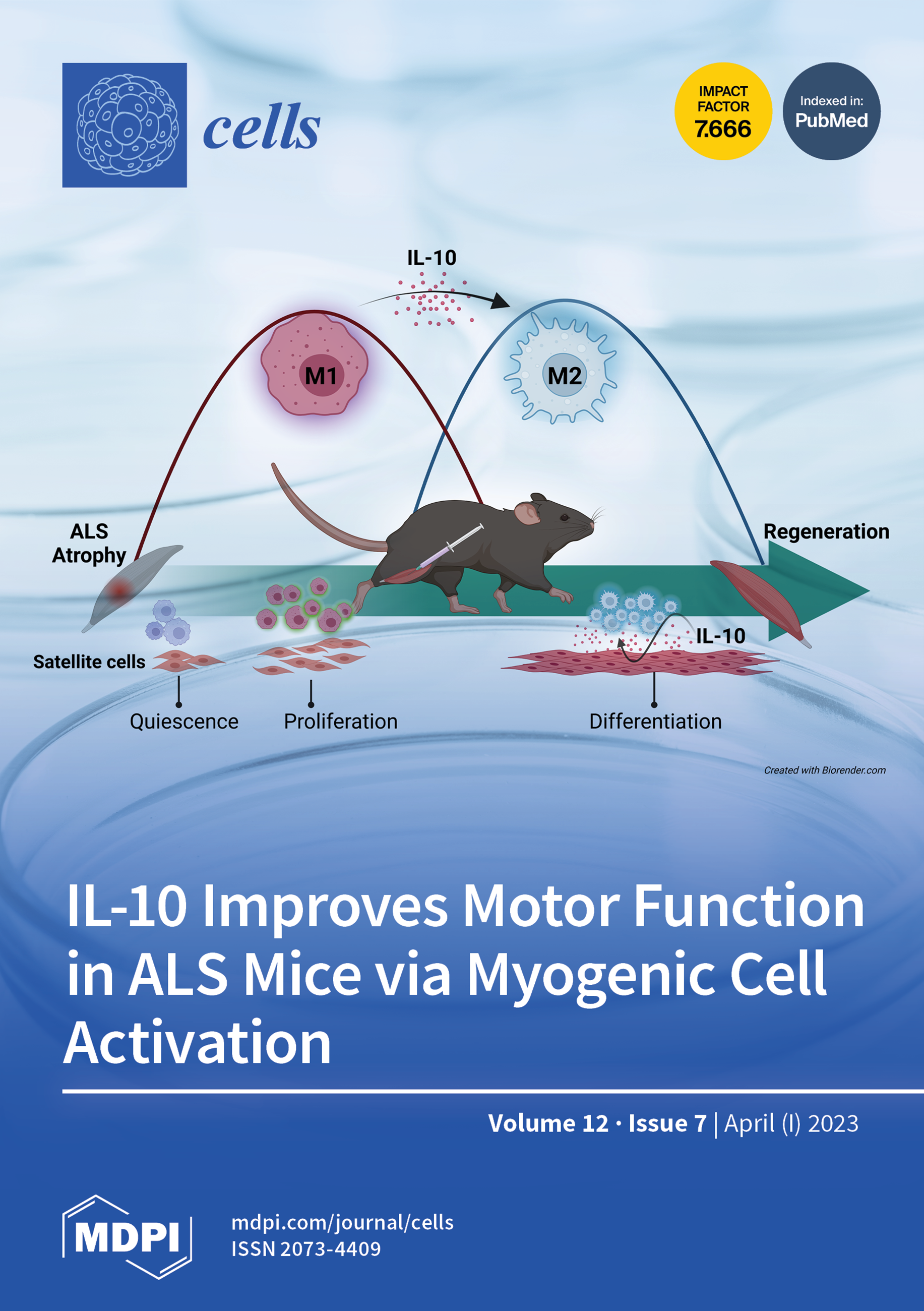
7. “Intramuscular IL-10 Administration Enhances the Activity of Myogenic Precursor Cells and Improves Motor Function in ALS Mouse Model” by Paola Fabbrizio, Cassandra Margotta, Jessica D’Agostino, Giuseppe Suanno, Lorenzo Quetti, Caterina Bendotti and Giovanni Nardo Cells 2023, 12(7), 1016; https://doi.org/10.3390/cells12071016 Available online: https://www.mdpi.com/2073-4409/12/7/1016 |
|
|
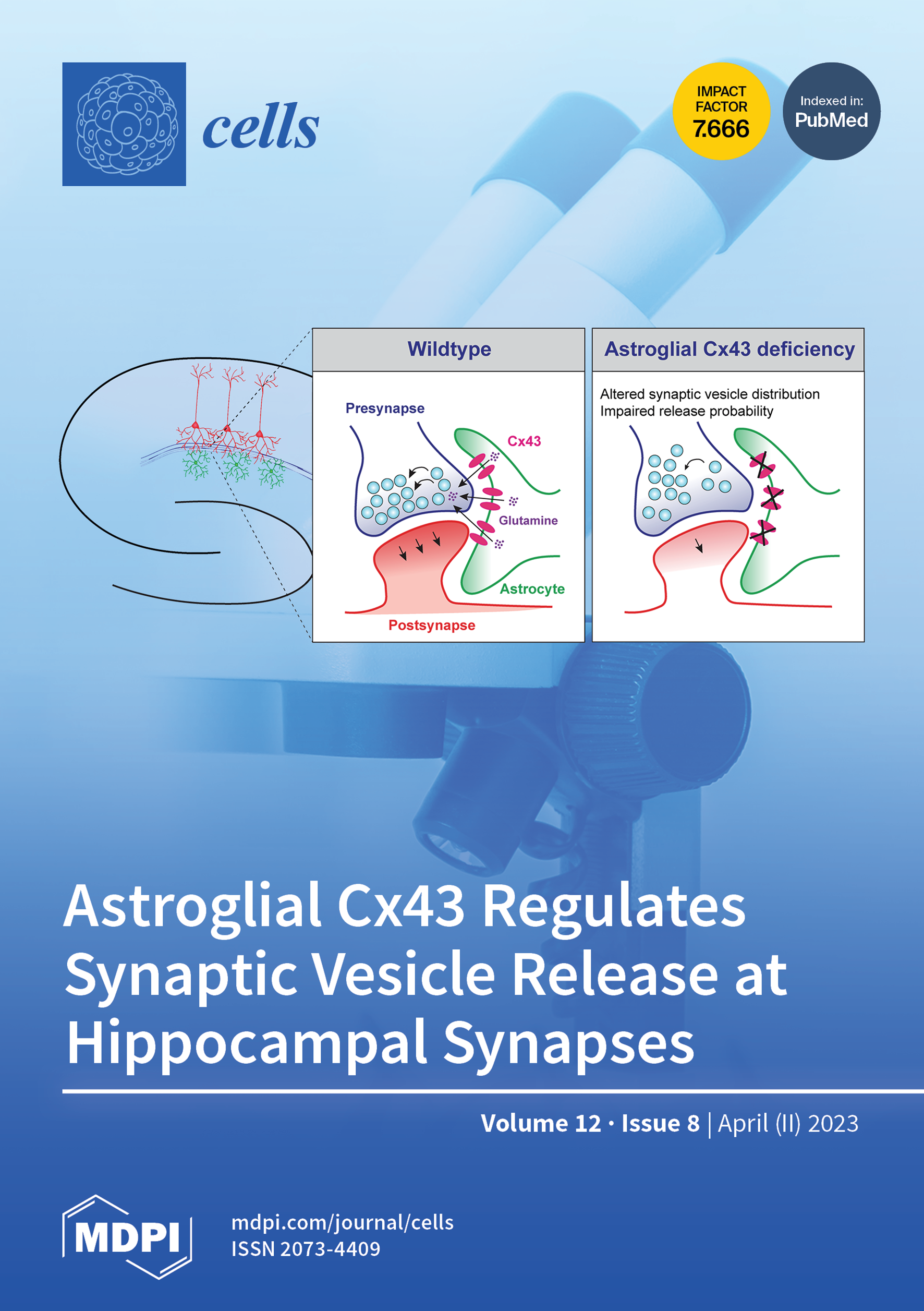
8. “Astroglial Connexin 43 Regulates Synaptic Vesicle Release at Hippocampal Synapses” by Giselle Cheung, Oana Chever, Astrid Rollenhagen, Nicole Quenech’du, Pascal Ezan, Joachim H. R. Lübke and Nathalie Rouach Cells 2023, 12(8), 1133; https://doi.org/10.3390/cells12081133 Available online: https://www.mdpi.com/2073-4409/12/8/1133 |
|
|
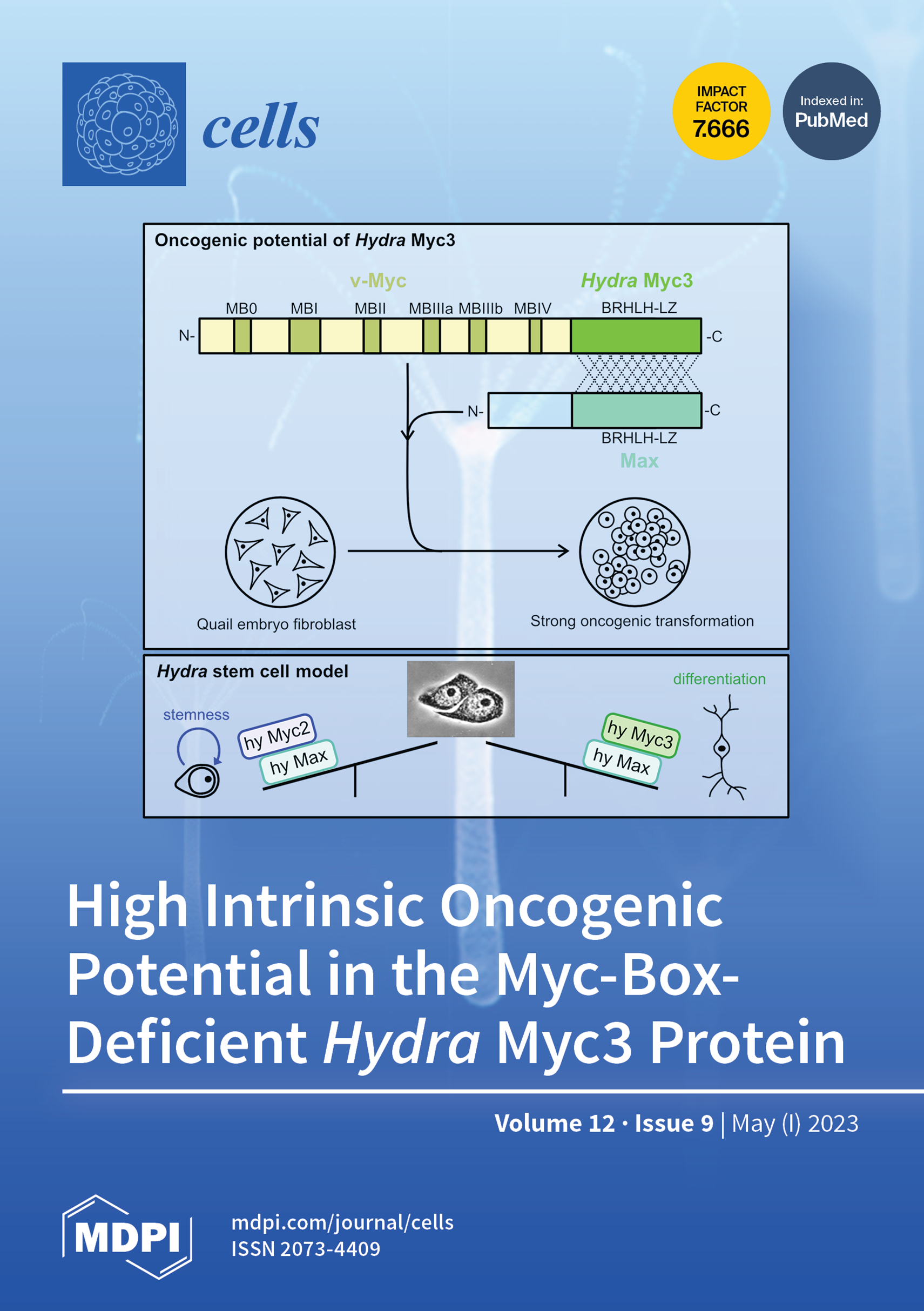
9. “High Intrinsic Oncogenic Potential in the Myc-Box-Deficient Hydra Myc3 Protein” by Marion Lechable, Xuechen Tang, Stefan Siebert, Angelika Feldbacher, Monica L. Fernández-Quintero, Kathrin Breuker, Celina E. Juliano, Klaus R. Liedl, Bert Hobmayer and Markus Hartl Cells 2023, 12(9), 1265; https://doi.org/10.3390/cells12091265 Available online: https://www.mdpi.com/2073-4409/12/9/1265 |
|
|
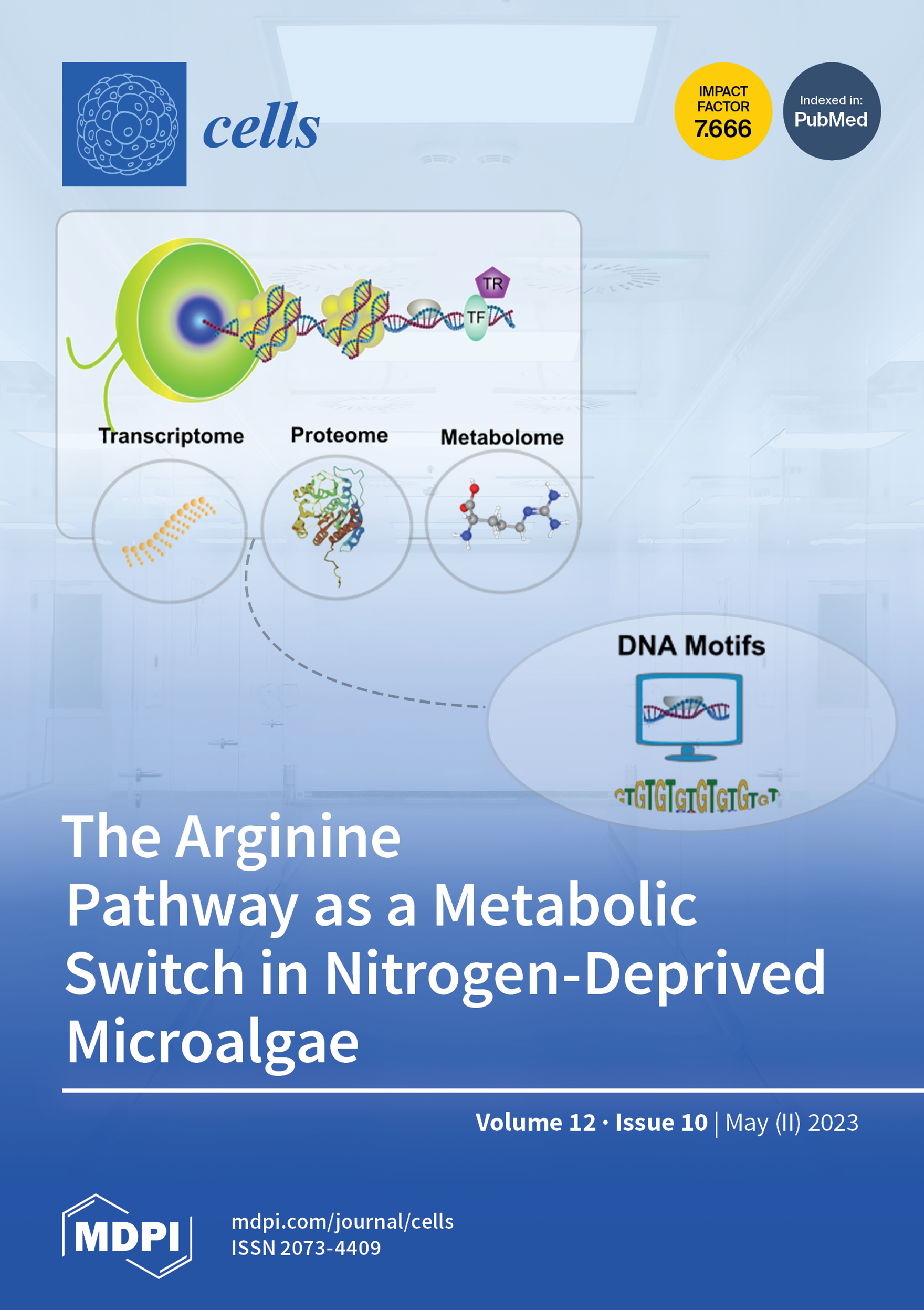
10. “From Feasting to Fasting: The Arginine Pathway as a Metabolic Switch in Nitrogen-Deprived Chlamydomonas reinhardtii” by Lucca de Filipe Rebocho Monteiro, Laís Albuquerque Giraldi and Flavia Vischi Winck Cells 2023, 12(10), 1379; https://doi.org/10.3390/cells12101379 Available online: https://www.mdpi.com/2073-4409/12/10/1379 |
|
|
11. “Systems Genomics Reveals microRNA Regulation of ICS Response in Childhood Asthma” by Rinku Sharma, Anshul Tiwari, Alvin T. Kho, Juan C. Celedón, Scott T. Weiss, Kelan G. Tantisira and Michael J. McGeachie Cells 2023, 12(11), 1505; https://doi.org/10.3390/cells12111505 Available online: https://www.mdpi.com/2073-4409/12/11/1505 |
|
|
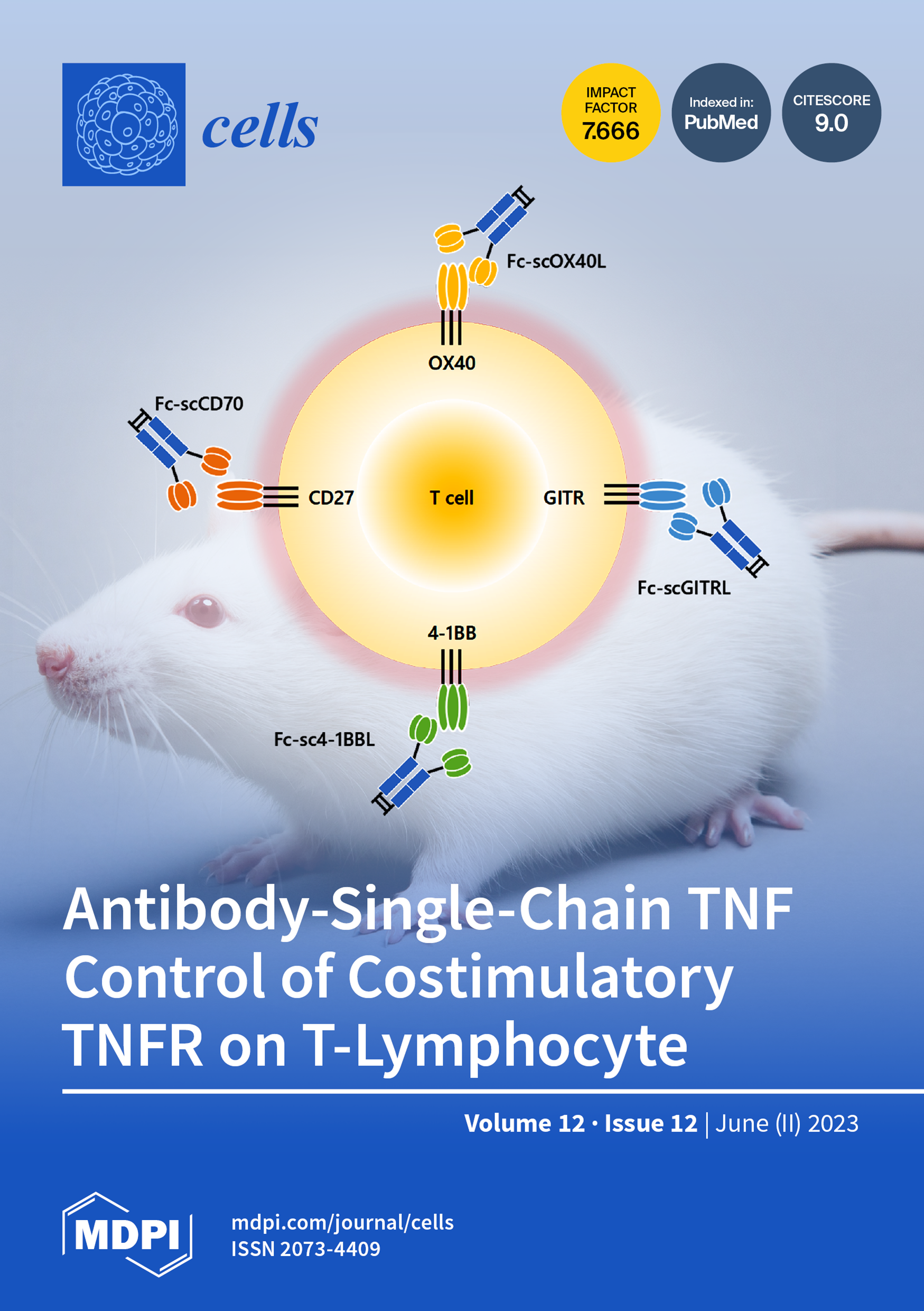
12. “Fundamental Characterization of Antibody Fusion-Single-Chain TNF Recombinant Proteins Directed against Costimulatory TNF Receptors Expressed by T-Lymphocytes” by Hodaka Nagai, Mitsuki Azuma, Ayaka Sato, Nagito Shibui, Sayaka Ogawara, Yuta Tsutsui, Ayano Suzuki, Tomomi Wakaizumi, Aya Ito, Shimpei Matsuyama et al. Cells 2023, 12(12), 1596; https://doi.org/10.3390/cells12121596 Available online: https://www.mdpi.com/2073-4409/12/12/1596 |
|
|
13. “Allyl Isothiocianate Induces Ca2+ Signals and Nitric Oxide Release by Inducing Reactive Oxygen Species Production in the Human Cerebrovascular Endothelial Cell Line hCMEC/D3” by Roberto Berra-Romani, Valentina Brunetti, Giorgia Pellavio, Teresa Soda, Umberto Laforenza, Giorgia Scarpellino and Francesco Moccia Cells 2023, 12(13), 1732; https://doi.org/10.3390/cells12131732 Available online: https://www.mdpi.com/2073-4409/12/13/1732 |
|
|
14. “Innate Immune Status of Glia Modulates Prion Propagation in Early Stage of Infection” by Sang-Gyun Kang, Chiye Kim, Judd Aiken and Debbie McKenzie Cells 2023, 12(14), 1878; https://doi.org/10.3390/cells12141878 Available online: https://www.mdpi.com/2073-4409/12/14/1878 |
|
|
15. “Intermediate Molecular Phenotypes to Identify Genetic Markers of Anthracycline-Induced Cardiotoxicity Risk” by Aurora Gómez-Vecino, Roberto Corchado-Cobos, Adrián Blanco-Gómez, Natalia García-Sancha, Sonia Castillo-Lluva, Ana Martín-García, Marina Mendiburu-Eliçabe, Carlos Prieto, Sara Ruiz-Pinto, Guillermo Pita et al. Cells 2023, 12(15), 1956; https://doi.org/10.3390/cells12151956 Available online: https://www.mdpi.com/2073-4409/12/15/1956 |
|
|
16. “The Activation of the LIMK/Cofilin Signaling Pathway via Extracellular Matrix–Integrin Interactions Is Critical for the Generation of Mature and Vascularized Cardiac Organoids” by Ji-Min Noh, Seung-Cheol Choi, Myeong-Hwa Song, Kyung Seob Kim, Seongmin Jun, Jae Hyoung Park, Ju Hyeon Kim, Kyoungmi Kim, Tae Hee Ko, Jong-Il Choi et al. Cells 2023, 12(16), 2029; https://doi.org/10.3390/cells12162029 Available online: https://www.mdpi.com/2073-4409/12/16/2029 |
|
|
17. “Myeloid-CITED2 Deficiency Exacerbates Diet-Induced Obesity and Pro-Inflammatory Macrophage Response” By Atif Zafar, Hang Pong Ng, E. Ricky Chan, Sally L. Dunwoodie, and Ganapati H. Mahabeleshwar Cells 2023, 12(17), 2136; https://doi.org/10.3390/cells12172136 Available online: https://www.mdpi.com/2073-4409/12/17/2136 |
|
|
18. “Human Alcohol-Microbiota Mice have Increased Susceptibility to Bacterial Pneumonia” by Kelly C. Cunningham, Deandra R. Smith, Daniel N. Villageliú, Christi M. Ellis, Amanda E. Ramer-Tait, Jeffrey D. Price, Todd A. Wyatt, Daren L. Knoell, Mystera M. Samuelson, Patricia E. Molina et al. Cells 2023, 12(18), 2267; https://doi.org/10.3390/cells12182267 Available online: https://www.mdpi.com/2073-4409/12/18/2267 |
|
|
19. “MicroRNA-30d-5p—A Potential New Therapeutic Target for Prevention of Ischemic Cardiomyopathy after Myocardial Infarction” by Elke Boxhammer, Vera Paar, Bernhard Wernly, Attila Kiss, Moritz Mirna, Achim Aigner, Eylem Acar, Simon Watzinger, Bruno K. Podesser, Roland Zauner et al. Cells 2023, 12(19), 2369; https://doi.org/10.3390/cells12192369 Available online: https://www.mdpi.com/2073-4409/12/19/2369 |
|
|
20. “Adiposomes from Obese-Diabetic Individuals Promote Endothelial Dysfunction and Loss of Surface Caveolae” by Imaduddin Mirza, Mohamed Haloul, Chandra Hassan, Mario Masrur, Amro Mostafa, Francesco M. Bianco, Mohamed M. Ali, Richard D. Minshall and Abeer M. Mahmoud Cells 2023, 12(20), 2453; https://doi.org/10.3390/cells12202453 Available online: https://www.mdpi.com/2073-4409/12/20/2453 |
|
|
21. “The Complex Effects of PKM2 and PKM2:IP3R Disruption on Intracellular Ca2+ Handling and Cellular Functions” by Fernanda O. Lemos, Ian de Ridder, Martin D. Bootman, Geert Bultynck and Jan B. Parys Cells 2023, 12(21), 2527; https://doi.org/10.3390/cells12212527 Available online: https://www.mdpi.com/2073-4409/12/21/2527 |
|
|
22. “The Inflammasome-Dependent Dysfunction and Death of Retinal Ganglion Cells after Repetitive Intraocular Pressure Spikes” by Markus Spurlock, Weijun An, Galina Reshetnikova, Rong Wen, Hua Wang, Michelle Braha, Gabriela Solis, Stefan Kurtenbach, Orlando J. Galindez, Juan Pablo de Rivero Vaccari et al. Cells 2023, 12(22), 2626; https://doi.org/10.3390/cells12222626 Available online: https://www.mdpi.com/2073-4409/12/22/2626 |
|
|
23. “Spatial Transcriptomics Reveals Signatures of Histopathological Changes in Muscular Sarcoidosis” by Hippolyte Lequain, Cyril Dégletagne, Nathalie Streichenberger, Julie Valantin, Thomas Simonet, Laurent Schaeffer, Pascal Sève and Pascal Leblanc Cells 2023, 12(23), 2747; https://doi.org/10.3390/cells12232747 Available online: https://www.mdpi.com/2073-4409/12/23/2747 |
|
|
24. “Simultaneous Increases in Intracellular Sodium and Tonicity Boost Antimicrobial Activity of Macrophages” by Luka Krampert, Thomas Ossner, Agnes Schröder, Valentin Schatz and Jonathan Jantsch Cells 2023, 12(24), 2816; https://doi.org/10.3390/cells12242816 Available online: https://www.mdpi.com/2073-4409/12/24/2816 |


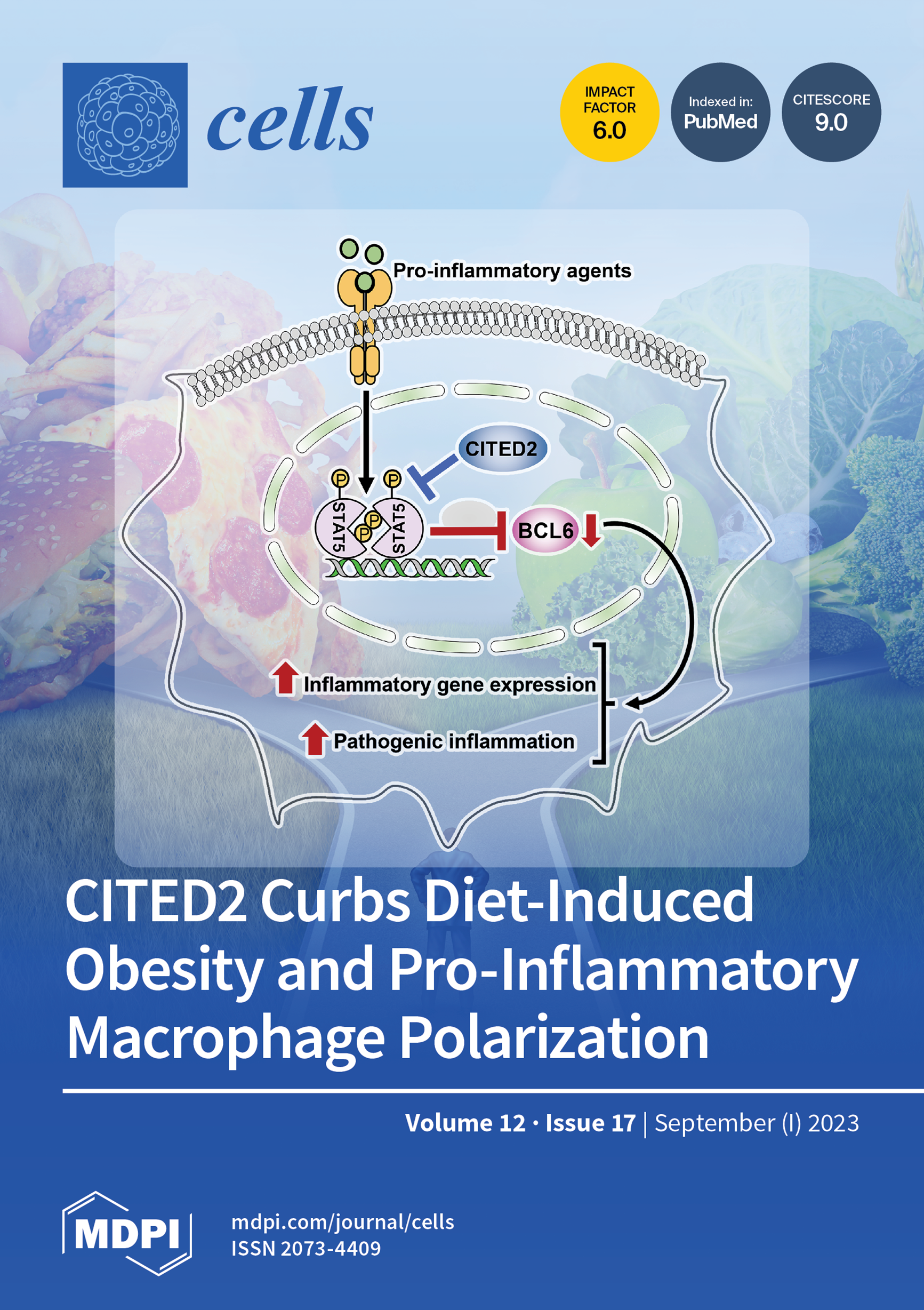
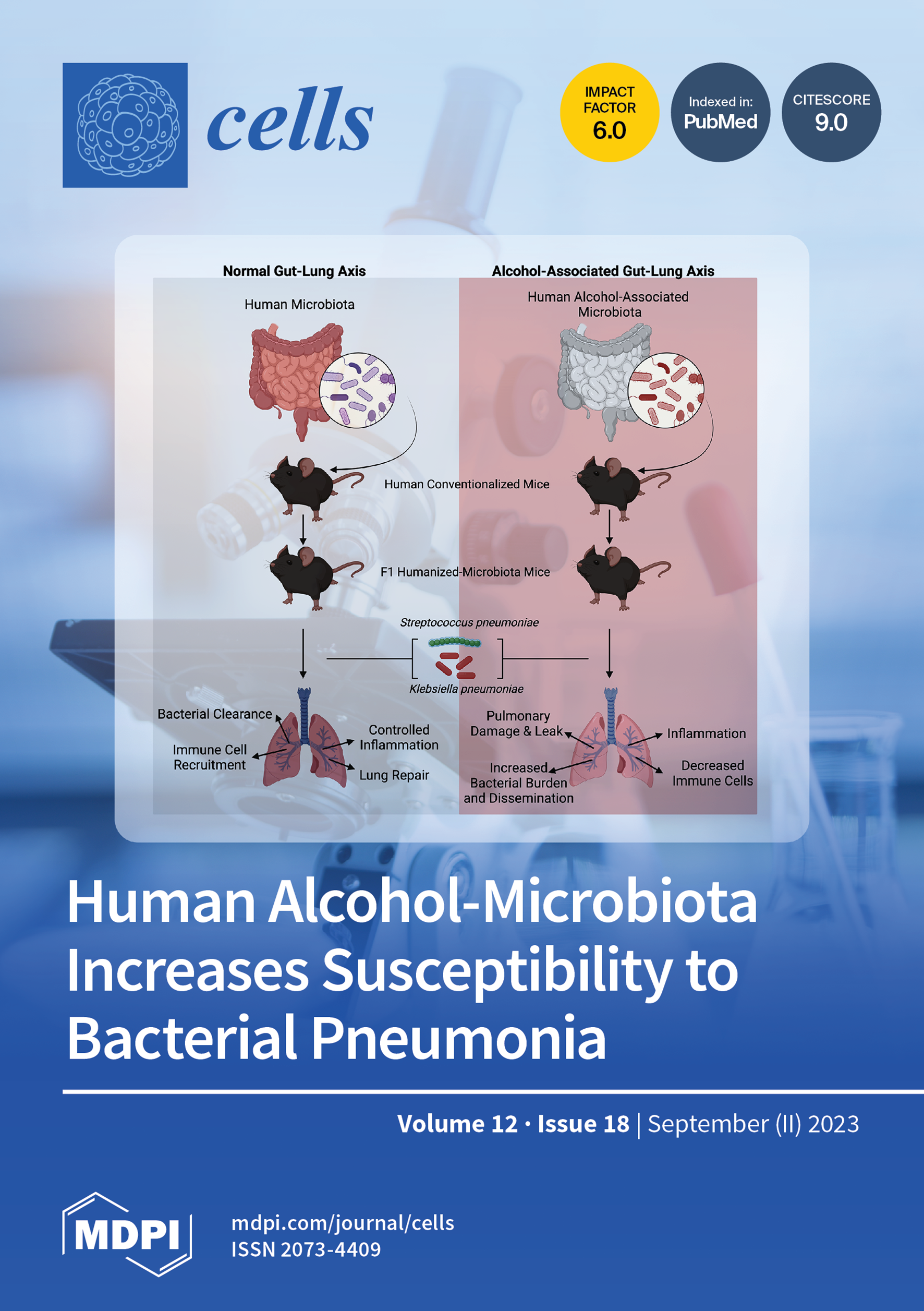
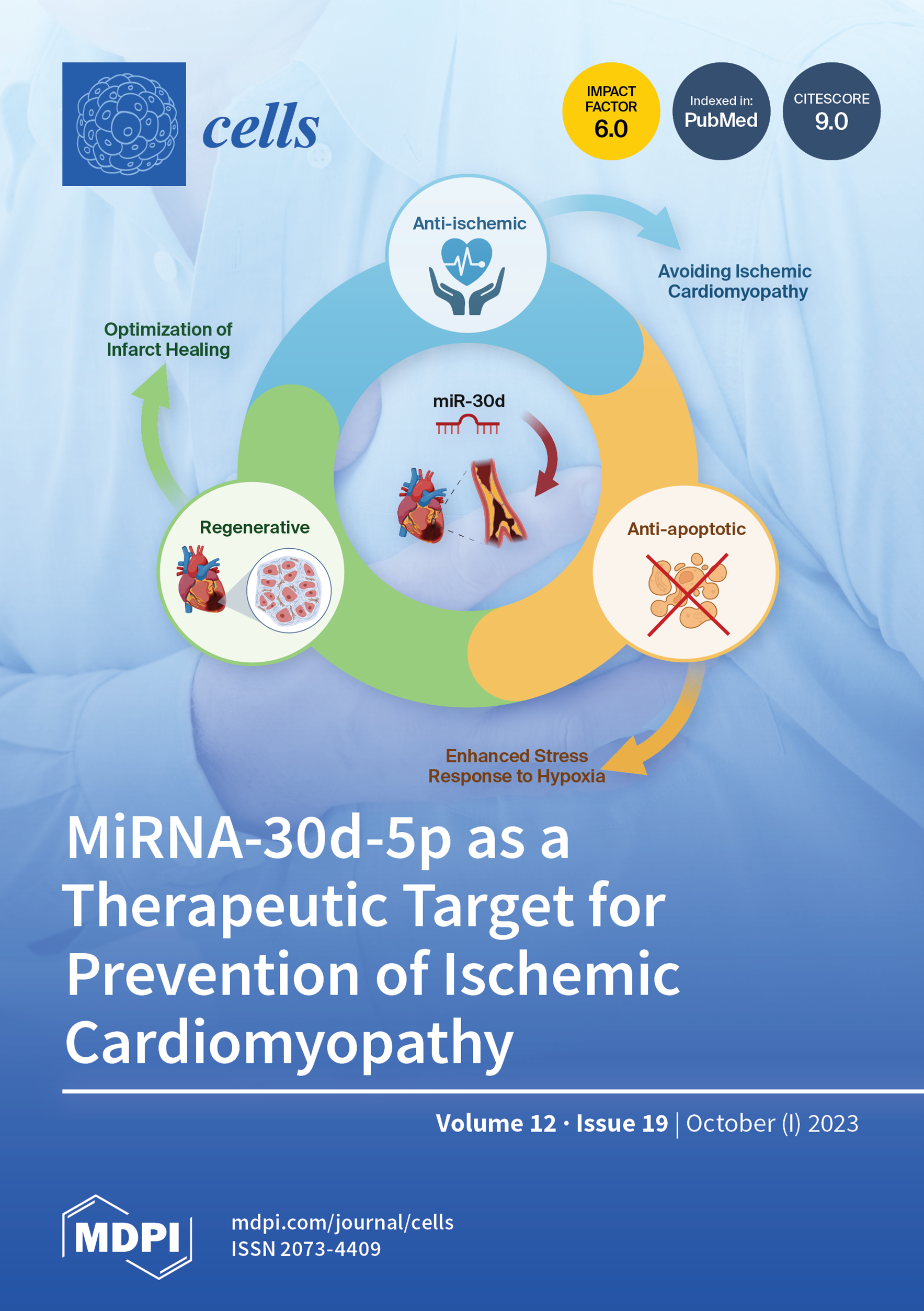
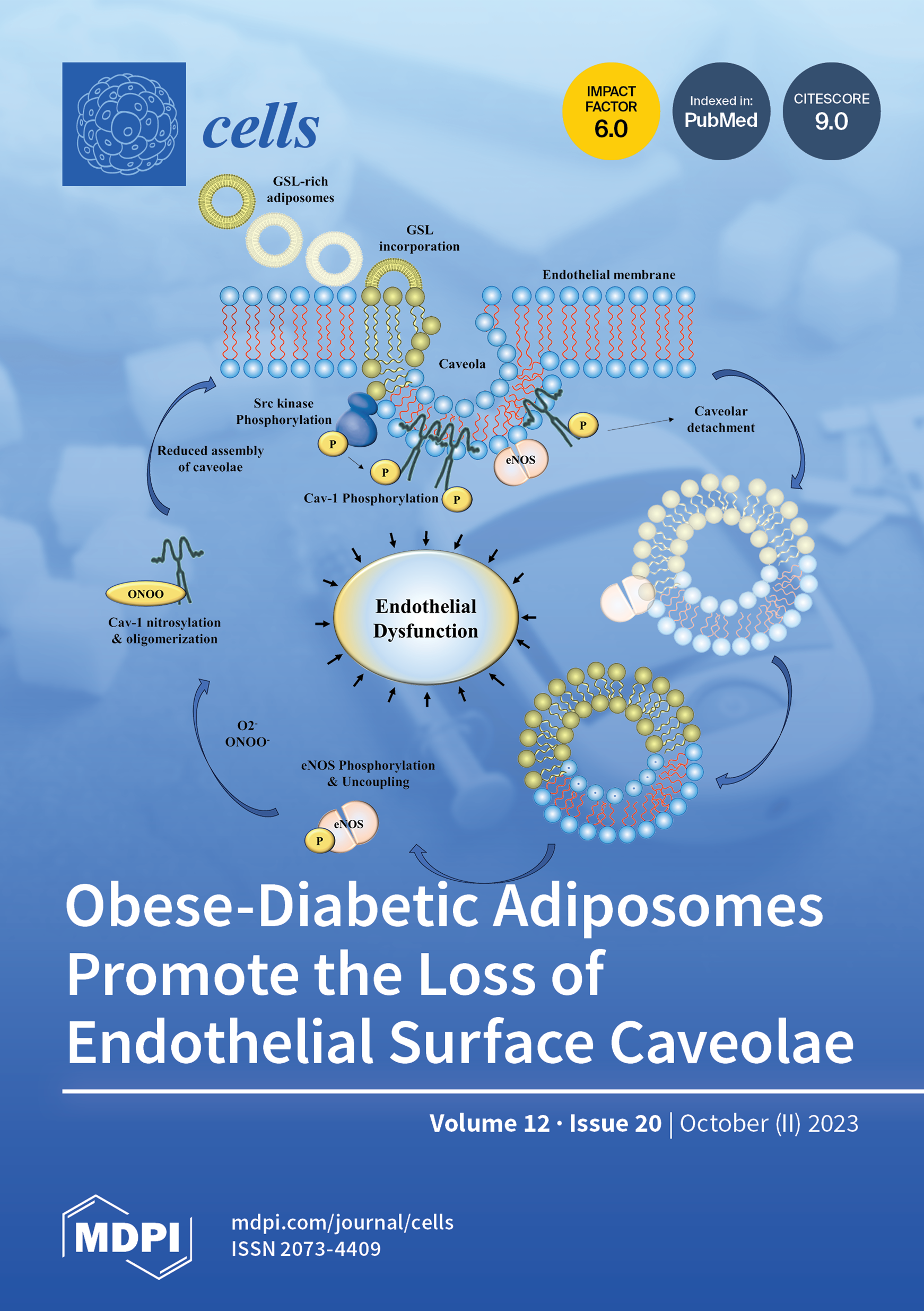
12 June 2024
Cells Receives an Increased CiteScore of 9.9

We are pleased to inform you that Cells (ISSN: 2073-4409) has received an increased CiteScore of 9.9.
CiteScore provides transparent metrics that enable well-informed publishing strategy, library collection development, and the benchmarking of journal performance. It is now a standard citation metric alongside SNIP and SJR that gives an up-to-date view of a journal’s impact.
The 2023 CiteScore provides an assessment of the scientific influence of journals in the 2020 to 2023 period.
This is a reflection of the excellent performance, support, and dedication of all journal editors, reviewers, authors, and readers.
Cells’ CiteScore ranks 35 among 221 titles (Q1) in the “General Biochemistry, Genetics and Molecular Biology” category.
For more journal statistics, please visit https://www.mdpi.com/journal/cells/stats.
Thank you to everyone who has contributed to the journal.
Cells Editorial Office
7 June 2024
MDPI Calls for Greater Open Access to Science for Ocean Protection
On UNESCO’s 2024 Oceans Day, MDPI encourages the scientific community to increase the accessibility of ocean research to accelerate ocean conservation.
Basel, Switzerland, June 7, 2024: MDPI, a leading open access (OA) publisher, is proud to announce its active support for World Oceans Day 2024, celebrated under UNESCO’s Ocean Decade framework. MDPI’s CEO, Stefan Tochev hopes that “the latest ocean research can be made freely accessible to help empower scientists and communities at large to save our oceans,” under UNESCO’s Ocean Decade until 2030.
Open Access: A Catalyst for Ocean Action
MDPI’s presence at the UNESCO Ocean Decade Conference 2024 highlights our unwavering commitment to using OA to advance ocean science, support research communities, and promote sustainable ocean management.
"Our involvement in the UNESCO Ocean Decade Conference underscores MDPI's commitment to the underfunded Ocean SDG. By promoting OA to scientific articles and books on SDGs, we aim to inspire critical actions," said Tochev. "Our initiatives, like the World Sustainability Award and Emerging Sustainability Award, further demonstrate our dedication to advancing sustainability.”
Showcasing MDPI’s Contributions to Ocean Research
Over the past three years, MDPI has published 30,000 papers focused on ocean research and related topics. Key MDPI journals contributing to this body of work include:
- Journal of Marine Science and Engineering (4.9k papers)
- Remote Sensing (2.6k papers)
- Sustainability (2k papers)
- International Journal of Molecular Sciences (IJMS) (1.7k papers)
- Marine Drugs (1.5k papers)
- Water (1.5k papers)
These publications highlight MDPI’s contributions to ocean science, reinforcing our role in the broader sustainability agenda by promoting blue innovation and economy.
Additionally, MDPI has launched Oceans, an international, peer-reviewed forum specifically aimed at publishing studies related to all branches of oceanography with an emphasis on the functioning of the ocean and the sustainable use of its resources and ecosystem services.
Affirming MDPI’s Commitment to Ocean Science
MDPI’s commitment to OA is pivotal in addressing critical global challenges, from climate change to ocean sustainability. Our efforts resonate with Outcome 4 of the UNESCO Ocean Decade action roadmap: an accessible ocean with open and equitable access to data, information, technology, and innovation. By aligning with UNESCO’s goals, MDPI continues to contribute to shaping a sustainable future for our oceans, reinforcing our position as a forward-thinking publisher dedicated to environmental stewardship and scientific excellence.
For more information, contact Rui Duarte at rui.duarte@mdpi.com or +41764313242.
About MDPI
A pioneer in scholarly, open access publishing, MDPI has supported academic communities since 1996. MDPI is leading the transition to open science by making more research free and accessible to everyone. Over 3.5 million researchers have entrusted MDPI with publishing their scientific discoveries. MDPI’s editorial process is bolstered by a network of dedicated reviewers, a team of over 6000 professional, well-trained staff members, and an in-house article submission platform that was designed to ensure efficient processes within its 430 fully open access titles.
