



28 pages, 4672 KB  
Article
Petrographic and Geochemical Evidence from the Jatunyacu River Outcrop, Central Abitagua Batholith, Ecuadorian Amazon: Preliminary Constraints on Magmatic Evolution and Arc Affinity
by Cindy Vera-Jaramillo, Oswaldo Guzmán, Dayana Vera, Carlos Correa-Jaramillo, Christian Coral, Renato Gonzalez, Corina Campos and John E. Soto Luzuriaga
Geosciences 2026, 16(6), 215; https://doi.org/10.3390/geosciences16060215 (registering DOI) - 29 May 2026
Abstract
The Abitagua batholith is a 120 km long plutonic body located in the northern sub-Andean zone of Ecuador. Despite its size, previous studies have focused on its northern and southern sectors, leaving the central sector uncharacterized. This study presents the first petrographic and [...] Read more.
The Abitagua batholith is a 120 km long plutonic body located in the northern sub-Andean zone of Ecuador. Despite its size, previous studies have focused on its northern and southern sectors, leaving the central sector uncharacterized. This study presents the first petrographic and geochemical evidence from a single outcrop exposed along the Jatunyacu River, in the central part of the Abitagua Batholith, in order to understand its magmatic evolution and tectonic affinity. Petrographically, the dominant lithology is an equigranular monzogranite. The fractured zones show localized hydrothermal alteration, including epidote, sericitization of plagioclase, and chloritization of biotite. Subordinate bodies include tonalitic enclaves, felsic dikes, and an andesitic dike. Geochemically, the studied sector shows a calc-alkaline affinity, peraluminous character, and a volcanic arc granite (VAG) signature broadly consistent with I-type granitoids formed in a continental arc related to subduction. Samples from fractured zones show small shifts toward the S-type field in the K2O vs. Na2O diagram, attributed to hydrothermal alkali mobility rather than primary magmatic variation, as supported by petrographic evidence. Multi-element normalized diagrams reveal distinct signatures among subordinate bodies: tonalitic enclaves show strong enrichment in mafic components and Nb, suggesting a primitive mafic source; felsic dikes display enrichment in incompatible elements (Nb, Rb) consistent with evolved residual melts; and the andesitic dike exhibits the most primitive composition with apparent minimal interaction with the felsic host. These are interpreted as evidence of a complex magmatic evolution involving mafic recharge, magma mixing, late injection of residual melts, and localized hydrothermal alteration. Comparison with previous studies suggest that the studied outcrop records an arc signature similar to that reported for the northern and southern sectors, although further work is needed to confirm the extent of this affinity across the central sector. Full article
(This article belongs to the Section Geochemistry)
4 pages, 199 KB  
Editorial
New Solutions in Electric Machines and Motor Drives: 2nd Edition
by Natalia Radwan-Pragłowska and Tomasz Węgiel
Energies 2026, 19(11), 2639; https://doi.org/10.3390/en19112639 (registering DOI) - 29 May 2026
Abstract
This paper presents an experimental comparison of the instantaneous power generation of standard and bifacial photovoltaic modules under real operating conditions. The study focuses on short-term effects caused by spatially variable albedo and tracker-induced changes in module orientation. Both modules were installed on [...] Read more.
This paper presents an experimental comparison of the instantaneous power generation of standard and bifacial photovoltaic modules under real operating conditions. The study focuses on short-term effects caused by spatially variable albedo and tracker-induced changes in module orientation. Both modules were installed on the same mobile single-axis tracking platform and had identical rated front-side power, which ensured nearly identical operating conditions and independent MPPT operation. The experimental campaign included five ground surfaces: grass, river sand, grey paver, light aggregate, and dark aggregate. For each surface, electrical parameters and albedo were recorded over the full investigated geometrical range, covering relative solar azimuth from −60° to +60° and module tilt from 0° to 90°. The measured increase in power generation of the bifacial module relative to the standard module depended strongly on the ground surface. Over the full investigated range, the gain was 6.4% for grass, 11.3% for river sand, 5.9% for grey paver, 13.6% for light aggregate, and 4.5% for dark aggregate. These results confirm that, in bifacial photovoltaic systems with tracking, the ground surface and its reflective properties significantly affect the rear-side contribution and instantaneous power output. Consequently, albedo should not be treated as a constant or spatially homogeneous parameter when assessing short-term bifacial PV performance. Full article
(This article belongs to the Special Issue New Solutions in Electric Machines and Motor Drives: 2nd Edition)
19 pages, 14001 KB  
Article
The Ghrelin/GHSR-1a Axis Attenuates Preeclampsia-like Features with Decidual Macrophage Reprogramming and Improved Placental Remodeling
by Lingling Zhang, Jiani Yuan, Ningning Hu, Jian Yu, Liwen Zhang, Rujun Chen and Xiaoqin Wang
Biomolecules 2026, 16(6), 809; https://doi.org/10.3390/biom16060809 (registering DOI) - 29 May 2026
Abstract
Preeclampsia (PE) is a severe pregnancy-specific hypertensive disorder characterized by immune microenvironment dysregulation at the maternal–fetal interface, with decidual macrophage phenotypic imbalance being a key pathological feature. The Ghrelin/growth hormone secretagogue receptor-1a (GHSR-1a) axis exerts immunomodulatory and anti-inflammatory effects, but its role in [...] Read more.
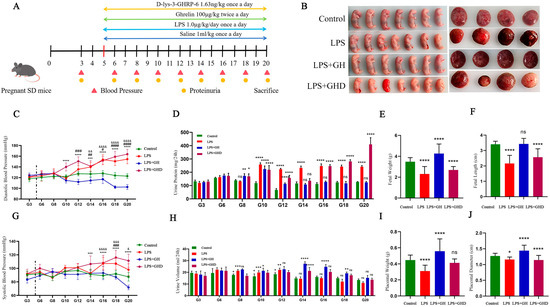
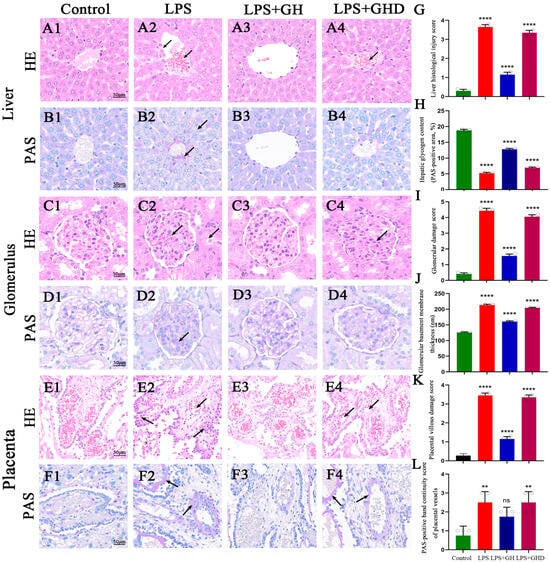
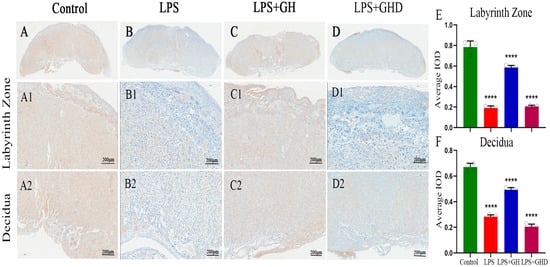
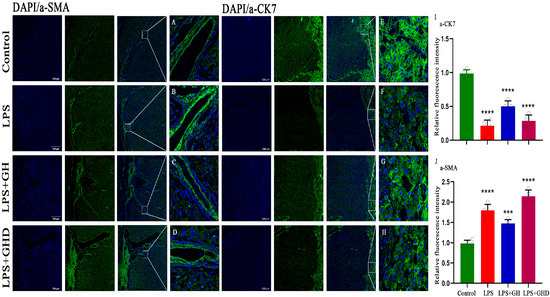
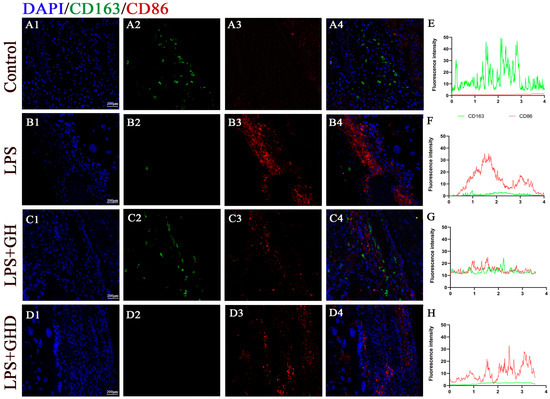
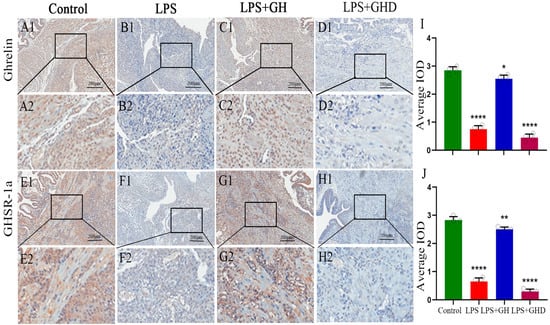
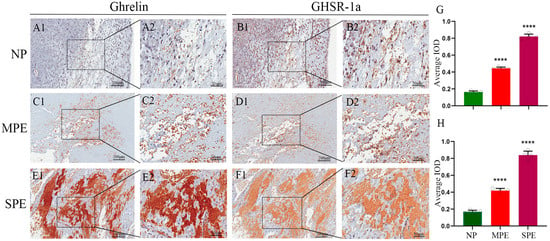
Preeclampsia (PE) is a severe pregnancy-specific hypertensive disorder characterized by immune microenvironment dysregulation at the maternal–fetal interface, with decidual macrophage phenotypic imbalance being a key pathological feature. The Ghrelin/growth hormone secretagogue receptor-1a (GHSR-1a) axis exerts immunomodulatory and anti-inflammatory effects, but its role in regulating decidual macrophage infiltration and phenotypic marker expression in PE remains unclear. In this study, we first detected the expression of the Ghrelin/GHSR-1a axis in decidual tissues from 10 healthy pregnant women and 12 PE patients via immunohistochemistry (IHC). We then established a lipopolysaccharide (LPS)-induced PE-like rat model to investigate the axis’s functional role and underlying mechanisms. Intriguingly, clinical analysis revealed a severity-dependent compensatory escalation of the Ghrelin/GHSR-1a axis in PE decidual tissues, potentially representing an endogenous antagonistic response to pregnancy-associated pathological stress. In the animal model, exogenous Ghrelin supplementation reversed LPS-induced PE-like phenotypes, including hypertension, proteinuria, fetal growth restriction (FGR), and placental dysfunction, and alleviated pathological damage to the maternal liver, kidney, and placenta. Mechanistically, Ghrelin modulated decidual macrophage phenotypic marker expression by downregulating the M1 marker CD86 and upregulating the M2 marker CD163 and promoted trophoblast invasion and spiral artery remodeling by restoring laminin, α-cytokeratin 7 (α-CK7), and α-smooth muscle actin (α-SMA) expression in placental tissue. All protective effects of Ghrelin were abrogated by co-administration of D-lys-3-GHRP-6, a specific GHSR-1a antagonist, confirming the dependence on the Ghrelin/GHSR-1a axis. Collectively, our findings suggest that the Ghrelin/GHSR-1a axis is compensatorily upregulated in PE and may exert a protective role by regulating decidual macrophage phenotypic marker expression and improving placental function, providing preliminary evidence that this axis merits further investigation as a potential research target for PE. Full article
(This article belongs to the Section Molecular Reproduction)
Show Figures

Figure 1

26 pages, 2818 KB  
Article
A Microscale Platform for the Comprehensive Analysis of Bacterial Translation Initiation
by Daria S. Vinogradova, Pavel S. Kasatsky, Zoya A. Spiridonova, Sebastian Leyva, Ana Sanchez-Castro, Katherin Peñaranda, Victor Zegarra, Pablo Soriano, Alena Paleskava, Pohl Milon and Andrey L. Konevega
Int. J. Mol. Sci. 2026, 27(11), 4953; https://doi.org/10.3390/ijms27114953 (registering DOI) - 29 May 2026
Abstract
In prokaryotes, translation initiation orchestrates protein synthesis through a network of dynamic interactions among the ribosome, mRNA, initiator tRNAfMet, and initiation factors (IFs). Traditional approaches that rely on radioactive labeling or surface immobilization are hindered by inherent safety risks and methodological [...] Read more.
In prokaryotes, translation initiation orchestrates protein synthesis through a network of dynamic interactions among the ribosome, mRNA, initiator tRNAfMet, and initiation factors (IFs). Traditional approaches that rely on radioactive labeling or surface immobilization are hindered by inherent safety risks and methodological constraints. We present a fluorescence-based analytical platform that integrates microscale thermophoresis (MST) as a unified, multiparametric toolkit for comprehensive interrogation of bacterial translation initiation at the molecular level. By systematically applying MST to a panel of fluorescently labeled components—initiator tRNAfMet, mRNAs, and initiation factors—we quantify assembly pathways and equilibria as initiation progresses from simple bimolecular interactions to higher-order, multicomponent complexes. To broaden the fluorescence toolbox for ribosomal studies, we developed a robust BODIPY-labeling protocol for 70S ribosomes and confirmed preservation of structural integrity and function by nano differential scanning fluorimetry, stopped-flow kinetic assays, and peptide-synthesis activity tests. Our microscale fluorescent system facilitates probing initiation at a variety of steps, since the role of magnesium ions and initiation factors upon 30S initiation complex formation. The same platform can be applied to investigate the effects of different compounds on translation initiation, as demonstrated for a number of antibiotics, aptamers, and antimicrobial peptides. Using this approach, we determined the antibiotic streptomycin dissociation constant for both 30S and 70S ribosomes, which proved identical at 0.3 ± 0.1 μM, and demonstrated the effect of the antimicrobial peptide rumicidin-1 on translation initiation. Offering a cost-effective and high-sensitivity alternative to conventional methods, this approach advances mechanistic understanding of prokaryotic translation and provides a versatile framework for the discovery of novel protein synthesis inhibitors. Full article
(This article belongs to the Section Molecular Biophysics)
25 pages, 3398 KB  
Review
From Single Cells to Silicon: Emerging Technologies Transforming Monoclonal Antibody Discovery
by Victoria Sherwood, Denise Harold, Richard O’Kennedy, Christine Loscher and Paul Leonard
Antibodies 2026, 15(3), 47; https://doi.org/10.3390/antib15030047 (registering DOI) - 29 May 2026
Abstract
Monoclonal antibody (mAb) discovery has been transformed by advances in single-cell technologies, microfluidics, high-throughput sequencing, and computational design. Modern platforms enable the interrogation of large numbers of individual B cells, directly linking antibody sequence with antigen specificity and functional activity. Microfluidic and optofluidic [...] Read more.
Monoclonal antibody (mAb) discovery has been transformed by advances in single-cell technologies, microfluidics, high-throughput sequencing, and computational design. Modern platforms enable the interrogation of large numbers of individual B cells, directly linking antibody sequence with antigen specificity and functional activity. Microfluidic and optofluidic systems now support high-throughput compartmentalisation and functional screening of antibody-secreting cells, while sequencing-based approaches allow parallel recovery of paired heavy- and light-chain sequences. These developments have shifted antibody discovery from binding-based selection toward function-first paradigms, enabling the rapid identification of diagnostic and therapeutically relevant antibodies. Integration with computational tools, including machine learning and structure-based modelling, has further enabled the emergence of closed-loop discovery pipelines, in which experimental and in silico methods iteratively refine candidates. This review summarises key advances in single-cell microtools over the last decade and highlights how the convergence of experimental and computational technologies is reshaping antibody discovery toward scalable, data-driven, and increasingly automated platforms. Full article
Show Figures

Graphical abstract

38 pages, 1490 KB  
Article
Stochastic Latency Decomposition and Constrained Runtime Feasibility Analysis for Edge-Based UAV Surveillance Under Network-Denied Environments
by Yu Hyun Park, Joohoon Kang and Ki-Baek Lee
Mathematics 2026, 14(11), 1905; https://doi.org/10.3390/math14111905 (registering DOI) - 29 May 2026
Abstract
In security and tactical surveillance applications, unmanned aerial vehicle (UAV) detection systems must provide both reliable recognition and stable real-time operation under communication-constrained conditions. However, remote server-based surveillance can suffer from unstable response times when the display or output path depends on a [...] Read more.
In security and tactical surveillance applications, unmanned aerial vehicle (UAV) detection systems must provide both reliable recognition and stable real-time operation under communication-constrained conditions. However, remote server-based surveillance can suffer from unstable response times when the display or output path depends on a degraded network. This study formulates edge-based UAV surveillance under a network-denied operating condition as a stochastic latency-decomposition and constrained runtime-feasibility problem. The total system latency is decomposed into inference, processing, and display/I/O components, and an SSH X11-based lossless display-path proxy is used to examine how network-coupled output transmission can dominate the runtime path. In contrast, a Jetson AGX Orin-based edge implementation performs UAV detection, tracking, threat assessment, visualization, and output locally. A YOLO26-based reference detector accelerated with TensorRT and FP16 is evaluated using a high-resolution UAV dataset consisting of approximately 25,000 images from nine UAV classes. Five-fold cross-validation produced an mAP@0.5 of 0.7890 ± 0.0653. Runtime evaluation showed that the optimized edge system achieved 31.49 ± 2.49 FPS at SD resolution, satisfying the strict 30 FPS real-time condition, while HD resolution achieved 26.72 ± 1.31 FPS as a near-real-time high-detail mode. Under the SSH X11 proxy condition, the FHD runtime dropped to 4.85 ± 2.53 FPS with substantially increased display latency. These results indicate that real-time UAV surveillance depends not only on detector inference speed but also on execution architecture and display-path dependency, supporting the practical importance of network-independent edge deployment under communication-degraded conditions. Full article
16 pages, 1102 KB  
Article
Sustainable Valorization of Amazonian Byrsonima crassifolia (Murici): Phytochemical Profile and Antioxidant and Anti-Inflammatory Activities for Cosmetic Applications
by Julia Amanda Rodrigues Fracasso, Fernando Yutaka de Ferreira, Luísa Taynara Silvério da Costa, Maria P. M. Marques, Ana Luísa Correia Brandão, Natalia Alves Zoppe, Kássia Aiko Asano-Miyashiro, Guilherme Justiniano-Mizumoto, João Tadeu Ribeiro-Paes, Valdecir Farias Ximenes and Lucinéia dos Santos
Cosmetics 2026, 13(3), 137; https://doi.org/10.3390/cosmetics13030137 (registering DOI) - 29 May 2026
Abstract
Considering the rich biodiversity of plant species in the Amazon region and the importance of investigating their medicinal properties as a means of valuing and preserving this biome, this study aimed to evaluate the phytochemical profile, cytotoxicity, and anti-inflammatory and antioxidant activities of [...] Read more.
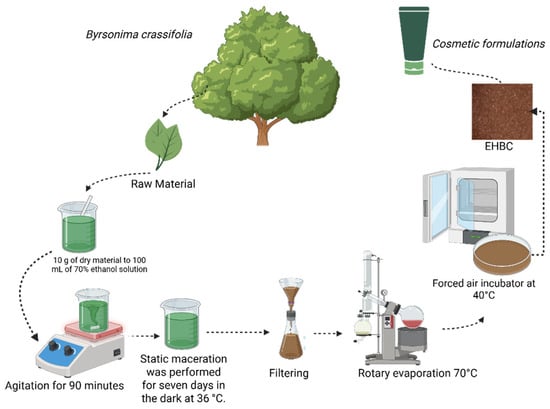
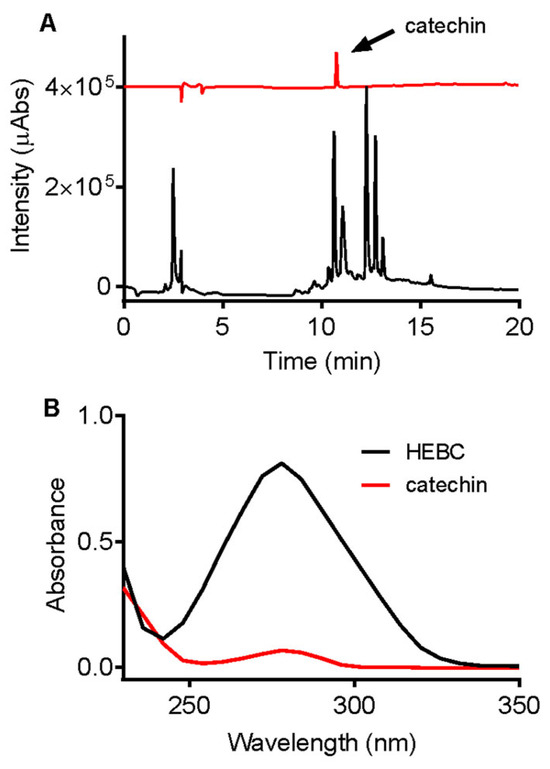
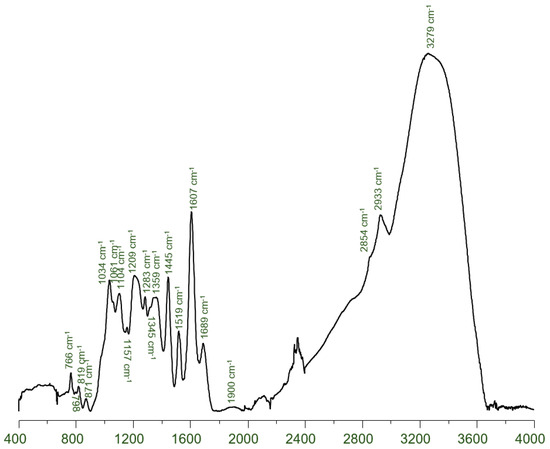
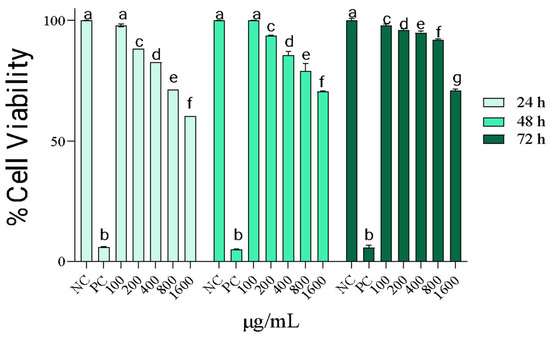
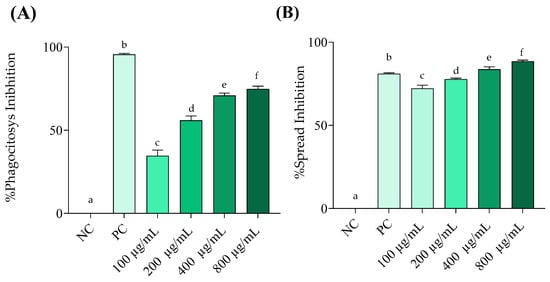
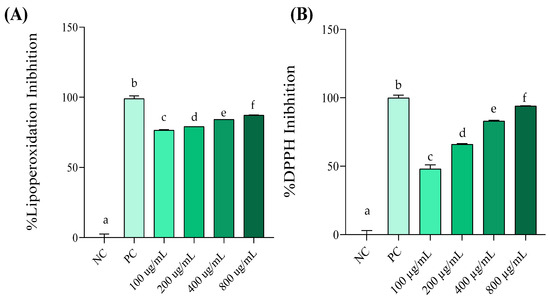
Considering the rich biodiversity of plant species in the Amazon region and the importance of investigating their medicinal properties as a means of valuing and preserving this biome, this study aimed to evaluate the phytochemical profile, cytotoxicity, and anti-inflammatory and antioxidant activities of the hydroalcoholic extract of Byrsonima crassifolia leaves (HEBC). Phytochemical analysis revealed high concentrations of phenols, with emphasis on condensed tannins. In addition, the presence of catechin, a precursor of condensed tannins, was analyzed and characterized by HPLC. The cytotoxic evaluation demonstrated the absence of cytotoxicity of HEBC at concentrations of 100, 200 and 400 µg/mL at all times analyzed. Finally, HEBC exhibited strong anti-inflammatory and antioxidant activities, likely associated with the presence of catechin. Therefore, with the aim of enhancing the value of Byrsonima crassifolia and promoting its sustainable use, HEBC emerges as a promising candidate for the development of a novel phytotherapeutic agent. In future studies, HEBC is intended to be incorporated into specific formulations and subjected to further analyses to confirm its therapeutic efficacy and safety. Full article
(This article belongs to the Topic Oxidative Stress and Inflammation, 3rd Edition)
Show Figures

Figure 1

28 pages, 14229 KB  
Article
Low-Carbon Expansion Planning of Distribution Networks Considering the Integration of Multi-Type Electric Vehicle Charging Infrastructure
by Tan Wang, Ping Zhao, Weicheng Zhou, Yuhang Dong, Junxuan Lian and Songkai Liu
Energies 2026, 19(11), 2638; https://doi.org/10.3390/en19112638 (registering DOI) - 29 May 2026
Abstract
To address the challenges posed by the diversification of electric vehicle charging demand and the low-carbon economic operation of distribution networks, this paper proposes a bi-level low-carbon distribution network expansion planning method considering the integration of multi-type EV charging facilities. The planning layer [...] Read more.
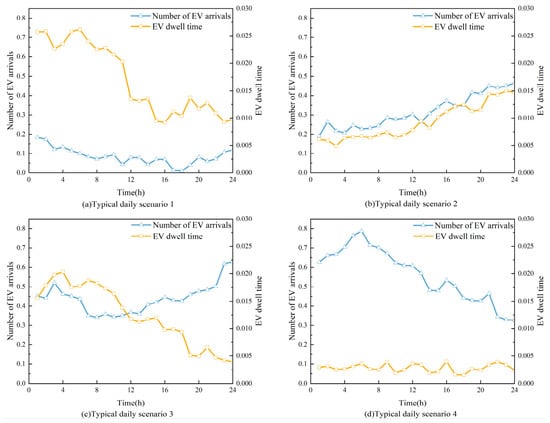
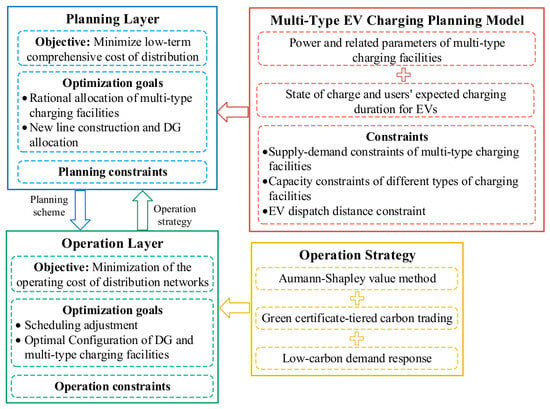
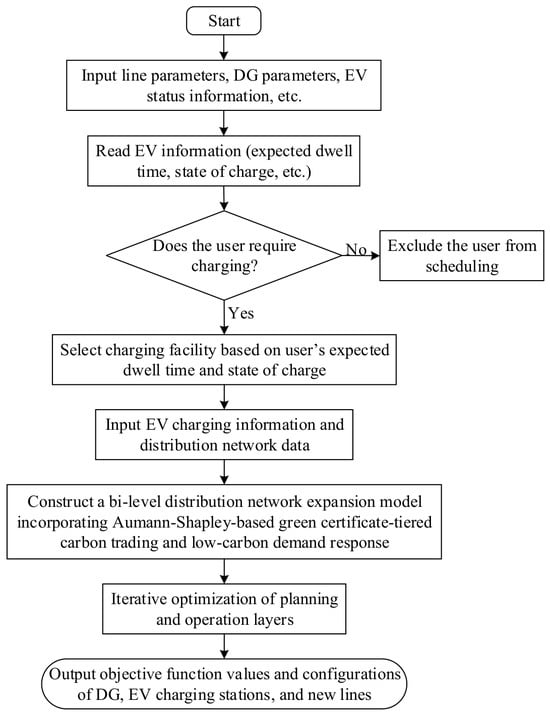
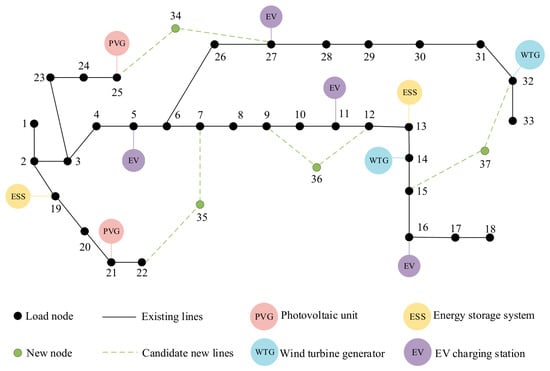
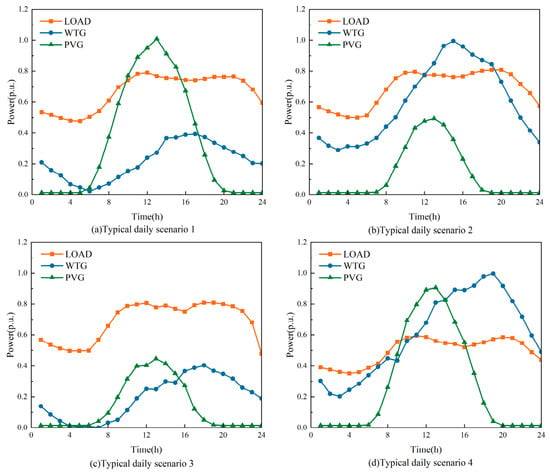
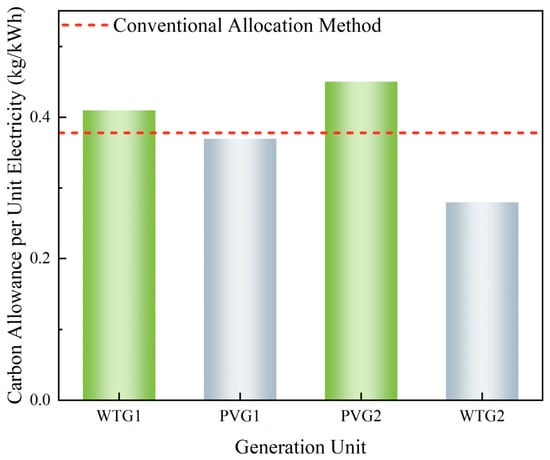
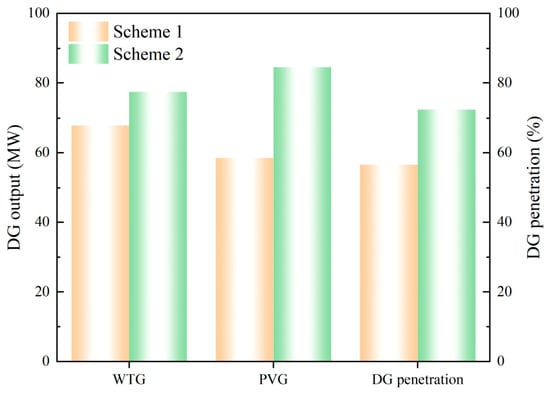
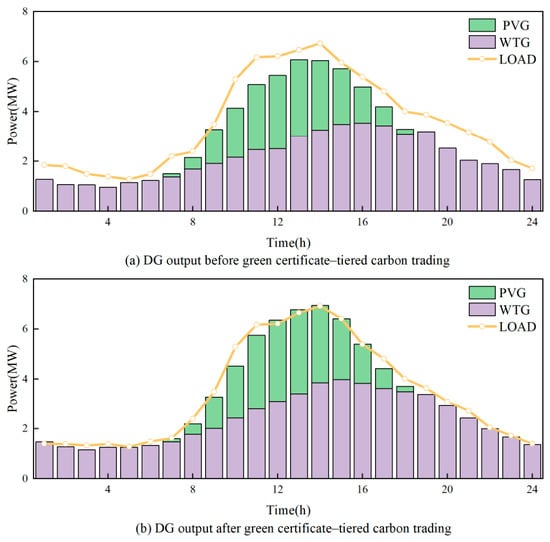
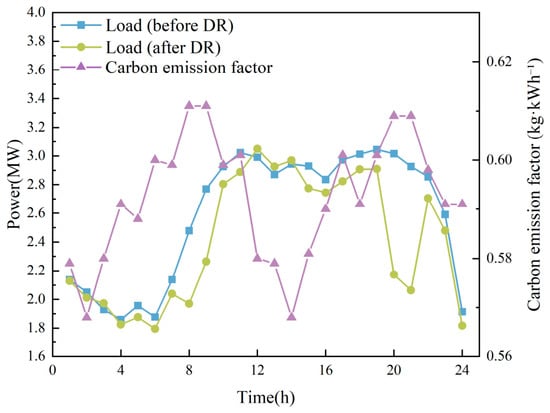
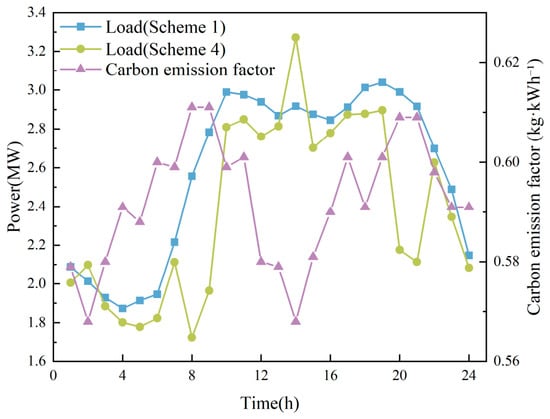
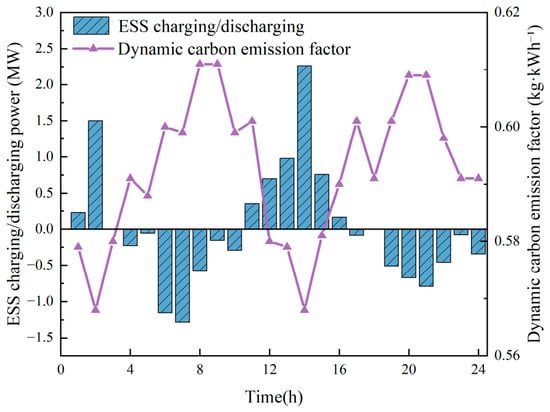
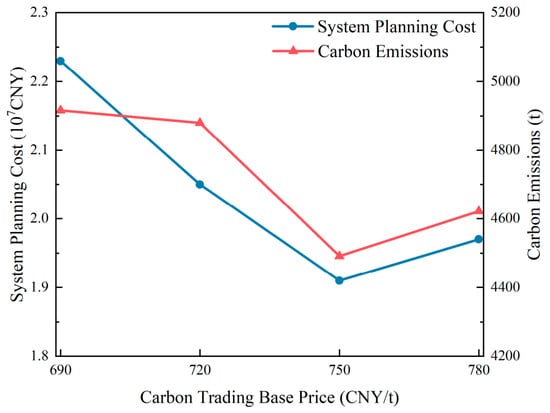
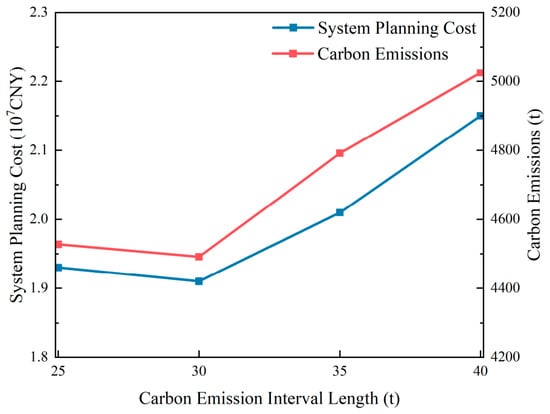
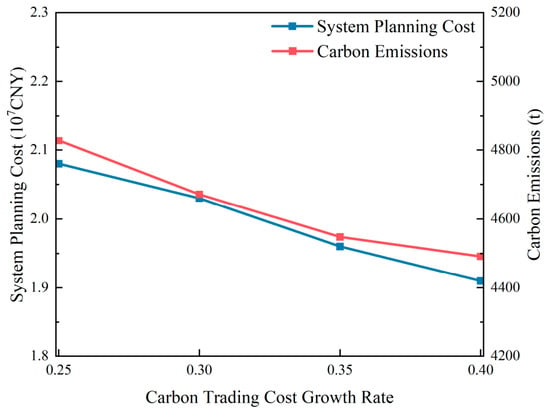
To address the challenges posed by the diversification of electric vehicle charging demand and the low-carbon economic operation of distribution networks, this paper proposes a bi-level low-carbon distribution network expansion planning method considering the integration of multi-type EV charging facilities. The planning layer of the model aims to minimize the annual total system cost and performs coordinated decision-making for multi-type charging facilities, new line construction, and distributed generation. By introducing a coordinated configuration mechanism for multi-type charging facilities, the model effectively matches diverse user charging demands. In the operation layer, the Aumann–Shapley value method is employed to fairly and accurately quantify carbon emission responsibilities, based on which system carbon allowances are determined. An integrated green certificate-tiered carbon trading mechanism is then established. Meanwhile, a low-carbon demand response model considering dynamic carbon emission factors is introduced to enable low-carbon optimal operation of the distribution network. Finally, simulations are conducted on a modified IEEE 33-bus system. The results demonstrate that the proposed method can effectively reduce total system cost and carbon emissions while satisfying diverse charging demands. Full article
(This article belongs to the Section F1: Electrical Power System)
Show Figures

Figure 1

23 pages, 1532 KB  
Article
Multi-Uncertainty Optimal Scheduling of Integrated Electricity and Heat Energy Systems Based on Fuzzy-IGDT
by Na Sun, Hongxu He, Yunyun Yun and Shuaibing Li
Processes 2026, 14(11), 1784; https://doi.org/10.3390/pr14111784 (registering DOI) - 29 May 2026
Abstract
The presence of multiple uncertainties in integrated electricity–heat energy systems (E-HIES) poses significant challenges to system dispatch. To achieve an effective balance between economy and robustness, this paper proposes an optimal scheduling method based on fuzzy chance-constrained Information Gap Decision Theory (Fuzzy-IGDT), accounting [...] Read more.
The presence of multiple uncertainties in integrated electricity–heat energy systems (E-HIES) poses significant challenges to system dispatch. To achieve an effective balance between economy and robustness, this paper proposes an optimal scheduling method based on fuzzy chance-constrained Information Gap Decision Theory (Fuzzy-IGDT), accounting for uncertainties in wind power output, photovoltaic output, electrical load, and thermal load. The method employs trapezoidal fuzzy numbers to model the four types of uncertain variables and constructs a fuzzy robust model (F-RM) for conservative decision-makers and a fuzzy opportunity model (F-OM) for aggressive decision-makers. An Adaptive Step Ratio (ASR) optimization method is then developed to solve the proposed models. Case studies demonstrate the effectiveness of the proposed methodology. Results show that: compared with conventional IGDT, pure fuzzy and stochastic programming, Fuzzy-IGDT simultaneously optimizes economy, stability and reliability: daily operating cost is reduced by 12.7%, the standard deviation of cost volatility shrinks by 34.5%, and the loss-of-load probability is only 0.3%. Relative to the traditional Weighted Offset Coefficient (WOC) method, ASR directly coordinates the deviation ratios of multiple variables through its step-ratio mechanism, cutting system risk cost by 21.3%, raising solution efficiency by 42%, and improving convergence stability by a factor of 3.8. This research provides new theoretical support and practical tools for optimal scheduling of E-HIES under multiple uncertainties. Full article
(This article belongs to the Section Energy Systems)
16 pages, 1189 KB  
Article
Magnesium Supplementation Improves Cortical Stratification and Neuronal Differentiation in Blood–Brain Barrier-Integrated Human Brain Organoids
by Sara Castiglioni, Antonella Tosoni, Manuela Nebuloni and Jeanette A. Maier
Biomedicines 2026, 14(6), 1242; https://doi.org/10.3390/biomedicines14061242 (registering DOI) - 29 May 2026
Abstract
Background/Objectives: Magnesium (Mg) is essential for neuronal maturation, yet its role in human cortical development remains poorly defined. Here, we investigated the effects of physiological (1 mM) and elevated (5 mM) concentrations of MgSO4 and magnesium pidolate (MgPid) on human brain organoids [...] Read more.
Background/Objectives: Magnesium (Mg) is essential for neuronal maturation, yet its role in human cortical development remains poorly defined. Here, we investigated the effects of physiological (1 mM) and elevated (5 mM) concentrations of MgSO4 and magnesium pidolate (MgPid) on human brain organoids co-cultured with an in vitro blood–brain barrier (BBB) model. Methods: Human brain organoids derived from induced pluripotent stem cells were co-cultured with an in vitro BBB system and treated for 4 days with either MgSO4 or MgPid at physiological and elevated concentrations. Cortical organization was assessed by transmission electron microscopy and immunofluorescence analysis. Western blotting for neurotransmitter receptors and Mg transporters, quantification of intraorganoid Mg2+ levels, ELISA-based measurement of GABA and dopamine, and analysis of glutamate were performed. Results: High Mg exposure enhanced cortical stratification and neuronal organization, as shown by the localization of CTIP2 in the outermost layer and TBR2 in the inner layer, together with ultrastructural features consistent with advanced differentiation. Elevated Mg increased intraorganoid Mg2+ levels without altering Mg transporter abundance and selectively modulated neurotransmitter receptor expression: NMDA-R levels were reduced by MgPid, whereas GABAA-R and GABAB-R were upregulated, particularly in response to MgPid. Levels of glutamate, GABA, and dopamine remained unchanged. Conclusions: These findings identify Mg, especially in the form of MgPid, as a modulator of cortical architecture and inhibitory–excitatory receptor balance in human organoids, supporting its potential relevance for neurodevelopmental regulation and Mg-based therapeutic strategies. These results also support organoids as human-relevant, animal-free tools for neuroscience and neuropharmacological research. Full article
27 pages, 3739 KB  
Review
The ESKAPE Challenge: Understanding Resistance and Exploring Alternative Treatments
by Kartika Vashishtha, Pobitra Borah and Robert Sonowal
Antibiotics 2026, 15(6), 550; https://doi.org/10.3390/antibiotics15060550 (registering DOI) - 29 May 2026
Abstract
Antimicrobial resistance (AMR) constitutes a critical and escalating global public health challenge, severely limiting the potential of existing antimicrobial drugs and escalating infection-associated morbidity and mortality rates. This analysis focuses on the ESKAPE pathogens (Enterococcus faecium, Staphylococcus aureus, Klebsiella pneumoniae [...] Read more.
Antimicrobial resistance (AMR) constitutes a critical and escalating global public health challenge, severely limiting the potential of existing antimicrobial drugs and escalating infection-associated morbidity and mortality rates. This analysis focuses on the ESKAPE pathogens (Enterococcus faecium, Staphylococcus aureus, Klebsiella pneumoniae, Acinetobacter baumannii, Pseudomonas aeruginosa, and Enterobacter species), which are prioritized by the World Health Organization (WHO) and represent a significant cause of nosocomial infections due to their extensive drug resistance. We provide an in-depth review of the global prevalence and specific antibiotic-resistant mechanisms of these pathogens. Due to the decline in the traditional antibiotic development pipeline, accelerated development of alternative therapeutic strategies is essential. The review comprehensively discusses innovative non-traditional therapies currently being explored to bypass traditional antibiotic limitations, such as phage therapy, antimicrobial peptides (AMPs), anti-virulence therapies, fecal microbiota transplantation (FMT), and targeted CRISPR-based approaches. Addressing the ESKAPE challenge requires a concerted, multi-sectoral strategy guided by the One Health principle, focusing on enhancing public awareness, improving surveillance and research, optimizing judicious antibiotic use, and cultivating sustainable investment in novel interventions. Full article
32 pages, 7359 KB  
Article
Towards Water and Energy Security in Rural Agriculture: Technical Analysis of an Autonomous Photovoltaic Pumping System
by Erick Galicia Vargas, Alfredo González Ortega, Jesús Aguayo Alquicira, Mario Ponce Silva and Susana Estefany de León Aldaco
Sci 2026, 8(6), 126; https://doi.org/10.3390/sci8060126 (registering DOI) - 29 May 2026
Abstract
This study evaluates the technical feasibility of an autonomous photovoltaic pumping system for agricultural use in isolated communities, using a representative region of the Mixteca Poblana, Mexico, as a case study. A reference sizing methodology reported in the literature was adopted for the [...] Read more.
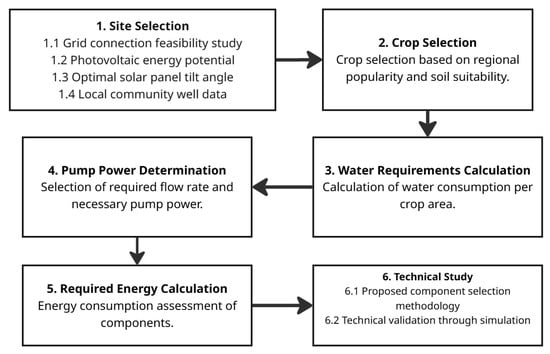
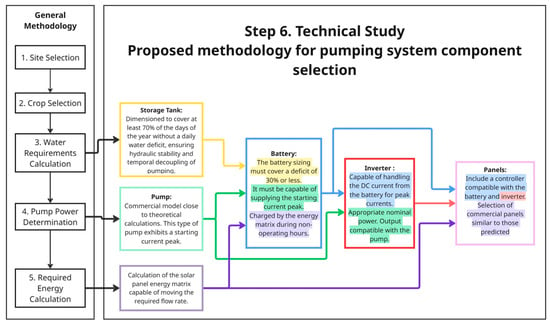
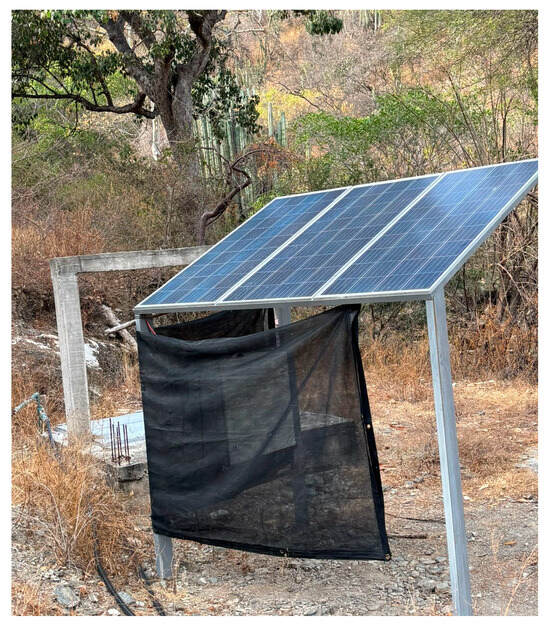
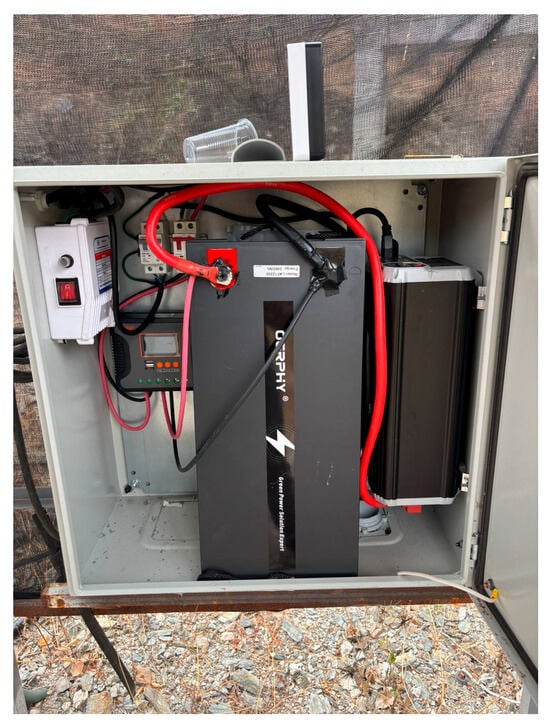
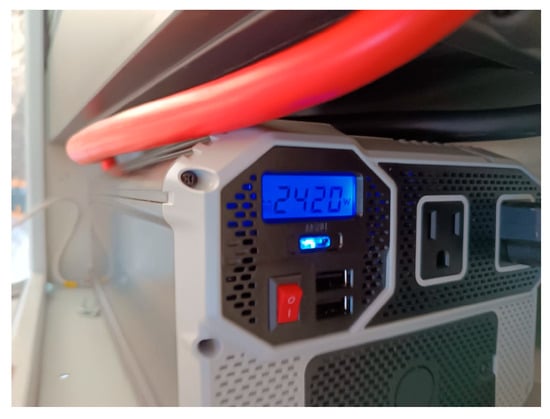
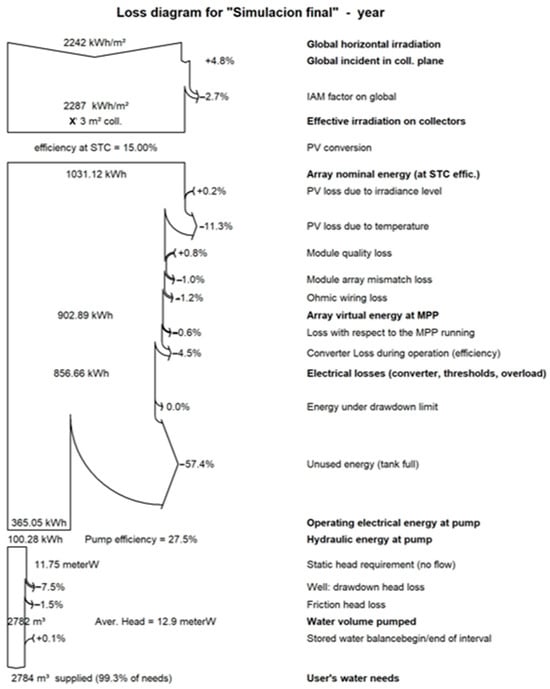
This study evaluates the technical feasibility of an autonomous photovoltaic pumping system for agricultural use in isolated communities, using a representative region of the Mixteca Poblana, Mexico, as a case study. A reference sizing methodology reported in the literature was adopted for the sizing of isolated systems, and subsequently enhanced through a structured methodological extension, applied in the final stage of the design, focused on the technical validation and commercial selection of system components. The base framework incorporates site characterization and crop selection criteria. Subsequent stages define the hydraulic and electrical design requirements for the extension of the methodology, such as the calculation of water demand, the determination of pump power, and the estimation of energy requirements. These parameters enable the integrated correlation between hydraulic demand and electrical system constraints in the selection of the main system components, including the pump, photovoltaic array, battery storage system, water storage tank, and inverter. The technical robustness of the combined approach was validated through a simulation performed using specialized solar pumping software, confirming the operational feasibility and replication potential in rural communities with similar conditions. Full article
Show Figures

Figure 1

30 pages, 37529 KB  
Article
Morphometric and Multivariate Analysis of Geomorphological and Multi-Hazard Dynamics in the La Sabana River Basin, Acapulco–Mexico
by Jesús Alfonso Carreto-Gutiérrez, Oscar Frausto-Martínez, Benjamín Castillo Elías, Herlinda Gervacio Jiménez, Julio César Morales Hernández and José Ángel Vences Martínez
Water 2026, 18(11), 1324; https://doi.org/10.3390/w18111324 (registering DOI) - 29 May 2026
Abstract
Coastal basins are systems highly susceptible to flooding and erosion, processes that intensify during extreme cyclonic events. This study aims to develop an integrated physical–geographic framework to characterize the geomorphological and multi-hazard dynamics of the La Sabana River basin in Acapulco, Guerrero, in [...] Read more.
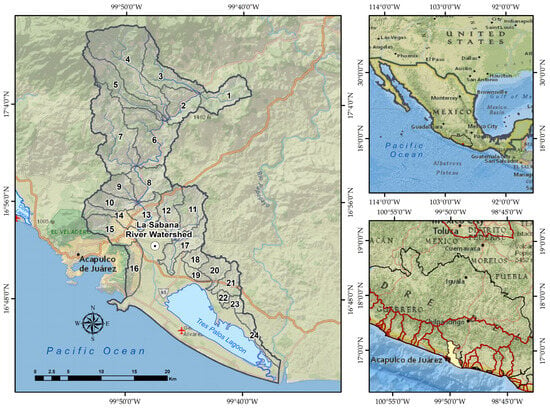
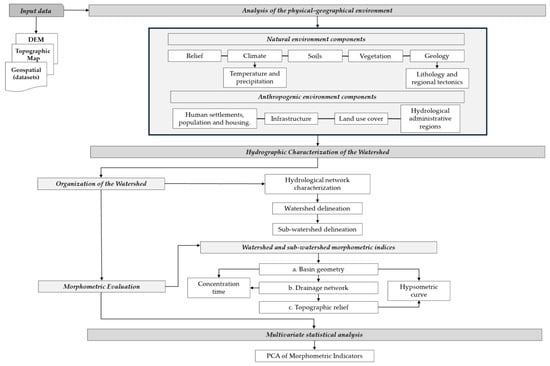
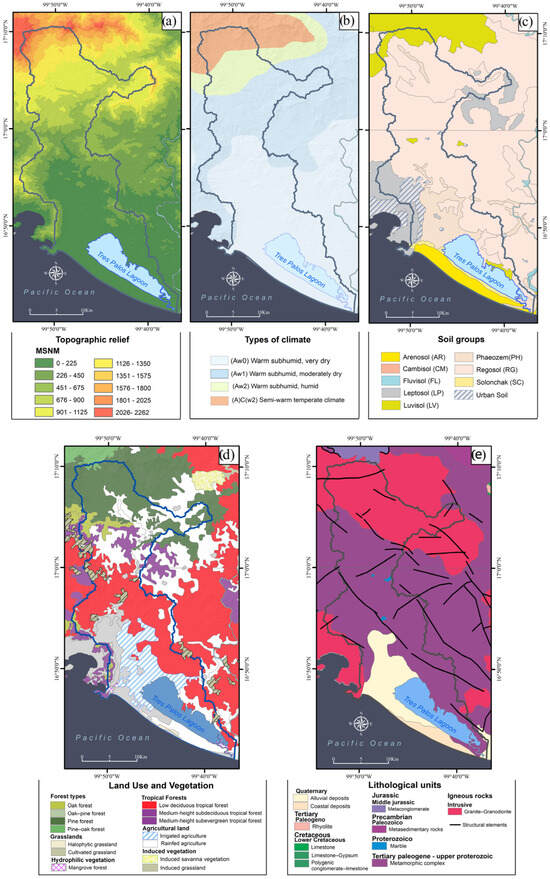
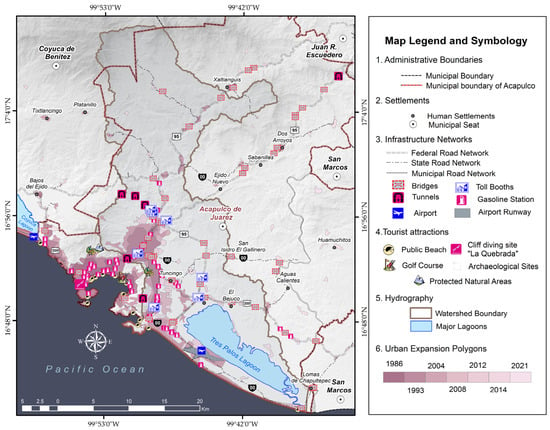
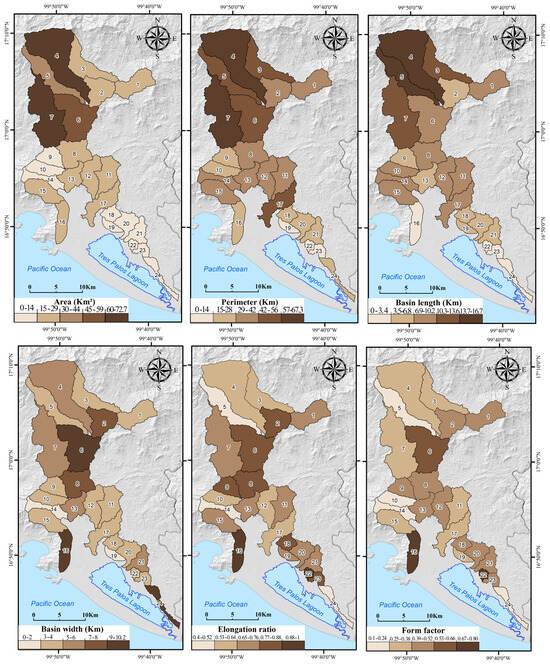
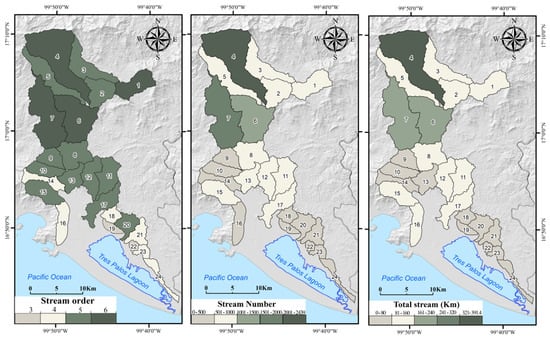
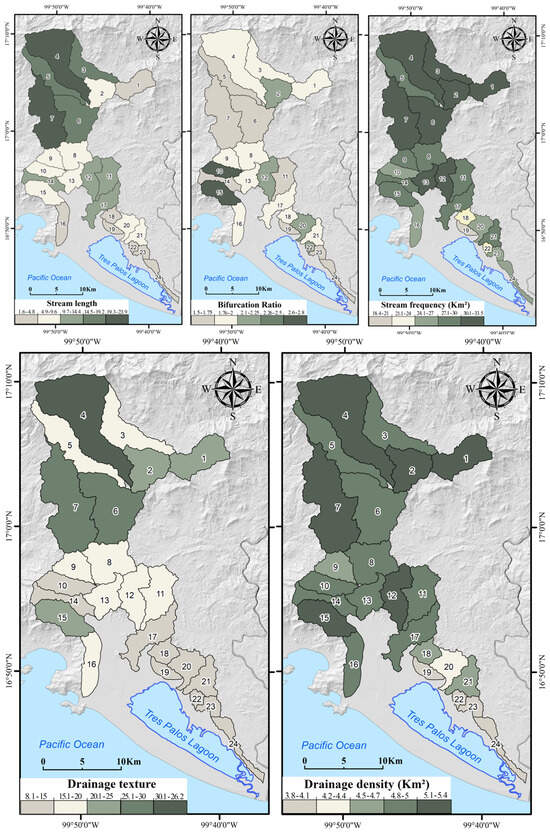
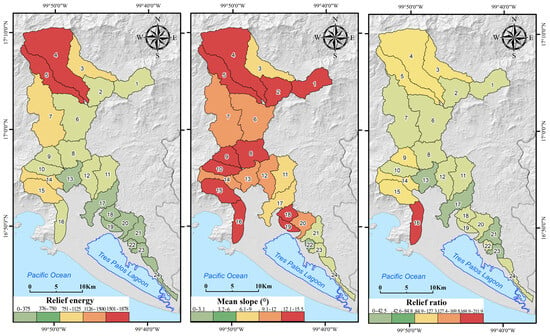
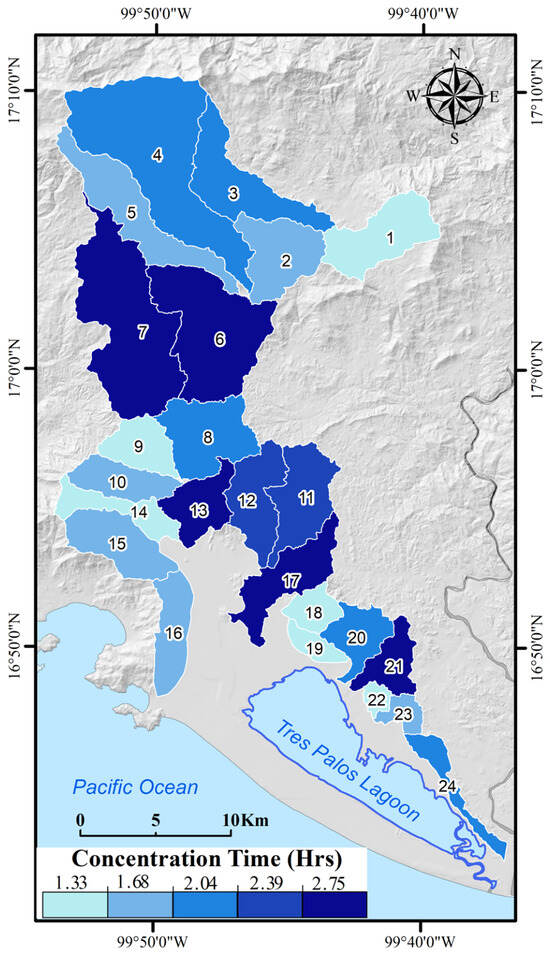
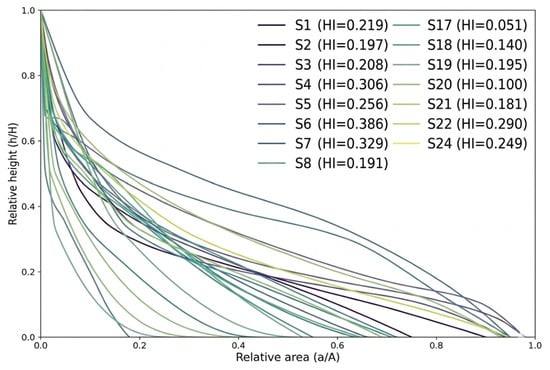
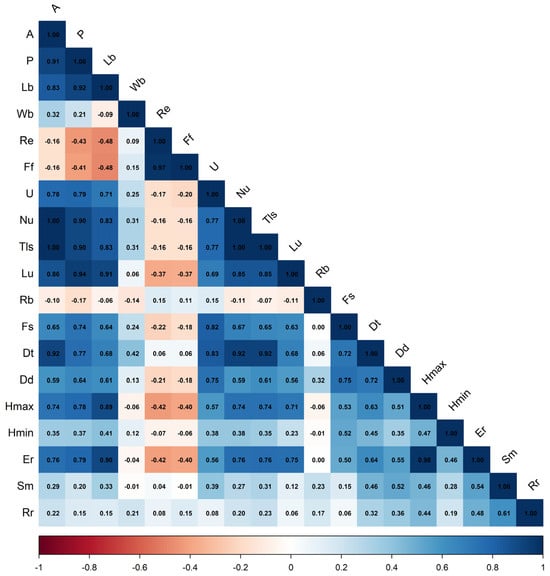
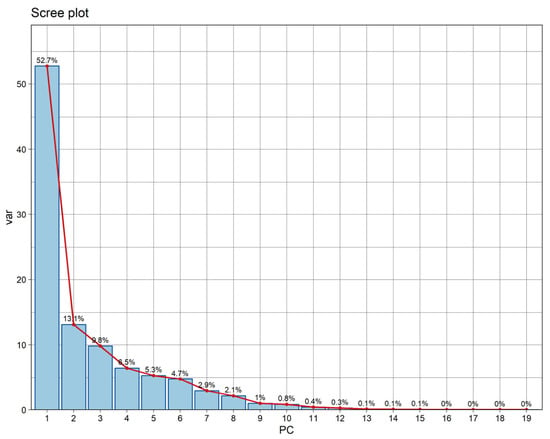
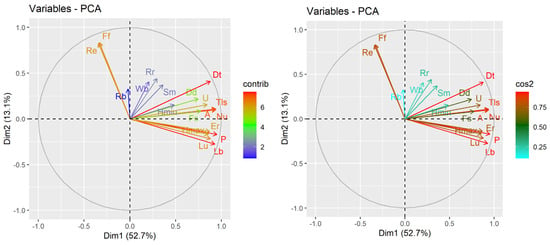
Coastal basins are systems highly susceptible to flooding and erosion, processes that intensify during extreme cyclonic events. This study aims to develop an integrated physical–geographic framework to characterize the geomorphological and multi-hazard dynamics of the La Sabana River basin in Acapulco, Guerrero, in southeastern Mexico. The methodology integrates the analysis of natural and anthropogenic landscape components, 19 morphometric indicators, and Principal Component Analysis (PCA) at the sub-basin scale. The results reveal a high drainage network density (3.8–5.4 km/km2) and short concentration times (0.98–2.75 h), indicating a rapid hydrological response and high susceptibility to flash floods and active erosion. Six critical sub-basins with concentration times ≤ 1.5 h have been identified, spatially coinciding with areas of high anthropogenic exposure. The hypsometric index values (0.04–0.388) indicate advanced geomorphological evolution in most sub-basins. Principal component analysis (PCA) explained 65.8% of the total variance in the first two components: component 1 (52.7%) is linked to basin size and drainage network organization, and component 2 (13.1%) is associated with basin shape. The findings of this research have provided a spatially explicit, robust, and replicable framework that helps strengthen risk governance and guide land-use planning in tropical coastal basins exposed to hydrometeorological hazards. Full article
(This article belongs to the Special Issue Spatial Analysis of Flooding Phenomena: Challenges and Case Studies)
Show Figures

Figure 1

17 pages, 1431 KB  
Article
Thermal and Athermal Effects of High-Density Pulsed Electric Current on Strain-Hardening Relief in Cold-Rolled A6061 Under Liquid Nitrogen
by Shaojie Gu, Xiaoming Yu, Yanhong Peng, Lusheng Wang, Sungmin Yoon, Yi Cui, Yasuhiro Kimura, Yasuyuki Morita, Yuhki Toku and Yang Ju
J. Manuf. Mater. Process. 2026, 10(6), 189; https://doi.org/10.3390/jmmp10060189 (registering DOI) - 29 May 2026
Abstract
Understanding the respective roles of thermal and athermal effects during electric current treatment is critical for advancing current-assisted processing of metallic materials. In this study, strain hardening in cold-rolled A6061 was effectively relieved using high-density pulsed electric current. By conducting comparative experiments under [...] Read more.
Understanding the respective roles of thermal and athermal effects during electric current treatment is critical for advancing current-assisted processing of metallic materials. In this study, strain hardening in cold-rolled A6061 was effectively relieved using high-density pulsed electric current. By conducting comparative experiments under room-temperature and liquid-nitrogen conditions, the thermal and athermal contributions were quantitatively evaluated. The results indicate that thermal effects dominate over athermal effects in dislocation density reduction and strain-hardening relief. Nevertheless, the athermal effect, driven by electron wind force, is capable of promoting dislocation motion and annihilation. This work provides a practical framework for evaluating thermal and athermal contributions and offers new insights into microstructure control via electric current, with implications for the design of advanced structural materials. Full article
(This article belongs to the Special Issue Integrated Forming, Treatment and Modelling of Lightweight Alloys)
15 pages, 1118 KB  
Article
An Agar–Water-Assisted OD650 Calibration Model for Standardized Quantification of Beauveria bassiana Conidia in Biopesticide Quality Control and Bioassay Applications
by Jie Cheng, Zhaoan Shao, Zhenxia Zhu, Shuohan Wang, Donghui Gong, Chengshuai Xu, Chaobo Zhang, Xiang Xiu and Yongcheng Ding
J. Fungi 2026, 12(6), 396; https://doi.org/10.3390/jof12060396 (registering DOI) - 29 May 2026
Abstract
Beauveria bassiana is one of the most widely used entomopathogenic fungi in insect pest management, and the need for rapid and reproducible quantification of fungal conidia to monitor process performance and to quality control products during biopesticide production is imperative. Conventional methodologies, such [...] Read more.
Beauveria bassiana is one of the most widely used entomopathogenic fungi in insect pest management, and the need for rapid and reproducible quantification of fungal conidia to monitor process performance and to quality control products during biopesticide production is imperative. Conventional methodologies, such as hemocytometer counting and plate dilution assays, are time consuming, laborious and subject to significant operator-to-operator variability. Although optical methods have been increasingly explored for estimating fungal propagule concentrations, species-specific calibration, suspension stability, wavelength selection, and independent validation remain important for routine applications. In this study, we developed an agar–water-assisted UV–visible spectrophotometric calibration protocol for estimating conidial concentration using B. bassiana as a model entomopathogenic fungus. A 0.1% (w/v) agar–water suspension was used in order to get homogeneous, stable dispersions of conidia for optical measurements. Calibration of conidia concentration was accomplished through reliable optical density (OD) values measured at wavelengths 500 nm, 530 nm, 560 nm, 600 nm, and 650 nm. Linear correlations were observed across the tested wavelengths, with the highest goodness of fit for the model at 650 nm (R2 = 0.9907). The resulting regression equation, conidia concentration (×107 mL−1) = 4.184 × OD650—0.12450, has been independently verified with separate conidia batches, resulting in acceptable relative errors ranging from 13.78% and 18.98%. This agar–water-assisted OD650 calibration model provides a practical and species-specific tool for the standardization of conidial dosages in biopesticide research, facilitating the reliable evaluation and application of entomopathogenic fungi within integrated pest management systems. Full article
(This article belongs to the Special Issue Application of Entomopathogenic Fungi for Pest Biocontrol)
19 pages, 1143 KB  
Article
Probabilistic Streamflow Forecasting for Hydropower Early Warning in the Paute River Basin, Ecuador
by Angel Bayron Correa-Guamán and Jorge Daniel Inga-Lafebre
Sustainability 2026, 18(11), 5479; https://doi.org/10.3390/su18115479 (registering DOI) - 29 May 2026
Abstract
Hydropower-dominated electricity systems are increasingly exposed to hydroclimatic variability, making anticipatory streamflow information essential for energy security, operational resilience, and sustainable planning. This study develops a transparent monthly early-warning framework for the Paute River basin, Ecuador, a strategically important hydrological system for national [...] Read more.
Hydropower-dominated electricity systems are increasingly exposed to hydroclimatic variability, making anticipatory streamflow information essential for energy security, operational resilience, and sustainable planning. This study develops a transparent monthly early-warning framework for the Paute River basin, Ecuador, a strategically important hydrological system for national hydropower generation. Using a 42-year series of observed and compiled monthly streamflow records from 1984 to 2025 (n = 504), the framework derives seasonal low-flow thresholds (P20 warning and P10 critical) and fits a Seasonal Autoregressive Integrated Moving Average model to log-transformed flows. The resulting lognormal predictive distribution provides point forecasts, prediction intervals, and probabilities of low-flow events. Predictive skill was assessed through a 2016–2025 rolling-origin validation with 120 one-step-ahead forecasts and benchmarks against Error–Trend–Seasonal Holt–Winters and seasonal naive models. The SARIMA-log specification achieved the best point accuracy (MAE = 38.80 m3/s, RMSE = 47.62 m3/s, sMAPE = 32.63%) and modest but useful probabilistic skill (CRPSS = 0.069; Brier Skill Score = 0.169 for Q < P20 and 0.274 for Q < P10). A threshold-sensitivity analysis showed that the 0.15 and 0.30 alert thresholds represent a deliberate trade-off between early detection and false-alarm reduction. For 2026, August displayed the highest low-flow probability (P(Q < P20) = 0.303), triggering a moderate Hydropower Low-Flow Risk Traffic-Light category. The contribution is not a new forecasting algorithm but an operationally auditable integration of seasonal thresholds, probabilistic forecasting, verification, and risk communication for hydropower energy-security governance in the tropical Andes. Full article
(This article belongs to the Special Issue Energy Security and Sustainable Energy Development)
22 pages, 31517 KB  
Article
Physics-Guided Machine-Learning Correction of ERA5 Surface Downward Shortwave Radiation over China
by Ming Wang, Pengjie Sun, Yang Cui and Yang Xu
Atmosphere 2026, 17(6), 564; https://doi.org/10.3390/atmos17060564 (registering DOI) - 29 May 2026
Abstract
Accurate surface downward shortwave radiation (SDSR) is essential for solar resource assessment, photovoltaic applications, and land–atmosphere studies. Although ERA5 is widely used in radiation-related research, its SDSR estimates over China still show considerable uncertainties under complex topographic and climatic conditions. Using hourly observations [...] Read more.
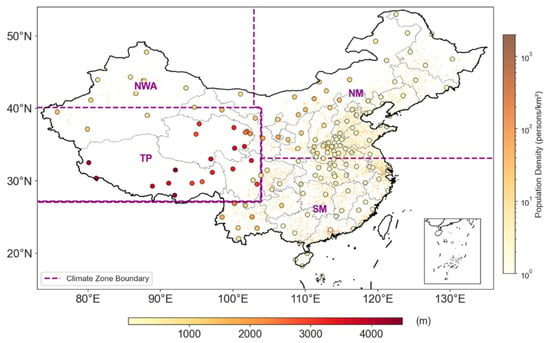
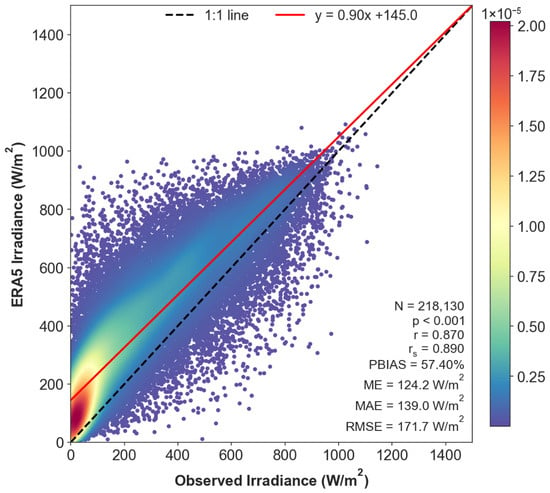
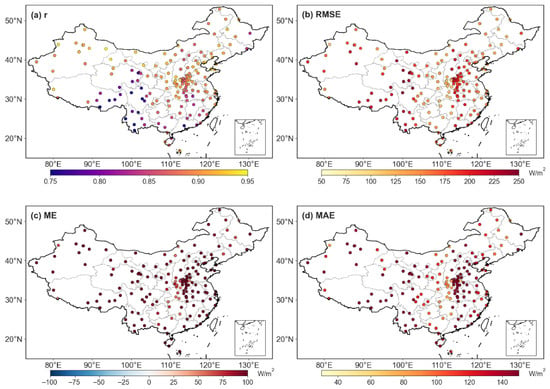
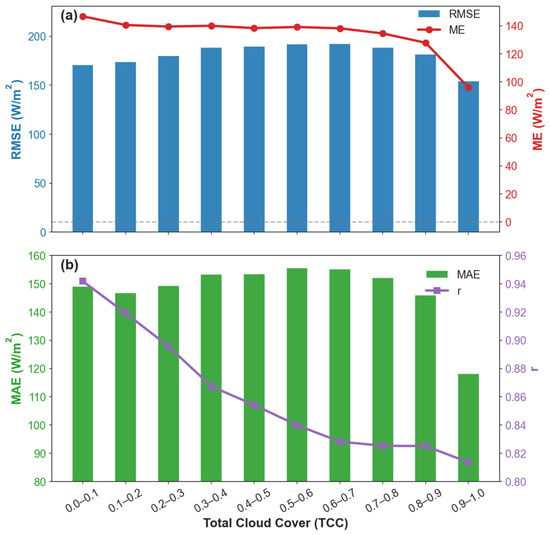
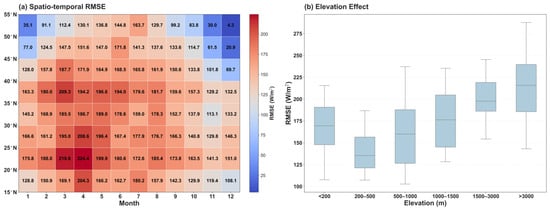
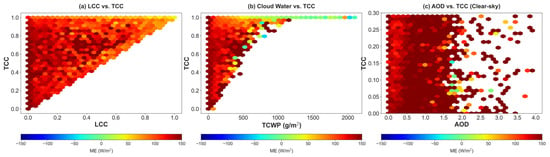
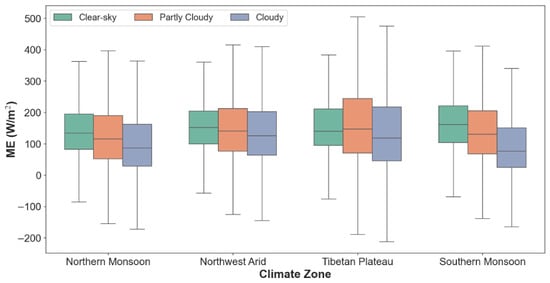
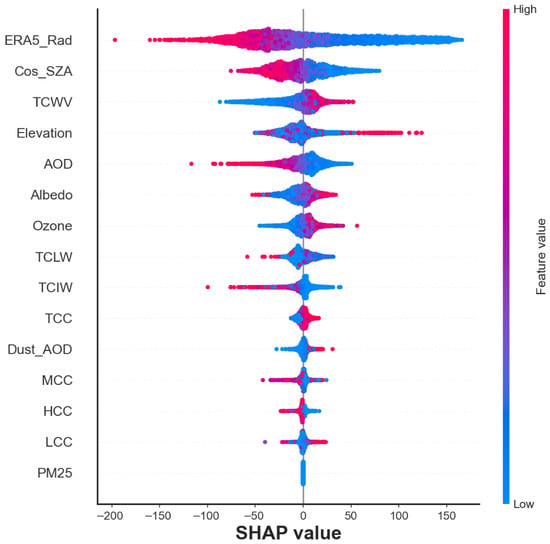
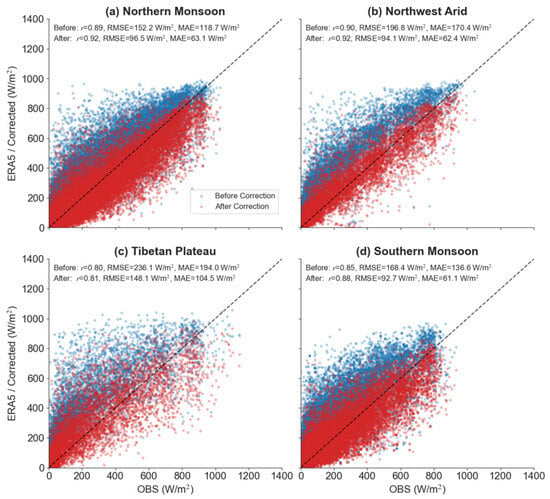
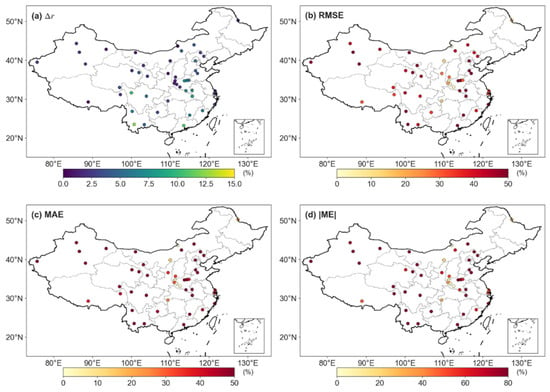
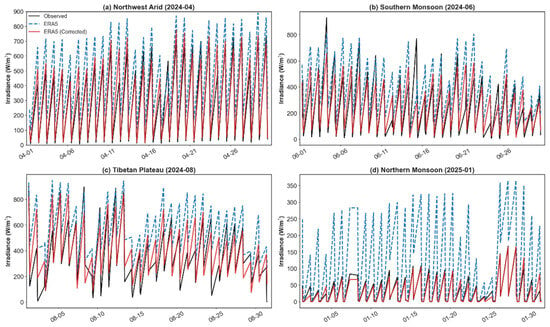
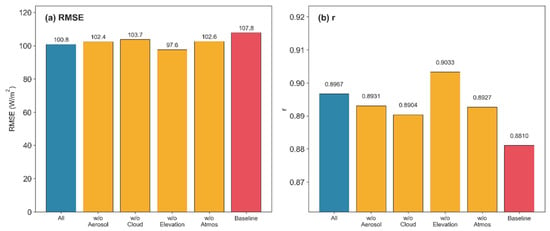
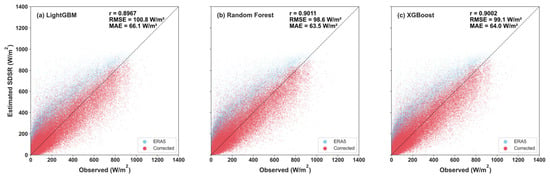
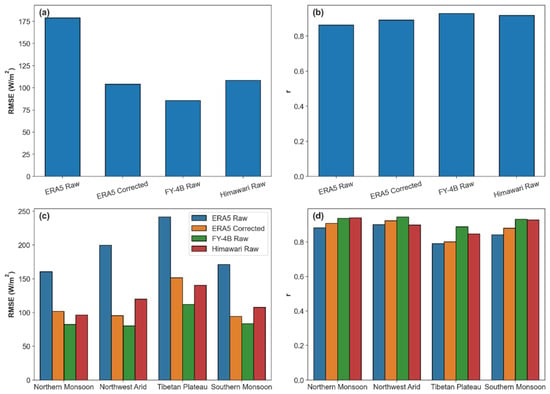
Accurate surface downward shortwave radiation (SDSR) is essential for solar resource assessment, photovoltaic applications, and land–atmosphere studies. Although ERA5 is widely used in radiation-related research, its SDSR estimates over China still show considerable uncertainties under complex topographic and climatic conditions. Using hourly observations from the 162-station China Meteorological Administration (CMA) radiation network during April 2024–March 2025, of which 160 stations were retained after quality control, this study systematically evaluated ERA5 SDSR and developed a physics-guided Light Gradient Boosting Machine (LightGBM) correction framework. Raw ERA5 exhibits a strong systematic positive bias (PBIAS = 57.40%, ME = 124.2 W/m2) together with a pronounced nonlinear structural bias, characterized by overestimation under low-radiation conditions and underestimation under high-radiation conditions. The largest errors occur in the Southern Monsoon region in summer and the Northwest Arid region in spring, indicating the combined effects of cloud extinction, aerosol attenuation, and terrain-related representativeness differences. To address these mechanisms, the correction model incorporates physically relevant predictors from ERA5 and Copernicus Atmosphere Monitoring Service (CAMS), including cloud microphysical variables, aerosol optical depth, solar geometry, and elevation. SHapley Additive exPlanations (SHAP) analysis shows that the learned correction behavior is broadly consistent with known radiative-transfer processes. On the independent station hold-out test set, the correction increases the Pearson correlation coefficient from 0.8680 to 0.8967 and reduces RMSE from 173.1 to 100.8 W/m2, while substantially suppressing the strong positive bias of raw ERA5. Additional robustness tests, including season-blocked validation, interpolation-sensitivity analysis, ablation experiments, and multi-model comparison, further support the stability of the framework. External benchmarking against FY-4B and Himawari also shows that the corrected ERA5 substantially narrows the gap relative to independent geostationary satellite products. Overall, the proposed framework provides an effective and physically interpretable approach for improving ERA5 SDSR over China. Full article
Show Figures

Figure 1

20 pages, 1348 KB  
Article
Highly Aggressive and Metastatic MDA-MB-231 and Mel Z Cancer Cells Have Common Sets of Down- and Upregulated Genes During Formation of the Vasculogenic Mimicry Phenotype
by Nickolai A. Tchurikov, Elena S. Klushevskaya, Viktoriya N. Lukicheva, Antonina N. Kretova, Vladimir R. Chechetkin, Galina I. Kravatskaya, Amalia A. Vartanian, Ildar R. Alembekov and Yuri V. Kravatsky
Int. J. Mol. Sci. 2026, 27(11), 4952; https://doi.org/10.3390/ijms27114952 (registering DOI) - 29 May 2026
Abstract
Vasculogenic mimicry (VM) refers to the capacity of cancer cells from aggressive tumors to form a set of sinuses and channels that mimic normal blood vessels and lack endothelial cells. The rapid growth of a tumor leads to a deficiency in normal vessels, [...] Read more.
Vasculogenic mimicry (VM) refers to the capacity of cancer cells from aggressive tumors to form a set of sinuses and channels that mimic normal blood vessels and lack endothelial cells. The rapid growth of a tumor leads to a deficiency in normal vessels, followed by poor oxygen and nutrient supply to tumor cells and VM induction. Understanding the mechanisms behind the development of the VM phenotype is important for the development of new anti-cancer therapies. Previous reports indicate that, during VM formation by melanoma Mel Z cells, about 2000 developmental genes undergo dramatic changes in expression. To identify genes more tightly linked to VM development, we compared the transcriptomes of Mel Z and MDA-MB-231 cells (triple-negative breast cancer cells), which also form VM. Most of the genes that change expression differ substantially between these two cell types. However, we identified 51 up- and 98 downregulated genes common to both cell lines. The non-overlapping groups of these genes are involved in regulating cell adhesion and proliferation. The group of common upregulated genes includes nine genes controlling blood vessel development and tube morphogenesis. Two genes in this group (BAK1 and SERPINE1) rapidly form numerous contacts with nucleoli during VM phenotype formation. We observed that knockdown of the SERPINE1 gene prevents the development of VM in Mel Z cells. Our data indicate that the formation of VM by aggressive cancer cells might be controlled by a special set of genes. Full article
(This article belongs to the Special Issue Molecular Diagnostics and Genomics of Tumors, 2nd Edition)
17 pages, 715 KB  
Article
Assessment of the Immune Potential of Calcium Phosphate-Outer Membrane Protein-Nanoparticles (CaP-Omp-Nps) Adjuvanted Nano-Vaccine Against Salmonella Typhimurium in Poultry Birds
by Anjani Saxena, Yashpal Singh, Mumtesh Kumar Saxena, Sachin Kumar, Meena Mrigesh, Aman Kamboj, Manish Kumar Verma, Manjul Kandpal and Satya PalSingh
Pharmaceutics 2026, 18(6), 681; https://doi.org/10.3390/pharmaceutics18060681 (registering DOI) - 29 May 2026
Abstract
Background: Salmonella Typhimurium is a major pathogen causing non-typhoidal salmonellosis in humans. Poultry is a major reservoir of S. Typhimurium. Currently available vaccines against S. Typhimurium are not very effective. Therefore, the search for novel adjuvants to improve vaccine efficacy is a [...] Read more.
Background: Salmonella Typhimurium is a major pathogen causing non-typhoidal salmonellosis in humans. Poultry is a major reservoir of S. Typhimurium. Currently available vaccines against S. Typhimurium are not very effective. Therefore, the search for novel adjuvants to improve vaccine efficacy is a priority for developing effective and efficient vaccines. Method: In this study, next-generation adjuvants, such as calcium phosphate nanoparticles, are being evaluated. Our objective was to assess the potential of calcium phosphate nanoparticles, using outer membrane proteins of Salmonella Typhimurium as antigens, for immune-potential testing in poultry, with Montanide as a control. The toxicity of the prepared vaccine formulation was evaluated in rats. Results: CaP-Omp-Nps in the 30–45 nm size range showed a protein entrapment efficiency of 42.5% and a loading capacity of 50.3%. Both vaccinated groups, calcium phosphate outer membrane protein nanoparticles (CaP-Omp-Nps) and Montanide, induced an efficient humoral immune response, with mean titers of 3.48 + 0.0245 and 4.9 + 0.0142 on the 15th day, 3.5 + 0.0118 and 4.79 + 0.009 on the 30th day, and 4.48 + 0.427 and 5.31 + 0.154 on the 45th day post vaccination, respectively, indicating an improvement (CaP-Omp-Nps group) or stability (Montanide group) over the study period. Further, the CaP-Omp-Nps group revealed a better cell-mediated immune response than the Montanide-Omp group. The toxicity study in rats showed no significant differences in serum biomarkers and blood chemistry parameters, indicating that the nano-vaccine formulation is non-toxic and safe. Outer membrane proteins of Salmonella Typhimurium, when used with a few conventional adjuvants, could not produce a balanced Th1 and Th2 immune response against Salmonella Typhimurium. Conclusions: In this study, we developed a novel nano-vaccine formulation composed of outer membrane proteins of Salmonella Typhimurium and calcium phosphate nanoparticles. The vaccine formulation was found to be safe and could elicit the desired Th1 and Th2 immune responses, as evidenced by humoral, cell-mediated, and protective immunity produced by the nano vaccine in poultry. Therefore, the present findings suggest that the CaP-Omp-Nps vaccine may be an efficient, safe, and cost-effective vaccine against Salmonella Typhimurium. Full article
17 pages, 2768 KB  
Article
The Winter Wheat Yield in the North China Plain Could Be Improved Through Nitrogen-Mediated Enhanced Tiller Formation and Biomass Production
by Zhen Zhang, Yueyan Song, Zhenwen Yu, Yu Shi, Yongli Zhang and Junye Zhao
Agronomy 2026, 16(11), 1079; https://doi.org/10.3390/agronomy16111079 (registering DOI) - 29 May 2026
Abstract
Rational regulation of nitrogen input represents a crucial approach for simultaneously boosting cereal productivity and enhancing the efficiency of agricultural input use. Nevertheless, the intrinsic mechanisms of how nitrogen application regimes in the North China Plain (NCP) regulate grain yield and nitrogen use [...] Read more.
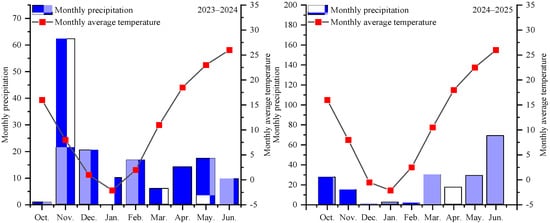
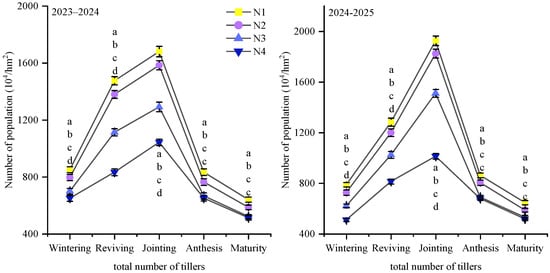
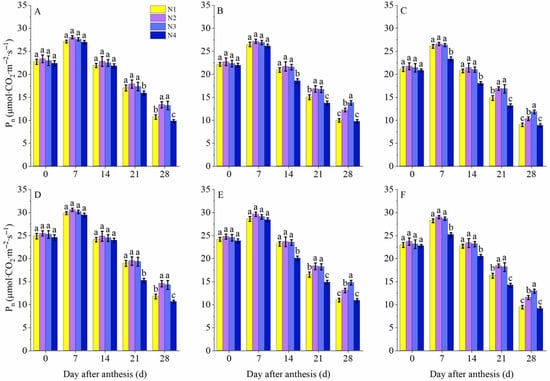
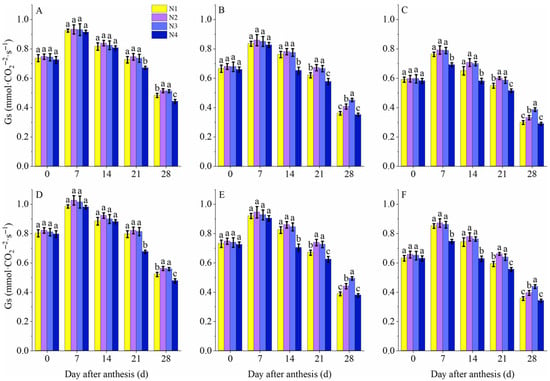
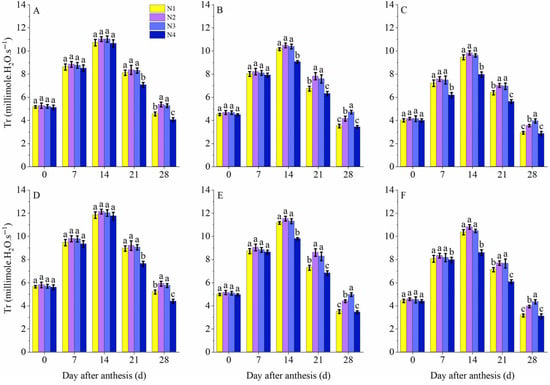
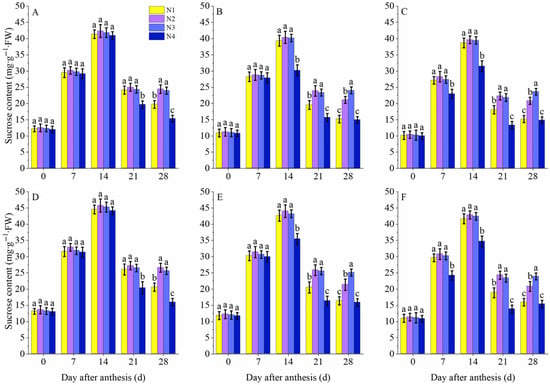
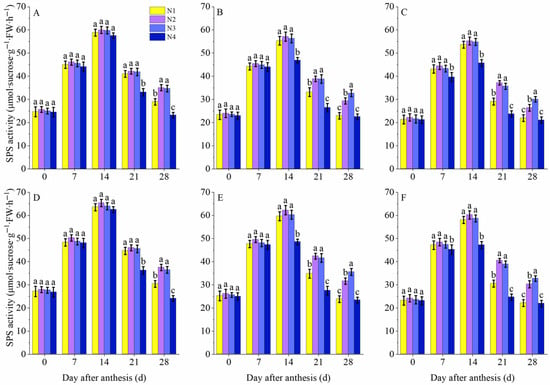
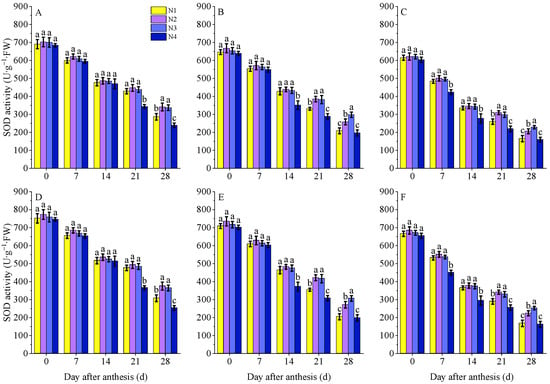
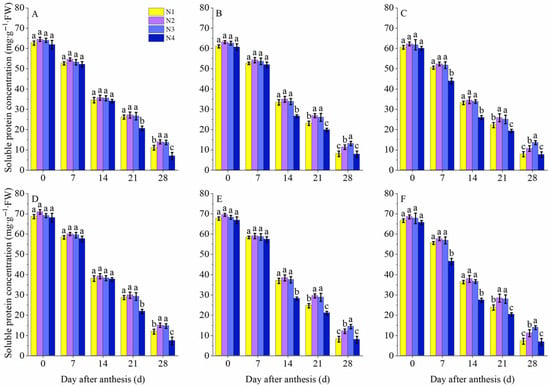
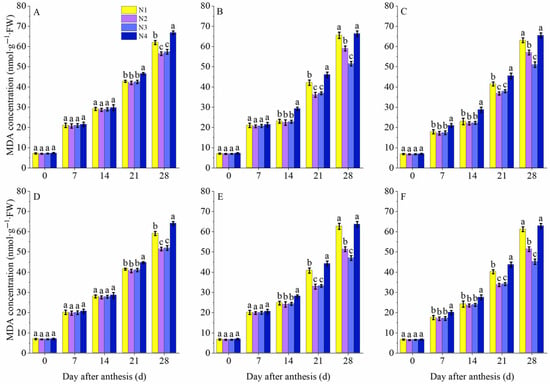
Rational regulation of nitrogen input represents a crucial approach for simultaneously boosting cereal productivity and enhancing the efficiency of agricultural input use. Nevertheless, the intrinsic mechanisms of how nitrogen application regimes in the North China Plain (NCP) regulate grain yield and nitrogen use efficiency (NUE) of winter wheat (Triticum aestivum L.) by modulating tiller physiological traits remain elusive. A two-year field experiment from 2023 to 2025 was carried out with four nitrogen application levels: conventional rate of 210 kg N ha−1 (N2), 10% nitrogen increase (N1), 10% nitrogen reduction (N3), and 20% nitrogen reduction (N4). Physiological traits of the wheat population were systematically investigated, and the correlations among grain yield, NUE and physiological indices were analyzed. The results indicated that moderate nitrogen reduction (N3) effectively inhibited ineffective tillers and maintained sufficiently stable stems at maturity. Meanwhile, N3 enhanced flag leaf photosynthesis, sucrose synthase and sucrose phosphate synthase activities, delayed flag leaf senescence during mid-late grain filling, and facilitated grain photoassimilate accumulation. On average across two years, N3 increased yield by 6.53% and 9.49% compared with N1 and N4, showing no remarkable difference from N2, while achieving the highest NUE. Further analysis demonstrated that tiller establishment and photoassimilate accumulation dominate wheat yield formation. In conclusion, optimized nitrogen management of N3 realizes synergistic improvement of yield and NUE, reduces agricultural resource input, and promotes sustainable green development of winter wheat production in the NCP. Full article
(This article belongs to the Section Soil and Plant Nutrition)
Show Figures

Figure 1

19 pages, 2992 KB  
Article
In Vitro Antibacterial Efficacy of Cetirizine and N-Acetylcysteine Alone and in Combination with Cefalexin on Canine Methicillin-Sensitive and -Resistant Staphylococcus pseudintermedius
by Jasmin Hawwash, Hilke Oltmanns, Andrea Vanessa Volk and Jessica Meißner
Pathogens 2026, 15(6), 589; https://doi.org/10.3390/pathogens15060589 (registering DOI) - 29 May 2026
Abstract
Staphylococcus (S.) pseudintermedius, as a commensal of the skin and mucosa, leads to a variety of diseases in dogs, most commonly skin and ear infections. The development of methicillin-resistant S. pseudintermedius (MRSP) is an emerging risk for animals and humans. [...] Read more.
Staphylococcus (S.) pseudintermedius, as a commensal of the skin and mucosa, leads to a variety of diseases in dogs, most commonly skin and ear infections. The development of methicillin-resistant S. pseudintermedius (MRSP) is an emerging risk for animals and humans. The aim of this study was to test cetirizine and N-acetylcysteine as synergistic substances with cephalexin for treating S. pseudintermedius infections. Each of the five methicillin-sensitive S. pseudintermedius (MSSP) isolates and five MRSP isolates, and one control strain were tested. The minimal inhibitory concentration (MIC) of the substances was tested by broth microdilution assay. In a checkerboard assay, the MIC of cefalexin alone was compared to the MIC of the substances combined. The determined dose reduction index (DRI) shows the influence each substance had on the efficacy of cefalexin. Furthermore, the minimal bactericide concentration (MBC) of N-acetylcysteine (NAC) was identified, and a time kill assay was performed to determine its time-related efficacy on selected isolates. Cetirizine showed no inhibition on bacterial growth or influence on antibiotic efficacy. NAC inhibited bacterial growth at 2 mg/mL. A significant synergistic influence was shown against the MRSP (p < 0.001) and MSSP isolates (p < 0.01). The MBC of the MSSP isolates and control strain was 12.8 and 25.6 mg/mL for the MRSP isolates. The time kill assay showed that NAC is bactericidal within 120 s at the prior determined MBC concentrations. NAC showed an antibacterial effect alone and a synergistic influence on cefalexin’s antibacterial properties. Thus, NAC shows promising efficacy in treating infections with S. pseudintermedius; according to the preliminary study conducted here, this effect may be independent of the resistance profile. Full article
(This article belongs to the Section Bacterial Pathogens)
14 pages, 6815 KB  
Article
Transient 3D Shape Measurement Method Based on Pulsed-Laser-Illuminated Stroboscopic Structured Light
by Tianyi Guo, Yiwei Cheng, Xuan Hu, Zhengdong Chen, Qican Zhang, Zhoujie Wu and Jie Li
Photonics 2026, 13(6), 535; https://doi.org/10.3390/photonics13060535 (registering DOI) - 29 May 2026
Abstract
Rotor blades in aero-engines operating in sand-laden environments are highly susceptible to particle-induced erosion. Conventional sand ingestion experiments primarily rely on post-test disassembly, which lacks the capability for real-time surface shape analysis. To overcome this limitation, this study proposes a high-precision three-dimensional (3D) [...] Read more.
Rotor blades in aero-engines operating in sand-laden environments are highly susceptible to particle-induced erosion. Conventional sand ingestion experiments primarily rely on post-test disassembly, which lacks the capability for real-time surface shape analysis. To overcome this limitation, this study proposes a high-precision three-dimensional (3D) shape measurement method for ultrafast dynamic scenarios, based on pulsed laser illumination and stroboscopic structured light. In the proposed approach, a pulsed laser is employed to illuminate a physical grating, generating stroboscopic structured fringe patterns that are projected onto high-speed rotating blades. The deformed fringe images are synchronously captured by a high-speed camera and processed using Fourier transform profilometry (FTP) to reconstruct fine surface features with high accuracy. Compared with conventional LED-based stroboscopic systems, the pulsed-laser-based scheme effectively suppresses motion blur and significantly improves image intensity under ultra-short exposure conditions. Experimental results demonstrate that stable and high-quality fringe acquisition can be achieved at high rotational speeds. The method enables precise quantification of micro-scale defects, such as scratches and pits, providing a reliable solution for in situ monitoring and performance evaluation in aero-engine sand ingestion tests. Full article
(This article belongs to the Special Issue Optical Measurement Systems, 2nd Edition)
18 pages, 930 KB  
Article
Experimental Investigation of a Large-Scale Direct Contact Latent Cold Storage System for Hyperloop Thermal Management
by Nicolas Krieg, Patrick Estermann, Pascal Gürber, William Delgado-Diaz, Rebecca Ravotti, Manuel Häusler and Anastasia Stamatiou
Energies 2026, 19(11), 2637; https://doi.org/10.3390/en19112637 (registering DOI) - 29 May 2026
Abstract
Hyperloop transport operates in a low-pressure environment in which convective heat transfer is strongly limited, making conventional air-based cooling ineffective. One promising thermal management approach is therefore to absorb the waste heat generated during travel in a thermal energy storage (TES) system and [...] Read more.
Hyperloop transport operates in a low-pressure environment in which convective heat transfer is strongly limited, making conventional air-based cooling ineffective. One promising thermal management approach is therefore to absorb the waste heat generated during travel in a thermal energy storage (TES) system and dissipate it during stops. In this context, latent heat storage based on water–ice systems is particularly attractive because of its high energy density and nearly constant-temperature heat absorption. However, experimental validation of such systems beyond laboratory scale is still lacking. This study therefore investigated a large-scale direct contact latent heat storage (DCLHS) system for Hyperloop thermal management, using water as heat transfer fluid and ice as phase change material. The system was evaluated for two ice morphologies, crushed ice and ice block, under both constant and time-variant cooling power profiles representative of Hyperloop operation. The objective was to assess thermal performance, exergy efficiency, and hydraulic stability at application-relevant scale, and to identify morphology-dependent trade-offs relevant for system integration. The results show that the large-scale system can operate reliably under dynamic loads and that upscaling leads to smoother thermal behavior and reduced boundary effects. Crushed ice demonstrated superior thermal responsiveness, maintaining outlet temperatures close to the phase change temperature and achieving exergy efficiencies up to 0.72 at cooling powers up to 3.8 kW while enabling stable operation at 15 °C. In contrast, the ice block configuration provided higher volumetric energy density but exhibited delayed thermal response and required substantially higher mass flow rates, which limited operation to approximately 25 °C and reduced exergy efficiency to 0.03–0.35. Overall, the results show that large-scale DCLHS is a feasible option for Hyperloop thermal management, while also revealing that system behavior at larger scale is strongly influenced by storage morphology. Full article
(This article belongs to the Section D: Energy Storage and Application)
27 pages, 435 KB  
Article
Adaptive Semi-Personalized Email Classification Model (ASPEC) with Incremental Learning
by Worawit Kitikusoun and Nawaporn Wisitpongphan
Informatics 2026, 13(6), 79; https://doi.org/10.3390/informatics13060079 (registering DOI) - 29 May 2026
Abstract
The volume of daily email traffic continues to grow rapidly, creating challenges in efficiently distinguishing important from irrelevant messages. Beyond spam detection, modern email systems classify messages into categories such as promotions, social, updates, and forums, many of which are ignored or deleted [...] Read more.
The volume of daily email traffic continues to grow rapidly, creating challenges in efficiently distinguishing important from irrelevant messages. Beyond spam detection, modern email systems classify messages into categories such as promotions, social, updates, and forums, many of which are ignored or deleted without review. To address this issue, researchers have explored intelligent classification systems to predict the importance of emails, enhance user productivity, and improve organizational communication efficiency. This study proposes an email classification model that adapts to different users’ work functions and communication patterns within an organizational context. Using three-month historical real corporate anonymized email data from 9788 individuals across 12 work functions, the proposed Adaptive Semi-Personalized Email Classification Model (ASPEC) automatically retrieves each employee’s occupational profile—including job category and years of work experience—from the organization’s Human Resources (HR) system, enabling seamless personalization without manual configuration. ASPEC significantly improves email classification accuracy over the best-performing baseline of 73.50%, with incremental learning further enabling continuous adaptation to evolving data streams and achieving accuracy up to 92.57% in stable user segments. Unlike most existing email classification frameworks, which rely on static batch-learning models and lack memory-based or incremental update mechanisms, ASPEC addresses this gap by continuously adapting to evolving communication patterns without requiring full model retraining. The adoption of this incremental learning framework offers tangible benefits for organizations, including reduced manual email filtering workload, improved communication efficiency, and decreased operational burden on IT departments in managing email-related tasks and issues. Full article
(This article belongs to the Section Machine Learning)
20 pages, 2051 KB  
Article
Effect of Nb Segregation on the Stability of the FeΣ3(111) Grain Boundary by First Principles Investigation
by Lei Zhang, Xiaoyang Luo, Jiawei Shen, Jie Sheng, Xuefeng Lu and Xingchang Tang
Metals 2026, 16(6), 598; https://doi.org/10.3390/met16060598 (registering DOI) - 29 May 2026
Abstract
The segregation of niobium (Nb) at the FeΣ3(111) grain boundary and its influence on interfacial cohesion were investigated via spin-polarized density functional theory calculations. Nb atoms exhibit strong site-selective segregation, with Site 1 being the most thermodynamically favorable one (segregation energy of –2.47 [...] Read more.
The segregation of niobium (Nb) at the FeΣ3(111) grain boundary and its influence on interfacial cohesion were investigated via spin-polarized density functional theory calculations. Nb atoms exhibit strong site-selective segregation, with Site 1 being the most thermodynamically favorable one (segregation energy of –2.47 eV), owing to its largest local Voronoi volume. Electronic structure analyses reveal pronounced Nb-4d/Fe-3d orbital hybridization and localized charge accumulation between Nb and neighboring Fe atoms, enhancing covalent bonding at the boundary. First-principles tensile simulations show that single-Nb segregation increases the critical strain from 13.58% to 15.76% and the theoretical tensile strength from 16.32 GPa to 19.64 GPa. However, double-Nb segregation reduces the work of separation to 3.26–4.24 J/m2, revealing a competition between segregation strengthening and solute-induced weakening that implies an optimal Nb concentration window for grain boundary engineering. Full article
8 pages, 1562 KB  
Brief Report
Cannonballs in Trichomonas vaginalis Infection: Morphologic Evidence of Parasite-Associated Neutrophilic Aggregates
by Ruku Shinohara, Yukimi Misawa, Shuichi Mizuno, Saeka Honda, Koki Kikuchi, Rei Settsu, Yosuke Kato, Kaori Okayama, Mizue Oda and Mitsuaki Okodo
Pathogens 2026, 15(6), 588; https://doi.org/10.3390/pathogens15060588 (registering DOI) - 29 May 2026
Abstract
Cannonballs, compact aggregates of neutrophils observed in Papanicolaou (Pap) smears, are frequently associated with Trichomonas vaginalis (T. vaginalis) infection but are generally regarded as nonspecific inflammatory findings. To clarify their morphologic features, we analyzed cervicovaginal liquid-based cytology specimens from 29 cervicitis cases, including [...] Read more.
Cannonballs, compact aggregates of neutrophils observed in Papanicolaou (Pap) smears, are frequently associated with Trichomonas vaginalis (T. vaginalis) infection but are generally regarded as nonspecific inflammatory findings. To clarify their morphologic features, we analyzed cervicovaginal liquid-based cytology specimens from 29 cervicitis cases, including six positive for T. vaginalis. Cannonballs were evaluated using immunocytochemistry for T. vaginalis and cytokeratin, cell block analysis, and morphometric analysis, with negative cases as controls. All positive cases contained T. vaginalis-associated cannonballs, with a mean positivity rate of 58.5%. Parasites were intermingled with aggregated neutrophils, and cell block analysis demonstrated parasite-centered neutrophilic aggregates. Cytokeratin staining patterns differed morphologically between positive and negative cases. In addition, T. vaginalis-associated cannonballs were significantly smaller than adjacent squamous epithelial cells. These findings suggest that some cannonballs in trichomoniasis may represent parasite-associated neutrophilic structures and provide insight into host–parasite interactions in cervicovaginal inflammation. Full article
(This article belongs to the Special Issue Advancements in Host-Parasite Interactions)

Open Access Journals

Browse by Indexing Browse by Subject Selected Journals
Back to TopTop