



All articles published by MDPI are made immediately available worldwide under an open access license. No special
permission is required to reuse all or part of the article published by MDPI, including figures and tables. For
articles published under an open access Creative Common CC BY license, any part of the article may be reused without
permission provided that the original article is clearly cited. For more information, please refer to
https://www.mdpi.com/openaccess.
Feature papers represent the most advanced research with significant potential for high impact in the field. A Feature
Paper should be a substantial original Article that involves several techniques or approaches, provides an outlook for
future research directions and describes possible research applications.
Feature papers are submitted upon individual invitation or recommendation by the scientific editors and must receive
positive feedback from the reviewers.
Editor’s Choice articles are based on recommendations by the scientific editors of MDPI journals from around the world.
Editors select a small number of articles recently published in the journal that they believe will be particularly
interesting to readers, or important in the respective research area. The aim is to provide a snapshot of some of the
most exciting work published in the various research areas of the journal.
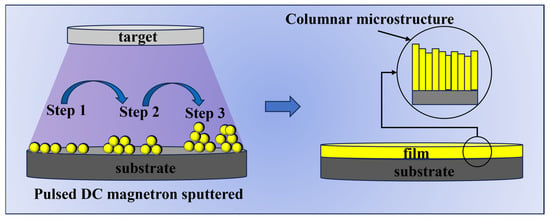
Background: Photothermal therapy (PTT), a highly efficient and controllable method with minimal drug resistance, transforms near-infrared (NIR) radiation into heat. This process exerts antibacterial effects, aids in tissue repair, and promotes healing. Methods: Our study presented a novel kind of composite
[...] Read more.
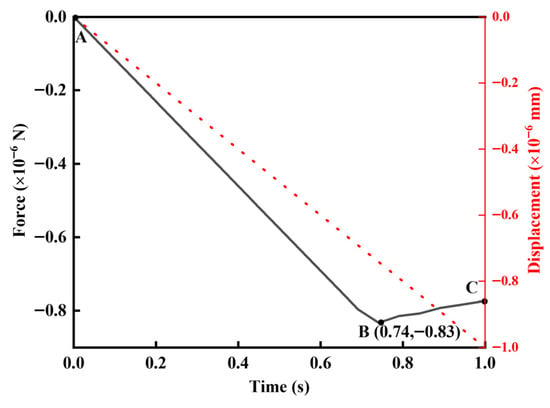
Background: Photothermal therapy (PTT), a highly efficient and controllable method with minimal drug resistance, transforms near-infrared (NIR) radiation into heat. This process exerts antibacterial effects, aids in tissue repair, and promotes healing. Methods: Our study presented a novel kind of composite wound dressing that incorporated adhesive conductive hydrogel combined with piezoelectric film for NIR-responsive applications. The inherent adhesiveness of the hydrogel ensured robust anchoring of the piezoelectric film to both hydrogel matrix and wound site. Its conductivity enabled synergistic endogenous electrical stimulation with the piezoelectric film, while also serving as therapeutic layer to augment hemostasis, analgesia, and antibacterial activity. Results: The hydrogel’s capacity for moisture retention and exudate absorption sustained optimal wound environment, thereby supporting debridement and recovery. Furthermore, the piezoelectric film possessed excellent photothermal properties and transferred heat to the hydrogel through heat conduction to enhance antibacterial activity and promote wound healing. The in vitro and ins vivo experiments confirmed that the composite dressing exhibited strong promotion effect on wound healing under NIR irradiation. Conclusions: In summary, our research provided a new strategy for developing advanced piezoelectric biomaterials with great clinical potential for wound healing.
Full article
Pepper detection in field images is difficult because the fruits can differ substantially in appearance, and many are partially covered by nearby leaves. Localization becomes less reliable when a pepper is slender or when only part of its contour is visible. SLP-Net was
[...] Read more.
Pepper detection in field images is difficult because the fruits can differ substantially in appearance, and many are partially covered by nearby leaves. Localization becomes less reliable when a pepper is slender or when only part of its contour is visible. SLP-Net was developed for this setting. Rather than increasing model size, it is designed to preserve shape cues that are easily weakened in cluttered field scenes. This makes the detector less sensitive to differences among pepper instances and to cases in which the visible region is incomplete. On PP-Set, SLP-Net outperforms the compared detectors, with clearer gains at higher IoU thresholds and on small targets. A similar pattern is observed on CH-Set, where disease, deformation, and stronger background interference further increase the difficulty of detection. Overall, these results indicate that SLP-Net remains more stable when pepper targets vary more strongly in geometry, surface condition, and visibility.
Full article
This study explored faculty perceptions of using Facial Recognition Technology (FRT) for tracking medical student attendance at a private Saudi medical college. Using a mixed-methods approach, researchers surveyed 112 faculty members and conducted focus groups with 26 participants. The findings revealed a balanced
[...] Read more.
This study explored faculty perceptions of using Facial Recognition Technology (FRT) for tracking medical student attendance at a private Saudi medical college. Using a mixed-methods approach, researchers surveyed 112 faculty members and conducted focus groups with 26 participants. The findings revealed a balanced but divided perspective. While a slight majority (51.8%) showed good acceptance, a significant minority (48.2%) did not. Faculty rated the technology highly for its perceived ease of use (85.7%) and effectiveness (75%). However, significant privacy concerns were a major issue for over half of the respondents (55.3%). Qualitative data highlighted key themes, including initial staff reactions to FR technology, the need for better staff communication and training, the balance between efficiency and technical challenges, and deep-seated ethical and privacy concerns related to surveillance. The study concludes that, while faculty see the potential benefits of FRT, successful implementation depends on addressing their legitimate concerns. To succeed, institutions must develop comprehensive strategies that include transparent privacy policies, reliable technology, and robust training for staff. Prioritizing stakeholder engagement and creating culturally sensitive implementation plans are crucial for balancing the benefits of FRT with privacy and ethical considerations.
Full article
The growing energy demand in rural areas such as the ejido Boca del Cerro, located in Tenosique, Tabasco (Mexico), near the Usumacinta River, calls for sustainable energy solutions such as microgrids. This study proposes an energy management system combining renewable energy forecasting and
[...] Read more.
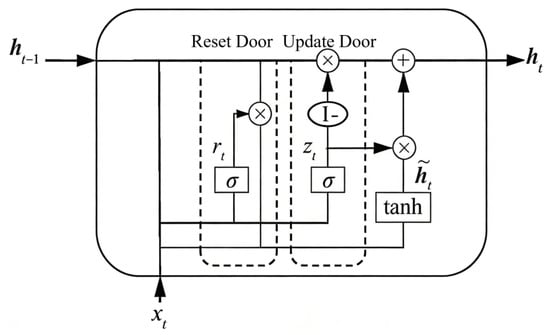
The growing energy demand in rural areas such as the ejido Boca del Cerro, located in Tenosique, Tabasco (Mexico), near the Usumacinta River, calls for sustainable energy solutions such as microgrids. This study proposes an energy management system combining renewable energy forecasting and fuzzy control for a simulated small autonomous rural microgrid scenario designed to supply a fixed priority load of 5 kW and a variable flexible load ranging from 1 to 10 kW. Three LSTM architectures (vanilla, stacked, and bidirectional) are compared for predicting solar irradiance, wind speed, and river flow. The vanilla model is optimized using Hyperband to improve prediction accuracy, particularly for flow rate, which is rarely addressed in similar studies. Forecasts feed into models of photovoltaic, wind, and hydro systems within the microgrid. Energy dispatch is managed through fuzzy logic control. The fuzzy controller supports load prioritization, battery charge/discharge management, and surplus energy redirection to an absorbing load. The final vanilla LSTM achieved RMSE values of 25.741, 0.302, and 12.644 for solar irradiance, wind speed, and river flow, respectively, with NSE values above 0.949 in all cases. These results indicate high forecasting accuracy for solar irradiance and river flow, with limited improvement for wind speed. Overall, the proposed EMS enables effective energy flow management, while the integration of hydrokinetic turbines with AI-based forecasting represents a novel contribution.
Full article
In 2023, Tropical Cyclone Freddy caused severe damage in southern Malawi, flooding much of the lowland area near Lake Chilwa and displacing many residents. This study evaluates long-term, region-specific mitigation strategies to lessen future risks, using a novel approach that combines drone and
[...] Read more.
In 2023, Tropical Cyclone Freddy caused severe damage in southern Malawi, flooding much of the lowland area near Lake Chilwa and displacing many residents. This study evaluates long-term, region-specific mitigation strategies to lessen future risks, using a novel approach that combines drone and satellite data, building footprints, and 3D simulations to analyze how building elevation affects flood damage and assess Property-Level Flood Risk Adaptation measures. Results show a significant difference in ground elevation between affected and unaffected buildings, with damaged structures generally at lower levels. The 3D simulation confirmed a water-level rise of approximately 3.0 m caused by Freddy. Scenario analysis indicates that elevating buildings by 2.0, 2.5, and 3.0 m could reduce direct flood exposure and 64%, 76%, and 91% of damage, respectively. These insights can inform the development of targeted regional risk-mitigation strategies through Property-Level Flood Risk Adaptation in high-risk areas.
Full article
High-rise LiDAR scanning produces vertically sparse point clouds where upper-layer defects are hardest to detect due to inverse-square ranging law (1/r2) density gradients, noise contamination, and complex geometries. This paper presents PC-TowerNet, a physics-aware AI pipeline that achieves state-of-the-art reconstruction through
[...] Read more.
High-rise LiDAR scanning produces vertically sparse point clouds where upper-layer defects are hardest to detect due to inverse-square ranging law (1/r2) density gradients, noise contamination, and complex geometries. This paper presents PC-TowerNet, a physics-aware AI pipeline that achieves state-of-the-art reconstruction through sequential modules: (1) 50D geometric feature classification outperforming CloudCompare SOR (100% accuracy vs. 91.3% retention); (2) Physics-Constrained VAE (PC-VAE) recovering 28.7 ± 2.1% upper density vs. 8.3 ± 1.7% standard VAE; (3) multi-modal PointNet++/GNN/Transformer fusion; and (4) Bayesian uncertainty maps (ECE = 0.042 ± 0.008). Synthetic tower evaluation (10 × 5 seeds) demonstrates 48.9% surface smoothness improvement and 38.2% volume error reduction over tuned RANSAC baselines, with clear paths to real-data validation.
Full article
Background: Bayesian model-informed precision dosing (MIPD) is increasingly used to individualize drug therapy; therefore, this review aimed to identify and characterize its implementation in routine clinical practice. Methods: A focused systematic review was conducted. Web of Science Core Collection and PubMed were searched
[...] Read more.
Background: Bayesian model-informed precision dosing (MIPD) is increasingly used to individualize drug therapy; therefore, this review aimed to identify and characterize its implementation in routine clinical practice. Methods: A focused systematic review was conducted. Web of Science Core Collection and PubMed were searched from inception to February 2026. Eligible studies were original research articles evaluating Bayesian MIPD in routine clinical practice using software platforms that supported dosing decisions. Data were synthesized descriptively. No formal risk-of-bias assessment was performed due to heterogeneity in study design. Results: Fifteen studies met the inclusion criteria. Anti-infective therapy predominated, particularly vancomycin (n = 11), with additional studies involving busulfan, mycophenolate mofetil, amikacin, and tobramycin. Commonly reported software platforms included InsightRx (n = 6) and DoseMeRx (n = 4), along with Abbottbase, NextDose, and ISBA. MIPD was mainly applied with therapeutic drug monitoring, reflecting predominant a posteriori use in routine care. Across studies, implementation was associated with improved pharmacokinetic target attainment, while a subset reported clinical benefits, including reduced nephrotoxicity and favorable effectiveness-related outcomes. Pharmacist involvement was commonly described. Conclusions: Published evidence indicates that Bayesian MIPD is being implemented in routine clinical settings, but current published experience is dominated by vancomycin-focused studies. Although the evidence base remains limited, it has grown since 2020 and suggests that software-supported Bayesian dosing can improve pharmacokinetic target attainment and may support better clinical outcomes.
Full article
by
Hannah Morris, Zoe Coombes, Zeinab El Dor, Valerie J. Rodrigues, Alla Silkina, Pietro Marchese, Mary Murphy, Jessica M. M. Adams, Frank Barry, Claudio Fuentes-Grünewald, Walid Rachidi and Deyarina Gonzalez
BioTech2026, 15(2), 34; https://doi.org/10.3390/biotech15020034 (registering DOI) - 15 May 2026
Marine macroalgae, microalgae, and associated microorganisms are increasingly recognised as valuable sources of bioactive compounds with applications across biotechnology and health. The environmental and ecological conditions they inhabit shape their metabolite diversity, leading to the production of high-value compounds such as sulphated polysaccharides,
[...] Read more.
Marine macroalgae, microalgae, and associated microorganisms are increasingly recognised as valuable sources of bioactive compounds with applications across biotechnology and health. The environmental and ecological conditions they inhabit shape their metabolite diversity, leading to the production of high-value compounds such as sulphated polysaccharides, lipids, pigments, phenolics, and peptides. These compounds exhibit conserved biological activities that underpin potent antioxidant, anti-inflammatory, cytotoxic, and pro-regenerative effects with strong potential for translation. Although external factors drive rich metabolite diversity, continual variation can also lead to translational constraints including heavy-metal accumulation, inconsistency in extract composition, and regulatory complexity. This review examines the environmental drivers of metabolite diversity and the functional potential of bioactives derived from marine algae. We focus on their translational application within four areas of growing interest: nutraceuticals, cosmetics, regenerative medicine, and oncology, where emerging evidence suggests their promise as next-generation bioactive ingredients and therapeutic leads. In addition, insights from Irish and Welsh Small and Medium Enterprises (SMEs) are collated to identify key bottlenecks in commercialisation and the requirements for effective marine biodiscovery pipelines. We consider the importance of controlled cultivation, standardised analytics, preclinical testing platforms, and collaborative innovation ecosystems and highlight the need for coordinated scientific, technical, and regulatory advances to unlock the full translational potential of marine-derived compounds.
Full article
Arundo donax L. is a significant energy crop and perennial grass, with its efficient conversion holding substantial implications for the utilization of agricultural biomass resources. However, the distinct effects of acid and alkali pretreatments on its lignocellulose degradation patterns and structural modifications remain
[...] Read more.
Arundo donax L. is a significant energy crop and perennial grass, with its efficient conversion holding substantial implications for the utilization of agricultural biomass resources. However, the distinct effects of acid and alkali pretreatments on its lignocellulose degradation patterns and structural modifications remain inadequately characterized. This study utilized Arundo donax L. as raw material to compare the effects of dilute sulfuric acid and sodium hydroxide pretreatments on its component degradation and structural modifications. Single-factor experiments were conducted, and the mechanisms were investigated using X-ray diffraction (XRD), Fourier Transform Infrared Spectroscopy (FTIR), and scanning electron microscopy (SEM) analyses. The results indicated that dilute sulfuric acid pretreatment primarily degraded hemicellulose (up to 85.8%) with limited lignin removal (<13%), whereas sodium hydroxide pretreatment effectively removed lignin (66.8%). XRD analysis revealed that crystallinity after dilute acid treatment was significantly higher than that of untreated samples (p < 0.05). Sodium hydroxide treatment induced a concentration-dependent non-monotonic change in crystallinity: the crystallinity index (CrI) peaked at a 1% concentration, was significantly lower at 3% and 4%, and showed intermediate values at 2% and 5%. The apparent crystallite size remained at 3.0–3.3 nm, suggesting that both pretreatments primarily targeted amorphous regions. FTIR analysis confirmed that alkali treatment more thoroughly disrupted ester bonds and lignin. SEM images revealed that alkali-treated fiber bundles were more loosely packed with relatively smoother surfaces. In acid treatment, 100 °C was identified as the critical temperature for a significant increase in crystallinity, whereas in alkali treatment, temperature had no significant effect on crystallinity.
Full article
by
Beata Krasińska, Ievgen Spasenenko, Dagmara Pietkiewicz, Szymon Plewa, Krzysztof J. Filipiak, Katarzyna Pawlaczyk-Gabriel, Jarosław Bartkowski, Andrzej Tykarski, Zbigniew Krasiński, Jan Matysiak and Tomasz Urbanowicz
Int. J. Mol. Sci.2026, 27(10), 4459; https://doi.org/10.3390/ijms27104459 (registering DOI) - 15 May 2026
Heart failure with reduced ejection fraction (HFrEF) is increasingly recognized as a systemic metabolic disorder. The aim of this study was to characterize amino acid-related metabolic differences between heart failure with moderately reduced ejection fraction (HFmrEF) (LVEF 40–49%) and HFrEF (LVEF < 40%)
[...] Read more.
Heart failure with reduced ejection fraction (HFrEF) is increasingly recognized as a systemic metabolic disorder. The aim of this study was to characterize amino acid-related metabolic differences between heart failure with moderately reduced ejection fraction (HFmrEF) (LVEF 40–49%) and HFrEF (LVEF < 40%) and to derive a biologically interpretable composite metabolomic index capable of discriminating between these two stages of systolic dysfunction. We conducted a cross-sectional metabolomic analysis of 42 patients stratified by left ventricular ejection fraction (LVEF < 40% vs. 40–49%). The reference group comprised patients with mildly reduced ejection fraction (LVEF 40–49%), without inclusion of individuals with preserved or normal cardiac function. Targeted amino acid profiling was performed using liquid chromatography-tandem mass spectrometry (LC–MS/MS). Metabolites were standardized and analyzed individually and in combination. A composite index (Heart Failure Amino Acid-Derived Systolic Index: HASI-40), integrating markers of proteolysis and metabolic resilience, was derived to distinguish patients with HFrEF from those with HFmrEF. Discrimination was assessed using receiver operator curve (ROC) analysis with internal validation and multivariable adjustment. Patients with LVEF < 40% exhibited a coordinated metabolic phenotype characterized by reduced methionine, sarcosine, serine, and taurine. While individual metabolites did not retain significance after multiple-testing correction, the composite HASI-40 index remained strongly associated with HFrEF (OR 5.56, 95% CI: 1.70–18.14; p = 0.004), although the wide confidence interval indicates limited precision due to sample size. The index demonstrated good discrimination with an area under the curve (AUC) of 0.862, which improved when combined with age (AUC 0.932). The index represents a standardized composite measure and does not define a diagnostic cutoff for individual patients. These findings suggest that HFmrEF and HFrEF exhibit partially distinct metabolic phenotypes despite overlapping clinical characteristics. These findings suggest that HASI-40 captures metabolic differences between patients with HFmrEF (LVEF 40–49%) and those with HFrEF (LVEF < 40%), reflecting progression toward more advanced systolic dysfunction. However, due to the absence of a control group with preserved ejection fraction, small sample size, and lack of external validation, the index should be considered exploratory and hypothesis-generating rather than clinically applicable.
Full article
Building damage and collapse are the main sources of serious casualties and financial losses during earthquakes, which are among the most destructive natural disasters that endanger human life and property. Therefore, quick and precise post-earthquake building damage assessment is essential for risk assessment
[...] Read more.
Building damage and collapse are the main sources of serious casualties and financial losses during earthquakes, which are among the most destructive natural disasters that endanger human life and property. Therefore, quick and precise post-earthquake building damage assessment is essential for risk assessment and emergency action. Convolutional neural networks (CNNs) primarily concentrate on local features and frequently ignore global contextual information within and across buildings, despite the fact that deep learning-based techniques allow automated damage identification. Transformer-based approaches, on the other hand, are good at capturing global dependencies, but their large memory and processing costs restrict their usefulness. As a result, existing networks still struggle to achieve an effective balance between accuracy and efficiency. To address this issue, this study proposes a lightweight and efficient network for post-earthquake building damage assessment. Specifically, we develop a two-stage method based on EfficientViM with an encoder–decoder architecture. In the encoder, Mamba is introduced to extract multi-scale change features with long-range dependencies, leveraging the state space model to preserve global modeling capability while significantly reducing computational complexity. In the decoder, two lightweight modules are designed to further enhance discriminative capability and computational efficiency. The network finally outputs building localization and pixel-level building damage, respectively. Experiments were conducted on four earthquake events from the BRIGHT dataset using a three-for-training and one-for-testing cross-event rotation evaluation strategy. The results demonstrate that LEViM-Net requires only 30.94 M parameters and 27.10 G FLOPs. In addition, for the Türkiye earthquake event, the proposed method achieves an F1 score of 80.49%, an overall accuracy (OA) of 88.17%, and a mean intersection over union (mIoU) of 49.73%. The proposed model enables efficient remote-sensing-based mapping of macroscopic and image-visible building damage, providing timely support for early-stage emergency response.
Full article
This review explores the biological properties and application potential of native, technical, and modified lignins, with a focus on their antioxidant, antimicrobial, and anti-inflammatory activities. Native lignin generally preserves more of its original phenolic architecture and thus shows stronger intrinsic biological activity. This
[...] Read more.
This review explores the biological properties and application potential of native, technical, and modified lignins, with a focus on their antioxidant, antimicrobial, and anti-inflammatory activities. Native lignin generally preserves more of its original phenolic architecture and thus shows stronger intrinsic biological activity. This is likely due to its more homogeneous structure, which makes its physicochemical behavior more predictable compared with highly processed technical lignins. Among technical lignins, organosolv and soda lignin appear the most promising due to their sulfur-free nature, lower condensation, and higher reactivity. At the monomer level, catechol-type phenolics show the highest antioxidant potential, while vanillin remains the most attractive lignin-derived monomer because it combines bioactivity with direct application potential in food, pharmaceutical, and cosmetic systems. Comparison of modification strategies indicates that phenolic grafting, esterification, and carboxylation are more practical for scale-up than complex multistep polymer grafting. In particular, gallic acid grafting produced some of the strongest results, including near-complete 2,2′-azino-bis-(3-ethylbenzothiazoline-6-sulfonic acid) (ABTS) scavenging, 98.7% 2,2-diphenyl-1-picrylhydrazyl (DPPH) radical inhibition, and a fourfold increase in phenolic hydroxyl content, whereas other modified lignins also showed improved antimicrobial and anti-inflammatory effects. Overall, mild and green lignin modification, especially with food-safe phenolic compounds, appears to be the most promising strategy for future food and human health applications.
Full article
Background: To investigate the effect of angiotensin-(1-7) [Ang-(1-7)] on serum metabolomics in obese type 2 diabetic (T2DM) mice. Methods: Four-week-old male C57BL/6 mice were fed a high-fat diet and intraperitoneally injected with streptozotocin (35 mg/kg) to establish an obese T2DM model.
[...] Read more.
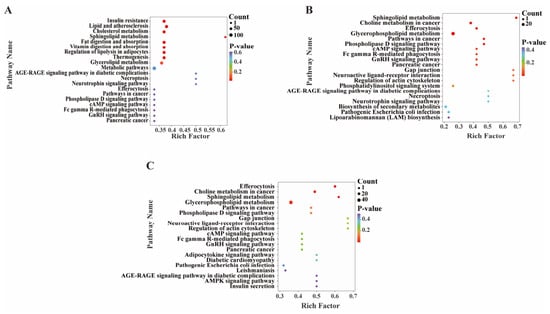
Background: To investigate the effect of angiotensin-(1-7) [Ang-(1-7)] on serum metabolomics in obese type 2 diabetic (T2DM) mice. Methods: Four-week-old male C57BL/6 mice were fed a high-fat diet and intraperitoneally injected with streptozotocin (35 mg/kg) to establish an obese T2DM model. Mice were randomized into control, T2DM and T2DM+Ang-(1-7) groups (n = 6). Body weight and blood glucose were recorded weekly. At 10 weeks, blood glucose, serum inflammatory factors, lipid profiles, and pancreatic β-cell insulin secretion were detected; serum metabolite alterations were analyzed via untargeted metabolomics. Results: 1. Ang-(1-7) intervention decreased blood glucose (p < 0.05) and CRP levels (p < 0.01), and alleviated dyslipidemia (p < 0.05 or p < 0.01), as well as β-cell morphology and insulin expression in obese T2DM mice. 2. Non-targeted metabolomics analysis suggested that Ang-(1-7) may alleviate abnormal amino acid metabolic pathways by regulating levels of metabolites such as L-valine, L-proline, L-histidine, and glutamic acid. This intervention also tended to reduce multiple lipid metabolites, including Omega-3 Arachidonic Acid Ethyl Ester, phosphatidylcholine, and glycerophosphocholine, thereby participating in the modulation of lipid metabolism balance. KEGG enrichment analysis further indicated that Ang-(1-7) was involved in the regulation of protein digestion and the absorption pathway, as well as the HIF-1 signaling pathway related to oxidative stress, bile acid metabolism pathway, and other signaling pathways, and improving the insulin secretion pathway, pyrimidine metabolism, and TCA cycle energy metabolism pathway. Conclusions: Ang-(1-7) may partially improve metabolic disturbances in obese T2DM mice, which is potentially associated with the modulation of multiple metabolic processes, including amino acid metabolism, lipid metabolism, insulin secretion, and TCA cycle energy metabolism.
Full article
Background: The nursing profession is recognized as a high-risk occupation, with the emotional toll on healthcare workers reaching a critical point. A complex interplay of anger and cynicism, often stemming from systemic pressures and chronic moral injury, seems to increasingly affect nurses’
[...] Read more.
Background: The nursing profession is recognized as a high-risk occupation, with the emotional toll on healthcare workers reaching a critical point. A complex interplay of anger and cynicism, often stemming from systemic pressures and chronic moral injury, seems to increasingly affect nurses’ professional and personal lives. This psychological strain does not end when the shift ends; rather, it often manifests as insomnia and nightmare distress, creating a vicious cycle of exhaustion and emotional instability. This article explores how anger, cynical distrust, nightmare distress and insomnia are interrelated and jeopardize the well-being of nursing staff and what these “invisible” symptoms reveal about the current state of healthcare by confirming their prevalence rates. Methods: This cross-sectional study was conducted online in October 2025 and included 441 hospital nurses who completed the Dimensions of Anger Reactions-5 (DAR-5), the 8-item Cynical Distrust scale (CDS-8), the Nightmare Distress Questionnaire (NDQ) and the Athens Insomnia Scale (AIS). Results: The prevalence rates of anger, nightmare distress and insomnia were 41.5%, 6.6%, and 62.1%, respectively. Based on the CDS-8 scores, a notable proportion (20.9%) of nurses fell within the highest quartile of CDS-8 scores (CDS-8 > 29), indicating relatively elevated cynical distrust within this sample; this threshold is sample-derived and does not correspond to a validated clinical cut-off. Hierarchical multiple regression analysis indicated that the DAR-5 explained 22.1% of the variance in AIS, while an additional 10.2% was explained by NDQ and another 1.5% by the CDS-8. Both cynical distrust and nightmare distress displayed a chain mediation pattern in the association between anger and insomnia; however, given the cross-sectional design, the temporal order of these variables cannot be confirmed. Conclusions: Anger exhibited significant direct and indirect associations with insomnia, with cynical distrust and nightmare distress acting as serial mediators in this cross-sectional model. Findings from this cross-sectional study tentatively suggest that future intervention efforts targeting insomnia in nurses might benefit from addressing anger alongside nightmare distress and cynical attitudes; however, experimental studies are needed to confirm whether such interventions would be effective.
Full article
Background: Post-surgical cardiovascular monitoring places a heavy information burden on clinical teams, requiring the rapid synthesis of patient history, intraoperative data, monitoring streams, and surgical outcome evidence. Existing clinical decision support systems handle this integration poorly, and most offer little visibility into their
[...] Read more.
Background: Post-surgical cardiovascular monitoring places a heavy information burden on clinical teams, requiring the rapid synthesis of patient history, intraoperative data, monitoring streams, and surgical outcome evidence. Existing clinical decision support systems handle this integration poorly, and most offer little visibility into their reasoning. We present a Retrieval-Augmented Generation (RAG) architecture designed specifically for this domain, with a focus on evidence traceability and practical workflow integration. Methods: We describe a three-layer RAG architecture comprising a retrieval layer that creates 768-dimensional representations of clinical scenarios; an augmentation layer using a stacking ensemble (Random Forest and XGBoost base learners with a logistic-regression meta-learner) to integrate patient-specific data with retrieved evidence and produce calibrated probability estimates; and a generative layer using a fine-tuned BERT classifier together with Gemini 2.5 Pro to synthesise actionable clinical recommendations. Components were prototyped on publicly available, de-identified data from MIMIC-III and the MIMIC-III-Ext-PPG benchmark to verify pipeline integrity. Proposed Evaluation Framework: This paper presents a system architecture rather than a clinically validated implementation. We outline a structured evaluation framework to assess the technical performance and clinical applicability of the RAG architecture, encompassing the technical validation of system components, expert assessment of clinical workflow integration potential, and analysis of interpretability features essential for healthcare deployment. Specific technical targets include retrieval precision >90% for relevant evidence, query response time <3 s, and a clinical appropriateness rating of >85% from expert review. Conclusions: We describe a RAG architecture for post-surgical cardiovascular monitoring in which every recommendation is linked to retrievable source documents, making the reasoning visible and challengeable. A structured evaluation framework is proposed to guide the system towards clinical validation.
Full article
To better understand the impact that multi-scale unsteadiness has on industrial flows, we use Large Eddy Simulation (LES) data representative of a midspan compressor section operating in an idealized multi-stage environment. We collect a large number of three-dimensional flow snapshots and perform a
[...] Read more.
To better understand the impact that multi-scale unsteadiness has on industrial flows, we use Large Eddy Simulation (LES) data representative of a midspan compressor section operating in an idealized multi-stage environment. We collect a large number of three-dimensional flow snapshots and perform a large-scale flow decomposition using a parallel framework based on the Proper Orthogonal Decomposition (POD). Once the flow is split into orthogonal modes, we quantify kinetic energy budgets on a mode-by-mode basis. This enables us to characterize energy exchanges between these modes and analyze the flow in a multi-scale manner. As a result we are able to reconstruct an approximate energy cascade within the domain. The results provide insights into the role that various scales play in modulating the energy transfer within the flow. This work is a stepping stone towards utilizing all the information embedded in the 3D unsteady flowfield and its evolution for the purpose of informing turbulence modeling.
Full article
Sustainable power-system operation requires carbon-reduction strategies that are emission-effective, physically deliverable, economically feasible, and compatible with user-side decarbonization claims. As Scope 2 carbon accounting increasingly emphasizes temporal, spatial, and physical consistency, dispatch models need to link user-level carbon claims with network-constrained power delivery.
[...] Read more.
Sustainable power-system operation requires carbon-reduction strategies that are emission-effective, physically deliverable, economically feasible, and compatible with user-side decarbonization claims. As Scope 2 carbon accounting increasingly emphasizes temporal, spatial, and physical consistency, dispatch models need to link user-level carbon claims with network-constrained power delivery. This paper proposes a User-Centric Carbon Cost-Constrained Low-Carbon Dispatch (CCC-LCD) framework that integrates carbon emission flow (CEF), nodal carbon intensity (NCI), network-constrained optimal dispatch, and endogenous demand response. A PTDF-based DC-OPF model represents active-power deliverability, while dual virtual flow variables determine carbon-flow directions endogenously. The model minimizes the target user’s physically traced Scope 2 emissions under a cost-tolerance budget and flexible-load constraints. Case studies on a modified IEEE 14-bus system show that nodal decarbonization is topology-dependent: high-load and high-NCI nodes obtain larger reductions from source-side generation substitution, whereas renewable-adjacent nodes exhibit limited marginal gains. The CEF-DR strategy outperforms single-mechanism cases, indicating the value of coordinating physical carbon-flow constraints with flexible demand. From a sustainability perspective, the proposed framework supports verifiable low-carbon electricity consumption, improves the economic feasibility of user-side decarbonization, and provides a practical dispatch tool for sustainable energy transition and corporate Scope 2 emission reduction.
Full article
The functional performance and structural integrity of natural rock materials under fluctuating environmental stressors are pivotal for their advanced applications. As a non-ionizing and radiation-free technology, terahertz (THz) spectroscopy offers a safe and promising alternative for non-destructive testing (NDT), uniquely capable of being
[...] Read more.
The functional performance and structural integrity of natural rock materials under fluctuating environmental stressors are pivotal for their advanced applications. As a non-ionizing and radiation-free technology, terahertz (THz) spectroscopy offers a safe and promising alternative for non-destructive testing (NDT), uniquely capable of being deployed in open and unshielded environments. However, limited penetration depth, exacerbated by both the dense geological matrix and the extreme sensitivity of THz waves to moisture states, has long hindered its widespread application in rock characterization. This study establishes a quantitative Terahertz Time-Domain Spectroscopy (THz-TDS) framework to characterize four lithologies under drying–wetting cycles. Exponential signal attenuation across thicknesses was quantified based on the Beer–Lambert law, with attenuation coefficients ranging from 0.15 to 0.74 per millimeter. Planar transmission imaging successfully visualizes lithologic and moisture-dependent heterogeneity: limestone exhibits a dense, homogeneous structure with stable amplitude distribution; sandstone and purple sandstone show parallel statistical trends, reflecting uniform pore networks; and granite demonstrates the most pronounced imaging contrast under varying moisture states, driven by complex grain-boundary scattering. The findings reveal that THz transmission is dictated by the synergistic effects of mineral compositions and pore structures: scattering at grain boundaries and fractures leads to significant energy dissipation, whereas clay-rich lithologies exhibit the highest sensitivity to moisture variations due to water adsorption and interfacial polarization effects. As an exploration of THz technology in the non-destructive evaluation of rock materials, these findings establish an analytical framework for the quantitative assessment of microstructure evolution.
Full article
Snow cover plays an important role in ecological stability and seasonal water regulation in the western Greater Khingan Mountains of Inner Mongolia, a cold-region transitional zone where climate warming may intensify environmental vulnerability and sustainability challenges. Using long-term remote sensing, meteorological, and topographic
[...] Read more.
Snow cover plays an important role in ecological stability and seasonal water regulation in the western Greater Khingan Mountains of Inner Mongolia, a cold-region transitional zone where climate warming may intensify environmental vulnerability and sustainability challenges. Using long-term remote sensing, meteorological, and topographic datasets, this study examined the spatiotemporal changes in snow cover and assessed the relative influences of climatic and geographic factors. The results showed pronounced spatial heterogeneity, with greater snow depth and longer snow cover duration occurring in the northeastern, high-altitude, gentle-slope, and north-facing areas. Snow depth showed a slight but marginally significant declining trend during 1982–2024 at a rate of 0.026 cm a−1, while snow cover days decreased by 0.39 d a−1 during 1982–2020. Snow cover onset exhibited a slight but significant delay, whereas snowmelt timing showed strong interannual variability. Compared with precipitation, temperature showed stronger and more persistent associations with snow cover variations, and climatic factors explained a larger proportion of snow-depth variability than geographic factors. Overall, the results suggest that regional warming has played a leading role in recent snow cover decline. These findings improve understanding of climate-sensitive snow dynamics and provide useful evidence for ecological conservation, seasonal water-resource adaptation, and sustainable regional management in cold-region landscapes of northern China.
Full article
The discharge of metal-complex dyes from textile industries poses significant environmental challenges due to their chemical stability and resistance to conventional biological treatment. This study examined the degradation of Acid Black 194 (AB–194), a 1:2 chromium-complex azo dye, using Co2+-activated peroxymonosulfate
[...] Read more.
The discharge of metal-complex dyes from textile industries poses significant environmental challenges due to their chemical stability and resistance to conventional biological treatment. This study examined the degradation of Acid Black 194 (AB–194), a 1:2 chromium-complex azo dye, using Co2+-activated peroxymonosulfate (PMS). A central composite design based on response surface methodology was used to evaluate the effects of Co2+ (5.93–20.07 µM), PMS (1.67–7.33 mM), and dye (13.79–56.21 mg L−1) concentrations on decolorization and mineralization. The polynomial models demonstrated strong predictive accuracy (R2 > 0.9896), identifying Co2+ and dye concentrations as the most influential factors. Under optimal conditions (18.0 µM Co2+, 6.5 mM PMS, 20.0 mg L−1 dye), 99.19% decolorization was achieved at 30 min and 41.43% TOC removal at 240 min. Degradation kinetics were described by a mechanistic model incorporating 15 elementary reactions that comprise the Co2+/Co3+ redox cycle, radical generation, and dye oxidation, yielding a global R2 of 0.9617. Estimated rate constants for dye oxidation (k14 = 3.52 × 10⁹ M–1 s–1 for and k15 = 2.00 × 10¹⁰ M–1 s–1 ) were consistent with values reported for aromatic compounds in sulfate radical systems. Radical contribution analysis confirmed sulfate radicals as the principal oxidizing species, accounting for 96.75% of the overall process.
Full article
Introduction: Endobronchial ultrasound-guided transbronchial needle aspiration (EBUS-TBNA) is widely used for diagnosing pulmonary diseases causing mediastinal lymphadenopathy. However, non-diagnostic results may occur. This study investigated factors associated with non-diagnostic cytological results in EBUS-TBNA. Methods: This retrospective study included patients who underwent EBUS-TBNA at
[...] Read more.
Introduction: Endobronchial ultrasound-guided transbronchial needle aspiration (EBUS-TBNA) is widely used for diagnosing pulmonary diseases causing mediastinal lymphadenopathy. However, non-diagnostic results may occur. This study investigated factors associated with non-diagnostic cytological results in EBUS-TBNA. Methods: This retrospective study included patients who underwent EBUS-TBNA at a tertiary hospital between March 2019 and December 2023. Data on demographics, biopsy techniques, cyto-/histopathological results, sonographic lymph node measurements, and pre-procedural PET-CT SUVmax values were recorded. Cytological results were classified as diagnostic or non-diagnostic. We analyzed the characteristics and associated factors of patients who were non-diagnostically identified. Results: Among 776 patients undergoing EBUS-TBNA, 502 (64.7%) were male, with a mean age of 61.5 ± 12.6 years. A total of 1110 lymph nodes were sampled. Of the patients, 14.1% had a non-diagnostic cytology. Among the diagnosed patients, cytological findings showed 58.9% non-malignant, 41.1% malignant. The most sampled station was station 7 (72.9%), with an average of 5.9 ± 1.4 aspirations. Diagnostic cases had significantly more aspirations (p = 0.022) and sampled larger lymph node sizes (p < 0.001). Each 1 mm increase in lymph node size raised the likelihood of diagnostic results by 1.04 times (adjOR = 1.04, 95% CI = 1.02–1.08, p = 0.002). The largest lymph node size significantly predicted diagnostic results (AUROC = 0.611, p < 0.001). A cut-off of 19.55 mm had 67.0% sensitivity and 52.2% specificity. Conclusion: Sampled larger lymph nodes increase diagnostic yield in EBUS-TBNA, reducing the need for repeat procedures and enabling earlier treatment, thereby decreasing morbidity and mortality.
Full article
by
Vitolante Pezzella, Andrea Blasi, Leopoldo Mauriello, Giuseppe Trapanese, Elio Ramaglia, Michele Basilicata, Vincenzo Iorio-Siciliano and Luca Ramaglia
J. Funct. Biomater.2026, 17(5), 247; https://doi.org/10.3390/jfb17050247 (registering DOI) - 15 May 2026
Alveolar ridge preservation (ARP) aims to reduce post-extraction bone resorption and facilitate implant placement. Among alloplastic grafts, β-tricalcium phosphate (β-TCP) is widely used due to its osteoconductive properties and complete resorbability. This systematic review evaluated the clinical effectiveness of β-TCP for ARP, focusing
[...] Read more.
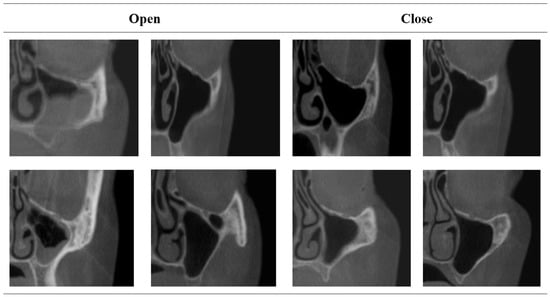
Alveolar ridge preservation (ARP) aims to reduce post-extraction bone resorption and facilitate implant placement. Among alloplastic grafts, β-tricalcium phosphate (β-TCP) is widely used due to its osteoconductive properties and complete resorbability. This systematic review evaluated the clinical effectiveness of β-TCP for ARP, focusing on ridge dimensional changes assessed by cone–beam computed tomography (CBCT). Electronic searches were performed in major scientific databases up to April 2026. Randomized controlled trials (RCTs) reporting CBCT-based dimensional outcomes after at least 4 months were included. Five RCTs met the inclusion criteria. Considerable heterogeneity was observed in biomaterial formulations, socket management, and outcome assessment. When used alone, β-TCP showed variable results, ranging from greater ridge resorption compared with xenograft to outcomes comparable with those of freeze-dried bone allograft. More consistent findings were reported when β-TCP was used in combination with other biomaterials, with outcomes generally comparable to those of deproteinized bovine bone mineral (DBBM). Overall, β-TCP may have a potential role in alveolar ridge preservation; however, evidence remains limited and heterogeneous. Differences between β-TCP alone and composite formulations should be carefully considered, and no definitive conclusions can be drawn regarding its comparative predictability versus xenografts. Further RCTs are needed to clarify its clinical effectiveness and identify optimal applications.
Full article
Vegetables constitute an essential component of the daily diet in Albania; however, they also represent a major pathway of human exposure to pesticide residues. This study investigates the presence of pesticide residues in widely used vegetables, including leafy, fruity, root, and bulb types,
[...] Read more.
Vegetables constitute an essential component of the daily diet in Albania; however, they also represent a major pathway of human exposure to pesticide residues. This study investigates the presence of pesticide residues in widely used vegetables, including leafy, fruity, root, and bulb types, and evaluates the potential dietary health risks associated with their consumption. Vegetable samples were analyzed using gas chromatography–tandem mass spectrometry (GC-MS/MS) and liquid chromatography–tandem mass spectrometry (LC-MS/MS), for the presence of 417 pesticide analytes, ensuring high analytical sensitivity and reliability. Pesticide residues were present, with 42 distinct compounds, including metabolites, found in all the analyzed samples. Notably, some of the detected substances are not currently authorized for use as plant protection products, suggesting either environmental persistence or regulatory non-compliance. Exceedances of European Union maximum residue limits (MRLs) were most frequently detected in leafy vegetables (42.31%), followed by fruity vegetables (18.75%), whereas no MRL exceedances were observed in root and bulb vegetables. According to the dietary exposure assessment conducted using European Food Safety Authority Pesticide Residue Intake Model (EFSA PRIMo model v.3.1), chronic dietary exposure to pesticide residues was below the acceptable daily intake (ADI). According to this assessment, the acute exposure exceeded the acute reference dose (ARfD) for several pesticide–vegetable combinations, particularly among children. This highlights the need for ongoing monitoring and better agricultural management techniques to reduce potential health risks related to pesticide residues in vegetables. The study results indicate the need to strengthen national monitoring programs, enforce pesticide regulations more strictly, and promote the wider adoption of integrated pest management strategies to reduce dietary pesticide exposure and protect public health in Albania.
Full article
Objectives: To validate claims-based algorithms for identifying thyroid eye disease (TED) cases and assess whether machine learning can improve case identification in a large, linked real-world dataset. Methods: Using a large, linked database from Komodo Health® and Academy IRIS® [...] Read more.
Objectives: To validate claims-based algorithms for identifying thyroid eye disease (TED) cases and assess whether machine learning can improve case identification in a large, linked real-world dataset. Methods: Using a large, linked database from Komodo Health® and Academy IRIS® Registry, we evaluated six rule-based algorithms incorporating Graves’ disease (GD), eye symptoms and signs. The IRIS Registry’s curated data, based on confirmed TED diagnoses from medical notes, served as the reference standard. Additionally, we developed supervised machine learning models using demographic, diagnostic, procedural, and medication data. Feature selection was performed using recursive feature elimination to rank predictive codes and construct a simplified, interpretable model. Cross-validation was used to assess model performance and compare performance with the rule-based algorithms. Results: The rule-based algorithms demonstrated a trade-off between sensitivity and specificity, with some achieving high specificity but limited sensitivity. Algorithm 1 had the highest sensitivity (48.7%) but lower specificity (59.9%) and PPV (75.8%). Algorithms 2–5 demonstrated higher specificity (87.2–93.5%) but lower sensitivity (17.8–27.0%). Algorithm 6 improved sensitivity (33.4%) compared to Algorithms 2–5 while maintaining high specificity (86.8%) and a strong PPV (86.7%). Machine learning models demonstrated similar trade-offs. One model achieved improved specificity (77.2%) with sensitivity of 49.3%, outperforming Algorithm 1 in specificity while matching its sensitivity. Another model maximized specificity (91.7%) and PPV (89.8%) at a reduced sensitivity of 28.5%. These results highlight the flexibility of machine learning models in adjusting performance to address different research objectives. Conclusions: This study evaluated existing rule-based algorithms for identifying TED cases in claims data, revealing trade-offs between sensitivity and specificity. Machine learning models provide additional flexibility, allowing performance to be tailored to specific research use cases. While no single method consistently outperformed others across all metrics, both rule-based and machine learning approaches demonstrated value in improving TED case identification using real-world data sources.
Full article
Introduction/Objective: Patient satisfaction with nursing care quality is an important patient-reported indicator of hospitalization experience. Previous studies have mainly examined sociodemographic, clinical, and organizational factors, while personality traits have rarely been included in explanatory models. This study examined the association of sociodemographic
[...] Read more.
Introduction/Objective: Patient satisfaction with nursing care quality is an important patient-reported indicator of hospitalization experience. Previous studies have mainly examined sociodemographic, clinical, and organizational factors, while personality traits have rarely been included in explanatory models. This study examined the association of sociodemographic characteristics, hospitalization-related variables, and personality traits with patient satisfaction. Methods: A single-center cross-sectional study was conducted among hospitalized patients in a general hospital in Croatia. Data were collected at discharge using a demographic and hospitalization questionnaire, the NEO Five-Factor Inventory, and the Croatian version of the Patient Satisfaction with Nursing Care Quality Questionnaire. Group differences were analyzed using non-parametric tests, and hierarchical regression analysis was performed. Results: Younger age, employment, male gender, and better self-rated health were associated with higher satisfaction. Patients admitted on a scheduled basis and those staying alone or with one other person in the room were more satisfied. Sociodemographic variables explained 21.5% of the variance in satisfaction (R2 = 0.215; adjusted R2 = 0.168). After hospitalization-related variables were added, the explained variance increased to 30.1% (R2 = 0.301; adjusted R2 = 0.232). The addition of personality traits further increased the explained variance to 45.6% (R2 = 0.456; adjusted R2 = 0.385). In the final model, staying with two or more persons was negatively associated with satisfaction, whereas agreeableness and conscientiousness were positively associated with satisfaction. Conclusions: Patient satisfaction with nursing care quality was associated with patient characteristics, hospitalization conditions, and personality traits. Accommodation conditions and individual psychological differences should be considered when interpreting satisfaction as an indicator of nursing care quality.
Full article
This article examines how MongoDB optimizes aggregation pipeline queries, focusing on two mechanisms: a trial-based plan selection process that runs candidate execution plans in parallel and picks the one returning the most results for the least work, and rule-based operator rewriting by the
[...] Read more.
This article examines how MongoDB optimizes aggregation pipeline queries, focusing on two mechanisms: a trial-based plan selection process that runs candidate execution plans in parallel and picks the one returning the most results for the least work, and rule-based operator rewriting by the Pipeline Optimizer. The study tests nine aggregation query types on a synthetic e-commerce dataset with 50K documents, using MongoDB versions 6.0.3 and 8.2.5 under identical conditions. For each query, all valid operator orderings are evaluated together with the physical execution plan and the Pipeline Optimizer output. Each test runs 20 times with the plan cache cleared before every run. The study also tests scalability with datasets of 150K and 250K documents. Three cases are identified where the rule-based optimizer falls short: IXSCAN preference bias at low selectivity, where the suboptimal plan is up to nine times slower than the optimal (80 ms vs. 699 ms at 250K under MongoDB 8.2.5), unbounded document multiplication after $unwind, and failure to account for $group output cardinality. MongoDB 8.2.5 improves performance in most cases compared to version 6.0.3. $match + $group queries run up to 28% faster. Queries that rely on IXSCAN improve by up to 18%. Unbounded projection operations run slower in MongoDB 8.2.5 at all tested sizes. The slowdown is +23% at 50K, +3% at 150K, and +14% at 250K, pointing to a change in the projection execution path between versions.
Full article