


Advancing Open Science
A global leader in open access publishing, supporting research
communities and accelerating scientific discovery
 
10 pages, 5590 KB  
Article
Wafer-Scale Fabrication of Uniform Few-Layer Hexagonal Boron Nitride Stacks for Memristor Applications
by Jiawei Wu, Jiahao Wang, Qinci Wu, Bingchen Han, Mengwei Li, Junqiang Wang and Hongtao Liu
Nanomaterials 2026, 16(10), 611; https://doi.org/10.3390/nano16100611 (registering DOI) - 16 May 2026
Abstract
Few-layer hexagonal boron nitride (hBN) is a promising two-dimensional dielectric for electronic and neuromorphic devices. However, its practical deployment is often hindered by the thickness nonuniformity of as-grown samples and by defects introduced during the transfer-stacking process of assembled samples. In particular, the [...] Read more.
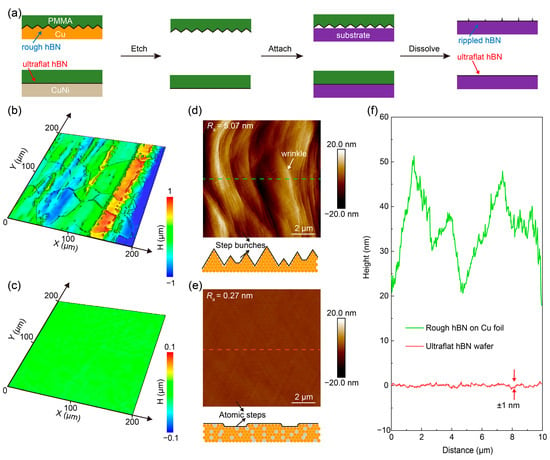
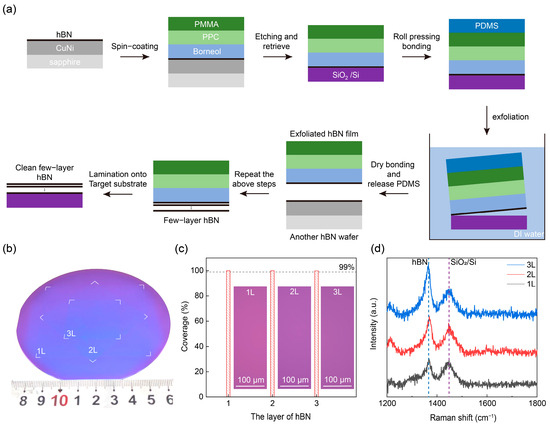
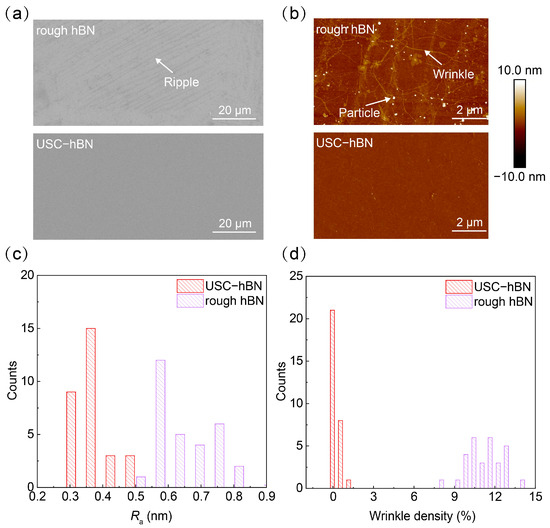
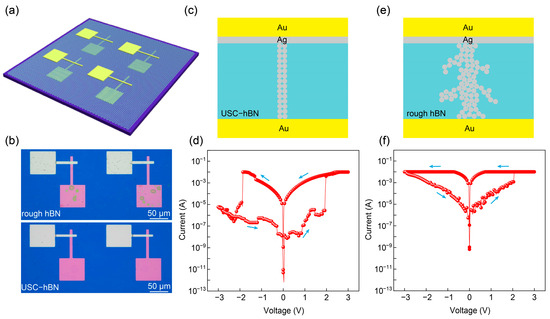
Few-layer hexagonal boron nitride (hBN) is a promising two-dimensional dielectric for electronic and neuromorphic devices. However, its practical deployment is often hindered by the thickness nonuniformity of as-grown samples and by defects introduced during the transfer-stacking process of assembled samples. In particular, the influence of the initial hBN quality on the final stacked-film quality remains insufficiently understood. Here, we report a wafer-scale strategy for fabricating high-quality few-layer hBN based on ultraflat single-crystal hBN (USC-hBN) monolayers. Compared with transfer-stacked hBN grown on Cu foil (rough hBN), stacked few-layer USC-hBN shows a much lower surface roughness and a drastically reduced wrinkle density, indicating superior flatness and interfacial cleanliness. Furthermore, memristors fabricated from six-layer USC-hBN exhibit clearer resistive-switching behavior and a higher ON/OFF ratio than those based on rough hBN, owing to the more uniform surface/interface. These results demonstrate that source-material flatness is a critical determinant of transfer-stacked hBN quality and device performance. This work provides an effective route toward reliable integration of high-quality two-dimensional dielectric films. Full article
(This article belongs to the Section 2D and Carbon Nanomaterials)
Show Figures

Figure 1
12 pages, 2066 KB  
Article
Automated Classification of Maxillary Sinus Ostium Patency Using a ConvNeXt-Tiny + DeiT Gated MLP-Based Hybrid Deep Learning Model: A Retrospective CBCT Study
by Furkan Talo, Nurullah Duger, Emre Aslan, Muhammed Yildirim, Mahmut Kaya, Ahmet Bedri Ozer and Tuba Talo Yildirim
Diagnostics 2026, 16(10), 1512; https://doi.org/10.3390/diagnostics16101512 (registering DOI) - 16 May 2026
Abstract
Background/Objectives: The patency and anatomical location of the maxillary sinus ostium are critical for preventing postoperative complications in dental implant planning and sinus lift surgeries in the posterior maxilla. Narrowing or obstruction of the ostium carries risks, including the development of acute/chronic [...] Read more.
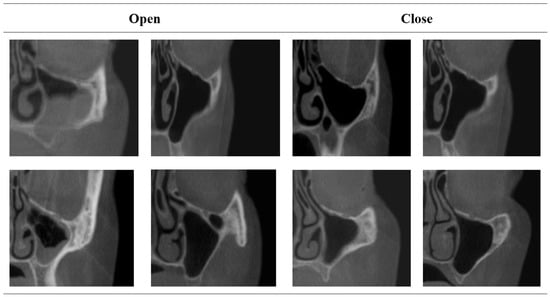
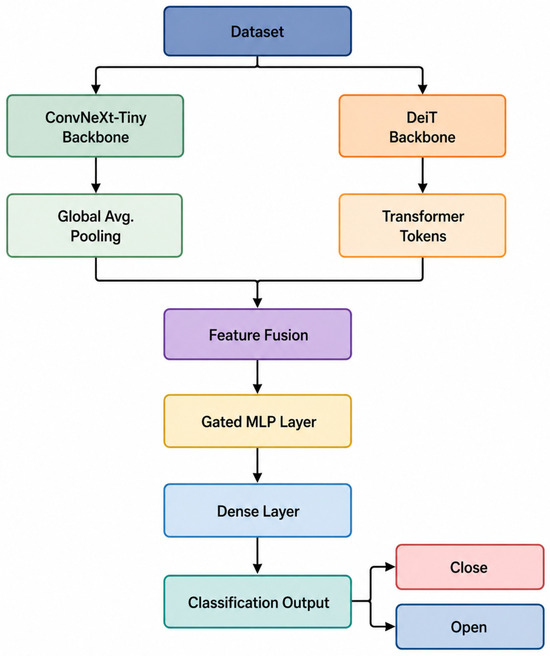
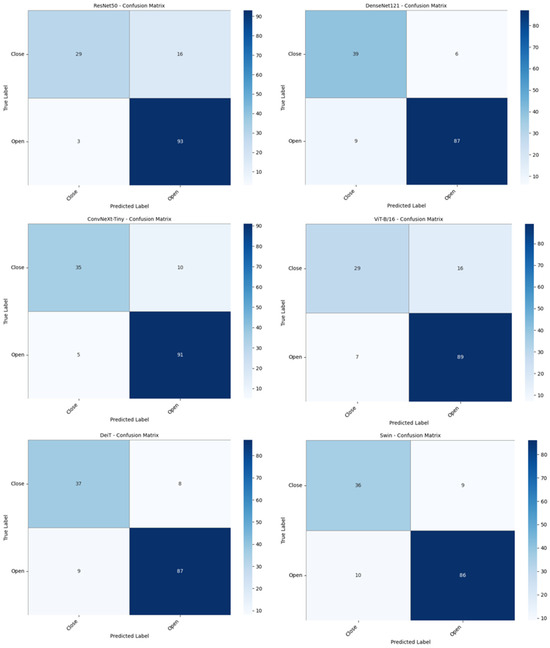
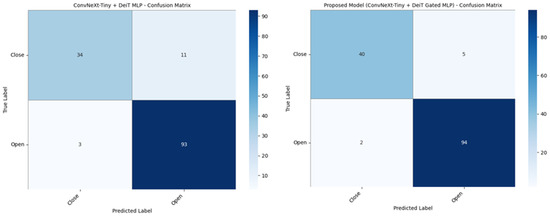
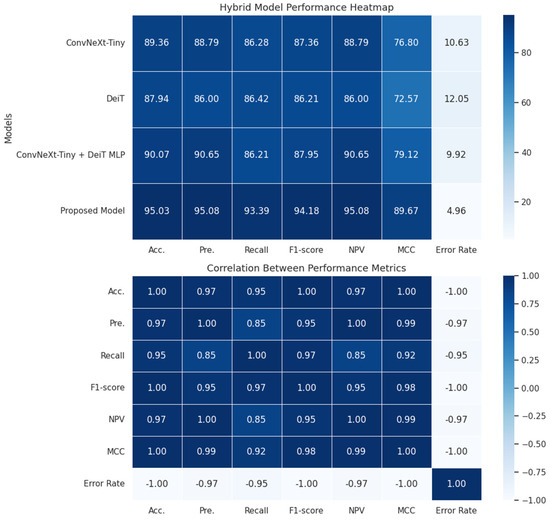
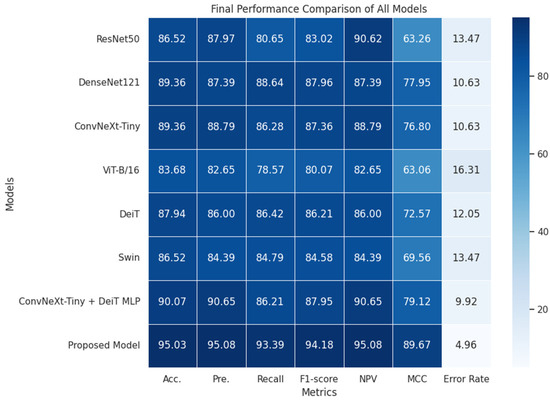
Background/Objectives: The patency and anatomical location of the maxillary sinus ostium are critical for preventing postoperative complications in dental implant planning and sinus lift surgeries in the posterior maxilla. Narrowing or obstruction of the ostium carries risks, including the development of acute/chronic sinusitis and bone graft failure after surgery. These risks must be carefully evaluated using preoperative radiographic images. It is time-consuming for physicians to manually perform this process, and details are overlooked due to a lack of clinical experience, which can increase surgical risks. Methods: This study aims to overcome these clinical challenges and improve the reliability of radiographic evaluation. In this study, a hybrid deep learning model is proposed for the automatic detection of the maxillary sinus ostium. The proposed model combines the local feature extraction power of CNN-based models with the global context modeling capabilities of transformer-based models, creating an effective model. Additionally, the gated fusion technique efficiently combines features from various designs, significantly enhancing classification performance. Results: The proposed model was compared with six different ViT and CNN architectures established in the literature. While the highest test accuracy among pre-trained models was 89.36%, the proposed hybrid model achieved 95.03%, demonstrating strong clinical diagnostic performance. Conclusions: Based on the performance metrics obtained, we believe the proposed model can be used to determine the patency of the maxillary sinus ostium. This will lighten the workload for specialists and minimize traditional errors. Full article
Show Figures

Figure 1
12 pages, 1100 KB  
Article
Using Multimodal Imaging to Correlate Link Between Intracranial Aneurysms and Acute Ischemic Stroke
by Vania Anagnostakou, Patrick Thurner, Jawid Madjidyar, Miklos Krepuska, Anna Kyselyova, Tilman Schubert and Zsolt Kulcsar
Diagnostics 2026, 16(10), 1511; https://doi.org/10.3390/diagnostics16101511 (registering DOI) - 16 May 2026
Abstract
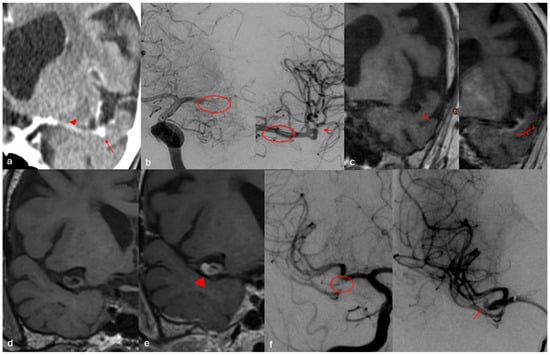
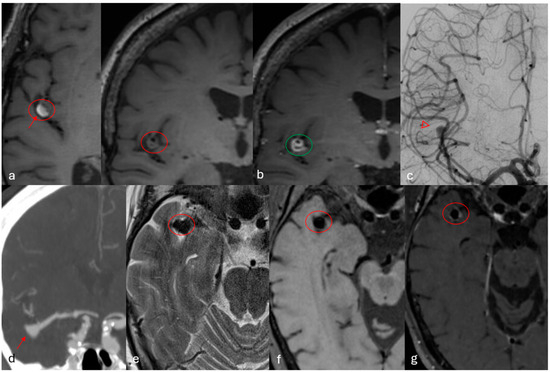
Background: The coincidence of unruptured cerebral aneurysms in acute ischemic stroke (AIS) is well known; however evidence on causality remains unclear. In this paper we are aiming to highlight key imaging characteristics that can aid in establishing or excluding a causative relationship between [...] Read more.
Background: The coincidence of unruptured cerebral aneurysms in acute ischemic stroke (AIS) is well known; however evidence on causality remains unclear. In this paper we are aiming to highlight key imaging characteristics that can aid in establishing or excluding a causative relationship between the two entities. Methods: Eight symptomatic patients with ischemic stroke and presence of an aneurysm in the same vascular territory were retrospectively analyzed. The patients were evaluated with computed tomography (CT) or magnetic resonance imaging (MRI) and depending on initial imaging findings, patients received either digital subtraction angiography (DSA) and MRI or MRI alone, with or without vessel wall imaging (VWI). Eligible patients received mechanical thrombectomy (MT) and the rest were managed conservatively. Results: The analysis of the imaging findings led to a proposed framework for classification/characterization of aneurysm as a possible, probable or improbable cause of AIS. The main findings used to categorize the aneurysmatic lesions were aneurysm thrombosis, positive vessel wall imaging, location and presence of comorbidities. Depending on the category the aneurysm was classified in, a decision regarding conducting treatment or not was made. Conclusions: Detailed observation of traditional imaging along with advanced MRI sequences like VWI can potentially help stratify the probability of aneurysms being the source of thromboembolic events. Full article
(This article belongs to the Special Issue Risk Factors, Incidence, and Outcome of Stroke)
Show Figures

Figure 1
4 pages, 163 KB  
Editorial
Special Issue “Role of NRF2 Pathway in Chronic Diseases”
by Ángel Juan García-Yagüe
Int. J. Mol. Sci. 2026, 27(10), 4460; https://doi.org/10.3390/ijms27104460 (registering DOI) - 16 May 2026
Abstract
The progressive increase in life expectancy over the past century has been accompanied by a parallel rise in the prevalence of chronic diseases, including metabolic, cardiovascular, neurodegenerative, and inflammatory disorders [...] Full article
(This article belongs to the Special Issue Role of NRF2 Pathway in Chronic Diseases)
11 pages, 8483 KB  
Communication
Phosphorylated Alpha-Synuclein and Carboxymethyllysine in the Epidermis of Type 2 Diabetes Patients: Preliminary Observations
by Bernard Kordas, Wojciech Matuszewski, Robert Modzelewski and Judyta Juranek
Biomedicines 2026, 14(5), 1127; https://doi.org/10.3390/biomedicines14051127 (registering DOI) - 16 May 2026
Abstract
Background/objectives: Alpha-synuclein (aSyn) is best known for its role in Parkinson’s disease. Increasing evidence suggests a bidirectional relationship between diabetes mellitus and synuclein pathology. Carboxymethyllysine (CML), an advanced glycation end-product, serves as a marker of cumulative glycation stress and tissue damage in [...] Read more.
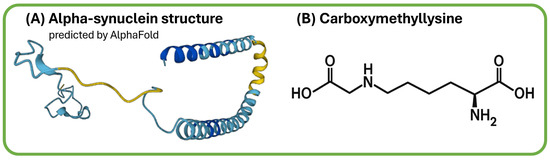
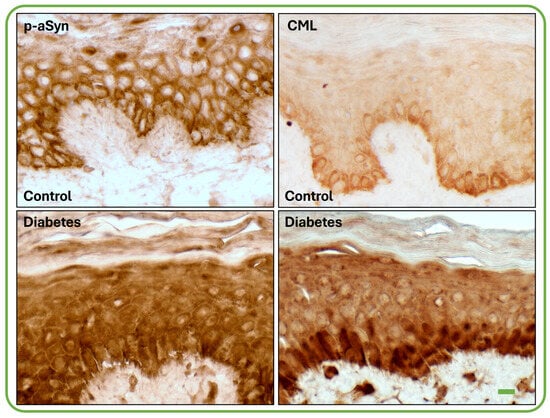
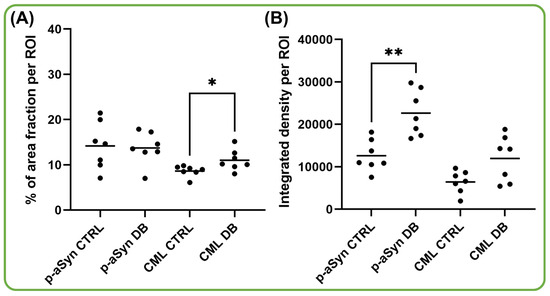
Background/objectives: Alpha-synuclein (aSyn) is best known for its role in Parkinson’s disease. Increasing evidence suggests a bidirectional relationship between diabetes mellitus and synuclein pathology. Carboxymethyllysine (CML), an advanced glycation end-product, serves as a marker of cumulative glycation stress and tissue damage in diabetes. Our study aimed to evaluate epidermal phosphorylated alpha-synuclein at Ser129 (p-aSyn) immunoreactivity in relation to CML accumulation in epidermis. Methods: Skin punch biopsies were obtained from seven diabetic patients with long-standing type 2 diabetes (T2DM), and from seven healthy volunteers. Tissue samples were processed and analyzed by immunohistochemical DAB-staining for p-aSyn and CML. Quantitative analysis was performed by measuring the percentage area of positive staining using Fiji/ImageJ2. Integrated density was also assessed as a complementary threshold-limited measure of staining signal intensity. Statistical analysis and data visualization were conducted using GraphPad Prism. Comparisons between groups were performed using the exact two-tailed Mann–Whitney U test. Results: Area-fraction analysis showed significantly greater CML-positive staining in diabetic epidermis than in controls (median 10.18 vs. 8.955, p = 0.0262), whereas p-aSyn-positive area fraction did not differ significantly between groups (13.53 vs. 14.64, p = 0.8048). In the complementary integrated density analysis, p-aSyn signal was significantly higher in diabetic epidermis than in controls (21,365 vs. 10,960, p = 0.0023), whereas the increase in CML integrated density did not reach statistical significance (14,165 vs. 6585, p = 0.1282). In diabetic epidermis, both markers showed a more widespread distribution, involving basal keratinocyte cytoplasm and extension into suprabasal layers. Control samples showed staining largely restricted to basal cell contours. In serial sections, p-aSyn and CML showed a similar topographic distribution in diabetic skin. Conclusions: These preliminary observations suggest that chronic diabetic skin changes are associated with increased epidermal CML burden when assessed by area fraction and with higher p-aSyn signal intensity when assessed by integrated density. However, because the study was small and based on semiquantitative DAB immunohistochemistry, the findings should be interpreted cautiously and require validation in larger multimodal studies. Full article
(This article belongs to the Special Issue Molecular and Histopathological Background of Diabetic Neuropathy)
Show Figures

Figure 1
22 pages, 3645 KB  
Article
Lipid Remodeling in Mouse SR-B1-Deficient Embryos with Oxidative Stress-Associated Neural Tube Defects
by Alonso Quiroz, Nicolás Santander, Greene D. E. Nicolás, Kit-Yi Leung and Dolores Busso
Antioxidants 2026, 15(5), 634; https://doi.org/10.3390/antiox15050634 (registering DOI) - 16 May 2026
Abstract
Neural tube defects (NTD) are congenital malformations that lead to structural abnormalities of the brain or spine. Mouse embryos deficient in Scavenger Receptor Class B Type 1 (SR-B1 KO), the main receptor for high-density lipoproteins, exhibit a high incidence of anterior NTD, which [...] Read more.
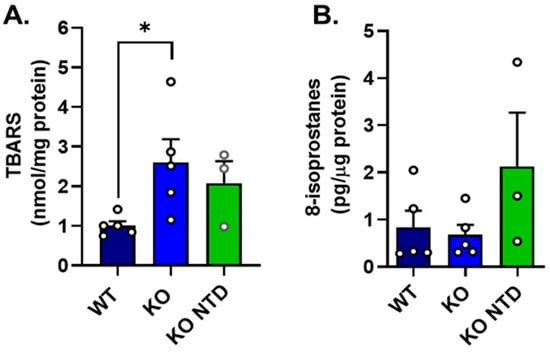
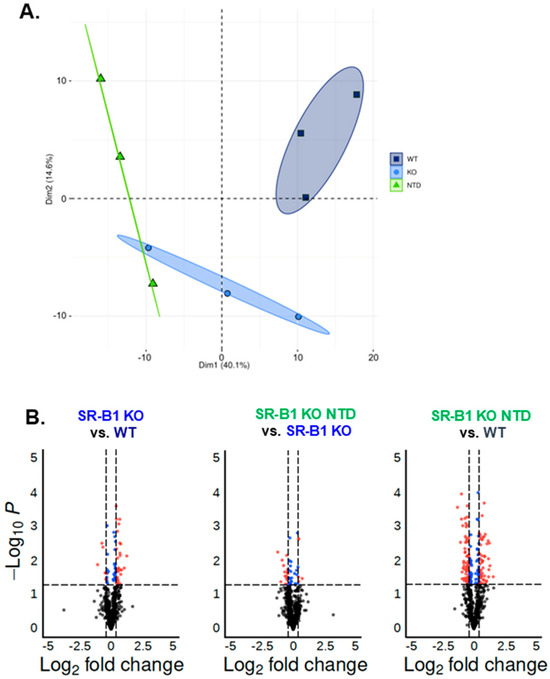
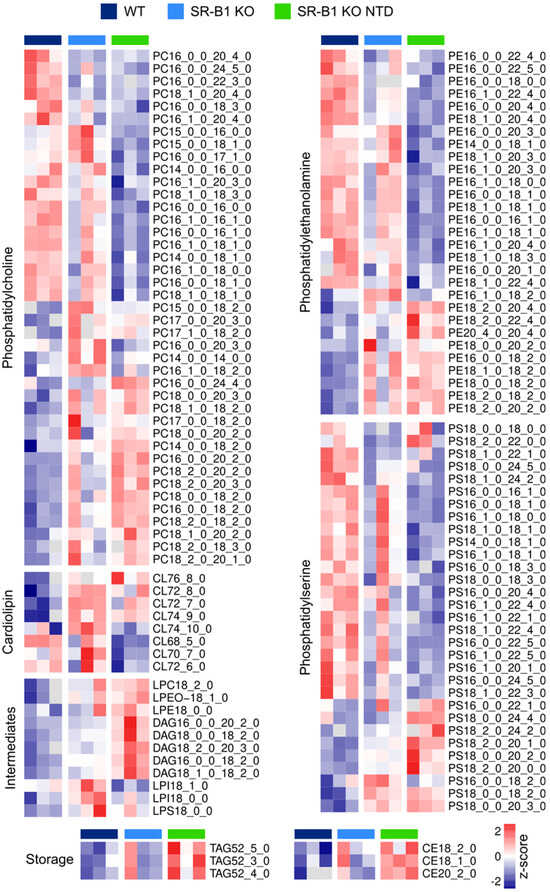
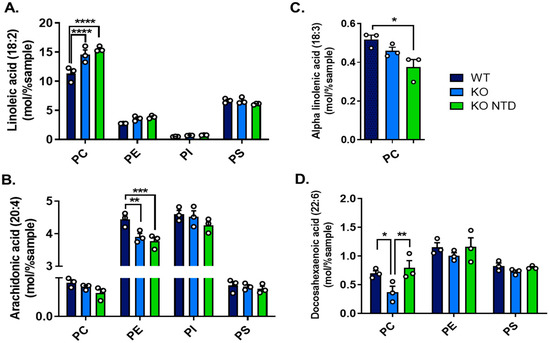
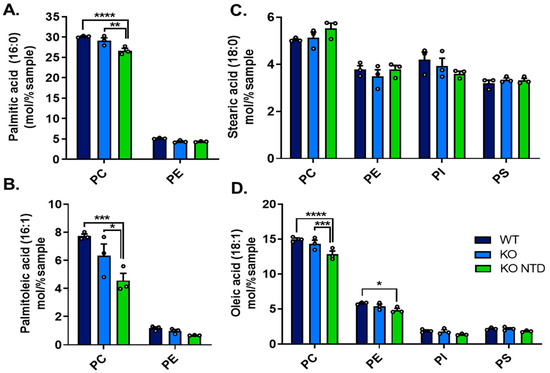
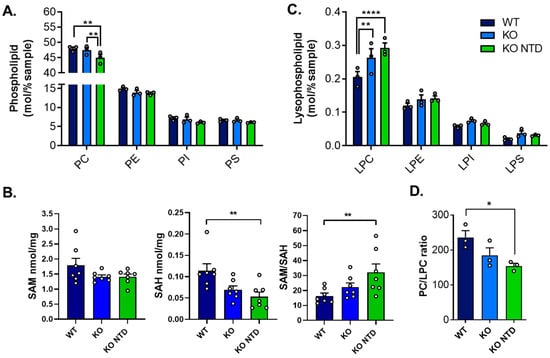
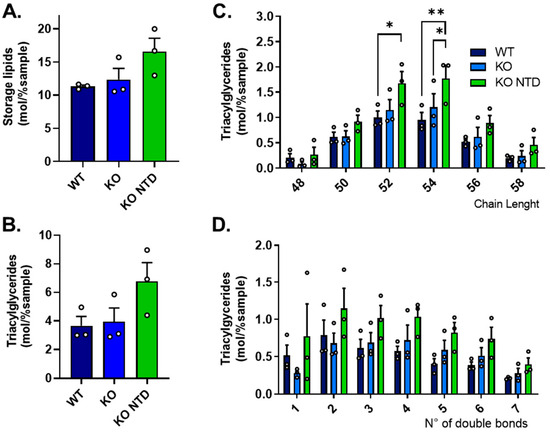
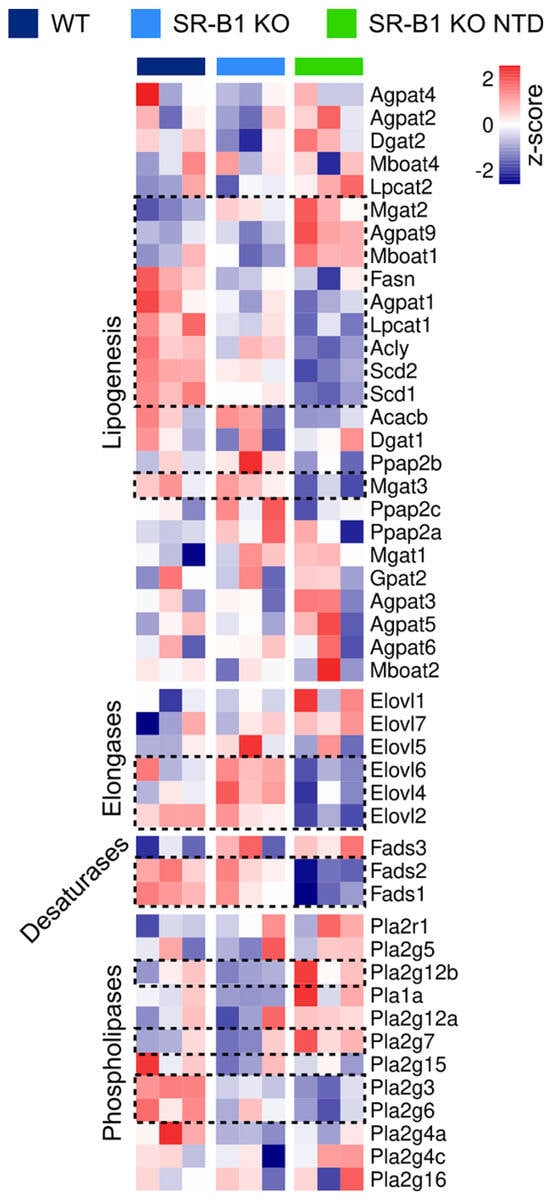
Neural tube defects (NTD) are congenital malformations that lead to structural abnormalities of the brain or spine. Mouse embryos deficient in Scavenger Receptor Class B Type 1 (SR-B1 KO), the main receptor for high-density lipoproteins, exhibit a high incidence of anterior NTD, which is associated with vitamin E deficiency and elevated levels of reactive oxygen species (ROS). Maternal supplementation with vitamin E, a micronutrient with antioxidant properties, completely prevents the occurrence of NTD and normalizes ROS levels in SR-B1 KO embryos, suggesting a contribution of oxidative stress to NTD in this model. In this work, we showed that SR-B1 KO embryos at gestational day E9.5 display higher levels of lipoperoxidative damage markers. Analysis of data obtained through shotgun lipidomics evidenced a selective and coordinated reorganization of fatty acid distribution, characterized by altered polyunsaturated and monounsaturated composition, together with reduced phosphatidylcholine and increased lysophosphatidylcholine levels, and diversion of fatty acids into triacylglyceride storage. Transcriptomic analysis revealed a coordinated upregulation of genes involved in phospholipid synthesis and remodeling, consistent with the altered lipid homeostasis observed in SR-B1 KO embryos. Together, these results provide novel information showing a potential link between oxidative stress and disruptions in mammalian embryonic lipid metabolism, highlighting phospholipid remodeling as a potential determinant of susceptibility to NTD. Full article
(This article belongs to the Special Issue Antioxidant Research in Chile—2nd Edition)
Show Figures

Figure 1
16 pages, 9912 KB  
Article
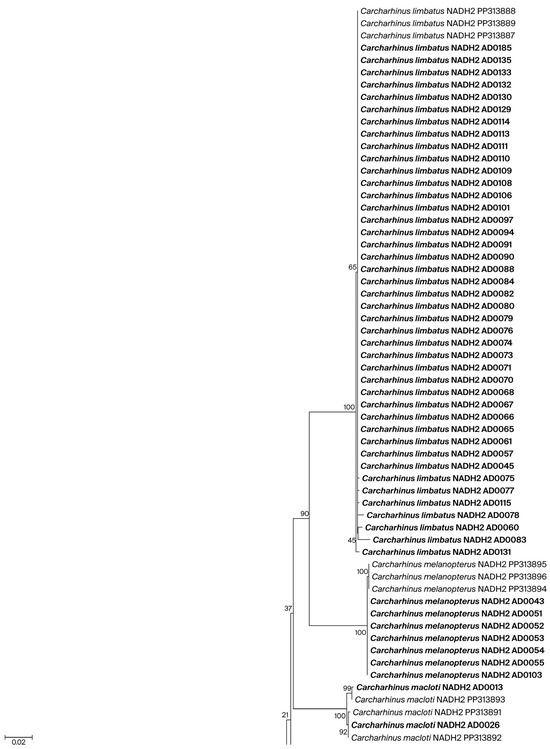
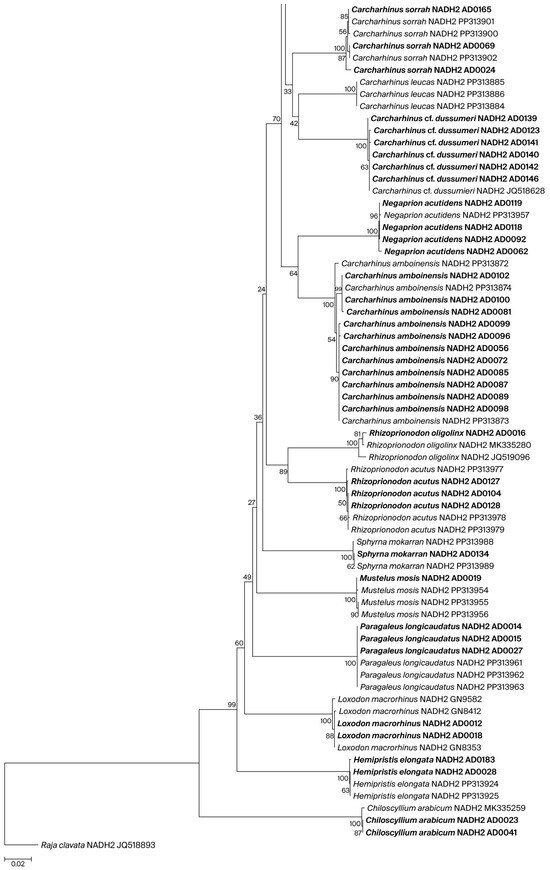
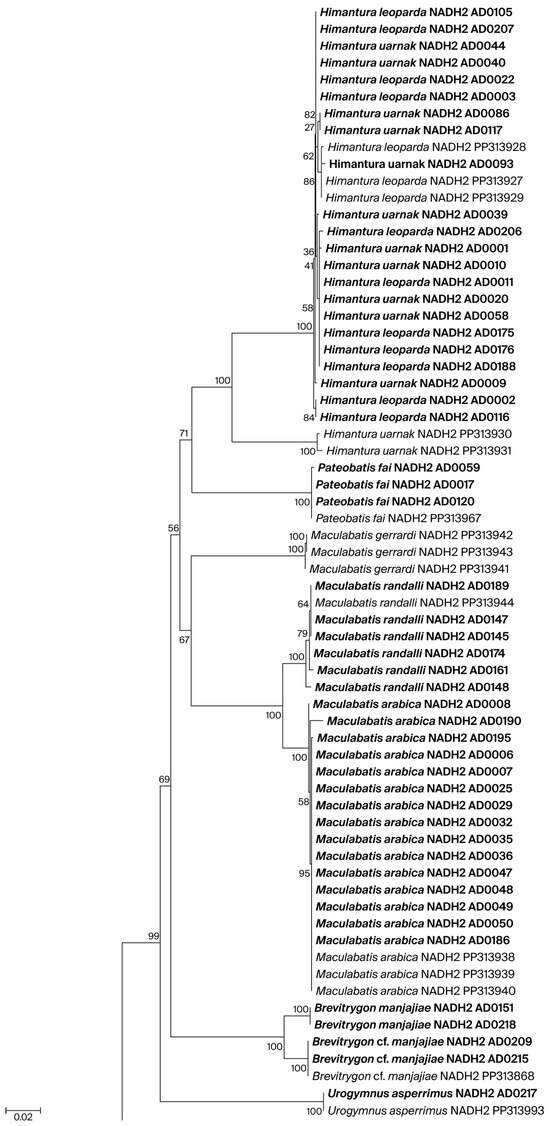
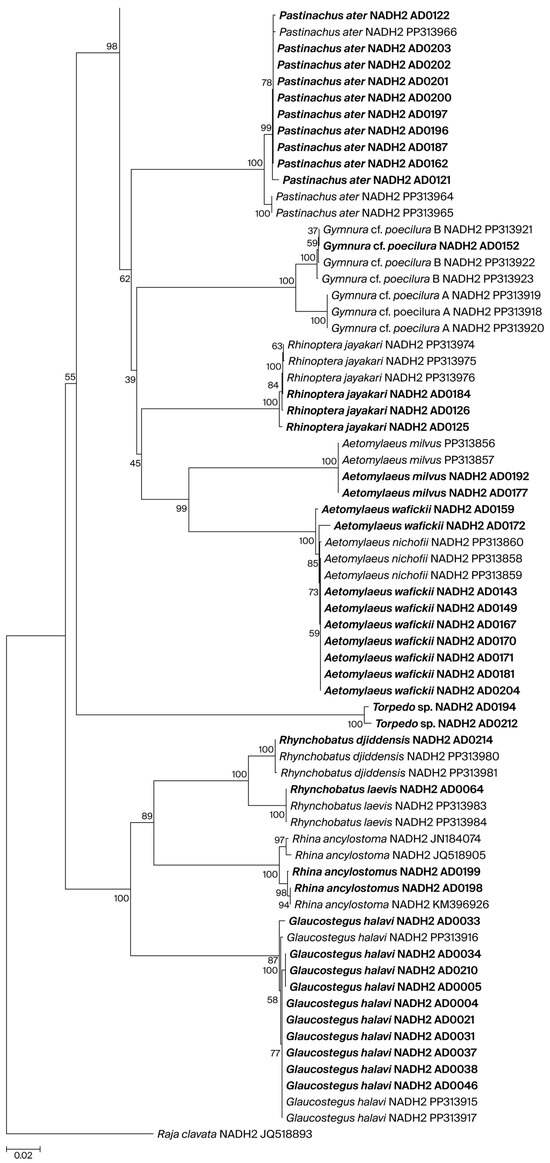
Molecular Taxonomy of Elasmobranchs in the Southern Arabian Gulf: From Species Confirmation to Cryptic Diversity
by Shamsa Al Hameli, Stephan Bruns, Biduth Kundu and Aaron C. Henderson
Diversity 2026, 18(5), 298; https://doi.org/10.3390/d18050298 (registering DOI) - 16 May 2026
Abstract
Reliable species-level information on elasmobranchs (sharks, rays, and skates) in the Arabian Gulf remains limited, despite these fish being among the most threatened marine vertebrates. Taxonomic uncertainty, driven by morphological similarities and incomplete reference datasets, continues to hinder accurate biodiversity assessments in the [...] Read more.
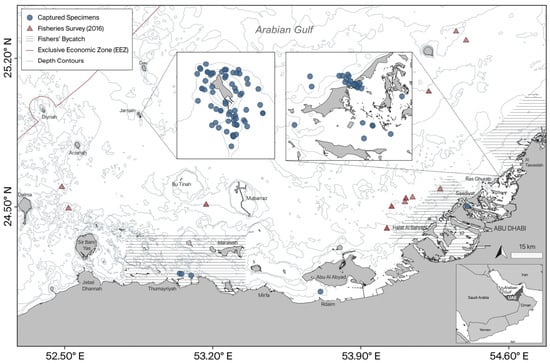
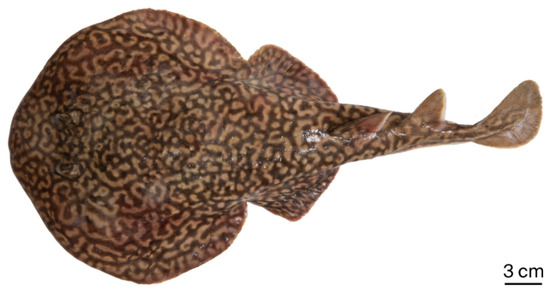
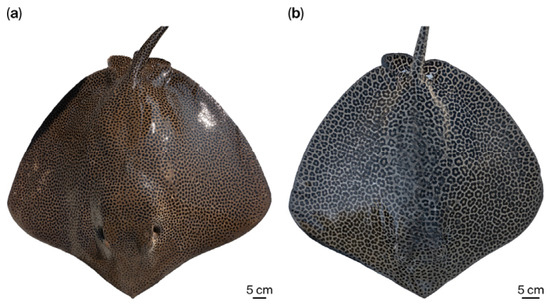
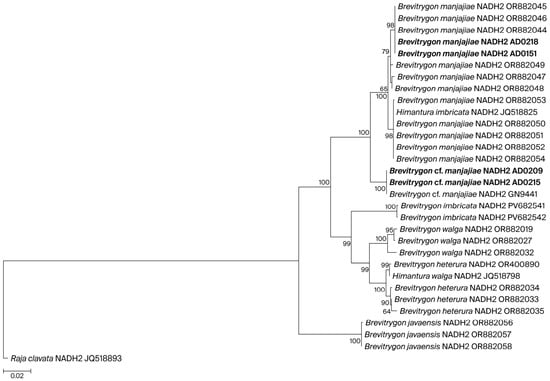
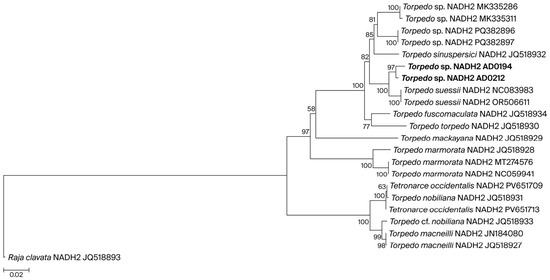
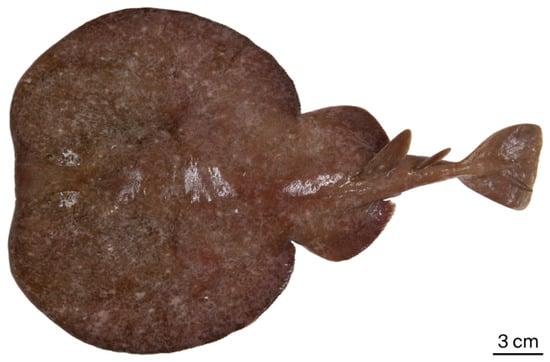
Reliable species-level information on elasmobranchs (sharks, rays, and skates) in the Arabian Gulf remains limited, despite these fish being among the most threatened marine vertebrates. Taxonomic uncertainty, driven by morphological similarities and incomplete reference datasets, continues to hinder accurate biodiversity assessments in the region. In this study, NADH dehydrogenase subunit 2 (NADH2) gene sequences were analyzed to assess the taxonomic status of elasmobranchs in United Arab Emirates waters, based on 182 specimens representing 31 species (15 sharks and 16 batoids) across 12 families. Shark lineages were consistently recovered and matched closely with published references, indicating a stable taxonomy. Batoids (rays), however, showed greater complexity, including misidentification among morphologically similar taxa, gaps in available reference sequences, and signs of possible cryptic diversity, reflecting persistent challenges in species identification and the need for more comprehensive molecular resources. Our findings highlight the value of genetic approaches in improving taxonomic resolution and establishing robust biodiversity baselines. Expanding reference databases, applying multi-locus genomic approaches, and broadening regional sampling will be essential to refining taxonomic frameworks and informing conservation management for elasmobranchs in the Arabian Gulf. Full article
(This article belongs to the Section Marine Diversity)
Show Figures

Figure 1
29 pages, 2543 KB  
Article
Ab Initio Binocular Formulation of Listing’s Law
by Jacek Turski
J. Eye Mov. Res. 2026, 19(3), 56; https://doi.org/10.3390/jemr19030056 (registering DOI) - 16 May 2026
Abstract
Human eyes do not have perfectly aligned optical components; the fovea is displaced from the posterior pole, and the crystalline lens is tilted away from the eye’s optical axis. Important in the study of vision quality, it is included here in binocular and [...] Read more.
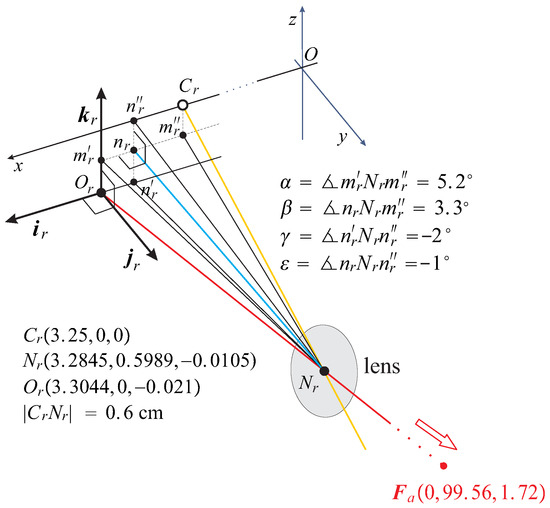
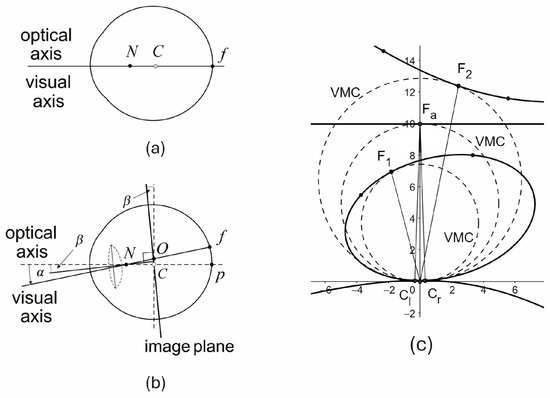
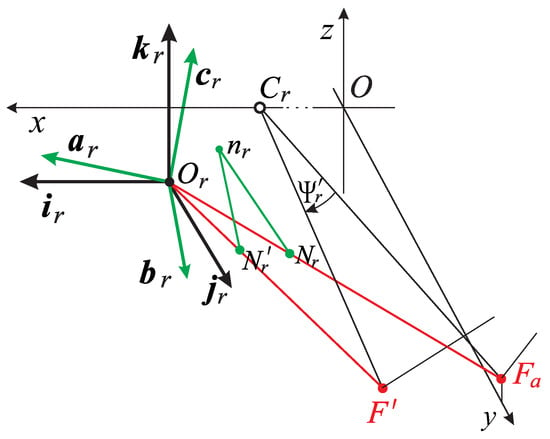
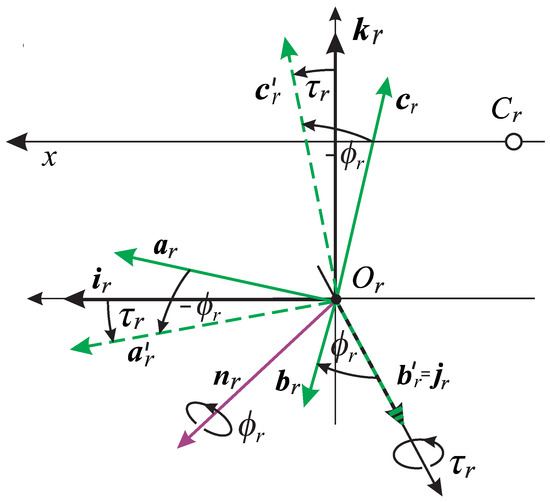
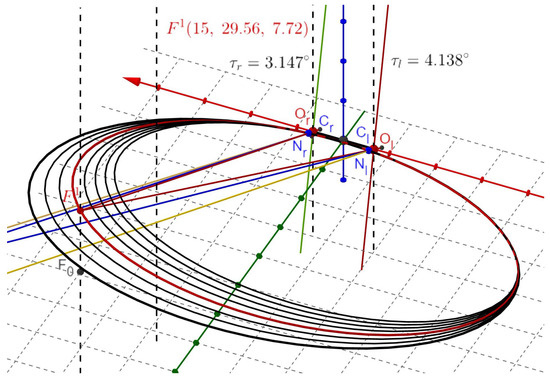
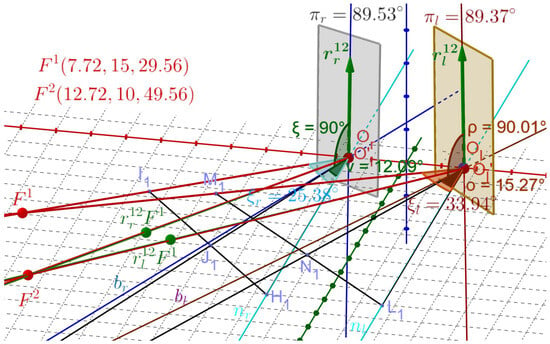
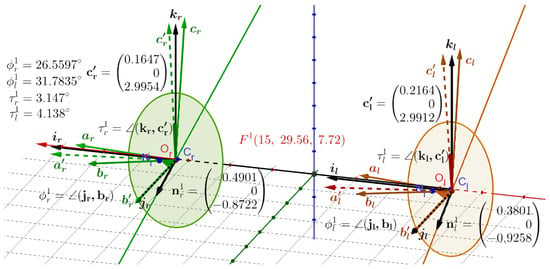
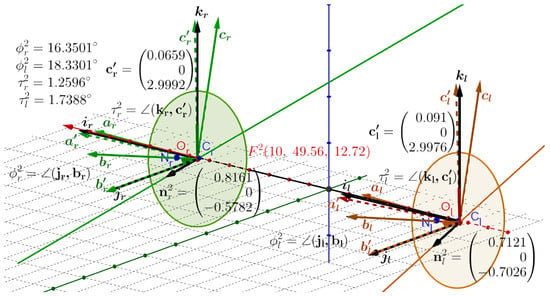
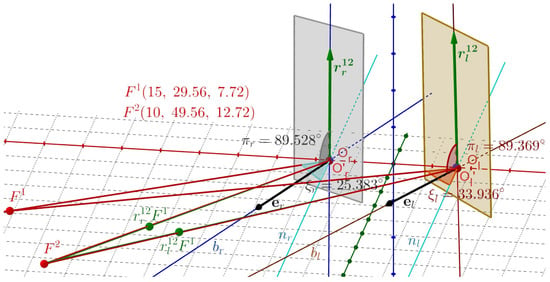
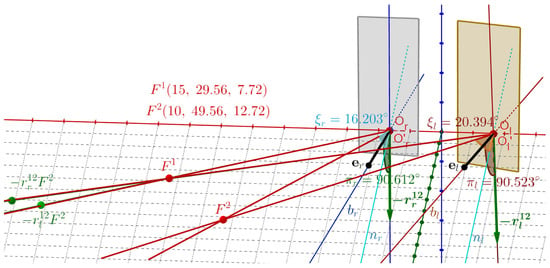
Human eyes do not have perfectly aligned optical components; the fovea is displaced from the posterior pole, and the crystalline lens is tilted away from the eye’s optical axis. Important in the study of vision quality, it is included here in binocular and oculomotor research. In the binocular system, with the eye’s optical asymmetry, all axes differ. The eye’s posture change is decomposed into the torsion-free part that gives the change in visual axis direction and the torsional part that best approximates the rotation about the lens’s optical axis. This geometric formulation, supported by computer simulations and modern ophthalmology studies, leads to binocular Listing’s law and the related half-angle rule, important for oculomotor control by constraining the eye’s redundant torsional degree of freedom. The eye’s primary position and the Listing plane, indispensable ingredients of Listing’s law, are replaced with the binocular eyes’ posture corresponding to the eye muscles’ natural tonus resting position, which serves as a zero-reference level for convergence effort. Further, the binocular constraints couple 3D changes in the torsional positions of the eyes within the ab initio formulation of Listing’s law here, which was previously proposed ad hoc. Finally, the noncommutativity rule underlying Listing’s law and the half-angle rule are discussed by specifying the configuration space of sequences of fixations of binocularly constrained eyes, which are visualized in 3D simulations. The results obtained in this study should be a part of the answers to the questions posted in the literature on the relevance of Listing’s law to clinical practices. Full article
Show Figures

Figure 1
16 pages, 8788 KB  
Article
Development and Evaluation of Motorized Backpack Machine for Oil Palm Ablation and Harvesting Operations
by Sanganamoni Shivashankar, Musunuru Venkata Prasad, Kancherla Suresh, Ravindra Naik and Kesana Manikanta
AgriEngineering 2026, 8(5), 195; https://doi.org/10.3390/agriengineering8050195 (registering DOI) - 16 May 2026
Abstract
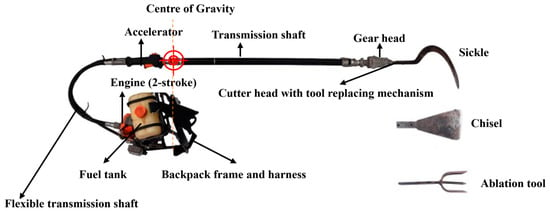
Ablation and harvesting are among the most labor-intensive and physically demanding operations in oil palm cultivation, often resulting in significant drudgery and safety concerns when performed manually through climbing or pole-assisted methods. To overcome these challenges, a motorized backpack-type machine was developed and [...] Read more.
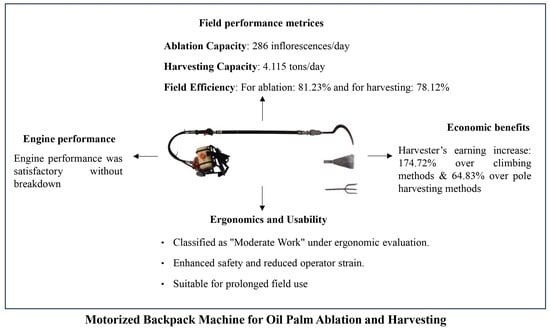
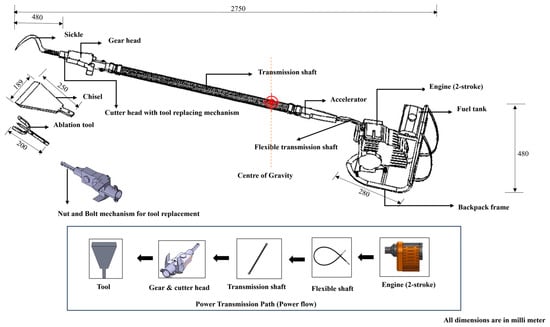
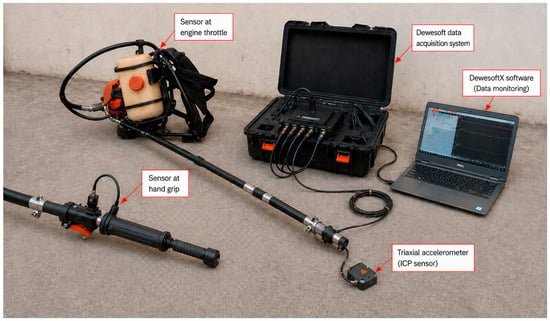
Ablation and harvesting are among the most labor-intensive and physically demanding operations in oil palm cultivation, often resulting in significant drudgery and safety concerns when performed manually through climbing or pole-assisted methods. To overcome these challenges, a motorized backpack-type machine was developed and evaluated for its field performance, ergonomics, and economic feasibility. The machine met required quality standards and exhibited satisfactory performance under field conditions, achieving average ablation and harvesting capacities of 286 inflorescences per day and 4.115 t day−1, with actual field capacities of 0.727 ha h−1 (ablation), 0.516 ha h−1 (sickle), and 0.537 ha h−1 (chisel), and field efficiencies of 81.23%, 76.3%, and 79.91%, respectively. Ergonomic evaluation indicated that operation of the machine falls within a moderate workload category, thereby reducing operator fatigue compared to manual methods. Economic analysis further revealed that the cost of operation was substantially reduced to 3.02 USD t−1 and 60.40 USD ha−1 year−1, resulting in increased harvester earnings of 174.72% and 64.83% compared to climbing and pole harvesting methods, respectively. These findings demonstrate that the motorized backpack machine is a practical, efficient, and economically viable alternative to traditional techniques and minimizes drudgery while improving productivity and profitability in oil palm plantations. Full article
(This article belongs to the Collection Research Progress of Agricultural Machinery Testing)
Show Figures

Graphical abstract

19 pages, 19917 KB  
Article
Lysimachia christinae Hance Extract Mitigates Kidney Stone Formation: Association with NOX2/ROS Axis Modulation and Ferroptosis
by Lian Xia, Zhaoguo Zhou, Chen Luo, Yan Yang, Daike Zou, Hanyue Zhang, Kaizhi Hu and Xianqin Luo
Curr. Issues Mol. Biol. 2026, 48(5), 520; https://doi.org/10.3390/cimb48050520 (registering DOI) - 16 May 2026
Abstract
Kidney stone disease is a common urinary system disorder with a continuously rising global incidence, posing a major public health challenge. As a classic traditional Chinese medicine for the treatment of kidney stones, Lysimachia christinae Hance (LCH) has not yet been fully elucidated [...] Read more.
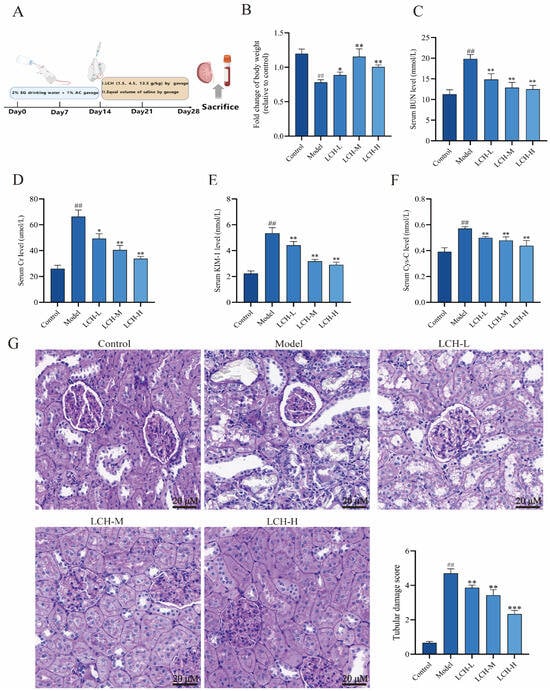
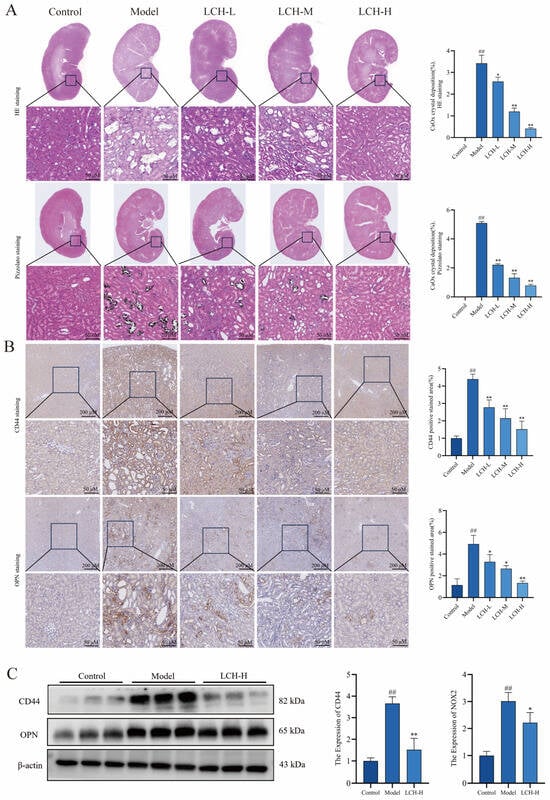
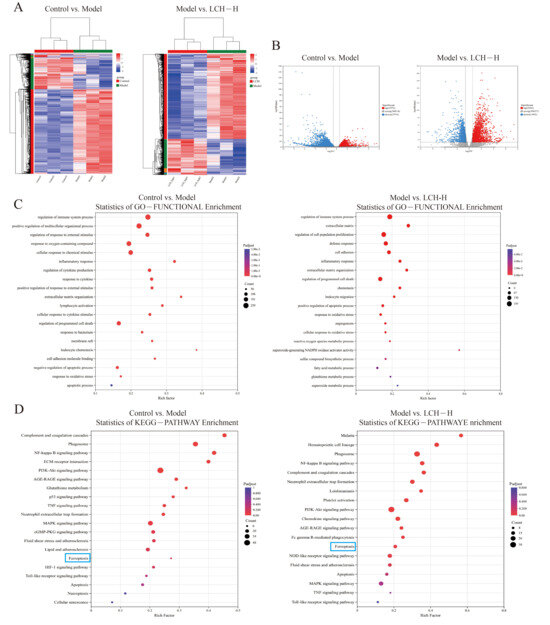
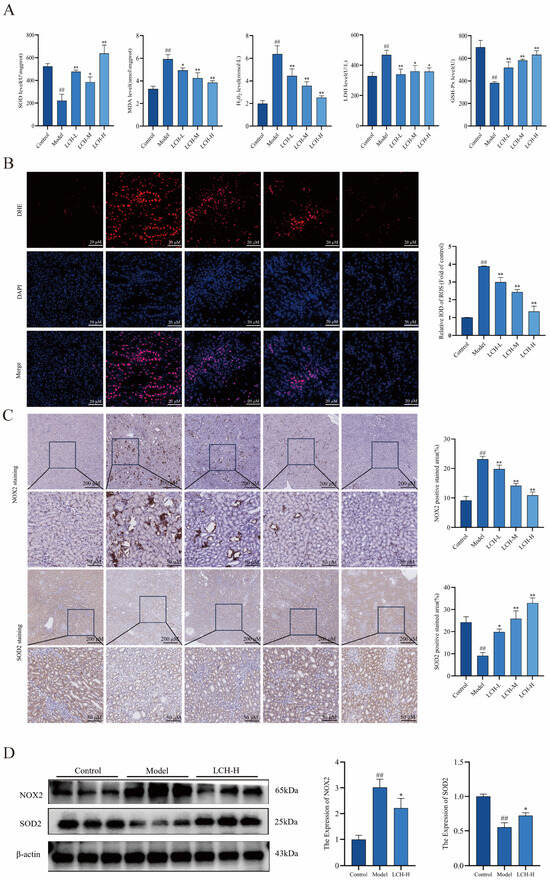
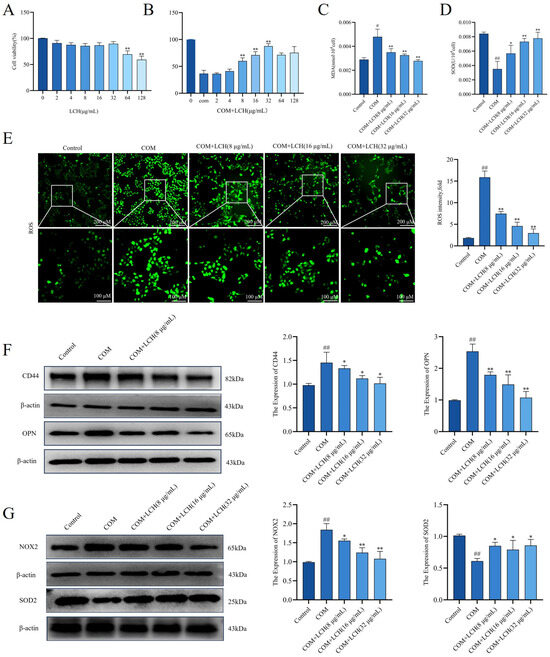
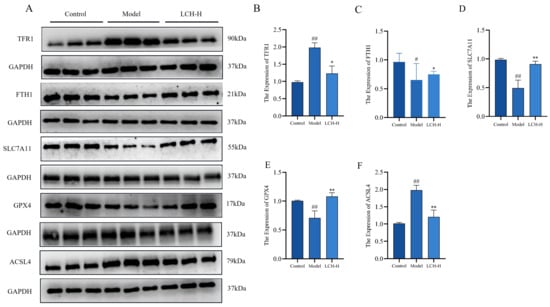
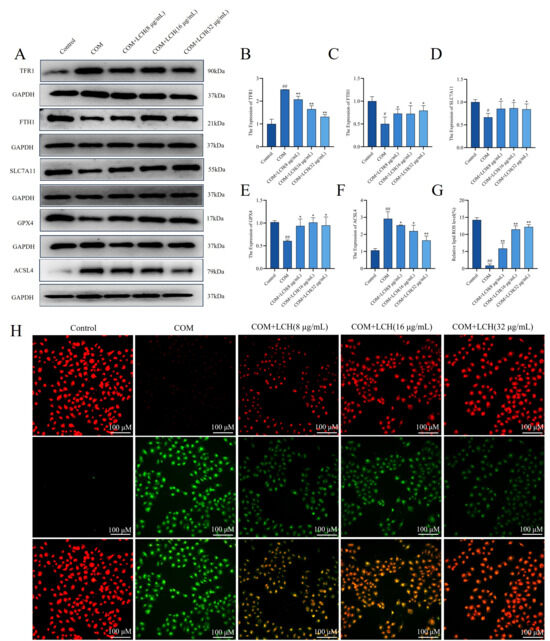
Kidney stone disease is a common urinary system disorder with a continuously rising global incidence, posing a major public health challenge. As a classic traditional Chinese medicine for the treatment of kidney stones, Lysimachia christinae Hance (LCH) has not yet been fully elucidated in terms of its pharmacological mechanism. In this study, a rat model of calcium oxalate kidney stones and a calcium oxalate monohydrate (COM)-induced injury model of human renal tubular epithelial (HK-2) cells were established. Combined with transcriptomic analysis and experimental verification, the therapeutic effect and underlying molecular mechanism of LCH against kidney stones were systematically explored. Results demonstrated that LCH extract significantly reduced serum levels of blood urea nitrogen (BUN) and creatinine (Cr), as well as renal tissue levels of kidney injury molecule-1 (KIM-1) and cystatin-C (Cys-C) in rats with calcium oxalate crystal-induced renal injury, and diminished calcium oxalate crystal deposition and adhesion in rat renal tissues as well as HK-2 cells, thus exerting a robust renoprotective effect. Mechanistically, transcriptome sequencing indicated that the anti-nephrolithiasis effect of LCH was closely related to the inhibition of oxidative stress and ferroptosis. LCH extract reversed CaOx crystal-induced upregulation of NADPH oxidase 2 (NOX2) and downregulation of superoxide dismutase 2 (SOD2), reduced intracellular oxygen species (ROS) levels, downregulated the expression of transferrin receptor 1 (TFR1) and acyl-CoA synthetase long-chain family member 4 (ACSL4) while upregulating that of ferritin heavy chain 1 (FTH1), solute carrier family 7 member 11 (SLC7A11) and glutathione peroxidase 4 (GPX4), and diminished intracellular iron accumulation, thereby effectively ameliorating crystal-mediated renal injury. The present study demonstrates that the therapeutic effect of LCH on kidney stones is closely related to the regulation of the NOX2/ROS signaling axis and ferroptosis, providing novel theoretical evidence for its clinical application. Full article
(This article belongs to the Special Issue Molecular Mechanisms and Treatment of Kidney Diseases)
Show Figures

Figure 1

17 pages, 11073 KB  
Article
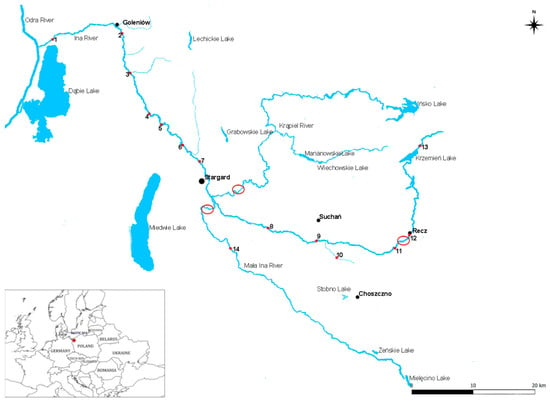
Enhancing Salmonid Reproduction in a Natural River System: A Case Study of the Ina River (Baltic Sea Catchment)
by Adam Tański, Adam Brysiewicz, Agata Korzelecka-Orkisz, Beata Więcaszek, Małgorzata Bonisławska and Krzysztof Formicki
Water 2026, 18(10), 1204; https://doi.org/10.3390/w18101204 (registering DOI) - 16 May 2026
Abstract
Salmonid fish only reproduce in habitats that meet specific environmental requirements, including appropriate gravel–cobble substrate, suitable flow velocity, and adequate oxygenation. Long-term drainage practices and river channel regulation have led to substantial alterations of river systems, particularly affecting bed structure. The aim of [...] Read more.
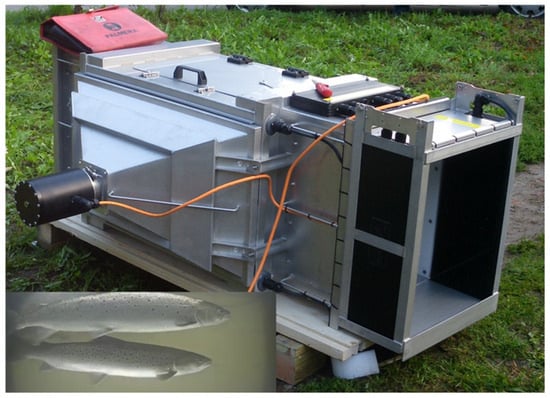
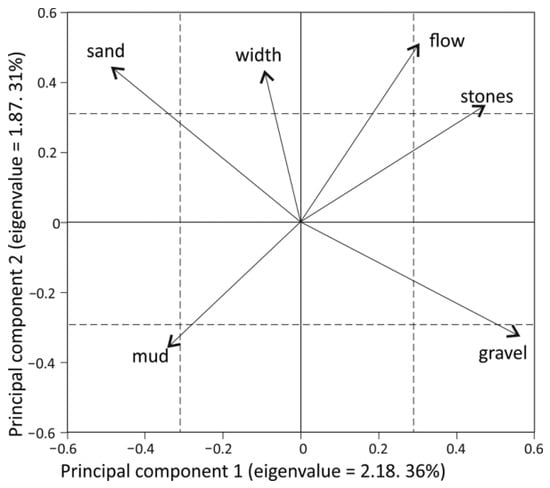
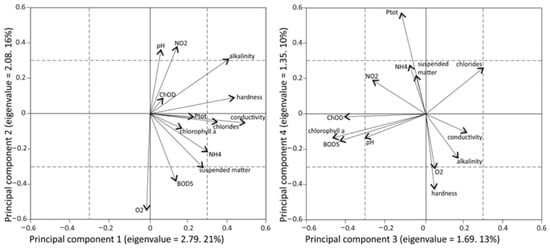
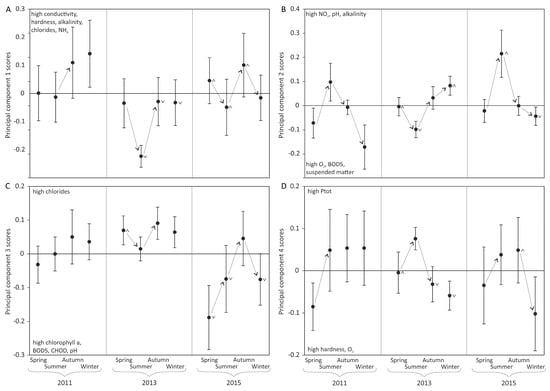
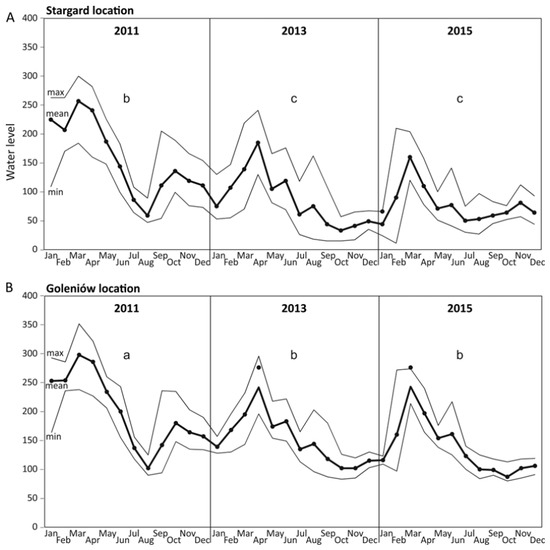
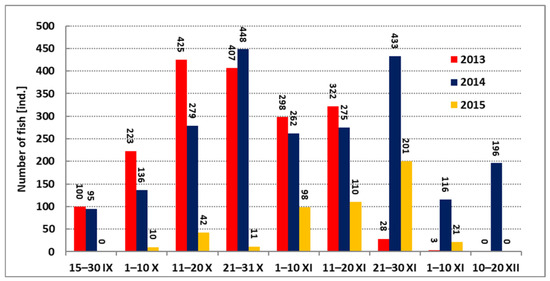
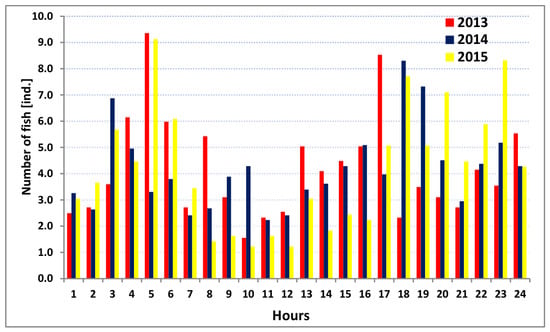
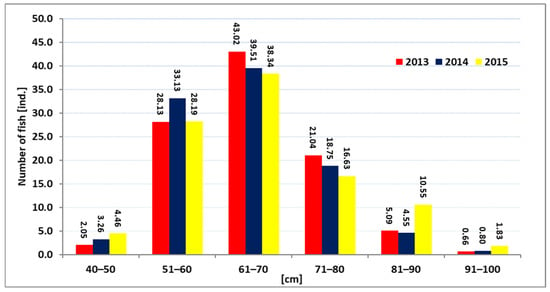
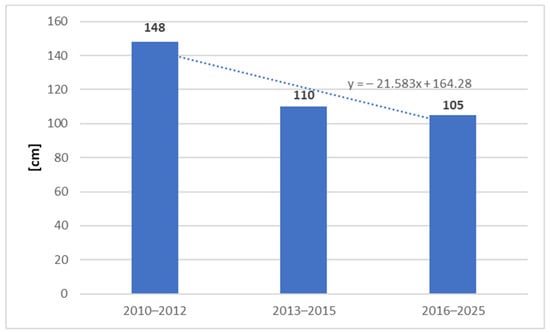
Salmonid fish only reproduce in habitats that meet specific environmental requirements, including appropriate gravel–cobble substrate, suitable flow velocity, and adequate oxygenation. Long-term drainage practices and river channel regulation have led to substantial alterations of river systems, particularly affecting bed structure. The aim of this study was to assess habitat conditions in the Ina river catchment and to restore spawning grounds for salmon and sea trout through the construction of artificial redds, as well as to evaluate the effectiveness of these measures over subsequent years. The number of fish nests recorded prior to the implementation of the restoration project in 2011 was significantly lower (3 ± 1, mean ± SD) compared to post-restoration periods in 2013 (23 ± 11) and 2015 (21 ± 14). Spawning nests were predominantly located in areas characterized by high flow velocity and elevated water conductivity, hardness, and alkalinity. During the spawning migrations in 2013–2015, a total of 4593 individuals were recorded using a fish scanner. Despite a gradual decline in water levels from pre-restoration to post-restoration periods, the number of nests remained consistently high. The results indicate that ongoing environmental and climatic changes necessitate continued efforts to improve spawning conditions for anadromous salmonids. Currently (2024–2025), the potential for natural reproduction in the Ina River catchment remains comparable to the study period (89 redds), largely determined by the availability of gravel habitats and river discharge enabling upstream migration. Full article
(This article belongs to the Section Biodiversity and Functionality of Aquatic Ecosystems)
Show Figures

Figure 1

11 pages, 799 KB  
Article
Diagnostic Performance and Prognostic Value of Serum Amyloid A in Patients with Bloodstream Infection
by Hyein Kang and Sunggyun Park
Diagnostics 2026, 16(10), 1510; https://doi.org/10.3390/diagnostics16101510 (registering DOI) - 16 May 2026
Abstract
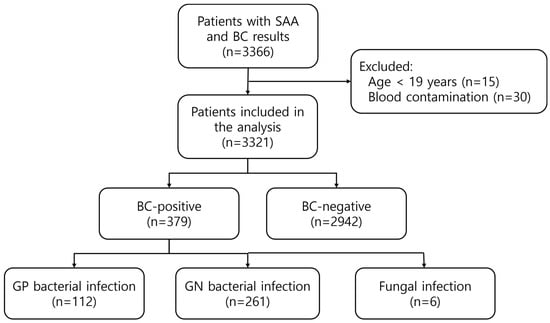
Background: Serum amyloid A (SAA) is an acute-phase reactant that increases rapidly in response to inflammatory stimuli and infection, earlier and more markedly than conventional markers such as C-reactive protein (CRP). However, large-scale evidence of its clinical utility in bloodstream infections (BSIs) remains [...] Read more.
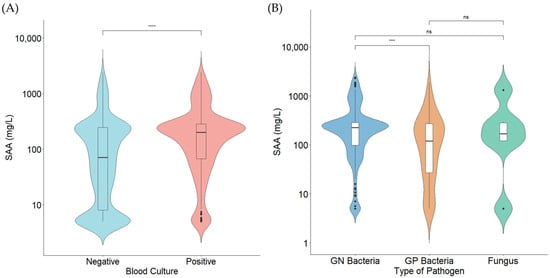
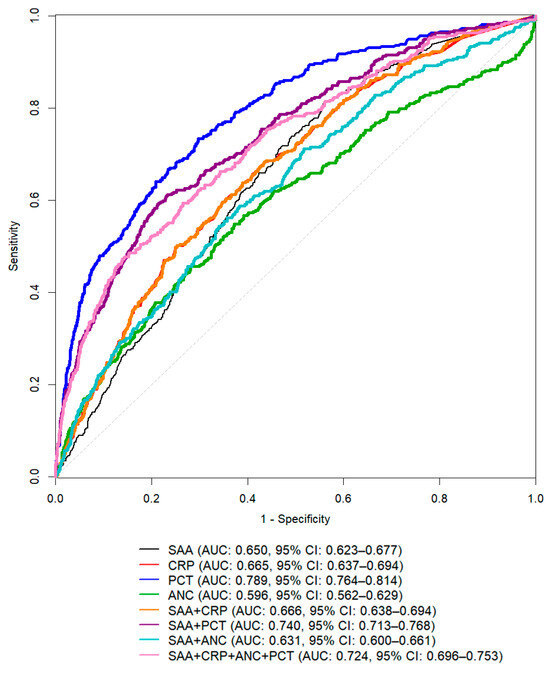
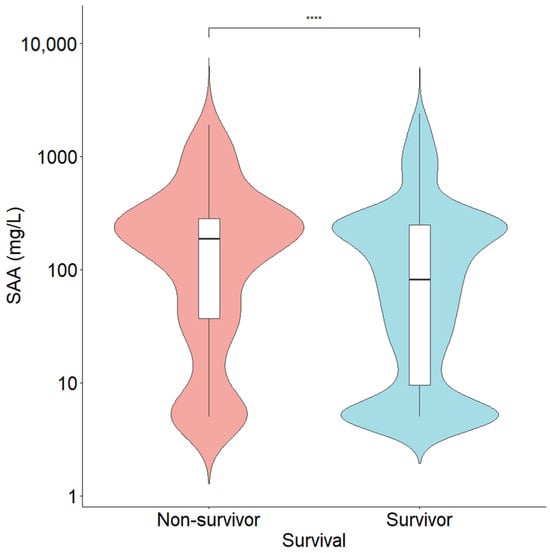
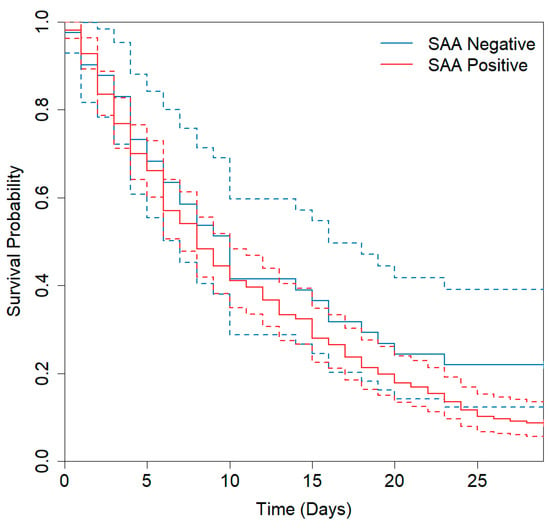
Background: Serum amyloid A (SAA) is an acute-phase reactant that increases rapidly in response to inflammatory stimuli and infection, earlier and more markedly than conventional markers such as C-reactive protein (CRP). However, large-scale evidence of its clinical utility in bloodstream infections (BSIs) remains limited. This study aimed to evaluate the diagnostic and prognostic value of SAA in patients presenting to the emergency department (ED) with suspected infection. Methods: We retrospectively reviewed the electronic medical records of adult patients who underwent simultaneous SAA and blood culture (BC) testing at the ED of a tertiary referral hospital between January and December 2025. Initial laboratory data, including CRP, procalcitonin (PCT), white blood cell (WBC) count, and absolute neutrophil count (ANC), were collected, and BSI was defined as the isolation of pathogenic organisms in BC. Correlations and agreement between SAA and other markers were assessed, and the diagnostic performance of BSI was evaluated using receiver operating characteristic curves and the area under the curve (AUC). Survival outcomes were analyzed using the Kaplan–Meier method. Results: Among the 3321 included patients, 379 patients (11.4%) had positive BCs. Median SAA levels were significantly higher in BSI patients than in non-BSI patients (202.0 vs. 71.0 mg/L, p < 0.001), with the highest levels observed in Gram-negative infections. SAA showed a strong correlation with CRP (rs = 0.884) and a moderate correlation with PCT (rs = 0.576). The AUC for BSI diagnosis was highest for PCT (0.789), followed by SAA (0.650). The SAA demonstrated high sensitivity (90.5%) but low specificity (26.9%). Higher SAA levels were significantly associated with increased mortality rates. Conclusions: In adult ED patients, SAA is significantly associated with BSI and mortality and is a sensitive biomarker for the early detection of BSIs. Although SAA alone showed inferior discriminative performance compared to PCT, it may serve as an adjunctive screening tool in the ED, particularly in settings where PCT availability is limited. Full article
(This article belongs to the Special Issue Biochemical Testing Applications in Clinical Diagnosis—2nd Edition)
Show Figures

Figure 1

13 pages, 4059 KB  
Article
Simulation Study on the Instability of Microscopic Columnar Structures in TiN Coatings Prepared by Magnetron Sputtering
by Youqing Wang, Tiantian Yang, Minghui Liu, Xilin Xu, Furong Hou, Renqianzhuoma, Linjuan Yang, Xiangyi Guan, Huixia Liao and Ying Xiang
Inorganics 2026, 14(5), 137; https://doi.org/10.3390/inorganics14050137 (registering DOI) - 16 May 2026
Abstract
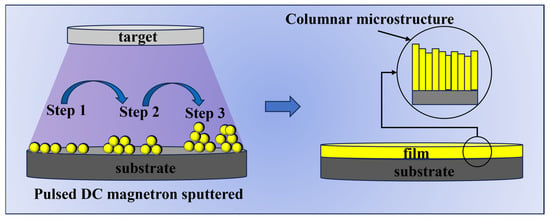
To clarify the instability behavior of the columnar microstructure in RF magnetron sputtered TiN coatings under compressive loading, experimental characterization and finite element simulation were combined to investigate the microstructural features, mechanical properties, and linear and nonlinear buckling responses of the coating. TiN [...] Read more.
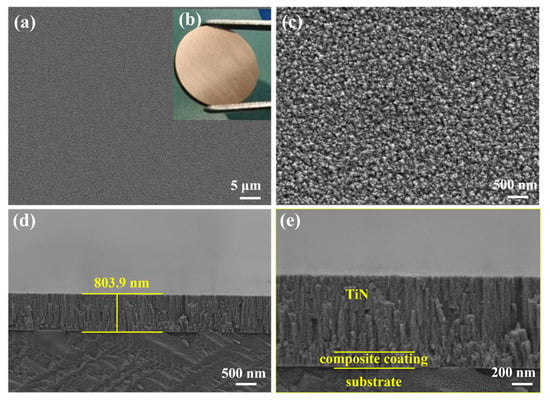
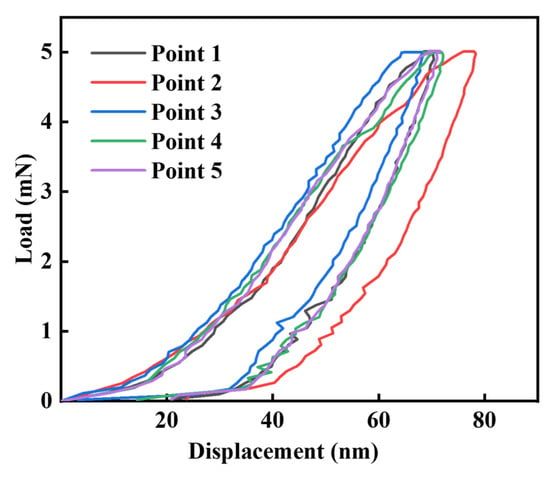
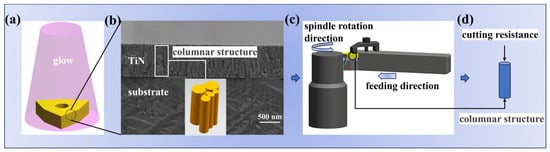
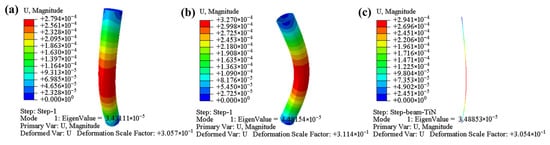
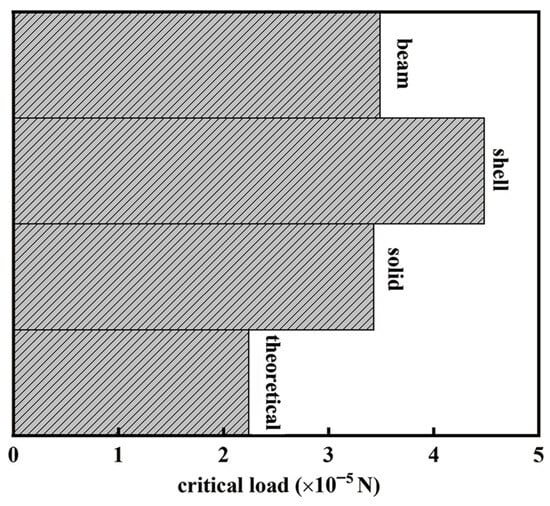
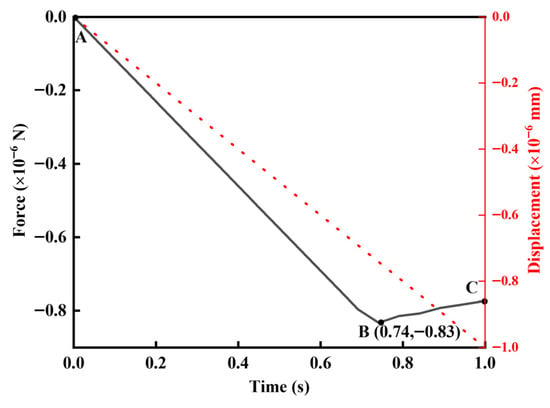
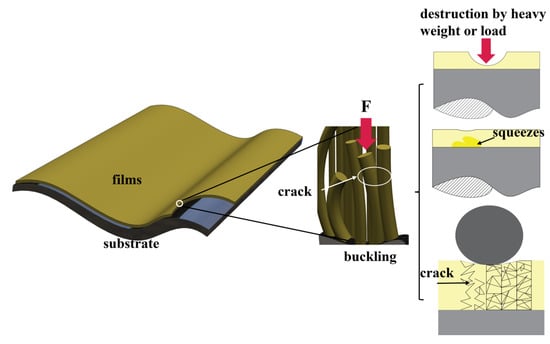
To clarify the instability behavior of the columnar microstructure in RF magnetron sputtered TiN coatings under compressive loading, experimental characterization and finite element simulation were combined to investigate the microstructural features, mechanical properties, and linear and nonlinear buckling responses of the coating. TiN coatings were deposited on cemented carbide and Si substrates by RF magnetron sputtering using a 99.9% purity TiN target. The surface and cross-sectional morphologies were characterized by field-emission scanning electron microscopy, and the nanohardness and Young’s modulus were determined by nanoindentation. Based on the experimentally observed morphology and measured mechanical properties, a finite element model of the columnar structure was established in ABAQUS, and the instability responses predicted by solid, shell, and beam element models were comparatively analyzed. The results showed that the as-deposited TiN coating exhibited a dense and uniform surface and a distinct columnar microstructure in cross-section. Linear buckling analysis indicated that the first-order critical buckling loads predicted by different element models were different, among which the solid element model gave a value of 3.43 × 10⁻⁵ N, showing the closest agreement with the theoretical result. Furthermore, nonlinear buckling analysis was performed by introducing an initial geometric imperfection of 4 × 10⁻³ mm based on the first-order buckling mode of the solid element model. The results showed that the columnar structure became unstable at a load of 0.74 × 10⁻⁶ N, accompanied by irreversible deformation. These findings demonstrate that linking experimentally observed TiN columnar microstructures with microstructure-informed instability analysis provides a useful perspective for understanding the local instability behavior and potential failure tendency of sputtered coatings and offers theoretical support for the structural design and reliability evaluation of protective coatings for cutting tools. Full article
(This article belongs to the Special Issue Novel Inorganic Coatings and Thin Films)
Show Figures

Figure 1

14 pages, 750 KB  
Article
Longitudinal Effectiveness of Repeated Lifestyle Education in Pediatric Dyslipidemia: Developmental and Environmental Modifiers in a Real-World Clinical Cohort
by Sung Yong Min and Eun Young Kim
Children 2026, 13(5), 682; https://doi.org/10.3390/children13050682 (registering DOI) - 16 May 2026
Abstract
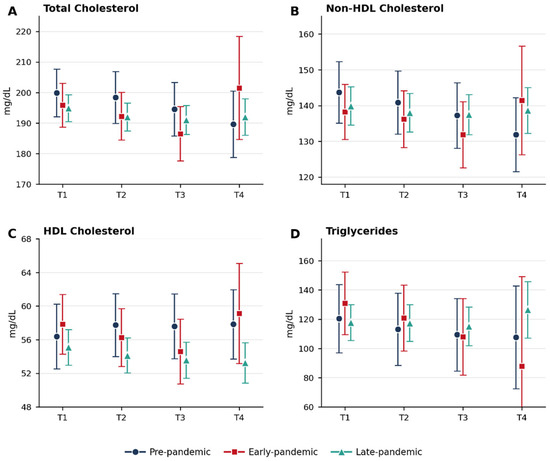
Background/Objectives: Pediatric dyslipidemia is a major modifiable risk factor for future cardiovascular disease, and lifestyle modification is recommended as first-line therapy. However, real-world longitudinal evidence on the effectiveness of repeated lifestyle education delivered during routine clinical practice remains limited. In this study, we [...] Read more.
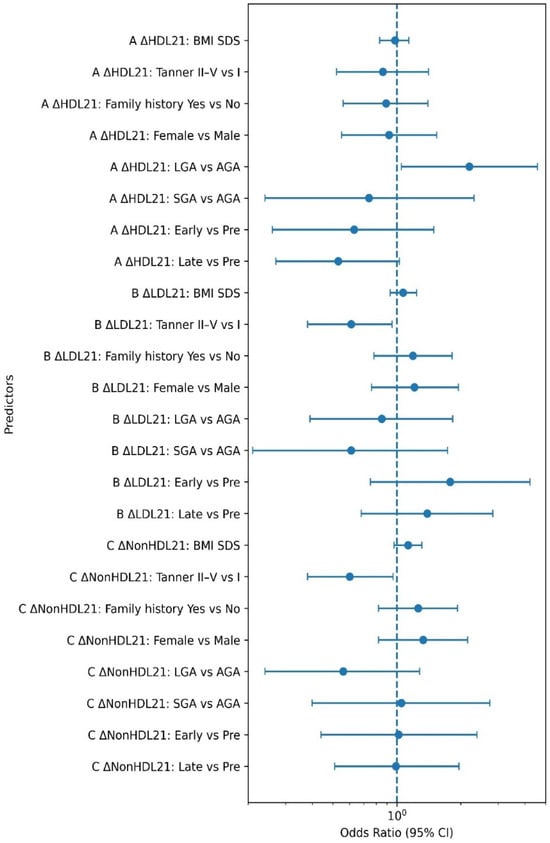
Background/Objectives: Pediatric dyslipidemia is a major modifiable risk factor for future cardiovascular disease, and lifestyle modification is recommended as first-line therapy. However, real-world longitudinal evidence on the effectiveness of repeated lifestyle education delivered during routine clinical practice remains limited. In this study, we assessed longitudinal metabolic changes following repeated lifestyle education and explored developmental and early-life factors associated with treatment responsiveness. Methods: In this retrospective longitudinal cohort study, we included 437 children and adolescents newly diagnosed with dyslipidemia at a tertiary hospital between 2019 and 2024. Participants received repeated lifestyle education during routine outpatient visits. Anthropometric and laboratory parameters were assessed over time. Linear mixed models were used to evaluate longitudinal changes, and multivariable logistic regression analyses were performed to identify predictors of lipid improvement. Results: Repeated lifestyle education was associated with gradual improvements in BMI SDS, total cholesterol, and non-HDL cholesterol over time. Linear mixed model analyses demonstrated significant time effects for total cholesterol and non-HDL cholesterol, while HDL cholesterol remained relatively stable. Thyroid-stimulating hormone (TSH) also demonstrated a significant time-dependent reduction during follow-up. Multivariable logistic regression analysis revealed that pubertal stage was associated with a lower likelihood of improvement in LDL and non-HDL cholesterol, whereas large-for-gestational-age birth was associated with a higher likelihood of HDL improvement. Conclusions: Repeated lifestyle education delivered during routine clinical practice was associated with meaningful improvements in lipid profiles in children with dyslipidemia. Developmental stage and early-life characteristics may influence treatment responsiveness, highlighting the importance of individualized and developmentally informed management strategies. Full article
(This article belongs to the Section Pediatric Endocrinology & Diabetes)
Show Figures

Figure 1

20 pages, 13081 KB  
Article
First-Principles Insights into the Structural, Electronic, Optical, and Thermoelectric Properties of Novel Halide Double Perovskites Rb2InCuX6 (X = F, Cl, Br)
by Nabeel Israr, Peichao Zhu, Fawad Ali, Zubair Maroof, Shuaiqi He, Puyang Wu, Haoyang Lu, Weijia Sun, Zhaoxin Wu and Fang Yuan
Nanomaterials 2026, 16(10), 610; https://doi.org/10.3390/nano16100610 (registering DOI) - 16 May 2026
Abstract
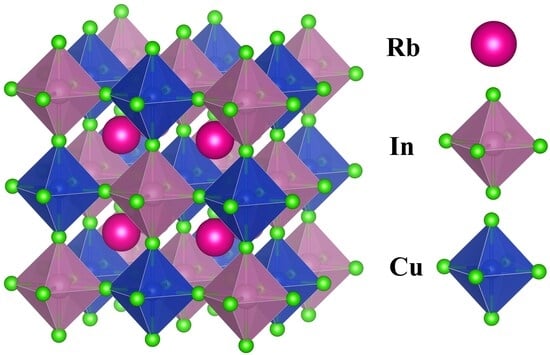
Lead-free halide double perovskites have emerged as promising candidates for sustainable optoelectronic and thermoelectric applications due to their tunable band gaps, high stability, and non-toxic nature. In this work, we systematically investigate the structural, electronic, optical, and thermoelectric properties of novel double perovskite [...] Read more.
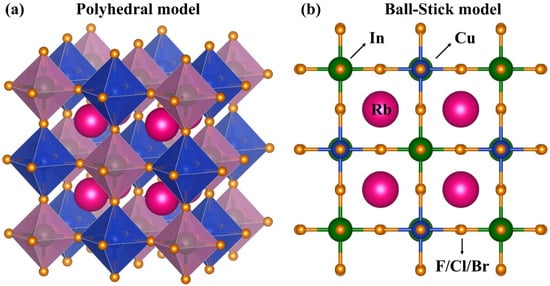
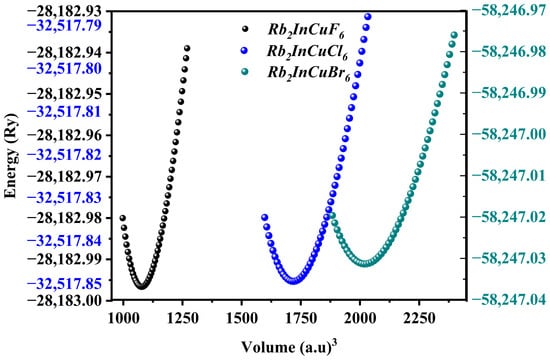
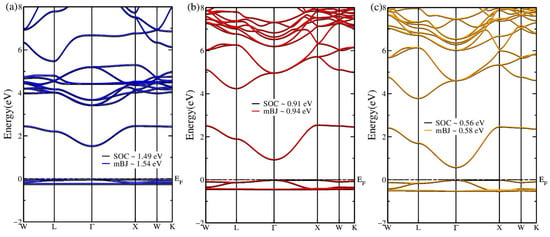
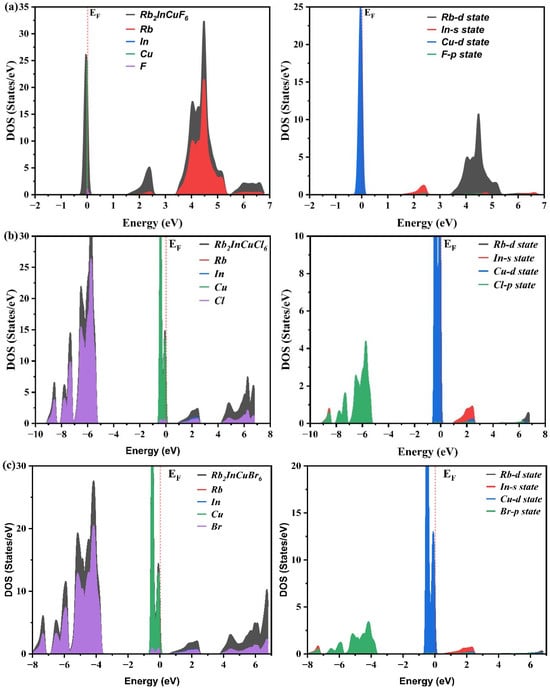
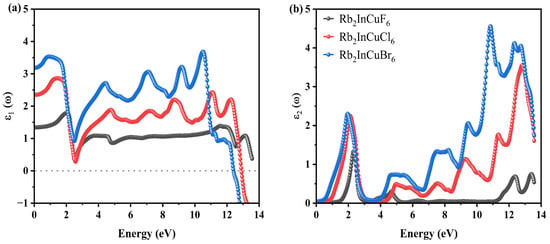
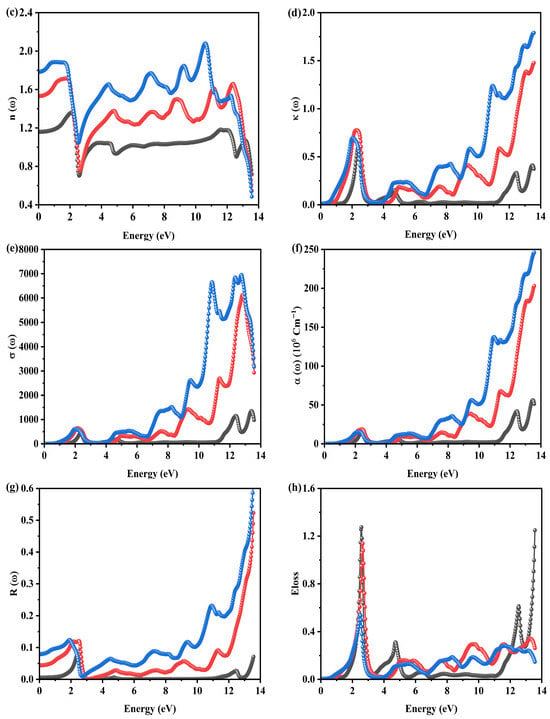
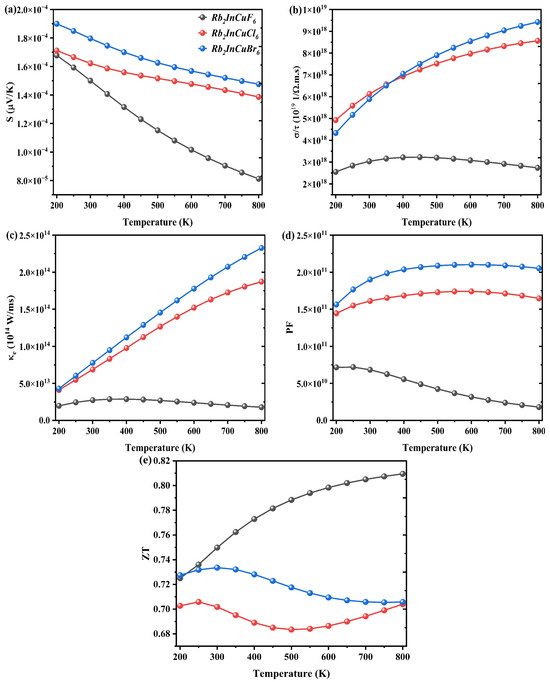
Lead-free halide double perovskites have emerged as promising candidates for sustainable optoelectronic and thermoelectric applications due to their tunable band gaps, high stability, and non-toxic nature. In this work, we systematically investigate the structural, electronic, optical, and thermoelectric properties of novel double perovskite compounds Rb2InCuX6 (X = F, Cl, Br) using density functional theory (DFT) combined with spin–orbit coupling (SOC). The structural stability of these materials is confirmed by evaluating the tolerance factor, octahedral factor, and negative formation energy. Accurate band structures obtained via the modified Becke–Johnson (mBJ) potential and SOC reveal direct band gaps of 1.49 eV, 0.91 eV, and 0.56 eV for Rb2InCuX6 (X = F, Cl, Br), indicating their suitability for solar cell applications. Optical properties, derived from the dielectric functions calculated within the Kramers–Kronig framework over a photon energy range up to 14 eV, show strong absorption peaks in the ultraviolet region, making these materials attractive for high-frequency optical conversion devices. Furthermore, thermoelectric parameters, including the Seebeck coefficient, electrical conductivity, electronic thermal conductivity, and power factor, are computed using the BoltzTraP code. Notably, the figure of merit (ZT) approaches 0.80 for Rb2InCuF6, close to the ideal value of unity, demonstrating excellent thermoelectric performance over a wide temperature range (200–800 K). Our findings establish Rb2InCuX6 (X = F, Cl, Br) as promising lead-free double perovskites for integrated optoelectronic and thermoelectric applications. Full article
(This article belongs to the Section Energy and Catalysis)
Show Figures

Graphical abstract

10 pages, 9429 KB  
Review
Exophiala dermatitidis Eye Infection: Case Report and Literature Review
by Suzana Otašević, Marija Trenkić, Marko Stalević, Marina Ranđelović, Slavica Stojnev, Milica Đorđević, Jana Pešić Stanković, Goran Koraćević and Roberta Iatta
J. Fungi 2026, 12(5), 368; https://doi.org/10.3390/jof12050368 (registering DOI) - 16 May 2026
Abstract
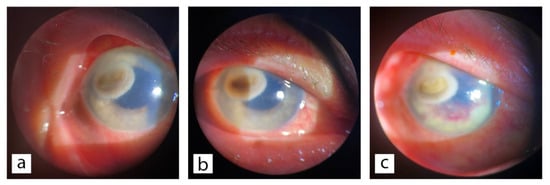
Exophiala endophthalmitis of exogenous origin is an exceptionally rare but severe ocular infection, characterized by diagnostic delays, limited therapeutic guidance, and frequently poor outcomes. Herein, we report one new case of an 80-year-old woman who presented with severe fungal keratitis progressing to endophthalmitis [...] Read more.
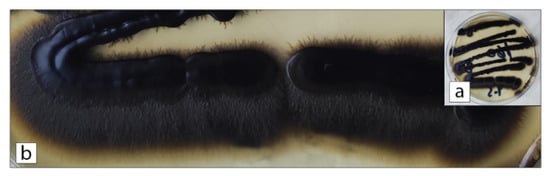
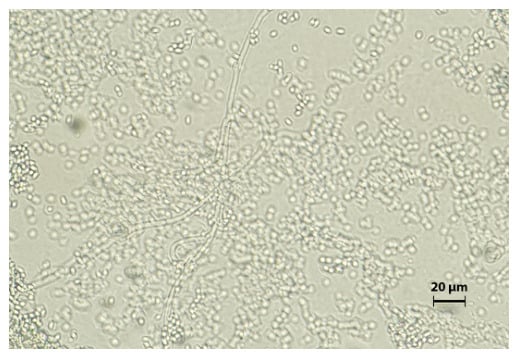
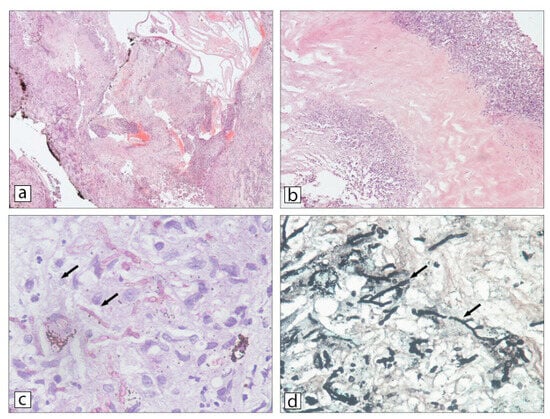
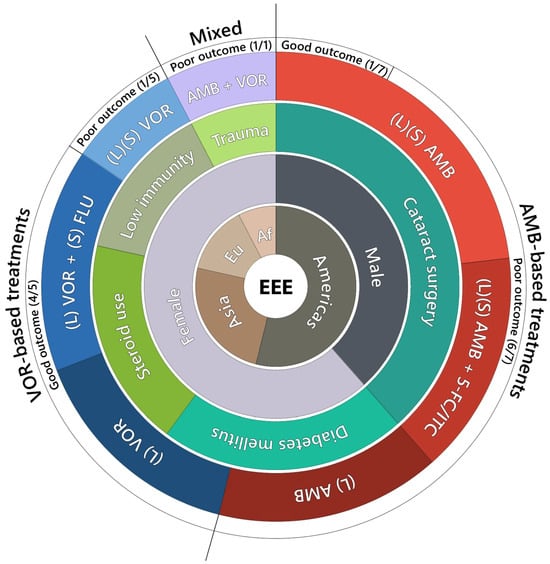
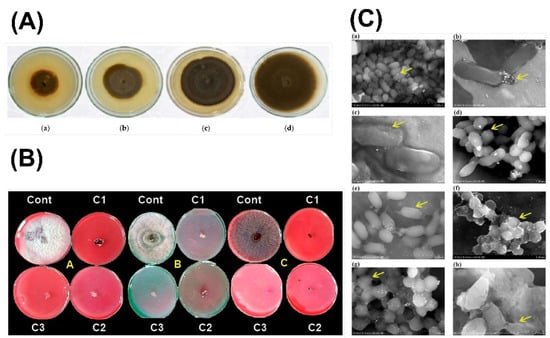
Exophiala endophthalmitis of exogenous origin is an exceptionally rare but severe ocular infection, characterized by diagnostic delays, limited therapeutic guidance, and frequently poor outcomes. Herein, we report one new case of an 80-year-old woman who presented with severe fungal keratitis progressing to endophthalmitis two years after an uncomplicated cataract surgery. The condition was initially misdiagnosed and treated with topical antibiotics and corticosteroids. By cultivation, microscopy, histopathological, and PCR analysis of the samples, Exophiala dermatitidis was identified as the causative agent. Despite targeted antifungal therapy with voriconazole, the disease rapidly progressed, resulting in corneal perforation and evisceration of the affected eye. The number of confirmed cases of this infection remains very limited. To address this gap, we conducted a structured review of all reported instances of exogenous Exophiala endophthalmitis, in which Exophiala dermatitidis emerged as the predominant causative species. Common predisposing factors included corneal barrier disruption, ocular surgery, diabetes mellitus, and corticosteroid use. Diagnostic confirmation was frequently delayed, and treatment outcomes varied. Amphotericin B-based regimens were associated with poor results, whereas voriconazole, particularly when combined with surgical intervention, demonstrated more favorable outcomes. Exogenous Exophiala endophthalmitis remains underrecognized, with limited evidence to guide management. This entity should be considered in postoperative or trauma-associated intraocular inflammation, and current evidence supports azole-based therapy combined with surgical intervention when indicated. Full article
(This article belongs to the Special Issue Diagnosis and Management of Human Mold Infections, 2nd Edition)
Show Figures

Figure 1

21 pages, 7994 KB  
Article
A Dual-Channel Fault Diagnosis Method for Rolling Bearings Based on VMD-BiGRU and GADF-ResNet-CBAM
by Maoyuan Niu, Xiaojing Wan and Yuzhou Sheng
Appl. Sci. 2026, 16(10), 4968; https://doi.org/10.3390/app16104968 (registering DOI) - 16 May 2026
Abstract
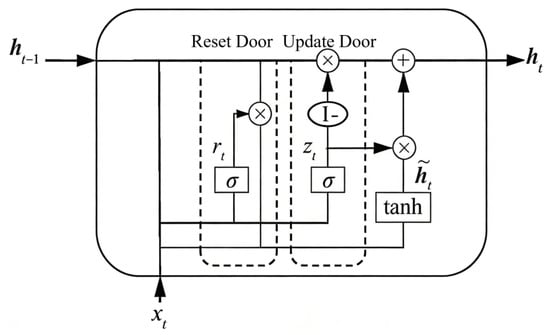
To address the drawbacks of traditional convolutional neural network-based rolling bearing fault diagnosis techniques, including poor feature extraction, low diagnostic accuracy, and poor generalization capability, a dual-channel rolling bearing fault diagnosis model based on VMD-BiGRU and GADF-ResNet-CBAM was proposed. Variational mode decomposition (VMD) [...] Read more.
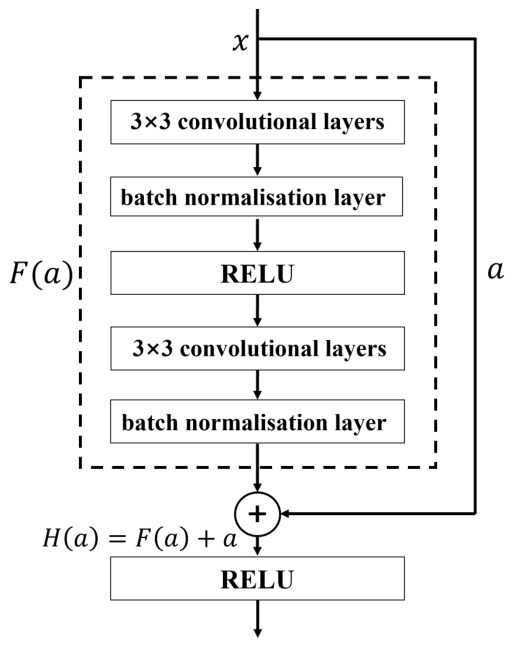
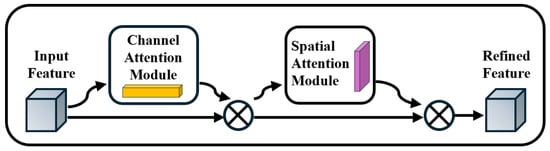
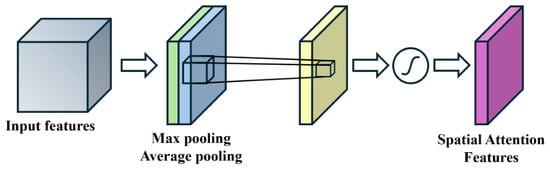
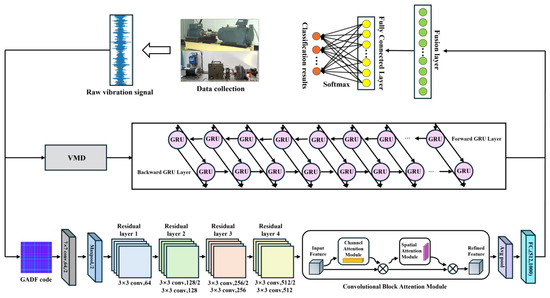
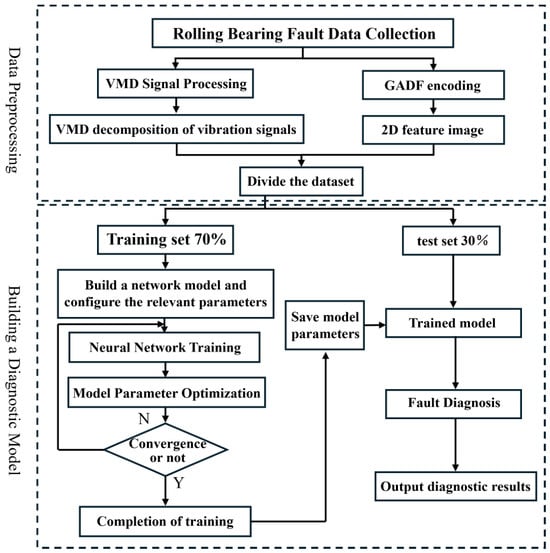
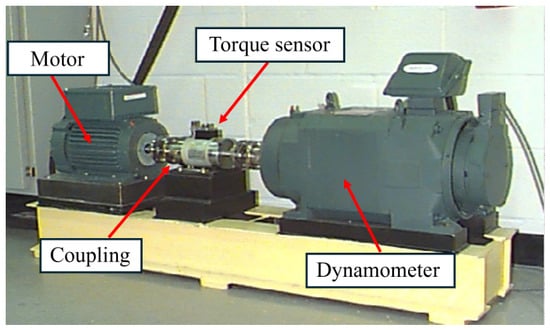
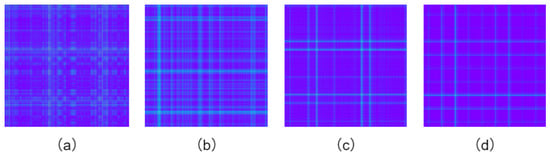
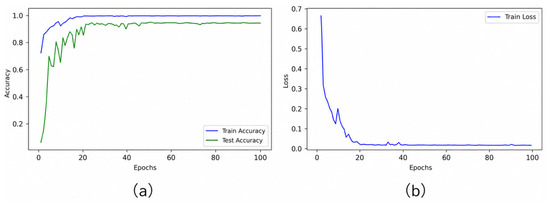
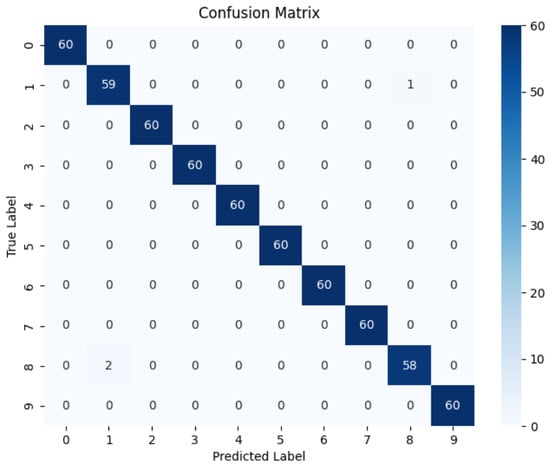
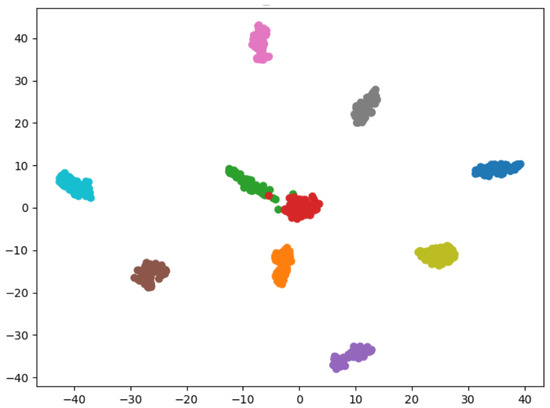
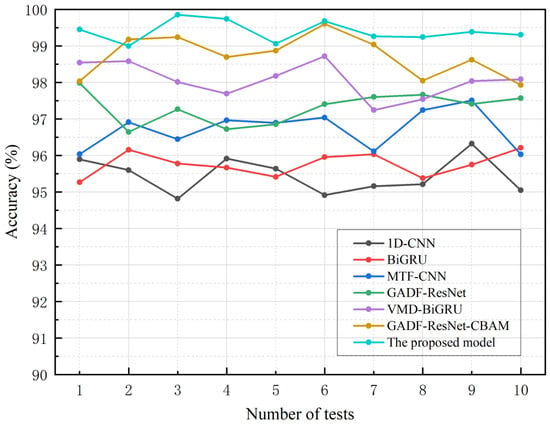
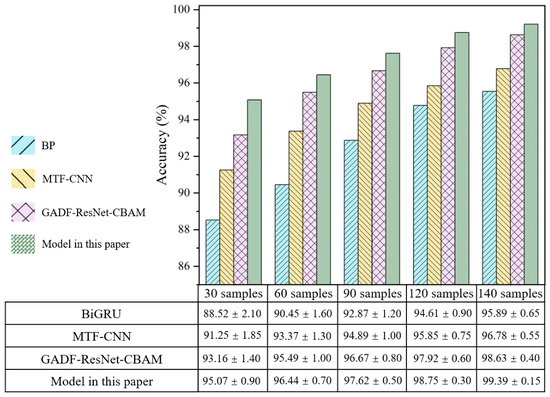
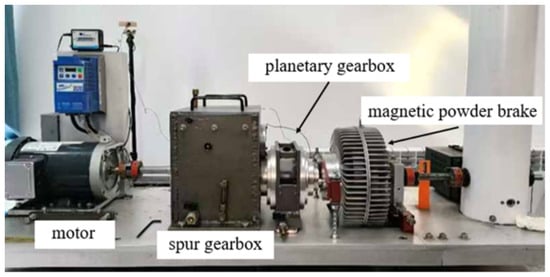
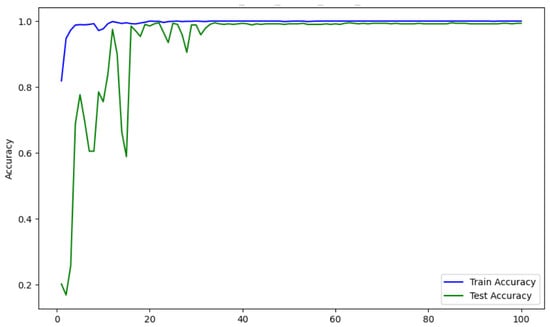
To address the drawbacks of traditional convolutional neural network-based rolling bearing fault diagnosis techniques, including poor feature extraction, low diagnostic accuracy, and poor generalization capability, a dual-channel rolling bearing fault diagnosis model based on VMD-BiGRU and GADF-ResNet-CBAM was proposed. Variational mode decomposition (VMD) was used to first break down and reconstruct the original vibration signal. The rebuilt signal was then input into a bidirectional gated recurrent unit (BiGRU) network in order to extract temporal information. Second, the Gramian angular difference field (GADF) transformed the one-dimensional vibration signal into a two-dimensional picture. This image was then fed into a residual network that was merged with the convolutional block attention module (CBAM) in order to extract spatial characteristics. After concatenating and fusing the data from the two channels, Softmax was finally employed at the output layer to classify different types of faults. The Case Western Reserve University (CWRU) bearing dataset and a self-collected independent dataset from the Xinjiang University experimental rig were utilized for validation. The model achieved diagnosis accuracies of 99.39% and 99.58%, respectively. These results demonstrate the robustness and practical applicability of the proposed method on data acquired from distinct hardware sources and experimental environments, outperforming alternative approaches. Full article
Show Figures

Figure 1

15 pages, 1269 KB  
Article
Weighing the Risks: The Impact of Body Mass Index on Outcomes After Frozen Elephant Trunk Aortic Arch Repair
by Tim Walter, Joseph Kletzer, Tim Berger, Salome Chikvatia, Magdalena Bork, Sophie Kunzmann, Mario Lescan, Stoyan Kondov, Aleksandar Dimov, Martin Czerny, Maximilian Kreibich and Dalibor Bockelmann
Medicina 2026, 62(5), 973; https://doi.org/10.3390/medicina62050973 (registering DOI) - 16 May 2026
Abstract
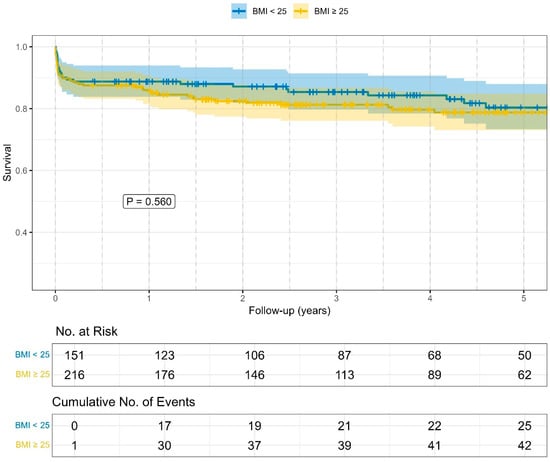
Background and Objectives: This study aimed to evaluate the impact of body mass index (BMI) on post- operative outcomes in patients undergoing aortic arch repair with the frozen elephant trunk technique (FET). Materials and Methods: A total of 387 patients who [...] Read more.
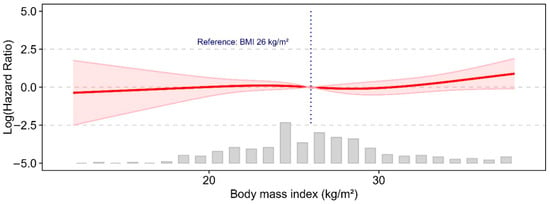
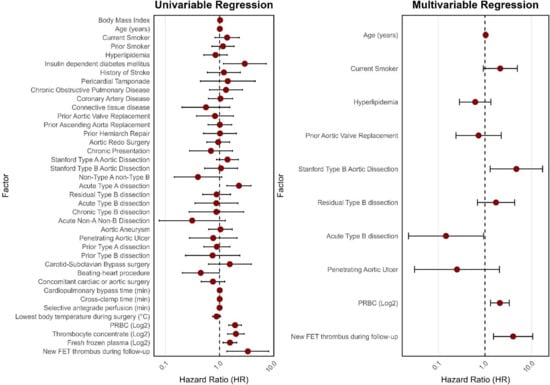
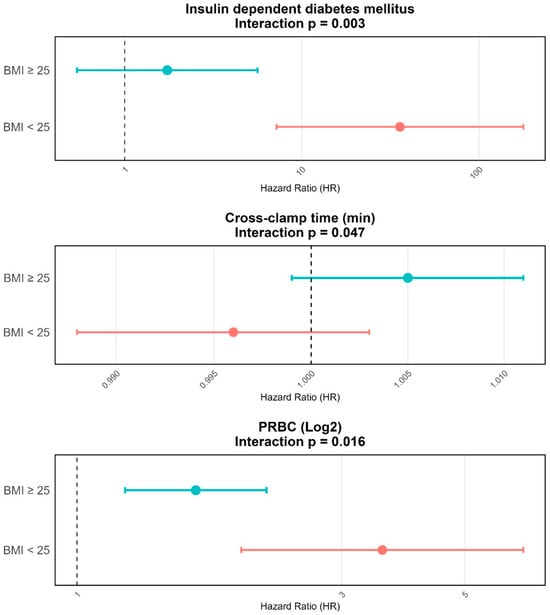
Background and Objectives: This study aimed to evaluate the impact of body mass index (BMI) on post- operative outcomes in patients undergoing aortic arch repair with the frozen elephant trunk technique (FET). Materials and Methods: A total of 387 patients who underwent an FET procedure between 04/2014 and 11/2024 were retrospectively analyzed. Patients were divided into four groups according to BMI: underweight (BMI < 18.5, n = 12) normal weight (BMI: 18.5 to <25, n = 150), overweight (BMI: 25 to <30, n = 154), and obese (BMI: ≥30, n = 71). Patient characteristics and clinical outcomes were compared across groups. Multivariable Cox regression, interaction analysis, and restricted cubic spline modelling were performed using R (Version 4.4.3). Results: Interaction analysis revealed BMI-dependent effect modification for several predictors. Insulin-dependent diabetes mellitus was associated with increased mortality only in patients with BMI < 25 kg/m2 (interaction p = 0.003). Transfusion of packed red blood cells (PRBCs) also showed a significant interaction with BMI (p = 0.016), with a stronger effect in patients with BMI < 25 kg/m2, although significant in both strata. Moreover, cross-clamp time demonstrated a BMI-dependent interaction (p = 0.047), with numerically higher mortality hazards in overweight patients (BMI > 25 kg/m2), but without statistically significant subgroup effects. Spline analysis indicated a non-linear, threshold-based association between overall mortality and BMI but does not reach statistical significance. Kaplan–Meier analysis showed no significant difference in 5-year survival among BMI categories. Conclusions: BMI should not be used as a primary risk stratification tool for survival after an FET procedure. Rather, attention should be paid to comorbid conditions and intraoperative factors that interact with BMI. For patients with lower BMI (<25 kg/m2), optimizing glycemic control and minimizing transfusion may improve outcomes. Data suggests that a reduction in cross-clamp time may be particularly beneficial in patients with higher BMI (>25 kg/m2). Future studies should aim to clarify the impact of BMI on outcomes after FET, particularly in the context of patient selection and perioperative optimization strategies. Full article
(This article belongs to the Section Surgery)
Show Figures

Figure 1

21 pages, 5748 KB  
Article
Estrogen Replacement Therapy in Ovariectomized Rats: Complementary Roles of ER and GPR30 in Alleviating Depressive-like Behavior
by Siyi He, Zhongyu Ren, Lan Wu, Yinping Xie, Limin Sun, Ling Xiao and Gaohua Wang
Curr. Issues Mol. Biol. 2026, 48(5), 519; https://doi.org/10.3390/cimb48050519 (registering DOI) - 16 May 2026
Abstract
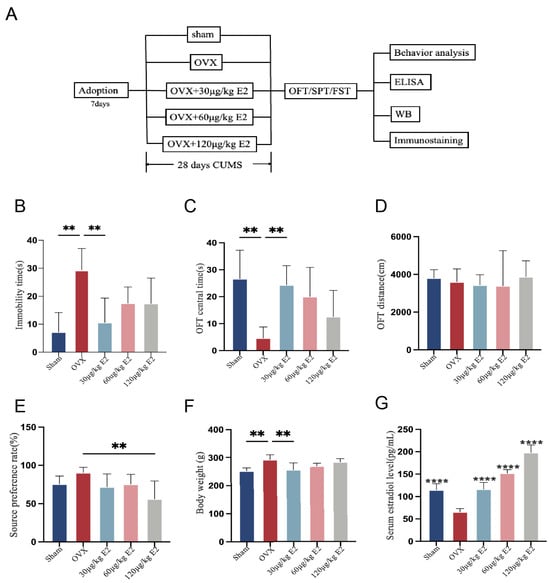
Women are twice as likely to suffer from major depressive disorder (MDD). The underlying mechanism between estrogen and depression is still unknown. We used ovariectomized rats to simulate menopausal status and established a depression model of chronic and acute stress. The therapeutic effects [...] Read more.
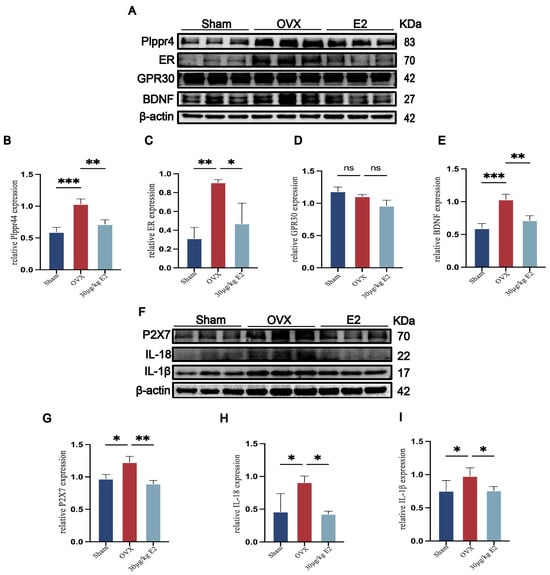
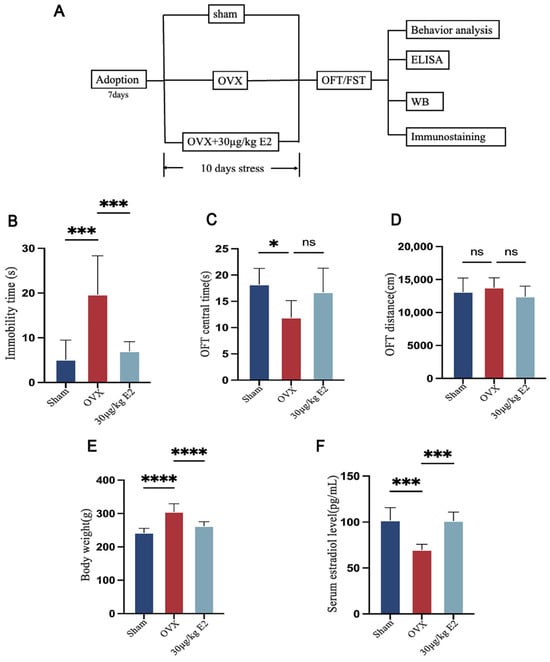
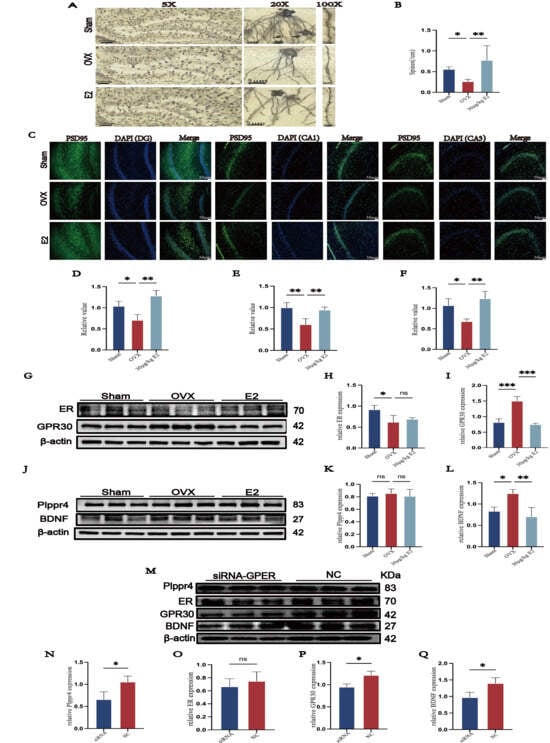
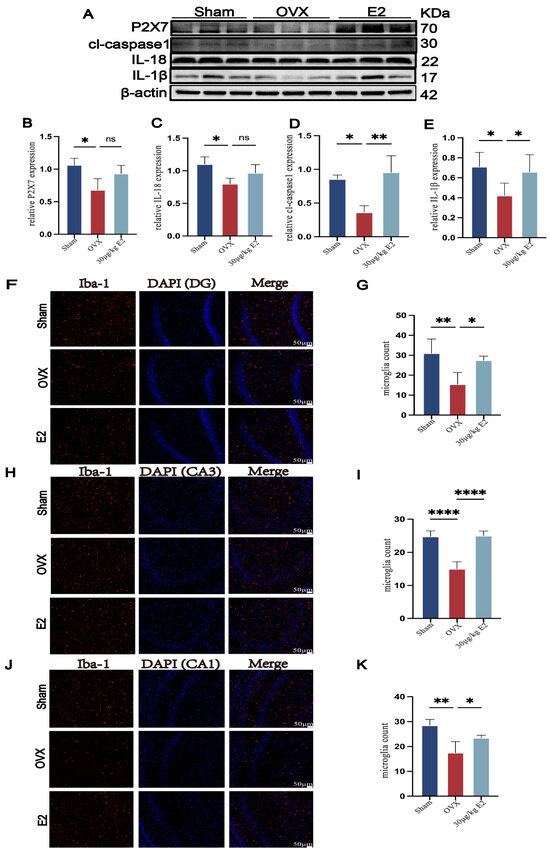
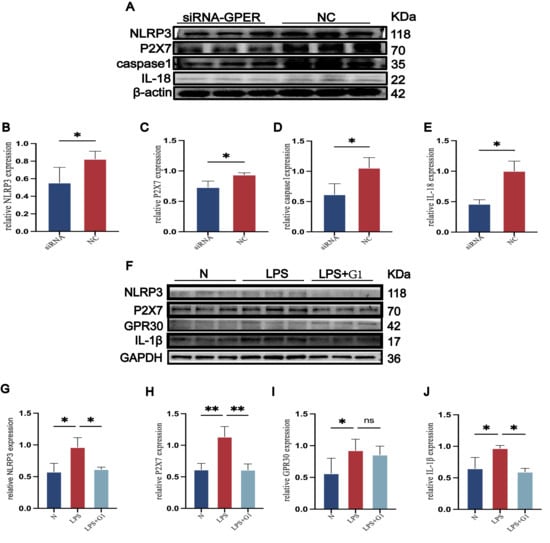
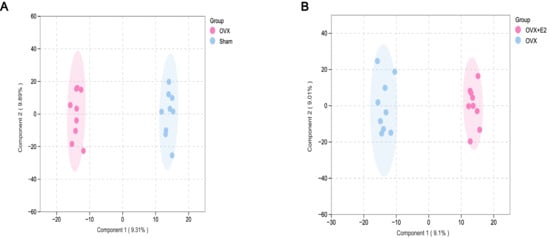
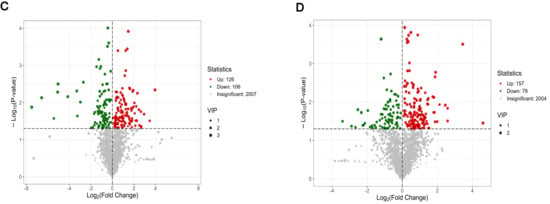
Women are twice as likely to suffer from major depressive disorder (MDD). The underlying mechanism between estrogen and depression is still unknown. We used ovariectomized rats to simulate menopausal status and established a depression model of chronic and acute stress. The therapeutic effects of estrogen were systematically studied through behavioral testing, Western blotting, ELISA, LC-MS, and cell experiments. In chronic stress, OVX rats showed depressive-like behaviors, and elevated hippocampal ER, BDNF, IL-1β/IL-18, and body weight. ERT reduced depression-like behavior by 64% to 76% in the behavioral test. ERT also reversed the molecules without affecting GPR30. In acute stress, ERT reduced depression-like behavior by 20% to 58% in the behavioral test. OVX decreased ER, BDNF, P2X7, IL-1β/IL-18, spine density, and microglia and increased the expression of GPR30. ERT reversed all the above. ERT normalized metabolic abnormalities caused by CUMS. Our study demonstrates that estrogen deficiency contributes to the onset and progression of depression in a rat model of menopause-like estrogen deficiency. Estrogen replacement therapy appears to alleviate depressive-like behaviors by reducing brain inflammation and supporting the brain’s adaptive capacities through ER. Furthermore, the dual function positions GPR30 as a promising potential target for future treatments of menopausal depression, and GPR30 regulates neuroinflammation and neuroplasticity through the NLRP3/P2X7/IL-1β pathway. Full article
(This article belongs to the Special Issue Molecular Neuropsychiatry: Target Discovery for Mental Disorders)
Show Figures

Figure 1

18 pages, 7505 KB  
Article
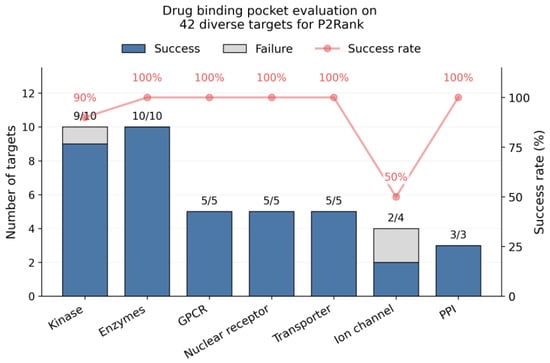
Does DrugCLIP Find the Right Pocket? A Systematic Evaluation of Binding-Site Identification Across 42 Drug Targets
by Bocheng Xie, Xiaokang Guo, Pengwei Xiao and Chao Yang
AI Chem. 2026, 1(2), 9; https://doi.org/10.3390/aichem1020009 (registering DOI) - 16 May 2026
Abstract
Contrastive learning-based models such as DrugCLIP have recently emerged as scalable tools for structure-based virtual screening by embedding protein structures and small molecules into a shared representation space. While these approaches demonstrate high throughput and competitive screening performance in ligand retrieval tasks, their [...] Read more.
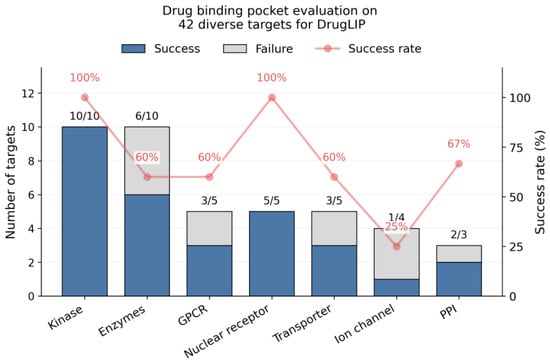
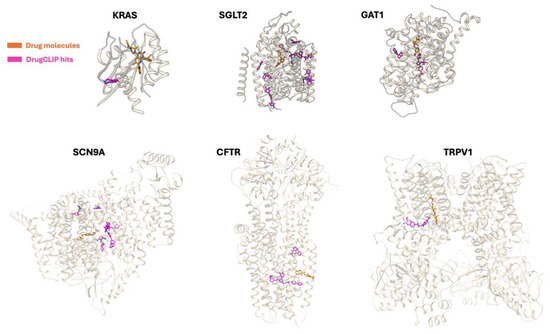
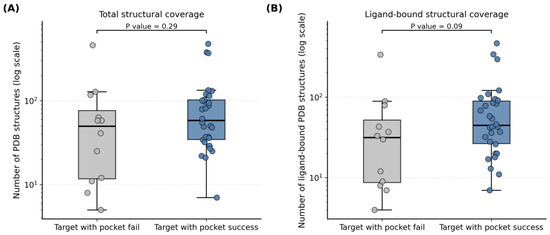
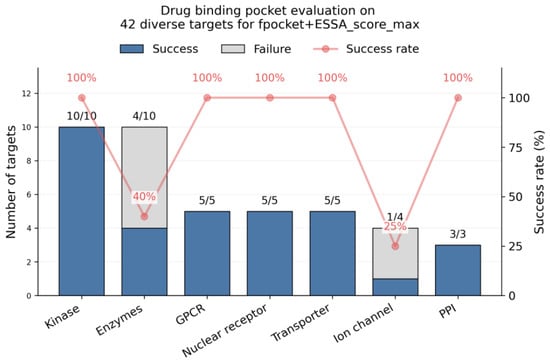
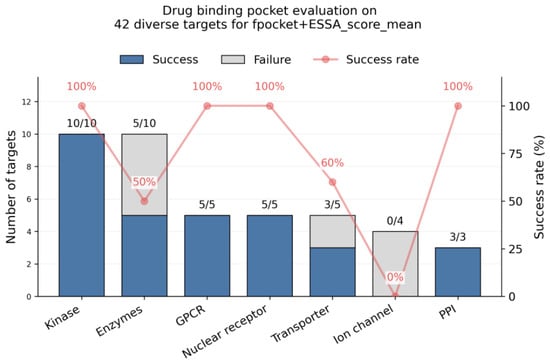
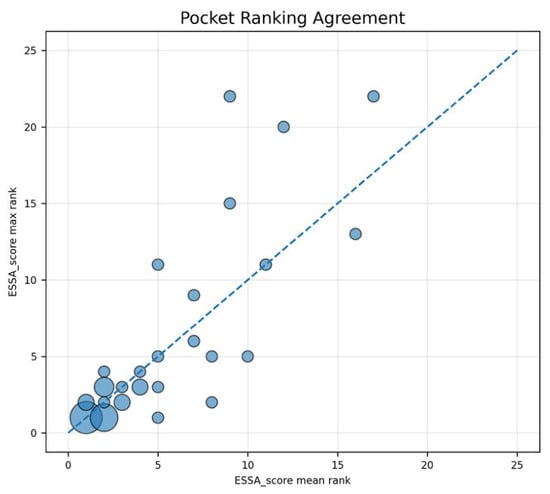
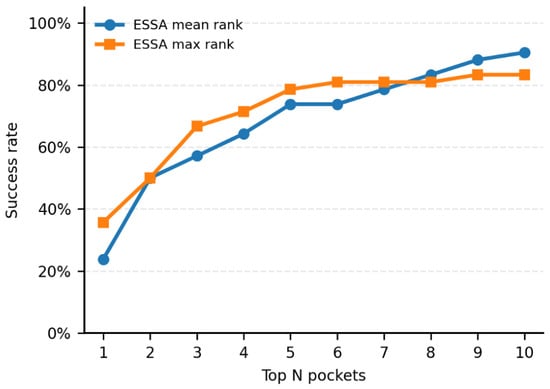
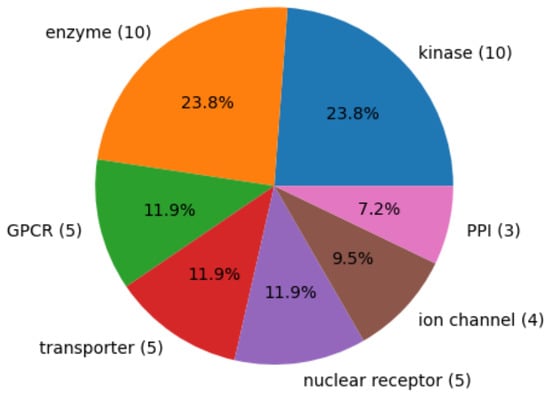
Contrastive learning-based models such as DrugCLIP have recently emerged as scalable tools for structure-based virtual screening by embedding protein structures and small molecules into a shared representation space. While these approaches demonstrate high throughput and competitive screening performance in ligand retrieval tasks, their ability to correctly identify biologically relevant ligand-binding pockets has not been systematically evaluated. Here, we construct a benchmarking dataset comprising 42 pharmacologically diverse human protein targets with experimentally validated drug-bound structures spanning multiple target families. Using this dataset, we evaluate the pocket recognition capability of DrugCLIP and compare its performance with a traditional structure-based workflow (Fpocket combined with ESSA) and a machine learning-based method (P2Rank). DrugCLIP shows robust performance for well-characterized target classes, including kinases (10/10) and nuclear receptors (5/5), but exhibits markedly reduced accuracy for ion channels (1/4), GPCRs (3/5), and transporters (3/5). Notably, pocket prediction accuracy does not strongly correlate with structural data availability, suggesting that intrinsic pocket characteristics rather than training data abundance primarily affect model performance. Across the benchmark, DrugCLIP achieves an overall success rate of 71% (95% CI: 56–83%), compared with 79% (95% CI: 64–88%) for Fpocket+ESSA, and 93% (95% CI: 81–98%) for P2Rank. McNemar’s test showed no significant difference between DrugCLIP and Fpocket+ESSA (p = 0.508), whereas P2Rank significantly outperformed DrugCLIP (p = 0.012). Together, these results provide a quantitative evaluation of pocket recognition by contrastive learning-based models and highlight key limitations of embedding-based approaches for pocket localization. Full article
Show Figures

Figure 1

14 pages, 3331 KB  
Article
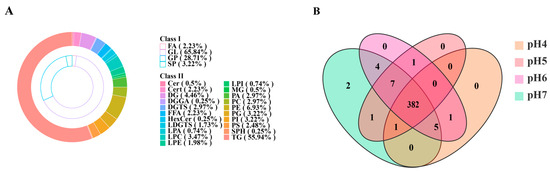
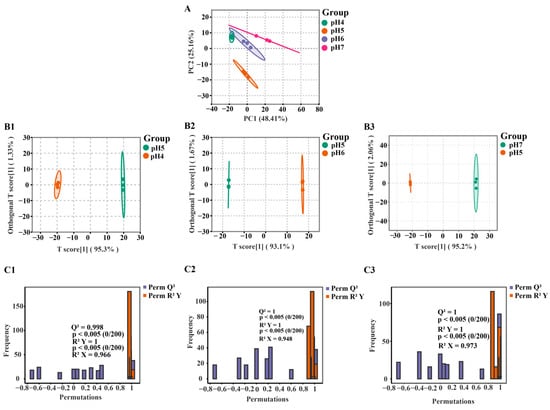
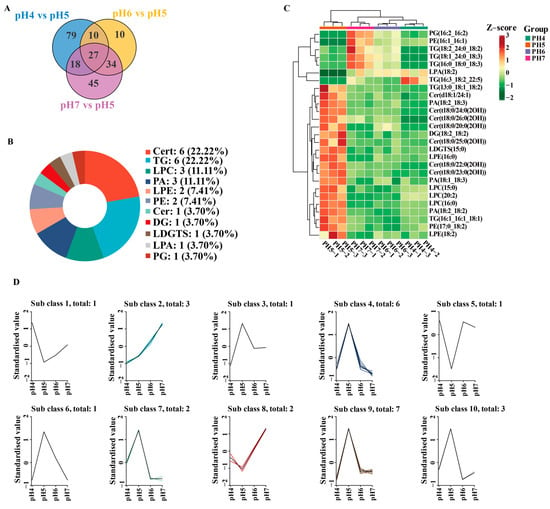
Effects of Different Initial pH Conditions on the Antioxidant Capacity and Lipidomic Profiles of Samsoniella hepialid
by Yan Tong, Chuyu Tang, Bing Jia, Haoxu Tang, Jinxuan Yan, Yuling Li and Xiuzhang Li
J. Fungi 2026, 12(5), 367; https://doi.org/10.3390/jof12050367 (registering DOI) - 16 May 2026
Abstract
Samsoniella hepiali produces an array of pharmacologically valuable metabolites, but how environmental pH regulates its antioxidant system and lipid metabolism during submerged fermentation remains unclear. This study aimed to investigate the effects of different initial culture pH values (pH 4, 5, 6, and [...] Read more.
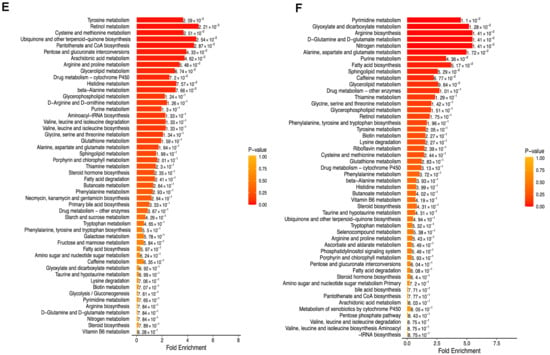
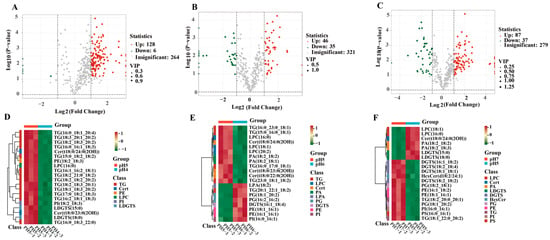
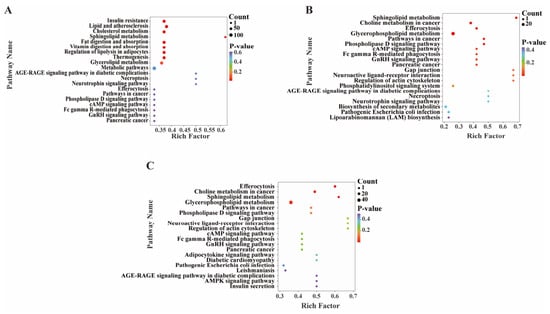
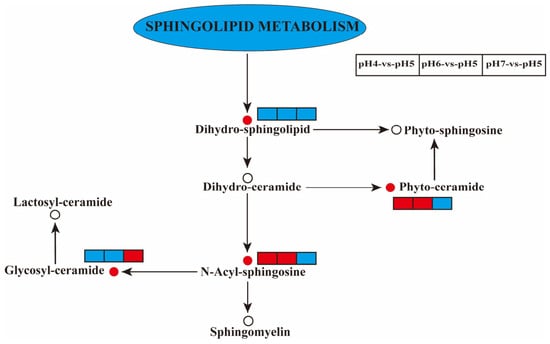
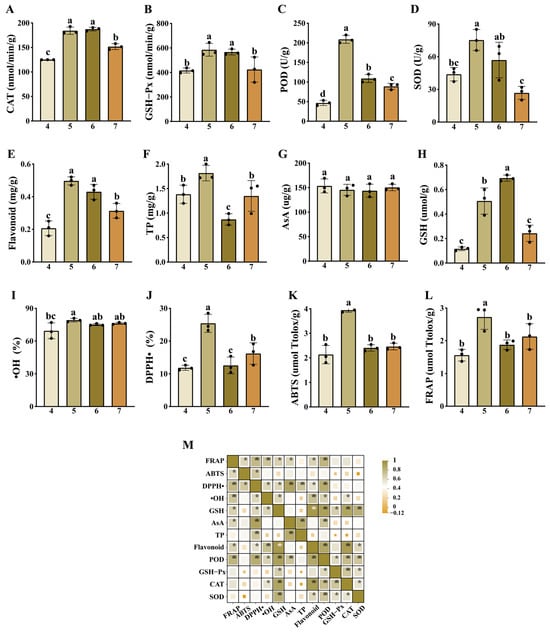
Samsoniella hepiali produces an array of pharmacologically valuable metabolites, but how environmental pH regulates its antioxidant system and lipid metabolism during submerged fermentation remains unclear. This study aimed to investigate the effects of different initial culture pH values (pH 4, 5, 6, and 7) on the antioxidant capacity and lipidomic metabolism of S. hepiali. The results demonstrated that at pH 5, the activities of peroxidase (POD) and superoxide dismutase (SOD), the contents of total phenolics (TP) and flavonoids, the scavenging rates of DPPH• and •OH, and the total antioxidant capacity all peaked. Conversely, the level of glutathione (GSH) reached its maximum at pH 6 (0.69 ± 0.014 μmol/g). Lipidomic analysis identified a total of 404 lipid molecular species, mainly TG, PE, and DG. Comparative analysis among pH 4 vs. pH 5, pH 6 vs. pH 5, and pH 7 vs. pH 5 revealed 27 core DALs belonging to 11 lipid subclasses, most of which were upregulated at pH 5. KEGG pathway enrichment analysis further revealed that sphingolipid metabolism was the sole core co-enriched pathway under different pH conditions. Particularly at pH 5, key signaling lipids, such as ceramides, underwent pronounced targeted accumulation. This study elucidates the molecular adaptation mechanisms of medicinal fungi in response to pH variation from a lipidomic perspective. It provides a basis for optimizing fermentation conditions to enhance antioxidant activity and functional lipid production. Full article
(This article belongs to the Special Issue Fungal Metabolomics and Genomics, 3rd Edition)
Show Figures

Figure 1

19 pages, 1444 KB  
Review
Current Studies on the Hypoxic Tumor Microenvironment in Thyroid Cancer: From Molecular Mechanisms to Clinical Therapeutic Perspectives
by Xuejiao Peng, Li Ma and Weiqin Chang
Biomedicines 2026, 14(5), 1126; https://doi.org/10.3390/biomedicines14051126 (registering DOI) - 16 May 2026
Abstract
Hypoxia is a hallmark feature of solid tumors and is increasingly recognized as an important factor in tumor progression, aggressiveness, and therapeutic resistance. In the tumor microenvironment, hypoxia is associated with genetic instability, abnormal angiogenesis, metabolic reprogramming, and crosstalk with oncogenic signaling pathways, [...] Read more.
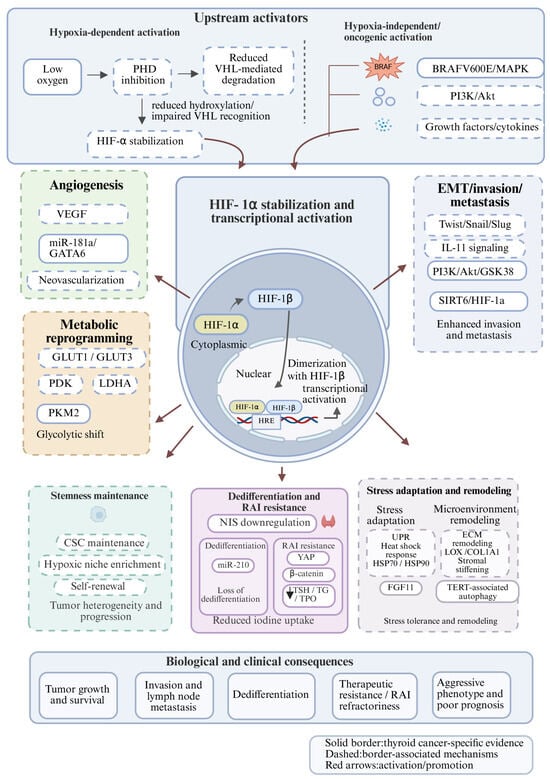
Hypoxia is a hallmark feature of solid tumors and is increasingly recognized as an important factor in tumor progression, aggressiveness, and therapeutic resistance. In the tumor microenvironment, hypoxia is associated with genetic instability, abnormal angiogenesis, metabolic reprogramming, and crosstalk with oncogenic signaling pathways, thereby potentially enhancing tumor invasiveness and metastatic potential. Furthermore, hypoxia may impair the sensitivity of tumor cells to conventional therapies and contribute to treatment resistance. This article reviews current evidence on the role of hypoxia in thyroid cancer, focusing on its biological effects, clinical implications, and therapeutic relevance. Available studies suggest that hypoxia may affect thyroid cancer progression and treatment tolerance by modulating hypoxia-inducible factor (HIF) signaling, epithelial–mesenchymal transition (EMT), angiogenesis, metabolic adaptation, cancer stem-like properties, extracellular matrix remodeling, and stress-adaptive responses. However, the strength of evidence varies across these pathways, and many hypoxia-targeted strategies remain under preclinical investigation. Approaches such as HIF inhibition, redifferentiation therapy, and vascular modulation may offer potential therapeutic directions for advanced and refractory thyroid cancer. Given the marked heterogeneity of thyroid cancer, further thyroid cancer-specific studies are needed to clarify the prognostic and therapeutic significance of hypoxia. Full article
(This article belongs to the Special Issue Advanced Research in Thyroid and Parathyroid Diseases)
Show Figures

Figure 1

41 pages, 2220 KB  
Review
Mycogenic Nanomaterials: What Fungal Nanoparticles Promise and What Still Holds Them Back
by Kasun M. Thambugala, Sanduni Dabare, Asanthi Dhanusha, Imalka Munaweera, Dinushani A. Daranagama, Sukanya Haituk and Ratchadawan Cheewangkoon
J. Fungi 2026, 12(5), 366; https://doi.org/10.3390/jof12050366 (registering DOI) - 16 May 2026
Abstract
Mycogenic nanomaterials, nanoparticles (NPs) biosynthesized through fungal enzymatic and metabolic activity, have emerged as a compelling alternative to chemically synthesized nanomaterials, offering fundamental biocompatibility, green production conditions, and biologically functional surface coatings. Fungi, acting as natural “nanofactories,” harness reductases, oxidoreductases, secreted proteins, and [...] Read more.
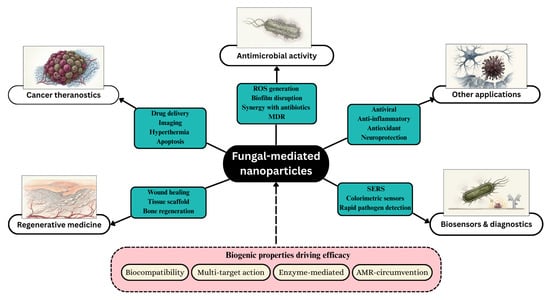
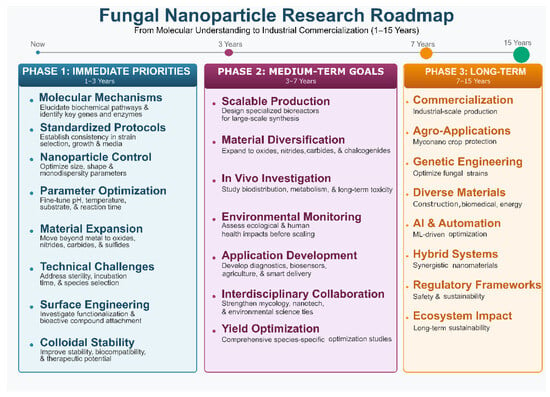
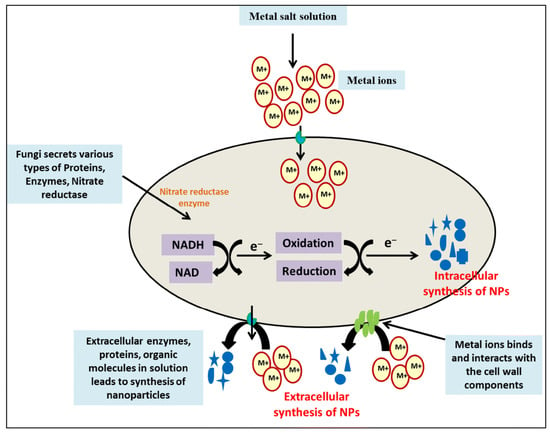
Mycogenic nanomaterials, nanoparticles (NPs) biosynthesized through fungal enzymatic and metabolic activity, have emerged as a compelling alternative to chemically synthesized nanomaterials, offering fundamental biocompatibility, green production conditions, and biologically functional surface coatings. Fungi, acting as natural “nanofactories,” harness reductases, oxidoreductases, secreted proteins, and secondary metabolites to reduce metal ions into stable NPs under ambient conditions, simultaneously capping the particles with biomolecules that enhance colloidal stability, biocompatibility, and secondary biological activity. Unlike previous reviews that have addressed either biosynthesis mechanisms or applications in isolation, this review uniquely adopts a structured “Promise vs. Barrier” framework across six interconnected thematic pillars, offering the first comprehensive critical synthesis that simultaneously maps mechanistic frontiers, biodiversity gaps, and translational barriers within mycogenic nanotechnology. The present review critically examines both the extraordinary promise and the persistent barriers facing mycogenic nanotechnology across biosynthetic mechanisms, fungal biodiversity, nanomaterial portfolio expansion, biomedical applications, environmental and agricultural utility, and industrial scalability. We highlight how emerging multiomics approaches, integrating transcriptomics, proteomics, and metabolomics, are beginning to decode the molecular blueprints of fungal NP synthesis, while acknowledging that mechanistic knowledge gaps, limited genetic toolkits for non-model fungi, and the absence of standardized protocols continue to impede progress. The fungal kingdom represents a vast, underexplored reservoir of nanofactory potential, with fewer than 1% of known species evaluated to date; strategic bioprospecting using genome mining and machine learning is beginning to unlock this diversity. Mycogenic NPs demonstrate broad-spectrum antimicrobial activity against multidrug-resistant pathogens, selective anticancer activity, biosensing capacity, and applications in wound healing, sustainable agriculture, environmental remediation, and smart food packaging. However, critical deficits persist in clinical validation, long-term toxicity data, manufacturing reproducibility, and regulatory clarity. The review concludes with a tiered roadmap, spanning immediate mechanistic priorities through to long-term synthetic biology and AI-integrated commercialization, and calls for coordinated international action on standardization, reference material development, and harmonized regulatory frameworks to bridge the gap between laboratory promise and real-world application. Full article
(This article belongs to the Section Fungi in Agriculture and Biotechnology)
Show Figures

Figure 1

19 pages, 1376 KB  
Review
Systems Biology and Multi-Omics Determinants of Response to Bladder-Preserving Trimodality Therapy in Muscle-Invasive Bladder Cancer
by Vlad-Horia Schițcu, Vlad Cristian Munteanu, Mihnea Bogdan Borz, Ion Cojocaru, Octavia Morari, Mircea Gîrbovan and Andrei-Ionuț Tișe
Life 2026, 16(5), 826; https://doi.org/10.3390/life16050826 (registering DOI) - 16 May 2026
Abstract
Trimodality therapy (TMT)—maximal transurethral resection of bladder tumor (TURBT) followed by concurrent chemoradiotherapy—can offer oncologic outcomes comparable to radical cystectomy (RC) in carefully selected muscle-invasive bladder cancer (MIBC) patients while preserving the bladder and, possibly, the quality of life. Systematic reviews and long-term [...] Read more.
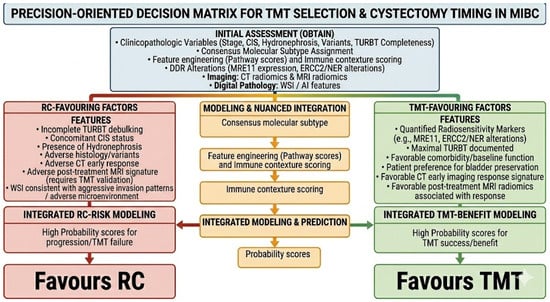
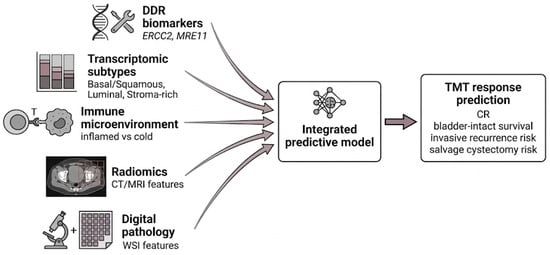
Trimodality therapy (TMT)—maximal transurethral resection of bladder tumor (TURBT) followed by concurrent chemoradiotherapy—can offer oncologic outcomes comparable to radical cystectomy (RC) in carefully selected muscle-invasive bladder cancer (MIBC) patients while preserving the bladder and, possibly, the quality of life. Systematic reviews and long-term series support durable bladder-intact survival in responders, yet there is still a significant percentage of patients who exhibit incomplete response or invasive intravesical recurrence requiring salvage RC. This review covers computational genomics, transcriptomics, immune contexture, radiogenomics, and digital pathology approaches for predicting response in order to avoid preventable TMT failures. We discuss clinically relevant endpoints (complete response, invasive recurrence, bladder-intact survival, and salvage RC), patient selection (carcinoma in situ, hydronephrosis, debulking feasibility, and histology), and DNA damage response (DDR) biology—highlighting ERCC2 and related pathways as determinants of chemo-radiation sensitivity. We then review reproducible transcriptomic subtype classifiers and immune deconvolution methods, emphasizing translational constraints and reporting standards. Finally, we propose an integrated hypothetical modeling framework (calibration, external validation, and decision-curve thresholds) to guide recommendations for upfront RC versus bladder preservation with intensified surveillance and timely salvage RC. Full article
(This article belongs to the Section Medical Research)
Show Figures

Figure 1

11 pages, 452 KB  
Article
Dietary Polyamine Intake Across Age Groups in Spain: A Comprehensive Assessment
by Natalia Toro-Funes, Oriol Comas-Basté, Mariluz Latorre-Moratalla, Maria Teresa Veciana-Nogués and M. Carmen Vidal-Carou
Nutrients 2026, 18(10), 1584; https://doi.org/10.3390/nu18101584 (registering DOI) - 16 May 2026
Abstract
Background: Polyamines, including putrescine (PU), spermidine (SPD), and spermine (SPM), are ubiquitous bioactive compounds essential for cell proliferation, genomic stability, autophagy, and the regulation of oxidative and inflammatory responses. Growing evidence, particularly for SPD, suggests that polyamine-rich diets may protect against age-related conditions [...] Read more.
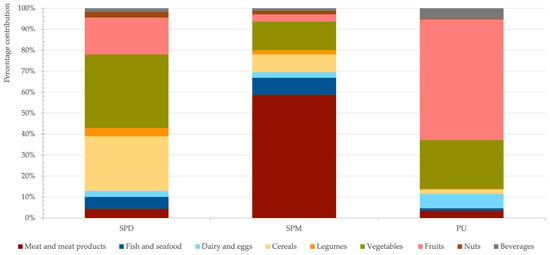
Background: Polyamines, including putrescine (PU), spermidine (SPD), and spermine (SPM), are ubiquitous bioactive compounds essential for cell proliferation, genomic stability, autophagy, and the regulation of oxidative and inflammatory responses. Growing evidence, particularly for SPD, suggests that polyamine-rich diets may protect against age-related conditions such as cardiovascular disease, metabolic syndrome, and neurodegenerative disorders. As endogenous polyamine synthesis declines with age, dietary intake becomes increasingly important, especially in older adults. Methods: This study estimated each polyamine (PU, SPD and SPM) and total polyamine intake in the Spanish population using food consumption data from the Spanish Ministry of Agriculture, Fisheries and Food. Intakes were evaluated across four age groups, and major dietary sources were identified. Results: Total polyamine intake increased with age, reaching 393 µmol/day in adults over 65 years. PU accounted for 49% of total intake, followed by SPD (29%) and SPM (22%). Plant-based foods were the primary contributors to SPD intake, particularly vegetables (36%), fruits (26%), and cereals (18%). PU intake was also predominantly plant-derived, mainly from fruits (58%) and vegetables (23%), whereas SPM intake was largely associated with meat products (59%). A theoretical Mediterranean diet model yielded a slightly higher total polyamine intake of 406.6 µmol/day and a substantially greater SPD intake than that observed in older adults (193.99 µmol/day versus 121.62 µmol/day). Conclusions: Overall, estimated polyamine intake in the Spanish population fell below the optimal level of 540 µmol/day proposed in the literature. These findings highlight the need for public health strategies promoting consumption of polyamine-rich foods, particularly vegetables, legumes, whole grains, and fruits, to support healthy aging and reduce the risk of age-related diseases. Full article
Show Figures

Figure 1

18 pages, 324 KB  
Review
Additive Manufacturing of Engineered Tissue Constructs: Current Strategies and Future Directions
by Alexander Yu. Prosekov, Daria V. Titarenko, Marina G. Kurbanova, Oksana V. Smolovskaya and Oksana V. Kozlova
Bioengineering 2026, 13(5), 562; https://doi.org/10.3390/bioengineering13050562 (registering DOI) - 16 May 2026
Abstract
The advancement of modern regenerative medicine is closely associated with additive technologies that enable the creation of tissue-engineered constructs and personalized bioprostheses. Three-dimensional bioprinting allows precise modeling of tissue architecture and extracellular matrix microstructures. Recent studies demonstrate rapid growth in the use of [...] Read more.
The advancement of modern regenerative medicine is closely associated with additive technologies that enable the creation of tissue-engineered constructs and personalized bioprostheses. Three-dimensional bioprinting allows precise modeling of tissue architecture and extracellular matrix microstructures. Recent studies demonstrate rapid growth in the use of 3D bioprinting for biomedical applications including regenerative medicine, pharmaceutical research, and biotechnology. Special attention is given to the development of bioinks that combine biological and structural functions and maintain cell viability during printing. Modern technologies allow the fabrication of skin, bone, vascular, and cartilage tissues with high structural accuracy. The technology is also actively used in reconstructive surgery for the production of personalized implants. However, challenges remain related to vascularization, standardization of materials, and ethical aspects of clinical use. This review summarizes the main principles of 3D bioprinting, technological approaches, biomedical applications, and future perspectives of additive technologies in regenerative medicine. Full article
(This article belongs to the Section Regenerative Engineering)
Show Figures

Figure 1

Open Access Journals

Browse by Indexing Browse by Subject Selected Journals
Back to TopTop