All articles published by MDPI are made immediately available worldwide under an open access license. No special
permission is required to reuse all or part of the article published by MDPI, including figures and tables. For
articles published under an open access Creative Common CC BY license, any part of the article may be reused without
permission provided that the original article is clearly cited. For more information, please refer to
https://www.mdpi.com/openaccess.
Feature papers represent the most advanced research with significant potential for high impact in the field. A Feature
Paper should be a substantial original Article that involves several techniques or approaches, provides an outlook for
future research directions and describes possible research applications.
Feature papers are submitted upon individual invitation or recommendation by the scientific editors and must receive
positive feedback from the reviewers.
Editor’s Choice articles are based on recommendations by the scientific editors of MDPI journals from around the world.
Editors select a small number of articles recently published in the journal that they believe will be particularly
interesting to readers, or important in the respective research area. The aim is to provide a snapshot of some of the
most exciting work published in the various research areas of the journal.
The deep marine shale of the Wufeng–Longmaxi (WF–LMX) Formation in the Sichuan Basin is characterized by laterally continuous thickness, high porosity, and significant gas content, making it a representative shale reservoir with considerable resource potential. This study investigates the heterogeneity of pore structures
[...] Read more.
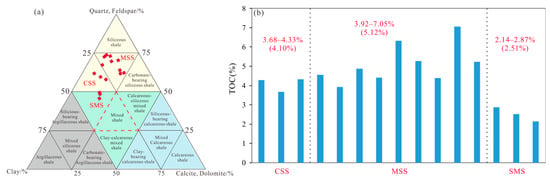
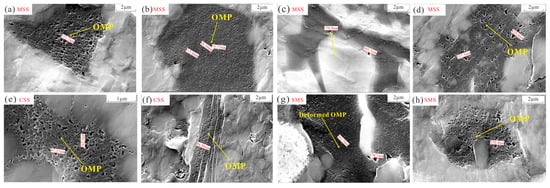
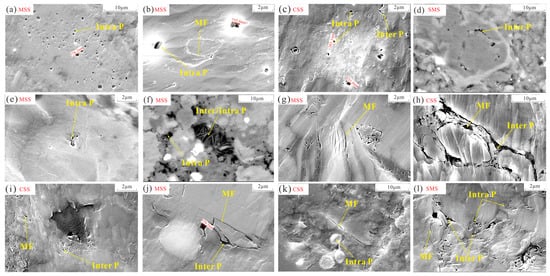
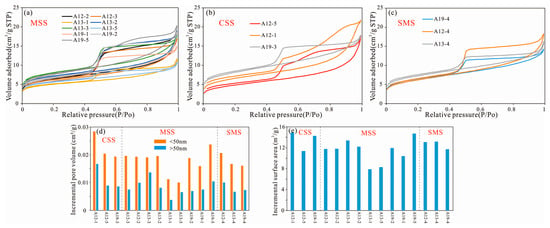
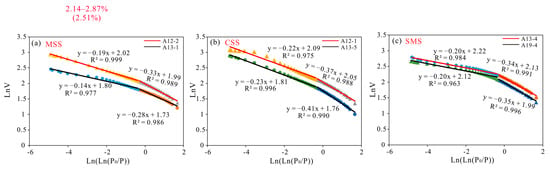
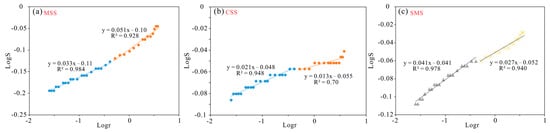
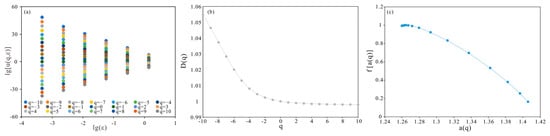
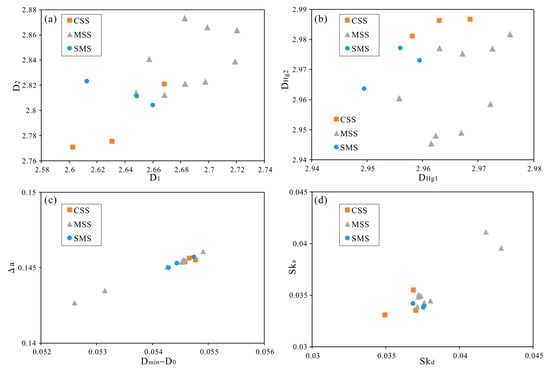
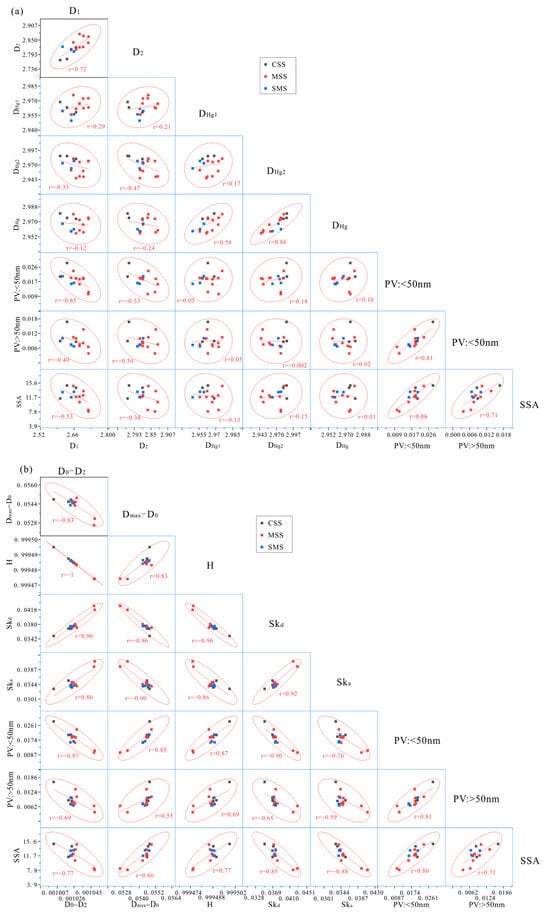
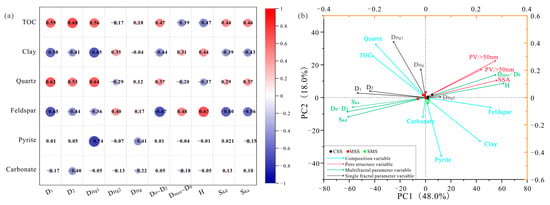
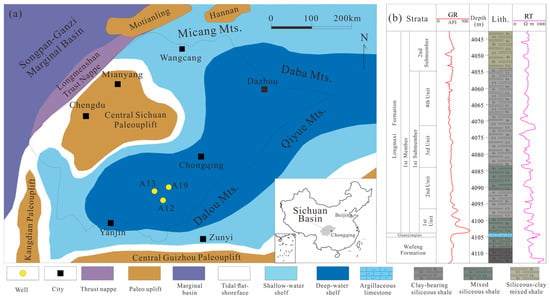
The deep marine shale of the Wufeng–Longmaxi (WF–LMX) Formation in the Sichuan Basin is characterized by laterally continuous thickness, high porosity, and significant gas content, making it a representative shale reservoir with considerable resource potential. This study investigates the heterogeneity of pore structures and their controlling factors using shale samples from three representative wells, based on low-temperature nitrogen adsorption and mercury intrusion data. The reservoir can be classified into three main lithofacies: mixed siliceous shale (MSS), clay-rich siliceous shale (CSS), and siliceous clay mixed shale (SMS). The results show that siliceous shales (MSS and CSS) exhibit higher total organic carbon and quartz contents, with more developed pore systems. Among them, the CSS exhibits the highest specific surface area and the largest mesopore and macropore volumes, indicating a greater development of larger pores and superior reservoir quality. All three shale facies exhibit clear single and multifractal characteristics. The average D1 and D2 values (fractal dimensions from nitrogen adsorption at P/P0 < 0.45 and >0.45, respectively) are higher than DHg, (fractal dimension from mercury intrusion), indicating greater pore-surface roughness than internal pore structure complexity and stronger heterogeneity in larger pores. The D(q)–q spectrum shows a left-wide/right-narrow pattern, whereas the α–f(α) spectrum exhibits the opposite trend. The branch-width ratios Skd and Ska (indices of pore-size distribution complexity and heterogeneity) are both <0.1, suggesting that heterogeneity is more pronounced in low-probability regions. Fractal and multifractal analyses reveal significant pore structure heterogeneity across different lithofacies, with CSS showing relatively more homogeneous pore structures, whereas MSS exhibits stronger heterogeneity and poorer connectivity. The heterogeneity of shale reservoirs is primarily controlled by pore development, especially micropores and mesopores, and is strongly influenced by total organic carbon and quartz content.
Full article
This study examines the relationships between digital transformation, business development, and firm performance in manufacturing firms operating in a developing country, with a particular focus on small and medium-sized enterprises (SMEs). Based on the digital transformation and business development literature, a conceptual model
[...] Read more.
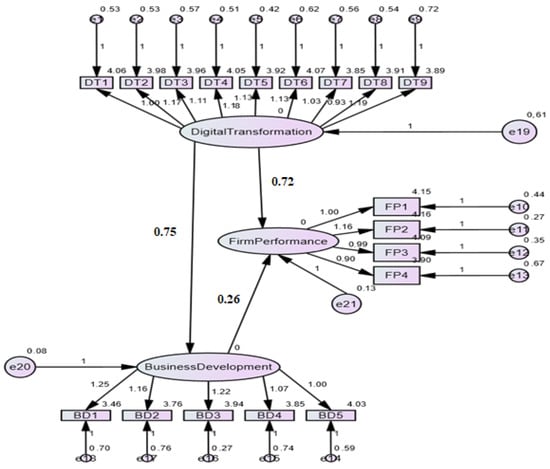
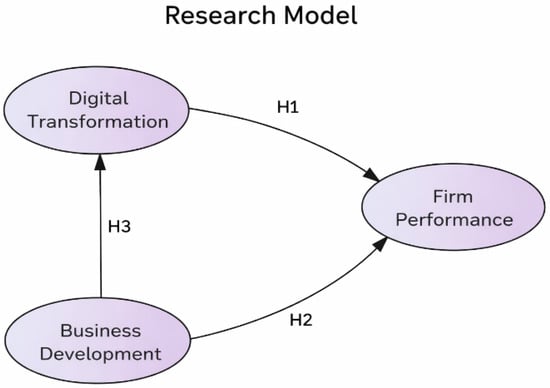
This study examines the relationships between digital transformation, business development, and firm performance in manufacturing firms operating in a developing country, with a particular focus on small and medium-sized enterprises (SMEs). Based on the digital transformation and business development literature, a conceptual model is developed to analyze the effects of digital transformation and business development on firm performance, as well as the influence of digital transformation on business development. The findings reveal that digital transformation has a moderate and statistically significant positive effect on firm performance and a strong positive effect on business development. In contrast, the effect of business development on firm performance is positive but weak and statistically insignificant. These results indicate that digital transformation plays a central role in enhancing organizational performance and strengthening business development capabilities, while business development alone may be insufficient to generate immediate performance improvements, particularly for resource-constrained SMEs. This study contributes to the literature by emphasizing the pivotal role of digital transformation in improving firm performance and business development in developing economies. From a practical perspective, the findings highlight the importance of prioritizing digital transformation initiatives—especially for SMEs—to achieve sustainable competitiveness and long-term growth.
Full article
Tetrastigma hemsleyanum Diels et Gilg is a high-value edible and medicinal homologous plant, routinely grown under conventional field or greenhouse production systems across Asia. However, mislabeling of conventional products as the rarer (and more expensive) wild version may occur for financial gain. In
[...] Read more.
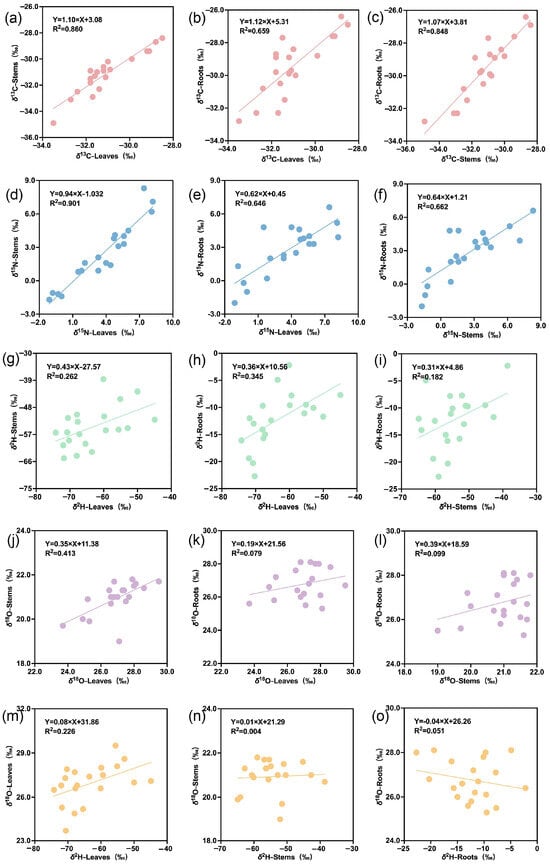
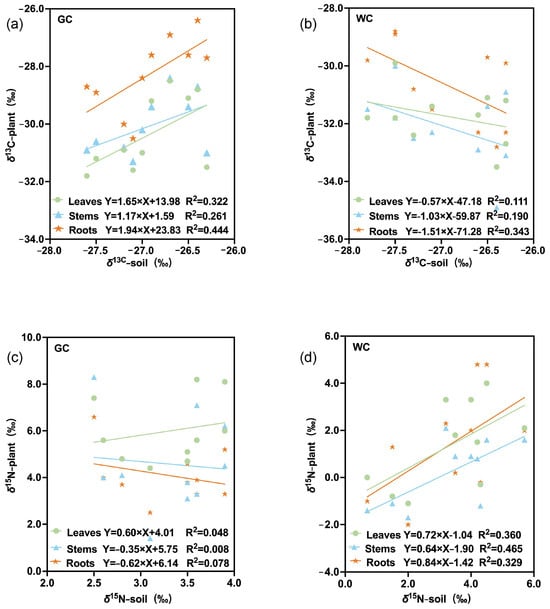
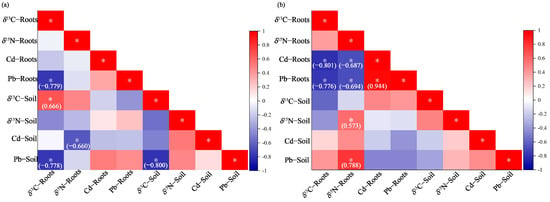
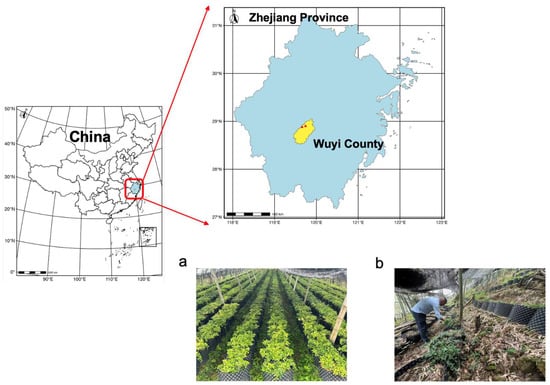
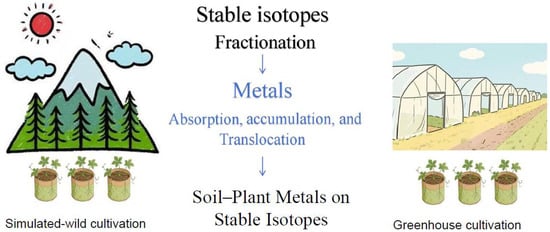
Tetrastigma hemsleyanum Diels et Gilg is a high-value edible and medicinal homologous plant, routinely grown under conventional field or greenhouse production systems across Asia. However, mislabeling of conventional products as the rarer (and more expensive) wild version may occur for financial gain. In this study, stable isotopes (δ13C, δ15N, δ2H, and δ18O) and metal contents (Cr, Cu, Ni, As, Cd, Pb) were used to characterize plant tissues (tuber root, stem, leaf) and corresponding soils originating from simulated-wild-cultivated (WC) and greenhouse-cultivated (GC) pot trials using the same soil. Carbon and nitrogen isotopes served as key indicators for distinguishing GC and WC products. Specifically, δ13C values of GC plant tissues were 1.4 to 2.4‰ more positive than those of WC plant tissues (p < 0.05), and δ15N values in GC tissues were 2.7 to 4.6‰ more positive than δ15N in WC tissues (p < 0.01). Lower δ15N values observed in WC products indicate slower nitrogen turnover compared with GC products. Soil metal concentrations had significant differences between the two cultivation systems, but only limited effects on metal bioconcentration factors (BCFs) and translocation factors (TFs) in T. hemsleyanum tissues. Pb and Cd concentrations in root tissues had large differences between cultivation systems, and carbon dynamics in GC plants were more negatively affected by Pb levels in soils. These findings provide the first investigation of T. hemsleyanum grown under different cultivation practices and establish a scientific basis for distinguishing other wild or simulated-wild labeled food and medicinal plant products from conventionally grown products in future studies.
Full article
by
Jesús Alberto Rodríguez-Flores, Alexander Sánchez-Rodríguez, Yandi Fernández-Ochoa, Gelmar García-Vidal, Alexis Cordovés-García and Reyner Pérez-Campdesuñer
Conventional fuzzy multi-criteria decision-making (MCDM) methods support ranking under uncertainty but often provide limited explanation of why alternatives are preferred. This study proposes an explainable fuzzy decision-making framework that integrates the Fuzzy Analytic Hierarchy Process (FAHP) and Fuzzy TOPSIS with surrogate modeling, SHAP-based
[...] Read more.
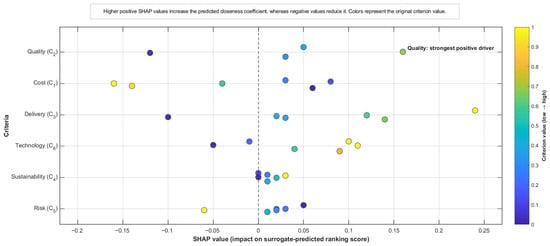
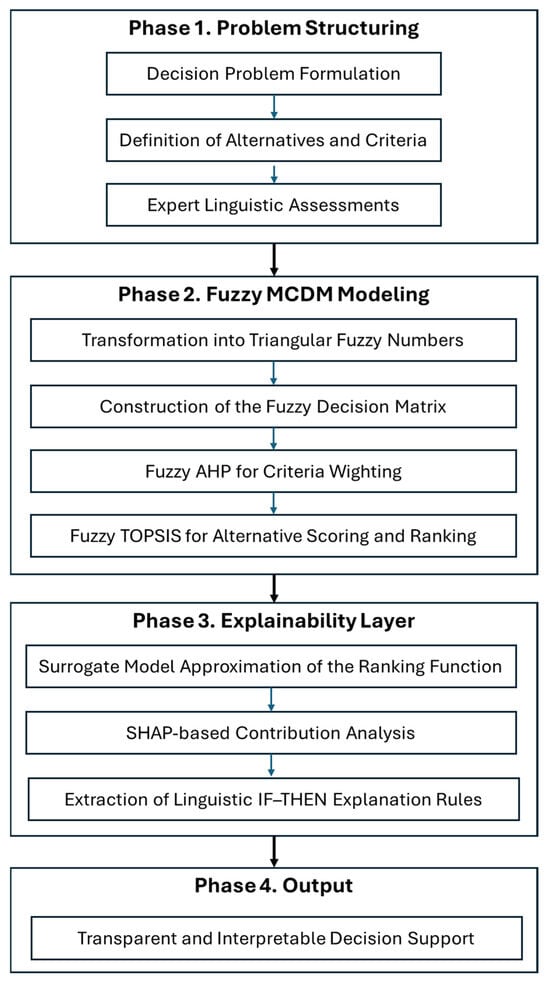
Conventional fuzzy multi-criteria decision-making (MCDM) methods support ranking under uncertainty but often provide limited explanation of why alternatives are preferred. This study proposes an explainable fuzzy decision-making framework that integrates the Fuzzy Analytic Hierarchy Process (FAHP) and Fuzzy TOPSIS with surrogate modeling, SHAP-based analysis, and linguistic rule extraction. The main contribution is an explanation layer that preserves the original FAHP–FTOPSIS ranking structure while decomposing ranking scores into criterion-level contributions and transforming recurrent attribution patterns into IF–THEN rules. The framework is evaluated through a supplier-selection case study using expert fuzzy evaluations, local perturbation analysis, leave-one-supplier-out cross-validation, and a synthetic benchmark. The results show that the fuzzy MCDM layer produces discriminative rankings and that the top-ranked supplier remains comparatively stable under perturbations. Among the tested surrogates, the Random Forest Regressor achieved the strongest local fidelity, outperforming linear regression and a shallow decision tree. SHAP analysis showed ordinal alignment between FAHP weights and global criterion importance, while the extracted rules achieved high coverage, consistency, and threshold stability. The framework is useful for researchers, decision analysts, procurement managers, and supply chain professionals who require transparent, interpretable, and auditable multicriteria decisions under uncertainty.
Full article
Dengue virus (DENV) poses a growing risk in Tanzania, yet its genetic diversity in mosquito populations remains poorly understood. Using Nanopore sequencing, we recovered full coding sequences from six DENV-2 positive mosquito pools collected in Dar es Salaam outside recognized outbreak periods. Phylogenetic
[...] Read more.
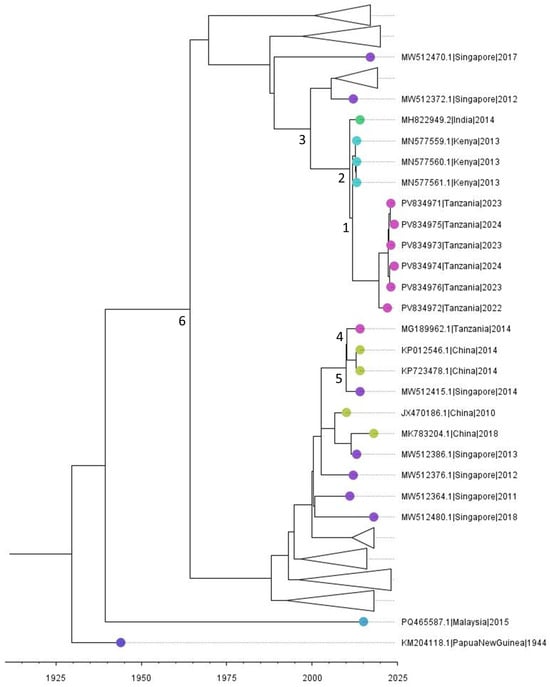
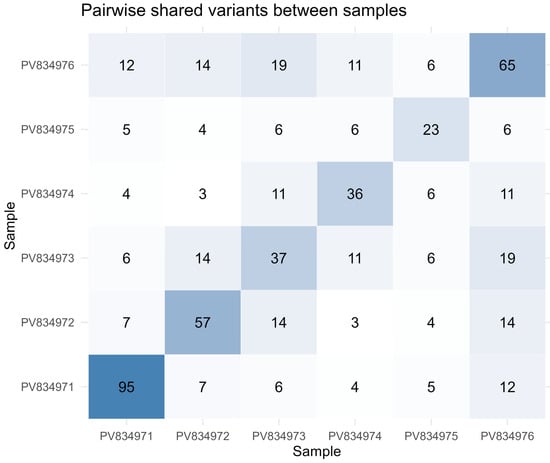
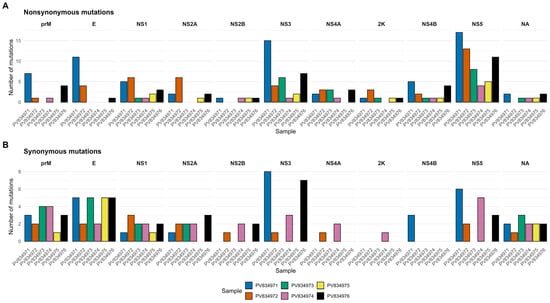
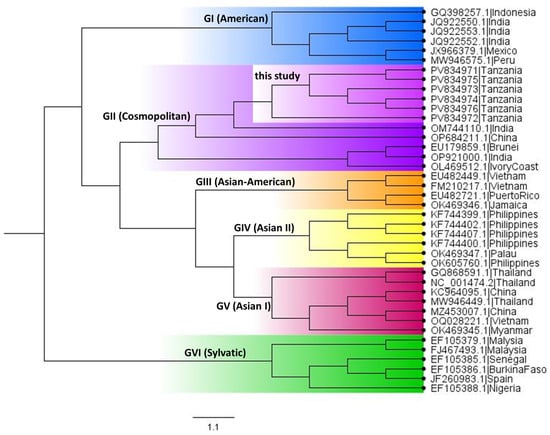
Dengue virus (DENV) poses a growing risk in Tanzania, yet its genetic diversity in mosquito populations remains poorly understood. Using Nanopore sequencing, we recovered full coding sequences from six DENV-2 positive mosquito pools collected in Dar es Salaam outside recognized outbreak periods. Phylogenetic analysis placed these sequences in a distinct monophyletic clade within genotype II, separate from strains linked to Tanzania’s 2014 outbreak. Instead, they clustered with Asian lineages and showed the closest relatedness to DENV-2 strains from Kenya (2013) and India (2014), with divergence estimated to have occurred around 2010. Variant profiling identified 212 low-frequency intra-pool variants, predominantly non-synonymous changes in the NS3, NS4B, and NS5 coding regions. These results suggest a previously unrecognized introduction of genotype II that is now circulating silently within local mosquito populations. Our findings highlight the value of genomic surveillance in mosquito vectors for early detection of arboviral threats, even in the absence of reported human cases.
Full article
by
Edrill F. Bilan, Emman T. Manduriaga, Hernando S. Salapare III, Ymir M. Garcia, Khatalyn E. Mata, Rose Anna R. Banal, Imelda C. Ang, Wei-Ta Chu and Dan Michael A. Cortez
Background/Objectives: Lung cancer survival depends on early detection; however, in the Philippines, high radiologist workloads and the anatomical complexity of chest X-rays (CXRs) contribute to missed pulmonary nodules and false-negative diagnoses. This study aims to develop an enhanced deep learning model to
[...] Read more.
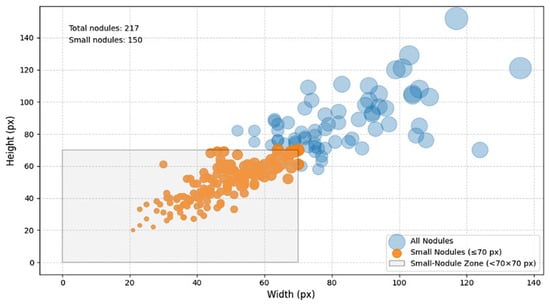
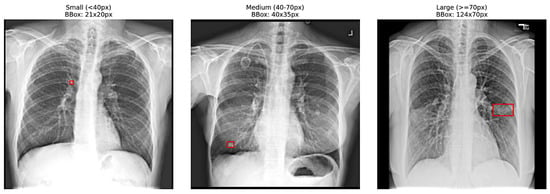
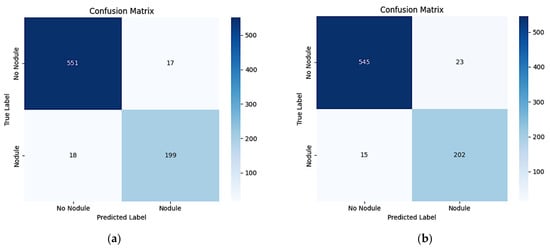
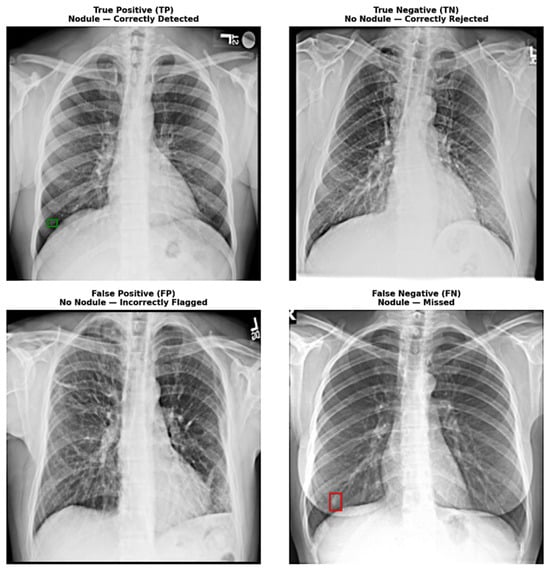
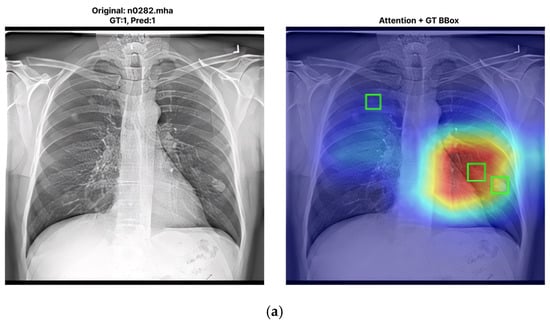
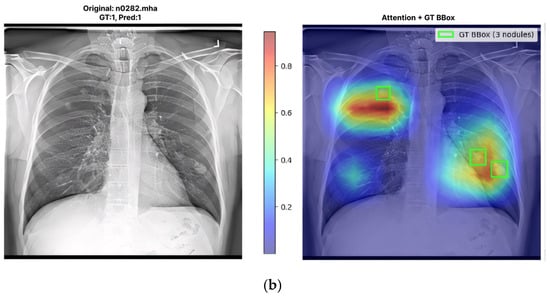
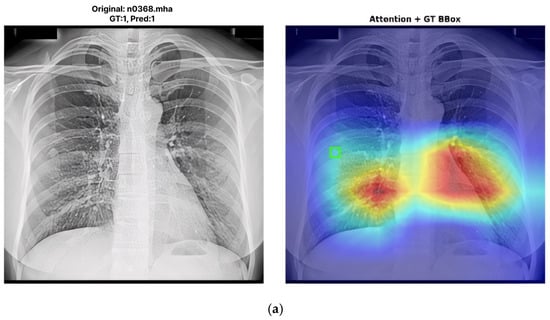
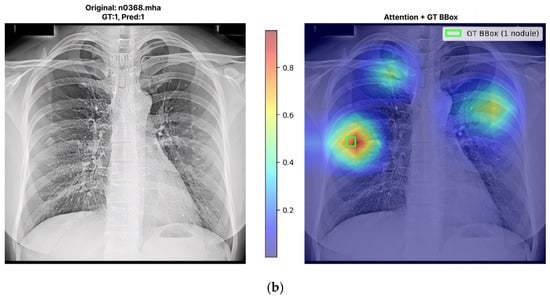
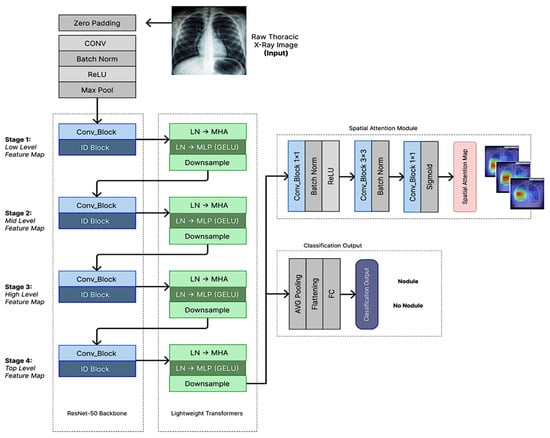
Background/Objectives: Lung cancer survival depends on early detection; however, in the Philippines, high radiologist workloads and the anatomical complexity of chest X-rays (CXRs) contribute to missed pulmonary nodules and false-negative diagnoses. This study aims to develop an enhanced deep learning model to improve nodule classification and localization sensitivity. Methods: We propose RNNet-MST, an extension of ResNet-50 that incorporates Multi-Scale Transformer blocks for global context modeling and a custom spatial attention mechanism for attention-based weak localization of disease-relevant regions. The model was trained and evaluated on the NODE21 chest X-ray dataset and compared with a baseline ResNet-50 using classification metrics, with attention maps used for weak localization analysis. Results: RNNet-MST demonstrated consistent improvements over the baseline ResNet-50 across evaluated metrics. Mean Nodule Recall improved from 88.02 ± 1.92% to 91.55 ± 1.41%, reducing false negatives. Mean Test Precision reached 90.46 ± 0.99%, and mean Nodule F1-Score improved to 90.99 ± 0.39%. On the isolated small-nodule subset, RNNet-MST achieved a 12.3% improvement in sensitivity over the baseline. Conclusions: The integration of multi-scale transformer features improved classification sensitivity, while the attention mechanism provided weak localization cues that aligned more closely with annotated nodule regions than the baseline. RNNet-MST shows potential as a diagnostic support tool, warranting further validation on larger and more diverse clinical datasets to reduce perceptual errors and facilitate early lung cancer detection in resource-constrained settings.
Full article
The Nutrient Tracking Tool (NTT) is a free and user-friendly modeling program developed by the Texas Institute for Applied Environmental Research (TIAER) at Tarleton State University in cooperation with the USDA Office of Environmental Markets. NTT simulates various cropping systems to evaluate management
[...] Read more.
The Nutrient Tracking Tool (NTT) is a free and user-friendly modeling program developed by the Texas Institute for Applied Environmental Research (TIAER) at Tarleton State University in cooperation with the USDA Office of Environmental Markets. NTT simulates various cropping systems to evaluate management practices that optimize crop production while improving water quality and quantity. The objective of this study is to evaluate the capability of NTT to predict corn yield under different agricultural management scenarios. To assess model performance, 45 management scenarios from three field studies conducted in Iowa, Colorado, and Kansas were replicated in NTT. These scenarios included variations in nutrient sources and application rates, tillage practices, seeding rates, and irrigation management. Field data, including location, slope, planting dates, tillage practices, fertilization rates, and soil properties, were entered into NTT, and simulated crop yields were compared with measured values reported in the studies. Results showed strong agreement between measured and predicted corn yields across the evaluated scenarios. For example, the average measured yield of combined strip-tillage and manure treatment reported by Al-Kaisi and Kwaw-Mensah was 9.48 Mg ha, while NTT predicted 9.45 Mg ha. Similarly, for Halvorson et al., NTT predicted a yield of 8.06 Mg ha, compared with the measured yield of 8.23 Mg ha. Overall, the results indicate that NTT can reliably predict corn yield under a range of management practices, demonstrating its potential as a decision-support tool for agricultural management.
Full article
by
Mohamed W. Abd El-Moghny, Mohamed H. Helal, Osama Ramzy Elshahat, Mohamed Mohamed Fahim Abaza, Mahmoud Mohamed Mohamed Ali Gabr, Mohamed Fathy and Haitham M. Ayyad
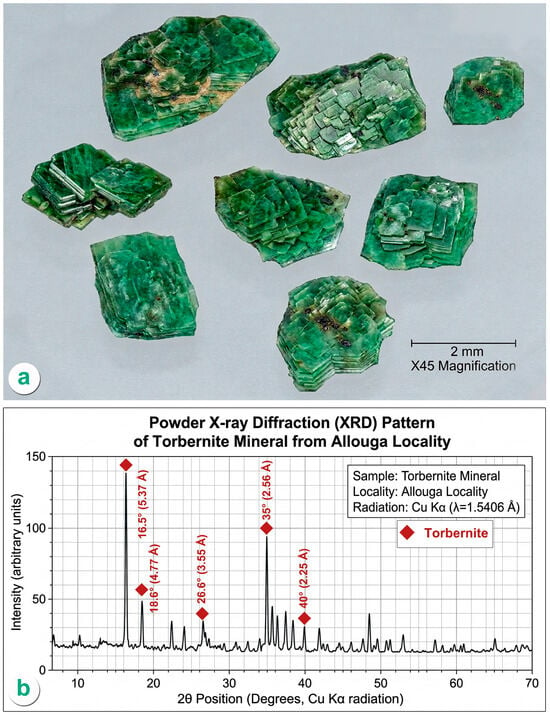
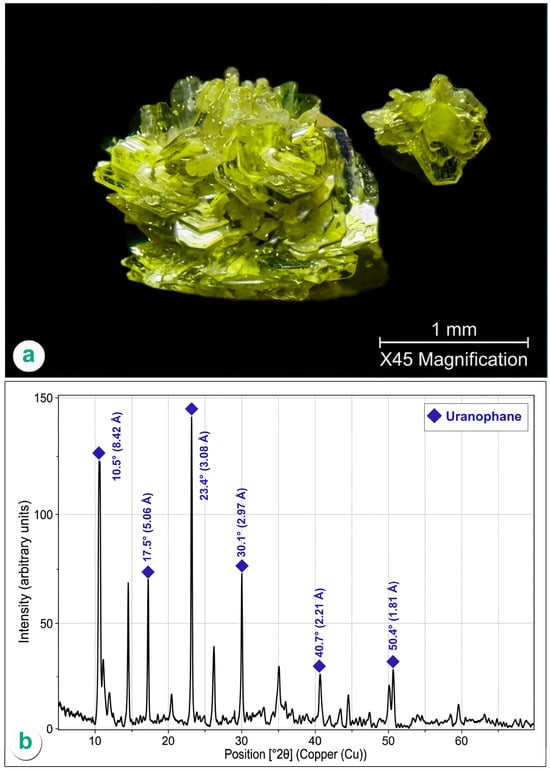
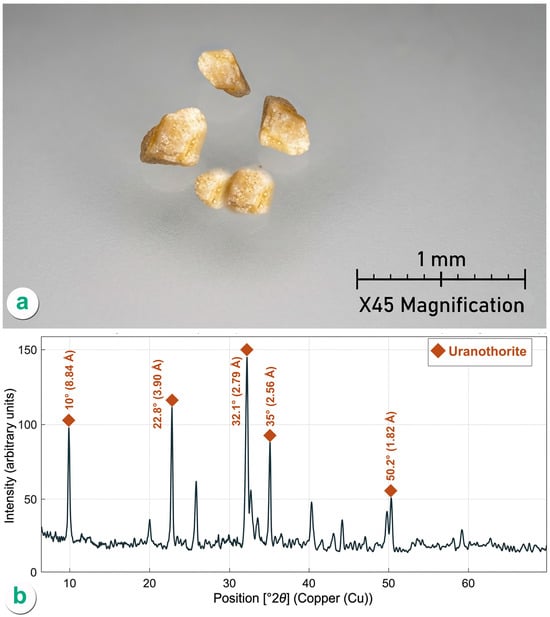
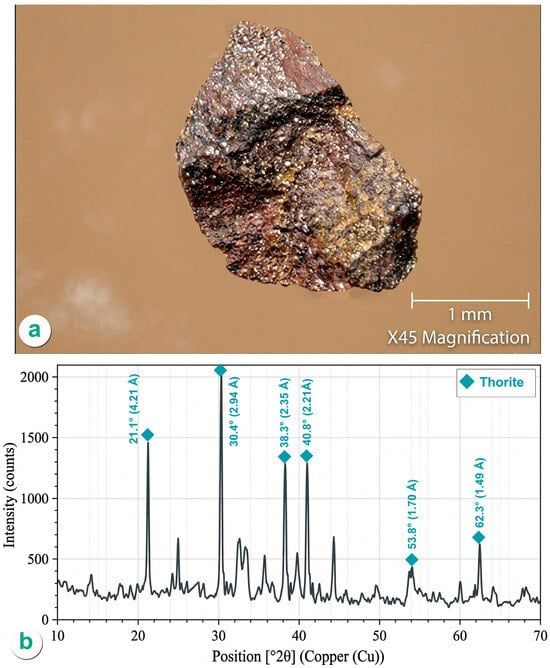
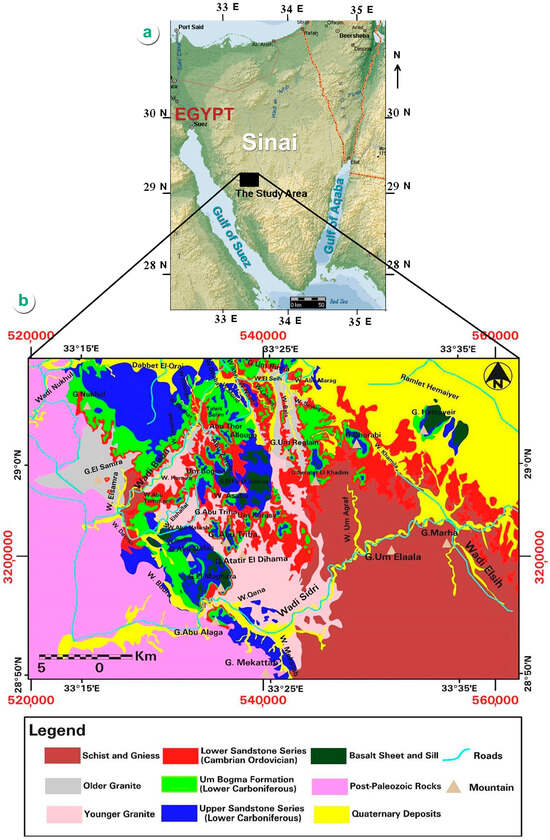
The Lower Carboniferous Um Bogma Formation in southwestern Sinai has sixteen paleokarst structures at Allouga, Abu Thor, and Abu Zarab. Each structure contains high uranium concentrations. These occur in a lateritic infill sequence formed along the southern Tethyan margin. Radiometric reconnaissance in this
[...] Read more.
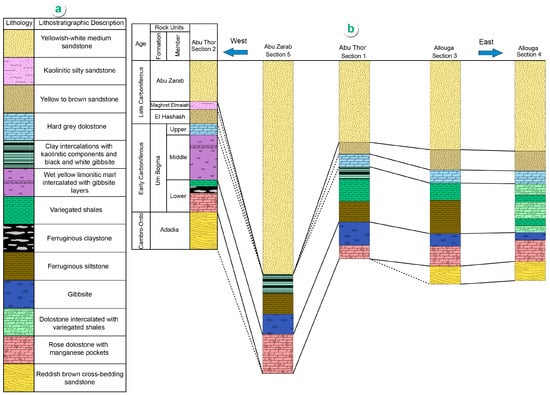
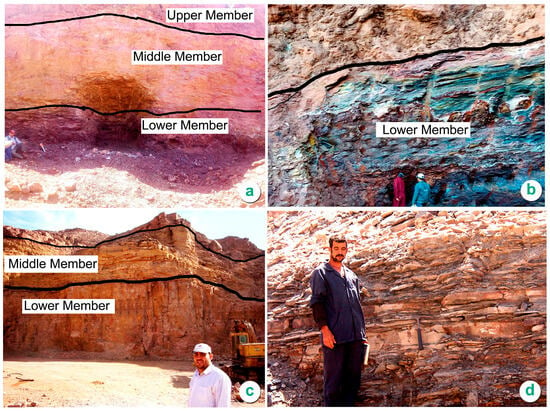
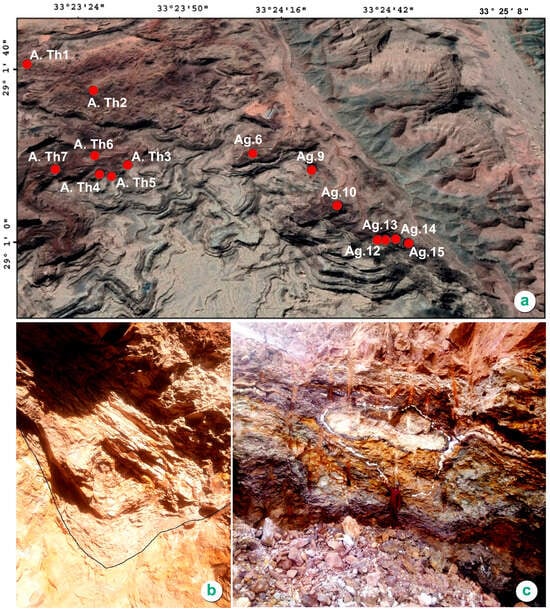
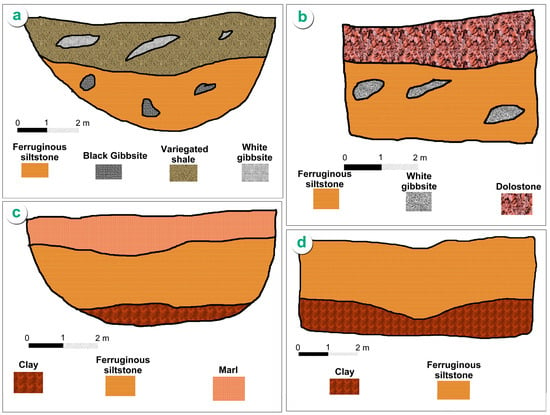
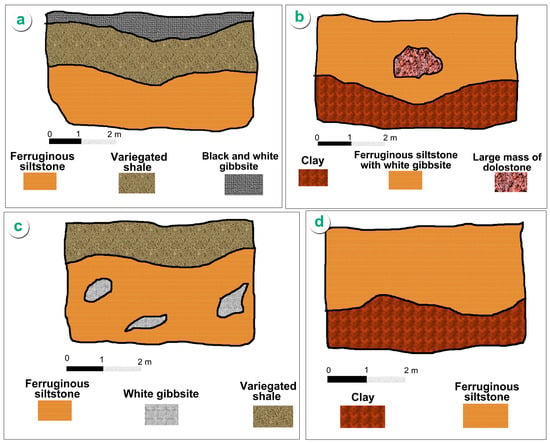
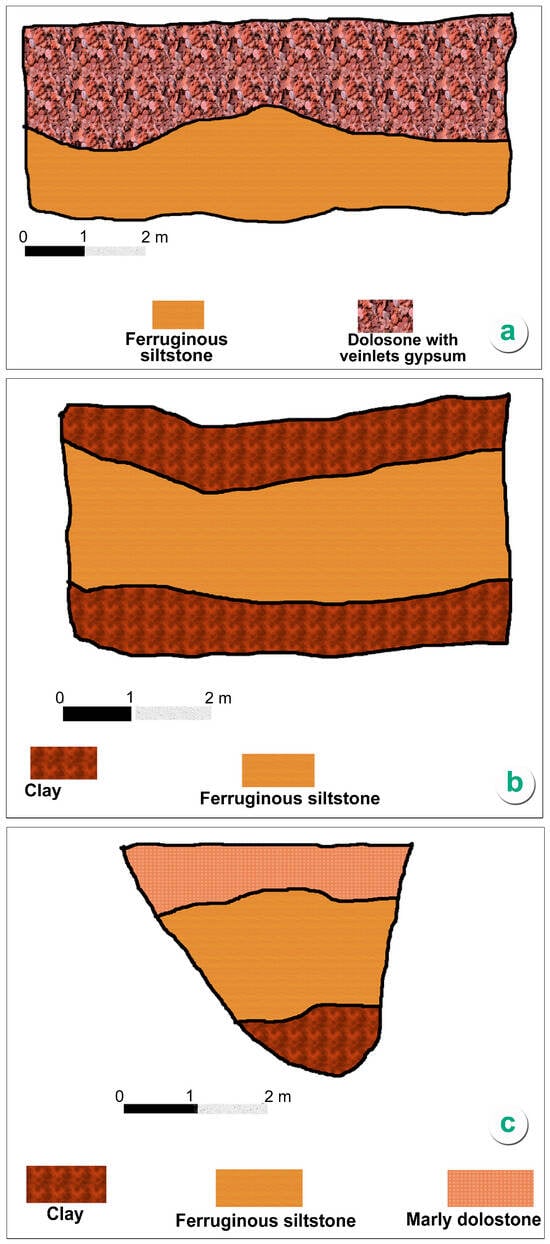
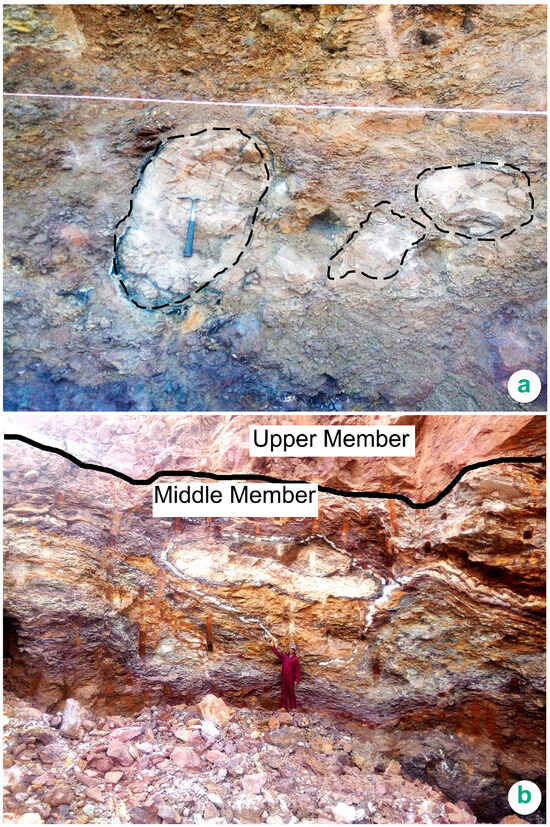
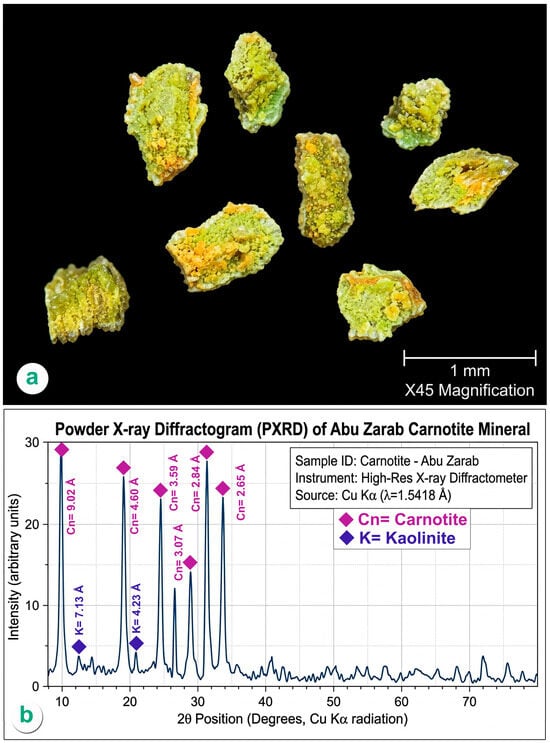
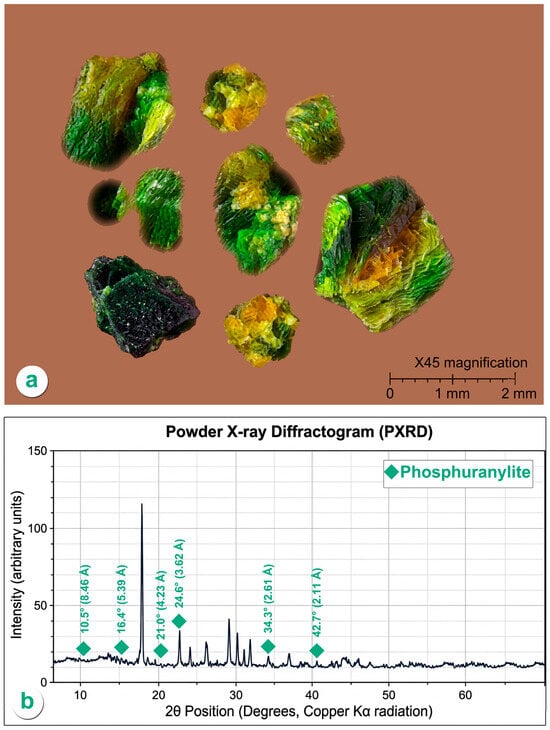
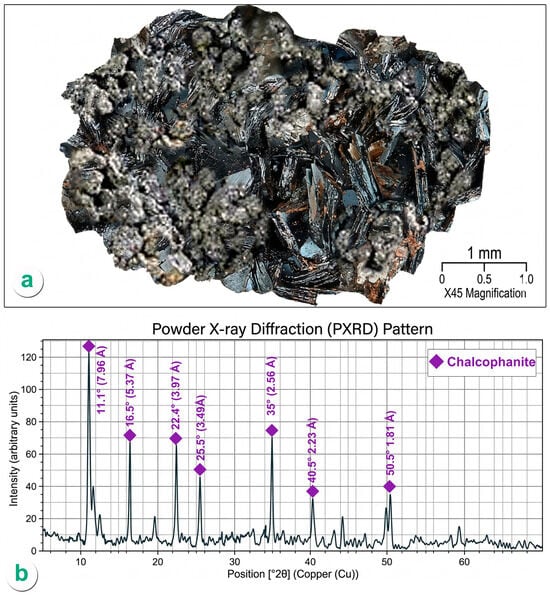
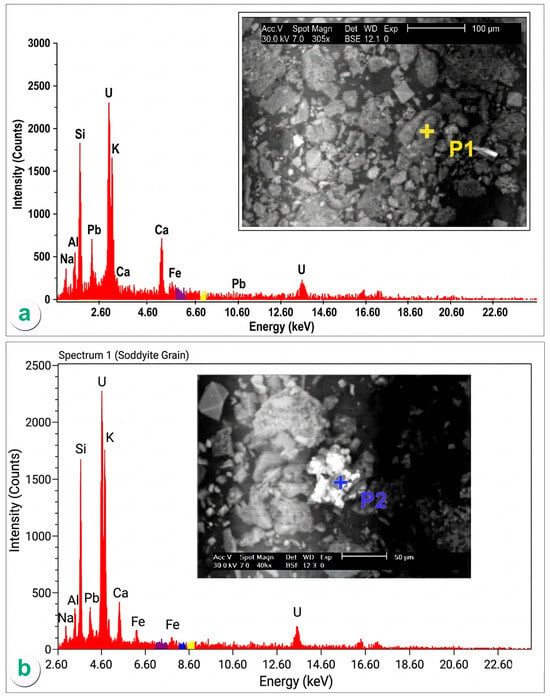
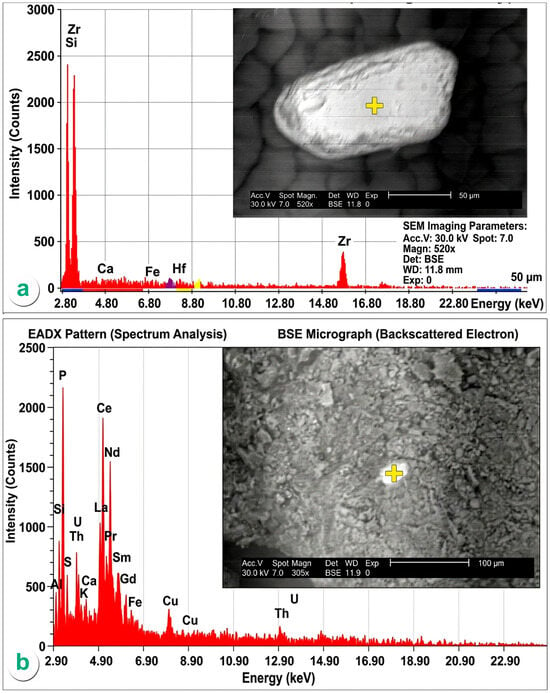
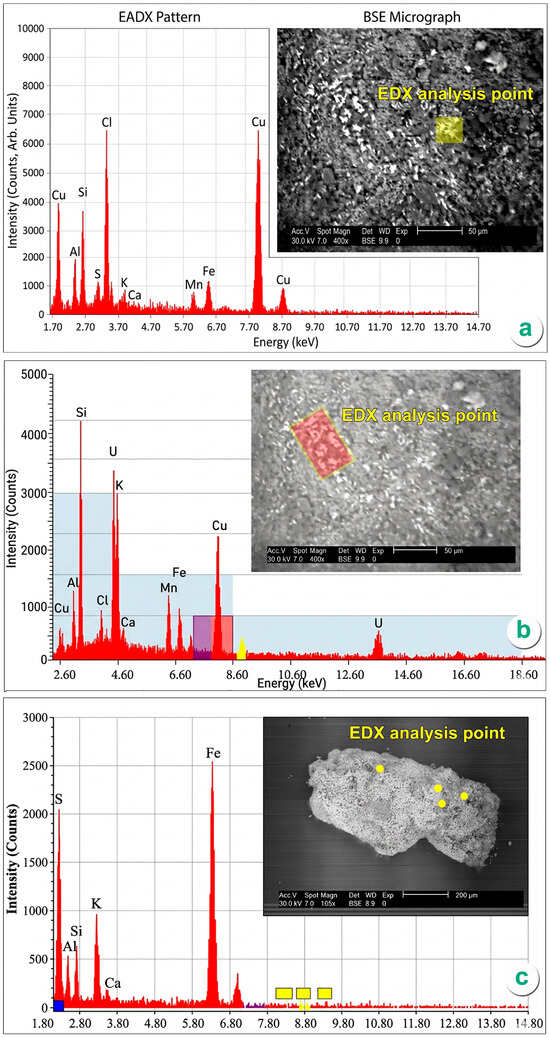
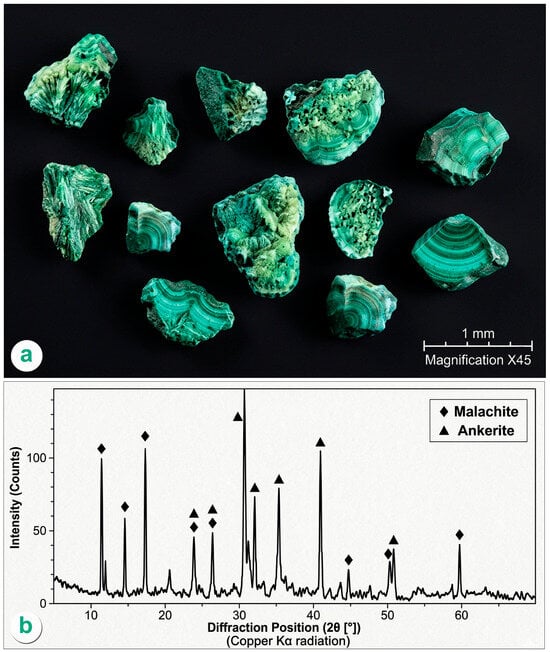
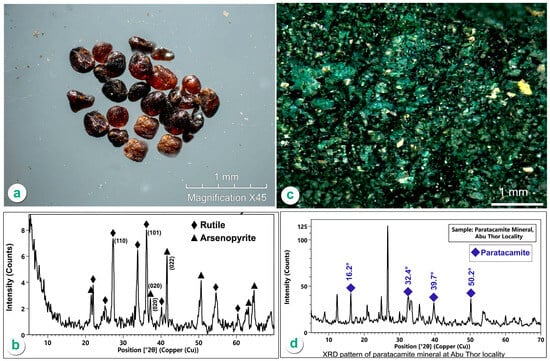
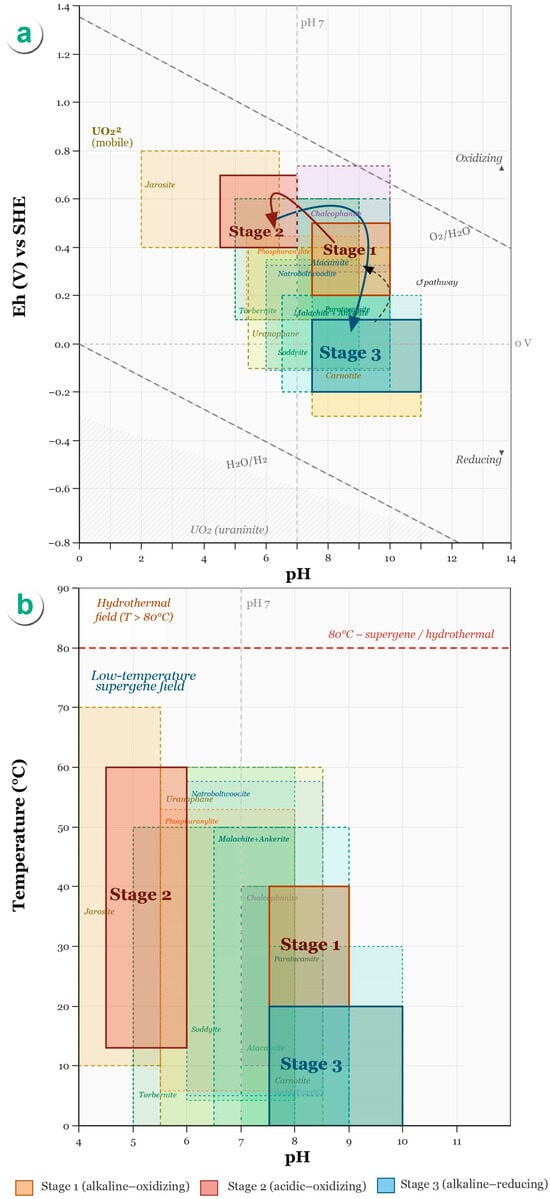
The Lower Carboniferous Um Bogma Formation in southwestern Sinai has sixteen paleokarst structures at Allouga, Abu Thor, and Abu Zarab. Each structure contains high uranium concentrations. These occur in a lateritic infill sequence formed along the southern Tethyan margin. Radiometric reconnaissance in this sector of the Arabian–Nubian Shield has been ongoing for decades. However, the mineralogical character of assemblages in the region was never systematically documented. This study uses multiple techniques to characterize both radioactive and non-radioactive mineral assemblages from paleokarst-fill materials at all sites. Geochemical analysis was used to clarify uranium fixation and ore genesis. Nine radioactive minerals were identified: carnotite, autunite, torbernite, uranophane, uranothorite, thorite, chalcophanite, natroboltwoodite, and soddyite. Eight nonradioactive accessory phases were also found: zircon, monazite, malachite, atacamite, jarosite, rutile, arsenopyrite, and paratacamite. Geochemical data indicate that iron oxide surface adsorption is the dominant mechanism of uranium fixation. A strong positive correlation between uranium and Fe2O3 (r = 0.98), together with negative correlations with carbonate-associated elements (CaO, MgO, Na2O), supports this interpretation. Therefore, uranium is classified as a supergene, low-grade ore. It is concentrated during laterite maturation in paleokarst cavities. Its distribution is governed by ferruginous siltstone lithofacies, not the enclosing carbonate host. These findings offer a reference paragenetic framework for secondary uranium metallogenesis in Carboniferous carbonate terrains of the Arabian–Nubian Shield. They also provide a mineralogical template for exploration in similar paleokarst-hosted systems across the Arabian Platform.
Full article
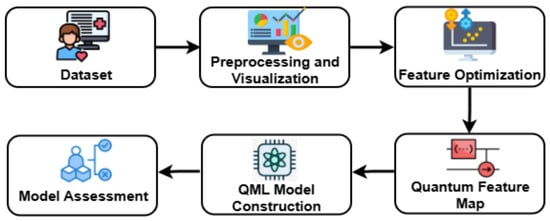
This research introduces a quantum machine learning (QML) approach for predicting heart disease (HD). The method combines preprocessing of data with quantum feature map (QFM) and quantum classification techniques. In the method, clinical data of HD are preprocessed, and then features are optimized
[...] Read more.
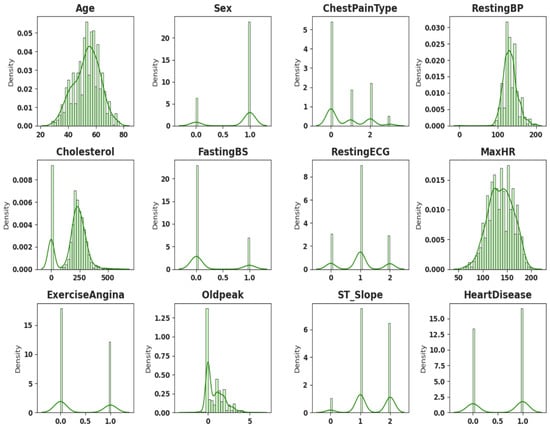
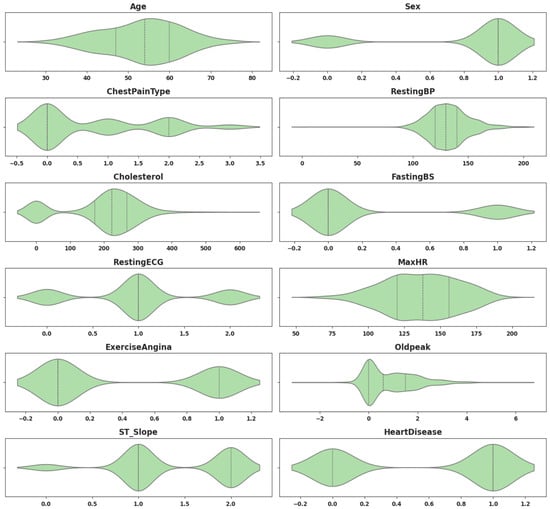
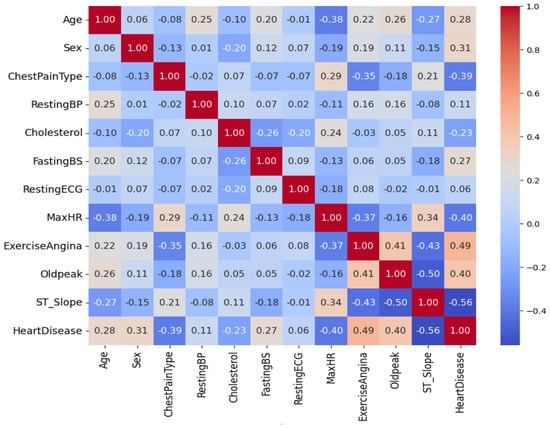
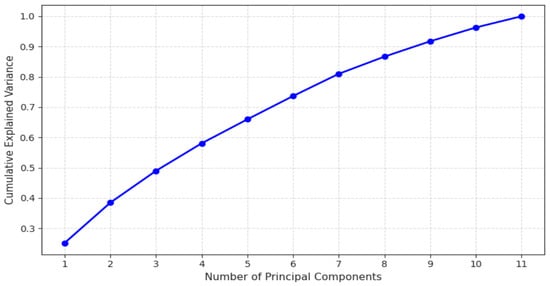
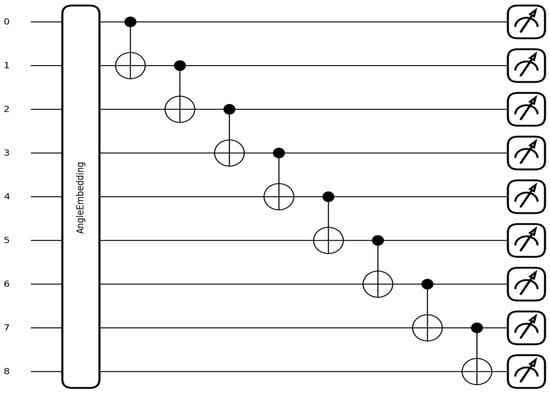
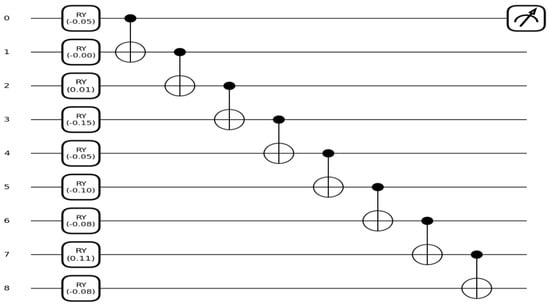
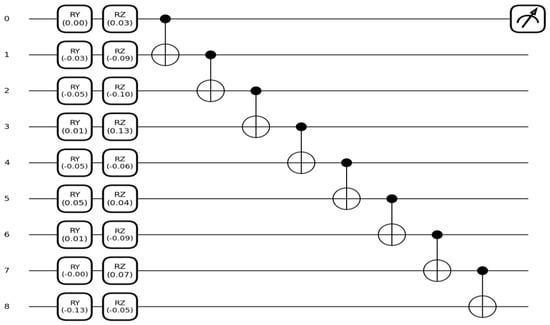
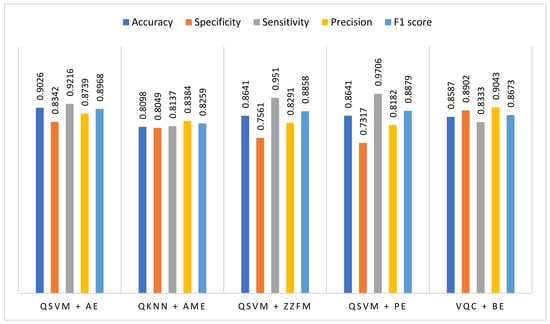
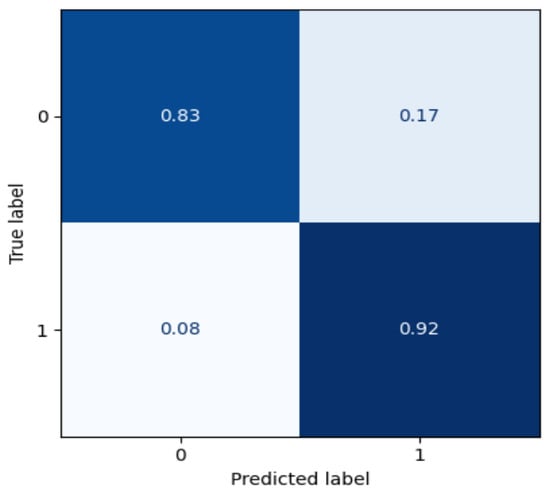
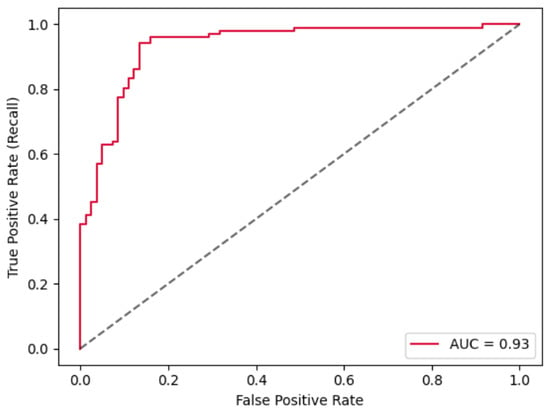
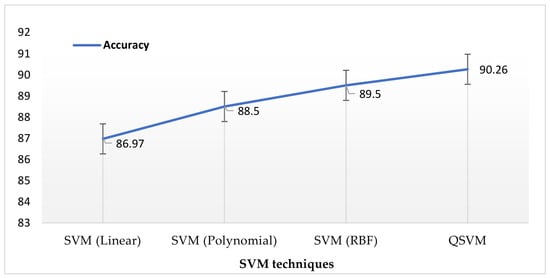
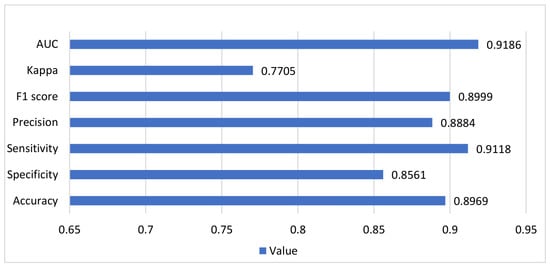
This research introduces a quantum machine learning (QML) approach for predicting heart disease (HD). The method combines preprocessing of data with quantum feature map (QFM) and quantum classification techniques. In the method, clinical data of HD are preprocessed, and then features are optimized using principal component analysis (PCA). After that, the resulting features are encoded into quantum states with five different QFM methods, namely angle encoding (AE), amplitude encoding (AmE), basis encoding (BE), Pauli encoding (PE), and ZZ feature map (ZZFM). Finally, four quantum classifiers, such as quantum support vector machine (QSVM), quantum k-nearest neighbor (QKNN), quantum random forest (QRF), and variational quantum circuit (VQC), are evaluated to predict the HD from the encoded states. Experimental results show that QSVM with AE achieved the best performance, with an overall accuracy of 90.26%, specificity of 83.42%, sensitivity of 92.16%, precision of 88.89%, F1-score of 89.68%, and kappa value of 0.7608. These results are superior to those from classical state-of-the-art methods. This research finding suggests QML methods can capture complex nonlinear relationships in clinical data effectively and thus improve diagnostic reliability.
Full article
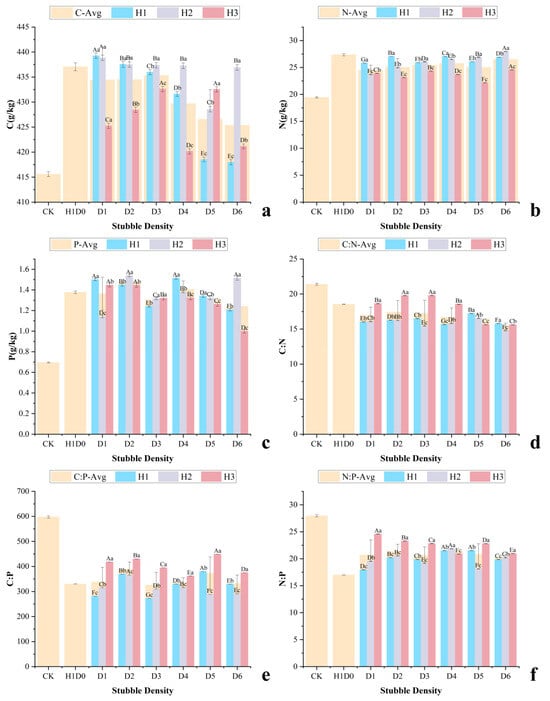
Restoration of degraded shrublands is a major challenge for combating desertification in arid and semi-arid regions. Caragana korshinskii Kom., a dominant sand-fixing shrub widely planted in northern China, often shows growth decline and structural degradation as stand age increases. Stubble management is widely
[...] Read more.
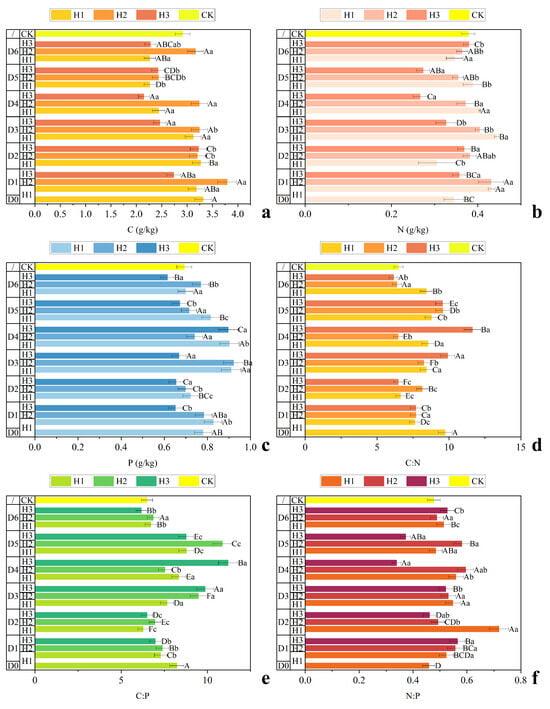
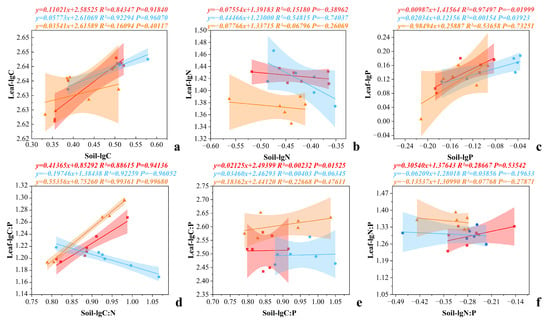
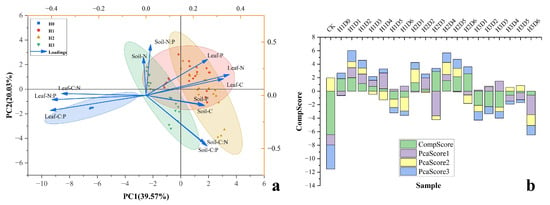
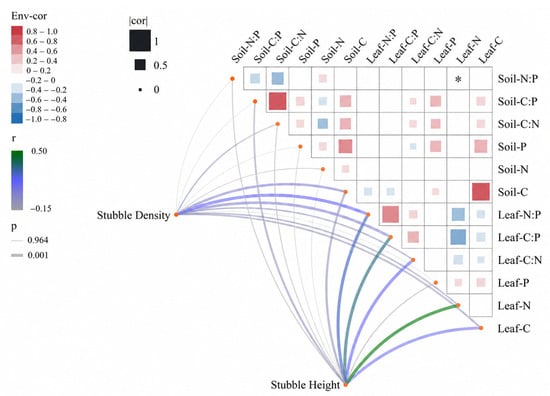
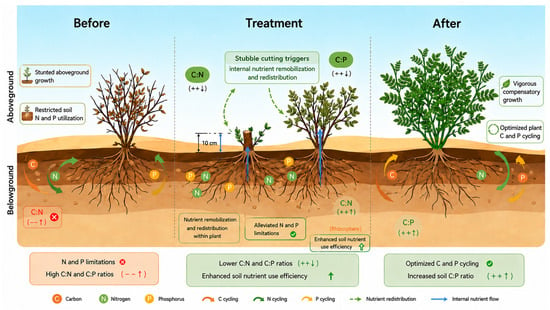
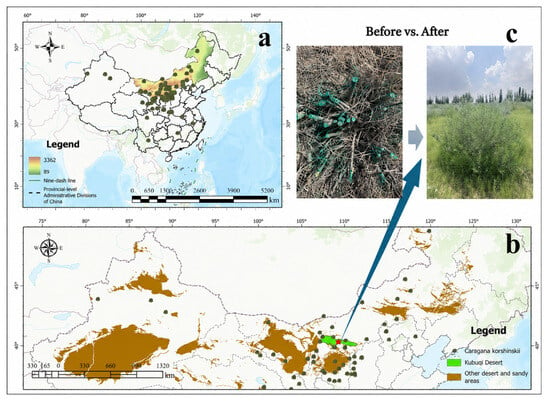
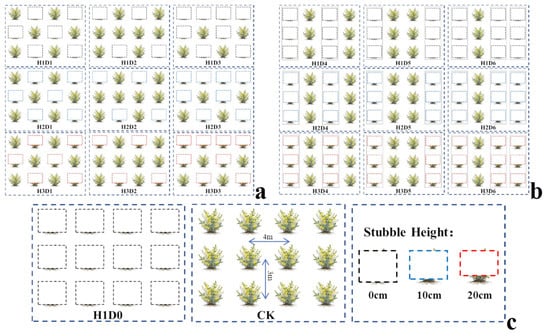
Restoration of degraded shrublands is a major challenge for combating desertification in arid and semi-arid regions. Caragana korshinskii Kom., a dominant sand-fixing shrub widely planted in northern China, often shows growth decline and structural degradation as stand age increases. Stubble management is widely used to rejuvenate degraded shrublands; however, its influence on nutrient cycling and carbon-nitrogen-phosphorus (C-N-P) stoichiometric coupling within the leaf-soil system remains unclear. Here, we conducted a two-factor field experiment in a 30-year-old degraded C. korshinskii plantation in the Kubuqi Desert, northern China, manipulating stubble height and stubble density. Moderate stubble height (10 cm) significantly increased leaf N concentration (27.37 g kg−1) and improved soil C and N availability, whereas higher stubble height (20 cm) led to elevated leaf N:P ratios (24.2), indicating stronger phosphorus limitation. In addition, all stubble density treatments significantly reduced leaf C:N, C:P, and N:P ratios. Among them, the two stubbled after one retained exhibited the most pronounced effect, with C:N and C:P decreasing to 14 and 273, respectively, and N:P to 20, suggesting an improved nutrient balance and allocation efficiency. Multivariate analyses showed that lower stubble heights combined with alternate-plant stubble patterns (H2D1 and H2D2) enhanced leaf-soil nutrient coupling and promoted coordinated recovery of C-N-P stoichiometry during regeneration. Overall, stubble management regulates shrub rejuvenation mainly by modifying leaf-soil nutrient coupling rather than single-element responses. It is recommended that, in the management of degraded C. korshinskii shrublands, a stubble height of approximately 10 cm combined with staggered cutting (alternate-plant or every two plants) be prioritized as an optimized management regime.
Full article
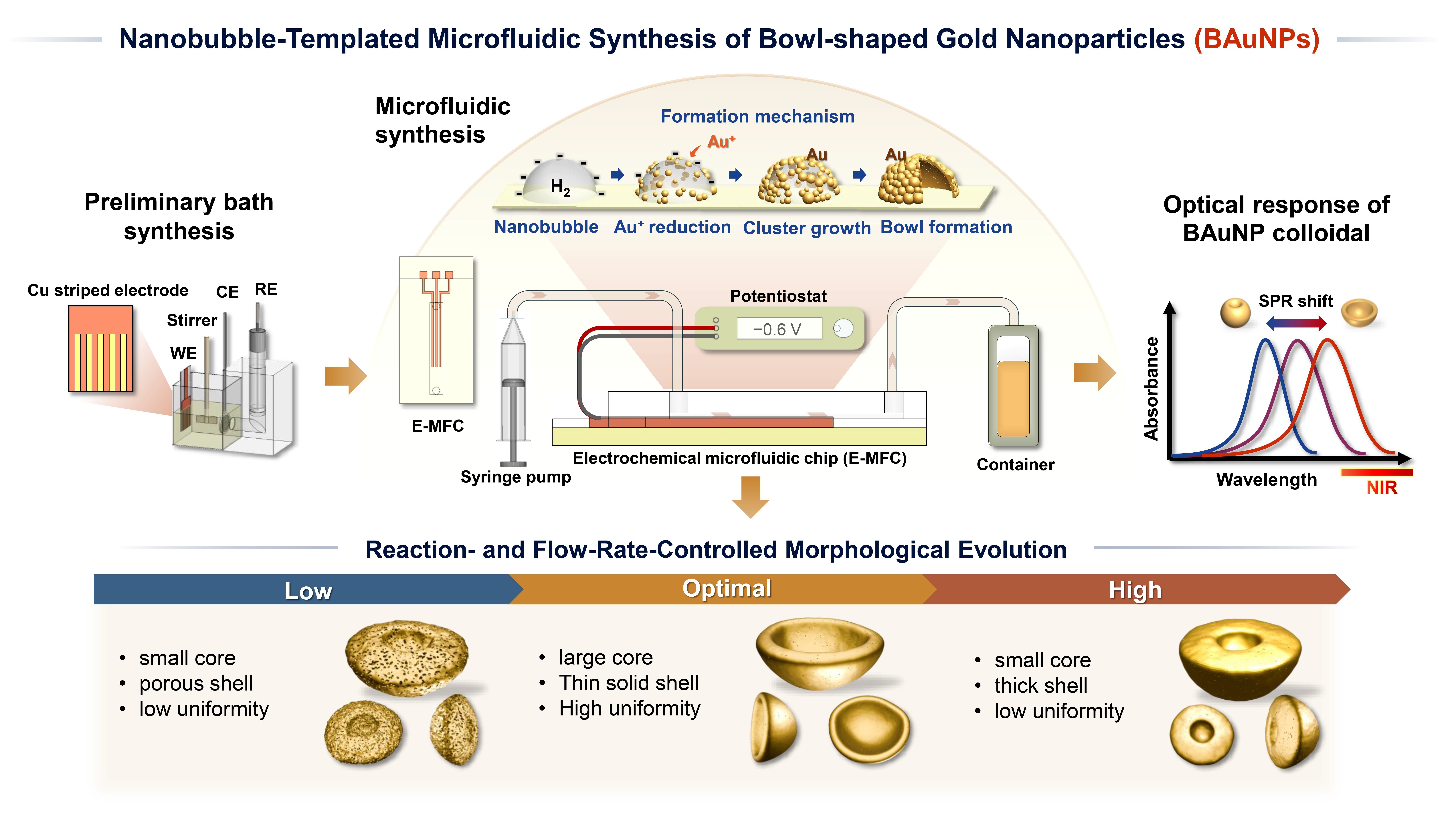
Bowl-shaped gold nanoparticles (BAuNPs) are of significant interest due to their tunable localized surface plasmon resonance (LSPR) properties. This report presents a new synthesis method that uses hemispherical hydrogen nanobubbles on planar, non-conducting surfaces as templates for gold shell deposition. Initial synthesis under
[...] Read more.
Bowl-shaped gold nanoparticles (BAuNPs) are of significant interest due to their tunable localized surface plasmon resonance (LSPR) properties. This report presents a new synthesis method that uses hemispherical hydrogen nanobubbles on planar, non-conducting surfaces as templates for gold shell deposition. Initial synthesis under stagnant conditions yielded non-uniform sub-micron particles, attributed to localized hydrogen concentration gradients. The cyclonic flow was introduced aiming to reduce these gradients, although simultaneously inducing significant particle aggregation, obscuring the open structure. To overcome these challenges, an electrochemical microfluidic system was implemented to create a laminar flow environment. This configuration optimizes ion distribution and introduces shear forces that promote particle detachment, successfully limiting particle dimensions to below 200 nm, and preventing the accumulation. Systematic optimization identified optimal parameters: an ideal channel length of 7.5 mm, an applied potential of −0.6 V, and a flow rate of 0.028 µL s−1. These parameters that strike a balance between nanobubble growth and gold deposition kinetics can produce highly uniform BAuNPs with a well-defined open structure and thin solid gold shells, with an outer diameter of 105.3 ± 12.1 nm and a core diameter of 80.1 ± 11.9 nm. These structural parameters successfully shift the plasmonic resonance to 760 nm, which responds perfectly with the first biological window for potential in vivo biomedical applications.
Full article
Oral cancer is a significant public health concern and is among the most common malignant tumors of the head and neck. Its incidence and mortality rates remain persistently high, especially in regions where smoking and betel nut chewing are prevalent. Due to its
[...] Read more.
Oral cancer is a significant public health concern and is among the most common malignant tumors of the head and neck. Its incidence and mortality rates remain persistently high, especially in regions where smoking and betel nut chewing are prevalent. Due to its high mortality rate, early detection is crucial for improving patient outcomes. However, early symptoms of oral cancer often resemble benign oral lesions, leading to delayed diagnosis. In this study, a vision transformer (ViT) model with Optuna (ViTOPT) is employed to perform classification tasks of identifying oral cancer images. The Optuna is used to determine hyperparameters in ViT. Histological images are obtained from a publicly available dataset. Three classification tasks with histological images namely classifying oral squamous cell carcinoma (OSCC) and leukoplakia (LEUK), classifying the presence of dysplasia, and classifying OSCC and leukoplakia with or without dysplasia are performed in this study. Numerical results reveal that the proposed ViTOPT framework is able to provide satisfactory performance in oral cancer recognition. Thus, the proposed ViTOPT model is a feasible and effective alternative in identifying oral cancer.
Full article
In advanced oxide materials, additive selection is increasingly constrained by the simultaneous requirements of functional response, phase stability, morphology control, processing tolerance, scalability, and critical raw material security. This study develops a ZnO-centered framework to compare boron-based strategies (direct B doping, B4 [...] Read more.
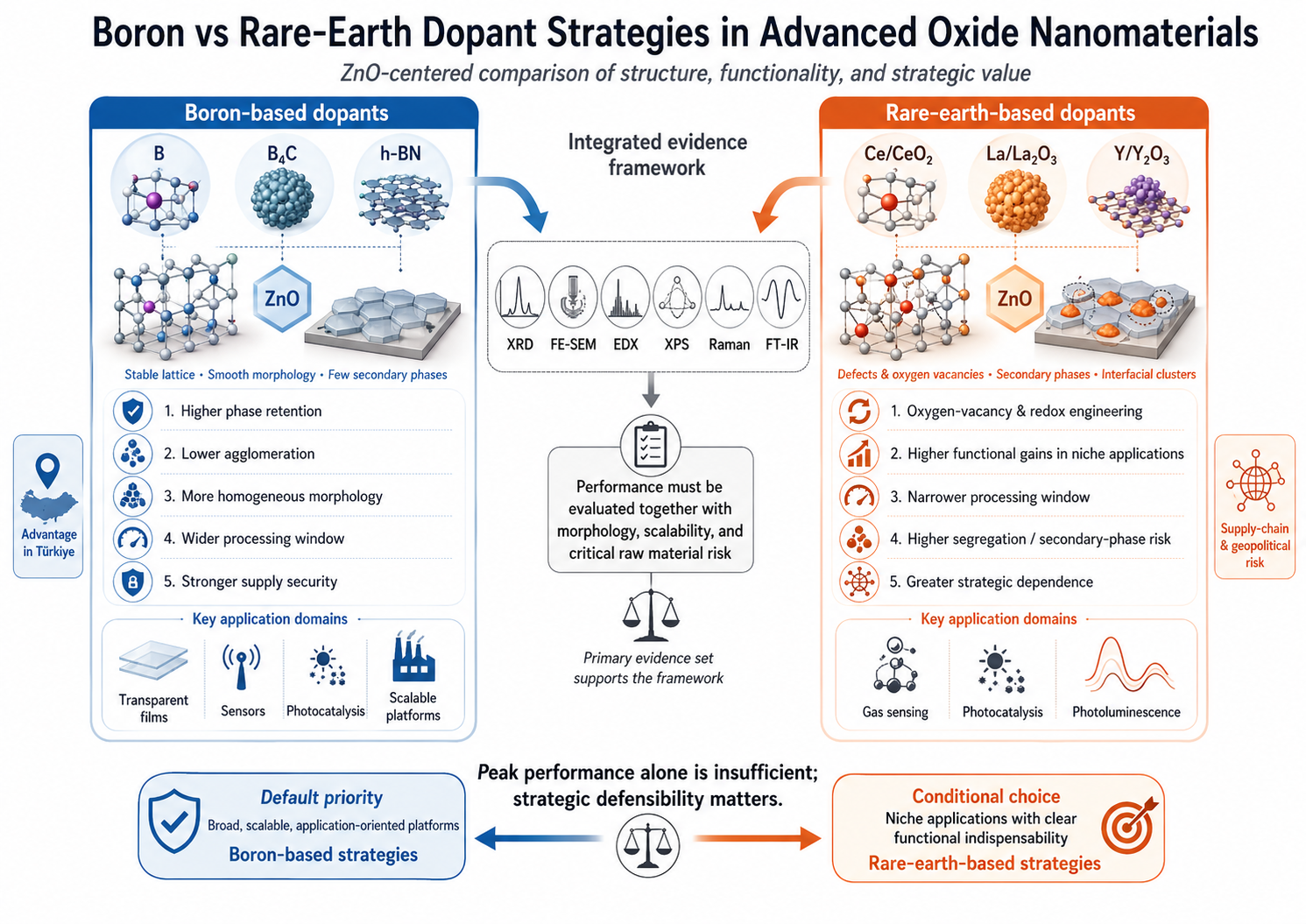
In advanced oxide materials, additive selection is increasingly constrained by the simultaneous requirements of functional response, phase stability, morphology control, processing tolerance, scalability, and critical raw material security. This study develops a ZnO-centered framework to compare boron-based strategies (direct B doping, B4C/ZnO composite formation, and h-BN/ZnO interface engineering) with rare-earth strategies (Ce/CeO2, La/La2O3, and Y/Y2O3). Structural, morphological, chemical-state, and vibrational evidence from XRD, FE-SEM/EDX, XPS, Raman, and FT-IR studies is interpreted through an evidence hierarchy that separates lattice incorporation, surface/grain-boundary segregation, and deliberate secondary-phase or heterointerface formation. The synthesis shows that boron-containing routes usually provide broader phase retention, lower agglomeration tendency, more gradual defect modulation, and greater processing robustness, whereas rare-earth routes offer stronger oxygen-vacancy regulation, redox activity, luminescence tuning, and heterojunction-assisted function but require tighter process control and more rigorous verification of incorporation mode. Reanalysis of seven primary experimental pathways indicates that B4C/ZnO and h-BN/ZnO are mechanistically non-equivalent: B4C supports rigid composite-interface growth, while h-BN promotes sheet-mediated interface multiplication and Maxwell–Wagner–Sillars polarization. Türkiye is treated as an illustrative boron-rich producer case within a transferable producer/importer decision model. Dopant selection is therefore framed as a multi-criteria decision involving performance thresholds, reproducibility, technology-readiness potential, and supply-security exposure, not peak output alone.
Full article
by
Łukasz Bryliński, Katarzyna Brylińska, Jolanta Sado, Kacper Kraśnik, Miłosz Smyk, Olga Komar, Filip Woliński, Alicja Forma, Katarzyna Rusek, Jolanta Flieger, Grzegorz Teresiński and Jacek Baj
Life2026, 16(5), 864; https://doi.org/10.3390/life16050864 (registering DOI) - 21 May 2026
The pancreas is an organ with two functions: endocrine and exocrine. The proper functioning of the pancreas depends on many factors. One of these is trace elements—precise control of trace element homeostasis is important for both the endocrine and exocrine parts. This review
[...] Read more.
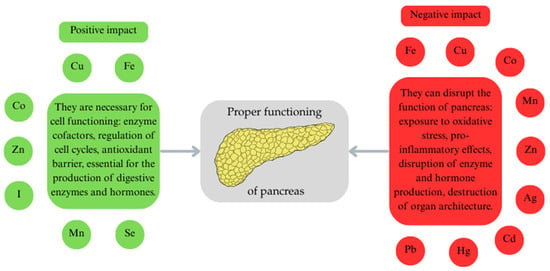
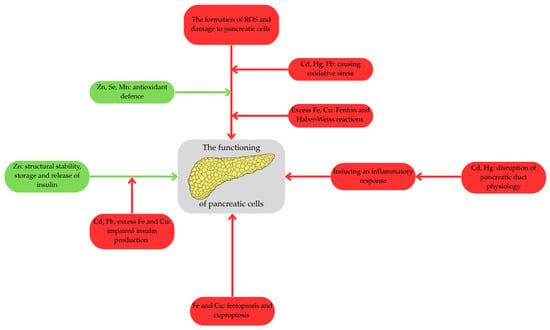
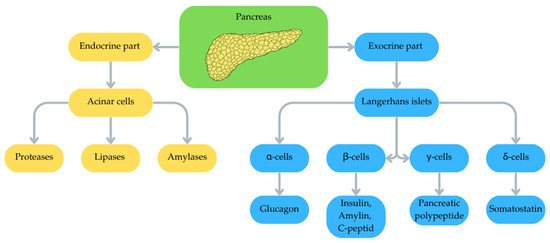
The pancreas is an organ with two functions: endocrine and exocrine. The proper functioning of the pancreas depends on many factors. One of these is trace elements—precise control of trace element homeostasis is important for both the endocrine and exocrine parts. This review provides a comprehensive summary of current knowledge regarding the role of trace elements: iron (Fe), copper (Cu), cobalt (Co), iodine (I), manganese (Mn), zinc (Zn), silver (Ag), cadmium (Cd), mercury (Hg), lead (Pb), and selenium (Se) in pancreatic physiology and their influence on the pathogenesis of key diseases of this organ, such as diabetes (DM), acute (AP) and chronic pancreatitis (CP), autoimmune pancreatitis (AIP), and pancreatic cancer (PC). Trace elements, including Fe, Cu, Zn, Se, and Mn, play a fundamental role in maintaining endocrine and exocrine homeostasis, participating in insulin synthesis, stabilizing digestive enzymes, and the functioning of antioxidant systems. It has been demonstrated that disturbances in their concentrations lead to the activation of pathological molecular pathways, including oxidative stress, chronic inflammation, and beta-cell apoptosis. In the context of diabetes, excess Fe promotes ferroptosis, whilst exposure to heavy metals such as Cd, Pb, and Hg induces insulin resistance and pancreatic islet dysfunction. In the course of pancreatitis, elements such as Zn and Se exhibit protective potential by stabilizing tissue barriers, whereas toxic metals impair ion transport, exacerbating fibrotic processes. Furthermore, analysis of available data indicates a significant association between heavy metal accumulation and pancreatic carcinogenesis, driven by DNA damage and oncogene modulation. Understanding pancreatic metallomics opens new prospects for early diagnosis, environmental prevention, and the development of targeted therapeutic strategies that restore the body’s micronutrient balance.
Full article
by
Biagio Scotti, Cosimo Misciali, Martina D’Onghia, Alberto Gualandi, Sabina Vaccari, Federico Venturi, Elisabetta Magnaterra, Elisa Cinotti and Emi Dika
Background and Clinical Significance: Primary cutaneous anaplastic large cell lymphoma (C-ALCL) is a CD30-positive T-cell lymphoproliferative disorder that can clinically resemble various non-melanoma skin cancers, making diagnosis challenging. Although histopathology remains the diagnostic gold standard, non-invasive imaging modalities such as dermoscopy and reflectance
[...] Read more.
Background and Clinical Significance: Primary cutaneous anaplastic large cell lymphoma (C-ALCL) is a CD30-positive T-cell lymphoproliferative disorder that can clinically resemble various non-melanoma skin cancers, making diagnosis challenging. Although histopathology remains the diagnostic gold standard, non-invasive imaging modalities such as dermoscopy and reflectance confocal microscopy (RCM) are increasingly used as complementary tools to support the differential diagnosis. To date, no data on RCM features of C-ALCL have been described. Case Presentation: We report the case of an 80-year-old man presenting with a rapidly enlarging nodule on the lateral aspect of his right eyelid, providing a detailed account of dermoscopic and RCM findings integrated with clinicopathological correlation. Dermoscopy revealed a red-orange homogeneous background with white streaks, and polymorphic vascular structures, while subsequent RCM (Vivascope 3000 probe) demonstrated marked architectural disarray of the epidermis and dermoepidemal junction, with prominent epidermal involvement characterized by aggregates of highly reflective cells. In the absence of alternative diagnostic patterns, these features raised suspicion for a cutaneous lymphoproliferative disorder, which was later confirmed by histopathological and immunohistochemical analyses. Conclusions: Our findings support the value of RCM as a practical tool in guiding differential diagnosis and biopsy, particularly for rapidly growing lesions located in anatomically sensitive areas.
Full article
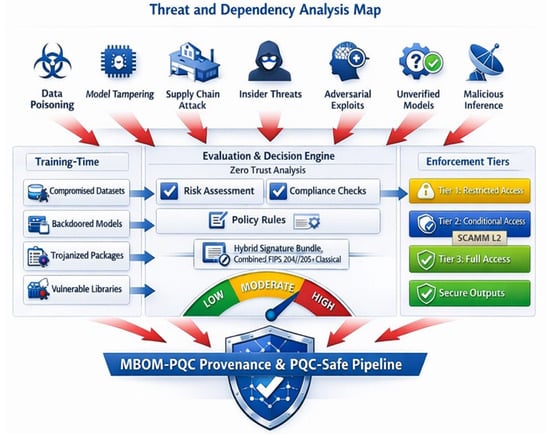
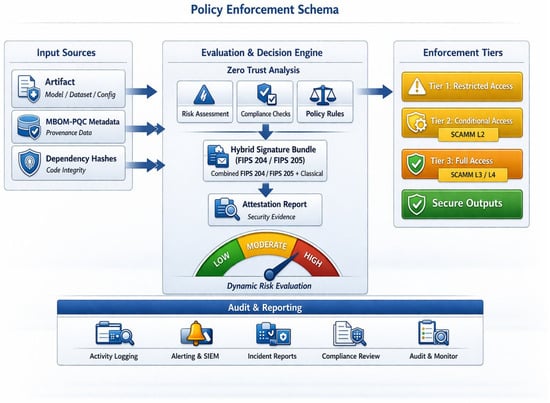
Artificial intelligence (AI) systems increasingly depend on complex, multi-stage supply chains that incorporate pre-trained models, third-party datasets, open-source libraries, and automated training pipelines. This dependency creates a rapidly expanding attack surface in which model poisoning, dependency compromise, and provenance manipulation can undermine system
[...] Read more.
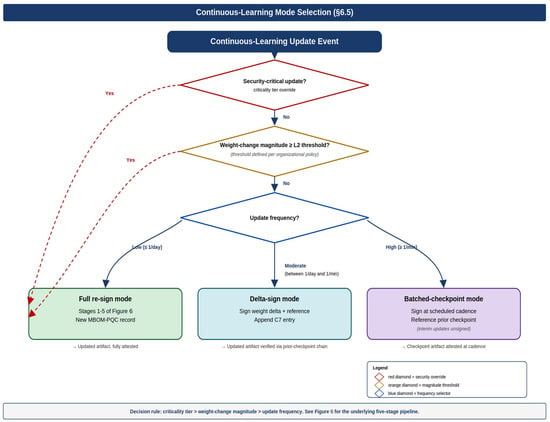
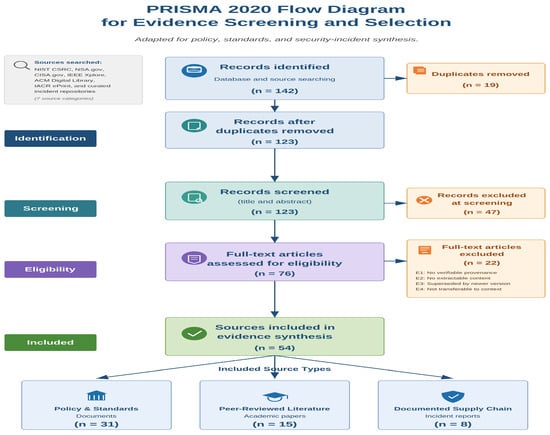
Artificial intelligence (AI) systems increasingly depend on complex, multi-stage supply chains that incorporate pre-trained models, third-party datasets, open-source libraries, and automated training pipelines. This dependency creates a rapidly expanding attack surface in which model poisoning, dependency compromise, and provenance manipulation can undermine system integrity long before deployment. Existing AI governance frameworks—including the NIST AI Risk Management Framework and NIST’s Secure Software Development Framework—acknowledge supply chain risks but do not define a verifiable model provenance structure or cryptographically durable integrity guarantees. Simultaneously, the transition to post-quantum cryptography (PQC) introduces new requirements for long-lived AI artifacts: classical digital signatures used to verify model lineage, dataset integrity, and pipeline attestation will become vulnerable to quantum-enabled forgery within the expected operational lifetime of many AI systems. This paper synthesizes evidence from policy, standards, and benchmark sources to characterize the emerging AI supply chain threat landscape and identify cryptographic dependencies that the PQC transition disrupts. We propose a formal Model Bill of Materials with PQC-safe extensions (MBOM-PQC), a unified signing and attestation pipeline integrating ML-DSA and hybrid signature modes, and a five-level Supply Chain Assurance Maturity Model (SCAMM) supporting repeatable organizational evaluation. Together, these contributions aim to provide a structured foundation for AI supply chain integrity, supporting verifiable model lineage, authenticity, and trustworthiness through the PQC transition and beyond. The framework is presented as a design-science contribution comprising three integrated artifacts and is extended with operational guidance for continuous-learning pipelines (§6.5), a formal scoring methodology for organizational assessment (§7.3.5), and a hardware-root-of-trust migration cost matrix (§8.3.6).
Full article
Accurate tomato maturity detection is critical for optimizing key agricultural operations in precision agriculture, including harvesting, grading, and quality control. Despite advances in deep learning and machine vision, reliable detection in real-world environments remains challenging due to cluttered backgrounds, dense fruit clustering, and
[...] Read more.
Accurate tomato maturity detection is critical for optimizing key agricultural operations in precision agriculture, including harvesting, grading, and quality control. Despite advances in deep learning and machine vision, reliable detection in real-world environments remains challenging due to cluttered backgrounds, dense fruit clustering, and subtle color differences between maturity stages. In response to these challenges, we present TAA-YOLOv8, an attention-enhanced detection architecture integrating a novel Tomato-Adaptive Attention (TAA) module that performs sequential channel–spatial feature refinement using an adaptive 1D convolution for channel recalibration and a balanced 5 × 5 spatial kernel for improved localization, enhancing discriminative representation while preserving computational efficiency. The framework is evaluated on three datasets representing diverse agricultural environments: a newly introduced Cross-Regional Tomato dataset collected from open-field farms in Bangladesh and greenhouse facilities in Japan, and two public benchmarks, Laboro Tomato and Tomato Plantfactory. TAA-YOLOv8m outperforms baseline YOLOv8m, achieving mAP@50–95 improvements of +9.29%, +9.00%, and +6.65% with F1-scores of 0.968, 0.976, and 0.955, respectively. It further surpasses attention-enhanced variants and RT-DETR-L, and remains competitive with YOLOv11m. Gradient-Weighted Class Activation Mapping (Grad-CAM) shows concentrated fruit-centered activations, providing transparent decision-making evidence and supporting stakeholder confidence in practical deployment within vision-based agricultural management systems.
Full article
Background: Mass spectrometry imaging (MSI) enables in situ mapping of metabolite distributions within tissues, and spatial clustering is a key step for delineating metabolically distinct regions. Nevertheless, spatial clustering methods have not been systematically benchmarked for spatial metabolomics data. Methods: Here, we
[...] Read more.
Background: Mass spectrometry imaging (MSI) enables in situ mapping of metabolite distributions within tissues, and spatial clustering is a key step for delineating metabolically distinct regions. Nevertheless, spatial clustering methods have not been systematically benchmarked for spatial metabolomics data. Methods: Here, we evaluated the effects of ion filtering and clustering method selection on clustering performance and established a dual-metric framework that jointly assesses the spatial continuity of cluster labels and inter-cluster metabolic heterogeneity. We benchmarked 30 clustering algorithms across 12 heterogeneous MSI datasets spanning three major ion sources, four mass analyzers, and multiple spatial resolutions, covering approaches from non-spatial methods to advanced spatially aware models. Results: Noise filtering markedly improved the spatial continuity of results generated by non-spatial methods (mean improvement, approximately 28%) but provided limited benefit for spatially aware methods. Across the 12 datasets, a median of only 11 methods satisfied both evaluation criteria simultaneously, whereas SSC and DRSC met the dual-metric thresholds in at least nine datasets. In the mbrain2_pos50 dataset, the top-ranked method based on the composite dual-metric score achieved 22% higher concordance between cluster assignments and cell-type annotations than the lowest-ranked method. Conclusions: Together, the proposed evaluation framework and the online platform SMcluster provide a standardized resource for benchmarking and selecting MSI clustering methods. Our results highlight the critical roles of preprocessing and method selection in determining spatial clustering performance and offer practical guidance for spatial metabolomics studies.
Full article
Accurate evapotranspiration (ET) estimation is critical for sustainable water management in arid environments. This study estimates actual ET over the Al-Hofuf region, Al-Ahsa Oasis, Saudi Arabia, during 2024 using a cloud-based remote sensing approach. Landsat 9 Level-2 imagery was combined with ERA5-Land meteorological
[...] Read more.
Accurate evapotranspiration (ET) estimation is critical for sustainable water management in arid environments. This study estimates actual ET over the Al-Hofuf region, Al-Ahsa Oasis, Saudi Arabia, during 2024 using a cloud-based remote sensing approach. Landsat 9 Level-2 imagery was combined with ERA5-Land meteorological data to quantify spatial and temporal ET variations across a 25 km buffer. Vegetation dynamics were characterized using the Normalized Difference Vegetation Index (NDVI) to derive crop coefficients (Kc) within a Kc–ET0 framework, where reference ET (ET0) was obtained from ERA5-Land potential evaporation. All processing utilized Python (Version 3.14) on Google Colab and Google Earth Engine for scalable computation. Eighty-eight cloud-free Landsat 9 scenes were processed following cloud and shadow masking. Mean NDVI, Kc, and daily ET values were compiled into a comprehensive time-series dataset. Model performance was evaluated through cross-validation with MODIS MOD16A2 and internal consistency checks, demonstrating strong statistical agreement (R2 = 0.82, NSE = 0.71, PBIAS = +8.3%). Results revealed pronounced seasonal variability closely linked to vegetation activity and atmospheric demand, with peak ET occurring during summer months (June–July: 7.2–7.5 mm day−1) and minima in winter (January–February: 2.0–2.6 mm day−1). Findings demonstrate that cloud-based techniques provide reliable, cost-effective ET monitoring in data-scarce, groundwater-dependent regions. Validation confirms Kc-ET0 estimates reliably capture spatial and temporal patterns, supporting practical irrigation management applications. This approach aids precision irrigation and long-term water sustainability planning in Al-Hofuf, contributing significantly to national water conservation objectives under Saudi Arabia’s Vision 2030 and National Water Strategy.
Full article
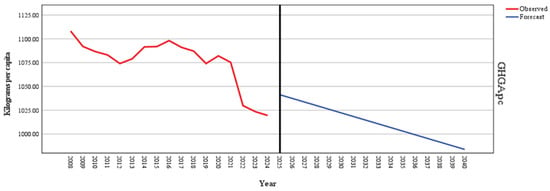
This study explicitly assesses how crop and livestock production, along with real labor productivity, affect greenhouse gas emissions in agriculture across the European Union (EU), considering both per capita and total emissions. Using annual Eurostat data for EU Member States from 2008 to
[...] Read more.
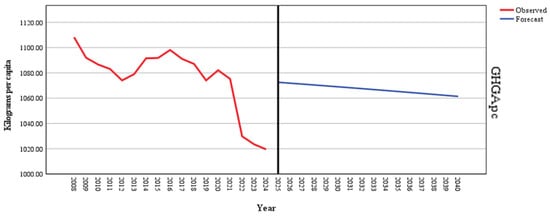
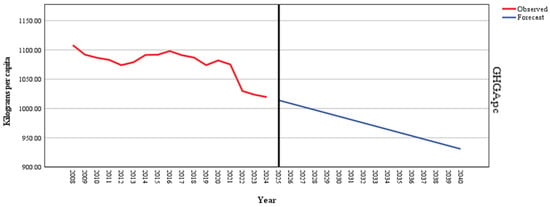
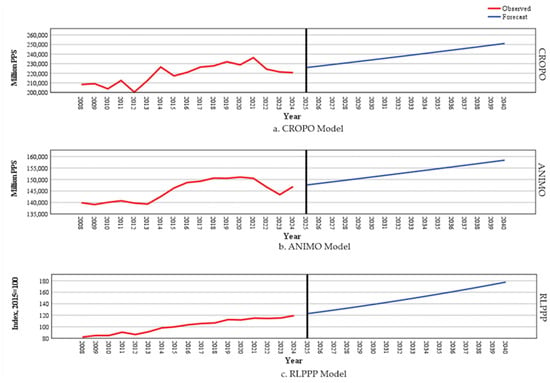
This study explicitly assesses how crop and livestock production, along with real labor productivity, affect greenhouse gas emissions in agriculture across the European Union (EU), considering both per capita and total emissions. Using annual Eurostat data for EU Member States from 2008 to 2024, the research applies multiple regression models and a multivariate General Linear Model (GLM) to evaluate structural relationships, complemented by Holt exponential smoothing and ARIMA models to analyze temporal dynamics and generate forecasts. The empirical results indicate that crop and livestock production have a statistically significant positive effect on emissions, while real labor productivity has a significant negative impact. The models explain over 92% of the variation in total emissions and over 95% of the variation in per capita emissions, confirming strong explanatory power. Forecasts show continued growth in agricultural output but a declining trend in per capita emissions, primarily driven by productivity improvements. These findings demonstrate that improvements in labor efficiency and technological progress can partially offset the environmental pressures associated with increased agricultural production. The study concludes that achieving climate-neutral agriculture in the EU is feasible through sustained productivity gains and innovation-driven transformation.
Full article
This paper investigates the tracking control problem of linear systems with random disturbances. Distinguishing itself from previous studies, this work models instantaneous external disturbances as impulse effects and employs a Bernoulli random variable to characterize their stochastic occurrence. After this, a random impulsive
[...] Read more.
This paper investigates the tracking control problem of linear systems with random disturbances. Distinguishing itself from previous studies, this work models instantaneous external disturbances as impulse effects and employs a Bernoulli random variable to characterize their stochastic occurrence. After this, a random impulsive differential system is established and used for theoretical analysis. Based on this model, two iterative learning control strategies are applied to achieve the robust tracking. The theoretical results demonstrate that the proposed algorithms are successful in reducing the impact caused by random disturbances, enabling the system to perform robust tracking. Finally, a numerical simulation is provided to verify the effectiveness of the proposed approach.
Full article
Optimizing fertilizer management is crucial for increasing crop yields while reducing environmental impact. However, traditional methods rely on extensive field trials, which are costly and limit their scalability. To overcome these limitations, this study developed data-driven yield prediction models (YPM) for wheat, rice,
[...] Read more.
Optimizing fertilizer management is crucial for increasing crop yields while reducing environmental impact. However, traditional methods rely on extensive field trials, which are costly and limit their scalability. To overcome these limitations, this study developed data-driven yield prediction models (YPM) for wheat, rice, and maize by integrating multiple feature selection and machine learning algorithms with explainable ensemble learning, namely stacking regression (SR) and voting mean (VM). The optimal YPM was subsequently combined with the hybrid optimization strategy to construct an intelligent fertilization decision model (IFDM), and the economic–environmental benefits were subsequently evaluated. The best-performing models were SHAP-SR for wheat and rice and GBM-SR for maize, achieving R2 values of 0.79, 0.69, and 0.67, and RMSEs of 681.69, 725.35, and 1091.49 kg ha−1, respectively. Based on the IFDM, the recommended application ranges for nitrogen (N), phosphorus (P2O5), and potassium (K2O) were as follows: for wheat, 122.1–256.3, 45.4–98.2, and 30.6–60.7 kg ha−1; for rice, 170.8–261.2, 55.1–91.4, and 40.6–98.5 kg ha−1; and for maize, 157.5–293.4, 84.2–156.4, and 30.1–62.7 kg ha−1. Simulation-based evaluation suggested that adopting these recommendations could potentially increase average yields by 9.2–12.4% and enhance economic–environmental benefits by 32.86–97.73% across the three crops. This study indicates that coupling interpretable ensemble learning with a hybrid optimization strategy can support efficient decision-making for field-scale fertilization and provides a data-driven and cost-effective approach for precision fertilization, with potential applicability to arid agricultural regions under similar agro-ecological conditions.
Full article
Enhancing spatial orientation and map-reading skills is a cornerstone of geography education, yet the comparative efficacy of physical versus virtual reality learning environments (VRLEs) remains a subject of ongoing debate. This study evaluates the development of navigational competencies through a counterbalanced crossover experimental
[...] Read more.
Enhancing spatial orientation and map-reading skills is a cornerstone of geography education, yet the comparative efficacy of physical versus virtual reality learning environments (VRLEs) remains a subject of ongoing debate. This study evaluates the development of navigational competencies through a counterbalanced crossover experimental design involving 20 geography and geography teacher major students. Participants performed standardized spatial tasks, including bearing calculation and distance estimation, in both the volcanic landscape of the Tapolca Basin, Hungary, and its smartphone-based 360-degree virtual reality (VR) counterpart. To assess longitudinal retention and cross-modal transfer, a three-month interval was maintained between the two learning phases, supported by a robust pre-test/post-test framework. Results indicate that while both environments are susceptible to spatial distortions driven by the visual dominance of physiographic landmarks, VR-based training effectively scaffolds the cognitive frameworks required for real-world navigation. The findings confirm that spatial mental models acquired in a virtual setting possess significant cognitive resilience, as navigational accuracy was maintained over the three-month interval. In conclusion, this research justifies a hybrid pedagogical approach, where immersive digital simulations serve as a preparatory tool for physical fieldwork. The synergy of both modalities is essential for cultivating the resilient spatial intelligence required for professional geographic practice.
Full article
Sodium sulfate-activated slag cement is considered a highly promising low-carbon cementitious material; however, its application is limited by low early-age activation efficiency and slow strength development. This study aims to systematically elucidate the coupled regulatory mechanism of alkalinity (2% and 4% Na2 [...] Read more.
Sodium sulfate-activated slag cement is considered a highly promising low-carbon cementitious material; however, its application is limited by low early-age activation efficiency and slow strength development. This study aims to systematically elucidate the coupled regulatory mechanism of alkalinity (2% and 4% Na2O equivalent) and sodium sulfate dosage on the performance of alkali-activated slag (AAS). Under standard curing conditions (20 ± 2 °C, relative humidity ≥ 95%), the macroscopic properties of the samples (workability, setting time, and compressive strength) and the evolution of their microstructure (analyzed by XRD, FTIR, and SEM-EDS) were evaluated. The results indicate that the effect of sodium sulfate on alkali-activated slag (AAS) strongly depends on the alkalinity. Under low-alkalinity conditions (2% Na2O), sodium sulfate exhibits a synergistic activation effect by increasing the ionic concentration, promoting slag depolymerization and the nucleation of ettringite (AFt). Specifically, compared with the control, incorporating 6 wt% sodium sulfate (N2S6 mix) increased compressive strength by approximately 82% at 3 days and 21% at 28 days. In contrast, under high-alkalinity conditions (4% Na2O), excessive sodium sulfate (≥2 wt%) shows an inhibitory effect. This is likely because an excess of sodium sulfate interferes with the normal polymerization pathways of the aluminosilicate network, suppressing the formation of the primary C-(A)-S-H gel and thus significantly reducing later-age strength. Microstructural analysis revealed that the hydration products in the composite-activated system mainly consist of C-(A)-S-H gel, ettringite (AFt), monosulfate (AFm), and hydrotalcite. This study investigates the observed kinetic trends of anion-competitive hydration under different alkalinity conditions, providing a theoretical basis for the mix design of low-carbon alkali-activated materials and the valorization of coal chemical industrial salts.
Full article
LiDAR SLAM is widely used in robotic navigation and autonomous driving, but many existing methods still handle frontend point cloud processing and backend pose optimization as two loosely connected stages with fixed settings. This can lead to unnecessary computation and also limits the
[...] Read more.
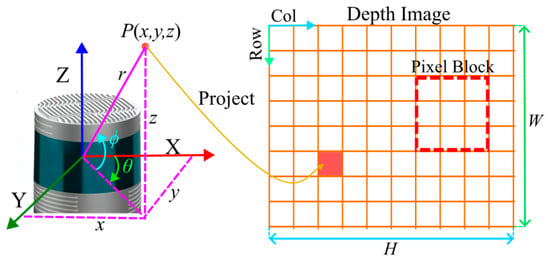
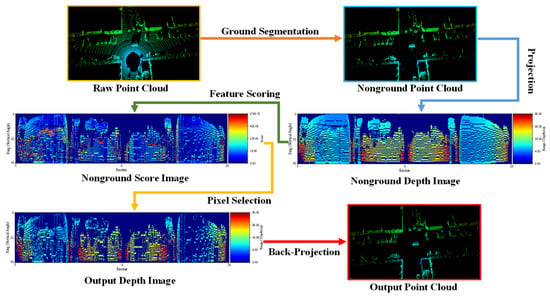
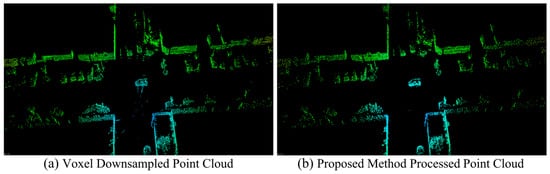
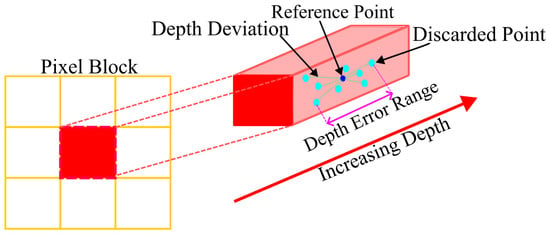
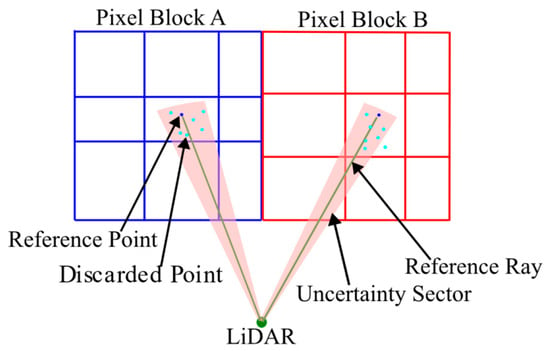
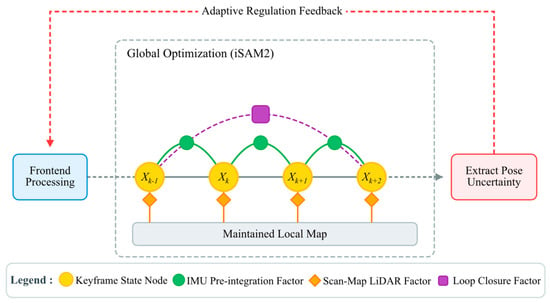
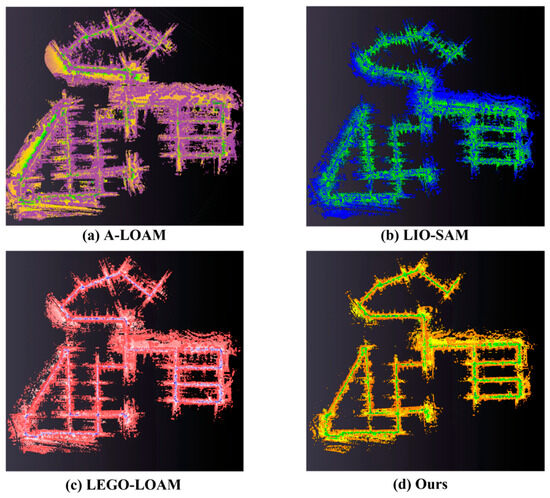
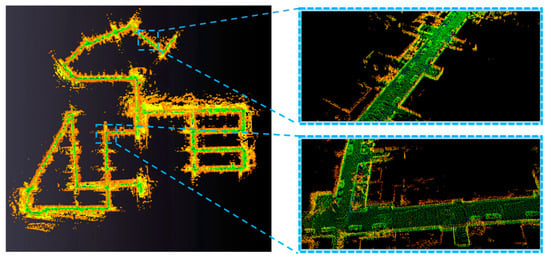
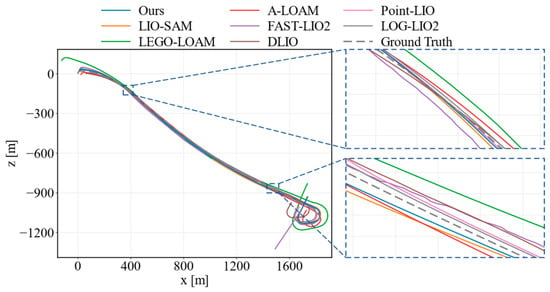
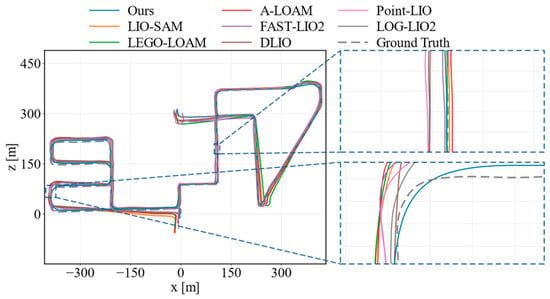
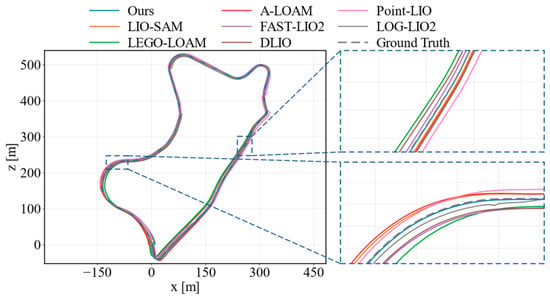
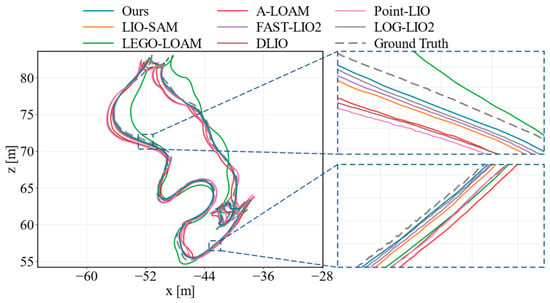
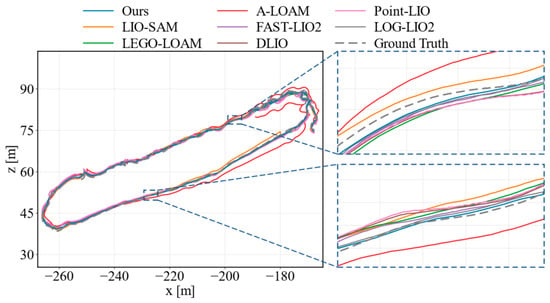
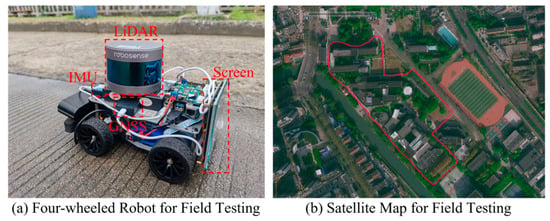
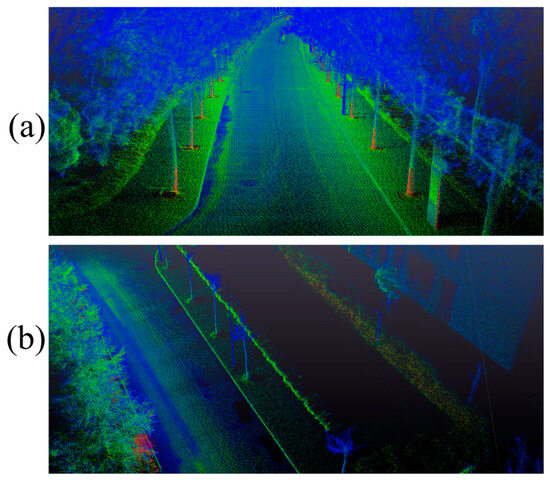
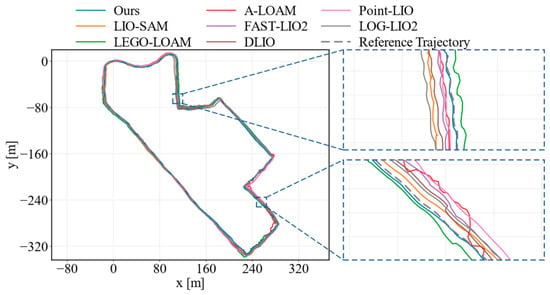
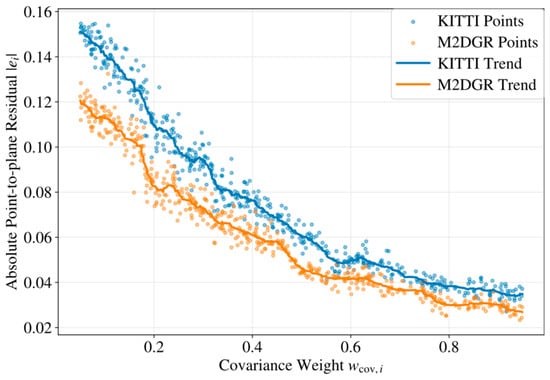
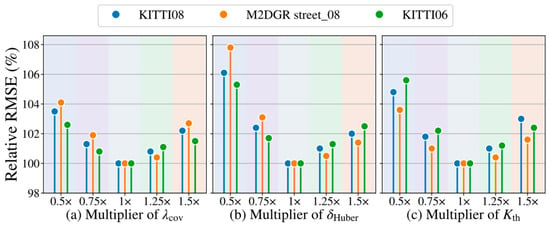
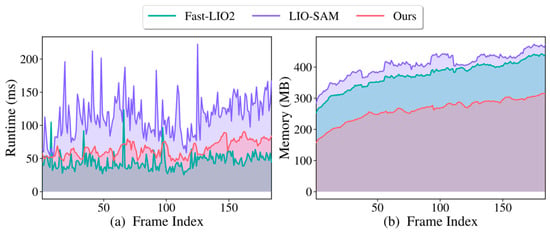
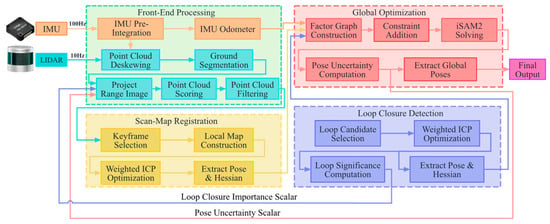
LiDAR SLAM is widely used in robotic navigation and autonomous driving, but many existing methods still handle frontend point cloud processing and backend pose optimization as two loosely connected stages with fixed settings. This can lead to unnecessary computation and also limits the localization performance when the environment or motion changes. To address this issue, we propose a LiDAR–inertial SLAM framework with bidirectional closed-loop coupling between adaptive point cloud processing and pose optimization. In the frontend, depth image resolution is adjusted online according to backend pose uncertainty and loop closure importance, and a comprehensive score integrating point density, depth stability, geometric complexity, and motion consistency is used to select high-quality sparse points. In the backend, the comprehensive score is further combined with depth image quantization error to construct per-point covariance matrices for uncertainty-weighted scan-to-map ICP and factor graph noise modeling. Experiments on the KITTI and M2DGR datasets show that the proposed method reduced the mean RMSE by 15.8% and 15.2%, respectively, compared with FAST-LIO2, while the real-world field test further shows a 26.3% RMSE reduction with respect to the constructed reference trajectory. These results show that the proposed framework improves both mapping quality and localization accuracy.
Full article
Building change detection from bi-temporal remote-sensing imagery underpins urban planning, infrastructure monitoring, and disaster assessment. Existing deep-learning methods achieve high accuracy but rely on large parameter counts, while pixel-level supervision provides limited boundary guidance. We propose POCA-lite, a lightweight encoder–decoder with an inference-coupled
[...] Read more.
Building change detection from bi-temporal remote-sensing imagery underpins urban planning, infrastructure monitoring, and disaster assessment. Existing deep-learning methods achieve high accuracy but rely on large parameter counts, while pixel-level supervision provides limited boundary guidance. We propose POCA-lite, a lightweight encoder–decoder with an inference-coupled geometry branch: three geometric prediction heads—distance transform, boundary, and center heatmap—whose outputs are fused back into the decoder via a feedback pathway active at both training and inference. On the LEVIR-CD benchmark under a unified retraining protocol, multi-seed evaluation shows that POCA-lite matches SNUNet in mean F1 while using 47% fewer parameters and 53% fewer FLOPs. Boundary F1 improves by 9.22 pp over the no-geometry baseline. Decomposition ablations reveal two complementary improvement sources: geometric supervision alone recovers 85% of the total gain, while the feedback fusion pathway recovers 92%; their combination achieves the full result. Geometry-aware targets outperform a generic multitask control. Cross-architecture transfer to SNUNet yields +1.06 pp F1. However, cross-dataset evaluation on WHU-CD shows that the method underperforms SNUNet on dense urban morphology, and zero-shot cross-dataset transfer is not established. These results indicate that inference-coupled geometric supervision is effective for lightweight, boundary-sensitive change detection on domains with well-separated building morphology, but its applicability is scope-bounded.
Full article





 Sustainability
 Applied Sciences
 IJMS
IJMS
 JCM
JCM
 Sensors
 Energies
 Materials
 Electronics
 Buildings
 Foods
Foods
 Mathematics
 Remote Sensing
 Molecules
 Processes
 Diagnostics
 Cancers
 Nutrients
 Animals
 Plants
 Healthcare
 Polymers
 Water
Water
 Biomedicines
 Microorganisms
 Agriculture
 Medicina
 Land
Land
 Cells
Cells
 JMSE
JMSE
 Life
Life
 Symmetry
 Agronomy
 Behavioral Sciences
 Education Sciences
 Pharmaceuticals
 Biology
 Biomolecules
 IJERPH
 Children
 Antioxidants
 Horticulturae
 Pharmaceutics
 Micromachines
 Forests
 Nanomaterials
 Coatings
 Entropy
 Religions
 Bioengineering
 Genes
Genes
 Machines
 Systems
 Pathogens
 Metals
 Brain Sciences
 Viruses
 CIMB
CIMB
 Minerals
 Atmosphere
 Veterinary Sciences
 Antibiotics
 Information
 Catalysts
 Insects
 Photonics