All articles published by MDPI are made immediately available worldwide under an open access license. No special
permission is required to reuse all or part of the article published by MDPI, including figures and tables. For
articles published under an open access Creative Common CC BY license, any part of the article may be reused without
permission provided that the original article is clearly cited. For more information, please refer to
https://www.mdpi.com/openaccess.
Feature papers represent the most advanced research with significant potential for high impact in the field. A Feature
Paper should be a substantial original Article that involves several techniques or approaches, provides an outlook for
future research directions and describes possible research applications.
Feature papers are submitted upon individual invitation or recommendation by the scientific editors and must receive
positive feedback from the reviewers.
Editor’s Choice articles are based on recommendations by the scientific editors of MDPI journals from around the world.
Editors select a small number of articles recently published in the journal that they believe will be particularly
interesting to readers, or important in the respective research area. The aim is to provide a snapshot of some of the
most exciting work published in the various research areas of the journal.
As artificial intelligence reshapes professional workflows, understanding what drives effective AI use among employees has become a critical concern for organizations. Moving beyond traditional technology acceptance frameworks, this study develops an integrative multi-level model to examine the behavioral determinants of AI use performance
[...] Read more.
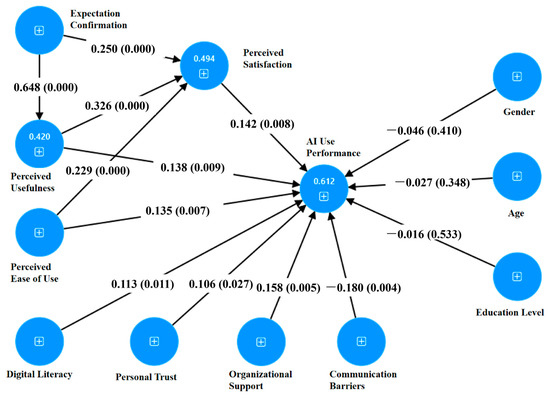
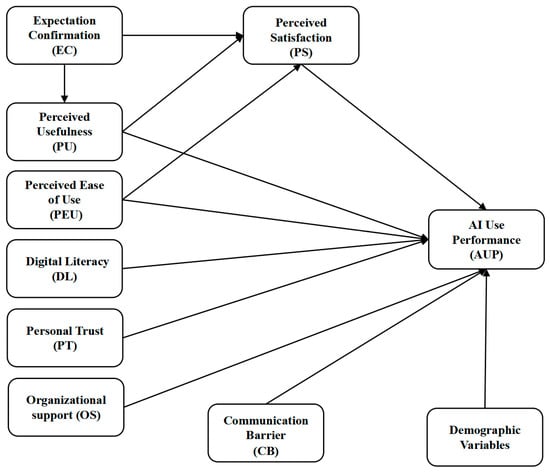
As artificial intelligence reshapes professional workflows, understanding what drives effective AI use among employees has become a critical concern for organizations. Moving beyond traditional technology acceptance frameworks, this study develops an integrative multi-level model to examine the behavioral determinants of AI use performance (AUP) among journalists. Drawing on the Technology Acceptance Model (TAM) and the Expectation Confirmation Model (ECM) and incorporating individual and organizational factors, a survey was conducted among 543 journalists in China. Hypotheses are tested via a hybrid PLS-SEM and artificial neural network (ANN) approach to capture both linear and non-linear relationships. The findings reveal that expectation confirmation significantly enhances AUP by driving perceived usefulness and satisfaction. Digital literacy, personal trust in AI, and organizational support positively influence AUP, whereas communication barriers exert the strongest negative effect. Demographic variables (gender, age, education) show no significant impact. Notably, the ANN sensitivity analysis identifies communication barriers as the most influential predictor overall, a finding not apparent from linear analysis alone. This study advances theoretical understanding of employee behavioral responses in AI-integrated professional contexts and offers practical insights into how organizations can foster effective employee–AI collaboration through targeted communication strategies and supportive infrastructure.
Full article
Despite growing emphasis on financial firms’ engagement in environmental project financing (EPF), its impact on insolvency risk remains underexplored. Drawing on signaling theory, this study investigates how EPF influences financial institutions’ insolvency risk and examines the moderating roles of the existence of a
[...] Read more.
Despite growing emphasis on financial firms’ engagement in environmental project financing (EPF), its impact on insolvency risk remains underexplored. Drawing on signaling theory, this study investigates how EPF influences financial institutions’ insolvency risk and examines the moderating roles of the existence of a public relations function and global climate policy uncertainty. By analyzing data of 291 financial firms from major developed economies over 2014–2023, this study finds that environmental project financing reduces insolvency risk. Furthermore, the presence of a public relations function strengthens this effect, while the rising global climate policy uncertainty weakens it. This study contributes to existing literature while offering both strategic insights and practical implications.
Full article
The use of lactic acid bacteria for the management of hyperuricemia has attracted growing interest, whereas the specific emphasis on cold-adapted uric acid-degrading probiotics in the fermentation of traditional foods remains underexplored. In this study, Lacticaseibacillus paracasei NEFU-6 was isolated from Northeastern Chinese
[...] Read more.
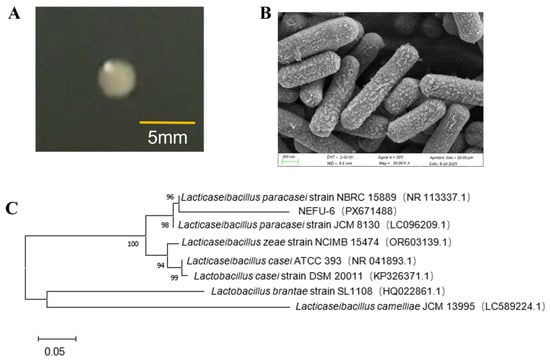
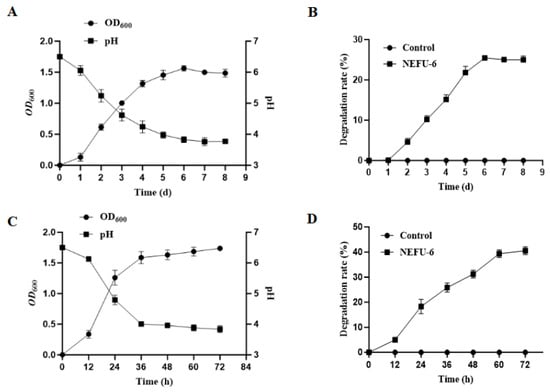
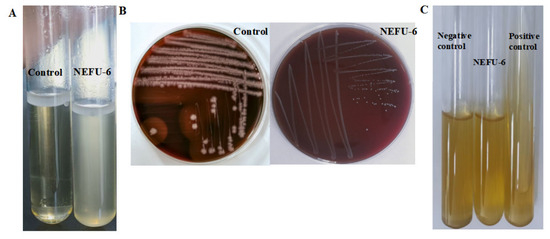
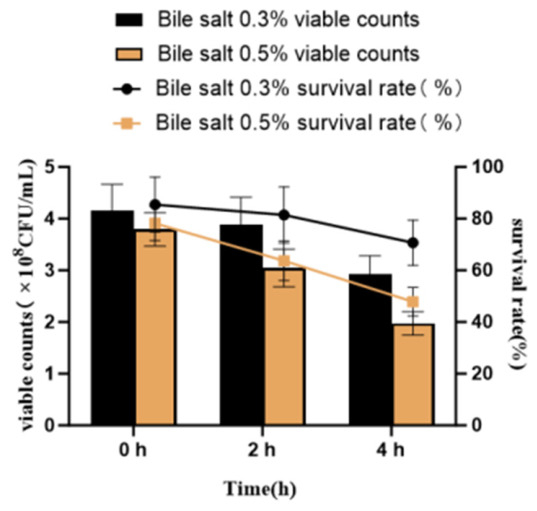
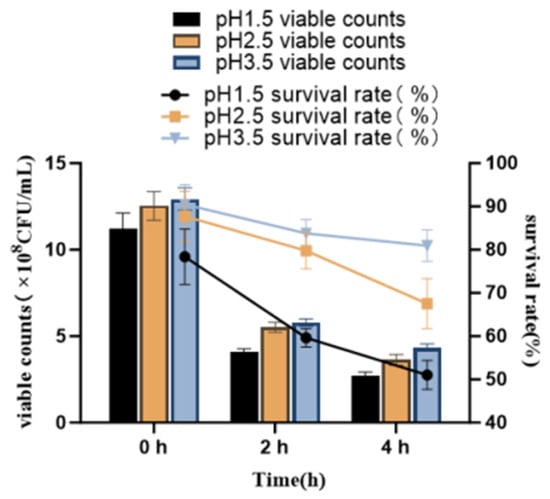
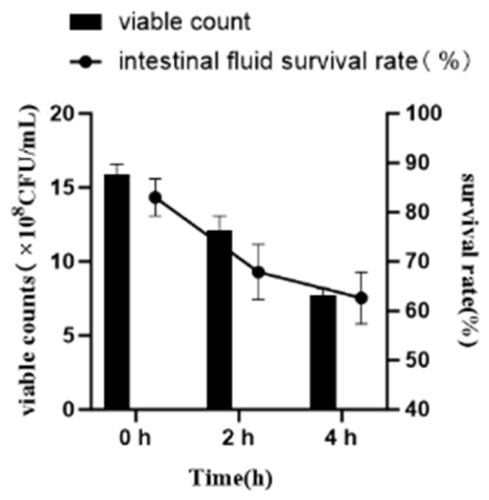
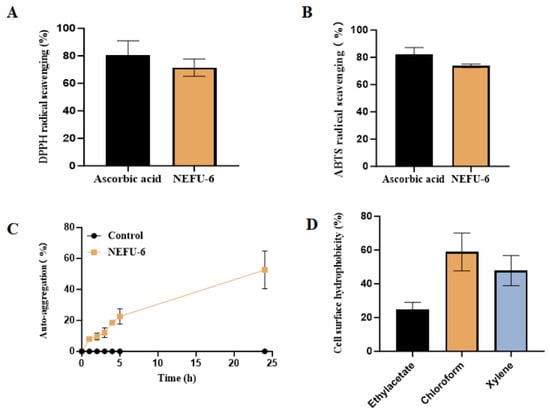
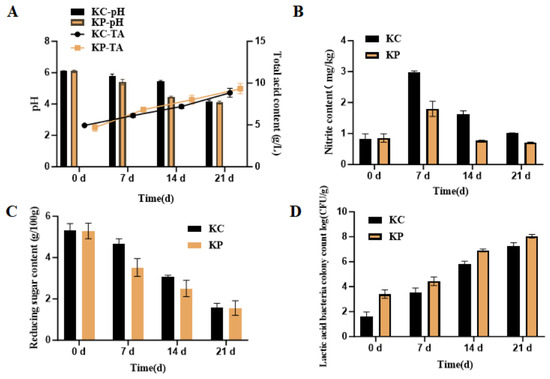
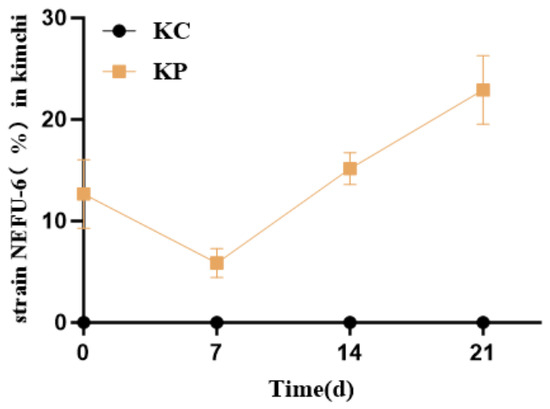
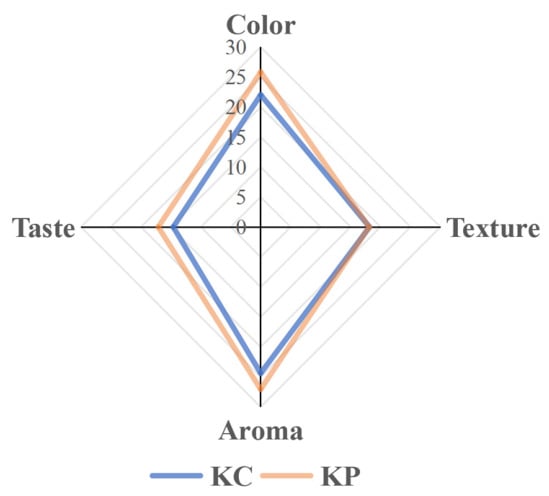
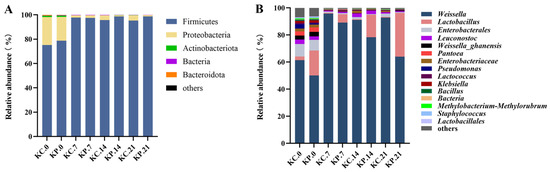
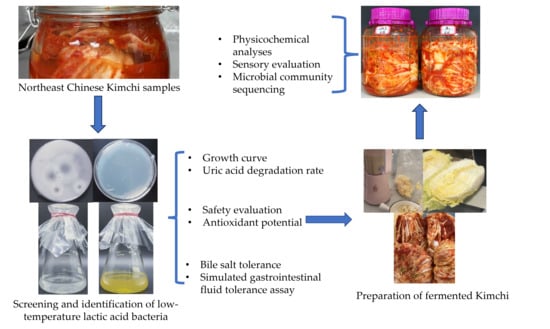
The use of lactic acid bacteria for the management of hyperuricemia has attracted growing interest, whereas the specific emphasis on cold-adapted uric acid-degrading probiotics in the fermentation of traditional foods remains underexplored. In this study, Lacticaseibacillus paracasei NEFU-6 was isolated from Northeastern Chinese Kimchi and efficiently degraded uric acid (UA) at a temperature relevant to food fermentation (15 °C) and under simulated physiological conditions (37 °C). The results showed that strain NEFU-6 degraded 25.48% of UA in 6 days at 15 °C, and 40.55% after 72 h at 37 °C in 0.84 g/L of uric acid. All probiotic and safety-related properties were evaluated at 37 °C to simulate human physiological conditions. In vitro probiotic characterization revealed that strain NEFU-6 exhibits non-hemolytic activity, strong free radical-scavenging capacity, significant surface hydrophobicity, and an auto-aggregation rate of 52.65% after 24 h. The strain NEFU-6 also demonstrated robust survival under simulated gastrointestinal conditions, with tolerance rates of 70.7% in 0.3% bile salts, 51.02% in gastric juice at pH 1.5, and 62.61% after 4 h of exposure to artificial intestinal fluid, indicating strong adaptability. Furthermore, the application of strain NEFU-6 in kimchi fermentation improved product quality, confirming its potential for the development of low-temperature functional foods.
Full article
The scientific evidence regarding the use of plant-derived extracts to alleviate exercise-induced muscle damage in horses remains limited. Mulberry leaf flavonoids (MLFs) are the primary bioactive constituents of a traditional medicinal plant and are potent antioxidants. The aim of this study was to
[...] Read more.
The scientific evidence regarding the use of plant-derived extracts to alleviate exercise-induced muscle damage in horses remains limited. Mulberry leaf flavonoids (MLFs) are the primary bioactive constituents of a traditional medicinal plant and are potent antioxidants. The aim of this study was to investigate the protective effects of MLFs against exercise-induced muscle damage. In this study, twelve Mongolian horses were used in a 3 × 3 Latin square design to investigate the protective effects of MLFs. Our results showed that high-intensity exercise negatively impacted the immune status, metabolic state, myofibrillar structure, and antioxidant capacity of the horses. Conversely, MLFs significantly reduced blood levels of white blood cells (WBC), monocytes (MON), aspartate aminotransferase (AST), creatine kinase (CK), and malondialdehyde (MDA) across various exercise distances and during recovery. Simultaneously, MLFs increased serum glutathione peroxidase (GPx), superoxide dismutase (SOD), and total antioxidant capacity (T-AOC). Mechanistically, transcriptomic analysis revealed that dietary MLFs upregulated genes associated with myofibrillar structural proteins (MYOZ2, MYOM3), the antioxidant defense system (GPX3, SOD3), and skeletal muscle satellite cell proliferation and differentiation (MYOD1, MRF6). Furthermore, quantitative proteomics indicated the enrichment of the PI3K-Akt and TGF-β signaling pathways, as well as ECM–receptor interactions, suggesting their potential involvement in regulating protein metabolism and facilitating myofibrillar restoration. Overall, MLFs effectively alleviated inflammation, metabolic disorder, and exercise-induced muscle damage. Under the tested conditions, a daily dosage of 10 g MLFs provided superior protective effects.
Full article
by
Anesito Cutillas, Fritz Bacalso, Christine Joy Tomol, Melanie Albarracin, Rose Ann Campita, Eingilbert Benolirao, Kafferine Yamagishi and Lanndon Ocampo
Algorithms2026, 19(5), 406; https://doi.org/10.3390/a19050406 (registering DOI) - 18 May 2026
Despite advances in using multi-criteria decision-making (MCDM) methods and their fuzzy set extensions for human evaluations of large language models (LLMs), several gaps remain in the literature, particularly in task-specific evaluations that offer a more tractable and interpretable approach. Thus, this work develops
[...] Read more.
Despite advances in using multi-criteria decision-making (MCDM) methods and their fuzzy set extensions for human evaluations of large language models (LLMs), several gaps remain in the literature, particularly in task-specific evaluations that offer a more tractable and interpretable approach. Thus, this work develops a generalized intuitionistic fuzzy MCDM approach that bridges methodological gaps by outlining two contributions. First, the integration of SWARA (Stepwise Weight Assessment Ratio Analysis) and WINGS (Weighted Influence Non-linear Gauge System) is demonstrated to compute the priority weights of the evaluation criteria, thereby augmenting the independence limitation in prior relevant studies. Second, we introduce a newly improved IF-EDAS (intuitionistic fuzzy Evaluation based on Distance from Average Solution) that preserves more uncertain information and provides a more natural extension of the canonical EDAS framework, starting with the adoption of the IFWAM (intuitionistic fuzzy weighted arithmetic mean) operator for a more intuitive approach in generating the intuitionistic fuzzy average solution vector. Also, the proposed IF-EDAS variant employs three decision rules and the Hamming distance metric in its novel computational approach. The proposed hybrid approach was deployed in two case studies evaluating five popular LLMs for text summarization across seven interdependent criteria. Results show that SWARA initially prioritizes accuracy, coherence, and consistency, but these were revised when accounting for criteria interdependence, with coherence and language quality emerging as the most preferred criteria. Both case studies suggest that Gemini may perform favorably, while Copilot may consistently rank last. The findings of the case studies share similar insights with those of three other similar IF-EDAS variants, although our claims may have limited external validity, which requires more case studies and experts in future task-specific human evaluations. The proposed approach, along with its deployment in two case studies, demonstrates human evaluations of LLMs with greater computational interpretability, which contribute to the general MCDM literature.
Full article
by
Fernando Riback da Silva, Pedro Rafael Firmino Dias, Isadora Carolina Betim Pavan, Andressa Peres de Oliveira, Fernanda Luisa Basei, Leticia Ester dos Santos, Lizandra Maia de Sousa, Sílvio Roberto Consonni, André Gustavo de Oliveira, Leonardo Reis Silveira and Jörg Kobarg
Cells2026, 15(10), 924; https://doi.org/10.3390/cells15100924 (registering DOI) - 18 May 2026
The family of Nek kinases has 11 human members that are conserved in their kinase domains but diverse in their regulatory domains. Functionally, they can be associated with diverse aspects of cell cycle regulation, from mitosis and primary cilia function to centrosome disjunction
[...] Read more.
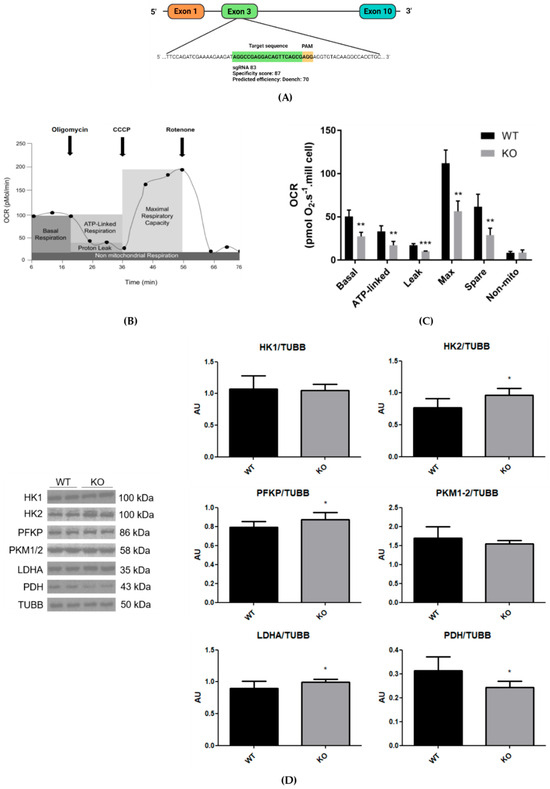
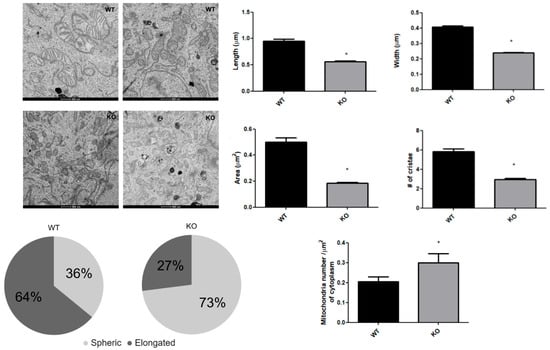
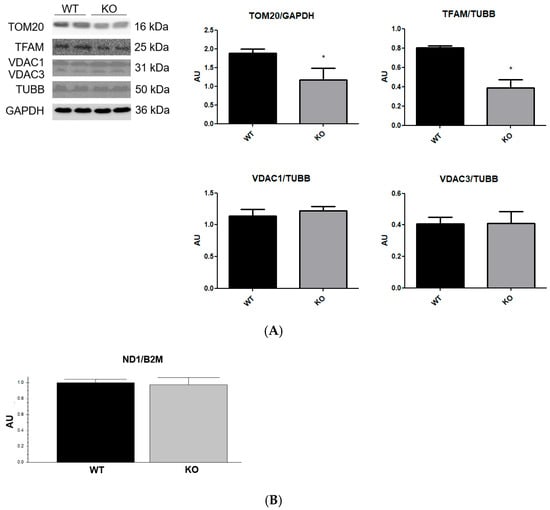
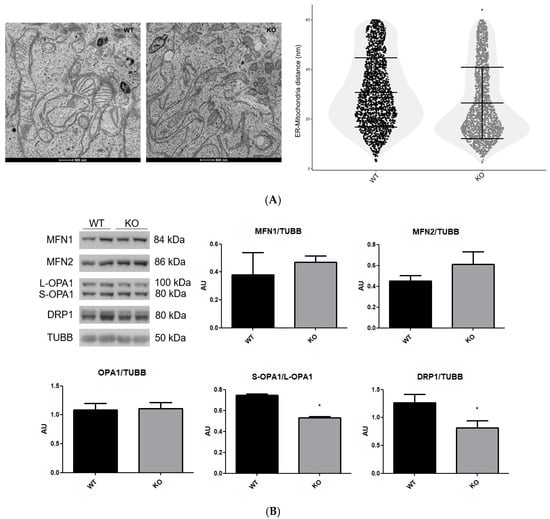
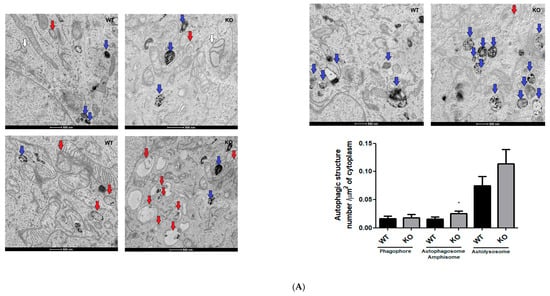
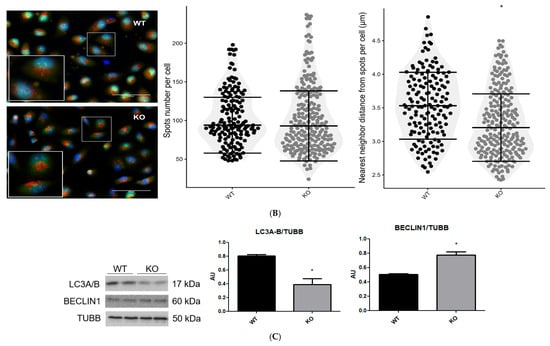
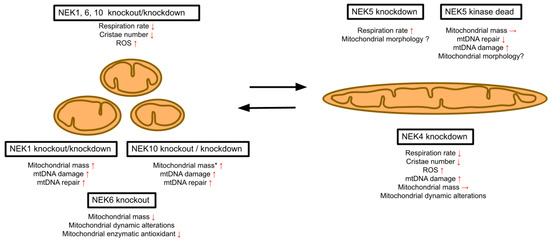
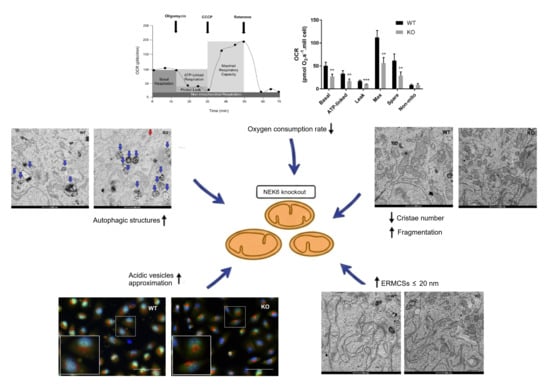
The family of Nek kinases has 11 human members that are conserved in their kinase domains but diverse in their regulatory domains. Functionally, they can be associated with diverse aspects of cell cycle regulation, from mitosis and primary cilia function to centrosome disjunction in the G2 phase and checkpoints of the DNA damage response. However, novel functional contexts have emerged in recent years, including regulatory roles of Neks 1, 4, 5, and 10 in mitochondrial metabolic and morphological homeostasis. We recently generated, by CRISPR-Cas9 technology, a DU-145 prostate cancer cell line, with an NEK6 gene knockout. Here, we focus on a detailed characterization of changes in this cell line, in mitochondrial respiration function and morphology. DU-145 NEK6 knockout cells exhibited reduced mitochondrial respiration and a fragmented phenotype in electron microscopy, with reduced mitochondrial cristae numbers. Alterations in mitochondrial architecture and respiration were correlated with increased expression of anaerobic glycolytic proteins (HK2, PFKP, and LDHA) and decreased expression of PDH, an enzyme of aerobic glycolysis. Molecular analysis by Western blot revealed decreased levels of mitochondrial mass and biogenesis protein markers (TOM20, TFAM), without alterations in other markers such as VDAC1/3 or mtDNA copy number in the NEK6 knockout cells. Furthermore, the regulators of mitochondrial fusion/fission are altered in the knockout cells (decrease in the Long-OPA1:Short-OPA1 ratio and DRP1 total level), which is associated with an increase in endoplasmic reticulum–mitochondria contact at ≤20 nm observed in transmission electron microscopy (TEM) image analysis. Using analysis of TEM micrographs, we found an increase in the autophagic structures (autophagosome, amphisome, and autolysosome), with mitochondria as cargo in some structures, which was correlated with a decrease in LC3A/B and an increase in the BECLIN1 total level, and with an increase in acidic vesicles approximation, suggesting that reduction in TOM20 and TFAM without alterations in VDAC1/3 and mtDNA copy number might be related to mitochondrial degradation through autophagy. Together, our data suggest a new role for NEK6 in regulating mitochondrial homeostasis, where its loss alters mitochondrial morphology and respiration, and could be associated with an increase in the degradation of the dysfunctional mitochondria through autophagy.
Full article
(This article belongs to the Section Mitochondria)
Twin-blade planetary mixers are widely employed in the mixing of particle-laden non-Newtonian fluids. Their unique blade configuration makes accurate blade load distribution determination crucial for structural integrity and mixing efficiency. However, computational fluid dynamics (CFD) simulations are often prohibitively expensive, limiting their practical
[...] Read more.
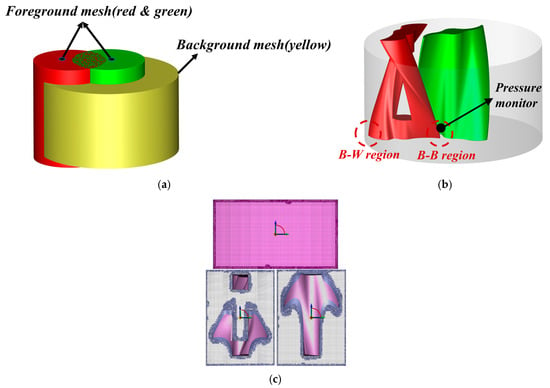
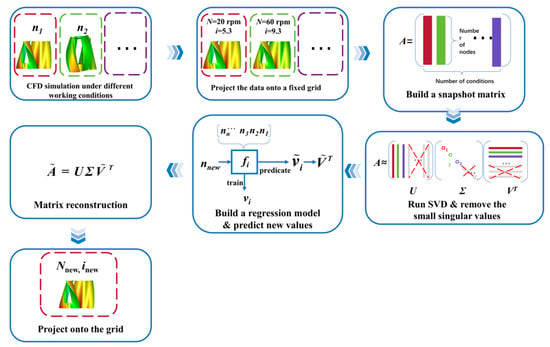
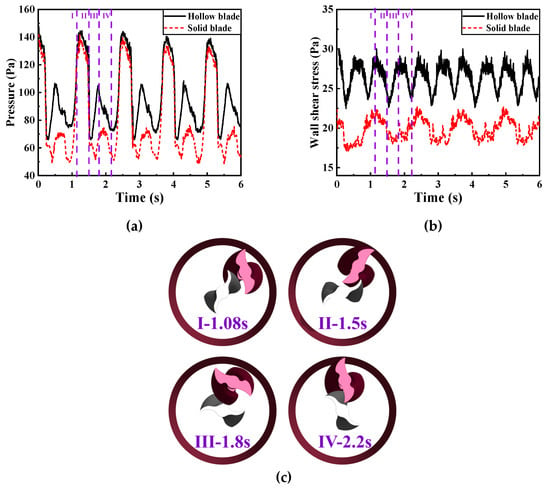
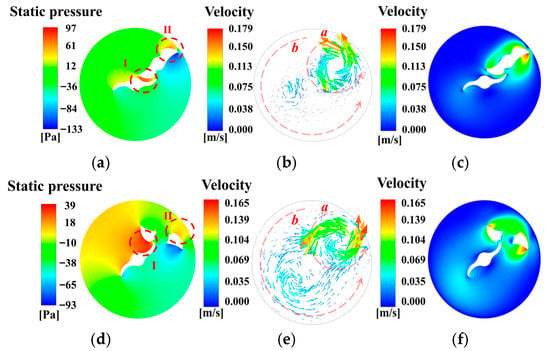
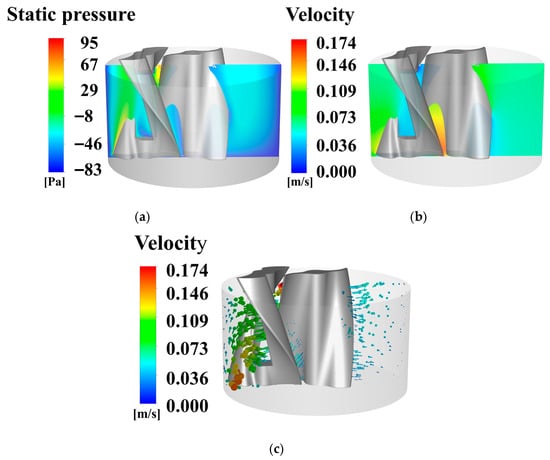
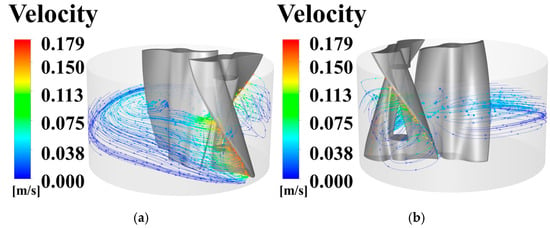
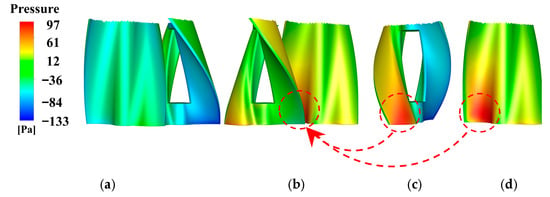
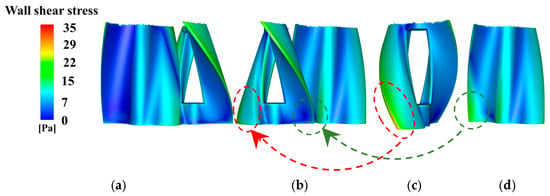
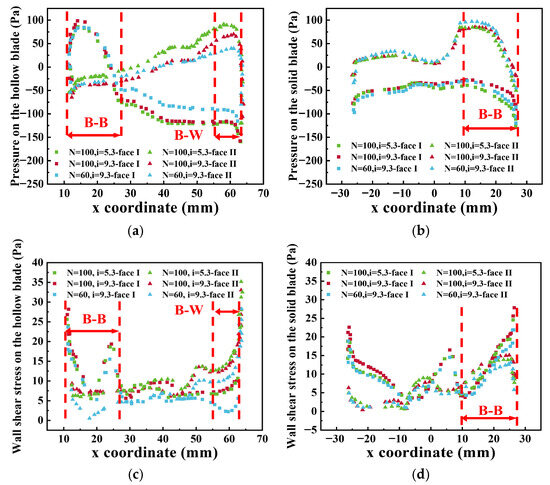
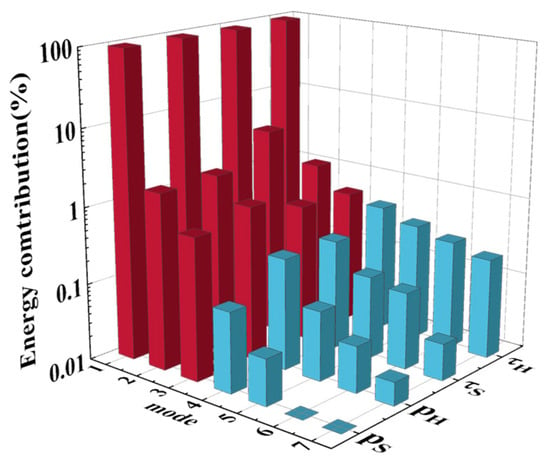
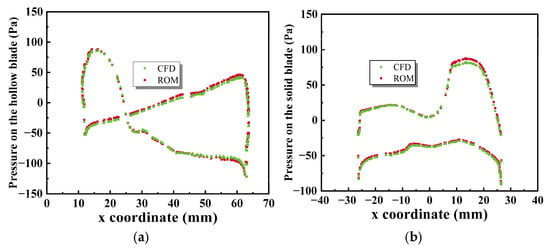
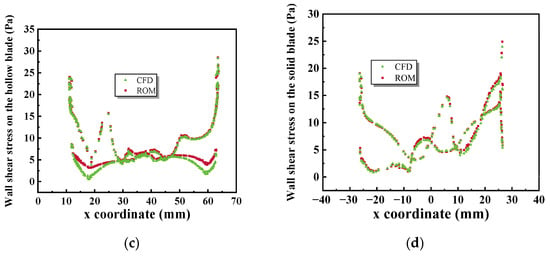
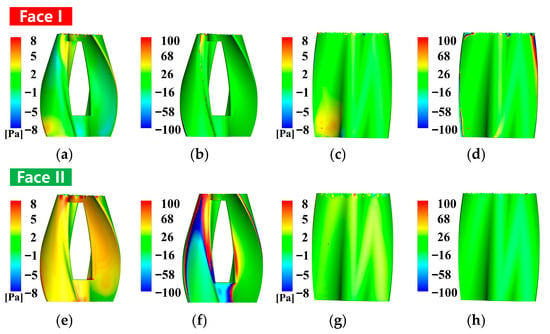
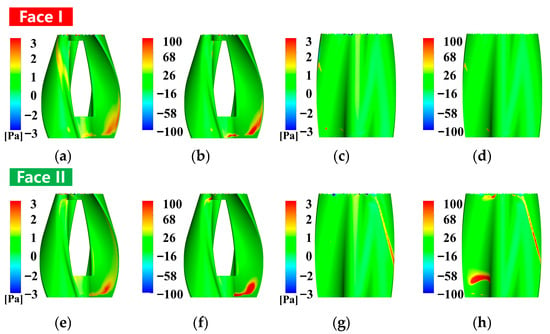
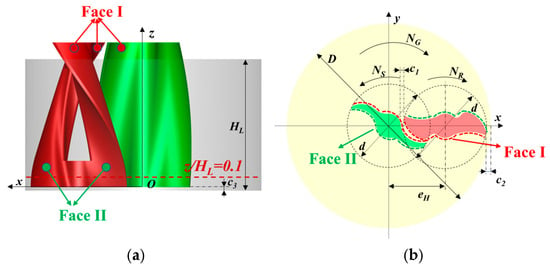
Twin-blade planetary mixers are widely employed in the mixing of particle-laden non-Newtonian fluids. Their unique blade configuration makes accurate blade load distribution determination crucial for structural integrity and mixing efficiency. However, computational fluid dynamics (CFD) simulations are often prohibitively expensive, limiting their practical application. To address this, this study develops a reduced-order model (ROM) from CFD data to rapidly predict the blade load distribution of a 1 L twin-blade planetary mixer at key operational points. Flow field analysis shows blade pressure extremes arise from blade-to-blade and blade-to-wall interactions, with magnitudes determined by rotational and gyrational speeds; local shear extremes mainly stem from blade–wall interactions. Validation demonstrates the ROM achieves over 93% prediction accuracy in key regions covering over 30% of the dataset, cutting computational time from days (full CFD) to seconds. This model enables fast, accurate blade load prediction across varying speeds, providing a practical tool for blade design and real-time monitoring.
Full article
Background: This study focuses on construction firms undergoing digital transformation, exploring the mechanisms through which Generative AI (GenAI) is associated with employee creativity in a context where knowledge is highly context-dependent, project teams are temporary, and unique safety and schedule pressures prevail. Methods:
[...] Read more.
Background: This study focuses on construction firms undergoing digital transformation, exploring the mechanisms through which Generative AI (GenAI) is associated with employee creativity in a context where knowledge is highly context-dependent, project teams are temporary, and unique safety and schedule pressures prevail. Methods: A mixed-methods approach integrating Partial Least Squares Structural Equation Modeling (PLS-SEM), Importance-Performance Mapping Analysis (IPMA), and Fuzzy Set Qualitative Comparative Analysis (fsQCA) is employed. The proposed model is tested using primary survey data from 268 employees of Chinese construction firms. Results: Generative AI has no significant direct association with construction firm employee creativity (CFEC). Instead, it shows an indirect association through the full mediation of explicit knowledge sharing (EKS) and tacit knowledge sharing (TKS), with TKS having a stronger association with employee creativity. The relationship between GenAI and knowledge sharing is positively moderated by digital self-efficacy. The fsQCA identifies seven equifinal configurations leading to high employee creativity, with ‘explicit knowledge sharing and digital self-efficacy’ constituting the optimal configuration. Conclusions: Construction firms should actively promote knowledge sharing among their staff and provide regular training on GenAI tools, thereby fully harnessing employee creativity. Managerial Implication: Construction CEOs should prioritize building GenAI-supported knowledge sharing systems and improving employees’ digital self-efficacy, rather than expecting direct creativity improvement from GenAI deployment.
Full article
In unmanned aerial vehicle (UAV)-based power line inspection, multi-scale defects and complex backgrounds challenge the balance between detection accuracy, speed, and model lightweighting, limiting automated grid inspection. This paper proposes a Multi-Scale Mamba Framework (MS-Mamba) for efficient and accurate defect perception. A drone
[...] Read more.
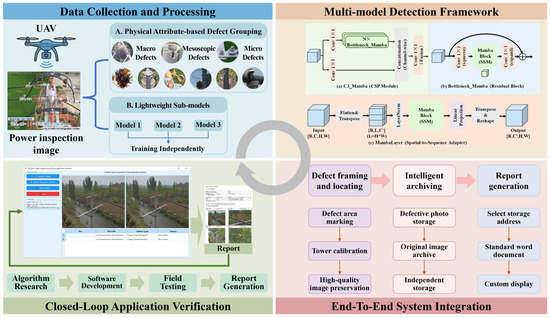
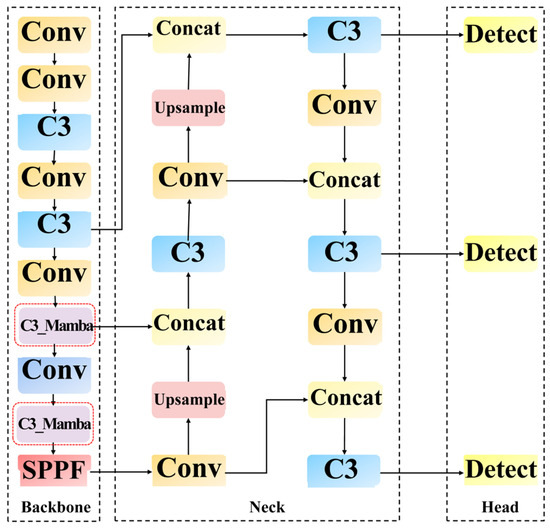
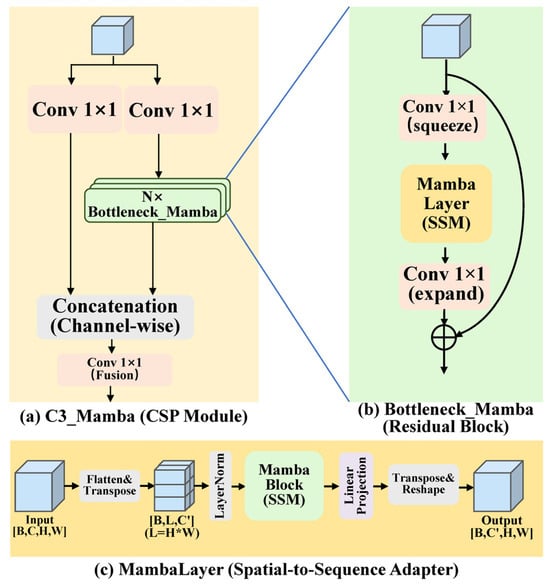
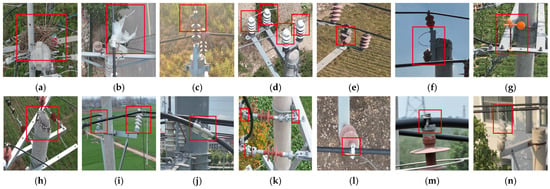
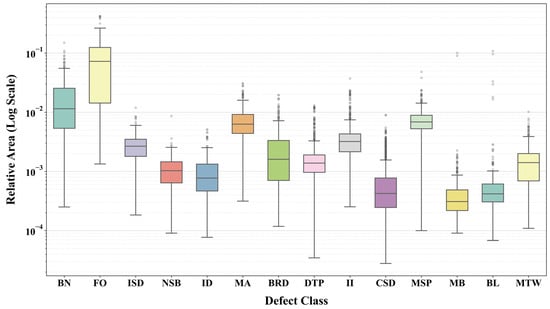
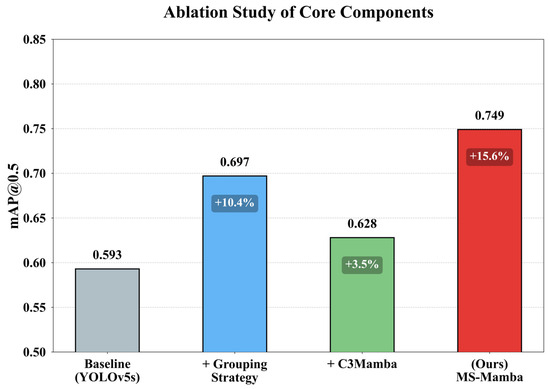
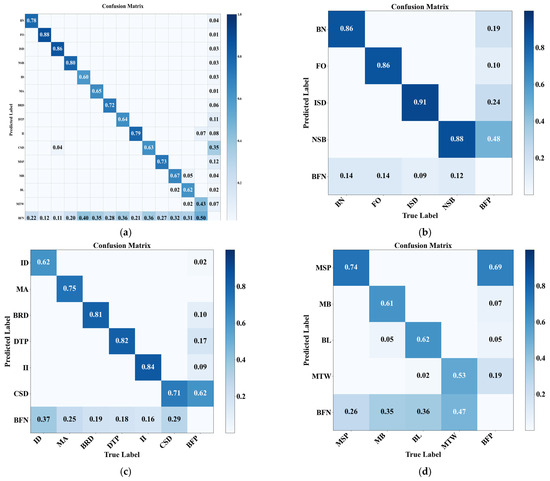
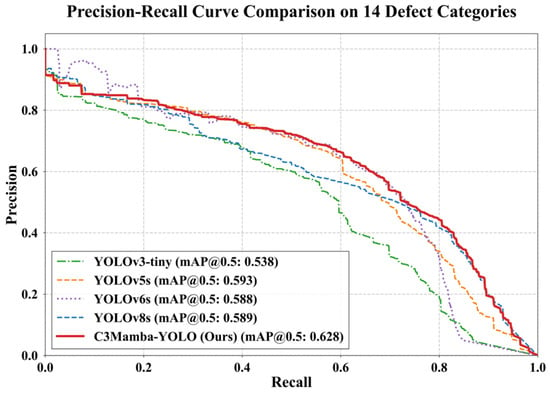
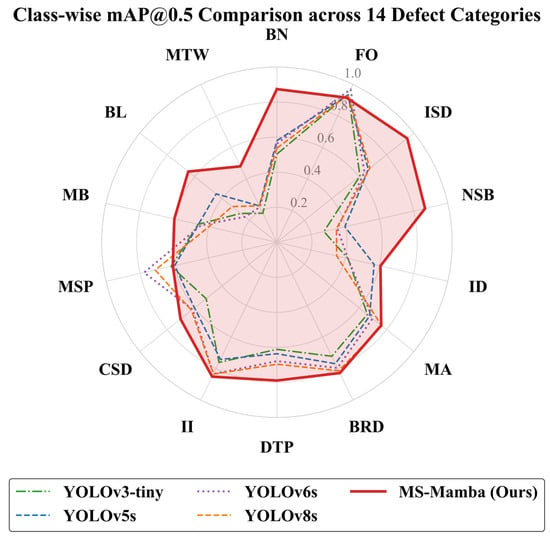
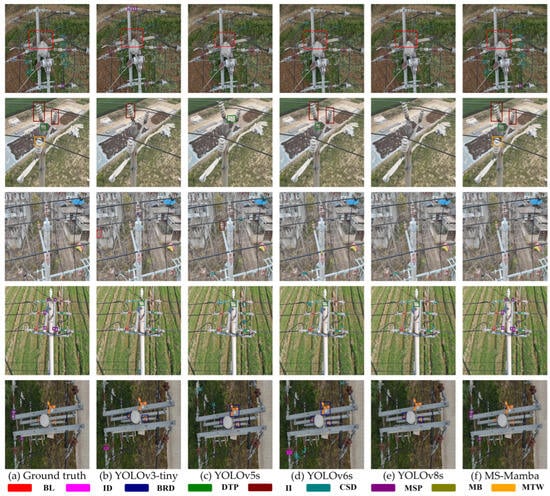
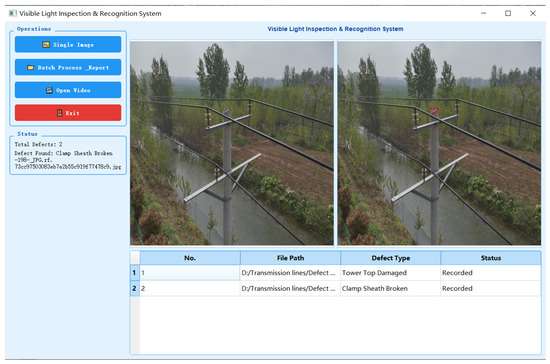
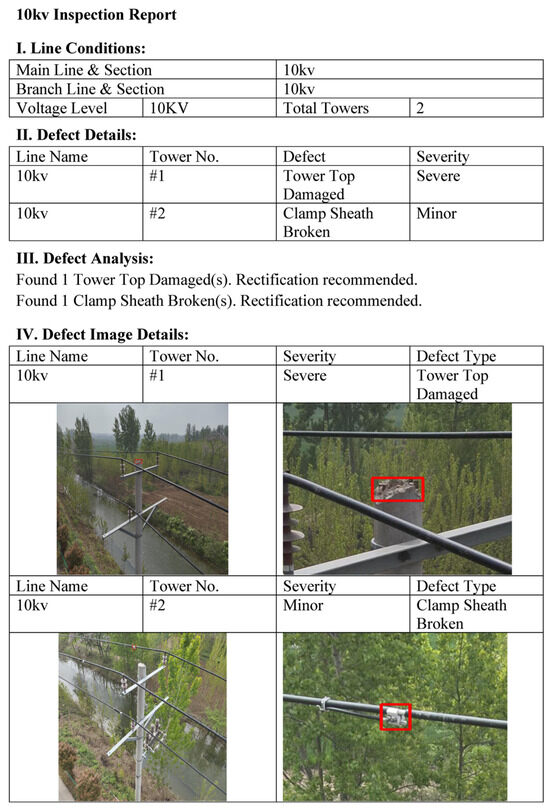
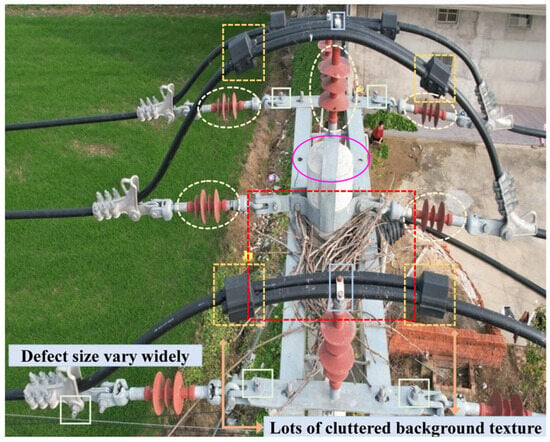
In unmanned aerial vehicle (UAV)-based power line inspection, multi-scale defects and complex backgrounds challenge the balance between detection accuracy, speed, and model lightweighting, limiting automated grid inspection. This paper proposes a Multi-Scale Mamba Framework (MS-Mamba) for efficient and accurate defect perception. A drone inspection dataset containing 5137 images from 14 defect categories was constructed and divided into training and validation sets with an 8:2 split. To address the large scale variation among defects, the categories are decoupled into macroscopic, mesoscopic, and microscopic groups according to physical attributes and visual scales. As the core perception engine, a lightweight state-space mechanism is designed to balance accuracy and deployability. A spatial resolution-aware hierarchical reconstruction strategy and a dynamic feature selection mechanism are integrated to enhance feature extraction, reduce background redundancy, and improve small-target representation. Compared with the YOLOv5s baseline, MS-Mamba achieves an mAP@0.5 of 0.749, corresponding to a 15.6 percentage-point improvement, while reducing parameters by 0.13 M and computational cost by 1.7 GFLOPs. Ablation studies and visual analyses further confirm fewer missed and false detections in complex backgrounds. The developed end-to-end inspection system was validated through closed-loop engineering tests, demonstrating strong potential for industrial deployment.
Full article
Monocular 3D multi-object tracking (3D MOT) remains challenging because it is hard to model how objects move over time and to keep correct identities without explicit depth information. In this context, we introduce D3SSTrack, a novel tracking-by-detection framework that integrates Mamba state-space modeling
[...] Read more.
Monocular 3D multi-object tracking (3D MOT) remains challenging because it is hard to model how objects move over time and to keep correct identities without explicit depth information. In this context, we introduce D3SSTrack, a novel tracking-by-detection framework that integrates Mamba state-space modeling into the 3D tracking pipeline. At its core is the Solid State Track (SST) block, which extends the original Mamba block with dropout regularization and an additional projection layer to improve feature integration before temporal fusion. This design enables efficient modeling of long-range temporal dependencies while maintaining real-time performance at 38 FPS on a single GPU. The proposed tracker combines structured sequence modeling with effective temporal association, improving robustness against occlusions and abrupt motion changes. On the KITTI benchmark, D3SSTrack achieves the best sAMOTA (97.12%) and AMOTA (49.95%) among recent monocular 3D MOT methods, outperforming the best model S3MOT by 0.16% and 0.22%, respectively. Our results highlight the potential of state space-based architectures for real-world monocular 3D MOT applications.
Full article
Objectives: Changes in public policy are eroding vaccine confidence. Previously accepted peer-reviewed evidence around vaccination and developmental outcomes for children is being questioned. Robust, methodologically sound safety data are more needed than ever to maintain consumer confidence. Establishing further safety data on infant
[...] Read more.
Objectives: Changes in public policy are eroding vaccine confidence. Previously accepted peer-reviewed evidence around vaccination and developmental outcomes for children is being questioned. Robust, methodologically sound safety data are more needed than ever to maintain consumer confidence. Establishing further safety data on infant health, development, and allergies after COVID-19 and influenza vaccination in pregnancy may improve confidence and acceptance. Methods: This is a state-wide multi-centre prospective cohort study conducted as a sub-study of the Generation Victoria birth cohort. It will examine the risk difference for infant health, developmental, and allergy outcomes between groups of mother–baby pairs who will be examined according to exposure (vaccination against a respiratory virus during pregnancy) and comparator (no vaccination against a respiratory virus). Results: Data contributing to the analysis include GenV-collected developmental, health, and allergy outcomes to 12 months of age, as well as data from state-wide linked datasets. Conclusions: This linked-data longitudinal study will provide information on health, allergy, and developmental outcomes for infants in the first year of life after influenza and COVID-19 vaccination during pregnancy. Implications for Public Health: The reporting of developmental data will be a new contribution to knowledge around outcomes after vaccination during pregnancy.
Full article
Accurate contour extraction of aggregate particles from conveyor-belt depth maps is essential for downstream particle counting and size measurement, yet industrial depth data often contains weak discontinuities, missing values, and speckle-like noise. We propose a task-specific geometry-aware contour extraction framework that combines a
[...] Read more.
Accurate contour extraction of aggregate particles from conveyor-belt depth maps is essential for downstream particle counting and size measurement, yet industrial depth data often contains weak discontinuities, missing values, and speckle-like noise. We propose a task-specific geometry-aware contour extraction framework that combines a compact SegFormer encoder with depth-derived priors, a lightweight local branch, edge-prior gated fusion, and full-resolution residual refinement. The input representation consists of normalized depth, Sobel gradient magnitude, and the absolute Laplacian response. On AGG_FULLDATA, the method achieves Optimal Dataset Scale (ODS), Optimal Image Scale (OIS), and Average Precision (AP) values of 0.9607/0.9716/0.9683 under the primary tolerance-based protocol (), while retaining an ODS of 0.6476 under strict pixel-exact matching. On External130, a test-only split collected under altered operating conditions using the same sensor, it reaches 0.9580/0.9734/0.9683 without retraining and consistently outperforms the MiT-only baseline. A rigid-object repeatability study based on 30 raw PLY scans shows a mean boundary deviation of 0.335 px, a within-1 px correspondence rate of 97.1%, and a coefficient of variation (CV) of equivalent diameter below 1%, supporting the practical meaning of . The full pipeline runs at 48.9 frames per second (FPS) with 3.71M parameters on an NVIDIA GeForce RTX 4060 GPU. Broader robustness to separately controlled operating factors, environmental disturbances, and cross-device settings still requires validation.
Full article
Fatty alcohols and aliphatic hydrocarbons occur abundantly in nature and serve as critical feedstocks for the surfactant and fuel industries, respectively. However, their industrial-scale separation and purification are significantly hampered by high boiling points and the formation of complex azeotropes. To address these
[...] Read more.
Fatty alcohols and aliphatic hydrocarbons occur abundantly in nature and serve as critical feedstocks for the surfactant and fuel industries, respectively. However, their industrial-scale separation and purification are significantly hampered by high boiling points and the formation of complex azeotropes. To address these challenges, this study explores a five-column high-vacuum pressure-swing distillation (HVPSD-5C) strategy. Vapor–liquid equilibrium (VLE) analysis of the key components (n-hexanol, n-octanol, n-dodecane, and n-tridecane) validated the thermodynamic viability of the process and established optimal operating conditions. To further enhance efficiency, a heat-pump-integrated configuration (HPI-HVPSD-5C) featuring vapor recompression and heat integration was designed, optimized, and evaluated. Comparison with the baseline HVPSD-5C process demonstrates that the HPI-HVPSD-5C configuration significantly improves sustainability and economics, reducing the total annual cost (TAC) by 17.48%, CO2 emissions by 16.09%, and energy consumption cost by 12.79%. These findings provide a robust framework for the efficient separation of fatty alcohols from aliphatic hydrocarbons, offering a valuable reference for the purification of other pressure-sensitive azeotropic mixtures.
Full article
In the assessment of bearing capacity for in-service bridge pile foundations, static load tests are costly, destructive, and difficult to scale. The traditional dynamic formula approach relies heavily on an empirical dynamic–static conversion coefficient that introduces considerable uncertainty. To address these limitations, this
[...] Read more.
In the assessment of bearing capacity for in-service bridge pile foundations, static load tests are costly, destructive, and difficult to scale. The traditional dynamic formula approach relies heavily on an empirical dynamic–static conversion coefficient that introduces considerable uncertainty. To address these limitations, this study proposes a non-destructive evaluation method for pile foundation bearing capacity based on measured dynamic stiffness and machine learning algorithms. Using data from a highway bridge inspection project, a dataset comprising 680 piles was compiled, including measured dynamic stiffness, geometric parameters, and design load information. An end-to-end binary classification model was constructed to map multidimensional physical features to an engineering decision target, namely, whether the bearing capacity meets the design requirement. The performance of several algorithms was compared, including logistic regression, random forest, and gradient boosting decision tree (GBDT). Among the evaluated models, the GBDT model demonstrated the best capability for capturing the complex nonlinear pile–soil interactions. On an independent test set, it achieved an accuracy of 96.3% and an F1 score of 0.96, with a very low false-negative rate, satisfying the high precision required for engineering safety screening. Feature importance analysis indicates that measured dynamic stiffness contributed approximately 42% to the classification outcome, establishing it as the dominant indicator for detecting capacity deficiencies and reinforcing its physical relevance as a key health indicator for pile foundations. This study demonstrates that data-driven methods can effectively circumvent the uncertainty associated with traditional empirical coefficients, providing a promising approach to the health monitoring and rapid evaluation of in-service bridge pile foundations.
Full article
Explainable artificial intelligence is increasingly needed in high-stakes tabular classification, where predictions should be accurate, auditable, and easy to inspect. We propose GRS-ANFIS, a role-separated neuro-fuzzy model that decomposes inference into a Primary module for main decision formation and a Complementary module for
[...] Read more.
Explainable artificial intelligence is increasingly needed in high-stakes tabular classification, where predictions should be accurate, auditable, and easy to inspect. We propose GRS-ANFIS, a role-separated neuro-fuzzy model that decomposes inference into a Primary module for main decision formation and a Complementary module for targeted correction. During differentiable training, sigmoid gate values are applied only to consequent coefficients, while the antecedent part receives the original input without soft masking. After each stage, the learned gates are binarized into hard routing masks that define discrete antecedent and consequent subsets for module-specific fine-tuning. The Complementary module is restricted to variables not selected by the Primary module, yielding explicit role separation and disjoint variable usage across modules. To support stable learning in high-dimensional settings, all ANFIS-family models use the same HTSK-style firing computation. Experiments on four tabular benchmarks show that GRS-ANFIS achieves competitive predictive performance while maintaining compact, role-separated rule structures; rule-count compactness is clear, whereas the unified Nauck/HFSi interpretability values are dataset- and variant-dependent. Boundary-focused analysis further shows that the Complementary module mainly improves difficult, low-confidence samples through targeted correction.
Full article
Background: Arterial hypertension is one of the most prevalent chronic non-communicable diseases and a leading cause of cardiovascular morbidity and mortality worldwide. Its burden remains particularly high in rural and resource-limited settings, where access to healthcare is often constrained by shortages of healthcare
[...] Read more.
Background: Arterial hypertension is one of the most prevalent chronic non-communicable diseases and a leading cause of cardiovascular morbidity and mortality worldwide. Its burden remains particularly high in rural and resource-limited settings, where access to healthcare is often constrained by shortages of healthcare professionals, geographical barriers, and underdeveloped infrastructure. These factors may contribute to delayed diagnosis, suboptimal disease control, and increased risk of complications. In this context, telemedicine has emerged as a useful approach to supporting hypertension management and improving access to care in rural populations. Methods: This study presents a narrative review of the literature focusing on the application of telemedicine in the management of arterial hypertension in rural populations. A structured literature search of PubMed, Scopus, and Web of Science databases was conducted for studies published between 2015 and 2025. The review included randomized controlled trials, systematic reviews, meta-analyses, and observational studies evaluating telemedicine interventions, including remote blood pressure monitoring, mobile health applications, and teleconsultations. Study selection was guided by relevance to the research objective, with particular attention to rural and resource-limited contexts. Results: Telemedicine interventions have been associated with improvements in blood pressure control, treatment adherence, and access to healthcare services. Evidence from randomized controlled trials and meta-analyses suggests modest reductions in systolic and diastolic blood pressure compared with standard care. However, a substantial proportion of the available evidence originates from studies conducted in general or mixed populations rather than exclusively rural settings. Therefore, the applicability of these findings to rural contexts remains limited and should be interpreted with caution. The effectiveness of telemedicine may vary depending on differences in healthcare infrastructure, resource availability, digital accessibility, and organizational models across healthcare systems. Integrated care approaches involving primary healthcare providers and specialist support may contribute to improved continuity of care, although their impact appears to be context-dependent. Key barriers include limited telecommunication infrastructure, digital literacy challenges, and difficulties in integrating telemedicine into routine clinical practice. Conclusions: Telemedicine may represent a useful approach to supporting hypertension management in rural populations. However, its implementation requires careful consideration of local healthcare systems, patient characteristics, and organizational context. Telemedicine should be viewed as a context-dependent strategy rather than a uniform solution. Further context-specific research is needed to evaluate the long-term clinical, organizational, and economic impact of telemedicine interventions in rural hypertension management.
Full article
To investigate the carbon footprint of bamboo-based activated carbon from different manufacturing pathways, this research evaluated cradle-to-gate manufacturing emissions under a unified system boundary and allocation baseline based on primary data from a 10,000 t/year continuous industrial production line. An LCA model was
[...] Read more.
To investigate the carbon footprint of bamboo-based activated carbon from different manufacturing pathways, this research evaluated cradle-to-gate manufacturing emissions under a unified system boundary and allocation baseline based on primary data from a 10,000 t/year continuous industrial production line. An LCA model was constructed and verified using an allocation ratio interval scanning method. Results showed that carbon footprints of granular, powdered, and extruded activated carbons were 184.76 kg CO2 e/t kg CO2 e/t, 236.75 kg CO2 e/t, and 293.36 kg CO2 e/t. Although these products shared identical carbonization and steam activation units, the carbon footprints from milling, molding, and binder inputs accounted for 25.01%, 41.48%, and 52.77% of the total emissions. Internal thermal energy recovery via by-product gas recycling decreased emissions by 81.7%, 77.7%, and 73.8%, respectively. Compared with traditional coal-based alternatives, bamboo-based products achieved a reduction in emissions of about 95%. This study provides scientific guidance for the low-carbon production process of bamboo-based activated carbon and demonstrates the potential of biomass substitution for climate change mitigation.
Full article
Nickel (Ni) is a ubiquitous trace metal, yet its physiological dynamics and dose-dependent roles in skeletal biology remain unclear. Here we combined elemental mapping, cellular assays, multi-omics and mouse models to define how Ni availability modulates osteogenesis. Ni, together with Manganese (Mn), chromium
[...] Read more.
Nickel (Ni) is a ubiquitous trace metal, yet its physiological dynamics and dose-dependent roles in skeletal biology remain unclear. Here we combined elemental mapping, cellular assays, multi-omics and mouse models to define how Ni availability modulates osteogenesis. Ni, together with Manganese (Mn), chromium (Cr) and copper (Cu), was readily detectable in serum from both mice and humans. In situ LA–ICP–MS further showed that Ni levels in embryonic calvaria rose significantly across stages and CaO exhibited a consistent upward trend, suggesting coordinated accumulation of Ni with cranial mineralization. In vitro, Ni exerted biphasic effects on bone marrow mesenchymal stromal cells (BMSCs): high-dose Ni (100 μM) suppressed proliferation, elevated ROS, and induced time-dependent upregulation of Hmox1 and Nos2, consistent with escalating oxidative/nitrosative stress. By contrast, low-dose Ni (0.1 μM) enhanced matrix mineralization, whereas this pro-mineralization effect was attenuated at higher concentrations. In vivo, both Ni deprivation and Ni overload impaired bone formation: a Ni-free diet caused trabecular rarefaction and reduced mineral apposition, while high Ni hindered bone development of mice, especially in the early-stage intake. Mechanistically, RNA-seq and Ni-NTA proteomics identified Ni-driven osteogenic transcriptional remodeling and increased Ni-binding proteins, prioritizing integrin-linked kinase (ILK) as a Ni-inducible binder. ILK was required for osteogenic differentiation, and low-dose Ni activated AKT–mTOR signaling in an ILK-dependent manner. Finally, low-dose Ni-pretreated collagen scaffolds enhanced calvarial defect repair. Together, these findings define a narrow physiological window in which Ni supports osteogenesis via ILK–AKT–mTOR, whereas both deficiency and excess disrupt skeletal accrual.
Full article
Background: Internal quality control (IQC) data offers continuous insight into analytical performance under routine conditions. This study evaluated IQC practices and long-term analytical imprecision (CVa) across primary healthcare laboratories to derive analyte-specific reference change values (RCVs) for non-communicable disease (NCD) monitoring.
[...] Read more.
Background: Internal quality control (IQC) data offers continuous insight into analytical performance under routine conditions. This study evaluated IQC practices and long-term analytical imprecision (CVa) across primary healthcare laboratories to derive analyte-specific reference change values (RCVs) for non-communicable disease (NCD) monitoring. Methods: A 22-month retrospective analysis of IQC data was conducted across 29 primary healthcare laboratories using 32 analytical units (Beckman Coulter AU480) in Malaysian primary healthcare. Six analytes were assessed: glucose, creatinine, total cholesterol, triglycerides, HDL cholesterol, and ALT. CVa was estimated using median and 90th percentile (P90) coefficients of variation across two concentration levels. RCVs were calculated at 95% probability (Z = 1.96) by integrating observed CVa with within-subject biological variation (CVi) from EFLM databases. Results: IQC testing was highly standardized (median: 20 measurements/month). Long-term data showed stable, concentration-dependent imprecision. Median CVa was lowest for glucose and lipids (1.7–1.9%) but higher for ALT (3.79%) and creatinine (3.52%) at Level 1. Derived RCV ranged from 14% (glucose) to 55.1% (triglycerides), with CVi being the dominant contributor to RCV magnitude for most analytes. Conclusions: Long-term routine IQC data provide an analytically realistic foundation for deriving RCV in primary healthcare by reflecting real-world performance. Applying these RCV supports evidence-based interpretation of serial results, enhancing NCD monitoring by distinguishing true physiological change from analytical and biological noise.
Full article
This study aimed to evaluate the protective effects of soluble dietary fiber (SDF) derived from Polygonatum cyrtonema Hua residues on cyclophosphamide (CTX)-induced intestinal injury in mice. A total of 60 C57BL/6 mice (6–8 weeks old; body weight, 23.8 ± 0.5 g) were randomly
[...] Read more.
This study aimed to evaluate the protective effects of soluble dietary fiber (SDF) derived from Polygonatum cyrtonema Hua residues on cyclophosphamide (CTX)-induced intestinal injury in mice. A total of 60 C57BL/6 mice (6–8 weeks old; body weight, 23.8 ± 0.5 g) were randomly allocated to six groups (n = 10 per group): a control group (CON), a CTX model group (CTX), a levamisole-treated positive control group (PC), and low-, medium-, and high-dose SDF groups (125, 250, and 500 mg/kg body weight, respectively). Mice received oral administration of SDF or an equal volume of water for 21 consecutive days and were intraperitoneally injected with CTX (80 mg/kg body weight) on days 19–21 to induce intestinal injury. The results demonstrate that SDF possessed a porous, sponge-like network structure and comprised multiple monosaccharides. SDF intervention, particularly at medium and high doses, significantly attenuated CTX-induced body weight loss and immune organ atrophy; restored villus height and the villus-to-crypt ratio; increased the numbers of goblet cells and intraepithelial lymphocytes; elevated intestinal levels of sIgA, β-defensins, and lysozyme; and reduced serum levels of LPS, D-lactic acid, and DAO (p < 0.05). In conclusion, SDF derived from Polygonatum cyrtonema effectively mitigates CTX-
Full article
Plant-derived compounds exhibit well-documented osteogenic and anti-resorptive activities; however, their translation into consistent skeletal benefits remains limited. This review proposes a transformation-state-dependent framework in which the efficacy of plant-based interventions is interpreted through the exposure architectures they generate rather than solely through intrinsic
[...] Read more.
Plant-derived compounds exhibit well-documented osteogenic and anti-resorptive activities; however, their translation into consistent skeletal benefits remains limited. This review proposes a transformation-state-dependent framework in which the efficacy of plant-based interventions is interpreted through the exposure architectures they generate rather than solely through intrinsic molecular activity. By integrating plant matrix organization, gastrointestinal processing, microbial biotransformation, and formulation-driven pharmacokinetics with the temporal dynamics of bone remodeling, the review addresses a critical gap in the current literature, which largely evaluates phytochemicals independent of their delivery context. Across a continuum ranging from intact plant matrices to isolated compounds and advanced delivery systems, distinct pharmacokinetic regimes emerge, characterized by differences in release kinetics, metabolic transformation, systemic persistence, and target-site exposure. Representative interventions showing promising pharmacokinetic and skeletal findings include curcumin phytosome systems, resveratrol nanoformulations, icariin-loaded delivery platforms, and matrix-associated polyphenol systems capable of promoting sustained or metabolite-mediated exposure. Evidence indicates that sustained, metabolite-mediated exposure profiles are more compatible with the prolonged, cumulative nature of bone remodeling, whereas transient exposure often limits efficacy despite mechanistic activity. Formulation strategies, including phospholipid complexes, bioenhancers, and nano- or vesicle-based systems, can partially overcome these limitations by modulating exposure behavior. By reframing plant-based interventions as dynamic exposure systems, this framework provides a unifying basis for interpreting variability across studies and offers a rational foundation for designing strategies that align pharmacokinetic behavior with skeletal biology, thereby improving translational potential.
Full article
Osteoporosis is a systemic skeletal disorder characterized by low bone mass, microarchitectural deterioration, and an increased risk of fracture. Its pathogenesis is closely associated with disturbances in energy metabolism, particularly glucose metabolic reprogramming in bone cells. Under osteoporotic conditions, the balance between osteoblasts
[...] Read more.
Osteoporosis is a systemic skeletal disorder characterized by low bone mass, microarchitectural deterioration, and an increased risk of fracture. Its pathogenesis is closely associated with disturbances in energy metabolism, particularly glucose metabolic reprogramming in bone cells. Under osteoporotic conditions, the balance between osteoblasts and osteoclasts is disrupted, accompanied by impaired oxidative phosphorylation, dysregulated glycolysis, and reduced tricarboxylic acid cycle efficiency, ultimately leading to mitochondrial dysfunction. These metabolic alterations result in an insufficient energy supply and accelerate bone loss. Accordingly, the modulation of key enzymes involved in glucose metabolism has emerged as a promising therapeutic strategy. Strategies include the use of natural compounds, traditional Chinese medicine formulas, and specific inhibitors to modulate glucose metabolism processes and related pathways, thereby restoring cellular energy homeostasis and bone remodeling balance. This review summarizes pharmacological agents regulating glucose metabolism and proposes a hierarchical framework for therapeutic prioritization: first, inhibiting pathological glycolysis in osteoclasts (particularly via LDHA and PKM2). Second, restoring oxidative phosphorylation in osteoblasts (e.g., via COX I–V or ATP synthase). And third, employing multi-target traditional Chinese medicine formulas as complementary strategies. By establishing this cell-type-specific and pathway-specific hierarchy, the review aims to provide a theoretical basis for future research on metabolic interventions in bone diseases.
Full article
Accurate and actionable crop disease diagnosis requires not only visual recognition of disease symptoms but also the ability to generate grounded reports that integrate symptom interpretation with agronomic knowledge. Existing image-based plant disease diagnosis methods mainly focus on disease classification and often lack
[...] Read more.
Accurate and actionable crop disease diagnosis requires not only visual recognition of disease symptoms but also the ability to generate grounded reports that integrate symptom interpretation with agronomic knowledge. Existing image-based plant disease diagnosis methods mainly focus on disease classification and often lack fine-grained symptom description, evidence retrieval, and decision-oriented report generation. To address these limitations, we propose CornCare, a multimodal framework for corn disease diagnosis and diagnostic report generation that combines visual recognition, phenotype captioning, document retrieval, and knowledge-graph-based recommendation support. Given a field corn image, CornCare first localizes disease-relevant leaf regions to reduce background interference. The localized leaf image is then used for disease classification and phenotype caption generation, producing both a disease category and a fine-grained symptom description. These outputs jointly support hierarchical knowledge retrieval, where the disease category narrows the search to relevant expert documents and the phenotype caption retrieves symptom-consistent evidence. The retrieved evidence is further combined with a structured agricultural knowledge graph to generate diagnostic reports with symptom interpretation, likely causes, and management suggestions. Experiments show that CornCare achieves competitive performance in disease identification and phenotype description generation while improving the groundedness, completeness, and practical usefulness of generated diagnostic reports. These results suggest that combining multimodal perception with symptom-grounded knowledge retrieval provides a promising path toward more practical and explainable crop disease diagnosis.
Full article
Deepwater shallow gas sediments and the weakly consolidated overburden are sensitive to depletion-induced effective stress redistribution. Since deepwater shallow gas has only recently begun to be treated as a commercially available natural gas resource, it lacks models to quantify the coupled flow and
[...] Read more.
Deepwater shallow gas sediments and the weakly consolidated overburden are sensitive to depletion-induced effective stress redistribution. Since deepwater shallow gas has only recently begun to be treated as a commercially available natural gas resource, it lacks models to quantify the coupled flow and geomechanical behaviors in such environments. In this study, we propose a semi-analytical model for a shallow gas layer and its overburden sediments, where pore pressure evolution is described by vertical transient diffusion and the stress response is represented by an OCR-dependent (overconsolidation ratio-dependent) in situ stress field with depletion-induced effective stress increments. Pre-yield compressibility is characterized by a stress-dependent nonlinear elastic law, and post-yield deformation is approximated by a Mohr–Coulomb-based yield-controlled plastic correction for engineering purposes. The formulation is used in the base case and during a parametric sensitivity analysis. In the base case, the final settlement is 0.597 m, of which 45.3% is elastic and 54.7% is plastic. The sediments begin to yield after approximately 115 d of production, and the final yielded-thickness fraction reaches 0.268. The sensitivity analysis shows that friction angle, maximum drawdown, gas-layer thickness, and OCR magnitudes predominantly affect the final settlement and yielded-thickness response, while gas-layer permeability has an insignificant effect. Furthermore, the comparison reveals that the depletion timescale governs the stress evolution rate, while depletion pressure drawdown magnitude dictates deviatoric stress evolution and long-term settlement. Considering the engineering condition for the development of typical deepwater shallow sediments, the feasible production parameters should be in the low-to-moderate drawdown and slow depletion range. A practical operating window is approximately 3.6~4.0 MPa maximum drawdown with a depletion timescale of about 340~400 d. This study can provide quantitative insights into the potential commercial production of gas layers in deepwater shallow sediments.
Full article
Tributyrin, a short-chain fatty acid derivative, has been shown to hold potential in improving intestinal health in livestock and poultry. However, its multidimensional effects on the health of meat pigeons, particularly during the young pigeon stage, remain unclear. This study aimed to investigate
[...] Read more.
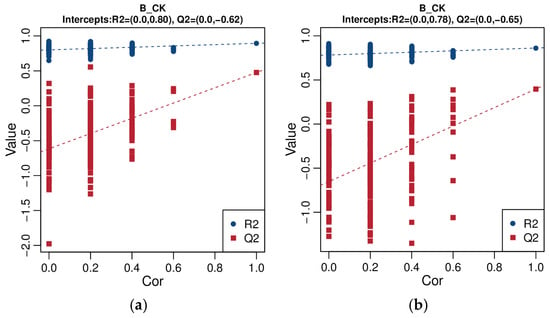
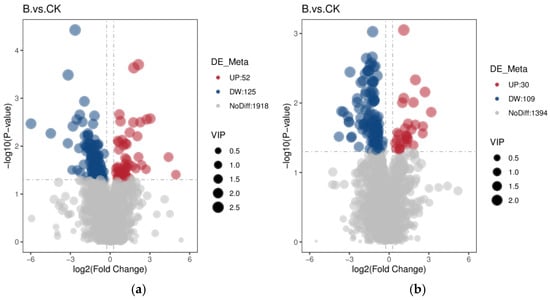
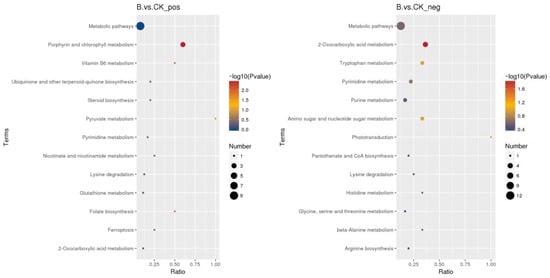
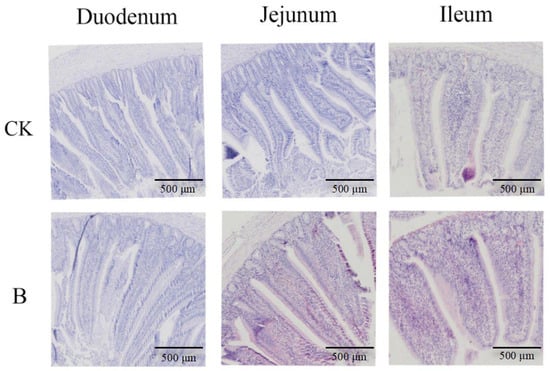
Tributyrin, a short-chain fatty acid derivative, has been shown to hold potential in improving intestinal health in livestock and poultry. However, its multidimensional effects on the health of meat pigeons, particularly during the young pigeon stage, remain unclear. This study aimed to investigate the comprehensive effects of dietary tributyrin supplementation on the growth, health status, intestinal function, and metabolic profile of young pigeons. A total of 100 healthy 29-day-old White King pigeons, with half male and half female, were randomly divided into a control group (fed a basal diet) and a treatment group (fed a basal diet supplemented with 1500 mg/kg tributyrin) for a 35-day trial. The results showed that compared with the control group, young pigeons in the treatment group had significantly reduced serum triglyceride levels, alanine aminotransferase activity, and concentrations of pro-inflammatory cytokines (TNF-α, IL-6), along with significantly increased levels of high-density lipoprotein, immunoglobulin G, total antioxidant capacity, and glutathione peroxidase activity. Concurrently, the villus height-to-crypt depth ratio in the jejunum and ileum was significantly elevated, indicating improved intestinal morphological structure. Untargeted metabolomics analysis further revealed significant changes in the relative abundances of 13 key differential metabolites (e.g., L-carnitine, pyridoxamine, indoleacetic acid) in the small intestinal contents of the treatment group. These metabolites were mainly enriched in metabolic pathways such as 2-oxoCarboxylic acid metabolism, tryptophan metabolism, and vitamin B6 metabolism. In conclusion, dietary supplementation with 1500 mg/kg tributyrin can exert multifaceted beneficial effects on young pigeon health by improving lipid metabolism, enhancing immune and antioxidant functions, optimizing intestinal structure, and regulating the local metabolic network. This study provides a theoretical basis for the application of tributyrin as a functional additive in the green and healthy production of meat pigeons.
Full article
Cell-based immunotherapies require noninvasive tools that can quantify the migration, biodistribution, and persistence of administered immune cells. This review focuses primarily on oncologic immune cell therapy, while also considering selected inflammatory disease models in which immune-cell trafficking is biologically relevant. We critically compare
[...] Read more.
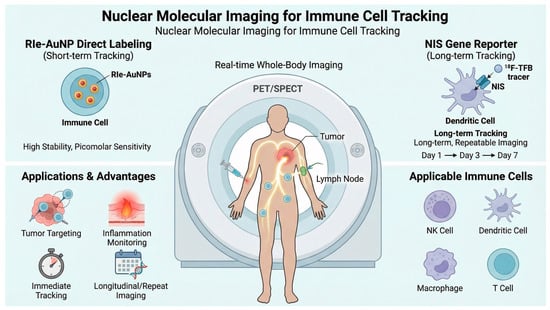
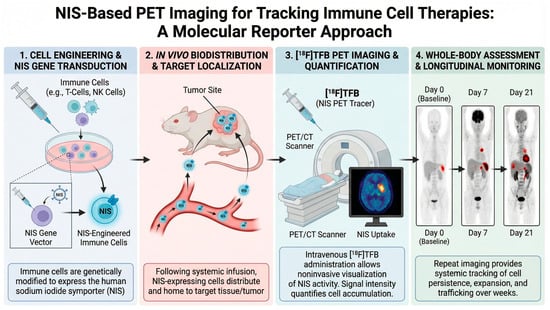
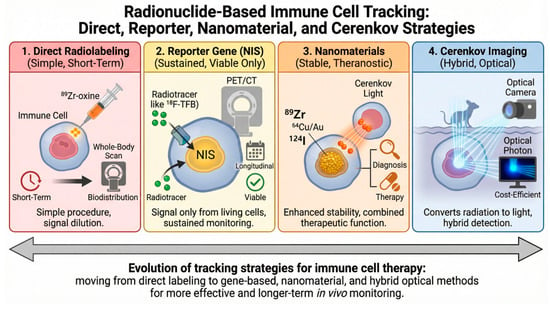
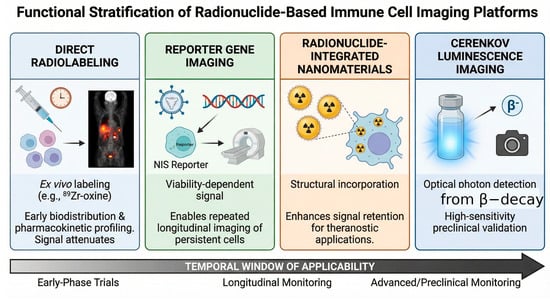
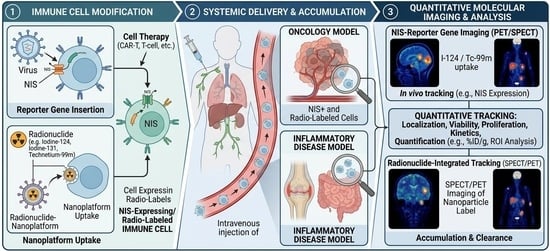
Cell-based immunotherapies require noninvasive tools that can quantify the migration, biodistribution, and persistence of administered immune cells. This review focuses primarily on oncologic immune cell therapy, while also considering selected inflammatory disease models in which immune-cell trafficking is biologically relevant. We critically compare direct radionuclide labeling, sodium iodide symporter (NIS)-based reporter gene imaging, radionuclide-integrated nanoplatforms, and Cerenkov-based hybrid optical conversion strategies. Direct labeling with agents such as [89Zr]Zr-oxine, [111In]In-oxine, and [99ᵐTc]Tc-HMPAO enables early positron emission tomography (PET)/single-photon emission computed tomography (SPECT) biodistribution assessment, usually within hours to several days after cell administration. NIS reporter imaging with [124I]NaI, [123I]NaI, [99ᵐTc]TcO4−, or [18F]TFB supports repeated viability-dependent imaging, because signal generation depends on active transporter expression in living engineered cells. Radionuclide-integrated gold nanoplatforms can improve intracellular retention and offer theranostic potential through combined imaging, photothermal, radiotherapeutic, or immunomodulatory functions. We further discuss PET/SPECT balance, radiopharmaceutical nomenclature, nanoparticle stabilization, ethical aspects of genetic modification, tumor-on-a-chip systems for preclinical testing, and limitations of narrative evidence synthesis. Together, these platforms provide complementary strategies for image-guided immune cell therapy, with translational relevance for patient selection, treatment optimization, safety monitoring, and oncology practice. In conclusion, NIS-centered nuclear imaging and radionuclide-integrated nanoplatforms represent complementary, clinically actionable tools for quantitative immune-cell tracking, therapeutic optimization, and safety monitoring in translational oncology and inflammatory disease research.
Full article






 Sustainability
 Applied Sciences
 IJMS
IJMS
 JCM
JCM
 Sensors
 Energies
 Materials
 Electronics
 Buildings
 Foods
Foods
 Mathematics
 Remote Sensing
 Molecules
 Processes
 Diagnostics
 Cancers
 Nutrients
 Animals
 Plants
 Healthcare
 Polymers
 Water
Water
 Biomedicines
 Microorganisms
 Agriculture
 Medicina
 Land
Land
 Cells
Cells
 JMSE
JMSE
 Life
Life
 Symmetry
 Agronomy
 Behavioral Sciences
 Education Sciences
 Pharmaceuticals
 Biology
 Biomolecules
 IJERPH
 Children
 Antioxidants
 Horticulturae
 Pharmaceutics
 Micromachines
 Forests
 Nanomaterials
 Coatings
 Entropy
 Religions
 Bioengineering
 Genes
Genes
 Machines
 Systems
 Pathogens
 Metals
 Brain Sciences
 Viruses
 CIMB
CIMB
 Minerals
 Atmosphere
 Veterinary Sciences
 Antibiotics
 Information
 Catalysts
 Insects
 Photonics