



Advancing Open Science
A global leader in open access publishing, supporting research
communities and accelerating scientific discovery
 
13 pages, 1175 KB  
Article
Metabolism-Associated Hepatotoxicity of Gatifloxacin in Zebrafish Larvae
by Rong Shen, Yichang Yu, Yue Ma, Ran Yu, Rong Lan and Yuning Zhang
Biomolecules 2026, 16(6), 780; https://doi.org/10.3390/biom16060780 (registering DOI) - 26 May 2026
Abstract
Gatifloxacin (GTFX), a fourth-generation fluoroquinolone, causes metabolic disturbances in mammals, but its hepatotoxic mechanisms in aquatic vertebrates remain unclear. This study investigated whether GTFX induces liver injury in zebrafish larvae through oxidative stress or alternative pathways. Larvae at 3 days post-fertilization were exposed [...] Read more.
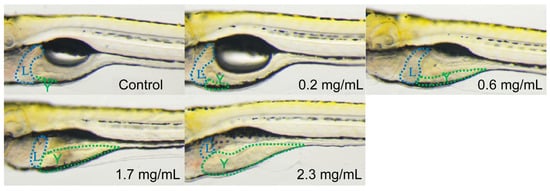
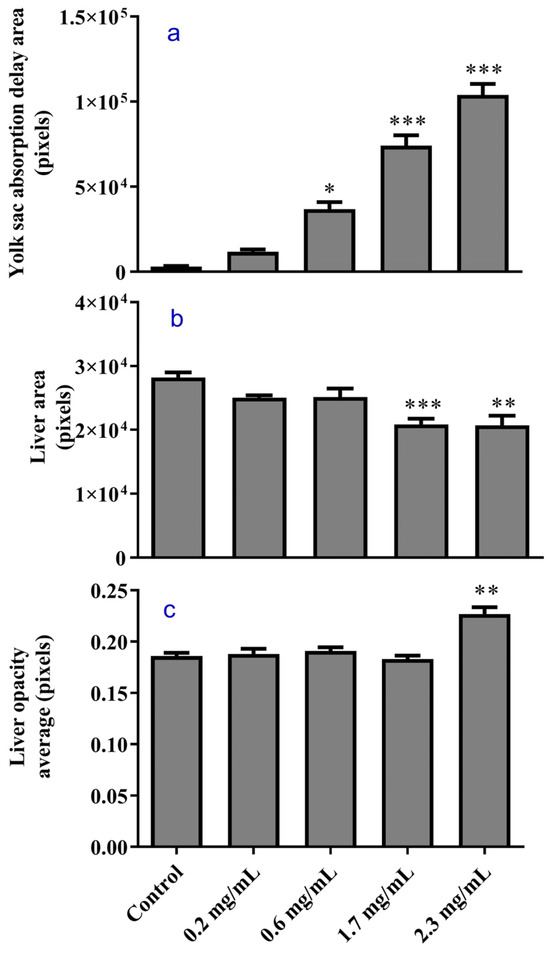
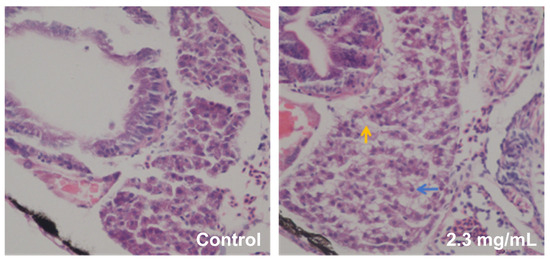
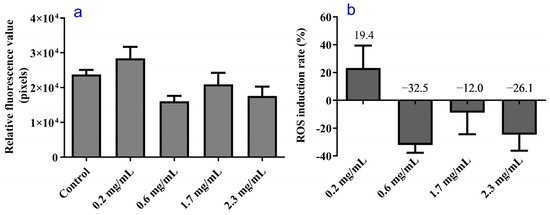
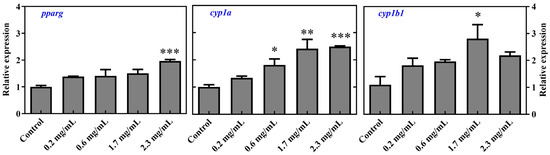
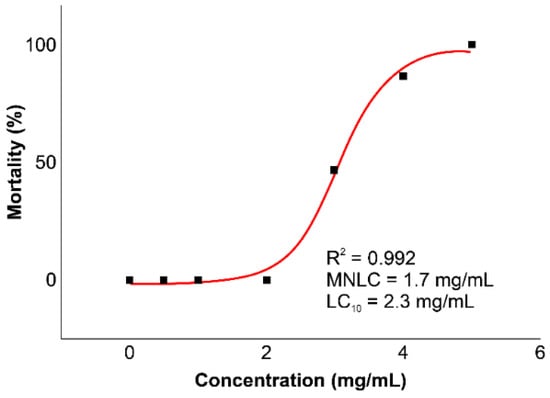
Gatifloxacin (GTFX), a fourth-generation fluoroquinolone, causes metabolic disturbances in mammals, but its hepatotoxic mechanisms in aquatic vertebrates remain unclear. This study investigated whether GTFX induces liver injury in zebrafish larvae through oxidative stress or alternative pathways. Larvae at 3 days post-fertilization were exposed to 0.2–2.3 mg/mL GTFX for 48 h. Liver morphology, histopathology, intracellular reactive oxygen species (ROS), and expression of lipid metabolism (pparg) and xenobiotic biotransformation genes (cyp1a, cyp1b1) were assessed. GTFX exposure caused concentration-dependent reductions in liver area, increased hepatic opacity, delayed yolk sac absorption, and hepatocyte swelling with cytoplasmic vacuolization. Despite these structural changes, ROS levels did not differ significantly from those of controls. In contrast, transcriptional analysis revealed significant upregulation of pparg, cyp1a, and cyp1b1, indicating disrupted lipid homeostasis and enhanced detoxification responses. Acute high-dose GTFX exposure induced a metabolism-associated hepatotoxic response in zebrafish larvae, which occurred without a statistically significant change in bulk ROS levels. Together, these findings offer mechanistic insight into fluoroquinolone-associated liver injury. Full article
Show Figures

Figure 1

14 pages, 717 KB  
Article
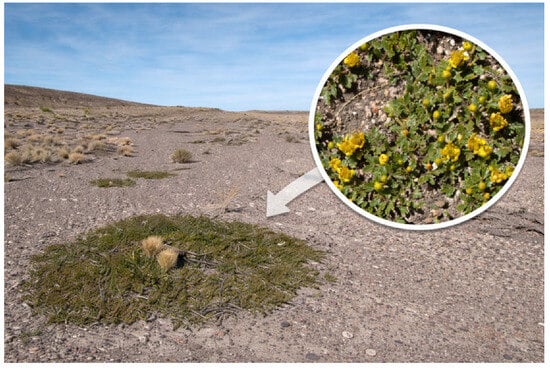
Larrea ameghinoi Speg. (Zygophyllaceae) “Jarilla Rastrera”: UHPLC-ESI-QTOF-MS Analysis, Antioxidant, Antimicrobial Properties, and Inhibition of Enzymes of Interest to Human Health
by Jessica Gómez, Silvana M. Sede, Belén Ariza Sampietro, Daniel Zaragoza-Puchol, María Elisa Bressan Merlo, Duilio Caballero, Beatriz Lima, Alejandro Tapia and Mario J. Simirgiotis
Antioxidants 2026, 15(6), 668; https://doi.org/10.3390/antiox15060668 (registering DOI) - 26 May 2026
Abstract
Larrea ameghinoi Speg., an endemic species of Argentine Patagonia traditionally used in folk medicine to treat fever, stomach disorders, respiratory conditions, back pain, and as an emmenagogue, among others, still remains chemically and biologically underexplored compared to the other four members of the [...] Read more.
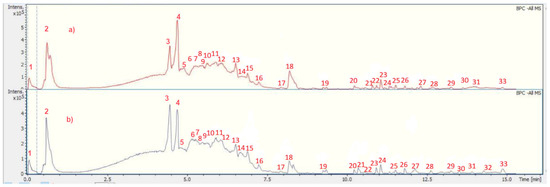
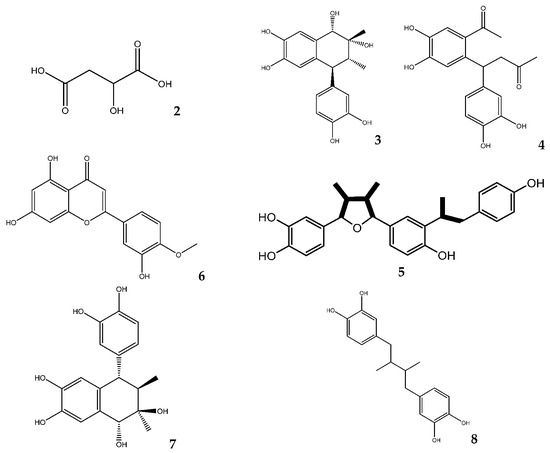
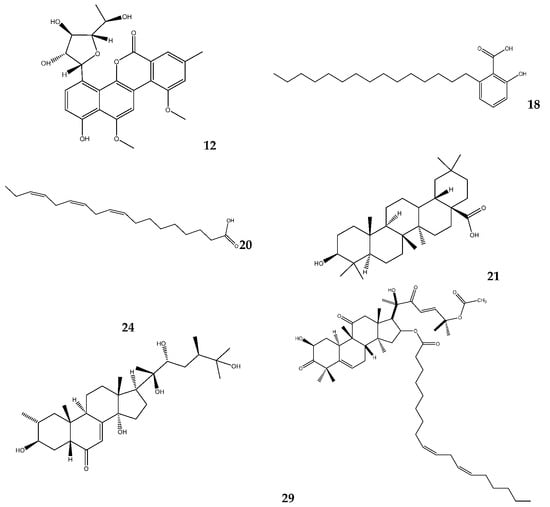
Larrea ameghinoi Speg., an endemic species of Argentine Patagonia traditionally used in folk medicine to treat fever, stomach disorders, respiratory conditions, back pain, and as an emmenagogue, among others, still remains chemically and biologically underexplored compared to the other four members of the genus. This study aimed to perform a comprehensive metabolomic characterization of methanolic extracts from two populations (EMLaSAO and EMLaMAQ) using ultra-high-resolution liquid chromatography coupled with electrospray ionization quadrupole time-of-flight mass spectrometry (UHPLC–ESI–QTOF–MS) and to evaluate their antioxidant, antimicrobial, and enzyme-inhibitory activities of relevance to human health. Thirty-three compounds were tentatively identified by extensive UHPLC–MS analysis, including flavones, two major lignans, and oleanane-type triterpenes. Both extracts exhibited high phenolic content (215–239 mg of gallic acid equivalents (GAE)/g extract) and strong free radical scavenging activity, as evidenced by 2,2-diphenyl-1-picrylhydrazyl (DPPH, EC50 ≈ 10 μg/mL), ferric-reducing antioxidant power (FRAP), and Trolox equivalent antioxidant activity (TEAC) assays. In addition, significant inhibition of butyrylcholinesterase (IC50 ≈ 50 μg extract/mL) and α-glucosidase, together with selective antibacterial activity against methicillin-sensitive and resistant Staphylococcus aureus (MIC = 125 μg extract/mL), were recorded. These findings suggest that L. ameghinoi possesses a distinctive phytochemical composition conferring multitarget bioactivity, differing from other Larrea species dominated by lignans such as nordihydroguaiaretic acid (NDGA) and its derivatives. Overall, this work supports the potential of L. ameghinoi as a novel source of bioactive metabolites for managing oxidative stress-related disorders and opportunistic infections. This warrants future in vivo studies investigating biological activities associated with oxidative stress and their relevance to human health. Full article
Show Figures

Figure 1

14 pages, 1957 KB  
Article
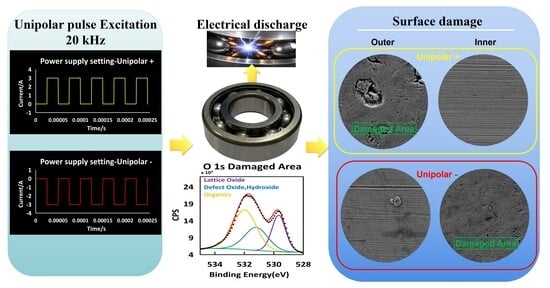
Polarity-Dependent EDM-Type Degradation in Rolling Bearings Under Low-Speed Unipolar Excitation
by Zifan Li, Ran Cai, Tianyi Zhang and Xueyuan Nie
Materials 2026, 19(11), 2248; https://doi.org/10.3390/ma19112248 (registering DOI) - 26 May 2026
Abstract
Bearings in electric motors are exposed to stray currents and shaft voltages, which can accelerate surface damage and reduce service life. This study examines how pulsed direct current (DC) direction affects early-stage degradation in rolling bearings under low-speed operation. A dedicated test rig [...] Read more.
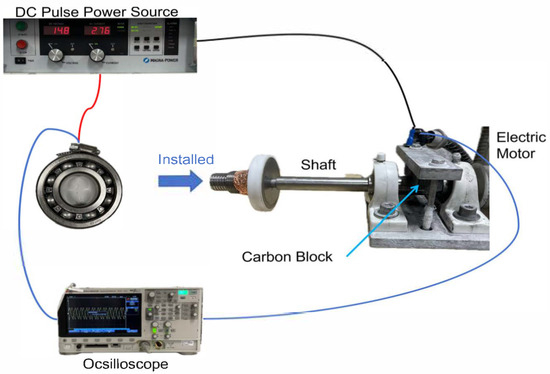
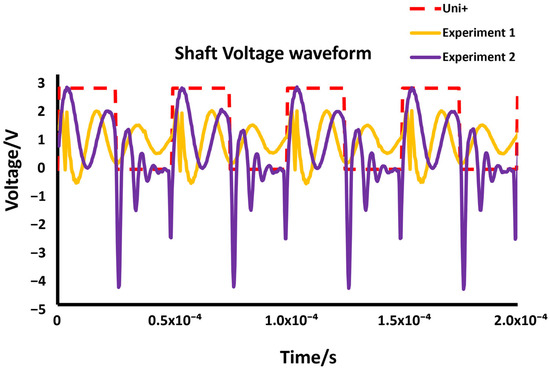
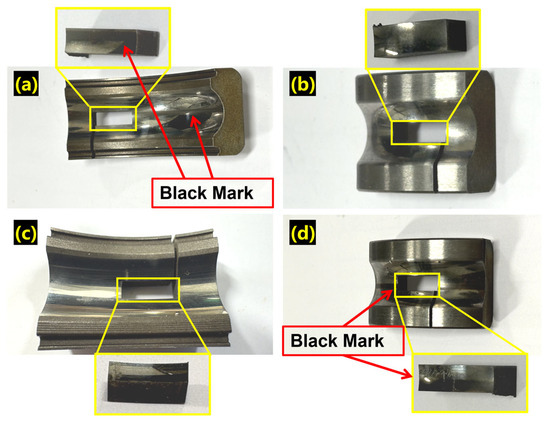
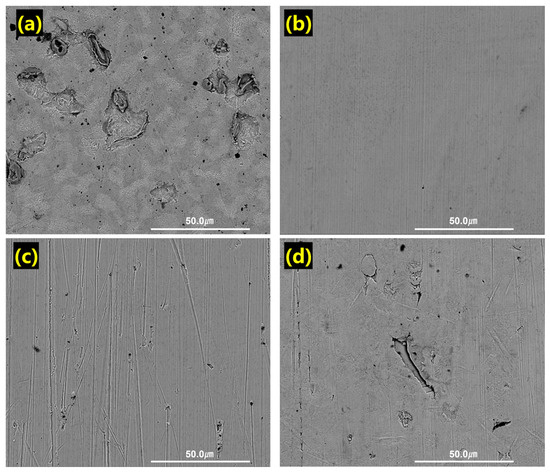
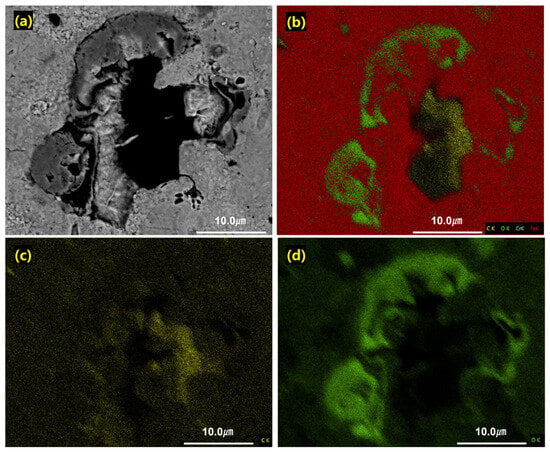
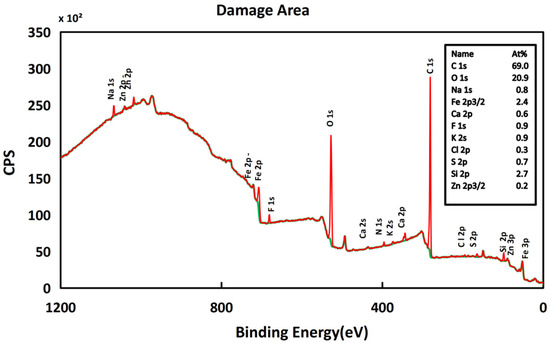
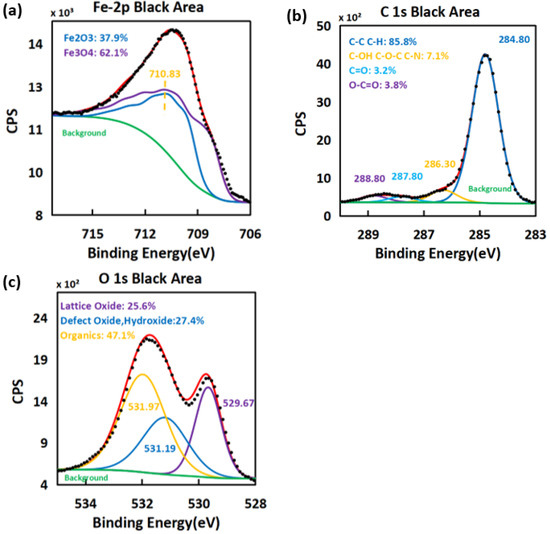
Bearings in electric motors are exposed to stray currents and shaft voltages, which can accelerate surface damage and reduce service life. This study examines how pulsed direct current (DC) direction affects early-stage degradation in rolling bearings under low-speed operation. A dedicated test rig was used in which the bearing inner and outer rings were connected directly to the positive and negative terminals of a pulsed DC power supply. Unipolar excitation was applied at 20 kHz with a nominal current of 3 A and shaft-voltage peaks of about 3 V for 3 h, with current flowing in only one direction during each test. After testing, the bearings were sectioned and examined by optical microscopy, scanning electron microscopy (SEM), and X-ray photoelectron spectroscopy (XPS). The results showed that when current flowed from the outer ring to the inner ring, visible electrical discharge machining (EDM)-type damage was mainly found on the outer raceway. When the current direction was reversed, the damaged region shifted to the inner raceway. The affected areas showed crater-like discharge features and surface chemical changes, while the opposite raceway showed much less change under the same test conditions. These observations indicate that current direction influences where EDM-type damage more likely forms in the bearing under the present low-speed unipolar excitation conditions. Full article
Show Figures

Graphical abstract

26 pages, 2381 KB  
Article
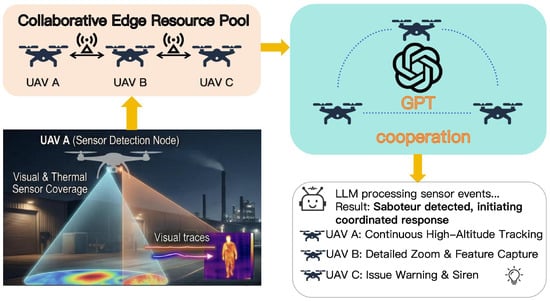
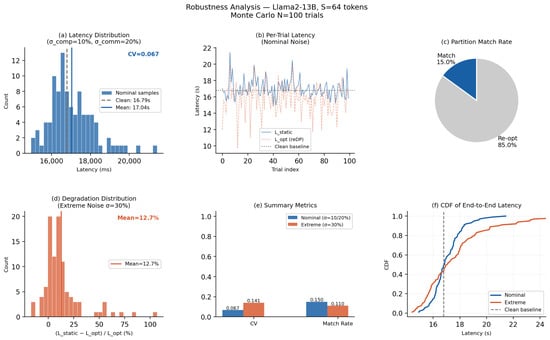
Orion: A Collaborative Edge Inference Framework for Large Language Models Processing Multi-Sensor Data in UAV Swarms
by Tianchou Yang, Hongjie Guo, Zhengyu Zhao and Donglin Zhu
Drones 2026, 10(6), 410; https://doi.org/10.3390/drones10060410 (registering DOI) - 26 May 2026
Abstract
Unmanned aerial vehicle (UAV) swarms generate massive multi-modal sensor data streams from onboard payloads such as RGB cameras, LiDAR, and thermal sensors. Large language models (LLMs) can interpret these data for natural language-based swarm coordination. However, deploying LLMs directly on resource-constrained UAV nodes [...] Read more.
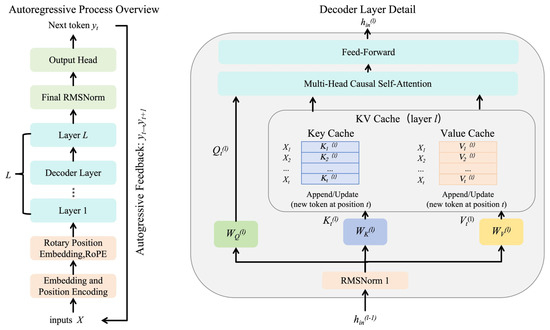
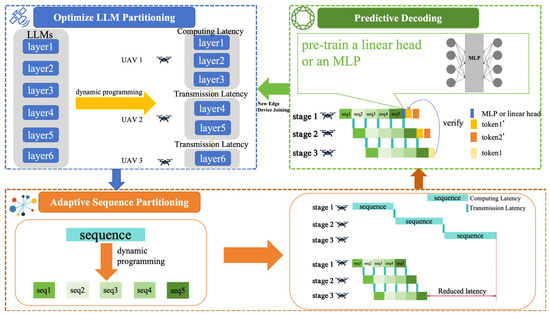
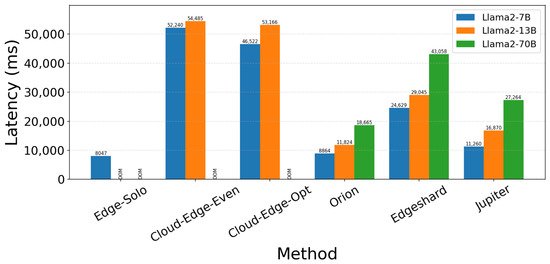
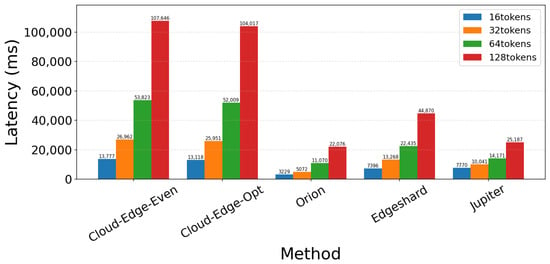
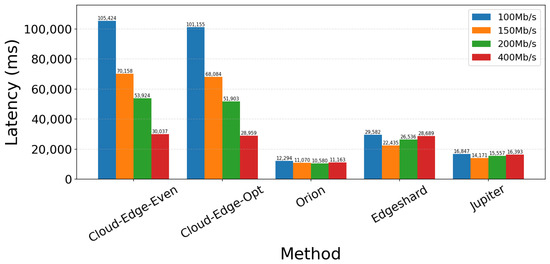
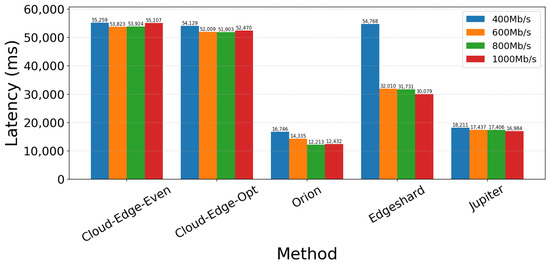
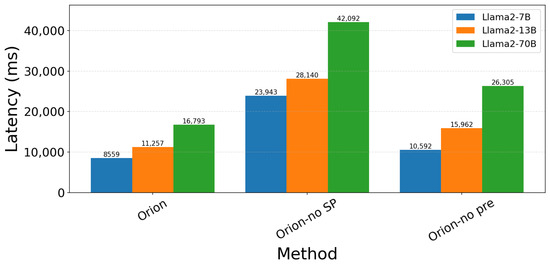
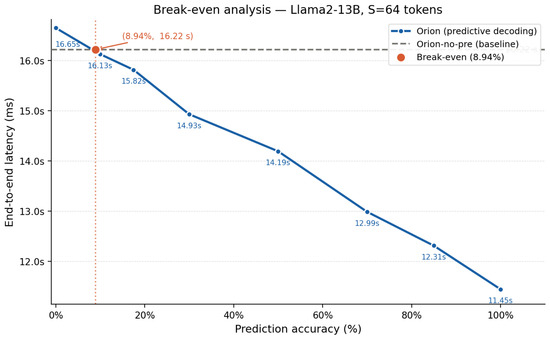
Unmanned aerial vehicle (UAV) swarms generate massive multi-modal sensor data streams from onboard payloads such as RGB cameras, LiDAR, and thermal sensors. Large language models (LLMs) can interpret these data for natural language-based swarm coordination. However, deploying LLMs directly on resource-constrained UAV nodes faces a critical bottleneck. Long-context textual sensor logs (e.g., continuous status reports with GPS, altitude, and detection events) lead to high prefill latency. Existing distributed inference frameworks suffer from load imbalance and pipeline bubbles, violating real-time mission requirements. To address these issues, we propose Orion, an edge-only collaborative inference framework for LLM-based sensor data processing in heterogeneous UAV swarms. Orion incorporates three innovations: (1) optimal model partitioning via dynamic programming, (2) adaptive sequence partitioning that balances causal attention load across pipeline stages, and (3) a predictive decoding mechanism that speculatively generates the first token during idle intervals. Experiments on a comprehensive simulation framework ((using Meta’s Llama-2 (Large Language Model Meta AI)) 7B/13B/70B and simulated UAV swarm sensor traces) show that Orion reduces end-to-end latency by 81% (7B) and 78% (13B) compared to the best cloud–UAV baseline. Orion is the only framework capable of running the full 70B model on memory-constrained UAV nodes, enabling real-time sensor-aware LLM inference. Full article
Show Figures

Figure 1

28 pages, 5256 KB  
Article
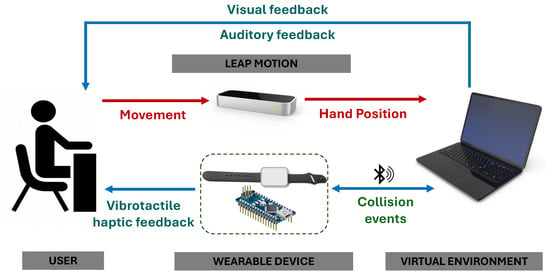
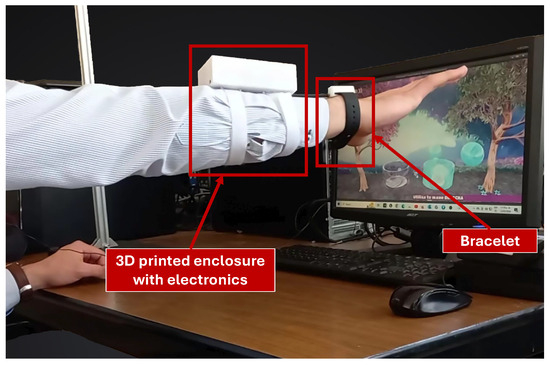
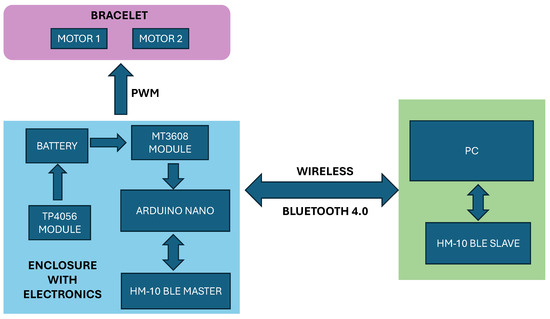
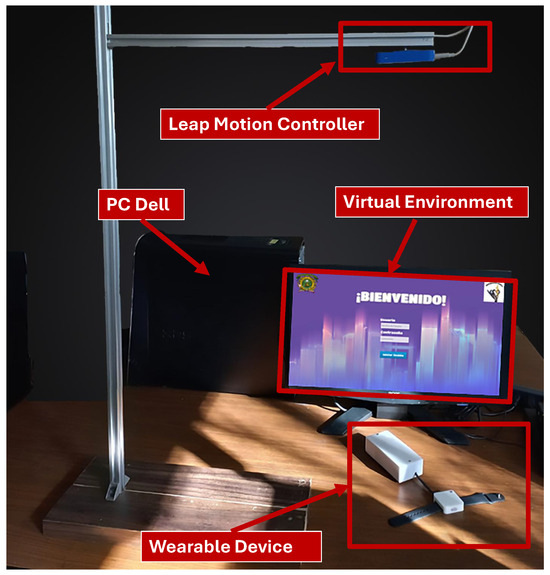
A Serious Game for Upper Limb Rehabilitation Implementing a Custom Vibrotactile Wireless Wearable Device and Leap Motion
by Estrella Rubi Sánchez-Nava, Monserrat Ríos-Hernández, Juan Manuel Jacinto-Villegas, Otniel Portillo-Rodríguez and Adriana Herlinda Vilchis-González
Virtual Worlds 2026, 5(2), 25; https://doi.org/10.3390/virtualworlds5020025 (registering DOI) - 26 May 2026
Abstract
Over the past decade, serious games and virtual reality have gained increasing relevance in upper-limb rehabilitation, yet desktop virtual reality solutions often suffer from reduced spatial correspondence and limited sensory feedback. This work presents the design and preliminary evaluation of a desktop virtual [...] Read more.
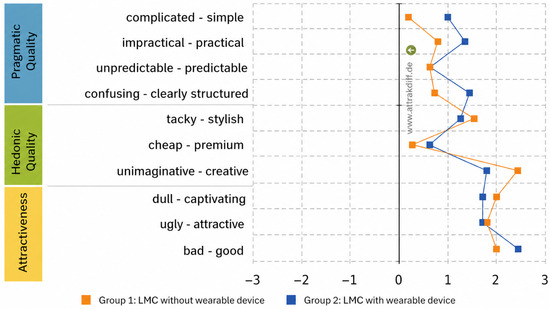
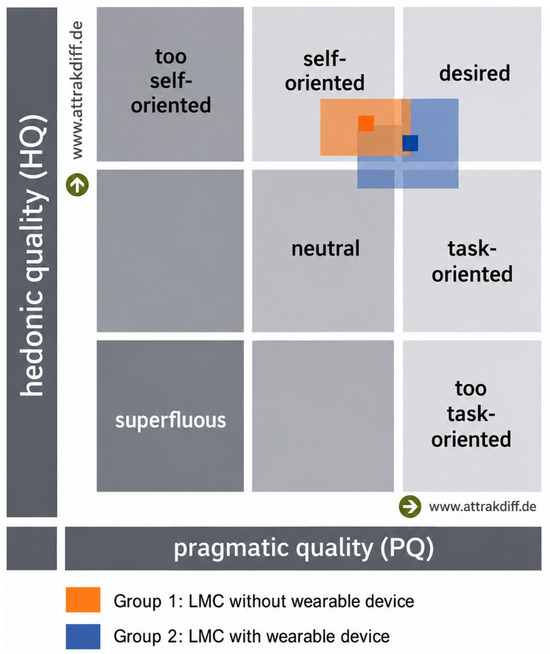
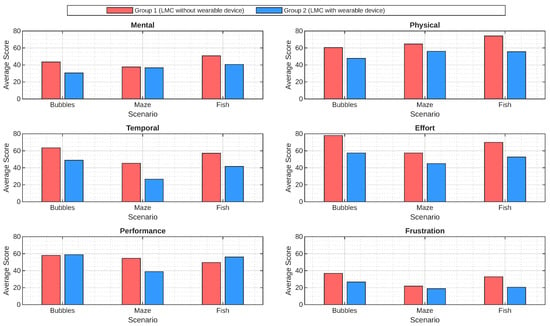
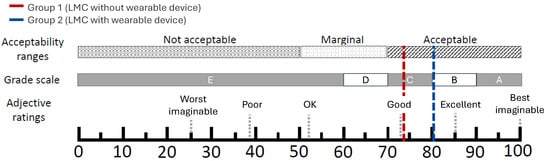
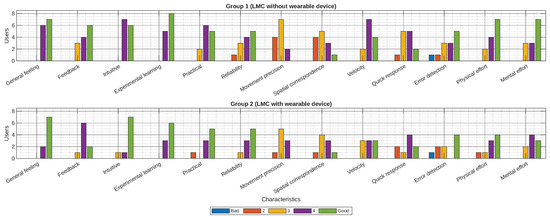
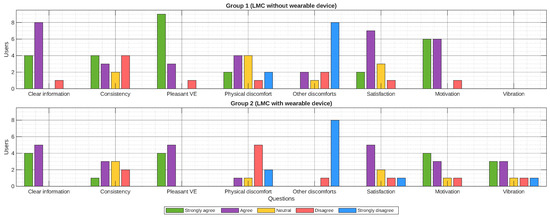
Over the past decade, serious games and virtual reality have gained increasing relevance in upper-limb rehabilitation, yet desktop virtual reality solutions often suffer from reduced spatial correspondence and limited sensory feedback. This work presents the design and preliminary evaluation of a desktop virtual reality-based serious game that combines Leap Motion Controller hand tracking with a custom wireless vibrotactile wearable device to support upper-limb rehabilitation training. Three training scenarios were implemented to target pronation/supination, pinch grip, ulnar/radial deviation, and wrist, elbow, and finger flexion/extension. Usability (System Usability Scale, SUS), user experience (short AttrakDiff), and perceived workload (Raw NASA-TLX), together with functionality and perception questionnaires, were collected from healthy participants randomly assigned to two groups (Group 1: n=13, LMC only; Group 2: n=9, LMC plus wearable). Across all instruments, the configuration including the wearable device tended to obtain higher usability ratings, more desirable pragmatic and hedonic quality scores, and lower overall workload means than the LMC-only configuration, with moderate effect sizes but limited statistical power due to the small samples. Participants in the wearable condition also reported clearer feedback, a perceived improvement in movement precision, and a stronger perceived alignment between real and virtual actions. These findings suggest that the proposed system may serve as a promising user-centered prototype for desktop VR-based upper-limb rehabilitation and provide preliminary design evidence to support future clinical and kinematic validation studies with larger cohorts. Full article
Show Figures

Figure 1

17 pages, 669 KB  
Systematic Review
Individualized Teaching and Personalized Learning in Higher Education: Insights and Future Directions from Systematic Mapping Review
by Daliborka Luketić and Marina Diković
Trends High. Educ. 2026, 5(2), 45; https://doi.org/10.3390/higheredu5020045 (registering DOI) - 26 May 2026
Abstract
This study examines individualized teaching, personalized learning, and adaptive learning within the framework of constructivist pedagogy in higher education. The aim is to systematically analyze and map conceptual and empirical literature published between 2019 and 2026 to identify dominant research trends, methodological approaches, [...] Read more.
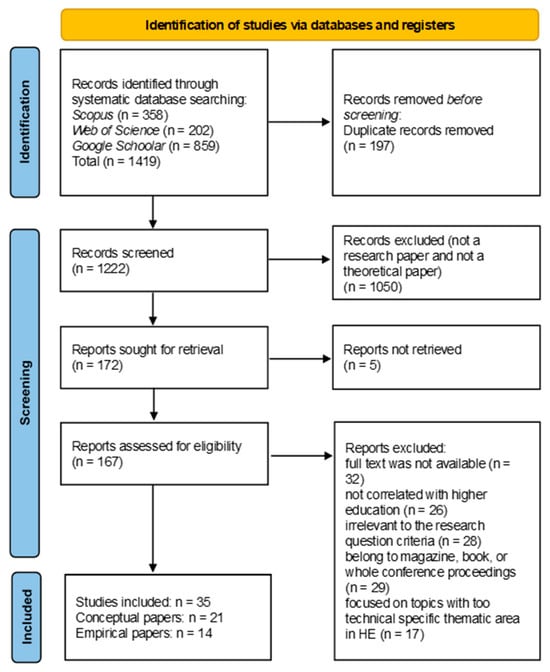
This study examines individualized teaching, personalized learning, and adaptive learning within the framework of constructivist pedagogy in higher education. The aim is to systematically analyze and map conceptual and empirical literature published between 2019 and 2026 to identify dominant research trends, methodological approaches, and key findings related to student-centered instructional models. A systematic mapping review was conducted using a structured research matrix aligned with PRISMA guidelines to map and compare existing studies on the selected concepts. The analysis focused on how individualized, personalized, and adaptive approaches are operationalized in higher education practice and how they contribute to student-centered learning environments. The findings indicate that although these approaches are widely discussed in the literature, they are often conceptually fragmented and inconsistently defined across studies. Several research gaps were identified, particularly regarding the integration of technological and pedagogical dimensions and the lack of coherent conceptual frameworks that connect the three approaches. Based on a synthesis of the findings, the study proposes directions for future research and suggests developing a more integrated conceptual orientation for student-centered teaching in higher education. Building on these patterns, the Transformative-Dynamic Learning and Teaching Approach (TDLTA) is introduced as a potential framework for further theoretical refinement and empirical validation. Full article
Show Figures

Figure 1

26 pages, 9467 KB  
Review
Coronary Flow Reserve in Adults: Pathophysiology, Assessment Modalities, Clinical Applications, and Prognostic Significance
by Konstantinos Katogiannis, Jimmy T. Efird, Artur Dziewierz, Francisco Epelde and Ignatios Ikonomidis
Medicina 2026, 62(6), 1035; https://doi.org/10.3390/medicina62061035 (registering DOI) - 26 May 2026
Abstract
Coronary flow reserve (CFR) is a fundamental physiological index defined as the ratio of maximal coronary blood flow during hyperemia to resting flow. It provides an integrated assessment of the entire coronary circulation, from epicardial arteries to the microvasculature. Non-invasive assessment, particularly with [...] Read more.
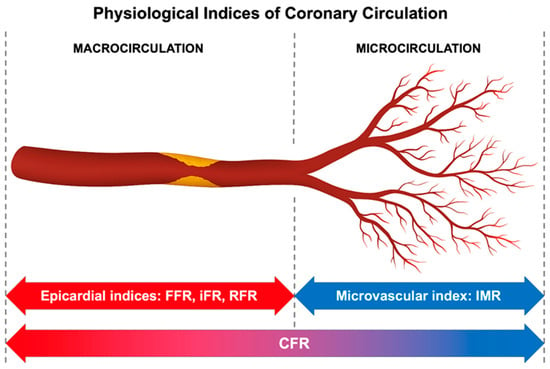
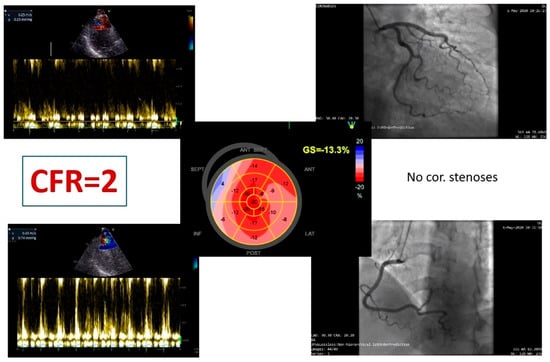
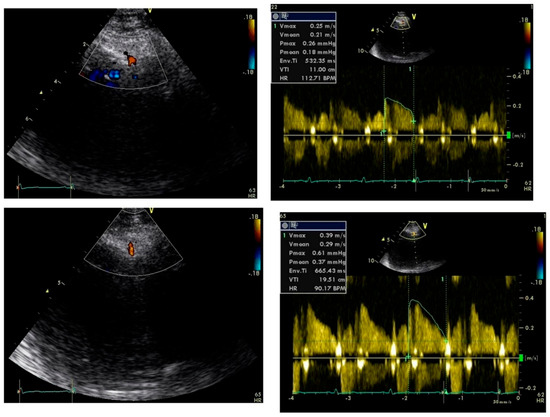
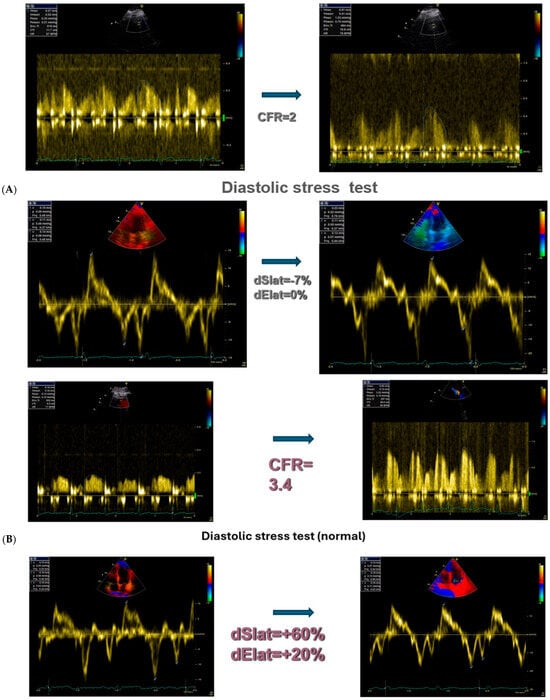
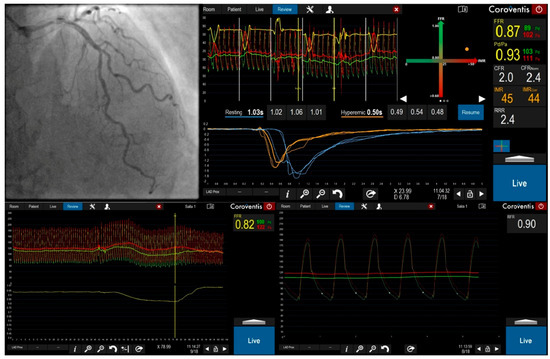
Coronary flow reserve (CFR) is a fundamental physiological index defined as the ratio of maximal coronary blood flow during hyperemia to resting flow. It provides an integrated assessment of the entire coronary circulation, from epicardial arteries to the microvasculature. Non-invasive assessment, particularly with transthoracic Doppler echocardiography (TTDE), is valuable in clinical practice for evaluating the functional impact of moderate obstructive lesions and determining the status of coronary microcirculation. Impairment of coronary microcirculation, detected by reduced CFR, is present in diverse conditions such as Tako-Tsubo cardiomyopathy, cardiac syndrome X, hypertension, and slow coronary flow. CFR also serves as a non-invasive tool to examine the effects of various interventions. CFR can be assessed invasively using Doppler guidewire or thermodilution techniques and non-invasively using transthoracic Doppler echocardiography, PET, CMR, CT perfusion, and dynamic SPECT. Lower CFR is observed with advancing age, in females, and in individuals of African descent. An impaired CFR is a powerful, independent predictor of major adverse cardiovascular events (MACEs) across a wide spectrum of diseases, including stable obstructive coronary artery disease (CAD), ischemic syndromes with no obstructive coronary arteries (INOCAs), heart failure, cardiomyopathies, and systemic diseases like diabetes and chronic kidney disease. Beyond risk stratification, CFR is used to guide therapeutic decisions, including revascularization strategies and tailoring of pharmacological interventions. The integration of CFR assessment into clinical practice, supported by recent guideline recommendations, represents a shift towards personalized, physiology-based cardiovascular care. Full article
(This article belongs to the Section Cardiology)
Show Figures

Figure 1

22 pages, 16432 KB  
Article
Application of Stochastic Resonance for Detection of Weak Signals in Electromagnetic Systems
by Heriberto Adamas-Pérez, Pedro Javier García-Ramírez, Edmundo Antonio Gutiérrez-Domínguez, Guadalupe Jasmín Muñoz-Salazar, Jesús Aguayo Alquicira, Guillermo Ramírez-Zuñiga, Jorge Salvador Valdez Martínez, José Guadalupe Villanueva Patricio and Susana Estefany De León Aldaco
Inventions 2026, 11(3), 53; https://doi.org/10.3390/inventions11030053 (registering DOI) - 26 May 2026
Abstract
This article presents a comprehensive analytical, numerical, and experimental study of the amplification and detection of weak signals in magnetically coupled electromagnetic systems, using an architecture consisting of three magnetically coupled coils. A rigorous mathematical model of the system is developed, which includes [...] Read more.
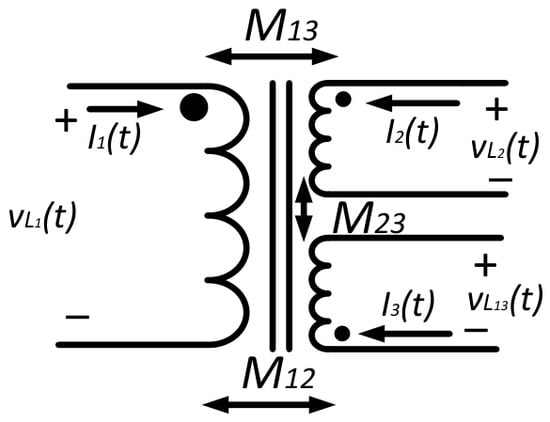
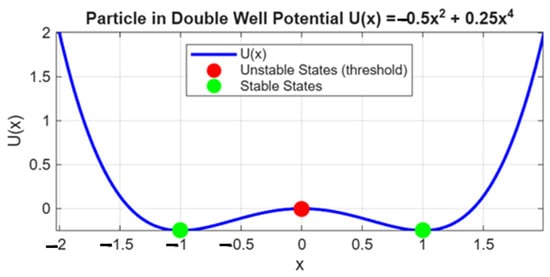
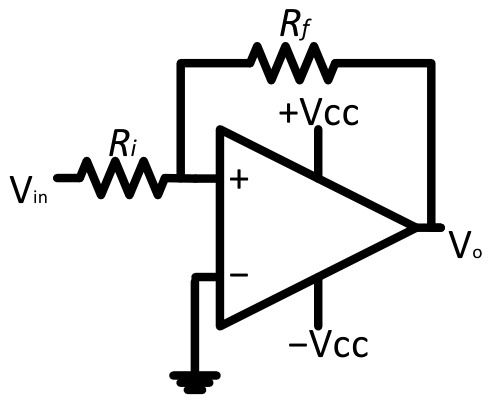
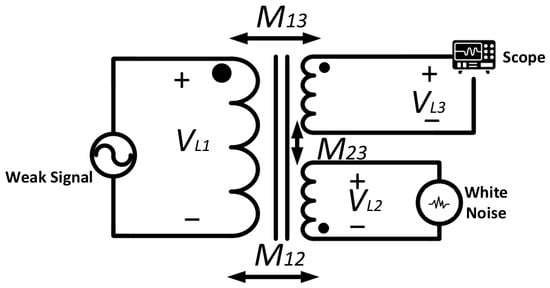
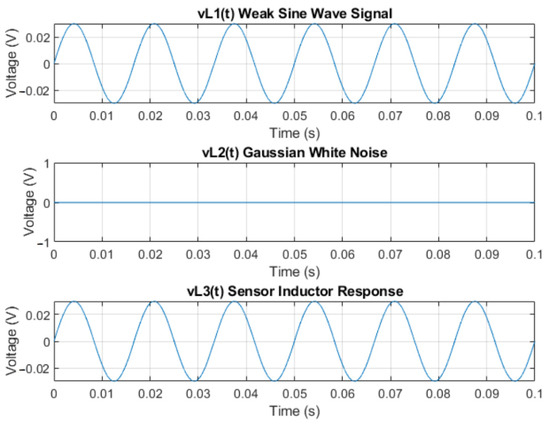
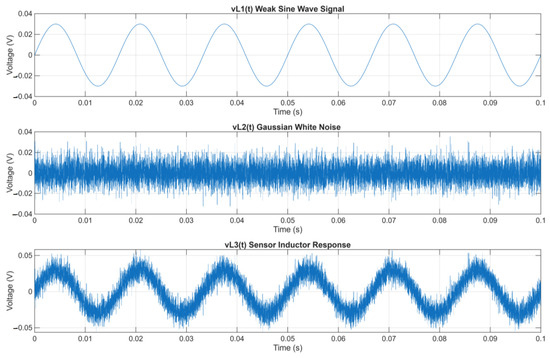
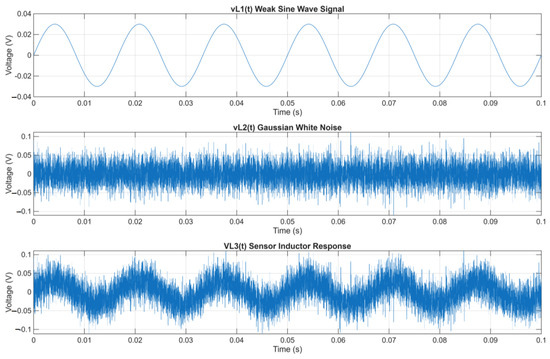
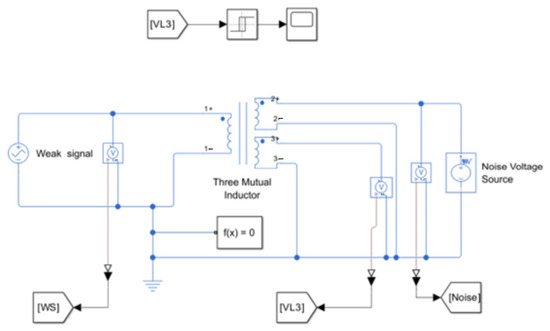
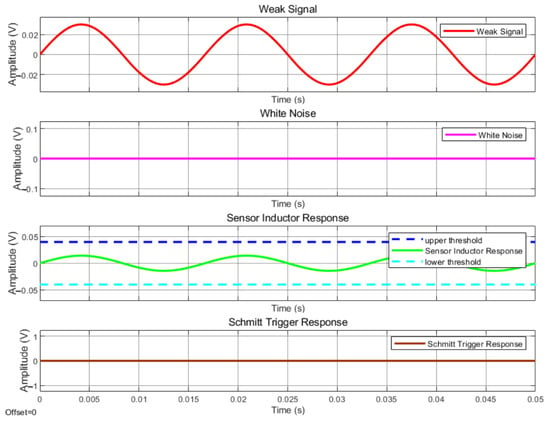
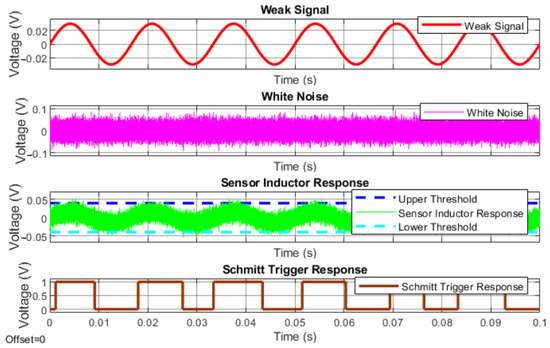
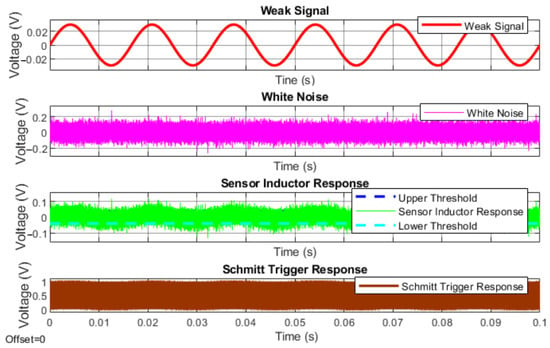
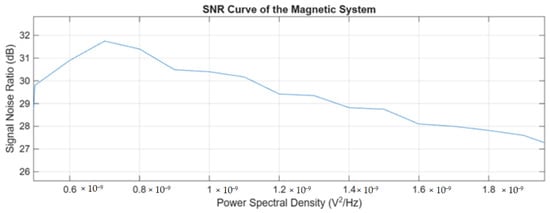
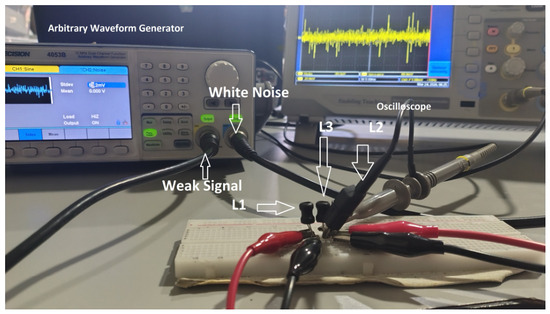
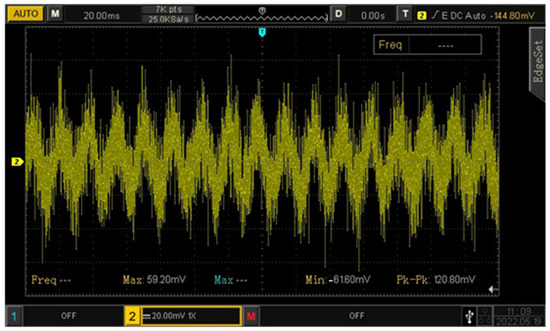
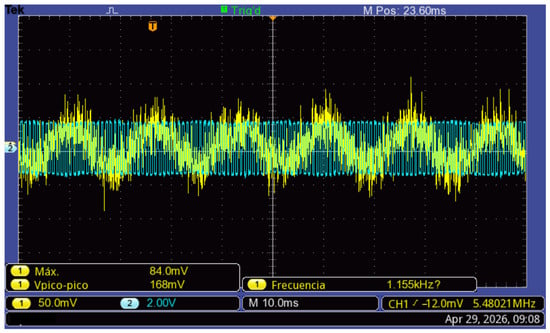
This article presents a comprehensive analytical, numerical, and experimental study of the amplification and detection of weak signals in magnetically coupled electromagnetic systems, using an architecture consisting of three magnetically coupled coils. A rigorous mathematical model of the system is developed, which includes the formulation of the mutual inductance matrix and a state-space representation that captures the dynamic interaction between the coils. It is important to note that the electromagnetic subsystem is linear and that the stochastic resonance effect is achieved by incorporating an external nonlinear bistable element. In this configuration, a weak periodic signal below a threshold is applied to the primary coil, while a controlled source of Gaussian white noise is injected into a secondary coil. A third coil functions as a sensing element, capturing the superimposed magnetic response resulting from coupling effects. The voltage induced in the sensor coil is subsequently processed by a bistable nonlinear element implemented via a Schmitt trigger, which provides the nonlinearity and bistability necessary to enable stochastic resonance and the detection of the weak periodic signal. The conditions of the SR are analyzed in terms of noise intensity, coupling coefficients, and system parameters, highlighting the existence of an optimal noise level that maximizes the signal-to-noise ratio (SNR) at the output. A detailed simulation framework has been developed in MATLAB/Simulink, enabling a systematic exploration of the parameter space and the validation of theoretical predictions. The simulation results are further supported by experimental measurements obtained from a physical prototype, which show agreement with the proposed model. The main contribution of this work lies in demonstrating that magnetically coupled electromagnetic structures can effectively interact with nonlinear bistable elements to exploit stochastic resonance in the detection of weak signals, even when the electromagnetic domain itself remains linear. The results demonstrate that magnetic coupling is an effective mechanism for mediating constructive interactions between noise and weak signals, thereby improving the detection of the latter. These results extend the applicability of stochastic resonance to hybrid electromagnetic systems and demonstrate its relevance in practical applications. Potential applications include ultra-sensitive magnetic detection, low-power signal detection, magnetic transducers, and robust signal recovery in noisy electromagnetic environments, particularly in contexts where conventional linear amplification fails. Full article
(This article belongs to the Special Issue Recent Advances and New Trends in Signal Processing: 2nd Edition)
Show Figures

Figure 1

19 pages, 2994 KB  
Article
Internet of Things-Based Hydroponic Monitoring and Thresh-Old-Controlled Recirculation for Lettuce (Lactuca sativa) Under Open-Field Thermal Stress
by Fray L. Becerra-Suarez, Mónica Diaz, Eiji M. Oshiro-Nakamatzu, Hilary Z. Villa-Cabrera, José F. Bobadilla-García, Roberts L. Alvarado-Sandoval and Marco A. Romani-Vasquez
AgriEngineering 2026, 8(6), 205; https://doi.org/10.3390/agriengineering8060205 (registering DOI) - 26 May 2026
Abstract
Agriculture currently faces multiple challenges associated with climate change, the reduction in arable land, and the need to produce food more efficiently in terms of water and nutrient use. This study evaluated an Internet of Things (IoT)-based hydroponic monitoring system with threshold-controlled recirculation [...] Read more.
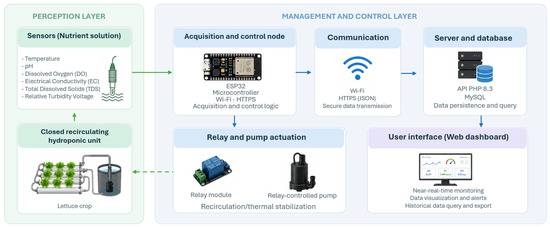
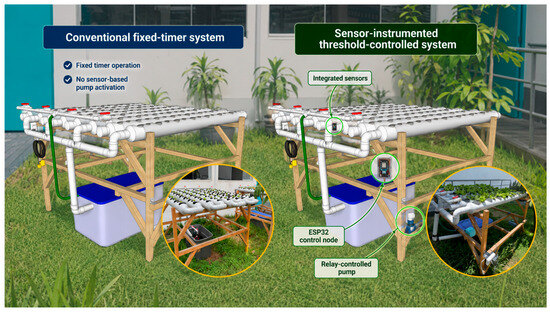
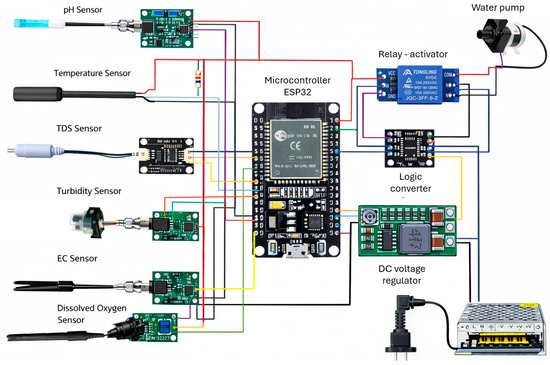
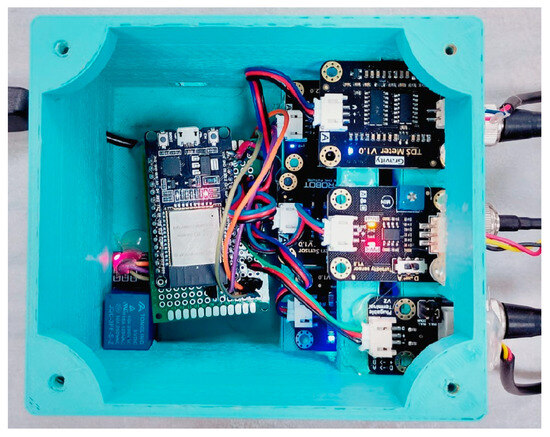
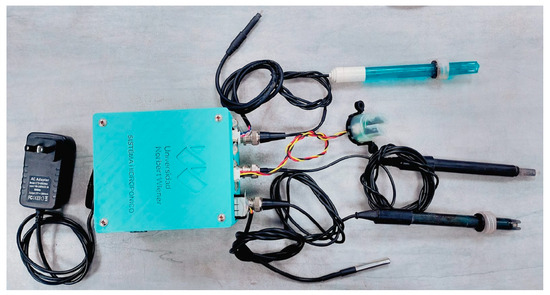
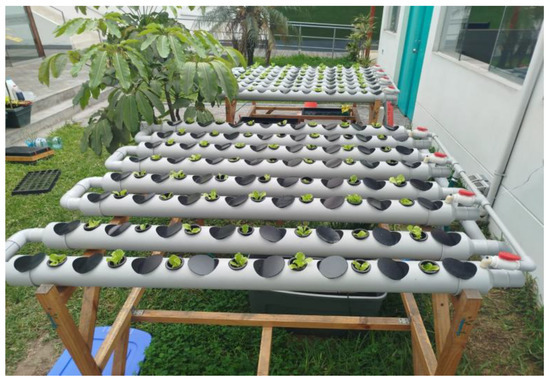
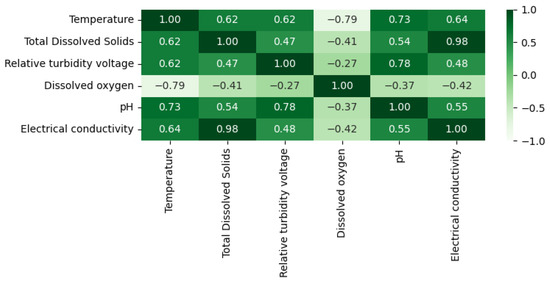
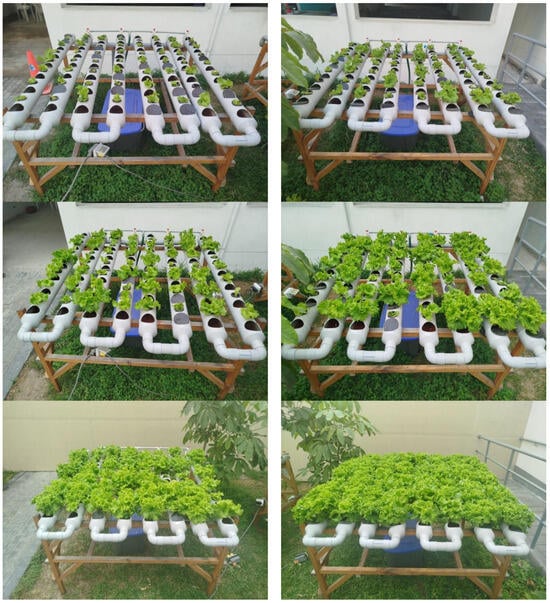
Agriculture currently faces multiple challenges associated with climate change, the reduction in arable land, and the need to produce food more efficiently in terms of water and nutrient use. This study evaluated an Internet of Things (IoT)-based hydroponic monitoring system with threshold-controlled recirculation for lettuce (Lactuca sativa) under open-field thermal stress conditions, comparing it with a conventional closed recirculating PVC pipe-based hydroponic system operated using fixed pump timing. The architecture integrated an ESP32 microcontroller, sensors for nutrient solution temperature, pH, total dissolved solids (TDS), turbidity voltage, dissolved oxygen (DO), and electrical conductivity (EC), Wi-Fi/HTTPS connectivity, a PHP–MySQL server, and a web interface for near-real-time monitoring. During the growing period, 241,797 readings were recorded between 21 January and 13 February 2026. The threshold-based logic activated the pump mainly according to nutrient solution temperature and DO, while pH, EC, TDS, and relative turbidity voltage were monitored as operational indicators. The sensor-instrumented system operated with pump activation during approximately 28.5% of the monitoring period, while temperature exhibited high variability and peaks of 40.19 °C. Visual crop monitoring showed greater canopy uniformity in the sensor-instrumented system, supporting the technical feasibility of low-cost IoT-based monitoring and threshold-controlled recirculation for open-field hydroponic production of lettuce. Full article
Show Figures

Figure 1

16 pages, 2691 KB  
Article
Attentive Prototype Learning with Wearable Sensor Mutual Information for Fall Risk Stratification of Parkinson’s Patients
by Meng Zhang, Xuliang Ren, Jing Xu, Zhifen Guo, Qiumin Qu, Dongzhen Chen and Hongmei Cao
Bioengineering 2026, 13(6), 621; https://doi.org/10.3390/bioengineering13060621 (registering DOI) - 26 May 2026
Abstract
Parkinson’s disease (PD), with its rising global prevalence, poses severe risks from falls and motor impairments. Current fall risk assessments rely heavily on subjective clinical evaluations, underscoring the need for quantitative methods. In this exploratory study, wearable inertial and photoelectric sensors attached to [...] Read more.
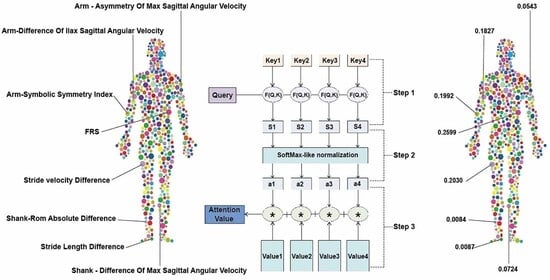
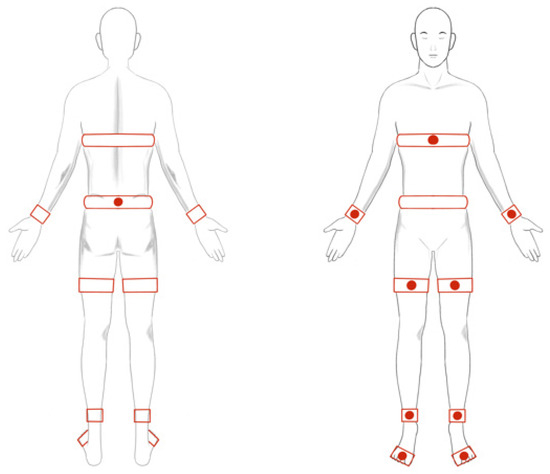
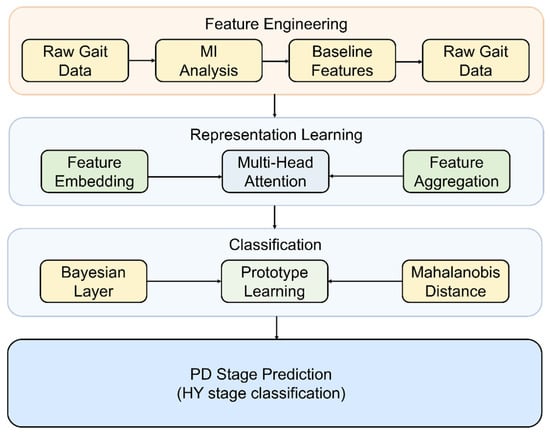
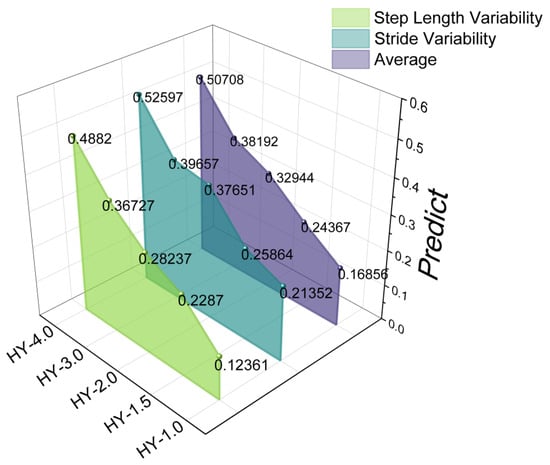
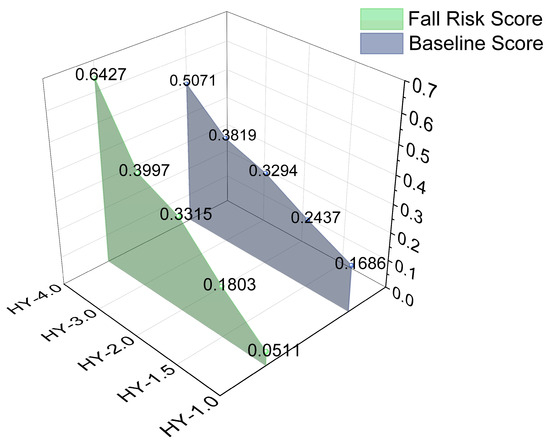
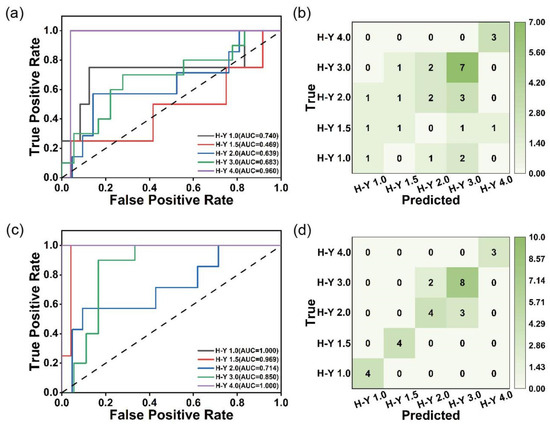
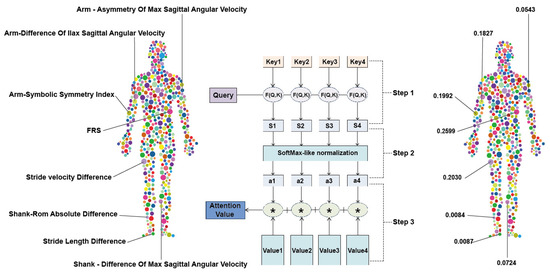
Parkinson’s disease (PD), with its rising global prevalence, poses severe risks from falls and motor impairments. Current fall risk assessments rely heavily on subjective clinical evaluations, underscoring the need for quantitative methods. In this exploratory study, wearable inertial and photoelectric sensors attached to the limbs and trunk were used to objectively collect biomechanical movement data during standardized MDS-UPDRS motor assessments. Leveraging the clinically validated correlation between Hoehn-Yahr (H-Y) staging and fall risk, we propose a data-driven framework to quantify risk. Mutual information (MI) analysis links biomechanical features to H-Y stages, generating a weighted Fall FRS (FRS). Machine learning validation was further performed to preliminarily evaluate the discriminative capability of the proposed FRS in stratifying patients by risk severity. Based on a cohort of 92 PD patients, experimental results on the independent test set showed that incorporation of the FRS improved classification accuracy from 50.00% to 82.14%, while the macro-average AUC increased from 0.698 to 0.907. These findings suggest that wearable sensor–based biomechanical assessment may provide useful quantitative information for exploratory fall-risk stratification in PD patients. Full article
(This article belongs to the Special Issue AI and Data Analysis in Neurological Disease Management)
Show Figures

Graphical abstract

17 pages, 2110 KB  
Article
The Association Between the STOP-Bang Score and the Integrated Pulmonary Index in Patients Undergoing Endobronchial Ultrasound with Sedation: The STOP OSA-IPI Cohort Study
by Umran Ozden Sertcelik, Mustafa Turker, Ahmet Sertcelik, Ebru Sengul Parlak, Habibe Hezer, Kubra Gungor, Mithat Temizer, Seyhan Yagar and Aysegul Karalezli
Medicina 2026, 62(6), 1034; https://doi.org/10.3390/medicina62061034 (registering DOI) - 26 May 2026
Abstract
Background and Perspectives: Obstructive sleep apnea (OSA) is a prevalent condition associated with increased perioperative risks. Endobronchial ultrasound (EBUS), a diagnostic and staging procedure requiring deep sedation, may pose additional risks for patients at high risk of OSA. The Integrated Pulmonary Index [...] Read more.
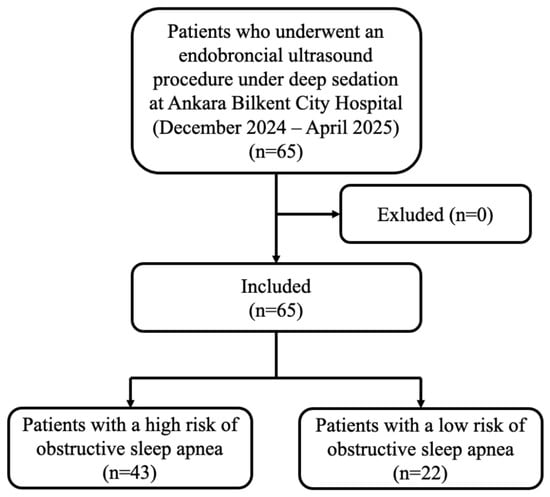
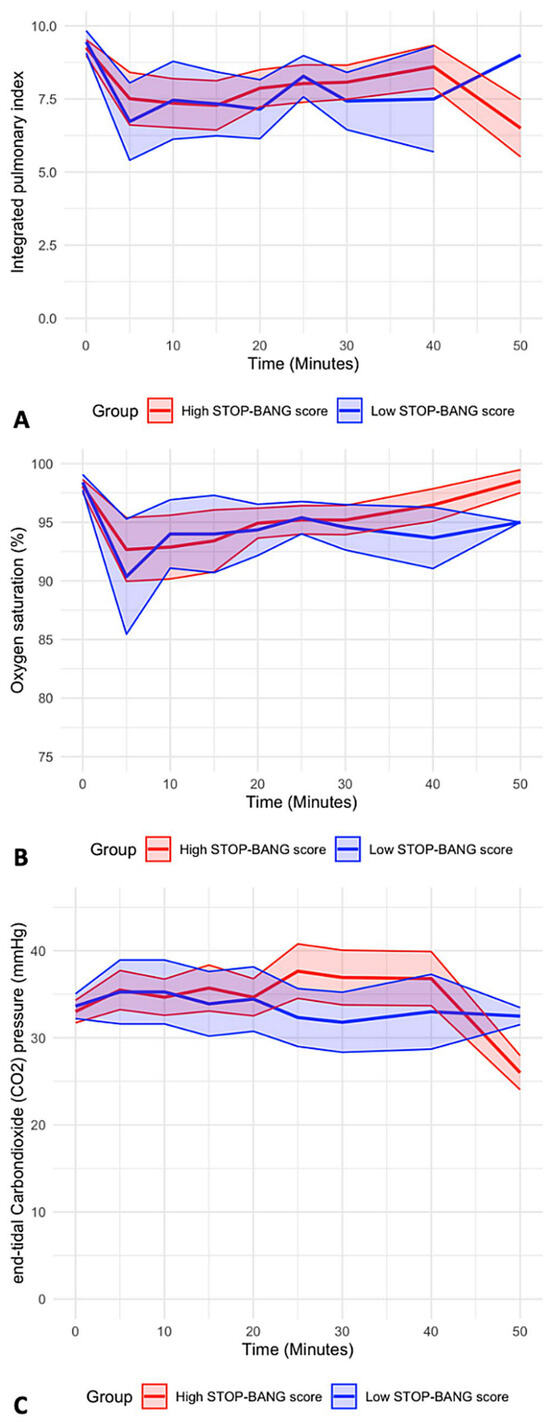
Background and Perspectives: Obstructive sleep apnea (OSA) is a prevalent condition associated with increased perioperative risks. Endobronchial ultrasound (EBUS), a diagnostic and staging procedure requiring deep sedation, may pose additional risks for patients at high risk of OSA. The Integrated Pulmonary Index (IPI), derived from capnography and vital signs, offers a single numerical value reflecting respiratory status. This study aimed to assess the association between high OSA risk and adverse events using the IPI during EBUS under sedation. Materials and Methods: This prospective cohort study included 65 patients undergoing EBUS with sedation between December 2024 and April 2025 at a tertiary referral center. STOP-Bang questionnaire scores were used to stratify patients into high- (≥3) and low-risk (<3) OSA groups. During the procedure, IPI, oxygen saturation, end-tidal carbon dioxide, respiratory rate, and hemodynamic parameters were recorded at multiple time points. Hypoxemia, hypoventilation, and apnea were defined using standard thresholds. Logistic regression and Generalized Linear Mixed Models (GLMM) were applied to examine associations between OSA risk and respiratory outcomes. Results: Forty-three patients (66.2%) were classified as high risk for OSA. Patients with high STOP-Bang scores were older and had higher BMI, comorbidity rates, and ASA scores (all p < 0.05). IPI values were lowest between 5 and 10 min, accompanied by more frequent interventions. Logistic regression showed no significant association between STOP-Bang scores and low IPI or hypoxemia. GLMM analysis also indicated no significant association between high OSA risk and low IPI (OR = 1.02; 95% CI = 0.36–2.86; p = 0.974). Hypoxemia was nearly threefold higher in high-risk patients, though not statistically significant (p = 0.080). Conclusions: Although no statistically significant association was identified between high OSA risk and adverse respiratory events, GLMM analyses revealed that patients with high STOP-Bang scores demonstrated approximately three times higher odds of developing hypoxemia (OR = 2.76; 95% CI = 0.99–7.66; p = 0.052), a result that approached statistical significance. The present findings do not support the routine use of IPI-based monitoring in this setting, and further adequately powered studies are warranted. The early procedural period (5–10 min) is critical for hypoxemia and respiratory compromise. Full article
(This article belongs to the Section Pulmonology)
Show Figures

Figure 1

26 pages, 641 KB  
Article
How Cultural Tourism Itineraries Shape Tourist Guide Satisfaction and Retention
by Cátia Rodrigues, Alexandra Lavaredas and Paulo Almeida
Tour. Hosp. 2026, 7(6), 152; https://doi.org/10.3390/tourhosp7060152 (registering DOI) - 26 May 2026
Abstract
Tourist guides remain understudied in tourism workforce research, particularly regarding the conditions shaping satisfaction and career retention. This study examines how cultural tourism itinerary characteristics are associated with tourist guides’ job satisfaction and career retention intentions. Data were collected through a convenience sample [...] Read more.
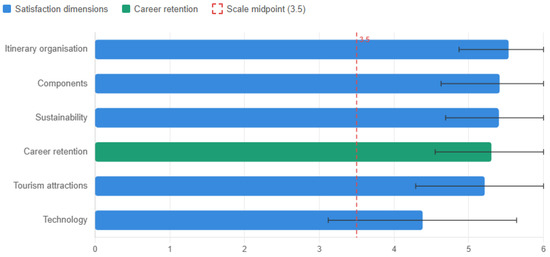
Tourist guides remain understudied in tourism workforce research, particularly regarding the conditions shaping satisfaction and career retention. This study examines how cultural tourism itinerary characteristics are associated with tourist guides’ job satisfaction and career retention intentions. Data were collected through a convenience sample survey of 127 active tourist guides in Portugal. Grounded in the Job Satisfaction Survey and the Theory of Planned Behaviour frameworks, the study utilised exploratory factor analysis and multiple linear regression to analyse the data. Results indicate positive associations between itinerary characteristics, job satisfaction and career retention intentions, with Components (accommodation, meals, accessibility) and Sustainability emerging as the strongest predictors. These findings extend the Job Demands–Resources model to a supervisory-free work context and highlight itinerary design as a previously underexplored human resource management mechanism shaping workforce outcomes in tourism, with implications for tour operators, destination managers and policymakers. Full article
Show Figures

Figure 1

15 pages, 515 KB  
Article
Expert-Transformer with Prototype-Aware Contrastive Learning for Semi-Supervised Time-Series Classification
by Zhen Huang, Fei Peng, Kaiyuan Hou, Deming Xia and Tianyu An
Electronics 2026, 15(11), 2303; https://doi.org/10.3390/electronics15112303 (registering DOI) - 26 May 2026
Abstract
Semi-supervised time-series classification (TSC) faces challenges in handling intra-class variability and distribution shifts, which limit the effectiveness of standard contrastive learning methods. To address these limitations, we propose the Expert-Transformer with Prototype-Aware Contrastive Learning (ExT-PACL), a novel framework that integrates an uncertainty-guided Mixture-of-Experts [...] Read more.
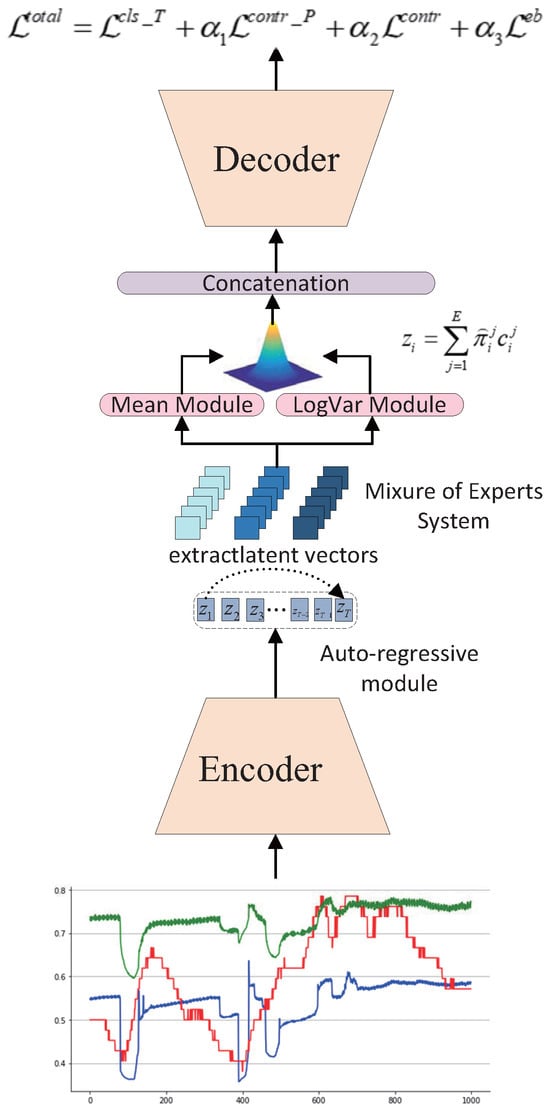
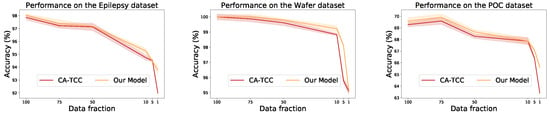
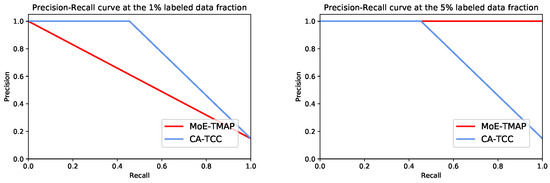
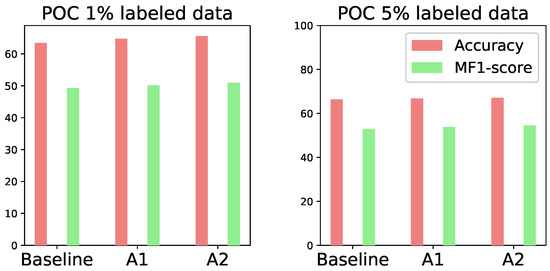
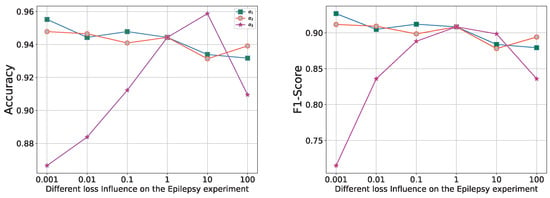
Semi-supervised time-series classification (TSC) faces challenges in handling intra-class variability and distribution shifts, which limit the effectiveness of standard contrastive learning methods. To address these limitations, we propose the Expert-Transformer with Prototype-Aware Contrastive Learning (ExT-PACL), a novel framework that integrates an uncertainty-guided Mixture-of-Experts (MoE) module within a Transformer encoder to dynamically capture diverse temporal patterns. An expert balancing strategy ensures all experts contribute meaningfully, preventing collapse and enhancing representation robustness. In addition, a prototype-aware contrastive learning loss guides both labeled and high-confidence unlabeled samples toward class prototypes, improving discriminative power and reducing reliance on large negative sample sets. Extensive experiments on multiple benchmark datasets demonstrate that ExT-PACL achieves superior generalization and state-of-the-art performance. Full article
(This article belongs to the Special Issue Advances in Data-Driven Artificial Intelligence, 2nd Edition)
Show Figures

Figure 1

23 pages, 1145 KB  
Article
Trace Element Dysregulation and Detoxification Dysfunction in Autism Spectrum Disorder: A Urinary Biomarker Study with Element Ratio Analysis
by Joško Osredkar, Uroš Godnov, Maja Jekovec Vrhovšek, Damjan Osredkar, Gorazd Avguštin, Alenka France Štiglic, Teja Fabjan and Kristina Kumer
Appl. Sci. 2026, 16(11), 5332; https://doi.org/10.3390/app16115332 (registering DOI) - 26 May 2026
Abstract
Background: Autism spectrum disorder (ASD) arises from complex gene–environment interactions. While trace element abnormalities have been studied, associations with autism severity remain inconsistent. Ratios indicating detoxification balance, rather than single toxic elements, may better reflect severity. Objective: To examine the relationships between urinary [...] Read more.
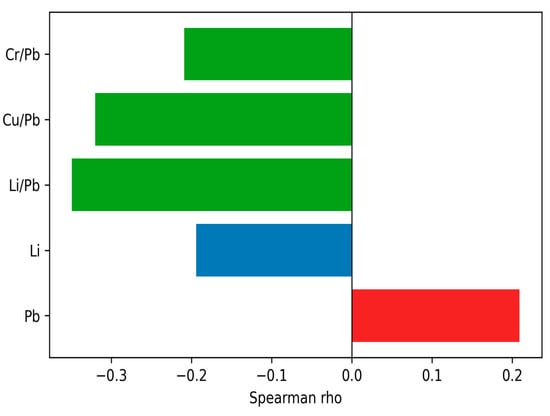
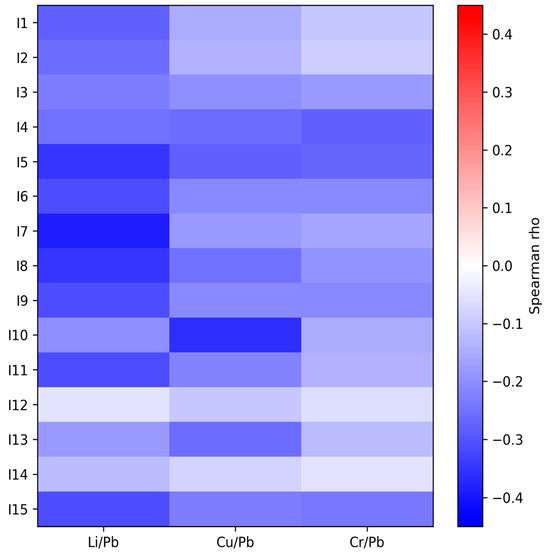
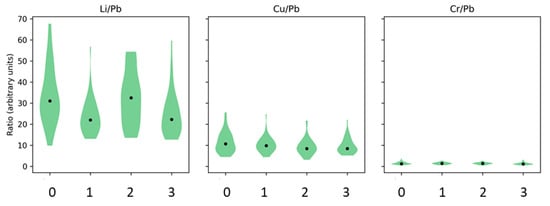
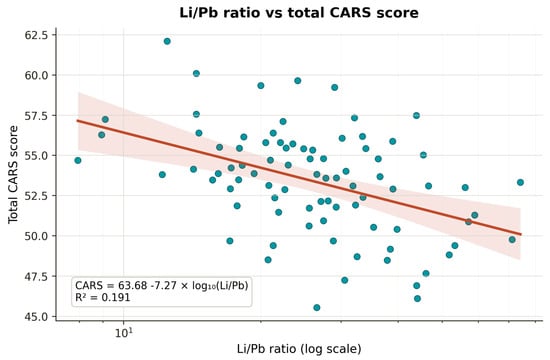
Background: Autism spectrum disorder (ASD) arises from complex gene–environment interactions. While trace element abnormalities have been studied, associations with autism severity remain inconsistent. Ratios indicating detoxification balance, rather than single toxic elements, may better reflect severity. Objective: To examine the relationships between urinary trace element levels, detoxification-related element ratios, and autism severity measured by the Childhood Autism Rating Scale (CARS). Methods: In a cross-sectional study of 168 participants (103 ASD, 65 controls), thirty urinary trace elements were quantified by ICP-MS. ASD patients were stratified by CARS into subthreshold ASD (n = 29), mild–moderate ASD (n = 36), and severe ASD (n = 38). Analyses included Mann–Whitney U, Kruskal–Wallis, and Spearman correlation tests, focusing on Li/Pb, Cu/Pb, and Cr/Pb ratios. Results: Individual elements showed weak associations with CARS; lead correlated positively (ρ = 0.209, p = 0.035) and lithium inversely (ρ = −0.194, p = 0.051). In contrast, element ratios showed stronger links: Li/Pb (ρ = −0.349, p = 0.0003), Cu/Pb (ρ = −0.320, p = 0.0011), and Cr/Pb (ρ = −0.209, p = 0.035). Severe ASD exhibited modest 90th-percentile elevations for toxic elements but high heterogeneity. Conclusions: Single-element levels showed limited associations with ASD severity. Element ratios, particularly Li/Pb, showed stronger statistical associations than individual elements in this cross-sectional dataset; however, these findings should be interpreted as candidate correlates rather than causal or clinically validated biomarkers. Full article
Show Figures

Figure 1

20 pages, 1290 KB  
Article
Determinants of the Ecological Footprint in ALADI Countries: Economic Growth, Trade Openness, Energy Intensity, and ICT Services Exports
by Ximena Morales-Urrutia, Aracelly Núñez-Naranjo, Melissa Solórzano, Fanny Pico-Barrionuevo and Patricia Acosta-Vargas
Sustainability 2026, 18(11), 5345; https://doi.org/10.3390/su18115345 (registering DOI) - 26 May 2026
Abstract
Environmental degradation has become a critical structural challenge for sustainable development, particularly in regions where economic growth remains closely linked to natural resource exploitation. In Latin America, and specifically within ALADI countries, limited empirical evidence exists on the dynamic interactions among economic growth, [...] Read more.
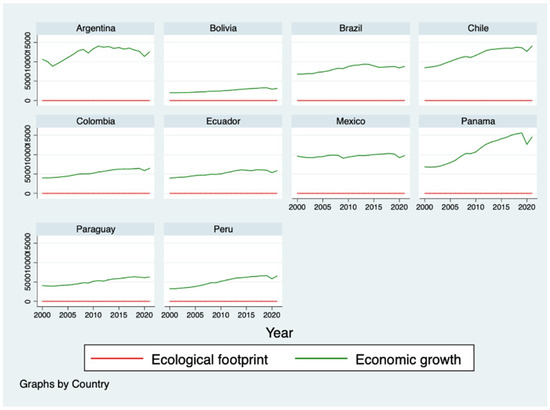
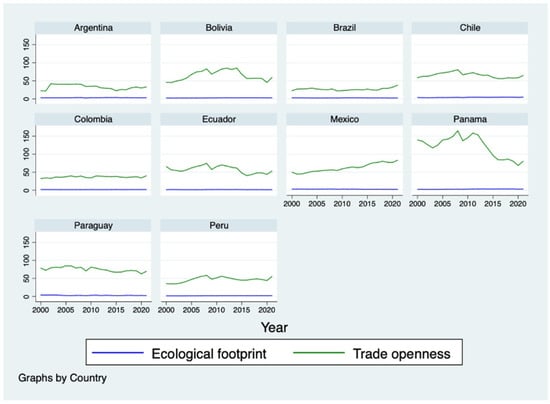
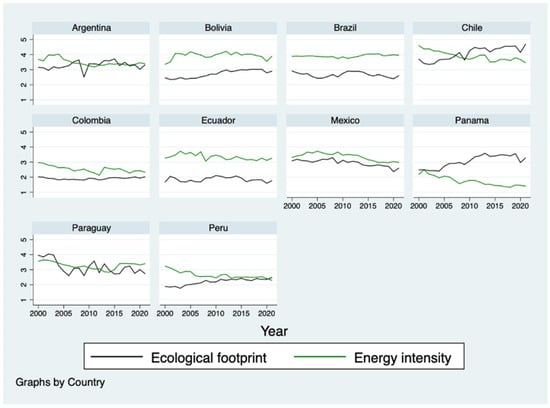
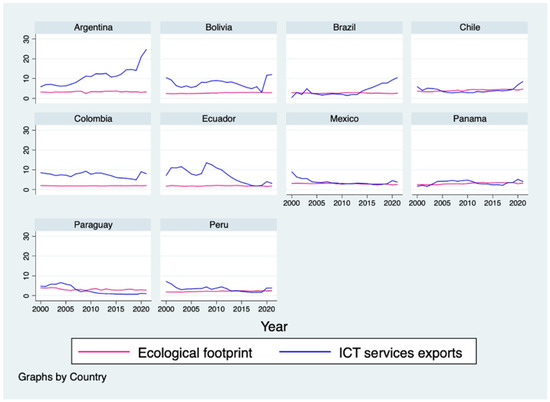
Environmental degradation has become a critical structural challenge for sustainable development, particularly in regions where economic growth remains closely linked to natural resource exploitation. In Latin America, and specifically within ALADI countries, limited empirical evidence exists on the dynamic interactions among economic growth, trade integration, energy efficiency, and digital transformation in shaping environmental pressures. This study addresses this gap by employing a dynamic panel data approach based on System GMM for the period 2000–2021. The results reveal that economic growth and trade openness have a positive, statistically significant effect on the ecological footprint, confirming the persistence of scale effects and the absence of structural decoupling between economic expansion and environmental degradation. In contrast, energy intensity and ICT service exports, although positively associated with environmental pressure, did not show statistically significant effects, suggesting that their role in driving sustainability transitions remains limited under current structural conditions. These findings highlight that structural economic factors predominantly drive environmental dynamics in the ALADI region, while the estimated effects associated with technological and efficiency-related variables remain comparatively weak and statistically inconclusive under current structural conditions. From a policy perspective, the study underscores the need for deeper structural transformations, including cleaner energy transitions, stronger environmental regulation in trade, and a more effective integration of digitalization into sustainability strategies. The study contributes to the literature by providing robust dynamic evidence on socio-environmental interactions in developing economies and advancing the understanding of sustainability transitions in Latin America. Full article

Show Figures

Figure 1

19 pages, 1063 KB  
Article
How Much Does a Home Care Nursing Visit Cost? A National Micro-Costing Study from the AIDOMUS-IT Project
by Marco Di Nitto, Paolo Landa, Paolo Iovino, Rosaria Alvaro, Alessandra Burgio, Valeria Caponnetto, Stefano Domenico Cicala, Giancarlo Cicolini, Manuele Cesare, Loreto Lancia, Duilio Fiorenzo Manara, Ilaria Marcomini, Beatrice Mazzoleni, Alvisa Palese, Laura Rasero, Gennaro Rocco, Francesco Zaghini, Loredana Sasso and Annamaria Bagnasco
Nurs. Rep. 2026, 16(6), 180; https://doi.org/10.3390/nursrep16060180 (registering DOI) - 26 May 2026
Abstract
Background/Objectives. Country-level evidence on the economic footprint of home care nursing is still scarce, particularly in systems where tariffs for community-based nursing are lacking. In Italy, recent laws have expanded home care; yet planning and funding remain constrained by the absence of [...] Read more.
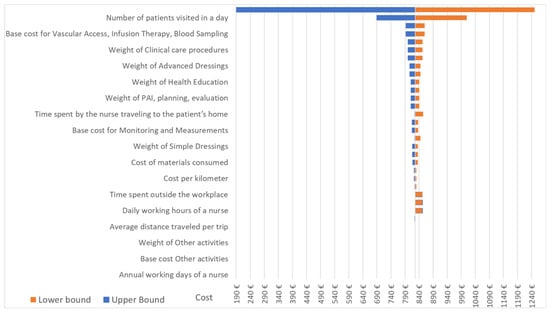
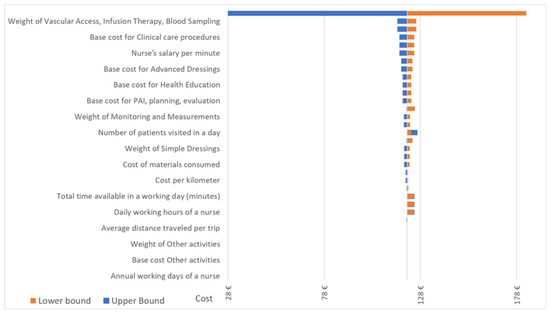
Background/Objectives. Country-level evidence on the economic footprint of home care nursing is still scarce, particularly in systems where tariffs for community-based nursing are lacking. In Italy, recent laws have expanded home care; yet planning and funding remain constrained by the absence of robust micro-costing evidence. Objectives. To estimate the accounting cost of home care nursing visits in Italy using a bottom-up micro-costing approach and to identify the main cost drivers influencing expenditure. Methods. A multicentre, cross-sectional study was conducted. Data were collected in two phases: (1) a national survey of 3949 home care nurses from 70 Local Health Authorities (April–October 2023), describing workload, travel time, and the most frequently performed activities; and (2) a time-and-motion study of 527 consecutive home visits performed by 83 nurses in three Local Health Authorities (March 2024). Direct costs were estimated from the Italian National Health Service perspective and included nursing time, travel time and transportation, back-office activities, and materials. Personnel costs were derived from national collective labour agreements and inflation-adjusted. A base-case scenario estimated accounting costs directly measured in the study. An extended, illustrative scenario explored the economic value of nursing activities by applying existing outpatient tariffs. Deterministic and probabilistic sensitivity analyses (10,000-iteration Monte Carlo simulation) were performed. Results. The mean accounting cost of home care nursing was €27.78 per patient per day. At the provider level, the corresponding daily cost per nurse was €190.00, assuming a mean caseload of 6.84 patients per nurse per shift. In the extended scenario, the imputed economic value of nursing activities increased the estimated daily cost to €120.81 per patient and €826.32 per nurse. Sensitivity analyses identified organizational factors (particularly the number of patients per shift and the number of activities per visit) as the dominant cost drivers, while material and transportation costs had a comparatively limited impact. Conclusions. Home care nursing in Italy appears to be delivered at a relatively low accounting cost, with organizational factors playing a greater role than unit prices in determining expenditure. The absence of a dedicated reimbursement framework for nursing activities may result in a substantial under-recognition of the economic value of home-based nursing care. These findings provide preliminary evidence to support workforce planning, reimbursement policies, and the sustainable development of territorial care services. Full article
Show Figures

Figure 1

22 pages, 9237 KB  
Article
Design of Multichannel Solitonic Neurons
by Alessandro Bile and Eugenio Fazio
Optics 2026, 7(3), 36; https://doi.org/10.3390/opt7030036 (registering DOI) - 26 May 2026
Abstract
We propose and analyze a new class of photonic neurons based on spatial solitons generated in photorefractive media. They are designed to operate entirely within the optical domain. By engineering single-node and multi-node multichannel architectures, we demonstrate the feasibility of constructing balanced, scalable, [...] Read more.
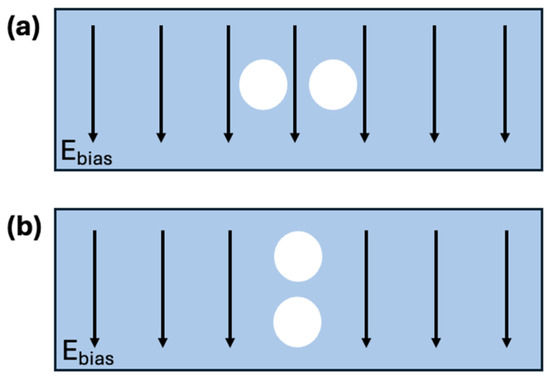
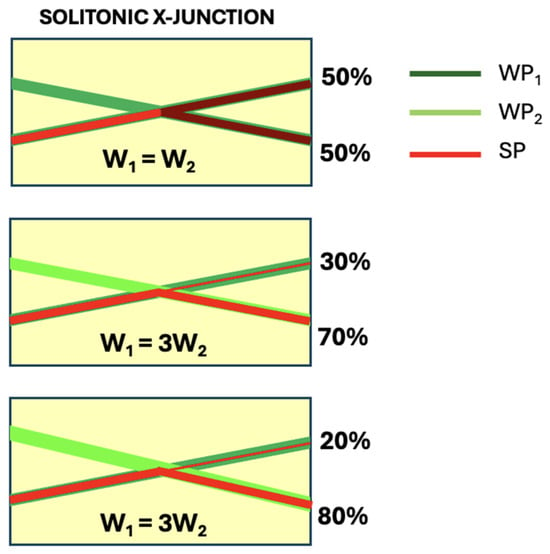
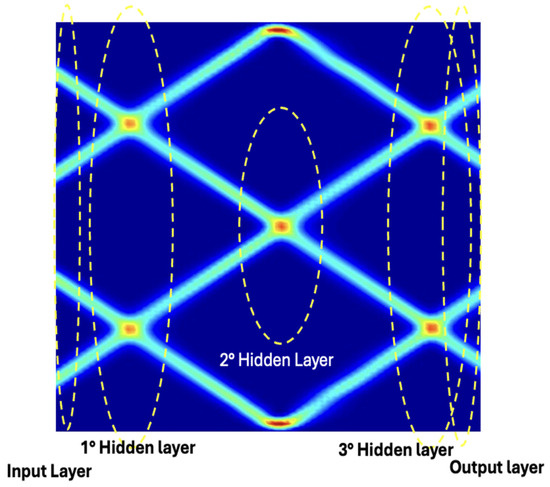
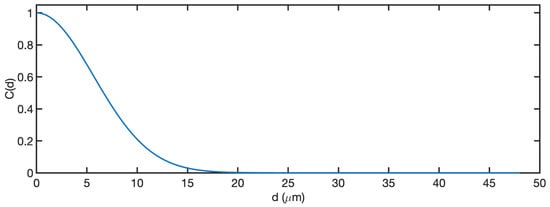
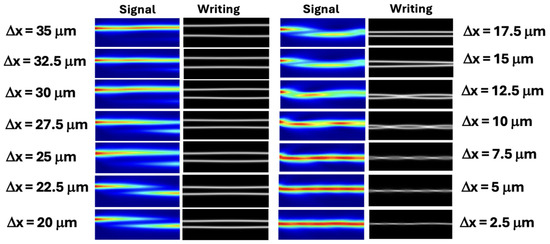
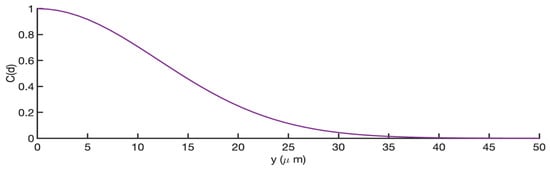
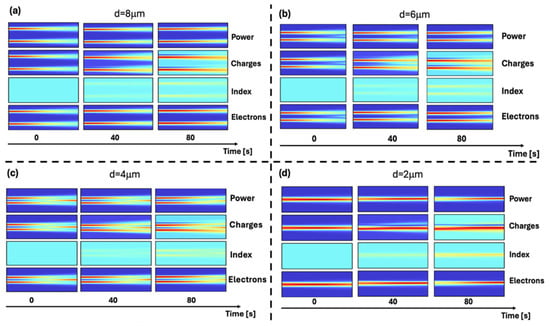
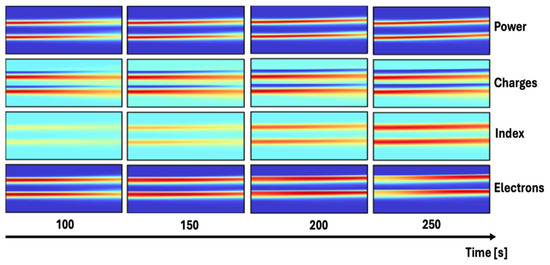
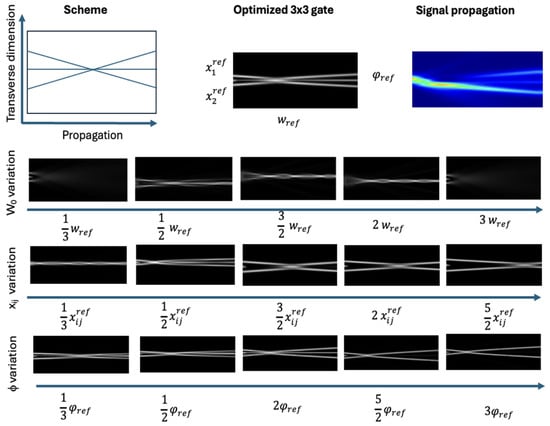
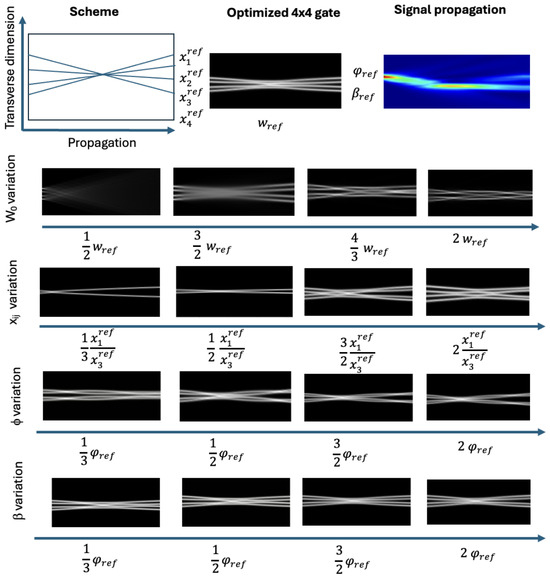
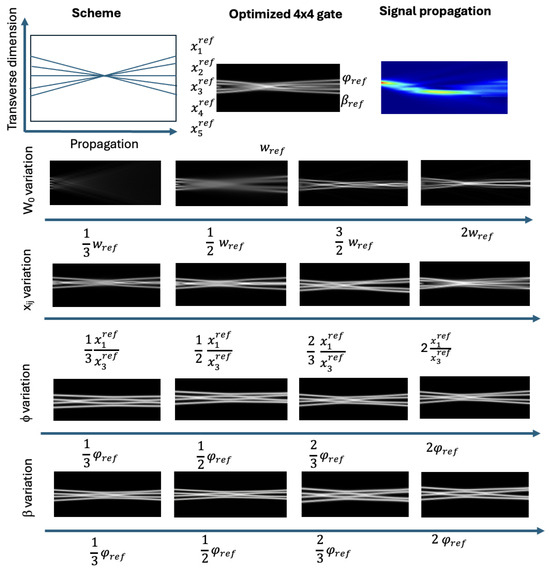
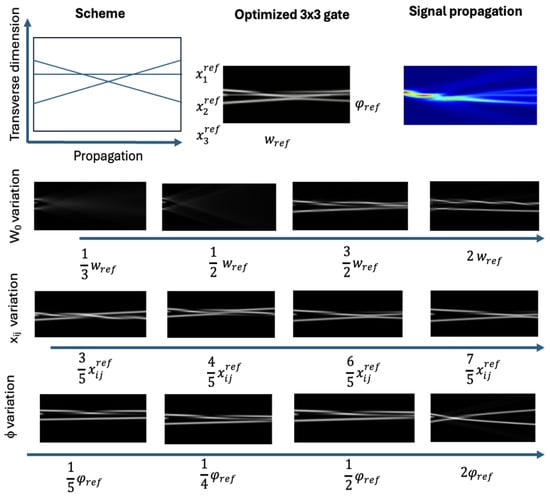
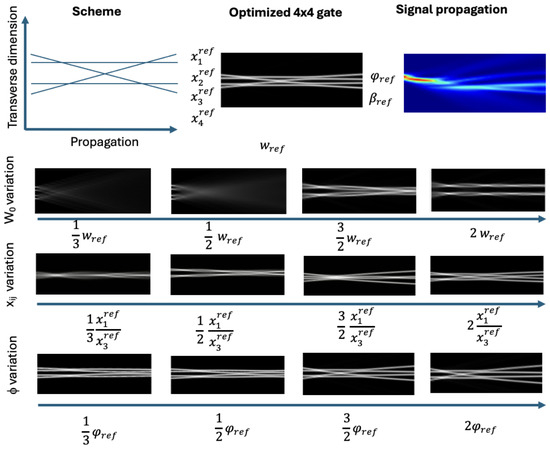
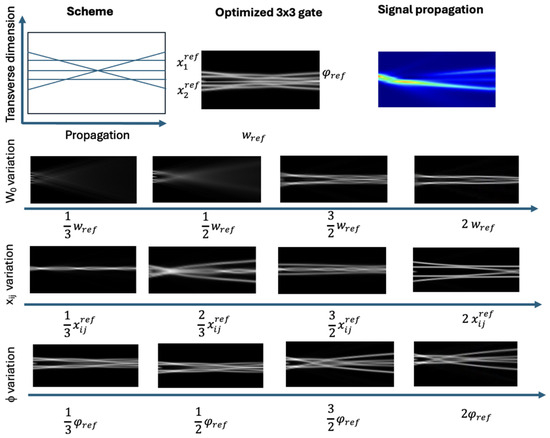
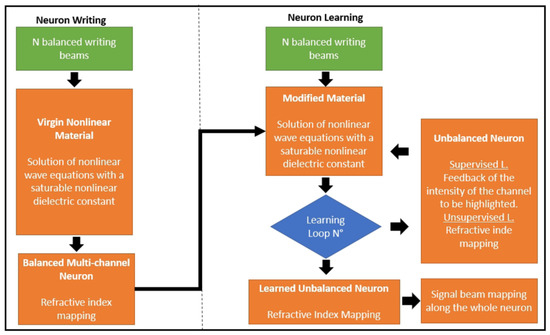
We propose and analyze a new class of photonic neurons based on spatial solitons generated in photorefractive media. They are designed to operate entirely within the optical domain. By engineering single-node and multi-node multichannel architectures, we demonstrate the feasibility of constructing balanced, scalable, and reconfigurable structures capable of emulating neural behaviors such as symmetric signal splitting, plasticity, and dynamic adaptation. The optimization of geometric parameters—including soliton waveguides features, input distances, and incidence angles—proves crucial for ensuring the stability of solitonic propagation and the proper functioning of interaction nodes. The results lay the groundwork for the development of high-performance optical neural circuits, with potential applications in distributed signal processing, neuromorphic artificial intelligence, and reconfigurable optical memories. Full article
(This article belongs to the Section Engineering Optics)
Show Figures

Figure 1

18 pages, 1688 KB  
Article
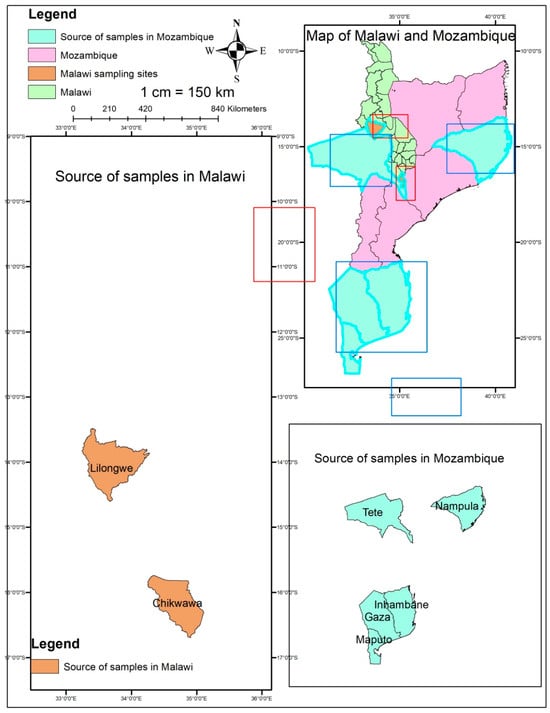
Physical and Engineering Properties of Nine Cowpea Varieties and Local Maize from Malawi–Mozambique for Dehulling Design
by Thomas S. G. Malinki, Borges Chambal and Abel Compbel Chipembo
AgriEngineering 2026, 8(6), 204; https://doi.org/10.3390/agriengineering8060204 (registering DOI) - 26 May 2026
Abstract
It is widely recognized that grain variability affects the physical and engineering properties of cowpea and maize varieties. Understanding the effects is vital for designing a dehulling machine that can yield better performance. The physical and engineering properties of nine cowpea varieties and [...] Read more.
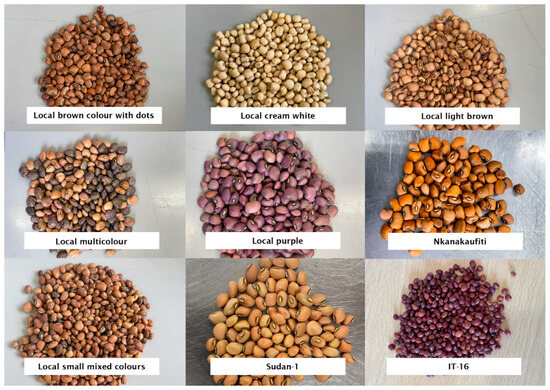
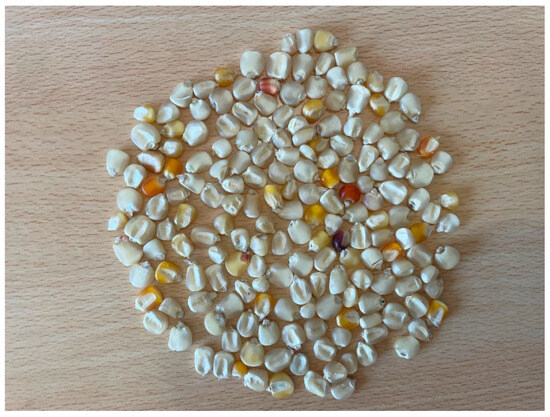
It is widely recognized that grain variability affects the physical and engineering properties of cowpea and maize varieties. Understanding the effects is vital for designing a dehulling machine that can yield better performance. The physical and engineering properties of nine cowpea varieties and a local maize variety were determined to provide essential data for the design of dehulling and processing equipment. Standard laboratory methods reported in the literature were used to analyze the grains. The study reveals that the physical and engineering properties of nine cowpea and maize varieties varied considerably (p < 0.05). The mean values of moisture content % ranged from 10.06 to 13.81%, length ranged from 7.11 to 11.44 mm, width ranged from 5.65 to 10.28 mm, thickness ranged from 4.60 to 6.73 mm, and thousand-grain weight ranged from 100 to 364 g. Da ranged from 5.79 to 8.89 mm, Dg ranged from 5.66 to 8.59 mm, sphericity ranged from 0.73 to 0.86, surface area ranged from 101.38 to 233.75 mm2, and volume ranged from 97.05 to 339.82 mm3. Furthermore, the COF on stainless steel ranged from 0.30 to 0.37, the angle of repose ranged from 20.03 to 30.33°, the bulk density ranged from 688.00 to 814.67 kg/m3, the true density ranged from 1079.91 to 1282.61 kg/m3, and the porosity % ranged from 60.53 to 67.46%. Lastly, grain hardness ranged from 56.27 to 267.91 N, grain compressive energy ranged from 80.91 to 664 mJ, grain stiffness ranged from 6.48 to 26.13 N/mm, seed coat–cotyledon/pericarp–endosperm stickiness force ranged from 0.04 to 0.10 N, Adhesiveness (force to overcome stickiness) ranged from 0.08 to 93.42 N · mm, and fracturability ranged from 56.27 to 267.91 N. These results offer a comprehensive engineering database for the design and optimization of dehulling and post-harvest processing equipment. Full article
(This article belongs to the Section Pre and Post-Harvest Engineering in Agriculture)
Show Figures

Figure 1

26 pages, 7055 KB  
Article
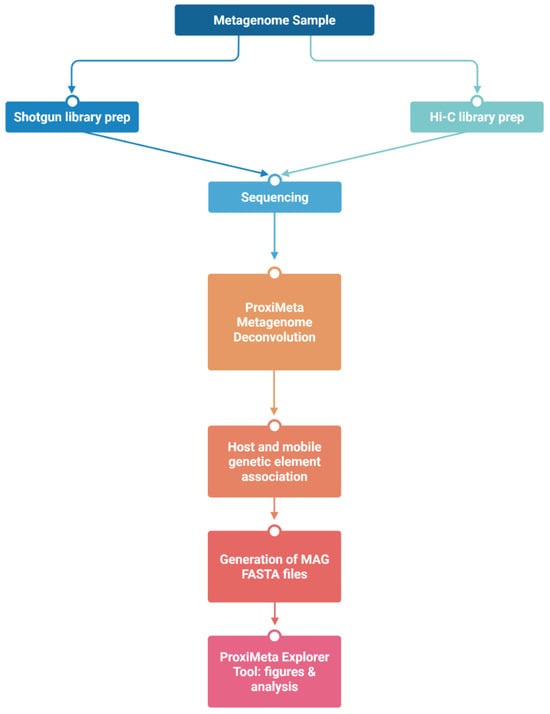
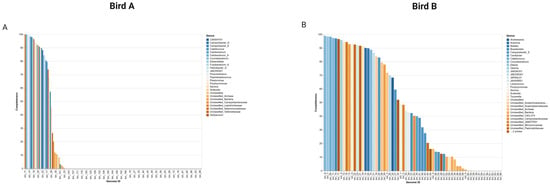
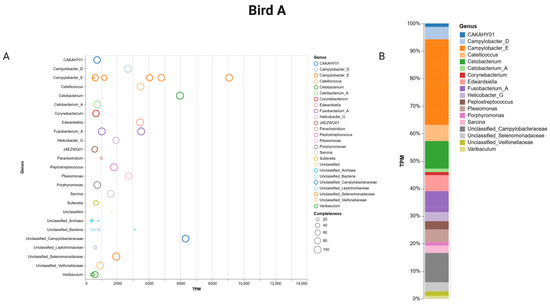
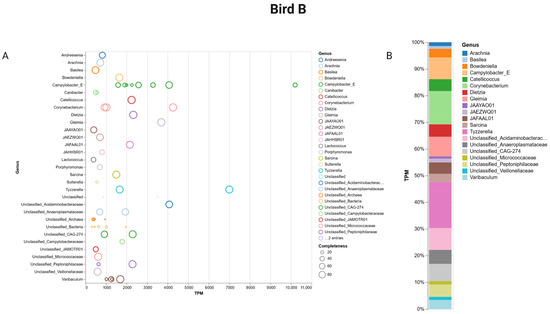
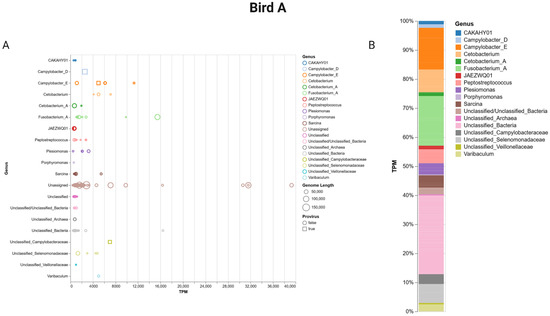
Hi-C Metagenome Deconvolution of Double-Crested Cormorant (Nannopterum auritum) Fecal Samples Demonstrates Feasibility of Linking Microbial Genomes, AMR Genes, and Mobile Elements in Avian Microbiomes
by Sydney N. O’Donald, Fenny Patel, Patricia Keen, Larry A. Hanson, Frederick Cunningham, Mark L. Lawrence and Hasan C. Tekedar
Microorganisms 2026, 14(6), 1198; https://doi.org/10.3390/microorganisms14061198 (registering DOI) - 26 May 2026
Abstract
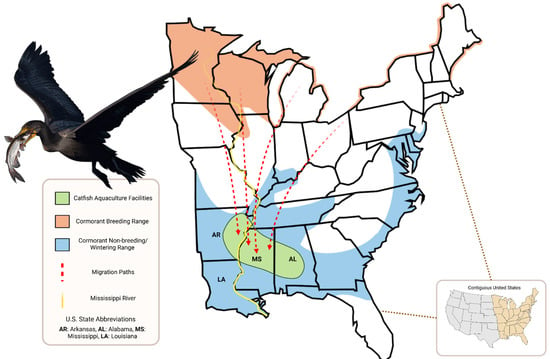
The double-crested cormorant (Nannopterum auritum), a piscivorous bird endemic to North America, frequently forages in aquaculture ponds during migration and wintering, contributing to economic losses in catfish-producing regions of the southern United States. While interactions between cormorants and aquaculture systems are [...] Read more.
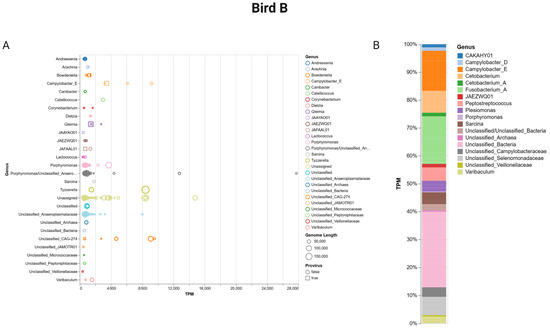
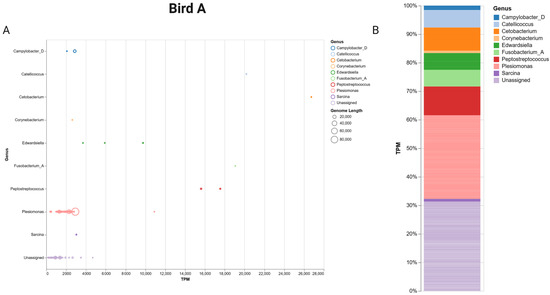
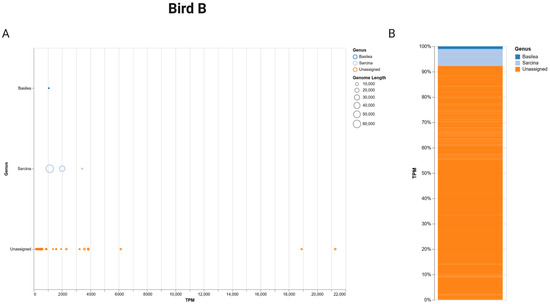
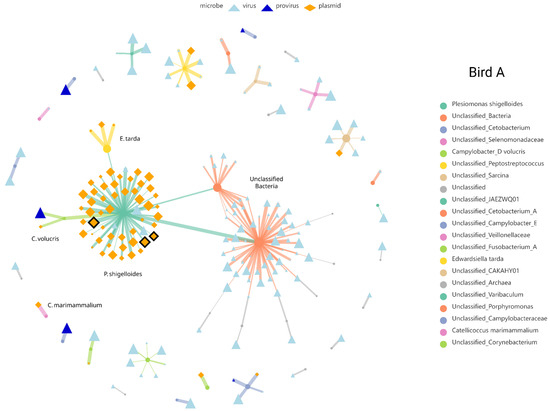
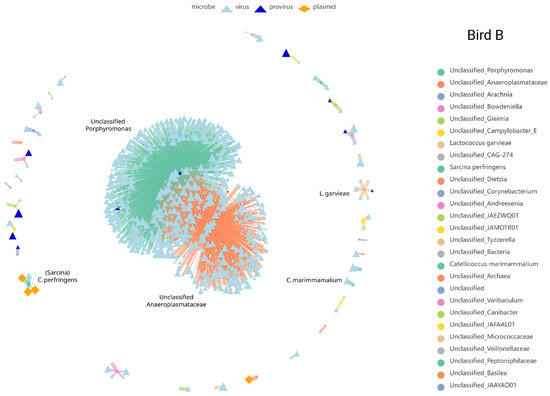
The double-crested cormorant (Nannopterum auritum), a piscivorous bird endemic to North America, frequently forages in aquaculture ponds during migration and wintering, contributing to economic losses in catfish-producing regions of the southern United States. While interactions between cormorants and aquaculture systems are well documented, their associated microbial communities and genetic elements remain less characterized. In this exploratory study, Hi-C-enabled metagenomics was applied to fecal samples from two cormorants to generate a genome-resolved, descriptive analysis of gut microbial composition and to associate bacterial genomes with mobile genetic elements (MGEs), antimicrobial resistance genes (ARGs), and putative virulence-associated genes. Metagenome-assembled genomes (MAGs) included taxa reported in aquatic or animal-associated environments, including Edwardsiella tarda, Plesiomonas shigelloides, Clostridium perfringens, and Campylobacter volucris. ARGs were detected across multiple MAGs, with E. tarda harboring the greatest diversity. Hi-C-enabled linkage of plasmids and phages to putative hosts, providing structural insight into microbial organization. Analyses are descriptive (n = 2) and do not include statistical comparisons or diversity metrics. These findings demonstrate the utility of Hi-C for resolving gene–host associations and provide a framework for future studies of microbial connectivity in One Health contexts. Full article
(This article belongs to the Special Issue Antimicrobial Resistance (AMR): From the Environment to Health)
Show Figures

Figure 1

27 pages, 10010 KB  
Article
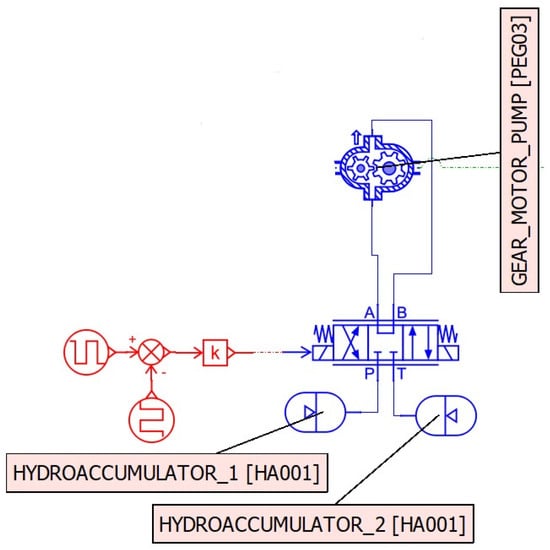
Improvement Solution for the Electro-Hydrostatic Actuator with Variable Displacement Pump Used in Aircraft Flight Controls
by Liviu Dinca, Jenica-Ileana Corcau, Teodor-Lucian Grigorie, Andra-Adelina Cucu and Bogdan Vasilescu
Actuators 2026, 15(6), 288; https://doi.org/10.3390/act15060288 (registering DOI) - 26 May 2026
Abstract
In order to control an electro-hydrostatic actuator (EHS), as is well known in the literature, it is possible either to modify the speed and direction of rotation of the electric motor or to vary the displacement of the hydraulic pump. In a previous [...] Read more.
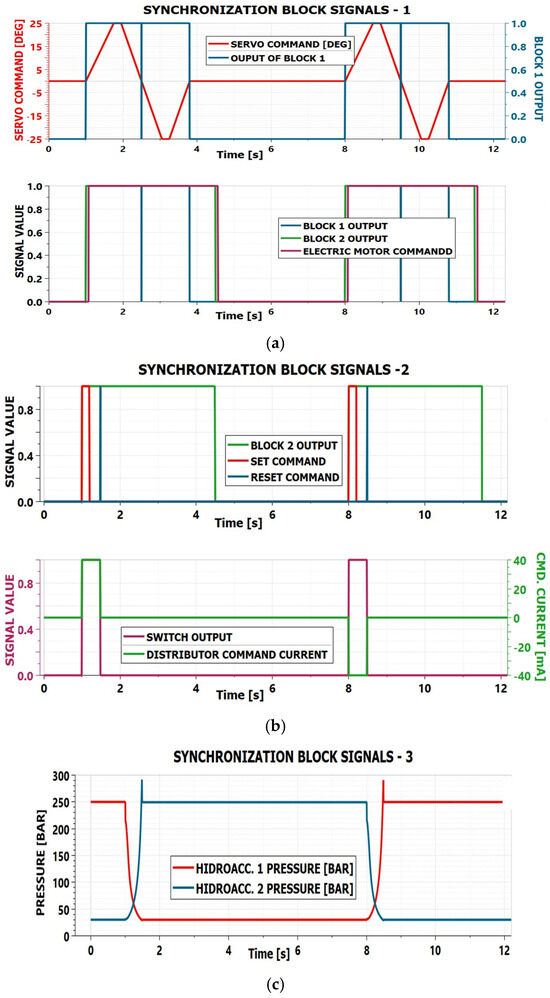
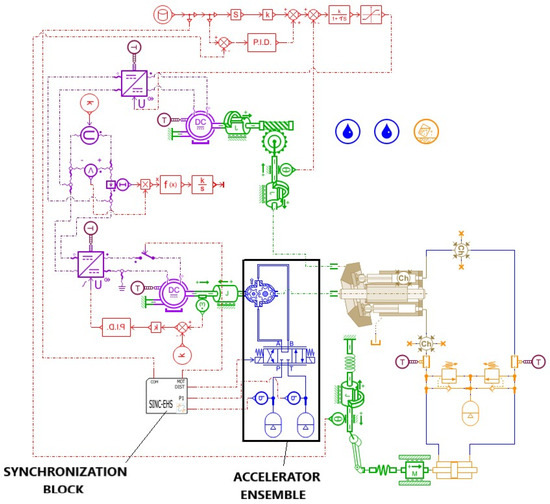
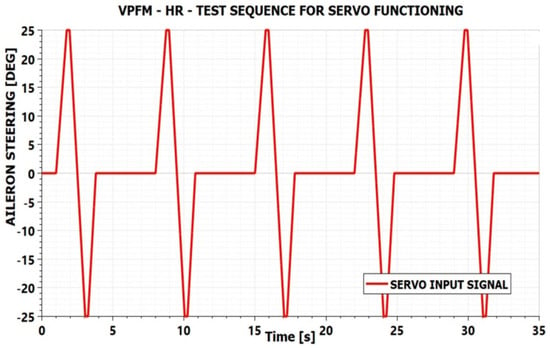
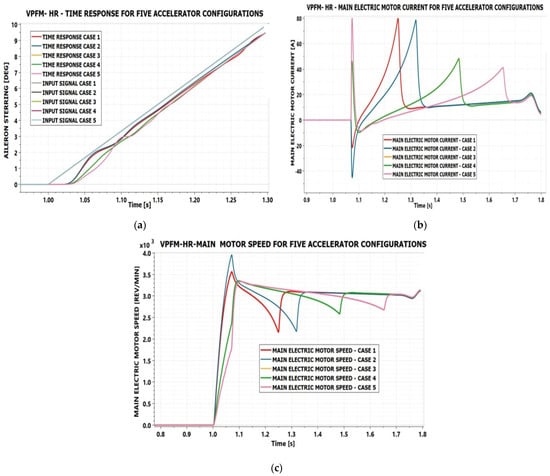
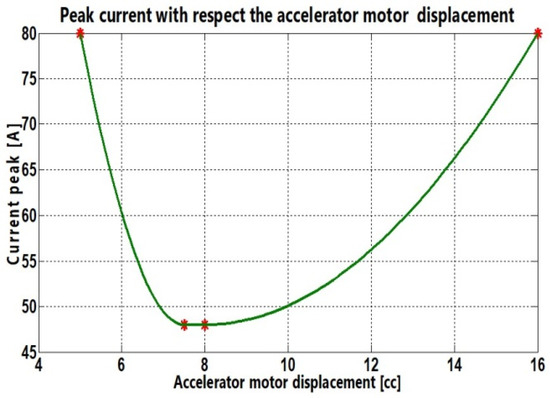
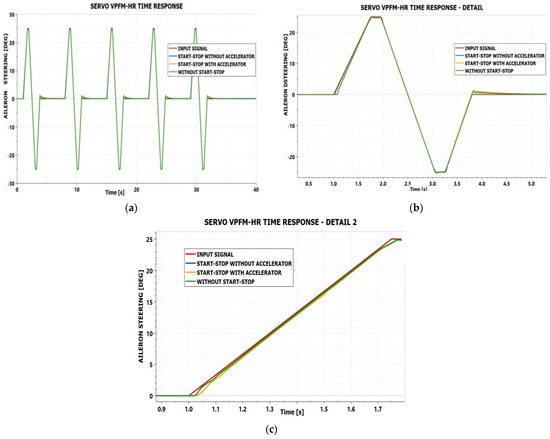
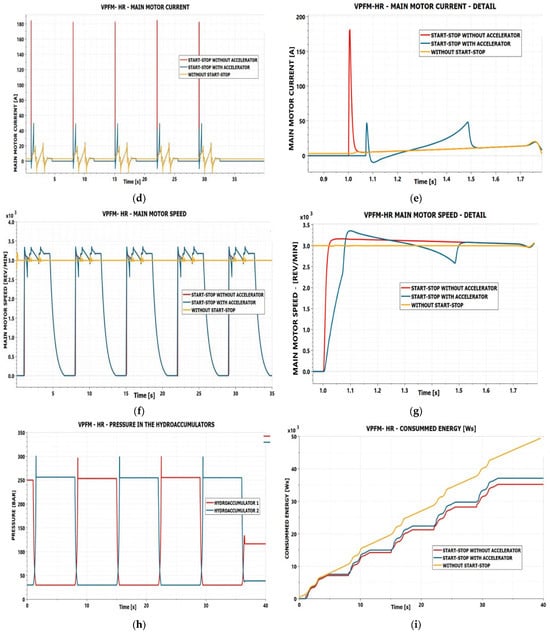
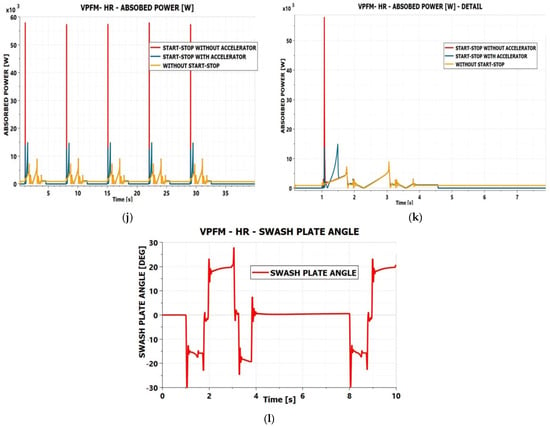
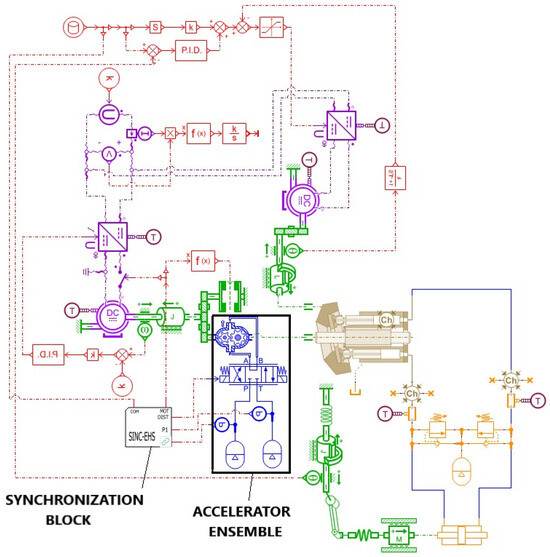
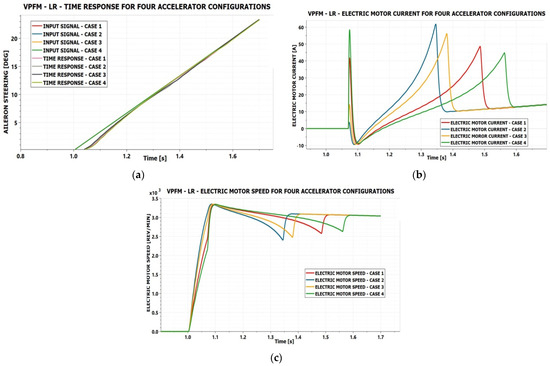
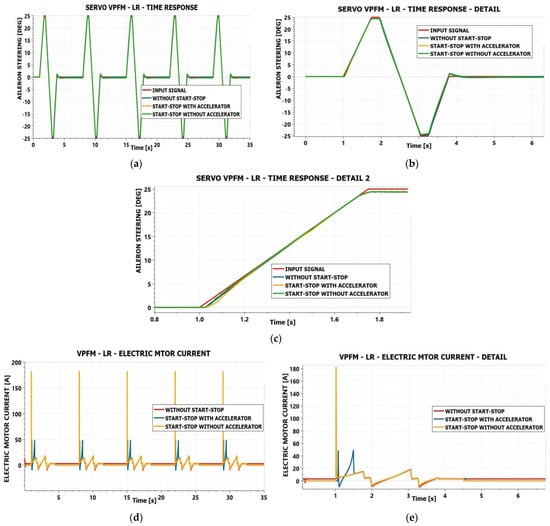
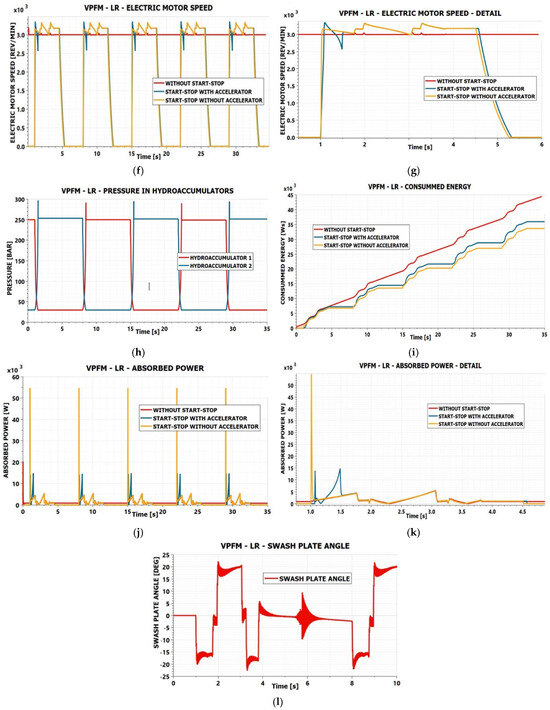
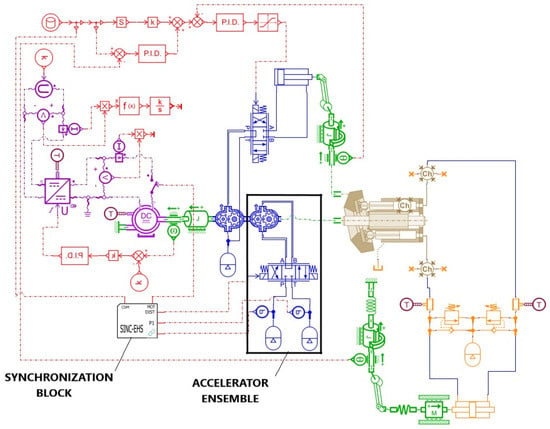
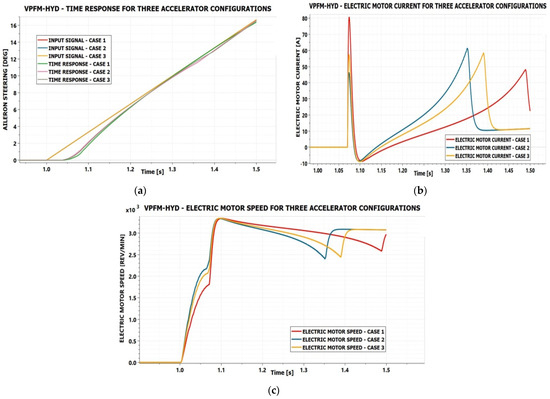
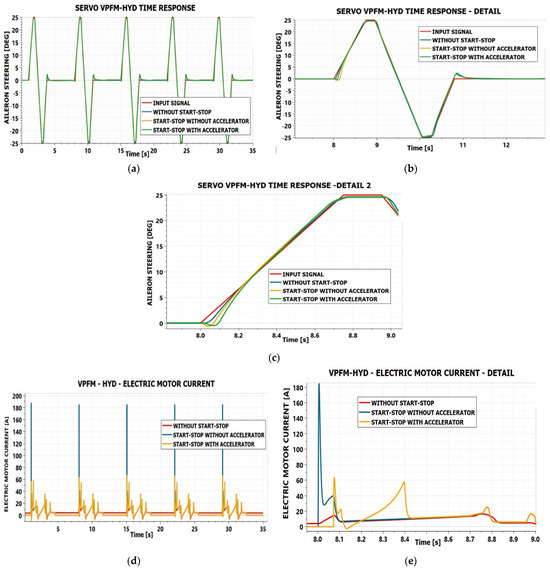
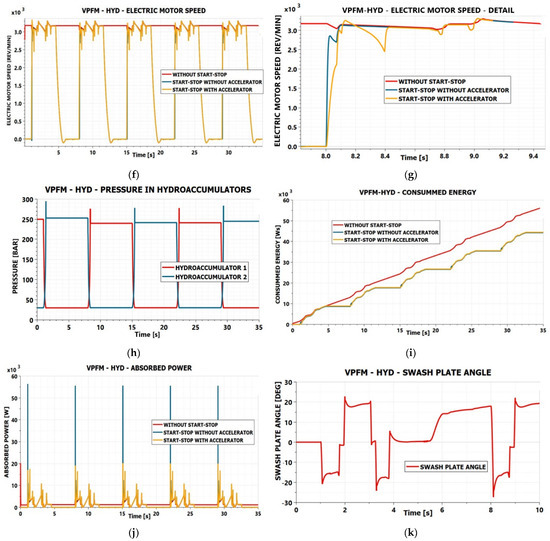
In order to control an electro-hydrostatic actuator (EHS), as is well known in the literature, it is possible either to modify the speed and direction of rotation of the electric motor or to vary the displacement of the hydraulic pump. In a previous paper, the advantages and disadvantages of each solution were highlighted. Varying only the motor speed leads to demanding operating conditions for the electric motor, whereas varying only the hydraulic pump displacement results in continuous energy consumption that becomes excessive during long-duration flights. Combined solutions for controlling an EHS can also be found in the literature, but they generally require highly sophisticated control algorithms. In this paper, a solution is proposed in which the electric motor is switched off when the EHS remains in an idle condition for long periods of time. In this way, the large amount of energy consumed during idle operation is eliminated, while preserving the improved dynamic performance associated with the variable-displacement pump configuration. Full article
(This article belongs to the Special Issue Advanced Technologies in Actuators for Control Systems)
Show Figures

Figure 1

20 pages, 3196 KB  
Article
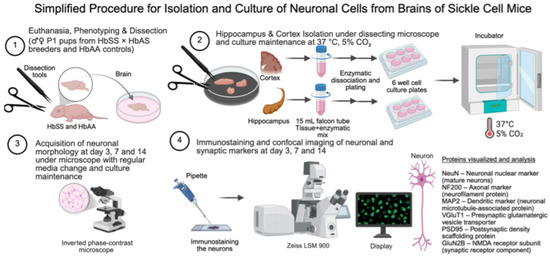
Simplified Procedure for Isolation and Culture of Neuronal Cells from Brains of Sickle Cell Mice
by Yugal Goel, Mya A. Arellano, Kendall O’Daniel, Donovan A. Argueta, Reina Lomeli, Naomi Lomeli, Dahlia A. Ordaz, Daniela A. Bota, Vidhya Kumaresan and Kalpna Gupta
Cells 2026, 15(11), 976; https://doi.org/10.3390/cells15110976 (registering DOI) - 26 May 2026
Abstract
Primary neuronal cultures from the brain are critical for investigating disease-specific cellular and molecular mechanisms in mouse models. Current methods for obtaining primary cultures require embryonic brains that are affected by embryonic lethality and genotypic characterization in severe disease models such as sickle [...] Read more.
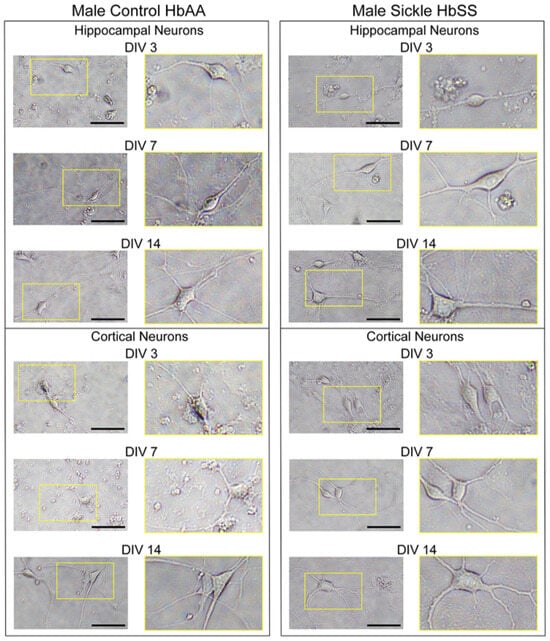
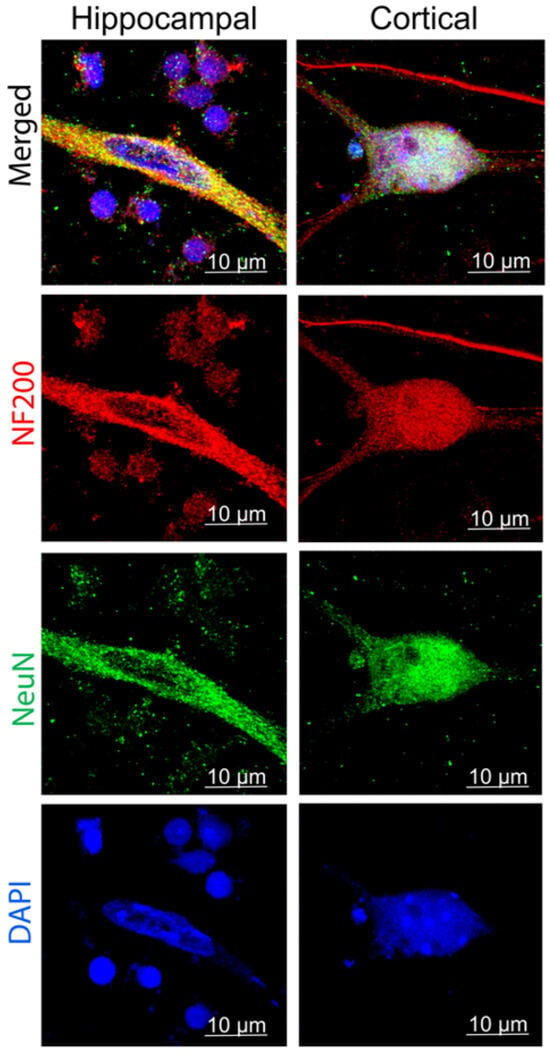
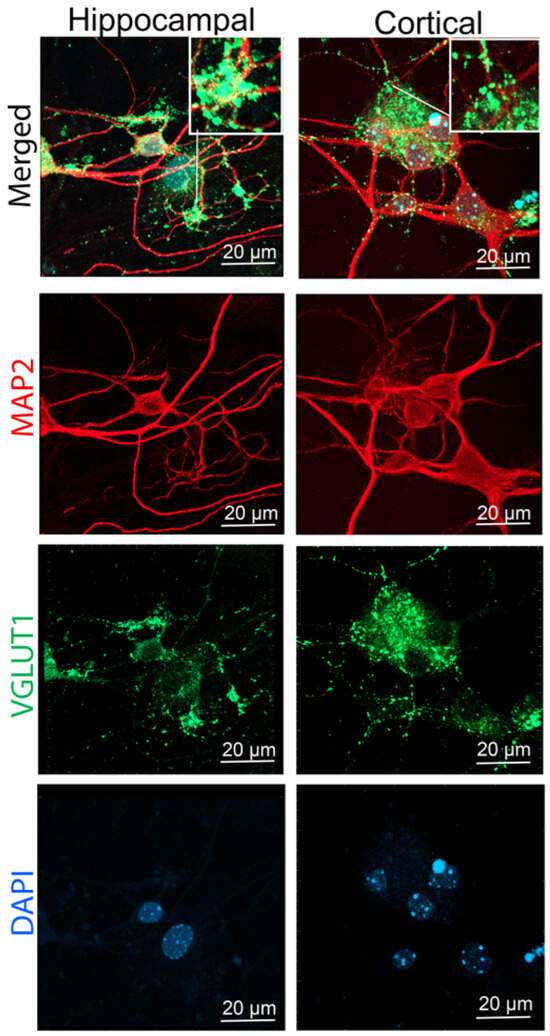
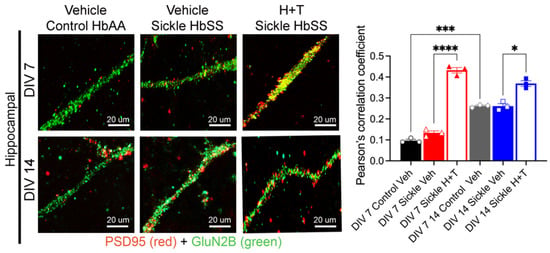
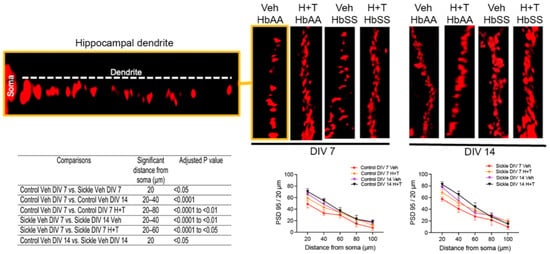
Primary neuronal cultures from the brain are critical for investigating disease-specific cellular and molecular mechanisms in mouse models. Current methods for obtaining primary cultures require embryonic brains that are affected by embryonic lethality and genotypic characterization in severe disease models such as sickle cell disease (SCD). Furthermore, these neuronal cultures require about 14 days in vitro (DIVs) for neurite outgrowth to mature. We adapted and optimized a relatively simplified and reproducible method using brains from postnatal day 1 mouse pups for isolating and culturing hippocampal and cortical neurons. This approach produces viable neurons that attach, extend neurites, and express key synaptic markers by 7 DIV and also minimizes glial outgrowth. We successfully applied this approach to isolating and culturing hippocampal and cortical neurons from the brains of one-day-old (P1) pups of humanized transgenic homozygous BERK sickle cell and control mice. Morphological observations at 3, 7, and 14 DIVs demonstrated robust neuronal attachment, neurite outgrowth, and overall structural development in both male and female hippocampal and cortical neurons. Neurons in culture expressed key markers including neuronal nuclear protein (NeuN/Rbfox3), neurofilament 200 (NF200), microtubule-associated protein 2 (MAP2), vesicular glutamate transporter 1 (VGLUT1), postsynaptic density protein 95 (PSD 95), and glutamate N-methyl-D-aspartate receptor subunit 2B (GluN2B). Notably, male SCD hippocampal neurons evinced a higher density of PSD 95 puncta on dendritic spines compared to controls on 7 as well as 14 DIVs. Incubation of male hippocampal neurons in a sickle cell-like microenvironment with TNF-α and heme further increased the density of PSD 95 puncta and colocalization of GluN2B with PSD 95, supporting the utility of this culture system for examining disease-relevant structural and molecular responses. This optimized culture system provides a simplified and reproducible platform to investigate the mechanisms involving neuronal dysfunction in challenging mouse models of brain disorders. Full article
(This article belongs to the Special Issue Molecular Therapeutic Advances for Neurodegenerative Diseases)
Show Figures

Figure 1

17 pages, 3521 KB  
Article
Screening Aminated Fibrous Sorbents for Indoor CO2 Removal: Pore-Engineered PEI-Loaded Activated Carbon Fibre Felts
by Muyao He, Liyan Tao and Yile Chen
Coatings 2026, 16(6), 646; https://doi.org/10.3390/coatings16060646 (registering DOI) - 26 May 2026
Abstract
Solid amine adsorbents can capture CO2 at indoor-relevant concentrations (~1000 ppm), but many high-capacity adsorbents rely on granular or powdery supports that are difficult to integrate directly into air purification systems. Here, we applied three amination strategies to commercial fibrous substrates: bridge-grafting [...] Read more.
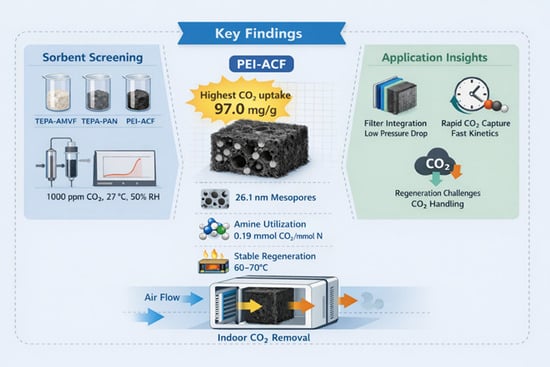
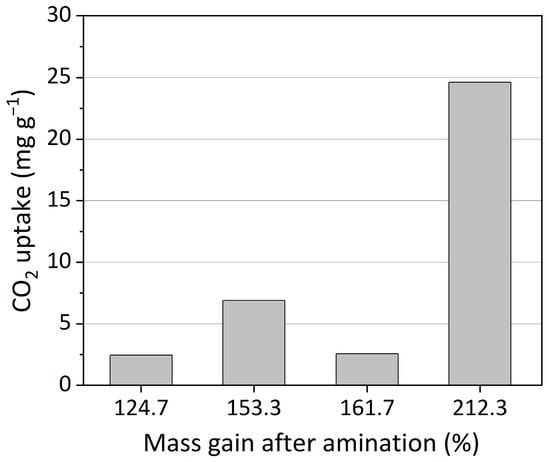
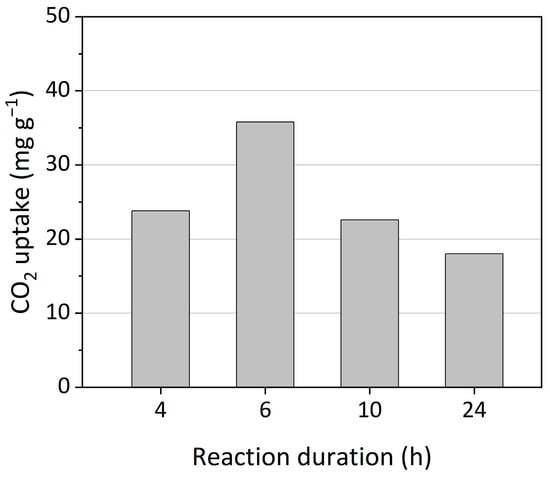
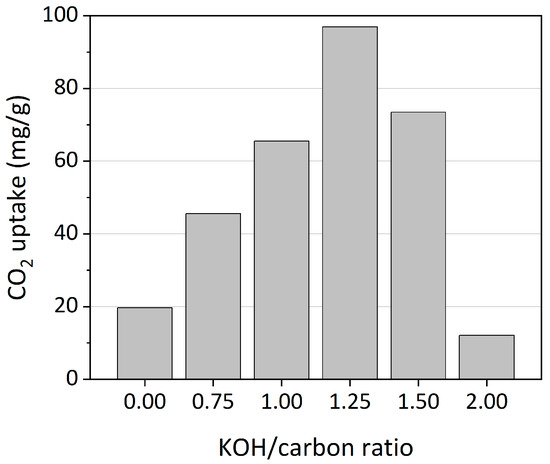
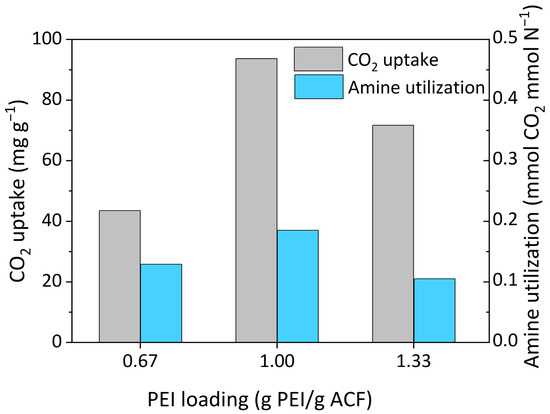
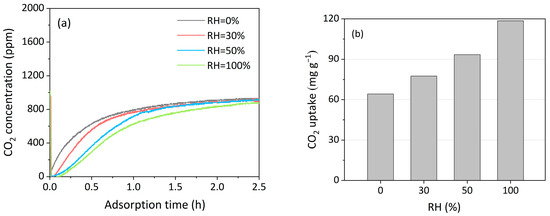
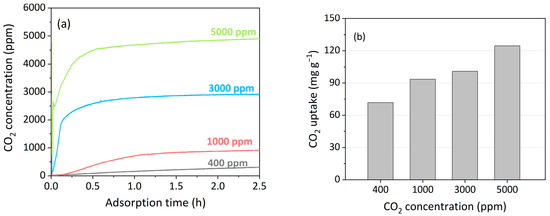
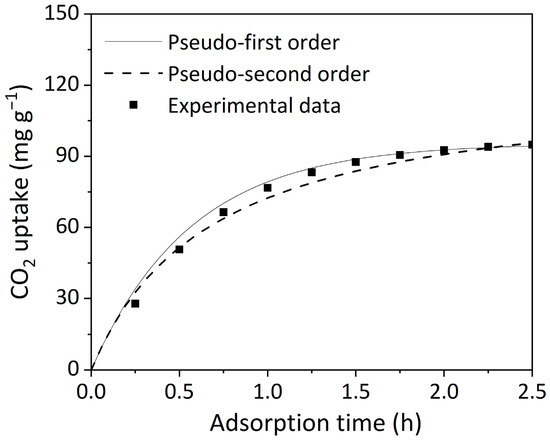
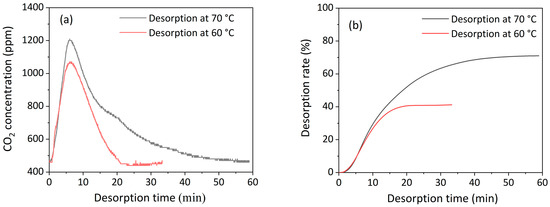
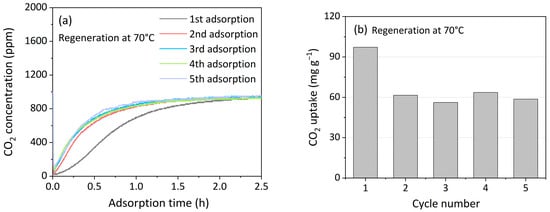
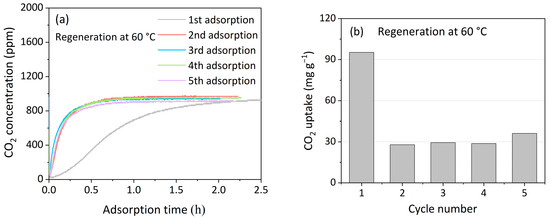
Solid amine adsorbents can capture CO2 at indoor-relevant concentrations (~1000 ppm), but many high-capacity adsorbents rely on granular or powdery supports that are difficult to integrate directly into air purification systems. Here, we applied three amination strategies to commercial fibrous substrates: bridge-grafting on viscose (TEPA-AMVF), direct grafting on polyacrylonitrile (TEPA-PAN), and physical impregnation on pore-engineered activated carbon fibre felt (PEI-ACF). These adsorbents were systematically screened under simulated indoor conditions (1000 ppm CO2, 27 °C, 50% RH). A significant capacity difference was observed: TEPA-AMVF (24.8 mg g−1) < TEPA-PAN (35.8 mg g−1) ≪ PEI-ACF (97.0 mg g−1). The superior performance of PEI-ACF was attributed to KOH activation, which produced a mesopore-rich structure (average pore diameter 26.1 nm at an optimal KOH/carbon ratio of 1.25) and enabled high nominal amine utilisation (0.19 mmol CO2 mmol N−1). PEI-ACF maintained high breakthrough-derived CO2 uptake across realistic indoor conditions (64.2–118.6 mg g−1 over 0%–100% RH; 71.6–124.5 mg g−1 over 400–5000 ppm CO2), exhibited rapid kinetics (pseudo-first-order rate constant k = 1.77 h−1; 81.7% of equilibrium uptake within 1 h), and showed stable but partial regeneration over four adsorption–desorption cycles at 60–70 °C under N2. Compared with granular or resin-based amine sorbents, the self-supporting PEI-ACF felt is expected to offer practical advantages for filter-integrated CO2 removal, including mechanical integrity under airflow, reduced risk of particle leakage, and compatibility with HVAC filter slots. Remaining challenges include direct pressure-drop validation, operation in O2-containing indoor air, long-term cycling, and management of CO2 released during regeneration. Full article
Show Figures

Graphical abstract

10 pages, 6645 KB  
Review
Targeting CFTR Ubiquitination: Current Advances in Therapeutic Strategies for Cystic Fibrosis
by Yuka Kamada and Tsukasa Okiyoneda
Kinases Phosphatases 2026, 4(2), 13; https://doi.org/10.3390/kinasesphosphatases4020013 (registering DOI) - 26 May 2026
Abstract
Cystic fibrosis (CF) is a monogenic disease caused by mutations in the CF transmembrane conductance regulator (CFTR), whose folding, trafficking, and stability are tightly controlled by ubiquitination-dependent protein quality control (PQC) pathways. Although CFTR modulators have transformed CF therapy, their efficacy remains limited [...] Read more.
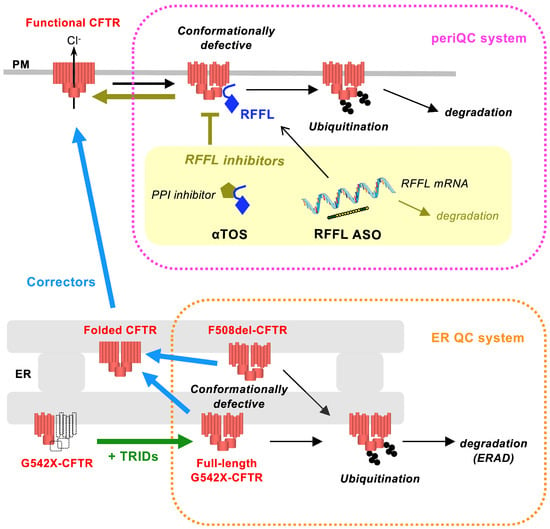
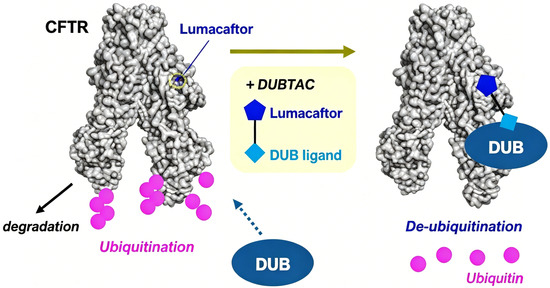
Cystic fibrosis (CF) is a monogenic disease caused by mutations in the CF transmembrane conductance regulator (CFTR), whose folding, trafficking, and stability are tightly controlled by ubiquitination-dependent protein quality control (PQC) pathways. Although CFTR modulators have transformed CF therapy, their efficacy remains limited by persistent ubiquitination and degradation of rescued CFTR. This limitation is particularly evident in class I mutations, where premature termination codons (PTCs) reduce full-length CFTR protein production and no approved mutation-specific therapies are broadly available for canonical PTC variants. Recent advances highlight ubiquitination as a critical and druggable determinant of CFTR stability. The E3 ligase RFFL regulates peripheral CFTR PQC, restricting the stability of rescued CFTR at the plasma membrane (PM). Inhibition of RFFL, including via antisense oligonucleotides (ASO) and small molecules, enhances CFTR rescue and improves outcomes in combination with modulators and translational readthrough therapies. In parallel, deubiquitinase (DUB)-targeting chimeras (DUBTACs) have emerged as a novel modality to stabilize proteins by reversing ubiquitination. Here, we review current advances in targeting CFTR ubiquitination, with a focus on RFFL inhibition and DUBTAC-based strategies, and discuss their opportunities and translational limitations as components of next-generation CF therapies. Full article
Show Figures

Figure 1

21 pages, 1059 KB  
Article
When Fear Meets Joy: Cultural Differences in the Impact of Decision Uncertainty on Fear of Better Options and Ditto Consumption
by Haoyue Bai, Junghee Kim and Seolwoo Park
Behav. Sci. 2026, 16(6), 849; https://doi.org/10.3390/bs16060849 (registering DOI) - 26 May 2026
Abstract
This study examines how decision uncertainty shapes consumers’ Fear of Better Options (FOBO), and subsequently is associated with ditto consumption, while assessing FOBO’s mediating role and the moderating effects of emotional state (Fear of Missing Out, FOMO/Joy of Missing Out, JOMO) and cultural [...] Read more.
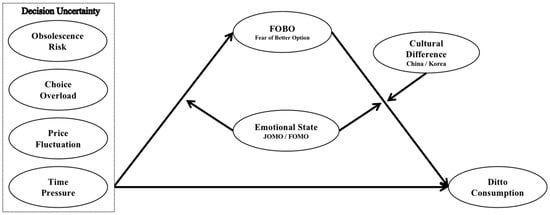
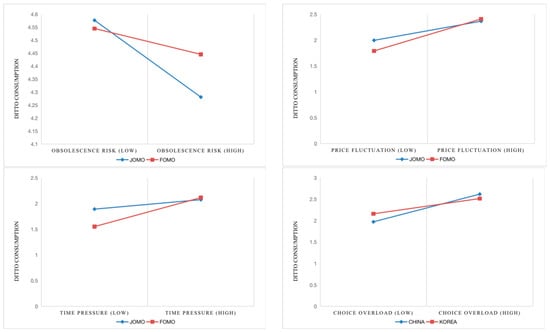
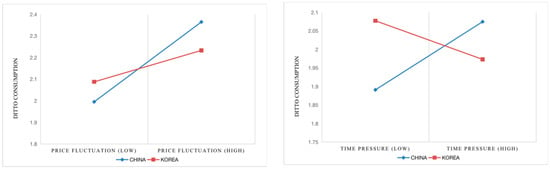
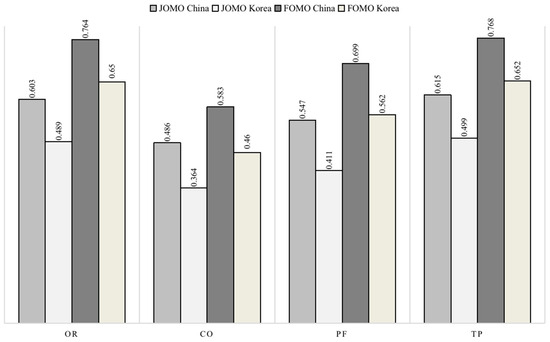
This study examines how decision uncertainty shapes consumers’ Fear of Better Options (FOBO), and subsequently is associated with ditto consumption, while assessing FOBO’s mediating role and the moderating effects of emotional state (Fear of Missing Out, FOMO/Joy of Missing Out, JOMO) and cultural differences (China/Korea). Using survey data from 682 new energy vehicle consumers in China and Korea, structural equation modeling was applied to test the proposed framework. The results reveal that choice overload and price fluctuation significantly increase both FOBO and ditto consumption, while obsolescence risk does not show a significant direct effect. Notably, time pressure negatively influences FOBO but positively affects ditto consumption, suggesting a dual-path mechanism in decision-making under time constraints. FOBO partially mediates the effects of choice overload and price fluctuation on ditto consumption. Moreover, emotional state and cultural differences moderate these relationships: FOMO amplifies, whereas JOMO mitigates the transmission effect of FOBO. Chinese consumers display stronger overall effects compared with their Korean counterparts. This study expands upon uncertainty avoidance theory by incorporating FOBO into consumer decision-making models, providing insights into how decision uncertainty, along with cultural and emotional factors, can inform marketing strategies. Full article
Show Figures

Figure 1

18 pages, 2044 KB  
Article
Integrating Osteology and Ancient DNA: Cranial Variation, Hemoglobin S, and Paternal Lineage in a Roman-Period Individual from Anatolia
by Aylin Köseler, Ali Yalçın, İlker Kiraz, Gergana Lengerova, Martina Bozhkova, Steliyan Petrov and Ayla Sevim Erol
Life 2026, 16(6), 893; https://doi.org/10.3390/life16060893 (registering DOI) - 26 May 2026
Abstract
(1) Background: Integrated bioarchaeological approaches combining osteological and ancient DNA analyses provide powerful insights into health, disease, and population history in past societies. However, the relationship between rare skeletal variations, genetic disorders, and ancestry remains insufficiently explored within single individuals. This study aimed [...] Read more.
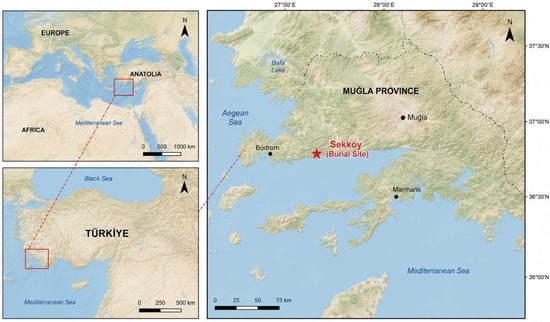
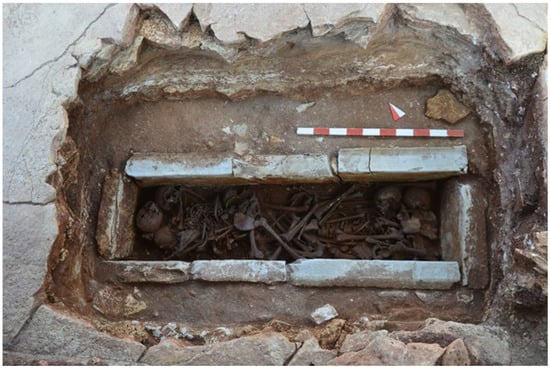
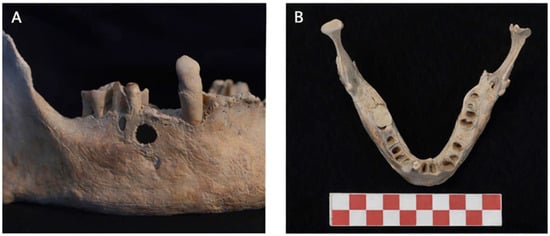
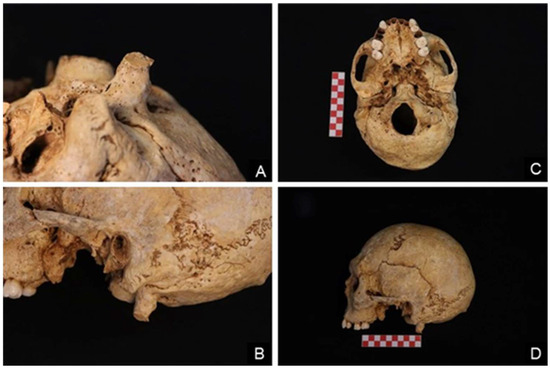
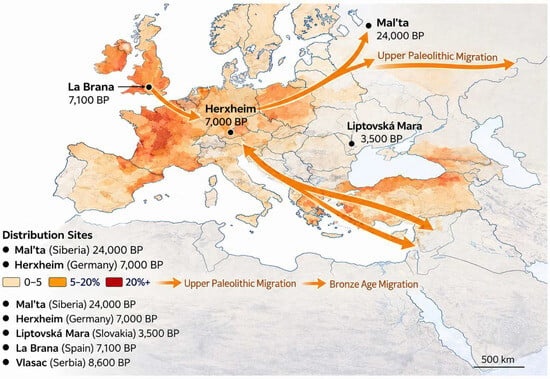
(1) Background: Integrated bioarchaeological approaches combining osteological and ancient DNA analyses provide powerful insights into health, disease, and population history in past societies. However, the relationship between rare skeletal variations, genetic disorders, and ancestry remains insufficiently explored within single individuals. This study aimed to investigate the combined osteological, paleopathological, and genetic characteristics of a Roman-period individual from southwestern Anatolia. (2) Methods: A multidisciplinary approach was applied to the skeletal remains of an adult male recovered from the Sekköy excavation site. Osteological analysis was conducted to assess cranial morphology, pathological lesions, and dental status. Ancient DNA was extracted from petrous bone under strict contamination control. The hemoglobin beta (HBB) gene was analyzed using Next Generation Sequencing and validated by Sanger sequencing. Y-chromosomal STR analysis was performed to determine paternal lineage. (3) Results: Osteological examination revealed a rare craniovertebral anomaly consistent with a third occipital condyle, along with porotic hyperostosis and extensive antemortem dental pathology, indicating prolonged physiological stress. Genetic analysis identified a heterozygous hemoglobin S mutation (HbAS; rs334), confirmed by both next-generation sequencing and Sanger sequencing, providing direct molecular evidence of hereditary hemoglobinopathy. Y-STR profiling assigned the individual to haplogroup R1b (predicted based on Y-STR data), indicating affiliation with Western Eurasian paternal lineages. (4) Conclusions: Despite the presence of comparable skeletal stress indicators, the integration of osteological and genetic data revealed a complex interaction between anatomical variation, chronic physiological stress, and inherited disease. The co-occurrence of a rare cranial anomaly, HbS mutation, and a defined paternal lineage represents a unique bioarchaeological case. These findings highlight the value of integrating skeletal and molecular approaches to reconstruct individual health profiles in archaeological contexts and demonstrate the methodological potential of interdisciplinary bioarcheological analysis. Full article
(This article belongs to the Section Genetics and Genomics)
Show Figures

Figure 1

30 pages, 17051 KB  
Article
Wearable-Compatible Detection of Mild Cognitive Impairment Using Novel Features Based on Sleep Stage Dynamics
by Dhanushka Wijesinghe and Ivan T. Lima, Jr.
Brain Sci. 2026, 16(6), 562; https://doi.org/10.3390/brainsci16060562 (registering DOI) - 26 May 2026
Abstract
Background: Mild Cognitive Impairment (MCI) is an early stage of cognitive decline and a major risk factor for dementia, typically diagnosed using neuropsychological assessments such as memory and executive function tests. While EEG-based detection has been widely explored, most approaches rely on raw [...] Read more.
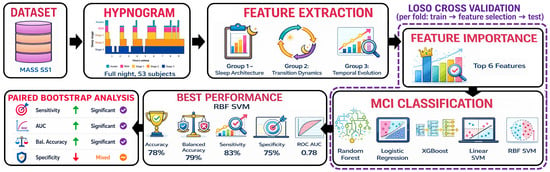
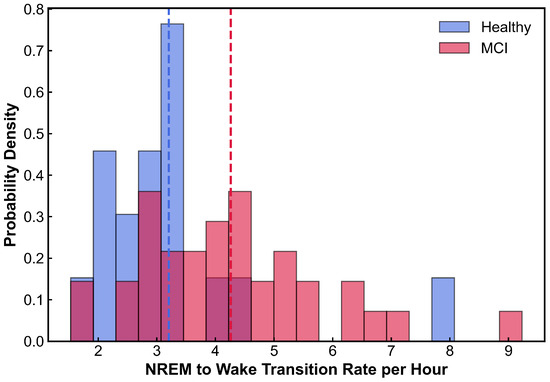
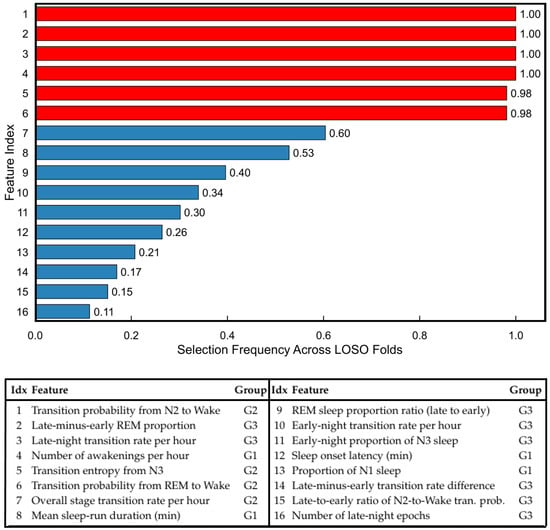
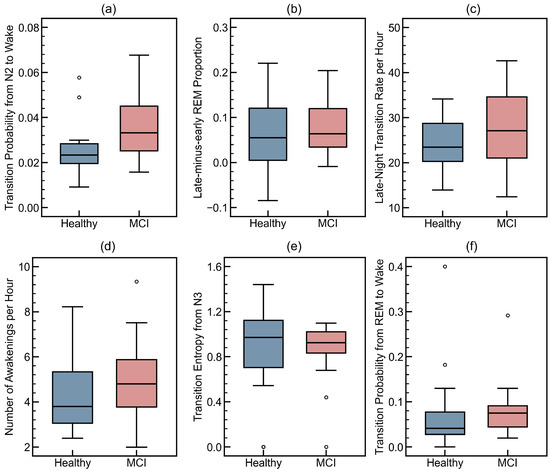
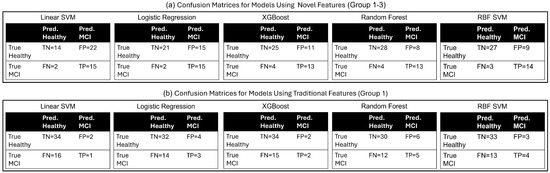
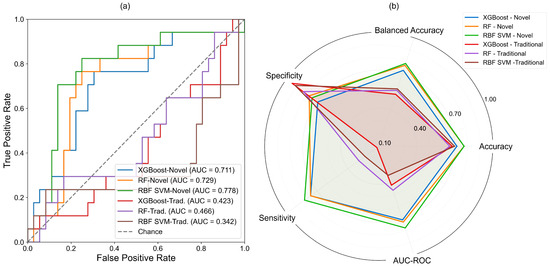
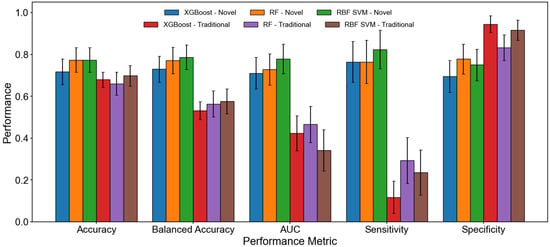
Background: Mild Cognitive Impairment (MCI) is an early stage of cognitive decline and a major risk factor for dementia, typically diagnosed using neuropsychological assessments such as memory and executive function tests. While EEG-based detection has been widely explored, most approaches rely on raw signal analysis and computationally intensive deep learning models. In contrast, wearable devices use indirect behavioral proxies (e.g., activity patterns or sleep–wake patterns), limiting diagnostic specificity. Although substantial clinical evidence indicates altered sleep architecture in MCI, the use of sleep stage dynamics for MCI classification remains largely unexplored. Methods: We propose a lightweight and physiologically interpretable framework using novel features based on hypnogram-derived sleep dynamics. The method was evaluated on the MASS SS1 dataset (36 healthy, 17 MCI subjects) using five classifiers—Logistic Regression, Random Forest, XGBoost, Linear SVM, and RBF SVM—with leave-one-subject-out validation and threshold optimization. Results: RBF SVM achieved the best performance (accuracy: 77.4%, balanced accuracy: 78.7%, sensitivity: 82.4%, specificity: 75.0%, ROC AUC: 0.778), followed by Random Forest (accuracy: 77.4%, balanced accuracy: 77.1%) and XGBoost (accuracy: 71.7%, balanced accuracy: 73.0%). Conclusions: This proof-of-concept study demonstrates that features extracted from sleep stage dynamics are effective, non-invasive, and interpretable biomarkers for early MCI detection, with strong potential for integration into wearable sleep monitoring systems. Full article
Show Figures

Figure 1

Open Access Journals

Browse by Indexing Browse by Subject Selected Journals
Back to TopTop