



Advancing Open Science
A global leader in open access publishing, supporting research
communities and accelerating scientific discovery
 
47 pages, 2047 KB  
Review
Analysis and Risks of Emerging Contaminants and Microplastics in Natural and Treated Waters and Human Health: A Critical Review
by Maryam Mallek and Damià Barceló
J. Xenobiot. 2026, 16(3), 93; https://doi.org/10.3390/jox16030093 (registering DOI) - 23 May 2026
Abstract
Emerging contaminants (ECs) and microplastics (MPs) are increasingly detected in surface waters, wastewaters, and drinking water, often as complex mixtures, transformation products, and particle-associated burdens that challenge routine monitoring. This critical review examines current analytical strategies for the detection and characterization of both [...] Read more.
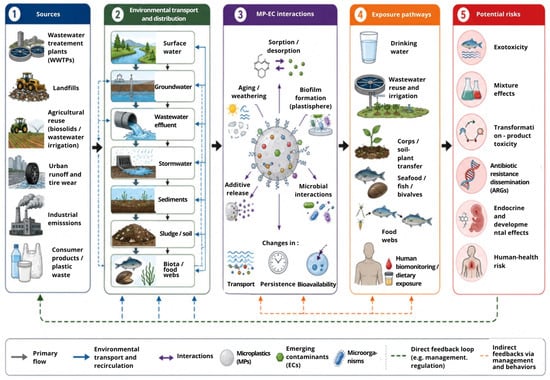
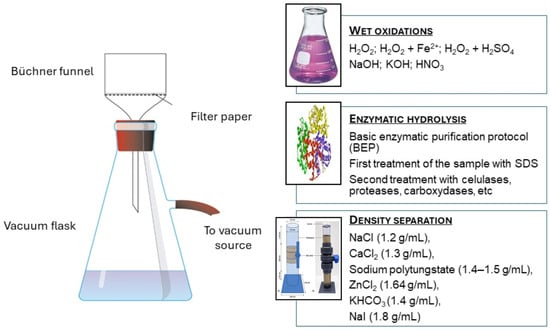
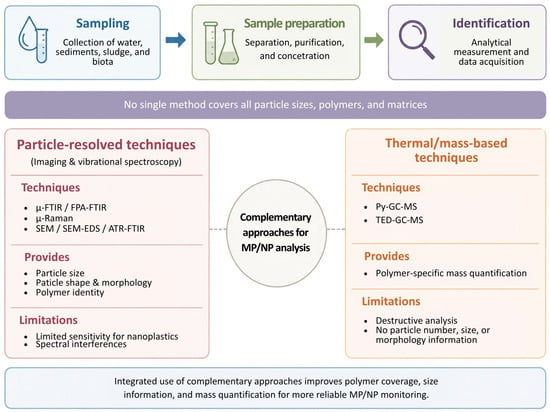
Emerging contaminants (ECs) and microplastics (MPs) are increasingly detected in surface waters, wastewaters, and drinking water, often as complex mixtures, transformation products, and particle-associated burdens that challenge routine monitoring. This critical review examines current analytical strategies for the detection and characterization of both molecular and particulate emerging contaminants in aquatic systems, with particular emphasis on their relevance to environmental and human health risk assessment. For molecular ECs, targeted LC–MS/MS and GC–MS and GC–MS/MS approaches are evaluated alongside high-resolution mass spectrometry (HRMS)-based suspect and non-target screening, retrospective data mining, and transformation-product elucidation. For MPs, particle-resolved vibrational spectroscopy including µ-FTIR and µ-Raman is critically assessed in comparison with complementary thermal analysis methods, such as pyrolysis–GC–MS and thermal extraction–desorption GC–MS (TED–GC–MS). Particular attention is given to the influence of sampling design, matrix-adapted sample preparation, analytical confidence, and method-dependent size and polymer coverage on data quality and interstudy comparability. The review further highlights the risks of ECs in relation to exposure pathways, mixture effects, and the potential carrier role of MPs for ECs, additives, and microorganisms. Finally, key priorities are identified for next-generation monitoring frameworks, including harmonized workflows, transparent confidence reporting, and stronger integration of analytical evidence with fate, exposure, and risk assessment. Full article
Show Figures

Figure 1

38 pages, 730 KB  
Review
Artificial Intelligence Applications in Implant Positioning, Dislocation Risk Prediction, and Surgical Indications in Orthopaedic Surgery
by Mihai Emanuel Gherghe, Alex-Gabriel Grigore, Iosif-Aliodor Timofticiuc, Adelina-Elena Moise, Constantin-Adrian Andrei, Serban Dragosloveanu, Dana-Georgiana Nedelea, Łukasz Pulik, Catalin Anghel, Cristian Scheau and Romica Cergan
Bioengineering 2026, 13(6), 610; https://doi.org/10.3390/bioengineering13060610 (registering DOI) - 23 May 2026
Abstract
Background: Artificial intelligence (AI) is becoming increasingly integrated into orthopaedic surgery for tasks such as implant positioning, dislocation risk prediction, and surgical decision-making. However, the current evidence varies widely across anatomical regions and applications. Methods: A structured narrative review was conducted using PubMed [...] Read more.
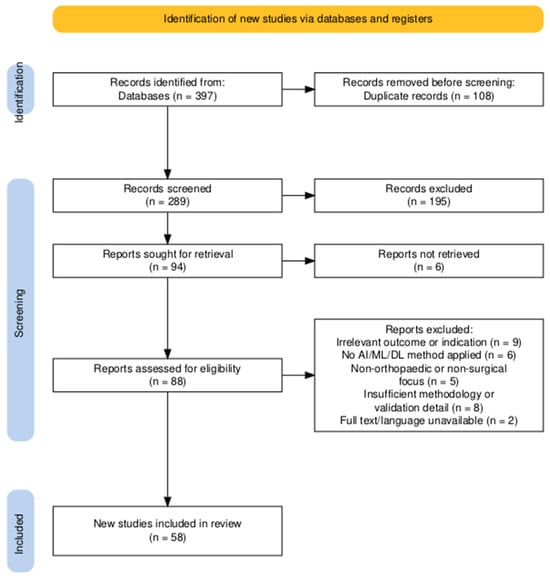
Background: Artificial intelligence (AI) is becoming increasingly integrated into orthopaedic surgery for tasks such as implant positioning, dislocation risk prediction, and surgical decision-making. However, the current evidence varies widely across anatomical regions and applications. Methods: A structured narrative review was conducted using PubMed and Web of Science Core Collection to identify studies applying machine learning or deep learning in orthopaedic procedures, focusing on parameters such as the anatomical region addressed, data types used, primary AI tasks, evaluation designs, and validation strategies. Reviews and meta-analyses were excluded. Study selection was summarized using a PRISMA-style flow diagram, and included studies were narratively synthesized according to anatomical region, AI task, imaging modality, validation strategy, and clinical relevance. Results: We identified three main application areas: (1) AI in imaging-driven planning and implant positioning, often linked with navigation or robotic systems; (2) postoperative evaluation related to implants; and (3) prediction of clinically relevant outcomes such as dislocation risk. The strongest evidence is found in hip arthroplasty, where AI improves measurement accuracy and workflow efficiency, whereas applications in knee, shoulder, and spine surgery are less developed and often supported by smaller studies. Although existing risk prediction models demonstrate good performance, their generalizability is hindered by limited external validation and inconsistent reporting. Conclusions: Overall, while AI shows significant promise in enhancing various aspects of orthopaedic surgery, stronger links between technical advancements and patient outcomes are needed. Future research should prioritize extensive validations, workflow-aware evaluations, failure analysis, and adherence to AI-specific reporting guidelines to facilitate safe and effective clinical implementation. Full article
(This article belongs to the Special Issue Deep Learning for Medical Applications: Challenges and Opportunities)
Show Figures

Figure 1

23 pages, 2472 KB  
Article
Stability-Controlled Continual Federated Learning for Energy-Harvesting AIoT Systems
by Junsoo Park, Ikjune Yoon and Dong Kun Noh
Sensors 2026, 26(11), 3325; https://doi.org/10.3390/s26113325 (registering DOI) - 23 May 2026
Abstract
Energy-harvesting (EH) AIoT systems enable long-term autonomous operation but suffer from time-varying energy availability, which makes stable learning difficult. In such environments, federated learning (FL) is prone to energy depletion (blackout), while continual learning is required to handle evolving data distributions, leading to [...] Read more.
Energy-harvesting (EH) AIoT systems enable long-term autonomous operation but suffer from time-varying energy availability, which makes stable learning difficult. In such environments, federated learning (FL) is prone to energy depletion (blackout), while continual learning is required to handle evolving data distributions, leading to a trade-off between energy stability and catastrophic forgetting. In this paper, we propose a stability-controlled continual federated learning framework that jointly regulates local training intensity and rehearsal usage based on the residual energy state. The proposed method is derived from a Lyapunov drift-plus-penalty formulation and implemented as a lightweight mode-based control policy. Simulation results using real solar energy traces show that the proposed method significantly reduces blackout while improving accuracy and mitigating forgetting compared to existing approaches. These results demonstrate the effectiveness of energy-aware joint control for stable continual federated learning in EH-AIoT systems. Full article
(This article belongs to the Special Issue New Trends in Artificial Intelligence of Things (AIoT))
18 pages, 3365 KB  
Article
Beyond Sights: A Configurational Analysis of Multisensory Pathways to Electronic Word-of-Mouth in VR Cultural Heritage Systems
by Chenhan Jiang, Rui Han, Xiu Hui, Jihong Yu and Shengyu Huang
Electronics 2026, 15(11), 2263; https://doi.org/10.3390/electronics15112263 (registering DOI) - 23 May 2026
Abstract
Virtual reality heritage experiences can be understood as multisensory interaction systems, yet how auditory, haptic, and gestural cues combine at the system level to shape electronic word-of-mouth (eWOM) intention remains insufficiently understood. Addressing this problem from a configurational systems perspective, this study applies [...] Read more.
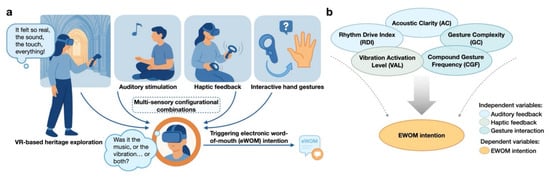
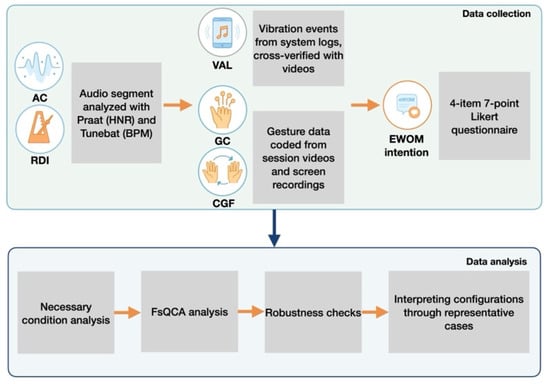
Virtual reality heritage experiences can be understood as multisensory interaction systems, yet how auditory, haptic, and gestural cues combine at the system level to shape electronic word-of-mouth (eWOM) intention remains insufficiently understood. Addressing this problem from a configurational systems perspective, this study applies fuzzy-set qualitative comparative analysis (fsQCA) to five auditable interaction cues (acoustic clarity, rhythmic drive, vibrotactile actuation level, gesture complexity, and compound gesture frequency) across a set of widely used VR cultural heritage applications. The results identify two sufficient system-level pathways to high eWOM intention: a rhythm-driven, low-burden pathway and a coordination-driven pathway characterized by clearer audio, stronger rhythmic structure, and tighter haptic and gestural action closure. Low eWOM intention is most consistently associated with weak cue interpretability, limited temporal drive, or unbalanced stimulation patterns, suggesting that isolated enhancement of single channels does not reliably translate into downstream sharing intentions. These findings reposition VR heritage design as a problem of configuring coherent multisensory interaction systems rather than maximizing individual stimuli. The study contributes a bounded, case-comparative account of how auditable cue bundles shape eWOM intention and offers system design guidance for resource-sensitive multisensory coordination in VR heritage applications. Full article
Show Figures

Figure 1

26 pages, 3410 KB  
Article
Unraveling the Taxonomic Diversity and Functional Potential of the Tunisian Salterns, Abbassia and Thyna, via Integrated 16S-18S Amplicons and Shotgun Metagenomics
by Sondes Mechri, Afef Najjari, Séverine Croze, Hadda-Imene Ouzari, Marilize Le Roes-Hill, Slim Tounsi, Joel Lachuer and Bassem Jaouadi
Int. J. Mol. Sci. 2026, 27(11), 4714; https://doi.org/10.3390/ijms27114714 (registering DOI) - 23 May 2026
Abstract
Hypersaline environments are unique ecosystems harboring specialized microbial communities with significant biotechnological potential. This study provides a comprehensive characterization of the taxonomic diversity and functional potential of two Tunisian salterns, Abbassia (Kerkennah) and Thyna (Sfax), using an integrated approach that combines 16S/18S rRNA [...] Read more.
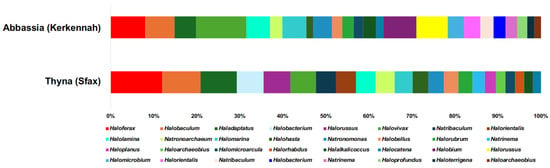
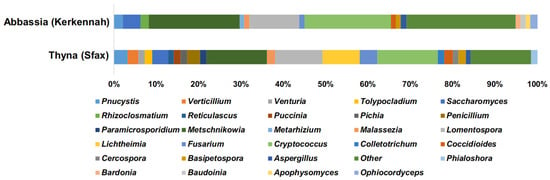
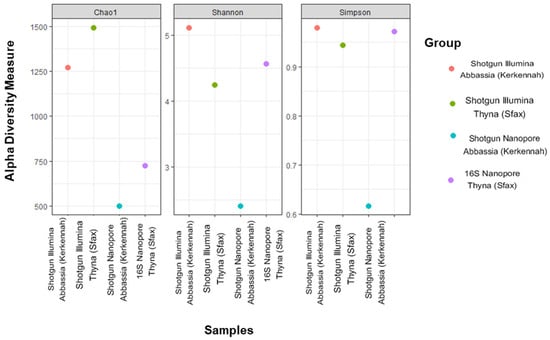
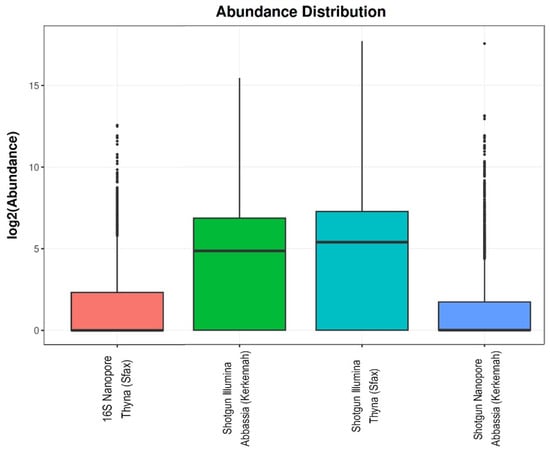
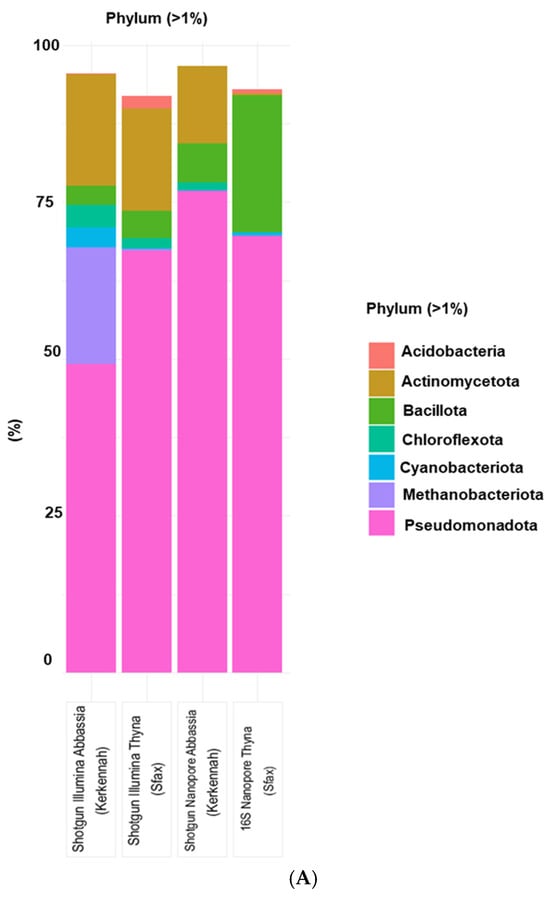
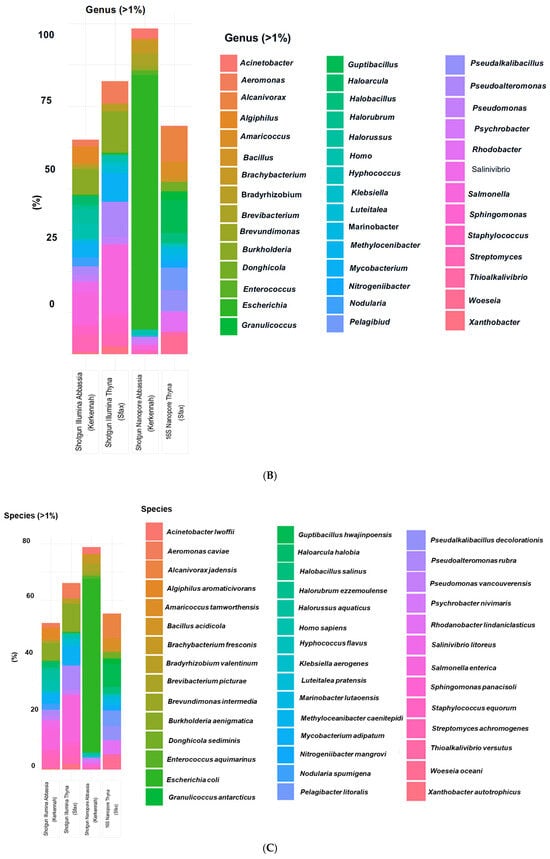
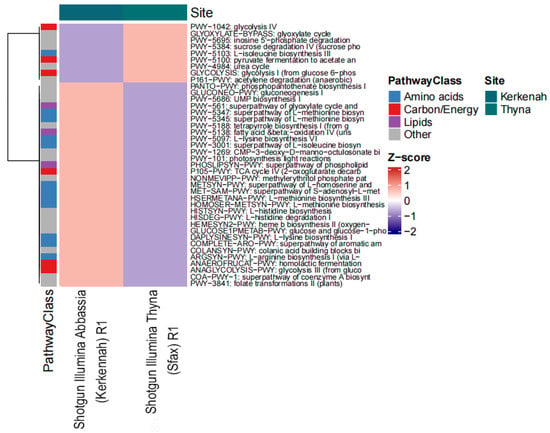
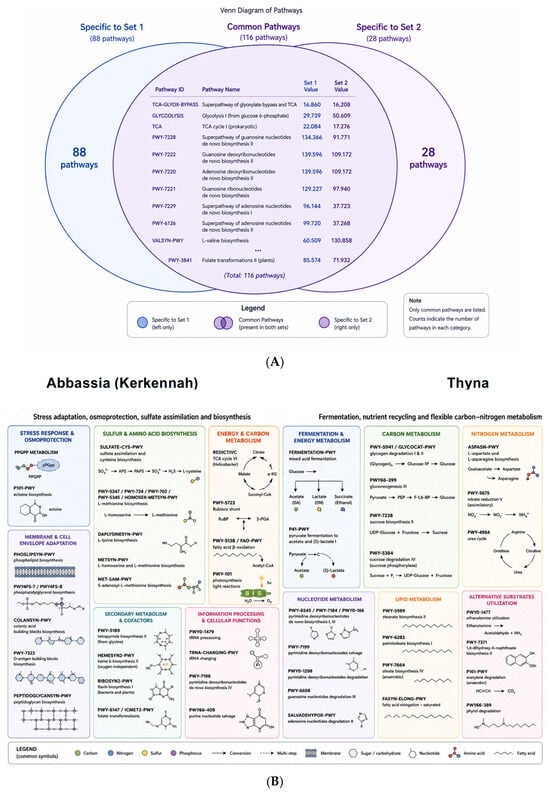
Hypersaline environments are unique ecosystems harboring specialized microbial communities with significant biotechnological potential. This study provides a comprehensive characterization of the taxonomic diversity and functional potential of two Tunisian salterns, Abbassia (Kerkennah) and Thyna (Sfax), using an integrated approach that combines 16S/18S rRNA gene amplicons (Illumina and full-length Nanopore) with shotgun metagenomics. Taxonomic profiling revealed a high species richness (S ≈ 1250 taxa); however, the Abbassia site was characterized by extreme taxonomic polarization, with over 95% of the community dominated by specialized halophilic Bacillota (Salinicoccus and Jeotgalicoccus). In contrast, Thyna exhibited a more even distribution dominated by Pseudomonadota and methanogenic Archaea. Beyond taxonomy, functional annotation via the HUMAnN 3.0 pipeline identified site-specific metabolic specializations. Abbassia was enriched in biosynthetic pathways and robust stress-response mechanisms, including ectoine biosynthesis and ppGpp-mediated stringent response, reflecting adaptation to stable hypersaline conditions. Conversely, Thyna’s microbiome prioritized energy extraction and nutrient recycling, with a high abundance of fermentation and glyoxylate cycle pathways. These findings demonstrate that environmental filtering shapes not only the microbial structure but also the metabolic landscape, highlighting the ecological plasticity of microbial life in extreme Tunisian salterns. Full article
Show Figures

Figure 1

25 pages, 13448 KB  
Article
Quantifying Dominant Remaining Oil Distribution in Displacement Units of High-Water-Cut Reservoirs
by Chao Chen, Zhou Li, Zhenping Liu, Menghao Zhang, Yaopan Yu, Junyao Xiang and Daigang Wang
Energies 2026, 19(11), 2519; https://doi.org/10.3390/en19112519 (registering DOI) - 23 May 2026
Abstract
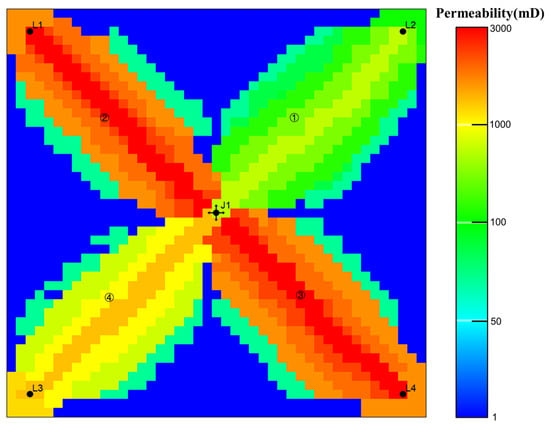
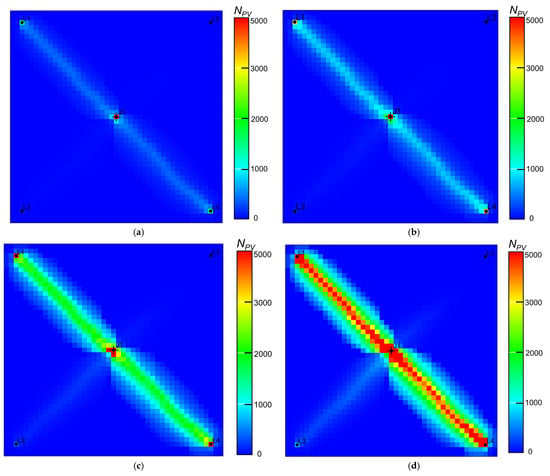
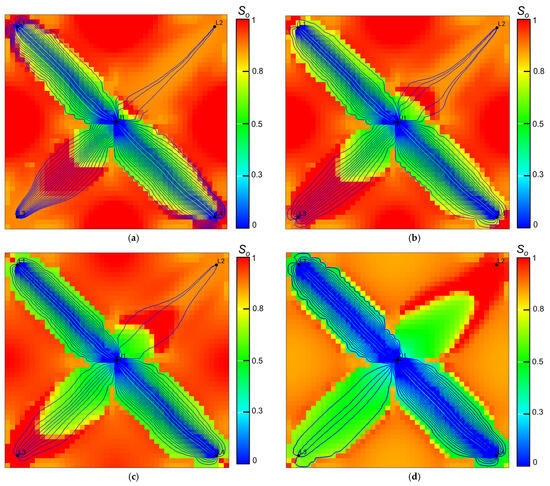
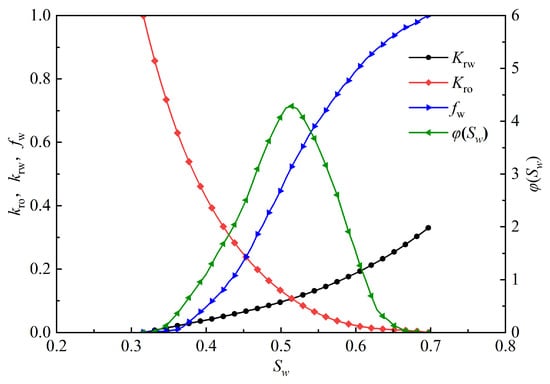
Remaining oil in high-water-cut reservoirs becomes increasingly dispersed during long-term waterflooding, while preferential flow paths cause severe ineffective water circulation and reduce the efficiency of further oil displacement. To improve the quantitative identification of remaining oil enrichment and water-flushed regions, this study proposes [...] Read more.
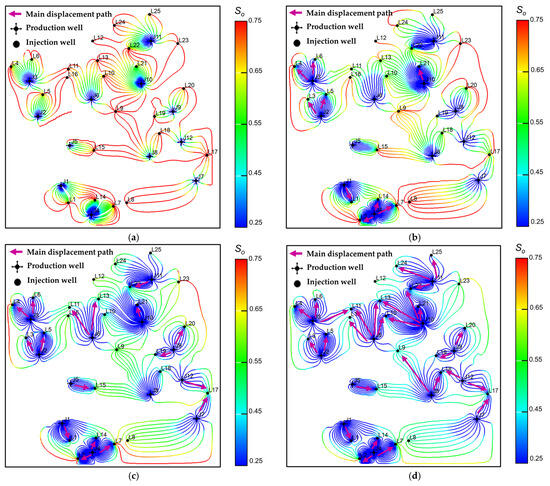
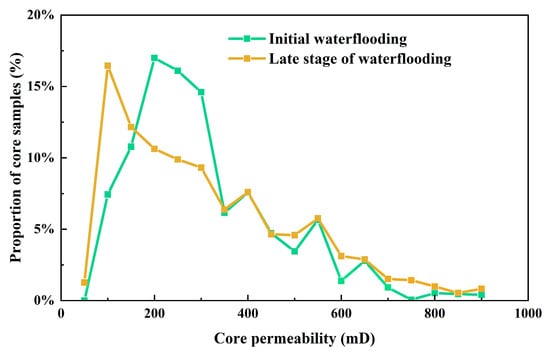
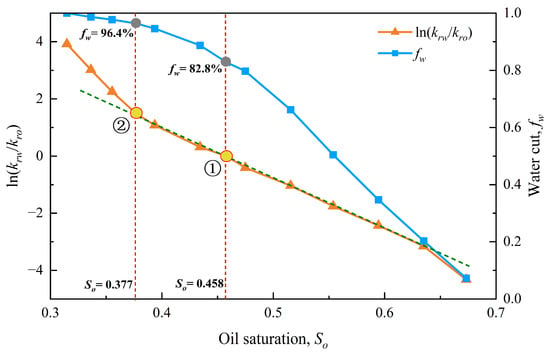
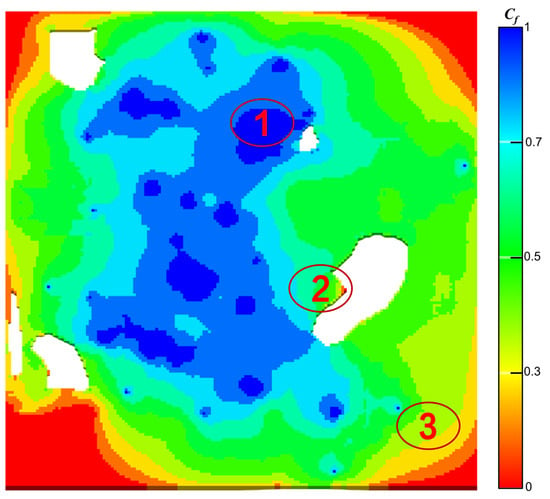
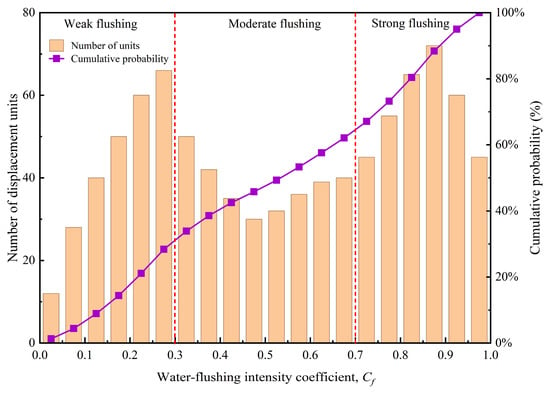
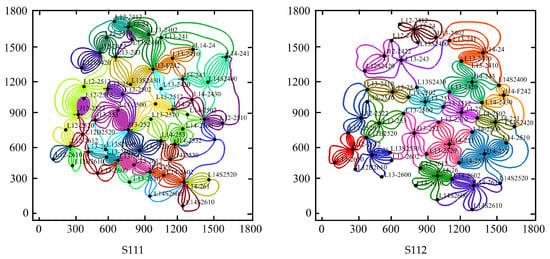
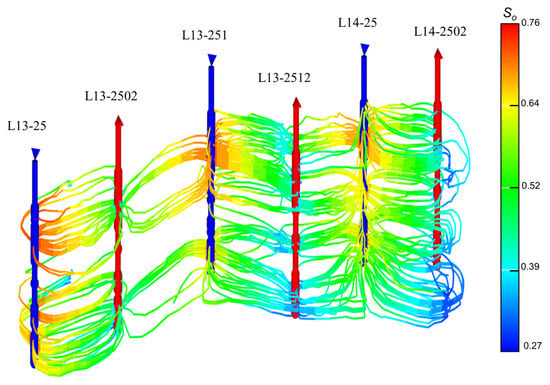
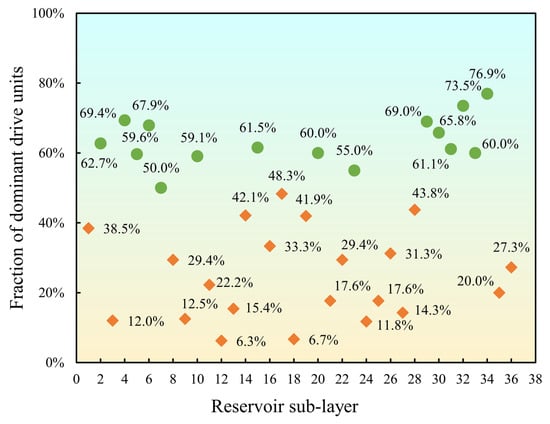
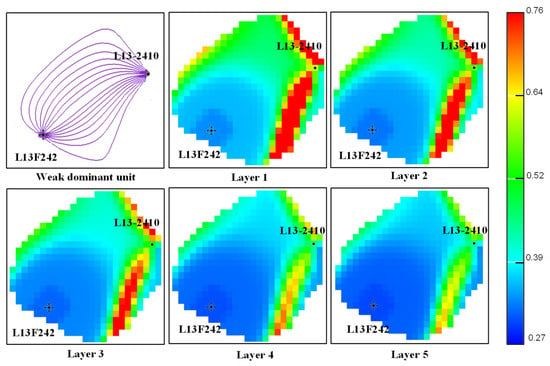
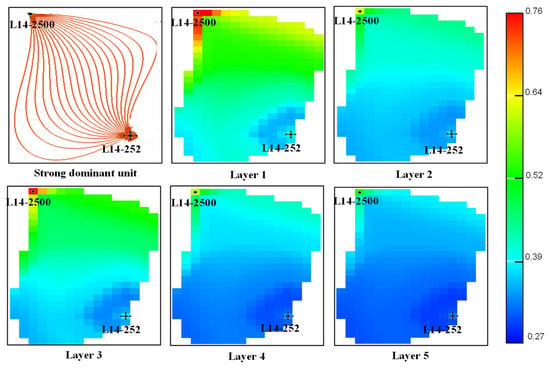
Remaining oil in high-water-cut reservoirs becomes increasingly dispersed during long-term waterflooding, while preferential flow paths cause severe ineffective water circulation and reduce the efficiency of further oil displacement. To improve the quantitative identification of remaining oil enrichment and water-flushed regions, this study proposes a displacement-unit-based classification and evaluation method for dominant remaining oil distribution. The method integrates dynamic allocation of injected water in multilayer reservoirs, time-varying characterization of reservoir physical properties, streamline-based delineation of displacement units, and saturation tracking using the φ-function. Two quantitative indicators, the remaining oil abundance index (Iso) and the water flushing intensity coefficient (Cf), were introduced to classify displacement units into strongly dominant, weakly dominant, and non-dominant types. The method was applied to a high-water-cut block of the W Oilfield, where 902 displacement units were identified from 65 oil and water wells and 36 sublayers. The results show that strongly dominant, weakly dominant, and non-dominant displacement units accounted for 37.9%, 33.7%, and 28.4% of the total, respectively. In 15 sublayers, the proportion of strongly dominant units exceeded 50%, indicating severe preferential water flow and limited remaining oil potential in these layers. Strongly dominant units were characterized by high water flushing intensity and low remaining oil abundance, whereas weakly dominant units showed remaining oil enrichment mainly at the margins of displacement units. The proposed method couples injection–production dynamics with seepage-field evolution and provides a quantitative basis for fine-scale adjustment of injection–production patterns in high-water-cut reservoirs. Full article
(This article belongs to the Section H1: Petroleum Engineering)
Show Figures

Figure 1

21 pages, 3264 KB  
Review
Nutrient Release, Leaching, and Agronomic Performance of Additive-Enhanced Biochar-Based Fertilizers: A Global Meta-Analysis
by Jéssica da Luz Costa, José Ferreira Lustosa, Filho, Rhaila da Silva Rodrigues Viana, Jhon Kenedy Moura Chagas and Cícero Célio de Figueiredo
Agriculture 2026, 16(11), 1147; https://doi.org/10.3390/agriculture16111147 (registering DOI) - 23 May 2026
Abstract
Biochar-based fertilizers (BBFs), including formulations enriched with additives, are sustainable alternatives to conventional fertilizers, promoting waste reuse and controlled nutrient release. This study performed a global meta-analysis to evaluate nutrient dynamics (release and leaching in water and soil) and the agronomic performance of [...] Read more.
Biochar-based fertilizers (BBFs), including formulations enriched with additives, are sustainable alternatives to conventional fertilizers, promoting waste reuse and controlled nutrient release. This study performed a global meta-analysis to evaluate nutrient dynamics (release and leaching in water and soil) and the agronomic performance of additive-enhanced BBFs compared with unfertilized and/or conventionally fertilized controls. Thirty studies were selected, with 264 experimental pairs extracted from the Web of Science and Scopus databases, and analyzed using a random-effects model. The results indicated that BBFs enriched with natural mineral additives promoted an average increase of 204.3% in nutrient release in water (p < 0.001), whereas in soil biotechnological additives showed the greatest increase, with 109.8% (p < 0.001). Leaching was reduced by up to 74.4% with BBFs enhanced with agricultural residue additives and by 46.9% with industrial additives, indicating greater nutrient retention and greater nutrient-use efficiency. In terms of agronomic performance, additive-enhanced BBFs resulted in average increases of 49.3% in plant height, 232.3% in aboveground biomass, 60.8% in root biomass, and 11.2% in grain yield, compared to unfertilized soil. Overall, the effectiveness of BBFs depends on both the type of additive and the application method, with industrial and mineral additives being the most promising for controlled nutrient release and increased crop productivity. Full article
(This article belongs to the Section Agricultural Soils)
6 pages, 207 KB  
Editorial
AI Technology and Security in Cloud/Big Data
by Ji Su Park
Appl. Sci. 2026, 16(11), 5250; https://doi.org/10.3390/app16115250 (registering DOI) - 23 May 2026
Abstract
Recent advancements in cloud computing and big data technologies have accelerated the integration of AI-based services as core infrastructure components in various industrial sectors [...] Full article
(This article belongs to the Special Issue AI Technology and Security in Cloud/Big Data)
27 pages, 904 KB  
Article
Reliability and Risk in Space-Based Data Centers: A Lifecycle Assessment of Orbital Cloud Infrastructure
by Mahmoud Al Ahmad, Qurban Memon and Michael Pecht
Appl. Sci. 2026, 16(11), 5247; https://doi.org/10.3390/app16115247 (registering DOI) - 23 May 2026
Abstract
The rapid expansion of artificial intelligence and cloud computing is straining terrestrial data center infrastructure, motivating exploration of space-based data centers (SBDCs) as a scalable and energy-efficient alternative. While orbital platforms offer unique advantages, including continuous solar energy, radiative cooling, and global coverage, [...] Read more.
The rapid expansion of artificial intelligence and cloud computing is straining terrestrial data center infrastructure, motivating exploration of space-based data centers (SBDCs) as a scalable and energy-efficient alternative. While orbital platforms offer unique advantages, including continuous solar energy, radiative cooling, and global coverage, their practical deployment is constrained by unresolved reliability challenges across the mission lifecycle. This study presents a lifecycle-oriented reliability and risk assessment for SBDCs spanning launch, orbital operation, maintenance, and end-of-life phases, using a structured systems-level analysis of failure modes and operational dependencies. This paper focuses on compute-centric SBDC architectures, treating storage solely as a supporting resource. We identify and classify space-environment-specific risks, including launch-induced mechanical stress, radiation-driven degradation, thermal extremes, and single points of failure in power and communication subsystems. By integrating engineering constraints with economic considerations, we develop a unified risk-chain framework that shows how reliability limitations propagate from component design to system cost and operational viability. The analysis reveals a critical trade-off: achieving terrestrial-grade reliability in orbit requires substantial redundancy and radiation hardening, increasing mass and cost and reducing economic feasibility, whereas lower-reliability designs introduce operational and financial risks that challenge sustainability. These findings establish reliability as the central determinant of SBDC viability, providing an applied foundation for fault-tolerant, modular, and lifecycle-aware design strategies essential for transitioning orbital cloud infrastructure from concept to scalable reality. Full article
28 pages, 5551 KB  
Article
Capacity-Aware Lightweight Object Detection for UAV Remote Sensing: Dynamic Coupling Regularity and the SP-YOLO Model Family
by Shihao Yin and Weiqiang Tang
Appl. Sci. 2026, 16(11), 5249; https://doi.org/10.3390/app16115249 (registering DOI) - 23 May 2026
Abstract
Object detection in UAV remote sensing imagery is confronted with three primary challenges: severe scale variation, densely clustered small targets, and constrained computational resources. This work introduces a family of lightweight detection models guided by the “Capacity-Aware Configuration Regularity” and incorporates a Feature-Refinement [...] Read more.
Object detection in UAV remote sensing imagery is confronted with three primary challenges: severe scale variation, densely clustered small targets, and constrained computational resources. This work introduces a family of lightweight detection models guided by the “Capacity-Aware Configuration Regularity” and incorporates a Feature-Refinement C2f module to enhance representational efficiency. A dynamic coupling mechanism is identified between detection head capacity and the representational quality of Backbone features, which is further validated through systematic ablation studies spanning three parameter magnitudes. Evaluated on the VisDrone2019 benchmark, the proposed model family exhibits a progressive parameter scaling from 1.67 M to 6.15 M. The nano variant achieves 31.7% mAP50 using only 55% of the parameter budget of YOLOv8n, surpassing it by 0.7 percentage points. The small variant, with a parameter budget comparable to YOLOv8n, attains 36.7% mAP50, exceeding it by 5.7 points. The medium variant reaches 43.1% mAP50 with 58% of the parameters of YOLOv8s, outperforming it by 4.1 points. The improvements are pronounced under the stricter mAP50–95 metric, where the small variant outperforms YOLOv8n by 3.3 points and the medium variant surpasses YOLOv8s by 2.8 points, demonstrating robust localization accuracy across a wide range of IoU thresholds. This consistent superiority in the accuracy–efficiency trade-off extends to the DIOR dataset, confirming the robust generalization of the proposed models across diverse remote sensing scenarios. Moreover, the uncovered capacity-matching regularity offers transferable methodological guidance for designing lightweight detection models tailored to resource-constrained platforms. Full article
(This article belongs to the Section Applied Industrial Technologies)
24 pages, 1809 KB  
Article
Cloud-to-Edge Deployment of Optimized nnU-Net for Ischemic Stroke Lesion Segmentation on Resource-Constrained Embedded Devices
by Daniel Alcaraz Ortiz, Juan Francisco Zapata Pérez and Juan Martinez-Alajarin
Sensors 2026, 26(11), 3322; https://doi.org/10.3390/s26113322 (registering DOI) - 23 May 2026
Abstract
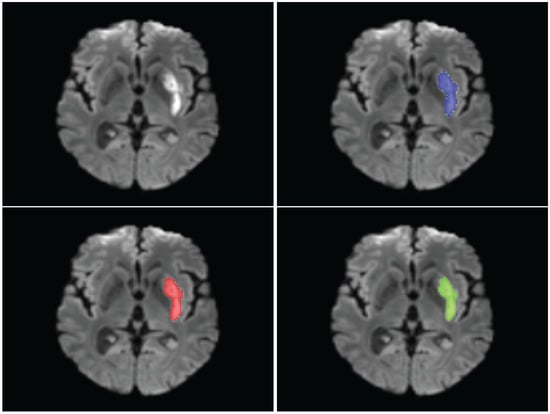
Ischemic stroke remains a leading cause of global mortality and long-term neurological disability, where the “Time is Brain” paradigm dictates that rapid and accurate lesion assessment is fundamental for effective clinical intervention. While the nnU-Net v2 framework has established a new state of [...] Read more.
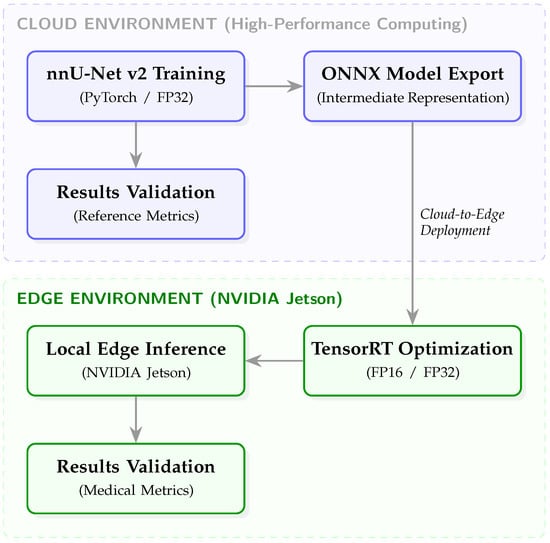
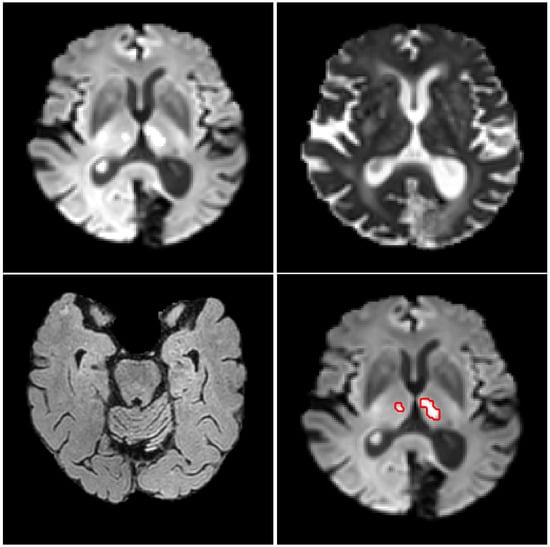
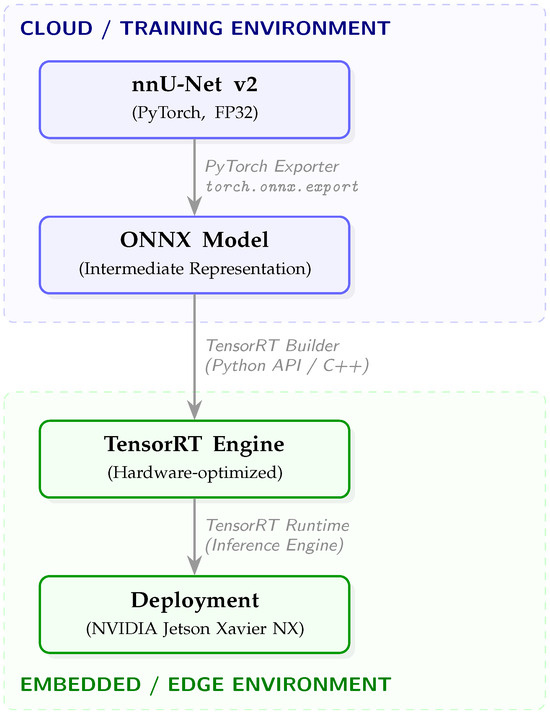
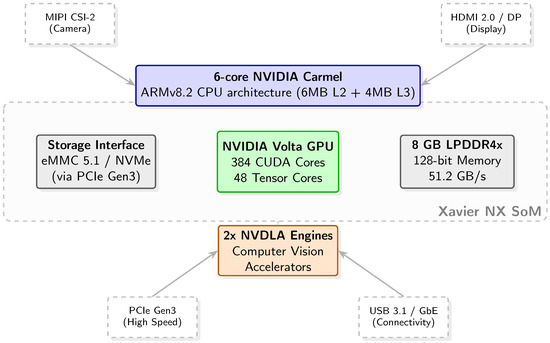
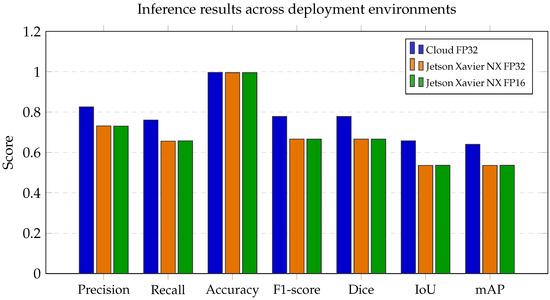
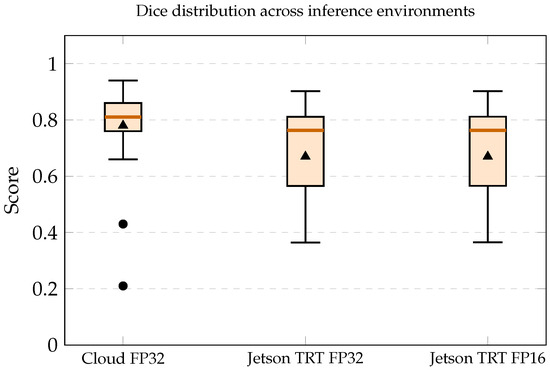
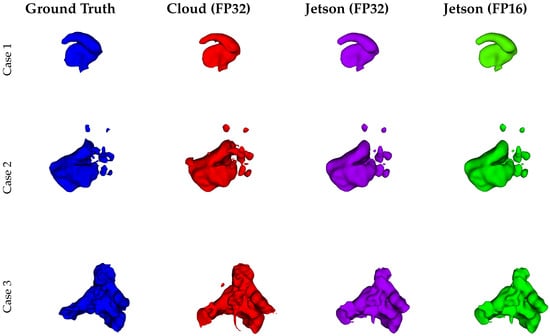
Ischemic stroke remains a leading cause of global mortality and long-term neurological disability, where the “Time is Brain” paradigm dictates that rapid and accurate lesion assessment is fundamental for effective clinical intervention. While the nnU-Net v2 framework has established a new state of the art in medical image segmentation, its high computational demands and reliance on data-center-grade GPUs hinder its translation into real-time, point-of-care clinical workflows. This study presents a technical feasibility analysis of a Cloud-to-Edge optimization pipeline designed to transfer a 3D nnU-Net v2 model from a high-performance cloud environment to a resource-constrained embedded device. Experimental results showed that edge deployment was associated with a reduction in overlap-based segmentation metrics compared with the cloud reference, with Dice decreasing from approximately 0.78 to 0.67. However, TensorRT FP32 and FP16 inference produced nearly identical mean segmentation metrics, suggesting that reduced-precision inference did not introduce additional measurable degradation under the evaluated conditions. The optimized FP16 configuration achieved a processing time of 10.2 s per 3D volume, representing a 33% reduction compared with embedded FP32 inference, while operating within a low-power envelope of approximately 10–13 W. These findings support the preliminary technical feasibility of executing advanced 3D volumetric segmentation models on low-power edge hardware. Nevertheless, the evaluation was limited to an internal 25-case test subset and did not include external validation, prospective clinical assessment, or reader studies. Therefore, the proposed system should be interpreted as a preliminary deployment framework rather than a clinically validated tool for autonomous stroke imaging. Full article
Show Figures

Figure 1

19 pages, 2107 KB  
Article
Behavioral Clustering and Load Characterization of EV Charging Stations: Revealing Hidden Grid Stress Patterns Using Machine Learning
by Ümit Yılmaz
Processes 2026, 14(11), 1692; https://doi.org/10.3390/pr14111692 (registering DOI) - 23 May 2026
Abstract
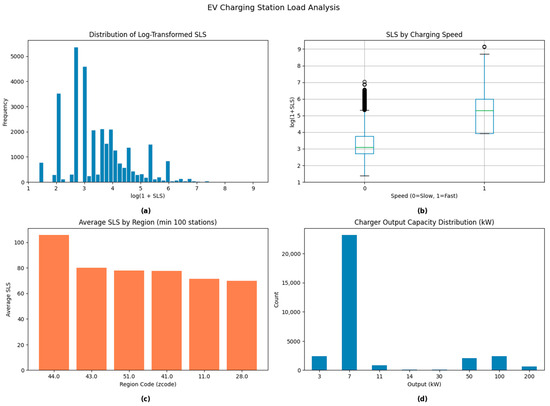
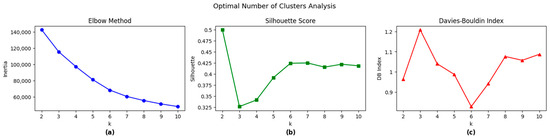
The explosive growth of electric vehicle (EV) charging infrastructure is increasingly straining power distribution networks, but the at-scale behavioral heterogeneity of charging stations remains poorly understood. In this study, we implement an unsupervised machine learning approach based on real data (encompassing 32,057 EV [...] Read more.
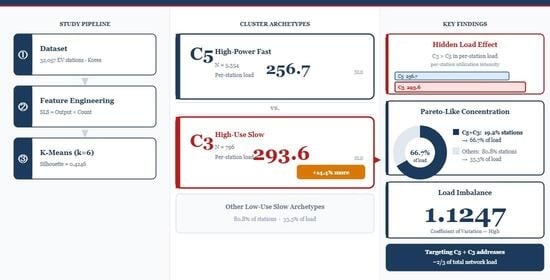
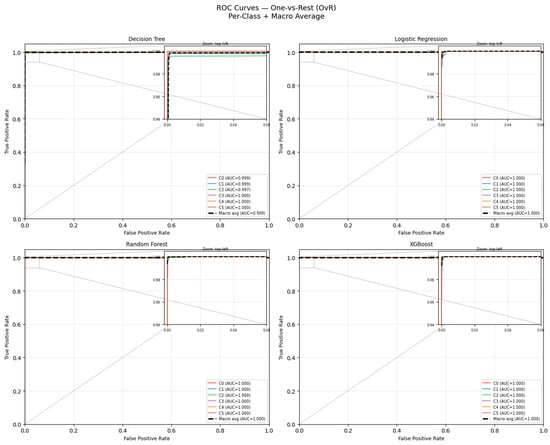
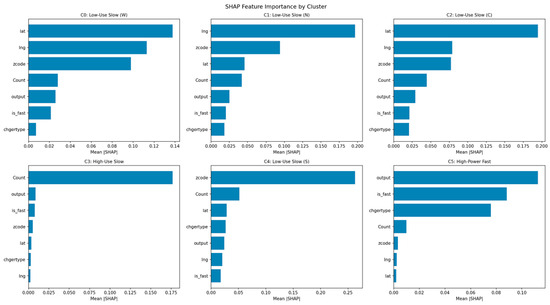
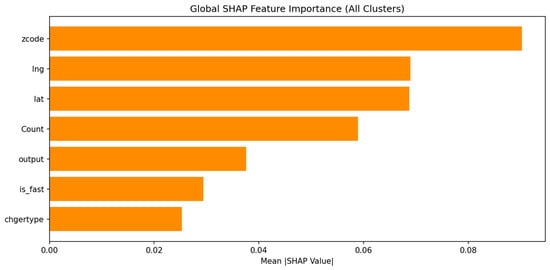
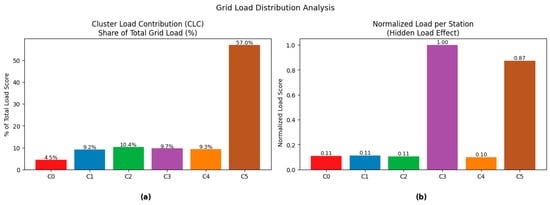
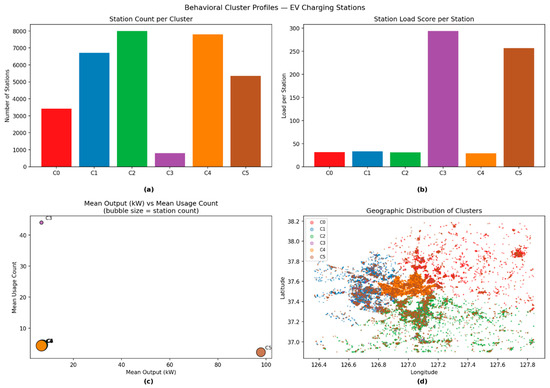
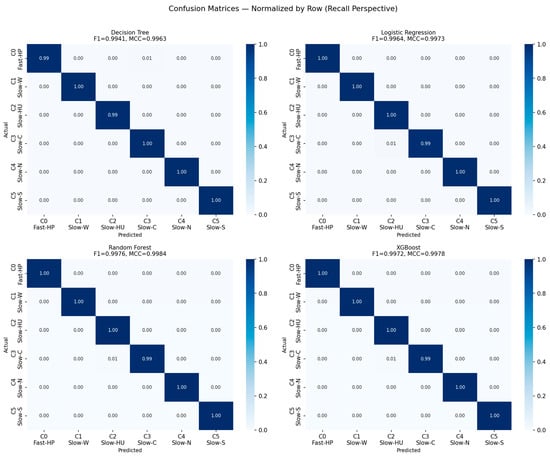
The explosive growth of electric vehicle (EV) charging infrastructure is increasingly straining power distribution networks, but the at-scale behavioral heterogeneity of charging stations remains poorly understood. In this study, we implement an unsupervised machine learning approach based on real data (encompassing 32,057 EV charging stations in the publicly available dataset of the Republic of Korea) to discover hidden load concentration patterns. We applied K-means clustering (k = 6) with the k-means++ initialization method to seven station-level features, which yielded six behavioral archetypes that were further evaluated using four supervised classifiers (Decision Tree, Logistic Regression, Random Forest, and XGBoost), all achieving an F1 macro ≥ 0.994 and ROC-AUC ≥ 0.999. The SHAP analysis revealed that geographic variables mainly explain the differentiation among low-use slow-charging sub-clusters, whereas operational variables such as session frequency, output capacity, charger type, and charging speed are decisive for the load-relevant C3 and C5 archetypes. We introduced three new grid load metrics: cluster load contribution, load imbalance coefficient of variation (CV = 1.1247), and the hidden load effect. Results indicate that the high-power fast cluster (C5) and high-use slow cluster (C3) combine to contribute 66.7% of the network station load score-based load while representing only 19.2% of stations. Under the station load score proxy assumption, C3 demonstrates 14.4% greater per-station utilization intensity than C5 (293.6 vs. 256.7), challenging the notion that fast chargers are the key source of infrastructure pressures. These insights provide actionable guidance for demand-side management approaches. Full article
Show Figures

Graphical abstract

17 pages, 561 KB  
Article
DGAM: Dual-Guided Anomaly Mining for Semi-Supervised Graph Anomaly Detection
by Xingxuan Li, Ting Guo and Zhen Tian
Information 2026, 17(6), 521; https://doi.org/10.3390/info17060521 (registering DOI) - 23 May 2026
Abstract
For the challenging scenario in which only normal node labels are available in semi-supervised graph anomaly detection, existing generative methods usually synthesize abnormal nodes through random perturbation or feature interpolation. However, these methods fail to consider node abnormality comprehensively from both structural and [...] Read more.
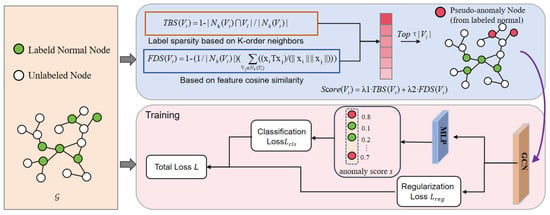
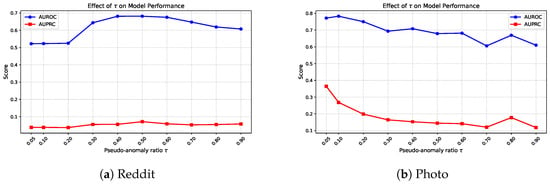
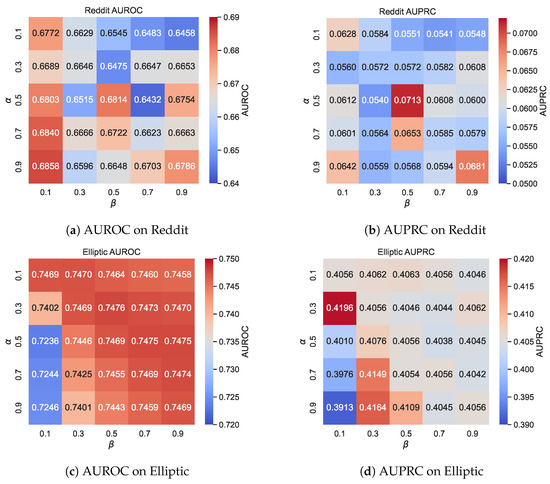
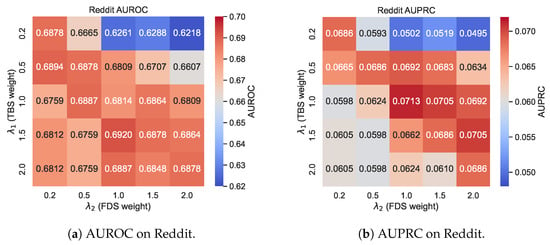
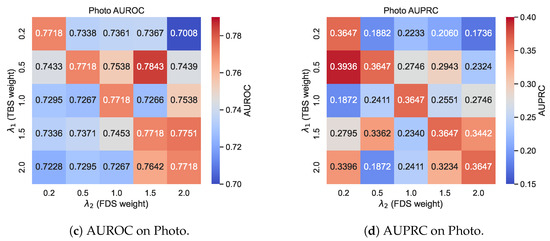
For the challenging scenario in which only normal node labels are available in semi-supervised graph anomaly detection, existing generative methods usually synthesize abnormal nodes through random perturbation or feature interpolation. However, these methods fail to consider node abnormality comprehensively from both structural and attribute perspectives, resulting in generated pseudo-anomalies of limited quality and insufficient reliability. In order to address this problem, we propose DGAM (dual-guided anomaly mining) , a framework for selecting pseudo-anomaly nodes based on the dual-index measurement of topological anomaly and feature consistency. The core of the framework is the joint anomaly evaluation module, which quantifies node anomaly through two computable metrics. The topological boundary score (TBS) measures the boundary of a node’s topological position based on the proportion of connections between a node and labeled normal nodes in its K-hop neighborhood. The feature deviation score (FDS) evaluates the consistency of a node’s local features by calculating the average cosine similarity between its features and those of its K-hop neighbors. The module selects a fixed set of nodes with higher comprehensive anomaly scores from the labeled normal nodes as pseudo-anomalies, so as to construct a training set containing explicit supervision signals. The model adopts a shared encoder architecture and jointly optimizes the classification loss based on pseudo-labels and the embedding regularization loss of the graph nodes to learn a more discriminative node representation. Experimental results on multiple real-world graph datasets show that DGAM can stably improve anomaly detection performance, effectively verifying the effectiveness of the proposed screening mechanism and joint training strategy. Full article
(This article belongs to the Section Artificial Intelligence)
Show Figures

Figure 1

15 pages, 760 KB  
Article
Impact of Driver Genetic Alterations on Survival in Metastatic Colorectal Cancer Patients from a Genetically Homogeneous Sardinian Population: A Real-World Study
by Grazia Palomba, Luca Nuvoli, Maria Cristina Sini, Giovanni Battista Maestrale, Maria Grazia Doro, Laura Frogheri, Ivana Persico, Angelo Zinellu, Davide Adriano Santeufemia, Panagiotis Paliogiannis, Daniele Delogu, Fabrizio Scognamillo and Giuseppe Palmieri
Cancers 2026, 18(11), 1708; https://doi.org/10.3390/cancers18111708 (registering DOI) - 23 May 2026
Abstract
Background: Colorectal cancer (CRC) is the third most diagnosed malignancy and the second leading cause of cancer-related mortality worldwide. Recent therapeutic advancements have significantly improved clinical management, underscoring the importance of routine molecular profiling to guide personalised treatment strategies. This study aims [...] Read more.
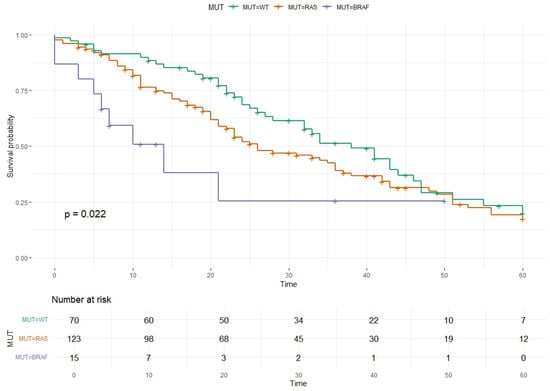
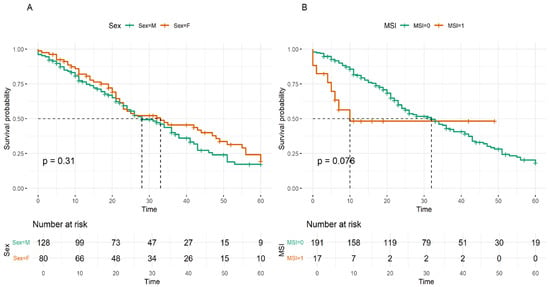
Background: Colorectal cancer (CRC) is the third most diagnosed malignancy and the second leading cause of cancer-related mortality worldwide. Recent therapeutic advancements have significantly improved clinical management, underscoring the importance of routine molecular profiling to guide personalised treatment strategies. This study aims to evaluate the prognostic impact of main molecular alterations—including allele frequency (AF) of RAS mutations—on survival outcomes in a real-world hospital-based cohort of patients with metastatic CRC. Methods: A total of 208 consecutive patients with a histologically confirmed diagnosis of CRC and complete clinical, molecular, and survival data were retrospectively analysed. Somatic mutations in KRAS, NRAS, BRAF, and the occurrence of microsatellite instability (MSI) were assessed using pyrosequencing and real-time PCR assays, respectively, on formalin-fixed, paraffin-embedded tumour samples. Associations between mutational status, clinicopathological parameters, and overall survival (OS) were evaluated. Results: Overall, 138 patients (66.3%) harboured at least one somatic mutation: 115 (55.3%) in KRAS, 8 (3.8%) in NRAS, and 15 (7.2%) in BRAF. MSI was detected in 17/208 (8.2%) patients. A statistically significant improvement in OS was observed in patients lacking mutations in any of the three genes—referred to as wild-type (WT) patients—with BRAF mutated cases showing the worst survival (p = 0.041). Increasing age at the time of first-line therapy for advanced disease stage was associated with a statistically significant increase in the hazard of death (p = 0.031). Conclusions: In the advanced disease stage, RAS/BRAF wild-type colorectal cancers were significantly associated with a survival advantage. Full article
(This article belongs to the Section Clinical Research of Cancer)
Show Figures

Figure 1

28 pages, 1709 KB  
Article
A 0.002 cm−1-Accurate PES for 14N216O
by Xinchuan Huang and David W. Schwenke
Molecules 2026, 31(11), 1793; https://doi.org/10.3390/molecules31111793 (registering DOI) - 23 May 2026
Abstract
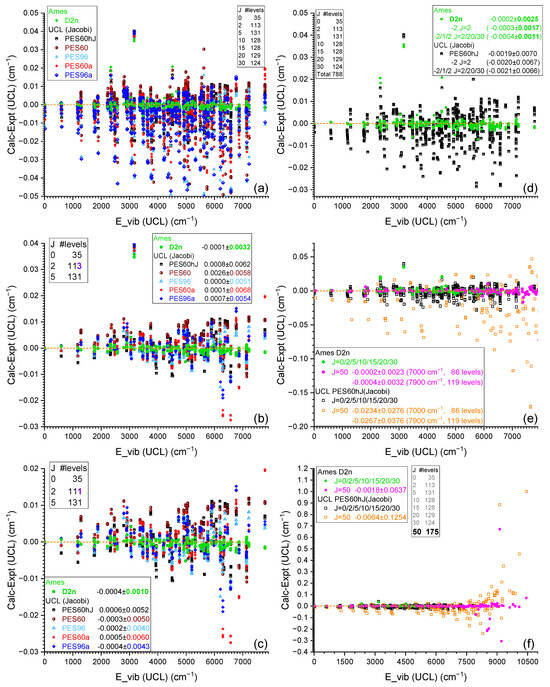
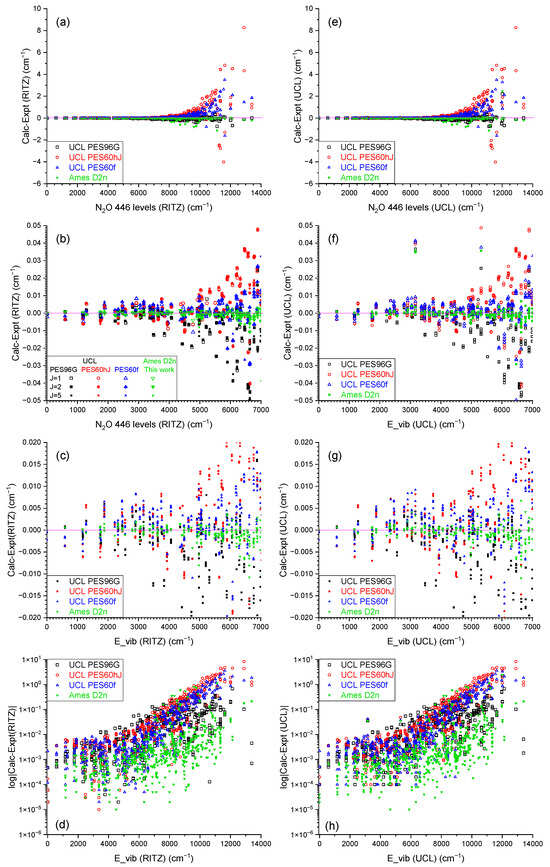
High-accuracy potential energy surface (PES) and rovibrational energy levels are essential for computational IR line lists used in (exo)planetary atmospheric spectroscopic analysis and modeling. We present a new 14N216O PES refinement achieving 0.001–0.002 cm−1 statistical accuracy for E [...] Read more.
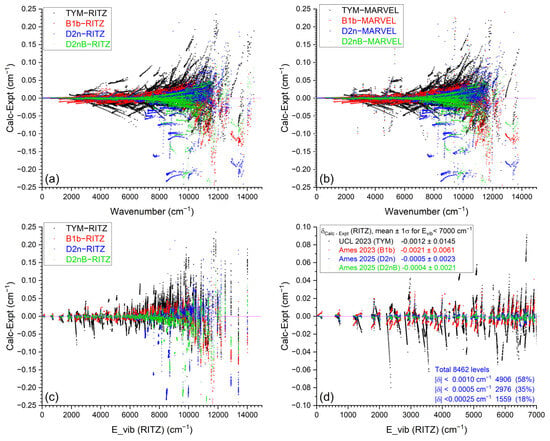
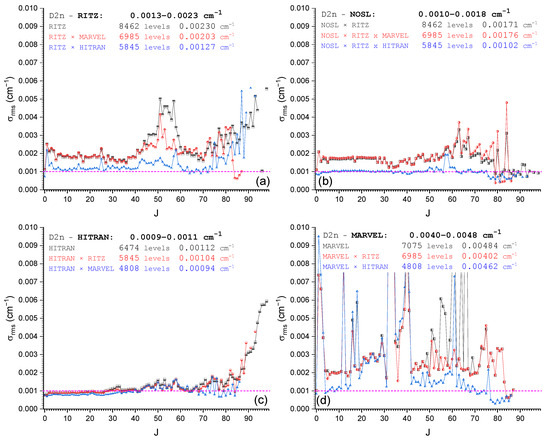
High-accuracy potential energy surface (PES) and rovibrational energy levels are essential for computational IR line lists used in (exo)planetary atmospheric spectroscopic analysis and modeling. We present a new 14N216O PES refinement achieving 0.001–0.002 cm−1 statistical accuracy for Evib ≤ 7000 cm−1 and Jmax = 88–100, relative to complete experiment-based rovibrational energy levels in RITZ, MARVEL, HITRAN2020, and NOSL-296 datasets. Building upon the high-quality ab initio Comp-I PES, the resulting D2n (and D2nB) PES outperform the Ames B1b PES, the UCL TYM PES, and the UCL 2025 PES series in both energy-resolved and J-resolved comparisons, exhibiting the smallest mean residuals and scatter below Evib = 8000 cm−1, as well as the highest fractions of |δ| < 0.0010 cm−1 and |δ| < 0.0005 cm−1. Robust analysis identified only seven outliers among the UCL-2025 reference level set; all remaining levels are retained to ensure resilient statistics. The D2n PES also shows stable IR intensities with the G10K dipole moment surface and reasonably consistent isotopologue accuracy. Analysis of J-resolved σrms highlights the critical role of reference-dataset accuracy and internal consistency. We discuss factors enabling (sub-)0.002 cm−1 accuracy and prospects for extending similar accuracy to higher energies, additional isotopologues, and other molecules. Full article
(This article belongs to the Special Issue Advances in Computational Spectroscopy, 2nd Edition)
Show Figures

Figure 1

14 pages, 479 KB  
Article
Exploratory Analysis of Quantitative CT Metrics for Predicting Tumor Aggressiveness and Nodal Metastasis in Head and Neck Squamous Cell Carcinoma: A Retrospective Cohort Study
by Ingrid-Denisa Barcan, Dan Costachescu, Ademir Horia Stana, Alexandru Catalin Motofelea, Alexandra Christa Sima, Dana Emilia Movila, Nadica Motofelea, Tudor Ciocarlie, Eugen Radu Boia and Delia Ioana Horhat
Cancers 2026, 18(11), 1706; https://doi.org/10.3390/cancers18111706 (registering DOI) - 23 May 2026
Abstract
Background: Preoperative assessment of Head and Neck Squamous Cell Carcinoma (HNSCC) aggressiveness is often hindered by the sampling errors of incisional biopsies. While Contrast-Enhanced Computed Tomography (CECT) is the standard for staging, its potential to serve as a non-invasive complementary radiological tool of [...] Read more.
Background: Preoperative assessment of Head and Neck Squamous Cell Carcinoma (HNSCC) aggressiveness is often hindered by the sampling errors of incisional biopsies. While Contrast-Enhanced Computed Tomography (CECT) is the standard for staging, its potential to serve as a non-invasive complementary radiological tool of the entire tumor volume remains underutilized. Objective: To evaluate the predictive performance of preoperative CECT-derived tumor volume, densitometric values, and morphological features as predictors of histopathological grade and lymph node metastasis (pN) in HNSCC. The primary outcome was predicting lymph node metastasis (pN+), and the secondary outcome was predicting histopathological grade. Methods: This retrospective observational study analyzed 42 patients with SCC of the oral cavity, larynx, or maxilla. Quantitative (3D volume, Hounsfield Units [HU], HU Delta) and qualitative (margins, lobulations, necrosis) CT parameters were correlated with definitive histopathology. Diagnostic performance was assessed using Receiver Operating Characteristic (ROC) curve analysis and Spearman’s rank correlation. Results: High-grade tumors (G2/G3) demonstrated significantly larger median volumes (18.1 vs. 2.9 cm3, p = 0.006), lower contrast density (55 vs. 68 HU, p = 0.010), and reduced vascular wash-in (23 vs. 30 HU Delta, p = 0.008) compared to G1 lesions. ROC analysis identified a volume threshold of ≥ 9.43 cm3 for high-grade disease (AUC = 0.865; sensitivity 67.6%, specificity 100%). For regional metastasis (pN+), tumor volume was the only significant predictor (25.4 vs. 6.2 cm3, p = 0.036), with an optimal cut-off of ≥6.76 cm3 (AUC = 0.769; sensitivity 100%). Strong negative correlations were observed between contrast enhancement and internal necrosis (r = −0.812, p < 0.001). Conclusions: Preoperative CECT parameters show promise as non-invasive imaging surrogates of HNSCC aggressiveness. A paradoxical reduction in contrast enhancement characterizes high-grade biology, reflecting disorganized neo-angiogenesis and internal hypoxia. Integrating 3D volumetric analysis and morphological markers shows potential as a complementary exploratory tool that, pending future prospective validation, may support risk stratification and surgical planning alongside traditional histopathological assessment. Full article
(This article belongs to the Special Issue Head and Neck Cancer: MRI and PET/CT Diagnosis and Surgical Treatment)
40 pages, 14972 KB  
Review
Caffeic Acid and Human Health: Evidence-Based Roles in Disease Prevention and Treatment
by Saleh A. Almatroodi and Arshad Husain Rahmani
Int. J. Mol. Sci. 2026, 27(11), 4719; https://doi.org/10.3390/ijms27114719 (registering DOI) - 23 May 2026
Abstract
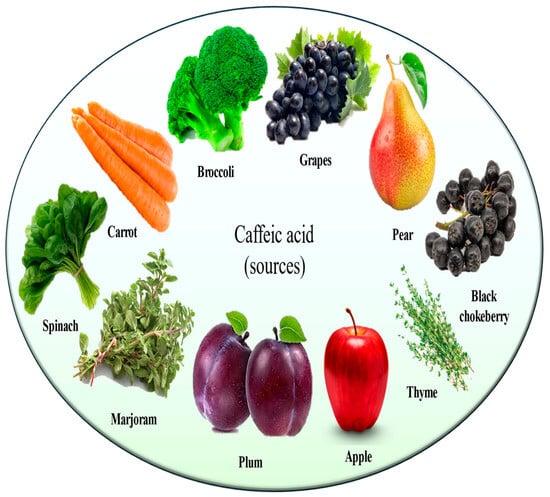
Caffeic acid (CA) is a phenolic compound commonly found in fruits, vegetables, and coffee, with preclinical evidence demonstrating its important role in disease management through different mechanisms of action. This review aimed to explore CA’s pharmacological effects in different pathological conditions, and sources [...] Read more.
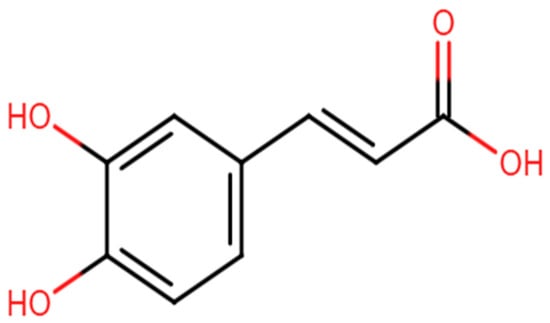
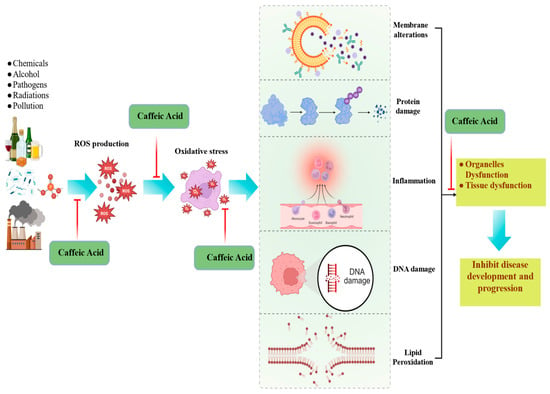
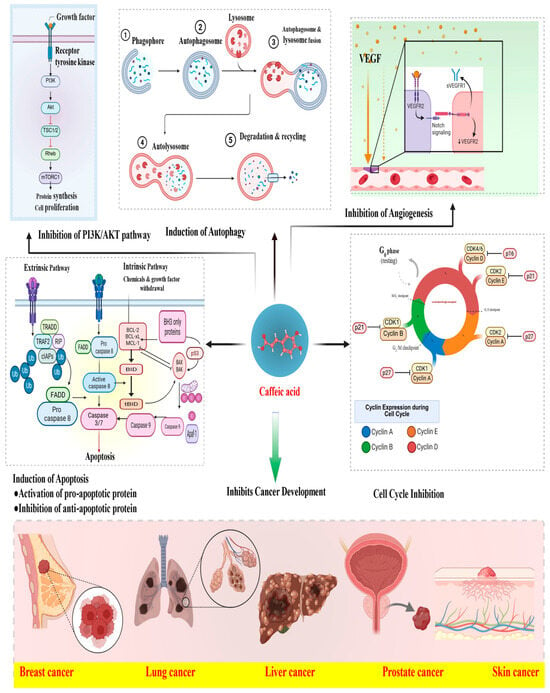
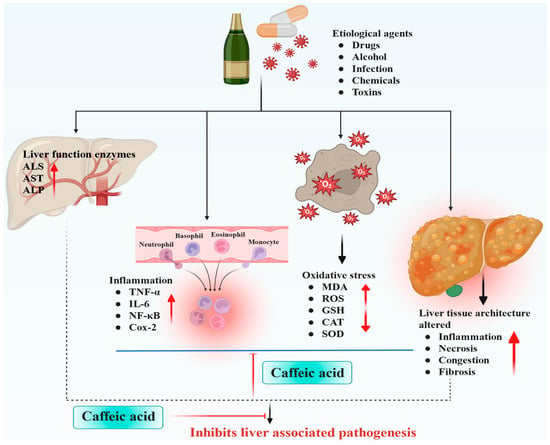
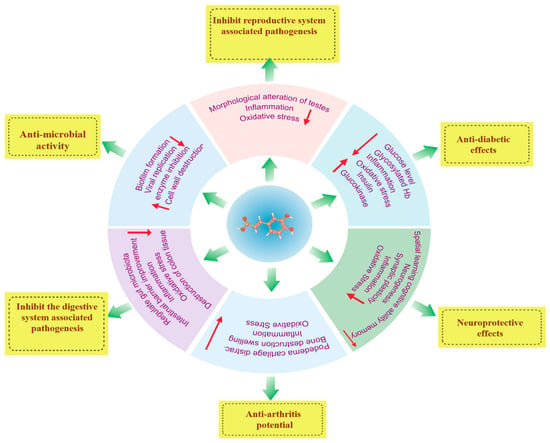
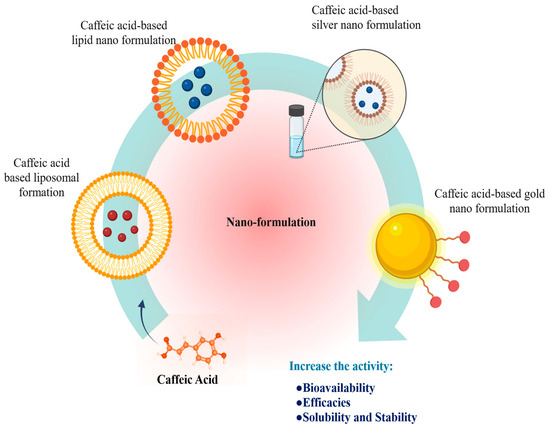
Caffeic acid (CA) is a phenolic compound commonly found in fruits, vegetables, and coffee, with preclinical evidence demonstrating its important role in disease management through different mechanisms of action. This review aimed to explore CA’s pharmacological effects in different pathological conditions, and sources were retrieved by using databases like PubMed, Scopus, Google Scholar, and Web of Science and based on preclinical studies. CA notably protects cells and tissues from oxidative stress and inflammation, highlighting its therapeutic role in the management of pathogenesis. The neuroprotective, cardioprotective, hepatoprotective, anti-microbial, and anti-obesity effects are reported through in vitro and in vivo studies. Moreover, its anticancer effects are linked to modulation of cell signaling pathways, together with angiogenesis, cell cycle, apoptosis, and the PI3K/Akt pathway. This article explores how caffeic acid influences health conditions, providing a comprehensive overview of its effects on disease processes. Reviewing the literature aims to enhance the understanding of caffeic acid’s role in disease management and as a natural therapeutic agent. Although several studies demonstrate the anticancer effects and its role in the management of various pathological conditions, most of the existing evidence is based on in vitro, in vivo, and xenograft models. Moreover, many natural compounds, including CA, that exhibit activity in preclinical settings fail to translate into clinical applications, due to restrictions of poor bioavailability, toxicity, rapid metabolism, and differences in the tumor microenvironment. Thus, future studies should emphasize well-designed in vivo studies as well as controlled clinical trials to better describe CA’s safety, efficacy, mechanism of action, and therapeutic application in humans. Further investigation of its interactions with other therapeutic agents may offer insights into synergistic effects that enhance treatment efficacy. Overall, a more comprehensive understanding of this compound will be indispensable for its development as a therapeutic agent in the treatment of chronic disease. Full article
(This article belongs to the Special Issue New Advances in Bioactive Compounds in Health and Disease)
Show Figures

Figure 1

16 pages, 2128 KB  
Article
Evaluation of Various Interventions to Valorize Dry-Aged Waste Products in Ground Beef Formulations
by Peyton S. Arnold, Cameron C. Catrett, Palika Dias-Morse, Jennifer C. Acuff and Derico Setyabrata
Foods 2026, 15(11), 1853; https://doi.org/10.3390/foods15111853 (registering DOI) - 23 May 2026
Abstract
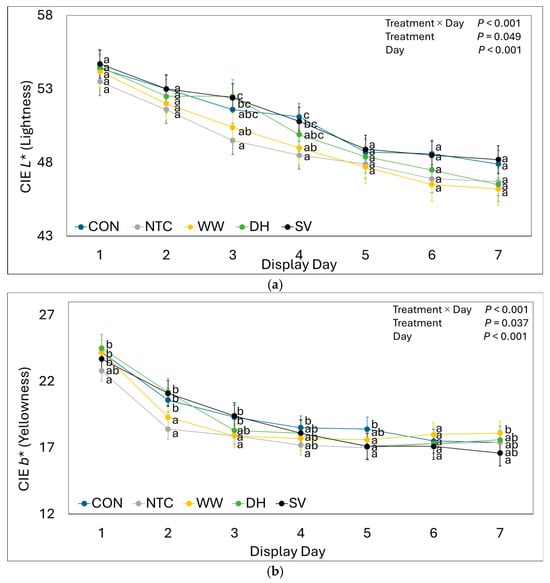
This study evaluated the impact of treated dry-aged crust inclusions on final ground beef quality. Ground beef (80 lean: 20 fat) was divided into: CON (beef only), NTC (non-treated crust), WW (warm-water-washed crust), DH (dehydrated crust), and SV (sous-vide crust). Treated crusts were [...] Read more.
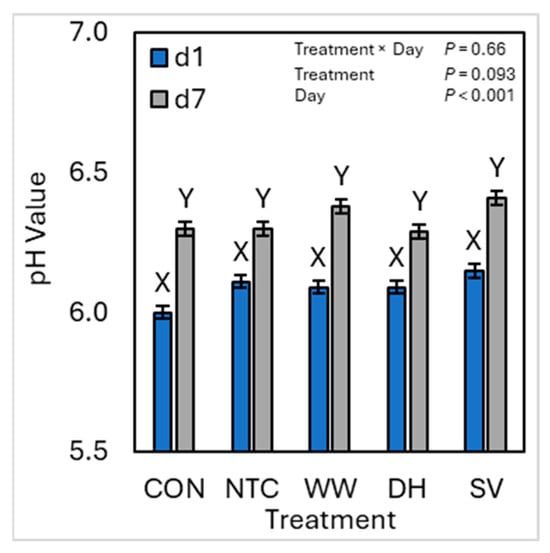
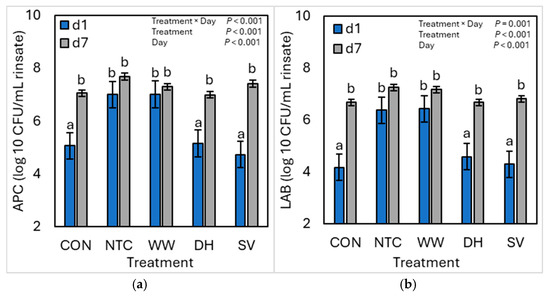
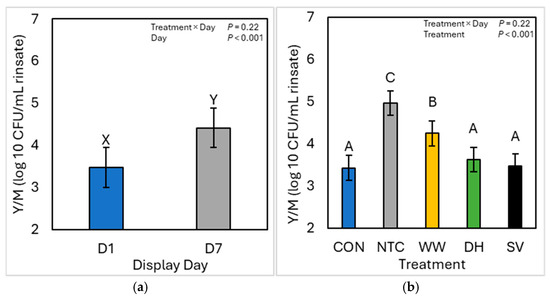
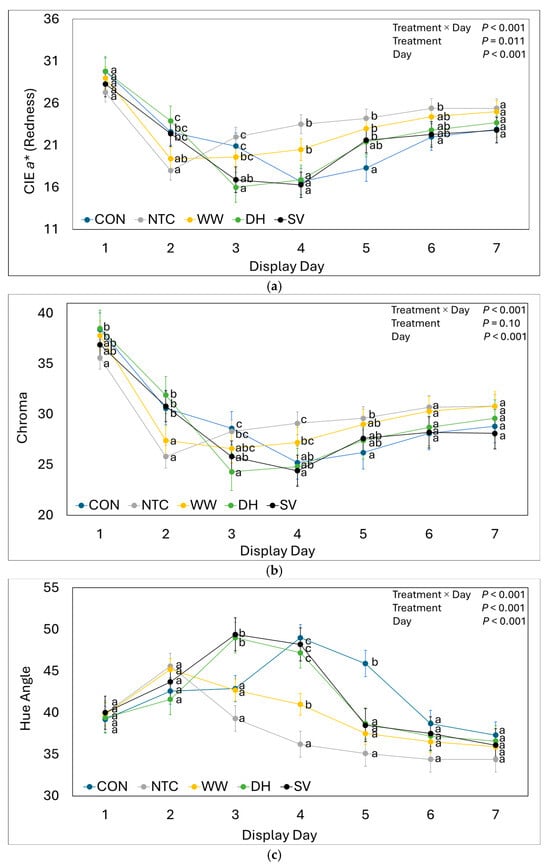
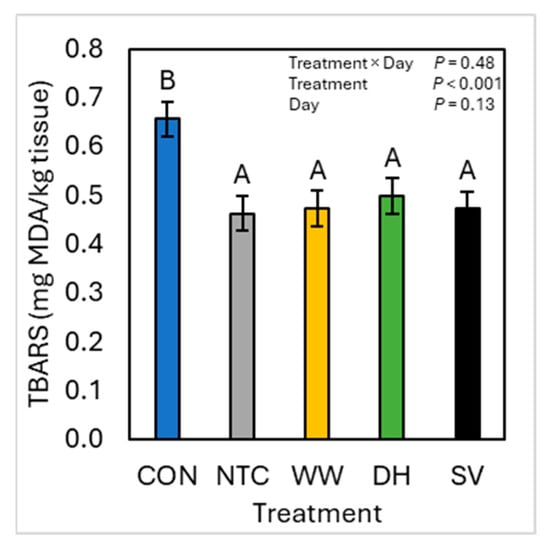
This study evaluated the impact of treated dry-aged crust inclusions on final ground beef quality. Ground beef (80 lean: 20 fat) was divided into: CON (beef only), NTC (non-treated crust), WW (warm-water-washed crust), DH (dehydrated crust), and SV (sous-vide crust). Treated crusts were chopped, mixed with ground beef (10% inclusion), reground, formed into patties, and subjected to quality and microbial analyses. The pH for day 1 (d1) samples was lower than for day 7 (d7) samples regardless of treatment (p < 0.05). No differences were found for proximate analysis, cook loss, or display loss (p > 0.05). An interaction effect was observed for all color traits (p < 0.05), demonstrating rapid color decline during display in both NTC and WW treatments compared to other treatments. Greater lipid oxidation was observed in CON compared to other treatments before and after display (p < 0.05). The CON, DH, and SV treatments had lower microbial concentrations than NTC and WW (p < 0.05). Texture profile analysis showed elevated hardness values in SV compared to CON, NTC, and WW, while DH did not differ from any treatment (p < 0.05). Our results indicate that DH and SV interventions minimally impact product quality while reducing initial microbial concentrations, suggesting potential use as intervention methods for dry-aged crust. Full article
(This article belongs to the Section Meat)
Show Figures

Figure 1

26 pages, 11619 KB  
Article
Multi-Scale Gaussian Mixture Model-Gated Mixture of Experts for Fine-Grained Insect Pest Classification
by Nurullah Şahin, Nuh Alpaslan and Davut Hanbay
Electronics 2026, 15(11), 2268; https://doi.org/10.3390/electronics15112268 (registering DOI) - 23 May 2026
Abstract
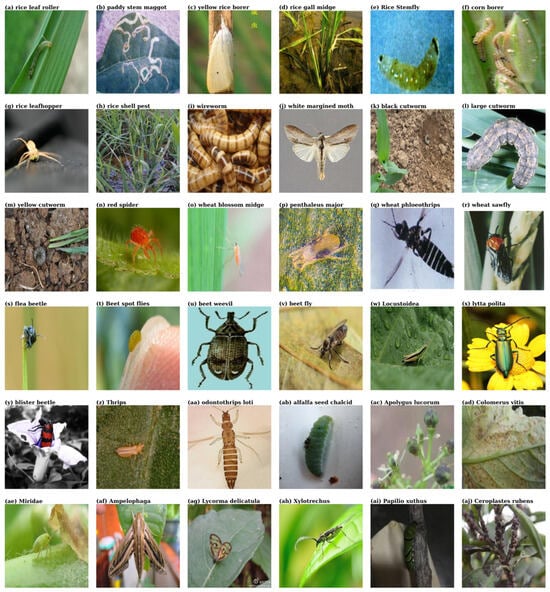
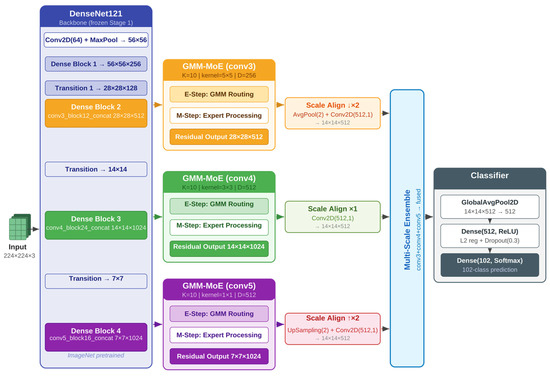
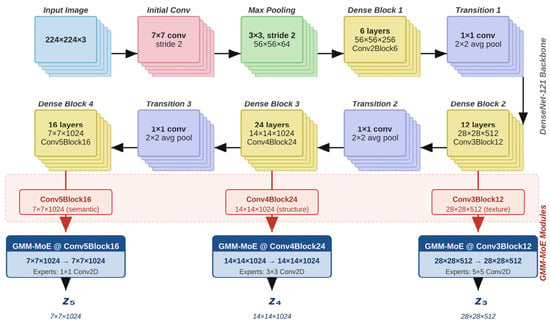
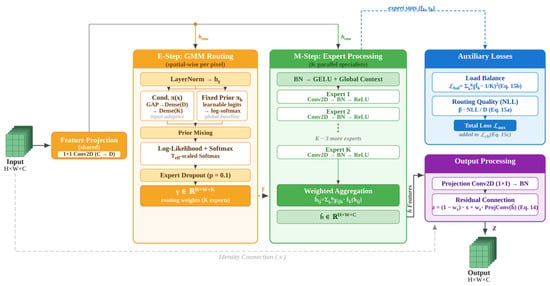
Fine-grained insect pest classification presents a particularly demanding visual recognition challenge due to severe class imbalance, pronounced intra-class morphological variability across developmental stages, and high inter-class visual similarity among taxonomically related species. Existing deep learning approaches typically rely on a single feature representation [...] Read more.
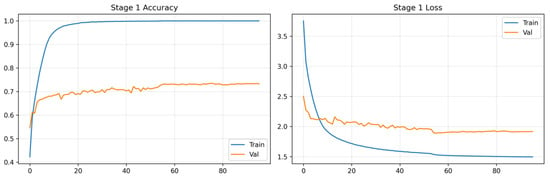
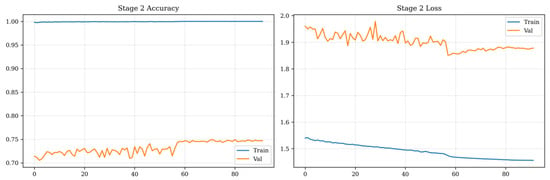
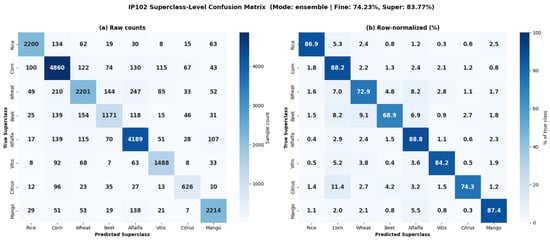
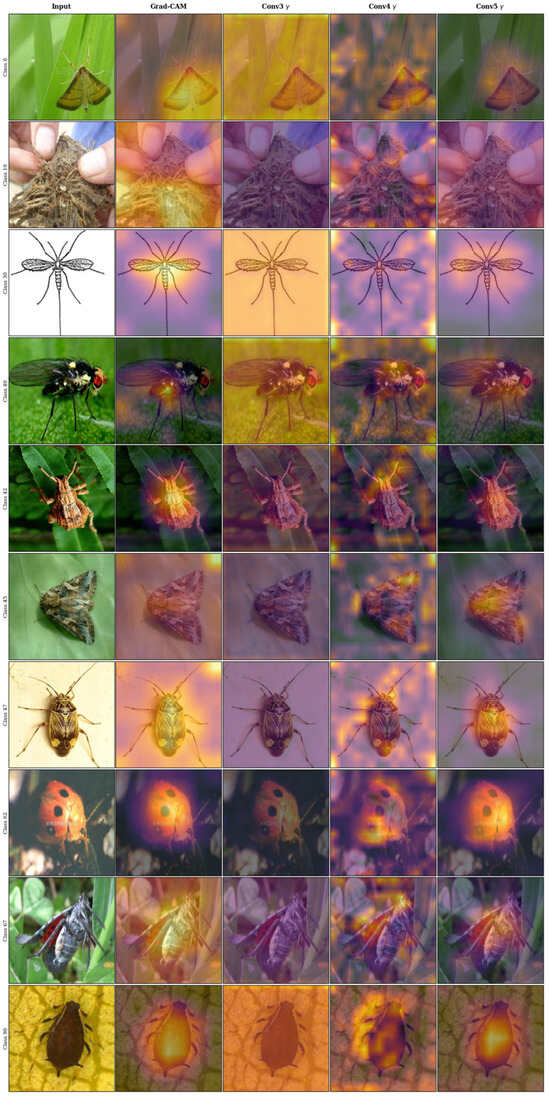
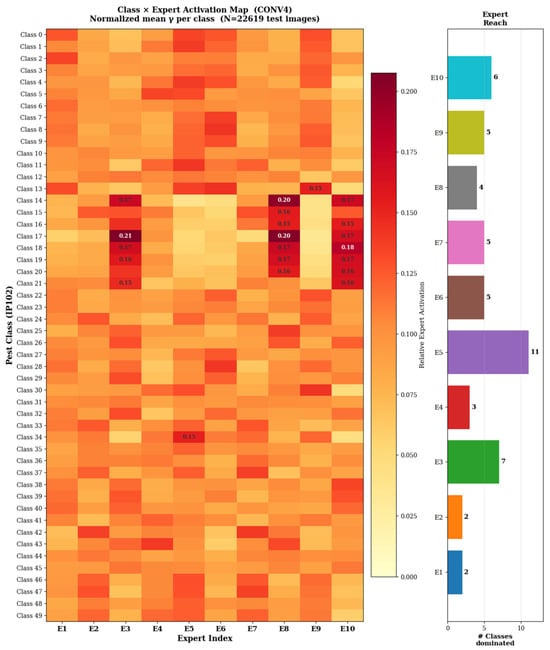
Fine-grained insect pest classification presents a particularly demanding visual recognition challenge due to severe class imbalance, pronounced intra-class morphological variability across developmental stages, and high inter-class visual similarity among taxonomically related species. Existing deep learning approaches typically rely on a single feature representation extracted from a single network depth, overlooking complementary discriminative cues distributed across multiple abstraction levels. Furthermore, classical attention mechanisms perform spatial weighting deterministically, without explicitly modeling the underlying statistical structure of the feature space, which is inherently multimodal on long-tailed benchmarks such as IP102. This study proposes a Multi-Scale Gaussian Mixture Model-Gated Mixture of Experts (GMM-MoE) architecture that operates as a plug-in module insertable into any convolutional backbone, evaluated here on DenseNet-121 at three distinct feature depths. The proposed module computes analytic GMM posterior responsibilities in closed form, softly assigning each spatial location to dedicated convolutional expert sub-networks. At the same time, a conditional prior mechanism π(x) adapts the routing strategy to individual image content rather than relying on fixed priors. The architecture is evaluated on the IP102 benchmark (102 pest classes, ~75,000 images) under a two-stage training protocol. Ablation experiments confirm that increasing the number of experts consistently improves accuracy across all three routing depths, and that multi-scale fusion surpasses any single-scale configuration. The proposed model achieves a mean top-1 accuracy of 74.12% (±0.25%, 95% CI) across three independent runs on the IP102 test set. To the best of our knowledge, this is the first work to employ GMM posterior responsibilities as a spatial routing mechanism within a multi-scale CNN feature hierarchy for fine-grained insect pest classification, establishing a principled probabilistic alternative to deterministic attention weighting in visual recognition systems. Full article
Show Figures

Figure 1

20 pages, 2527 KB  
Article
Digestive Tract Structure and Seasonal Dynamics of Gut Microbiota in Hypomesus nipponensis from Bosten Lake
by Xinnan Fu, Qian Xiao, Wenjie Ma, Sitong Li, Zhelan Wang, Kai Deng and Junjie Zhang
Animals 2026, 16(11), 1595; https://doi.org/10.3390/ani16111595 (registering DOI) - 23 May 2026
Abstract
Digestive tract structure is a key indicator of fish health and environmental adaptation, while seasonal dynamics of the gut microbiota reflect host responses to environmental changes. In this study, the digestive tract microstructure of Hypomesus nipponensis from Bosten Lake was characterized using H&E [...] Read more.
Digestive tract structure is a key indicator of fish health and environmental adaptation, while seasonal dynamics of the gut microbiota reflect host responses to environmental changes. In this study, the digestive tract microstructure of Hypomesus nipponensis from Bosten Lake was characterized using H&E staining and scanning electron microscopy, followed by 16S rDNA gene V3-V4 region sequencing and analysis of the gut microbiota in spring, summer, and autumn. The results showed that the esophageal mucosa of H. nipponensis is a stratified columnar epithelium, with abundant gastric glands, and the circular muscle layer of the stomach caeca is significantly thickened (244.84 ± 49.01 μm). The pyloric caeca resemble the gut in structure; both are covered with dense microvilli on the luminal surface. Collectively, these features constitute the structural basis for its carnivorous diet. Microbiota analysis revealed that the diversity of gut microbiota fluctuated significantly with season: the Chao, Ace, and Sob indices in spring (144.63 ± 30.27) were significantly higher than in summer (82.13 ± 21.45) and autumn (83.25 ± 15.30) (p < 0.001), with no significant difference between summer and autumn (p > 0.05). The dominant marker genera of H. nipponensis in spring, summer, and autumn were Bacillus (31.60%), Clostridium (32.20%), and Sarcina (29.32%), respectively. This study describes the adaptive characteristics of the digestive tract structure and feeding habits of H. nipponensis and reveals the seasonal changes in its gut microbiota. Importantly, since the digestive tract structure data were collected only in summer, the direct relationship between the structure and seasonal microbial dynamics cannot be determined, and multi-season histological sampling is needed for further investigation. Nevertheless, these findings provide preliminary morphological and microbiological references for the ecological adaptation of this species in Bosten Lake and offer a scientific basis for water resource management in this area. Full article
16 pages, 944 KB  
Article
Chitosan-Coated Mesoporous Silica Nanoparticles Co-Loaded with Curcumin and Amphotericin B: A Drug Delivery Approach for Photodynamic Inhibition of Dual-Species Biofilms
by Shima Afrasiabi, Mohammad Reza Karimi, Sepideh Khoee, Stefano Benedicenti and Antonio Signore
Pharmaceutics 2026, 18(6), 644; https://doi.org/10.3390/pharmaceutics18060644 (registering DOI) - 23 May 2026
Abstract
Background/Objectives: Metabolic dormancy in biofilms leads to reduced drug efficacy in these communities. Different pharmacokinetics and adverse side effects complicate the simultaneous delivery of multiple drugs at appropriate concentrations to the infection site. This study aimed to develop chitosan-coated mesoporous silica nanoparticles loaded [...] Read more.
Background/Objectives: Metabolic dormancy in biofilms leads to reduced drug efficacy in these communities. Different pharmacokinetics and adverse side effects complicate the simultaneous delivery of multiple drugs at appropriate concentrations to the infection site. This study aimed to develop chitosan-coated mesoporous silica nanoparticles loaded with curcumin and amphotericin B (CS@MSNs-Cur-AmB) and to evaluate their antibiofilm activity combined with antimicrobial photodynamic therapy (PDT) against Streptococcus mutans and Candida albicans dual-species biofilms. Methods: CS@MSNs-Cur-AmB were developed. The structure and morphology of the nanoparticles were evaluated using Fourier transform-infrared spectroscopy (FTIR), zeta potential, field emission scanning electron microscopy (FESEM), and thermogravimetric analysis (TGA). Cytotoxicity toward human gingival fibroblasts was assessed. Colony-forming units per milliliter (CFU/mL) were determined. The metabolic activity of biofilm-forming cells was measured using the tetrazolium (MTT) assay. Results: Physicochemical analyses confirmed the synthesis of CS@MSNs-Cur-AmB, revealing a particle size of 228 nm and thermal stability up to 600 °C. Cytotoxicity assays showed that CS@MSNs-Cur-AmB exhibited good biocompatibility (> 90%). CS@MSNs-Cur-AmB improved antimicrobial activity, which was further enhanced by blue light-emitting diode (LED) irradiation. CS@MSNs-Cur-AmB under LED irradiation showed the strongest effect, reducing metabolic activity to 27.74 ± 4.08% (1 W/cm2, 1 min), p < 0.001). Conclusions: Formulating two drugs in nanocarrier systems may improve therapeutic efficacy by increasing local concentration and reducing systemic exposure. This offers an effective strategy for combating oral biofilms. Full article
(This article belongs to the Special Issue Advanced Drug Delivery Systems for Natural Products)
17 pages, 5649 KB  
Article
Combined BSA-Seq and RNA-Seq Analyses Identify Candidate Genes Associated with Self-Incompatibility in Cabbage (Brassica oleracea var. capitata)
by Tong Zhao, Yingjie Li, Zhiliang Xiao, Yulun Zhang, Jialei Ji, Yong Wang, Mu Zhuang, Limei Yang, Yangyong Zhang, Ryo Fujimoto, Xiaochun Wei, Xueling Ye and Honghao Lv
Horticulturae 2026, 12(6), 656; https://doi.org/10.3390/horticulturae12060656 (registering DOI) - 23 May 2026
Abstract
Cabbage (Brassica oleracea var. capitata), a member of the Brassicaceae family, is an important vegetable crop grown worldwide. Self-incompatibility (SI) in cabbage is a key trait that prevents self-fertilization and inbreeding, thereby maintaining genetic diversity within populations. Although several genes related [...] Read more.
Cabbage (Brassica oleracea var. capitata), a member of the Brassicaceae family, is an important vegetable crop grown worldwide. Self-incompatibility (SI) in cabbage is a key trait that prevents self-fertilization and inbreeding, thereby maintaining genetic diversity within populations. Although several genes related to SI have been reported, its genetic control remains unclear. In this study, we developed an F2 population from the highly self-compatible (SC) cabbage line 87-534 and the highly self-incompatible (SI) line 01-20, both of which exhibit the S5 haplotype. The segregation analysis of the F2 population revealed the possible control of SI by a major gene with additional modifying genetic factors. Bulk segregant analysis sequencing (BSA-Seq) and RNA sequencing (RNA-Seq) were performed on SI and SC samples selected from the F2 population. BSA-Seq revealed a candidate region on chromosome 7 (C07: 7.45 Mb to 8.93 Mb), including 32 differentially expressed genes (DEGs). RNA-Seq identified a total of 2400 DEGs between the two pools, and Gene Ontology (GO) and Kyoto Encyclopedia of Genes and Genomes (KEGG) enrichment analyses suggested that plant hormone biosynthesis and signaling, plant immune response were significantly enriched and may be involved in SI. The combined analysis of BSA-Seq and RNA-Seq identified six candidate genes associated with SI, and their expression was confirmed using quantitative real-time PCR (qRT-PCR). Among them, Bol023956 encodes fructokinase, Bol023986 is involved in plant defense response, Bol024018 is related to pollen development, Bol024012 encodes a transport protein for phytohormones, Bol023943 encodes chorismate mutase 3, and Bol012515 is an important regulatory gene for chloroplast synthesis. These six genes, potentially linked to SI, should be targets for further validation. These findings provide insights into the molecular mechanisms of SI in cabbage and the selection of superior cabbage varieties. Full article
(This article belongs to the Special Issue A Decade of Research on Vegetable Crops: From Omics to Biotechnology)
26 pages, 2546 KB  
Review
NMDA Receptor Mediated Mechanisms in the Post-Stroke Brain: From Physiology to Pathology
by Han Gong, Xiang-Zheng Wang, Dan Liu, Wei-Jin Liu, Xiao-Xia Du and Jia-Sheng Rao
Biomolecules 2026, 16(6), 770; https://doi.org/10.3390/biom16060770 (registering DOI) - 23 May 2026
Abstract
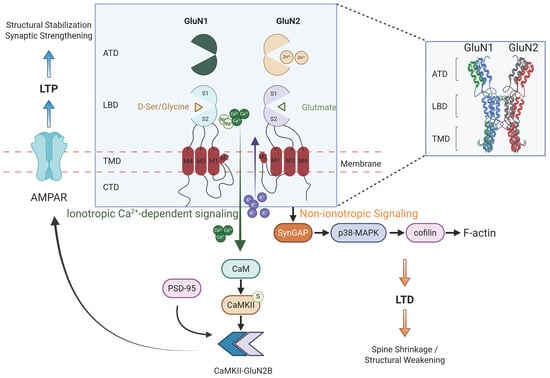
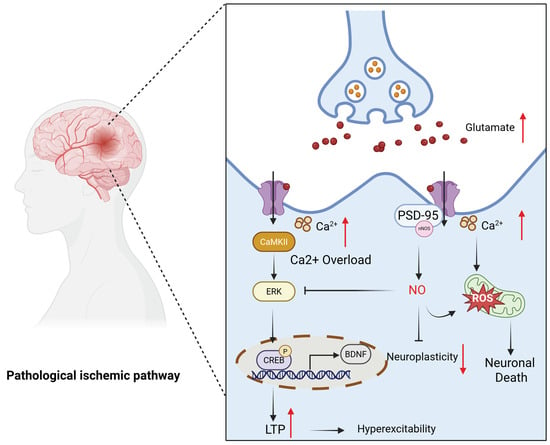
N-methyl-D-aspartate receptors (NMDARs) play a context-dependent role in ischemic stroke (IS), contributing to acute excitotoxic injury while also supporting subsequent neuroplasticity. This functional divergence has constrained the therapeutic efficacy of non-selective NMDAR antagonists. During the acute phase, neuronal injury is associated with the [...] Read more.
N-methyl-D-aspartate receptors (NMDARs) play a context-dependent role in ischemic stroke (IS), contributing to acute excitotoxic injury while also supporting subsequent neuroplasticity. This functional divergence has constrained the therapeutic efficacy of non-selective NMDAR antagonists. During the acute phase, neuronal injury is associated with the redistribution of NMDARs toward extrasynaptic sites and the activation of aberrant non-ionotropic signaling pathways. As the disease progresses, NMDAR-dependent signaling becomes increasingly involved in activity-dependent plasticity, including motor engram consolidation, dendritic remodeling, and large-scale network reorganization. Post-stroke cognitive impairment and depression are increasingly recognized as potential consequences of sustained NMDAR dysregulation, involving interactions with immune signaling and metabolic processes. These observations support a shift toward activity-dependent modulation of NMDAR function, in which neurotoxic signaling is selectively dissociated from physiological receptor activity. Emerging strategies aimed at subunit-specific modulation and disruption of pathological receptor complexes provide a basis for more targeted intervention. Preservation of physiological excitation–inhibition balance may therefore represent a key requirement for optimizing functional recovery after stroke. Full article
Show Figures

Figure 1

32 pages, 737 KB  
Review
Anticoagulation for Cancer Patients in Special Situations: A Narrative Review of Guidelines and Literature
by Pilar Sotoca Rubio, Juan José Serrano Domingo, Patricia Guerrero Serrano, Patricia Pérez de Aguado Rodríguez, Ana María Barrill Corpa, Jaime Moreno Doval, Coral García de Quevedo Suero, Juan Carlos Calvo Pérez, Carlos González-Merino, Guillermo González Martín, Jesús Chamorro Pérez, Ana Gómez Rueda and Pilar Garrido López
Cancers 2026, 18(11), 1707; https://doi.org/10.3390/cancers18111707 (registering DOI) - 23 May 2026
Abstract
Cancer-associated thrombosis (CAT) is a major cause of morbidity and mortality in patients with cancer. The management of special situations—including recurrent venous thromboembolism (VTE), thrombosis at unusual sites, and central venous catheter-associated thrombosis (CVC-AT)—remains particularly challenging because of the limited availability of high-quality [...] Read more.
Cancer-associated thrombosis (CAT) is a major cause of morbidity and mortality in patients with cancer. The management of special situations—including recurrent venous thromboembolism (VTE), thrombosis at unusual sites, and central venous catheter-associated thrombosis (CVC-AT)—remains particularly challenging because of the limited availability of high-quality evidence. This narrative review synthesizes recommendations from major international and Spanish clinical practice guidelines and expert consensus documents, including those from SEOM, ESMO, ASCO, NCCN, ITAC and SEMI, to provide a structured framework for the management of these complex scenarios. Our analysis identified substantial heterogeneity across guidelines, particularly regarding anticoagulant selection, dosing strategies, and treatment duration. Although some convergence exists in the management of CVC-AT, important discrepancies and evidence gaps persist in areas such as splanchnic vein thrombosis, hepatic impairment, central nervous system involvement, and recurrent VTE despite treatment. In many cases, recommendations are based primarily on expert opinion rather than robust trial data, and several clinical scenarios are addressed by only a limited number of guidelines. These findings underscore the need for more standardized management strategies and prospective clinical studies to better inform decision-making in daily practice. Overall, this review highlights the growing importance of individualized anticoagulant management aimed at balancing thrombotic and bleeding risks in high-risk oncology patients, thereby helping to bridge the gap between expert consensus and evidence-based precision anticoagulation. Full article
(This article belongs to the Special Issue Cancer-Associated Thrombosis, Arterial and Venous Thromboembolism)
14 pages, 1986 KB  
Article
Vented Explosion Characteristics of Gasoline Vapor–Air Mixtures in Confined Spaces Under Different Ignition Modes
by Run Li, Xinsheng Jiang, Shimao Wang, Guangqiang Yuan, Tang Tang, Keyu Lin, Sai Wang and Junjie Lin
Fire 2026, 9(6), 215; https://doi.org/10.3390/fire9060215 (registering DOI) - 23 May 2026
Abstract
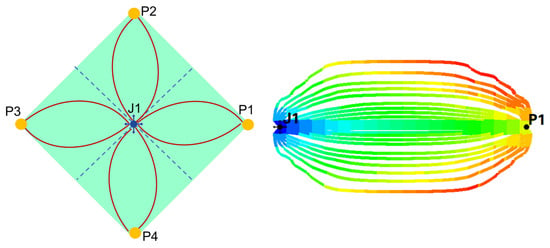
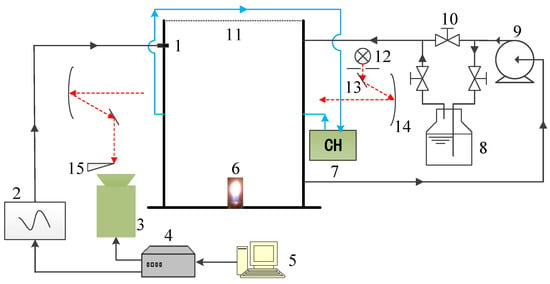
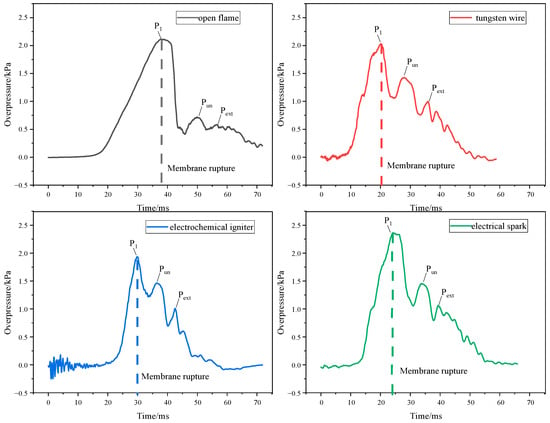
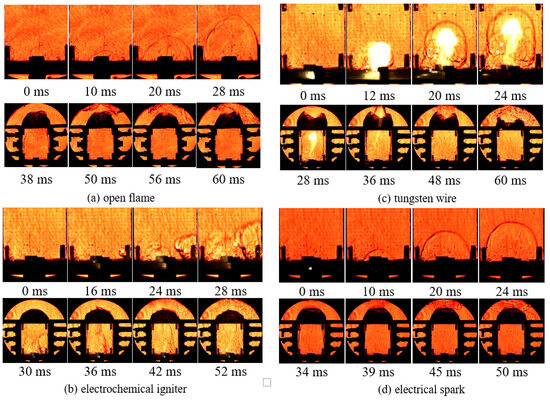
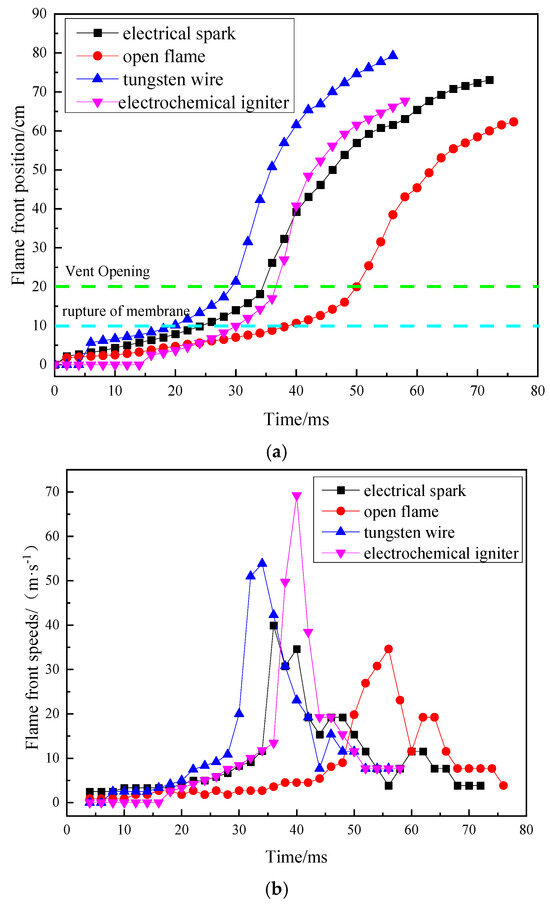
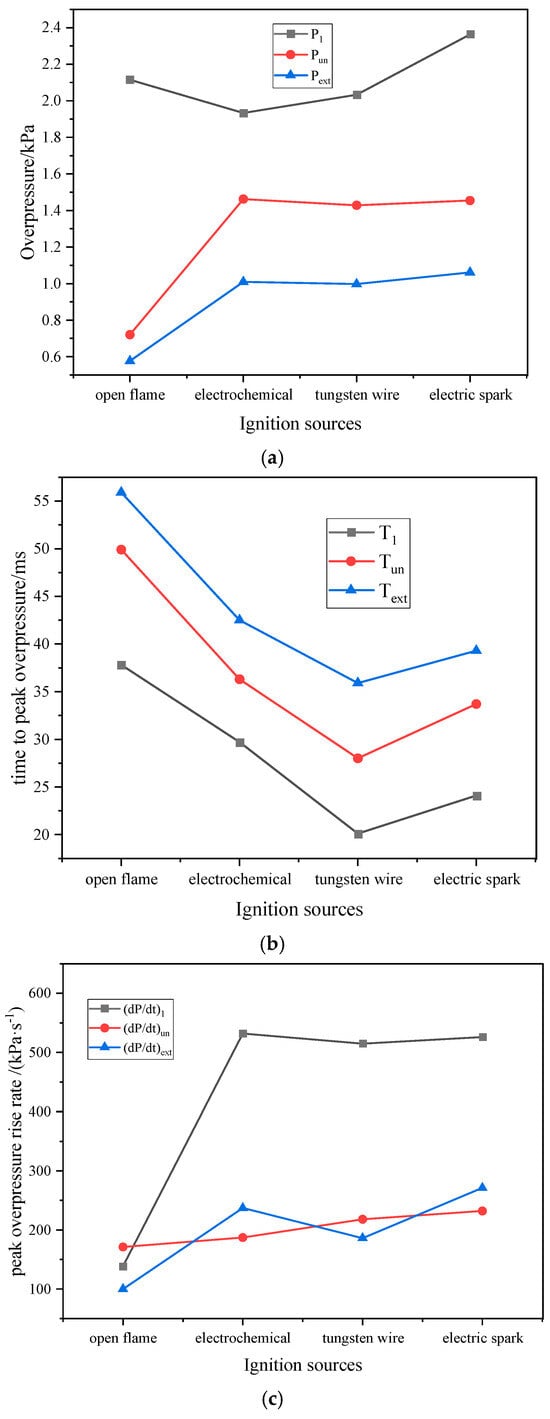
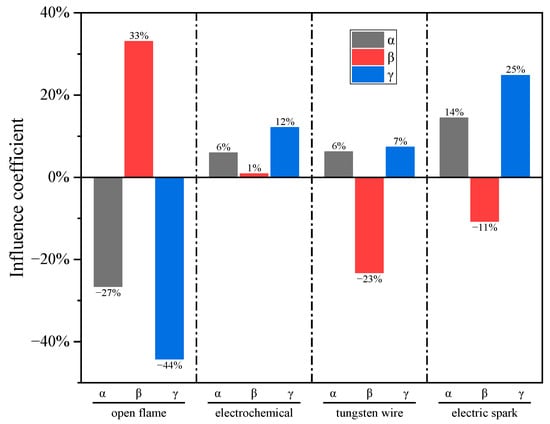
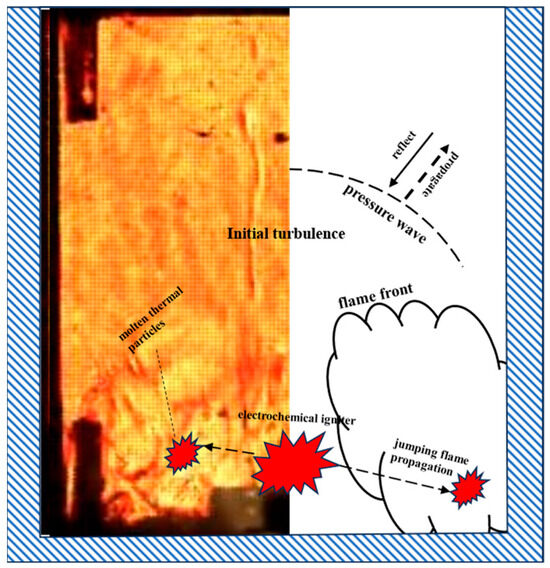
In a weakly constrained, confined space, four common ignition sources—electrical spark, open flame, tungsten filament, and electrochemical igniter—were employed to investigate how the ignition mode influences the overpressure and flame-propagation characteristics during the vented explosion of gasoline vapor. The results show that the [...] Read more.
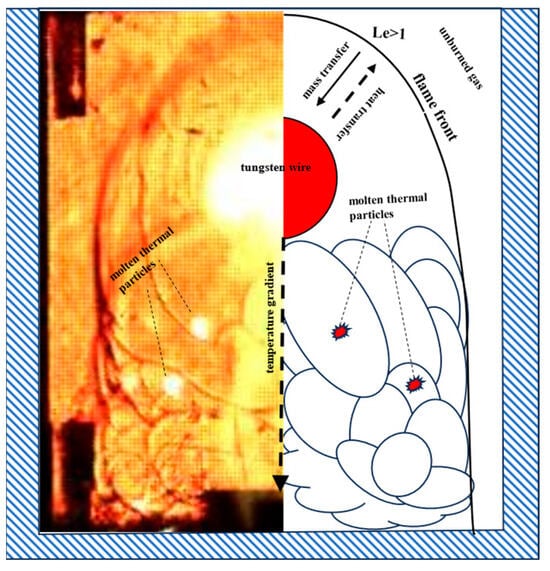
In a weakly constrained, confined space, four common ignition sources—electrical spark, open flame, tungsten filament, and electrochemical igniter—were employed to investigate how the ignition mode influences the overpressure and flame-propagation characteristics during the vented explosion of gasoline vapor. The results show that the explosion process can be divided into four stages, featuring three typical overpressure peaks. The flame velocity exhibits two pronounced accelerations: one upon rupture of the vent membrane and another when the flame reaches the vent opening. Among the ignition sources tested, the electric spark produced the most severe destructive effects associated with overpressure, while the electrochemical igniter yielded the fastest flame propagation, and the tungsten filament ignition generated the longest external flame, constituting the greatest external fire threat. Explosions initiated by the tungsten filament and electrochemical igniter experience flame instability at the outset, induced by disturbances from the ignition source itself. Full article
(This article belongs to the Special Issue Fire and Explosion Hazards in Energy Systems)
Show Figures

Figure 1

17 pages, 580 KB  
Article
Association of Positive mHealth Engagement with Knowledge, Attitude, Practice, and Total KAP Among Patients with Multidrug-Resistant Tuberculosis
by Huy Le Ngoc, Giang Le Minh, Hoa Nguyen Binh and Luong Dinh Van
Healthcare 2026, 14(11), 1447; https://doi.org/10.3390/healthcare14111447 (registering DOI) - 23 May 2026
Abstract
Background: Mobile health has been increasingly integrated into tuberculosis care to support patient education, communication, and treatment engagement. However, evidence remains limited regarding whether positive engagement with mHealth is associated with knowledge, attitudes, and practices among patients with multidrug-resistant tuberculosis. This study aimed [...] Read more.
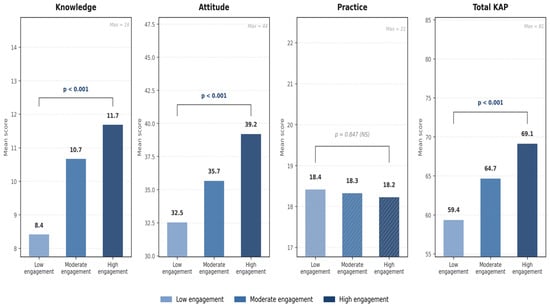
Background: Mobile health has been increasingly integrated into tuberculosis care to support patient education, communication, and treatment engagement. However, evidence remains limited regarding whether positive engagement with mHealth is associated with knowledge, attitudes, and practices among patients with multidrug-resistant tuberculosis. This study aimed to examine the association between positive mHealth engagement and knowledge, attitude, practice, and total KAP among patients with multidrug-resistant tuberculosis, and to evaluate the psychometric properties of the engagement score used as the primary exposure variable. Methods: A cross-sectional study was conducted among patients with multidrug-resistant tuberculosis. A positive mHealth engagement score was constructed from 12 mHealth-related items after harmonizing item directionality so that higher scores indicated more favorable engagement. The 12 items reflected five behavioural domains: intensity of use, ease and acceptability of use, functional engagement (communication with providers, access to health information, and perceived benefit for disease self-management), continuity of use, and barriers to sustained engagement. The composite score was computed as the mean of the 12 standardised items, with higher values indicating more positive engagement. Internal consistency was assessed using Cronbach’s alpha and corrected item–total correlations, and structural validity was explored using principal component analysis. Adjusted linear regression models were used to examine associations between the engagement score and Knowledge, Attitude, Practice, and total KAP scores, controlling for age, sex, and occupation. Sensitivity analyses were performed after excluding a poorly performing item, and tertile analyses were used to assess dose–response patterns. Results: The positive mHealth engagement score showed good internal consistency, with a Cronbach’s alpha of 0.852. One item demonstrated poor psychometric performance, and Cronbach’s alpha increased to 0.864 after its exclusion. The data were suitable for dimensionality assessment, with a Kaiser–Meyer–Olkin value of 0.870 and a significant Bartlett’s test. Principal component analysis identified a dominant first component explaining 43.29% of the total variance. Using the refined score, higher positive mHealth engagement was significantly associated with higher Knowledge scores (β = 2.06; 95% CI: 1.28–2.85; p < 0.001), higher Attitude scores (β = 4.68; 95% CI: 3.30–6.06; p < 0.001), and higher total KAP scores (β = 6.68; 95% CI: 4.62–8.74; p < 0.001), whereas no significant association was observed for the Practice score (β = −0.07; 95% CI: −0.63 to 0.49; p = 0.804). In tertile analyses, Knowledge, Attitude, and total KAP scores increased significantly across engagement levels, while Practice scores did not. Conclusions: Positive mHealth engagement was associated with better knowledge, attitudes, and overall KAP among patients with multidrug-resistant tuberculosis, but not with practice. These findings are associative; the cross-sectional design does not permit causal conclusions. The engagement score demonstrated good reliability and acceptable structural validity and may be a useful summary measure for evaluating patient interaction with mHealth interventions in tuberculosis care. Integrated strategies combining mHealth with clinical follow-up, adherence counseling, and structural support may be needed to translate informational and attitudinal gains into practice change. Full article
(This article belongs to the Section Digital Health Technologies)
Show Figures

Figure 1

Open Access Journals

Browse by Indexing Browse by Subject Selected Journals
Back to TopTop