



Advancing Open Science
A global leader in open access publishing, supporting research
communities and accelerating scientific discovery
 
21 pages, 3429 KB  
Article
Visible–Infrared Fusion Based on CNN and Deformable Transformer
by Xiaoyi Wang, Xiansong Gu, Bin Li, Mingqiang Zhang, Panpan Yang and Qiang Fu
J. Imaging 2026, 12(6), 219; https://doi.org/10.3390/jimaging12060219 (registering DOI) - 22 May 2026
Abstract
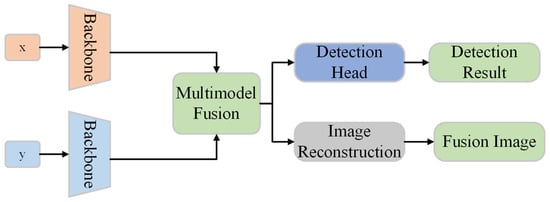
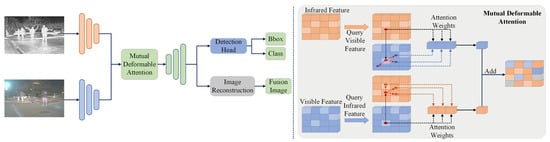
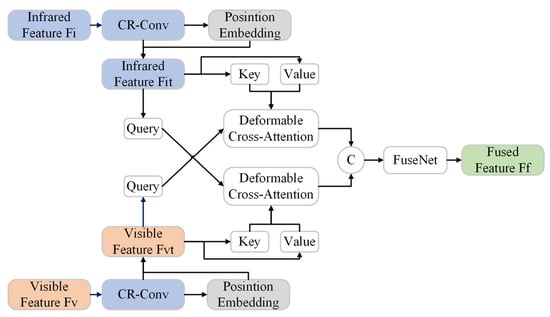
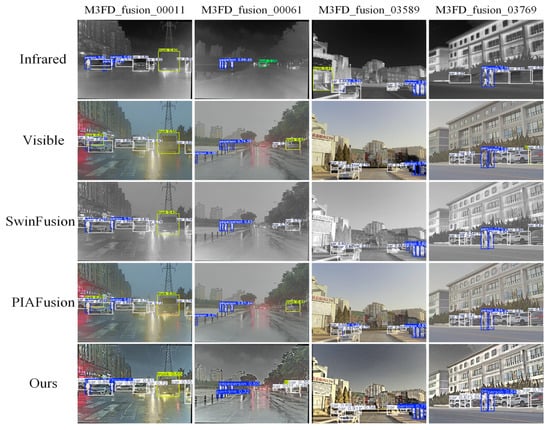
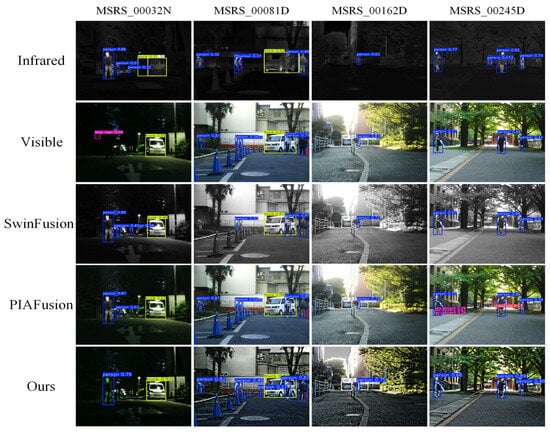
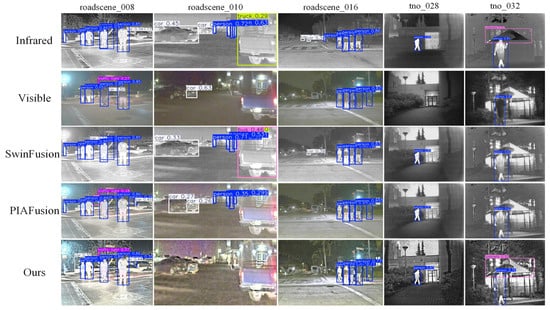
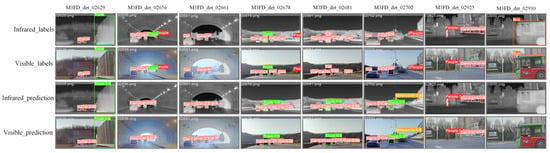
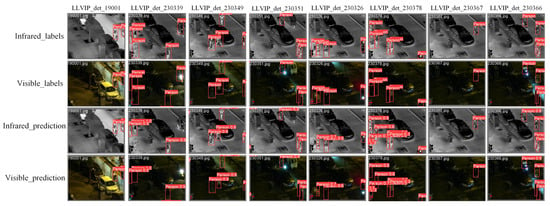
To address the limitations of traditional methods in feature extraction and multi-modal information fusion, this paper proposes an infrared–visible image object detection architecture that integrates Convolutional Neural Networks (CNNs) and Deformable Transformers. This method leverages the advantages of CNN in local feature modeling [...] Read more.
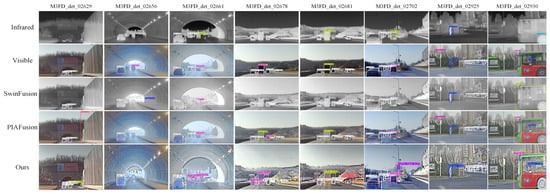
To address the limitations of traditional methods in feature extraction and multi-modal information fusion, this paper proposes an infrared–visible image object detection architecture that integrates Convolutional Neural Networks (CNNs) and Deformable Transformers. This method leverages the advantages of CNN in local feature modeling and the capabilities of Transformer in capturing global contextual information, facilitating the fusion of semantic consistency and structural details across modalities. By introducing a detection-aware multi-task optimization mechanism, the model improves object detection in challenging scenarios such as low-light conditions, occlusion, and complex backgrounds. Experiments on multiple standard datasets, including M3FD and LLVIP, indicate that the proposed method achieves competitive or better performance than the compared methods in key metrics such as mAP. Specifically, our method obtains the best mAP50 among the evaluated methods with an mAP50 of 74.2% on the M3FD dataset and 98.6% on the LLVIP dataset, surpassing the second-best PIAFusion by 4.3% and 2.5% respectively. These quantitative results support the practicality and effectiveness of our approach in the evaluated complex environments. Full article
(This article belongs to the Section Computer Vision and Pattern Recognition)
Show Figures

Figure 1
19 pages, 8178 KB  
Article
PANA-Surv: A Pathway-Guided Adaptive Neighborhood Augmentation Framework Using KEGG Pathways for Multi-Omics Cancer Prognosis
by Xiaowen Cao, Yijin Zhou, Yao Dong, Xuekui Zhang, Jia-peng Mei, Jianwei Li, Yixiao Wang, Jiaming Zhuo, Hua He and Junhua Gu
Genes 2026, 17(6), 597; https://doi.org/10.3390/genes17060597 (registering DOI) - 22 May 2026
Abstract
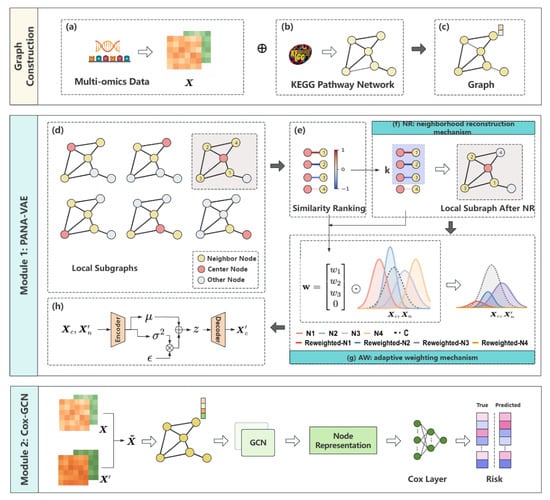
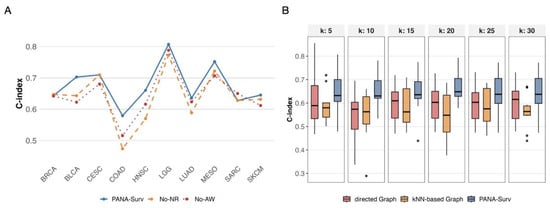
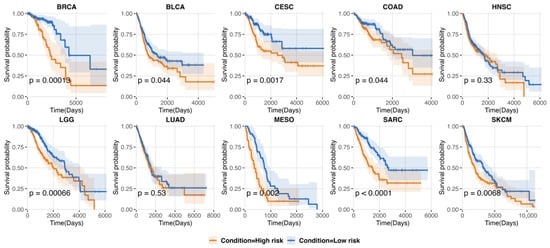
Background/Objectives: Integrating multi-omics data for cancer prognosis remains a challenging problem in bioinformatics because molecular profiles are high-dimensional, heterogeneous, and structured by incomplete biological relationships. Pathway databases provide biologically meaningful prior knowledge for modeling gene-level associations, but the sparsity and local incompleteness [...] Read more.
Background/Objectives: Integrating multi-omics data for cancer prognosis remains a challenging problem in bioinformatics because molecular profiles are high-dimensional, heterogeneous, and structured by incomplete biological relationships. Pathway databases provide biologically meaningful prior knowledge for modeling gene-level associations, but the sparsity and local incompleteness of pathway-derived networks often limit the performance of graph-based survival models. This study aimed to develop a pathway-guided framework for improving multi-omics survival prediction and identifying biologically relevant prognostic signals. Methods: We proposed PANA-Surv, a pathway-guided adaptive neighborhood augmentation framework for multi-omics cancer survival analysis. In this framework, KEGG pathways were used to construct gene graphs, and gene-level multi-omics profiles were encoded as node features. A conditional variational autoencoder module (PANA-VAE) was designed to enhance local representations through neighborhood reconstruction and adaptive weighting. The augmented features were then integrated into a graph convolutional survival model optimized with the Cox partial likelihood. Results: PANA-Surv was evaluated on 10 cancer cohorts from The Cancer Genome Atlas (TCGA). The proposed method achieved the highest mean concordance index (C-index) among all compared models and significantly outperformed Cox-EN, DeepSurv, GraphSurv, and LAGProg (all p < 0.01). Ablation analyses showed that both neighborhood reconstruction and adaptive weighting contributed to the observed performance gains, and KEGG-guided graph construction was more effective than alternative graph construction strategies. In a breast cancer (BRCA) case study, PANA-Surv identified 18 prognostic genes, including 12 genes supported by previous studies and 6 potentially novel candidates. Conclusions: These findings indicate that the integration of pathway prior knowledge with adaptive local feature enhancement can improve multi-omics survival modeling and support the identification of biologically relevant prognostic signals associated with cancer outcomes. Full article
(This article belongs to the Topic Multi-Omics in Precision Medicine)
Show Figures

Figure 1
29 pages, 2568 KB  
Article
Crack Segmentation Model for Low-Quality Crack Images Based on Feature Integration and Triple Attention
by Yonghua Xie and Yuyang Wang
Appl. Sci. 2026, 16(11), 5185; https://doi.org/10.3390/app16115185 (registering DOI) - 22 May 2026
Abstract
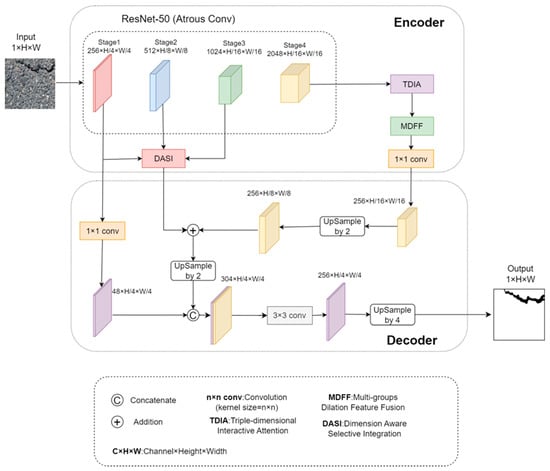
To address the problem of road crack detection in low-quality pavement images, existing semantic segmentation methods still have shortcomings such as missed crack detection and inaccurate localization due to weak crack boundaries, low contrast, and complex pavement texture. To address these limitations, this [...] Read more.
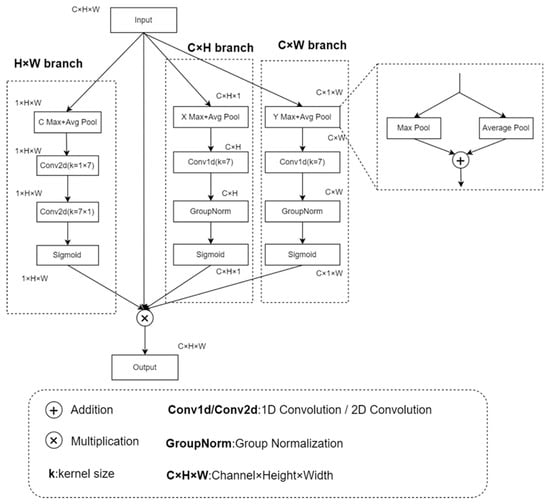
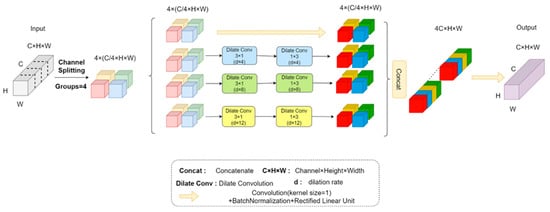
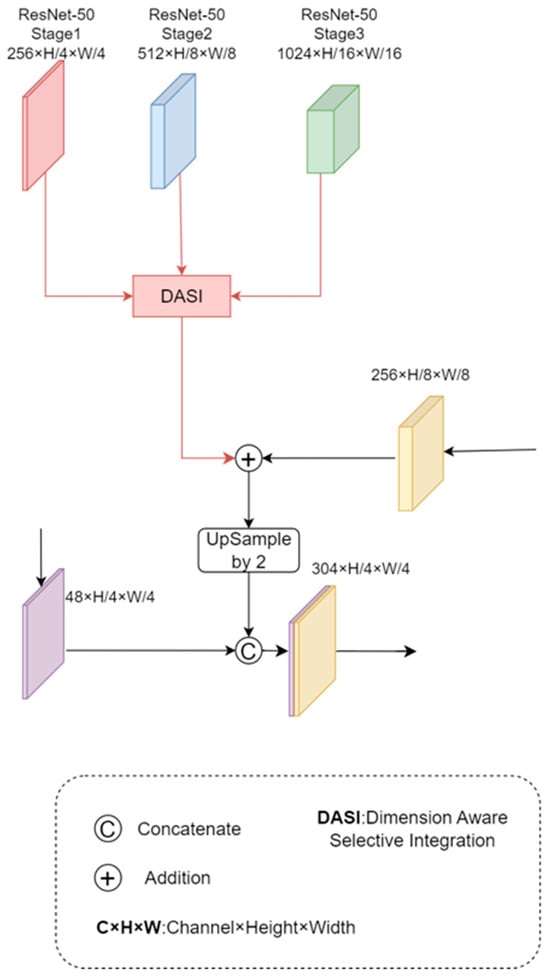
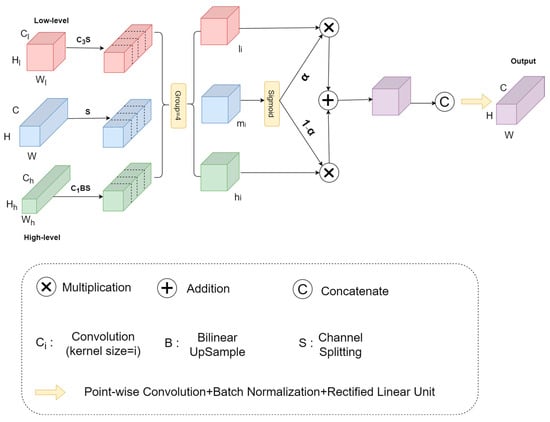
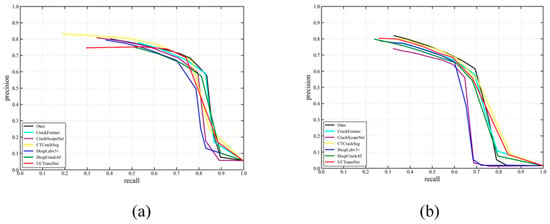
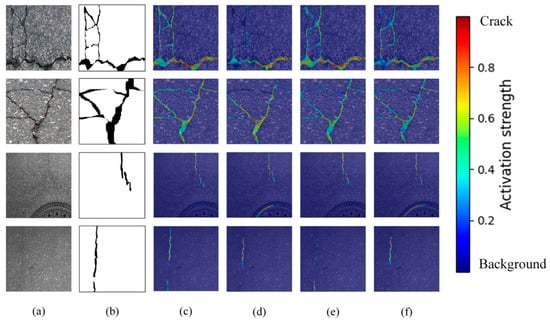
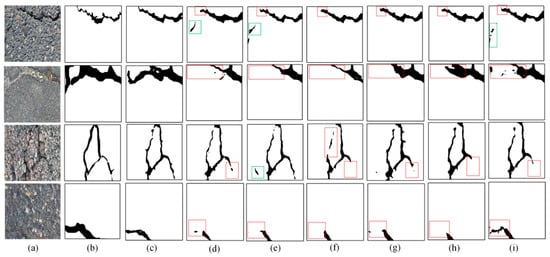
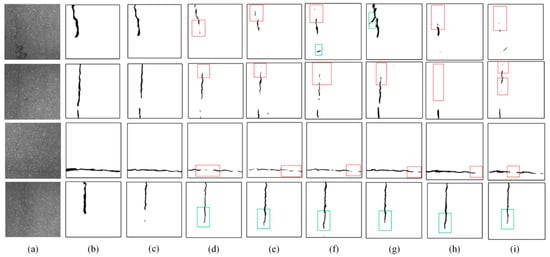
To address the problem of road crack detection in low-quality pavement images, existing semantic segmentation methods still have shortcomings such as missed crack detection and inaccurate localization due to weak crack boundaries, low contrast, and complex pavement texture. To address these limitations, this study proposes a crack segmentation model based on feature integration and a triple attention mechanism. The model uses DeepLabv3+ as the backbone network and introduces the proposed three-dimensional interactive attention module after feature extraction. The attention module enhances the extraction of key features related to the spatial location and morphological details of cracks, thereby improving the ability of crack location. A hierarchical feature integration branch is introduced in the cross-layer connection, and a dimension-aware selective fusion module is used to enhance the saliency of small cracks in complex backgrounds. In addition, the proposed multi-group dilation feature fusion module is introduced to improve the multi-scale modeling of small and slender cracks and reduce background interference. The experimental results on Crack500 and GAPS384 datasets show that the proposed model achieves better overall segmentation performance than the comparison model, especially in reducing the missed detection of weak, small, and discontinuous cracks in low-quality pavement images. Complexity analysis further shows that the proposed model maintains practical inference efficiency rather than relying on too large a model size. These results show that the proposed method provides an effective solution for low-quality road crack segmentation, but it still needs to be further verified in actual detection scenarios. Full article
(This article belongs to the Section Computing and Artificial Intelligence)
Show Figures

Figure 1
18 pages, 3418 KB  
Article
A Brain Connectivity Approach to Detect Diffusion-Weighted Imaging Changes in Post-Traumatic Epilepsy
by Emanuele C. Amato, Claudia Giliberti, Nicola Amoroso, Kseniia Kriukova, Alfonso Monaco, Ester Pantaleo, Tommaso Maggipinto, Loredana Bellantuono, Antonio La Calamita, Roberto Bellotti, Paul M. Vespa, Dominique Duncan and Marianna La Rocca
Bioengineering 2026, 13(6), 598; https://doi.org/10.3390/bioengineering13060598 (registering DOI) - 22 May 2026
Abstract
Traumatic brain injury (TBI) is one of the leading causes of acquired epilepsy, with a significant proportion of patients developing post-traumatic epilepsy (PTE) even months or years after the initial injury. The identification of reliable imaging biomarkers able to predict epileptogenesis remains a [...] Read more.
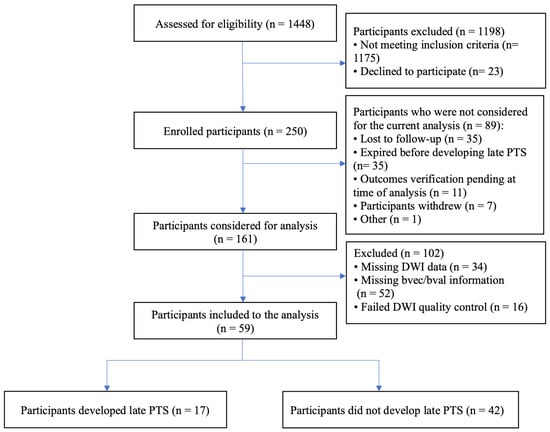
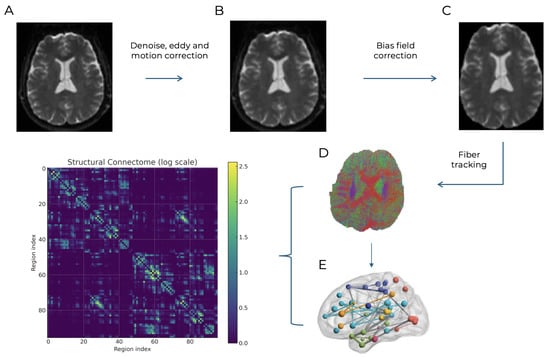
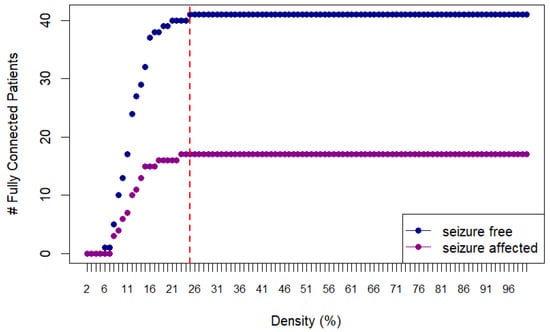
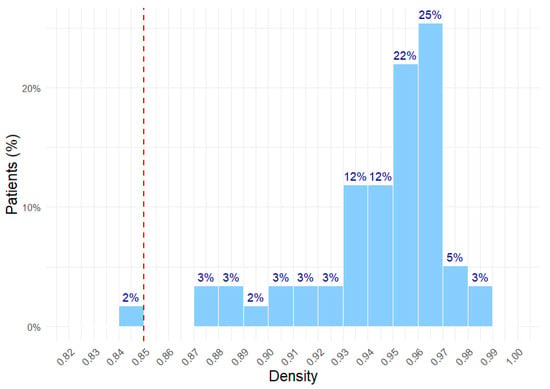
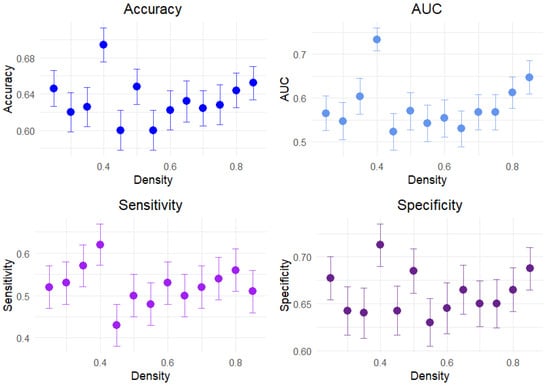
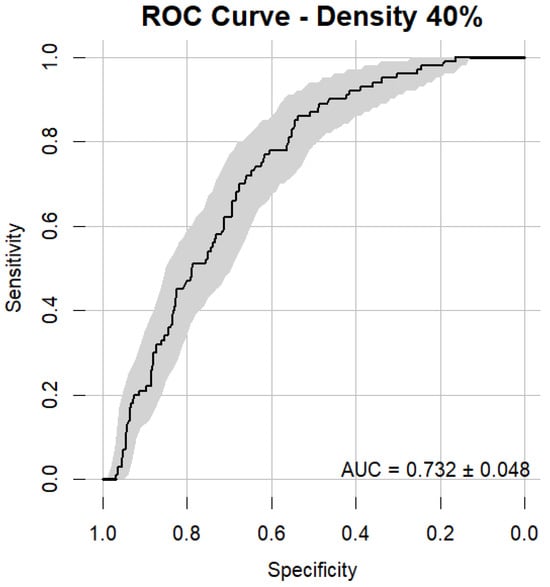
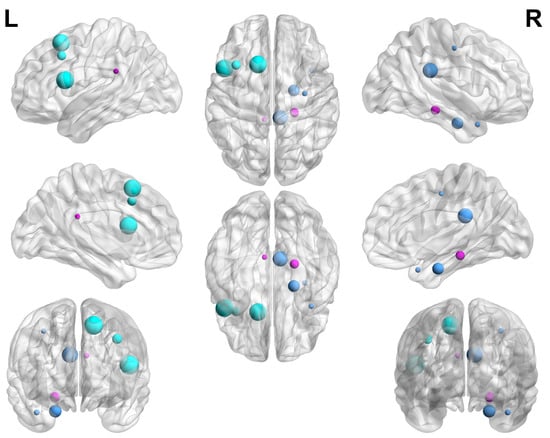
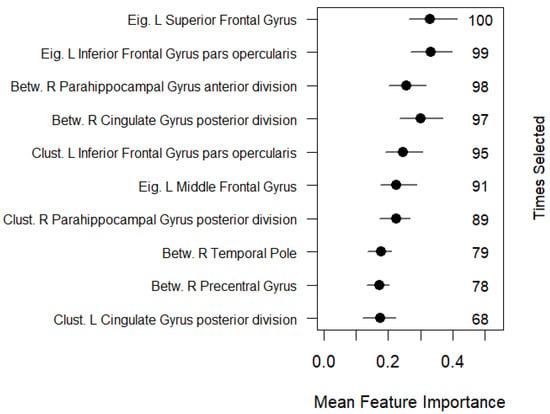
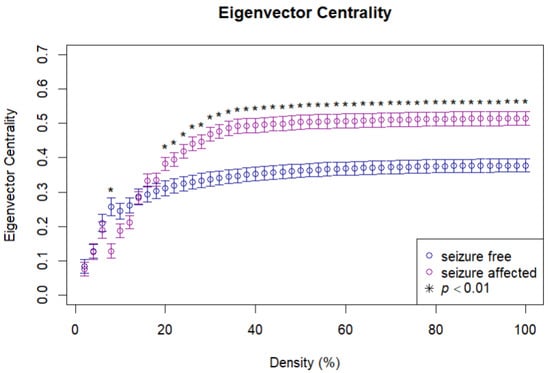
Traumatic brain injury (TBI) is one of the leading causes of acquired epilepsy, with a significant proportion of patients developing post-traumatic epilepsy (PTE) even months or years after the initial injury. The identification of reliable imaging biomarkers able to predict epileptogenesis remains a major clinical challenge. In recent years, diffusion-weighted imaging (DWI) and structural connectome analysis have emerged as promising tools to investigate brain network alterations associated with late seizure development. Machine learning approaches may further support the detection of predictive patterns in complex neuroimaging data. The goal of this study is to perform a binary classification between seizure-free and late seizure-affected patients following TBI, with a specific focus on the identification of the anatomical regions potentially connected with late seizure development. A dataset of 59 diffusion weighted images (DWI) scans from the EpiBioS4Rx project, including 42 seizure-free and 17 late seizure-affected TBI patients, was analyzed. A Random Forest classification algorithm was applied, incorporating network feature importance based on the Gini index to investigate model’s decisions and allow a clinical interpretation. The model reported a 69% ± 0.03 accuracy for discrimination and a 73% AUC ± 0.05. Despite the limited and imbalanced nature of the dataset, and the fact that the performance does not significantly exceed chance once all data-dependent steps are taken into account, our approach allows us to achieve accurate classification results compared to the literature and to identify brain regions potentially associated with epileptogenesis. Full article
(This article belongs to the Special Issue Artificial Intelligence (AI) in Bioengineering: Second Edition)
Show Figures

Figure 1
20 pages, 521 KB  
Review
Integrative Literature Review on the Lived Experiences of Parents of Children with a Rare Disease
by Assunta Guillari, Keti Ballfusha, Chiara Palazzo, Maurizio Di Martino and Vincenza Giordano
Healthcare 2026, 14(11), 1437; https://doi.org/10.3390/healthcare14111437 (registering DOI) - 22 May 2026
Abstract
Background/Objectives: Rare diseases have a substantial impact not only on affected individuals but also on their families, particularly parents who assume primary caregiving roles. Despite increasing attention to rare conditions, parents’ experiences remain fragmented across the literature. This integrative review aimed to synthesise [...] Read more.
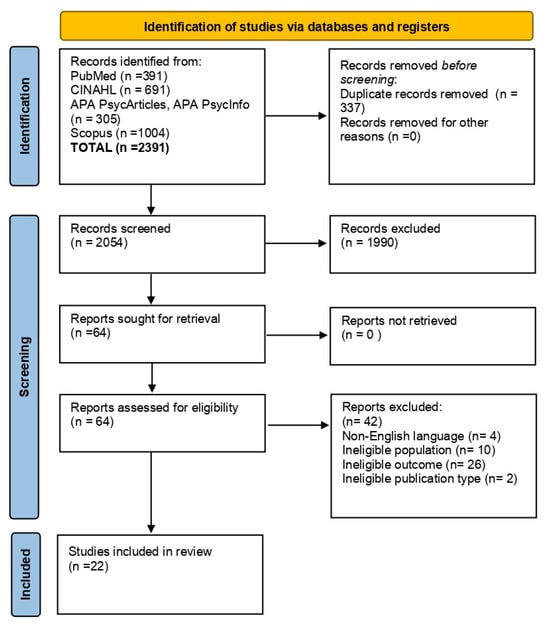
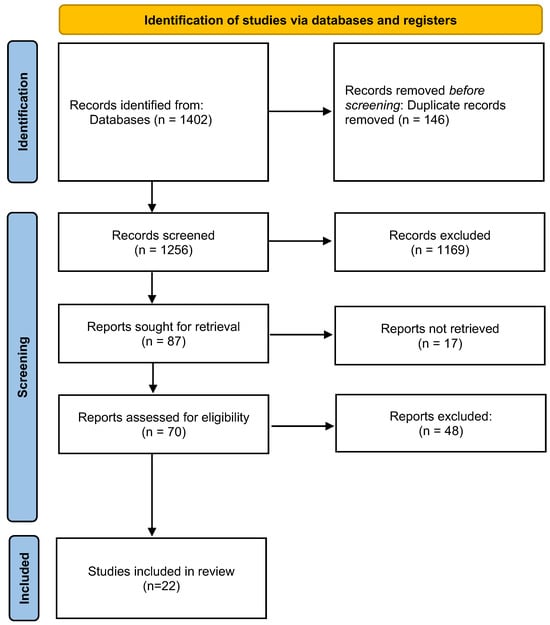
Background/Objectives: Rare diseases have a substantial impact not only on affected individuals but also on their families, particularly parents who assume primary caregiving roles. Despite increasing attention to rare conditions, parents’ experiences remain fragmented across the literature. This integrative review aimed to synthesise existing evidence on the experiences and multidimensional impact of caring for a child with a rare disease on parents. Methods: An integrative review was conducted following Whittemore and Knafl’s methodology and reported according to PRISMA 2020 guidelines. A systematic search was performed across MEDLINE, CINAHL, PsycINFO, PsycARTICLES, and Scopus from 1 November 2025 to 31 January 2026. Twenty-two studies (qualitative, quantitative, mixed-methods, and reviews) were included. Data were analysed using thematic synthesis. Results: Three interrelated themes were identified: (1) the diagnostic journey, characterised by prolonged uncertainty, fragmented care, and the pivotal role of communication; (2) multidimensional caregiving burden, encompassing emotional, social, economic, and physical impacts, with notable gender differences; and (3) adaptive trajectories, involving dynamic coping processes, parental upskilling, and meaning-making. Across studies, caregiving burden emerged as a cumulative and system-influenced phenomenon, while adaptation was found to coexist with ongoing uncertainty rather than representing a linear resolution. Conclusions: Caring for a child with a rare disease profoundly affects parents across multiple domains. The findings highlight the need for integrated, family-centred care models, improved diagnostic communication, and sustained psychosocial support. Implications for nursing practice: Nurses play a key role in recognising caregiver burden, supporting adaptive processes, and promoting effective communication throughout the diagnostic and care trajectory. Full article
(This article belongs to the Section Chronic Care)
Show Figures

Figure 1
27 pages, 5694 KB  
Article
Experimental and Numerical Analysis of a Small-Scale Desalination System Using Humidification–Dehumidification Fed by Linear Fresnel Concentration
by Brayan Eduardo Tarazona-Romero, Álvaro Campos-Celador, Yecid Muñoz-Maldonado, Omar Lengerke-Perez and Javier Ascanio-Villabona
Sustainability 2026, 18(11), 5224; https://doi.org/10.3390/su18115224 (registering DOI) - 22 May 2026
Abstract
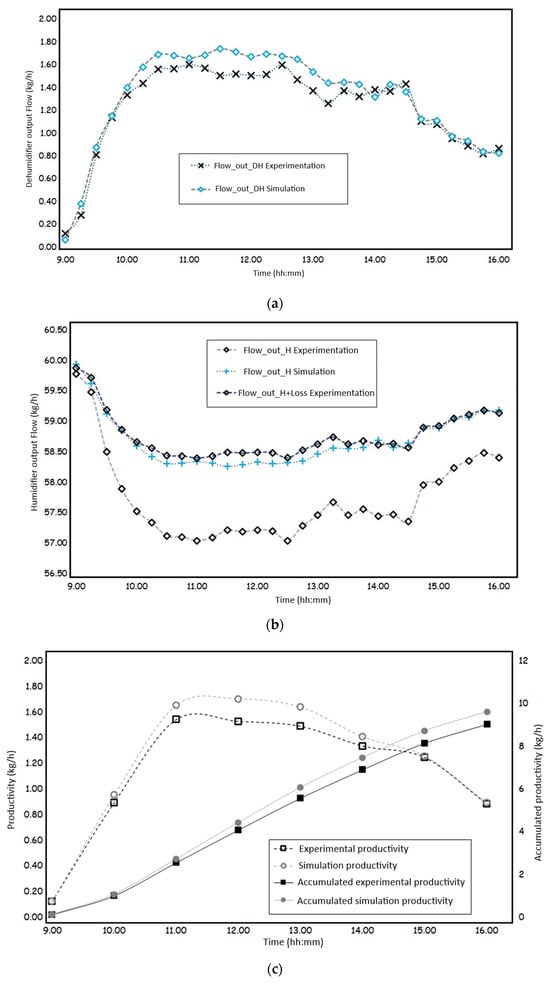
Access to freshwater is one of the major global challenges, driven by population growth, industrial development, climate change, and increasing water stress, particularly in economically constrained regions. In this context, this study designs, builds, and experimentally and numerically evaluates an indirect solar concentration [...] Read more.
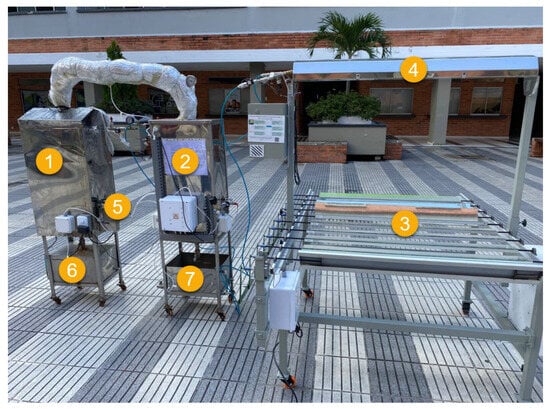
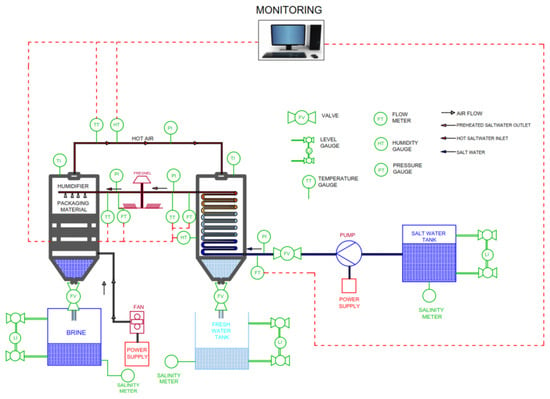
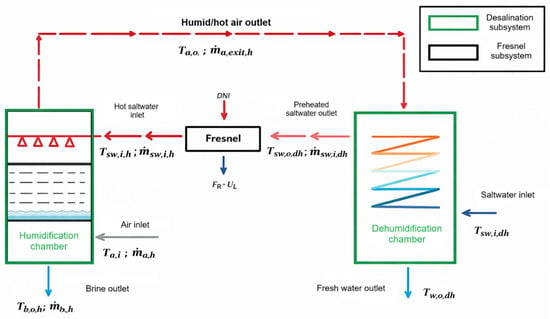
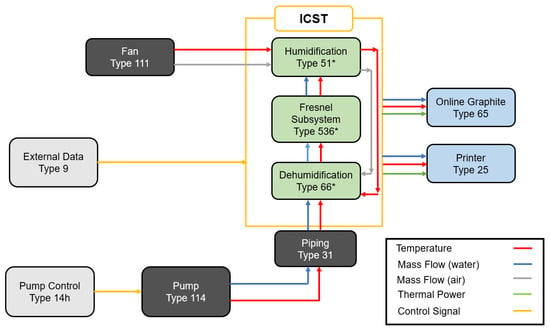
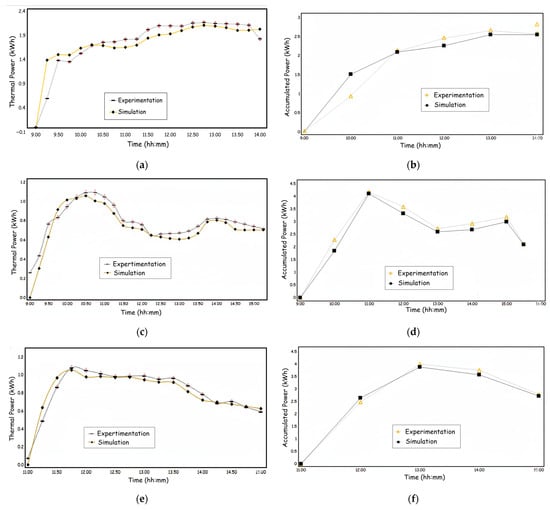
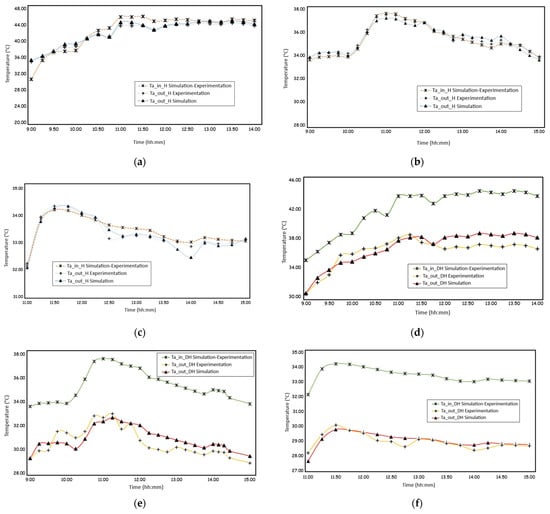
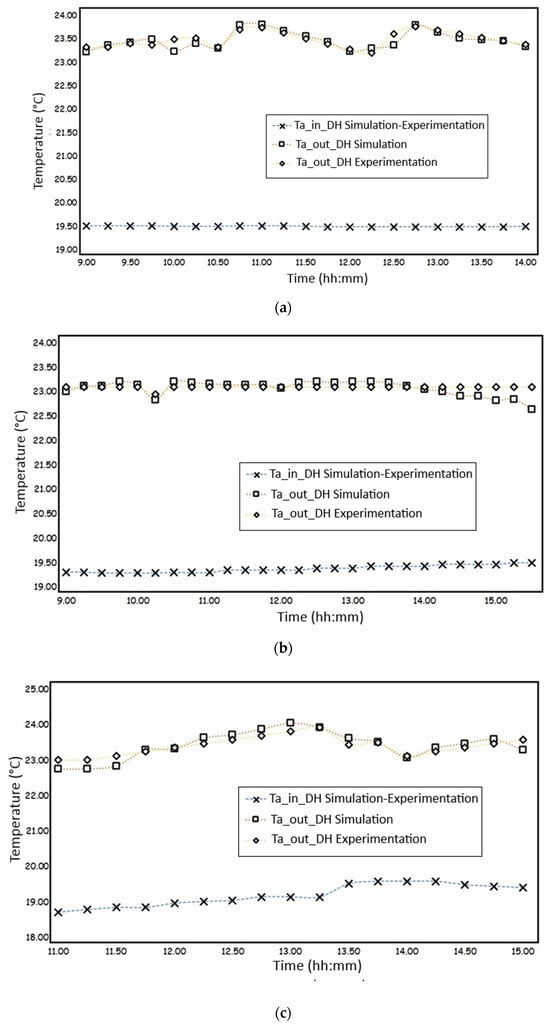
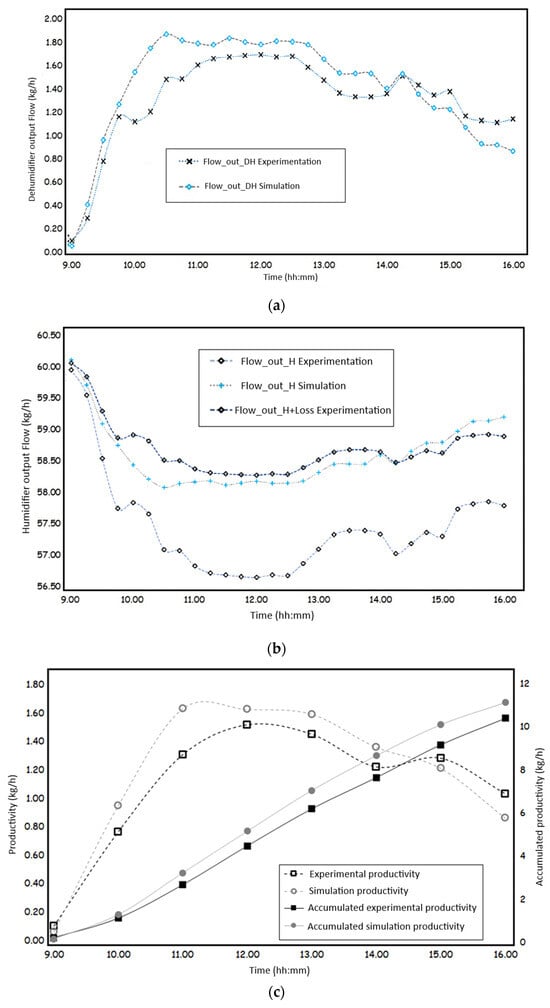
Access to freshwater is one of the major global challenges, driven by population growth, industrial development, climate change, and increasing water stress, particularly in economically constrained regions. In this context, this study designs, builds, and experimentally and numerically evaluates an indirect solar concentration desalination system (ICST) composed of a humidification–dehumidification (HDH) subsystem thermally powered by a Linear Fresnel Concentrator (LFC) under the appropriate technology paradigm. The methodology integrates an experimental campaign conducted under real climatic conditions in Bucaramanga, Colombia, mathematical modeling based on mass and energy balances, and the implementation of a TRNSYS simulation model validated through qualitative and quantitative analyses using absolute and relative errors. Results showed close agreement between experimental and simulated data, with daily freshwater production deviations of 0.53 and 0.65 L/day in tests 04 and 05, respectively, while mean relative errors remained below 5% for the main thermal and productivity variables. Experimentally, an average freshwater production of 1.13 L/h was achieved, with a production gain ratio (GOR) of 0.32 and a recovery ratio (RR) of 0.021, while maintaining total dissolved solids below 500 mg/L. Economic assessment estimated a production cost of $0.065/L, demonstrating the technical and economic feasibility of the system for decentralized small-scale applications in regions with high solar irradiance throughout the year. Full article
(This article belongs to the Section Energy Sustainability)
Show Figures

Figure 1
47 pages, 486 KB  
Article
A Structural Theory of Quantum Computational Advantage from Admissible Histories
by Bin Li
Quantum Rep. 2026, 8(2), 49; https://doi.org/10.3390/quantum8020049 (registering DOI) - 22 May 2026
Abstract
We propose a structural framework for interpreting quantum computational advantage in terms of admissible continuation of configurations. In this framework, a quantum computation is described not only as a sequence of gates acting on a state vector but also as the organization of [...] Read more.
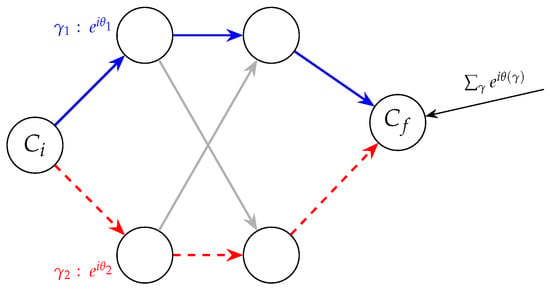
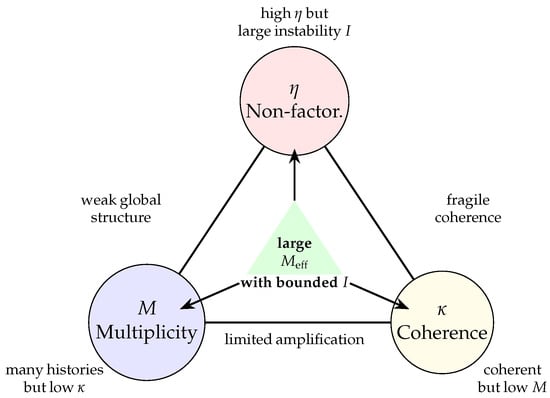
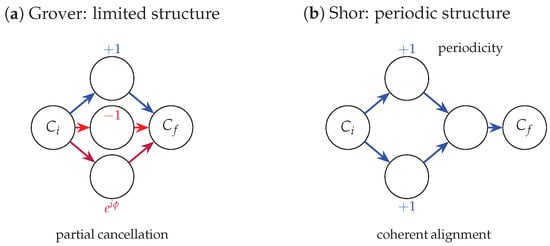
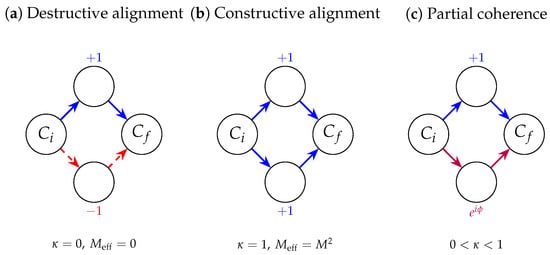
We propose a structural framework for interpreting quantum computational advantage in terms of admissible continuation of configurations. In this framework, a quantum computation is described not only as a sequence of gates acting on a state vector but also as the organization of admissible histories whose phase contributions combine coherently in a manner related to sum-over-histories and path-integral formulations of quantum mechanics. We identify three structural features that are relevant to quantum advantage: the multiplicity of admissible histories, the degree of phase coherence among them, and the non-factorizable structure of continuation constraints corresponding to entanglement-like global dependence. To make these features explicit, we introduce the notion of effective coherent multiplicity, which measures the coherently usable portion of an admissible-history space before probability normalization. We then formulate a structural speedup conjecture: substantial quantum advantage requires not merely a large number of possible histories but scalable coherent multiplicity supported by non-factorizable constraints whose instability remains bounded. We also introduce a coherent-fiber criterion, which identifies phase-alignable families of histories selected by compact computational relations as a structural source of coherent amplification. This formulation does not replace standard complexity-theoretic measures such as circuit size, query complexity, or BQP membership. Rather, it provides a complementary structural language for relating those measures to interference, entanglement, decoherence, and the organization of computational history space. The framework clarifies, at a structural level, why raw branching alone is insufficient for speedup, why unstructured search yields only a limited advantage, and why problems with compact global regularities, such as Simon’s problem and period finding, can support stronger coherent amplification. The paper also discusses how the proposed quantities relate to standard notions, including success amplitudes, entanglement measures, tensor-network simulability, and fault-tolerance constraints. In this way, admissible-history structure is presented as a diagnostic viewpoint for understanding both the power and limitations of quantum computation. Full article
(This article belongs to the Section Quantum Computing and Information Processing)
Show Figures

Figure 1
12 pages, 2961 KB  
Article
Predicting Wastewater Influent Characteristics Using Data-Driven Modeling Approaches
by Omar El-Dakhakhni, Zhong Li, Pengxiao Zhou and Spencer Snowling
Water 2026, 18(11), 1255; https://doi.org/10.3390/w18111255 (registering DOI) - 22 May 2026
Abstract
Accurate prediction of wastewater influent quality is critical for optimizing treatment plant operations, minimizing environmental impact, and enabling proactive management under dynamic conditions. However, the complex, nonlinear, and temporally dependent nature of influent processes poses significant challenges to traditional modeling approaches. This study [...] Read more.
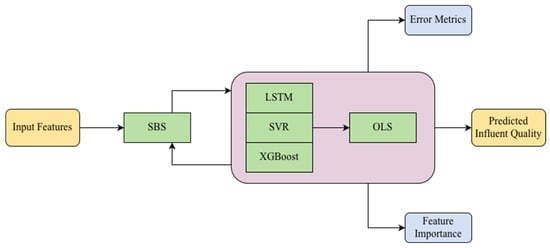
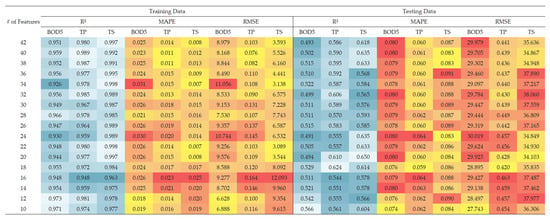
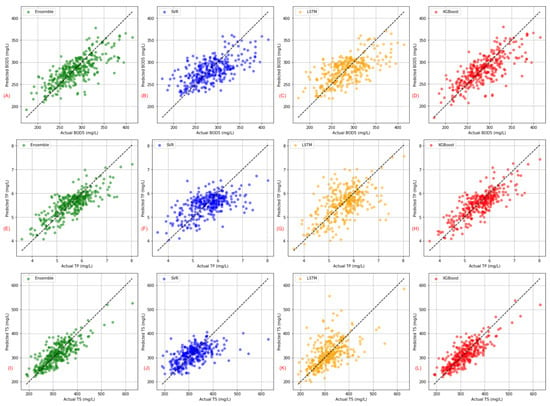
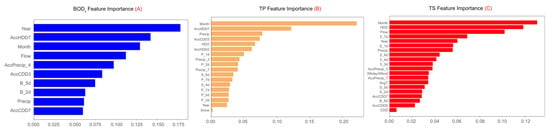
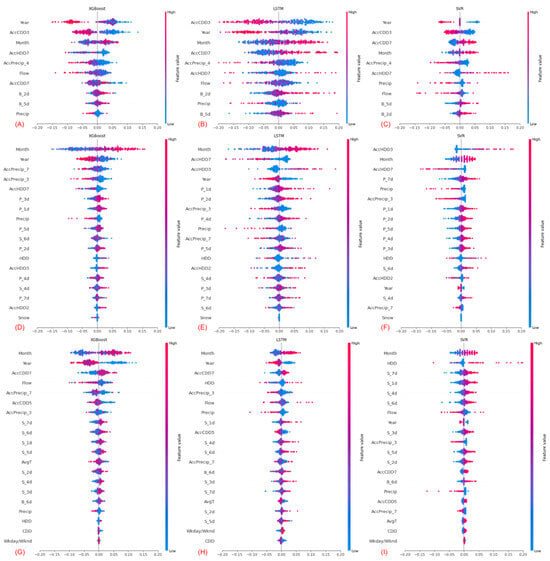
Accurate prediction of wastewater influent quality is critical for optimizing treatment plant operations, minimizing environmental impact, and enabling proactive management under dynamic conditions. However, the complex, nonlinear, and temporally dependent nature of influent processes poses significant challenges to traditional modeling approaches. This study introduces a robust stacked ensemble learning framework that integrates Long Short-Term Memory (LSTM), Support Vector Regression (SVR), and Extreme Gradient Boosting (XGBoost) to forecast three key influent quality parameters: biochemical oxygen demand (BOD5), total phosphorus (TP), and total solids (TS) at a municipal wastewater treatment plant (WWTP) in Canada. Through sequential backward feature selection and SHapley Additive exPlanations (SHAP), the model achieves both high predictive accuracy and interpretability, providing insights into temporal, environmental, and process-based drivers of influent variability. The ensemble consistently outperforms individual models, delivering high generalization performance across all three influent quality targets. This work demonstrates that stacked ensemble models, when coupled with explainable AI techniques, can bridge the gap between black-box performance and operational transparency in wastewater forecasting. The proposed framework lays the groundwork for more resilient, data-driven decision-making in municipal WWTPs. Full article
(This article belongs to the Section Wastewater Treatment and Reuse)
Show Figures

Figure 1
21 pages, 21662 KB  
Article
Exploring the Toxicological Relationship Between Diisononyl Cyclohexane-1,2-dicarboxylate and Atherosclerosis Through Network Toxicology, Machine Learning, and Multi-Dimensional Bioinformatics
by Jingbo Cao, Ziyao Yang, Qi Zhang, Siwei Zou, Huning Zhang, Anning Yang and Yue Sun
Int. J. Mol. Sci. 2026, 27(11), 4668; https://doi.org/10.3390/ijms27114668 (registering DOI) - 22 May 2026
Abstract
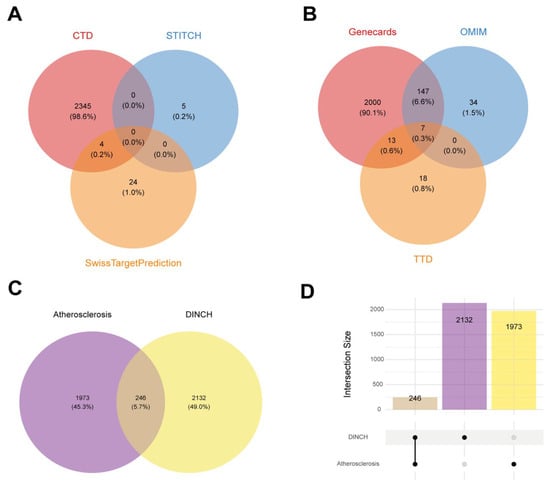
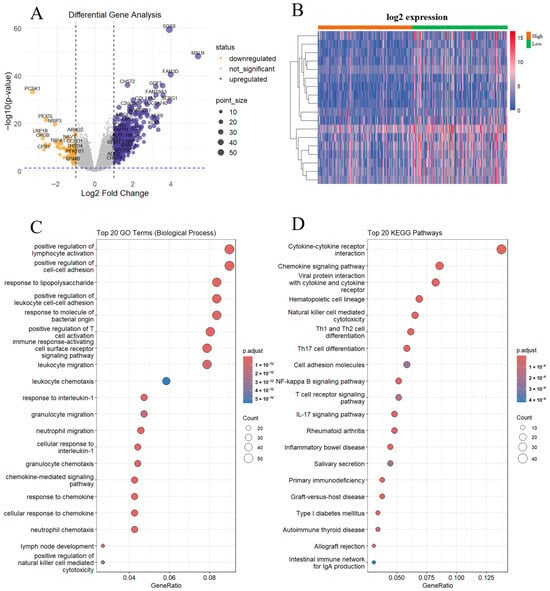
This study integrates multidimensional computational approaches—network toxicology, machine learning, molecular docking, and molecular dynamics simulation—to systematically elucidate the toxic mechanism by which the environmental pollutant diisononyl cyclohexane-1,2-dicarboxylate (DINCH) contributes to atherosclerosis. By jointly mining multiple databases, we obtained 246 targets common to DINCH [...] Read more.
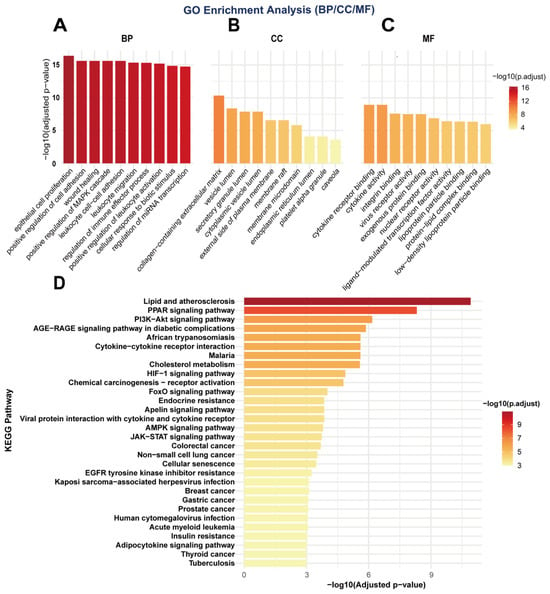
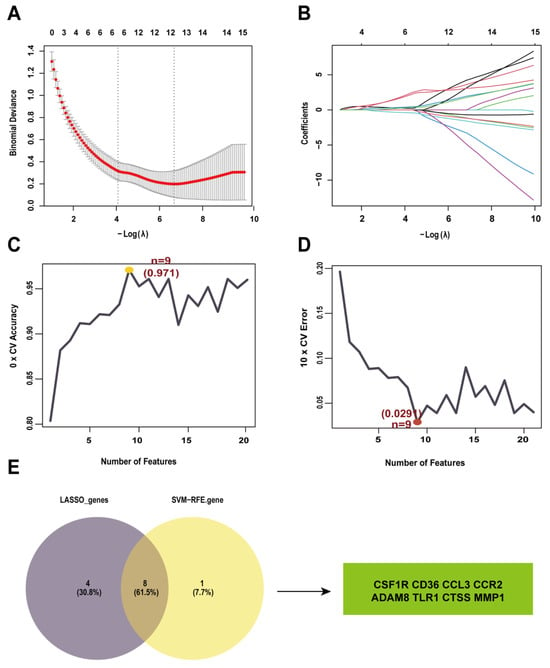
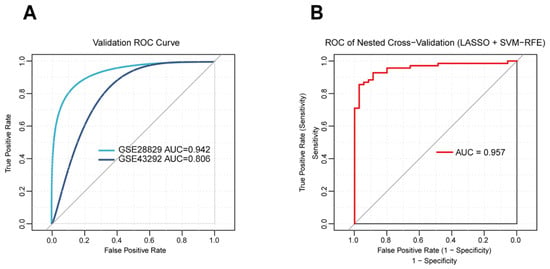
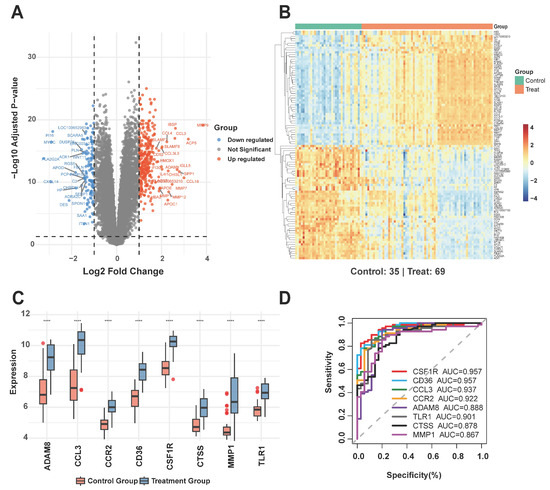
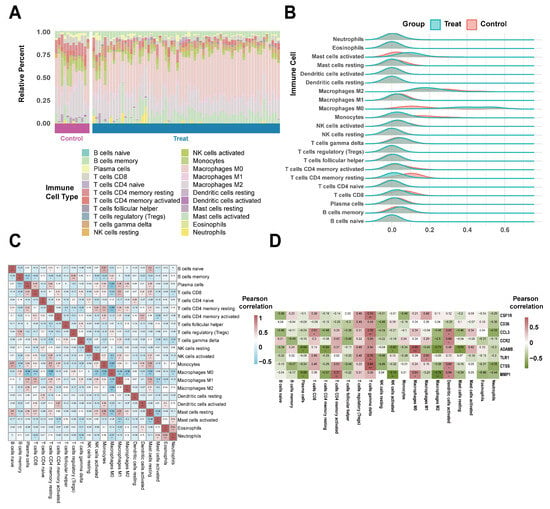
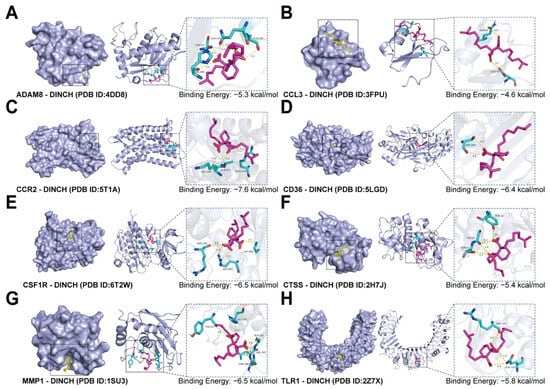
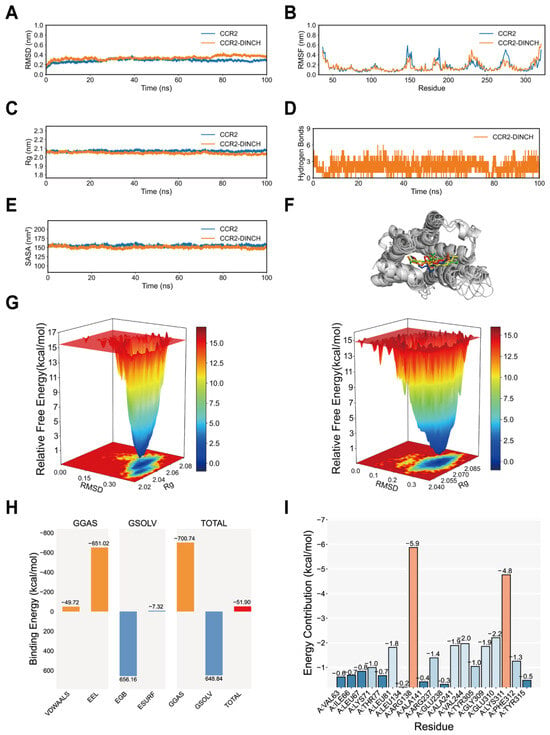
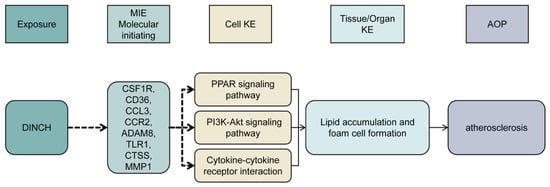
This study integrates multidimensional computational approaches—network toxicology, machine learning, molecular docking, and molecular dynamics simulation—to systematically elucidate the toxic mechanism by which the environmental pollutant diisononyl cyclohexane-1,2-dicarboxylate (DINCH) contributes to atherosclerosis. By jointly mining multiple databases, we obtained 246 targets common to DINCH and atherosclerosis. LASSO regression and support vector machine–recursive feature elimination (SVM-RFE) then identified 8 significantly upregulated core targets (CSF1R, CD36, CCL3, CCR2, ADAM8, TLR1, CTSS, and MMP1). Functional enrichment analysis showed that these core targets were significantly associated with key signaling pathways, including lipid and atherosclerosis, the PPAR signaling pathway, the PI3K–Akt signaling pathway, and the AGE–RAGE signaling pathway in diabetic complications. Differential gene analysis confirmed that these genes were significantly upregulated in diseased tissues, and receiver operating characteristic (ROC) analysis demonstrated excellent diagnostic performance (AUC = 0.87–0.96). Immune cell infiltration analysis further revealed a strong association between the core targets and immune cell populations, notably macrophages and T cells. Molecular docking and molecular dynamics simulations showed that DINCH had high affinity for the core targets, and its binding to CCR2 was the most stable (binding free energy = −7.6 kcal/mol). The final AOP framework systematically presented the cascade by which DINCH may contribute to atherosclerosis through metabolic disruption and immune activation. This study provides new mechanistic insights into the development of DINCH-induced atherosclerosis and offers a theoretical basis for health risk assessment of environmental pollutants. Full article
(This article belongs to the Section Molecular Informatics)
Show Figures

Figure 1

13 pages, 631 KB  
Article
Clinical Impact of Baseline ctDNA RAS/BRAF Mutations on Conversion Surgery and Outcomes in First-Line Anti-EGFR Therapy for Advanced Colorectal Cancer
by Takeshi Yamada, Takeshi Nagasaka, Nobuhisa Matsuhashi, Takao Takahashi, Keiji Hirata, Yuki Nakamura, Kiichi Sugimoto, Keiji Koda, Kazuhiro Hiramatsu, Hiroshi Matsuoka, Hidekazu Kuramochi, Akihisa Matsuda, Hideyuki Ishida, Kozo Kataoka, Hajime Yokomizo, Yoshinori Kagawa, Mitsukuni Suenaga and Hiroshi Yoshida
Cancers 2026, 18(11), 1688; https://doi.org/10.3390/cancers18111688 (registering DOI) - 22 May 2026
Abstract
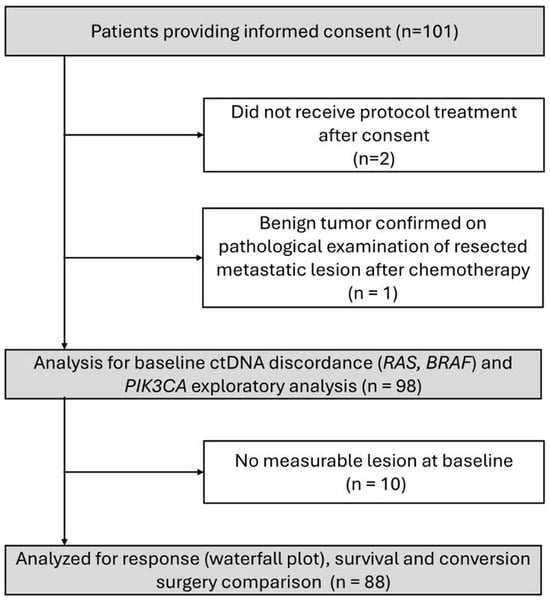
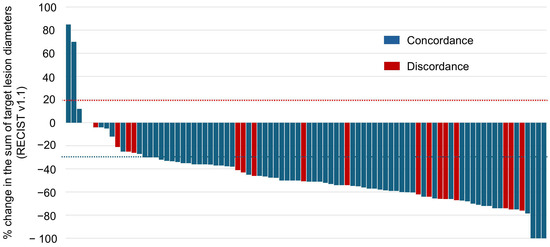
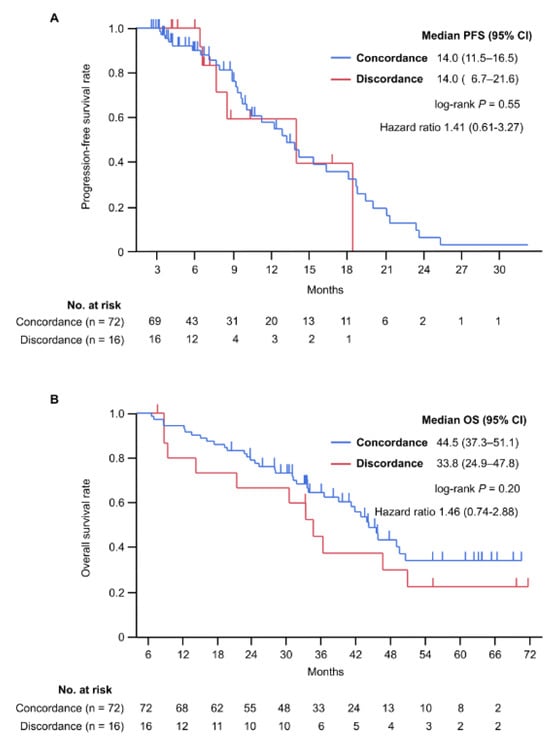
Epidermal growth factor receptor (EGFR) blockade combined with cytotoxic chemotherapy has substantially improved outcomes in unresectable metastatic colorectal cancer (mCRC), particularly in patients with left-sided RAS wild-type disease [...] Full article
(This article belongs to the Special Issue Chemo-Radio-Immunotherapy for Colorectal Cancer)
Show Figures

Figure 1

13 pages, 1850 KB  
Article
Continuous Monitoring of Positive Airway Pressure Therapy with a Smartphone-Based Home Sleep Apnea Test
by Sungjin Heo, Seunghun Kim, Sungeun Moon, Sujin Lee, Dongheon Lee, Joonki Hong, Yoo-Sam Chung, Hyun Jik Kim, Jung Kyung Hong, In-Young Yoon and Jeong-Whun Kim
Medicina 2026, 62(6), 1008; https://doi.org/10.3390/medicina62061008 (registering DOI) - 22 May 2026
Abstract
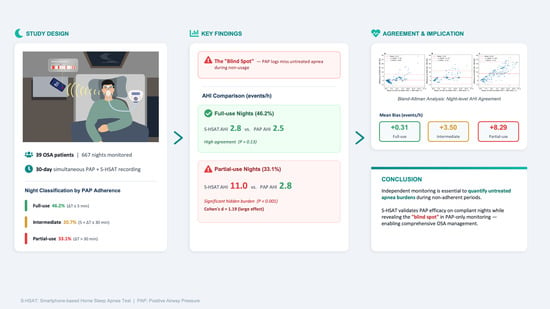
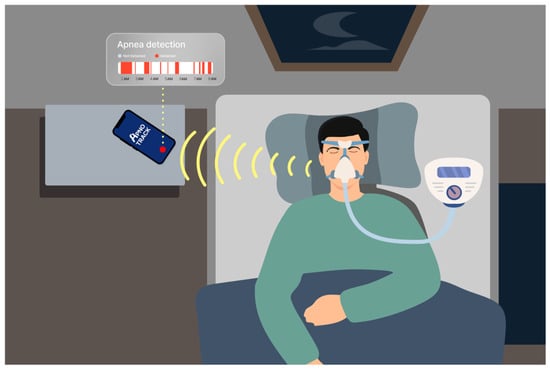
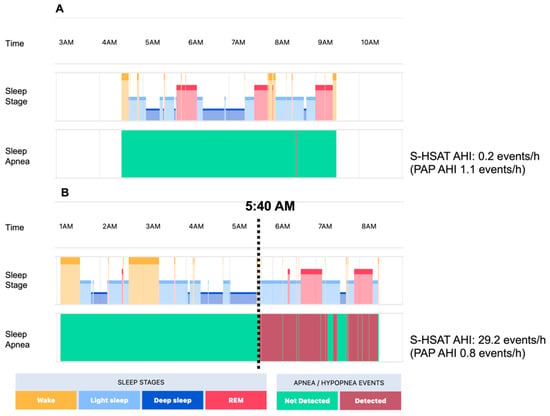
Background and Objectives: Adherence to positive airway pressure (PAP) is often suboptimal, and current monitoring relies on device logs that, by design, cannot detect respiratory events outside the therapy window. This creates a physiological blind spot during periods of non-usage. This study [...] Read more.
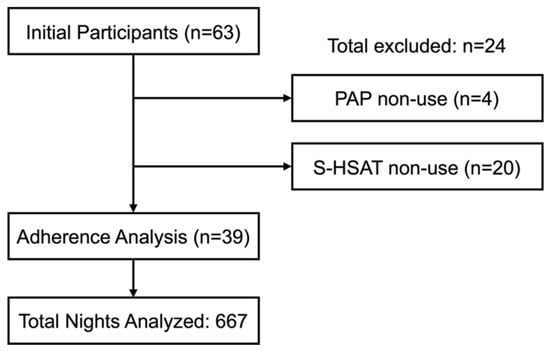
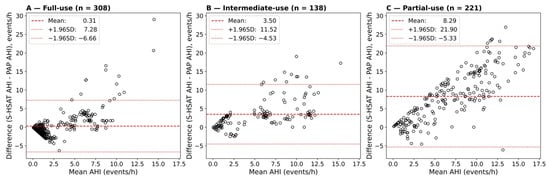
Background and Objectives: Adherence to positive airway pressure (PAP) is often suboptimal, and current monitoring relies on device logs that, by design, cannot detect respiratory events outside the therapy window. This creates a physiological blind spot during periods of non-usage. This study aimed to demonstrate the clinical necessity of independent, continuous monitoring using a smartphone-based home sleep apnea test (S-HSAT) by validating treatment effectiveness on adherent nights and quantifying the untreated apnea burden caused by partial adherence. Methods: We prospectively monitored 63 obstructive sleep apnea (OSA) patients commencing PAP therapy. Nightly apnea–hypopnea index (AHI) and usage time were recorded simultaneously by an S-HSAT (ApnoTrack) and the PAP device over a 30-day period. Nights were categorized by the duration discrepancy between S-HSAT and PAP (full-use, ≤5 min; intermediate-use, 5–30 min; partial-use, >30 min) using physiologically and operationally derived thresholds. Results: Final analysis included 39 participants contributing 667 nights (24 participants excluded due to non-use of one or both devices). Full-use nights (46.2%) showed close agreement between S-HSAT and PAP mean AHI (2.8 ± 4.3 vs. 2.5 ± 2.0 events/h; p = 0.13). On intermediate-use and partial-use nights (20.7% and 33.1%, respectively), substantial AHI discrepancies emerged (7.3 ± 5.5 vs. 3.8 ± 3.3 and 11.0 ± 7.4 vs. 2.8 ± 2.5 events/h, respectively; both p < 0.001). Conclusions: Independent S-HSAT monitoring quantified an untreated apnea burden that is invisible to PAP logs alone, while confirming therapeutic efficacy on well-adherent nights. These findings suggest that continuous independent monitoring may help bridge the gap between prescribed therapy and actual physiological outcomes in OSA care. Full article
(This article belongs to the Special Issue Diagnosis and Treatment of Obstructive Sleep Apnea)
Show Figures

Graphical abstract

17 pages, 4194 KB  
Article
Effects of Cardiomyopathic Mutations on the Cytoplasmic Tropomyosin Isoform Tpm1.7
by Svetlana G. Roman, Salavat R. Nabiev, Anastasia M. Kochurova, Galina V. Kopylova, Julia Y. Antonets, Sergey Y. Kleymenov, Valeriya V. Mikhaylova, Daniil V. Shchepkin, Alexander M. Matyushenko and Victoria V. Nefedova
Molecules 2026, 31(11), 1784; https://doi.org/10.3390/molecules31111784 (registering DOI) - 22 May 2026
Abstract
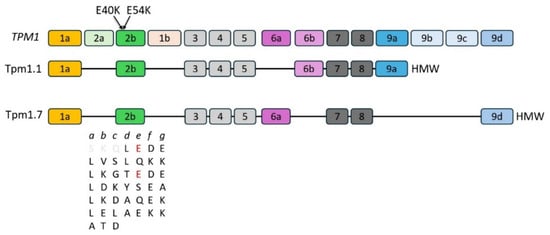
Tropomyosins (Tpm) are the family of actin-binding proteins encoded by four genes in humans. Missense mutations in the TPM1 gene associated with cardiomyopathies have been studied in the sarcomeric isoform Tpm1.1. The cardiomyopathy-causing mutations E40K and E54K are located in exon 2b of [...] Read more.
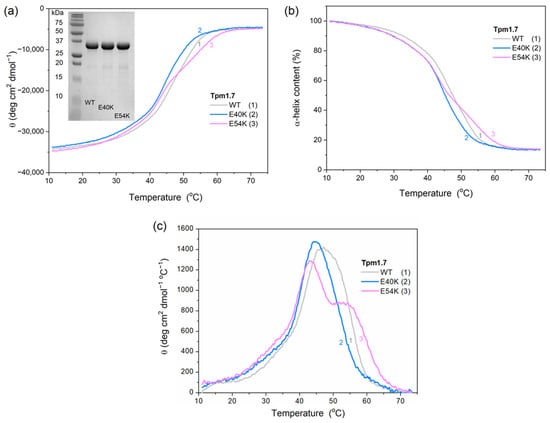
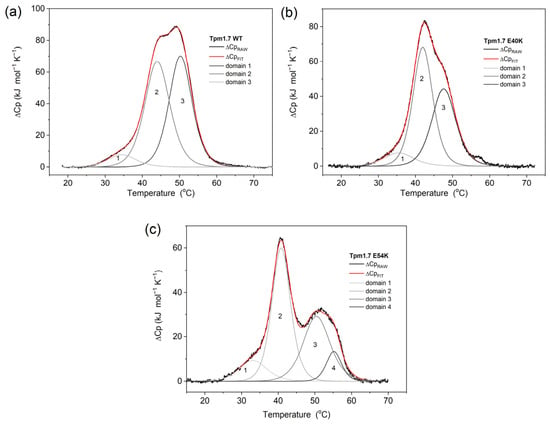
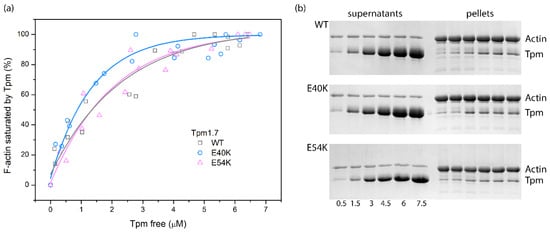
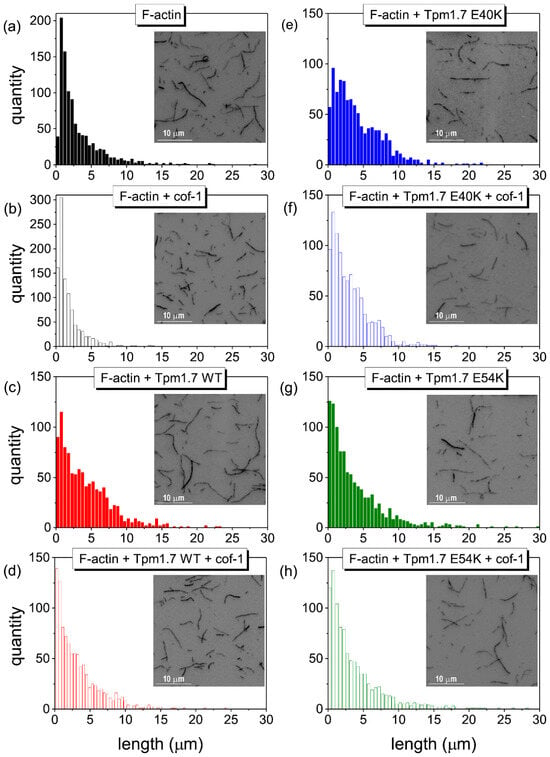
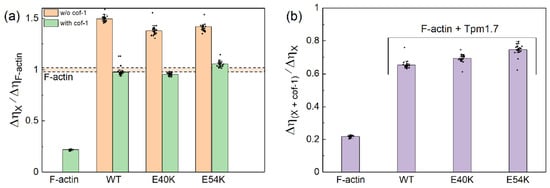
Tropomyosins (Tpm) are the family of actin-binding proteins encoded by four genes in humans. Missense mutations in the TPM1 gene associated with cardiomyopathies have been studied in the sarcomeric isoform Tpm1.1. The cardiomyopathy-causing mutations E40K and E54K are located in exon 2b of the TPM1 gene and may be expressed in non-muscle cytoplasmic Tpm isoforms, including Tpm1.7, which is associated with early tissue development. In the present work, we investigate the effects of mutations E40K and E54K on the properties of Tpm1.7. The E40K and E54K mutations caused destabilization of the Tpm1.7 molecule at the N- and C-termini parts. Neither mutation affected the Tpm1.7 affinity for filamentous actin (F-actin). The bending stiffness of F-actin/Tpm1.7 E40K filaments was lower compared to F-actin/Tpm1.7 WT (wild-type). The interplay of Tpm1.7 and motor proteins was studied in an in vitro motility assay with skeletal myosin. Tpm1.7 WT reduced the sliding velocity of F-actin by half; the velocity of F-actin with Tpm1.7 E54K did not differ from that of bare F-actin; and Tpm1.7 E40K decreased the F-actin velocity by approximately threefold. While Tpm1.7 E40K did not affect the protective effect of Tpm1.7 against F-actin severing by cofilin-1, the E54K mutation enhanced protection against cofilin-1. Thus, cardiomyopathic mutations in the TPM1 gene can affect the properties of non-muscle Tpm isoforms, which indicates that this should be taken into account when studying the molecular mechanisms of the pathogenesis of these diseases. Full article
(This article belongs to the Section Chemical Biology)
Show Figures

Figure 1

30 pages, 2286 KB  
Review
A Review on Resolving the Hubble Tension via Late-Universe Physics
by Xuan-Dong Jia, Xin-Yi Dai, Yu-Peng Yang and Fa-Yin Wang
Galaxies 2026, 14(3), 55; https://doi.org/10.3390/galaxies14030055 (registering DOI) - 22 May 2026
Abstract
The ΛCDM cosmological model has been successful in explaining many astronomical observations. However, recent observations increasingly point to deviations from the standard ΛCDM framework. Among these, one of the most significant discrepancies is the Hubble tension, which refers to the [...] Read more.
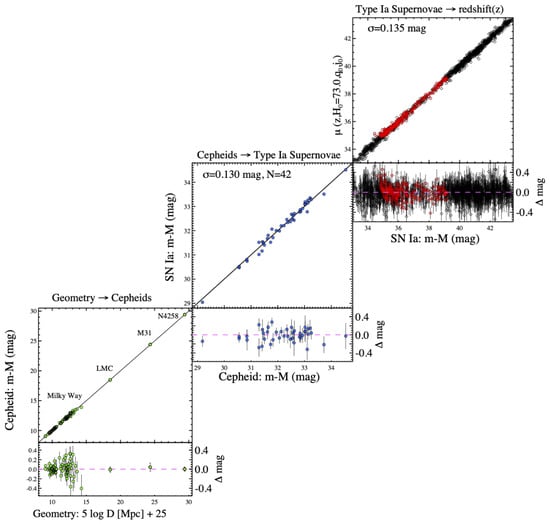
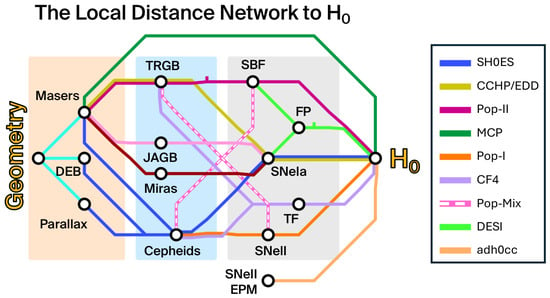
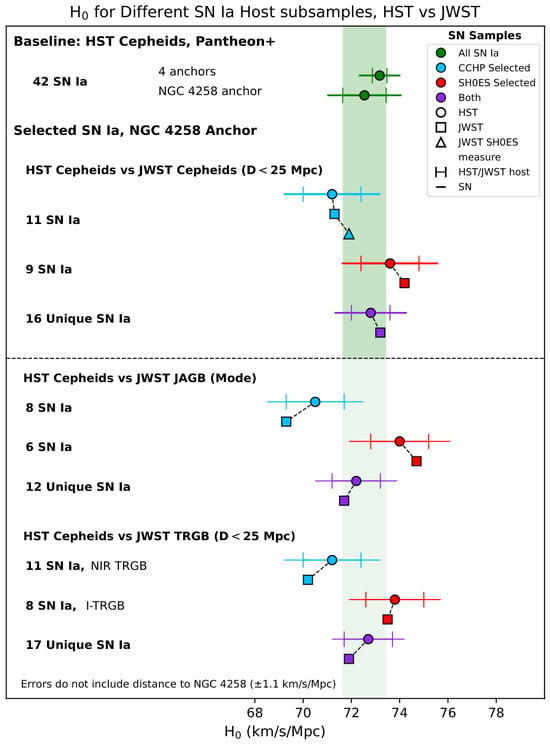
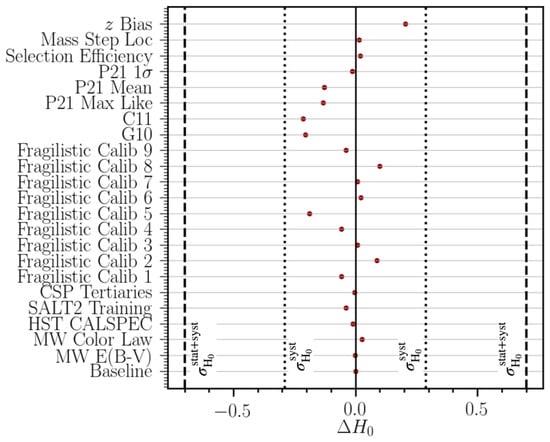
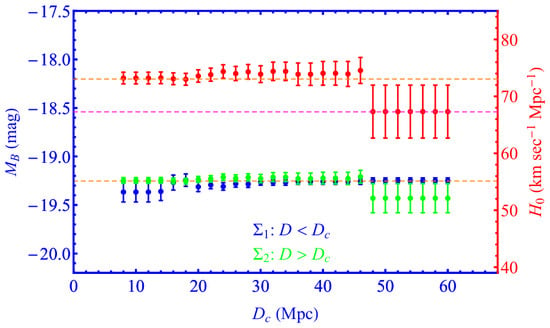
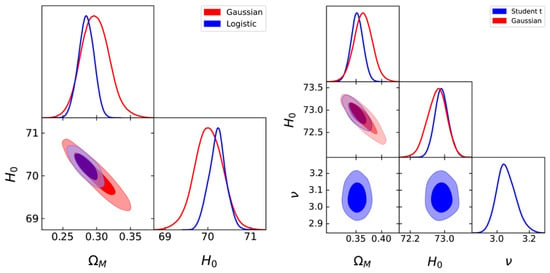
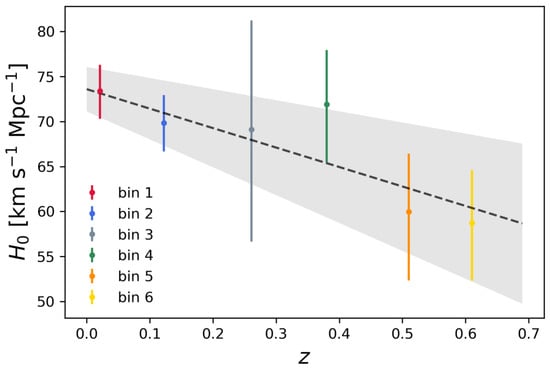
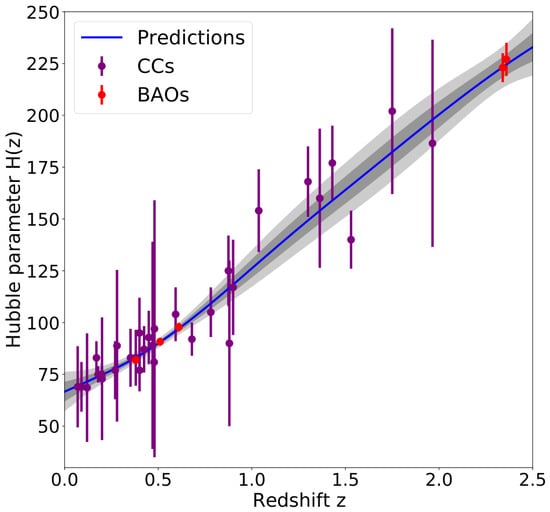
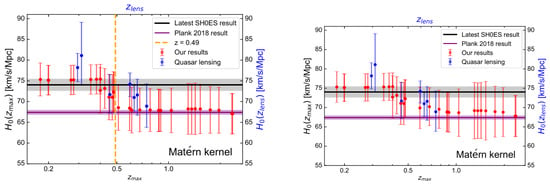
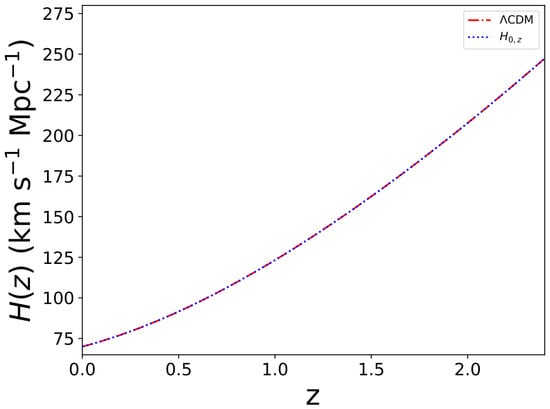
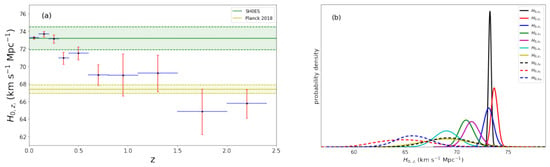
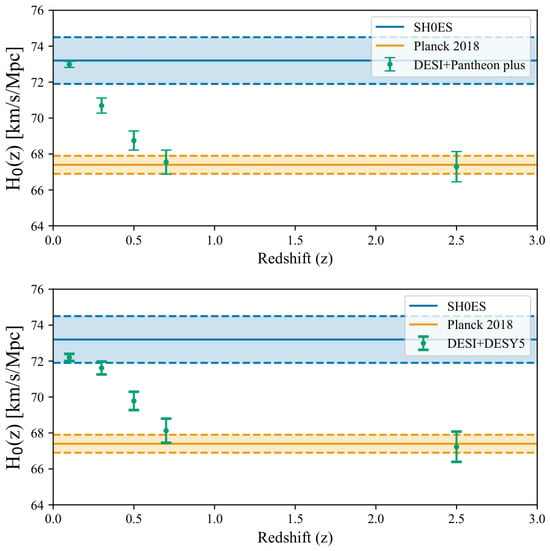
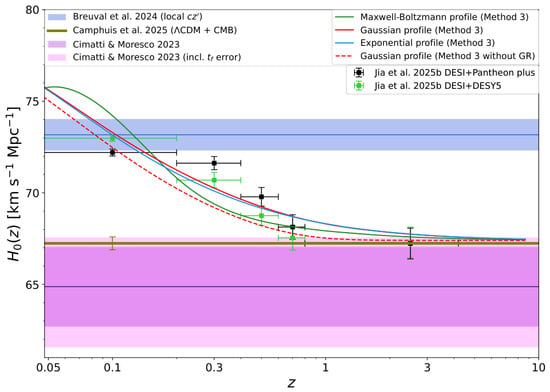
The ΛCDM cosmological model has been successful in explaining many astronomical observations. However, recent observations increasingly point to deviations from the standard ΛCDM framework. Among these, one of the most significant discrepancies is the Hubble tension, which refers to the difference in values obtained for the Hubble constant H0 from high-redshift measurement and local observation. To address this issue, numerous cosmological models and methodological approaches have been proposed. This review offers a concise overview of recent progress in resolving the Hubble tension. The combination of Dark Energy Spectroscopic Instrument (DESI) Baryon Acoustic Oscillations (BAO) and uncalibrated Type Ia supernovae data yields a value for H0 that is significantly higher than the ΛCDM predication based on early-universe probes, even without incorporating local distance ladder constraints. This result indicates that the origin of the Hubble tension lies in new physics at low redshifts. Our findings suggest that although many unresolved systematics persist in current observations, they are insufficient to account for the magnitude of the current Hubble tension. This implies the likely existence of new physical mechanisms that have yet to be discovered. Full article
Show Figures

Figure 1

19 pages, 835 KB  
Article
Storytelling in Motion: Effects of a Narrative-Based Outdoor Motor Intervention on Motor Competence and Inhibitory Control in Preschool Children—A Quasi-Experimental Study
by Donatella Di Corrado, Maria Chiara Parisi, Matteo Pacifico Mancini and Patrizia Tortella
Children 2026, 13(6), 718; https://doi.org/10.3390/children13060718 (registering DOI) - 22 May 2026
Abstract
Background: Promoting physical activity in early childhood is essential for supporting motor, cognitive, and socio-emotional development. Outdoor environments rich in natural stimuli may further enhance these benefits. Recent approaches suggest that integrating movement with narrative contexts may provide additional developmental opportunities by engaging [...] Read more.
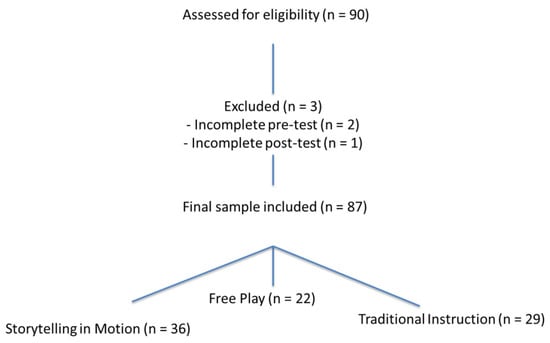
Background: Promoting physical activity in early childhood is essential for supporting motor, cognitive, and socio-emotional development. Outdoor environments rich in natural stimuli may further enhance these benefits. Recent approaches suggest that integrating movement with narrative contexts may provide additional developmental opportunities by engaging cognitive and affective processes. This study examined the associations between three outdoor motor activity approaches—Storytelling in Motion, Free Play, and Traditional Motor Instruction—and motor competence and inhibitory control in preschool children. Methods: Eighty-seven preschool children (M_age = 5.32 ± 0.60 years) participated in a quasi-experimental pretest–posttest study conducted in outdoor educational settings in Northern Italy, including a natural environment, a structured playground, and a school courtyard. Participants were assigned at the class level to three groups of unequal size (Storytelling in Motion n = 36, Free Play n = 22, Traditional Motor Instruction n = 29). All groups completed ten weekly sessions lasting approximately 60 min. Motor competence was assessed using selected tasks derived from the Test of Motor Competence and the Movement Assessment Battery for Children-2, while inhibitory control was evaluated using the Day/Night Test. Results: Significant Time × Group interactions were observed for several outcomes. The Storytelling in Motion group showed numerically greater improvements at a descriptive level in dynamic balance (Heel-to-Toe Walking: p < 0.001, η2p = 0.229) and fine motor control (Bicycle Trail: p < 0.001, η2p = 0.194) compared to the other groups. The Free Play group showed greater improvements in coordination-related tasks and upper-body strength. No significant differences between groups were observed for inhibitory control. These differences remained significant after adjustment but should be interpreted cautiously due to the non-randomized design. Accordingly, these findings should be considered preliminary and hypothesis-generating (ANCOVA, p < 0.05). Conclusions: Narrative-based outdoor motor activities may represent a potentially relevant approach; however, no firm conclusions can be drawn from the present design. Given the quasi-experimental nature of the study and the contextual differences between intervention settings, the findings should be interpreted with caution. Future research using randomized controlled designs and standardized environments is needed to clarify the independent and combined effects of instructional and environmental factors. Full article
Show Figures

Figure 1

16 pages, 319 KB  
Review
Masticatory Function and Corticomotor Plasticity Across the Lifespan: Implications for Older Adults—A Scoping Review
by Panagiota Chatzidou, Vasileios Botskaris and Vassiliki Anastassiadou
Oral 2026, 6(3), 63; https://doi.org/10.3390/oral6030063 (registering DOI) - 22 May 2026
Abstract
Background/Objectives: Mastication is a complex sensorimotor function involving coordination between the brainstem central pattern generator and supraspinal systems, particularly the primary motor cortex (M1). Evidence suggests a link between masticatory activity and corticomotor plasticity, but findings remain fragmented. This scoping review aimed to [...] Read more.
Background/Objectives: Mastication is a complex sensorimotor function involving coordination between the brainstem central pattern generator and supraspinal systems, particularly the primary motor cortex (M1). Evidence suggests a link between masticatory activity and corticomotor plasticity, but findings remain fragmented. This scoping review aimed to synthesise the human evidence on the relationships among mastication, tooth loss, dental rehabilitation, ageing, and corticomotor plasticity, with emphasis on M1 mechanisms. Methods: Following PRISMA-ScR guidelines, systematic searches were conducted in MEDLINE/PubMed, Scopus, and Web of Science using terms related to mastication, neuroplasticity, motor cortex, ageing, and rehabilitation. Eligible studies included human experimental, clinical, and observational research employing neuroimaging or neurophysiological methods. Data were extracted and synthesised using a Population–Concept–Context framework across eight conceptual domains. Results: Twenty-two heterogeneous studies (fMRI, TMS, EMG, psychophysical, histological) were included. Mastication consistently activated distributed sensorimotor networks, including M1 and the primary somatosensory cortex (S1). Peripheral sensory input and dental mechanoreception were linked to structural and functional adaptations. Corticomotor excitability was modulated by chewing, oral-motor learning, and rehabilitative interventions. Ageing was associated with altered but preserved cortical responsiveness. Associations between mastication and cognition were reported, though largely cross-sectional. Overall, findings suggested a relationship linking peripheral input, sensorimotor integration, and corticomotor plasticity, but methodological variability limited causal inference. Conclusions: Mastication is linked to modifiable corticomotor activity and supports experience-dependent neuroplasticity. However, the evidence remains largely associative and methodologically heterogeneous. Neural adaptations appear to be preserved with ageing but are influenced by systemic and environmental factors. Longitudinal, multimodal research is needed to clarify the mechanisms, causality, and clinical relevance, particularly in rehabilitation contexts. Full article
Show Figures

Figure 1

31 pages, 4960 KB  
Article
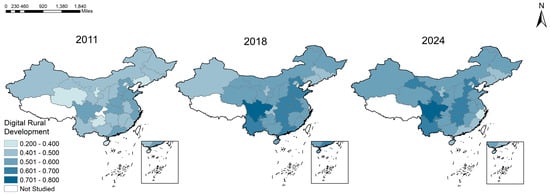
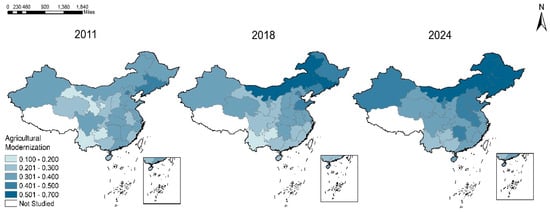
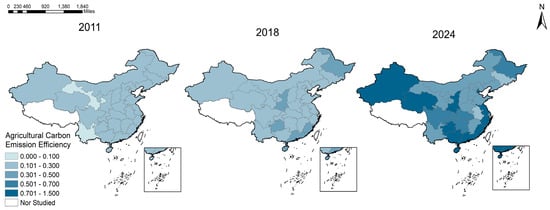
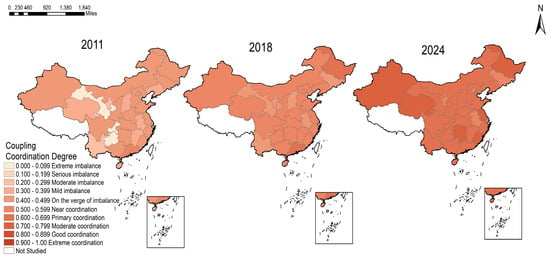
Spatiotemporal Evolution and Driving Factors of the Coupling Coordination Among Digital Village Development, Agricultural Modernization, and Agricultural Carbon Emission Efficiency: An Empirical Study Based on a Triple-System Coupling and GTWR Model
by Chunlin Xiong, Ren Fan and Duo Jiang
Agriculture 2026, 16(11), 1135; https://doi.org/10.3390/agriculture16111135 (registering DOI) - 22 May 2026
Abstract
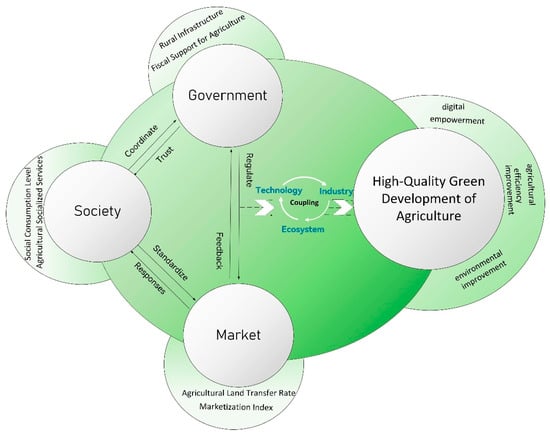
The coupling coordination among digital village development, agricultural modernization, and agricultural carbon emission efficiency is critical for achieving green and high-quality agricultural development. Using panel data of 30 Chinese provinces (excluding Hong Kong, Macao, Taiwan, and Tibet) from 2011 to 2024, this study [...] Read more.
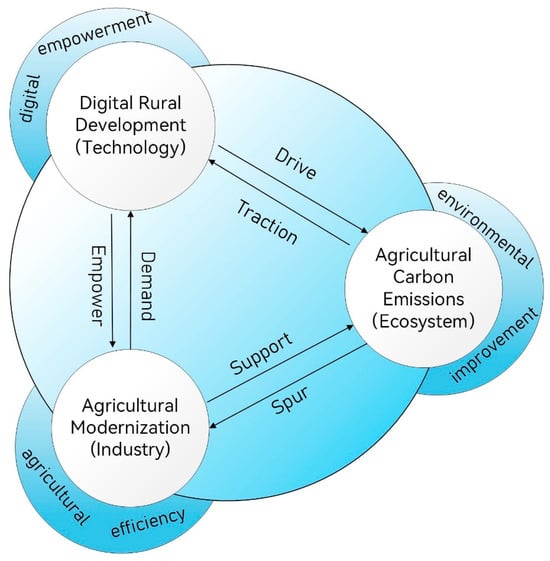
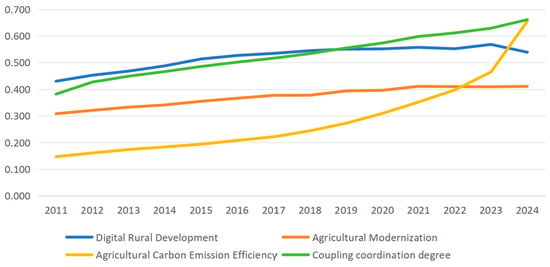
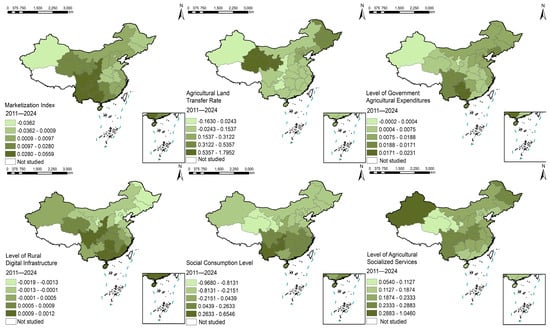
The coupling coordination among digital village development, agricultural modernization, and agricultural carbon emission efficiency is critical for achieving green and high-quality agricultural development. Using panel data of 30 Chinese provinces (excluding Hong Kong, Macao, Taiwan, and Tibet) from 2011 to 2024, this study measures agricultural carbon emission efficiency via the super-efficiency SBM model, evaluates the levels of digital village development and agricultural modernization using the entropy method, constructs a coupling coordination degree model to analyze the spatiotemporal evolution characteristics of the three systems, and employs the Geographically and Temporally Weighted Regression (GTWR) model to reveal the spatiotemporally heterogeneous effects of governmental, market, and social factors on the coupling coordination degree. The results show that: (1) The three systems exhibit unbalanced development. The digital village development index increased from 0.430 to 0.634; agricultural modernization grew slowly from 0.308 to 0.411; and agricultural carbon emission efficiency surged from 0.146 to 0.655. (2) The coupling coordination degree of the three systems rose continuously from 0.382 to 0.661, transitioning from near disorder to primary coordination. Spatially, the eastern and northeastern regions led while the western region lagged, though Xinjiang reached good coordination (0.786) in 2024. (3) The GTWR model reveals that the marketization index (ranging from −0.0362 to 0.0559), agricultural land transfer rate (ranging from −0.1630 to 1.7952), fiscal support for agriculture (ranging from −0.0003 to 0.0232), and agricultural socialized services (ranging from −0.0019 to 0.0012) have positive effects with significant spatial heterogeneity. Rural infrastructure exhibits a “positive in the south, negative in the north” pattern (ranging from 0.0540 to 1.0460), while the overall social consumption level (ranging from −0.9680 to 0.6548) exerts a negative inhibiting effect. These findings provide a theoretical basis for understanding the spatial heterogeneity of the coupling coordination among the three systems and emphasize that differentiated, regionally tailored strategies are key to promoting green and high-quality agricultural development. Full article
(This article belongs to the Topic Ecological Protection and Modern Agricultural Development)
Show Figures

Figure 1

19 pages, 617 KB  
Article
Sex-Dependent Prevalence of Sagittal Skeletal, Dental Malocclusions in Romanian Orthodontic Patients: An Observational Study
by Bianca Maria Negruțiu, Bianca Ioana Todor, Cristina Paula Costea, Raluca Ortensia Cristina Iurcov, Ligia Luminița Vaida, Alexandra Ioana Lucan, Rebeca Lorena Gârboan, Claudia Judea Pusta, Marius Rus and Claudia Elena Staniș
J. Clin. Med. 2026, 15(11), 4011; https://doi.org/10.3390/jcm15114011 (registering DOI) - 22 May 2026
Abstract
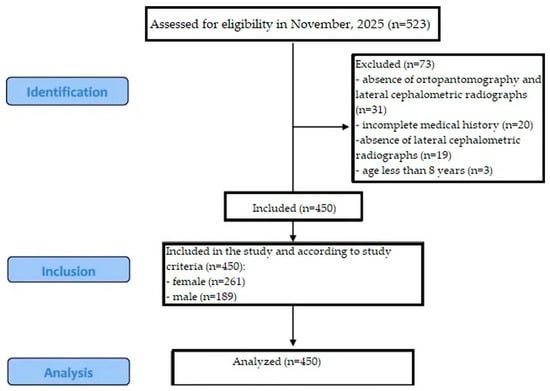
Objectives: The present study aimed to evaluate the sexual dimorphism of skeletal and dental anomalies in Romanian orthodontic patients and to describe several important cephalometric measurements in patients with dental malocclusions. Materials and Methods: A total of 450 orthodontic records of patients older [...] Read more.
Objectives: The present study aimed to evaluate the sexual dimorphism of skeletal and dental anomalies in Romanian orthodontic patients and to describe several important cephalometric measurements in patients with dental malocclusions. Materials and Methods: A total of 450 orthodontic records of patients older than 8 years were evaluated. On lateral cephalometric radiographs, the following cephalometric angles were digitally determined: SNA, SNB, ANB, FMA, IMPA, Max1-FH, SN-Go-Gn, N-A-Pog, Ar-Go-Me, and interincisal angle. The sagittal skeletal and dental malocclusions were diagnosed by two calibrated investigators. Results: The sample comprised 58% females, with a mean age of 20.07 (±8.63) years. The prevalence of dental malocclusions within the Romanian orthodontic sample taken into study was: 50.7% class I, 26.7% class II division 1, 13.3% class III, 4.7% class II, and class II division 2. The prevalence of skeletal anomalies within the Romanian orthodontic patient sample was: 43.3% class I, 28.7% class II due to retrognathic mandible, 17.3% class II due to prognathic maxilla, 8.7% class III due to prognathic mandible, and 2% class III due to retrognathic maxilla. Female patients presented more frequently with Class I or Class II division 2 malocclusion, whereas male patients more frequently exhibited Class III malocclusion. Female patients exhibited skeletal Class II more frequently due to retrognathic mandible, while skeletal Class III, due to prognathic mandible, was more common in male patients. Male patients were more frequently normodivergent, while female patients were more frequently hyperdivergent. Female patients exhibited retroclined upper incisors more frequently, whereas male patients exhibited proclined upper incisors more frequently. Most of the patients with class II division 1 malocclusion were females and exhibited the following cephalometric characteristics: a class II skeletal anomaly due to retrognathic mandible, normal SNA angle, decreased SNB angle, increased ANB angle, proclined upper incisors, proclined lower incisors, decreased interincisal angle, normal vertical growth pattern, closed mandibular angle, and convex facial profile. Most of the patients with class II division 2 malocclusion were females and exhibited the following cephalometric characteristics: a class II skeletal anomaly due to retrognathic mandible, normal SNA angle, decreased SNB angle, increased ANB angle, retroclined upper incisors, proclined lower incisors, increased interincisal angle, hypodivergent vertical growth pattern with a short face tendency, closed mandibular angle, and convex facial profile. Most of the patients with class III malocclusion were males and exhibited the following cephalometric characteristics: both class I and III skeletal anomaly due to prognathic mandible, normal SNA angle, increased SNB angle, decreased ANB angle, proclined upper incisors, normally inclined lower incisors, increased interincisal angle, hypodivergent, normal vertical growth pattern, and a short face tendency, normal mandibular angle, and balanced facial profile. Conclusions: The observed cephalometric differences between Class I, II and III malocclusions provide clinically relevant markers in vertical, sagittal, and dental dimensions that may provide descriptive reference data for similar orthodontic clinical samples. Full article
(This article belongs to the Special Issue Orthodontics: State of the Art and Perspectives)
Show Figures

Figure 1

23 pages, 2299 KB  
Review
Micro- and Nanoplastics in Agricultural Crop Systems: From Environmental Particles to Plant Phenotypes and Food-System Relevance
by Muhammad Zubair, Abdul Karim, Maryam Noor, Laiba Bibi, Amina Qamar, Muhammad Ajmal Bashir and Muhammad Tanveer Akhtar
Plants 2026, 15(11), 1594; https://doi.org/10.3390/plants15111594 (registering DOI) - 22 May 2026
Abstract
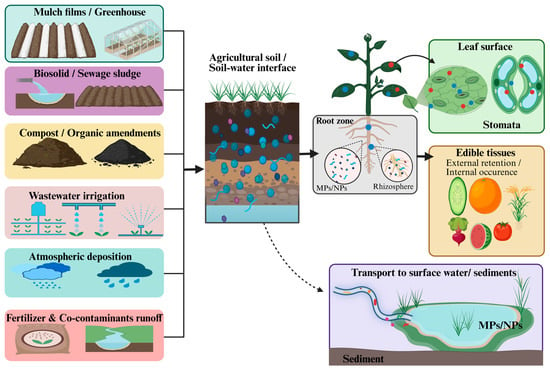
Micro- and nanoplastics (MPs/NPs) are increasingly recognized as persistent contaminants in agricultural systems, where repeated inputs from mulch films, biosolids, composts, irrigation water, and atmospheric deposition create sustained exposure pathways for crops. Although various studies report effects on crop growth and physiology, mechanistic [...] Read more.
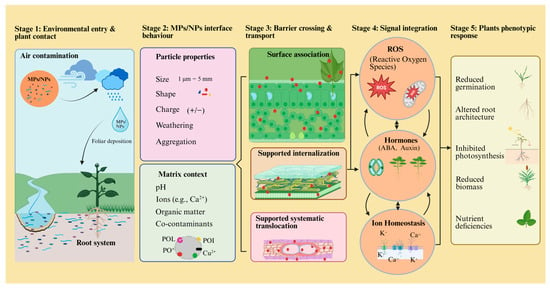
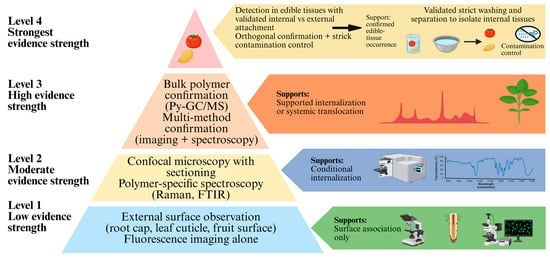
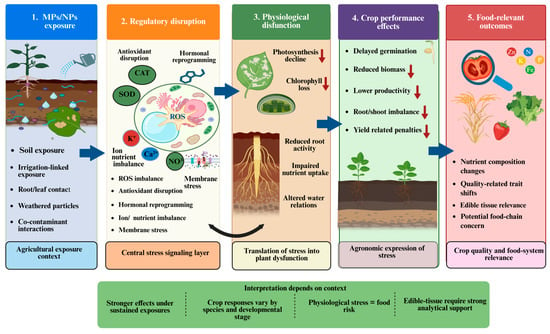
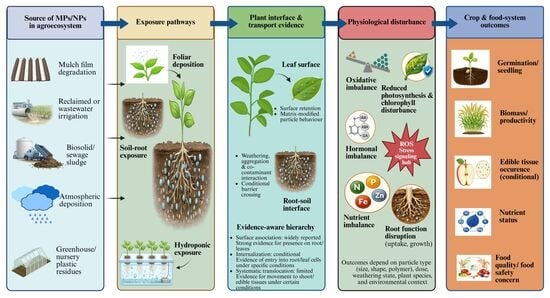
Micro- and nanoplastics (MPs/NPs) are increasingly recognized as persistent contaminants in agricultural systems, where repeated inputs from mulch films, biosolids, composts, irrigation water, and atmospheric deposition create sustained exposure pathways for crops. Although various studies report effects on crop growth and physiology, mechanistic interpretation remains limited because outcomes vary widely across experiments and are often discussed without appropriate attention to exposure context, particle properties, and evidentiary strength. This review advances an agroecosystem-centered, evidence-aware framework for interpreting how MPs/NPs influence crops from environmental entry to plant phenotype. We argue that crop responses cannot be inferred from polymer identity alone, but must be interpreted through the interacting effects of particle size, morphology, surface chemistry, weathering state, aggregation behavior, co-contaminant associations, and exposure matrix. Within this framework, crop responses are organized along a mechanistic chain linking environmental entry and plant contact, interface behavior at root and leaf surfaces, conditional barrier crossing and transport, ROS-centered stress signaling with hormonal and ionic regulation, and downstream effects on germination, root function, photosynthesis, biomass, productivity, and quality-related traits. Particular emphasis is placed on distinguishing surface association, supported internalization, and supported systemic translocation, because these categories carry distinct implications for edible-tissue occurrence, crop quality, and food-system relevance. Current evidence suggests that the soil–plant–food pathway is plausible and increasingly supported, but its interpretation remains constrained by uneven analytical rigor and limited field realism. Future progress will require realistic agricultural exposure designs, stronger polymer-specific confirmation, and closer integration of mechanistic evidence with agronomic and food-system endpoints. Full article
Show Figures

Graphical abstract

21 pages, 1409 KB  
Systematic Review
Beyond Recovery: Effects of Post-Exercise Milk and Milk-Based Beverages on Appetite Regulation and Energy Intake—A Systematic Review and Meta-Analysis
by Elif Tunçil, Yiğitcan Karanfil and Emre Dünder
Nutrients 2026, 18(11), 1656; https://doi.org/10.3390/nu18111656 (registering DOI) - 22 May 2026
Abstract
Background/Objectives: Milk and milk-based beverages have shown potential benefits for maintaining exercise-induced negative energy balance. However, this has not been systematically investigated. Therefore, this review aimed to evaluate the effects of post-exercise milk or milk-based beverages consumption on appetite regulation and energy intake. [...] Read more.
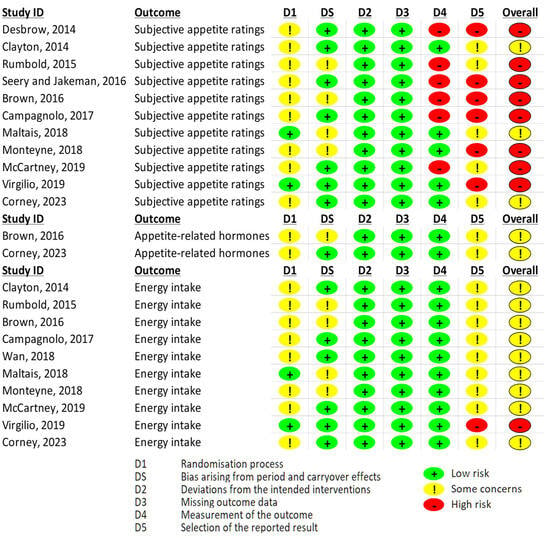
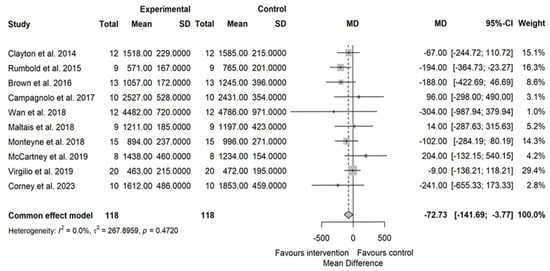
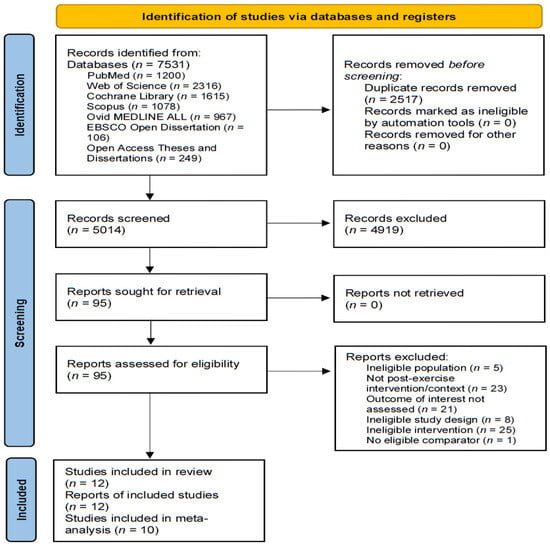
Background/Objectives: Milk and milk-based beverages have shown potential benefits for maintaining exercise-induced negative energy balance. However, this has not been systematically investigated. Therefore, this review aimed to evaluate the effects of post-exercise milk or milk-based beverages consumption on appetite regulation and energy intake. Methods: A comprehensive search was conducted in PubMed, Scopus, Web of Science, the Cochrane Library, Ovid MEDLINE ALL, Open Access Theses and Dissertations, and EBSCO Open Dissertations up to 6 April 2025. Eligible studies were randomized controlled trials assessing the effects of milk or milk-based beverages on post-exercise appetite regulation in healthy adults. Study selection, data extraction, and risk of bias assessment (RoB-2) were performed independently by two reviewers. Meta-analysis was conducted where appropriate using mean differences with 95% confidence intervals (CI). Subgroup analyses were conducted by sex and intervention. Results: Twelve studies (n = 140) were included, of which 10 (n = 118) contributed to the meta-analysis of energy intake. Milk and milk-based beverages were associated with lower energy intake than carbohydrate (CHO) beverages (−72.73 kcal, 95% CI [−141.69; −3.77]; I2 = 0%, p = 0.039). Subgroup analyses indicated no effect modification by sex or intervention type. For subjective appetite ratings (11 studies, n = 125), meta-analysis was not performed due to measurement and reporting heterogeneity, and no clear differences or only mild appetite-suppressive effects were observed. Appetite-related hormones were assessed in two studies (n = 23), with no overlapping outcomes. Conclusions: Post-exercise consumption of milk and milk-based beverages may reduce energy intake compared with CHO beverages, although effects on subjective appetite are inconsistent and evidence for hormonal responses remains limited. Full article
Show Figures

Figure 1

14 pages, 871 KB  
Article
Refeeding Hypophosphatemia Among Critically Ill Surgical Patients: A Prospective Analysis of Incidence, Risk Factors, and Clinical Outcomes
by Tutkun Talih, Gamze Talih, Umut S. Eser, Kamile Eser, Gamze Gökçek, Dinçer Göksülük, Murat Sungur and Kürşat Gündoğan
Nutrients 2026, 18(11), 1655; https://doi.org/10.3390/nu18111655 (registering DOI) - 22 May 2026
Abstract
Background: This study aimed to determine the incidence of refeeding hypophosphatemia (RH) in critically ill surgical patients admitted to the surgical intensive care unit, to identify associated risk factors, and to evaluate its impact on clinical outcomes. Methods: This prospective observational [...] Read more.
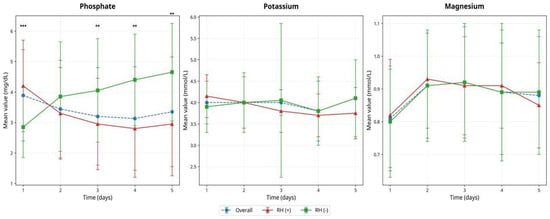
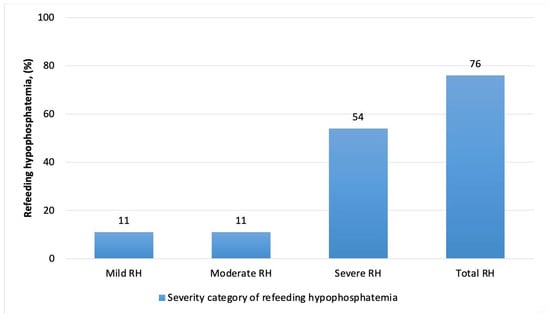
Background: This study aimed to determine the incidence of refeeding hypophosphatemia (RH) in critically ill surgical patients admitted to the surgical intensive care unit, to identify associated risk factors, and to evaluate its impact on clinical outcomes. Methods: This prospective observational study included 135 patients admitted to the general surgery ICU for ≥48 h, with 109 included in the final analysis. Clinical, nutritional, and laboratory data from the first five ICU days were collected and evaluated. According to the baseline phosphorus level, a 10–20% decrease was classified as mild RH, a 20–30% decrease as moderate RH, and a decrease of more than 30% as severe RH. Results: Serum phosphorus levels over the first five days were 3.89 ± 1.5, 3.44 ± 1.6, 3.20 ± 1.6, 3.13 ± 1.7, and 3.35 ± 1.8 mg/dL, respectively, with the lowest level on Day 4. The overall RH incidence was 76% (11% mild, 11% moderate, 54% severe). In multivariable analysis, lower albumin, decreased HCO3 and higher WBC were associated with RH. Reoperation (18%) and shock (14%) were the most common complications. Mechanical ventilation was required in 62% of patients. Median ICU stay was 8 days, and ICU mortality was 22%. Conclusion: Refeeding hypophosphatemia is highly prevalent among critically ill surgical patients, with more than half of affected patients developing severe hypophosphatemia. Higher disease severity, hypoalbuminemia, and vasopressor use were identified as significant risk factors for RH. Full article
(This article belongs to the Section Clinical Nutrition)
Show Figures

Figure 1

23 pages, 705 KB  
Article
LLM-SGCF: A Robust Malware Detection Framework with Spatially Guided Convolution
by Lina Zhao, Hua Huang, Ning Li, Yunxiao Wang and Ming Li
Computers 2026, 15(6), 329; https://doi.org/10.3390/computers15060329 (registering DOI) - 22 May 2026
Abstract
With the rapid evolution of cyberattack techniques, identifying dynamic behavioral intents from Application Programming Interface call sequences has become a fundamental modality for ensuring reliable malware detection and information security. However, existing detection methods face the dual challenges of semantic sparsity and inadequate [...] Read more.
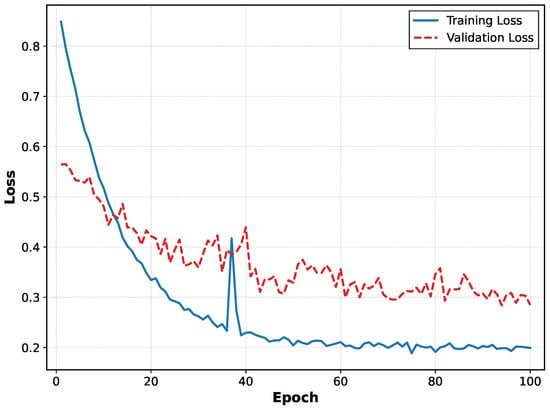
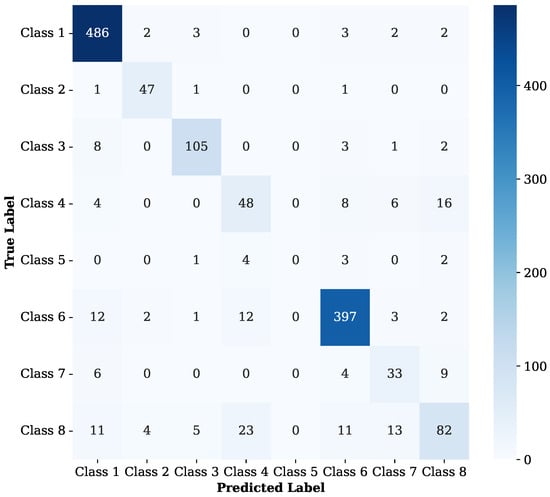
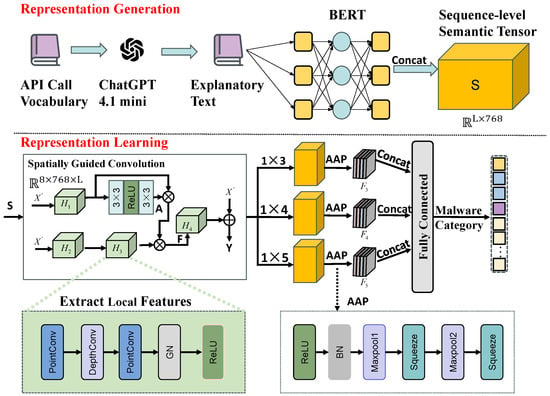
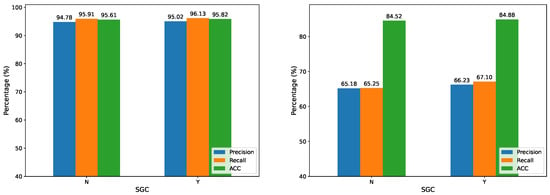
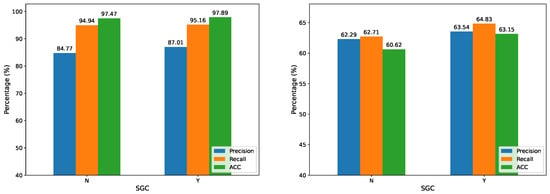
With the rapid evolution of cyberattack techniques, identifying dynamic behavioral intents from Application Programming Interface call sequences has become a fundamental modality for ensuring reliable malware detection and information security. However, existing detection methods face the dual challenges of semantic sparsity and inadequate spatial dependency modeling when processing these sequences, which fundamentally undermines their stability against complex structural variations and in-the-wild evasive patterns. To address these critical vulnerabilities, we propose LLM-SGCF, a highly effective malware detection framework that jointly models deep behavioral semantics and spatial structures. Specifically, our framework leverages generative Large Language Models, which are subsequently encoded by BERT, to transform sparse API calls into rich and contextualized descriptions. Concurrently, it employs a novel Spatially Guided Convolution (SGC) module to localize critical malicious segments and extract cross-position dependencies in a two-dimensional semantic space. Extensive experiments on the public Aliyun and Catak datasets demonstrate that LLM-SGCF exhibits exceptional resilience to real-world structural complexity and significantly outperforms state-of-the-art baselines, achieving a peak binary-classification accuracy of 95.82%. Further ablation analyses confirm that the synergistic fusion of semantic enhancement driven by Large Language Models and spatial structural modeling dramatically improves the resilience of the framework against complex attack chains, providing a highly reliable paradigm for next-generation malware recognition systems. Full article
Show Figures

Figure 1

26 pages, 4931 KB  
Article
Analysis of the Characteristics of Severe Convective Weather in Xi’an Terminal Area
by Runying Wang, Chao Wang and Xiao Xiao
Atmosphere 2026, 17(6), 530; https://doi.org/10.3390/atmos17060530 (registering DOI) - 22 May 2026
Abstract
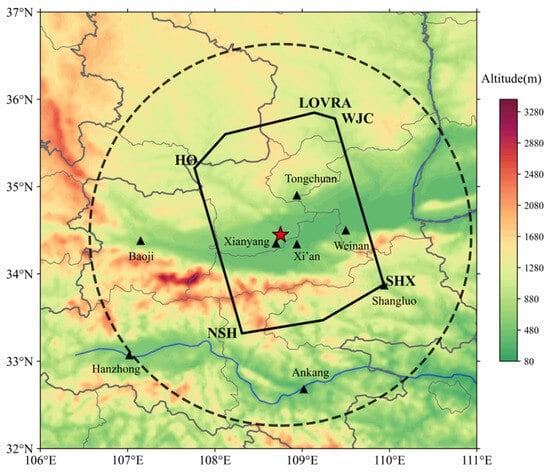
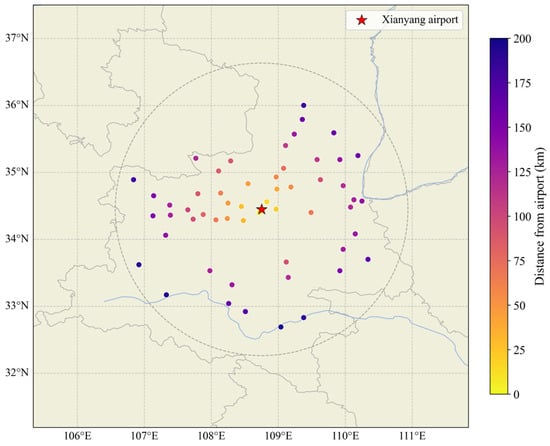
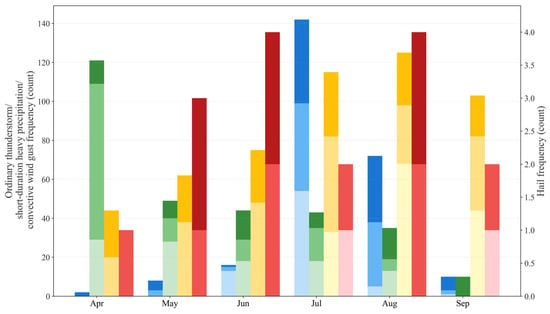
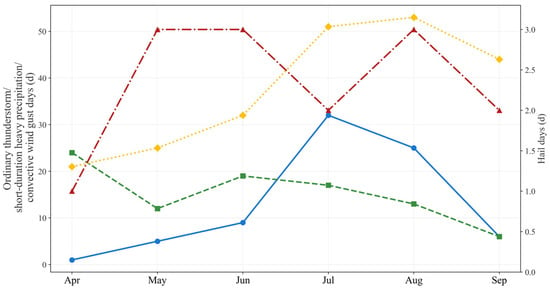
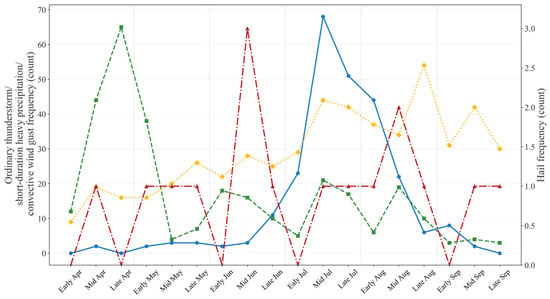
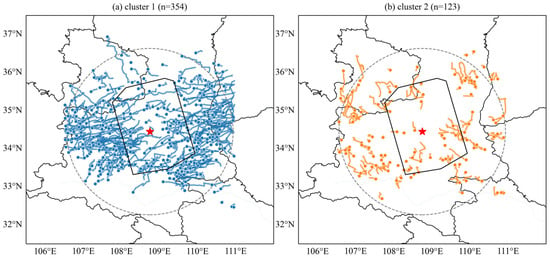
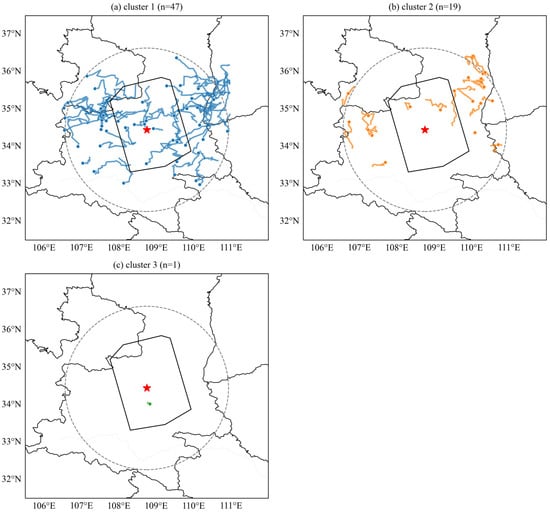
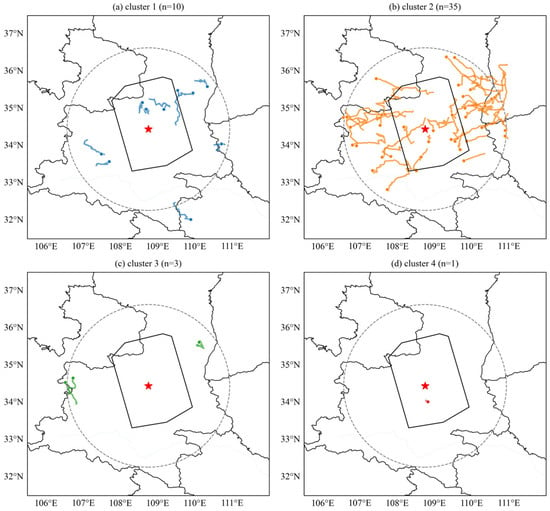
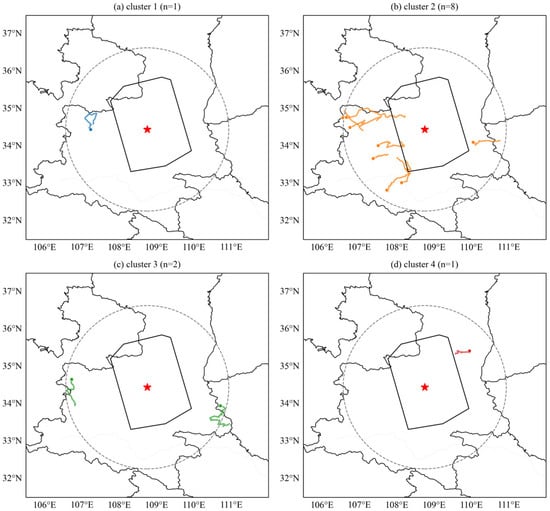
Using surface observations, ADTD lightning data, and radar reflectivity from April-September 2022–2024 in the Xi’an terminal area, this study classified severe convective events into four categories: ordinary thunderstorms, short-duration heavy precipitation, convective wind gust, and hail events. Their temporal variability, spatial distribution, life [...] Read more.
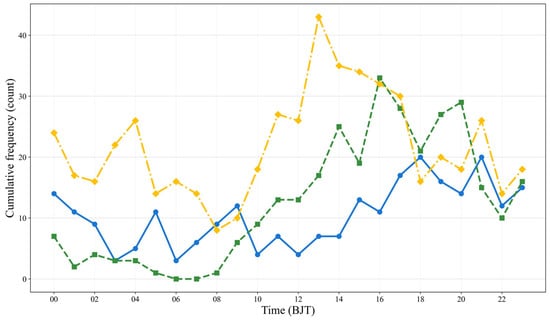
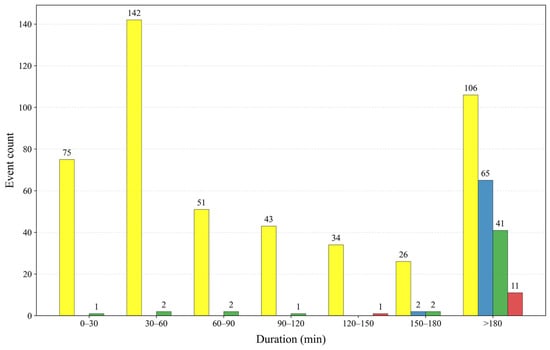
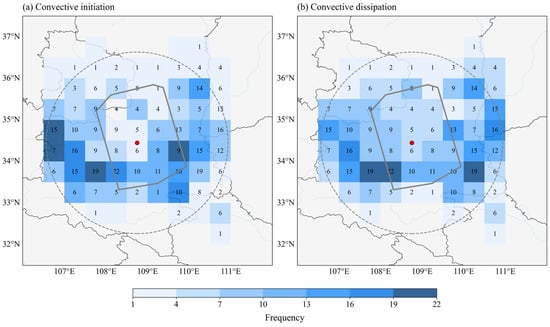
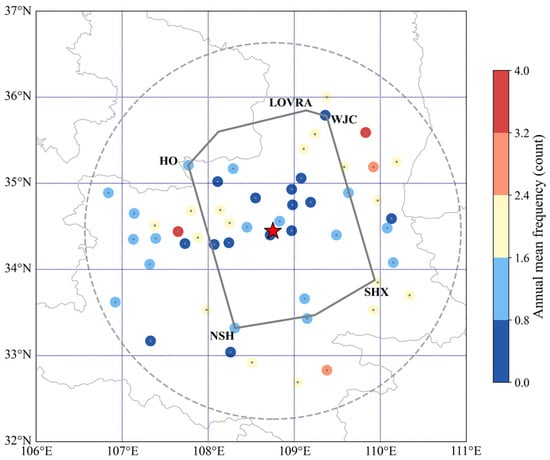
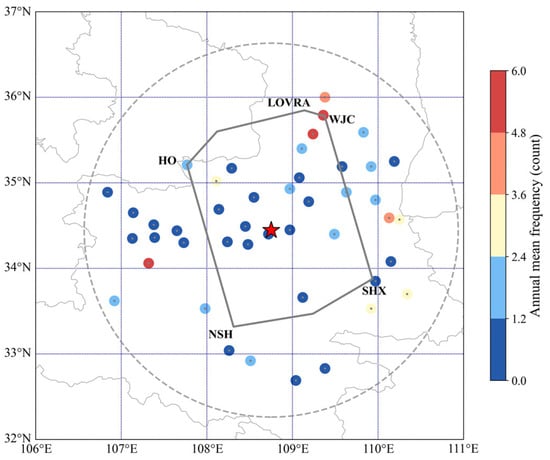
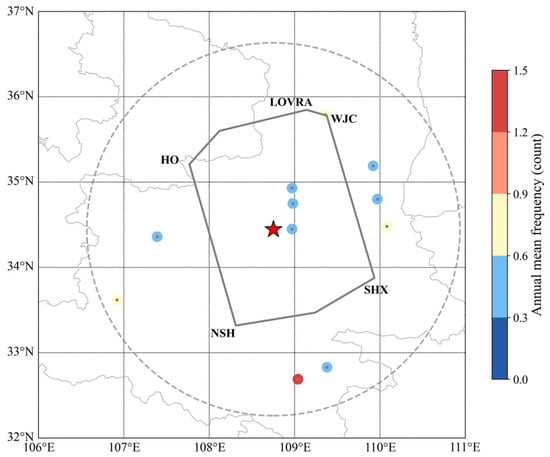
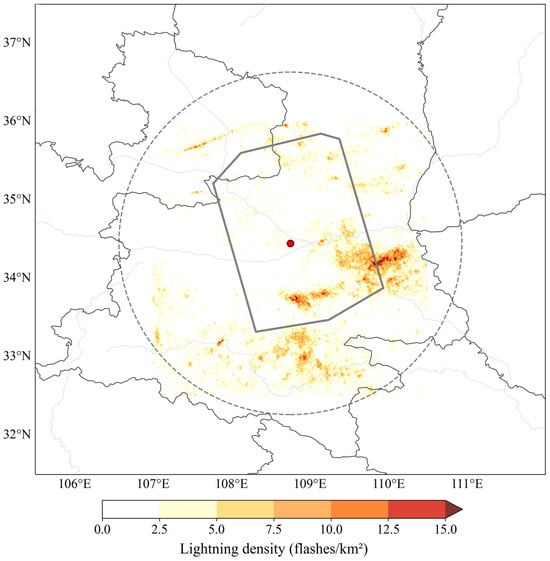
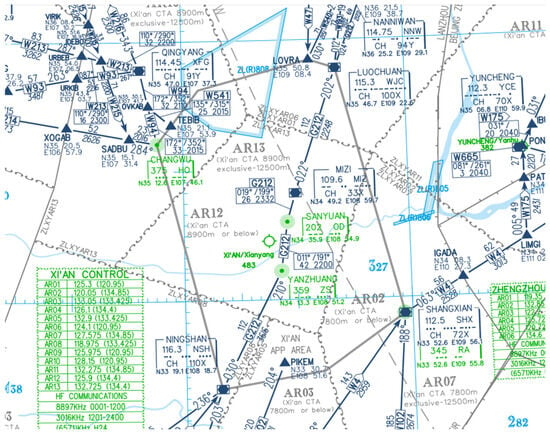
Using surface observations, ADTD lightning data, and radar reflectivity from April-September 2022–2024 in the Xi’an terminal area, this study classified severe convective events into four categories: ordinary thunderstorms, short-duration heavy precipitation, convective wind gust, and hail events. Their temporal variability, spatial distribution, life cycle characteristics, and propagation pathways were systematically analyzed. The results reveal significant differences among convective event types across multiple temporal and spatial scales. Convective wind gust events exhibited the strongest interannual variability, with a decrease of 44% from 2023 to 2024. Hail events occurred relatively infrequently, totaling only 16 cases from 2022 to 2024. Seasonally, convective wind gusts were concentrated in April-May, while ordinary thunderstorms and short-duration heavy precipitation events mainly occurred in July–August. Most events initiated during the afternoon and intensified toward evening, with short-duration heavy precipitation events showing a bimodal diurnal variation. Ordinary thunderstorms were dominated by short-lived events lasting 30–60 min, whereas heavy precipitation, convective wind gust, and hail events were primarily associated with long-lived convective systems exceeding 180 min. Spatially, severe convective weather generally initiated in the western part of the terminal area and propagated eastward. Lightning activity was more concentrated in the southeastern sector, indicating greater impacts on the SHX waypoint. Propagation paths were predominantly oriented toward the east-northeast. Full article
Show Figures

Figure 1

26 pages, 5494 KB  
Article
Freezing Non-Equilibrium Structural Defects in Integrated Cu4MgO5/ZnO Nanocomposites for Extended Visible-Light-Driven Solar Fuel Production
by Abdelatif Aouadi, Nader Shehata, Okba Zemali, Hocine Sadam Nesrat, Salah Eddine Laouini, Hafidha Terea, Djamila Hamada Saoud and Tomasz Trzepieciński
Catalysts 2026, 16(6), 488; https://doi.org/10.3390/catal16060488 (registering DOI) - 22 May 2026
Abstract
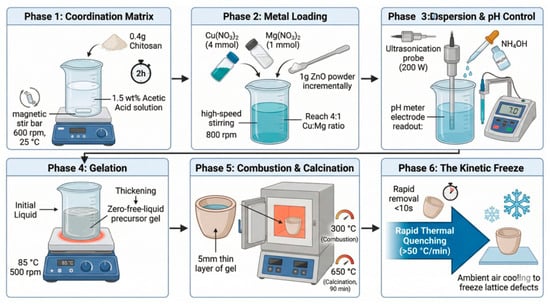
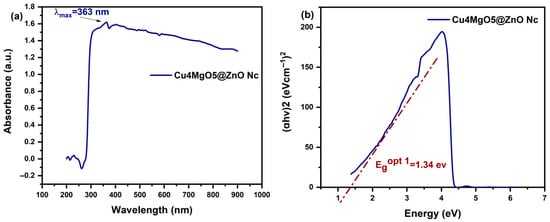
The rational configuration of electronic band structures through deep-seated structural disorder remains a formidable challenge in sustainable solar-to-fuel conversion. Herein, we report a transformative kinetic strategy to “freeze” an extraordinary density of non-equilibrium structural defects within an integrated Cu4MgO5/ZnO [...] Read more.
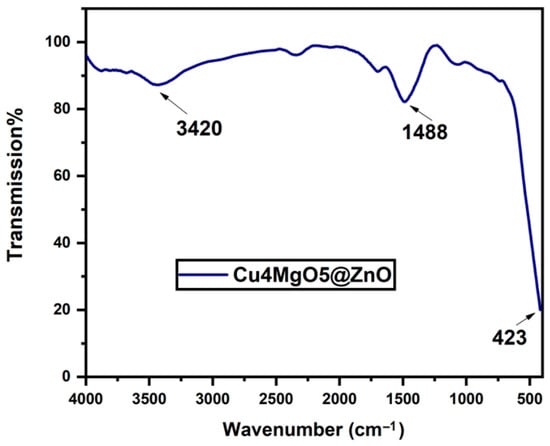
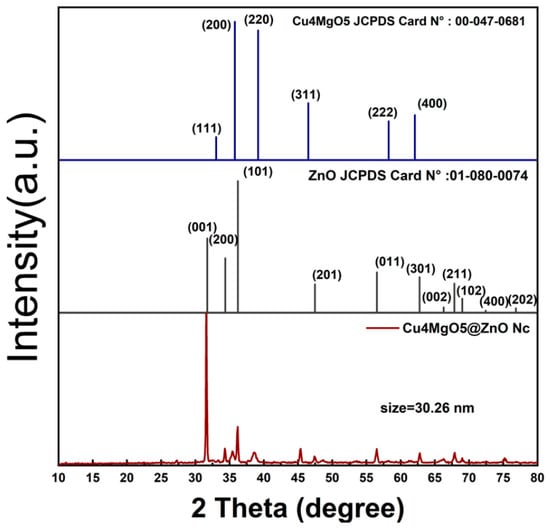
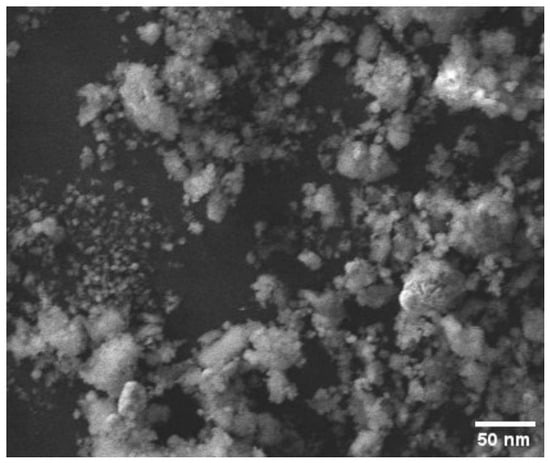
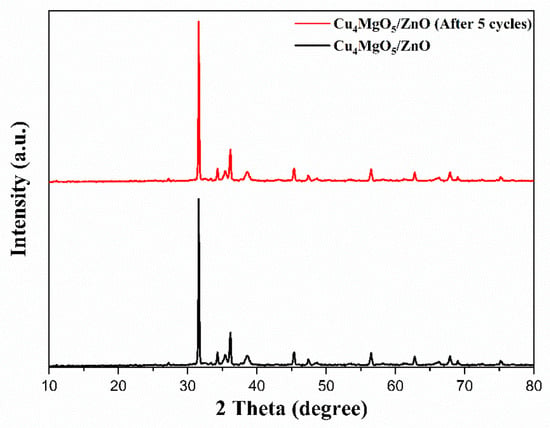
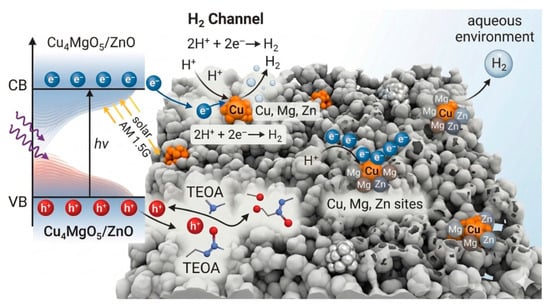
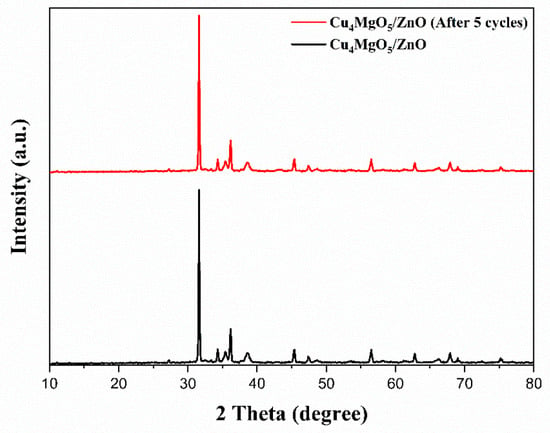
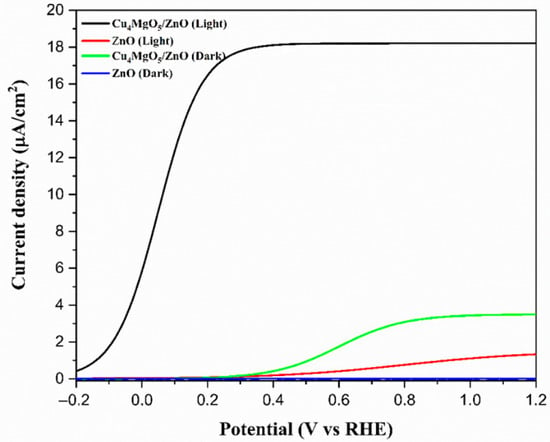
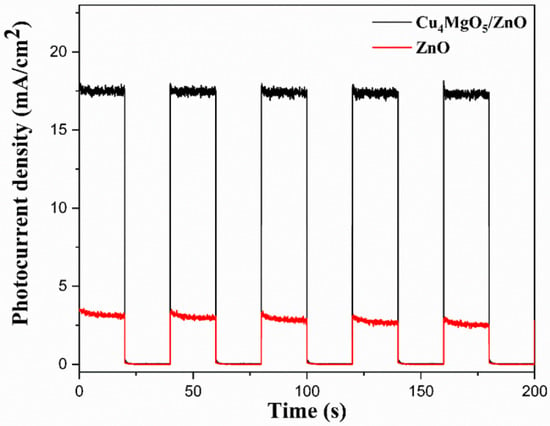
The rational configuration of electronic band structures through deep-seated structural disorder remains a formidable challenge in sustainable solar-to-fuel conversion. Herein, we report a transformative kinetic strategy to “freeze” an extraordinary density of non-equilibrium structural defects within an integrated Cu4MgO5/ZnO nanocomposite. Synthesized via a chitosan-assisted coordination-combustion route followed by rapid thermal quenching, the material preserves a record crystallographic dislocation density of 1.09 × 10¹⁵ m−2 and significant lattice microstrain (1.04 × 10⁻³). This engineered structural disorder induces a profound reconfiguration of the electronic landscape, generating a continuous manifold of sub-bandgap “tail states” that narrow the optical bandgap to a remarkable 1.34 eV. Consequently, the defect-rich architecture facilitates unprecedented dual-channel photocatalytic performance under simulated solar irradiation in an aqueous solution containing 5 vol% triethanolamine (TEOA) as a sacrificial electron donor; the catalyst achieved a hydrogen evolution rate of 17,700.0 µmol g−1 h−1 and a methane production rate of 172.50 µmol g−1 h−1—representing a 36.3-fold and 43.1-fold enhancement over commercial ZnO, respectively. With an apparent quantum yield of 8.42% at 420 nm and robust photostability—maintaining 95.3% of its activity over five consecutive cycles (25 h total)—this noble-metal-free ternary system bypasses the limitations of traditional heterojunctions. Our findings establish a new benchmark for defect-engineered catalysts, providing a scalable blueprint for high-efficiency carbon neutrality and solar fuel production. Full article
Show Figures

Figure 1

21 pages, 8705 KB  
Article
Neuroprotective Indole Diterpenoids from the Fungus Tolypocladium album DWS131
by Ai-Lin Liang, Chao Wang, Xing-Yi Chen, Yu-Feng Tan, Wen-Yu Lu, Peng-Ju Xu, Hong-Ping Long, Shao Liu, Jing Li, Wen-Xuan Wang and Xiaobo Xia
Pharmaceuticals 2026, 19(6), 807; https://doi.org/10.3390/ph19060807 (registering DOI) - 22 May 2026
Abstract
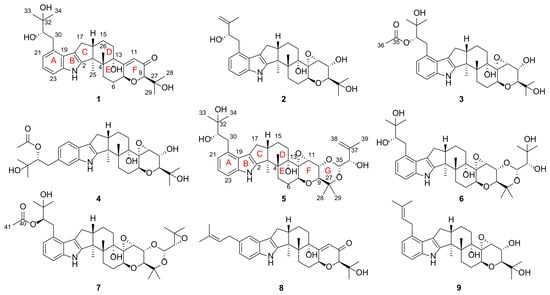
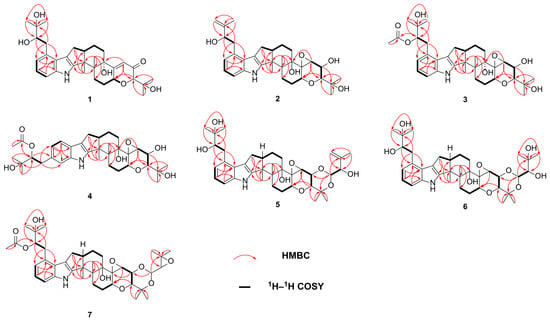
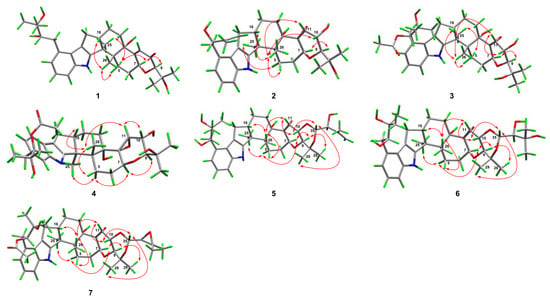
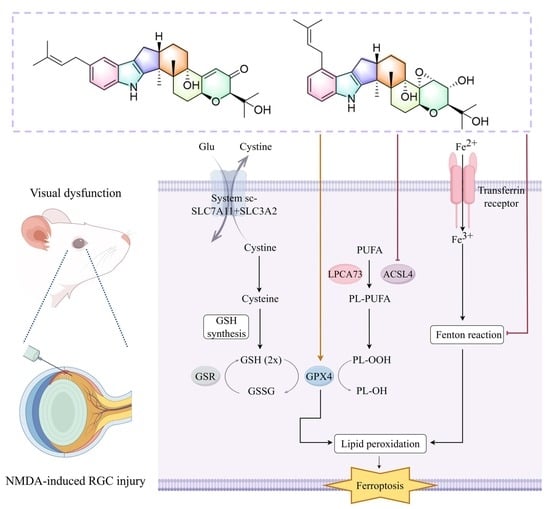
Context/Objective: Fungi of the genus Tolypocladium are known for their diverse metabolic capabilities and medicinal potential. Indole diterpenoids (IDTs) represent a structurally unique class of fungal metabolites. Beyond their established roles as mycotoxins, these compounds have recently shown promise for neuroprotective effects. [...] Read more.
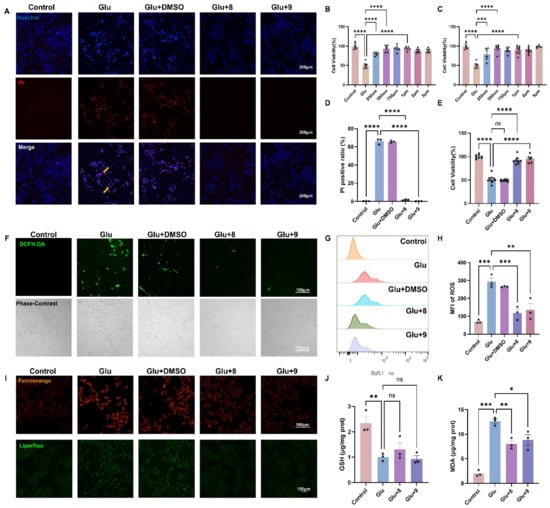
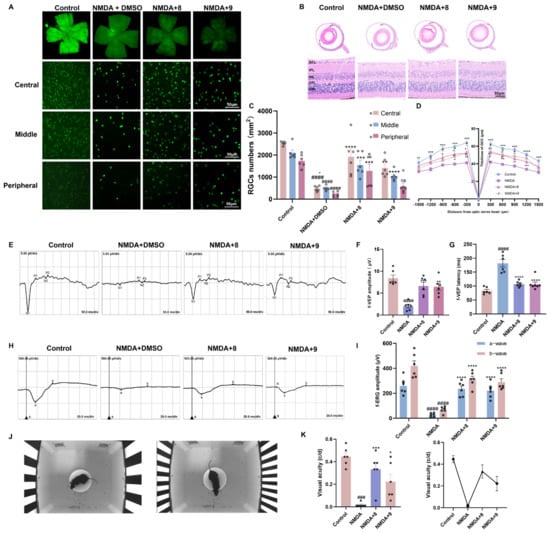
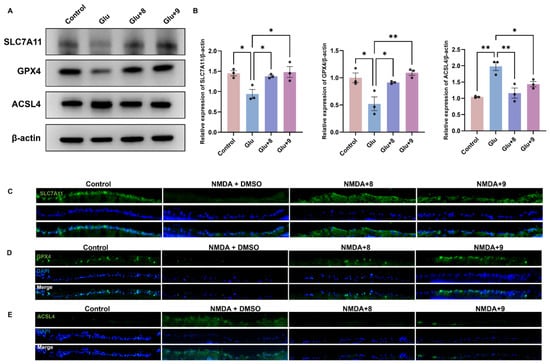
Context/Objective: Fungi of the genus Tolypocladium are known for their diverse metabolic capabilities and medicinal potential. Indole diterpenoids (IDTs) represent a structurally unique class of fungal metabolites. Beyond their established roles as mycotoxins, these compounds have recently shown promise for neuroprotective effects. The objective of this study was to isolate and characterize novel IDTs from Tolypocladium album DWS131 and evaluate their neuroprotective activities and underlying mechanisms. Methods: IDTs were isolated through comprehensive chromatographic techniques. Their structures were elucidated using HRESIMS data, 1D/2D NMR spectra, and quantum chemical calculations. Neuroprotective effects were evaluated using glutamate (Glu)-induced R28 cells in vitro and N-methyl-D-aspartic acid-induced mouse models in vivo. A total of 48 mice were utilized for in vivo evaluations, divided into two separate experimental cohorts. In each cohort, mice were randomly assigned to four groups (n = 6 per group). Post-intravitreal injection, retinal survival and visual function were assessed via Brn3a-stained flat-mounts, H&E staining, f-VEP, f-ERG, and OptoDrum. Mechanisms involving the SLC7A11/GPX4/ACSL4 axis were investigated by Western blotting and immunofluorescence. Results: Seven previously undescribed paxilline-type IDTs, tolypindoles A–G (17), and two known analogues (89) were identified. Compounds 8 and 9 exhibited significant neuroprotection closely associated with the attenuation of oxidative stress and the modulation of ferroptosis-related pathways in Glu-induced R28 cells. In vivo, they preserved retinal ganglion cells, maintained retinal structure, and protected visual function, with compound 8 demonstrating superior efficacy. Mechanistic investigations revealed that both compounds modulate the SLC7A11/GPX4/ACSL4 signaling axis. Conclusions: This study expands the chemical diversity of T. album DWS131. Compounds 8 and 9, characterized by isopentenyl moieties, highlight a promising therapeutic potential for retinal neurodegenerative diseases such as glaucoma. Full article
(This article belongs to the Section Natural Products)
Show Figures

Graphical abstract

11 pages, 254 KB  
Article
The Effect of Menopausal Symptoms on Subjective Well-Being
by Derya Yuksel Koçak and Cem Koçak
Healthcare 2026, 14(11), 1436; https://doi.org/10.3390/healthcare14111436 (registering DOI) - 22 May 2026
Abstract
Background: Menopausal symptoms may adversely affect women’s overall health and well-being. Aim: This study investigated the effects of menopausal symptoms on subjective well-being in women in the 40–65 age group. Methods: The study sample consisted of 510 women, with 318 postmenopausal and 192 [...] Read more.
Background: Menopausal symptoms may adversely affect women’s overall health and well-being. Aim: This study investigated the effects of menopausal symptoms on subjective well-being in women in the 40–65 age group. Methods: The study sample consisted of 510 women, with 318 postmenopausal and 192 perimenopausal participants. Data were gathered using a Sociodemographic Information Form, the Menopause Rating Scale (MRS), and the Subjective Well-being Scale (SWBS), all administered as self-report instruments. Menopausal status was determined using the Stages of Reproductive Aging Workshop +10 criteria. Descriptive statistics, Chi-square test, Pearson correlation, and regression analyses were used. Results: Three regression models were specified to investigate the relationship between menopausal symptoms and subjective well-being. Model 1 demonstrated that overall menopausal symptoms were significant negative predictors of subjective well-being (B = −0.749, SE = 0.156, β = −0.260, t = −4.788, p < 0.001, 95% CI [−1.06, −0.44], R2 = 0.068). Model 2 showed that both urogenital symptoms (B = −1.208, SE = 0.517, β = −0.139, t = −2.336, p = 0.020, 95% CI [−2.22, −0.20]) and somatic symptoms (B = −2.068, SE = 0.731, β = −0.168, t = −2.830, p = 0.005, 95% CI [−3.50, −0.64]) were significant negative predictors. Model 3 indicated that psychological symptoms significantly and negatively predicted subjective well-being (B = −1.114, SE = 0.262, β = −0.233, t = −4.253, p < 0.001, 95% CI [−1.63, −0.60], R2 = 0.054). Conclusions: The findings highlight the importance of comprehensive health strategies and demonstrate that psychological symptoms significantly impact overall well-being. Full article
15 pages, 642 KB  
Article
PostCOVID-19 Syndrome in Older Adults and the Risk Factors
by Paskalis Gunawan, Siti Setiawati, Gurmeet Singh and Ikhwan Rinaldi
COVID 2026, 6(6), 91; https://doi.org/10.3390/covid6060091 (registering DOI) - 22 May 2026
Abstract
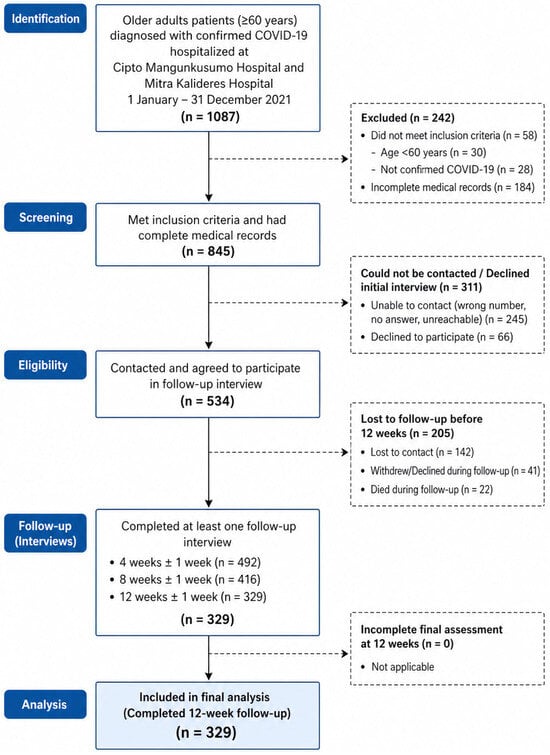
Objectives: This study aimed to estimate the prevalence of Post-COVID-19 Syndrome among older adults in Indonesia, using time-based definitions of symptoms persisting beyond >4 weeks, >8 weeks, and >12 weeks. Methods: A retrospective cohort study was conducted among 329 older patients (≥60 years) [...] Read more.
Objectives: This study aimed to estimate the prevalence of Post-COVID-19 Syndrome among older adults in Indonesia, using time-based definitions of symptoms persisting beyond >4 weeks, >8 weeks, and >12 weeks. Methods: A retrospective cohort study was conducted among 329 older patients (≥60 years) hospitalized with COVID-19 in two tertiary hospitals in Jakarta from January to December 2021. Data on risk factors and persistent symptoms were collected from medical records and interviews. Results: The prevalence of Post-COVID-19 Syndrome was 31% (>4 weeks), 18.24% (>8 weeks), and 10.64% (>12 weeks). Significant predictors included frailty (OR 2.814), immobility during hospitalization (OR up to 4.767), higher number of initial symptoms (OR 2.043), constipation, instability, and sensory impairment during follow-up. Conclusions: Frailty, symptom burden, and geriatric syndromes, particularly immobility are strongly associated with Post-COVID-19 Syndrome in older adults. Clinical Implications: Early identification of frailty, geriatric syndromes (especially immobility), and high initial symptom burden is essential for risk stratification, targeted monitoring, and implementation of preventive and rehabilitative interventions to reduce long-term post-COVID-19 complications in older populations. Full article
(This article belongs to the Section Long COVID and Post-Acute Sequelae)
Show Figures

Figure 1

Open Access Journals

Browse by Indexing Browse by Subject Selected Journals
Back to TopTop