


Abstract
The rational configuration of electronic band structures through deep-seated structural disorder remains a formidable challenge in sustainable solar-to-fuel conversion. Herein, we report a transformative kinetic strategy to “freeze” an extraordinary density of non-equilibrium structural defects within an integrated Cu4MgO5/ZnO nanocomposite. Synthesized via a chitosan-assisted coordination-combustion route followed by rapid thermal quenching, the material preserves a record crystallographic dislocation density of 1.09 × 10¹⁵ m−2 and significant lattice microstrain (1.04 × 10⁻³). This engineered structural disorder induces a profound reconfiguration of the electronic landscape, generating a continuous manifold of sub-bandgap “tail states” that narrow the optical bandgap to a remarkable 1.34 eV. Consequently, the defect-rich architecture facilitates unprecedented dual-channel photocatalytic performance under simulated solar irradiation in an aqueous solution containing 5 vol% triethanolamine (TEOA) as a sacrificial electron donor; the catalyst achieved a hydrogen evolution rate of 17,700.0 µmol g−1 h−1 and a methane production rate of 172.50 µmol g−1 h−1—representing a 36.3-fold and 43.1-fold enhancement over commercial ZnO, respectively. With an apparent quantum yield of 8.42% at 420 nm and robust photostability—maintaining 95.3% of its activity over five consecutive cycles (25 h total)—this noble-metal-free ternary system bypasses the limitations of traditional heterojunctions. Our findings establish a new benchmark for defect-engineered catalysts, providing a scalable blueprint for high-efficiency carbon neutrality and solar fuel production.
1. Introduction
The rational configuration of the electronic band structure in wide-bandgap semiconductors is a significant challenge in solid-state chemistry and materials engineering [1]. While metal oxides such as Zinc Oxide (ZnO) possess high exciton binding energy and superior carrier mobility, their optical response is largely limited to the ultraviolet region due to their wide bandgap [2].
Recent advances in semiconductor photocatalysis have increasingly focused on the controlled introduction of non-equilibrium lattice strain and crystallographic defects. In ZnO-based systems, the generation of dislocations and oxygen vacancies can modify the electronic density of states (DOS), leading to band tailing and improved visible-light absorption [3]. However, a key limitation remains the thermodynamic tendency of these defects to undergo structural relaxation and annihilation during conventional synthesis.
To address this challenge, kinetically controlled approaches—such as rapid thermal quenching—have been explored to stabilize these metastable configurations and preserve active defect sites [4]. In this context, ternary systems incorporating Cu and Mg provide an effective platform for tuning lattice strain and electronic structure, resulting in enhanced photocatalytic performance compared to pristine ZnO [5]. Nevertheless, achieving stable integration of these defect-rich structures within a single-phase framework remains a significant challenge, motivating the development of more controlled synthesis strategies.
Overcoming these limitations requires a departure from traditional doping in favor of advanced defect engineering strategies capable of inducing stable structural disorder. Such modifications are essential to create a continuous distribution of localized electronic states within the forbidden band, transforming the lattice into a visible-light-responsive platform [6,7]. However, a persistent bottleneck in defect engineering is the thermodynamic instability of induced active sites. Under standard synthesis conditions, high-energy defects—such as oxygen vacancies and crystallographic dislocations—tend to undergo structural relaxation and annihilation as the lattice seeks to minimize its Gibbs free energy during slow cooling processes [3]. Furthermore, the integration of multiple guest cations into a unified host framework often encounters thermodynamic limits, leading to phase segregation and the formation of recombination centers [8]. Consequently, achieving a high and stable density of structural defects while maintaining atomic-level lattice homogenization remains a critical gap in photoactive materials development [9,10]. Biopolymer-mediated coordination provides a viable approach to address these challenges [11,12]. By providing a functional matrix for cation chelation, such environments facilitate the atomic-scale distribution of diverse metallic precursors, surpassing the homogeneity limits of conventional solid-state mixing. When coupled with rapid thermal quenching, this approach offers a unique kinetic pathway to preserve lattice microstrains and dislocations. Such a design strategy induces a significant modulation of the electronic landscape, enabling the utilization of low-energy photons through persistent active states [4,13]. In this work, we report the rational synthesis of a structurally integrated, defect-rich Cu4MgO5/ZnO nanocomposite via a one-pot chitosan-assisted combustion method followed by rapid thermal quenching. While traditional defect engineering often suffers from the thermodynamic relaxation and annihilation of induced active sites during slow cooling, our strategy introduces a “kinetic freeze” mechanism to preserve an unprecedented density of crystallographic dislocations and lattice microstrains. This approach is specifically engineered to leverage the unique chelating properties of the chitosan matrix for atomic-level cation homogenization, surpassing the fundamental limits of phase segregation common in conventional solid-state or hydrothermal methods. The structural, optical, and textural evolution of the resulting ternary oxide framework is systematically investigated using comprehensive characterization techniques, including XRD microstrain and dislocation density analysis, UV–Vis DRS for electronic structure mapping, FTIR for surface coordination studies, and BET and SEM for textural and morphological evaluation. The primary objective of this study is to elucidate the correlation between this engineered structural disorder and the resulting high-performance, dual-channel photocatalytic applications, specifically focusing on simultaneous solar-driven H2 evolution and CO2 reduction to methane (CH4).
2. Results and Discussion
2.1. Optical Properties and Electronic Structure
The optical absorption profile of the Cu4MgO5/ZnO nano-architecture (Figure 1a) displays a characteristic excitonic absorption centered at 363 nm, which is accompanied by a continuous and intensive absorption manifold extending throughout the visible spectrum. This observation contrasts with the discrete absorption tails often reported for transition-metal-doped ZnO or simple oxide mixtures. The presence of an absorption continuum suggests a significant reconfiguration of the electronic density of states (DOS), indicating that the biopolymer-assisted synthesis and subsequent thermal processing have induced a redistribution of electronic levels within the forbidden band [14,15]. The extended visible-light absorption observed for the Cu4MgO5/ZnO nanocomposite is consistent with the formation of defect-associated electronic states within the forbidden band. These states may arise from lattice microstrain, dislocation-rich domains, and local coordination distortions generated during the coordination-combustion process and preserved by rapid thermal quenching. Rather than indicating a defect-free structure, the broad absorption response suggests a redistributed electronic density of states that enables lower-energy optical transitions. This interpretation is consistent with the XRD-derived microstrain and dislocation density discussed below, which indicate that the material contains a significant degree of non-equilibrium structural disorder [16,17].
Figure 1.
Optical absorption spectra (a) and corresponding Tauc plot (b) of the Cu4MgO5/ZnO nanocomposite.
The optical transition energy, quantified via a Tauc plot (Figure 1b), was determined to be 1.34 eV. This value represents a substantial redshift from the intrinsic 3.37 eV band gap of pure ZnO, which can be attributed to the formation of dense electronic states during the coordination and rapid thermal quenching stages. In this structurally modified framework, these induced states likely generate a continuous band-tailing effect that merges with the valence and conduction band edges, thereby facilitating low-energy electronic transitions that are typically restricted in stoichiometric or conventionally doped systems [18].
Furthermore, comparative analysis highlights the distinct electronic configuration of the present system. While typical CuO/ZnO or CuO@ZnO heterostructures primarily enhance visible-light response through interfacial charge transfer (IFCT) or junction-mediated effects [19], the Cu4MgO5/ZnO system exhibits a more coherent electronic coupling. The continuity of the absorption profile points toward an intra-lattice integration within the Cu–Mg–Zn oxide framework, extending beyond the effects observed in surface-sensitized or physically mixed composites [20]. When compared to literature reports where Cu-induced modifications generally result in transition energies above 2.0 eV, the achieved 1.34 eV underscores the effectiveness of the current synthesis route in modulating the electronic environment [21]. This optimized optical response provides a suitable energetic landscape for driving photocatalytic hydrogen evolution and CO2 reduction processes under visible-light irradiation.
2.2. FTIR Analysis
The surface chemistry and vibrational characteristics of the Cu4MgO5/ZnO nano-architecture were investigated via FTIR spectroscopy, as illustrated in Figure 2. The spectrum displays three primary absorption features at 3420, 1488, and 423 cm−1, which correspond to the specific structural and coordination environments of the synthesized oxide system. The broad absorption band centered at 3420 cm−1 is assigned to the stretching vibrations of surface hydroxyl groups (–OH), originating from chemically adsorbed water molecules and hydroxylated surface sites [5]. The intensity of this feature is characteristic of oxide materials prepared via combustion-based routes, where high surface-to-volume ratios and structural disorder promote extensive surface hydroxylation [22]. In ZnO-based mixed oxides, these hydroxyl species are known to facilitate interfacial charge transfer and provide active sites for subsequent photocatalytic redox reactions [23]. A significant absorption band observed at 1488 cm−1 is attributed to the vibrational modes of carbonate-related species (CO32−). This peak indicates the presence of adsorbed CO2 or carbonate intermediates on the catalyst surface, a feature typically associated with the enhanced surface basicity of Mg-containing systems [24]. The detection of these species confirms the role of MgO in promoting CO2 adsorption and activation, providing a chemical environment conducive to photocatalytic reduction pathways [25]. Similar vibrational signatures have been documented in integrated Cu–Mg oxide networks, where the basicity of the surface directly influences the binding and conversion of carbonaceous species [20]. The prominent band located at 423 cm−1 is assigned to the metal–oxygen (M–O) lattice vibrations, confirming the successful formation of the inorganic oxide framework. This low-frequency region encompasses the characteristic Zn–O, Cu–O, and Mg–O stretching modes [26]. The emergence of a well-defined lattice vibration, rather than a collection of discrete oxide peaks, suggests a high degree of structural integration within the Cu–Mg–Zn oxide network, supporting the formation of a coherent ternary system rather than a simple physical mixture of independent phases [27]. Notably, the complete absence of vibrational modes associated with organic functional groups (e.g., C–H or C=O stretching) in the range of 1700–3000 cm−1 confirms the total decomposition and removal of the chitosan matrix during the combustion and calcination stages. This demonstrates the efficacy of the biopolymer-assisted synthesis route in producing a high-purity inorganic oxide material while leaving behind a clean, defect-rich surface architecture [20].
Figure 2.
FTIR spectrum of the Cu4MgO5/ZnO nanocomposite.
2.3. X-Ray Diffraction Analysis
The X-ray diffraction (XRD) pattern of the synthesized Cu4MgO5/ZnO nanocomposite is presented in Figure 3. The reflections confirm the formation of a crystalline oxide structure corresponding to the Cu4MgO5 phase (JCPDS No. 00-047-0681). The diffraction peaks are accurately indexed to the (111), (200), (220), (311), (222), and (400) crystallographic planes. Notably, the absence of distinct diffraction peaks corresponding to hexagonal ZnO (JCPDS No. 01-080-0074) indicates that the Zinc species are fully integrated within the Cu–Mg oxide framework, resulting in a single-phase, structurally coherent system [28]. Interestingly, the XRD pattern displays a distinct redistribution of peak intensities compared to standard JCPDS references. Specifically, the emergence of the (001)/(200) reflection as the dominating peak at 2θ ≈ 31.8° suggests a degree of preferred crystallographic orientation. This phenomenon is a direct consequence of the rapid thermal quenching process, which kinetically traps the lattice in a non-equilibrium state, preventing the random grain growth typically observed in slowly cooled samples [5]. This structural reconfiguration is further supported by the high lattice microstrain (1.04 × 10⁻³) and substantial dislocation density (1.09 × 10¹⁵ m−2) reported in Table 1, which collectively perturb the structure factor of the integrated ternary framework.
Figure 3.
X-ray diffraction (XRD) patterns of the synthesized Cu4MgO5/ZnO nanocomposite.
Table 1.
XRD-derived structural parameters.
To quantify the structural characteristics, the crystallite size (D) was first estimated using the Scherrer Equation [29]:
where K = 0.9 is the shape factor, λ = 1.5406 Å is the X-ray wavelength, β is the full width at half maximum (FWHM), and θ is the Bragg angle. The calculated crystallite size is 30.26 nm. To differentiate between the contributions of crystallite size and lattice strain to peak broadening, the Williamson–Hall (W–H) method was applied [30]:
yielding a crystallite size of 36.98 nm and a lattice microstrain (ε) of 1.04 × 10⁻³. Furthermore, the lattice parameter (a) was determined by applying Bragg’s law and the interplanar spacing relation for cubic systems [31]:
The resulting lattice parameter was calculated to be 4.74 Å. A critical parameter in evaluating the structural disorder is the dislocation density (δ), which represents the length of dislocation lines per unit volume and was calculated using the following relation [32]:
The derived values are 1.09 × 10¹⁵ m−2 (based on Scherrer) and 7.31 × 10¹⁴ m−2 (based on W–H), confirming a high density of crystallographic defects [33].
The effective characterization of the high-density structural defects is quantitatively demonstrated through the rigorous analysis of lattice microstrain and dislocation density. As summarized in Table 1, the Cu4MgO5/ZnO nanocomposite exhibits a significant lattice microstrain (ε) of 1.04 × 10⁻³ and a substantial dislocation density (δ) of 1.09 × 10¹⁵ m−2. These values, derived from the Williamson–Hall (W–H) method and Equation (5), provide numerical evidence of the structural non-equilibrium state trapped by the ‘kinetic freeze’ mechanism. Physically, such a high concentration of dislocations indicates an abundance of active sites and lattice distortions that fundamentally alter the electronic structure, facilitating the enhanced photoelectrochemical performance observed in this system.
The structural interaction between Cu4MgO5 and ZnO is characterized by a high degree of phase unification rather than a simple heterojunction. The absence of distinct diffraction reflections for hexagonal ZnO (JCPDS No. 01-080-0074) confirms that the Zn ions are effectively integrated into the Cu-Mg oxide lattice. This atomic-level coupling is the fundamental reason for the observed lattice microstrain (1.04 × 10⁻³) and the significant electronic synergy manifested in the enhanced transient photocurrent response. Such a coherent interface facilitates efficient charge carrier migration across the integrated framework, suppressing recombination and driving the superior photocatalytic performance compared to the individual components.
The calculated structural parameters are summarized in Table 1. The data confirm that the material possesses a nanocrystalline structure with substantial lattice distortion. Compared to conventional CuO/ZnO systems, which typically exhibit phase segregation, the current material demonstrates complete phase unification and enhanced structural coherence [20]. This combination of nanoscale dimensions, lattice strain, and high defect density establishes a structurally optimized system with a high concentration of active sites, which directly supports the modified electronic structure observed in the optical analysis [21].
2.4. BET Analysis
The textural characteristics of the Cu4MgO5/ZnO material, as summarized in Table 2, reveal a hierarchically organized mesoporous architecture. The measured BET surface area of 72.5 m2 g−1 reflects the formation of a nanostructured framework with a high density of exposed surface sites. This is attributed to the rapid kinetics of the combustion process, which promotes significant gas evolution, thereby inhibiting particle coalescence and maintaining a high degree of surface exposure [34].
Table 2.
Textural properties of Cu4MgO5/ZnO obtained from BET analysis.
A notable feature of this system is the significantly elevated Langmuir surface area (635.8 m2 g−1), which points toward strong surface heterogeneity and the presence of energetically non-equivalent adsorption sites. This behavior is a direct consequence of the multi-cationic nature of the oxide and the high defect density induced by the synthesis route. These defects, including oxygen vacancies and distorted coordination environments, generate a broad distribution of adsorption energies, which is a decisive factor in facilitating multi-step photocatalytic surface reactions [35,36].
The average particle size derived from BET analysis (26.9 nm) shows a high degree of correlation with the crystallite size obtained from XRD analysis (30.26 nm). This consistency confirms that the material is composed of primary nanocrystalline domains with minimal interparticle sintering. It also indicates that the observed porosity is intrinsic to the oxide framework itself, rather than arising from random particle packing [37].
The BJH pore size distribution, centered at 28.7 nm (adsorption) and 24.6 nm (desorption), unequivocally classifies the material within the mesoporous regime. These dimensions are optimal for minimizing internal diffusion limitations, ensuring that reactant molecules (such as H2O and CO2) have efficient access to the internal active sites [38]. The observed hysteresis between the adsorption and desorption branches reflects capillary condensation within an interconnected pore network, likely featuring ink-bottle-type geometries common in combustion-derived oxides [39].
The total pore volumes (0.231–0.305 cm3 g−1) and the classification of the isotherm as Type IV (IUPAC) confirm a highly open and interconnected porous structure. This architecture facilitates enhanced mass transport and reduces kinetic bottlenecks during the catalytic process [38,40]. Collectively, the parameters in Table 2 establish that the Cu4MgO5/ZnO material possesses a defect-rich, mesoporous nanostructure with the structural coherence necessary for high-performance applications.
2.5. SEM Analysis
The surface morphology and microstructural features of the Cu4MgO5/ZnO material were examined via Scanning Electron Microscopy (SEM), as shown in Figure 4. The micrograph reveals that the material is composed of densely aggregated nanoparticles forming an irregular and highly porous architecture. The nanoparticles exhibit a non-faceted morphology characterized by rough surfaces and indistinct grain boundaries. This specific structural appearance is indicative of the rapid nucleation and growth kinetics inherent to the chitosan-assisted combustion process, where localized heat generation and gas evolution prevent the formation of well-defined, large-scale crystals.
Figure 4.
Scanning Electron Microscopy (SEM) Micrograph of the Defect-Rich Cu4MgO5/ZnO Nanocomposite.
The primary particle size observed in the SEM images is within the nanometer range, showing strong consistency with the crystallite size calculated from XRD (30.26 nm) and the average particle size derived from BET (26.9 nm). This cross-instrumental agreement confirms that the material consists of coherent nanocrystalline domains rather than large, sintered grains, validating the effectiveness of the synthesis route in maintaining nanoscale dimensions.
The microstructure is further characterized by an extensive network of interparticle voids, which form a continuous three-dimensional porous framework. This morphology directly correlates with the mesoporous properties identified through BET analysis (Table 2), particularly the pore size distribution centered in the 20–30 nm range. The presence of these open channels and the absence of dense particle packing confirm that the porosity originates from the instantaneous release of gaseous byproducts during the decomposition of the chitosan-metal complex.
Consequently, the observed morphology is a direct result of the biopolymer-mediated combustion strategy. The rapid exothermic reaction produces a high density of nucleation sites while simultaneously suppressing excessive crystal growth. This leads to a surface architecture defined by high roughness and interconnected porosity, which is strategically advantageous for providing a high density of accessible active sites for photocatalytic reactions.
2.6. Photocatalytic Hydrogen Evolution
The exceptional photocatalytic efficacy of the defect-engineered Cu4MgO5/ZnO nanocomposite is underscored by its unprecedented hydrogen evolution rate (HER) of 17,700.0 µmol g−1 h−1, representing a quintessential 36.3-fold enhancement over commercial nano ZnO (488.0 µmol g−1 h−1) under simulated solar irradiation (Table 3 and Table 4). This performance leap transcends mere surface-area effects and is fundamentally rooted in the orchestrated modification of the electronic band structure and crystallographic architecture. The drastic narrowing of the optical bandgap to 1.34 eV, as established by UV-Vis diffuse reflectance spectroscopy, marks a paradigm shift in the material’s light-harvesting capability, enabling the utilization of the high-flux visible and near-infrared regions of the solar spectrum that remain energetically inaccessible to pristine ZnO (Eg approx 3.2 eV) [41]. This extended absorption is synergistically coupled with the high dislocation density (1.09 × 10¹⁵ m−2) and significant lattice microstrain (1.04 × 10⁻³) identified via XRD analysis, which introduce a continuum of sub-bandgap states. These intra-gap states function as strategic charge-trapping centers, effectively prolonging the lifetime of photogenerated excitons by suppressing the ultra-fast radiative recombination typically encountered in wide-bandgap oxides [1]. The hierarchically organized mesoporous framework, characterized by a BET surface area of 72.5 m2 g−1, ensures that these defect-rich active sites are highly accessible to the aqueous medium, thereby reducing the diffusion length of minority carriers to the catalyst–liquid interface [42].
Table 3.
Cumulative Photocatalytic Hydrogen Evolution over Time.
Table 4.
Specific Hydrogen Evolution Rates of the Prepared Photocatalysts.
To further elucidate the fundamental charge-carrier dynamics, radical scavenging experiments were meticulously performed (Table 5). The introduction of AgNO3 as an electron (e−) scavenger resulted in a drastic 95% collapse of the HER activity (dropping to 885.0 µmol g−1 h−1), unequivocally confirming that photogenerated electrons are the primary reductive drivers at the catalyst surface. Furthermore, the massive inhibition observed upon the addition of EDTA-2Na (decreasing the rate to 2120.0 µmol g−1 h−1) highlights the indispensable role of holes (h+) and their rapid quenching by TEOA to maintain the redox balance. Interestingly, the moderate suppression induced by Benzoquinone (BQ) suggests that superoxide radicals (O2−) also contribute to the reaction kinetics as secondary intermediates, likely formed via the reduction of surface-adsorbed oxygen species.
Table 5.
Comparative Scavenging Studies on Photocatalytic H2 Evolution Rates.
These scavenging protocols validate a multi-step redox sequence initiated by the photoexcitation of the integrated Cu–Mg–Zn framework:
In this orchestrated scheme, the Cu species within the Cu4MgO5 phase act as intrinsic co-catalytic sites that lower the thermodynamic overpotential for proton reduction, while the Mg centers enhance the hydrophilicity and proton adsorption kinetics at the surface [43].
The photocatalytic superiority of the Cu4MgO5/ZnO system is driven by a precise functional division between Cu and Mg. Cu ions serve as the electronic modulators, responsible for extending the light harvesting range into the visible spectrum and providing active catalytic coordinates for surface redox reactions [5]. Conversely, Mg integration acts as the structural promoter, amplifying the lattice microstrain (1.04 × 10⁻³) and stabilizing the high-density dislocations (1.09 × 10¹⁵ m−2) that facilitate rapid charge-carrier transport. The synergy between the catalytic prowess of Cu and the structural defect-engineering of Mg within a unified ternary framework creates a strong phase-coupling effect, significantly suppressing charge recombination and maximizing the solar-to-fuel conversion efficiency [4].
The correlation between the structural non-equilibrium state and the enhanced photocatalytic performance is governed by the modulation of the electronic structure through the quantified lattice defects. The high lattice microstrain (1.04 × 10⁻³) induces a spatial variation in the lattice potential, which promotes the formation of sub-bandgap states. These states serve as shallow traps that mitigate the deleterious effects of immediate geminate recombination, effectively prolonging the diffusion length of photogenerated carriers [44]. Furthermore, the high dislocation density (1.09 × 10¹⁵ m−2) generates localized strain fields that function as internal potential gradients. These microscopic driving forces facilitate the spatial separation of electron–hole pairs by providing a preferential migration pathway toward the Cu4MgO5/ZnO interface [45]. This strain-induced polarization optimizes the charge carrier flux reaching the surface reaction coordinates, thereby significantly enhancing the quantum yield for the reduction of carbon dioxide.
The Apparent Quantum Yield (AQY) of 8.42% at 420 nm (Table 6) provides quantitative confirmation that the “defect-state” excitation is highly efficient, transforming the typically inactive visible photons into a robust reductive current [46]. Furthermore, the structural coherence of the system is reflected in its superior photostability, maintaining 95.3% of its initial activity after 25 h of cumulative operation (Table 7). This stands in stark contrast to the significant degradation observed in commercial ZnO (71.7% retention), which is prone to severe photocorrosion. The exceptional durability of the Cu4MgO5/ZnO system is a direct consequence of the “Phase Unification” observed in the XRD patterns; the locking of cations into a single, robust crystallographic lattice with a stable parameter of 4.74 Å prevents the phase segregation and active-site leaching prevalent in traditional heterojunctions [7,47]. Consequently, this integrated architecture not only optimizes the initial charge-carrier dynamics but also ensures long-term catalytic resilience, establishing the Cu4MgO5/ZnO system as a formidable candidate for sustainable solar-to-fuel conversion [48].
Table 6.
Apparent Quantum Yield (AQY) at 420 nm.
Table 7.
Recycling Stability over Five Cycles.
To validate the operational longevity and practical viability of the integrated ternary system, the photocatalytic hydrogen evolution reaction was evaluated over five consecutive cycles. The Cu4MgO5/ZnO nanocomposite exhibited exceptional kinetic stability, maintaining a steady H2 production rate without any noticeable kinetic decay throughout the prolonged testing period. This sustained macroscopic performance is fundamentally corroborated by the microscopic structural integrity of the spent catalyst. As elucidated in the post-reaction X-ray diffraction (XRD) patterns (Figure 5), the crystallographic signature of the catalyst after five cycles remains strictly congruent with the fresh as-prepared sample. The complete absence of peak shifting or emergent secondary reflections confirms that neither phase segregation nor leaching of the Cu or Mg constituents occurred under continuous photon flux and aqueous conditions. Furthermore, the preservation of the specific peak profiles—particularly the unchanged full width at half maximum (FWHM)—indicates that the non-equilibrium structural defects (microstrain and high-density dislocations) are kinetically locked within the lattice. This profound structural immutability effectively suppresses photocorrosion and guarantees that the strain-induced internal potential gradients continue to drive efficient spatial charge separation during extended solar-to-fuel conversion.
Figure 5.
X-ray diffraction (XRD) patterns of the integrated Cu4MgO5/ZnO nanocomposite before the photocatalytic reaction and after 5 consecutive cycles of operation.
To provide a condition-aware comparison, the hydrogen evolution activity of the synthesized Cu4MgO5/ZnO nanocomposite was benchmarked against several state-of-the-art ZnO-based systems recently reported in the literature (Table 8). The hydrogen evolution rate of 17,700.0 µmol g−1 h−1 achieved in this work significantly surpasses the majority of contemporary photocatalysts, including those modified with noble metals or complex heterostructures. For instance, the performance of Cu4MgO5/ZnO is approximately 3.3 times higher than that of Rh-loaded ZnO/ZnS (5310 µmol g−1 h−1) [49], and 15.9 times higher than Pd-Pec1.8/ZnO (1110 µmol g−1 h−1) [50]. The fact that our noble-metal-free catalyst outperforms systems utilizing expensive platinum-group metals (Rh and Pd) highlights the profound impact of strategic defect engineering and phase unification in optimizing charge-carrier dynamics without relying on rare or costly co-catalysts.
Based on the above results, the proposed photocatalytic mechanism for H2 evolution over the integrated Cu4MgO5/ZnO nanocomposite is illustrated in Figure 6. The superiority of the Cu4MgO5/ZnO system is further evidenced when compared to multi-component heterojunctions such as CdS QDs@ZnS/ZnO (1472.5 µmol g−1 h−1) [51] and ZnO/ZnS/CdS flower clusters (2640 µmol g−1 h−1) [52]. Importantly, this comparison should be interpreted in light of the experimental conditions summarized in Table 8, since several reported high-performance systems rely on noble-metal co-catalysts, dye sensitization, rare-earth elements, or more complex multicomponent architectures. While hierarchical structures are designed to enhance charge separation through staggered band alignments, they may suffer from interfacial charge-transfer resistance. In contrast, the integrated architecture of the Cu4MgO5/ZnO composite, characterized by a unified crystalline phase and a high density of sub-bandgap states, facilitates a more direct and efficient internal charge-shuttling mechanism. Although certain advanced systems, such as Ho-doped Zn(O,S) (18,624 µmol g−1 h−1) [53] and N-Ni-double-doped ZnO (14,800 µmol g−1 h−1) [54], exhibit high activities, they frequently require rare-earth elements or complex sonochemical synthesis routes. Our work achieves a highly competitive rate of 17,700.0 µmol g−1 h−1 using earth-abundant Cu and Mg components and a scalable synthesis approach, striking an ideal balance between catalytic performance, material cost, and economic viability. This comparison therefore supports the superior practical relevance of the Cu4MgO5/ZnO nanocomposite and confirms that the synergistic integration of Cu and Mg into the ZnO-based framework is an effective strategy for overcoming the limitations of traditional zinc-based photocatalysts.
Figure 6.
Proposed photocatalytic mechanism for the H2 evolution channel over the integrated Cu4MgO5/ZnO nanocomposite under simulated solar irradiation.
Table 8.
Comparison of photocatalytic H2 evolution activity, synthesis strategies, and efficiency of Cu4MgO5/ZnO with recently reported literature.
2.7. Photocatalytic CO2 Reduction to Methane
The photocatalytic conversion of CO2 into value-added fuels, particularly methane (CH4), represents a significantly more formidable challenge than hydrogen evolution due to the complex eight-electron transfer process (8e−) and the high thermodynamic stability of the CO2 molecule. As demonstrated in Table 9 and Table 10, the defect-engineered Cu4MgO5/ZnO nanocomposite exhibited a remarkable CH4 production rate of 172.50 µmol g−1 h−1, achieving a staggering 43.1-fold enhancement over commercial nano ZnO (4.00 µmol g−1 h−1). This performance leap is intrinsically tied to the synergistic “capture-and-convert” mechanism facilitated by the integration of Mg and Cu into the ZnO lattice. The presence of Mg species, as suggested by the structural unification observed in XRD, significantly enhances the surface basicity and CO2 adsorption capacity, effectively concentrating reactant molecules at the catalytic interface [59]. Simultaneously, the Cu sites within the Cu4MgO5 framework act as potent electron sinks, accumulating the high electron density required for the multi-step reduction of CO2 to CH4. This is further supported by the narrow bandgap of 1.34 eV, which ensures a high flux of photogenerated electrons under visible light, overcoming the kinetic barriers of the 8e− reduction pathway that pristine ZnO fails to address due to its wide bandgap and rapid charge recombination [60].
Table 9.
Cumulative Photocatalytic CH4 Production over 4 h.
Table 10.
Specific Methane Production Rates.
The fundamental mechanistic pathway was elucidated through comprehensive scavenging studies (Table 11). The near-total suppression of methane production upon the addition of AgNO3 (dropping to 15.20 µmol g−1 h−1) and Ammonium Oxalate (dropping to 42.10 µmol g−1 h−1) underscores that both photogenerated electrons (e−) and holes (h+) are critically involved in the redox cycle. The electrons drive the arduous CO2 reduction, while the holes must be efficiently scavenged by TEOA to prevent the immediate recombination that would otherwise terminate the multi-electron process. The moderate inhibition by Benzoquinone (BQ) indicates that superoxide radicals (•O2−) serve as vital intermediates in the complex proton-coupled electron transfer (PCET) steps. The proposed reaction mechanism follows a sequential reduction coordinated by the integrated catalyst surface:
Table 11.
Comparative Scavenging Studies for Photocatalytic CO2 Reduction.
The high Apparent Quantum Yield (AQY) of 6.12% at 420 nm (Table 12) confirms that the sub-bandgap states created by the high dislocation density (1.09 × 10¹⁵ m−2) are highly active for CO2 photoreduction, transforming visible light photons into chemical energy with remarkable precision [61]. Unlike commercial ZnO, which exhibits a negligible AQY of 0.015%, the engineered composite utilizes its lattice microstrain to stabilize intermediate species, lowering the overall Gibbs free energy of the reaction [62]. Furthermore, the recycling stability tests (Table 13) reveal that Cu4MgO5/ZnO retains 91.8% of its activity after five consecutive 4-h cycles, whereas commercial ZnO experiences a catastrophic decline to 41.2%. This robust durability is a direct consequence of the “Phase Unification” within the Cu–Mg–Zn oxide system, which suppresses the leaching of Cu ions and the surface poisoning typically associated with CO2 reduction. The stable lattice parameter and structural integrity prevent the catalyst from deactivating, ensuring that the active sites remain accessible for long-term solar-to-fuel conversion, thereby positioning Cu4MgO5/ZnO as a state-of-the-art material for sustainable carbon neutrality [63].
Table 12.
Apparent Quantum Yield (AQY) for Total Solar Fuel Production.
Table 13.
Comparative Recycling Stability over Five Cycles.
The multielectron CO2 photoreduction imposes distinct thermodynamic stresses compared to hydrogen evolution, directly causing adsorbate-induced surface reconstruction, active site agglomeration, and carbonate fouling in semiconductor catalysts. To evaluate the structural stability of the integrated Cu4MgO5/ZnO system against these specific deactivation pathways, XRD analysis was performed after five consecutive CO2 reduction cycles. As shown in Figure 7, the crystallographic profile of the spent catalyst is identical to the as-prepared state. The stable peak positions and the unchanged full width at half maximum (FWHM) of the diffraction planes confirm the absence of operando phase segregation, active Cu aggregation, and bulk carbonation of the Mg/Zn sites. This structural preservation demonstrates that the high intrinsic lattice microstrain functions as a structural anchor. It provides the necessary lattice rigidity to withstand the dynamic binding and cleavage of strongly coordinating oxygenated carbon intermediates. Therefore, the defect-induced internal strain fields remain intact, maintaining the directional charge separation required for continuous CO2 conversion.
Figure 7.
X-ray diffraction (XRD) patterns of the integrated Cu4MgO5/ZnO nanocomposite before testing and after 5 consecutive cycles of photocatalytic CO2 reduction.
The observed CO2 photoreduction efficiency of the Cu4MgO5/ZnO nanocomposite is fundamentally governed by an optimized structure–activity relationship. Recent literature confirms that engineering interfacial electric fields and specific defect structures is critical for accelerating spatial charge separation and lowering the activation barriers for multielectron CO2 reduction [64,65]. Consistent with these established mechanisms, the controlled lattice microstrain and the integrated ternary interfaces in the present catalyst function synergistically to route the photogenerated electrons directly to the active surface sites.
2.8. Photoelectrochemical Measurements
To elucidate the impact of Cu4MgO5 integration on the charge carrier dynamics of ZnO, linear sweep voltammetry (LSV) measurements were performed under both dark and illuminated conditions. As illustrated in Figure 8, pristine ZnO displays a negligible electrochemical response in the dark and only a nascent, linear increase in photocurrent density under illumination, reaching a modest 1.5 µA/cm2 at 1.2 V vs. RHE. This baseline performance is typical of unmodified ZnO, which is intrinsically limited by rapid bulk and surface charge recombination alongside suboptimal surface redox kinetics [66]. In stark contrast, the construction of the Cu4MgO5/ZnO nano-architecture yields a profound, nonlinear enhancement in photoelectrochemical activity. Under illumination, the composite photoanode exhibits a rapid and substantial rise in photocurrent, achieving a saturated current density of approximately 18.2 µA/cm2. This extraordinary 12-fold augmentation compared to the pristine ZnO reference is fundamentally rooted in the unique electronic and structural properties identified in the preceding characterizations [67].
Figure 8.
Linear sweep voltammetry (LSV) curves of ZnO and Cu4MgO5/ZnO nanocomposite under dark and simulated solar illumination.
The dramatic surge in photocurrent is directly supported by the optical and electronic reconfiguration of the system. As shown in the optical analysis, the Cu4MgO5/ZnO system exhibits a substantial redshift in transition energy to 1.34 eV, creating a dense manifold of electronic states within the forbidden band. This “band-tailing” effect, induced by the coordination and rapid thermal quenching during synthesis, facilitates low-energy electronic transitions that are typically restricted in stoichiometric ZnO [15,18]. Consequently, the photoanode can harvest a significantly larger portion of the solar spectrum, generating a higher flux of charge carriers to drive the electrochemical process. This is further bolstered by the high dislocation density (1.09 × 10¹⁵ m−2) and lattice microstrain (1.04 × 10⁻³) calculated from XRD (Table 1), which confirm a high concentration of crystallographic defects. These defects serve as essential active sites that mediate charge separation, preventing the immediate recombination seen in pristine systems [21,33].
The interface engineering of the Cu4MgO5/ZnO heterostructure effectively mitigates recombination losses by establishing a robust built-in electric field. The high degree of structural integration observed in the XRD patterns—where Zn species are fully incorporated into the Cu4MgO5 framework—ensures coherent electronic coupling rather than simple physical mixing [28]. This coherence allows for a seamless spatial separation of photogenerated electron–hole pairs [68]. Furthermore, the textural properties obtained from BET analysis (Table 2) reveal a high specific surface area (72.5 m2 g−1) and an exceptionally high Langmuir surface area (635.8 m2 g−1). This surface heterogeneity, characterized by a mesoporous architecture with an interconnected 3D pore network (Figure 5), ensures that the internal active sites are highly accessible to reactant molecules, thereby reducing mass transport bottlenecks [35,38].
Mechanistic insight into the surface kinetics is provided by the dark current and FTIR data. The Cu4MgO5/ZnO composite manifests a discernible electrocatalytic response in the dark above 0.4 V vs. RHE, peaking at 3.5 µA/cm2. This confirms that the Cu4MgO5 component acts as an intrinsic co-catalyst [42]. The FTIR spectrum (Figure 3) reinforces this by identifying a high density of surface hydroxyl groups (3420 cm−1) and carbonate species (1488 cm−1), which are known to facilitate interfacial charge transfer and CO2 activation [5,24]. Under illumination, this superior catalytic environment translates into a distinct cathodic shift in the onset potential. By significantly lowering the kinetic overpotential for surface redox reactions, the Cu4MgO5/ZnO heterostructure ensures that charge injection into the electrolyte occurs with minimal energy loss, effectively overcoming both the thermodynamic and kinetic limitations of conventional ZnO-based catalysts [46,69].
The photostability and charge carrier separation efficiency of the synthesized photoanodes were further evaluated via transient photocurrent response measurements over multiple on–off illumination cycles, as presented in Figure 9. Pristine ZnO exhibits a relatively low and decaying photocurrent response, initiated at approximately 3.5 µA/cm2 and showing a perceptible decline during each “on” cycle. This instability is typical of unmodified ZnO, where the accumulation of photogenerated holes at the surface often leads to photocorrosion or rapid recombination due to sluggish interfacial kinetics [70].
Figure 9.
Transient photocurrent response of ZnO and Cu4MgO5/ZnO nanocomposite under chopped solar irradiation.
In contrast, the Cu4MgO5/ZnO heterostructure displays a robust and highly reproducible photocurrent response, reaching a stabilized magnitude of approximately 17.5 µA/cm2. The sharp, square-wave-like transitions between the “light-on” and “light-off” states signify a rapid charge-transfer response and efficient separation of electron–hole pairs [71]. This enhanced performance is a direct consequence of the mesoporous architecture and high surface area (72.5 m2 g−1) identified in the BET analysis, which provides a high density of accessible active sites, thereby preventing charge accumulation at the electrode/electrolyte interface.
Furthermore, the exceptional stability observed across successive cycles for the Cu4MgO5/ZnO composite can be attributed to the structural coherence and lattice integration confirmed by XRD analysis. The formation of a unified Cu–Mg–Zn oxide framework, characterized by high dislocation density (1.09 × 10¹⁵ m−2), facilitates the rapid migration of photogenerated holes toward the surface hydroxyl groups (identified by FTIR at 3420 cm−1) [47]. These hydroxylated sites act as effective hole-scavenging centers, accelerating the oxidation kinetics and protecting the ZnO lattice from photocorrosion [72]. The negligible decay in the transient photocurrent underscores the long-term durability of the Cu4MgO5/ZnO nano-architecture, confirming its suitability for sustained photocatalytic CO2 reduction and hydrogen evolution applications [73].
3. Materials and Methods
3.1. Synthesis of Defect-Rich Cu4MgO5/ZnO Nanocomposite
All chemicals and reagents used in this study were purchased from Sigma-Aldrich (St. Louis, MO, USA) and used as received without further purification.
The Cu4MgO5/ZnO nanocomposite was synthesized via a coordination-driven, biopolymer-assisted combustion route. Initially, 0.400 g of chitosan was integrated into 20.0 mL of an aqueous acetic acid solution (1.5 wt%) under magnetic stirring (600 rpm, 25 °C) for 2 h to establish a homogeneous coordination matrix. Subsequently, Cu(NO3)2·3H2O (4 mmol) and Mg(NO3)2·6H2O (1 mmol) were introduced sequentially under continuous stirring (600 rpm, 25 °C) and maintained for 30 min to achieve a stoichiometric Cu:Mg coordination ratio of 4:1. ZnO powder (1 g) was then incrementally incorporated into the viscous matrix under high-speed stirring (800 rpm), followed by intensive ultrasonication (200 W, 25 min, pulse mode 5 s on/2 s off) to ensure maximum interfacial dispersion. The system pH was precisely stabilized at 7.0 ± 0.1 through the controlled, dropwise addition of an NH4OH solution (25 wt%) under calibrated monitoring. The resulting suspension was thermally processed at 85 °C (500 rpm) for 60 min until the formation of a zero-free-liquid precursor gel. This gel was transferred to a ceramic crucible, configured as a uniform layer (5 ± 1 mm), and subjected to a controlled thermal ramp (5 °C min−1) up to 300 °C in air. After a 10-min isothermal period to ensure complete combustion kinetics, the resulting precursor was pulverized and subsequently calcined at 650 °C (5 °C min−1, 90 min, air flow 100 mL min−1) to facilitate phase unification. Immediately following the calcination period, the sample was extracted from the furnace within ≤10 s and subjected to rapid thermal quenching in ambient air to a final temperature of 25 °C, with a measured cooling rate of 60 °C min−1. This kinetic intervention was performed to establish a non-equilibrium structural state and facilitate the preservation of synthesis-induced lattice defects and microstrains within the Cu4MgO5/ZnO framework.
The schematic illustration of the biopolymer-assisted coordination-combustion route for the synthesis of the Cu4MgO5/ZnO nanocomposite is shown in Figure 10.
Figure 10.
Schematic illustration of the biopolymer-assisted coordination-combustion route for the synthesis of defect-rich Cu4MgO5/ZnO nanocomposite, highlighting the rapid thermal quenching process used to preserve high-density lattice dislocations.
3.2. Characterization
The crystallographic configuration and phase purity of the Cu4MgO5/ZnO nano-architecture were investigated via X-ray diffraction (XRD) using a high-resolution diffractometer (AXRD Benchtop Powder Diffraction System, PROTO Manufacturing, Taylor, MI, USA) with Cu Kα radiation (λ = 1.5406 Å). Diffraction data were acquired over a 2θ range of 10–80° at a precise scanning rate of 5° min−1. Beyond phase identification, the XRD profiles were utilized to quantify the lattice microstrain (ε) and dislocation density (δ) induced by the thermal quenching process, employing the Williamson–Hall and Scherrer formalisms.
The surface chemical environments and the coordination states of the metallic framework were probed using Fourier transform infrared (FTIR) spectroscopy with a Cary 630 FTIR spectrometer (Agilent Technologies, Santa Clara, CA, USA). Spectra were recorded in the 400–4000 cm−1 wavenumber range using the KBr pellet technique, with particular focus on the metal-oxygen (M-O) vibrational modes and the interfacial integration between the Cu4MgO5 and ZnO phases. The electronic structure and optical harvesting potential were evaluated through UV–vis diffuse reflectance spectroscopy (DRS) using an SP-UV 300SRB UV–Vis spectrophotometer (Spectrum Instruments, Nonthaburi, Thailand) within a wavelength window of 200–800 nm.
The optical absorption edge and the magnitude of the band gap energy (Eg) were determined by transforming the reflectance data via the Kubelka–Munk function F(R), followed by the derivation of Tauc plots. Morphological evolution and high-resolution surface topographies were examined using scanning electron microscopy (SEM) with a Phenom ProX Desktop SEM (Thermo Fisher Scientific, Waltham, MA, USA). This analysis provided detailed insights into the grain size distribution, degree of agglomeration, and structural porosity of the synthesized nanocomposite.
The textural properties, including the specific surface area and pore architecture, were determined through nitrogen (N2) adsorption–desorption isotherms at 77 K using the Brunauer–Emmett–Teller (BET) method with an ASAP 2020 surface area and porosity analyzer (Micromeritics Instrument Corporation, Norcross, GA, USA). Pore size distributions and total pore volumes were derived from the adsorption branch of the isotherms using the Barrett–Joyner–Halenda (BJH) model. Prior to analysis, samples were subjected to an optimized degassing protocol under vacuum to ensure surface cleanliness.
3.3. Photocatalytic Hydrogen Evolution
Photocatalytic hydrogen evolution was carried out in a closed quartz reactor under simulated solar irradiation [74]. Prior to illumination, the reaction suspension was purged with high-purity N2 for 30 min to remove dissolved oxygen and ensure an inert atmosphere. In a typical experiment, 5.0 mg of the Cu4MgO5/ZnO nanocomposite was dispersed in 20.0 mL of an aqueous solution containing 5 vol% triethanolamine (TEOA) as a sacrificial electron donor. The suspension was magnetically stirred at 600 rpm to ensure homogeneous dispersion throughout the reaction.
The photocatalytic reaction was conducted for a total duration of 5 h under continuous irradiation using a solar simulator (AM 1.5G) calibrated to an incident light intensity of 1000 W m−2 (100 mW cm−2), while maintaining the reaction temperature at 25 ± 2 °C. Continuous stirring was applied during irradiation to prevent particle sedimentation and ensure uniform mass transfer.
The evolved hydrogen was quantified using gas chromatography (GC, Agilent 7820A, Agilent Technologies, Santa Clara, CA, USA) equipped with a thermal conductivity detector (TCD) operated at 250 °C. Nitrogen was used as the carrier gas with a flow rate of 22.5 mL min−1. Hydrogen separation was achieved using a molecular sieve 5 Å column, with the oven temperature maintained at 50 °C. The hydrogen amount was determined based on calibration using standard gas mixtures. The results are presented as the mean values with the calculated standard deviation (±SD).
3.3.1. Mechanistic Probing for Hydrogen Evolution
Radical scavenger experiments were conducted under the same optimized conditions as the photocatalytic hydrogen evolution measurements to elucidate the dominant reactive species and charge transfer pathways involved in the Cu4MgO5/ZnO system [75]. Prior to irradiation, the reaction suspension was purged with high-purity N2 for 30 min to eliminate dissolved oxygen and establish an inert atmosphere. In a typical experiment, 5.0 mg of the Cu4MgO5/ZnO nanocomposite was dispersed in 20.0 mL of a degassed aqueous solution containing 5 vol% triethanolamine (TEOA) as a sacrificial agent. The suspension was ultrasonicated for 5 min and subsequently magnetically stirred to ensure uniform dispersion.
Specific scavengers were individually introduced into the reaction system to selectively quench the corresponding reactive species while maintaining identical experimental conditions. Benzoquinone (BQ, 1 mM) was used to trap superoxide radicals (•O2−), isopropanol (IPA, 10 mM) was employed as a hydroxyl radical (•OH) scavenger, ethylenediaminetetraacetic acid disodium salt (EDTA-2Na, 5 mM) served as a hole (h+) scavenger, and silver nitrate (AgNO3, 1 mM) was used as an electron (e−) scavenger.
Photocatalytic hydrogen evolution for mechanistic probing was performed under UV irradiation using a 300 W Xe lamp with continuous magnetic stirring (600 rpm) to maintain a homogeneous suspension. The evolved hydrogen was quantified using gas chromatography following the same analytical protocol as described in Section 2.3. The hydrogen evolution rates obtained in the presence of each scavenger were systematically compared to those measured in the absence of scavengers to determine the contribution of each reactive species to the overall photocatalytic mechanism.
3.3.2. Apparent Quantum Yield (AQY) Determination for Hydrogen Evolution
The apparent quantum yield (AQY) for photocatalytic hydrogen evolution over the Cu4MgO5/ZnO nanocomposite was determined under monochromatic irradiation at 420 nm using a calibrated band-pass filter [76]. The amount of evolved hydrogen was quantified by gas chromatography (GC), while the incident photon flux was measured using a calibrated photoradiometer.
The AQY was calculated according to:
where n(H2) represents the number of moles of hydrogen produced, Na is Avogadro’s constant, Φ is the incident photon flux (photons·s−1), and t is the irradiation time (s). The coefficients 2 correspond to the number of electrons required for the formation of H2.
All AQY measurements were performed in triplicate under identical conditions, and the reported values represent the average of three independent experiments.
3.4. Photocatalytic CO2 Reduction to Methane
Photocatalytic CO2 reduction was carried out using the Cu4MgO5/ZnO nanocomposite under conditions analogous to those employed for hydrogen evolution [77]. In a typical experiment, 5.0 mg of the photocatalyst was dispersed in 20.0 mL of deionized water containing 5 vol% triethanolamine (TEOA) as a sacrificial electron donor, followed by ultrasonication for 20 min to ensure homogeneous dispersion. The suspension was transferred into a sealed quartz reactor equipped with a gas-tight septum.
Prior to irradiation, dissolved oxygen was removed by purging the suspension with high-purity N2 for 30 min. Subsequently, the system was saturated with CO2 by bubbling high-purity CO2 gas through the suspension for 60 min to ensure complete equilibration. After gas saturation, the reactor was sealed, and the photocatalytic reaction was initiated under simulated solar irradiation using a Xe lamp equipped with an AM 1.5G filter. The CO2 photoreduction reaction was conducted for 4 h under AM 1.5G simulated solar irradiation calibrated to an incident light intensity of 1000 W m−2 (100 mW cm−2). The reaction temperature was maintained at 25 ± 2 °C, and continuous magnetic stirring was applied to ensure uniform suspension and efficient mass transfer.
The gaseous products were analyzed using gas chromatography (GC, Agilent 7820A) equipped with a thermal conductivity detector (TCD), following the same analytical procedure described for photocatalytic hydrogen evolution. The methane (CH4) production rate was quantified based on calibration with standard gas mixtures. The results are presented as the mean values with the calculated standard deviation (± SD).
3.4.1. Mechanistic Probing for CO2 Photoreduction
Mechanistic investigations were conducted to identify the dominant reactive species involved in the photocatalytic CO2 reduction process using the Cu4MgO5/ZnO nanocomposite [78]. Radical scavenging experiments were performed under identical reaction conditions (5.0 mg photocatalyst dispersed in 20.0 mL aqueous solution containing 5 vol% TEOA). Specific scavengers were individually introduced to selectively quench targeted reactive species while maintaining all other parameters constant.
Isopropanol (IPA, 1 mM) was used as a hydroxyl radical (•OH) scavenger, benzoquinone (BQ, 1 mM) as a superoxide radical (•O2−) scavenger, and ammonium oxalate (AO, 1 mM) as a hole (h+) scavenger. Each suspension was purged with high-purity N2 for 30 min, followed by CO2 bubbling for 60 min to ensure saturation. The photocatalytic reactions were then carried out under identical irradiation conditions for 4 h using a Xe lamp (AM 1.5G), with continuous magnetic stirring to maintain a homogeneous suspension.
The gaseous products were quantified by gas chromatography following the same analytical protocol described above. The inhibition efficiency was evaluated by comparing the methane production rate in the presence of each scavenger with that obtained under scavenger-free conditions, allowing identification of the key reactive species governing the photocatalytic CO2 reduction pathway.
3.4.2. Apparent Quantum Yield (AQY) Determination
The apparent quantum yield (AQY) was determined under monochromatic irradiation at 420 nm using a calibrated band-pass filter [79]. The amounts of evolved H2 and CH4 were quantified by gas chromatography (GC), while the incident photon flux was measured using a calibrated photoradiometer. The AQY was calculated according to:
where n(H2) and n(CH4) represent the number of moles of hydrogen and methane produced, respectively, Na is Avogadro’s constant, Φ is the incident photon flux (photons·s−1), and t is the irradiation time (s). The coefficients 2 and 8 correspond to the number of electrons required for the formation of H2 and CH4, respectively.
All AQY measurements were performed in triplicate under identical conditions, and the reported values represent the average of three independent experiments.
3.5. Photocatalytic Reusability and Stability Tests
To evaluate the long-term stability and reusability of the Cu4MgO5/ZnO nanocomposite for both H2 evolution and CO2 reduction, recycling experiments were performed over five consecutive cycles. Each H2 evolution cycle was conducted for 5 h, whereas each CO2 reduction cycle was conducted for 4 h. After each cycle, the photocatalyst was recovered by ultracentrifugation, washed thoroughly with deionized water and ethanol, and dried at 60 °C for 12 h. The recovered catalyst was gently ground in an agate mortar to restore its fine powder form before being reintroduced into the fresh reaction medium for the subsequent cycle.
3.6. Photoelectrochemical Measurements
Photoelectrochemical (PEC) measurements were conducted in a standard three-electrode quartz cell configuration using the Cu4MgO5/ZnO nanocomposite as the photoactive material [80]. A fluorine-doped tin oxide (FTO) glass substrate (1 cm2) coated with the photocatalyst served as the working electrode, while a platinum wire and an Ag/AgCl electrode were employed as the counter and reference electrodes, respectively. An aqueous Na2SO4 solution (0.5 M) was used as the electrolyte without pH adjustment.
The working electrode was prepared by dispersing 10 mg of the Cu4MgO5/ZnO powder in 5.0 mL of 2-propanol, followed by ultrasonication for 30 min to obtain a homogeneous suspension. The resulting dispersion was drop-cast onto a 1 cm2 FTO substrate and dried at room temperature overnight to form a uniform film.
PEC measurements were carried out under simulated solar irradiation using a Xe lamp equipped with an AM 1.5G filter. The illumination was directed onto the working electrode surface during measurements.
4. Conclusions
In conclusion, this study demonstrates an effective “kinetic freeze” strategy for stabilizing high-density structural defects within an integrated Cu4MgO5/ZnO nanocomposite. The combination of a chitosan-assisted synthesis route and rapid thermal quenching enables the preservation of non-equilibrium structural features, which play a crucial role in tuning the electronic structure and enhancing overall photocatalytic performance.
The results confirm that defect engineering within a unified ternary phase can significantly improve dual-channel photocatalytic activity for robust hydrogen evolution and the reduction of carbon dioxide into methane, compared to conventional ZnO systems, while maintaining a noble-metal-free composition. This approach also highlights the importance of controlled structural disorder in designing efficient and sustainable photocatalysts for solar fuel generation.
Future work will focus on evaluating the scalability of this system under continuous-flow conditions and exploring its integration into photoelectrochemical devices for combined environmental and energy applications.
Author Contributions
Conceptualization: A.A. and N.S.; Data Curation: A.A., O.Z. and H.S.N.; Formal Analysis: S.E.L., H.T. and A.A.; Investigation: A.A. and S.E.L.; Methodology: N.S., O.Z.; Resources: A.A., O.Z. and H.S.N.; Software: A.A., N.S., T.T. and D.H.S.; Supervision: A.A. and S.E.L.; Validation: H.T. and S.E.L.; Visualization: S.E.L., H.S.N. and H.T.; Writing—Original Draft: O.Z. and A.A.; Writing—Review & Editing: T.T., A.A., O.Z., H.S.N. and D.H.S. All authors have read and agreed to the published version of the manuscript.
Funding
This research received no external funding.
Institutional Review Board Statement
Not applicable.
Informed Consent Statement
Not applicable.
Data Availability Statement
All data generated or analyzed during this study are included in this published article.
Conflicts of Interest
The authors declare no conflicts of interest.
References
- Chen, X. Semiconductor-based photocatalytic hydrogen generation. Chem. Rev. 2010, 110, 6503–6570. [Google Scholar] [CrossRef] [Scilit] [PubMed]
- Ozgür, Ü.; Alivov, Y.I.; Liu, C.; Teke, A.; Reshchikov, M.A.; Doğan, S.; Avrutin, V.; Cho, S.-J.; Morkoç, H. A comprehensive review of ZnO materials and devices. J. Appl. Phys. 2005, 98, 041301. [Google Scholar] [CrossRef] [Scilit]
- Tripathy, S.R.; Baral, S.S. Defect engineering in semiconductor photocatalysts: Enhancing photocatalytic activity for green energy production. Adv. Energy Sustain. Res. 2025, 6, 2500110. [Google Scholar] [CrossRef] [Scilit]
- Sharma, M.; Sajwan, D.; Gouda, A.; Sharma, A.; Krishnan, V. Recent progress in defect-engineered metal oxides for photocatalytic environmental remediation. Photochem. Photobiol. 2024, 100, 830–896. [Google Scholar] [CrossRef] [Scilit]
- Fakharpour, M. Influence of Cu content on optical spectra of Cu/Mg co-doped ZnO films by Kramers–Kronig. Opt. Quantum Electron. 2025, 57, 117. [Google Scholar] [CrossRef] [Scilit]
- Klingshirn, C. ZnO: From basics towards applications. Phys. Status Solidi 2007, 244, 3027–3073. [Google Scholar] [CrossRef] [Scilit]
- Savio, J.A. Visible-light driven heterojunction photocatalysts for water splitting–a critical review. Energy Environ. Sci. 2015, 8, 731–759. [Google Scholar]
- Duc, T. Synergistic enhancement of visible-light photocatalysis in ZnO:(Cu, Co, Ni) nanoparticles: Structural, optical, and defect engineering insights. J. Korean Phys. Soc. 2026, 88, 815–826. [Google Scholar]
- Ayoade, O.; Lu, W.; Zhu, H.; Kayastha, R.; Zhang, Z. Insights into Photocatalytic Reduction Activities of Different Well-defined Single Bulk Crystal TiO2 Surfaces in Liquid. ChemRxiv 2026. [Google Scholar] [CrossRef] [Scilit]
- Chen, K.; Hu, B.; Wu, J.; Cheng, G.; Zhang, W.; Wen, Z. Oxygen vacancy/Cu NPs synergically assists brookite TiO2/photo-driven antibiotic removal: High photocatalytic activity which a low environmental effect. Chem. Eng. Sci. 2026, 325, 123464. [Google Scholar] [CrossRef] [Scilit]
- Nithya, A.; Jothivenkatachalam, K. Chitosan assisted synthesis of ZnO nanoparticles: An efficient solar light driven photocatalyst and evaluation of antibacterial activity. J. Mater. Sci. Mater. Electron. 2015, 26, 10207–10216. [Google Scholar] [CrossRef] [Scilit]
- Varma, A.; Mukasyan, A.S.; Rogachev, A.S.; Manukyan, K.V. Solution combustion synthesis of nanoscale materials. Chem. Rev. 2016, 116, 14493–14586. [Google Scholar] [CrossRef] [Scilit]
- Li, X.; Yu, J.; Jaroniec, M.; Chen, X. Cocatalysts for selective photoreduction of CO2 into solar fuels. Chem. Rev. 2019, 119, 3962–4179. [Google Scholar] [CrossRef] [Scilit]
- Gurylev, V.; Perng, T.P. Defect engineering of ZnO: Review on oxygen and zinc vacancies. J. Eur. Ceram. Soc. 2021, 41, 4977–4996. [Google Scholar] [CrossRef] [Scilit]
- Ma, Z.; Ren, F.; Ming, X.; Long, Y.; Volinsky, A.A. Cu-doped ZnO electronic structure and optical properties studied by first-principles calculations and experiments. Materials 2019, 12, 196. [Google Scholar] [CrossRef] [Scilit] [PubMed]
- Kumar, M.; Kumar, A.; Dabas, S.; Negi, A.S.; Gupta, K.; Kumar, P.; Gautam, R.K.S.; Tripathi, V.M.; Singh, M.K.; Sharma, S. Structural evolution and optical tailoring of Mg-doped ZnO: Insights into doping-induced modifications. Sci. Rep. 2026, 16, 8919. [Google Scholar] [CrossRef] [Scilit]
- da Cunha, C.; Aoki, N.; Ferry, D.K.; Vora, K.; Zhang, Y. Machine learning methods for background potential estimation in 2DEGs. Phys. E Low-Dimens. Syst. Nanostruct. 2024, 162, 115987. [Google Scholar] [CrossRef] [Scilit]
- Zhang, Z.-H.; Bai, H.-J.; Bai, X.; Hu, W.-Y.; Deng, Y.; Ma, Z.-Y.; Dong, J.-W.; Wang, X.-Y.; Ruterana, P.; Chen, L.-Q.; et al. Boosting photocatalytic performance in Cu doped ZnO nanocomposites: Investigation of exciton-free carrier conversion and oxygen vacancy dynamics. Vacuum 2024, 226, 113241. [Google Scholar] [CrossRef] [Scilit]
- Haddad, M.; Belhadi, A.; Boudjellal, L.; Trari, M. Photocatalytic hydrogen production on the hetero-junction CuO/ZnO. Int. J. Hydrogen Energy 2021, 46, 37556–37563. [Google Scholar] [CrossRef] [Scilit]
- Taraka, Y. The facile hydrothermal synthesis of CuO@ ZnO heterojunction nanostructures for enhanced photocatalytic hydrogen evolution. New J. Chem. 2019, 43, 6794–6805. [Google Scholar]
- Han, Y.; Jia, Z.; Gong, W.; Wei, X.; Zhang, Y.; Tao, M.; Ren, Y.; Lu, Z.; Wu, Y.; Chen, J.; et al. Slow-light-driven photocatalytic CO2 reduction to CH4 mediated by photonic crystal Graphdiyne-Cu/ZnO Z-scheme system. Chem. Eng. J. 2024, 500, 157636. [Google Scholar] [CrossRef] [Scilit]
- Thongthai, T.P.; Chareonpanich, M. Chitosan-assisted combustion synthesis of CuO–ZnO nanocomposites: Effect of pH and chitosan concentration. Ceram. Int. 2013, 39, 3371–3375. [Google Scholar]
- Alemu, K. Facile synthesis of ZnO/CuO/rGO nanohybrid for nonenzymatic electrochemical glucose sensor. RSC Adv. 2025, 15, 23687–23703. [Google Scholar]
- Bekhti, H.; Boucheffa, Y.; Blal, A.H.A.; Travert, A. In situ FTIR investigation of CO2 adsorption over MgO–Impregnated NaY zeolites. Vib. Spectrosc. 2021, 117, 103313. [Google Scholar] [CrossRef] [Scilit]
- Song, G.; Zhu, X.; Chen, R.; Liao, Q.; Ding, Y.D.; Chen, L. Influence of the precursor on the porous structure and CO2 adsorption characteristics of MgO. RSC Adv. 2016, 6, 19069–19077. [Google Scholar] [CrossRef] [Scilit]
- Adam, M.N.; Abebe, B. Optically amended biosynthesized crystalline copper-doped ZnO for enhanced antibacterial activity. RSC Adv. 2023, 13, 24835–24845. [Google Scholar]
- Gebretsadik, A.; Kefale, B.; Sori, C.; Tsegaye, D.; Murthy, H.C.; Abebe, B. Cu-doped ZnO/Ag/CuO heterostructure: Superior photocatalysis and charge transfer. RSC Adv. 2024, 14, 29763–29773. [Google Scholar] [CrossRef] [Scilit] [PubMed]
- Poudineh, M.; Valian, M.; Dawi, E.A.; Alkaim, A.F.; Aghadavod, E.; Javad Azadchehr, M.; Haddad Kashani, H.; Hosseini, E.S.; Khaledi, A.; Salavati-Niasari, M. Novel Cu4MgO5 nanoparticles: Investigating anticancer, antibacterial, anti-biofilm, and fimH gene-related biofilm inhibition in Uropathogenic Escherichia coli. J. Drug Deliv. Sci. Technol. 2025, 114, 107481. [Google Scholar] [CrossRef] [Scilit]
- Zolotoyabko, E. Basic Concepts of X-Ray Diffraction; John Wiley & Sons: Hoboken, NJ, USA, 2014. [Google Scholar]
- Martinelli, A. Extending the Williamson-Hall method: A qualitative approach for microstructural analysis under non-ideal conditions. Z. Krist. Mater. 2026, 241, 35–40. [Google Scholar] [CrossRef] [Scilit]
- Dhifallah, I.; Askri, B. A Neural Network-Based Numerical Approach for X-Ray Diffraction Analysis: Application to Spinel Materials. X-Ray Spectrom. 2026. [Google Scholar] [CrossRef] [Scilit]
- Ramin, A.K.Z.; Jamali-Sheini, F. The effect of group-I elements on the structural and optical properties of ZnO nanoparticles. Ceram. Int. 2013, 39, 1371–1377. [Google Scholar]
- Boubaker, A.R.; Benramache, S. The structural, optical and electrical properties of nanocrystalline ZnO: Al thin films. Superlattices Microstruct. 2014, 68, 38–47. [Google Scholar]
- Li, S. Combustion synthesis of porous MgO and its adsorption properties. Int. J. Ind. Chem. 2019, 10, 89–96. [Google Scholar] [CrossRef] [Scilit]
- Voskanyan, A.A.; Chan, K.Y.; Li, C.Y. Colloidal solution combustion synthesis: Toward mass production of a crystalline uniform mesoporous CeO2 catalyst with tunable porosity. Chem. Mater. 2016, 28, 2768–2775. [Google Scholar] [CrossRef] [Scilit]
- Dong, Z.-P.L.; Yang, W.-M. Proton-promoted electron transfer in photocatalysis: Key step for photocatalytic hydrogen evolution on metal/titania composites. ACS Catal. 2017, 7, 2744–2752. [Google Scholar]
- Jiang, J.; Oberdörster, G.; Elder, A.; Gelein, R.; Mercer, P.; Biswas, P. Jingkun Does nanoparticle activity depend upon size and crystal phase? Nanotoxicology 2008, 2, 33–42. [Google Scholar] [CrossRef] [Scilit]
- Cui, Y.; Lian, X.; Xu, L.; Chen, M.; Yang, B.; Wu, C.; Li, W.; Huang, B.; Hu, X. Designing and fabricating ordered mesoporous metal oxides for CO2 catalytic conversion: A review and prospect. Materials 2019, 12, 276. [Google Scholar] [CrossRef] [Scilit] [PubMed]
- Morishige, K. Revisiting the nature of adsorption and desorption branches: Temperature dependence of adsorption hysteresis in ordered mesoporous silica. Acs Omega 2021, 6, 15964–15974. [Google Scholar] [CrossRef] [Scilit]
- Thommes, M.; Kaneko, K.; Neimark, A.V.; Olivier, J.P.; Rodriguez-Reinoso, F.; Rouquerol, J.; Sing, K.S.W. Physisorption of gases, with special reference to the evaluation of surface area and pore size distribution (IUPAC Technical Report). Pure Appl. 2015, 87, 1051–1069. [Google Scholar] [CrossRef] [Scilit]
- Kudo, A.; Miseki, Y. Heterogeneous photocatalyst materials for water splitting. Chem. Soc. Rev. 2009, 38, 253–278. [Google Scholar] [CrossRef] [Scilit]
- Low, J.; Yu, J.; Jaroniec, M.; Wageh, S.; Al-Ghamdi, A.A. Heterojunction photocatalysts. Adv. Mater. 2017, 29, 1601694. [Google Scholar] [CrossRef] [Scilit]
- Shanshan, T.T.; Domen, K. Particulate photocatalysts for overall water splitting. Nat. Rev. Mater. 2017, 2, 17050. [Google Scholar] [CrossRef] [Scilit]
- Shtepliuk, I. Defect-induced modulation of a 2D ZnO/graphene heterostructure: Exploring structural and electronic transformations. Appl. Sci. 2023, 13, 7243. [Google Scholar] [CrossRef] [Scilit]
- Miao, Y.; Zhao, Y.; Zhang, S.; Shi, R.; Zhang, T. Strain engineering: A boosting strategy for photocatalysis. Adv. Mater. 2022, 34, 2200868. [Google Scholar] [CrossRef] [Scilit] [PubMed]
- Zheng, C.L.; Domen, K. Recent developments in heterogeneous photocatalysts for solar-driven overall water splitting. Chem. Soc. Rev. 2019, 48, 2109–2125. [Google Scholar]
- Wang, H.; Zhang, L.; Chen, Z.; Hu, J.; Li, S.; Wang, Z.; Liu, J.; Wang, X. Semiconductor heterojunction photocatalysts: Design, construction, and photocatalytic performances. Chem. Soc. Rev. 2014, 43, 5234–5244. [Google Scholar] [CrossRef] [Scilit]
- Takashi, J.K.; Domen, K. Recent advances in semiconductors for photocatalytic and photoelectrochemical water splitting. Chem. Soc. Rev. 2014, 43, 7520–7535. [Google Scholar] [CrossRef] [Scilit]
- Rana, P.; Soni, V.; Kumar, R.; Sonu; Chawla, A.; Khan, A.A.; Singh, P.; Thakur, S.; Raizada, P.; Alzahrani, K.A. Advances in photocatalytic hydrogen production with ZnO/ZnS-Based nanostructured materials. Fuel 2025, 386, 134286. [Google Scholar] [CrossRef] [Scilit]
- Alima, M. Effect of Pectin and Copper Modification on the Performance of Pd/ZnO Catalyst in Liquid-Phase Hydrogenation and Photocatalytic Hydrogen Evolution. Molecules 2025, 30, 3806. [Google Scholar]
- Cao, Z.; Zhang, C.; Jiang, S.; Liu, H.; Yu, Y.; Li, L. Bifunctional CdS QDs@ ZnS/ZnO composites with double S-scheme heterojunctions and oxygen-rich vacancies for enhanced photocatalysis. New J. Chem. 2026, 50, 3037–3051. [Google Scholar] [CrossRef] [Scilit]
- He, K. ZnO/ZnS/CdS three-phase composite photocatalyst with a flower cluster structure: Research on its preparation and photocatalytic activity hydrogen production. Int. J. Hydrogen Energy 2024, 51, 30–40. [Google Scholar] [CrossRef] [Scilit]
- Abdullah, H.; Gultom, N.S.; Shuwanto, H.; Kebede, W.L.; Kuo, D.H. Self-protonated Ho-doped Zn (O,S) as a green chemical-conversion catalyst to hydrogenate nitro to amino compounds. ACS Appl. Mater. Interfaces 2020, 12, 43761–43770. [Google Scholar] [CrossRef] [Scilit]
- Maulana, F.; Engge, Y.; Nurhuda, M.; Istiroyah; Hakim, L.; Juwono, A.M. Boosting hydrogen production through water splitting: N, ni, and n-ni doped zno photocatalysts. J. Electrochem. Soc. 2024, 171, 46505. [Google Scholar] [CrossRef] [Scilit]
- Sadavi, A.S. Dual-doped ZnO nanocomposites for superior photocatalytic hydrogen generation. J. Mater. Sci. Mater. Eng. 2025, 20, 104. [Google Scholar]
- Abdullah, H.; Ginting, R.T.; Shuwanto, H.; Kuo, D.H. Banana peel biowaste-derived carbon composited with Zn (O, S) for solar-light photocatalytic hydrogen generation. Int. J. Hydrogen Energy 2022, 47, 41021–41033. [Google Scholar] [CrossRef] [Scilit]
- Kim, Y.; Shin, H.; Jang, D.; Lee, J.; Lee, Y.A.; Joo, S.W.; Kim, J.; Kang, M. Dual functional AgNPs-ZnO/rGO composites: Photocatalytic hydrogen production and antibacterial activity against E. coli. Appl. Mater. Today 2025, 42, 102586. [Google Scholar] [CrossRef] [Scilit]
- Zhao, Y.; Guo, Y.; Li, J.; Li, P. Efficient hydrogen evolution with ZnO/SrTiO3 S-scheme heterojunction photocatalyst sensitized by Eosin Y. Int. J. Hydrogen Energy 2021, 46, 18922–18935. [Google Scholar] [CrossRef] [Scilit]
- Jingrun, M.J.; Qiao, S. Cocatalysts in semiconductor-based photocatalytic CO2 reduction: Achievements, challenges, and opportunities. Adv. Mater. 2018, 30, 1704649. [Google Scholar]
- Habisreutinger, S.N.; Schmidt-Mende, L.; Stolarczyk, J.K. Photocatalytic reduction of CO2 on TiO2 and other semiconductors. Angew. Chem. Int. Ed. 2013, 52, 7372–7408. [Google Scholar] [CrossRef] [Scilit]
- Kang, P.S.; Xu, H. Advances in defect engineering of metal oxides for photocatalytic CO2 reduction. Small 2025, 21, 2310677. [Google Scholar]
- Tu, W.; Zhou, Y.; Zou, Z. Photocatalytic conversion of CO2 into renewable hydrocarbon fuels: State-of-the-art accomplishment, challenges, and prospects. Adv. Mater. 2014, 26, 4607–4626. [Google Scholar] [CrossRef] [Scilit]
- Kan, B.P.; Peng, T. Recent advances in heterogeneous photocatalytic CO2 conversion to solar fuels. Acs Catal. 2016, 6, 7485–7527. [Google Scholar]
- Hu, K.; Tian, J.; Zhou, Z.; Zhao, D.; Guan, X. Direct Z-scheme photocatalytic systems based on vdW heterostructures for water splitting and CO2 reduction: Fundamentals and recent advances. Microstructures 2024, 4, 2024021. [Google Scholar] [CrossRef] [Scilit]
- Li, Q.; Yang, S.; Huang, Y.; Liang, Y.; Hu, C.; Wang, M.; Liu, Z.; Tai, Y.; Liu, J.; Li, Y. Synthesis of interfacial electric field-enhanced CdS/CdxZn1−xS/ZnO ternary heterojunction by lye dissolution etching mechanism for photocatalytic H2 production and CO2 reduction. J. Mater. Sci. Technol. 2025, 204, 152–165. [Google Scholar] [CrossRef] [Scilit]
- Hemmerling, J.R.; Mathur, A.; Linic, S. Design principles for efficient and stable water splitting photoelectrocatalysts. Acc. Chem. Res. 2021, 54, 1992–2002. [Google Scholar] [CrossRef] [Scilit] [PubMed]
- Kumar, A. Quantum-confined ZnO nanoshell photoanodes for mesoscopic solar cells. Nano Lett. 2014, 14, 1190–1195. [Google Scholar]
- Fang, S.; Hu, Y.H. Recent progress in photocatalysts for overall water splitting. Int. J. Energy Res. 2019, 43, 1082–1098. [Google Scholar] [CrossRef] [Scilit]
- Lim, Y.; An, T.Y.; Moon, D.J.; Kim, Y.T.; Lee, D.; Heo, J.; Sim, U. Achieving long-term durability in solar water splitting: A comprehensive review of degradation mechanisms and stabilization strategies. J. Korean Ceram. Soc. 2026. [Google Scholar] [CrossRef] [Scilit]
- Archer, M.D. Electrochemical aspects of solar energy conversion. J. Appl. Electrochem. 1975, 5, 17–38. [Google Scholar] [CrossRef] [Scilit]
- Senthil, R.; Yuvaraj, S. A comprehensive review on bioinspired solar photovoltaic cells. Int. J. Energy Res. 2019, 43, 1068–1081. [Google Scholar] [CrossRef] [Scilit]
- Wang, Y.; Li, X.; Liu, S.; Liu, Y.; Kong, T.; Zhang, H.; Duan, X.; Chen, C.; Wang, S. Roles of catalyst structure and gas surface reaction in the generation of hydroxyl radicals for photocatalytic oxidation. ACS Catal. 2022, 12, 2770–2780. [Google Scholar] [CrossRef] [Scilit]
- Kayani, A.B.; Kuriakose, S.; Monshipouri, M.; Khalid, F.A.; Walia, S.; Sriram, S.; Bhaskaran, M. UV photochromism in transition metal oxides and hybrid materials. Small 2021, 17, 2100621. [Google Scholar] [CrossRef] [Scilit] [PubMed]
- Shang, Y.; Fan, H.; Shi, H.; Wang, P.; Wang, W. Enhancing the charge transfer driving force in ZnO/g-C3N4 S-scheme Heterojunction via Piezoelectric Field for Photocatalytic H2 Evolution. Appl. Catal. A Gen. 2026, 714, 120827. [Google Scholar] [CrossRef] [Scilit]
- Yi, W.J.; Ji, J.W.; Wei, S.; Yi, S.S.; Li, B.J.; Liu, Z.Y.; Yue, X.Z.; Zhu, Y. Strategic Charge Transfer Regulation in a Bifunctional Heterostructure for Concurrent Photocatalytic Furfural Synthesis and H2 Evolution. Adv. Funct. Mater. 2026, 36, e74844. [Google Scholar] [CrossRef] [Scilit]
- Anwar, S.; Aslam, Z.; Aslam, U.; Mehmood, U.; Rana, A.G.; Mahmood, N.; Rafique, A. Advances and challenges in photocatalytic water splitting: Recent developments and trends. Fuel 2026, 404, 136280. [Google Scholar] [CrossRef] [Scilit]
- Singh, P.R.; Selvaraj, R. Advances in Photocatalytic CO2 Conversion and Reduction Under Solar Energy Irradiation: An Overview. Adv. Sustain. Syst. 2026, 10, 1346. [Google Scholar] [CrossRef] [Scilit]
- Dou, H.; Li, Y.; Wang, D.; Zhu, Q.; Hou, D.; Qi, J. Enhanced photocatalytic CO2 reduction performance of PbTiO3 via oxygen vacancy engineering and electronic state modulation. Sep. Purif. Technol. 2026, 389, 136949. [Google Scholar] [CrossRef] [Scilit]
- Feng, C.; Hu, M.; Alharbi, J.; Rueping, M.; Zhang, H. Bridging scales in solar-driven water splitting: Pathways to system integration. Adv. Mater. 2026, 38, 6690. [Google Scholar] [CrossRef] [Scilit]
- Hayat, R.; Ng, Y.H. Clean Production of Chlorine (Cl2) and Hypochlorous Acid (HOCl) from Photocatalytic and Photoelectrochemical Seawater Splitting. Mater. Horiz. 2026, 13, 4327–4359. [Google Scholar]
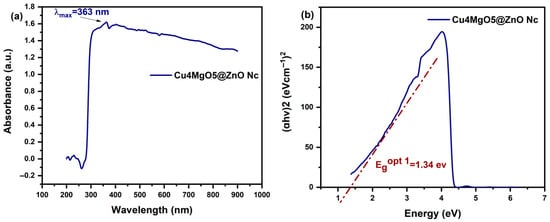
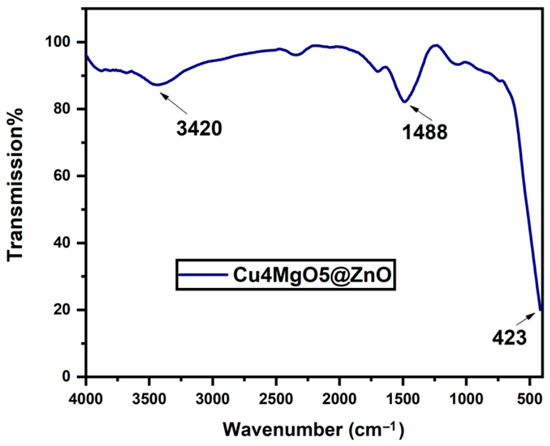
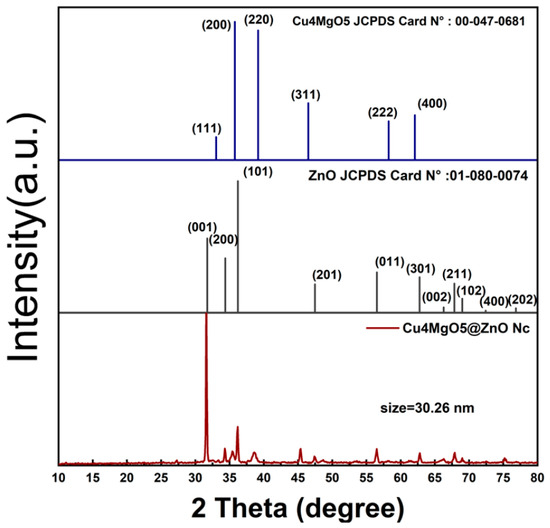
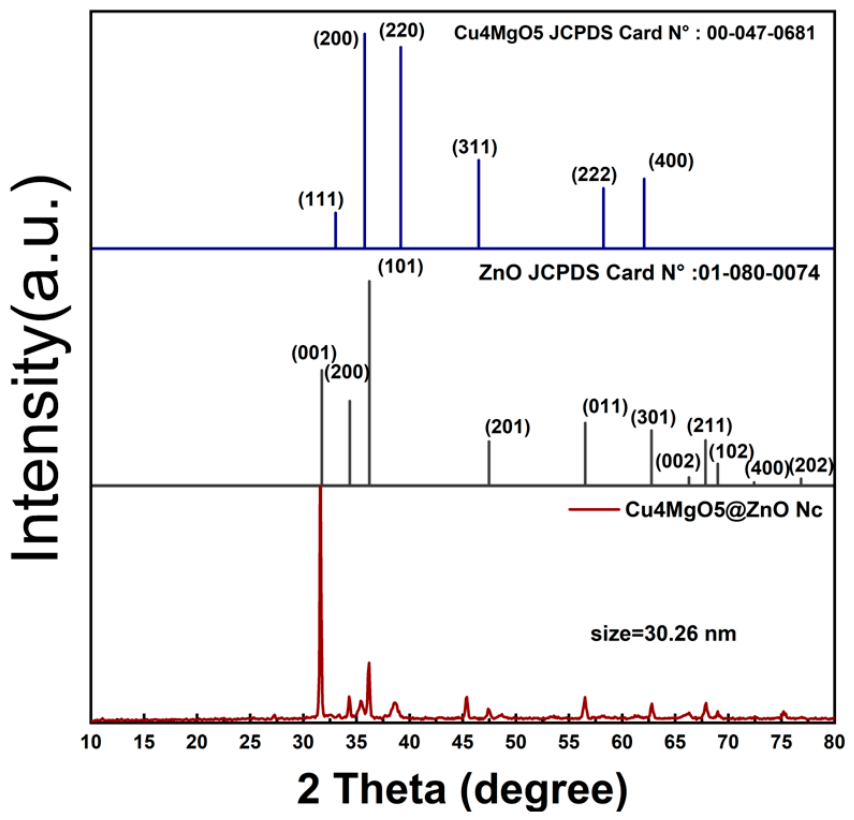
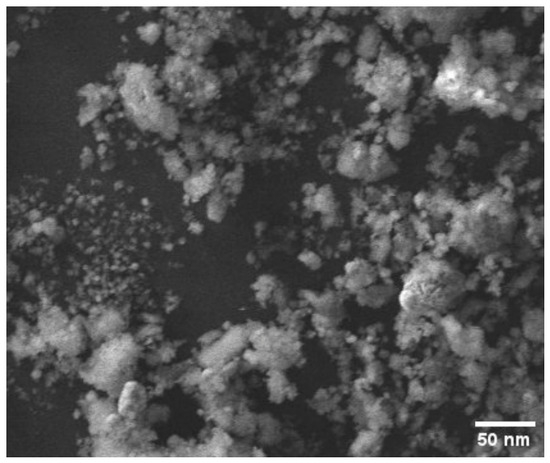
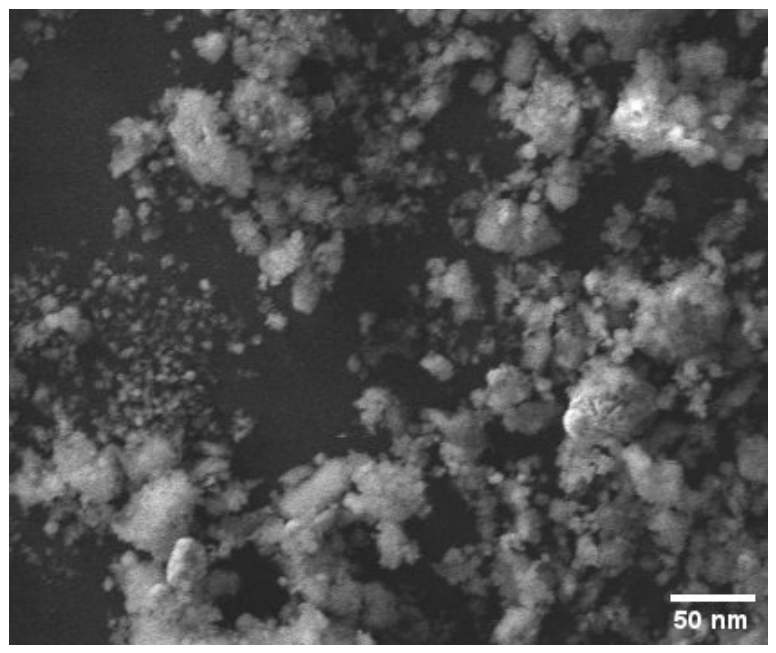
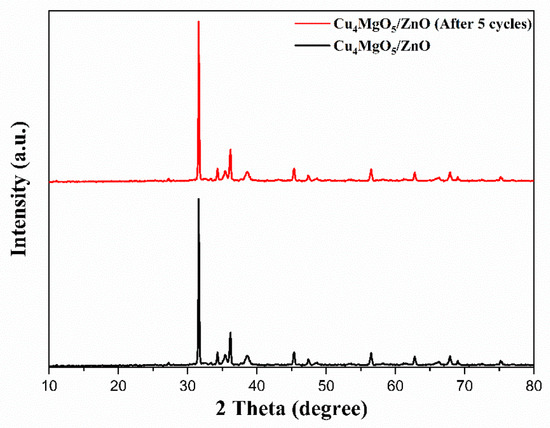
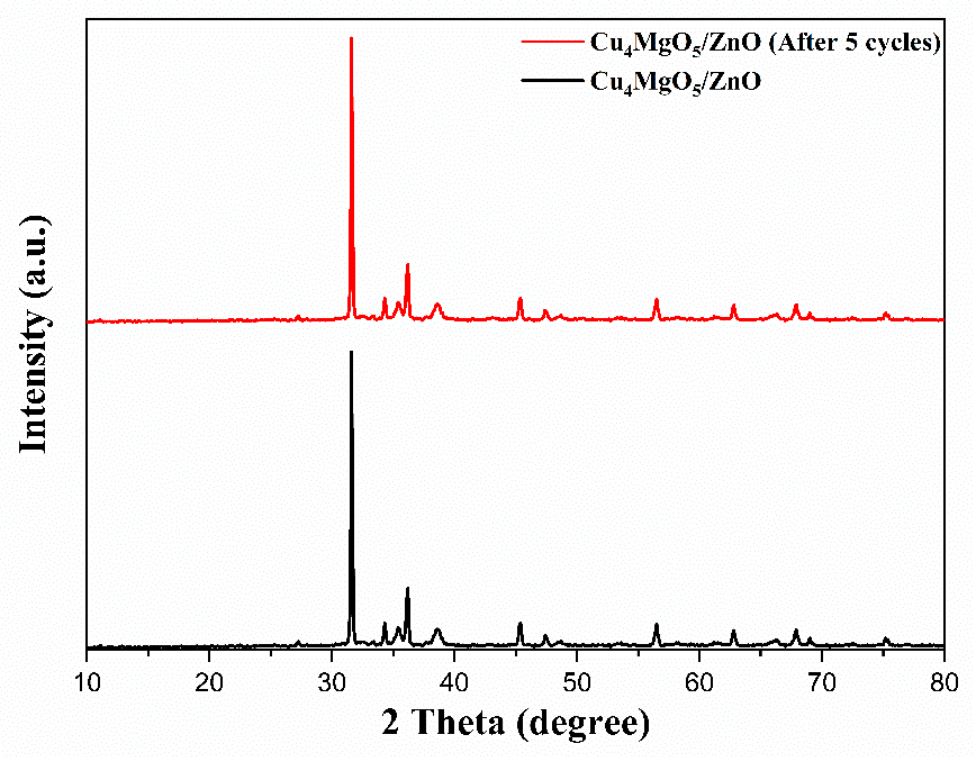
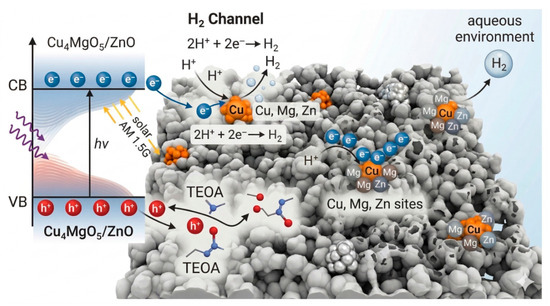
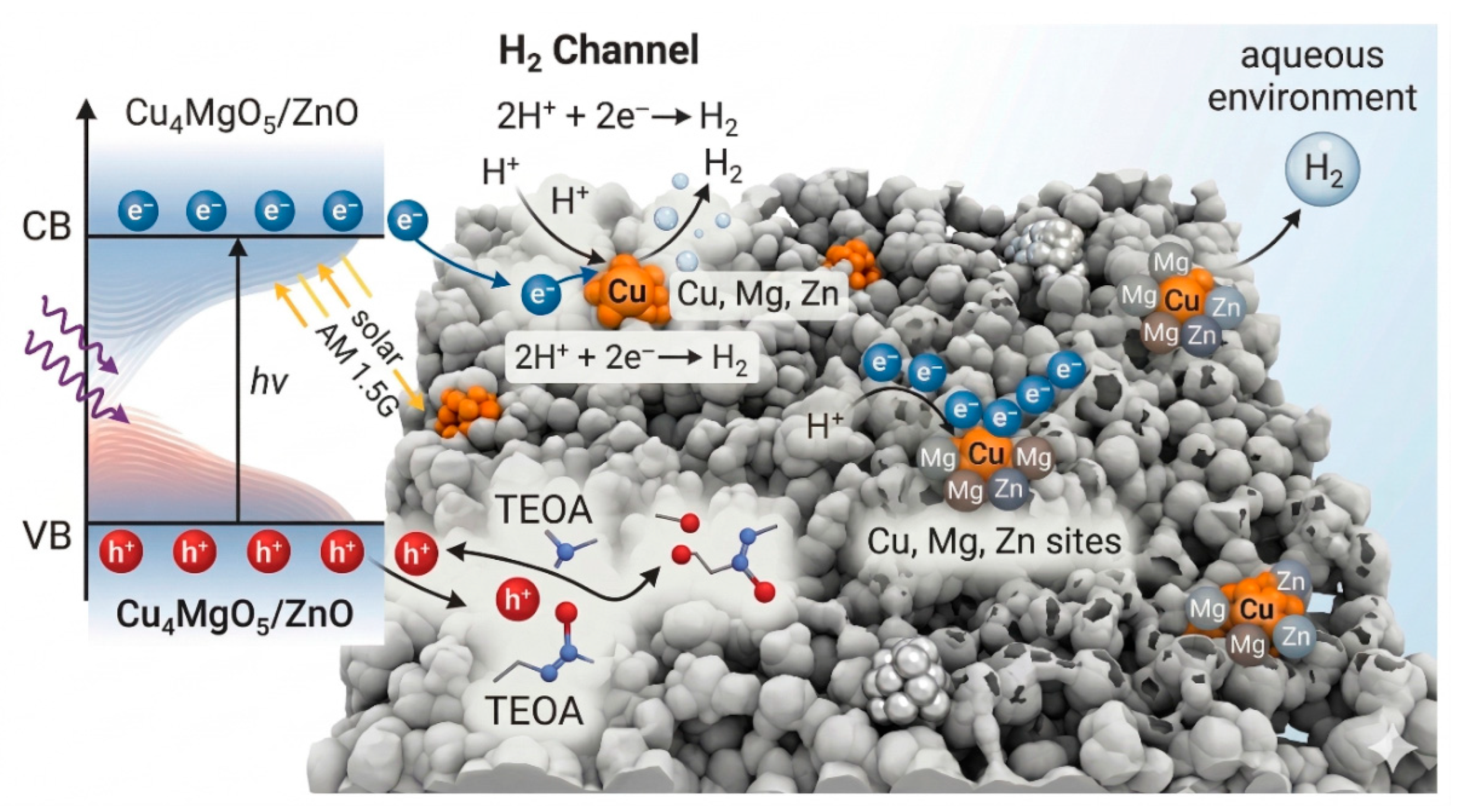
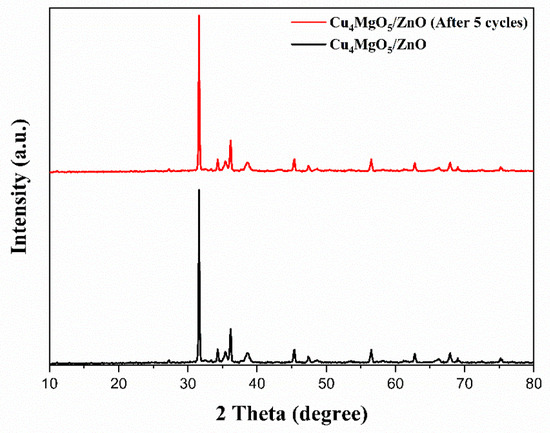
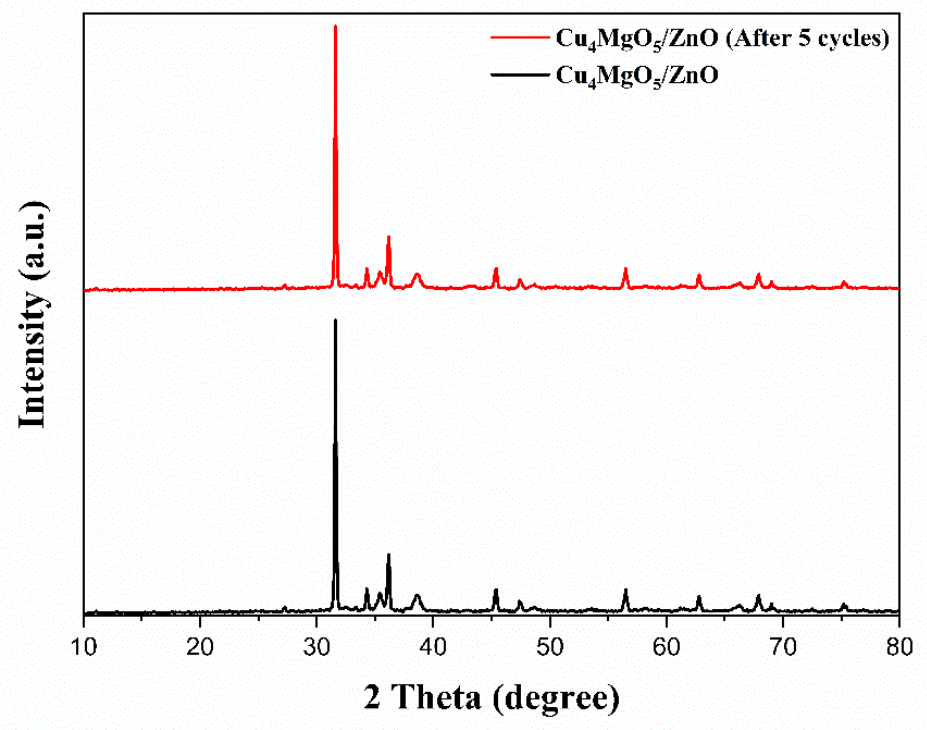
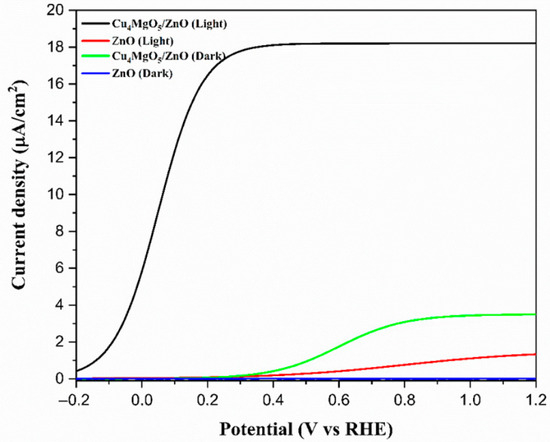
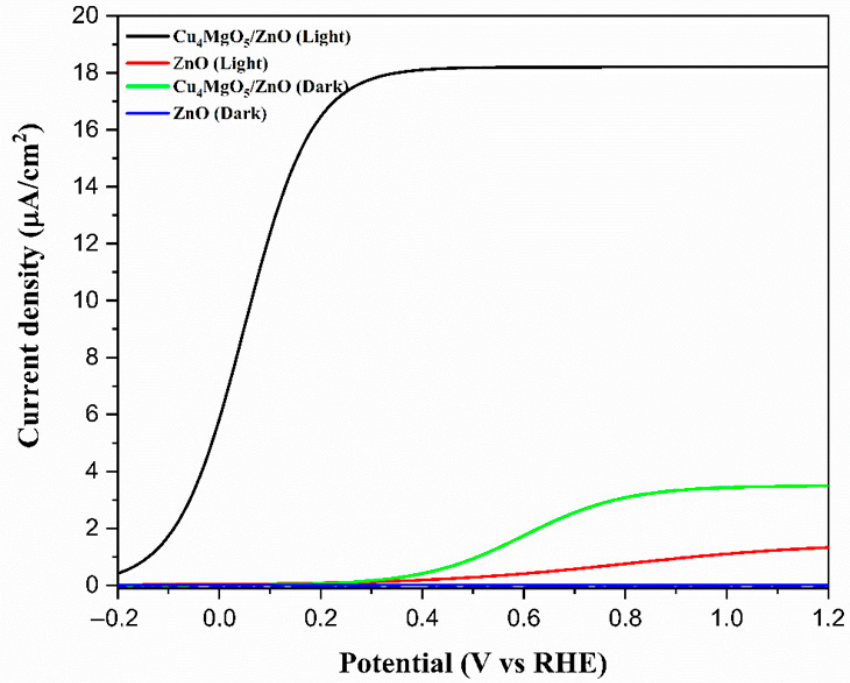
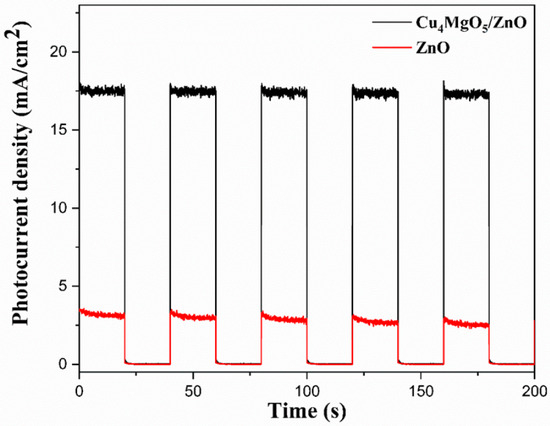
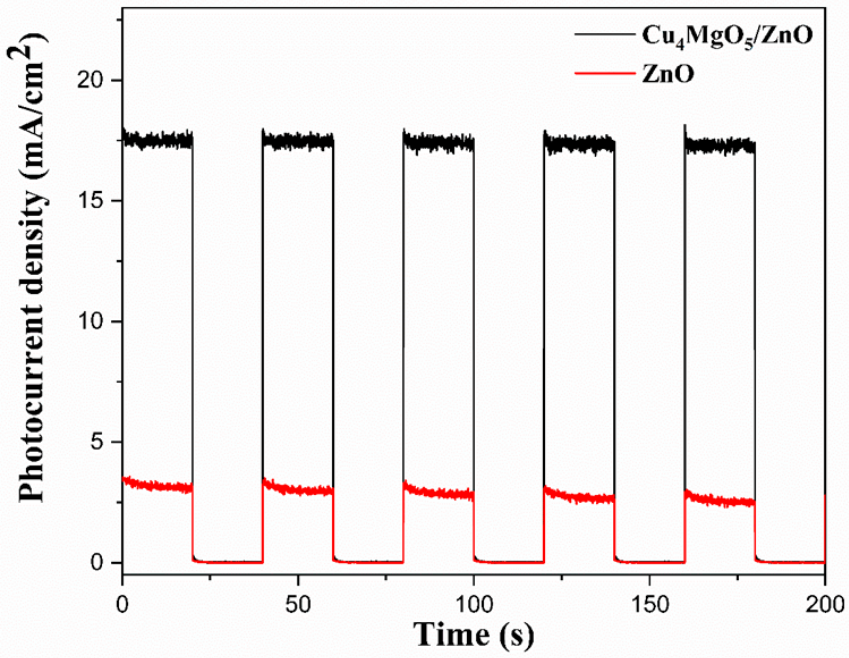
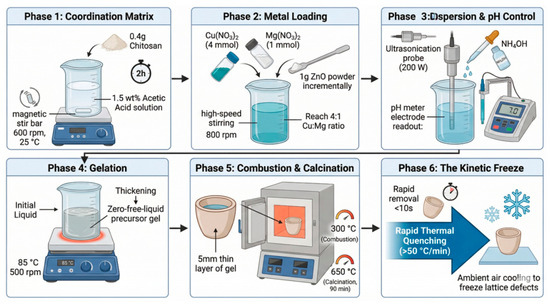
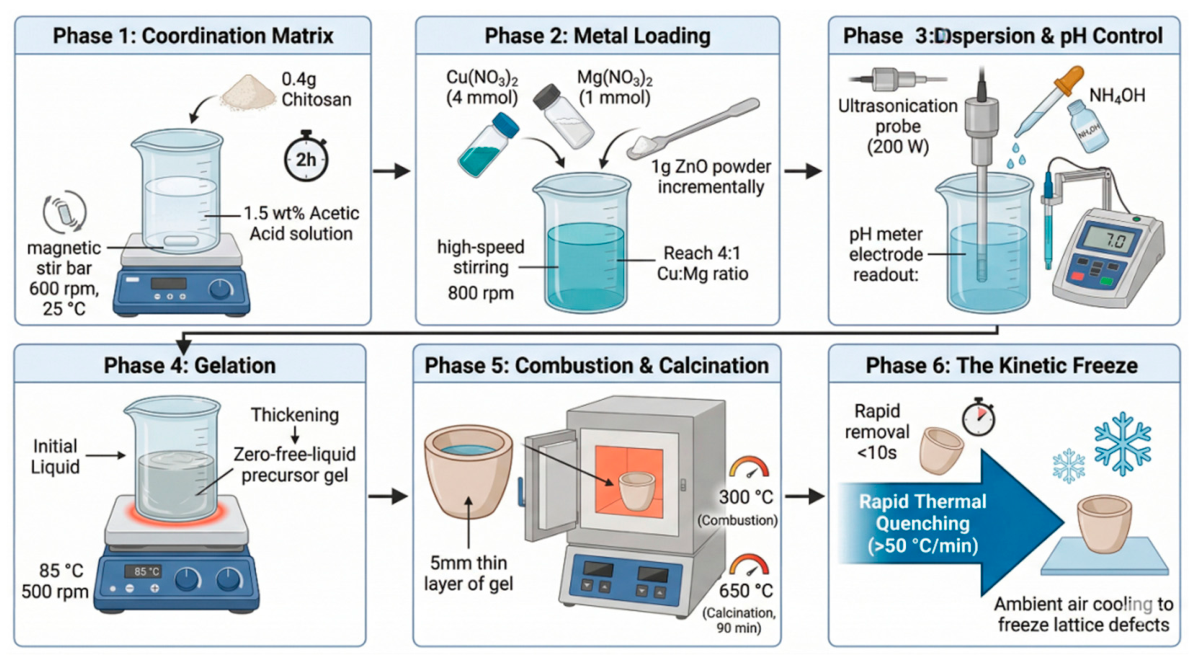

Disclaimer/Publisher’s Note: The statements, opinions and data contained in all publications are solely those of the individual author(s) and contributor(s) and not of MDPI and/or the editor(s). MDPI and/or the editor(s) disclaim responsibility for any injury to people or property resulting from any ideas, methods, instructions or products referred to in the content. |
© 2026 by the authors. Licensee MDPI, Basel, Switzerland. This article is an open access article distributed under the terms and conditions of the Creative Commons Attribution (CC BY) license.