Exploring the Toxicological Relationship Between Diisononyl Cyclohexane-1,2-dicarboxylate and Atherosclerosis Through Network Toxicology, Machine Learning, and Multi-Dimensional Bioinformatics

 and
and
Abstract
1. Introduction
2. Results
2.1. ProTox and ADMETlab—Chemical Toxicity Prediction
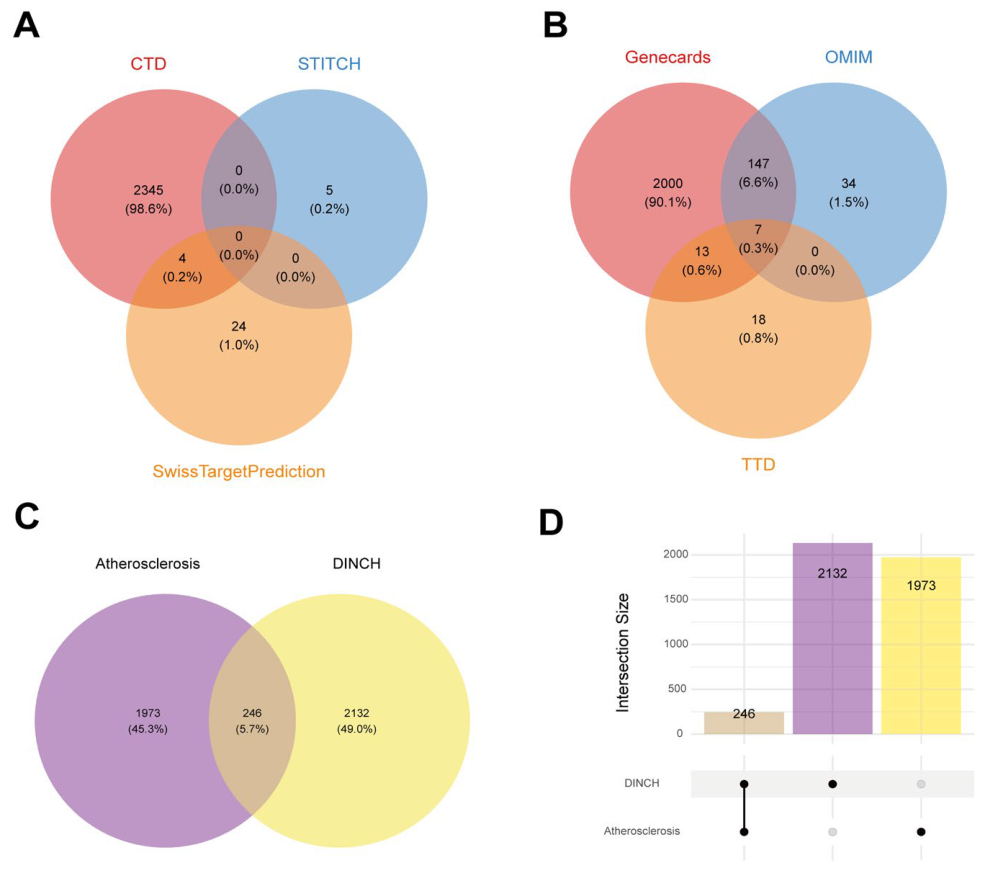
2.2. Network Toxicological Analysis of Potential Targets of DINCH-Induced Atherosclerosis
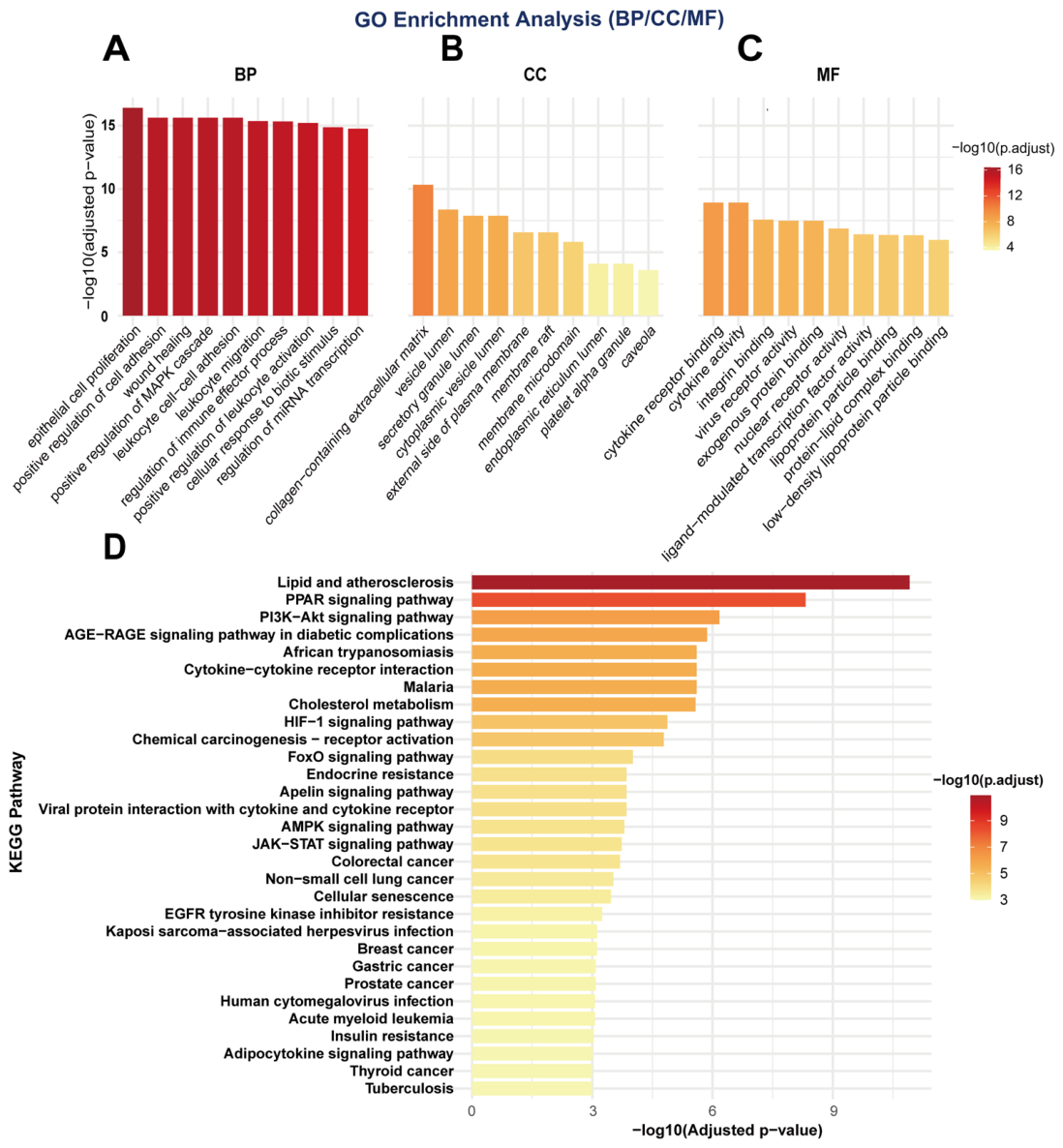
2.3. Functional Enrichment Analysis of DINCH-Induced Atherosclerosis Targets
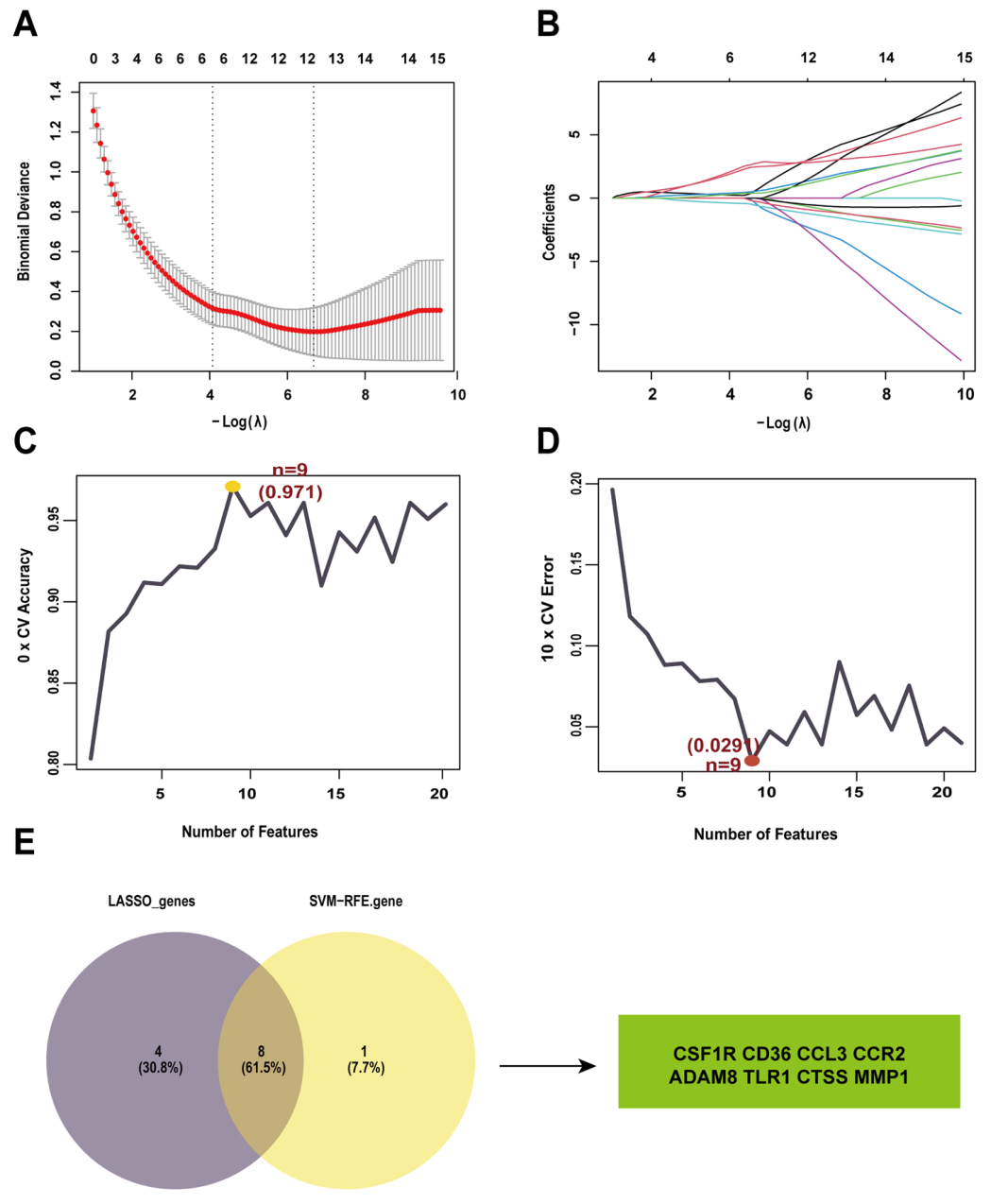
2.4. Key Target Recognition Based on Machine Learning
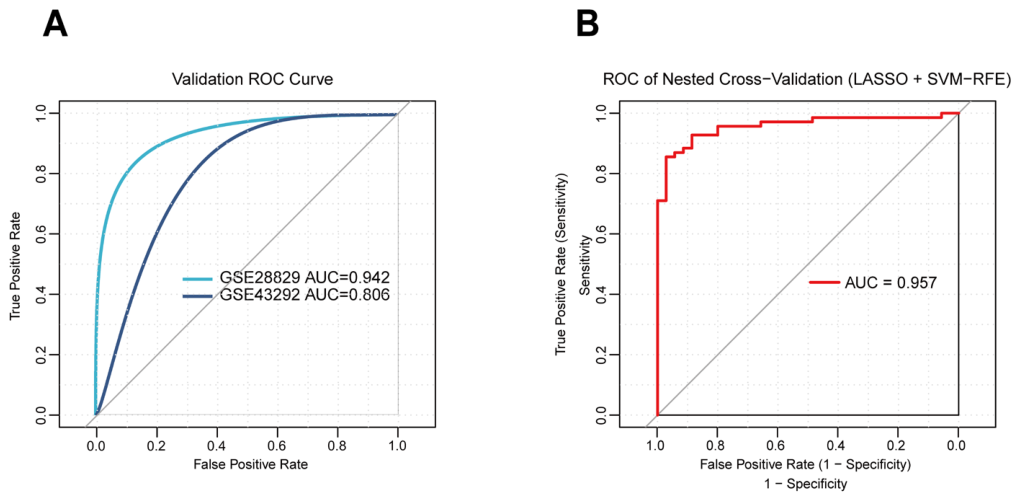
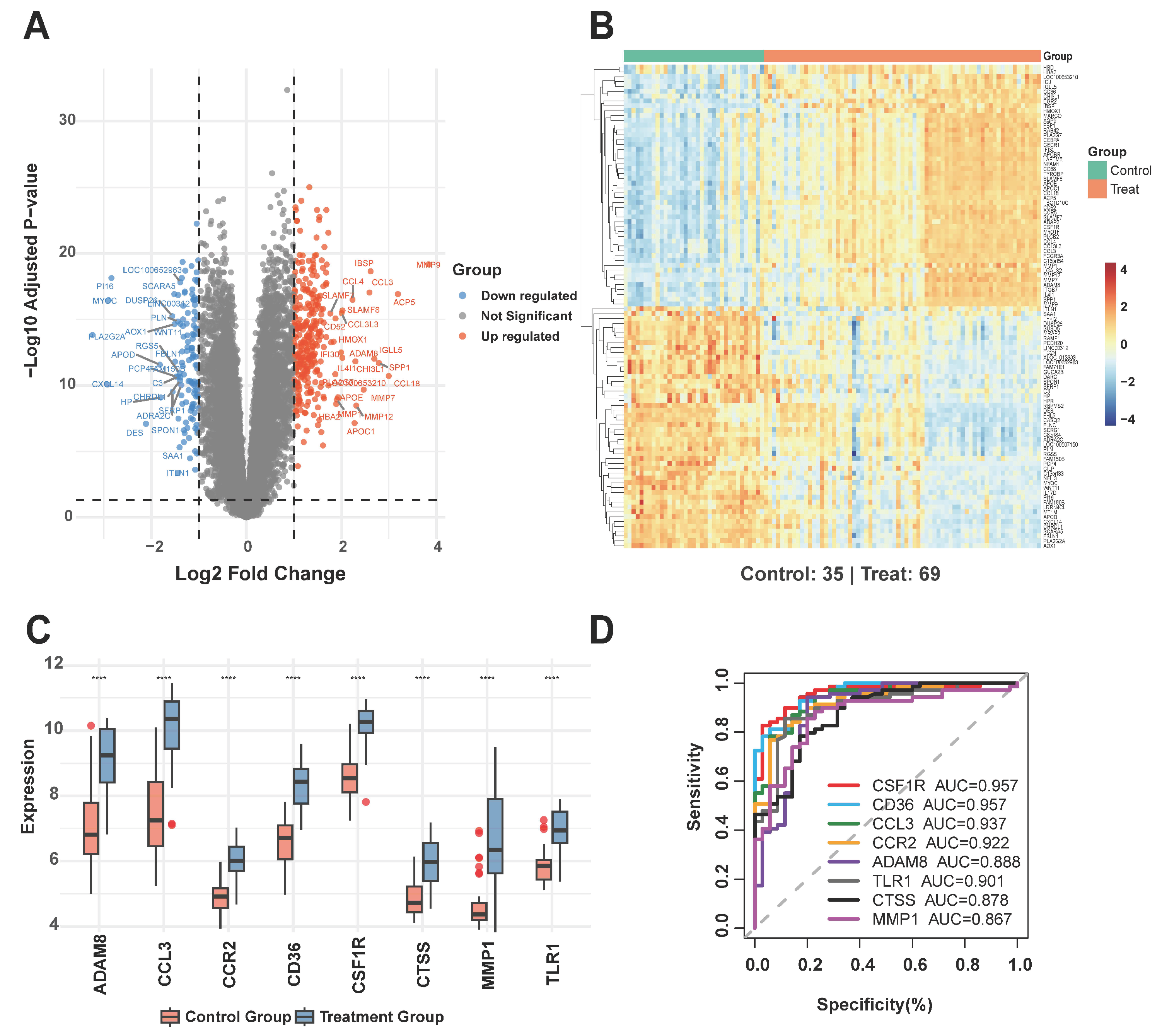
2.5. Expression Validation and Diagnostic Efficacy Test of 8 Key Targets for Atherosclerosis
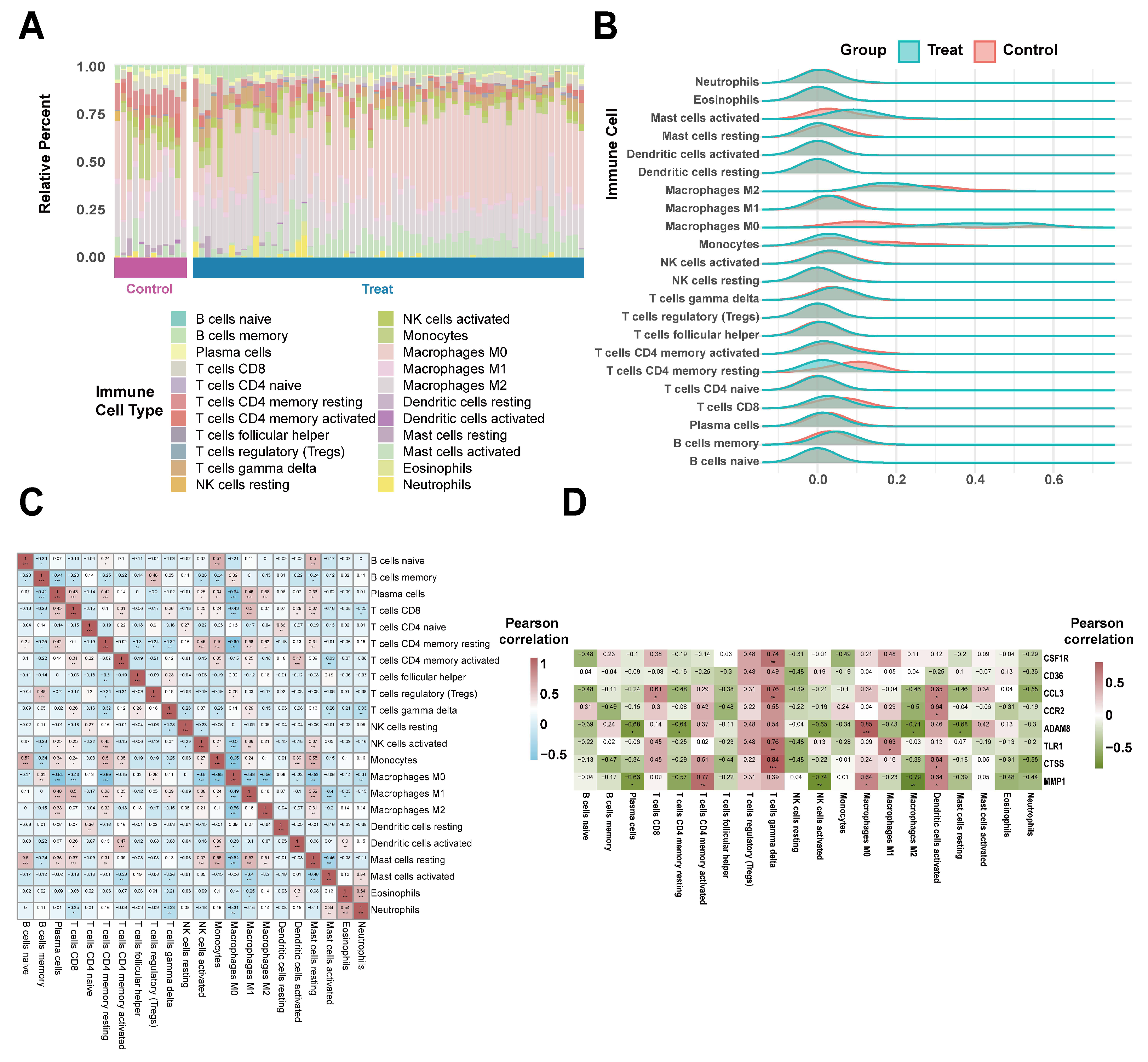
2.6. Correlation Analysis Between Core Genes of Atherosclerosis and Immune Cells
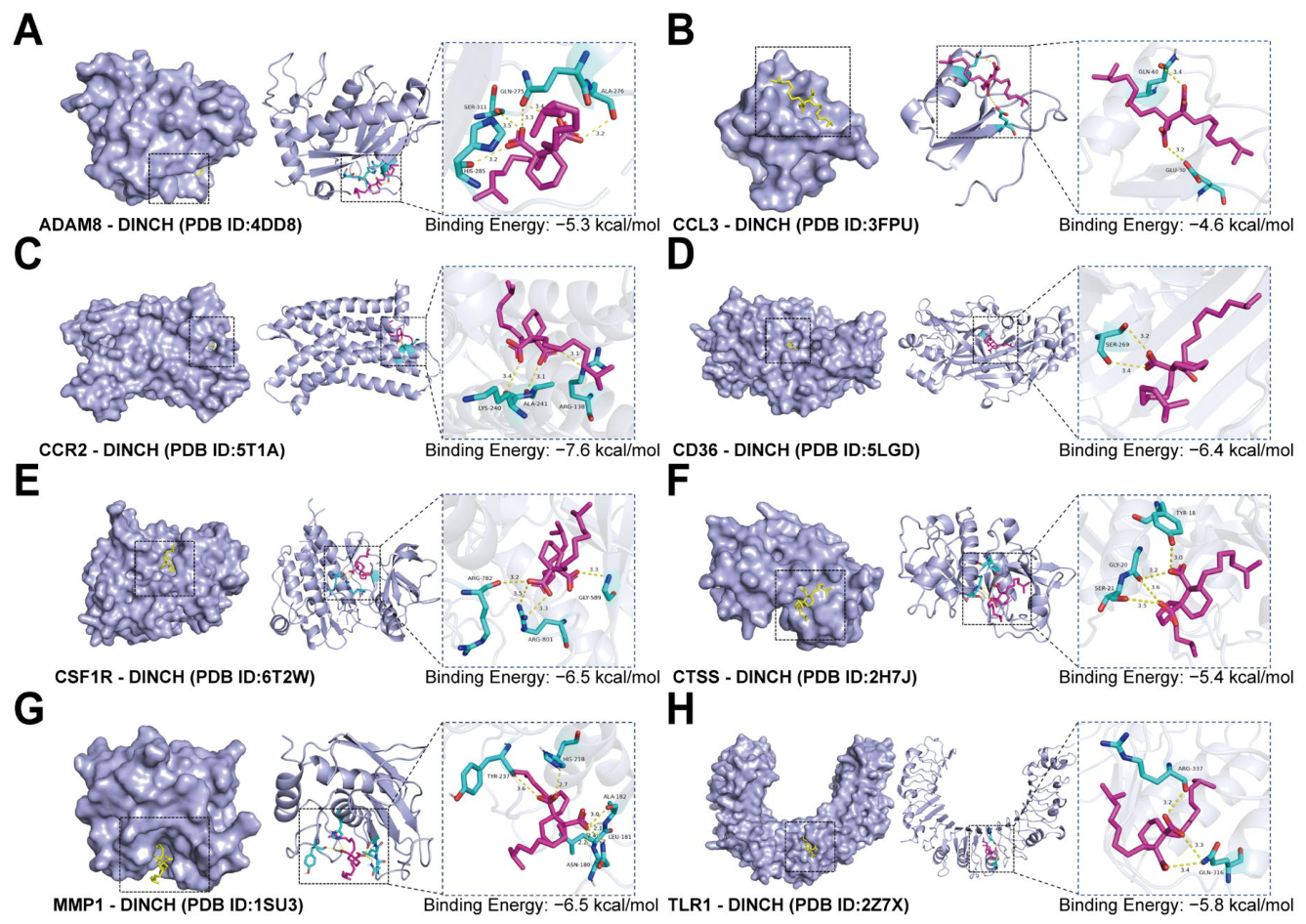
2.7. Molecular Docking Analysis of DINCH with Atherosclerosis Targets
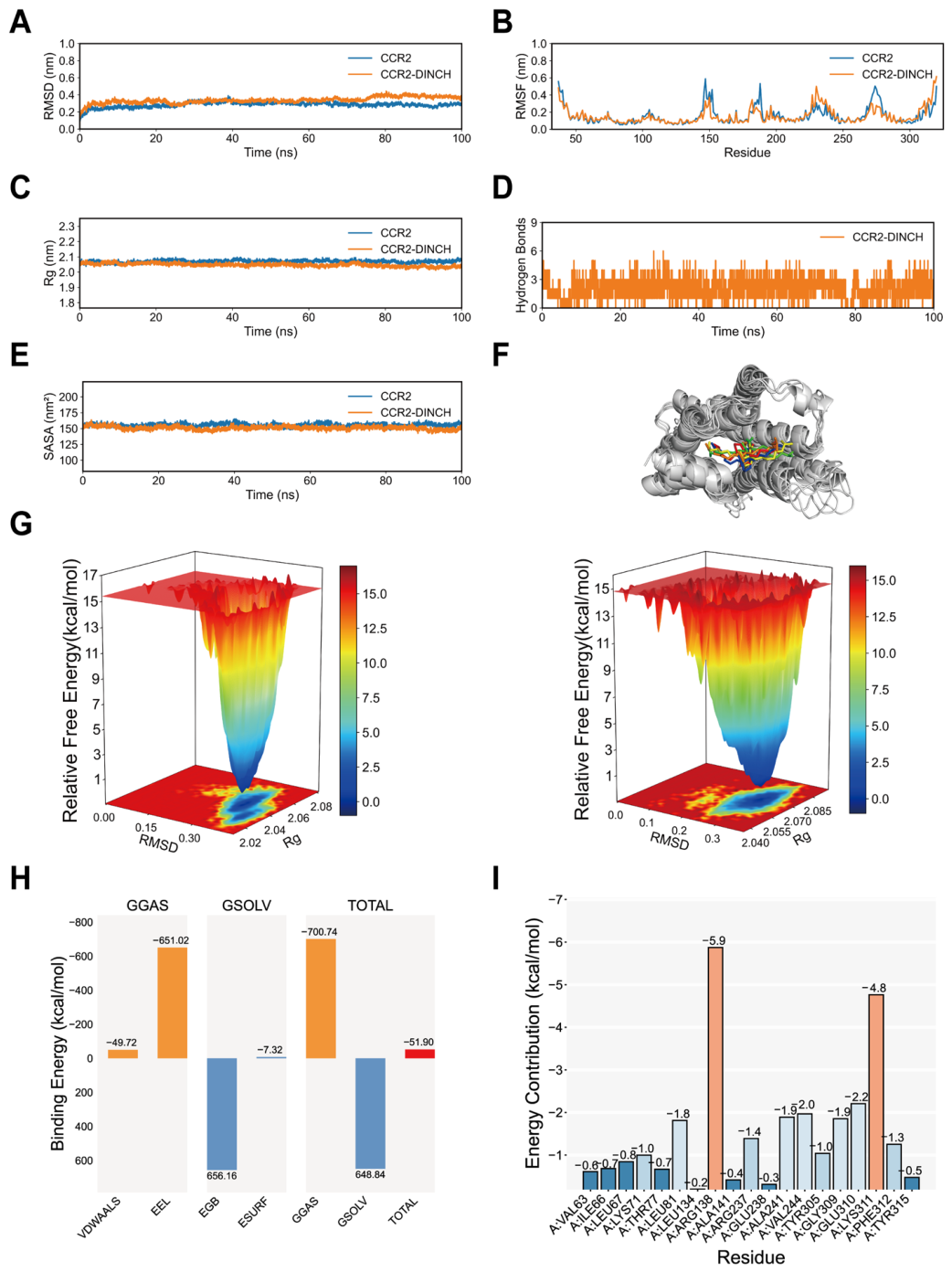
2.8. Molecular Dynamics Simulation and Binding Free Energy Estimation
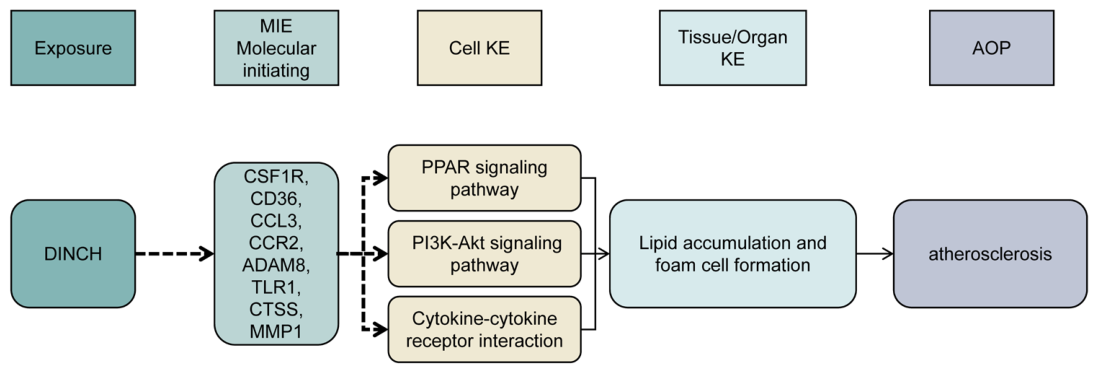
2.9. Construction of Adverse Outcome Pathways
3. Discussion
4. Materials and Methods
4.1. Toxicity Analysis of DINCH
4.2. Collection of the Target of Diisononyl Cyclohexane-1,2-dicarboxylate
4.3. Collection of Targets Related to Atherosclerosis
4.4. Functional Pathway Analysis of Target Genes
4.5. Selection of Core Targets Based on Machine Learning Algorithms
4.6. Evaluation of Differential Expression of Core Genes and Diagnostic Accuracy
4.7. Analysis of Immune Cell Infiltration
4.8. Molecular Docking
4.9. Molecular Dynamics Simulation
4.10. Methodology for Constructing Adverse Outcome Pathways
5. Conclusions
Supplementary Materials
Author Contributions
Funding
Institutional Review Board Statement
Informed Consent Statement
Data Availability Statement
Acknowledgments
Conflicts of Interest
References
- Libby, P.; Buring, J.E.; Badimon, L.; Hansson, G.K.; Deanfield, J.; Bittencourt, M.S.; Tokgözoğlu, L.; Lewis, E.F. Atherosclerosis. Nat. Rev. Dis. Primers 2019, 5, 56. [Google Scholar] [CrossRef]
- Brook, R.D.; Rajagopalan, S.; Pope, C.A.; Brook, J.R.; Bhatnagar, A.; Diez-Roux, A.V.; Holguin, F.; Hong, Y.; Luepker, R.V.; Mittleman, M.A.; et al. Particulate matter air pollution and cardiovascular disease: An update to the scientific statement from the American Heart Association. Circulation 2010, 121, 2331–2378. [Google Scholar] [CrossRef]
- Hennig, B.; Toborek, M. Nutrition and endothelial cell function: Implications in atherosclerosis. Nutr. Res. 2001, 21, 279–293. [Google Scholar] [CrossRef]
- Tellez-Plaza, M.; Jones, M.R.; Dominguez-Lucas, A.; Guallar, E.; Navas-Acien, A. Cadmium Exposure and Clinical Cardiovascular Disease: A Systematic Review. Curr. Atheroscler. Rep. 2013, 15, 356. [Google Scholar] [CrossRef]
- Bevan, G.H.; Al-Kindi, S.G.; Brook, R.D.; Münzel, T.; Rajagopalan, S. Ambient Air Pollution and Atherosclerosis: Insights into Dose, Time, and Mechanisms. Arterioscler. Thromb. Vasc. Biol. 2021, 41, 628–637. [Google Scholar] [CrossRef]
- Bui, T.T.; Giovanoulis, G.; Cousins, A.P.; Magnér, J.; Cousins, I.T.; de Wit, C.A. Human exposure, hazard and risk of alternative plasticizers to phthalate esters. Sci. Total Environ. 2016, 541, 451–467. [Google Scholar] [CrossRef]
- Kasper-Sonnenberg, M.; Koch, H.M.; Apel, P.; Rüther, M.; Pälmke, C.; Brüning, T.; Kolossa-Gehring, M. Time trend of exposure to the phthalate plasticizer substitute DINCH in Germany from 1999 to 2017: Biomonitoring data on young adults from the Environmental Specimen Bank (ESB). Int. J. Hyg. Environ. Health 2019, 222, 1084–1092. [Google Scholar] [CrossRef]
- Schaffert, A.; Arnold, J.; Karkossa, I.; Blüher, M.; von Bergen, M.; Schubert, K. The Emerging Plasticizer Alternative DINCH and Its Metabolite MINCH Induce Oxidative Stress and Enhance Inflammatory Responses in Human THP-1 Macrophages. Cells 2021, 10, 2367. [Google Scholar] [CrossRef]
- Eljezi, T.; Pinta, P.; Nativel, F.; Richard, D.; Pinguet, J.; Roy, O.; Sautou, V.; Grimandi, G.; Moreau, E. In vitro cytotoxic effects of secondary metabolites of DEHP and its alternative plasticizers DINCH and DINP on a L929 cell line. Int. J. Hyg. Environ. Health 2019, 222, 583–589. [Google Scholar] [CrossRef]
- Yang, J.; Chen, L.; Wang, S.; Zhao, B.; Wang, R. Molecular docking and molecular dynamics simulations revealed interaction mechanism of acetylcholinesterase with organophosphorus pesticides and their alternatives. Arch. Toxicol. 2025, 99, 2433–2446. [Google Scholar] [CrossRef]
- Gautier, L.; Taboureau, O.; Audouze, K. The effect of network biology on drug toxicology. Expert Opin. Drug Metab. Toxicol. 2013, 9, 1409–1418. [Google Scholar] [CrossRef]
- Hollingsworth, S.A.; Dror, R.O. Molecular Dynamics Simulation for All. Neuron 2018, 99, 1129–1143. [Google Scholar] [CrossRef]
- Pinzi, L.; Rastelli, G. Molecular Docking: Shifting Paradigms in Drug Discovery. Int. J. Mol. Sci. 2019, 20, 4331. [Google Scholar] [CrossRef]
- Liu, Y.; Shen, G.; Xia, Z.; Wang, R.; Dai, Y. Analysis of potential molecular targets and mechanisms of brominated flame retardants in causing osteoarthritis using network toxicology, machine learning, SHAP analysis, and molecular dynamics simulation. BMC Pharmacol. Toxicol. 2025, 26, 150. [Google Scholar] [CrossRef] [PubMed]
- Villeneuve, D.L.; Crump, D.; Garcia-Reyero, N.; Hecker, M.; Hutchinson, T.H.; LaLone, C.A.; Landesmann, B.; Lettieri, T.; Munn, S.; Nepelska, M.; et al. Adverse outcome pathway (AOP) development I: Strategies and principles. Toxicol. Sci. 2014, 142, 312–320. [Google Scholar] [CrossRef] [PubMed]
- Zhang, Y.; Lyu, L.; Tao, Y.; Ju, H.; Chen, J. Health risks of phthalates: A review of immunotoxicity. Environ. Pollut. 2022, 313, 120173. [Google Scholar] [CrossRef]
- Wang, Y.; Qian, H. Phthalates and Their Impacts on Human Health. Healthcare 2021, 9, 603. [Google Scholar] [CrossRef]
- Ding, Q.; Xing, J.; Bai, F.; Shao, W.; Hou, K.; Zhang, S.; Hu, Y.; Zhang, B.; Zhao, H.; Xu, Q. C1QC, VSIG4, and CFD as Potential Peripheral Blood Biomarkers in Atrial Fibrillation-Related Cardioembolic Stroke. Oxid. Med. Cell. Longev. 2023, 2023, 5199810. [Google Scholar] [CrossRef]
- Peng, L.; Fang, Z.; Zhang, W.; Rao, G.-W.; Zheng, Q. Recent advances in colony stimulating factor-1 receptor (CSF1R) inhibitors. Biochem. Pharmacol. 2025, 242, 117187. [Google Scholar] [CrossRef]
- Chen, Y.; Zhang, J.; Cui, W.; Silverstein, R.L. CD36, a signaling receptor and fatty acid transporter that regulates immune cell metabolism and fate. J. Exp. Med. 2022, 219, e20211314. [Google Scholar] [CrossRef]
- Abid, S.; Marcos, E.; Parpaleix, A.; Amsellem, V.; Breau, M.; Houssaini, A.; Vienney, N.; Lefevre, M.; Derumeaux, G.; Evans, S.; et al. CCR2/CCR5-mediated macrophage-smooth muscle cell crosstalk in pulmonary hypertension. Eur. Respir. J. 2019, 54, 1802308. [Google Scholar] [CrossRef]
- Zhang, G.; Liu, H.B.; Zhou, L.; Cui, X.Q.; Fan, X.H. CCL3 participates in the development of rheumatoid arthritis by activating AKT. Eur. Rev. Med. Pharmacol. Sci. 2018, 22, 6625–6632. [Google Scholar] [CrossRef]
- Soehnlein, O.; Libby, P. Targeting inflammation in atherosclerosis—From experimental insights to the clinic. Nat. Rev. Drug Discov. 2021, 20, 589–610. [Google Scholar] [CrossRef]
- Yao, N.; Chen, X.; Fu, Z.-H.; Zhang, Q. Applying Classical, Ab Initio, and Machine-Learning Molecular Dynamics Simulations to the Liquid Electrolyte for Rechargeable Batteries. Chem. Rev. 2022, 122, 10970–11021. [Google Scholar] [CrossRef]
- Rogic, A.; Pant, I.; Grumolato, L.; Fernandez-Rodriguez, R.; Edwards, A.; Das, S.; Sun, A.; Yao, S.; Qiao, R.; Jaffer, S.; et al. High endogenous CCL2 expression promotes the aggressive phenotype of human inflammatory breast cancer. Nat. Commun. 2021, 12, 6889. [Google Scholar] [CrossRef]
- Liu, C.; Wu, K.; Li, C.; Zhang, Z.; Zhai, P.; Guo, H.; Zhang, J. SPP1+ macrophages promote head and neck squamous cell carcinoma progression by secreting TNF-α and IL-1β. J. Exp. Clin. Cancer Res. 2024, 43, 332. [Google Scholar] [CrossRef]
- Hu, P.; Li, K.; Peng, X.; Kan, Y.; Li, H.; Zhu, Y.; Wang, Z.; Li, Z.; Liu, H.-Y.; Cai, D. Nuclear Receptor PPARα as a Therapeutic Target in Diseases Associated with Lipid Metabolism Disorders. Nutrients 2023, 15, 4772. [Google Scholar] [CrossRef]
- Engel, A.; Buhrke, T.; Kasper, S.; Behr, A.-C.; Braeuning, A.; Jessel, S.; Seidel, A.; Völkel, W.; Lampen, A. The urinary metabolites of DINCH® have an impact on the activities of the human nuclear receptors ERα, ERβ, AR, PPARα and PPARγ. Toxicol. Lett. 2018, 287, 83–91. [Google Scholar] [CrossRef]
- Leist, M.; Ghallab, A.; Graepel, R.; Marchan, R.; Hassan, R.; Bennekou, S.H.; Limonciel, A.; Vinken, M.; Schildknecht, S.; Waldmann, T.; et al. Adverse outcome pathways: Opportunities, limitations and open questions. Arch. Toxicol. 2017, 91, 3477–3505. [Google Scholar] [CrossRef]
- Tibshirani, R. Regression shrinkage and selection via the lasso. J. R. Stat. Soc. Ser. B Stat. Methodol. 1996, 58, 267–288. [Google Scholar] [CrossRef]
- Guyon, I.; Weston, J.; Barnhill, S.; Vapnik, V. Gene Selection for Cancer Classification using Support Vector Machines. Mach. Learn. 2002, 46, 389–422. [Google Scholar] [CrossRef]
- Hänzelmann, S.; Castelo, R.; Guinney, J. GSVA: Gene set variation analysis for microarray and RNA-seq data. BMC Bioinform. 2013, 14, 7. [Google Scholar] [CrossRef]
- Akoglu, H. User’s guide to correlation coefficients. Turk. J. Emerg. Med. 2018, 18, 91–93. [Google Scholar] [CrossRef]
- Schrödinger, I. The PyMOL Molecular Graphics System. Available online: https://www.pymol.org/ (accessed on 24 December 2025).
- O’Boyle, N.M.; Banck, M.; James, C.A.; Morley, C.; Vandermeersch, T.; Hutchison, G.R. Open Babel: An open chemical toolbox. J. Cheminform. 2011, 3, 33. [Google Scholar] [CrossRef]
- Morris, G.M.; Huey, R.; Lindstrom, W.; Sanner, M.F.; Belew, R.K.; Goodsell, D.S.; Olson, A.J. AutoDock4 and AutoDockTools4: Automated docking with selective receptor flexibility. J. Comput. Chem. 2009, 30, 2785–2791. [Google Scholar] [CrossRef]
- Trott, O.; Olson, A.J. AutoDock Vina: Improving the speed and accuracy of docking with a new scoring function, efficient optimization, and multithreading. J. Comput. Chem. 2010, 31, 455–461. [Google Scholar] [CrossRef]
- Abraham, M.J.; Murtola, T.; Schulz, R.; Páll, S.; Smith, J.C.; Hess, B.; Lindahl, E. GROMACS: High performance molecular simulations through multi-level parallelism from laptops to supercomputers. SoftwareX 2015, 1–2, 19–25. [Google Scholar] [CrossRef]
- Van Der Spoel, D.; Lindahl, E.; Hess, B.; Groenhof, G.; Mark, A.E.; Berendsen, H.J.C. GROMACS: Fast, flexible, and free. J. Comput. Chem. 2005, 26, 1701–1718. [Google Scholar] [CrossRef] [PubMed]


Disclaimer/Publisher’s Note: The statements, opinions and data contained in all publications are solely those of the individual author(s) and contributor(s) and not of MDPI and/or the editor(s). MDPI and/or the editor(s) disclaim responsibility for any injury to people or property resulting from any ideas, methods, instructions or products referred to in the content. |
© 2026 by the authors. Licensee MDPI, Basel, Switzerland. This article is an open access article distributed under the terms and conditions of the Creative Commons Attribution (CC BY) license.
Share and Cite
Cao, J.; Yang, Z.; Zhang, Q.; Zou, S.; Zhang, H.; Yang, A.; Sun, Y. Exploring the Toxicological Relationship Between Diisononyl Cyclohexane-1,2-dicarboxylate and Atherosclerosis Through Network Toxicology, Machine Learning, and Multi-Dimensional Bioinformatics. Int. J. Mol. Sci. 2026, 27, 4668. https://doi.org/10.3390/ijms27114668
Cao J, Yang Z, Zhang Q, Zou S, Zhang H, Yang A, Sun Y. Exploring the Toxicological Relationship Between Diisononyl Cyclohexane-1,2-dicarboxylate and Atherosclerosis Through Network Toxicology, Machine Learning, and Multi-Dimensional Bioinformatics. International Journal of Molecular Sciences. 2026; 27(11):4668. https://doi.org/10.3390/ijms27114668
Chicago/Turabian StyleCao, Jingbo, Ziyao Yang, Qi Zhang, Siwei Zou, Huning Zhang, Anning Yang, and Yue Sun. 2026. "Exploring the Toxicological Relationship Between Diisononyl Cyclohexane-1,2-dicarboxylate and Atherosclerosis Through Network Toxicology, Machine Learning, and Multi-Dimensional Bioinformatics" International Journal of Molecular Sciences 27, no. 11: 4668. https://doi.org/10.3390/ijms27114668
APA StyleCao, J., Yang, Z., Zhang, Q., Zou, S., Zhang, H., Yang, A., & Sun, Y. (2026). Exploring the Toxicological Relationship Between Diisononyl Cyclohexane-1,2-dicarboxylate and Atherosclerosis Through Network Toxicology, Machine Learning, and Multi-Dimensional Bioinformatics. International Journal of Molecular Sciences, 27(11), 4668. https://doi.org/10.3390/ijms27114668