All articles published by MDPI are made immediately available worldwide under an open access license. No special
permission is required to reuse all or part of the article published by MDPI, including figures and tables. For
articles published under an open access Creative Common CC BY license, any part of the article may be reused without
permission provided that the original article is clearly cited. For more information, please refer to
https://www.mdpi.com/openaccess.
Feature papers represent the most advanced research with significant potential for high impact in the field. A Feature
Paper should be a substantial original Article that involves several techniques or approaches, provides an outlook for
future research directions and describes possible research applications.
Feature papers are submitted upon individual invitation or recommendation by the scientific editors and must receive
positive feedback from the reviewers.
Editor’s Choice articles are based on recommendations by the scientific editors of MDPI journals from around the world.
Editors select a small number of articles recently published in the journal that they believe will be particularly
interesting to readers, or important in the respective research area. The aim is to provide a snapshot of some of the
most exciting work published in the various research areas of the journal.
Promoting the integration of the industrial and innovation chains (ICIC) constitutes a crucial strategy adopted by the Chinese government to foster sustainable economic development. Industrial intelligence (II), as a prominent application of artificial intelligence in the manufacturing sector, serves as a key engine
[...] Read more.
Promoting the integration of the industrial and innovation chains (ICIC) constitutes a crucial strategy adopted by the Chinese government to foster sustainable economic development. Industrial intelligence (II), as a prominent application of artificial intelligence in the manufacturing sector, serves as a key engine for China’s industrial upgrading and has garnered widespread scholarly attention regarding its economic impacts. Using provincial-level panel data from China spanning 2011 to 2023, this study empirically investigates the impact of II on ICIC. The empirical results indicate the following: First, II exerts a significant positive impact on ICIC, and this conclusion remains robust after a series of robustness tests. Second, high-tech enterprises agglomeration and high-skilled labor agglomeration act as two critical channels through which II promotes ICIC, whereas technological innovation fails to play a mediating role. Third, both digital infrastructure and marketization positively moderate the relationship between II and ICIC, thereby significantly amplifying the positive impact of II on ICIC. Fourth, the positive effect of II on ICIC is found to be universally applicable: II can significantly promote ICIC in provinces with either strong or weak manufacturing (service) industries. These findings offer valuable theoretical support and practical implications for countries worldwide with diverse endowments in manufacturing and service industries that are pursuing II and striving to promote ICIC.
Full article
Wildfires are an increasingly recurrent disturbance in Mediterranean forest landscapes, yet fire severity assessment remains limited in data-scarce regions such as Lebanon. This study aims to assess wildfire severity patterns and identify the main environmental drivers influencing fire severity across the forests of
[...] Read more.
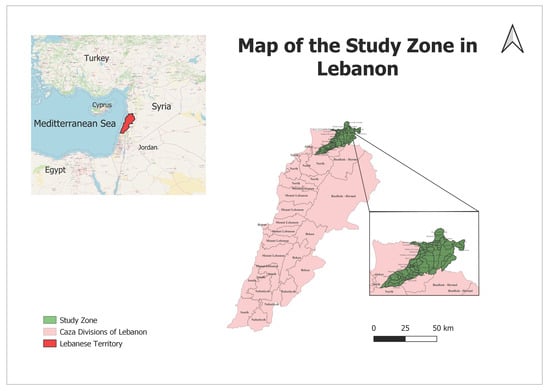
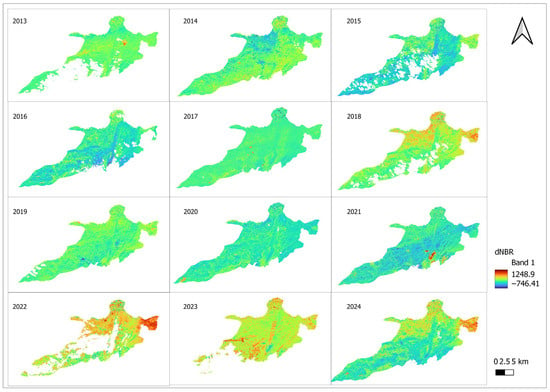
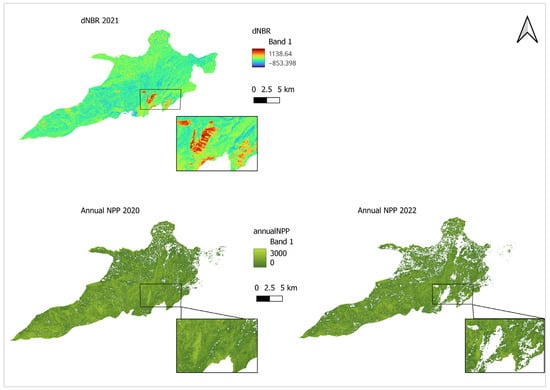
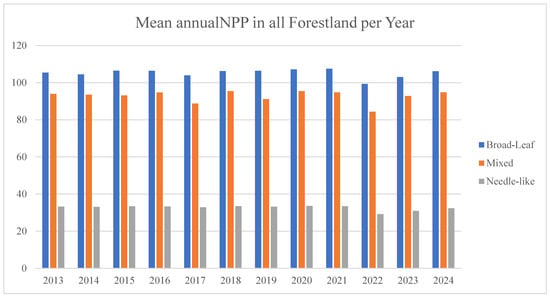
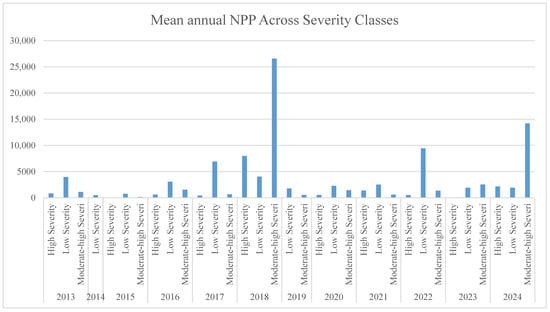
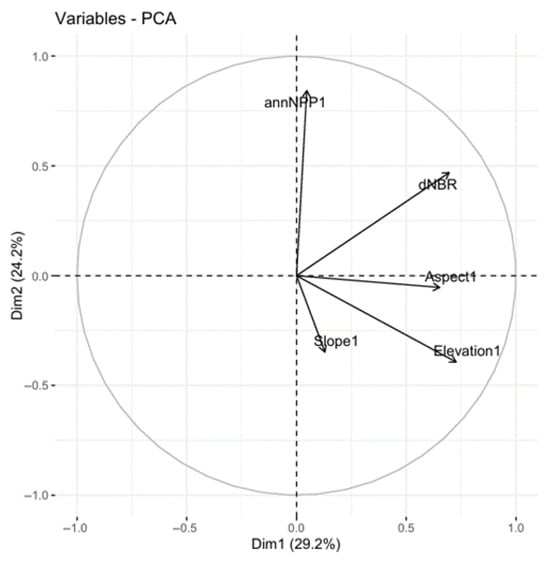
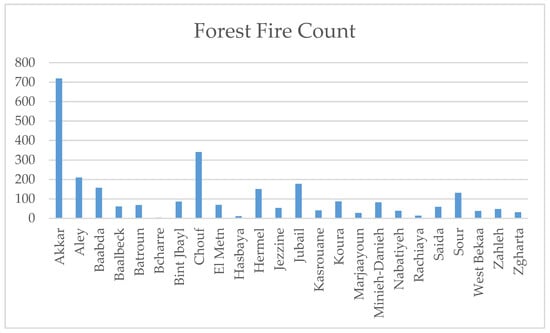
Wildfires are an increasingly recurrent disturbance in Mediterranean forest landscapes, yet fire severity assessment remains limited in data-scarce regions such as Lebanon. This study aims to assess wildfire severity patterns and identify the main environmental drivers influencing fire severity across the forests of Akkar, northern Lebanon, within a Digital Landscapes framework. Fire severity was mapped using the Differenced Normalized Burn Ratio (dNBR) derived from multi-temporal Landsat-8 imagery (2013–2024) processed in Google Earth Engine. Vegetation productivity was assessed through annual Net Primary Productivity (NPP), while topographic variables (elevation, slope, and aspect) were derived from a Digital Elevation Model. The results reveal heterogeneous fire severity patterns over the study period and pronounced spatial variability in NPP, with no consistent linear relationship between productivity and fire severity. Principal Component Analysis (PCA) was applied to explore multivariate relationships between fire severity, productivity, and terrain. PCA results show that the first two components explain 77.4% of the total variance, indicating that fire severity is primarily structured by topographic factors, particularly elevation and solar exposure, while vegetation productivity plays a secondary role. These findings highlight the dominant influence of terrain on wildfire severity in Mediterranean mountainous landscapes, and demonstrate the value of integrating remote sensing, cloud-based platforms, and multivariate analysis for fire assessment in data-scarce regions. The study contributes to the advancement of Digital Landscapes approaches by providing a scalable and data-driven framework for understanding fire dynamics and supporting future landscape management and risk assessment strategies.
Full article
Increased and excessive axle loads (exceeding design specifications) at high temperatures stimulate premature distresses in flexible pavements. This study utilizes the novelty of engineered bituminous composite—crumb rubber-modified (CRM) stone mastic asphalt (SMA) for pavement longevity and sustainable performance. Dynamic modulus testing was employed
[...] Read more.
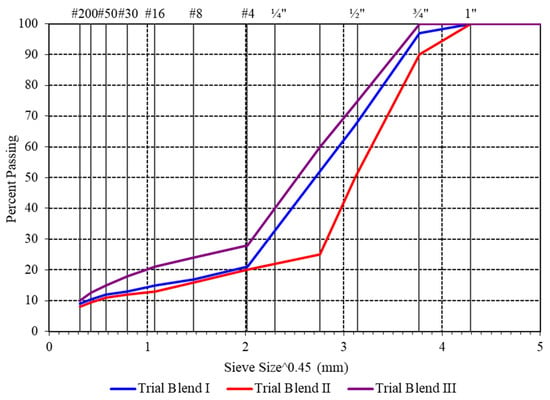
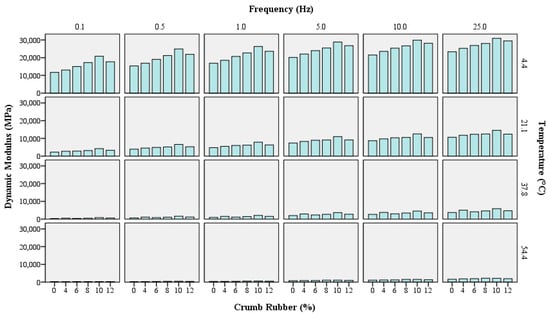
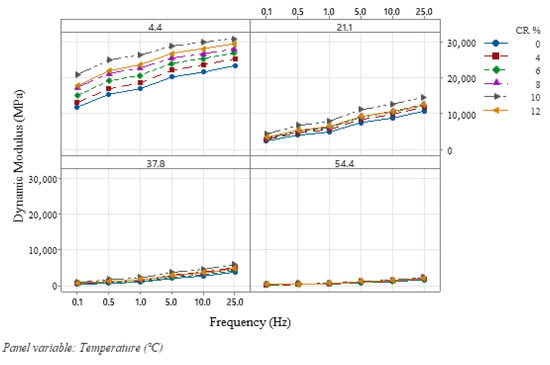
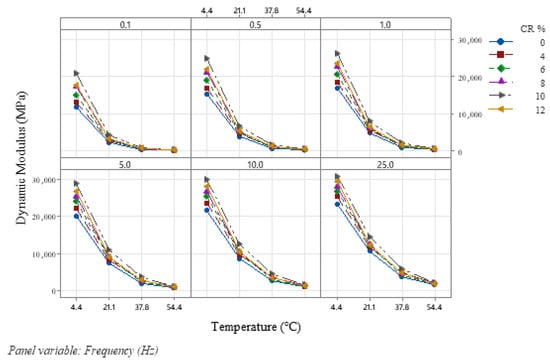
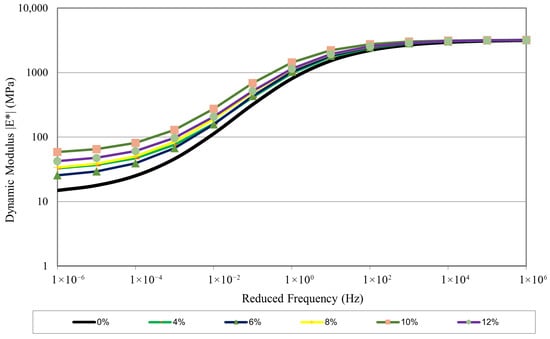
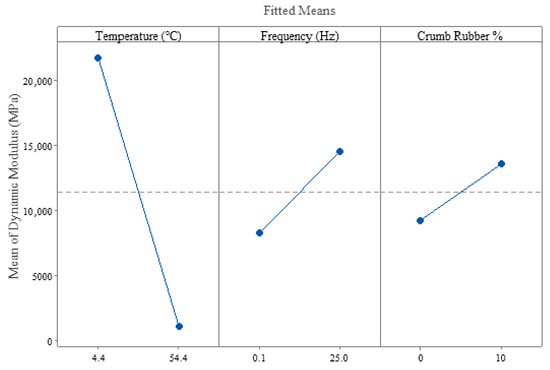
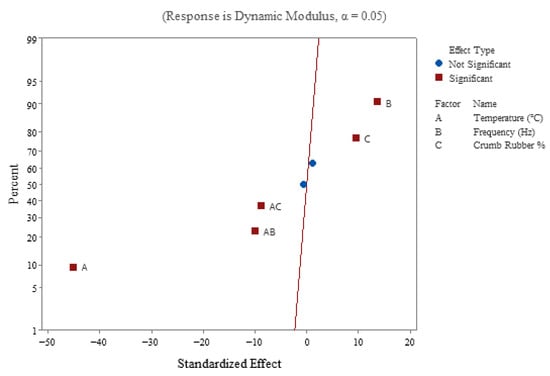
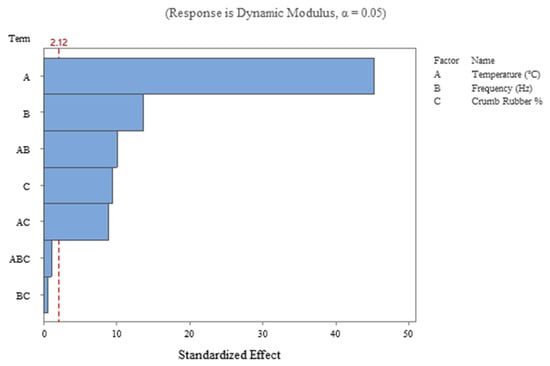
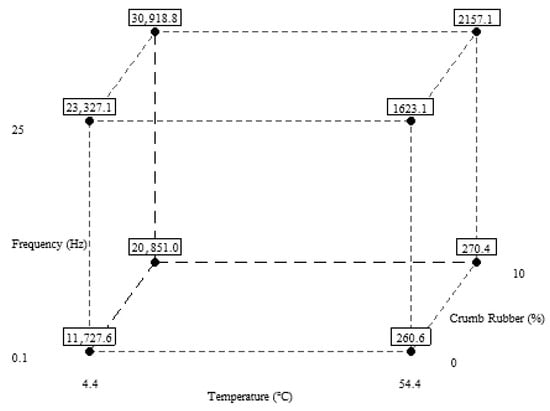
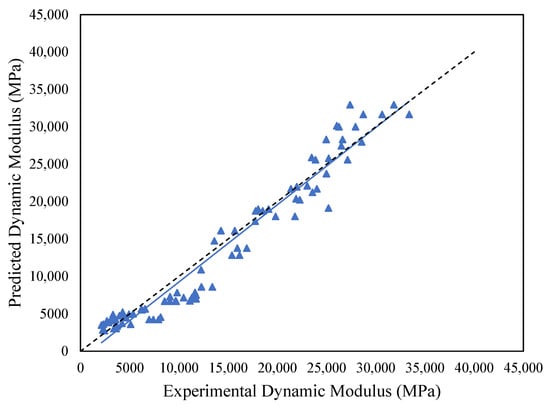
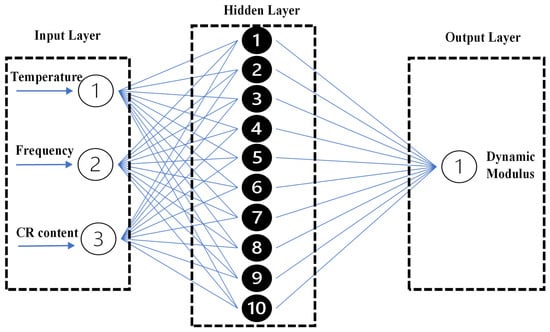
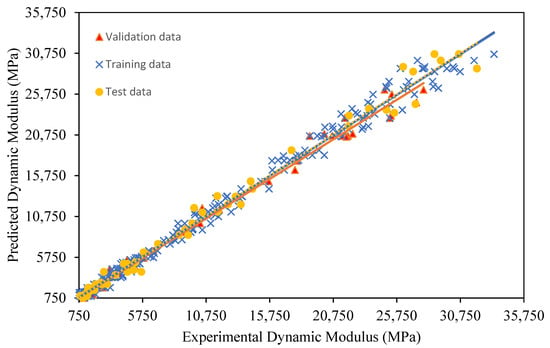
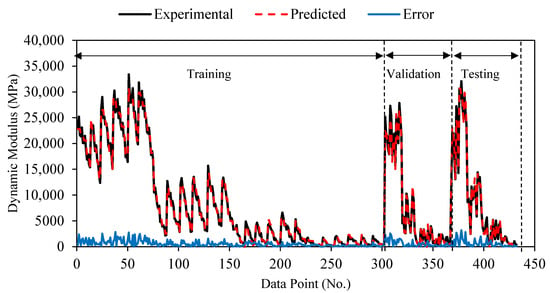
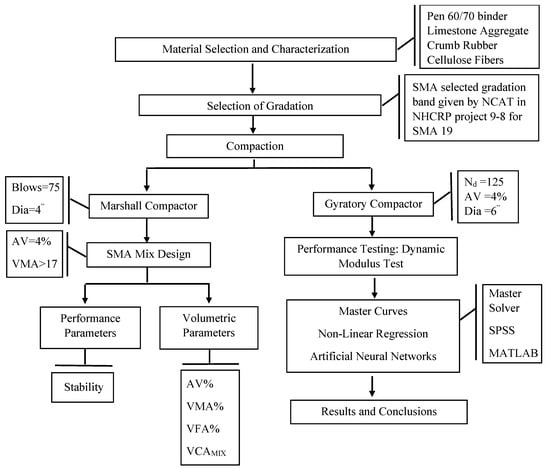
Increased and excessive axle loads (exceeding design specifications) at high temperatures stimulate premature distresses in flexible pavements. This study utilizes the novelty of engineered bituminous composite—crumb rubber-modified (CRM) stone mastic asphalt (SMA) for pavement longevity and sustainable performance. Dynamic modulus testing was employed at four temperatures and six frequency sweeps. The experimental design included the preparation of SMA 19 specimens with six different percentages of crumb rubber (CR) mixed in bitumen. CR addition to the mix translated into an improved stiffness of the mix, as a 64% increase in dynamic modulus (on average) was reported at 10% CR as compared to a neat mixture. Master curves were produced using |E*| test results, which revealed that 10% modified SMA was relatively stiffer and more rut-resistant than the other mixtures. Performance prediction models were developed for |E*| using artificial neural networks (ANNs) and non-linear regression, wherein the former proved to be more robust. Sensitivity analysis revealed that a temperature rise (21.1 to 37.8 °C) translated into a 65% drop in |E*| (on average) and a rise in frequency (0.1 to 25 Hz) divulged a 72% upsurge in |E*| (on average). This research demonstrates the promise of deploying CR SMA mixtures, particularly for high-traffic and heavy-load scenarios.
Full article
Prostate cancer (PCa) is the second most frequently diagnosed solid malignancy in men and a major cause of cancer-related mortality worldwide. While localized disease is associated with excellent long-term survival, advanced and castration-resistant PCa continues to represent a major therapeutic challenge. Current management
[...] Read more.
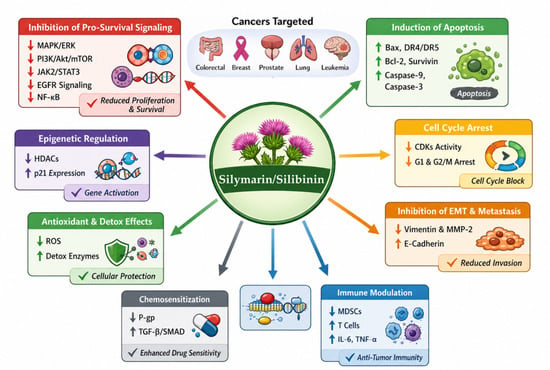
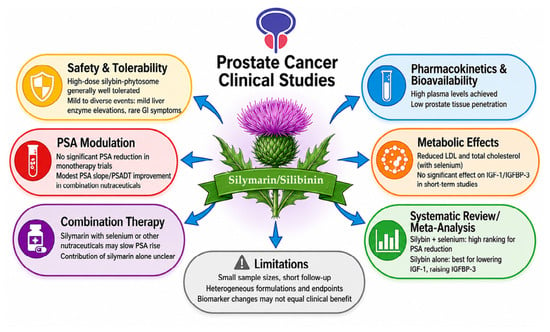
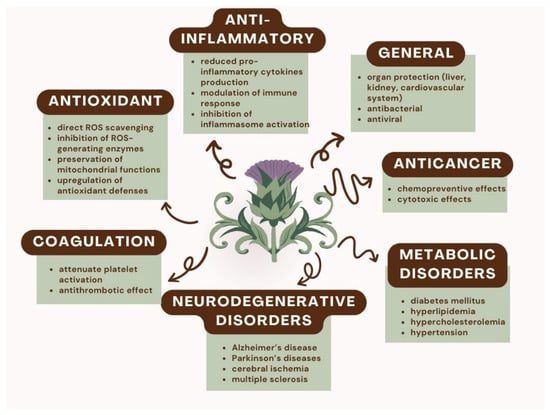
Prostate cancer (PCa) is the second most frequently diagnosed solid malignancy in men and a major cause of cancer-related mortality worldwide. While localized disease is associated with excellent long-term survival, advanced and castration-resistant PCa continues to represent a major therapeutic challenge. Current management ranges from active surveillance for indolent tumors to multimodal systemic approaches for metastatic disease. In this context, natural compounds are attracting increasing interest as adjunctive or novel therapeutic agents. Among these, silymarin, a Silybum marianum-derived flavonolignan complex, has shown promising antineoplastic activity in preclinical PCa models. In vitro, silymarin compounds consistently inhibit PCa cell proliferation by inducing G1 and G2/M cell cycle arrest, upregulating cyclin-dependent kinase inhibitors, and activating caspase-dependent apoptotic pathways. They also modulate key oncogenic signaling pathways involved in cell survival, proliferation, invasion, and metastasis. In vivo xenograft and transgenic models further show reduced tumor growth, angiogenesis, and metastatic spread with limited systemic toxicity. Emerging clinical evidence, including systematic reviews and meta-analyses, suggests translational potential; however, robust randomized trials are needed to define optimal formulations, dosing strategies, and therapeutic efficacy in PCa patients. This review provides a comprehensive overview of the molecular mechanisms, preclinical efficacy, and emerging clinical evidence supporting silymarin as a candidate for future PCa research.
Full article
Water security is crucial for human well-being and environmental sustainability. The rapid increase in urbanization, climate change, pollution, etc., leads to water scarcity in many parts of the world. Therefore, it is important to understand the concept and growing challenges of water security.
[...] Read more.
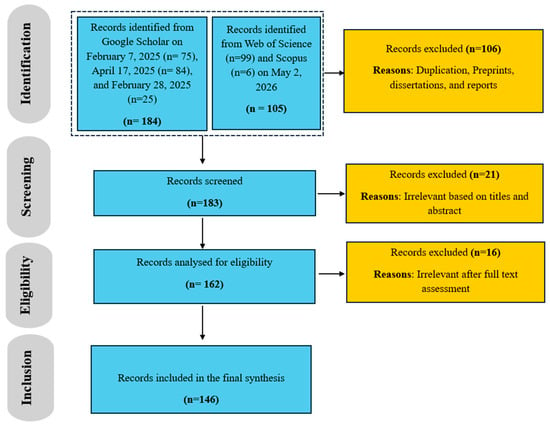
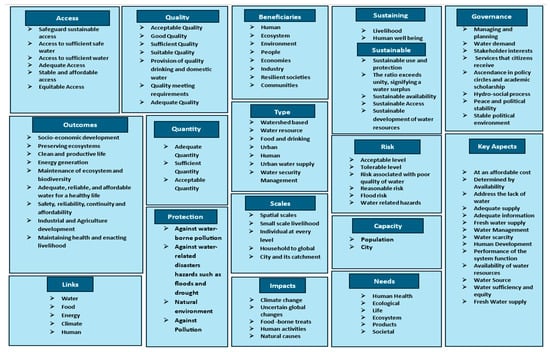
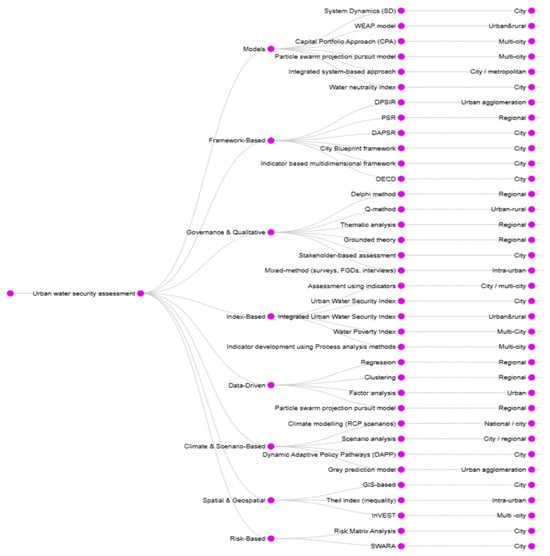
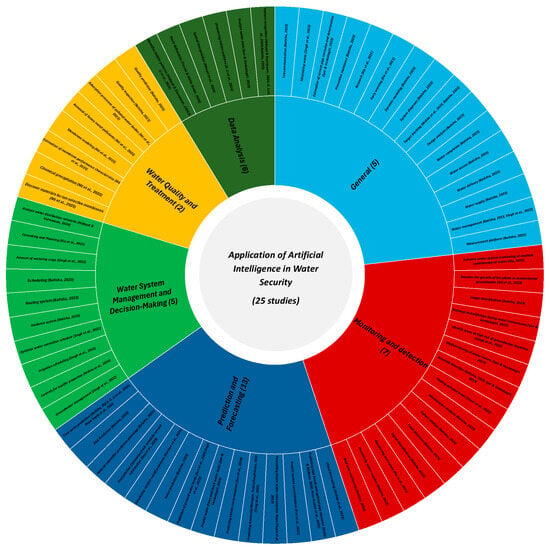
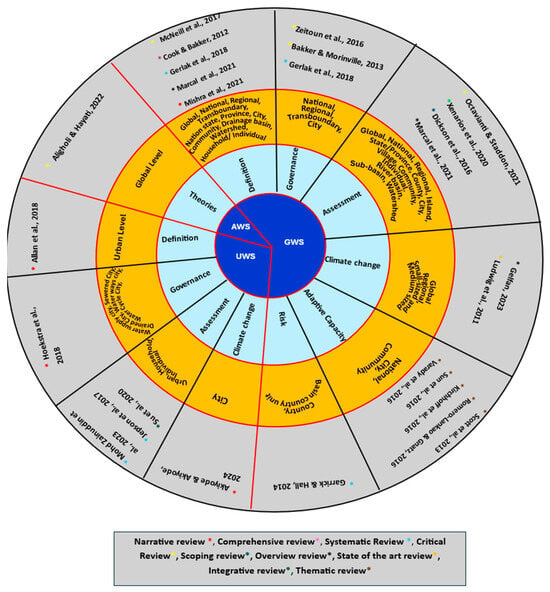
Water security is crucial for human well-being and environmental sustainability. The rapid increase in urbanization, climate change, pollution, etc., leads to water scarcity in many parts of the world. Therefore, it is important to understand the concept and growing challenges of water security. Using the PRISMA (Preferred Reporting Items for Systematic Reviews and Meta-Analyses) framework, 146 articles were identified for this study. The results highlight a novel aspect of the definition of water security, presenting it in a simpler, broader way with key components. The indicators for assessing water security are categorized into quantitative, qualitative, and combined types, and are further arranged across different dimensions, domains, and spatial scales. The study also examines Urban Water Security assessment methods and categorizes them into distinct methodological groups. Additionally, the studies show that only 25 articles explore artificial intelligence in the context of water security indicators. This reveals the need to address the gap between artificial intelligence and the assessment of water security. From these limited articles, artificial intelligence types and models were identified, and their applications were grouped into thematic categories. In general, this study supports improved assessment, decision-making, and sustainable water security management.
Full article
COVID-19 remains a challenge to the global healthcare despite the end of the pandemic, including due to the significant involvement of children in the epidemic process. During the pandemic period, an increase in the incidence of Sudden Unexpected Infant Death (SUID) and Sudden
[...] Read more.
COVID-19 remains a challenge to the global healthcare despite the end of the pandemic, including due to the significant involvement of children in the epidemic process. During the pandemic period, an increase in the incidence of Sudden Unexpected Infant Death (SUID) and Sudden Infant Death Syndrome (SIDS) was observed. Currently, their rates remain elevated compared to the prepandemic period. The pathogenetic mechanisms underlying the fulminant course of infection in infants leading to fatal outcomes remain insufficiently understood. In this study, we report for the first time the results of histological and immunohistochemical examination of the lungs in a case of COVID-19-associated SUID in a 2-month-old infant. The absence of similar studies in the available literature limits opportunities for analyzing the pathogenesis of SUID. Our data allow a detailed characterization of the histological changes in the lungs, the localization and range of SARS-CoV-2 nucleocapsid protein expression, the identification of molecular mechanisms underlying apoptosis in the pulmonary microvascular endothelium, and the elucidation of the role of endothelial dysfunction. Particular attention in this article is devoted to the role of cytokines (IL-6, TNF-α, and IFN-γ) in the pathogenesis of hyperacute viral infection. The obtained data demonstrate substantial differences between the observed changes and the classic presentation of COVID-19 in older children. These findings offer prospects for improving prevention strategies and developing targeted therapy for fulminant forms of COVID-19, while also contributing to the understanding of SIDS pathogenesis.
Full article
Urban flexibility research is expanding across buildings, electric vehicles (EVs), distributed energy resources (DERs), storage, positive energy districts (PEDs), digital twins, and interoperability platforms. These strands are often reviewed separately, although urban distribution operators must manage their combined impacts on the same feeders.
[...] Read more.
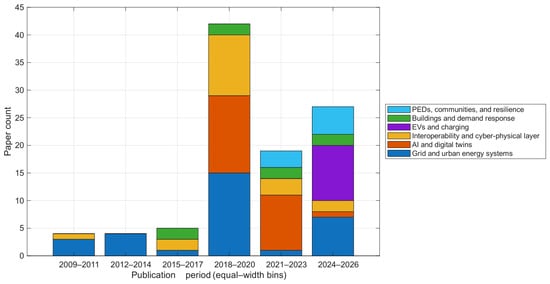
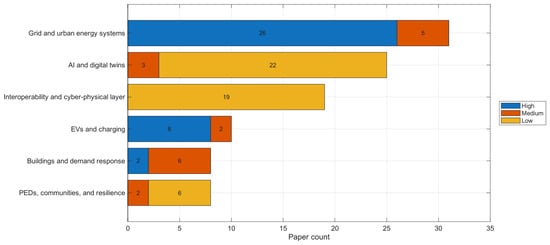
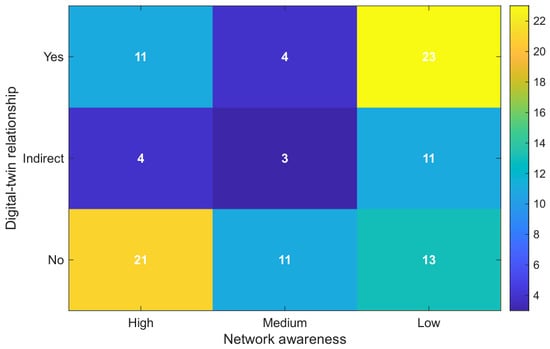
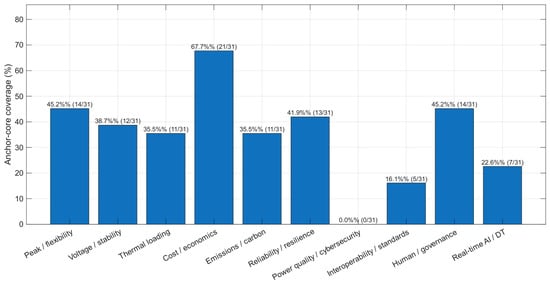
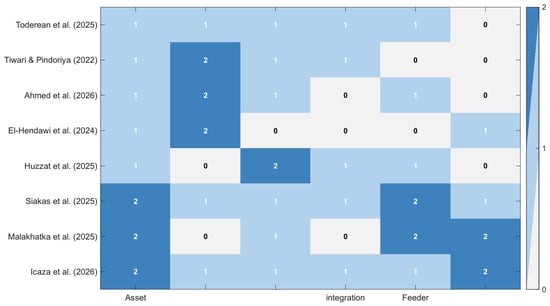
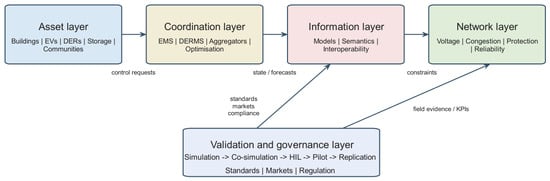
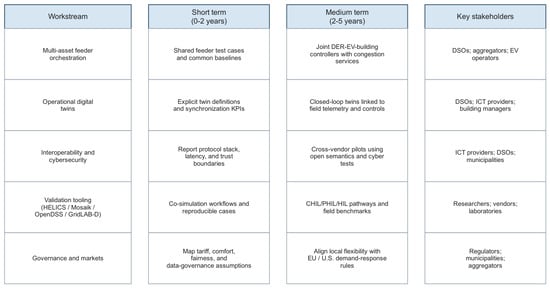
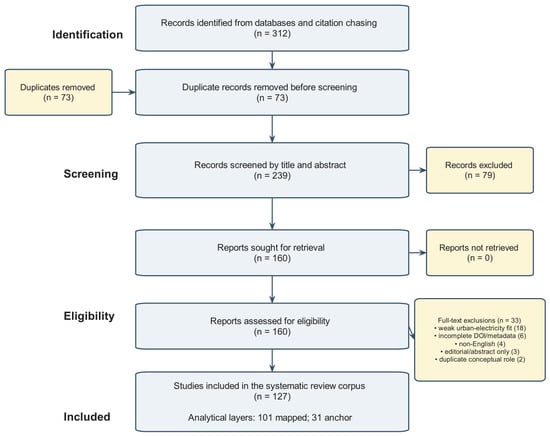
Urban flexibility research is expanding across buildings, electric vehicles (EVs), distributed energy resources (DERs), storage, positive energy districts (PEDs), digital twins, and interoperability platforms. These strands are often reviewed separately, although urban distribution operators must manage their combined impacts on the same feeders. This paper presents a PRISMA 2020-aligned systematic review with evidence mapping and narrative synthesis of feeder-aware coordination in smart-city electricity systems. Searches of Scopus, Web of Science, IEEE Xplore, ScienceDirect, and citation chasing identified 312 records; 127 studies were included after screening and eligibility assessment, 101 entered the quantitative mapping sample, and 31 formed the deep-synthesis anchor core. Sparse contingency tables were analyzed with Monte-Carlo permutation chi-square tests and bootstrap confidence intervals for Cramér’s V, while ordinal variables were summarized with medians and interquartile ranges. Explicit feeder grounding was concentrated in grid-oriented and EV-oriented studies, whereas many AI/digital-twin and interoperability studies were less often validated against distribution-network operation. Economic and peak-flexibility indicators were reported far more often than interoperability, cybersecurity, or validation-maturity indicators in the anchor core. The synthesis also showed that deployment-oriented work depends on clearer treatment of standards, co-simulation workflows, regulatory instruments, and stakeholder roles. The evidence base is heterogeneous, English-only, and single-coded, so the quantitative results are descriptive rather than population-level. The review contributes a transparent three-layer corpus design (127 included/101 mapped/31 anchor), a domain-specific specialization of SGAM/IEEE 2030 for urban feeder orchestration, an operational digital-twin definition and validation ladder, a retrofittable benchmarking framework, and a practical roadmap for DSOs, municipalities, aggregators, EV operators, building managers, and ICT providers.
Full article
Background/Objectives: Global population aging is associated with a rising prevalence of malnutrition among adults aged ≥80 years. Gut dysbiosis is linked to immune decline and impaired nutrient absorption, and aerobic exercise may enhance microbial diversity. This study investigated gut microbiota changes after a
[...] Read more.
Background/Objectives: Global population aging is associated with a rising prevalence of malnutrition among adults aged ≥80 years. Gut dysbiosis is linked to immune decline and impaired nutrient absorption, and aerobic exercise may enhance microbial diversity. This study investigated gut microbiota changes after a 12-week aerobic exercise intervention in octogenarians stratified by nutritional status. Methods: A total of 129 nursing home residents (≥80 years) were classified via the Mini Nutritional Assessment Short-Form (MNA-SF) into a healthy group (HG, MNA-SF ≥ 11) and a malnourished group (MG, MNA-SF < 11). Both groups underwent a 12-week brisk walking intervention (three sessions/week, 1 h/session, 40–60% heart rate reserve). Fecal samples were collected at baseline and post-intervention and were analyzed via shotgun metagenomic sequencing. Results: A total of 36 participants completed the intervention (HG = 17, MG = 19). Within-group baseline-to-post-intervention analysis showed no significant changes in alpha or beta diversity in the MG. However, post-intervention between-group comparison revealed higher microbial richness and diversity in the MG vs. the HG, with enrichment of taxa including Faecalibacterium prausnitzii and Streptococcus salivarius. Functional analysis revealed significant enhancements in metabolic pathways related to amino acid biosynthesis, protein synthesis, and quorum sensing in the MG. In contrast, the HG showed limited shifts in microbial diversity but an increase in species involved in carbohydrate metabolism. Conclusions: After 12 weeks, the malnourished group showed higher post-intervention microbial richness and diversity than the healthy group, with differences in taxonomic and predicted functional profiles. Without a non-intervention control group, the microbiota differences observed during the 12-week aerobic exercise period can only be considered observational associations, not causal. Additionally, the high dropout rate (72.1%) limits the generalizability of the findings. Clinical trial registration: The Chinese Clinical Trial Registry on 19 October 2022 (ChiCTR2200064801).
Full article
Japanese flounder (Paralichthys olivaceus) is an economically important species in China’s marine fishery industry. However, due to long-term intensive fishing, its wild population has declined sharply. Artificial stock enhancement has become a core measure for restoring its resources. This study aimed
[...] Read more.
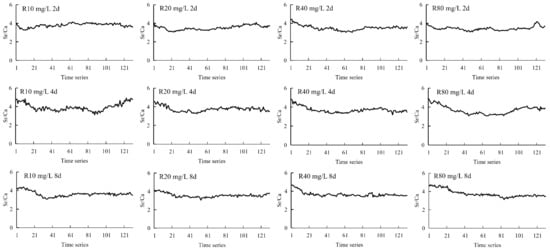
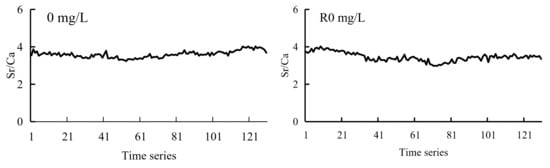
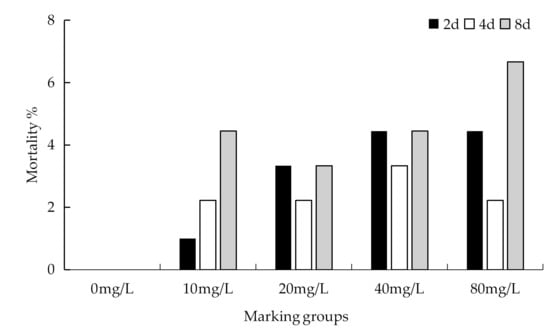
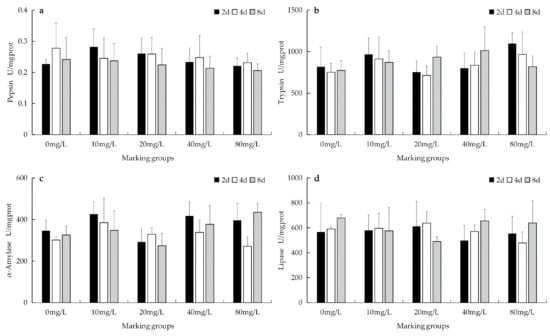
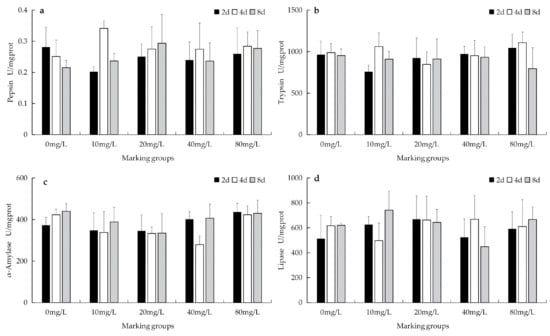
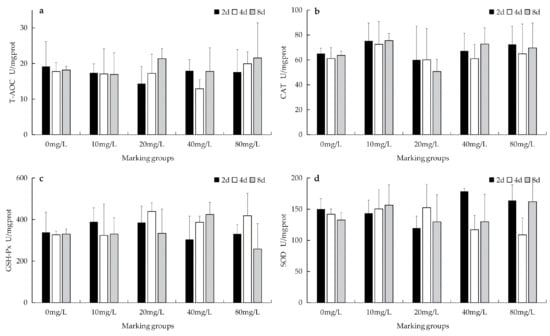
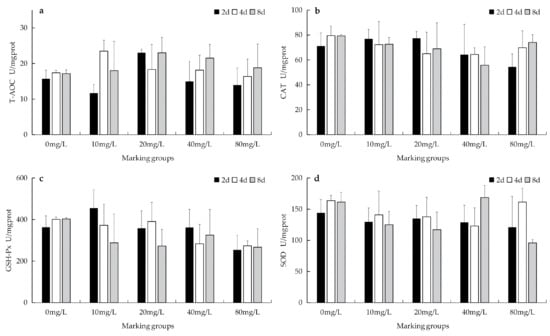
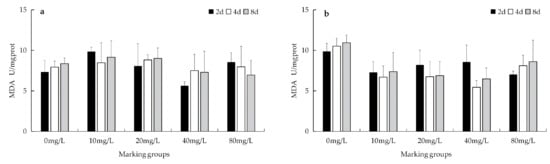
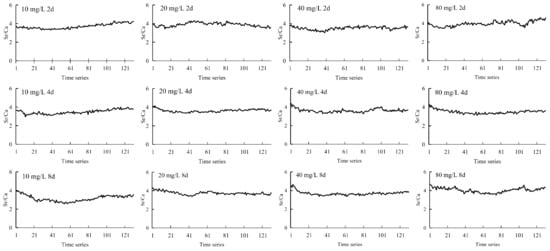
Japanese flounder (Paralichthys olivaceus) is an economically important species in China’s marine fishery industry. However, due to long-term intensive fishing, its wild population has declined sharply. Artificial stock enhancement has become a core measure for restoring its resources. This study aimed to investigate the effects of different immersion durations and concentrations of SrCl2 solution (10, 20, 40, 80 mg/L) on strontium (Sr) deposition in the otoliths of P. olivaceus, and to systematically evaluate the impacts of Sr marking on the fish’s antioxidant capacity and digestive enzyme activity. The results showed that the otolith Sr/Ca ratio was positively correlated with marking concentration and duration; the optimal parameters were 40 mg/L for 4 days, with the Sr/Ca ratio returning to baseline after 30 days post-marking, and a 100% marking success rate. There were no significant differences in body length, body weight, or condition factor between the experimental groups and the control group (p > 0.05), but mortality was significantly increased in the 80 mg/L group. Digestive enzymes exhibited a dose-dependent response to Sr exposure, characterized by activation at low concentrations and inhibition at high concentrations; lipase was the most sensitive, with an inhibition threshold of 10 mg/L. Sr marking within the range of 20–40 mg/L for 4–8 days significantly activated the activity of T-AOC, CAT, GPx, and SOD (p < 0.05) and reduced MDA content, indicating that the antioxidant system was activated without causing persistent oxidative damage. In conclusion, Sr marking is a safe and efficient method for otolith marking in Paralichthys olivaceus. The recommended protocol is immersion in a 40 mg/L SrCl2 solution for 4 days, followed by a 30-day recovery period in clean seawater before being used for stock enhancement evaluation. This study provides a scientific basis and technical support for assessing the effectiveness of stock enhancement in P. olivaceus.
Full article
Indoor service robots often face challenges in target localization and robotic grasping under cluttered backgrounds, partial occlusion, and viewpoint variations. To address these issues, this study proposes a vision-guided robotic grasping framework based on an improved feature matching algorithm termed Mahalanobis-accelerated Scale-Invariant Feature
[...] Read more.
Indoor service robots often face challenges in target localization and robotic grasping under cluttered backgrounds, partial occlusion, and viewpoint variations. To address these issues, this study proposes a vision-guided robotic grasping framework based on an improved feature matching algorithm termed Mahalanobis-accelerated Scale-Invariant Feature Transform Plus (MSIFT+). The proposed method integrates Mahalanobis distance metric reconstruction with a dynamic Best-Bin-First (BBF) search strategy to improve matching robustness and computational efficiency. A multi-scenario indoor dataset was constructed to evaluate the proposed method under rotational variation, weak-texture, and partial occlusion conditions. The results demonstrate that the MSIFT+ algorithm significantly outperforms other methods in cross-scenario consistency and adaptability to weakly textured targets. Furthermore, a binocular vision-guided robotic grasping system was developed and validated through practical robotic experiments. Experimental results confirm that the MSIFT+ algorithm enhances detection performance for small and clustered targets in complex environments. The proposed framework provides an effective and reliable solution for robotic object localization and grasping in complex indoor environments.
Full article
The recycling and reuse of discarded express delivery cartons can yield environmental, economic, and social benefits. A key factor influencing the volume of express packaging collected is the uncertainty in the total amount of such packaging within the service range of each collection
[...] Read more.
The recycling and reuse of discarded express delivery cartons can yield environmental, economic, and social benefits. A key factor influencing the volume of express packaging collected is the uncertainty in the total amount of such packaging within the service range of each collection point. Additional uncertainties include the costs associated with the construction of recycling stations, operational expenses, transportation costs, additional recycling fees, and government subsidies. To address the issue of express packaging recycling, a fuzzy integer programming model for the reverse logistics network of express packaging is constructed. The model aims to minimise the total network cost and maximise the total recycling rate while enabling decisions regarding the location of recycling facilities and the flow between facilities. Then, a memetic algorithm based on dynamic local search is designed. Several alternative solution approaches were considered to evaluate the proposed algorithm, including the precision optimization method (CPLEX) and a hybrid priority-based genetic algorithm. The results confirm the feasibility of the memetic algorithm. Finally, the applicability of this fuzzy programming model is analysed and validated by changing the confidence level. The case study results reveal quantifiable trade-offs: as the confidence level (α) increases from 0.75 to 0.90 under a fixed recycling rate threshold (ε = 80%), the total network cost rises approximately linearly, while the required number of recycling stations increases, with their average facility level upgrading accordingly. Variations in confidence levels and the degree of total recycling rate achievement can significantly influence the increase in target values. Moreover, the magnitude of this influence exhibits irregularity, indicating that changes in confidence levels entail a certain degree of risk.
Full article
Accurate evaluation of indoor daylighting performance is essential for improving visual comfort and reducing lighting energy use in office buildings. However, simulation-based daylighting analysis is often too time-consuming to support rapid comparison of multiple design options in early-stage design. To address this issue,
[...] Read more.
Accurate evaluation of indoor daylighting performance is essential for improving visual comfort and reducing lighting energy use in office buildings. However, simulation-based daylighting analysis is often too time-consuming to support rapid comparison of multiple design options in early-stage design. To address this issue, this study proposes MTL-Light, an explainable chained multi-task learning framework for fast daylighting performance prediction in typical office units. A parametric simulation dataset was constructed, and multiple representative daylighting indicators were extracted from the spatial distribution of daylight factors on the work plane. MTL-Light was then developed to jointly predict these indicators by modeling their interdependencies within a lightweight multi-task learning architecture. In addition, SHAP was employed to interpret the prediction results by quantifying the marginal contributions of geometric design variables. The results show that, compared with single-task models, MTL-Light achieves higher accuracy and more stable performance across multiple indicators, particularly for metrics sensitive to spatial distribution. Moreover, it reduces daylighting evaluation from minute-level simulation to millisecond-level inference. The interpretability analysis further indicates that room depth and window geometry dominate daylighting performance, while different indicators exhibit different sensitivities to geometric variables.
Full article
Accurate in-season crop type mapping is critical for agricultural monitoring and yield assessment, yet most operational products remain proprietary, post-seasonal or insufficiently tested across contrasting seasons. This study presents an open and transferable framework that quantifies how in-season crop classification skills evolve through
[...] Read more.
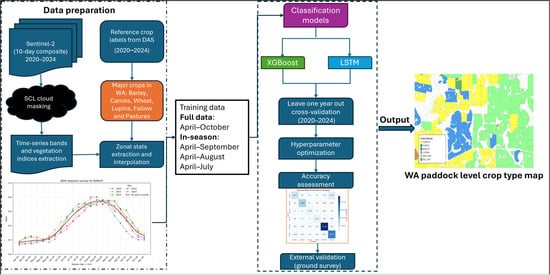
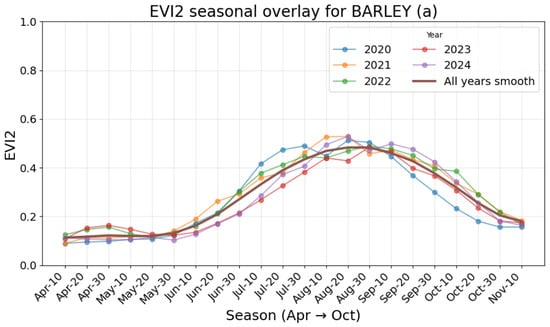
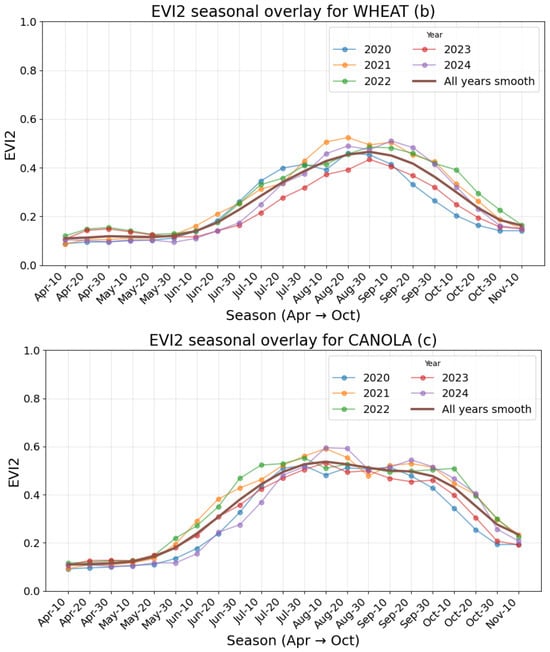
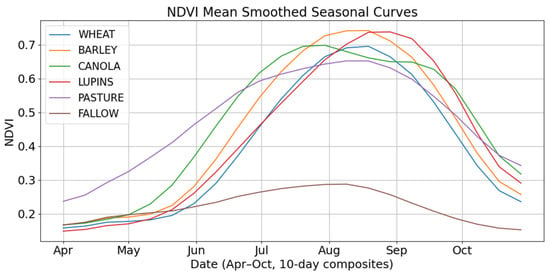
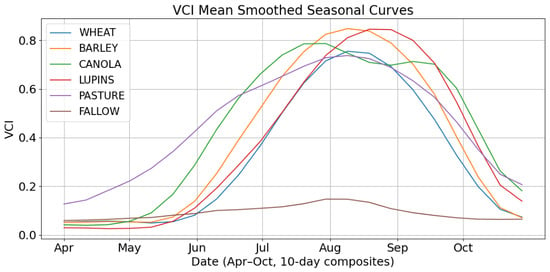
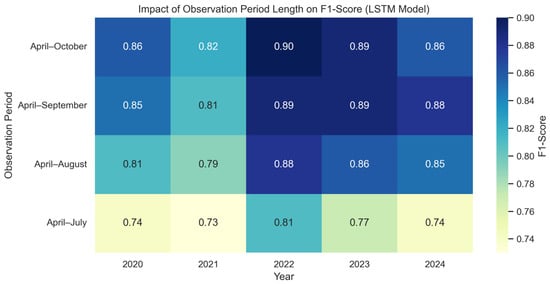
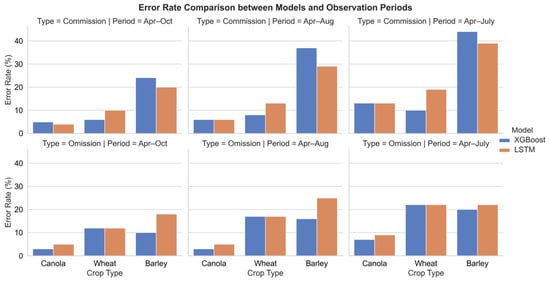
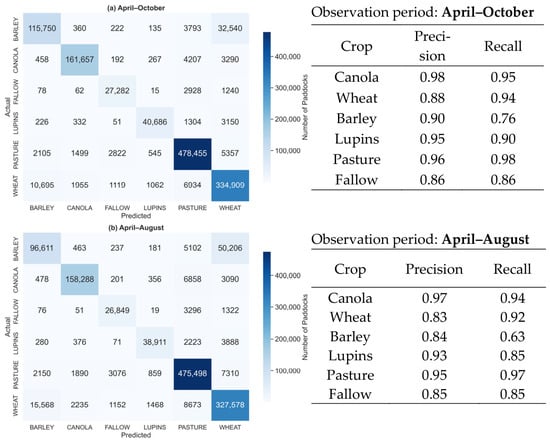
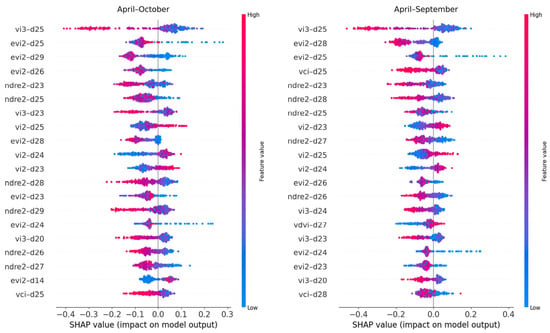
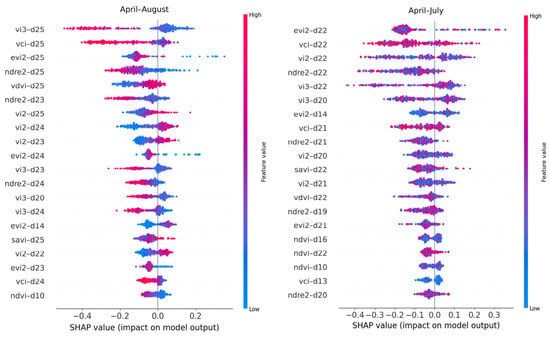
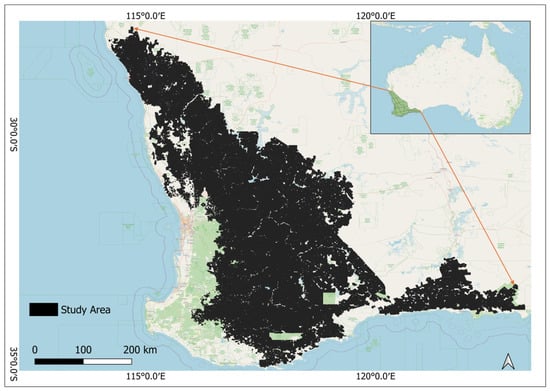
Accurate in-season crop type mapping is critical for agricultural monitoring and yield assessment, yet most operational products remain proprietary, post-seasonal or insufficiently tested across contrasting seasons. This study presents an open and transferable framework that quantifies how in-season crop classification skills evolve through the growing season across the southwest agricultural region of Western Australia (WA) using a multi-temporal (2020–2024) Sentinel-2 derived vegetation indices (VIs) time-series. Six crop classes (i.e., wheat, barley, canola, lupins, pasture, and fallow) were evaluated using extreme gradient boosting (XGBoost) and long short-term memory (LSTM) models under a leave-one-year-out cross-validation (LOYOCV) design. Classification performance increased progressively through the season, with a marked improvement in late winter (late August to early September). In LOYOCV, overall agreement with the reference dataset exceeded 90% once vegetation-index observations through August were included, indicating that reliable in-season mapping was achievable before harvest. Canola was separated consistently from mid-season onwards, whereas reliable discrimination between wheat and barley required later phenological information. Independent field-based testing was used to assess true crop identification accuracy for the three externally observed classes: wheat, barley, and canola. In this test set, precision was highest for canola (0.93), followed by wheat (0.82) and barley (0.71). These field-based results supported the main temporal pattern observed in the LOYOCV analysis, particularly the strong mid-season separability of canola and the persistent confusion between wheat and barley. SHapley Additive exPlanations (SHAP) showed thatVIs centred on late winter contributed most strongly to model predictions, consistent with peak phenological divergence among crop types. These results identify a phenologically meaningful decision window for in-season crop mapping and provide a multi-year benchmark for evaluating temporal transferability in Mediterranean broadacre systems.
Full article
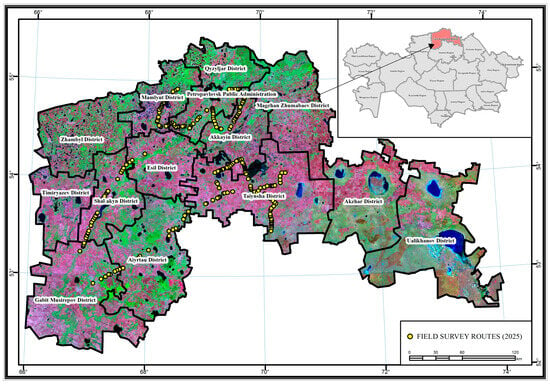
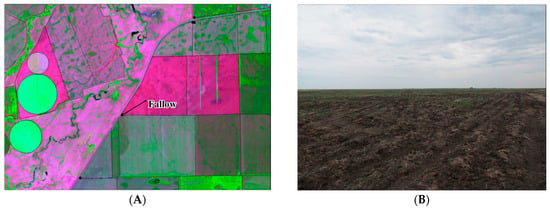
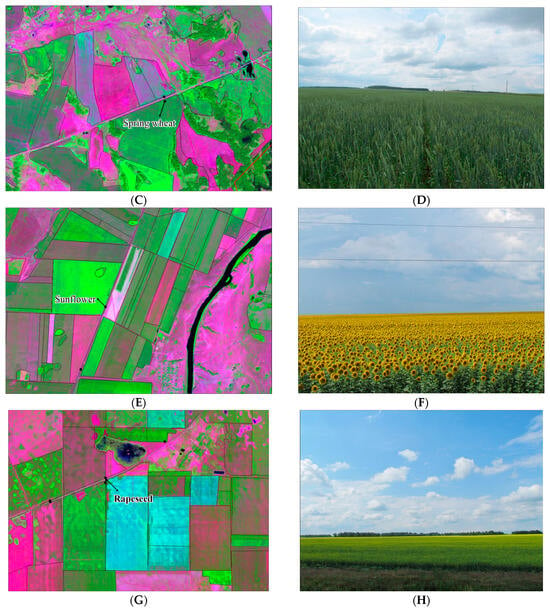
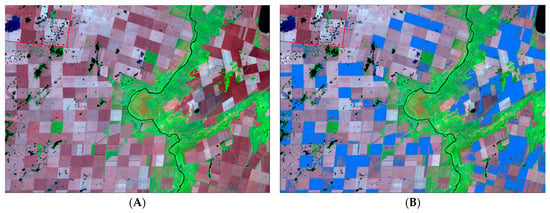
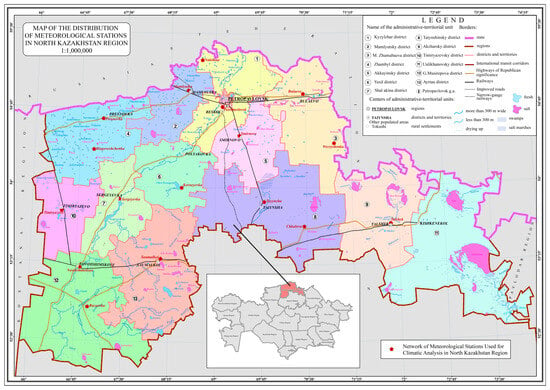
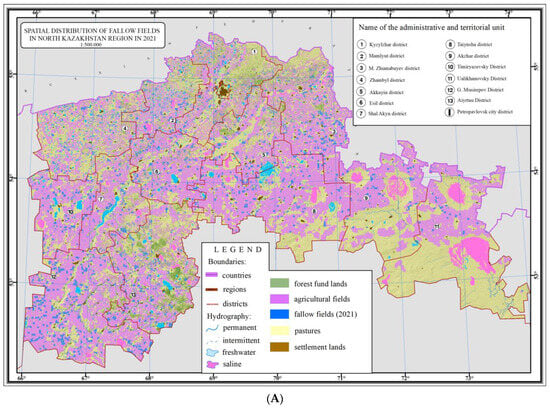
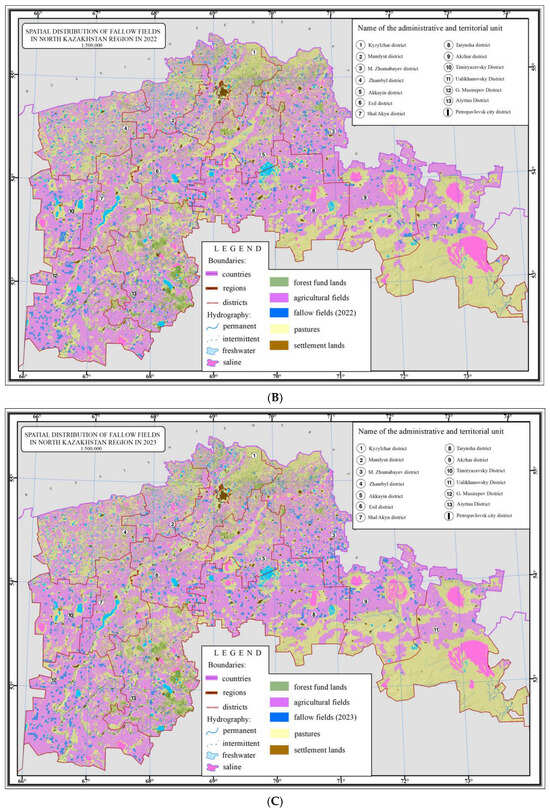
This study analyzes the interannual dynamics of fallow land extent in the North Kazakhstan Region during 2021–2025 using Sentinel-2 data. Fallow fields were identified through a rule-based multi-temporal approach in which the adapted Plowed Land Index (PLI) was used as the principal indicator
[...] Read more.
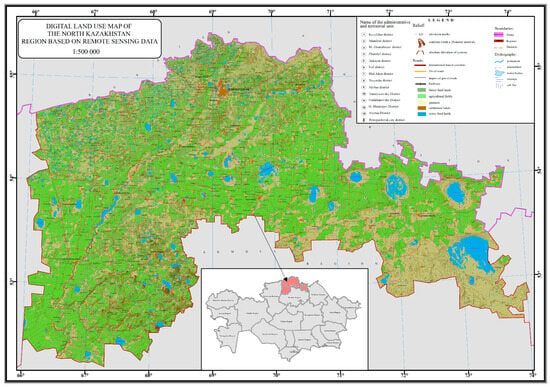
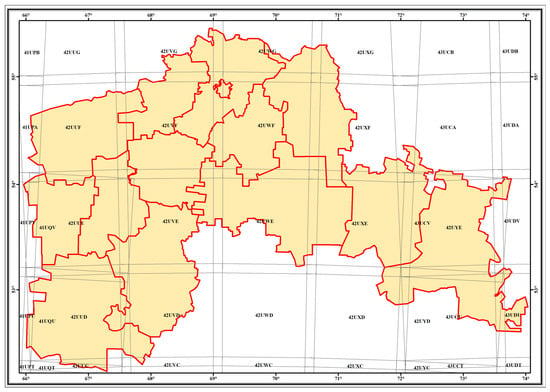
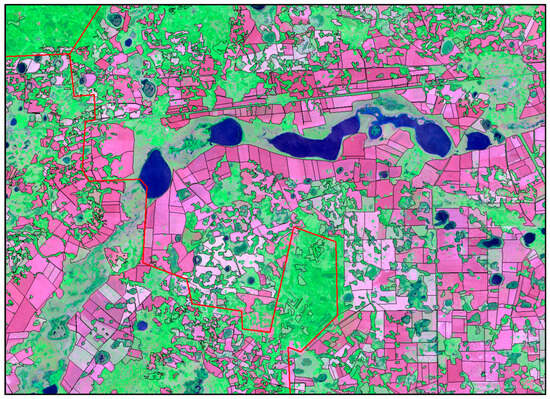
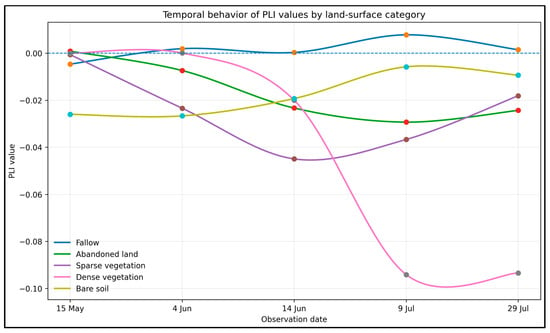
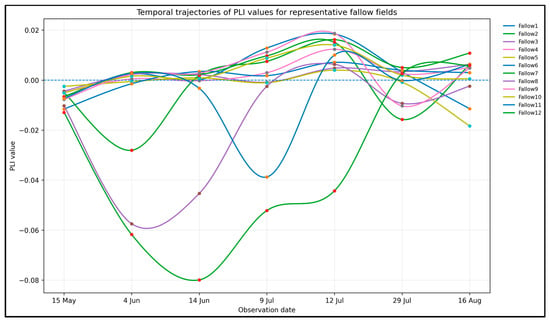
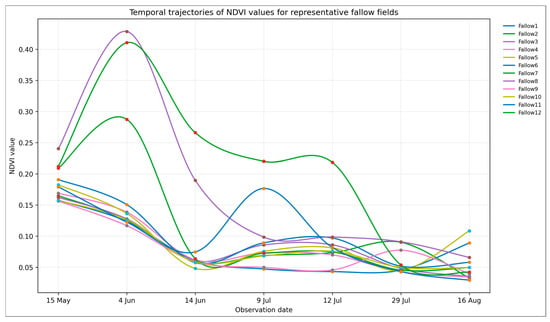
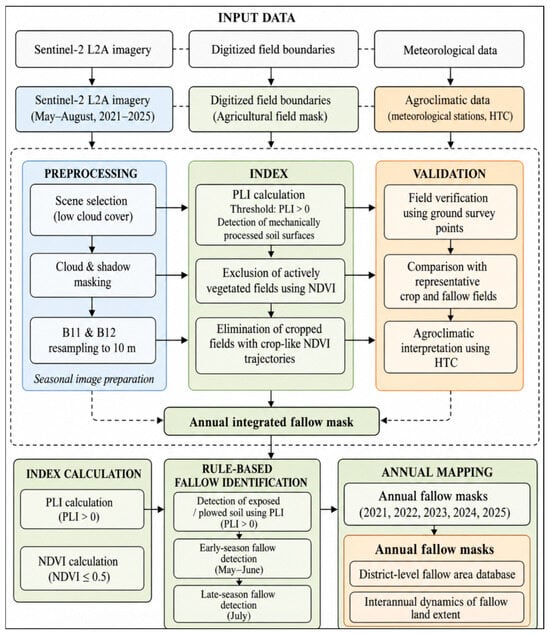
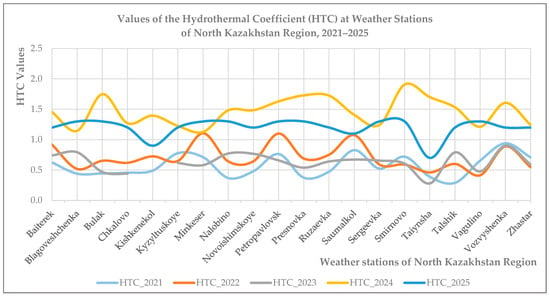
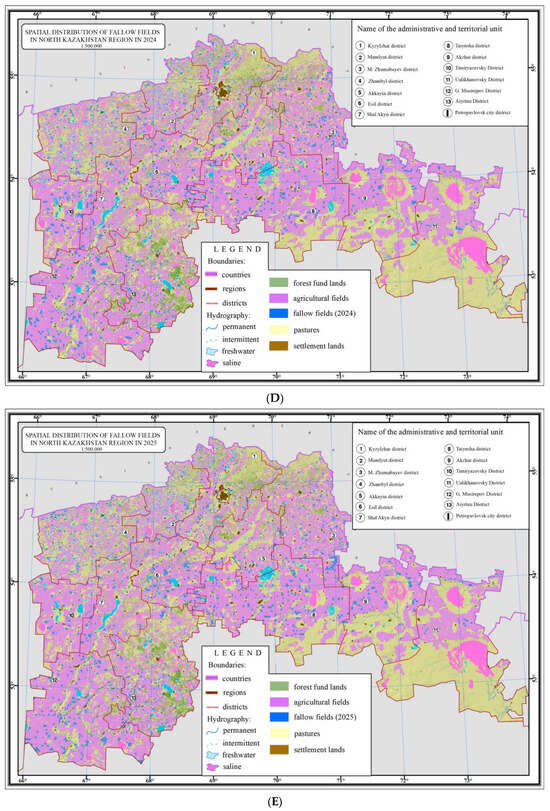
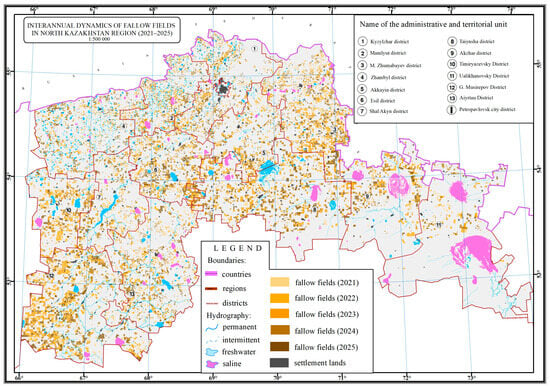
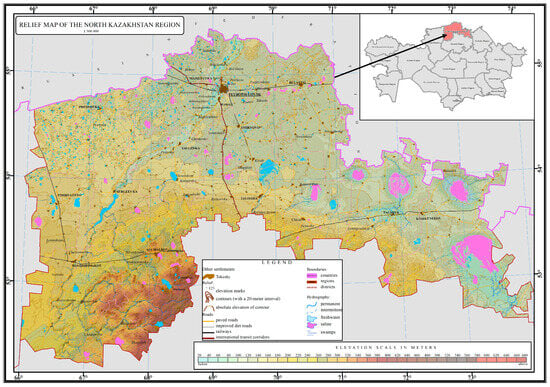
This study analyzes the interannual dynamics of fallow land extent in the North Kazakhstan Region during 2021–2025 using Sentinel-2 data. Fallow fields were identified through a rule-based multi-temporal approach in which the adapted Plowed Land Index (PLI) was used as the principal indicator of mechanically processed soil surfaces, while the NDVI was applied as a supporting indicator to exclude actively vegetated fields and control for vegetation overgrowth. Annual fallow masks were generated within a unified seasonal observation window and subsequently analyzed at the district level. The results revealed pronounced interannual variability in fallow land extent, including both reductions and partial recovery over the study period, together with substantial spatial heterogeneity among districts. The largest fallow area was recorded in 2021, whereas the minimum was observed in 2024. Comparison with district-level hydrothermal coefficient (HTC) values showed that lower moisture availability generally corresponded to larger fallow areas, while relatively more favorable hydrothermal conditions were associated with their reduction. At the same time, district-specific trajectories indicate that interannual dynamics were controlled not only by agroclimatic variability but also by differences in land-use structure and agricultural management. The proposed approach confirms the applicability of Sentinel-2 time series for regional monitoring of fallow lands and demonstrates the methodological value of the adapted PLI for identifying mechanically processed fallow surfaces under the heterogeneous agricultural conditions of North Kazakhstan.
Full article
Chinese fir (Cunninghamia lanceolata (Lamb.) Hook) has considerable potential for structural use in China, but wider application is constrained by the lack of standard-linked grading approaches. This study examined the effects of specimen size condition and the two standards, JAS 1152 and
[...] Read more.
Chinese fir (Cunninghamia lanceolata (Lamb.) Hook) has considerable potential for structural use in China, but wider application is constrained by the lack of standard-linked grading approaches. This study examined the effects of specimen size condition and the two standards, JAS 1152 and EN 338, on the grading outcomes of Chinese fir laminas. Two specimen types were considered: multi-size and single-size specimens were graded under JAS 1152, and the latter were further graded under EN 338. Under JAS 1152, the single-size specimens could be classified into seven grades from L50 to L110, with 30.4% assigned to L80 and above, showing a clearly higher-grade yield than the previously studied multi-size specimens. For the same single-size specimens, JAS 1152 was governed by bending modulus of elasticity (MOE), whereas EN 338 was controlled mainly by density, yielding markedly different grade distributions. The stronger density constraint in EN 338 led to a high Reject ratio (35.3%), whereas no Reject occurred under JAS 1152, suggesting that JAS 1152 may be more favorable for the efficient and fuller utilization of Chinese fir laminas. The two systems remained statistically linked at the bending-MOE level, despite the absence of strict one-to-one correspondence. Specifically, in the JAS 1152-to-EN 338 direction, grades from L50 to L110 corresponded progressively to grades from Reject to C30, whereas in the reverse direction, grades from C14 to C16, from C18 to C22, and from C24 to C30 corresponded to L60, L70, and L80, respectively. These results provide a basis for refined grading of Chinese fir laminas and for cross-standard interpretation of their structural utilization.
Full article
Existing anomalous traffic detection methods based on feature fusion in Software-Defined Networking (SDN) lack adaptability in weight allocation mechanisms. Consequently, their detection accuracy and model generalization capabilities fail to meet practical security requirements. To solve these limitations, this paper proposes a refined detection
[...] Read more.
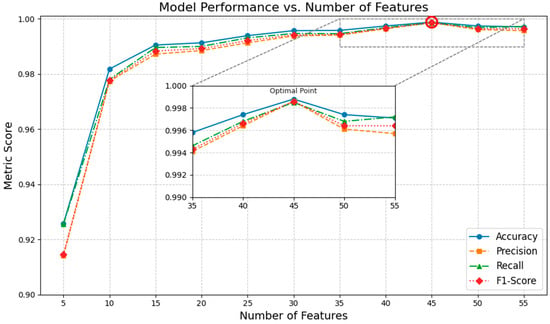
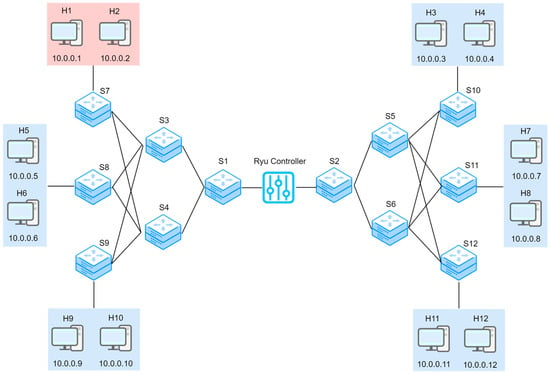
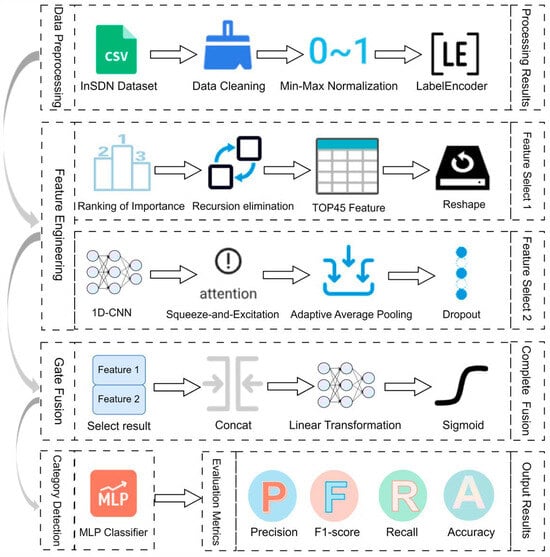
Existing anomalous traffic detection methods based on feature fusion in Software-Defined Networking (SDN) lack adaptability in weight allocation mechanisms. Consequently, their detection accuracy and model generalization capabilities fail to meet practical security requirements. To solve these limitations, this paper proposes a refined detection method based on hybrid feature selection and gated fusion. First, the framework employs XGBoost combined with the Recursive Feature Elimination (RFE) algorithm. This process identifies shallow statistical features with high discriminative power. Simultaneously, the method utilizes a 1D Convolutional Neural Network (1D-CNN) integrated with a Squeeze-and-Excitation (SE) block to extract deep temporal semantic features. Subsequently, a tailored gated fusion mechanism incorporating linear projection layers for feature alignment adaptively integrates these two categories of features. The fused features are then input into a Multilayer Perceptron (MLP) to execute anomalous traffic detection. Experimental results demonstrate that the proposed method achieves superior performance. Specifically, on the InSDN Dataset, the binary and multi-classification accuracy rates reach 99.91% and 99.88%. Similarly, the accuracy rates on the NSL-KDD dataset are 99.78% and 99.76%. Finally, we established a local simulation environment. Experimental results demonstrate that our method attains an average precision exceeding 93% for anomalous traffic detection in simulated real scenarios.
Full article
Existing flood risk models have improved predictive accuracy, but they prioritize natural and hydrological factors while giving limited attention to fine-grained urban morphology. This study develops an interpretable deep learning framework to examine how high-resolution, three-dimensional urban form shapes two dimensions of flood
[...] Read more.
Existing flood risk models have improved predictive accuracy, but they prioritize natural and hydrological factors while giving limited attention to fine-grained urban morphology. This study develops an interpretable deep learning framework to examine how high-resolution, three-dimensional urban form shapes two dimensions of flood risk: inundation risk, measured by grid-level inundated area, and infrastructure risk, measured by flood-related disruptions, including water supply interruption, power outage, road blockage, and collapse-related damage. Using Zhengzhou, China, as a case study, we combine multi-source spatial data, convolutional neural networks, ablation analysis, SHAP interpretation, and Gaussian Mixture Model classification to examine how fine-grained urban morphology affects these two risk dimensions. Incorporating urban morphology improved inundation risk prediction, reducing MSE from 0.0431 to 0.0371. The improvement was greater for infrastructure risk, with accuracy increasing from 0.7327 to 0.8218, and ROC-AUC from 0.83 to 0.95. SHAP results show that inundation risk is associated with vegetation, elevation, hydrological proximity, and localized spatial disorder, whereas infrastructure risk is amplified by vertical intensity, imperviousness, building concentration, porosity, and shape. Spatially, very high infrastructure-risk areas accounted for only 2.30% of the city but 12.88% of the central districts, while 74.62% of very high infrastructure-risk zones were concentrated in dense mid- to high-rise morphology. These findings suggest that flood-resilient planning should move beyond hydrology-sensitive flood management toward morphology-sensitive planning.
Full article
[Objective] This study aims to reveal the spatiotemporal evolution and transition patterns of green utilization efficiency of cultivated land (GUECL) across Chinese provinces and to identify multidimensional configurational pathways for improving efficiency. [Method] Carbon emissions and total carbon sinks were incorporated into the
[...] Read more.
[Objective] This study aims to reveal the spatiotemporal evolution and transition patterns of green utilization efficiency of cultivated land (GUECL) across Chinese provinces and to identify multidimensional configurational pathways for improving efficiency. [Method] Carbon emissions and total carbon sinks were incorporated into the evaluation index system of GUECL. The super-efficiency SBM model was used to measure GUECL. A three-dimensional analytical framework of “driving forces–external foundations–internal conditions” was then constructed. Exploratory Spatio-Temporal Data Analysis and the fsQCA method were combined to examine the spatiotemporal evolution characteristics and multiple configurational pathways. [Results] (1) From 2013 to 2023, GUECL showed a fluctuating upward trend, with the mean value increasing from 0.550 to 0.835. Spatially, it presented a pattern of high efficiency in Northeast China and low efficiency in Southwest China. (2) The local spatial structure of GUECL was generally stable, although its spatiotemporal transition paths fluctuated to some extent. The cooperative effects in northeastern and western provinces were stronger than the competitive effects. The spatiotemporal evolution showed strong path dependence and lock-in effects, and the spatial association pattern was mainly positive, indicating a high degree of spatial integration. (3) Efficiency improvement was driven by the coupling of multiple factors. Four specific configurations were identified and further summarized into three typical pathways: a socially driven and economic-foundation-led pathway assisted by resource conditions; an economic- and technological-foundation-led pathway dominated by resource conditions and assisted by policy support; and a multi-factor synergistic pathway. [Conclusion] GUECL is driven by the combined and synergistic effects of driving forces, external foundations, and internal conditions. Therefore, differentiated regional strategies should be adopted to promote the precise matching and coordinated governance of multiple factors, thereby supporting the green and high-quality development of agriculture.
Full article
Fluid flow in fractured-vuggy carbonate reservoirs is characterized by extreme multiscale heterogeneity, where the coexistence of tight matrix rock and macroscopic cave challenges traditional Darcy-based continuum models. This paper presents a semi-analytical solution for two-phase immiscible displacement in a one-dimensional composite porous–cavernous–porous (PCP)
[...] Read more.
Fluid flow in fractured-vuggy carbonate reservoirs is characterized by extreme multiscale heterogeneity, where the coexistence of tight matrix rock and macroscopic cave challenges traditional Darcy-based continuum models. This paper presents a semi-analytical solution for two-phase immiscible displacement in a one-dimensional composite porous–cavernous–porous (PCP) system. The main feature of the model is that the cave region is treated separately from the porous domains: classical Darcy flow is used in the surrounding matrix, whereas an idealized free-flow representation is introduced for open caves based on a simplified one-dimensional treatment of the cave momentum balance. To elucidate the impact of distinct flow regimes on displacement dynamics, three physical models are compared for the cave region: (1) an open-cave model represented by a simplified free-flow formulation; (2) a filled-cave non-Darcy model governed by the Forchheimer equation using the Ergun correlation; and (3) a creeping-flow model governed by Darcy’s law. A piecewise semi-analytical solution procedure is established to enforce flux continuity, characterize interfacial state remapping, and determine the downstream front under global water-balance closure. The results show that both cave geometry and internal cave-flow mechanism critically control water-front advancement. While the open-cave model exhibits piston-like displacement behavior with high local displacement efficiency but stronger preferential flow, the Forchheimer model shows that inertial resistance can modify the saturation profile and delay breakthrough relative to the Darcy prediction. The proposed framework provides an idealized theoretical reference for benchmarking numerical simulators and for interpreting waterflooding behavior in complex vuggy reservoirs under one-dimensional, incompressible, gravity-free, and capillarity-free conditions.
Full article
This study investigated the effect of ozonation of wheat flour (30 ppm O3 for 30 min) on the microbiological status of flour, as well as the profile of volatile compounds, the mechanical properties, and the sensory characteristics of the resulting bakery products.
[...] Read more.
This study investigated the effect of ozonation of wheat flour (30 ppm O3 for 30 min) on the microbiological status of flour, as well as the profile of volatile compounds, the mechanical properties, and the sensory characteristics of the resulting bakery products. Ozonation significantly reduced the microbial load of the flour, decreasing aerobic bacteria from 1.4 × 10⁵ to 1.7 × 10⁴ CFU·g−1 and yeasts and moulds from 2.8 × 10³ to 1.3 × 10² CFU·g−1, while lactic acid bacteria populations remained unchanged. HS-SPME-GC-MS analysis revealed that the ozonated flour contained six volatile compounds (compared to three in the control), predominantly nonanal (80.62%), an aldehyde formed via the ozonolysis of unsaturated fatty acids. Although these ozone-induced aldehydes were also detected in the final bakery products, their peak areas decreased substantially (to ≤3.3% of the flour values), suggesting thermal desorption during baking. Texture profile analysis demonstrated that products baked from ozonated flour exhibited increased hardness (Cycle 1: 68.06 N vs. 53.42 N; Cycle 2: 59.41 N vs. 47.52 N) and chewiness (427.95 mJ vs. 404.70 mJ) compared to controls. This textural degradation is likely due to ozone-induced modifications in enzyme activity (proteolytic, amylolytic, and lipolytic) and gluten protein cross-linking via disulphide bond formation. Furthermore, sensory evaluation using a five-point scale showed lower acceptability for the ozonated products (3.04 vs. 3.74), with panellists noting inferior taste, aroma, crumb colour, and flexibility. In conclusion, while ozonation effectively reduces the microbiological load of wheat flour, the applied high-dose treatment (30 ppm, 30 min) negatively impacts the sensory and textural quality of the bakery products, indicating that milder processing parameters are necessary to balance safety and quality.
Full article
High-performance electromagnetic wave absorption materials are desperately needed due to the growing serious electromagnetic interference and pollution issues brought on by the quick growth of modern electronic technology and wireless communication. This work uses the organic–inorganic hybrid perovskite MAPbBrxI3−x as
[...] Read more.
High-performance electromagnetic wave absorption materials are desperately needed due to the growing serious electromagnetic interference and pollution issues brought on by the quick growth of modern electronic technology and wireless communication. This work uses the organic–inorganic hybrid perovskite MAPbBrxI3−x as a model system to address the problem of restricted loss mechanisms and the challenges in changing the absorption bandwidth of single-component wave-absorbing materials. It achieves systematic tuning of electromagnetic wave absorption performance, especially within the effective working frequency spectrum, through accurate halogen site engineering. According to the study, MAPbI3 (MPI), MAPbBr1.5I1.5 (MPIB), and MAPbBr3 (MPB), which were synthesized using the anti-solvent approach, all demonstrated exceptional microwave absorption capability, with maximum reflection loss values exceeding −37 dB, among which MPB achieves a remarkable value of −42.41 dB at 16.60 GHz. More significantly, this work shows a distinct structure-property relationship between the effective absorption peak frequency range of this series of materials and their band structure: the strongest absorption peak shows a regular blue shift as the material bandgap widens and the bromine content rises. This finding suggests that focused tailoring of the operating frequency band in wave-absorbing materials can be achieved by manipulating the band structure of perovskites by varying the halogen concentration. In addition to confirming the significant application potential of organic–inorganic hybrid perovskites in the field of microwave absorption, this study offers a novel research perspective and material template for precisely and programmably controlling the absorption frequency band of wave-absorbing materials based on their basic electronic structures.
Full article
Activation of signal transducer and activator of transcription 3 (STAT3) is implicated in tumor progression and correlates with poor prognosis and reduced survival. In colorectal cancer (CRC), STAT3 activation serves as a key indicator of unfavorable outcomes. However, the scarcity of clinically available
[...] Read more.
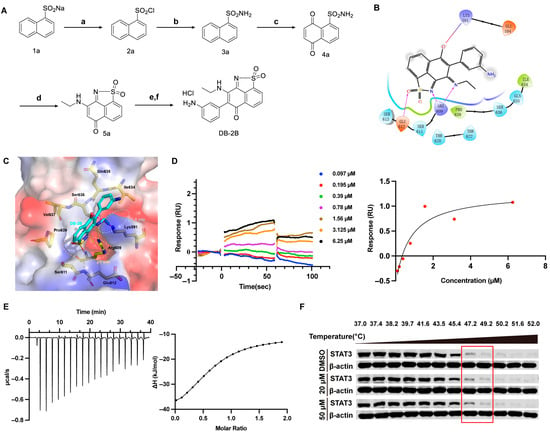
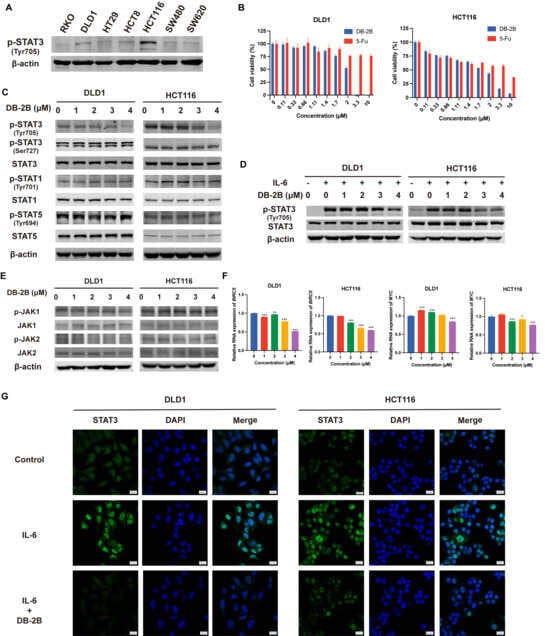
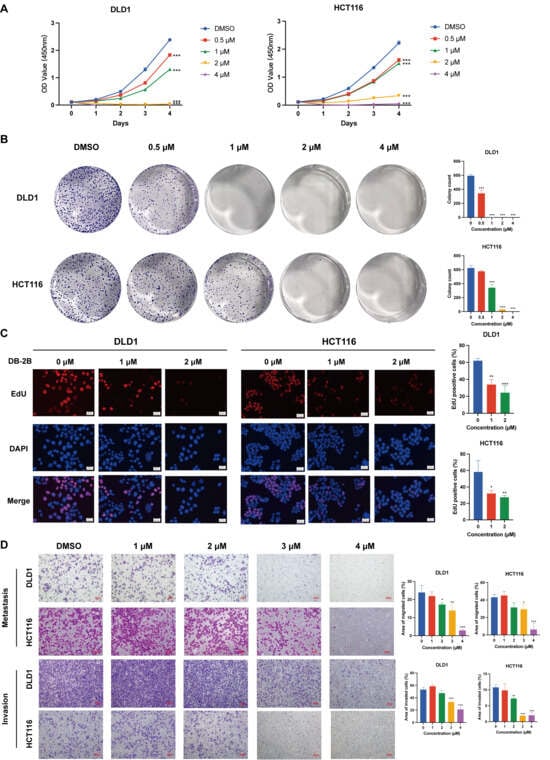
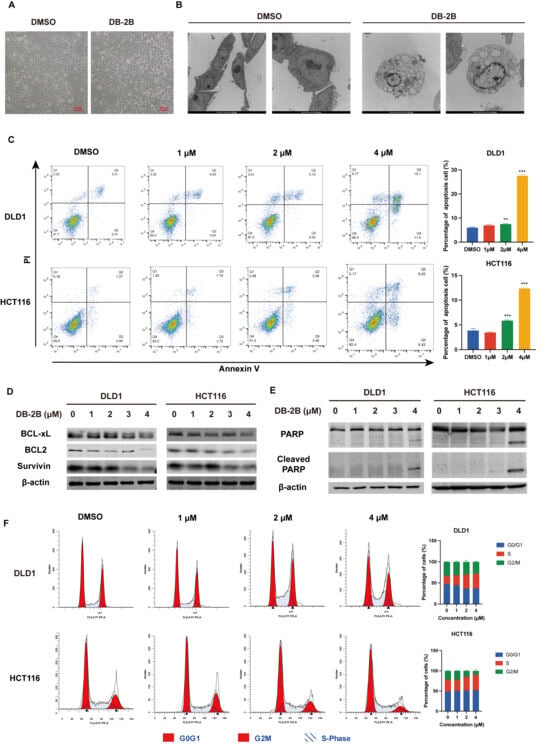
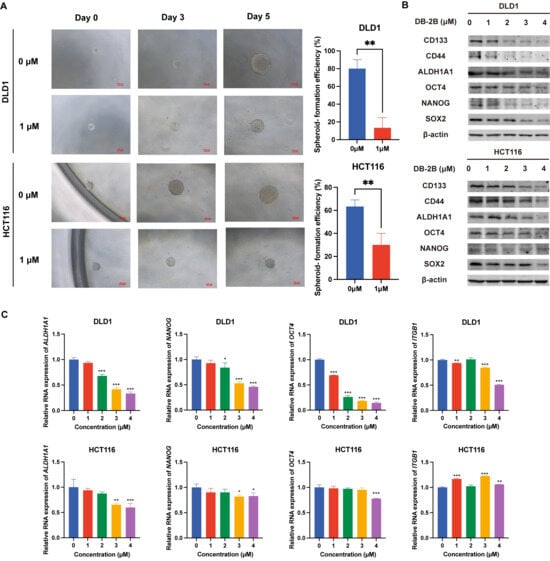
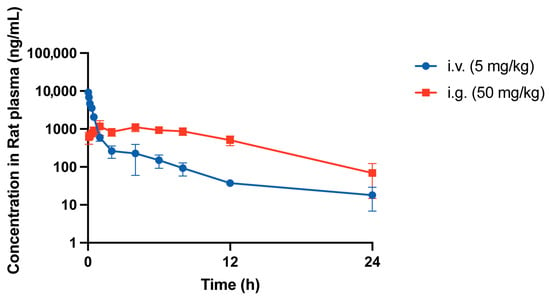
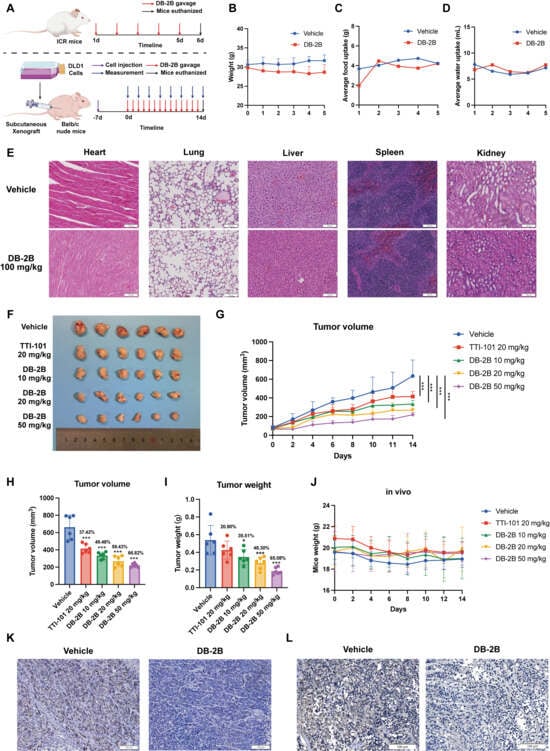
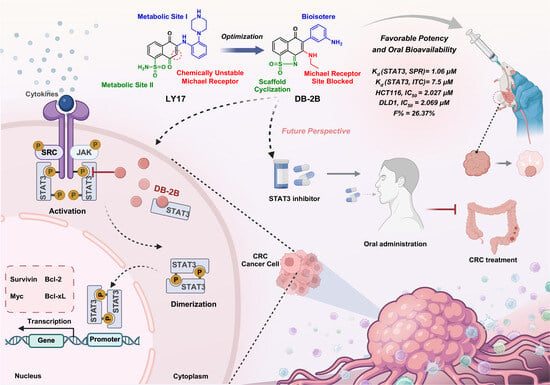
Activation of signal transducer and activator of transcription 3 (STAT3) is implicated in tumor progression and correlates with poor prognosis and reduced survival. In colorectal cancer (CRC), STAT3 activation serves as a key indicator of unfavorable outcomes. However, the scarcity of clinically available STAT3 inhibitors hinders the development of personalized treatment strategies targeting STAT3. Therefore, we aimed to develop a novel STAT3 inhibitor based on the molecular structure of STAT3 and our previously reported STAT3 inhibitor LY17 to inhibit the progression of CRC. The binding of the novel STAT3 inhibitor DB-2B to STAT3 was confirmed by computational docking, surface plasmon resonance, isothermal titration calorimetry, and cellular thermal shift assays. Western blotting and immunofluorescent staining demonstrated that DB-2B specifically inhibited STAT3 activation and nuclear translocation. In vitro studies revealed that DB-2B significantly suppressed proliferation, induced apoptosis, arrested cell cycle progression, and attenuated stemness by inhibiting STAT3 activation and its downstream signaling pathways. In vivo, DB-2B exhibited favorable oral bioavailability and safety, while significantly inhibiting the progression of CRC. Collectively, this study presents DB-2B as a promising small-molecule STAT3 inhibitor for the targeted treatment of CRC.
Full article
Background/Objectives: Oritavancin therapy for complex infections remains challenging due to the lack of well-established dosing regimens. The objective of this work was to apply PK/PD modeling and Monte Carlo simulation considering different PK/PD targets to identify multiple-dosing regimens that may ensure effective concentrations
[...] Read more.
Background/Objectives: Oritavancin therapy for complex infections remains challenging due to the lack of well-established dosing regimens. The objective of this work was to apply PK/PD modeling and Monte Carlo simulation considering different PK/PD targets to identify multiple-dosing regimens that may ensure effective concentrations of oritavancin for the treatment of long-term infections. Methods: Plasma concentration–time profiles were simulated for different regimens (single dose of 1200 mg, 1200 mg followed by 800 mg every 7 days (q7d), 1200 mg followed by 800 mg q10d, 1200 mg q7d, 1200 mg q10d, 1200 mg q14d, 1200 mg q21d, and 1200 mg followed by 1200 mg on day 8, then 1200 mg q14d), and the probability of target attainment (PTA), indicative of treatment success, was estimated. Results: All dosing regimens provided probabilities of target attainment of 100% up to MICs of 0.5 mg/L when AUC0–24/MIC and Cmax/MIC were applied. Considering AUC0–72/MIC, the regimens would be adequate up to an MIC of 0.125 mg/L. For fCmin > MIC, all except 1200 mg q21d were adequate for an MIC of 0.125 mg/L, and 1200 mg day 1 + 800 mg q7d and 1200 mg q10d may be useful to treat infections due to bacteria with an MIC of 0.25 mg/L. Conclusions: More studies involving patients with complex infections are needed to better stablish the relationships among plasma concentrations, MIC values, and clinical outcomes. fCmin > MIC should be investigated as a potential PK/PD target for the treatment of these infections with oritavancin.
Full article
Underwater image enhancement is essential for marine visual perception tasks. However, the highly heterogeneous optical degradations in real-world waters, the scarcity of paired training data, and the inherent dilemma for existing models in balancing long-range dependency modeling with computational overhead pose significant challenges.
[...] Read more.
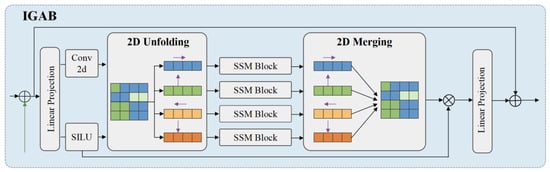
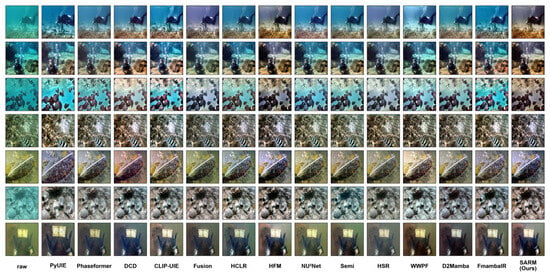
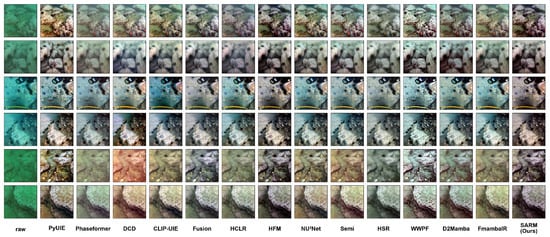
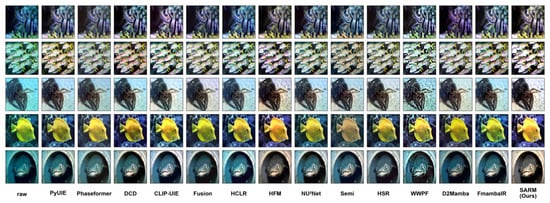
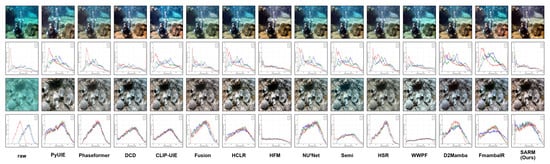
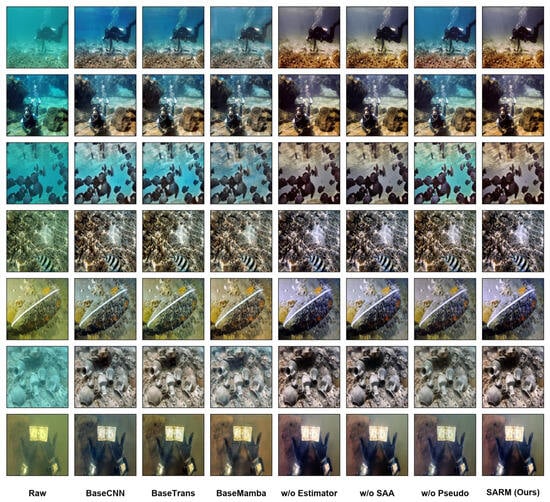
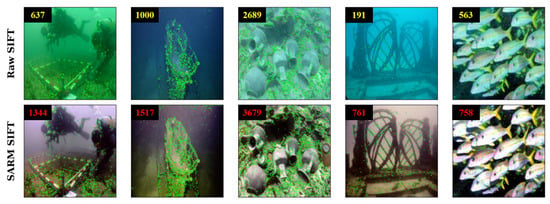
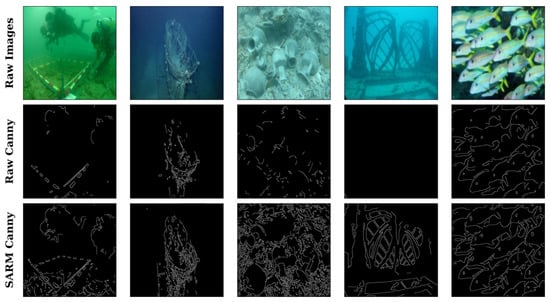
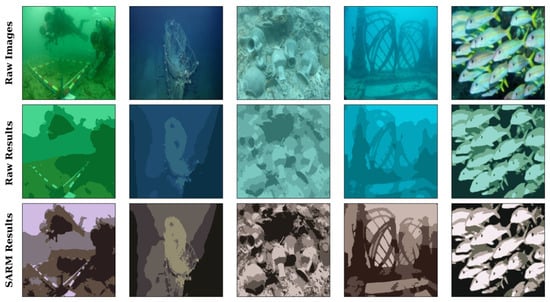
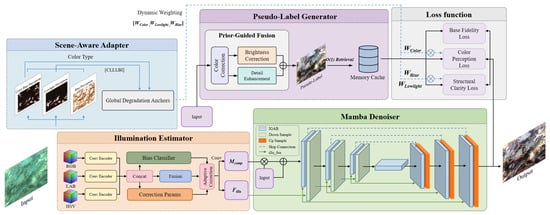
Underwater image enhancement is essential for marine visual perception tasks. However, the highly heterogeneous optical degradations in real-world waters, the scarcity of paired training data, and the inherent dilemma for existing models in balancing long-range dependency modeling with computational overhead pose significant challenges. To address these issues, this paper proposes a prior-guided, self-supervised underwater image enhancement framework called Scene-Aware Retinex Mamba (SARM). This framework seamlessly integrates Retinex theoretical priors with state space models (SSMs) and operates without paired supervision by employing a prior-guided pseudo-labeling strategy to guide network optimization. Architecturally, SARM deeply couples the physical Retinex prior with SSM. Its core module integrates multi-color space features and leverages a 2D selective scan mechanism to achieve global context modeling with linear complexity , effectively removing complex color casts and suppressing non-uniform scattering noise. To further overcome the generalization bottlenecks in cross-domain underwater testing, this paper introduces a Scene-Aware Adapter (SAA), which facilitates dynamic loss scheduling and adaptive feature gating by quantifying scene-specific degradation characteristics. Comprehensive evaluations on multiple benchmark datasets, including UIEB, EUVP, and UCCS, demonstrate that SARM achieves state-of-the-art subjective and objective enhancement quality (e.g., yielding a URanker score of 2.491 and a CCF score of 35.76), while maintaining an ultra-fast inference speed of 136.52 FPS on the UIEB dataset. Furthermore, extended experiments reveal that SARM can significantly boost the performance of downstream vision tasks, validating its potential as a robust preprocessing module for various practical marine vision applications.
Full article
The reliable discrimination between magnetizing inrush currents and internal faults is essential for effective power transformer protection and has a direct impact on the security and stability of modern power systems. Although the second-harmonic restraint method has been widely adopted in transformer differential
[...] Read more.
The reliable discrimination between magnetizing inrush currents and internal faults is essential for effective power transformer protection and has a direct impact on the security and stability of modern power systems. Although the second-harmonic restraint method has been widely adopted in transformer differential protection, its dependability can be affected by several operating conditions, including asymmetric energization, current transformer saturation, and the use of modern low-loss cores with reduced harmonic content. This paper presents a comprehensive and critical review of advanced techniques for distinguishing inrush currents from internal faults. The reviewed methods are classified into five main methodological categories: harmonic-based methods, time-domain approaches, signal-processing techniques, artificial intelligence-based schemes, and hybrid strategies. For each category, the fundamental operating principles, key advantages, and inherent limitations are discussed. A comparative assessment is also provided to highlight the trade-offs among detection accuracy, operating speed, robustness under adverse conditions, and practical implementation feasibility. The review shows a clear shift toward intelligent and data-driven protection schemes that combine effective feature extraction or deep learning with fast decision-making mechanisms. However, several challenges remain, particularly in relation to cross-site generalization, guaranteed response time, and hardware implementation constraints. Finally, the paper outlines a future research agenda for adaptive and computationally efficient transformer protection, emphasizing the need for benchmark datasets that include field cases, reproducible evaluation protocols, and the co-design of protection algorithms with embedded hardware platforms.
Full article
Delayed decompression for metastatic epidural spinal cord compression (MESCC) is a common real-world problem, yet short-interval recovery after patients have already remained nonambulatory for at least 48 h is poorly defined. We retrospectively evaluated 41 surgically selected patients with MRI-confirmed epidural MESCC (Bilsky
[...] Read more.
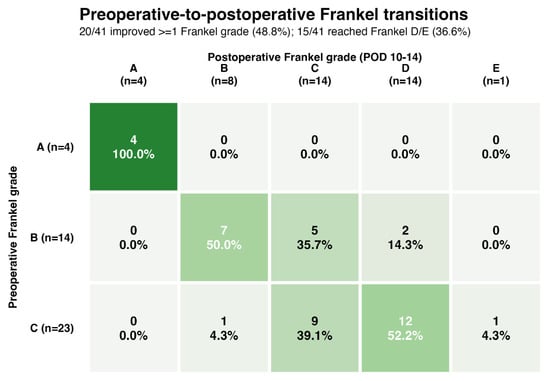
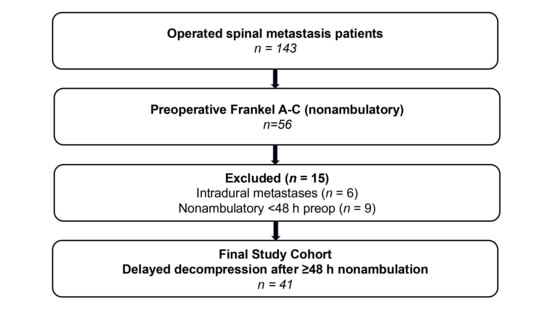
Delayed decompression for metastatic epidural spinal cord compression (MESCC) is a common real-world problem, yet short-interval recovery after patients have already remained nonambulatory for at least 48 h is poorly defined. We retrospectively evaluated 41 surgically selected patients with MRI-confirmed epidural MESCC (Bilsky grade 2–3) and preoperative nonambulatory neurological deficit (Frankel grades A–C) lasting at least 48 h. The primary outcome was early neurological improvement, defined as a gain of at least one Frankel grade by postoperative days 10–14. The secondary outcome was early ambulation recovery, defined as postoperative Frankel grade D or E at the same interval. Early neurological improvement occurred in 20/41 patients (48.8%), and early ambulation recovery occurred in 15/41 (36.6%). No patient received postoperative index-level radiotherapy before the POD10–14 neurological assessment. Recovery was most common among patients with baseline Frankel grade C. In exploratory adjusted Firth-penalized models, ECOG performance status 3–4 was associated with lower odds of both outcomes. Rapid-growth tumors, classified using a pragmatic adapted growth-category framework, were associated with lower odds of early neurological improvement. Baseline Frankel grade C favored early ambulation recovery. Higher standardized HALP showed an exploratory association with early neurological improvement but did not alter the main clinical interpretation. Meaningful early recovery was observed in a subset of surgically selected MESCC patients despite delayed surgery, although these findings do not establish equivalence to earlier surgery or isolate the effect of surgery from multimodal oncologic care.
Full article






 Sustainability
 Applied Sciences
 IJMS
IJMS
 JCM
JCM
 Sensors
 Energies
 Materials
 Electronics
 Buildings
 Foods
Foods
 Mathematics
 Remote Sensing
 Molecules
 Processes
 Diagnostics
 Cancers
 Nutrients
 Animals
 Plants
 Healthcare
 Polymers
 Water
Water
 Biomedicines
 Microorganisms
 Agriculture
 Medicina
 Land
Land
 Cells
Cells
 JMSE
JMSE
 Life
Life
 Symmetry
 Agronomy
 Behavioral Sciences
 Education Sciences
 Pharmaceuticals
 Biology
 Biomolecules
 IJERPH
 Children
 Antioxidants
 Horticulturae
 Pharmaceutics
 Micromachines
 Forests
 Nanomaterials
 Coatings
 Entropy
 Religions
 Bioengineering
 Genes
Genes
 Machines
 Systems
 Pathogens
 Metals
 Brain Sciences
 Viruses
 CIMB
CIMB
 Minerals
 Atmosphere
 Veterinary Sciences
 Antibiotics
 Information
 Catalysts
 Insects
 Photonics