All articles published by MDPI are made immediately available worldwide under an open access license. No special
permission is required to reuse all or part of the article published by MDPI, including figures and tables. For
articles published under an open access Creative Common CC BY license, any part of the article may be reused without
permission provided that the original article is clearly cited. For more information, please refer to
https://www.mdpi.com/openaccess.
Feature papers represent the most advanced research with significant potential for high impact in the field. A Feature
Paper should be a substantial original Article that involves several techniques or approaches, provides an outlook for
future research directions and describes possible research applications.
Feature papers are submitted upon individual invitation or recommendation by the scientific editors and must receive
positive feedback from the reviewers.
Editor’s Choice articles are based on recommendations by the scientific editors of MDPI journals from around the world.
Editors select a small number of articles recently published in the journal that they believe will be particularly
interesting to readers, or important in the respective research area. The aim is to provide a snapshot of some of the
most exciting work published in the various research areas of the journal.
When a community is thrust into the spotlight due to a tragic event or has a reputation given to it by folklore, it joins the pantheon of dark tourism destinations. Tourists will visit these infamous places regardless of how residents and the local
[...] Read more.
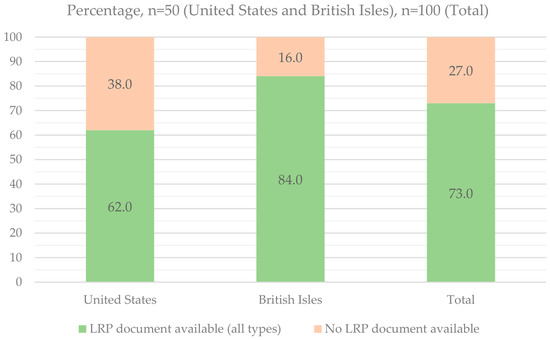
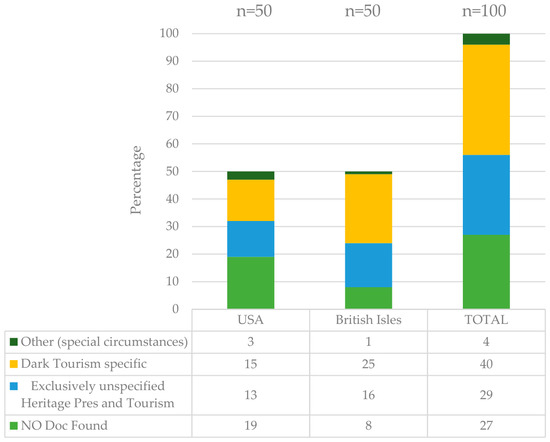
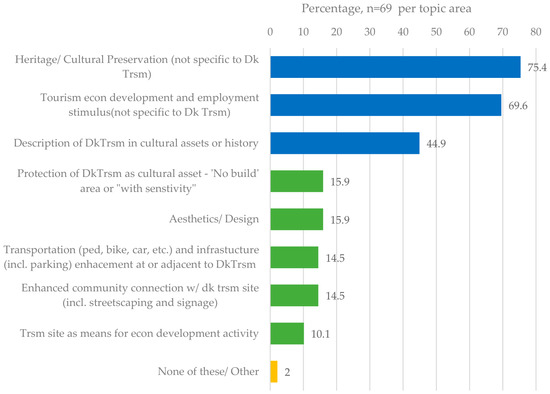
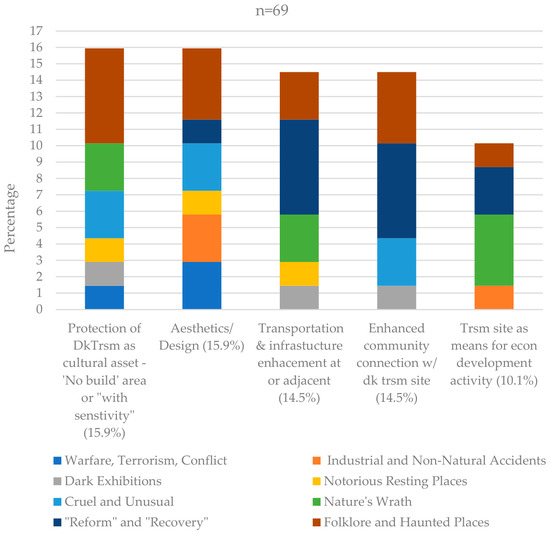
When a community is thrust into the spotlight due to a tragic event or has a reputation given to it by folklore, it joins the pantheon of dark tourism destinations. Tourists will visit these infamous places regardless of how residents and the local government feel about visitors coming to explore their local tragedy, especially when the community is still rebuilding or grieving. Local governments must decide how they will handle this interest in their community, while protecting and providing service to their residents. This study investigates the frequency of dark tourism being integrated into long-range urban planning document to manage, or possibly enhance, dark tourism in their community.
Full article
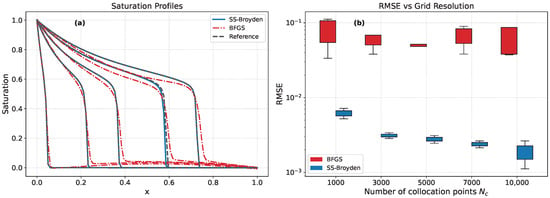
The training of physics-informed neural networks (PINNs) for nonlinear multiphase flow in porous media is hampered by gradient conflicts between the individual components of the composite loss function. To address this problem, we propose a weighted gradient consistency metric that jointly accounts for
[...] Read more.
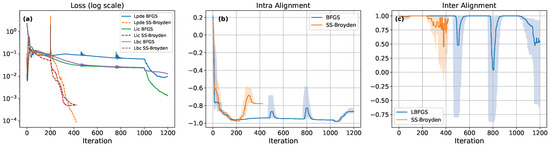
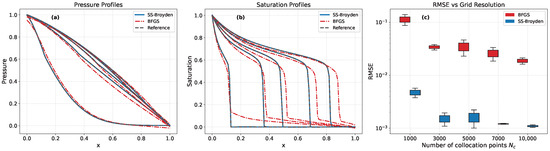
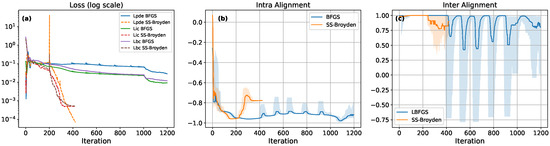
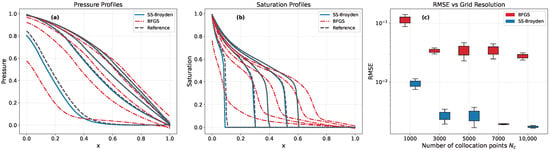
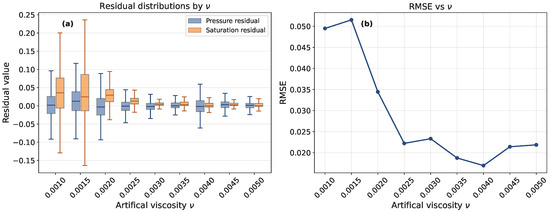
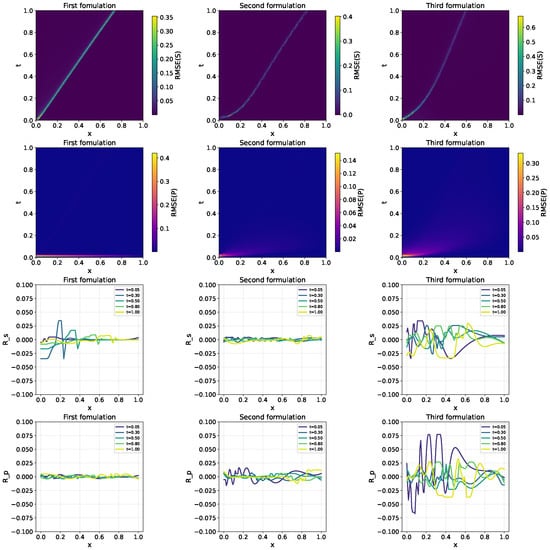
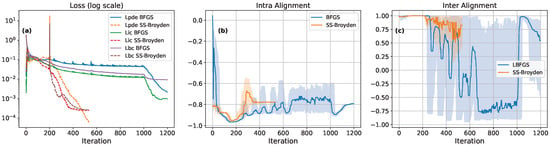
The training of physics-informed neural networks (PINNs) for nonlinear multiphase flow in porous media is hampered by gradient conflicts between the individual components of the composite loss function. To address this problem, we propose a weighted gradient consistency metric that jointly accounts for the magnitudes and directions of the gradients of each loss term. Theoretical estimates of the convergence rate are derived, relating the proposed metric to the spectral properties of the preconditioner. The method is evaluated through a comparative study of optimizers—Adam, L-BFGS, and self-scaled Broyden—applied to three formulations of increasing complexity: a linear Buckley–Leverett model, a compressible two-phase model, and a fully nonlinear model with non-Newtonian rheology. The experiments demonstrate that self-scaled methods consistently achieve higher gradient alignment, faster loss reduction, and improved approximation accuracy compared to standard quasi-Newton and first-order baselines.
Full article
Coupling beams are critical connecting components in coupled shear wall systems and core tube structures. At the same time, they play an important role when the structure is subjected to an earthquake. Plate-reinforced composite (PRC) coupling beams exhibit superior comprehensive performance in terms
[...] Read more.
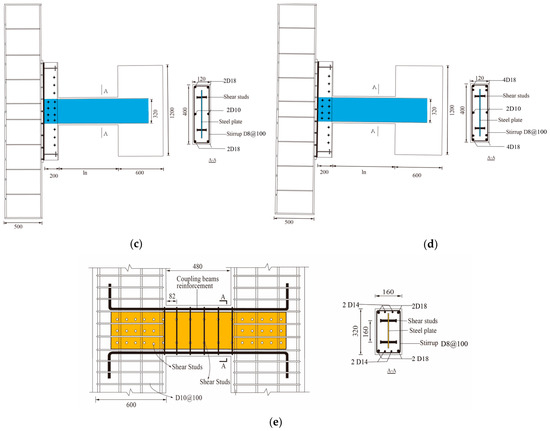
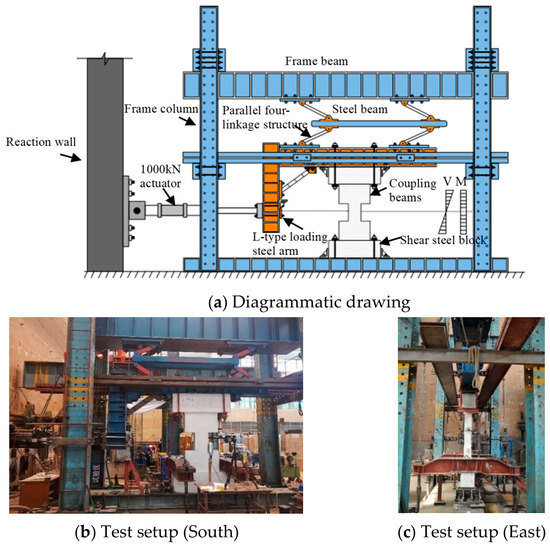
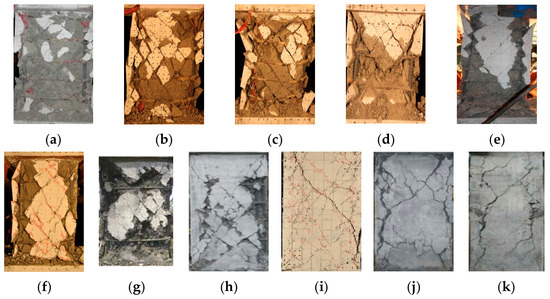
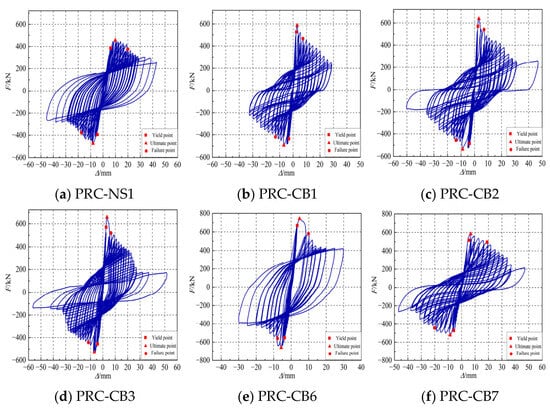
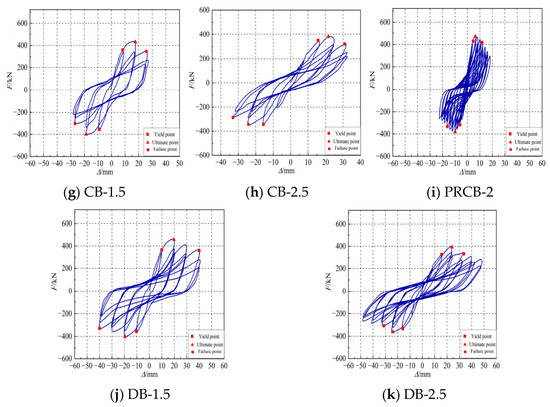
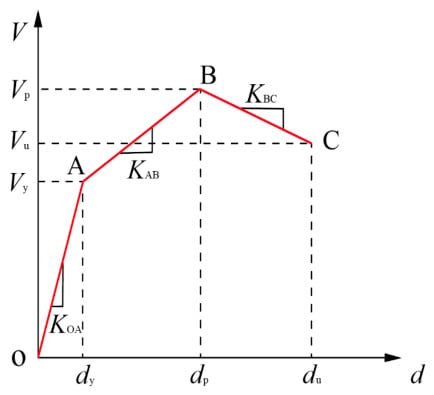
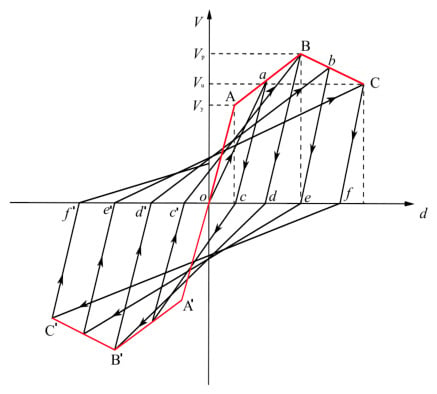
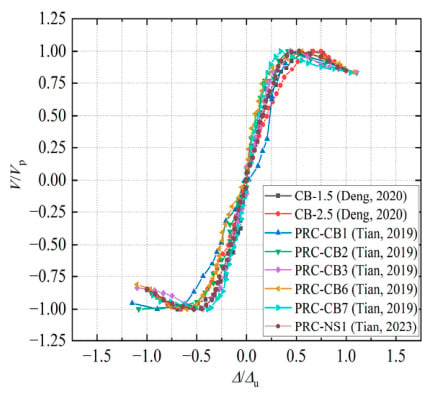
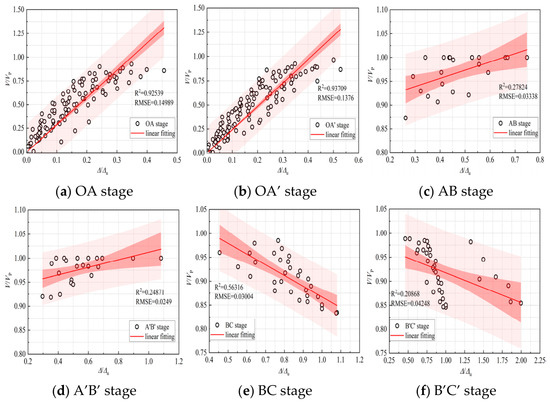
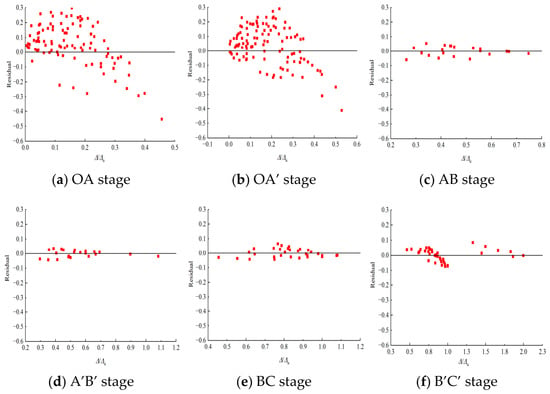
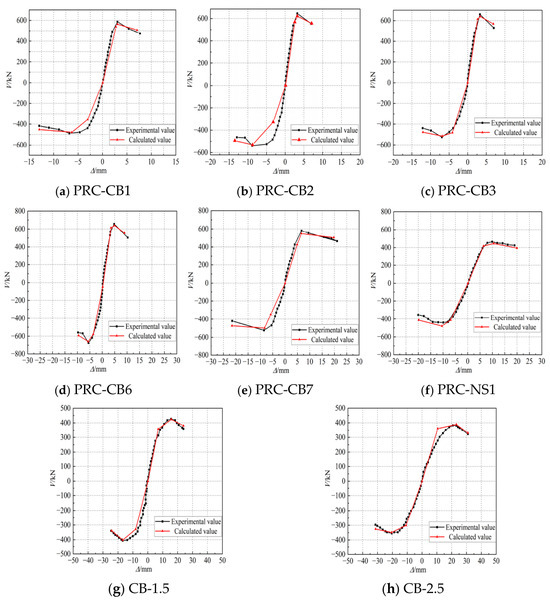
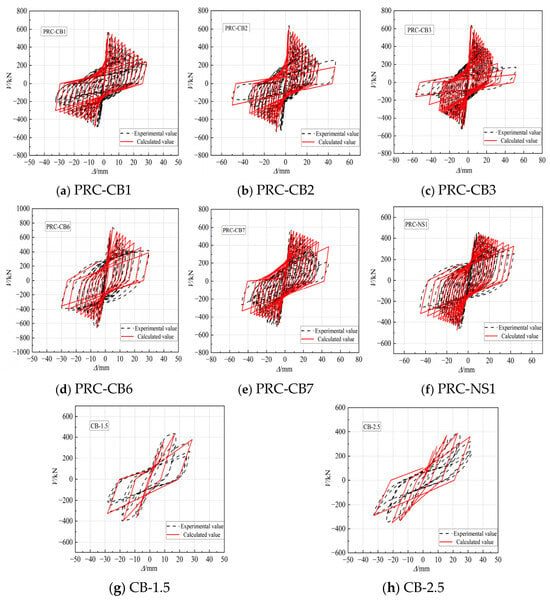
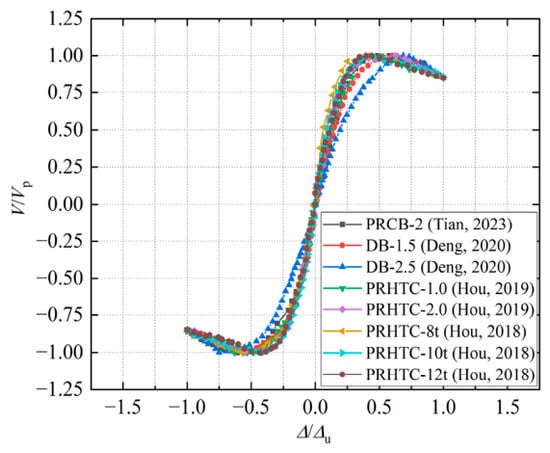
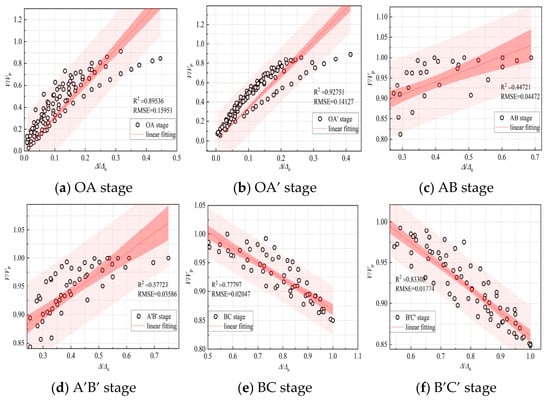
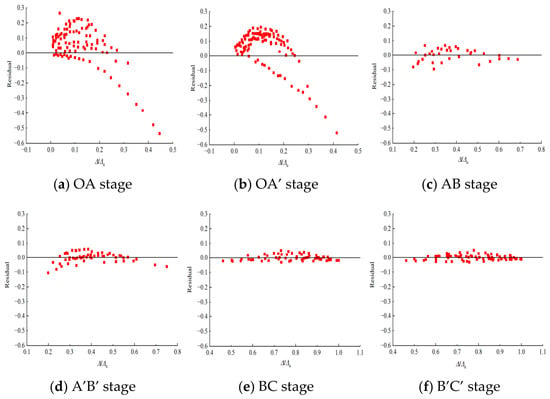
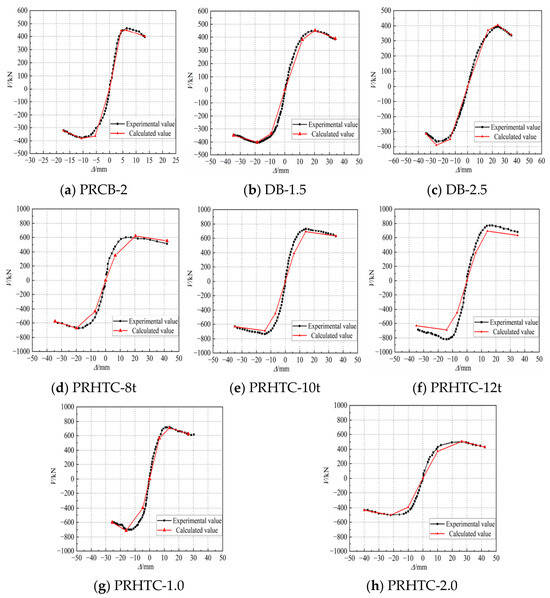
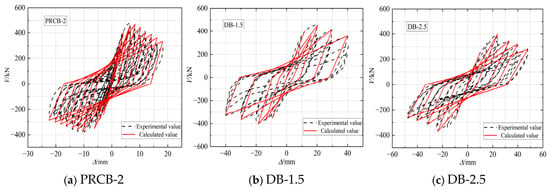
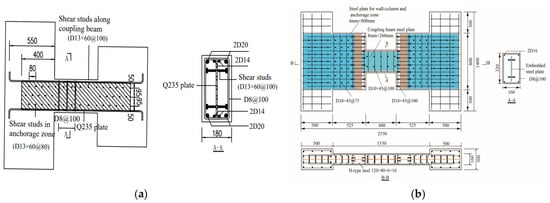
Coupling beams are critical connecting components in coupled shear wall systems and core tube structures. At the same time, they play an important role when the structure is subjected to an earthquake. Plate-reinforced composite (PRC) coupling beams exhibit superior comprehensive performance in terms of bearing capacity, deformation performance, energy dissipation capacity, and construction efficiency. However, research on PRC coupling beams remains limited both domestically and internationally. To better describe the structural response of steel plate–concrete composite coupling beams, this study collected existing experimental data. The beams had a small span-to-depth ratio. The loading was cyclic. The study normalized the skeleton curves of each specimen. The span-to-depth ratio ranged from 0.9 to 2.5. The plate ratio ranged from 3% to 5%. For these beams, preliminary skeleton curve fitting equations are proposed. The equations are based on existing data. The equations apply to two types of composite coupling beams. One type uses a steel plate and ordinary concrete. The other type uses a steel plate and fiber concrete. These equations are derived using a trilinear model and linear fitting tools. Furthermore, restoring force models for steel plate–conventional concrete and steel plate–fiber concrete composite coupling beams with a small span-to-depth ratio are proposed. Comparative analysis shows that each model captures the hysteretic response of PRC coupling beams with acceptable accuracy in the elastic and decline phases, while the elastic–plastic stage is suitable only for trend prediction. It should be noted that the proposed models are preliminary engineering approximations primarily applicable within the following ranges: a span-to-depth ratio of 0.9~2.5, a plate ratio of 3~5%, concrete strength of C30~C50, a longitudinal reinforcement ratio of 0.86~2.23%, a stirrup ratio of 0.56~0.63%, and a steel plate thickness of 6~10 mm. For configurations significantly outside these ranges, additional experimental validation is required.
Full article
Low-temperature pyrolysis around 250 °C represents a mild carbonization that differs from conventional high-temperature biochar production, and the role of pyrolysis duration under mild thermal conditions remains insufficiently understood. In this study, plant residues, including rice straw, sorghum leaves and stems, barley straw,
[...] Read more.
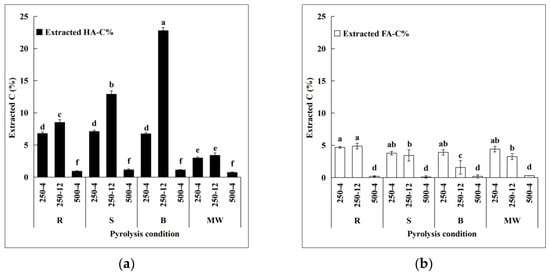
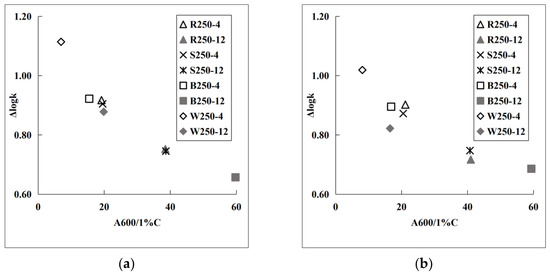
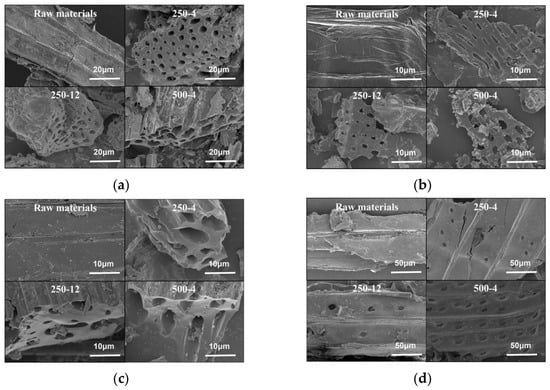
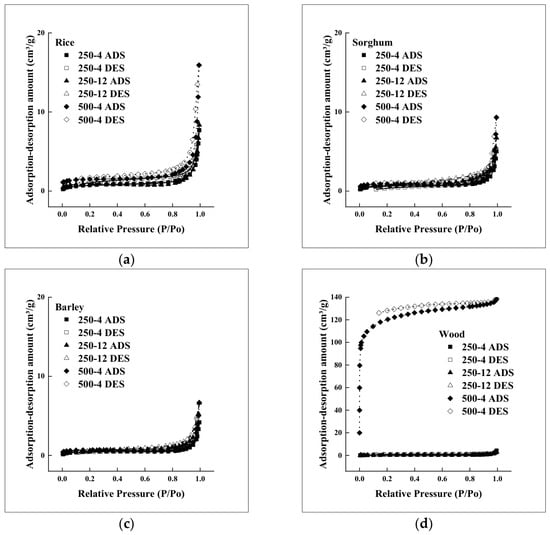
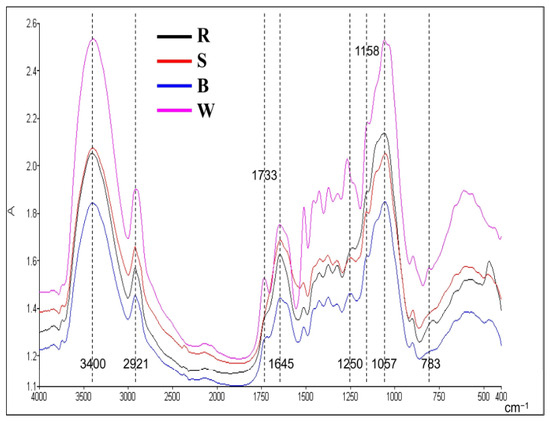
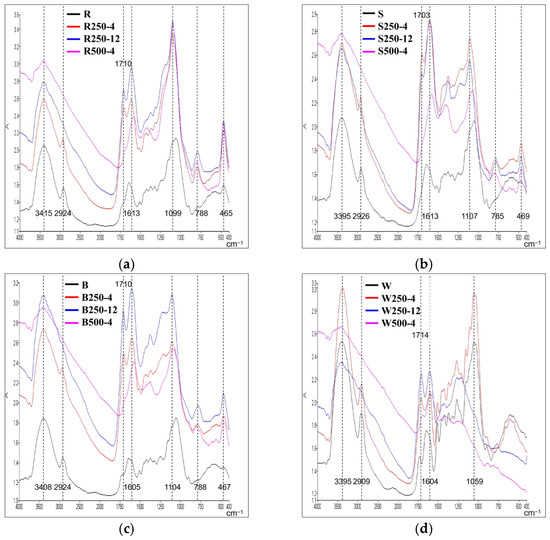
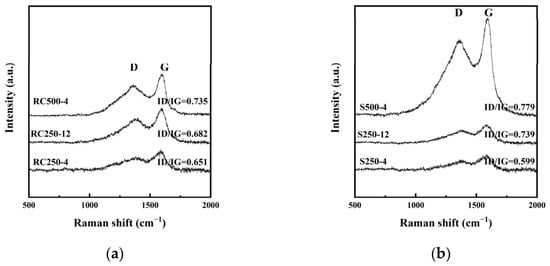
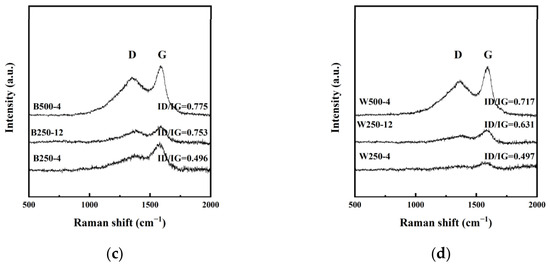
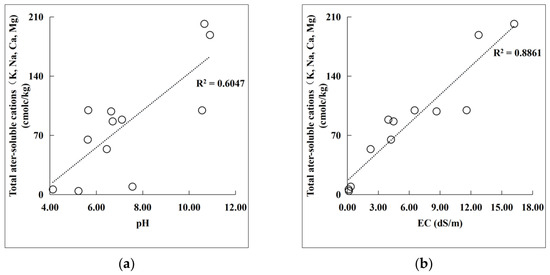
Low-temperature pyrolysis around 250 °C represents a mild carbonization that differs from conventional high-temperature biochar production, and the role of pyrolysis duration under mild thermal conditions remains insufficiently understood. In this study, plant residues, including rice straw, sorghum leaves and stems, barley straw, and mixed woodchips, were converted into charred materials under low-temperature pyrolysis at 250 °C (4 h, 12 h) and compared with those produced at 500 °C (4 h). Pyrolysis at 250 °C (4 h) resulted in higher solid yields (51.9–72.8%) and higher recovery of carbon and nitrogen, whereas yields declined to 27.2–31.6% at 500 °C. Materials produced at 250 °C preserved abundant oxygen-containing functional groups, exhibited lower pH, and showed significantly higher cation exchange capacity (up to 93.68–119.91 cmolc/kg at 12 h). Prolonged treatment at 250 °C enhanced humification, increasing the carbon extracted from humic acid by 25.3–237.9%, whereas humic substances were largely decomposed at 500 °C. Structural analyses indicated that low-temperature chars maintained reactive surface chemistry, while high-temperature chars showed greater aromaticity and porosity, particularly for wood-derived materials (378.5 m2/g). Overall, low-temperature pyrolysis produces functionally active carbon materials suitable for saline-sodic soil amendment and nutrient management, whereas 500 °C pyrolysis generates more aromatic and porous materials better suited for long-term carbon stability and physical soil conditioning.
Full article
This paper aims to explore non-traveling fractal solutions to an extended Hirota–Satsuma–Ito equation (gHSI) that contains several well-known equations arising in fluid dynamics. Our approach is based on the application of a new variable-separation technique that transfers the governing equation into several solvable
[...] Read more.
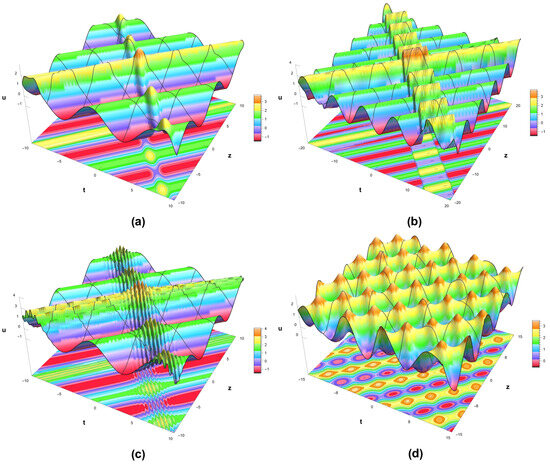
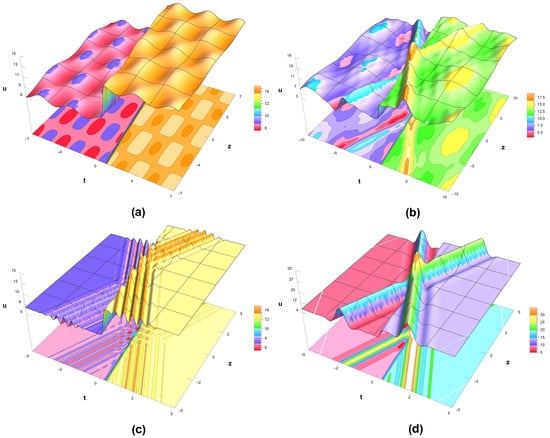
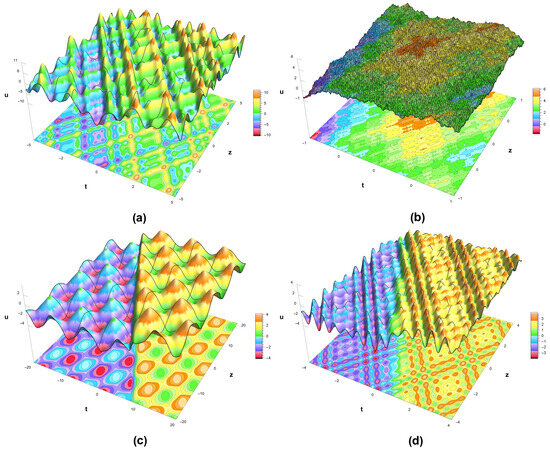
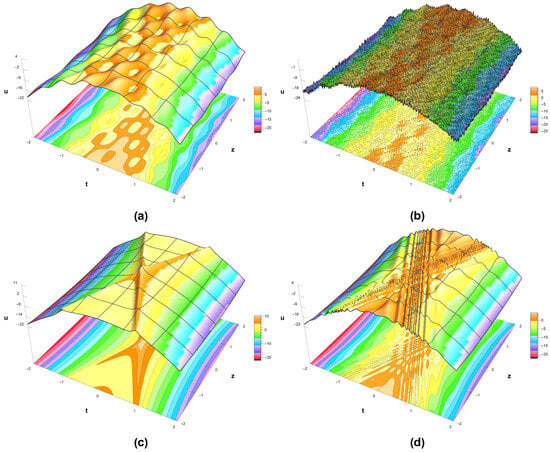
This paper aims to explore non-traveling fractal solutions to an extended Hirota–Satsuma–Ito equation (gHSI) that contains several well-known equations arising in fluid dynamics. Our approach is based on the application of a new variable-separation technique that transfers the governing equation into several solvable forms. Some of these equations can also be solved with standard analytical methods. We employ the modified generalized exponential rational function method (mGERFM), resulting in a varied set of exact analytical solutions. These solutions exhibit a wide range of structural types, such as periodic, rational, hyperbolic, and hybrid configurations. A notable feature of our solutions is that the obtained solutions include several free functions, which provide a systematic way to modify the structure of the waveforms in the solutions. By appropriately selecting these free functions, several categories of dromion-type solutions are introduced. These non-traveling fractal solutions appear to be the first of their kind derived for this equation. The analytical findings are supported by illustrations that demonstrate the complex temporal and spatial dynamics that are characteristic of these solutions. The proposed approach opens a systematic path to non-traveling waves in higher-dimensional systems, where functional flexibility gives rise to self-similar fractal structures, and could be adapted to other equations in physics and engineering.
Full article
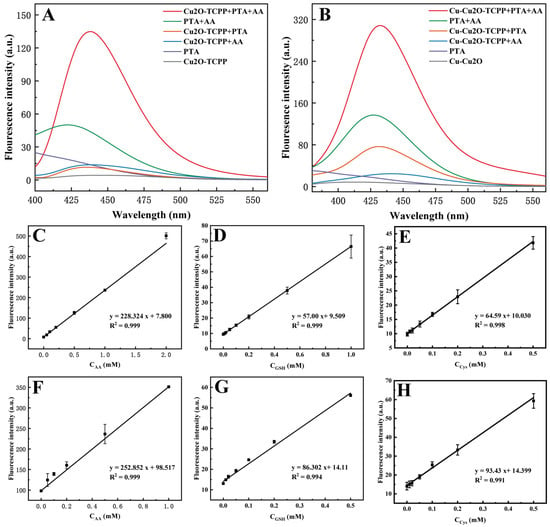
In this work, two-dimensional copper-based metal–organic frameworks (Cu-MOFs) nanozymes, including cuprous oxide-tetrakis (4-carboxyphenyl) porphyrin (Cu2O-TCPP) and copper-cuprous oxide-tetrakis (4-carboxyphenyl) porphyrin (Cu-Cu2O-TCPP), were synthesized, which exhibit dual ascorbate oxidase (AO) and peroxidase (POD)-like activities. The reductants, such as ascorbic acid
[...] Read more.
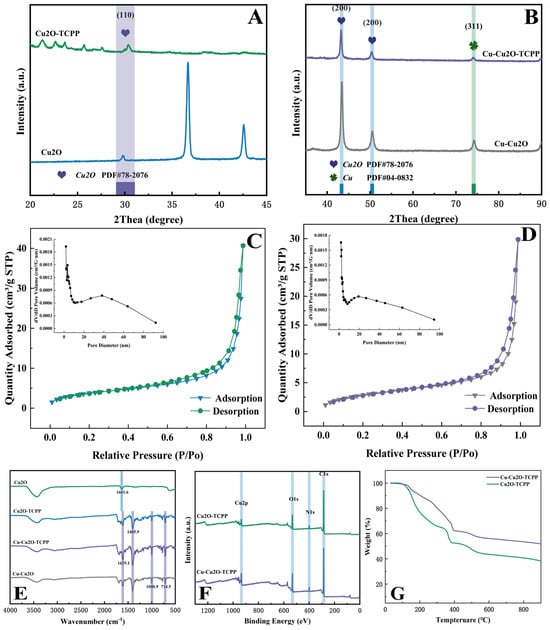
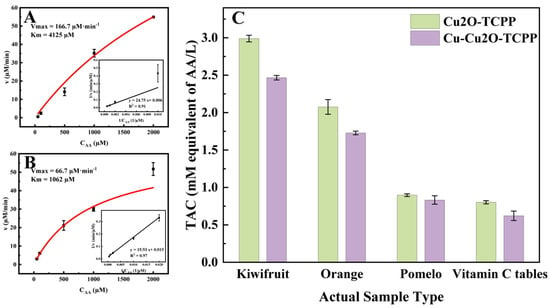
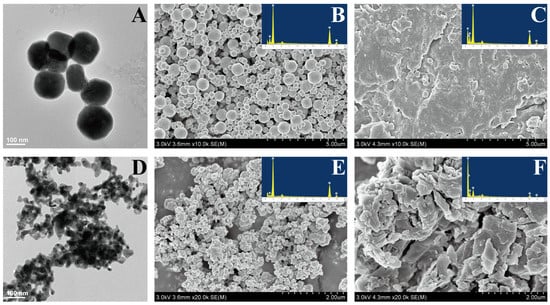
In this work, two-dimensional copper-based metal–organic frameworks (Cu-MOFs) nanozymes, including cuprous oxide-tetrakis (4-carboxyphenyl) porphyrin (Cu2O-TCPP) and copper-cuprous oxide-tetrakis (4-carboxyphenyl) porphyrin (Cu-Cu2O-TCPP), were synthesized, which exhibit dual ascorbate oxidase (AO) and peroxidase (POD)-like activities. The reductants, such as ascorbic acid (AA), can be oxidized by the cascade AO and POD catalysis on Cu-MOFs to oxidize p-phthalic acid (PTA) and generate fluorescence. Consequently, a fluorescence sensing platform for AA and other reducing substances was established. This platform offers potential for efficient and selective monitoring of reductive species and related antioxidant levels in food systems. The results showed that the two Cu-MOFs displayed favorable linear relationships (R2 ≥ 0.99) for the detection of AA, glutathione (GSH) and L-cysteine (L-Cys). Their limits of detection (LOD) were 5.3 μM for Cu2O-TCPP and 92.5 μM for Cu-Cu2O-TCPP. Finally, by detecting real samples of vitamin C tablets and fruits, the accuracy of the two Cu-MOFs nanos enzymes was validated, with Cu2O-TCPP showing higher accuracy.
Full article
Self-healing materials have attracted increasing attention as a strategy to enhance durability, extend service life, and reduce maintenance in advanced material systems. Among these, cellulose-based self-healing materials represent a sophisticated intersection between sustainable macromolecular chemistry and adaptive materials science. This review provides a
[...] Read more.
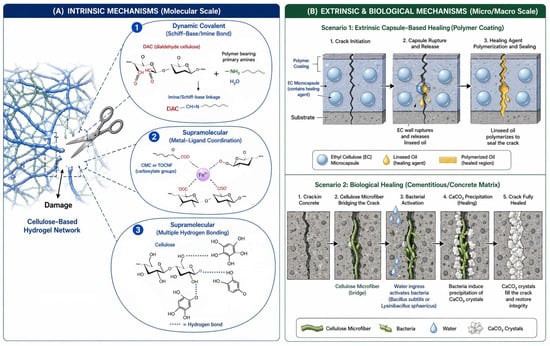
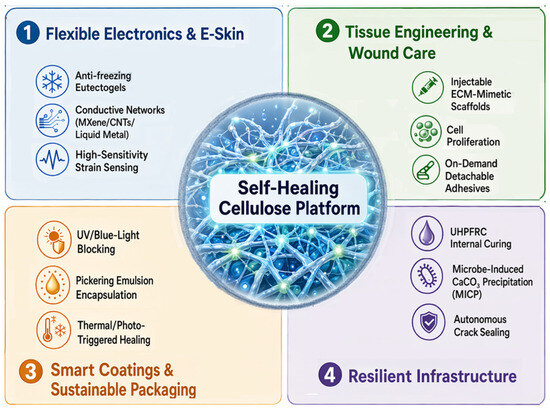
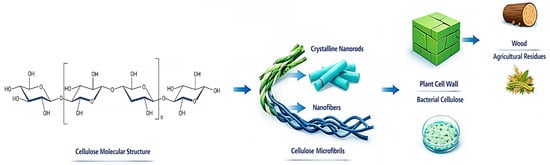
Self-healing materials have attracted increasing attention as a strategy to enhance durability, extend service life, and reduce maintenance in advanced material systems. Among these, cellulose-based self-healing materials represent a sophisticated intersection between sustainable macromolecular chemistry and adaptive materials science. This review provides a synthesis of recent advancements in the field, systematically categorizing materials derived from cellulose raw materials. We evaluate the fundamental chemical strategies employed to achieve autonomous repair, distinguishing between extrinsic mechanisms—utilizing cellulose-based micro/nano-capsules to sequester healing agents—and intrinsic mechanisms governed by dynamic covalent chemistry (Schiff-base, boronic ester, Diels–Alder) and supramolecular interactions (hydrogen bonding, metal–ligand coordination, and host–guest assemblies). The analysis highlights how cellulose’s hierarchical structure and abundant surface functionality are leveraged to overcome the traditional trade-off between mechanical toughness and healing efficiency. Particular emphasis is placed on the transition from simple structural hydrogels to sophisticated multifunctional systems. These include ultra-stretchable strain and pressure sensors for e-skin applications, biocompatible and injectable matrices for chronic wound management and stem cell delivery, and advanced anti-freezing eutectogels for performance in extreme environments. Furthermore, we explore the integration of cellulose into traditional sectors, such as self-healing concrete utilizing microbe-induced calcification and smart, eco-friendly coatings for corrosion protection. Finally, we discuss critical challenges, including environmental stability, scalability, and the development of standardized evaluation protocols, providing a roadmap for the next generation of bio-derived, sustainable and intelligent materials.
Full article
Environmental biofilms are persistent structural components of livestock production systems and represent under-recognized drivers of pathogen persistence and antimicrobial resistance (AMR). This review examines the engineering, ecological, and operational factors that promote biofilm formation in dairy, poultry, and swine environments, with emphasis on
[...] Read more.
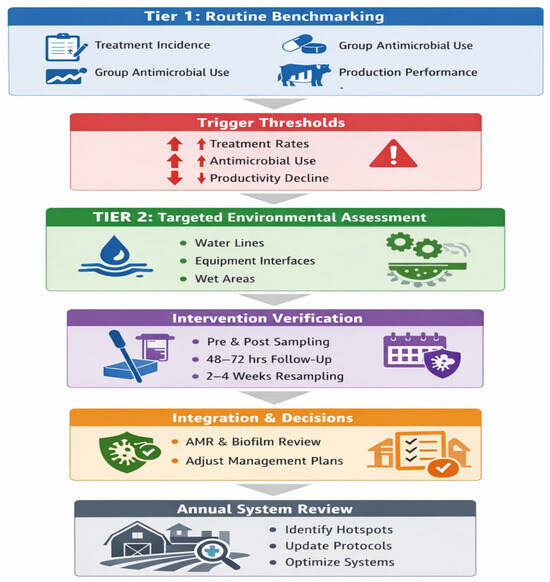
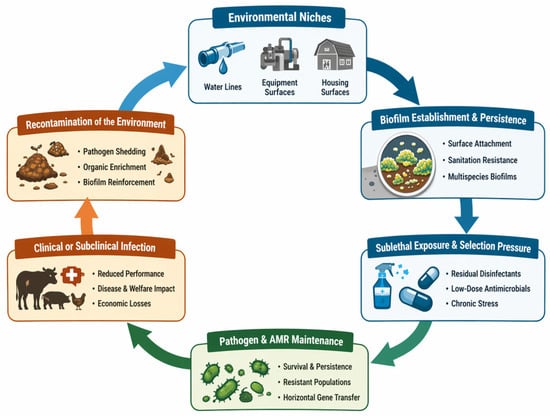
Environmental biofilms are persistent structural components of livestock production systems and represent under-recognized drivers of pathogen persistence and antimicrobial resistance (AMR). This review examines the engineering, ecological, and operational factors that promote biofilm formation in dairy, poultry, and swine environments, with emphasis on drinking water distribution systems, feeding infrastructure, housing surfaces, and waste channels. Biofilms develop preferentially in low-shear zones, dead ends, and aging materials, where they enhance microbial tolerance to sanitation and facilitate horizontal gene transfer. Conventional monitoring approaches, largely based on planktonic sampling and single-time-point testing, underestimate attached biomass and fail to capture spatial heterogeneity. Although molecular and sensor-based technologies provide improved resolution, their farm-level implementation remains limited by cost, standardization challenges, and the absence of validated operational thresholds. Current EU surveillance frameworks focus primarily on antimicrobial use and resistance prevalence in animal isolates, while environmental compartments are rarely incorporated as monitored system elements. This review proposes a proportionate, risk-based approach that integrates existing farm data streams such as antimicrobial use metrics and biosecurity scoring systems with targeted environmental assessment of high-risk infrastructure. Mitigation strategies emphasize mechanical disruption, combined chemical sanitation, hydraulic optimization, material selection, and infrastructure lifecycle management. Embedding environmental biofilm control within existing engineering and stewardship frameworks supports more resilient, systems-based management of infectious and AMR risks in livestock production.
Full article
Background/Objectives: Keratoconus is a progressive corneal ectatic disorder leading to irregular astigmatism and visual impairment. INTACS intracorneal ring segments are used to improve corneal shape and visual function; however, postoperative complications may occur. A comprehensive and evidence-based evaluation of visual outcomes and
[...] Read more.
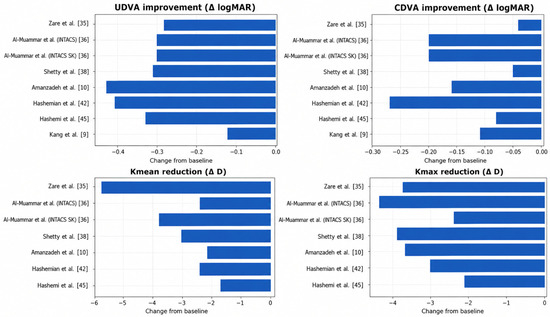
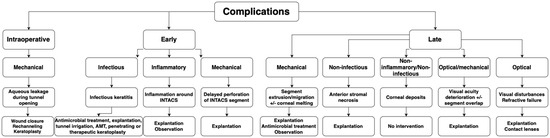
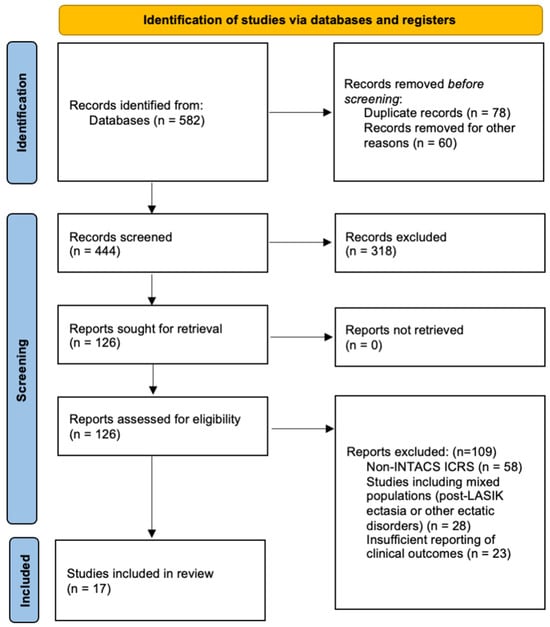
Background/Objectives: Keratoconus is a progressive corneal ectatic disorder leading to irregular astigmatism and visual impairment. INTACS intracorneal ring segments are used to improve corneal shape and visual function; however, postoperative complications may occur. A comprehensive and evidence-based evaluation of visual outcomes and complications after INTACS implantation is therefore warranted. Methods: PubMed, Scopus, and Google Scholar were searched for English-language articles published between January 2015 and December 2025 using the terms INTACS, intracorneal ring segments, keratoconus, and complications, following a systematic literature search conducted in accordance with PRISMA 2020 guidelines. Only studies reporting INTACS-specific outcomes were included. Studies evaluating other intracorneal ring systems were excluded unless INTACS data could be separately extracted. Results: Seventeen studies comprising 544 eyes were included. INTACS implantation was associated with consistent improvements in visual acuity and corneal parameters. However, clinically relevant device-related complications, including segment migration, extrusion, and the need for secondary procedures such as repositioning or explantation, remain an important limitation. These findings indicate that although INTACS is an effective corneal regularization strategy, long-term safety depends on careful patient selection, precise surgical technique, and close postoperative surveillance. Conclusions: INTACS implantation is an effective option for visual rehabilitation in patients with keratoconus; however, its long-term safety is limited by the risk of device-related complications. Careful patient selection, appropriate surgical technique, and structured postoperative follow-up are essential to optimize outcomes and minimize adverse events.
Full article
by
Jean Paul Restucci-Orozco, Luisa Fernanda Pacheco-Muñoz, Carlos David Grande-Tovar, Carlos Humberto Valencia-Llano, Niny Andrea Arteaga-Pedraza, Mario Fernando Muñoz-Velez, Jose Luis Castillo-Garcia, Jenny Alexandra Lugo-Peña, Arturo Jose Aragón, Juan Camilo Madrid-Paz, Gustavo Urrego-Grueso and Jose Herminsul Mina-Hernandez
Sci2026, 8(6), 121; https://doi.org/10.3390/sci8060121 (registering DOI) - 25 May 2026
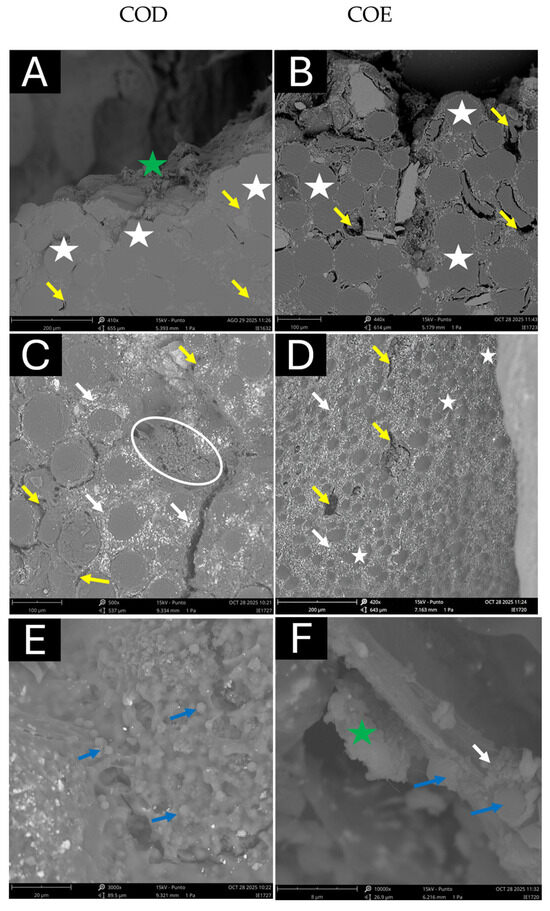
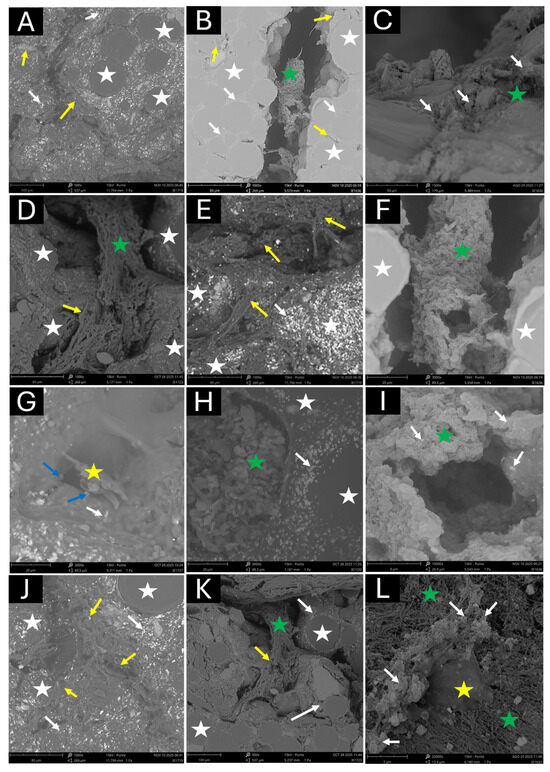
A porcine model with a stabilized segmental femoral defect was used, in which commercial or experimental bone cements were implanted following the principles of the Masquelet technique. After 45 days, considered long enough for induced membrane maturation, the samples were analyzed by optical
[...] Read more.
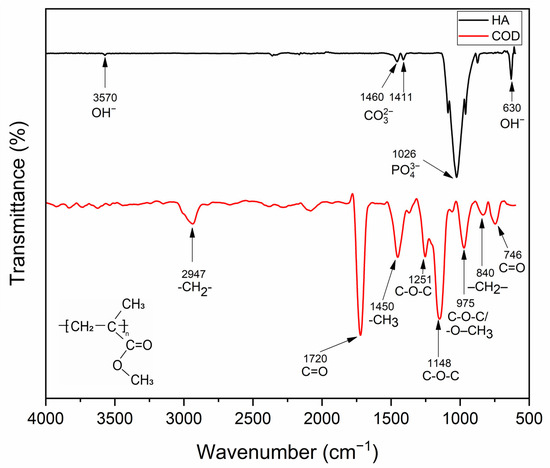
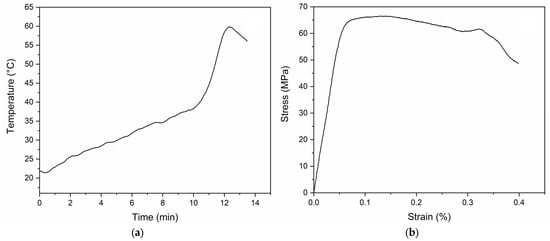
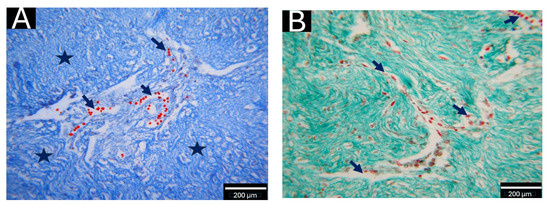
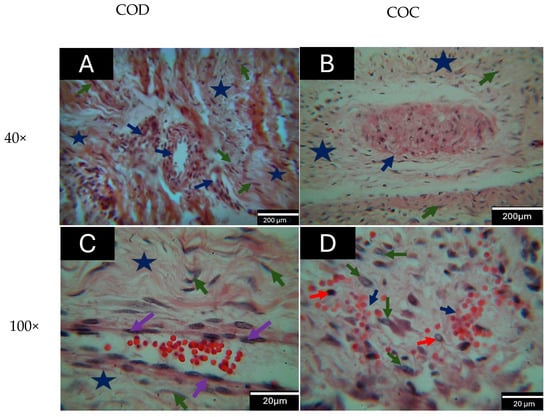
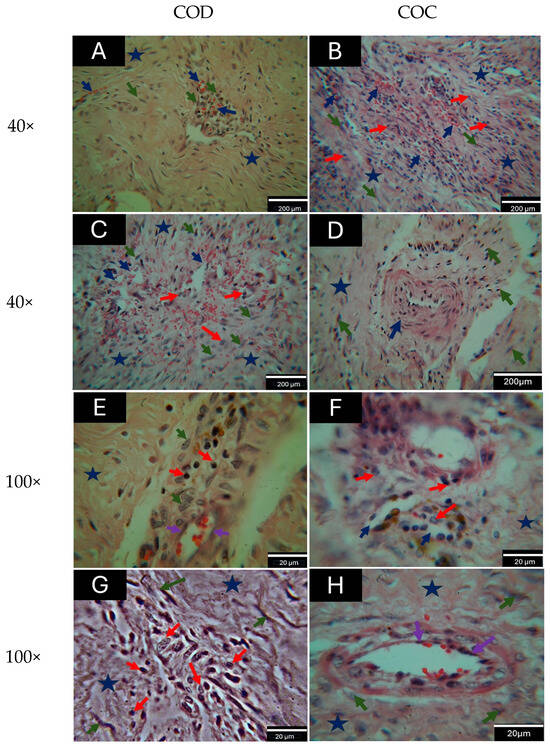
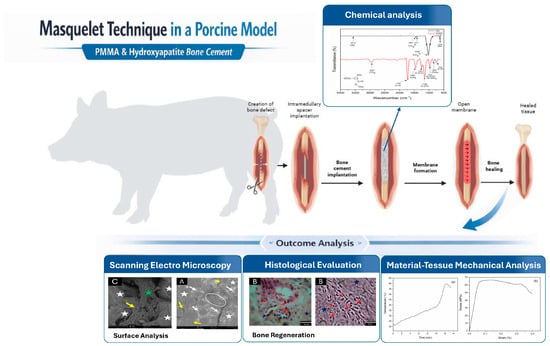
A porcine model with a stabilized segmental femoral defect was used, in which commercial or experimental bone cements were implanted following the principles of the Masquelet technique. After 45 days, considered long enough for induced membrane maturation, the samples were analyzed by optical microscopy (H&E, Masson’s trichrome, and Gomori staining) and scanning electron microscopy (SEM). Histologically, both formulations induced membranes with fibrovascular tissue organization; however, the membranes associated with the experimental cement exhibited qualitatively distinct patterns of stromal organization and cell distribution compared with those of the commercial cement group. SEM analysis revealed qualitative differences in the material–tissue interaction, with the experimental cement showing a distinct distribution pattern of amorphous and fibrillar material on the surface and within the interpearl spaces, whereas the commercial cement exhibited a more focal interaction, predominantly associated with structural irregularities. Overall, these observations indicate that differences in the formulation and microstructure of bone cements may influence how tissue organizes and interacts with the material and may be associated with qualitative differences in tissue organization and material–tissue interaction within the induced membrane. These results highlight the relevance of the spacer type in the histological characteristics of the induced membrane.
Full article
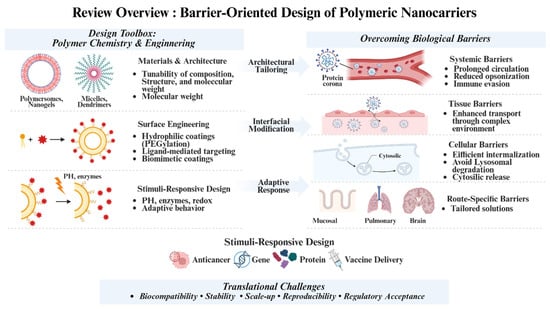
Targeted drug delivery remains difficult because multiple biological barriers interfere with the stable transport of therapeutics to the site of action. Polymeric nanocarriers have gained broad attention as delivery platforms since their composition and surface properties can be adjusted to improve circulation behavior
[...] Read more.
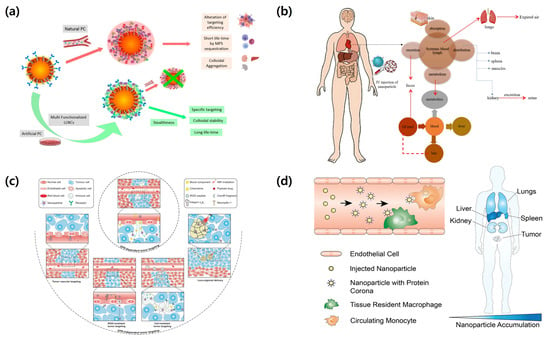
Targeted drug delivery remains difficult because multiple biological barriers interfere with the stable transport of therapeutics to the site of action. Polymeric nanocarriers have gained broad attention as delivery platforms since their composition and surface properties can be adjusted to improve circulation behavior and cellular delivery. This review discusses the major biological barriers involved in targeted drug delivery and describes how polymeric nanocarriers are engineered to overcome them. Major carrier types, including polymeric nanoparticles and micelles, are considered with emphasis on their physicochemical and interfacial features. Particular attention is given to surface engineering and stimuli-responsive design as key strategies for barrier transport and controlled cargo release. The review also highlights representative applications in anticancer, gene, protein, and vaccine delivery, together with translational issues such as biocompatibility, stability, reproducibility, scale-up, and regulatory acceptance.
Full article
Rough-walled fractures in conglomerate reservoirs promote near-wellbore proppant deposition, nonuniform flow, and insufficient distal support, making proppant-schedule screening difficult using small-scale smooth-slot tests alone. This study develops a benchmark-constrained and cost-aware hierarchical screening workflow by integrating a 20 m rough-wall physical experiment, transient
[...] Read more.
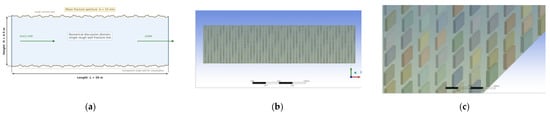
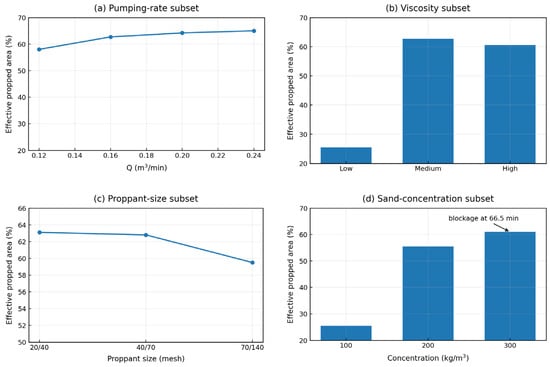
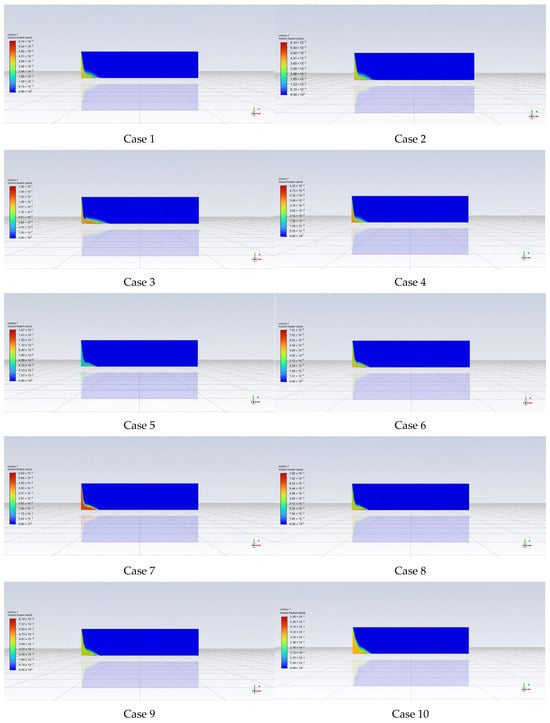
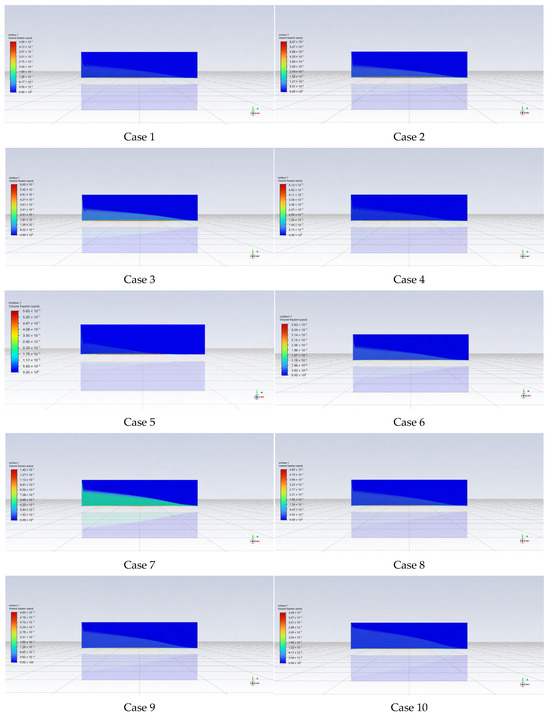
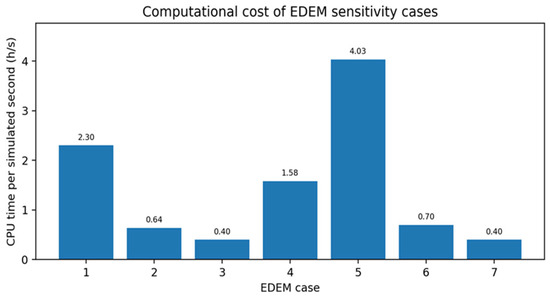
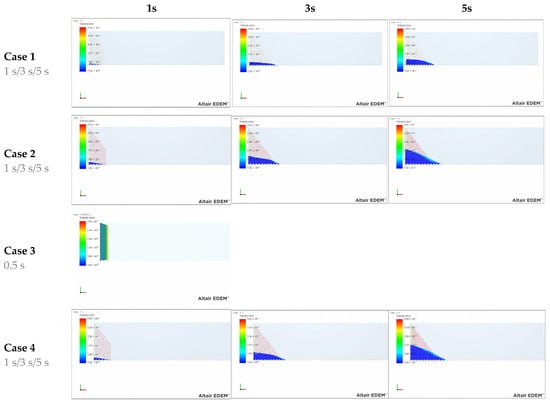
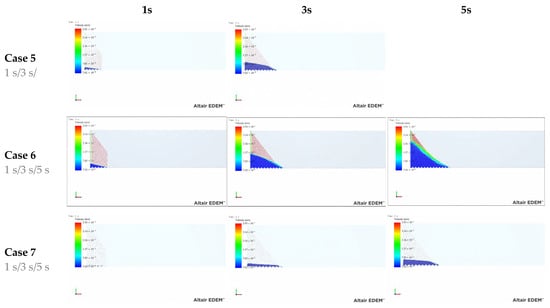
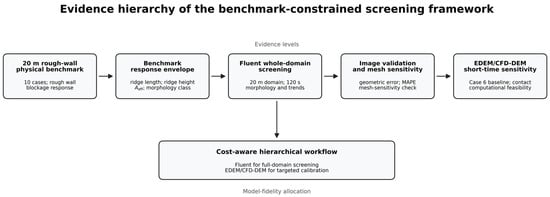
Rough-walled fractures in conglomerate reservoirs promote near-wellbore proppant deposition, nonuniform flow, and insufficient distal support, making proppant-schedule screening difficult using small-scale smooth-slot tests alone. This study develops a benchmark-constrained and cost-aware hierarchical screening workflow by integrating a 20 m rough-wall physical experiment, transient Fluent simulations, and archived short-time EDEM sensitivity records. The benchmark experiment used a 20 m × 4.5 m × 10 mm artificial rough-wall fracture and ten operating conditions involving pumping rate, fluid viscosity, proppant size, and sand concentration. In the Fluent model, wall roughness was treated as a regularized roughness representation, and the carrier fluids were modeled using Newtonian constant viscosities measured from laboratory calibration. The experimental effective propped area ranged from 25.5% to 65.1%. Within single-factor comparison subsets, medium viscosity improved support continuity, pumping-rate gains became limited near 0.20 m3/min, particle size affected the balance between distal coverage and bed stability, and 300 kg/m3 sand concentration caused blockage. Image-segmentation-based comparison showed that Fluent captured the main wedge-shaped deposition morphology and screening-level geometric trends. The archived EDEM records indicated that grid-resolution refinement and mixed particle-size representation substantially increased computational cost. A Case 10 mesh-sensitivity check further confirmed that mesh refinement did not alter the first-order deposition morphology. The proposed workflow uses Fluent for whole-domain rapid screening and reserves EDEM/CFD-DEM for targeted short-time sensitivity checks.
Full article
Industrial Internet of Things (IIoT) intrusion detection requires compact, latency-efficient models whose behavior remains assessable under adversarial stress, yet compression can alter the feature-attribution structure learned by a full-precision model. This paper presents X-GATE (eXplanation-Guided Adversarial Training Engine), an attribution-aware training framework for
[...] Read more.
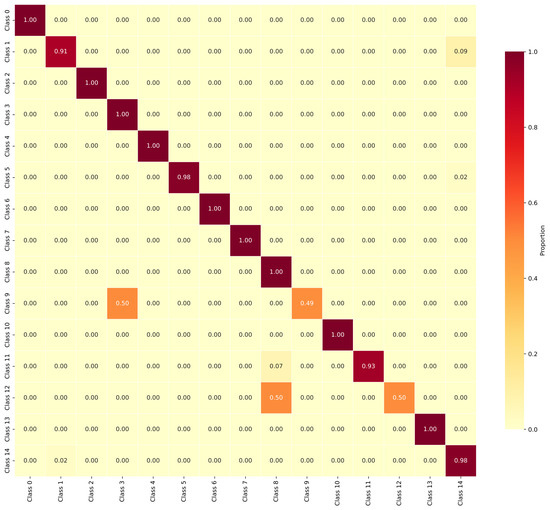
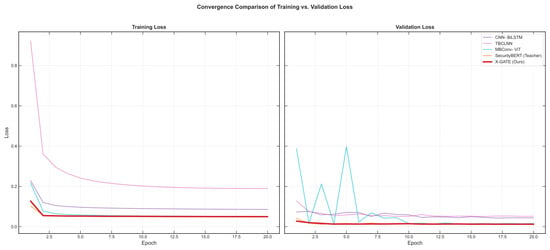
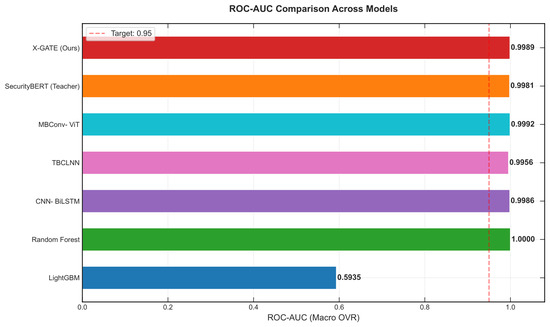
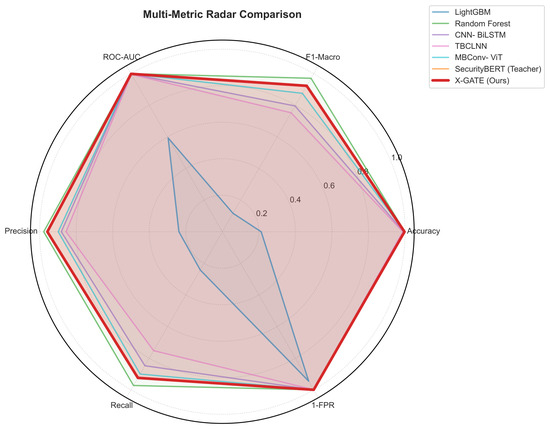
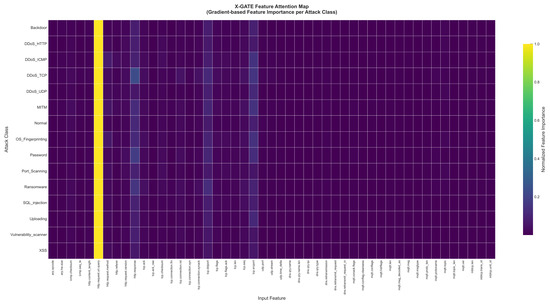
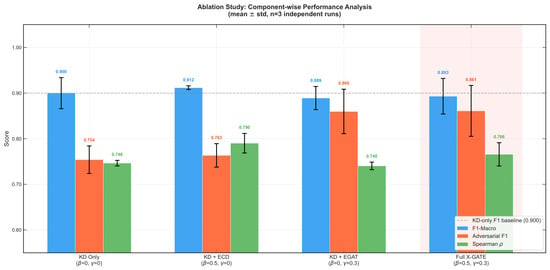
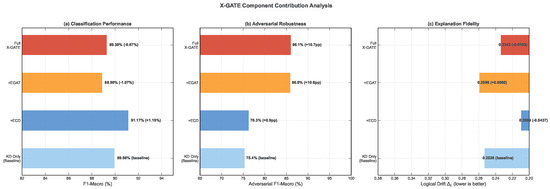
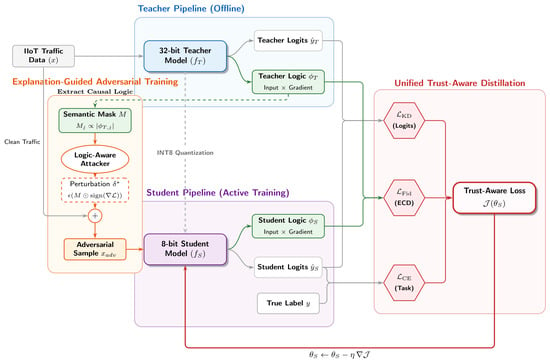
Industrial Internet of Things (IIoT) intrusion detection requires compact, latency-efficient models whose behavior remains assessable under adversarial stress, yet compression can alter the feature-attribution structure learned by a full-precision model. This paper presents X-GATE (eXplanation-Guided Adversarial Training Engine), an attribution-aware training framework for compressed Edge-IIoT intrusion detection. X-GATE combines Explanation-Consistency Distillation (ECD), which aligns Teacher–Student feature-attribution rankings with a differentiable soft-rank Spearman penalty, and Explanation-Guided Adversarial Training (EGAT), which hardens the Student on Teacher-salient feature coordinates. On the full Edge-IIoTset 2022 benchmark, the latest three-seed ablation gives Full X-GATE 89.30 ± 3.89% F1-Macro with 0.617 M parameters, within approximately 0.6 percentage points of the full-precision Teacher; a Random Forest model remains a stronger clean-F1 reference, so X-GATE is not framed as the clean-accuracy optimum. In a separate deployment-subset rerun, X-GATE obtains 78.83 ± 5.83% float F1-Macro and 79.11 ± 5.47% INT8 F1-Macro, reduces the adversarial false-positive rate from 0.46 ± 0.08% for KD-only to 0.16 ± 0.09% under the evaluated single-step white-box explanation-evasion protocol, and reduces CPU latency from 4.16 to 1.25 ms/sample. Component ablation further shows that ECD reduces Logical Drift by 17.24%, while EGAT improves adversarial F1 by 10.57 percentage points. Taken together, these benchmark- and protocol-bounded results position X-GATE as a compact neural operating point for the Edge-IIoT setting studied here, balancing attribution consistency, targeted hardening, and CPU-side efficiency.
Full article
The poultry industry is undergoing a major transition to reduce the use of antibiotics, as a result of the growing concerns about antimicrobial resistance, antibiotic residue in meat and increasingly stringent regulatory policies. This trend has led to an increased interest in functional
[...] Read more.
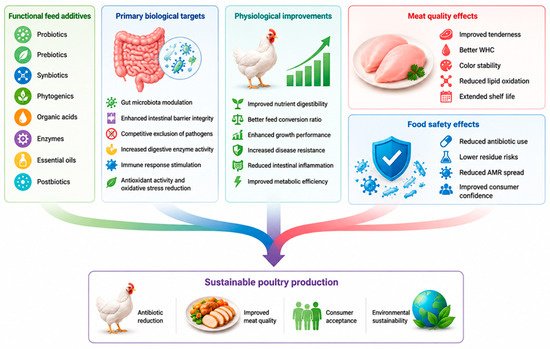
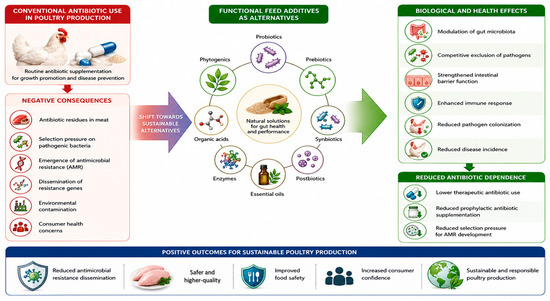
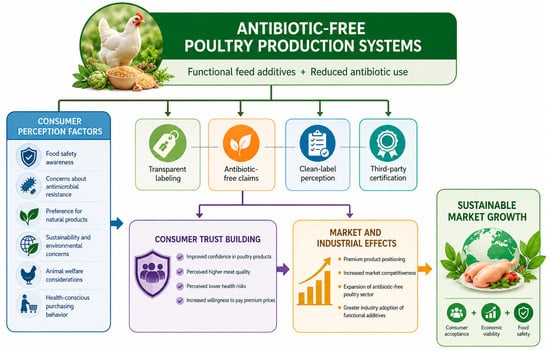
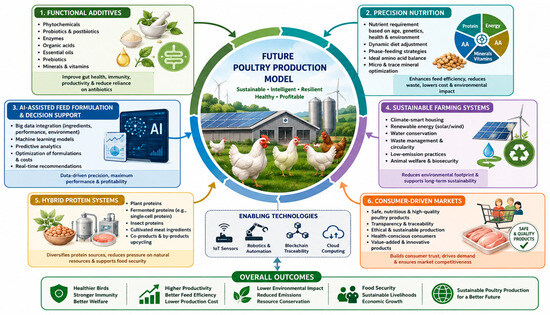
The poultry industry is undergoing a major transition to reduce the use of antibiotics, as a result of the growing concerns about antimicrobial resistance, antibiotic residue in meat and increasingly stringent regulatory policies. This trend has led to an increased interest in functional feed additives as potential alternatives that may support bird health, growth performance and meat quality. There are functional additives, including probiotics, prebiotics, synbiotics, phytogenics, organic acids, enzymes, essential oils, vitamins, minerals and postbiotics, that have shown potential effectiveness in enhancing gut health, nutrient utilization, immunity and disease resistance in poultry. The advantages that are frequently noticed are increased feed conversion ratio, body weight gain, carcass yield and improved meat quality characteristics, such as water-holding capacity, color stability, tenderness, oxidative stability and shelf life. Furthermore, the decrease in the use of antibiotics decreases the risk of residues and also the transmission of antimicrobial resistance genes through the food chain and the environment. Consumer interest in antibiotic-free and naturally raised poultry meat has also led to the emergence of premium market opportunities, where trust, transparency in poultry labelling and perceived safety are key drivers of consumer acceptance. But there are issues yet to be addressed regarding additive efficacy variability, dosage standardization, cost-effectiveness and implementation on farms under different production systems. This review critically evaluates the scientific evidence related to the use of functional feed additives as an alternative to antibiotics in poultry nutrition, focusing on their effects on meat quality, food safety, economic viability, sustainability and consumer perception. Precision nutrition, combinations of synergistic additives, and data-driven feed strategies will be key to future progress to enable profitable and sustainable poultry production.
Full article
Accurate multi-class segmentation of the prostate in T2-weighted magnetic resonance imaging (MRI) into the peripheral zone (PZ), central gland (CG) and tumour is essential for targeted biopsy guidance and treatment planning. We present DSBANet, an encoder–decoder architecture that combines a pretrained ResNet-50 encoder,
[...] Read more.
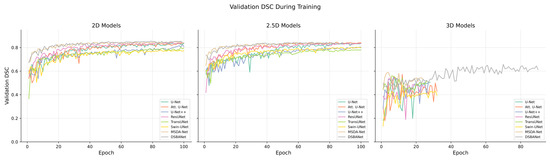
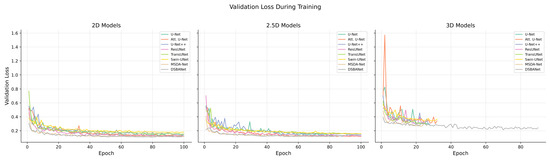
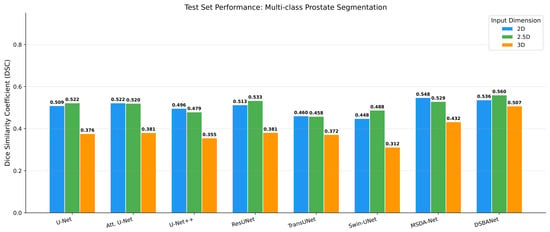
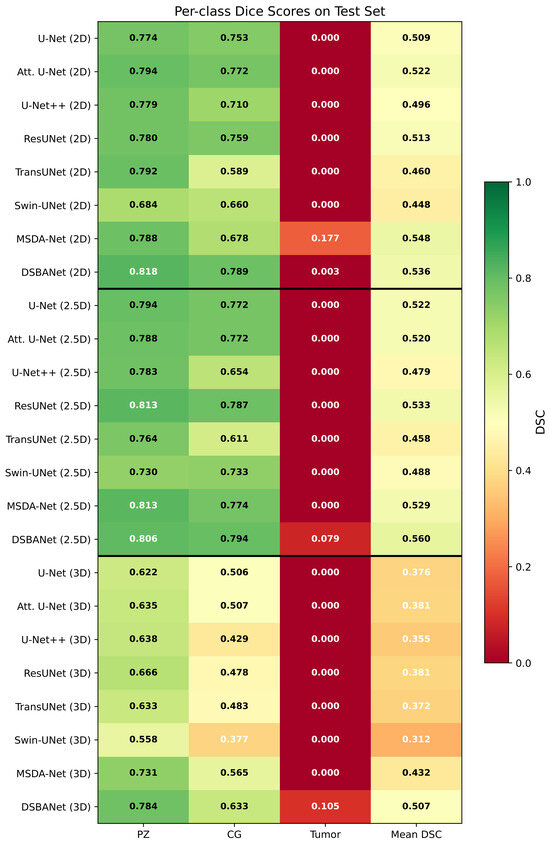
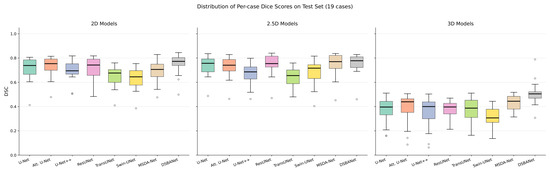
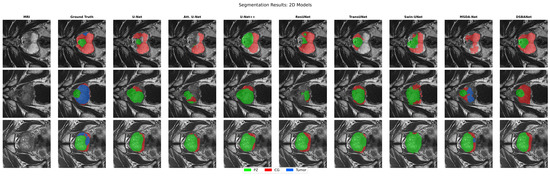
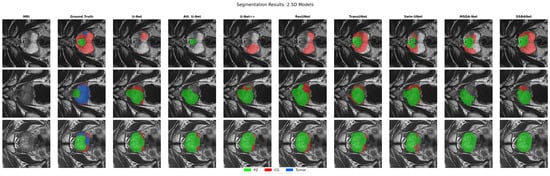
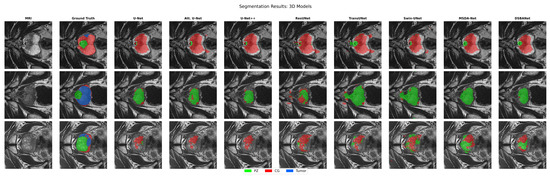
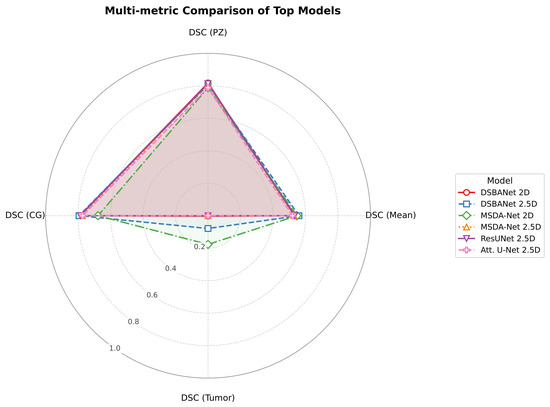
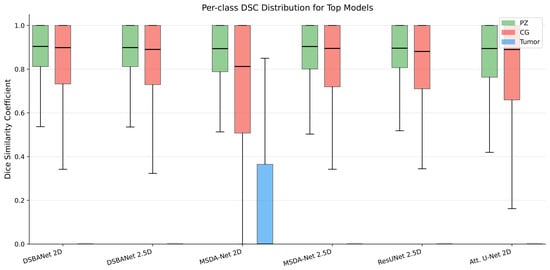
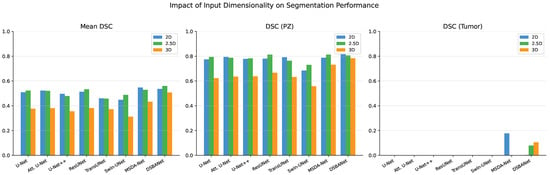
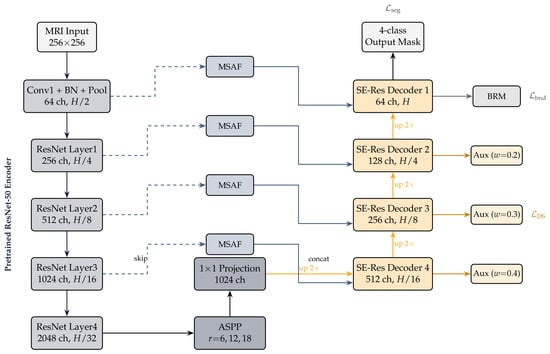
Accurate multi-class segmentation of the prostate in T2-weighted magnetic resonance imaging (MRI) into the peripheral zone (PZ), central gland (CG) and tumour is essential for targeted biopsy guidance and treatment planning. We present DSBANet, an encoder–decoder architecture that combines a pretrained ResNet-50 encoder, Atrous Spatial Pyramid Pooling, Multi-Scale Attention Fusion on skip connections, a Feature Fusion Module, deep supervision and boundary refinement. We evaluate eight architectures across three input dimensionalities (2D, 2.5D, 3D), yielding 24 models trained under identical conditions on the Prostate158 dataset. DSBANet achieves the best anatomy segmentation with PZ DSC of 0.8176 and CG DSC of 0.7888 among 2D models. To address the severe class imbalance of the tumour class, we further train DSBANet 2D with a class-weighted cross-entropy term and tumour-positive slice oversampling, raising per-case tumour DSC from 0.003 to 0.170 (a sixty-fold absolute improvement). A systematic eight-variant ablation study, evaluated under matched-pairs effect-size analysis, identifies the SE-Residual blocks and skip-connection attention as the largest contributors to tumour segmentation, while every architectural component contributes a directionally consistent gain.
Full article
Promoting farmers’ adoption of sustainable agricultural practices is essential for advancing agricultural green transformation and ecological conservation in the Poyang Lake Basin. Current research frequently relies on a single theoretical perspective and insufficiently reveals the synergistic mechanism linking knowledge conversion, psychological cognition, and
[...] Read more.
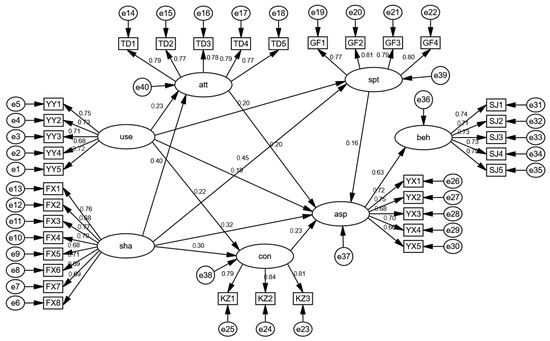
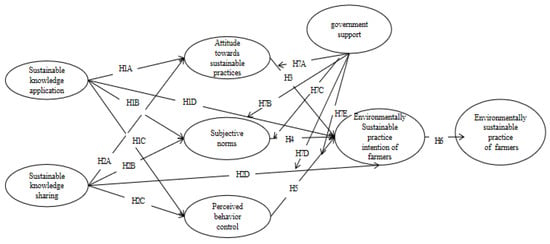
Promoting farmers’ adoption of sustainable agricultural practices is essential for advancing agricultural green transformation and ecological conservation in the Poyang Lake Basin. Current research frequently relies on a single theoretical perspective and insufficiently reveals the synergistic mechanism linking knowledge conversion, psychological cognition, and institutional support. This study integrates the Theory of Planned Behavior (TPB) and Organizational Support Theory (OST) to construct a holistic “knowledge–psychology–behavior–institution” analytical framework. Based on a questionnaire survey of 485 farmers from 12 districts and counties surrounding Poyang Lake, we use structural equation modeling and the Process macro to examine direct effects, mediating effects, and the moderating role of government support. The results show that sustainable knowledge sharing and application significantly improve farmers’ behavioral intention through attitude, subjective norms, and perceived behavioral control, thereby positively promoting actual sustainable practices. Government support plays a significant positive moderating role in the translation of knowledge and psychological factors into behavioral intention. This study enriches the theoretical interpretation of farmers’ pro-environmental behavior from the synergistic perspective of individual cognition and external institutional constraints. The findings provide empirical support for local governments to optimize agricultural extension services, improve policy support systems, and promote coordinated development between ecological protection and high-quality agriculture.
Full article
Decentralized compute markets require autonomous agents to negotiate heterogeneous resources under budget constraints, stochastic supply, and strategic interaction. We present Agora-RL, a reproducibility-first benchmark for repeated negotiation of GPU, memory, and bandwidth through token-denominated double auctions. The study asks two questions: how standard
[...] Read more.
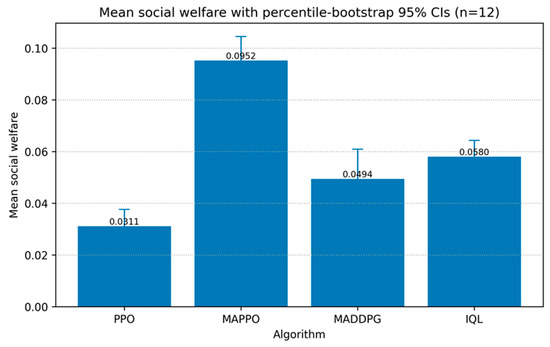
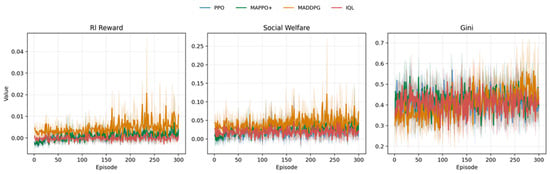
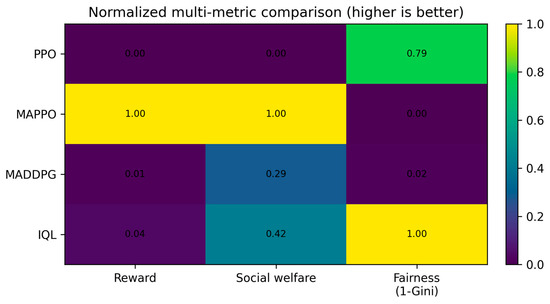
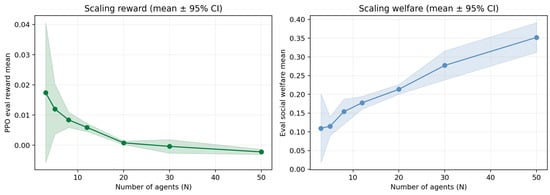
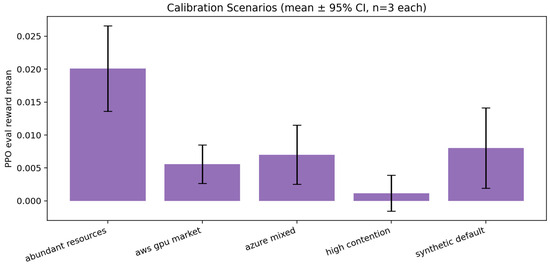
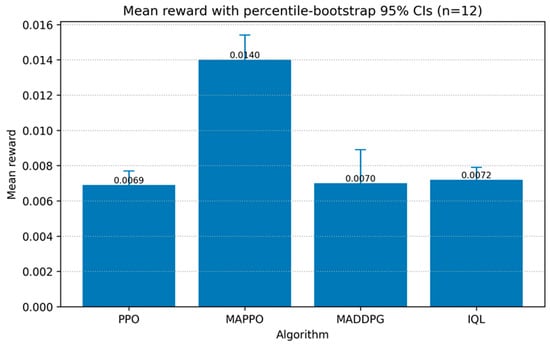
Decentralized compute markets require autonomous agents to negotiate heterogeneous resources under budget constraints, stochastic supply, and strategic interaction. We present Agora-RL, a reproducibility-first benchmark for repeated negotiation of GPU, memory, and bandwidth through token-denominated double auctions. The study asks two questions: how standard MARL baselines rank when reward, social welfare, and inequality are evaluated jointly; and whether a transparent benchmark protocol can make such comparisons auditable. PPO, MAPPO, MADDPG, and IQL are evaluated with matched 300-episode training budgets, 30 deterministic evaluation episodes, and 12 random seeds. Using percentile-bootstrap 95% confidence intervals, MAPPO achieves the highest reward (0.0140 [0.0124, 0.0154]) and social welfare (0.0952 [0.0854, 0.1045]), whereas IQL yields the lowest Gini coefficient (0.4477 [0.4360, 0.4613]). Secondary diagnostics show that reward leadership does not imply fairness, equilibrium closeness, or communication robustness. The contribution is an empirical benchmark and audit protocol rather than a new auction theorem or blockchain settlement layer.
Full article
Background: Direct comparisons between uniportal robotic-assisted (uRATS) and uniportal video-assisted (uVATS) thoracoscopic anatomical lung resection for non-small cell lung cancer (NSCLC) remain scarce. We compared oncologic radicality and perioperative outcomes between the two uniportal approaches in a single-center contemporaneous cohort. Methods: This retrospective
[...] Read more.
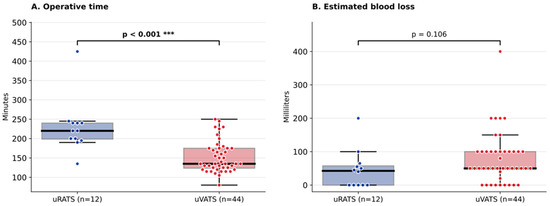
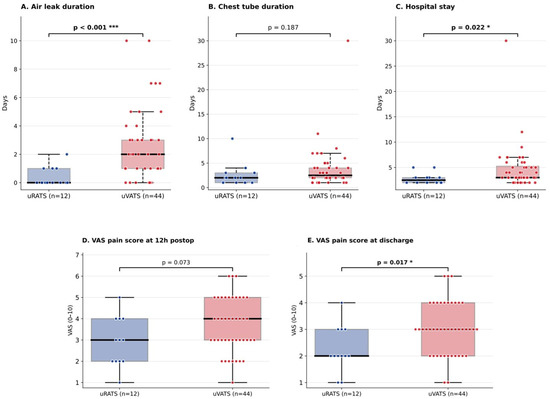
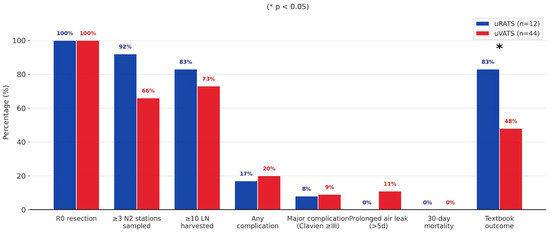
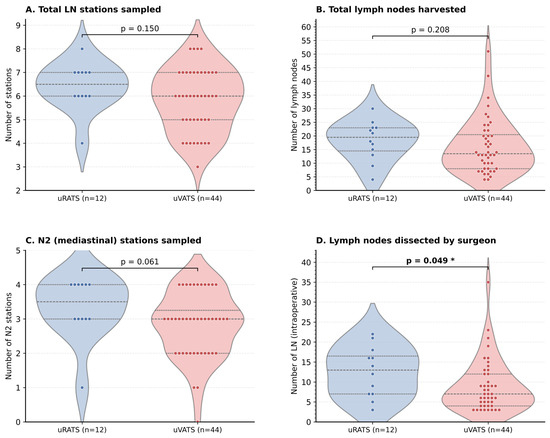
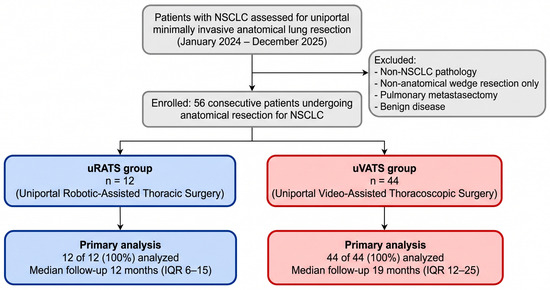
Background: Direct comparisons between uniportal robotic-assisted (uRATS) and uniportal video-assisted (uVATS) thoracoscopic anatomical lung resection for non-small cell lung cancer (NSCLC) remain scarce. We compared oncologic radicality and perioperative outcomes between the two uniportal approaches in a single-center contemporaneous cohort. Methods: This retrospective cohort study included 56 consecutive NSCLC patients undergoing uniportal anatomical resection between January 2024 and December 2025 (uRATS, n = 12; uVATS, n = 44). The primary endpoint was oncologic radicality of lymph-node dissection (stations sampled, total nodes, mediastinal sampling, R0 rate). Secondary endpoints included operative time, blood loss, pain, recovery metrics, and a composite textbook outcome. Comparisons used Mann–Whitney U and Fisher’s exact tests. Results: Complete (R0) resection was achieved in all 56 patients. The operating surgeon dissected more lymph nodes in the uRATS group (median 13 vs. 7; p = 0.049), with a trend toward more mediastinal stations sampled (4 vs. 3; p = 0.061). Operative time was longer with uRATS (220 vs. 135 min; p < 0.001), but air-leak duration (0 vs. 2 days; p < 0.001), hospital stay (2 vs. 3 days; p = 0.022), and discharge pain (p = 0.017) all favored uRATS. Textbook outcome was achieved in 83% versus 48% (p = 0.047). Conclusions: In a uniportal-experienced unit, uRATS showed comparable intraoperative oncologic-quality metrics to uVATS with directional perioperative-recovery differences favoring uRATS. Larger multicenter studies with longer follow-up are warranted.
Full article
Background: Effective topical anesthesia is essential to patient comfort and adherence during minimally invasive esthetic procedures. We retrospectively reviewed pain scores recorded after microneedling in a single private clinic where two topical anesthetic formulations—lidocaine 7%/tetracaine 7% (Pliaglis) and lidocaine 2.5%/prilocaine 2.5% (Anesderm)—were used
[...] Read more.
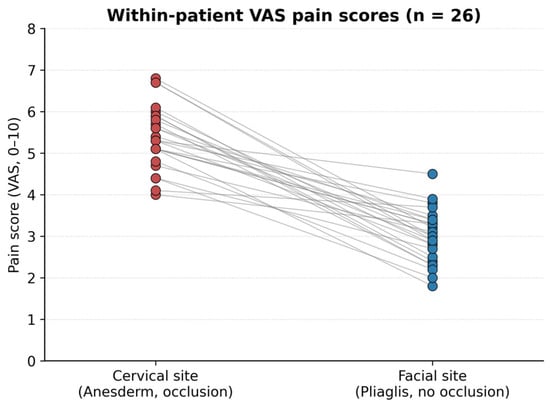
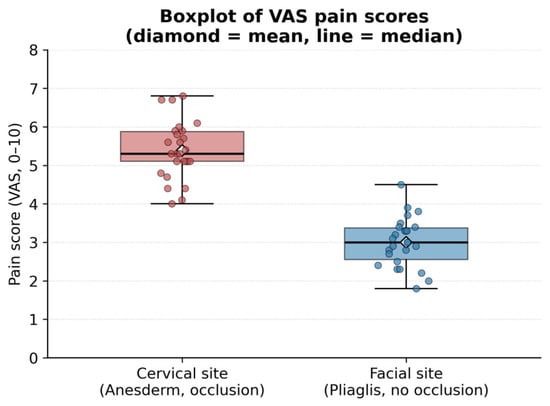
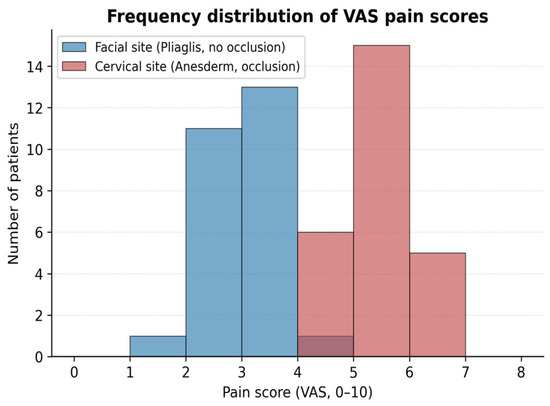
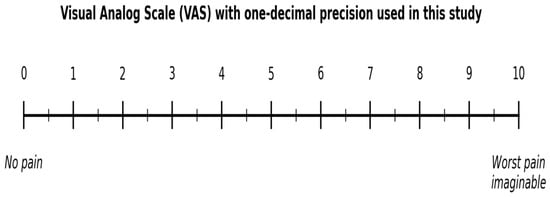
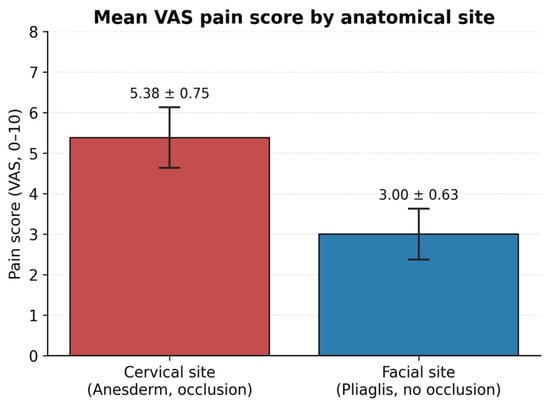
Background: Effective topical anesthesia is essential to patient comfort and adherence during minimally invasive esthetic procedures. We retrospectively reviewed pain scores recorded after microneedling in a single private clinic where two topical anesthetic formulations—lidocaine 7%/tetracaine 7% (Pliaglis) and lidocaine 2.5%/prilocaine 2.5% (Anesderm)—were used as part of standard clinical practice on different anatomical sites and under different application protocols. Methods: Records were reviewed from 26 healthy female patients (mean age 42 ± 4 years; range 34–48) who underwent microneedling on the face and neck during 2024 in a single private clinic. According to the established clinic protocol, which was not modified for research purposes, Pliaglis was applied to the face without additional occlusion (self-occlusive peel-off film, in accordance with the manufacturer’s recommendation) and Anesderm was applied to the neck under plastic-film occlusion (also in accordance with the manufacturer’s recommendation), both for 45 min prior to microneedling at a fixed depth of 1.25 mm. Treatment allocation was determined by clinic workflow; patients and the operator were not blinded, and the order of the two products within each session was not randomized. Post-procedural pain was recorded using a Visual Analog Scale (VAS, 0–10), with one decimal precision, separately for each anatomical site. Within-patient differences were analyzed using a paired-sample t-test, with a Wilcoxon signed-rank test as a non-parametric sensitivity analysis. Results: Pain scores were lower at the facial site (Pliaglis, no occlusion) than at the cervical site (Anesderm, occlusion): mean VAS 3.00 ± 0.63 vs. 5.38 ± 0.75; mean within-patient difference 2.38 points, 95% CI 1.97–2.80; paired t(25) = 11.87, p < 0.0001; Cohen’s d = 2.33. The Wilcoxon signed-rank test produced a concordant result (p < 0.0001). A within-patient pain reduction of at least 30% on the facial site relative to the cervical site was observed in 81% of patients (21/26). Both products were well tolerated, with only mild transient erythema reported. Conclusions: In this retrospective, non-randomized, non-blinded single-center analysis, lower pain scores were observed at the facial site (treated with lidocaine-tetracaine 7%/7% without additional occlusion, per manufacturer instructions) than at the cervical site (treated with lidocaine-prilocaine 2.5%/2.5% under occlusion, per manufacturer instructions) within the same patients. Because formulation, active-drug concentration, anatomical site, and the manufacturer-mandated occlusion technique co-varied between the two conditions, the observed difference cannot be attributed to formulation alone. These findings should be regarded as hypothesis-generating and require confirmation in prospective, randomized, split-region or split-face studies that disentangle formulation effects from site- and protocol-related factors.
Full article
Artificial intelligence (AI) is increasingly reshaping musculoskeletal (MSK) imaging across the entire imaging pathway. This narrative review summarizes current AI applications in MSK radiology across four domains: acquisition and reconstruction, detection and triage, characterization and quantification, and prognosis and decision support. AI-based reconstruction
[...] Read more.
Artificial intelligence (AI) is increasingly reshaping musculoskeletal (MSK) imaging across the entire imaging pathway. This narrative review summarizes current AI applications in MSK radiology across four domains: acquisition and reconstruction, detection and triage, characterization and quantification, and prognosis and decision support. AI-based reconstruction has enabled faster MRI acquisitions, improved denoising and artifact reduction, and supported low-dose CT imaging while preserving diagnostic quality. Fracture detection and triage currently represent the most mature clinical applications, particularly in emergency settings. AI is also promoting a shift from qualitative interpretation to quantitative imaging phenotyping through automated assessment of body composition, cartilage, bone density, degenerative spine disease, skeletal maturity, and lesion heterogeneity. Emerging applications in prognostic modeling, implant evaluation, and multimodal risk stratification remain promising but less mature. Broader clinical implementation is still limited by restricted interpretability, dataset bias, insufficient prospective validation, regulatory complexity, and unresolved medico-legal issues. Overall, AI should be viewed as a tool to augment, not replace, radiological expertise.
Full article
Sarcopenia is increasingly invoked as a determinant of treatment-related toxicity, perioperative morbidity, treatment intolerance, and survival in oncology; however, contemporary international consensus frameworks define sarcopenia as a multidimensional neuromuscular syndrome centered on impaired muscle strength, physical performance, and muscle quality, whereas most oncologic
[...] Read more.
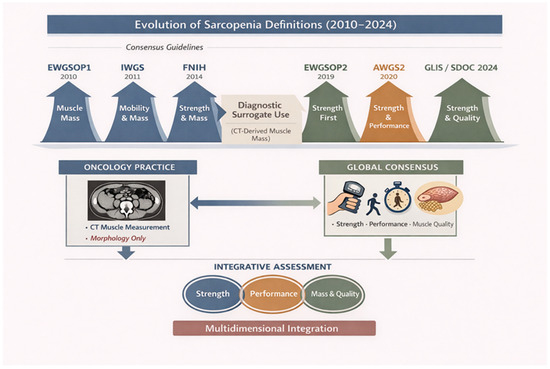
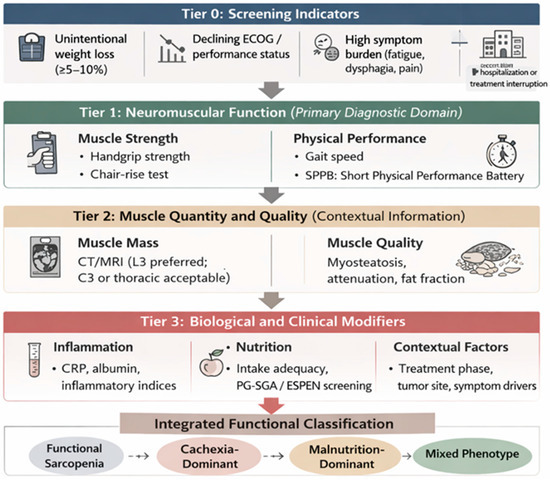
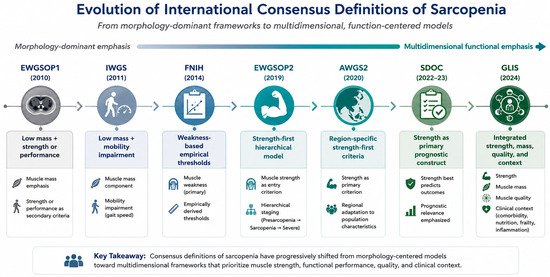
Sarcopenia is increasingly invoked as a determinant of treatment-related toxicity, perioperative morbidity, treatment intolerance, and survival in oncology; however, contemporary international consensus frameworks define sarcopenia as a multidimensional neuromuscular syndrome centered on impaired muscle strength, physical performance, and muscle quality, whereas most oncologic studies operationalize sarcopenia using computed tomography (CT)-derived skeletal muscle mass alone. In this context, muscle quantity is effectively employed as a diagnostic surrogate for a function-centered syndrome. CT-defined skeletal muscle depletion—more precisely described as myopenia—remains a reproducible and clinically informative structural biomarker, yet defining sarcopenia by muscle mass alone aggregates biologically heterogeneous phenotypes, including neuromuscular dysfunction, inflammation-driven cachexia, and substrate-related malnutrition. Such surrogate-based definitions contribute to variable prevalence estimates, inconsistent prognostic associations, and interpretive instability across studies. Clinically, reliance on CT-based muscle mass as a surrogate for sarcopenia may influence chemotherapy dosing, perioperative risk stratification, and supportive care allocation without direct assessment of neuromuscular function; in research settings, mass-based definitions may dilute treatment effects in exercise or nutritional trials and complicate meta-analytic synthesis by conflating structural and functional constructs. This analysis does not question the value of radiologic muscle assessment but argues that CT-derived muscle mass should be recognized as a structural biomarker within a multidimensional framework rather than as a standalone diagnostic surrogate for sarcopenia. A tiered, oncology-adapted approach integrating functional assessment, muscle quality, and relevant metabolic context may enhance risk discrimination, improve trial design, and strengthen translational precision in supportive oncology.
Full article
Generative deep learning-based synthetic aperture radar (SAR)-to-optical image translation (SOIT) has been widely employed for cloud removal. However, since cloud-contaminated regions reconstructed by SOIT inevitably contain prediction errors, an additional error refinement procedure is required to achieve reliable spectral reflectance reconstruction. In this
[...] Read more.
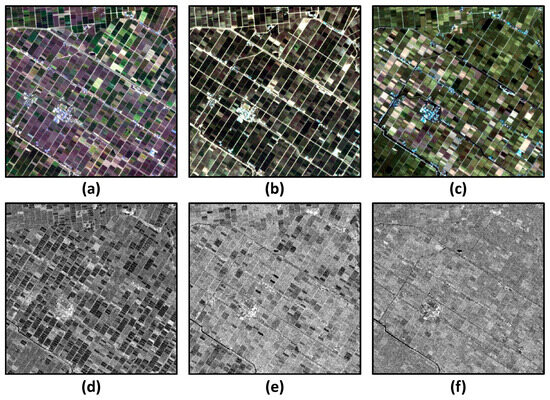
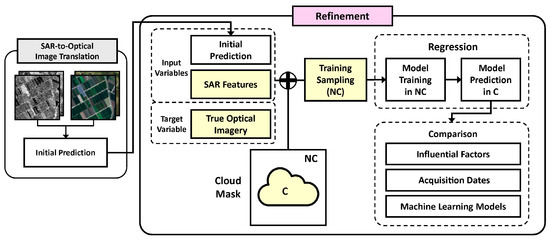
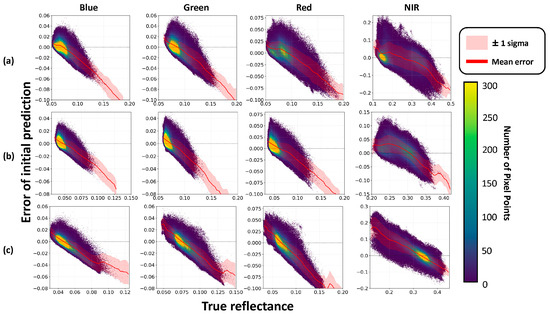
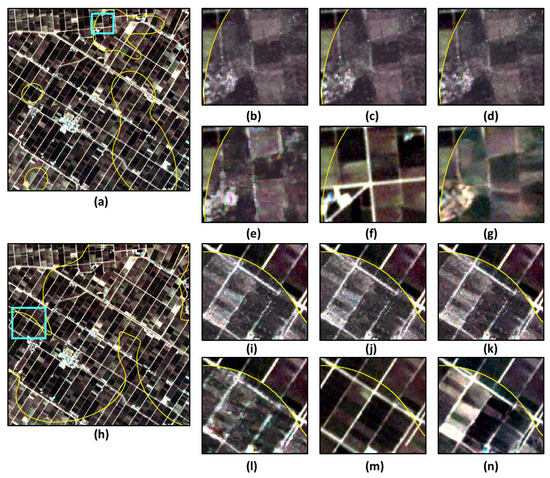
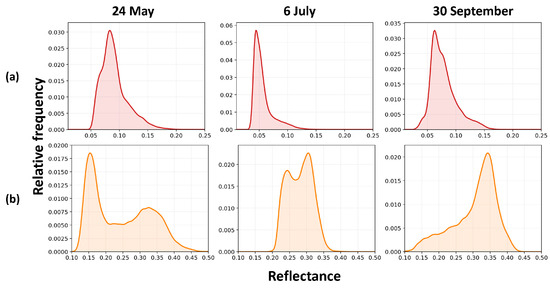
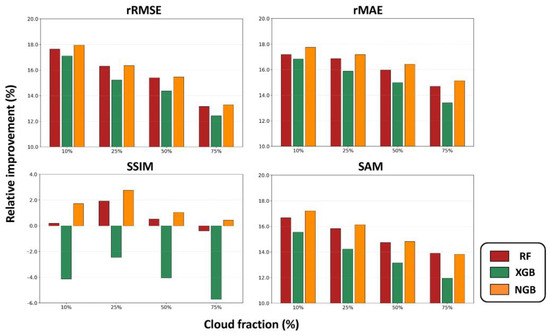
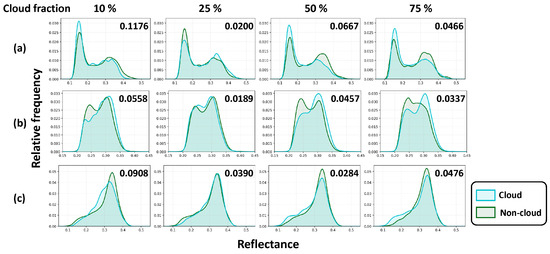
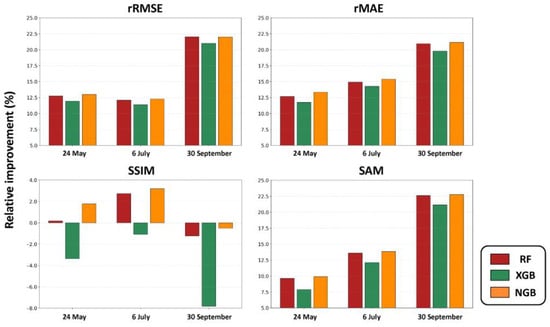
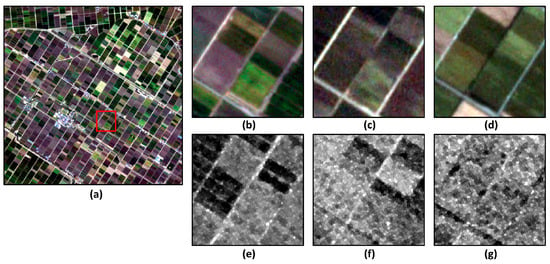
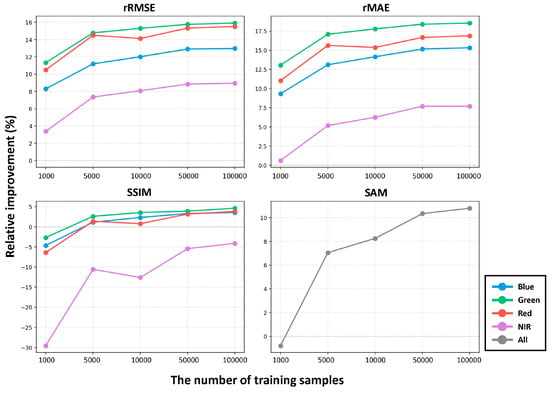
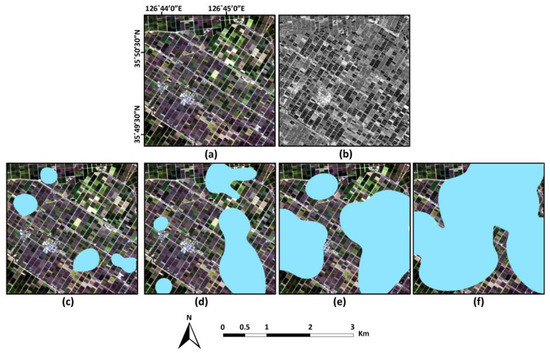
Generative deep learning-based synthetic aperture radar (SAR)-to-optical image translation (SOIT) has been widely employed for cloud removal. However, since cloud-contaminated regions reconstructed by SOIT inevitably contain prediction errors, an additional error refinement procedure is required to achieve reliable spectral reflectance reconstruction. In this study, three machine learning-based regression models, including Random Forest (RF), eXtreme Gradient Boosting (XGB), and Natural Gradient Boosting (NGB), are comprehensively evaluated for the error refinement of optical imagery initially reconstructed by SOIT. The factors influencing refinement performance are categorized into four components: (1) the sampling strategy of training pixels from cloud-free regions (random vs. quantile-based sampling); (2) the refinement target (actual spectral reflectance vs. residual between actual and initially reconstructed reflectance); (3) SAR features (pixel-level raw SAR features vs. local spatial SAR features); and (4) the cloud fraction in the scene of interest. A systematic sensitivity analysis of their effects on error refinement performance was conducted over cropland using PlanetScope optical imagery and COSMO-SkyMed SAR imagery. The results showed that cloud fraction had the greatest impact on refinement performance. Regarding SAR features for regression, the use of local spatial SAR features improved spectral similarity by up to approximately 4.6%p compared to raw SAR features. In terms of sampling strategy, quantile-based sampling yielded better refinement performance, whereas the effect of the refinement target was less pronounced. These results suggest that local spatial SAR features and quantile-based sampling strategies are the key determinants of regression-based refinement performance in SOIT-based cloud removal.
Full article
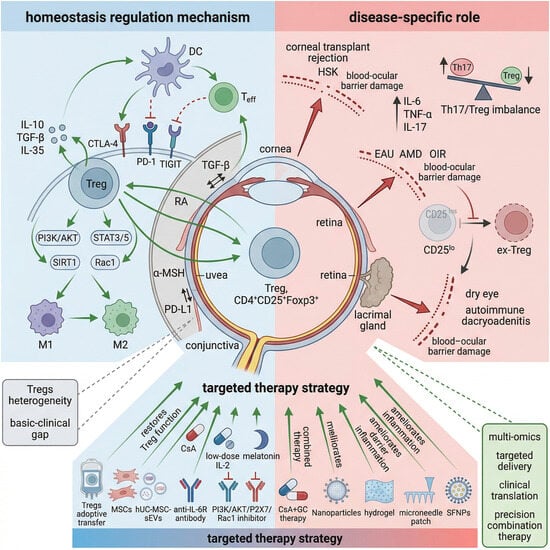
Regulatory T cells (Tregs, CD4+ CD25+ Foxp3+) play a crucial role as a core cell subset in maintaining immune homeostasis in the ocular immune-privileged microenvironment. This review systematically summarizes the stage-specific regulatory mechanisms of Treg cells in common inflammatory
[...] Read more.
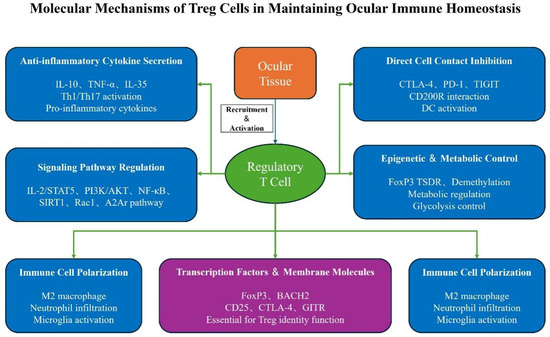
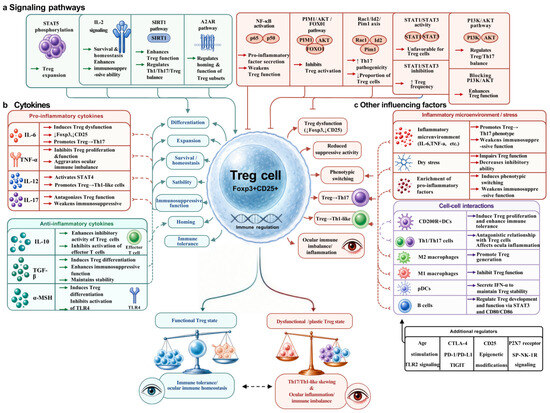
Regulatory T cells (Tregs, CD4+ CD25+ Foxp3+) play a crucial role as a core cell subset in maintaining immune homeostasis in the ocular immune-privileged microenvironment. This review systematically summarizes the stage-specific regulatory mechanisms of Treg cells in common inflammatory diseases such as keratitis, uveitis, and dry eye syndrome, including intercellular interactions, signal pathway mediation, and cytokine network regulation, as well as key experimental evidence (animal/cell models and clinical sample data) and research progress in targeted therapy. Studies have shown that Treg cells maintain ocular immune balance by secreting anti-inflammatory cytokines (such as IL-10 and TGF-β), regulating signaling pathways (STAT, PI3K/AKT, SIRT1, etc.), and interacting with immune cells (macrophages, dendritic cells). Their functions are regulated by multiple factors such as cytokine networks, epigenetic modifications, and delivery vectors. Targeted interventions based on Treg cells (cell therapy, drug intervention, and signaling pathway regulation) and combined treatment strategies have shown good anti-inflammatory potential. This article, in light of current research limitations (such as insufficient analysis of cell heterogeneity and the disconnect between basic and clinical research), proposes future research directions, providing a theoretical basis for the understanding of the pathogenesis of inflammatory eye diseases and the development of new immunomodulatory therapies, and establishing a complete research framework of “mechanism–evidence–treatment”.
Full article
The transition to low-carbon hydrogen is recognized as a priority decarbonization pathway, yet the risk profiles of hydrogen projects remain poorly characterized for non-Western, resource-rich, and geopolitically constrained economies. This study develops and applies a structured expert-based risk mapping framework for low-carbon hydrogen
[...] Read more.
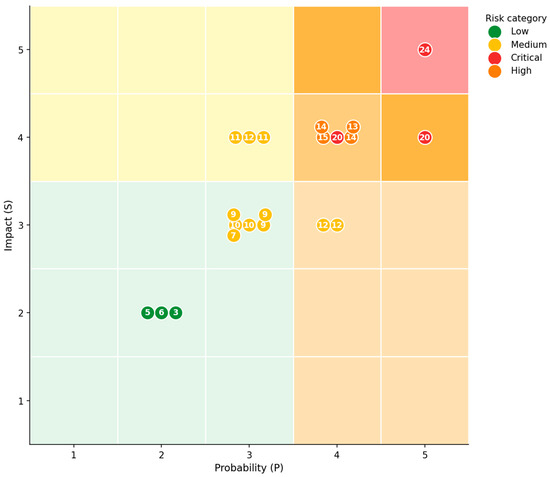
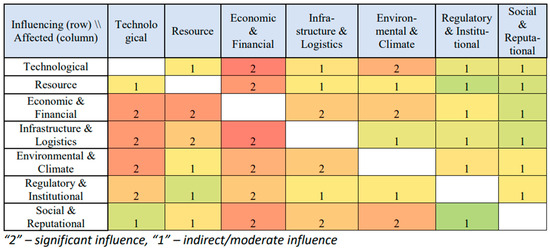
The transition to low-carbon hydrogen is recognized as a priority decarbonization pathway, yet the risk profiles of hydrogen projects remain poorly characterized for non-Western, resource-rich, and geopolitically constrained economies. This study develops and applies a structured expert-based risk mapping framework for low-carbon hydrogen production in Russia. The framework integrates three procedural steps: (1) identification and classification of 21 risk factors across seven thematic groups based on systematic literature analysis; (2) construction of a directed interdependency matrix (7 × 7, ordinal scale 0–2) via structured expert elicitation (n = 10, February 2026); and (3) probability–impact prioritization using the P × S scoring heuristic (both axes on a 1–5 scale, per ISO 31000:2018). Results reveal three critical risk factors (P × S Score ≥ 20): high cost of capital and restricted access to external financing (Score = 24, P = 5, S = 5), dependence on imported electrolyzer components (Score = 20, P = 4, S = 4), and insufficient export infrastructure (Score = 20, P = 5, S = 4). The interdependency matrix identifies economic and financial risks as the primary “accumulator” of systemic influence, receiving maximum incoming impact from all other six groups. Regulatory risks occupy a medium position but exert disproportionate cascading effects on technology choice and project economics. The framework is explicitly designed for transferability to other resource-abundant, capital-constrained economies (Kazakhstan, Iran, Algeria), with structural adaptation conditions specified. Findings are relevant for policymakers, investors, and multilateral stakeholders shaping hydrogen value chains in non-Western contexts.
Full article
Drought stress severely impairs crop growth and agricultural productivity. Stomata, specialized structures in the leaf epidermis, play a critical role in gas exchange and transpiration. Therefore, reducing stomatal density to minimize water loss is an effective strategy for enhancing crop drought tolerance. The
[...] Read more.
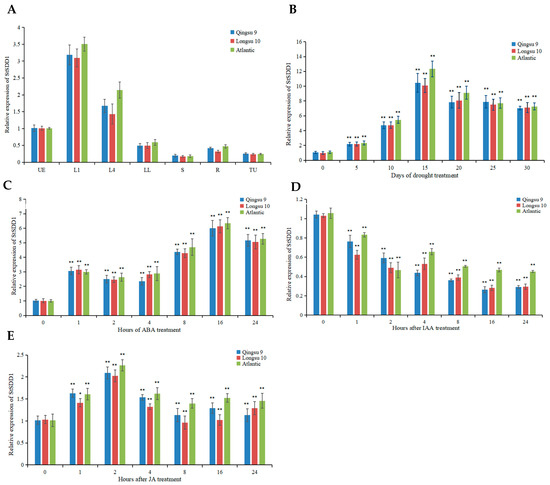
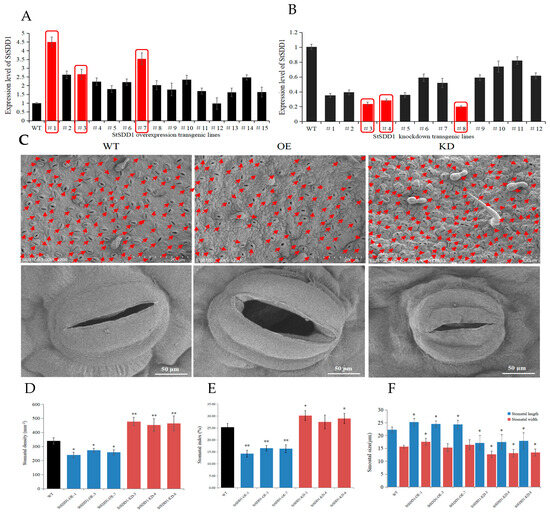
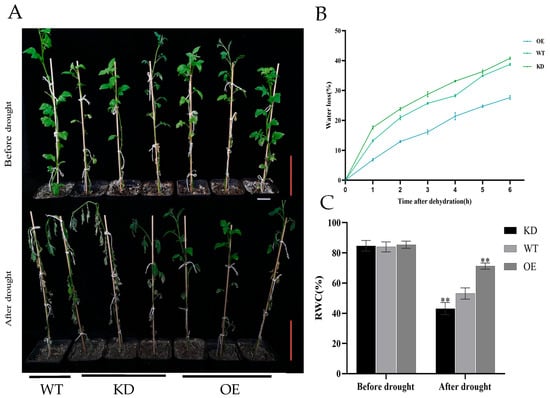
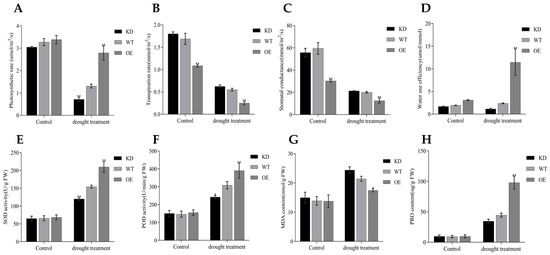
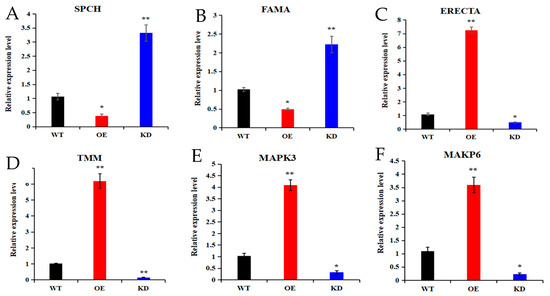
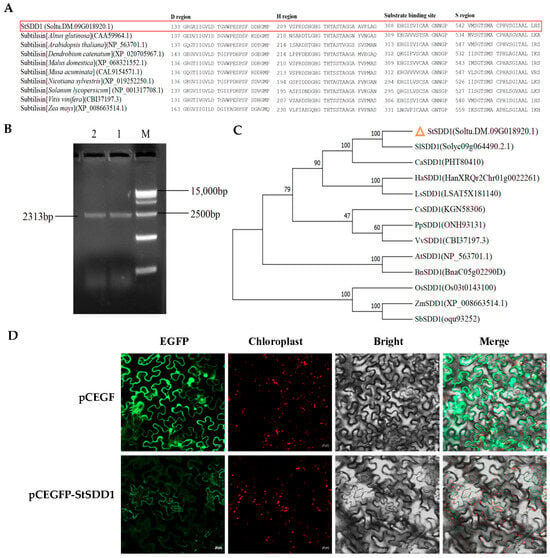
Drought stress severely impairs crop growth and agricultural productivity. Stomata, specialized structures in the leaf epidermis, play a critical role in gas exchange and transpiration. Therefore, reducing stomatal density to minimize water loss is an effective strategy for enhancing crop drought tolerance. The SDD1 gene was characterized as a negative regulator of stomatal density, and its function has been well characterized in model plants. However, its role in potato remains largely unknown. In this study, we identified a potato SDD1-like gene, StSDD1, which is predominantly expressed in young leaves and induced by drought stress and various hormones. Subcellular localization revealed that the StSDD1 fusion protein localizes to the plasma membrane and cytoplasm. Overexpression of StSDD1 decreased stomatal density and improved water use efficiency, leading to enhanced drought tolerance, whereas knockdown transgenic lines exhibited the opposite phenotype. Additionally, altering StSDD1 expression affected the expression of key stomatal development genes and several physiological and photosynthetic drought-related parameters. Taken together, our results suggest that StSDD1 enhances drought tolerance, potentially by reducing stomatal density. These findings indicate a role for StSDD1 in this process and provide a valuable genetic resource for molecular breeding of drought-resistant crops.
Full article
Ultra-fast electric vehicle (EV) charging systems are among the most demanding converter-dominated applications due to their high power levels, wide battery-voltage range, strict thermal constraints, and the need for adaptive charging control. Conventional design and tuning approaches often rely on fixed control policies
[...] Read more.
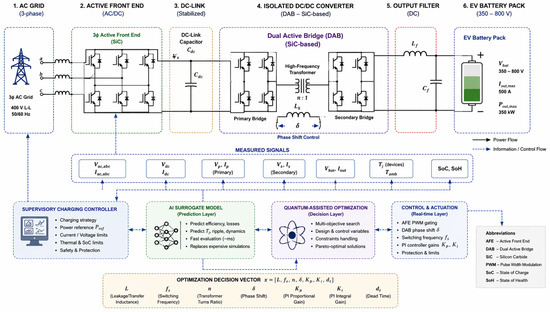
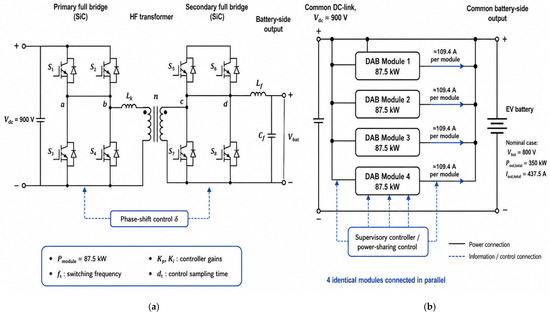
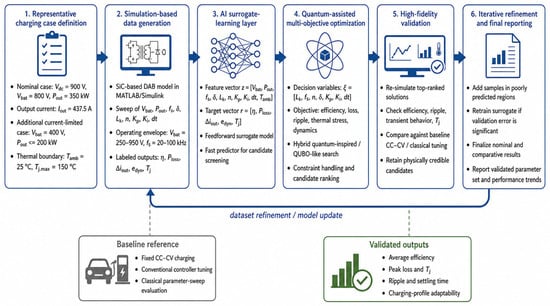
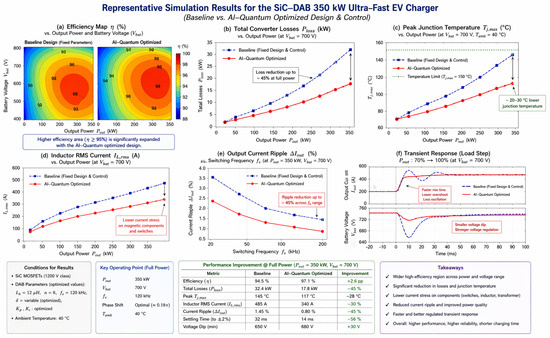
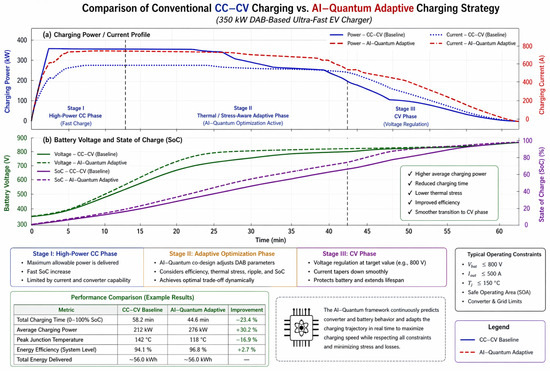
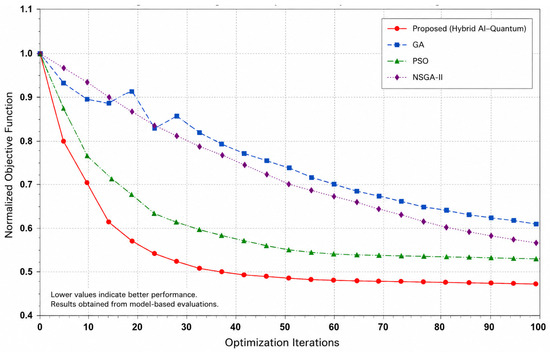
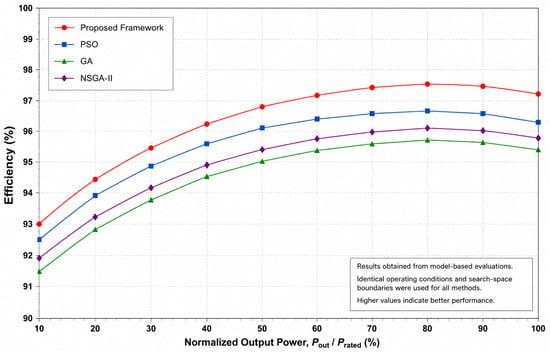
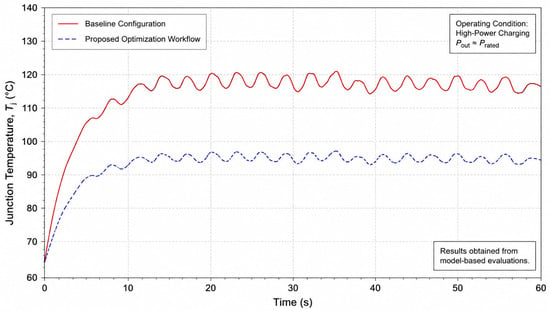
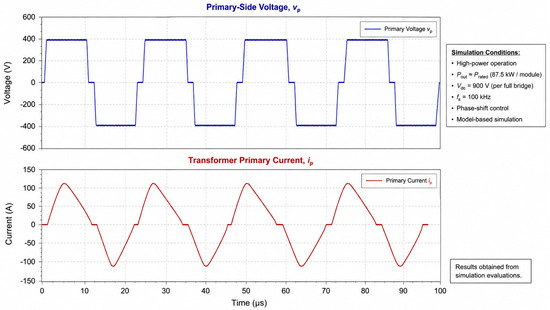
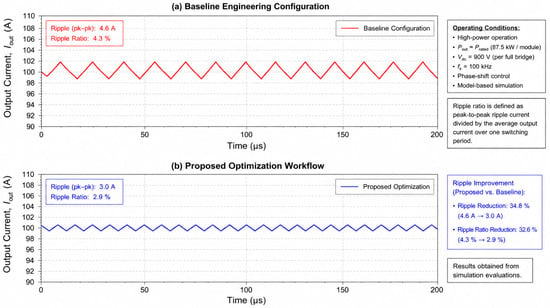
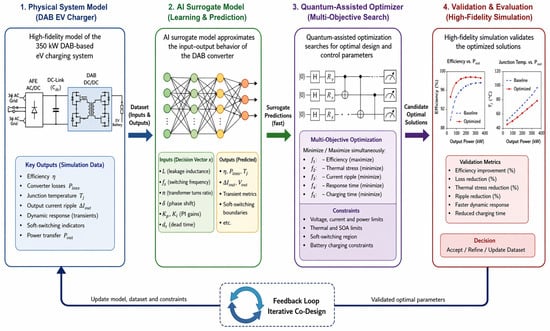
Ultra-fast electric vehicle (EV) charging systems are among the most demanding converter-dominated applications due to their high power levels, wide battery-voltage range, strict thermal constraints, and the need for adaptive charging control. Conventional design and tuning approaches often rely on fixed control policies and computationally expensive iterative optimization, which limits their ability to address nonlinear multi-objective trade-offs across the full charging envelope. This paper proposes a hybrid AI–quantum co-design framework for a SiC-based dual active bridge (DAB) converter intended for ultra-fast EV charging applications. The proposed approach combines a physical converter model, an AI surrogate-learning layer for rapid prediction of converter performance, and a quantum-assisted optimization layer for multi-objective exploration of design and control variables. To demonstrate the framework, a representative modular 350 kW ultra-fast charging case study is considered, implemented by four parallel 87.5 kW SiC-based DAB modules and including converter-level optimization and adaptive charging-policy refinement. The revised manuscript introduces a complete system schematic, an explicit DAB converter topology, a clarified methodological workflow, and a simulation-based proof-of-concept evaluation. Representative results indicate improved design-space exploration and more balanced trade-offs between efficiency, thermal stress, ripple, and dynamic response compared with a conventional baseline tuning approach. Although the study does not claim hardware-level quantum advantage, it provides a structured and practically interpretable computational framework for intelligent co-design of high-power charging converters.
Full article







 Sustainability
 Applied Sciences
 IJMS
IJMS
 JCM
JCM
 Sensors
 Energies
 Materials
 Electronics
 Buildings
 Foods
Foods
 Mathematics
 Remote Sensing
 Molecules
 Processes
 Diagnostics
 Cancers
 Nutrients
 Animals
 Plants
 Healthcare
 Polymers
 Water
Water
 Biomedicines
 Microorganisms
 Agriculture
 Medicina
 Land
Land
 Cells
Cells
 JMSE
JMSE
 Life
Life
 Symmetry
 Agronomy
 Behavioral Sciences
 Education Sciences
 Pharmaceuticals
 Biology
 Biomolecules
 IJERPH
 Children
 Antioxidants
 Horticulturae
 Pharmaceutics
 Micromachines
 Forests
 Nanomaterials
 Coatings
 Entropy
 Religions
 Bioengineering
 Genes
Genes
 Machines
 Systems
 Pathogens
 Metals
 Brain Sciences
 Viruses
 CIMB
CIMB
 Minerals
 Atmosphere
 Veterinary Sciences
 Antibiotics
 Information
 Catalysts
 Insects
 Photonics