



17 pages, 468 KB  
Article
Assessment of Compliance with National and International Guidelines in the Empirical Management of Community-Acquired Pneumonia (CAP) in Lebanese Hospitals: A Multicenter Retrospective Cohort Study
by Ramona Nasr, Elias A. Rahal, Chadia Haddad, Pascale Salameh and Abir Abdel Rahman
Antibiotics 2026, 15(6), 551; https://doi.org/10.3390/antibiotics15060551 (registering DOI) - 30 May 2026
Abstract
Background: Community-acquired pneumonia (CAP) is a major cause of morbidity and mortality globally, with serious implications in Lebanon. Both international and local guidelines advocate for empirical antibiotic treatments by illness severity, yet the extent to which these are followed in Lebanese hospitals is [...] Read more.
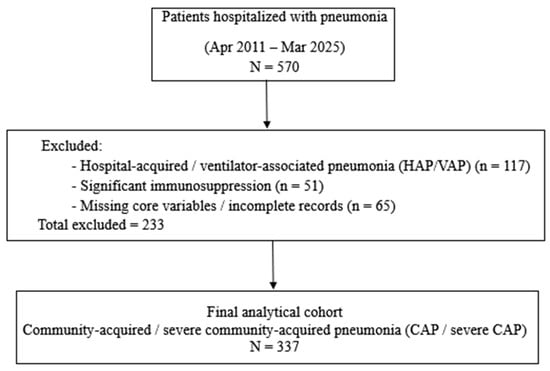
Background: Community-acquired pneumonia (CAP) is a major cause of morbidity and mortality globally, with serious implications in Lebanon. Both international and local guidelines advocate for empirical antibiotic treatments by illness severity, yet the extent to which these are followed in Lebanese hospitals is unclear. This research examined the adherence to CAP treatment guidelines and its association with clinical outcomes. Methods: We retrospectively studied adults admitted to two Lebanese referral hospitals (Mount Lebanon University Medical Center and Ain Wazein Medical Village) from April 2011 to March 2025 with CAP. Adherence to empirical antibiotic regimens was determined based on the guidelines from the Lebanese Society of Infectious Diseases and Clinical Microbiology, American Thoracic Society/Infectious Diseases Society of America, and British Thoracic Society/National Institute for Health and Care Excellence. The outcomes assessed were in-hospital mortality, Intensive Care Unit (ICU) admission, and length of hospital stay (LOS). We used logistic and linear regression analyses, adjusting for demographic and clinical variables. Results: A total of 337 patients were included with an average age of 61 years; 53.7% were male, 51.6% were admitted to the ICU, and the in-hospital mortality rate was 27%. In general, 65.6% of the treatment regimens adhered to at least one guideline. The combination of β-lactam and macrolide was the most common, used in 87.8% of cases, while monotherapy was administered in 31.8% of cases and included β-lactam, macrolide, fluoroquinolone, and other antibiotics; most monotherapies were non-adherent to guidelines, except for selected fluoroquinolone monotherapy cases that may be considered guideline-concordant under ATS/IDSA recommendations depending on clinical context. Adherence to guidelines did not significantly affect mortality rates (25.8% vs. 29.3%), ICU admissions (52.5% vs. 50.0%), or length of stay (11.4 vs. 9.3 days). Multivariate analysis revealed that older age (OR 1.025, 95% CI 1.008–1.042) and ICU admission (OR 1.024, 95% CI 1.012–1.039) were independent predictors of adverse outcomes, whereas guideline adherence, comorbidities, and inflammatory markers were not independently linked. Surprisingly, mortality was higher among younger patients (average age 58 vs. 67 years, p < 0.001). Conclusions: Although guideline-concordant empirical therapy was prevalent in this two-center Lebanese retrospective population, it did not independently correlate with length of stay following adjustment, ICU admission, or in-hospital mortality. Patient-related and clinical factors, such as the severity of the illness, may have an impact on observed differences in outcomes, which should be taken as relationships. Full article
Show Figures

Figure 1

15 pages, 6026 KB  
Article
Clinical and Radiological Characteristics of Symptomatic Emphysema Patients with PRISm and Pre-COPD Phenotypes: Possible Effects of Smoking Status
by Maşide Ari, Emrah Ari, Eray Çinar, Hakan Ertürk, Deniz Çelik, Murat Yildiz, Tarkan Özdemir, Mehmet Kayadelen, Derya Tüten Özdemir, Tunahan Dolmuş, Hasan İbiş, Esma Dolmuş and Ömer Faruk Tüten
Biomedicines 2026, 14(6), 1245; https://doi.org/10.3390/biomedicines14061245 (registering DOI) - 30 May 2026
Abstract
Background: Pre-Chronic Obstructive Pulmonary Disease (pre-COPD) and Preserved Ratio Impaired Spirometry (PRISm) phenotypes represent important components of the early obstructive lung disease spectrum, characterized by respiratory symptoms and structural lung abnormalities prior to the development of overt airflow limitation. Emphysema is considered one [...] Read more.
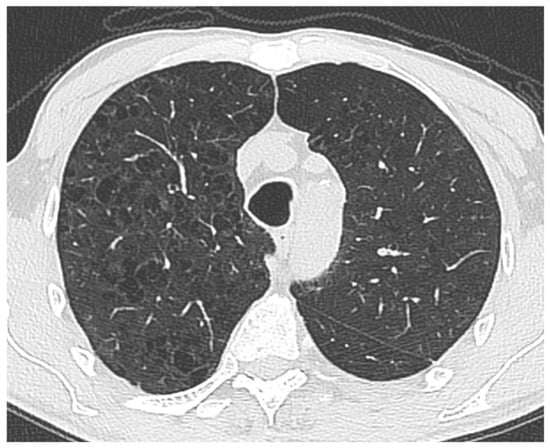
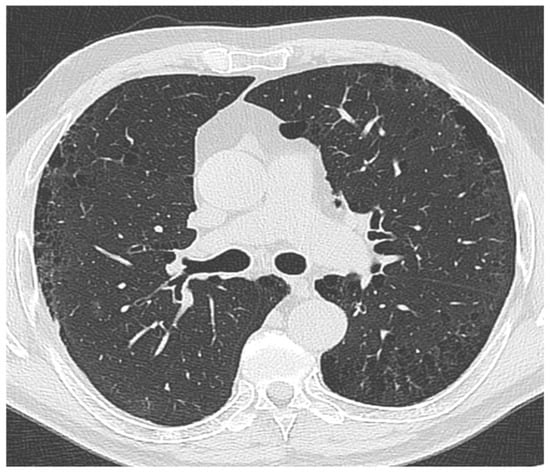
Background: Pre-Chronic Obstructive Pulmonary Disease (pre-COPD) and Preserved Ratio Impaired Spirometry (PRISm) phenotypes represent important components of the early obstructive lung disease spectrum, characterized by respiratory symptoms and structural lung abnormalities prior to the development of overt airflow limitation. Emphysema is considered one of the major structural phenotypes underlying airway disease and the COPD spectrum. Although cigarette smoking is the best recognized risk factor for these conditions, non-tobacco exposures may also contribute to early structural lung changes. In this study, we evaluated the radiological features, pulmonary function parameters, and dyspnea severity of CT-detected emphysema in symptomatic patients classified as having pre-COPD or PRISm, with particular attention paid to the potential influence of smoking status on disease characteristics. Methods: In this retrospective, single-center study, symptomatic patients aged 20–50 years classified as having pre-COPD or PRISm and in whom emphysema was detected on high-resolution computed tomography (HRCT) were evaluated. Only symptomatic patients who underwent HRCT for clinical indications and in whom emphysema was identified were included. Demographic characteristics, emphysema type and quantitative emphysema severity, pulmonary function parameters, and Modified Medical Research Council (mMRC) dyspnea scores were analyzed. The PRISm and pre-COPD groups were compared in terms of clinical and symptomatic characteristics. In addition, smoking-related clinical and radiological characteristics were also evaluated. Results: A total of 232 patients were included in the study. The median age was 43 years (38–48), and 84.1% of the participants were male. Among the study population, 68.5% were classified in the pre-COPD group and 31.5% in the PRISm group. The most frequently identified emphysema patterns were paraseptal (44.4%) and centrilobular (40.5%). The median total lung emphysema area was 18% (13–22). A weak negative correlation was observed between the degree of emphysema and FEV1 (r = −0.185; p = 0.005), whereas a weak positive correlation was found between emphysema extent and the mMRC dyspnea score (r = 0.214; p = 0.001). Dyspnea severity was significantly higher in the PRISm group compared with the pre-COPD group (p < 0.001). In the smoking-status subgroup analysis, ever-smokers demonstrated significantly greater dyspnea severity and lower FEV1 values, whereas never-smokers had a significantly higher proportion of emphysema extent > 18% (all p < 0.05). Conclusions: Radiologically detected emphysema in symptomatic patients without airflow limitation was associated with statistically significant but weak alterations in pulmonary function and dyspnea burden. Dyspnea severity was significantly higher in the PRISm phenotype. In a smoking-status subgroup analysis, ever-smokers had significantly greater dyspnea severity, whereas never-smokers showed a significantly higher proportion of extensive emphysema (>18%), despite similar functional impairment across groups. These findings underscore the importance of non-tobacco exposures in the development of emphysema within pre-obstructive spirometric phenotypes. Multicenter prospective studies incorporating healthy controls and systematic exposure documentation are needed to confirm these observations. Full article
(This article belongs to the Special Issue Advances in Chronic Obstructive Pulmonary Disease (COPD))
Show Figures

Figure 1

14 pages, 3514 KB  
Article
Microclimate Impacts of Urban Green Redevelopment: A Thermal Comfort Simulation in Imola, Italy
by Zhengyang Xu, Teodoro Georgiadis, Letizia Cremonini, Sofia Marini, Fausto Ravaldi and Stefania Toselli
Land 2026, 15(6), 942; https://doi.org/10.3390/land15060942 (registering DOI) - 30 May 2026
Abstract
Urban green spaces (UGSs) are increasingly recognised as critical infrastructure for mitigating climate extremes and promoting public health; indeed, the microclimatic mechanisms through which vegetation structure translates into measurable improvements in human comfort at the neighbourhood scale are of significant interest, particularly in [...] Read more.
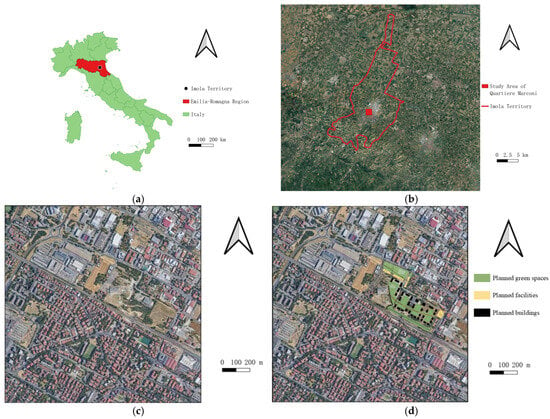
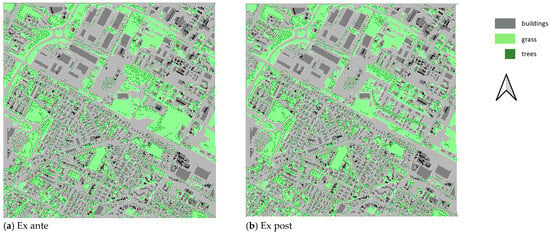
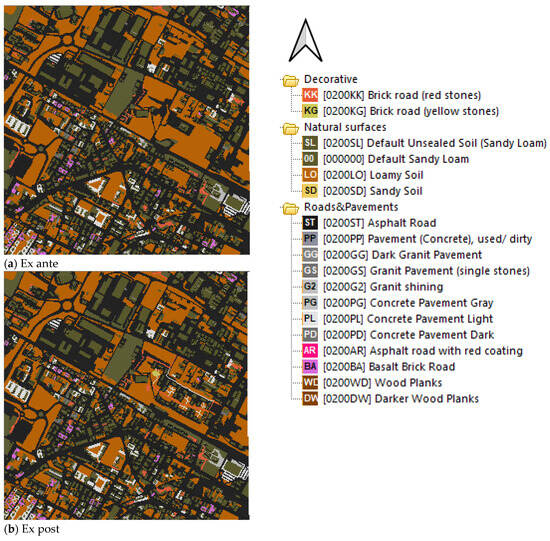
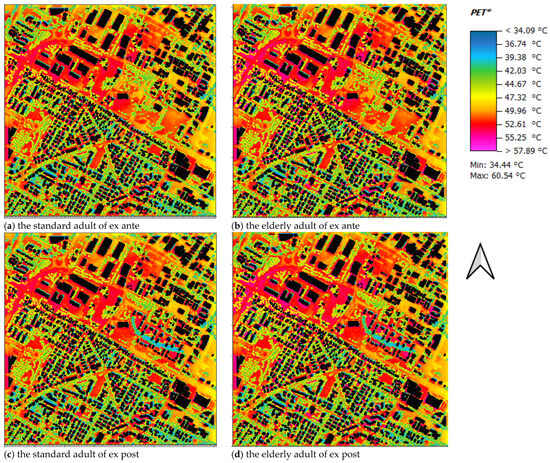
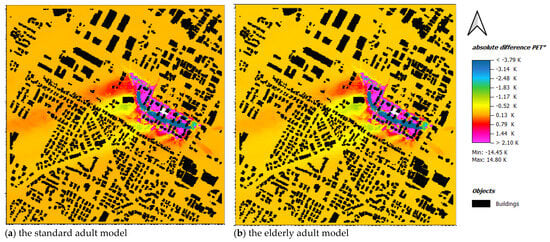
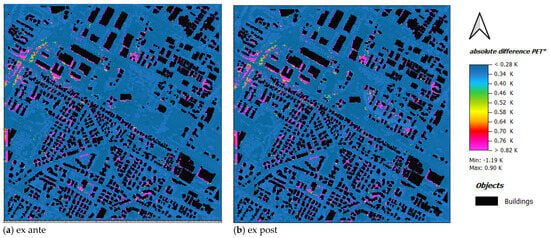
Urban green spaces (UGSs) are increasingly recognised as critical infrastructure for mitigating climate extremes and promoting public health; indeed, the microclimatic mechanisms through which vegetation structure translates into measurable improvements in human comfort at the neighbourhood scale are of significant interest, particularly in the context of new urban developments. This study examines the cooling effects of an urban redevelopment project in the Marconi district of Imola, Italy, using ENVI-met (Version 6.0.0, ENVI-met GmbH, Essen, Germany) simulations to compare ex ante (current) and ex post (planned) scenarios under extreme heat conditions. Physiological Equivalent Temperature (PET) was computed at the pedestrian level for both standard adult and elderly models to assess spatial patterns of thermal comfort. The results demonstrate that tree canopies are the primary determinant of local cooling, with newly planted trees reducing PET by up to 3.5 °C at the core of the regenerated block and by 1–2 °C along adjacent pavements, while grass and low vegetation provided negligible mitigation. However, new buildings generated localised warming bands of 0.5–2 °C along façades, revealing a trade-off between densification and outdoor liveability. Elderly populations experienced slightly stronger thermal stress near buildings, highlighting spatial concentrations of vulnerability. These findings reinforce the need to prioritise tree planting and canopy management as core climate adaptation strategies, while simultaneously addressing near-building heat accumulation through integrated design approaches such as façade greening and ventilation preservation. The study demonstrates the value of spatially explicit microclimate simulation for evidence-based urban planning, contributing to the development of sustainable and liveable urban environments. Full article
(This article belongs to the Special Issue Urban Ecological Indicators: Land Use and Coverage)
Show Figures

Figure 1

15 pages, 3315 KB  
Article
Oxidative Stress-Related DNA Damage in Patients with Idiopathic Granulomatous Mastitis: A Prospective Case–Control Study
by Ceren Gonultas, Adem Akcakaya, Abdurrahim Kocyigit, Gulnihal Sisman, Berrin Papila, Mehmet Velidedeoglu and Hasan Dagmura
J. Clin. Med. 2026, 15(11), 4228; https://doi.org/10.3390/jcm15114228 (registering DOI) - 30 May 2026
Abstract
Background/Objectives: Idiopathic granulomatous mastitis (IGM) is a rare, benign, chronic inflammatory disease of the breast that may present with recurrent and treatment-resistant courses and can clinically and radiologically mimic breast cancer. Despite its benign nature, IGM may significantly impair quality of life, [...] Read more.
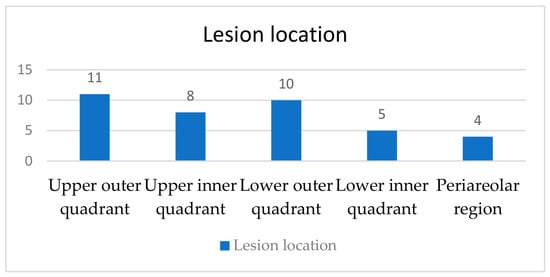
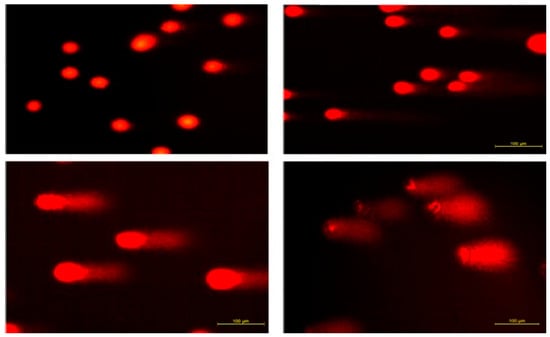
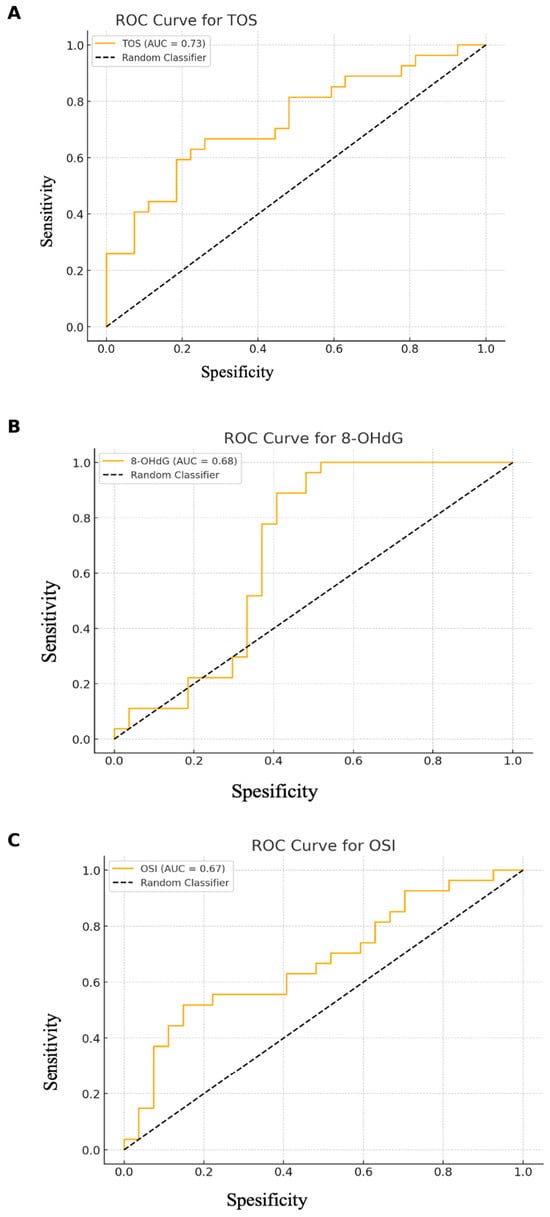
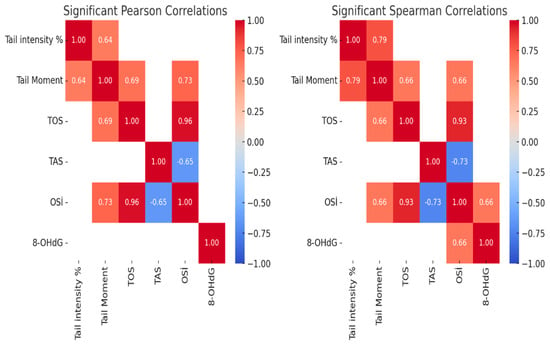
Background/Objectives: Idiopathic granulomatous mastitis (IGM) is a rare, benign, chronic inflammatory disease of the breast that may present with recurrent and treatment-resistant courses and can clinically and radiologically mimic breast cancer. Despite its benign nature, IGM may significantly impair quality of life, and its underlying pathophysiology remains unclear. This study aimed to evaluate oxidative stress and DNA damage in patients with IGM. Methods: In this prospective case–control study, 28 patients with clinically and histopathologically confirmed idiopathic granulomatous mastitis who had not received corticosteroid or immunosuppressive therapy within the previous six months were enrolled. An age-matched control group of 27 healthy women was included. Venous blood and urine samples were collected for the assessment of total oxidant status (TOS), total antioxidant status (TAS), and calculation of the oxidative stress index (OSI). Mononuclear leukocyte DNA damage was evaluated using the alkaline Comet assay, and urinary 8-hydroxy-2′-deoxyguanosine (8-OHdG) levels were measured by ELISA. Sociodemographic data, laboratory and imaging results of the patients were also evaluated. Results: The mean ages of the patient and control groups were 37.3 ± 5.3 and 35.4 ± 8.6 years, respectively, with no significant difference (p = 0.081). Patients exhibited significantly higher inflammatory markers and oxidative stress parameters, including TOS, OSI, and urinary 8-OHdG (p < 0.05), whereas TAS did not differ between groups (p = 0.534). Comet assay analysis demonstrated significantly increased tail intensity (%) and tail moment in the patient group (p = 0.029 and p = 0.016). Conclusions: IGM is associated with increased oxidative stress and mononuclear leukocyte DNA damage. These findings suggest that oxidative stress-induced DNA damage may play a role in the pathophysiology of IGM and highlight the potential value of antioxidant-based therapeutic strategies as adjunctive treatment options. Full article
(This article belongs to the Section General Surgery)
Show Figures

Figure 1

16 pages, 4102 KB  
Article
Green-Extracted Ficus carica L. Fruit Polysaccharides Promote Longevity in Caenorhabditis elegans via Modulation of SKN-1 and IIS Pathway
by Lianyu Li, Feng Ding, Yong Sheng and Yan Zhao
Antioxidants 2026, 15(6), 691; https://doi.org/10.3390/antiox15060691 (registering DOI) - 30 May 2026
Abstract
In this study, polysaccharides from Ficus carica L. fruits (FCPs) were extracted using a deep eutectic solvent (DES)-based ultrasound-assisted extraction (UAE) method. The physicochemical properties of the FCPs were then characterized, and the anti-aging effects of FCPs were evaluated in Caenorhabditis elegans ( [...] Read more.
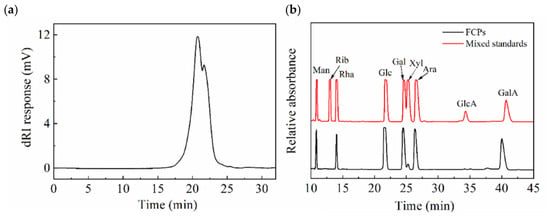
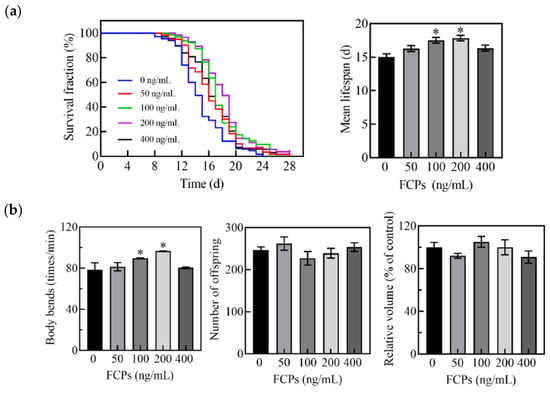
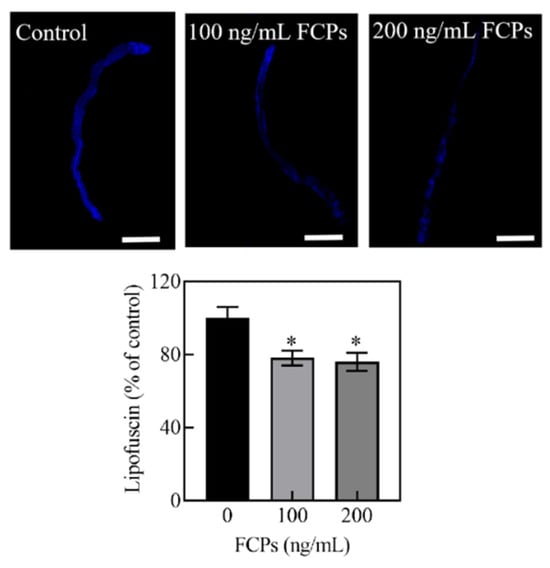
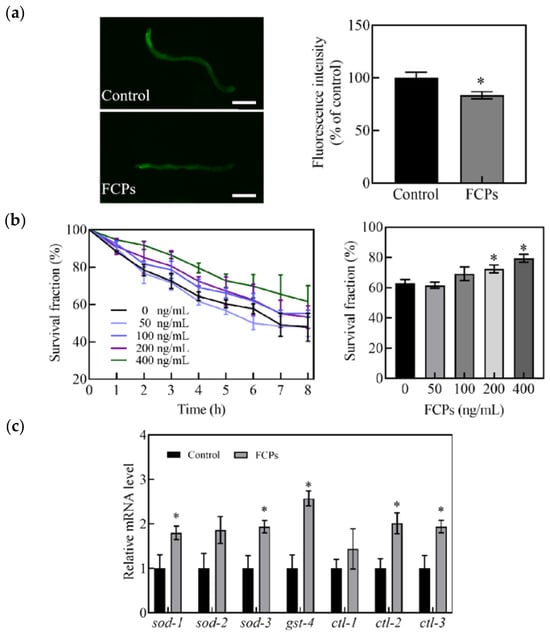
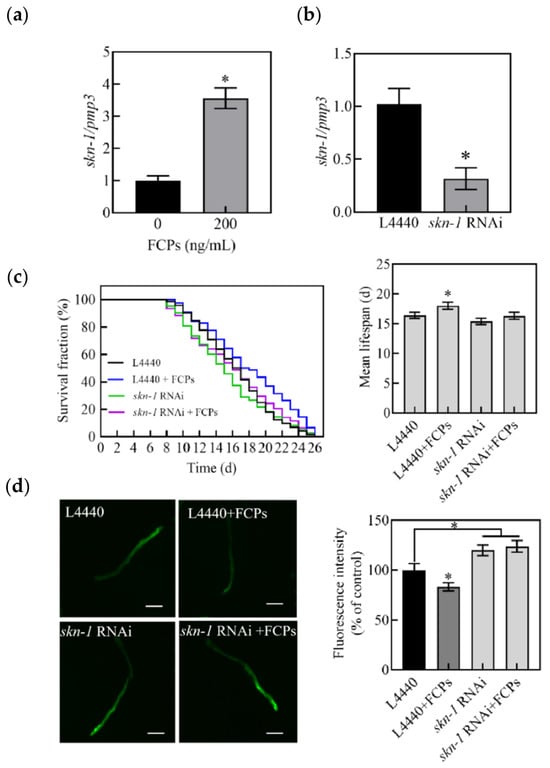
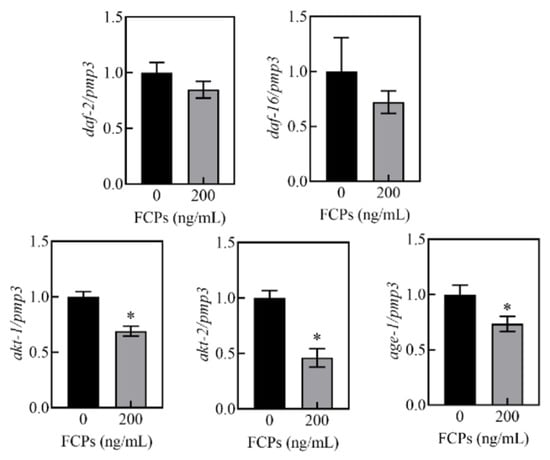
In this study, polysaccharides from Ficus carica L. fruits (FCPs) were extracted using a deep eutectic solvent (DES)-based ultrasound-assisted extraction (UAE) method. The physicochemical properties of the FCPs were then characterized, and the anti-aging effects of FCPs were evaluated in Caenorhabditis elegans (C. elegans). It was demonstrated that FCPs significantly extended the lifespan of the nematodes, while improving locomotor activity without affecting the body size or reproductive capacity. Meanwhile, FCPs reduced lipofuscin accumulation, decreased intracellular reactive oxygen species (ROS) levels, and increased the survival of C. elegans under oxidative stress. Moreover, FCPs upregulated the expression of antioxidant genes sod-1, sod-3, ctl-2, ctl-3 and gst-4. The expression of skinhead-1 (skn-1), a homologue gene of mammalian nuclear factor erythroid 2-related factor (Nrf) in C. elegans, was also elevated upon FCPs treatment. Knockdown of skn-1 expression by RNA interference abolished the lifespan extension and ROS reduction in FCPs-treated C. elegans, indicating that the SKN-1-mediated signaling was essential for the anti-aging effects of FCPs. Additionally, FCPs caused downregulation of the key components of the insulin/IGF-1 signaling (IIS) pathway, age-1, akt-1, and akt-2. Overall, these results suggested that FCPs promoted longevity in C. elegans via modulation of SKN-1 and IIS pathway. Full article
Show Figures

Figure 1

15 pages, 4787 KB  
Article
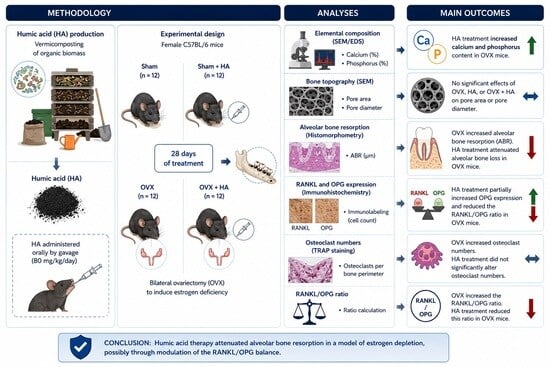
Humic Acid Therapy Mitigates Estrogen Deficiency-Induced Alveolar Bone Loss and Modulates the RANKL/OPG Balance
by Larissa Vieira Toledo, Maíra Gabrielle de Abreu Ribeiro, Thays Cristina dos Santos, Maria Luiza Nonato Salvador, Natália Oliveira Bertolini, Jaqueline do Carmo Lima Carvalho, Débora Ribeiro Orlando, Rafael Neodini Remedio, Alan Rodrigues Teixeira Machado, Leonardo Barros Dobbss, Stela Márcia Pereira Dourado, Luciano José Pereira and Eric Francelino Andrade
Biomedicines 2026, 14(6), 1244; https://doi.org/10.3390/biomedicines14061244 (registering DOI) - 30 May 2026
Abstract
Background: Estrogen deficiency negatively affects alveolar bone by disrupting key regulators of bone remodeling. Humic acids (HAs) are natural compounds with recognized antioxidant and anti-inflammatory properties that may attenuate bone resorption. This study investigated the effects of HAs on alveolar bone in an [...] Read more.
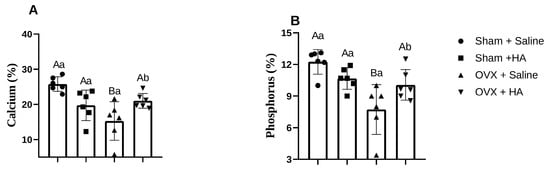
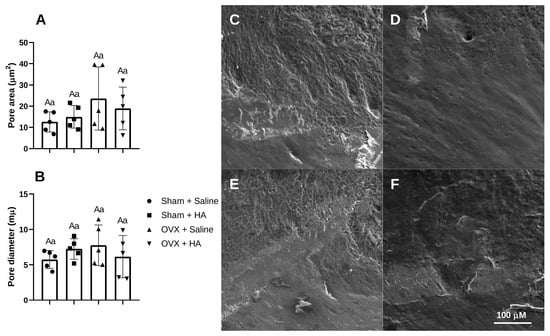
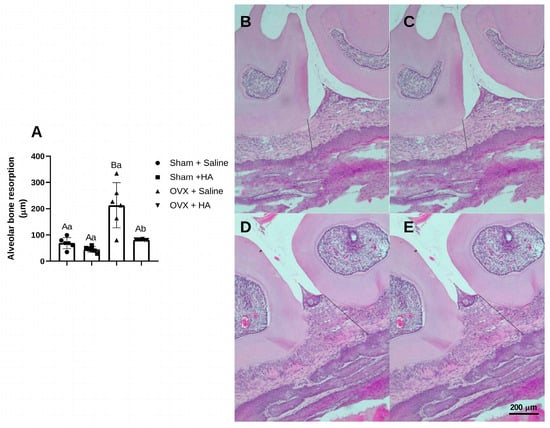
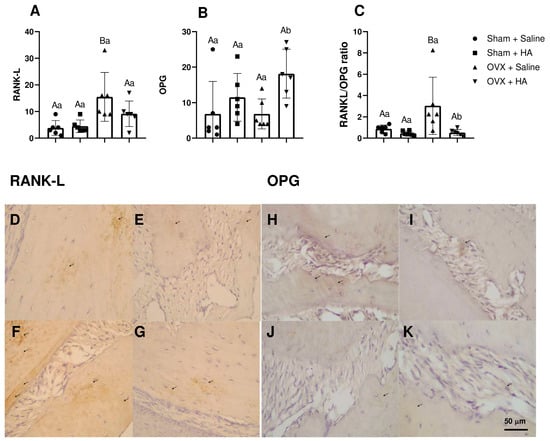
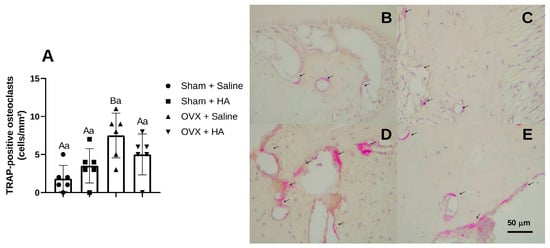
Background: Estrogen deficiency negatively affects alveolar bone by disrupting key regulators of bone remodeling. Humic acids (HAs) are natural compounds with recognized antioxidant and anti-inflammatory properties that may attenuate bone resorption. This study investigated the effects of HAs on alveolar bone in an experimental model of estrogen depletion. Methods: Female C57BL/6 mice were randomly assigned to four groups: Sham, Sham + HA, ovariectomized (OVX), and OVX + HA. Estrogen deficiency was induced by bilateral ovariectomy. HAs derived from vermicomposted biomass were administered daily by oral gavage (80 mg/kg) for 28 days. At the end of the experimental period, mandibles were collected for structural, mineral, and histological analyses. Bone elemental composition was assessed using scanning electron microscopy coupled with energy-dispersive spectroscopy (SEM/EDS). Alveolar bone loss was evaluated by histomorphometry, while RANKL and osteoprotegerin (OPG) expression were assessed by immunohistochemistry. Osteoclasts were quantified by tartrate-resistant acid phosphatase (TRAP) staining. Data were analyzed using two-way ANOVA followed by Bonferroni’s post hoc test. Results: Ovariectomy resulted in reduced calcium and phosphorus content, increased alveolar bone loss, elevated RANKL immunolabeling, increased osteoclast numbers, and a higher RANKL/OPG ratio (p < 0.05). HA treatment increased calcium and phosphorus content and attenuated alveolar bone loss in OVX animals (p < 0.05). Additionally, HA treatment partially increased OPG expression and reduced the RANKL/OPG ratio (p < 0.05), without significantly affecting RANKL immunolabeling or osteoclast numbers. Conclusions: HA therapy attenuated alveolar bone resorption in a model of estrogen depletion, possibly associated with modulation of the RANKL/OPG balance. Full article
(This article belongs to the Section Cell Biology and Pathology)
Show Figures

Graphical abstract

14 pages, 1734 KB  
Article
Effect of Alcohol-Enhanced Diesel and Biodiesel Blends on Polycyclic Aromatic Hydrocarbons and Toxicity
by Alpaslan Atmanli, Nadir Yilmaz, Francisco M. Vigil and Burl Donaldson
Energies 2026, 19(11), 2644; https://doi.org/10.3390/en19112644 (registering DOI) - 30 May 2026
Abstract
The primary factor in the formation of polycyclic aromatic hydrocarbons (PAHs) in diesel engines, which pose environmental and health risks, is the chemical composition of the diesel fuel. Higher-carbon alcohols have emerged as promising oxygenated blending components for compression ignition engines due to [...] Read more.
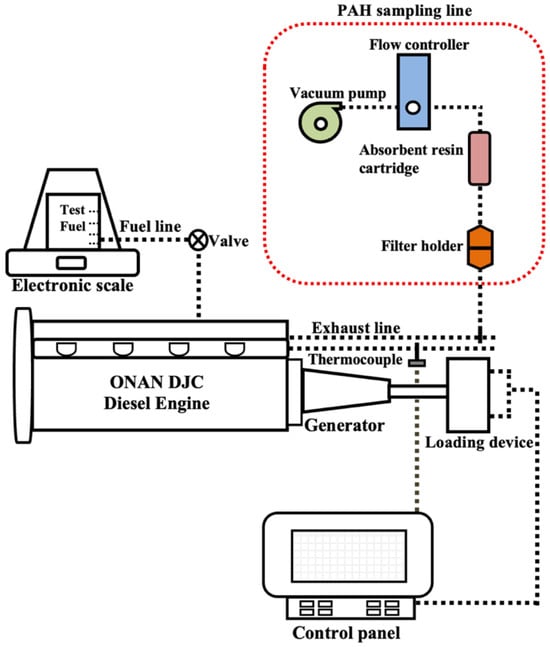
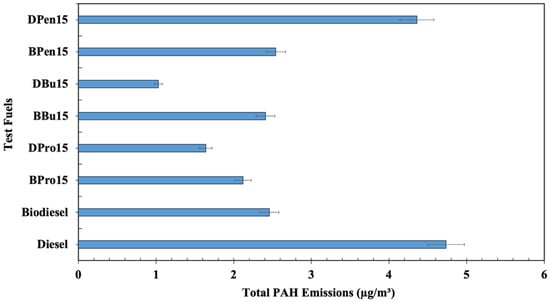
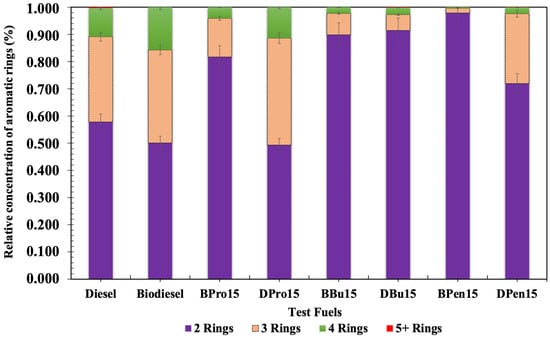
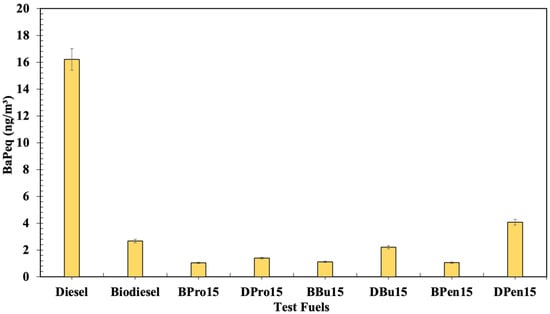
The primary factor in the formation of polycyclic aromatic hydrocarbons (PAHs) in diesel engines, which pose environmental and health risks, is the chemical composition of the diesel fuel. Higher-carbon alcohols have emerged as promising oxygenated blending components for compression ignition engines due to their potential to improve combustion and reduce harmful emissions. However, limited data exist regarding their impact on PAH formation and toxicity characteristics. This study investigates the effects of 15% (v/v) n-propanol, n-butanol, and n-pentanol blends with petroleum diesel (D) and waste cooking oil biodiesel (B) on total PAH emissions, PAH dispersion, and toxicity in a diesel engine under steady-state conditions. Total PAH concentrations and individual species distributions were quantified, and toxicity was evaluated using toxicity equivalency factor (TEF) methodology. Results indicate that the addition of higher alcohols significantly reduces total PAH emissions compared to the respective base fuels. A marked decrease in high-molecular-weight (4–6 ring) PAH compounds was observed, suggesting suppression of heavy PAH formation pathways. Toxicity-weighted PAH emissions also decreased with alcohol blending. Furthermore, total PAH concentrations for all tested blends remained below the Occupational Safety and Health Administration (OSHA) permissible exposure limit (PEL = 0.2 mg/m3) under the examined operating conditions. These findings demonstrate that 15% higher alcohol blends are effective in mitigating PAH emissions without adverse environmental health implications. Full article
(This article belongs to the Special Issue Biomass and Bio-Energy—3rd Edition)
Show Figures

Figure 1

20 pages, 4361 KB  
Article
Analysis of Immobilized Protein Unfolding and Molecular Dynamics Shows How pH, Glycosylation, and OCA3-Related Variants Influence Tyrp1’s Stability and Function
by Waleed Sabir, Isabella Osuna, Monika B. Dolinska and Yuri V. Sergeev
Int. J. Mol. Sci. 2026, 27(11), 4961; https://doi.org/10.3390/ijms27114961 (registering DOI) - 30 May 2026
Abstract
Tyrosinase-related protein 1 (Tyrp1) is a melanosomal glycoprotein required for eumelanin biosynthesis through the oxidation of 5,6-dihydroxyindole-2-carboxylic acid (DHICA). Pathogenic variants in Tyrp1 cause oculocutaneous albinism type 3 (OCA3), but the molecular basis by which individual substitutions impair Tyrp1 stability and activity remains [...] Read more.
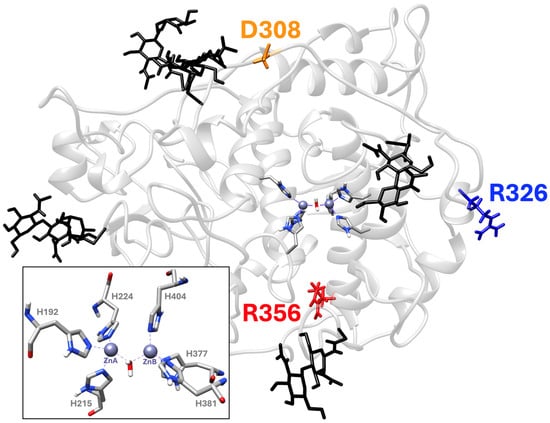
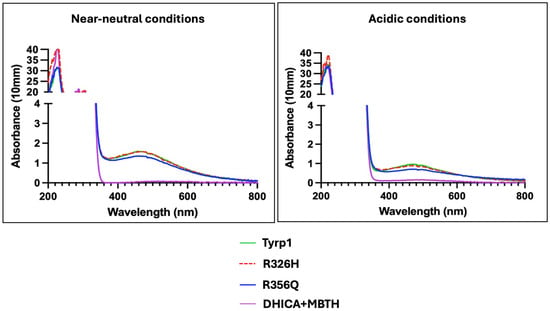
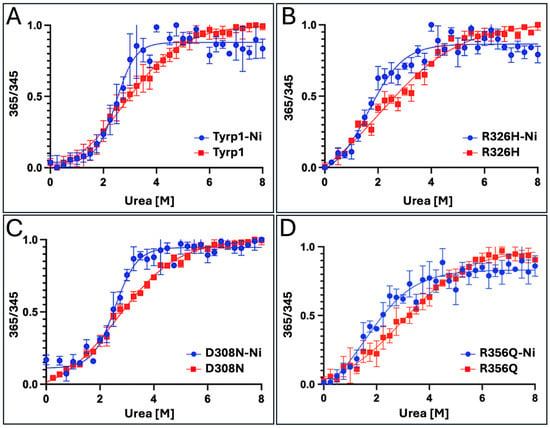
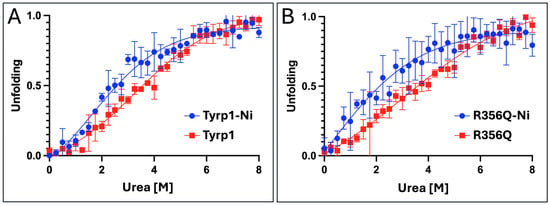
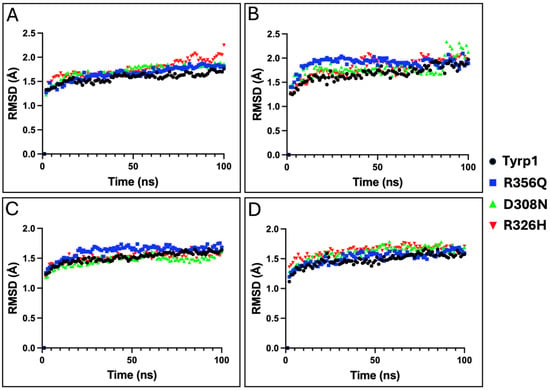
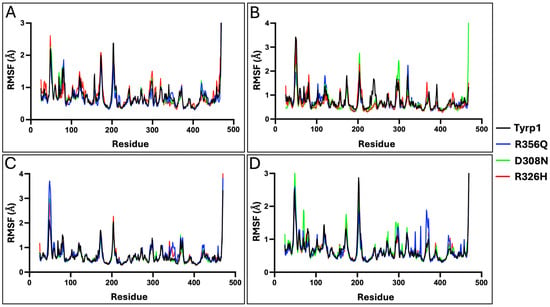
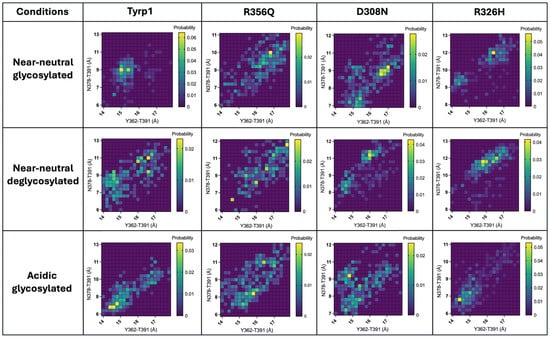
Tyrosinase-related protein 1 (Tyrp1) is a melanosomal glycoprotein required for eumelanin biosynthesis through the oxidation of 5,6-dihydroxyindole-2-carboxylic acid (DHICA). Pathogenic variants in Tyrp1 cause oculocutaneous albinism type 3 (OCA3), but the molecular basis by which individual substitutions impair Tyrp1 stability and activity remains incompletely understood. Here, we examined wild-type Tyrp1 and three missense variants associated with OCA3: R356Q and R326H as OCA3-related variants, and D308N as a benign control; these were under conditions relevant to melanosome maturation. To assess stability, we developed a urea-induced unfolding assay in which His-tagged Tyrp1 variants were immobilized to Ni-NTA magnetic beads before chemical denaturation. R356Q was the most destabilized variant, with a ΔΔG of 0.695 kcal/mol at pH 5.0 (acidic conditions) and 1.998 kcal/mol at pH 7.4 (near-neutral conditions) relative to wild-type. R326H showed intermediate destabilization, whereas D308N behaved similarly to wild-type. DHICA oxidation assays in the presence of MBTH showed about 20% reduced catalytic activity for R356Q, particularly under acidic conditions. Molecular dynamics simulations and ligand docking were consistent with these findings and indicated that R356Q increases conformational flexibility and perturbs structural integrity. In contrast, glycosylation reduced conformational fluctuations and enhanced stability across Tyrp1 and mutant variants examined. Together, these results show that pH, glycosylation, and disease-associated substitutions collectively modulate Tyrp1 folding energetics and catalytic competence and identify R356Q as a strongly destabilizing OCA3 variant. By defining how disease-associated Tyrp1 substitutions affect protein stability and function, this study may provide a framework for interpreting genotype–phenotype relationships and improving molecular diagnosis of OCA3. Full article
Show Figures

Figure 1

16 pages, 1094 KB  
Article
The One-Dimensional Moisture Transport Model for Concrete Under Dry–Wet Cycles
by Yanjuan Chen, Luping Tang, Jianming Gao, Shuping Wang and Guangxuan Wang
Buildings 2026, 16(11), 2204; https://doi.org/10.3390/buildings16112204 (registering DOI) - 30 May 2026
Abstract
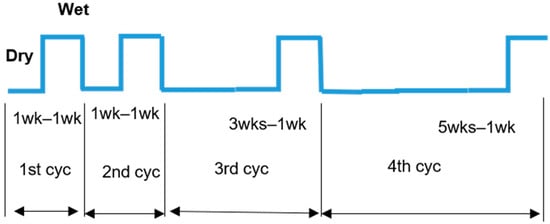
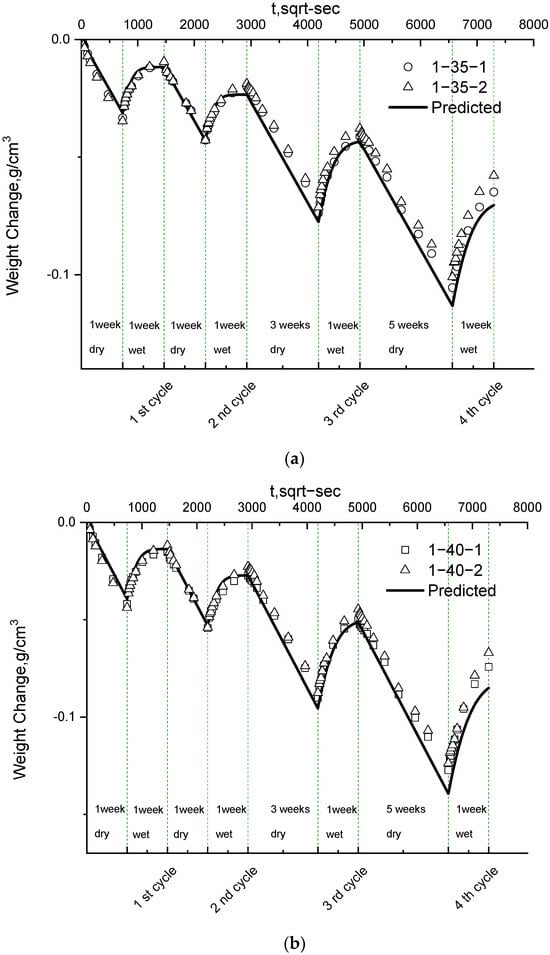
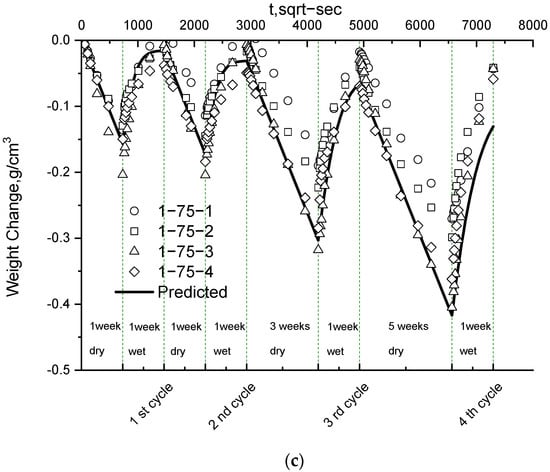
This study proposes a novel analytical model to predict one-dimensional moisture transport in concrete under cyclic drying and wetting conditions. The framework distinguishes between two physical mechanisms: diffusion-driven evaporation during drying and capillary-driven suction during wetting. Governing equations for weight loss and gain [...] Read more.
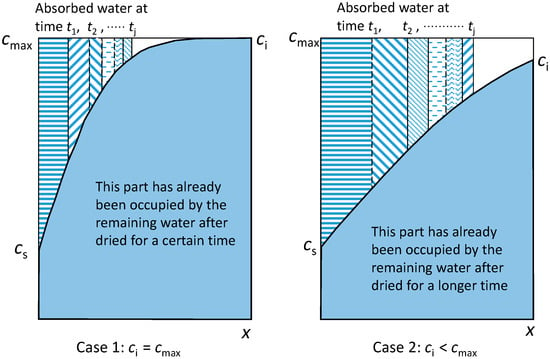
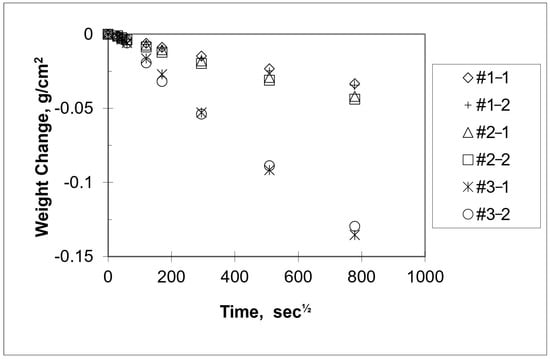
This study proposes a novel analytical model to predict one-dimensional moisture transport in concrete under cyclic drying and wetting conditions. The framework distinguishes between two physical mechanisms: diffusion-driven evaporation during drying and capillary-driven suction during wetting. Governing equations for weight loss and gain are derived for each respective phase. During the drying phase, weight loss follows a linear relationship with the square root of time, allowing the diffusion coefficient to be determined via evaporation tests. For the wetting phase, a modified sorptivity approach is employed, incorporating an error-function baseline to account for residual moisture. A calibration coefficient of ε is utilized to correct for varying conditions between standard water suction tests and environmental wetting, particularly for air-entrained concrete characterized by larger capillary volumes and complex tortuosity. Experimental validation was conducted on concrete with varying water-to-cement ratios. The model demonstrated excellent agreement with experimental data, maintaining relative errors below 10% for standard mixes. While higher-porosity samples exhibited greater scatter due to “water traps” and complex pore structures, the model effectively captured cumulative moisture trends over multiple cycles. This framework provides a robust tool for assessing the durability of concrete structures in unsheltered environments. Full article
(This article belongs to the Section Building Materials, and Repair & Renovation)
Show Figures

Figure 1

18 pages, 7517 KB  
Article
Improvement of Insulin Resistance by Lactobacillus johnsonii-Derived Indole-3-Lactic Acid
by Jie-Lin Zhan, Ya-Ting Wang, Yuan-Shan Yu, Yu-Juan Xu, Ji-Jun Wu, Jing Wen, Bo Zou, Hong Wang, Zhen-Lin Xu, Peng Wen, Teng-Gen Hu and Zhi-Bin Bu
Microorganisms 2026, 14(6), 1231; https://doi.org/10.3390/microorganisms14061231 (registering DOI) - 30 May 2026
Abstract
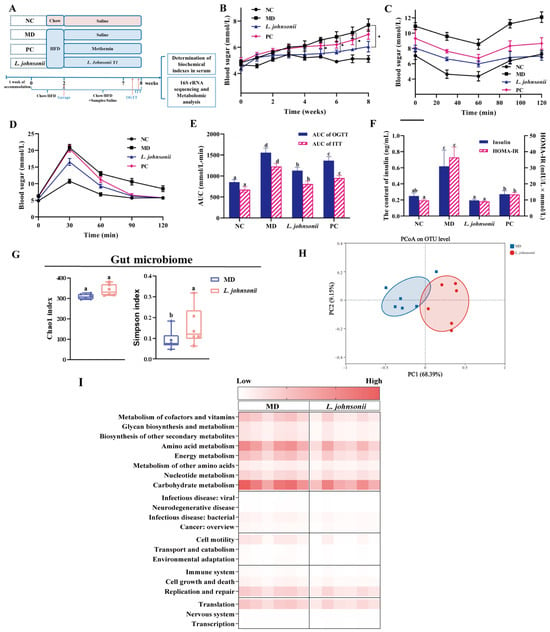
Insulin resistance (IR), a primary pathological driver of dysregulated glucose and lipid metabolism, is closely associated with elevated oxidative stress. Gut microbiota contributes to IR via bioactive metabolites. Among these, microbial tryptophan-derived indole compounds have emerged as key metabolic regulators, yet their specific [...] Read more.
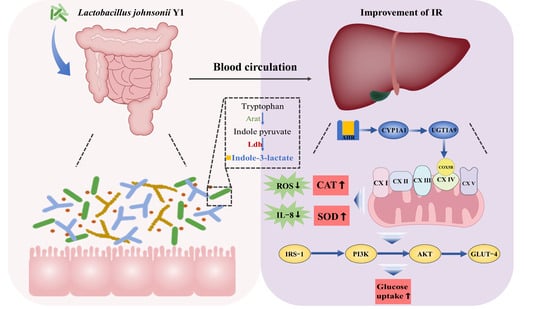
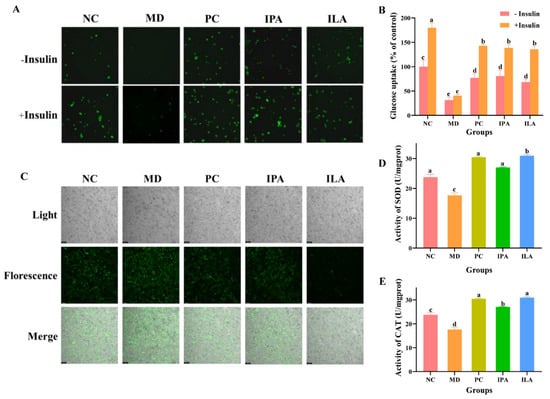
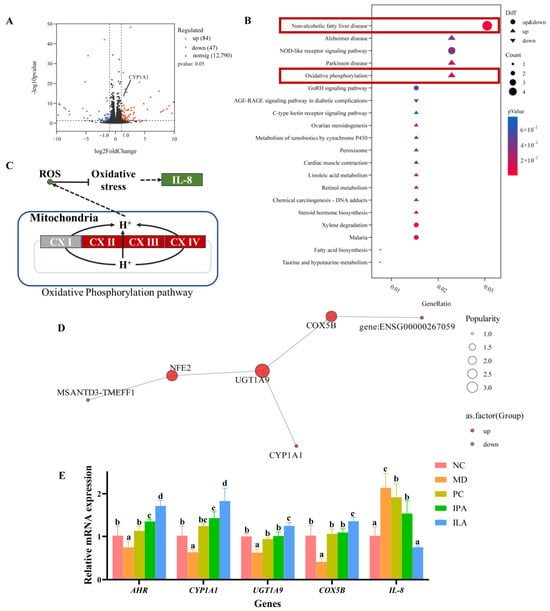
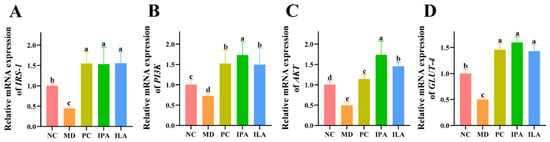
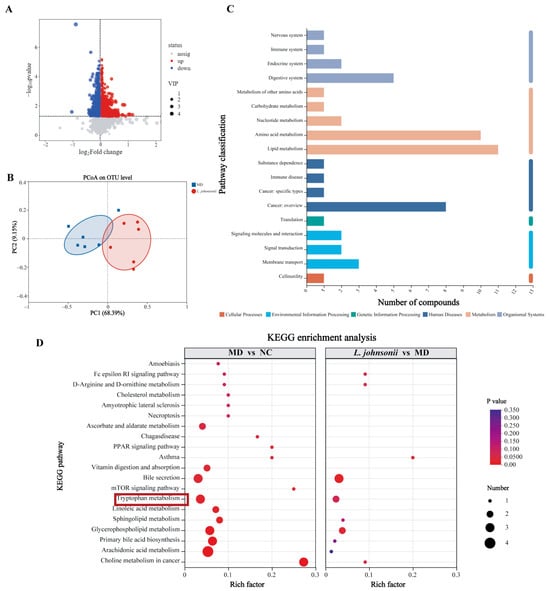
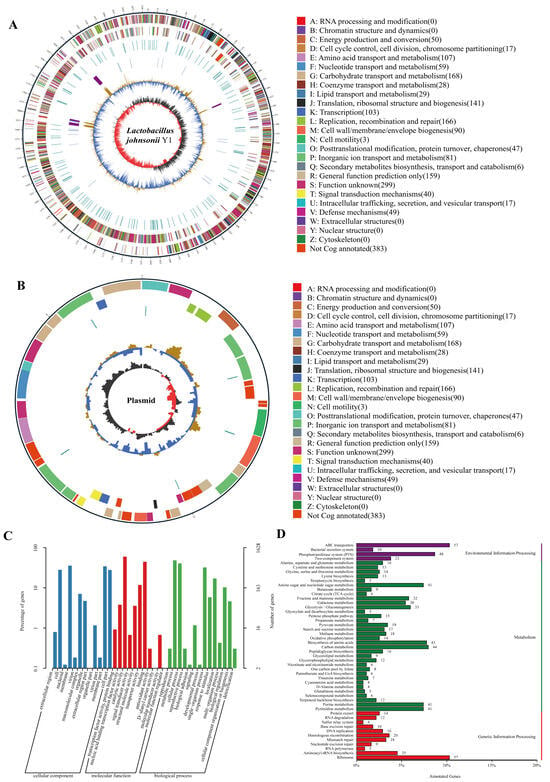
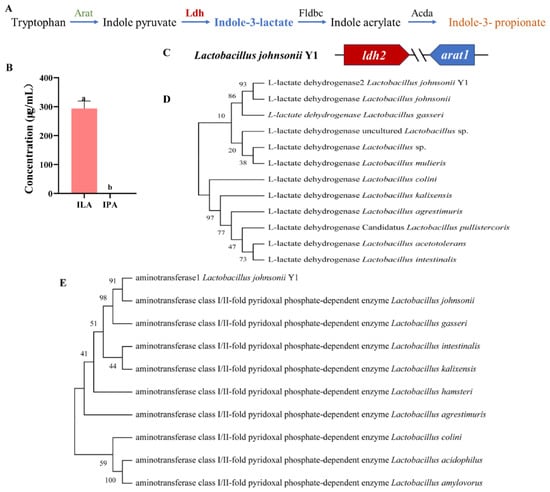
Insulin resistance (IR), a primary pathological driver of dysregulated glucose and lipid metabolism, is closely associated with elevated oxidative stress. Gut microbiota contributes to IR via bioactive metabolites. Among these, microbial tryptophan-derived indole compounds have emerged as key metabolic regulators, yet their specific targets remain unclear. In this study, 16S rRNA sequencing and metabolomics analyses indicated that tryptophan metabolism serves as the primary pathway through which Lactobacillus johnsonii Y1 alleviates IR. Genomic analysis of L. johnsonii Y1 and in vitro fermentation experiments subsequently identified indole-3-lactic acid (ILA) as the key functional metabolite. Further experimentation in a cellular IR model demonstrated that ILA restores insulin sensitivity and glucose uptake. Mechanistically, transcriptomic analysis revealed that ILA enhances mitochondrial complex IV (CIV) activity through the upregulation of COX5B, thereby reducing reactive oxygen species production, attenuating inflammation and restoring insulin signaling. Together, these findings highlight an L. johnsonii-derived ILA–CIV axis that alleviates oxidative stress and improves IR, offering a tryptophan–mitochondrial axis-targeted strategy for IR management. Full article
(This article belongs to the Section Gut Microbiota)
Show Figures

Graphical abstract

8 pages, 1343 KB  
Case Report
Contrast-Enhanced Ultrasonography of Cholecystohepatic Communication Secondary to Gallbladder Rupture in a Dog: A Case Report
by Hyun Cho, Sang-Kwon Lee, Sunghwa Hong, Seunjo Park, Soyeon Kim and Jihye Choi
Vet. Sci. 2026, 13(6), 542; https://doi.org/10.3390/vetsci13060542 (registering DOI) - 30 May 2026
Abstract
Cholecystohepatic communication is a rare complication of gallbladder rupture in dogs, and its imaging features are not well described. A 10-year-old Pomeranian showed a gallbladder wall defect, a tortuous tubular structure extending into an adjacent ill-defined hepatic lesion. Contrast-enhanced ultrasonography revealed marked enhancement [...] Read more.
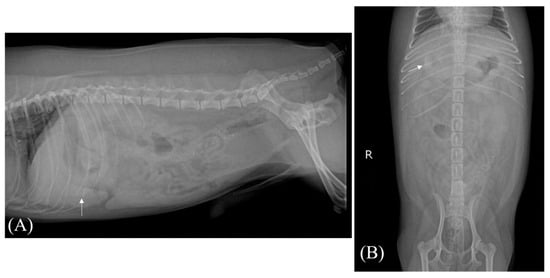
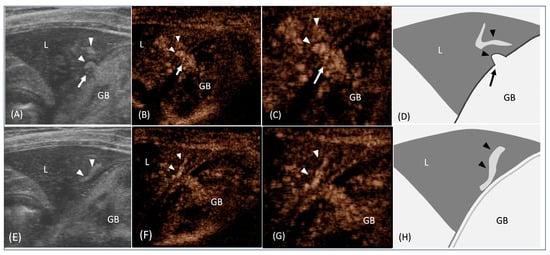
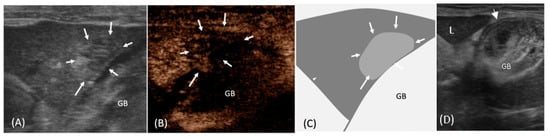
Cholecystohepatic communication is a rare complication of gallbladder rupture in dogs, and its imaging features are not well described. A 10-year-old Pomeranian showed a gallbladder wall defect, a tortuous tubular structure extending into an adjacent ill-defined hepatic lesion. Contrast-enhanced ultrasonography revealed marked enhancement of the tubular structure and weaker heterogeneous enhancement of the hepatic lesion. Laparotomy confirmed gallbladder rupture with severe adhesion at the suspected communication site. Contrast-enhanced ultrasonography enabled delineation of the enhancing tubular structure and improved characterization of the adjacent hepatic inflammation, increasing diagnostic confidence in cholecystohepatic communication secondary to gallbladder rupture. Full article
Show Figures

Figure 1

17 pages, 700 KB  
Article
Early Detection of Cerebral Vasospasm Following Aneurysmal Subarachnoid Hemorrhage by IL-6 Electrochemiluminescence Analysis of the Cerebrospinal Fluid
by Adi Ahmetspahic, Ema Selimovic, Faruk Alagic, Almaida Alagic, Ermin Begovic, Suzana Tihic, Almir Dzurlic, Razim Mahmutagic, Mirza Pojskic and Alberto Feletti
Diagnostics 2026, 16(11), 1690; https://doi.org/10.3390/diagnostics16111690 (registering DOI) - 30 May 2026
Abstract
Background/objectives: Aneurysmal subarachnoid hemorrhage (aSAH) is a neurosurgical emergency associated with cerebral vasospasm, representing an important complication. This study assessed the association between cerebrospinal fluid (CSF) interleukin-6 (IL-6) levels and cerebral vasospasm after aSAH. Methods: This prospective single-center observational study with repeated measurements [...] Read more.
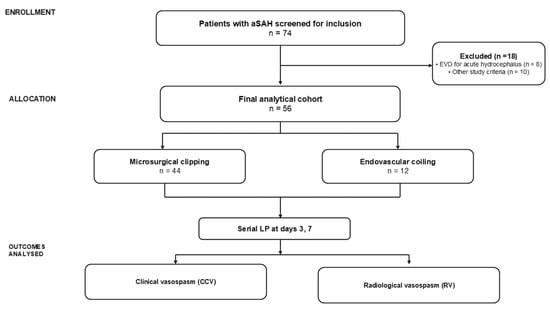
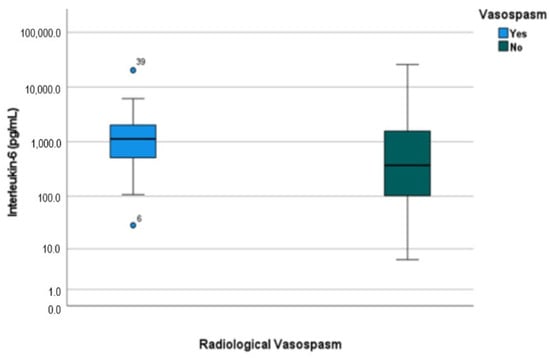
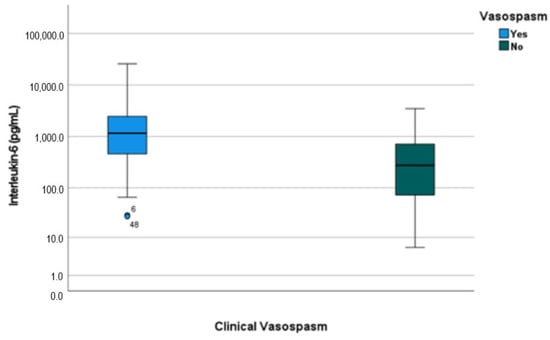
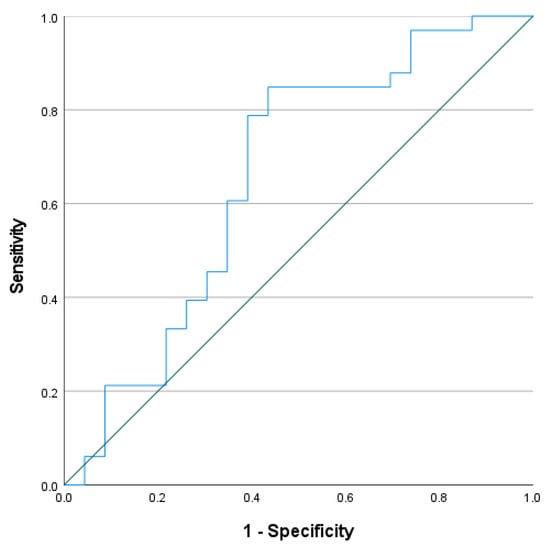
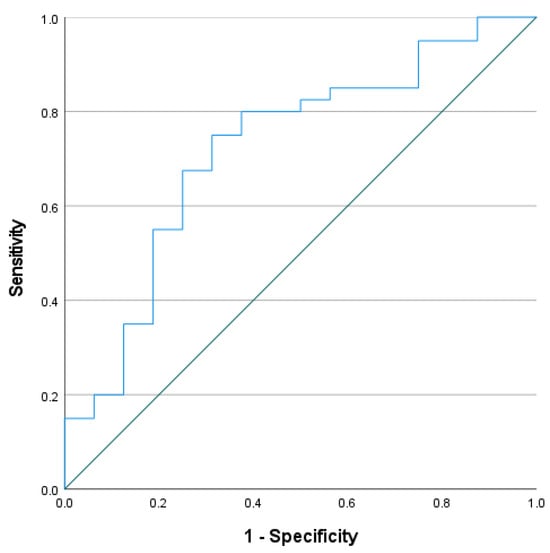
Background/objectives: Aneurysmal subarachnoid hemorrhage (aSAH) is a neurosurgical emergency associated with cerebral vasospasm, representing an important complication. This study assessed the association between cerebrospinal fluid (CSF) interleukin-6 (IL-6) levels and cerebral vasospasm after aSAH. Methods: This prospective single-center observational study with repeated measurements included 56 patients among 74 screened patients with aSAH; 18 patients were excluded according to predefined exclusion criteria, including infection, unavailable CSF samples or requirement for CSF diversion within the first seven days of onset. The samples were obtained via lumbar puncture on post-hemorrhage days 3 and 7. IL-6 was quantified using an electrochemiluminescent immunoassay. Radiological vasospasm (RV) was assessed by computed tomography angiography, while clinical vasospasm (CCV) was defined as new neurological deterioration unexplained by other causes. Results: Median IL-6 levels were 423.5 pg/mL on day 3 and 726.0 pg/mL on day 7. Day 7 IL-6 levels were associated with RV (p = 0.045) and CCV (p = 0.010), while day 3 IL-6 was associated with CCV only (p = 0.035). Day 7 IL-6 showed modest discriminatory performance for CCV: AUC = 0.722, cut-off 460 pg/mL, sensitivity 75.0%, and specificity 68.8%; for RV: AUC = 0.659, cut-off 451 pg/mL, sensitivity 81.8%, and specificity 56.5%. Conclusions: Elevated CSF IL-6 levels were associated with cerebral vasospasm after aSAH, with a more consistent association observed for CCV than for RV; however, these findings are hypothesis-generating and require validation before clinical applicability can be determined. Full article
(This article belongs to the Special Issue Biochemical Testing Applications in Clinical Diagnosis—2nd Edition)
Show Figures

Figure 1

18 pages, 2654 KB  
Review
Central Venous Pressure Revisited: Physiology, Pitfalls, Misconceptions, and Modern Clinical Interpretation in Critical Care
by Cesare Biuzzi, Elena Modica, Lucrezia Pondrelli, Alexander Raimondi, Margherita Cavenago, Daniele Marianello, Filippo Annoni, Fabio Silvio Taccone, Federico Franchi and Sabino Scolletta
J. Clin. Med. 2026, 15(11), 4227; https://doi.org/10.3390/jcm15114227 (registering DOI) - 30 May 2026
Abstract
Central venous pressure (CVP) has long been a cornerstone of hemodynamic monitoring, traditionally interpreted as a surrogate of intravascular volume and cardiac preload. Current evidence demonstrates that CVP has limited value as a standalone marker of preload and fluid responsiveness (FR), and its [...] Read more.
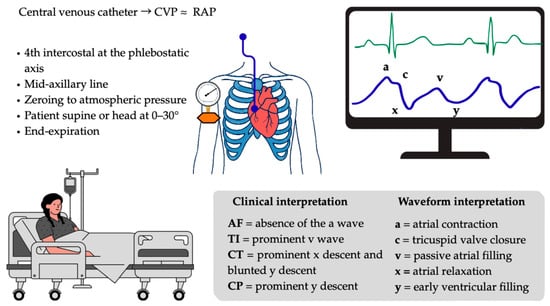
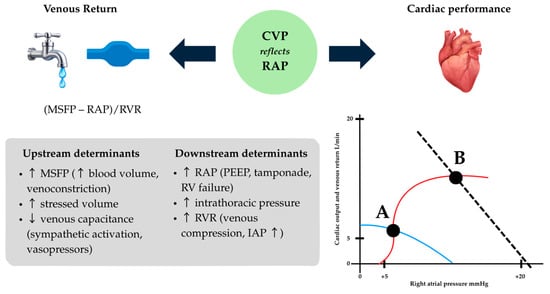
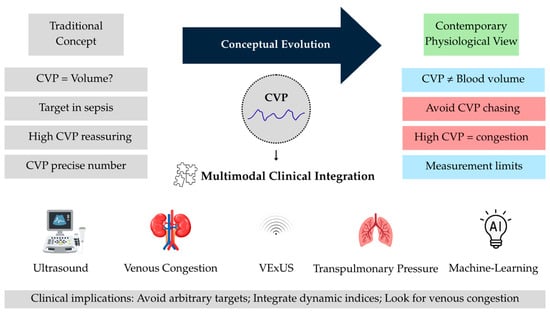
Central venous pressure (CVP) has long been a cornerstone of hemodynamic monitoring, traditionally interpreted as a surrogate of intravascular volume and cardiac preload. Current evidence demonstrates that CVP has limited value as a standalone marker of preload and fluid responsiveness (FR), and its role as a fixed target for fluid resuscitation has progressively declined. This narrative review retraces the evolution of CVP interpretation, from its physiological foundations to its role in contemporary clinical practice. While early resuscitation strategies relied on predefined CVP thresholds, this approach has been abandoned. Despite these limitations, CVP remains widely used due to its simplicity and historical familiarity and modern perspectives instead emphasize its role as a marker of venous congestion. In this context, CVP retains clinical utility when used for waveform interpretation, assessment of venous congestion, and, most importantly, as part of an integrated, multimodal hemodynamic monitoring strategy. Full article
(This article belongs to the Special Issue Challenging ICU Dogma: Where Routine Practice and Evidence Collide)
Show Figures

Figure 1

11 pages, 282 KB  
Article
Relationship Between Head Trauma History and Motor Subtype in Early Parkinson’s Disease
by Hak-Loh Lee, Seong-Min Choi, Soo Hyun Cho and Byeong C Kim
Medicina 2026, 62(6), 1058; https://doi.org/10.3390/medicina62061058 (registering DOI) - 30 May 2026
Abstract
Background and Objectives: Head trauma (HT) has been suggested as a risk factor for Parkinson’s disease (PD), but its impact on the motor and non-motor manifestations remains unclear. We investigated whether patients with early PD and a history of HT differ from those [...] Read more.
Background and Objectives: Head trauma (HT) has been suggested as a risk factor for Parkinson’s disease (PD), but its impact on the motor and non-motor manifestations remains unclear. We investigated whether patients with early PD and a history of HT differ from those without HT in terms of their motor and non-motor symptom profiles. Materials and Methods: We enrolled patients with early PD (disease duration of ≤5 years, modified Hoehn and Yahr stages [mHY] 1–3). HT history was ascertained by structured questionnaire. Motor and non-motor symptoms were evaluated using standardized clinical rating scales. Motor subtypes—tremor-dominant (TD), akinetic-rigid (AR), and mixed—were determined according to established criteria based on the tremor-to-AR score ratio. Subtype distribution and motor scores were compared between HT and non-HT groups using univariate tests, mHY-adjusted ANCOVA, and multivariable models adjusting for age, sex, disease duration, education, mHY stage, MMSE, and BDI score. Results: Of 237 patients, 35 (14.8%) reported HT. The HT group had a higher mHY stage than the non-HT group and showed lower total and rest tremor scores on the Unified Parkinson’s Disease Rating Scale, whereas rigidity scores were similar. Bradykinesia and gait/posture scores tended to be higher in the HT group, but these differences did not persist after adjustment for disease severity. The TD subtype was less frequent in the HT group than in the non-HT group (5.7% vs. 30.2%), whereas the AR subtype was more common (82.9% vs. 61.9%). The categorical subtype redistribution remained significant after multivariable adjustment (adjusted OR for AR vs. TD = 4.61, 95% CI 1.28–16.67). No detectable between-group difference in non-motor symptom burden was observed. Conclusions: In this single-center cross-sectional cohort, a self-reported history of HT in early PD was associated with a redistribution of motor phenotype categories toward AR-predominant presentations, with no detectable difference in non-motor symptom burden. Given the retrospective binary exposure assessment, these findings should be interpreted as hypothesis-generating, and prospective studies with structured exposure ascertainment are needed to clarify how HT may shape PD motor phenotype expression. Full article
(This article belongs to the Section Neurology)
13 pages, 2192 KB  
Article
Optimization of Resilience Enhancement in Hydro–Wind–Solar Power Systems Under Continuous Multi-Day Extreme Scenarios
by Zixi Sang, Jingjing Lian and Xianxun Wang
Energies 2026, 19(11), 2643; https://doi.org/10.3390/en19112643 (registering DOI) - 30 May 2026
Abstract
To address long-duration, high-impact extreme events, this study investigates resilience enhancement optimization dispatching for hydro–wind–solar power systems under continuous multi-day extreme scenarios. A mathematical model is constructed with the resilience objective of minimizing the average load deviation percentage and the economic objective of [...] Read more.
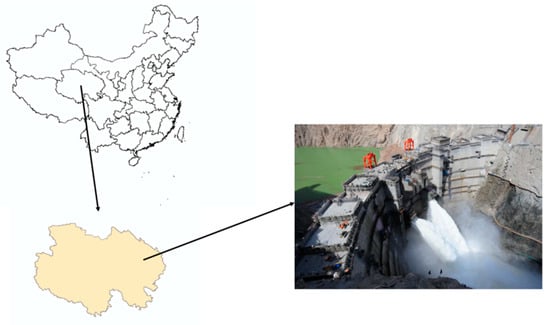
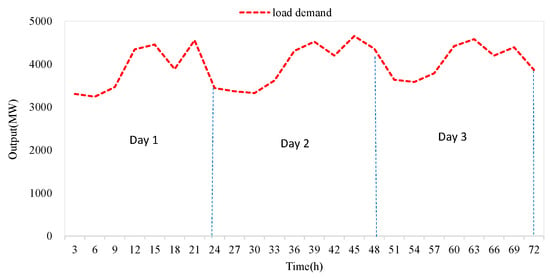
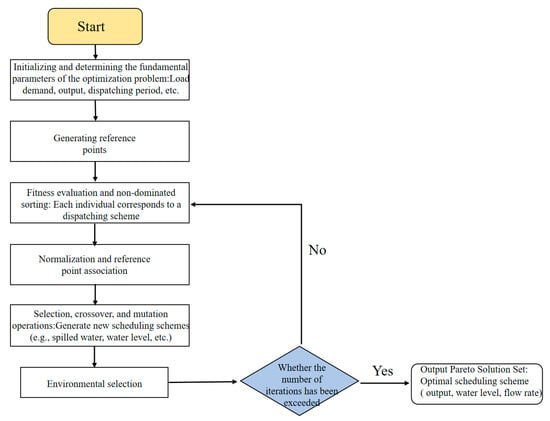
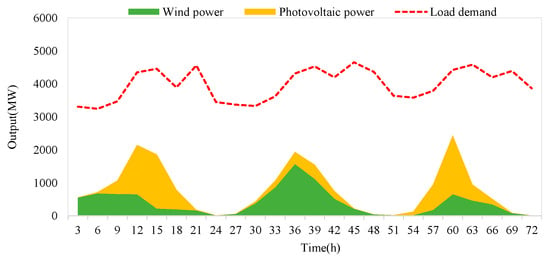
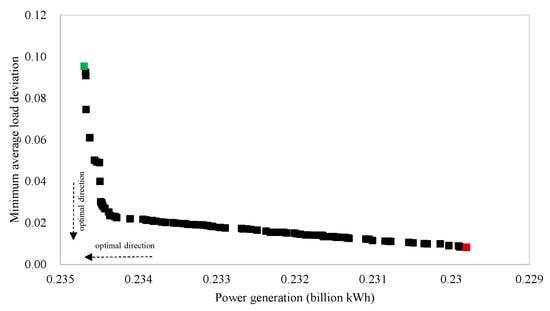
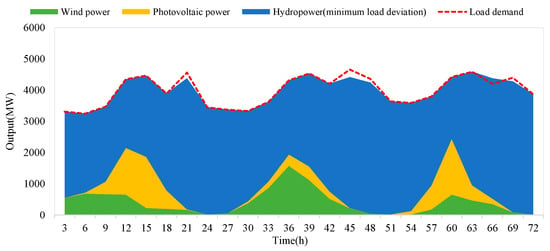
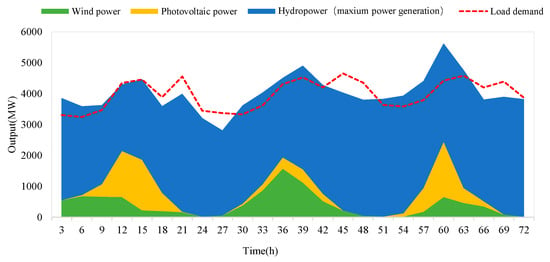
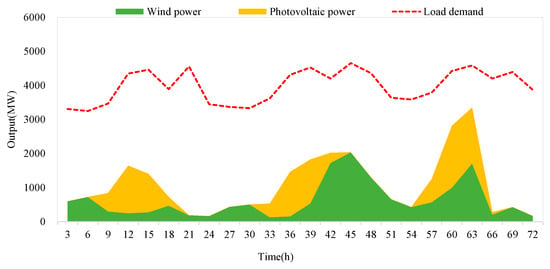
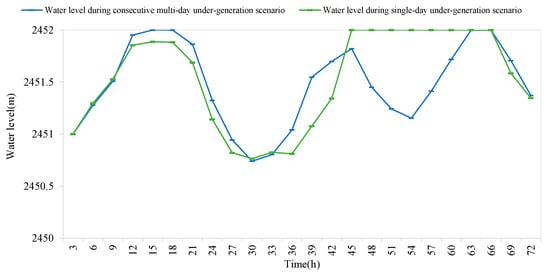
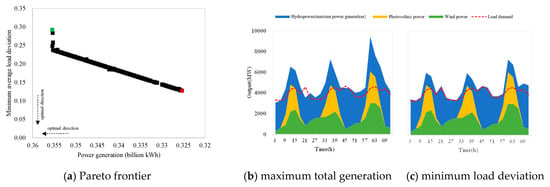
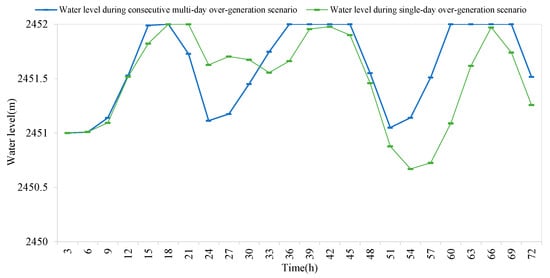
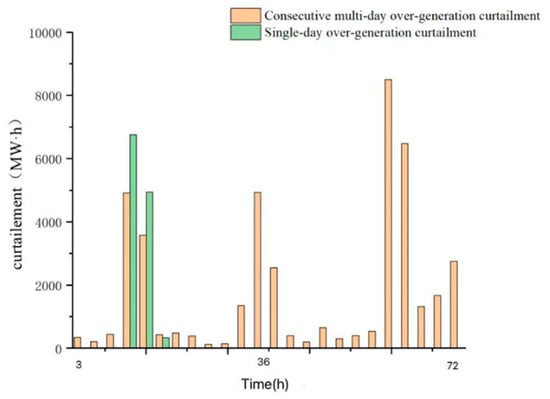
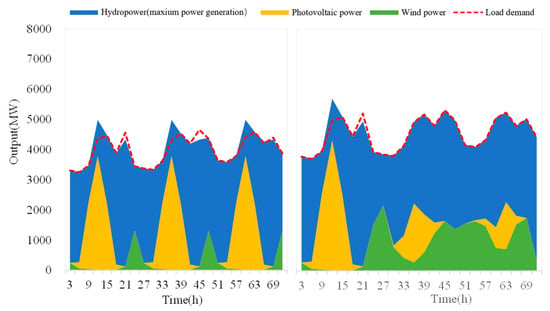
To address long-duration, high-impact extreme events, this study investigates resilience enhancement optimization dispatching for hydro–wind–solar power systems under continuous multi-day extreme scenarios. A mathematical model is constructed with the resilience objective of minimizing the average load deviation percentage and the economic objective of maximizing the total power generation of the system, while considering constraints such as water balance. The solution steps are provided in this paper. A case study of the Laxiwa hydropower station and nearby wind and photovoltaic power stations demonstrates the following: (1) The compensatory regulation capability of hydropower can be leveraged to enhance power system resilience under continuous multi-day extreme scenarios, and there is a trade-off between resilience and economic objectives. (2) The ability of hydropower to enhance power system resilience is limited by several factors, such as installed capacity, existing reservoir storage, minimum output constraints, and available storage capacity, making it insufficient to fully prevent issues like power shortage, the curtailment of renewable energy, and water spillage. (3) The impact of extreme wind and solar power outputs on the power system exhibits a cumulative effect under continuous multi-day extreme scenarios, and in concurrent scenarios, there is a certain offsetting effect between the impacts of under- and over-generation. This paper provides technical support and a reference for optimizing resilience-oriented scheduling and exploring mechanisms in hybrid hydro–wind–solar power systems under extreme conditions. Full article
(This article belongs to the Section B: Energy and Environment)
Show Figures

Figure 1

7 pages, 220 KB  
Case Report
Laparoscopic Partial Splenectomy by Transient Clamping of the Splenic Artery as a Promising Technique
by Harbi Khalayleh, George Asfour, Adnan Shawahna, Rafael Miller and Barak Bar-Zakai
Surg. Tech. Dev. 2026, 15(2), 22; https://doi.org/10.3390/std15020022 (registering DOI) - 30 May 2026
Abstract
Background: Laparoscopic partial splenectomy (LPS) is a technically demanding procedure. The main difficulty when considering LPS is the bleeding risk. With advancements in technology and a deeper understanding of spleen vascular distribution, LPS has emerged as a feasible and safe procedure. Methods: There [...] Read more.
Background: Laparoscopic partial splenectomy (LPS) is a technically demanding procedure. The main difficulty when considering LPS is the bleeding risk. With advancements in technology and a deeper understanding of spleen vascular distribution, LPS has emerged as a feasible and safe procedure. Methods: There are many techniques used in order to prevent bleeding; in our case, we performed LPS using transient main splenic artery clamping. Our case represents a 65-year-old man who was diagnosed with a space-occupying lesion in the lower pole of the spleen and underwent LPS by temporary non-selective occlusion of the splenic artery. Results: The LPS was successfully performed. The surgery length was about 105 min, and it took about 48 min from placement of the bulldog on the splenic artery (warm ischemia), transecting the splenic parenchyma and release of the bulldog. The estimated blood loss was less than 50 mL. The recovery was smooth and uneventful, and the patient was discharged on the third postoperative day. Conclusions: LPS with temporary occlusion of the main trunk of splenic artery is shown to be an effective, practicable and reliable method that is associated with minor operative blood loss. Full article
19 pages, 8827 KB  
Article
The Role of Trichoderma harzianum Elicitor Hyd1 in Inducing the Maize Endophytic Microbial Community and Bacillus Strains Against Maize Root Rot
by Gaoyue Si, Xifen Zhang, Cheng Zhang, Yaqian Li, Xinhua Wang, Ning Guo and Jie Chen
J. Fungi 2026, 12(6), 395; https://doi.org/10.3390/jof12060395 (registering DOI) - 30 May 2026
Abstract
Fusarium root rot (caused by Fusarium verticillioides) is a destructive soilborne disease in maize, significantly reducing crop yields. The root symbiotic fungi Trichoderma species have been confirmed as effective biocontrol microbes for Fusarium root rot; however, the mechanistic role of Trichoderma-induced [...] Read more.
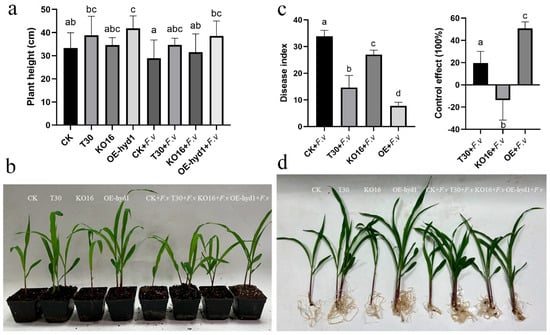
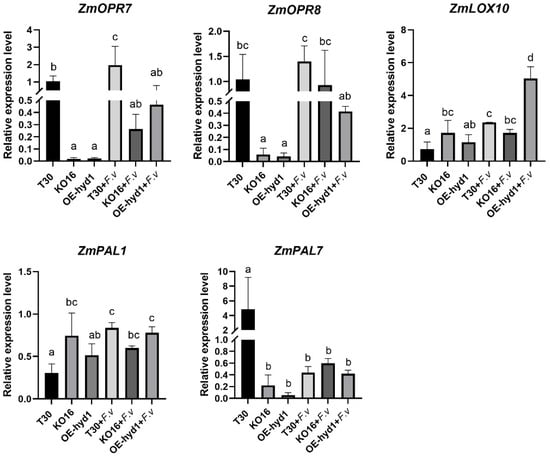
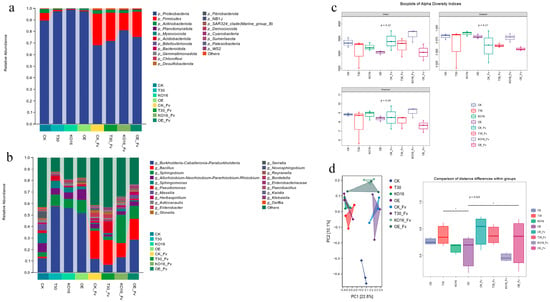
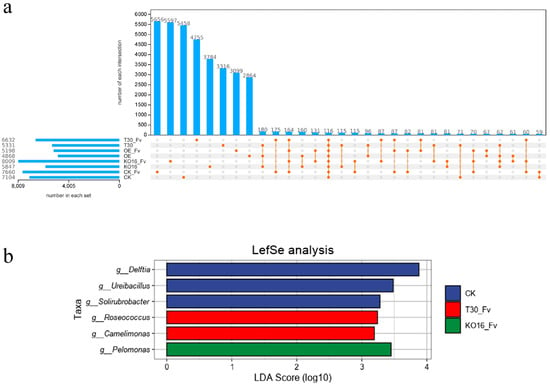
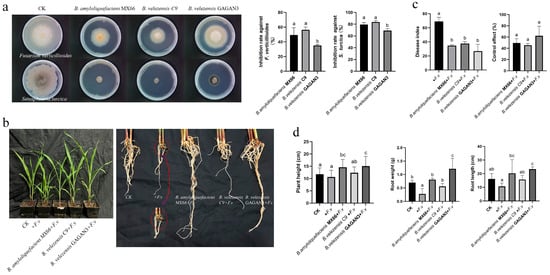
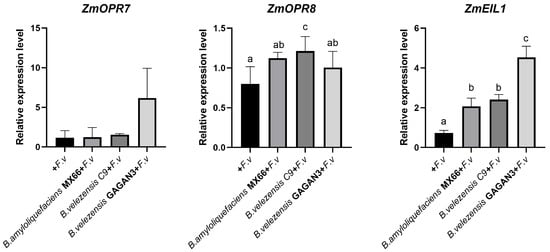
Fusarium root rot (caused by Fusarium verticillioides) is a destructive soilborne disease in maize, significantly reducing crop yields. The root symbiotic fungi Trichoderma species have been confirmed as effective biocontrol microbes for Fusarium root rot; however, the mechanistic role of Trichoderma-induced endophytes in suppressing Fusarium root rot in maize remains unclear. This study found that Trichoderma harzianum T30 significantly reduced the abundance of pathogens by 48.9% and increased the abundance of potentially antagonistic Bacillus strains (33%) in the root endophytic bacterial community. In addition, the hyd1 gene in T. harzianum T30 induced a 7.5-fold upregulation of ZmOPR7 in maize roots compared to the Δhyd1 mutant treatment, a gene related to the jasmonic acid (JA) pathway. Further, several endophytic Bacillus strains were specifically induced by a hyd1-overexpressing strain, including B. amyloliquefaciens MX66, B. velezensis C9, and B. velezensis GAGAN3. Three endophytes significantly (p < 0.05) reduced Fusarium root rot incidence in maize by 46.6–55.0% and upregulated the expression of jasmonic acid/ethylene (JA/ET) pathway-related genes (ZmOPR7, ZmOPR8 and ZmEIL1) by 5.4-, 1.5-, and 4.6-fold, respectively, compared to untreated controls. Meanwhile, the Bacillus strain also improved maize plant growth. This study examined how overexpression of the T. harzianum elicitor gene hyd1 (in the OE-hyd1 strain) affects the colonization dynamics of beneficial endophytic bacteria in maize roots. Additionally, it further suggested the contribution of selected endophytic Bacillus strains in suppressing Fusarium root rot in maize. Full article
(This article belongs to the Special Issue Integrated Management of Plant Fungal Diseases—2nd Edition)
Show Figures

Figure 1

19 pages, 2657 KB  
Systematic Review
Eye-Tracking Assessment in Patients with Disorders of Consciousness: A Systematic Review
by Anna Estraneo, Lorenza Marcello, Francesca Mancino, Alessia De Feo, Andrea Soricelli, Monica Franzese and Carlo Cavaliere
Brain Sci. 2026, 16(6), 590; https://doi.org/10.3390/brainsci16060590 (registering DOI) - 30 May 2026
Abstract
Background/Objectives: Disorders of consciousness (DOC), including vegetative state/unresponsive wakefulness syndrome (VS/UWS) and minimally conscious state (MCS), present significant diagnostic challenges. Misdiagnosis rates approach 40%, often due to limitations in detecting subtle behavioural responses through clinical observation alone. Eye-tracking technology offers objective, quantitative assessment [...] Read more.
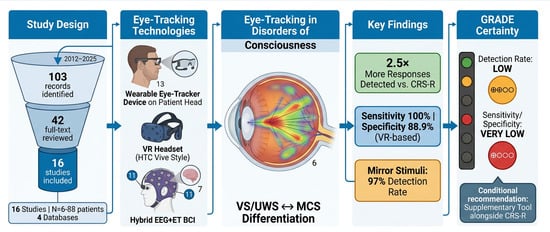
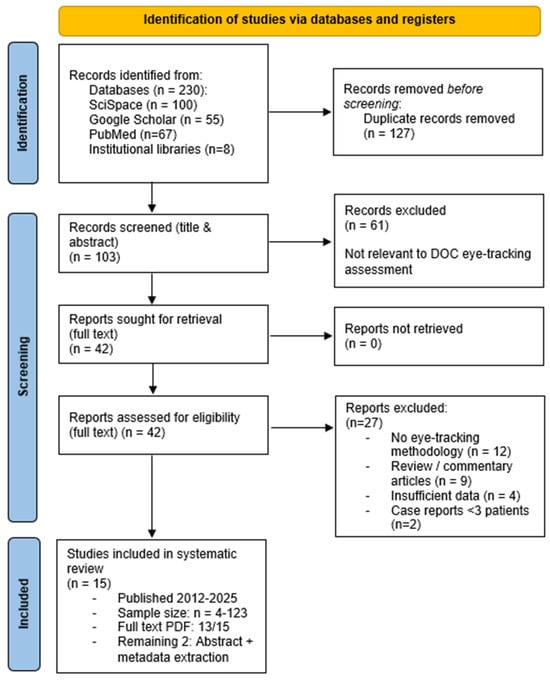
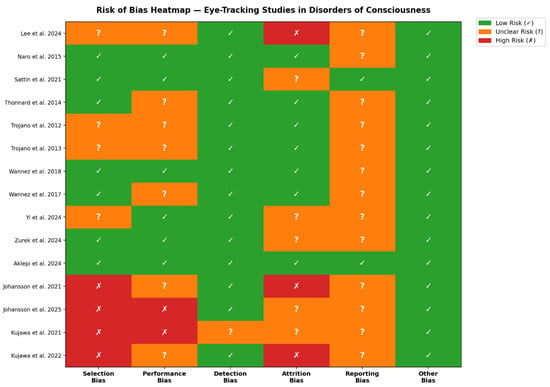
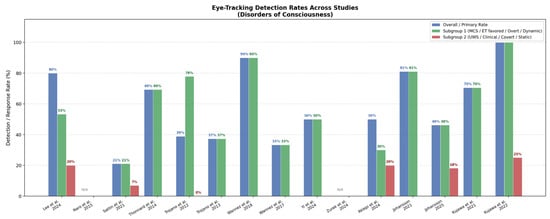
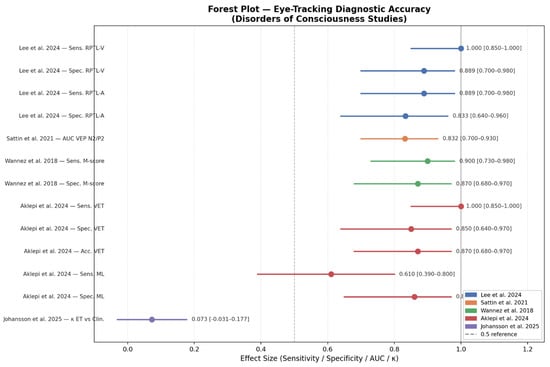
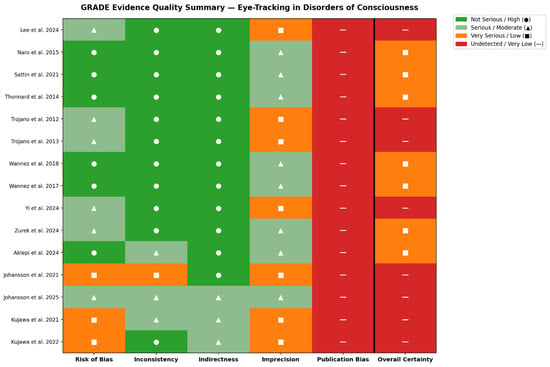
Background/Objectives: Disorders of consciousness (DOC), including vegetative state/unresponsive wakefulness syndrome (VS/UWS) and minimally conscious state (MCS), present significant diagnostic challenges. Misdiagnosis rates approach 40%, often due to limitations in detecting subtle behavioural responses through clinical observation alone. Eye-tracking technology offers objective, quantitative assessment of visual behaviours that may reveal covert signs of consciousness. This systematic review aimed to evaluate the diagnostic accuracy of eye-tracking technology compared to the Coma Recovery Scale-Revised (CRS-R) for detecting visual responses and consciousness signs in patients with DOC; to examine stimulus effects; and to assess prognostic value. Methods: A systematic literature search was conducted across SciSpace, Google Scholar, PubMed, and institutional libraries following PRISMA 2020 guidelines. Eligibility criteria specified studies involving patients with prolonged DOC assessed using eye-tracking technology. Data extraction, risk of bias assessment, and GRADE certainty evaluation were conducted systematically. Results: Fifteen studies (n = 4–123 patients; published 2012–2025) were included. Eye-tracking detected visual responses in significantly more patients than clinical observation alone (46.2% vs. 18.1% in one study). Mirror stimuli demonstrated the highest detection sensitivity (97% vs. 69% for person and 57% for object). Affectively salient stimuli elicited stronger tracking responses in patients with MCS (37.3% vs. 29.9–30.6% neutral). Advanced VR-based systems achieved high diagnostic accuracy (sensitivity 100%, specificity 88.9%) with prognostic value (overt tracking predicting 62.5% command-following at one year). GRADE certainty was Low for detection rates and diagnostic discrimination, and Very Low for sensitivity, specificity, and prognostic outcomes. Conclusions: Eye-tracking provides objective, sensitive assessment of visual behaviours in patients with DOC and may reduce misdiagnosis rates, supporting a conditional recommendation for its use as a supplementary assessment tool alongside CRS-R. Methodological heterogeneity, small sample sizes, and absence of blinding limit certainty. Adequately powered, multicentre prospective studies are urgently needed. Full article
Show Figures

Graphical abstract

24 pages, 2986 KB  
Article
Metabolic Responses of Melanocytes and Melanoma Cells to UVA Radiation and Phytocannabinoids Exposure
by Michał Biernacki, Ernest Gieniusz, Agnieszka Gęgotek, Morana Jaganjac and Elżbieta Skrzydlewska
Antioxidants 2026, 15(6), 690; https://doi.org/10.3390/antiox15060690 (registering DOI) - 30 May 2026
Abstract
Ultraviolet A (UVA) radiation disrupts the redox balance of melanocytes and may lead to the development of melanoma, highlighting the need for new skin protection strategies. This study assessed the effect of phytocannabinoids [cannabigerol (CBG), cannabidiol (CBD), and CBG + CBD] on redox [...] Read more.
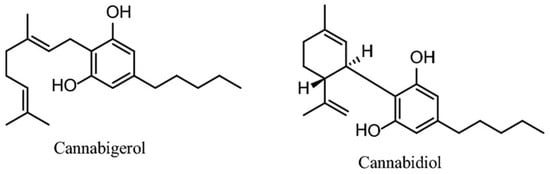
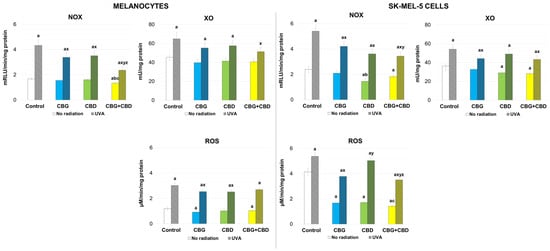
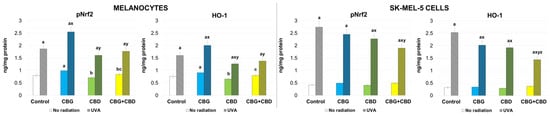
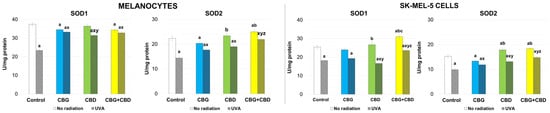
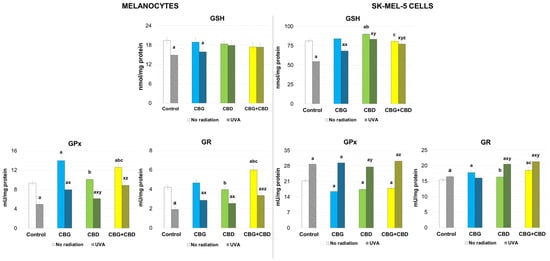
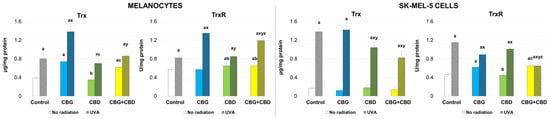
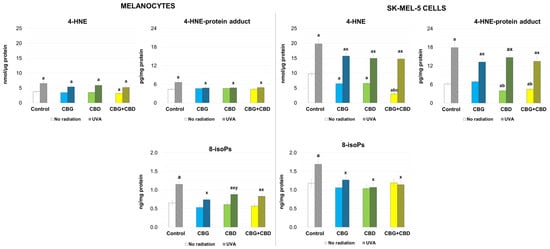
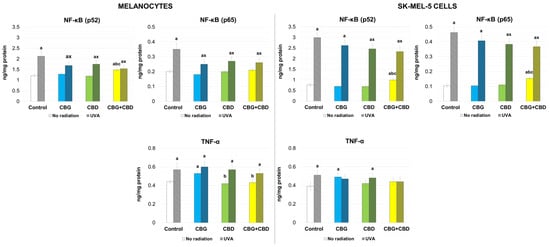
Ultraviolet A (UVA) radiation disrupts the redox balance of melanocytes and may lead to the development of melanoma, highlighting the need for new skin protection strategies. This study assessed the effect of phytocannabinoids [cannabigerol (CBG), cannabidiol (CBD), and CBG + CBD] on redox homeostasis in control and UVA-exposed melanocytes and in melanoma cells (SK-Mel-5). UVA radiation increased the activity of prooxidant enzymes in both melanocytes and SK-Mel-5 cells and, consequently, the level of reactive oxygen species (ROS) (approx. 2-fold). It also activated nuclear factor erythroid 2 (Nrf2), as reflected by increased expression of heme oxygenase 1 (HO-1) (melanocytes approx. 2-fold; SK-Mel-5 approx. 7-fold). Concomitantly, antioxidant mechanisms were impaired, as demonstrated by reduced superoxide dismutase (SOD1/SOD2) activity and impaired glutathione and thioredoxin function. These changes were accompanied by increased levels of oxidative damage markers (isoprostanes, 4-hydroxynonenal-4-HNE, and 4-HNE-protein adducts) (43–100%) and increased inflammatory signaling, including increased expression of nuclear factor kappa B (NF-κB) subunits (melanocytes: p52 ~2-fold, p65 ~75%; SK-Mel-5: ~4–4.5-fold) and tumor necrosis factor alpha (TNF-α; ~30%). Phytocannabinoid treatment modulated these UVA-induced changes. In SK-Mel-5 cells, phytocannabinoids normalized the activity of prooxidant enzymes and consequently reduced ROS levels (~30%). They also reduced Nrf2 activation and HO-1 expression; however, CBG increased HO-1 level in melanocytes (~25–40%). Furthermore, phytocannabinoids enhanced antioxidant defense by increasing SOD activity, particularly in melanocytes (~10–40%), and restoring the glutathione and thioredoxin systems. Markers of oxidative damage were reduced by approximately 23–37% after treatment. Furthermore, phytocannabinoids attenuated NF-κB activation (p52 ~18–28%, p65 ~25–29% in melanocytes; ~20% in SK-Mel-5), while TNF-α levels remained unchanged. The effects in non-irradiated cells were modest (<15%). These results suggest that phytocannabinoid-mediated modulation of redox balance may stabilize melanocytes exposed to UVA radiation and potentially reduce the risk of neoplastic transformation. However, the observed protective effects in SK-Mel-5 cells require further investigation and detailed molecular analysis. Full article
Show Figures

Figure 1

19 pages, 228 KB  
Article
Latency and Human Agency: A Theory of Temporal Regimes of Technological Mediation
by Edu William
Philosophies 2026, 11(3), 88; https://doi.org/10.3390/philosophies11030088 (registering DOI) - 30 May 2026
Abstract
Digital systems are ordinarily evaluated in terms of speed, throughput, efficiency, and optimization. Such evaluations are indispensable, but they remain philosophically incomplete because they treat latency as a merely technical property of systems rather than as a condition of mediated action. This article [...] Read more.
Digital systems are ordinarily evaluated in terms of speed, throughput, efficiency, and optimization. Such evaluations are indispensable, but they remain philosophically incomplete because they treat latency as a merely technical property of systems rather than as a condition of mediated action. This article argues that latency should be understood as a phenomenological condition of technological mediation because the interval between human initiative and technical response influences how action is experienced, how continuity is sustained, and how agency is lived and distributed across human and technical components. The article argues that latency is a constitutive condition of mediated agency and that changes in temporal coupling reorganize how technology appears in experience. On this basis, it distinguishes delayed mediation, immediate mediation, and anticipatory mediation as three regimes through which the temporal structure of response alters the phenomenological status of action. When delay is perceptible, technology tends to appear as obstacle, procedure, or object of attention; when delay withdraws, mediation can recede into the continuity of action and be incorporated into embodied practice; when responsiveness gives way to prediction, mediation begins to pre-structure the field of action before initiative is fully articulated. The argument reinterprets Heidegger, Merleau-Ponty, postphenomenology, Stiegler, and Rosa through the lens of latency, while selected findings from human–computer interaction and agency research are used as a limited scientific dialogue concerning continuity, disruption, direct manipulation, presence, and the sense of agency. The article argues that existing literature has illuminated mediation, embodiment, interface responsiveness, acceleration, and anticipation, but has not systematically theorized latency itself as a temporal condition of agency. Anticipation is therefore treated not as a competing topic but as the limiting case at which latency analysis opens toward the use of the future in present action, as discussed by Rosen and Poli. The conclusion argues that the philosophical problem raised by digital speed is not simply acceleration as such, but the preservation of the human interval of hesitation, interpretation, judgment, and responsibility within increasingly responsive technical worlds. Full article
13 pages, 361 KB  
Article
Return Determinants of Option Strategies: Evidence from Protective Put and Covered Call
by Woradee Jongadsayakul
Risks 2026, 14(6), 126; https://doi.org/10.3390/risks14060126 (registering DOI) - 30 May 2026
Abstract
This study compares the performance of protective put and covered call strategies and analyzes their return determinants. The analysis uses SET50 Index Options contracts with trading volume, covering maturities from January 2021 to December 2025. The empirical model investigates three groups of explanatory [...] Read more.
This study compares the performance of protective put and covered call strategies and analyzes their return determinants. The analysis uses SET50 Index Options contracts with trading volume, covering maturities from January 2021 to December 2025. The empirical model investigates three groups of explanatory variables: market expectation variables (implied volatility and basis), option market condition variables (open interest and trading volume), and option-specific characteristics (time to maturity and moneyness). The model also incorporates fixed effects for different maturity years (with 2025 as the base year) and quarterly maturity dummies. Standard errors are clustered by monthly expiration groups, and statistical significance is further validated using the wild cluster bootstrap method to improve the reliability of p-values. Overall, the findings indicate that the covered call strategy outperforms the protective put strategy over the sample period, except in 2025. Option strategy performance is primarily driven by market expectation variables rather than contract-specific characteristics. Implied volatility and the basis are the most important determinants of returns for both protective put and covered call strategies, while option market condition variables are relevant mainly for covered call strategies. These results highlight the importance of market conditions in shaping hedging strategy outcomes in the Thai options market. Full article
(This article belongs to the Special Issue Financial Investment, Derivatives Hedging, and Risk Management)
9 pages, 1540 KB  
Brief Report
Rapid Metagenomic Detection of Brucella abortus During a Two-Case Bovine Abortion Investigation in Inner Mongolia, China
by Tianqi Xue, Boyuan Zhang, Ziyan Wang, Yue Ma, Qingchun Shen, Jiabo Ding and Xiaowen Yang
Vet. Sci. 2026, 13(6), 541; https://doi.org/10.3390/vetsci13060541 (registering DOI) - 30 May 2026
Abstract
Abortion in cattle entails substantial economic loss, and rapid identification of abortigenic pathogens is critical for timely on-farm response and reduction in human exposure risk. In 2024, two Holstein cows from a small farm in Inner Mongolia aborted in close succession without an [...] Read more.
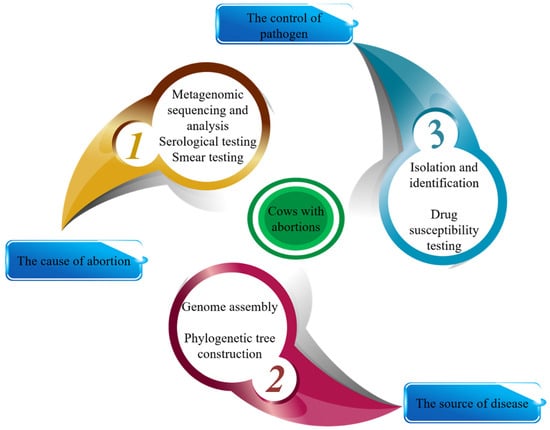
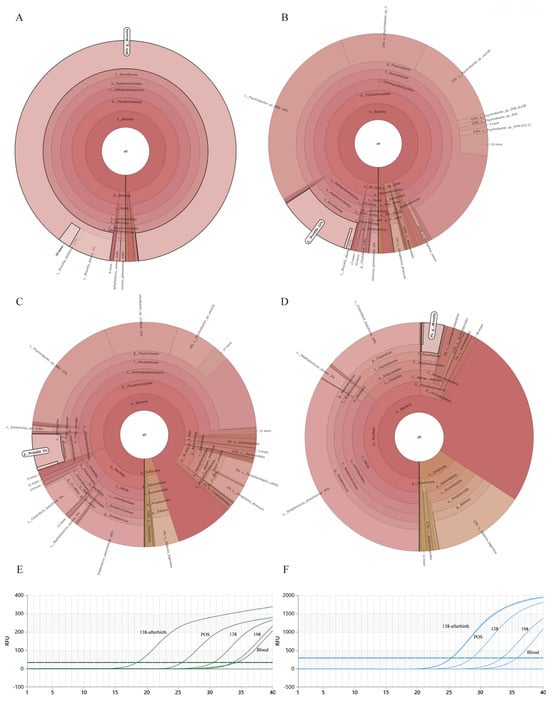
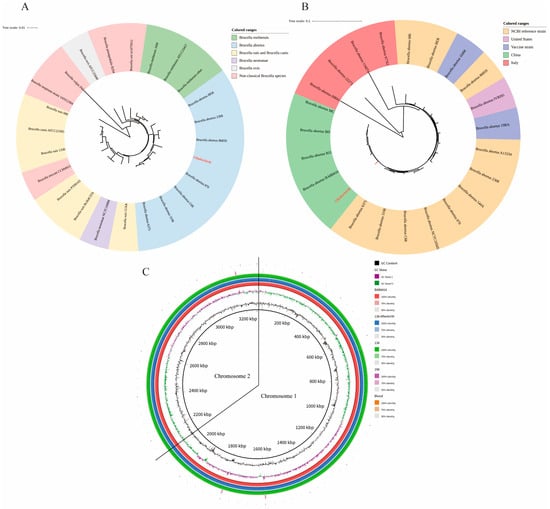
Abortion in cattle entails substantial economic loss, and rapid identification of abortigenic pathogens is critical for timely on-farm response and reduction in human exposure risk. In 2024, two Holstein cows from a small farm in Inner Mongolia aborted in close succession without an obvious cause. Vulvar swabs from both cows, one afterbirth sample, and whole blood from one aborted fetus were collected. Shotgun metagenomic sequencing was performed, followed by host-read removal, taxonomic profiling with Kraken2, de novo assembly of Brucella-aligned reads, and whole-genome comparison. Serological tests, Gram-stained smears, and Brucella genus- and species-specific qPCR assays were used as orthogonal verification. Putative resistance and virulence determinants were screened against CARD and VFDB. Brucella reads were detected in all samples, with the highest relative abundance in the 138-afterbirth (96%). qPCR assays detected Brucella DNA and B. abortus-specific signals in all four samples. A draft Brucella genome was assembled from the 138-afterbirth sample and was phylogenetically placed within B. abortus, showing relatedness to previously circulating Chinese lineages. Cows 138 and 198 were RBT-positive with SAT titres of 1:100 (++). No acquired Brucella resistance genes were identified in CARD. Within 72 h of sample receipt, B. abortus was reported to the farm and local authorities and emergency biosecurity measures were implemented. This field investigation shows that metagenomic sequencing, when combined with conventional serology, microscopy, and targeted qPCR, can support rapid etiological investigation when culture is delayed, hazardous, or biosafety level 3 facilities are unavailable. Full article
(This article belongs to the Section Veterinary Microbiology, Parasitology and Immunology)
Show Figures

Graphical abstract

17 pages, 797 KB  
Article
University Research for the Improvement of SDGs: A Framework for Mapping and Assessing SDG Science at the Country Level
by Sérgio Evangelista Silva, Savio Figueira Corrêa, Cecília Silva Monnerat and Rafael Lucas Machado Pinto
Sustainability 2026, 18(11), 5482; https://doi.org/10.3390/su18115482 (registering DOI) - 30 May 2026
Abstract
Humankind is facing the enormous challenge of ensuring a sustainable future for new generations. A key guide to addressing this challenge is the Sustainable Development Goals (SDGs), which aim to promote economic and social development and environmental preservation. Despite the good intentions embedded [...] Read more.
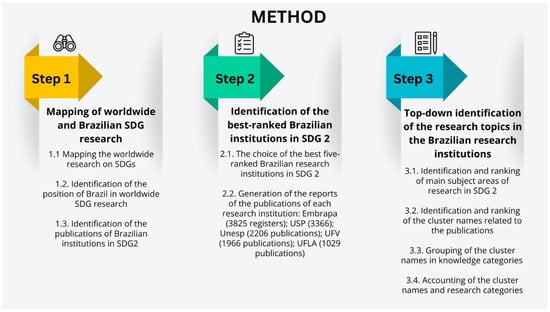
Humankind is facing the enormous challenge of ensuring a sustainable future for new generations. A key guide to addressing this challenge is the Sustainable Development Goals (SDGs), which aim to promote economic and social development and environmental preservation. Despite the good intentions embedded in the SDGs, current performance worldwide remains below expectations. To be effective, the progress on the SDGs depends on the creation of new scientific knowledge. In this context, universities and research institutes should play a fundamental role in generating new scientific knowledge. Although recent models have been developed to assess universities’ knowledge creation to advance the SDGs, it remains necessary to develop new models that can more effectively evaluate and detail this capability. The goal of this article is to introduce a three-level framework for identifying SDG science at the country level across universities and research institutes. This model is validated through a documentary study based on SciVal-Elsevier data, on Brazilian universities, and a research institute in the context of SDG 2 research—zero hunger—between 2015 and 2024. As the main results, the framework provides three levels of knowledge mapping based on subject areas, knowledge categories, and cluster names, whereas the first and the last are used in the Scopus database, and the third is proposed in this study. As a result, this framework consists of a practical instrument for the mapping of the effective issues addressed in each SDG, and for comparing the effective content of SDG science between research institutions. As the main contribution, this article introduces a practical instrument for the assessment of the contribution of universities and research institutes in SDG science. Theoretically, this framework provides a practical process for rapidly identifying the current SDG science performance in research institutions at the country level. For practical purposes, this study can be used by universities, research institutes, and policymakers to understand the current state of SDG science in a country or region and to develop new research programmes and strategies for SDG science and innovation. Full article
Show Figures

Figure 1

14 pages, 242 KB  
Article
Elementary School Parents’ Perceptions and Preferences for Internet of Things (IoT) Systems
by Hyoung-Kil Kang
Adm. Sci. 2026, 16(6), 262; https://doi.org/10.3390/admsci16060262 (registering DOI) - 30 May 2026
Abstract
This study examines elementary school parents’ perceptions, expectations, concerns, and preferences regarding the use of Internet of Things (IoT) systems from an administrative perspective. Using survey data from 453 parents with at least one child attending an elementary school, descriptive statistics, independent samples [...] Read more.
This study examines elementary school parents’ perceptions, expectations, concerns, and preferences regarding the use of Internet of Things (IoT) systems from an administrative perspective. Using survey data from 453 parents with at least one child attending an elementary school, descriptive statistics, independent samples t-tests, and one-way analyses of variance were conducted to examine differences according to parental characteristics. Overall, parents reported relatively low-to-moderate levels of familiarity with IoT systems. Parental educational background and child grade level significantly influenced perceptions, with more highly educated parents and parents of younger children reporting more favorable views. Younger parents expressed more positive expectations regarding IoT systems, but also greater concern about personal information leakage. Parents showed strong demand for IoT applications related to emergency detection, environmental management, nutrition, and safety and preferred shared funding arrangements between schools and parents within clearly defined affordability thresholds. These findings suggest that parental acceptance of school-based IoT systems is conditional and shaped by perceptions of administrative relevance, governance quality, privacy safeguards, and cost fairness. Full article
(This article belongs to the Special Issue Research on the Application of Emerging Technologies in Marketing)
20 pages, 3803 KB  
Article
Energy-Based Interpretation and GLM Analysis of Yarn Pullout in Laminate Test for Bonding Assessment of Woven Fabric-Reinforced Laminates
by Ang Li, Feyi Adekunle, Rahul Vallabh and Abdel-Fattah M. Seyam
J. Compos. Sci. 2026, 10(6), 299; https://doi.org/10.3390/jcs10060299 (registering DOI) - 30 May 2026
Abstract
Woven fabric-reinforced laminates (FRLs) are widely used in flexible composite structures where fabric-adhesive bonding strongly influences load transfer, energy dissipation, and structural integrity. Recently, our team developed a yarn pullout in laminate (YPiL) test for bonding assessment in woven FRLs to overcome the [...] Read more.
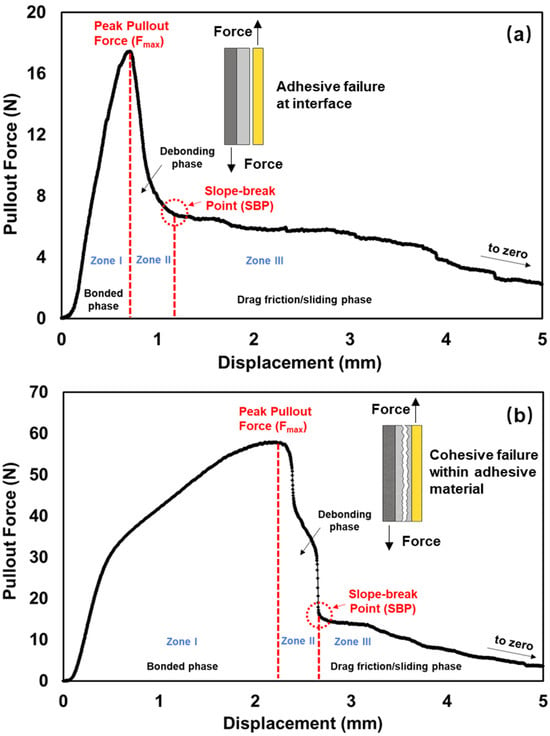
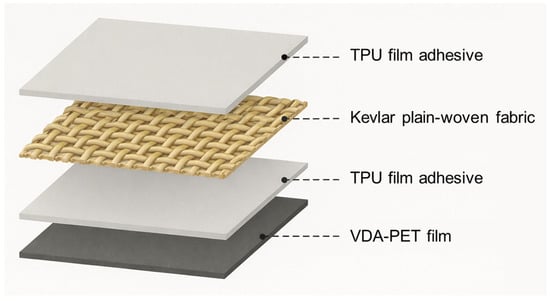
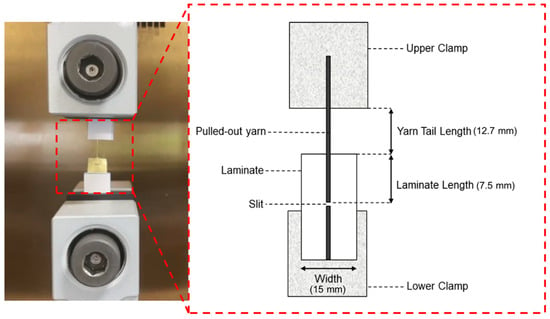
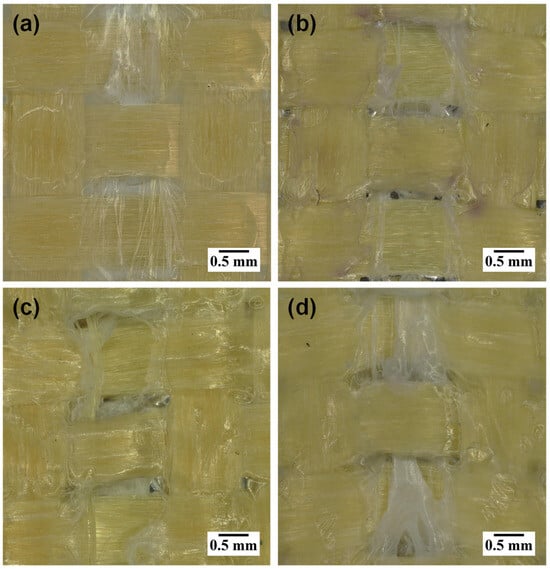
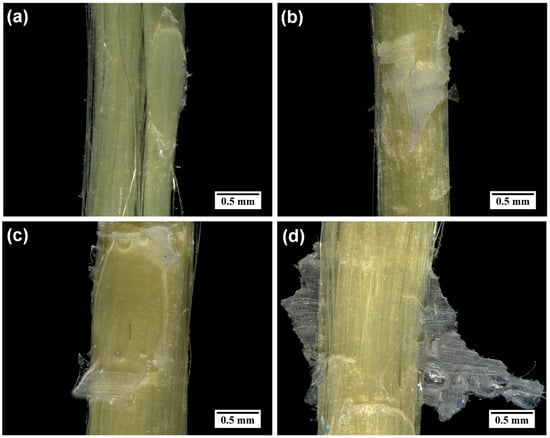
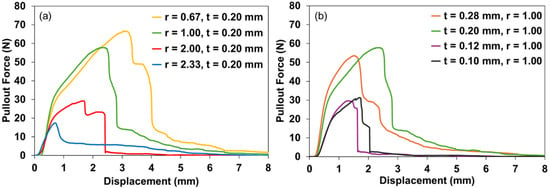
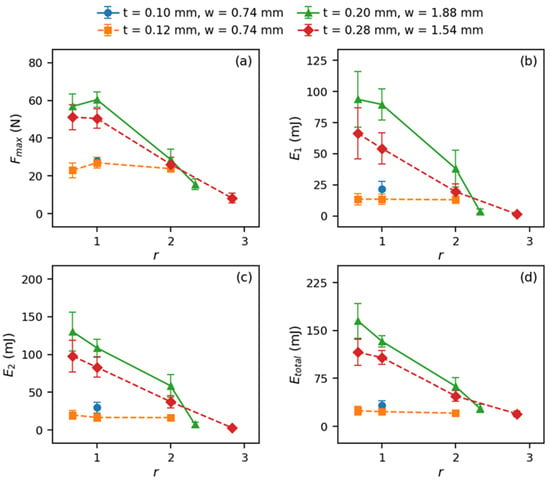
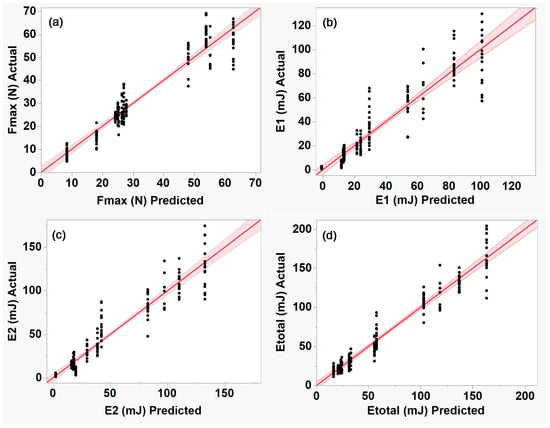
Woven fabric-reinforced laminates (FRLs) are widely used in flexible composite structures where fabric-adhesive bonding strongly influences load transfer, energy dissipation, and structural integrity. Recently, our team developed a yarn pullout in laminate (YPiL) test for bonding assessment in woven FRLs to overcome the limitations of the cumbersome T-peel test, with a focus on maximum pullout force. This study advanced the YPiL with an energy-based framework in which the force–displacement curve is interpreted using three zones: bonding, interfacial debonding, and drag friction/sliding associated with four metrics: maximum pullout force (Fmax), pre-peak energy (E1), energy to the slope-break point (E2), and total pullout energy (Etotal). A dataset of 187 specimens covering four plain-woven Kevlar structures and five fabric-to-adhesive weight ratios (r = 0.67–2.83) was analyzed using a numeric general linear model (GLM). The dominant factor was r, with Fmax, E1, E2, and Etotal all decreasing as r increased. The interaction between pullout yarn width and r ranked second in every model, confirming a stronger r effect in fabrics with wider pullout yarns. The energy-based metrics, particularly Etotal, were more sensitive than Fmax to structural and bonding differences, and the Etotal model achieved R2 = 0.94 with Root Mean Square Error (RMSE) = 12.42 mJ. Full article
(This article belongs to the Section Composites Applications)
Show Figures

Figure 1

16 pages, 504 KB  
Review
Water Management Across the SDGs: Gaps and Needs
by Neil Grigg
Sustainability 2026, 18(11), 5481; https://doi.org/10.3390/su18115481 (registering DOI) - 30 May 2026
Abstract
Most Sustainable Development Goals (SDGs) involve water, but integrated water resources management (IWRM) does not address them explicitly, especially the important health and sanitation goals. IWRM has structural problems and has been used mainly as a development tool rather than a way to [...] Read more.
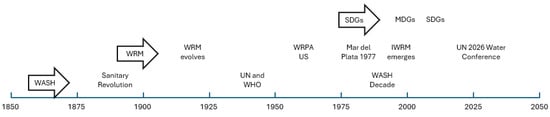
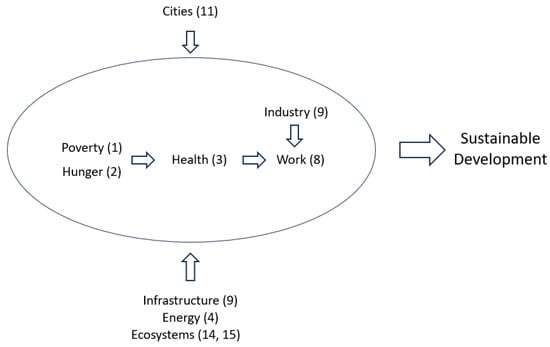
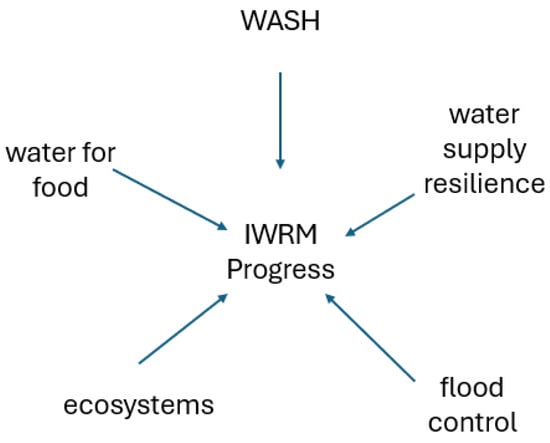
Most Sustainable Development Goals (SDGs) involve water, but integrated water resources management (IWRM) does not address them explicitly, especially the important health and sanitation goals. IWRM has structural problems and has been used mainly as a development tool rather than a way to manage water. There is no consensus among the professional communities about the methods and value of IWRM, and its inherent problems make assessment of its success difficult. It surveys national levels while most applications are at local levels. Efforts to improve and assess progress in the water, sanitation, and hygiene (WASH) sector faced similar obstacles, and a new approach based on household surveys was adopted. The mismatch between IWRM and WASH is caused by the polarization between communities of practice for public health and water management. Tools posted by the Global Water Partnership (GWP) do not address WASH explicitly, and the public health profession does not embrace IWRM. These problems can be mitigated by a new definition of IWRM that combines WASH with other water-related issues. To address its complexity, situational archetypes can be mapped to local levels and explained by case studies. To assess progress in IWRM implementation, a new approach should focus on results at local levels rather than methods at the national levels and address the polarization with WASH. SDG reporting relating to water should focus on local outcomes with WASH included, as well as key purposes that include water for food, flood control, drought resilience, and the sustainability of ecosystems. Progress could be assessed via outcome data collected by sector organizations. The GWP program could adopt a new definition of IWRM and new methods of assessment. Full article
Show Figures

Figure 1

Open Access Journals

Browse by Indexing Browse by Subject Selected Journals
Back to TopTop