All articles published by MDPI are made immediately available worldwide under an open access license. No special
permission is required to reuse all or part of the article published by MDPI, including figures and tables. For
articles published under an open access Creative Common CC BY license, any part of the article may be reused without
permission provided that the original article is clearly cited. For more information, please refer to
https://www.mdpi.com/openaccess.
Feature papers represent the most advanced research with significant potential for high impact in the field. A Feature
Paper should be a substantial original Article that involves several techniques or approaches, provides an outlook for
future research directions and describes possible research applications.
Feature papers are submitted upon individual invitation or recommendation by the scientific editors and must receive
positive feedback from the reviewers.
Editor’s Choice articles are based on recommendations by the scientific editors of MDPI journals from around the world.
Editors select a small number of articles recently published in the journal that they believe will be particularly
interesting to readers, or important in the respective research area. The aim is to provide a snapshot of some of the
most exciting work published in the various research areas of the journal.
by
Miloš Jovićević, Dušan Kekić, Ana Tomić, Olja Šovljanski, Lato Pezo, Nemanja Mirković, Radmila Novaković, Ivan Vicic, Nikola Bajcetic, Milica Mirkovic, Nedjeljko Karabasil, Nataša Opavski and Ina Gajić
Antibiotics2026, 15(6), 553; https://doi.org/10.3390/antibiotics15060553 (registering DOI) - 30 May 2026
Background/Objectives: Environmental dissemination of antimicrobial resistance (AMR) is increasingly driven by wastewater-impacted aquatic systems, yet the key factors controlling multidrug-resistant (MDR) bacterial distribution remain unclear. This study evaluated environmental factors associated with MDR bacteria in the urban Danube River (Novi Sad, Serbia)
[...] Read more.
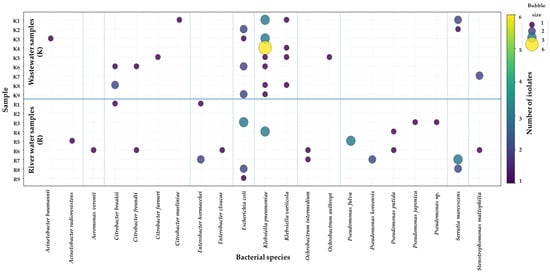
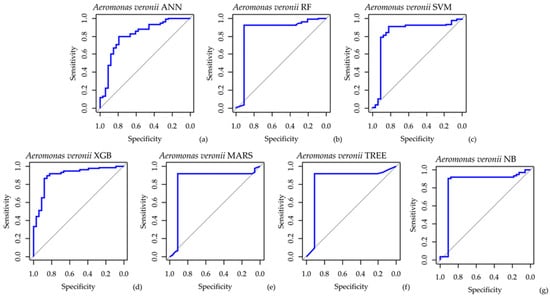
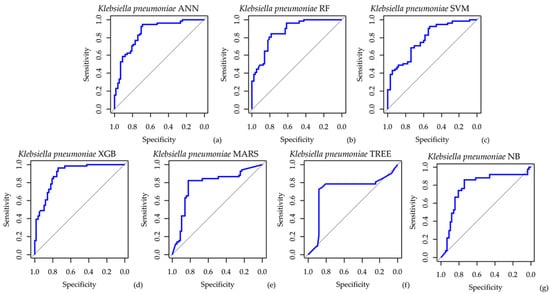
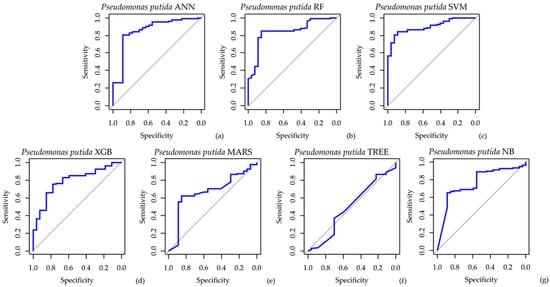
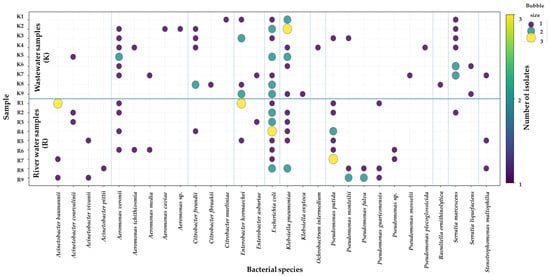
Background/Objectives: Environmental dissemination of antimicrobial resistance (AMR) is increasingly driven by wastewater-impacted aquatic systems, yet the key factors controlling multidrug-resistant (MDR) bacterial distribution remain unclear. This study evaluated environmental factors associated with MDR bacteria in the urban Danube River (Novi Sad, Serbia) using a machine learning framework. Methods: Surface-water and wastewater samples were collected during summer and autumn 2024. Bacterial isolates were obtained through membrane filtration onto chromogenic media and identified using MALDI-TOF MS. Physicochemical parameters (including COD, BOD5, turbidity, pH, and temperature) were used as predictors in seven machine learning models (ANN, RF, SVM, XGB, MARS, TREE, NB). Model performance was assessed using AUC, accuracy, and error metrics. Results: Wastewater samples showed higher bacterial abundance and taxonomic richness than river surface-water samples, with frequent recovery of Klebsiella pneumoniae, Escherichia coli, Aeromonas veronii, and Pseudomonas spp. Tree-based models (RF, XGB) performed best. Organic pollution indicators, turbidity, pH, and water temperature were the most prominent factors. Conclusions: Wastewater-related pollution gradients, reflected by organic load parameters, turbidity, pH, and water temperature, were associated with the occurrence of selected bacterial taxa recovered on selective media. These associations were more pronounced in wastewater samples, while river surface-water samples showed lower abundance and taxonomic richness but still contained selected environmental and opportunistic taxa. Because antimicrobial susceptibility testing and molecular confirmation of resistance determinants were not performed, the findings should be interpreted as culture-based and exploratory. Machine learning approaches may support environmental screening and hypothesis generation for AMR-oriented surveillance, but future studies should include standardized phenotypic and molecular confirmation.
Full article
Maritime transport remains a significant source of air pollution and greenhouse gas emissions, while existing vessels face increasing pressure to comply with both local pollutant limits and emerging carbon intensity constraints. This study presents a sustainability-oriented techno-economic assessment of alternative sulphur compliance strategies
[...] Read more.
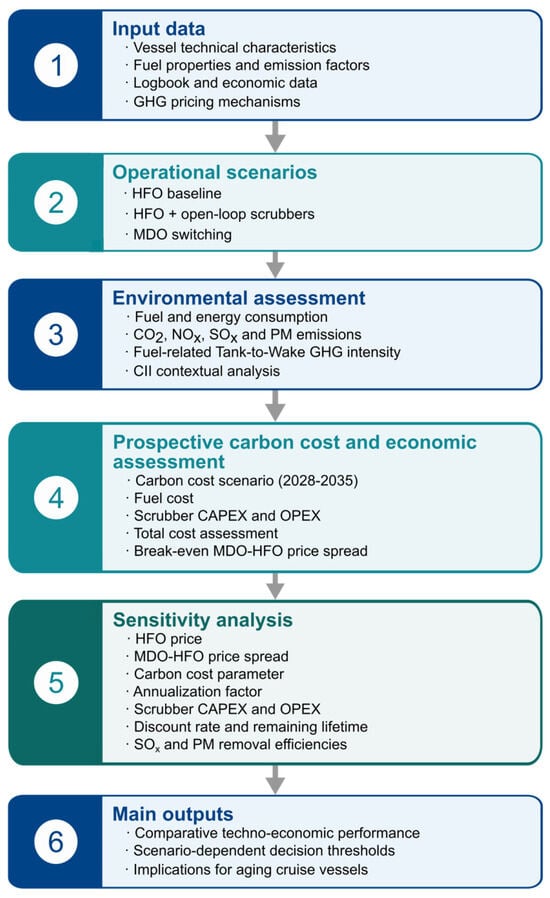
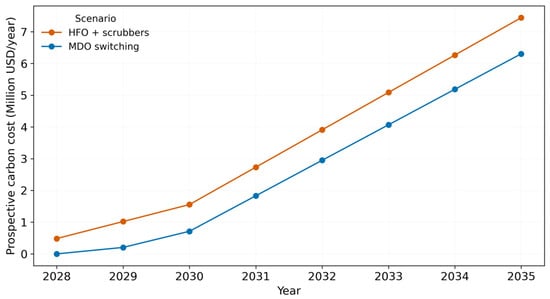
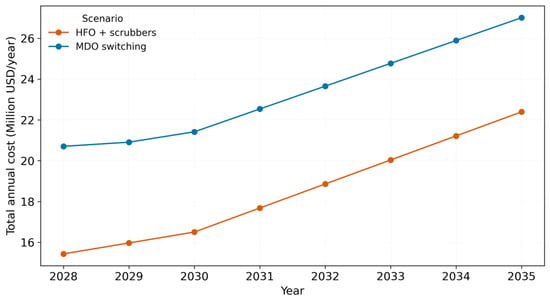
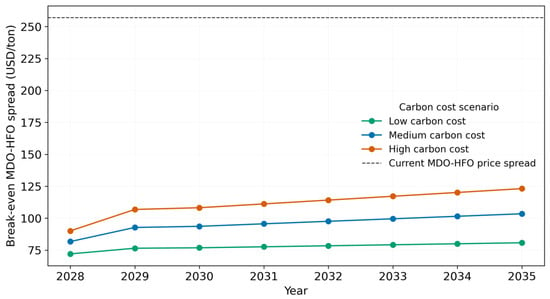
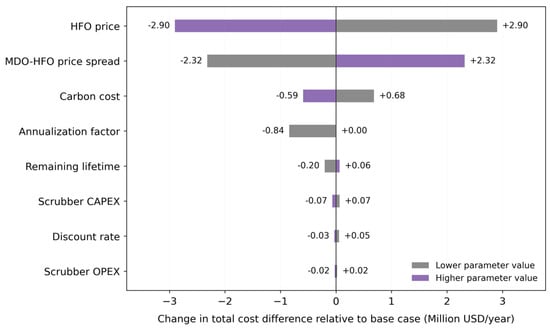
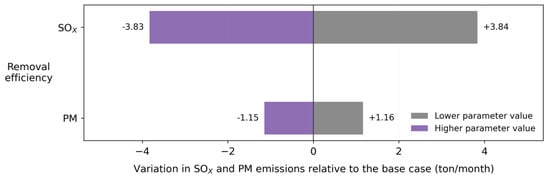
Maritime transport remains a significant source of air pollution and greenhouse gas emissions, while existing vessels face increasing pressure to comply with both local pollutant limits and emerging carbon intensity constraints. This study presents a sustainability-oriented techno-economic assessment of alternative sulphur compliance strategies using real operational data from a 1998-built cruise vessel. Three scenarios were evaluated: a counterfactual heavy fuel oil baseline, heavy fuel oil operation with open-loop scrubbers, and full switching to marine diesel oil. Pollutant emissions were estimated using a Tier 3-oriented approach, while fuel-related Tank-to-Wake greenhouse gas intensity, prospective carbon cost exposure, total cost, break-even fuel price spread and sensitivity analyses were integrated into a decision support framework. Results show that scrubbers reduce SOx emissions by 96.9%, but increase fuel consumption, CO2 emissions and NOx emissions by approximately 3.6%. Marine diesel oil switching reduces SOx by more than 99%, particulate matter by 88.8% and CO2 by 4.6%, while also lowering prospective carbon cost exposure. However, under base case fuel price assumptions, heavy fuel oil operation with scrubbers remains the lower cost strategy, with a 2035 cost advantage of 4.03 to 5.30 million USD/year, depending on the carbon cost scenario. The findings show that the contribution of sulphur compliance strategies to sustainable maritime operation depends strongly on fuel price spreads, carbon cost exposure and remaining vessel lifetime under evolving regulatory conditions. By quantifying the trade-offs between local air pollution reduction, fuel-related carbon exposure and economic viability, this study contributes to sustainable maritime decision-making for aging vessels and supports compliance planning under regulatory uncertainty.
Full article
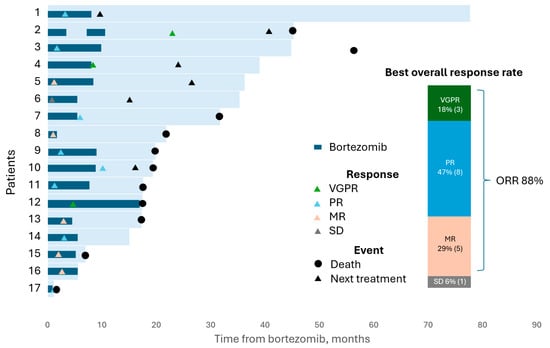
Background: Treatment options after Bruton’s tyrosine kinase inhibitors (BTKi) failure in Waldenstrom macroglobulinaemia are limited. Methods: We retrospectively analysed the use of bortezomib after BTKi failure in 17 patients who were heavily pre-treated and chemotherapy-exposed at our centre between 2018 and 2025. Results: [...] Read more.
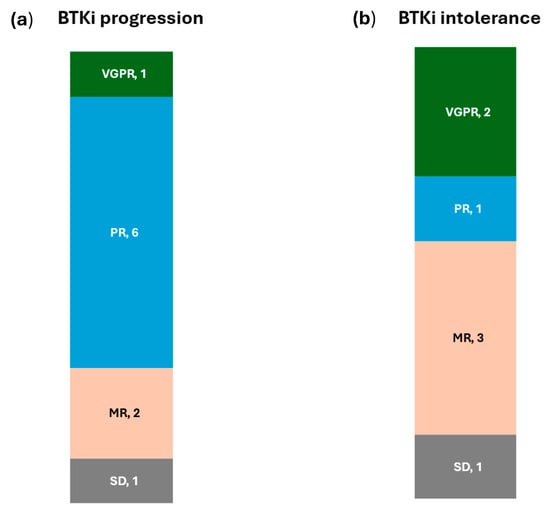
Background: Treatment options after Bruton’s tyrosine kinase inhibitors (BTKi) failure in Waldenstrom macroglobulinaemia are limited. Methods: We retrospectively analysed the use of bortezomib after BTKi failure in 17 patients who were heavily pre-treated and chemotherapy-exposed at our centre between 2018 and 2025. Results: Reasons for BTKi failure were disease progression (59%) and intolerance (41%). At bortezomib initiation, the median age was 73 years and two patients experienced grade 1–2 neuropathy. The best overall response rate (ORR) was 88%. At a median follow up of 39 months (interquartile range 35–78), median treatment-free survival and overall survival were 18 (95% confidence interval [CI] 13–22) and 22 (95% CI 17–45) months, respectively. Conclusion: Bortezomib may be efficacious in patients who experience BTKi failure.
Full article
This study investigates whether countries converge toward common long-run paths in renewable energy consumption and examines the implications for global fuel transition dynamics. Using a balanced panel of 108 countries over the period 1990–2022, we implement an integrated econometric framework that combines stochastic
[...] Read more.
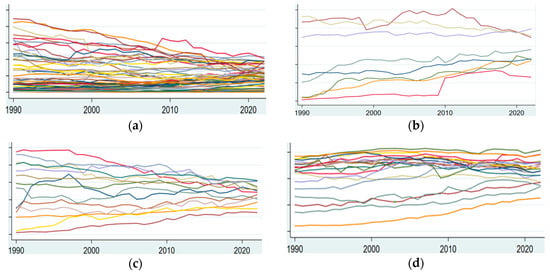
This study investigates whether countries converge toward common long-run paths in renewable energy consumption and examines the implications for global fuel transition dynamics. Using a balanced panel of 108 countries over the period 1990–2022, we implement an integrated econometric framework that combines stochastic convergence tests, β- and σ-convergence analysis, the Phillips–Sul club convergence methodology, ordered logit modelling, and heterogeneous panel causality tests. The results reject global stochastic convergence, indicating that countries do not share a common transition trajectory. However, evidence of β- and σ-convergence suggests the presence of partial and bounded catch-up dynamics. The Phillips–Sul approach identifies four distinct convergence regimes, implying multiple steady-state equilibria in global energy systems. Structural analysis shows that income and governance quality increase the probability of belonging to higher-renewable-energy regimes, while carbon intensity constrains upward transitions. Regime-specific causality results further reveal that the drivers of renewable energy dynamics differ across structural contexts. Overall, the findings demonstrate that global energy transitions are characterized by persistent heterogeneity and regime-dependent adjustment processes rather than uniform convergence. This study contributes by integrating convergence analysis with structural modelling and regime-based interpretation, offering a more comprehensive framework for understanding differentiated decarbonization pathways. The results carry important policy implications, highlighting that effective energy transition strategies must be tailored to regime-specific conditions rather than relying on uniform policy approaches.
Full article
Against the background that efficient energy utilization has become a global focus and the demand for energy conservation and consumption reduction of industrial equipment is increasingly urgent, aiming at the problems of permanent magnet synchronous motors (PMSMs) in actual operation, such as parameter
[...] Read more.
Against the background that efficient energy utilization has become a global focus and the demand for energy conservation and consumption reduction of industrial equipment is increasingly urgent, aiming at the problems of permanent magnet synchronous motors (PMSMs) in actual operation, such as parameter perturbation, time-varying load and control saturation constraints, which lead to decreased operation efficiency, insufficient energy utilization, low trajectory tracking accuracy, slow convergence speed, weak anti-interference ability and poor engineering applicability, this paper proposes a predefined-time convergent guaranteed-performance control strategy to provide technical support for the efficient and stable operation of PMSMs. Firstly, a prescribed performance control structure independent of the initial value is designed, which breaks through the dependence of traditional Prescribed Performance Control (PPC) on initial states and lays a control foundation for efficient energy utilization. Secondly, the traditional reinforcement learning algorithm is improved to overcome its randomness defect, which is used to accurately online estimate the composite time-varying disturbances (including parameter perturbation and time-varying load) during the operation of PMSMs. Furthermore, the predefined-time convergence control mechanism is integrated to design a prescribed performance control law for PMSMs, which ensures that the angular velocity tracking error converges to zero within a pre-specified time, realizes time-optimal control, effectively suppresses the adverse effects caused by various disturbances and control saturation, and improves the motor operation efficiency and energy utilization efficiency. Finally, the effectiveness is verified by simulation. The results show that the strategy can effectively improve the trajectory tracking accuracy of PMSMs, achieve fast convergence within the predefined time, enhance the adaptability of the motor to complex working conditions, and further improve the energy utilization efficiency.
Full article
CAPTCHA (Completely Automated Public Turing test to tell Computers and Humans Apart) systems remain a widely deployed defense against automated abuse, but advances in machine learning have reduced the effectiveness of traditional challenge-based designs and exposed limitations in proprietary risk-scoring systems. This paper
[...] Read more.
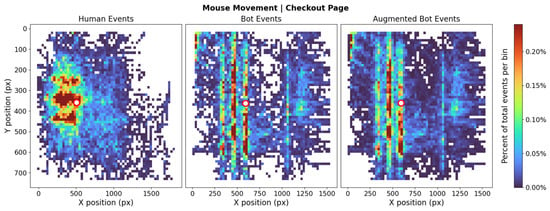
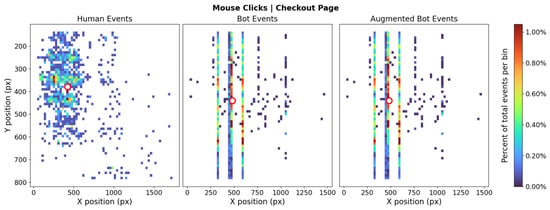
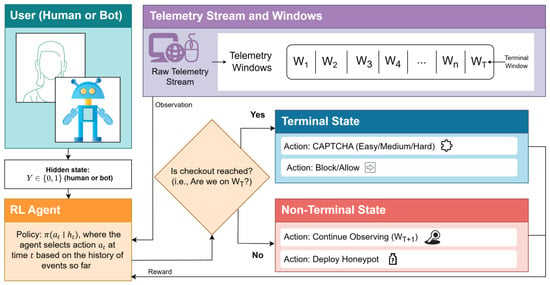
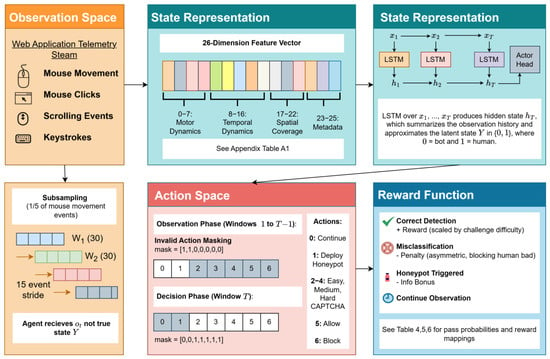
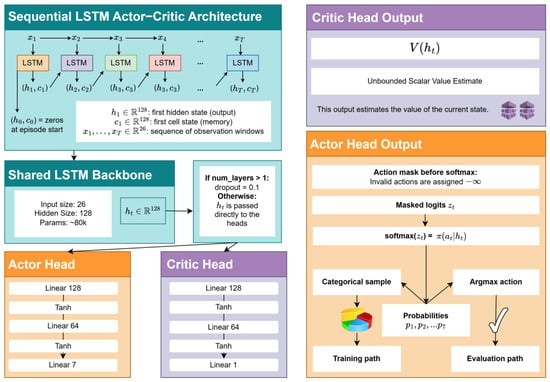
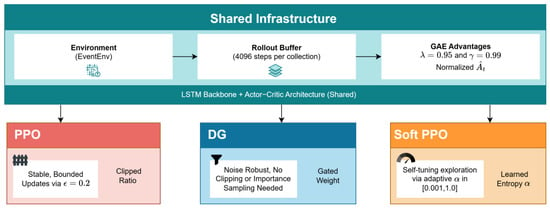
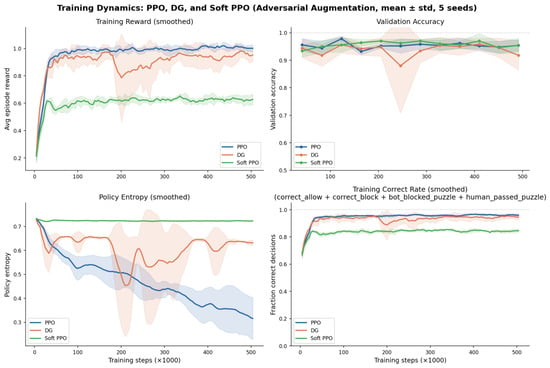
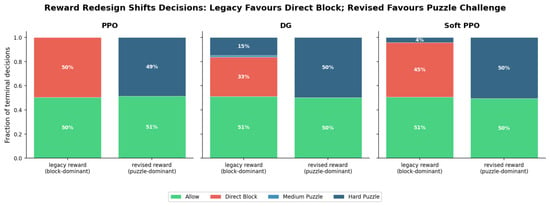
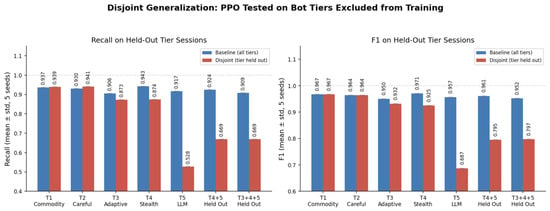
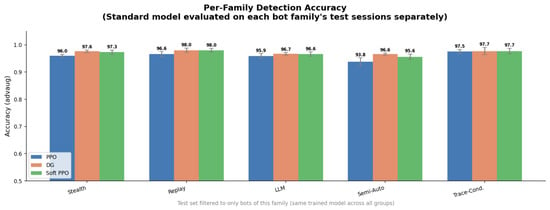
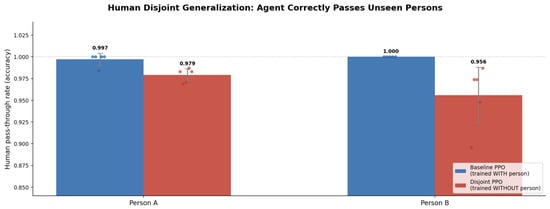
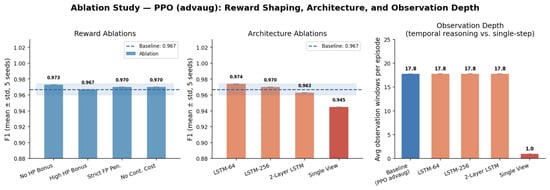
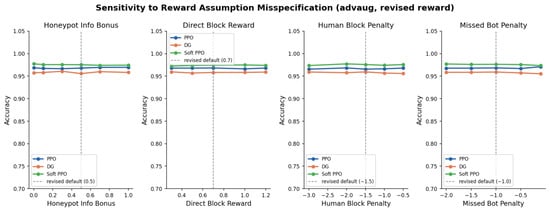
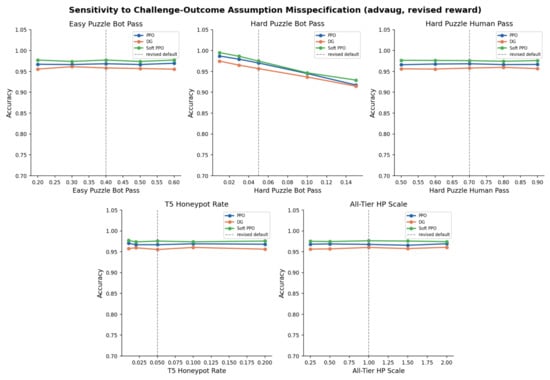
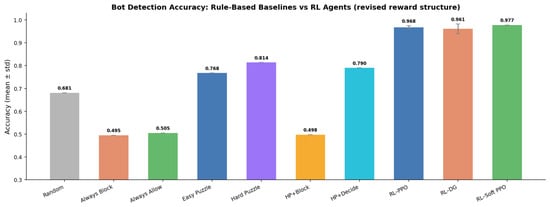
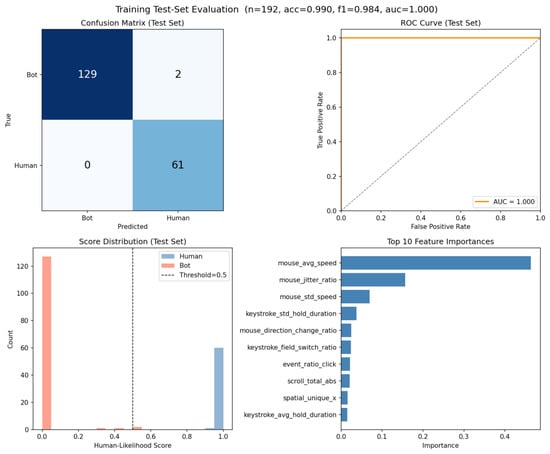
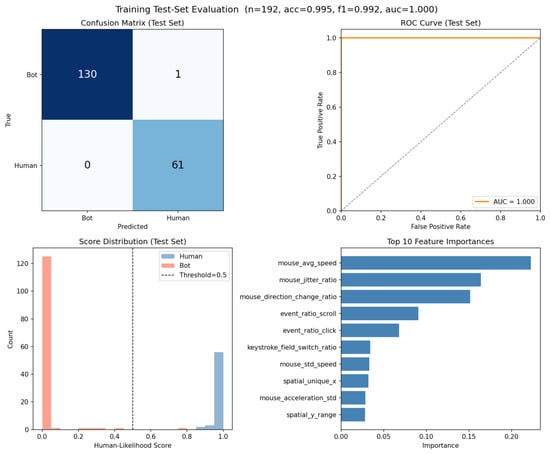
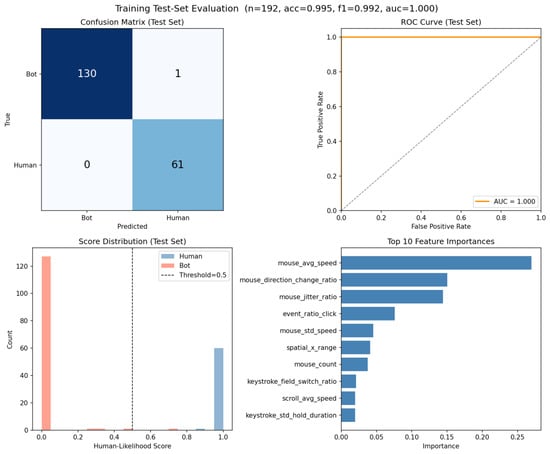
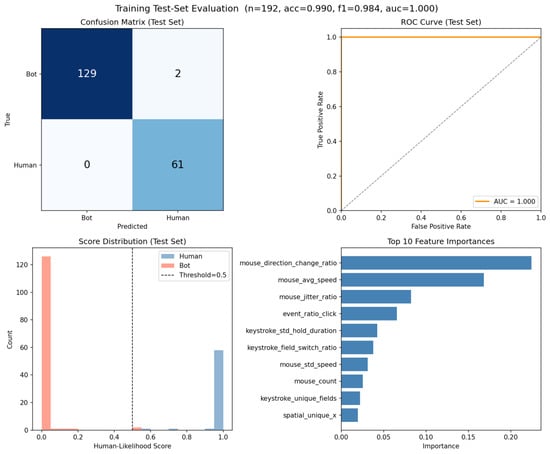
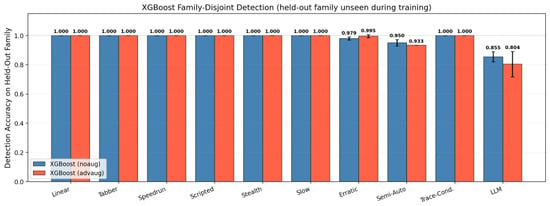
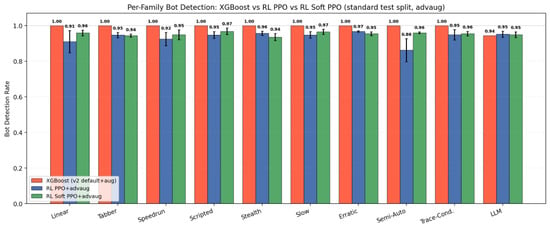
CAPTCHA (Completely Automated Public Turing test to tell Computers and Humans Apart) systems remain a widely deployed defense against automated abuse, but advances in machine learning have reduced the effectiveness of traditional challenge-based designs and exposed limitations in proprietary risk-scoring systems. This paper presents an adaptive, reinforcement learning-based CAPTCHA defense framework for high-security web applications. The proposed system formulates bot detection as a partially observable Markov decision process and uses a Proximal Policy Optimization (PPO) agent with Long Short-Term Memory to analyze streamed behavioral telemetry, including mouse movements, clicks, keystrokes, and scrolling, over sequential interaction windows. During the observation phase, the agent can continue observing or deploy a honeypot as an early-intervention and evidence-gathering action; after sufficient session evidence is accumulated, it can issue graded CAPTCHA challenges, allow a session, or block it. To complement the sequential agent, the framework also includes an XGBoost classifier that produces a session-level human-likelihood score as a supervised benchmark. The accompanying reinforcement learning environment and code base are publicly available, allowing future researchers to train, evaluate, and extend adaptive CAPTCHA policies as bot capabilities evolve. Experiments conducted on a sandbox ticket-purchasing web application demonstrate that the proposed methodology achieves strong preliminary performance on human-generated sessions and real bot sessions produced by scripted, replay-based, and Large Language Model (LLM)-powered agents. Among the evaluated reinforcement learning algorithm variants, Soft PPO achieved the best performance with 97.7% accuracy, 100% precision, and a 97.6% F1 score. Correspondingly, the XGBoost classifier achieved 99.48% accuracy, a 1.000 ROC-AUC (receiver operating characteristic area under the curve), and a 0.9919 F1 score. Our results indicate that sequential reinforcement learning can support accurate and low-friction bot detection, while the accompanying classifier provides a complementary binary benchmark. Compared to proprietary systems, the proposed framework emphasizes transparency, auditability, and explicit sequential decision-making rather than black-box risk scoring. Overall, this work introduces a publicly available, open, and adaptive CAPTCHA defense framework that supports transparent experimentation with behavior-based bot mitigation while also identifying the remaining limits that must be addressed before commercial deployment.
Full article
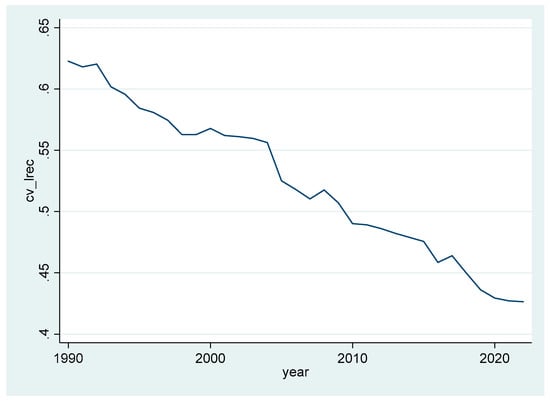
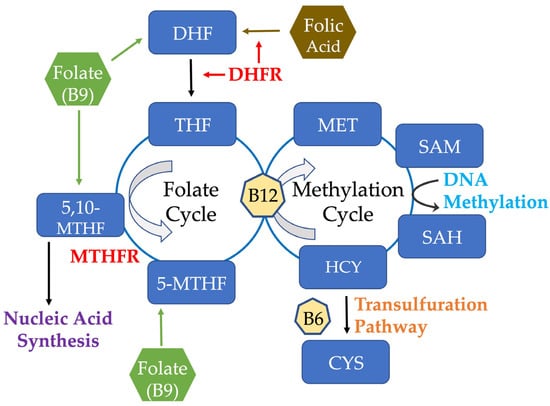
Background/Objectives: Folate is a water-soluble B vitamin that is essential for DNA synthesis, cell division and proper growth and development, particularly during pregnancy to prevent neural tube defects (NTDs). A large, fully randomized clinical trial (RCT) from the United Kingdom in 1991 (the
[...] Read more.
Background/Objectives: Folate is a water-soluble B vitamin that is essential for DNA synthesis, cell division and proper growth and development, particularly during pregnancy to prevent neural tube defects (NTDs). A large, fully randomized clinical trial (RCT) from the United Kingdom in 1991 (the Medical Research Council (MRC) Vitamin Study), where participants had a prior NTD-affected pregnancy, demonstrated a 72% reduction in NTD recurrence in the folic acid treatment group. Based on this data and the high rate of unplanned pregnancies, about 90 countries fortify cereal grains with folic acid with the goal to prevent NTDs during pregnancy. This critical narrative review and policy perspective addresses the difference between folate and folic acid and between supplementation and food fortification, critically evaluates the data in three recent publications supporting mandatory fortification of food products with folic acid, and presents the case for a more personalized medicine approach to the prevention of NTDs. Methods: Relevant literature was identified through PubMed searches using the keywords “fortification”, “folic acid”, and “systematic review” or by Googe Scholar Alerts. Three studies were identified based on relevance to the topic and publication dates between January and February of 2026. Results: There is a disregard in published studies, which use pre-fortification groups as controls, for the confounding issue of changing socioeconomic factors over time. Improved socioeconomic conditions are associated with subsequent decreases in NTD prevalence regardless of fortification. Conclusions: The efficacy of folic acid supplementation for recurrent NTDs is supported by evidence-based literature, but evidence in favor of mandatory food fortification to prevent NTDs is limited. Food fortification is widely debated, raises numerous ethical issues, and has broad implications for human health.
Full article
by
Ayleen Parra-Calisto, Carlos A. Santiviago, Carlos J. Blondel, Carla Vargas-del Río, Valentina Briceño, Andrea Avilés, Fernanda Salazar-Salas, Patricio Espinoza-Jara, María J. Faúndez, Dácil Rivera, Andrea Moreno-Switt, Fernando A. Amaya, Leonardo Pavez and David Pezoa
Microorganisms2026, 14(6), 1232; https://doi.org/10.3390/microorganisms14061232 (registering DOI) - 30 May 2026
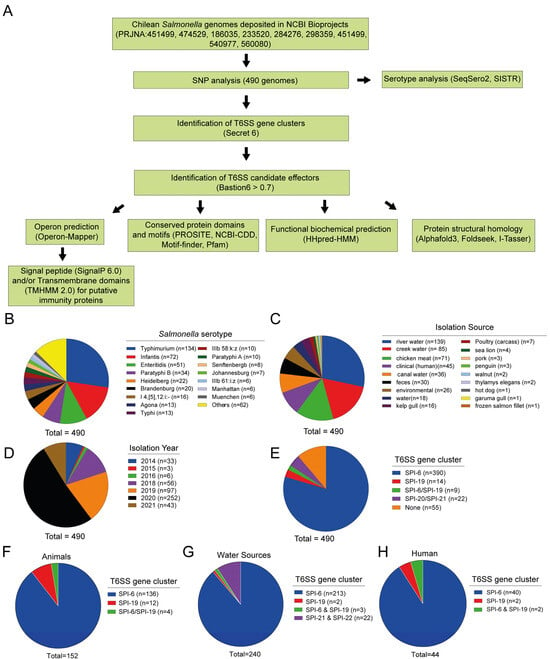
The type VI secretion system (T6SS) is a contact-dependent, contractile multiprotein complex widely distributed among Gram-negative bacteria. It mediates the translocation of effector proteins into bacterial competitors and eukaryotic host cells, promoting environmental fitness and contributing to virulence. In Salmonella, five pathogenicity
[...] Read more.
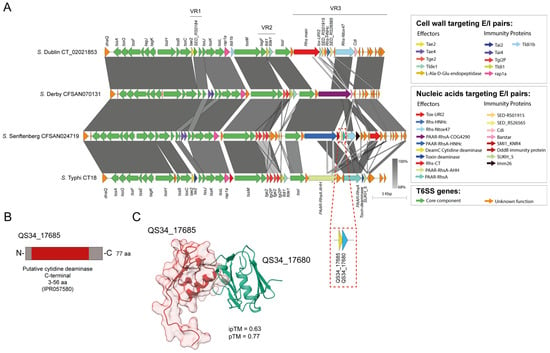
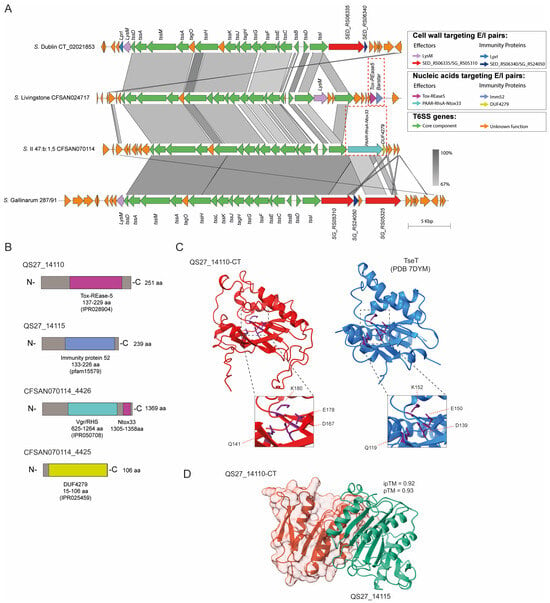
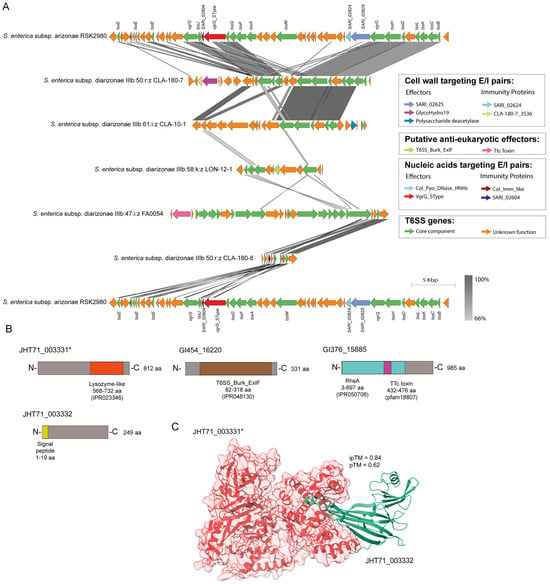
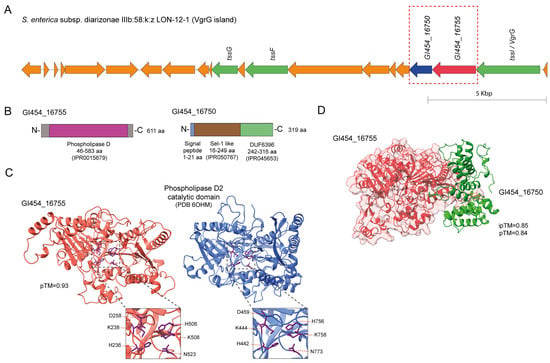
The type VI secretion system (T6SS) is a contact-dependent, contractile multiprotein complex widely distributed among Gram-negative bacteria. It mediates the translocation of effector proteins into bacterial competitors and eukaryotic host cells, promoting environmental fitness and contributing to virulence. In Salmonella, five pathogenicity islands encoding T6SSs (SPI-6, SPI-19, SPI-20, SPI-21, and SPI-22) have been described, along with an expanding repertoire of associated effector proteins. However, their global diversity and distribution remain incompletely resolved due to limited genomic sampling. To address this, we analyzed a curated dataset of 490 Salmonella genomes representing 45 serotypes. T6SS regions were identified using SecreT6, revealing that SPI-6 is widely distributed, whereas SPI-19, SPI-20, and SPI-21 are restricted to a subset of serotypes. SPI-20 and SPI-21 were exclusively found in S. enterica subsp. arizonae and diarizonae, while SPI-22 was absent from all analyzed genomes. All open reading frames within T6SS clusters were then analyzed for effector prediction and functional annotation. This approach recovered 32 out of 45 previously described T6SS effectors and identified several novel candidates. These included a cytidine deaminase with predicted DNase activity in SPI-6: two candidate nuclease effectors in SPI-19 with DNase and RNase activities, and four putative effectors in SPI-21, including enzymes with predicted peptidoglycan hydrolase activity, a potential inhibitor of eukaryotic ATPases, and a membrane pore-forming toxin. Additionally, a putative phospholipase effector was identified within a VgrG-associated genomic island in a subset of S. enterica subsp. diarizonae isolates. Collectively, these findings expand the known repertoire of Salmonella T6SS effector proteins and highlight their functional diversity.
Full article
Lipophorin receptors play a crucial role in the reproductive development of insects. However, their regulatory function in insect reproductive diapause remains poorly understood. In this study, a lipophorin receptor gene (GdLpR) was cloned from Galeruca daurica using RT-PCR. The open reading
[...] Read more.
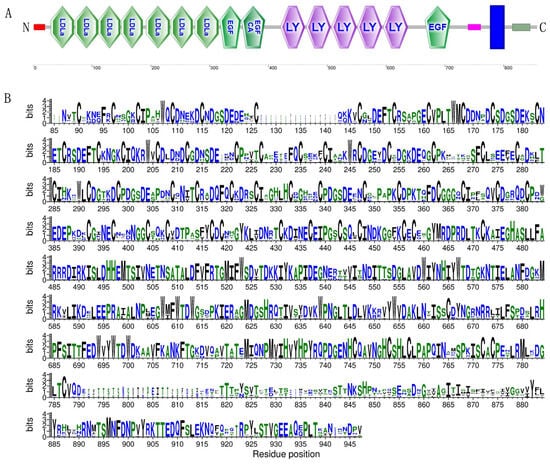
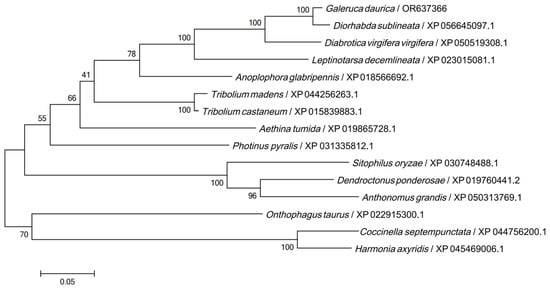
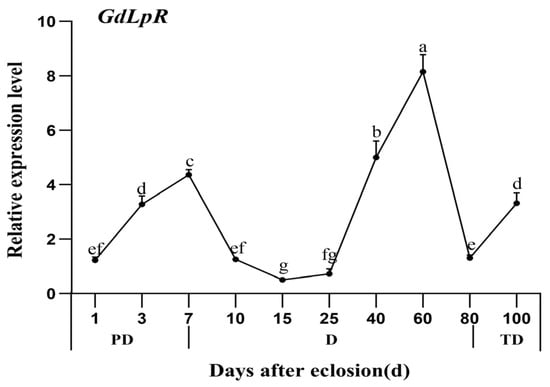
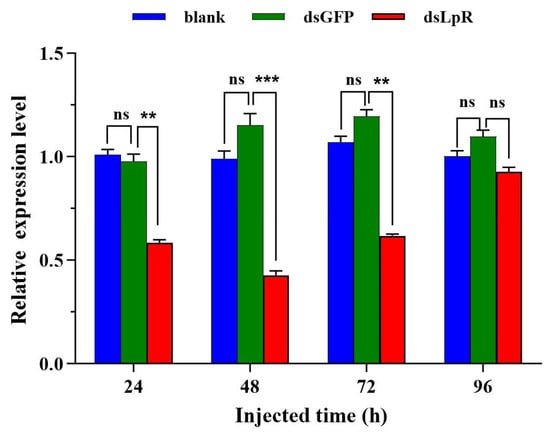
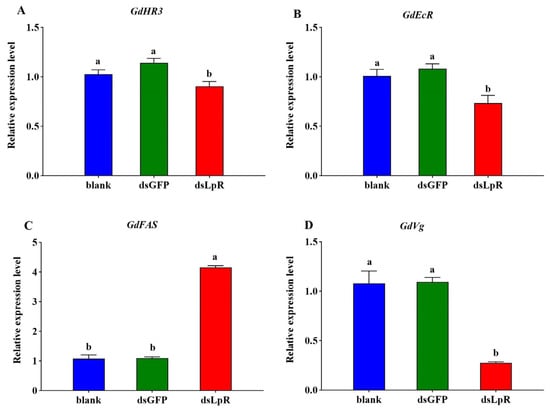
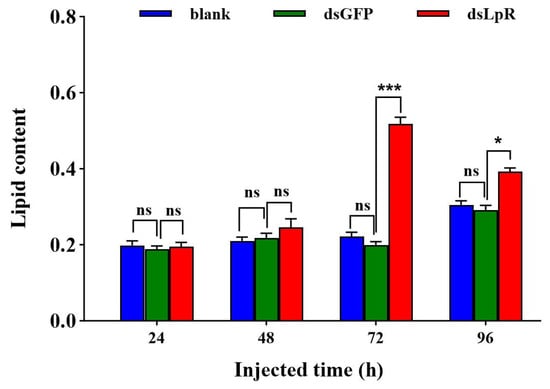
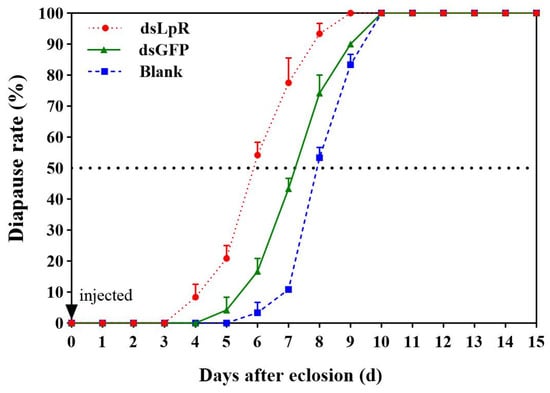
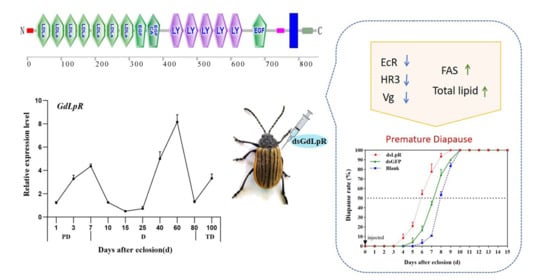
Lipophorin receptors play a crucial role in the reproductive development of insects. However, their regulatory function in insect reproductive diapause remains poorly understood. In this study, a lipophorin receptor gene (GdLpR) was cloned from Galeruca daurica using RT-PCR. The open reading frame (ORF) of GdLpR is 2589 bp in length, encoding 862 amino acids, and possesses typical structural characteristics of the lipophorin receptor family. RT-qPCR analysis indicated that the expression of GdLpR is up-regulated in G. daurica adults before diapause, exhibits an expression pattern of initial down-regulation, subsequent up-regulation, and then further down-regulation during diapause, and is up-regulated again after diapause termination. After RNA interference of GdLpR, the expression levels of diapause-related genes ecdysone receptor (EcR), nuclear hormone receptor (HR3), and vitellogenin (Vg) were downregulated, while the expression level of fatty acid synthase (FAS) and total lipid content were upregulated, leading to premature diapause in adult G. daurica. These results indicate that GdLpR is involved in the regulation of reproductive diapause in G. daurica.
Full article
Sex determination and gonadal differentiation are essential for vertebrate development and reproduction. Fish, with both genetic and environmental sex-determining mechanisms, serve as ideal models for exploring environmental effects on gonadal development. The hypothalamic–pituitary–gonadal (HPG) axis is involved in sex differentiation, but its role
[...] Read more.
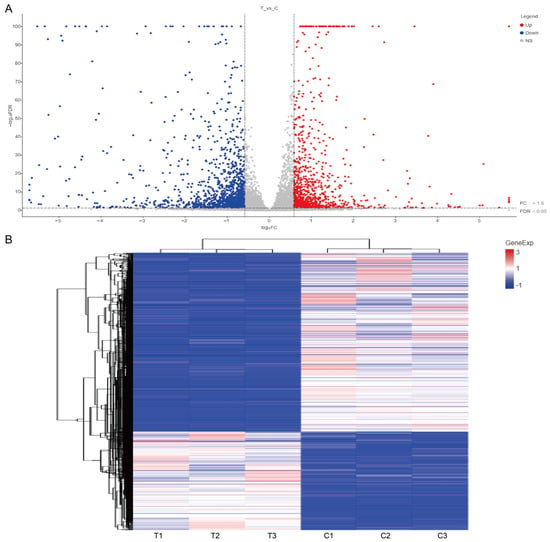
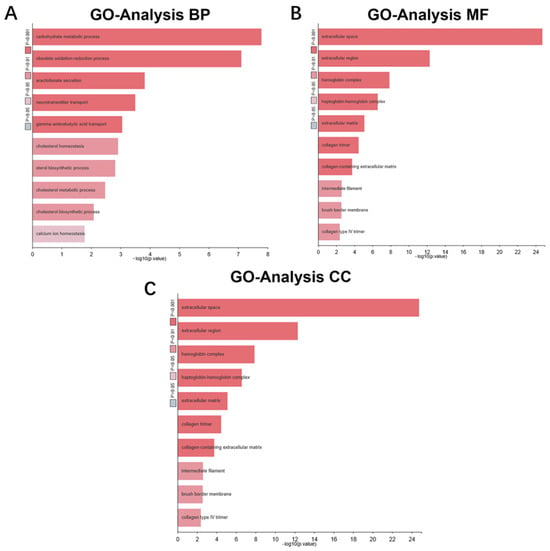
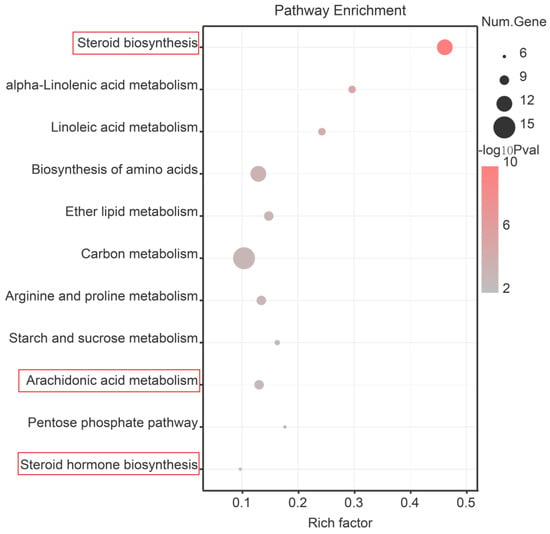
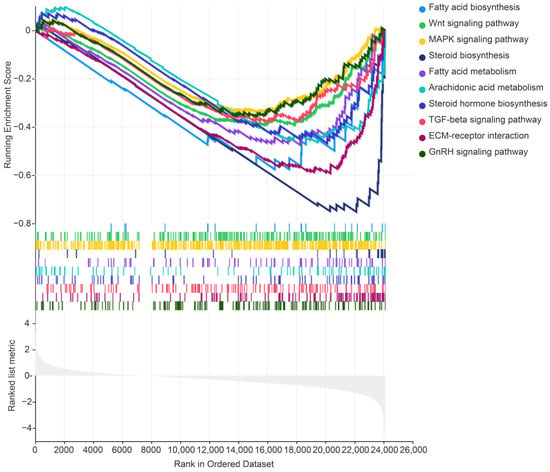
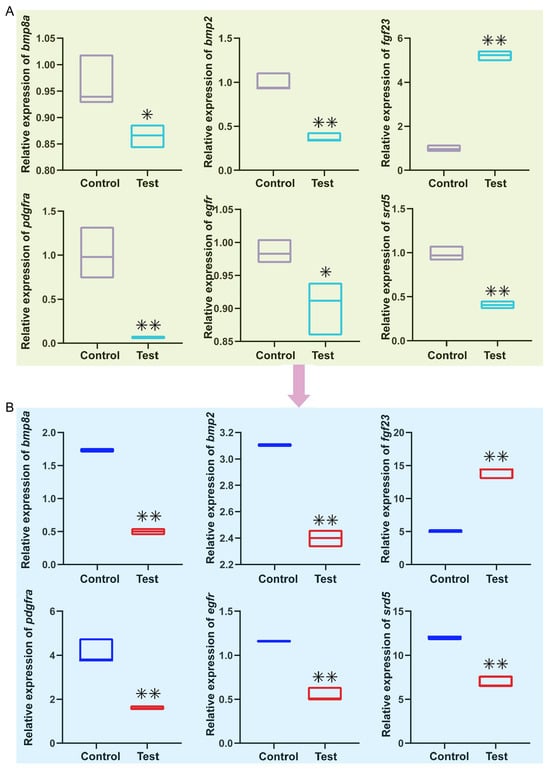
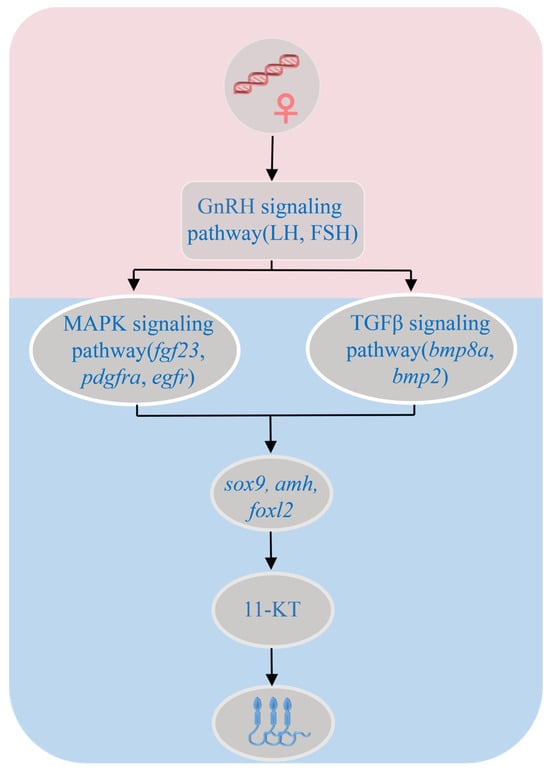
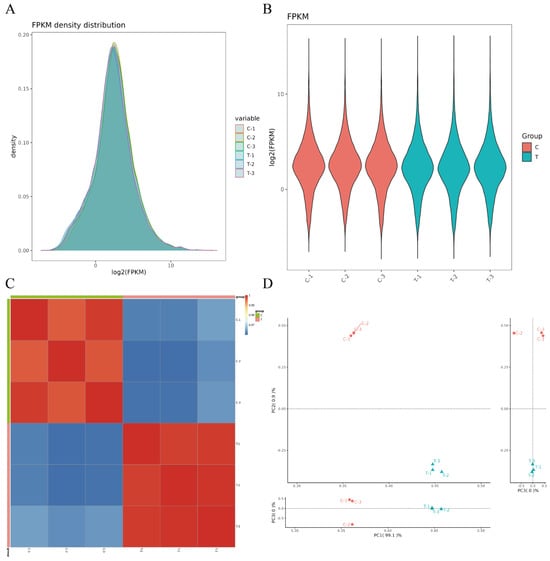
Sex determination and gonadal differentiation are essential for vertebrate development and reproduction. Fish, with both genetic and environmental sex-determining mechanisms, serve as ideal models for exploring environmental effects on gonadal development. The hypothalamic–pituitary–gonadal (HPG) axis is involved in sex differentiation, but its role as a key mediator in temperature-dependent sex differentiation remains unclear. Sebastes schlegelii is an economically important marine fish species along the northern coast of China. It exhibits obvious sexual growth dimorphism and typical temperature-dependent sex differentiation, making it an excellent model for investigating the mechanism of sex differentiation. In this study, individuals of S. schlegelii at the sex differentiation stage were treated with a GnRH receptor antagonist and subjected to transcriptome sequencing analysis. The results revealed that GnRH may regulate sex differentiation through steroid biosynthesis, TGF-β and MAPK signaling pathways. We identified several key genes, including srd5, bmp8a, bmp2, fgf23, pdgfra, and egfr, which may affect gonadal differentiation by acting on core sex-determining genes and steroidogenesis. In conclusion, GnRH precisely mediates the process of sex differentiation by modulating the TGF-β signaling pathway, the MAPK signaling pathway, and local gonadal steroidogenic networks.
Full article
by
Gwen L. Wardenburg, Alaina L. Robinson, Lisa M. Richardson, Mary G. Boyle, Carol M. Kao, Eleanor S. Archer, Carey-Ann D. Burnham and Stephanie A. Fritz
Antibiotics2026, 15(6), 552; https://doi.org/10.3390/antibiotics15060552 (registering DOI) - 30 May 2026
Background: Veterinary staphylococcal species, including the Staphylococcus intermedius group (SIG) and Staphylococcus schleiferi, colonize and infect companion animals (pets) and humans. This study investigated the longitudinal colonization prevalence of veterinary staphylococci among pets, their humans, and household environments to identify factors associated
[...] Read more.
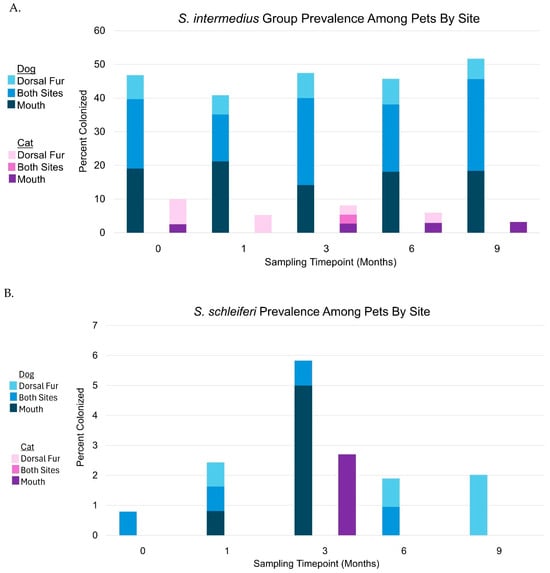
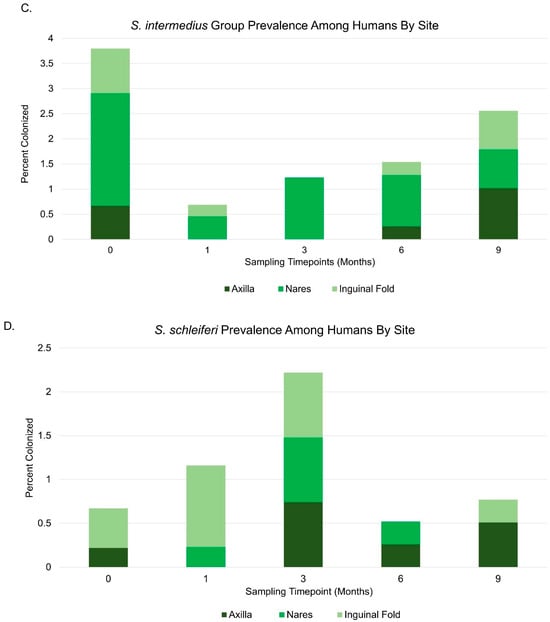
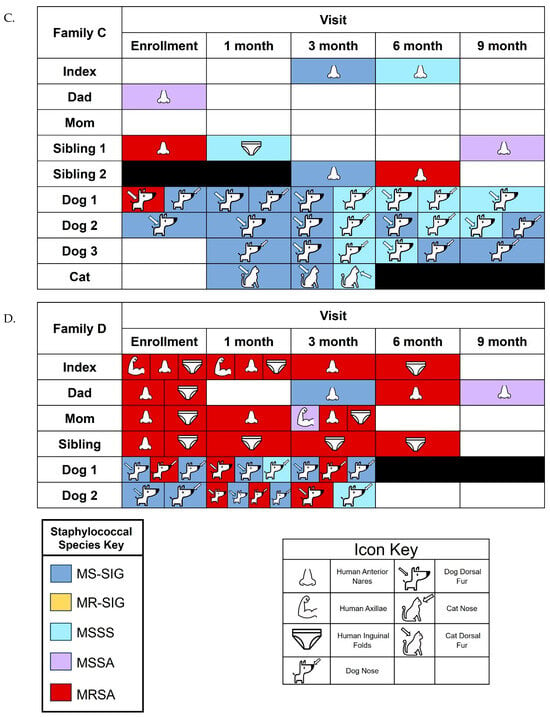
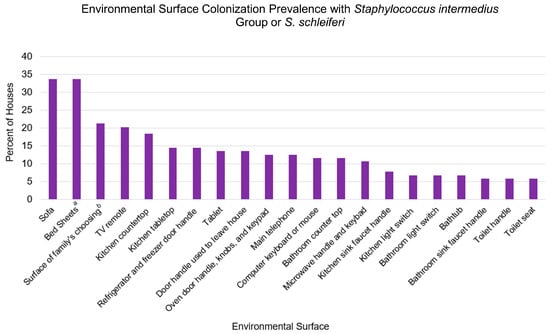
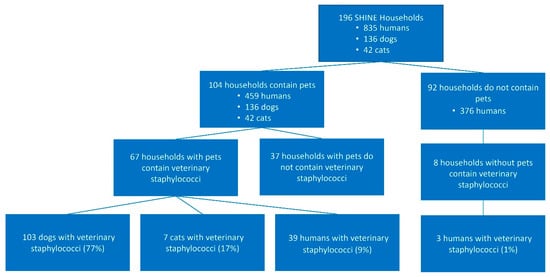
Background: Veterinary staphylococcal species, including the Staphylococcus intermedius group (SIG) and Staphylococcus schleiferi, colonize and infect companion animals (pets) and humans. This study investigated the longitudinal colonization prevalence of veterinary staphylococci among pets, their humans, and household environments to identify factors associated with carriage and to characterize antibiotic susceptibility trends. Methods: Children with community-onset Staphylococcus aureus skin and soft tissue infection (SSTI), their household contacts, and pets were enrolled in the “Staph Hygiene Intervention for Eradication (SHINE)” trial. At five study visits over 9 months, humans, pets, and household surfaces were swabbed for staphylococcal species detection and health information was collected. Results: The 104 households containing pets comprised 459 humans and 178 pets (136 dogs and 42 cats). Veterinary staphylococci were recovered from 110 pets (62%), 39 (9%) humans, and environmental surfaces in 55 (53%) households. SIG was the most commonly recovered veterinary staphylococci. Ninety percent of colonized humans were colonized with the same staphylococcal species as their pet. In multivariable analyses, dogs were more likely to be colonized than cats and a higher burden of environmental surface contamination was associated with pet and human colonization. The prevalence of methicillin-resistant veterinary staphylococci was low, but resistance to multiple other antibiotics was common among these methicillin-resistant isolates. Conclusions: Carriage of the same staphylococcal species and temporal colonization patterns between companion animals and their owners may suggest cross-species sharing, with the environment serving as a reservoir.
Full article
Water, a precious but limited resource since prehistoric times, has driven humans to develop systems for collecting and storing it. Evidence dating back to third millennium BC documents shows such systems among the Sumerians in the Fertile Crescent, as well as in Asia,
[...] Read more.
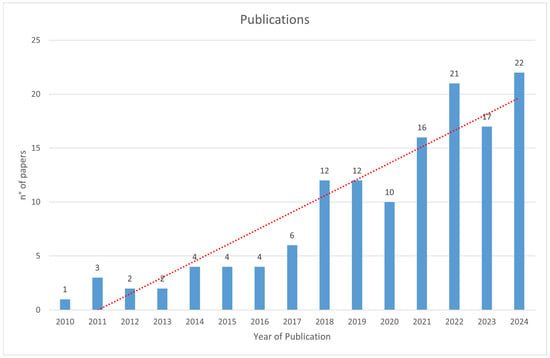
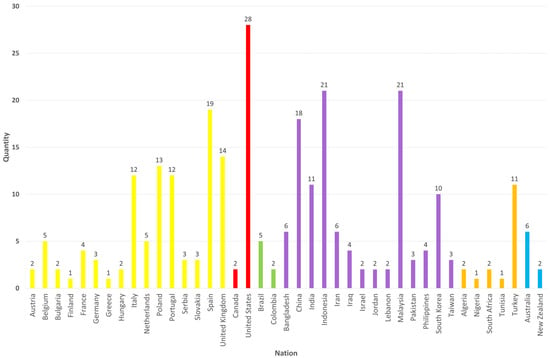
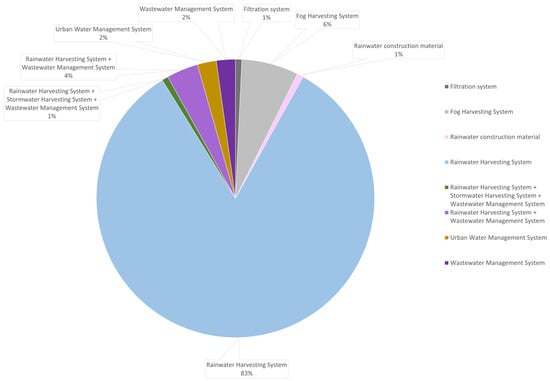
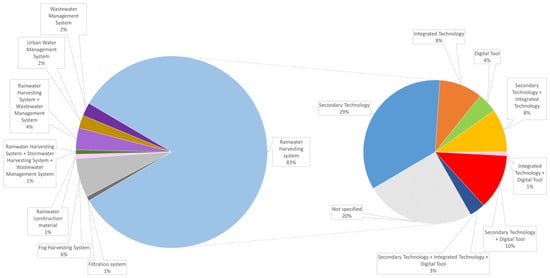
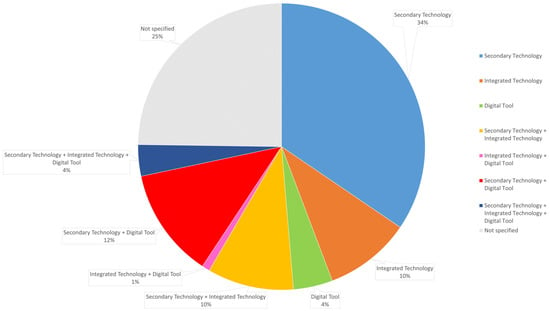
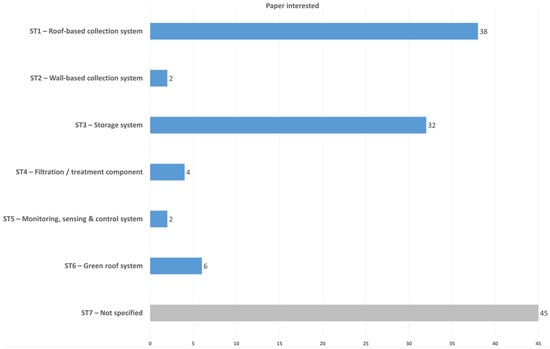
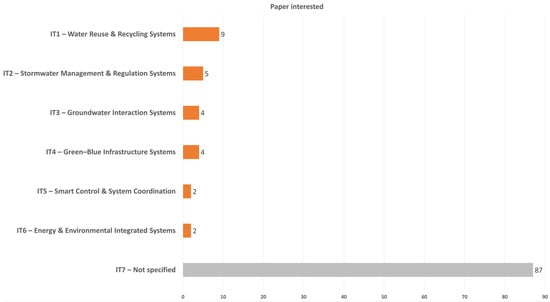
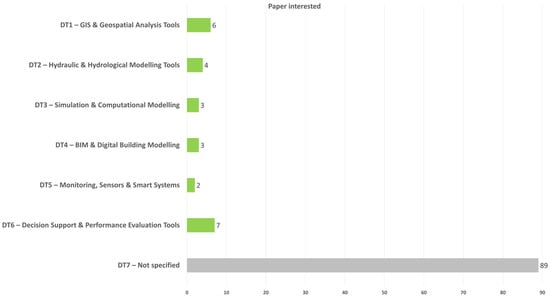
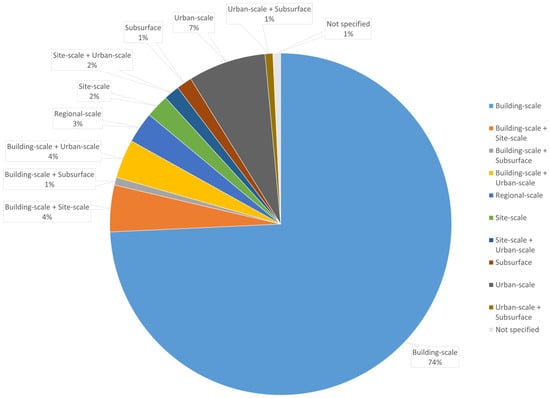
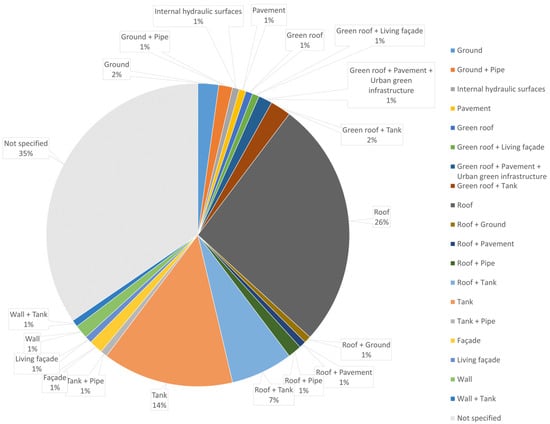
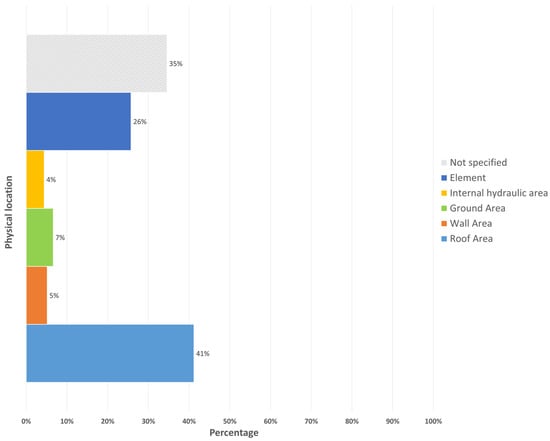
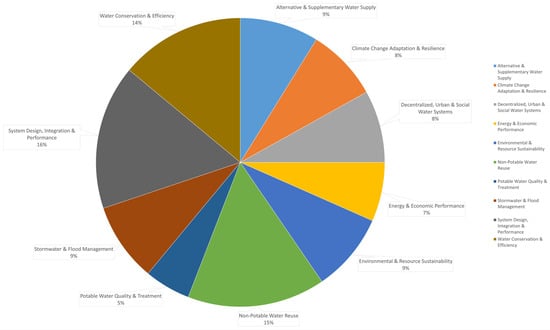
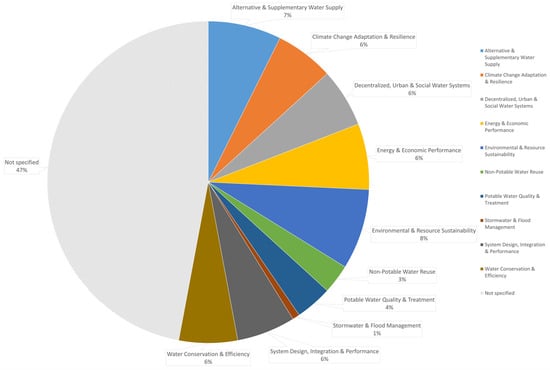
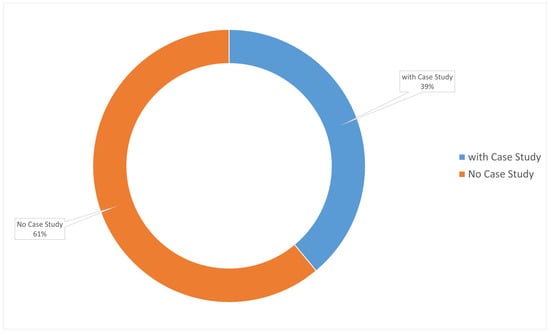
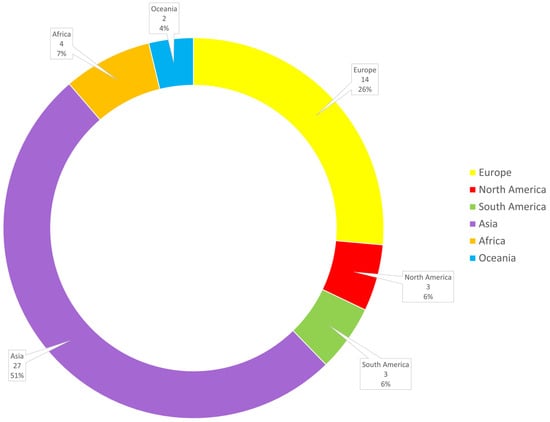
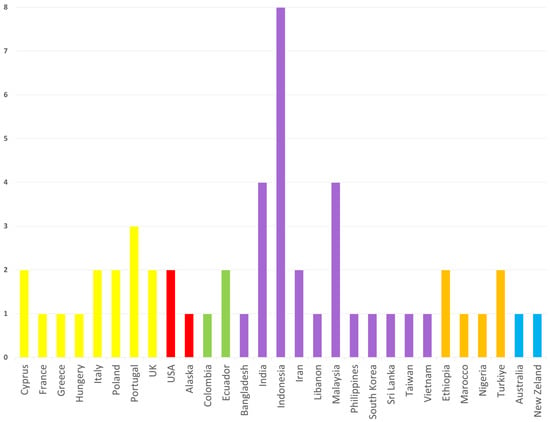
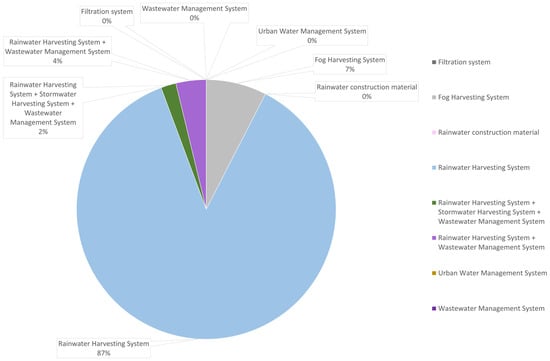
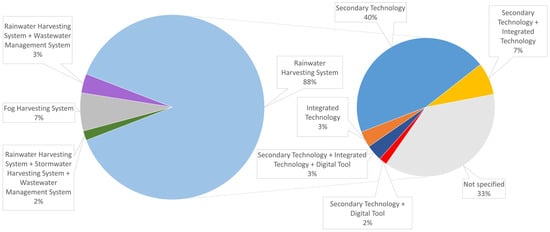
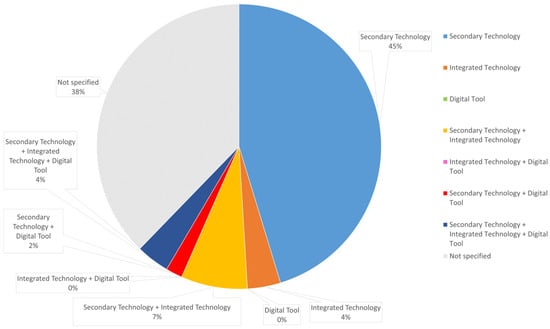
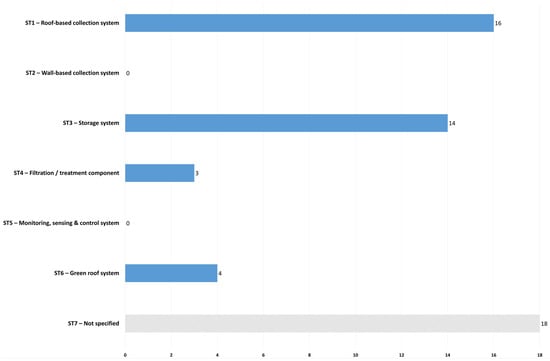
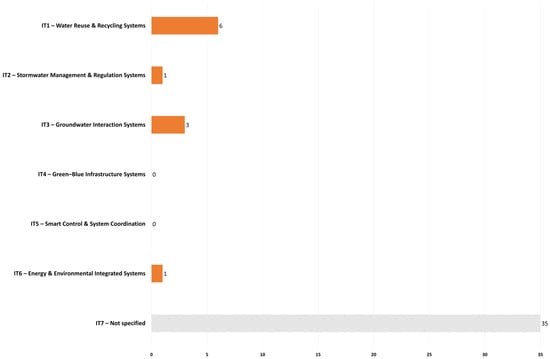
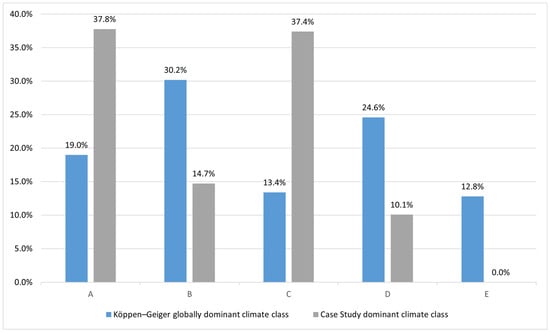
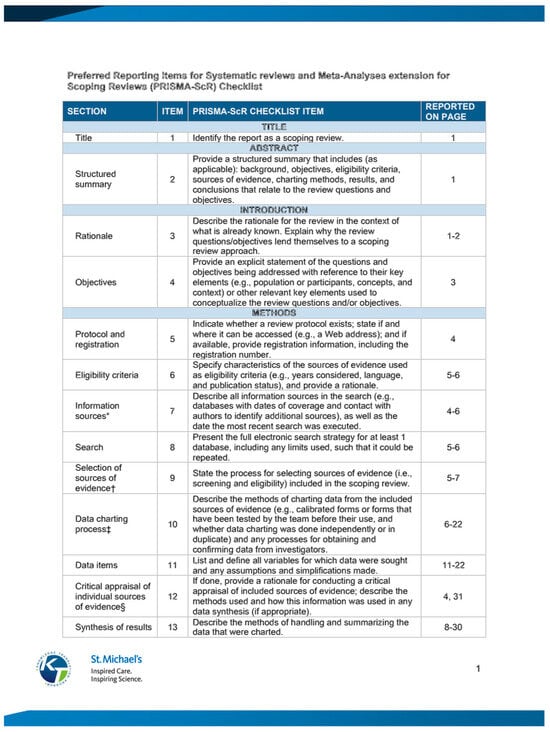
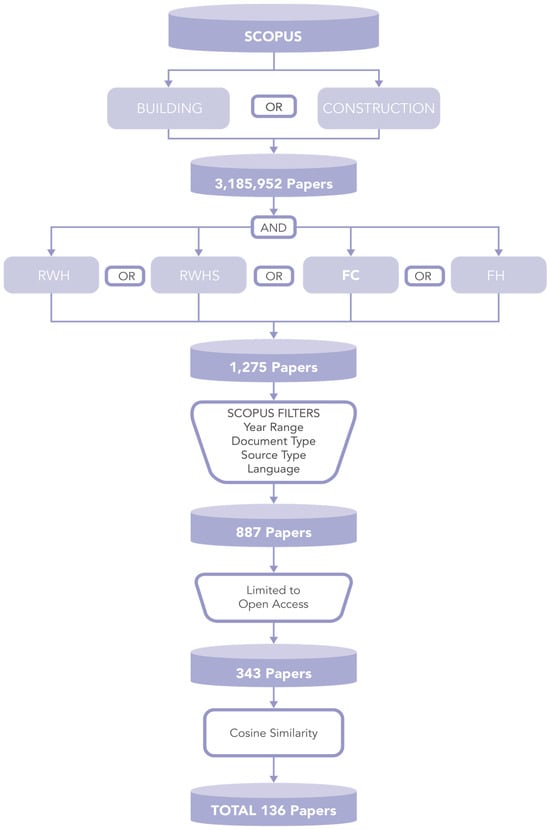
Water, a precious but limited resource since prehistoric times, has driven humans to develop systems for collecting and storing it. Evidence dating back to third millennium BC documents shows such systems among the Sumerians in the Fertile Crescent, as well as in Asia, Africa, China, and India. Aqueducts and cisterns, along with impluvium–compluvium systems, allowed the Romans to meet private and public needs; in Venice, wells provided filtered water until 1884. Today, climate change and increasing soil sealing urgently demand intelligent water collection and management, aligned with five of the 2030 Agenda Sustainable Development Goals (6, 11, 12, 13, 15). Buildings and construction account for about 35% of the global freshwater consumption. The construction sector, historically involved in the development of innovative rainwater harvesting and reuse systems, now faces a growing challenge in exploring innovative nature-based solutions for climate-resilient buildings (e.g., fog harvesting, green roofs for rainwater storage). Based on these considerations, we propose a scoping literature review of the last 15 years on innovative rainwater harvesting and storage systems. The analysis aims to provide a comparative mapping of the technological solutions that have emerged, to identify the geographical areas and climatic conditions favourable to each system, and to serve as a knowledge base for the development of integrated construction systems suitable for each specific context. A total of 136 peer-reviewed Open Access articles indexed in Scopus (2010–2024) were analysed following the PRISMA-ScR guidelines.
Full article
Surface quality in turning is still evaluated mainly by post-process profilometry, which limits the use of sensor feedback during machining. This article examines whether perpendicular vibration displacement can be used as a practical indirect indicator of surface roughness in the turning of aluminum
[...] Read more.
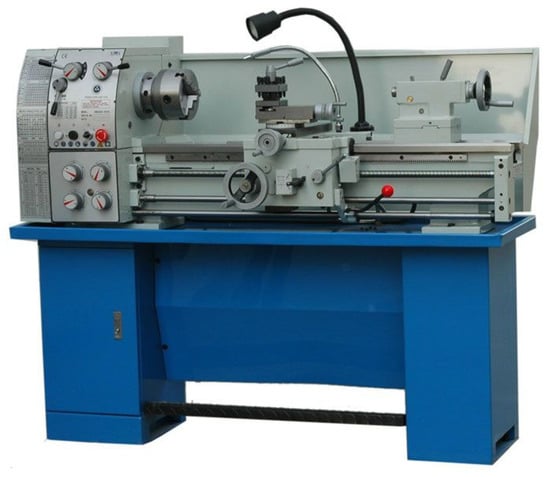
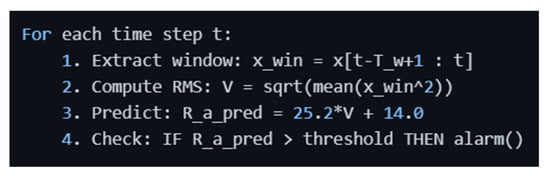
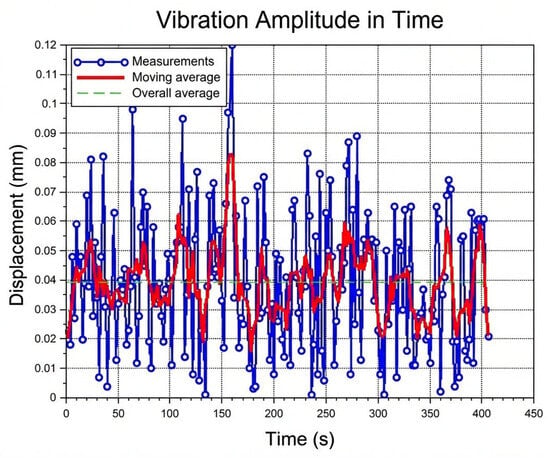
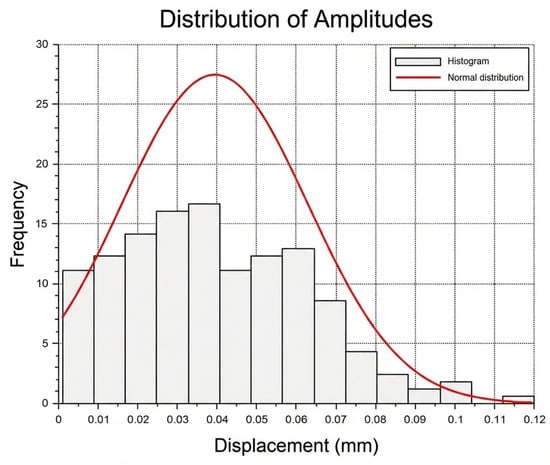
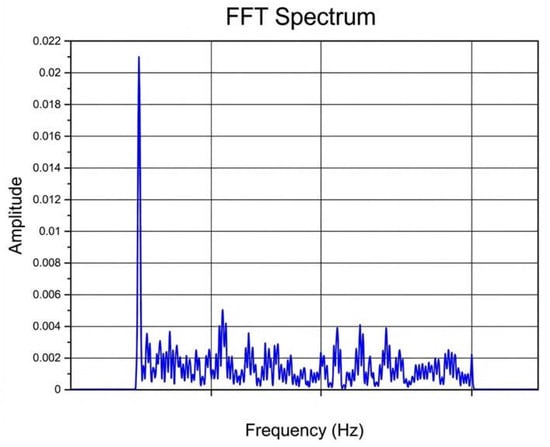
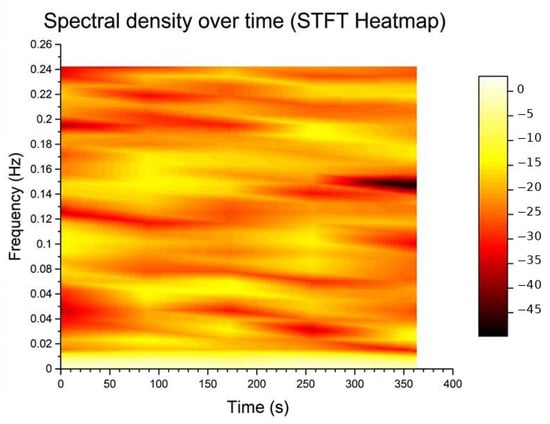
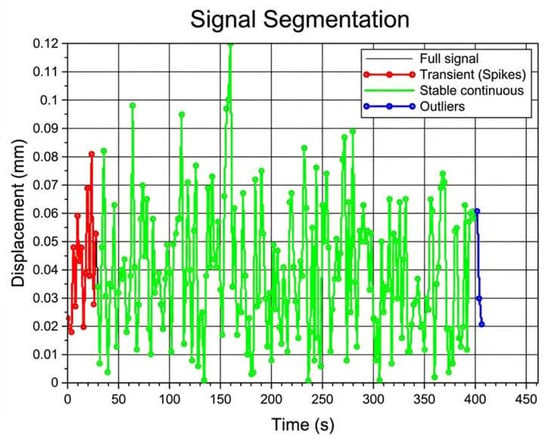
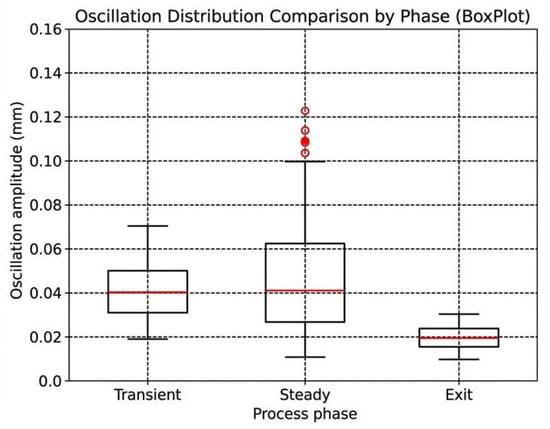
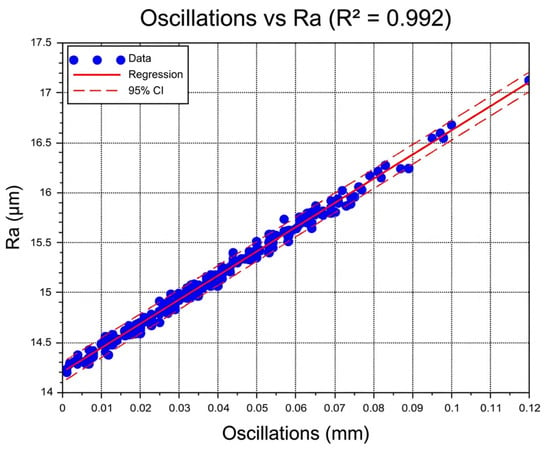
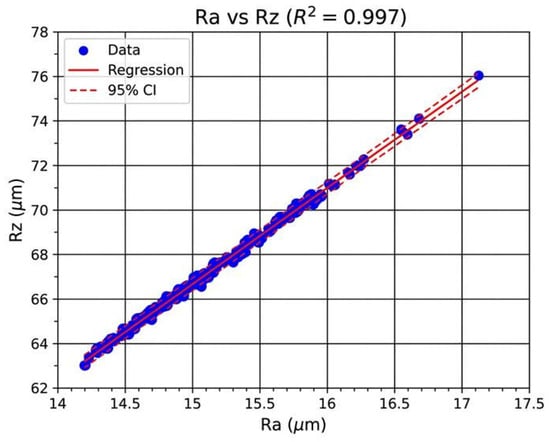
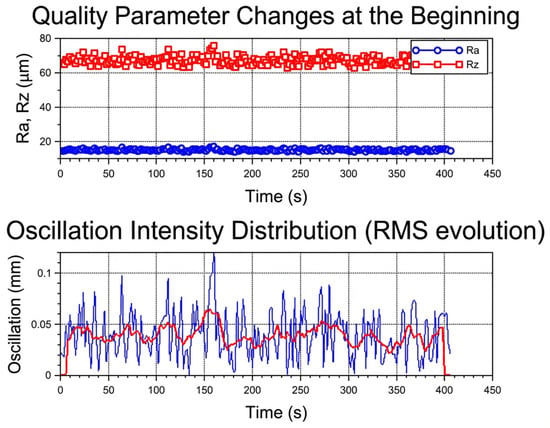
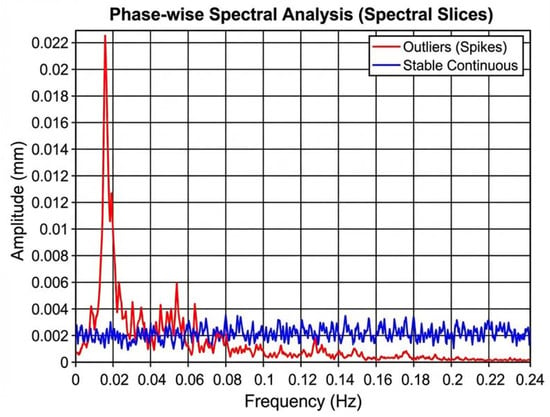
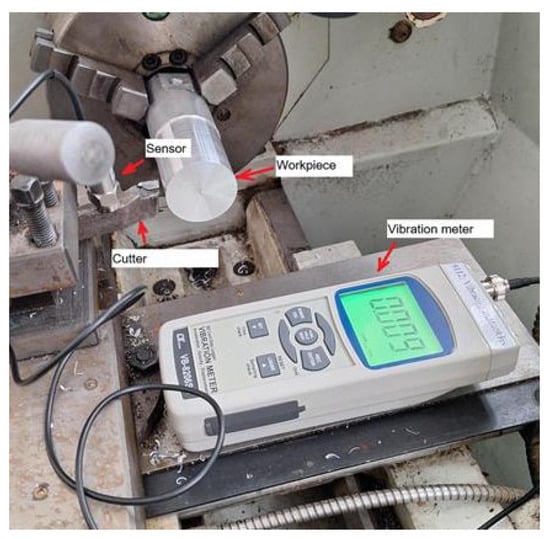
Surface quality in turning is still evaluated mainly by post-process profilometry, which limits the use of sensor feedback during machining. This article examines whether perpendicular vibration displacement can be used as a practical indirect indicator of surface roughness in the turning of aluminum alloys. The study is based on 204 synchronized segment-level vibration–roughness observation pairs collected during 408 s of turning. The vibration meter operated in displacement mode, continuously measuring vibration while the SD logger stored one perpendicular displacement p-p reading every 2 s; Ra and Rz were then associated with the corresponding machined segment. The analysis combined descriptive time-domain statistics, low-frequency FFT/STFT descriptors of process-state evolution, phase segmentation, correlation analysis, and linear regression. Very strong within-dataset relationships were obtained between perpendicular vibration displacement and surface roughness, with R2 = 0.992 for Ra and R2 = 0.988 for Rz. Entry, steady-state, and exit phases showed different variability levels, and the steady-state segment provided the most stable basis for roughness estimation. Because the logger sampling interval was 2 s, the spectral results should be interpreted as low-frequency process-state descriptors rather than as direct chatter measurements. Within this scope, the results support the use of perpendicular displacement sensing as a low-cost feasibility approach for in-process roughness indication. Broader transfer to CNC production, other alloys, and higher-bandwidth monitoring requires additional validation.
Full article
Background: Spiking neural networks (SNNs) have attracted significant attention in the field of brain–computer interfaces owing to their distinctive biological plausibility and energy efficiency advantages. However, the discrete nature of spikes renders gradient-based differentiation infeasible, making it difficult to directly obtain well-trained SNNs.
[...] Read more.
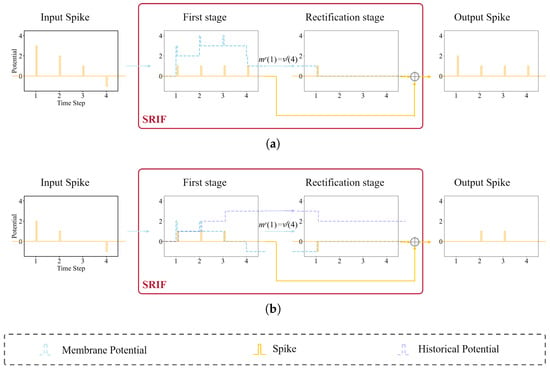
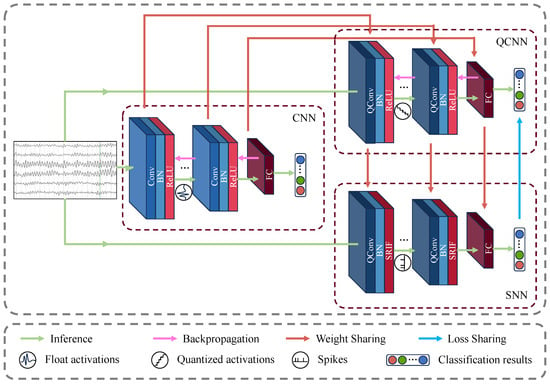
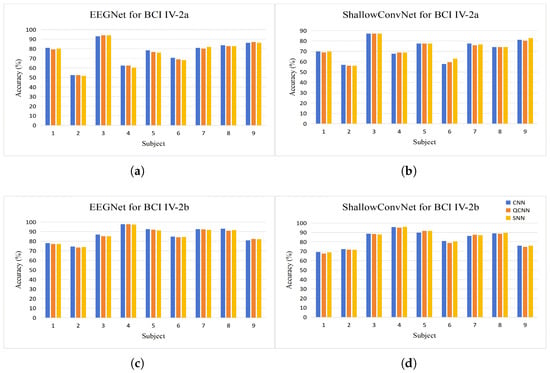
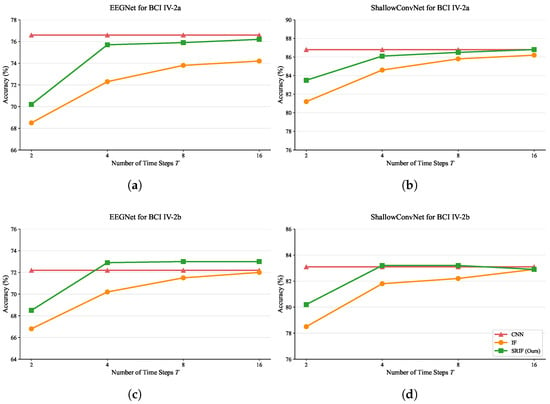
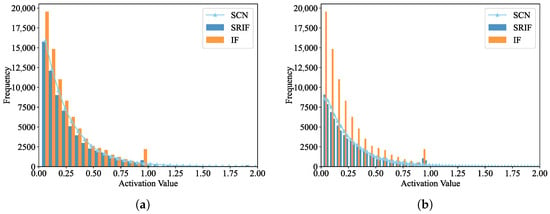
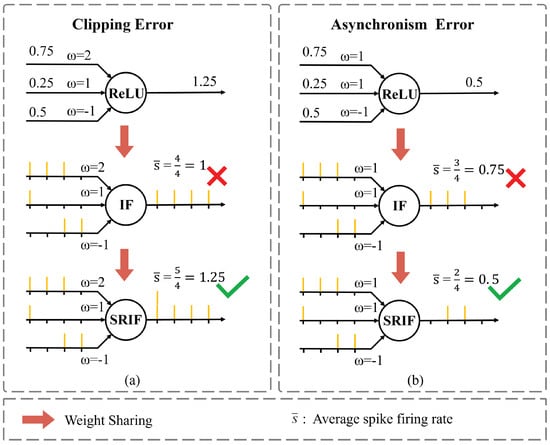
Background: Spiking neural networks (SNNs) have attracted significant attention in the field of brain–computer interfaces owing to their distinctive biological plausibility and energy efficiency advantages. However, the discrete nature of spikes renders gradient-based differentiation infeasible, making it difficult to directly obtain well-trained SNNs. A common approach is to transfer the weights from artificial neural networks (ANNs) to SNNs. However, this process introduces conversion errors that pose significant challenges. Methods: To address these challenges, we propose the self-rectifying integrate-and-fire (SRIF) neuron, which employs negative spikes to reduce asynchronism error and rectification spikes to diminish clipping error. Concomitantly, we propose a collaborative trim (CT) training framework that introduces a quantized network to perceive the weights and results of SNNs, which can further improve performance. Result: The proposed training methodology enables SNNs to achieve performance metrics comparable to those of ANNs in EEG-based motor imagery (MI) classification. Conclusions: Experimental results demonstrate that our method not only preserves the superior classification performance of ANNs but also leverages the superior energy efficiency and lower computational complexity of SNNs.
Full article
Chloride and sulfate ion attacks are among the leading causes of deterioration in reinforced concrete structures, leading to the corrosion of steel reinforcement, expansion, cracking, and premature structural failure. Early detection of these ion-induced deteriorations is essential not only for maintaining safety but
[...] Read more.
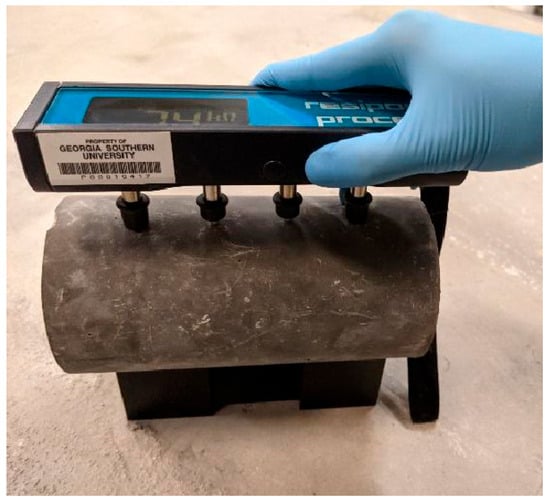
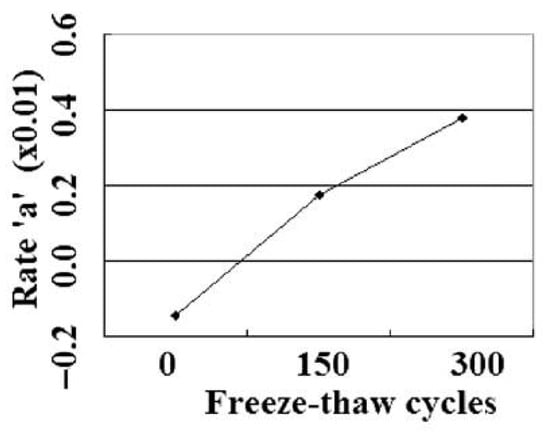
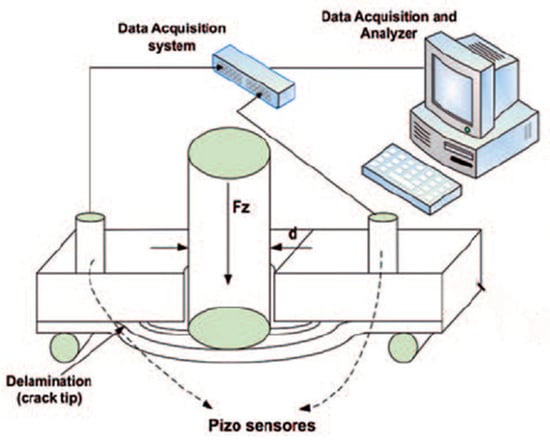
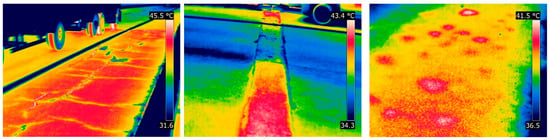
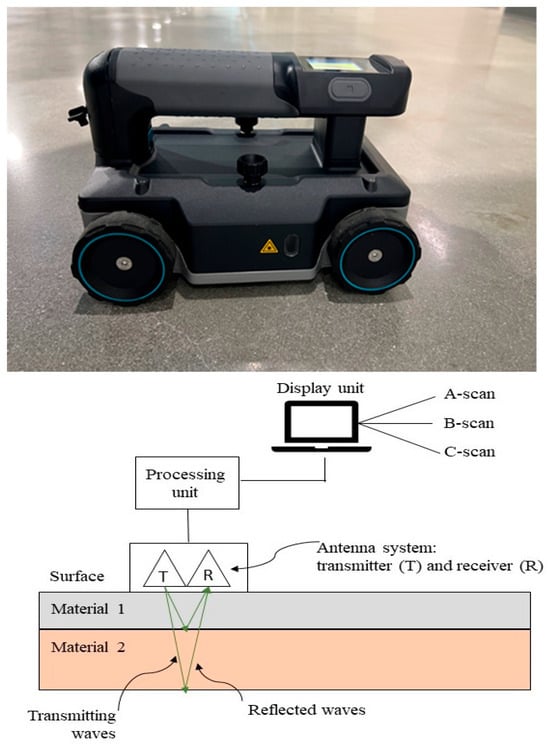
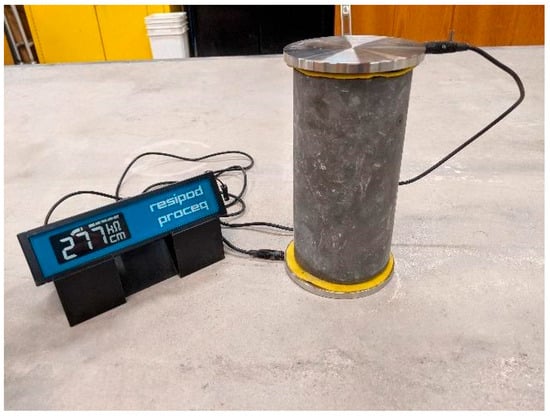
Chloride and sulfate ion attacks are among the leading causes of deterioration in reinforced concrete structures, leading to the corrosion of steel reinforcement, expansion, cracking, and premature structural failure. Early detection of these ion-induced deteriorations is essential not only for maintaining safety but also for supporting sustainability objectives by extending service life, reducing material consumption, and minimizing carbon-intensive repairs. This review synthesizes current advances in non-destructive testing (NDT) techniques used to identify and quantify the impacts of chloride and sulfate ions in reinforced concrete. The mechanisms of ion ingress and their associated degradation processes are examined together with the operating principles, strengths, and limitations of key NDT methods, including electrical resistivity, acoustic emission, infrared thermography, ground penetrating radar, and ultrasonic pulse velocity. By enabling timely maintenance decisions and reducing unnecessary demolition or intrusive testing, these NDT methods contribute directly to sustainable infrastructure management. Through comparative analysis and real-world case studies, the paper highlights the most effective NDT applications for deterioration scenarios and outlines emerging innovations that enhance accuracy, data interpretation, and long-term monitoring capabilities. The findings demonstrate how advancements in NDT support the development and preservation of durable and sustainable concrete structures.
Full article
Semiconducting metal oxides are gaining attention in thermoelectric applications, where performance is evaluated by the figure of merit (ZT), which depends on the power factor (S2σ) and thermal conductivity (κ). However, achieving high ZT values
[...] Read more.
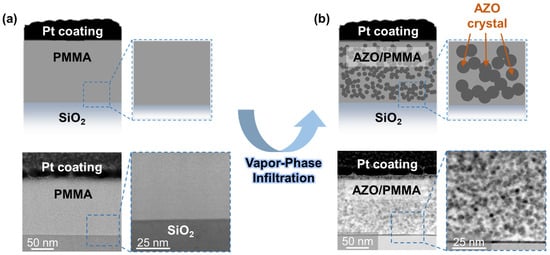
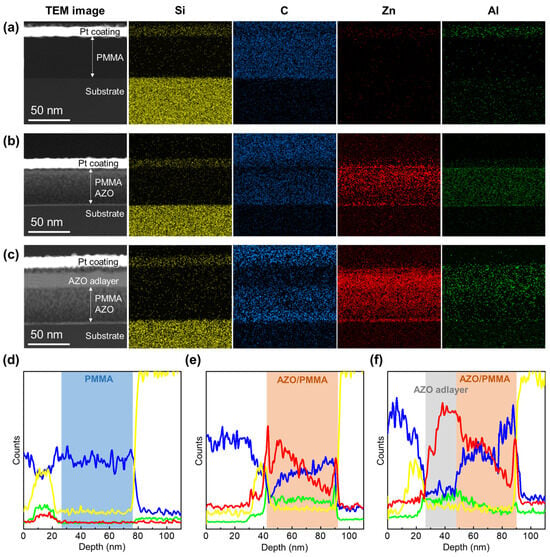
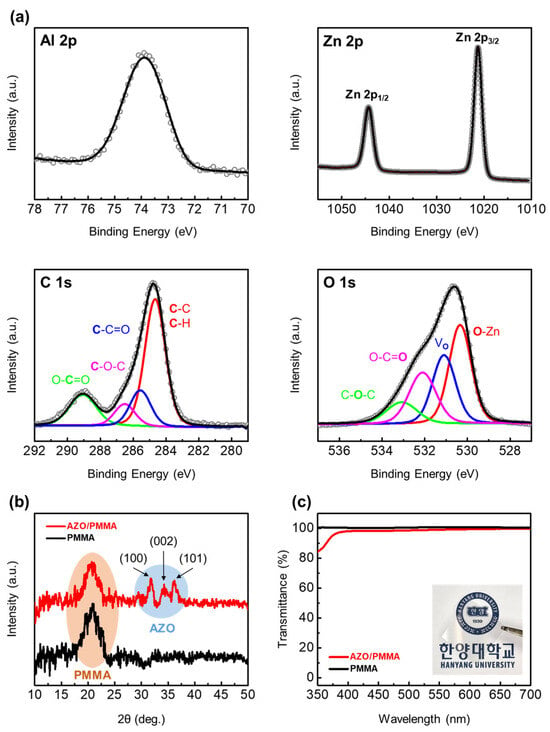
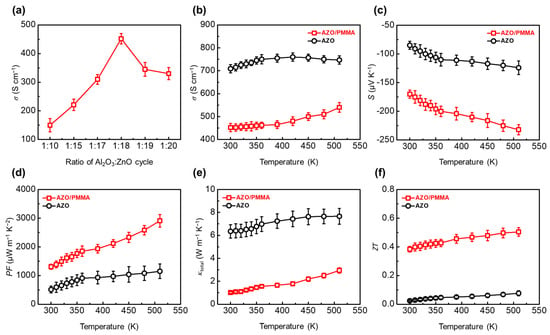
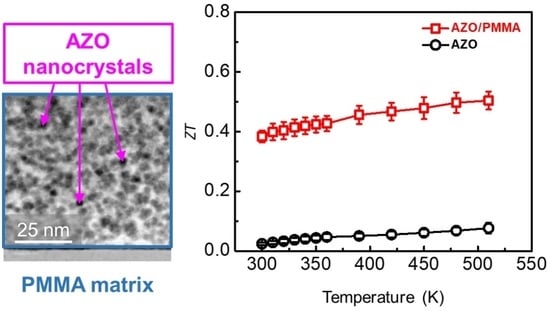
Semiconducting metal oxides are gaining attention in thermoelectric applications, where performance is evaluated by the figure of merit (ZT), which depends on the power factor (S2σ) and thermal conductivity (κ). However, achieving high ZT values in these materials remains challenging. This study introduces a distinct strategy to enhance thermoelectric performance by infiltrating aluminum-doped zinc oxide (AZO) into poly(methyl methacrylate) (PMMA) films using the vapor-phase infiltration (VPI) technique. The resulting AZO/PMMA hybrid films exhibit a unique composite structure with AZO nanocrystals embedded within an amorphous PMMA matrix. This structure facilitates energy-dependent carrier scattering (the energy filtering effect) at the AZO/PMMA interfaces, thereby enhancing the Seebeck coefficient, while phonon scattering at the interfaces reduces thermal conductivity. By precisely controlling VPI parameters, we achieved a uniform dispersion of AZO nanocrystals within the PMMA matrix. The optimized AZO/PMMA hybrid film demonstrated a power factor of 1306 μW m−1 K−2 and a thermal conductivity of 1.02 W m−1 K−1, resulting in a ZT value of approximately 0.384 at 300 K, which is one of the highest reported for metal oxide thermoelectric materials near room temperature. The successful integration of AZO into the PMMA matrix via VPI opens new pathways for developing high-performance, flexible thermoelectric materials.
Full article
Heatwave conditions are increasingly being recognized as important drivers of urban air-quality variability in southern European cities, particularly in inland urban environments exposed to persistent summer warming and atmospheric stagnation. This study examines the long-term variability of O3, NO2,
[...] Read more.
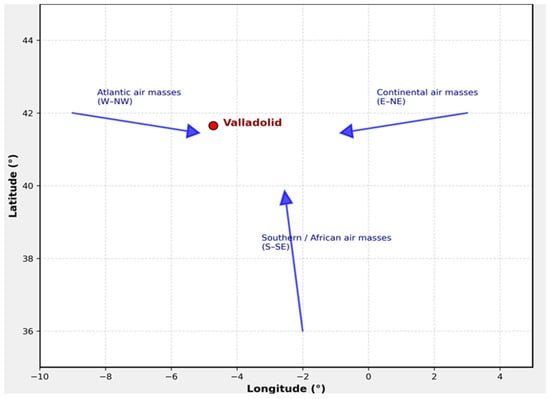
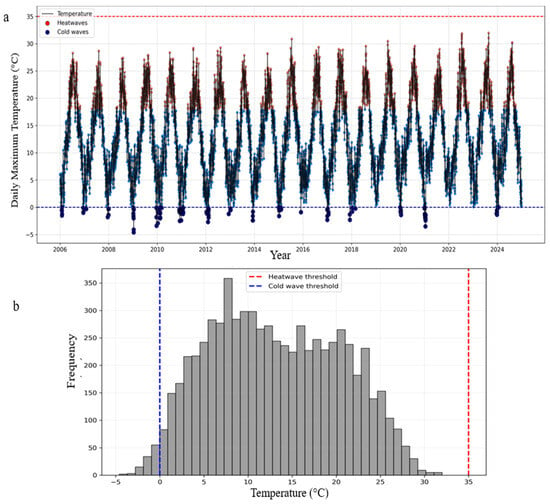
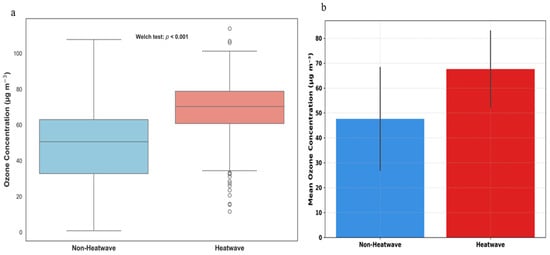
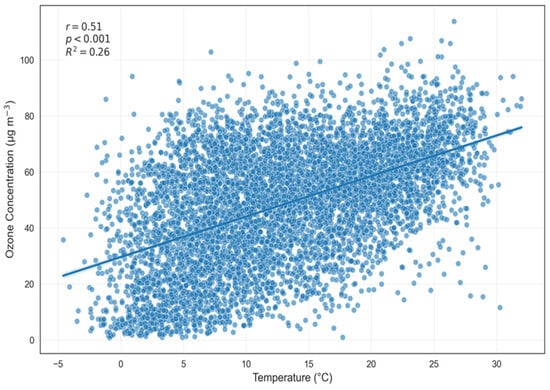
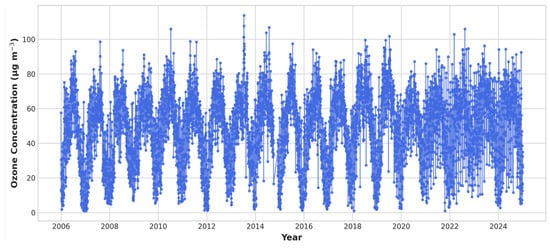
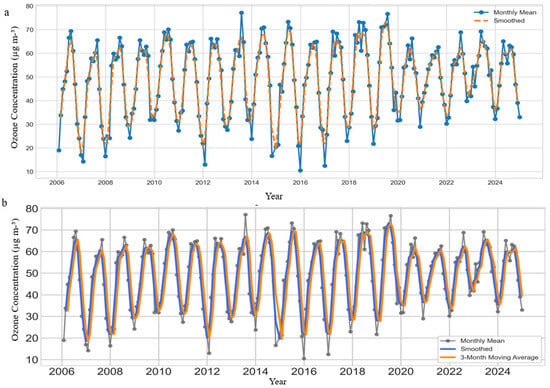
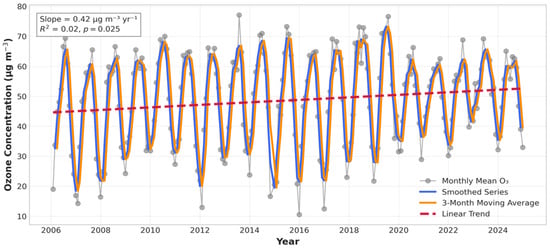
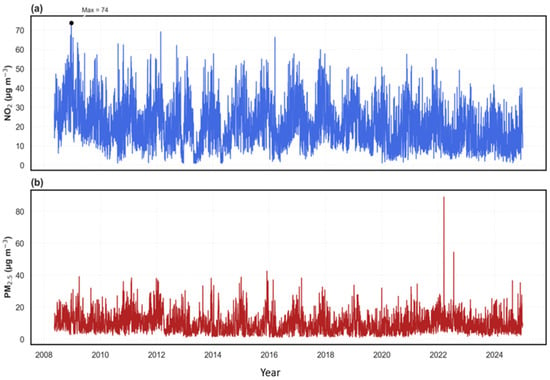
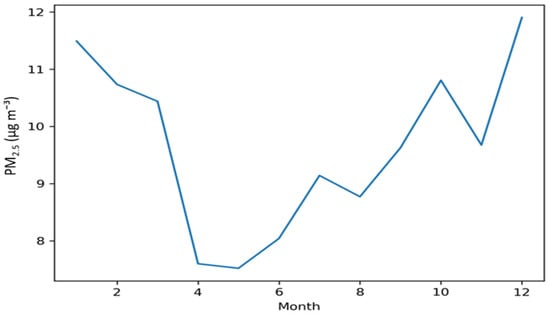
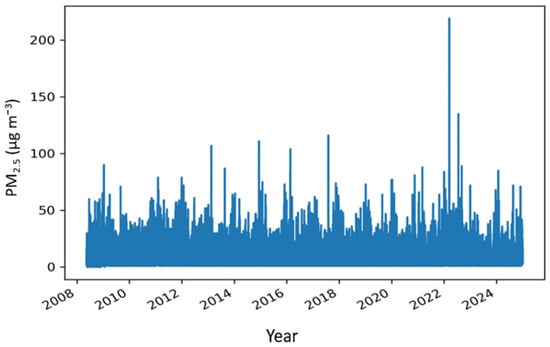
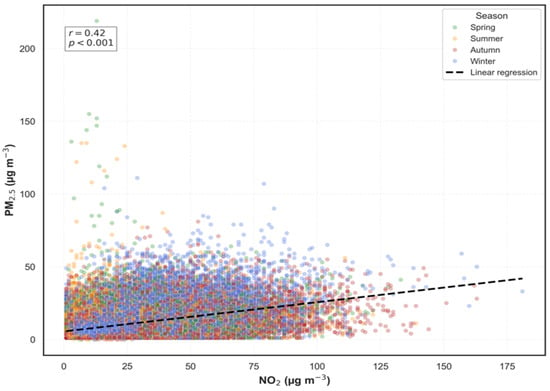
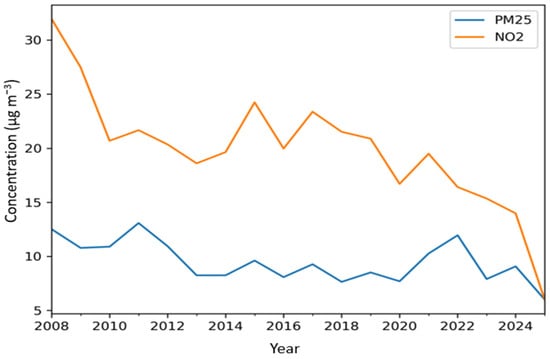
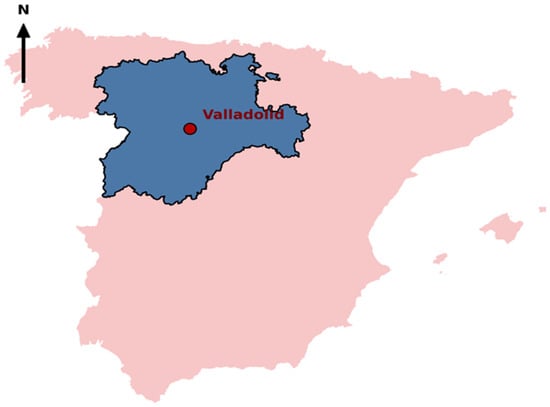
Heatwave conditions are increasingly being recognized as important drivers of urban air-quality variability in southern European cities, particularly in inland urban environments exposed to persistent summer warming and atmospheric stagnation. This study examines the long-term variability of O3, NO2, and PM2.5 concentrations in Valladolid, Spain, between 2006 and 2024, focusing particular attention on the occurrence and persistence of heatwave conditions. Ground-level ozone (O3), nitrogen dioxide (NO2), and fine particulate matter (PM2.5) were analyzed to assess temporal variability, seasonal behavior, long-term trends, and exceedance characteristics. Results indicate an increasing persistence of heatwave episodes during the study period, particularly after 2015, with recent events exhibiting longer duration and broader regional extent. O3 concentrations showed stronger accumulation during warm-season conditions, which is consistent with enhanced photochemical activity under elevated temperatures, while NO2 concentrations generally declined over time. PM2.5 variability reflected both local emissions and episodic regional influences, including Saharan dust intrusions. These findings highlight the growing relevance of heatwave conditions in shaping urban air-quality variability in medium-sized inland cities of the Iberian Peninsula.
Full article
Background: This study evaluated the effects of combined exercise (CE) alone and CE combined with Nigella sativa (NS) supplementation on musculoskeletal performance and blood fructosamine levels in male patients with Type 2 diabetes mellitus (T2DM). Methods: Ninety male patients were randomly allocated to
[...] Read more.
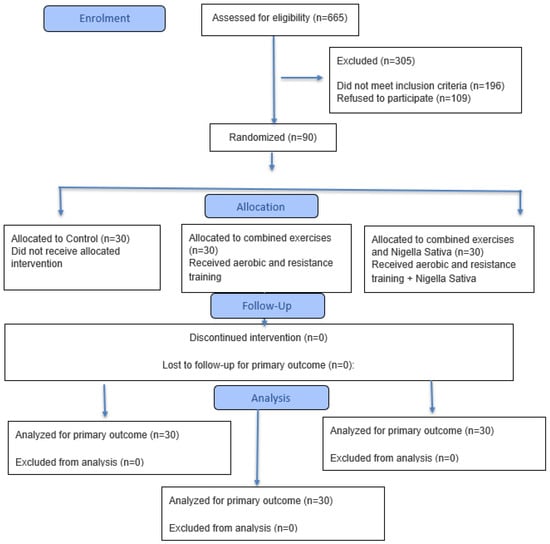
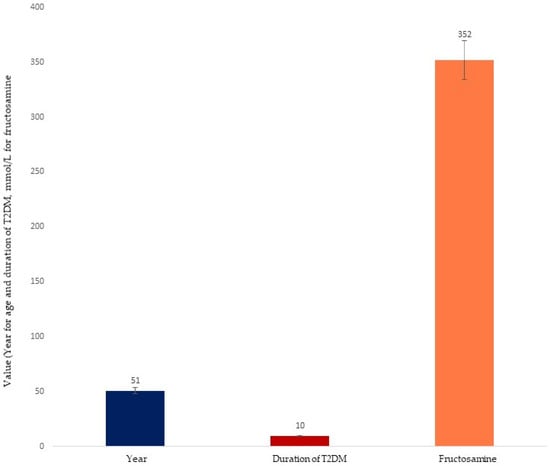
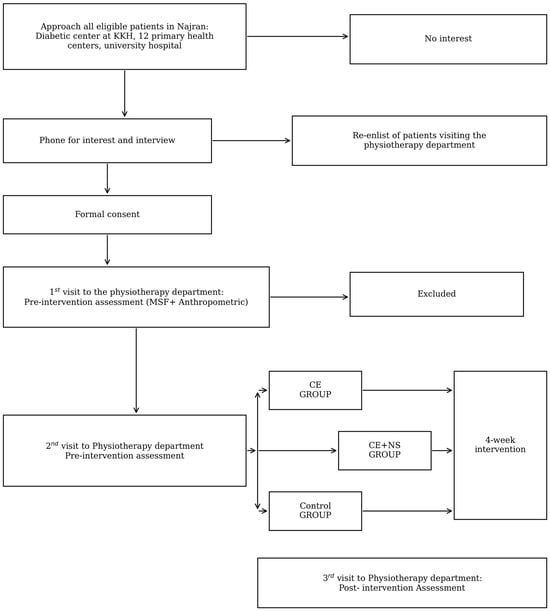
Background: This study evaluated the effects of combined exercise (CE) alone and CE combined with Nigella sativa (NS) supplementation on musculoskeletal performance and blood fructosamine levels in male patients with Type 2 diabetes mellitus (T2DM). Methods: Ninety male patients were randomly allocated to one of three groups in a 1:1:1 ratio: a non-exercise comparator (Diabetes), a Diabetes + CE group, or a Diabetes + CE + NS group (n = 30 per group). NS was administered orally (2 g/day) for four weeks. Functional performance outcomes included the six-minute walk test, timed up-and-go test, handgrip strength, and sit-to-stand repetitions. Glycemic control was assessed using blood fructosamine at baseline and after four weeks. Results: Both intervention groups showed significant improvements in all functional outcomes and significant reductions in BMI and fructosamine compared with the non-exercise comparator group (p < 0.05). Post-intervention blood fructosamine was significantly lower in the CE + NS group than in the CE group (p = 0.002). Conclusions: CE significantly improved musculoskeletal performance and short-term glycemic control. The addition of NS appeared to confer additional benefits, particularly on glycemic control and upper- and lower-limb strength, although results should be interpreted with consideration of the short intervention duration, the male-only sample, and reliance on BMI as the body composition measure.
Full article
In the context of digital transformation, teachers’ information literacy has become a key factor for critical and effective teaching. This study seeks to determine its assessment and strengthening through a training intervention based on the Flipped Classroom model with a Massive Open Online
[...] Read more.
In the context of digital transformation, teachers’ information literacy has become a key factor for critical and effective teaching. This study seeks to determine its assessment and strengthening through a training intervention based on the Flipped Classroom model with a Massive Open Online Course (MOOC), supported by the DigComp Framework. To this end, a quasi-experimental pre-test–post-test design with a single group was used, complemented by comparative and correlational analyses according to sociodemographic variables. The study involved 810 primary school teachers from the Lambayeque region of Peru, considering sociodemographic variables such as age, gender, educational level, teaching experience, UGEL, and geographic area. It was found that teacher training based on the Flipped Classroom model with MOOC produced a statistically significant improvement in teachers’ information and digital literacy skills, evidenced by the increase in the post-test compared to the pre-test and confirmed by the Wilcoxon test (p < 0.05). It is concluded that training through Flipped Classroom with MOOC significantly strengthened teachers’ information skills; however, sociodemographic variables influence the levels and improvement achieved, which requires differentiated training strategies.
Full article
To meet the demand for highly sensitive temperature sensing in low-temperature environments, a surface plasmon resonance photonic crystal fiber (SPR-PCF) sensor with a central air hole and a dual-layer air-hole arrangement is designed and optimized. In this work, these air-hole features are used
[...] Read more.
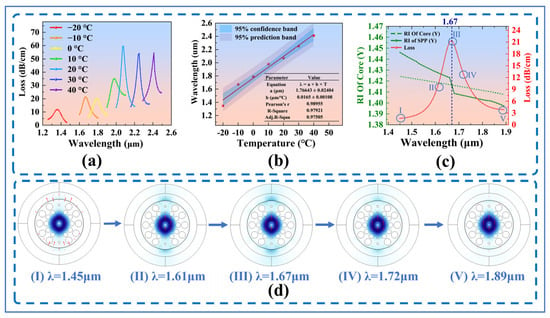
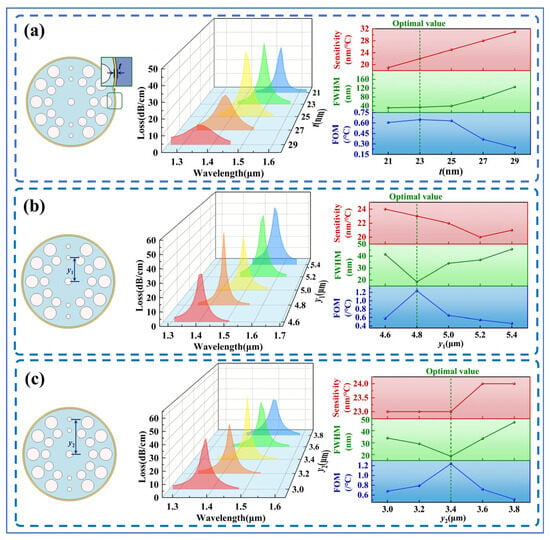
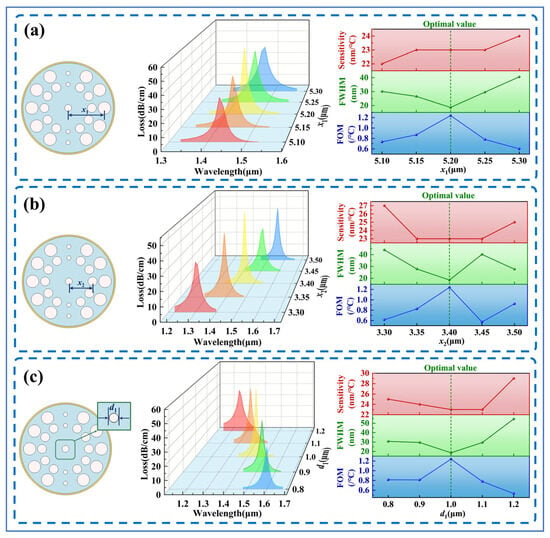
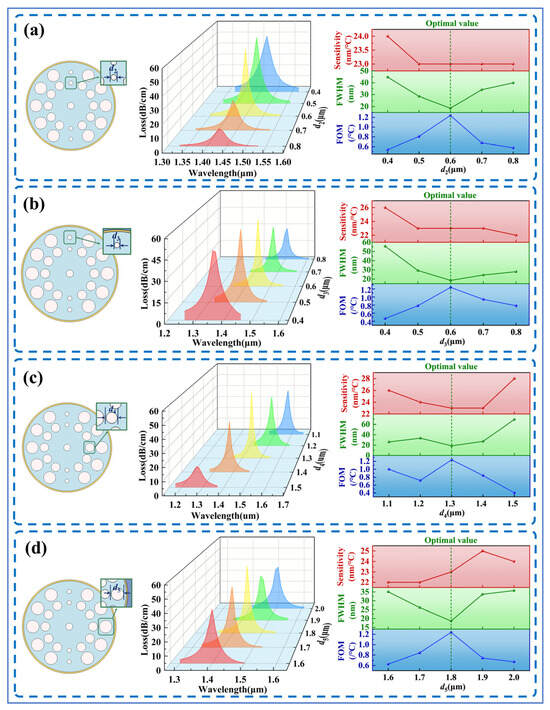
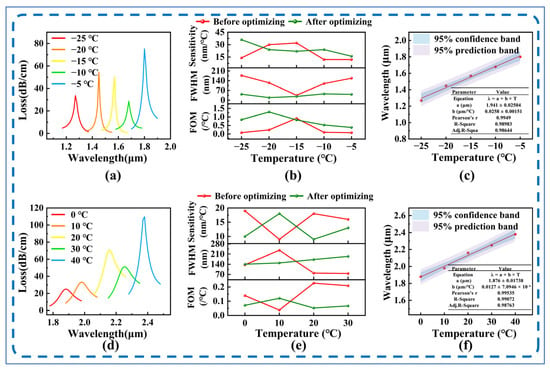
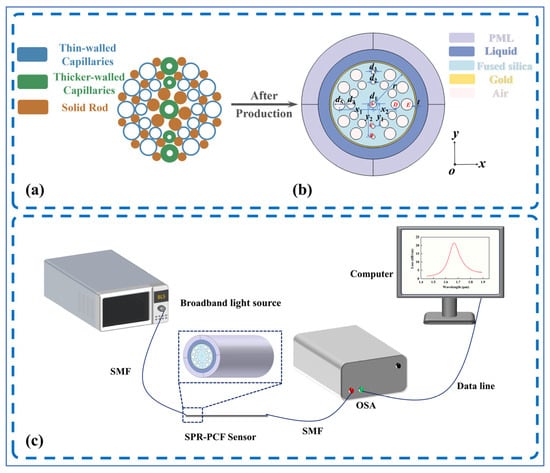
To meet the demand for highly sensitive temperature sensing in low-temperature environments, a surface plasmon resonance photonic crystal fiber (SPR-PCF) sensor with a central air hole and a dual-layer air-hole arrangement is designed and optimized. In this work, these air-hole features are used for mode-field regulation in a low-temperature sensing structure based on surface plasmon resonance (SPR), together with a polished gold film and an ethanol/chloroform (1:1) temperature-sensitive medium. The finite element method (FEM) was employed to analyze the resonance behavior and thermal response, and key structural parameters, including gold-film thickness, air-hole sizes, and radial positions, were optimized through cumulative parametric scanning. The optimized sensor shows good temperature response from −25 °C to 40 °C, with a maximum sensitivity of 36 nm/°C, a full width at half-maximum (FWHM) of 18.57 nm, and a figure of merit (FOM) of 1.2923. It is promising for cold-chain monitoring, low-temperature storage and transportation, and low-temperature sensing.
Full article
Background: Excess body weight is a major global health problem and an established independent risk factor for chronic kidney disease (CKD). This study aimed to determine the prevalence of overweight and obesity and to evaluate sex-, age-, and time-related trends—including the COVID-19 period—among
[...] Read more.
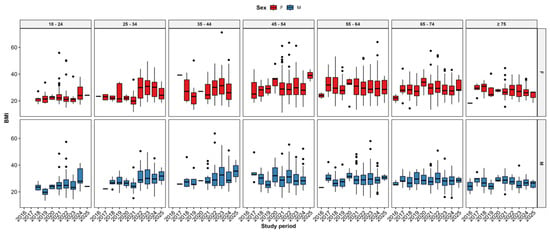
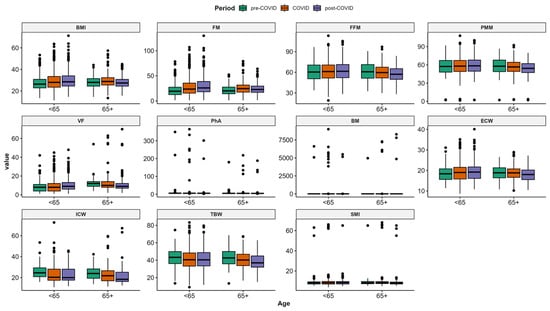
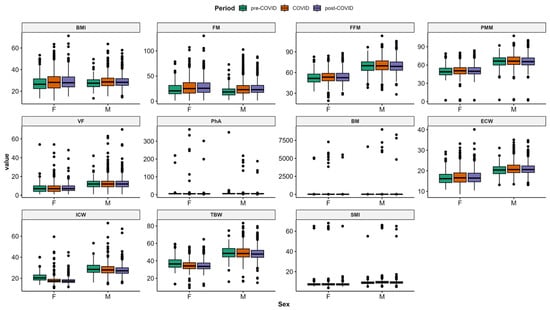
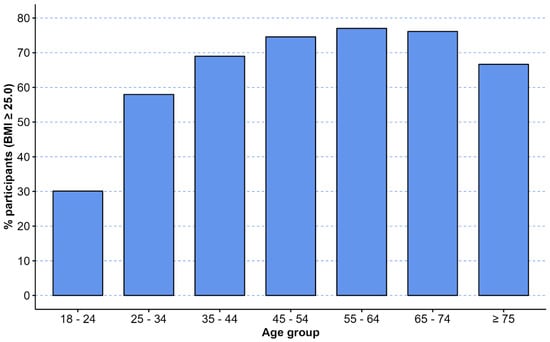
Background: Excess body weight is a major global health problem and an established independent risk factor for chronic kidney disease (CKD). This study aimed to determine the prevalence of overweight and obesity and to evaluate sex-, age-, and time-related trends—including the COVID-19 period—among patients treated at the Outpatient Clinic of the Division of Nephrology, Dialysis and Arterial Hypertension, University Hospital of Split, from 2016 to 2024. Methods: This study included 3033 subjects over 18 years of age, 44.8% men and 55.2% women with a mean age of 60 years. Body composition was assessed using the Tanita MC-780 bioelectrical impedance analyzer and body mass index (BMI, kg/m2) was measured. Results: The study population had median BMI of 28.0 kg/m2, with 33.1% overweight and 37% obese participants, including 6.6% with class III obesity. Men showed greater muscle and bone mass (p < 0.001), whereas women had higher fat mass and obesity prevalence (38.2% vs. 35.6%, p < 0.001). Participants under 65 years had higher absolute fat and muscle mass but similar fat percentage compared to older adults. Overweight and obesity prevalence increased with age, peaking at 75–78% in the 55–74-year group. BMI and fat mass rise significantly during and after the COVID-19 period, while phase angle values declined. Conclusions: Excess body weight is highly prevalent in nephrology patients, particularly in middle-aged adults. The COVID-19 pandemic further worsened body composition indicators, reinforcing the need for preventive strategies.
Full article
Background: Robust perception involves processing heterogeneous sensory signals, such as facial expressions, vocal prosody, and language, particularly in noisy environments. In computational modeling, a key challenge is integrating these diverse inputs while actively filtering uninformative variations. While recent deep learning models address this
[...] Read more.
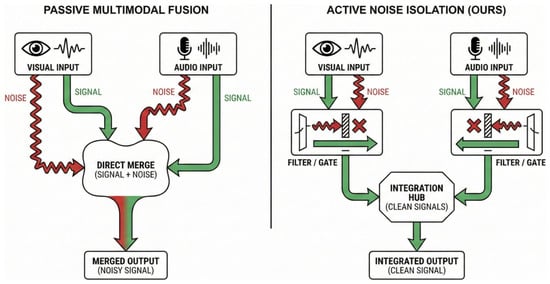
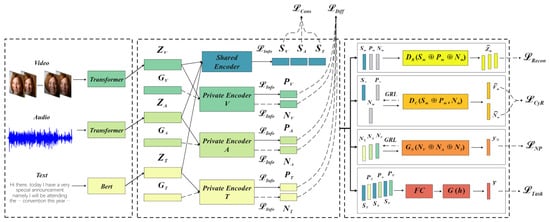
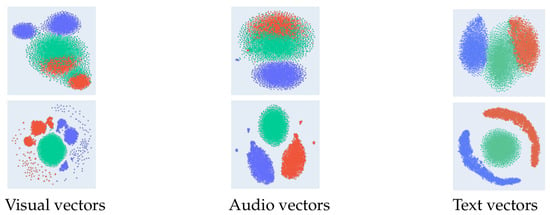
Background: Robust perception involves processing heterogeneous sensory signals, such as facial expressions, vocal prosody, and language, particularly in noisy environments. In computational modeling, a key challenge is integrating these diverse inputs while actively filtering uninformative variations. While recent deep learning models address this integration through complex fusion architectures, they typically aggregate features without explicit filtering modules analogous to inhibitory control. In this study, we propose Multi-modal Information Disentanglement (MInD), a computational framework designed to test the hypothesis that algorithmic noise isolation facilitates robust multisensory integration. Methods: Drawing conceptual inspiration from cognitive theories of modularity, our model decomposes sensory inputs into amodal (modality-invariant) and modal-specific pathways. Furthermore, we introduce an adversarial noise isolation mechanism to serve as an algorithmic analog to cognitive inhibition. Given that our model operates on pre-extracted high-level features, this mechanism functions to isolate latent distributional variance—uninformative fluctuations that persist after initial feature extraction—guiding the network to separate task-relevant affective cues from irrelevant feature variance. Results: Empirical evaluations on standard emotion recognition benchmarks indicate that this purification-before-fusion strategy is associated with competitive performance and stability across multiple metrics. Notably, the framework attains these results using simple linear integration layers, suggesting that separating representations prior to fusion may reduce the computational complexity required for subsequent integration. Conclusions: These observations highlight the computational utility of algorithmic noise suppression, illustrating how cognitive inspiration can inform efficient machine learning architectures without claiming direct neurobiological validation.
Full article
Wildfires are increasing in frequency and severity across Mediterranean ecosystems. However, the immediate soil biogeochemical responses that determine shortly post-fire resilience remain poorly understood. This study assessed how contrasting fire severity levels influence soil physicochemical, nutrient, and biochemical properties in ecologically relevant vegetation
[...] Read more.
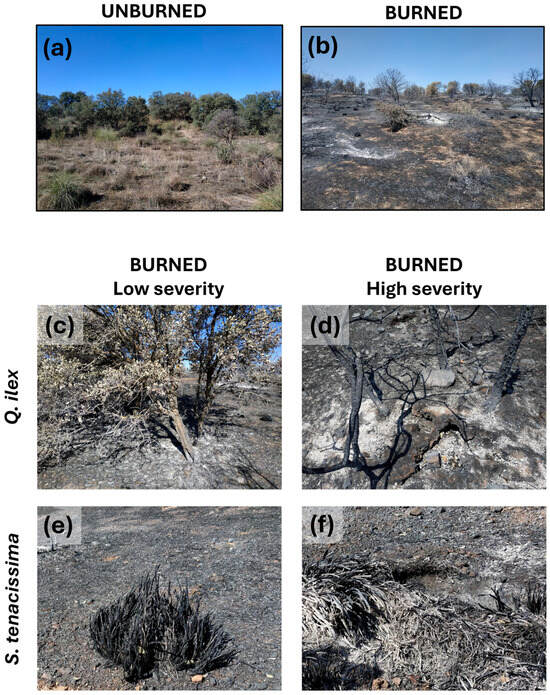
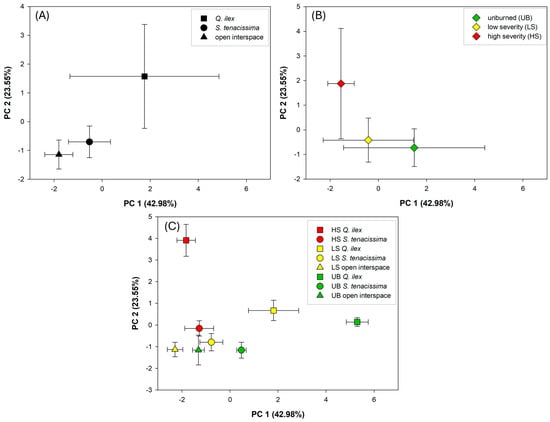
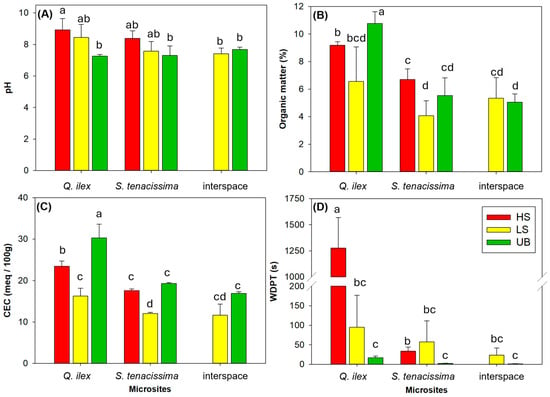
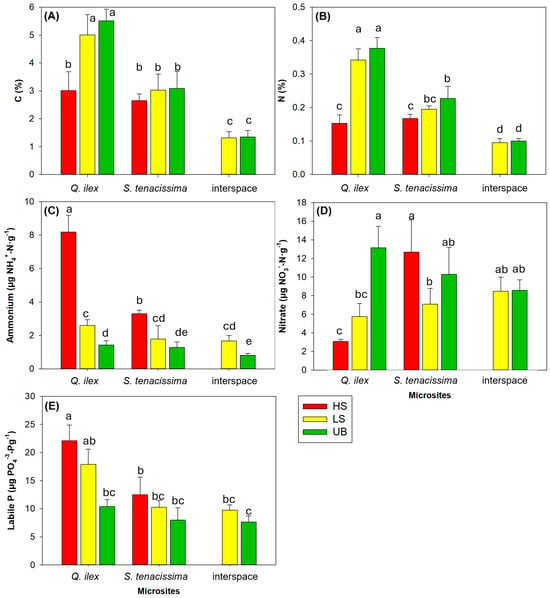
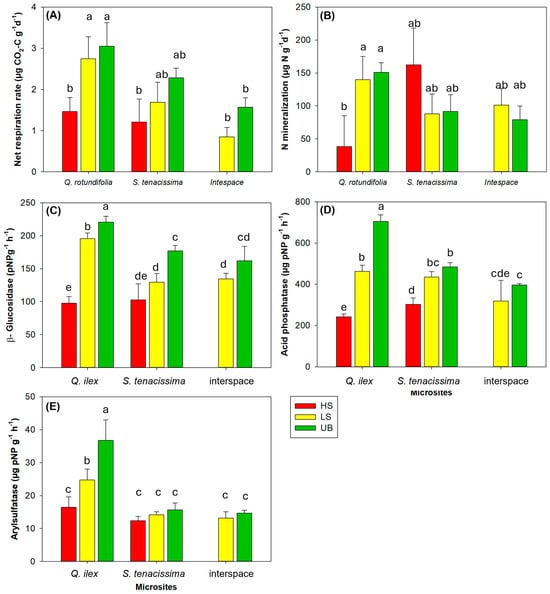
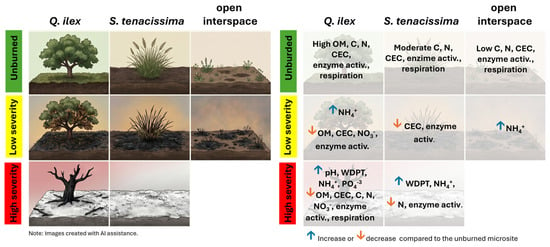
Wildfires are increasing in frequency and severity across Mediterranean ecosystems. However, the immediate soil biogeochemical responses that determine shortly post-fire resilience remain poorly understood. This study assessed how contrasting fire severity levels influence soil physicochemical, nutrient, and biochemical properties in ecologically relevant vegetation microsites—beneath Quercus ilex L. canopy, Stipa tenacissima L. tussock, and open interspaces—in a Mediterranean holm oak woodland in central Spain. Soils were sampled early after a wildfire and analyzed for organic matter, nutrient pools, water repellency, microbial respiration, nitrogen mineralization, and enzyme activities. Fire severity was the dominant driver of immediate post-fire soil responses. High-severity fire reduced soil organic matter, cation exchange capacity, total C and N, nitrate, microbial respiration, and all measured enzyme activities, with the most pronounced losses occurring beneath Q. ilex canopy. In contrast, ammonium, labile phosphorus, pH and soil water repellency increased under high severity, mainly in this microsite. Low-severity fire generally preserved biological functioning, with values comparable to unburned soils. Microsite identity modulated the magnitude of fire effects, with soils beneath Q. ilex cover microsite showing the greatest sensitivity, and open interspaces the least. The microsite × severity interaction detected for key nutrients and biochemical variables suggests that high-severity fire might destroy the microsite-specific fertility islands that constitute the functional core of Mediterranean woodland soils. These findings should be considered in management strategies prioritizing their monitoring and protection.
Full article
Macromycetes are of great relevance to the functioning of terrestrial ecosystems, but habitat transformation can significantly alter the structure of macrofungal communities. Urbanization is regarded as a major threat to biological diversity; however, knowledge of its impact on macromycetes remains scarce. The present
[...] Read more.
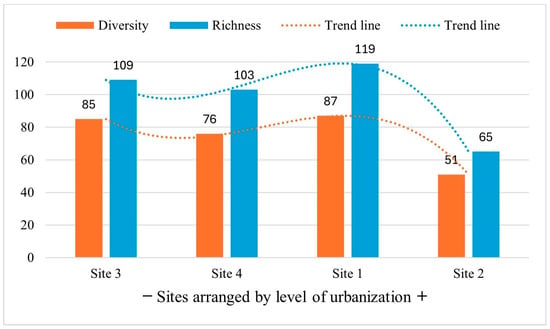
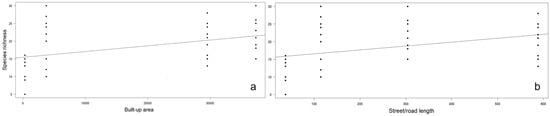
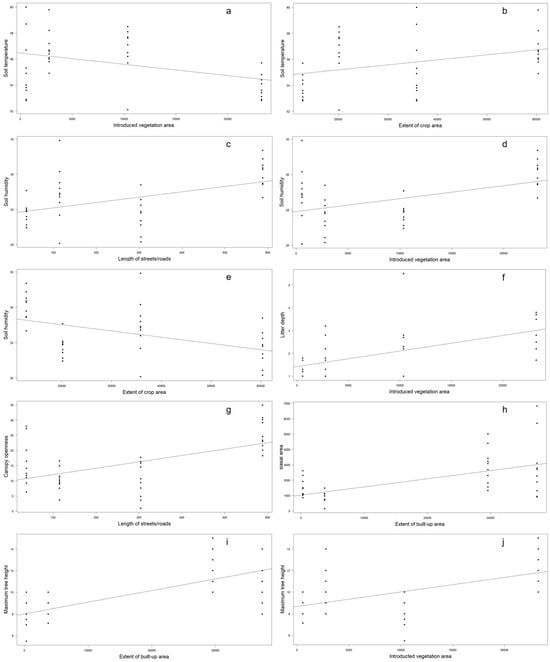
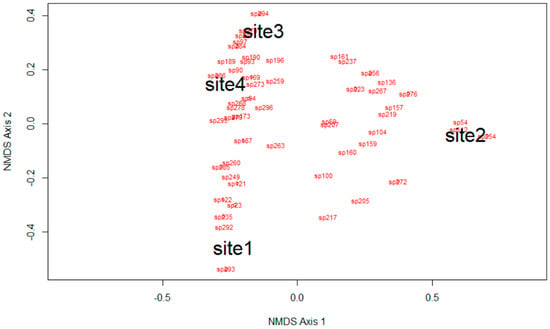
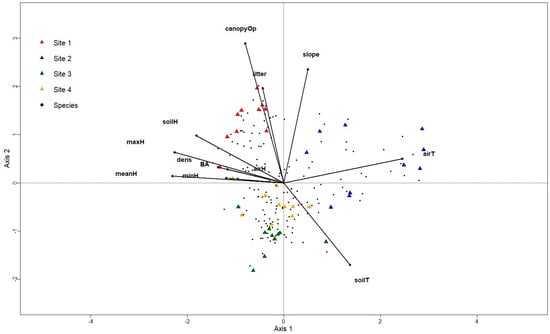
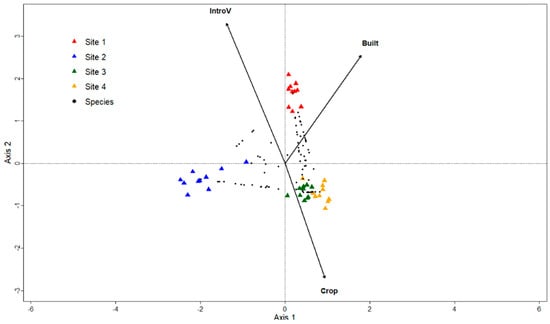
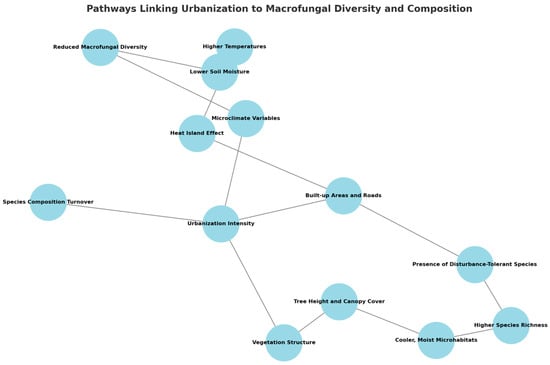
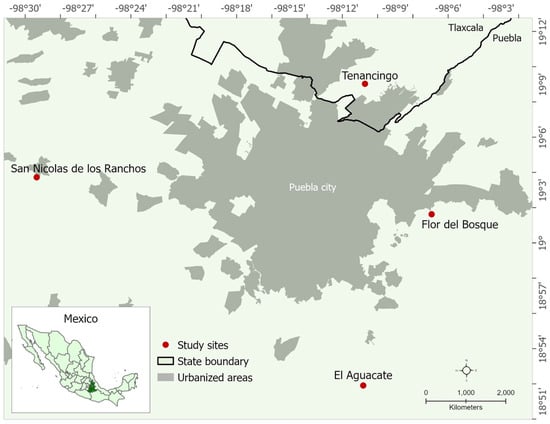
Macromycetes are of great relevance to the functioning of terrestrial ecosystems, but habitat transformation can significantly alter the structure of macrofungal communities. Urbanization is regarded as a major threat to biological diversity; however, knowledge of its impact on macromycetes remains scarce. The present study aimed to assess diversity and distribution patterns of macrofungal species across an urbanization gradient in the Puebla–Tlaxcala Valley of Mexico and determine the effect of urbanization on macromycete communities. From May to October 2024, macromycetes were collected in four oak forests. Fungal specimens were classified based on their macromorphological and micromorphological characteristics. Topographic (1), microclimatic (4), vegetation structure (5), environmental (2), and urbanization (4) variables were included in the analyses. A total of 296 macrofungal species were recorded. Diversity has been shown to decline with increasing urbanization. Species composition shifted across the gradient, with the most urbanized sites showing higher turnover. The interplay of microclimate, vegetation structure, and urbanization was a key driver of the observed patterns, underscoring the sensitivity of macromycetes to urban environmental change. The findings highlight the importance of microclimatic buffering and habitat continuity for sustaining macrofungal communities within urban areas.
Full article
Faced with a global energy crisis and ecological degradation, overall water splitting (OWS) is a pivotal approach for renewable energy conversion and storage. However, its industrial application is hindered by the high energy barriers/sluggish kinetics of the anodic oxygen evolution reaction (OER), as
[...] Read more.
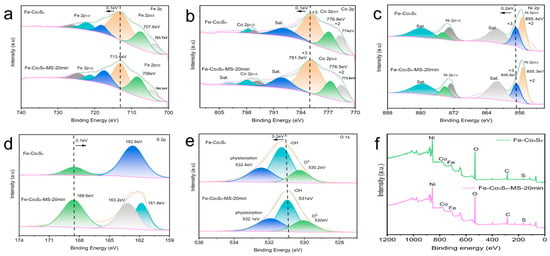
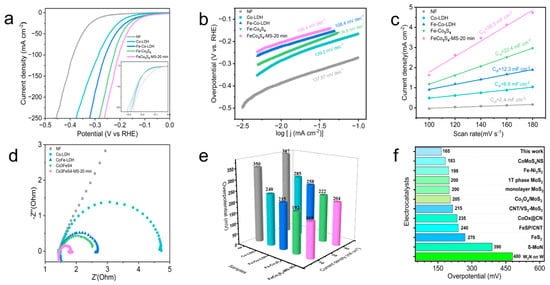
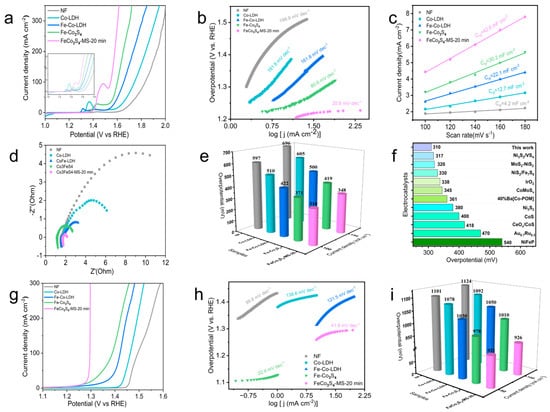
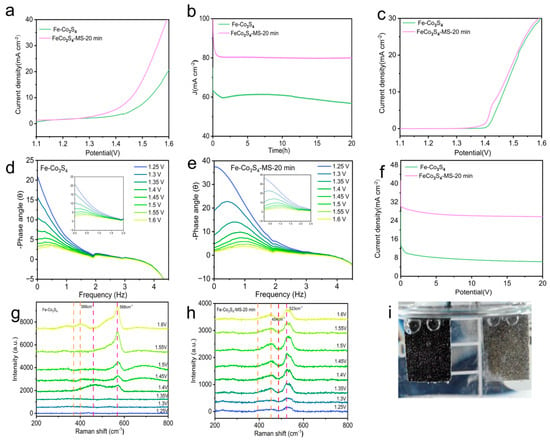
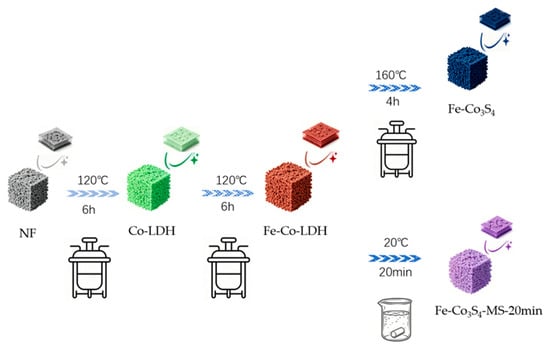
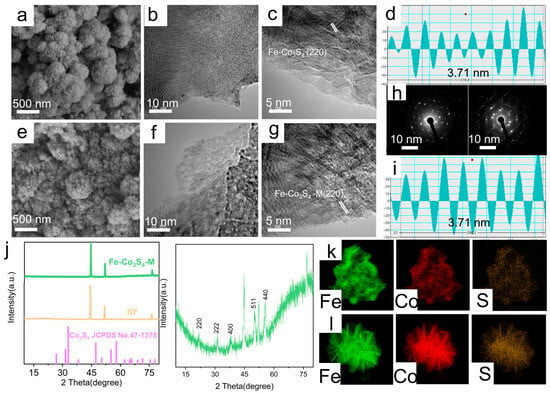
Faced with a global energy crisis and ecological degradation, overall water splitting (OWS) is a pivotal approach for renewable energy conversion and storage. However, its industrial application is hindered by the high energy barriers/sluggish kinetics of the anodic oxygen evolution reaction (OER), as well as the scarcity of precious metal catalysts limiting large-scale deployment. Herein, a cobalt-based layered double hydroxide (Co-LDH) was used as the precursor, and a multi-strategy synergistic modification (hydrothermal synthesis, Fe doping, sulfurization, and external magnetic field magnetization) was applied to fabricate the Fe-Co3S4-MS-20 min electrocatalyst. This strategy establishes Fe-Co bimetallic synergistic active centers, and magnetic treatment modulates the electron configuration of Fe 3d orbitals without changing the material’s lattice spacing or morphology. Structural characterizations and electrochemical measurements were used to investigate the effects of combined modifications on the catalyst’s phase structure, morphology, electronic structure, and trifunctional catalytic performance toward the hydrogen evolution reaction (HER), OER, and urea oxidation reaction (UOR). The Fe-Co3S4-MS-20 min catalyst exhibits a larger electrochemical active surface area, lower charge transfer resistance, and smaller Tafel slope in 1 M KOH, it achieves overpotentials of 165 mV for HER (10 mA·cm−2) and 310 mV for OER (100 mA·cm−2), along with superior UOR performance and long-term stability. In situ impedance and Raman spectroscopy confirm that magnetization accelerates charge transfer and promotes in situ reconstruction. Synergistic multi-strategy regulation optimizes the electronic structure of active centers, reducing electrocatalytic energy barriers. This work provides new insights into designing high-performance non-precious metal electrocatalysts and offers experimental support for external magnetic field regulation in electrocatalyst modification.
Full article
Background: The translocation of diet-derived antigens from the maternal intestine to breast milk represents a primary gateway for neonatal immune priming, yet the structural basis for why certain proteins survive this transit while others do not remains poorly understood. This review introduces the
[...] Read more.
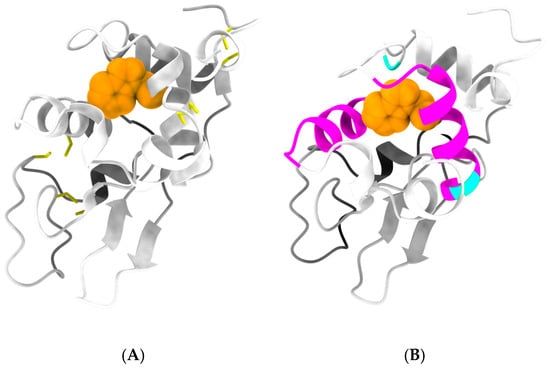
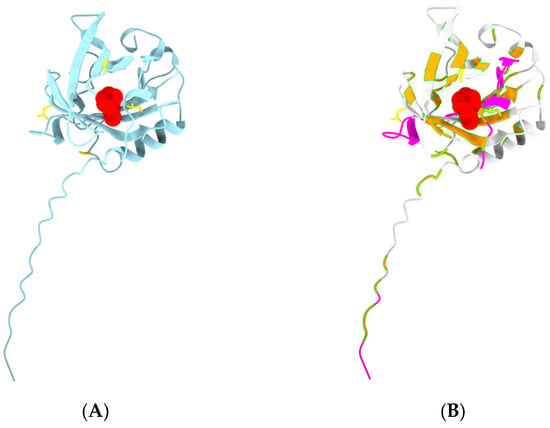
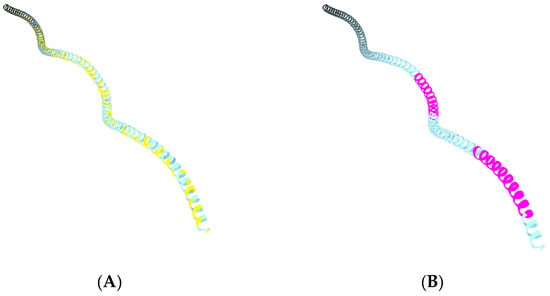
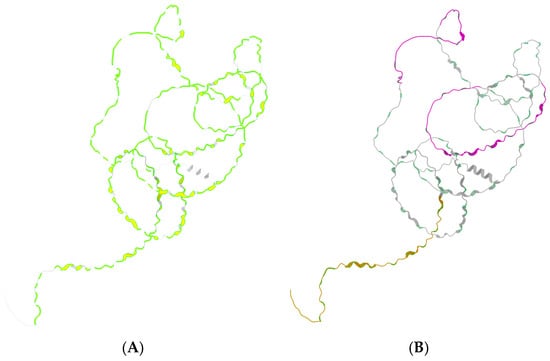
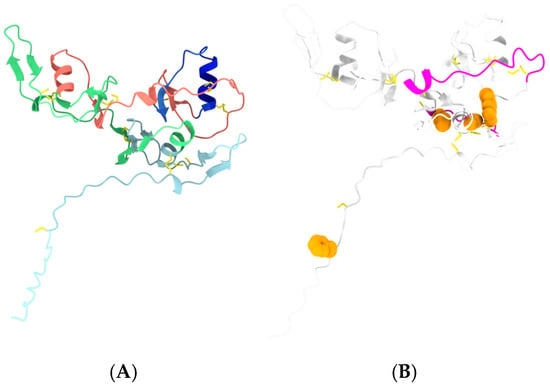
Background: The translocation of diet-derived antigens from the maternal intestine to breast milk represents a primary gateway for neonatal immune priming, yet the structural basis for why certain proteins survive this transit while others do not remains poorly understood. This review introduces the “Survivor Peptide” hypothesis, proposing that specific food allergens possess intrinsic “stability architectures” that enable them to resist maternal digestion and navigate the gut–mammary axis to reach the infant in an immunologically active form. Methods: We analyzed the current literature regarding the detection and structural characteristics of food allergens in human milk. Integrating evidence from 26 major sources, we performed an in silico structural analysis of five representative “survivor” proteins: Gal d 1 (egg white), Bos d 5 (cow’s milk), Gal d 6 (egg yolk), Tri a 19 (wheat), and tropomyosin (Der p 10-mite/shellfish). High-resolution 3D models were retrieved from the Protein Data Bank and AlphaFold2, and then visualized in UCSF ChimeraX to map stability anchors, including disulfide bonds and hydrophobic clusters, against solvent-accessible IgE-binding epitopes. Results: We identified and categorized allergens into distinct Molecular Resilience Architectures: the “Covalent Cage” (Gal d 1), defined by dense disulfide stapling, the “Glycoprotein Shield” (Gal d 6), utilizing yolk-matrix structural anchors, the “Topological Shield” (Bos d 5), characterized by a stable β-barrel, and “Coiled-Coil Rigidity” (Der p 10). These frameworks protect large, immunogenic fragments that maintain the spatial arrangement required for IgE cross-linking. Conclusions: Allergen persistence in the gut–mammary axis is dictated by a protein’s intrinsic structural architecture. Identifying these stability fingerprints provides a unified theory for allergen persistence and offers a path for refining component-resolved diagnostics and neonatal oral tolerance strategies.
Full article








 Sustainability
 Applied Sciences
 IJMS
IJMS
 JCM
JCM
 Sensors
 Energies
 Materials
 Electronics
 Buildings
 Foods
Foods
 Mathematics
 Remote Sensing
 Molecules
 Processes
 Diagnostics
 Cancers
 Nutrients
 Animals
 Plants
 Healthcare
 Polymers
 Water
Water
 Biomedicines
 Microorganisms
 Agriculture
 Medicina
 Land
Land
 Cells
Cells
 JMSE
JMSE
 Life
Life
 Symmetry
 Agronomy
 Behavioral Sciences
 Education Sciences
 Pharmaceuticals
 Biology
 Biomolecules
 IJERPH
 Children
 Antioxidants
 Horticulturae
 Pharmaceutics
 Micromachines
 Forests
 Nanomaterials
 Coatings
 Entropy
 Religions
 Bioengineering
 Genes
Genes
 Machines
 Systems
 Pathogens
 Metals
 Brain Sciences
 Viruses
 CIMB
CIMB
 Minerals
 Atmosphere
 Veterinary Sciences
 Antibiotics
 Information
 Catalysts
 Insects
 Photonics