



Advancing Open Science
A global leader in open access publishing, supporting research
communities and accelerating scientific discovery
 
16 pages, 977 KB  
Article
Intermittent Fasting and Risk of Diabetic Retinopathy: Retrospective Data from the National Health and Nutrition Examination Survey
by Sejeong Lee, Youngjoon Kim, Min Heui Yu, Yong-ho Lee, Byung-Wan Lee, Eun Seok Kang, Bong-Soo Cha, Soo-Hyun Park, Sungha Park, Min Kim, Christopher Seungkyu Lee, Eun Young Choi and Minyoung Lee
Nutrients 2026, 18(11), 1696; https://doi.org/10.3390/nu18111696 (registering DOI) - 26 May 2026
Abstract
Background/Objectives: Diabetic retinopathy (DR) is the most common microvascular complication of diabetes and a significant cause of severe visual impairment. Intermittent fasting (IF) has demonstrated metabolic benefits. We investigated the association between IF and DR risk in individuals with prediabetes and diabetes. Methods: [...] Read more.
Background/Objectives: Diabetic retinopathy (DR) is the most common microvascular complication of diabetes and a significant cause of severe visual impairment. Intermittent fasting (IF) has demonstrated metabolic benefits. We investigated the association between IF and DR risk in individuals with prediabetes and diabetes. Methods: This retrospective cohort study included participants of the Korean National Health and Nutrition Examination Survey 2017‒2018 aged ≥ 40 years who were diagnosed with diabetes or prediabetes who had fundus photography and dietary pattern data. Participants were allocated to the IF (fasting for 24 h or skipping breakfast or dinner) and regular diet groups. Demographic, dietary pattern and clinical data, including DR prevalence, were compared between the groups. Multiple logistic regression assessed the association between IF and DR risk. Results: Of 922 participants, 831 followed a regular diet while 91 practiced IF. The participants in the IF group were significantly younger and more obese, had higher fat intake, and showed a lower prevalence of DR than those in the regular diet group (8.8% vs. 20.6%, p = 0.010). After adjusting for multiple covariates, including demographics, comorbidities, health behaviors, biochemical parameters, and nutritional intake profiles, IF was associated with a 70% reduced risk of DR (OR 0.30, 95% CI 0.12–0.65, p = 0.005). This association did not differ across subgroups (all p for interaction > 0.05). Conclusions: IF was significantly associated with reduced DR risk in this study. Further studies are needed to validate the effectiveness of IF as a dietary intervention for DR. Full article
(This article belongs to the Section Nutrition and Diabetes)
Show Figures

Graphical abstract
24 pages, 549 KB  
Article
Temporal Dynamics of Sleep During Bright-Light Therapy for Depression and Their Relation to Symptom Improvement
by Emma Visser, Niki Antypa, Machteld C. Marcelis, Claudia J. P. Simons and Yvonne A. W. de Kort
Clocks & Sleep 2026, 8(2), 30; https://doi.org/10.3390/clockssleep8020030 (registering DOI) - 26 May 2026
Abstract
Sleep disturbance is a central feature of depression and a proposed pathway through which Bright-Light Therapy (BLT) exerts antidepressant effects. However, little is known about how sleep reorganises day by day during BLT or whether these dynamics relate to symptom improvement. We analysed [...] Read more.
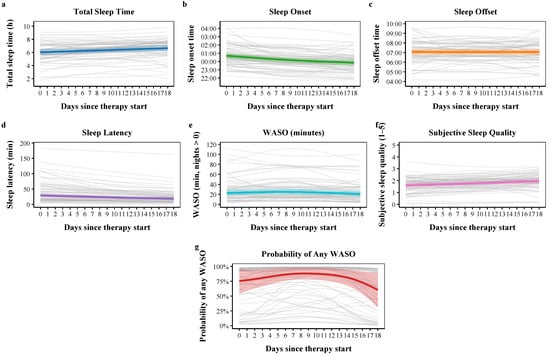
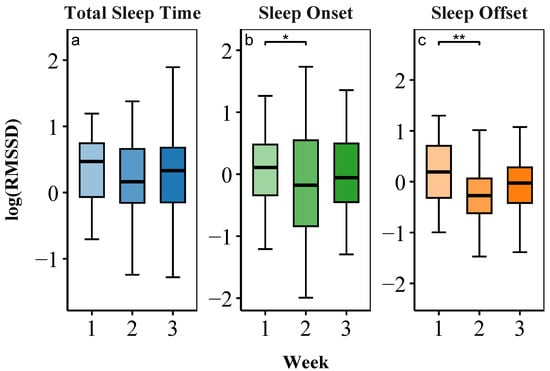
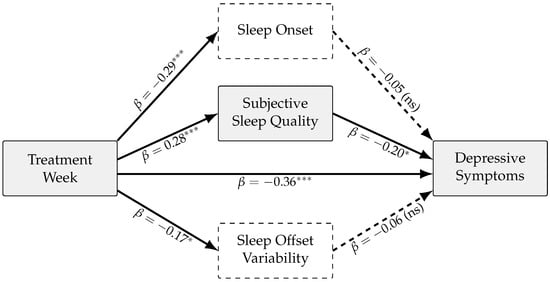
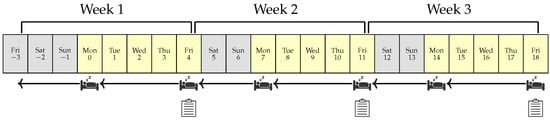
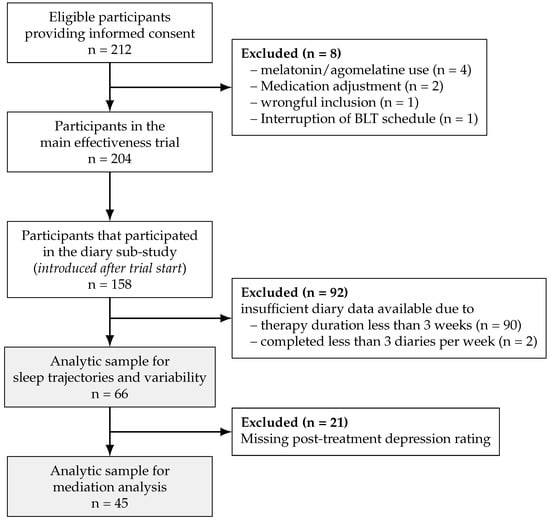
Sleep disturbance is a central feature of depression and a proposed pathway through which Bright-Light Therapy (BLT) exerts antidepressant effects. However, little is known about how sleep reorganises day by day during BLT or whether these dynamics relate to symptom improvement. We analysed daily sleep diaries from 66 patients with depression undergoing three weeks of BLT in routine outpatient care. Generalised Additive Mixed Models characterised daily trajectories in sleep timing, continuity, duration, and Subjective Sleep Quality, and weekly changes in sleep regularity were assessed using Root Mean Square of the Successive Differences. Structural Equation Modelling examined whether within-person deviations in sleep parameters mediated changes in depressive symptoms. Sleep timing showed gradual adjustment across treatment, with a progressive 48 min advance in weekday sleep onset. Sleep regularity improved from Week 1 to Week 2 before partially reversing, and the probability of nocturnal awakenings followed a non-linear trajectory. Other sleep parameters showed weaker directional trends. Improvements in Subjective Sleep Quality accounted for a modest portion of the association between treatment progression and reductions in depressive symptoms, whereas changes in sleep timing and regularity were not associated with symptom change. These findings indicate that sleep reorganises gradually during outpatient BLT, with different sleep dimensions evolving on distinct timescales and Subjective Sleep Quality emerging as one observable component linked to symptom improvement. More broadly, the results highlight the value of day-to-day modelling for understanding sleep–mood dynamics during real-world chronotherapy. Full article
(This article belongs to the Section Impact of Light & other Zeitgebers)
Show Figures

Figure 1

48 pages, 8425 KB  
Article
Fractional Epidemic Modeling: Theoretical Constructions and Estimation Strategies
by Mieczysław Cichoń and Kinga Cichoń
Appl. Sci. 2026, 16(11), 5347; https://doi.org/10.3390/app16115347 (registering DOI) - 26 May 2026
Abstract
This paper presents a generalized epidemic modeling framework based on g-tempered Caputo fractional derivatives with discrete time delays. The proposed approach incorporates nonlocal memory effects, nonlinear temporal scaling, and delayed epidemiological responses within a unified mathematical structure. The introduction of the nonlinear [...] Read more.
This paper presents a generalized epidemic modeling framework based on g-tempered Caputo fractional derivatives with discrete time delays. The proposed approach incorporates nonlocal memory effects, nonlinear temporal scaling, and delayed epidemiological responses within a unified mathematical structure. The introduction of the nonlinear time transformation g(t) and the tempering parameter λ eliminates the unrealistic infinite-memory behavior associated with classical power-law kernels while simultaneously introducing new challenges related to parameter identifiability and inverse problems. We investigate the structural properties of the resulting dynamical systems and show that the associated inverse problem is inherently ill-posed. To illustrate the practical implications of these results, the framework is applied to a delayed SIQR epidemiological model. Numerical simulations are performed using a generalized L1-type scheme adapted to delayed fractional histories, and a multi-phase parameter estimation procedure is proposed to address the ill-posedness of the reconstruction problem. The results demonstrate the ability of the model to capture both short- and long-term memory effects in epidemic evolution while highlighting the challenges of statistical identifiability in generalized fractional systems. Full article
(This article belongs to the Special Issue Data Statistics for Epidemiological Research—2nd Edition)
21 pages, 9332 KB  
Article
Effect of Luanbai Glaze on the Coloration of Cobalt Pigment in Yuan Dynasty Jingdezhen Porcelains: An Experimental Study
by Jun Sun, Qijiang Li, Xiaoyan Xia, Min Tang, Yan Liang and Linxin Ouyang
Materials 2026, 19(11), 2254; https://doi.org/10.3390/ma19112254 (registering DOI) - 26 May 2026
Abstract
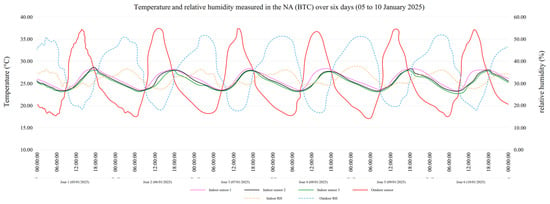
This study investigates whether Yuan Dynasty Jingdezhen Luanbai glaze can support cobalt-blue coloration under conditions relevant to early blue-and-white porcelain production. Comparative analyses of archaeological Luanbai and blue-and-white specimens show that the two glaze types have similar average thicknesses, approximately 0.20 mm, and [...] Read more.
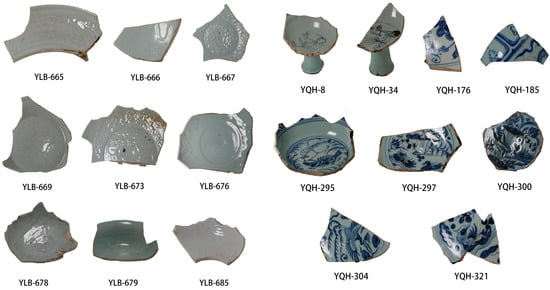
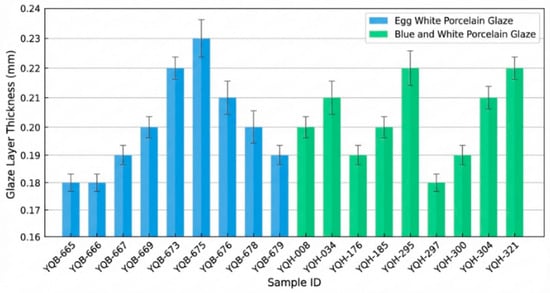
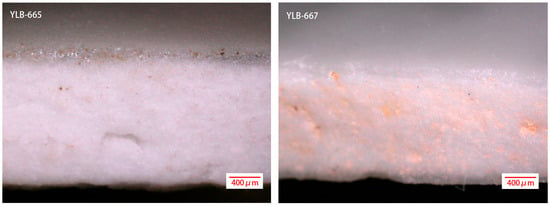
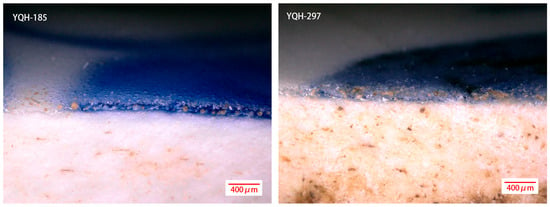
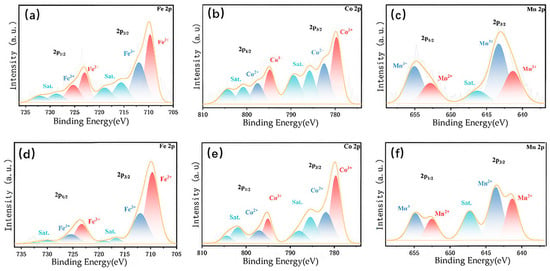
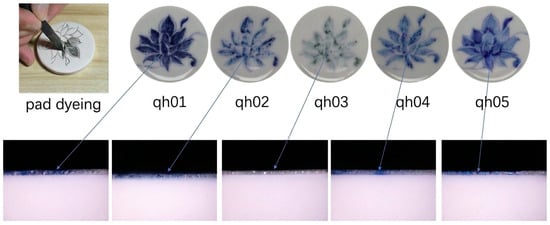
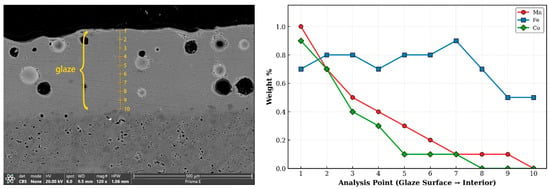
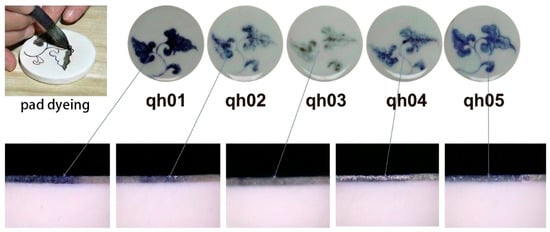
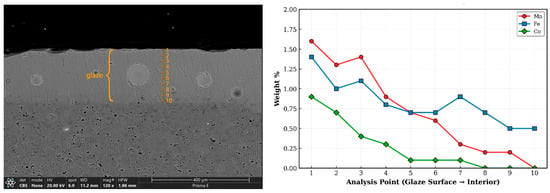
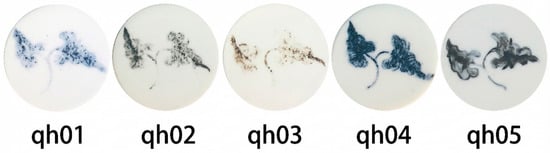
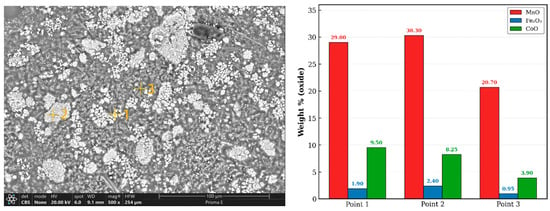
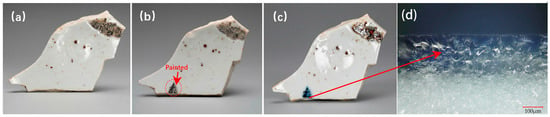
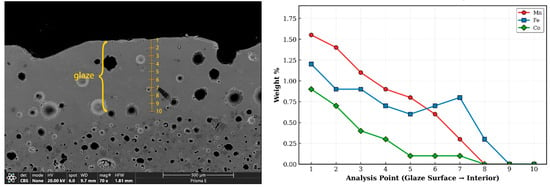
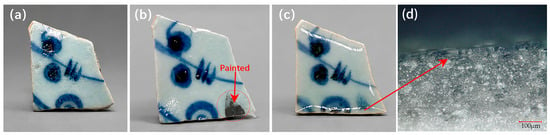
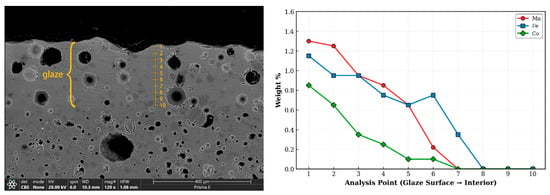
This study investigates whether Yuan Dynasty Jingdezhen Luanbai glaze can support cobalt-blue coloration under conditions relevant to early blue-and-white porcelain production. Comparative analyses of archaeological Luanbai and blue-and-white specimens show that the two glaze types have similar average thicknesses, approximately 0.20 mm, and comparable basic chemical compositions, especially in their SiO2 and Al2O3 contents. These results suggest that they belong to related high-temperature calcium–alkali glaze traditions rather than completely isolated technological systems. Simulated firing experiments using five cobalt pigments of different compositions further indicate that Luanbai glaze can support cobalt-blue coloration at 1300 °C in a reducing atmosphere. Compared with unglazed controls, Luanbai-glazed samples showed a more consistent blue appearance and clearer pigment–glaze interaction. XPS and SEM-EDS line-scan analyses revealed differences in the near-surface chemical environment and cross-sectional distribution of Co, Mn, and Fe between glazed and unglazed samples, supporting the role of glaze coverage in color development. Refiring experiments on authentic Yuan sherds further supported the feasibility of cobalt-blue coloration on historical Luanbai glaze surfaces. Overall, the results suggest that the opalescent appearance of Luanbai glaze is not an inherent barrier to underglaze cobalt decoration. This work provides experimental evidence for reassessing the technological relationship between Luanbai and early blue-and-white porcelain. Full article
(This article belongs to the Section Advanced and Functional Ceramics and Glasses)
Show Figures

Figure 1

25 pages, 2438 KB  
Article
Electromechanical Propagation of Rope Vibration to Grid-Side Low-Frequency Oscillations in Gravity Energy Storage Hoisting Systems
by Xiaoyue Luo, Qingquan Qiu, Liwei Jing, Yuxin Lin, Li Dong, Yanqiao Chen and Liye Xiao
Energies 2026, 19(11), 2568; https://doi.org/10.3390/en19112568 (registering DOI) - 26 May 2026
Abstract
Gravity energy storage systems (GESS) have emerged as a promising long-duration energy storage technology capable of supporting large-scale renewable integration and enhancing grid resilience. However, the modeling framework for the hoisting electromechanical subsystem in wire-rope-based GESS remains underdeveloped, thereby limiting the accurate characterization [...] Read more.
Gravity energy storage systems (GESS) have emerged as a promising long-duration energy storage technology capable of supporting large-scale renewable integration and enhancing grid resilience. However, the modeling framework for the hoisting electromechanical subsystem in wire-rope-based GESS remains underdeveloped, thereby limiting the accurate characterization of its transient grid-connected behavior, dynamic operating response, and cross-domain coupling effects. Existing studies commonly simplify wire ropes and related transmission components as rigid bodies or low-dimensional mechanical elements, failing to adequately account for their flexibility and the resulting high-dimensional nonlinear dynamics. Although related studies in mine hoisting and elevator systems have addressed mechanical vibration phenomena, they primarily focus on mechanical-side effects, such as shock loading and guide-structure response, whereas the mechanism by which flexible mechanical vibrations propagate through electromechanical coupling and influence electrical dynamic performance remains inadequately understood. To address this gap, this study establishes a distributed-parameter model for the wire-rope hoisting mechanism based on Hamilton’s principle and solves the corresponding vibration governing equations using the Galerkin method to capture nonlinear multi-modal dynamics. An electromechanical coupling model is then developed to elucidate how rope-vibration-induced tension fluctuations propagate through the drive chain, resulting in torque ripple, electrical interharmonics, and low-frequency grid-side oscillations. A Bessel-function-based analytical representation is further introduced to explain the formation of interharmonic clusters and beat-frequency phenomena under converter modulation. An experimental prototype is constructed to validate the proposed modeling framework. The measured vibration spectra, beat-frequency characteristics, and torque ripple align closely with analytical predictions, confirming the model’s capability to capture key propagation paths from rope vibration to electromechanical oscillation and grid-side dynamic response. The results provide a solid theoretical foundation for vibration mitigation, dynamic analysis, and control design of hoisting electromechanical subsystems in gravity energy storage applications. Full article
(This article belongs to the Special Issue Advancements in Energy Storage Technologies)
17 pages, 3700 KB  
Article
Identification and Characterization of Pathogens Causing Sugarcane (Saccharum officinarum L.) Leaf Spot and Screening for Antagonistic Bacteria
by Lianghui Jiang, Kunfa Gan, Jinlan Xie, Zhanghong Mo, Qiang Liang, Xing Huang, Qian Nong, Li Lin and Changning Li
J. Fungi 2026, 12(6), 384; https://doi.org/10.3390/jof12060384 (registering DOI) - 26 May 2026
Abstract
Sugarcane is a globally important crop, widely cultivated for sugar production and bioenergy. However, leaf spot disease leads to a reduction in its quality and yield. In this study, pathogen identification, biological characteristic analysis, and screening of antagonistic bacteria against the causal pathogens [...] Read more.
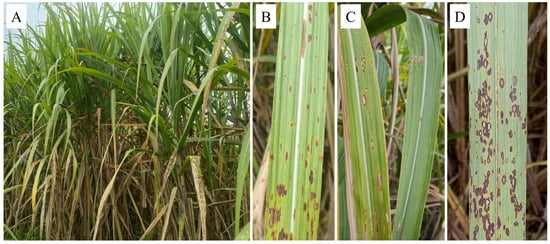
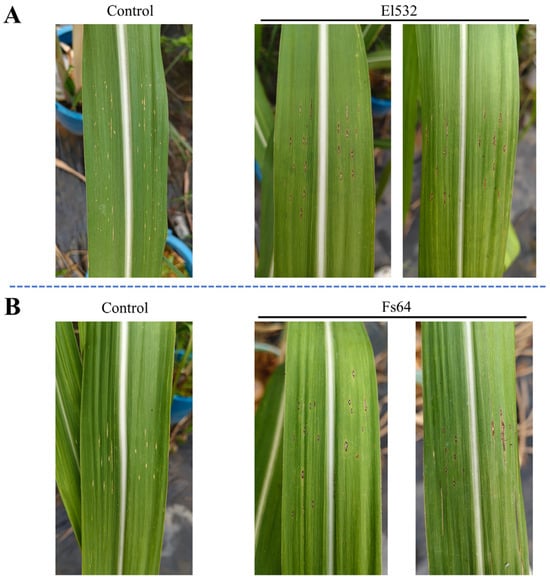
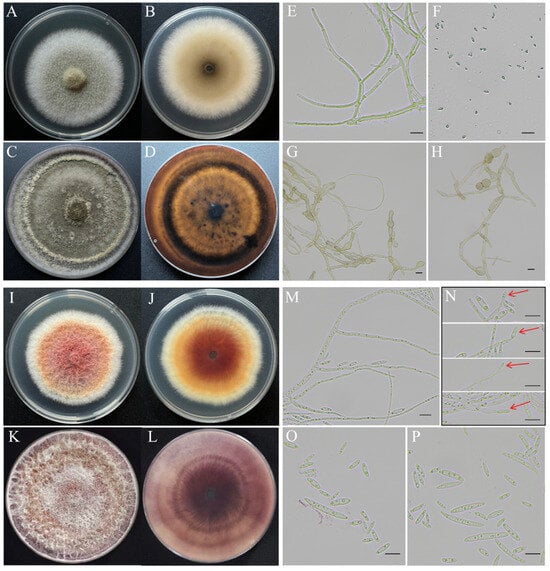
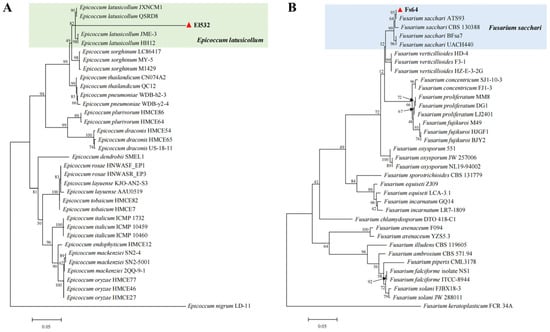
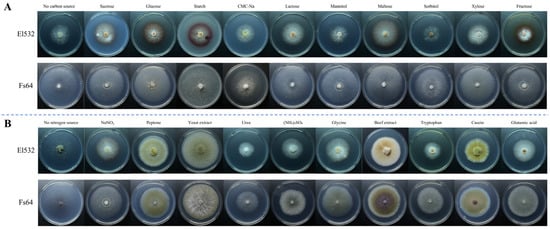
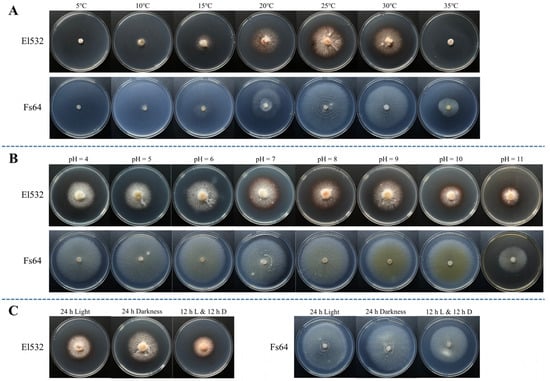
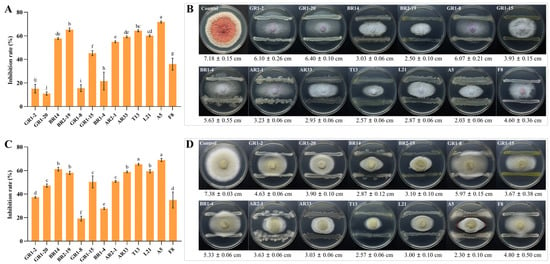
Sugarcane is a globally important crop, widely cultivated for sugar production and bioenergy. However, leaf spot disease leads to a reduction in its quality and yield. In this study, pathogen identification, biological characteristic analysis, and screening of antagonistic bacteria against the causal pathogens were done as a basis for epidemic prediction and green control of sugarcane leaf spot disease. The causal pathogens of sugarcane leaf spot disease were identified as Epicoccum latusicollum El532 and Fusarium sacchari Fs64, respectively, based on morphological characteristics, multi-gene phylogenetic analysis (ITS, TUB2, and RPB2 for El532; ITS, TEF1α, and RPB2 for Fs64), and pathogenicity tests. Biological characterization revealed that both pathogens exhibited optimal mycelial growth at 25 °C and under continuous darkness. However, light-dark cycles inhibited their growth. The optimal pH ranges for both isolates were 6–9 and 5–10, respectively. Maltose was the optimal carbon source for El532, whereas maltose, lactose, and starch were optimal for Fs64. Yeast extract served as the optimal nitrogen source for both. Isolation and screening of bacterial strains from healthy sugarcane roots, leaves, and rhizosphere soil yielded 13 antagonistic bacterial strains. Among them, six strains exhibited inhibition rates exceeding 57% against both pathogens. Bacillus subtilis A5 exhibited the highest antagonistic activity (68.85% against El532, 71.69% against Fs64), underscoring its potential as a promising biocontrol candidate. These findings provide a scientific basis for the diagnosis and management of sugarcane leaf spot disease. Full article
(This article belongs to the Section Fungi in Agriculture and Biotechnology)
Show Figures

Figure 1

11 pages, 797 KB  
Article
Relationship Between Half Squat Load–Velocity Profile and Cycling Power Profile in Masters-Level Cyclists
by Fran Oficial-Casado, Alexis Soriano-Gandia and Jose Ignacio Priego-Quesada
Appl. Sci. 2026, 16(11), 5346; https://doi.org/10.3390/app16115346 (registering DOI) - 26 May 2026
Abstract
Background: Cycling performance depends on both aerobic capacity and neuromuscular function, with recent training approaches emphasizing the role of strength training. However, the extent to which neuromuscular characteristics assessed in conventional strength exercises transfer to cycling performance remains unclear. Therefore, the aim [...] Read more.
Background: Cycling performance depends on both aerobic capacity and neuromuscular function, with recent training approaches emphasizing the role of strength training. However, the extent to which neuromuscular characteristics assessed in conventional strength exercises transfer to cycling performance remains unclear. Therefore, the aim of this study was to analyze the relationship between the Load–Velocity (L-V) profile obtained from a multi-joint strength exercise (half squat) and the cycling Power Profile (PP) in Masters-level cyclists. Methods: Twelve masters-level cyclists were evaluated by the L-V and the PP test. The cycling PP was determined through maximal efforts of 1, 5, and 20 min, expressed relative to body mass (W·kg−1). The L-V profile was assessed during the half squat using a progressive loading protocol with load–velocity monitoring. Pearson’s correlation analyses were performed between the slope and intercept of the L-V profile relationship and PP variables, as well as mean ascent velocity (VAM). Results: No significant relationships were observed between L-V profile variables and cycling performance (r = −0.21 to 0.09, p > 0.05). In contrast, VAM showed very large associations with P1 (r = 0.81, p = 0.001) and P5 (r = 0.86, p < 0.001). The regression model explained a large proportion of the variance in VAM (R2 = 0.75, p = 0.01). Conclusions: Strength performance assessed through a conventional exercise such as the half squat is not directly related to cycling PP in masters-level cyclists. The observed relationships between VAM and cycling PP reinforce the importance of task specificity. Full article
4 pages, 585 KB  
Interesting Images
Femoral Osteochondritis Dissecans and Tibial Osteochondral Defect in an Adult Revealed by Bone SPECT/CT
by Tzyy-Ling Chuang, Keng-Chang Liu, Chih-Wen Lin, Chun-Hsi Huang and Yuh-Feng Wang
Diagnostics 2026, 16(11), 1630; https://doi.org/10.3390/diagnostics16111630 (registering DOI) - 26 May 2026
Abstract
A 46-year-old woman presented with persistent right knee pain and swelling six months after a fall. MRI initially showed a lateral meniscus tear, leading to meniscus repair and later meniscectomy, but symptoms persisted. Retrospective review of the MRI revealed edema in the tibial [...] Read more.
A 46-year-old woman presented with persistent right knee pain and swelling six months after a fall. MRI initially showed a lateral meniscus tear, leading to meniscus repair and later meniscectomy, but symptoms persisted. Retrospective review of the MRI revealed edema in the tibial plateau and distal femoral condyle. Arthroscopic debridement demonstrated severe synovitis, marked cartilage loss of the lateral femoral condyle with a loose body, and tibial plateau cartilage damage. Bone SPECT/CT showed bony destruction, cleft formation, and focal tracer uptake in the distal femur and proximal tibia. Femoral osteochondritis dissecans and a tibial osteochondral defect were diagnosed based on arthroscopic and imaging findings. Full article
(This article belongs to the Section Medical Imaging and Theranostics)
46 pages, 86302 KB  
Article
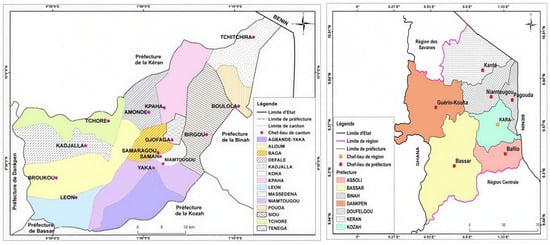
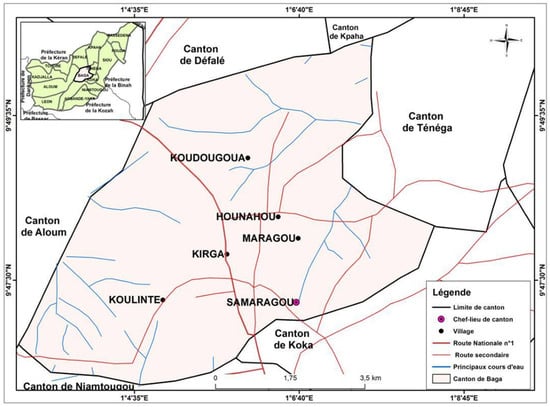
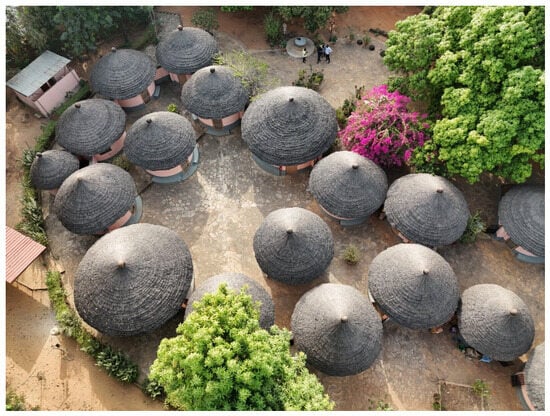
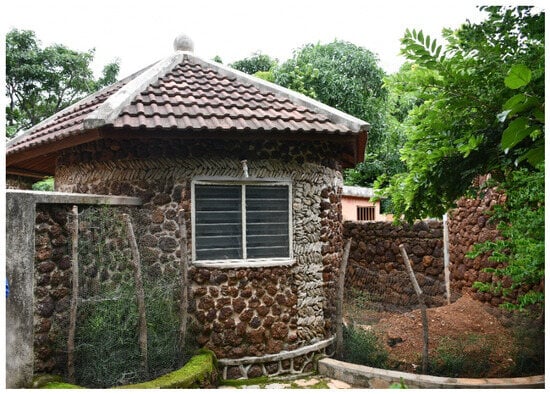
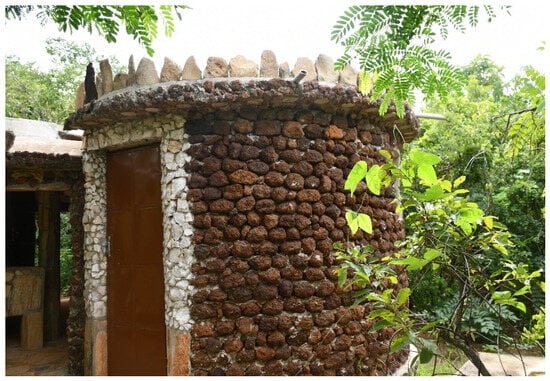
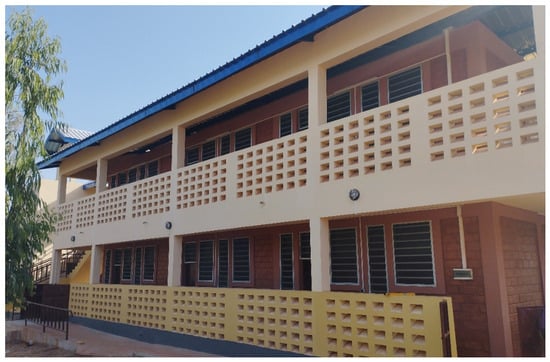
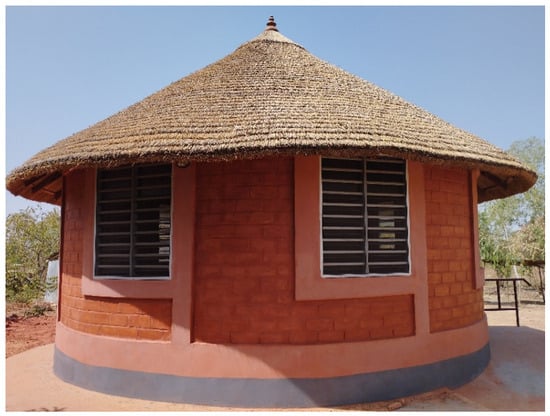
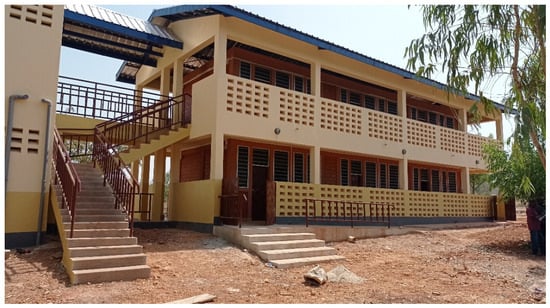
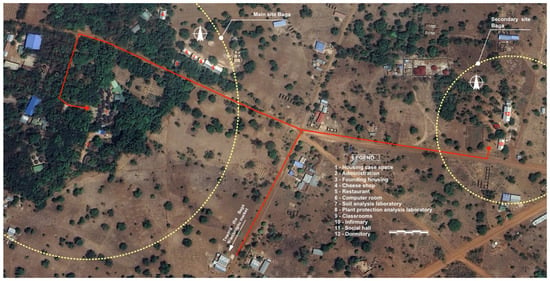
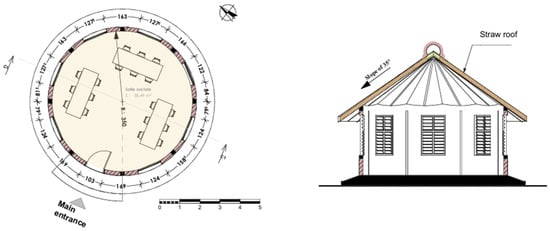
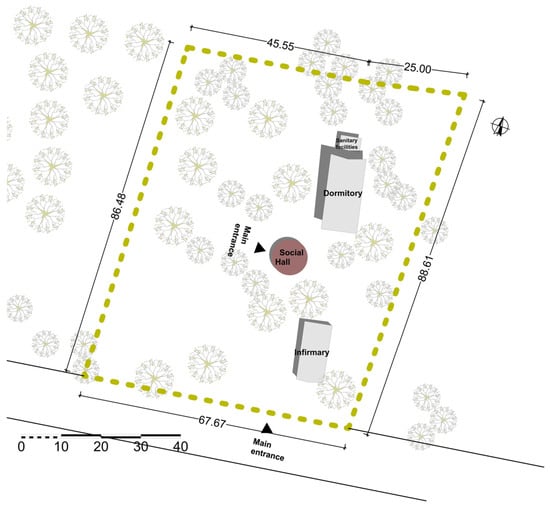
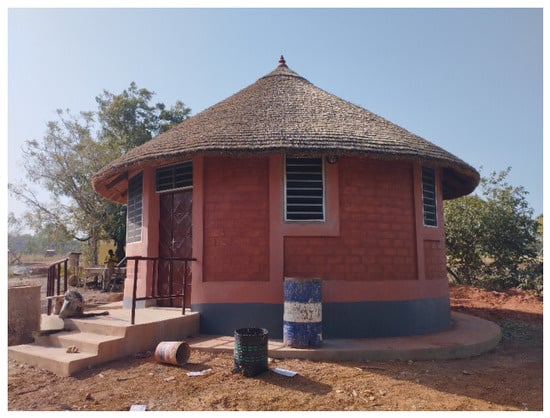
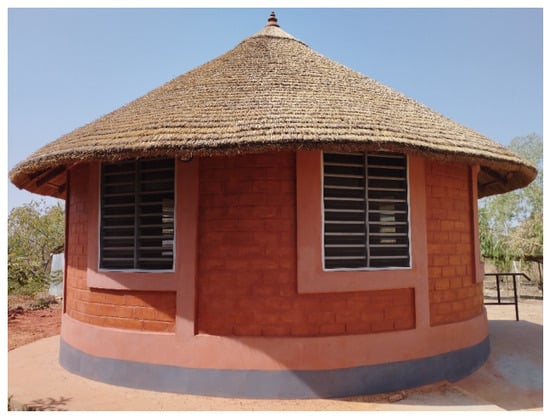
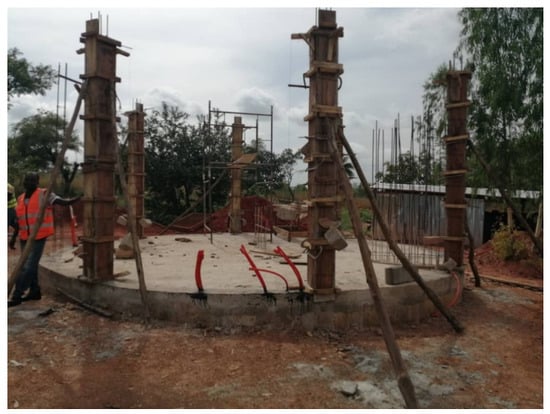
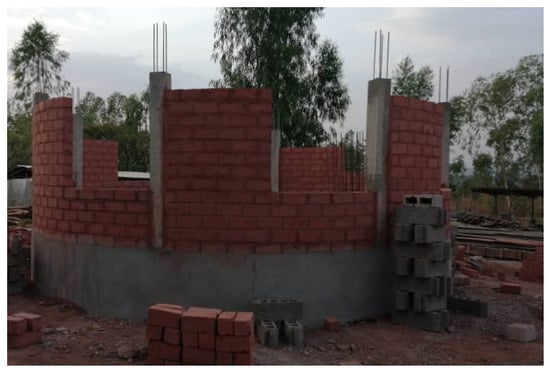
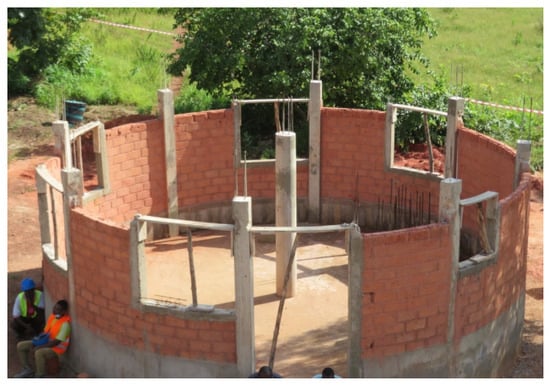
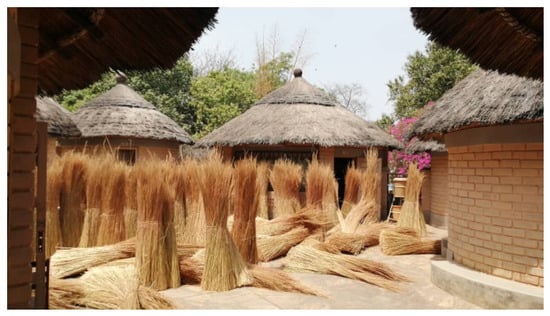
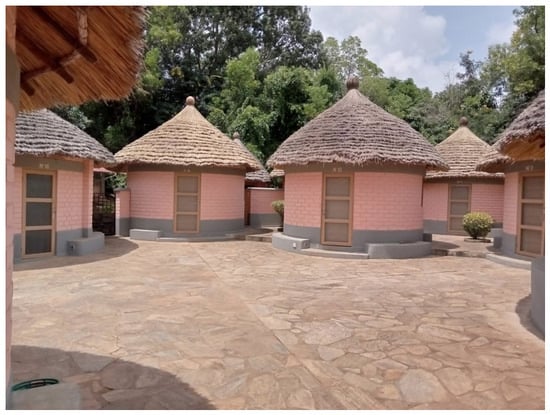
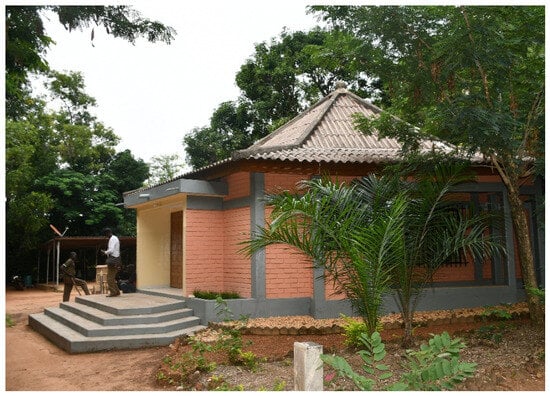
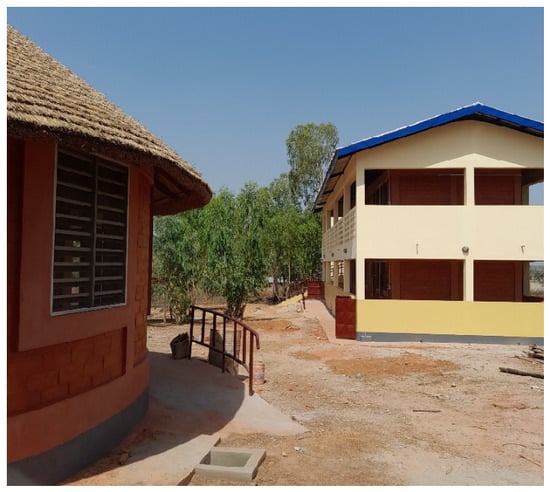
Neo-Vernacular Architecture in Nawdéba Country in Northern Togo: Analysis of Elements of Sustainability, Vulnerability to Climatic Hazards and Thermal Comfort of a Social Hall at CIDAP (Centre International de Développement Agro-Pastoral)
by Modeste Yaovi Awoussi, Eugene Kodzo Anani Domtse, Déla Komlan Gake, Paolo Vincenzo Genovese and Yao Dziwonou
Architecture 2026, 6(2), 80; https://doi.org/10.3390/architecture6020080 (registering DOI) - 26 May 2026
Abstract
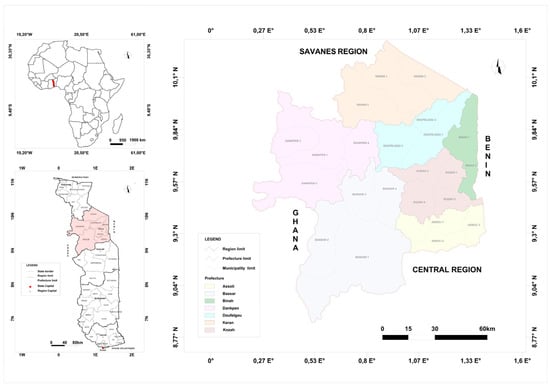
Due to rapid urbanization, climate and socio-economic change, vernacular architecture in the Kara region of Togo is now facing mutations that threaten its existence. In the Kara region, new forms of housing, inspired by ancestral building practices and green technologies, are emerging as [...] Read more.
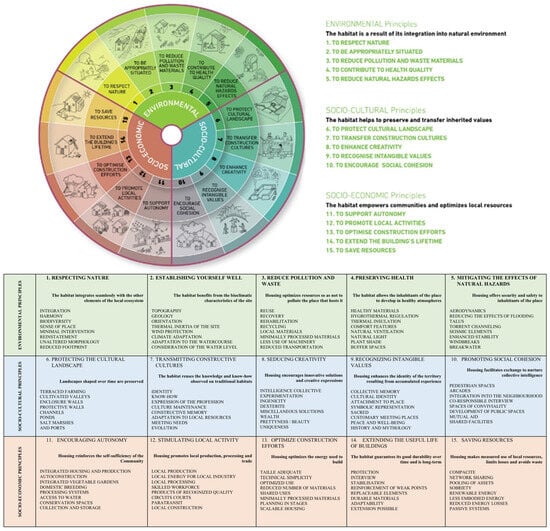
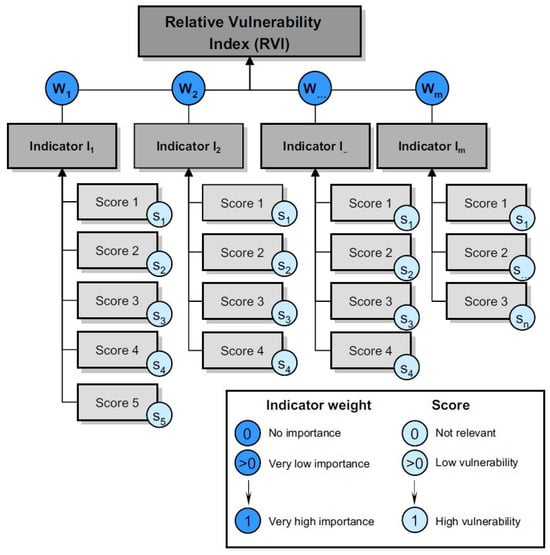
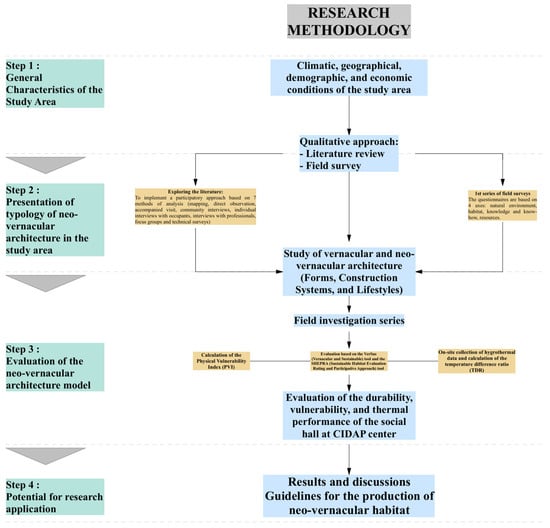
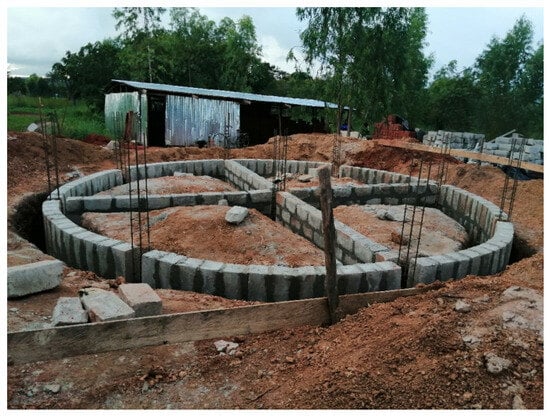
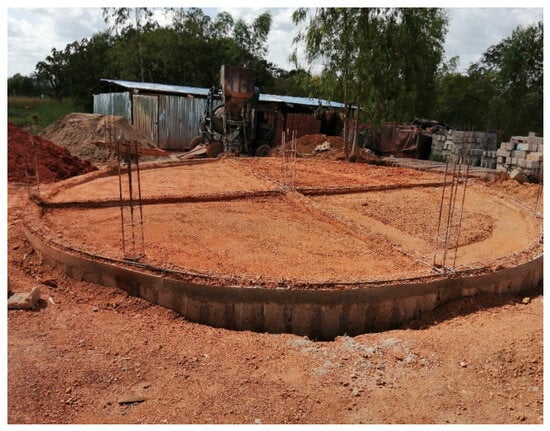
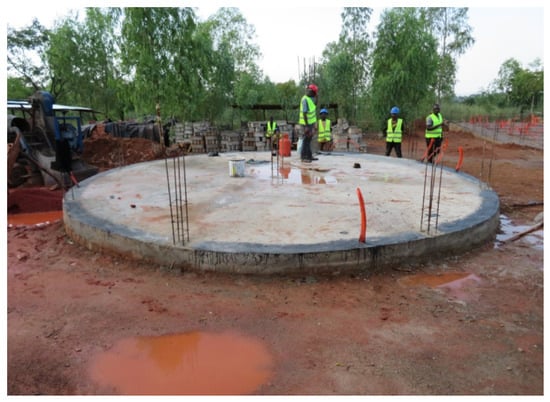
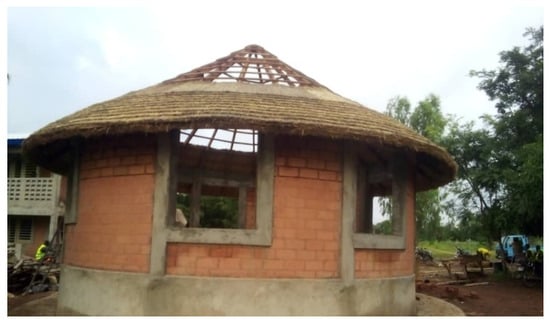
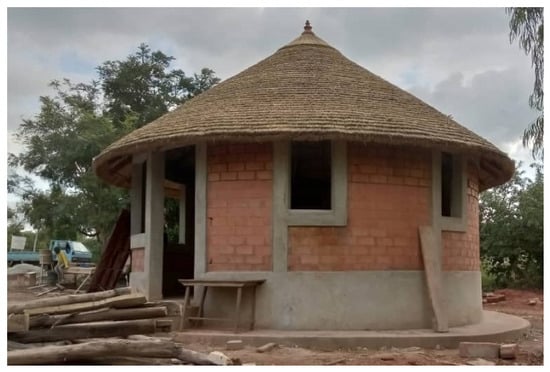
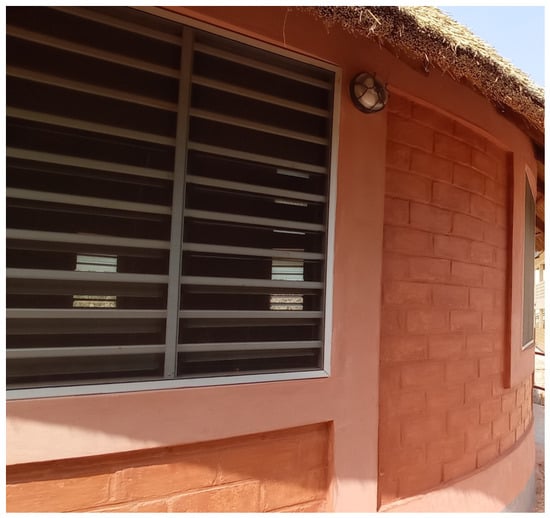
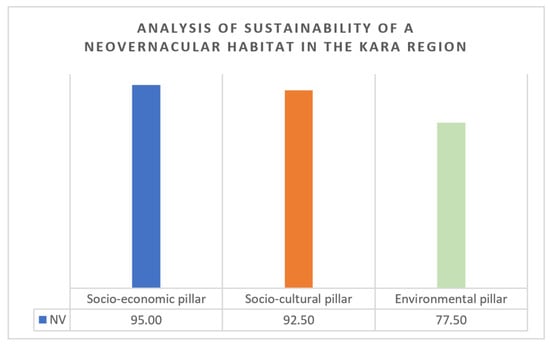
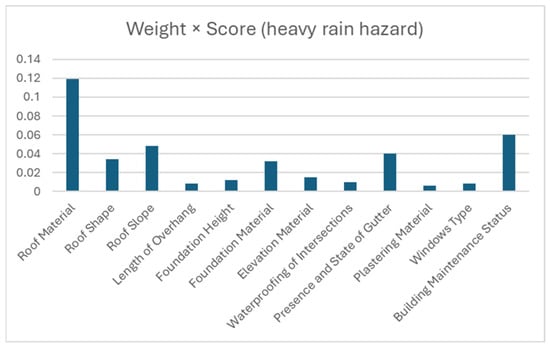
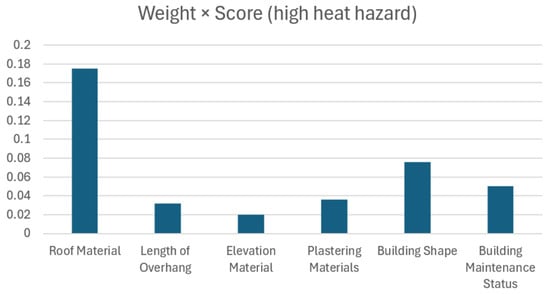
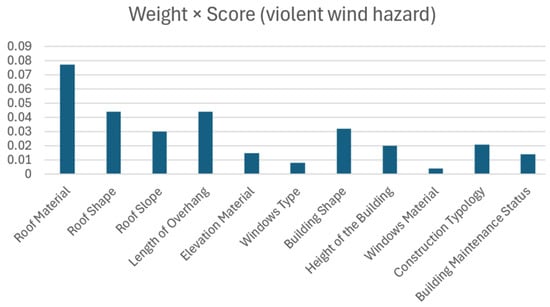
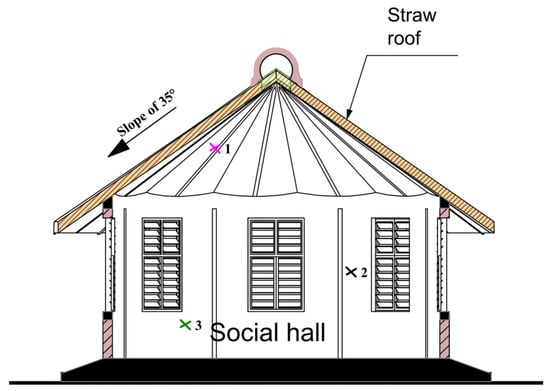
Due to rapid urbanization, climate and socio-economic change, vernacular architecture in the Kara region of Togo is now facing mutations that threaten its existence. In the Kara region, new forms of housing, inspired by ancestral building practices and green technologies, are emerging as neo-vernacular architecture. This study aims to evaluate the overall performance of the CIDAP social hall, which is considered a model of neo-vernacular architecture. Through a series of both qualitative and quantitative tools, including the VerSus tool, the PTVA method and the calculation of the temperature difference ratio (TDR), the CIDAP social hall was analyzed regarding the criteria of durability, vulnerability to climatic hazards and thermal comfort. This work indicates that this building achieves a sustainability score of 88.33%. In terms of vulnerability to climatic hazards, the vulnerability index is around 0.392 for heavy rainfall, 0.389 for high heat and 0.309 for strong wind hazard. For thermal behavior, the TDR is of the order of 0.634. All these results reveal a satisfactory performance of the CIDAP social hall in terms of durability, vulnerability and thermal comfort. Full article
Show Figures

Figure 1

11 pages, 1149 KB  
Article
Investigating the Differences in the Simple Reaction Time and Muscle Stiffness Between Gym Users and Open-Skills Sport Practitioners: An Exploratory Study
by Luca Petrigna, Alessandra Amato, Claudio Di Brigida, Salvatore Spinella, Giuseppe Evola and Giuseppe Musumeci
Brain Sci. 2026, 16(6), 563; https://doi.org/10.3390/brainsci16060563 (registering DOI) - 26 May 2026
Abstract
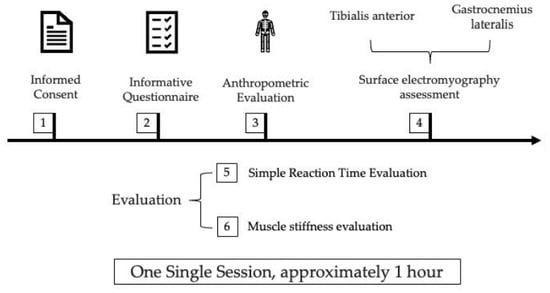
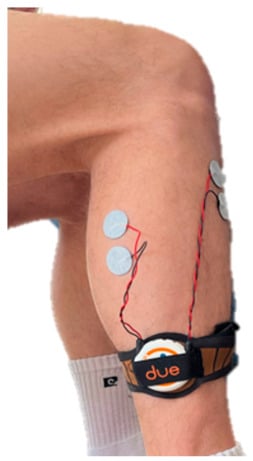
Background/Objectives: The number of people who practice gym activities is increasing. Most gym activities take place within a building, and the movements are controlled, making them closed-skill activities. This could decrease the processing speed capacity. The objective was to investigate whether a [...] Read more.
Background/Objectives: The number of people who practice gym activities is increasing. Most gym activities take place within a building, and the movements are controlled, making them closed-skill activities. This could decrease the processing speed capacity. The objective was to investigate whether a difference, assessed by a simple reaction time and muscle stiffness task, exists between people who practice gym versus open-skills sports activities. Methods: A total of 58 gym users and open-skills sport practitioners were recruited. Participants’ anthropometric characteristics were evaluated. Electrodes were set at the tibialis anterior (TA) and gastrocnemius lateralis (GL), and participants performed the simple reaction time task. A drop jump test (muscular stiffness) was also executed. A multiple comparison test was adopted to study the differences between groups for FAT%, reaction time, and ground contact time. The significance level was set at p ≤ 0.05. Results: Data from the groups presented no statistically significant differences in the simple reaction time task (p = 0.999) and in the drop jump (p = 0.999), or from a superficial electromyography point of view. Conclusions: This exploratory study detected no statistically significant differences between the groups. The study design does not support equivalence conclusions. Further studies are required to understand the topic in depth. Full article
Show Figures

Figure 1

26 pages, 5397 KB  
Article
Symmetry-Aware Fatigue Driving Detection Based on Improved YOLOv8-LSTM with Enhanced Spatiotemporal Feature Fusion
by Wanqin Jiang
Symmetry 2026, 18(6), 909; https://doi.org/10.3390/sym18060909 (registering DOI) - 26 May 2026
Abstract
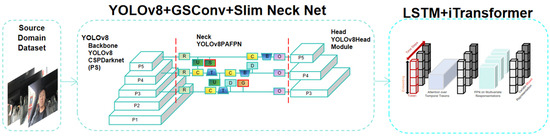
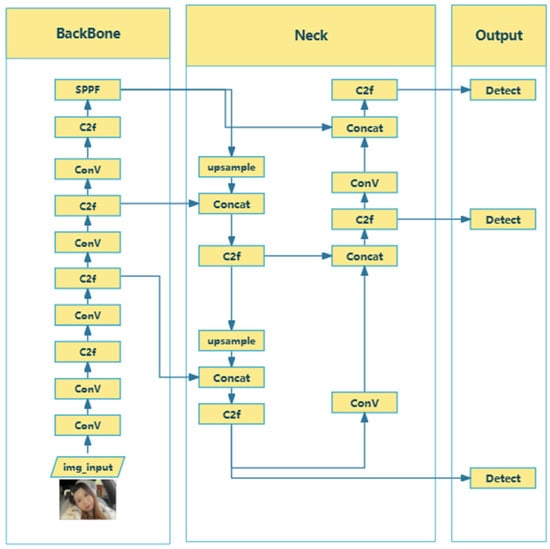
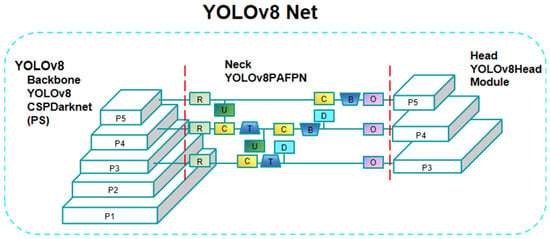
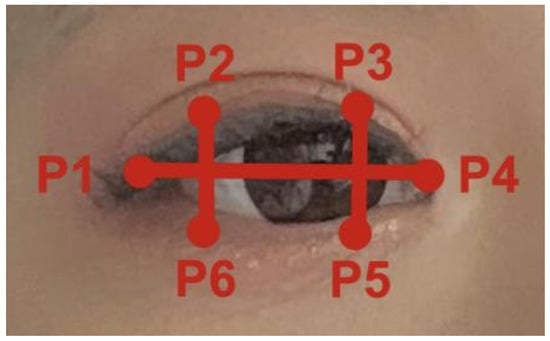
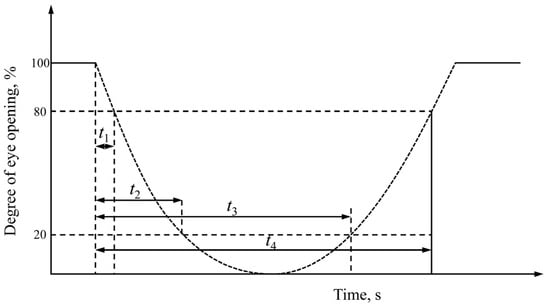
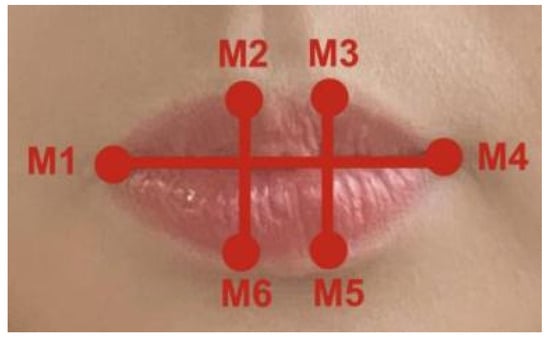
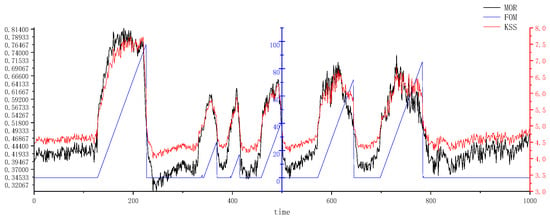
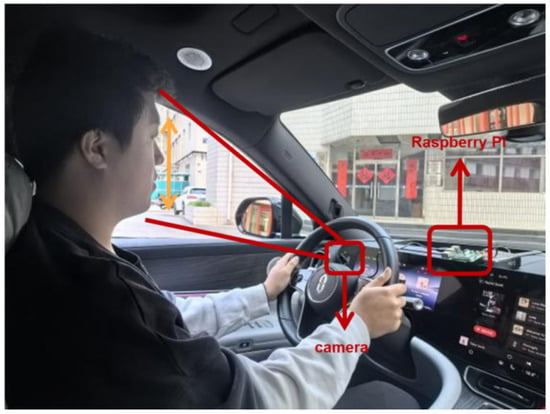
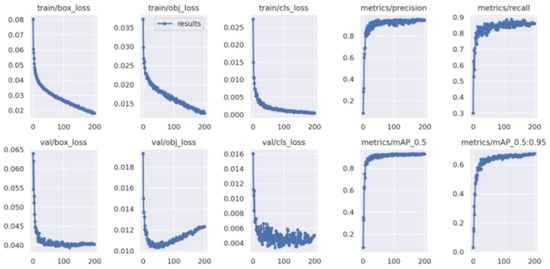
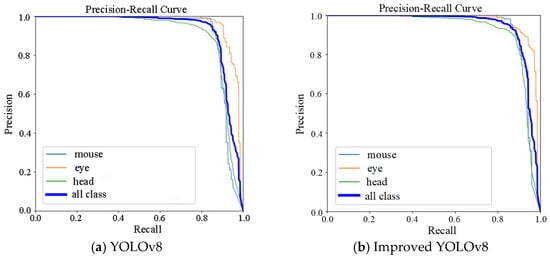
Fatigue driving causes 20–30% of global traffic accidents. To address limitations in feature fusion and real-time performance, this study proposes an improved You Only Look Once version 8 (YOLOv8)-Long Short-Term Memory (LSTM) model with symmetry-aware spatiotemporal feature learning. In the spatial phase, Group [...] Read more.
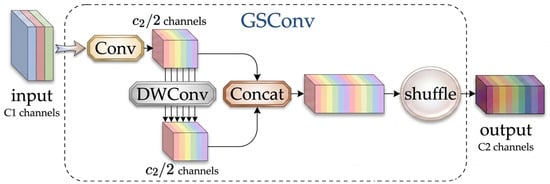
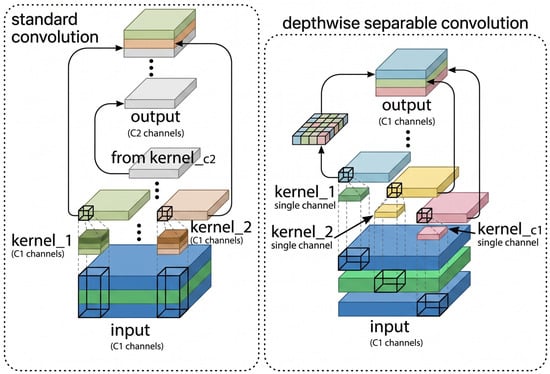
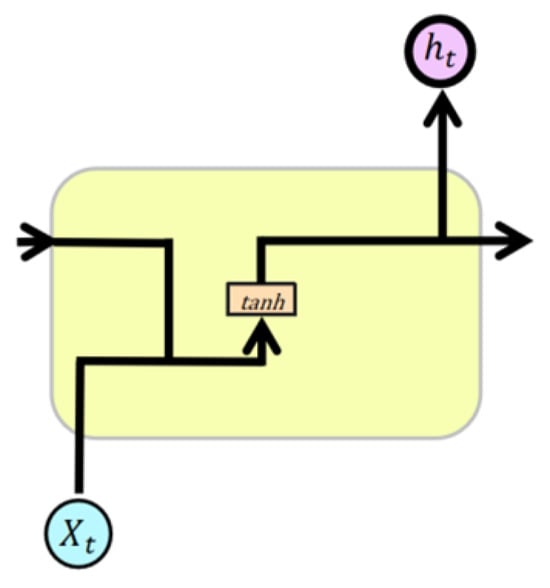
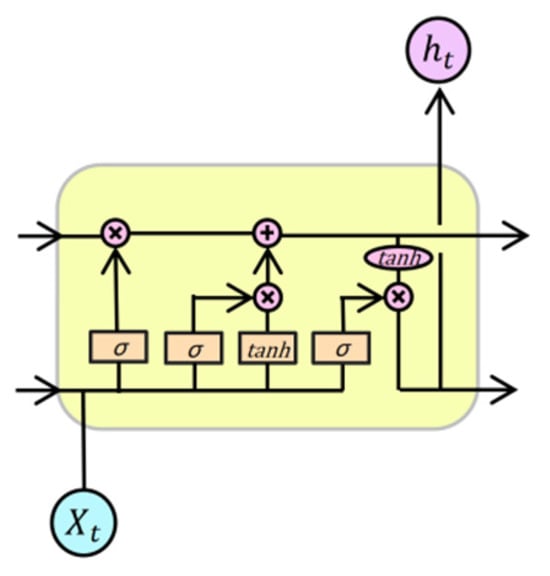
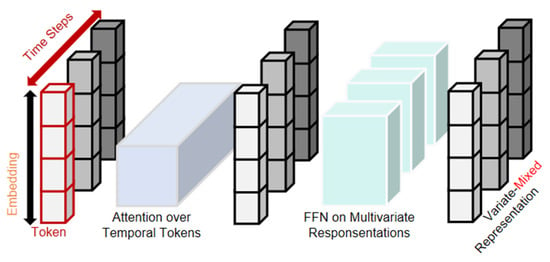
Fatigue driving causes 20–30% of global traffic accidents. To address limitations in feature fusion and real-time performance, this study proposes an improved You Only Look Once version 8 (YOLOv8)-Long Short-Term Memory (LSTM) model with symmetry-aware spatiotemporal feature learning. In the spatial phase, Group Shuffle Convolution (GSConv) and Slim Neck structures are introduced to enhance facial feature detection while reducing parameters by 32.3%. In the temporal phase, an improved Inverted Transformer(iTransformer) with differential attention is integrated with an LSTM-Feed-Forward Network (FFN) architecture, achieving a 90.1% prediction accuracy and an 84.6% noise suppression rate. A standardized dataset of 13,200 images was constructed using a four-level classification system. By implementing TensorRT acceleration and multi-process parallel frameworks, the system optimizes single-frame latency to 38 ms—a 9.5× efficiency gain—while maintaining an overall detection accuracy of 92.4%. These results demonstrate that the proposed framework effectively balances model lightweighting with high precision, providing a robust and efficient solution for real-time driver monitoring in complex driving scenarios. Full article
Show Figures

Figure 1

13 pages, 424 KB  
Article
Commuting and the Widening Regional Gap: Evidence from Innovation-Driven Growth
by Ran Ben Malka
Sustainability 2026, 18(11), 5360; https://doi.org/10.3390/su18115360 (registering DOI) - 26 May 2026
Abstract
Context and Objectives: This longitudinal study examined the shifting dynamics of innovation concentration, regional inequality, and internal migration in Israel from 2000 to 2020, analyzing how centralized technological growth correlates with peripheral labor mobility. Methods: Utilizing a purely observational and correlational approach, the [...] Read more.
Context and Objectives: This longitudinal study examined the shifting dynamics of innovation concentration, regional inequality, and internal migration in Israel from 2000 to 2020, analyzing how centralized technological growth correlates with peripheral labor mobility. Methods: Utilizing a purely observational and correlational approach, the empirical framework tracks Central Bureau of Statistics time series data regarding commuting patterns, net internal migration, and composite socioeconomic living standard indices. Main Findings: The analysis revealed a significantly increasing tendency for peripheral residents to commute to central hubs, alongside stagnant permanent internal migration and a relative decline in peripheral living standards, underscoring an increasing structural dependence on the core. Limitations: Key limitations include the reliance on aggregated national-level data up to 2020 and the absence of occupational disaggregation, which prevents isolating specific labor segments or establishing direct causal mechanisms. Policy Implications: The study suggests that market-driven integration alone is insufficient to bridge spatial gaps. Carefully tailored interventions fostering local innovation capacity and alleviating the commuter burden are required to promote sustainable and balanced regional development. Full article
(This article belongs to the Special Issue Advances in Urban—Regional Planning for Sustainable Development)
14 pages, 610 KB  
Article
From Simulation to Sustainability: The Mediating Role of Clinical Self-Efficacy Among Undergraduate Healthcare Students
by Waleed El-Sayed Mohammed Hemaida, Ekram Mohammed Gomaa Geenedy, Mohamed Sayed Abdellatif and Mohamed Ali Nemt-allah
Eur. J. Investig. Health Psychol. Educ. 2026, 16(6), 75; https://doi.org/10.3390/ejihpe16060075 (registering DOI) - 26 May 2026
Abstract
Despite growing recognition that nurses must be equipped with sustainability competencies to address climate-related health challenges, the psychological mechanisms through which nursing education fosters sustainability attitudes are not yet fully understood. This study examined the mediating role of clinical performance self-efficacy in the [...] Read more.
Despite growing recognition that nurses must be equipped with sustainability competencies to address climate-related health challenges, the psychological mechanisms through which nursing education fosters sustainability attitudes are not yet fully understood. This study examined the mediating role of clinical performance self-efficacy in the relationship between simulation-based learning quality and sustainability attitudes among undergraduate nursing students. A cross-sectional correlational design was employed with a main sample of 679 nursing students from four Egyptian universities. Data were collected using the CHEST, SECP Scale, and SANS_2. Mediation analysis used Hayes’ PROCESS macro with 5000 bootstrap resamples. Simulation-based learning quality significantly predicted both self-efficacy (β* = 0.772) and sustainability attitudes (β* = 0.613). Self-efficacy partially mediated this relationship, accounting for 68.34% of the total effect (indirect β* = 0.419, Boot 95% CI [0.343, 0.494]). Nursing educators should design simulation curricula that deliberately cultivate self-efficacy while embedding sustainability content, producing clinically competent and environmentally responsible graduates. Full article
23 pages, 818 KB  
Review
The Role of the Rhizosphere, Endophytes, and the Influence of Plant-Growth-Promoting Bacteria: Take the Cannabis Microbiome as an Example
by Piotr Stanisław Wiszpolski and Mariusz Jerzy Stolarski
Int. J. Mol. Sci. 2026, 27(11), 4802; https://doi.org/10.3390/ijms27114802 (registering DOI) - 26 May 2026
Abstract
Cannabis sativa L. is a multipurpose crop of increasing agricultural and medical relevance, whose productivity and phytocannabinoid profile are influenced not only by genotype and environmental factors but also by the composition of its microbiota. This review synthesizes current knowledge (2020–2026) on the [...] Read more.
Cannabis sativa L. is a multipurpose crop of increasing agricultural and medical relevance, whose productivity and phytocannabinoid profile are influenced not only by genotype and environmental factors but also by the composition of its microbiota. This review synthesizes current knowledge (2020–2026) on the rhizosphere and endophytic microbiota of hemp, with particular emphasis on plant growth-promoting bacteria (PGPB) and their mechanisms of action. Molecular studies indicate that hemp-associated bacterial communities are dominated by Proteobacteria, Actinobacteriota, Firmicutes and Bacteroidota, with genotype-, tissue- and developmental-stage-dependent variation. PGPB influence plant performance through direct mechanisms, including biological nitrogen fixation, phosphate solubilization, siderophore production and phytohormone synthesis (indole-3-acetic acid (IAA), gibberellins, cytokinins, and 1-aminocyclopropane-1-carboxylate (ACC) deaminase), as well as indirect mechanisms such as antibiosis, enzyme-mediated pathogen inhibition and induction of systemic tolerance to abiotic stress. Experimental studies demonstrate that inoculation with selected strains or consortia can enhance biomass accumulation, improve germination and root architecture, increase resistance to Fusarium oxysporum and modulate cannabinoid and terpene profiles. Importantly, plant responses are cultivar-specific, highlighting the need for genotype-tailored microbial formulations. Full article
(This article belongs to the Section Molecular Plant Sciences)
21 pages, 1589 KB  
Article
Input-Adaptive Dynamic Neural Network for Efficient Object Detection Toward Resource-Constrained Deployment
by Jungwoo Lee, Hyogon Kim, Sung-Jo Yun and Youngho Choi
Electronics 2026, 15(11), 2310; https://doi.org/10.3390/electronics15112310 (registering DOI) - 26 May 2026
Abstract
The deployment of object detection models on resource-constrained edge devices remains a substantial challenge, primarily because conventional static networks expend the same worst-case computational cost on every input, regardless of intrinsic difficulty. This paper proposes an input-adaptive dynamic neural network architecture for object [...] Read more.
The deployment of object detection models on resource-constrained edge devices remains a substantial challenge, primarily because conventional static networks expend the same worst-case computational cost on every input, regardless of intrinsic difficulty. This paper proposes an input-adaptive dynamic neural network architecture for object detection in embedded environments. The present study investigates two orthogonal axes of input-adaptive inference for embedded object detection: The system demonstrates depth adaptivity through the implementation of Early Exit, and width adaptivity via group-wise Adaptive Routing. The proposed framework is constructed on a frozen Ultralytics YOLO26s backbone and incorporates two YOLO-style early-exit heads positioned at approximately 33% and 66% of the backbone depth. Furthermore, the framework incorporates two Straight-Through Gumbel-Softmax routers, which are appended after Layers 4 and 8 with group-wise hard gating. Both axes additionally accept an explicit external control signal that allows the host system to override the input-conditional policy at inference time. The dual-mode design facilitates the functionality of the trained checkpoint as either an input-adaptive policy, in which the depth and width are determined per sample from the input distribution, or an externally controlled policy. The experimental findings demonstrate two strongly asymmetric input-adaptive policies on a frozen YOLO26s backbone. The early-exit profile reduces the compute per sample from 12.739 to 10.532 GFLOPs—a 17.32% reduction according to our in-house Conv2d/Linear MAC-based GFLOPs estimator—while preserving baseline accuracy (mAP50 = 0.1545 vs. baseline = 0.1528; ΔmAP50 = +0.0017, within evaluation noise; mAP50–95 = −0.0033). Evaluating the router-only profile in the same validator pipeline with a sparsity penalty of γ = 0.05 results in a 12.3% decrease in logical GFLOPs (from 12.739 to 11.172), while maintaining an accuracy level that is at or above the PEFT baseline (mAP50 = 0.2324 and mAP50–95 = 0.1040). In our small-domain PEFT setup, training the dynamic-policy modules yields per-checkpoint mAP shifts in this magnitude. Therefore, we interpret the width-axis accuracy result as preservation of the baseline rather than an improvement. Our contribution on the width axis is reducing computing power while maintaining baseline accuracy. Importantly, the router profile’s logical GFLOP savings are not currently reflected in wall-clock latency under our dense-kernel PyTorch implementation. Achieving practical speedup requires sparse-kernel deployment, such as structured-sparse kernels, TensorRT, TVM, or Triton paths. We will address this in future deployment-level work. Our results indicate that the depth axis can yield genuine end-to-end speedup today, while the width axis offers deployment-pending compute reduction. Full article
56 pages, 2936 KB  
Article
An Intelligent Decision-Support Framework Based on Fuzzy BWM–TOPSIS with Interdependent Criteria for Alternative Selection in Complex Construction Projects
by Luong Duc Long, Vo Thi Dinh Khanh, Nguyen Quang Trung and Truong Ngoc Son
Appl. Syst. Innov. 2026, 9(6), 108; https://doi.org/10.3390/asi9060108 (registering DOI) - 26 May 2026
Abstract
This study proposes an intelligent decision-support framework for alternative selection in complex construction projects, where evaluation processes are affected by uncertainty, multiple decision-makers, and interdependent criteria. The framework integrates the fuzzy group best–worst method with fuzzy TOPSIS into a unified structure that explicitly [...] Read more.
This study proposes an intelligent decision-support framework for alternative selection in complex construction projects, where evaluation processes are affected by uncertainty, multiple decision-makers, and interdependent criteria. The framework integrates the fuzzy group best–worst method with fuzzy TOPSIS into a unified structure that explicitly captures cross-criterion influence effects. First, triangular fuzzy judgments from multiple experts are used to derive criterion weights, while interdependencies among criteria are represented through a fuzzy influence-intensity matrix and incorporated into fuzzy nonlinear optimization models. This process enables the systematic estimation of both independent and interdependency-adjusted criterion weights. Second, the resulting weights are used in a fuzzy ranking procedure to evaluate alternatives according to their relative closeness to fuzzy ideal solutions. To enhance transparency, reproducibility, and practical usability, the proposed method is implemented in Python as an automated computational workflow for decision analysis. Its applicability is demonstrated through a real-world case study on access platform system selection for mechanical, electrical, and plumbing installation in an airport terminal subject to safety, productivity, workspace, and elevation-related constraints. The results show that explicitly modeling criterion interdependencies provides a more realistic evaluation structure and enhances the robustness and reliability of alternative selection in complex construction management contexts. Full article
(This article belongs to the Special Issue AI-Driven Decision Support for Systemic Innovation)
20 pages, 13372 KB  
Article
Comparative Study of Wear Behavior of Hypereutectic Al–Si Piston Alloys Using Experimental and Numerical Methods
by Atanasi Tashev, Valyo Nikolov, Boyan Dochev, Desislava Dimova, Mara Kandeva and Mihail Zagorski
Materials 2026, 19(11), 2253; https://doi.org/10.3390/ma19112253 (registering DOI) - 26 May 2026
Abstract
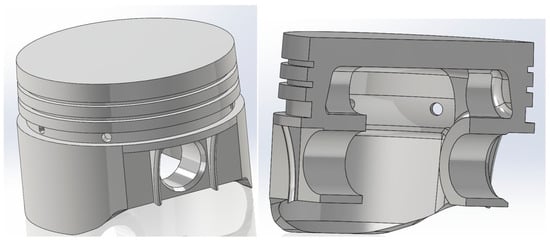
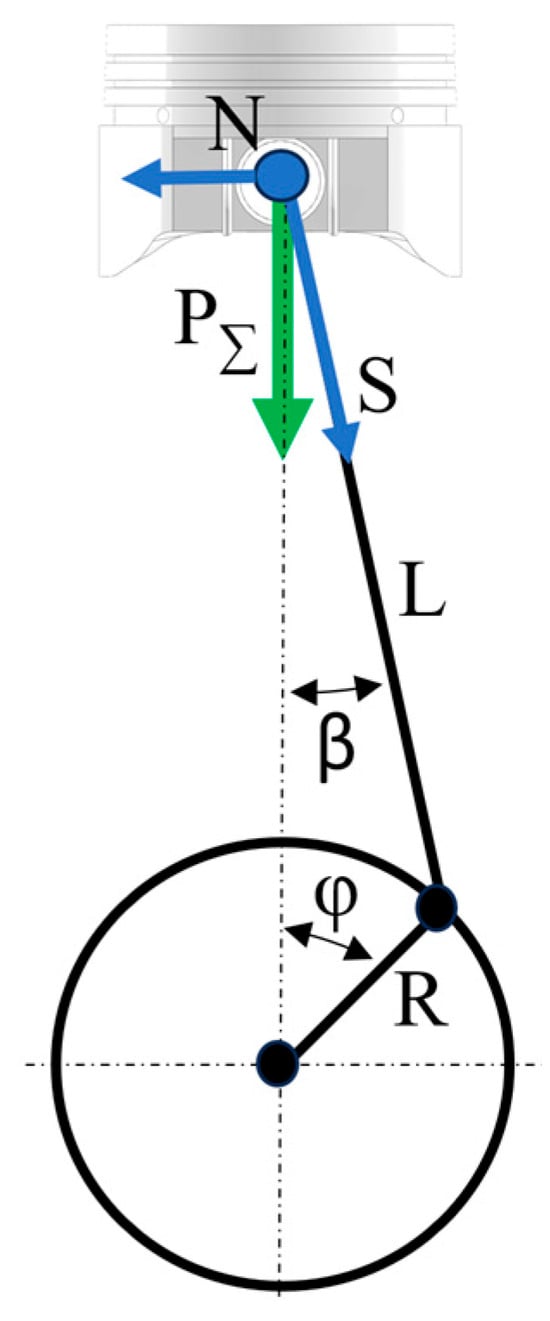
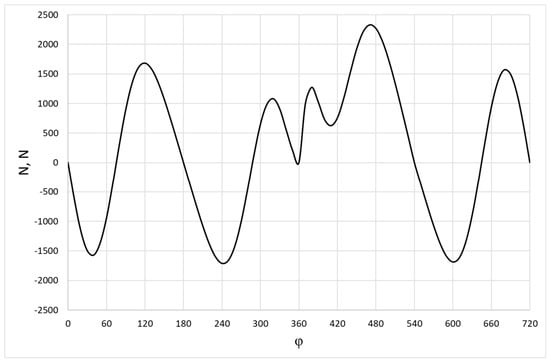
This study presents an integrated experimental–numerical approach for evaluating the wear behavior of three non-standardized hypereutectic aluminum–silicon (Al–Si) piston alloys based on the AlSi25CuCr system, namely AlSi25Cu4Cr (M1), AlSi25Cu5Cr (M3), and AlSi25Cu5Cr (M5). The wear coefficient was determined experimentally under boundary-lubrication conditions, while [...] Read more.
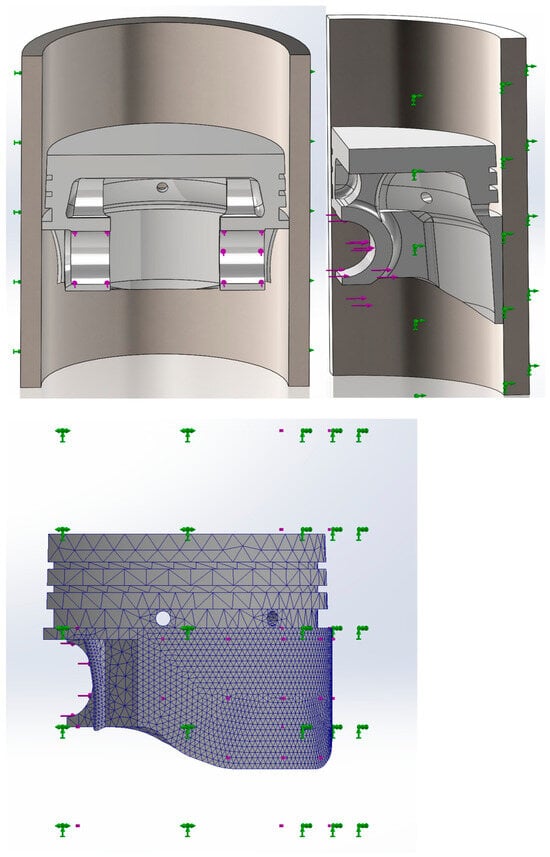
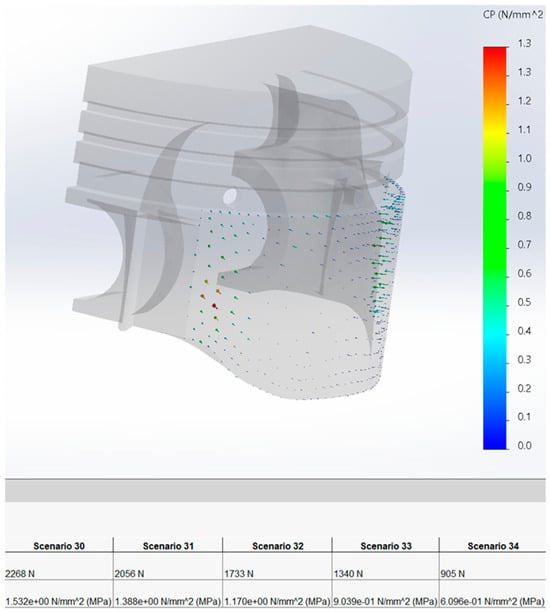
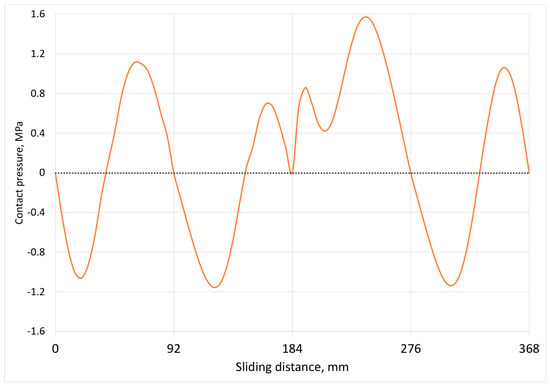
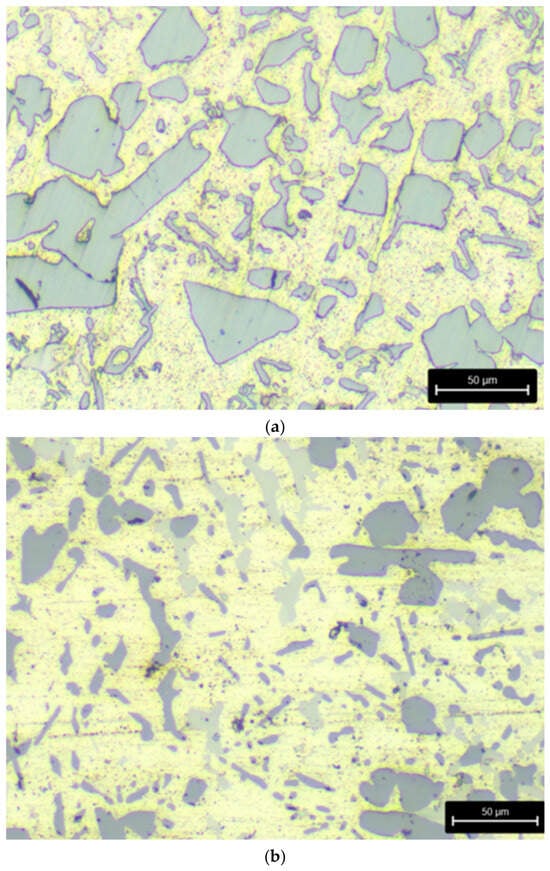
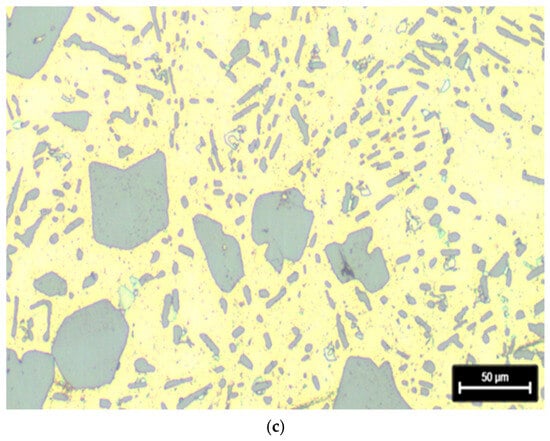
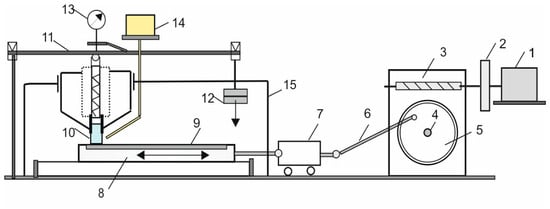
This study presents an integrated experimental–numerical approach for evaluating the wear behavior of three non-standardized hypereutectic aluminum–silicon (Al–Si) piston alloys based on the AlSi25CuCr system, namely AlSi25Cu4Cr (M1), AlSi25Cu5Cr (M3), and AlSi25Cu5Cr (M5). The wear coefficient was determined experimentally under boundary-lubrication conditions, while the contact conditions in the piston–cylinder system were evaluated using Finite Element Analysis (FEA) and implemented within the Archard wear model. The results reveal a pronounced inconsistency between hardness and wear resistance. Although hardness increases from 1363 MPa (M1) to 1677 MPa (M5), the corresponding wear depth increases from 13.94 nm to 27.61 nm per engine cycle. This behavior is attributed to differences in microstructural characteristics, particularly the morphology and distribution of silicon particles and intermetallic phases, which significantly influence the tribological performance of hypereutectic Al–Si alloys. The experimentally determined wear coefficient K also shows a significant increase, rising from 12.14 × 10⁻⁵ (M1) to 29.59 × 10⁻⁵ (M5). The lowest wear is observed for alloy M1, whereas M5 exhibits the poorest tribological performance. These findings demonstrate that microstructural characteristics, particularly the morphology and distribution of silicon particles and intermetallic phases, have a dominant influence over hardness in governing wear behavior. The main scientific contribution lies in the direct coupling of experimentally determined material properties with realistically simulated contact conditions, enabling a quantitative and physically consistent comparison of piston alloys under identical operating regimes. The proposed methodology provides a reliable framework for material selection and optimization of piston alloys with enhanced wear resistance. Full article
(This article belongs to the Special Issue High-Strength Lightweight Alloys: Innovations and Advancements)
Show Figures

Figure 1

22 pages, 2776 KB  
Review
Metal–Organic Frameworks as Room Temperature Chemiresistive Ammonia Gas Sensing Material: A Review
by Ehtisham Muhammad, Xiao-Feng Sun, Annum Zia, Ran Sun and Sihai Hu
Sensors 2026, 26(11), 3379; https://doi.org/10.3390/s26113379 (registering DOI) - 26 May 2026
Abstract
The growing demand for reliable, real-time detection of ammonia (NH3) has accelerated the development of chemiresistive gas sensors, while conventional semiconductors employed as sensing materials in chemiresistive sensors remain constrained by limited selectivity and high operating temperatures (typically 200–400 °C). Among [...] Read more.
The growing demand for reliable, real-time detection of ammonia (NH3) has accelerated the development of chemiresistive gas sensors, while conventional semiconductors employed as sensing materials in chemiresistive sensors remain constrained by limited selectivity and high operating temperatures (typically 200–400 °C). Among the emerging porous materials, metal–organic frameworks (MOFs) have attracted significant attention as room-temperature NH3 sensing materials owing to their structural tunability, enabling precise control over pore chemistry, functionality, and metal centers. However, a comprehensive study specifically focused on MOF-based chemiresistive NH3 sensors operating at room temperature remains limited. This review critically targets the investigation of pristine MOFs, conductive MOFs, and MOF-based composites for NH3 sensing, with an emphasis on sensing mechanisms, structure–property–performance relationships, stability, selectivity, and environmental effects. Furthermore, rational design strategies and prospects are discussed to provide guidelines for the development of next-generation high-performance room-temperature NH3 chemiresistive sensors. Full article
27 pages, 54425 KB  
Article
Study on the Bearing Characteristics of the Mobile Jet Reinforced Composite Suction Caisson Foundation
by Wenbo Zhu, Bingzhen Yu, Bin Lin, Yonghai Li, Shi Ouyang and Guoliang Dai
J. Mar. Sci. Eng. 2026, 14(11), 985; https://doi.org/10.3390/jmse14110985 (registering DOI) - 26 May 2026
Abstract
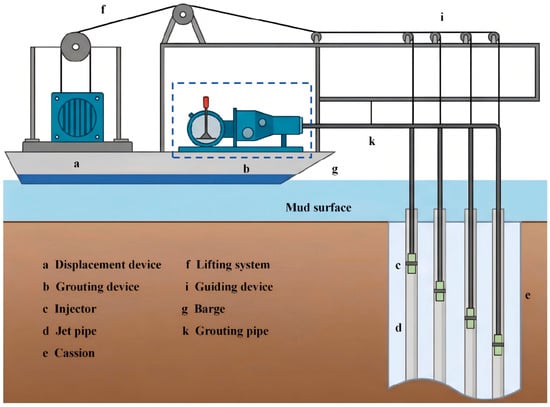
The suction caisson foundation has been extensively adopted for offshore wind turbine infrastructure owing to its adaptability to deep-water environments, cost-effectiveness, and convenient construction. However, such foundations suffer from relatively low horizontal and vertical bearing capacities when embedded in soft clay deposits. To [...] Read more.
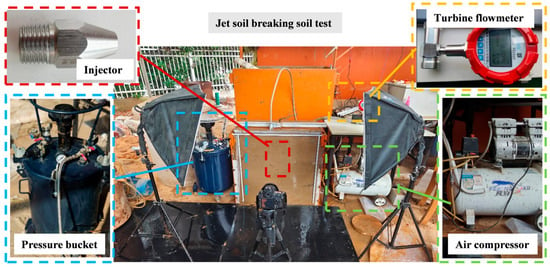
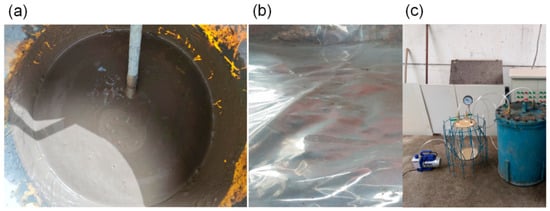
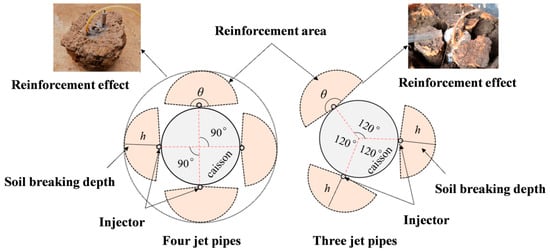
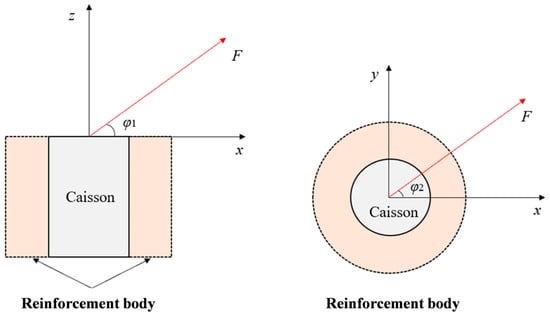
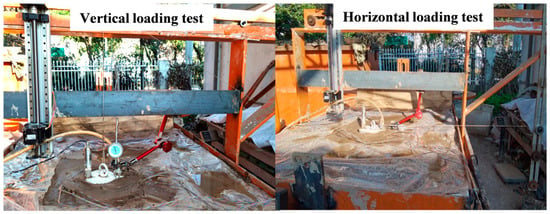
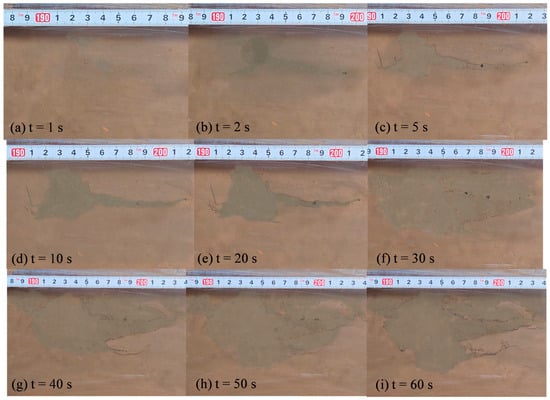
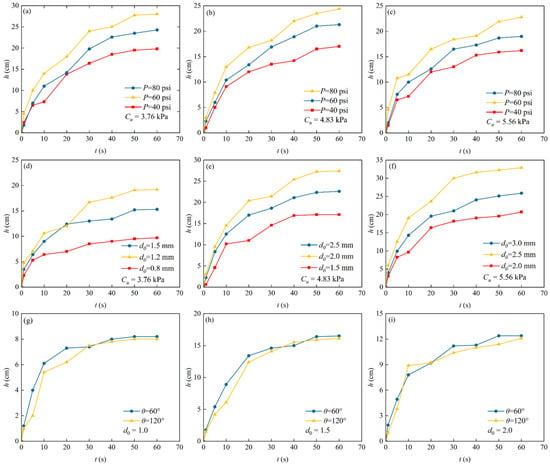
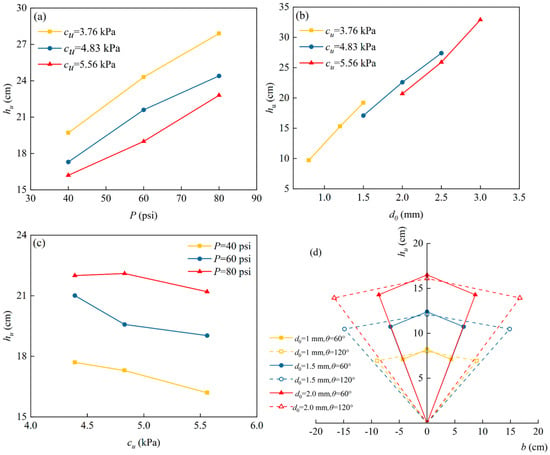
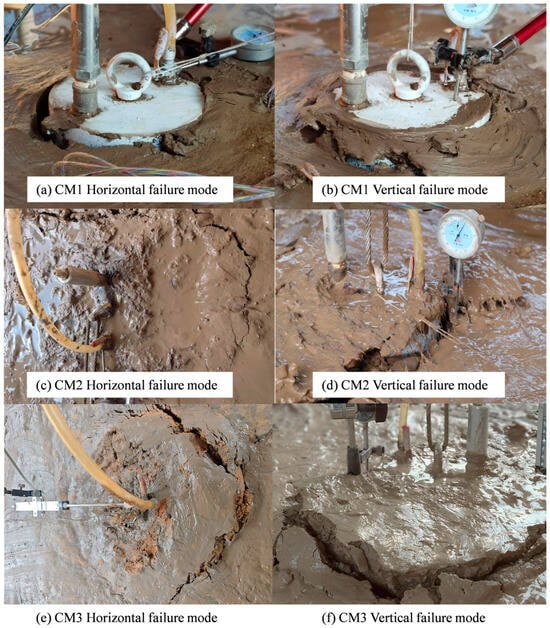
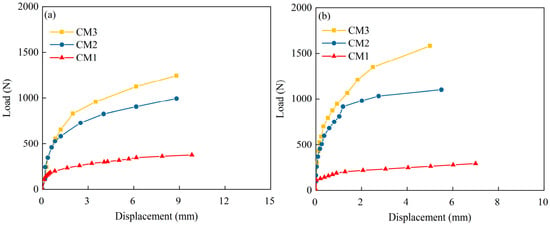
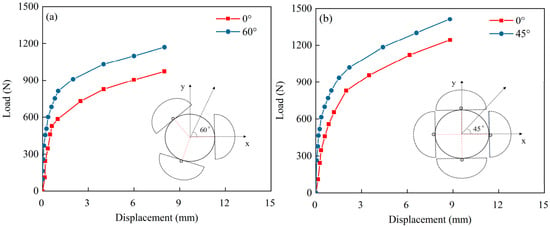
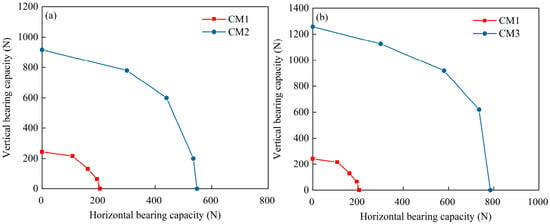
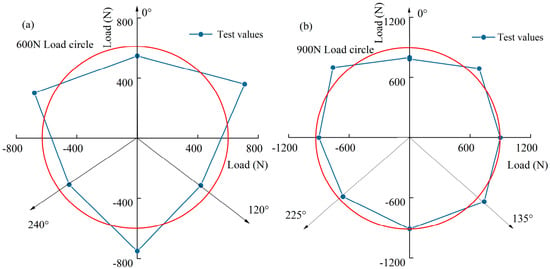
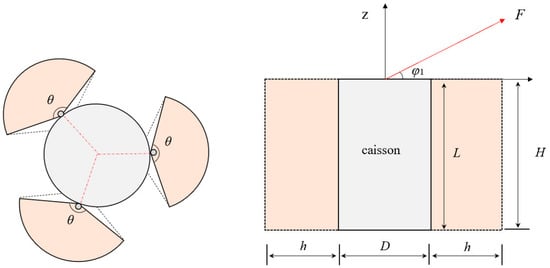
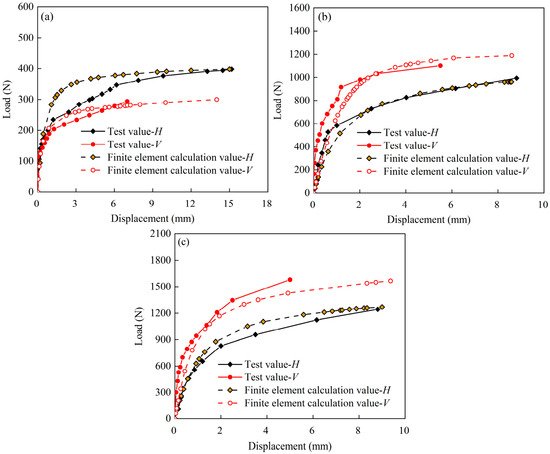
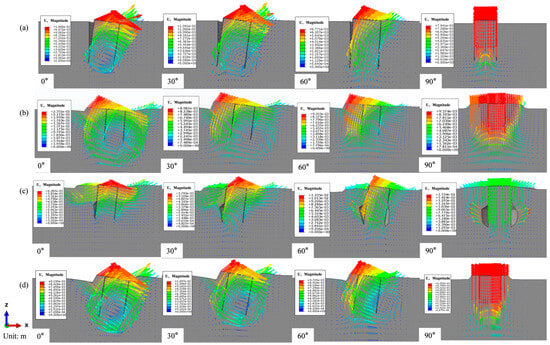
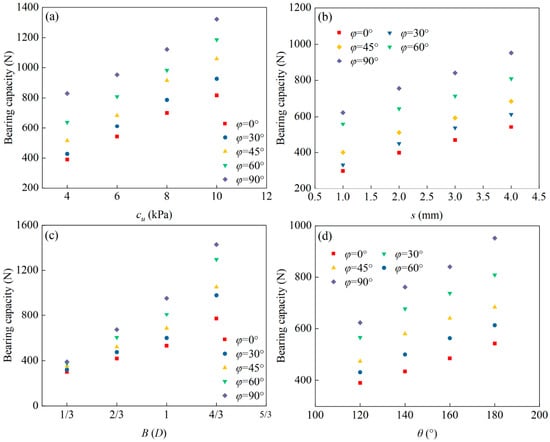
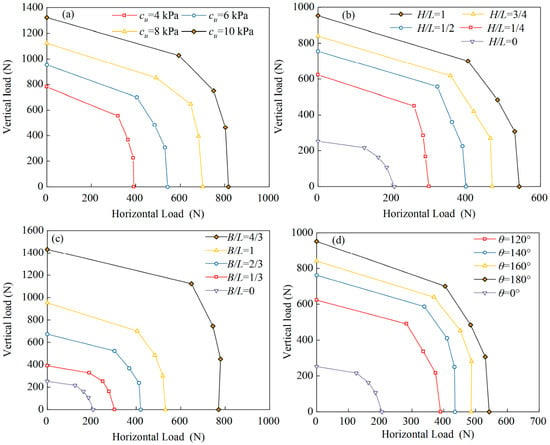
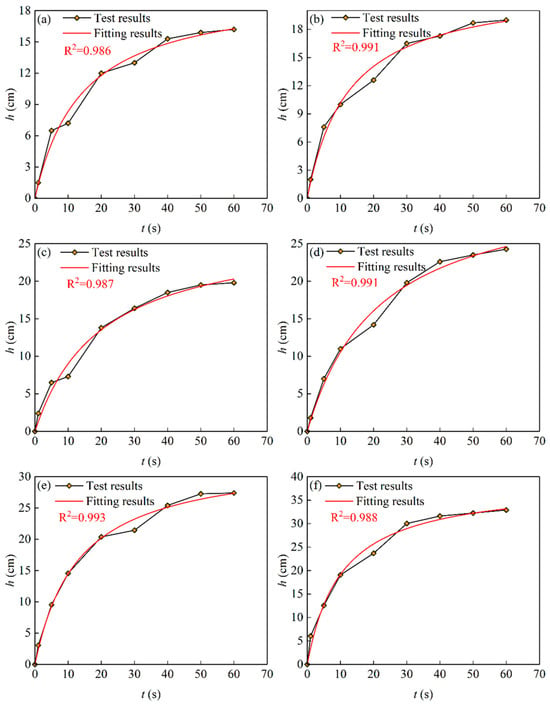
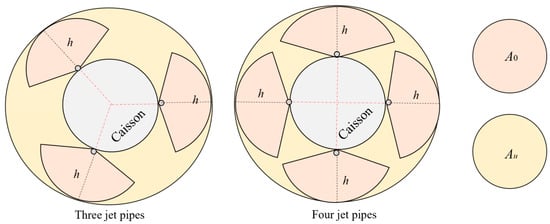
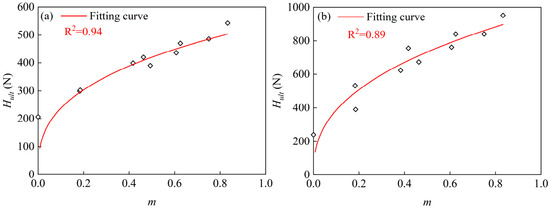
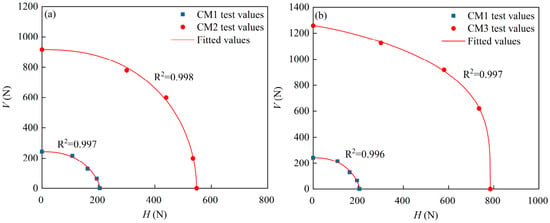
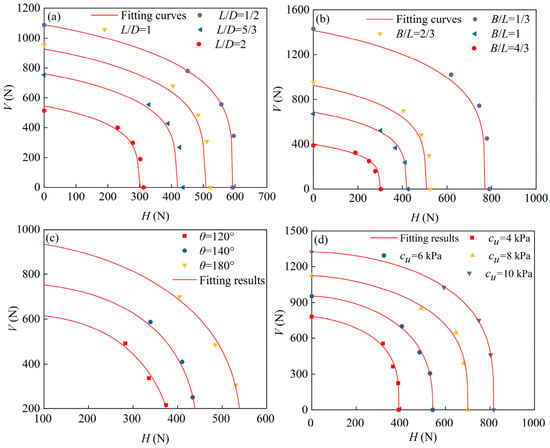
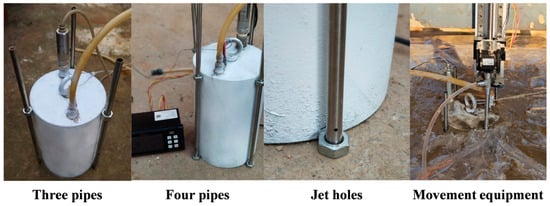
The suction caisson foundation has been extensively adopted for offshore wind turbine infrastructure owing to its adaptability to deep-water environments, cost-effectiveness, and convenient construction. However, such foundations suffer from relatively low horizontal and vertical bearing capacities when embedded in soft clay deposits. To address this limitation, this study proposes a novel mobile jet-reinforcement technique and the corresponding composite suction caisson configuration. Physical model tests are conducted to investigate the soil fracturing-erosion mechanism induced by jet injection and the bearing performance of the reinforced composite foundations. Test results reveal that the soil breaking depth increases with injection pressure and injector diameter, whereas the soil breaking width increases with jet angle. Larger breaking depth and width contribute to an expanded horizontal–vertical bearing capacity failure envelope. The ultimate bearing capacity of the composite caisson increases with greater soil breaking depth, and a larger number of circumferentially arranged jet pipes enables more uniform cement–soil cladding around the caisson body. Overall, the reinforced foundations achieve a bearing capacity 3.0–5.0 times that of conventional unreinforced suction caissons. Furthermore, a time-dependent hyperbolic model for soil breaking depth prediction and a bearing capacity failure envelope method are established for the reinforced composite suction caissons. The outcomes of this study can provide a reference for the engineering design of jet-reinforced suction caisson foundations in offshore areas with soft clay. Full article
(This article belongs to the Section Ocean Engineering)
Show Figures

Figure 1

25 pages, 998 KB  
Review
Metabolic Memory-Mediated Epigenetic Regulation of EMT in Diabetic Kidney Disease: Mechanisms and Therapeutic Implications
by Xinning Ran, Yidan Xu, Ruonan Liang, Yuqi Duan, Wanying Jia, Yuhong Bian, Chenduo Li and Mingxing Zhang
Int. J. Mol. Sci. 2026, 27(11), 4801; https://doi.org/10.3390/ijms27114801 (registering DOI) - 26 May 2026
Abstract
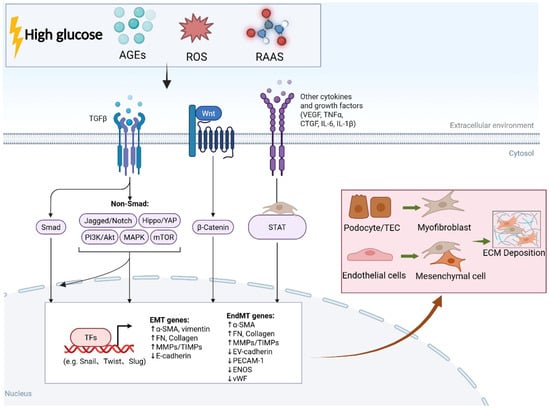
Diabetic kidney disease (DKD) is a leading cause of end-stage renal disease, with renal fibrosis as its core pathological hallmark. A central driver of this fibrosis is epithelial–mesenchymal transition (EMT), during which renal tubular epithelial cells transform into matrix-producing myofibroblasts. Endothelial–mesenchymal transition (EndMT) [...] Read more.
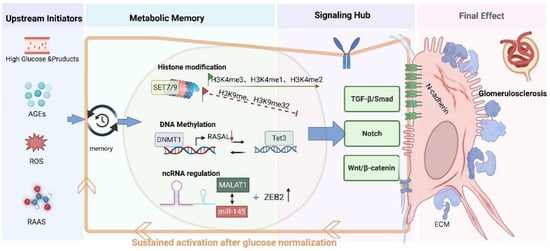
Diabetic kidney disease (DKD) is a leading cause of end-stage renal disease, with renal fibrosis as its core pathological hallmark. A central driver of this fibrosis is epithelial–mesenchymal transition (EMT), during which renal tubular epithelial cells transform into matrix-producing myofibroblasts. Endothelial–mesenchymal transition (EndMT) has also emerged as a critical contributor, and together with EMT, accounts for the progressive accumulation of myofibroblasts and extracellular matrix. A major clinical challenge in halting DKD progression is “metabolic memory”, a phenomenon whereby renal injury persists and EMT/EndMT remain activated even after glycemic control is achieved. The molecular basis underlying this sustained activation remains incompletely understood. Emerging evidence indicates that metabolic memory is largely mediated by epigenetic mechanisms, including histone modifications, DNA methylation, and non-coding RNA dysregulation. These stable epigenetic imprints maintain the persistent activation of key pro-fibrotic signaling pathways, especially TGF-β, thereby continuously driving EMT, EndMT, and excessive extracellular matrix deposition. Although targeting epigenetic regulators has shown promising anti-fibrotic effects, a systematic review that integrates how metabolic memory orchestrates both EMT and EndMT through a multi-layered epigenetic network remains lacking. This review comprehensively summarizes the epigenetic mechanisms by which metabolic memory sustains EMT and EndMT in DKD, highlights key therapeutic targets, and discusses their translational and clinical implications. Full article
(This article belongs to the Section Molecular Endocrinology and Metabolism)
Show Figures

Figure 1

25 pages, 4948 KB  
Article
Enhancing Efficiency of Water–Energy–Food Nexus Through Irrigation and Phosphorus Management in Maize Production: A Case Study of Semi-Arid Region
by Junaid Nawaz Chauhdary, Hong Li, Zawar Hussain, Muhammad Zaman, Muhammad Akhlaq and Bahromjon Bahodirovich Xalilov
Water 2026, 18(11), 1285; https://doi.org/10.3390/w18111285 (registering DOI) - 26 May 2026
Abstract
The declining productivity, fertilizer inefficiencies, and rising energy cum production costs are the key issues in crop production, especially in semi-arid regions with alkaline soils. Integration of crop management strategies needs to be adopted to address these issues within the water–energy–food nexus (WEFN). [...] Read more.
The declining productivity, fertilizer inefficiencies, and rising energy cum production costs are the key issues in crop production, especially in semi-arid regions with alkaline soils. Integration of crop management strategies needs to be adopted to address these issues within the water–energy–food nexus (WEFN). For this purpose, a case study was conducted in semi-arid region of central Punjab, Pakistan, to evaluate the interactive effects of irrigation water source [canal water (CW) and tubewell water (TW)], phosphorus fertilizer source [diammonium phosphate (DAP) vs. phosphoric acid_25% (PA)], and fertilizer application levels [100% and 80% of recommended dose of fertilizer (RDF)] on maize productivity, energy efficiency and economic performance. The experiment comprises eight treatments under raised bed planting (RBP) and one control treatment under ridge-furrow sowing (RFS). Each treatment had three replicates, and the experiment was laid out under a randomized complete block design (RCBD). Maize growth, yield, water productivity, energy efficiency, and economic performance were analyzed using field measurements, energy equivalents, and partial budget analysis. The T1 (RBP+CW+PA+100%RDF) produced the highest maize yield, and it varied from 6.36 to 7.90 t ha−1 under other treatments. CW significantly showed better water productivity (1.14–1.37 kg m−3) than that under TW (1.13–1.31 kg m−3); however, total energy input was higher under TW-based treatments (29,269–41,033 MJ t ha−1) than that under CW-based treatments (24,129–29,681 MJ ha−1). This results in lower energy productivity under TW-based treatments compared with CW-based treatments (0.17–0.23 kg MJ−1 vs. 0.25–0.31 kg MJ−1, respectively). Moreover, T2 (RBP+CW+PA+80%RDF) produced the highest energy use efficiency (0.59). Economic analysis revealed that production costs were nearly 15–17% higher under TW-based treatments, mainly due to the cost associated with groundwater pumping, and it reduced net profit to USD 1134–1385 ha−1. Better net profits were achieved by CW-based treatments (USD 1244–1593 ha−1), while those produced by BCR ranged from 3.11 to 3.69, with the highest value under T2 (RBP+CW+PA+80%RDF). Overall, irrigation water source emerged as the dominant driver of WEFN performance, while phosphoric acid significantly improved phosphorus availability, energy productivity, and economic returns, particularly under reduced fertilizer input. This study evidenced better maize productivity, less energy consumption, and improved farm profitability in semi-arid irrigated systems through the integration of canal water irrigation with optimized phosphorus management. Full article
(This article belongs to the Special Issue Water Management and Water-Saving Irrigation in Agricultural Areas)
15 pages, 14434 KB  
Article
q-Close-to-Convexity and Starlikeness of Rabotnov Function
by Saddaf Noreen, Muhammad Imran, Muhey U. Din, Zhang Wei and Adil Murtaza
Axioms 2026, 15(6), 401; https://doi.org/10.3390/axioms15060401 (registering DOI) - 26 May 2026
Abstract
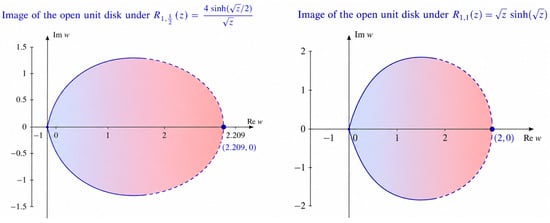
The article derives sufficient conditions under which the normalized Rabotnov function becomes q-close-to-convex relative to specific starlike functions on the open unit disk. To enhance the impact of our results, we include some consequences derived from the main theorems, along with graphical [...] Read more.
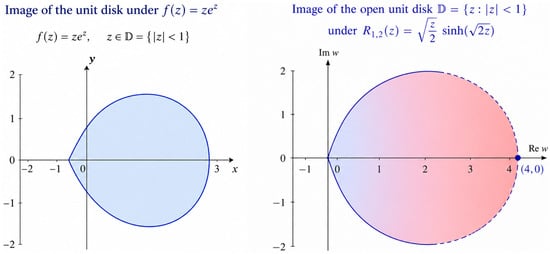
The article derives sufficient conditions under which the normalized Rabotnov function becomes q-close-to-convex relative to specific starlike functions on the open unit disk. To enhance the impact of our results, we include some consequences derived from the main theorems, along with graphical illustrations. The starlikeness of the Rabotnov function with respect to different aspects also falls within the scope of this study. Full article
(This article belongs to the Special Issue Recent Advances in Complex Analysis and Related Topics)
Show Figures

Figure 1

30 pages, 4982 KB  
Article
A Metabolic-Related Gene Signature for Predicting Biochemical Recurrence After Radical Prostatectomy: An Integrative Analysis and Targeted Therapeutic Validation
by Wankun Wang, Xiujuan Hong, Xiaoqi Wang, Ganpei Jiao, Hongjie Cai, Junxiang Zhao, Zhibing Wu and Jun Chen
Int. J. Mol. Sci. 2026, 27(11), 4797; https://doi.org/10.3390/ijms27114797 (registering DOI) - 26 May 2026
Abstract
Biochemical recurrence (BCR) after radical prostatectomy (RP) remains a major clinical challenge. Although metabolic reprogramming drives prostate cancer (PCa) progression, its predictive value for BCR and its interplay with the tumor immune microenvironment (TIME) remain incompletely understood. By integrating weighted gene co-expression network [...] Read more.
Biochemical recurrence (BCR) after radical prostatectomy (RP) remains a major clinical challenge. Although metabolic reprogramming drives prostate cancer (PCa) progression, its predictive value for BCR and its interplay with the tumor immune microenvironment (TIME) remain incompletely understood. By integrating weighted gene co-expression network analysis (WGCNA) with machine learning, we identified four metabolic-related hub genes (GDPD1, PLA2G7, PTGDS, and SRD5A2) and developed an XGBoost-Cox model that accurately stratified BCR risk (training 5-year AUC: 0.858; validation 5-year AUC: 0.745). SHAP analysis enhanced the model’s interpretability, while immunohistochemistry (IHC) validated differential protein expression of these targets across 32 clinical specimens. Furthermore, immune profiling demonstrated that these genes are closely linked to M2 macrophage-mediated immunosuppression and altered T-cell infiltration. To translate these biomarkers into therapeutic targets, we employed in silico screening, molecular docking, and molecular dynamics simulations, identifying (-)-epigallocatechin gallate (EGCG) as a promising multi-target candidate. Subsequent in vitro assays confirmed that EGCG binds stably to GDPD1, PTGDS, and SRD5A2, effectively suppressing malignant PCa phenotypes and prostate-specific antigen (PSA) secretion. In summary, we established a robust and interpretable model for predicting BCR after RP, and our in vitro validation suggests that EGCG holds promise as a therapeutic agent to delay PCa progression. Full article
31 pages, 3648 KB  
Article
Hierarchical Cooperative Trajectory Planning for Air–Ground Robotic Systems in Communication-Constrained Urban Canyons
by Dongting Ge, Fan Bu, Yufeng Zhuang and Haoyuan Ni
Machines 2026, 14(6), 594; https://doi.org/10.3390/machines14060594 (registering DOI) - 26 May 2026
Abstract
Heterogeneous airground robotic systems, which integrate unmanned ground vehicles and unmanned aerial vehicles, have shown significant potential in complex autonomous missions. However, when deployed in urban canyons, dense high-rise buildings impose severe communication constraints on ground vehicles, necessitating the introduction of aerial vehicles [...] Read more.
Heterogeneous airground robotic systems, which integrate unmanned ground vehicles and unmanned aerial vehicles, have shown significant potential in complex autonomous missions. However, when deployed in urban canyons, dense high-rise buildings impose severe communication constraints on ground vehicles, necessitating the introduction of aerial vehicles as relays to maintain reliable connectivity. The resulting cooperative trajectory planning problem is challenging for three reasons. First, the kinematic and communication constraints are tightly coupled. Second, the optimization landscape is highly non-convex and non-differentiable. Third, the planner must balance topological exploration with real-time efficiency. To address these challenges, we propose a hierarchical cooperative trajectory planning framework for an air–ground robotic system. Specifically, in the upper layer, a heuristic-search-guided reinforcement learning mechanism is employed to narrow the search space and circumvent the sparse reward problem, rapidly generating an initial solution. Subsequently, the lower-layer planner utilizes an optimization-based solver, together with a corridor-based constraint formulation method, to refine the initial solution into a kinematically feasible cooperative trajectory. Ultimately, this strategy improves real-time efficiency while improving the quality of feasible cooperative trajectories. Extensive ablation studies and comparative experiments with representative baselines demonstrate that the proposed framework improves collision avoidance, communication reliability, trajectory smoothness, and computational efficiency in the tested urban canyon scenarios. Full article
(This article belongs to the Section Robotics, Mechatronics and Intelligent Machines)
24 pages, 1654 KB  
Article
Multi-Stack Efficiency Optimization Strategies for Fuel Cell Systems
by Chunsheng Wang, Xiaoshuang Hou, Xinyao Zhou and Bingbing Luo
World Electr. Veh. J. 2026, 17(6), 281; https://doi.org/10.3390/wevj17060281 (registering DOI) - 26 May 2026
Abstract
With the in-depth advancement of the “dual carbon” strategy, Proton Exchange Membrane Fuel Cells (PEMFCs), as efficient and clean energy conversion devices, show great potential in the fields of transportation power and stationary power generation. For multi-stack fuel cell systems, a hierarchical optimization [...] Read more.
With the in-depth advancement of the “dual carbon” strategy, Proton Exchange Membrane Fuel Cells (PEMFCs), as efficient and clean energy conversion devices, show great potential in the fields of transportation power and stationary power generation. For multi-stack fuel cell systems, a hierarchical optimization strategy based on Pareto decoupling and real-time correction is presented to achieve system efficiency improvement and balanced management of stack aging. Firstly, the Forgetting Factor Recursive Least Square (FFRLS) method is adopted to online identify the parameters of the system’s net output power-efficiency curve. Furthermore, in the steady-state layer, the Arithmetic Optimization Algorithm (AOA) is used to construct an efficiency-optimal candidate solution set. The Dijkstra algorithm is combined to search for the optimal power gradient path, generating a reference power table. In the dynamic layer, with the reference power table as the basis, the AOA algorithm is used to take efficiency optimization as the goal. Load fluctuations are suppressed in real time through strong constraints, realizing the balance between dynamic efficiency and operational stability. This method ensures the stable operation of the system and significantly improves the overall economy and adaptability of power allocation. Simulation results show that this strategy can effectively improve the overall operating efficiency of the system, slow down the stack aging rate, and ensure the stable operation of the system. Full article
(This article belongs to the Section Storage Systems)
15 pages, 1436 KB  
Article
Tomato Yellow Leaf Curl Virus Reprograms Polyamine Metabolism in Bemisia tabaci MED to Enhance Viral DNA Accumulation
by Zitong Sang, Haolin Han, Fangfang Qi, Guoqiang Pan, Guanghui Zhang, Shaolong Qiu, Yan Wei, Zhenzhen Zhang, Hengjia Zhang and Jinxing Xia
Molecules 2026, 31(11), 1835; https://doi.org/10.3390/molecules31111835 (registering DOI) - 26 May 2026
Abstract
Tomato yellow leaf curl virus (TYLCV) is a major plant pathogen that spreads worldwide through persistent circulative transmission by Bemisia tabaci. During transmission, TYLCV crosses several physiological barriers in the insect vector, evading immune defenses and altering host metabolic pathways to facilitate [...] Read more.
Tomato yellow leaf curl virus (TYLCV) is a major plant pathogen that spreads worldwide through persistent circulative transmission by Bemisia tabaci. During transmission, TYLCV crosses several physiological barriers in the insect vector, evading immune defenses and altering host metabolic pathways to facilitate viral accumulation. Polyamines, essential for maintaining nucleic acid stability and promoting cellular processes, are known to play a critical role in viral accumulation. However, their role in TYLCV accumulation within B. tabaci is not well understood. Here, we demonstrate that TYLCV infection leads to significant alterations in polyamine levels in B. tabaci, with polyamine availability positively affecting viral DNA accumulation. Polyamine availability leads to higher viral loads and suppresses the expression of immune and MAPK signaling genes. These findings provide new insights into virus–vector and metabolic interactions underlying viral persistence in insect vectors. Full article

Open Access Journals

Browse by Indexing Browse by Subject Selected Journals
Back to TopTop