

Advancing Open Science
Supporting academic communities
since 1996
 
19 pages, 7516 KB  
Article
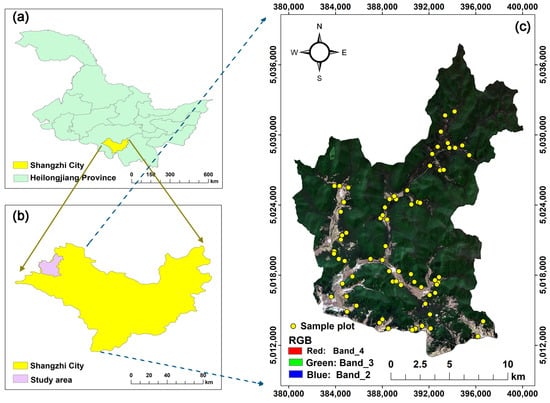
ForSOC-UA: A Novel Framework for Forest Soil Organic Carbon Estimation and Uncertainty Assessment with Multi-Source Data and Spatial Modeling
by Qingbin Wei, Miao Li, Zhen Zhen, Shuying Zang, Hongwei Ni, Xingfeng Dong and Ye Ma
Remote Sens. 2026, 18(8), 1106; https://doi.org/10.3390/rs18081106 (registering DOI) - 8 Apr 2026
Abstract
Accurate estimation of forest soil organic carbon (SOC) is considered critical for understanding terrestrial carbon cycling and supporting climate change mitigation strategies. However, the canopy block, intricate vertical structure of forests, and the constraints of single-source remote sensing data have presented considerable obstacles [...] Read more.
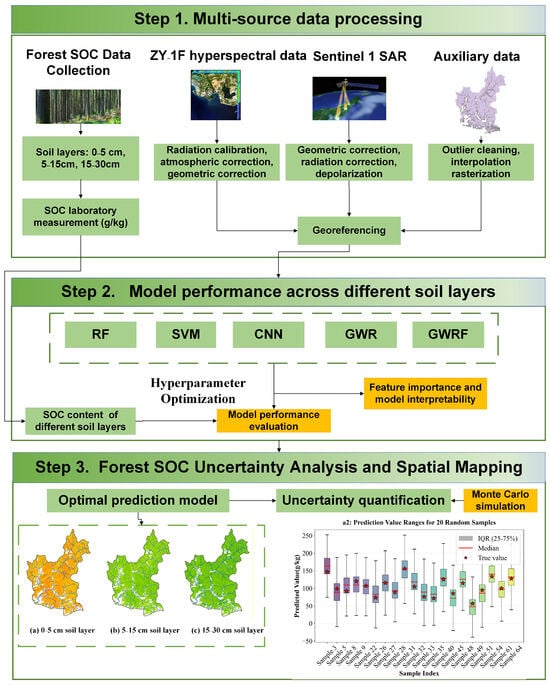
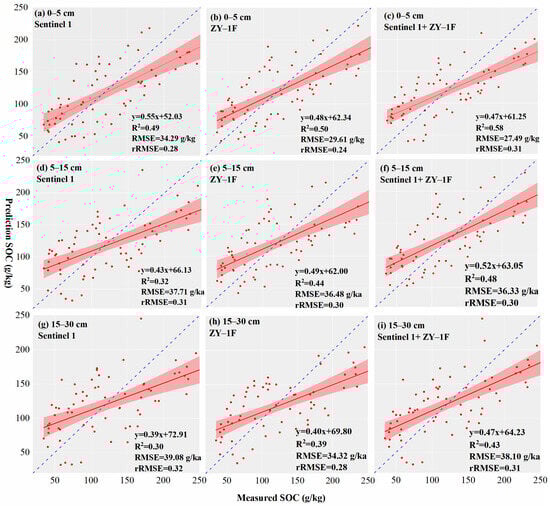
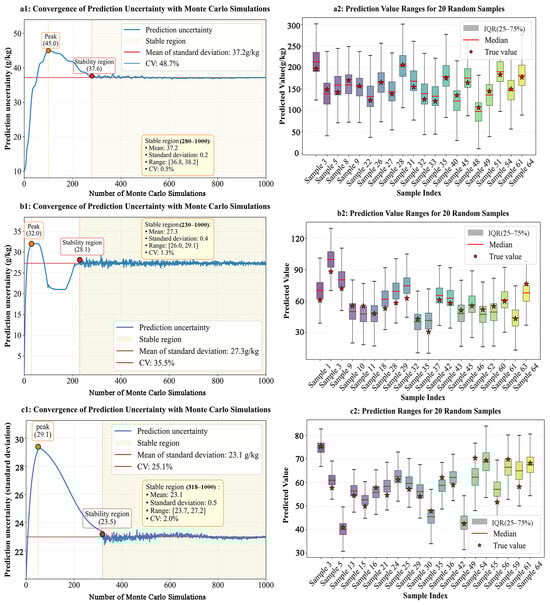
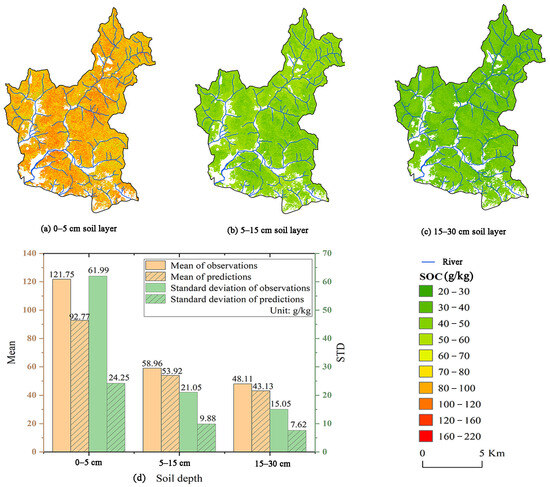
Accurate estimation of forest soil organic carbon (SOC) is considered critical for understanding terrestrial carbon cycling and supporting climate change mitigation strategies. However, the canopy block, intricate vertical structure of forests, and the constraints of single-source remote sensing data have presented considerable obstacles for estimating forest SOC. This study proposes a forest SOC estimation and uncertainty analysis (ForSOC-UA) framework to enhance forest SOC estimation and quantify its uncertainty in the natural secondary forests of northern China by integrating hyperspectral imagery (ZY-1F), synthetic aperture radar data (Sentinel-1), and environmental covariates (such as topography, vegetation, and soil indices). The performance of traditional machine learning models (RF, SVM, and CNN), geographically weighted regression (GWR), and a geographically weighted random forest (GWRF) model was compared across three different soil depths (0–5 cm, 5–10 cm, and 10–30 cm). The results showed that GWRF consistently outperformed all other models across all soil depth layers, with the highest accuracy achieved using multi-source data (R2 = 0.58, RMSE = 27.49 g/kg, rRMSE = 0.31). Analysis of feature importance revealed that soil moisture, terrain characteristics, and Sentinel-1 polarization attributes were the primary predictors, while spectral derivatives in the red and near-infrared bands from ZY-1F also played a significant role for forest SOC estimation. The uncertainty analysis indicated a forest SOC estimation uncertainty of 37.2 g/kg in the 0–5 cm soil layer, with a decreasing trend as depth increased. This pattern is associated with the vertical spatial distribution of the measured forest SOC. This integrated approach effectively captures spatial heterogeneity and nonlinear relationships between feature and forest SOC, while also assessing estimation uncertainty, so providing a robust methodology for predicting forest SOC. The ForSOC-UA framework addresses the uncertainty quantification of SOC estimation at different vertical depths based on machine learning, providing methodological enhancements for the assessment of large-scale forest SOC and the monitoring of carbon sinks within forest ecosystems. Full article
Show Figures

Figure 1
30 pages, 649 KB  
Article
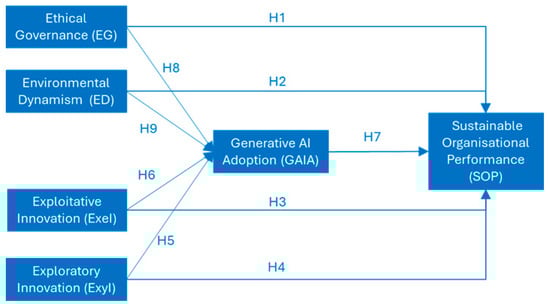
Generative AI Adoption in B2B Firms: Ethical Governance, Innovation Capabilities, and Long-Term Competitive Performance
by Michele Alves, Domingos Martinho, Ricardo Marcão and Pedro Sobreiro
Systems 2026, 14(4), 410; https://doi.org/10.3390/systems14040410 (registering DOI) - 8 Apr 2026
Abstract
The rapid diffusion of generative artificial intelligence (GenAI) is reshaping organisational systems and digital transformation strategies, yet it remains unclear which organisational conditions are associated with long-term competitive performance in business-to-business (B2B) contexts. This study adopts a systems-informed perspective and examines how ethical [...] Read more.
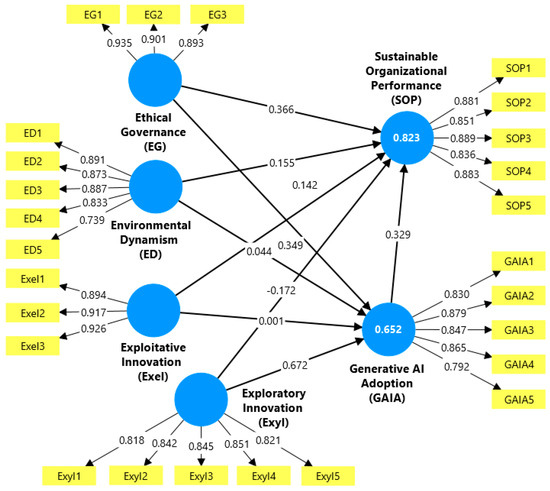
The rapid diffusion of generative artificial intelligence (GenAI) is reshaping organisational systems and digital transformation strategies, yet it remains unclear which organisational conditions are associated with long-term competitive performance in business-to-business (B2B) contexts. This study adopts a systems-informed perspective and examines how ethical governance, environmental dynamism, exploratory and exploitative innovation, and GenAI adoption are associated with long-term competitive performance in B2B firms. Using survey data from 104 Portuguese B2B managers and Partial Least Squares Structural Equation Modelling (PLS-SEM), the findings show that ethical governance is the strongest organisational correlate of long-term competitive performance, underscoring the central role of governance structures in responsible GenAI use. GenAI adoption is positively associated with performance, but its role is complementary rather than dominant. Exploratory innovation does not show a significant direct association with performance; instead, its association with performance operates through GenAI adoption in the estimated model, suggesting that experimentation becomes more performance-relevant when translated into digitally enabled routines. In contrast, exploitative innovation is directly associated with performance through incremental efficiency mechanisms. These findings challenge technology-deterministic assumptions and suggest that long-term competitive performance in B2B firms is more closely associated with the organisational alignment of governance structures, innovation capabilities, and GenAI adoption than with technology adoption alone. Full article
(This article belongs to the Section Systems Practice in Social Science)
Show Figures

Figure 1
21 pages, 4667 KB  
Article
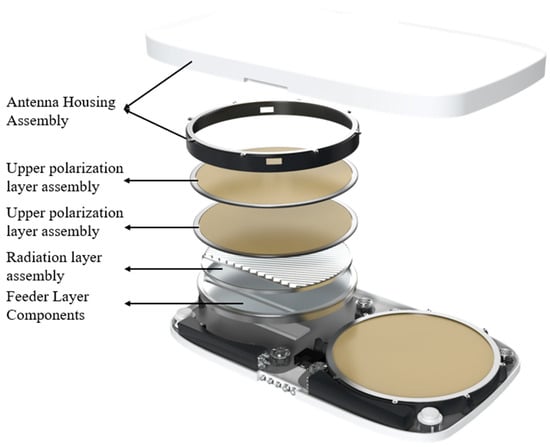
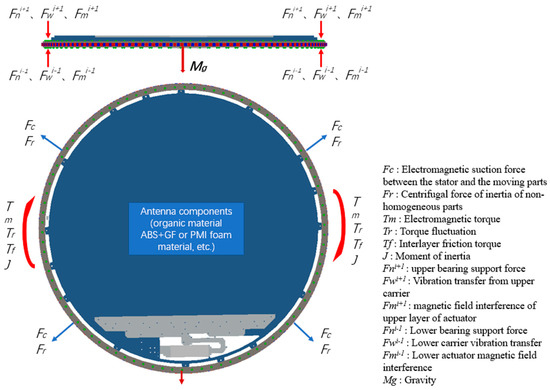
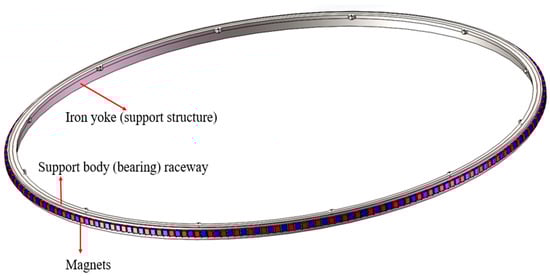
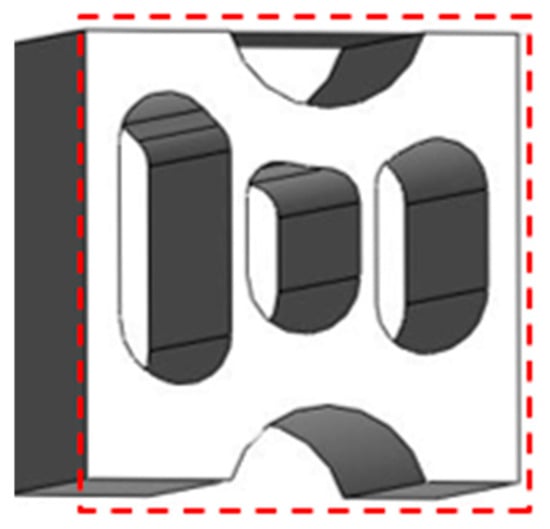
Vibration Suppression and Dynamic Optimization of Multi-Layer Motors for Direct-Drive VICTS Antennas
by Xinlu Yu, Aojun Li, Pingfa Feng and Jianghong Yu
Aerospace 2026, 13(4), 346; https://doi.org/10.3390/aerospace13040346 (registering DOI) - 8 Apr 2026
Abstract
Weight reduction and dynamic performance optimization are critical for airborne direct-drive VICTS satellite communication antennas, which require lightweight, high-speed, and high-precision rotation. Traditional vibration suppression methods, such as uniform support layout and added damping, rely heavily on empirical trial and error, lack targeted [...] Read more.
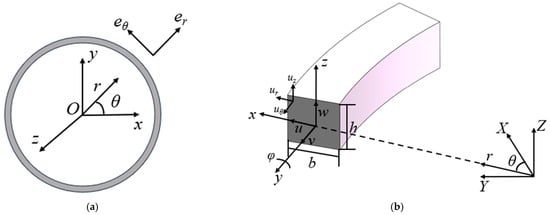
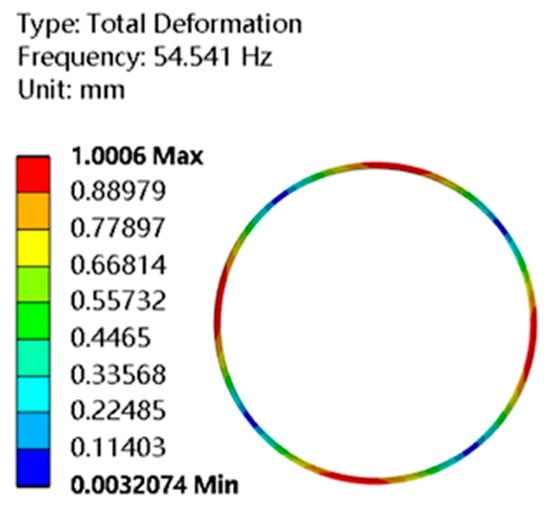
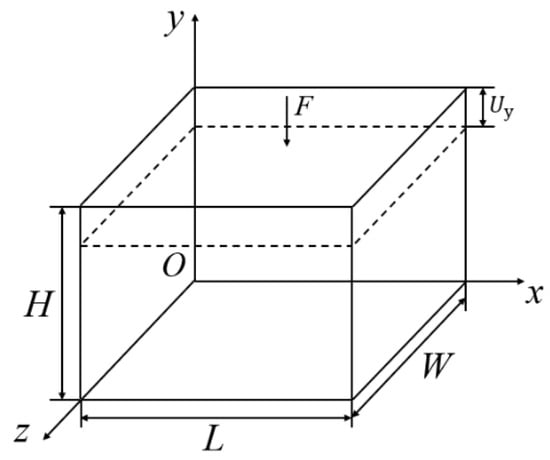
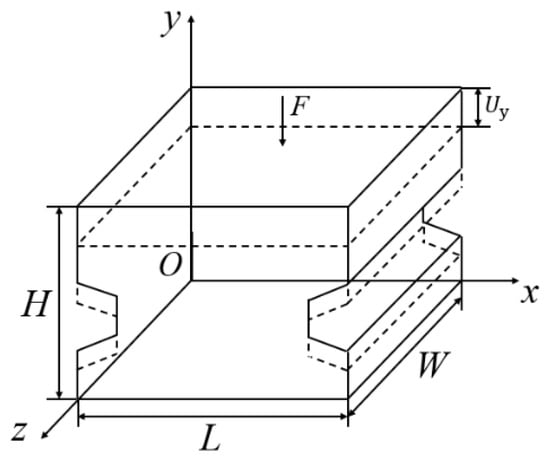
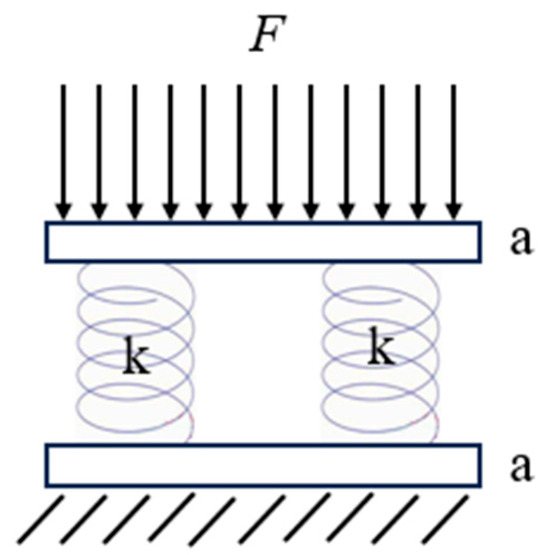
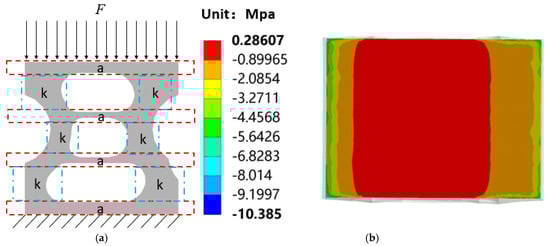
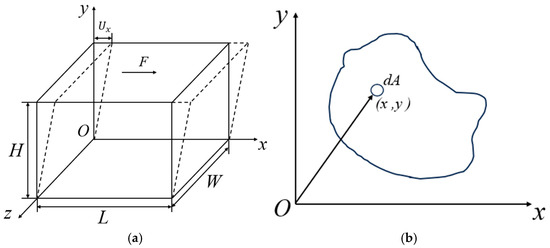
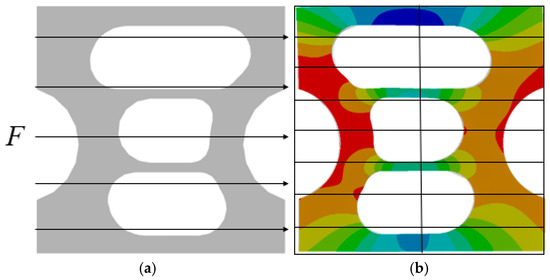
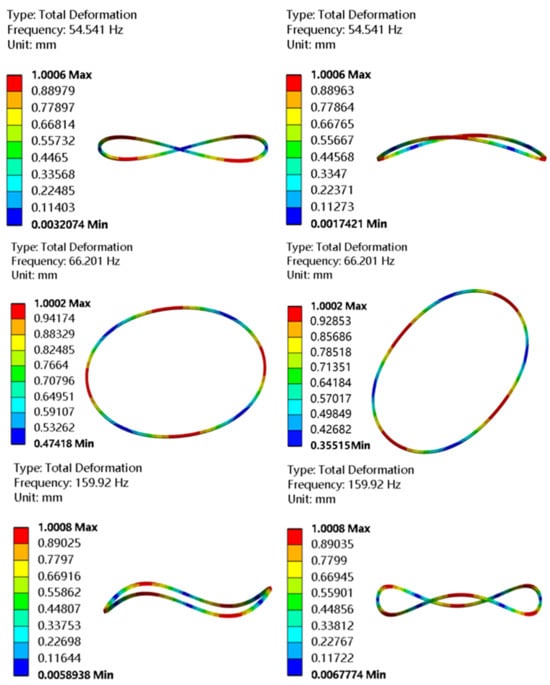
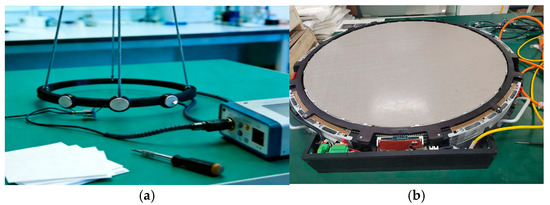
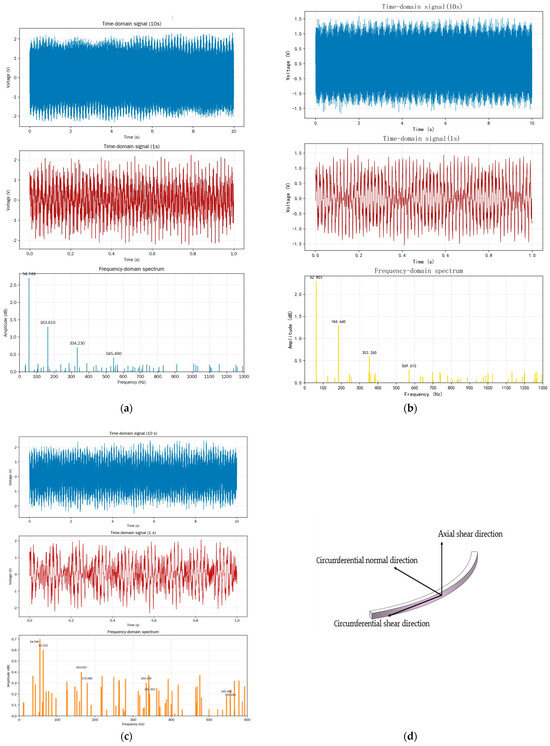
Weight reduction and dynamic performance optimization are critical for airborne direct-drive VICTS satellite communication antennas, which require lightweight, high-speed, and high-precision rotation. Traditional vibration suppression methods, such as uniform support layout and added damping, rely heavily on empirical trial and error, lack targeted modal control, and cannot balance lightweight design with dynamic stiffness. To address these issues, this paper proposes a wave-theory-based dynamic modeling and rapid optimization method for multi-layer rotating components in direct-drive VICTS antennas. The kinematic model of the rotating ring and ball revolution excitation are derived using the annular wave equation and bearing kinematics. A Modal Blocking Mechanism is established: placing support balls at positions satisfying the half-wavelength constraint suppresses target mode shapes via wave interference, achieving vibration attenuation at the source. A homogenization equivalent method based on RVE is developed for irregular cross-section rings, yielding analytical expressions for in-plane equivalent elastic modulus and out-of-plane equivalent shear modulus. These parameters are integrated into the wave equation to analytically solve vibration modes, avoiding iterative finite element computations. A rapid multi-objective optimization framework is then constructed, minimizing the structural weight and maximizing the modal separation interval under dynamic stiffness and excitation frequency constraints. Numerical simulations, FE analysis, and prototype tests validate the method: the maximum analytical error is only 3.1%. Compared with uniform support designs, the optimized structure achieves a 40% weight reduction, a 40% increase in minimum modal separation, and a 65% reduction in the RMS tracking error. This work provides an efficient, deterministic dynamic design method for large-diameter ring structures, transforming vibration control from empirical adjustment into a precise, physics-informed optimization. Full article
(This article belongs to the Section Astronautics & Space Science)
Show Figures

Figure 1
18 pages, 5662 KB  
Article
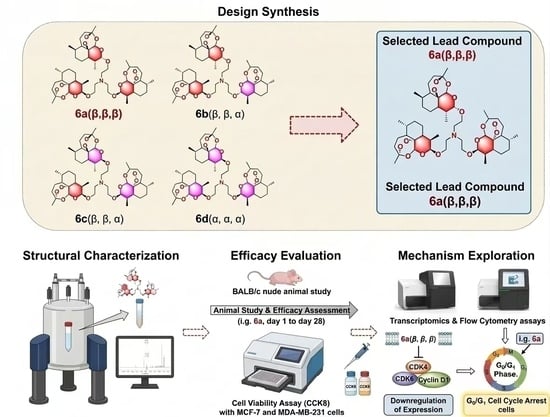
Synthesis and Biological Evaluation of Isomeric Artemisinin Trimers as Novel Antitumor Agents
by Zejin Zhang, Along Li, Bingying Jiang, Typhaine Bejoma, Yongxi Zhao, Fujiang Guo, Yajuan Li, Huiyu Li and Qingjie Zhao
Molecules 2026, 31(8), 1228; https://doi.org/10.3390/molecules31081228 (registering DOI) - 8 Apr 2026
Abstract
While artemisinin and its derivatives demonstrate broad antitumor potential, the stereochemical influence on the bioactivity of higher-order artemisinin assemblies remains inadequately characterized. Herein, we report the synthesis, chromatographic separation, and structural elucidation of four stereoisomeric artemisinin trimers, followed by systematic evaluation of their [...] Read more.
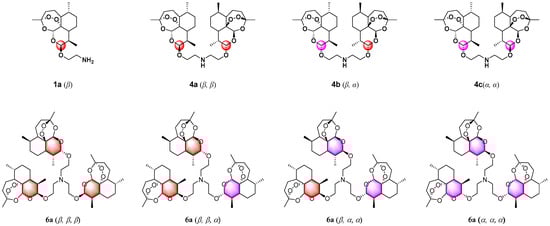
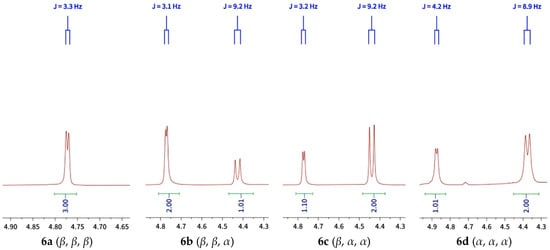
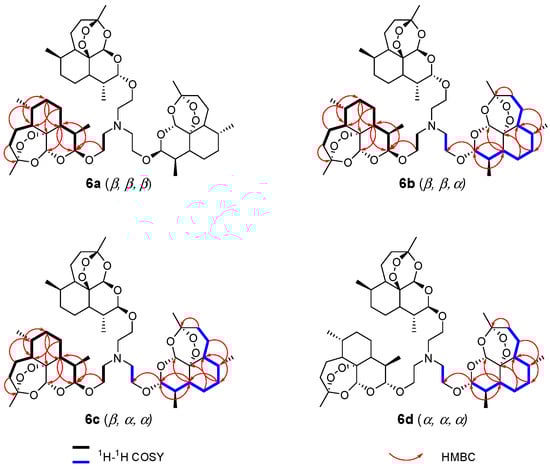
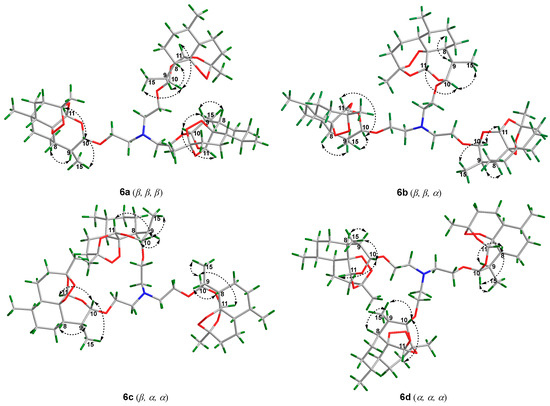
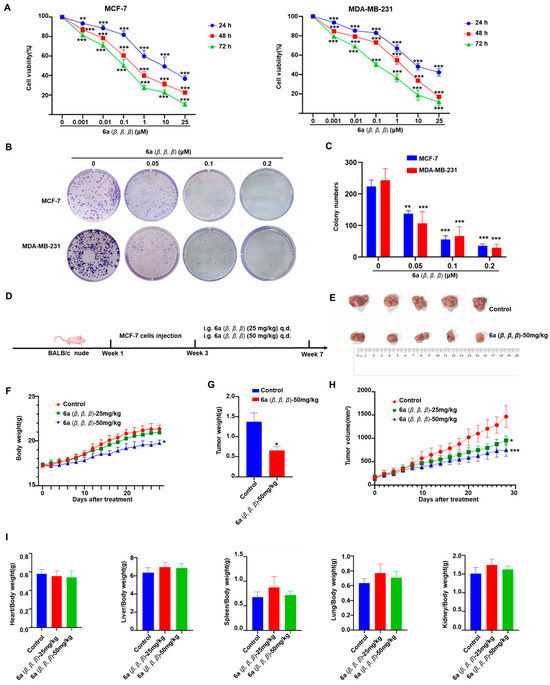
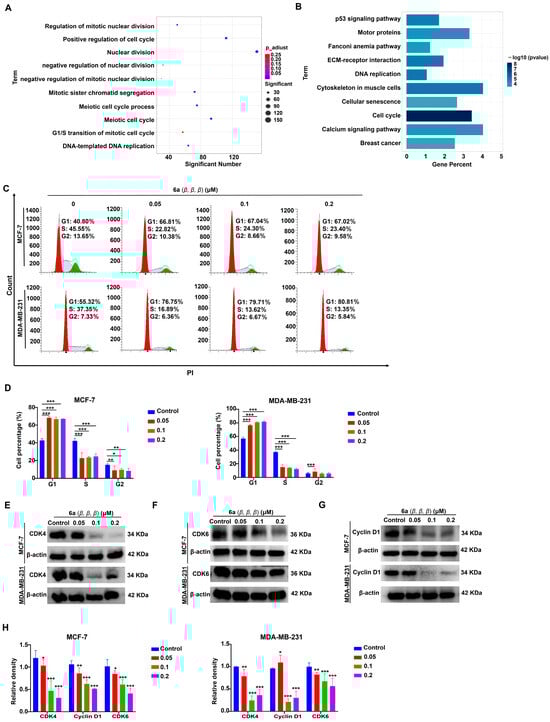
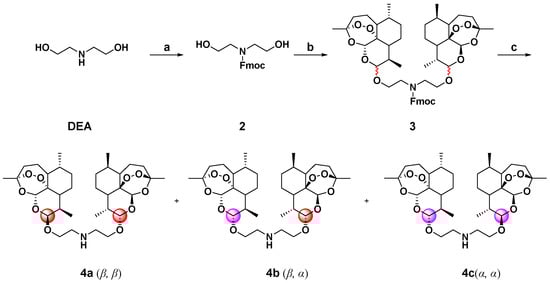
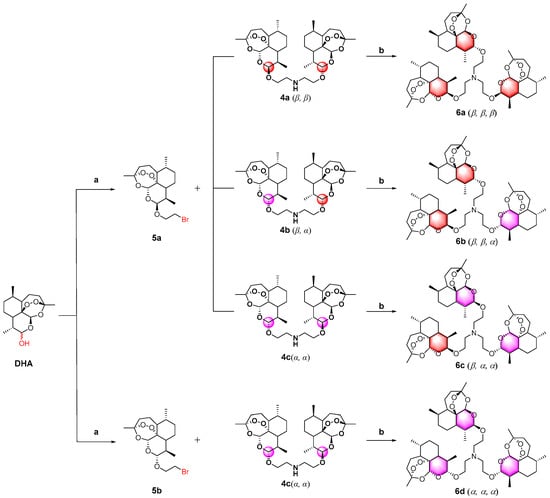
While artemisinin and its derivatives demonstrate broad antitumor potential, the stereochemical influence on the bioactivity of higher-order artemisinin assemblies remains inadequately characterized. Herein, we report the synthesis, chromatographic separation, and structural elucidation of four stereoisomeric artemisinin trimers, followed by systematic evaluation of their antitumor efficacy against MCF-7 and MDA-MB-231 breast cancer cell lines. All trimers exhibited potent cytotoxicity against MCF-7 cells (IC50 < 0.09 μM), with trimer 6a (β, β, β) demonstrating robust antitumor activity in both in vitro and in vivo xenograft models. Remarkably, pronounced stereochemistry-dependent activity emerged against MDA-MB-231 cells: 6a displayed approximately 100-fold greater potency than 6b (β, β, α) and 6.6-fold superiority over gemcitabine. Mechanistic investigations revealed that 6a downregulates Cyclin D1, CDK4, and CDK6 expression, thereby inducing G0/G1 phase cell cycle arrest. These findings underscore the pivotal role of stereochemical configuration in modulating artemisinin trimer bioactivity and provide rational guidance for structure-based design of artemisinin-derived anticancer therapeutics. Full article
Show Figures

Graphical abstract

18 pages, 1171 KB  
Article
Identifying Risk Factors Associated with the Severity of Foot Ulcers in Type 2 Diabetic Patients: Evidence from a Hospital-Based Study in Rajshahi, Bangladesh
by Shah Tanzen Jahan, Durga H. Kutal, Anicha Akter, Md. Selim Reza, Md. Kabirul Islam and Md. Monimul Huq
Diabetology 2026, 7(4), 76; https://doi.org/10.3390/diabetology7040076 (registering DOI) - 8 Apr 2026
Abstract
Background: Diabetic foot ulcer (DFU) is a major complication of type 2 diabetes (T2D), frequently resulting in disability, lower-limb amputation, and substantial healthcare burden. Early identification of patients at high risk of progressing to severe DFU is essential for timely intervention, yet evidence [...] Read more.
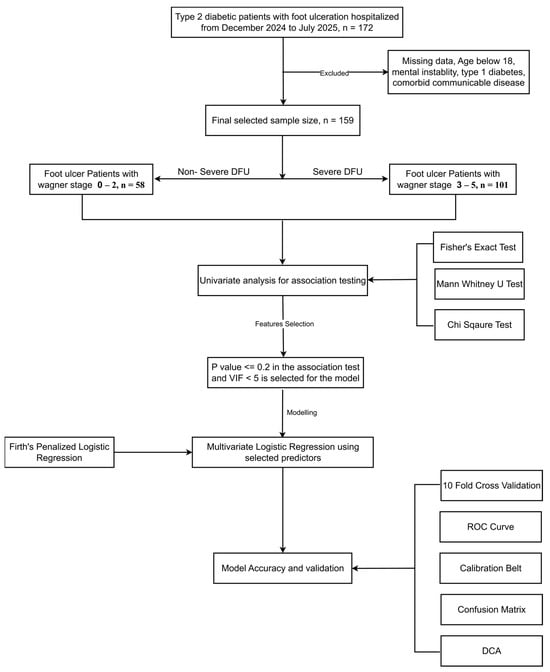
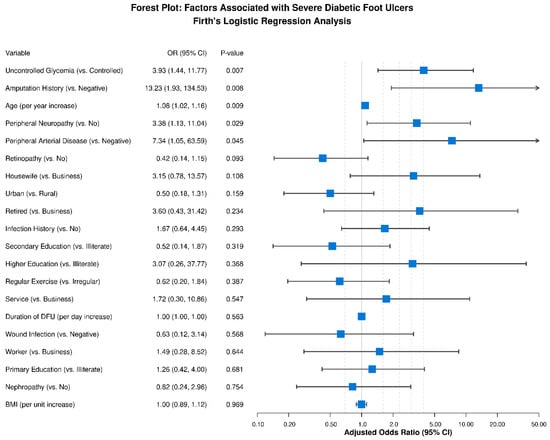
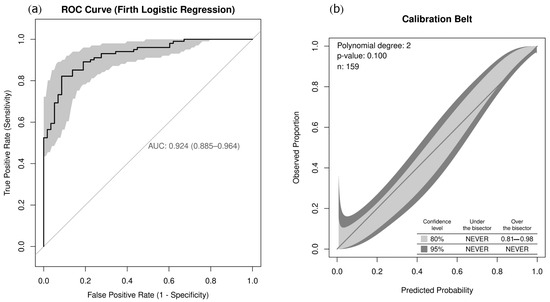
Background: Diabetic foot ulcer (DFU) is a major complication of type 2 diabetes (T2D), frequently resulting in disability, lower-limb amputation, and substantial healthcare burden. Early identification of patients at high risk of progressing to severe DFU is essential for timely intervention, yet evidence on associated risk factors remains limited in Bangladesh. This study aims to identify demographic, clinical, and behavioral predictors of severe DFU to support early management strategies. Methods: A cross-sectional study was conducted among 159 DFU patients attending the Rajshahi Diabetic Association General Hospital, Bangladesh. Data on demographic characteristics, clinical variables, and behavioral factors were obtained through structured questionnaires and standardized examinations. Severe DFU was defined as Wagner grades 3–5, while grades 0–2 were considered non-severe. Firth’s penalized logistic regression was used to identify determinants of severe DFU. Model performance was assessed using ROC analysis, calibration belt analysis, and decision curve analysis (DCA). Results: Among the 159 participants, 101 (63.5%) presented with severe DFU. Patients with severe DFU had significantly higher BMI (26.1 vs. 23.7 kg/m2), treatment costs (50,000 vs. 20,000 BDT), and were older (57 vs. 54 years). Severe DFU was also associated with higher prevalence of peripheral arterial disease (PAD) (29.7% vs. 3.4%), prior amputation (31.7% vs. 3.4%), peripheral neuropathy (PN) (86.1% vs. 58.6%), and poor glycemic control (71.3% vs. 30.7%) (all p < 0.05). Firth’s regression identified older age (aOR 1.08), poor glycemic control (aOR 3.90), PN (aOR 3.41), PAD (aOR 7.54), and previous amputation (aOR 13.67) as independent predictors of severe DFU. Conclusions: Older age, uncontrolled glycemia, PN, PAD, and prior amputation were significantly associated with severe stages of DFU. Early detection and targeted management of these factors are critical to reducing complications and lowering the healthcare burden. Full article
Show Figures

Figure 1
21 pages, 749 KB  
Article
A Randomized, Double-Blind, Placebo-Controlled Study to Evaluate the Effect of Limosilactobacillus fermentum K8-Lb1 Postbiotic on Weight Management and Metabolic Health Outcomes
by Ekaterina Papazova, Susanne Mitschke, Christiane Laue and Jürgen Schrezenmeir
Nutrients 2026, 18(8), 1174; https://doi.org/10.3390/nu18081174 (registering DOI) - 8 Apr 2026
Abstract
Background: Recent research has highlighted the potential of postbiotics for addressing obesity and associated metabolic disorders. In this randomized, double-blind clinical trial, the efficacy of a postbiotic product in managing overweight and associated parameters was assessed. Methods: Sixty individuals were randomized into two [...] Read more.
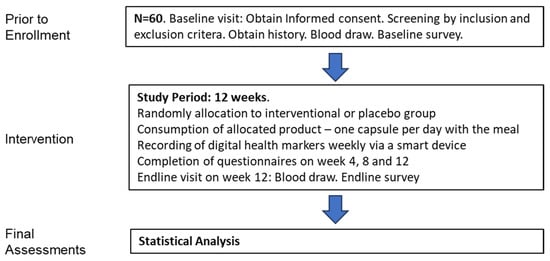
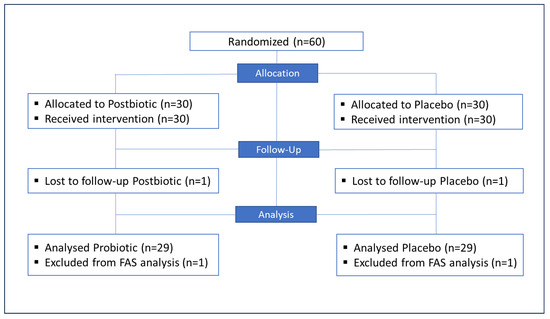
Background: Recent research has highlighted the potential of postbiotics for addressing obesity and associated metabolic disorders. In this randomized, double-blind clinical trial, the efficacy of a postbiotic product in managing overweight and associated parameters was assessed. Methods: Sixty individuals were randomized into two groups: one group (n = 30) received the Postbiotic (heat-killed L. fermentum strain K8-Lb1) and the other (n = 30) a Placebo control. Body weight, waist circumference, body composition, vital signs, blood biomarkers and questionnaires for quality of life, eating behavior, eating control and gastrointestinal symptoms were assessed. Results: After a 12-week intervention, body fat mass (primary parameter) was significantly (p = 0.016) reduced in the Postbiotic group (98.15 ± 3.32% of baseline) compared to the Placebo group (100.41 ± 3.39%). In line with this, body weight (p = 0.047) and waist circumference (p = 0.034) were significantly reduced and visceral fat tended to be reduced (p = 0.053). Accordingly, the Postbiotic group tended (p = 0.066) to feel more in control of their body weight. Despite weight loss, muscle mass tended (p = 0.062) to increase. ALT, AST and GGT tended to be reduced, which may indicate an improvement in liver steatosis. Estimated average glucose (eAG) differed significantly between the groups in individuals with normal fasting glucose levels. The ability to concentrate significantly (p = 0.014) improved. Conclusions: Under an ad libitum diet, the postbiotic L. fermentum strain K8-Lb1 reduced body fat mass, body weight, and waist circumference, improved the ability to concentrate, and showed a trend towards an increase in muscle mass. The results of this pilot trial need confirmation by a pivotal trial. Full article
(This article belongs to the Section Prebiotics, Probiotics and Postbiotics)
Show Figures

Figure 1
25 pages, 4334 KB  
Article
Airbnb and Housing Commodification in Small Tourist Cities in Southern Chile
by Luis Vergara-Erices, Matías Parra-Salazar and Jorge Olea-Peñaloza
Sustainability 2026, 18(8), 3670; https://doi.org/10.3390/su18083670 (registering DOI) - 8 Apr 2026
Abstract
The platformization of urban space is opening new frontiers of capital accumulation, particularly through short-term rentals. Airbnb plays a central role in this process by commodifying housing in tourist destinations. Despite its rapid growth, research on Airbnb in Latin America—especially in small tourist [...] Read more.
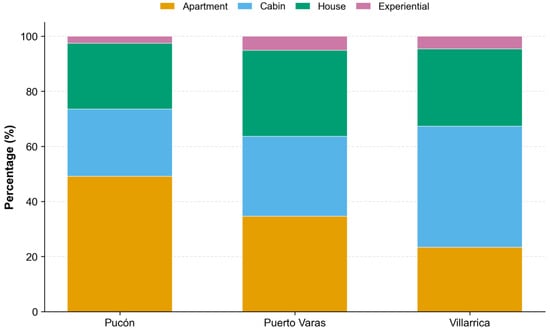
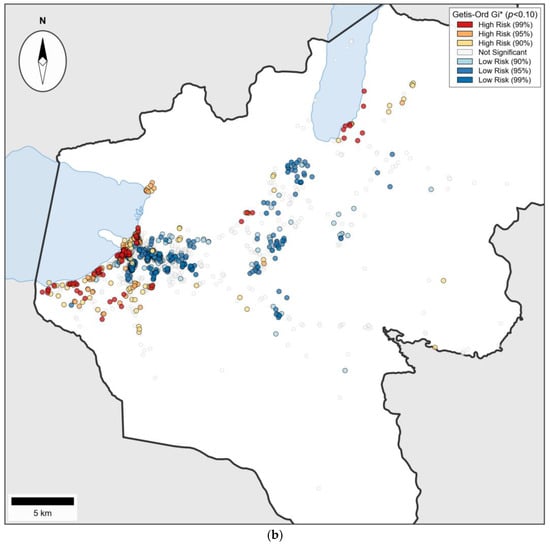
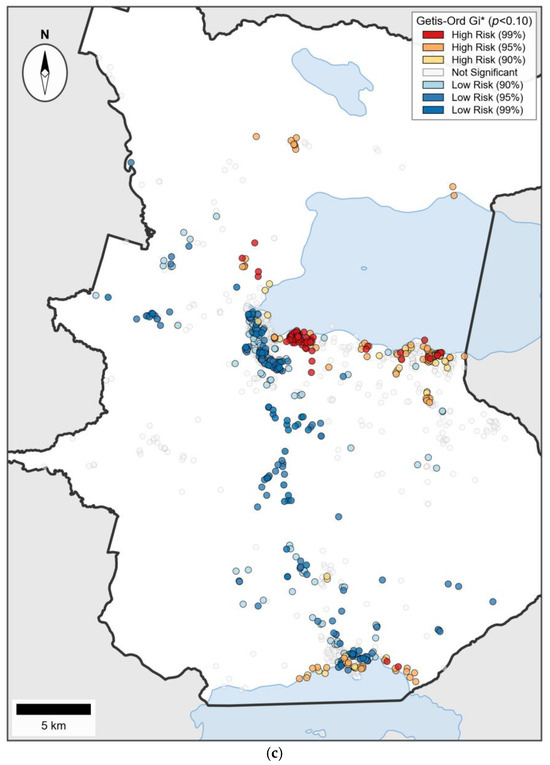
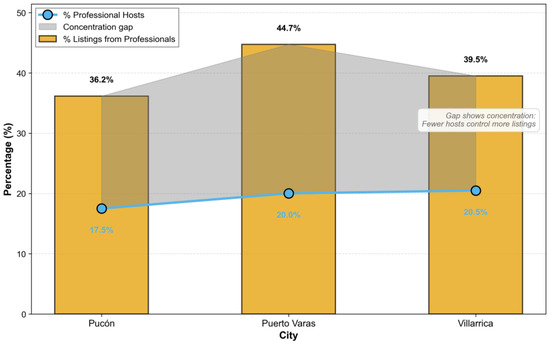
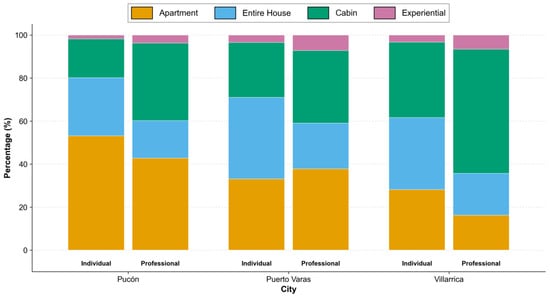
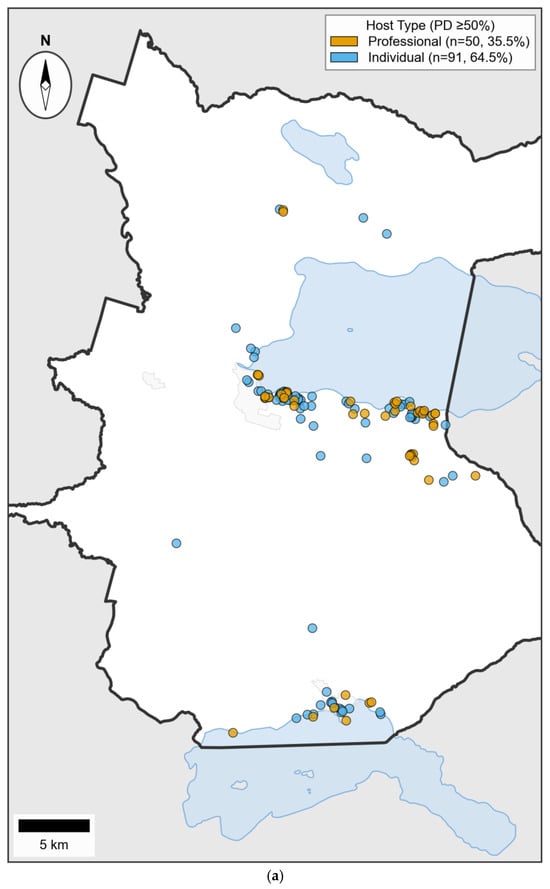
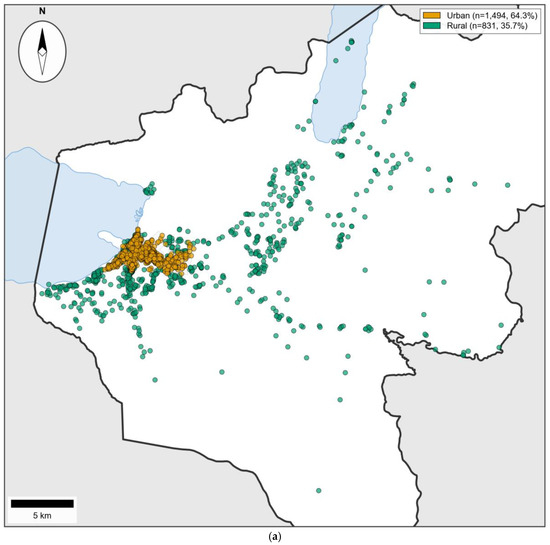
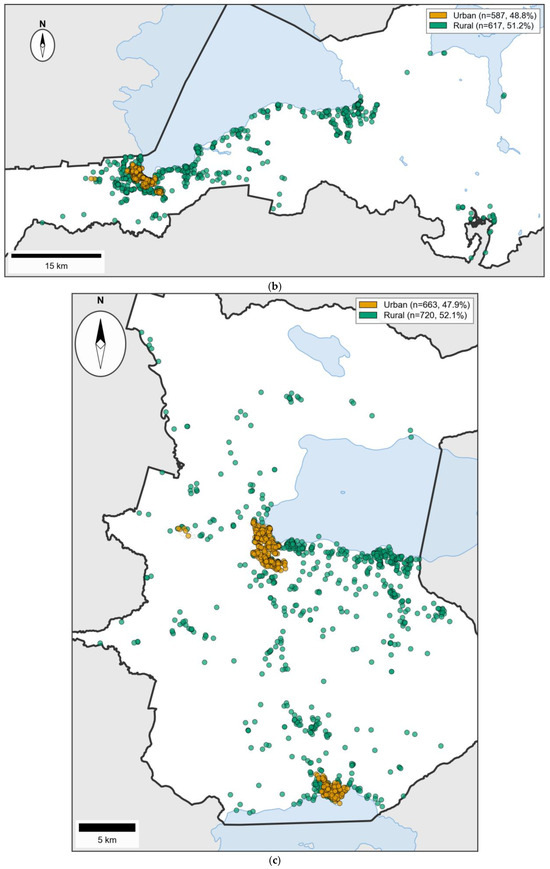
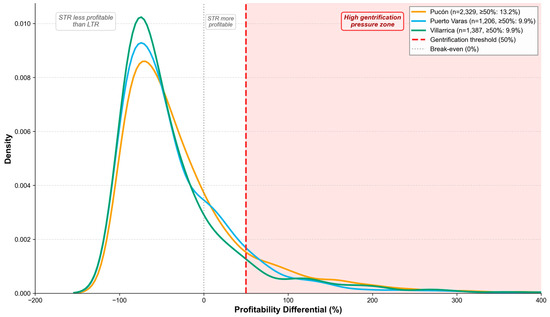
The platformization of urban space is opening new frontiers of capital accumulation, particularly through short-term rentals. Airbnb plays a central role in this process by commodifying housing in tourist destinations. Despite its rapid growth, research on Airbnb in Latin America—especially in small tourist cities—remains limited and largely focused on metropolitan contexts. This article addresses this gap with the objective of analyzing how platform-mediated short-term rentals reorient housing markets beyond traditional urban cores. It is hypothesized that Airbnb expands housing commodification by extending tourism-oriented uses into new residential areas and by redistributing returns unevenly across actors. Using a quantitative and geospatial approach, the results reveal a strong presence of Airbnb in rural and natural areas, from which the highest returns are extracted, as well as a high concentration of accommodation supply among professional hosts. These dynamics reconfigure housing use toward asset-based logics, posing challenges for housing security and social and territorial sustainability in small tourist cities. Full article
(This article belongs to the Special Issue Sustainable Development of Regional Tourism)
Show Figures

Figure 1
16 pages, 1100 KB  
Review
Tumor Microenvironment Acidosis and Alkalization-Oriented Interventions in Advanced Solid Tumors: A Narrative Review and Science-Based Medicine Perspective on Long-Tail Survival
by Kazuyuki Suzuki, Shion Kachi and Hiromi Wada
Cancers 2026, 18(8), 1193; https://doi.org/10.3390/cancers18081193 (registering DOI) - 8 Apr 2026
Abstract
Median overall survival remains a central endpoint in oncology, but it can obscure a clinically meaningful long tail of patients with advanced solid tumors who survive well beyond the median. One biological context in which this pattern may be relevant is tumor microenvironment [...] Read more.
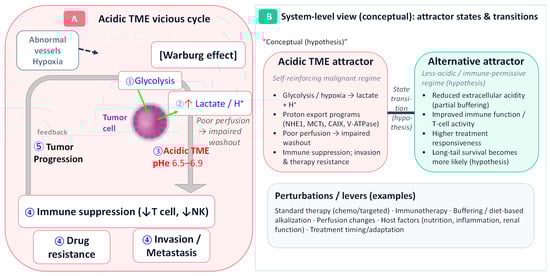
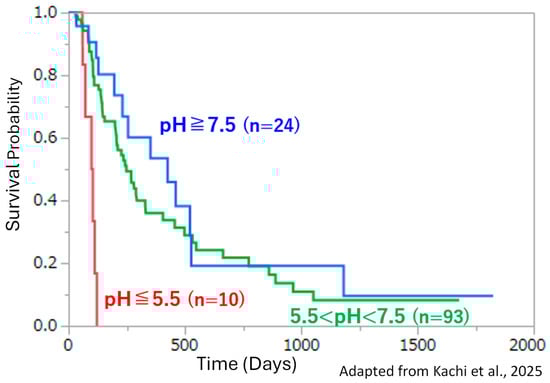
Median overall survival remains a central endpoint in oncology, but it can obscure a clinically meaningful long tail of patients with advanced solid tumors who survive well beyond the median. One biological context in which this pattern may be relevant is tumor microenvironment (TME) acidosis. Driven by aerobic glycolysis, hypoxia, impaired perfusion, and proton-export programs, acidic TME is increasingly implicated in invasion, therapeutic resistance, and immune suppression. This narrative review examines TME acidosis as the primary biological framework and considers long-tail survival as a clinical lens through which its implications may be interpreted. We summarize the biological basis and heterogeneity of acidic TME, review current approaches to clinical and translational assessment of tumor acidity, including acidoCEST magnetic resonance imaging (MRI) and positron emission tomography (PET)-based approaches, and discuss the potential and limitations of alkalization-oriented interventions such as buffering and diet-based strategies. Particular attention is given to the distinction between direct measurements of tumor acidity and clinically feasible but indirect markers such as urinary pH, which should not be interpreted as a direct surrogate for local tumor extracellular pH. From a science-based medicine perspective, long-tail survival is treated here as a hypothesis-generating clinical signal rather than proof of causality. Overall, alkalization-oriented interventions appear biologically plausible and clinically testable, but current clinical evidence remains limited and context-dependent. Future progress will require mechanistically informed biomarkers, careful safety evaluation, and trial designs capable of detecting delayed separation of survival curves and tail-oriented patterns of benefit. Full article
Show Figures

Figure 1
36 pages, 2926 KB  
Review
Advances in Nanotechnological Strategies for Preserving and Authenticating Bioactive Compounds in Extra Virgin Olive Oil: Nano-Enabled Stabilization, Sensing, and Circular Valorization
by José Roberto Vega Baudrit, Yendry Corrales-Ureña, Karla Jaimes Merazzo, Javier Stuardo Chinchilla Orrego and Mary Lopretti
Foods 2026, 15(8), 1278; https://doi.org/10.3390/foods15081278 (registering DOI) - 8 Apr 2026
Abstract
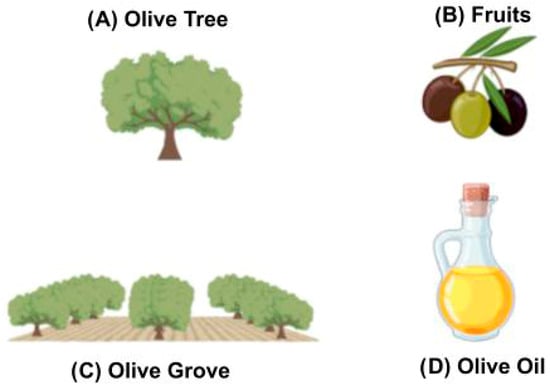
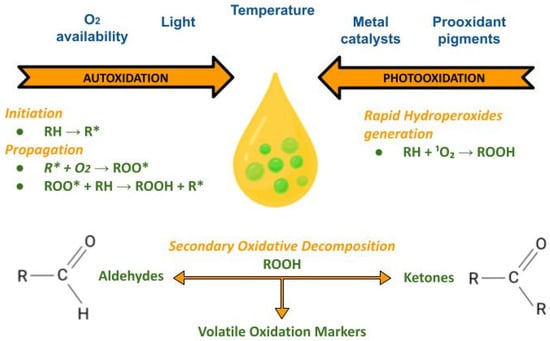
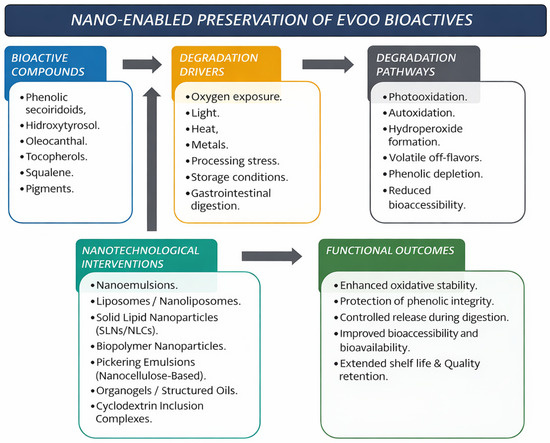
Extra-virgin olive oil (EVOO) is a chemically complex lipid matrix whose minor constituents—especially phenolic secoiridoids—drive sensory quality, oxidative stability, and health benefits. However, these bioactives are vulnerable to heat, light, oxygen, and pro-oxidant metals during processing and distribution, while the high cost of [...] Read more.
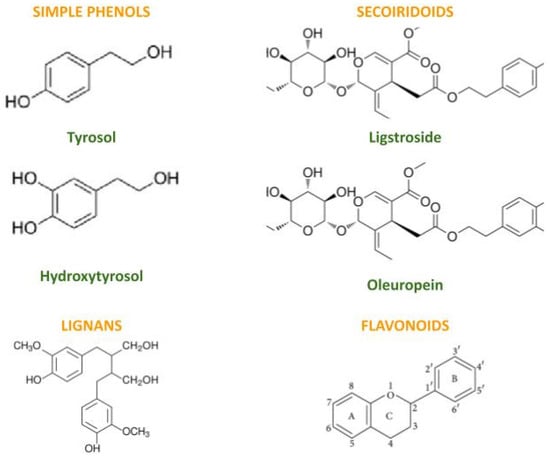
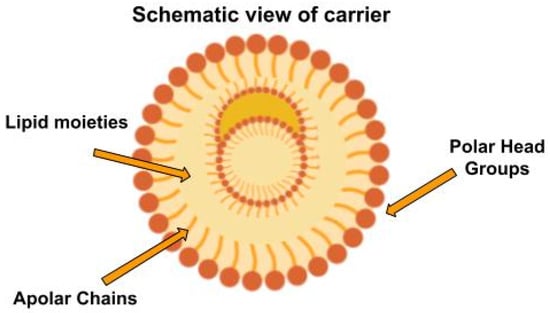
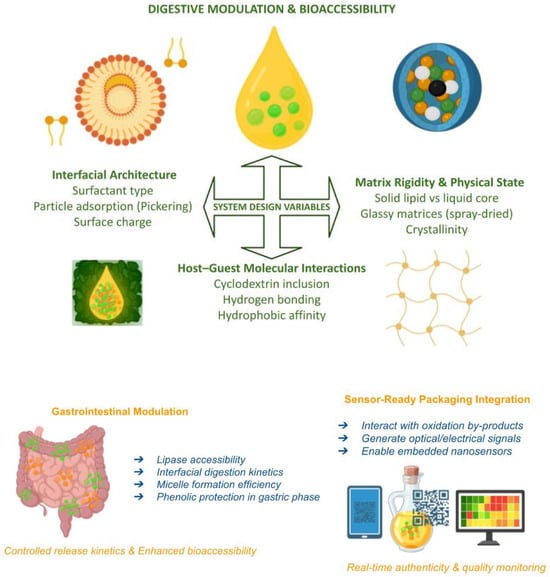
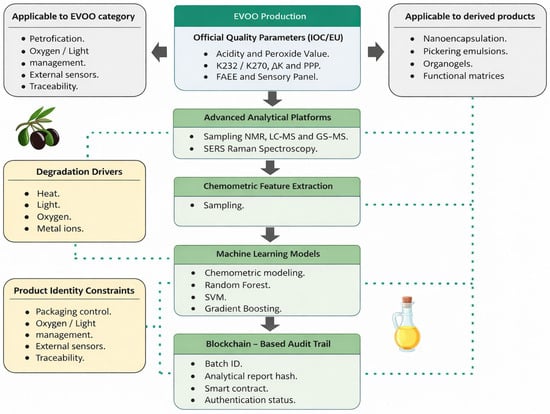
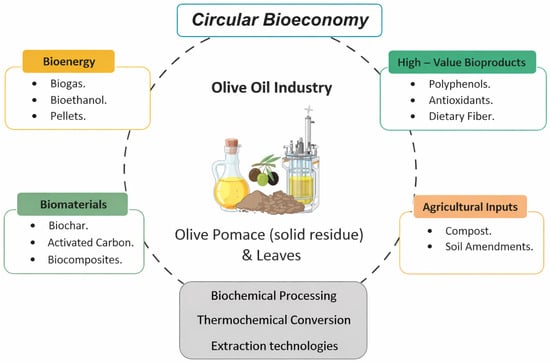
Extra-virgin olive oil (EVOO) is a chemically complex lipid matrix whose minor constituents—especially phenolic secoiridoids—drive sensory quality, oxidative stability, and health benefits. However, these bioactives are vulnerable to heat, light, oxygen, and pro-oxidant metals during processing and distribution, while the high cost of EVOO often makes it a target for adulteration and mislabeling. This review critically assesses nano-enabled, food-grade strategies that (i) preserve phenolics and aroma compounds through nanoencapsulation, inclusion complexes, Pickering stabilization, and structured lipid systems; (ii) control their release and bioaccessibility during digestion; and (iii) enhance authenticity verification via sensor-ready packaging, spectroscopy/chemometrics, and digital traceability systems (IoT, machine learning, blockchain). We align these innovations with the “product identity constraints” of the EVOO category and with official quality standards used in routine control (IOC/EU). Finally, we explore circular valorization of olive-mill by-products within food-centered biorefineries, outlining pathways to convert biomass into ingredients, materials, and energy, thus reducing environmental impacts. Research priorities are proposed to develop scalable, regulation-compliant nanotechnologies that extend shelf life and increase consumer trust without compromising EVOO category standards. Full article
(This article belongs to the Section Food Engineering and Technology)
Show Figures

Figure 1
21 pages, 2743 KB  
Article
SOC and SOH Joint Estimation of Lithium-Ion Batteries Under Dynamic Current Rates Based on Machine Learning
by Mingyu Zhang, Xiaoqiang Dai, Qingjun Zeng, Ye Tian and Xiaohui Xu
Symmetry 2026, 18(4), 623; https://doi.org/10.3390/sym18040623 (registering DOI) - 8 Apr 2026
Abstract
It is critical to accurately estimate the state of charge (SOC) and state of health (SOH) of lithium-ion batteries to ensure the safety and reliability of marine power systems, where the inherent symmetry of lithium-ion battery charge–discharge dynamics is often disrupted. However, the [...] Read more.
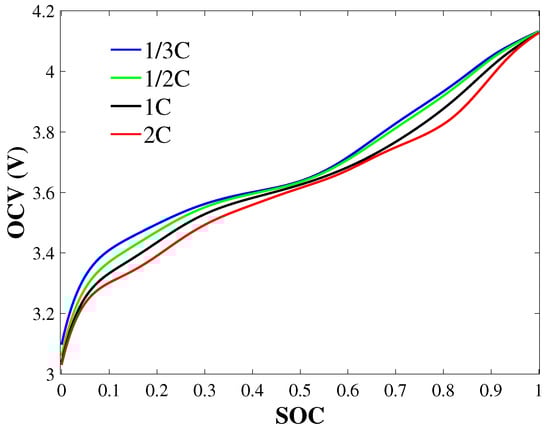
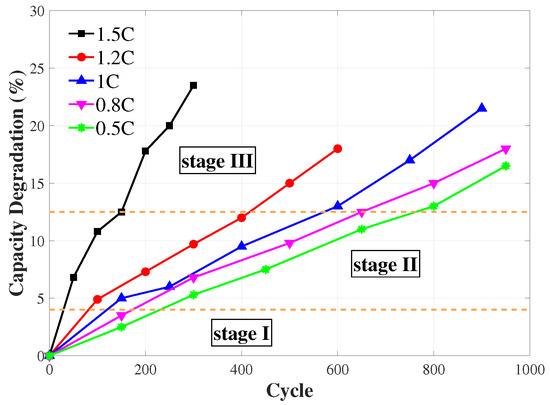
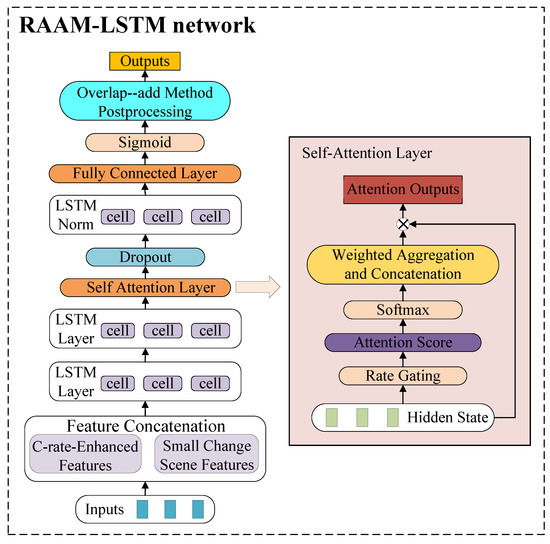
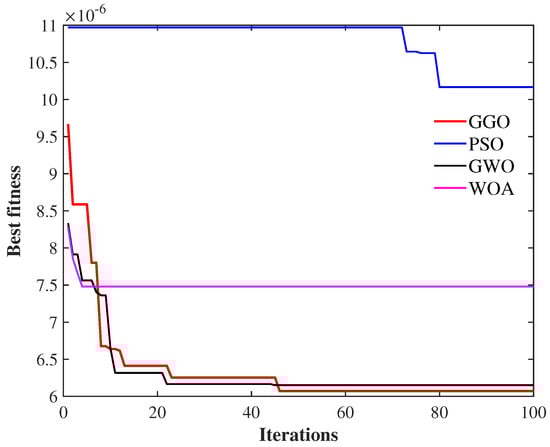
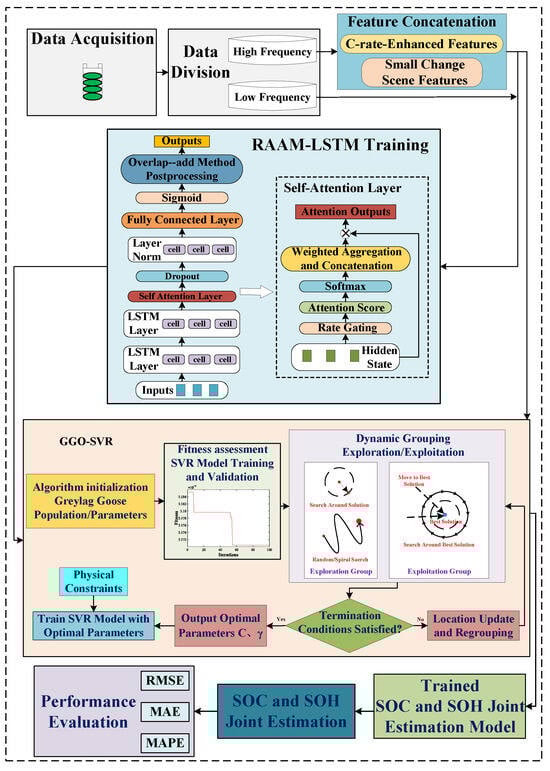
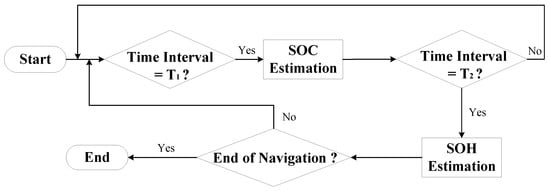
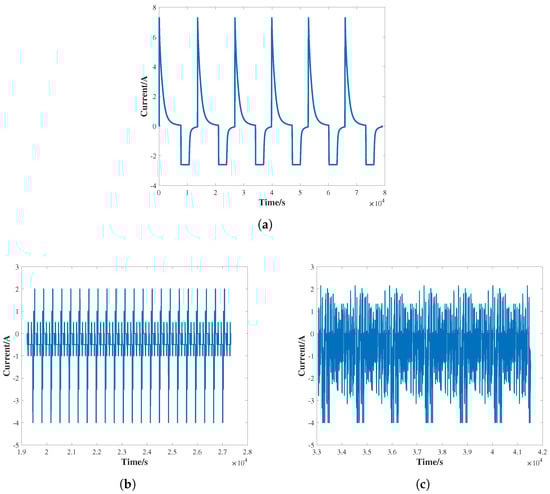
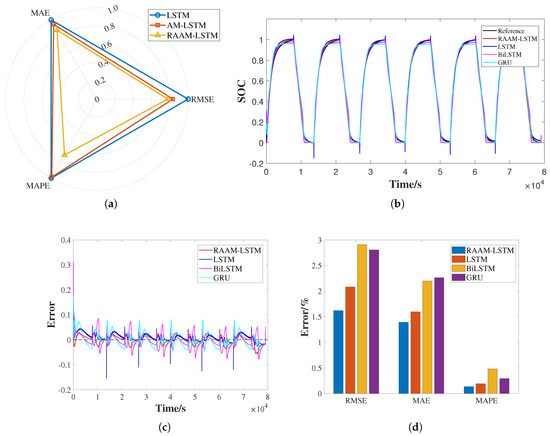
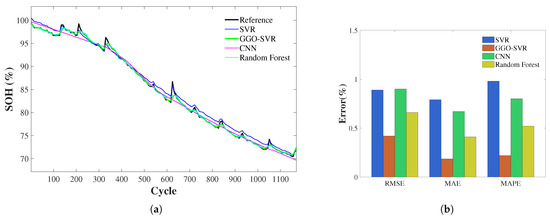
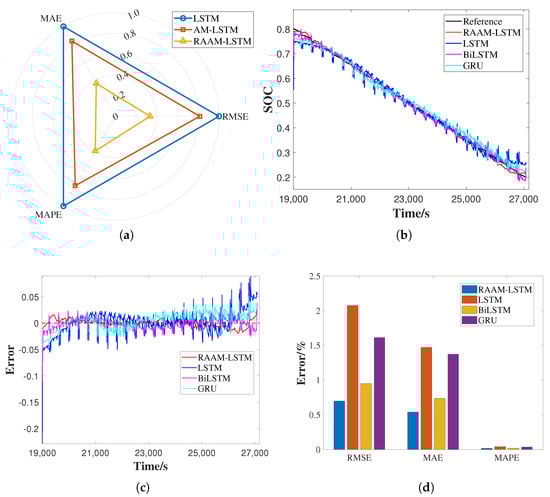
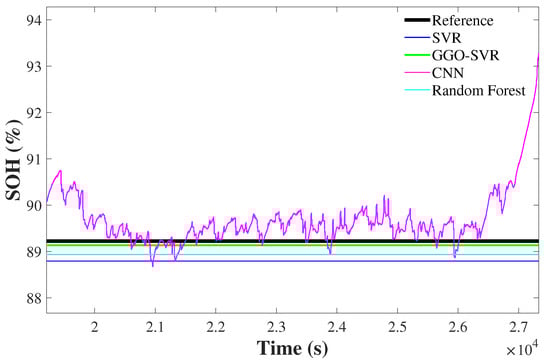
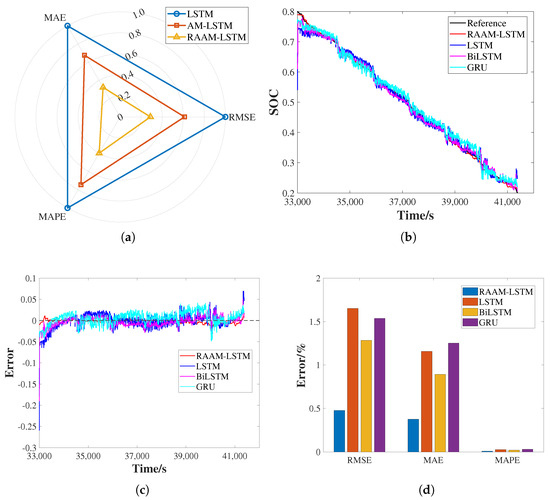
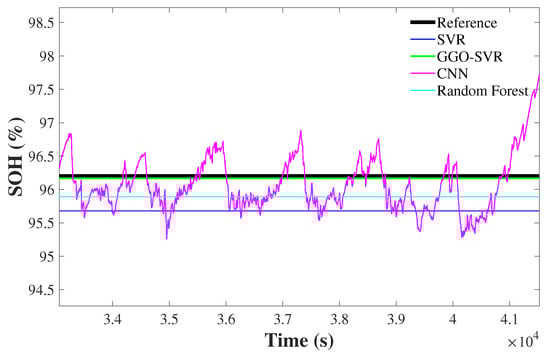
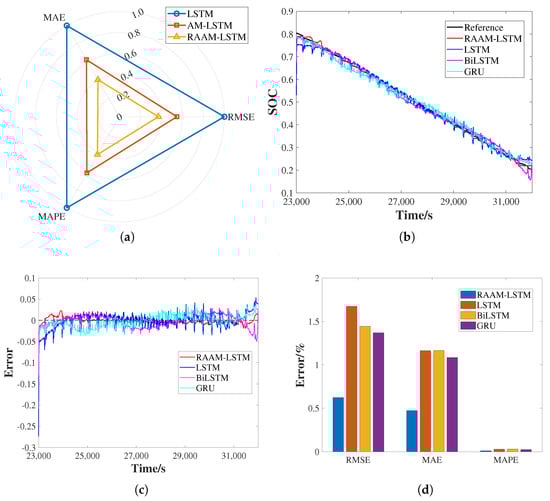
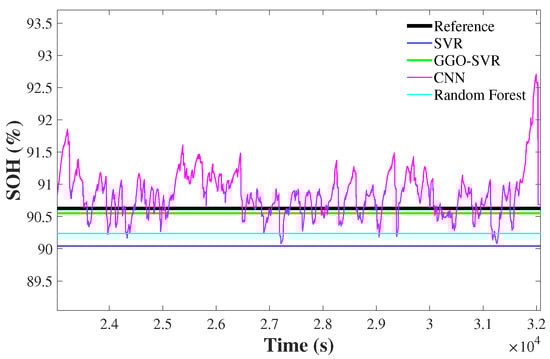
It is critical to accurately estimate the state of charge (SOC) and state of health (SOH) of lithium-ion batteries to ensure the safety and reliability of marine power systems, where the inherent symmetry of lithium-ion battery charge–discharge dynamics is often disrupted. However, the accuracy of conventional methods significantly deteriorates under dynamic current rates induced by fluctuating electrical loads, leading to unreliable SOC and SOH estimates. This article proposes a novel SOC and SOH joint estimation method based on a long short-term memory network with a rate awareness attention mechanism (RAAM-LSTM) and support vector regression optimized by greylag goose algorithm (GGO-SVR). RAAM-LSTM improves SOC estimation accuracy by adaptively weighting enhanced rate-related features. For SOH estimation, the GGO-SVR model incorporates the SOC as a coupling feature and applies physical constraints to ensure consistency with irreversible battery degradation. The comparative experimental results show that the error of the SOC is less than 1.6%, and that of the SOH is less than 0.5%, which are much smaller compared with those of conventional methods. Full article
(This article belongs to the Section Computer)
Show Figures

Figure 1
33 pages, 875 KB  
Review
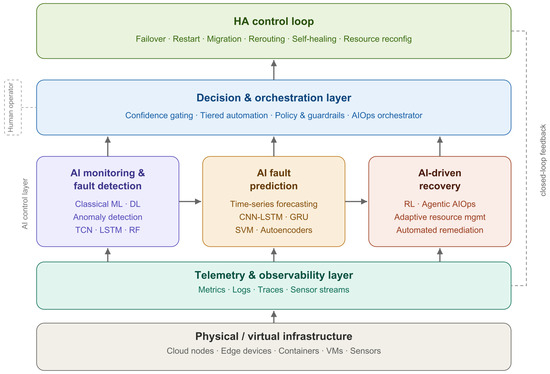
Artificial Intelligence for High-Availability Systems: A Comprehensive Review
by Lidia Fotia, Rosario Gaeta, Fabrizio Messina, Domenico Rosaci and Giuseppe M. L. Sarné
Computers 2026, 15(4), 231; https://doi.org/10.3390/computers15040231 (registering DOI) - 8 Apr 2026
Abstract
High-availability (HA) systems—essential in many contemporary contexts—are designed to guarantee the availability of processes and data for more than 99% of their operational time. These systems are typically implemented as Cloud/Edge infrastructures that are properly maintained by human operators and intelligent agents in [...] Read more.
High-availability (HA) systems—essential in many contemporary contexts—are designed to guarantee the availability of processes and data for more than 99% of their operational time. These systems are typically implemented as Cloud/Edge infrastructures that are properly maintained by human operators and intelligent agents in order to guarantee the required level of availability. Moreover, we are witnessing the widespread adoption of AI-based automation across many industries. AI-based software agents are increasingly being adopted to introduce more automation in highly available systems, particularly for monitoring and fault detection, fault prediction, recovery, and optimization processes. In this review paper, we discuss the state of the art of AI-based solutions for HA systems. In particular, we focus on the use of AI for the core operational mechanisms of monitoring, failure detection, and recovery. Our discussion begins by reviewing a few key background concepts of HA architectures, then we review recent work on AI-based solutions for monitoring, fault detection and recovery in HA systems. Full article
(This article belongs to the Special Issue Recent Trends in Dependable and High Availability Systems)
Show Figures

Figure 1

26 pages, 5629 KB  
Article
Effect of Red–Blue Light Ratios on Leaf Development and Steviol Glycoside Production at Different Growth Stages in Hydroponic Stevia
by Cheng Tai Chou, Vivian Christabel, Mai Anh Le, Min-Lang Tsai and Shang-Ta Wang
Agronomy 2026, 16(8), 770; https://doi.org/10.3390/agronomy16080770 (registering DOI) - 8 Apr 2026
Abstract
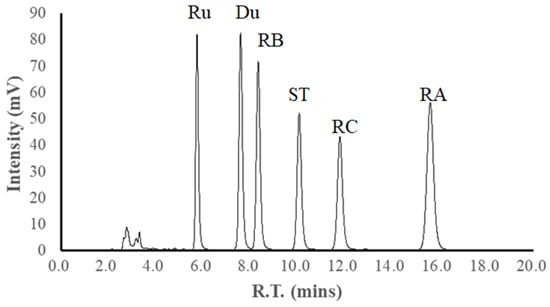
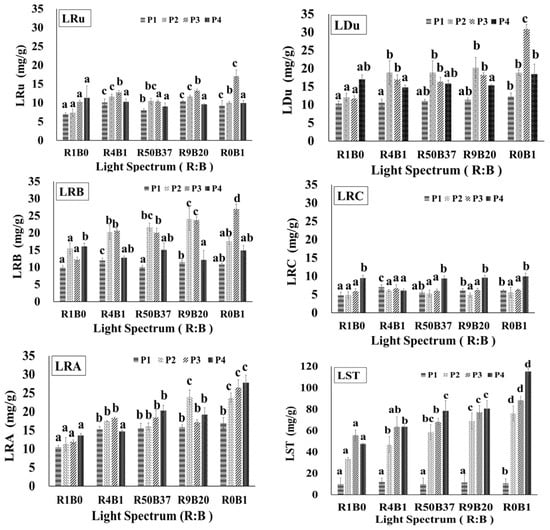
Stevia is a natural source of high-intensity sweeteners, collectively known as steviol glycosides (SG), which are approximately 300 times sweeter than sucrose and widely used as sugar substitutes. This study examines the impact of five different red-to-blue (R:B) light ratios on SG content [...] Read more.
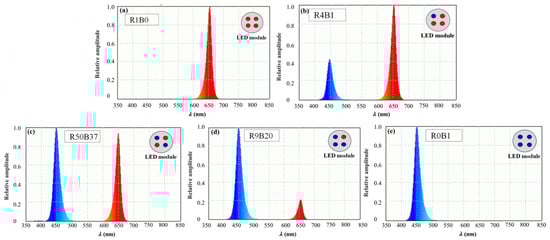
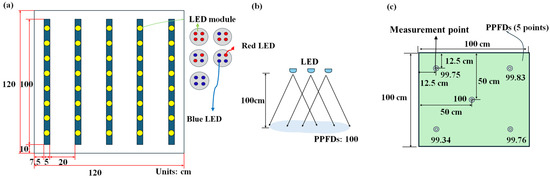
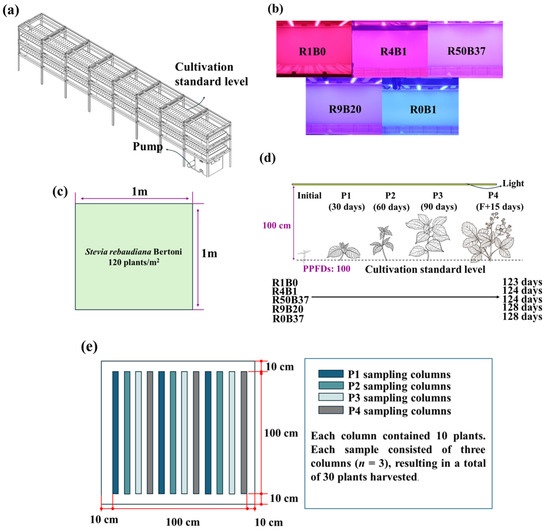
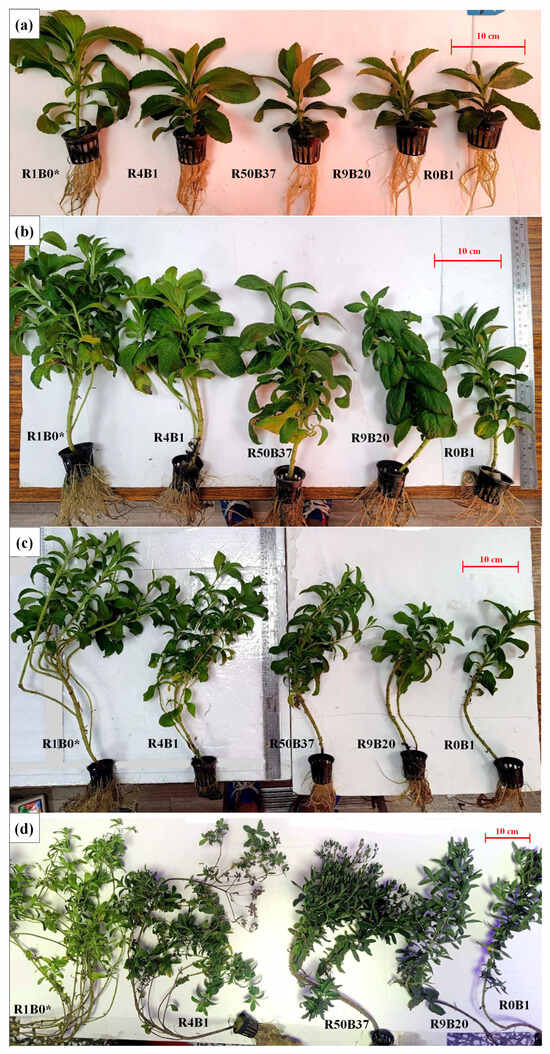
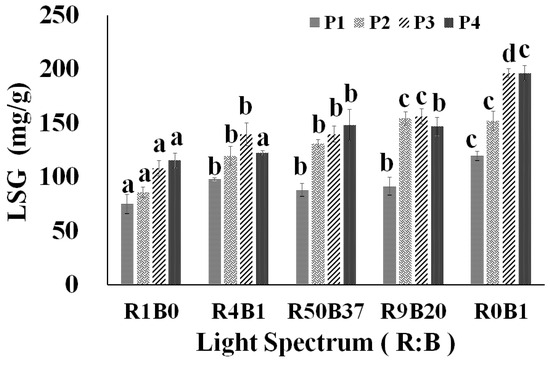
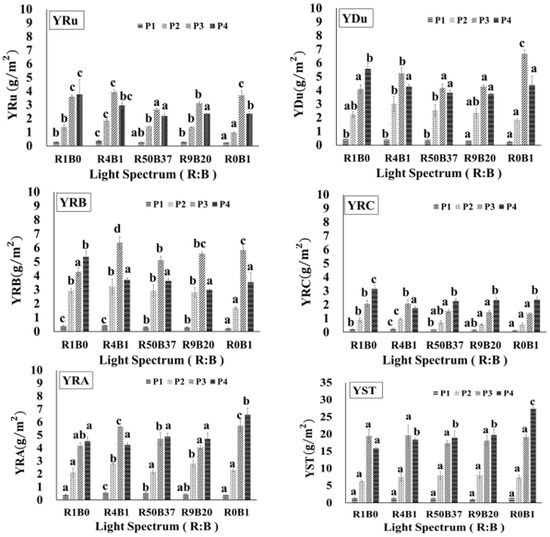
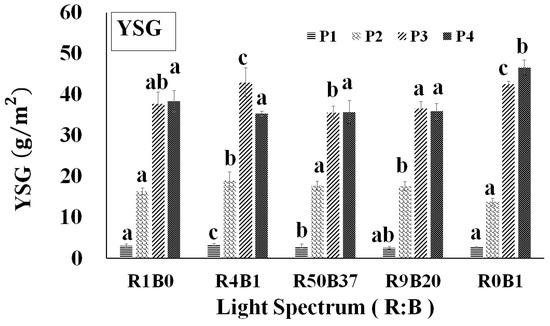
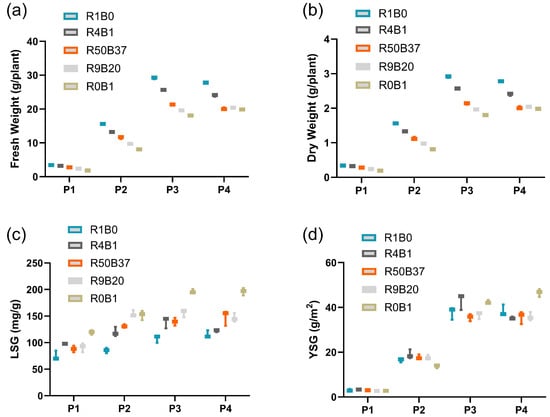
Stevia is a natural source of high-intensity sweeteners, collectively known as steviol glycosides (SG), which are approximately 300 times sweeter than sucrose and widely used as sugar substitutes. This study examines the impact of five different red-to-blue (R:B) light ratios on SG content and yield in hydroponic Stevia across four growth stages. Results indicate that the highest and lowest leaf dry weights were recorded in the R1B0 (R:B = 1:0) and R0B1 (R:B = 0:1) groups, at 2.88 and 1.98 g/plant, respectively, reflecting a 45.45% difference. The total SG content in dried leaves was highest in R0B1 (196.32 mg/g) and lowest in R1B0 (115.16 mg/g), with a 70.48% variation. The highest and lowest total SG yields (YSG) per square meter were observed in R0B1 (46.56 g/m2) and R50B37 (35.70 g/m2), differing by 30.42%. Stage-specific optimal YSG values were identified, with designated growth stages P1 (early vegetative growth phase), P2 (early leaf development phase), and P3 (late leaf development phase) favoring R4B1 and P4 (leaf senescence phase) favoring R0B1. These findings suggest an optimized lighting strategy for the four growth stages of hydroponic Stevia, sequentially applying R4B1, R4B1, R4B1 and R0B1 to enhance biomass accumulation and SG production at different developmental stages. Full article
Show Figures

Figure 1

15 pages, 4018 KB  
Article
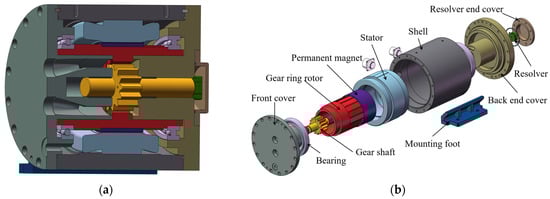
Dry and Wet Modal Comparison of an Electro-Hydraulic Pump and Its Electromagnetic Vibration Analysis
by Wenjie Zeng, Xiaopeng Tan, Zongbin Chen and Yantao Zhang
Appl. Sci. 2026, 16(8), 3626; https://doi.org/10.3390/app16083626 (registering DOI) - 8 Apr 2026
Abstract
The electro-hydraulic pump (EHP), as the primary power component of the electro-hydrostatic actuator, typically operates in a wet environment filled with hydraulic oil, thereby experiencing vibration response alterations due to the added mass of the fluid. Accurate identification of the wet modal characteristics [...] Read more.
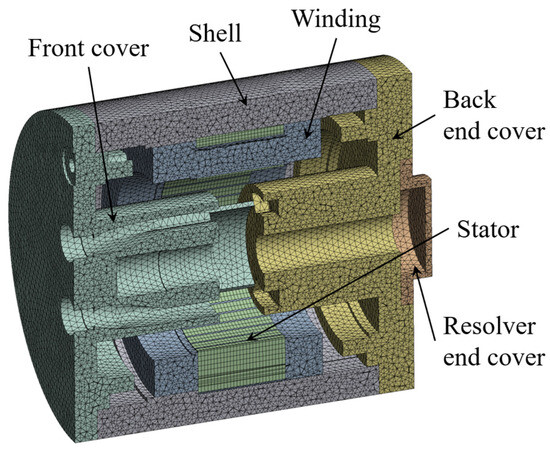
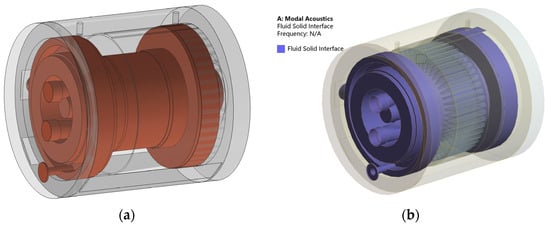
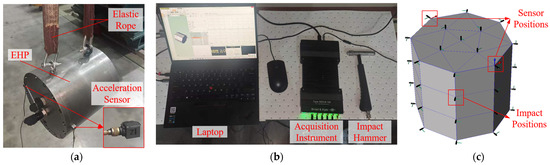
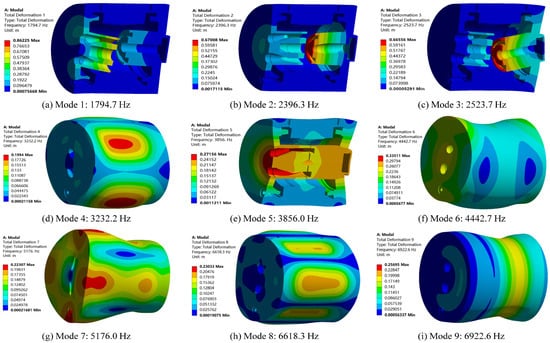
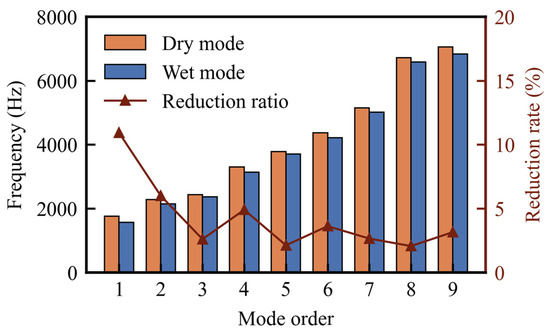
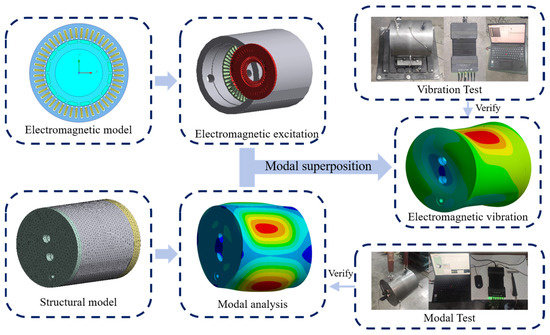
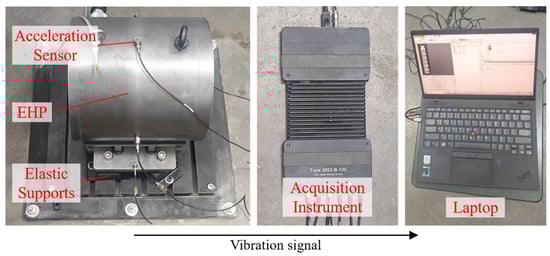
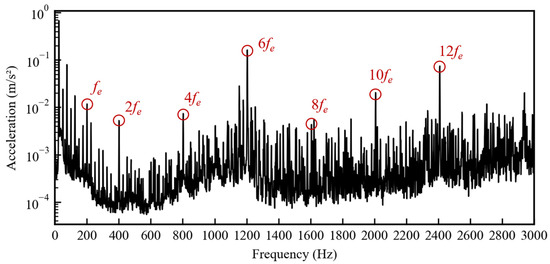
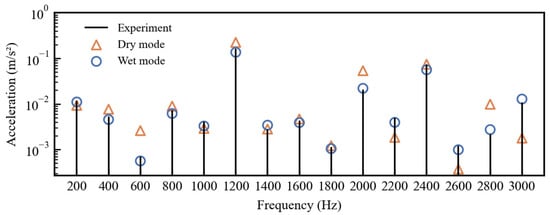
The electro-hydraulic pump (EHP), as the primary power component of the electro-hydrostatic actuator, typically operates in a wet environment filled with hydraulic oil, thereby experiencing vibration response alterations due to the added mass of the fluid. Accurate identification of the wet modal characteristics is essential for improving the fidelity of electromagnetic vibration prediction in EHPs. In this work, an integrated EHP is investigated. A finite-element model is established to perform dry and wet modal analyses, from which the first nine natural frequencies and associated mode shapes are extracted. Dry and wet experimental modal tests are then conducted using an impact-hammer setup to validate the numerical model. The results indicate a systematic reduction in natural frequencies under oil-filled conditions, with more pronounced shifts in the lower-order modes; a maximum decrease of 10.92% is observed. On this basis, the stator tooth electromagnetic forces are obtained from two-dimensional electromagnetic finite-element simulations, and vibration responses are predicted via modal superposition using either dry or wet modal parameters. Finally, vibration measurements are performed under oil-filled operating conditions. The measured spectra exhibit pronounced tonal components at the electrical fundamental frequency and its even harmonics, and wet modal-based electromagnetic vibration prediction improves the accuracy by 78.90% relative to the dry modal-based prediction. These findings provide both theoretical support and practical guidance for low-vibration and low-noise design of EHPs. Full article
(This article belongs to the Section Mechanical Engineering)
Show Figures

Figure 1

7 pages, 526 KB  
Case Report
Progressive Multifocal Leukoencephalopathy in AIDS: The Diagnostic Role of PET Imaging
by Virginia Donini, Riccardo Paggi, Alberto Farese, Costanza Malcontenti, Enrico Tagliaferri, Claudio Caroselli, Spartaco Sani, Maria Matteini, Alessandro Bartoloni and Lorenzo Zammarchi
Infect. Dis. Rep. 2026, 18(2), 33; https://doi.org/10.3390/idr18020033 (registering DOI) - 8 Apr 2026
Abstract
Introduction: The majority of progressive multifocal leukoencephalopathy (PML) cases is still represented by patients affected by acquired immunodeficiency syndrome (AIDS). Diagnosis of PML relies on histopathological findings or by the combination of clinical signs, radiological evidence, and molecular positivity of the JC virus [...] Read more.
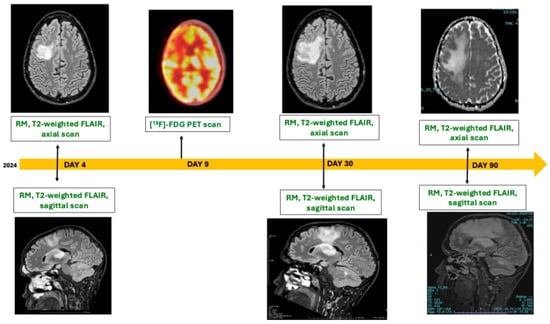
Introduction: The majority of progressive multifocal leukoencephalopathy (PML) cases is still represented by patients affected by acquired immunodeficiency syndrome (AIDS). Diagnosis of PML relies on histopathological findings or by the combination of clinical signs, radiological evidence, and molecular positivity of the JC virus in cerebrospinal fluid. However, AIDS status predisposes to various diseases involving the brain, testing the diagnostic ability of the clinician. Case description: We describe a PML case in a patient with AIDS, in whom lumbar puncture was initially impossible for severe thrombocytopenia and magnetic resonance showed an hyperintense lesion and was unable to distinguish between PML and lymphoma. In this case, [18F]-fluorodeoxyglucose (FDG)-PET imaging showing a hypometabolism of the lesion helped to initially orient toward PML, as diagnosis was later confirmed by lumbar puncture. We collected 21 cases in the literature in which [18F]-FDG-PET was helpful in cases of PML. Discussion and Conclusions: PET imaging is not considered a standard diagnostic tool for PML. However, in selected cases, it may provide valuable information to direct the diagnosis towards PML. Full article
Show Figures

Figure 1

23 pages, 3026 KB  
Article
3D NiMnCo Electrocatalysts with Cauliflower Curd-Shaped Microspherical Morphology for an Efficient and Sustainable HER in Alkaline Freshwater/Seawater Media
by Sukomol Barua, Aldona Balčiūnaitė, Daina Upskuvienė, Jūrate Vaičiūnienė, Loreta Tamašauskaitė-Tamašiūnaitė and Eugenijus Norkus
Coatings 2026, 16(4), 450; https://doi.org/10.3390/coatings16040450 (registering DOI) - 8 Apr 2026
Abstract
Electrocatalytic seawater splitting is an ideal strategy for the large-scale production of green hydrogen. Compared to scarce freshwater, oceanic seawater electrolysis represents a game-changer for the hydrogen economy. Herein, we report a cost-effective one-step synthesis of binder-free, self-supported 3D nickel–manganese–cobalt (NiMnCo) coatings on [...] Read more.
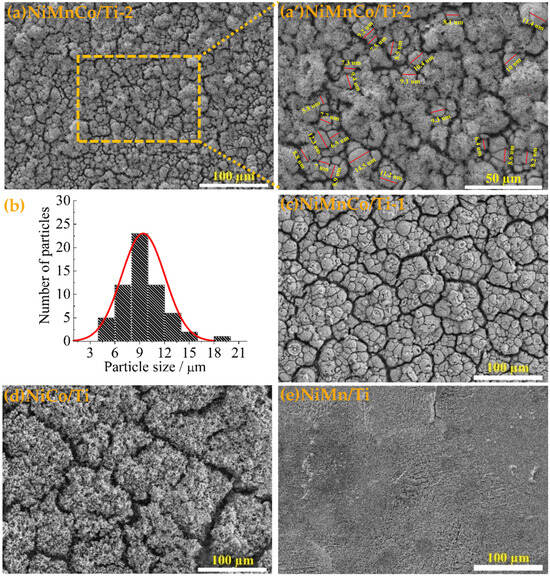
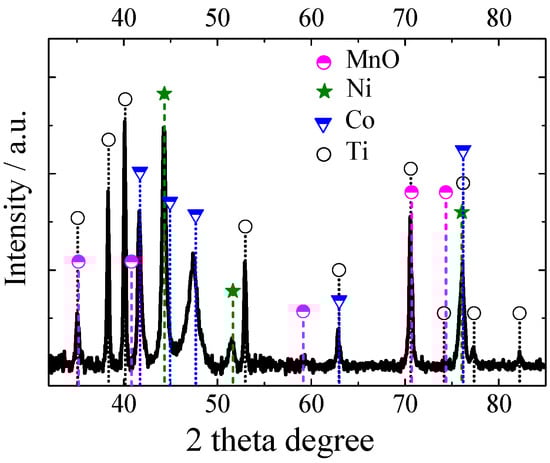
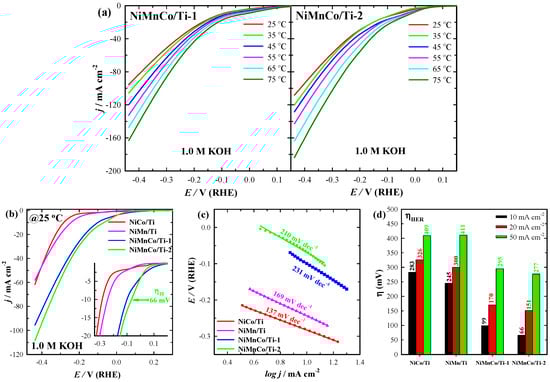
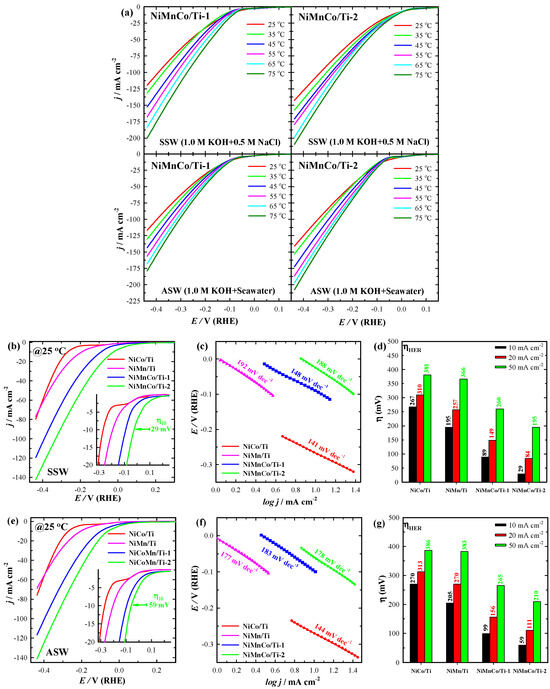
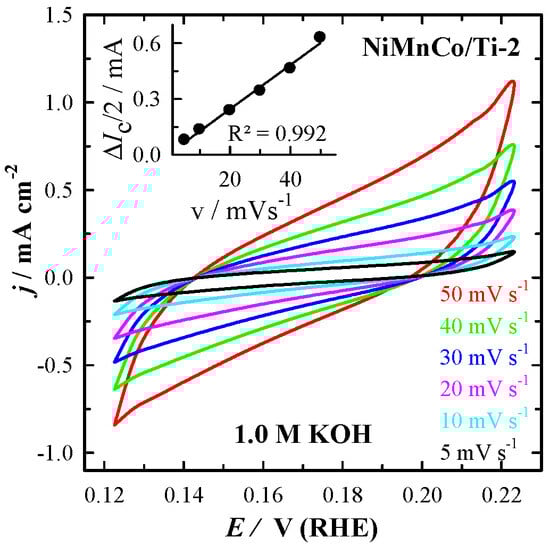
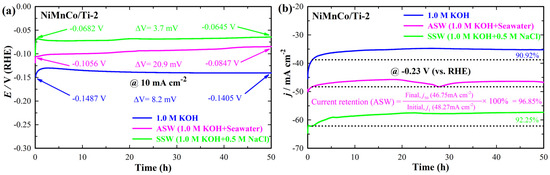
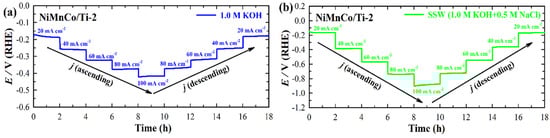
Electrocatalytic seawater splitting is an ideal strategy for the large-scale production of green hydrogen. Compared to scarce freshwater, oceanic seawater electrolysis represents a game-changer for the hydrogen economy. Herein, we report a cost-effective one-step synthesis of binder-free, self-supported 3D nickel–manganese–cobalt (NiMnCo) coatings on titanium (Ti) substrates and evaluated their electrocatalytic performance for the hydrogen evolution reactions (HERs) in alkaline media (1.0 M KOH), simulated seawater (SSW, 1.0 M KOH + 0.5 M NaCl) and alkaline natural seawater (ASW, 1.0 M KOH + natural seawater). These ternary coatings were electrodeposited on Ti substrates using an electrochemical deposition method via a dynamic hydrogen bubble template (DHBT) technique. The optimized ternary NiMnCo/Ti-2 electrocatalyst exhibited an enhanced HER activity in both alkaline and seawater media, achieving an ultra-low overpotential of 29, 59 and 66 mV to reach the benchmark current density of 10 mA cm−2 in SSW, ASW and 1.0 M KOH, respectively. This efficient 3D ternary NiMnCo/Ti-2 electrocatalyst demonstrated stable long-term performance at a constant potential of −0.23 V (vs. RHE) and a constant current density of 10 mA cm−2 for 50 h without any significant degradation. Furthermore, it exhibited long-term stability in alkaline electrolyte and simulated seawater during multi-step chronopotentiometric testing at variable current densities from 20 mA cm−2 to 100 mA cm−2 for 18 h. This superior performance can be attributed to its unique intermetallic structure and multi-component composition, which provides good Cl resistance, electrochemical stability and synergistic effects among its constituents. Therefore, the optimized NiMnCo/Ti-2 electrocatalyst is a promising candidate for practical seawater electrolysis aiming at green hydrogen production. Full article
Show Figures

Figure 1

25 pages, 835 KB  
Article
Personalised Blood Glucose Time Series Forecasting in Type 1 Diabetes: Deep Collaborative Adversarial Learning
by Heydar Khadem, Hoda Nemat, Jackie Elliott and Mohammed Benaissa
J. Pers. Med. 2026, 16(4), 210; https://doi.org/10.3390/jpm16040210 (registering DOI) - 8 Apr 2026
Abstract
Background/Objectives: Blood glucose prediction (BGP) for individuals with type 1 diabetes (T1D) is a clinically essential yet highly challenging task in time series forecasting (TSF) and an important problem in personalised medicine. Accurate bespoke BGP is crucial for individualised T1D management, reducing complications, [...] Read more.
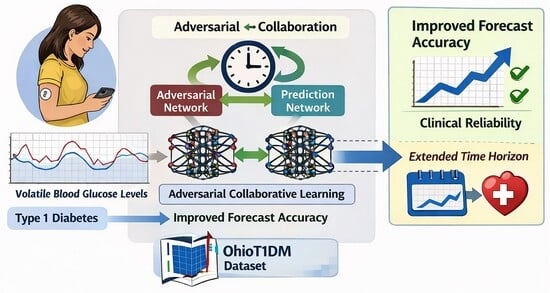
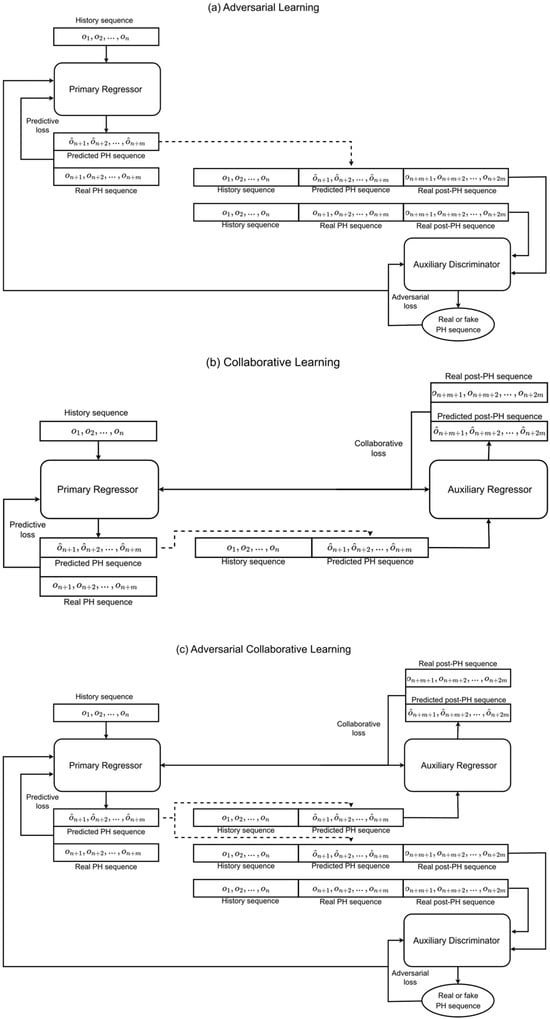
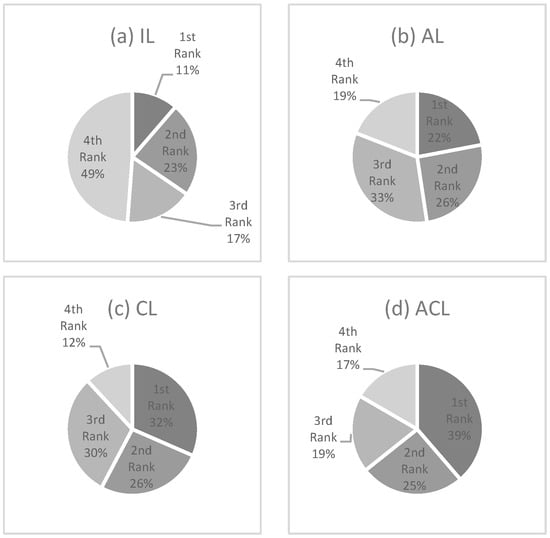
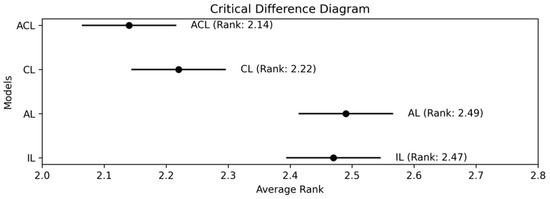
Background/Objectives: Blood glucose prediction (BGP) for individuals with type 1 diabetes (T1D) is a clinically essential yet highly challenging task in time series forecasting (TSF) and an important problem in personalised medicine. Accurate bespoke BGP is crucial for individualised T1D management, reducing complications, and supporting patient-specific glycaemic risk mitigation. However, the pronounced volatility of glycaemic fluctuations in T1D, combined with the need for mathematical rigor and clinical relevance, hampers reliable prediction. This complexity underscores the demand to explore and enhance more advanced techniques. While adversarial learning is adept at modelling intricate data variability, its potential for BGP remains largely untapped. Methods: This work presents a novel approach for BGP by addressing a key limitation in conventional adversarial learning when applied to this task. Typically, these methods optimise prediction accuracy within a set horizon by minimising adversarial loss. This focus overlooks how predictions align with longer-term patterns, which are critical for clinical relevance in BGP, thereby yielding suboptimal results. To overcome this limitation, we introduce collaborative augmented adversarial learning, designed to improve the model’s temporal awareness. Incorporating collaborative interaction optimisation, this approach enables the model to reflect extended time dependencies beyond the immediate horizon, thereby improving both the clinical reliability of predictions and overall predictive performance. We develop and evaluate four learning systems for BGP: independent learning, adversarial learning, collaborative learning, and adversarial collaborative learning. The proposed systems were evaluated for two clinically relevant prediction horizons, namely 30 min and 60 min ahead. Results: The interdependent collaboratively augmented learning frameworks, validated using the well-established Ohio T1D datasets, demonstrate statistically significant superior performance in both clinical and mathematical evaluations. Conclusions: Beyond advancing BGP accuracy and clinical reliability, the proposed approach supports personalised medicine by improving subject-specific glucose forecasting from CGM data, with potential relevance for more individualised diabetes monitoring and decision support. The proposed approach also opens new avenues for advancements in other complex TSF domains, as outlined in our future work. Full article
Show Figures

Graphical abstract

47 pages, 1207 KB  
Review
Amorphous Solid Dispersions of Polyphenols: Current State of the Art (Part I)
by Natalia Rosiak, Miłosz Ignacyk, Aleksandra Kryszak, Jakub Piontek and Judyta Cielecka-Piontek
Pharmaceuticals 2026, 19(4), 598; https://doi.org/10.3390/ph19040598 (registering DOI) - 8 Apr 2026
Abstract
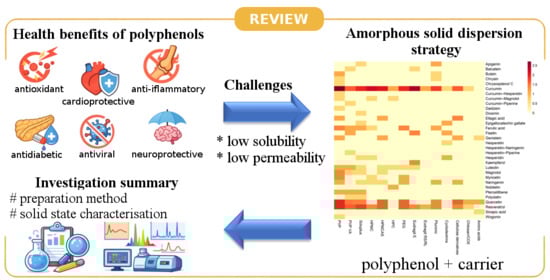
Polyphenols have attracted considerable scientific interest over recent years due to their broad spectrum of biological activities, including antioxidant, cardioprotective, anti-inflammatory, antidiabetic, and anticancer properties. However, their practical application is often limited by unfavorable physicochemical characteristics, particularly low aqueous solubility. Consequently, amorphous solid [...] Read more.
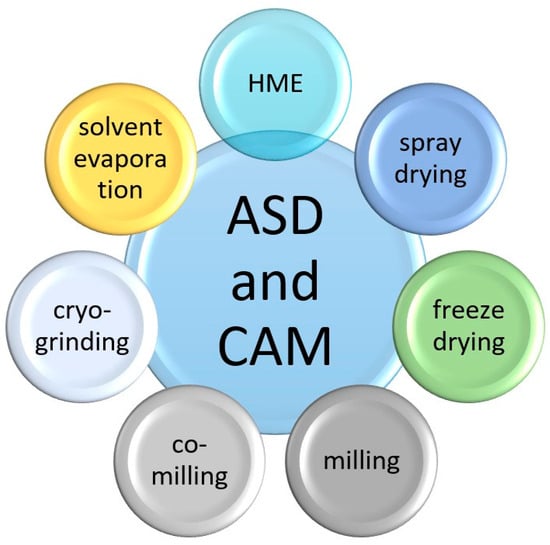
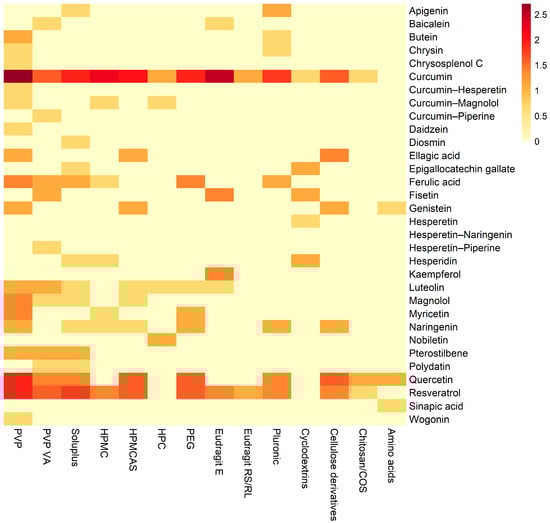
Polyphenols have attracted considerable scientific interest over recent years due to their broad spectrum of biological activities, including antioxidant, cardioprotective, anti-inflammatory, antidiabetic, and anticancer properties. However, their practical application is often limited by unfavorable physicochemical characteristics, particularly low aqueous solubility. Consequently, amorphous solid dispersions (ASDs) have been extensively investigated as a formulation strategy to overcome these limitations. This article represents the first part of a two-part review and presents the current state of the art in amorphous solid dispersions of polyphenols. The available literature is systematically summarized with respect to the investigated polyphenolic compounds, the employed carriers (with particular emphasis on polymeric systems), the preparation methods, and the solid-state characterization techniques used to confirm amorphization. Both single-component systems and binary combinations of polyphenols reported in the literature are considered. The collected data are presented in tabular form and complemented by a heat map illustrating the frequency of reported polyphenol–carrier combinations. The aim of this review is to organize the available knowledge, identify the most extensively studied systems, and highlight research areas that remain underexplored. A detailed discussion of the pharmaceutical benefits and mechanistic aspects of polyphenols in ASD systems will be provided in Part II. Full article
(This article belongs to the Special Issue Innovations in Solid Dispersions for Drug Delivery)
Show Figures

Graphical abstract

22 pages, 7462 KB  
Article
Microstructural, Thermal, and Mechanical Characterization of TPU Composites Using Hybrid MWCNT–Graphene Nanofiller for Thermal Management
by Suraj Vairagade, Narendra Kumar, Ravi Pratap Singh, Srinivasa Rao Pedapati, Roshan Vijay Marode, Vaibhav Satone and Santoshi Pedapati
J. Compos. Sci. 2026, 10(4), 200; https://doi.org/10.3390/jcs10040200 (registering DOI) - 8 Apr 2026
Abstract
Advanced thermal management applications, including electronics cooling, battery systems, and micro heat exchangers, are increasingly requiring thermally conductive yet flexible polymer composites. Composite films containing total nanofiller loadings of 2.5, 5, 7.5, and 10 wt.% were systematically characterized using SEM, TGA, DSC, TT, [...] Read more.
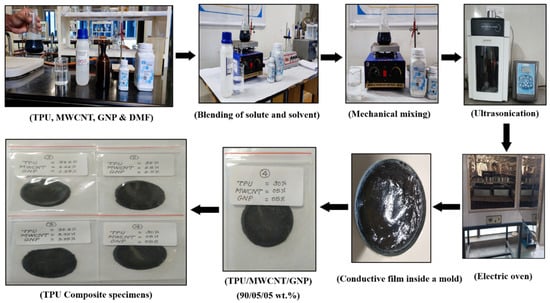
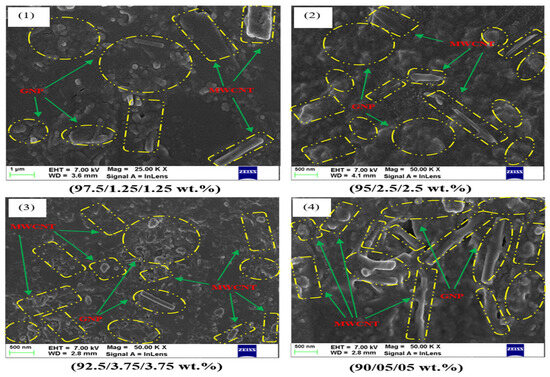
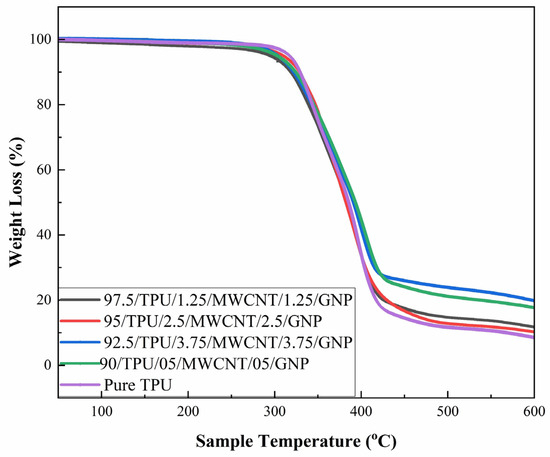
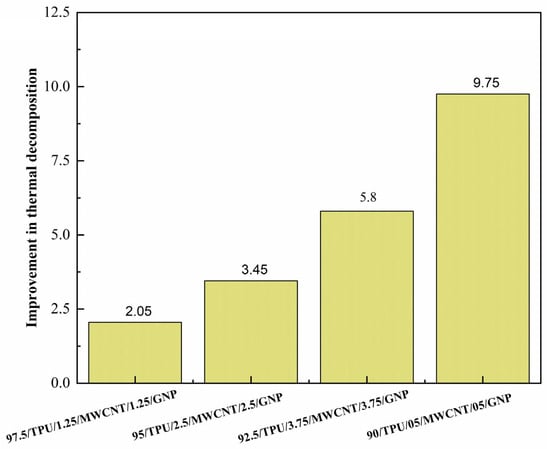
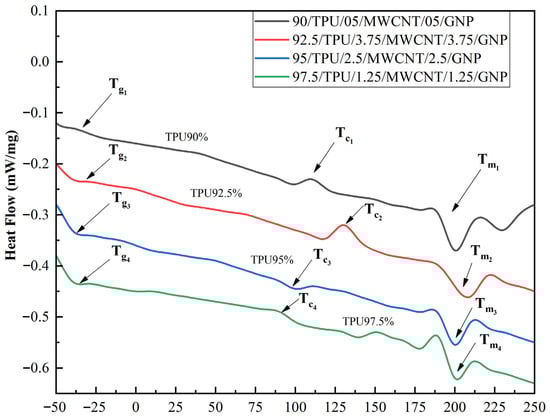
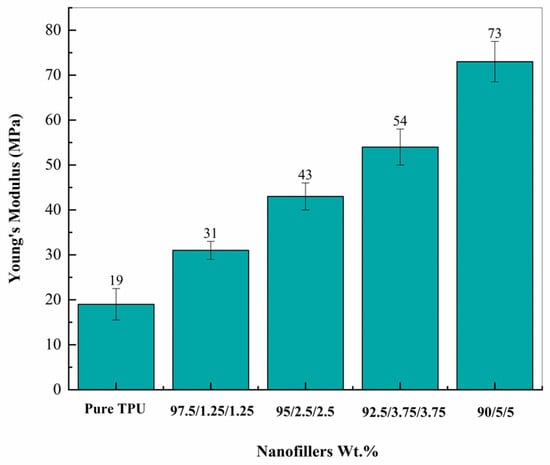
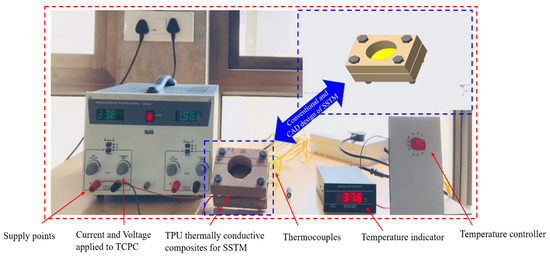
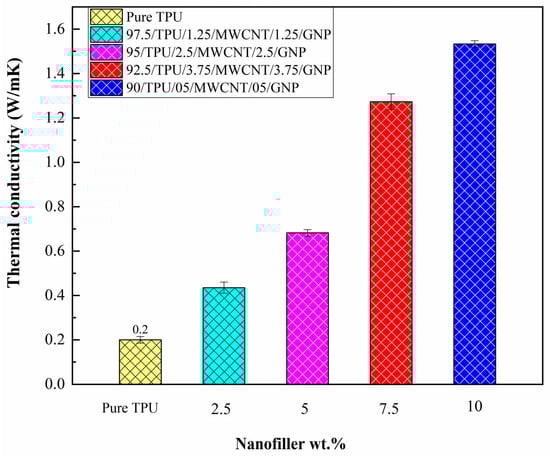
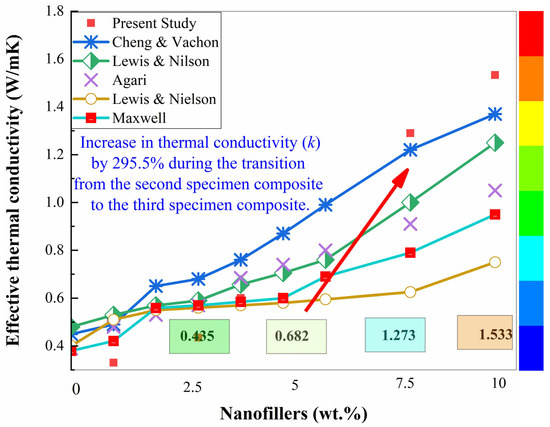
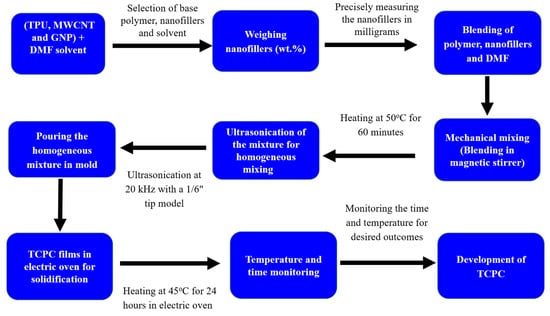
Advanced thermal management applications, including electronics cooling, battery systems, and micro heat exchangers, are increasingly requiring thermally conductive yet flexible polymer composites. Composite films containing total nanofiller loadings of 2.5, 5, 7.5, and 10 wt.% were systematically characterized using SEM, TGA, DSC, TT, and SSTM following ASTM C177-19. SEM analysis confirmed uniform dispersion and effective network formation of MWCNTs and GNPs within the TPU matrix at higher filler loadings. Thermal stability improved significantly, with the degradation onset temperature increasing from 319.2 °C for pure TPU to 369 °C for the TPU/MWCNT/GNP (90/5/5 wt.%) composite. DSC results revealed enhanced glass transition and melting temperatures, indicating improved thermal resistance and crystallinity. Mechanical testing showed a substantial increase in Young’s modulus, reaching 72.5 MPa for the 90/5/5 wt.% composite, corresponding to a 286.66% improvement over pure TPU. Most notably, steady-state thermal conductivity increased dramatically from 0.20 W/mK for pure TPU to 1.533 W/mK for the 90/5/5 wt.% composite, representing a 666.50% enhancement. The experimental results closely aligned with percolation-based theoretical models at higher filler concentrations. Overall, the developed hybrid nanofiller TPU composites demonstrate a synergistic improvement in thermal conductivity, mechanical strength, and thermal stability, making them promising candidates for flexible thermal management components in electronics, automotive, renewable energy, and biomedical applications. Full article
Show Figures

Figure 1

32 pages, 7135 KB  
Article
Evolutionary Multi-Objective Prompt Learning for Synthetic Text Data Generation with Black-Box Large Language Models
by Diego Pastrián, Nicolás Hidalgo, Víctor Reyes and Erika Rosas
Appl. Sci. 2026, 16(8), 3623; https://doi.org/10.3390/app16083623 (registering DOI) - 8 Apr 2026
Abstract
High-quality training data are essential for the performance and generalization of artificial intelligence systems, particularly in dynamic environments such as adaptive stream processing for disaster response. However, constructing large and representative datasets remains costly and time-consuming, especially in domains where real data are [...] Read more.
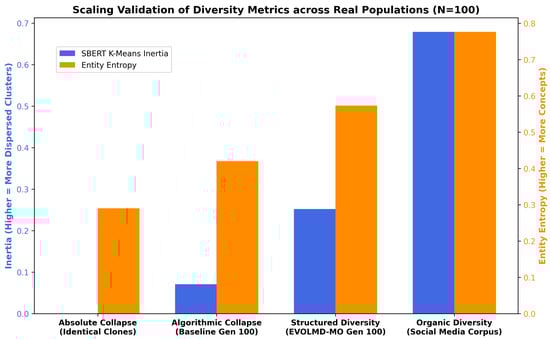
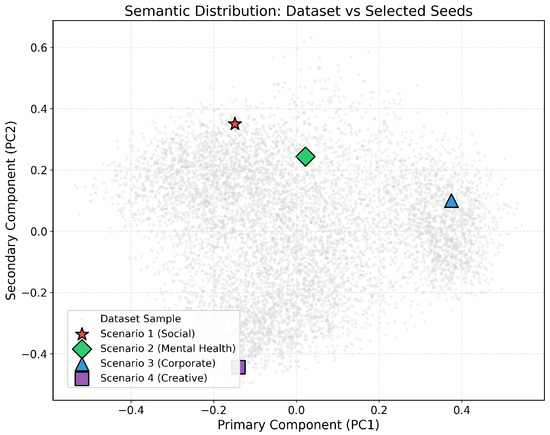
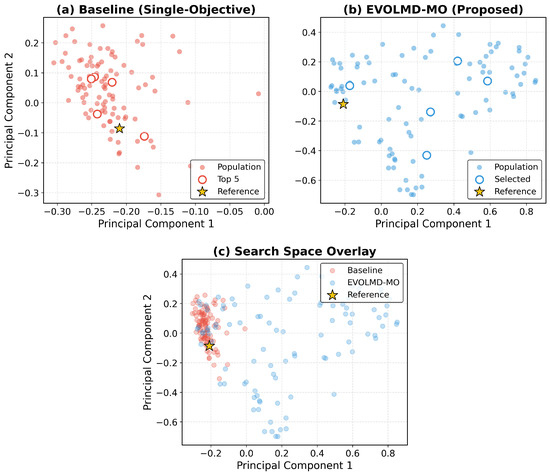
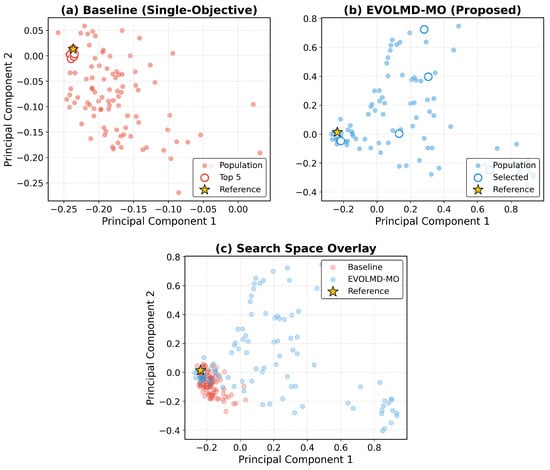
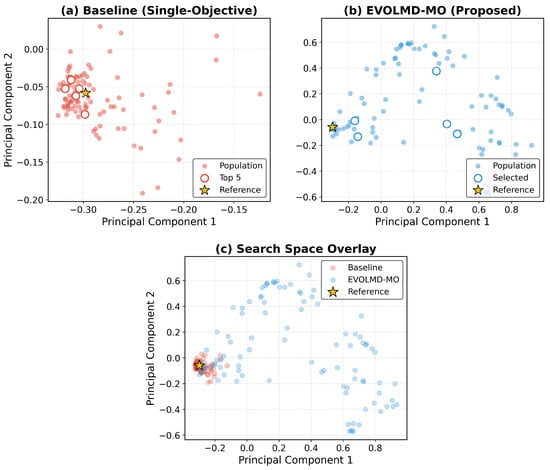
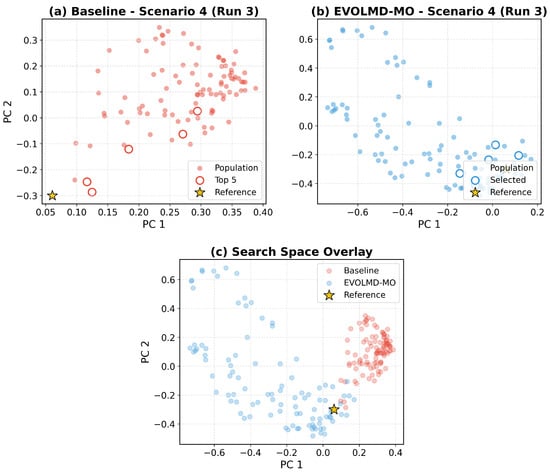
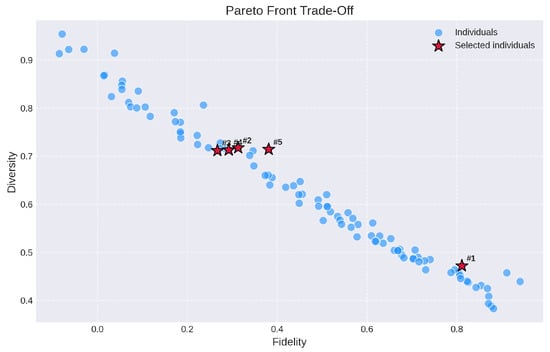
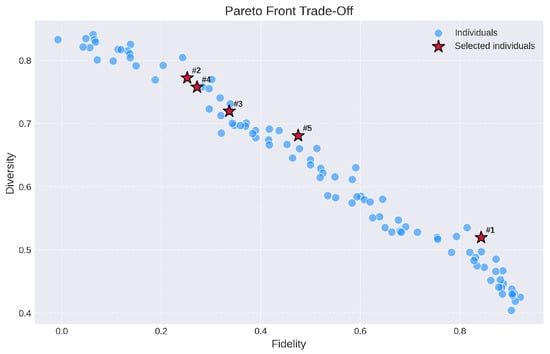
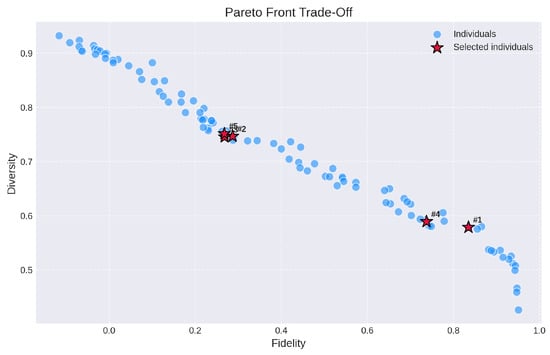
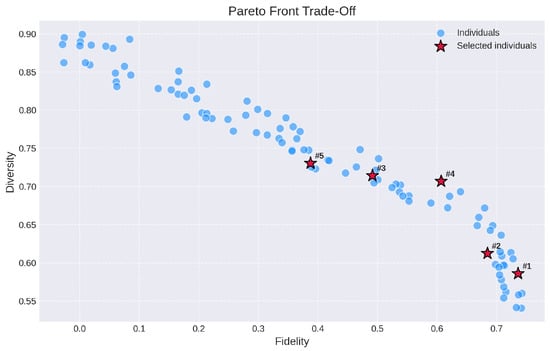
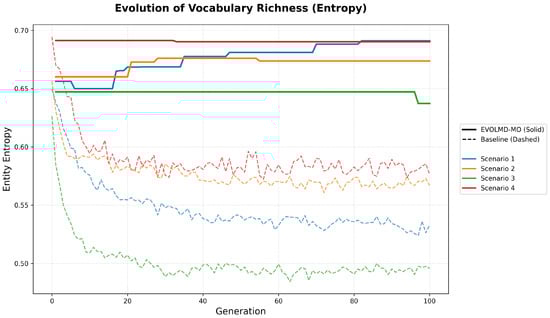
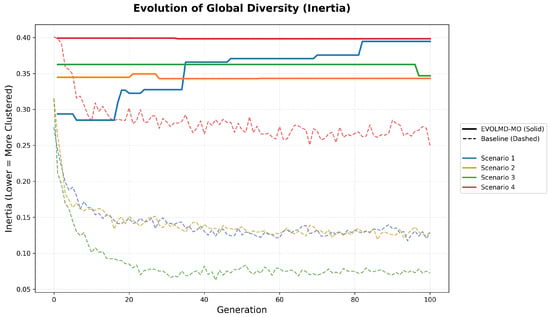
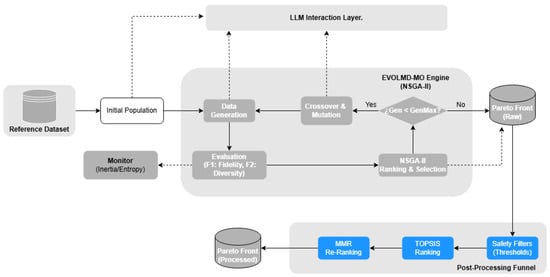
High-quality training data are essential for the performance and generalization of artificial intelligence systems, particularly in dynamic environments such as adaptive stream processing for disaster response. However, constructing large and representative datasets remains costly and time-consuming, especially in domains where real data are scarce or difficult to obtain. Large Language Models (LLMs) provide powerful capabilities for synthetic text generation, yet the quality of generated data strongly depends on the design of input prompts. Prompt engineering is therefore critical, but it remains largely manual and difficult to scale, particularly in black-box settings where model internals are inaccessible. This work introduces EVOLMD-MO, a multi-objective evolutionary framework for automated prompt learning aimed at generating high-quality synthetic text datasets using black-box LLMs. The proposed approach formulates prompt optimization as a multi-objective search problem in which candidate prompts evolve through genetic operators guided by two complementary objectives: semantic fidelity to reference data and generative diversity of the produced samples. To support scalable optimization, the framework integrates a modular multi-agent architecture that decouples prompt evolution, LLM interaction, and evaluation mechanisms. The evolutionary process is implemented using the NSGA-II algorithm, enabling the discovery of diverse Pareto-optimal prompts that balance semantic preservation and diversity. Experimental evaluation using large-scale disaster-related social media data demonstrates that the proposed approach consistently improves prompt quality across generations while maintaining a stable trade-off between fidelity and diversity. Compared with a single-objective baseline, EVOLMD-MO explores a significantly broader semantic search space and produces more diverse yet semantically coherent synthetic datasets. These results indicate that multi-objective evolutionary prompt learning constitutes a promising strategy for black-box LLM-driven data generation, with potential applicability to adaptive data analytics and real-time decision-support systems in highly dynamic environments, pending broader validation across domains and models. Full article
(This article belongs to the Special Issue Resource Management for AI-Centric Computing Systems)
Show Figures

Figure 1

22 pages, 609 KB  
Review
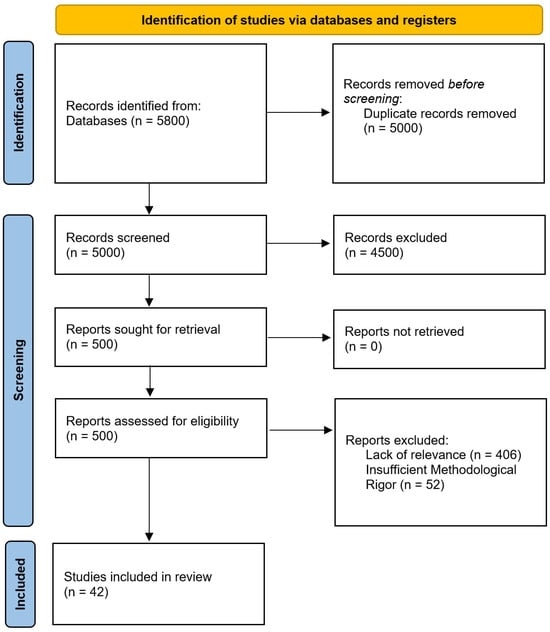
Periodontal Status of Patients with Celiac Disease and Non-Celiac Gluten Sensitivity: A Literature Review
by Thaleia Angelopoulou and Yiorgos A. Bobetsis
J. Clin. Med. 2026, 15(8), 2828; https://doi.org/10.3390/jcm15082828 (registering DOI) - 8 Apr 2026
Abstract
Background/Objectives: Celiac disease (CD) is a chronic, immune-mediated enteropathy induced by dietary gluten exposure in genetically predisposed individuals. Along with non-celiac gluten sensitivity (NCGS), these disorders present with multiple intestinal and extra-intestinal symptoms leading to multisystemic involvement, with complications documented in the [...] Read more.
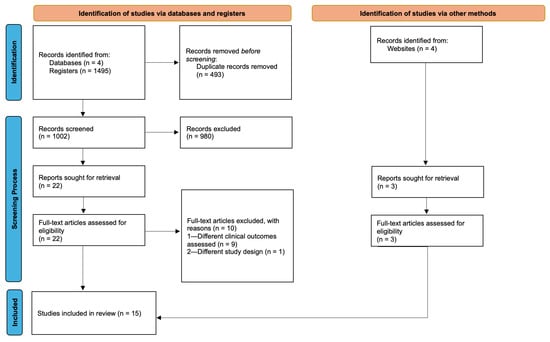
Background/Objectives: Celiac disease (CD) is a chronic, immune-mediated enteropathy induced by dietary gluten exposure in genetically predisposed individuals. Along with non-celiac gluten sensitivity (NCGS), these disorders present with multiple intestinal and extra-intestinal symptoms leading to multisystemic involvement, with complications documented in the oral cavity as well. Persistent immune activation and dysregulation, chronic inflammation, nutrient deficiencies, xerostomia, and microbial dysbiosis found in CD and NCGS constitute shared pathological findings, providing biological plausibility for an association with periodontitis. Methods: A narrative literature review was conducted based on a systematic search of four databases (PubMed, Scopus, Web of Science, Cochrane Library) and the gray literature through January 2026. A comprehensive set of clinical, radiographic, biochemical and immunological parameters was assessed. Two reviewers independently screened and selected studies, with disagreements resolved by consensus. Results: A total of 15 studies met the eligibility criteria and were included in the review. Available evidence, mainly derived from cross-sectional observational studies, remains limited, methodologically heterogeneous, and largely inconclusive. Across adult and pediatric populations, findings do not consistently demonstrate a clinically meaningful association between CD or NCGS and periodontal inflammation, irrespective of gluten-free diet (GFD) adherence. Observed differences, when reported, are modest and inconsistent, and can be mainly attributed to oral hygiene behaviors and dental visit patterns. Conclusions: Despite considerable biological plausibility linking gluten-related disorders with periodontal inflammation, current evidence does not support a definitive conclusion regarding the impact of CD or NCGS on periodontal health. Full article
(This article belongs to the Section Dentistry, Oral Surgery and Oral Medicine)
Show Figures

Figure 1

12 pages, 800 KB  
Article
Preliminary Experimental Study on the Removal of Staphylococcus epidermidis and Pseudomonas aeruginosa from Surgical Instrument Surfaces Under Controlled Conditions
by Edmar Gonçalves Pereira Filho, Stéfanne Rodrigues Rezende Ferreira, Amanda Veiga Paiva Simões, Eli Júnior Pereira Rodrigues, Iorrana Morais de Oliveira, Marillia Lima Costa, Adeliane Castro da Costa, Berendina Elsina Bouwman and Hanstter Hallison Alves Rezende
Microbiol. Res. 2026, 17(4), 77; https://doi.org/10.3390/microbiolres17040077 (registering DOI) - 8 Apr 2026
Abstract
The objective of this study is to evaluate the efficiency of surgical instruments’ manual cleaning versus automated cleaning in an ultrasonic cleaner for the removal of biofilms on surgical forceps contaminated with Staphylococcus epidermidis and Pseudomonas aeruginosa. Subsequently, the residual microbial load [...] Read more.
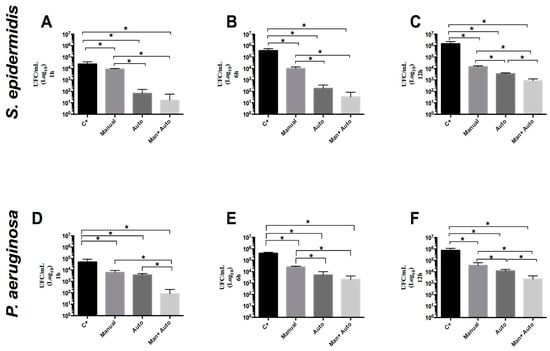
The objective of this study is to evaluate the efficiency of surgical instruments’ manual cleaning versus automated cleaning in an ultrasonic cleaner for the removal of biofilms on surgical forceps contaminated with Staphylococcus epidermidis and Pseudomonas aeruginosa. Subsequently, the residual microbial load was quantified through microbiological culture, aiming to evaluate the effectiveness of biofilm removal under different reprocessing conditions. Cleaning is an essential step in the processing of surgical instruments to ensure the effective removal of dirt and microorganisms. Through adhesion, microorganisms can attach to surfaces and form biofilms, organized structures surrounded by an extracellular matrix consisting of various components, which favor metabolic exchanges, adaptation, resistance, and bacterial dispersion. These biofilms increase the pathogenic potential of microorganisms, contributing to the occurrence of Healthcare-Associated Infections, and to avoid these, it is essential that preventive measures aimed at microbial reduction are adopted. Automated cleaning proved more effective than manual cleaning, and the combined approach achieved the greatest microbial reduction, though persistent contamination was still observed. The ability of adhesion and biofilm formation on the surfaces of surgical instruments is regarded as a challenge for complete microbial removal. These findings enhance the need for more rigorous reprocessing protocols and complementary strategies to ensure greater safety in the use of reusable instruments in clinical practice. Full article
Show Figures

Figure 1

26 pages, 9959 KB  
Article
Sustainable Humidity and Thermal Management in UK Indoor Swimming Pools with Liquid Desiccant Technology
by Alessandro Giampieri, Janie Ling-Chin, Christopher Beeson and Anthony Paul Roskilly
Energies 2026, 19(8), 1823; https://doi.org/10.3390/en19081823 (registering DOI) - 8 Apr 2026
Abstract
Indoor swimming pools require ventilation and precise temperature and humidity control, leading to significant energy consumption. This study investigated the use of liquid desiccant technology to reduce energy consumption for heating and dehumidification of two indoor swimming pools in a UK leisure centre. [...] Read more.
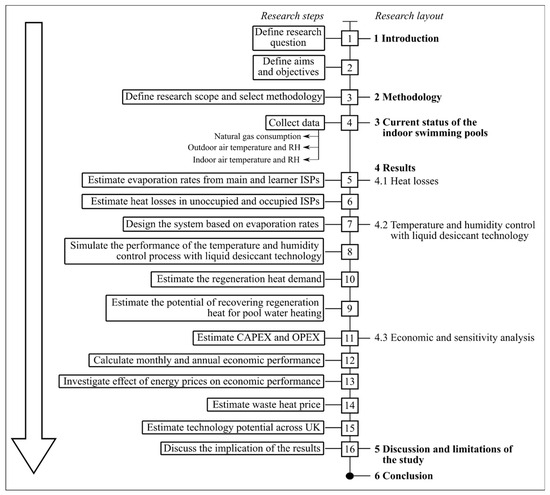
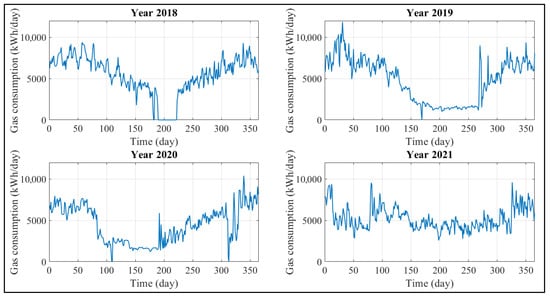
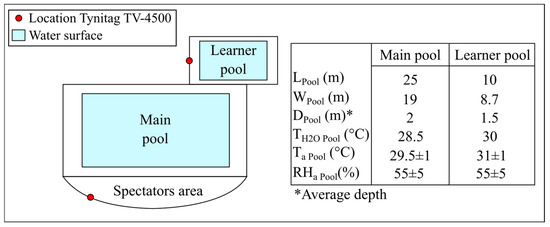
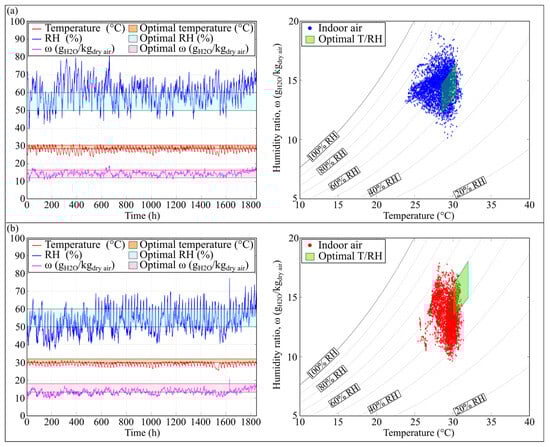
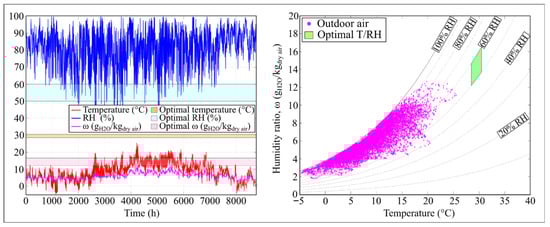
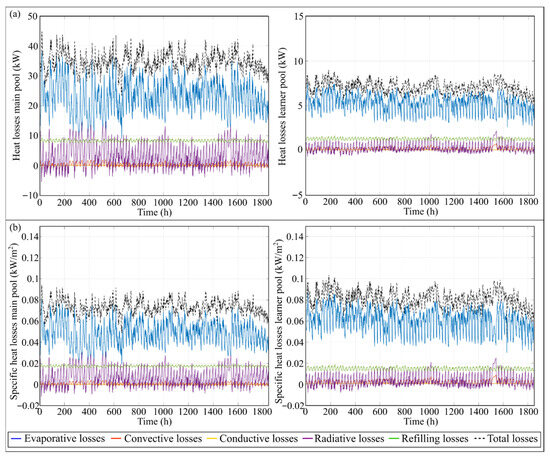
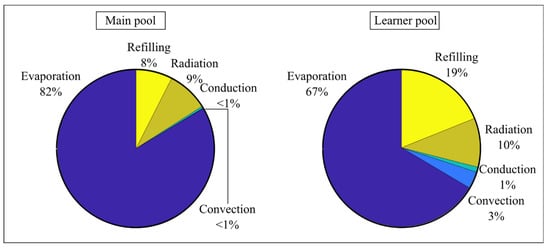
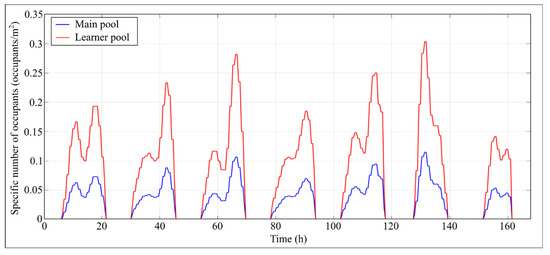
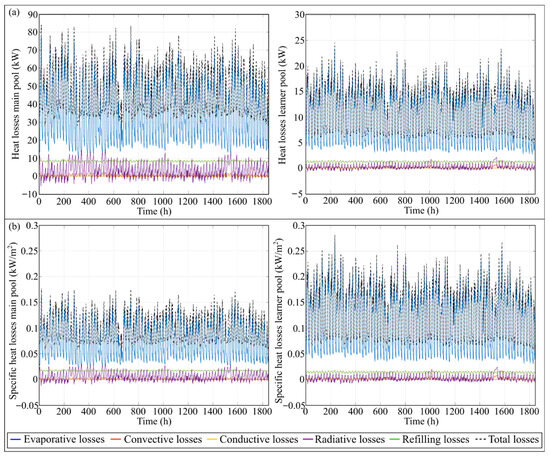
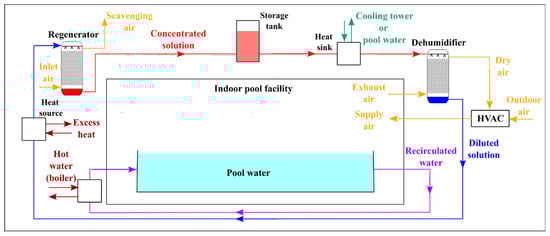
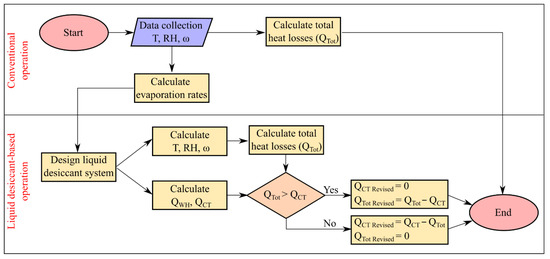
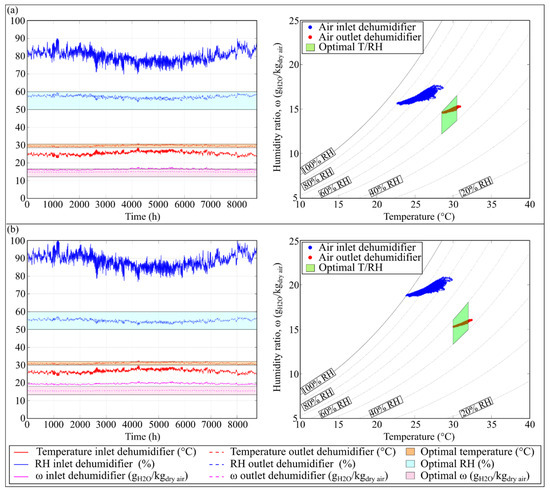
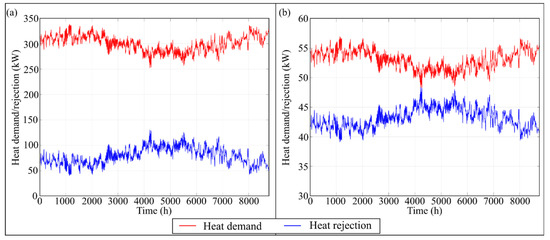
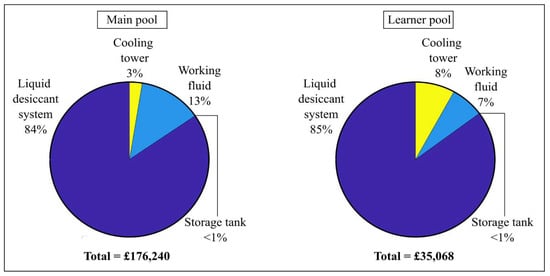
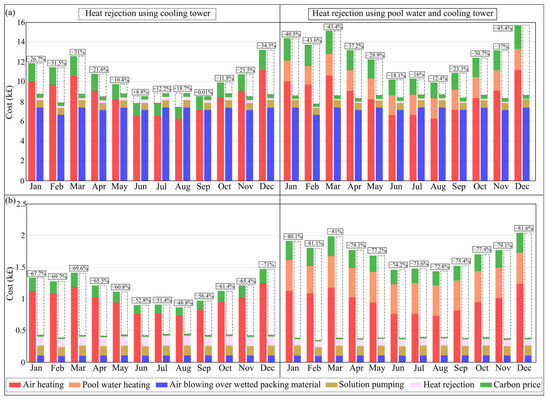
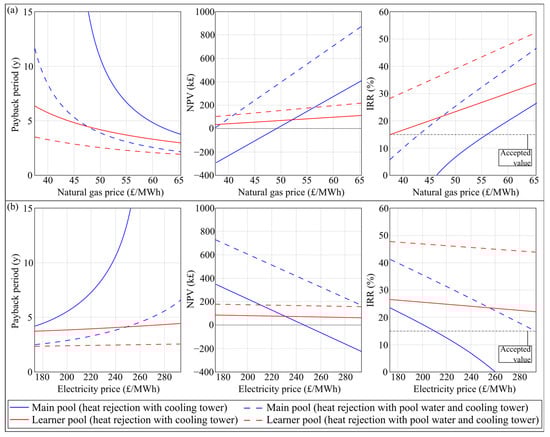
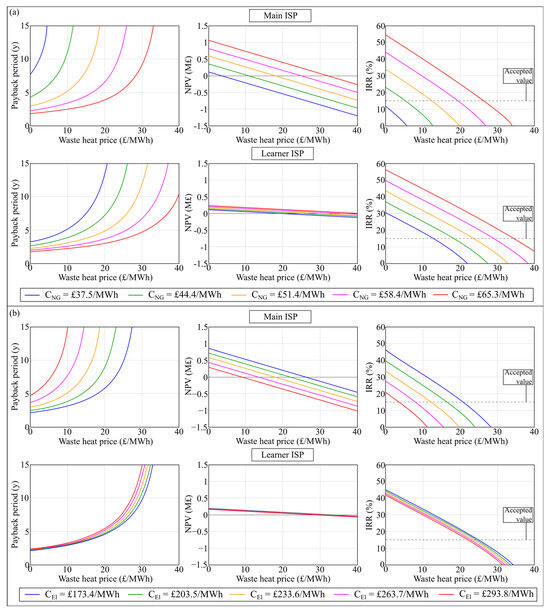
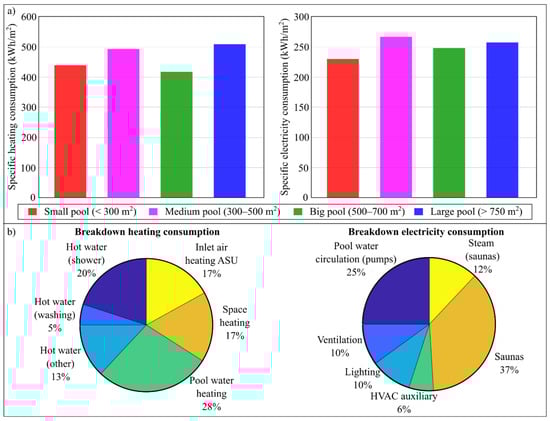
Indoor swimming pools require ventilation and precise temperature and humidity control, leading to significant energy consumption. This study investigated the use of liquid desiccant technology to reduce energy consumption for heating and dehumidification of two indoor swimming pools in a UK leisure centre. Through dynamic modelling and techno-economic analysis, this research quantified heat losses in the pools, simulated the performance of liquid desiccant technology, evaluated the economic benefits and cost implications of regenerating the desiccant solution using waste heat, and assessed the feasibility of adopting the technology across the entire UK. The results showed that evaporative losses were the dominant heat loss mechanism for both pools, while the proposed liquid desiccant system effectively maintained optimal temperature and humidity conditions. Additionally, pool water can serve as a heat sink after desiccant regeneration, thereby reducing the energy demand for pool water heating. Energy consumption could be reduced by 68.9–76.7% when using a cooling tower and 77.5–88.1% when using pool water for heat rejection, with internal rates of return that can exceed 15% for the most cost-effective configurations. If the regeneration heat is sourced externally, up to £34.7/MWh could be paid for the heat required while ensuring the cost-effectiveness of the process. These findings suggest that liquid desiccant systems can reduce heating and dehumidification energy in indoor swimming pools when low-temperature heat is available for regeneration. Future research should focus on experimental validation, addressing interactions with chlorine gases, long-term system performance and real-world implementation challenges to ensure commercial deployment. Full article
Show Figures

Figure 1

27 pages, 7586 KB  
Article
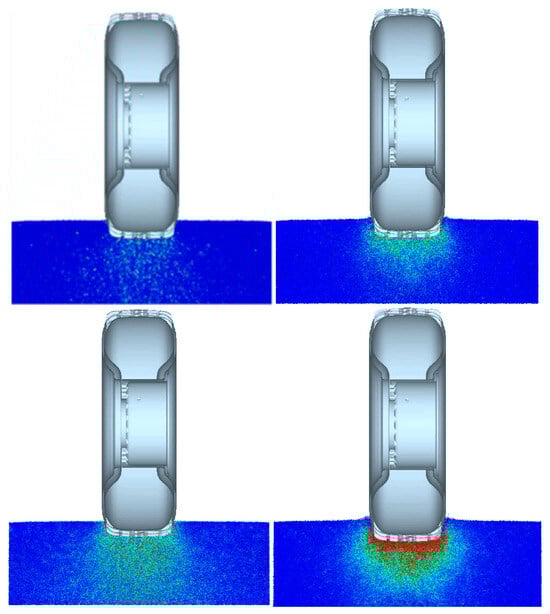
Research on Traction Characteristics of Wheeled Vehicles Based on High-Velocity Off-Road Conditions
by Weiwei Lv, Ke Chen, Yuhan Liu, Ligetu Bi and Mingming Dong
Vehicles 2026, 8(4), 84; https://doi.org/10.3390/vehicles8040084 (registering DOI) - 8 Apr 2026
Abstract
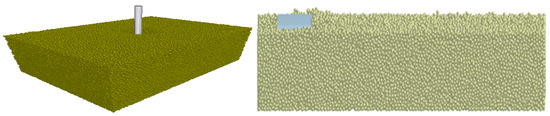
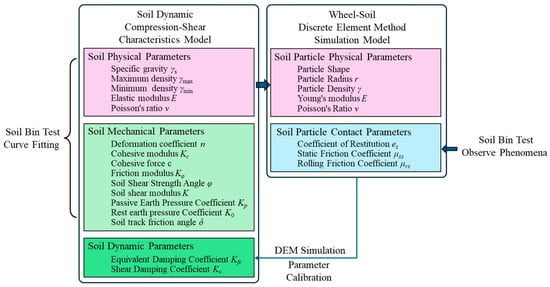
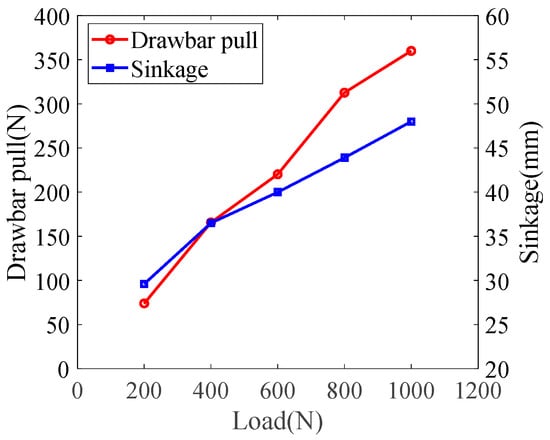
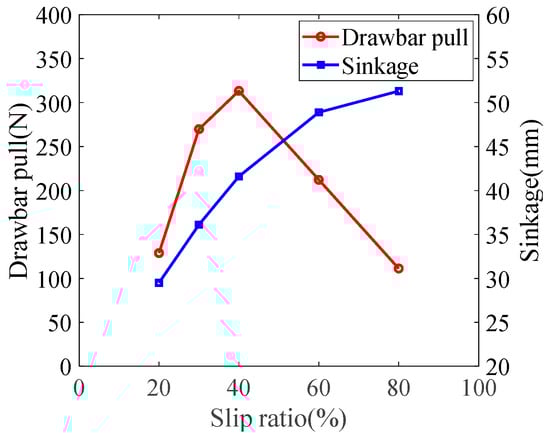
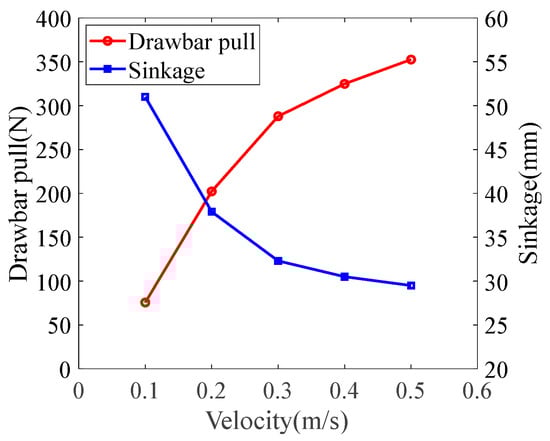
Classical soil mechanics models are inadequate for predicting the traction of wheeled vehicles under high-velocity off-road conditions due to the complex dynamic soil response. To address this, this study proposes a velocity-segmented dynamic compression-shear model for aeolian sandy soil, enhancing classical theories with [...] Read more.
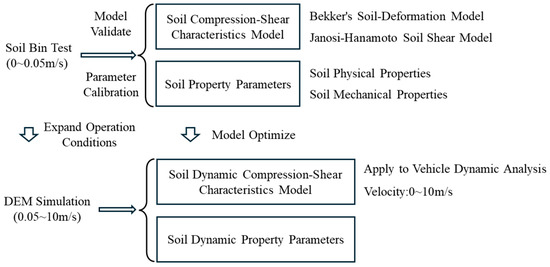
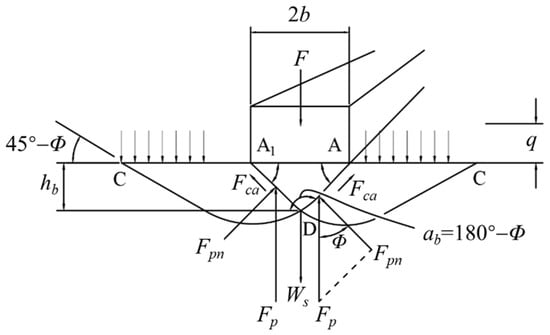
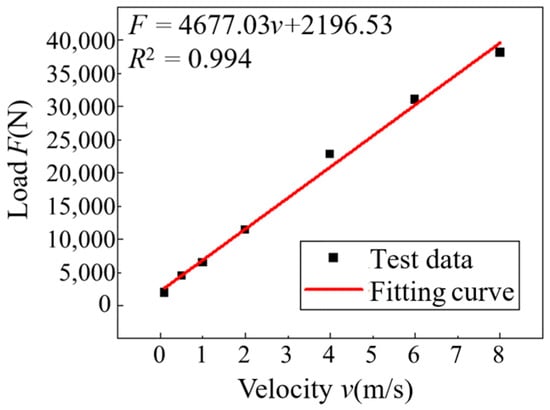
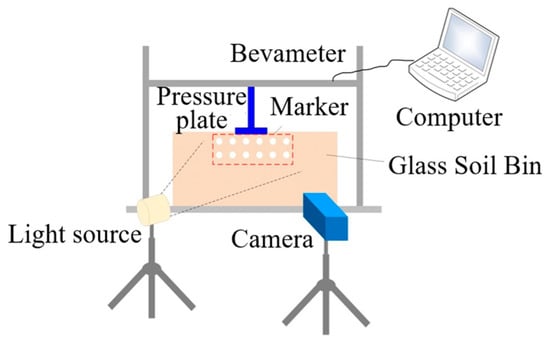
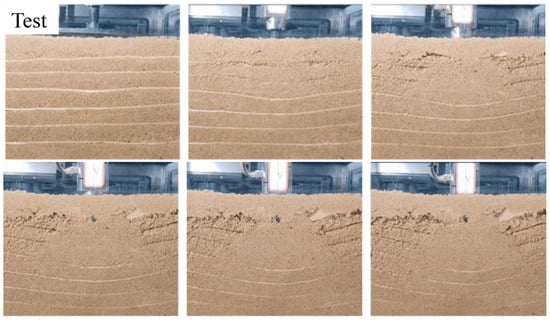
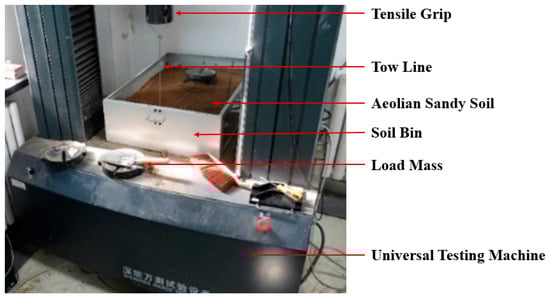
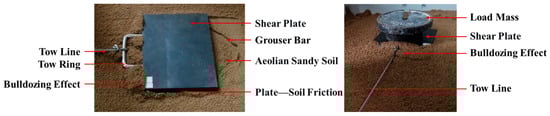
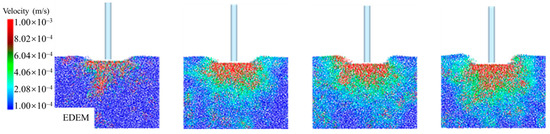
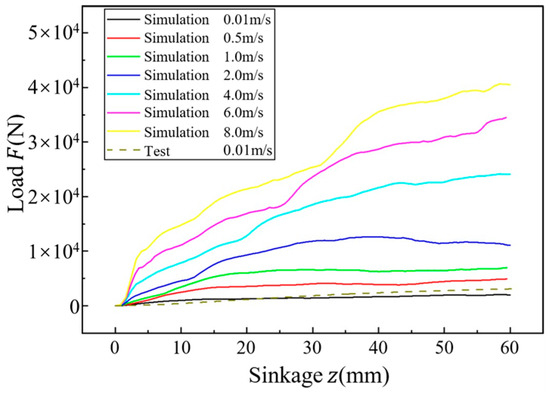
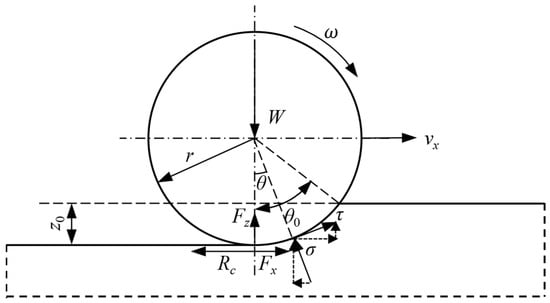
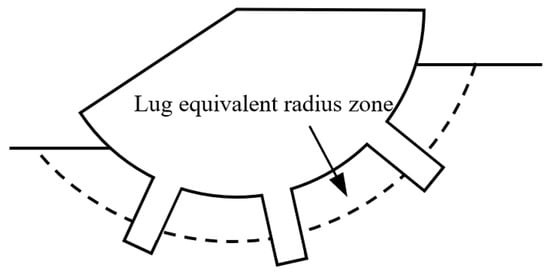
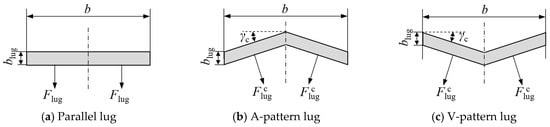
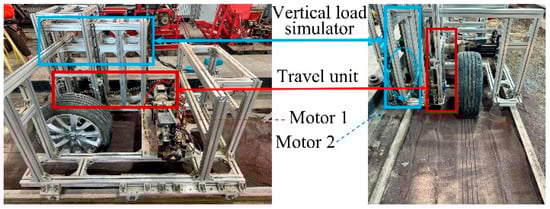
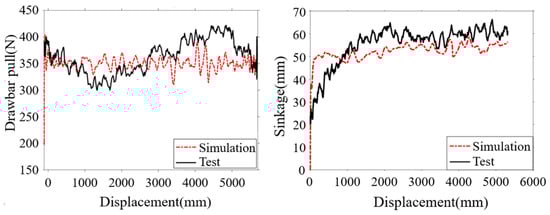
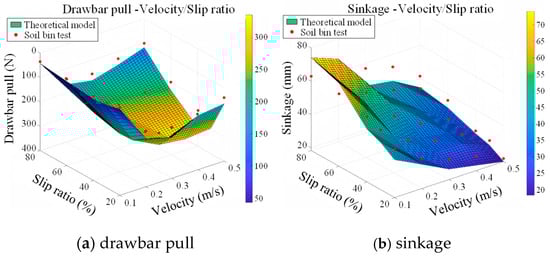
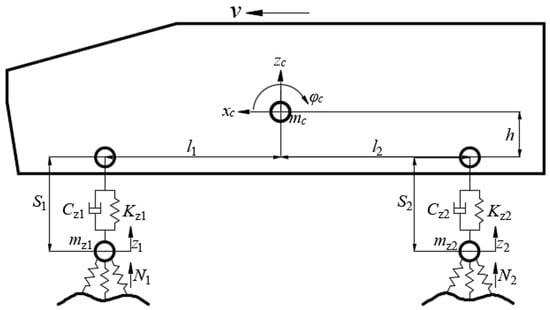
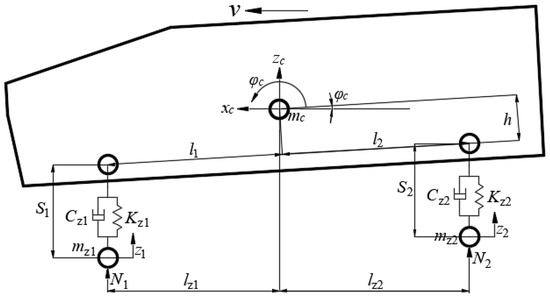
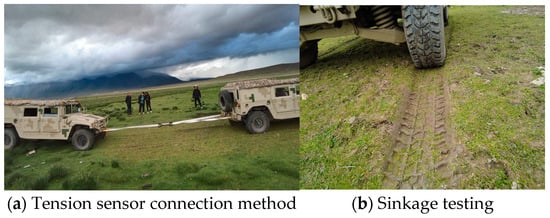
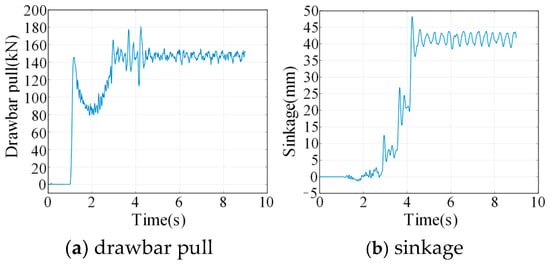
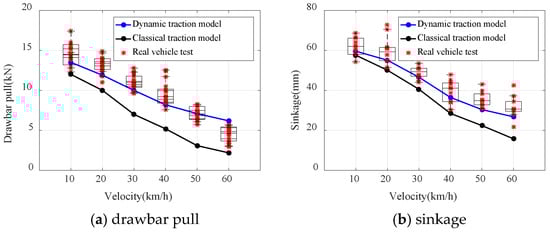
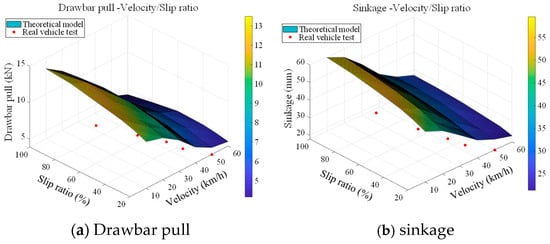
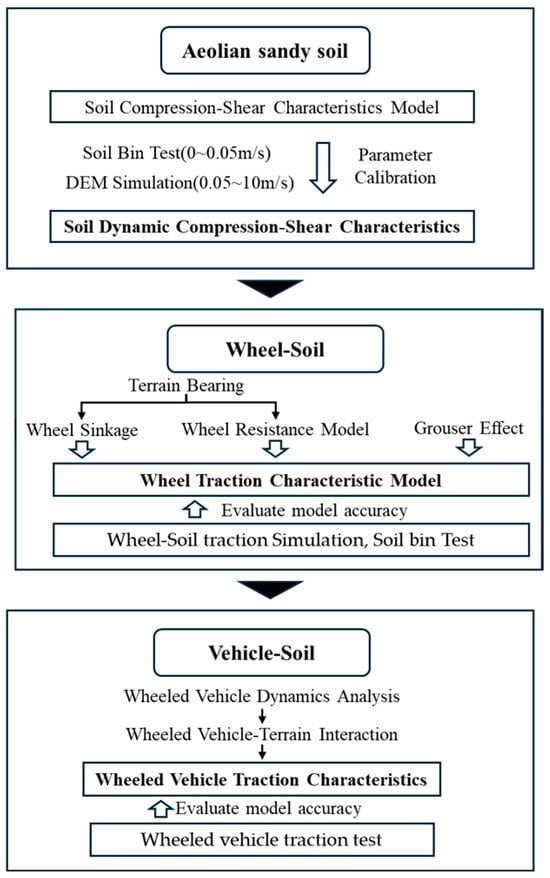
Classical soil mechanics models are inadequate for predicting the traction of wheeled vehicles under high-velocity off-road conditions due to the complex dynamic soil response. To address this, this study proposes a velocity-segmented dynamic compression-shear model for aeolian sandy soil, enhancing classical theories with velocity-dependent corrections for the 0–10 m/s range. A theoretical patterned wheel–soil interaction model is developed, incorporating lug effects via an equivalent radius. Furthermore, a comprehensive vehicle traction model is established by integrating the soil model with a dynamic equilibrium iteration method that couples suspension dynamics, pitch attitude, and axle load distribution. Validation results demonstrate that the single-wheel traction theoretical model achieves an error of less than 18%, while the full vehicle traction model reaches a 73% prediction accuracy for drawbar pull and sinkage, as verified through soil bin tests and full-vehicle experiments. This research provides theoretical framework for the real-time and accurate prediction of wheeled-vehicle traction performance on unprepared terrain, offering significant improvements for high-velocity off-road mobility analysis. Full article
Show Figures

Figure 1

15 pages, 6086 KB  
Article
Horizon Calibration in Highly Deviated Wells and Implications for Velocity-Model Building
by Hailong Ma, Liping Zhang, Ting Lou, Yao Zhao, Lei Zhong, Xiaoxuan Chen and Xuan Chen
Appl. Sci. 2026, 16(8), 3628; https://doi.org/10.3390/app16083628 (registering DOI) - 8 Apr 2026
Abstract
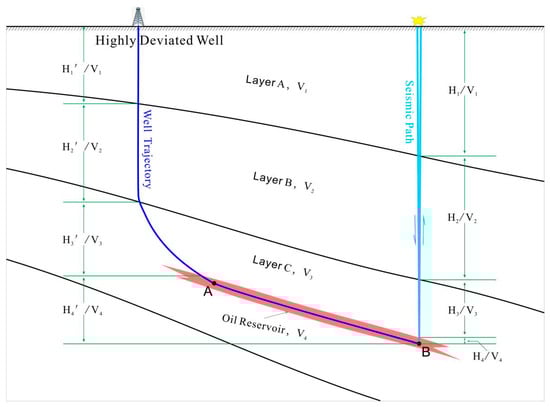
Highly deviated wells commonly exhibit large errors in horizon calibration because the logging path follows an inclined borehole trajectory, whereas post-stack seismic processing effectively treats wave propagation as vertical. This mismatch has received limited attention. Here, we performed horizon calibration and velocity-model building [...] Read more.
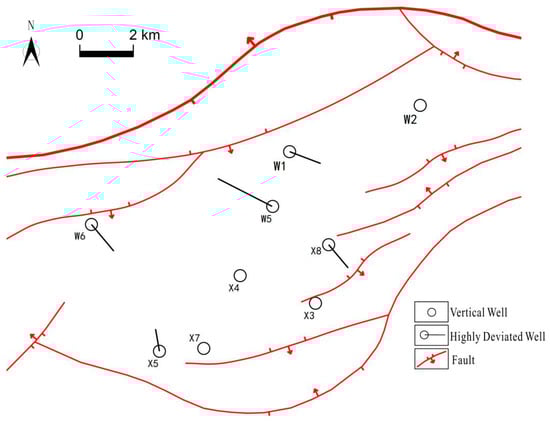
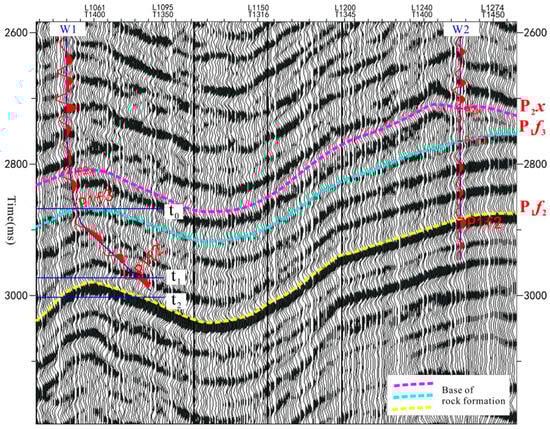
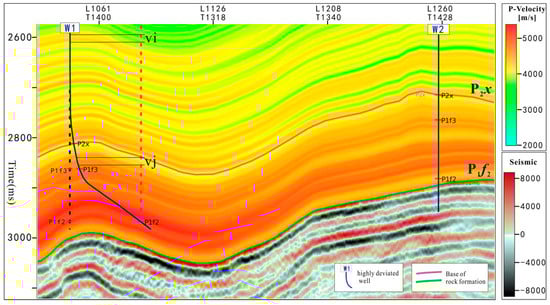
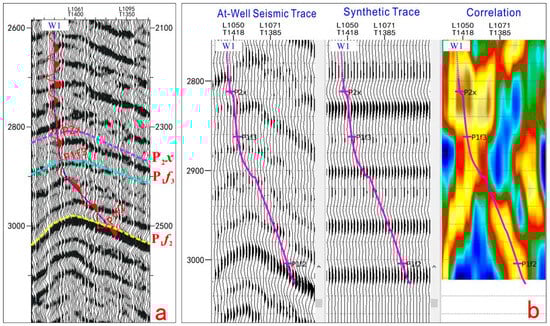
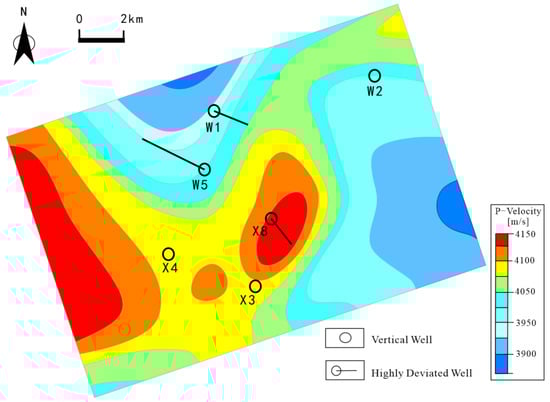
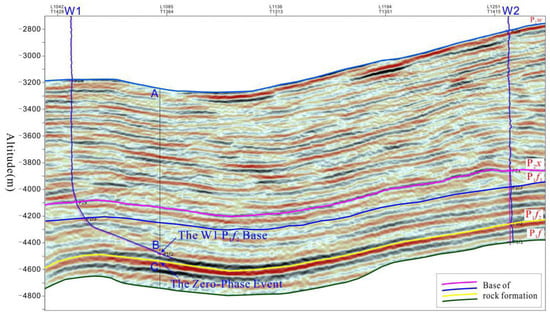
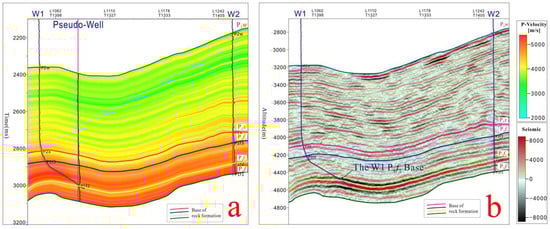
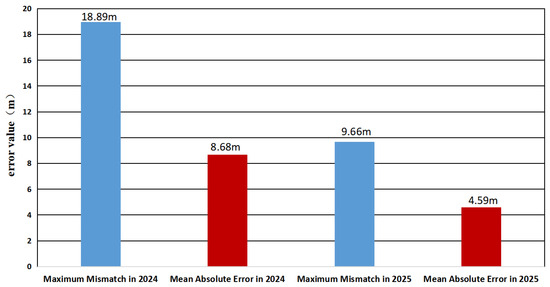
Highly deviated wells commonly exhibit large errors in horizon calibration because the logging path follows an inclined borehole trajectory, whereas post-stack seismic processing effectively treats wave propagation as vertical. This mismatch has received limited attention. Here, we performed horizon calibration and velocity-model building for highly deviated wells drilled in the Mahu Sag, Junggar Basin, and obtained three key findings. First, the assumed vertical travel path in post-stack data is the primary cause of the initial mis-tie for highly deviated wells. Second, calibration in the deviated interval requires a strategy distinct from that of vertical wells and may involve substantial stretching or squeezing of the original logs to achieve a consistent time-depth relationship. Third, the map-view projection of a highly deviated well is essentially linear; relative to vertical wells, it provides denser in situ velocity constraints and, with pseudo-well control, supplies 2D velocity information along the well-trajectory plane, thereby improving velocity-field modeling. Validation against drilling data showed that this workflow improved well ties and refined the velocity model, providing practical guidance for geological well planning and reducing drilling risk. Full article
Show Figures

Figure 1

21 pages, 5738 KB  
Article
How Space Charge Reveals the Electric Field Self-Adaptive Regulation of ZnO-Filled Nonlinear Composites
by Shuojie Gao, Zhikang Yuan, Lijun Jin and Yewen Zhang
Appl. Sci. 2026, 16(8), 3624; https://doi.org/10.3390/app16083624 (registering DOI) - 8 Apr 2026
Abstract
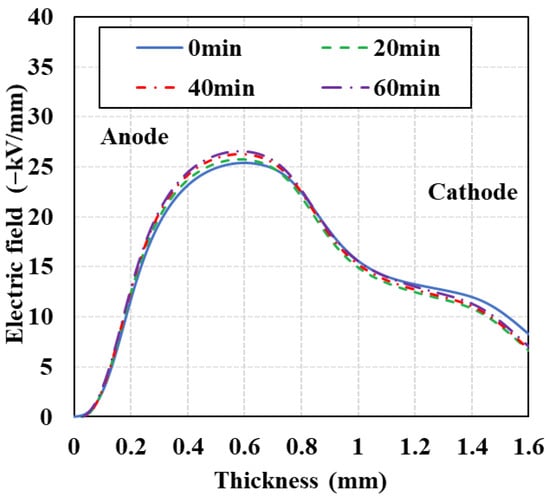
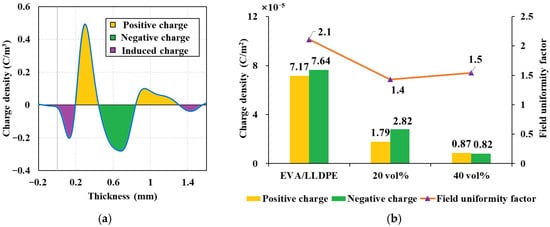
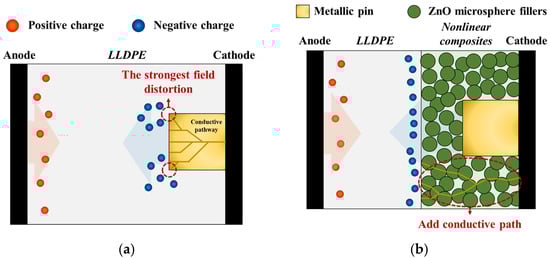
Electric field distortion remains a fundamental challenge to the operational reliability of HVDC cable accessories, where localized stress intensifies space charge injection and accelerates insulation degradation. While nonlinear conductive composites incorporating functional fillers such as ZnO have shown potential for adaptive field grading, [...] Read more.
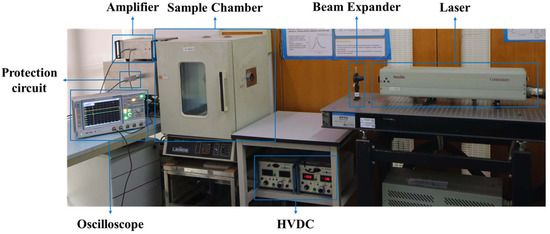
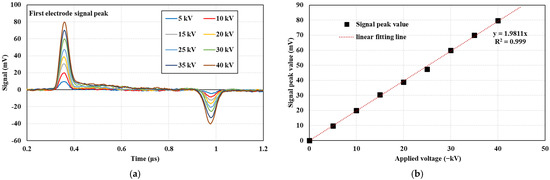
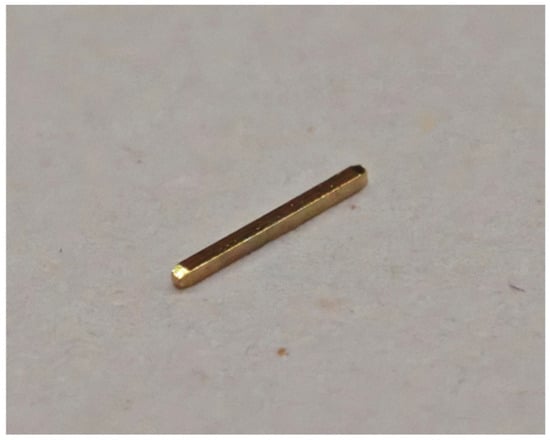
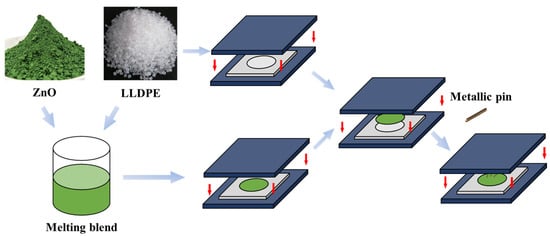
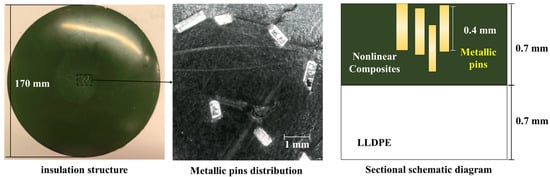
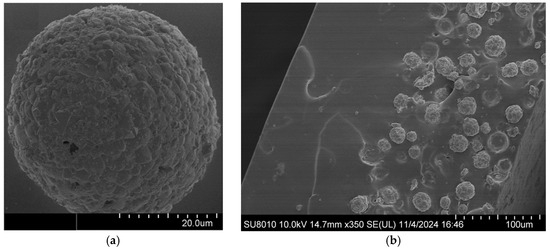
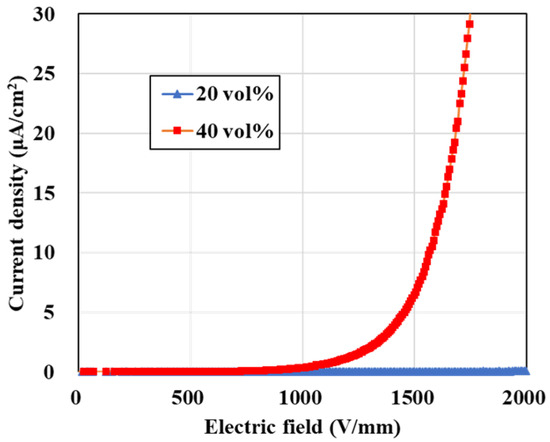
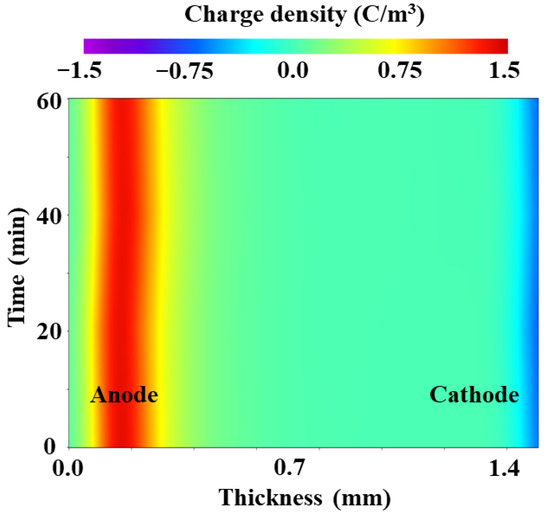
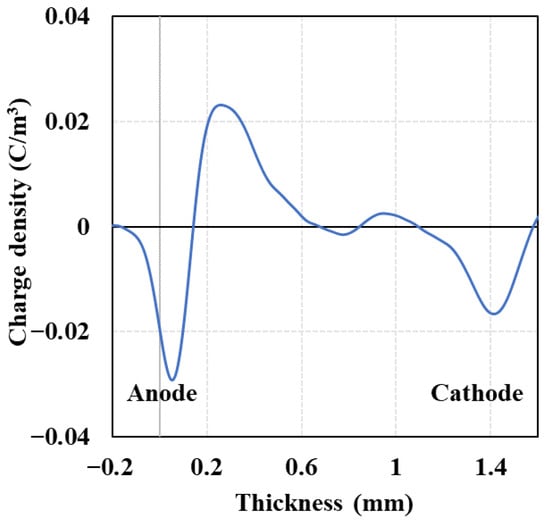
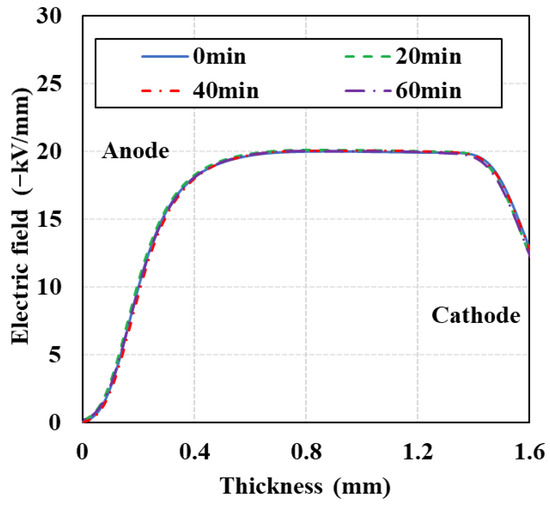
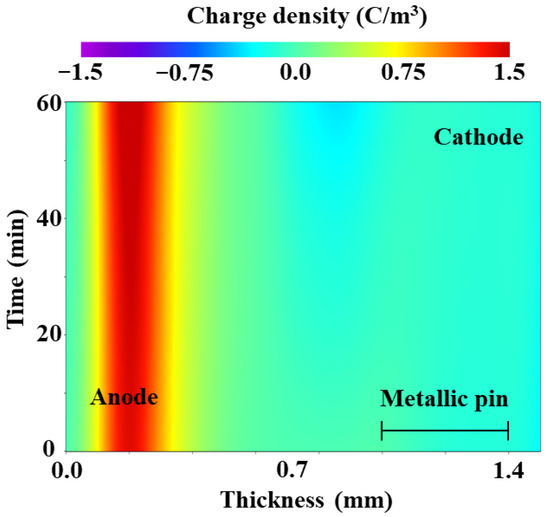
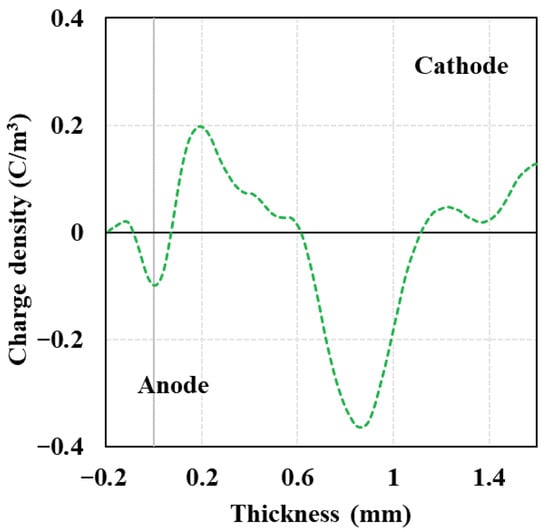
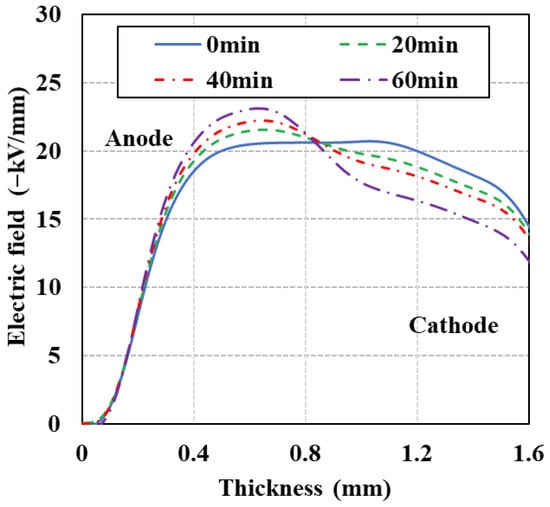
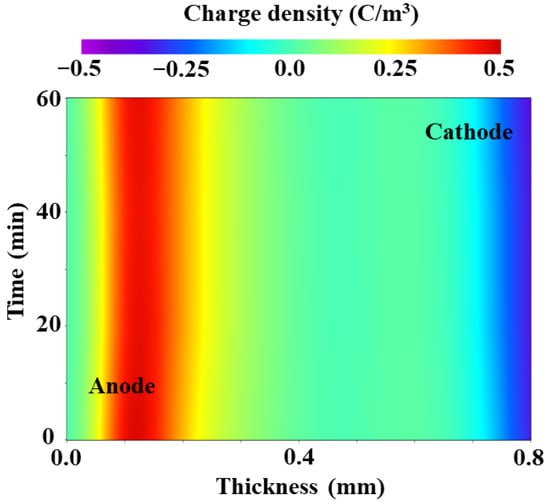
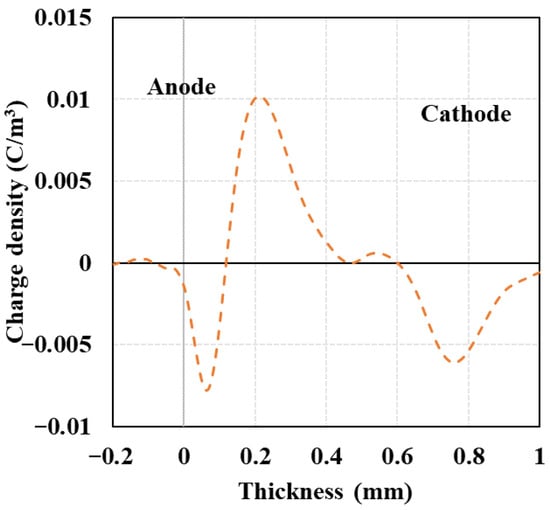
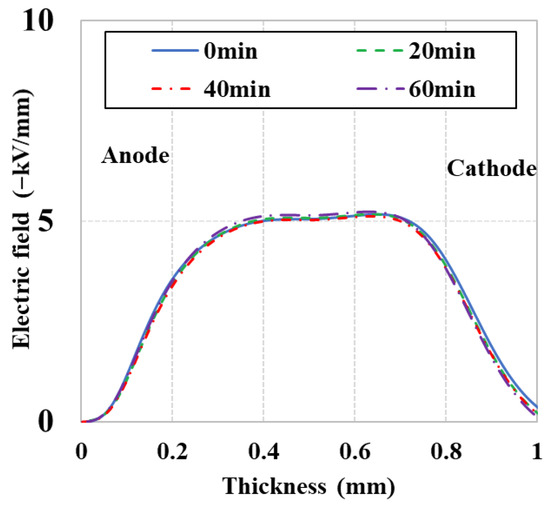
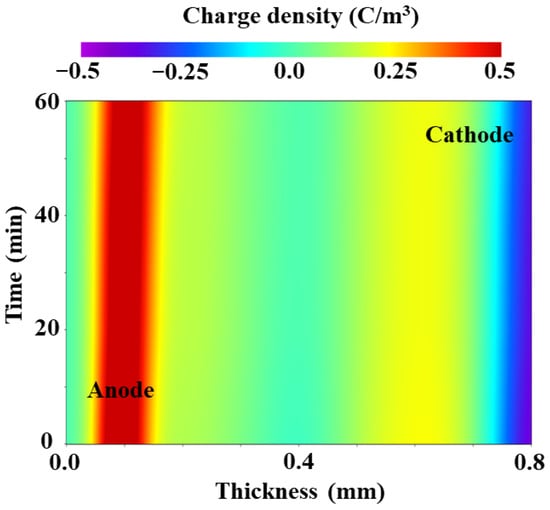
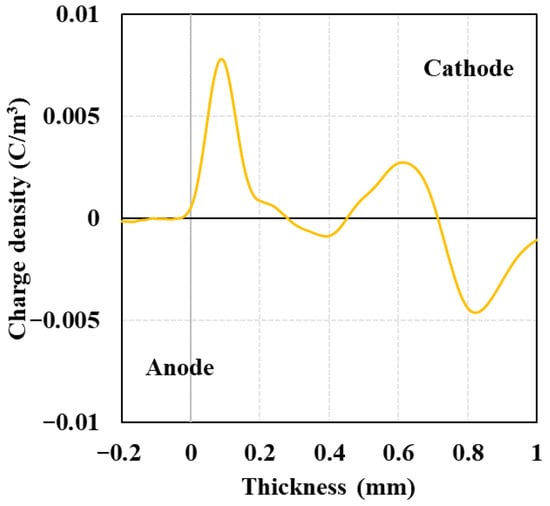
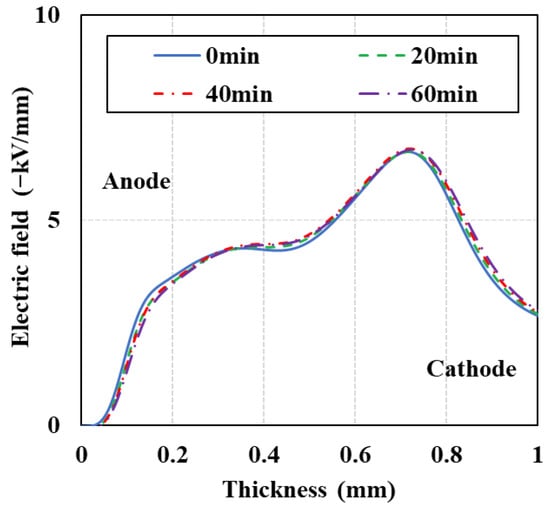
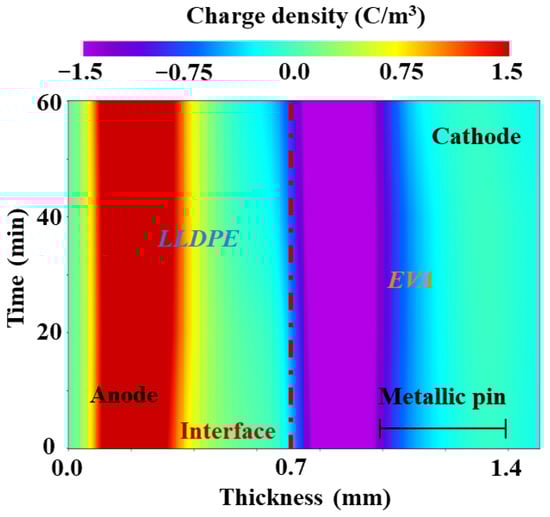
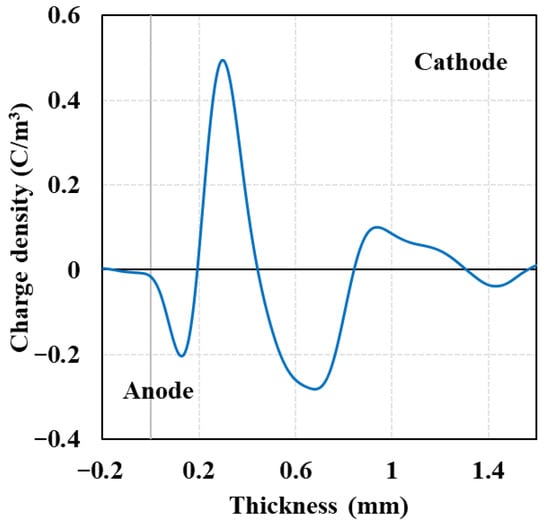
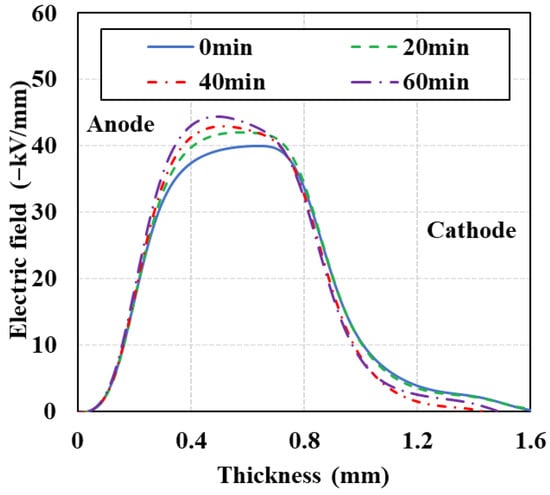
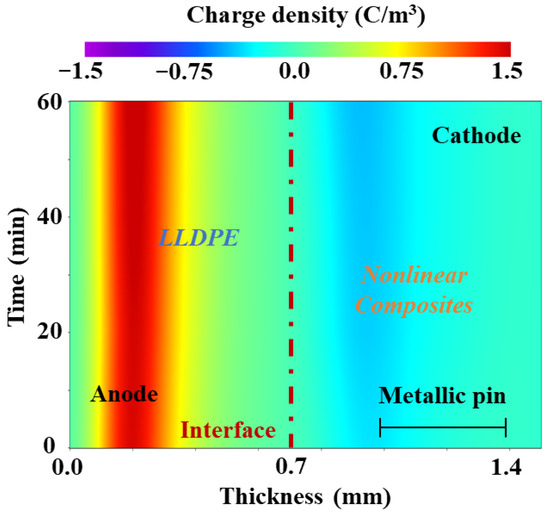
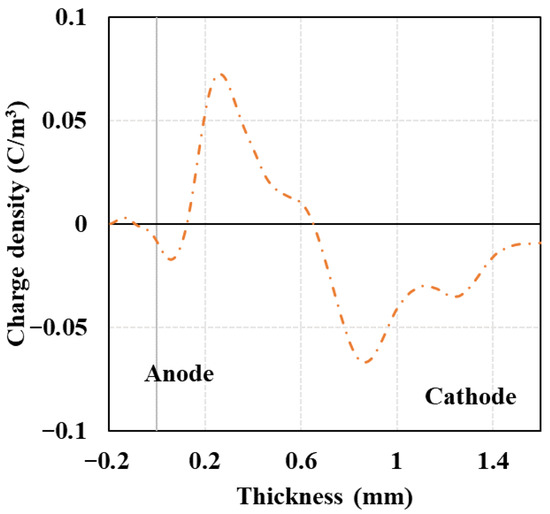
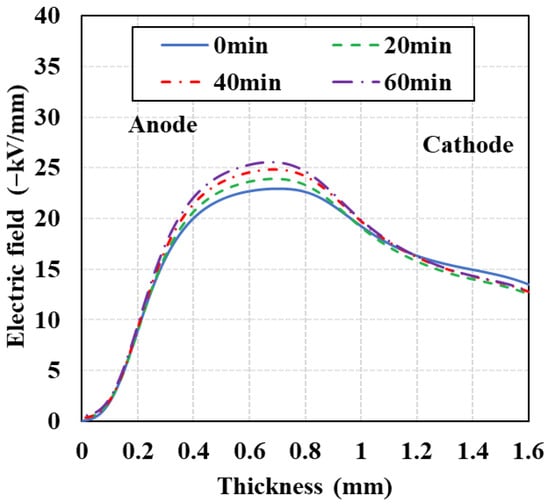
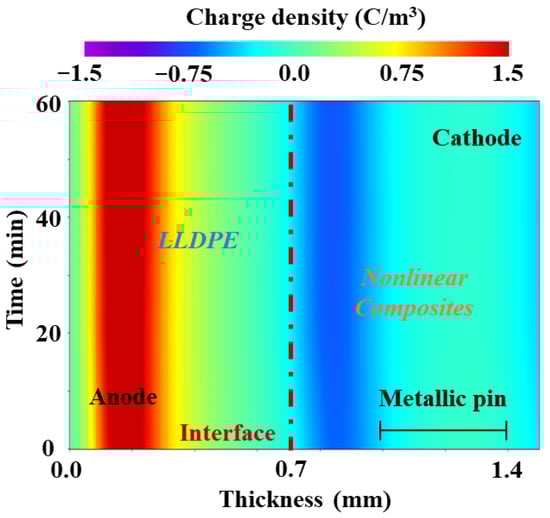
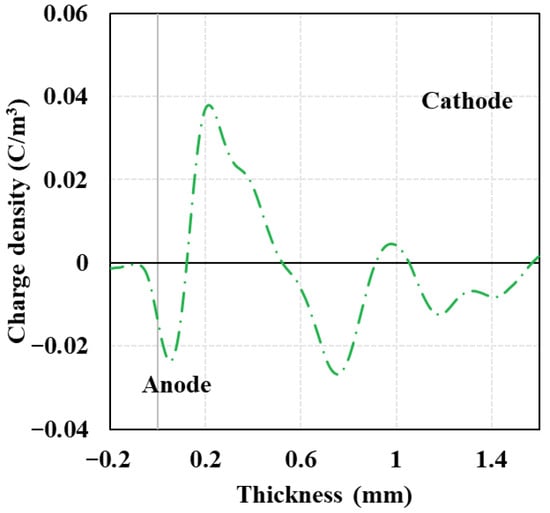
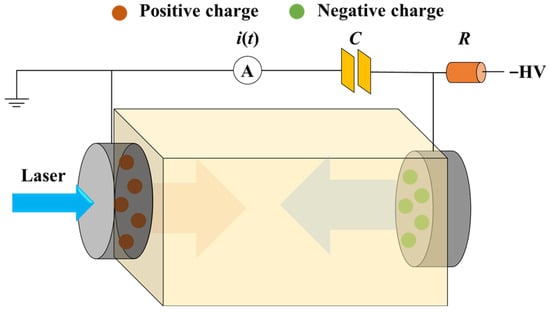
Electric field distortion remains a fundamental challenge to the operational reliability of HVDC cable accessories, where localized stress intensifies space charge injection and accelerates insulation degradation. While nonlinear conductive composites incorporating functional fillers such as ZnO have shown potential for adaptive field grading, their dynamic interaction with space charge under non-uniform fields has yet to be fully resolved. This study experimentally examines the spatiotemporal evolution of space charge in double-layer dielectric structures comprising linear low-density polyethylene (LLDPE) and ZnO-based nonlinear composites, using the laser-induced pressure pulse (LIPP) technique. Localized field enhancement is introduced via metallic pin defects embedded on the cathode side. Comparative analysis reveals that composites with 40 vol% ZnO microvaristors markedly suppress charge injection compared to conventional semiconductive ethylene-vinyl acetate (EVA) layers. Specifically, interfacial charge accumulation during polarization is reduced by 71%, and residual charge density after depolarization decreases by 88%, leading to a more uniform internal field distribution. These findings provide direct experimental evidence of the field-regulating mechanism of nonlinear composites from the perspective of charge dynamics, supporting their application in intelligent HVDC insulation systems. Full article
(This article belongs to the Special Issue Advances in Electrical Insulation Systems)
Show Figures

Figure 1

24 pages, 5684 KB  
Article
Nonlinear Effects of Gray–Green Space Morphology on Land Surface Temperature in Lanzhou, China
by Xiaohui Li, Hong Tang, Chongjian Yang and Qi Yang
Sustainability 2026, 18(8), 3667; https://doi.org/10.3390/su18083667 (registering DOI) - 8 Apr 2026
Abstract
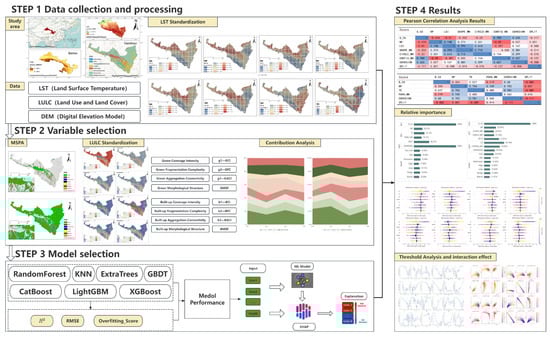
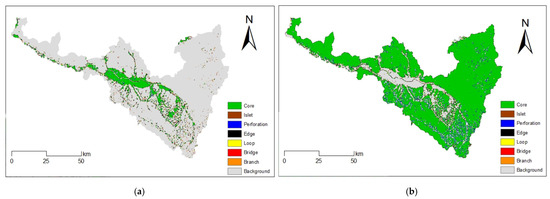
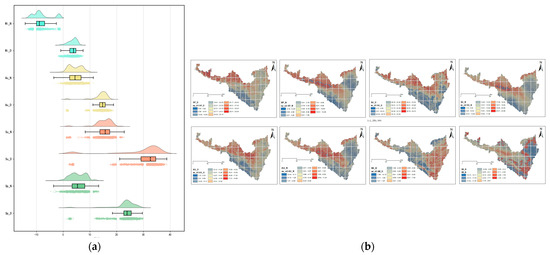
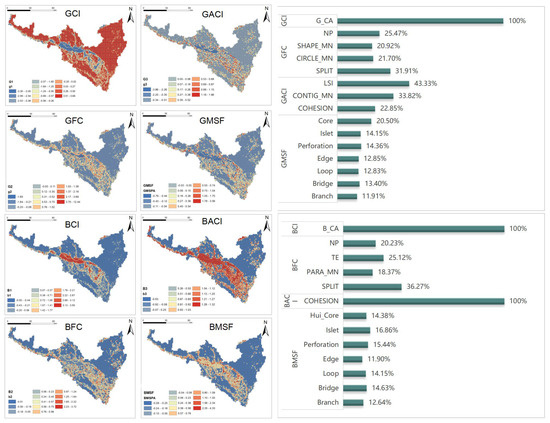
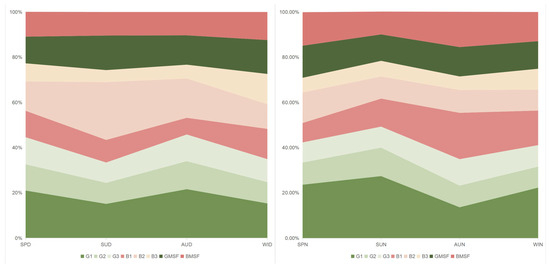
This study investigates a typical valley city, Lanzhou, China, to reveal the nonlinear relationships and interaction mechanisms between gray–green space morphology and seasonal diurnal land surface temperature (LST) using multi-source remote sensing and land use data. A comprehensive morphological indicator system encompassing scale, [...] Read more.
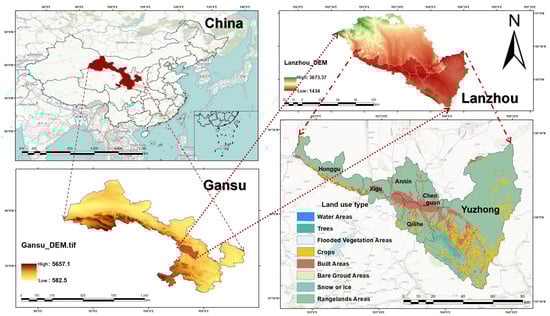
This study investigates a typical valley city, Lanzhou, China, to reveal the nonlinear relationships and interaction mechanisms between gray–green space morphology and seasonal diurnal land surface temperature (LST) using multi-source remote sensing and land use data. A comprehensive morphological indicator system encompassing scale, complexity, connectivity, and structural integrity was constructed through landscape metric screening and the CRITIC objective weighting method, combined with the XGBoost-SHAP explainable machine learning framework. The findings highlight that: (1) Gray–green space impacts on LST exhibit significant seasonal and diurnal variations—daytime LST is predominantly governed by gray space morphology (e.g., fragmentation degree), while nighttime LST is driven by green space morphology (e.g., coverage intensity). (2) Key indicators demonstrate pronounced nonlinear and threshold characteristics: the cooling effect of green space coverage intensity (GCI) saturates beyond 0.25; gray space morphological structure factor (GRMSF) demonstrates cooling potential when exceeding 0.25, mitigating its warming effect. (3) Significant synergistic interaction effects exist between gray and green spaces. Interaction analysis reveals that “high green coverage with low structural connectivity of gray space” produces optimal synergistic cooling effects, representing the most effective spatial configuration for nighttime LST mitigation. This study deepens theoretical and methodological understanding of the complex relationships between spatial morphology and thermal environments, providing quantified, temporally differentiated spatial optimization guidance for climate-adaptive planning in valley cities. Full article
(This article belongs to the Section Sustainable Urban and Rural Development)
Show Figures

Figure 1

Open Access Journals

Browse by Indexing Browse by Subject Selected Journals
Back to TopTop