1. Introduction
Over the past decade, two parallel processes have begun to redefine urban spaces and their surrounding areas. On the one hand, the digitization of the environment and the advance of platform capitalism have opened up new niches of capital accumulation, centered on a new raw material: data [
1]. On the other hand, the asset economy [
2] has shifted the center of gravity of urban decision-making toward logics of economic valuation. Both processes are generating significant transformations in domains such as mobility, commerce, information circulation, and, particularly sensitive for urban sustainability, access to and use of housing [
3].
In the latter domain, Airbnb has emerged as a paradigmatic platform at the intersection of platform capitalism and the asset economy. Originally promoted as part of the so-called “sharing economy”, oriented toward the utilization of underused housing, Airbnb has evolved into a business model based on short-term rentals as a mechanism of rent extraction [
4,
5]. Instead of broadening access to occasional income, the platform has become a tool that amplifies rentier urban logics, providing a new and reliable technological infrastructure that pushes financialization deeper into residential rental markets [
6,
7].
An increasing body of scholarly literature has documented the socio-spatial effects of Airbnb’s expansion, particularly in urban contexts with high tourist demand. In these settings, Airbnb has contributed to expanding the valuation of housing based on its exchange value [
8], operating as a mechanism of social mobility for some actors [
9], and even triggering the entry of large international capital that acquires housing for short-term rental purposes [
10,
11]. This process of Airbnb-induced housing commodification has been associated with rising housing prices [
12,
13,
14,
15], the intensification of direct and indirect displacement processes [
16,
17,
18], and the growing concentration of properties in the hands of large operators or digital rentiers [
5,
19]. In response, several European and North American cities have implemented regulations aimed at mitigating the platform’s adverse effects on housing markets.
In Latin America, the expansion of Airbnb has been significant. However, regulatory frameworks to address the platform’s effects remain limited. Chile provides a clear example: by 2017, Airbnb already accounted for 22% of total accommodation revenues [
20], and between 2015 and 2019 its activity increased by a factor of 4.7, becoming one of the country’s leading tourism platforms [
21]. According to Airbnb reports, the platform’s activity generated an estimated contribution of CLP 1.235 trillion in 2024, all within a context in which the platform remains largely outside Chilean regulatory frameworks. This positions Airbnb as a key driver in the expansion of short-term rentals in Chile.
Despite the rapid expansion of Airbnb, several studies have highlighted the paucity of research addressing its urban effects beyond large cities [
20,
22,
23,
24,
25,
26,
27,
28], a gap that is particularly relevant in contexts where tourism is promoted as a development strategy for intermediate cities and rural areas. In small tourist cities, Airbnb operates not only as a tourism intermediary but also as a key mechanism through which housing is reoriented from use value toward exchange value, intensifying processes of housing commodification with direct implications for sustainable development. By converting housing into short-term rental assets, the platform undermines social sustainability by reducing housing availability and weakening residential stability. At the same time, its spatial expansion toward peripheral, suburban, and rural areas challenges territorial sustainability by fostering dispersed urbanization and increasing pressure on environmentally sensitive ecosystems and public infrastructure [
13,
29]. These dynamics are especially acute in amenity-rich regions of southern Chile, where tourism-led growth intersects with limited housing regulation, narrow long-term rental markets, and heightened seasonal dependence.
Seeking to fill this gap, this article analyzes the presence of Airbnb in two urban environments located in southern Chile—Villarrica–Pucón and Puerto Varas—which currently constitute the main tourism hubs of northern Chilean Patagonia and represent non-metropolitan cities where the platform has a strong presence. Specifically, this study investigates how Airbnb contributes to housing commodification in small tourist cities in southern Chile. To address this question, the study advances the following hypothesis: Airbnb is incorporating new residential areas and social groups into tourism circuits, thereby contributing, first, to the expansion of the socio-spatial frontiers of housing commodification and, second, to the generation of returns that are unevenly captured. In doing so, this paper contributes to decentering the debate by showing that platform-mediated commodification is not an exclusively metropolitan phenomenon. Rather, it is also unfolding in small tourist cities in the Global South, where it actively capitalizes on landscape amenities and appropriates public infrastructure.
2. Airbnb as a Mechanism of Housing Commodification
For several decades now, housing has ceased to be primarily a place to live and has increasingly come to be understood as a commodity. This process, known as commodification, has intensified in recent years, as it has become increasingly common to conceive of housing as a mechanism for the storage and growth of capital [
30,
31]. The growing importance of housing’s exchange value has turned it into an attractive arena for financial activity, transforming it into an investable asset acquired either to accumulate wealth or to generate new sources of income with high returns. Thus, the commodification of housing has been accompanied by an expanding process of financialization, understood as the growing dominance of financial actors in the production of new housing [
32].
Aalbers [
11] argue that the promotion of homeownership has been a central factor in the commodification of housing. Prior to the subprime crisis, easy credit conditions and low interest rates facilitated access to homeownership, giving rise to a “generation of landlords” for whom the home represented a source of income. Following the crisis, mortgage restrictions increased prices and reduced access opportunities, consolidating renting as the main pathway to housing access. At the same time, investors began to view rental housing as a new frontier for investment, given the saturation of real estate markets [
33]. This new scenario gave rise to what McKee [
34] have termed “generation rent”, characterized by a growing dependence on renting. In this context, Adkins [
2] argue that wages have ceased to be the primary axis of social stratification, being replaced by property ownership and the extraction of rental income as the new structuring basis of inequality. Housing, commodified and financialized, has thus become an asset that redefines social position, differentiating owners from non-owners.
At present, rental markets are undergoing an additional transformation: the shift from a market oriented toward long-term stays to one focused on short-term stays. In this transition, platforms such as Airbnb have played a key role, which is why the literature has conceptualized Airbnbification as the process of reconverting housing from long-term to short-term use. A central driver of this reconversion is the optimization of rental income. A growing body of literature shows that, particularly in tourist and amenity-rich contexts, short-term rentals tend to generate higher returns than long-term rentals, creating strong economic incentives for property owners to shift housing toward temporary uses. Wachsmuth and Weisler [
35] find that in high tourist-demand neighborhoods of New York, Airbnb short-term rental revenues reach between 200% and 300% of equivalent long-term rental income. Similar results are reported by Yrigoy [
36] in Mallorca, where revenues from tourist rentals were three times higher than those generated by long-term residential rentals. Smigiel [
37] documents comparable patterns in Salzburg, where Airbnb revenues exceed monthly long-term rental income by more than 300%. While the magnitude of these differentials varies across cities and regulatory contexts, the recurrent pattern is that platform-mediated short-term rentals introduce a new stream of potential rent that reorients housing use toward asset-based logics.
This transition largely puts access to affordable housing at risk [
38]. The entry of large investors, both national and international, into rental markets has also been documented, as they acquire properties for short-term letting and eventual resale, marking a shift in which commodification has given way to the financialization of housing [
8,
39,
40]. Thus, the buy-to-let model [
10] has been accompanied by the professionalization of rental management, the intermediation of global capital, and the concentration of property ownership [
5,
40]. At the same time, small local owners also participate in the rental of rooms or entire dwellings through Airbnb [
9,
38]. Airbnb has the capacity to produce rent gaps, which is the difference between “capitalized rent” (current use) and “potential rent” (more intensive use) [
41], without prior depreciation or deterioration of a place and, therefore, without the need for reinvestment [
19,
36]. This dynamic maximizes the rent gap that can be captured, even through property sales. Consequently, the reconversion of housing use—whether driven by local actors or external investment—has a common effect: the direct displacement of tenants seeking long-term rentals, and even of local homeowners [
18]. Therefore, numerous studies link the use of Airbnb to gentrification processes [
10,
19,
20,
35,
36,
38].
From a sustainability perspective, Airbnb-driven housing commodification has direct implications for both social and territorial sustainability. By reorienting housing from long-term residential use toward short-term, asset-based logics, the platform undermines housing security and affordability, key components of social sustainability. Empirical evidence from medium-sized and small cities shows that the effects of Airbnb on housing markets are not confined to large metropolitan areas. In San Sebastián, a medium-sized tourist city, Mozo et al. [
42] demonstrate that increases in Airbnb listings are associated with significant rises in advertised rents, with effects that are proportionally stronger than those identified in larger cities. Similarly, research in small cities in Oregon shows that a substantial share of Airbnb listings corresponds to entire homes rented for extended periods, indicating a reduction in long-term rental supply and heightened pressure on already tight housing markets [
43]. Although not all studies quantify price effects directly, comparative analyses at national and international scales suggest that the uneven distribution, pricing, and intensity of Airbnb use exacerbate spatially differentiated housing pressures, reinforcing risks to social sustainability in smaller and non-metropolitan contexts [
44].
At the same time, the expansion of short-term rentals toward peripheral, suburban, and rural areas contributes to dispersed urbanization and increasing pressure on environmentally sensitive territories and public infrastructure, challenging territorial sustainability. Spatial analyses conducted in non-metropolitan contexts show that Airbnb activity frequently extends beyond historic centers and established tourist zones. In Santa Cruz de Tenerife, Airbnb has opened up new tourism markets in suburban and rural areas, where the strongest growth dynamics are observed outside the traditional urban core, linking short-term rentals to processes of suburbanization [
45]. Similar patterns are identified in mountain and resort contexts, where Airbnb concentrates in municipalities characterized by second homes and low-density settlements, reinforcing tourism-related spatial expansion into environmentally sensitive areas [
46]. At broader territorial scales, studies of Spain and other European countries confirm that Airbnb is deeply embedded in small cities, rural destinations, and coastal or mountain areas, where it operates as a mechanism for the commercialization of secondary housing and the outward spread of tourism-related land uses, with clear implications for territorial sustainability [
47].
These processes are not exclusive to the Global North. In Latin America, various studies have documented the emergence of a new economic value of housing [
48] within the framework of an investification process: the purchase of properties not to inhabit them, but to extract rent [
49]. Renting has begun to gain ground across different countries in the region. Rolnik [
6] identify two routes of expansion in the region: one “from above”, linked to financialization via corporate landlords and large-scale investors who acquire housing for short-term rental using digital platforms and multifamily housing; and one “from below”, linked to commodification through informal or illegal rentals targeting low-income groups under precarious conditions.
In Latin America, the expansion of Airbnb has been rapid, albeit with limited academic attention, mainly concentrated in capital or metropolitan cities. Available evidence indicates that Airbnb does not occupy vacant or underutilized housing, but instead targets units that were previously inhabited and are situated in central, well-connected, and high-value locations [
20,
50,
51]. In cities such as Santiago and Valparaíso, a “peripheralization” of Airbnb has also been observed, characterized by the offering of rooms in low-income neighborhoods [
20,
25,
52]. This trend has contributed to reducing the availability of housing for long-term rental, exacerbating the housing deficit—a pervasive sustainability issue across the continent [
25]. Additionally, a growing concentration of the market has been documented. In Mexico City, for example, 2% of hosts concentrated 25% of listings in 2022 [
51]; in Buenos Aires, 10% of hosts control 46% of properties; while in Santiago, 8.9% hold 33.6% of the supply [
25]. Some studies also link Airbnb to depopulation in urban areas and have explored the rent gap between short- and long-term rentals, showing that Airbnb prices tend to be lower than or similar to long-term rental prices in certain contexts [
25,
53].
The hypothesis of this study is that in small tourist cities in southern Chile, Airbnb operates as a mechanism of housing commodification: by inserting neighborhoods and rural fringes into tourist rent circuits—without requiring prior depreciation of residential properties—the platform produces and capitalizes STR–LTR profitability differentials that reprogram housing use toward asset-based logics. This process operates through two complementary pathways: (i) one that seeks to extract value through amenities (lakefronts, views, waterfronts, and new condominium developments), where tourist rent far exceeds LTR and attracts professional portfolios; and (ii) another supported by public policies (peripheral areas with social housing and public infrastructure such as roads), where the platform captures state-created externalities and induces commodification among low- and middle-income households. The result is a dual, platform-centric market, with growing concentration among multi-hosts and heightened vulnerability of residents, placing pressure on access to affordable housing in small cities.
4. Results
4.1. New Socio-Spatial Frontiers of Platformization
Airbnb has a strong residential presence in the case studies. In Pucón, the platform registers 2330 entire homes available for rent (8.9% of the municipal housing stock), in Villarrica 1391 (3.2%), and in Puerto Varas 1205 (4.7%). When considering only the rental housing stock (long- or short-term), Airbnb’s incidence is even more pronounced: it represents 33.3% of all rental dwellings in Pucón, 16.9% in Villarrica, and 52.9% in Puerto Varas. Thus, a substantial share of the available rental supply in these cities is oriented toward the short-term, platform-mediated market, reconfiguring the balance between residential use and tourist use.
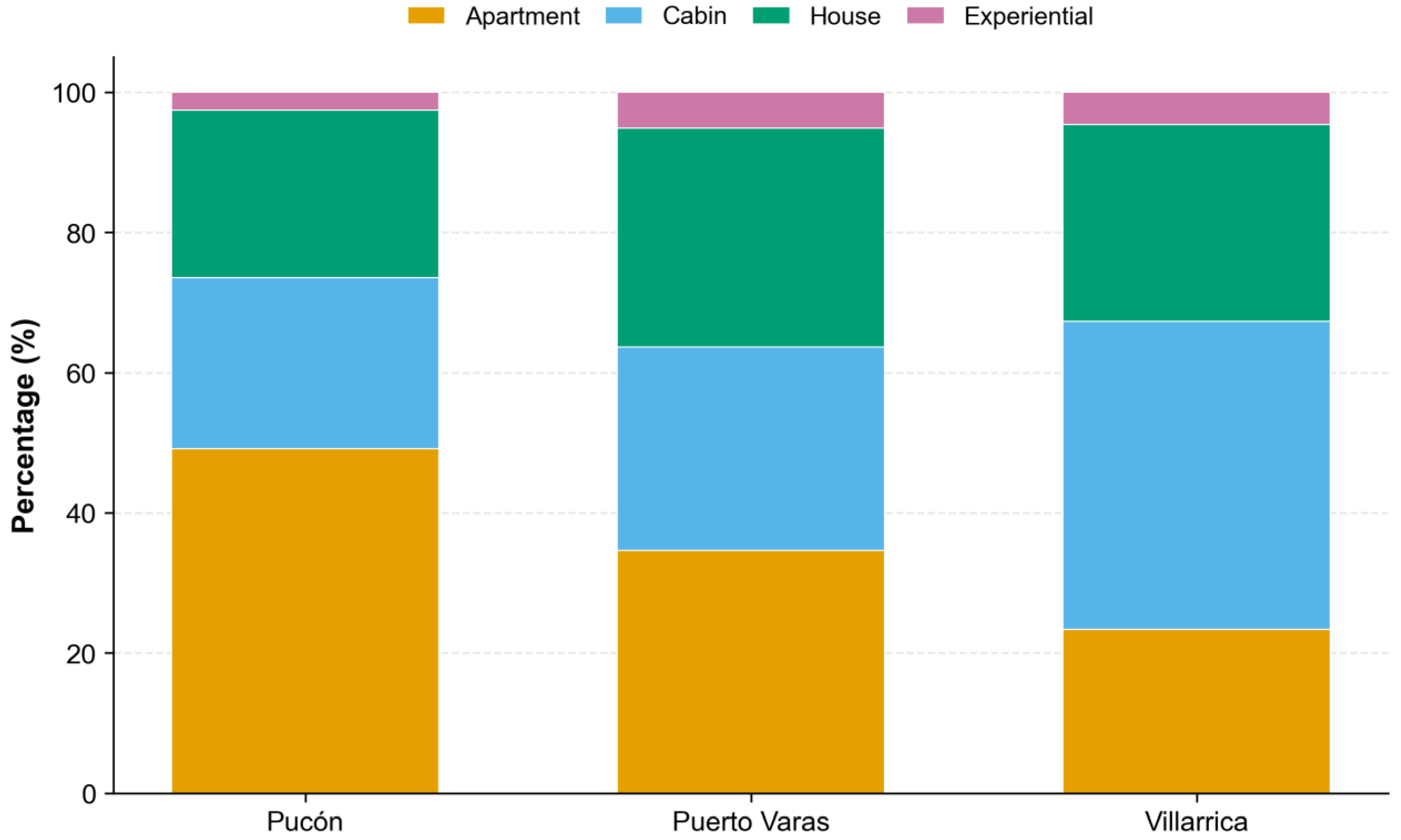
This reorientation is expressed differently across housing typologies (
Figure 1). In Pucón, apartment listings predominate, whereas in Villarrica cabins prevail, often added as annexes in the yards of already inhabited properties, and in Puerto Varas the profile is more balanced. The investor bias toward apartments is consistent with their greater standardization, simpler management, and lower regulatory uncertainty: 26.2% of Pucón’s apartment complete stock is channeled through Airbnb, 17.6% in Puerto Varas, and 9.8% in Villarrica. By contrast, the expansion of cabins in Villarrica suggests a small-scale domestic assetization, in which households incorporate independent units to capture tourist rent through incremental investments (self-construction, light extensions).
From a territorial perspective, Airbnb’s weight on the rental market is not neutral: it concentrates in areas with high tourist suitability and in areas where the state has provided infrastructure and social housing. In these environments, the platform appropriates public externalities, such as accessibility, facilities, landscapes, and emerging centralities, and converts them into tourist value, diverting part of the potential long-term rental supply toward short-term use. This introduces a seasonal problem: during periods of peak demand, units that could sustain long-term rentals shift to tourist rent, reducing availability and raising prices for residents, particularly in peripheral areas and low-income neighborhoods.
Airbnb has contributed to the expansion of these logics toward two specific types of locations. First, peripheral areas of the city. Notably, in all three cities, the Airbnb supply has expanded into areas with social housing. In Villarrica, in recent years, a significant share of listings has concentrated in the residential corridor of Segunda Faja, where multiple social housing policies have converged. In the case of Puerto Varas, an expansion of listings has been observed toward the upper sector of the city, specifically El Mirador, which has also concentrated social housing. In these locations, housing commodification is sustained on the basis of housing policies through which the state provides serviced land, connectivity, and facilities. The platform harnesses these territorial externalities to generate tourist value, with no equivalent fiscal or regulatory counterpart. This enables domestic assetization: low- and middle-income households partially convert housing into a rent-generating asset through temporary rentals, guest-oriented improvements, and, in many cases, micro-indebtedness to finance furniture or light extensions. Hence, Airbnb peripheralization appears to be emerging, incorporating low- and lower-middle-income families into this market.
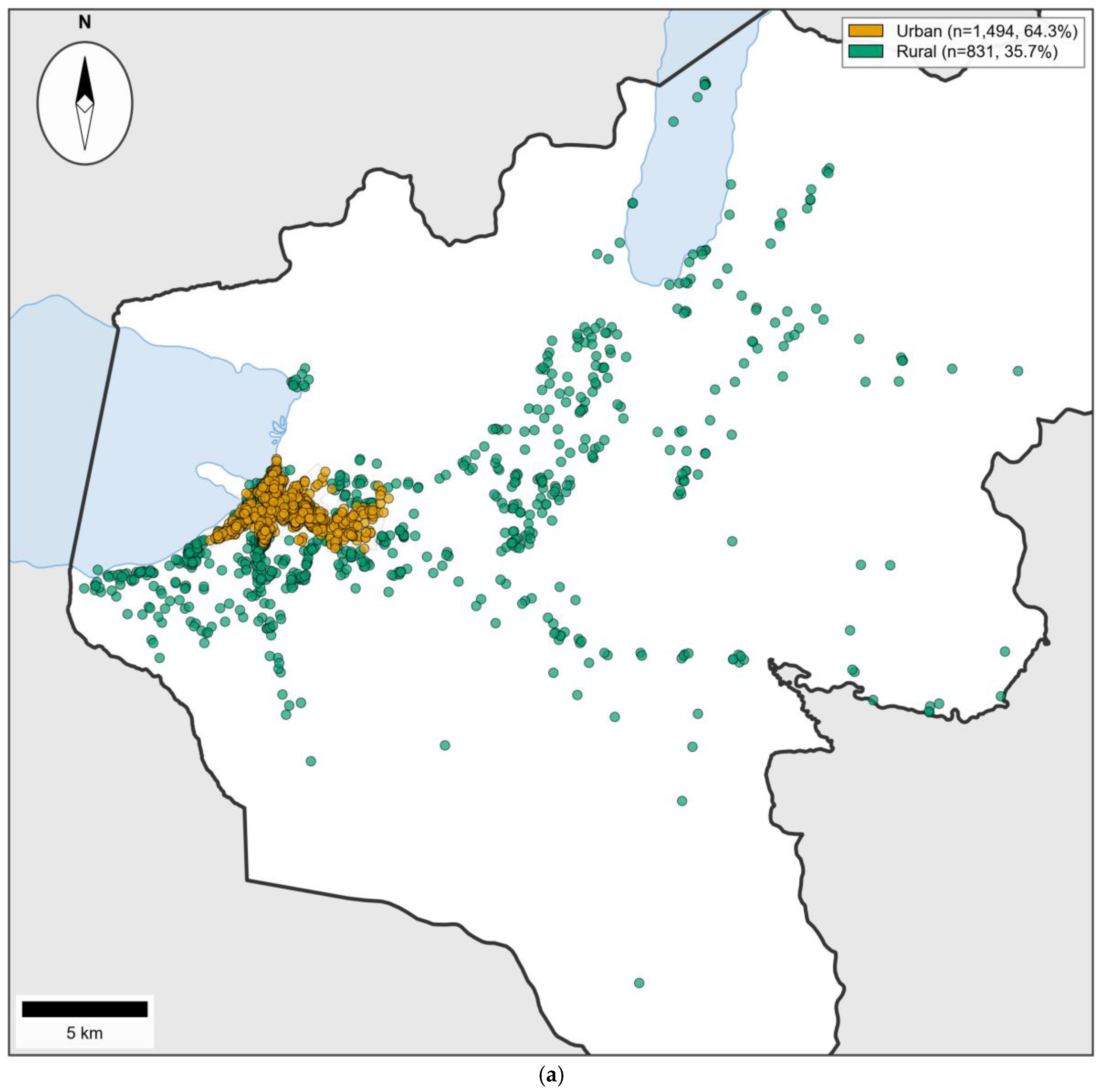
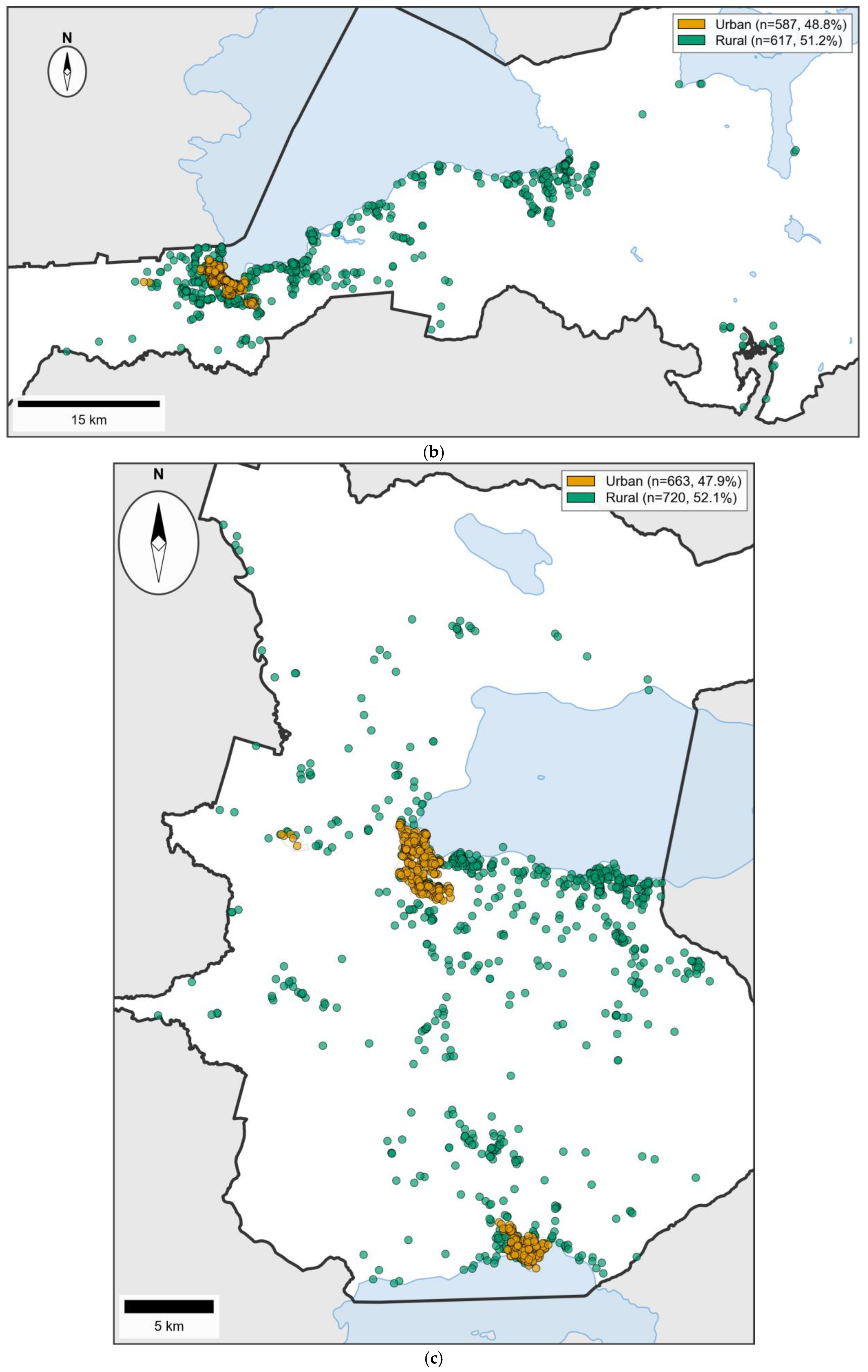
Second, Airbnb maintains a strong presence in suburban and rural sectors (
Figure 2). In Villarrica, 51% of listings are located in rural areas, while in Puerto Varas this figure reaches 48% and in Pucón 35%. This result aligns with the type of tourism developed in the area, centered on the region’s natural landscapes. In suburban and rural areas, Airbnb’s expansion overlaps with processes of naturbanization and amenity-seeking (lakefronts, volcano views, forests), integrating previously marginal areas into tourist capital circuits. This integration increases land values and places pressure on agricultural and forestry uses as well as on environmental carrying capacity (water, waste, and access). The strong presence of Airbnb on plots and rural land blurs the urban boundary and reconfigures the hierarchy of centralities: local facilities and services are seasonally reoriented toward visitors, while everyday mobility (congestion, parking, informal transport) is restructured in line with tourism rhythms.
Both the peripheralization and the suburbanization of supply indicate that Airbnb is expanding housing commodification in small cities through touristification. This expansion is geographic, as it incorporates new spaces into tourist capital circuits, but also social, as it begins to extend a new business model into popular peripheral areas and into rural sectors traditionally characterized by smallholder agricultural livelihoods.
4.2. The Selectivity of STR Profitability in Tourist Cities
According to data from the 2017 Census, 10.7% of the national housing stock corresponds to seasonal dwellings, properties for rent, or for sale. When considering only rental housing, Pucón, Villarrica, and Puerto Varas far exceed this average, with shares of 40.3%, 29.1%, and 12.9%, respectively. In two of the three cities, an upward trend in the weight of renting (short- or long-term) is also observed: in the 2002 Census, these figures were 17.2%, 14.7%, and 15.9% of the housing stock at that time. From a territorial perspective, Villarrica and Puerto Varas concentrate 59.3% and 58.2% of their rental supply in rural areas; conversely, while Pucón exhibits a more urban profile, with 57.5% of listings located in urban areas.
Beyond magnitudes, the three cases exhibit segmented and highly seasonal rental markets, where at least two circuits with distinct logics and temporalities coexist. One corresponds to long-term residential renting, which addresses the needs of permanence and social reproduction; the other corresponds to short-term tourist renting, strongly shaped by seasonal demand and platform intermediation (STR). The disproportionate representation of renting relative to the national average, particularly in Pucón and Villarrica, suggests that STR not only adds supply but also reconfigures the LTR space by reducing annual availability and reallocating the housing stock toward temporary uses, especially during peak seasons.
Long-term rental market prices exhibit different dynamics across cases. According to the Yapo.cl platform, the monthly price of a dwelling offered on a year-round basis in Pucón is 676,052 CLP, slightly lower in Villarrica at 599,108 CLP, while in Puerto Varas rental prices rise to 1,022,667 CLP, well above the other two municipalities. Puerto Varas has significantly higher monthly values than Pucón and Villarrica, which is consistent with stronger solvent demand (linked to skilled employment, proximity to Puerto Montt, service chains, and higher-end tourism) and with competition from STR in well-located neighborhoods. In Pucón, price differentials are explained less by local incomes and more by seasonal competition with STR and by the concentration of apartments oriented toward tourist rentals. Villarrica, with intermediate prices and a strong rural presence, has a hybrid configuration in which the expansion of cabins annexed to a primary dwelling partially moderates price increases, but restricts the stable availability of LTR in more attractive areas.
In line with LTR prices (
Table 2), Puerto Varas has the most expensive Airbnb supply and, therefore, the highest potential rent (CLP 14,897,956 annually). However, because it is also the municipality where LTR is most costly, the profitability differential is contained at 21.4%: LTR “catches up” with STR, reducing the relative differential even though gross tourist rent is high. Pucón and Villarrica exhibit higher profitability in favor of STR: in Pucón, potential tourist rent reaches CLP 11,823,875 (a profitability differential of 45.7% relative to LTR), and in Villarrica, CLP 10,873,729 (a profitability differential of 51.2%).
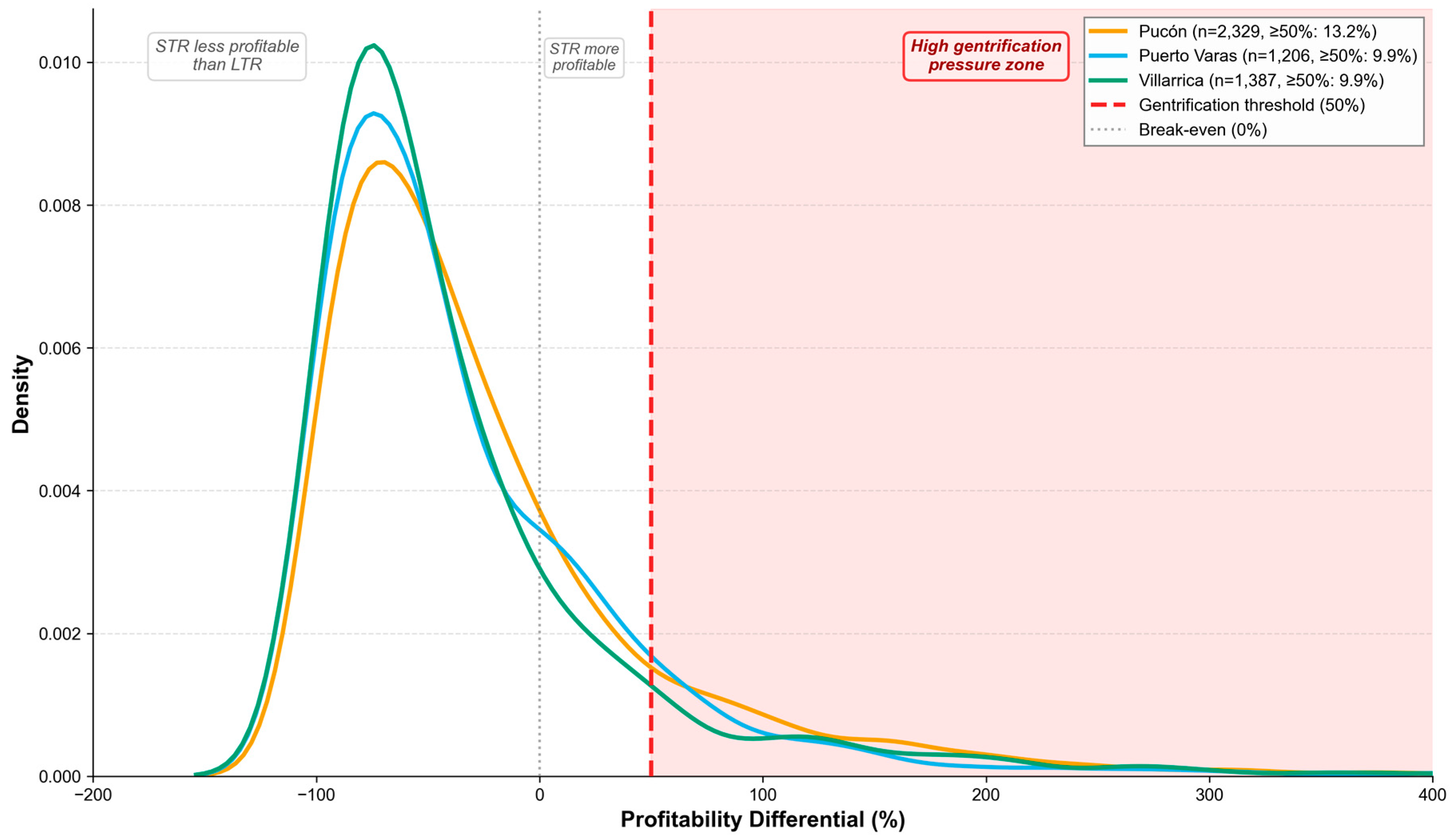
The density curves further substantiate the identified pattern of concentration (
Figure 3): most listings are clustered around a differential ≤0, while the segment with a high critical differential (≥50%) is smaller but spatially concentrated. Pucón is the city with the largest share above this threshold (13.3% of listings), followed by Villarrica (10.3%) and Puerto Varas (9.9%). These units are mainly located along amenity frontiers and in the newly urbanized areas described above. Conversely, and despite the expansion of STR into peripheral areas with social housing, these areas display low differentials and, therefore, limited displacement pressures relative to the sectors where the differential is concentrated.
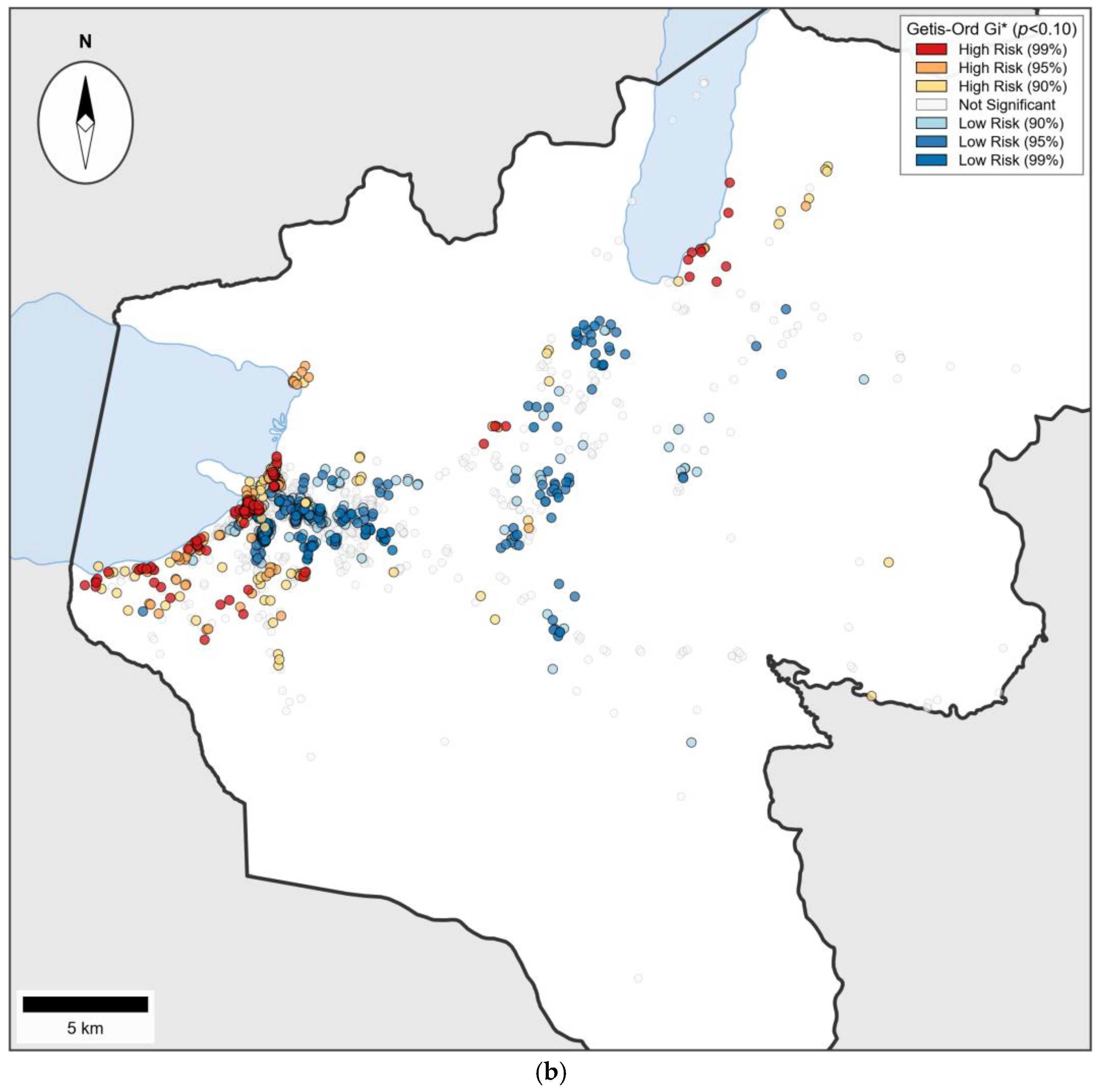
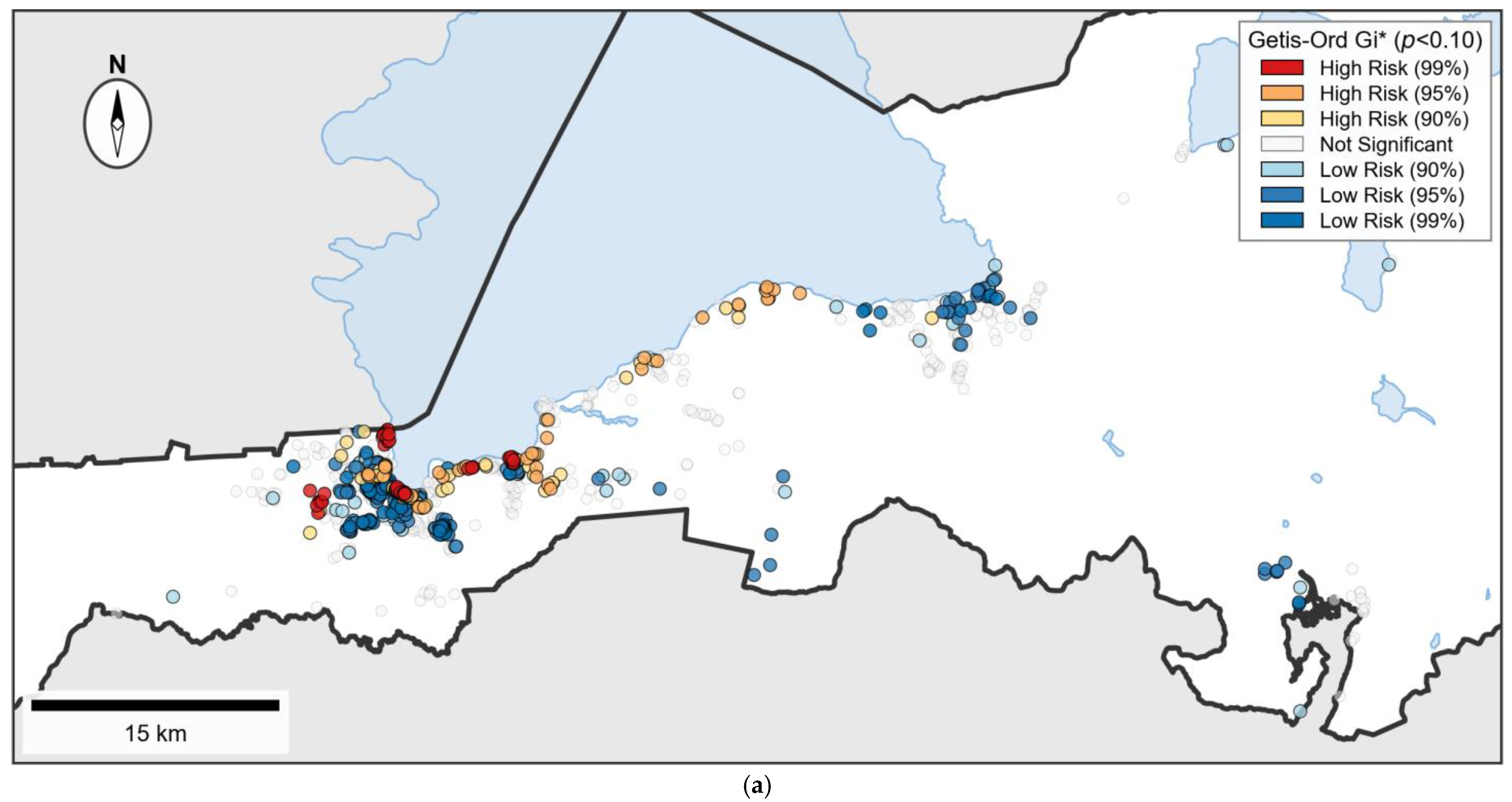
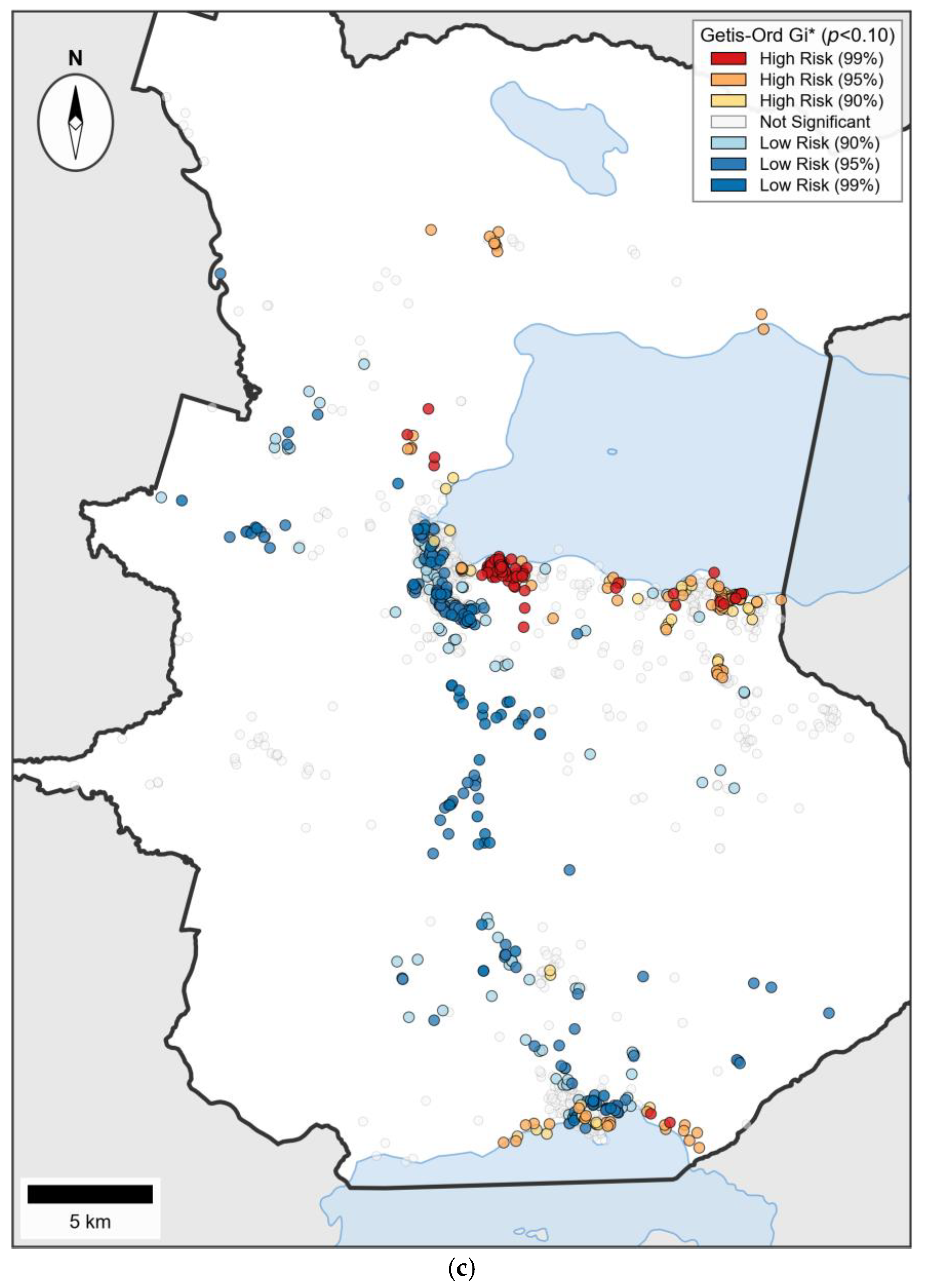
Despite the strong overall results, profitability is geographically concentrated.
Figure 4 reveals clusters where the rental values obtained through Airbnb are significantly higher than those observed across the dataset as a whole. In terms of the phenomenon under study, these are areas where the economic incentive for converting housing to tourist use is at its maximum. In Pucón, the highest profitability is achieved in the city center, the La Poza area, and some zones along the southern shore of the lake. In Villarrica, the highest profitability is found in suburban and rural areas moderately distant from the city, such as the gated condominium La Puntilla and the Molco sector, where real estate development has been oriented toward leisure plots. In contrast, in Puerto Varas, the profitability differential is concentrated along the waterfront (Costanera) and in some rural areas developed primarily through leisure-plot condominiums.
Therefore, profitability is concentrated in areas of the cities directly exposed to landscape amenities (water and volcano views), in central locations as in the case of Pucón, and in areas that have experienced recent real estate development, either through vertical condominiums (as in La Poza or along the Puerto Varas waterfront) or through gated leisure-plot developments located in suburban or rural areas. Hence, the platform capitalizes on rent by leveraging natural/landscape externalities and public investment.
Taken together, the evidence suggests that differentials do not merely measure an accounting gap but operate as a territorial signal of commodification. They also function as a mechanism that anchors household decisions involving small-scale investments and income seasonality, characteristic of a transition toward financialization. Where the differential is high and persistent, the probability of conversion to STR increases, along with the vulnerability of LTR to tourism cycles and to the visibility conferred by the platform.
4.3. Multi-Hosts and the Geography of Rent: Toward the Professionalization of Airbnb
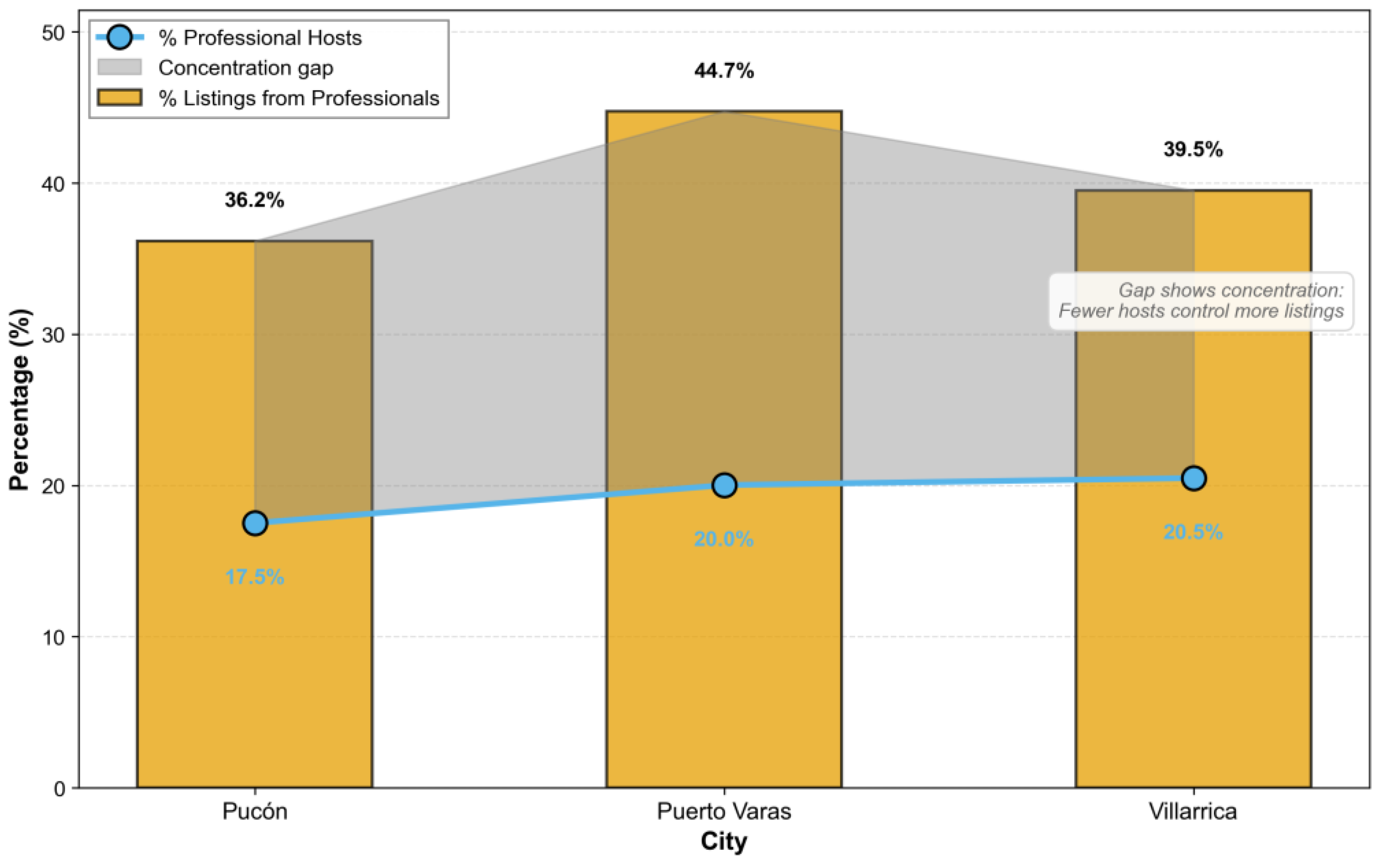
Globally, a growing concentration of Airbnb supply in the hands of companies or multi-host operators is noted, a phenomenon discussed in the literature as “professionalization”. This dynamic is also present in the cases analyzed. In absolute terms, Pucón concentrates the largest number of hosts with multiple-property portfolios (842), followed by Villarrica (549) and Puerto Varas (540). In relative terms (
Figure 5), however, percentage concentration is highest in Puerto Varas, where hosts managing two or more properties control 44.7% of the supply; this is followed by Villarrica (39.5%) and, lastly, Pucón (36.2%).
Across the three cases, 39.2% of the total supply is held by hosts managing two or more properties (
Table 3). In Pucón, 17.5% of hosts (316 hosts owning two or more properties) concentrate 67% of the dwellings listed on Airbnb; in Puerto Varas, 20% of hosts control 69.3% of the supply; while in Villarrica, 20.5% of hosts concentrate 56.2% of listings (
Figure 5). The Airbnb market is more concentrated in Puerto Varas and Pucón, where 15.2% and 19% of the supply, respectively, are held by just 1.5% and 1.2% of hosts (
Table 3).
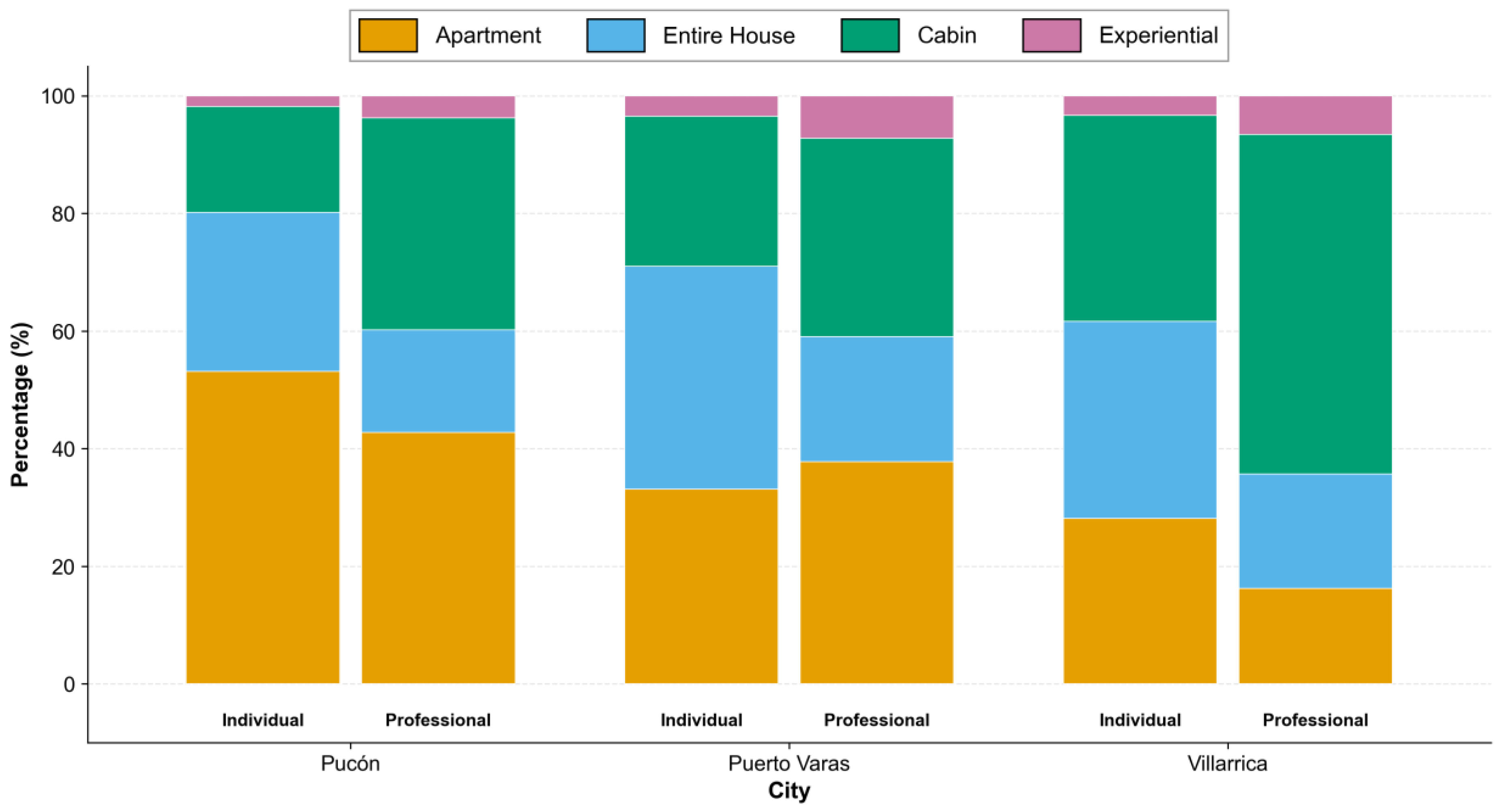
Regarding professionalization by housing typology,
Figure 6 shows clear differences in the internal composition of host portfolios across cities. Experiential accommodations display a relatively higher presence within professional hosts’ portfolios compared to individual hosts; however, this listing type represents only a marginal share of short-term rental markets in all three cities. Rather than reflecting dispersed property portfolios, this pattern is interpreted as the result of multiple experiential units (such as domes) being co-located on a single plot. Cabins constitute the second most prominent typology within professional hosts’ portfolios. Similarly to experiential accommodations, many cabin listings are spatially concentrated within the same property or adjacent to a primary dwelling, suggesting a form of intensive land co-production whereby several rental units are generated from a single parcel. This strategy reduces marginal costs, facilitates standardized management, and enables professionalized operation even at relatively small scales.
In contrast, apartments exhibit a distinctly investor-oriented pattern. Professional hosts in Puerto Varas show the highest relative concentration of apartments within their portfolios, followed by Pucón and Villarrica. In this case, professionalization is associated with serial acquisitions in condominium developments characterized by shared amenities and homogeneous management structures, which lower operational frictions and regulatory uncertainty. Single-family houses are also part of professional hosts’ portfolios; however, their relative weight remains secondary to apartments across all three cities and is generally associated with smaller portfolios characterized by high seasonal returns. These units are frequently located along amenity corridors—such as lakefronts or volcano-view areas—and are often managed through co-hosting arrangements that support cleaning, check-in, and turnover during peak tourist periods.
Overall, the results indicate that professionalization and market concentration emerge through two distinct but complementary pathways: first, the multiplication of rental units on a single plot, particularly in experiential accommodations and cabins; and second, investment-driven assetization through standardized housing typologies, especially apartments and, to a lesser extent, single-family houses. Both pathways contribute to the broader process of housing commodification by aligning residential space with platform-mediated logics of return maximization and seasonal demand.
When cross-referenced with profitability, 39.9% of the units achieving a differential ≥50% over long-term rental belongs to multi-host operators. This suggests a concentration of gains among professionalized actors. City-level results confirm that in Puerto Varas and Pucón, professional hosts capture higher rents than individual hosts in markets where concentration occurs predominantly in apartment units.
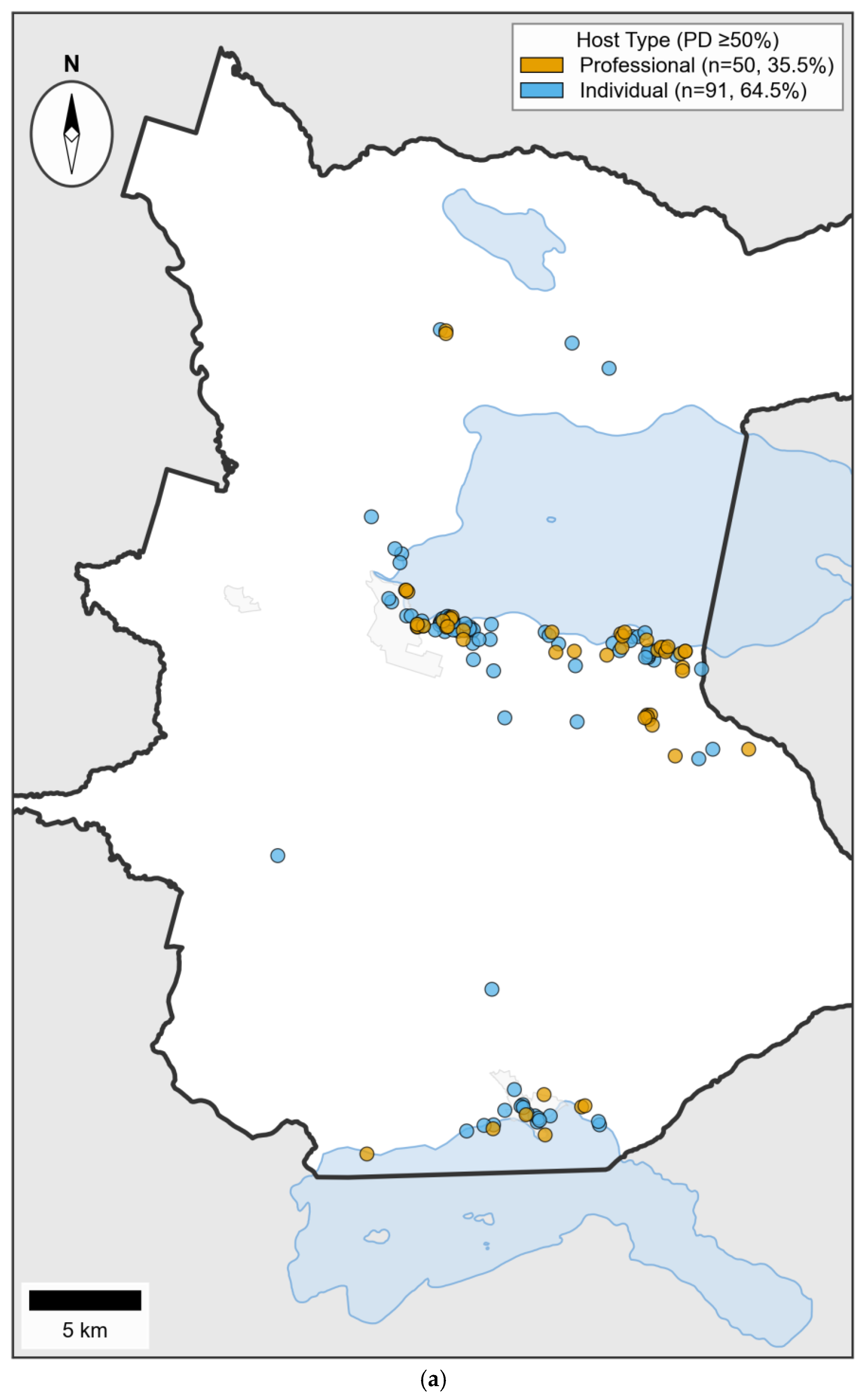
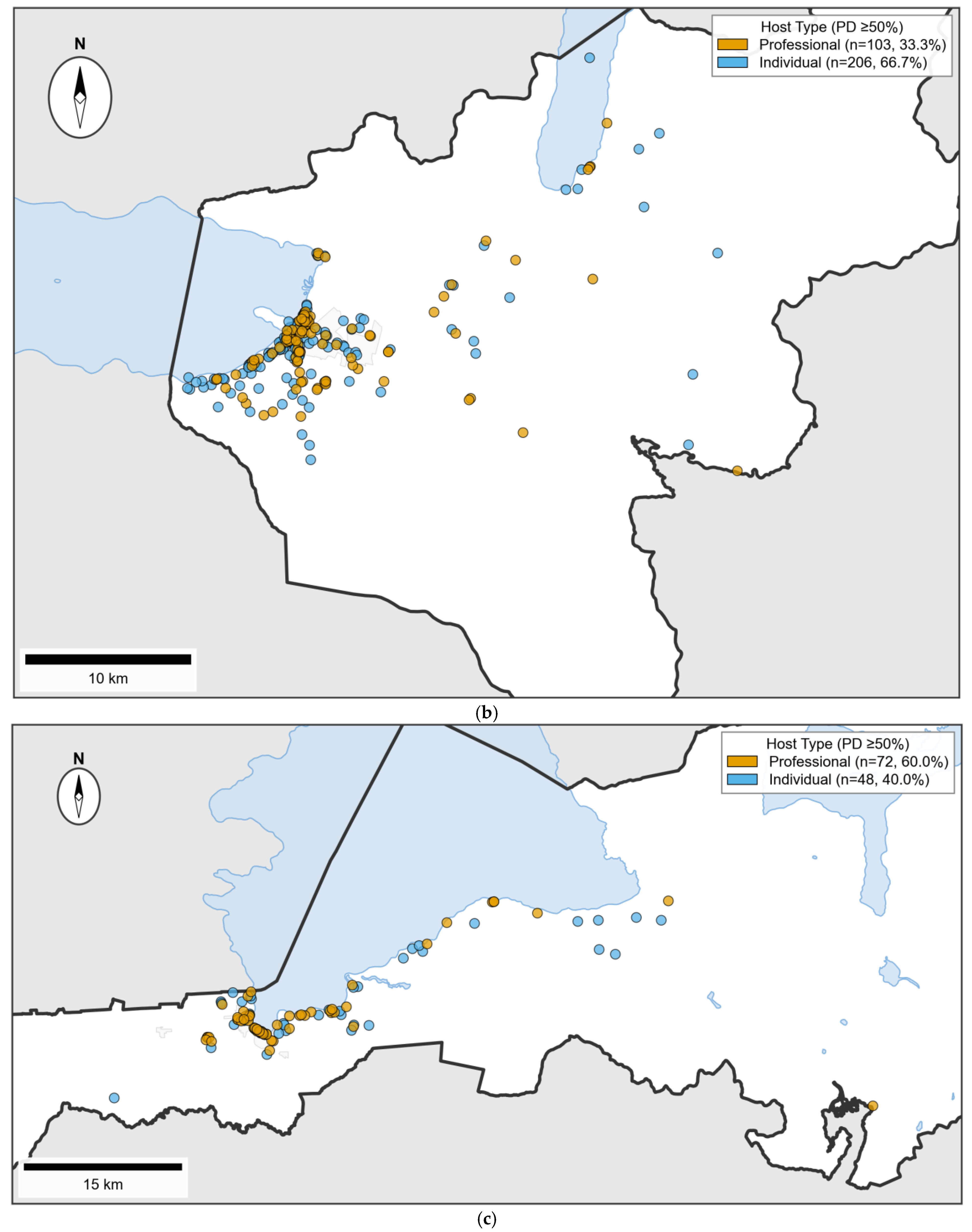
Although the results suggest that the professionalization of Airbnb and the concentration of the STR market are not as intense in the cases analyzed, there is a clear relationship between the location of listings with a high profitability differential and property concentration. The findings indicate that professional hosts who manage a larger volume of properties tend to locate their listings precisely in these zones of maximum profitability across the three case studies (
Figure 7), underscoring their role as urban rent extractors and the pressure of Airbnb-driven transformation in these specific urban areas. The overlap between zones of high profitability differentials and the location of professional hosts is particularly strong in Pucón and Villarrica, while in Puerto Varas, professionalization is also observed in areas with medium profitability differentials, where high LTR prices push the entry threshold upward, filtering out individual hosts and consolidating professional portfolios.
The structure of STR in the three cities shows a substantial concentration of supply in the hands of multi-host operators. Beyond the number of units, these actors account for a disproportionately higher share of potential revenues, due to higher returns, occupancy rates, and the adoption of business-oriented management practices (co-hosting, dynamic pricing, operational standardization). Professionalization displays non-random spatial patterns, with clusters located along amenity frontiers (waterfronts, lake shores, volcano views) and in recent real estate developments. In these areas, the combination of platform-enabled visibility and the existence of economies of scale maximizes the profitability differential and increases the likelihood of permanent conversion to STR use.
In typologies co-produced on a single plot (experiential accommodations and cabins), concentration reflects a strategy of multiplying units per parcel, whereas in apartments it responds to dispersed portfolios within buildings with homogeneous management. Both pathways converge in a logic of investment-oriented assetization that capitalizes public and natural externalities such as accessibility, waterfronts, landscapes. This process consolidates housing commodification and a form of financialization in which portfolio decisions (number of units, scheduling, amenities) are subordinated to tourism seasonality and platform mediation.
5. Discussion
The results of this article show that in small tourist cities of southern Chile, Airbnb operates as a mechanism of housing commodification by expanding the socio-spatial frontiers of tourist rent extraction, generating spatially concentrated STR–LTR profitability differentials, and favoring the professionalization of hosting. Taken together, these dynamics reorient housing toward asset-based logics, with significant implications for housing security.
In line with Yrigoy [
36], our findings show that in Pucón, Villarrica, and Puerto Varas, Airbnb reprograms housing as an asset without requiring prior depreciation or major reinvestment: the mere possibility of capturing differential rents transforms new residential units into rent-producing vehicles. Airbnb contributes to converting part of the housing stock into assets oriented toward return extraction, which not only intensifies the commodification of housing, but also drives forms of domestic financialization, including investment decisions, income seasonality, unit multiplication, and reinforces the logic of the asset economy [
8,
30,
31], where social position increasingly depends on the ability to transform housing into a source of rent [
2,
10].
This effect is spatially selective and operates particularly in two types of areas. The first comprises zones that concentrate natural and scenic amenities (lakefronts, volcano views, waterfronts), where new real estate developments (vertical and gated condominiums) have been built and sustain high and persistent STR-LTR differentials. The second consists of areas that concentrate infrastructure and public policies (e.g., state-led social housing production, road connectivity, public facilities), which generate externalities that the platform helps to capitalize, producing sufficient incentives for low- and middle-income households to experiment with short-term rental strategies. In this way, Airbnb contributes to commodification from above, capturing surplus value along amenity frontiers, and from below, diffusing domestic investment practices supported by public resources.
The search for profitability functions as the mechanism that activates Airbnb’s expansion. In the cases analyzed, positive differentials are concentrated in well-defined clusters –waterfronts and lake shores, recent condominium developments, and rural and suburban environments– and intensify seasonally. Within these clusters, monthly returns reach up to 300%, well above those reported in previous studies such as Hübscher [
45] or the recent work by Lerena-Rongvaux and Orozco [
25] in Santiago and Buenos Aires. Seasonality amplifies the conversion of housing from LTR to STR during peak months, placing pressure on annual rental supply and on housing availability for residents. Airbnb thus generates and spatially organizes profitability differentials, steering private decisions (by residents, investors, and managers) toward tourist uses in areas where potential rent clearly exceeds capitalized residential rent. The pursuit of these differentials facilitates both urban densification and residential expansion, fragmenting small cities that begin to experience diffuse development. These patterns of urban growth ultimately generate mobility issues that strain territorial sustainability [
58,
60].
Housing typology matters because it channels distinct modes of housing commodification. In apartments, standardized portfolios in condominiums with shared amenities and homogeneous management predominate, reducing operational frictions and facilitating serial purchases as investment-oriented assetization strategies [
49]. In cabins and “experiential” accommodations, intensive land co-production (multiple units on a single plot) is noted, often outside formal building regulations, thereby lowering marginal costs and favoring standardized management even at micro-family scales. These two trajectories—on the one hand, corporate property owners, and on the other, what Semi and Tonetta [
9] term marginal hosts—illustrate two ways through which the frontier of rental financialization [
6] expands in small tourist localities. Both ultimately converge on the same outcome: housing converted into an asset, with calendars, pricing, and amenities optimized for guests rather than for the social reproduction of resident households.
Symptoms of professionalization are also observed. Our data show that multi-host operators hold a substantial share of supply and that their participation in potential revenues exceeds their share of units, particularly within high-differential clusters. Indeed, housing concentration among hosts managing more than five listings is only slightly lower in Pucón and Puerto Varas than in highly demanded tourist destinations such as Madrid [
5]. This makes it possible to argue that in Chile, the platform does not necessarily correspond to a collaborative economy model but rather is transitioning toward business-oriented models characterized by dynamic pricing, co-hosting, and management tools. Hence, Airbnb not only contributes to housing commodification but also to its financialization by concentrating rent capture in entrepreneurial actors with greater managerial capacity.
The interpretation of these findings should consider several methodological constraints related to data availability and scale. First, STR profitability estimates are based on a single snapshot derived from AirROI, which may not fully capture seasonal or interannual variability. However, the objective of the analysis is not to model income levels or seasonal dynamics, but to identify relative profitability differentials between STR and LTR as economic signals shaping housing conversion decisions. From this perspective, the magnitude and spatial concentration of the observed differentials remain analytically meaningful, even under conservative assumptions. Future research could strengthen this approach by incorporating longitudinal STR datasets or panel-based analyses that allow tracing how profitability differentials evolve over time and across tourism cycles, thereby assessing the temporal stability of the incentives identified in this study.
Second, long-term rental values were approximated using listings from Yapo.cl, one of the most widely used rental platforms in Chile. While this source may underrepresent informal or lower-value rental segments—particularly in small cities where a share of rental transactions occurs outside digital platforms—the use of consistent data sources across cases allows for robust comparative analysis. The absence of precise geolocation for long-term rental listings required estimating LTR profitability at the municipal scale, which does not aim to capture fine-grained micro-spatial variation but rather to identify the structural incentive gap faced by property owners when choosing between long-term and short-term rental strategies. From a spatial perspective, the use of k-nearest neighbors in the Getis-Ord Gi statistic entails assumptions regarding proximity and spatial interaction that may operate differently across compact urban areas, low-density suburban environments, and dispersed rural settings. However, this approach remains appropriate for identifying statistically significant clustering patterns across heterogeneous territorial contexts, allowing for a consistent detection of hot spots and cold spots of STR profitability despite variations in settlement density and urban form. Further research could address these limitations by integrating cadastral records, georeferenced rental registries, or alternative spatial specifications (e.g., distance-based thresholds or multi-scalar analyses) to test the sensitivity of clustering patterns across different territorial configurations.
Third, while the analysis is based on two case study cities, the objective is not statistical generalization but analytical generalization to small, amenity-rich tourist cities with similar housing market structures. The selected cases allow for identifying mechanisms that are increasingly present across non-metropolitan tourist contexts in southern Chile. Nevertheless, extending the analysis to additional cases would contribute to testing the robustness of these mechanisms under different territorial and regulatory conditions.
6. Conclusions
This article analyzed the expansion of short-term rentals mediated by digital platforms in small tourist cities in southern Chile, showing how Airbnb contributes to reconfiguring local housing markets and deepening dynamics of commodification beyond the traditionally examined metropolitan contexts. By constructing a profitability differential between tourist rentals (STR) and long-term rentals (LTR), the study provides an empirical tool to identify the economic incentives that orient the conversion of housing stock toward tourist uses. The approach aligns with recent discussions on short-term rent gaps [
35], while avoiding a mechanical extrapolation of Smith’s [
41] classic rent gap concept.
The results show that, in the cases analyzed, STR pressure is not primarily grounded in urban reinvestment or the reconversion of existing housing, but rather in the production of new housing conceived from the outset as a tourist rental asset. This finding nuances dominant narratives on Airbnbification and gentrification by showing that, in the context of small tourist cities, rent capture is articulated early on with real estate development and with the valorization of natural amenities and public externalities. In doing so, it reinforces what authors such as Aalbers [
32] and Christophers [
31] have described as the growing subordination of housing to investment logics, and what, in the local context, Hidalgo [
58] have termed “neoliberal lakeside residentialism”.
From a broader perspective, the study shows that the expansion of STR operates as a mechanism for diffusing logics associated with the asset economy [
2], extending practices of residential space monetization beyond actors traditionally related to real estate investment. In this way, Airbnb contributes to disseminating the idea that housing can generate additional income in peripheral areas of social housing and in rural communities inhabited by low-income families, rural smallholders, and Indigenous populations. This diffusion does not necessarily entail the emergence of direct and visible displacement, but it does configure structural conditions for forms of residential exclusion and chain displacement [
61], particularly in narrow and weakly regulated long-term rental markets. The analysis contributes to rethinking gentrification in a non-metropolitan key, emphasizing gradual, indirect processes with lower public visibility, but with cumulative effects on housing access and the social composition of territories.
The implications of these findings are highly relevant for debates on urban sustainability. The widening gap between STR and LTR returns places pressure on social sustainability by weakening housing security, and on territorial sustainability by encouraging patterns of extensive urbanization and economic dependence on tourism [
29]. In response, the article highlights the need for governance policies that recognize the specificities of small tourist cities, incorporating differentiated regulations for STR, mechanisms to protect residential renting, and urban and rural planning capable of safeguarding the social function of housing. In many countries in the Global South, such frameworks in relation to Airbnb are still largely absent.
Finally, this paper opens a research agenda aimed at deepening longitudinal analyses of profitability differentials between STR and LTR, as well as integrating qualitative approaches that allow for a better understanding of how these economic incentives are interpreted and appropriated by different local actors. This study contributes to broadening the debate on digital platforms, housing, and sustainability, showing that touristification and the asset economy are not phenomena exclusive to large metropolises, but rather processes that profoundly and quietly reconfigure small cities in the Global South.