



Advancing Open Science
Supporting academic communities
since 1996
 
13 pages, 735 KB  
Article
Angiotensin-Converting Enzyme Inhibitors and Angiotensin Receptor Blockers in Patients Undergoing Aortic Valve Replacement for Severe Aortic Stenosis: A Retrospective Cohort Study
by Husnain Abid, Yusuf Khan, Nazish Khan, Jawad Khan and Richard Paul Steeds
J. Clin. Med. 2026, 15(8), 2904; https://doi.org/10.3390/jcm15082904 - 10 Apr 2026
Abstract
Background: Angiotensin-converting enzyme inhibitors (ACEis) and angiotensin receptor blockers (ARBs) were historically considered contraindicated in severe aortic stenosis (AS) due to theoretical haemodynamic risks. Contemporary evidence increasingly challenges this paradigm, yet data on preoperative use and postoperative outcomes remain limited. We examined the [...] Read more.
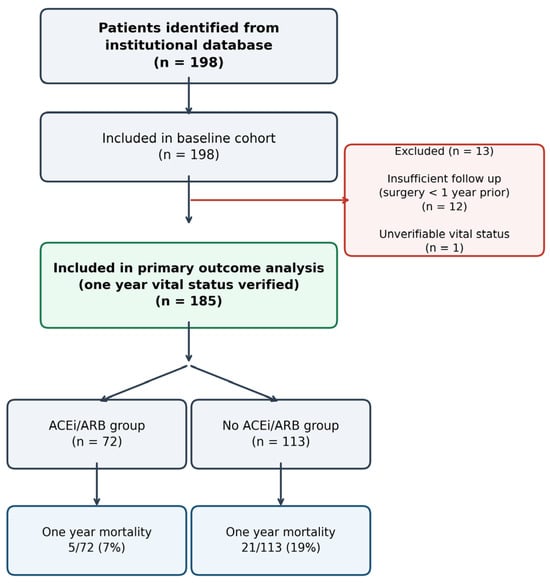
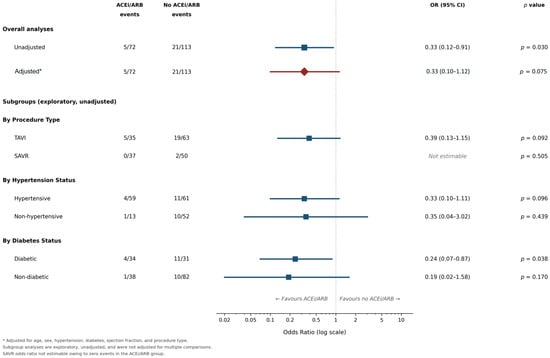
Background: Angiotensin-converting enzyme inhibitors (ACEis) and angiotensin receptor blockers (ARBs) were historically considered contraindicated in severe aortic stenosis (AS) due to theoretical haemodynamic risks. Contemporary evidence increasingly challenges this paradigm, yet data on preoperative use and postoperative outcomes remain limited. We examined the association between preoperative ACEi/ARB use and mortality following aortic valve replacement. Methods: We conducted a retrospective cohort study of 198 consecutive patients undergoing transcatheter (TAVI) or surgical aortic valve replacement (SAVR) at a single tertiary centre between May 2020 and March 2025. Complete one-year follow up was available for 185 patients (93%). The primary outcome was one-year all-cause mortality. Multivariable logistic regression adjusted for age, sex, hypertension, diabetes, LVEF, and procedure type. Results: Of 198 patients, 80 (40%) were receiving ACEi/ARB therapy preoperatively. ACEi/ARB users had a higher prevalence of hypertension (82% vs. 53%, p < 0.001) and diabetes (48% vs. 27%, p = 0.005) but similar age, valve area, and ejection fraction. Unadjusted one-year mortality was lower in the ACEi/ARB group (7% vs. 19%; odds ratio [OR] 0.33, 95% CI 0.12–0.91, p = 0.030). After multivariable adjustment for confounders including age, diabetes, and hypertension, the association did not reach statistical significance (adjusted OR 0.33, 95% CI 0.10–1.12, p = 0.075). Among diabetic patients, unadjusted one-year mortality was numerically lower in the ACEi/ARB group (12% vs. 35%, p = 0.038); however, six subgroup comparisons were performed and this result would not survive Bonferroni correction (threshold p < 0.008). This exploratory finding should be interpreted with caution given the small sample size and absence of adjustment for confounders. Conclusions: Preoperative ACEi/ARB use was associated with lower unadjusted one-year mortality, but this association did not reach statistical significance after multivariable adjustment and residual confounding cannot be excluded. ACEi/ARB use was not associated with increased mortality in this cohort. These hypothesis-generating findings from a single-centre observational study require confirmation in adequately powered prospective trials. Full article
(This article belongs to the Section Vascular Medicine)
Show Figures

Figure 1
19 pages, 1590 KB  
Review
Biological Retention and Accumulation of Inhaled Environmental Particles Disrupt Immune Homeostasis: Implications for Chronic Lung Disease
by Akira Onodera
Int. J. Environ. Med. 2026, 1(2), 7; https://doi.org/10.3390/ijem1020007 - 10 Apr 2026
Abstract
Environmental exposure to particulate matter, including PM2.5 and engineered nanomaterials, is a major global health concern. Although acute toxic effects have been widely documented, new evidence suggests that the retained particle burden arising from incomplete clearance, tissue retention, and redistribution plays a [...] Read more.
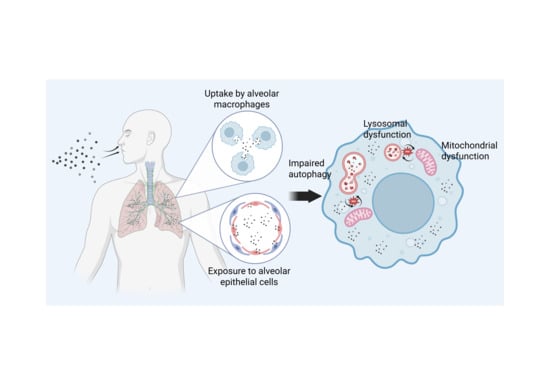
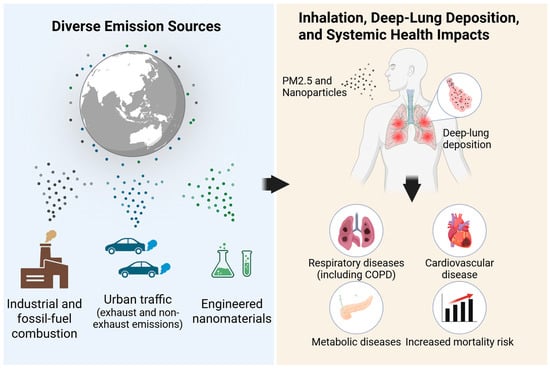
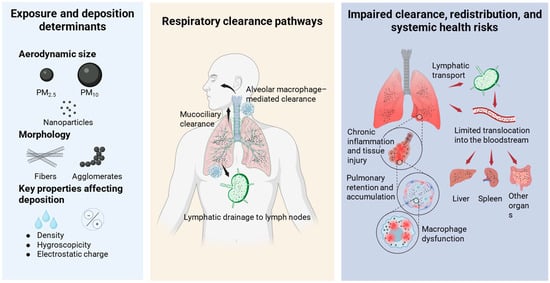
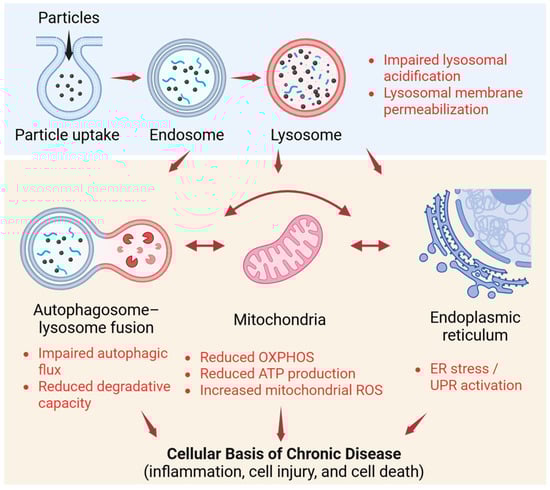
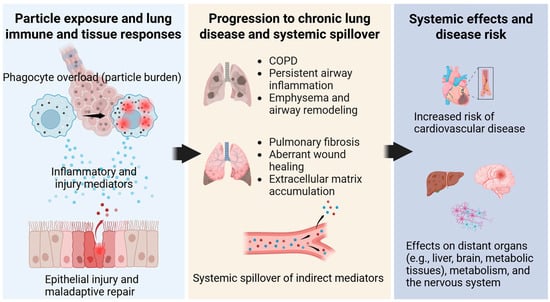
Environmental exposure to particulate matter, including PM2.5 and engineered nanomaterials, is a major global health concern. Although acute toxic effects have been widely documented, new evidence suggests that the retained particle burden arising from incomplete clearance, tissue retention, and redistribution plays a key role in long-term health outcomes. This review synthesizes knowledge on particle accumulation at multiple biological levels. It examines how particles are retained in pulmonary and lymphoid tissues, their uptake by immune cells, and their sequestration within organelles, particularly the endo-lysosomal system. The mechanisms by which lysosomal dysfunction can cause mitochondrial stress, redox and metabolic disturbances, and impaired autophagy are also discussed. These disruptions can alter the status of immune cells and disturb immune homeostasis. This review also examines how immune perturbation from accumulation may contribute to chronic lung diseases. Understanding these mechanisms explains the persistent health effects associated with low-dose exposure and supports more effective risk assessment and prevention. Full article
Show Figures

Graphical abstract

18 pages, 849 KB  
Article
Use of Denitrifying Sludge for the Removal of Acetaminophen in Water
by Liliana Rodríguez-Flores, César Camacho-López, Claudia Romo-Gómez, Otilio A. Acevedo-Sandoval, Fernando Salas-Martínez, José B. Leyva-Morales and César. A González-Ramírez
Environments 2026, 13(4), 210; https://doi.org/10.3390/environments13040210 - 10 Apr 2026
Abstract
Acetaminophen, more commonly known as paracetamol (APAP), is one of the most widely used analgesics and antipyretic drugs worldwide. Its presence in the environment poses a risk to the organisms it comes into contact with, which is why it has been classified as [...] Read more.
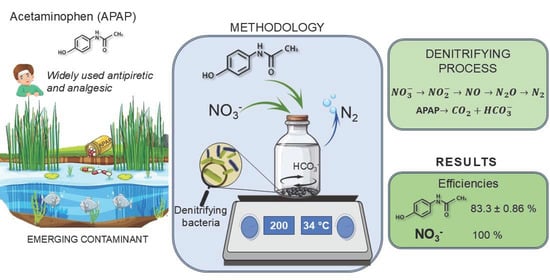
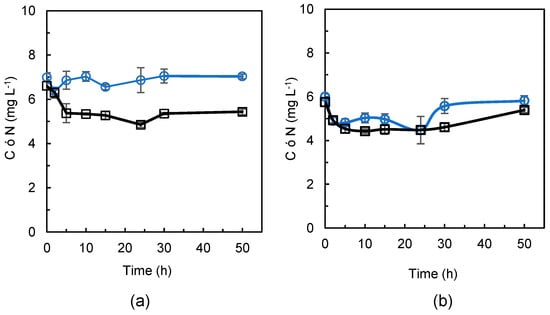
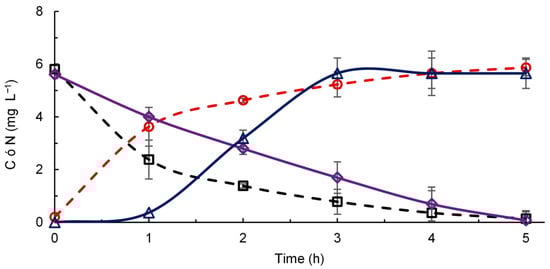
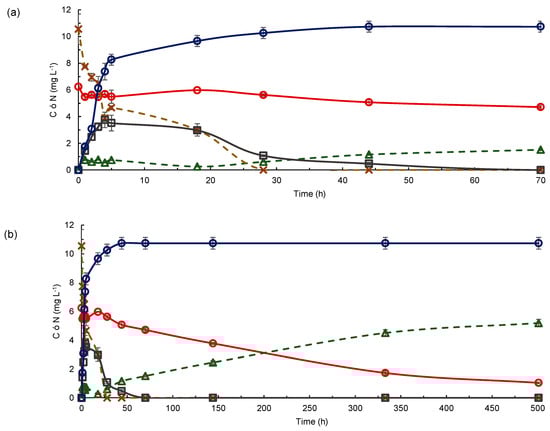
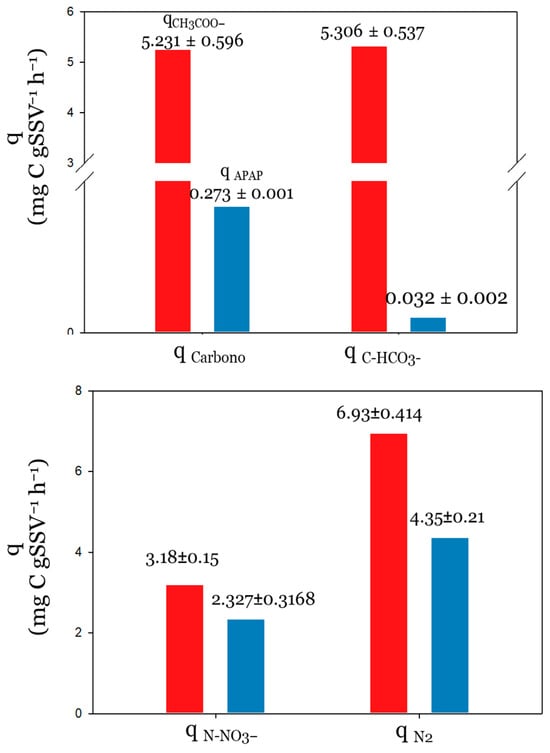
Acetaminophen, more commonly known as paracetamol (APAP), is one of the most widely used analgesics and antipyretic drugs worldwide. Its presence in the environment poses a risk to the organisms it comes into contact with, which is why it has been classified as an emerging contaminant. Given its adverse effects and continuous discharge into water bodies, it is necessary to study efficient, environmentally sustainable processes for its complete removal. Denitrification is a biological process that has been studied for the biodegradation of recalcitrant compounds and certain pharmaceuticals such as 17β-estradiol and ampicillin, transforming them into harmless products such as N2 and HCO3. In the present study, the biodegradation of 6 mg L−1 of APAP-C was evaluated through a denitrifying process. Batch experiments were conducted, achieving acetaminophen (APAP) removal efficiencies (EAPAP-C) of 83.3 ± 0.86% and nitrate removal efficiencies (EN-NO3) of 100%. The substrates were predominantly converted into HCO3 and N2, with yields greater than 0.9, while intermediates such as NO2 were observed only transiently during the reaction. At the end of the experimental period, no secondary metabolites were detected, indicating that intermediates did not accumulate to quantifiable levels. Full article
(This article belongs to the Special Issue Advanced Research on the Removal of Emerging Pollutants)
Show Figures

Graphical abstract

19 pages, 416 KB  
Article
Longitudinal Changes in General Overweight and Obesity, and Central Obesity from Birth to Early Adolescence
by Yi Lin, Zeng-Bao Hu, Richard Rankin, Stuart McDonald, Xiao-Yong Li, Feng Wang, Si-Jia Wang, Guo-Lin Bian and Qing-Hai Gong
Nutrients 2026, 18(8), 1206; https://doi.org/10.3390/nu18081206 - 10 Apr 2026
Abstract
Aims: This study aimed to examine the associations between both birth weight (BW) and body mass index (BMI)/waist circumference (WC) measured at ages 7–10 years, and adolescent overweight (OW)/obesity (OB), and central OB at ages 11–13 years. Methods: Longitudinal data were collected from [...] Read more.
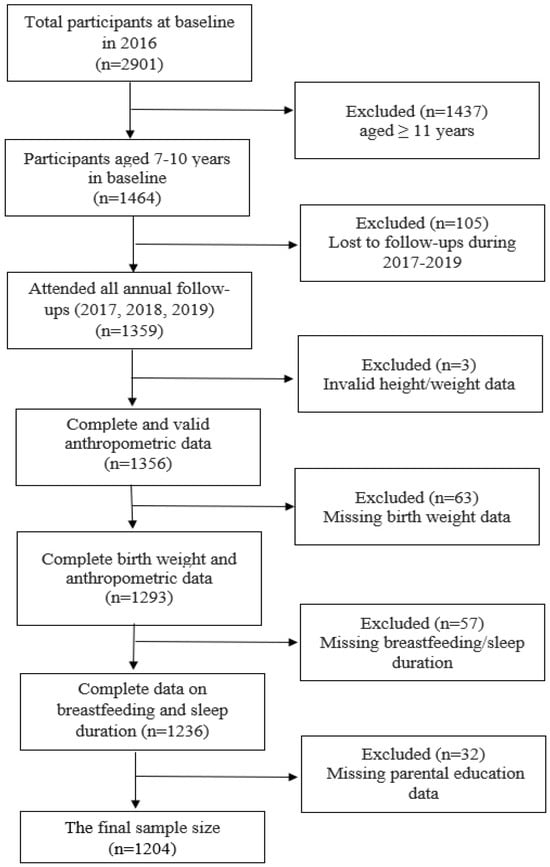
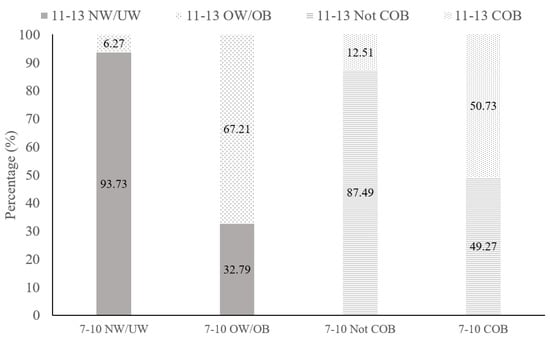
Aims: This study aimed to examine the associations between both birth weight (BW) and body mass index (BMI)/waist circumference (WC) measured at ages 7–10 years, and adolescent overweight (OW)/obesity (OB), and central OB at ages 11–13 years. Methods: Longitudinal data were collected from children’s and parents’ questionnaires. Anthropometric data were obtained from health check-ups. BW (kg) was categorized into three groups: <3.0, 3.0–3.9 and ≥4.0 (macrosomia). Underweight (UW)/normal weight (NW), OW and OB were defined based on sex- and age-specific reference values for Chinese children. Central OB was identified using the sex-specific waist-to-height ratio (WHtR) cutoffs. Results: Of the 1204 children, 14.5% had a BW < 3.0 and 15.6% had macrosomia. The rates of OB and central OB were 10.13% and 28.32%, respectively, among children aged 7–10 years and 6.23% and 23.34%, respectively, among those aged 11–13 years. An increasing BW z-score was associated with higher odds of OW/OB in girls aged 11–13 years. Childhood BMI and WC z-scores were associated with higher odds of OW/OB and central OB, respectively, at ages 11–13 years. Childhood OW/OB and central OB were associated with a higher risk of OW/OB and central OB, respectively, at ages 11–13 years. Conclusions: BW was modestly associated with OW/OB in girls. Childhood BMI was the strongest predictor of OW/OB, while childhood WC was a strong and significant predictor of central OB in early adolescence. These findings highlight that early school age is a critical period for risk identification and the implementation of future preventive strategies. Full article
(This article belongs to the Section Nutrition and Obesity)
Show Figures

Figure 1

20 pages, 2891 KB  
Article
The Algicidal Potential of Some Volatile Substances on Oil Base: Effect of Structure–Species–Effectivity Relationships
by Klára Kobetičová, Martin Böhm, Ivana Burianová, Miloš Jerman, Dana Němcová and Adéla Fraňková
Sustainability 2026, 18(8), 3788; https://doi.org/10.3390/su18083788 - 10 Apr 2026
Abstract
The bio-colonization of building materials by green algae is a widespread problem. To prevent this, it is advisable to use natural substances to avoid environmental damage. This study examined the effectiveness of four essential oils (cinnamon, thyme, oregano and hop) and four oil-based [...] Read more.
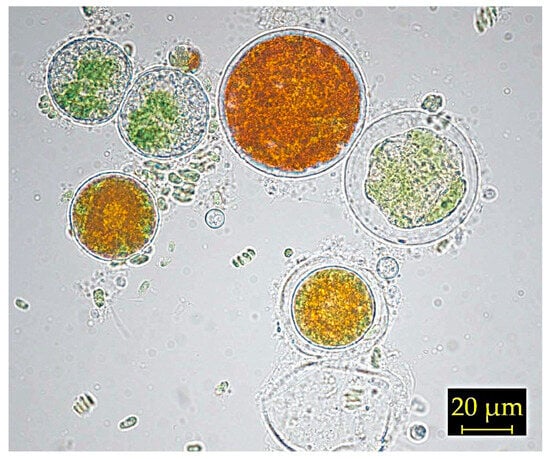
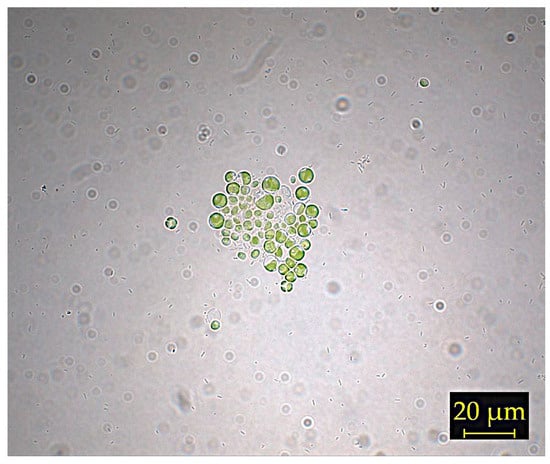
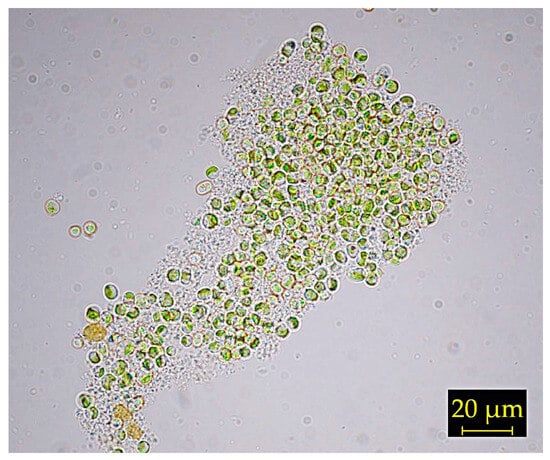
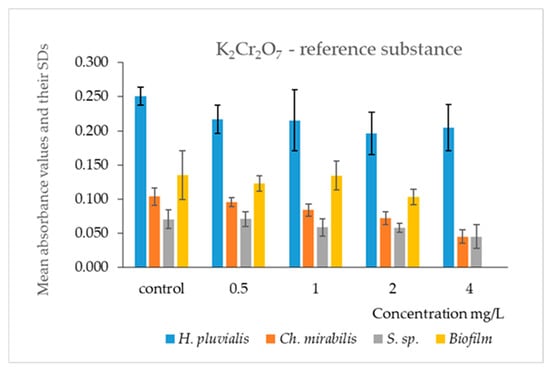
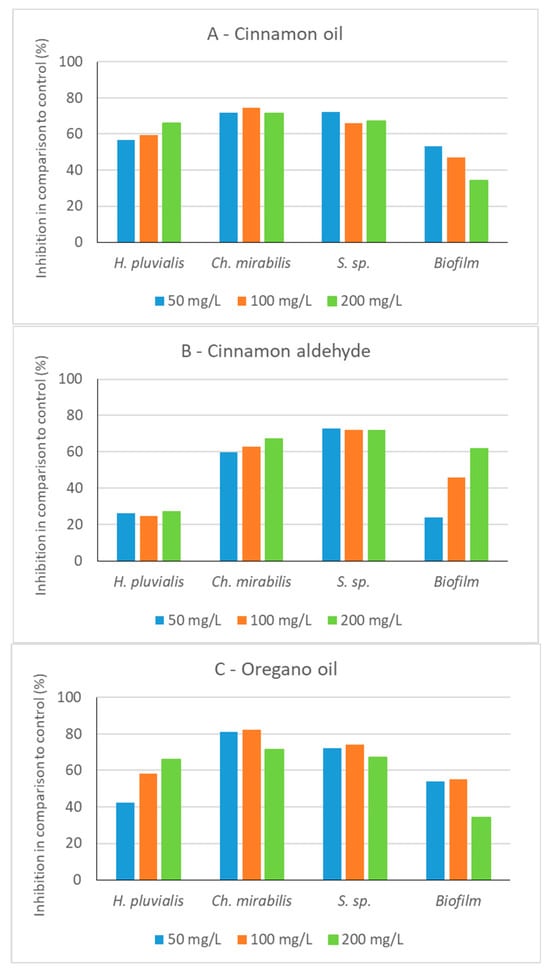
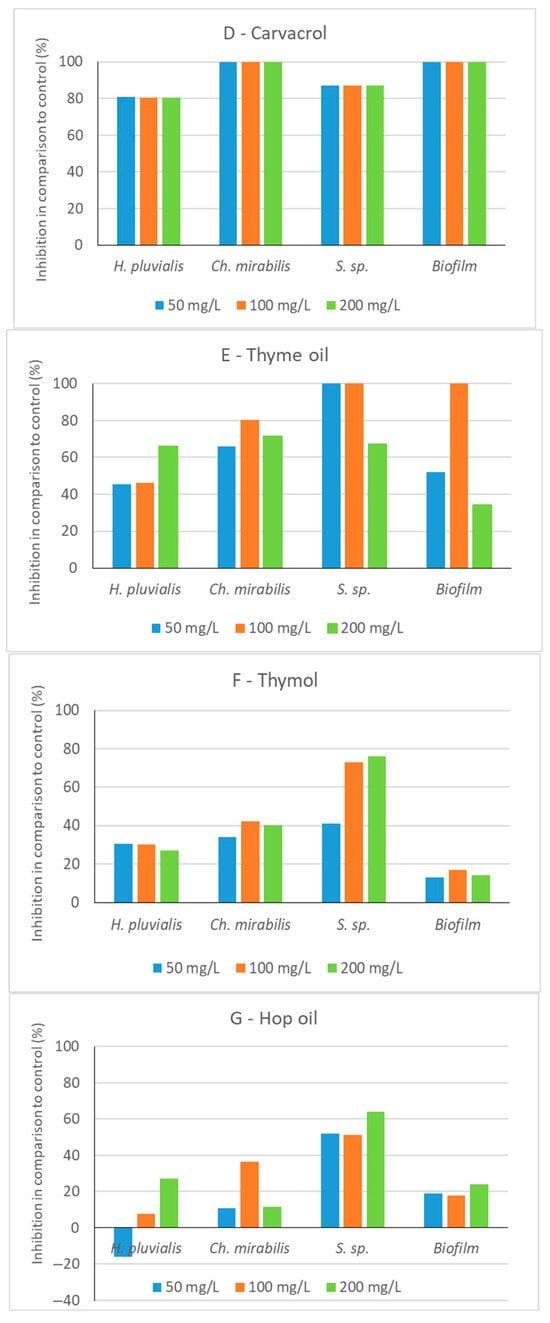
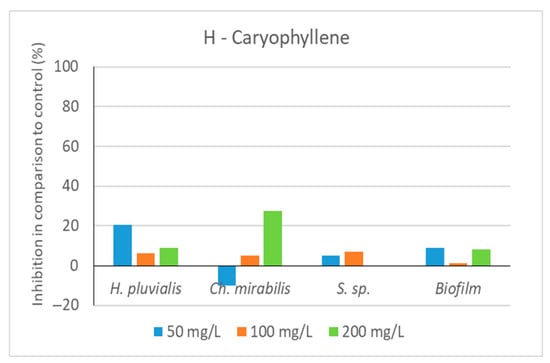
The bio-colonization of building materials by green algae is a widespread problem. To prevent this, it is advisable to use natural substances to avoid environmental damage. This study examined the effectiveness of four essential oils (cinnamon, thyme, oregano and hop) and four oil-based substances (trans-cinnamaldehyde, thymol, carvacrol and β-caryophyllene) in preventing bio-colonization. The effectiveness of these chemicals against three algal species (Haematococcus pluvialis, Chlorella mirabilis and Stichococcus sp.) and a mixture of these species was tested. The tests were carried out under laboratory conditions over a period of 14 days. The concentrations tested were in the range of 3–200 mg/L. Growth densities were assessed spectrometrically as absorbencies at a wavelength of 750 nm. Caryophyllene, thymol, oregano oil, and hop oil did not negatively affect the growth of algal biomass. The algicidal effect increased in the following order for the other chemicals: cinnamon oil and trans-cinnamon aldehyde < thyme oil and carvacrol. Their biocidal effect was influenced by their structure, particularly their molecular weight and solubility in fat (log Kow). H. pluvialis was a less sensitive species than the smaller S. sp and Ch. mirabilis. The artificial biofilm was sensitive to thyme oil and carvacrol, similarly to natural biofilms, as was demonstrated in previously published studies. Full article
Show Figures

Figure 1

32 pages, 19257 KB  
Review
Metal–Organic Frameworks for CO2 Capture: Improving Adsorption Performance Through Modification Methods
by Hongyu Pan, Li Xu, Tong Xu and Bin Zhu
Nanomaterials 2026, 16(8), 454; https://doi.org/10.3390/nano16080454 - 10 Apr 2026
Abstract
Industrial emissions of large amounts of CO2 have seriously affected human health, making it imperative to reduce atmospheric CO2 concentrations. However, carbon capture technologies such as chemical absorption and membrane separation are still limited by high regenerative energy costs, corrosion, and [...] Read more.
Industrial emissions of large amounts of CO2 have seriously affected human health, making it imperative to reduce atmospheric CO2 concentrations. However, carbon capture technologies such as chemical absorption and membrane separation are still limited by high regenerative energy costs, corrosion, and low efficiency in diluting flue gas. Within this technological landscape, physical adsorption separation technology, due to its advantages such as a wide operating temperature range, low equipment corrosivity, and low regeneration energy consumption, has gradually become a research hotspot in carbon capture technology. The core of physical adsorption lies in finding high-quality adsorbents. Metal–organic frameworks (MOFs), with their ultra-high specific surface area, tunable pore structure, and abundant functionalization sites, are considered highly promising next-generation CO2 adsorbent materials. This review summarizes strategies for modifying MOFs to improve CO2 adsorption performance, focusing on aperture adjustment, doped metal ions, functional group doping, and computational screening. Performance enhancements are mechanism-dependent rather than simply additive. Moderate aperture adjustment and defect engineering can improve gas selectivity and CO2 capture capacity, while excessively narrow pores sacrifice available pore volume and gas diffusion. Doped metal ions, particularly in MOF-74 and related materials, can enhance CO2 capture capacity while controlling framework integrity and dopant composition. Functional group Doping remains an effective method for capturing low-partial-pressure CO2. Computational screening is shifting from ranking based on single adsorption capacity to a comprehensive consideration that includes humidity tolerance, stability, and regenerability. Overall, under industrial conditions, modified MOFs should be evaluated by balancing affinity, selectivity, capacity, stability, and energy efficiency. This review provides guidance for the rational design of MOF-based carbon capture adsorbents. Full article
(This article belongs to the Section Environmental Nanoscience and Nanotechnology)
23 pages, 1801 KB  
Article
Bridging Communication Studies and Employability: ESCO-Based Curriculum Mapping and Job-Vacancy Skill Signals
by Marina-Paola Ojan, Pablo Lara-Navarra and Sandra Sanz-Martos
Educ. Sci. 2026, 16(4), 606; https://doi.org/10.3390/educsci16040606 - 10 Apr 2026
Abstract
Universities are increasingly expected to bridge the gap between higher education, skills development, and graduate employability, yet evidence-based approaches to curriculum–labour market alignment remain limited in Communication Studies. This study examines which ESCO-mapped occupational profiles and transversal competencies are represented in official curricula [...] Read more.
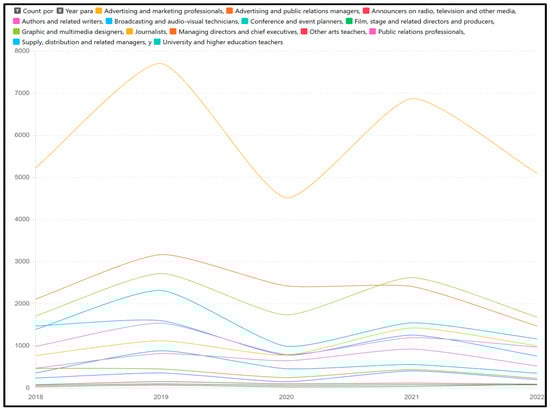
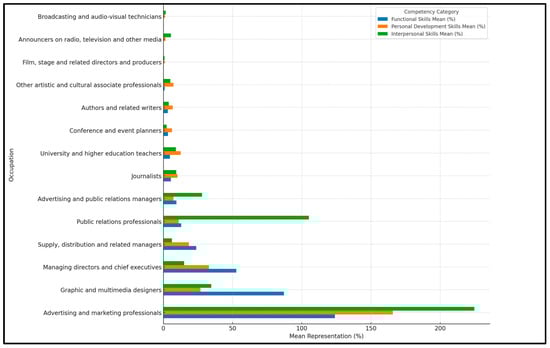
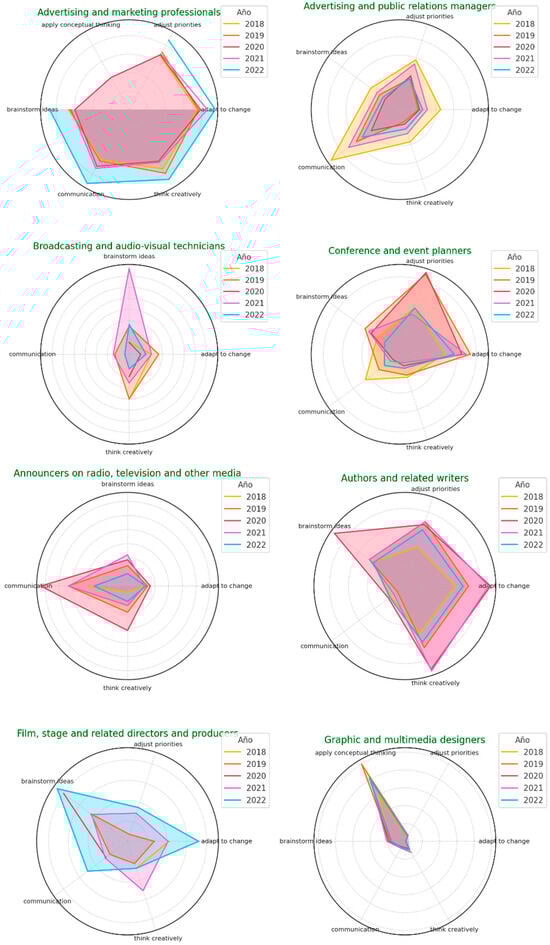
Universities are increasingly expected to bridge the gap between higher education, skills development, and graduate employability, yet evidence-based approaches to curriculum–labour market alignment remain limited in Communication Studies. This study examines which ESCO-mapped occupational profiles and transversal competencies are represented in official curricula of leading Spanish Communication programmes (RQ1), how demand for communication-related occupations evolved in Spain over 2018–2023 (RQ2), and where the most salient alignment gaps emerge to inform curriculum redesign (RQ3). We used an explanatory sequential mixed-methods design combining documentary analysis of programme verification reports and national disciplinary documentation, an ESCO-based mapping of curricular profiles, and labour-market intelligence from 2,701,503 job postings (2018–2023) mapped to ESCO to analyse demand dynamics, volatility, and skill patterns. Results show strong curricular convergence around a shared core of ESCO profiles (71.8% of identified codes shared across institutions) alongside institution-specific specialisations (28.2%). Labour demand fluctuated markedly across the period and exhibited heterogeneous volatility by occupation, and transversal competency patterns differed significantly across professional groupings, supporting segment-specific interpretations of alignment and mismatch. Overall, ESCO combined with job-posting analytics provides a replicable framework for continuous curriculum calibration and employability-oriented programme redesign, particularly for hybrid profiles that integrate technical, analytical, relational, and ethically grounded capabilities. Full article
Show Figures

Graphical abstract

45 pages, 27918 KB  
Article
Early Crop Type Classification Based on Seasonal Spectral Features and Machine Learning Methods
by Ainagul Alimagambetova, Moldir Yessenova, Assem Konyrkhanova, Ten Tatyana, Aliya Beissegul, Zhuldyz Tashenova, Kuanysh Kadirkulov, Aitimova Ulzada and Gulalem Mauina
Technologies 2026, 14(4), 221; https://doi.org/10.3390/technologies14040221 - 10 Apr 2026
Abstract
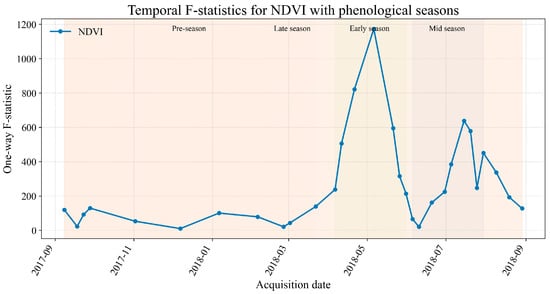
This paper explores the feasibility of early-season crop classification based on Sentinel-2-time series using the TimeSen2Crop dataset (≈1 million pixels, 16 crops). The aim of the study was to evaluate the spectral-phenological separability of crops during the season and compare the performance of [...] Read more.
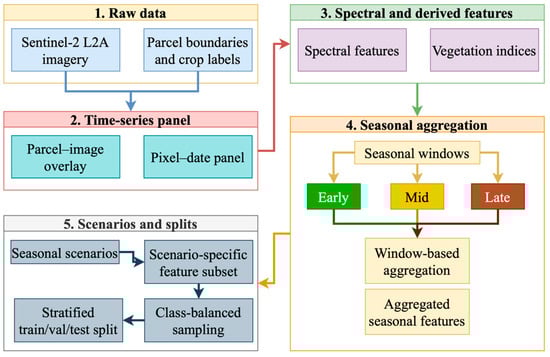
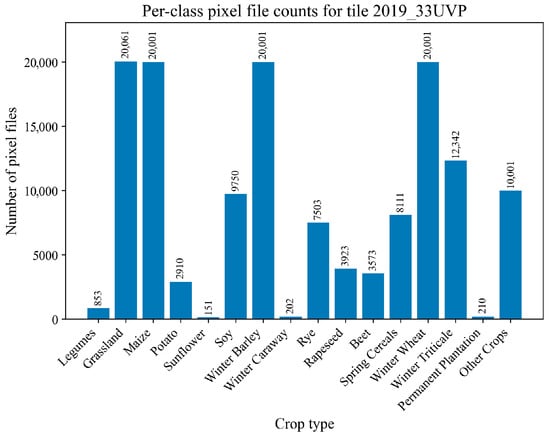
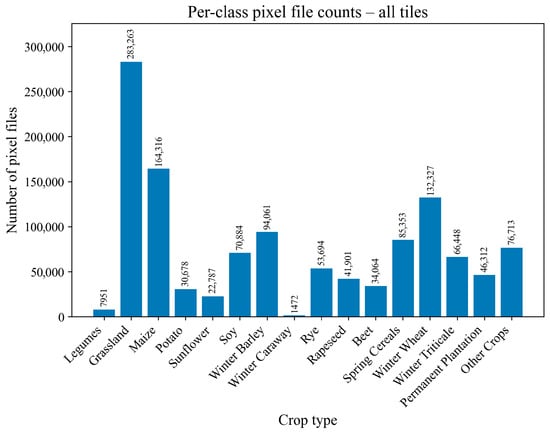
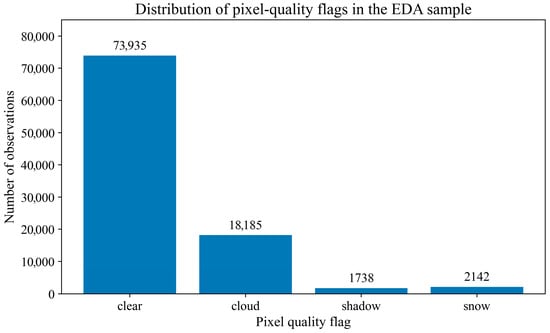
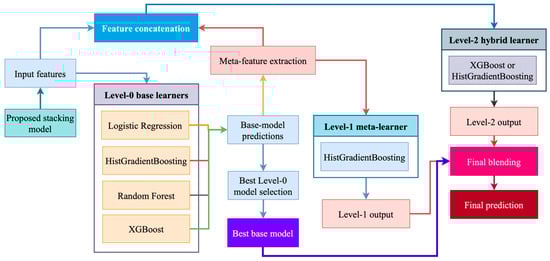
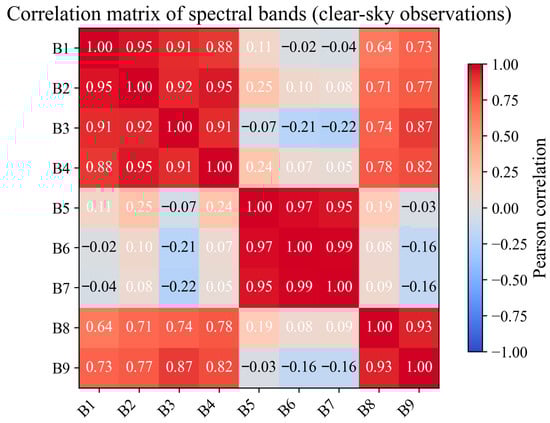
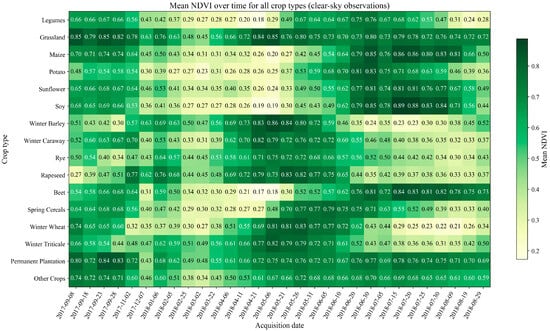
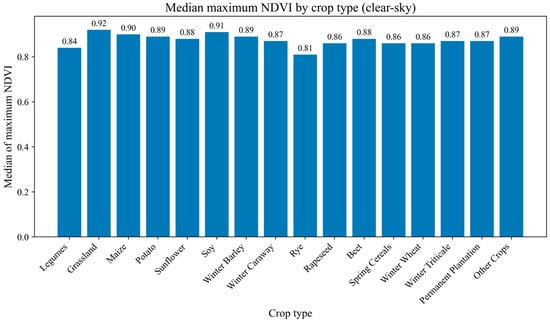
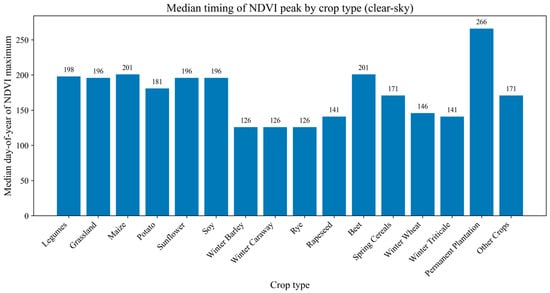
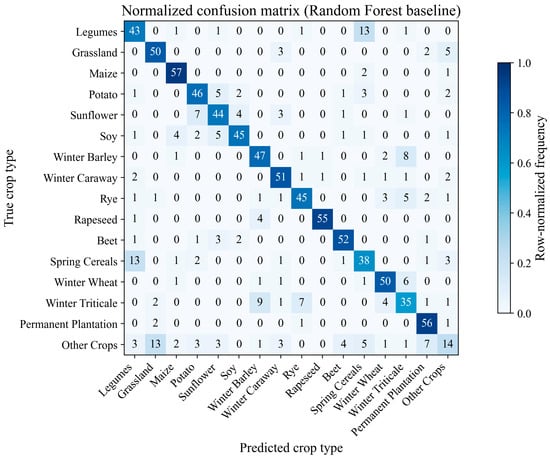
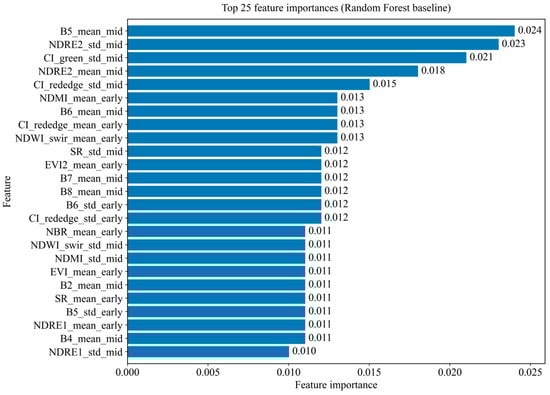
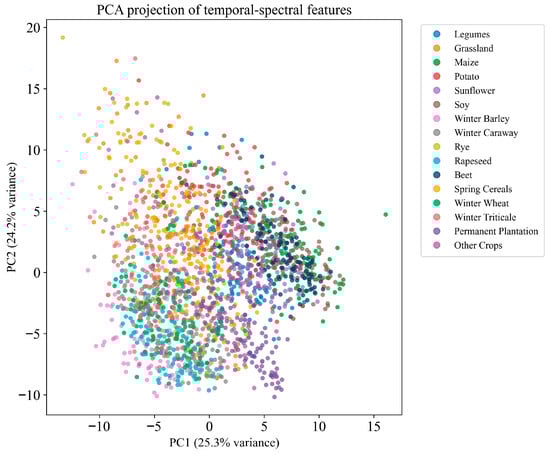
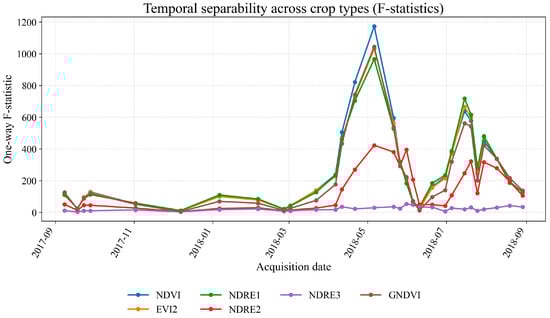
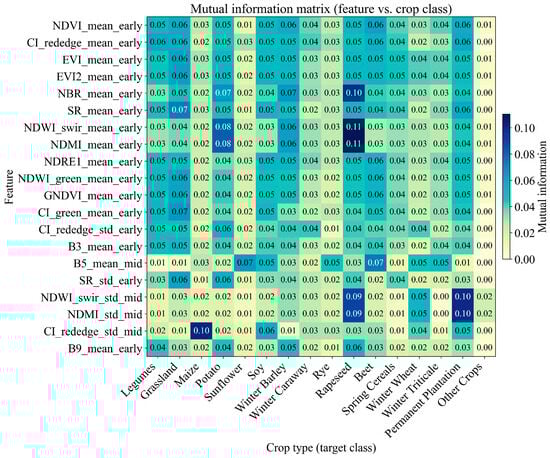
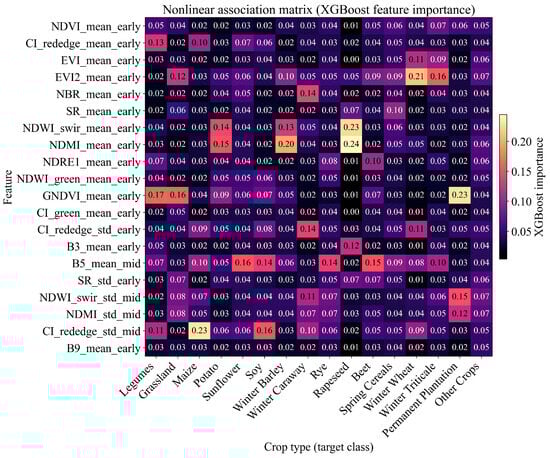
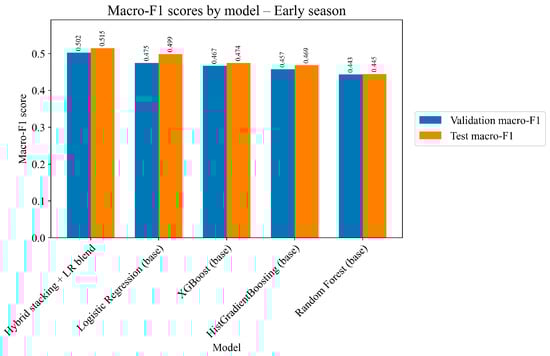
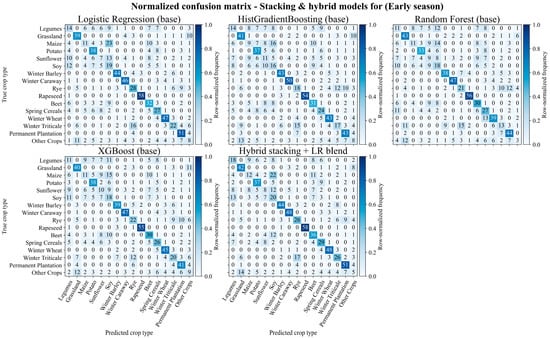
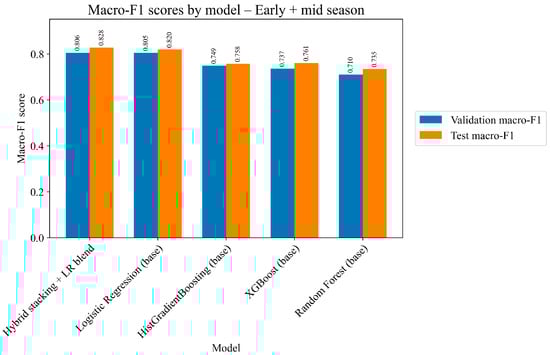
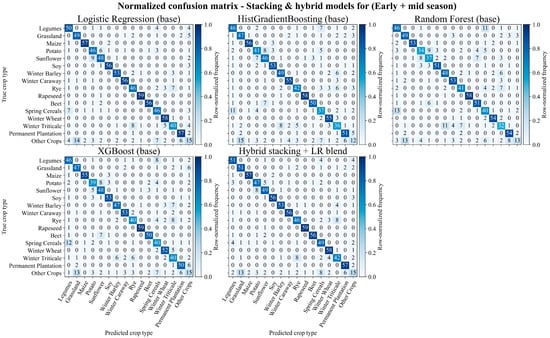
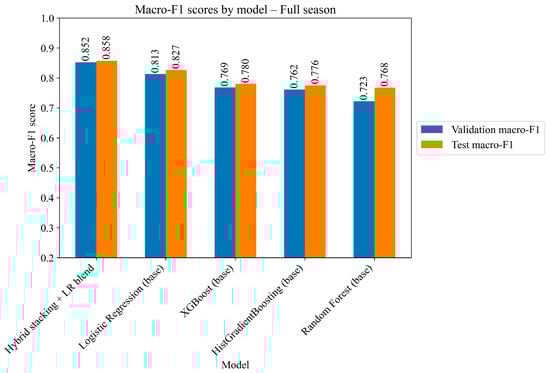
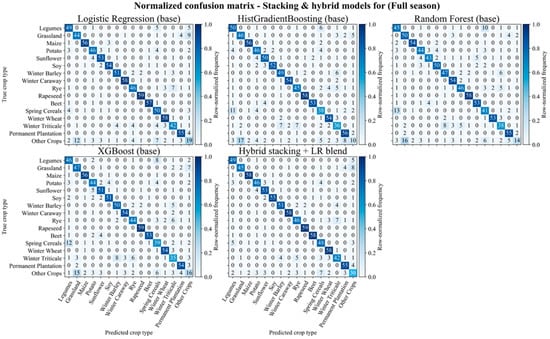
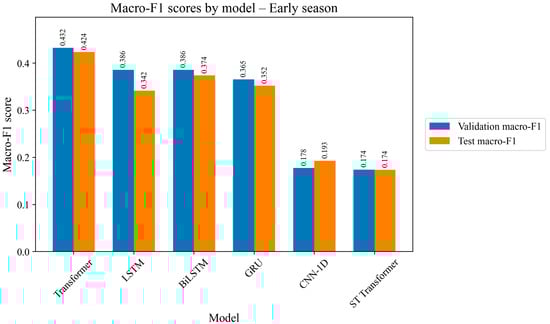
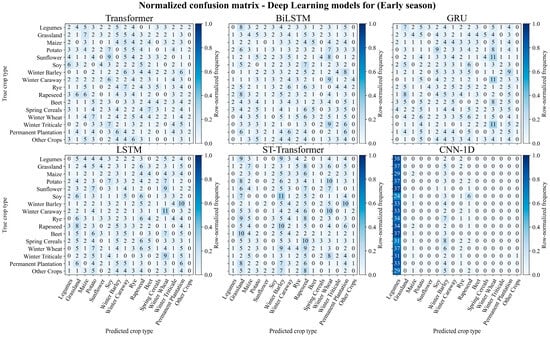
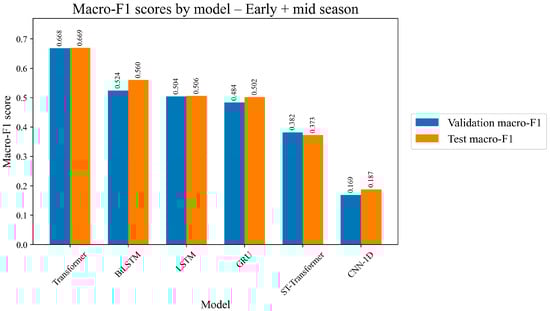
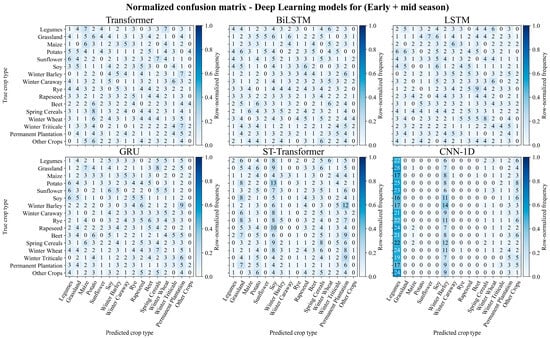
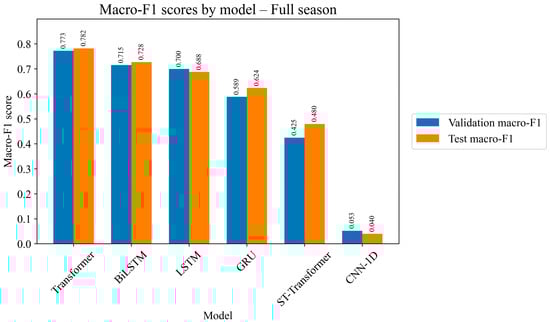
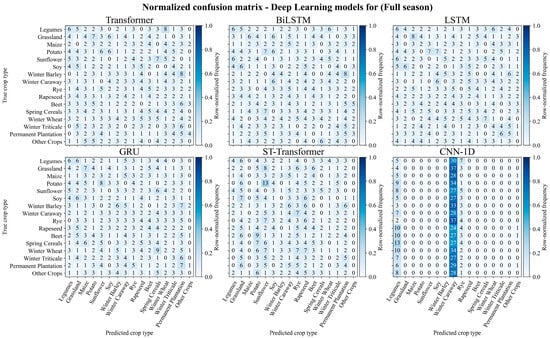
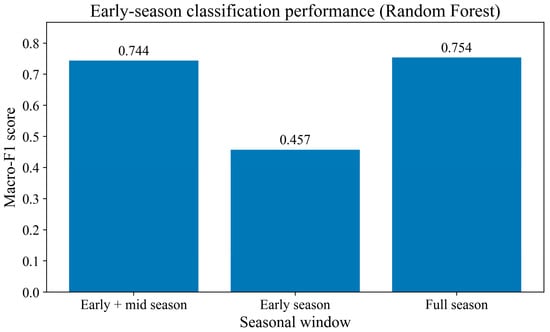
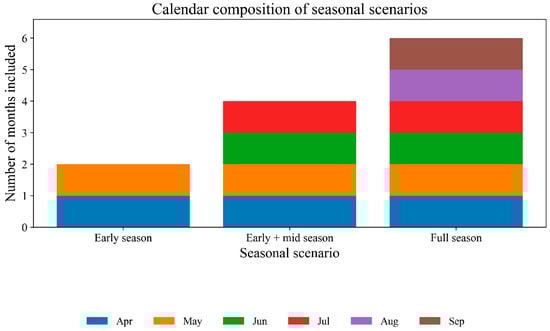
This paper explores the feasibility of early-season crop classification based on Sentinel-2-time series using the TimeSen2Crop dataset (≈1 million pixels, 16 crops). The aim of the study was to evaluate the spectral-phenological separability of crops during the season and compare the performance of classical tabular algorithms, deep sequence models, and a seasonally oriented hybrid stacking scheme. Based on multispectral observations, a feature set was formed from 9 optical channels and 13 vegetation indices for 30 dates. F-criteria were calculated, confirming a sharp increase in interclass separability during the active vegetative growth phase and substantiating three time series truncation scenarios (early, early + mid-season, and full season). Random Forest (macro-F1: 0.46/0.74/0.75) was used as the base tabular model. LSTM, BiLSTM, GRU, 1D-CNN, and Transformer were trained in parallel, with Transformer showing the best results among the deep architectures (0.42/0.68/0.78). The main contribution of the work is a hybrid multi-layer stacking scheme combining heterogeneous base algorithms and OOF meta-features, which provides the highest quality (0.51/0.83/0.86) in all scenarios. The obtained results confirm the effectiveness of phenology-oriented selection of time windows, informative indices, and hybrid ensemble learning for improving the accuracy of early-season crop monitoring. Full article
(This article belongs to the Section Information and Communication Technologies)
Show Figures

Figure 1

4 pages, 428 KB  
Short Note
[2-{(5′-Amino-2′-fluoroacetophenone)-5-nitro}]acetophenone
by Richard M. Beteck and Lesetja J. Legoabe
Molbank 2026, 2026(2), M2162; https://doi.org/10.3390/M2162 - 10 Apr 2026
Abstract
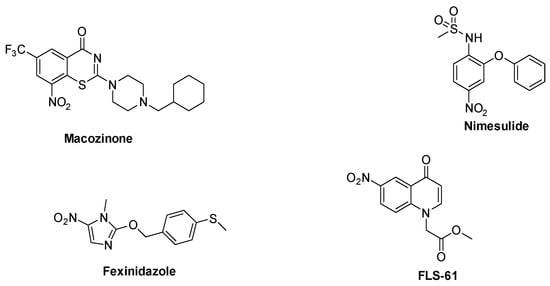
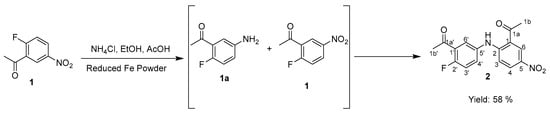
Herein we reported on a one-pot nitro reduction/nucleophilic aromatic substitution on 1-(2-fluoro-5-nitrophenyl)ethan-1-one using a mixture of acetic acid and iron powder in ethanol. The resultant target compound, a nitrated N bis-acetophenone, has many reactive handles; as such, it is a novel intermediate that [...] Read more.
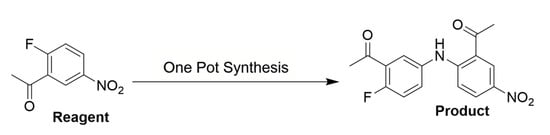
Herein we reported on a one-pot nitro reduction/nucleophilic aromatic substitution on 1-(2-fluoro-5-nitrophenyl)ethan-1-one using a mixture of acetic acid and iron powder in ethanol. The resultant target compound, a nitrated N bis-acetophenone, has many reactive handles; as such, it is a novel intermediate that can be deployed for the syntheses of a vast array of compounds not reported before. This compound is fully characterized using 1H and 13C NMR spectroscopy, and HRMS. Full article
(This article belongs to the Collection Molecules from Side Reactions)
Show Figures

Graphical abstract

13 pages, 316 KB  
Article
Occurrence, Dietary Exposure Scenarios and Risk Assessment of Aflatoxins from Dried Fruits and Chocolates in Armenia
by Davit Pipoyan, Meline Beglaryan, Yepraqsya Arshakyan and Bagrat Harutyunyan
Foods 2026, 15(8), 1329; https://doi.org/10.3390/foods15081329 - 10 Apr 2026
Abstract
This study aimed to estimate dietary exposure to aflatoxins (AFs) and characterize its associated risks through the consumption of dried fruits and chocolates among the adult population of Yerevan, the capital city of Armenia. Asflatoxin B1 (AFB1) and total AFs were determined using [...] Read more.
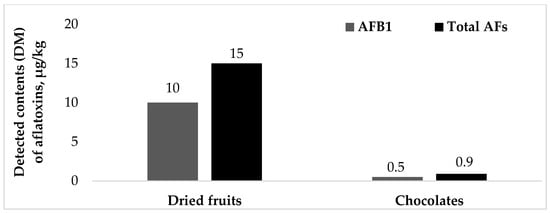
This study aimed to estimate dietary exposure to aflatoxins (AFs) and characterize its associated risks through the consumption of dried fruits and chocolates among the adult population of Yerevan, the capital city of Armenia. Asflatoxin B1 (AFB1) and total AFs were determined using HPLC in 10 composite samples of widely consumed dried fruits and chocolates, prepared by pooling 100 individual sub-samples into 5 dried fruits and 5 chocolate composites. Individual consumption data were obtained via food frequency questionnaires and were stratified by consumer groups and percentiles. Exposure scenarios (lower-, middle-, upper-bound and detected mean) were applied, and risk was assessed using the margin of exposure (MOE) approach with a BMDL10 of 0.4 μg/kg bw/day. The study findings revealed that dried fruits had higher contamination levels (detected mean content of 10 μg/kg AFB1, 15 μg/kg total AFs) compared to chocolates (detected mean content of 0.5 μg/kg AFB1, and 0.9 μg/kg total AFs), resulting in lower MOE values despite smaller consumption quantities. Detectable AFs in dried fruits from open (street) markets exceeded the EU maximum limits, while Armenia currently lacks national regulatory limits for these products. MOEs were below 10,000 for most consumption groups, indicating a potential public health concern. This research emphasizes the urgent need for continuous monitoring and the establishment of harmonized national regulatory limits for AFs in dried fruits. Full article
(This article belongs to the Special Issue Advances in Food Toxin Analysis and Risk Assessment)
Show Figures

Figure 1

17 pages, 298 KB  
Article
The Graphs Which Are Cospectral with the Generalized PineappleGraph
by Bocheng Li and Qingzhong Ji
Mathematics 2026, 14(8), 1265; https://doi.org/10.3390/math14081265 - 10 Apr 2026
Abstract
Let p,k,q be positive integers with p2k, and let Kp,kq denote the generalized pineapple graph which is obtained by joining an independent set of q vertices with k vertices of [...] Read more.
Let p,k,q be positive integers with p2k, and let Kp,kq denote the generalized pineapple graph which is obtained by joining an independent set of q vertices with k vertices of a complete graph Kp. H. Topcu et al. previously constructed graphs that are cospectral with Kp,1q. In this paper, we determine all graphs that are cospectral with Kp,kq by analyzing the eigenvalues of its adjacency matrix. Full article
Show Figures

Figure 1

15 pages, 438 KB  
Article
The Role of Psychosocial Support in Balance Improvements Following a Community-Based Tai Chi Program Among Latino Older Adults
by Zijian Qin, Shireen S. Rajaram, Carolina Padilla and Ka-Chun Siu
Behav. Sci. 2026, 16(4), 573; https://doi.org/10.3390/bs16040573 - 10 Apr 2026
Abstract
Falls are a leading cause of morbidity, loss of independence, and diminished quality of life among older adults, particularly in underserved ethnic minority populations. Physical activity interventions such as Tai Chi (TC) have been shown to improve balance and reduce the risk of [...] Read more.
Falls are a leading cause of morbidity, loss of independence, and diminished quality of life among older adults, particularly in underserved ethnic minority populations. Physical activity interventions such as Tai Chi (TC) have been shown to improve balance and reduce the risk of falls. However, the influence of psychosocial factors in maximizing these benefits remains underexplored. This study examined the effectiveness of a community-based TC intervention and the role of psychosocial support in enhancing physical health outcomes among Latino older adults at risk of falling. Twenty-eight subjects were recruited to complete a 12-week TC program, and 23 participants with complete outcome data were included in the data analysis. Balance performance was assessed using the Timed Up and Go (TUG) Test at baseline, immediately after the 12-week intervention, and at a 12-week follow-up assessment (24 weeks from baseline). Psychosocial support was measured using the Norbeck Social Support Questionnaire. Linear mixed models were used to analyze changes in TUG scores and the moderating effect of psychosocial support. Results showed that participants with higher levels of psychosocial support showed significantly greater changes in balance than those with lower support scores (p < 0.05) immediately after the intervention program; these improvements were not maintained at follow-up. The findings should be interpreted cautiously, given the single-group design without a control group. Overall, the results highlight the importance of incorporating psychosocial components into health intervention programs for older adults, suggesting that supportive environments may be associated with improvements in both physical health and psychosocial well-being in aging minority populations. Full article
(This article belongs to the Special Issue Providing Emotional Support for People with Chronic Diseases)
Show Figures

Figure 1

22 pages, 5937 KB  
Article
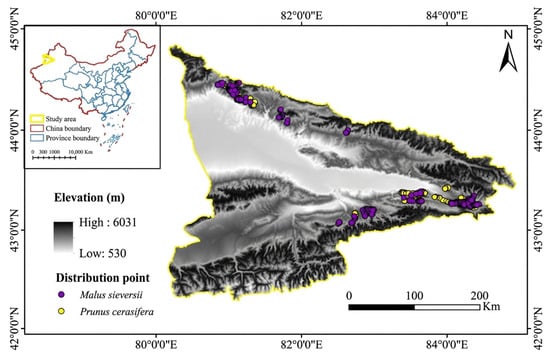
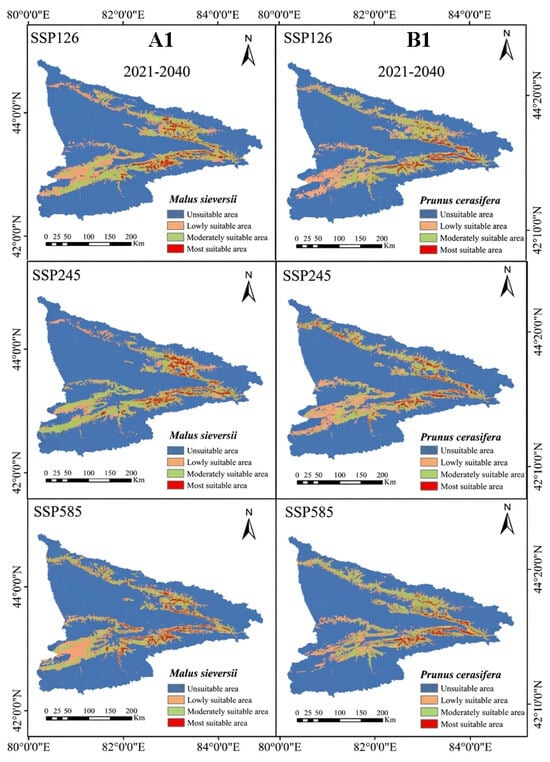
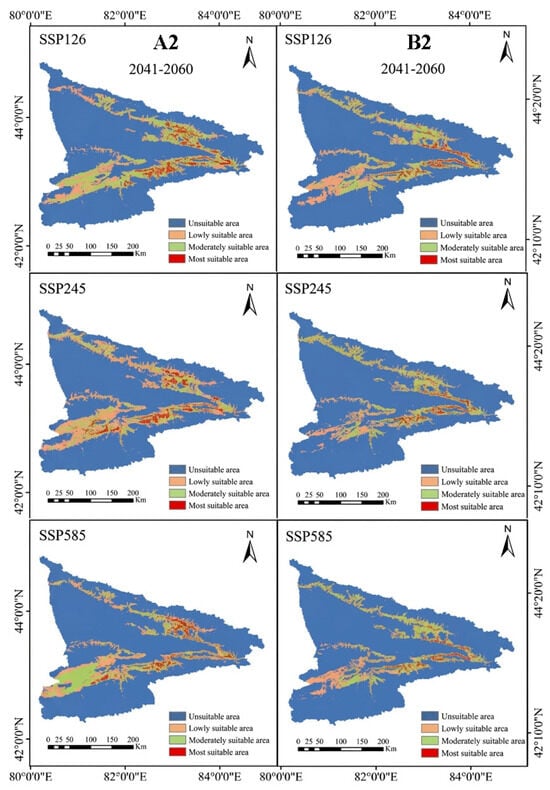
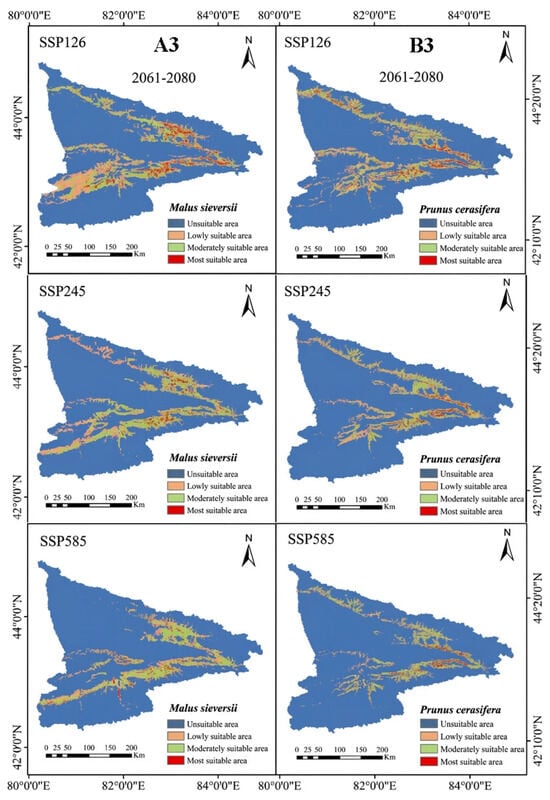
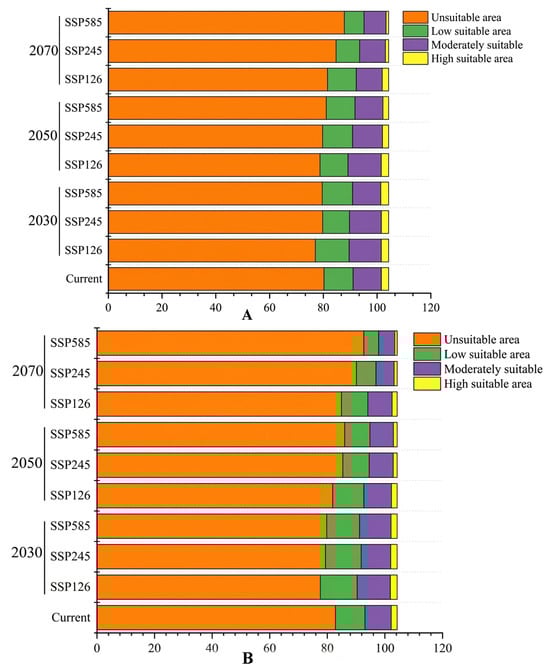
Spatiotemporal Shifts in Habitat Suitability of Malus sieversii and Prunus cerasifera in the Ili Valley Under Climate Change
by Saihua Liu, Cui Wang and Mingjie Yang
Forests 2026, 17(4), 470; https://doi.org/10.3390/f17040470 - 10 Apr 2026
Abstract
Globally, Central Asian wild fruit forests are critical repositories of wild fruit germplasm resources and provide essential ecosystem services. However, their habitats are facing escalating degradation risks driven by climate warming, shifting precipitation regimes, and intensifying anthropogenic disturbances. Accurately quantifying climate-driven spatiotemporal variations [...] Read more.
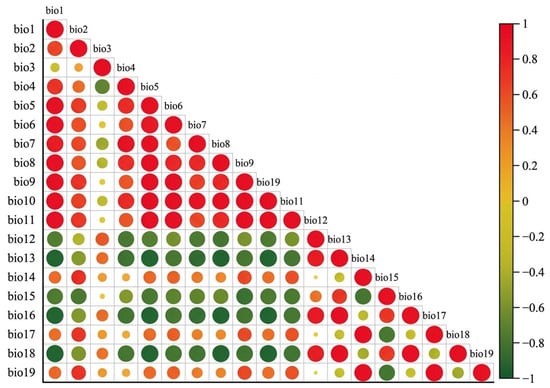
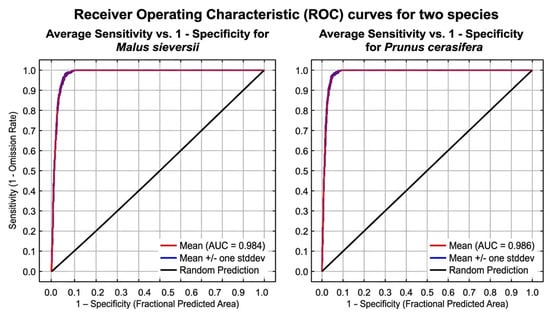
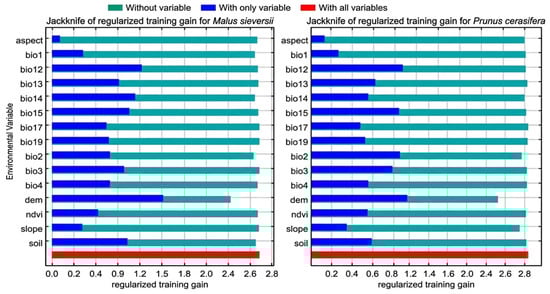
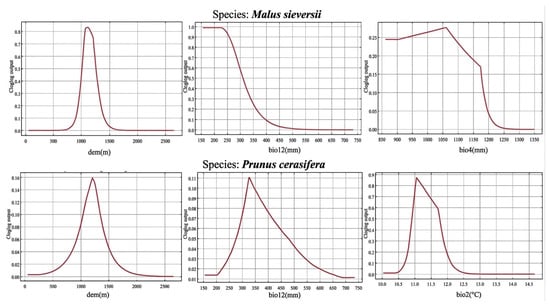
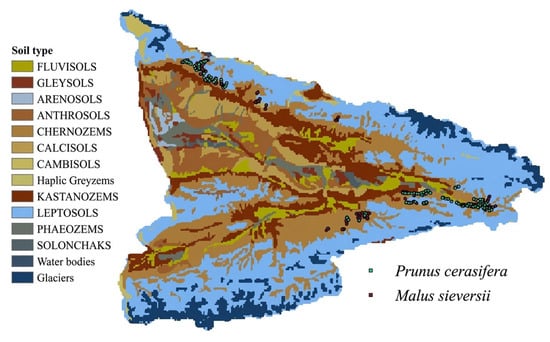
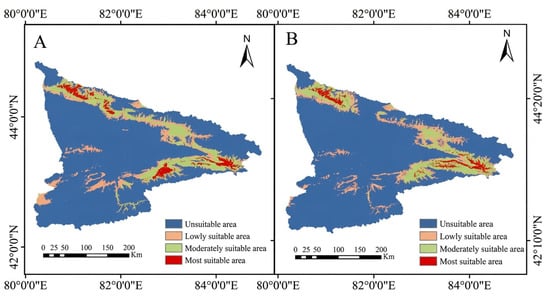
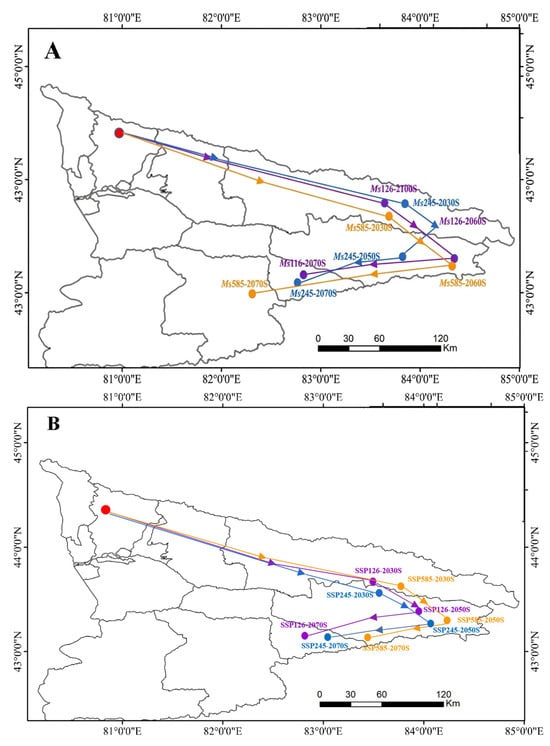
Globally, Central Asian wild fruit forests are critical repositories of wild fruit germplasm resources and provide essential ecosystem services. However, their habitats are facing escalating degradation risks driven by climate warming, shifting precipitation regimes, and intensifying anthropogenic disturbances. Accurately quantifying climate-driven spatiotemporal variations in habitat suitability for keystone wild fruit tree species is therefore an essential prerequisite for formulating targeted conservation and management strategies in arid and semi-arid landscapes. In this study, we applied the maximum entropy (MaxEnt) model to simulate the current (2000–2020 baseline) and future (2030s, 2050s, 2070s) potential suitable habitats of two dominant wild fruit tree species, Malus sieversii (Ledeb.) M.Roem. and Prunus cerasifera Ehrh., in the Ili Valley, a core distribution area of Central Asian wild fruit forests in northwestern China. We integrated rigorously screened species occurrence records with key environmental predictors and characterized future climate conditions using three Shared Socioeconomic Pathways (SSPs; SSP126, SSP245, and SSP585) spanning low to high radiative forcing levels. The model exhibited excellent predictive performance (AUC > 0.85), confirming the robustness and reliability of our habitat suitability simulations. Elevation and annual precipitation were identified as the dominant environmental variables governing habitat suitability for both species, highlighting the critical role of terrain–hydroclimate interactions in maintaining viable dryland refugia for wild fruit forests. Under the baseline climate scenario, the total area of suitable habitats reached 24.014 × 10³ km2 for Malus sieversii and 18.990 × 10³ km2 for Prunus cerasifera. Future climate projections revealed a consistent and significant contraction trend in suitable habitats for both species, with the magnitude of habitat loss escalating with increasing radiative forcing and longer projection time horizons. Specifically, under the high-emission SSP585 scenario by the 2070s, the suitable habitat area is projected to decline by 7.579 × 10³ km2 for Malus sieversii and 9.883 × 10³ km2 for Prunus cerasifera relative to the baseline. Our findings delineate climate-vulnerable hotspots of wild fruit forests and provide a robust spatial scientific basis for prioritizing in situ conservation, targeted habitat restoration, and anthropogenic disturbance regulation to support the long-term persistence of these irreplaceable wild fruit germplasm resources under accelerating global climate change. Full article
(This article belongs to the Section Forest Ecology and Management)
Show Figures

Figure 1

19 pages, 880 KB  
Article
The Influence of Liquid–Solid Preparations on the Dissolution of Suvorexant
by Barbara Jadach and Nikola Pawlak
Polymers 2026, 18(8), 936; https://doi.org/10.3390/polym18080936 - 10 Apr 2026
Abstract
This study aimed to evaluate the impact of liquid–solid (LS) systems on the dissolution profiles of a poorly soluble drug—suvorexant (SUV). In the first stage of this study, LS systems were prepared by using two different non-volatile solvents: ethylene glycol diethyl ether and [...] Read more.
This study aimed to evaluate the impact of liquid–solid (LS) systems on the dissolution profiles of a poorly soluble drug—suvorexant (SUV). In the first stage of this study, LS systems were prepared by using two different non-volatile solvents: ethylene glycol diethyl ether and polyethylene glycol 400 (PEG 400). To compare the properties of different types of LS systems, formulations were prepared that differed in the content of SUV (10 and 20 mg) as well as in the ratio of excipients (microcrystalline cellulose and colloidal silica), which was 10:1 or 1:1. The physicochemical properties of the prepared formulations were characterized by X-ray diffractometry (XRD), thermogravimetry (TGA) and differential scanning calorimetry (DSC). This was followed by a dissolution study of SUV from prepared LS systems, using a 0.4% sodium lauryl sulfate solution as the medium to maintain sink conditions. Results showed that the LS systems change the crystalline structure of SUV to an amorphous one and improve the dissolution rate of SUV. The greatest improvement was achieved by using the microcrystalline cellulose and colloidal silica in a 10:1 ratio for the preparation of the system (CCA variant). It was observed that the type of solvent used and the order of combining excipients during the preparation of LS systems are also important for the properties. The main point was that physicochemical characterization of the prepared formulations lead to a loss of crystallinity of SUV associated with its introduction into liquid–solid systems. Full article
(This article belongs to the Special Issue Advanced Biodegradable Polymers for Drug Delivery: 2nd Edition)
13 pages, 1673 KB  
Review
Dental Anxiety as a Potential Bottleneck in Oral–Systemic Health Pathways: A Conceptual Mapping Review of Review Articles
by Mika Kajita, Vesa Pohjola, Gerald Humphris and Satu Lahti
Dent. J. 2026, 14(4), 227; https://doi.org/10.3390/dj14040227 - 10 Apr 2026
Abstract
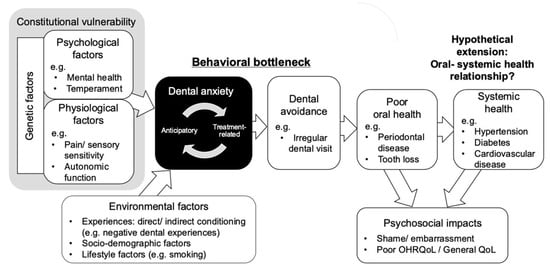
Background/Objectives: Although many studies have examined the determinants and management of dental anxiety (DA), its broader placement as a potential bottleneck along oral–systemic health pathways, from the determinants of DA to consequences through dental avoidance, oral outcomes, psychosocial impacts, and possible systemic health [...] Read more.
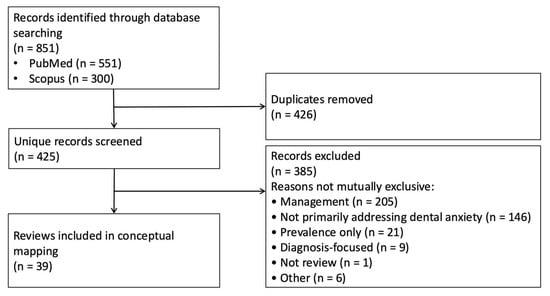
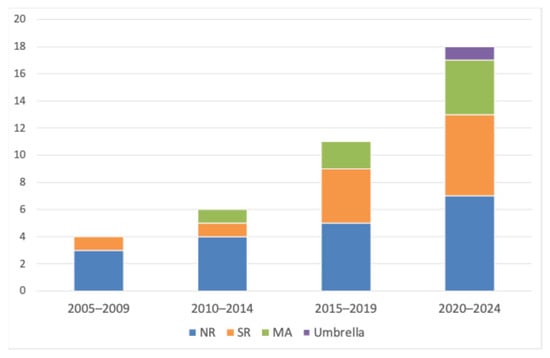
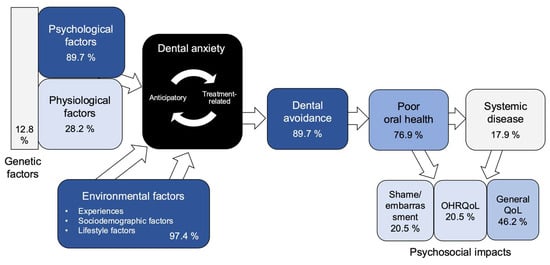
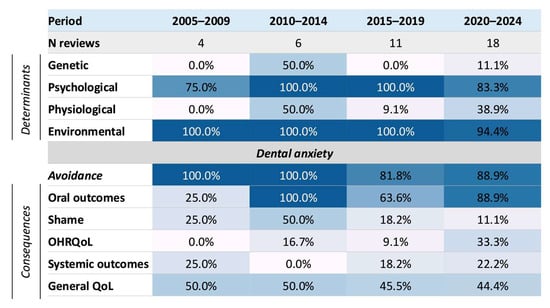
Background/Objectives: Although many studies have examined the determinants and management of dental anxiety (DA), its broader placement as a potential bottleneck along oral–systemic health pathways, from the determinants of DA to consequences through dental avoidance, oral outcomes, psychosocial impacts, and possible systemic health outcomes, has not been mapped across the review literature. This review aimed to conceptually map how existing DA reviews are distributed across this pathway, whether this broad framing changed across 5-year periods, and how systemic health outcomes were framed. Methods: We conducted a conceptual mapping review of DA-focused review articles published between 2005 and 2025. PubMed and Scopus were searched for English-language narrative, systematic, scoping and umbrella reviews and meta-analyses addressing the determinants or consequences of DA. One reviewer screened records, extracted review characteristics, and classified each review into predefined domains using binary framed/not framed coding rules. A structured AI-assisted prompt was used only to support full-text evaluation across domains; all final coding decisions were made by the reviewer. Results: The search identified 851 records; after removing 426 duplicates, 425 unique records were screened, and 39 reviews met the inclusion criteria. Framing concentrated on environmental and psychological determinants and on the pathway from DA to avoidance and poor oral health, whereas broader consequences, including shame, OHRQoL, and systemic health outcomes, were less consistently framed. Across 5-year periods, the broad pattern of framing remained relatively stable. Systemic health outcomes were framed in only a minority of reviews. Conclusions: Future research should test hypothesized pathways from DA to broader health consequences using clearly specified bridge mechanisms and appropriate temporal designs. Full article
(This article belongs to the Special Issue Dental Anxiety: The Current Status and Developments)
Show Figures

Figure 1

31 pages, 3673 KB  
Article
Unveiling Systemic Risks in Sustainable Safety Management: Integrating BERTopic, LLM, and SNA for Accident Text Mining
by Lanjing Wang, Rui Huang, Yige Chen, Yunxiang Yang, Jing Zhan and Haiyuan Gong
Sustainability 2026, 18(8), 3787; https://doi.org/10.3390/su18083787 - 10 Apr 2026
Abstract
To unveil the underlying risk structures in complex industrial systems, this paper proposes a hybrid analytical framework that integrates BERTopic modeling, a large language model (LLM), and social network analysis (SNA). This framework aims to extract systemic safety intelligence from unstructured accident reports. [...] Read more.
To unveil the underlying risk structures in complex industrial systems, this paper proposes a hybrid analytical framework that integrates BERTopic modeling, a large language model (LLM), and social network analysis (SNA). This framework aims to extract systemic safety intelligence from unstructured accident reports. It first employs BERTopic to identify latent causal topics based on 745 Chinese accident investigation reports and utilizes DeepSeek-V3.1 (LLM) for semantic refinement and causal mapping of these topics. Subsequently, a semantic network of causal keywords based on positive pointwise mutual information (PPMI) is constructed, and its topological structure is analyzed using SNA methods. The study identifies and analyzes five major risk communities: confined spaces, fire, mining, construction, and road traffic. It reveals that accident causation exhibits the small-world characteristics of multi-factor coupling and non-linearity, with core risk nodes concentrated in systemic inducements such as organizational management and compliance deficiencies. The results demonstrate that this framework effectively identifies the latent systemic risk patterns embedded within the texts, providing methodological support for developing sustainable safety management mechanisms based on design for safety. Full article
(This article belongs to the Special Issue Achieving Sustainability in Safety Management and Design for Safety)
18 pages, 1604 KB  
Article
Experimental Study on the Mechanical Properties of Weakly Cemented Soft Rock Under Different Moisture Contents and Stress Paths
by Peichang Cheng, Hongzhi Wang, Yuanfeng Chen and Yetao Jia
Appl. Sci. 2026, 16(8), 3746; https://doi.org/10.3390/app16083746 - 10 Apr 2026
Abstract
To systematically investigate the combined effects of moisture content, confining pressure, and loading rate on the mechanical properties of weakly cemented soft rock, this study focuses on the Jurassic coal measures from the Hoxtolgay coalfield in Xinjiang. A series of uniaxial and triaxial [...] Read more.
To systematically investigate the combined effects of moisture content, confining pressure, and loading rate on the mechanical properties of weakly cemented soft rock, this study focuses on the Jurassic coal measures from the Hoxtolgay coalfield in Xinjiang. A series of uniaxial and triaxial compression tests were conducted under varying moisture states, loading velocities, and confining pressures. Complementary X-ray diffraction (XRD), scanning electron microscopy (SEM), and Brazilian splitting tests were performed to analyze the microstructural evolution and tensile failure characteristics. The experimental results demonstrate that moisture content acts as the primary governing factor for mechanical degradation; increased hydration promotes clay mineral swelling and attenuates inter-granular cementation, leading to a continuous reduction in both compressive and tensile strengths, as well as the elastic modulus. Conversely, confining pressure consistently enhances these macroscopic mechanical parameters by restricting lateral deformation. While the loading rate alters the mechanical response, its impact is secondary compared to the definitive effects of moisture and stress constraints. Furthermore, by utilizing established stress–strain-based indices, the study quantitatively evaluates the brittleness characteristics, confirming that hydration fundamentally drives the rock mass from a brittle state toward ductility. This research elucidates the coupled degradation mechanisms of highly sensitive soft rock, providing a theoretical foundation for stability design and risk assessment in underground geotechnical engineering. Full article
(This article belongs to the Special Issue Latest Advances in Rock Mechanics and Geotechnical Engineering)
30 pages, 8598 KB  
Article
Synergistic Virus Neutralizing Activities of European Black Elderberry Fruit Extract and Iota-Carrageenan Against SARS-CoV-2, Influenza A Virus and Respiratory Syncytial Virus
by Christian Setz, Melanie Setz, Pia Rauch, Oskar Schleicher, Stephan Plattner, Andreas Grassauer and Ulrich Schubert
Nutrients 2026, 18(8), 1205; https://doi.org/10.3390/nu18081205 - 10 Apr 2026
Abstract
Background/Objectives: Seasonal waves of respiratory viruses—including SARS-CoV-2, influenza A virus (IAV), and respiratory syncytial virus (RSV)—continue to pose a global health burden and highlight the need for antiviral agents that are effective, safe, broadly active, affordable, and widely accessible. Current interventions are limited [...] Read more.
Background/Objectives: Seasonal waves of respiratory viruses—including SARS-CoV-2, influenza A virus (IAV), and respiratory syncytial virus (RSV)—continue to pose a global health burden and highlight the need for antiviral agents that are effective, safe, broadly active, affordable, and widely accessible. Current interventions are limited by the need for their early administration, the risk of resistance, their costs, and the restricted availability in large parts of the world. For certain natural products, such as European black elderberry (Sambucus nigra L.) fruit extract (ElderCraft®; EC) and the seaweed-derived sulfated polymer iota-carrageenan (IC), antiviral activities against respiratory viruses, particularly IAV and SARS-CoV-2, have previously been shown. Here, we assessed the antiviral activity of IC and an anthocyanin-standardized EC extract against SARS-CoV-2, IAV, and RSV, either as monotherapy or in multiple-dose combinations. Methods: MDCKII cells were infected with IAVPR8, human Calu-3 lung epithelial cells with the SARS-CoV-2 Omicron variant, and HEp-2 cells with RSV (A2 strain). Inhibitors were administered either by pre-incubation of cell-free virions prior to infection or, in separate time-of-addition experiments, during or post-infection. Viral replication was quantified by qRT-PCR or intracellular immunostaining. Cytotoxicity was evaluated using a neutral red uptake assay. Results: Most intriguingly, both EC and IC are able to neutralize virions derived from SARS-CoV-2, IAV, or RSV extracellularly in a dose-dependent manner. Notably, EC and IC alone exhibited strong anti-RSV activity, which was not reported previously. Most importantly, combined treatment with IC and EC caused a pronounced synergistic antiviral effect against the tested viruses, as confirmed by the Bliss independence model, without any detectable impact on cell viability. Finally, solutions prepared from matrix-standardized mono- or combi-lozenges, containing IC and/or EC in high or low doses, reproduced the antiviral and synergistic combination effects observed with the pure compounds. Conclusions: In summary, these findings support further development of EC and IC as a topically accessible, virion-neutralizing combination (e.g., lozenges) to provide additional protection against major respiratory viruses and potentially strengthen pandemic preparedness. Full article
(This article belongs to the Section Phytochemicals and Human Health)
16 pages, 3570 KB  
Article
Engineering a Cold-Active Cellulase Complex with a Novel Mushroom Cellobiohydrolase for Efficient Biomass Saccharification and Juice Flavor Optimization
by Jiaqi Yang, Youran Shao, Ying Wang, Ming Gong, Bing Li, Hongyu Chen, Caizhen Wang, Yan Li, Xiang Zhou and Gen Zou
J. Fungi 2026, 12(4), 276; https://doi.org/10.3390/jof12040276 - 10 Apr 2026
Abstract
Cold-active cellulases are highly desirable for temperature-sensitive biomass valorization and food processing, yet they remain scarce in conventional industrial fungal platforms. In this study, a novel cold-induced cellobiohydrolase, VvCBHI-II, was mined from the mushroom Volvariella volvacea and successfully engineered into the industrial [...] Read more.
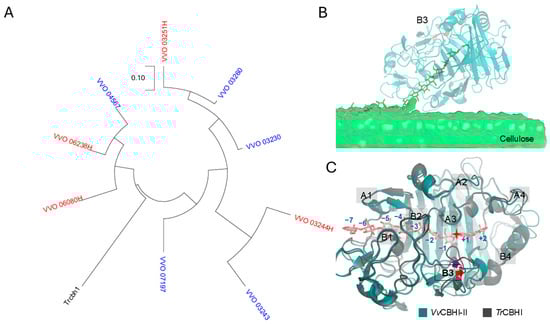
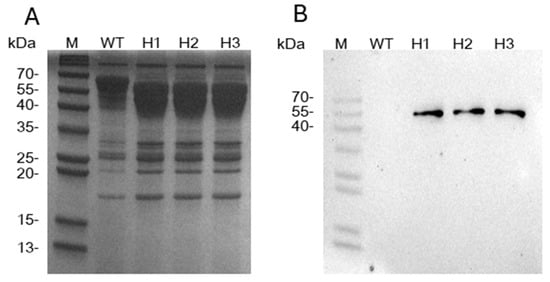
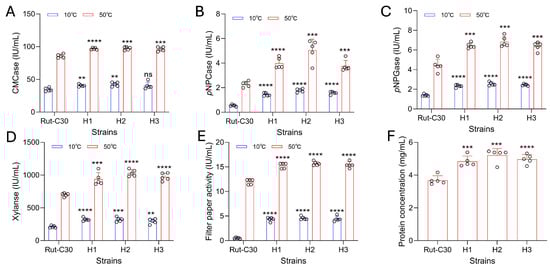
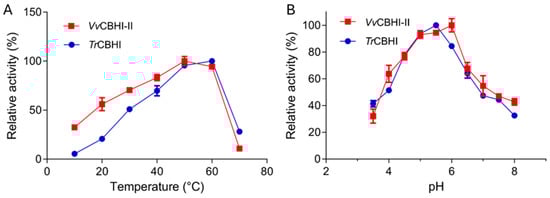
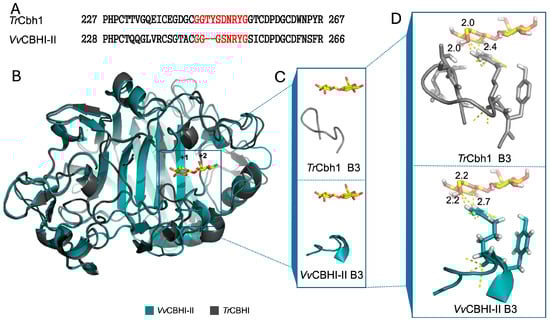
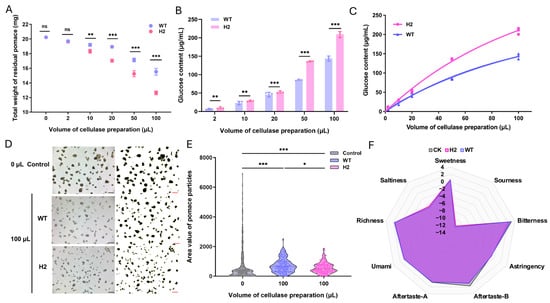
Cold-active cellulases are highly desirable for temperature-sensitive biomass valorization and food processing, yet they remain scarce in conventional industrial fungal platforms. In this study, a novel cold-induced cellobiohydrolase, VvCBHI-II, was mined from the mushroom Volvariella volvacea and successfully engineered into the industrial workhorse Trichoderma reesei via site-specific homologous replacement. Structural homology modeling revealed that the substitution of the flexible B3 loop with a β-sheet creates a more open substrate-binding cleft in VvCBHI-II. Consequently, the purified VvCBHI-II exhibited robust endoglucanase-like characteristics with superior catalytic efficiency on amorphous cellulose. At 10 °C, the engineered cellulase complex demonstrated an 8.1-fold increase in filter paper activity compared to the wild-type strain. Mechanistic structural analyses indicated that the open cleft architecture elongates and weakens the hydrogen-bonding network with the cellobiose product, facilitating rapid product dissociation and alleviating severe cold-induced product inhibition. In practical applications, the engineered cold-active enzyme complex exhibited an exceptional saccharification capacity on natural pear pomace at 10 °C. Furthermore, when applied to simulated fruit juice processing, it significantly maximized the extraction yield, elevated the sweetness response, and substantially mitigated undesirable bitterness and astringency. This study elucidates the structural-functional paradigm of cold-adapted cellobiohydrolases and provides a promising strategy for formulating highly efficient, energy-saving biocatalysts for the food and biorefinery industries. Full article
(This article belongs to the Special Issue Research and Application of Fungal Enzymes)
Show Figures

Figure 1

17 pages, 9130 KB  
Article
Mechanisms of Key Performance Degradation in Silicone Rubber Polymer Insulation for High-Voltage Composite Bushings Under Coupled Temperature, Humidity, and Corona Aging
by Xinhan Qiao, Wentian Zeng, Wenyu Ye, Xize Dai, Jianwen Zhang and Yue Ming
Polymers 2026, 18(8), 935; https://doi.org/10.3390/polym18080935 - 10 Apr 2026
Abstract
To investigate the multi-factor aging mechanisms of silicone rubber used in the outer sheath of composite bushings, this study focused on HTV silicone rubber employed in the sheath layer of 1100 kV high-voltage bushings. The samples were subjected to temperature–humidity–corona coupled aging in [...] Read more.
To investigate the multi-factor aging mechanisms of silicone rubber used in the outer sheath of composite bushings, this study focused on HTV silicone rubber employed in the sheath layer of 1100 kV high-voltage bushings. The samples were subjected to temperature–humidity–corona coupled aging in a multi-factor aging platform. The aged samples were characterized by scanning electron microscopy, energy-dispersive spectroscopy, Fourier-transform infrared spectroscopy, hydrophobicity measurements, hardness tests, and dielectric constant measurements. The results indicate that different aging factors affect the material differently. Corona aging primarily affects the sample surface, leading to substantial methyl group detachment, surface oxidation, and a decrease in hydrophobicity, with the local static contact angle decreasing by up to 70%. In contrast, wet heat aging affects the bulk material; under high-temperature and high-humidity conditions, the internal small-molecule chains accelerate silicon-oxide crosslinking, leading to a marked increase in hardness and a relative dielectric constant that initially decreases and then increases. Considering the complex field environment, surface performance measurements are easily influenced by external factors. Therefore, hardness and relative dielectric constant are proposed as key indicators for evaluating the aging degree of silicone rubber sheaths in service. The findings provide a valuable reference for the service-life evaluation of composite bushings. Full article
(This article belongs to the Section Polymer Analysis and Characterization)
11 pages, 729 KB  
Perspective
Is Oral Semaglutide a Good Fit for Patients After Metabolic Bariatric Surgery? A Biopharmaceutical Mechanistic Perspective
by Almog Eliyahu Dahan, Carmil Azran and Arik Dahan
Pharmaceutics 2026, 18(4), 466; https://doi.org/10.3390/pharmaceutics18040466 - 10 Apr 2026
Abstract
Currently, GLP-1RAs are peptide drugs, typically administered by injection due to insufficient absorption, and only one GLP-1RA, semaglutide, is available as an orally administered drug. To overcome the absorption challenges of oral peptides, this drug product contains the absorption enhancer SNAC. As the [...] Read more.
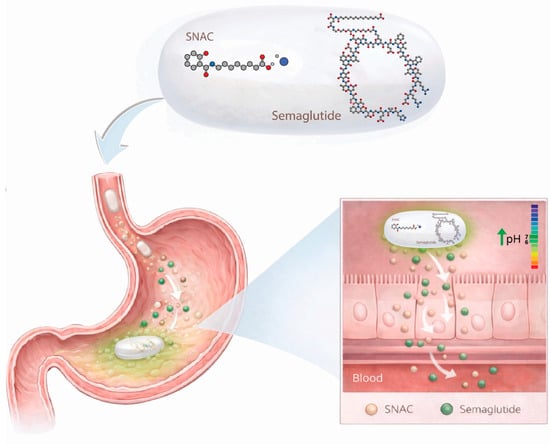
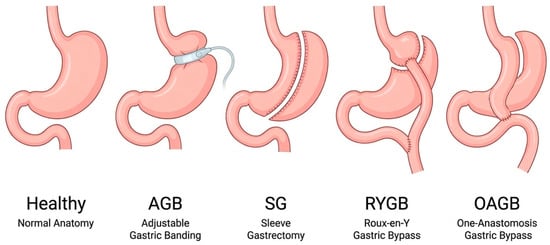
Currently, GLP-1RAs are peptide drugs, typically administered by injection due to insufficient absorption, and only one GLP-1RA, semaglutide, is available as an orally administered drug. To overcome the absorption challenges of oral peptides, this drug product contains the absorption enhancer SNAC. As the tablet is eroded in the stomach, SNAC neutralizes the acidic gastric environment, thereby protecting the semaglutide from enzymatic degradation. Then, SNAC fluidizes the stomach lipidic membrane to increase semaglutide transcellular permeability across the gastric epithelium. It is necessary to realize that the use of such a unique drug product, that relies solely on the stomach for absorption, is expected to be affected by the extreme gastric anatomy/physiology changes post-MBS. Hence, we analyzed the key mechanisms that may affect the bioavailability of oral semaglutide post-MBS. Several mechanisms appear to potentially reduce oral semaglutide absorption post-MBS, including decreased inner gastric surface area, decreased gastric contractility, and faster gastric emptying. Hence, the effectiveness of the complex formulation, that relies solely on the stomach for the SNAC activity and semaglutide absorption, may be severely hampered post-MBS; clinicians should be aware of the potential malabsorption of oral GLP-1RA post-MBS, and preferably consider subcutaneous therapy until specific pharmacokinetic/clinical data are available. Full article
(This article belongs to the Section Biologics and Biosimilars)
Show Figures

Figure 1

23 pages, 319 KB  
Review
Innovating Through Diversity: The Inclusion of Women with Disabilities
by Maria-Leticia Meseguer, Felix-Manuel Vargas and Francisco-Ramon Sanchez-Alberola
Disabilities 2026, 6(2), 36; https://doi.org/10.3390/disabilities6020036 - 10 Apr 2026
Abstract
One of the main focuses of social innovation is the fight for social inclusion for all. The prevalence of violence against women with disabilities shows how the lack of recognition of diversity hinders real equality for these individuals. This violence is a structural [...] Read more.
One of the main focuses of social innovation is the fight for social inclusion for all. The prevalence of violence against women with disabilities shows how the lack of recognition of diversity hinders real equality for these individuals. This violence is a structural problem that is caused by a combination of gender and disability dynamics, the perpetuating inequalities and social exclusion. Researchers have analyzed specific vulnerabilities in the areas of work, education and health, and point out that only by addressing diversity can we overcome the consequences of such discrimination. Using a qualitative methodological approach, this study utilized critical documentary analysis and a thematic review of recent scientific, academic, and institutional literature, alongside empirical data, to identify the most prevalent forms of violence faced by women with disabilities: sexual (affecting up to 80% of women with disabilities), economic (with wage gaps exceeding 24%), and institutional (a lack of accessibility to basic services). The barriers hindering these women’s access to resources and services are also highlighted. The results point to the urgent need to develop innovative public policies and social strategies that value social diversity as a driver of change. This study concludes with specific recommendations for implementing inclusive approaches that promote equality, universal accessibility, and comprehensive protection in order to move toward more just, cohesive, and innovative societies. Full article
19 pages, 3669 KB  
Article
Integrated Transcriptomic and Metabolomic Analyses Reveal Root-Centered Regulatory Networks Conferring Cadmium Tolerance in Salix
by Xiaomei Song, Ningqi Wang, Yuyi Zhang, Xudong He, Nan Guo and Jun Tao
Horticulturae 2026, 12(4), 473; https://doi.org/10.3390/horticulturae12040473 - 10 Apr 2026
Abstract
Cadmium (Cd) is a major environmental pollutant due to its high mobility and persistence in soils, facilitating entry into the food chain and threatening ecosystems and human health. However, the mechanisms that enable Salix species, well adapted for Cd remediation, to both tolerate [...] Read more.
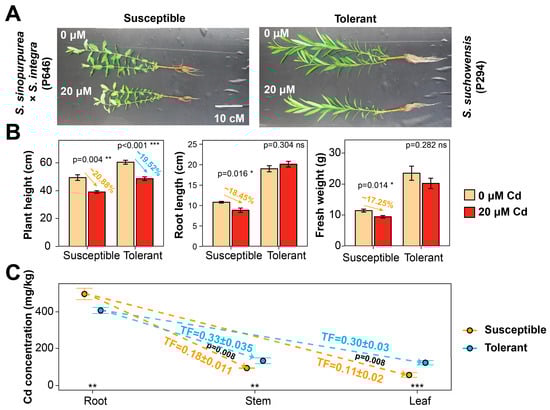
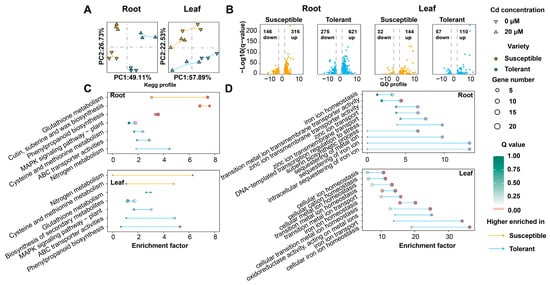
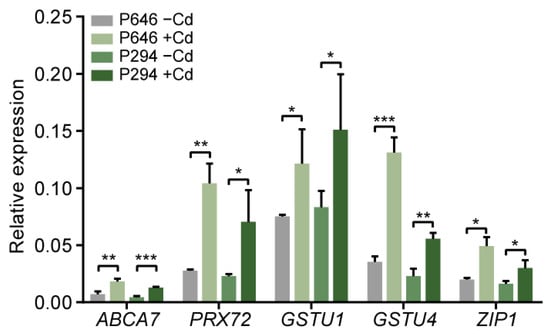
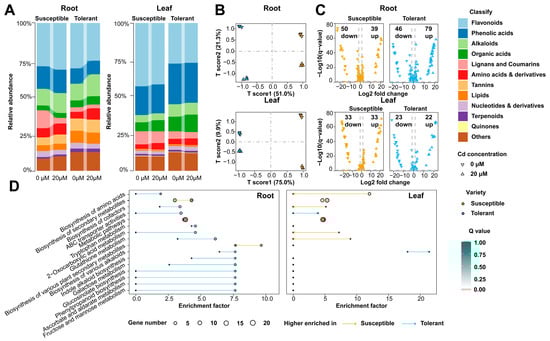
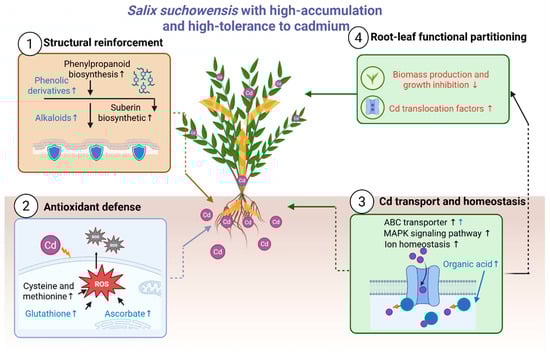
Cadmium (Cd) is a major environmental pollutant due to its high mobility and persistence in soils, facilitating entry into the food chain and threatening ecosystems and human health. However, the mechanisms that enable Salix species, well adapted for Cd remediation, to both tolerate and accumulate Cd remain elusive. Here, two Salix genotypes with contrasting Cd tolerance were examined under control and Cd stress using integrated physiological, transcriptomic, and metabolomic analyses of roots and leaves. The Cd-tolerant genotype (Salix suchowensis P294) maintained biomass under Cd stress, whereas the Cd-sensitive genotype (Salix sinopurpurea × Salix integra P646) showed a ~17% reduction. P294 accumulated more Cd in its stems (132.76 mg kg−1) and leaves (122.25 mg kg−1) than P646 (93.54 and 56.24 mg kg−1). Transcriptomics responses were stronger in roots, with 896 DEGs in P294 and 462 in P646, enriched in nitrogen metabolism, phenylpropanoid biosynthesis, and metal transport, whereas only 167 and 176 DEGs were detected in leaves for P294 and P646, respectively. Metabolomics revealed more altered metabolites in roots (125 in P294, 89 in P646), mainly organic acids, amino acids, and flavonoids, compared with leaves (46 and 66). RT-qPCR validated the root-specific upregulation of key detoxification and transport genes (ABCA7, PRX72, GSTU1, GSTU4, ZIP1). These results reveal a root-centered regulatory network underlying Cd accumulation and tolerance, integrating detoxification, redox homeostasis, and structural reinforcement, as well as providing valuable targets for genetic improvement of phytoremediation efficiency. Full article
(This article belongs to the Section Biotic and Abiotic Stress)
Show Figures

Figure 1

24 pages, 2054 KB  
Review
Re-Thinking Pharmacokinetics in Ovarian Cancer: What Do Organoids Add?
by Ana Emanuela Cisne de Lima, Mariana Nunes, Cristina P. R. Xavier and Sara Ricardo
Int. J. Mol. Sci. 2026, 27(8), 3423; https://doi.org/10.3390/ijms27083423 - 10 Apr 2026
Abstract
Ovarian cancer (OC) remains one of the leading causes of gynecologic cancer mortality, largely due to late diagnosis, frequent relapse, and the emergence of chemoresistance. An important but often-overlooked contributor to treatment failure is the heterogeneous penetration of anticancer drugs within tumors. Structural [...] Read more.
Ovarian cancer (OC) remains one of the leading causes of gynecologic cancer mortality, largely due to late diagnosis, frequent relapse, and the emergence of chemoresistance. An important but often-overlooked contributor to treatment failure is the heterogeneous penetration of anticancer drugs within tumors. Structural and biochemical barriers—including abnormal vasculature, elevated interstitial pressure, dense extracellular matrix, drug efflux transporters, and malignant ascites—generate steep intratumoral concentration gradients that conventional preclinical models fail to capture. As a result, systemic pharmacokinetic measurements frequently provide limited insight into tumor-level drug exposure. Patient-derived organoids (PDOs) have emerged as physiologically relevant 3D models that preserve the genetic, architectural, and functional characteristics of the original tumor. These systems enable controlled investigation of pharmacokinetic and pharmacodynamic processes, including drug penetration, metabolism, retention, and exposure–response relationships. Adding cell-free malignant ascites supernatant enhances PDOs’ ability to mimic the metastatic peritoneal microenvironment of OC. This review discusses recent advances in PDO technologies and examines how PDO-derived data can inform intratumoral pharmacokinetics and dosing strategies using physiologically based pharmacokinetic modeling and in vitro–in vivo extrapolation. Emerging hybrid platforms, including organoid-on-chip systems, vascularized co-cultures, and multi-omics integration, are crucial to improve translational prediction and support precision oncology. Full article
(This article belongs to the Special Issue Advanced In Vitro Systems for Mechanistic Toxicology)
20 pages, 4549 KB  
Article
Online Track Anomaly Detection: Comparison of Different Machine Learning Techniques Through Injection of Synthetic Defects on Experimental Datasets
by Giovanni Bellacci, Luca Di Carlo, Marco Fiaschi, Luca Bocciolini, Carmine Zappacosta and Luca Pugi
Machines 2026, 14(4), 424; https://doi.org/10.3390/machines14040424 - 10 Apr 2026
Abstract
The adoption of instrumented wheelsets on diagnostic trains offers the possibility of continuous monitoring of wheel–rail contact forces. The collection of large datasets can be exploited for diagnostic purposes, aiming to localize specific track defects, allowing significant improvements in terms of safety and [...] Read more.
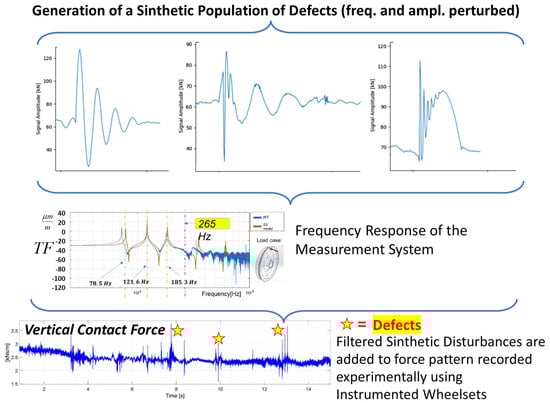
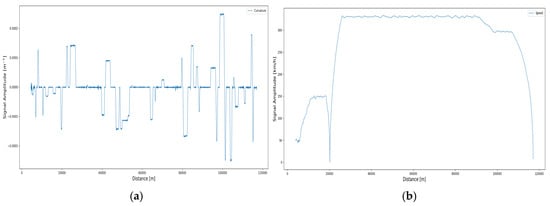
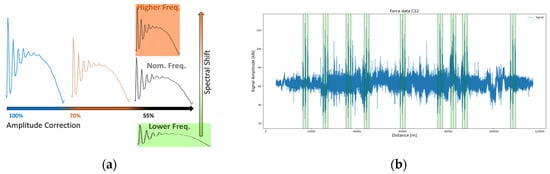
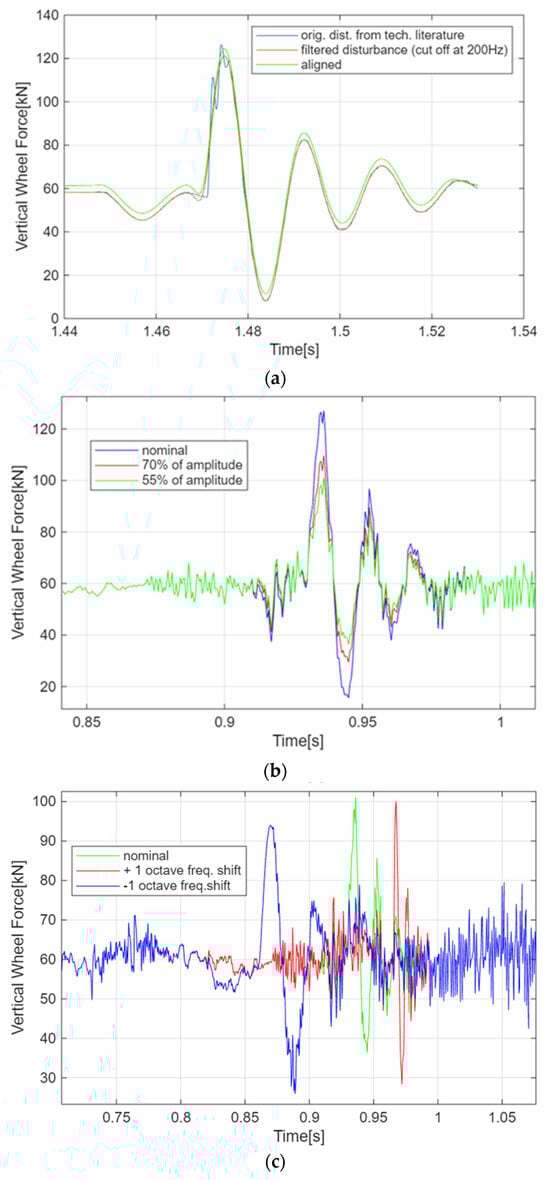
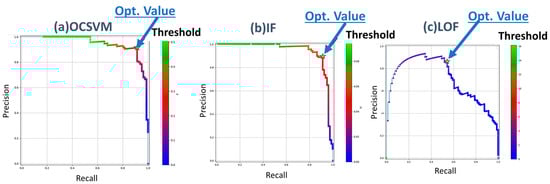
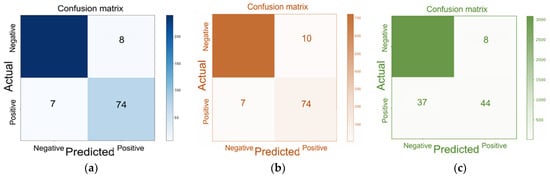
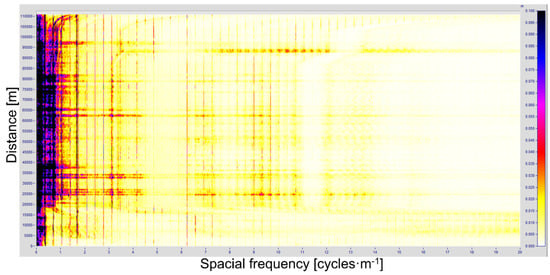
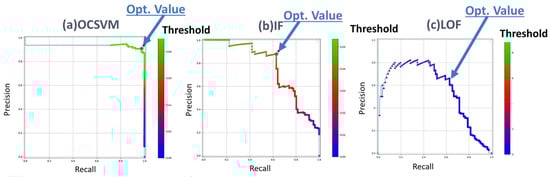
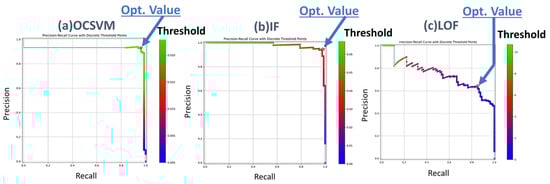
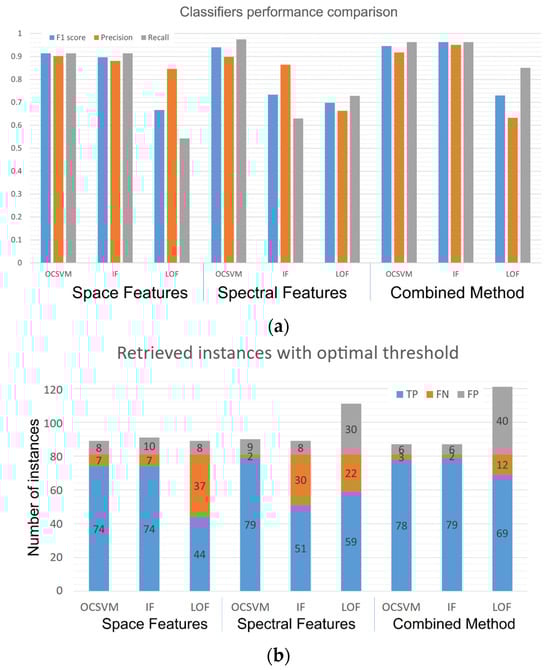
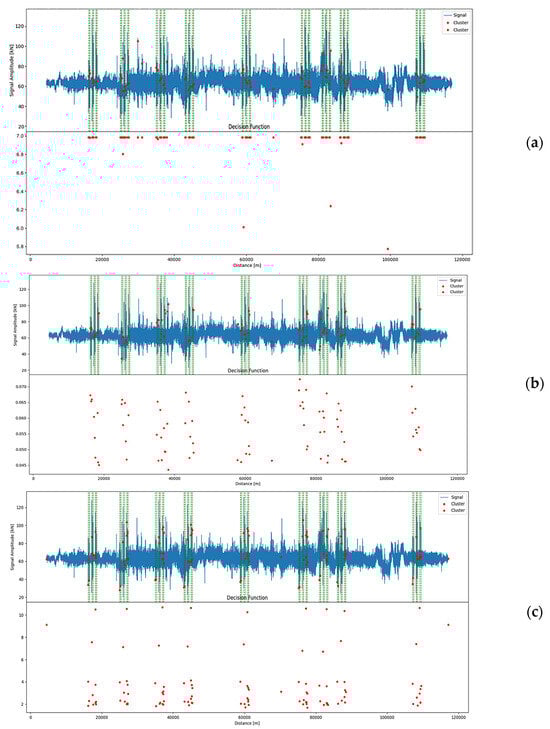
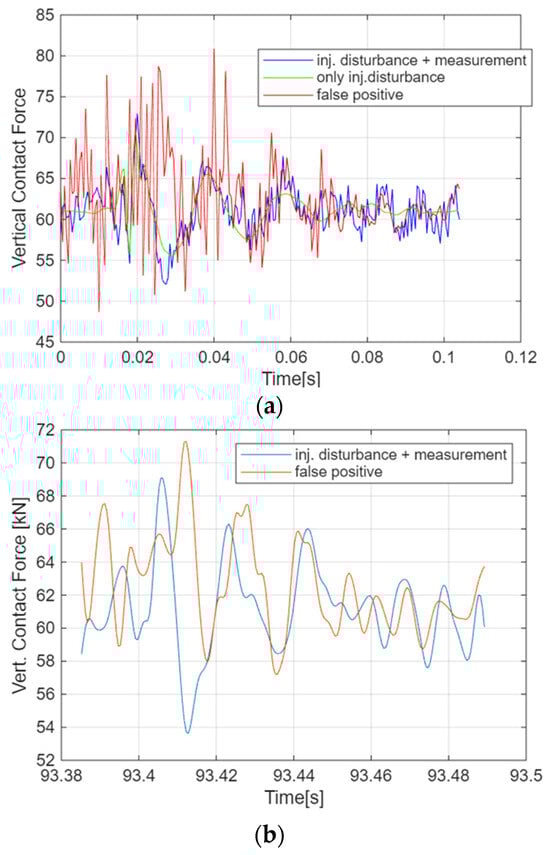
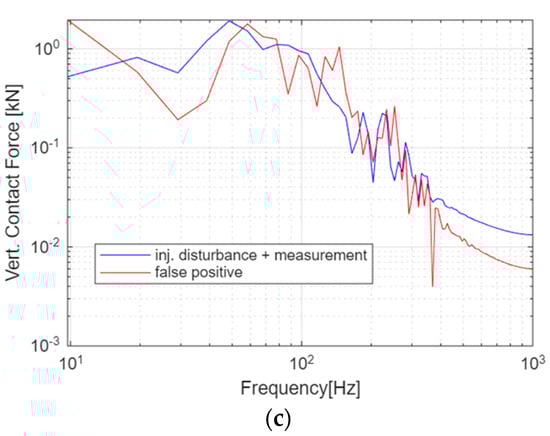
The adoption of instrumented wheelsets on diagnostic trains offers the possibility of continuous monitoring of wheel–rail contact forces. The collection of large datasets can be exploited for diagnostic purposes, aiming to localize specific track defects, allowing significant improvements in terms of safety and maintenance costs. Machine learning (ML) techniques can be used to automate anomaly detection. In this work, the authors compare the application of various ML algorithms based on the identification of different frequency or time-based features of analyzed signals. To perform the activity, a significant number and variety of local defects have been included in the recorded data. From a practical point of view, the insertion of real known defects into an existing line is extremely time-consuming, expensive, and not immune to safety issues. On the other hand, the design of anomaly detection algorithms involves the usage of relatively extended datasets with different faulty conditions. The authors propose deliberately adding real contact force profiles of healthy lines to a mix of synthetic signals, which substantially reproduce the behavior and the variability of foreseen faulty conditions. The results of this work, although preliminary and still to be completed, offer a contribution to the scientific community both in terms of obtained results and adopted methodologies. Full article
(This article belongs to the Special Issue AI-Driven Reliability Analysis and Predictive Maintenance)
Show Figures

Figure 1

14 pages, 4310 KB  
Article
A Novel Sc-Doped PrBaFe2O6-δ Cathode Enables High Performance for Proton Ceramic Fuel Cells
by Erxi Zhang, Jingxiong Liu, Yujia Nie, Wei Zhou, Feng Li and Peixin Xu
Inorganics 2026, 14(4), 107; https://doi.org/10.3390/inorganics14040107 - 10 Apr 2026
Abstract
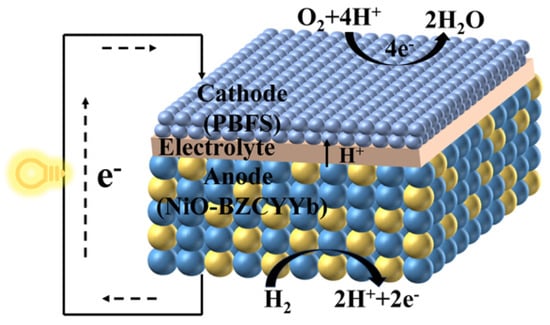
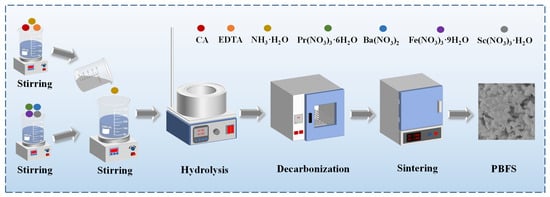
To optimize the oxygen reduction reaction activity and long-term stability of the PrBaFe2O6-δ (PBF) cathode for protonic ceramic fuel cell (PCFC), this study employed the sol–gel method to dope Sc at the Fe-site of PBF, preparing a novel PrBaFe1.8 [...] Read more.
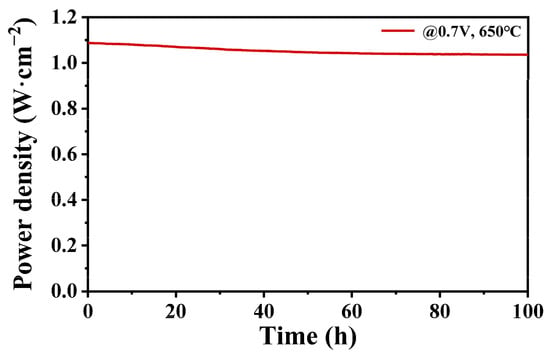
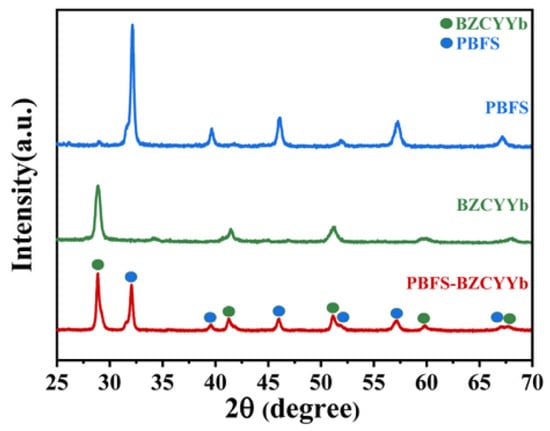
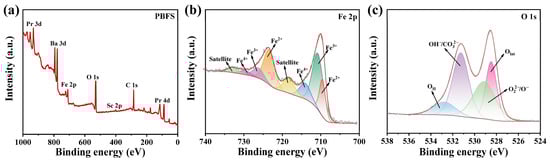
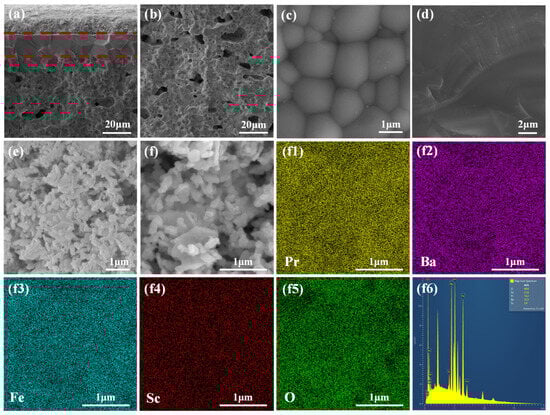
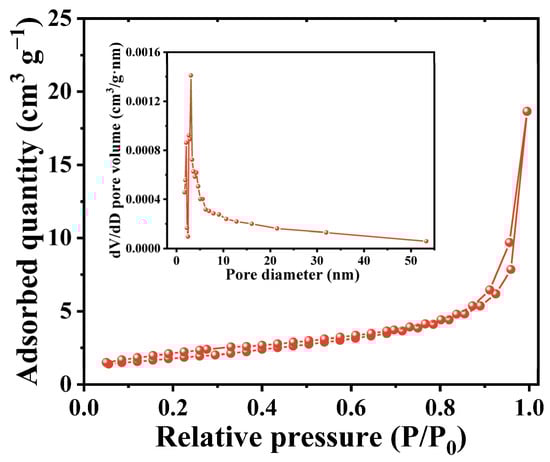
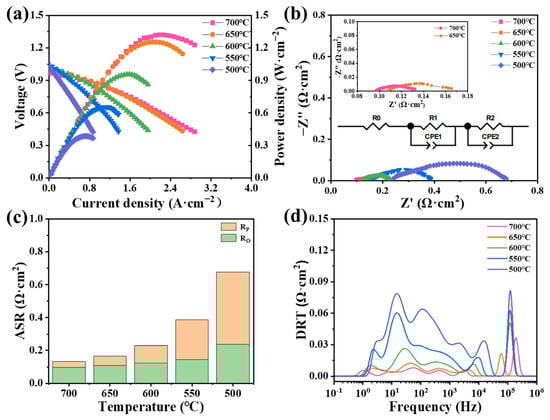
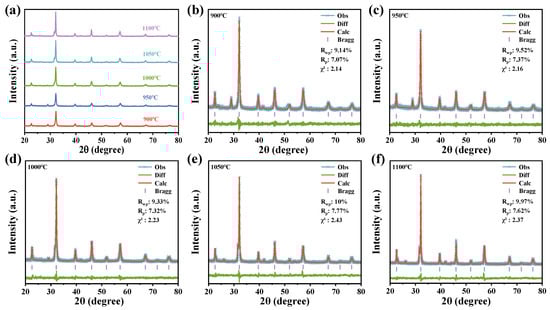
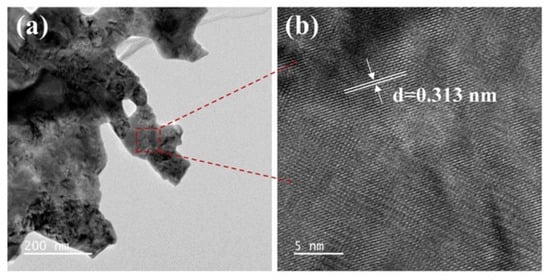
To optimize the oxygen reduction reaction activity and long-term stability of the PrBaFe2O6-δ (PBF) cathode for protonic ceramic fuel cell (PCFC), this study employed the sol–gel method to dope Sc at the Fe-site of PBF, preparing a novel PrBaFe1.8Sc0.2O6-δ (PBFS) cathode. The effects of different sintering temperatures on the phase composition, microstructure, and electrochemical performance of the PBFS cathode were systematically studied. Results showed that the PBFS cathode sintered at 1000 °C formed a single cubic perovskite structure, exhibiting excellent chemical compatibility with the electrolyte. Sc doping induced Fe in the cathode to exhibit a mixed valence state of Fe2+/Fe3+/Fe4+, thus significantly increasing the oxygen vacancy concentration. The single cell assembled achieved a peak power density of 1.303 W·cm−2 and a polarization resistance as low as 0.035 Ω·cm2 with H2 as the fuel at 700 °C. Moreover, after 100 h of long-term operation at 650 °C, the power density decayed by only 5.23%, thus demonstrating excellent long-term stability. This study offers an efficient cobalt-free cathode candidate for PCFC. Full article
(This article belongs to the Section Inorganic Materials)
Show Figures

Figure 1

Open Access Journals

Browse by Indexing Browse by Subject Selected Journals
Back to TopTop