



Advancing Open Science
A global leader in open access publishing, supporting research
communities and accelerating scientific discovery
 
29 pages, 8385 KB  
Article
Discovery of Potential Antihypertensive Agents from the Marine Microalga Phaeodactylum tricornutum Through Metabolite Profiling and In Silico Analysis
by Miguel Ernesto Guzmán-Rodríguez, Marco Antonio Valdez-Flores, Cinthia Ayón-Fernandez, José Juan Ordaz-Ortiz, Alma Marlene Guadrón-Llanos, Javier Magaña-Gómez, Alberto Kousuke de la Herrán-Arita, Josué Camberos-Barraza, Verónica Judith Picos-Cárdenas, Juan Fidel Osuna-Ramos, Claudia Desireé Norzagaray-Valenzuela and Loranda Calderón-Zamora
Sci. Pharm. 2026, 94(2), 43; https://doi.org/10.3390/scipharm94020043 (registering DOI) - 21 May 2026
Abstract
Hypertension remains a leading cause of global morbidity and mortality, and angiotensin-converting enzyme (ACE) represents a central therapeutic target within the renin–angiotensin–aldosterone system. Marine microalgae, particularly Phaeodactylum tricornutum, provide an underexplored reservoir of structurally diverse metabolites with potential cardiovascular relevance. In this [...] Read more.
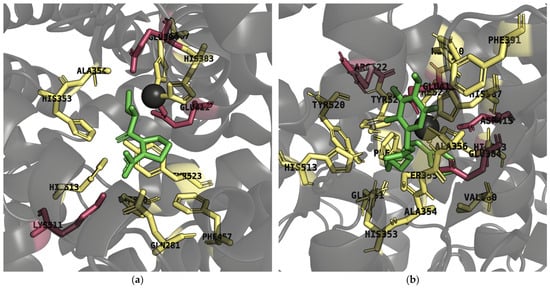
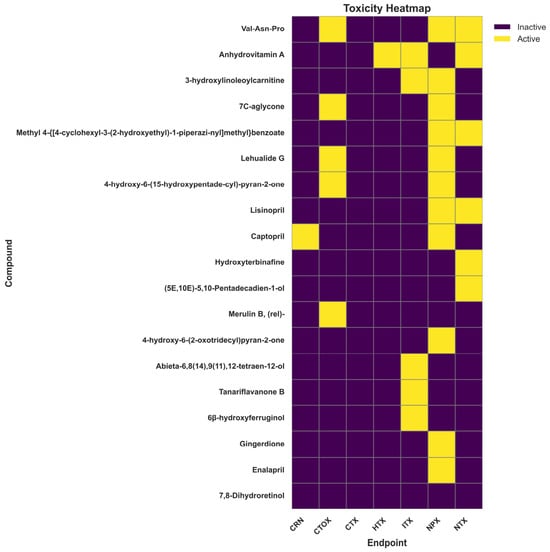
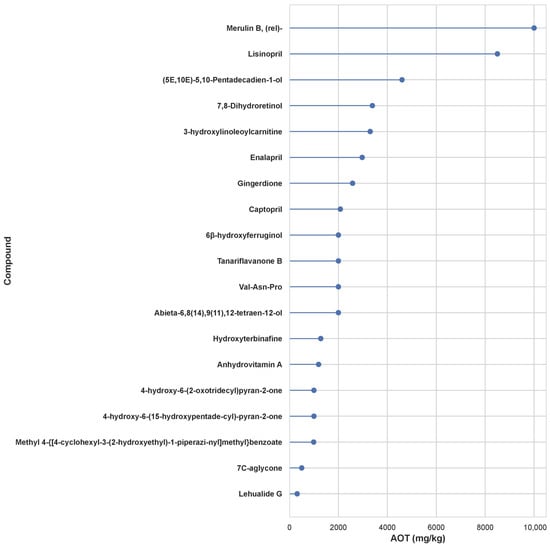
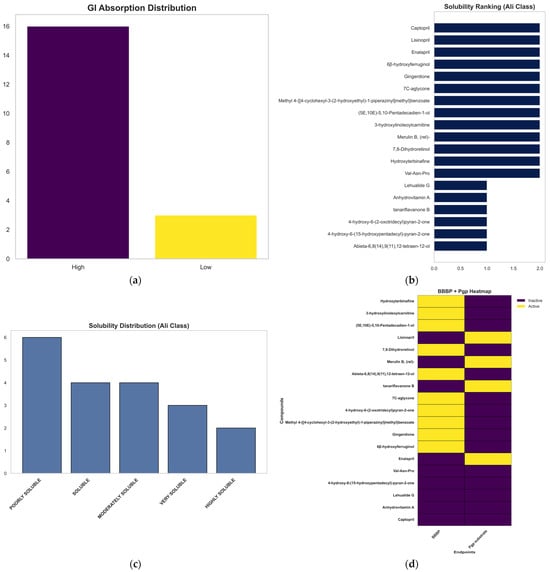
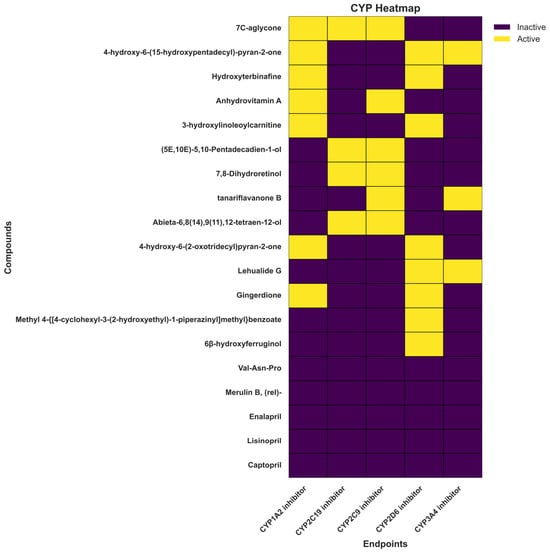
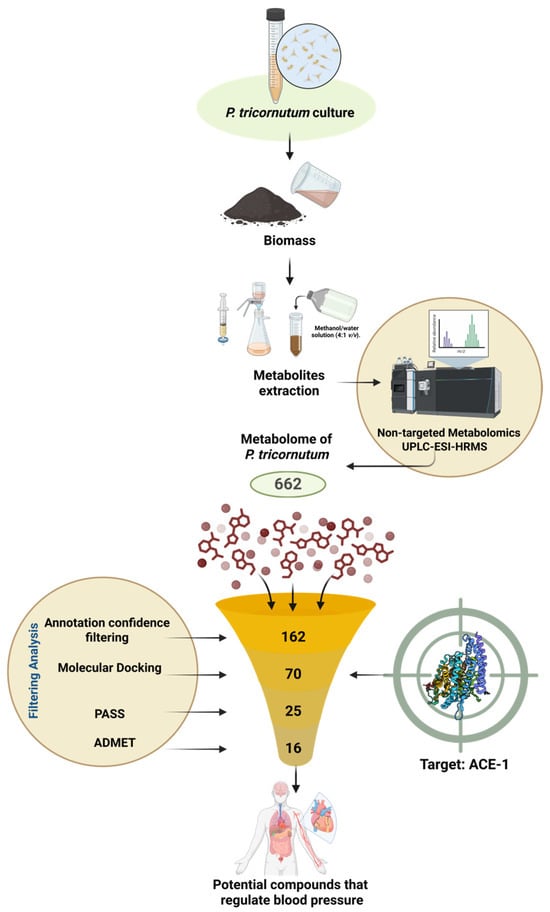
Hypertension remains a leading cause of global morbidity and mortality, and angiotensin-converting enzyme (ACE) represents a central therapeutic target within the renin–angiotensin–aldosterone system. Marine microalgae, particularly Phaeodactylum tricornutum, provide an underexplored reservoir of structurally diverse metabolites with potential cardiovascular relevance. In this in silico study, we characterized metabolites putatively annotated by UPLC-ESI-HRMS and evaluated their predicted ACE inhibitory potential. We performed molecular docking with AutoDock 4 and assessed pharmacokinetic and toxicological properties using the SwissADME, PASS, and ProTox platforms. Several metabolites showed favorable binding orientations within the ACE catalytic pocket, including interactions with key residues and proximity to the zinc-binding motif. Lehualide G, Val–Asn–Pro, tanariflavanone B, hydroxyterbinafine, and anhydro-vitamin A exhibited the most favorable docking profiles. PASS predictions indicated vascular-related bioactivity signals for selected compounds, whereas ADMET modeling revealed heterogeneous but classifiable pharmacokinetic and safety characteristics. The convergence of predicted binding compatibility, bioactivity signals, and stratified safety margins supports P. tricornutum as a promising source of candidate molecules for further experimental validation in antihypertensive research. Full article
Show Figures

Figure 1

13 pages, 1767 KB  
Article
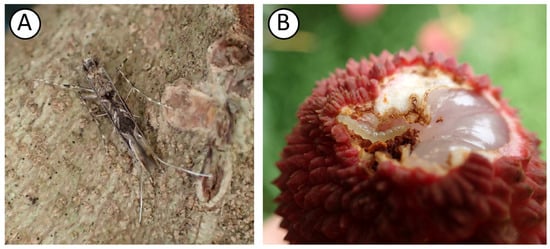
The Complete Mitochondrial Genome of Conopomorpha sinensis (Lepidoptera: Gracillariidae) Sample from Taiwan
by Yu-Yun Kuo, Tai-Chuan Wang, Pin-Chang Chen, JenYu Chang and Yu-Shin Nai
Genes 2026, 17(5), 594; https://doi.org/10.3390/genes17050594 (registering DOI) - 21 May 2026
Abstract
Background: The litchi fruit borer, Conopomorpha sinensis (Lepidoptera: Gracillariidae), is a devastating pest affecting litchi and longan production across Asia. Although a reference mitochondrial genome (mitogenome) has been published, its utility is limited by the lack of precise geographical data and raw sequencing [...] Read more.
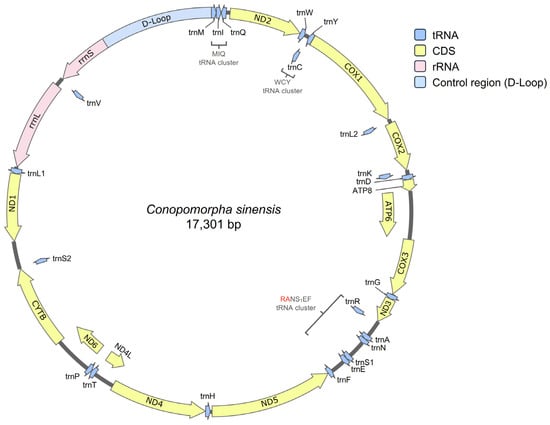
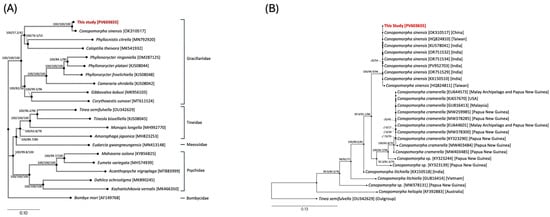
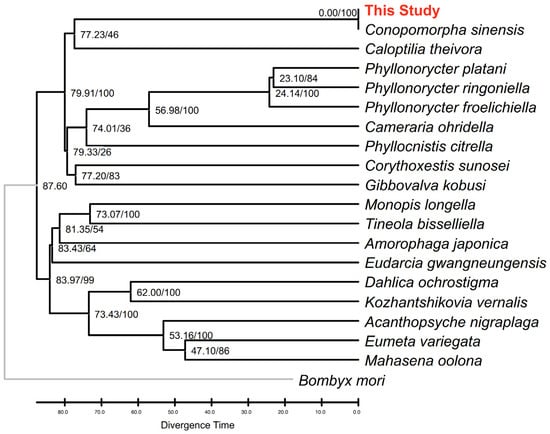
Background: The litchi fruit borer, Conopomorpha sinensis (Lepidoptera: Gracillariidae), is a devastating pest affecting litchi and longan production across Asia. Although a reference mitochondrial genome (mitogenome) has been published, its utility is limited by the lack of precise geographical data and raw sequencing data. Methods: In this study, we sequenced and characterized the complete mitogenome of C. sinensis collected from Taiwan using a hybrid assembly of Illumina and Oxford Nanopore technologies. Results: The assembled mitogenome is 17,301 bp in length with a mean sequencing depth of 19,155-fold, comprising 13 protein-coding genes (PCGs), 22 transfer RNA genes, two ribosomal RNA genes, and an AT-rich control region. Notably, we identified a rare tRNA gene rearrangement (trnR-trnA-trnN-trnS1-trnE-trnF) that deviates from the ancestral lepidopteran ditrysian pattern. Comparative analysis revealed a 94.65% overall sequence identity with the reference mitogenome, though the PCGs remained highly conserved at 99.35%. Variant analysis demonstrated that this divergence is predominantly driven by structural variations (228 indels) rather than nucleotide substitutions (2 SNPs) across the entire mitogenome; furthermore, 94.7% of the indels were identified in the control region and intergenic spacers. Subtle differences in codon usage were also observed in the ND6 start codon (ATT vs. ATA) and COX1 stop codon (TAA vs. T). Phylogenetic and molecular clock analyses robustly clustered the Taiwan specimen within the C. sinensis clade. Molecular dating estimates that the Conopomorpha lineage originated during the Late Cretaceous (~77.23 Ma). Notably, the divergence between the Taiwan specimen and the reference lineage was estimated to be negligible (<0.01 Ma) within the protein-coding regions, demonstrating a high degree of purifying selection that maintains coding-sequence stability across geographically distinct specimens, even as substantial variation accumulates in non-coding genomic regions. Conclusions: These findings provide high-resolution genomic resources and a temporal framework for the evolutionary study of Gracillariidae, offering foundational tools for targeted pest management. Full article
(This article belongs to the Section Animal Genetics and Genomics)
Show Figures

Figure 1

23 pages, 1549 KB  
Review
Mechanisms of Exercise-Mediated Regulation of the Gut–Brain Axis in Parkinson’s Disease
by Xiaofan Men and Wei Wu
Nutrients 2026, 18(10), 1639; https://doi.org/10.3390/nu18101639 (registering DOI) - 21 May 2026
Abstract
Parkinson’s disease (PD) is a progressive neurodegenerative disorder that is closely associated with dysfunction of the gut–brain axis. Exercise and diet exert neuroprotective effects on PD by regulating the gut–brain axis, yet the overall mechanisms underlying this regulation remain to be systematically elucidated. [...] Read more.
Parkinson’s disease (PD) is a progressive neurodegenerative disorder that is closely associated with dysfunction of the gut–brain axis. Exercise and diet exert neuroprotective effects on PD by regulating the gut–brain axis, yet the overall mechanisms underlying this regulation remain to be systematically elucidated. This article reviews the characteristic changes in gut microbiota during the progression of PD and the pathological mechanisms involving gut–brain axis dysfunction. It systematically outlines the intrinsic mechanisms by which gut microbiota modulate the onset and development of PD from the perspectives of metabolism, immunity and inflammation, neuroendocrinology, and the temporal and causal relationships between gut microbiota and PD. On this basis, the discussion focuses on the regulation of the gut–brain axis through exercise to improve PD, with emphasis on remodelling the composition and diversity of gut microbiota, enhancing gut barrier and blood–brain barrier (BBB) functions, regulating immune and inflammatory homeostasis, upregulating the expression of neurotrophic factors and promoting neuroplasticity, as well as the synergistic effects of exercise and diet. In parallel, the independent and synergistic effects of dietary interventions (e.g., high-fibre and Mediterranean diets) are discussed. In addition, the effects of different types of exercise on alleviating PD by regulating gut–brain axis are analysed. This review aims to provide new insights and a scientific basis for the prevention and intervention of PD. Full article
(This article belongs to the Special Issue Physical Activity, Metabolic Health, and Nutritional Interventions)
17 pages, 1092 KB  
Article
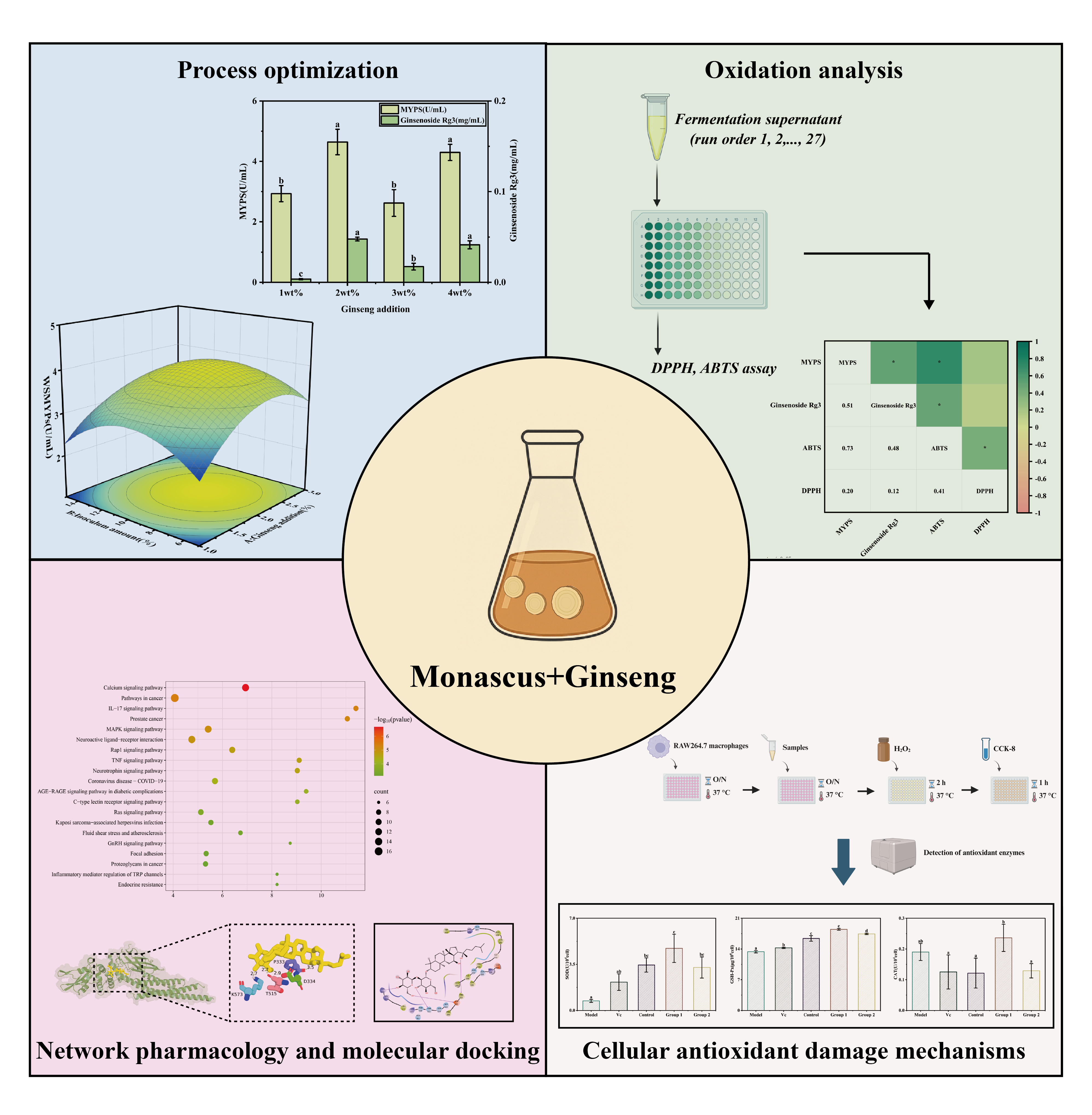
Bidirectional Fermentation of Monascus and Ginseng Enhances Pigment and Ginsenoside Rg3 Contents: Process Optimization and Antioxidant Mechanism Analysis
by Luchen Ruan, Xin Zhao, Xin Han, Dongyu Xiang, Yanxiu Xue, Zhuo Chen, Ke Li, Wenrui Du, Zekun Li, Zhi Lu and Xiaole Xia
Foods 2026, 15(10), 1829; https://doi.org/10.3390/foods15101829 (registering DOI) - 21 May 2026
Abstract
Oxidative stress is a key contributor to aging and chronic diseases, highlighting the need for safe and effective natural antioxidants. Monascus yellow pigments (MYPs) and ginsenoside Rg3 exhibit antioxidant activity, but their applications are restricted by low solubility and limited natural abundance. In [...] Read more.
Oxidative stress is a key contributor to aging and chronic diseases, highlighting the need for safe and effective natural antioxidants. Monascus yellow pigments (MYPs) and ginsenoside Rg3 exhibit antioxidant activity, but their applications are restricted by low solubility and limited natural abundance. In this research, a bidirectional liquid fermentation system of Monascus ruber using ginseng decoction was established for the simultaneous production of water-soluble MYPs (WSMYPs) and ginsenoside Rg3. Process conditions were optimized to enhance the yields and the antioxidant activity of the system. Antioxidant assays and H2O2-induced RAW264.7 cell models confirmed that WSMYPs were strongly correlated with antioxidant capacity, with ABTS and DPPH scavenging activities showing 2.28-fold and 3.33-fold increases, respectively, compared to the control. Their combination with Rg3 exerted synergistic protective effects by enhancing the activities of superoxide dismutase (SOD), glutathione peroxidase (GSH-Px), and catalase (CAT). Network pharmacology and molecular docking further revealed that Monapurone C, a representative WSMYP, and Rg3 act through a multi-target, multi-pathway antioxidant network involving signaling pathways such as PI3K-Akt. This study demonstrates a cost-effective strategy for co-producing WSMYPs and Rg3, providing new insights into the value-added utilization of edible and medicinal resources. Full article
Show Figures

Graphical abstract

17 pages, 3473 KB  
Article
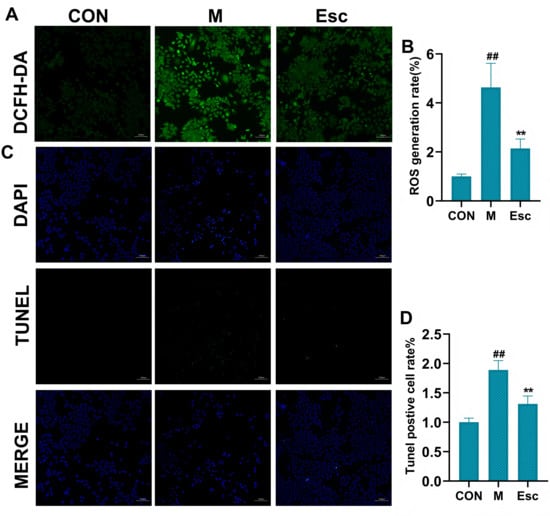
Esculetin Improves LPS/D-GalN Induced Acute Liver Injury Through AMPK/SIRT1/PGC-1α Signaling Pathway
by Haoyang Dai, Qinqin Zhang, Pei Chen and Suiqing Chen
Antioxidants 2026, 15(5), 652; https://doi.org/10.3390/antiox15050652 (registering DOI) - 21 May 2026
Abstract
The pathogenesis of acute liver injury (ALI) involves the loss of hepatic detoxification function, massive death of liver parenchymal cells within a short period, and excessive inflammatory responses. Studies have shown that Esculetin (Esc) possesses potent anti-inflammatory, antioxidant, and anti-tumor properties. In this [...] Read more.
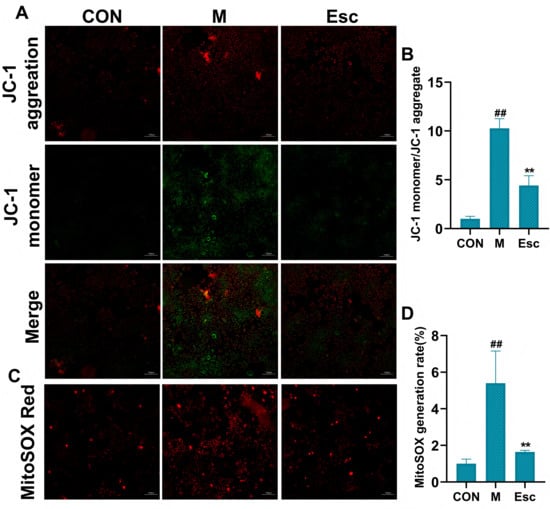
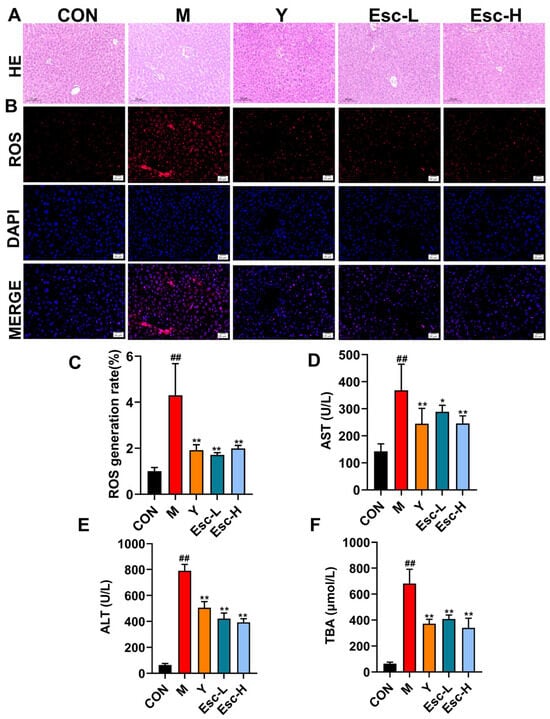
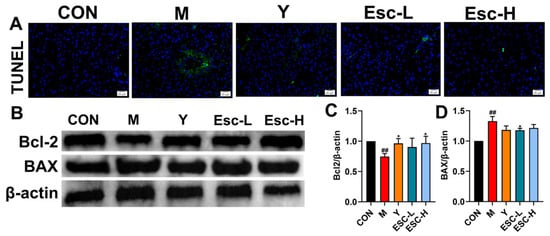
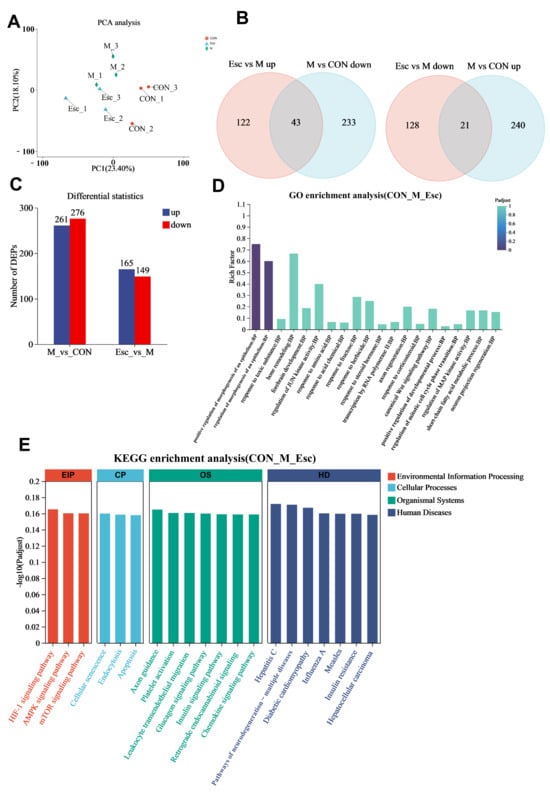
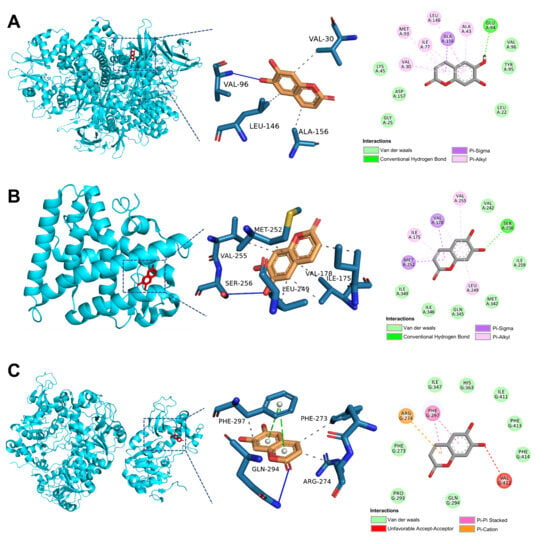
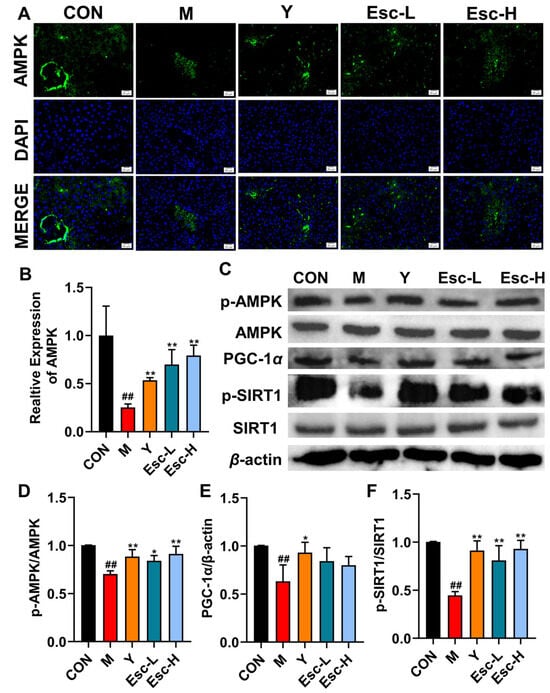
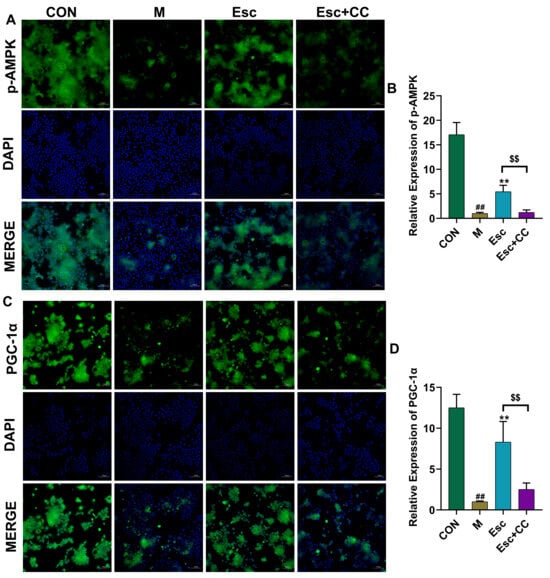
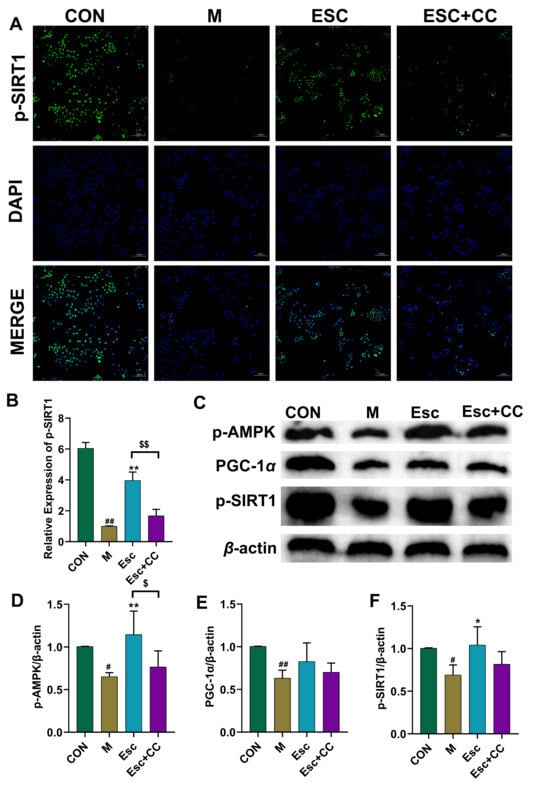
The pathogenesis of acute liver injury (ALI) involves the loss of hepatic detoxification function, massive death of liver parenchymal cells within a short period, and excessive inflammatory responses. Studies have shown that Esculetin (Esc) possesses potent anti-inflammatory, antioxidant, and anti-tumor properties. In this study, we investigate whether Esc has a protective effect against ALI in mice and its potential mechanism. Esculetin markedly decreased ROS, MitoSOX, and apoptosis levels in AML12 cells and restored MMP. H&E staining demonstrated that Esc alleviated hepatic histopathological injury, and its intervention reduced serum ALT and AST levels. Moreover, Esc diminished ROS and apoptosis levels in the liver. Hepatic proteomic profiling identified the AMPK signaling pathway. Esc reduced the protein levels of p-AMPK/AMPK, PGC-1α, p-SIRT1/SIRT1, and BAX and upregulated the levels of Bcl-2 in liver tissue. Concomitantly, we added inhibitor Compound C (CC) to the AML12 cells to assess whether Esc acted through the AMPK pathway. The results showed that CC exacerbated the degree of liver injury, whereas Esc was able to reverse these phenomena, thus exerting an anti-liver injury effect. These findings provide mechanistic insights into the protective effects of Esc against ALI and support its potential as a therapeutic candidate for ALI. Full article
Show Figures

Figure 1

16 pages, 6203 KB  
Article
RNA Interference Targeting MaCht-2 Induces Severe Molting Defects and Lethality in Monochamus alternatus
by Siming Fang, Xiaoxiao Chang, Han Chen and Juan Shi
Insects 2026, 17(5), 530; https://doi.org/10.3390/insects17050530 (registering DOI) - 21 May 2026
Abstract
Monochamus alternatus, the principal vector of pine wilt disease, poses a serious threat to pine forest ecosystems, and the identification of effective molecular targets is important for the development of environmentally friendly control strategies. In this study, a Group VII chitinase gene, [...] Read more.
Monochamus alternatus, the principal vector of pine wilt disease, poses a serious threat to pine forest ecosystems, and the identification of effective molecular targets is important for the development of environmentally friendly control strategies. In this study, a Group VII chitinase gene, MaCht-2, was identified in M. alternatus, and its developmental expression pattern, RNA interference (RNAi) efficiency, and RNAi-induced phenotypes were investigated using quantitative PCR, dsRNA injection, and transmission electron microscopy. MaCht-2 was highly expressed from the fifth-instar larval stage to the pupal stage, indicating a role in molting and metamorphosis. Silencing of MaCht-2 caused severe developmental defects across multiple life stages, including incomplete ecdysis, pupation failure, adult deformities, impaired locomotion, and high mortality. In third-instar larvae, injection of 5 μg of dsRNA resulted in mortality exceeding 50%. Ultrastructural analysis further showed that MaCht-2 silencing disrupted normal cuticle organization, causing thinning, wrinkling, and disordered lamellar structure. Compared with previously studied chitin-related genes, MaCht-2 produced stronger lethality and more stable RNAi effects. These results indicate that MaCht-2 is essential for normal development of M. alternatus and represents a promising target for RNAi-based pest management. Full article
(This article belongs to the Section Insect Molecular Biology and Genomics)
26 pages, 1393 KB  
Article
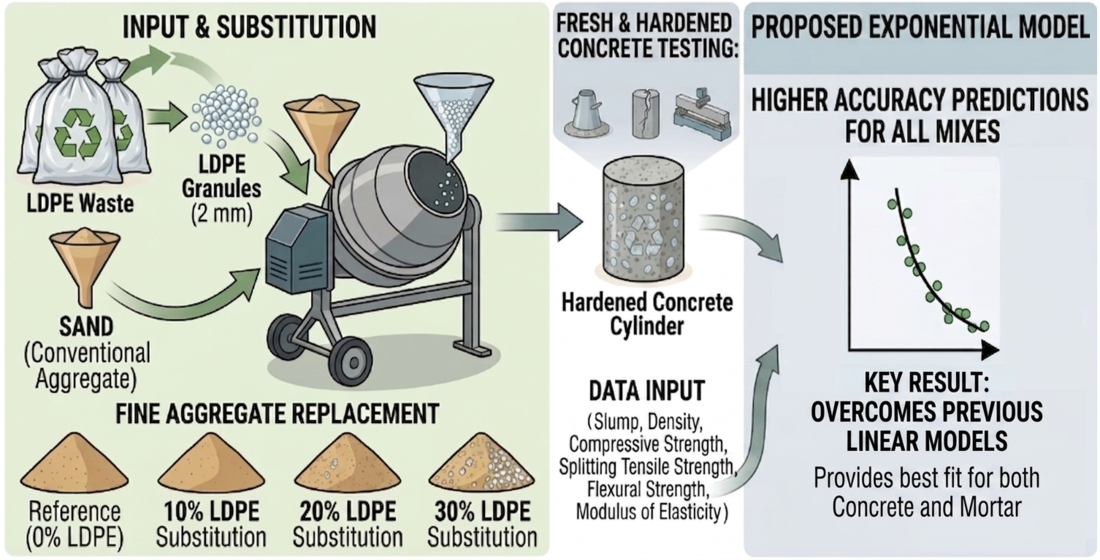
Performance Evaluation and Exponential Prediction Models for LDPE-Substituted Concrete and Mortar
by Omer Fatih Sancak, Muhammet Zeki Ozyurt, Gamze Demirtas and Sarah S. M. A. Sayed
Polymers 2026, 18(10), 1263; https://doi.org/10.3390/polym18101263 (registering DOI) - 21 May 2026
Abstract
The increasing use of low-density polyethylene (LDPE) has prompted growing interest in its application as a replacement for conventional aggregates in concrete. This study investigated the effects of replacing sand with 10%, 20%, and 30% LDPE granules in concrete. Compressive strength, splitting tensile [...] Read more.
The increasing use of low-density polyethylene (LDPE) has prompted growing interest in its application as a replacement for conventional aggregates in concrete. This study investigated the effects of replacing sand with 10%, 20%, and 30% LDPE granules in concrete. Compressive strength, splitting tensile strength, flexural strength, modulus of elasticity, slump, and density tests were performed. The results showed a gradual decrease in compressive strength (from 26.91 MPa in the reference mix to 16.56 MPa with 30% LDPE), tensile strength (from 2.46 MPa to 1.84 MPa), and flexural strength (from 3.37 MPa to 2.59 MPa). Decreases were also observed in modulus of elasticity, slump, and density values. However, LDPE-substituted concretes increased their axial and lateral strain capacities, showing improvement in ductility and deformation ability. Experimental results demonstrated a delicate balance between mechanical strength and sustainability benefits. It was demonstrated that low rates of LDPE substitution could balance performance with environmental advantages. The experimental results presented in this study were combined with previous research to create a dataset. Based on this dataset, exponential models predicting the properties of LDPE-substituted concrete and mortar were proposed. The proposed exponential models outperformed existing linear models in prediction accuracy, yielding coefficient of determination (R2) values up to 0.981 and significantly reduced mean absolute percentage error (MAPE) values, ranging from 1% to 17% depending on the dataset. Full article
Show Figures

Graphical abstract

25 pages, 1522 KB  
Article
A Robust Deep Learning Framework for Skill Level Discrimination in Tennis Strokes Using Bilateral IMU Measurements
by Enes Halit Aydin and Onder Aydemir
Sensors 2026, 26(10), 3273; https://doi.org/10.3390/s26103273 (registering DOI) - 21 May 2026
Abstract
In tennis, where performance is governed by complex kinetic chain interactions, objective skill classification is vital for coaching and talent identification. This study presents a hierarchical deep learning framework leveraging synchronized bilateral Inertial Measurement Unit (IMU) data from 39 participants (11 elite, 28 [...] Read more.
In tennis, where performance is governed by complex kinetic chain interactions, objective skill classification is vital for coaching and talent identification. This study presents a hierarchical deep learning framework leveraging synchronized bilateral Inertial Measurement Unit (IMU) data from 39 participants (11 elite, 28 amateur). The proposed system successfully distinguishes expertise levels across a total of 4594 strokes, including augmented samples.. A hybrid Convolutional Neural Network-Bidirectional Long Short-Term Memory (CNN-BiLSTM) architecture was developed to autonomously extract spatiotemporal features from the raw kinematic signals of forehand, backhand, service, and volley strokes. The proposed model achieved an accuracy of 95.54%, significantly outperforming both traditional machine learning and state-of-the-art deep learning benchmarks. Qualitative t-distributed Stochastic Neighbor Embedding (t-SNE) analyses revealed that elite athletes form highly homogeneous clusters in the feature space. Furthermore, quantitative Asymmetry Index assessments confirmed that professionals exhibit superior bilateral coordination stability. These findings demonstrate that the proposed end-to-end system offers a robust, field-applicable solution for identifying technical excellence. It provides coaches with reliable digital biomarkers, thereby overcoming the limitations of subjective visual observation. Full article
(This article belongs to the Section Intelligent Sensors)
24 pages, 2980 KB  
Article
Optimal Capacity Allocation of Long- and Short-Term Energy Storage for Power Grids with High Penetration of Renewable Energy
by Lingguo Kong, Jinhao Wu and Xuekai Li
Energies 2026, 19(10), 2483; https://doi.org/10.3390/en19102483 (registering DOI) - 21 May 2026
Abstract
The development of a new-type power system requires addressing the long-timescale imbalance between electricity supply and demand caused by the high penetration of wind and solar energy, which places higher demands on the secure and stable operation of power systems. Conventional single-type energy [...] Read more.
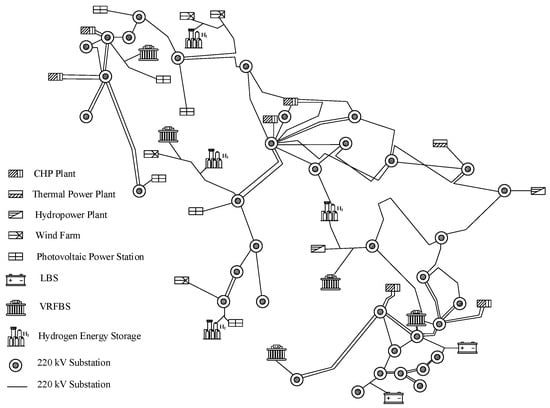
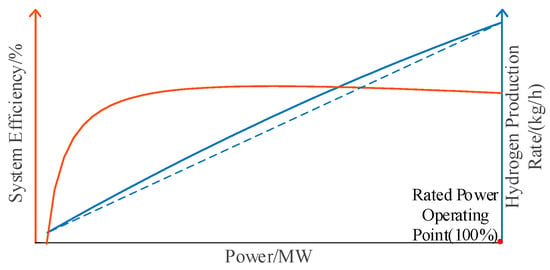
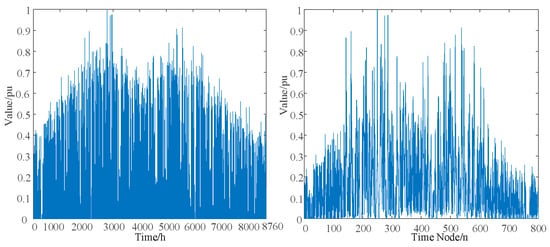
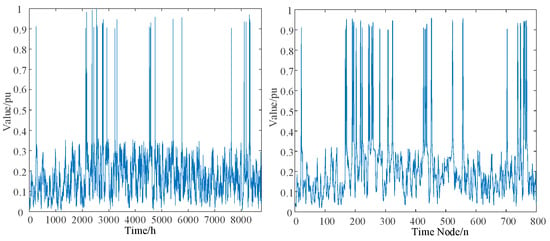
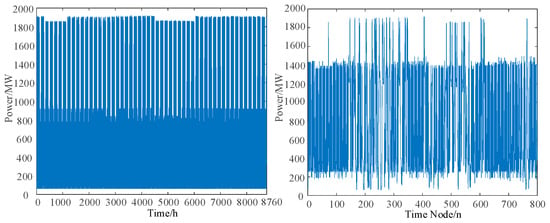
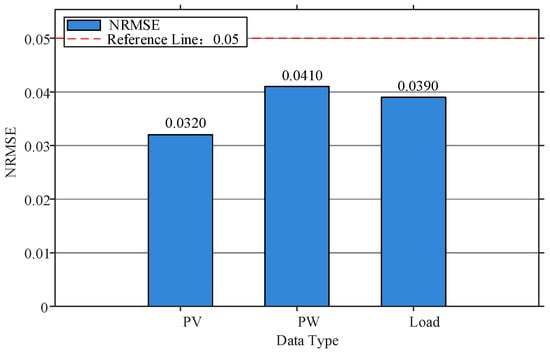
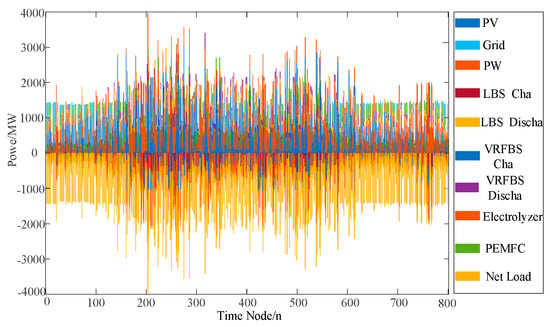
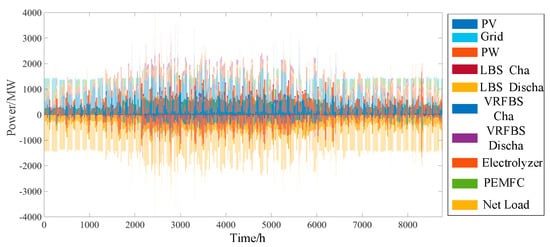
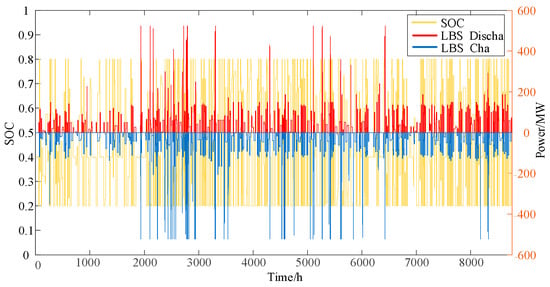
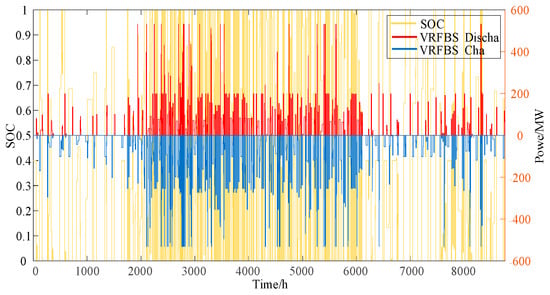
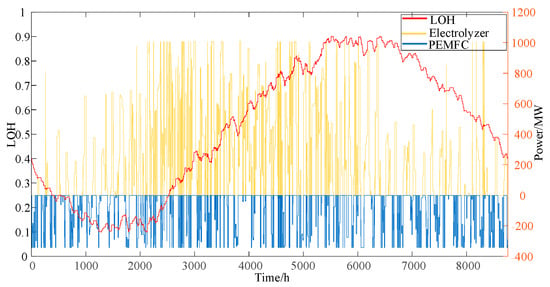
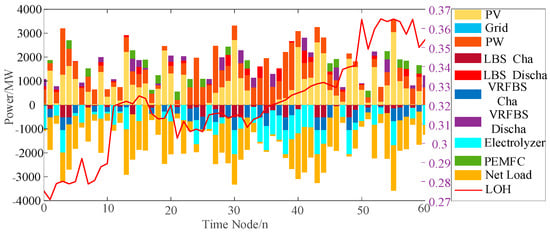
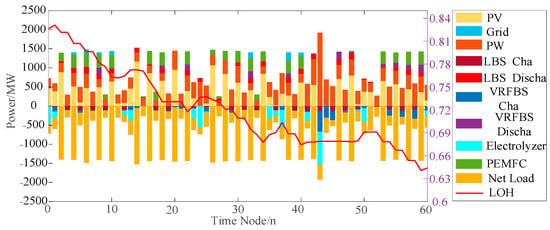
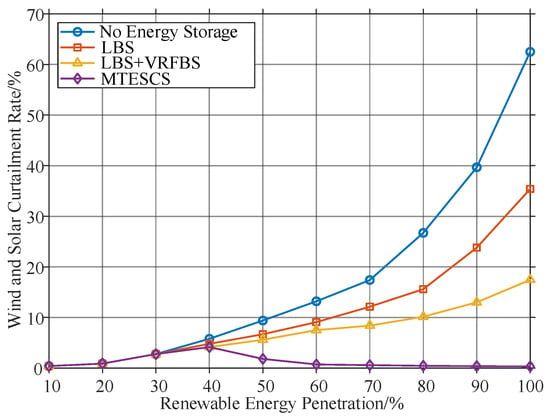
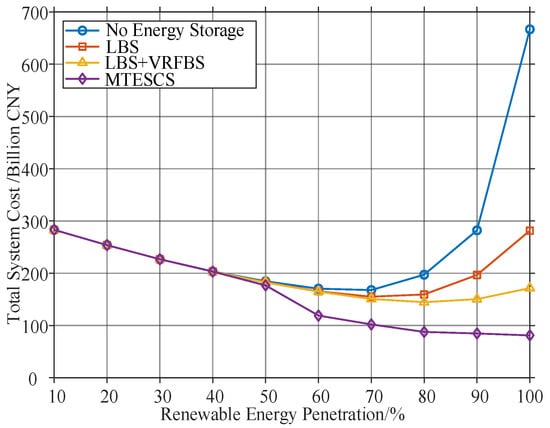
The development of a new-type power system requires addressing the long-timescale imbalance between electricity supply and demand caused by the high penetration of wind and solar energy, which places higher demands on the secure and stable operation of power systems. Conventional single-type energy storage cannot simultaneously satisfy short-term power regulation and medium- to long-term energy balancing requirements. Therefore, coordinated optimal allocation of multi-type energy storage is necessary. This study investigates the optimal capacity allocation of short- and long-duration energy storage in high-renewable-penetration power grids to improve renewable energy accommodation, enhance system flexibility, and optimize life-cycle cost. A mathematical model of a Multi-Type Energy Storage Coupled System (MTESCS) considering both power and energy balance is first established, together with a life-cycle economic model. Then, a source-load time-series reduction method based on Ward’s method is adopted to preserve the original temporal trends while reducing optimization complexity, and an optimal capacity allocation model is developed with the objective of minimizing system life-cycle cost. Finally, different storage configuration scenarios are constructed for comparative analyses under various renewable energy penetration levels. Results show that the proposed MTESCS can effectively improve renewable energy accommodation and economic performance, providing useful support for system design and engineering applications. Full article
Show Figures

Figure 1

15 pages, 644 KB  
Article
Progesterone-Dependent Changes in Platelet Activation Without Morphological Variation in Diestrus Mares
by Katiuska Satué, Giuseppe Bruschetta, Esterina Fazio, Rocío Colomer-Selva, Cristina Cravana and Deborah La Fauci
Vet. Sci. 2026, 13(5), 503; https://doi.org/10.3390/vetsci13050503 (registering DOI) - 21 May 2026
Abstract
Progesterone (P4) exerts important vascular and immunomodulatory effects that influence platelet (PLT) activation and serotonin (5-HT) handling across mammalian species; nevertheless, its role in modulating PLT physiology during diestrus in mares remains poorly defined. This study hypothesized that physiological variations in luteal activity [...] Read more.
Progesterone (P4) exerts important vascular and immunomodulatory effects that influence platelet (PLT) activation and serotonin (5-HT) handling across mammalian species; nevertheless, its role in modulating PLT physiology during diestrus in mares remains poorly defined. This study hypothesized that physiological variations in luteal activity during diestrus are associated with changes in PLT activation and 5-HT-related parameters. The first objective was to determine whether changes in circulating P4 during diestrus are associated with alterations in PLT aggregation, circulating 5-HT, and PLT morphological indices in healthy mares; the second objective was to identify a diestrus day providing consistent physiological conditions for assessing PLT-related biomarkers. Twenty clinically healthy Spanish Purebred mares aged 4–9 years old were monitored. Blood samples were collected on days 5, 14, and 16 post-ovulation, with luteal status confirmed by ultrasonography. P4 concentrations were determined using a solid-phase I-125 radioimmunoassay (RIA), 5-HT concentrations were quantified using a competitive enzyme immunoassay, and PLT indices were measured using an ADVIA 2120i hematology analyzer. Data were compared using appropriate parametric or non-parametric tests after assessing distribution, and correlations were analyzed using rank-based correlation analysis, using Pearson or Spearman coefficients according to variable distribution. P4 concentrations were higher on days 14 and 16 compared with day 5 (p < 0.05), with no significant differences between days 14 and 16. Platelet aggregates (AGREG) showed the greatest variation, with significantly higher values on day 14 compared with day 5 (p < 0.05). In contrast, circulating 5-HT and all PLT morphological indices (PLT count, PCT, MPV, PLCR, PDW, PCDW, MPM, and PMDW) remained unchanged across diestrus. PLT aggregation showed a strong positive association with circulating P4 concentrations (r = 0.88, p < 0.05), whereas no meaningful correlations were observed between 5-HT and AGREG or between 5-HT and PLT morphological parameters. Internal correlations among PLT indices followed expected biological patterns, confirming the stability of structural PLT traits over short physiological intervals. These findings demonstrate that during diestrus, PLT activation—but not PLT morphology or circulating 5-HT—varies in parallel with P4 in mares. Day 14, corresponding to mid-diestrus, characterized by high luteal activity, represents an informative time point for assessing PLT activation and related biomarkers, providing a framework for standardizing sampling protocols for PLT-derived products in equine reproductive medicine. Full article
(This article belongs to the Section Veterinary Biomedical Sciences)
19 pages, 3069 KB  
Article
ZmPRN1 Negatively Regulates Salt Stress Tolerance by Modulating ROS Homeostasis in Maize (Zea mays L.)
by Lei Ma, Wenzong Li, Ke Zhang, Qingyun Zhang, Hua Xu, Baobao Wang, Lei Wang and Junjie Zou
Plants 2026, 15(10), 1585; https://doi.org/10.3390/plants15101585 (registering DOI) - 21 May 2026
Abstract
Soil salinization is a major abiotic stress limiting maize (Zea mays L.) growth and productivity worldwide. Recently, many genes involved in salt stress have been identified. However, the molecular mechanisms underlying salt tolerance in maize remain largely elusive. In this study, we [...] Read more.
Soil salinization is a major abiotic stress limiting maize (Zea mays L.) growth and productivity worldwide. Recently, many genes involved in salt stress have been identified. However, the molecular mechanisms underlying salt tolerance in maize remain largely elusive. In this study, we identified a member of the ZmPIRIN family genes, ZmPRN1, acting as a negative regulator in response to salt stress. The expression levels of ZmPRN1 were down-regulated under salt and H2O2 treatment. Subcellular localization analysis showed that ZmPRN1 is localized to the chloroplast. Under salt stress, the Zmprn1-Mu mutant exhibited higher survival rates and lower reactive oxygen species (ROS) accumulation compared to wild-type plants. Whereas, ZmPRN1 overexpression lines were more sensitive to salt stress, and had higher ROS levels and lower chlorophyll content than wild-type plants. Transcriptome analysis showed that the differentially expressed genes (DEGs) were mainly involved in the oxidation-reduction process. Furthermore, yeast-two hybrid and split-luciferase complementation assays revealed that ZmPRN1 can interact with the chloroplast NDH complex subunit NDF4, the RING-type E3 ubiquitin ligase RING371, and the auxin-responsive protein IAA27. Collectively, our findings demonstrated that ZmPRN1 negatively regulates salt tolerance in maize by modulating ROS homeostasis, providing a valuable genetic resource for breeding salt-tolerant maize varieties. Full article
(This article belongs to the Special Issue Functional Genomics and Molecular Breeding of Crops—3rd Edition)
22 pages, 773 KB  
Article
Decoding the Generational Digital Divide: Profiles and Predictors of Grandparents’ Attitudes Toward Young Children’s Technology Use
by Wenwei Luo, Huihua He, Ilene R. Berson, Michael J. Berson and Zhiying Wang
Behav. Sci. 2026, 16(5), 832; https://doi.org/10.3390/bs16050832 (registering DOI) - 21 May 2026
Abstract
In today’s digital age, child-rearing presents unique challenges that extend across generations, impacting both parenting and grandparenting. This study investigated patterns of grandparents’ attitudes toward their grandchildren’s technology use and identified key predictors of these patterns. Utilizing latent profile analysis (LPA) with a [...] Read more.
In today’s digital age, child-rearing presents unique challenges that extend across generations, impacting both parenting and grandparenting. This study investigated patterns of grandparents’ attitudes toward their grandchildren’s technology use and identified key predictors of these patterns. Utilizing latent profile analysis (LPA) with a sample of 712 grandparents from Shanghai, China, the research identified four distinct attitudinal profiles: positively supportive, cautiously observant, low-involvement reserved, highly concerned and restrictive. Multinomial logistic regression analyses revealed that the age of the grandparent, sibling status, and the frequency of communication between grandparents and parents were significant predictors of profile membership. The findings indicate that grandparents’ attitudes toward their grandchildren’s technology use reflect a combination of acceptance and concern. This study underscores the need for further research and educational supports to help grandparents develop perspectives informed by an evidence base, thereby strengthening guidance strategies for young children’s digital engagement. Full article
(This article belongs to the Section Educational Psychology)
36 pages, 6416 KB  
Article
Mixed Discrete–Continuous Constrained Optimization of Symmetric Multi-LiDAR Mount Configurations for Mapping Systems: A Physics-Based Simulation Study
by Raghad Hadi Hasan, Athraa Hashim Mohammed, Faten Mezher Radhi and Bashar Alsadik
Symmetry 2026, 18(5), 876; https://doi.org/10.3390/sym18050876 (registering DOI) - 21 May 2026
Abstract
The configuration of a multi-LiDAR system impacts coverage, redundancy, and observability in mobile mapping. In this study, a multi-LiDAR configuration is modeled as a constrained optimization problem that considers symmetry and clearance constraints. A physics-based simulation is applied to evaluate coverage, overlap, and [...] Read more.
The configuration of a multi-LiDAR system impacts coverage, redundancy, and observability in mobile mapping. In this study, a multi-LiDAR configuration is modeled as a constrained optimization problem that considers symmetry and clearance constraints. A physics-based simulation is applied to evaluate coverage, overlap, and angular diversity for spinning LiDARs such as the Ouster OS1-64 and the Velodyne VLP-16. Three methods of Bayesian Optimization (BO), Genetic Algorithm (GA), and Particle Swarm Optimization (PSO) are used. In an indoor space, all methods find symmetric multi-sensor configurations that maximize coverage and redundancy. GA and PSO methods required thousands of evaluations, whereas BO demonstrated excellent efficiency by converging in fewer iterations. Validation using simulated, realistic trajectories and ground-truth environments shows that symmetric multi-LiDAR configuration increases surface completeness by 10–11% over single-sensor setups (up to 27% for OS1-64 and 42% for VLP-16). The results further show that bilateral symmetry is a practical mounting constraint and also a robust design principle that improves mapping completeness. Full article
13 pages, 7012 KB  
Brief Report
Identification of Pathogenic Variants in CYP4F22, FLG, ALOX12B, and NIPAL4 in a Case Series of Inherited Ichthyosis
by Malali Abdul Sattar, Amna Aurang Zaib, Huda Abbasi, Mirza Zain Ul Abideen, Saima Riazuddin, Zubair M. Ahmed and Muhammad Naeem
Int. J. Mol. Sci. 2026, 27(10), 4639; https://doi.org/10.3390/ijms27104639 (registering DOI) - 21 May 2026
Abstract
Inherited ichthyoses are clinically and genetically heterogeneous disorders of cornification caused by disruption of epidermal barrier genes involved in keratinization and lipid homeostasis. Pathogenic variants in more than 50 genes have been implicated in nonsyndromic ichthyosis vulgaris (IV) and autosomal recessive congenital ichthyosis [...] Read more.
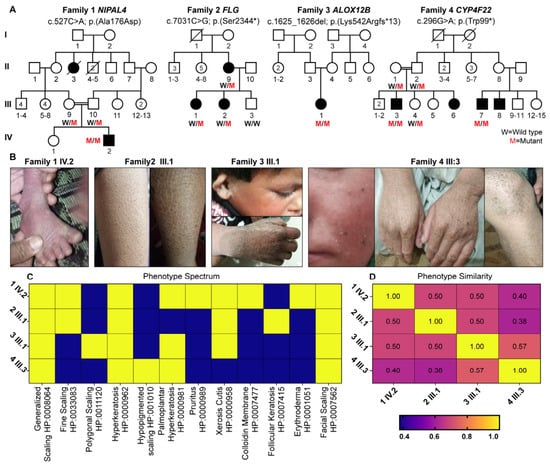
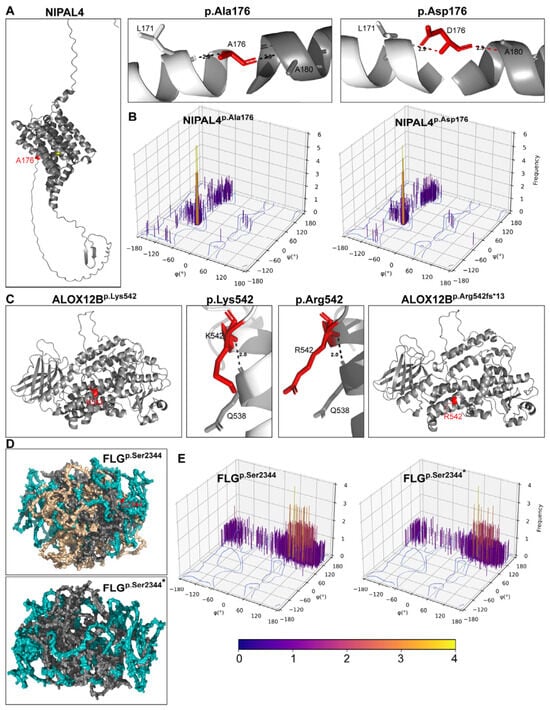
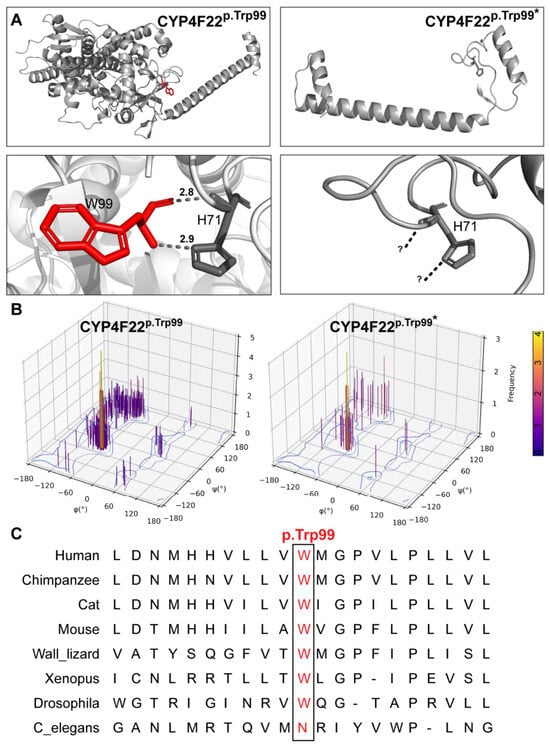
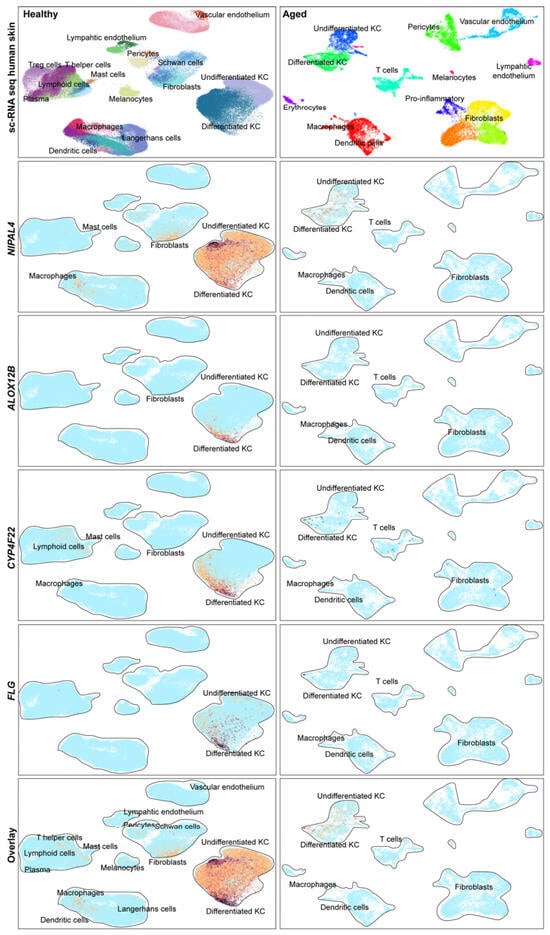
Inherited ichthyoses are clinically and genetically heterogeneous disorders of cornification caused by disruption of epidermal barrier genes involved in keratinization and lipid homeostasis. Pathogenic variants in more than 50 genes have been implicated in nonsyndromic ichthyosis vulgaris (IV) and autosomal recessive congenital ichthyosis (ARCI). Here, we investigated the genetic basis of ichthyosis in four consanguineous Pakistani families presenting with IV or ARCI phenotypes. Exome sequencing followed by segregation analysis identified pathogenic variants in four established ichthyosis-associated genes: CYP4F22, FLG, ALOX12B, and NIPAL4. Identified variants include one novel nonsense allele of CYP4F22 (c.296G>A; p.Trp99*) and three known variants previously not reported in the Pakistani population. These known variants include a nonsense change in FLG, a frameshift allele of ALOX12B, and a missense variant in NIPAL4. Standardized phenotypic annotation using Human Phenotype Ontology terms revealed overlapping but variable clinical features across families, consistent with known genotype–phenotype heterogeneity in inherited ichthyosis. In silico protein modeling using AlphaFold2 and Ramachandran plot analysis predicted structural perturbations associated with the identified variants, supporting their pathogenic relevance. Publicly available scRNAseq datasets revealed greater heterogeneity of keratinocyte-associated expression patterns of these ichthyosis-associated genes in aging samples. Collectively, our findings expand the allelic and phenotypic spectrum of inherited ichthyosis in the Pakistani population and highlight the utility of comprehensive genetic analysis in consanguineous families for accurate molecular diagnosis, genetic counseling, and disease epidemiology. Full article
Show Figures

Figure 1

25 pages, 2101 KB  
Article
Whole Transcriptome Analysis of a Soybean Hybrid and Its Parents to Identify Genes Associated with Heterosis
by Nan Jiang, Chunjing Lin, Jingyong Zhang, Mingyu Wang, Zheyun Guan, Liang Wang, Songquan Wu and Chunbao Zhang
Agronomy 2026, 16(10), 1016; https://doi.org/10.3390/agronomy16101016 (registering DOI) - 21 May 2026
Abstract
Heterosis utilization is an effective strategy to improve crop yield, stress resistance, and quality, and has been widely used in crop breeding. Soybean is an important oil and protein crop worldwide with heterosis, but the genetic basis of soybean heterosis remains largely unclear. [...] Read more.
Heterosis utilization is an effective strategy to improve crop yield, stress resistance, and quality, and has been widely used in crop breeding. Soybean is an important oil and protein crop worldwide with heterosis, but the genetic basis of soybean heterosis remains largely unclear. Whole-transcriptome analysis provides a new technical approach to explore the molecular mechanism of heterosis. In this study, HYBSOY2, a registered soybean hybrid variety with the strongest heterosis in China, together with its female parent JLCMS47A, maintainer line JLCMS47B, and male parent JLR2, were used as experimental material. Whole-transcriptome sequencing was performed using RNA extracted from seedling leaves. After mapping high-quality reads to the soybean reference genome, 57 co-expressed differentially expressed genes (DEGs) were identified in HYBSOY2 compared with both JLCMS47B and JLR2. GO and KEGG enrichment analyses shows that these DEGs were mainly enriched in ADP binding, oxidoreductase activity, fatty acid elongation, and pyruvate metabolism. A total of 787 transcription factors were identified between HYBSOY2 and its parents, most of which shows parental expression-level dominance, with the MYB family accounting for the highest proportion. In addition, 10 differentially expressed lncRNAs were detected between HYBSOY2 and its parents. In the comparison between HYBSOY2 and JLCMS47B, 18 differentially expressed miRNAs were identified, among which up-regulated miR396d functions in promoting leaf development and enhancing drought tolerance. In the comparison between HYBSOY2 and JLR2, 20 differentially expressed miRNAs were found, including down-regulated miR172c which is involved in flowering promotion. A total of 12 DEGs were further verified by qRT-PCR, which may be closely related to soybean heterosis. This study provides a comprehensive transcriptomic profile at the seedling stage of the hybrid soybean and offers valuable information for hybrid soybean breeding. These results lay a foundation for further revealing the molecular mechanism underlying soybean heterosis. Full article
17 pages, 10869 KB  
Article
A Hierarchically Structured Composite Integrating a Biomass-Derived Magnetic Carbon Framework with Various Magnetic Phases, Exhibiting Outstanding Electromagnetic Wave Absorption Performance
by Yutao Zhang, Jiawei Bi, Tiancheng Yuan, Shenpeng Xia and Minzhen Bao
Molecules 2026, 31(10), 1775; https://doi.org/10.3390/molecules31101775 (registering DOI) - 21 May 2026
Abstract
A lightweight and high-efficiency microwave-absorbing material was developed via an in situ solvothermal pyrolysis strategy by anchoring sphere-like Fe3O4 nanostructures onto bamboo-derived porous carbon (BPC). The resulting composites preserve the intrinsic anisotropic honeycomb architecture of bamboo while introducing uniformly distributed [...] Read more.
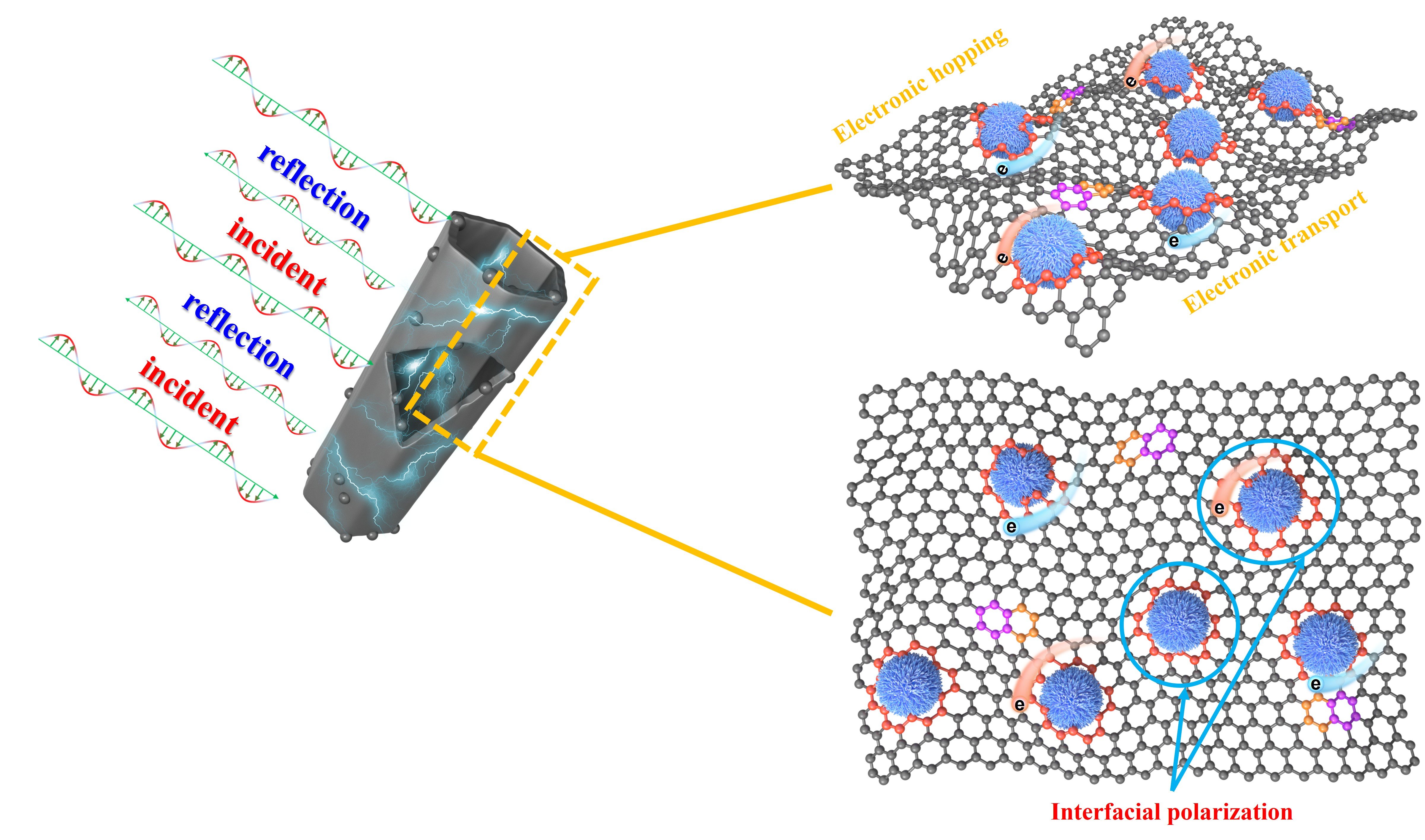
A lightweight and high-efficiency microwave-absorbing material was developed via an in situ solvothermal pyrolysis strategy by anchoring sphere-like Fe3O4 nanostructures onto bamboo-derived porous carbon (BPC). The resulting composites preserve the intrinsic anisotropic honeycomb architecture of bamboo while introducing uniformly distributed magnetic nanoparticles, enabling synergistic dielectric–magnetic loss. Electromagnetic parameters, alongside impedance matching, were successfully modulated through the optimization of precursor concentrations. Of the evaluated materials, BPC-0.9 stood out for its intense attenuation, recording an RLmin of −45.17 dB at a 1.8 mm thickness. Furthermore, a significant effective absorption bandwidth of 6.65 GHz was attained by the BPC-0.6 sample at only 2.2 mm. Several factors contribute to the boosted efficiency, starting with conductive and interfacial polarization losses paired with multiple scattering events. Furthermore, magnetic loss components, encompassing eddy current effects as well as natural and exchange resonances, play a pivotal role in optimizing the material’s response. Furthermore, radar cross-section (RCS) modeling reveals a substantial reduction of 19.9 dB·m2, verifying the material’s viability for real-world stealth technologies. Our findings offer a straightforward methodology for fabricating magnetic carbon structures from biomass with adjustable dielectric responses, underscoring their potential in high-performance energy conversion and low-density microwave absorption. Full article
(This article belongs to the Special Issue Emerging Multifunctional Materials for Next-Generation Energy Systems)
Show Figures

Graphical abstract

19 pages, 16207 KB  
Article
Isolation and Functional Characterization of a Gene Encoding Squalene Synthase from Amaranthus tricolor
by Yuanfeng Lv, Xiaoyang Lin, Zaifeng Du, Guihong Qi, Yinan Yang, Yufeng Luo and Hongbo Zhang
Agronomy 2026, 16(10), 1014; https://doi.org/10.3390/agronomy16101014 (registering DOI) - 21 May 2026
Abstract
Squalene, a high-value triterpenoid precursor widely used in pharmaceuticals and vaccine adjuvants, is primarily sourced from shark liver oil—an unsustainable practice that has driven interest in developing plant-based production alternatives. The first committed reaction in triterpenoid biosynthesis is catalyzed by squalene synthase (SQS), [...] Read more.
Squalene, a high-value triterpenoid precursor widely used in pharmaceuticals and vaccine adjuvants, is primarily sourced from shark liver oil—an unsustainable practice that has driven interest in developing plant-based production alternatives. The first committed reaction in triterpenoid biosynthesis is catalyzed by squalene synthase (SQS), yet no SQS gene has been characterized in Amaranthus tricolor, a species recognized for its high squalene content. Here, we cloned and functionally characterized AtrSQS, a novel squalene synthase gene isolated from A. tricolor for the first time. Sequence analysis revealed that AtrSQS contains conserved domains and six characteristic motifs shared among plant SQSs, with high homology to orthologs from dicotyledonous species. To investigate its functional role in squalene biosynthesis, AtrSQS was overexpressed in Nicotiana tabacum under the CaMV 35S promoter. Transgenic lines exhibited significantly increased AtrSQS expression and accumulated squalene up to 6.81 μg/g dry weight, a 4.76-fold increase over wild-type plants. Additionally, the content of downstream product 2,3-oxidosqualene was also significantly elevated in the transgenic lines. Integrated transcriptomic and metabolomic analyses revealed that AtrSQS overexpression upregulated key mevalonate pathway genes (AACT, HMGS, MVD) and FPPS. Meanwhile, it suppressed competitive carotenoid biosynthesis and the production of an SQS-specific inhibitor, indicating a successful redirection of metabolic flux toward squalene production. These findings demonstrate that AtrSQS is crucial for squalene biosynthesis and provide both a valuable genetic resource and mechanistic insights for engineering plant-based squalene production systems. Full article
22 pages, 591 KB  
Article
Stakeholder Perspectives on Tourism Education Curriculum Alignment with Vision 2030: A Qualitative Study from Saudi Arabia
by Asma Alomaym, Rosniza Aznie Che Rose and Rosmiza Mohd Zainol
Tour. Hosp. 2026, 7(5), 145; https://doi.org/10.3390/tourhosp7050145 (registering DOI) - 21 May 2026
Abstract
Tourism education is central to human capital development under Saudi Arabia’s Vision 2030, yet the extent to which curricula align with emerging industry requirements remains underexplored, particularly in developing economy contexts. This qualitative study examines student and faculty perspectives on curriculum alignment at [...] Read more.
Tourism education is central to human capital development under Saudi Arabia’s Vision 2030, yet the extent to which curricula align with emerging industry requirements remains underexplored, particularly in developing economy contexts. This qualitative study examines student and faculty perspectives on curriculum alignment at the University of Ha’il’s Tourism and Antiquities Department. Twenty participants were purposively recruited and interviewed; data were analyzed using thematic analysis. Findings reveal four interconnected challenges: a persistent theory–practice gap sustained by lecture-based pedagogies, insufficient integration of digital and smart tourism technologies, weak industry–academia partnerships, and structural barriers to interdisciplinary collaboration. In response, this study proposes an interdisciplinary integration model structured around five domains: digital technology, sustainability and environment, business and entrepreneurship, cultural and creative industries, and social sciences and community engagement. The model provides a progressive framework for cross-departmental collaboration and represents the study’s primary practical contribution. Theoretically, the study demonstrates that curriculum misalignment operates through mutually reinforcing institutional constraints rather than discrete correctable deficits. Recommendations address curriculum reform, technology investment, structured partnership development, and administrative conditions enabling interdisciplinary implementation. Full article
20 pages, 4188 KB  
Article
Preliminary Study on the Biocontrol Efficacy and Antimicrobial Mechanism of Pseudomonas eucalypticola NP-1 Against Gray Mold in Eucalyptus Seedlings
by Ying Lu, Menglan Shang, Zhe Li, Yongfeng Lu, Yu Long, Wangdong Xu and Qinghua Zhang
Forests 2026, 17(5), 624; https://doi.org/10.3390/f17050624 (registering DOI) - 21 May 2026
Abstract
Botrytis cinerea is a globally distributed phytopathogenic fungus that causes gray mold in eucalyptus seedlings, posing a severe threat to eucalyptus nursery production. Pseudomonas eucalypticola Liu et al. NP-1 is an endophytic bacterium isolated from eucalyptus with broad-spectrum antifungal activity. In this study, [...] Read more.
Botrytis cinerea is a globally distributed phytopathogenic fungus that causes gray mold in eucalyptus seedlings, posing a severe threat to eucalyptus nursery production. Pseudomonas eucalypticola Liu et al. NP-1 is an endophytic bacterium isolated from eucalyptus with broad-spectrum antifungal activity. In this study, the fermentation broth extract of strain NP-1 was prepared using the organic solvent extraction method. The inhibitory effects, antifungal mechanisms, and biocontrol efficacy of the extract against B. cinerea were investigated. The results suggested that the NP-1 extract effectively inhibited mycelial growth, conidial germination, and germ tube development of B. cinerea. The EC50 and EC90 values for mycelial inhibition were 110 μg/mL and 332 μg/mL, respectively, while those for conidial germination inhibition were 126 μg/mL and 310 μg/mL. Microscopic and ultramicroscopic observations indicated that while the mycelial structures in the control and EC50 groups remained intact, the EC90 treatment significantly was associated with protoplasmic aggregation, leakage, and cavitation, suggesting potential structural damage to the fungal cells. In vitro and in vivo biocontrol assays showed that the control efficacy against gray mold reached 90.0% on detached eucalyptus leaves and 93.3% on eucalyptus seedlings. These findings elucidate the biocontrol potential of NP-1 and lay a foundation for the development of bio-based pesticides. Full article
(This article belongs to the Section Forest Health)
19 pages, 311 KB  
Article
Jordan Normal Forms of Endomorphisms of Vector Bundles over Curves and Applications to Moduli Space Automorphisms
by Álvaro Antón-Sancho
Axioms 2026, 15(5), 386; https://doi.org/10.3390/axioms15050386 (registering DOI) - 21 May 2026
Abstract
Let X be a compact connected Riemann surface of genus g2 and let E be a holomorphic vector bundle of rank n over X. The compactness and connectedness of X imply that the characteristic polynomial of any holomorphic endomorphism [...] Read more.
Let X be a compact connected Riemann surface of genus g2 and let E be a holomorphic vector bundle of rank n over X. The compactness and connectedness of X imply that the characteristic polynomial of any holomorphic endomorphism φH0(X,End(E)) has constant coefficients, a fact we call the Principle of Spectral Constancy. As a consequence, the eigenvalues of φ are globally constant over X, the primary decomposition of E with respect to φ consists of globally defined holomorphic subbundles, and the Jordan decomposition φ=φs+φn into semisimple and nilpotent parts is globally well defined as a decomposition of sections of End(E). This paper provides a systematic analysis of Jordan normal forms for endomorphisms of holomorphic vector bundles over X, relating the Jordan type of φ to the stability properties of E. In particular, it is proved that endomorphisms of stable bundles are necessarily scalar, that the Jordan decomposition of an endomorphism of a polystable bundle is determined componentwise by the classical Jordan normal forms of matrices in the associated endomorphism algebra, and that finite-order endomorphisms are always semisimple. These results are applied to the study of fixed points of automorphisms of the moduli space BX(SL(n,C)) of rank n and trivial determinant polystable vector bundles over X. Specifically, a new result establishes that the commutative subalgebra of H0(X,End(E)) generated by the endomorphism associated with a fixed-point condition is semisimple, so nilpotent endomorphisms of E are precisely those incompatible with the fixed-point structure. Full article
(This article belongs to the Special Issue Advances in Linear Algebra with Applications, 2nd Edition)
18 pages, 2698 KB  
Article
Improvement Pathways for Irrigation Water Use Efficiency in Large and Medium-Sized Irrigation Districts Based on Analysis of Influencing Factors: A Machine Learning Case Study in Anhui, China
by Hu Zhang, Bin Xu, Shangming Jiang, Fengcun Yu and Shiwei Zhou
Sustainability 2026, 18(10), 5204; https://doi.org/10.3390/su18105204 (registering DOI) - 21 May 2026
Abstract
Irrigation water use efficiency (IWUE) is a core indicator for assessing agricultural water use efficiency. However, existing studies predominantly focus on linear relationships between IWUE and individual correlates, with insufficient attention to the nonlinear interactions among multiple factors and the staged pathways of [...] Read more.
Irrigation water use efficiency (IWUE) is a core indicator for assessing agricultural water use efficiency. However, existing studies predominantly focus on linear relationships between IWUE and individual correlates, with insufficient attention to the nonlinear interactions among multiple factors and the staged pathways of IWUE improvement. Taking 153 large- and medium-sized irrigation districts in Anhui Province as a case study, this research identifies seven key influencing factors—including canal lining rate (CLR), proportion of water-saving irrigation area (WSIR), and water price (WP)—and employs a random forest model coupled with SHAP (SHapley Additive exPlanations) interpretability analysis to uncover the driving mechanisms and enhancement pathways of IWUE. The results reveal that CLR, WSIR, and WP are the top three correlates, collectively contributing 67.80% to IWUE variation, with CLR being the most influential (28.75%). Their effects exhibit strong nonlinearity and threshold behavior: the marginal benefit of CLR diminishes significantly beyond approximately 75%; the optimal incentive range for WP lies between 0.09 and 0.14 CNY/m3; and precipitation exerts a persistent negative constraint. Moreover, IWUE improvement follows a sequential hierarchy: CLR serves as the foundational prerequisite; once CLR reaches a certain threshold, advancing WSIR becomes essential; and further gains require synergistic interaction between WSIR and WP after both attain sufficient levels. This study elucidates the nonlinear response mechanisms and stage-dependent driving patterns of IWUE, offering scientific insights and quantitative support for targeted, precision-oriented upgrades of irrigation infrastructure in Anhui Province and analogous humid/semi-humid regions, thereby contributing to sustainable agricultural water management. Full article
22 pages, 9796 KB  
Article
A Physics-Constrained Dual-Stream Dynamic Framework for Wind Power Forecasting Under Extreme Weather
by Yunzhi Hao and Jing Cao
Processes 2026, 14(10), 1671; https://doi.org/10.3390/pr14101671 (registering DOI) - 21 May 2026
Abstract
Accurate wind power forecasting is essential for ensuring power grid stability and facilitating the large-scale integration of renewable energy, yet it faces significant challenges due to the randomness, variability, and intermittency of wind resources and the increasing frequency of extreme weather events. Existing [...] Read more.
Accurate wind power forecasting is essential for ensuring power grid stability and facilitating the large-scale integration of renewable energy, yet it faces significant challenges due to the randomness, variability, and intermittency of wind resources and the increasing frequency of extreme weather events. Existing data-driven approaches often struggle to balance temporal continuity with meteorological sensitivity, leading to lag effects during rapid fluctuations, and frequently generate predictions that violate physical domain knowledge. To address these limitations, this paper proposes a dual-stream architecture to decouple temporal dependencies and spatial–meteorological mappings, utilizing a Physics-Informed GRU (PI-GRU) and an Enhanced Random Forest (ERF). Both streams are strictly bounded by physical constraints. Furthermore, a scenario-aware adaptive fusion mechanism is introduced to dynamically adjust the model’s reliance on each stream based on real-time wind speed gradients and volatility indices. Extensive experiments were conducted using a comprehensive dataset from three coastal wind farms over 8 months, encompassing stable regimes and extreme weather events. Evaluating across both 1-day and 4-day forecast horizons, the results demonstrate that our method significantly outperforms state-of-the-art baselines, proving its robustness and practical value for grid security and dispatch optimization. Full article
27 pages, 1780 KB  
Article
Action-Oriented Programming and Automatic Agent Generation for Adaptive Data Collection in Decentralized Data Ecosystems
by Mustafa Tayyip Bayram, Houssam Razouk and Kyandoghere Kyamakya
Processes 2026, 14(10), 1669; https://doi.org/10.3390/pr14101669 (registering DOI) - 21 May 2026
Abstract
The semiconductor manufacturing industry depends on effective data collection and analysis for critical processes such as Root Cause Analysis (RCA) and Risk Assessment (RA). Both processes involve software-driven data collection and subsequent analysis by domain experts to support informed decision-making. However, the increasing [...] Read more.
The semiconductor manufacturing industry depends on effective data collection and analysis for critical processes such as Root Cause Analysis (RCA) and Risk Assessment (RA). Both processes involve software-driven data collection and subsequent analysis by domain experts to support informed decision-making. However, the increasing complexity, volume, and decentralized nature of manufacturing data pose significant challenges for effective data collection. Data is distributed across multiple systems with varying formats and ownership, making conventional programming paradigms and manual data collection scripts inadequate for handling this decentralized data landscape. To address these challenges, this study proposes integrating Action-Oriented Programming (AcOP) with Automatic Agent Generation (AAG) as a novel solution. AcOP emphasizes actions as fundamental execution units, separating system behavior and data. Complementing this, AAG uses large language models (LLMs) to autonomously generate intelligent agents, which manage these actions and perform preliminary data analysis with domain-specific knowledge. Our experimental setup compares three microservice applications supporting RCA and RA: Object-Oriented Programming (OOP), AcOP, and AcOP integrated with AAG. Evaluation results indicate that AcOP improves modularity, adaptability, and error handling in decentralized systems. Integrating AAG enhances automation, provides a flexible, low-maintenance solution for data collection and analysis pipelines, and promotes autonomous microservice architectures in data-intensive environments. Full article
23 pages, 2981 KB  
Article
Application of Dang Van Model Based on Critical Plane Approach for Rolling Contact Problems
by Paweł J. Romanowicz
Materials 2026, 19(10), 2173; https://doi.org/10.3390/ma19102173 (registering DOI) - 21 May 2026
Abstract
Analyses of rolling contact fatigue (RCF) problems require the use of multiaxial fatigue criteria, which take into account complex non-proportional stress conditions. One of the most often used criteria to analyse this phenomenon is the Dang Van criterion. However, this criterion is often [...] Read more.
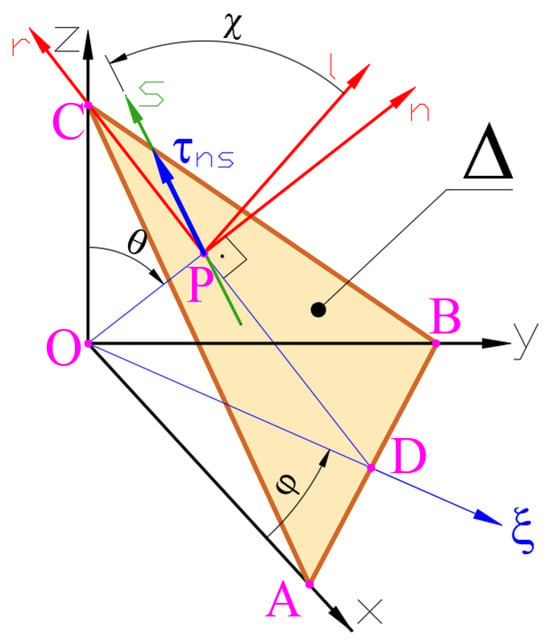
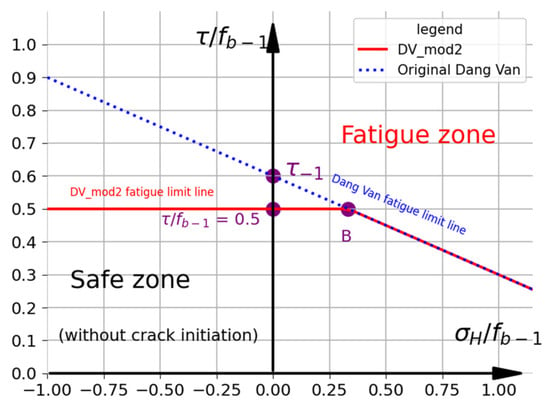
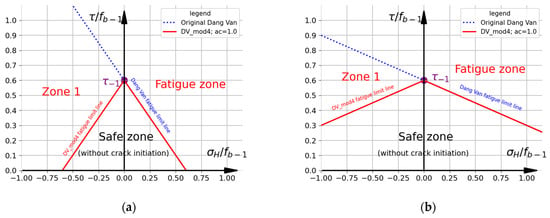
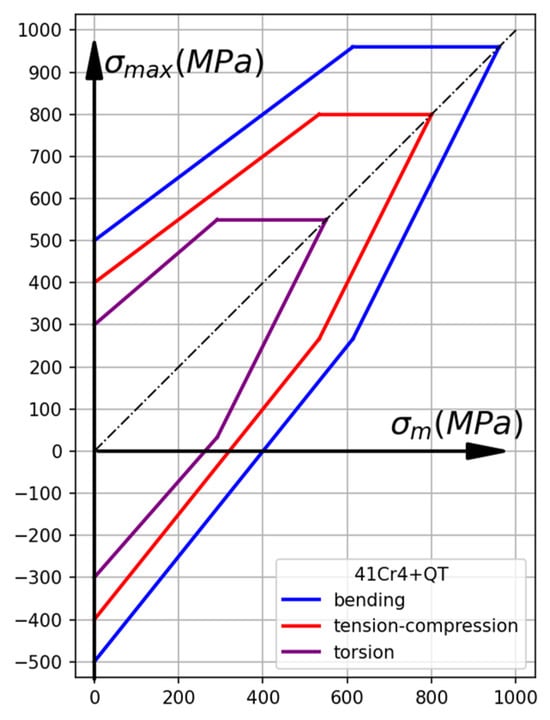
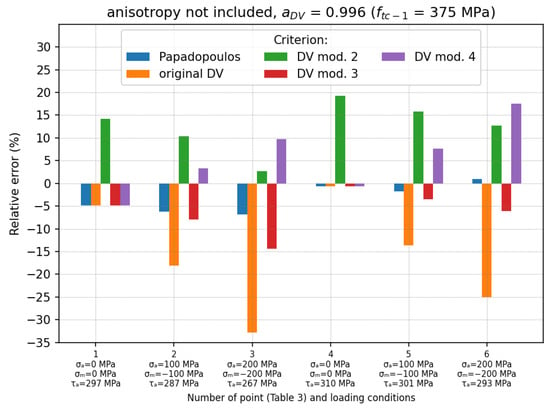
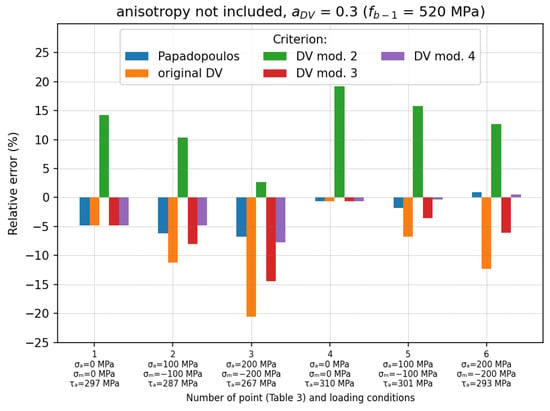
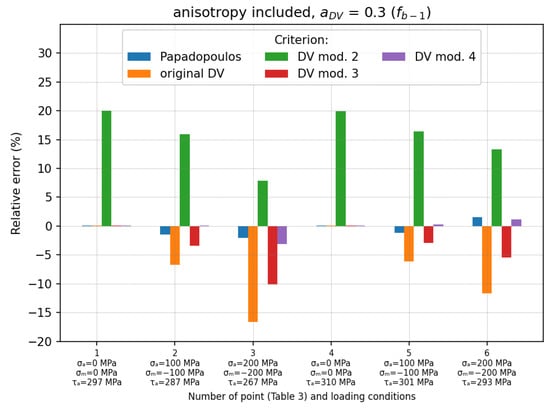
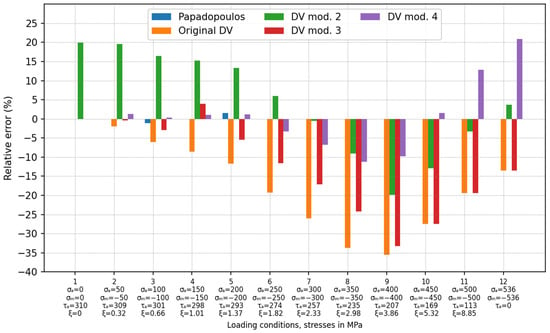
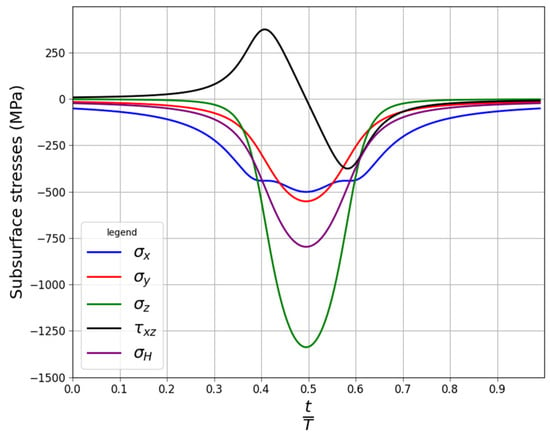
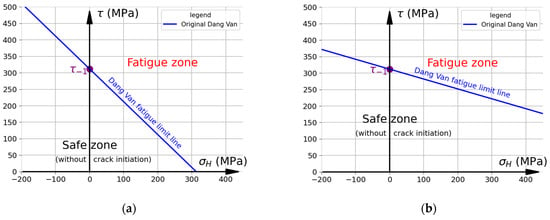
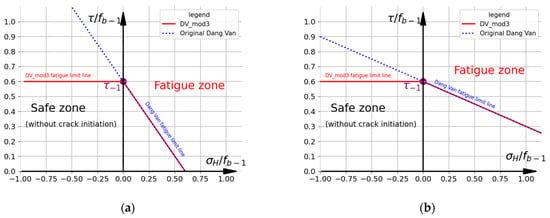
Analyses of rolling contact fatigue (RCF) problems require the use of multiaxial fatigue criteria, which take into account complex non-proportional stress conditions. One of the most often used criteria to analyse this phenomenon is the Dang Van criterion. However, this criterion is often criticised due to its overestimation of the influence of compressive stresses on fatigue strength, which leads to an underestimation of the equivalent fatigue stress. Due to the high popularity of this hypothesis, in this paper a few modifications of the Dang Van criterion based on the critical plane approach are compared. One of the investigated modifications is a new proposal in which it is assumed that compressive hydrostatic stresses are as unfavourable as tensile stresses. All variants are verified in three ways: (1) by means of the experimental results for the out-of-phase pulsating compression and alternating torsion; (2) by comparison with the results obtained by means of the Papadopoulos criterion (which provides the most accurate results for RCF issues); and (3) using the example of an RCF analysis of a roller bearing. Based on these investigations, it is confirmed that the original Dang Van criterion is not suitable for application to RCF problems. It is shown that the mere omission of compressive hydrostatic stresses is also insufficient. The highest agreement with the experimental results (relative error δ = 0.77%), the Papadopoulos criterion (δ=5.8%) and, in the case of the practical application (roller bearing; δ=1.1%), is obtained for the proposed modification in which it is assumed that the compressive hydrostatic stress is an unfavourable for fatigue processes in the same way as the tensile hydrostatic stress. Full article
(This article belongs to the Section Mechanics of Materials)
Show Figures

Figure 1

17 pages, 2959 KB  
Article
Environmental Footprint of Broadcast and Localized Fertilization Across Cropping Successions
by Leonardo Costanza, Mariangela Diacono, Antonio Monteforte, Vincenzo Alfano, Francesco Montemurro and Alessandro Persiani
Agronomy 2026, 16(10), 1015; https://doi.org/10.3390/agronomy16101015 (registering DOI) - 21 May 2026
Abstract
Climate change represents one of the most critical challenges, especially in the Mediterranean area. Using organic and localized fertilization could be an effective agroecological strategy to help mitigate the environmental impacts of climate change. Our study was carried out in an experimental field [...] Read more.
Climate change represents one of the most critical challenges, especially in the Mediterranean area. Using organic and localized fertilization could be an effective agroecological strategy to help mitigate the environmental impacts of climate change. Our study was carried out in an experimental field over a three-year crop succession including broccoli, sweet pepper and barley. A randomized complete block design was adopted, with two factors: (i) fertilization method (100% broadcast and 40% localized) and (ii) fertilizer type by testing: on-farm compost, two types of commercial compost and a mineral fertilizer. Environmental impacts per hectare and marketable yield were quantified using Life Cycle Assessment (LCA), considering abiotic depletion (AD), acidification (AA), eutrophication (EU), global warming potential (GWP), and photochemical oxidation (PO). The localized application of fertilizers achieved marketable yields comparable to the broadcast method, despite lower fertilizer inputs, suggesting an optimal nutrient-use efficiency. The LCA demonstrated that localized fertilization also enhanced environmental sustainability, decreasing Global Warming Potential (GWP) by 20% per hectare, compared to broadcast treatments. Moreover, considering only the fertilization phase, we observed a 59% reduction in GWP under the localized strategy. Even though localized fertilization emerges as an effective climate-smart strategy without compromising productivity, future research is recommended to assess its long-term impacts in site-specific conditions. Full article
(This article belongs to the Section Agroecology Innovation: Achieving System Resilience)
22 pages, 444 KB  
Article
Least-Privilege Role-Based Access Control Improvement for Cloud Container Security
by Waleed K. Abdulraheem, Emad Mohammed Ibbini, Hasan Kanaker, Sami Smadi, Nader Abdel Karim, Hussam N. Fakhouri, Layla Albdour and Sandi Fakhouri
Computers 2026, 15(5), 326; https://doi.org/10.3390/computers15050326 (registering DOI) - 21 May 2026
Abstract
Role-Based Access Control (RBAC) is the de-facto mechanism for preserving Kubernetes and other cloud-native container platforms, however real deployments occasionally drift away from the principle of least privilege as clusters, teams, and services improve. This paper introduces an automated RBAC hardening framework that [...] Read more.
Role-Based Access Control (RBAC) is the de-facto mechanism for preserving Kubernetes and other cloud-native container platforms, however real deployments occasionally drift away from the principle of least privilege as clusters, teams, and services improve. This paper introduces an automated RBAC hardening framework that formulates least-privilege policy design as a limited optimization problem over RoleBindings and ClusterRoleBindings. The objective combines (i) a permission-risk score for namespaced and cluster-scoped actions with (ii) an operational complexity term that discourages overly large binding sets. Solid limitations encode functional requirements as well as practical security policies, which includes namespace allowlists, role scoping rules, administrative restrictions on cluster-wide bindings, binding budgets, and separation-of-duty requirements expressed by utilizing capability classes. To allow optimizer-agnostic search while protecting Kubernetes RBAC semantics, we analyze candidate policies by utilizing a unified penalty-based fitness function that compines risk, complexity, and constraint violations into a single scalar value. We utilized ten metaheuristic as a benchmark including baseline search paths on a Kubernetes-inspired instance and report feasibility and least-privilege quality metrics (precision, recall, F1, and over-privilege ratio) parallel to RB/CRB counts and excess risk as a structural indicators. Outcomes present that feasibility is the prime challenge, and is restricted to a subset of optimizers reliably arrives to entirely feasible and compact arrangements within the exact budget, indicating the practicality of metaheuristic enhancement for systematic RBAC reduction in containerized cloud computing environments. Full article
(This article belongs to the Special Issue Using New Technologies in Cyber Security Solutions (2nd Edition))

Open Access Journals

Browse by Indexing Browse by Subject Selected Journals
Back to TopTop