



23 pages, 892 KB  
Article
Knowledge, Attitudes, Practices, and Information Pathways Related to Brucellosis Among Adults in Najran City, Saudi Arabia: A Stratified Time–Location Cross-Sectional Study
by Abdullateef Abdullah Alshehri, Mohammad Y. Alqahtani, Osman AE. Elnoubi, Mohsen A. Qahtani, Dehiyyan E. Alyami, Meshal M. Alabbas, Mosa M. Bahnass, Abdullah Alshehari, Mohammed A. Alshehri and Mohammed A. Alshahrani
Trop. Med. Infect. Dis. 2026, 11(6), 149; https://doi.org/10.3390/tropicalmed11060149 (registering DOI) - 29 May 2026
Abstract
Brucellosis remains an important zoonotic disease in southern Saudi Arabia; however, community-level knowledge, risk-related practices, and information pathways in Najran City are insufficiently characterized. This study assessed brucellosis-related knowledge, attitudes, practices, and information pathways among adults in Najran City to inform locally relevant [...] Read more.
Brucellosis remains an important zoonotic disease in southern Saudi Arabia; however, community-level knowledge, risk-related practices, and information pathways in Najran City are insufficiently characterized. This study assessed brucellosis-related knowledge, attitudes, practices, and information pathways among adults in Najran City to inform locally relevant One Health interventions. In this cross-sectional survey, adults were recruited using stratified time–location (venue-based) sampling across community and exposure-relevant sites in Najran City. A total of 608 adults completed a structured interviewer-administered questionnaire. Composite scores were calculated for knowledge (0–21), attitude (0–22), practice (0–64), and information-source breadth (0–6). Descriptive statistics, group comparisons, correlation analyses, and multivariable linear regressions were performed. The findings suggest that participants more commonly relied on interpersonal social networks, especially family and friends, for information related to brucellosis (53.9%), whereas formal sources were less commonly reported, including health professionals (7.9%), media (4.6%), internet sources (3.3%), educational institutions (2.0%), and agricultural or veterinary organizations (1.3%). Mean knowledge scores were moderate (10.7/21), attitudes were generally favorable (19.5/22), and practice scores were moderate (36.6/64). Exposure-related behaviors remained common, particularly the consumption of unpasteurized milk or dairy products (56.6%). The breadth of information sources showed a moderate positive correlation with knowledge (rho = 0.561), whereas attitude showed only small positive correlations with knowledge and practice. Finally, knowledge was weakly and inversely correlated with practice. Among adults recruited in this venue-based sample, favorable attitudes did not consistently correspond to safer practices. These findings support practical One Health interventions, including coordinated veterinary–public health messaging on animal abortion events, safe-dairy guidance at points of sale and community venues, workplace-based training for livestock-contact groups, and referral pathways linking suspected animal cases with veterinary services and human care-seeking. Because recruitment was venue-based and non-probability, the results should be interpreted as descriptive and hypothesis-generating rather than population-representative; however, they still identify practical communication and service-delivery priorities for future intervention studies in Najran. Full article
(This article belongs to the Special Issue Advances in Brucella Infections)
23 pages, 4044 KB  
Article
Genome-Wide Analysis and Expression Profiles of AhLOG Gene Family in Peanut (Arachis hypogaea L.)
by Boyang Zhang, Maoning Zhang, Guoquan Chen, Yue Wu, Pei Du, Suoyi Han, Tianlun Zhao, Liuyang Fu and Shuijin Zhu
Int. J. Mol. Sci. 2026, 27(11), 4958; https://doi.org/10.3390/ijms27114958 (registering DOI) - 29 May 2026
Abstract
Peanut (Arachis hypogaea L.) is a globally vital oilseed and cash crop. The LONELY GUY (LOG) gene family acts as a core regulator of cytokinin activation, governing plant meristem maintenance, growth, development, and stress responses. However, the genome-wide characteristics, evolutionary dynamics, and [...] Read more.
Peanut (Arachis hypogaea L.) is a globally vital oilseed and cash crop. The LONELY GUY (LOG) gene family acts as a core regulator of cytokinin activation, governing plant meristem maintenance, growth, development, and stress responses. However, the genome-wide characteristics, evolutionary dynamics, and biological functions remain largely uncharacterized in peanut. In this study, 24 AhLOG genes were identified from the cultivated peanut Tifrunner. Phylogenetic analysis, gene structure characterization, and conserved motifs validated the high evolutionary conservation of the AhLOG gene family, and subcellular localization prediction indicated most AhLOG proteins were distributed in the cytoplasm. Promoter cis-element analysis revealed abundant hormone-responsive and stress-responsive cis-elements in the promoter regions of the AhLOG genes. Synteny analysis uncovered highly conserved collinear relationships between cultivated peanut and its diploid progenitors (A. duranensis, A. ipaensis) as well as the wild tetraploid relative (A. monticola), while numerous conserved orthologous syntenic pairs were detected between peanut and the model plant Arabidopsis thaliana. Tissue expression profiles revealed remarkable functional divergence among members: AhLOG3 and AhLOG16 were widely involved in both vegetative and reproductive development, while several other AhLOG genes exhibited strict tissue-specific expression. Furthermore, qRT-PCR analysis demonstrated that AhLOG genes were significantly induced by abscisic acid (ABA), gibberellin (GA), indole-3-acetic acid (IAA), methyl jasmonate (MeJA), drought and salt treatments, with distinct expression patterns under these abiotic stress conditions. Collectively, this work provides a systematic understanding of the AhLOG gene family and offers key candidate genes along with theoretical support for further functional investigation and molecular breeding of stress-resistant peanut. Full article
17 pages, 1238 KB  
Article
Assessment of Anthropogenic Pollen Signals in Anatolian Lake Records During the Beyşehir Occupation Phase
by Hülya Caner and Gülan Güngör
Plants 2026, 15(11), 1689; https://doi.org/10.3390/plants15111689 (registering DOI) - 29 May 2026
Abstract
Understanding the extent to which anthropogenic activity shapes vegetation dynamics is a central challenge in palaeoecology. In the Eastern Mediterranean, pollen-based studies have traditionally identified human impact through qualitative interpretations of anthropogenic indicators, particularly within the framework of the Beyşehir Occupation Phase (BOP). [...] Read more.
Understanding the extent to which anthropogenic activity shapes vegetation dynamics is a central challenge in palaeoecology. In the Eastern Mediterranean, pollen-based studies have traditionally identified human impact through qualitative interpretations of anthropogenic indicators, particularly within the framework of the Beyşehir Occupation Phase (BOP). However, proxy-based quantitative comparison of anthropogenic signals across multiple sites remains limited. This study compiles pollen datasets from multiple lacustrine records across Anatolia (Türkiye) to construct a regional multi-site dataset and evaluates anthropogenic influence using a quantitative BOP period anthropogenic taxa integrated with Principal Component Analysis (PCA). The relative representation of pollen indicators enabling the determination of anthropogenic effect was evaluated using a composite pollen index based on Olea, Juglans, Plantago lanceolata-type, Cerealia and Rumex acetosa-type taxa. The results reveal substantial spatial variability in anthropogenic signals, with combined pollen percentages ranging from less than 1% to 16% among lakes. PCA results show clear inter-site differentiation, with the first two components explaining 42.94% and 21.95% of the total variance, respectively. In particular, Olea emerges as the most influential indicator, strongly contributing to the primary ecological gradient. These findings provide a proxy-based quantitative extension of the traditionally qualitative BOP concept and show that selected anthropogenic pollen indicators are spatially heterogeneous across Anatolian lake records. By integrating a composite anthropogenic index with multivariate analysis, this study offers a robust and transferable framework for comparing human–environment interactions across different regions and ecological settings. Full article
(This article belongs to the Section Plant Systematics, Taxonomy, Nomenclature and Classification)
19 pages, 8012 KB  
Article
Machining-Induced Surface Deformation Layer and the Impact on Tensile Plasticity of 316L Stainless Steel
by Bokai Lou, Jing Ni, Jinghui Zhou, Lihua He, Zhenbing Cai and Zefei Zhu
J. Manuf. Mater. Process. 2026, 10(6), 191; https://doi.org/10.3390/jmmp10060191 (registering DOI) - 29 May 2026
Abstract
316L stainless steel is widely used in aerospace components because of its mechanical properties and corrosion resistance. Standard tensile specimens are commonly used to evaluate material behavior, yet their measured tensile response can be affected by the final turning process. This study investigated [...] Read more.
316L stainless steel is widely used in aerospace components because of its mechanical properties and corrosion resistance. Standard tensile specimens are commonly used to evaluate material behavior, yet their measured tensile response can be affected by the final turning process. This study investigated the effects of cutting speed and depth of cut on the surface integrity and tensile properties of small standard 316L tensile specimens. Cutting-temperature measurement, optical surface characterization, EBSD analysis, fracture observation, and quasi-static tensile testing were combined to evaluate the machined specimens. A cutting speed of 45 m/min produced the most stable thermal response after repeated tool–workpiece contacts, with a temperature variation of 40.3%. Lower cutting speeds suppressed vibration-induced micro-pits and improved the morphology consistency between Area I and Area II. At the maximum depth of cut, increasing the cutting speed from 15 m/min to 60 m/min reduced the tensile strength from 1136.02 MPa to 1082.75 MPa and the tensile elongation from 56.6% to 53.5%. These results show that the tensile properties of turned specimens are governed by the combined effects of thermal response, surface morphology, deformation-layer microstructure, and fracture behavior. Among the tested conditions,  Vc = 15 m/min,  ap = 0.4 mm, and  f = 0.1 mm/rev are recommended when tensile properties are the main requirement Full article
24 pages, 2728 KB  
Article
Three-Dimensional Numerical Simulation of Near-Field Hydrodynamic Response and Suspended Sediment Transport Characteristics Around the Caofeidian Port Breakwaters
by Yong-Qiang Zhang, Zhe Feng, Cong-Bo Xiong, Wan-Qing Chi and Wan-Jun Zhang
J. Mar. Sci. Eng. 2026, 14(11), 1018; https://doi.org/10.3390/jmse14111018 (registering DOI) - 29 May 2026
Abstract
Breakwater construction at meso-tidal ports fundamentally alters near-field hydrodynamics and drives harbor sedimentation, yet the three-dimensional mechanisms linking entrance geometry to sediment flux remain poorly quantified. Here, we apply a validated Delft3D tidal–sediment coupled model to Caofeidian Port, Bohai Bay, comparing pre-construction baseline [...] Read more.
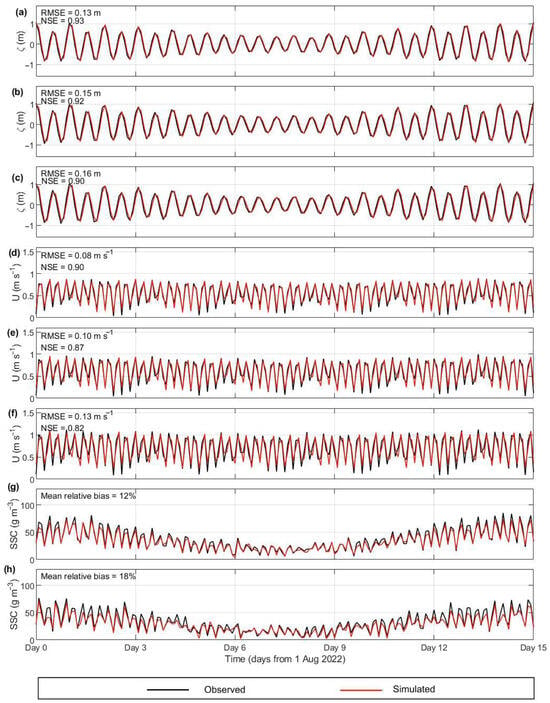
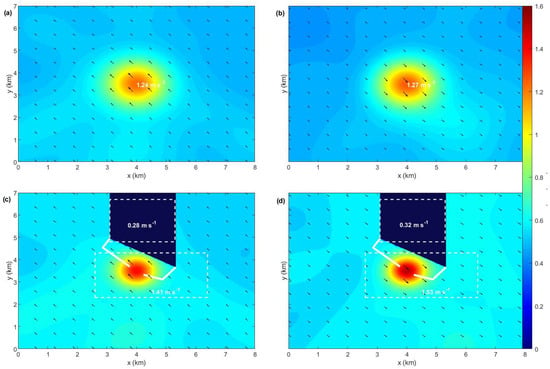
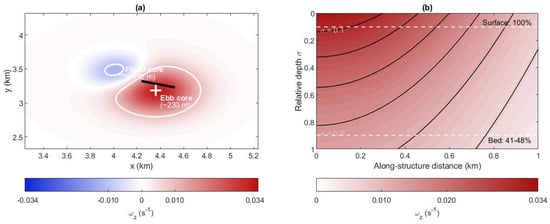
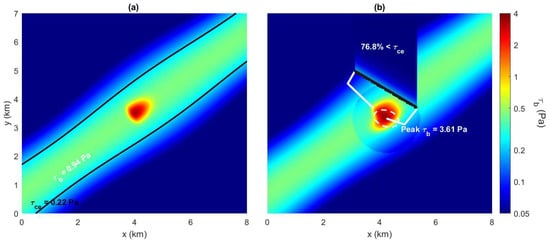
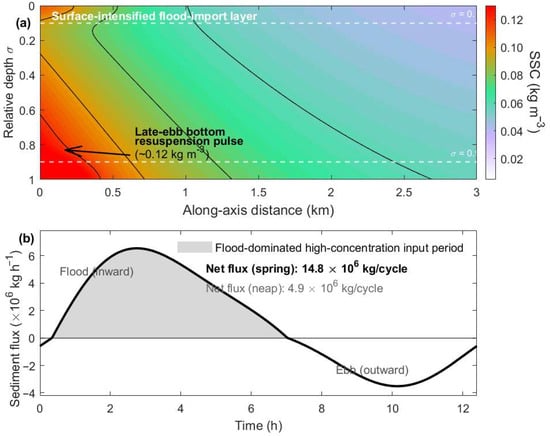
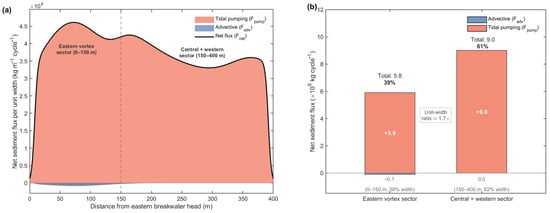
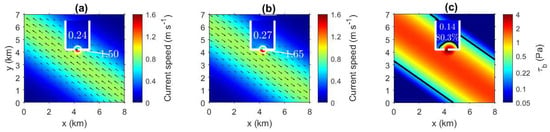
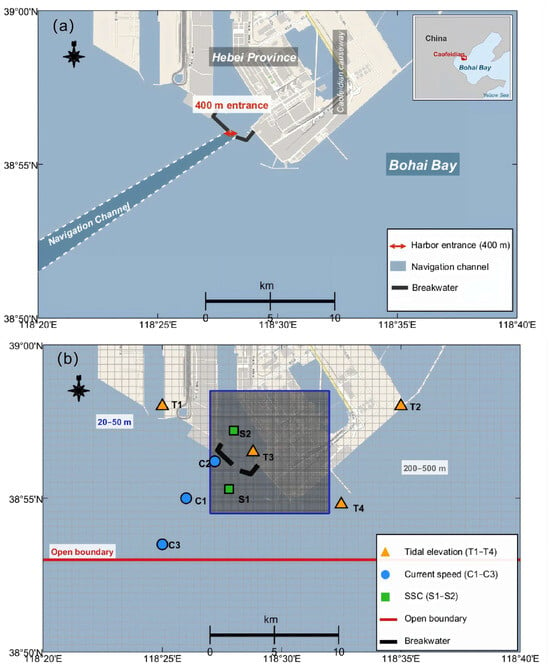
Breakwater construction at meso-tidal ports fundamentally alters near-field hydrodynamics and drives harbor sedimentation, yet the three-dimensional mechanisms linking entrance geometry to sediment flux remain poorly quantified. Here, we apply a validated Delft3D tidal–sediment coupled model to Caofeidian Port, Bohai Bay, comparing pre-construction baseline conditions against four entrance width scenarios (400, 300, 250, and 200 m). Breakwater enclosure reduces depth-averaged harbor velocities by 61.9–63.2% during spring tides, while generating tip-jet velocities of 1.41–1.53 m s−1 at the eastern breakwater head—exceeding pre-construction maxima by 14–18%. The eastern tip produces an ebb vortex (radius ~230 m; peak vorticity 0.034 s−1) approximately 34% larger and 62% more intense than its flood counterpart, driving vortex-assisted sediment recirculation toward the harbor interior despite ebb-dominant background velocities. Reynolds flux decomposition confirms that the eastern tip-vortex sector contributes ~39% of net sediment import (advective component: −0.7%), directly quantifying vortex-assisted recirculation as an independent transport mechanism. Bed shear stress falls below the critical erosion threshold (τce = 0.22 Pa) across 76.8% of the harbor area during spring tides (robust lower bound ~60% under wave-coupling correction), creating a structurally stable depositional interior, while the near-entrance zone sustains persistent tidal-cycle resuspension. Asymmetric tidal pumping—flood-phase open-sea SSC of 0.088 kg m−3 versus ebb-phase harbor SSC of 0.032–0.041 kg m−3—drives net spring-tide sediment import of 14.8 × 10⁶ kg per cycle (wave-coupled upper bound: 17.8–19.2 × 10⁶ kg per cycle). Entrance width reduction from 400 to 300 m achieves a favorable sedimentation-to-water exchange trade-off (marginal efficiency ratio 1.23), whereas further reduction to 200 m indicates onset of hydraulic choking. The marginal efficiency ratio declines sharply from 1.23 (400 → 300 m) to 1.03 (300 → 250 m) to 1.01 (250 → 200 m), indicating a hydraulic transition within the 250–300 m range that warrants targeted refinement in future studies. Full article
(This article belongs to the Section Ocean Engineering)
Show Figures

Figure 1

30 pages, 846 KB  
Review
The Hidden Link Between Intestinal Helminthiasis, Gut Microbiome Alterations, and Colorectal Cancer Risk: A Systematic Review
by Dieketseng Palesa Shemfe, Nontobeko Eunice Mvubu, Pragalathan Naidoo, Jennifer Giandhari, Doratha A. Byrd, Sayed Shakeel Kader and Zilungile L. Mkhize-Kwitshana
Int. J. Mol. Sci. 2026, 27(11), 4957; https://doi.org/10.3390/ijms27114957 (registering DOI) - 29 May 2026
Abstract
Colorectal cancer (CRC) is an increasing health concern in low- and middle-income countries (LMICs), especially in Africa, driven by dietary shifts, urbanisation, infections, and limited treatment access. The gut microbiome plays a central role in CRC, while soil-transmitted helminths (STHs) exert complex effects [...] Read more.
Colorectal cancer (CRC) is an increasing health concern in low- and middle-income countries (LMICs), especially in Africa, driven by dietary shifts, urbanisation, infections, and limited treatment access. The gut microbiome plays a central role in CRC, while soil-transmitted helminths (STHs) exert complex effects that can promote or mitigate risk depending on species, infection intensity, and host context. This systematic review synthesised 17 human studies (2000–2026) examining helminth impacts on gut microbial diversity, revealing a dualistic pattern. Several studies reported that chronic or moderate helminth infections, such as Ascaris lumbricoides and Trichuris trichiura, were associated with increased bacterial richness and the expansion of beneficial taxa, including Paraprevotellaceae, Parabacteroides, Agathobacter, Ruminococcaceae, and Lactobacillus. These taxa are associated with the production of short-chain fatty acids (SCFAs), protection of the epithelial barrier, and regulation of the immune system, suggesting a potential buffering effect against inflammation-driven carcinogenesis. On the contrary, other studies demonstrated helminth-associated dysbiosis characterised by reduced diversity and enrichment of pro-inflammatory and oncogenic taxa. T. trichiura and Strongyloides stercoralis infections were associated with the expansion of Treponema succinifaciens, Streptococcus gallolyticus, Enterobacteriaceae, and Ruminococcus torques, which are linked to reduced gut microbiome diversity, pro-inflammatory states, and oncogenic processes. Furthermore, A. lumbricoides infections altered the host microbiome at the phylum level, with increased Proteobacteria and reduced Firmicutes and Bacteroidetes, alongside metabolome shifts in amino acid and lipid pathways that have been associated with tumourigenic processes. Collectively, the evidence shows that helminthiasis may either enrich potentially protective microbes or be associated with pro-tumourigenic dysbiosis, with outcomes shaped by species, infection intensity, and host context. Notably, none of the included studies directly assessed CRC, underscoring the fact that current evidence is indirect and mechanistic. Overall, helminths are associated with gut microbiome shifts in both potentially protective and potentially harmful directions. This systematic synthesis of human evidence provides an integrated understanding of how helminth-associated microbiome shifts may influence colorectal carcinogenesis and highlights the need for longitudinal mechanistic studies to clarify causality and inform biomarker discovery and prevention in endemic regions. Full article
24 pages, 7456 KB  
Article
Preparation of Oral Artesunate-Chitosan Oligosaccharide–Retinoic Acid Copolymer Micelles for Attenuating Hepatic Fibrosis
by Shiyuan Lin, Feixian Lu, Qiao Li, Kefeng Zhang, Wei Zhang, Hui Chen and Jianxin Wang
Pharmaceutics 2026, 18(6), 682; https://doi.org/10.3390/pharmaceutics18060682 (registering DOI) - 29 May 2026
Abstract
Background: Hepatic fibrosis is characterized by the abnormal activation of hepatic stellate cells (HSCs) and excessive deposition of the extracellular matrix. Currently, effective clinical therapeutic strategies remain limited. Modulating ferroptosis-related pathways in activated HSCs has emerged as a promising therapeutic target for hepatic [...] Read more.
Background: Hepatic fibrosis is characterized by the abnormal activation of hepatic stellate cells (HSCs) and excessive deposition of the extracellular matrix. Currently, effective clinical therapeutic strategies remain limited. Modulating ferroptosis-related pathways in activated HSCs has emerged as a promising therapeutic target for hepatic fibrosis treatment. Methods: An amphiphilic copolymer was synthesized by conjugating COS with ART, which spontaneously self-assembled into micelles; subsequent modification with retinoic acid (RA) yielded RA-functionalized ART–COS copolymer micelles. Curcumin was selected as a model drug to evaluate the potential of the micelles in enhancing intestinal epithelial transport, oral absorption and bioavailability. Meanwhile, in vitro targeting ability, capacity to modulate ferroptosis in HSCs and in vivo therapeutic efficacy were systematically investigated. Results: The RA-functionalized ART–COS micelles significantly enhanced intestinal epithelial drug transport, oral absorption, and bioavailability. In vitro experiments demonstrated that the micelles preferentially accumulate in activated HSCs, inhibit GPX4 expression, and induce excessive ROS production and ferroptosis, thereby effectively attenuating hepatic fibrosis. In vivo studies confirmed that the micelles regulated extracellular matrix metabolism, reduced collagen deposition, suppressed the activation and proliferation of HSCs, and ultimately helped attenuate hepatic fibrosis progression. Conclusions: This study successfully developed RA-functionalized ART–COS copolymer micelles. The micelles improve the accumulation of artesunate in liver tissue and yield favorable anti-fibrotic effects, thereby providing a promising translational strategy for anti-fibrotic therapy. Full article
(This article belongs to the Section Drug Targeting and Design)
24 pages, 674 KB  
Review
Free Radical Formation in the Reactions of Redox-Active Drugs and Xenobiotics with Mitochondrial Flavoenzymes
by Narimantas Čėnas
Biomolecules 2026, 16(6), 810; https://doi.org/10.3390/biom16060810 (registering DOI) - 29 May 2026
Abstract
The single-electron reduction of redox-active drugs and xenobiotics (quinones, aromatic nitrocompounds, and N-oxides) by flavoenzymes, which initiates redox cycling and oxidative stress, is an important factor in their therapeutic/toxic effects. This review summarizes information on the action of mitochondrial flavoenzymes from various [...] Read more.
The single-electron reduction of redox-active drugs and xenobiotics (quinones, aromatic nitrocompounds, and N-oxides) by flavoenzymes, which initiates redox cycling and oxidative stress, is an important factor in their therapeutic/toxic effects. This review summarizes information on the action of mitochondrial flavoenzymes from various organisms in these processes, emphasizing the kinetic and mechanistic aspects. The flavoenzymes discussed also include those of which only a fraction is localized in mitochondria. According to kinetic data, the most effective generator of free radicals of xenobiotics is respiratory Complex I. However, it is unclear to what extent these reactions can compete with the rapid reduction of ubiquinone in normally functioning mitochondria. In specific cases, a very active free radical generator can be the NADPH:adrenodoxin reductase–adrenodoxin complex. The properties of other dehydrogenases–electrontransferases (succinate:ubiquinone reductase, fatty acid oxidation system) are less well characterized. Due to its high catalytic capacity, a potential but poorly studied source of free radicals of xenobiotics may be NADH:cytochrome b5 reductase and its complex with cytochrome b5. Flavoenzyme disulfide reductases, with the possible exception of Plasmodium falciparum thioredoxin reductase, are less active free radical generators. Importantly, in most cases, flavoenzymes perform the mixed single- and two-electron reduction of xenobiotics. According to the available data, the reactivity of redox cyclers depends mostly on their standard single-electron reduction potential and is little influenced by their structure. Therefore, in order to intensify these processes or achieve some structural specificity, it is necessary to focus on the selective accumulation of compounds in mitochondria. Full article
(This article belongs to the Special Issue Mitochondrial ROS in Health and Disease: 2nd Edition)
16 pages, 1004 KB  
Article
Estimation of Ramie Key Phenotypic Traits Based on UAV Remote Sensing
by Hongyu Fu, Wei Wang, Jihao Nie, Guoxian Cui, Wei She and Tao Xue
Agriculture 2026, 16(11), 1210; https://doi.org/10.3390/agriculture16111210 (registering DOI) - 29 May 2026
Abstract
UAV-based phenotyping enables efficient high-throughput measurement of field crops. Phenotypic monitoring of ramie is critical for its cultivation management and variety breeding. However, ramie exhibits characteristics including multiple annual harvests, short growth cycles and rapid dynamic growth change, all of which increase the [...] Read more.
UAV-based phenotyping enables efficient high-throughput measurement of field crops. Phenotypic monitoring of ramie is critical for its cultivation management and variety breeding. However, ramie exhibits characteristics including multiple annual harvests, short growth cycles and rapid dynamic growth change, all of which increase the difficulty of growth monitoring and yield estimation. This study aims to utilize UAV-based multispectral remote sensing to estimate ramie plant height (PH), leaf area index (LAI), and above-ground biomass (AGB) over multiple time series, and to assess the influence of seasonal effects and different data processing strategies on the accuracy of ramie digital phenotyping. Over three ramie growth cycles, a total of 15 UAV flights were conducted over an experimental field consisting of 72 plots. The structure from motion (SfM) algorithm was applied to estimate PH. Remote sensing features derived from UAV imagery were used with background segmentation and machine learning to estimate LAI. The AGB was estimated by combining remote sensing-derived PH, LAI, and climate data. The results showed that the estimated and measured phenotypes were highly correlated, with optimal coefficients of determination of 0.961 for PH and 0.873 for LAI. Background segmentation improved LAI accuracy. Integrating climate data, remote sensing-derived PH and LAI significantly enhanced the accuracy of AGB estimation. In conclusion, this study provides a feasible method for extracting ramie phenotypes from UAV remote sensing imagery, providing methodological support for large-scale management of the crop industry and intelligent, precise monitoring of crop growth. Full article
(This article belongs to the Topic Digital Agriculture, Smart Farming and Crop Monitoring)
15 pages, 560 KB  
Article
Strength Training Adaptations in Breast Cancer Survivors Across Recovery Phases: A Longitudinal Quasi-Experimental Study
by Diego Hernán Villarejo-García, Aaron Gómez-Parra, José Pino-Ortega, Adrián Moreno-Villanueva, Carlos Navarro-Martínez and Josep Pastor Cano
Appl. Sci. 2026, 16(11), 5440; https://doi.org/10.3390/app16115440 (registering DOI) - 29 May 2026
Abstract
Breast cancer survival has increased substantially in recent years, leading to a growing need to address long-term physical sequelae and functional impairments. Strength training is recognized as an effective intervention for improving physical function in this population; however, the influence of recovery phase [...] Read more.
Breast cancer survival has increased substantially in recent years, leading to a growing need to address long-term physical sequelae and functional impairments. Strength training is recognized as an effective intervention for improving physical function in this population; however, the influence of recovery phase on training outcomes re-mains unclear. This study aimed to explore the longitudinal changes in handgrip strength following an 8-week supervised strength training program and to determine whether these observed variations follow an exploratory association according to the time elapsed since surgery. A quasi-experimental, longitudinal, and prospective design was conducted with 30 breast cancer survivors stratified into three recovery phases (≤6 months, 7–12 months, ≥13 months). Participants completed an 8-week supervised strength training program, and handgrip strength was assessed before and after the intervention. A linear mixed model was used to analyze the effects of time, hand condition, and recovery phase using maximum trial values. Significant improvements in handgrip strength were observed across all cohorts, with greater absolute adaptations in the late recovery phase (+3.80 kg, p < 0.001) compared to the intermediate (+2.87 kg, p < 0.001) and early (+2.25 kg, p = 0.015) phases. A persistent inter-limb strength deficit was present on the operated side. These preliminary findings suggest that resistance training induces strength modifications across all recovery strata, though absolute adaptations vary by time elapsed since surgery. Full article
(This article belongs to the Special Issue Recent Advances in Sports Injuries and Physical Rehabilitation)
16 pages, 8937 KB  
Article
Strong, Biodegradable Lignocellulosic Films as Potential Bioplastics
by Zhenzhen Zhang, Ziyu Duan, Juan Wang, Jungang Jiang, Zhishun Wei, Silong Wu and Jan-Michael Albina
Polymers 2026, 18(11), 1359; https://doi.org/10.3390/polym18111359 (registering DOI) - 29 May 2026
Abstract
Lignocellulosic films (LCFs) derived from biomass have attracted increasing attention owing to their abundant availability, recyclability, and biodegradability, making them promising candidates for replacing non-biodegradable plastics. Notably, the mechanical properties and wet stability of these materials play a crucial role in their practical [...] Read more.
Lignocellulosic films (LCFs) derived from biomass have attracted increasing attention owing to their abundant availability, recyclability, and biodegradability, making them promising candidates for replacing non-biodegradable plastics. Notably, the mechanical properties and wet stability of these materials play a crucial role in their practical applications. In this paper, we employ an eco-friendly and straightforward approach to synthesizing high-strength LCF by mixing nanocellulose with lignin. The incorporation of lignin enhances the mechanical strength for LCF, achieving a yield strength of 157.12 MPa at a lignin content of 15 wt% while simultaneously imparting excellent water absorption properties. Fourier transform infrared (FTIR) and contact angle measurements confirmed the structural integrity and hydrophilicity of the composite films. Excessive lignin content led to reduced mechanical performance, emphasizing the importance of optimizing the lignin-to-cellulose ratio. Therefore, this paper demonstrates the significant potential of LCF in developing environmentally friendly materials for applications in water treatment, packaging, flexible electronics, energy storage, and agriculture. Full article
21 pages, 1741 KB  
Review
Stress-Dependent NF-κB Signaling in Acute Kidney Injury: Linking Inflammation, Autophagy, and Apoptosis
by Dev Kumar
Int. J. Mol. Sci. 2026, 27(11), 4960; https://doi.org/10.3390/ijms27114960 (registering DOI) - 29 May 2026
Abstract
Nuclear factor-κB (NF-κB) is a critical regulator of inflammation and stress response signaling in acute kidney injury (AKI). Increasing evidence demonstrates that NF-κB signaling is directly related to oxidative stress, autophagy, mitochondrial malfunction, and apoptosis in the process of AKI. Injury-related stimuli, including [...] Read more.
Nuclear factor-κB (NF-κB) is a critical regulator of inflammation and stress response signaling in acute kidney injury (AKI). Increasing evidence demonstrates that NF-κB signaling is directly related to oxidative stress, autophagy, mitochondrial malfunction, and apoptosis in the process of AKI. Injury-related stimuli, including ischemia–reperfusion, sepsis, nephrotoxins, reactive oxygen species (ROS) and damage-associated molecular patterns (DAMPs), activate canonical and non-canonical NF-κB pathways, resulting in renal inflammation and tubular injury. Recent investigations have shown that TLR4/NF-κB signaling, NLRP3 inflammasome activation, defective autophagy, and mitochondrial dysfunction mediate inflammatory and pro-apoptotic responses in AKI. On the other hand, autophagy-associated proteins such as microtubule-associated protein 1 light chain 3 beta (LC3B) and Beclin-1 may play renoprotective roles through the regulation of NF-κB signaling. This review tries to cover the knowledge regarding NF-κB signaling in AKI and to emphasize the possible function of NF-κB signaling in the control of inflammation, autophagy, and apoptosis. It also seeks to provide some insight into future research directions that may guide the development of more effective therapies for AKI. Full article
22 pages, 1691 KB  
Article
Improving Valorization of Waste Textiles: Assessing Separation Efficiency of Cotton–PET Blends via Alkaline and Enzymatic Hydrolysis
by Pablo Kählig, Wolfgang Ipsmiller, Andreas Bartl and Jakob Lederer
Recycling 2026, 11(6), 100; https://doi.org/10.3390/recycling11060100 (registering DOI) - 29 May 2026
Abstract
Recycling cotton–PET textile blends using alkaline solutions has gained increasing attention, with studies showing promising treatment pathways with diverse process setups. However, these separation processes use various input materials and focus on a small number of treatment parameter values which render the comparison [...] Read more.
Recycling cotton–PET textile blends using alkaline solutions has gained increasing attention, with studies showing promising treatment pathways with diverse process setups. However, these separation processes use various input materials and focus on a small number of treatment parameter values which render the comparison of results over a large parameter range difficult. This study presents the feasibility of recovering cotton or PET at fabric level from cotton–PET blends across a wide range of temperatures (from −30 °C to 95 °C) and alkaline concentrations (from 0 to 40% (w/w)). The focus of this study is centered on the share of separation and recoverable fiber mass after hydrolyzing one component using alkaline hydrolysis or alkaline pre-treatment followed by enzymatic hydrolysis. A comparison of purity and material loss of the recovered polymers for all parameter sets is given. Experiments were performed on two distinct textiles while process parameters were selected in a straightforward manner, excluding catalysts, co-solvents and defibration. The results map temperature and alkaline concentration areas where these cotton–PET separation processes are feasible regarding recoverable fiber mass. Based on these results, separation efficiency could be optimized to design economic and environmentally friendlier process conditions. Full article
18 pages, 6337 KB  
Article
Exposure-Aware Training for Low-Light Object Detection Without Target-Domain Data
by Yawen Su and Min Lu
J. Imaging 2026, 12(6), 245; https://doi.org/10.3390/jimaging12060245 (registering DOI) - 29 May 2026
Abstract
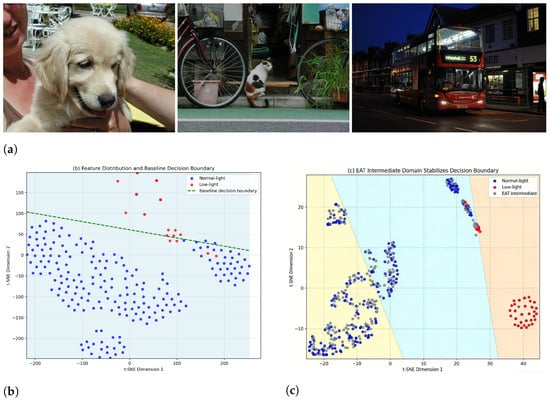
Low-light object detection remains challenging because insufficient illumination obscures visual features and increases the discrepancy between training and testing conditions. Existing approaches often rely on detector redesign, image enhancement, or target-domain data, which may introduce additional complexity during training or inference. This paper [...] Read more.
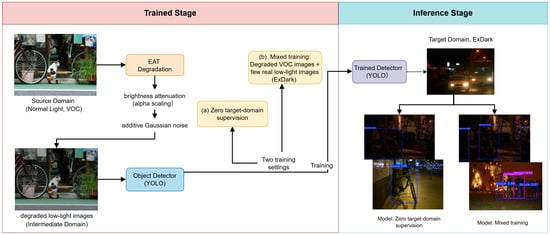
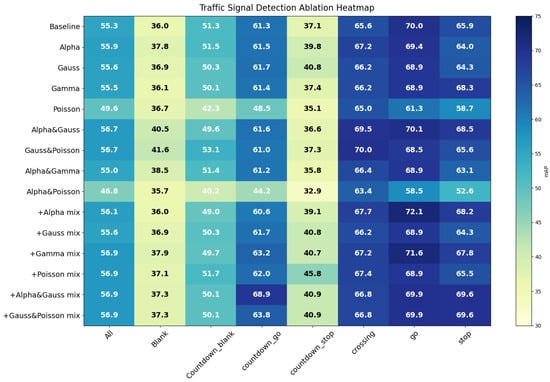
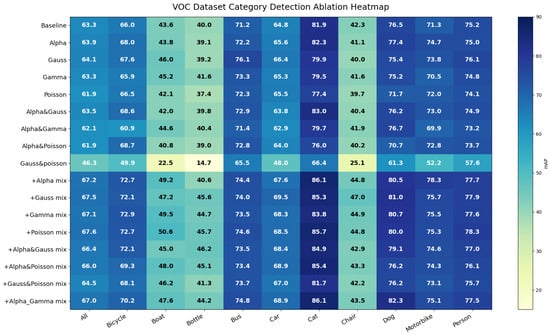
Low-light object detection remains challenging because insufficient illumination obscures visual features and increases the discrepancy between training and testing conditions. Existing approaches often rely on detector redesign, image enhancement, or target-domain data, which may introduce additional complexity during training or inference. This paper presents Exposure-Aware Training (EAT), a lightweight degradation-based training strategy that applies illumination attenuation and additive Gaussian noise to normal-light images during training. The degradation parameters are estimated from real low-light image pairs, while the detector architecture remains unchanged. Our experimental results show that moderate degradation consistently improves low-light detection performance, whereas excessively strong degradation may damage semantic information, especially for small objects. Under both cross-domain and mixed-training settings, EAT achieves stable improvements on YOLOv8 and Faster R-CNN, with more noticeable gains for illumination-sensitive categories. These results indicate that exposing detectors to task-oriented illumination degradation during training can effectively improve low-light detection performance without additional inference overhead. Full article
(This article belongs to the Section Computer Vision and Pattern Recognition)
Show Figures

Figure 1

20 pages, 3775 KB  
Article
Sustained CREB Phosphorylation Is Associated with Neuritogenic Prostanoid Signaling in NSC-34 Cells
by Koume Nagayama, Hiroshi Nango, Komugi Tsuruta, Hiroko Miyagishi and Yasuhiro Kosuge
Cells 2026, 15(11), 1004; https://doi.org/10.3390/cells15111004 (registering DOI) - 29 May 2026
Abstract
Neuritogenesis is essential for neuronal development and circuit formation. Although cAMP signaling downstream of Gs-coupled receptors is considered pro-neuritogenic, activation of these Gs-coupled receptors can produce divergent cellular outcomes. We previously showed that prostaglandin E2 (PGE2) induces neurite outgrowth in [...] Read more.
Neuritogenesis is essential for neuronal development and circuit formation. Although cAMP signaling downstream of Gs-coupled receptors is considered pro-neuritogenic, activation of these Gs-coupled receptors can produce divergent cellular outcomes. We previously showed that prostaglandin E2 (PGE2) induces neurite outgrowth in NSC-34 motor neuron-like cells predominantly through Gs-coupled E-prostanoid receptor 2 (EP2) signaling. The I-prostanoid receptor (IP) is also Gs-coupled, but whether its ligand PGI2 elicits neuritogenesis remains unclear. Here, we compare the neuritogenic and signaling responses to PGE2 and PGI2 in NSC-34 cells. PGE2 and the EP2 agonist butaprost increased the proportion of neurite-bearing cells, whereas PGI2 and the IP agonist beraprost had no effect. PGI2 and PGE2 induced comparable cAMP accumulation and protein kinase A substrate phosphorylation, and elicited peak cAMP response element binding protein (CREB) phosphorylation at 1 h. However, only PGE2 maintained significant CREB phosphorylation at 3–6 h. RNA sequencing at 4 h revealed broadly concordant transcriptional responses, while direct comparison identified Fst as the only gene expressed at higher levels under PGE2 than under PGI2. These findings suggest that the temporal profile of CREB phosphorylation, rather than the magnitude of early cAMP-PKA signaling, may be associated with differences in neuritogenic outcomes of Gs-coupled prostanoid signaling. Full article
15 pages, 1610 KB  
Article
TyG–BMI as a Marker of Metabolic Status and Its Association with Bone Quality and Mineral Metabolism: A Sex-Specific Analysis
by Assel Anarbayeva, Karlygash Sadykova, Gulnaz Nuskabayeva, Nursultan Nurdinov, Nurgul Zholdassova, Dilfuza Mamraimova, Gulzira Baimakhanova, Dinara Azizkhojayeva, Sirozhiddin Irismetov, Shoira Isanova and Ugilzhan Tatykayeva
J. Clin. Med. 2026, 15(11), 4226; https://doi.org/10.3390/jcm15114226 (registering DOI) - 29 May 2026
Abstract
Background: Insulin resistance (IR) is a major pathogenic factor in metabolic syndrome and related diseases. It is challenging to accurately measure IR due to high cost and technical complexity. TyG-derived indices have been proposed as simple and reliable surrogates for assessing insulin resistance. [...] Read more.
Background: Insulin resistance (IR) is a major pathogenic factor in metabolic syndrome and related diseases. It is challenging to accurately measure IR due to high cost and technical complexity. TyG-derived indices have been proposed as simple and reliable surrogates for assessing insulin resistance. The present study aimed to investigate the association between TyG-derived indices and indicators of mineral metabolism and bone quality and to examine sex-specific differences. Methods: This cross-sectional study included 330 adults aged 18–65 years. Age-adjusted partial correlation analyses and multivariable linear regression models were performed to examine the associations between TyG indices and several metabolic parameters, minerals, and QUS bone indices. Results: TyG–BMI was strongly correlated with triglycerides (females: r = 0.51; males: r = 0.54, both p < 0.001), glucose (females: r = 0.54, p < 0.001), and hip circumference (females: r = 0.77; males: r = 0.58, both p < 0.001). HDL showed inverse associations (females: r = −0.41, p < 0.001). In females, TyG–BMI demonstrated modest positive correlations with bone parameters, including BQI (r = 0.21, p = 0.002), T-score and Z-score (r = 0.21, p = 0.002 for both), SOS (r = 0.19, p = 0.007), and BUA (r = 0.18, p = 0.010), whereas no significant associations were observed in males. In multivariable models, TyG–BMI in females remained independently associated with glucose (β = 9.77, p < 0.001), waist circumference (β = 2.94, p < 0.001), and HDL (β = −26.6, p < 0.001), but not with mineral or bone parameters. Conclusions: The TyG-derived indices, most notably TyG–BMI, are useful indicators of metabolic status that correlate with bone quality yet exhibit sex-specific associations. These findings support the role of TyG-derived indices as accessible surrogate markers of metabolic status and demonstrate sex-specific associations with bone quality parameters. Full article
(This article belongs to the Section Endocrinology & Metabolism)
24 pages, 35299 KB  
Article
Advanced Numerical Methods for a First-Kind Fredholm Integral Equation in Potential Field Continuation
by Dinara Tamabay, Nurlan Temirbekov, Ayauzhan Seitova and Aruzhan Seitova
Appl. Syst. Innov. 2026, 9(6), 114; https://doi.org/10.3390/asi9060114 (registering DOI) - 29 May 2026
Abstract
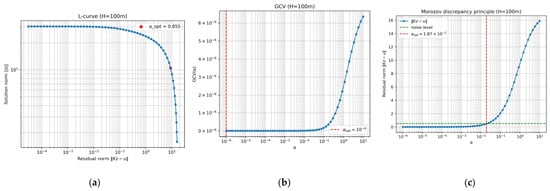
In this research, surface Au concentration measurements are considered as a spatially correlated geochemical field associated with deep occurrences of disturbing masses using real geological exploration data from the Novo-Khairuzovsky gold deposit in East Kazakhstan. The approach is based on the relationship between [...] Read more.
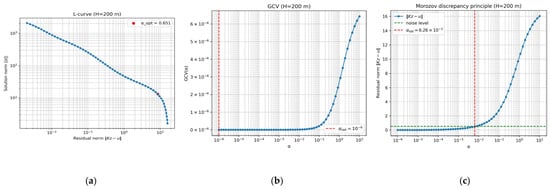
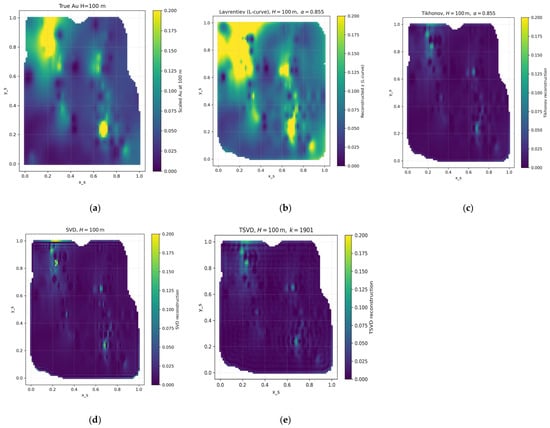
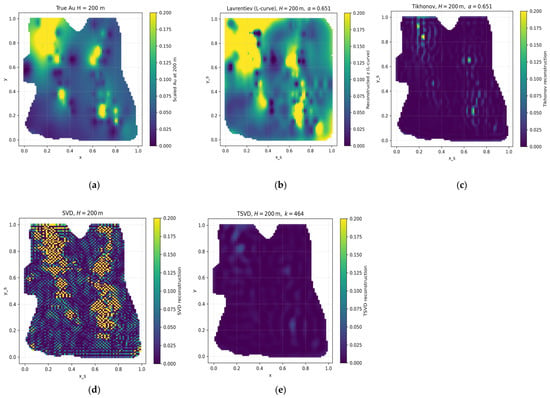
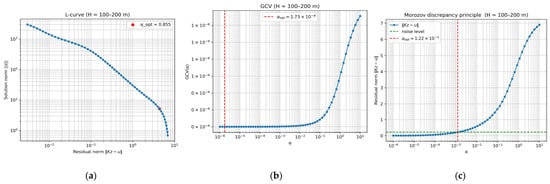
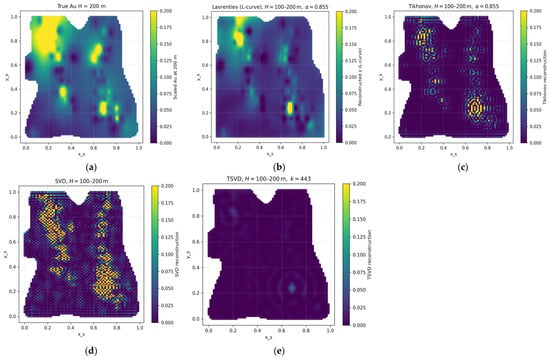
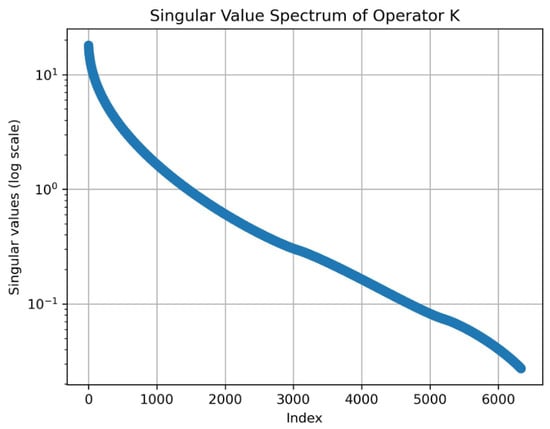
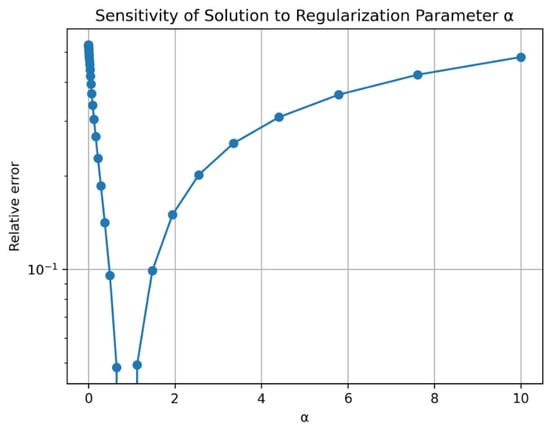
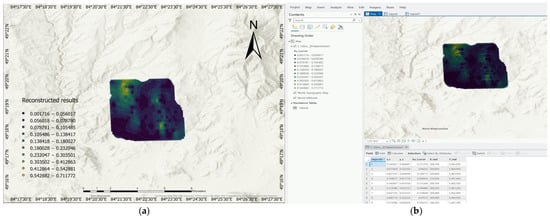
In this research, surface Au concentration measurements are considered as a spatially correlated geochemical field associated with deep occurrences of disturbing masses using real geological exploration data from the Novo-Khairuzovsky gold deposit in East Kazakhstan. The approach is based on the relationship between potential-field continuation problems and reconstruction of subsurface geological anomalies from surface observations. The considered approaches include Tikhonov and Lavrentiev regularization, SVD, and TSVD. Special attention is given to regularization parameter selection using the L-curve method, Morozov discrepancy principle, and GCV. Comparative computational analysis is performed to evaluate the accuracy, stability, and efficiency of these methods in solving first-kind Fredholm integral equations. Results are assessed using error metrics and spatial visualization of reconstructed fields within a Geographic Information System (ArcGIS), enabling consistent geospatial interpretation. Results show that Lavrentiev regularization with L-curve criterion provides the most stable and reliable reconstruction across all depths, achieving high correlations (R=0.8876 at 100 m and R=0.8049 at 200 m) with low reconstruction errors. Tikhonov regularization performs acceptably at 100 m but becomes less stable at greater depths. Among spectral methods, TSVD improves stability compared with classical SVD, while standard SVD shows weak correlations and larger reconstruction errors due to high noise sensitivity. Full article
(This article belongs to the Section Applied Mathematics)
Show Figures

Figure 1

13 pages, 718 KB  
Article
dsABCC1 and dsABCC3 Enhance the Insecticidal Activity of Chlorantraniliprole in Rice Stem Borer Chilo suppressalis
by Qiwen Pu, Xin Mao, Yichi Zhang, Ali Hasnain, Moxian Chen and Chunqing Zhao
Agronomy 2026, 16(11), 1080; https://doi.org/10.3390/agronomy16111080 (registering DOI) - 29 May 2026
Abstract
The rice stem borer (RSB), Chilo suppressalis, is one of the most destructive rice pests in China and chlorantraniliprole has been extensively used for its control over the past decade. However, the continuous and intensive application of chlorantraniliprole has accelerated the development [...] Read more.
The rice stem borer (RSB), Chilo suppressalis, is one of the most destructive rice pests in China and chlorantraniliprole has been extensively used for its control over the past decade. However, the continuous and intensive application of chlorantraniliprole has accelerated the development of resistant RSB populations in field, thereby threatening sustainable rice production. In this study, a field resistant strain of RSB exhibited a 181.76-fold resistance level to chlorantraniliprole compared to a susceptible strain. To explore the potential involvement of ATP-binding cassette (ABC) transporters in chlorantraniliprole resistance, four candidate ABC transporter genes (CsABCC1, CsABCC3, CsABCA3 and CsABCD2) were analyzed in resistant and susceptible strains. Compared to the susceptible strain, the expressional levels of CsABCC1 and CsABCC3 were significantly upregulated by 1.58- and 1.38-fold, respectively, whereas of CsABCA3 and CsABCD2 showed non-significant differences in the resistant strain. RNA interference assays demonstrated that naked dsRNA induced only limited gene silencing, while chitosan-mediated dsRNA delivery significantly improved RNAi efficiency. Following feeding with chitosan-coated dsCsABCC1 and dsCsABCC3, the expression levels of both genes were reduced by 44.63% and 38.49%, respectively, relative to the control and the larval mortality increased following chlorantraniliprole treatment to 63.33% and 56.67%, respectively. In addition, silencing CsABCC1 caused a greater reduction in larval weight after insecticide treatment. These findings indicated that CsABCC1 and CsABCC3 are involved in chlorantraniliprole detoxification and may contribute to resistance. Overall, this study provides evidence for the functional involvement of ABC transporters in chlorantraniliprole resistance and highlights chitosan-mediated RNAi as a promising complementary approach for resistance management within integrated pest management programs. Full article
19 pages, 11396 KB  
Article
Adjuvant-Enabled Halving of Florpyrauxifen-Benzyl Dose Maintains Paddy Weed Control and Enhances Soil Health and Rice Yield
by Yuan Gao, Huifeng Wang, Jiapeng Fang, Guohui Yuan, Zhihui Tian and Lirong Wang
Plants 2026, 15(11), 1688; https://doi.org/10.3390/plants15111688 (registering DOI) - 29 May 2026
Abstract
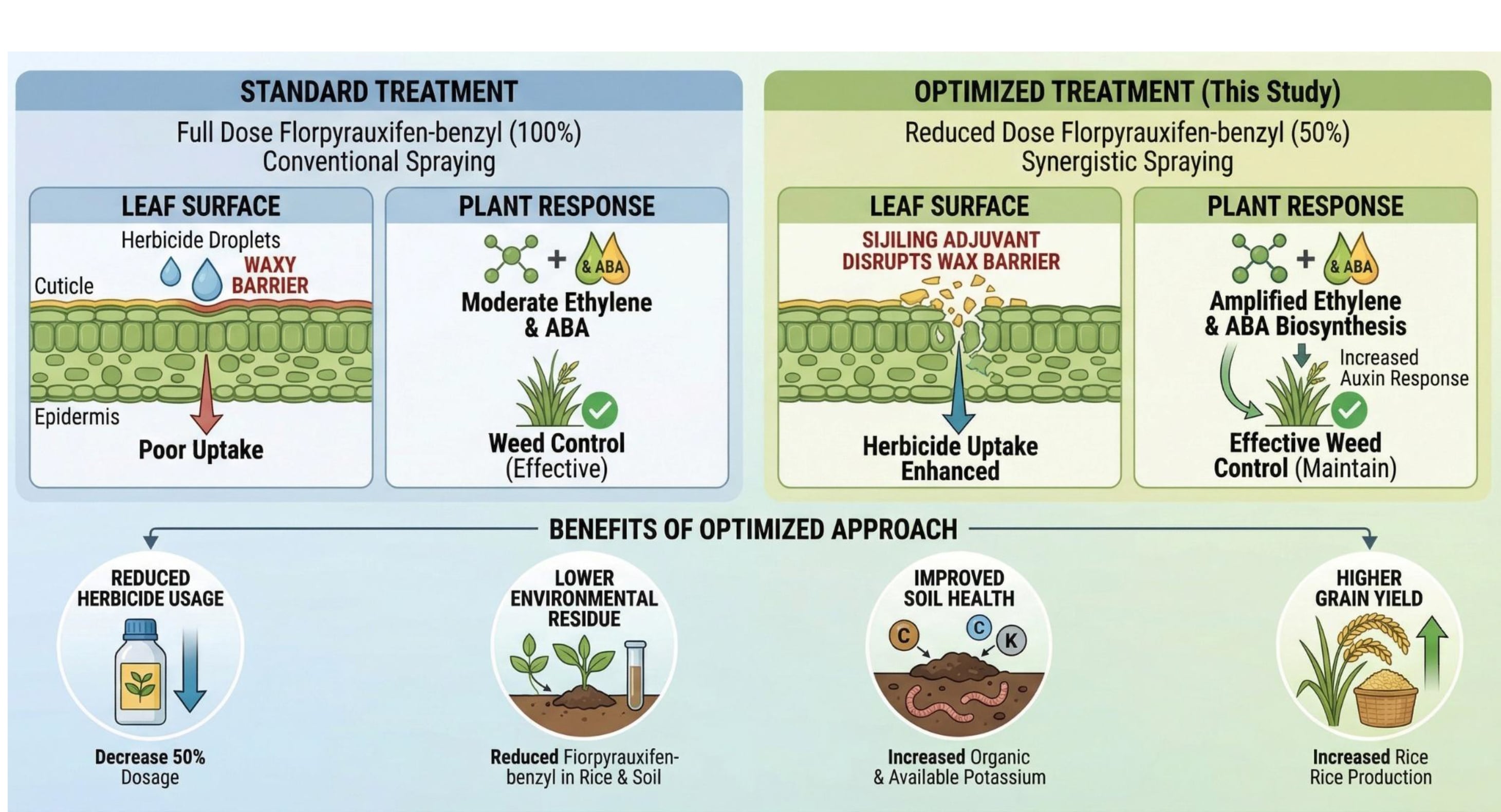
Reducing herbicide input in paddy fields is essential for sustainable rice production and long-term soil health. Florpyrauxifen-benzyl effectively controls the dominant paddy weed barnyardgrass (Echinochloa crus-galli), yet excessive application poses environmental risks. Here, we investigated whether the compound adjuvant Sijiling, containing [...] Read more.
Reducing herbicide input in paddy fields is essential for sustainable rice production and long-term soil health. Florpyrauxifen-benzyl effectively controls the dominant paddy weed barnyardgrass (Echinochloa crus-galli), yet excessive application poses environmental risks. Here, we investigated whether the compound adjuvant Sijiling, containing nonionic and anionic surfactants, could enable significant dose reduction in florpyrauxifen-benzyl while maintaining weed control efficacy and improving soil–plant system functions. Greenhouse dose–response assays and two-year field trials conducted in 2021 and 2022 demonstrated that the adjuvant permitted a 50% reduction in herbicide application without compromising control of barnyardgrass or other paddy weeds. Mechanistically, Sijiling disrupted the leaf cuticular wax barrier and amplified ethylene and ABA biosynthesis over two-fold. The reduced herbicide rate lowered residues in rice and soil, increased soil organic carbon and available potassium, and enhanced microbial diversity, particularly enriching beneficial Acidobacteria. Grain yield increased significantly under the reduced-input strategy, with Mantel analysis linking yield gains to improved soil available potassium and organic carbon. Our findings demonstrate that adjuvant-enabled herbicide dose reduction is an effective and sustainable weed management strategy for paddy rice, maintaining robust weed suppression while delivering measurable co-benefits for soil health and crop productivity, thereby supporting the sustainable intensification of rice-based cropping systems. Full article
(This article belongs to the Special Issue Weed Management and Control in Paddy Fields)
Show Figures

Graphical abstract

21 pages, 845 KB  
Article
The Effect of Ultraviolet Modification on the Performance of Polyamide Fiber-Reinforced Cement Mortars: Optimization and Characterization Using Response Surface Methodology
by Aliye Akarsu Özenç, Ali Mardani, Fatih Özenç and Semiha Eren
Polymers 2026, 18(11), 1358; https://doi.org/10.3390/polym18111358 (registering DOI) - 29 May 2026
Abstract
In this study, a UV surface modification method was applied to polyamide (PA) fibers, and its effect on certain fresh and hardened properties of fiber-reinforced cementitious systems was investigated. Within the scope of the study, the individual and interactive effects of fiber volume [...] Read more.
In this study, a UV surface modification method was applied to polyamide (PA) fibers, and its effect on certain fresh and hardened properties of fiber-reinforced cementitious systems was investigated. Within the scope of the study, the individual and interactive effects of fiber volume fraction and UV surface modification time were optimized using the Response Surface Methodology (RSM) based on Central Composite Design (CCD). The optimal performance parameters with CCD were identified at 0.50% fiber content and 18 min of UV exposure. Scanning Electron Microscopy (SEM) and Fourier Transform Infrared Spectroscopy (FTIR) were utilized to analyze the fibers and examine the impacts of surface modification. Three different sample groups were prepared to test the effect of UV treatment after optimization: a control cement mortar without fibers, a polyamide fiber-reinforced mortar without UV treatment, and a polyamide fiber-reinforced mortar with UV surface modification. The tensile, flexural, and compressive strength values of the specimens were determined. The results indicated that UV surface modification led to changes in fiber roughness and an increase in oxygen-containing functional groups on the fiber surface. The data revealed that the mechanical performance of fiber-reinforced composites subjected to surface modification improved (with a 27.4% increase in flexural strength and an 11.3% increase in compressive strength compared to the control samples). The findings indicate that UV surface modification improves the fiber–matrix bond in cement-based systems reinforced with polyamide fibers. UV surface modification emerges as an effective and environmentally friendly method for enhancing the performance properties of fiber-reinforced cement-based systems. Full article
(This article belongs to the Special Issue Advances in Composite Materials: Polymers and Fibers Inclusion)
35 pages, 2431 KB  
Article
Fault Diagnosis of UAV Rotor Systems Based on Drone Nest Vibration Analysis
by Weigang Wen, Weicong Zhong, Yang Liu, Xun Li and Huiqing Lan
Drones 2026, 10(6), 424; https://doi.org/10.3390/drones10060424 (registering DOI) - 29 May 2026
Abstract
As unmanned aerial vehicles (UAVs) are increasingly deployed in various fields, their flight safety has become a critical issue. However, limited onboard sensing and computing resources make it difficult to perform intelligent fault monitoring and diagnosis directly on UAVs. To explore an offboard [...] Read more.
As unmanned aerial vehicles (UAVs) are increasingly deployed in various fields, their flight safety has become a critical issue. However, limited onboard sensing and computing resources make it difficult to perform intelligent fault monitoring and diagnosis directly on UAVs. To explore an offboard alternative, this paper investigates a drone nest vibration analysis based fault diagnosis framework for a multirotor UAV rotor system using vibration signals measured from a laboratory-scale simulated drone nest. A simplified coupled dynamic model of the UAV–drone nest system is established to analyze the transmission mechanism of rotor fault-induced vibration and to explain the observability of fault-related frequency components under the tested configuration. Considering the weak and attenuated characteristics of the nest-side vibration signals, a multi-domain feature fusion and multi-task learning network is developed to integrate time-domain, frequency-domain, and envelope-spectrum information while jointly learning fault type and rotational speed. Comparative experiments on the constructed quadrotor–drone nest test platform are conducted to validate the feasibility and effectiveness of the proposed method under the tested operating conditions. Full article
(This article belongs to the Section Artificial Intelligence in Drones (AID))
18 pages, 1174 KB  
Article
Cephalometric Sagittal Changes Suggestive of Maxillary Anterior Displacement and Mandibular Immediate Shift Following 3D-Guided Midpalatal Piezocorticotomy-Assisted MARPE in Adults: A Retrospective Cohort Study
by Svitlana Koval, Daria Chepanova, Nika Stepanoff and Andrii Babii
J. Clin. Med. 2026, 15(11), 4225; https://doi.org/10.3390/jcm15114225 (registering DOI) - 29 May 2026
Abstract
Objectives: In this study, we aimed to evaluate the changes suggestive of maxillary anterior displacement in adults undergoing 3D-guided midpalatal piezocorticotomy-assisted Miniscrew-Assisted Rapid Palatal Expansion (MARPE), in addition to the contributing factors for forward maxillary movement and the subsequent immediate shift in [...] Read more.
Objectives: In this study, we aimed to evaluate the changes suggestive of maxillary anterior displacement in adults undergoing 3D-guided midpalatal piezocorticotomy-assisted Miniscrew-Assisted Rapid Palatal Expansion (MARPE), in addition to the contributing factors for forward maxillary movement and the subsequent immediate shift in the mandible. Methods: In this retrospective quasi-experimental study, cephalometric records of 80 adult patients (mean age 35.23 ± 8.76 years; 52 females and 28 males) were analyzed. Maxillary anterior displacement was assessed via SNA and A-Nperp(FH), while intermaxillary changes were measured using the ANB angle. Vertical and rotational changes were tracked through SN-MP, FH-MP, and various occlusal plane angles (OcP-FH, OcP-SN, OcP-GoMe). Facial height dimensions (TAFH, UAFH, LAFH, PFH) and dento-alveolar positions (U1-MP, U1LENGTH) were also recorded. Results: Following intervention, significant increases were observed in SNA (0.96°; 95% CI [0.48, 1.43]), ANB (1.42°; 95% CI [1.04, 1.80]), and A-Nperp(FH) (0.81 mm; 95% CI [0.24, 1.39]). The SN-GoMe angle increased by 0.98°, and Posterior Facial Height (PFH) decreased by 1.57 mm, while the upper incisor length (U1LENGTH) significantly decreased by 0.71 mm. Conclusions: In adults, 3D-guided midpalatal piezocorticotomy-assisted MARPE is associated with an increase in SNA, ANB, SN-GoMe, and A-Nperp(FH), and decreases in Posterior Facial Height (PFH) and the maxillary incisor length. The amount of mean midpalatal separation is moderately associated with the increase in SNA, while the increase in SNA is not associated with age or gender. Further 3D cephalometric studies would be beneficial to confirm the current findings. Full article
(This article belongs to the Section Dentistry, Oral Surgery and Oral Medicine)
34 pages, 1586 KB  
Article
MISSA-BPNN-Based Surrogate Model for Wind-Induced Stress Prediction in Vulnerable Regions of Transmission Towers
by Feng Wang, Tong Zhang, Yu Tang and Yuxuan Liu
Processes 2026, 14(11), 1785; https://doi.org/10.3390/pr14111785 (registering DOI) - 29 May 2026
Abstract
Contact sensor-based stress monitoring of transmission towers under strong winds is often limited by complex installation and maintenance procedures and the risk of local structural damage. With the development of non-contact displacement monitoring technologies, such as laser measurement and machine vision, this study [...] Read more.
Contact sensor-based stress monitoring of transmission towers under strong winds is often limited by complex installation and maintenance procedures and the risk of local structural damage. With the development of non-contact displacement monitoring technologies, such as laser measurement and machine vision, this study proposes a wind-induced stress surrogate model for transmission towers using MISSA-BPNN, aiming to rapidly calculate stresses in vulnerable regions from macroscopic displacement responses. First, finite element analysis is conducted to investigate the wind-induced responses of a tower-line system under different operating conditions, identify vulnerable regions, and construct a dataset using displacement and stress responses. Then, a multi-strategy improved sparrow search algorithm (MISSA) is developed to optimize the initial weights and biases of the BP neural network, thereby establishing the MISSA-BPNN model. The constructed dataset is used to train the model and build the wind-induced stress surrogate model. Results show that the vulnerable regions are mainly located at the leeward tower foot and the middle-lower tower body. Compared with the conventional BPNN model, the proposed MISSA-BPNN surrogate model reduces the MAE, RMSE, and MAPE by 22.43–24.33%. This method provides a new approach for health monitoring of transmission lines under strong winds. Full article
25 pages, 4665 KB  
Article
A Spatial Analog of the Compass Rose Constructed Using Galois Fields
by Ibragim Suleimenov and Akhat Bakirov
Computation 2026, 14(6), 126; https://doi.org/10.3390/computation14060126 (registering DOI) - 29 May 2026
Abstract
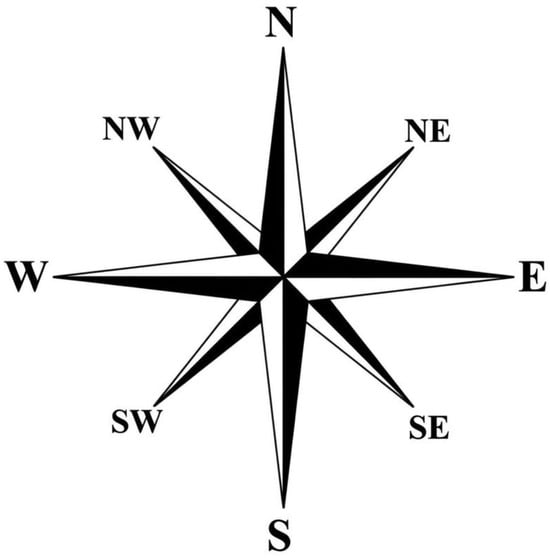
This paper proposes a spatial analog of the compass rose, constructed using finite fields and the discrete logarithm operation. The basic idea is to match the geometric elements of regular and semiregular polyhedra with elements of Galois fields (GF), which allows for the [...] Read more.
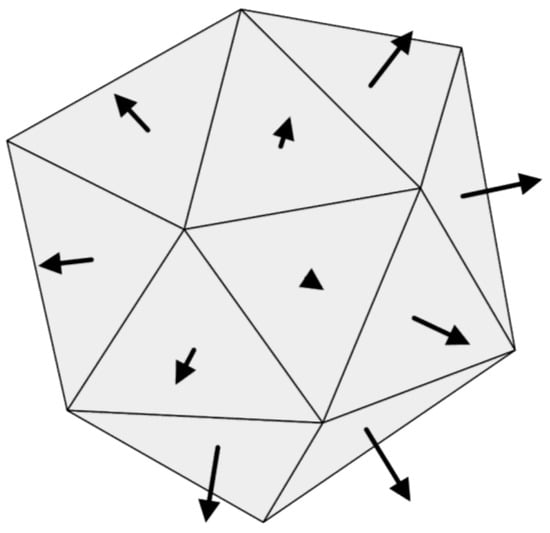
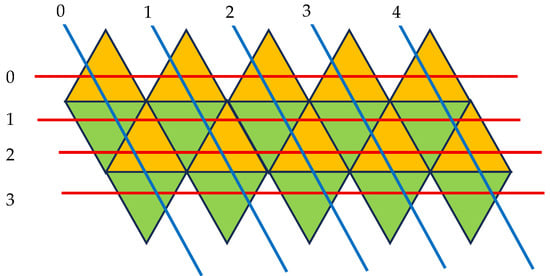
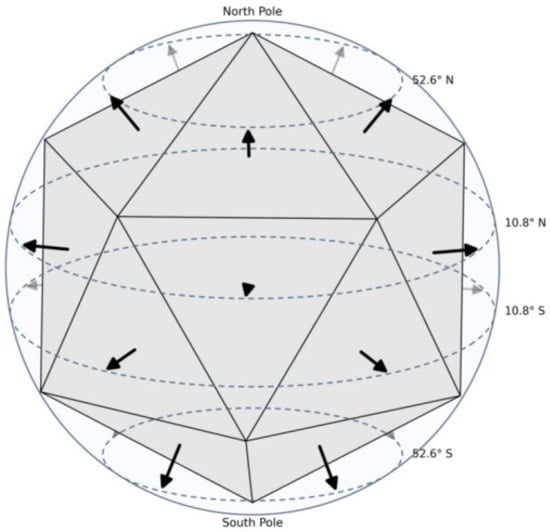
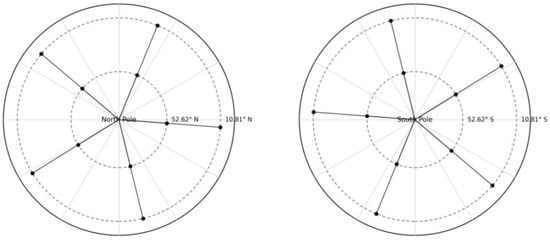
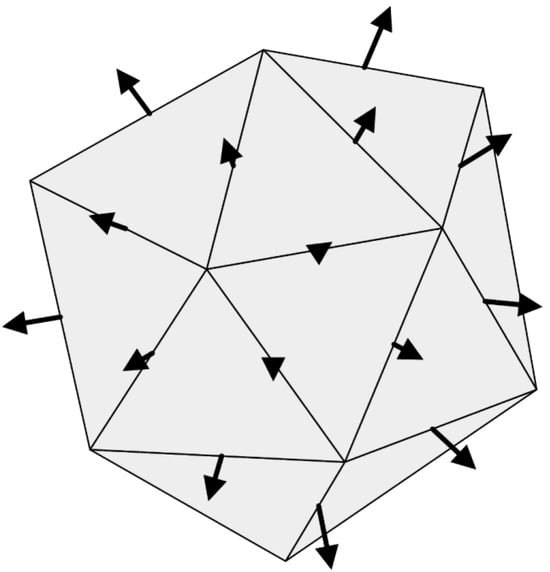
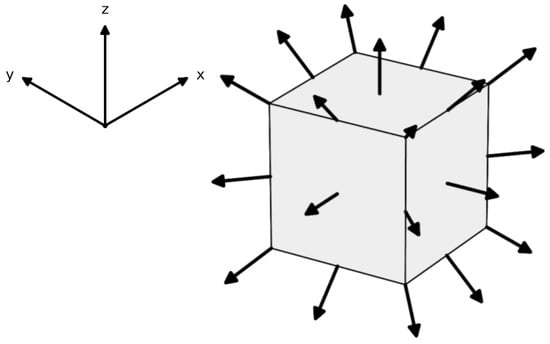
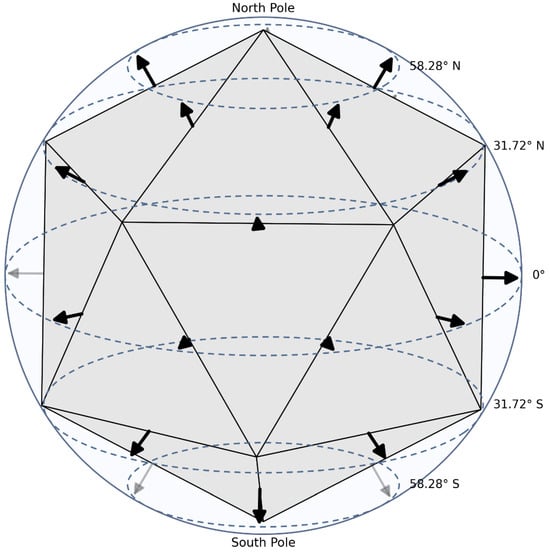
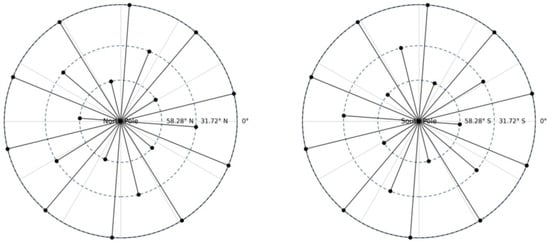
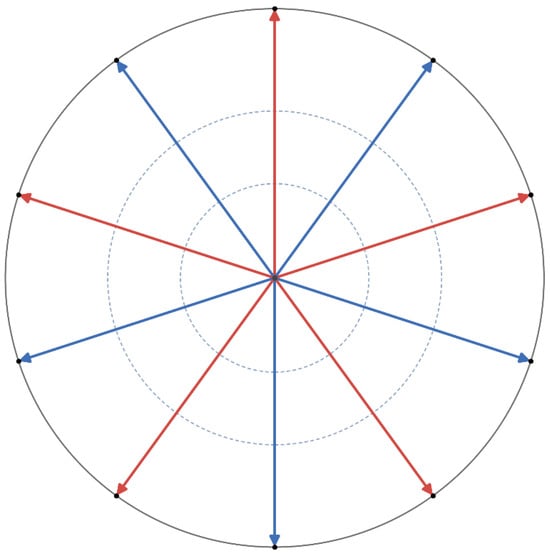
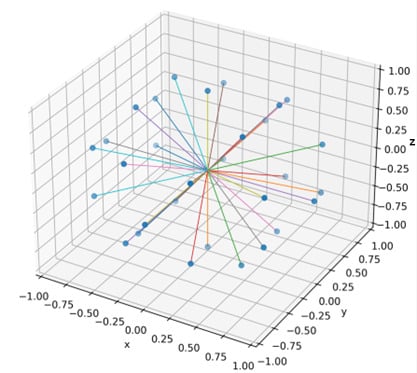
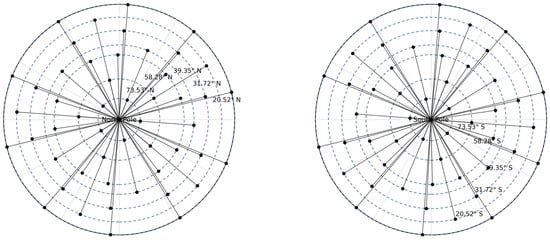
This paper proposes a spatial analog of the compass rose, constructed using finite fields and the discrete logarithm operation. The basic idea is to match the geometric elements of regular and semiregular polyhedra with elements of Galois fields (GF), which allows for the introduction of discrete spherical coordinates defined in algebraic form. The icosahedron is considered as a basic example. It is shown that using the icosahedron faces and the GF(41) field results in a 20-directed spatial structure that can be interpreted through discrete analogs of polar and azimuthal coordinates. Next, a variant based on the icosahedron edges and the GF(31) field is investigated, in which the number of directions increases to 30 while maintaining the regularity of the construction. A further generalization to the case of a truncated icosahedron, associated with the GF(181) field, is also considered, demonstrating the possibility of increasing the angular resolution without abandoning the algebraic organization of the set of directions. The obtained results demonstrate that the spatial rose of compass points can be represented as a finite system of directions with an explicit internal structure, convenient for coding, enumeration, and algorithmic processing. The proposed approach is of interest for problems of discrete description of rotations, construction of finite coordinate systems, and development of sectoral control algorithms, including those applicable to UAVs and their groups. The proposed formalism may also be considered as a sector-level coding layer for command-and-control architectures in which it is sufficient to identify a spatial sector rather than reconstruct full continuous coordinates. Full article
(This article belongs to the Section Computational Engineering)
Show Figures

Figure 1

23 pages, 4137 KB  
Article
Bearing Dynamics Identification with SINDy-Based Neural Network and Physics Model
by Yu Fang, Zhaorong Li, Liang Zhu, Zhen Wu, Yan Ping and Kai Zhou
Machines 2026, 14(6), 620; https://doi.org/10.3390/machines14060620 (registering DOI) - 29 May 2026
Abstract
Deep neural networks can fit nonlinear bearing vibration responses, but their learned parameters are difficult to relate to contact deformation, rolling element angular position, and other acceleration-generating mechanisms. To improve physical traceability in data-driven bearing dynamics identification, this study develops a physics-informed SINDy-NN [...] Read more.
Deep neural networks can fit nonlinear bearing vibration responses, but their learned parameters are difficult to relate to contact deformation, rolling element angular position, and other acceleration-generating mechanisms. To improve physical traceability in data-driven bearing dynamics identification, this study develops a physics-informed SINDy-NN with a mechanism-guided feature library. This paper presents a novel approach for constructing a physics-informed SINDy-NN (Sparse Identification of Nonlinear Dynamics-based Neural Network) and demonstrates its application in identifying bearing dynamics. A 5-DoF (five Degrees of Freedom) bearing dynamics model is built, and the primary components influencing the acceleration response are analyzed. This analysis forms the basis for defining a physics-explainable basis function library for the SINDy-NN. For comparison, widely used polynomial and Fourier libraries are also employed to evaluate modeling accuracy and convergence speed. Furthermore, to address the limited number of bearing data, virtual states are generated by applying multiple finite differences to the acceleration signal, expanding the dimensionality of the model and enabling the use of a Multi-Input–Multi-Output (MIMO) model in SINDy-NN. Finally, experimental data from the FEMTO bearing test bench are utilized for validation. The results demonstrate that the physics-informed SINDy-NN offers superior modeling efficiency, with sufficient accuracy and improved interpretability compared to general SINDy-NN. Full article
28 pages, 10380 KB  
Article
Instantaneous Power Generation of Monofacial and Bifacial Photovoltaic Modules Under Tracker-Induced Albedo Variations
by Marian Kampik, Krzysztof Bodzek, Arkadiusz Domoracki and Grzegorz Jarek
Energies 2026, 19(11), 2641; https://doi.org/10.3390/en19112641 (registering DOI) - 29 May 2026
Abstract
This paper presents an experimental comparison of the instantaneous power generation of standard and bifacial photovoltaic modules under real operating conditions. The study focuses on short-term effects caused by spatially variable albedo and tracker-induced changes in module orientation. Both modules were installed on [...] Read more.
This paper presents an experimental comparison of the instantaneous power generation of standard and bifacial photovoltaic modules under real operating conditions. The study focuses on short-term effects caused by spatially variable albedo and tracker-induced changes in module orientation. Both modules were installed on the same mobile single-axis tracking platform and had identical rated front-side power, which ensured nearly identical operating conditions and independent MPPT operation. The experimental campaign included five ground surfaces: grass, river sand, grey paver, light aggregate, and dark aggregate. For each surface, electrical parameters and albedo were recorded over the full investigated geometrical range, covering relative solar azimuth from −60° to +60° and module tilt from 0° to 90°. The measured increase in power generation of the bifacial module relative to the standard module depended strongly on the ground surface. Over the full investigated range, the gain was 6.4% for grass, 11.3% for river sand, 5.9% for grey paver, 13.6% for light aggregate, and 4.5% for dark aggregate. These results confirm that, in bifacial photovoltaic systems with tracking, the ground surface and its reflective properties significantly affect the rear-side contribution and instantaneous power output. Consequently, albedo should not be treated as a constant or spatially homogeneous parameter when assessing short-term bifacial PV performance. Full article
(This article belongs to the Special Issue Solar Energy and Resource Utilization—2nd Edition)

Open Access Journals

Browse by Indexing Browse by Subject Selected Journals
Back to TopTop