



Advancing Open Science
A global leader in open access publishing, supporting research
communities and accelerating scientific discovery
 
19 pages, 2915 KB  
Article
Silk Microfiber-Reinforced Biomass Aerogel with Cobweb-like Pore Structure for Highly Efficient Eco-Friendly Air Filtration
by Kao Wu, Zihan Yu, Zixuan Yang, Yingjie Ding, Hong Qian, Ying Kuang, Man Xiao, Fatang Jiang and Bo Peng
Gels 2026, 12(5), 443; https://doi.org/10.3390/gels12050443 (registering DOI) - 19 May 2026
Abstract
Airborne particulate matter pollution has posed severe threats to public health, while conventional air filtration materials suffer from non-biodegradability and poor structural stability. Herein, a series of eco-friendly konjac glucomannan/sodium alginate (KGM/SA) composite aerogels reinforced by silk microfibers (SFs) were fabricated via freeze-drying. [...] Read more.
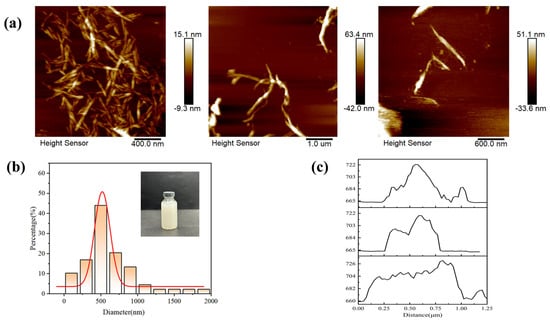
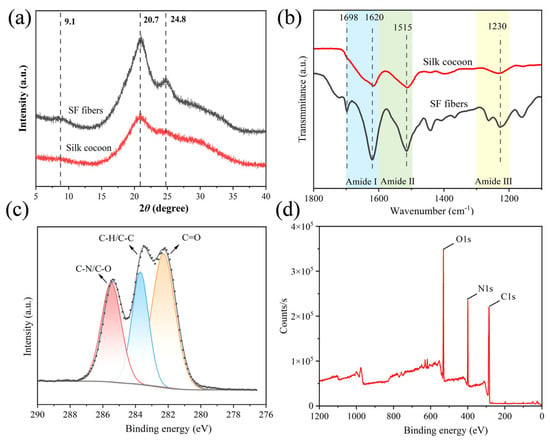
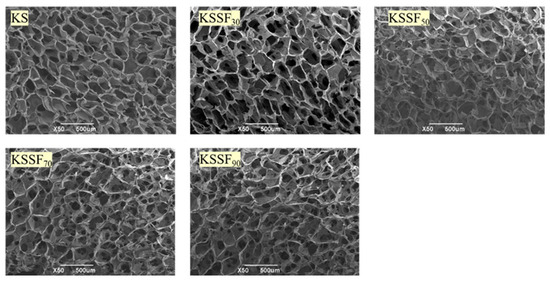
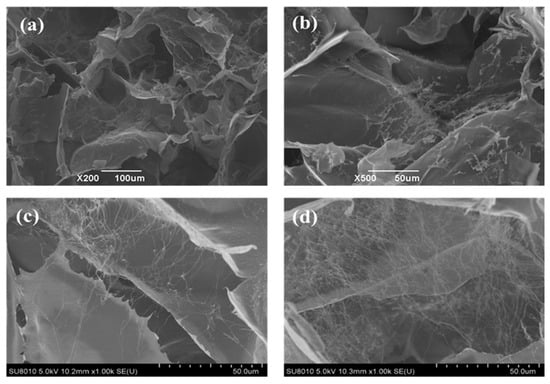
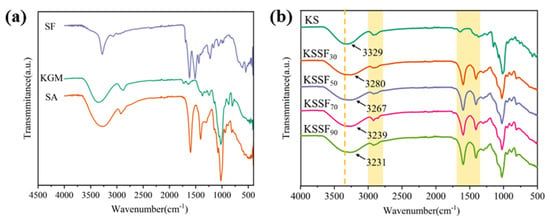
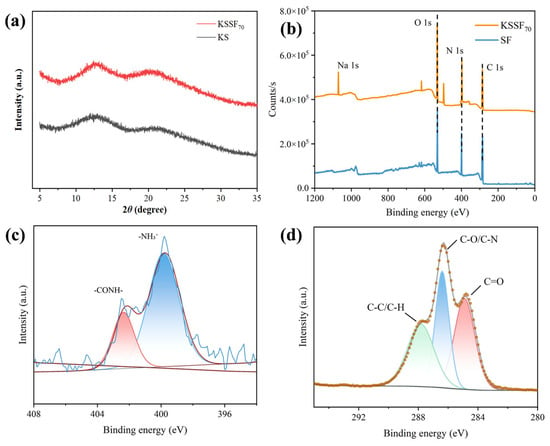
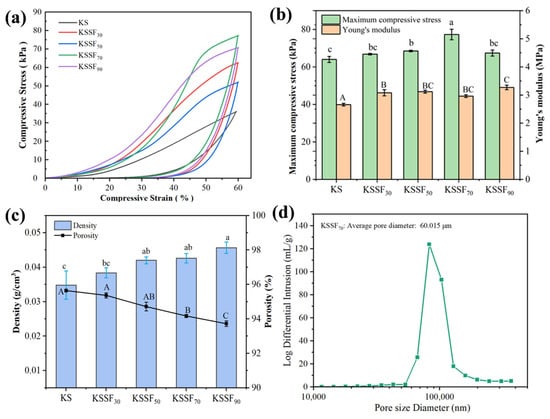
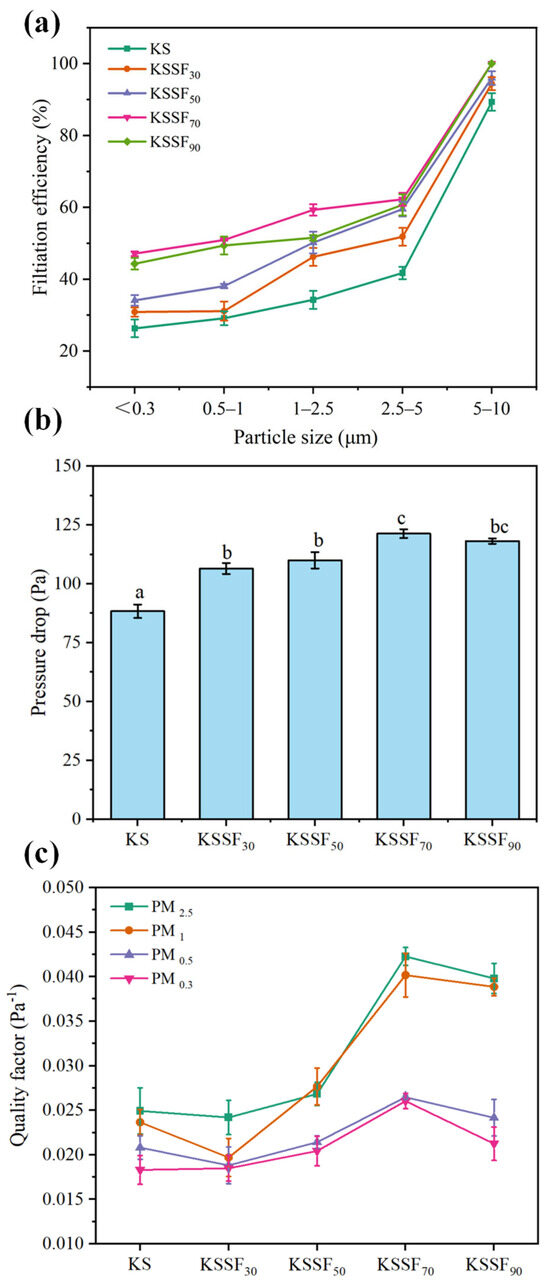
Airborne particulate matter pollution has posed severe threats to public health, while conventional air filtration materials suffer from non-biodegradability and poor structural stability. Herein, a series of eco-friendly konjac glucomannan/sodium alginate (KGM/SA) composite aerogels reinforced by silk microfibers (SFs) were fabricated via freeze-drying. The extracted SF had a concentrated diameter distribution of 500 nm, with a well-preserved crystalline structure and the β-sheet secondary structure of natural silk. Results demonstrated that SF incorporation effectively regulated the pore structure, with reduced pore sizes, and an optimized uniform and compact cobweb-like porous network was achieved at 70% SF addition (KSSF70), with a maximum compressive stress of 78.89 kPa at 60% strain, a PM10 filtration efficiency of 99.8%, and a PM2.5 efficiency of 71.2%. Also, the removal efficiency of particles < 0.3 μm was boosted from 26% to 47% compared with the KGM/SA aerogel. Furthermore, the calculated quality factor met mainstream commercial standards. These findings guided SF use in improving the pore structure of biomass aerogels for enhanced air filtration performance. Full article
(This article belongs to the Special Issue Biopolymer-Based Gels for Food Applications)
Show Figures

Figure 1
13 pages, 1142 KB  
Article
Unraveling Cefiderocol Resistance in NDM- and OXA-48-Like Co-Producing Klebsiella pneumoniae Isolates Through Integrated Genomic and Phenotypic Analysis
by Simone Ambretti, Raul Cetatean, Benedetta Secci, Jessica Landi, Alessia Cantiani and Claudio Foschi
Antibiotics 2026, 15(5), 513; https://doi.org/10.3390/antibiotics15050513 (registering DOI) - 19 May 2026
Abstract
Background/Objectives: The co-production of New Delhi metallo-β-lactamases (NDM) and OXA-48-like carbapenemases in Klebsiella pneumoniae represents a major therapeutic challenge due to extensive drug resistance and limited treatment options. This study aimed to investigate the molecular epidemiology, resistance profiles, and mechanisms associated with reduced [...] Read more.
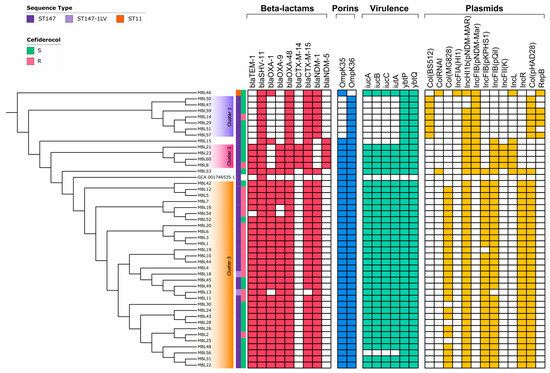
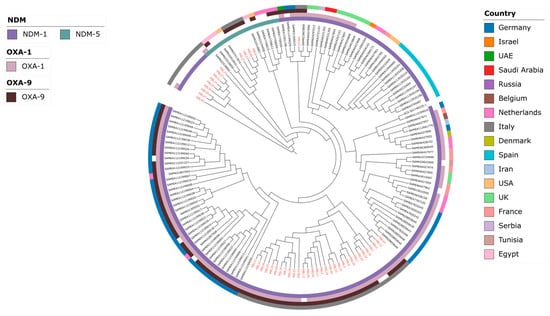
Background/Objectives: The co-production of New Delhi metallo-β-lactamases (NDM) and OXA-48-like carbapenemases in Klebsiella pneumoniae represents a major therapeutic challenge due to extensive drug resistance and limited treatment options. This study aimed to investigate the molecular epidemiology, resistance profiles, and mechanisms associated with reduced susceptibility to cefiderocol in clinical isolates co-producing NDM and OXA-48-like carbapenemases. Methods: A total of 45 clinical K. pneumoniae isolates collected in healthcare settings in Northern Italy were analyzed. Antimicrobial susceptibility testing, including cefiderocol and aztreonam/avibactam, was performed according to EUCAST guidelines. Whole-genome sequencing was used to characterize sequence types, resistance determinants, virulence factors, plasmid replicons, and phylogenetic relationships. Mutations in iron uptake and transport genes were investigated in cefiderocol-resistant isolates. Results: Most isolates belonged to the high-risk clone ST147 (44/45) and were grouped into three main phylogenetic clusters. The isolates exhibited extensive multidrug resistance, with universal susceptibility only for aztreonam/avibactam. Cefiderocol resistance was observed in 42.2% of isolates and was unevenly distributed across the phylogeny. Mutations in iron uptake genes, particularly cirA and chrA, were identified in the majority of resistant isolates, although several strains retained wild-type sequences, indicating heterogeneous resistance mechanisms. Comparative phylogenetic analysis demonstrated close relatedness to international isolates, suggesting the global dissemination of related lineages. Conclusions: NDM- and OXA-48-like carbapenemase co-producing K. pneumoniae isolates are characterized by clonal dissemination, complex resistance profiles, and emerging cefiderocol resistance driven by multifactorial mechanisms. The preserved activity of aztreonam/avibactam highlights its potential as a key therapeutic option against these high-risk pathogens. Full article
Show Figures

Figure 1
10 pages, 242 KB  
Editorial
Electromagnetic Radiation and Human Environment: Editorial
by Dimitrios Nikolopoulos
Appl. Sci. 2026, 16(10), 5051; https://doi.org/10.3390/app16105051 (registering DOI) - 19 May 2026
Abstract
This editorial is a part of the Special Issue (SI) “Electromagnetic Radiation and Human Environment” [...] Full article
(This article belongs to the Special Issue Electromagnetic Radiation and Human Environment)
16 pages, 370 KB  
Article
Psychobiological Correlates of Perceived Physical Activity Barriers: Insomnia, Chronotype, and Caffeine Consumption
by Mehmet Emre Eryücel and Mustafa Akil
Int. J. Environ. Res. Public Health 2026, 23(5), 666; https://doi.org/10.3390/ijerph23050666 (registering DOI) - 19 May 2026
Abstract
Physical activity participation in young adulthood is typically explained by motivational and environmental determinants; however, regulatory models of daily behaviour suggest that transient fluctuations in sleep quality, circadian preference, and stimulant use may also be associated with how individuals appraise effort-related demands. Within [...] Read more.
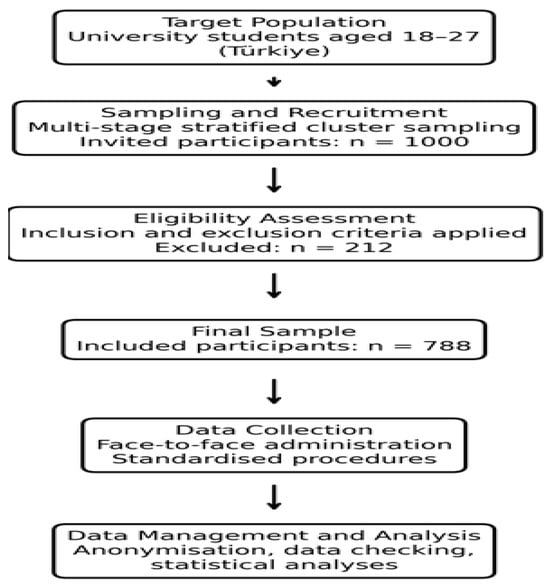
Physical activity participation in young adulthood is typically explained by motivational and environmental determinants; however, regulatory models of daily behaviour suggest that transient fluctuations in sleep quality, circadian preference, and stimulant use may also be associated with how individuals appraise effort-related demands. Within this behavioural–temporal regulatory perspective, perceived barriers to physical activity may be related to variations in functional energy, alertness, and temporal alignment rather than solely stable contextual constraints. The present cross-sectional study examined whether insomnia symptoms (sleep initiation and awakening problems), chronotype, and daily caffeine intake were concurrently related to perceived personal, social, and environmental physical activity barriers in 788 university students (18–27 years). Standardized self-report measures were administered under controlled assessment conditions. Pearson correlations and theory-informed hierarchical regression models were applied. Sleep initiation problems demonstrated very weak positive correlations with total and domain-specific barriers (r = 0.12–0.17), whereas awakening problems showed very weak inverse correlations (r = −0.10 to −0.14, p ≤ 0.005). Chronotype was weakly associated only with personal barriers (β ≈ −0.09, p = 0.013). Daily caffeine intake showed a weak negative association with environmental barriers (β ≈ −0.15, p < 0.001). Across models, explained variance remained limited (adjusted R2 = 0.040–0.053), indicating that these variables explained only a very small proportion of variance in perceived physical activity barriers. These findings suggest that sleep-related and chronobiological characteristics are not meaningful independent predictors of perceived physical activity barriers in this population and demonstrate only weak, domain-specific, and non-directionally consistent associations. Accordingly, the findings should be interpreted cautiously as exploratory rather than practically predictive. Given the cross-sectional design and low explained variance, the results primarily highlight the limited explanatory utility of these psychobiological factors relative to broader unmeasured contextual determinants. Longitudinal and time-sensitive designs incorporating objective behavioural assessments are required to clarify temporal ordering and potential regulatory mechanisms. Full article
Show Figures

Figure 1
23 pages, 1365 KB  
Article
Sparse Multivariate Analysis Reveals Dissociable White Matter Networks for Cognitive and Motor Processing Speed
by Shahwar Yasir, Nzamukiza Fidele, Eduardo Martinez-Montes, Lidice Galan-Garcia, Cheng Luo, Maria Luisa Bringas Vega and Pedro A. Valdes-Sosa
Brain Sci. 2026, 16(5), 533; https://doi.org/10.3390/brainsci16050533 (registering DOI) - 19 May 2026
Abstract
Background: Reaction time (RT) is a fundamental measure of information processing speed in cognitive neuroscience and is influenced by both structural and functional brain properties. While prior studies have independently linked white matter microstructure and EEG alpha oscillations to cognitive performance, their joint [...] Read more.
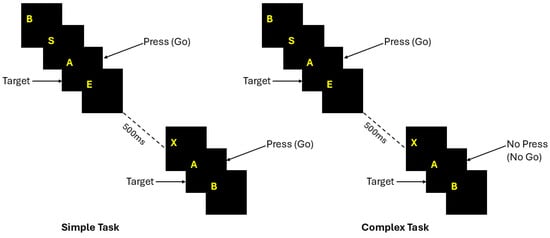
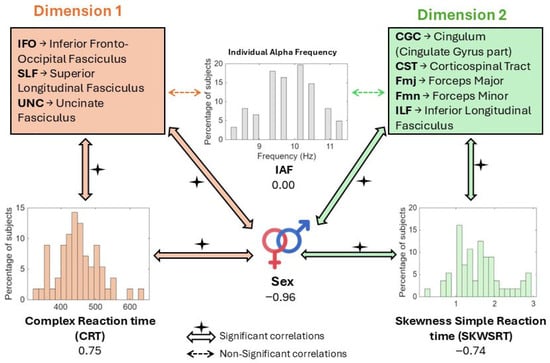
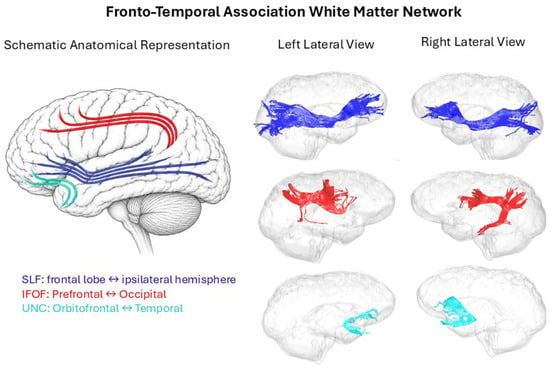
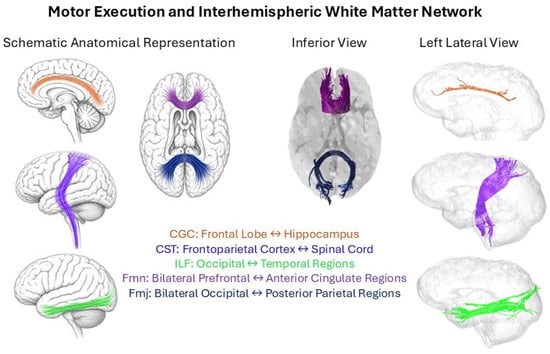
Background: Reaction time (RT) is a fundamental measure of information processing speed in cognitive neuroscience and is influenced by both structural and functional brain properties. While prior studies have independently linked white matter microstructure and EEG alpha oscillations to cognitive performance, their joint contribution to distinct aspects of RT remains unclear. This study aims to investigate whether multimodal data can dissociate neural systems underlying cognitive and motor components of processing speed. Methods: We analyzed diffusion tensor imaging, resting-state individual EEG alpha peak frequency (IAF), demographic variables, and behavioral RT measures from a GO/NO-GO paradigm in 24 healthy adults from the Cuban Human Brain Mapping Project. Behavioral metrics included the mean, standard deviation and skewness of reaction times for simple and complex tasks. Sparse multiple canonical correlation analysis was applied to identify multivariate associations across modalities. Results: Two significant latent dimensions were identified. The first dimension linked bilateral fronto-temporal association tracts (SLF, IFOF, UNC) with complex RT performance, reflecting higher-order cognitive processing. The second dimension associated motor and interhemispheric tracts (CGC, CST, ILF, forceps major and minor) with intra-individual asymmetric variability (skewness) across tasks, indicating a motor-execution consistency system. IAF did not significantly contribute to either dimension. Sex showed strong associations with both components. Conclusions: Distinct white matter networks were associated with separable cognitive and motor aspects of processing speed, while resting-state alpha frequency did not show stable contributions with behavioral variability in this sample. IAF showed minimal contribution within the identified sparse multivariate dimensions. These findings highlight the importance of multimodal and multivariate approaches for understanding and potentially disentangling complex brain–behavior relationships. Full article
(This article belongs to the Section Neuropsychology)
Show Figures

Figure 1
19 pages, 2974 KB  
Article
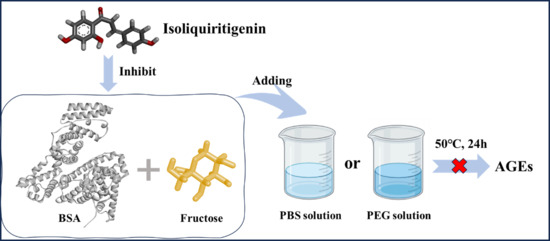
Mechanisms of Isoliquiritigenin Against Protein Glycation: A Comparative Study in PBS Solution and Crowding Environment
by Yushi Wei, Deming Gong and Guowen Zhang
Foods 2026, 15(10), 1796; https://doi.org/10.3390/foods15101796 (registering DOI) - 19 May 2026
Abstract
The advanced glycation end products generated from protein glycation are associated with the development of diabetic complications. This study aimed to investigate the inhibitory mechanisms of isoliquiritigenin on protein glycation and compare its anti-glycation activity in PBS versus a macromolecular crowding environment. The [...] Read more.
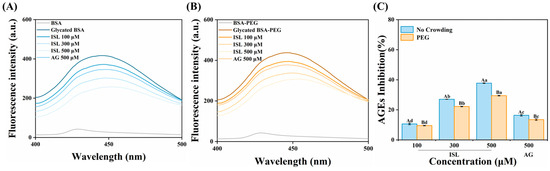
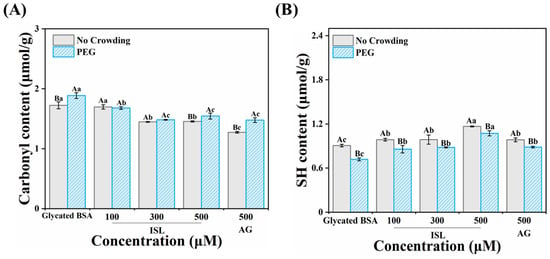
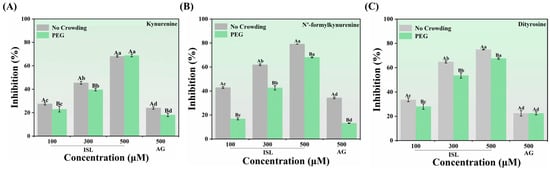
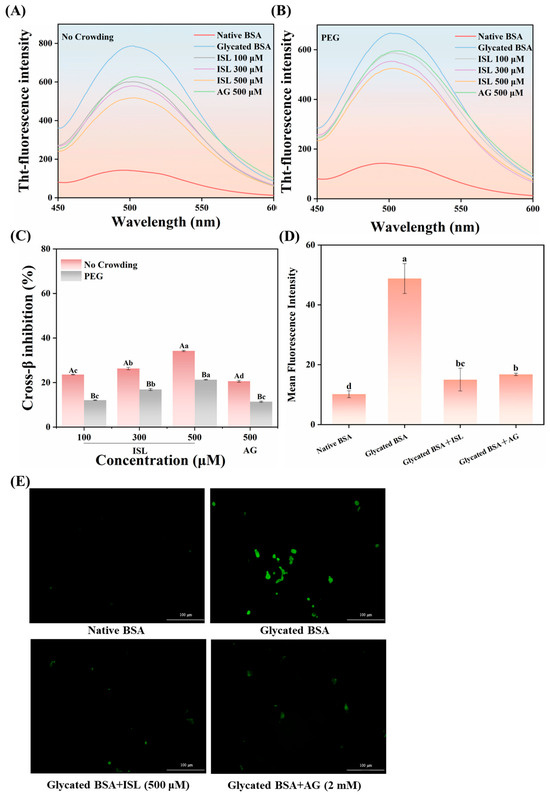
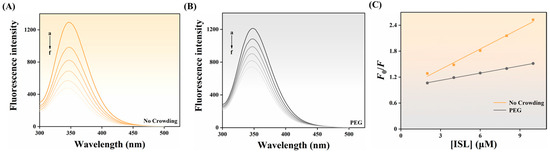
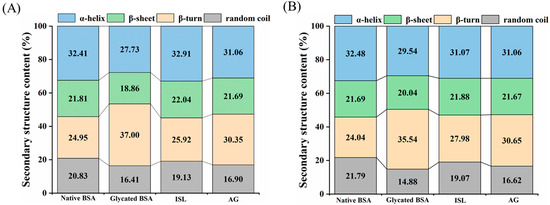
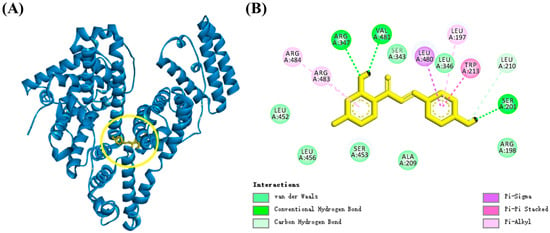
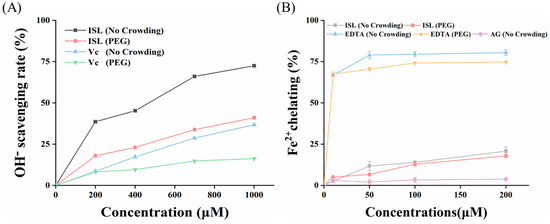
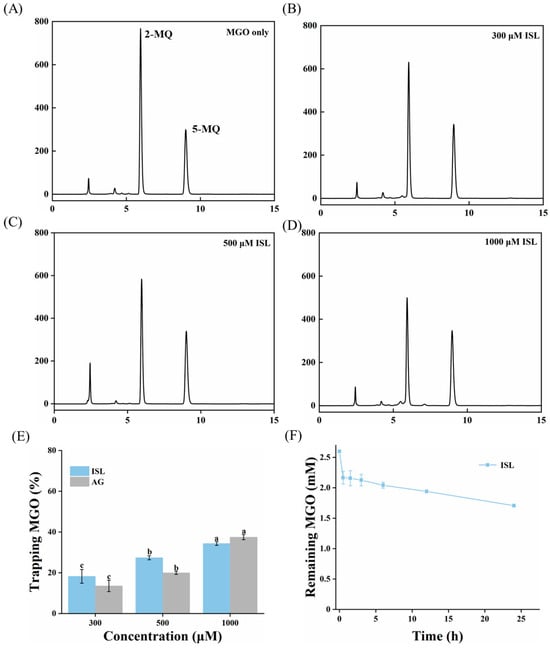
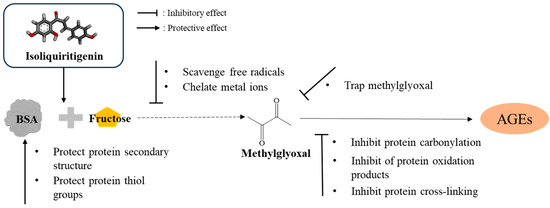
The advanced glycation end products generated from protein glycation are associated with the development of diabetic complications. This study aimed to investigate the inhibitory mechanisms of isoliquiritigenin on protein glycation and compare its anti-glycation activity in PBS versus a macromolecular crowding environment. The results showed that in PBS, 500 μmol/L isoliquiritigenin showed an advanced glycation end product inhibition rate of 37.78%, outperforming aminoguanidine. Meanwhile, isoliquiritigenin inhibited the protein carbonylation process, reduced the generation of protein oxidation products, and inhibited the formation of β-crosslinking structures with a rate of 34.20%. Molecular docking results indicated that isoliquiritigenin bound to site I of bovine serum albumin, effectively blocked glycation reactions by occupying multiple arginine residues and contributed to stabilizing the secondary structure of bovine serum albumin. In addition, isoliquiritigenin exhibited significant hydroxyl radical scavenging and Fe2+-chelating abilities, achieving a 34.35% trapping efficiency for methylglyoxal. Isoliquiritigenin exerted its anti-glycation activity through multiple pathways, including scavenging free radicals, protecting protein structure, interacting with bovine serum albumin, and trapping methylglyoxal. However, in the crowding environment, the excluded volume effect and higher viscosity might lead to limited isoliquiritigenin binding to bovine serum albumin, reducing its inhibition of glycation and decreasing advanced glycation end product inhibition to 16.38%. This study realistically evaluated the inhibitory effects of isoliquiritigenin in complex crowding environments and provided a theoretical basis for isoliquiritigenin as a functional food ingredient for the prevention of diabetes complications. Future studies need to establish animal models to further explore its effects in vivo. Full article
(This article belongs to the Section Food Biotechnology)
Show Figures

Graphical abstract

22 pages, 12139 KB  
Article
Ruminal Microbe Consortia for Biogas Production from Lignocellulosic Substrate
by Annabella Juhász-Erdélyi, Márta Huszár, Attila Farkas, Gergely Maróti, Roland Wirth, Márk Szuhaj, Zoltán Bagi, Kornél L. Kovács and Etelka Kovács
Fermentation 2026, 12(5), 247; https://doi.org/10.3390/fermentation12050247 (registering DOI) - 19 May 2026
Abstract
Lignocellulose is degraded in the rumen by diverse microorganisms. This study aimed to select the top ruminal microbes associated with an anaerobic fungus (AF) capable of forming consortia that facilitate biogas production from wheat straw. The workflow included the following steps: (1) batch [...] Read more.
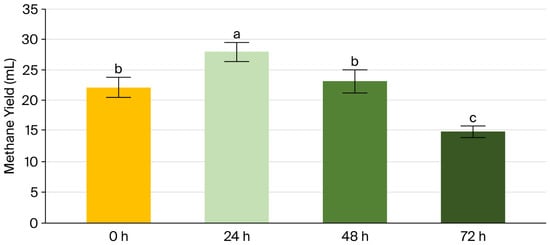
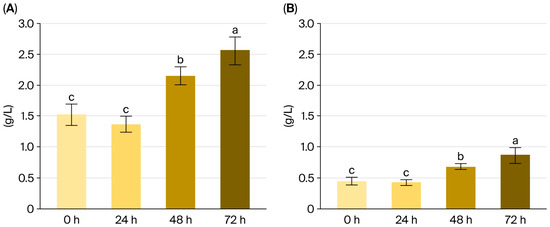
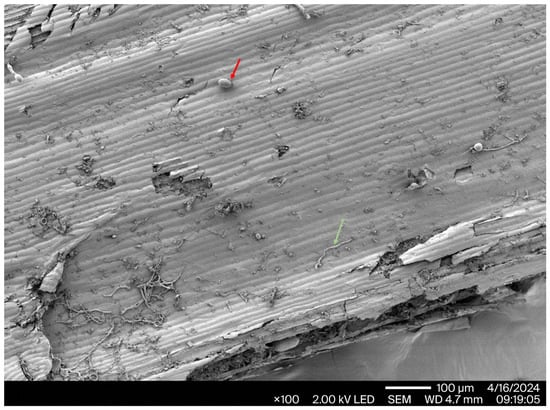
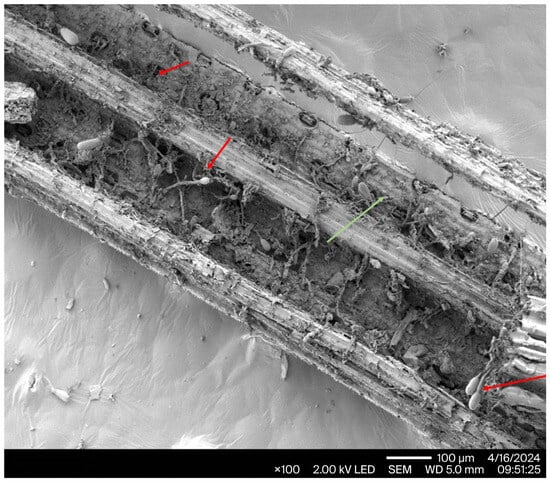
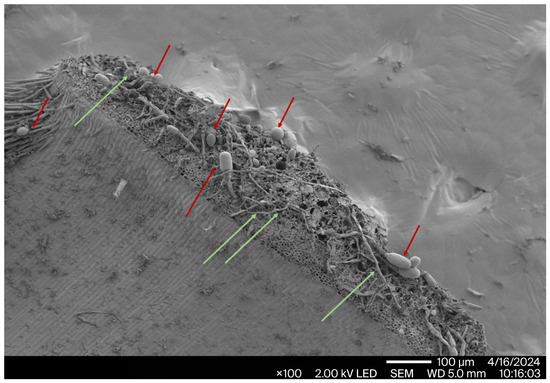
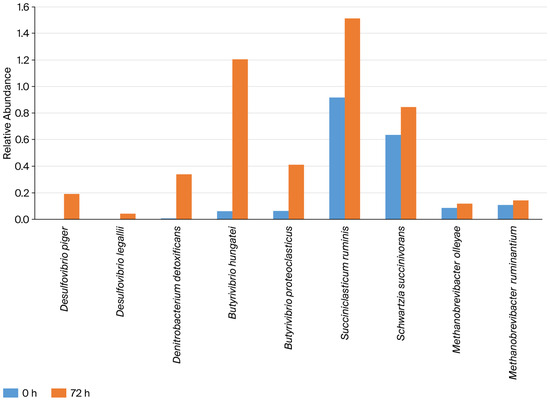
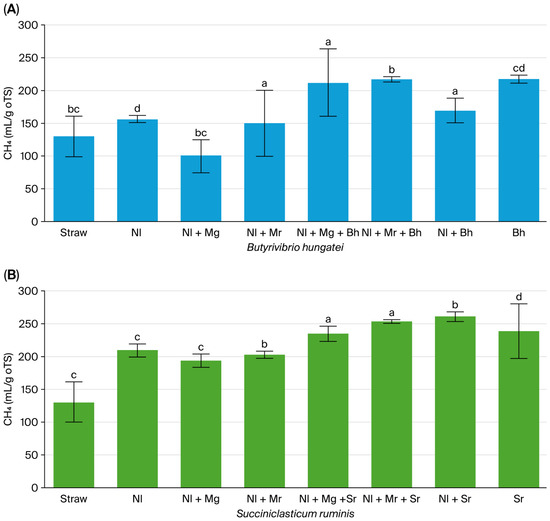
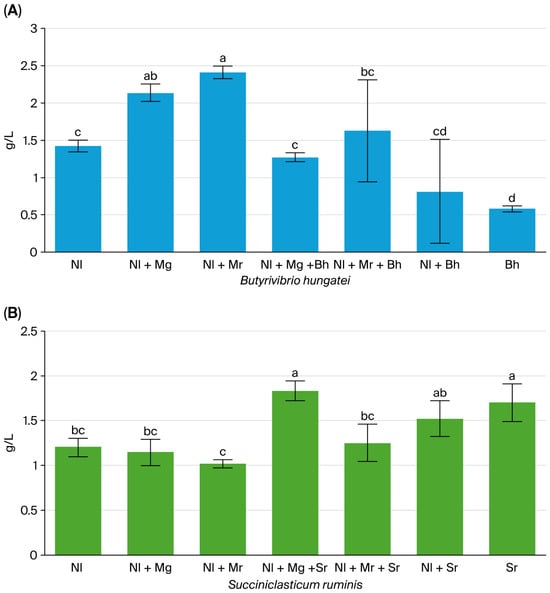
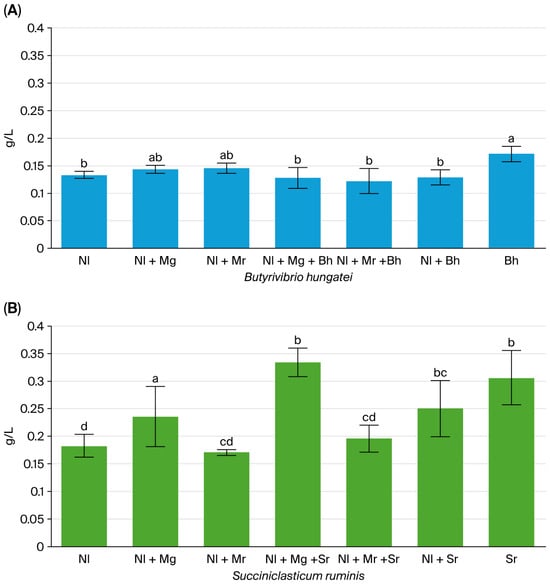
Lignocellulose is degraded in the rumen by diverse microorganisms. This study aimed to select the top ruminal microbes associated with an anaerobic fungus (AF) capable of forming consortia that facilitate biogas production from wheat straw. The workflow included the following steps: (1) batch reactors, divided into three compartments with porous membrane bags containing wheat straw, were assembled. The outermost compartment was inoculated with freshly collected rumen content. The first microbes colonizing the wheat straw in the innermost compartment within 72 h were identified. (2) Synthetic consortia were assembled comprising the following identified microbes: an anaerobic fungus (AF) (Neocallimastix lanati); methanogenic archaea (M) (Methanobrevibacter ruminantium or Methanobrevibacter gottschalkii); bacteria (B) (Butyrivibrio hungatei or Succinoclasticum ruminis). (3) Wheat straw was subjected to 7-day pretreatments with these synthetic consortia. (4) The pretreated straw served as substrate in biochemical methane potential (BMP) tests that used a biogas reactor digestate as the inoculum. The pretreated straw produced elevated biomethane yields; nonetheless, this process needs further optimization. The cross-kingdom AF + M + B consortia increased methane production by 35–70%, and superior volatile fatty acid production was confirmed via HPLC. The results suggest novel strategies for advanced practical biogas/biomethane technologies. Full article
(This article belongs to the Section Industrial Fermentation)
Show Figures

Figure 1
28 pages, 6858 KB  
Article
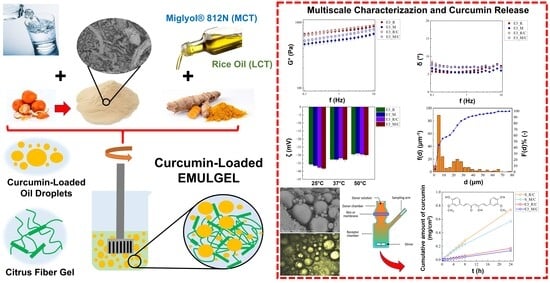
Structure–Function Relationship in Citrus-Fiber-Based Emulgels for Controlled Curcumin Delivery
by Domenico Mammolenti, Domenico Gabriele, Francesca Romana Lupi, Noemi Baldino and Patrizia Formoso
Gels 2026, 12(5), 444; https://doi.org/10.3390/gels12050444 (registering DOI) - 19 May 2026
Abstract
Biphasic systems able to effectively release bioactive molecules along the gastrointestinal tract (GIT) are receiving growing interest. In this work, emulgels structured with citrus fiber, a digestion-resistant structuring agent, were produced using two types of edible oils (Miglyol® 812 N and rice [...] Read more.
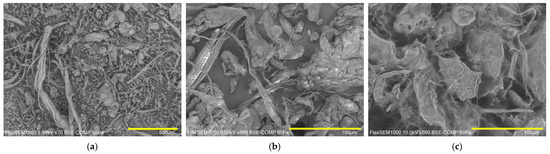
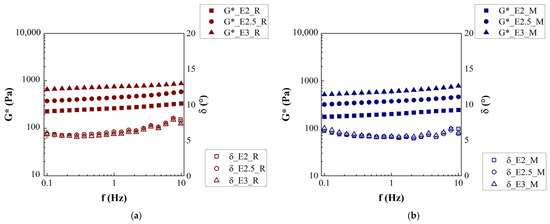
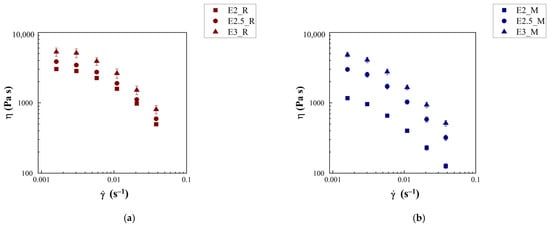
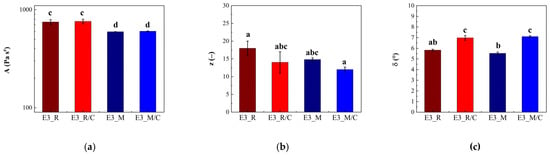
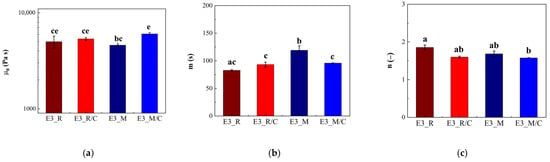
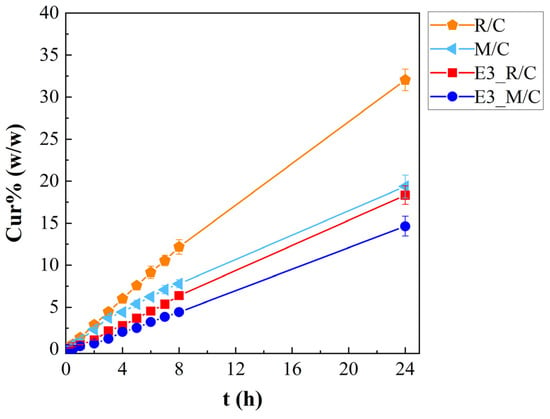
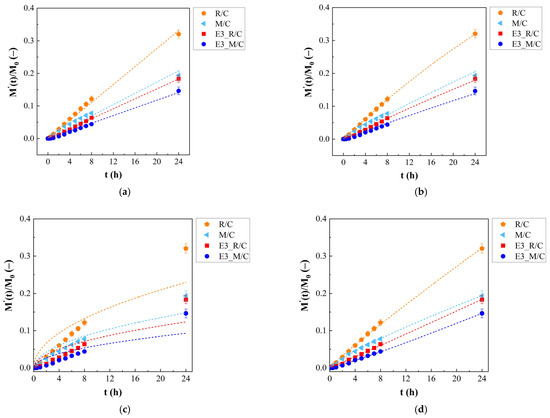
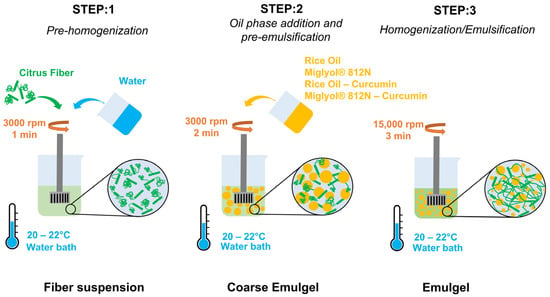
Biphasic systems able to effectively release bioactive molecules along the gastrointestinal tract (GIT) are receiving growing interest. In this work, emulgels structured with citrus fiber, a digestion-resistant structuring agent, were produced using two types of edible oils (Miglyol® 812 N and rice oil). Samples with 3% w/w of fiber were loaded with curcumin. The rheology of emulgels, reference hydrogels, and oil phases was studied. Complex modulus (G*) and viscosity (η) increased with increasing fiber fraction, whereas the phase angle (δ) was fiber fraction-independent (p < 0.05). Dynamic and flow behaviors were modeled using weak gel model and modified Cross model, respectively. Samples with rice oil were more consistent and viscous than samples with Miglyol® 812 N because of the higher G* and η of rice oil. Curcumin does not affect the rheology of oils, whereas it modifies the emulgel behavior. In emulgels, curcumin does not change (p < 0.005) both weak gel parameters. Gel strength (A) was 750 ± 40 Pa sz again 760 ± 40 Pa sz and 597 ± 2 Pa sz again 604 ± 4 Pa sz for the system with rice oil and Miglyol® 812 N, respectively, and network extension (n) resulted to be 14.13 ± 0.03 for all samples. Curcumin slightly increases the phase angle δ, 5.83 ± 0.09° again 7.0 ± 0.2° and 5.5 ± 0.1° again 7.10 ± 0.08° for the system with rice oil and Miglyol® 812 N, respectively. This suggests a reduction in the structure of the fiber network. Curcumin has an oil-dependent influence on the zero-shear-rate viscosity (µ0) and on the time constant (m), while it does not affect the shear-thinning index (n), which resulted to be statistically independent of all systems (p < 0.05) yielding an average value of 1.616 ± 0.007. According to in vitro release studies, the percentage of cumulative released curcumin at 24 h was 15 ± 1% for emulgel with Miglyol® 812 N, whereas for the sample with rice oil, it was 18 ± 1%. Overall, results suggest the attractiveness of these systems for potential applications in the sustained oral release of curcumin. Full article
(This article belongs to the Special Issue Rheological and Gelling Properties of Gels for Food Applications)
Show Figures

Graphical abstract

31 pages, 21660 KB  
Article
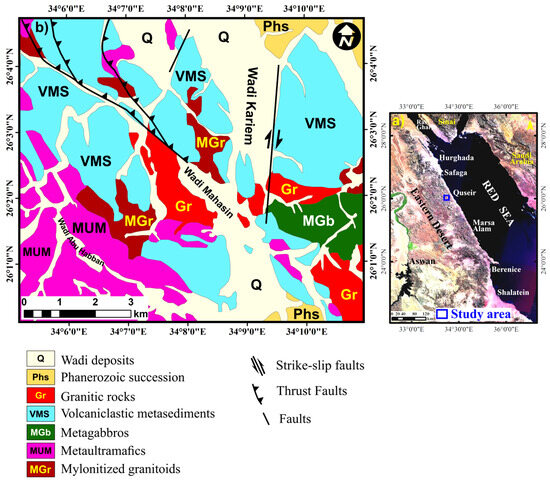
Integration of Remote Sensing, Geochemistry, and Pb Isotopes to Unravel the Origin of the Wadi Mahasin Felsic Volcanism, Central Eastern Desert, Egypt
by El Saeed R. Lasheen, Basma A. El-Badry, Samir Z. Kamh, Matthew Leybourne, Tamader Alhazani, Ioan V. Sanislav and Mabrouk Sami
Minerals 2026, 16(5), 545; https://doi.org/10.3390/min16050545 (registering DOI) - 19 May 2026
Abstract
The Neoproterozoic Wadi Mahasin metavolcanics (WMVs) in the Central Eastern Desert, Egypt, were remapped using Landsat-8 and Sentinel-2 imagery and verified by field observations, and their petrogenesis was evaluated using petrography, whole-rock geochemistry, and Pb isotopes. The image processing techniques of decorrelation stretch [...] Read more.
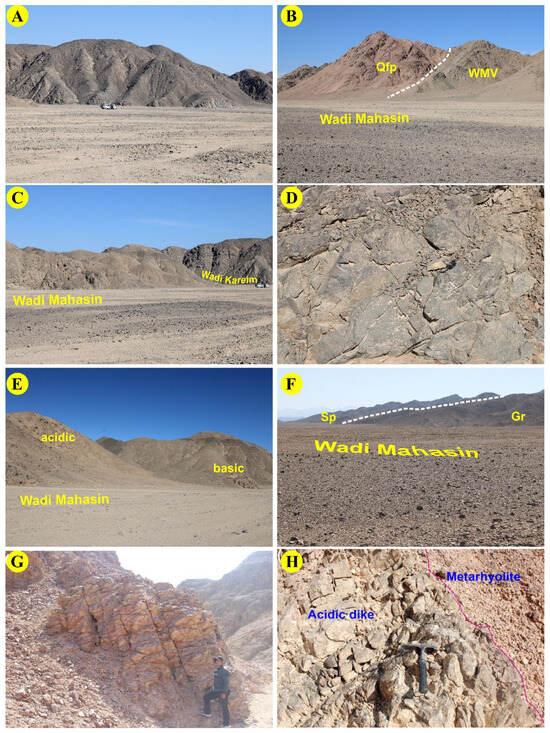
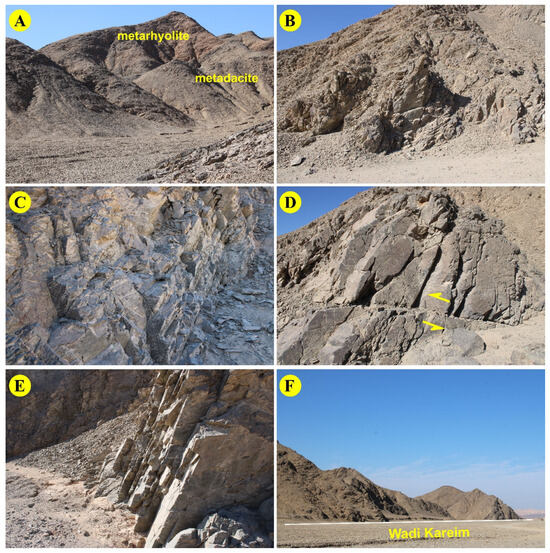
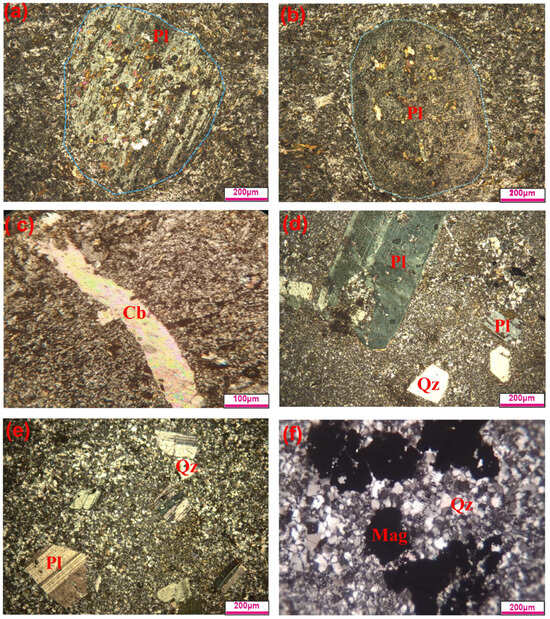
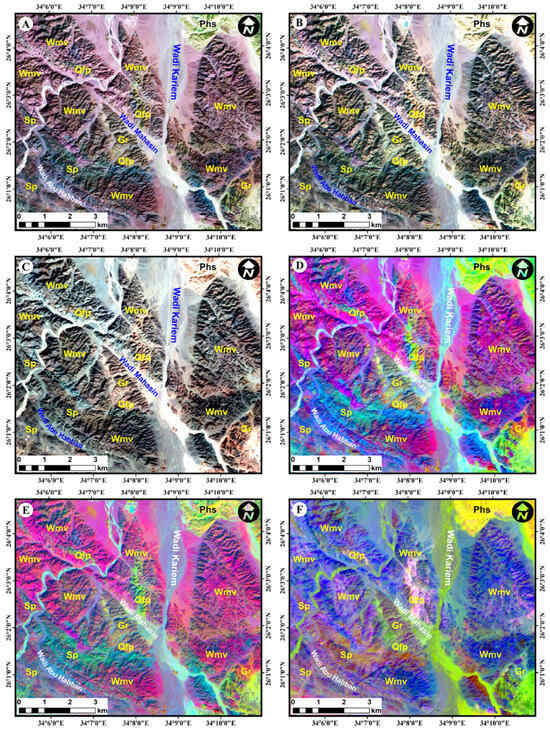
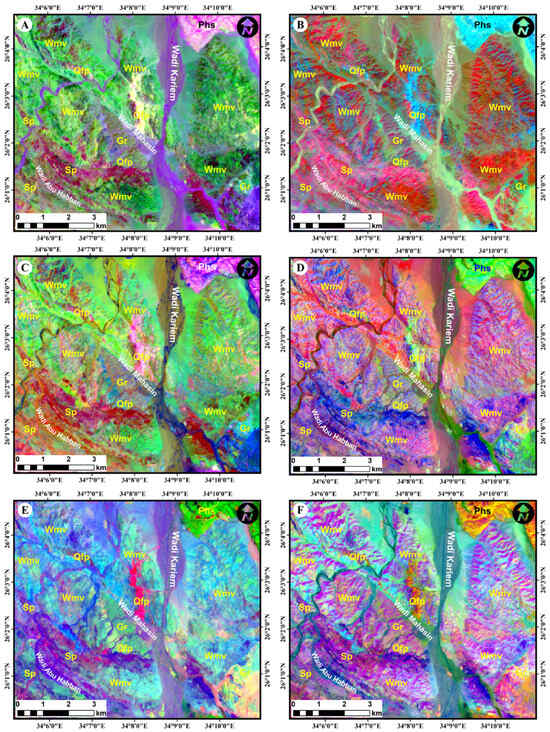
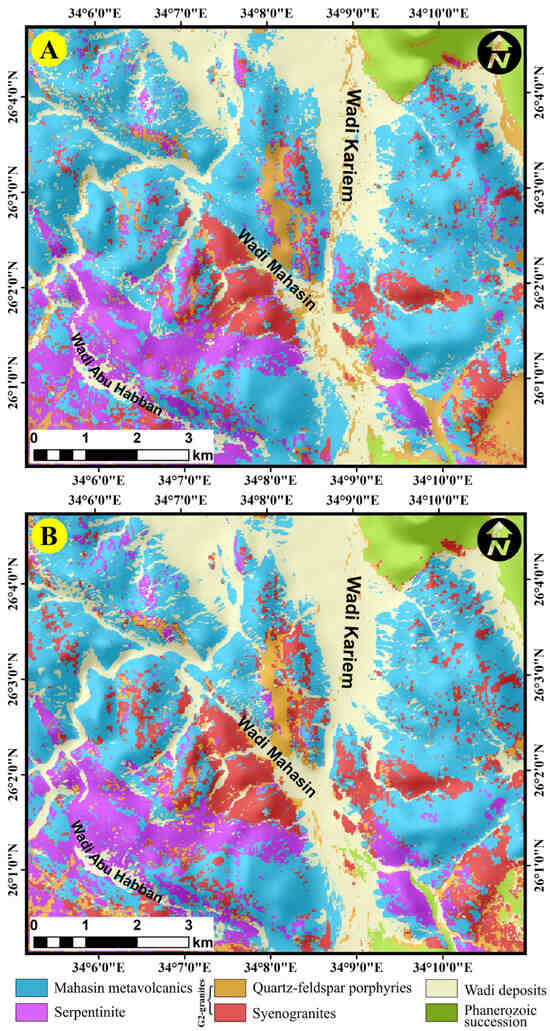
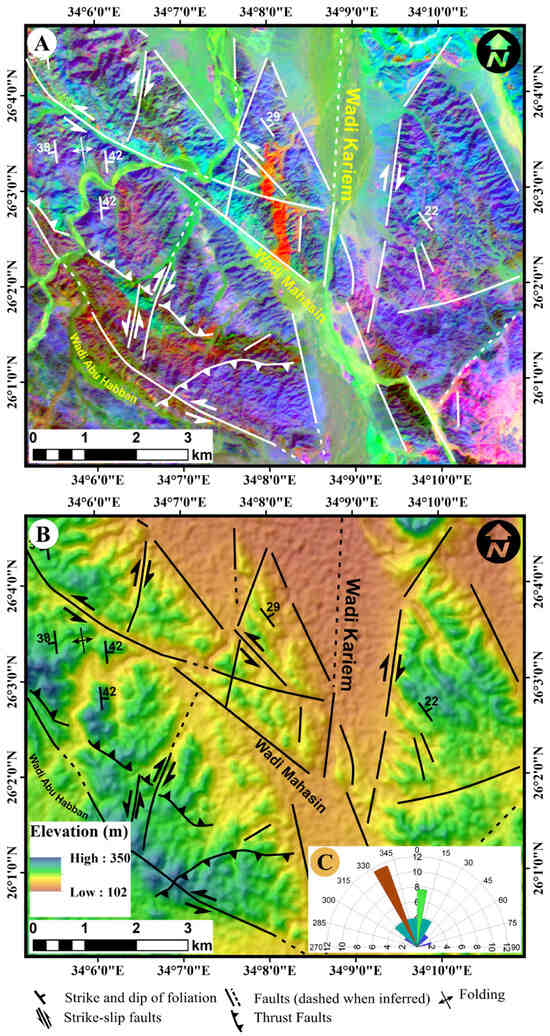
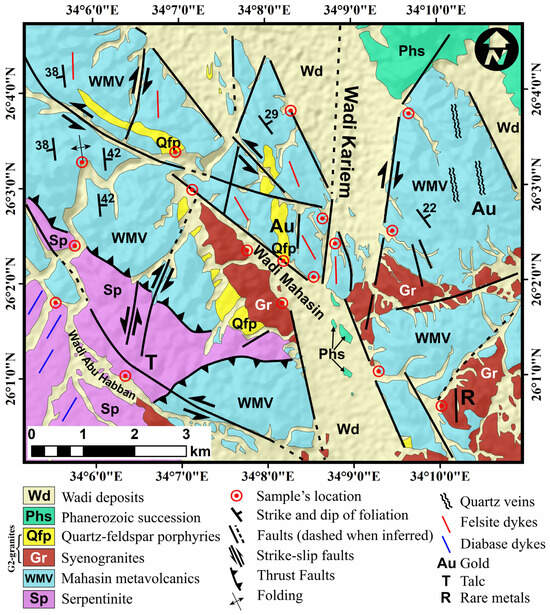
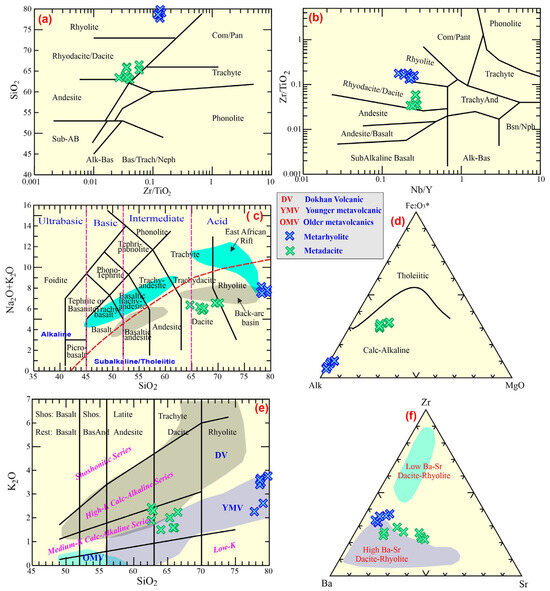
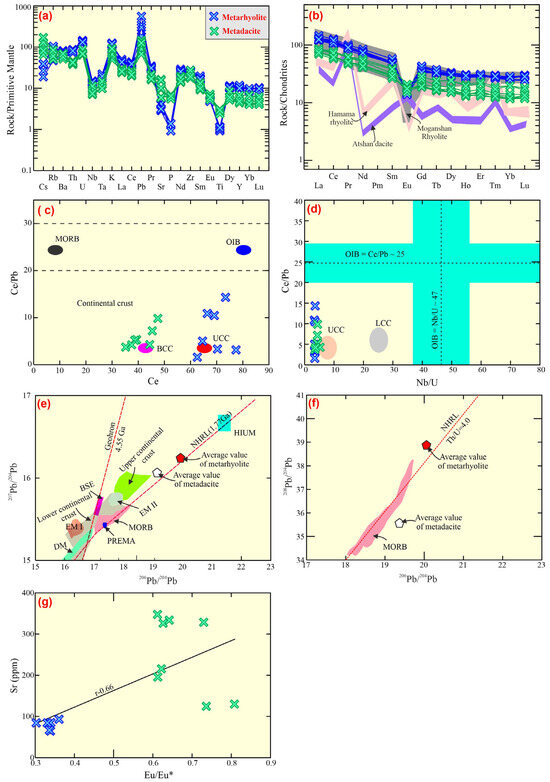
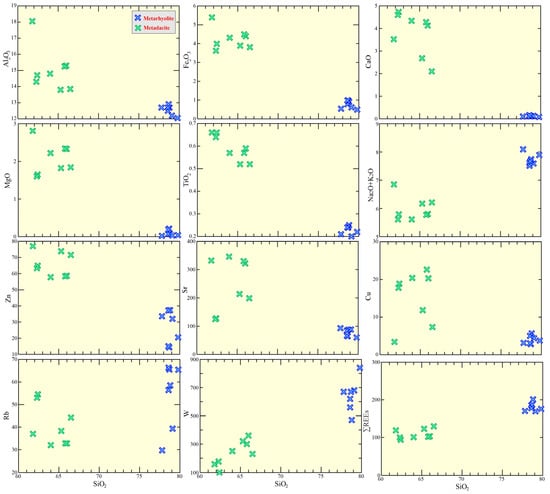
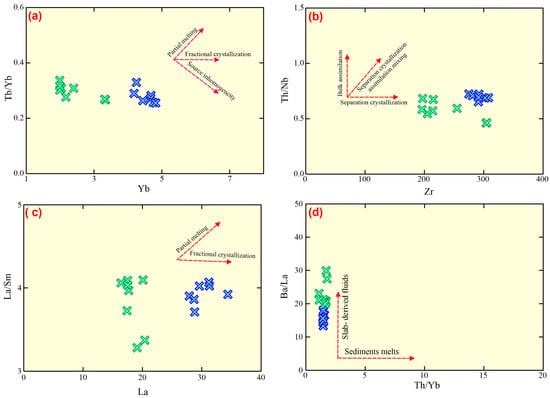
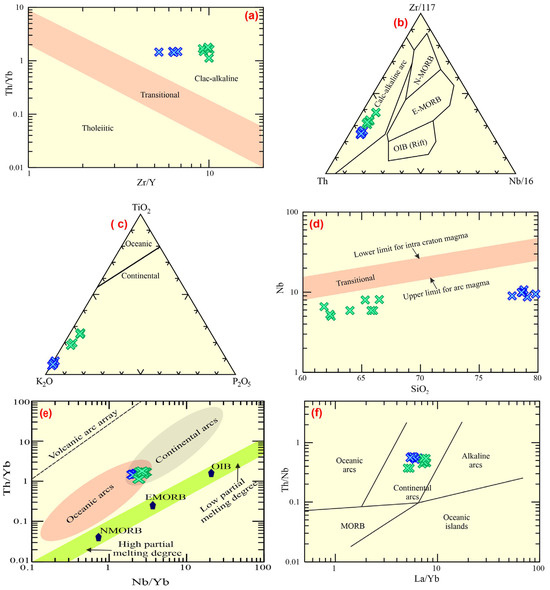
The Neoproterozoic Wadi Mahasin metavolcanics (WMVs) in the Central Eastern Desert, Egypt, were remapped using Landsat-8 and Sentinel-2 imagery and verified by field observations, and their petrogenesis was evaluated using petrography, whole-rock geochemistry, and Pb isotopes. The image processing techniques of decorrelation stretch (DS), band ratios (BR), principal component analysis (PCA), and Minimum Noise Fraction (MNF) were applied to three remotely sensed datasets from Landsat-8, Sentinel-2B, and Planet to produce an updated geologic map of the study area. Moreover, two robust supervised classification techniques, maximum likelihood (MLC) and the support vector machine (SVM), enhanced geological contacts, structural elements, and produced classified images by 95.68% and 96%, respectively. The WMV suite comprises metadacite and metarhyolite with SiO2 contents of 61.8–66.5 and 77.8–79.8 wt.%, respectively, and belongs to a subalkaline calc–alkaline series with a transitional medium- to high-K character at the felsic end. Primitive mantle-normalized patterns show enrichment in LILEs (Rb, U, K, and Pb) and depletion in Nb, Ta, Ti, and P, consistent with subduction-related felsic magmatism. Chondrite-normalized REE patterns are characterized by enriched LREEs, flat to weakly fractionated HREEs ((Gd/Yb)N ≈ 1.5), and negative Eu anomalies (Eu/Eu* = 0.30–0.81). The flat HREE segment suggests melting of a garnet-free source, most plausibly a plagioclase–amphibole-bearing crustal assemblage. Eu/Eu* correlates positively with Sr for the suite as a whole, indicating plagioclase control during differentiation. Metarhyolite samples form a tightly clustered evolved group, whereas metadacites show broader scatter that mainly reflects differentiation. Pb isotopes and crust-like trace-element ratios (high Y/Nb, low Ce/Pb, and low Nb/U) indicate strong crustal involvement. Although assimilation–fractional crystallization from a mantle-derived parent magma cannot be excluded completely, the available isotopic data do not define a simple mantle-to-crust differentiation trend, and the uniformly evolved major- and trace-element signatures favor direct partial melting of felsic continental crust, followed by limited fractional crystallization. The WMV suite is, therefore, interpreted as a mature continental-arc felsic assemblage within the Arabian–Nubian Shield. Full article
(This article belongs to the Section Mineral Geochemistry and Geochronology)
Show Figures

Figure 1
37 pages, 10145 KB  
Article
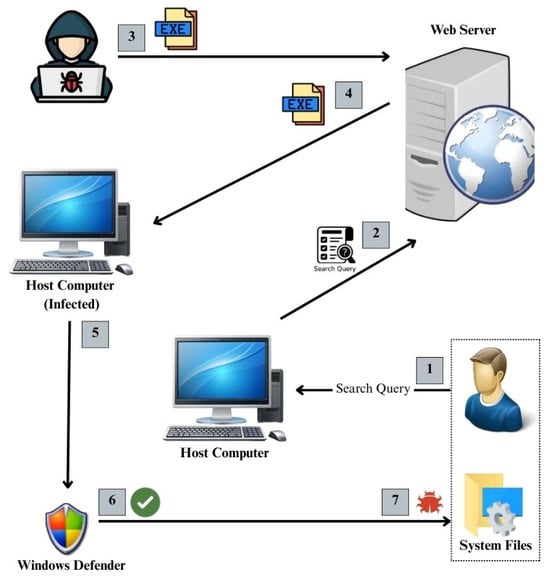
Feature-Engineered Trojan Malware Detection on Windows-Based IoT Gateways Using a Custom Deep Neural Network and Automated Monitoring Pipeline
by Mazdak Maghanaki, Mohammad Shahin, Soraya Keramati, F. Frank Chen and Enrique Contreras
J. Cybersecur. Priv. 2026, 6(3), 90; https://doi.org/10.3390/jcp6030090 (registering DOI) - 19 May 2026
Abstract
The growth of Internet of Things (IoT) environments has expanded the attack surface of modern systems. Trojan attacks are a major challenge as they evade conventional detection mechanisms and operate silently within legitimate processes. This paper presents an automated Trojan detection framework for [...] Read more.
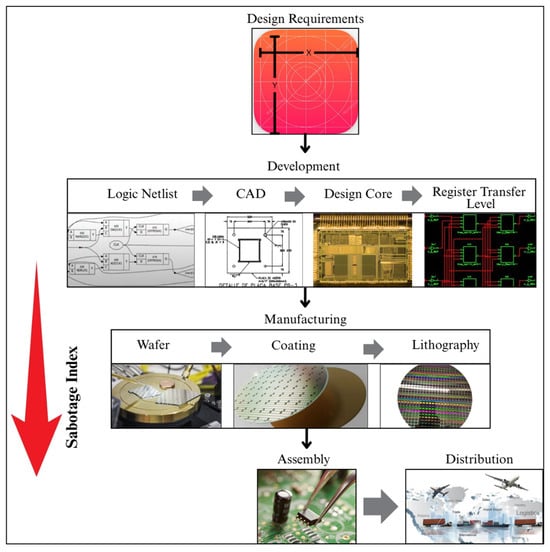
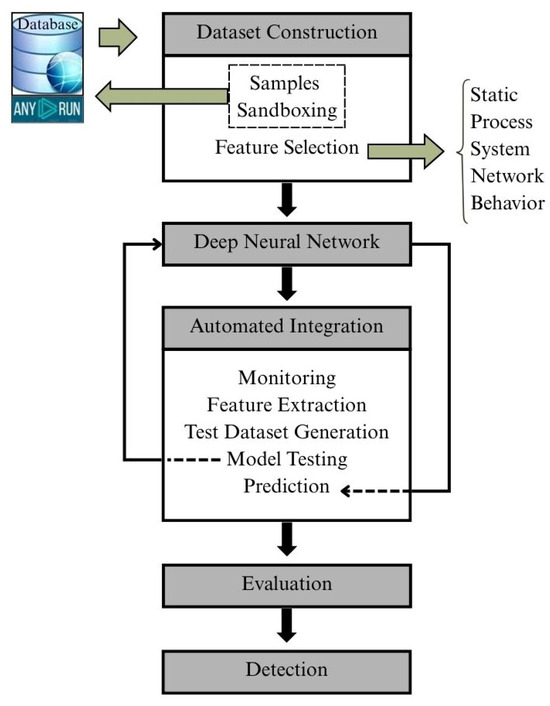
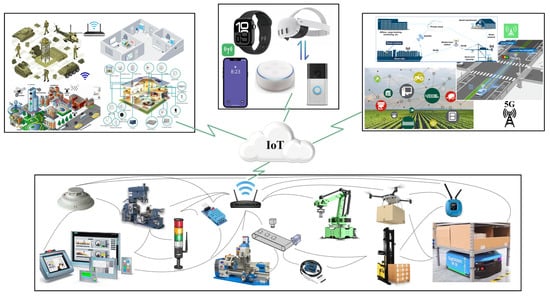
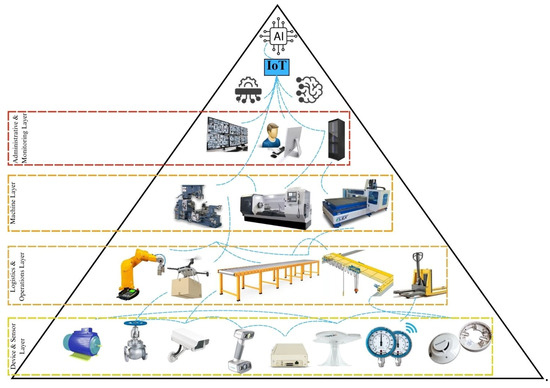
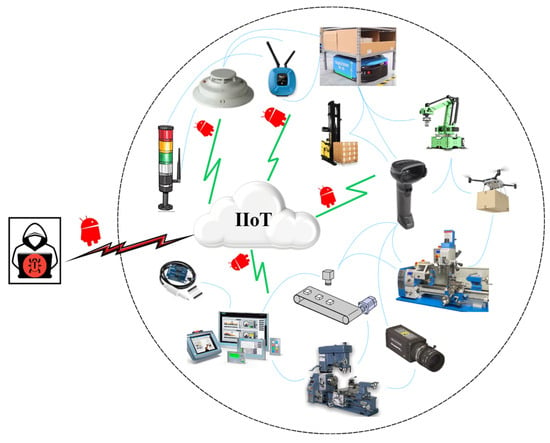
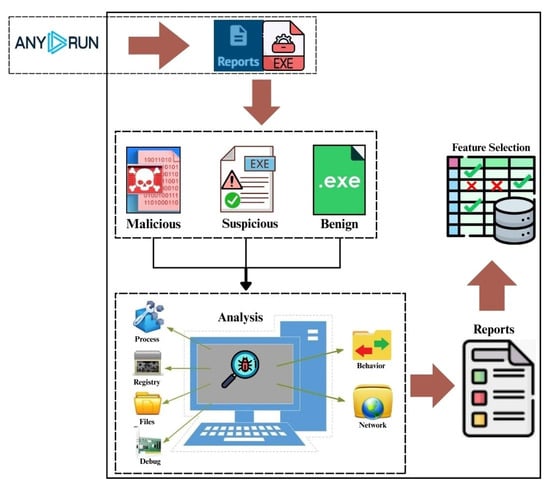
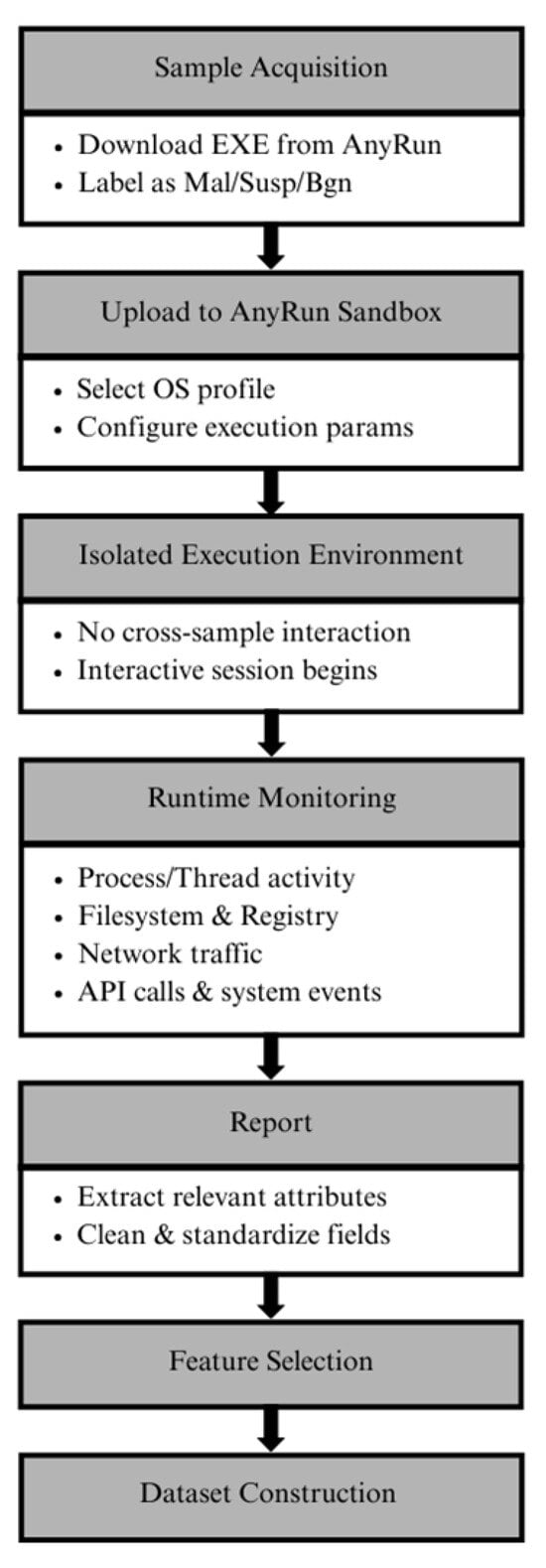
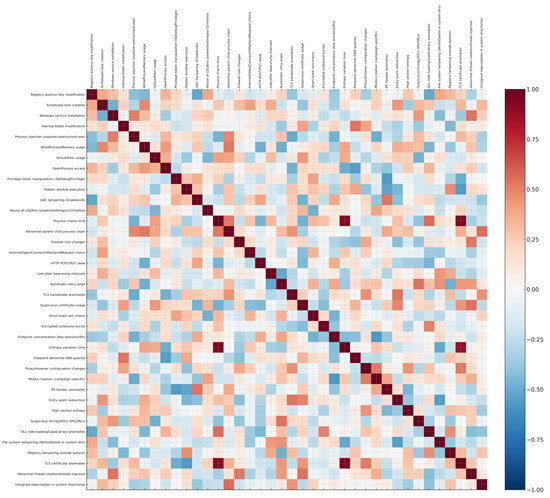
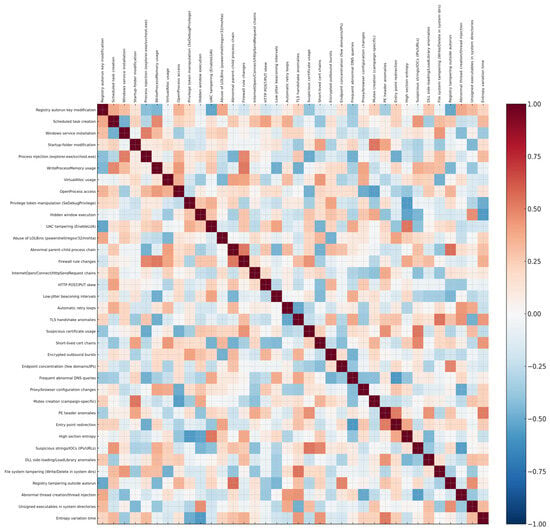
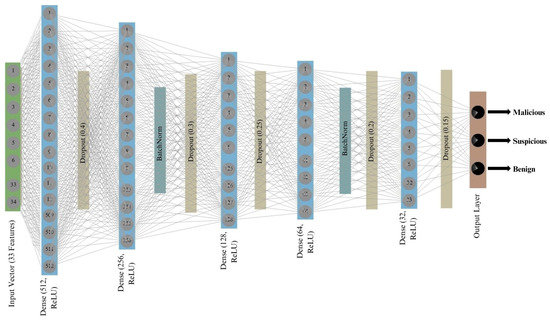
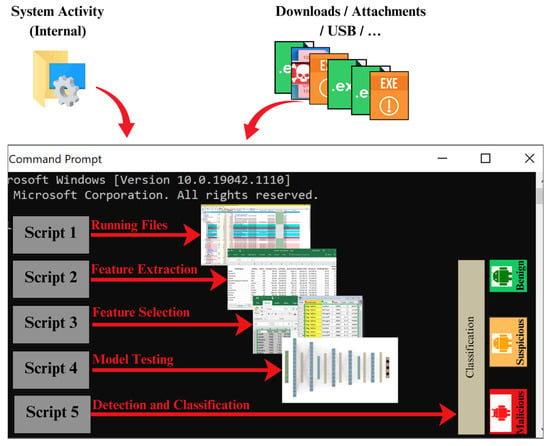
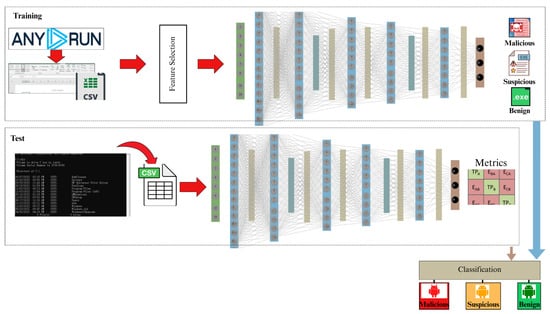
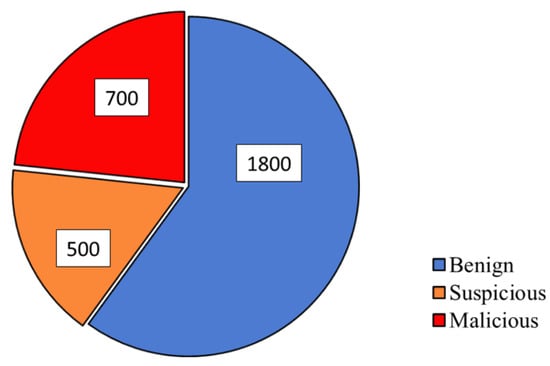
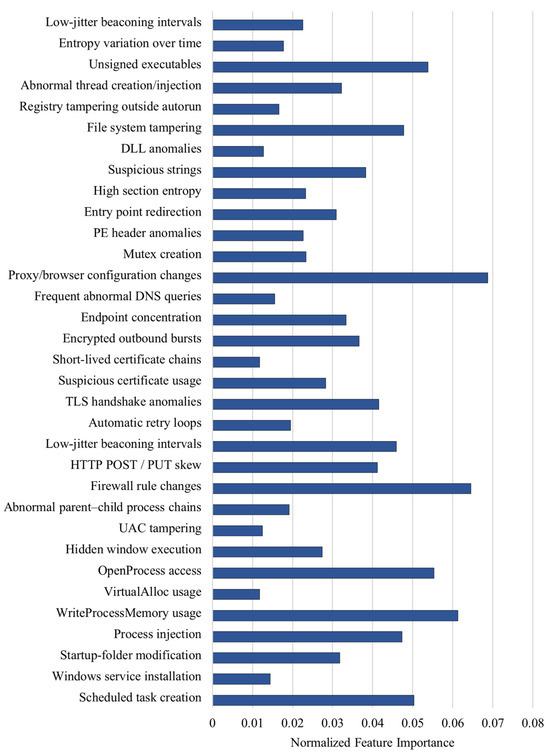
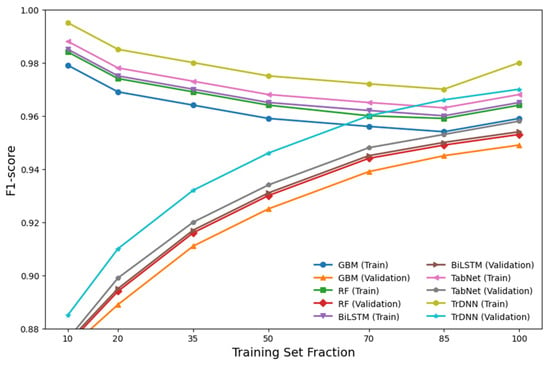
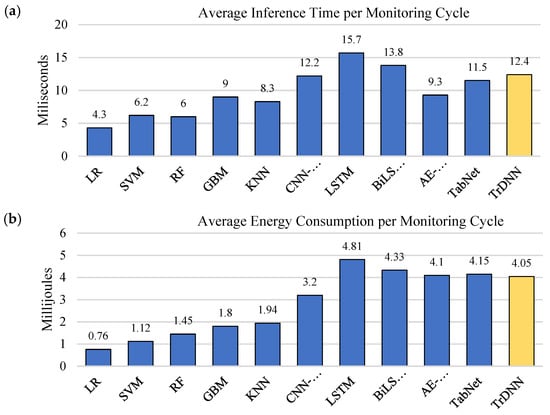
The growth of Internet of Things (IoT) environments has expanded the attack surface of modern systems. Trojan attacks are a major challenge as they evade conventional detection mechanisms and operate silently within legitimate processes. This paper presents an automated Trojan detection framework for Windows-based IoT gateways. The framework combines custom dataset generation informative feature engineering and deep learning-driven analysis. A dataset of 3000 real world executable samples was created through controlled sandbox execution and forensic monitoring. The process captured behavioral static and network-level characteristics. An initial set contained 146 extracted features. A multi-stage feature selection process identified 33 informative attributes. This step allowed efficient learning and preserved discriminative power. A custom deep neural network model named TrDNN was developed using these features. The model captures complex nonlinear patterns linked to Trojan activity. The framework was evaluated against five classical machine learning models. It was also compared with five deep learning baselines. Results show that TrDNN achieves strong detection performance. The accuracy is 0.975. The precision is 0.972. The recall is 0.969. The F1 score is 0.970. The study also examines inference time and energy consumption. The model shows a balance between detection effectiveness, computational cost and energy efficiency. This makes it suitable for resource-constrained IoT gateway deployment. The detection model was integrated into an automated real-time monitoring pipeline. The system enables continuous process surveillance through Windows command line automation with minimal operational overhead. Statistical validation used paired t tests, Wilcoxon signed rank tests and McNemar chi-square test. The performance gains are statistically significant and do not indicate overfitting. The framework provides a reliable, efficient and deployable solution for Trojan detection in modern IoT systems. Full article
(This article belongs to the Section Security Engineering & Applications)
Show Figures

Figure 1
22 pages, 1868 KB  
Article
A Hybrid SBERT–WGAN Framework with Ensemble Learning for Sentiment Analysis in Imbalanced Datasets
by Hamza Jakha, Sanae Tbaikhi, Souad El Houssaini, Mohammed-Alamine El Houssaini and Souad Ajjaj
Appl. Syst. Innov. 2026, 9(5), 103; https://doi.org/10.3390/asi9050103 (registering DOI) - 19 May 2026
Abstract
Sentiment analysis has become increasingly important across various domains, particularly in business intelligence, where it is crucial for improving the performance of companies by identifying the sentiments and emotions expressed in customer feedback on products and services. Despite its growing relevance, sentiment analysis [...] Read more.
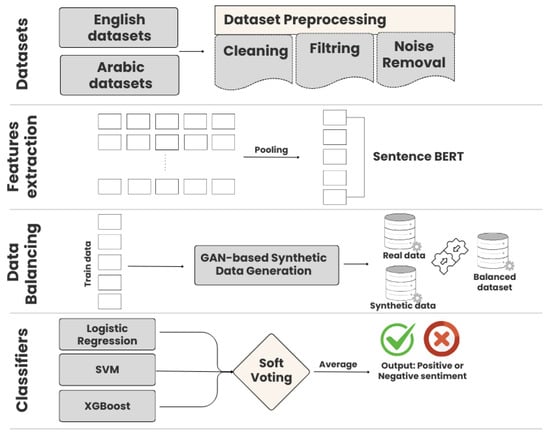
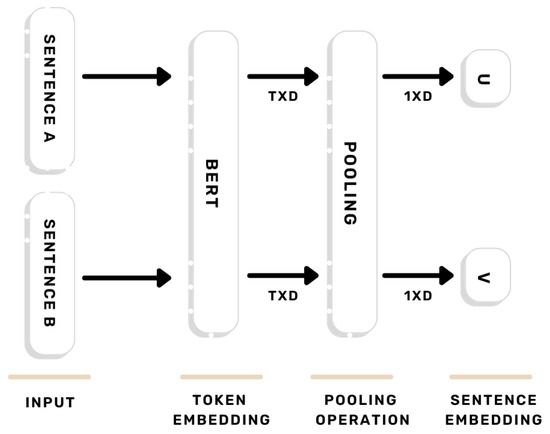
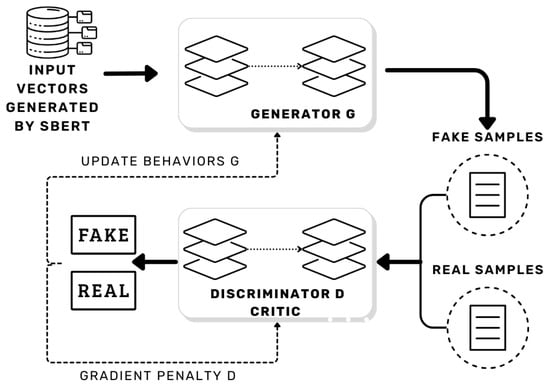
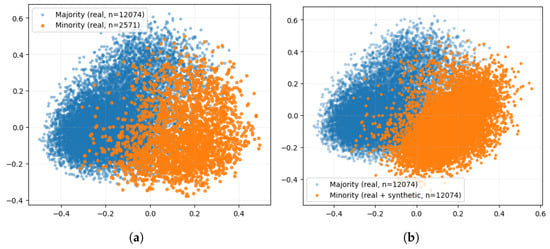
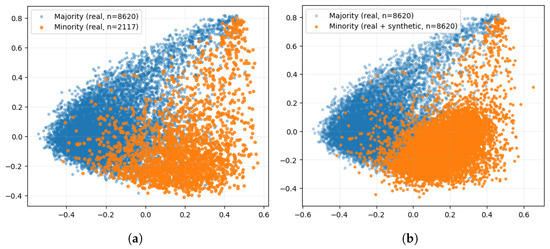
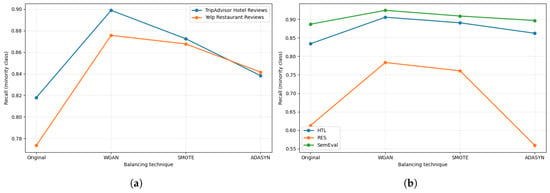
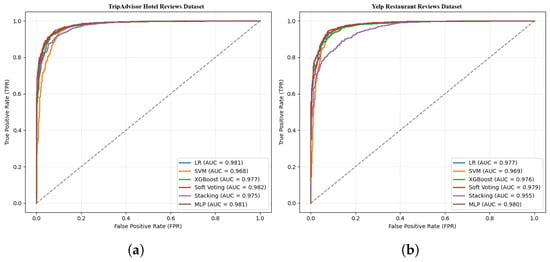
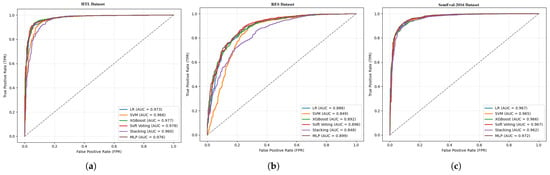
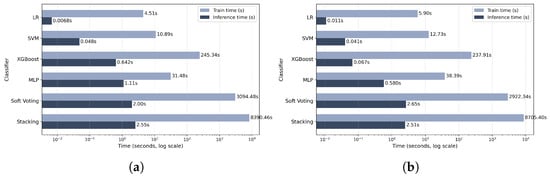
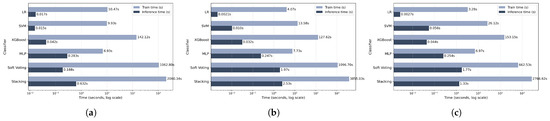
Sentiment analysis has become increasingly important across various domains, particularly in business intelligence, where it is crucial for improving the performance of companies by identifying the sentiments and emotions expressed in customer feedback on products and services. Despite its growing relevance, sentiment analysis still faces several challenges, including class imbalance in datasets, limitations in feature extraction techniques, and the selection of appropriate classification models. Effectively addressing these challenges requires the integration of robust representation methods, reliable data balancing strategies, and efficient classification frameworks. In this study, we propose a novel sentiment analysis approach that combines SBERT for contextual feature extraction, WGAN-based synthetic data generation for addressing class imbalance, and a soft voting ensemble classifier for improved prediction. The proposed approach is evaluated on five datasets, including two English datasets and three Arabic datasets, in order to assess its performance in a multilingual setting. We compare the effectiveness of the proposed model with several baseline machine learning classifiers, as well as with commonly used data balancing techniques such as the synthetic minority over-sampling technique (SMOTE) and adaptive synthetic (ADASYN). The evaluation is conducted using multiple performance metrics, including accuracy, precision, recall, F1-score, MCC, ROC–AUC and training and inference time, along with different validation strategies including fixed train–test splits and k-fold cross-validation. The experimental results demonstrate the effectiveness and stability of the proposed approach. In particular, they highlight the importance of capturing sentence-level contextual representations and generating realistic synthetic samples to address class imbalance. Full article
(This article belongs to the Special Issue AI-Driven Computational Methods for Social Media Analysis)
Show Figures

Figure 1
21 pages, 5215 KB  
Article
Finite Element Simulation-Driven Geometric Compensation for an LPBF-Fabricated Winged Annular Funnel Structure
by Yunpeng Zhang, Junfeng He, Xin Liao, Shilong Che, Xin Lin and Xufei Lu
J. Manuf. Mater. Process. 2026, 10(5), 178; https://doi.org/10.3390/jmmp10050178 (registering DOI) - 19 May 2026
Abstract
Geometric distortion remains a major obstacle to achieving high dimensional accuracy in laser powder bed fusion (LPBF), especially for complex thin-walled components with heterogeneous structural constraint. In this study, a finite element simulation-driven geometric compensation strategy was applied and validated for an LPBF-fabricated [...] Read more.
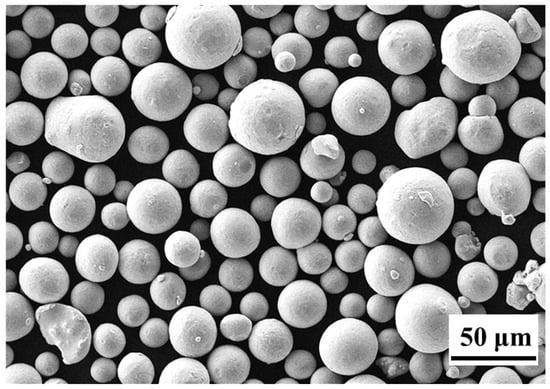
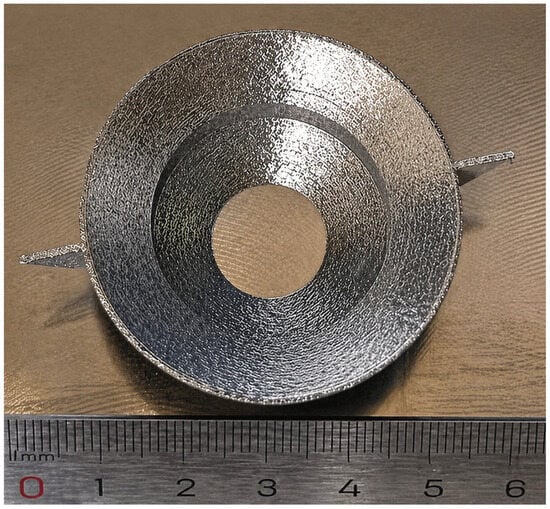
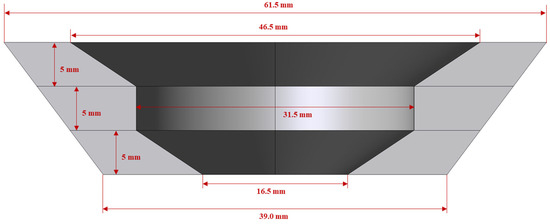
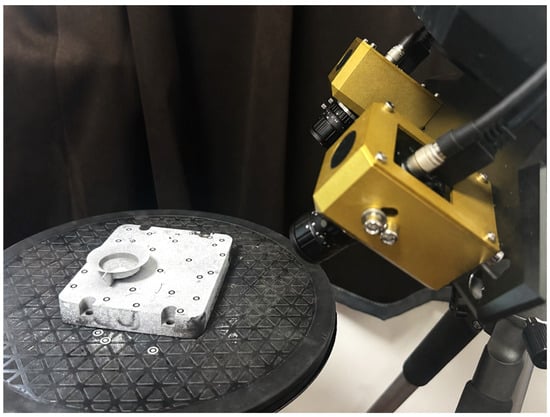
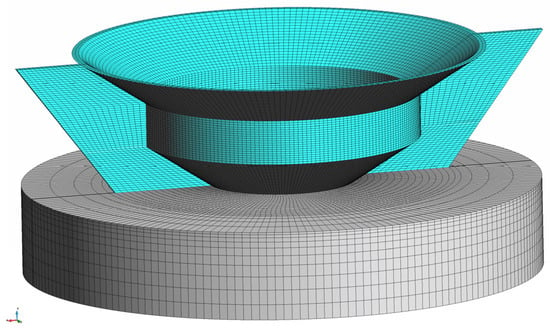
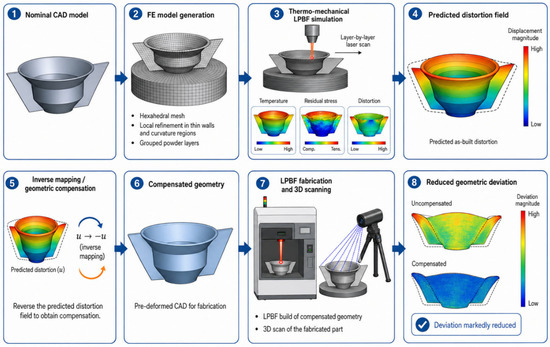
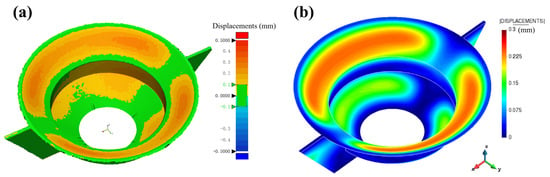
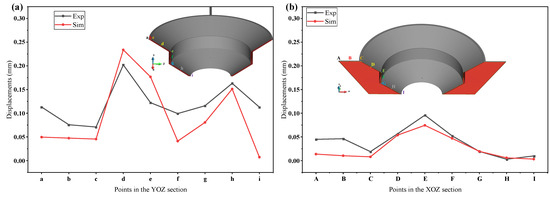
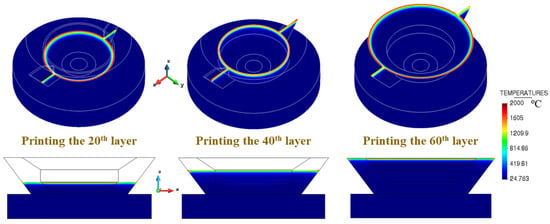
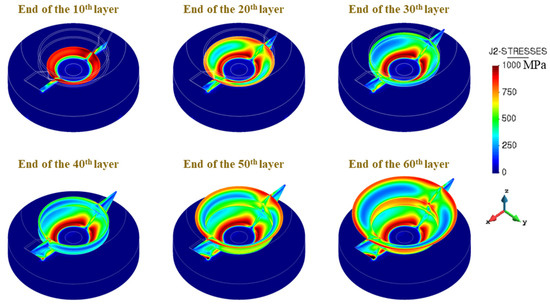
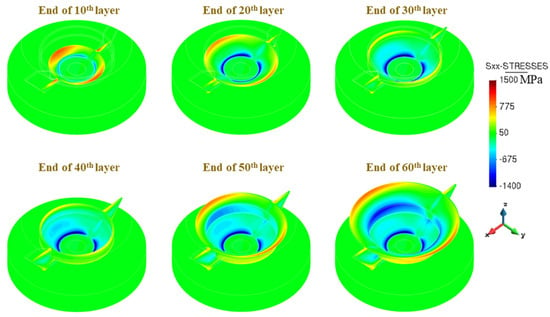
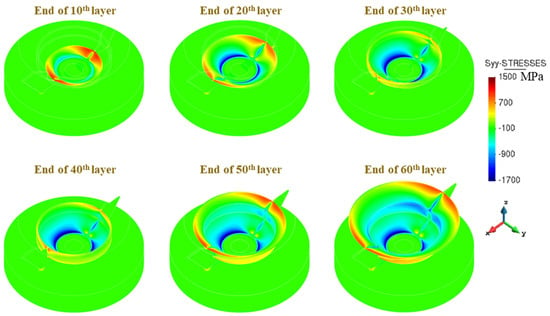
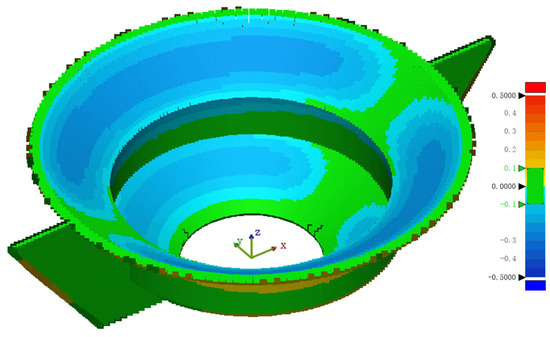
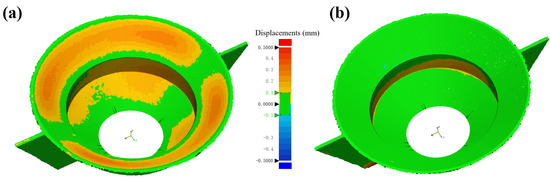
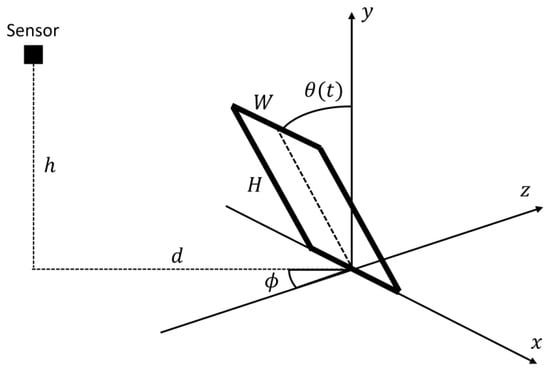
Geometric distortion remains a major obstacle to achieving high dimensional accuracy in laser powder bed fusion (LPBF), especially for complex thin-walled components with heterogeneous structural constraint. In this study, a finite element simulation-driven geometric compensation strategy was applied and validated for an LPBF-fabricated winged annular funnel structure (WAFS). A transient thermo-mechanically coupled finite element model was established to predict the distortion behavior during fabrication and validated by 3D scanning measurements, showing good agreement in both global deformation trend and local distribution characteristics. The simulation results indicated that the distortion of the WAFS was dominated by the combined constraint effect of the wing-like features and the baseplate, resulting in a non-uniform and symmetric deformation pattern. Based on the validated displacement field, an inverse-mapping method was used to construct a compensated geometry for re-fabrication. The compensated WAFS exhibited a substantially reduced deformation level, and the overall geometric distortion was reduced by more than 85% after a single compensation iteration. The present results demonstrate that finite element simulation-driven geometric compensation provides an efficient and practical route for improving the dimensional accuracy of the investigated WAFS, while reducing dependence on repeated trial-and-error optimization. Full article
(This article belongs to the Special Issue High-Performance Metal Additive Manufacturing, 2nd Edition)
Show Figures

Figure 1

24 pages, 12480 KB  
Review
Metal–Organic Framework as Contrast Agents for Magnetic Resonance Imaging
by Weiqi Wang, Zijiao Yan, Yajie Yu, Mengjiao Zhou, Hejian Xiong and Tingting Liu
Pharmaceutics 2026, 18(5), 621; https://doi.org/10.3390/pharmaceutics18050621 (registering DOI) - 19 May 2026
Abstract
Metal–organic frameworks (MOFs) possess unique structural tunability, abundant coordination sites, and outstanding biosafety, rendering them highly advantageous for the development of high-performance magnetic resonance imaging (MRI) contrast agents. In light of the significant advancements in MOF-derived theranostic platforms, a comprehensive overview focusing on [...] Read more.
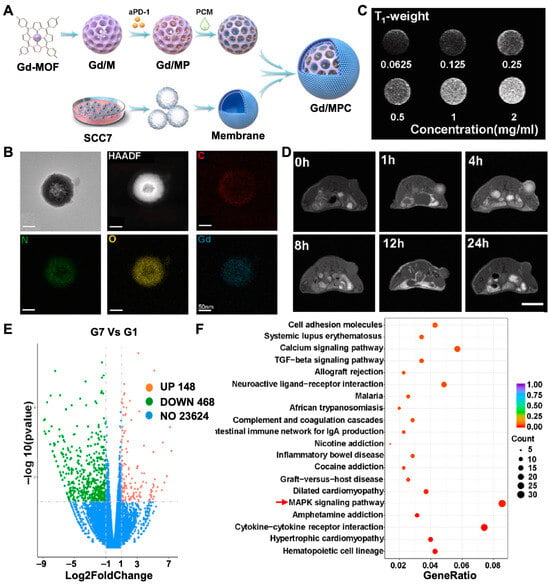
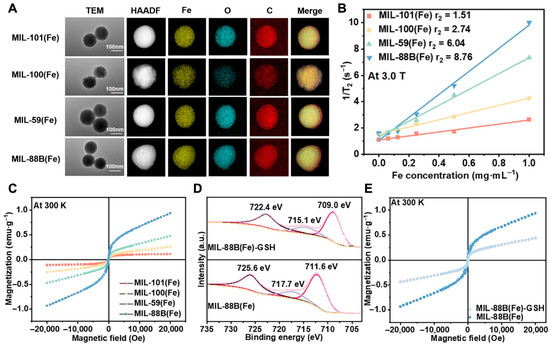
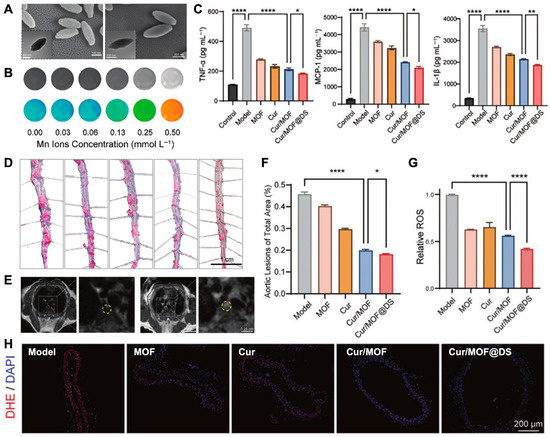
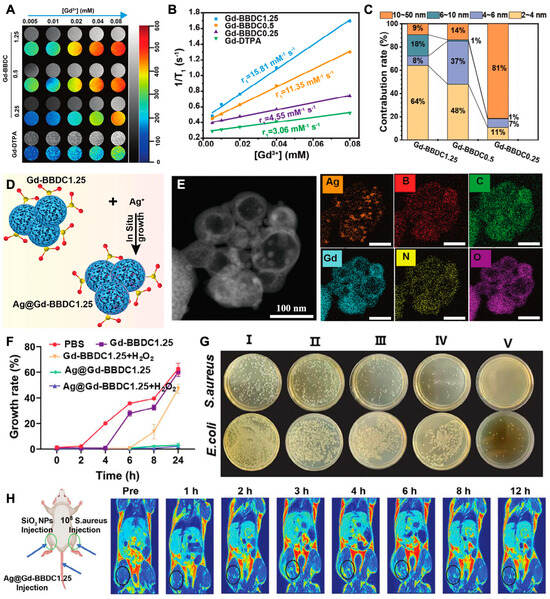
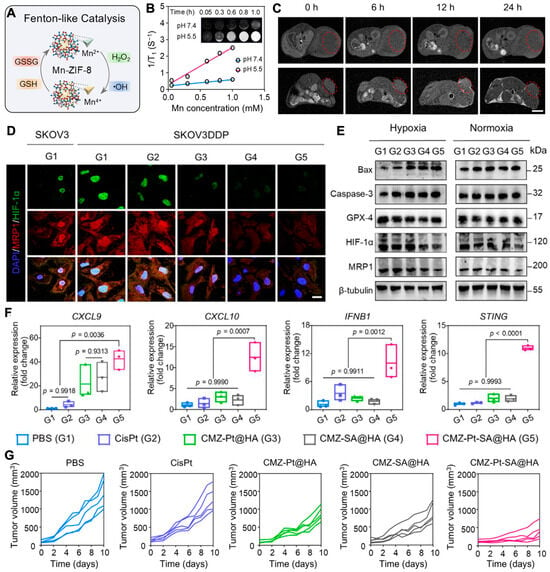
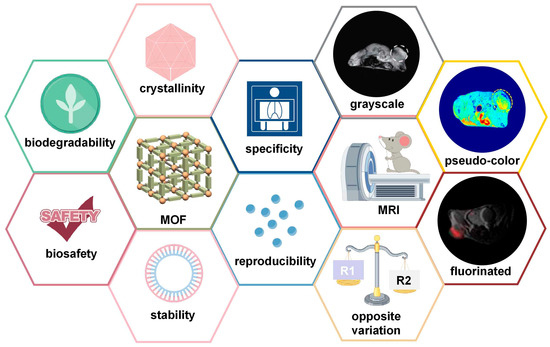
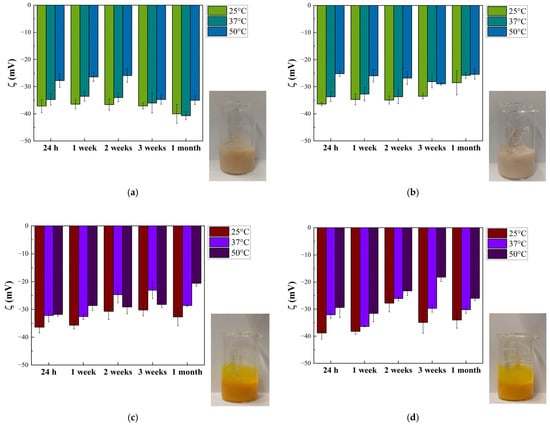
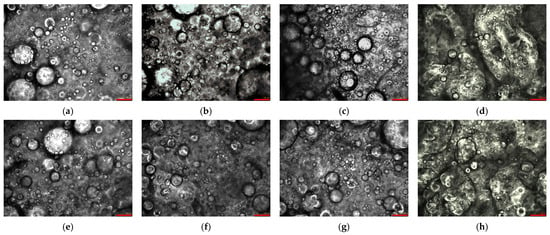
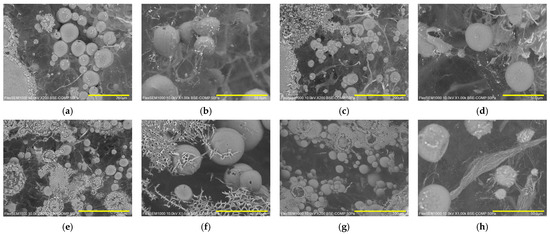
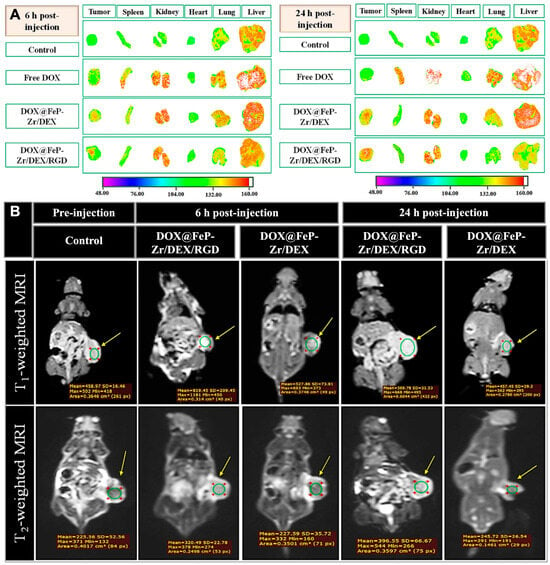
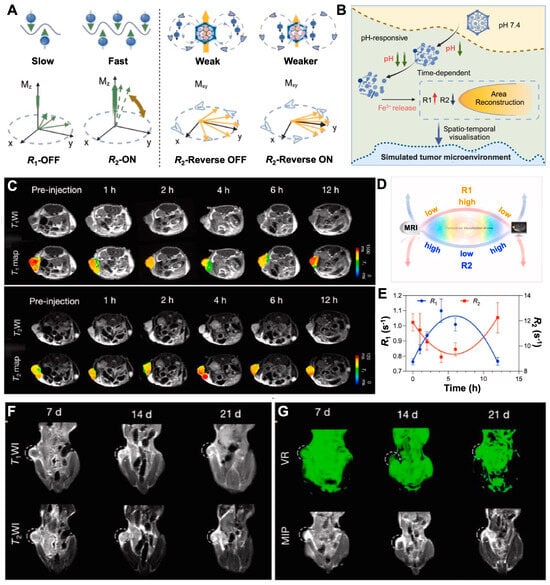
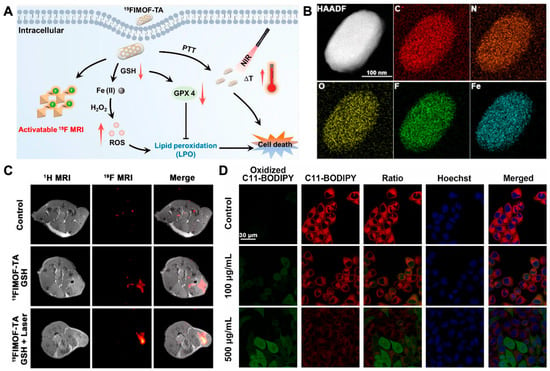
Metal–organic frameworks (MOFs) possess unique structural tunability, abundant coordination sites, and outstanding biosafety, rendering them highly advantageous for the development of high-performance magnetic resonance imaging (MRI) contrast agents. In light of the significant advancements in MOF-derived theranostic platforms, a comprehensive overview focusing on their classification and clinically oriented applications is urgently required. This review provides an in-depth examination of various categories of MOF-derived contrast agents, including T1, T2, dual-mode, ratiometric and 19F imaging systems, and analyzes the correlation between structural characteristics and imaging performance. Furthermore, it highlights typical MRI-guided therapeutic applications, such as those related to atherosclerosis, bacterial infections, and cancer immunotherapy. The review systematically addresses existing challenges, including issues related to biodegradability, metabolic behavior, and biosafety. It also summarizes the rational design principles for novel MOF contrast agents, aiming to facilitate their transition from fundamental research to clinical applications. Full article
(This article belongs to the Section Nanomedicine and Nanotechnology)
Show Figures

Figure 1

22 pages, 11223 KB  
Article
Influence of Different Diffusion Depths on Chloride Migration Coefficient and the Calibration Methodology
by Changsheng Ma, Changjie Wu, Hua Wang, Pinjie Zhao, Zexian Wei, Yunchao Tang and Yehua Ling
Buildings 2026, 16(10), 1996; https://doi.org/10.3390/buildings16101996 (registering DOI) - 19 May 2026
Abstract
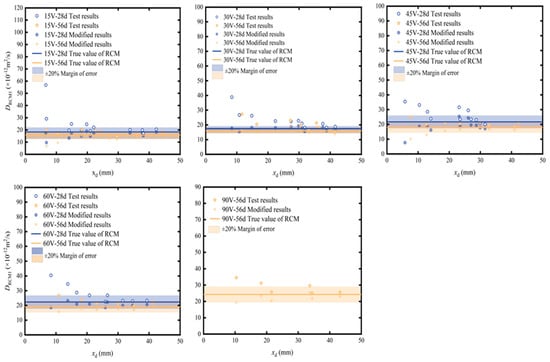
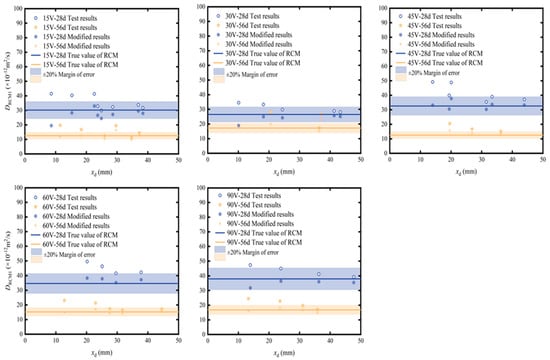
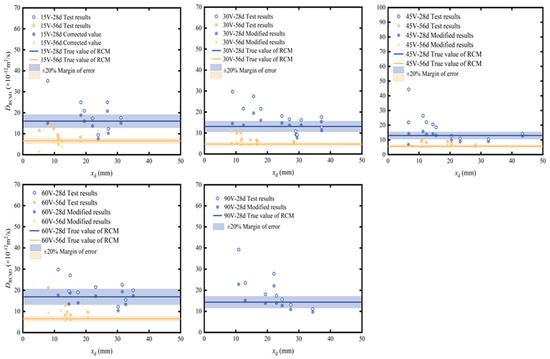
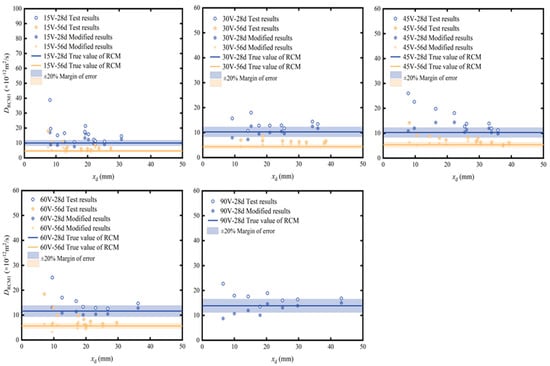
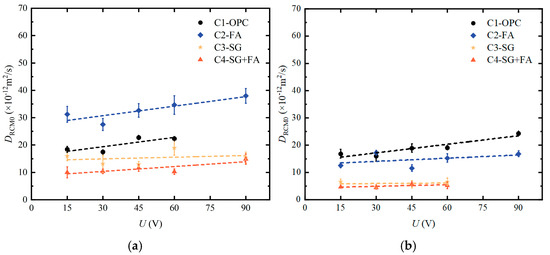
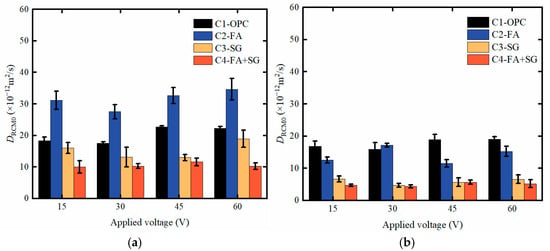
In the rapid chloride migration (RCM) test, the chloride concentration at the chromogenic boundary often differs from the standard value of 0.07 mol/L, leading to an overestimated migration coefficient, especially when the penetration depth is shallow. This study investigates the effect of penetration [...] Read more.
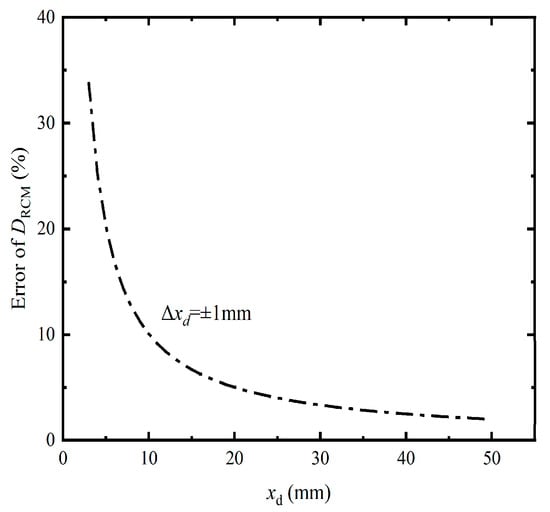
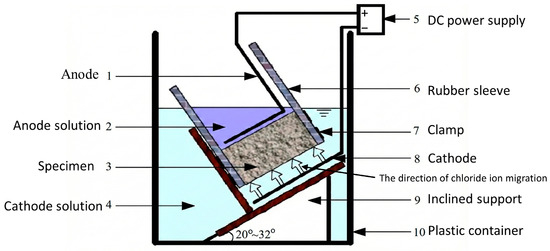
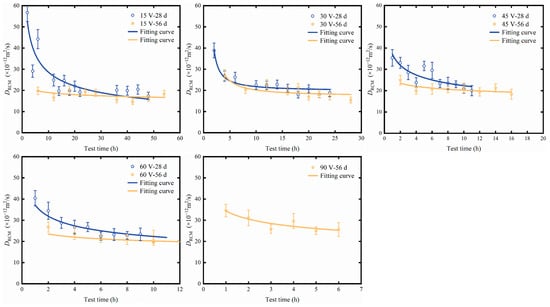
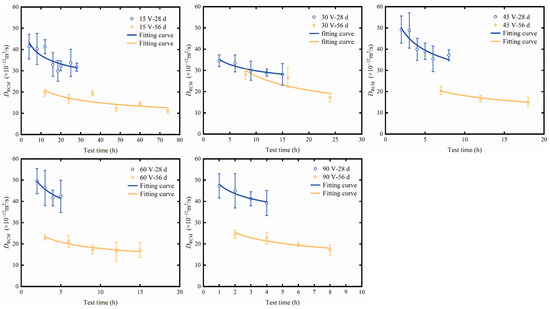
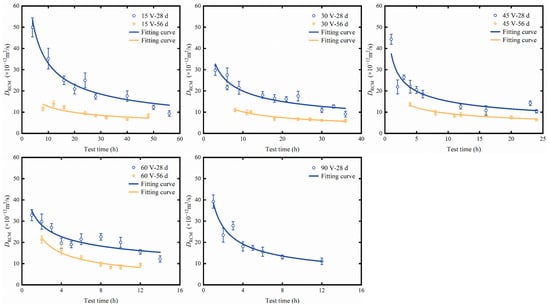
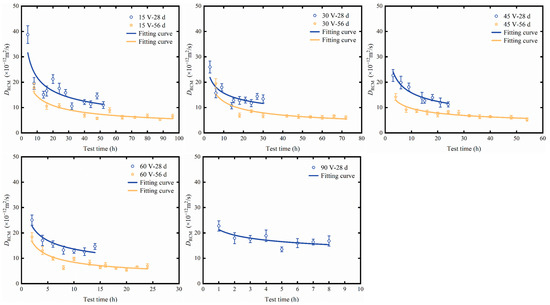
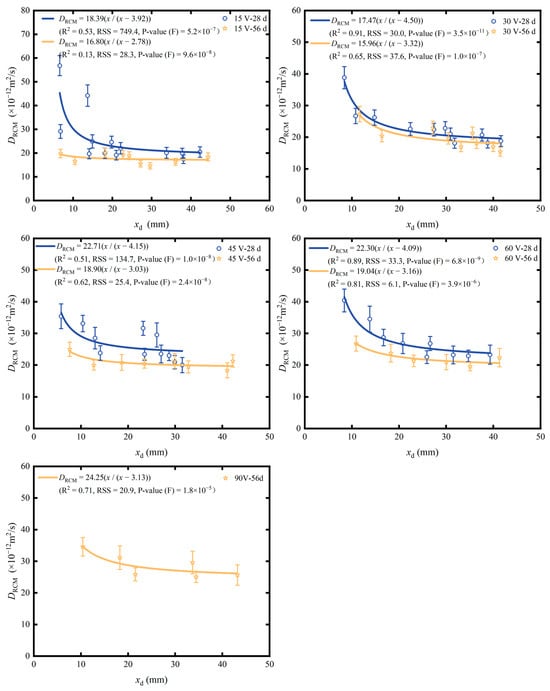
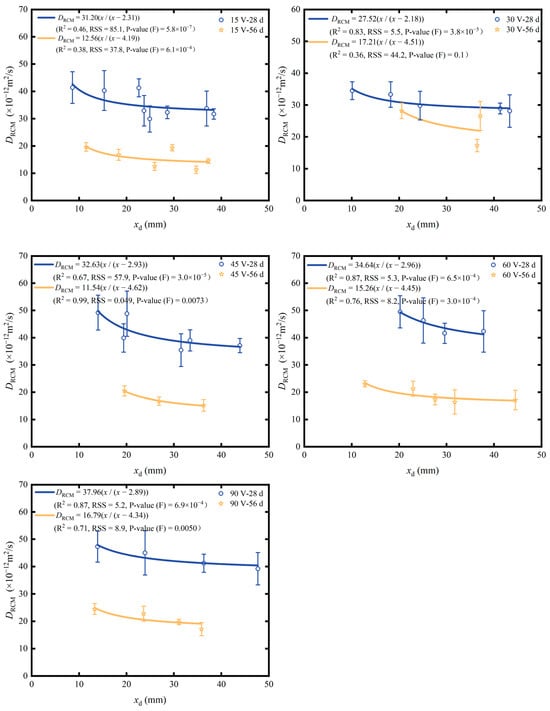
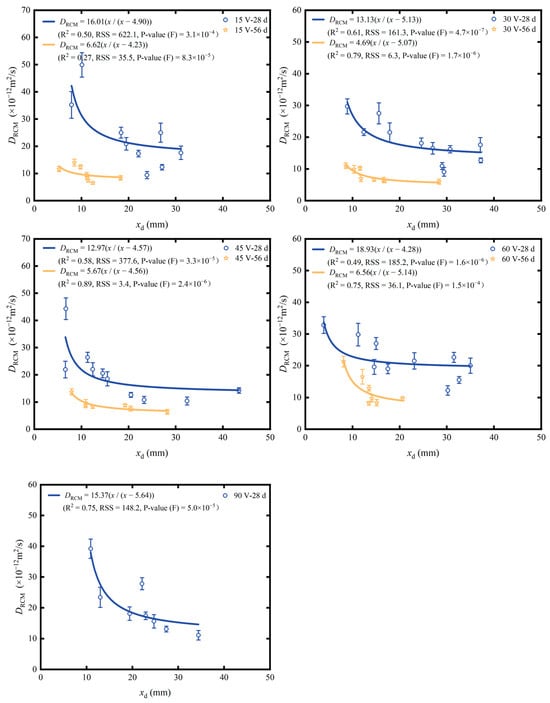
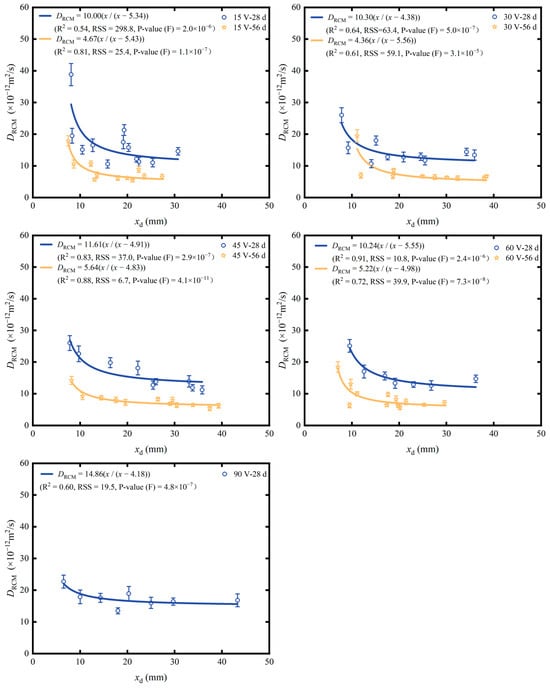
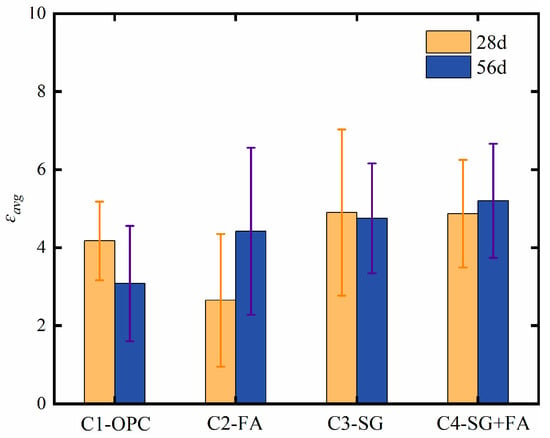
In the rapid chloride migration (RCM) test, the chloride concentration at the chromogenic boundary often differs from the standard value of 0.07 mol/L, leading to an overestimated migration coefficient, especially when the penetration depth is shallow. This study investigates the effect of penetration depth on the measured migration coefficient and proposes a practical correction method. RCM tests were carried out on four concrete mixtures with fly ash and slag under various voltages, two curing ages, and multiple test durations. The results show that the migration coefficient decreases as the penetration depth increases. A simple empirical correction model is introduced, using a chromogenic error ε obtained by fitting the experimental data. After correction, most of the modified migration coefficients fall within ±20% of the true values. The proposed model provides a useful engineering tool for rapid estimation of chloride migration coefficients in field laboratories where direct chloride concentration measurement is not available. Full article
Show Figures

Figure 1

16 pages, 11139 KB  
Review
Conceptual Rationale for Combining Galantamine, Iontophoresis, and Black Sea Brine in Peripheral Neuropathy: A Narrative Review
by Mariya Ivanova, Liliya Panayotova-Ovcharova, Detelina Nedyalkova-Petkova, Petar Petkov, Georgi Boshev and Evgeniya Vladeva
NeuroSci 2026, 7(3), 60; https://doi.org/10.3390/neurosci7030060 (registering DOI) - 19 May 2026
Abstract
Background: Peripheral neuropathy is a common and clinically heterogeneous neurological condition caused by metabolic, inflammatory, toxic, or traumatic factors and is associated with sensory deficits, neuropathic pain, motor impairment, and reduced functional capacity. Management remains challenging and often requires multimodal therapeutic approaches, as [...] Read more.
Background: Peripheral neuropathy is a common and clinically heterogeneous neurological condition caused by metabolic, inflammatory, toxic, or traumatic factors and is associated with sensory deficits, neuropathic pain, motor impairment, and reduced functional capacity. Management remains challenging and often requires multimodal therapeutic approaches, as pharmacological monotherapy frequently provides incomplete symptom control. Objective: This narrative review explores the conceptual rationale for combining galantamine with iontophoresis and Black Sea brine-based therapy as a potential multimodal strategy for peripheral neuropathy management. Main Findings: Galantamine, a reversible acetylcholinesterase inhibitor and positive allosteric modulator of nicotinic acetylcholine receptors, has demonstrated neuroprotective, neuromodulatory, and anti-inflammatory properties in experimental settings. Iontophoresis may provide a non-invasive method for targeted local drug delivery while reducing systemic exposure. Black Sea brine, widely used in Bulgarian balneological and rehabilitation practice, has been associated with improved circulation, pain reduction, and neuromuscular support. The reviewed evidence suggests biologically plausible complementary mechanisms; however, no direct clinical studies evaluating the combined intervention were identified. Limitations: Current evidence is indirect and derived from separate investigations of galantamine, iontophoresis, and brine-based therapy, as well as heterogeneous historical and regional sources. Therefore, the proposed combination should be considered hypothesis-generating rather than evidence-established. Conclusions: The combination of galantamine, iontophoresis, and Black Sea brine represents a potentially interesting multimodal concept for peripheral neuropathy rehabilitation. Well-designed preclinical and clinical studies are required to determine safety, feasibility, optimal treatment parameters, and therapeutic efficacy. Full article
Show Figures

Figure 1

29 pages, 5329 KB  
Systematic Review
Connecting the Dots: A Systematic Literature Review of Explainable AI, Cybersecurity, Human-Centered Design and Edge Computing
by Gaia Cecchi, Fabrizio Benelli, Mario Caronna, Giulia Palma and Antonio Rizzo
J. Cybersecur. Priv. 2026, 6(3), 91; https://doi.org/10.3390/jcp6030091 (registering DOI) - 19 May 2026
Abstract
The incorporation of Artificial Intelligence (AI) into cybersecurity has become widespread, largely propelled by the emergence of Generative AI (GenAI) and Large Language Models (LLMs). While these technologies promise to revolutionize threat detection, they introduce profound challenges regarding explainability, trust, and deployment feasibility [...] Read more.
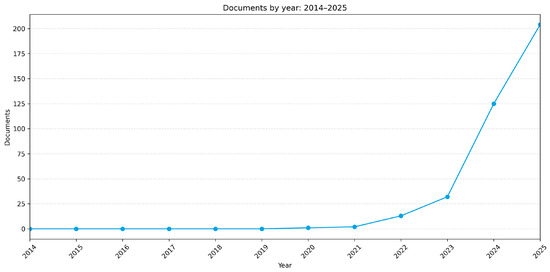
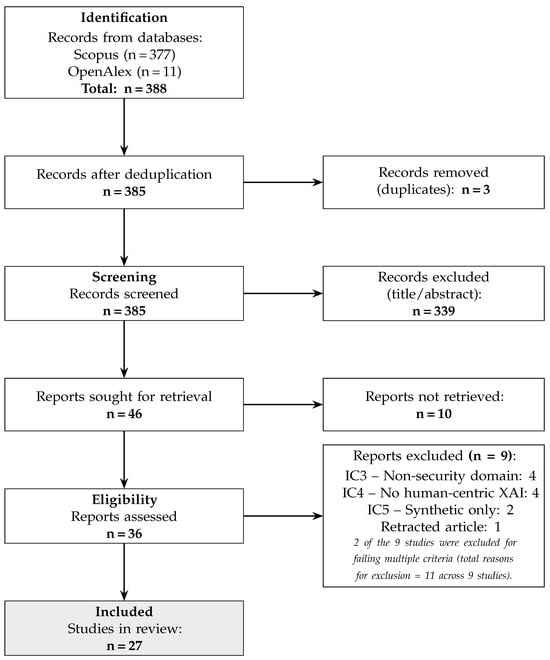
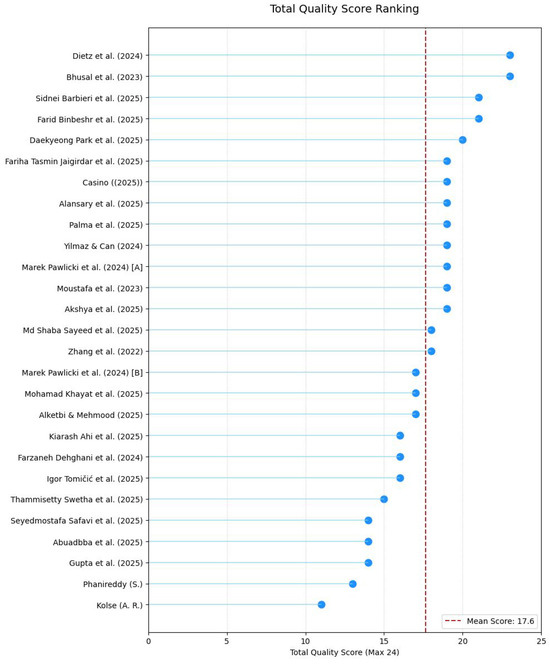
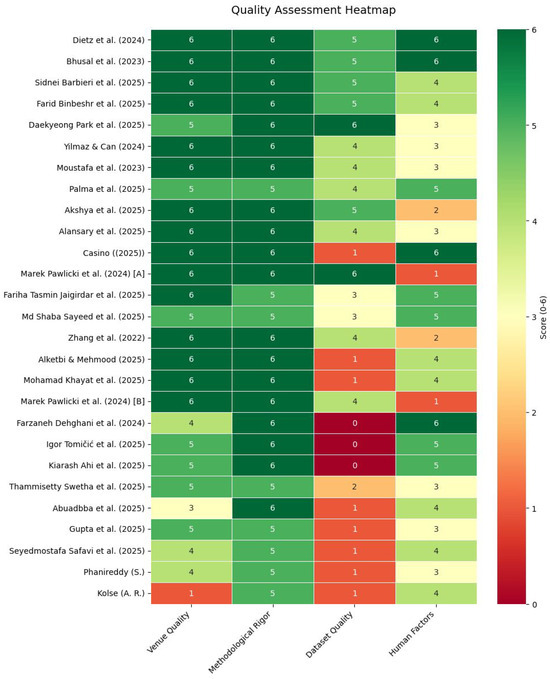
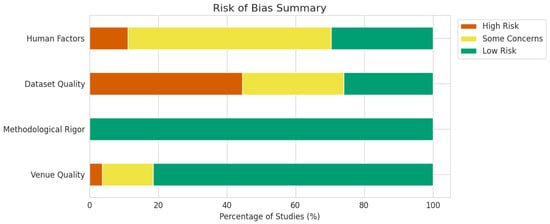
The incorporation of Artificial Intelligence (AI) into cybersecurity has become widespread, largely propelled by the emergence of Generative AI (GenAI) and Large Language Models (LLMs). While these technologies promise to revolutionize threat detection, they introduce profound challenges regarding explainability, trust, and deployment feasibility in resource-constrained environments. Current research often exhibits a form of technological determinism, prioritizing algorithmic performance over the operational realities of Security Operations Centers (SOCs). This paper presents a hybrid qualitative Systematic Literature Review (SLR) and Mapping Study, adhering to the Preferred Reporting Items for Systematic reviews and Meta-Analyses (PRISMA) 2020 guidelines. Our research questions are narrowly focused, seeking to explore how four key domains intersect: (1) Explainable AI (XAI) methods; (2) cybersecurity operations; (3) human-centered design; and (4) the constraints inherent to edge computing. From an initial corpus of 385 records drawn from Scopus and OpenAlex (spanning a search window from 2014 to 2025, with relevant findings heavily clustered in the 2020–2025 period), included studies were evaluated using a quality assessment protocol adapted from Kitchenham’s guidelines, scoring each study on a 0–24 scale across four dimensions (Venue Quality, Methodological Rigor, Dataset Realism, and Depth of XAI/Human Validation). The results reveal a significant “validation gap”: while 63% of studies claim human-centric relevance, only ~22% incorporate empirical validation with human operators. Furthermore, we identify a critical trade-off between the reasoning power of cloud-based LLMs and the privacy requirements of Edge security. We conclude by proposing a research agenda for “Cognitive SOCs”, emphasizing the need for Small Language Models (SLMs), standardized human-centric metrics, and robust hallucination detection mechanisms. Full article
(This article belongs to the Section Security Engineering & Applications)
Show Figures

Figure 1

15 pages, 701 KB  
Article
ADHD and Binge Eating Symptoms in Adult Women: A Cross-Sectional Study with a Gender-Focused Theoretical Overview
by Edoardo Mocini, Alessia Maiolo, Valerio Riccardo Aquila, Maria Eugenia Caligiuri, Francesca Greco, Gian Pietro Emerenziani, Emanuele Tinelli, Umberto Sabatini, Elisa Giannetta and Maria Grazia Tarsitano
Women 2026, 6(2), 34; https://doi.org/10.3390/women6020034 (registering DOI) - 19 May 2026
Abstract
Attention deficit/hyperactivity disorder (ADHD) is a neurodevelopmental condition frequently associated with psychiatric comorbidity, including disordered eating. Adult women remain under-recognized and underrepresented in ADHD research, and emerging evidence suggests that symptom expression may be shaped by gendered social factors, ovarian hormone fluctuations, and [...] Read more.
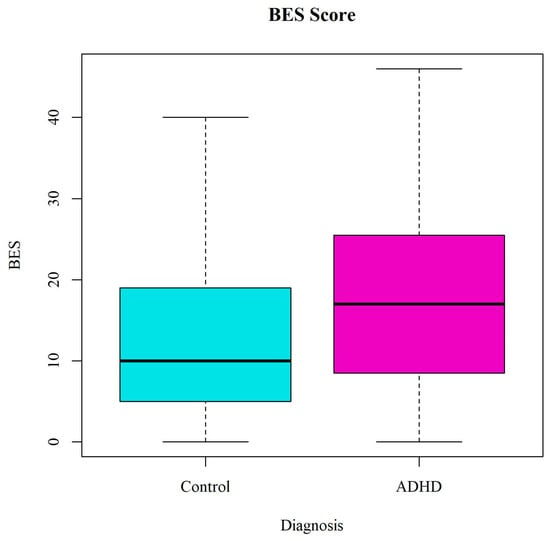
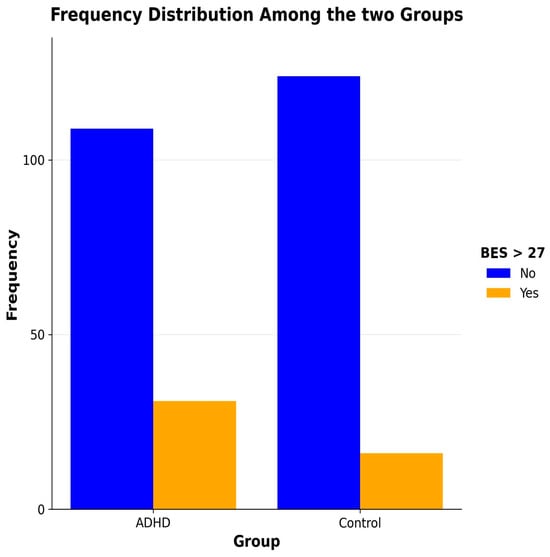
Attention deficit/hyperactivity disorder (ADHD) is a neurodevelopmental condition frequently associated with psychiatric comorbidity, including disordered eating. Adult women remain under-recognized and underrepresented in ADHD research, and emerging evidence suggests that symptom expression may be shaped by gendered social factors, ovarian hormone fluctuations, and metabolic health. In this manuscript, we provide a gender-focused theoretical overview of the literature linking ADHD to binge eating symptoms in adult women, with attention to underdiagnosis, menstrual cycle-related symptom variability, and obesity-related metabolic risk, and empirically test the association between a self-reported ADHD diagnosis and binge eating symptoms in an online cross-sectional sample of adult women. Women reporting an ADHD diagnosis (n = 140) were compared with a random subsample of n = 140 women without ADHD drawn from the same survey; comparability between groups on age, education, and employment was formally verified; and binge eating symptoms were assessed with the Binge Eating Scale (BES) as a continuous outcome and as an ordered three-category variable. Women reporting an ADHD diagnosis showed significantly higher BES scores than controls (rank-biserial r = 0.28, 95% CI 0.15–0.41), and a higher proportion of severe binge eating symptomatology (BES ≥ 27; 22.1% vs. 11.4%; OR = 2.20, 95% CI 1.14–4.25) than controls. The association remained significant in a sensitivity analysis adjusting for age and BMI. Taken together, our findings support the need for routine, gender-sensitive screening for binge eating symptoms in women with ADHD, as well as ADHD screening in women presenting with binge eating and obesity. Full article
Show Figures

Figure 1

16 pages, 2065 KB  
Article
Bacillus sp. L11 Promotes Tomato (Solanum lycopersicum L.) Seedling Growth by Reshaping Rhizosphere Bacterial Communities and Enhancing Root Growth Parameters
by Zhengwu Lu, Xin Guo, Renqiang Li, Yuqing Zhang, Hailin Zhang, Xinru Li, Xinzhe Li, Suyao Yin, Zhiqun Chen, Xu Zhang and Jingjing Liu
Horticulturae 2026, 12(5), 627; https://doi.org/10.3390/horticulturae12050627 (registering DOI) - 19 May 2026
Abstract
Plant growth-promoting rhizobacteria (PGPR) represent a sustainable and eco-friendly strategy to enhance crop productivity and support integrated agricultural systems. Among these, members of the genus Bacillus are highly valued for their resilience and multifaceted beneficial traits. The growth-promoting effects of Bacillus sp. L11 [...] Read more.
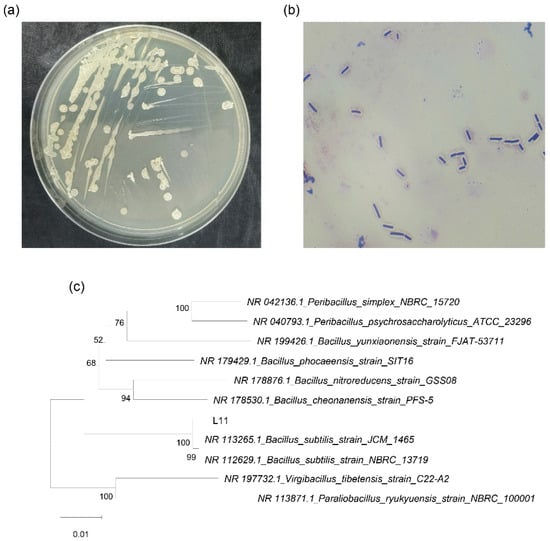
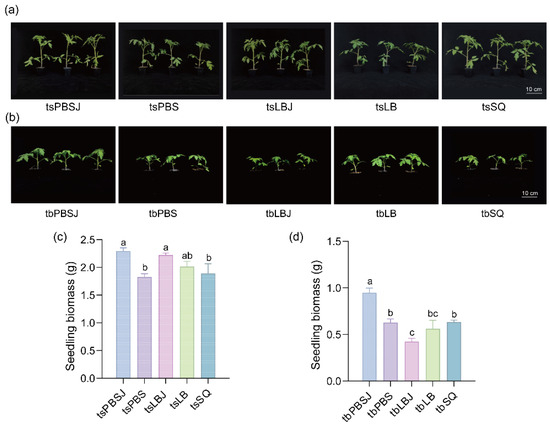
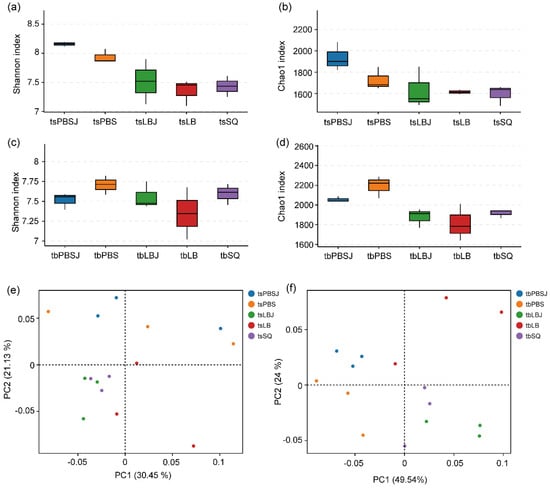
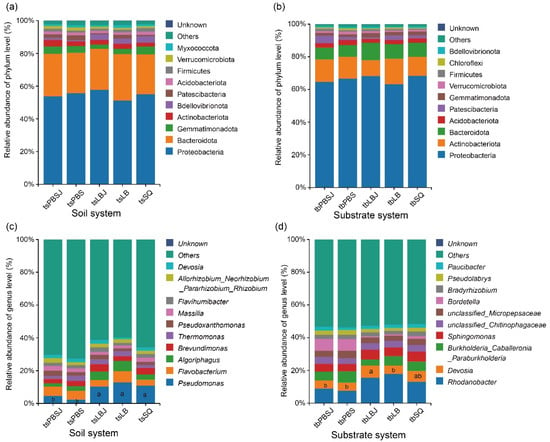
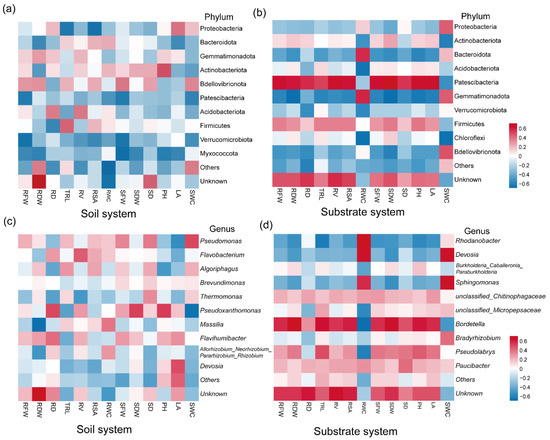
Plant growth-promoting rhizobacteria (PGPR) represent a sustainable and eco-friendly strategy to enhance crop productivity and support integrated agricultural systems. Among these, members of the genus Bacillus are highly valued for their resilience and multifaceted beneficial traits. The growth-promoting effects of Bacillus sp. L11 on S. lycopersicum seedlings were investigated in soil and artificial peat-based substrates. Rhizosphere microbial diversity was subsequently analyzed to investigate the interaction between L11 and the indigenous microbiota. We evaluated plant growth parameters, root growth parameters, and rhizosphere bacterial community dynamics using 16S rRNA high-throughput sequencing. Overall, L11 inoculation was associated with significantly improved growth indices of S. lycopersicum seedlings in both cultivation systems. Notably, the phosphate-buffered saline (PBS)-resuspended L11 markedly increased shoot fresh weight and plant height, and enhanced root-associated parameters such as total root length and root surface area. While L11 did not significantly alter alpha diversity, principal coordinates analysis (PCoA) revealed that its presence was associated with substantial restructuring of the rhizosphere bacterial community. Inoculation specifically enriched beneficial genera, including Chitinophaga, Devosia, and Pseudomonas. Correlation analyses showed that these microbial shifts were positively associated with the enhancement of seedling biomass and development. In conclusion, these findings suggest that Bacillus sp. L11 may promote S. lycopersicum growth through direct stimulation and by reshaping the rhizosphere microbiome, positioning it as a promising microbial inoculant for sustainable vegetable production. Full article
(This article belongs to the Topic Applications of Biotechnology in Food and Agriculture)
Show Figures

Figure 1

19 pages, 3131 KB  
Article
Interpretable Non-Separable Spatio-Temporal Interaction Cox Model for Diffusion Prediction in Invasive Species Management
by Yantao Zhang, Yangyang Li, Shuxin Wang, Jingxuan Wang, Robail Yasrab and Xinli Wu
Algorithms 2026, 19(5), 408; https://doi.org/10.3390/a19050408 (registering DOI) - 19 May 2026
Abstract
Accurate prediction of invasive species diffusion is essential for effective management and ecological conservation. Existing spatio-temporal Cox process models face limitations due to the separability assumption, which fails to capture spatio-temporal coupling dynamics inherent in biological diffusion processes. This study proposes a Spatio-Temporal [...] Read more.
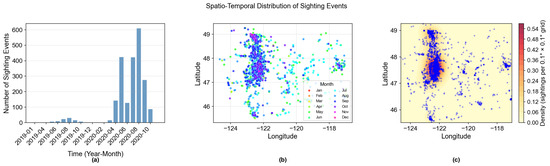
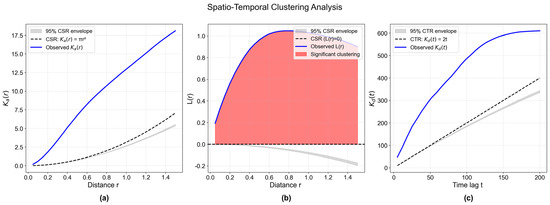
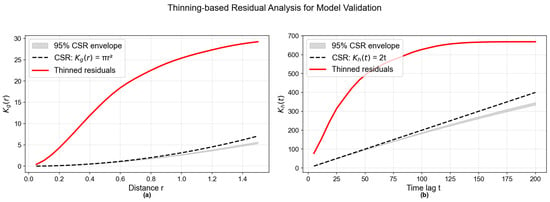
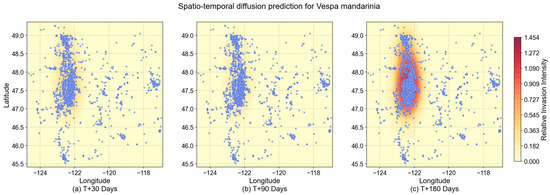
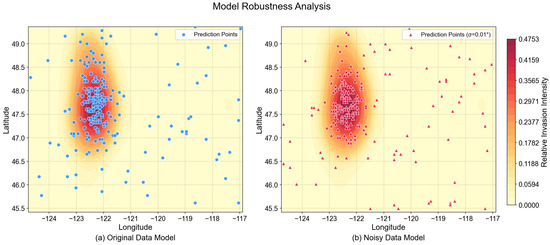
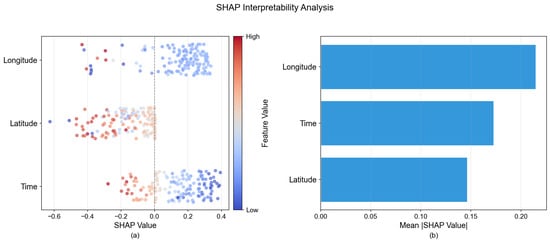
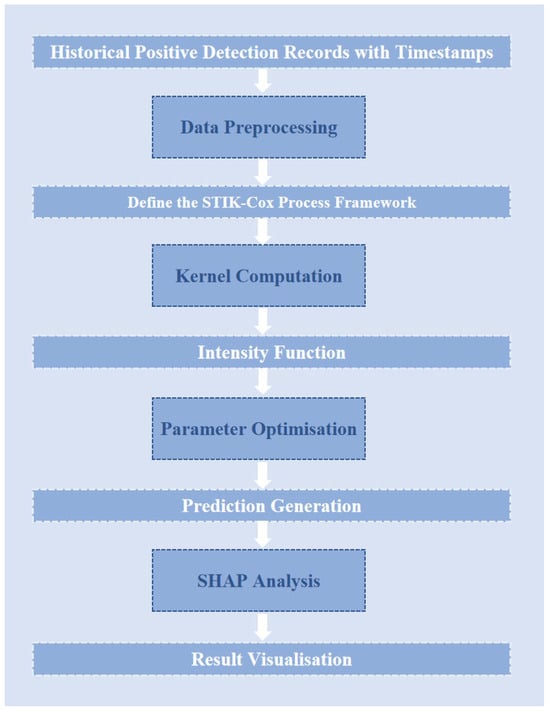
Accurate prediction of invasive species diffusion is essential for effective management and ecological conservation. Existing spatio-temporal Cox process models face limitations due to the separability assumption, which fails to capture spatio-temporal coupling dynamics inherent in biological diffusion processes. This study proposes a Spatio-Temporal Interaction Kernel Cox (STIK-Cox) model that constructs a non-separable conditional intensity function integrating baseline intensity, spatial and temporal proximity kernels, seasonal fluctuation, and a spatio-temporal interaction term. The model employs maximum likelihood estimation with Limited-memory Broyden–Fletcher–Goldfarb–Shanno with Bounds (L-BFGS-B) optimisation and incorporates SHapley Additive exPlanations (SHAP) for interpretability analysis. Using the Vespa mandarinia (Hymenoptera, Vespidae) monitoring dataset from Washington State, the model achieves a comprehensive accuracy score of 0.957, a capture rate of 98.74% at a 0.5° threshold, and a mean prediction error of 0.0802°. K-function analysis confirms effective capture of spatial clustering patterns, while SHAP analysis reveals longitude as the primary predictive driver. The non-separable design outperforms conventional methods including inverse distance weighting and Poisson point processes. This framework demonstrates the potential of non-separable spatio-temporal point processes for invasive species early warning, providing a scientific basis for targeted monitoring and resource allocation in ecological management. Full article
(This article belongs to the Topic Applications of NLP, AI, and ML in Software Engineering)
Show Figures

Figure 1

21 pages, 4618 KB  
Article
Lightweight and High-Precision Visual Detection of Cherry Cracking Defects Based on Improved YOLO11 with Enhanced Feature Fusion
by Yifei Sun, Xinying Miao, Yi Zhang, Zhipeng He, Xinyue Tao, Zhenghan Wang, Tianwen Hou, Ping Ren and Wei Wang
Agriculture 2026, 16(10), 1110; https://doi.org/10.3390/agriculture16101110 (registering DOI) - 19 May 2026
Abstract
Sweet cherry cracking severely impairs its commercial value and causes huge economic losses, and the accurate real-time detection of fine cracking defects remains a challenging small-target detection task. Traditional manual sorting and conventional machine vision methods suffer from low efficiency and poor robustness, [...] Read more.
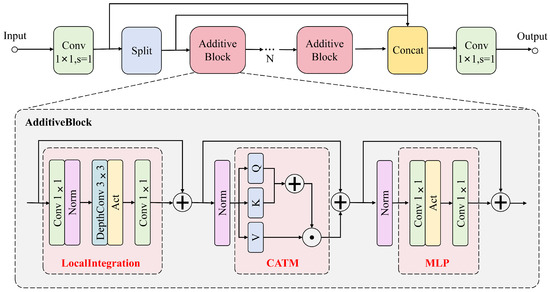
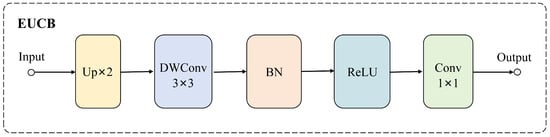
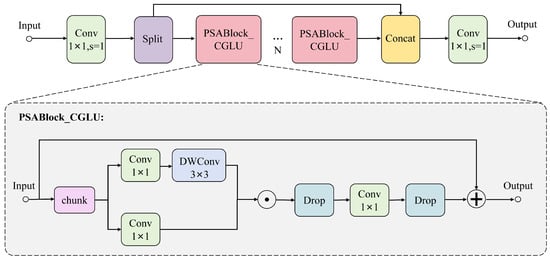
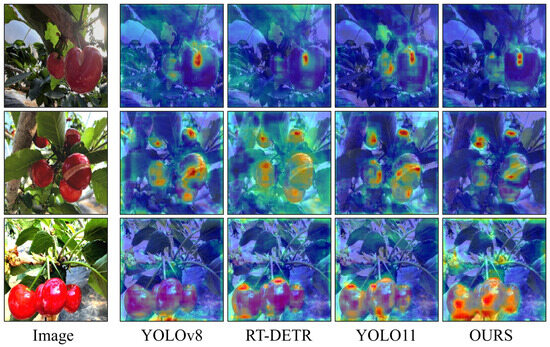
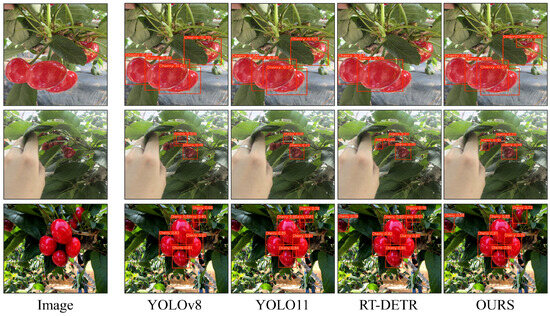
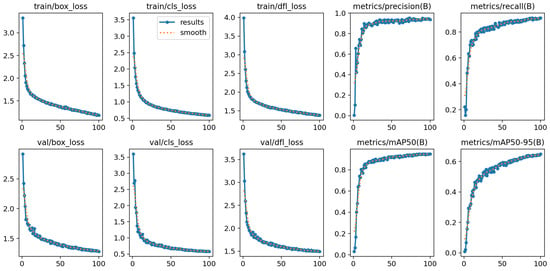
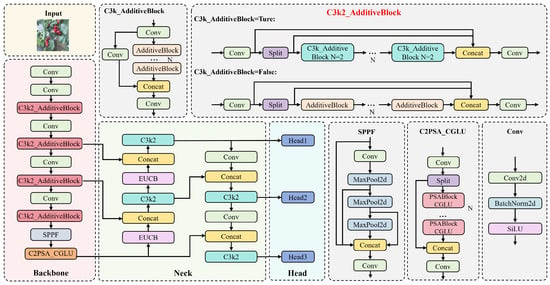
Sweet cherry cracking severely impairs its commercial value and causes huge economic losses, and the accurate real-time detection of fine cracking defects remains a challenging small-target detection task. Traditional manual sorting and conventional machine vision methods suffer from low efficiency and poor robustness, while existing YOLO-based models have limitations in multi-scale feature fusion, local feature discrimination and spatial information retention for cherry cracking detection, and their effectiveness in natural production environments has not been statistically validated. To address these issues, this study proposes YOLO-CY for cherry cracking defect detection. Three key modules were optimized: the C3k2_AdditiveBlock was designed to enhance multi-scale feature extraction, the C2PSA_CGLU module improved the discriminability of local crack features via refined channel attention, and the Efficient Up-Convolution Block replaced traditional upsampling to reduce spatial information loss. Experiments were conducted on a self-constructed dataset of 3662 cherry images acquired on a real sorting line under natural ambient light. The results showed that YOLO-CY achieved an mAP50 of 94.88% and an mAP50-95 of 64.92%, with precision and recall reaching 93.90% and 90.81%, respectively, significantly outperforming mainstream lightweight YOLO models and two-stage detectors. Ablation experiments verified the synergistic effect of the three improved modules, and the model only had a marginal increase in parameters (2.62 M) and GFLOPs (6.60), maintaining lightweight characteristics. YOLO-CY can accurately detect fine, low-contrast and pedicel-overlapping cracks and is suitable for real-time detection on automated cherry-sorting lines, providing a technical solution for intelligent cherry quality inspection. Full article
(This article belongs to the Section Artificial Intelligence and Digital Agriculture)
Show Figures

Figure 1

13 pages, 1488 KB  
Article
Pterostilbene-Incorporated Tissue Conditioners Exhibit Sustained Antifungal Activity Against Candida albicans In Vitro with Preserved Biocompatibility
by Teuta Komoni and Ivana Sutej
Materials 2026, 19(10), 2126; https://doi.org/10.3390/ma19102126 (registering DOI) - 19 May 2026
Abstract
Candida albicans-associated denture stomatitis is a common inflammatory condition in denture wearers. Conventional tissue conditioners provide temporary relief but lack intrinsic antifungal activity, allowing persistent microbial colonization and biofilm formation. Functionalization with bioactive agents represents a promising preventive strategy. This study evaluated [...] Read more.
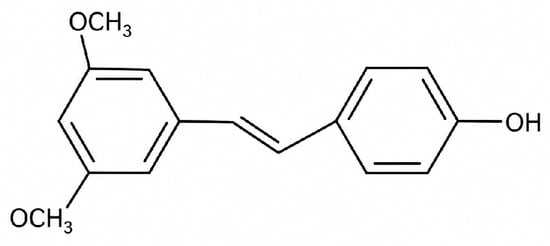
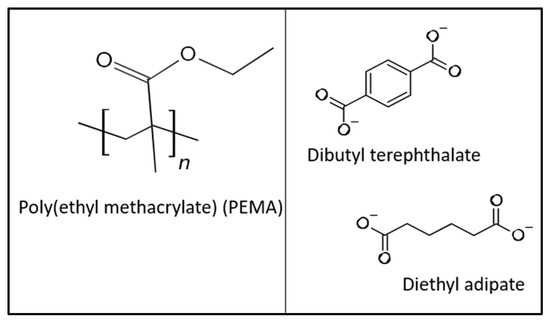
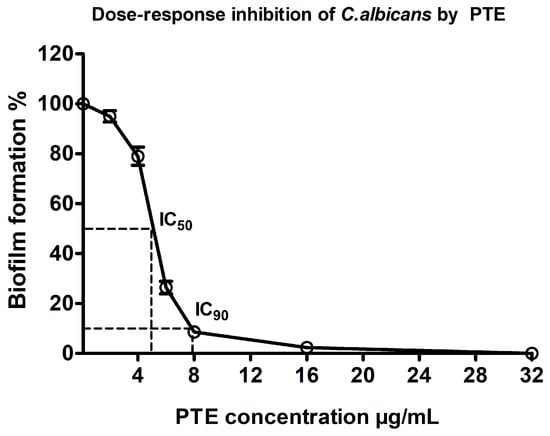
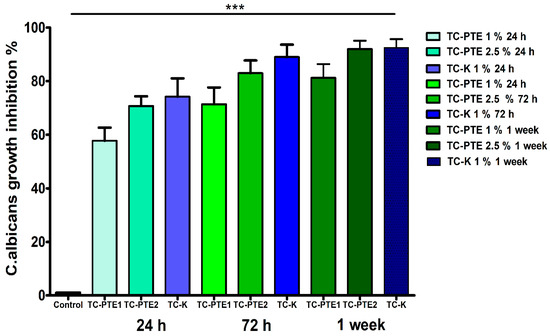
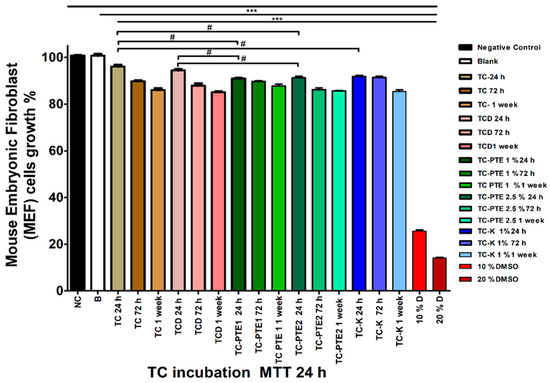
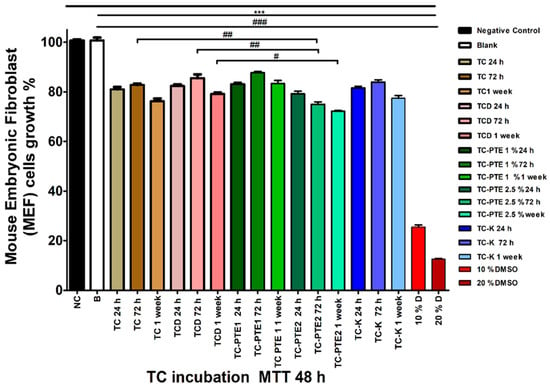
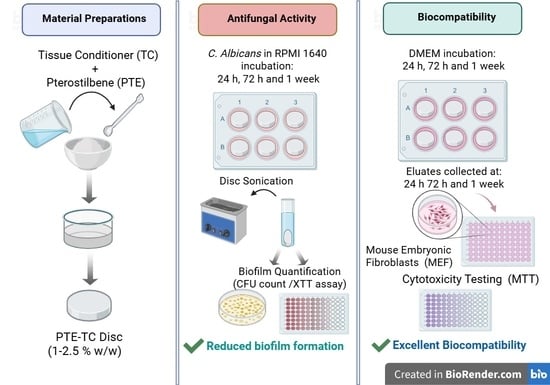
Candida albicans-associated denture stomatitis is a common inflammatory condition in denture wearers. Conventional tissue conditioners provide temporary relief but lack intrinsic antifungal activity, allowing persistent microbial colonization and biofilm formation. Functionalization with bioactive agents represents a promising preventive strategy. This study evaluated the antifungal efficacy and biocompatibility of pterostilbene (PTE), a natural stilbenoid compound, incorporated into a commercially available tissue conditioner. Antifungal activity of PTE against C. albicans ATCC 10231 was evaluated using broth microdilution and XTT biofilm assays. Tissue conditioner discs containing 1% and 2.5% (w/w) PTE were fabricated and tested after 24 h, 72 h, and 1 week using colony-forming unit (CFU) counts and metabolic activity assays. Biocompatibility was assessed by exposing mouse embryonic fibroblast (MEF) cells to conditioned eluates followed by an MTT viability assay. PTE inhibited biofilm formation in a concentration-dependent manner, with significant suppression observed at ≥8 µg/mL (p < 0.001). A time-dependent antifungal effect was observed over one week. PTE-functionalized tissue conditioners significantly reduced fungal adhesion compared with controls at all-time points (p < 0.001). Cell viability remained above 70%, meeting ISO 10993-5 criteria for non-cytotoxicity, indicating potential for localized prevention of denture stomatitis. Full article
(This article belongs to the Special Issue Advanced Materials for Oral Application (3rd Edition))
Show Figures

Graphical abstract

17 pages, 23434 KB  
Article
Quantitative Investigation into Friction-Induced Vibration During Mold-Opening Transience in Ultra-High-Tonnage Two-Platen Injection Molding Machines with Massive Inertia and Constraint-Guided Sliding
by Xiaozhou Chen, Bin Han, Wei Gu, Meng Chen, Chongyang Xie, Lu Ren and Haibo Huang
Machines 2026, 14(5), 565; https://doi.org/10.3390/machines14050565 (registering DOI) - 19 May 2026
Abstract
As extreme-scale manufacturing evolves, the dynamic response of heavy moving components under ultra-high loads becomes a critical design challenge. This study focuses on friction-induced vibration of a more than 30-ton movable mass during the mold-opening stage in a two-platen machine with a clamping [...] Read more.
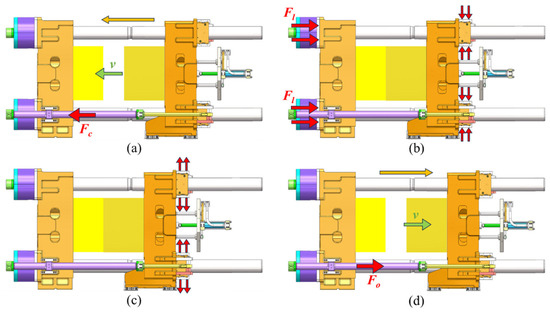
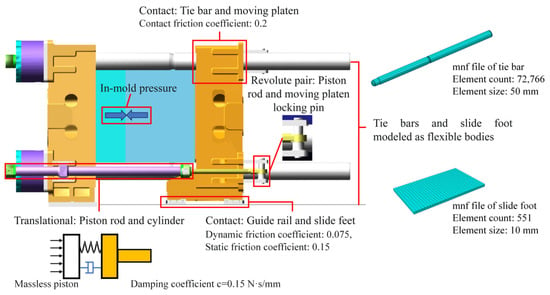
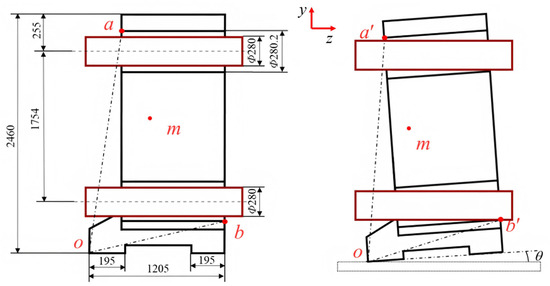
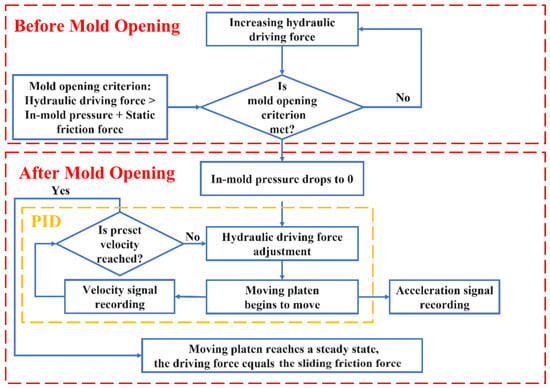
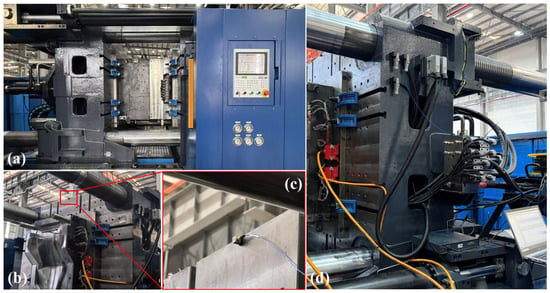
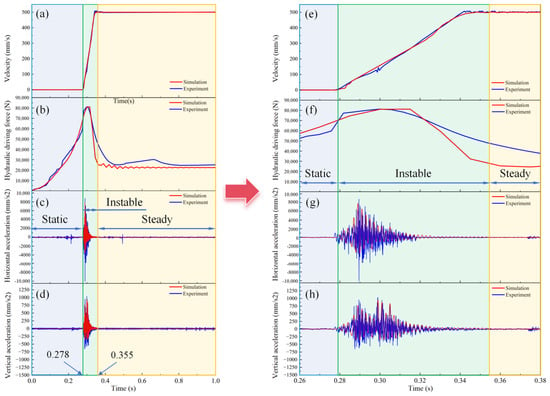
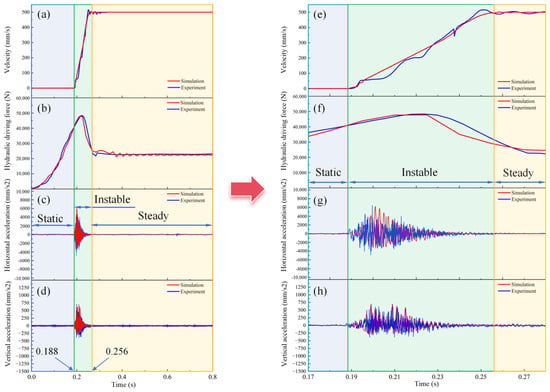
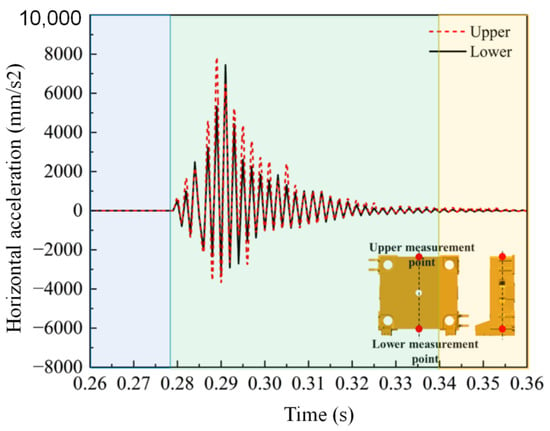
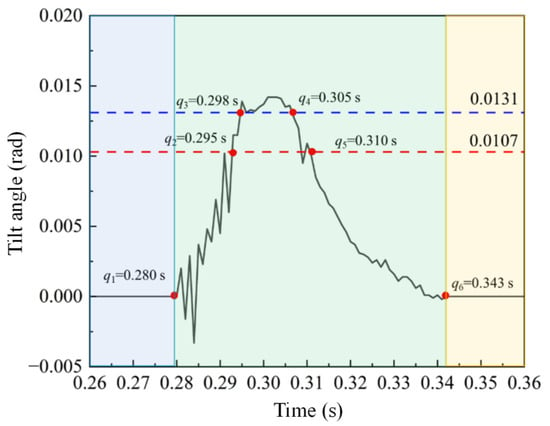
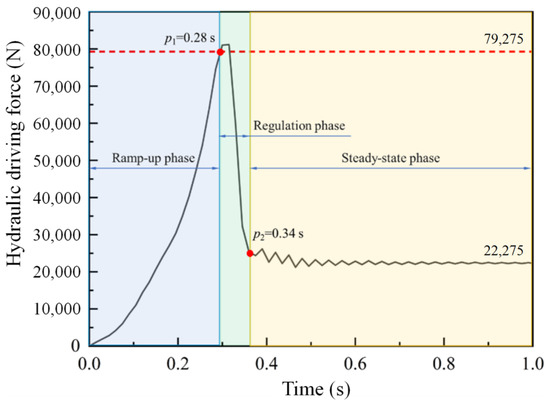
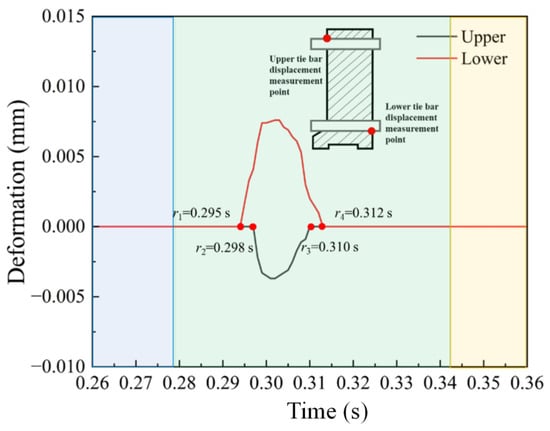
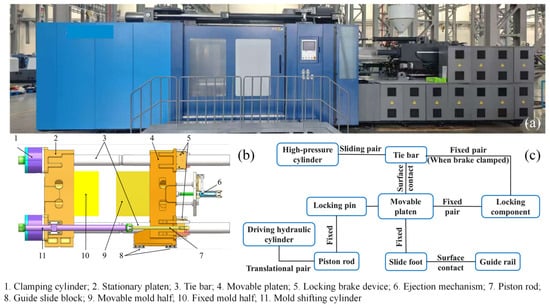
As extreme-scale manufacturing evolves, the dynamic response of heavy moving components under ultra-high loads becomes a critical design challenge. This study focuses on friction-induced vibration of a more than 30-ton movable mass during the mold-opening stage in a two-platen machine with a clamping force >17,000 kN. A mathematical model and a validated rigid/flexible multibody dynamics model with PID co-simulation were developed to analyze transient vibration using maximum acceleration amplitude and stability time as core metrics. The results show vibration stems from imbalance between anti-opening resistance and hydraulic driving force, amplified by vacuum collapse, static-to-dynamic friction transition at slide feet/rail interface and PID overshoot, featuring high amplitude density (>0.75 g), transience (<50 ms) and high impact (>60,000 N). The maximum vibration acceleration amplitude remains 79.22% even after there is no mold vacuum suction, indicating that a static friction force other than the vacuum suction is the dominant factor resulting in a severe friction-induced vibration. These mechanistic insights establish an applicable framework for the dynamic optimization of the heavy components in extreme-large-scale manufacturing equipment. Full article
(This article belongs to the Special Issue New Advances in Science of Mechanisms and Machines)
Show Figures

Figure 1

25 pages, 34945 KB  
Article
6PPDQ Exposure Exacerbates Seizure-Induced Neuronal Damage via the TP53/Nrf2 Axis: An Integrated Strategy Combining Network Toxicology and Experimental Validation
by Ruijin Xie, Wei Xiao, Hua Xu, Yufan Luo, Xue Xiao, Qiyang Pan, Shengjie Xu, Li Liu, Chenyu Sun and Yueying Liu
Toxics 2026, 14(5), 443; https://doi.org/10.3390/toxics14050443 (registering DOI) - 19 May 2026
Abstract
As an emerging tire wear-derived environmental contaminant, 6PPD-quinone (6PPDQ) has raised significant concerns regarding its neurotoxic potential, particularly for children exposed to recycled tire crumb rubber in playgrounds. However, the molecular mechanisms by which 6PPDQ influences neurological disorders such as epilepsy remain poorly [...] Read more.
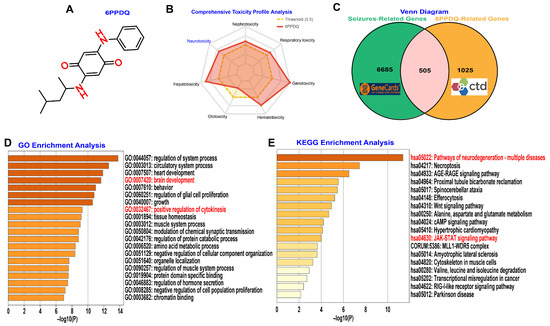
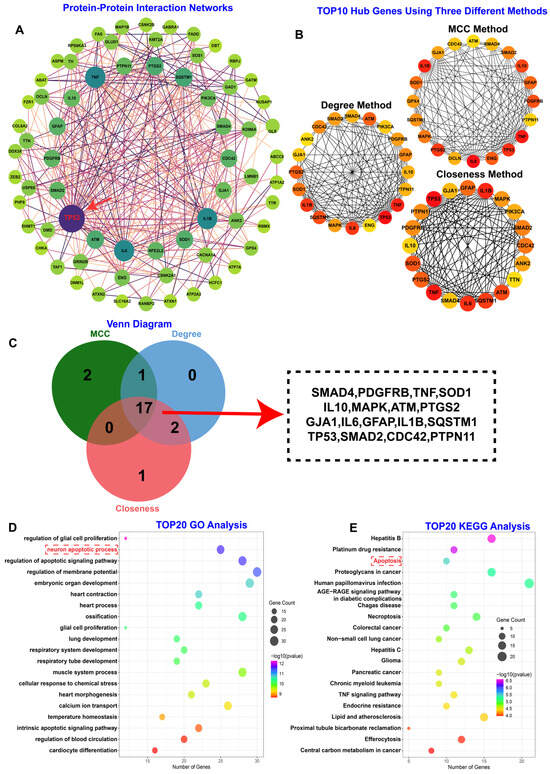
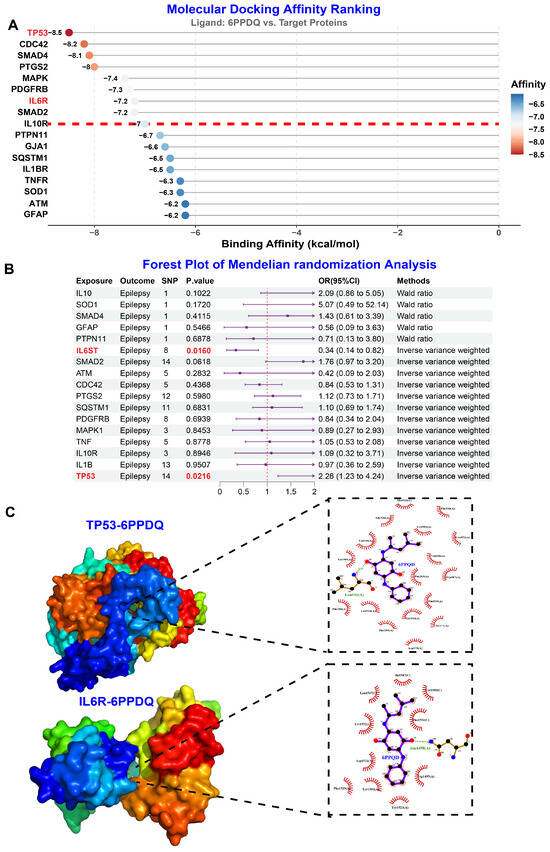
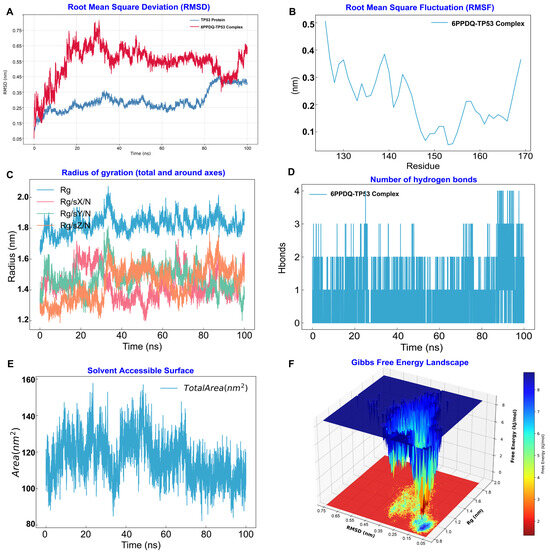
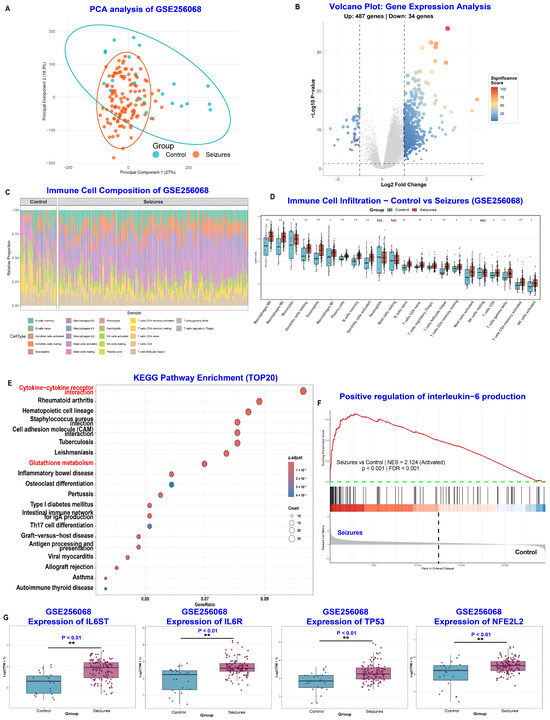
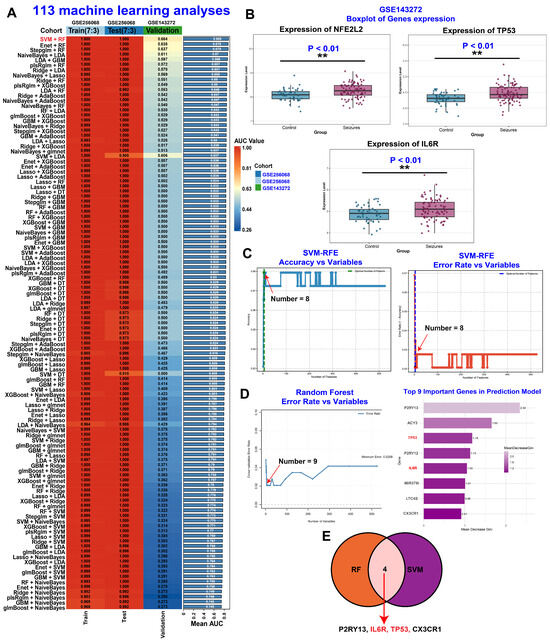
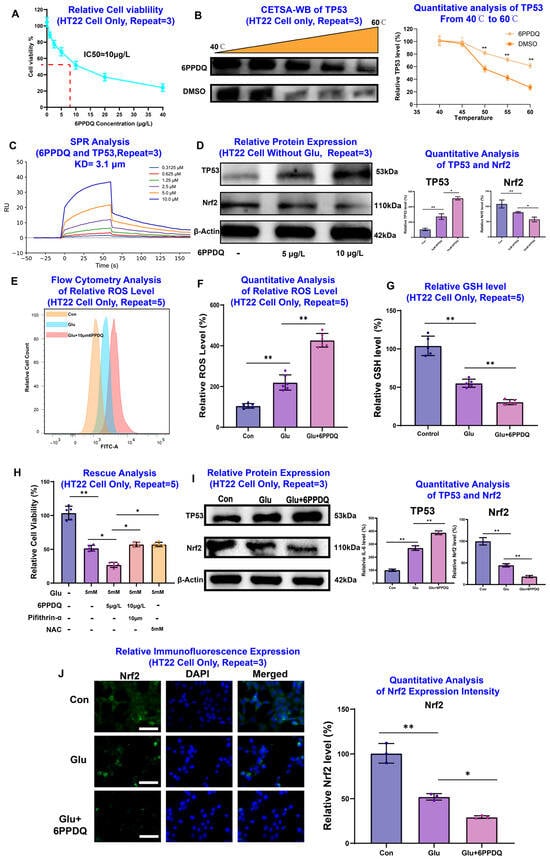
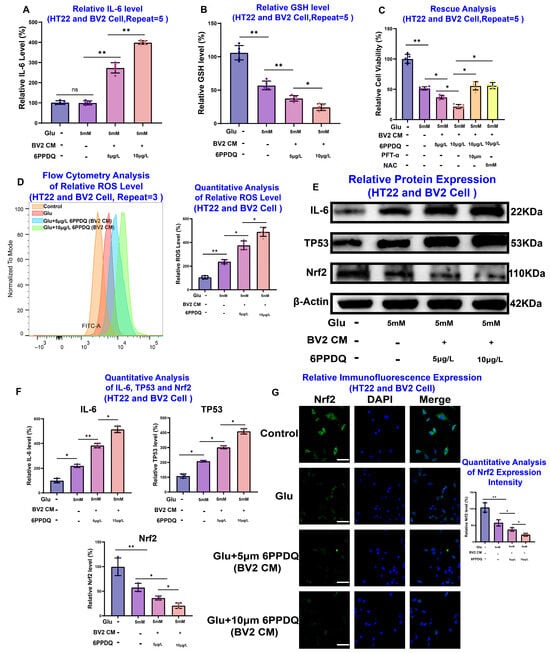
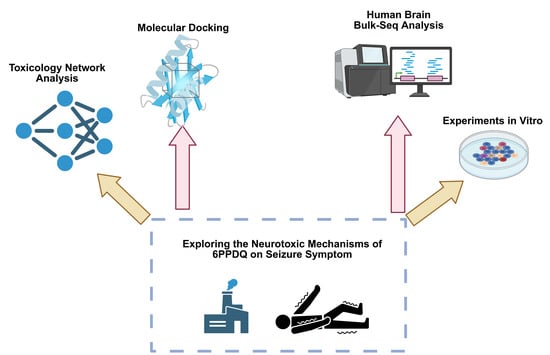
As an emerging tire wear-derived environmental contaminant, 6PPD-quinone (6PPDQ) has raised significant concerns regarding its neurotoxic potential, particularly for children exposed to recycled tire crumb rubber in playgrounds. However, the molecular mechanisms by which 6PPDQ influences neurological disorders such as epilepsy remain poorly understood. In this study, we employed an integrative framework combining network toxicology, bulk analysis of human epileptic brain tissues, Mendelian randomization, and molecular dynamics simulations to elucidate these mechanisms. Our findings, validated through CETSA-WB and SPR, identify 6PPDQ as a direct ligand that binds to and stabilizes neuronal TP53. Through a synergistic double-hit mechanism, 6PPDQ directly engages the TP53 pathway while simultaneously triggering microglial interleukin-6 secretion. These converging pathways lead to the suppression of the master antioxidant regulator Nrf2, resulting in glutathione depletion, excessive reactive oxygen species accumulation, and exacerbated neuronal damage under excitotoxic stress. Experimental validation using glutamate-induced HT22 cell models and microglia–neuron crosstalk systems confirmed that targeting the TP53/Nrf2 axis or scavenging ROS significantly attenuates 6PPDQ-induced neurotoxicity. Our findings highlight critical risks to pediatric neurological health posed by tire-derived contaminants and identify the TP53/Nrf2 axis as a promising therapeutic target. Furthermore, this work provides a robust scientific basis for refining risk assessment frameworks and developing regulatory strategies to mitigate environmental exposure to 6PPDQ. Full article
Show Figures

Graphical abstract

28 pages, 5623 KB  
Article
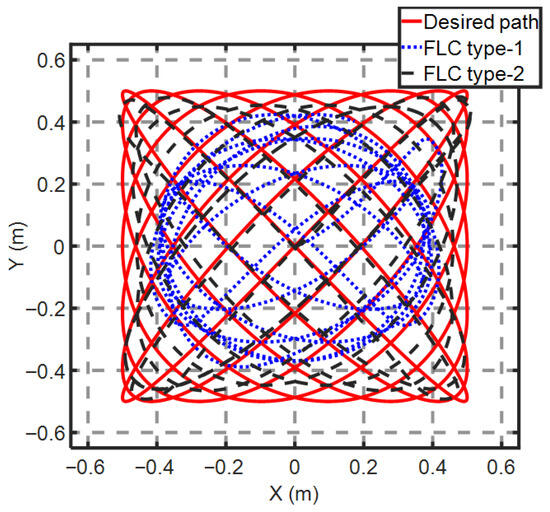
Using Type-1 and Type-2 Fuzzy Logic Controllers for the Trajectory Tracking Task of a Wheeled Robot: A Comparison Study
by Mohammed Taqiyeddine Mahdi, Lakhmissi Cherroun, Mohamed Nadour, Puig Vicenç, Ahmed Hafaifa, Giovanni Angiulli and Fabio La Foresta
Machines 2026, 14(5), 564; https://doi.org/10.3390/machines14050564 (registering DOI) - 19 May 2026
Abstract
The robotic path-tracking task is of interest to researchers because it offers the potential to develop an efficient navigation system for robots. Fuzzy logic is successfully used in many control systems, especially in robotic tasks, due to its ability to model the uncertainties [...] Read more.
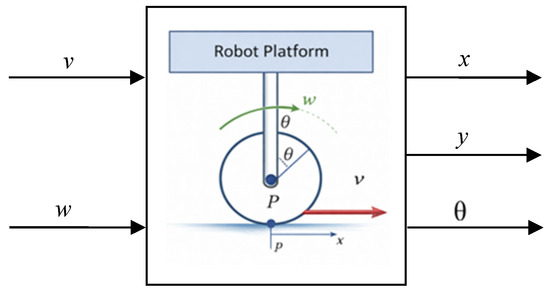
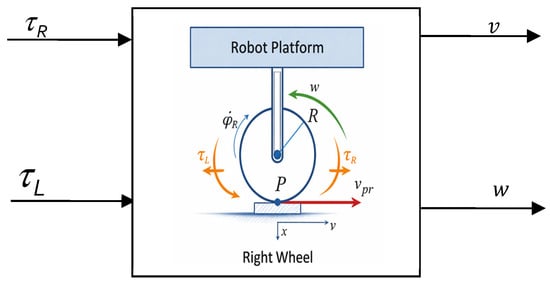
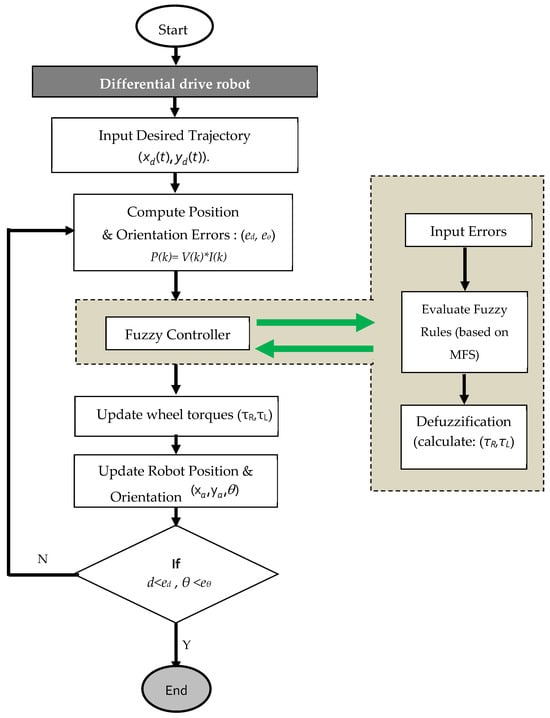
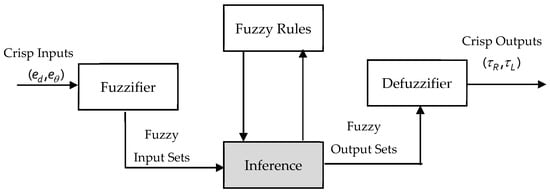
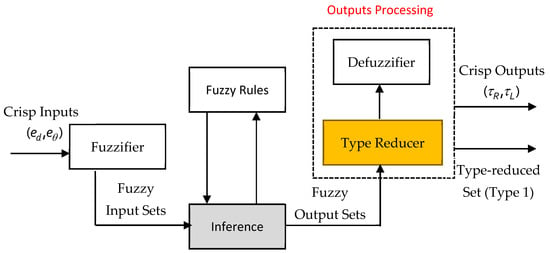
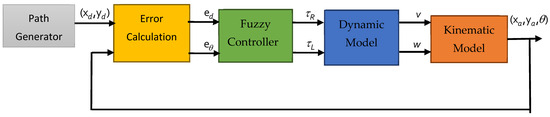
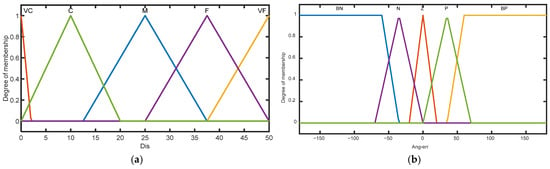
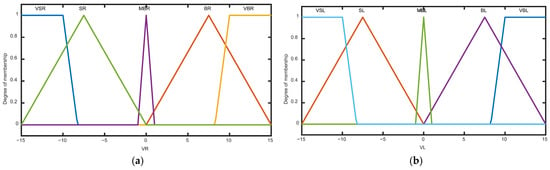
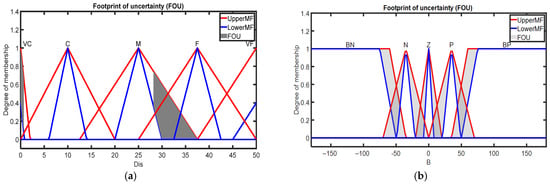
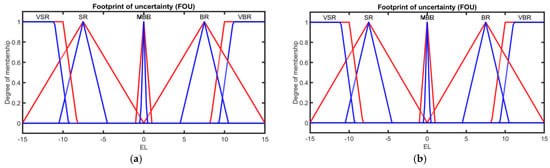
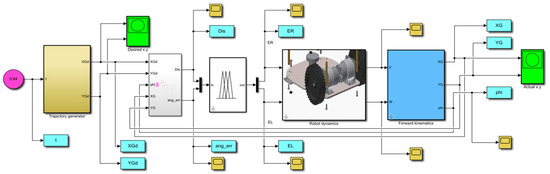
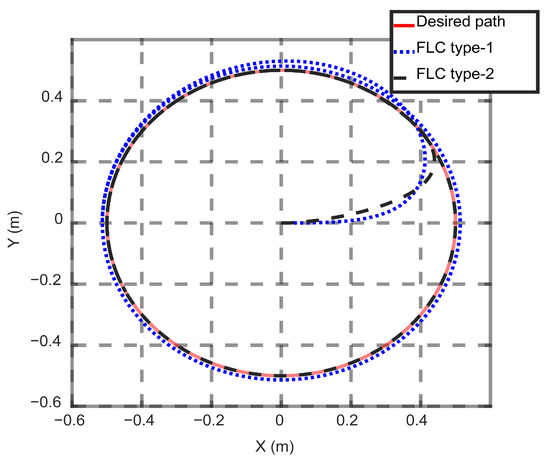
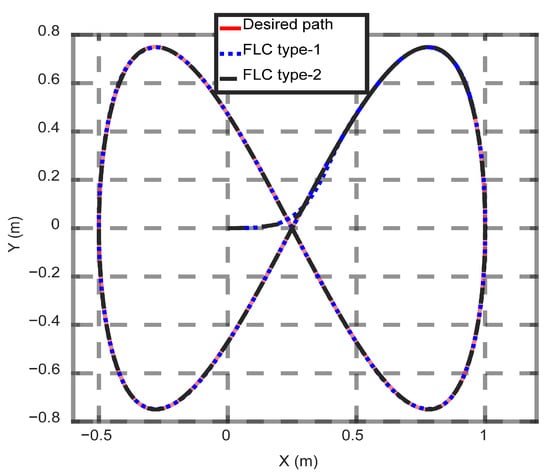
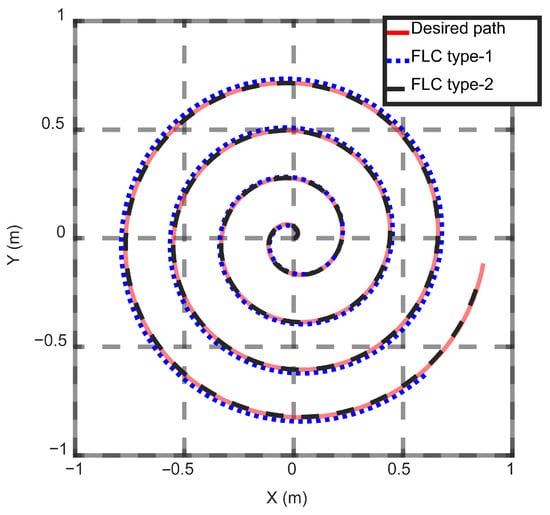
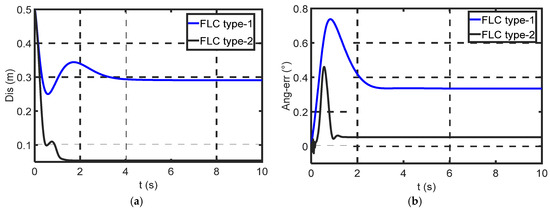
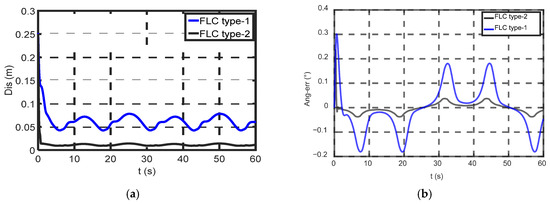
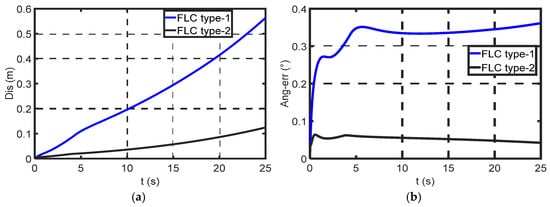
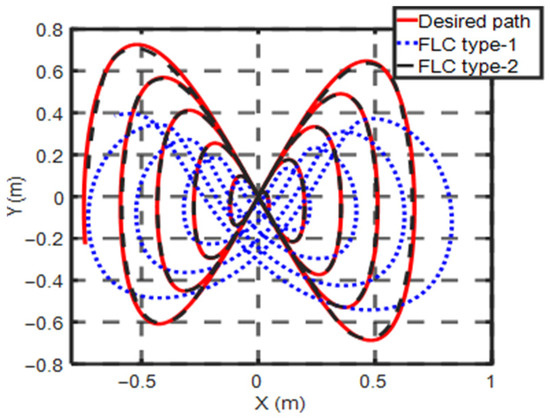
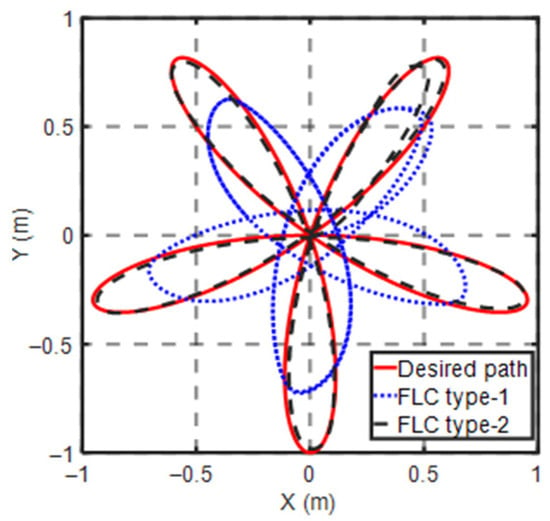
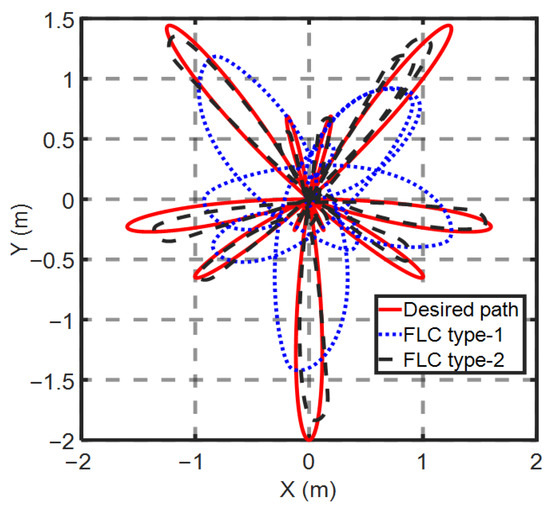
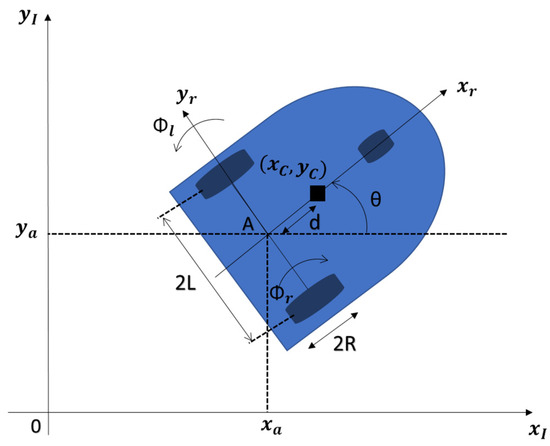
The robotic path-tracking task is of interest to researchers because it offers the potential to develop an efficient navigation system for robots. Fuzzy logic is successfully used in many control systems, especially in robotic tasks, due to its ability to model the uncertainties and vagueness of the physical world. In this paper, the application of type-1 and type-2 fuzzy logic controllers for trajectory tracking of differential drive robots has been investigated. Initially, a comprehensive review of related work is provided, followed by a detailed description of the differential-drive robot, including its kinematic and dynamic models. Both type-1 and type-2 fuzzy controllers are implemented to evaluate their performance in tracking complex, challenging trajectories. Simulation results demonstrate the effectiveness of each fuzzy controller, with a focus on comparative analysis. All comparisons are conducted under strictly identical conditions to ensure a fair and unbiased evaluation of both controllers. A comparison study highlights differences in performance metrics across scenarios, revealing that the type-2 fuzzy logic controller outperforms the type-1 controller in improving trajectory tracking accuracy. Quantitative performance indicators, including root-mean-square errors (RMSEs) for distance and orientation, as well as transient response times, are employed for comparison. Specifically, the type-2 fuzzy controller reduced the average tracking error by more than 75% and the angular error by over 80% across different trajectories, while also decreasing the response time by up to 80% compared to the type-1 fuzzy controller. Full article
(This article belongs to the Section Automation and Control Systems)
Show Figures

Figure 1

31 pages, 4570 KB  
Article
An IWMA-Optimized LightGBM Model for Early Ketosis Risk Screening in Dairy Cows Using DHI Data
by Yang Yang, Yongqiang Dai, Huan Liu and Rui Guo
Appl. Sci. 2026, 16(10), 5050; https://doi.org/10.3390/app16105050 (registering DOI) - 19 May 2026
Abstract
Ketosis is a prevalent metabolic disorder in early-lactation dairy cows, significantly affecting animal health, milk production, and farm profitability. Developing accurate and non-invasive methods for early risk detection is therefore of critical importance. In this study, a hybrid optimization framework integrating an Improved [...] Read more.
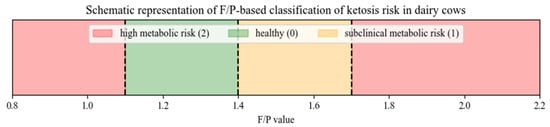
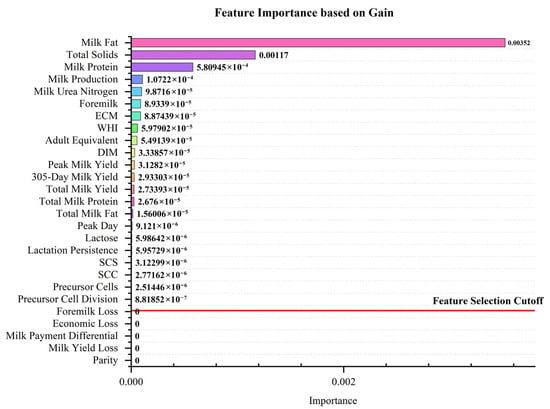
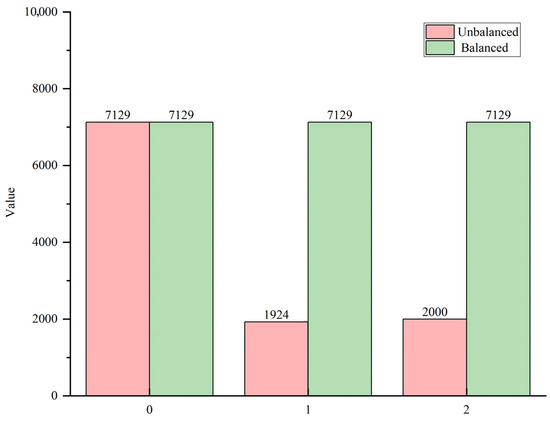
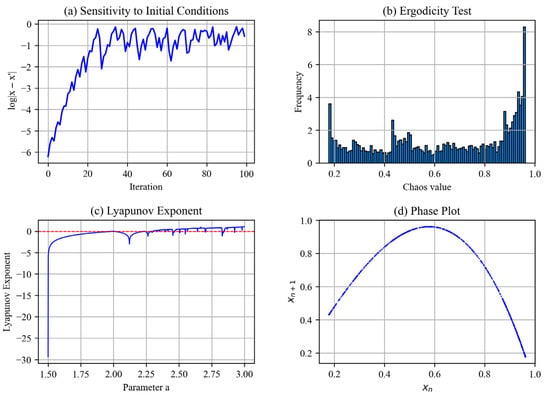
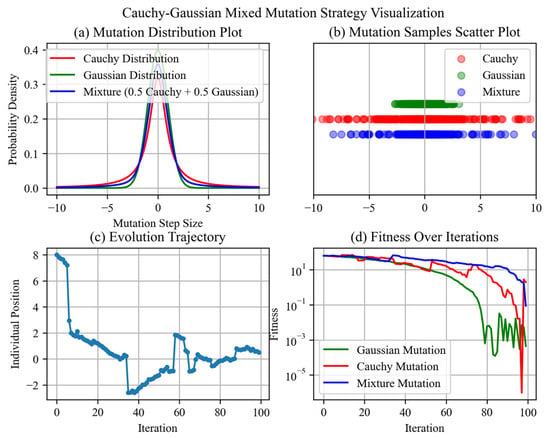
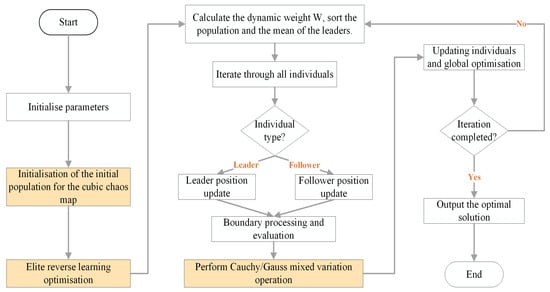
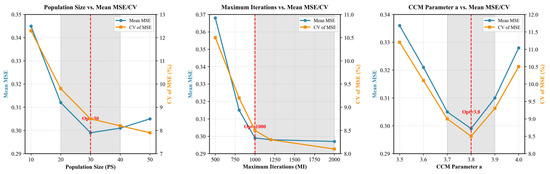
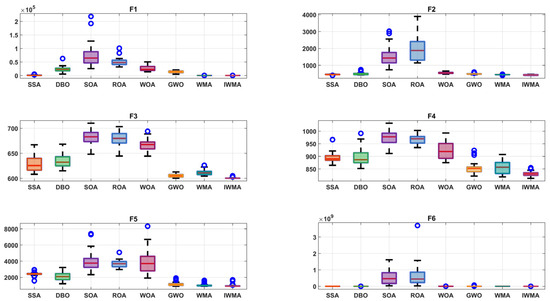
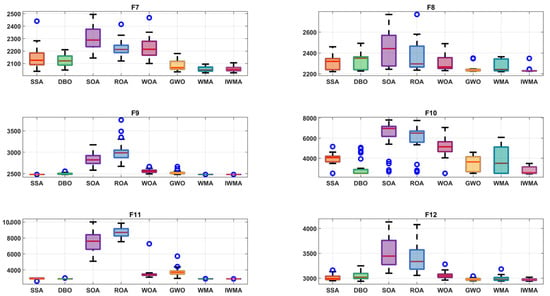
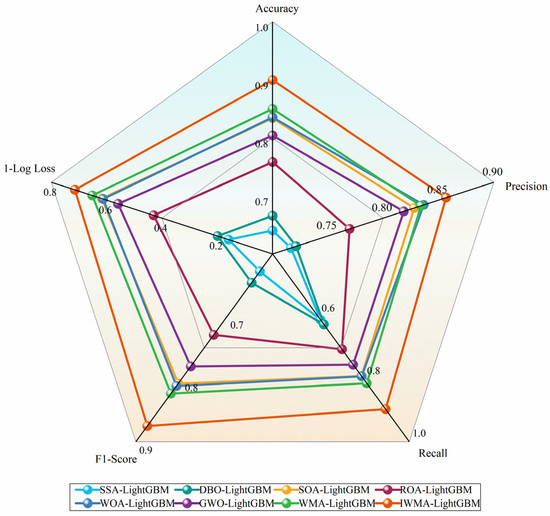
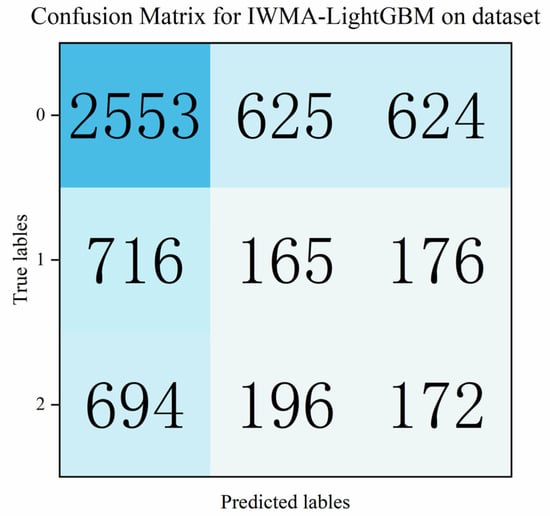
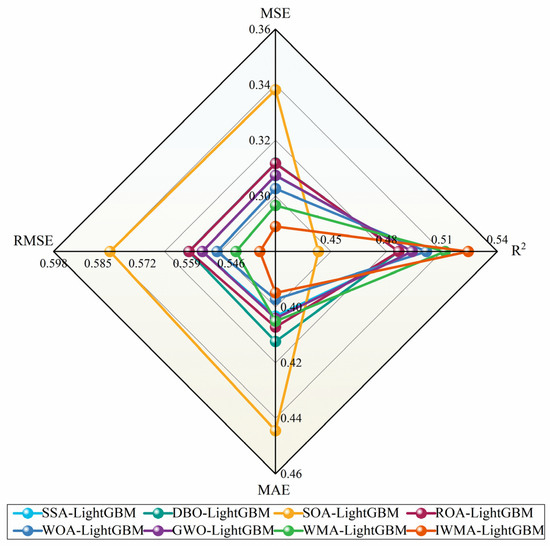
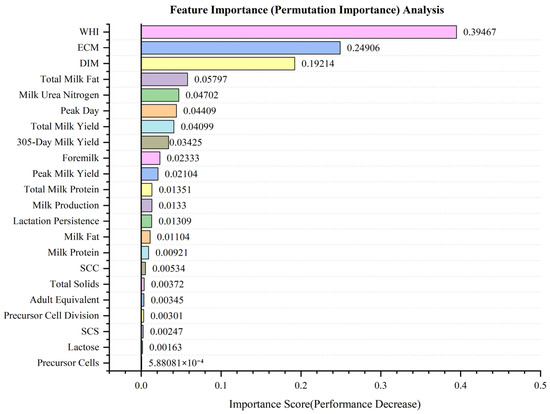
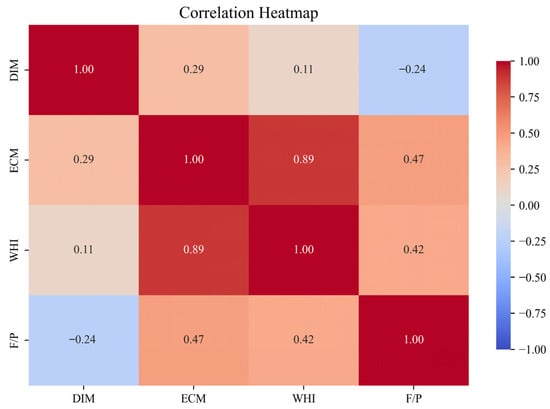
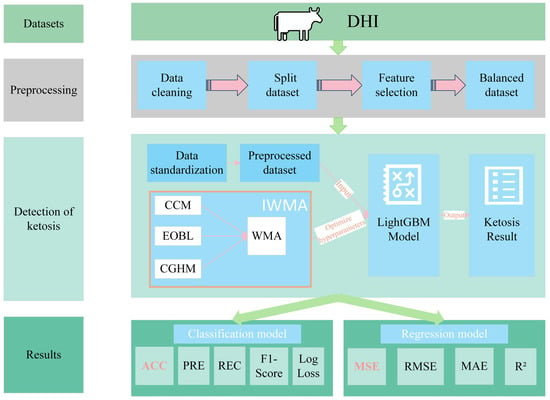
Ketosis is a prevalent metabolic disorder in early-lactation dairy cows, significantly affecting animal health, milk production, and farm profitability. Developing accurate and non-invasive methods for early risk detection is therefore of critical importance. In this study, a hybrid optimization framework integrating an Improved Whale Migration Algorithm (IWMA) with a Light Gradient Boosting Machine (LightGBM) is proposed to predict ketosis risk based on the milk fat-to-protein ratio (F/P) using Dairy Herd Improvement (DHI) records. The proposed IWMA enhances optimization performance through cubic chaotic initialization, elite opposition-based learning, and a Cauchy–Gaussian hybrid mutation strategy, enabling improved global exploration and convergence stability. A dataset comprising 25,155 DHI records collected from multiple commercial dairy farms over seven months was used for model development and evaluation. Experimental results demonstrate that the IWMA–LightGBM model achieves a classification accuracy of 0.8997 and a mean squared error of 0.289, consistently outperforming six benchmark optimization methods. Feature analysis identifies Herd Within Index (WHI), Energy Corrected Milk (ECM), Days in Milk (DIM), Milk Urea Nitrogen, and Foremilk as key predictors associated with metabolic risk. Overall, the proposed approach provides a robust and effective non-invasive solution for early-stage metabolic risk screening at the herd level, offering practical value for precision dairy management. It should be noted that the model is intended for risk assessment rather than clinical diagnosis of ketosis. Full article
Show Figures

Figure 1

19 pages, 12757 KB  
Article
Simulation-to-Real Trip-Fall Detection with Continuous-Wave Doppler Radar via Physics-Informed Kinematic Modeling and Domain Randomization
by Kosuke Okusa
Sensors 2026, 26(10), 3211; https://doi.org/10.3390/s26103211 (registering DOI) - 19 May 2026
Abstract
Falls among older adults are a major public health concern, yet collecting large-scale real fall data for radar-based detection is ethically and practically difficult. This study presents a controlled simulation-to-real feasibility study for trip-fall detection using continuous-wave (CW) Doppler radar. The method couples [...] Read more.
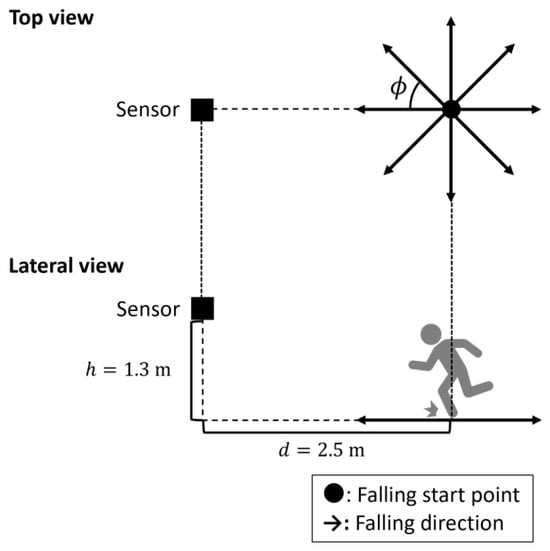
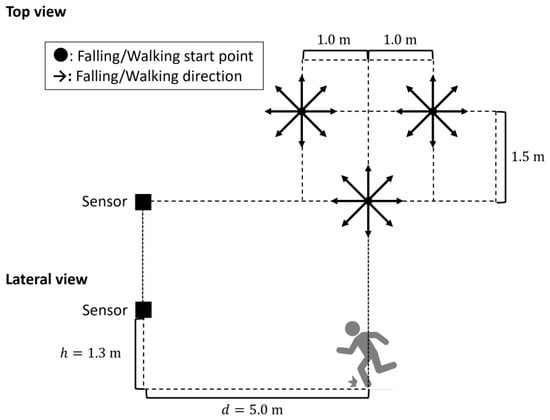
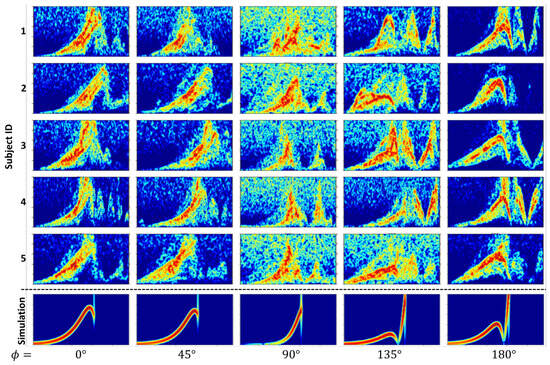
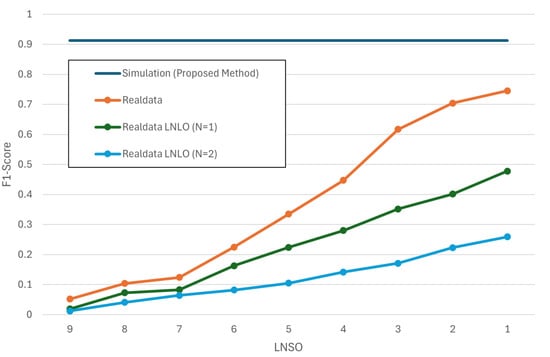
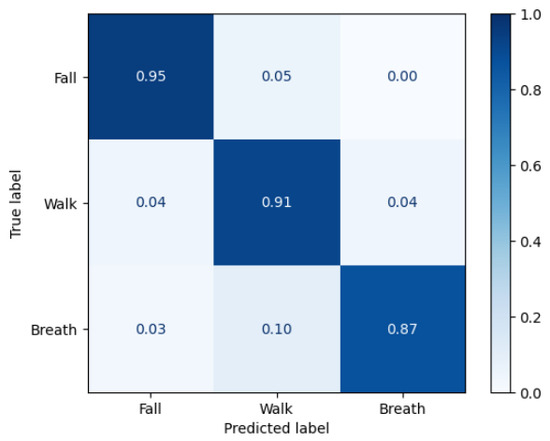
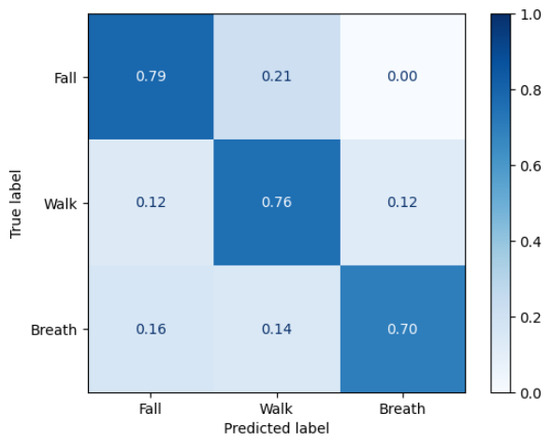
Falls among older adults are a major public health concern, yet collecting large-scale real fall data for radar-based detection is ethically and practically difficult. This study presents a controlled simulation-to-real feasibility study for trip-fall detection using continuous-wave (CW) Doppler radar. The method couples a physics-informed kinematic trip-fall model with a CW radar observation model to synthesize I/Q signals and Doppler spectrograms, while domain randomization varies body size, fall direction, initial velocity, sensor placement, aspect angle, amplitude, and noise. Synthetic walking and respiration data were also generated for controlled three-class classification among trip fall, walking, and seated quiet breathing. In Experiment I, the simulated spectrograms reproduced the dominant time–frequency characteristics of measured enacted trip-fall signals acquired with a 24 GHz CW radar; quantitative similarity analysis yielded a mean SSIM of 0.782 and a Doppler-ridge MAE of 24.6 Hz across five fall directions. In Experiment II, a ResNet-18 classifier trained only on simulated spectrograms achieved a macro-F1 score of 0.912 [95% CI: 0.883–0.936] on measured data from ten participants, three start locations, and eight directions. Under the present controlled evaluation, this exceeded the available real-data-trained baseline of 0.748 [95% CI: 0.691–0.805] (paired subject-level permutation test, p=0.006). These findings suggest that physics-informed simulation with domain randomization can reduce dependence on real trip-fall samples under limited-data conditions. The results do not establish robustness to other fall morphologies, fall-like activities of daily living, different environments, different radar devices, or embedded deployment. Full article
(This article belongs to the Section Environmental Sensing)
Show Figures

Figure 1

Open Access Journals

Browse by Indexing Browse by Subject Selected Journals
Back to TopTop