



35 pages, 7097 KB  
Review
Determining Forming Limit Curves via Small Punch Test and Digital Image Correlation: A Bibliometric Analysis
by Erik López Vargas, Luis Alejandro Alcaraz-Caracheo, Israel Aguilera Navarrete, Ismael Ruíz López, José Alfredo Padilla Medina, Allan Giovanni Soriano Sánchez, Juan Prado Olivarez, Saúl Martínez Díaz and Alejandro Israel Barranco Gutiérrez
Metals 2026, 16(6), 603; https://doi.org/10.3390/met16060603 (registering DOI) - 31 May 2026
Abstract
The experimental determination of Forming Limit Curves, standardized by ISO 12004-2 and ASTM E2218, remains the conventional framework for evaluating sheet metal formability, whereas the Small Punch Test, supported by ASTM E3205, has traditionally evolved as a miniaturized mechanical tensile characterization technique. The [...] Read more.
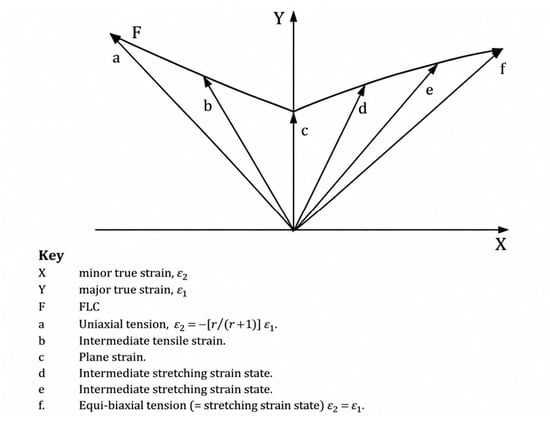
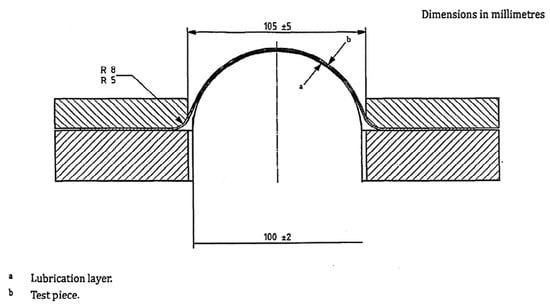
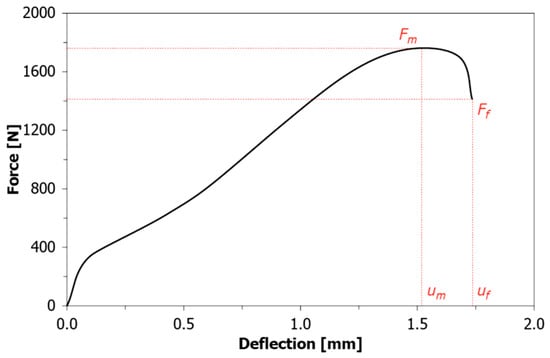
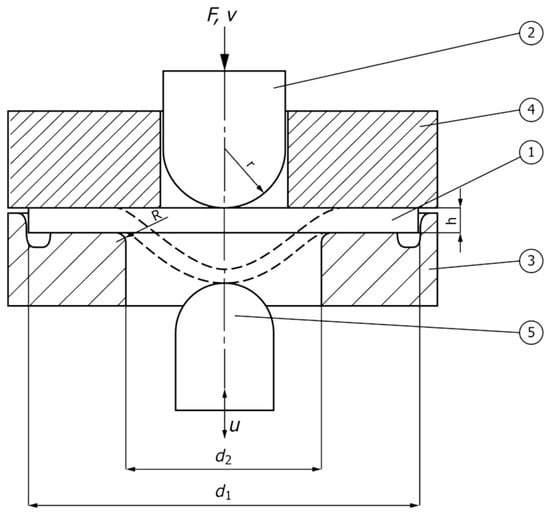
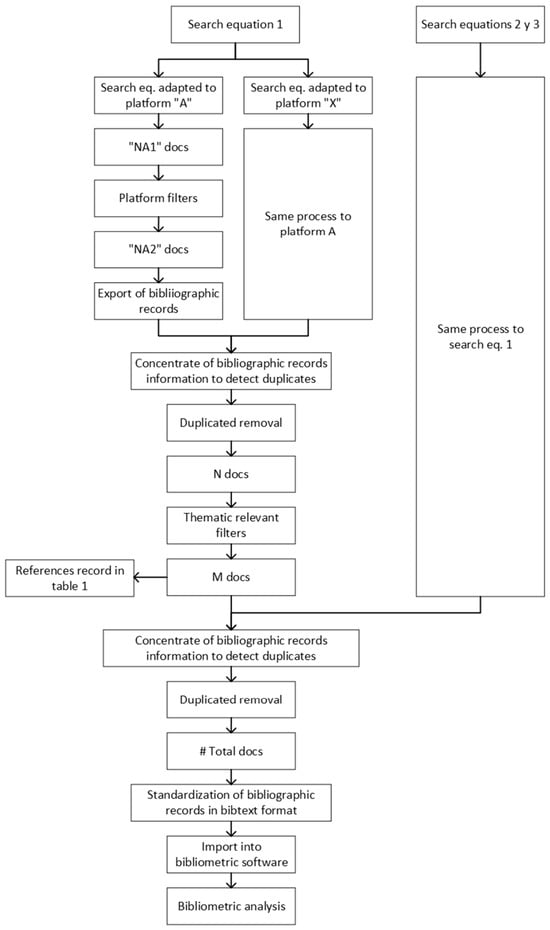
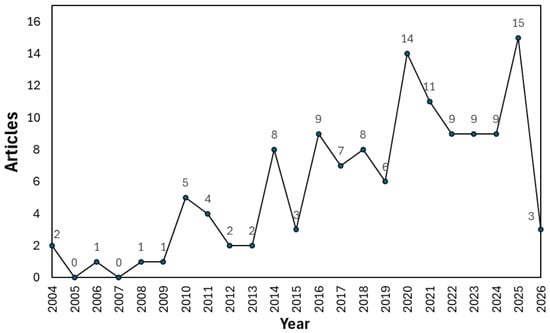
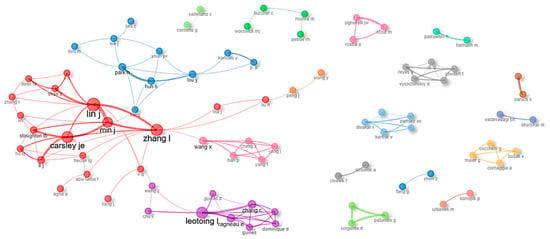
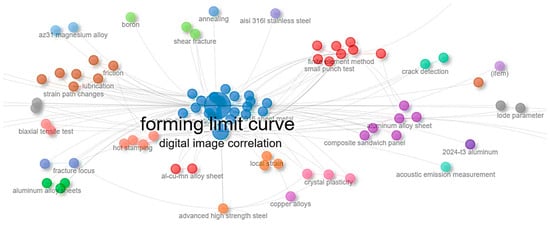
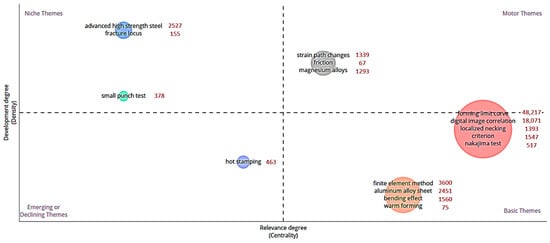
The experimental determination of Forming Limit Curves, standardized by ISO 12004-2 and ASTM E2218, remains the conventional framework for evaluating sheet metal formability, whereas the Small Punch Test, supported by ASTM E3205, has traditionally evolved as a miniaturized mechanical tensile characterization technique. The incorporation of Digital Image Correlation into both methodologies has significantly expanded the capabilities of full-field deformation analysis and experimental characterization. In this context, the present study examines the extent to which the Small Punch Test, particularly when combined with Digital Image Correlation, may be conceptually integrated into the framework of reduced-scale formability characterization. A structural bibliometric analysis of 129 documents published between 2004 and 2026 was conducted through journal analysis, author analysis, collaboration networks, and conceptual structure analysis. Three search equations were employed to capture the dimensions associated with Forming Limit Curves and Digital Image Correlation integration, geometrical scaling of formability tests, and the convergence between Small Punch Test and Digital Image Correlation methodologies. The results reveal a consolidated Forming Limit Curve research domain strongly centered on the Nakajima test and Digital Image Correlation based strain measurement techniques, whereas the Small Punch Test remains structurally separated from the dominant scientific core. Nevertheless, conceptual analyses indicate thematic convergence between experimental miniaturization, geometrical scaling, and optical full-field characterization approaches. These findings suggest that the integration between Small Punch Test and Digital Image Correlation constitutes a promising but still insufficiently explored research direction within the broader framework of formability assessment. Full article
(This article belongs to the Special Issue Sheet Metal Forming Processes)
Show Figures

Figure 1

16 pages, 8781 KB  
Article
Specific Determinants of the Transmembrane Region of the Andes Virus Gc Glycoprotein Drive the Transition from Membrane Hemifusion to Pore Formation
by Chantal L. Márquez, Fernando Villalón-Letelier, Gianina Arata-Salas and Nicole D. Tischler
Viruses 2026, 18(6), 633; https://doi.org/10.3390/v18060633 (registering DOI) - 31 May 2026
Abstract
Andes virus (ANDV), a highly pathogenic orthohantavirus, enters host cells through low pH–triggered membrane fusion mediated by the Gc glycoprotein, a class II fusion protein containing a single C-terminal transmembrane domain (TMD). While the ectodomain has been extensively characterized, the role of the [...] Read more.
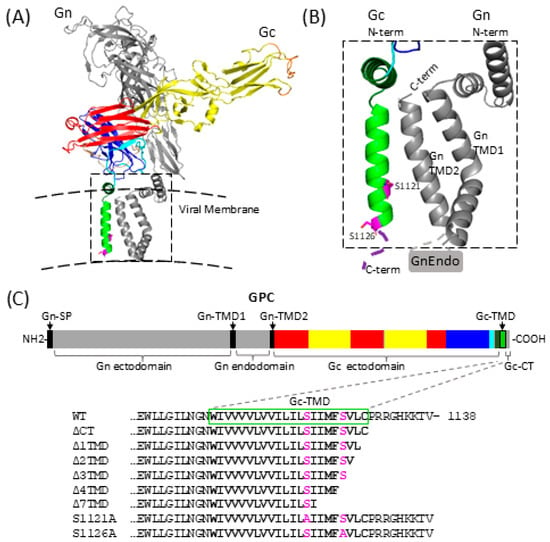
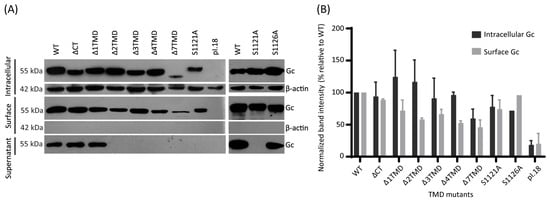
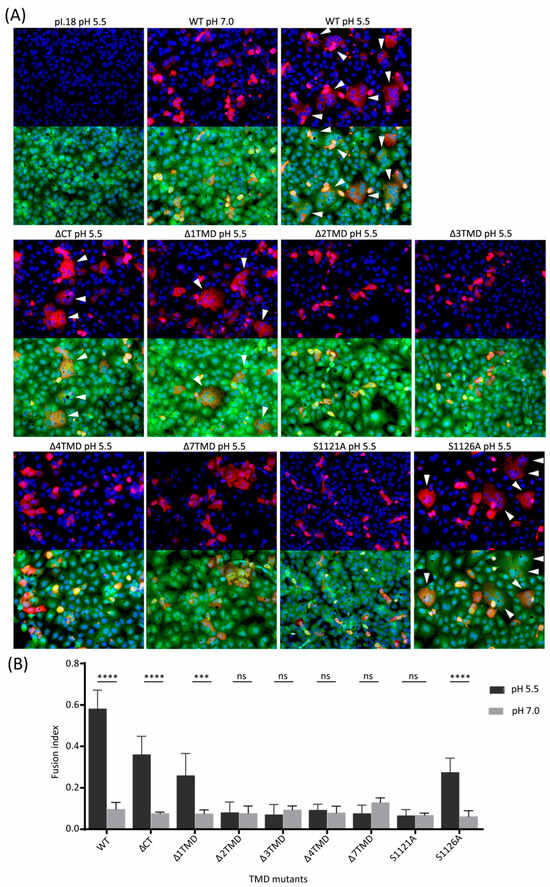
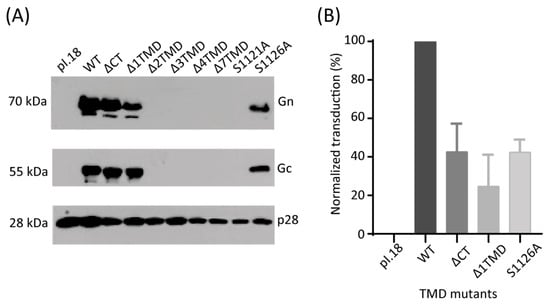
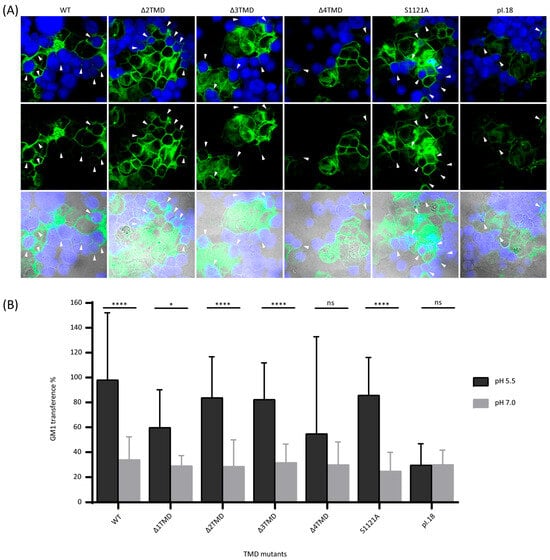
Andes virus (ANDV), a highly pathogenic orthohantavirus, enters host cells through low pH–triggered membrane fusion mediated by the Gc glycoprotein, a class II fusion protein containing a single C-terminal transmembrane domain (TMD). While the ectodomain has been extensively characterized, the role of the TMD in late-stage fusion remains unclear. Here, we investigated the minimal functional length and sequence requirements of the ANDV Gc TMD using site-directed mutagenesis. C-terminal deletion mutants and serine-to-alanine substitutions were evaluated for protein expression, virus-like particle production, cell–cell fusion, pseudotyped vector entry, and hemifusion activity. Deletion of the Gc cytoplasmic tail (CT) or a single C-terminal TMD residue was tolerated, whereas deletion of two or more residues impaired particle production and fusion, indicating that at least 21 of the 22 TMD residues are required for efficient membrane fusion and viral entry. Hemifusion assays showed that deletion of two or three residues, or substitution of the strictly conserved S1121, allowed lipid mixing but blocked progression to full fusion, while deletion of four residues also abolished hemifusion. In contrast, mutation of the less conserved S1126 had minimal effect. These results identify a precise TMD length and a conserved polar TMD residue as critical determinants of fusion pore formation in ANDV. Full article
(This article belongs to the Special Issue Viral Entry and Membrane Fusion)
Show Figures

Figure 1

31 pages, 1391 KB  
Article
Methodological Solutions for Selecting Priority for Decarbonization of an Operating Vessel
by Sergejus Lebedevas, Jevgenija Rutė and Dominykas Marozas
J. Mar. Sci. Eng. 2026, 14(11), 1026; https://doi.org/10.3390/jmse14111026 (registering DOI) - 31 May 2026
Abstract
One of the most critical challenges in maritime transport decarbonization, as part of the EU greenhouse gas (GHG) neutrality strategy, is the reduction in GHG and harmful emissions from the energy systems of existing vessels. Furthermore, the potential for implementing decarbonization technologies in [...] Read more.
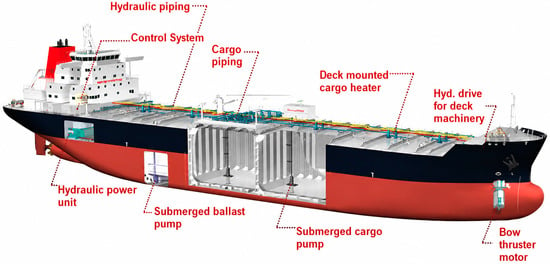
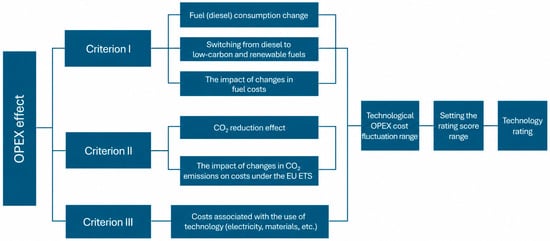
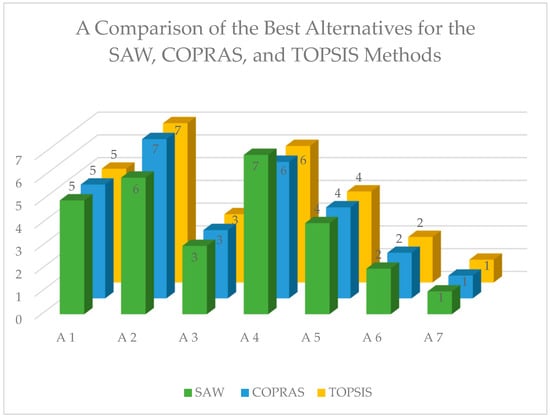
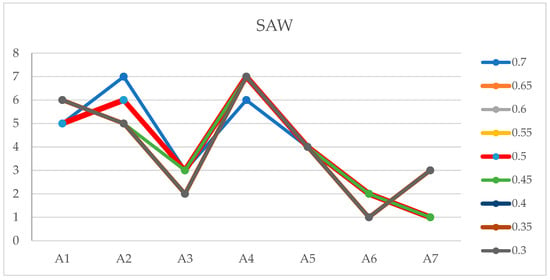
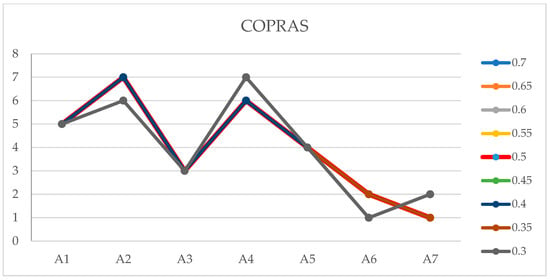
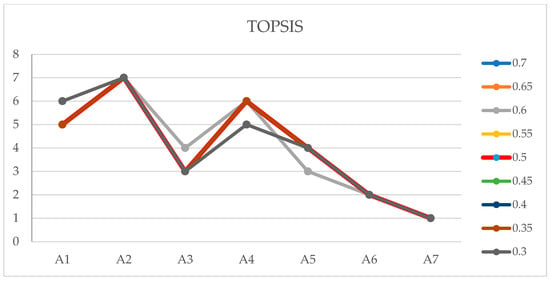
One of the most critical challenges in maritime transport decarbonization, as part of the EU greenhouse gas (GHG) neutrality strategy, is the reduction in GHG and harmful emissions from the energy systems of existing vessels. Furthermore, the potential for implementing decarbonization technologies in operating vessels remains significantly more limited compared to newly constructed ships. Selecting appropriate decarbonization measures requires a comprehensive evaluation of technological feasibility, economic viability, and environmental performance, in accordance with the regulatory frameworks established by the IMO and the EU. A major limitation in such decision-making processes is ensuring the representativeness and reliability of expert judgments. In order to improve the reliability of results by expanding and structuring the information base, this study proposes and implements a method based on the integration of SWOT analysis with multi-criteria decision-making (MCDM) methods. The objective of this study was to examine the methodological aspects of testing the integrated application of comprehensive analysis and ranking methods for decarbonization technologies as applied to a prototype oil tanker. Based on the SWOT analysis method, technological solutions that are available for practical application were identified for the medium-term decarbonization period considered in the study, up to 2030–2035. Subsequent rating based on several applied multi-criteria (MCDM) analysis methods (TOPSIS, COPRAS, SAW) allowed us to examine the range, stability and sensitivity of the obtained solutions in relation to the methods themselves and scenarios with variations in the weighting factors of the evaluation criteria. The complete match of the ratings obtained using the TOPSIS and COPRAS methods confirms the stability of the multi-criteria decision-making process (priority-compromise order): CCS, kite, air lubrication, Flettner rotor. The performed sensitivity analysis showed that the technology rankings remain relatively stable when the weighting factor for the CO2 reduction criterion varies within a range of approximately ±10%, while larger deviations result in an increasing difference between all three MCDM methods. For the TOPSIS method, the change limits for the critical values of the threshold indicators were ±20%, the COPRAS method showed intermediate results, and changing the weighting coefficients within a ±20% range did not alter the selection of the best technology. The results obtained allow for a positive assessment of the effectiveness of the proposed integrated methodology when applied as an alternative in the initial stage of ranking decarbonization methods for in-service ships. Full article
(This article belongs to the Section Ocean Engineering)
Show Figures

Figure 1

14 pages, 2548 KB  
Article
Losmapimod, an Oral Anti-p38 MAP Kinase, Demonstrates Anti-Neuropathic and Anti-Inflammatory Effects in Rat Acute Pain
by Mickael Soued, Leila Hamdi, Mouna Ben Rehouma, Jean-Xavier Mazoit and Dan Benhamou
J. Clin. Med. 2026, 15(11), 4265; https://doi.org/10.3390/jcm15114265 (registering DOI) - 31 May 2026
Abstract
Background: The postoperative period is a large provider of acute and chronic pain which often combine pronociceptive, neuropathic and inflammatory components. As p38 MAPkinases are involved in pain response, this study aimed to evaluate the effect of losmapimod, an oral p38 MAPkinase inhibitor [...] Read more.
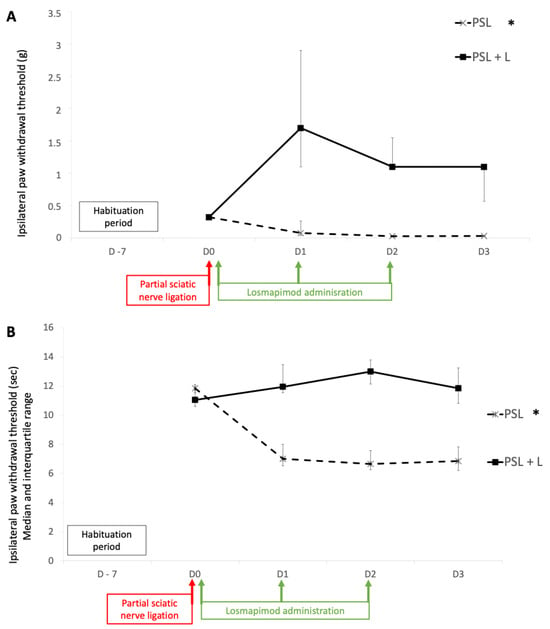
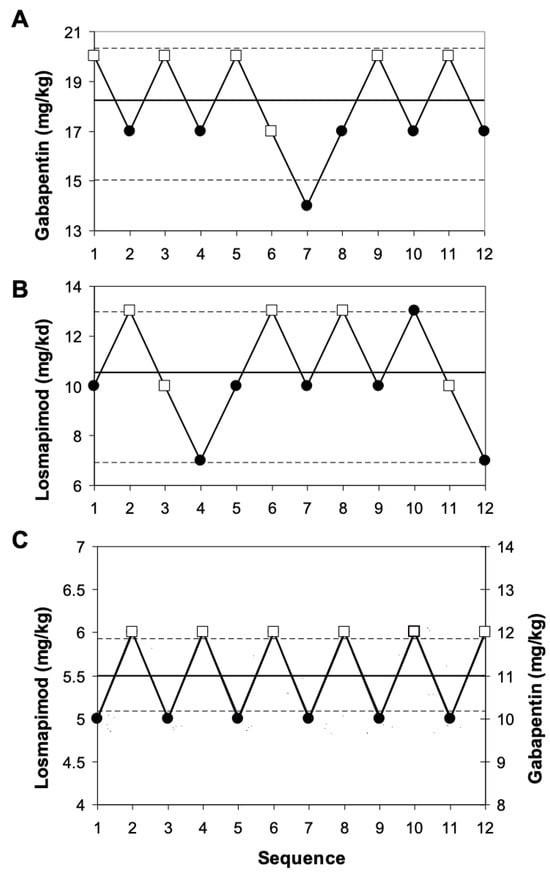
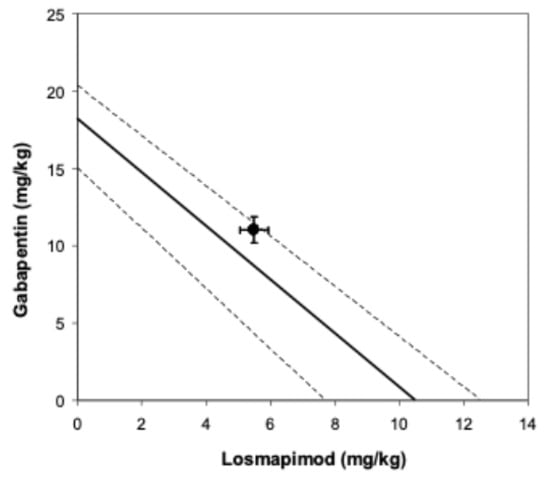
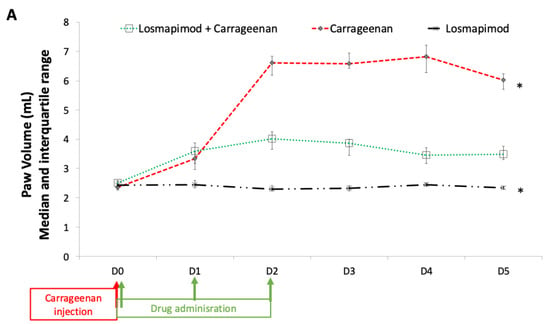
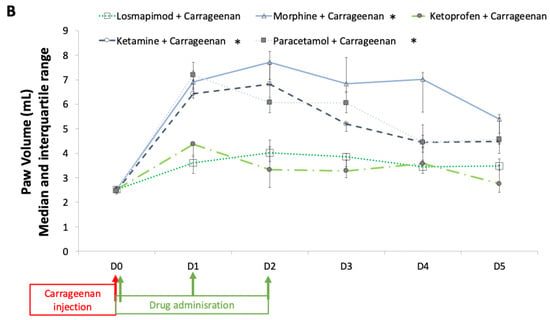
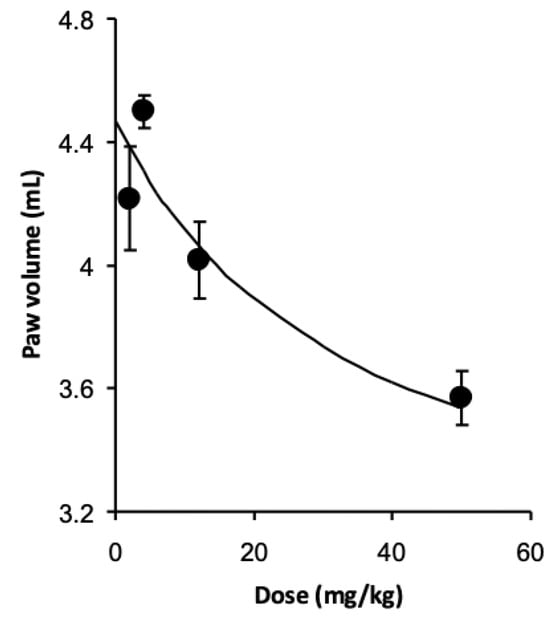
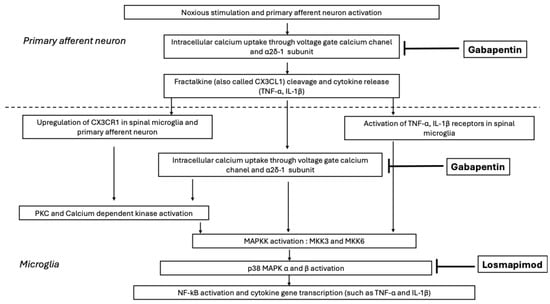
Background: The postoperative period is a large provider of acute and chronic pain which often combine pronociceptive, neuropathic and inflammatory components. As p38 MAPkinases are involved in pain response, this study aimed to evaluate the effect of losmapimod, an oral p38 MAPkinase inhibitor at the very first stage of acute neuropathic pain. Losmapimod efficacy was also compared with other well-known pain-relieving drugs and its dose response determined after inflammatory pain. Methods: The anti-neuropathic properties of losmapimod were evaluated after acute neuropathic pain (from day 0 to day 3 after sciatic nerve ligation) using thermal and mechanical stimulation. Losmapimod was also compared with gabapentin, their respective ED50 were determined, and their interaction was studied using an isobolographic approach. The anti-inflammatory characteristics of losmapimod were assessed from day 0 to day 5 after carrageenan injection in the rat hind paw and compared with those of ketoprofen, ketamine, and morphine using paw oedema volume. Results: Losmapimod provided a potent analgesic effect after acute neuropathic pain. The ED50 with their 95% confidence intervals of losmapimod and gabapentin were 10.5 (6.9–12.9) mg/kg and 18.2 (15.0–20.3) mg/kg, respectively. Their interaction was additive. Losmapimod also had a potent anti-inflammatory effect (ED50 was 34 (19.0–246) mg/kg) with significant reduction of paw oedema (similarly to ketoprofen). Conclusions: Losmapimod showed anti neuropathic properties at the very early stage of neuropathic pain and potent anti-inflammatory properties. As previous studies have highlighted the excellent tolerance of losmapimod in human populations, this drug seems promising for acute postoperative pain, which combines both acute neuropathic and inflammatory mechanisms. Full article
(This article belongs to the Section Pharmacology)
Show Figures

Figure 1

14 pages, 928 KB  
Article
Assessment of Adverse Events Using the Therapy–Disability–Neurology (TDN) Grading System in a Cohort of Aneurysmal Subarachnoid Hemorrhage Patients: A Single-Center Retrospective Cohort Study
by Vincens Kälin, Alexis Paul Romain Terrapon, Anna Maria Zeitlberger, Gareth Ambler, Svenja Maschke, Ahmed El-Garci, Sara Bonasia, Oliver Bozinov, Marian Christoph Neidert and Isabel Charlotte Hostettler
Brain Sci. 2026, 16(6), 599; https://doi.org/10.3390/brainsci16060599 (registering DOI) - 31 May 2026
Abstract
Background/Objectives: Adverse events (AE) associated with neurosurgical interventions can cause neurological deficits and impaired functional outcomes. The Therapy–Disability–Neurology (TDN) grade classifies AE severity based on treatment requirements, disability, and neurological deficits, but has not been validated in aneurysmal subarachnoid hemorrhage (aSAH). We aimed [...] Read more.
Background/Objectives: Adverse events (AE) associated with neurosurgical interventions can cause neurological deficits and impaired functional outcomes. The Therapy–Disability–Neurology (TDN) grade classifies AE severity based on treatment requirements, disability, and neurological deficits, but has not been validated in aneurysmal subarachnoid hemorrhage (aSAH). We aimed to validate the TDN grade in predicting functional outcomes and length of hospital stay (LOS) in aSAH patients, treated surgically and/or endovascularly. Methods: We conducted a single-center retrospective cohort study of a prospectively collected database of aSAH patients. Patients were recruited between 2009 and 2022. The TDN grade was retrospectively applied. Primary outcome variables were functional outcomes, assessed using the Glasgow Outcome Scale (GOS, selected for comparability with prior aSAH outcome literature), at discharge and last follow-up, and LOS. Results: We included 355 patients: mean age was 57.2 (12.9 SD) and 235 (66.1%) were female. The TDN grade showed a moderate positive correlation with length of hospital stay (rho = 0.4, p < 0.001). Negative correlations were observed with functional outcomes at discharge (GOS: rho = −0.56, p < 0.0001) and at last follow-up (GOS: rho = −0.58, p < 0.0001). The TDN grade demonstrated good discrimination for unfavorable outcome at last follow-up (AUC = 0.82) and good discrimination for employment status (AUC = 0.71). Patients with AEs stayed 7.63 days longer on average (p < 0.001). Conclusions: The TDN grade predicted hospital stay and functional outcomes in aSAH patients treated surgically and/or endovascularly, demonstrating good discrimination for unfavorable outcomes and employment status. These findings extend the grade’s applicability to both treatment- and disease-related complications and support its potential utility as a standardized tool for prognostication and resource planning. Results should be interpreted in light of the single-center retrospective design and selection bias. Full article
12 pages, 227 KB  
Article
Glucagon-like Peptide-1 Receptor Agonists in the Real World: Are Clinical Trials Reproducible? A Spanish Pilot Study
by Olatz Vergniory-Trueba and Carlos Treceño-Lobato
Obesities 2026, 6(3), 36; https://doi.org/10.3390/obesities6030036 (registering DOI) - 31 May 2026
Abstract
Introduction: Obesity is a chronic, multifactorial disease associated with significant metabolic and cardiovascular complications. Glucagon-like peptide-1 receptor agonists (GLP-1RAs) have emerged as effective pharmacological options for weight management, demonstrating clinically relevant weight loss in controlled trials. However, real-world evidence is essential to [...] Read more.
Introduction: Obesity is a chronic, multifactorial disease associated with significant metabolic and cardiovascular complications. Glucagon-like peptide-1 receptor agonists (GLP-1RAs) have emerged as effective pharmacological options for weight management, demonstrating clinically relevant weight loss in controlled trials. However, real-world evidence is essential to assess their effectiveness and safety under routine clinical conditions and to verify if trial results are reproducible in diverse populations. Objective: We aimed to evaluate the effectiveness and safety of GLP-1RAs in terms of weight loss in real-world clinical practice and to compare outcomes among different available agents, focusing on their impact on obesity management. Method: A cross-sectional, observational pilot study was conducted in Spain. Adult patients receiving GLP-1RAs for at least four weeks were included. Data collected included sociodemographic variables, treatment characteristics, anthropometric measurements, and adverse effects. Weight loss outcomes were analyzed using descriptive statistics, ANOVA for inter-drug comparisons, and multivariate ANCOVA to adjust for confounders. This pilot study also validated the protocol for a subsequent nationwide multicenter study. Results: A total of 32 patients (62.5% women; mean age 58.2 years) were analyzed. Mean weight loss was 2.97 kg (3.17%). Significant differences between drugs were observed (p = 0.005), with semaglutide 2.4 mg (Wegovy®) showing the greatest weight reduction (11.0 kg). Patients without diabetes achieved significantly greater weight loss than those with diabetes (5.0 vs. 0.8 kg; p = 0.021). Treatments were well tolerated, with 53.1% reporting no adverse effects; most side effects were mild gastrointestinal symptoms. Conclusions: GLP-1RAs are effective and well-tolerated for obesity treatment in real-world clinical practice, although weight loss is more modest than in pivotal clinical trials. Differences between agents were observed after multivariate adjustment, although these findings should be interpreted cautiously given the exploratory pilot design and limited sample size. These findings support the need for individualized treatment strategies in obesity care. This pilot study successfully validated the methodology for an ongoing nationwide investigation. Full article
33 pages, 3931 KB  
Article
MAFQL: Multi-Agent Flow-Based Q-Learning for Efficient Power Grid Dispatch with High Renewable Penetration
by Rigen Te, Tianchen Zhu, Weijie Bai, Jianxin Shi and Tianyu Wo
Mathematics 2026, 14(11), 1911; https://doi.org/10.3390/math14111911 (registering DOI) - 31 May 2026
Abstract
The growing penetration of variable renewable energy sources transforms power grid dispatch into a high-dimensional, stochastic, and multi-agent decision-making problem that challenges both classical optimization and standard Reinforcement Learning (RL) methods. Traditional RL policies, typically parameterized as unimodal Gaussians, lack the expressiveness to [...] Read more.
The growing penetration of variable renewable energy sources transforms power grid dispatch into a high-dimensional, stochastic, and multi-agent decision-making problem that challenges both classical optimization and standard Reinforcement Learning (RL) methods. Traditional RL policies, typically parameterized as unimodal Gaussians, lack the expressiveness to capture the multimodal action distributions that arise when multiple feasible dispatch strategies coexist, while diffusion-based generative policies achieve expressiveness at the cost of prohibitively many iterative denoising steps during inference. We propose Multi-Agent Flow-based Q-Learning (MAFQL), a framework that addresses this expressiveness–efficiency tradeoff by integrating conditional flow matching with conservative Q-learning under a Centralized Training with Decentralized Execution (CTDE) architecture. The framework consists of a unified training pipeline that combines four learning objectives: behavior cloning, flow matching, conservative Q-learning, and distillation. This allows for expressive policy generation through only 1–5 ODE integration steps. Measured per-agent inference latencies below 8ms (P99) are achieved on both GPU and CPU hardware, which is compatible with the response requirements of automatic generation control. We formulate the dispatch task as a Dec-POMDP over three physically grounded control zones derived from the RTE network topology and evaluate MAFQL on the IEEE 118-bus and 14-bus systems in the Grid2Op simulator. Empirical results show that MAFQL CTDE substantially outperforms all tested baseline methods on the 118-bus system under a composite multi-objective reward function and that it demonstrates initial cross-scale generalizability on the 14-bus system. The decentralized execution variant consistently outperforms centralized execution, consistent with the hypothesis that distillation facilitates effective knowledge transfer. At the end of the paper we discuss current limitations such as the absence of ablation studies, end-to-end latency measurements, and formal safety guarantees, then outline directions for addressing them. Full article
Article
Autonomic Vulnerability Phenotype, Regional Cerebral Oxygen Saturation, and Postoperative Delirium in Elderly Patients Undergoing Non-Cardiac, Non-Neurological Surgery: A Propensity Score–Matched Cohort Study
by Cheol Lee, Youngmin Jo and Gyumin Choi
Medicina 2026, 62(6), 1065; https://doi.org/10.3390/medicina62061065 (registering DOI) - 31 May 2026
Abstract
Background and Objectives: We investigate whether a preoperative autonomic vulnerability phenotype and intraoperative regional cerebral oxygen saturation (rcSO2) variables are associated with postoperative delirium (POD) in elderly patients undergoing non-cardiac, non-neurological surgery, and whether autonomic vulnerability modifies the association between cerebral [...] Read more.
Background and Objectives: We investigate whether a preoperative autonomic vulnerability phenotype and intraoperative regional cerebral oxygen saturation (rcSO2) variables are associated with postoperative delirium (POD) in elderly patients undergoing non-cardiac, non-neurological surgery, and whether autonomic vulnerability modifies the association between cerebral desaturation and POD. Materials and Methods: This retrospective propensity score–matched cohort study included patients aged 65 years or older who underwent general anesthesia with intraoperative rcSO2 monitoring. The preoperative autonomic vulnerability phenotype was defined using clinical features documented before surgery, including autonomic neuropathy, diabetic autonomic neuropathy, orthostatic hypotension, syncope or presyncope suggestive of autonomic dysfunction, and unexplained resting bradycardia or chronotropic incompetence not attributable to rate-limiting medication. The primary outcome was POD within 5 postoperative days. Patients were matched 1:1 using nearest-neighbor propensity score matching with a caliper of 0.2 standard deviations of the logit of the propensity score, and conditional logistic regression was used in the matched cohort. Results: A total of 412 patients were included; 112 had the phenotype and 300 did not. After matching, 98 pairs were analyzed. POD occurred in 27.6% of patients with the phenotype and 14.3% of patients without it. In the matched cohort, the phenotype (odds ratio [OR] 2.12, 95% confidence interval [CI] 1.18–3.82, p = 0.012), rcSO2 decrease ≥20% (OR 2.45, 95% CI 1.31–4.58, p = 0.005), and longer duration of rcSO2 < 80% of baseline (OR 1.02 per min, 95% CI 1.01–1.04, p = 0.008) were independently associated with POD. The phenotype-by-desaturation interaction was exploratory (OR 2.10, p = 0.032) and was not uniformly robust across sensitivity analyses. Conclusions: A preoperative autonomic vulnerability phenotype and intraoperative cerebral desaturation were independently associated with POD. The association between rcSO2 decrease and POD appeared stronger in patients with autonomic vulnerability, but this interaction should be interpreted as hypothesis-generating rather than confirmatory. Full article
(This article belongs to the Section Intensive Care/ Anesthesiology)
12 pages, 3561 KB  
Article
Perioperative Coagulation Dynamics Assessed by ROTEM and Conventional Assays: A Prospective Longitudinal Study with Focus on Fibrinogen in Major Non-Cardiac Surgery
by Michal Hosala, Denisa Osinova, Matej Sukenik, Janka Hosalova Matisova, Tomas Fecko, Jana Sendreyova, Kristina Maria Belakova, Miroslava Drotarova, Monika Brunclikova, Sohaib Mukhtar Agouba, Veronika Voskova Gemelova and Tomas Simurda
J. Clin. Med. 2026, 15(11), 4264; https://doi.org/10.3390/jcm15114264 (registering DOI) - 31 May 2026
Abstract
Background: Perioperative assessment of hemostasis remains challenging, particularly in non-cardiac surgery, where the incidence of clinically significant bleeding is relatively low. Viscoelastic testing enables real-time evaluation of whole-blood coagulation, but its perioperative dynamics and agreement with conventional assays require further characterization. Methods: In [...] Read more.
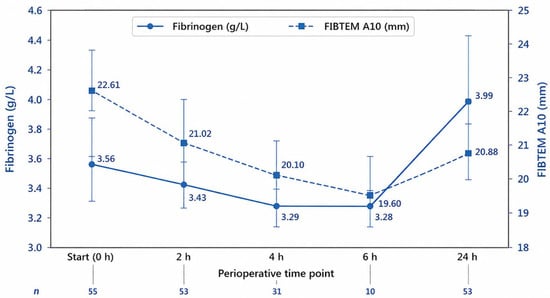
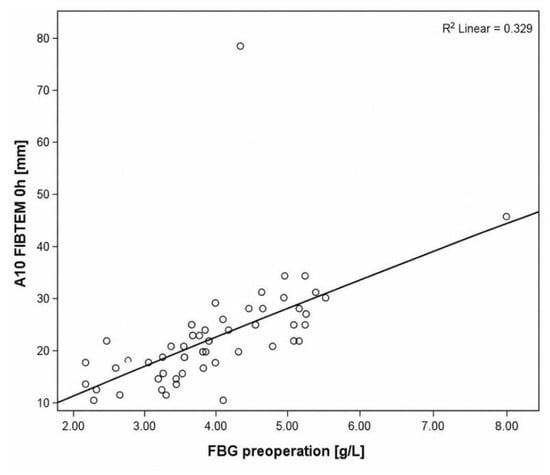
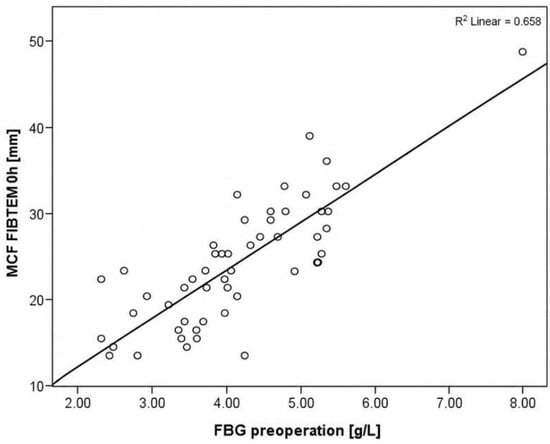
Background: Perioperative assessment of hemostasis remains challenging, particularly in non-cardiac surgery, where the incidence of clinically significant bleeding is relatively low. Viscoelastic testing enables real-time evaluation of whole-blood coagulation, but its perioperative dynamics and agreement with conventional assays require further characterization. Methods: In this prospective single-center observational study, 53 patients undergoing major non-cardiac surgery were included in the final analysis. Hemostatic parameters were assessed preoperatively, intraoperatively at two-hour intervals, and 24 h postoperatively using ROTEM (EXTEM, INTEM, and FIBTEM) and conventional coagulation assays. Longitudinal changes and correlations between fibrinogen concentration according to Clauss and ROTEM-derived parameters were analyzed. Results: Fifty-three patients undergoing major hepatopancreatobiliary surgery completed longitudinal perioperative monitoring. Pancreaticoduodenectomy and liver resection accounted for 60.7% and 39.3% of procedures, respectively. Serial perioperative ROTEM and laboratory assessments demonstrated time-dependent changes in coagulation parameters, including decreased intraoperative fibrinogen and antithrombin III levels and shortening of INTEM clotting time. Clinically significant bleeding was infrequent, with severe intraoperative bleeding observed in 7.4% of patients. Strong correlations were confirmed between fibrinogen concentration according to Clauss and FIBTEM-derived parameters, particularly FIBTEM MCF (r = 0.811, p < 0.001), whereas the correlation with FIBTEM A10 was moderate (r = 0.574, p < 0.001). No significant association was observed between preoperative fibrinogen concentration and perioperative blood loss. Conclusions: This study provides a longitudinal characterization of perioperative coagulation dynamics and demonstrates strong agreement between fibrinogen concentration according to Clauss and ROTEM-derived parameters. The findings are primarily descriptive and highlight the methodological consistency between viscoelastic and conventional fibrinogen assessment. Further studies are required to determine their clinical relevance in perioperative management. These findings suggest that ROTEM-derived parameters may provide a rapid functional estimate of fibrinogen status in the perioperative setting, potentially supporting clinical assessment, although their role in guiding management requires further validation. Full article
Show Figures

Figure 1

22 pages, 6905 KB  
Article
Differential Activation of Pro-Survival Pathways by NIX/BNIP3L: An Expression-Level-Dependent Mechanism Governing PC12 Cell Fate During H2O2-Induced Oxidative Stress
by Fanghui Ge, Jingxuan Shu, Ziqian Liu, Haixiang Ma, Minghong Cai, Xinyan Deng, Hong Zhang and Jiandong Wang
Biology 2026, 15(11), 867; https://doi.org/10.3390/biology15110867 (registering DOI) - 31 May 2026
Abstract
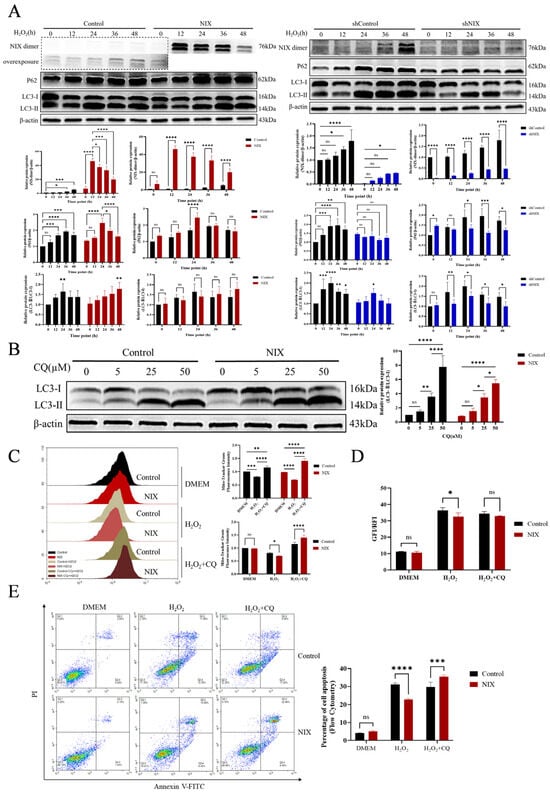
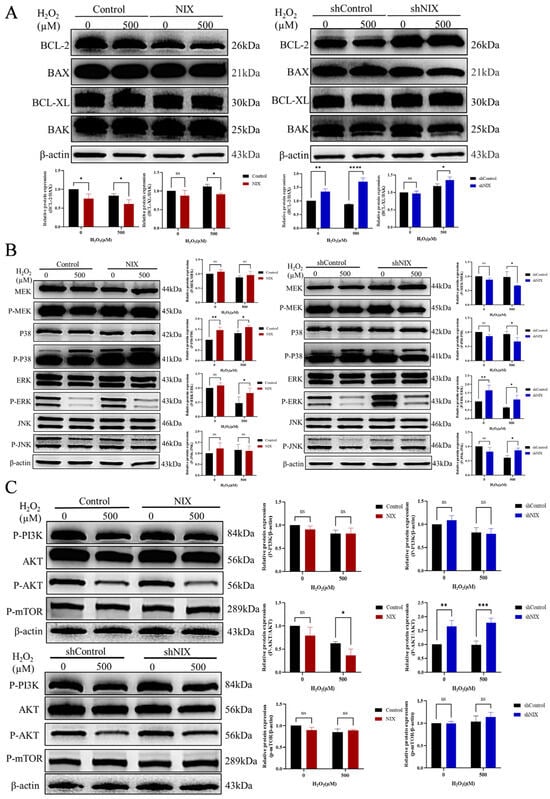
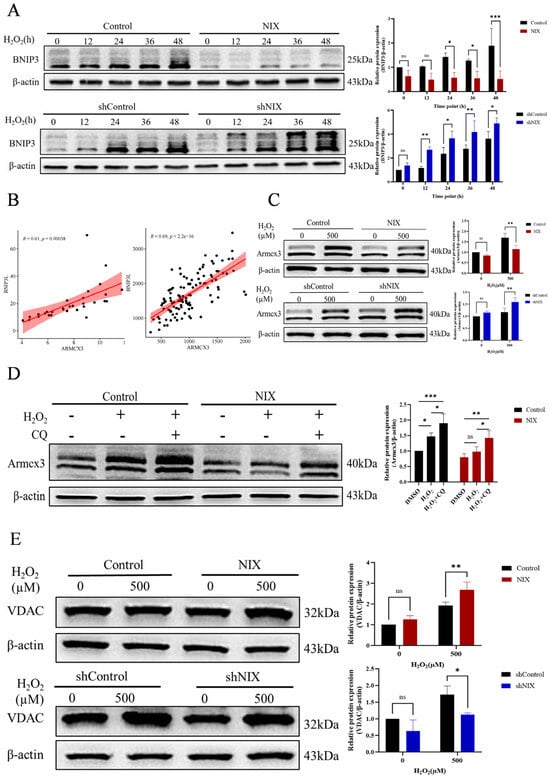
Oxidative stress is a major contributor to neuronal apoptosis and subsequent neurofunctional deficits. This study investigates the dual role of the mitochondrial membrane-anchored protein NIX in PC12 cells, a model for mature neurons. We demonstrate that both overexpression and knockdown of NIX attenuate [...] Read more.
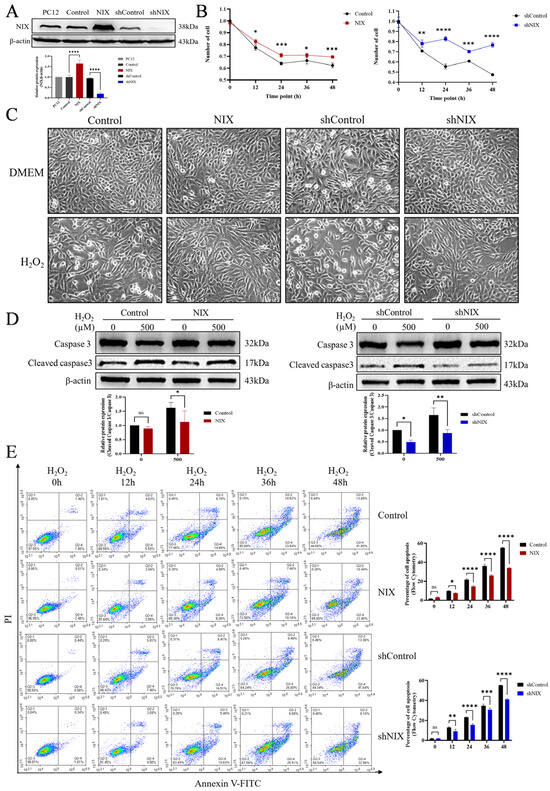
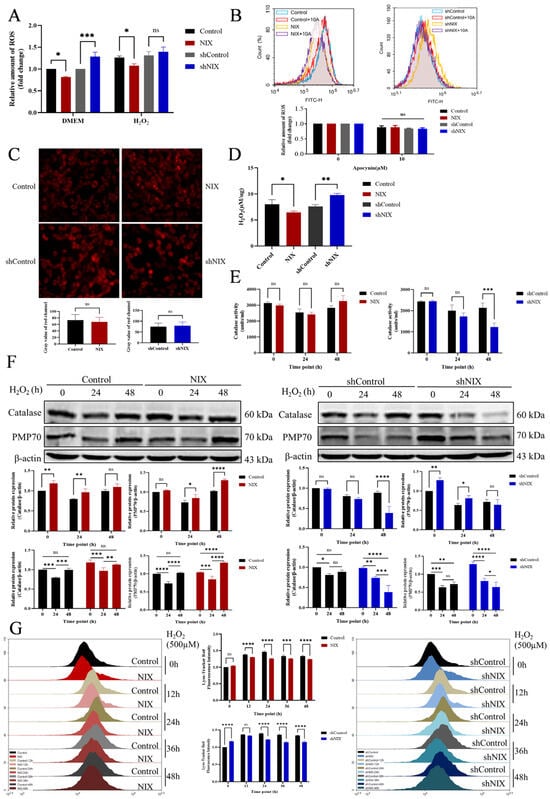
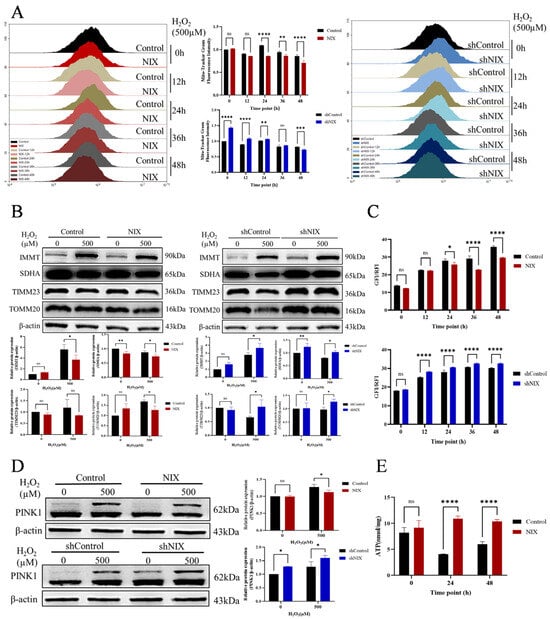
Oxidative stress is a major contributor to neuronal apoptosis and subsequent neurofunctional deficits. This study investigates the dual role of the mitochondrial membrane-anchored protein NIX in PC12 cells, a model for mature neurons. We demonstrate that both overexpression and knockdown of NIX attenuate apoptosis under oxidative stress, albeit through distinct mechanisms. Overexpression of NIX promotes cell survival by activating NIX-mediated mitophagy, which clears damaged mitochondria and intracellular reactive oxygen species (ROS), thereby maintaining redox homeostasis. Conversely, knockdown of NIX reduces apoptosis primarily by diminishing the intrinsic pro-apoptotic function of the protein. Collectively, these findings reveal that NIX expression levels critically gate PC12 cell fate under oxidative stress by differentially activating pro-survival or anti-apoptotic pathways. Full article
Show Figures

Figure 1

19 pages, 4235 KB  
Article
Chemical Composition and in Vitro and in Silico Larvicidal Activity of Piper spp. Essential Oils and Their Mixtures Against Aedes aegypti (Diptera: Culicidae)
by Anderson de Santana Botelho, Clenilma Marques Brandão, Lucas Gabriel Póvoas Silva, Carlos Alexandre Holanda, Eliza de Jesus Barros dos Santos, Mabrouk Horchani, Ravendra Kumar, Karyme do Socorro de Souza Vilhena, Marcilene Paiva da Silva, Mozaniel Santana de Oliveira and Eloisa Helena de Aguiar Andrade
Plants 2026, 15(11), 1704; https://doi.org/10.3390/plants15111704 (registering DOI) - 31 May 2026
Abstract
Controlling the arbovirus vector Aedes aegypti represents a growing public health challange, intensifying the search for alternatives to combat the mosquito. In this context, the present study aims to evaluate the larvicidal activity of essential oils from three Piper species and their mixtures, [...] Read more.
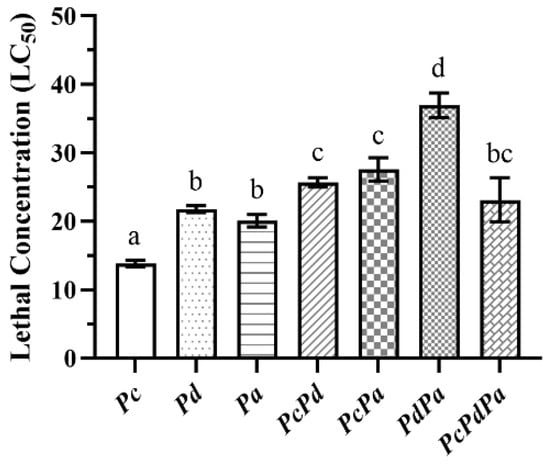
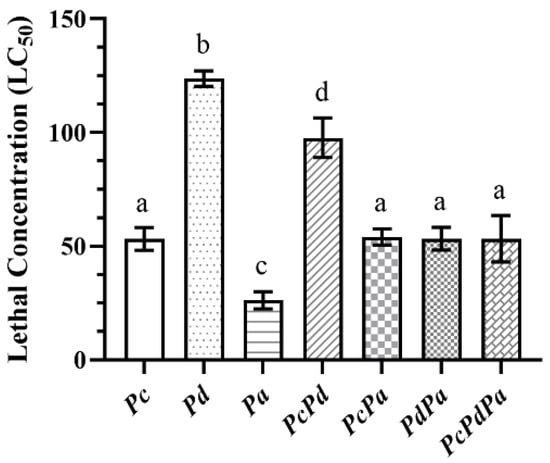
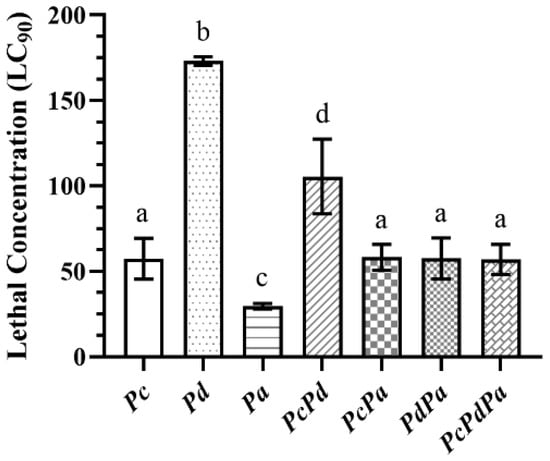
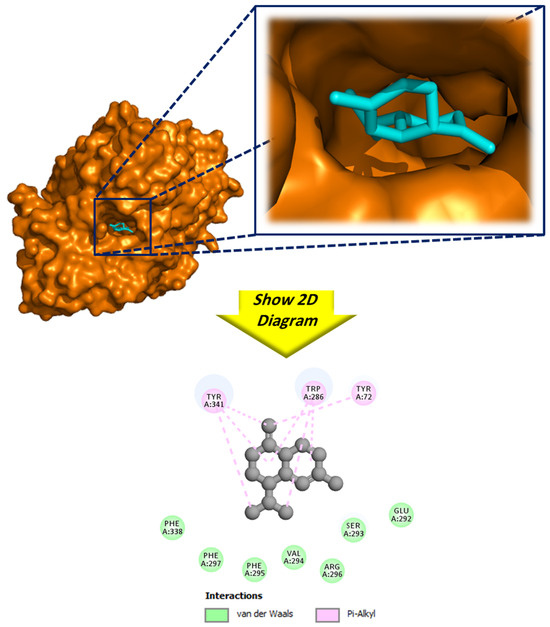
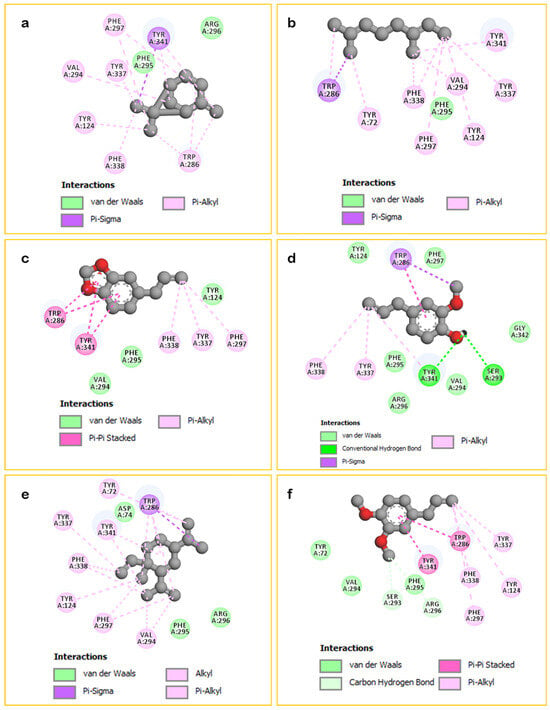
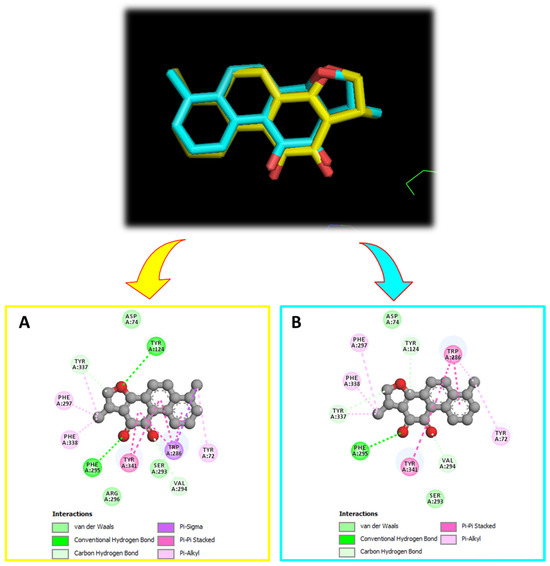
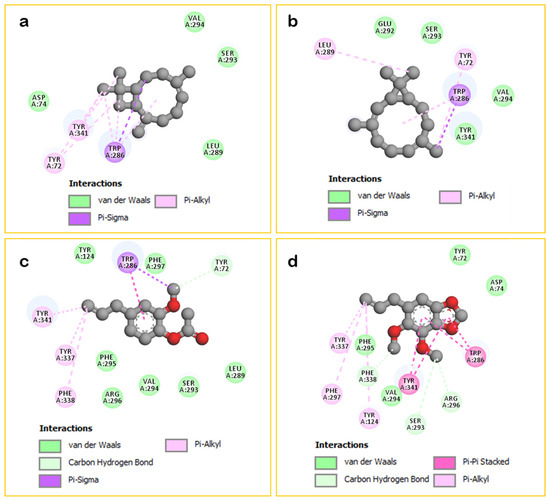
Controlling the arbovirus vector Aedes aegypti represents a growing public health challange, intensifying the search for alternatives to combat the mosquito. In this context, the present study aims to evaluate the larvicidal activity of essential oils from three Piper species and their mixtures, as well as their preliminary toxicity and in silico acetylcholinesterase (AChE) inhibitory potential. The essential oils and mixtures were characterized by GC–MS. The larvicidal activity test was performed against third-stage larvae, and a preliminary toxicity test was preformed against Artemia salina. The results showed that the oils had a high content of phenylpropanoids such as safrole, dillapiole, and eugenol, as well as their derivatives. The mixtures showed lower toxicity when compared to the pure oils. P. aduncum oil showed the highest larvicidal action (LC50 = 26.2 µg/mL), followed by P. callosum (LC50 = 53.2 µg/mL), while P. divaricatum had the lowest activity (LC50 = 123.8 µg/mL). Among the mixtures, the combination of P. divaricatum and P. aduncum stood out for its synergistic effect. Molecular docking analyses suggested that phytoconstituents interact favorably with AChE, supporting a neurotoxic mechanism associated with enzyme inhibition. Thus, Piper essential oils and mixtures are promising alternatives for the control of A. aegypti. Full article
(This article belongs to the Special Issue Green Insect Control: The Potential Impact of Plant Essential Oils)
Show Figures

Figure 1

18 pages, 6013 KB  
Article
Ultrasound-Guided Humerus-Parallel Injectate Distribution to the Posterior Antebrachial Cutaneous Nerve-Related Fascial Plane and Common Extensor Origin: A Proof-of-Concept Cadaveric Anatomical Feasibility Study
by Sang-Hyun Kim, U-Young Lee, Yonghyun Yoon, Seungbeom Kim, Dongyeun Sung, Jungyoun Kim, Seunguk Lee, Ki-Tae Kim and King Hei Stanley Lam
Diagnostics 2026, 16(11), 1698; https://doi.org/10.3390/diagnostics16111698 (registering DOI) - 31 May 2026
Abstract
Background: Lateral epicondylopathy is commonly approached as a tendinopathic disorder of the common extensor origin; however, persistent lateral elbow pain may also involve a superficial sensory nerve component related to the posterior antebrachial cutaneous nerve (PABCN). This proof-of-concept cadaveric anatomical feasibility study evaluated [...] Read more.
Background: Lateral epicondylopathy is commonly approached as a tendinopathic disorder of the common extensor origin; however, persistent lateral elbow pain may also involve a superficial sensory nerve component related to the posterior antebrachial cutaneous nerve (PABCN). This proof-of-concept cadaveric anatomical feasibility study evaluated whether a single-window, humerus-parallel ultrasound-guided injectate pathway could simultaneously reach the superficial PABCN-related fascial plane and the common extensor origin. Methods: One fresh-frozen male cadaveric donor was used, and both elbows were injected under real-time ultrasound guidance. With the elbow flexed and the forearm pronated, the transducer was aligned parallel to the long axis of the humerus over the lateral epicondylar region. A 23-gauge, 6 cm needle was advanced in plane from distal to proximal over the common extensor aponeurosis, and 10 mL of 1% methylene blue was injected into each elbow. Layer-by-layer anatomical dissection was then performed by an anatomist who was not involved in the injection procedure. Gross linear dye spread was measured directly during dissection using the distal needle entry point as the reference point, and ruler-containing photographs were additionally reviewed using ImageJ software for supportive image-assisted assessment. Results: In both elbows, methylene blue stained the superficial PABCN-related fascial plane, including the anterior and posterior branches of the PABCN, and concomitantly covered the common extensor aponeurosis and lateral epicondylar enthesis. Dye spread measured approximately 10 cm proximally, 5 cm distally, and 4 cm anteriorly. No gross intra-articular dye deposition or focal intramuscular pooling was observed. Conclusions: This proof-of-concept cadaveric study demonstrates the anatomical plausibility of a single-window, enthesis-centered ultrasound-guided injectate pathway that includes both the superficial PABCN-related plane and the common extensor origin. These findings should be interpreted as descriptive anatomical feasibility observations and do not establish reproducibility across anatomical variants, clinical efficacy, safety, or procedural superiority. Full article
(This article belongs to the Section Medical Imaging and Theranostics)
24 pages, 5490 KB  
Article
A Phased and Graded Drought Limited Water Level Strategy for Mitigating Flood Drought Abrupt Alternation Events: A Case Study of the Three Gorges Reservoir
by Zhiling Zhou, Lei Liu, Shuai Liu and Shu Chen
Water 2026, 18(11), 1333; https://doi.org/10.3390/w18111333 (registering DOI) - 31 May 2026
Abstract
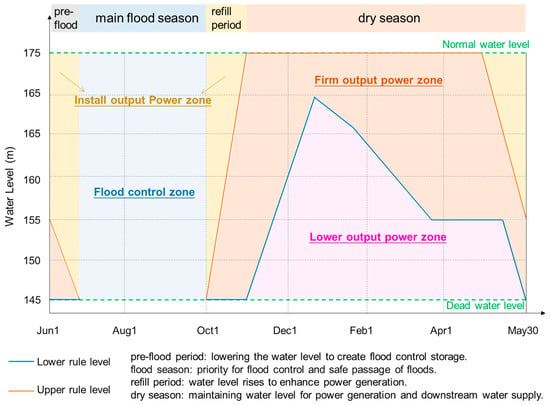
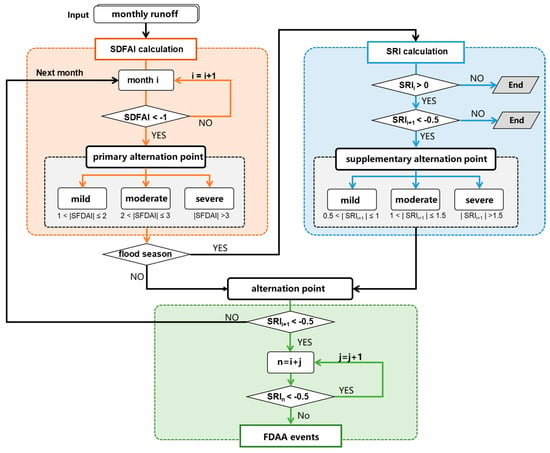
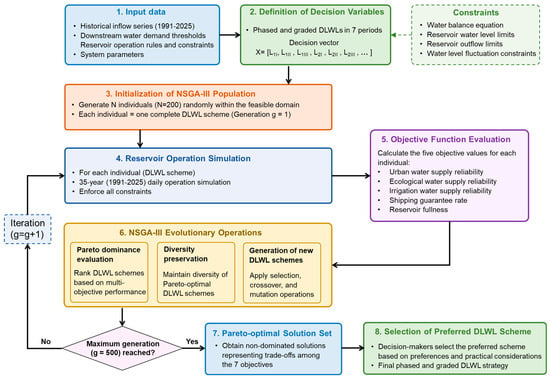
In recent decades, flood drought abrupt alternation (FDAA) events have intensified markedly in the middle and lower reaches of the Yangtze River Basin (MLYRB), exposing limitations of the conventional single flood-limited water level (FLWL) operation of the Three Gorges Reservoir. To better address [...] Read more.
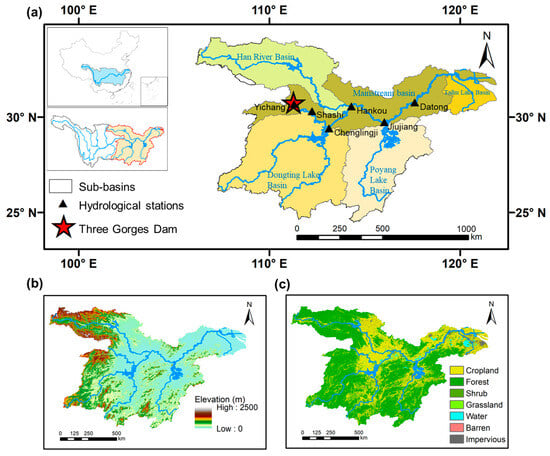
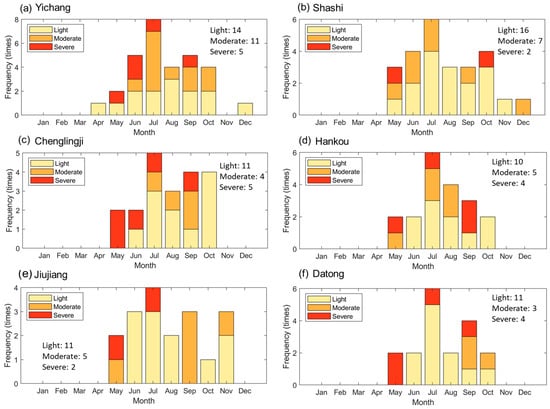
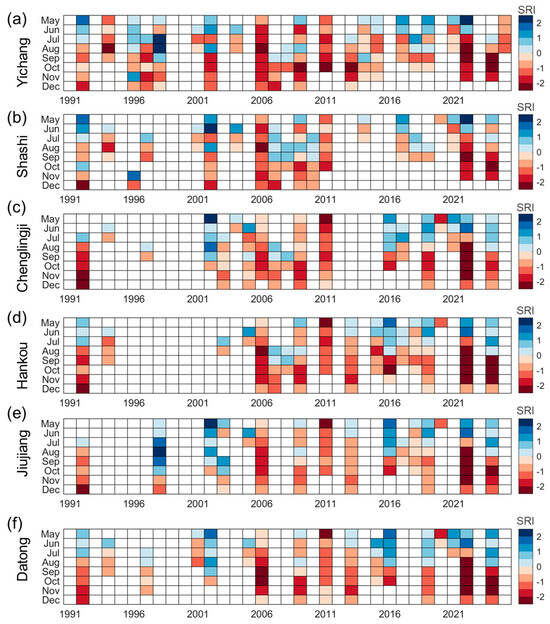
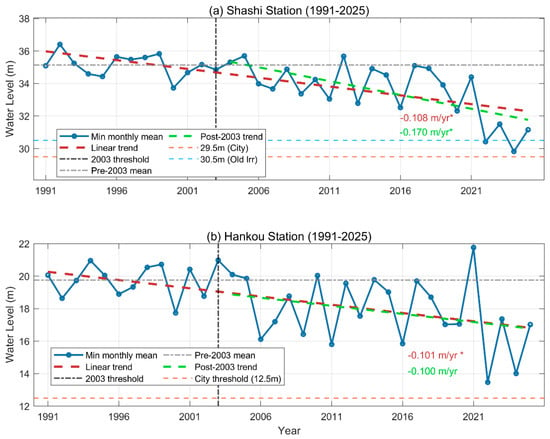
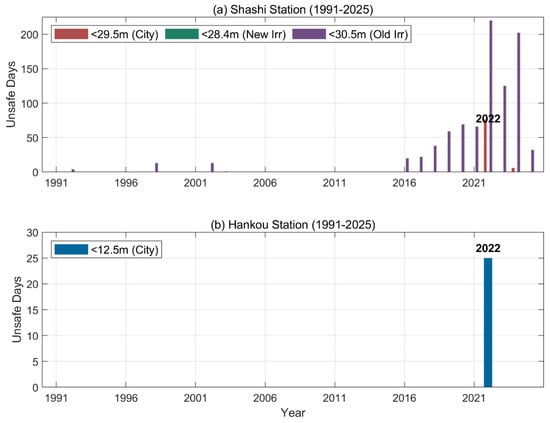
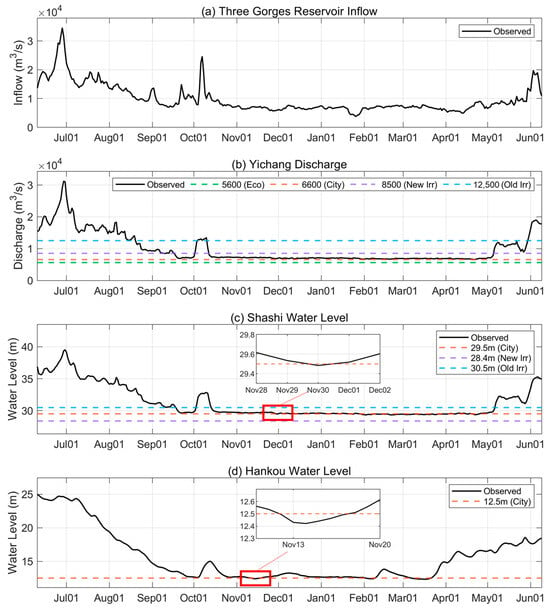
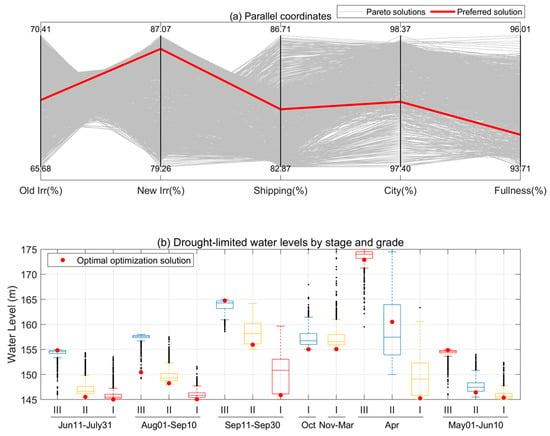
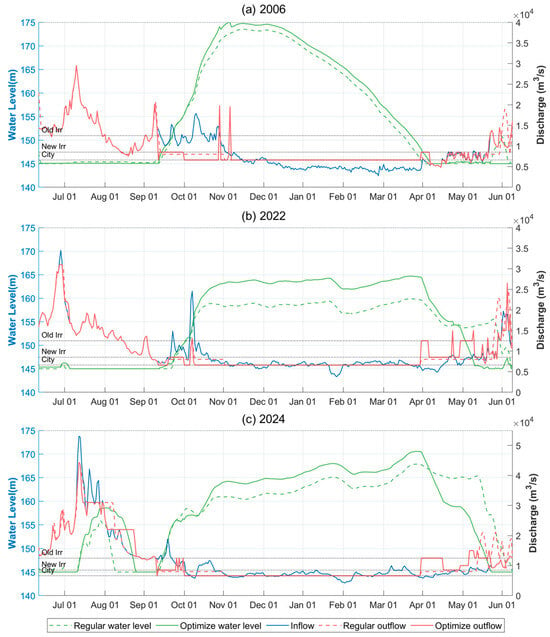
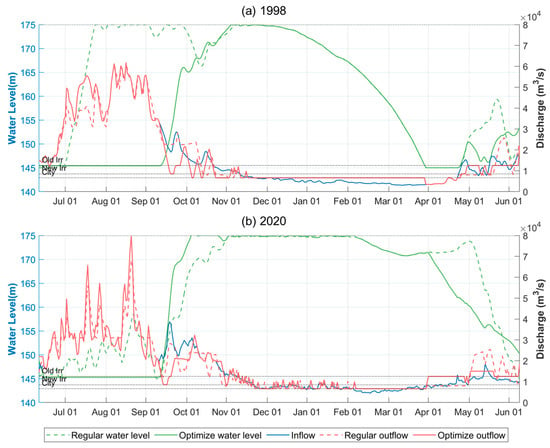
In recent decades, flood drought abrupt alternation (FDAA) events have intensified markedly in the middle and lower reaches of the Yangtze River Basin (MLYRB), exposing limitations of the conventional single flood-limited water level (FLWL) operation of the Three Gorges Reservoir. To better address drought risk during the flood season, this study develops a phased and graded drought-limited water level (DLWL) operation framework. FDAA events were identified using a hybrid method combining the Short-term Flood-Drought Abrupt Alternation Index and the Standardized Runoff Index. A multi-objective optimization model solved by NSGA-III was employed to determine staged DLWLs across five operational periods with tiered thresholds prioritizing urban, ecological, and irrigation water demands. Results show that FDAA events are mainly concentrated in June–October and have intensified significantly since 2010. Compared with conventional operation, the optimized DLWL framework substantially improves irrigation water supply reliability and reservoir fullness, while maintaining urban and ecological water supply security. Validation during typical wet years indicates that the proposed strategy introduces no evident reduction in flood control safety. Full article
(This article belongs to the Special Issue Optimization of Reservoir Operations)
Show Figures

Figure 1

41 pages, 14336 KB  
Article
The Great Wall Construction Algorithm Incorporating Marginal Benefit Assessment for Numerical Optimization and Real-World Applications
by Chi Zhang, Chenfei Li and Luqi Ling
Symmetry 2026, 18(6), 945; https://doi.org/10.3390/sym18060945 (registering DOI) - 31 May 2026
Abstract
Complex global optimization problems are widely encountered in wireless sensor network deployment, engineering design, energy scheduling, structural optimization, and intelligent parameter optimization. Due to their gradient-free search mechanism, strong global exploration capability, simple implementation, and adaptability to nonlinear and multimodal optimization problems, swarm [...] Read more.
Complex global optimization problems are widely encountered in wireless sensor network deployment, engineering design, energy scheduling, structural optimization, and intelligent parameter optimization. Due to their gradient-free search mechanism, strong global exploration capability, simple implementation, and adaptability to nonlinear and multimodal optimization problems, swarm intelligence algorithms have become effective tools for solving complex optimization tasks. In this study, an enhanced Great Wall Construction Algorithm based on a Marginal Benefit Assessment mechanism, termed GWCA-MBA, is proposed for numerical optimization and engineering applications. The proposed method incorporates three cooperative enhancement strategies into the original GWCA framework, including a quasi-oppositional chaotic initialization strategy, a Marginal Benefit Assessment-based adaptive role scheduling mechanism, and an elite differential-Lévy refinement strategy. These mechanisms jointly improve population diversity, adaptive search capability, and local exploitation precision. To evaluate its effectiveness, GWCA-MBA is comprehensively tested on the CEC2017, CEC2020, and CEC2022 benchmark suites and compared with several representative metaheuristic algorithms. Experimental results demonstrate that GWCA-MBA achieves the best Friedman mean ranks of 2.70, 3.50, and 2.33 on the CEC2017, CEC2020, and CEC2022 benchmark suites, respectively, indicating superior overall optimization performance and robustness. In addition, the proposed algorithm exhibits highly stable convergence behavior with significantly lower standard deviation values than the compared algorithms on most benchmark functions. To further verify its engineering applicability, GWCA-MBA is applied to a three-dimensional wireless sensor network coverage optimization problem and two constrained engineering design problems. In the wireless sensor network deployment problem, GWCA-MBA achieves a coverage rate of 75.90%, outperforming the compared algorithms and demonstrating strong spatial optimization capability and practical applicability. Moreover, GWCA-MBA also achieves the first Friedman ranking in the engineering application experiments, further demonstrating its strong practical optimization capability and generalization performance in real-world optimization problems. Overall, GWCA-MBA effectively balances exploration and exploitation and provides a competitive optimization framework for complex numerical optimization and practical engineering applications. Full article
(This article belongs to the Special Issue Symmetry and Metaheuristic Algorithms)
10 pages, 2899 KB  
Article
Ergonomic Implants: A Single Centre Experience in Post-Mastectomy Breast Reconstruction
by Daniele Fusario, Sofia Alessandrini and Gianfranco Lolli
Medicina 2026, 62(6), 1064; https://doi.org/10.3390/medicina62061064 (registering DOI) - 31 May 2026
Abstract
Background and Objectives: Implant-based breast reconstruction is nowadays the most commonly used reconstructive technique and offers a safe and relatively simple surgical approach. Textured, anatomically shaped implants have been the primary option for women undergoing breast reconstruction for decades. However, anatomically shaped [...] Read more.
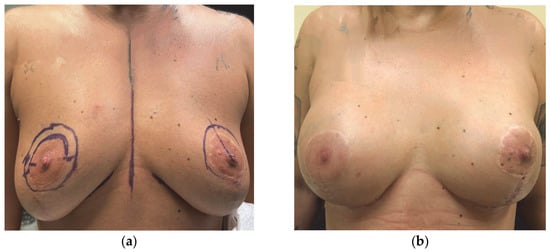
Background and Objectives: Implant-based breast reconstruction is nowadays the most commonly used reconstructive technique and offers a safe and relatively simple surgical approach. Textured, anatomically shaped implants have been the primary option for women undergoing breast reconstruction for decades. However, anatomically shaped implants are form-stable devices, providing firmness and rigidity, and can cause malrotation, requiring revision surgery. Ergonomic round silicone gel implants began to gain popularity due to the capacity to adapt to gravity and the patient’s position, providing a natural, “anatomical” appearance in an upright position. The objective of this study was to describe our two-year experience with Motiva Ergonomix Round Silksurface™ implants and to evaluate their safety and efficacy for immediate and delayed breast reconstruction procedures. Materials and Methods: An observational retrospective study was conducted on a population of patients undergoing mastectomy for breast cancer and immediate or delayed reconstruction with Motiva Ergonomix Round Silksurface™ implants. We enrolled 61 patients from December 2023 to December 2025: a total of 87 ergonomic prostheses were implanted. Results: The average implant volume was 269 ± 105 (105–510) cc. One surgical infection occurred (1.1%); three persistent seromas (3.4%); and two cases of rippling (2.3%). Only one CTCAE G3 complication was recorded, a grade IV Baker capsular contraction (1.1%). The BREAST-Q results after surgery showed a high rate of patient satisfaction. Conclusions: Ergonomic round implants with a nano-textured surface were developed to give a natural breast appearance following mastectomy, as well as to prevent rotation, one of the complications that can affect anatomical implants. Our data have demonstrated low complication rates and high patient satisfaction. These results encourage us to expand our experience with these ergonomic, round, nano-textured implants and seriously consider them as an increasingly important device in breast reconstruction after mastectomy to be placed alongside more well-known anatomical implants. Full article
(This article belongs to the Special Issue Current Trends in Breast Reconstructive Surgery)
Show Figures

Figure 1

23 pages, 5263 KB  
Article
Precision Fertilization of Maize Using Straight Grooved-Wheel Fertilizer Apparatus
by Yitian Sun, Qingsong Lei, Yongjia Sun, Haiyang Liu, Xianying Feng, Qingqing Dou and Rui Li
Agriculture 2026, 16(11), 1217; https://doi.org/10.3390/agriculture16111217 (registering DOI) - 31 May 2026
Abstract
Conventional maize fertilization suffers from uneven distribution, fertilizer waste, and environmental pollution. To address these issues and achieve precision fertilization for maize, a straight grooved-wheel fertilizer apparatus (SGWFA) was designed and optimized using the discrete element method (DEM). The blocking characteristic of the [...] Read more.
Conventional maize fertilization suffers from uneven distribution, fertilizer waste, and environmental pollution. To address these issues and achieve precision fertilization for maize, a straight grooved-wheel fertilizer apparatus (SGWFA) was designed and optimized using the discrete element method (DEM). The blocking characteristic of the SGWFA was also evaluated. The optimal configuration (eight grooves, inner diameter of 26 mm) yielded a minimum discharge uniformity coefficient of variation of 2.50% and mild blocking, with a maximum total force of 161.884 N. Furthermore, a nonsingular terminal sliding mode control (NTSMC) algorithm was proposed for the speed loop of the brushless DC (BLDC) motor drive, while the current loop used conventional proportional-integral (PI) control. The overall system achieved dual closed-loop speed and current regulation with finite-time convergence of the speed tracking error. Simulations showed that, compared with conventional PI and fuzzy PI controllers, NTSMC had the smallest overshoot of 3.4%, the shortest settling time of 0.165 s, and the fastest disturbance rejection. Bench tests confirmed that the coefficient of variation under NTSMC was 2.85%, markedly better than fuzzy PI’s 3.15% and conventional PI’s 4.03%. It is also basically consistent with the simulation results. Field tests at 6, 9, and 12 km/h demonstrated over 95% per-row fertilization accuracy, with a maximum relative error of only 4.61%. This integrated system can effectively achieve precise fertilizer application under variable field conditions. Full article
(This article belongs to the Section Agricultural Technology)
21 pages, 752 KB  
Article
Effects of Sow–Piglet Co-Feeding on Post-Weaning Welfare and Jejunal Morphological Development in Suckling Piglets
by Xuanning Liu, Zhihao Zhang, Ying Qian, Yufu Shu, Yameng Li, Zhiyang Zhang, Zhonghui Wang, Sitong Zhou, Honggui Liu and Houjuan Xing
Animals 2026, 16(11), 1690; https://doi.org/10.3390/ani16111690 (registering DOI) - 31 May 2026
Abstract
Under intensive farming conditions, a decline in feed intake after weaning in suckling piglets often results in reduced body weight or diarrhea. We hypothesized that a sow–piglet co-feeding strategy during the suckling period—in which piglets participate in the sow’s feeding process and consume [...] Read more.
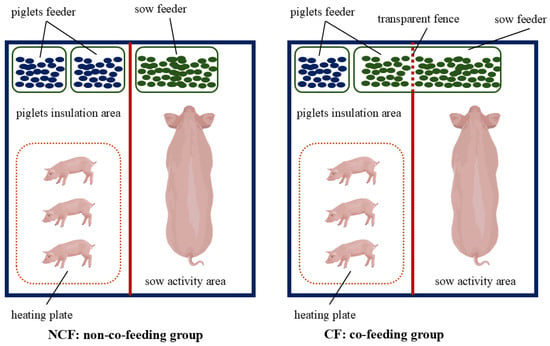
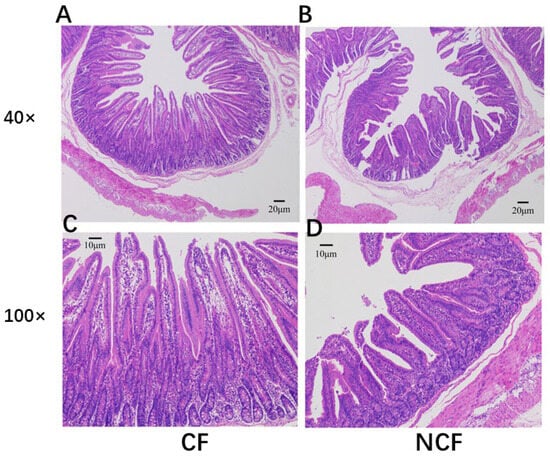
Under intensive farming conditions, a decline in feed intake after weaning in suckling piglets often results in reduced body weight or diarrhea. We hypothesized that a sow–piglet co-feeding strategy during the suckling period—in which piglets participate in the sow’s feeding process and consume both lactating sow feed and creep feed—could alleviate certain aspects of weaning stress. To test this hypothesis, 102 newborn piglets (Large White × Duroc × Min Pig) were selected and divided into a co-feeding group (CF) and a non-co-feeding group (NCF), based on whether they had access to the sow’s feed during lactation. The study investigated the effects of the two feeding strategies on piglet growth performance, diarrhea incidence, behavior, and post-weaning immune status, intestinal morphology, and antioxidant capacity. The results showed that the CF group had significantly higher body weight at the end of the nursery period (p < 0.05) and a significantly lower post-weaning observed fecal staining rate (p < 0.05). At 16–17 days post-weaning, piglets in the CF group exhibited a significant increase in feeding behavior (p < 0.05). Compared with the NCF group, the CF group showed highly significant reductions in serum levels of interleukin-6 (IL-6), tumor necrosis factor-alpha (TNF-α), and interferon-gamma (IFN-γ) (p < 0.01), as well as significantly increased intestinal superoxide dismutase (SOD) and glutathione peroxidase (GSH-Px) activities (p < 0.05) and significantly reduced malondialdehyde (MDA) content (p < 0.05). In terms of intestinal morphology, the CF group had a highly significant increase in the villus-to-crypt ratio in the jejunum (p < 0.01) and a highly significant reduction in crypt depth (p < 0.05), while villus length did not differ significantly between groups (p > 0.05). Overall, in the present study, sow–piglet co-feeding during the suckling period effectively alleviated weaning stress and reduced the incidence of diarrhea. These beneficial effects appear to be associated with reduced inflammatory responses, enhanced antioxidant capacity, and improved intestinal morphology. It should be noted that the relatively late weaning age used in this study likely facilitated the piglets’ ability to efficiently utilize solid feed and derive benefits from the co-feeding strategy. Therefore, caution should be exercised when extrapolating these findings to earlier weaning ages, at which the digestive tract is less mature. Full article
(This article belongs to the Section Animal Welfare)
Show Figures

Figure 1

26 pages, 18924 KB  
Article
A Hybrid Master–Slave Fuzzy Cascade Control Strategy for Two-Wheeled Self-Balancing Robot with Wheel Synchronization
by Irving Mora-González, Edson E. Cruz-Miguel, Trinidad Martínez-Sánchez, Zayra E. Santos-Flores, Ricardo Rojas-Galván, Omar A. Barra-Vázquez, Ce T. Méndez-Ramírez, Roberto V. Carrillo-Serrano and José R. García-Martínez
Robotics 2026, 15(6), 110; https://doi.org/10.3390/robotics15060110 (registering DOI) - 31 May 2026
Abstract
Two-wheeled self-balancing robots exhibit nonlinear and inherently unstable dynamics due to their inverted-pendulum structure, making control design challenging under terrain variations and external disturbances. This paper proposes a hybrid master–slave fuzzy cascade controller with an additional wheel-synchronization loop to improve tracking performance and [...] Read more.
Two-wheeled self-balancing robots exhibit nonlinear and inherently unstable dynamics due to their inverted-pendulum structure, making control design challenging under terrain variations and external disturbances. This paper proposes a hybrid master–slave fuzzy cascade controller with an additional wheel-synchronization loop to improve tracking performance and robustness. The architecture combines a master velocity PI loop with fuzzy-tuned integral action and a slave balance PD loop with fuzzy proportional control, while a differential synchronization mechanism compensates for motor mismatches without affecting the global balance dynamics. Local stability is analyzed through linearization and equivalent gain approximation within a sector-bounded framework. Experimental validation was conducted on an ESP32-based TWSBR under flat, uphill, and downhill conditions at reference velocities of 0.15, 0.20, and 0.30ms, including payload tests with additional masses of 0.279 and 0.375kg. For each scenario, 30 independent trials were performed to compute the reported metrics. Compared with a conventional PID controller, the proposed strategy reduced the flat-terrain velocity RMSE from 0.0108 to 0.0057ms, while also improving angular stabilization and robustness under slope and payload disturbances. Full article
(This article belongs to the Section Intelligent Robots and Mechatronics)
16 pages, 306 KB  
Article
Gender, Critical Mass and Carbon Emission
by Rim El Houcine
J. Risk Financial Manag. 2026, 19(6), 401; https://doi.org/10.3390/jrfm19060401 (registering DOI) - 31 May 2026
Abstract
This study investigates the impact of board gender diversity and the presence of a critical mass of female directors on corporate carbon emissions. Grounded in agency, legitimacy, and critical mass theories, it explores how the gender composition of corporate boards shapes firms’ environmental [...] Read more.
This study investigates the impact of board gender diversity and the presence of a critical mass of female directors on corporate carbon emissions. Grounded in agency, legitimacy, and critical mass theories, it explores how the gender composition of corporate boards shapes firms’ environmental governance. Using panel data from 37 non-financial CAC 40 firms between 2020 and 2023, the analysis employs Fixed Effect regression models with robustness checks. The results reveal a non-linear relationship between gender diversity and emissions: a higher proportion of female directors reduces emissions only when the board reaches a critical mass, supporting the idea that women’s influence becomes significant beyond token representation. CEO duality negatively affects environmental outcomes, while firm size and profitability are positively associated with emission performance. The study contributes to corporate governance research by showing that meaningful female representation enhances environmental accountability, highlighting the need for policies promoting gender balance and sustainability-oriented board practices. Full article
(This article belongs to the Special Issue Carbon Accounting, Climate Reporting, and Sustainable Finance)
24 pages, 3984 KB  
Article
Rapid Prediction of Leakage Dispersion at Natural Gas Distribution Stations: A Prototype Development Using Computational Fluid Dynamics and Machine Learning
by Hongfu Mi, Runmei Zhou, Sixu Chen, Nanfang Li, Aijie Huang, Yu Feng, Peng Shao, Shuo Wang, Yihui Niu, Wenhe Wang, Geng Tang and Hang Yi
Fluids 2026, 11(6), 137; https://doi.org/10.3390/fluids11060137 (registering DOI) - 31 May 2026
Abstract
Leakage incidents at natural gas distribution stations (NGDSs) present severe fire and explosion risks, demanding immediate, data-driven emergency responses. While crucial for minimizing hazard impacts, real-time prediction of gas dispersion ranges remains a significant operational challenge. To partially address this critical safety need, [...] Read more.
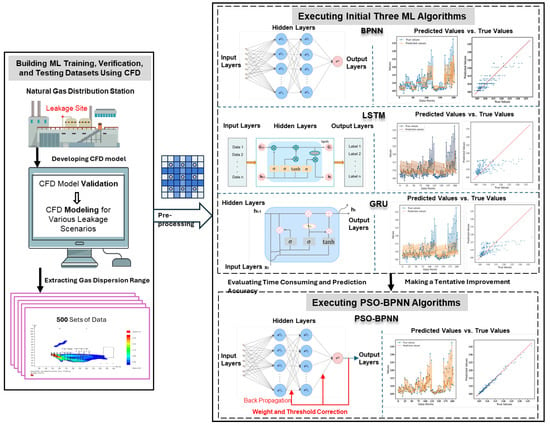
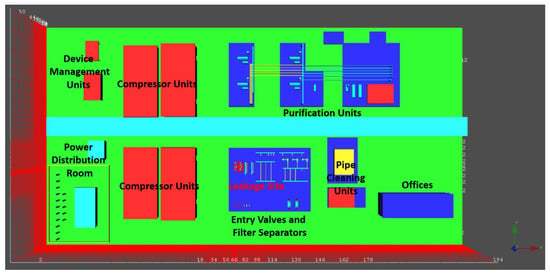
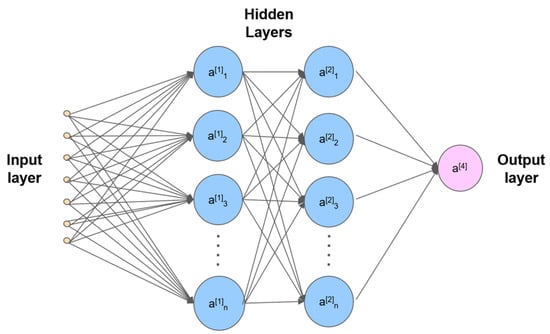
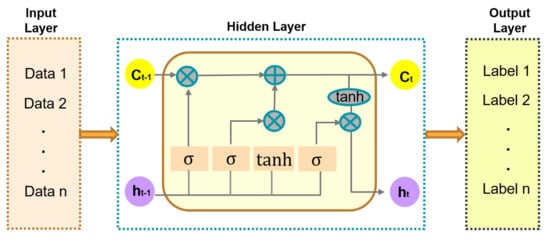
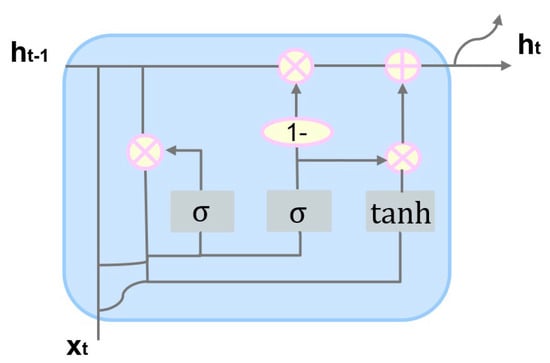
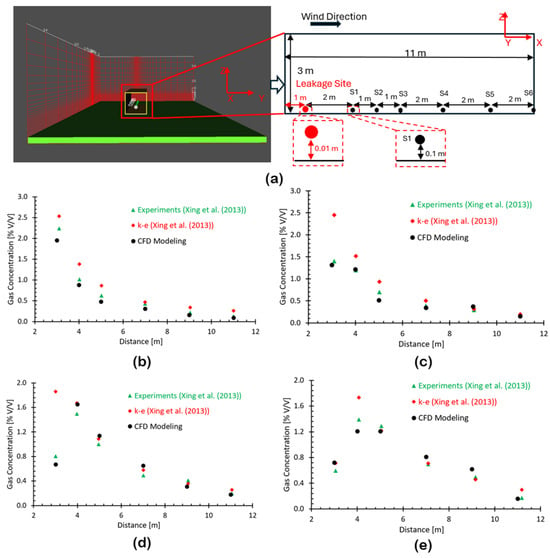
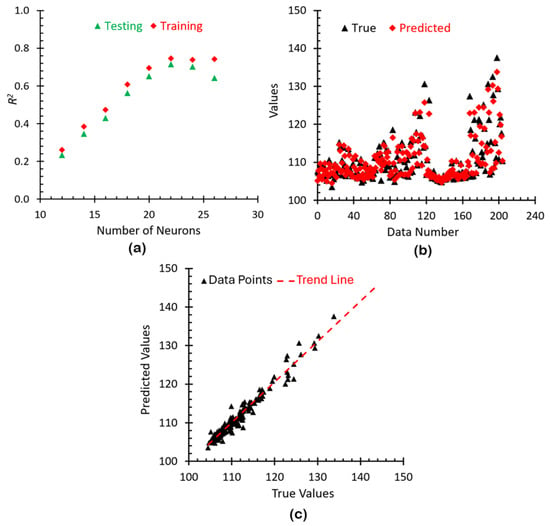
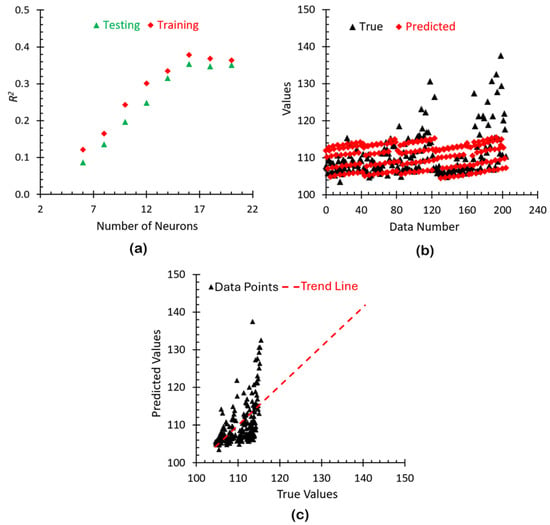
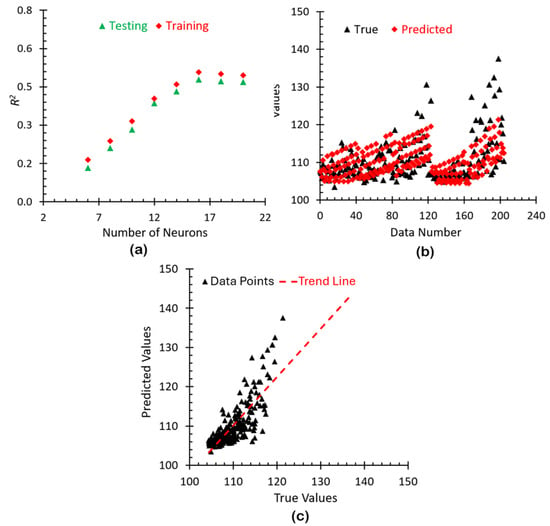
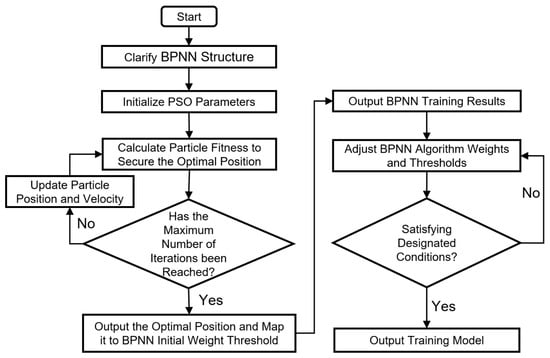
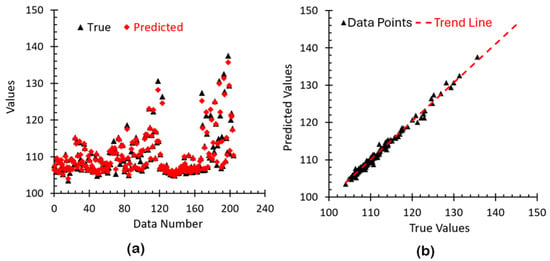
Leakage incidents at natural gas distribution stations (NGDSs) present severe fire and explosion risks, demanding immediate, data-driven emergency responses. While crucial for minimizing hazard impacts, real-time prediction of gas dispersion ranges remains a significant operational challenge. To partially address this critical safety need, this study introduces a rapid-response prediction framework prototype integrating computational fluid dynamics (CFD) with machine learning (ML). Specifically, a comprehensive database of 500 experimentally validated CFD leakage scenarios at 60 s was developed first, specifically focusing on mapping gas concentration contours within the critical 5–15% flammability range. To identify the most effective real-time predictive tool, three ML algorithms, including a backpropagation neural network (BPNN), long short-term memory (LSTM), and gated recurrent unit (GRU), were evaluated. The BPNN initially outperformed the sequence models, with a coefficient of determination (R2) of 0.96, a mean squared error (MSE) of 1.35, a mean absolute error (MAE) of 0.77, a maximum absolute error (MaxAE) of 4.94 and an average training time of 4.23 s per epoch. To further meet the stringent speed and precision demands of emergency scenarios, the model was enhanced via particle swarm optimization (PSO-BPNN). This optimized framework achieved exceptional accuracy (R2 = 0.99, MSE = 0.34, and MAE = 0.38) while reducing the training time to just 1.42 s per epoch under the current computational configuration. The developed CFD-ML prototype provides a practical, highly efficient tool for NGDS operators and emergency responders, enabling them to instantly visualize hazard zones, optimize evacuation protocols, and safely mitigate leakage incidents before ignition occurs. Full article
(This article belongs to the Special Issue 10th Anniversary of Fluids—Recent Advances in Fluid Mechanics)
Show Figures

Figure 1

16 pages, 273 KB  
Communication
Personalizing Approaches in International Projects Engaging Individuals with Vulnerabilities: The Lessons Learned for a Person-Centered Research
by Stefania Chiappinotto, Chiara Moreal, Aysun Bayram, Nevenka Kregar Velikonja, Aysel Özsaban, Montserrat Solà-Pola, Alba Roselló-Novella, Kinga Zdunek, Beata Dobrowolska and Alvisa Palese
J. Pers. Med. 2026, 16(6), 296; https://doi.org/10.3390/jpm16060296 (registering DOI) - 31 May 2026
Abstract
Background: The involvement of people living in situations of vulnerability has long been a central ethical issue in research, particularly in contexts marked by power asymmetries, limited access to resources, or restricted decisional autonomy. Although international ethical frameworks offer increasing guidance on protecting [...] Read more.
Background: The involvement of people living in situations of vulnerability has long been a central ethical issue in research, particularly in contexts marked by power asymmetries, limited access to resources, or restricted decisional autonomy. Although international ethical frameworks offer increasing guidance on protecting vulnerable participants, applying these principles in everyday research practice remains challenging, especially in qualitative and multi-country studies. This communication draws on the experience of the European Protecting You & Others project, an Erasmus+ initiative conducted across five countries. Methods: During the project design and implementation, the research team engaged in ongoing reflexive work to examine the ethical, methodological, and practical challenges encountered when defining vulnerability, involving participants living in situations of vulnerability, and adapting research activities and educational interventions to different specific needs. Reflexive notes and collective team discussions were used to identify recurrent challenges and the strategies adopted to address them. Results: Key challenges included (a) the difficulty of choosing an inclusive yet operational definition of vulnerability; (b) participants’ self-perceptions and tensions between externally assigned vulnerability; (c) risks of stigmatization associated with categorization; the use of respectful and context-appropriate language; and (d) the adoption of a shared international framework adapted to educational content across countries. Overall, vulnerability emerged as a dynamic and context-dependent condition that requires research designs, methodologies and interventions to remain open, flexible, and responsive throughout the study process. Conclusions: Studies involving people living in situations of vulnerability, particularly in international and multi-country contexts, should not rely solely on predefined classifications or standardized safeguards. Instead, adaptive procedures are needed to recognize how needs, barriers, resources, and forms of participation vary across individuals and contexts. Such openness may support more person-centered approaches to engagement, communication, and intervention adaptation, while preserving ethical consistency and methodological rigor across countries. Full article
(This article belongs to the Special Issue Bioethics in Personalized Medicine and Precision Medicine)
19 pages, 2907 KB  
Article
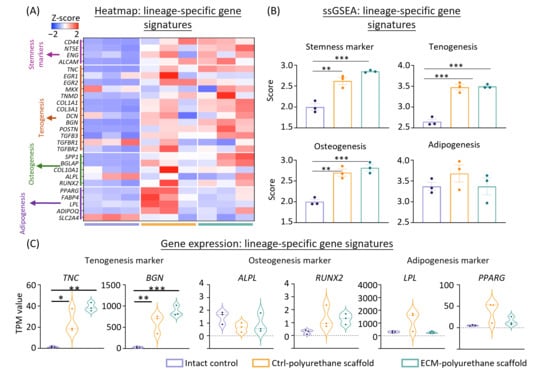
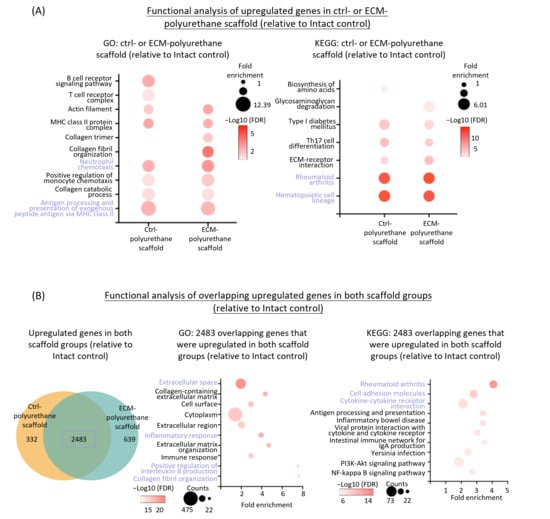
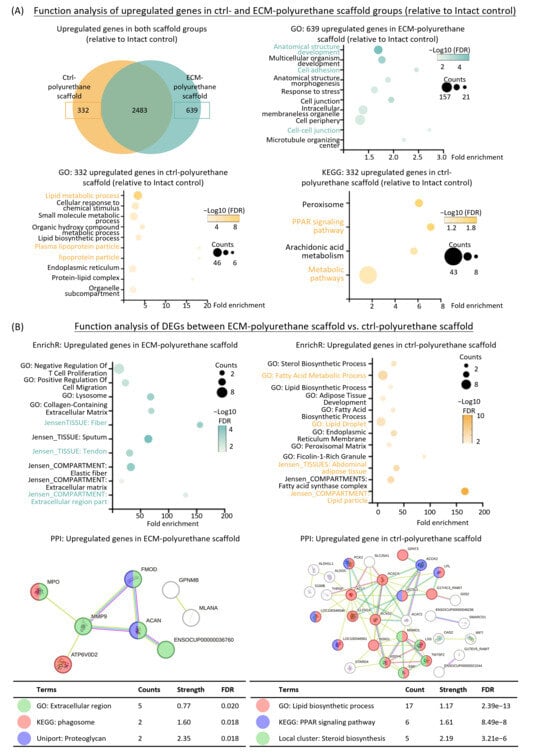
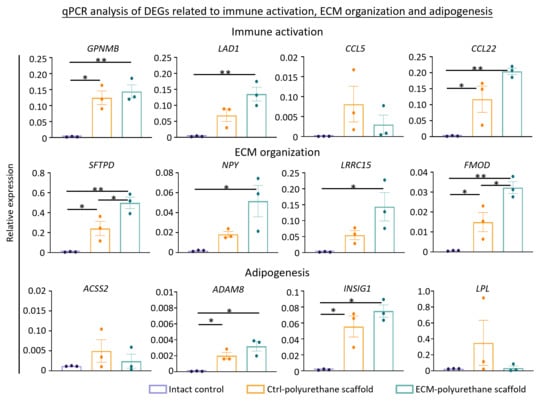
Transcriptomic Analysis of Tendon Healing Using an Extracellular Matrix-Coated, Polyurethane Scaffold
by Ying Rao, Marianne Lauwers, Shuting Huang, Yuyue Zhang, Dai Fei Elmer Ker, Rocky S. Tuan and Dan Michelle Wang
Bioengineering 2026, 13(6), 652; https://doi.org/10.3390/bioengineering13060652 (registering DOI) - 31 May 2026
Abstract
Large rotator cuff tendon injuries pose a dual clinical challenge: poor inherent healing capacity and high mechanical demands. To address this, we have developed a bifunctional scaffold that combines a slow-degrading, mechanically robust polyurethane core coated with tendon-derived extracellular matrix (ECM) extract to [...] Read more.
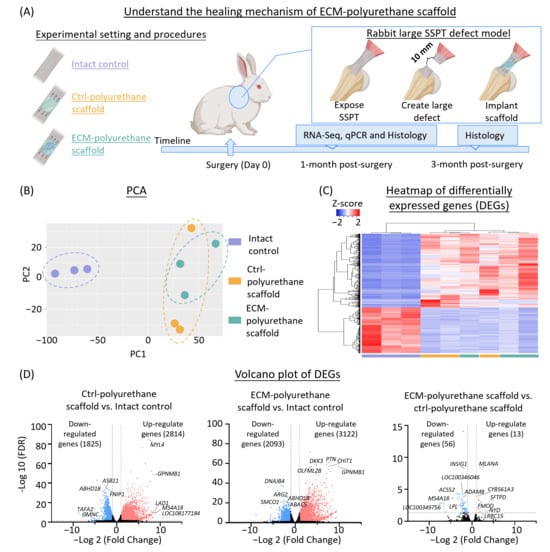
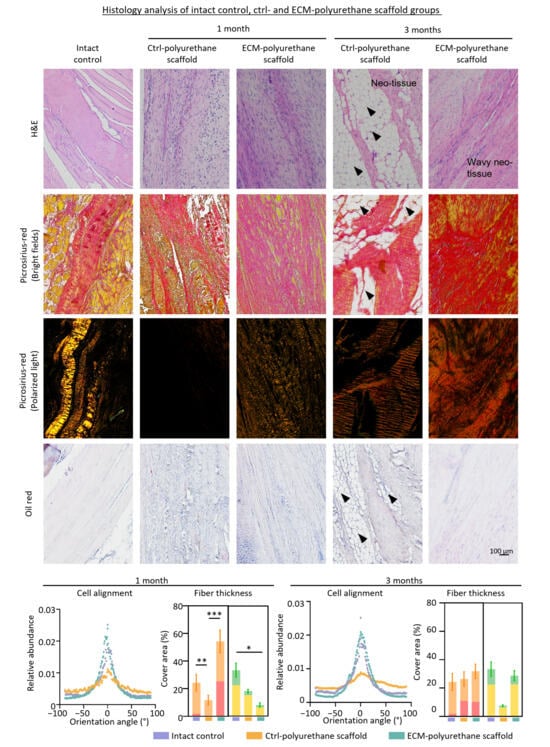
Large rotator cuff tendon injuries pose a dual clinical challenge: poor inherent healing capacity and high mechanical demands. To address this, we have developed a bifunctional scaffold that combines a slow-degrading, mechanically robust polyurethane core coated with tendon-derived extracellular matrix (ECM) extract to provide both structural support and regenerative cues. In a rabbit model of supraspinatus tendon injury, this ECM-polyurethane scaffold facilitated healing of critical-sized defects, resulting in aligned, tendon-like tissue with improved biomechanical properties. This study further explored the tendon healing mechanisms of the ECM-polyurethane scaffold in a rabbit model of large supraspinatus tendon injury using transcriptomic and qPCR analyses. At one month post-surgery, while both ECM-coated and uncoated polyurethane scaffolds initially provoked similar inflammatory responses when compared to healthy tendon, their healing pathways diverged significantly. The control polyurethane scaffold activated pathways associated with adipose tissue development, a non-functional outcome, whereas the ECM-coated scaffold actively directed healing toward tendon regeneration. These results demonstrate that the ECM coating is the critical factor driving divergent healing responses in polyurethane scaffolds, even though their underlying biomechanical properties are similar. This underscores the importance of combining biomechanical reinforcement with biologically active regenerative signals for effective regeneration of tendon and other load-bearing tissues. Full article
Show Figures

Figure 1

15 pages, 265 KB  
Article
Behavioural Drivers of COVID-19 Vaccination and Antiviral Uptake in Australia: A Cross-Sectional Analysis Using the COM-B Framework
by Stephen Wiblin, Mohana Kunasekaran, Raina MacIntyre and Holly Seale
Vaccines 2026, 14(6), 495; https://doi.org/10.3390/vaccines14060495 (registering DOI) - 31 May 2026
Abstract
Objective: To identify demographic, clinical, and behavioural determinants of COVID-19 vaccination and antiviral uptake in Australia using the Capability, Opportunity, Motivation-Behaviour (COM-B) framework with psychometric validation and LASSO-enhanced variable selection. Methods: Cross-sectional analysis of the 2024 KAB BREATHE survey (n [...] Read more.
Objective: To identify demographic, clinical, and behavioural determinants of COVID-19 vaccination and antiviral uptake in Australia using the Capability, Opportunity, Motivation-Behaviour (COM-B) framework with psychometric validation and LASSO-enhanced variable selection. Methods: Cross-sectional analysis of the 2024 KAB BREATHE survey (n = 5177) of Australian adults, intentionally enriched for risk-stacked (more than 1 chronic condition). Primary outcomes included 2023/2024 COVID-19 booster receipt, future vaccine intentions, vaccine/antiviral beliefs and antiviral uptake. Predictors included demographics, chronic conditions, and domain-specific leave-one-out (LOO) COM-B scores standardised to mean = 0, SD = 1. COM-B domains were assessed using Cronbach’s alpha. Univariate and multivariable logistic regression models were complemented by LASSO penalised logistic regression with 10-fold cross-validation. Results: Among 5177 Australian adults, the mean age was 51.5 years (SD 16.5), 61.4% (3179/5177) were female, and 70.3% (3638/5177) were classified as risk-stacked. Booster uptake declined sharply from 50.8% (2023) to 19.1% (2024). Cronbach’s alpha showed poor internal consistency for Capability (α = 0.006) and Opportunity (α = −0.383) but was acceptable for full Motivation (α = 0.78). In adjusted models, age (aOR 1.02–1.03 per year), medically associated risk factors (aOR 1.66–3.51), and tertiary education (aOR 1.34–1.79) consistently predicted higher uptake and intention. Renting (aOR 0.59–0.78) and current employment (likely inversely associated with age) (aOR 0.73–0.83) were associated with lower uptake across all vaccine outcomes. Adding LOO COM-B scores substantially improved model fit (e.g., 2024 booster AUC 0.73→0.83); Motivation per SD was the strongest predictor (aOR 2.44–4.94 for vaccine outcomes, 1.52–2.49 for antivirals). LASSO models achieved CV-AUCs of 0.78–0.87. Among COVID-positive respondents (n = 2576), only 15.2% received antiviral treatment. Conclusions: Age, clinical risk, and socioeconomic factors, particularly housing tenure and employment status, are key drivers of COVID-19 preventive behaviours (either positively or negatively). The COM-B framework, when corrected for circular prediction and validated via Cronbach’s alpha and LASSO, provides substantial explanatory value. Targeted interventions should address structural barriers faced by renters and younger, employed individuals while leveraging high motivation among older adults and clinically vulnerable groups. Implications for Public Health: These findings support a shift from knowledge-based campaigns towards equity-focused, multi-level public health strategies that address structural barriers to COVID-19 vaccination and antiviral access in Australia. Full article
(This article belongs to the Section COVID-19 Vaccines and Vaccination)
25 pages, 1691 KB  
Article
A Parallel Krylov Subspace Iterative Scheme for Variable-Order Fractional Advection–Diffusion–Reaction Equation
by Fouad Mohammad Salama
Fractal Fract. 2026, 10(6), 378; https://doi.org/10.3390/fractalfract10060378 (registering DOI) - 31 May 2026
Abstract
This paper is concerned with the numerical solution of the variable-order time fractional advection–diffusion–reaction equation (VO-TFADRE) in two space dimensions. We first propose a Crank–Nicolson (C-N) discretization scheme based on central difference operators and L1 formula for space and time variables, respectively. Then, [...] Read more.
This paper is concerned with the numerical solution of the variable-order time fractional advection–diffusion–reaction equation (VO-TFADRE) in two space dimensions. We first propose a Crank–Nicolson (C-N) discretization scheme based on central difference operators and L1 formula for space and time variables, respectively. Then, we apply the C-N scheme to construct a new algorithm, namely the explicit group (EG) method, for the model problem under consideration. The EG method utilizes the idea of small fixed-size groups of mesh points and comes with computational merits as compared with the C-N scheme. Stability and convergence analyses are given in this work. The resulting discretization leads to large sparse linear systems, which are solved using the Bi-CGSTAB iterative method. Numerical experiments demonstrate that both the C–N and EG schemes achieve accurate approximations, while the EG method significantly reduces computational time. To economize further on the computational cost, we propose a parallelized version of the EG method for solving the VO-TFADRE. Carried out numerical simulations reveal that the parallel algorithm is more efficient than the serial algorithm for solving the problem under consideration. Full article
11 pages, 244 KB  
Article
Association Between Intra-Leg Ankle–Brachial Index Asymmetry and Major Adverse Limb Events in Patients with Peripheral Artery Disease
by Ben Li, Mariam Zakaria, Abdelrahman Zamzam, Shaima AlQrain, Laszlo Göbölös, Nadya Al Matrooshi, Rawand Abdin and Mohammad Qadura
J. Clin. Med. 2026, 15(11), 4263; https://doi.org/10.3390/jcm15114263 (registering DOI) - 31 May 2026
Abstract
Background/Objectives: The ankle–brachial index (ABI) is the gold-standard test for peripheral artery disease (PAD). However, ABI is conventionally calculated using the higher of the dorsalis pedis (DP)- or posterior tibial (PT)-derived ankle pressure values, which may mask clinically relevant differences between arterial territories [...] Read more.
Background/Objectives: The ankle–brachial index (ABI) is the gold-standard test for peripheral artery disease (PAD). However, ABI is conventionally calculated using the higher of the dorsalis pedis (DP)- or posterior tibial (PT)-derived ankle pressure values, which may mask clinically relevant differences between arterial territories within the same limb. We assessed whether intra-leg ABI asymmetry was associated with adverse limb outcomes in patients with PAD. Methods: A total of 2495 patients with PAD attending outpatient vascular clinics were retrospectively analyzed. Intra-leg ABI asymmetry was defined as an absolute difference ≥0.15 between DP- and PT-derived ABI values within the same leg. The primary outcome was 2-year major adverse limb events (MALE), defined as major amputation or lower extremity revascularization. Associations between intra-leg ABI asymmetry and outcomes were evaluated using multivariable logistic regression models adjusted for age and sex. Results: Overall, 1077 (43%) patients had intra-leg ABI asymmetry. Over 2 years of follow-up, MALE occurred more frequently in patients with intra-leg ABI asymmetry compared to those without (17.2% vs. 7.2%, p < 0.001). Patients with intra-leg ABI asymmetry also had higher rates of revascularization (13.9% vs. 5.8%, p < 0.001) and major amputation (8.2% vs. 2.3%, p < 0.001). In multivariable analysis, intra-leg ABI asymmetry remained independently associated with 2-year MALE (adjusted OR 2.49, 95% CI 1.92–3.23, p < 0.001). Conclusions: Clinically significant intra-leg ABI asymmetry was common and independently associated with adverse limb outcomes in patients with PAD. These findings suggest that DP–PT ABI discordance may provide important prognostic information beyond conventional ABI reporting methods. Full article
(This article belongs to the Special Issue Biomarkers in Peripheral Artery Disease)
11 pages, 7137 KB  
Article
Lignin Valorization via Microwave Processing: Conversion to Porous Hydrophilic Carbon Materials
by Larissa Giorgetti Mendes, Paloma Elias da Silva Pellegrini, Eduardo de Souza Esperança, Silvia Vaz Guerra Nista and Stanislav Moshkalev
C 2026, 12(2), 49; https://doi.org/10.3390/c12020049 (registering DOI) - 31 May 2026
Abstract
Millions of tons of lignin waste are generated annually by the pulp and paper industries and by biofuel production. Current strategies for lignin valorization, biochars and hydrogels, often rely on time-costly and pollutant-generating processes and therefore fail to meet sustainability requirements nor are [...] Read more.
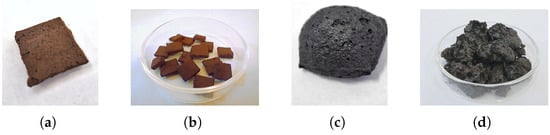
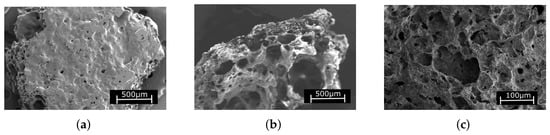
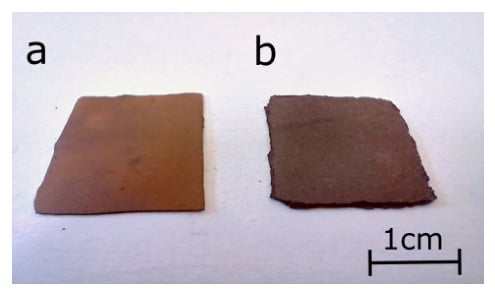
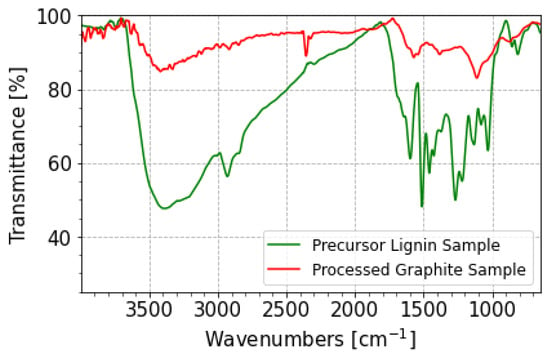
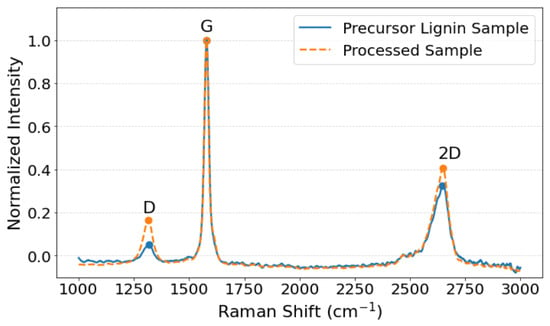
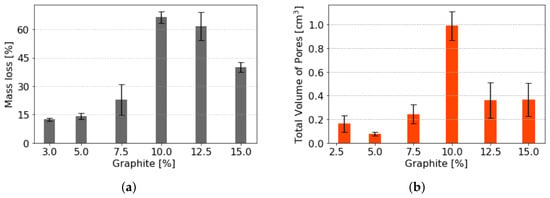
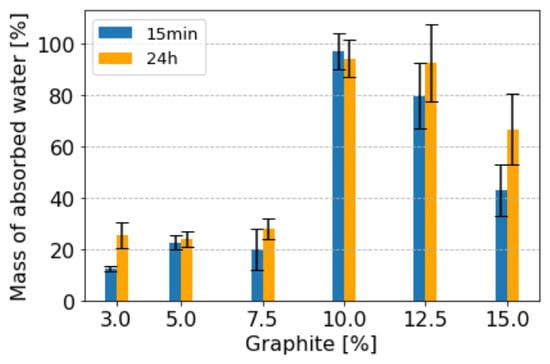
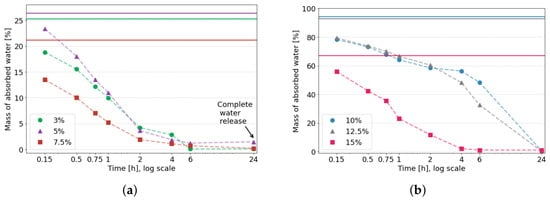
Millions of tons of lignin waste are generated annually by the pulp and paper industries and by biofuel production. Current strategies for lignin valorization, biochars and hydrogels, often rely on time-costly and pollutant-generating processes and therefore fail to meet sustainability requirements nor are economically efficient. In this work, we address the challenge of transforming lignin into a valued-added material. We propose using microwave processing to convert lignin into a functional material that is carbon-rich, structured, hydrophilic, and highly porous. Unlike conventional methods, this process is rapid, occurring in approximately 30 s under normal conditions. It induces graphitization and up to a sixfold volumetric expansion of the lignin precursor sample, leading to the formation of a stable carbon material with high porosity in the form of capsules. The resulting material exhibits strong hydrophilicity, absorbing up to 90% of its volume in water within minutes while enabling controlled release over periods of up to 24 h. This unique combination of ultrafast processing, high water uptake capacity, and controlled-release performance positions the material as a promising alternative to the valorization of lignin. Its properties make it particularly suitable for water management applications in agriculture and urban environments. Full article
Show Figures

Figure 1

Open Access Journals

Browse by Indexing Browse by Subject Selected Journals
Back to TopTop