All articles published by MDPI are made immediately available worldwide under an open access license. No special
permission is required to reuse all or part of the article published by MDPI, including figures and tables. For
articles published under an open access Creative Common CC BY license, any part of the article may be reused without
permission provided that the original article is clearly cited. For more information, please refer to
https://www.mdpi.com/openaccess.
Feature papers represent the most advanced research with significant potential for high impact in the field. A Feature
Paper should be a substantial original Article that involves several techniques or approaches, provides an outlook for
future research directions and describes possible research applications.
Feature papers are submitted upon individual invitation or recommendation by the scientific editors and must receive
positive feedback from the reviewers.
Editor’s Choice articles are based on recommendations by the scientific editors of MDPI journals from around the world.
Editors select a small number of articles recently published in the journal that they believe will be particularly
interesting to readers, or important in the respective research area. The aim is to provide a snapshot of some of the
most exciting work published in the various research areas of the journal.
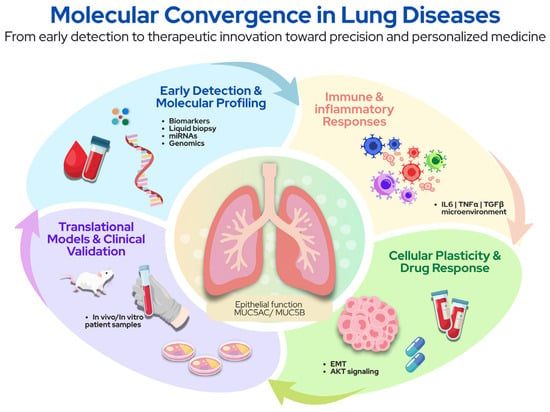
The molecular understanding of lung diseases is rapidly evolving, driven by the convergence of diagnostic innovation, mechanistic insights, and therapeutic exploration [...]
Full article
Background/Objectives: Preventing recurrent anaphylaxis is crucial for patient safety. This study aimed to identify predictive factors and develop a prediction model to estimate recurrence risk, thereby enhancing targeted preventive strategies. Methods: This prognostic prediction study used a retrospective observational cohort design,
[...] Read more.
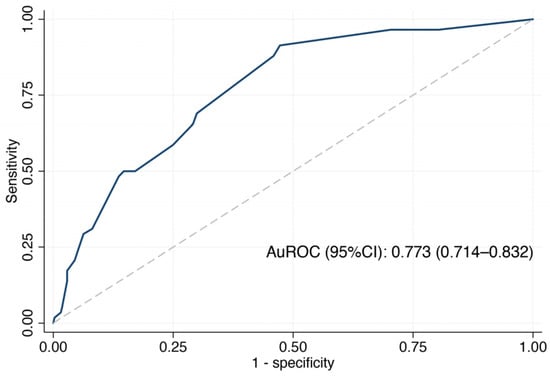
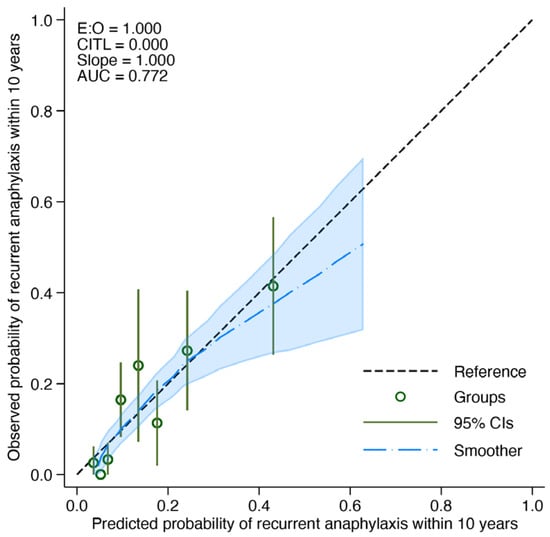
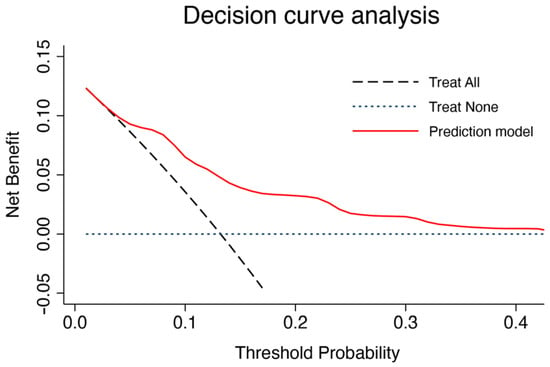
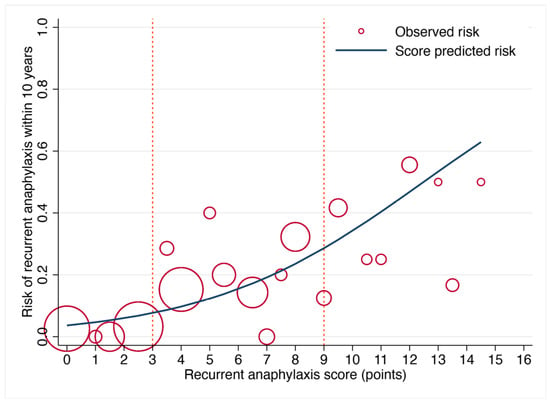
Background/Objectives: Preventing recurrent anaphylaxis is crucial for patient safety. This study aimed to identify predictive factors and develop a prediction model to estimate recurrence risk, thereby enhancing targeted preventive strategies. Methods: This prognostic prediction study used a retrospective observational cohort design, analyzing medical records from an anaphylaxis registry at Naresuan University Hospital, Phitsanulok, Thailand, between March 2011 and February 2021. We developed a prediction model using multivariable Cox proportional hazards regression analysis. Statistically significant and clinically relevant predictors were weighted into a risk score derived from hazard ratio regression coefficients. Model performance was evaluated using the area under the receiver operating characteristic curve (AuROC), calibration metrics, and decision curve analysis. Results: Over the 10-year period, 381 patients experienced 439 anaphylaxis episodes, including 58 recurrences (13.2%). The final model comprised six predictors: history of food, insect, and drug allergies; asthma; chest discomfort; and severe anaphylaxis. Corresponding risk scores were 4, 5, 5.5, 1, 2.5, and 1.5 points, respectively. Total scores ranged from 0 to 19.5 and were categorized into low (<3.0), moderate (3.0–9.0), and high (>9.0) risk groups. The high-risk group had a likelihood ratio positive (LHR+) of 4.65. The model demonstrated acceptable discrimination (AuROC 0.773 (95% CI: 0.714–0.832)) and good calibration. Bootstrap validation showed consistent performance (AuROC 0.773 (95% CI: 0.714–0.831)). Decision curve analysis indicated clinical utility across relevant threshold probabilities. Conclusions: This prediction model provides a simple, clinically applicable tool for estimating the risk of recurrent anaphylaxis and may support improved prevention and management strategies.
Full article
C-reactive protein (CRP) is one of the most essential biomarkers for the early detection of inflammation and infection. In this study, we developed a sensitive and selective electrochemical immunosensor for CRP detection, leveraging the unique properties of gold nanoparticles (AuNPs). A nanostructured layer
[...] Read more.
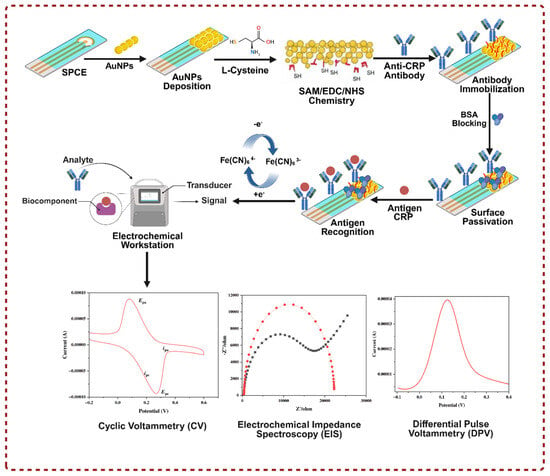
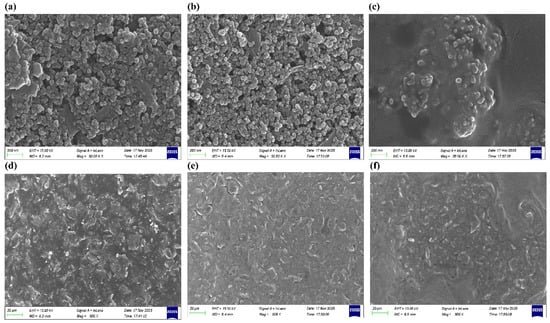
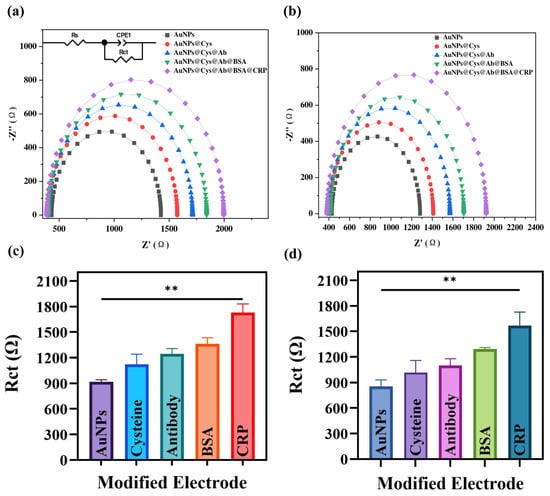
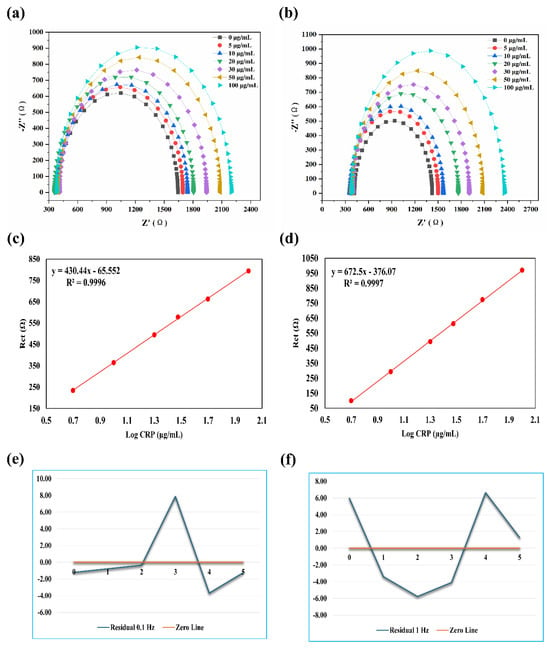
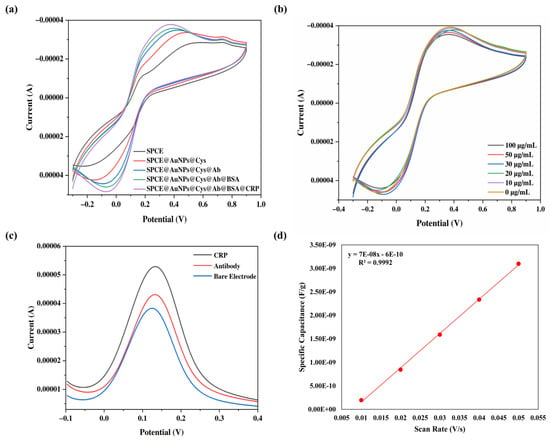
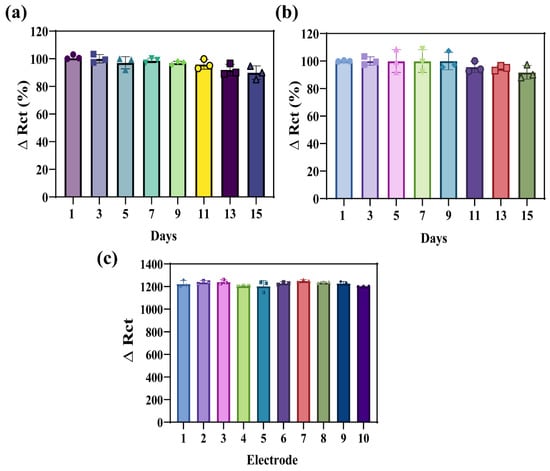
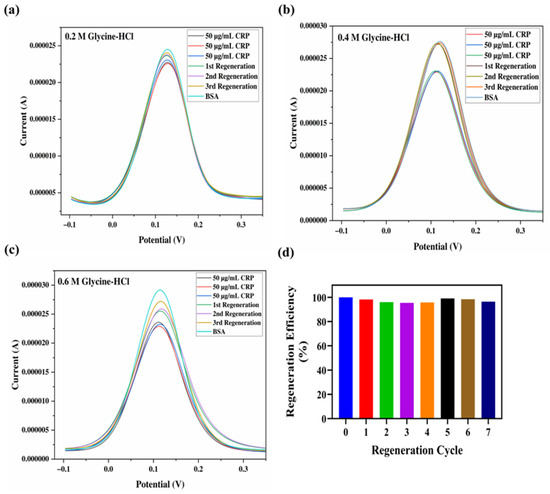
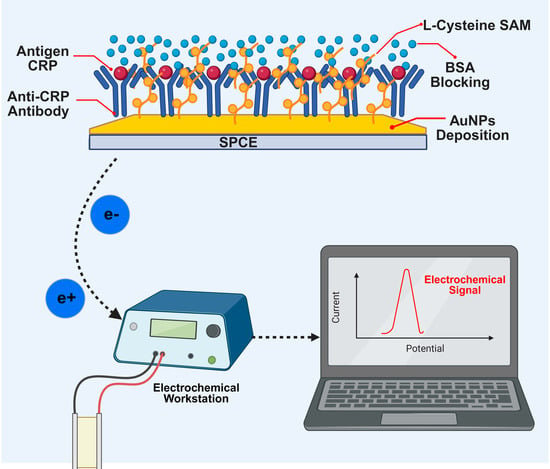
C-reactive protein (CRP) is one of the most essential biomarkers for the early detection of inflammation and infection. In this study, we developed a sensitive and selective electrochemical immunosensor for CRP detection, leveraging the unique properties of gold nanoparticles (AuNPs). A nanostructured layer of AuNPs was deposited onto a screen-printed carbon electrode (SPCE), followed by the formation of a self-assembled monolayer (SAM) of L-cysteine and EDC/sulfo-NHS chemistry. The antibody was covalently immobilized onto the modified electrode through optimized dual-crosslinking chemistry. Detection conditions were systematically optimized, with pH 8.0 in Tris buffer providing the best electrochemical response. Electrochemical characterization was performed using cyclic voltammetry (CV), electrochemical impedance spectroscopy (EIS), and differential pulse voltammetry (DPV) in a 5 mM K3[Fe(CN)6]/K4[Fe(CN)6] redox probe solution containing 0.1 M KCl. CRP detection was achieved by monitoring the increase in charge transfer resistance (Rct) upon specific binding of the target CRP antigen to the immobilized antibody. Spiked recovery experiments showed spiked recovery rates ranging from 98.01% to 107.14%, with a standard deviation below 4%. Regeneration studies demonstrated high efficiency, confirming the suitability of the sensor interface for repeated and reliable measurements. Under optimized conditions, the immunosensor exhibited excellent analytical performance, including a low limit of detection (LOD) of 0.16 µg/mL, a wide linear detection range of 5–100 µg/mL, high selectivity against 13 potential interferents (including inflammatory cytokines), and good reproducibility with a relative standard deviation (RSD) of 3.69%. The sensor also showed strong stability, retaining more than 95% of its signal after 15 days, and high regeneration efficiency of 97% over seven cycles. These results highlight the strong potential of the proposed immunosensor for point-of-care (POC) applications due to its simple fabrication, cost-effectiveness, user accessibility, and robust analytical performance.
Full article
Cancer is attributed to being caused by multiple genetic, epigenetic, and various direct and indirect environmental factors. Microplastics are defined as pieces of plastic that are smaller than five millimeters. Microplastics have been emphasized as ubiquitous environmental contaminants found in terrestrial and aquatic
[...] Read more.
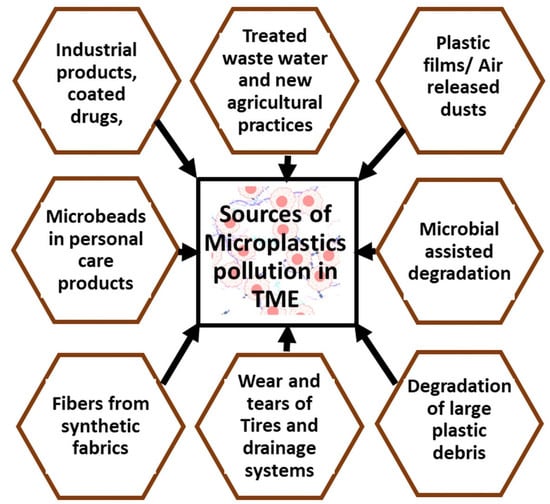
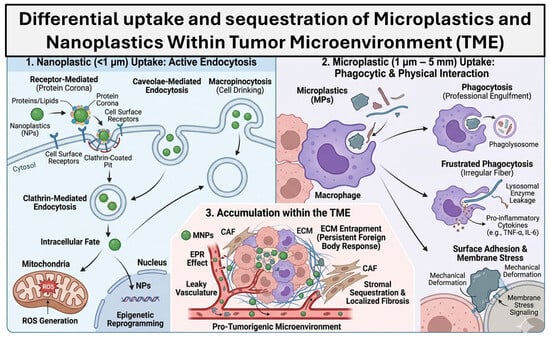
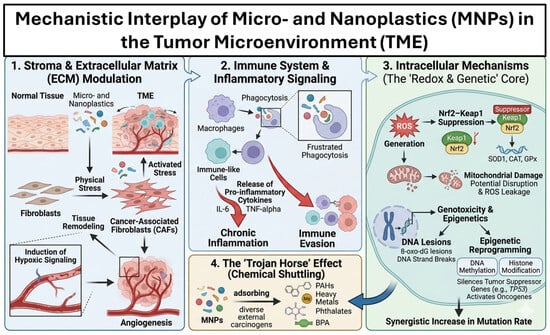
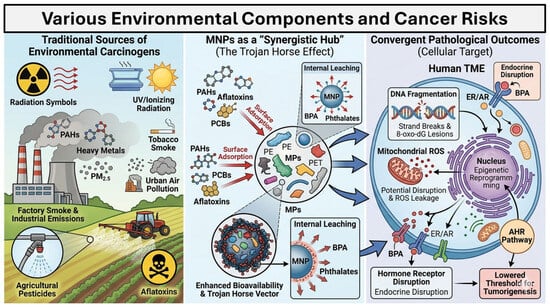
Cancer is attributed to being caused by multiple genetic, epigenetic, and various direct and indirect environmental factors. Microplastics are defined as pieces of plastic that are smaller than five millimeters. Microplastics have been emphasized as ubiquitous environmental contaminants found in terrestrial and aquatic systems, food webs, and the human body. Moreover, microplastics can bind to environmentally harmful pollutants, heavy metals, and refractory organic pollutants that can aggravate the biological effects of these pollutants. Microplastics are suggested to induce chronic inflammation, oxidative stress, and genotoxicity by adsorbing and modifying the biomolecules in the biological systems. Oxidative stress, inflammation, and chemical-induced genetic and epigenetic changes in cancer cells and cancer-associated cells are considered as crucial processes in the development, progression, and therapeutic outcome of cancer. Among numerous tumor-promoting environmental factors, preclinical and clinical evaluations of how microplastics contribute to cellular and non-cellular pro-tumorigenic mechanisms like inflammation, genomic instability, and epigenetic modulation are emerging. This review will contribute to a better understanding of microplastics as additional environmental components apart from established carcinogens and genotoxic substances that directly or indirectly influence the pro-tumor microenvironment.
Full article
This article presents a high-efficiency dual-polarized transmitarray antenna which achieves flat gain characteristics. First, a wideband triple-layer subwavelength element is designed, achieving high transmission amplitude and a full 360° transmission phase range at 10 GHz. To enhance the passband, an isolated element and
[...] Read more.
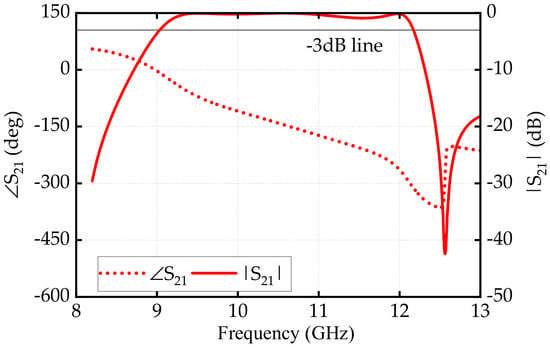
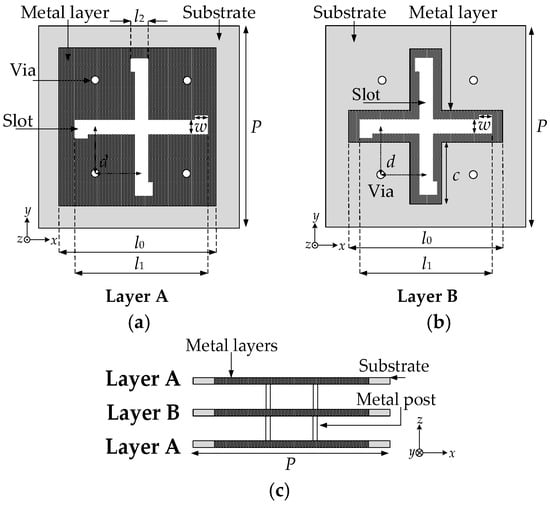
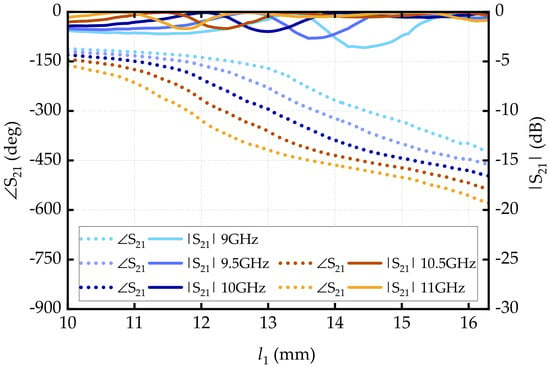
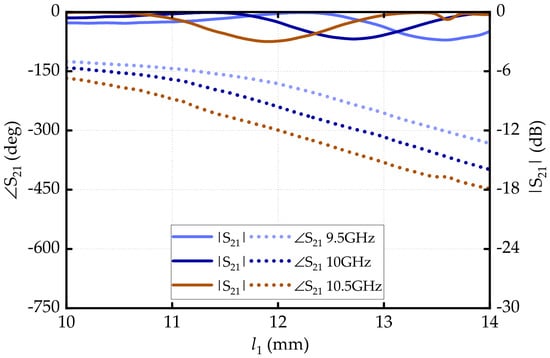
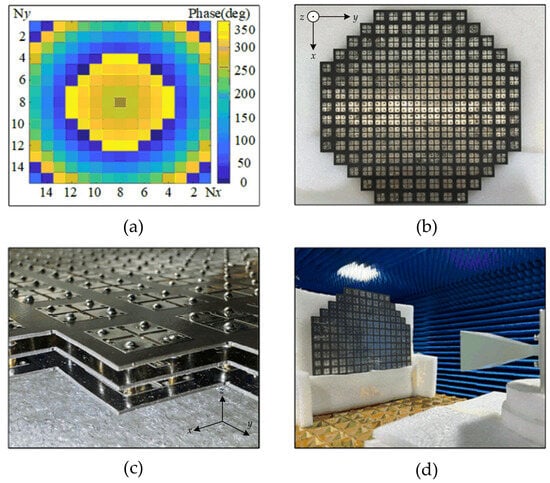
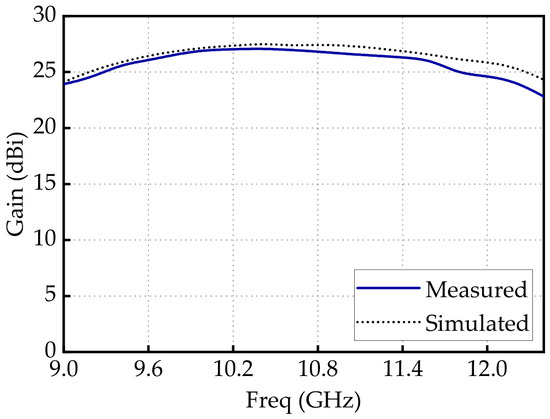
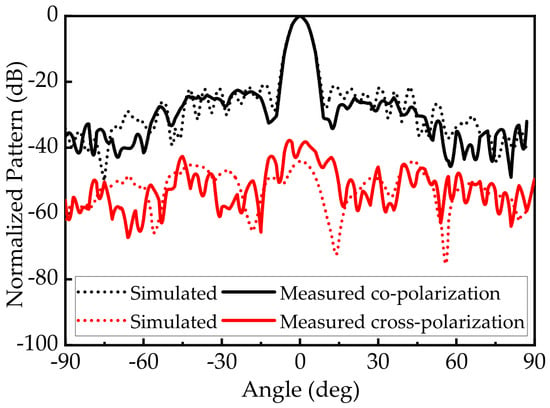
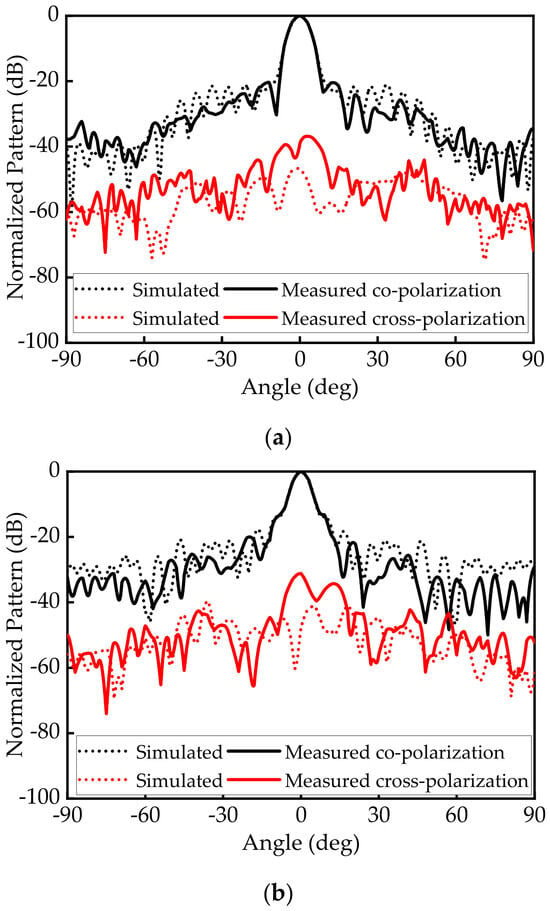
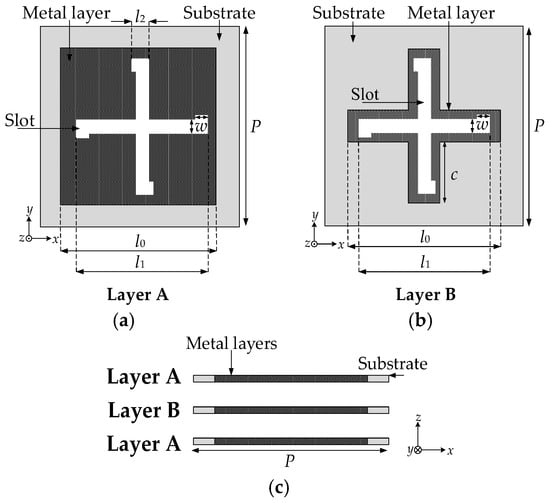
This article presents a high-efficiency dual-polarized transmitarray antenna which achieves flat gain characteristics. First, a wideband triple-layer subwavelength element is designed, achieving high transmission amplitude and a full 360° transmission phase range at 10 GHz. To enhance the passband, an isolated element and a cross-shaped middle layer are incorporated. Additionally, four vias connect the top and bottom layers to induce the current resonance, extending the phase range to 360° and improving the radiation efficiency. Based on the element, a transmitarray prototype with 185 elements is fabricated and measured, showing a gain of 27.1 dBi at the center frequency 10.2 GHz, with a radiation efficiency of 58.9%, and a 0.5 dB gain bandwidth of 12.7%. Within the 1 dB gain bandwidth, a minimum radiation efficiency of 37% is achieved at 11.4 GHz.
Full article
Industrial-park integrated electricity–heat–hydrogen energy systems (IEHESs) face a challenging rolling dispatch problem because strong multi-energy coupling, intertemporal storage dynamics, and forecast uncertainty make it difficult to achieve economy, low-carbon operation, and hard-constraint feasibility simultaneously. To address this issue, this paper proposes a graph
[...] Read more.
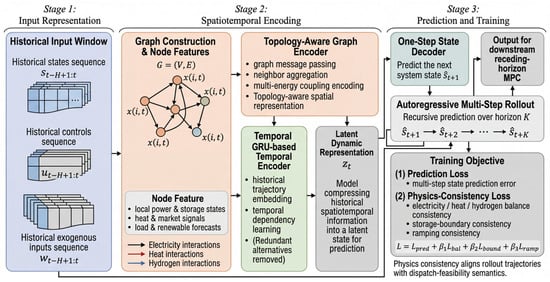
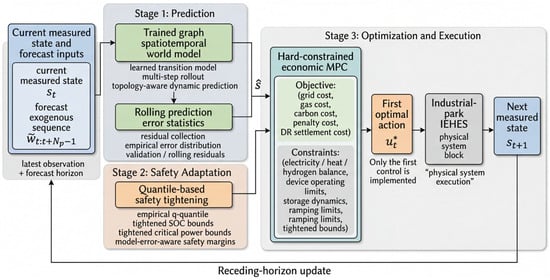
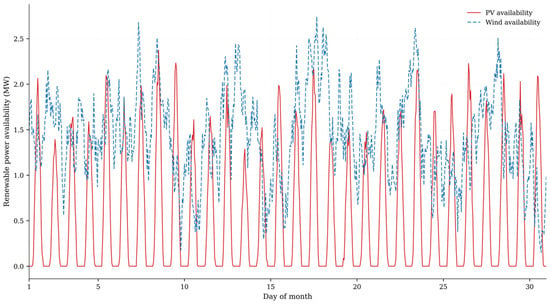
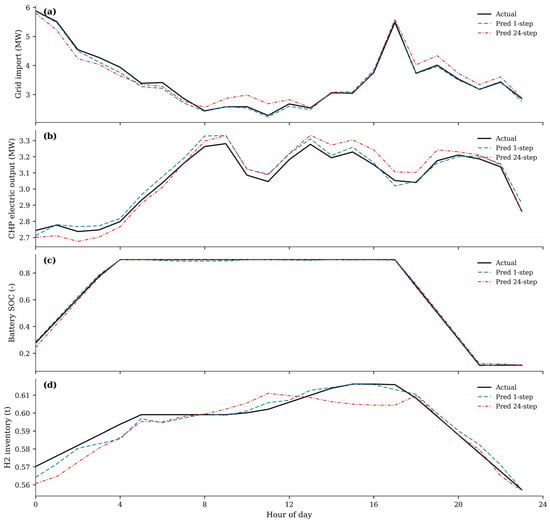
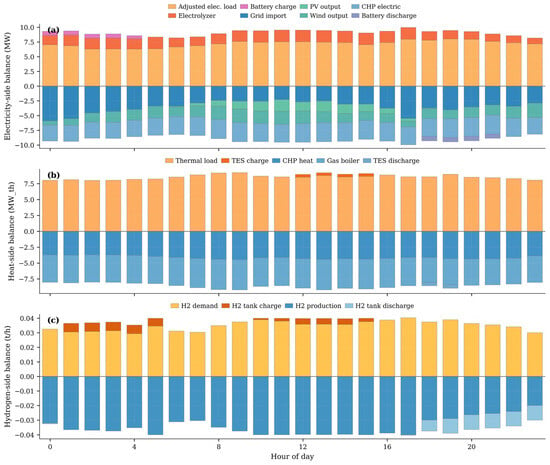
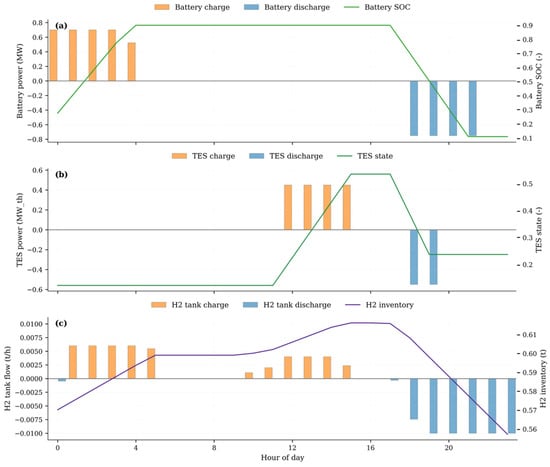
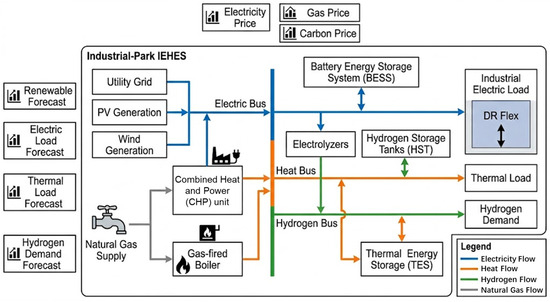
Industrial-park integrated electricity–heat–hydrogen energy systems (IEHESs) face a challenging rolling dispatch problem because strong multi-energy coupling, intertemporal storage dynamics, and forecast uncertainty make it difficult to achieve economy, low-carbon operation, and hard-constraint feasibility simultaneously. To address this issue, this paper proposes a graph spatiotemporal world-model-driven rolling model predictive control (MPC) framework, termed GraphWorldModel_MPC, for low-carbon economic dispatch of industrial-park IEHESs. First, a unified graph-based representation is constructed to characterize the topology-aware coupling relationships among the electricity, heat, and hydrogen subsystems. Second, a graph spatiotemporal world model is developed to learn multi-step state transitions, while constraint-aligned physics-consistency terms are incorporated to align the predicted trajectories with multi-energy balance, storage-boundary evolution, and ramping semantics. In addition, the learned dynamics are embedded into a hard-constrained economic MPC framework, and a quantile-based safety-tightening mechanism is adopted to mitigate residual prediction uncertainty and enhance closed-loop feasibility. Case studies on an industrial-park IEHES show that the proposed method achieves an average 24-step normalized root mean square error (NRMSE) of 4.28% and reduces the monthly total operating cost by 6.07%, 3.83%, and 10.79% compared with conventional economic MPC (EMPC), distributionally robust adaptive MPC (DRAMPC), and GRU-MPC, respectively. It also reduces equivalent carbon emissions by 6.89%, 4.52%, and 9.50% relative to these benchmarks, while maintaining zero dispatch violations in the tested monthly horizon.
Full article
Background: Acute limb ischemia (ALI) is a vascular emergency characterized by abrupt limb hypoperfusion, ischemia–reperfusion injury, and a high risk of thromboinflammatory and organ complications. Complement activation has been implicated in endothelial dysfunction, glycocalyx injury, and ischemia–reperfusion damage, but the clinical relevance of
[...] Read more.
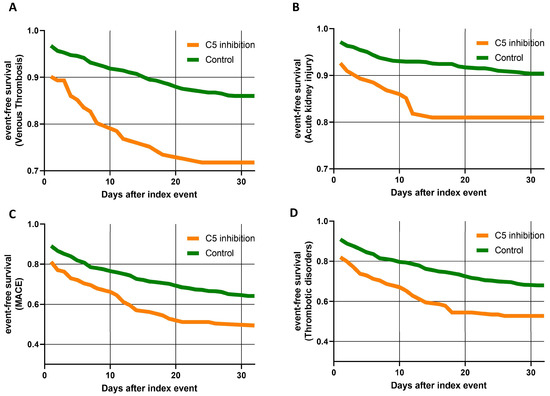
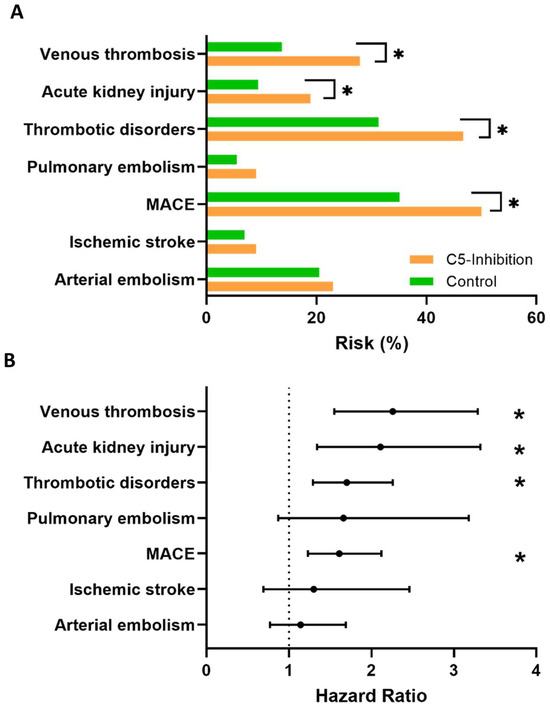
Background: Acute limb ischemia (ALI) is a vascular emergency characterized by abrupt limb hypoperfusion, ischemia–reperfusion injury, and a high risk of thromboinflammatory and organ complications. Complement activation has been implicated in endothelial dysfunction, glycocalyx injury, and ischemia–reperfusion damage, but the clinical relevance of ongoing terminal complement blockade in patients presenting with ALI remains unclear, highlighting a gap between mechanistic understanding and real-world clinical outcomes. Methods: A retrospective cohort study was performed using the TriNetX federated research network. Adult patients with ALI were identified and stratified according to ongoing treatment with the C5 inhibitors eculizumab or ravulizumab. Outcomes included ischemic stroke, venous thrombosis, pulmonary embolism, arterial embolism, thrombotic disorders, acute kidney injury (AKI), and the composite outcome major adverse cardiovascular events (MACE) within 31 days. Propensity score matching was performed for demographic characteristics, cardiovascular comorbidities, complement-associated diseases and medications. Results: After propensity score matching, 112 patients remained in each cohort. Compared with matched controls, patients receiving C5 inhibition had a significantly higher risk of venous thrombosis (27.9% vs. 13.7%; p < 0.001), AKI (18.9% vs. 9.4%; p = 0.001), MACE (50.0% vs. 35.1%; p = 0.001), and thrombotic disorders (46.7% vs. 31.3%; p = 0.001). Time-to-event analyses confirmed significantly lower event-free survival for venous thrombosis (HR 2.3), AKI (HR 2.1), MACE (HR 1.6), and thrombotic disorders (HR 1.7). No significant differences were observed for ischemic stroke, pulmonary embolism, or arterial embolism. Conclusions: In patients with ALI, ongoing treatment with eculizumab or ravulizumab was not associated with an apparent reduction in short-term thromboinflammatory or cardiovascular complications. Instead, the observed outcome pattern suggests persistent vulnerability in this clinically uncommon but increasingly relevant high-risk population, although substantial residual confounding by indication and disease severity remains likely. These findings support further investigation of complement-targeted therapy, endothelial injury, and short-term vascular outcomes in ALI, and emphasize the translational relevance of linking mechanistic insights with clinical data to inform risk stratification and management strategies in this population.
Full article
Global warming-induced extreme heatwaves present a severe threat to global tomato yield and production stability. To elucidate the molecular regulatory mechanisms underlying heat stress tolerance in tomato (Solanum lycopersicum), this study utilized label-free quantitative proteomics to profile alterations in protein abundance
[...] Read more.
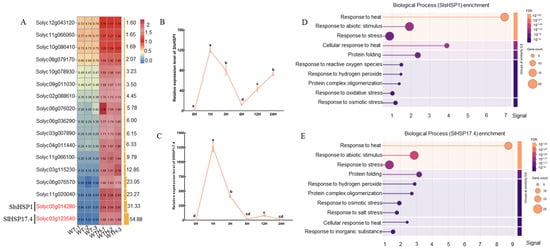
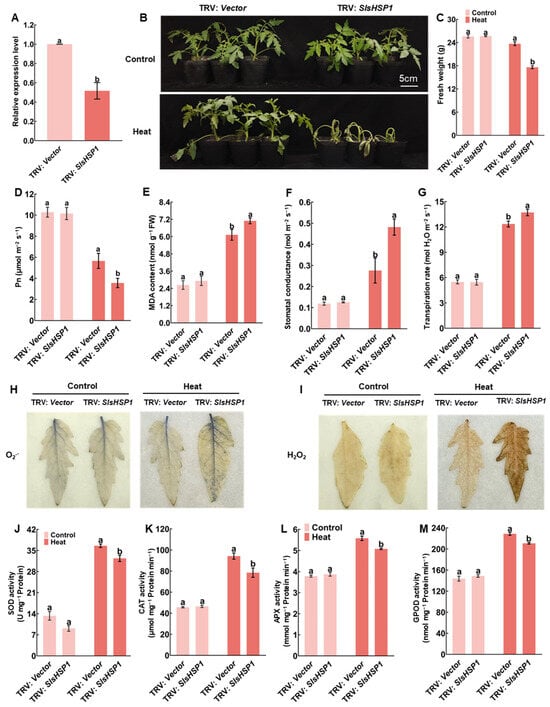
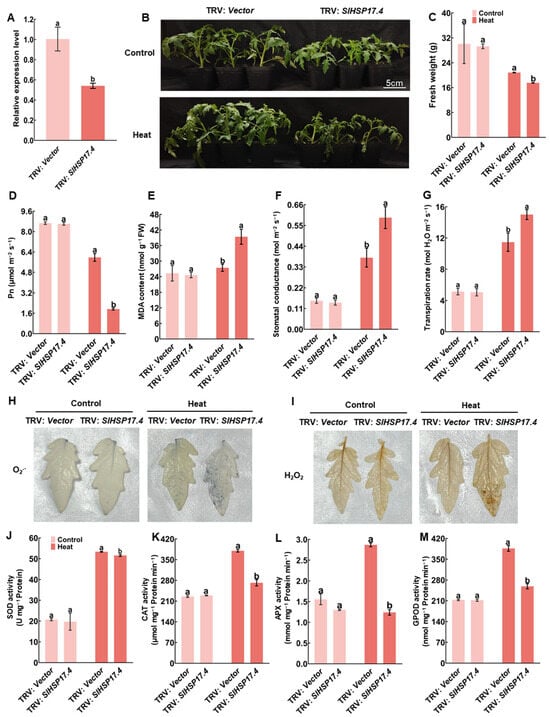
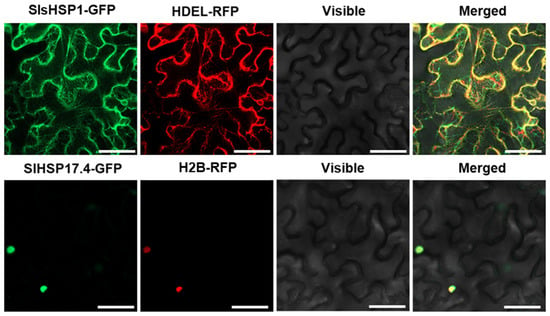
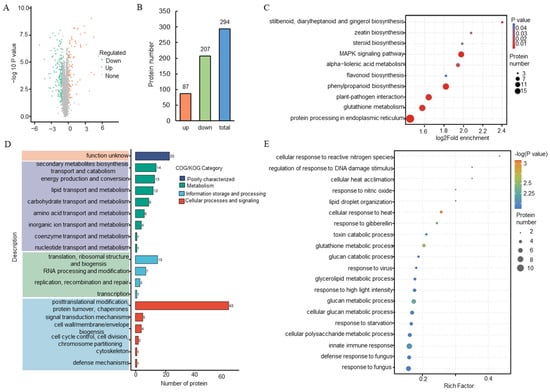
Global warming-induced extreme heatwaves present a severe threat to global tomato yield and production stability. To elucidate the molecular regulatory mechanisms underlying heat stress tolerance in tomato (Solanum lycopersicum), this study utilized label-free quantitative proteomics to profile alterations in protein abundance in tomato leaves in response to heat stress. A total of 294 differentially expressed proteins (DEPs) were identified, with function enrichment in the systematic activation of core stress-responsive biological processes, including the mitogen-activated protein kinase (MAPK) signaling cascade, the endoplasmic reticulum protein processing, and glutathione metabolism. Among them, heat shock protein (HSP) family members exhibited the most significant changes, particularly two small heat shock proteins (sHSPs), designated as SlsHSP1 and SlHSP17.4. Functional validation showed that silencing either SlsHSP1 or SlHSP17.4 drastically impaired heat tolerance in tomato plants. Specifically, silenced lines displayed excessive reactive oxygen species (ROS) accumulation and reduced antioxidant enzyme activities, with SlsHSP1-silenced plants showing more severe heat-induced phenotypic damage. Subcellular localization assays further demonstrated SlsHSP1 was located in the ER and SlHSP17.4 in the nucleus. Collectively, this study unravels multiple heat defense regulatory networks in tomato, in which organelle-specific sHSPs like SlsHSP1 and SlHSP17.4 synergistically maintain protein homeostasis and cellular redox balance, conferring broad-spectrum stress resistance in plants under high-temperature stress.
Full article
Physalis peruviana exhibits highly variable and poorly reproducible morphogenic responses under in vitro conditions, limiting the development of reliable regeneration systems. This study evaluated how the interaction between thidiazuron (TDZ), naphthaleneacetic acid (NAA), and explant type influences shoot regeneration in the Colombiano ecotype
[...] Read more.
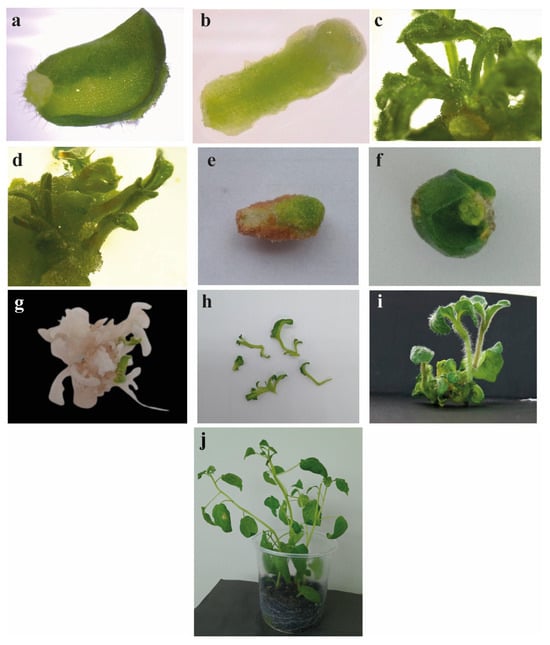
Physalis peruviana exhibits highly variable and poorly reproducible morphogenic responses under in vitro conditions, limiting the development of reliable regeneration systems. This study evaluated how the interaction between thidiazuron (TDZ), naphthaleneacetic acid (NAA), and explant type influences shoot regeneration in the Colombiano ecotype of Physalis peruviana. A factorial design (2 × 3 × 2) revealed that morphogenic responses were primarily driven by interaction effects rather than by individual plant growth regulators. Hypocotyl explants cultured in 4.54 µM TDZ combined with 0.6 µM NAA showed the highest shoot production, shoot formation capacity, and elongation. In contrast, TDZ alone induced limited shoot production, did not support efficient and organized shoot development, and was associated with abnormal morphologies. The response to NAA was non-linear, with intermediate concentrations maximizing shoot regeneration response, indicating that morphogenic competence operates within a narrow hormonal range. Overall, regeneration in the Colombiano ecotype of P. peruviana evaluated here was governed by the interaction between hormonal balance and explant type, identifying favorable conditions for shoot regeneration under the conditions tested.
Full article
Background and Objectives: Positron emission tomography with 18F-FDG (PET-CT) provides a quantitative measure of tumor metabolic activity through the maximum standardized uptake value (SUVmax) of lung tumors—a measure of metabolic activity that may have prognostic value in non-small cell lung cancer (NSCLC).
[...] Read more.
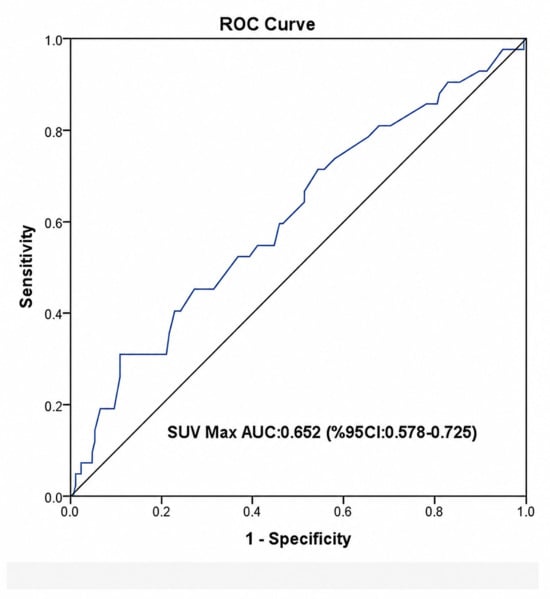
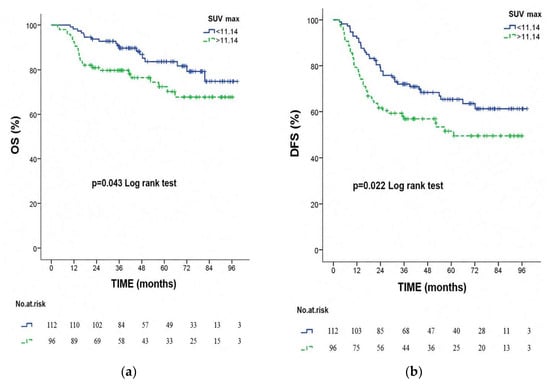
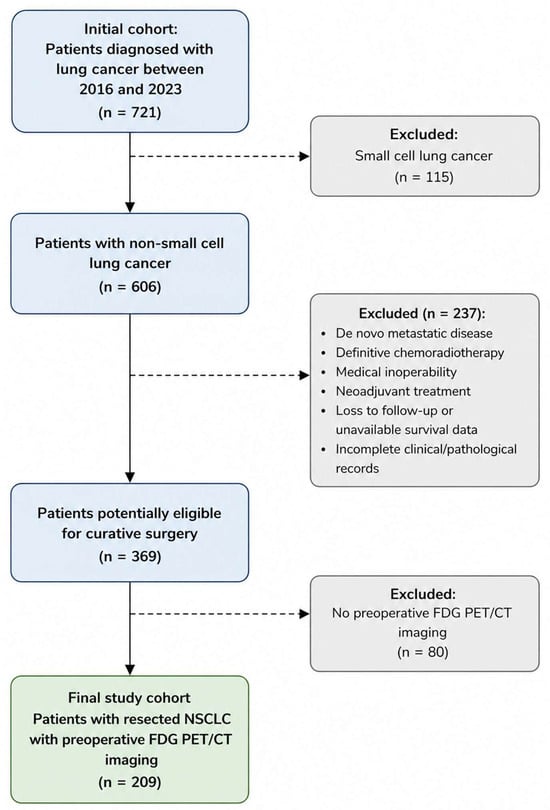
Background and Objectives: Positron emission tomography with 18F-FDG (PET-CT) provides a quantitative measure of tumor metabolic activity through the maximum standardized uptake value (SUVmax) of lung tumors—a measure of metabolic activity that may have prognostic value in non-small cell lung cancer (NSCLC). This study evaluated whether preoperative tumor SUVmax predicts outcomes in resected NSCLC. Materials and Methods: This single-center retrospective study included 209 consecutive patients with resected NSCLC who had preoperative FDG PET-CT. SUVmax of the primary tumor was recorded, and patients were stratified into low- and high-SUVmax groups to evaluate survival outcomes. Results: Median age was 62 years and 77% were male. Histologic subtypes were adenocarcinoma (44%), squamous carcinoma (43%), and others (13%), with stage I–III distribution of 39.7%, 33.5%, and 26.8%, respectively. SUVmax demonstrated moderate discrimination for mortality (AUC = 0.652), with an optimal cutoff of 11.14. Patients with SUVmax ≥ 11.14 had significantly worse OS and DFS. However, on multivariate analysis, SUVmax was not an independent predictor of outcomes, while extracapsular invasion (OS) and adjuvant chemotherapy (DFS) remained significant. Conclusions: In this cohort of resected NSCLC, high preoperative SUVmax (≥11.14) was associated with more advanced tumor stage and worse OS/DFS but was not an independent prognostic factor after accounting for other variables. Tumor invasiveness and use of adjuvant therapy were stronger outcome predictors. Preoperative SUVmax may help identify high-risk patients when considered alongside established clinicopathologic factors.
Full article
Agriforestry systems are essential for improving the quality of medicinal herbs and ensuring the sustainable management of forests. Forest soil acidification inhibits the growth of medicinal plants. The application of novel dolomite-loaded vermicompost (DOVC) is considered a potential method for promoting plants growth.
[...] Read more.
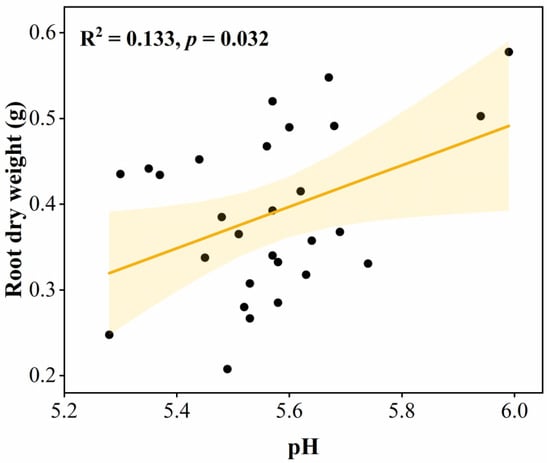
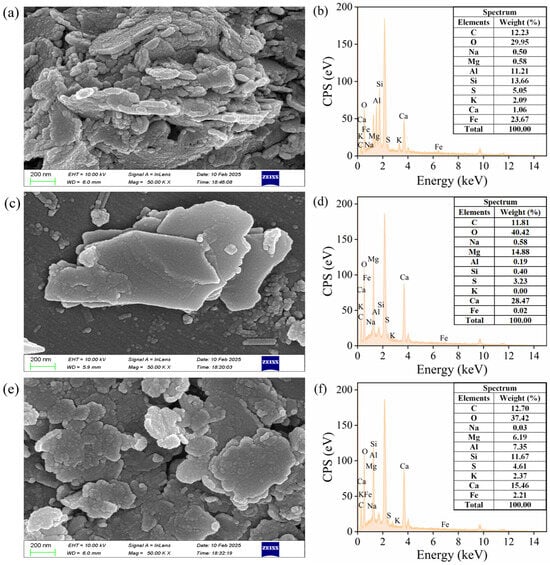
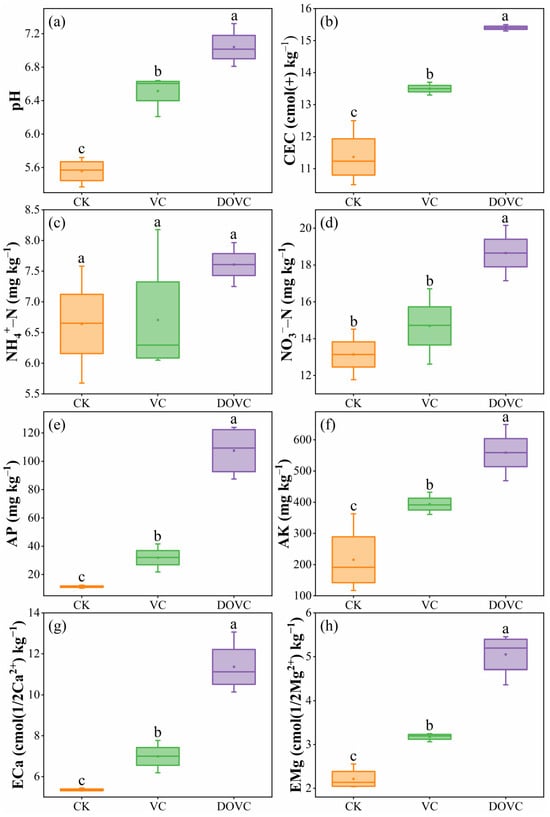
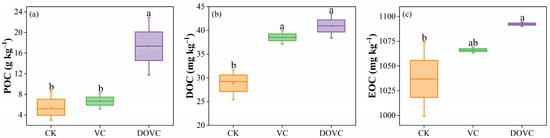
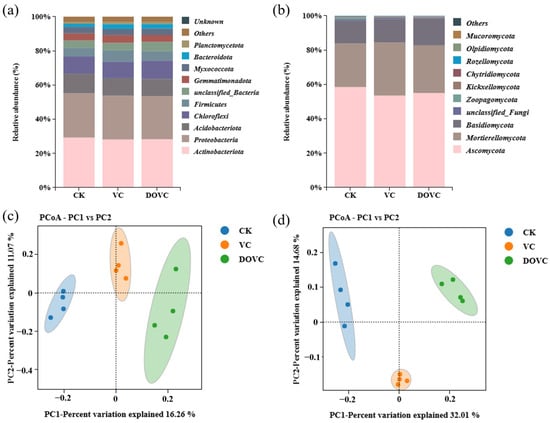
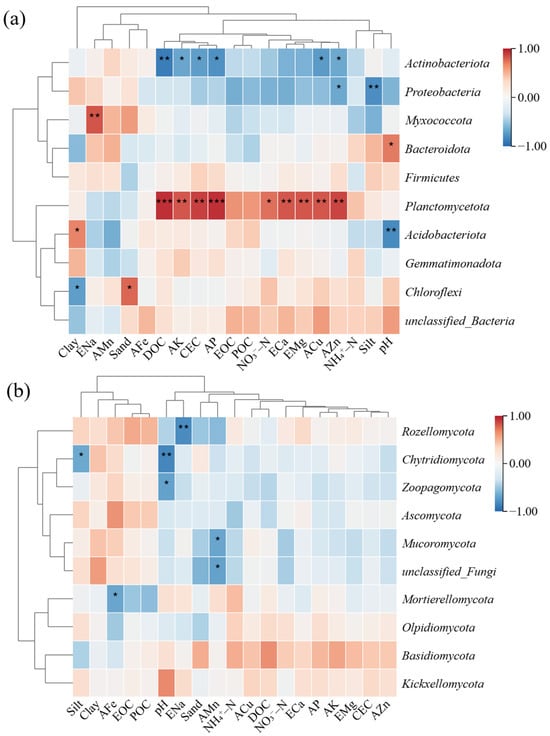
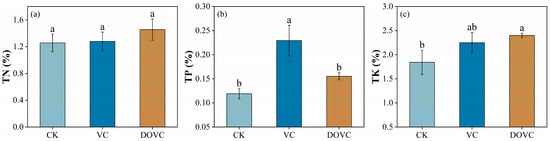
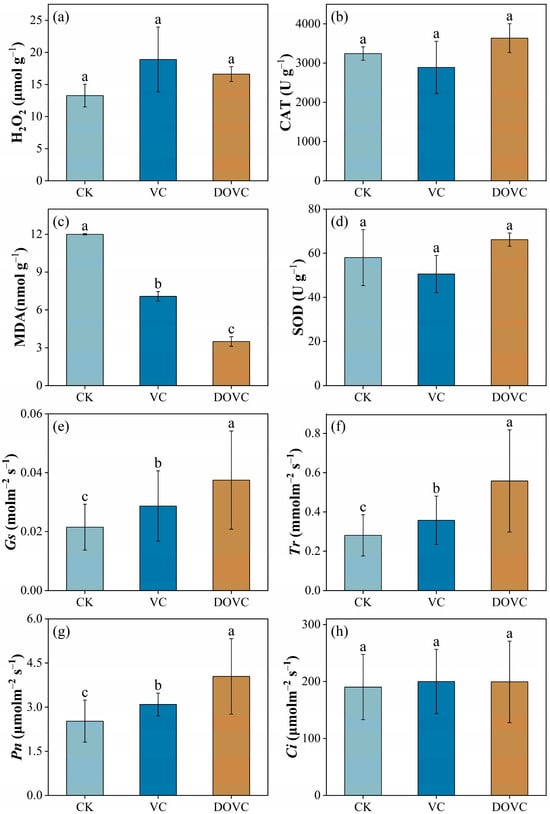
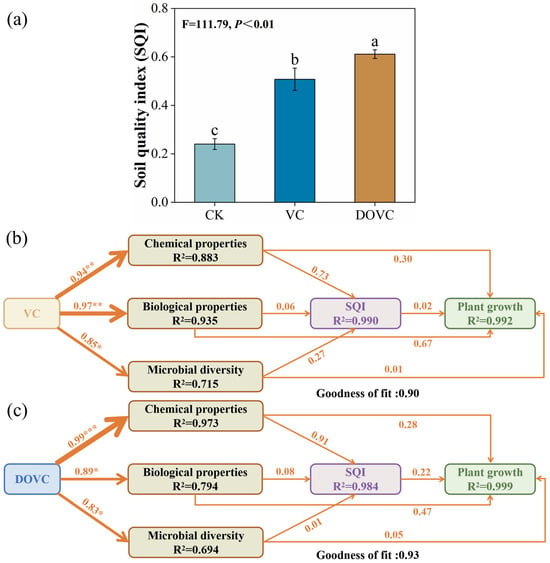
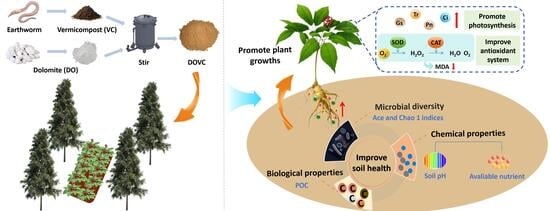
Agriforestry systems are essential for improving the quality of medicinal herbs and ensuring the sustainable management of forests. Forest soil acidification inhibits the growth of medicinal plants. The application of novel dolomite-loaded vermicompost (DOVC) is considered a potential method for promoting plants growth. However, the mechanisms by which it promotes the growth of medicinal plants are poorly understood. This study combined observational analysis and field experimentation, to first elucidate the correlation between under-forest soil pH and root dry weight of American ginseng (Panax quinquefolius L.). Subsequently, the mechanisms by which DOVC promotes the growth of P. quinquefolius were analyzed from the perspectives of plant physiology and soil microbiome. The results indicate: (1) Field survey results demonstrated when the pH was between 5.28 and 5.99, the root dry weight of P. quinquefolius gradually increased with increasing soil pH. (2) Compared with Control, DOVC increased the soil pH by 1.48 units and promoted the growth of P. quinquefolius, with a net photosynthetic rate increase of 60.26%, malondialdehyde content decrease of 71.07%, and root dry weight increase of 50.33%. (3) Compared with Control, DOVC enhanced bacterial community diversity, with Ace and Chao 1 indices increasing significantly by 33.88% and 25.18%, respectively; and increased the relative abundance of Chloroflexi and Basidiomycota. (4) Partial Least Squares Path Modeling revealed that DOVC positively influenced P. quinquefolius growth via the improvement of soil health index and microbial community diversity. The development of this novel soil amendment offers a new approach to improving soil health in agroforestry systems.
Full article
This study investigated the effects of different inclusion levels of defatted black soldier fly (Hermetia illucens: BSF) larval meal on growth performance, haematological and biochemical blood parameters, and nutrient digestibility in piglets. Forty-eight male piglets weaned at 28 days of age
[...] Read more.
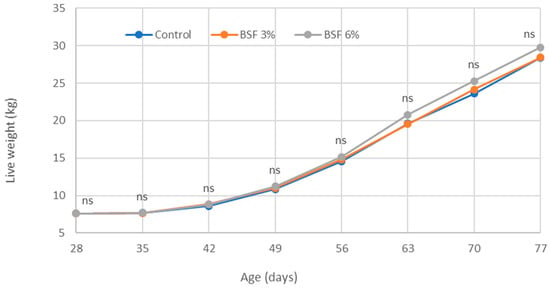
This study investigated the effects of different inclusion levels of defatted black soldier fly (Hermetia illucens: BSF) larval meal on growth performance, haematological and biochemical blood parameters, and nutrient digestibility in piglets. Forty-eight male piglets weaned at 28 days of age ((Landrace × Large White) × (Piétrain)) were randomly assigned to three experimental treatments. Each treatment included eight pens with two piglets per pen. Diets were formulated to be isoenergetic and isoproteic, containing defatted BSF meal as a partial replacement for fishmeal and soybean meal: Control (0% BSF), BSF3% (3% inclusion), and BSF6% (6% inclusion). Over the whole experimental period, dietary treatment did not significantly affect final body weight, average daily gain, average daily feed intake, or feed conversion ratio, although feed intake differed during the 7–28-day period. Red and white blood cell parameters were not influenced by diet. Apparent total tract digestibility of dry matter and organic matter increased at the 6% inclusion level, while crude protein and crude fat digestibility were not affected. These results indicate that defatted BSF meal can be used as a sustainable alternative protein source in piglet diets, maintaining growth performance and health status.
Full article
by
Luciano Cesar Pozzobon, Felipe Lagreca Bitencourt, Victor Cruz Cuervo, Raqueli Teresinha França, Thales Renato Ochotorena de Freitas and Rafael Kretschmer
Birds2026, 7(2), 30; https://doi.org/10.3390/birds7020030 (registering DOI) - 22 May 2026
Karyotypic diversification in birds is often masked by overall chromosomal conservation, yet the mechanisms driving lineage-specific variation remain poorly understood. Here, we demonstrate that genome evolution in Rallidae is shaped by dynamic, independent trajectories of chromosomal reorganization, despite the retention of general avian
[...] Read more.
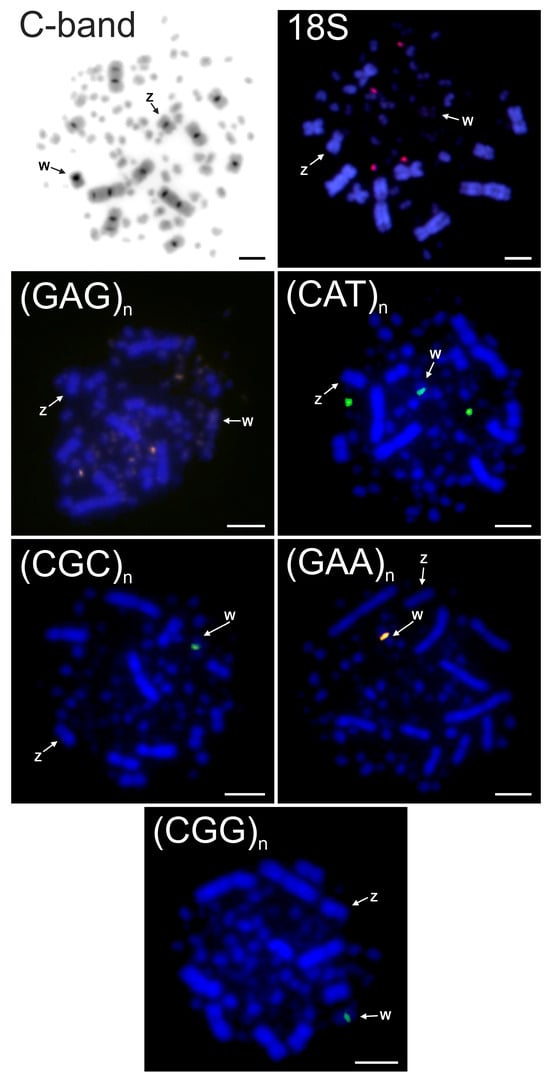
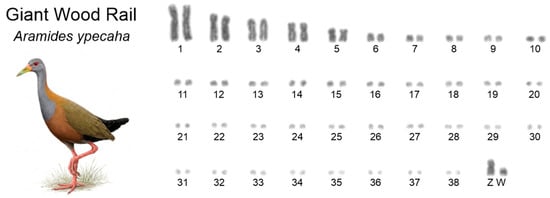
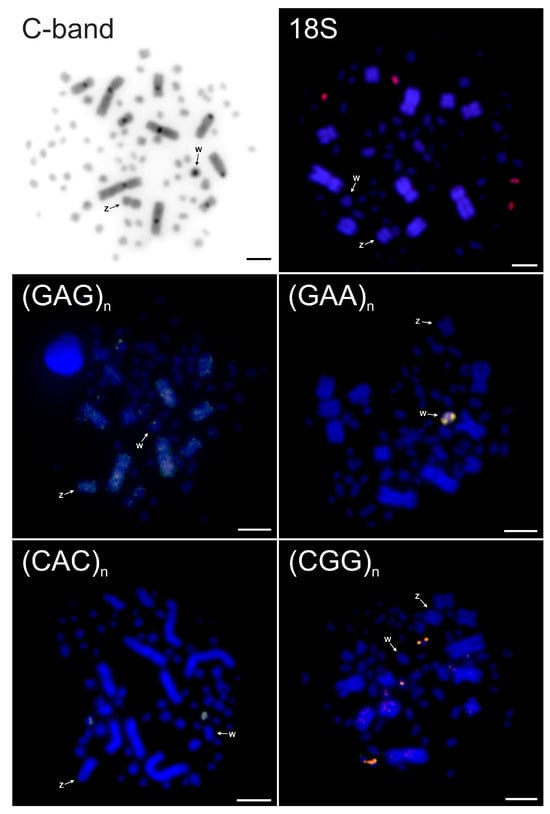
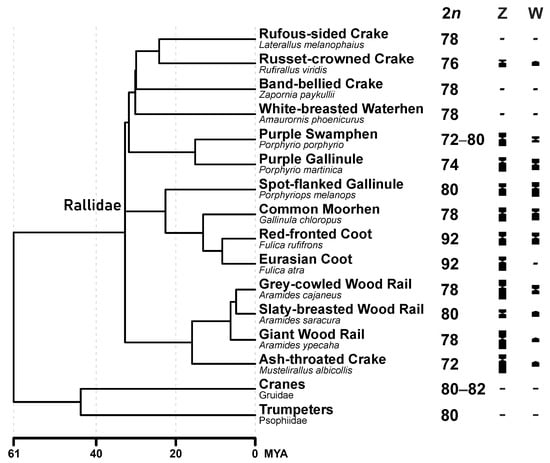
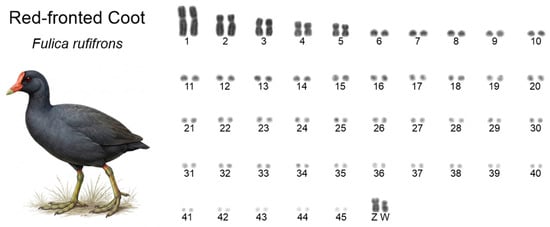
Karyotypic diversification in birds is often masked by overall chromosomal conservation, yet the mechanisms driving lineage-specific variation remain poorly understood. Here, we demonstrate that genome evolution in Rallidae is shaped by dynamic, independent trajectories of chromosomal reorganization, despite the retention of general avian architectural features. By integrating cytogenetic and molecular mapping data from two Neotropical species, Fulica rufifrons Philippi & Landbeck, 1861 (Red-fronted Coot) and Aramides ypecaha Vieillot, 1819 (Giant Wood Rail), we show that repetitive DNA expansion and heterochromatinization contribute to karyotype variability and sex chromosome differentiation. The contrasting structure and heterochromatic composition of the W chromosome between these species reveal that sex chromosomes evolve rapidly and independently, driven by lineage-specific accumulation of repetitive elements. Moreover, the variation in microsatellite distribution, especially the distinct localization of motifs on macro- and microchromosomes, underscores the independent and dynamic evolution of repetitive sequences. Our findings collectively indicate that chromosomal rearrangements, along with the amplification and redistribution of repetitive DNA, are contributing factors of genomic diversification in Rallidae, offering new insights into the mechanisms underlying karyotype evolution and sex chromosome differentiation in birds.
Full article
A triple active bridge (TAB) converter used for simultaneous fast charging of two dissimilar EVs can exhibit significant circulating power under asymmetric port voltages and power levels. This internal power exchange increases losses and current stress and limits the effectiveness of conventional magnetic
[...] Read more.
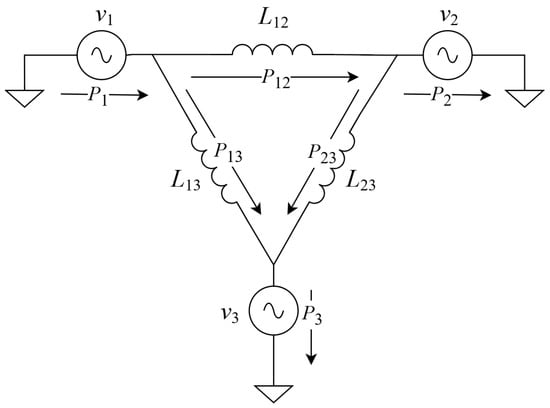
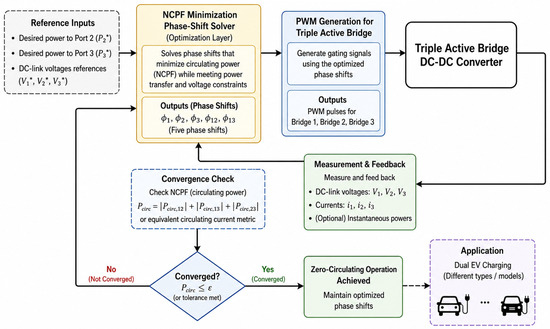
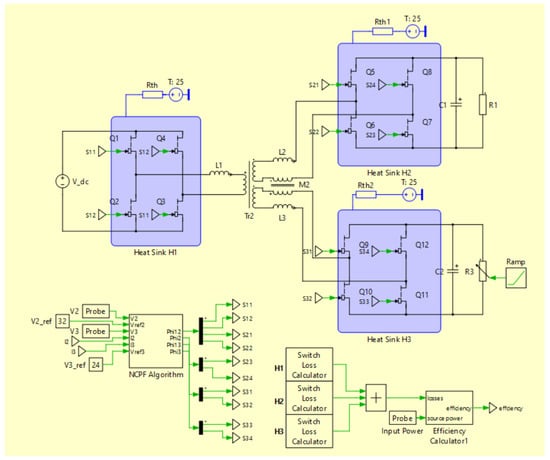
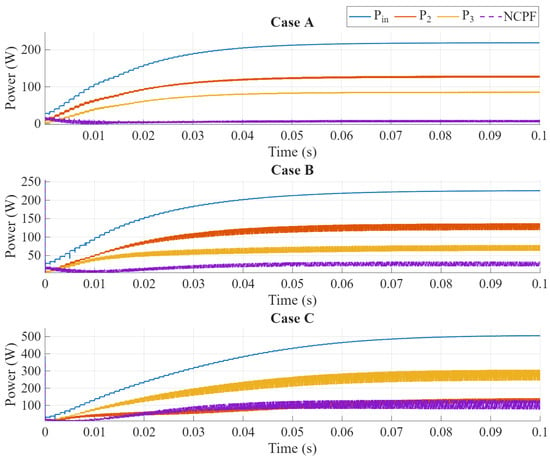
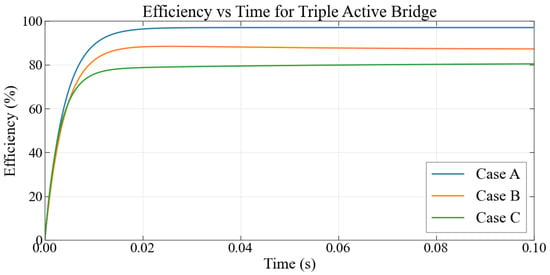
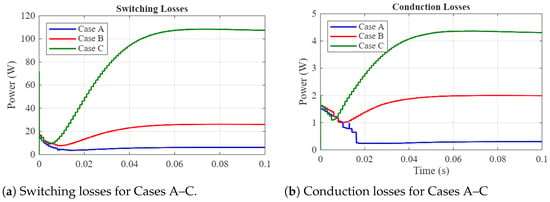
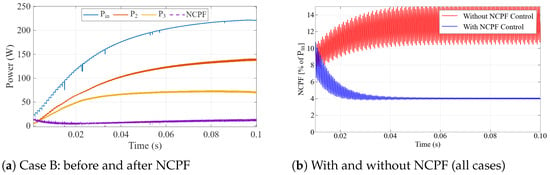
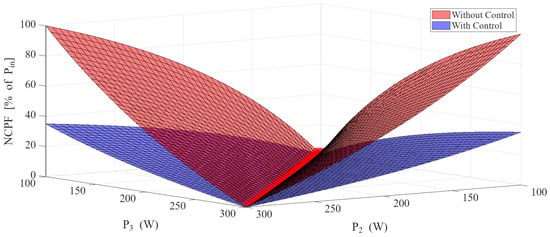
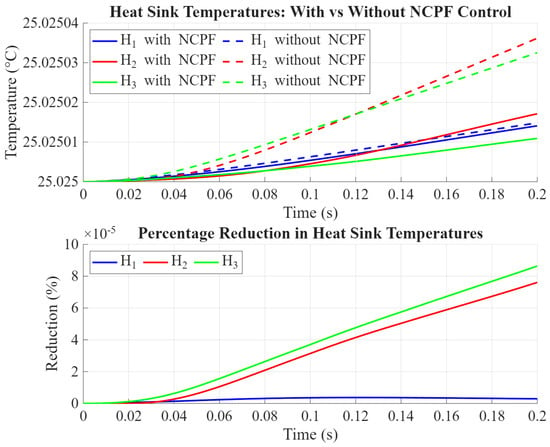
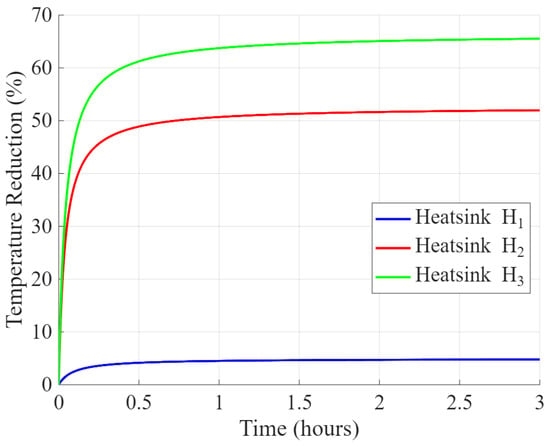
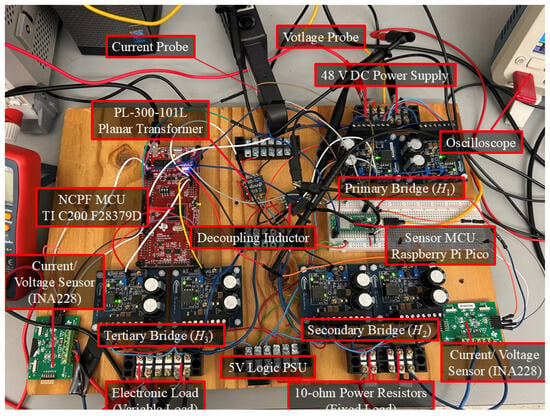
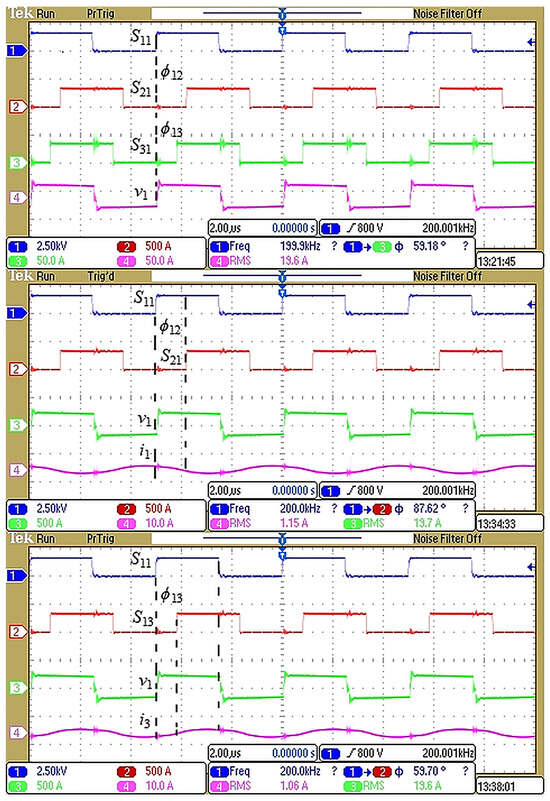
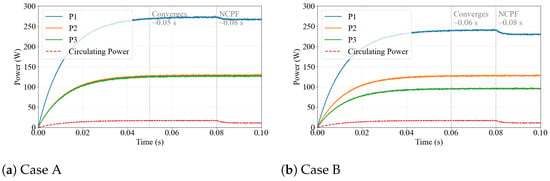
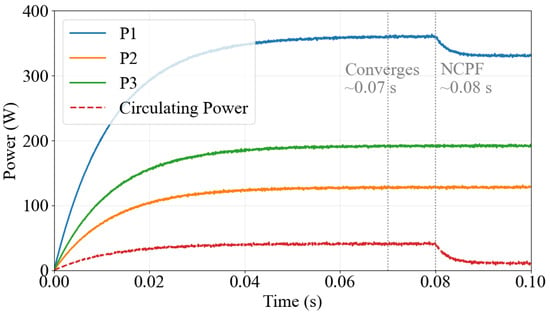
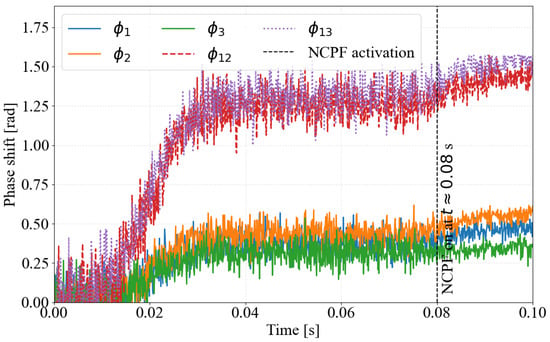
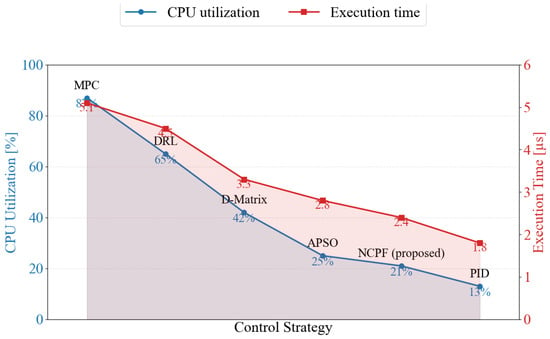
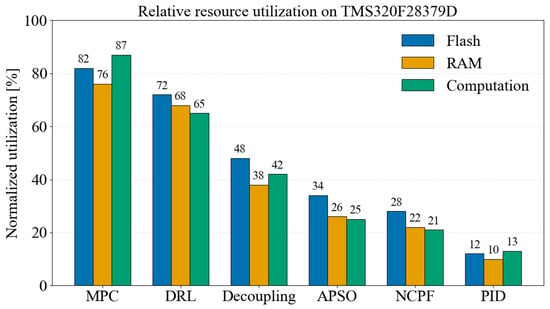
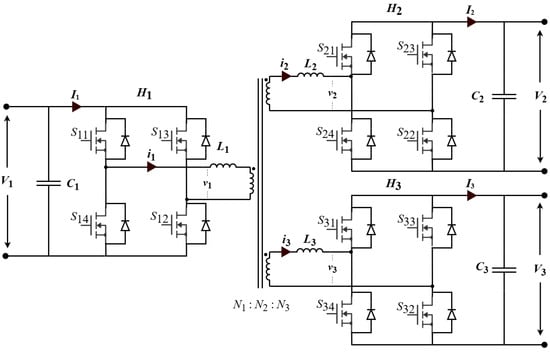
A triple active bridge (TAB) converter used for simultaneous fast charging of two dissimilar EVs can exhibit significant circulating power under asymmetric port voltages and power levels. This internal power exchange increases losses and current stress and limits the effectiveness of conventional magnetic design optimization. This paper develops a generalized five-variable phase-shift model of the TAB and formulates explicit zero-circulating-power conditions that characterize non-circulating operating points in asymmetric dual-EV charging. Based on this formulation, a decoupled control law is synthesized that assigns the five phase-shift variables to suppress circulating power while independently regulating the power delivered to each EV port over a wide operating range, without requiring specialized transformer or leakage-inductance design. Results from representative dynamic dual-EV charging scenarios demonstrate 15% reduction in RMS current stress compared with conventional phase-shift control.
Full article
Background: Hepatitis A (HA) and E (HE) represent a significant global health burden. Despite the development of effective vaccines against hepatitis A virus (HAV) and hepatitis E virus (HEV), outbreaks of acute HA and HE continue to occur worldwide. This study aimed to
[...] Read more.
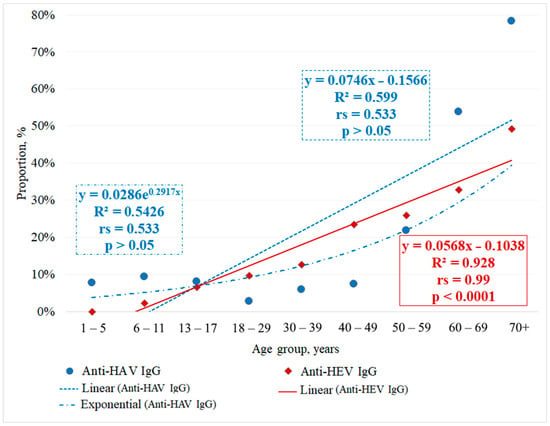
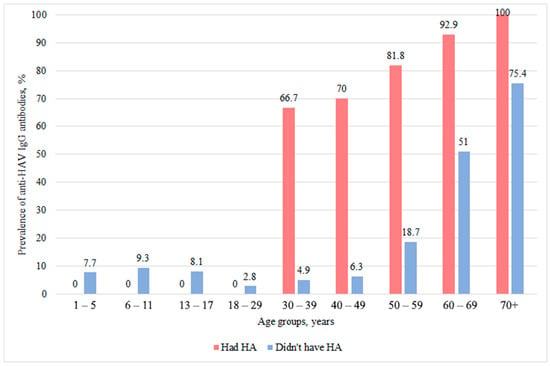
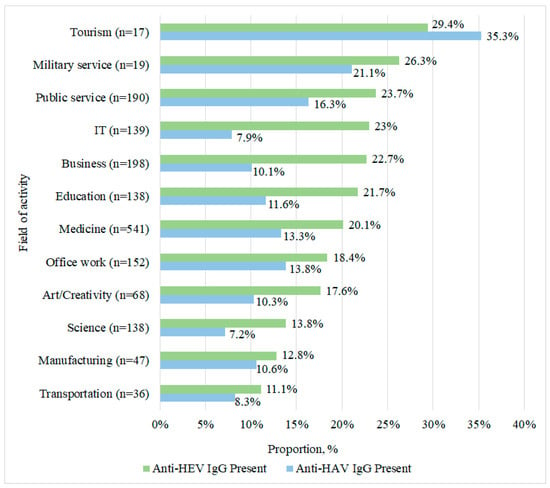
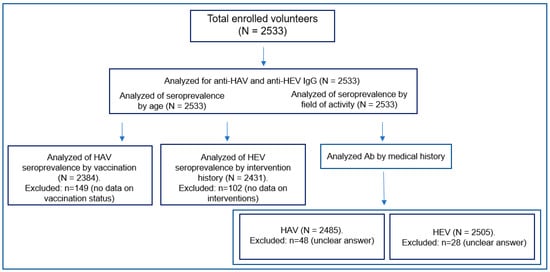
Background: Hepatitis A (HA) and E (HE) represent a significant global health burden. Despite the development of effective vaccines against hepatitis A virus (HAV) and hepatitis E virus (HEV), outbreaks of acute HA and HE continue to occur worldwide. This study aimed to assess the seroprevalence of anti-HAV and anti-HEV IgG antibodies (Abs) in the population of Belgrade and to analyze their association with socio-demographic and clinical factors. Materials and Methods: A cross-sectional study was conducted on a sample of 2533 healthy volunteers in Serbia in May 2024. Participation was voluntary and web-based, leading to an overrepresentation of women and middle-aged adults, while children were underrepresented. Due to this non-probabilistic recruitment, the absolute seroprevalence estimates have limited generalizability to the entire population of Belgrade. Serum samples were tested for anti-HAV and anti-HEV IgG using commercial ELISA kits. The anti-HEV estimate is based on a single ELISA without confirmatory testing and should be interpreted with this limitation in mind. Statistical analysis included confidence interval estimation, chi-square tests, and Spearman’s correlation. Results: Overall seroprevalence was 20.5% (95% CI: 18.9–22.1) for anti-HAV and 22.6% (95% CI: 21.0–24.3) for anti-HEV. A strong, non-linear increase in anti-HAV seroprevalence with age was observed, rising sharply from 2.8% in the 18–29 group to 78.3% in those aged 70+. Anti-HEV seroprevalence also featured a significant positive correlation with age (rs = 0.99, p < 0.0001), increasing from 4.2% in children (1–17 years) to 49.2% in the 70+ group. Men had significantly higher anti-HAV seroprevalence than women (23.1% vs. 19.3%, p = 0.029). Individuals with a history of surgical interventions or blood transfusions had significantly higher odds of being anti-HEV positive (OR = 1.41, p = 0.0005). Vaccination coverage against HAV was low (1.8%), and Abs were detected in only 28.6% of vaccinated individuals. Conclusions: This study suggests high HEV seroprevalence and an age-polarized HAV seroprevalence in Serbia, indicating a significant shift in the epidemiological landscape while acknowledging the sampling and assay limitations stated above. The findings underscore a growing population susceptible to HAV and highlight the need for reinforced vaccination strategies, improved diagnostics, and targeted public health interventions.
Full article
To address the poor quality of early-stage wind measurement data and the limited representativeness of short-term observations for long-term climatic conditions in mountainous wind farms, this study takes a 150 MW wind power project in Guangxi, China, as a case study and proposes
[...] Read more.
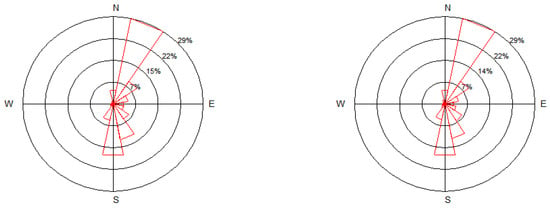
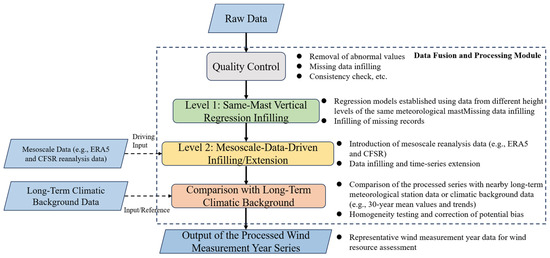
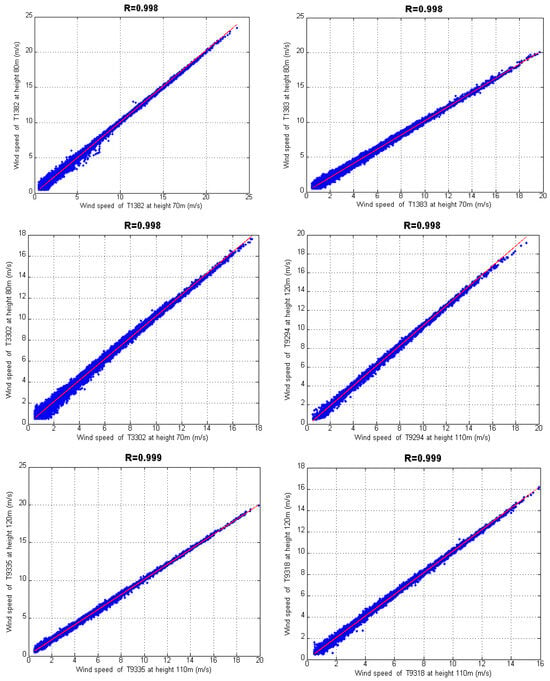
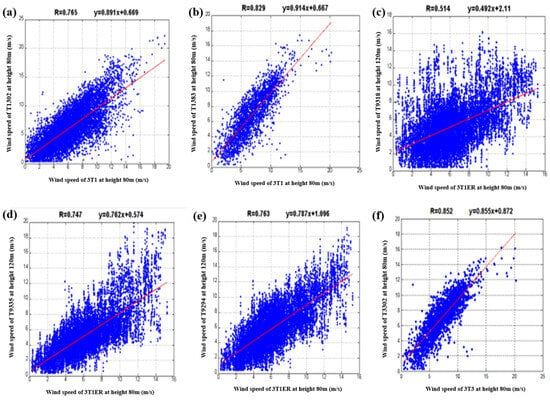
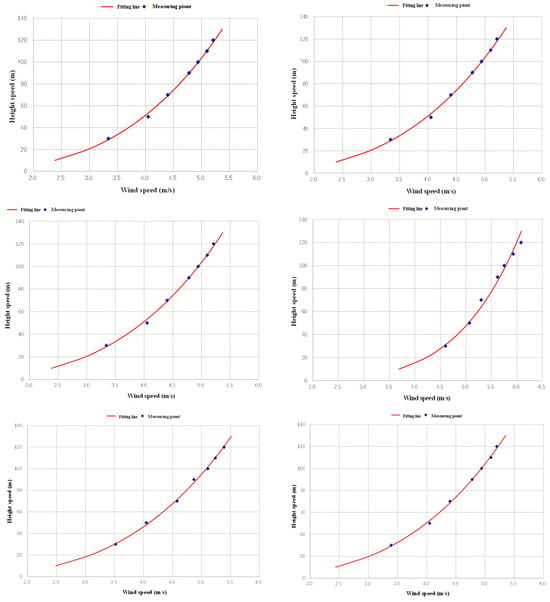
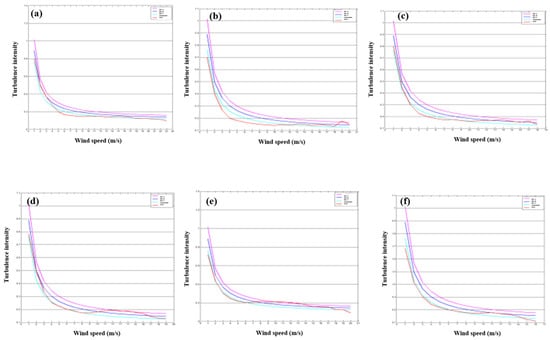
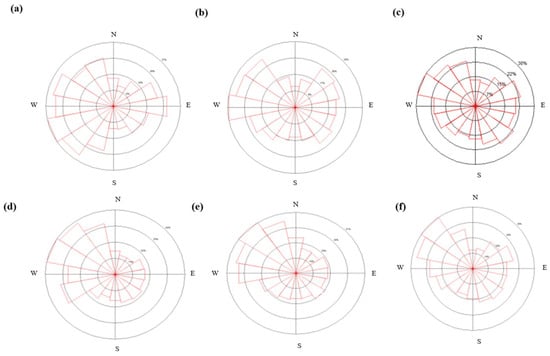
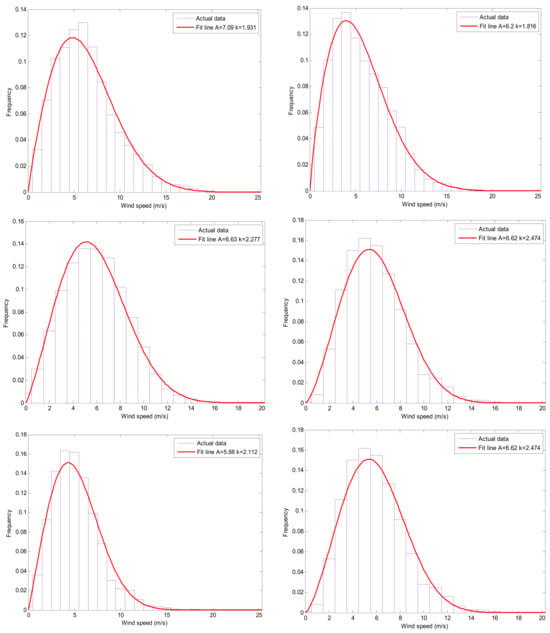
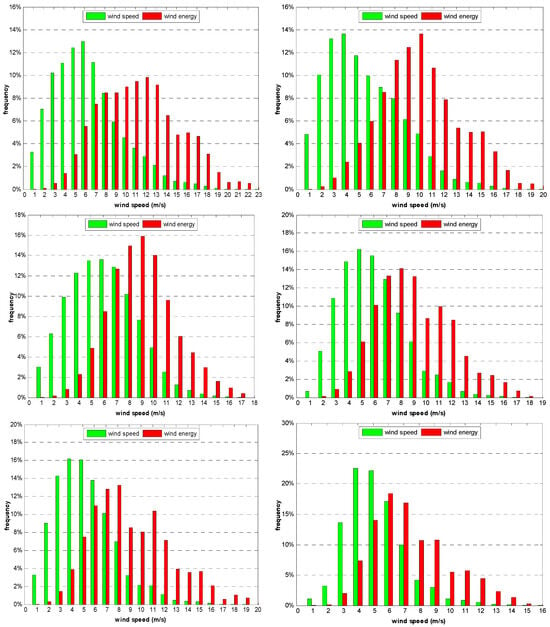
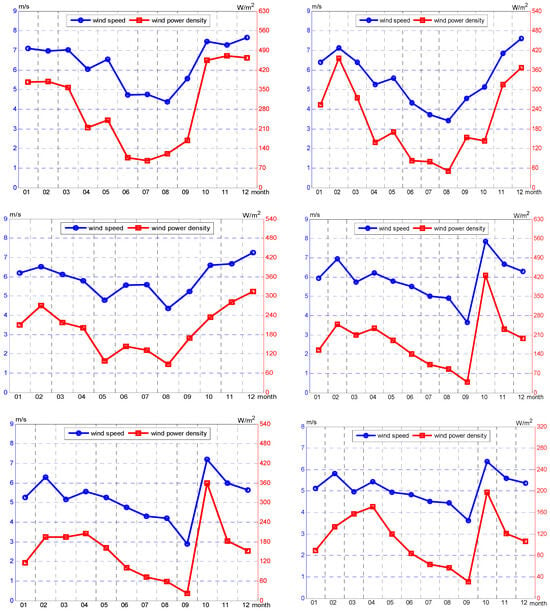
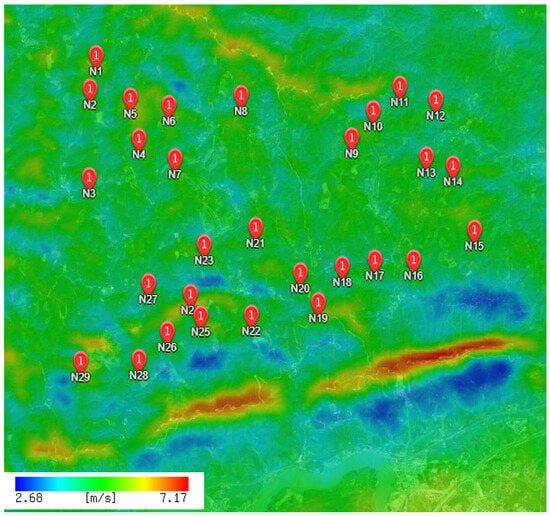
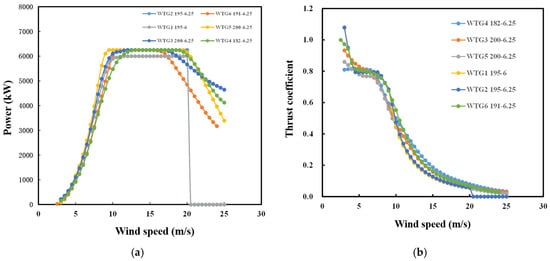
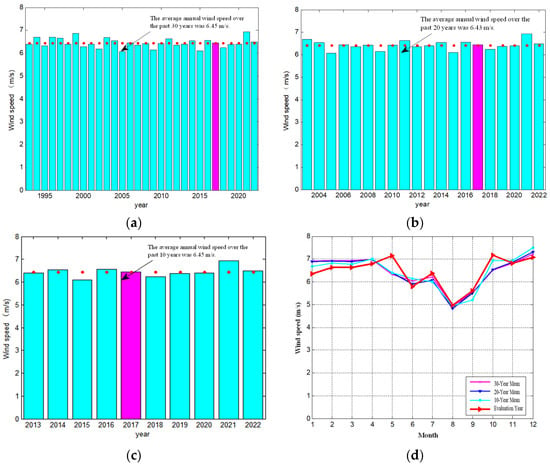
To address the poor quality of early-stage wind measurement data and the limited representativeness of short-term observations for long-term climatic conditions in mountainous wind farms, this study takes a 150 MW wind power project in Guangxi, China, as a case study and proposes an integrated framework of “stepwise data fusion-key parameter refinement-life-cycle techno-economic optimization”. For wind resource assessment, a two-stage fusion strategy combining same-mast correlation-based infilling and mesoscale data extrapolation was developed, effectively resolving the heterogeneous data quality among six meteorological masts and revealing significant spatial variations in the wind shear exponent (0.058–0.348). Based on a conservative criterion, the 50-year return-period maximum wind speed was determined to be 31.4 m/s. For turbine selection, the levelized cost of energy was adopted as the core evaluation metric to compare six turbine models rated at 6.0–6.25 MW. The results show that WTG5-200-6.25 is the optimal option, with a levelized cost of energy (LCOE) of 0.321 CNY/kWh, an annual grid-connected electricity generation of 269.915 GWh, and 1799 equivalent full-load hours. In addition, the project can save 82.9 thousand tons of standard coal annually and yield approximately CNY 311 million in carbon-trading revenue over 25 years. The proposed framework provides a useful reference for wind power projects in complex terrain.
Full article
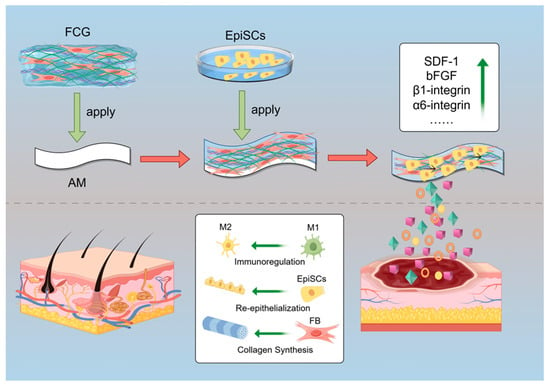
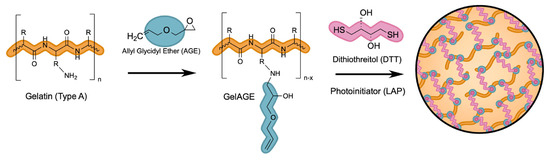
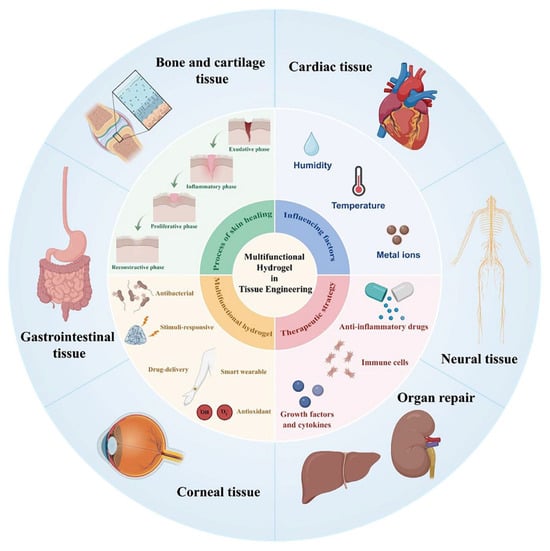
Hydrogels are three-dimensional (3D) hydrophilic polymer networks characterized by increased water content (>90%) that have arisen as extremely versatile biomaterials for tissue engineering (TE) applications (e [...]
Full article
The two NFAT transcription factors NFATc1 and NFATc2 are the most prominent Ca++-dependent TFs in the nuclei of activated peripheral lymphocytes. They control the activity of thousands of genes during immune responses. Although their structure and function show numerous things in
[...] Read more.
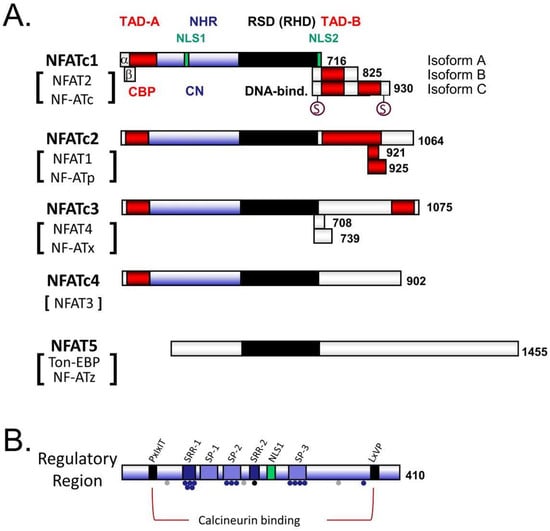
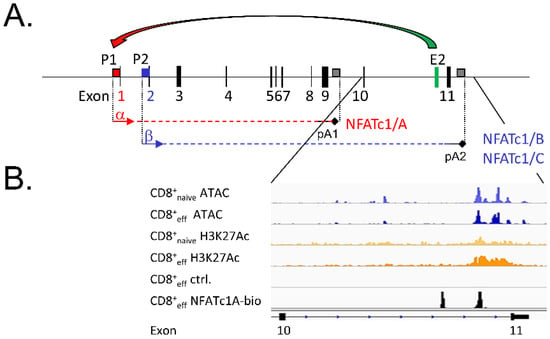
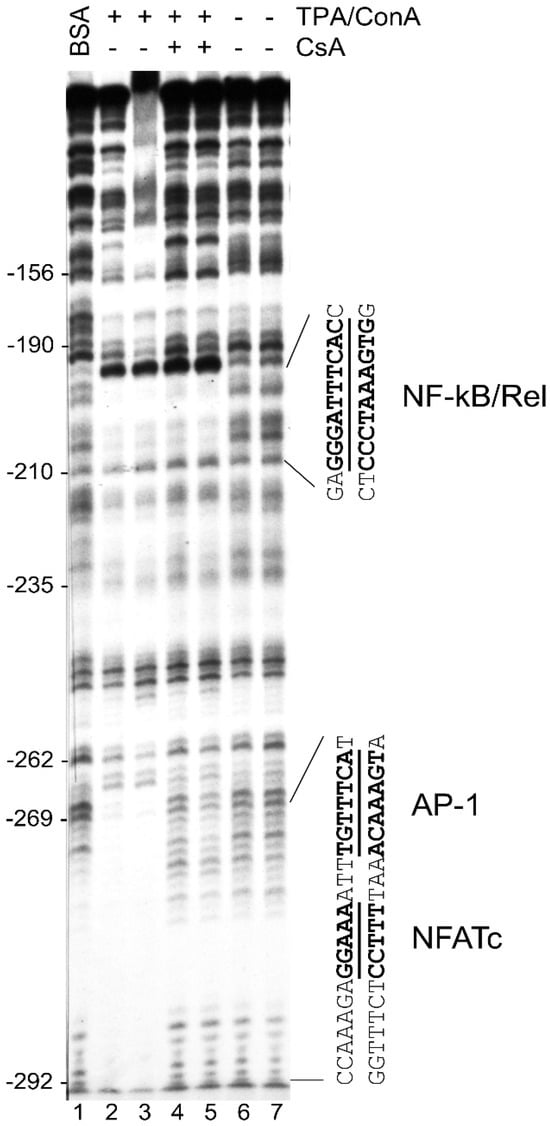
The two NFAT transcription factors NFATc1 and NFATc2 are the most prominent Ca++-dependent TFs in the nuclei of activated peripheral lymphocytes. They control the activity of thousands of genes during immune responses. Although their structure and function show numerous things in common, their expression and activity differ markedly in most types of lymphocytes. Over the last 40 years, the work of our laboratory revealed a strong inducible transcription of the Nfatc1 gene upon lymphocyte (co-)activation, compared to the ‘tonic’ transcription of Nfatc2. This leads to the inducible expression of a short NFATc1 isoform that we designated as NFATc1/αA, which differs from longer NFATc1 proteins and NFATc2 by an individual N-terminal ‘α’ peptide and the absence of a C-terminal peptide of approximately 250 amino acid residues. While comprehensive experimental studies led to the conclusion that NFATc2 supports (i) apoptosis, (ii) the induction of anergy, and (iii) the ‘exhaustion’ of peripheral T cells, opposite conclusions can be derived from our studies of NFATc1/αA. This view on the ‘two faces’ of NFAT transcription factors will be presented in this review and discussed in the role of NFATs in cancerogenesis.
Full article
The purpose of this study was to examine the utilization of 0–45 μm aluminum hydrate fraction (gibbsite) manufactured by Alum SA Tulcea, as a precursor in the hydrothermal synthesis process of nanosize boehmite from gibbsite suspensions. Furthermore, the use of the produced material
[...] Read more.
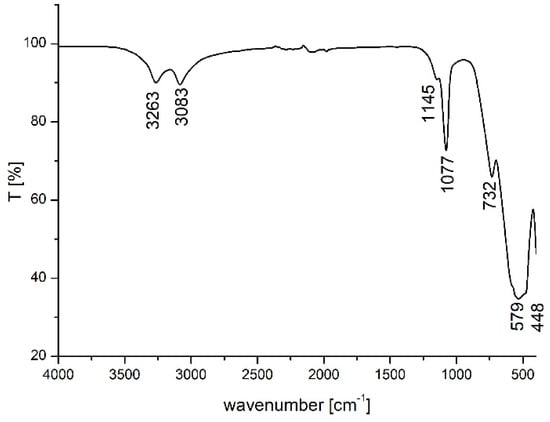
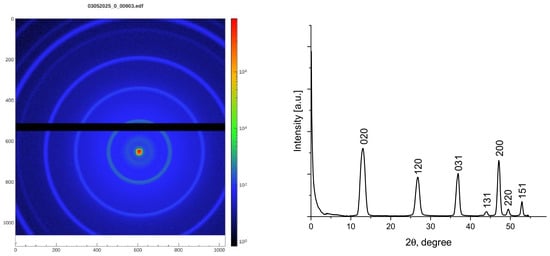
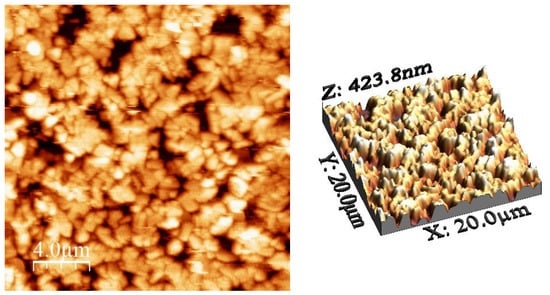
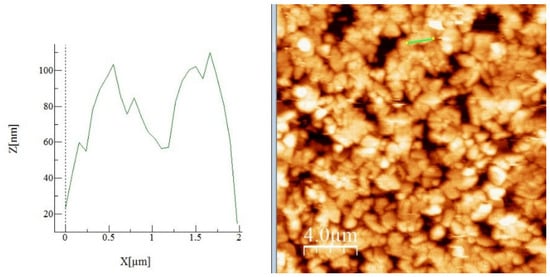
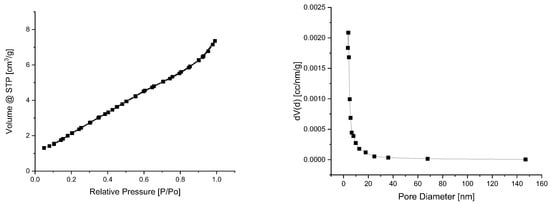
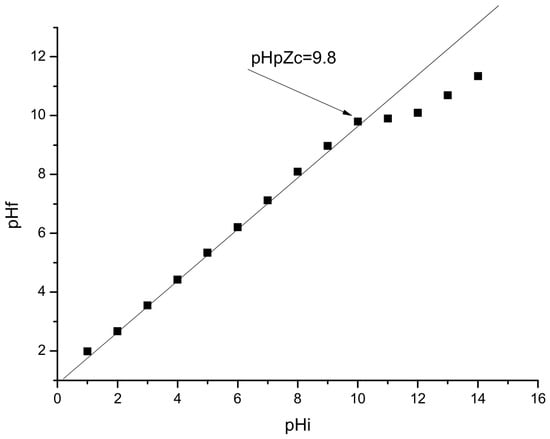
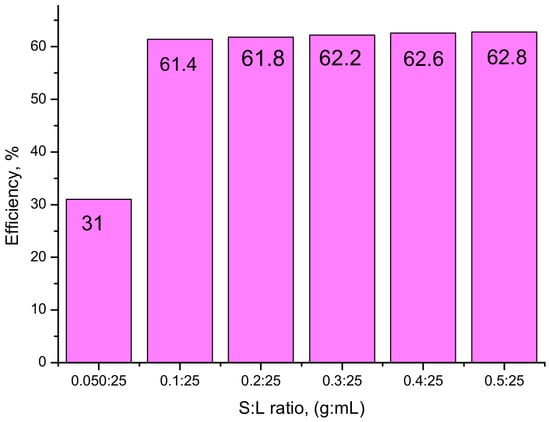
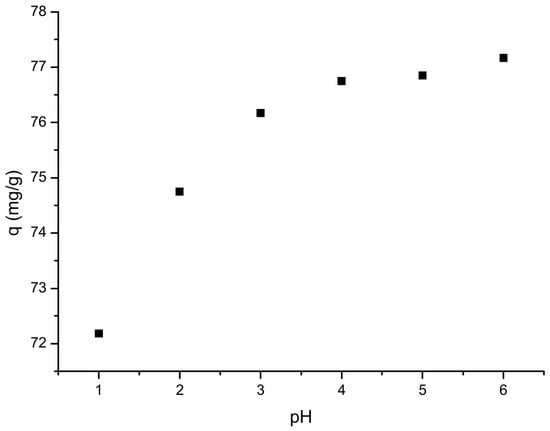
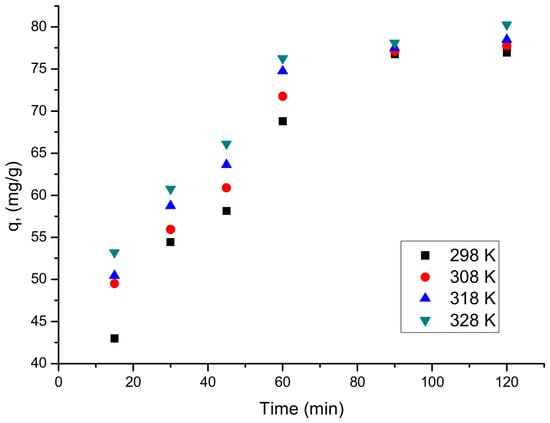
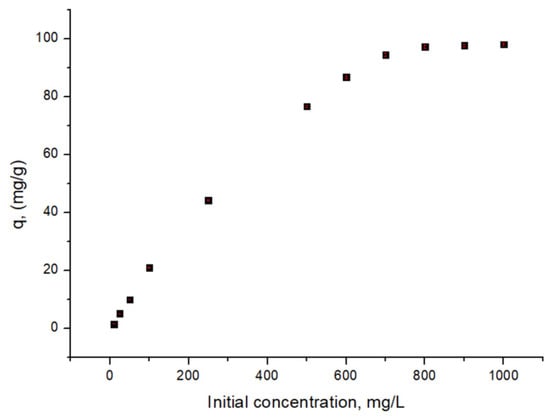
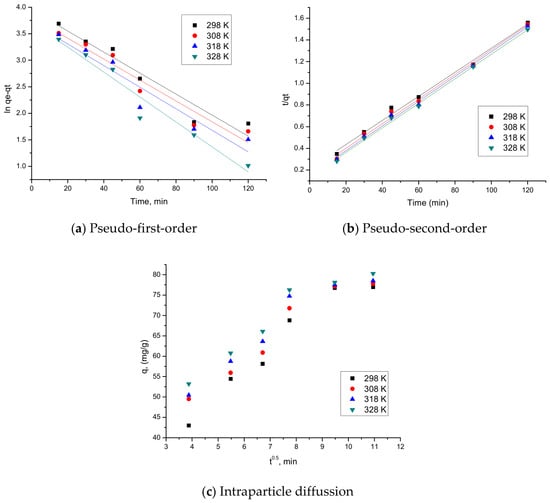
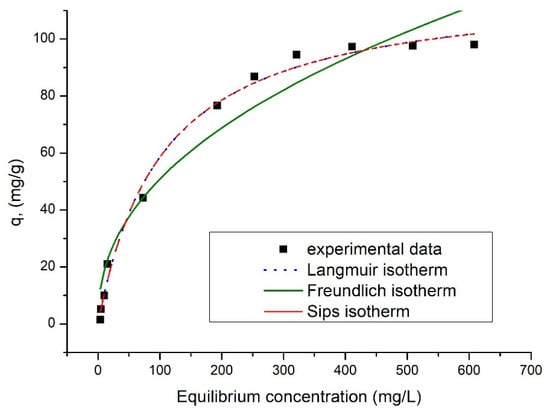
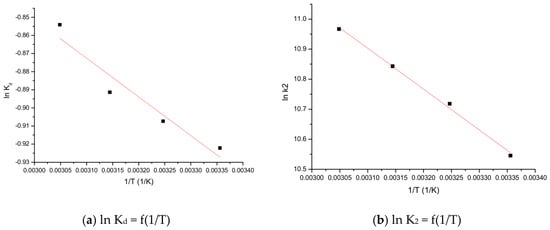
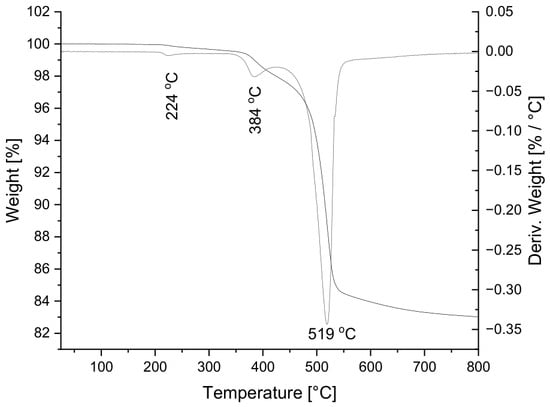
The purpose of this study was to examine the utilization of 0–45 μm aluminum hydrate fraction (gibbsite) manufactured by Alum SA Tulcea, as a precursor in the hydrothermal synthesis process of nanosize boehmite from gibbsite suspensions. Furthermore, the use of the produced material as adsorbent of lanthanum (III) ions was investigated using aqueous solutions. Thermogravimetric analysis (TG), Fourier Transform InfraRed Spectroscopy (FT-IR), Wide-Angle X-Ray Scattering (WAXS), and atomic force microscopy (AFM) were used to demonstrate the preparation of the required material. Additionally, the material point of zero charge (pHpzc) and material specific surface (using BET approach) were evaluated. By conducting adsorption studies, the specific parameters for the lanthanum adsorption process were evaluated. The effects of pH, the ratio of adsorbent material to La(III) quantity from aqueous solution, contact time, and La(III) initial concentration were also assessed. Based on the obtained experimental data, it was proved that the maximum adsorption capacity of 97.7 mg/g was obtained for a solid:liquid ratio = 0.1 g:25 mL, pH between 3 and 6, temperature of 298 K, and contact time of 90 min. The studied adsorption process is most effectively described by the Sips model, suggesting an intricate interaction among the adsorbent material and La (III) ions. The prepared adsorbent exhibited a good desorption capacity (higher than 93%) when 20% HCl was used for desorption.
Full article
The aim of this study was to predict the match outcome using locomotor-performance-related data from teams in both Spanish professional leagues. All matches from the first and second Spanish divisions (LaLiga and LaLiga2, respectively) across two consecutive seasons were used. The locomotor variables
[...] Read more.
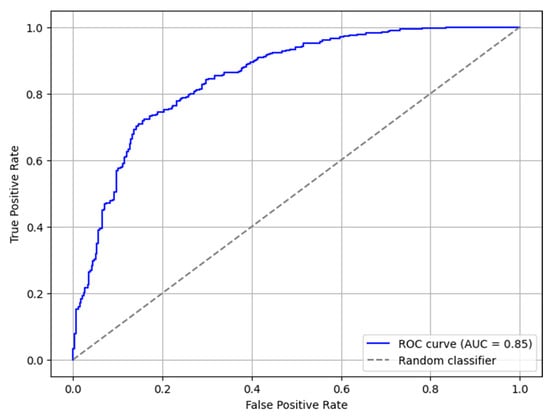
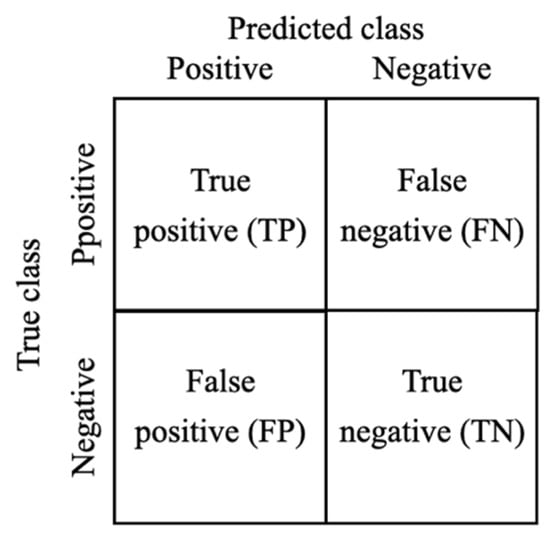
The aim of this study was to predict the match outcome using locomotor-performance-related data from teams in both Spanish professional leagues. All matches from the first and second Spanish divisions (LaLiga and LaLiga2, respectively) across two consecutive seasons were used. The locomotor variables were as follows: total distance (TD) and distance covered at >21 km·h−1 (HSR), distinguishing between different game moments (in-possession, out-of-possession, and ball stopping). Match outcomes (win/lose) were predicted using a LASSO-regularized logistic regression based on standardized locomotor variables. Model performance was evaluated through accuracy, precision, recall, F1-scores, and AUC–ROC, demonstrating strong discriminative capacity and balanced classification across outcomes. The LASSO-regularized logistic regression model achieved strong predictive accuracy (76.8%) and balanced classification performance (F1 = 0.77; AUC = 0.85). TDnoPosmin, TD21posmin, TD21min, and TDoffmin emerged as key positive predictors of victory, whereas TD21noPosmin, TDmin, and TDposmin were negatively associated with winning. LASSO regularization confirmed the stability and robustness of these predictors, indicating limited overfitting and consistency. Match outcomes were accurately predicted from locomotor variables, with high-intensity activity out of possession emerging as the key determinant of success. Match success was primarily linked to high-intensity activity during the defensive phase, highlighting the need for further research on these critical phases of play.
Full article
Lamellar structure Ni-P catalysts were prepared on copper by the electrochemical deposition method for the hydrolysis of NaBH4 solution. Voltage, time and temperature are key variables in the electroplating process, affecting the corrosion performance of the catalyst. The results show that as
[...] Read more.
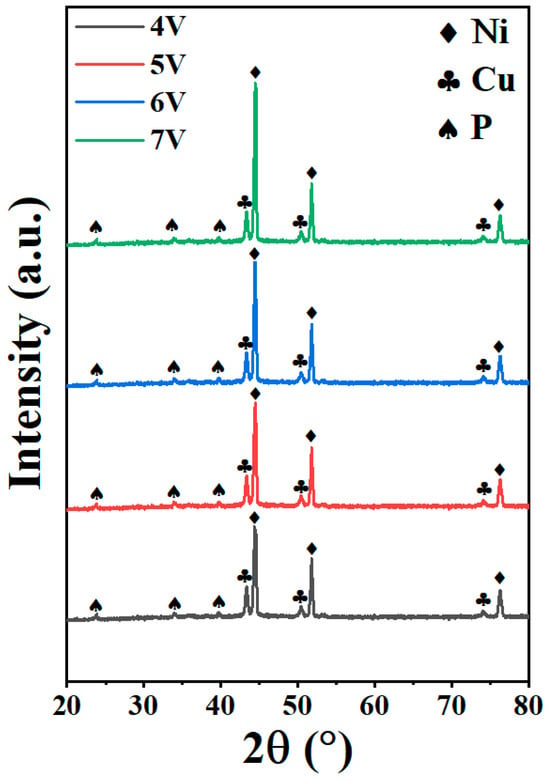
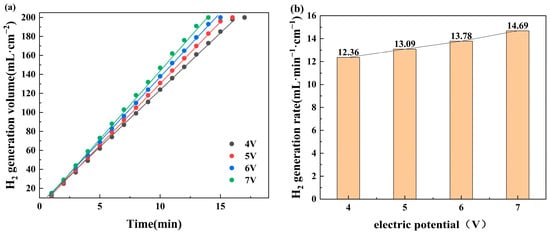
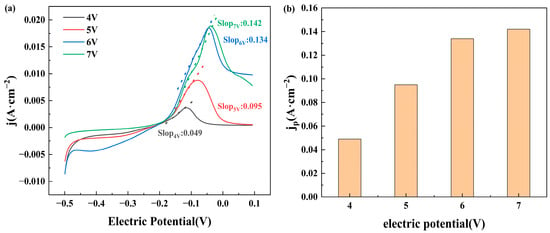
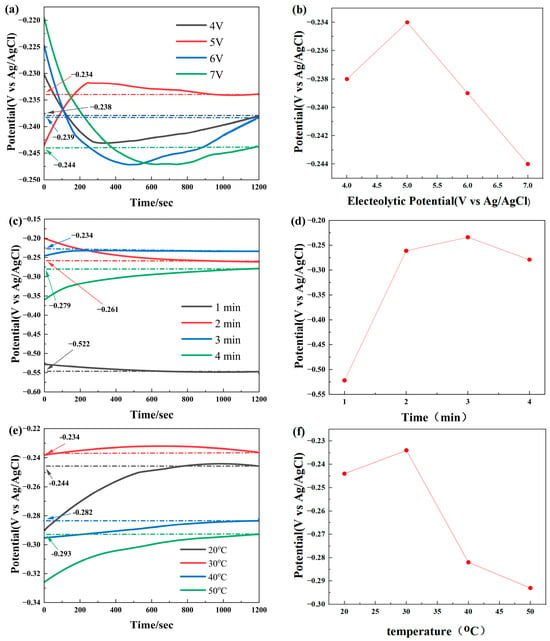
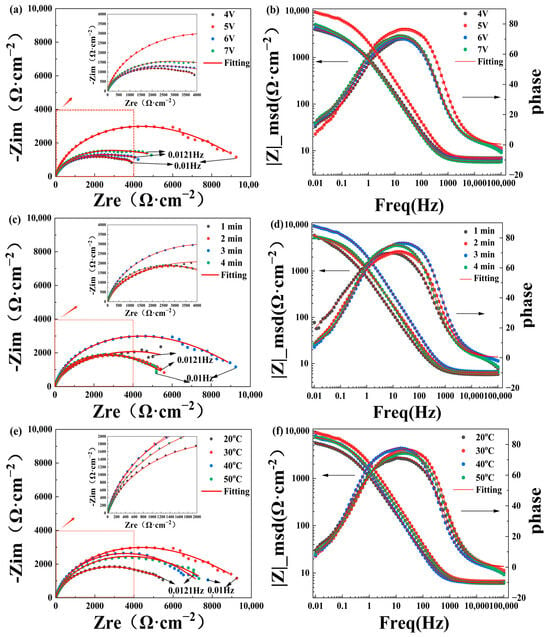
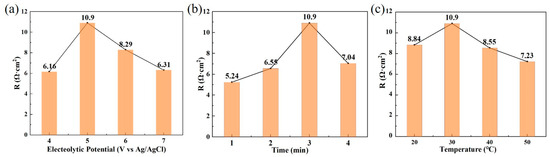
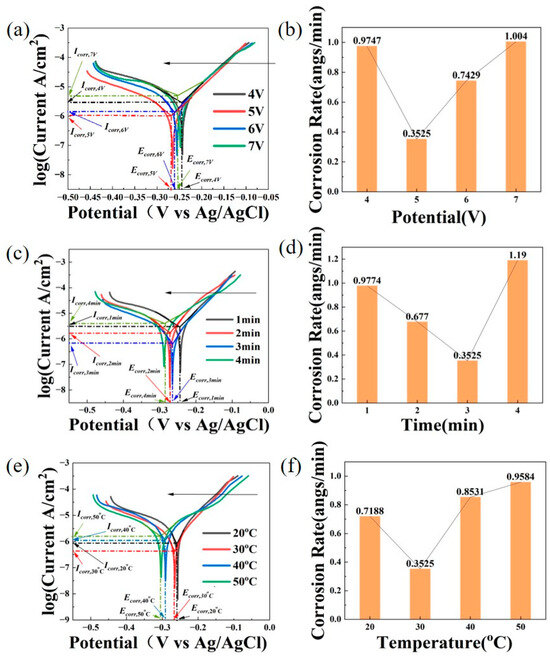
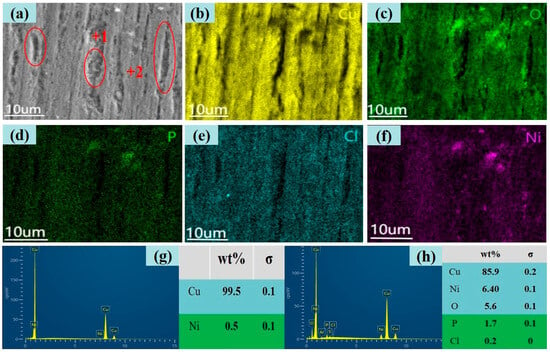
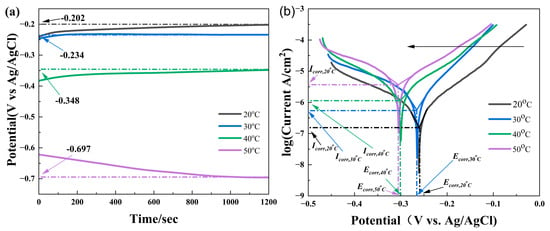
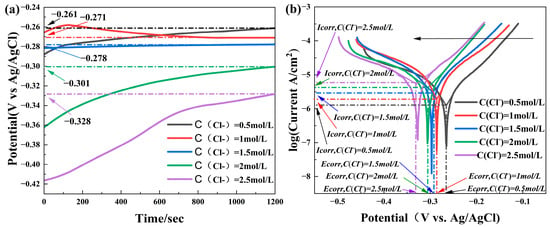
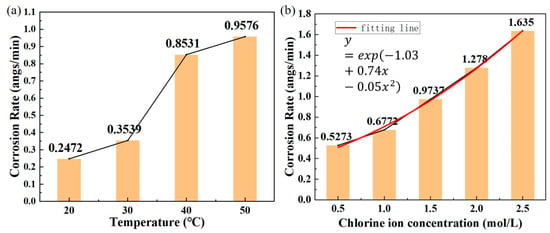
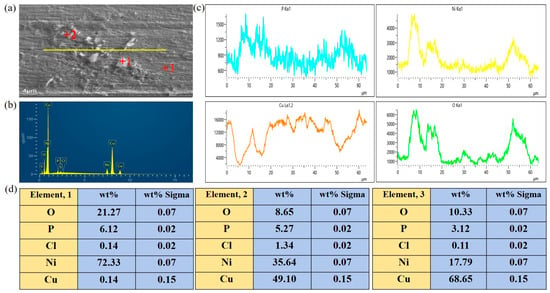
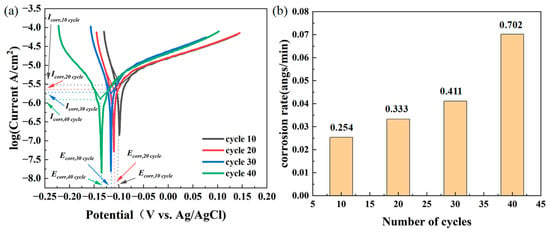
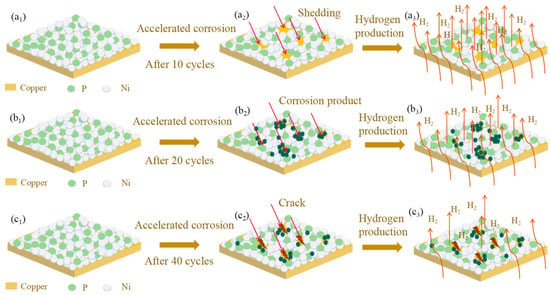
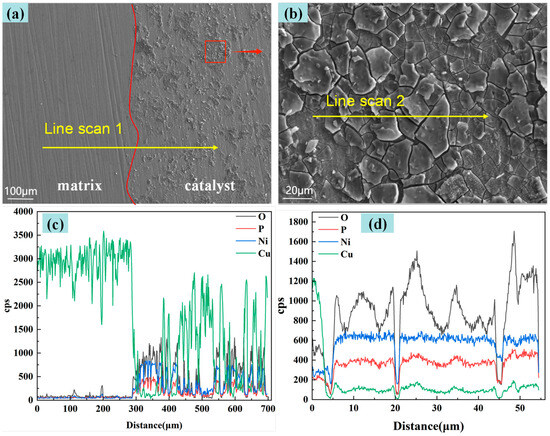
Lamellar structure Ni-P catalysts were prepared on copper by the electrochemical deposition method for the hydrolysis of NaBH4 solution. Voltage, time and temperature are key variables in the electroplating process, affecting the corrosion performance of the catalyst. The results show that as the deposition voltage (4–7 V) increases, the corrosion resistance of Ni-P at first is enhanced and then decreases, peaking at 5 V due to a more complete structure. Electroplating time and temperature affect the deposition of the nickel-phosphorus catalyst and then the corrosion resistance of the catalyst. Prolonged time and elevated temperature cause holes and cracks, degrading corrosion resistance. Therefore, a mild electroplating environment is preferred. The optimal electroplating temperature and time are 30 °C and 3 min, respectively. The polarization curve test shows that the Ni-P catalyst is greatly influenced by seawater temperature and chloride ion concentration in the actual service process, that the chloride ion is the dominant factor, and that the corrosion rate increases exponentially. Moreover, Ni-P/Cu catalysts mainly undergo localized corrosion and dissolution. Combined with Scanning Electron Microscope (SEM) and Energy Dispersive Spectrometer (EDS) analyses, the corrosion mechanism in seawater was systematically discussed.
Full article
by
Katherine M. Livingstone, Stephanie R. Partridge, Jonathan C. Rawstorn, Kathleen M. Dullaghan, Yuxin Zhang, Stephanie L. Godrich, Sarah A. McNaughton, Gilly A. Hendrie, Lauren C. Blekkenhorst, Ralph Maddison, John C. Mathers and Laura Alston
Nutrients2026, 18(11), 1646; https://doi.org/10.3390/nu18111646 (registering DOI) - 22 May 2026
Background/objectives: The study aimed to identify the key methodological challenges and solutions related to recruitment and retention of rural-dwelling young adults into a randomized controlled trial that tests the feasibility of a digital healthy eating intervention (Veg4Me). Methods: Digital registration for
[...] Read more.
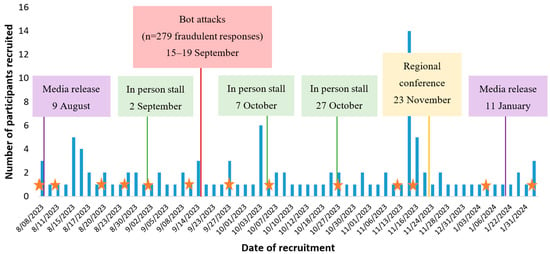
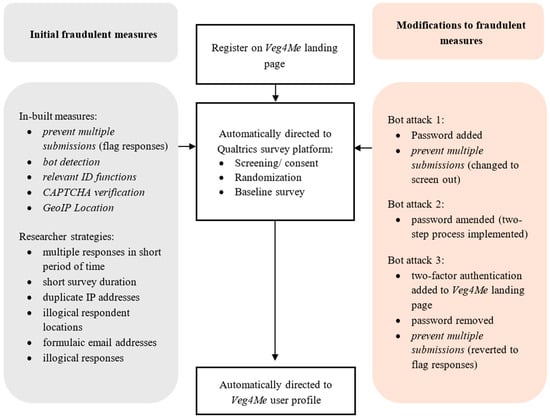
Background/objectives: The study aimed to identify the key methodological challenges and solutions related to recruitment and retention of rural-dwelling young adults into a randomized controlled trial that tests the feasibility of a digital healthy eating intervention (Veg4Me). Methods: Digital registration for a 12-week study was set up as a one-step process without researcher involvement. Participant registrations and recruitment rates were monitored daily using predetermined online preventative measures to identify fraudulent responses and to amend the digital registration process where necessary. Retention rates were monitored daily to identify any necessary amendments to the follow-up protocol. Results: During data collection, n = 279 fraudulent responses were identified from n = 536 total responses (52%). One month into recruitment, amendments were made to the registration process to reduce fraudulent responses. To address bot attacks, Qualtrics passwords and a two-factor authentication process were added to the Veg4Me landing page. Targeted recruitment strategies, such as unpaid social media posts, corresponded to peaks in recruitment. In the final recruitment month, a question was embedded within follow-up correspondence to encourage completion of the post-intervention survey. This resulted in an additional n = 8 (7%) participants completing the intervention. Conclusions: Empirical observations made in this study suggest that digital recruitment protocols without direct researcher involvement should consider multiple in-built strategies for identifying and preventing fraudulent responses. This includes a two-factor authentication process and minimizing the over-promotion of financial incentives in recruitment strategies. Recruitment strategies should consider the use of social media posts in local community groups, while the use of reminders and notifications could support retention.
Full article
The following exposition examines the concept of phenomenology with respect to its gradual integration into Catholic philosophy. Phenomenology is an evolving field whose internal tensions inevitably give rise to phenomenologies of religious thought, including theological questions. This development is articulated by numerous prominent
[...] Read more.
The following exposition examines the concept of phenomenology with respect to its gradual integration into Catholic philosophy. Phenomenology is an evolving field whose internal tensions inevitably give rise to phenomenologies of religious thought, including theological questions. This development is articulated by numerous prominent scholars of our era, such as Max Scheler, Emmanuel Lévinas, and Jean-Luc Marion. The concept of “phenomenology of revelation” represents a distinctive development within the broader framework of the subject. In Catholic philosophy, the phenomenological perspective gained significant traction in the last century, particularly under the influence of scholars such as Hans Urs von Balthasar and Karl Rahner. In the contemporary era, there is a diverse array of efforts to reinterpret Catholic philosophical thought through phenomenological methods. From the author’s standpoint, the issue of divine revelation, particularly natural revelation, has the potential to unveil novel possibilities for Catholic philosophy in the present and the future.
Full article
Rhizosphere microorganisms are important components of grassland ecosystems, but the rhizosphere microbiome of the poisonous and medicinal plant Stellera chamaejasme L. remains poorly characterized. In this study, shotgun metagenomic sequencing was used to compare the taxonomic composition, community structure, differentially enriched taxa, and
[...] Read more.
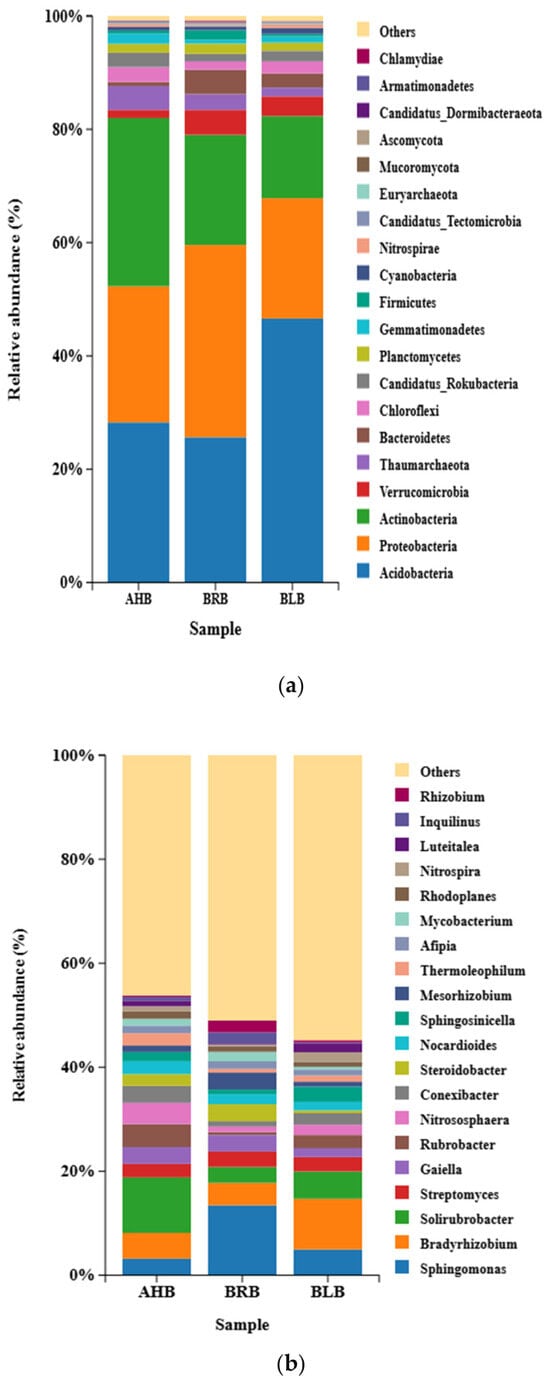
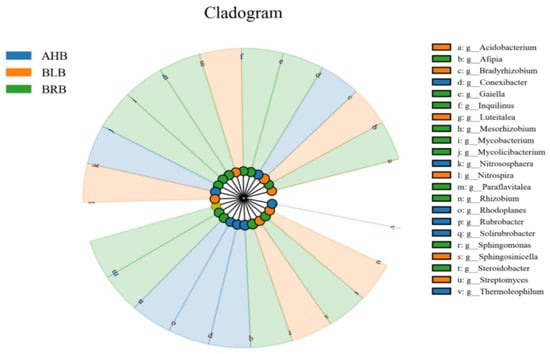
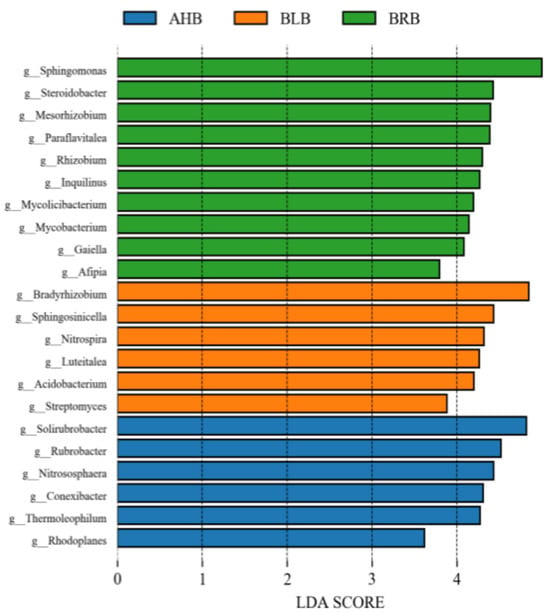
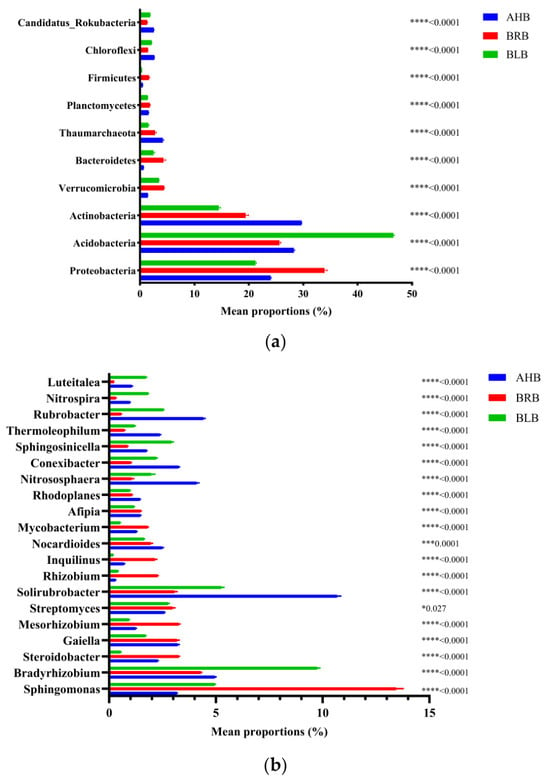
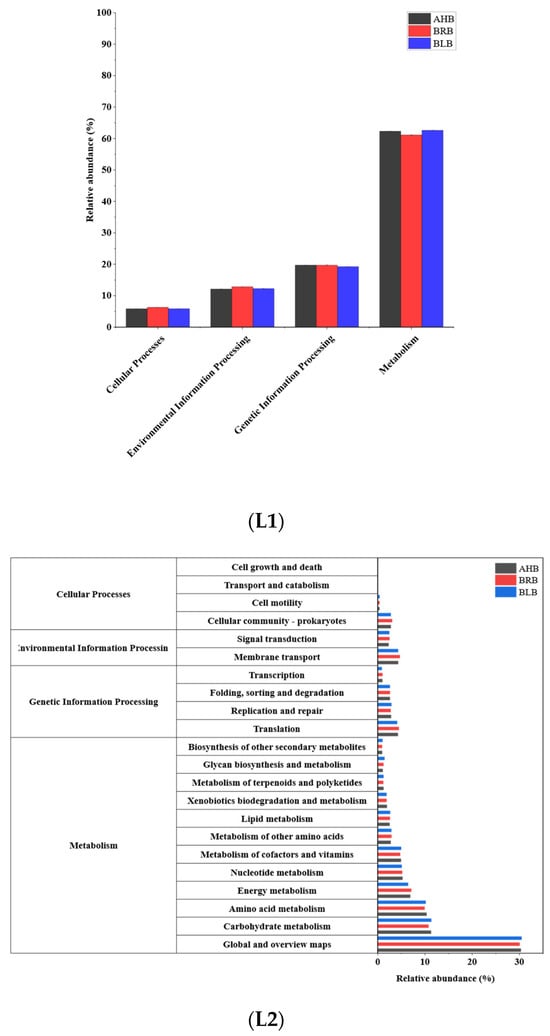
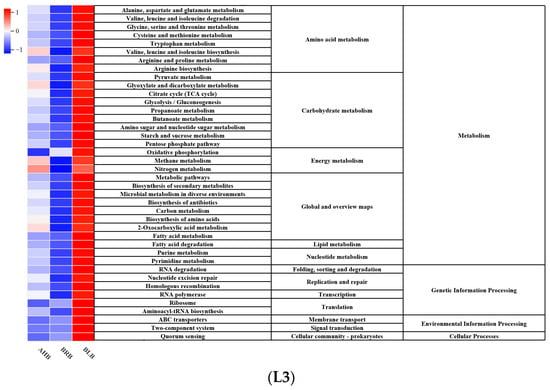
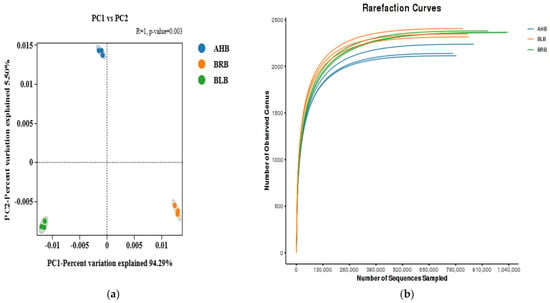
Rhizosphere microorganisms are important components of grassland ecosystems, but the rhizosphere microbiome of the poisonous and medicinal plant Stellera chamaejasme L. remains poorly characterized. In this study, shotgun metagenomic sequencing was used to compare the taxonomic composition, community structure, differentially enriched taxa, and KEGG-based functional potential of rhizosphere microbial communities associated with S. chamaejasme from three typical steppe regions in Inner Mongolia. Acidobacteria, Proteobacteria, and Actinobacteria were the dominant phyla, while Sphingomonas, Bradyrhizobium, and Streptomyces were among the dominant genera. Genus-level profiles and ordination analysis showed region-associated community patterns, and rarefaction curves indicated that sequencing depth was sufficient to capture most detectable taxa. LEfSe analysis identified region-associated differentially enriched taxa, including Sphingomonas-, Bradyrhizobium/Nitrospira-, and Streptomyces/Solirubrobacter-associated taxa. KEGG annotation suggested broadly similar major functional categories across regions, with some differences in the relative abundance of metabolic pathways. These results provide baseline metagenomic information on S. chamaejasme rhizosphere communities. Because of the limited replication and lack of soil physicochemical measurements, ecological mechanisms should be tested in future studies.
Full article
The growing demand to harmonize food safety with preservation of autochthonous sensory phenotypes has catalyzed a paradigm shift in starter culture microbiology [...]
Full article
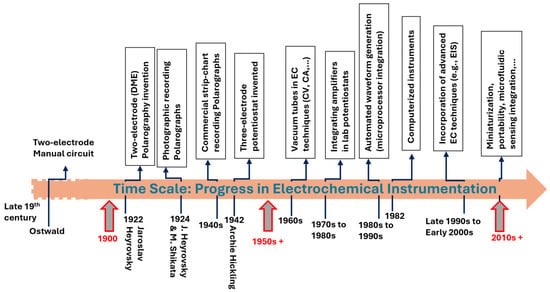
Potentiostats are essential to electrochemical sensing, enabling precise control of electrode potentials and measurement of current responses. As demand grows for portable, wearable, and point-of-care systems, potentiostat design has evolved from benchtop instruments to compact, low-power, and wirelessly connected platforms. This review provides
[...] Read more.
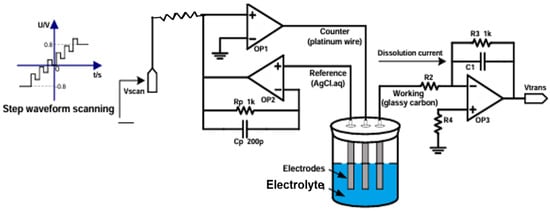
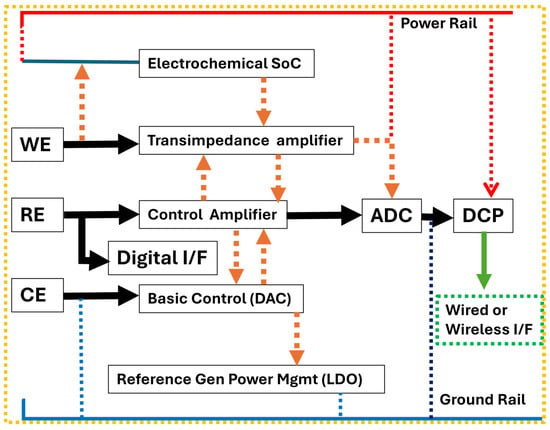
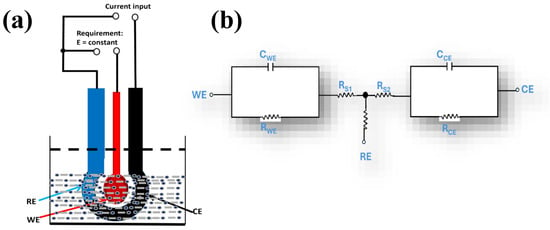
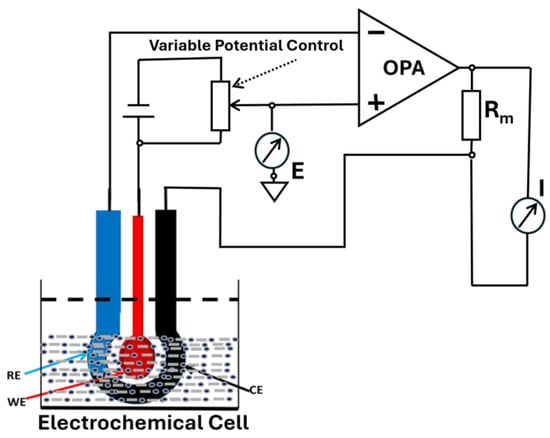
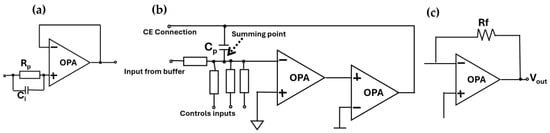
Potentiostats are essential to electrochemical sensing, enabling precise control of electrode potentials and measurement of current responses. As demand grows for portable, wearable, and point-of-care systems, potentiostat design has evolved from benchtop instruments to compact, low-power, and wirelessly connected platforms. This review provides a comprehensive, system-level perspective on modern potentiostat architectures, covering operational principles, analog front-end design, signal generation and acquisition, communication protocols, and software integration. Unlike prior reviews that treat these aspects independently, this work integrates electrochemical theory with electronic design and data communication frameworks. Key components, including operational amplifiers, transimpedance amplifiers, DAC/ADC subsystems, and microcontroller-based control, are examined alongside communication protocols such as SPI, I2C, Bluetooth Low Energy, Wi-Fi, and NFC. Critical challenges related to miniaturization, noise, power constraints, and reproducibility are analyzed using representative platforms. This review highlights the transition of potentiostats into integrated, intelligent, and connected sensing systems, and outlines design considerations for scalable electrochemical applications in clinical, environmental, and industrial domains.
Full article





 Sustainability
 Applied Sciences
 IJMS
IJMS
 JCM
JCM
 Sensors
 Energies
 Materials
 Electronics
 Buildings
 Foods
Foods
 Mathematics
 Remote Sensing
 Molecules
 Processes
 Diagnostics
 Cancers
 Nutrients
 Animals
 Plants
 Healthcare
 Polymers
 Water
Water
 Biomedicines
 Microorganisms
 Agriculture
 Medicina
 Land
Land
 Cells
Cells
 JMSE
JMSE
 Life
Life
 Symmetry
 Agronomy
 Behavioral Sciences
 Education Sciences
 Pharmaceuticals
 Biology
 Biomolecules
 IJERPH
 Children
 Antioxidants
 Horticulturae
 Pharmaceutics
 Micromachines
 Forests
 Nanomaterials
 Coatings
 Entropy
 Religions
 Bioengineering
 Genes
Genes
 Machines
 Systems
 Pathogens
 Metals
 Brain Sciences
 Viruses
 CIMB
CIMB
 Minerals
 Atmosphere
 Veterinary Sciences
 Antibiotics
 Information
 Catalysts
 Insects
 Photonics