



Advancing Open Science
A global leader in open access publishing, supporting research
communities and accelerating scientific discovery
 
24 pages, 32069 KB  
Article
Microstructure Evolution, Growth Kinetics and Microhardness of Powder-Pack Borided Layers Produced on K190 Ledeburitic Chromium Steel Manufactured Using Powder Metallurgy
by Natalia Makuch, Michał Kulka, Mourad Keddam, Piotr Dziarski, Dominika Panfil-Pryka and Maciej Tuliński
Coatings 2026, 16(5), 622; https://doi.org/10.3390/coatings16050622 (registering DOI) - 21 May 2026
Abstract
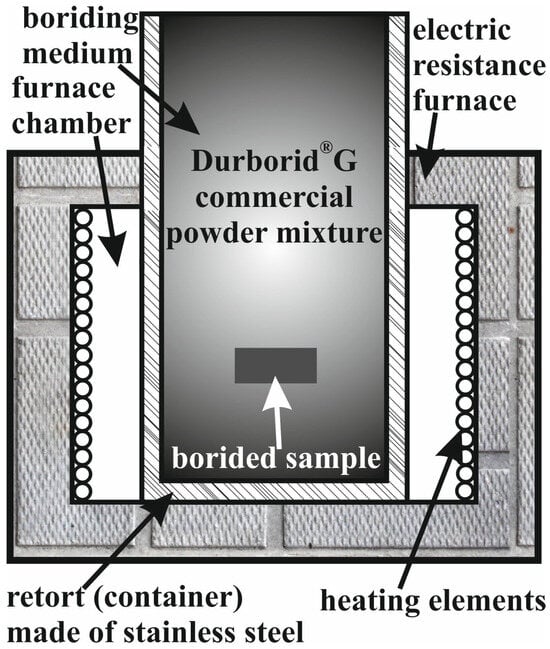
The unique powder-pack boriding technique using an open retort with boriding medium was applied for the first time in order to produce boride layers on K190 ledeburitic chromium steel manufactured using powder metallurgy. The processes were carried out using the commercial Durborid® [...] Read more.
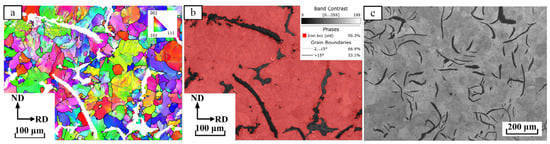
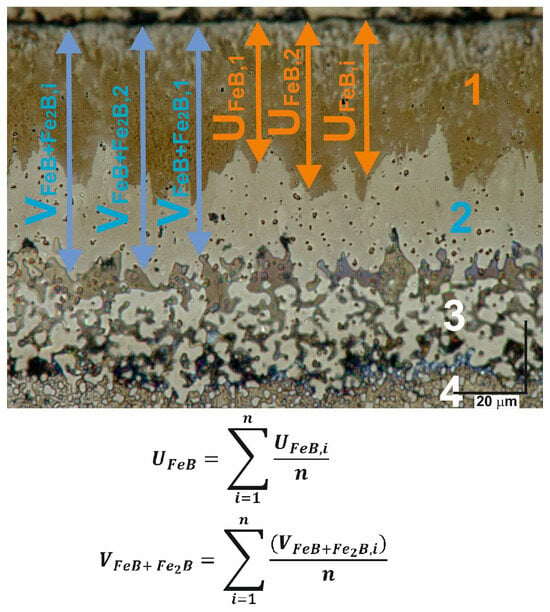
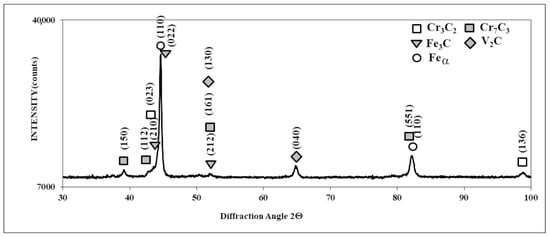
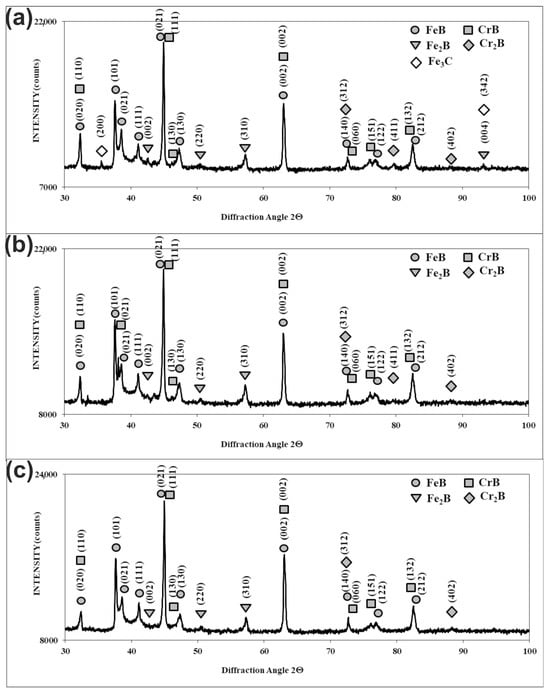
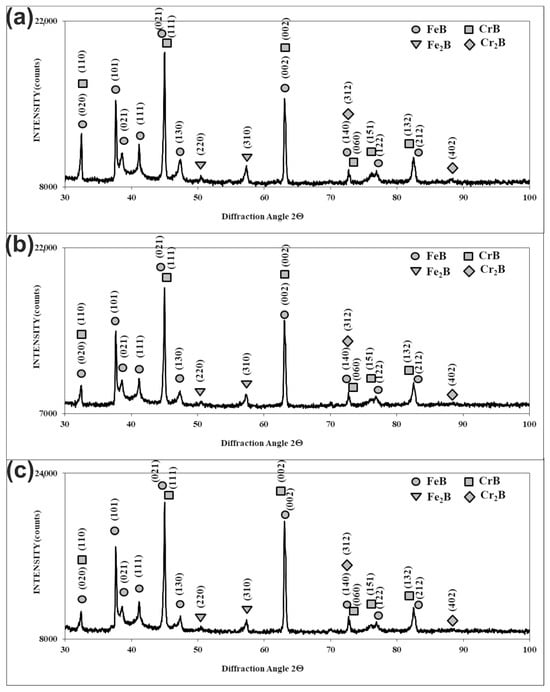
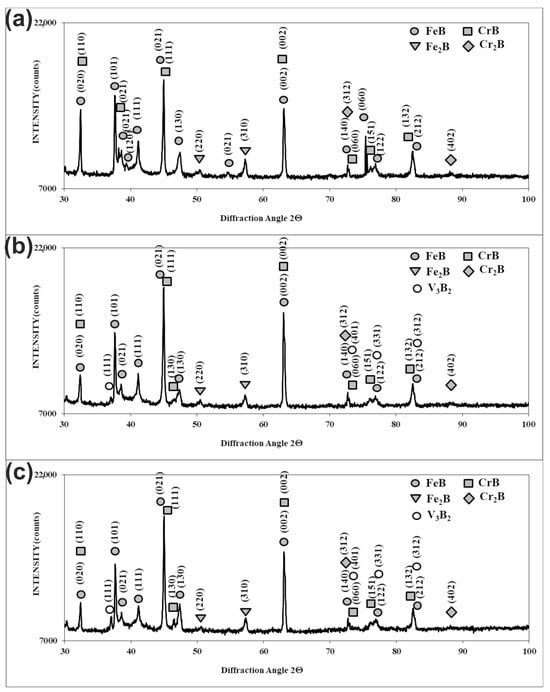
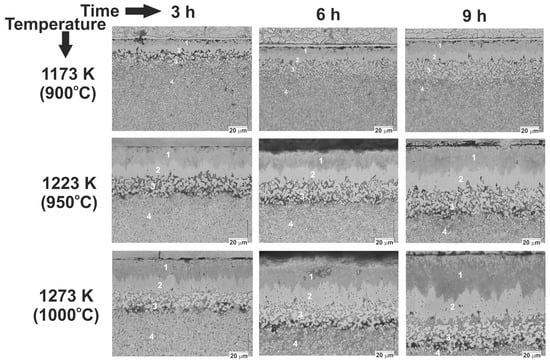
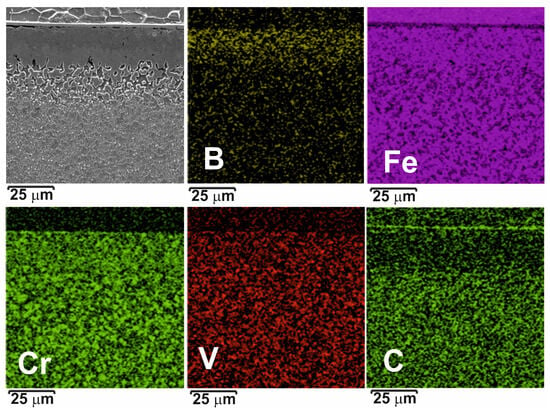
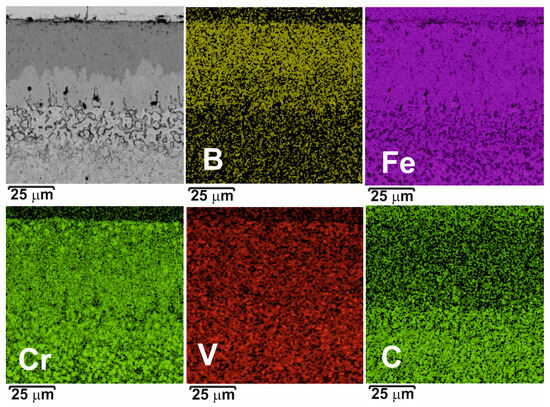
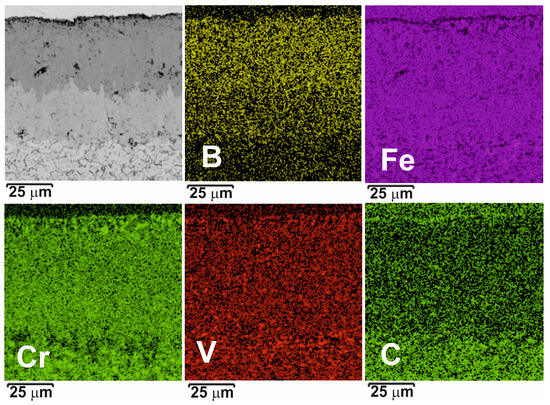
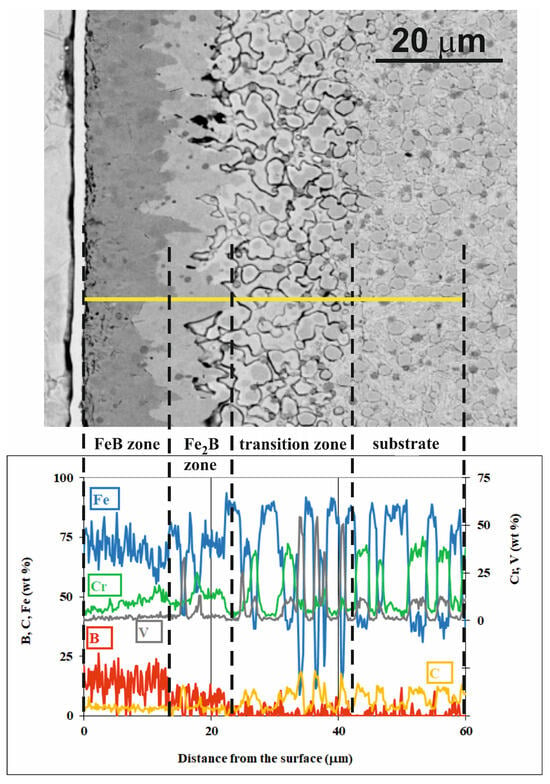
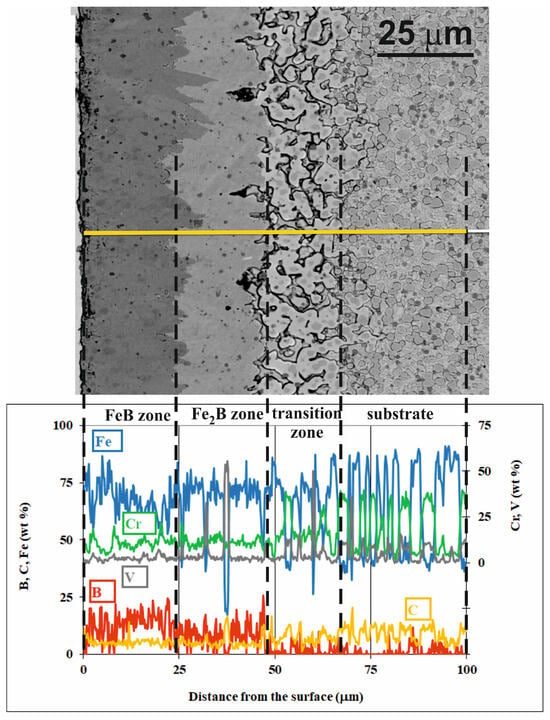
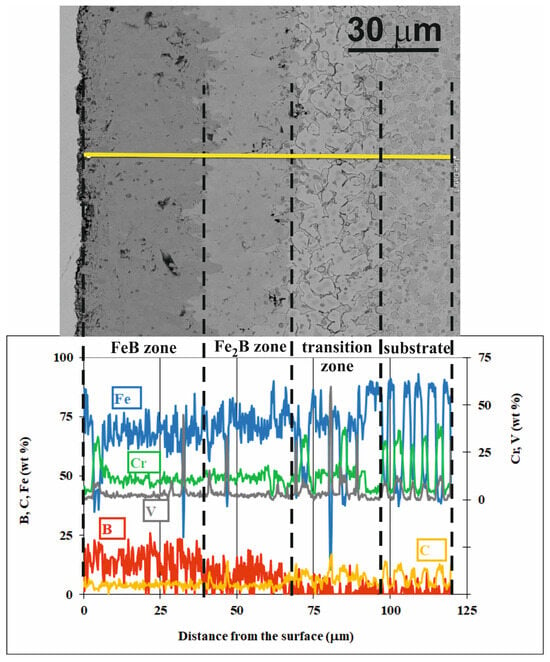
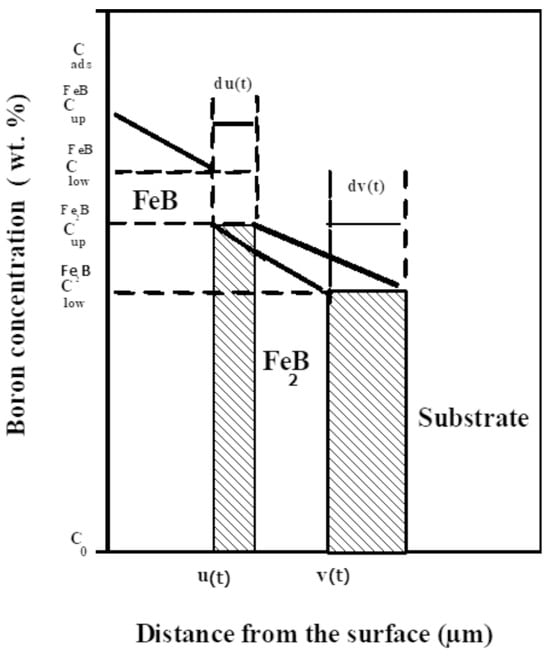
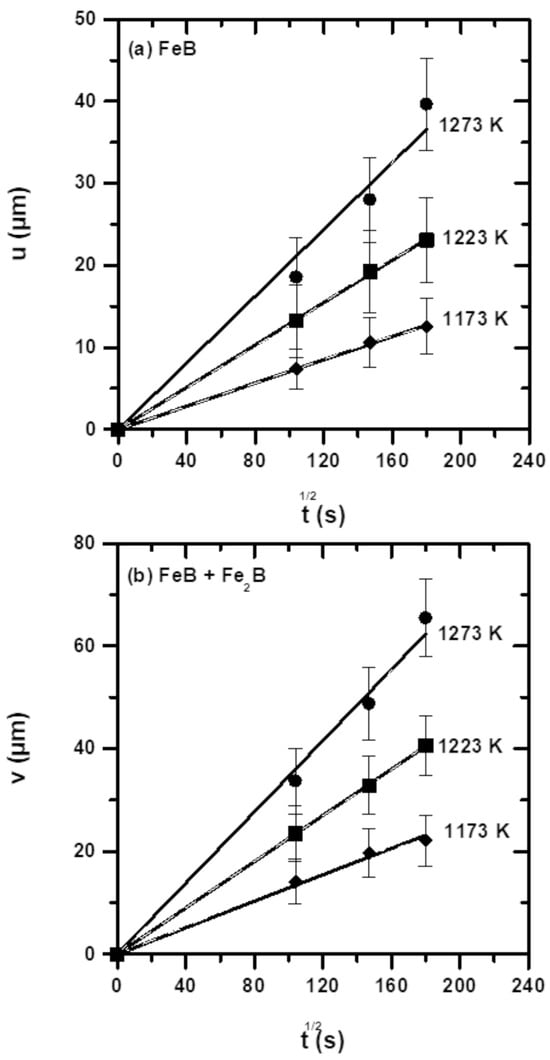
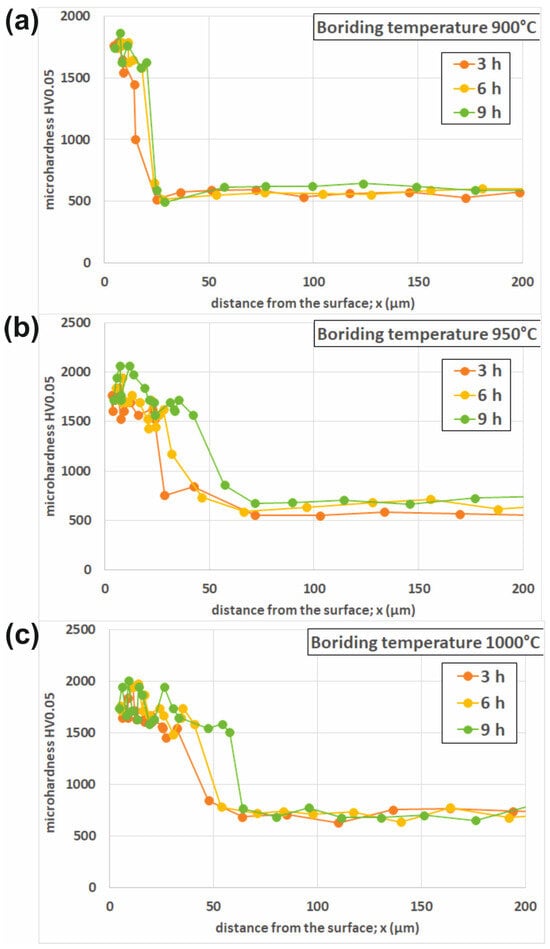
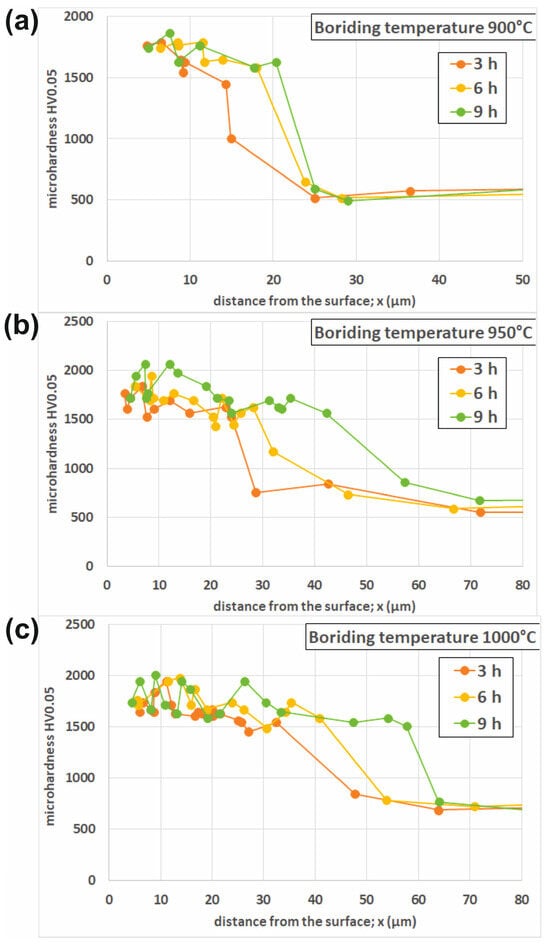
The unique powder-pack boriding technique using an open retort with boriding medium was applied for the first time in order to produce boride layers on K190 ledeburitic chromium steel manufactured using powder metallurgy. The processes were carried out using the commercial Durborid®G powder mixture at 1173 K, 1223 K, and 1273 K for 3 h, 6 h, and 9 h. As a result of the boriding of the high-carbon and high-chromium substrate, three zones were revealed in the produced surface layers: the outer FeB zone, the inner Fe2B zone, and the transition zone, with increased carbon content. The total thickness of the boride layers (FeB + Fe2B) ranged from 14.13 µm at the lowest temperature and shortest time to 65.49 µm at the highest temperature and longest duration. Increasing the temperature and extending the boriding time resulted in a deeper FeB zone as well as a thicker total layer (FeB + Fe2B). The growth kinetics of the produced layers on the surface of K190 steel were analyzed for the first time using the mean diffusion coefficient model. The thicknesses of the FeB zone and the total layer (FeB + Fe2B) were determined. The activation energies of boron for the FeB and Fe2B phases calculated in this work are comparable with other results for the powder-pack boriding of high-carbon tool steels. As a consequence of the high chromium content in K190 steel, chromium borides were observed in the boride zones, which increased the hardness of the surface layer. The highest temperature used resulted in the formation of vanadium borides. The presence of the transition zone with an increased carbon concentration and a high percentage of carbides resulted from the movement of carbon atoms toward the core by the advancing boron diffusion front. The parameters of boriding (temperature and time) as well as the presence of alloying elements in the substrate material influenced the microhardness of the boride layers. Full article
(This article belongs to the Special Issue Manufacturing and Surface Engineering, 5th Edition)
Show Figures

Figure 1
22 pages, 5545 KB  
Article
Comprehensive Taste Profile Assessment of Underexplored Amino Acids and Protein Derivatives in Umami and Koku
by Manuel Ignacio López Martínez, Angelina Hopf, Ana Salvador, Fidel Toldrá, Ciarán Forde and Leticia Mora
Foods 2026, 15(10), 1826; https://doi.org/10.3390/foods15101826 (registering DOI) - 21 May 2026
Abstract
Taste strongly influences food acceptance and purchase intention. Beyond the five basic tastes, oral sensations such as astringency or koku modulate overall taste perception. Both umami and koku act as taste enhancers, increasing mouthfeel and savoriness. While the taste of most proteogenic amino [...] Read more.
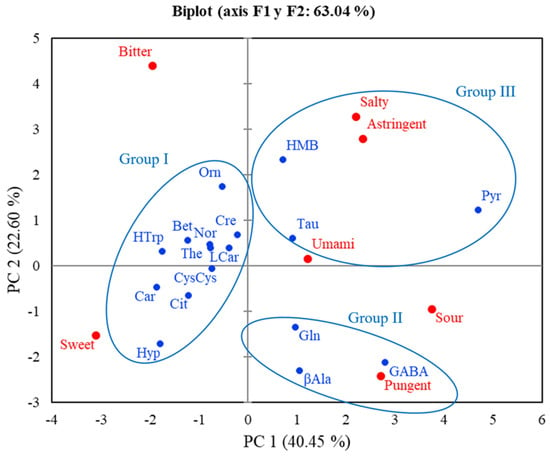
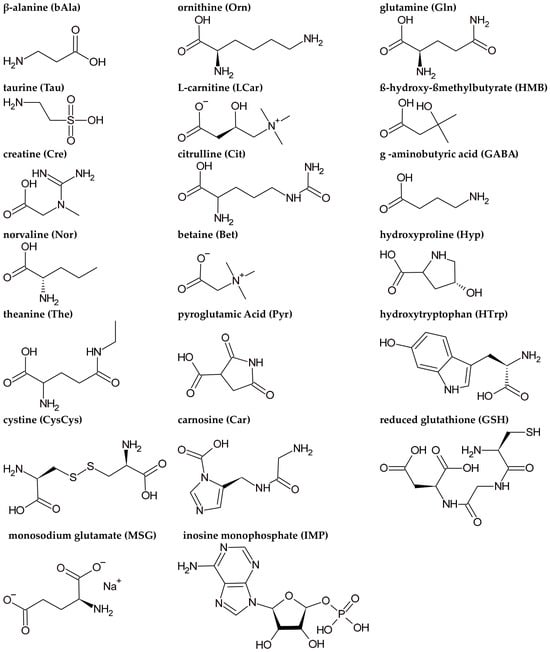
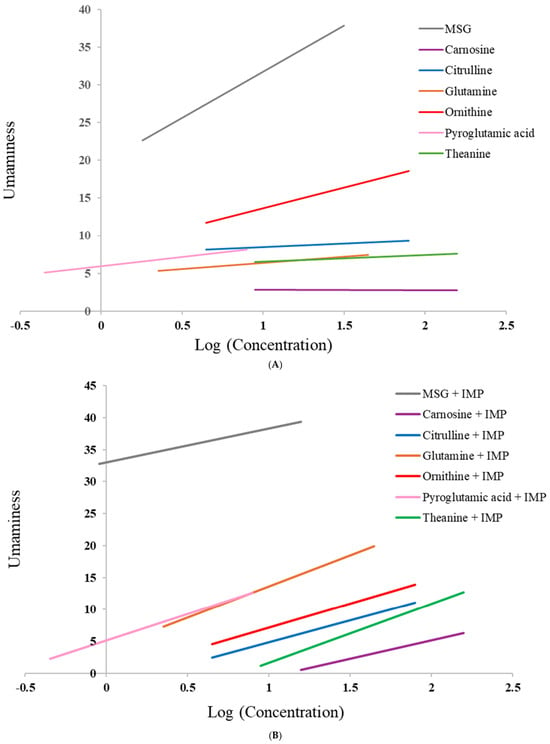
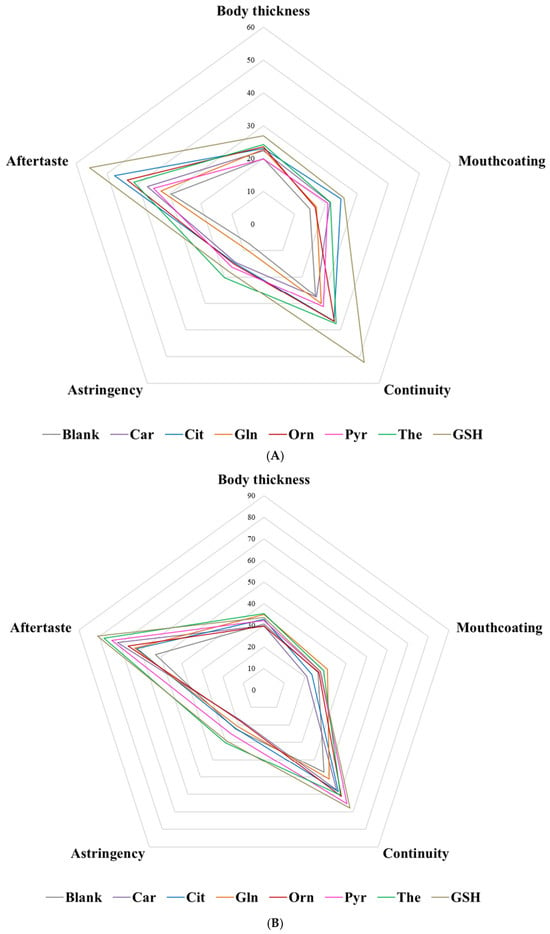
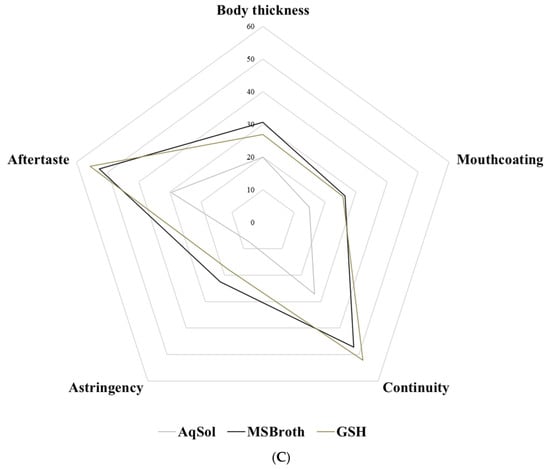
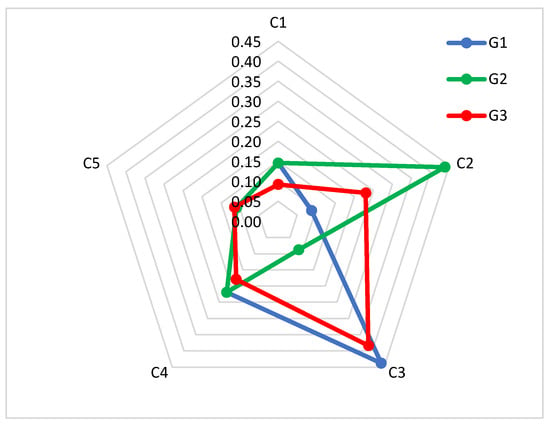
Taste strongly influences food acceptance and purchase intention. Beyond the five basic tastes, oral sensations such as astringency or koku modulate overall taste perception. Both umami and koku act as taste enhancers, increasing mouthfeel and savoriness. While the taste of most proteogenic amino acids is well established, non-proteogenic amino acids and related protein derivatives remain insufficiently characterized. This study analyzes the taste profile of seventeen underexplored amino acids and protein derivatives using the PredMol in silico tool and quantitative descriptive analysis (QDA), with particular emphasis on their umami and koku potential. In silico evaluation identified bitterness and sweetness as the predominant tastes and predicted carnosine, theanine, citrulline, and ornithine to have koku potential with values higher than 0.44. Principal Component Analysis of the QDA revealed that sweetness, bitterness, and sourness were the main drivers of sample differentiation. Ornithine, glutamine, citrulline, pyroglutamic acid, and theanine exhibited a positive dose–response in umami perception, with potential synergistic effects observed in the presence of 0.5 mmol/L IMP. Additionally, theanine, citrulline, and ornithine enhanced koku-related attributes, particularly aftertaste and continuity, in aqueous model solutions. Overall, these findings suggest that these compounds can have a taste influence in food products and potential to be used as taste enhancers. Full article
(This article belongs to the Section Food Quality and Safety)
Show Figures

Figure 1
33 pages, 8766 KB  
Article
Zero-Knowledge Proof-Based Privacy-Preserving Pharmaceutical Traceability and Recall Using Blockchain
by Ankit Sitaula, Md Ashraf Uddin, John Ayoade, Nam H. Chu and Reza Rafeh
Blockchains 2026, 4(2), 5; https://doi.org/10.3390/blockchains4020005 (registering DOI) - 21 May 2026
Abstract
Counterfeit and unsafe medicines pose significant risks to patient safety and undermine trust in healthcare systems. This paper presents ACTMeds, a blockchain-supported pharmaceutical traceability and recall platform that considers pharmaceutical supply chain requirements and public health operational needs relevant to the Australian Capital [...] Read more.
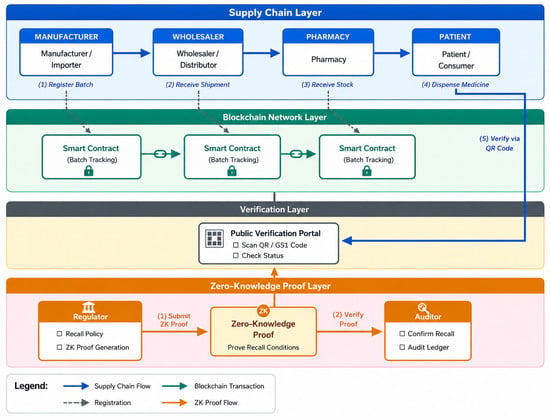
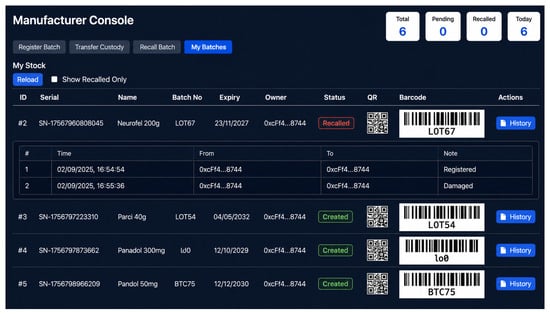
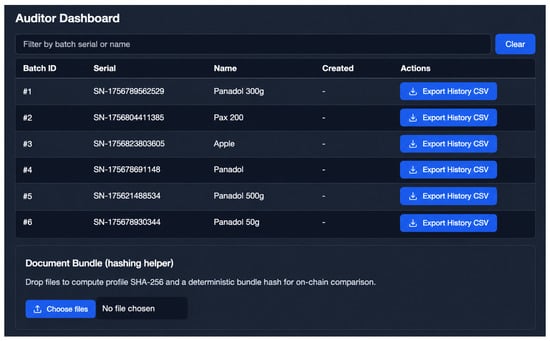
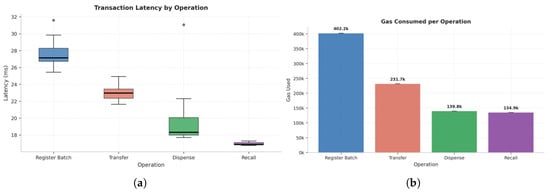
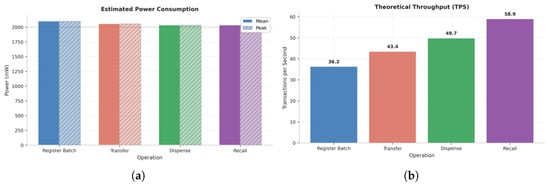
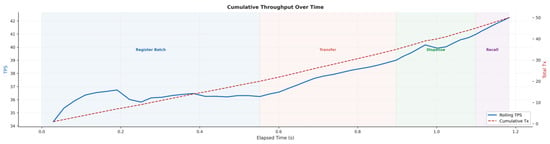
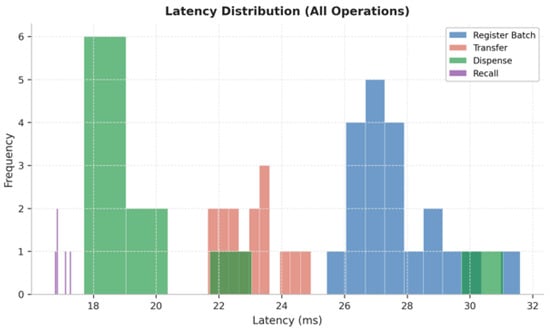
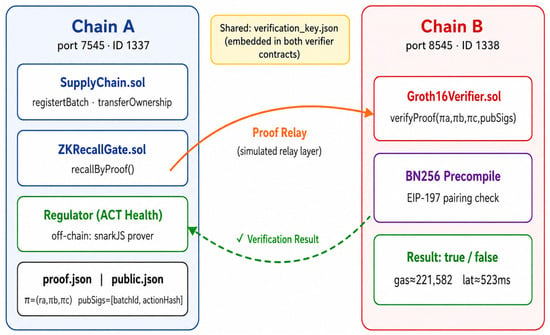
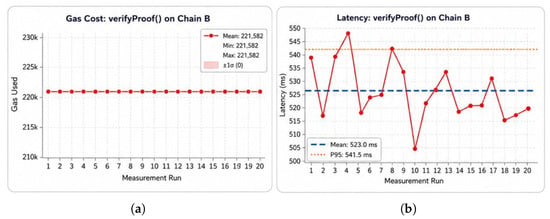
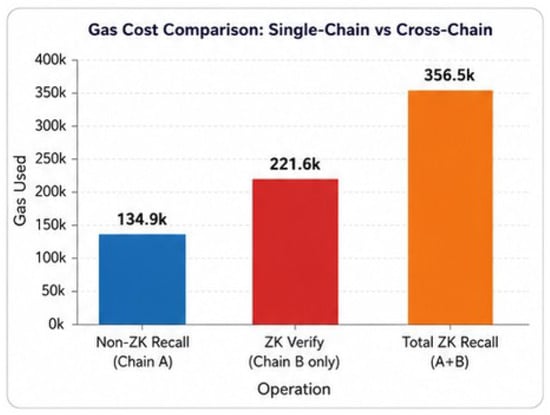
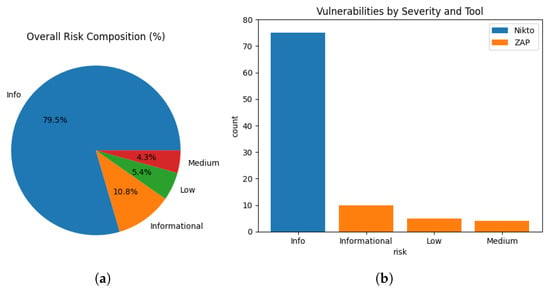
Counterfeit and unsafe medicines pose significant risks to patient safety and undermine trust in healthcare systems. This paper presents ACTMeds, a blockchain-supported pharmaceutical traceability and recall platform that considers pharmaceutical supply chain requirements and public health operational needs relevant to the Australian Capital Territory (ACT). The system integrates Ethereum smart contracts, developed using Ganache, with a React-based web application providing regulator, operator, pharmacy, and auditor interfaces, alongside a public verification portal leveraging QR and GS1 barcodes. In addition, role-based access control is enforced across the medicine lifecycle, including manufacture, custody transfer, dispensing, and recall, with immutable on-chain events generated to support auditability and accountability. To balance transparency with confidentiality, the platform prototypes a zero-knowledge (ZK) recall mechanism in which regulators can cryptographically prove that recall conditions meet predefined policy requirements without disclosing sensitive incident details. Threat modeling was conducted using the STRIDE framework, and security evaluation combined static application security testing (Solhint and ESLint) and dynamic testing. The paper further discusses deployment options, cost considerations, ZK recall performance analysis, ethical implications, and future enhancements. Security testing validated the platform’s resilience, with no high-severity vulnerabilities identified and medium-severity issues related to HTTP security headers addressed. The results indicate that a regulator-led, privacy-preserving, tamper-evident ledger can improve medicine authenticity verification and recall responsiveness while maintaining compliance and data protection obligations. Full article
(This article belongs to the Special Issue Security and Privacy Challenges in Cross-Chain Systems)
Show Figures

Figure 1
16 pages, 5155 KB  
Article
Surface Glass Fiber Hybridization for Enhanced Low-Velocity Impact Resistance in CFRP T-Stiffened Panels
by Yuhuan Yuan, Yangsheng Gao, Debin Song, Wei Xi, Jia Huang and Jiali Tang
Polymers 2026, 18(10), 1259; https://doi.org/10.3390/polym18101259 (registering DOI) - 21 May 2026
Abstract
This study systematically investigates the low-velocity impact response of aerospace-grade carbon-fiber-reinforced polymer (CFRP) T-stiffened panels. Through drop-weight impact tests at 20 J and 35 J energies and Cohesive Zone Model (CZM) numerical simulations, a comparative analysis was performed on two composite configurations: the [...] Read more.
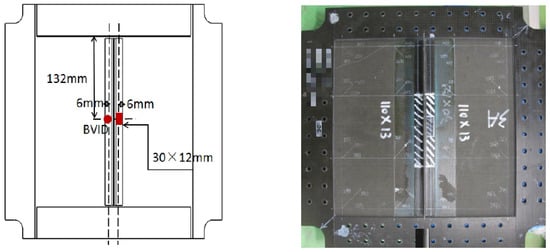
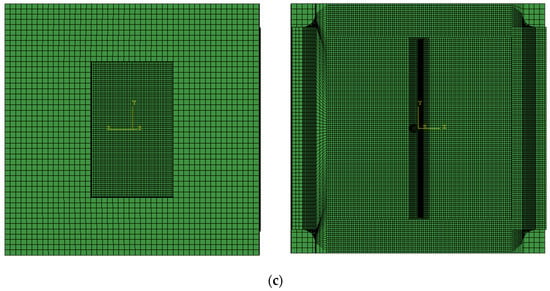
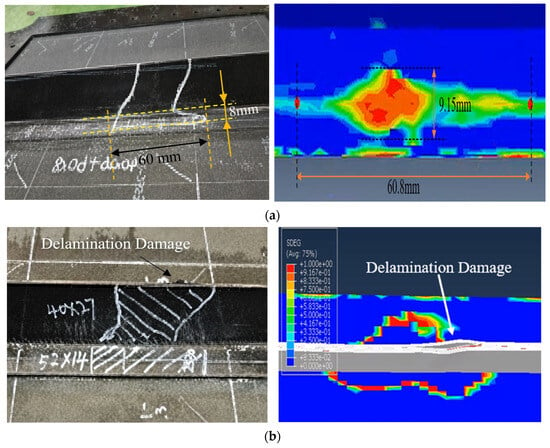
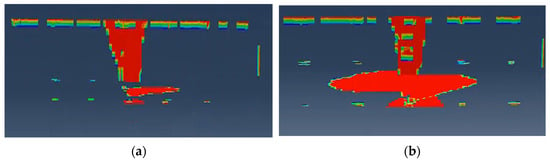
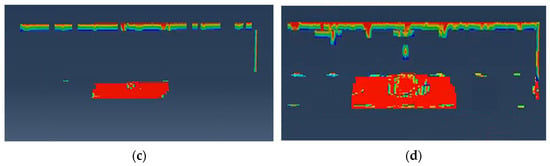
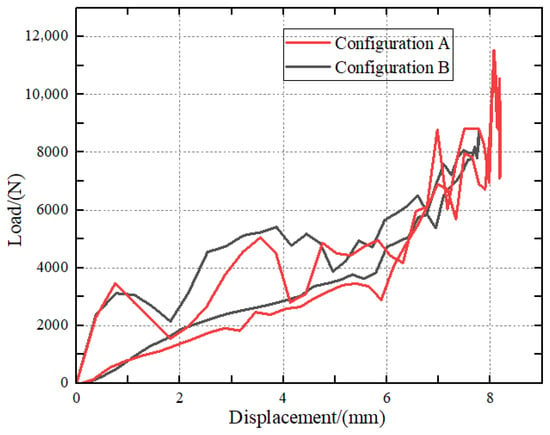
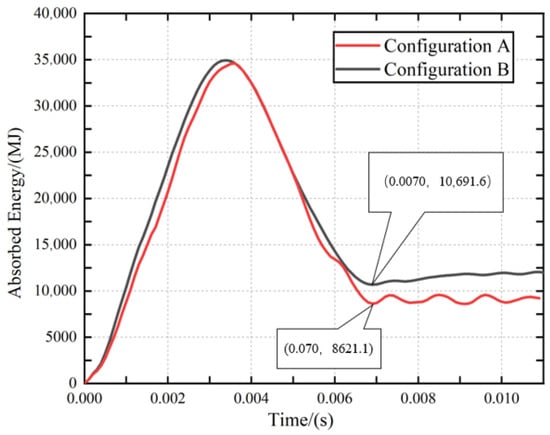
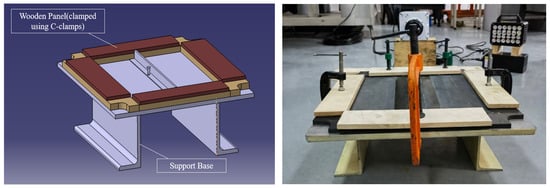
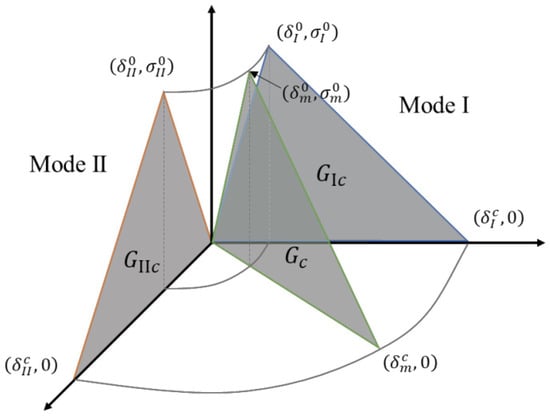
This study systematically investigates the low-velocity impact response of aerospace-grade carbon-fiber-reinforced polymer (CFRP) T-stiffened panels. Through drop-weight impact tests at 20 J and 35 J energies and Cohesive Zone Model (CZM) numerical simulations, a comparative analysis was performed on two composite configurations: the pure CFRP baseline (Configuration A) and the hybrid configuration incorporating surface glass fiber layers (Configuration B). High-fidelity correlation between experimental and numerical results was achieved, validating the progressive damage evolution of the matrix and fiber constituents. The main findings demonstrate that the hybrid Configuration B exhibits significantly superior impact resistance compared to the monolithic CFRP Configuration A. The introduction of surface glass fiber layers produces a synergistic hybrid effect in the composite system. This surface layer acts as a protective buffer, effectively attenuating the impact load before it propagates to the underlying carbon fiber laminate. As a result, the hybrid structure absorbs more energy and effectively suppresses rapid crack propagation. Under 35 J impact energy, Configuration B avoids the brittle failure of the matrix observed in Configuration A, achieving a 24% increase in permanent energy absorption. This surface hybridization strategy provides an effective method for improving damage tolerance and preserving the structural integrity of advanced composite stiffened panels. Full article
Show Figures

Figure 1
19 pages, 5344 KB  
Article
Numerical Simulation of Bone Defect Repair Using a Triply Periodic Minimal Surface Scaffold
by Zhouyang Chen, Haifei Chen and Chuanyong Qu
J. Funct. Biomater. 2026, 17(5), 257; https://doi.org/10.3390/jfb17050257 (registering DOI) - 21 May 2026
Abstract
Polylactic acid (PLA) scaffolds with triply periodic minimal surface (TPMS) structures have become ideal scaffolds in the field of bone defect repair due to their good designability, connectivity, biocompatibility, and degradability. However, it is currently difficult to obtain the scaffold degradation rate and [...] Read more.
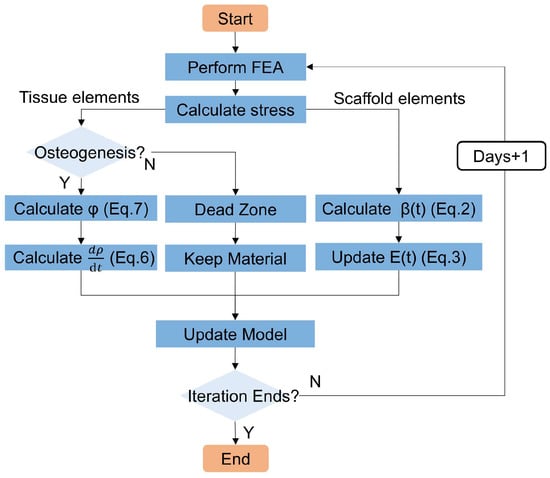
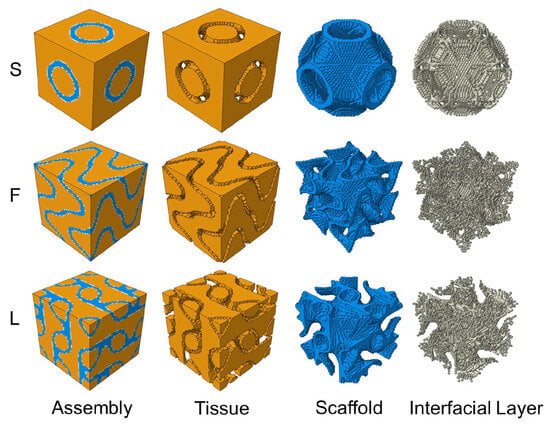
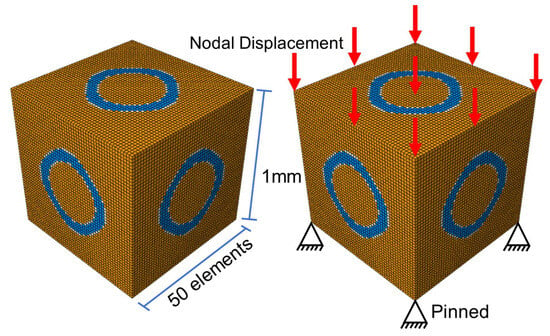
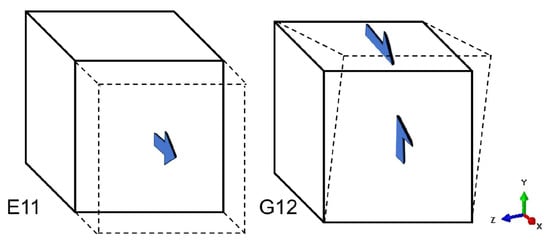
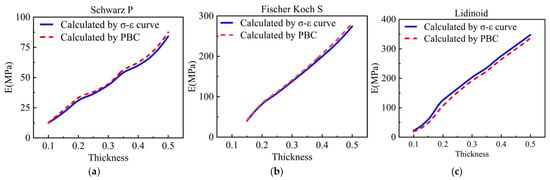
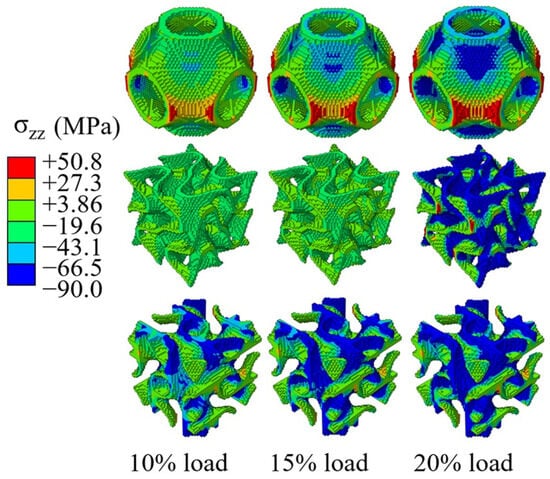
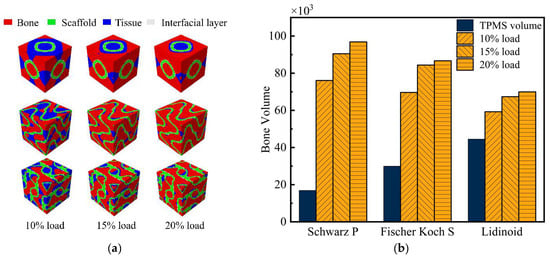
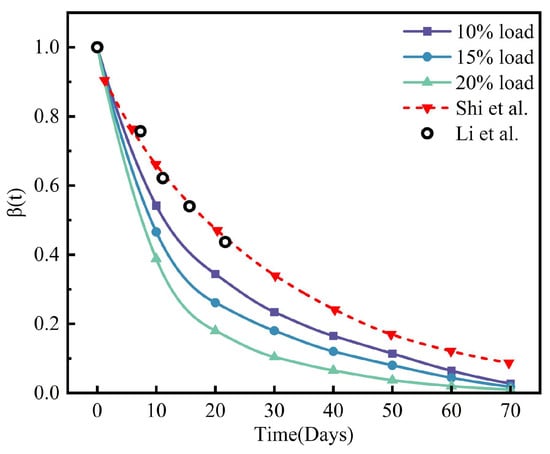
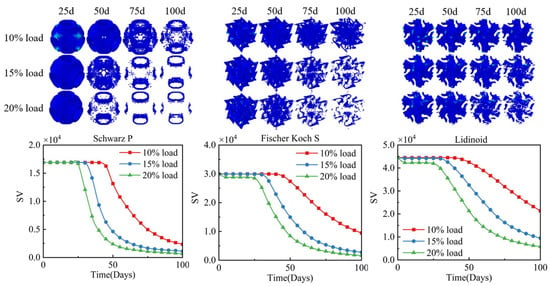
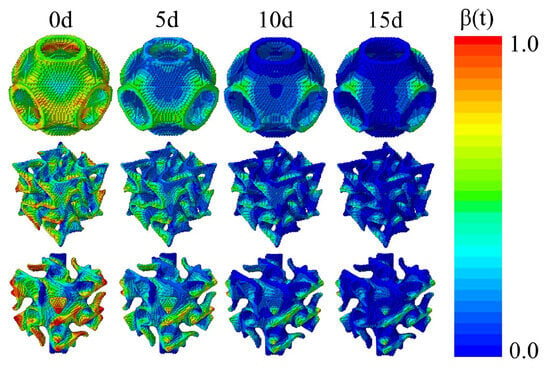
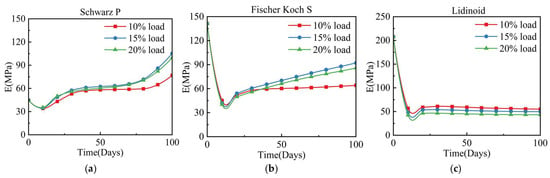
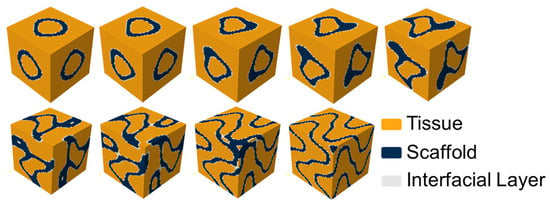
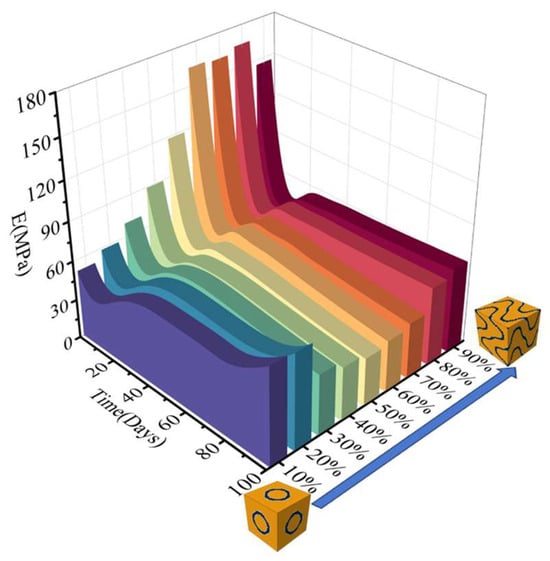
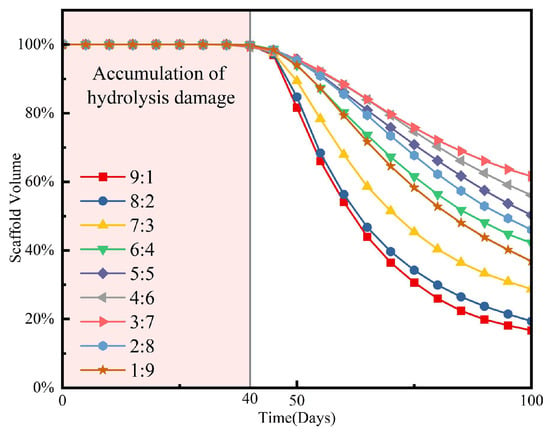
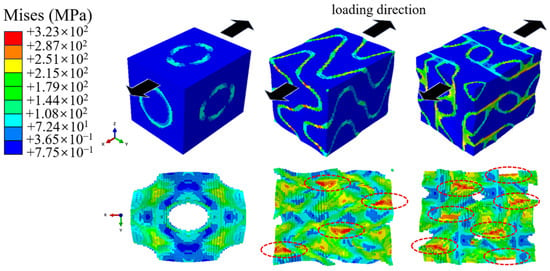
Polylactic acid (PLA) scaffolds with triply periodic minimal surface (TPMS) structures have become ideal scaffolds in the field of bone defect repair due to their good designability, connectivity, biocompatibility, and degradability. However, it is currently difficult to obtain the scaffold degradation rate and osteogenic efficacy from in vivo experiments, making it challenging to provide recommendations for scaffold design. In this study, an algorithm to construct a TPMS scaffold–interfacial layer–tissue three-phase composite model was developed using polylactic acid hydrolysis and bone remodeling as the governing equations to simulate scaffold degradation and tissue osteogenesis behavior under an external mechanical stimulus. This method is based on a numerical calculation framework that can more closely simulate the in vivo environment, characterizing the changes in the overall macroscopic mechanical properties of tissue under the influence of scaffold degradation and tissue osteogenesis. The results confirmed the accelerating effect of mechanical stimulation on scaffold degradation and its promoting effect on new bone formation. Under 10% compressive loading, the Schwarz P representative volume element (RVE) lost 33% of its apparent modulus within initial days, while the lidinoid RVE, despite showing a much higher initial modulus, dropped to only 20% of its initial value over the same period. In addition, the mechanical performance of the fused TPMS RVE was not simply linear, even though the surface equations are combined linearly. These results provide a new method for pre-designing scaffold structures based on numerical simulation results using the finite element simulation. Full article
(This article belongs to the Section Bone Biomaterials)
Show Figures

Figure 1
16 pages, 6386 KB  
Article
Comparative Biomechanical Evaluation of Short Implants, Angled Implants, and Vertically Augmented Standard-Length Implants in Posterior Atrophic Mandible: A Three-Dimensional Finite Element Analysis
by Afra Nur Nazlı Babacan, Nur Efşan Aydın and Sedat Çetiner
Appl. Sci. 2026, 16(10), 5149; https://doi.org/10.3390/app16105149 (registering DOI) - 21 May 2026
Abstract
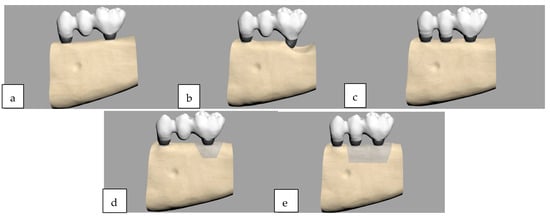
The aim of this study was to compare the biomechanical behavior of short implants, angled implants, and standard-length implants placed after vertical augmentation in posterior atrophic mandibles with limited vertical bone height due to inferior alveolar nerve restriction. Three-dimensional models were generated from [...] Read more.
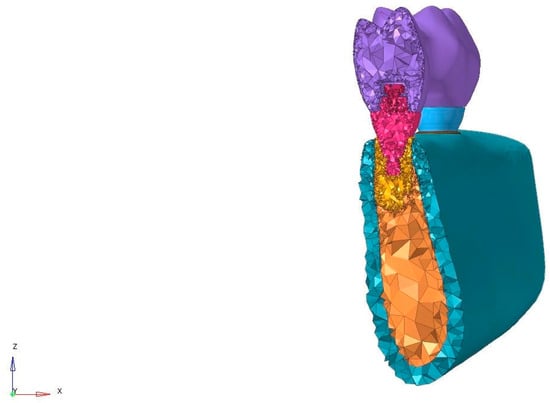
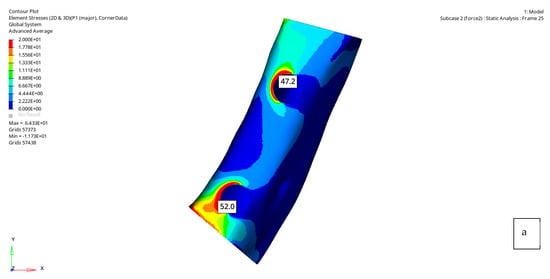
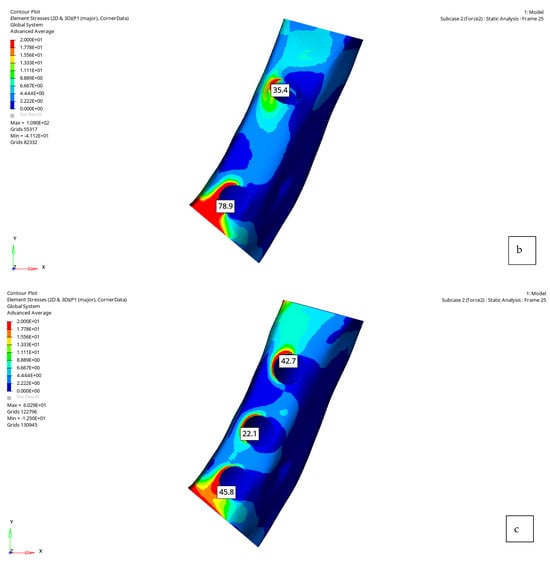
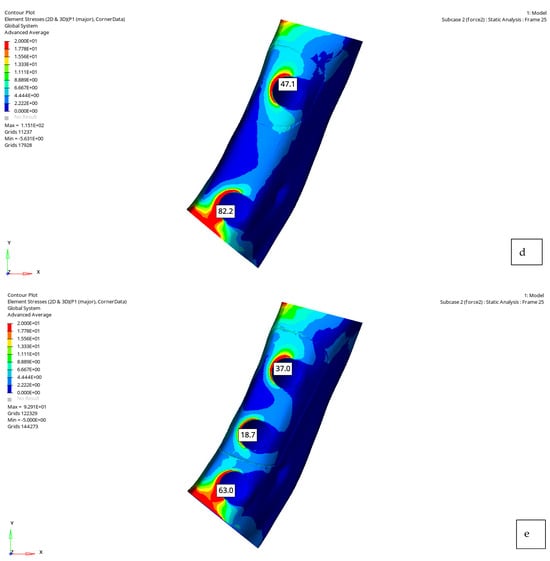
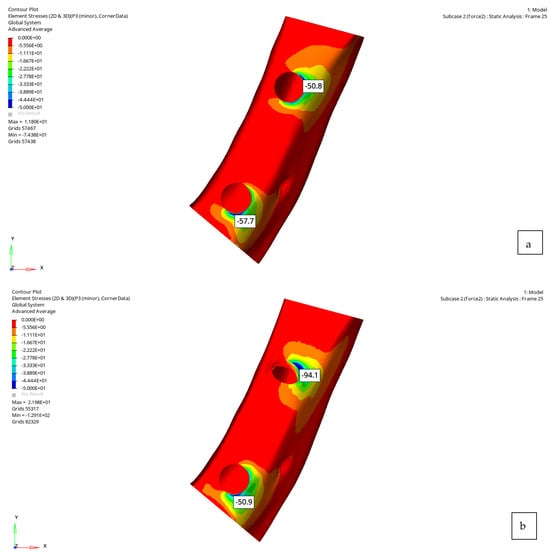
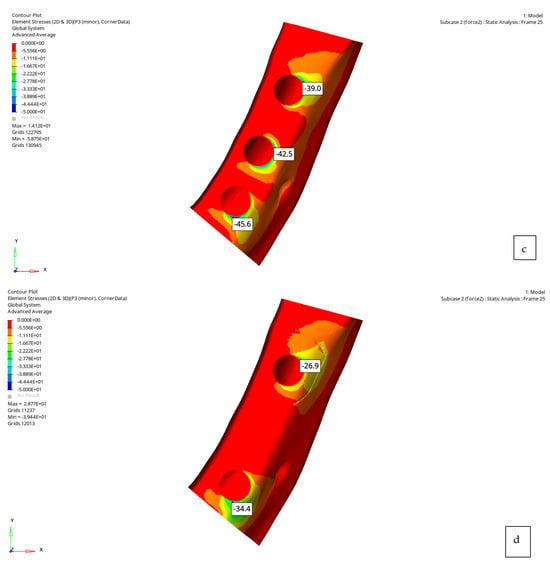
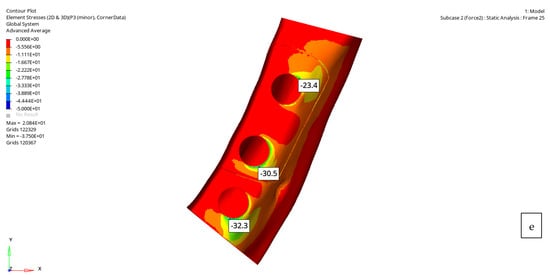
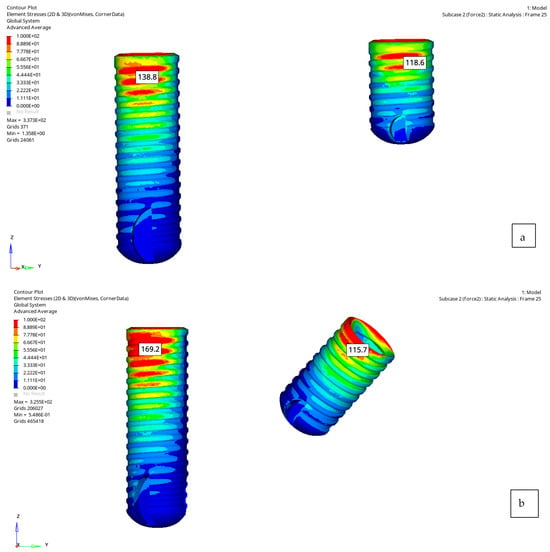
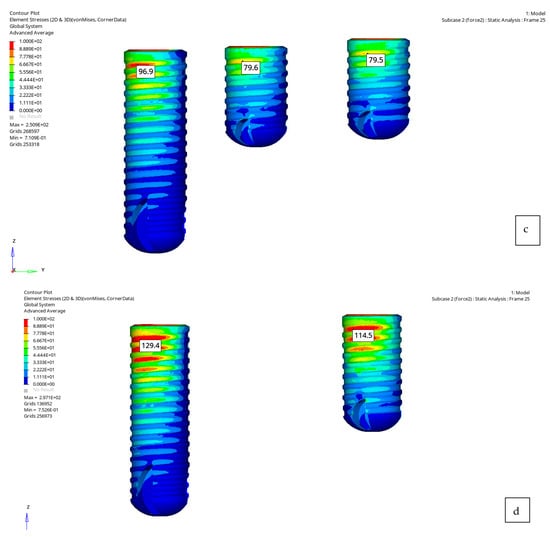
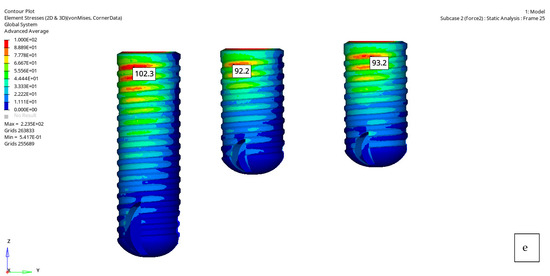
The aim of this study was to compare the biomechanical behavior of short implants, angled implants, and standard-length implants placed after vertical augmentation in posterior atrophic mandibles with limited vertical bone height due to inferior alveolar nerve restriction. Three-dimensional models were generated from computed tomography data of partially edentulous posterior mandibles. Different treatment scenarios were designed, including short implants, angled implants, and vertically augmented models with standard-length implants. Vertical and oblique loading conditions were applied, and finite element analysis was performed to evaluate maximum (Pmax), minimum (Pmin), and von Mises stress values in the implant, cortical bone, and cancellous bone. Oblique loading resulted in higher stress values compared with vertical loading. Cortical bone exhibited higher stress than cancellous bone. Increasing the number of implants led to more homogeneous stress distribution and reduced peak stress values. Higher stress values were observed in models with angled implants. No marked difference in stress distribution was found between short implant models and vertically augmented standard implant models. Short implants may be considered a potential and less invasive treatment option under specific biomechanical conditions. Increasing the number of implants improved stress distribution, whereas angled implants were associated with higher stress concentrations. Full article
(This article belongs to the Section Applied Dentistry and Oral Sciences)
Show Figures

Figure 1
33 pages, 922 KB  
Article
A Tiered Multi-Technique Decision-Support Framework for Contaminant Screening and Recycling-Route Assignment of Mixed Plastic Waste
by Aiping Chen, Saumitra Saxena, Vasilios G. Samaras and Bassam Dally
Polymers 2026, 18(10), 1256; https://doi.org/10.3390/polym18101256 (registering DOI) - 21 May 2026
Abstract
Recyclers worldwide face a common bottleneck: incoming mixed plastic bales are chemically opaque, yet the choice between mechanical recycling, chemical recycling, and energy recovery hinges on contaminant levels that cannot be judged by visual inspection alone. This study develops and validates a tiered [...] Read more.
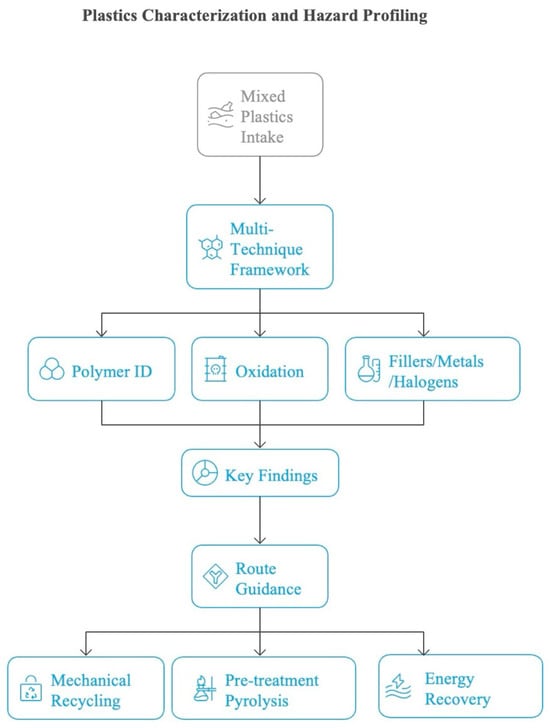
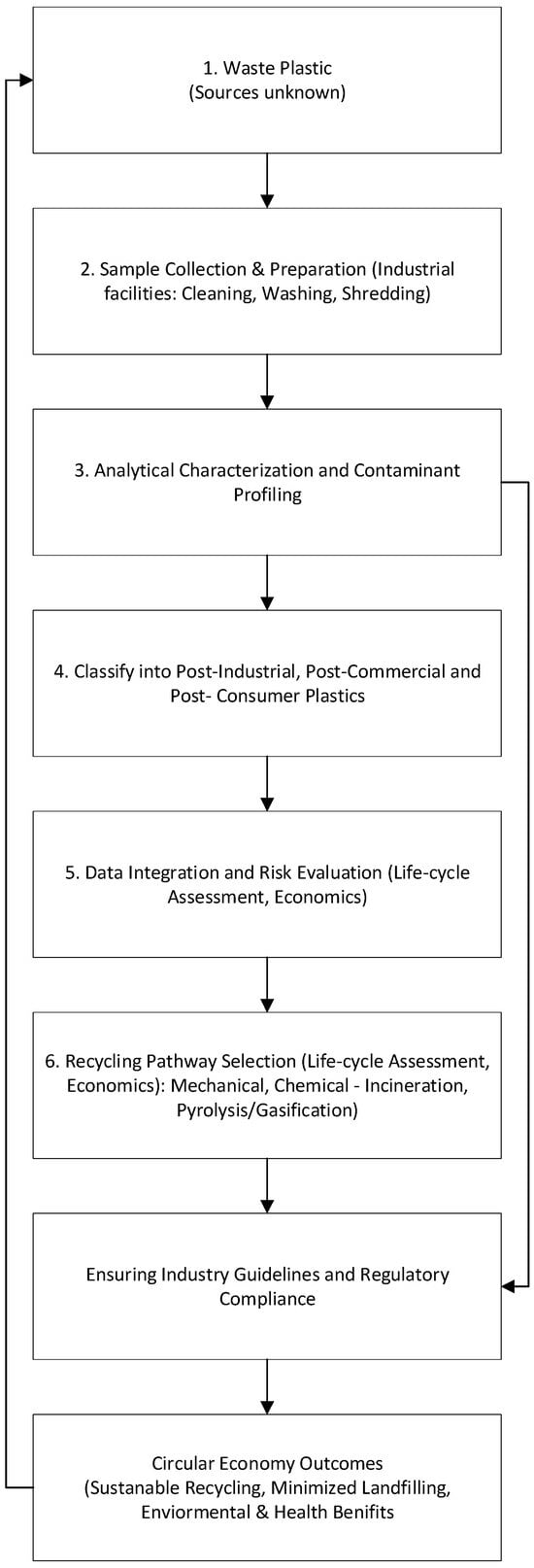
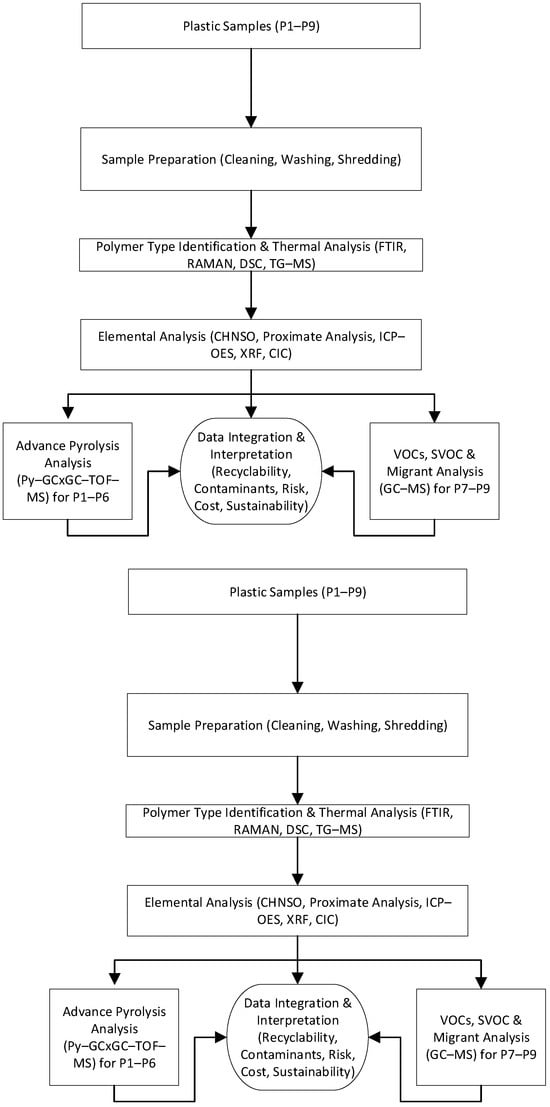
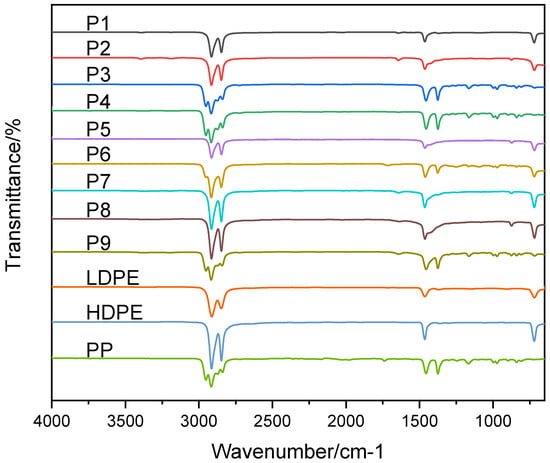
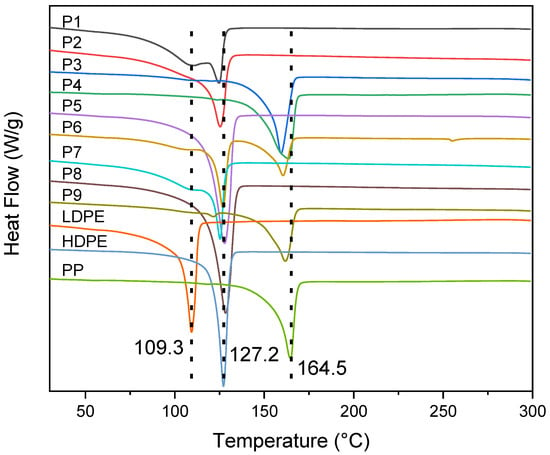
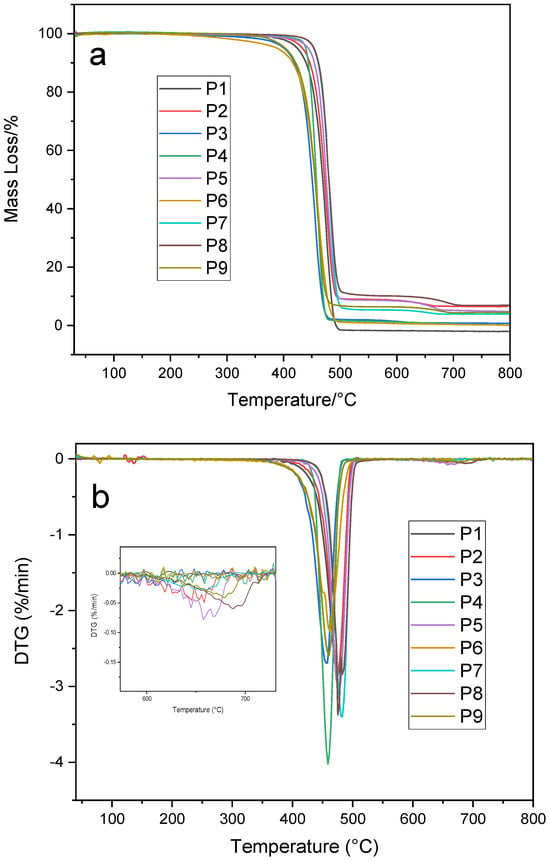
Recyclers worldwide face a common bottleneck: incoming mixed plastic bales are chemically opaque, yet the choice between mechanical recycling, chemical recycling, and energy recovery hinges on contaminant levels that cannot be judged by visual inspection alone. This study develops and validates a tiered analytical decision-support framework that translates standard laboratory measurements into explicit, actionable go/no-go routing criteria for any mixed polyolefin waste stream. The framework is organized into three successive analytical tiers of increasing specificity: Tier 1 uses FTIR and DSC for rapid polymer identification and thermal subclass confirmation; Tier 2 applies TGA/DTG for thermal stability assessment and filler quantification; and Tier 3 deploys ICP-OES, WD-XRF, CIC, and TG–MS for targeted heavy metal, halogen, and evolved gas profiling, triggered only when Tier 1/2 flags are raised. This staged logic minimizes unnecessary testing while ensuring that contaminant-relevant information is captured where it matters. The framework is demonstrated on nine blind mixed plastic waste streams (P1–P9) supplied by an industrial recycling facility without prior disclosure of polymer identity, filler content, or additive history—conditions that replicate the uncertainty encountered at any sorting plant globally. Application of the tiered protocol identified dominant polymers (HDPE, LDPE, PP), quantified inorganic fillers (CaCO3 up to ~38 wt%), and detected hazardous contaminants, including chlorine (up to ~1900 ppm), lead, chromium, and titanium, enabling each stream to be assigned to a specific recycling route with defined contaminant thresholds. Because the method relies exclusively on commercially available, vendor-independent instrumentation and follows a reproducible, rule-based decision logic, it is directly transferable to recycling facilities in any geographic context without site-specific calibration. The proposed framework thus provides a practical, scalable decision-support tool for feedstock-level quality control under emerging regulations such as the UNEP Global Plastics Treaty. Full article
Show Figures

Graphical abstract

8 pages, 336 KB  
Case Report
Opicapone as Add-On Therapy to Continuous Subcutaneous Foslevodopa/Foscarbidopa Infusion: Clinical Improvement and Wearable Sensor-Based Gait Analysis
by Paolo Solla, Carla Masala, Gianluca Martinez, Raffaele Galiero, Valentina Floris, Elisa Ogana, Valentina Canu, Francesco Loy and Tommaso Ercoli
Brain Sci. 2026, 16(5), 545; https://doi.org/10.3390/brainsci16050545 (registering DOI) - 21 May 2026
Abstract
Background/Objectives: Continuous subcutaneous foslevodopa/foscarbidopa infusion (CSFLI) improves motor fluctuations in advanced Parkinson’s disease (PD), but some patients continue to experience residual motor and non-motor fluctuations despite optimized infusion parameters. We describe two patients receiving CSFLI in whom the addition or reintroduction of opicapone [...] Read more.
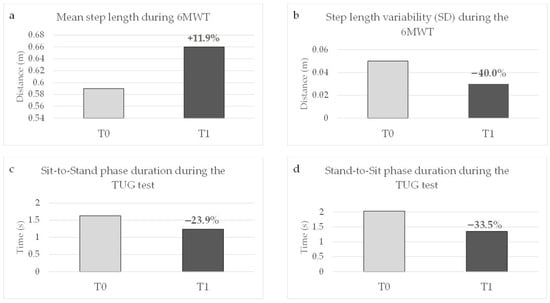
Background/Objectives: Continuous subcutaneous foslevodopa/foscarbidopa infusion (CSFLI) improves motor fluctuations in advanced Parkinson’s disease (PD), but some patients continue to experience residual motor and non-motor fluctuations despite optimized infusion parameters. We describe two patients receiving CSFLI in whom the addition or reintroduction of opicapone was associated with improvement in persistent fluctuations. In one patient, clinical findings were further explored using wearable sensor monitoring. Methods: Two patients with advanced PD treated with CSFLI and residual fluctuations received add-on opicapone. Clinical evaluation included neurological examination, assessment of motor fluctuations, and documentation of antiparkinsonian therapy before and after opicapone introduction. In one patient, motor performance was additionally evaluated with wearable sensor monitoring during the Timed Up and Go test and the 6-minute walk test before (T0) and three months after opicapone introduction (T1). Results: In both cases, opicapone 50 mg once daily was associated with rapid improvement in residual motor and non-motor fluctuations during CSFLI therapy. In the first patient, freezing episodes and unpredictable akinesia resolved. In the second patient, the reintroduction of opicapone improved morning slowness, axial symptoms, and dorsal pain. Wearable sensor analysis showed increased walking distance during the 6-minute walk test, higher walking speed, reduced Timed Up and Go duration, increased step length, and reduced step length variability. Conclusions: These preliminary observations suggest that opicapone may deserve further investigation as a potential adjunctive strategy in selected patients receiving CSFLI who continue to experience residual fluctuations despite optimized infusion therapy. Wearable sensor monitoring may provide objective support for treatment assessment in this setting. Full article
Show Figures

Figure 1

19 pages, 34499 KB  
Article
Mechanism of Grinding Surface Integrity Effects on Wear Resistance of Gray Cast Iron Materials
by Jinggang Zhou, Xun Li, Han Zhang, Changrui Yu and Liangbao Liu
Lubricants 2026, 14(5), 212; https://doi.org/10.3390/lubricants14050212 (registering DOI) - 21 May 2026
Abstract
HT250 grey cast iron is a material of significance in the manufacture of precision machine tool guideways. The performance of guideways is significantly affected by the wear resistance of the machined surface. The present paper studies comparative grinding experiments conducted on HT250 using [...] Read more.
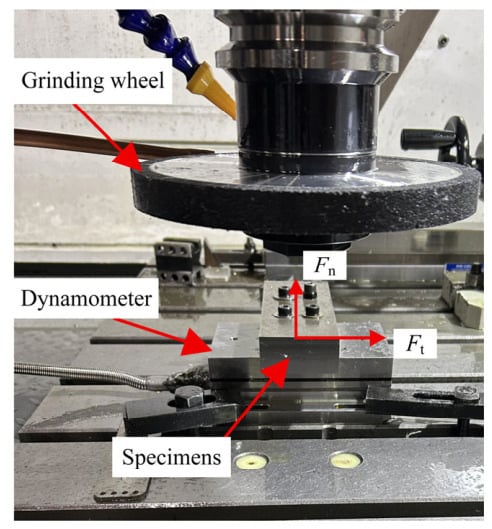
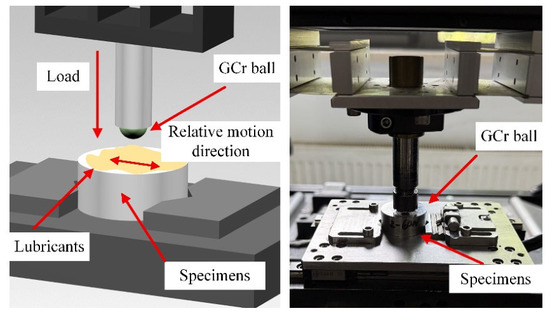
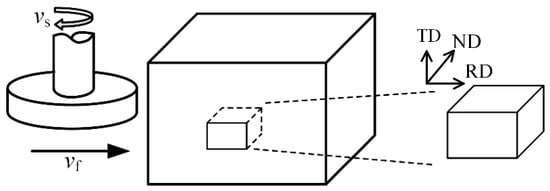
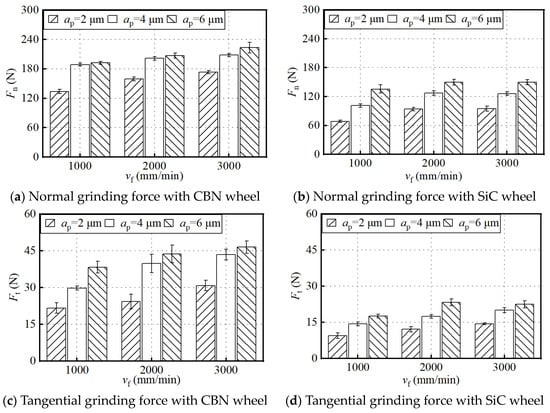
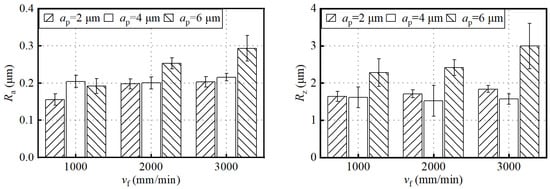
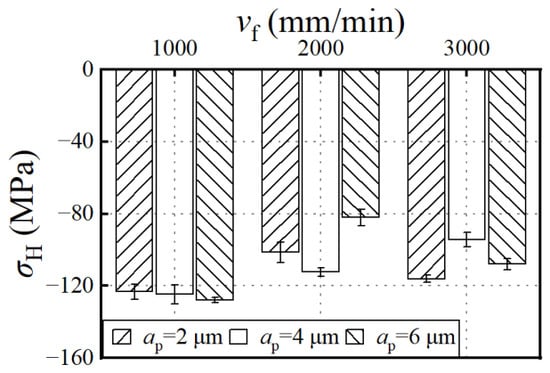
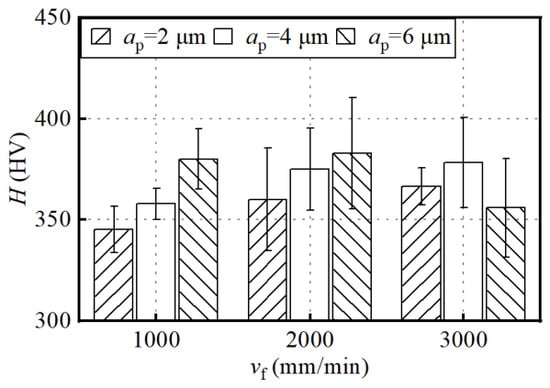
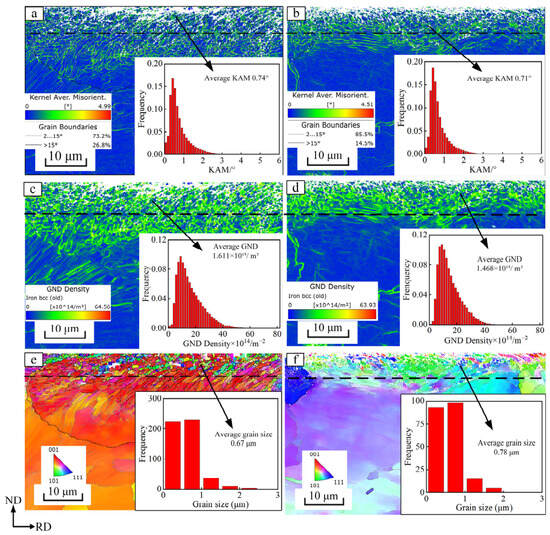
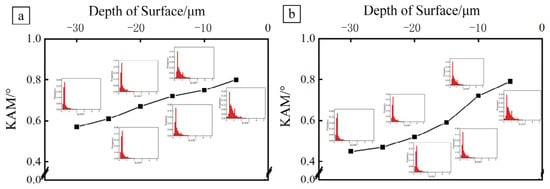
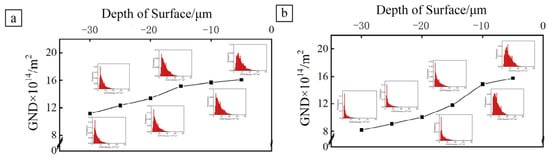
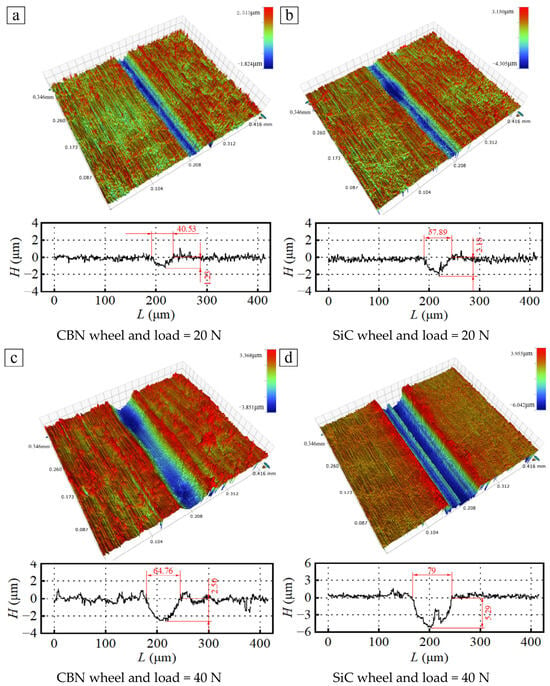
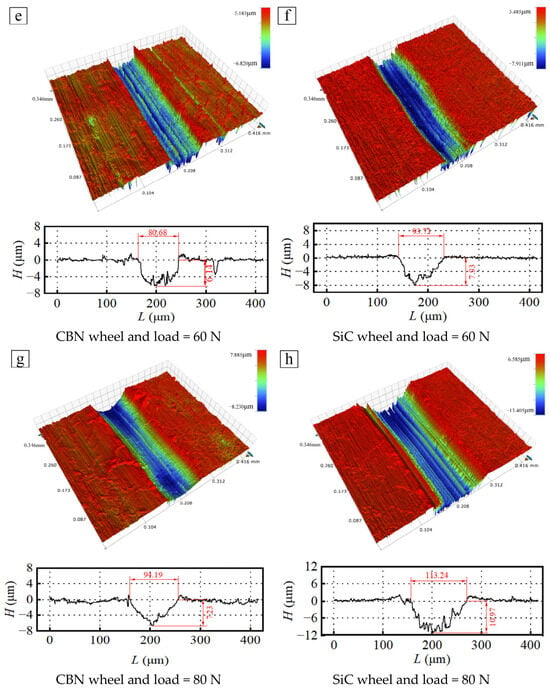
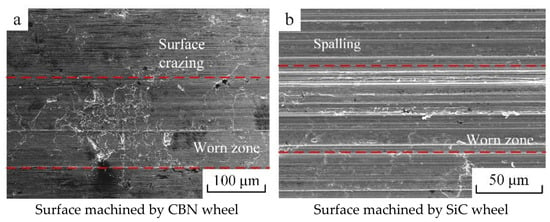
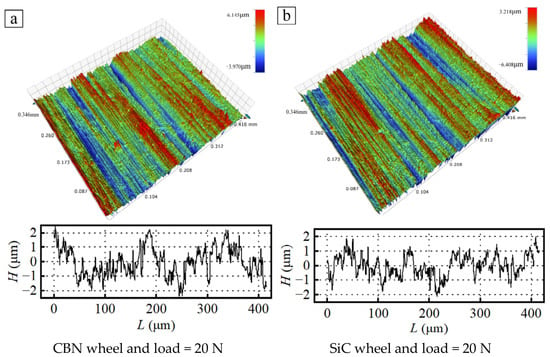
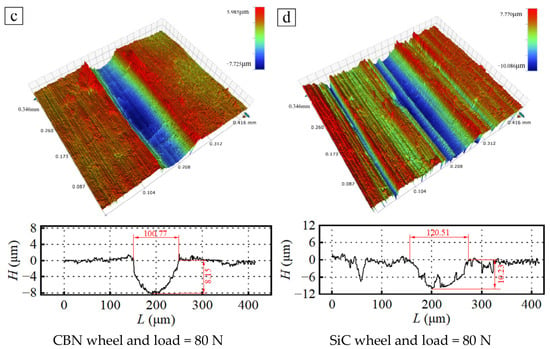
HT250 grey cast iron is a material of significance in the manufacture of precision machine tool guideways. The performance of guideways is significantly affected by the wear resistance of the machined surface. The present paper studies comparative grinding experiments conducted on HT250 using CBN and SiC wheels. The aim was to investigate the potential benefits of CBN grinding in enhancing surface wear resistance and to illuminate the underlying mechanisms. The results of these experiments demonstrate that, compared with SiC grinding, CBN grinding produces guideway specimens’ subsurface layer with finer grains (refined by approximately 15%) and notably higher microhardness (peak value of 382 HV). These microstructural improvements directly enhance the wear resistance of the ground surface. Within the tested parameter range, the optimal wear-resistant surfaces were obtained at a grinding speed of vs = 30 m/s, a feed rate of vf = 2000 mm/min, and a depth of cut of ap = 6 μm. Under these conditions, surface roughness is better than Ra 0.4 μm, and surface microhardness achieves its maximum value. The wear tests were conducted using a ball-on-disk configuration under room temperature, oil lubrication, and applied loads ranging from 20 N to 80 N. The results show that, under the same loading and wear testing conditions, the wear depth of specimens machined with CBN wheels is reduced to 80–50% of that of specimens processed with conventional SiC wheels. Full article
Show Figures

Figure 1

16 pages, 2874 KB  
Article
Overexpression of OsAGO18 Promotes Early Seedling Development and Root Elongation in Rice
by Cheng Tang, Xiaoliang Shan, Xinwei Liao, Qiwang Hu, Xiaoxiao Hu, Ran Wei and Hongwei Zhao
Plants 2026, 15(10), 1580; https://doi.org/10.3390/plants15101580 (registering DOI) - 21 May 2026
Abstract
Argonaute (AGO) proteins are central components of RNA silencing. While OsAGO18 is a known defense factor in antiviral immunity, its involvement in basal development and its transcriptomic behavior during fungal stress remains to be fully elucidated. In this study, based on its specific [...] Read more.
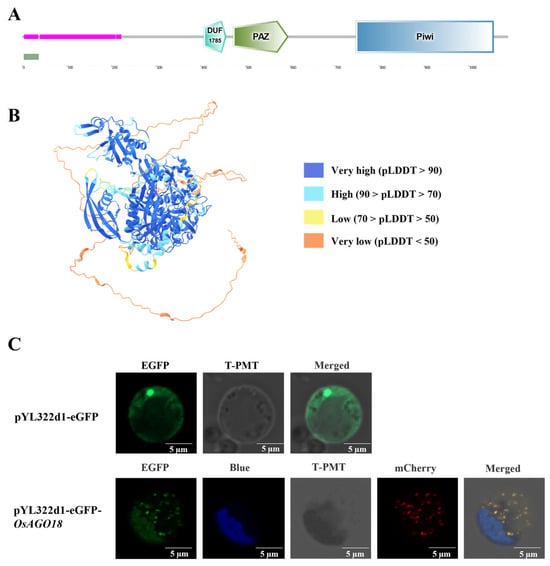
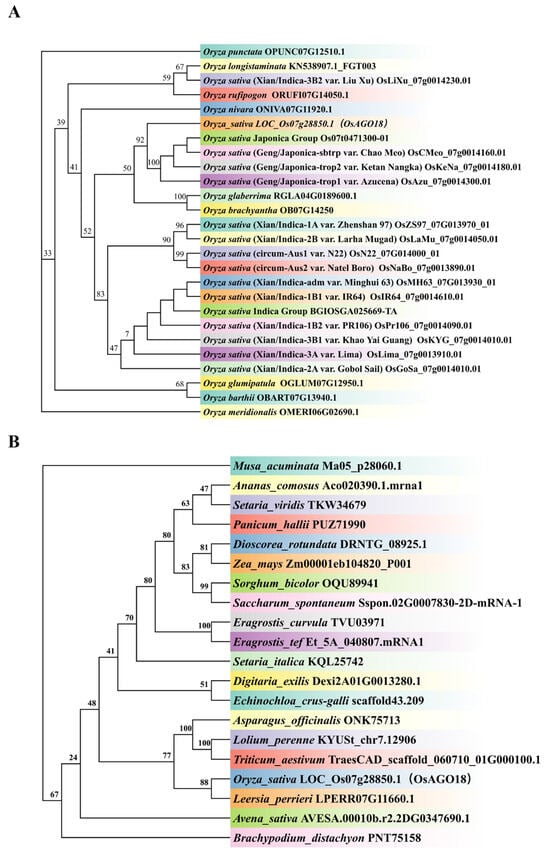
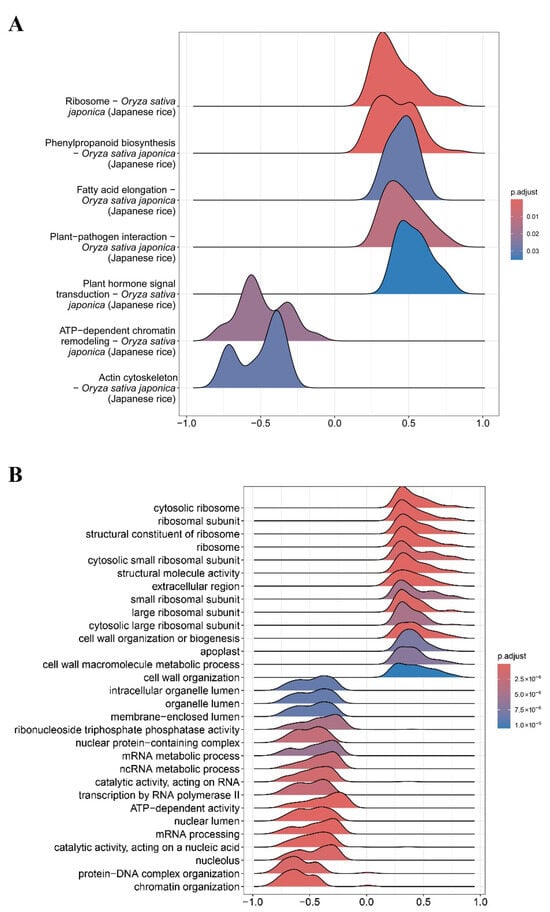
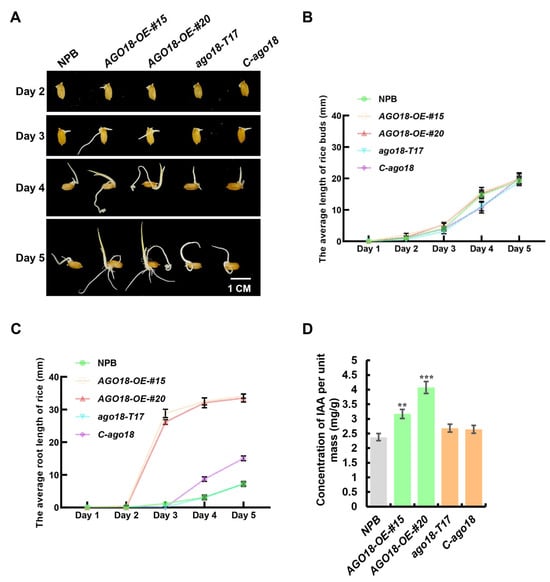
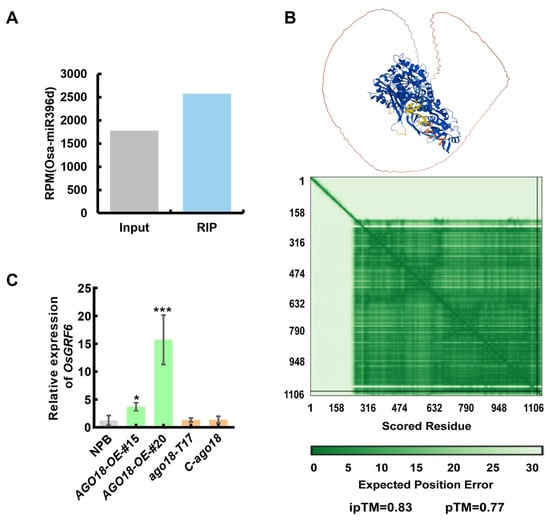
Argonaute (AGO) proteins are central components of RNA silencing. While OsAGO18 is a known defense factor in antiviral immunity, its involvement in basal development and its transcriptomic behavior during fungal stress remains to be fully elucidated. In this study, based on its specific dual-localization in chloroplasts and processing bodies (P-bodies), we investigated the pleiotropic effects of OsAGO18 through transcriptomic network analysis of rice responding to the blast fungus Magnaporthe oryzae B.C. Couch. Our analysis revealed that the OsAGO18-mediated co-expression network is highly correlated with ribosome biogenesis and cell wall organization. Notably, the analyzed datasets reveal that this growth-related network is significantly suppressed upon M. oryzae challenge, highlighting a transcriptomic shift in OsAGO18 during the growth-to-defense transition. Phenotypic evaluations demonstrated that OsAGO18 overexpression accelerates early seedling growth and primary root elongation by promoting endogenous indole-3-acetic acid (IAA) accumulation, whereas ago18 mutants maintain basal growth rates without significant IAA fluctuations, reflecting robust genetic compensation within the highly redundant AGO family. Mechanistically, our integrated analysis suggests that OsAGO18 acts as a putative molecular decoy to sequester miR396d, thereby relieving the repression of the Growth-Regulating Factor OsGRF6 and triggering downstream auxin-dependent cascades. Collectively, our findings highlight OsAGO18 as a pivotal regulator of early seedling development and characterize its transcriptomic responsiveness to biotic stress, providing a plausible molecular link between post-transcriptional RNA regulation and rice growth coordination. Full article
(This article belongs to the Section Plant Development and Morphogenesis)
Show Figures

Figure 1

19 pages, 1012 KB  
Article
Evaluating AI-Supported Learning in an Aviation Operations Course: Perceived Usefulness, Ease of Use, and Student Engagement
by Duen-Huang Huang and Yu-Cheng Wang
Appl. Syst. Innov. 2026, 9(5), 105; https://doi.org/10.3390/asi9050105 (registering DOI) - 21 May 2026
Abstract
While the use of artificial intelligence (AI) in higher education is widespread, students’ experiences with AI-supported learning in their regular courses remain underexplored. Objective: This research examines the relationships among perceived usefulness, perceived ease of use, and academic engagement among undergraduate students enrolled [...] Read more.
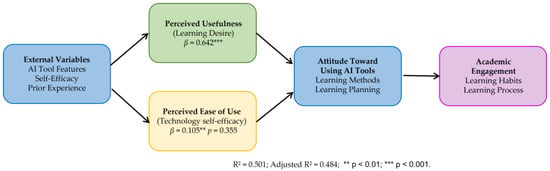
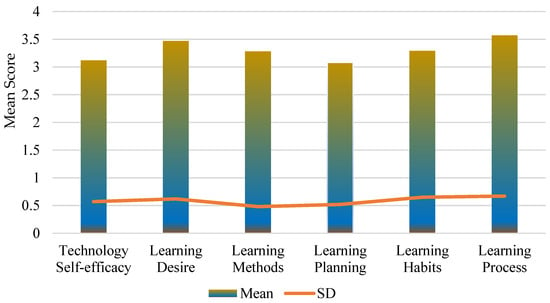
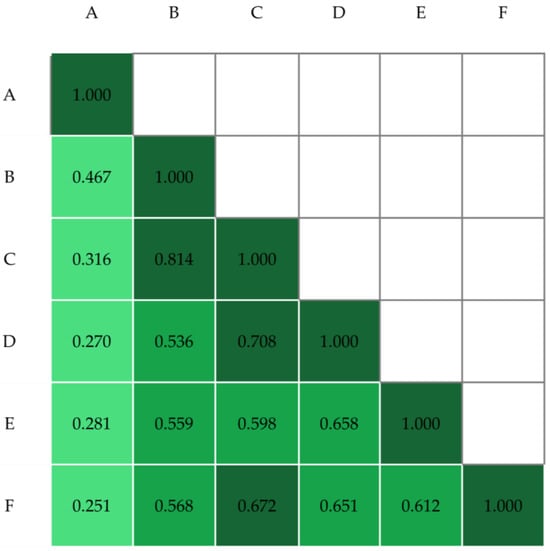
While the use of artificial intelligence (AI) in higher education is widespread, students’ experiences with AI-supported learning in their regular courses remain underexplored. Objective: This research examines the relationships among perceived usefulness, perceived ease of use, and academic engagement among undergraduate students enrolled in AI-supported courses at a Taiwan university. It adopts the Technology Acceptance Model, where learning desire indicates perceived usefulness, and technology self-efficacy indicates perceived ease of use. Methods: The study takes a questionnaire with six dimensions of technology self-efficacy, learning desire, learning methods, learning planning, learning habits, and learning process to evaluate students’ attitudes toward AI-supported learning and their academic engagement. Results: Students’ attitudes toward AI-supported learning were moderate to positive. Multiple regression analysis showed that perceived usefulness was significantly and positively associated with academic engagement, whereas perceived ease of use showed a positive but non-significant association. Implications: Students’ academic engagement is influenced more by how useful AI tools are perceived for learning, rather than by their confidence in using AI tools. This paper enriches the literature on student-centered AI in higher education and gives insights for designing AI-supported courses that integrate AI tools with meaningful learning tasks. Future research can examine larger and more diverse samples and use longitudinal or experimental designs to test how students’ perceptions of AI tools develop over time. Full article
(This article belongs to the Special Issue AI-Driven Educational Technologies: Systems and Applications)
Show Figures

Figure 1

14 pages, 795 KB  
Article
Alexithymia and Social Cognition in the General Population: Further Evidence on the Relationship with Theory of Mind, Emotion Recognition, and Empathy
by Aurelia Lo Presti, Marialaura Di Tella and Mauro Adenzato
J. Intell. 2026, 14(5), 90; https://doi.org/10.3390/jintelligence14050090 (registering DOI) - 21 May 2026
Abstract
Alexithymia has been associated with deficits in social cognition, although findings are inconsistent and often limited by methodological constraints. This study aimed to clarify this relationship using ecologically valid and traditional standardized measures across multiple social-cognitive domains. A total of 163 adults from [...] Read more.
Alexithymia has been associated with deficits in social cognition, although findings are inconsistent and often limited by methodological constraints. This study aimed to clarify this relationship using ecologically valid and traditional standardized measures across multiple social-cognitive domains. A total of 163 adults from the general population completed a series of measures, including the Toronto Alexithymia Scale (TAS-20), Questionnaire of Cognitive and Affective Empathy (QCAE), Reading the Mind in the Eyes Test (RMET), Movies for the Assessment of Social Cognition (MASC), and Amsterdam Dynamic Facial Expression Set—Bath Intensity Variations (ADFES-BIV). Results of hierarchical regression analyses revealed that alexithymia facets significantly predicted performance on affective and cognitive empathy (QCAE), and Theory of Mind (MASC total and “No ToM” scores). The only exceptions were affective Theory of Mind (RMET) and recognition of others’ emotions (ADFES-BIV), for which none of the alexithymia facets emerged as significant predictors. The findings suggest that alexithymia is associated with poorer performance in cognitive and affective empathy and contextual Theory of Mind, whereas no significant association emerged for emotion recognition. The results suggest that integrating dynamic and context-rich tasks may be useful for detecting subtle social-cognitive difficulties in individuals with alexithymic traits. Full article
(This article belongs to the Special Issue Social Cognition and Emotions)
21 pages, 782 KB  
Review
Curcumin and Cancer-Related Inflammation
by Kaitlyn LeBlanc, Emilee Brewer and Sita Aggarwal
Nutrients 2026, 18(10), 1636; https://doi.org/10.3390/nu18101636 (registering DOI) - 21 May 2026
Abstract
Chronic inflammation is a well-established risk factor for cancer progression. This review aims to determine how persistent inflammatory signaling reshapes the tissue microenvironment to favor tumor cell proliferation, survival, and progression. It also discusses the role of cytokines such as IL-6 and TGF-β, [...] Read more.
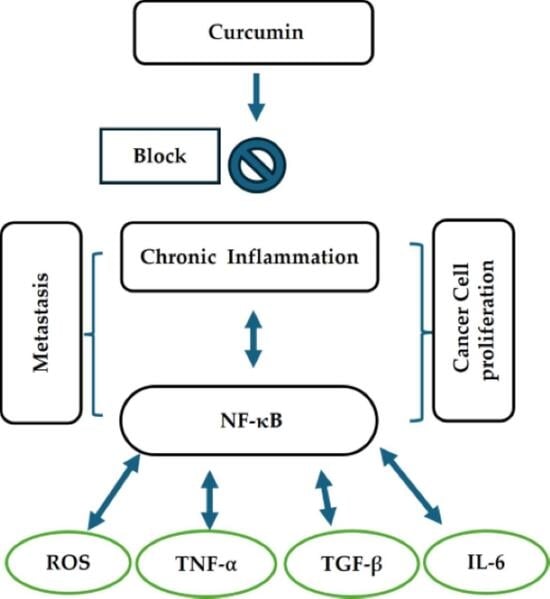
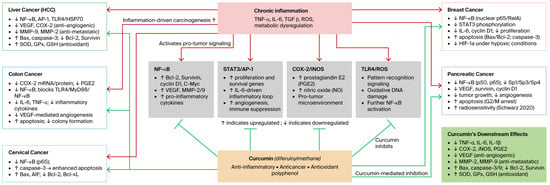
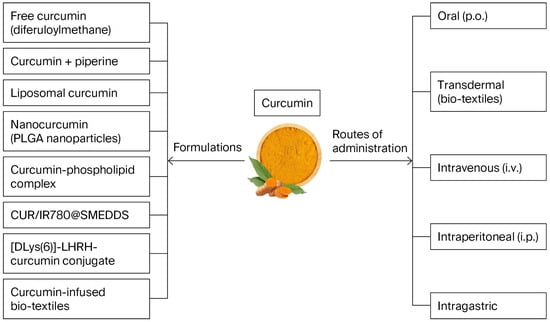
Chronic inflammation is a well-established risk factor for cancer progression. This review aims to determine how persistent inflammatory signaling reshapes the tissue microenvironment to favor tumor cell proliferation, survival, and progression. It also discusses the role of cytokines such as IL-6 and TGF-β, reactive oxygen species (ROS), and the transcription factors NF-κB and STAT3 in inflammation and in the tumor microenvironment. Sustained activation of these pathways promotes genomic instability, loss of tumor suppressor gene function, enhanced oncogene expression, and resistance to apoptosis, collectively facilitating malignant transformation and tumor development. The key novelty of this review lies in integrating these interconnected networks with new evidence to clarify how they drive cancer initiation and progression. Furthermore, we discuss the therapeutic potential of plant-derived bioactive compounds, with a particular emphasis on curcumin. Curcumin exhibits significant anti-inflammatory and anticancer effects through inhibition of NF-κB and STAT3 signaling and its downstream targets, thereby attenuating inflammation-driven tumorigenesis. However, its clinical application is limited by poor bioavailability. Finally, this review highlights current strategies to overcome these limitations and future directions for optimizing curcumin-based interventions in inflammation-associated diseases. Full article
(This article belongs to the Section Phytochemicals and Human Health)
Show Figures

Graphical abstract

22 pages, 1494 KB  
Review
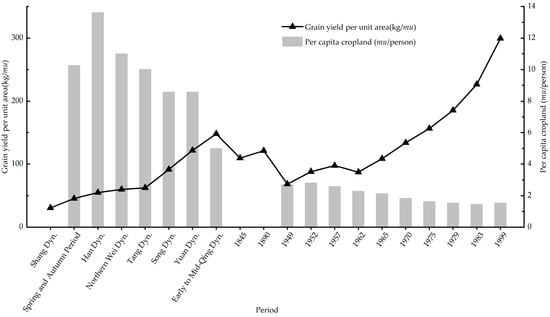
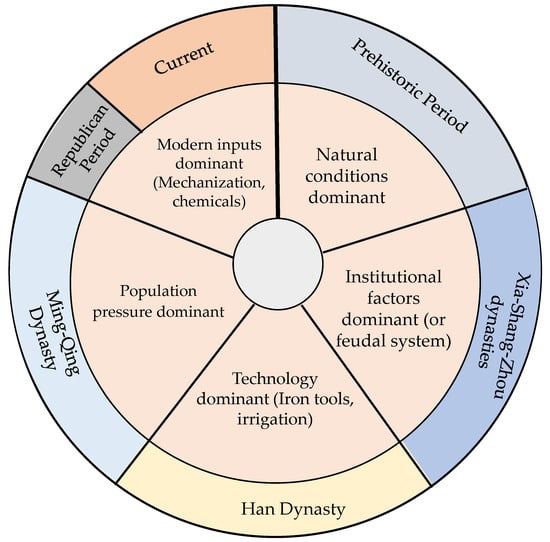
Reconstruction and Drivers of Change in Historical Land Use Intensity in China: A Review and Prospect
by Fanxin Geng, Shicheng Li, Yu Qiu, Haiyan Huang and Meijiao Li
Land 2026, 15(5), 891; https://doi.org/10.3390/land15050891 (registering DOI) - 21 May 2026
Abstract
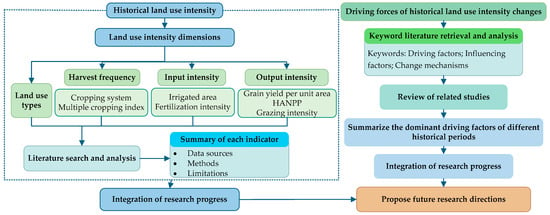
Reconstructing historical land use intensity and analyzing its driving forces are crucial for understanding the impacts of human activities on the environment. This review systematically assesses the research on reconstructing historical land use intensity in China, focusing on four dimensions: land use type, [...] Read more.
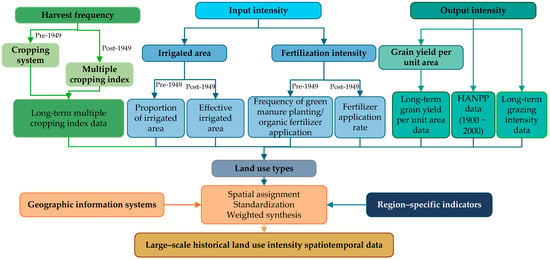
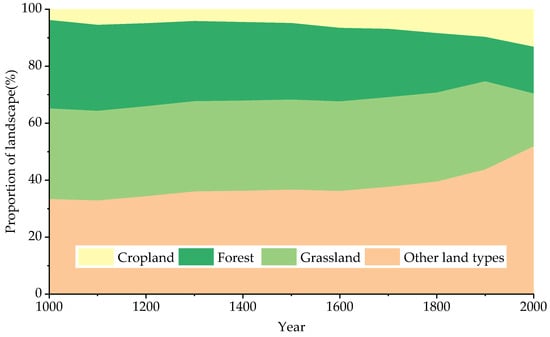
Reconstructing historical land use intensity and analyzing its driving forces are crucial for understanding the impacts of human activities on the environment. This review systematically assesses the research on reconstructing historical land use intensity in China, focusing on four dimensions: land use type, harvest frequency, input intensity, and output intensity. The analysis reveals significant imbalances in the development of these dimensions, with reconstruction methods for land use types being the most mature, while quantitative methods for input intensity remain the weakest. The approaches are generally evolving from qualitative to quantitative analysis. Furthermore, studies on the driving forces behind intensity changes are predominantly qualitative, lacking integrated quantitative analyses of multiple factors. To overcome these limitations, the paper proposes that future research should integrate multi-source proxy indicators to construct a comprehensive, multi-dimensional assessment system. This would enable the spatiotemporal reconstruction of land use intensity and facilitate quantitative analysis of its driving forces using spatial data analysis and machine learning methods. Full article
(This article belongs to the Topic Large-Scale and Long-Term Land Use and Land Cover Mapping)
Show Figures

Figure 1

13 pages, 308 KB  
Article
Optimizing Screening for Obstructive Sleep Apnea: Comparative Assessment of STOP and STOP-BANG Questionnaires in Croatia, Türkiye, and Greece
by Ivana Pavlinac Dodig, Renata Pecotic, Natalija Ivkovic, Linda Lusic Kalcina, Özen K. Basoglu, Athanasia Pataka, Mehmet Sezai Tasbakan, Serapheim Kotoulas and Zoran Dogas
Medicina 2026, 62(5), 1002; https://doi.org/10.3390/medicina62051002 (registering DOI) - 21 May 2026
Abstract
Background and Objectives: Obstructive sleep apnea (OSA) is a common disorder associated with significant cardiovascular, metabolic, and neurocognitive consequences. The STOP and STOP-BANG questionnaires are widely used screening tools for identifying individuals at increased risk of OSA. However, their performance may vary [...] Read more.
Background and Objectives: Obstructive sleep apnea (OSA) is a common disorder associated with significant cardiovascular, metabolic, and neurocognitive consequences. The STOP and STOP-BANG questionnaires are widely used screening tools for identifying individuals at increased risk of OSA. However, their performance may vary across populations. This variability is due to demographic and anthropometric differences. We aimed to analyze the screening accuracy of the STOP and STOP-BANG questionnaires across three distinct Mediterranean populations: Croatia, Greece, and Türkiye. Additionally, we aimed to optimize and establish population-specific cut-off points for body mass index (BMI) and neck circumference (NC) in the questionnaires to enhance their screening accuracy. Materials and Methods: A total of 9102 patients who underwent polysomnography or polygraphy to evaluate suspected OSA were enrolled from: Split Sleep Medicine Centre (Croatia), Ege University Faculty of Medicine (Türkiye), and Thessaloniki G Papanikolaou Hospital Aristotle University (Greece). Patients completed the STOP and STOP-BANG questionnaires before sleep assessments. Sensitivity, specificity, and the area under the receiver operating characteristic (ROC) curve (AUC) were calculated to assess the screening properties. Additionally, optimized cut-offs for age, NC, and BMI were determined. Results: The highest AUC values were observed using the STOP-BANG ≥ 5 method, with AUC values of 0.712 for detecting any OSA (AHI ≥ 5/h), 0.684 for moderate or severe OSA (AHI ≥ 15/h), and 0.663 for severe OSA (AHI ≥ 30/h). For individual centers, the STOP-BANG ≥ 5 method performed best in Split, while the STOP ≥ 2 + NC method yielded the highest AUCs in Izmir and Thessaloniki for moderate and severe OSA. Optimized cut-off values for age, NC, and BMI improved sensitivity and specificity across all centers. Conclusions: This study highlights the need for population-specific considerations in the screening for OSA. Significant differences in demographics, anthropometrics, symptoms, and comorbidities across populations could impact the questionnaire’s screening accuracy. Adjusting age, NC, and BMI cut-off points optimizes the STOP-BANG questionnaire. Full article
(This article belongs to the Special Issue Diagnosis and Treatment of Obstructive Sleep Apnea)
21 pages, 7109 KB  
Article
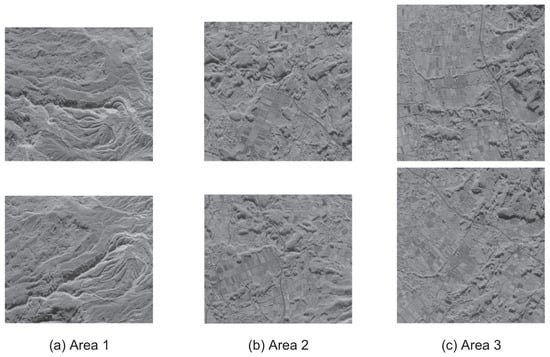
Stereo Radargrammetry Using Deep Learning-Based Image Matching with Fine-Tuned Model on Synthetic Aperture Radar Images
by Koichi Ito, Tatsuya Sasayama, Shintaro Ito, Haruki Iwasa, Takafumi Aoki and Jyunpei Uemoto
Remote Sens. 2026, 18(10), 1662; https://doi.org/10.3390/rs18101662 (registering DOI) - 21 May 2026
Abstract
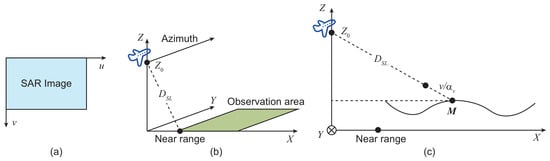
Stereo radargrammetry using Synthetic Aperture Radar (SAR) images is a powerful technique for all-weather 3D topographic measurements. However, conventional methods based on local template matching often struggle to establish accurate correspondences in mountainous or vegetated areas due to severe SAR-specific geometric modulations. In [...] Read more.
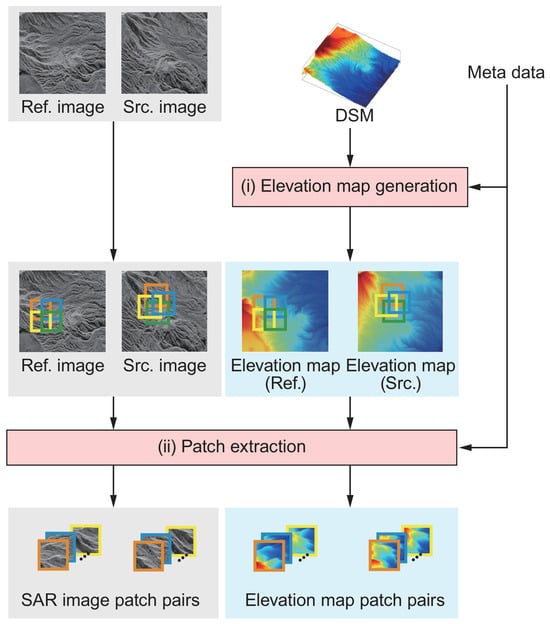
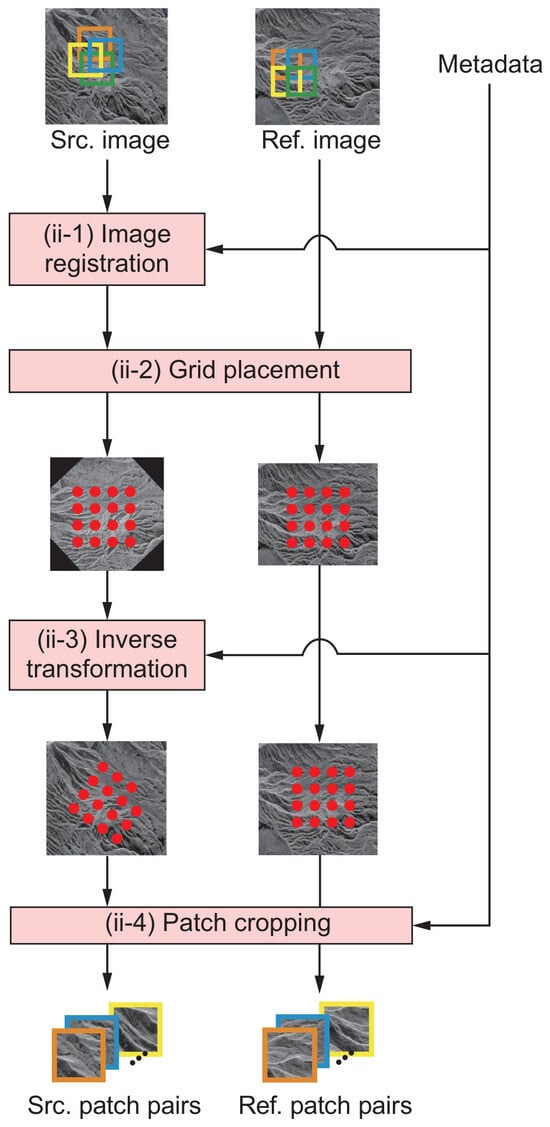
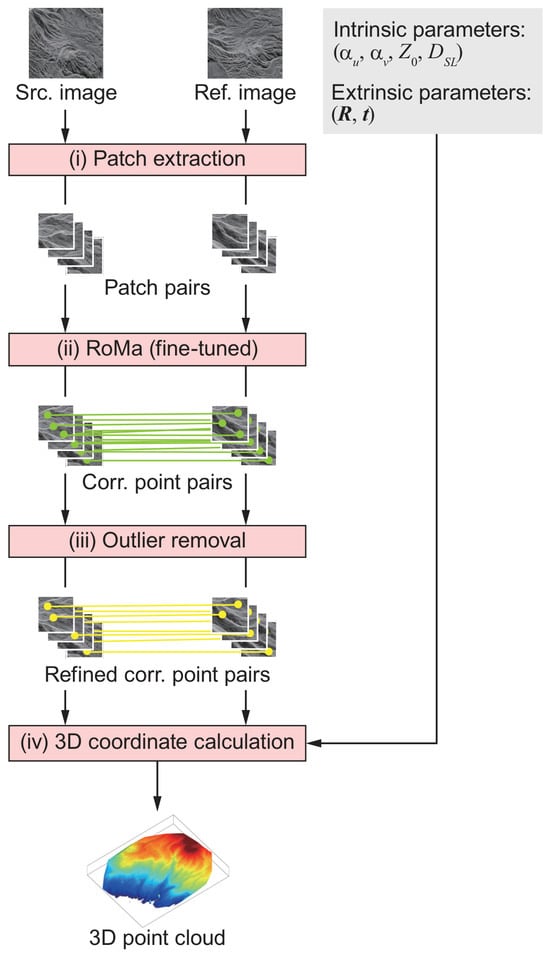
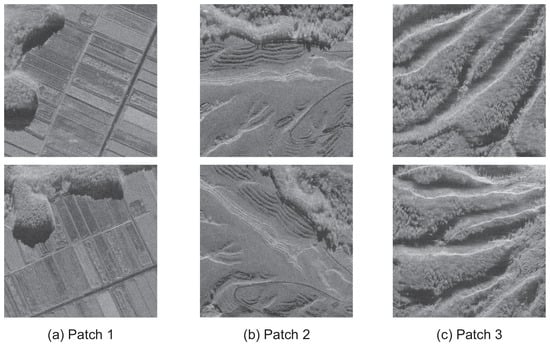
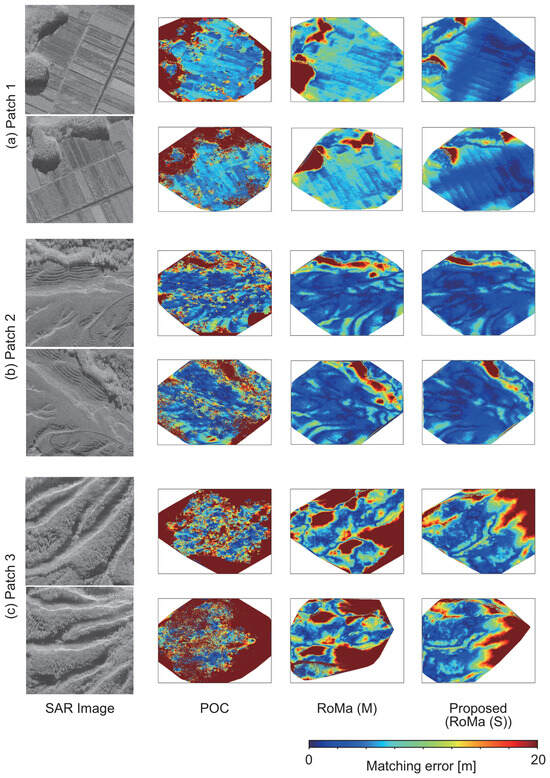
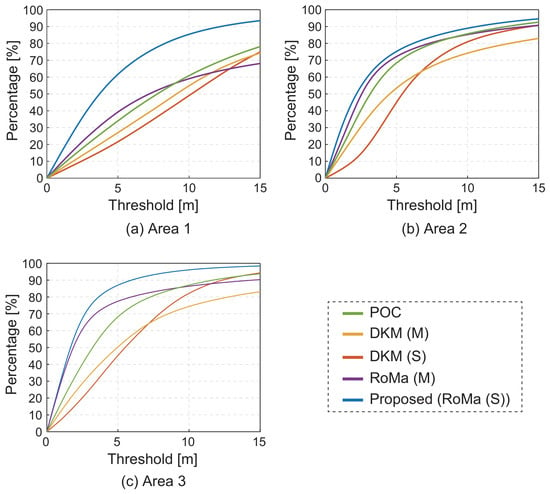
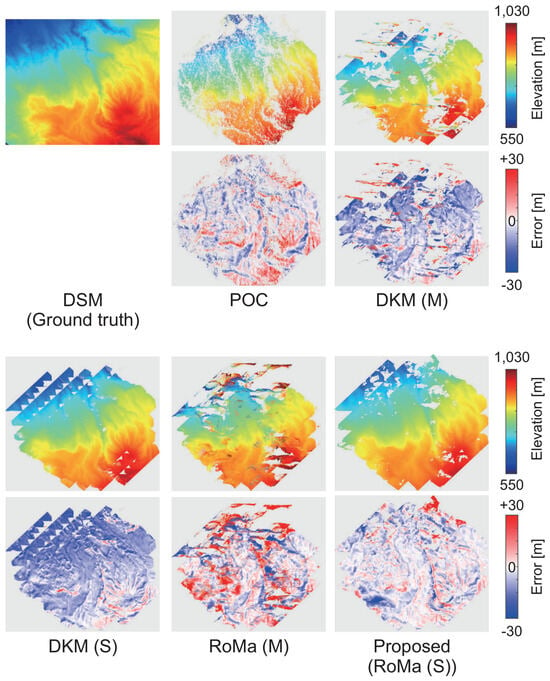
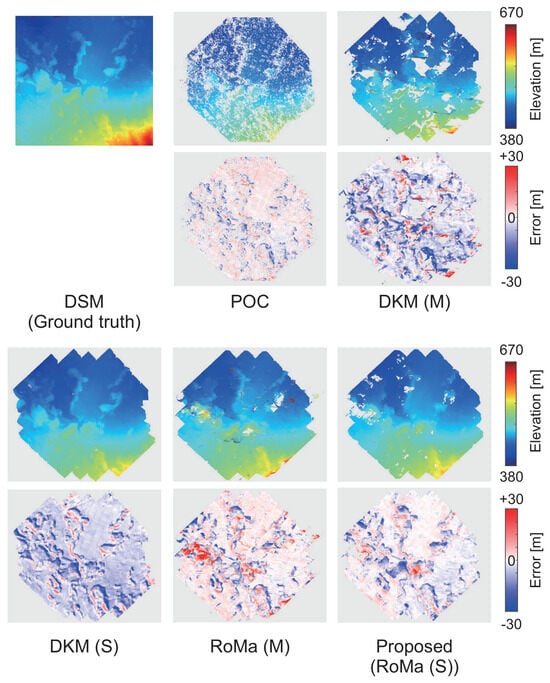
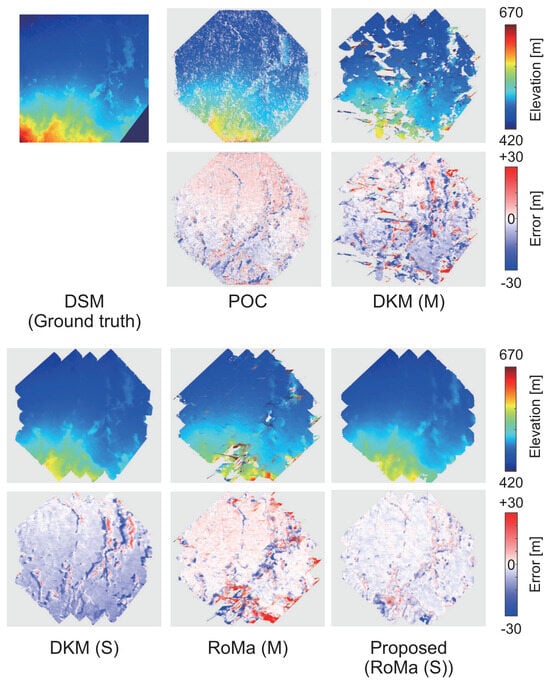
Stereo radargrammetry using Synthetic Aperture Radar (SAR) images is a powerful technique for all-weather 3D topographic measurements. However, conventional methods based on local template matching often struggle to establish accurate correspondences in mountainous or vegetated areas due to severe SAR-specific geometric modulations. In this paper, we propose a novel high-accuracy stereo radargrammetry framework by introducing RoMa, a robust Transformer-based deep learning model, for dense SAR image matching. Optical pre-trained deep learning models often suffer from a domain gap. To overcome this limitation, we develop an automated pipeline to construct a patch-based SAR image dataset using a reference Digital Surface Model (DSM) and an SAR projection model. By fine-tuning RoMa on this dataset, the model effectively adapts to the complex non-linear deformations of SAR images. Furthermore, unlike conventional methods, our approach establishes correspondences directly on the original slant-range images without requiring ground-range projection, thereby avoiding image quality degradation caused by pixel interpolation. Experimental results using airborne Pi-SAR2 images demonstrate that the fine-tuned RoMa significantly outperforms conventional methods, achieving an 82.86% matching accuracy at a 10-pixel threshold. In the 3D measurement evaluation, the proposed method achieves the lowest elevation mean error (1.24 m) and the highest inlier ratio (74.1%), proving its effectiveness in generating accurate, dense, and wide-area 3D point clouds even in challenging terrains. Full article
(This article belongs to the Special Issue SAR Images Processing and Analysis (3rd Edition))
Show Figures

Figure 1

14 pages, 1498 KB  
Systematic Review
Impact of AI-Based Clinical Decision Support Systems on Diagnostic Accuracy Among Healthcare Professionals: A Systematic Review and Meta-Analysis of Randomized Controlled Trials
by Mi-Ae Jeong and Sang-Dol Kim
Appl. Sci. 2026, 16(10), 5146; https://doi.org/10.3390/app16105146 (registering DOI) - 21 May 2026
Abstract
Background: Diagnostic errors affect approximately 5–15% of clinical encounters globally, contributing to significant patient harm. Artificial intelligence-based clinical decision support systems (AI-CDSS) are increasingly deployed to augment clinician diagnostic performance, yet rigorous evidence from randomized controlled trials (RCTs) remains limited. This systematic review [...] Read more.
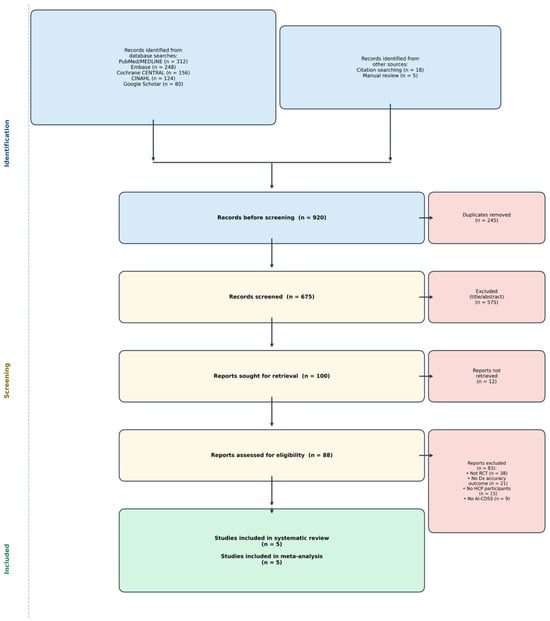
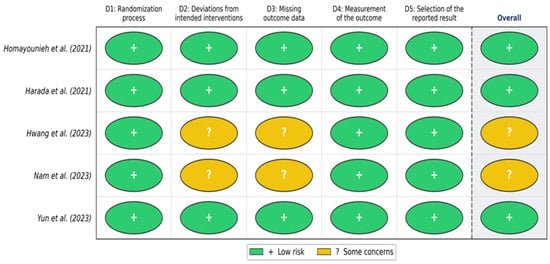
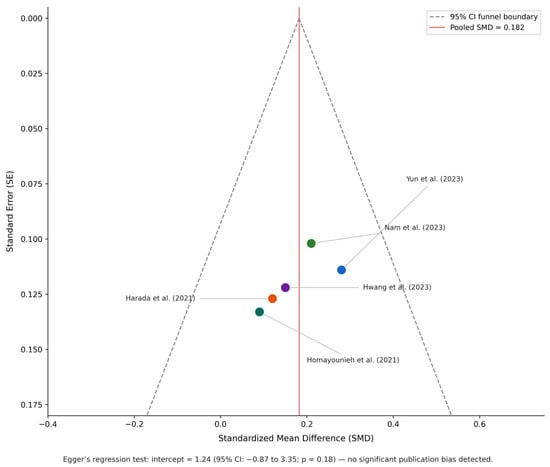
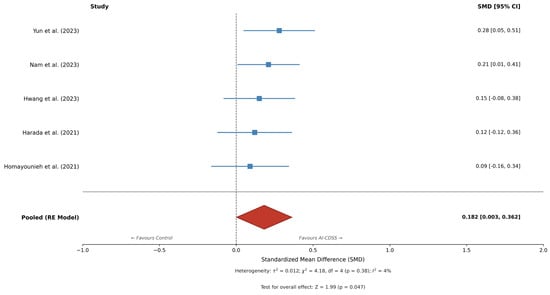
Background: Diagnostic errors affect approximately 5–15% of clinical encounters globally, contributing to significant patient harm. Artificial intelligence-based clinical decision support systems (AI-CDSS) are increasingly deployed to augment clinician diagnostic performance, yet rigorous evidence from randomized controlled trials (RCTs) remains limited. This systematic review and meta-analysis aims to quantify the effect of AI-CDSS on diagnostic accuracy among healthcare professionals. Methods: We systematically searched PubMed/MEDLINE, CINAHL, Embase, Cochrane CENTRAL, and Google Scholar from 2000 to 2026. Eligible studies were peer-reviewed RCTs comparing AI-CDSS with standard care. Risk of bias was assessed using the Cochrane RoB 2 tool. Random-effects meta-analysis was performed using standardized mean differences (SMD). Certainty of evidence was evaluated using GRADE. Results: Five RCTs (N = 12,657 participants) were included. The pooled SMD was 0.182 (95% CI: 0.003–0.362; p = 0.047; I2 = 68.6%), with the lower confidence bound approaching zero, indicating preliminary evidence of a modest, statistically marginal improvement with AI-CDSS. Subgroup analyses suggested greater effects for deep learning systems and chest radiology applications, though single-study subgroups preclude definitive comparative conclusions. No significant publication bias was detected (Egger’s p = 0.18). GRADE certainty was rated MODERATE. Conclusions: This meta-analysis provides preliminary evidence that AI-CDSS may modestly improve diagnostic accuracy under specific conditions; however, the marginal statistical significance and near-zero lower confidence bound necessitate cautious interpretation. Implementation should prioritize contexts with demonstrated effectiveness and include ongoing outcome monitoring. Full article
Show Figures

Figure 1

29 pages, 770 KB  
Article
Research on the Nonlinear and Spatial Effects of Digital Financial Information Flow on Industrial Structure Upgrading
by Pengzhuo Wu, Yao Wang and Guodong Li
Information 2026, 17(5), 510; https://doi.org/10.3390/info17050510 (registering DOI) - 21 May 2026
Abstract
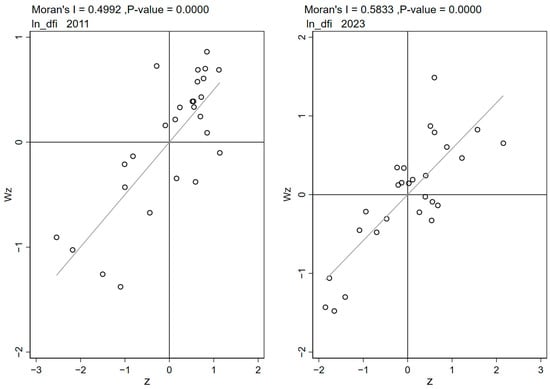
In the digital economy era, digital inclusive finance represents a paradigmatic reconstruction of key economic information flows. This study integrates multi-source panel data of 27 cities in the Yangtze River Delta from 2011 to 2023. By constructing an economic geography composite spatial weight [...] Read more.
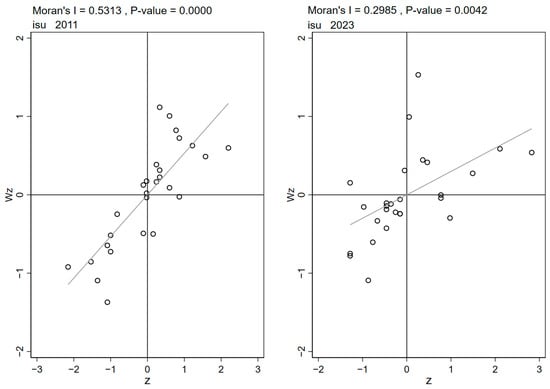
In the digital economy era, digital inclusive finance represents a paradigmatic reconstruction of key economic information flows. This study integrates multi-source panel data of 27 cities in the Yangtze River Delta from 2011 to 2023. By constructing an economic geography composite spatial weight matrix and a nonlinear spatial panel model, this study analyzes the impact of the diffusion of digital inclusive financial information on industrial structure upgrading. The results show that: (1) digital financial inclusion exerts a significant direct effect and spatial spillover effect on industrial structure; (2) the local effect exhibits a “U-shaped” curve with an accelerating characteristic on the right side; the spatial spillover effect demonstrates an “inverted U-shaped” curve, revealing the transformation law and threshold effect of the diffusion and aggregation of digital financial information benefits; (3) digital payment and digital credit constitute the core information flows driving the coordinated upgrading of industries; and (4) entrepreneurial activity exerts a partial mediating effects, and exhibits a spatial mediating effect, while the technological innovation only demonstrates a significant local mediating effect. The findings provide quantitative evidence to support the optimization of the digital financial information ecosystem and the realization of coordinated industrial upgrading in the Yangtze River Delta. Full article
Show Figures

Figure 1

30 pages, 16684 KB  
Article
Feasibility of Reducing Land Surface Temperature by Greening in Ouagadougou, Burkina Faso
by Elena Corona, Elena Belcore, Youmanli Enok Ferdinand Combary, Fabio Giulio Tonolo and Maurizio Tiepolo
Climate 2026, 14(5), 110; https://doi.org/10.3390/cli14050110 (registering DOI) - 21 May 2026
Abstract
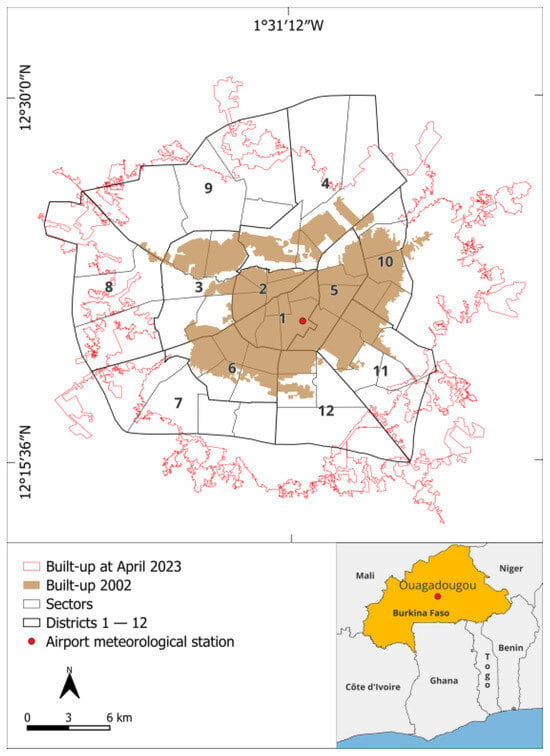
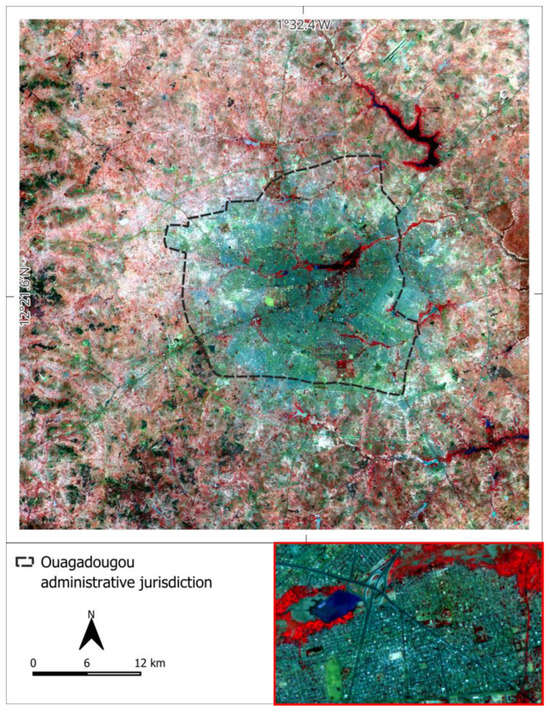
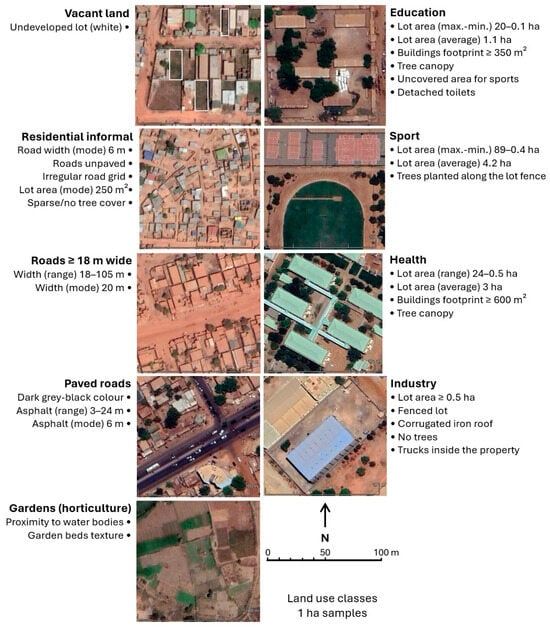
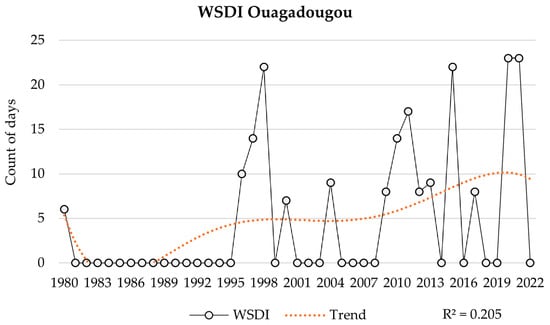
In hot, semi-arid zones, cities are experiencing longer and more intense warm spells. Although the literature offers strategies to mitigate this threat, studies verifying their feasibility are limited. In this study, we aim to ascertain the feasibility of reducing land surface temperature (LST) [...] Read more.
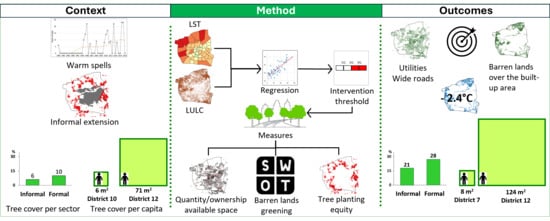
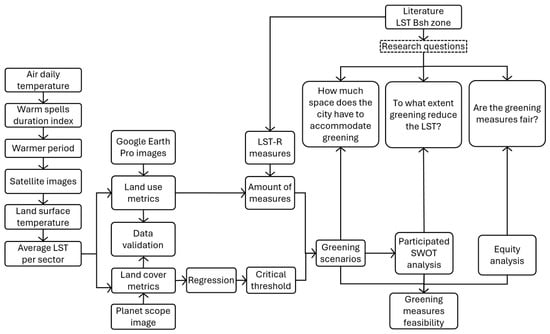
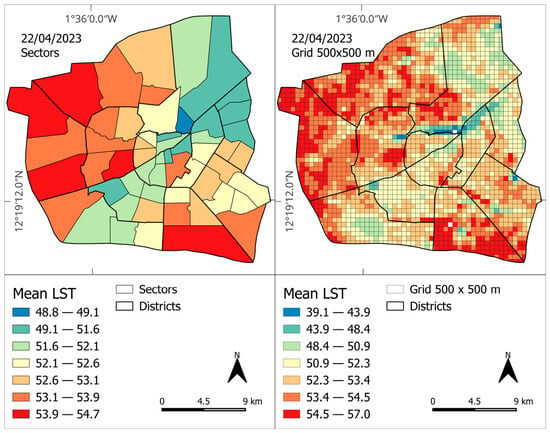
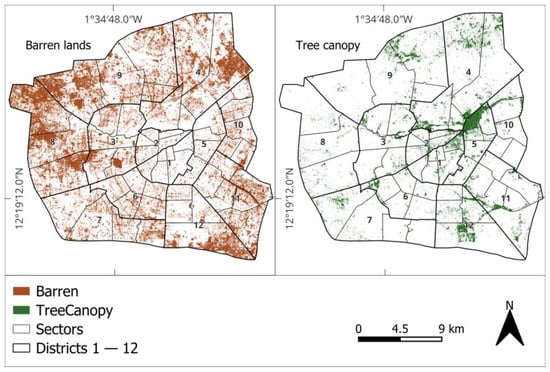
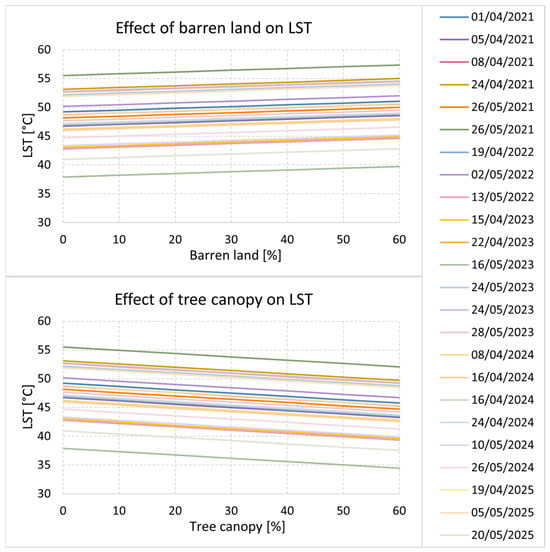
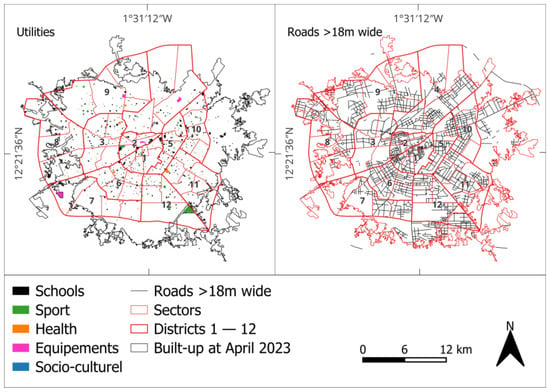
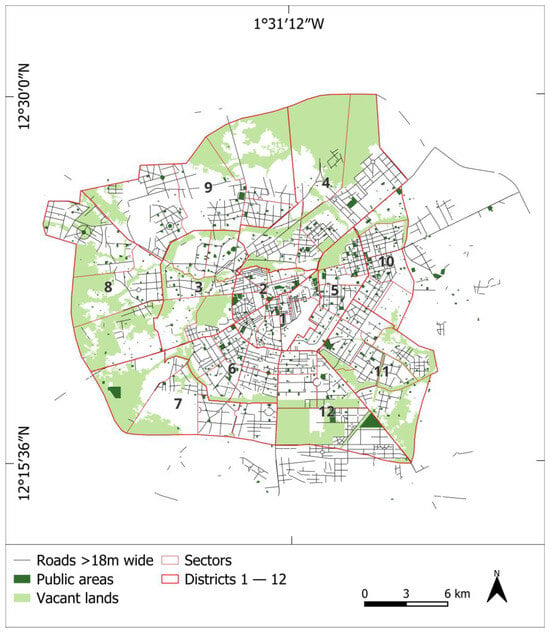
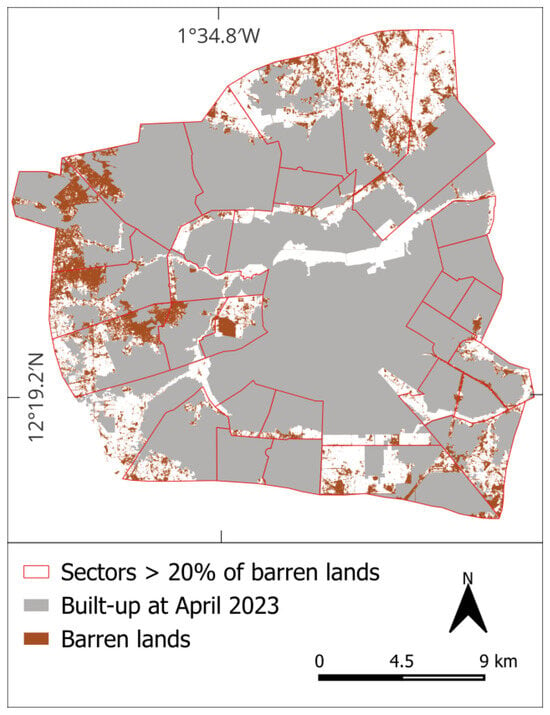
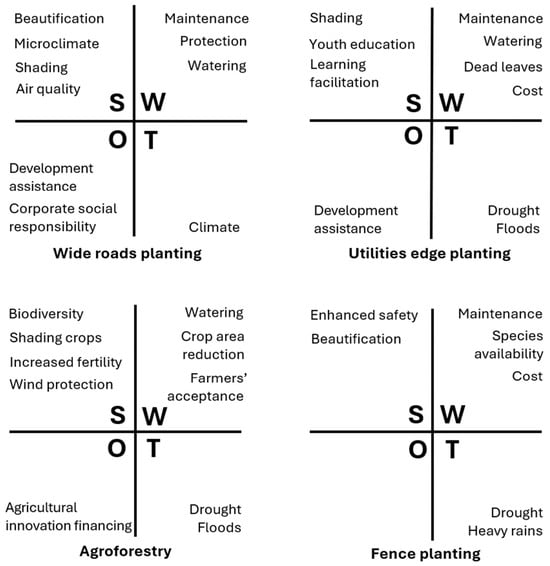
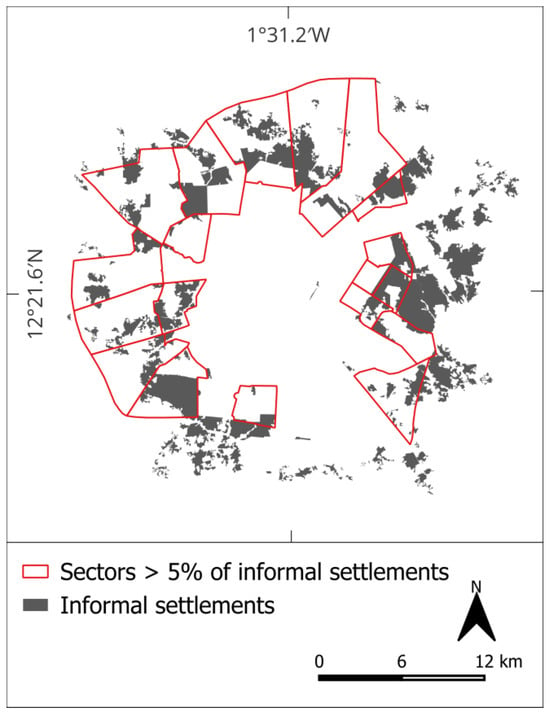
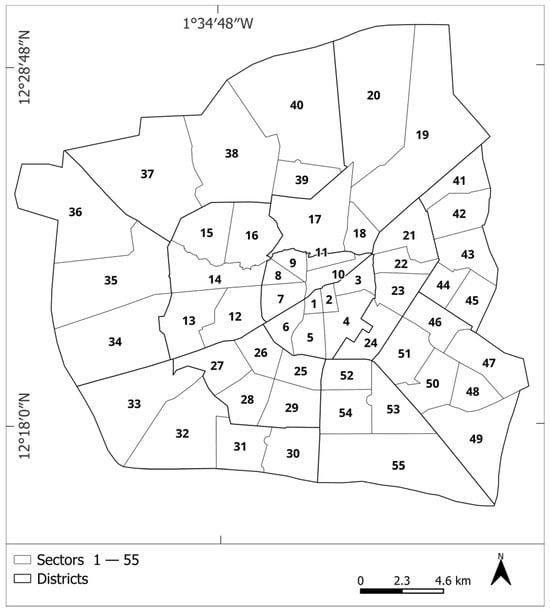
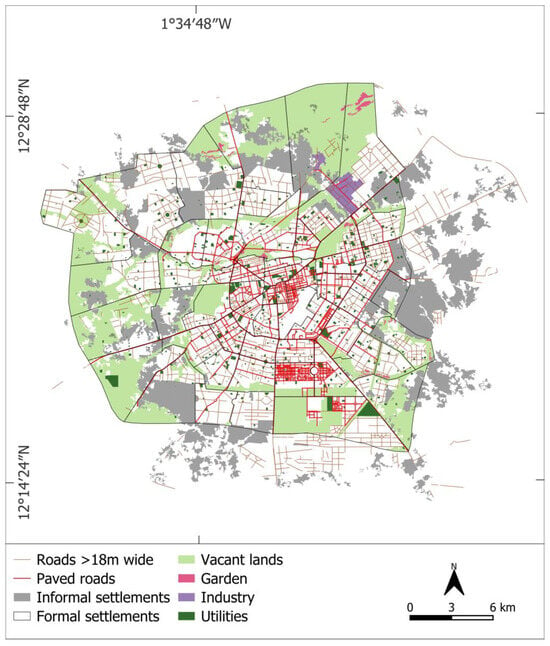
In hot, semi-arid zones, cities are experiencing longer and more intense warm spells. Although the literature offers strategies to mitigate this threat, studies verifying their feasibility are limited. In this study, we aim to ascertain the feasibility of reducing land surface temperature (LST) through greening. We combine LST analysis with a feasibility assessment of cooling measures and consider physical and ownership dimensions alongside environmental and social factors, with Ouagadougou (Burkina Faso) serving as a case study. The average LST during the hottest period (April–May) was calculated from ECOSTRESS and Landsat remotely sensed data, and multiple regression models were used to analyse the relationship between LST and land cover/land use across the city’s districts and sectors. Our assessment incorporates greening scenarios, SWOT analyses, and equity assessments, and our results indicate that barren land is the primary determinant of diurnal LST. Planting 0.45 million trees could reduce LST by up to 2.4 °C in peripheral sectors if large roads, utilities, and vacant lands are targeted. This may reduce disparities in tree cover between sectors but could widen the gap between districts. Recommendations include a more hierarchical street network, enhancing utility provision, and reducing barren land in the peripheral sectors. Full article
(This article belongs to the Special Issue Urban Heat Adaptation: Potential, Feasibility, Equity)
Show Figures

Graphical abstract

15 pages, 1206 KB  
Article
Causal Graphical Models for Transition from Healthy Vaginal Microbiota to Bacterial Vaginosis in Pregnant Women
by Maricela García-Avalos, Juana Canul-Reich, Lil María Xibai Rodríguez-Henríquez and Erick Natividad De la Cruz-Hernández
BioMedInformatics 2026, 6(3), 32; https://doi.org/10.3390/biomedinformatics6030032 (registering DOI) - 21 May 2026
Abstract
This study developed two Causal Graphical Models (CGMs) to analyze the transitions associated with Bacterial Vaginosis (BV) and to identify key bacterial species at each stage. BV results from an imbalance in the vaginal microbiota, whose composition varies among women and across developmental [...] Read more.
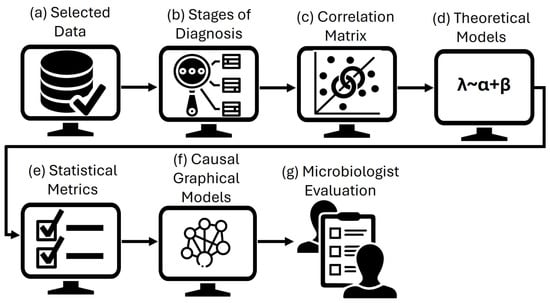
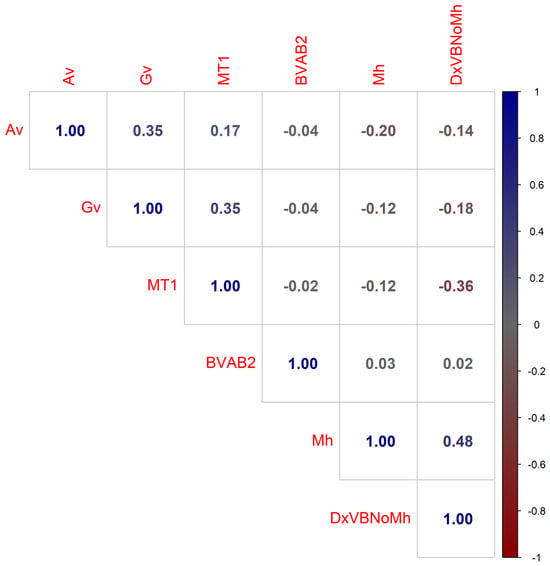
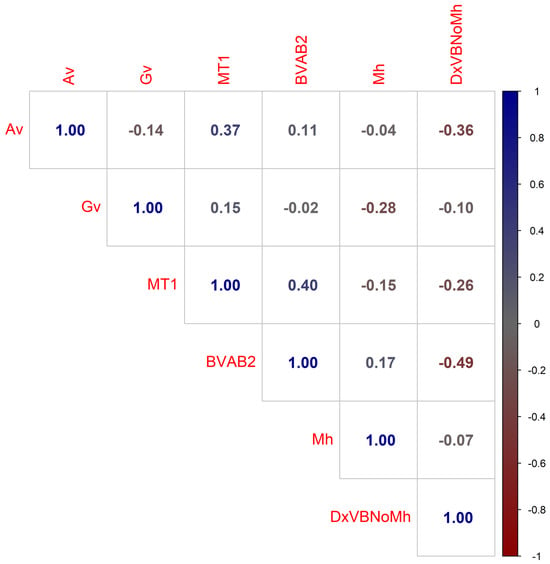
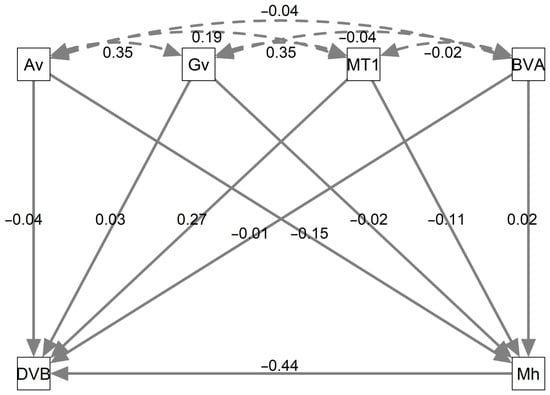
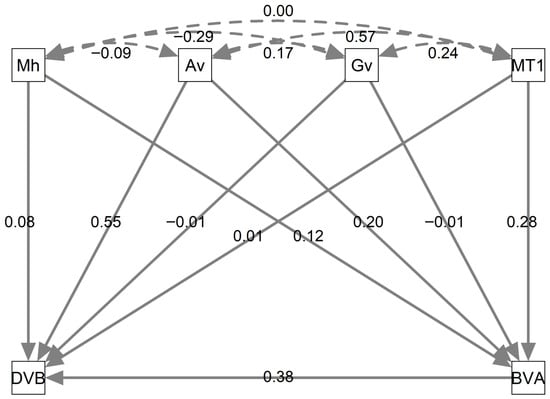
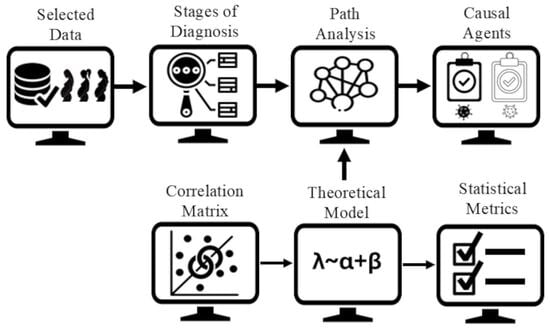
This study developed two Causal Graphical Models (CGMs) to analyze the transitions associated with Bacterial Vaginosis (BV) and to identify key bacterial species at each stage. BV results from an imbalance in the vaginal microbiota, whose composition varies among women and across developmental stages. A previous CGM identified influential bacteria but did not address changes between microbiota states. Here, we extend that framework to capture these associations. Path Analysis, a structural equation modeling method based on observed variables that estimates effects through correlations and covariances, was applied to a dataset of 132 pregnant women (4–24 weeks of gestation) from Tabasco, Mexico, previously collected by third parties during healthy pregnancy campaigns and associated with BV diagnosis. Models were validated using statistical metrics and evaluation by a clinical microbiologist. The first model, representing the transition from normal microbiota (BV−) to an indeterminate state (I), identified Megasphaera Type 1 as significant. The second model, from I to bacterial vaginosis-positive (BV+), identified Atopobium vaginae and Bacterial Vaginosis-Associated Bacterium Type 2 as significant contributors. These findings highlight the importance of the intermediate state in dysbiosis progression and support the use of CGMs for studying microbiome dynamics. Full article
Show Figures

Graphical abstract

26 pages, 957 KB  
Article
Selecting Traffic Signal Types for Safer Pedestrian Crossings in Urban Areas: A Multi-Group OPA Decision Framework
by Željko Šarić, Pavle Pitka, Milja Simeunović and Željko Stević
Appl. Sci. 2026, 16(10), 5147; https://doi.org/10.3390/app16105147 (registering DOI) - 21 May 2026
Abstract
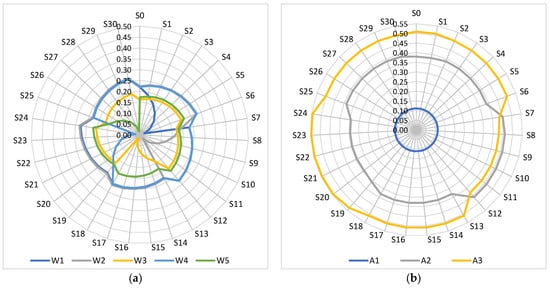
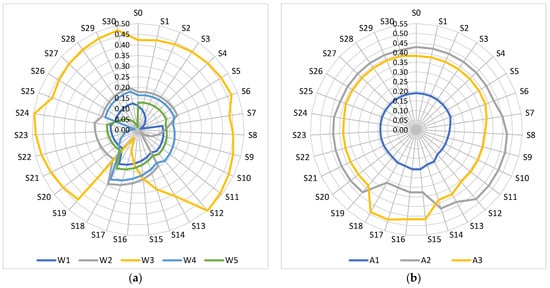
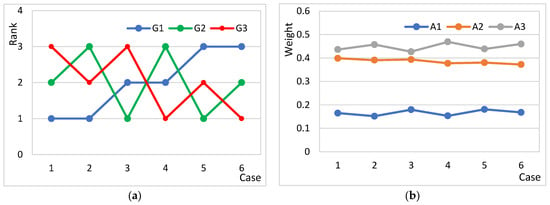
Improving pedestrian safety at urban intersections is a key challenge for achieving safer and more sustainable urban transport systems. This study develops a multi-criteria decision-making model (MCDM) for selecting the most appropriate traffic signal type at pedestrian crossings in different urban zones. Traffic [...] Read more.
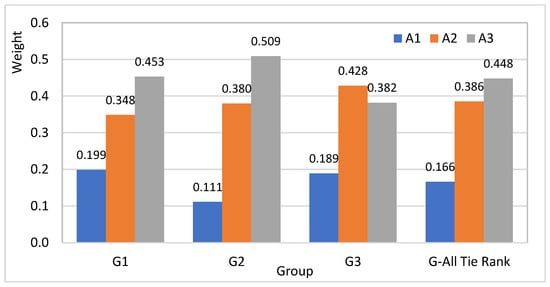
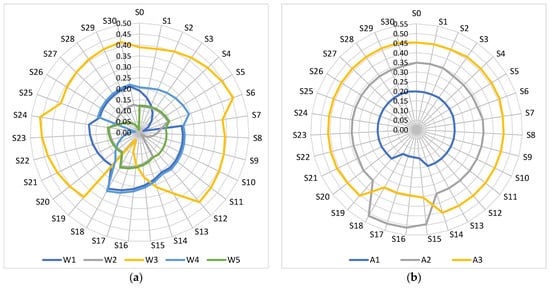
Improving pedestrian safety at urban intersections is a key challenge for achieving safer and more sustainable urban transport systems. This study develops a multi-criteria decision-making model (MCDM) for selecting the most appropriate traffic signal type at pedestrian crossings in different urban zones. Traffic conditions, illegal pedestrian crossings and the number of traffic accidents were taken into account during the modelling, as well as the characteristics of the urban environment. The research involved 66,616 pedestrians at 22 pedestrian crossings located in three urban zones: school zones, central zones, and non-central zones. The data were aggregated using Bayesian (beta-binomial) and classical statistical methods. The OPA-Group method was then used to develop the model. In the decision-making phase, the Ordinal Priority Approach (OPA) was applied as the core MCDM method. It was then extended to the OPA-Group framework to incorporate group-based evaluation in accordance with the model requirements. Additionally, a comprehensive sensitivity analysis was conducted, confirming the robustness and stability of the proposed model. The results show that traditional traffic signals are most suitable for school and non-central zones, whereas countdown traffic signals are recommended for central zones. Push-button traffic signals were identified as the least efficient solution for regulating pedestrian movement at pedestrian crossings. Full article
(This article belongs to the Special Issue Road Safety in Sustainable Urban Transport)
Show Figures

Figure 1

16 pages, 2622 KB  
Article
Marbling Matters: Lean and Fatty Red Meat Show Opposing Associations with Brain Structural Indices
by Brandon S. Klinedinst, Alice L. Dawson, Michael DelCasale, Arjun Venkateswaran and Auriel A. Willette
Nutrients 2026, 18(10), 1635; https://doi.org/10.3390/nu18101635 (registering DOI) - 21 May 2026
Abstract
Background/Objectives: Red meat is often treated as a single dietary category in nutritional epidemiology, despite substantial heterogeneity in fat content, quality parameters, and preparation methods. This may obscure meaningful associations with brain aging. We tested whether global brain structural associations differed across lean [...] Read more.
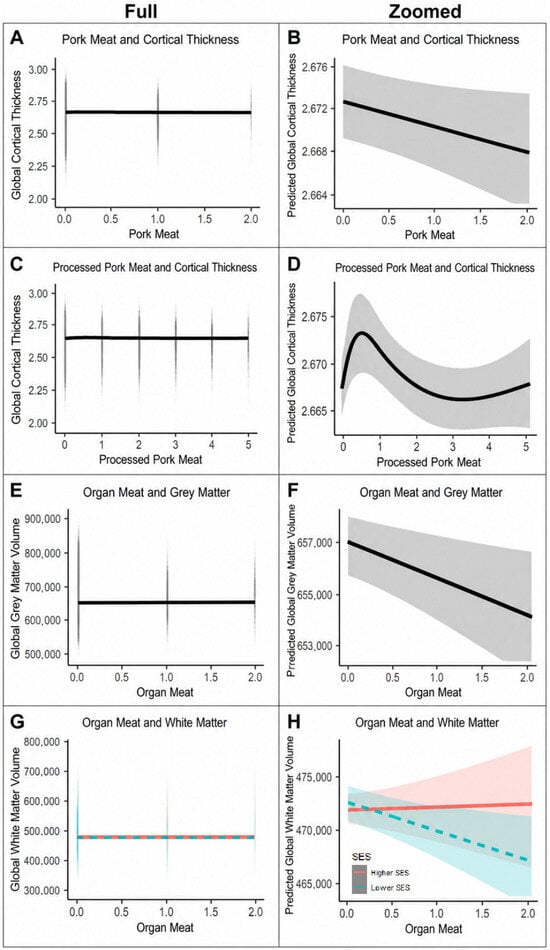
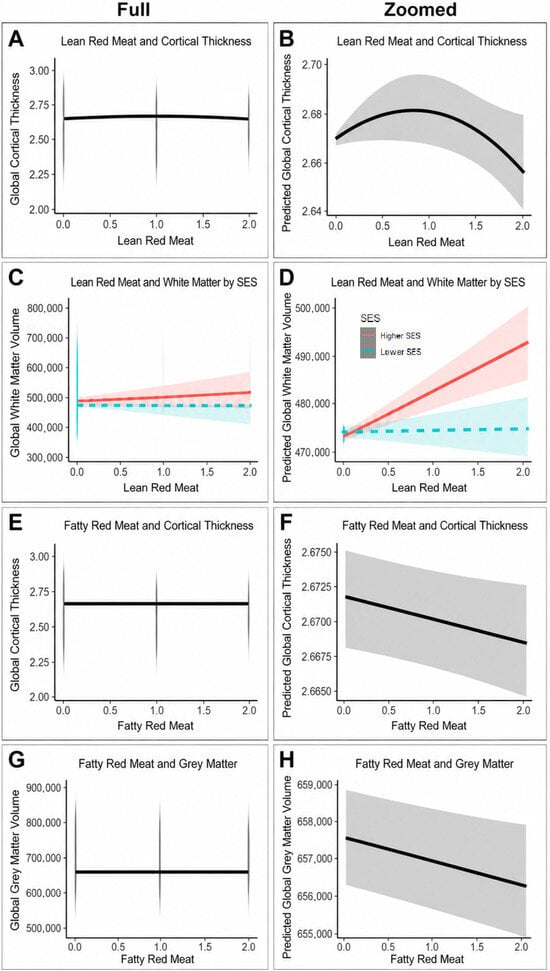
Background/Objectives: Red meat is often treated as a single dietary category in nutritional epidemiology, despite substantial heterogeneity in fat content, quality parameters, and preparation methods. This may obscure meaningful associations with brain aging. We tested whether global brain structural associations differed across lean red meat, fatty red meat, pork, processed pork, and organ meat in a large community-based neuroimaging cohort. Methods: Participants were 45,811 UK Biobank adults aged 50 to 80 years with structural MRI, dietary recall, and covariate data. Dietary intake was assessed using up to five administrations of the Oxford WebQ 24 h recall and averaged across available timepoints. Global cortical thickness, total gray matter volume, and total white matter volume were derived from T1-weighted MRI. Continuous predictors were screened for linear quadratic, or spline form prior to grouped penalized variable selection. Final multivariable models incorporated sensitivity analyses stratified by socioeconomic status (SES) and sex. Results: Associations with global brain structure differed by meat type and fat content. Lean red meat showed the most favorable overall pattern, including modest nonlinear favorable association with global cortical thickness and a positive association with white matter volume among higher-SES participants. Fatty red meat showed unfavorable associations with cortical thickness and gray matter volume. Pork showed an unfavorable association with cortical thickness. Organ meat showed an unfavorable association with gray matter volume and with white matter volume among lower-SES participants. Overall, findings suggested that lean red meat tracked with neutral-to-favorable brain structural correlates, whereas fattier red meat and organ meat generally tracked with less favorable structural outcomes. Conclusions: Meat did not relate to global brain structure as a single uniform exposure. Instead, associations differed meaningfully by meat type, fat content, and socioeconomic context. Treating red meat as a single undifferentiated exposure may flatten biologically relevant heterogeneity and contribute to mixed prior findings. These results support more precise dietary phenotyping in brain-health research and suggest that distinctions in meat quality may matter when evaluating long-term brain aging. Findings should not be interpreted to suggest that unlimited meat intake is broadly health-promoting, even if lean, given the established cardiometabolic and vascular risks associated with excess intake of high-fat or processed meats. Full article
(This article belongs to the Section Nutrition and Neuro Sciences)
Show Figures

Figure 1

14 pages, 2013 KB  
Article
In-Use Stability and Device Compatibility Define Clinically Actionable Handling Limits for a GMP-Produced Attenuated Listeria monocytogenes Vaccine Expressing GUCY2C
by Jagmohan Singh, Taranjot Johar, Vannessa Scully, Scott A. Waldman, Babar Bashir and Adam E. Snook
Vaccines 2026, 14(5), 461; https://doi.org/10.3390/vaccines14050461 (registering DOI) - 21 May 2026
Abstract
Background: Live-attenuated Listeria monocytogenes (Lm) vectors are a clinically validated cancer immunotherapy platform, but translation requires reproducible, clinically realistic workflows for dose preparation and infusion. For live bacterial products, in-use stability and device compatibility can drive dose variability through adsorption, settling, and device [...] Read more.
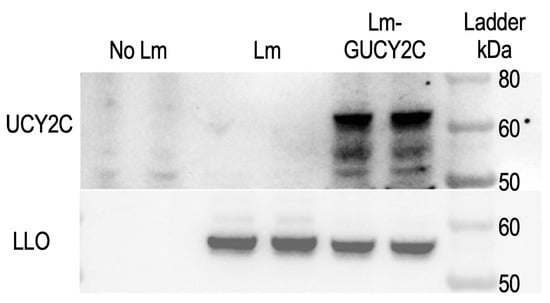
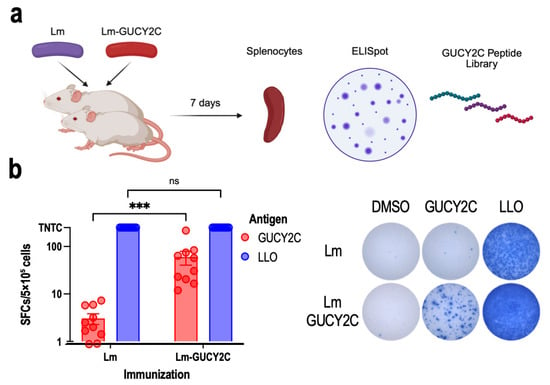
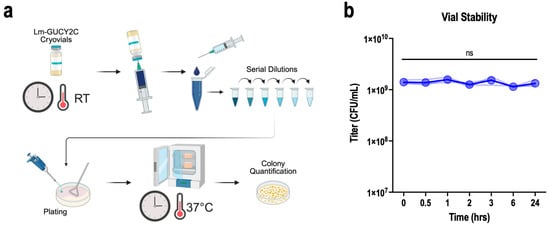
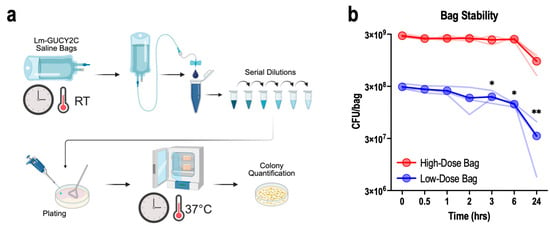
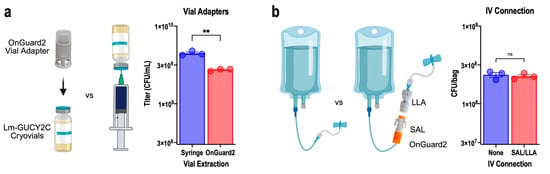
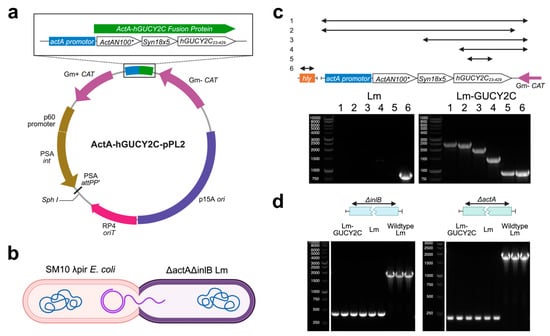
Background: Live-attenuated Listeria monocytogenes (Lm) vectors are a clinically validated cancer immunotherapy platform, but translation requires reproducible, clinically realistic workflows for dose preparation and infusion. For live bacterial products, in-use stability and device compatibility can drive dose variability through adsorption, settling, and device losses. Methods: We developed and GMP-manufactured an attenuated Lm vaccine expressing human GUCY2C (Lm-GUCY2C) and performed translational characterization, including construct verification and immunogenicity readouts, and defined the administration-focused in-use stability and device compatibility. Post-thaw stability was assessed in primary cryovials and during preparation and delivery from 250 mL saline infusion bags using standard clinical devices (syringes/needles, filter-free IV tubing) and OnGuard2 closed-system components. Samples were collected over 24 h at room temperature, and viable Lm-GUCY2C were quantified by CFU recovery. Results: Lm-GUCY2C remained stable in thawed cryovials for 24 h with no significant CFU loss. High-dose infusion bags (3 × 10⁹ CFU/bag) maintained CFU recovery through 6 h, whereas low-dose bags (3 × 10⁸ CFU/bag) exhibited significant losses beginning at 3 h, supporting a practical in-use window of up to 2 h for low-dose preparations. OnGuard2 intravenous (i.v.) connectors did not measurably affect CFU recovery, while OnGuard2 vial adapters reduced recovery. Conclusions: This work provides an end-to-end, translationally focused characterization of a GMP-manufactured Lm cancer vaccine, including clinically actionable in-use handling constraints and device compatibility. These data define preparation and administration guardrails (notably, time-to-infusion limits for low-dose bag preparations) that can improve dose accuracy and reproducibility in clinical testing. Full article
Show Figures

Figure 1

28 pages, 10854 KB  
Article
The Unreasonable Effectiveness of Neural Operators and Mambas in Detecting and Quantifying Electrical Machine Faults: A Case Study on Eccentricity
by Latifa Yusuf, Belaid Moa and Ilamparithi Thirumarai Chelvan
Machines 2026, 14(5), 574; https://doi.org/10.3390/machines14050574 (registering DOI) - 21 May 2026
Abstract
Reliable fault detection and quantification are essential for the operational integrity of electric machines. While traditional current-based analysis relies on harmonic signatures or wavelet-based time-frequency representations, this study investigates modern learning formulations that capture spectral, multiscale, and temporal characteristics of fault-affected signals. Moving [...] Read more.
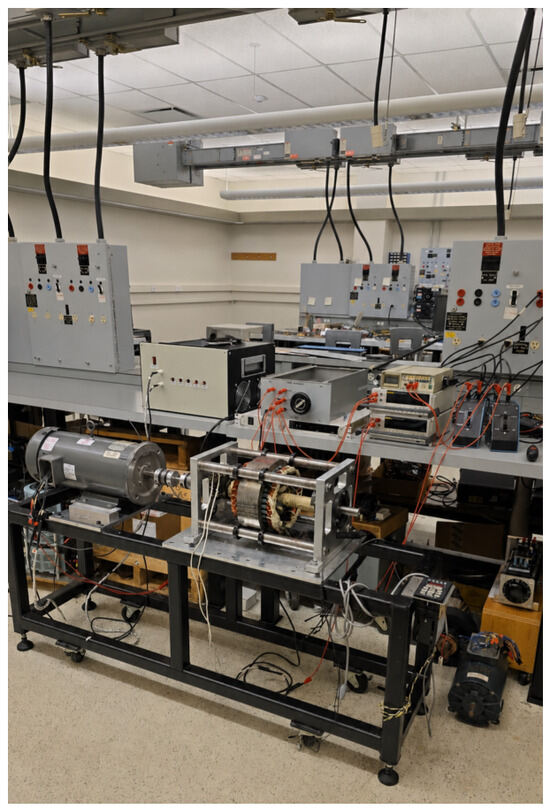
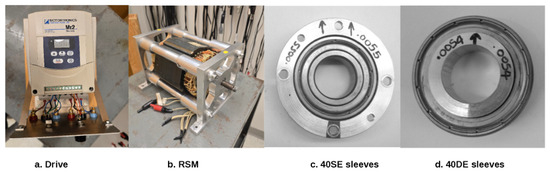
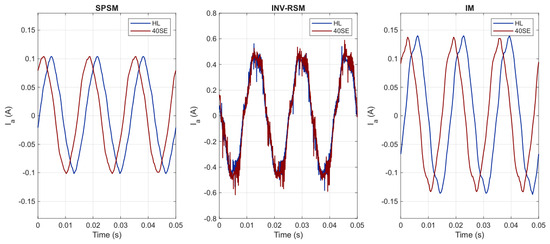
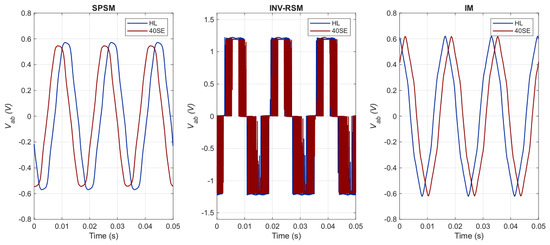
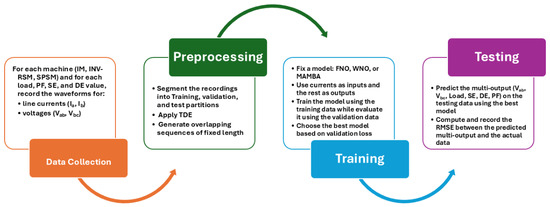
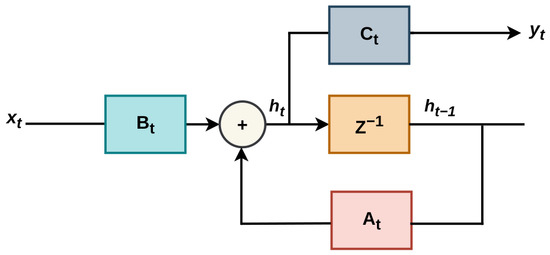
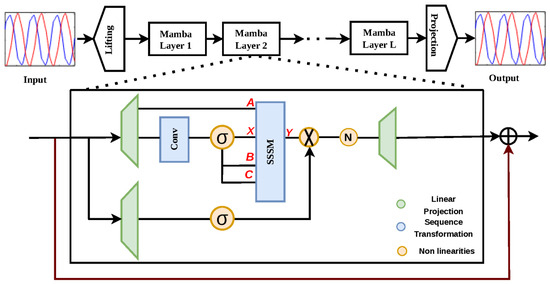
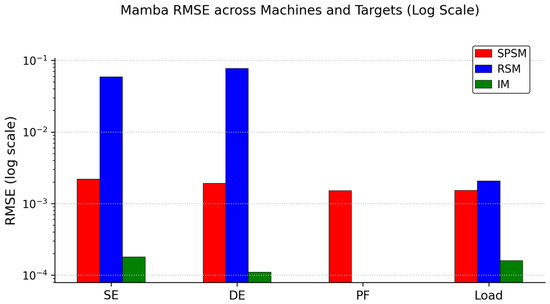
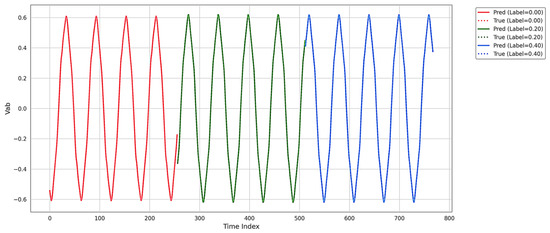
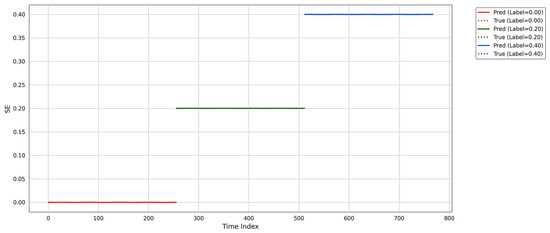
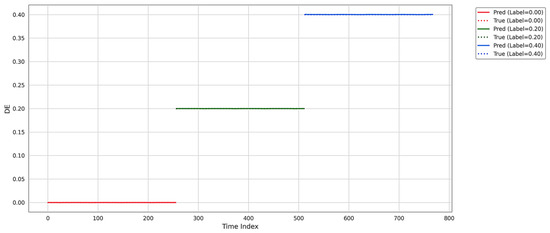
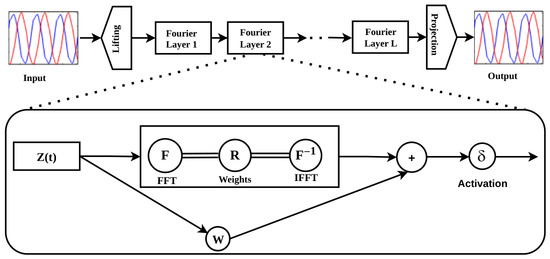
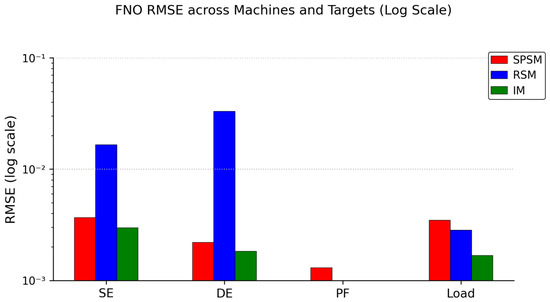
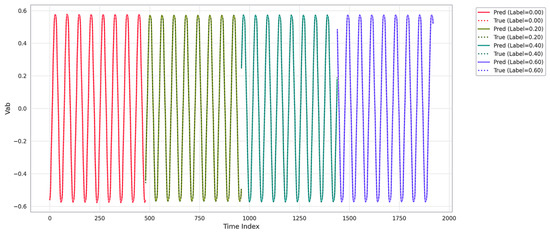
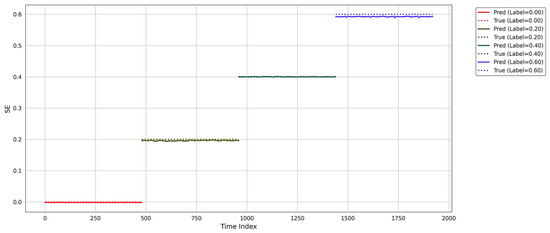
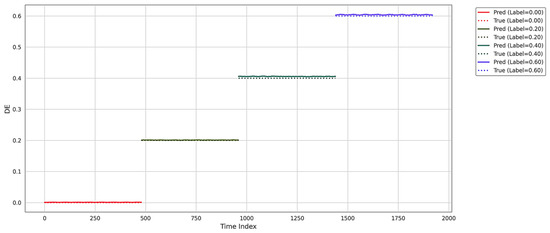
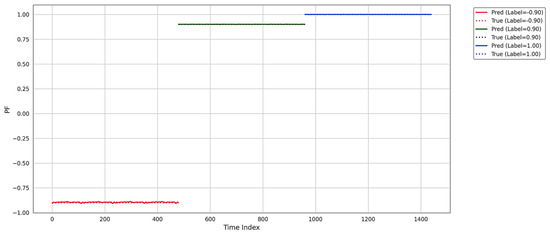
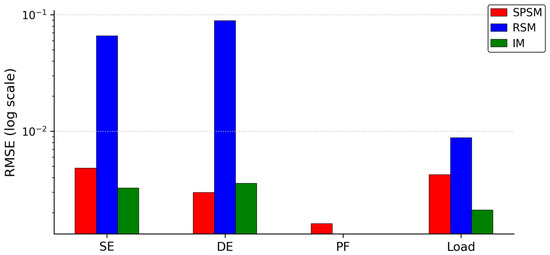
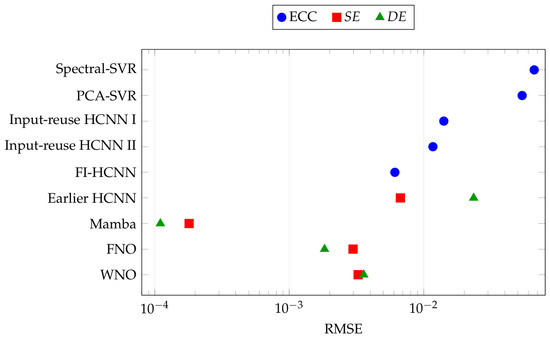
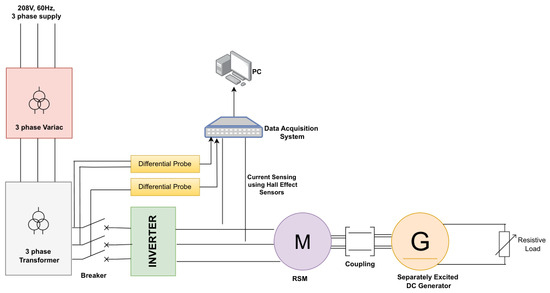
Reliable fault detection and quantification are essential for the operational integrity of electric machines. While traditional current-based analysis relies on harmonic signatures or wavelet-based time-frequency representations, this study investigates modern learning formulations that capture spectral, multiscale, and temporal characteristics of fault-affected signals. Moving beyond conventional models, including our earlier CNN-based approaches, we develop sequence-based and operator-learning architectures within a multi-output formulation for eccentricity fault analysis. Three models are investigated: Mamba for temporal dynamics, the Fourier Neural Operator for global spectral mapping, and the Wavelet Neural Operator for localized multiscale decomposition. Evaluated on induction, salient pole synchronous, and inverter-based reluctance synchronous machines, each model maps stator current waveforms to multiple diagnostic quantities, including voltages, operating conditions, and fault severity. With time-delay embedding, all three achieve low prediction errors, with severity RMSE reaching the 104 scale for the induction machine, a notable reduction from the 0.04 errors of our earlier hierarchical CNN models. These results show that modern sequence-based and operator-learning formulations can broaden machine fault analysis by enabling simultaneous prediction and estimation of multiple aspects of machine condition within a single model. Full article
(This article belongs to the Special Issue Data-Driven Fault Diagnosis for Machines and Systems, 2nd Edition)
Show Figures

Figure 1

22 pages, 277 KB  
Article
Dystopia or Utopia? Tracing Huxley’s Influence on Ali Smith’s Seasonal Quartet
by Chiara Sciarrino
Humanities 2026, 15(5), 70; https://doi.org/10.3390/h15050070 (registering DOI) - 21 May 2026
Abstract
This paper examines the influence of Aldous Huxley’s dystopian vision—particularly Brave New World—on Ali Smith’s Seasonal Quartet, arguing that Smith’s post-Brexit novels can be read as contemporary, politically embedded responses to the dystopian tradition Huxley helped establish. While Smith’s fiction is [...] Read more.
This paper examines the influence of Aldous Huxley’s dystopian vision—particularly Brave New World—on Ali Smith’s Seasonal Quartet, arguing that Smith’s post-Brexit novels can be read as contemporary, politically embedded responses to the dystopian tradition Huxley helped establish. While Smith’s fiction is rarely labelled dystopian in genre, the Quartet is deeply informed by a dystopic sense of cultural, ecological, and political decay in 21st-century Britain. I propose that Smith adopts and adapts key dystopian motifs from Huxley but repurposes them through a radical humanist lens that privileges relationality, art, and memory as sources of resistance and repair. The paper will be structured in three sections. The first outlines Huxley’s dystopian framework, with a focus on Brave New World’s criticism of technological control, emotional appeasement, and the suppression of dissent through pleasure. The second analyzes Smith’s Seasonal Quartet as a world not governed by totalitarian regimes but by apathy, misinformation, and ideological fragmentation. The final section traces Smith’s divergence from Huxley: where Huxley’s world often excludes hope in favor of bleak satire, Smith inserts gestures of resistance, particularly through intergenerational friendships, the presence of art and literature, and the recurrence of seasonal cycles as metaphors for renewal. Although Autumn explicitly references Huxley’s Brave New World, sustained critical comparisons between the two authors remain relatively rare. Most scholarship approaches Huxley through the tradition of twentieth-century dystopian fiction, while Smith’s Quartet is typically discussed within the context of Brexit literature and contemporary narrative experimentation. Reading the Quartet alongside Huxley, therefore, reveals an unexpected dialogue between early twentieth-century dystopian critique and twenty-first-century literary responses to political crisis. Full article
(This article belongs to the Section Literature in the Humanities)
13 pages, 866 KB  
Article
Rotational Stability in a Feline Sacroiliac Luxation Model: Biomechanical Comparison of Cannulated Compression Headless Screws and Cortical Screws Applied in Positional or Lag Fashion
by Jana Klement, Josef Wieser, Christoph Thorwächter, Yury Zablotski, Nina Dorothee Lorenz, Susanne Lauer and Matthias Kornmayer
Animals 2026, 16(10), 1564; https://doi.org/10.3390/ani16101564 (registering DOI) - 21 May 2026
Abstract
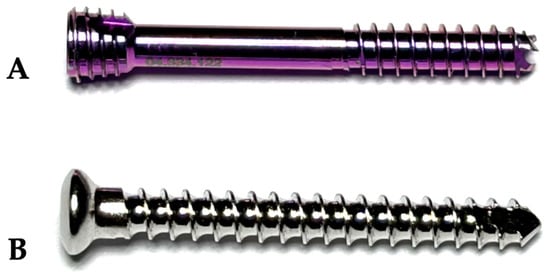
The purpose of this study was to compare the rotational stability of cannulated compression headless screws (CCHSs) with cortical positional and lag screws in a simulated cadaveric feline sacroiliac luxation (SIL) model. Thirty-six cadavers of domestic short-haired cats were assigned to three groups. [...] Read more.
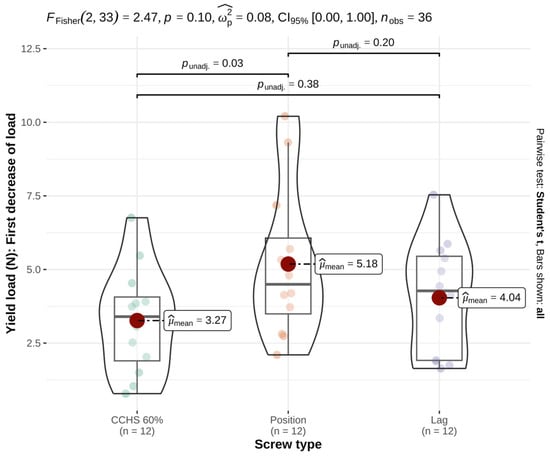
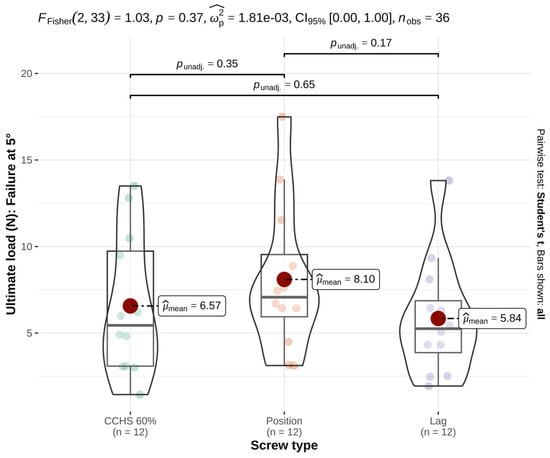
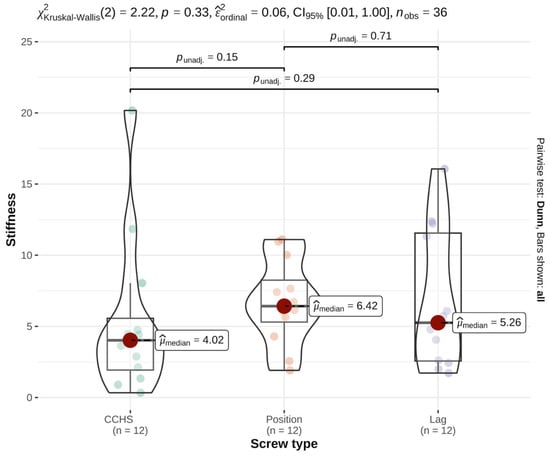
The purpose of this study was to compare the rotational stability of cannulated compression headless screws (CCHSs) with cortical positional and lag screws in a simulated cadaveric feline sacroiliac luxation (SIL) model. Thirty-six cadavers of domestic short-haired cats were assigned to three groups. A unilateral SIL model was stabilized using either a single 2.5 mm CCHS, a 2.4 mm cortical positional screw (PS) or lag screw (LS), each engaging 60% of the sacral width. The pelves were mounted in a mechanical testing machine and loaded through the acetabulum to simulate ground reaction forces. Constant displacement was applied at 0.5 mm/s until maximal failure occurred. Yield load, ultimate load, stiffness, and failure modes were compared among the three groups. At the yield load, a statistical trend was observed among the groups, and pairwise comparison showed a significant difference between CCHS and PS. However, no significant differences were identified among the groups for yield load, ultimate load, or stiffness. All specimens failed due to screw loosening, and failure modes differed between CCHSs and cortical screws. Overall, CCHSs and cortical screws placed in a positional or lag fashion showed comparable rotational stability under the single load-to-failure conditions used in this feline SIL model. These findings question the biomechanical advantage of compression screws regarding rotational strength in unilateral feline SIL. Full article
Show Figures

Figure 1

Open Access Journals

Browse by Indexing Browse by Subject Selected Journals
Back to TopTop