



16 pages, 1273 KB  
Article
Oscillatory Precipitation and Re-Dissolution of Mn-Ni-(Si)-Based Precipitates in Aged Reactor Pressure Vessel Model Steels
by Fan Yang, Zhiwei Cao, Jianbin Zhang and Ting Hao
Metals 2026, 16(6), 658; https://doi.org/10.3390/met16060658 (registering DOI) - 14 Jun 2026
Abstract
The irradiation-induced precipitation of Mn-Ni-rich precipitates (MNPs) or Mn-Ni-Si-rich precipitates (MNSPs) is the primary cause of embrittlement in reactor pressure vessel (RPV) steels. In this study, high-precision electrical resistivity (ER) measurements (10 nΩ·m accuracy) were employed to probe the thermal stability of aging-induced [...] Read more.
The irradiation-induced precipitation of Mn-Ni-rich precipitates (MNPs) or Mn-Ni-Si-rich precipitates (MNSPs) is the primary cause of embrittlement in reactor pressure vessel (RPV) steels. In this study, high-precision electrical resistivity (ER) measurements (10 nΩ·m accuracy) were employed to probe the thermal stability of aging-induced MNSPs in RPV model steels that were aged at 600 °C for 30 h. We report the discovery of oscillatory precipitation and re-dissolution of MNPs/MNSPs, evidenced by alternating ER peaks upon repeated thermal cycling to 950 °C. This oscillatory behavior is further confirmed by scanning transmission electron microscopy (STEM) and energy-dispersive X-ray spectroscopy (EDS) observations. Internal friction (IF) results indicate that the oscillatory precipitation and re-dissolution of MNPs/MNSPs should occur predominantly within the grain interiors rather than at grain boundaries (GBs). Full article
(This article belongs to the Special Issue Advanced Metals and Alloys for Nuclear Applications)
28 pages, 15618 KB  
Article
Application of WRF-CAMx over West Asia, Part I: Meteorological and Air Quality Model Evaluation
by Daniel Schuch, Kiarash Farzad and Yang Zhang
Climate 2026, 14(6), 128; https://doi.org/10.3390/cli14060128 (registering DOI) - 14 Jun 2026
Abstract
Air pollution poses significant risks to public health, ecosystems, and regional economies, particularly in rapidly developing regions. Despite its importance, the Middle East remains relatively understudied in regional air quality, with limited evaluations of pollutant transport and model performance. This study applies the [...] Read more.
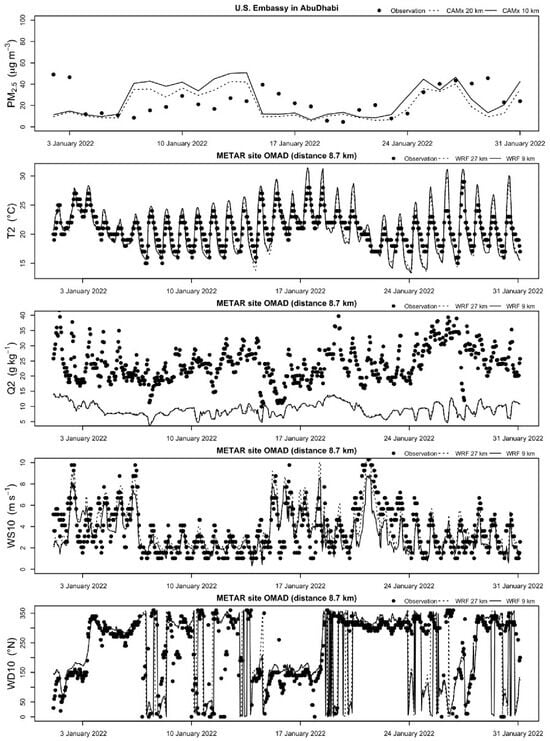
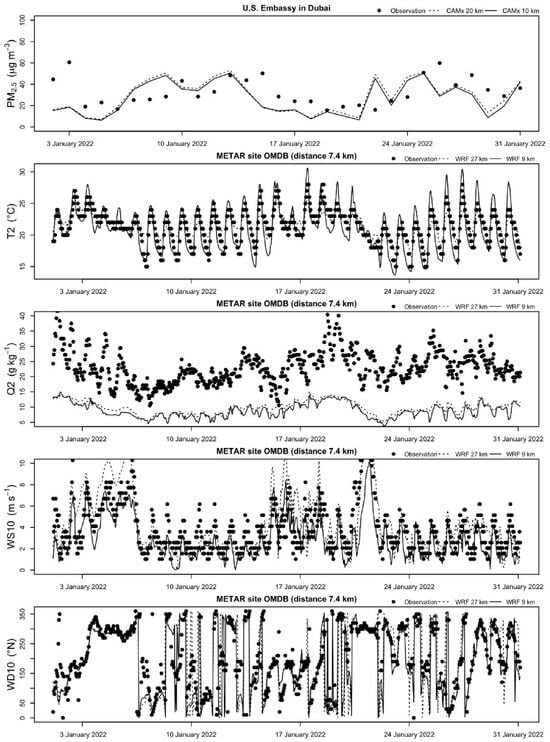
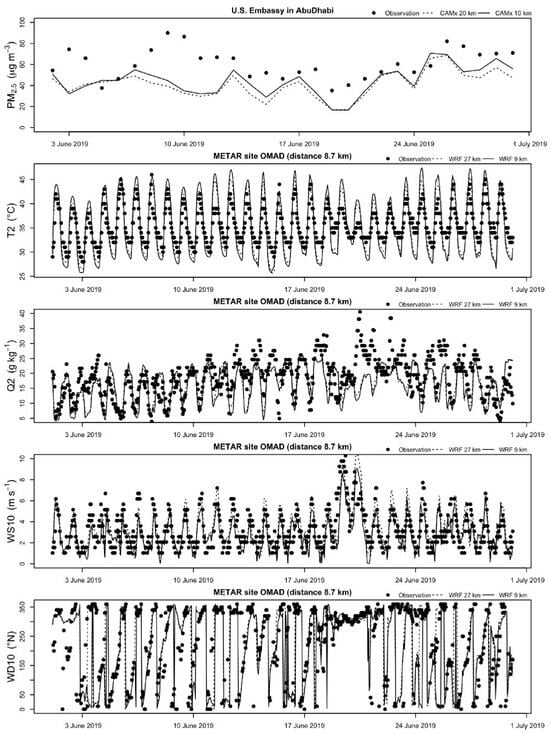
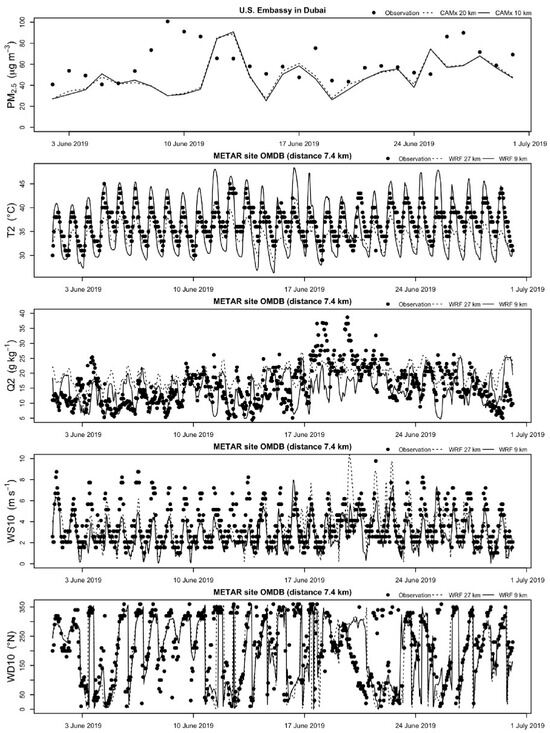
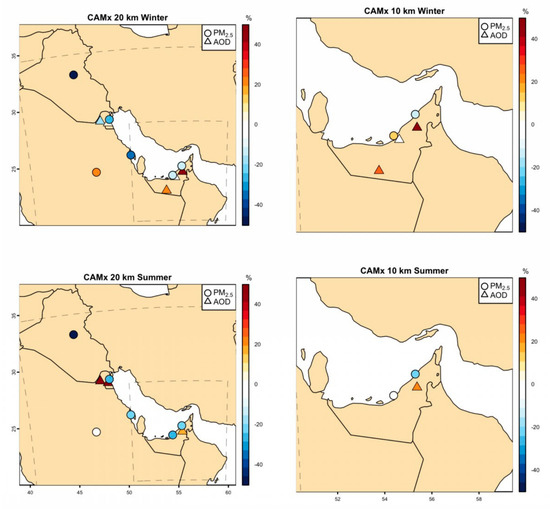
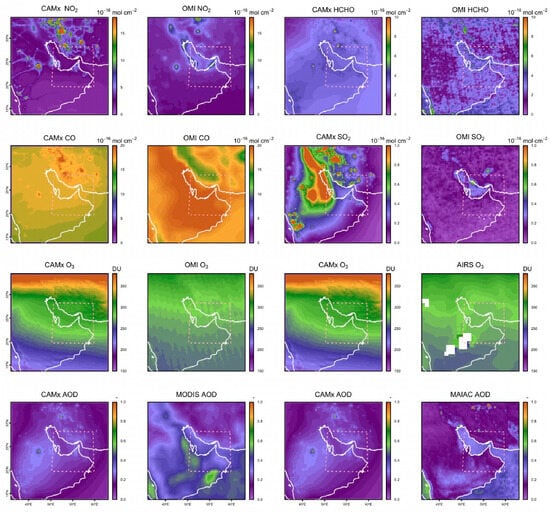
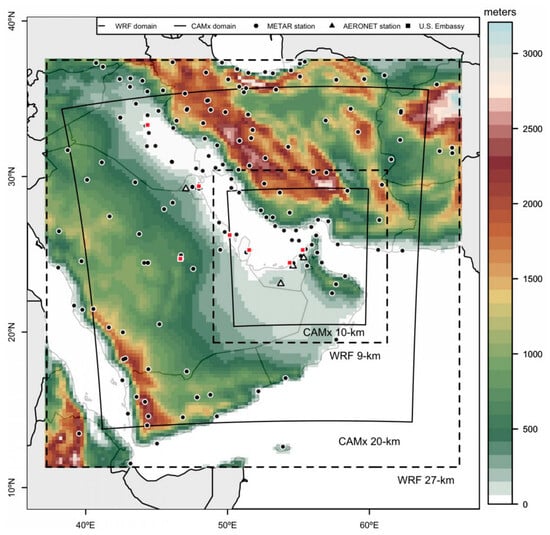
Air pollution poses significant risks to public health, ecosystems, and regional economies, particularly in rapidly developing regions. Despite its importance, the Middle East remains relatively understudied in regional air quality, with limited evaluations of pollutant transport and model performance. This study applies the WRF (Weather Research and Forecasting) model coupled with the CAMx (Comprehensive Air Quality Model with Extensions) model to simulate meteorology and air quality over West Asia, with a focus on the United Arab Emirates (UAE). Six representative months are analyzed, including three winter periods (January 2018, 2020, 2022) and three summer periods (June 2017, 2019, 2021). WRF shows good agreement with observations, reproducing near-surface temperature with an index of agreement (IOA) between 0.90 and 1.00 and generally low wind speed (MB < ±0.5 m s−1) and wind direction biases (MB < ±0.5), although cloud-radiative forcing is underestimated during winter. CAMx reproduces PM2.5 concentrations with moderate-to-high correlations (r = 0.44–0.65) and low bias, while AOD and O3 column concentration show larger uncertainties. Satellite-based evaluation indicates good performance for NO2 and CO column abundances but larger discrepancies for HCHO and SO2, particularly during summer. Overall, the results demonstrate that the WRF-CAMx modeling system provides a reliable framework for regional air quality simulations over West Asia, while highlighting uncertainties associated with emissions, atmospheric chemistry, and satellite retrieval products. Full article
(This article belongs to the Special Issue Multi-Physics and Chemistry of Urban Climate Modelling)
Show Figures

Figure 1

28 pages, 12721 KB  
Article
Polymer Controlled Oil Bank Dynamics: A Hybrid Physics-Informed Machine Learning Quantitative Framework
by Wenyang Shi, Yunpeng Gong, Shaokai Rong, He Li, Lei Tao, Jiajia Bai, Zhengxiao Xu and Qingjie Zhu
Processes 2026, 14(12), 1946; https://doi.org/10.3390/pr14121946 (registering DOI) - 14 Jun 2026
Abstract
To address the lack of systematic quantitative characterization of oil bank dynamic evolution and unclear dominant controlling factors in polymer flooding, this study combines reservoir numerical simulation with Python-based quantitative analysis and a machine learning framework (random forest + SHAP). We established 1D [...] Read more.
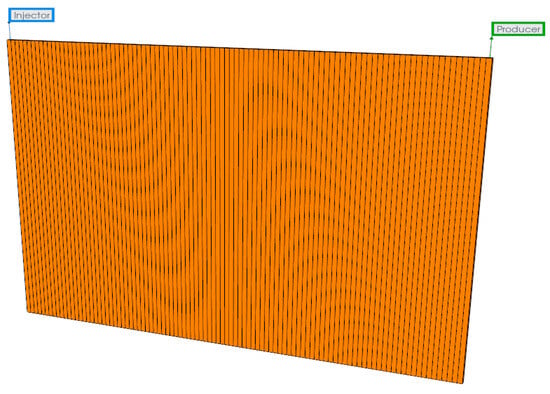
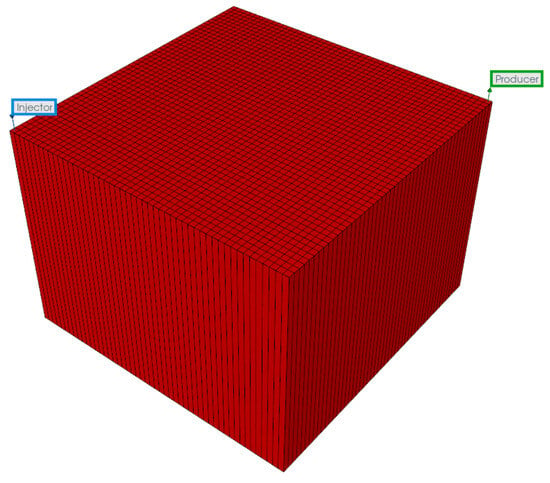
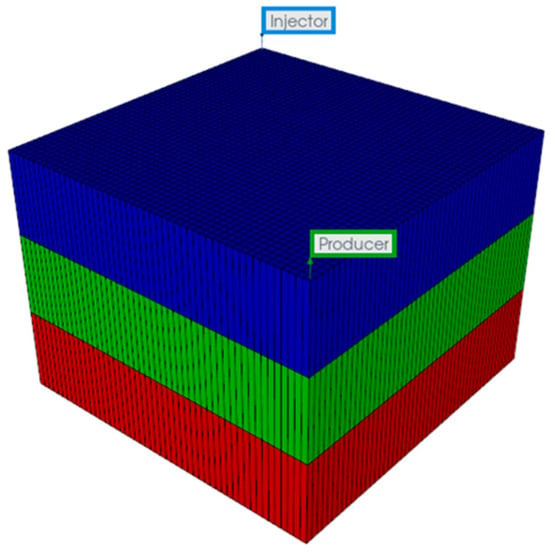
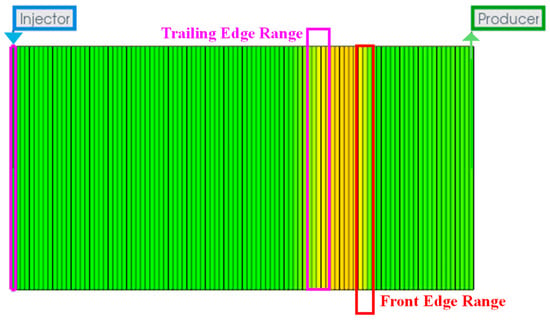
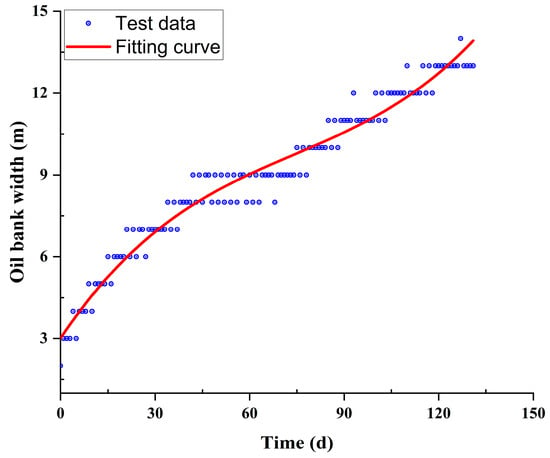
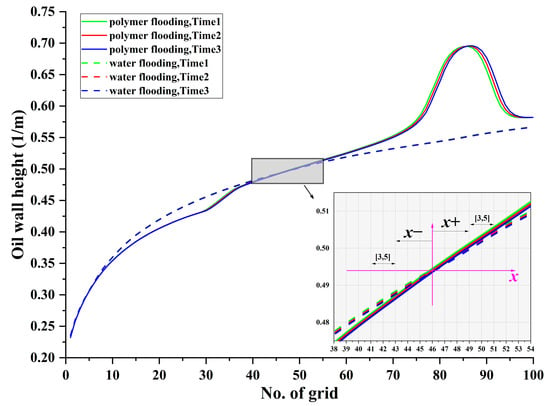
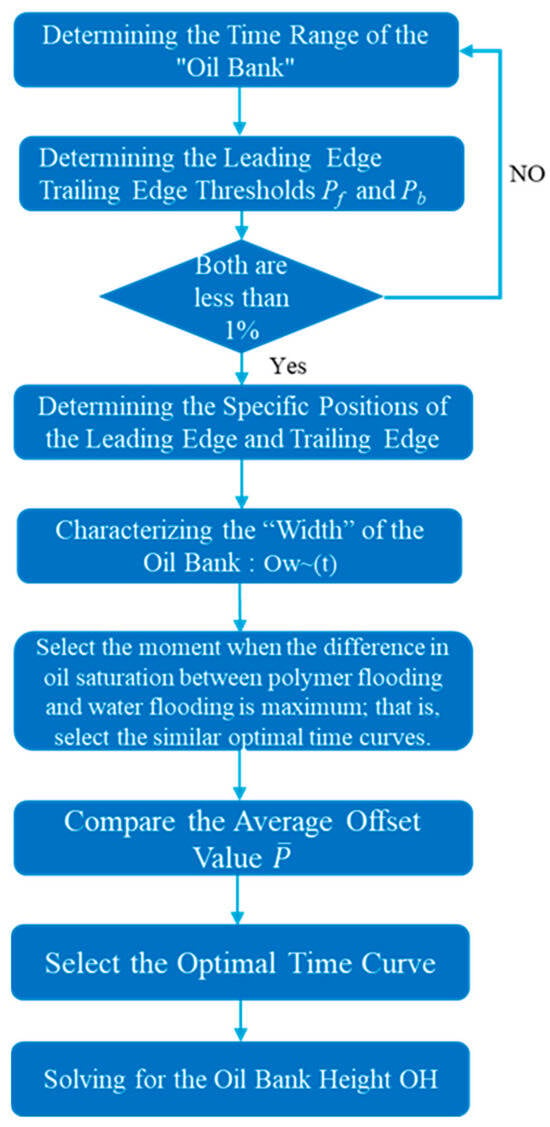
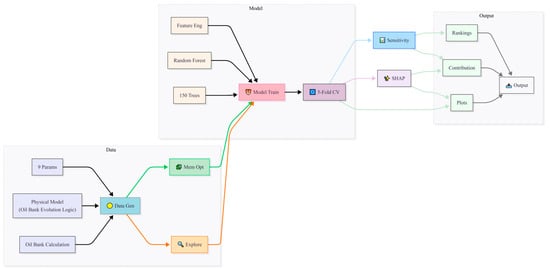
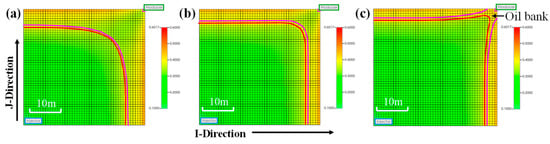
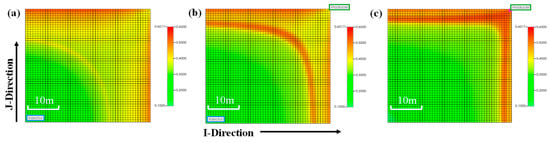
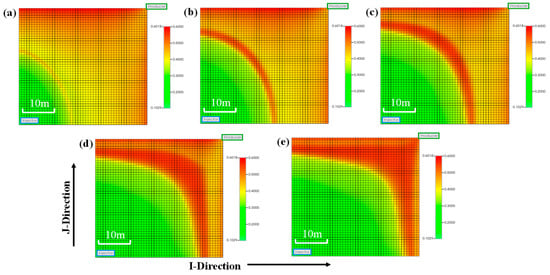
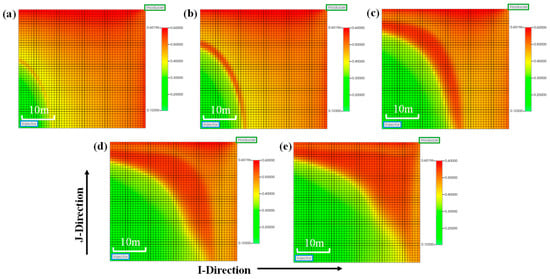
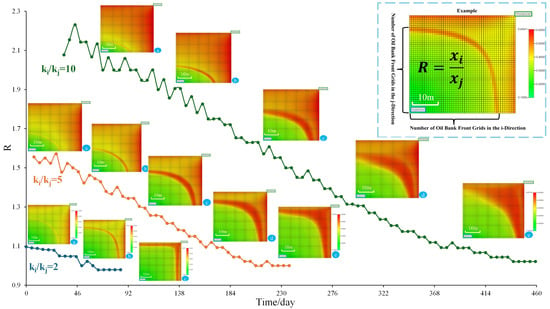
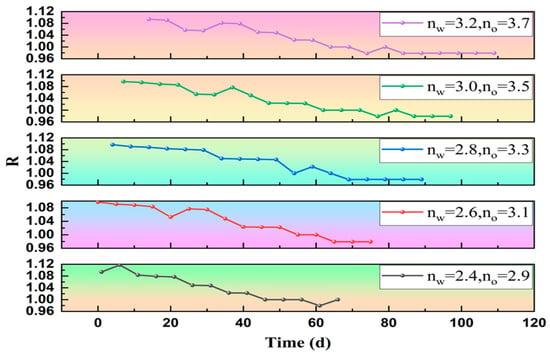
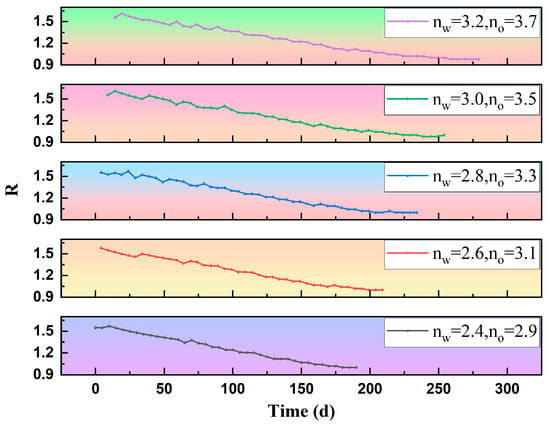
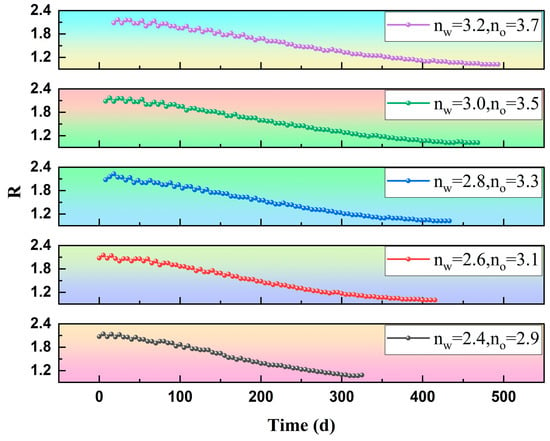
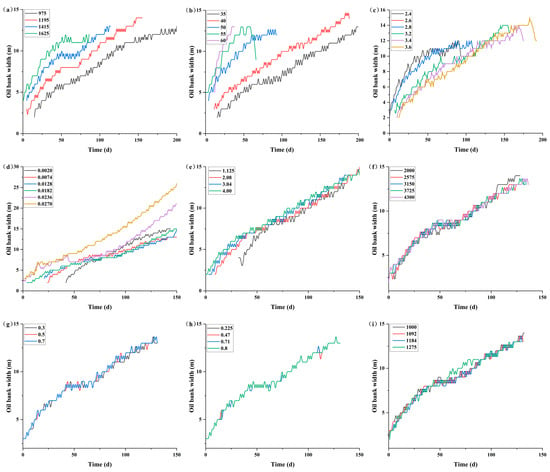
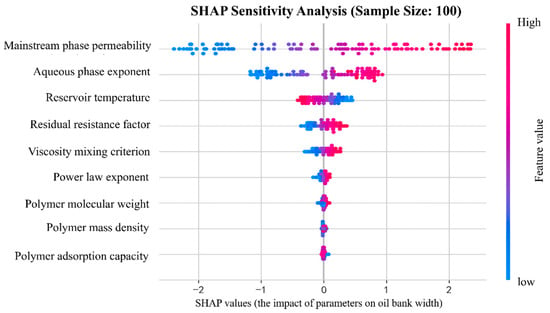
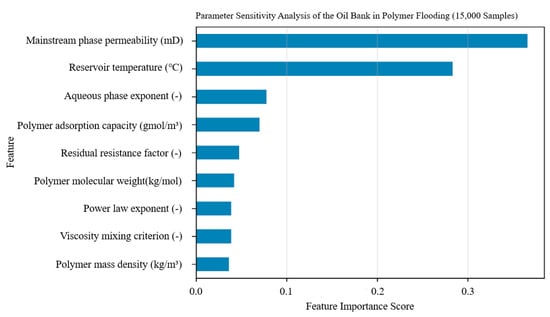
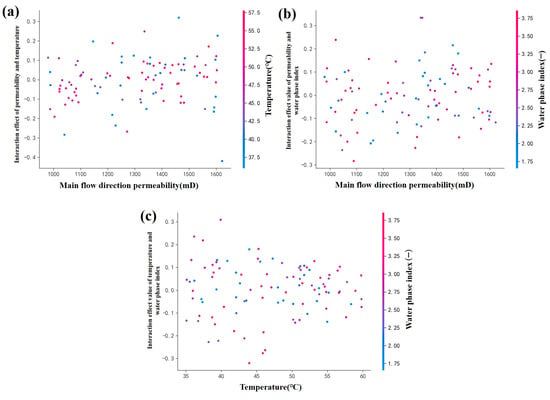
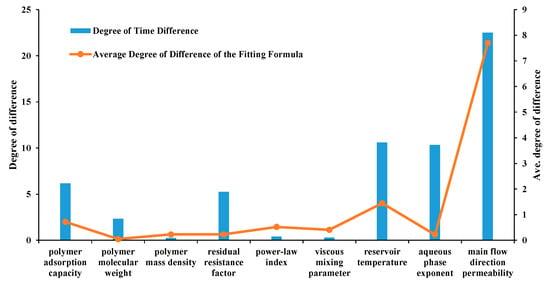
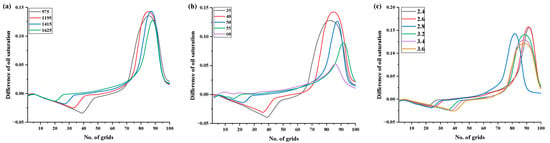
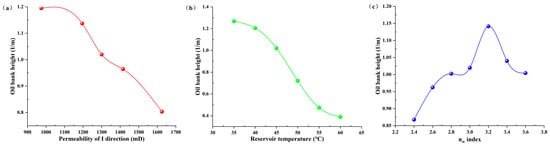
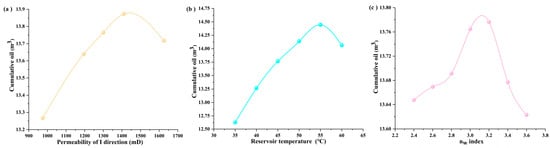
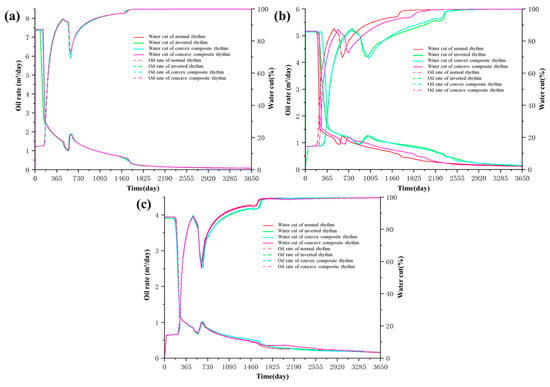
To address the lack of systematic quantitative characterization of oil bank dynamic evolution and unclear dominant controlling factors in polymer flooding, this study combines reservoir numerical simulation with Python-based quantitative analysis and a machine learning framework (random forest + SHAP). We established 1D and 2D reservoir models: the 1D model develops a precise quantitative characterization method for oil bank width (defined by front/rear edge saturation offsets Pf < 1.0% and Pb < 1.0%, fitted with a cubic polynomial, R2 > 0.95) and height (derived from optimal oil saturation difference time curves and integral calculation); the 2D model investigates the regulatory mechanism of reservoir heterogeneity. Based on 15,000 sets of physically consistent simulation data, the random forest model achieves high prediction accuracy (R2 = 0.98). Sensitivity analysis reveals that main flow direction permeability, reservoir temperature, and water-phase exponent (nw) of the Corey model are the dominant controlling parameters, exhibiting substantially higher sensitivity than polymer adsorption capacity and residual resistance coefficient. The oil bank height shows a negative correlation with the first two parameters, while it displays a peak-type variation with the water-phase exponent. Under heterogeneous conditions, permeability anisotropy amplifies the regulatory effect of relative permeability exponents, leading to unbalanced oil bank migration (quantified by front ratio R). This study breaks through the limitations of traditional qualitative characterization, elucidates the spatiotemporal evolution laws and heterogeneous regulatory mechanisms of the oil bank, and provides reliable theoretical and dataset support for optimizing polymer flooding schemes. Full article
(This article belongs to the Section Petroleum and Low-Carbon Energy Process Engineering)
Show Figures

Figure 1

26 pages, 7274 KB  
Article
Assessing the Impact of Land Use and Land Cover Change on Ecological Environment Quality in Arid and Semi-Arid Grassland Regions: A Case Study of Siziwang Banner, Inner Mongolia
by Kai Wang, Huizhou Zuo, Jinzhu Ji, Xinpeng Wang and Qi Cao
Earth 2026, 7(3), 101; https://doi.org/10.3390/earth7030101 (registering DOI) - 14 Jun 2026
Abstract
Siziwang Banner in Inner Mongolia is a typical arid and semi-arid grassland region where ecological environmental quality is highly sensitive to climate variability and land use and land cover change (LULCC). Clarifying the long-term coupling relationship between LULCC and ecological environmental quality is [...] Read more.
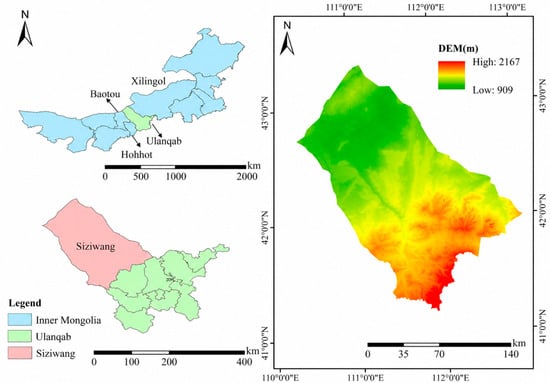
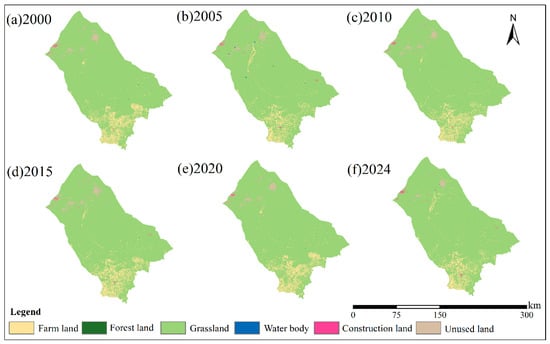
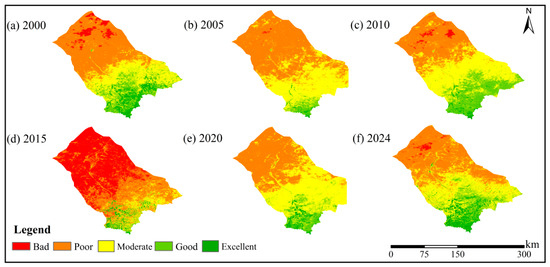
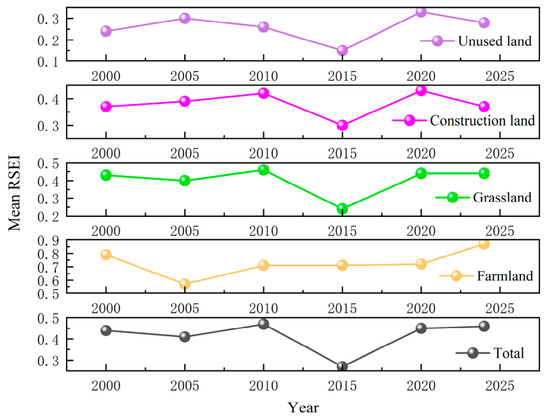
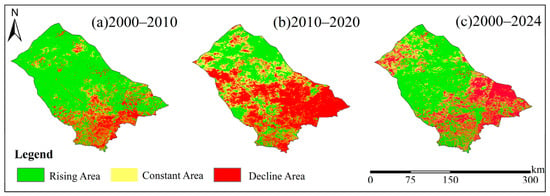
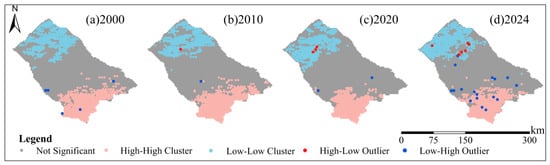
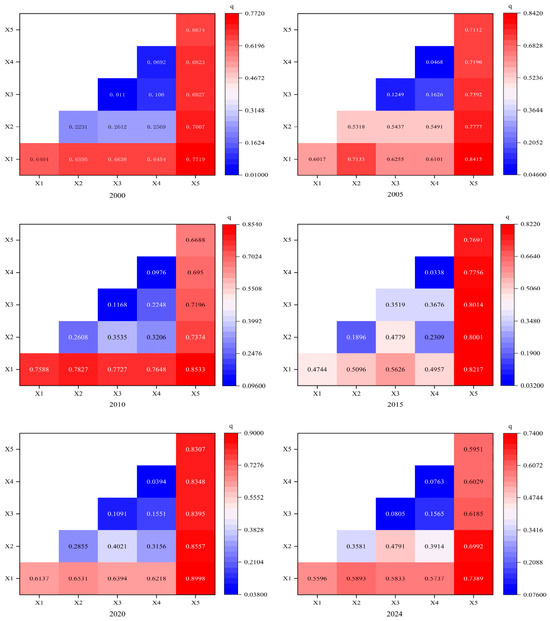
Siziwang Banner in Inner Mongolia is a typical arid and semi-arid grassland region where ecological environmental quality is highly sensitive to climate variability and land use and land cover change (LULCC). Clarifying the long-term coupling relationship between LULCC and ecological environmental quality is essential for regional ecological protection and sustainable land management. Based on the Google Earth Engine (GEE) platform, this study integrated multi-temporal Landsat imagery and CLCD-based land use datasets, including an updated 2024 land use layer, to construct a Remote Sensing Ecological Index (RSEI) using standardized and direction-corrected principal component analysis. land use transition matrix analysis, spatial autocorrelation analysis, ecological contribution rate calculation, and GeoDetector were further applied to reveal the spatiotemporal evolution patterns, ecological effects, and driving mechanisms of LULCC in Siziwang Banner from 2000 to 2024. The results showed that: (1) grassland was consistently the dominant land use type, accounting for more than 90% of the total area. The overall land use pattern was characterized by stable grassland dominance, decreasing farmland and unused land, and slight increases in grassland and construction land; forestland showed a high relative growth rate but remained very small in absolute area. (2) The regional ecological environmental quality remained at a lower-to-medium level, with mean RSEI values ranging from 0.27 to 0.47. RSEI showed a phased pattern of initial improvement, subsequent decline, and partial recovery; the marked decline around 2015 was associated with the combined effects of drought stress and land use degradation rather than a single driving factor. RSEI exhibited significant positive spatial autocorrelation, with Moran’s I values ranging from 0.898 to 0.993. High-value clusters were mainly distributed in the southern region, whereas low-value clusters were concentrated in the central and northern regions. (3) Different land use transitions produced differentiated ecological effects. The conversion of unused land to grassland contributed positively to ecological restoration, while grassland degradation and construction land expansion exerted negative effects. The positive RSEI response of some grassland-to-farmland transitions should be interpreted cautiously in relation to local irrigation and intensive farmland management. (4) GeoDetector results indicated that land use type and DEM were the dominant factors controlling the spatial differentiation of RSEI, with average q values of 0.7188 and 0.6178, respectively. The interaction between DEM and land use type showed the strongest explanatory power, indicating that ecological quality was jointly shaped by land use structure and natural background conditions. This study provides a scientific basis for grassland protection, unused-land restoration, farmland management, and spatially differentiated ecological restoration in Siziwang Banner and similar ecologically fragile arid and semi-arid grassland regions. Full article
(This article belongs to the Topic Land Cover and Ecological Change)
Show Figures

Figure 1

20 pages, 1892 KB  
Article
Multi-Stage Hierarchical CNN Model for Power Quality Disturbance Detection and Classification
by Miguel G. Juarez, Jaime Cerda, Alejandro Zamora-Mendez, Jose Ortiz-Bejar and Juan Carlos Silva-Chavez
AI 2026, 7(6), 220; https://doi.org/10.3390/ai7060220 (registering DOI) - 14 Jun 2026
Abstract
Modern power systems are becoming increasingly complex due to the rapid integration of renewable energy sources, the widespread use of nonlinear power-electronic devices, and the deployment of microgrids operating in parallel with conventional power grids. These evolving conditions intensify the occurrence of diverse [...] Read more.
Modern power systems are becoming increasingly complex due to the rapid integration of renewable energy sources, the widespread use of nonlinear power-electronic devices, and the deployment of microgrids operating in parallel with conventional power grids. These evolving conditions intensify the occurrence of diverse and highly complex power quality disturbances (PQDs), demanding accurate and computationally efficient monitoring strategies. This paper presents a novel multi-stage hierarchical framework for PQD detection and classification, comprising an initial training stage with a dedicated 1D Convolutional Neural Network (1D-CNN), a transfer learning stage, and a subsequent fine-tuning stage. The proposed approach operates directly on raw voltage waveforms, eliminating the need for any signal preprocessing, as the CNN performs internal feature extraction. The framework is evaluated using a comprehensive dataset that includes synthetic signals, Matlab/Simulink (version R2022a) time-domain simulations, and real voltage sag events. Additionally, up to 29 types of disturbances, including complex multi-event combinations defined by the IEEE-1159 Standard, are generated using the PQ-SyDa toolbox. The proposed model achieves an F1-score of 97.8% using a three-cycle analysis window and further improves to 98.86% when five cycles are used. These results highlight the robustness and generalization capability of the proposed approach for the real-time PQD monitoring task in modern electrical networks. Full article
(This article belongs to the Section AI Systems: Theory and Applications)
26 pages, 2485 KB  
Review
Advances in Nano-Drug Delivery Systems for Chronic Autoimmune Diseases: A Focus on Diabetes Mellitus, Inflammatory Bowel Disease, and Rheumatoid Arthritis
by Mengqing Hu, Yimiao Zhou, Lin Yang, Liquan Zhou, Xiao Liu, Tianjin Ma and Zuowei Xiao
Molecules 2026, 31(12), 2094; https://doi.org/10.3390/molecules31122094 (registering DOI) - 14 Jun 2026
Abstract
The global prevalence of autoimmune diseases ranges from 3% to 8%, with women at a significantly higher risk than men. The core mechanisms underlying these diseases include impaired T-cell and B-cell immune tolerance, abnormal cytokine production, and aberrant activation of related signaling pathways. [...] Read more.
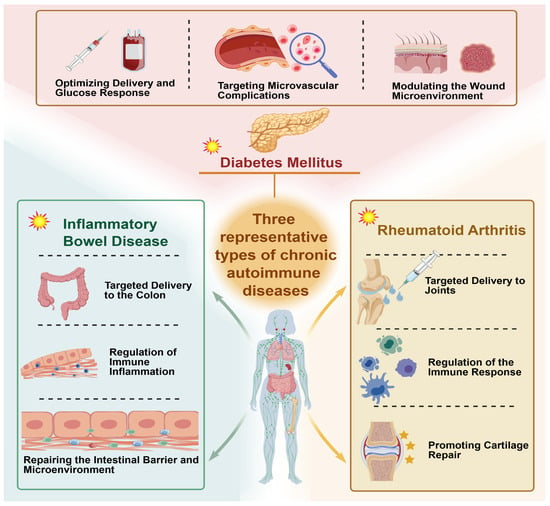
The global prevalence of autoimmune diseases ranges from 3% to 8%, with women at a significantly higher risk than men. The core mechanisms underlying these diseases include impaired T-cell and B-cell immune tolerance, abnormal cytokine production, and aberrant activation of related signaling pathways. Conventional treatments primarily focus on suppressing immune responses, but their efficacy remains limited and they are often associated with substantial side effects. Nanomedicine leverages nanoscale materials to enable precise diagnosis and targeted therapy. Nanocarriers can penetrate biological barriers, enhance cellular uptake, and prolong circulation time in vivo, demonstrating considerable potential for drug delivery. Common nanoscale drug delivery platforms include nanoparticles, polymeric micelles, liposomes, dendrimers, mesoporous materials, hydrogels, and exosomes. Each carrier type possesses distinct characteristics in terms of drug-loading capacity, stability, responsiveness, and biocompatibility, thereby enabling targeted delivery and controlled release. This review summarizes recent advances in nano-delivery technologies for three representative chronic autoimmune diseases: diabetes mellitus (DM), inflammatory bowel disease (IBD), and rheumatoid arthritis (RA). Nano-delivery systems can improve therapeutic outcomes by optimizing drug delivery, targeting complications, and modulating the pathological microenvironment. They enhance drug bioavailability, reduce off-target and systemic adverse effects, and provide novel strategies for the precise and efficient treatment of chronic autoimmune diseases. Full article
Show Figures

Figure 1

6 pages, 210 KB  
Editorial
Research on Biomechanics, Equipment Development, Motor Control and Learning of Human Movements
by Mingjiu Yu and Gongbing Shan
Appl. Sci. 2026, 16(12), 6028; https://doi.org/10.3390/app16126028 (registering DOI) - 14 Jun 2026
Abstract
Human movement science has evolved from largely independent disciplinary traditions into an increasingly integrated research field [...] Full article
20 pages, 2078 KB  
Article
Structural Characteristics Analysis of Pinus taiwanensis Plantation in Climate Transition Zone
by Mengli Zhou, Jianbo Shen, Peilin Pang, Fang Guo and Dongfeng Yan
Plants 2026, 15(12), 1842; https://doi.org/10.3390/plants15121842 (registering DOI) - 14 Jun 2026
Abstract
Understanding the structural characteristics of Pinus taiwanensis plantations in climatically transitional regions is essential for developing science-based management strategies under global change. This study investigated 23 plots in Huangbai Mountain Forest Farm, Henan Province, China, classified into low-, medium-, and high-density stands ( [...] Read more.
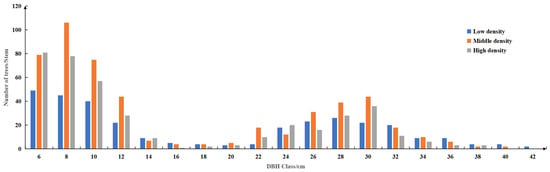
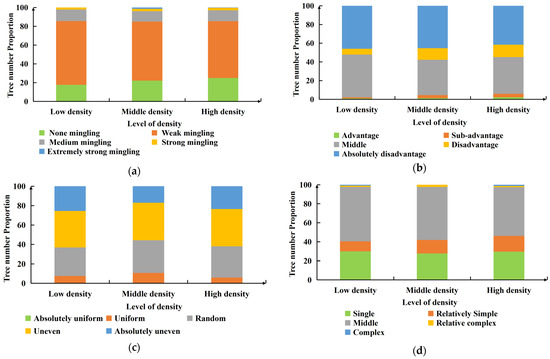
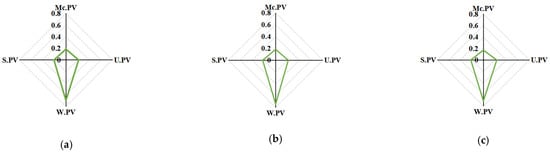
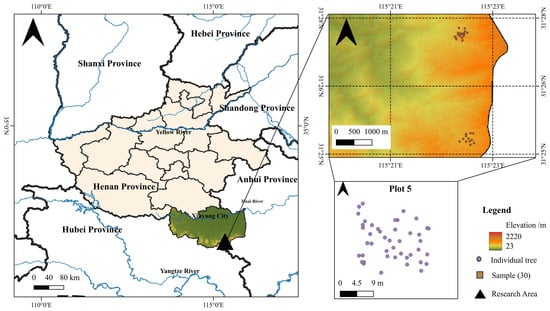
Understanding the structural characteristics of Pinus taiwanensis plantations in climatically transitional regions is essential for developing science-based management strategies under global change. This study investigated 23 plots in Huangbai Mountain Forest Farm, Henan Province, China, classified into low-, medium-, and high-density stands (n = 9, 9, and 5, respectively). Diameter distributions were fitted using six probability functions, and four spatial structure parameters—mixing degree (Mc), size ratio (U), uniform angle index (W), and forest layer index (S)—were quantified. In addition, five comprehensive spatial structure indices—average superiority coefficient index (SPV), spatial structure comprehensive index (Q), stand spatial structure distance index (FSI), Comprehensive Distance Evaluation (CDEV), and Comprehensive Assessment of Proximity Vector (CAPV)—were constructed using a combined analytic hierarchy process and entropy weight method. Given the unbalanced sample sizes, non-parametric Kruskal–Wallis tests were employed for comparisons, and bootstrap resampling (1000 iterations) was performed to assess the reliability of mean estimates. The results showed that both the Gamma and Weibull distributions were equally suitable for describing diameter distribution under different stand densities, as their AIC differences were below 2 for all density classes. Correlation analysis indicated that the relative importance of spatial parameters followed the order S > U > Mc > W. Medium-density stands exhibited the most optimal spatial structure, whereas low-density stands showed the poorest performance. These findings suggest that both overly dense and sparse stands negatively affect spatial organization. Appropriate management practices, such as thinning or enrichment planting, are recommended to optimize stand structure and enhance ecological resilience. Full article
(This article belongs to the Special Issue AI-Driven Machine Vision Technologies in Plant Science)
Show Figures

Figure 1

35 pages, 3684 KB  
Article
Few-Shot Learning for Irregular Hangeul Typeface Expansion: A Comparative Study of GAN, VQGAN, and Diffusion Models
by Jikyung Hong and Sungkye Kim
Electronics 2026, 15(12), 2633; https://doi.org/10.3390/electronics15122633 (registering DOI) - 14 Jun 2026
Abstract
Irregular Hangeul typefaces present a challenging computer vision problem because complete font generation must generalize from a small number of reference glyphs while preserving both structural consistency and stylistic fidelity. This study investigates few-shot learning for the restoration and expansion of irregular and [...] Read more.
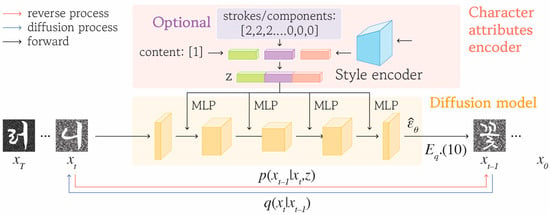
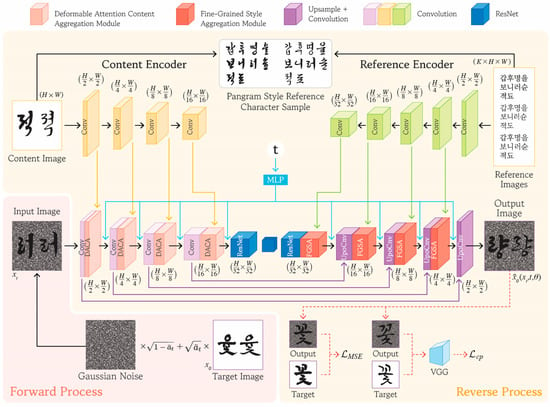
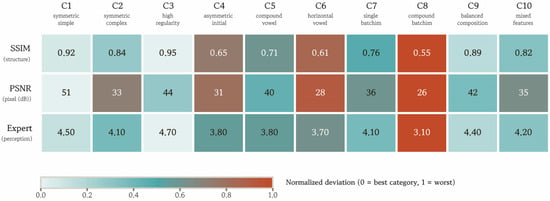
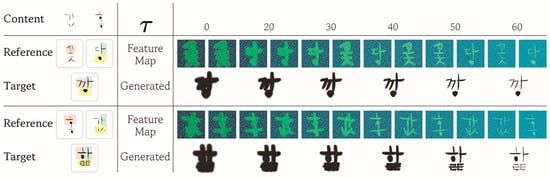
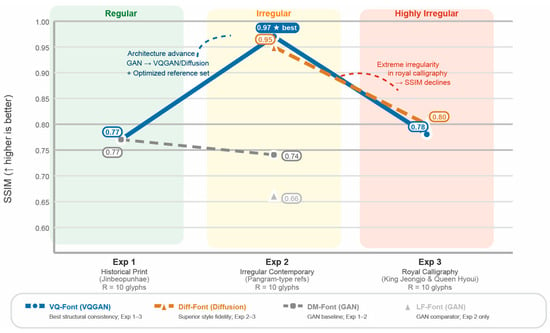
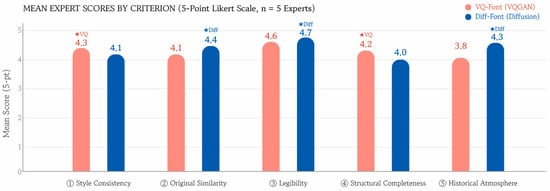
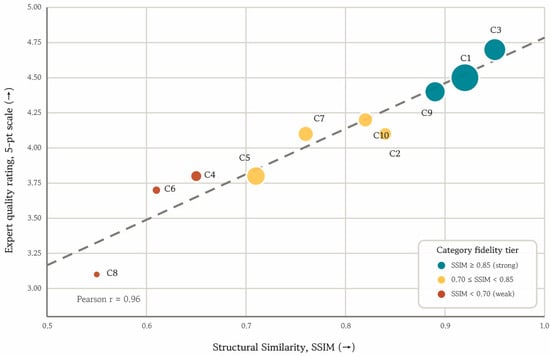
Irregular Hangeul typefaces present a challenging computer vision problem because complete font generation must generalize from a small number of reference glyphs while preserving both structural consistency and stylistic fidelity. This study investigates few-shot learning for the restoration and expansion of irregular and historical Hangeul typefaces through three experiments spanning relatively regular woodblock print, irregular contemporary type, and highly irregular royal calligraphy. We benchmark a GAN-based model (DM-Font), a VQGAN-based model (VQ-Font), and a diffusion-based model (Diff-Font) under limited supervision and evaluate them using pixel-level similarity, structural indicator, OCR usability, and expert assessment. DM-Font established a feasible baseline for historical restoration (mean SSIM 0.77), whereas VQ-Font obtained the highest structural similarity for irregular contemporary typeface when paired with a structurally designed 10-character pangram reference set (SSIM 0.97; OCR accuracy 99.5% on the evaluated glyph set). For highly irregular royal calligraphy, the two models performed comparably on global similarity (SSIM 0.78 vs. 0.80) and on expert ratings (4.2 vs. 4.3); VQ-Font showed more stable structure-sensitive indicators, whereas Diff-Font better preserved stylistic nuance. The findings suggest that reference-set composition substantially affects generation quality under fixed-budget few-shot conditions, and that model choice should be matched to source regularity and restoration objectives. Full article
Show Figures

Figure 1

28 pages, 1742 KB  
Article
Investigation of Thermally Induced Stiffness Variation and Its Aeroelastic Implications in Supersonic Flight
by Farhad Guliyev and Ali Öztürk
Appl. Sci. 2026, 16(12), 6027; https://doi.org/10.3390/app16126027 (registering DOI) - 14 Jun 2026
Abstract
In this study, the influence of thermal loading in a supersonic flight environment on the mechanical stiffness of elastic structures and the corresponding aeroelastic stability limits is investigated analytically. Recognizing that elevated temperatures inherently alter constituent elastic properties, a temperature-dependent continuous elasticity framework [...] Read more.
In this study, the influence of thermal loading in a supersonic flight environment on the mechanical stiffness of elastic structures and the corresponding aeroelastic stability limits is investigated analytically. Recognizing that elevated temperatures inherently alter constituent elastic properties, a temperature-dependent continuous elasticity framework is incorporated directly into the governing differential operators of the structural domain. The macro-mechanical behavior of representative panel- and wing-type elements is modeled utilizing the Euler–Bernoulli beam formulation, while high-speed supersonic aerodynamic effects are represented through linearized first-order piston theory. The continuous spatial displacement fields are discretized by means of a modal expansion, and the coupled aeroelastic system is subsequently transformed into a finite set of dynamic state-space equations using the Ritz–Galerkin truncation method. The numerical and analytical outputs demonstrate that aerothermal softening not only induces continuous erosion in the material stiffness but also directly modulates the aeroelastic pole trajectories, thereby prematurely contracting the safe supersonic flight envelope. The primary novelty of the proposed framework lies in the derivation of explicit analytical expressions that directly map temperature-dependent stiffness variations onto supersonic aeroelastic instability boundaries. Because this approach is formulated in a generalized analytical form, it can be applied across diverse material systems, geometric profiles, and thermal conditions with reduced computational overhead compared to full fluid–structure interaction solvers, thereby providing a theoretical basis for preliminary stability assessment of supersonic aerospace configurations operating under high-temperature conditions. Full article
(This article belongs to the Section Aerospace Science and Engineering)
15 pages, 5436 KB  
Article
Functional Iron-Transport Genes—TF and TMPRSS6—As Genetic Determinants of Transferrin and Fasting Glucose in a Kazakh Adult Cohort: A Whole-Exome Sequencing Pilot Study
by Dana Kaldarkhan, Gulnaz Nuskabayeva, Nursultan Nurdinov, Ugilzhan Tatykayeva, Ainash Oshibayeva, Shoira Isanova, Arzu Mamutova, Yusuf Ozkul, Nuriye Gokce, Izem Olcay Sahin and Karlygash Sadykova
Int. J. Mol. Sci. 2026, 27(12), 5374; https://doi.org/10.3390/ijms27125374 (registering DOI) - 14 Jun 2026
Abstract
Iron metabolism has long been linked to metabolic syndrome (MetS), but it is still unclear at which step—iron sensing, hepcidin regulation, export, transport, or storage—genetic variation matters the most. There are almost no studies on iron metabolism genes in Kazakhs in particular. Using [...] Read more.
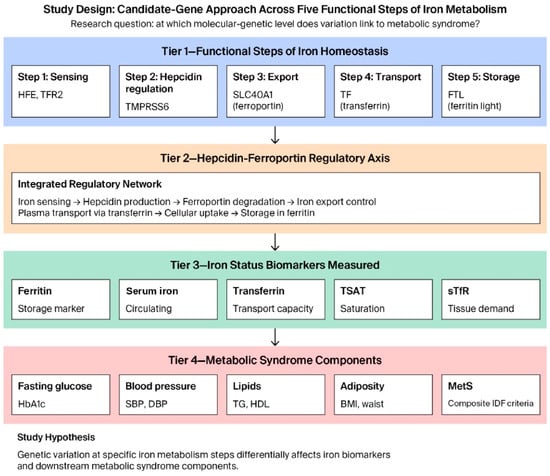
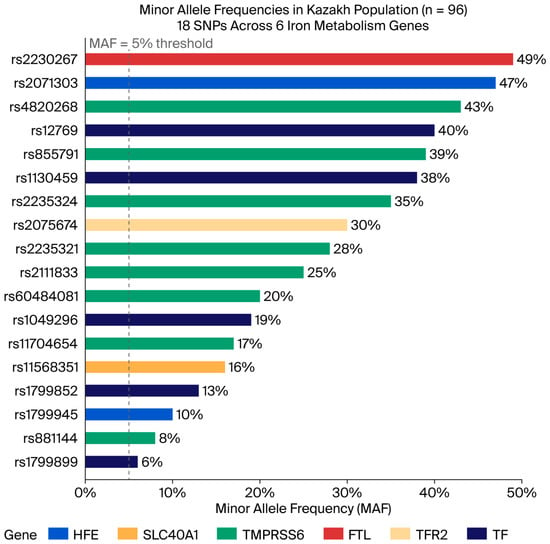
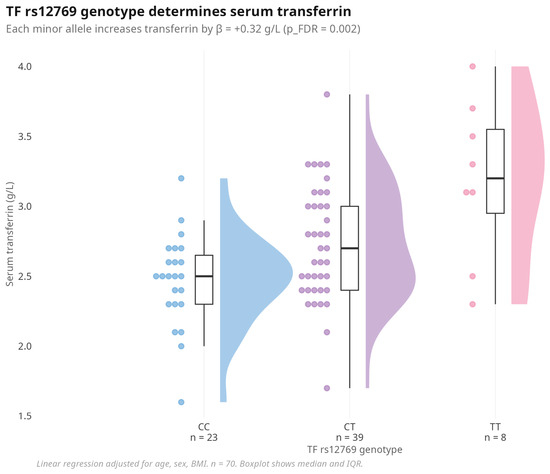
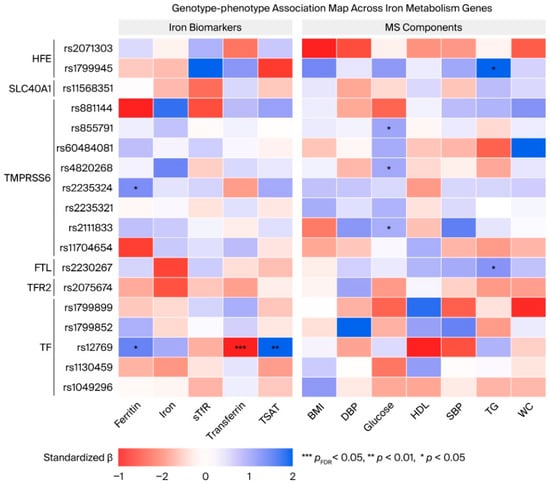
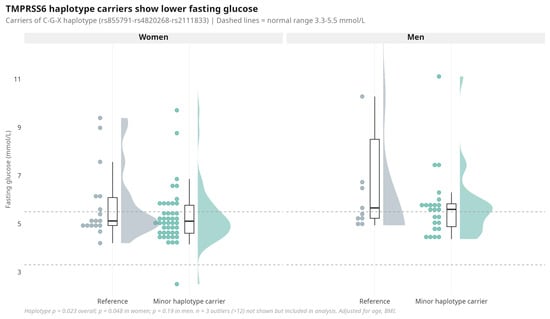
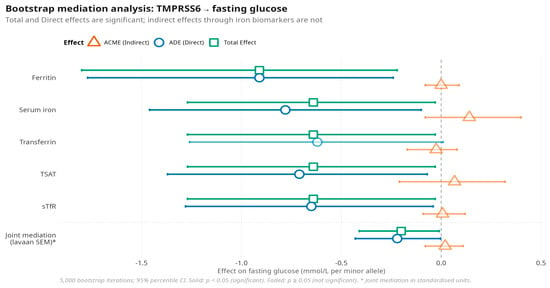
Iron metabolism has long been linked to metabolic syndrome (MetS), but it is still unclear at which step—iron sensing, hepcidin regulation, export, transport, or storage—genetic variation matters the most. There are almost no studies on iron metabolism genes in Kazakhs in particular. Using whole-exome sequencing (WES) data from 96 Kazakh adults (52 with MetS), we examined 18 SNPs across six iron metabolism genes—HFE, SLC40A1, TMPRSS6, FTL, TFR2, and TF. Associations with iron biomarkers and MS components were tested by linear regression adjusted for age, sex, and BMI, with FDR correction, haplotype analysis, and bootstrap mediation analysis. Significant effects clustered at two distinct steps of iron metabolism: hepcidin regulation (TMPRSS6) and iron transport (TF). The T allele of TF rs12769 raised serum transferrin (β = +0.32 g/L; p_FDR = 0.002) while lowering both TSAT (β = −4.25%) and ferritin (β = −0.36 log-units); haplotype analysis confirmed rs12769 as the driver. The TMPRSS6 C–G–C haplotype was associated with lower fasting glucose (β = −1.19 mmol/L; p = 0.023), and TF rs12769 emerged as a robust FDR-significant determinant of serum transferrin (p_FDR = 0.002). Bootstrap mediation analysis (5000 iterations) showed that the TMPRSS6 effect on glucose is not mediated by ferritin, serum iron, transferrin, TSAT, or sTfR (all ACME p > 0.20), while Total and Direct Effects remained robust (p ≤ 0.054). In Kazakhs, iron-metabolism genes appear to influence fasting glucose through direct mechanisms not captured by the standard iron biomarker panel; alternative pathways involving hepatic enzymes, hepcidin, or inflammation warrant investigation in larger cohorts. Full article
(This article belongs to the Section Molecular Pathology, Diagnostics, and Therapeutics)
Show Figures

Figure 1

23 pages, 4055 KB  
Article
Topology Optimization of MIMO Cooling Plates for Discrete Heat Sources in GPUs
by Jinzhao Fan, Bixiao Zhang, Jiazhen Liu, Yufei Cai and Hong Shi
Modelling 2026, 7(3), 116; https://doi.org/10.3390/modelling7030116 (registering DOI) - 14 Jun 2026
Abstract
With the rising integration of high-performance GPUs, localized hotspots induced by discrete heat sources present severe thermal challenges. Traditional single-inlet–single-outlet liquid cold plates can scarcely meet the heat dissipation requirements of inhomogeneous high heat fluxes. This study systematically investigates the effects of nine [...] Read more.
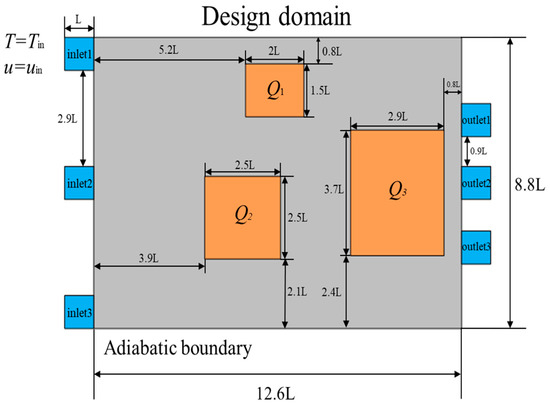
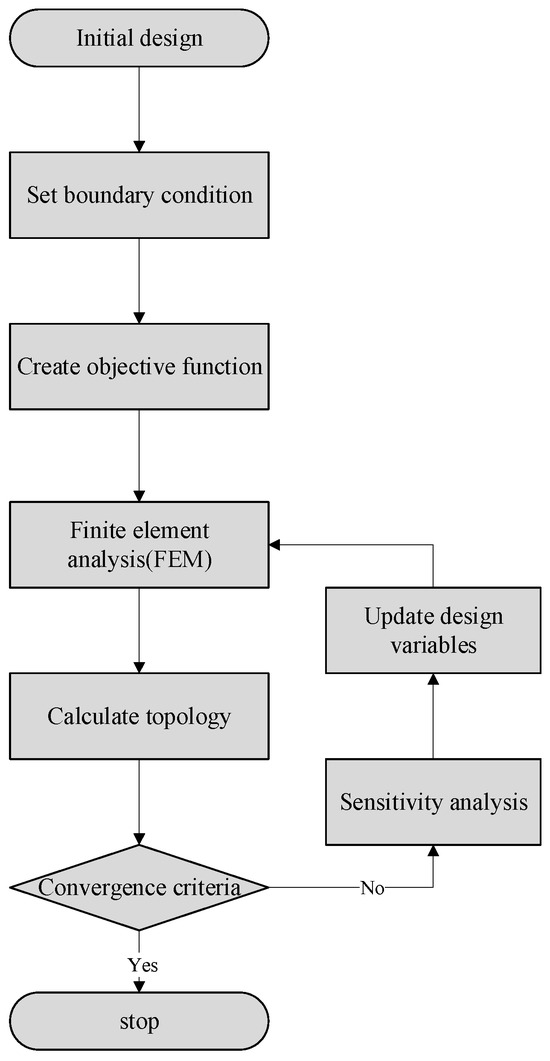
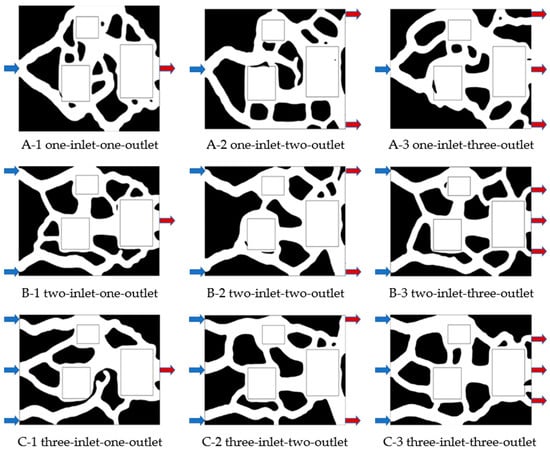
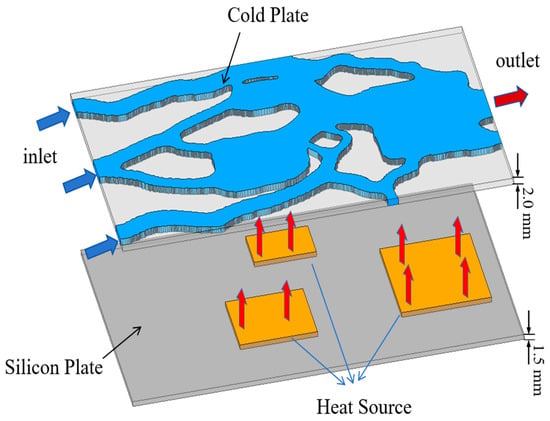
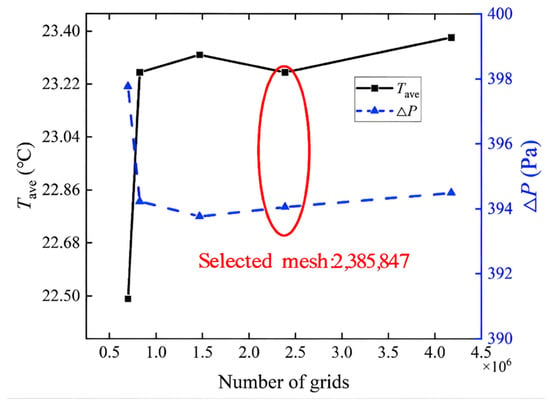
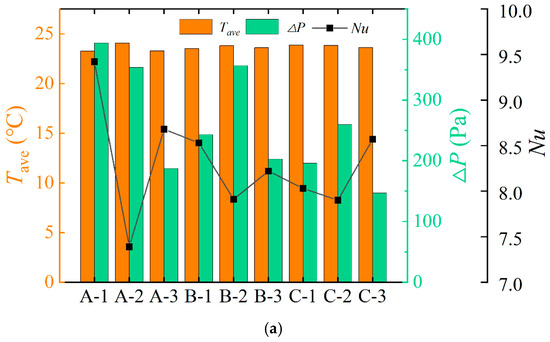
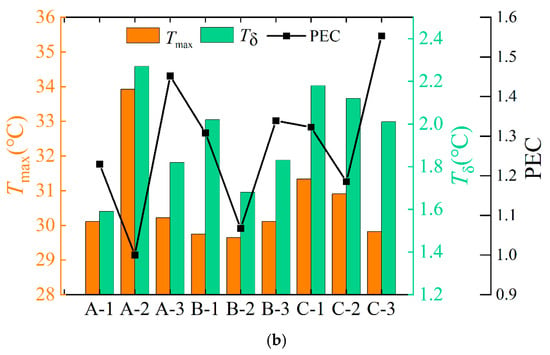
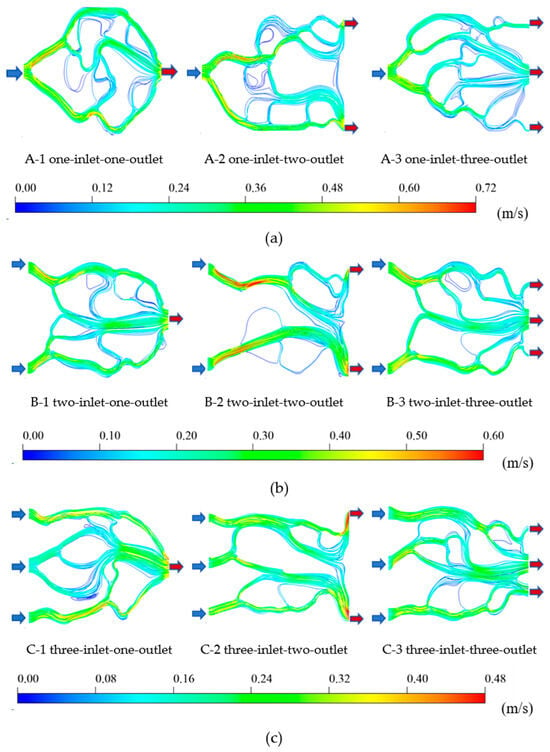
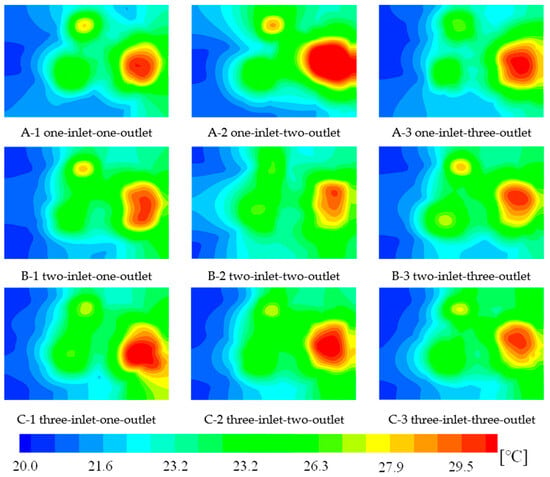
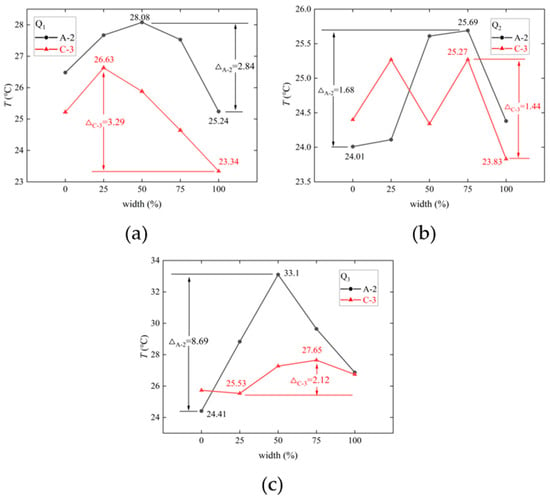
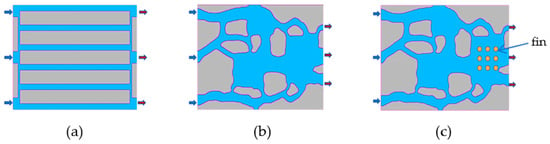
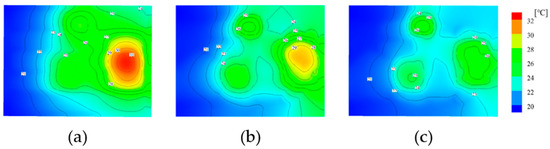
With the rising integration of high-performance GPUs, localized hotspots induced by discrete heat sources present severe thermal challenges. Traditional single-inlet–single-outlet liquid cold plates can scarcely meet the heat dissipation requirements of inhomogeneous high heat fluxes. This study systematically investigates the effects of nine multiple-inlet–multiple-outlet (MIMO) configurations, ranging from single-inlet–single-outlet to three-inlet–three-outlet, on cold plate hydrothermal performance. An innovative stepwise optimization strategy, topology optimization (TO)-driven channel layout combined with fin-enhancement (FE)-based fine regulation, is proposed and verified to precisely regulate surface temperature distribution of discrete heat sources. The results show that the three-inlet–three-outlet configuration C-3 exhibits the optimal comprehensive performance among the nine configurations. Compared with the worst configuration A-2, C-3 reduces the pressure drop by 58.37% to only 147.18 Pa and yields the highest PEC, striking the optimum trade-off between heat transfer enhancement and fluid flow resistance. Through multi-inlet flow distribution and multi-outlet heat extraction, C-3 accurately suppresses heat accumulation in high heat flux regions, limiting the maximum temperature to merely 29.82 °C and drastically narrowing the substrate temperature difference from 8.69 °C to 2.12 °C. In comparison with the traditional cold plate (TCP), the optimized cold plate (OCP) realizes a 17.42% increase in performance evaluation criterion (PEC). Furthermore, the fin-enhanced optimized cold plate (FEOCP) reduces the temperature standard deviation by 54.15% relative to TCP, significantly enhancing temperature uniformity with only an additional pressure drop penalty of 5.43%. This study reveals the regulation mechanism of MIMO configurations on the flow field distribution of liquid cold plates and verifies the effectiveness of the TO-FE optimization framework, thus providing highly valuable engineering solutions for the high-efficiency, uniform-temperature and low-resistance heat dissipation of high-power electronic devices. Full article
Show Figures

Figure 1

20 pages, 4196 KB  
Article
GHM-DEIM: An Improved DEIM-Based Framework for Subtle and Scale-Variant Thermal Anomaly Detection in Photovoltaic UAV Infrared Imagery
by Jianxiang Li, Lang Yang, Wei Huang, Feng Ren and Jing Hu
Sensors 2026, 26(12), 3796; https://doi.org/10.3390/s26123796 (registering DOI) - 14 Jun 2026
Abstract
With the increasing demand for low-carbon energy, automated defect detection using unmanned aerial vehicle (UAV)-based thermal inspection has become essential for maintaining the reliability of photovoltaic systems. However, existing methods still suffer from low-contrast thermal imagery, large-scale variations of defects, and subtle thermal [...] Read more.
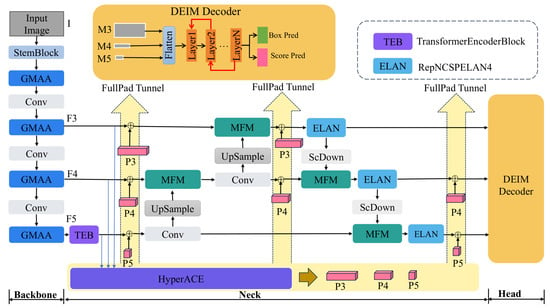
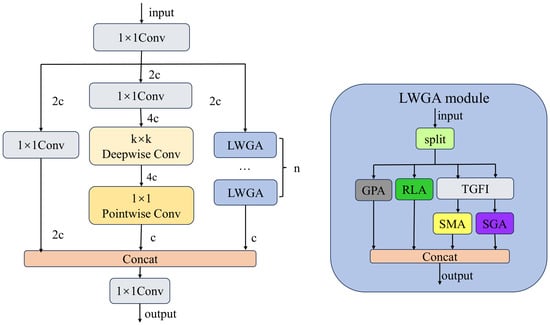
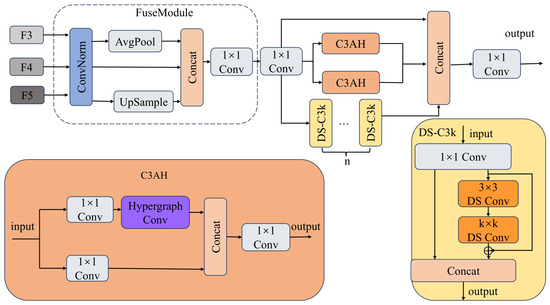
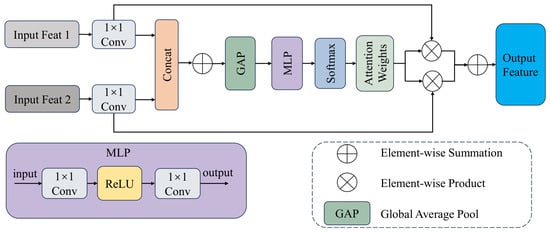
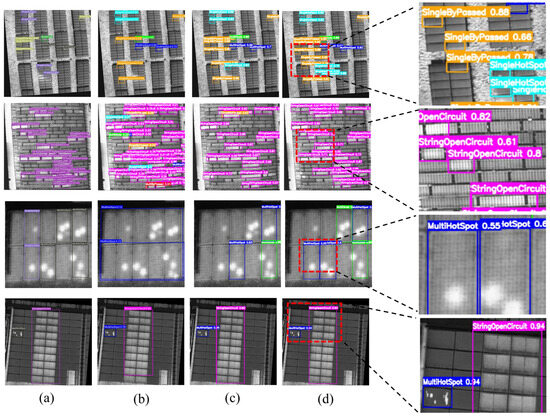
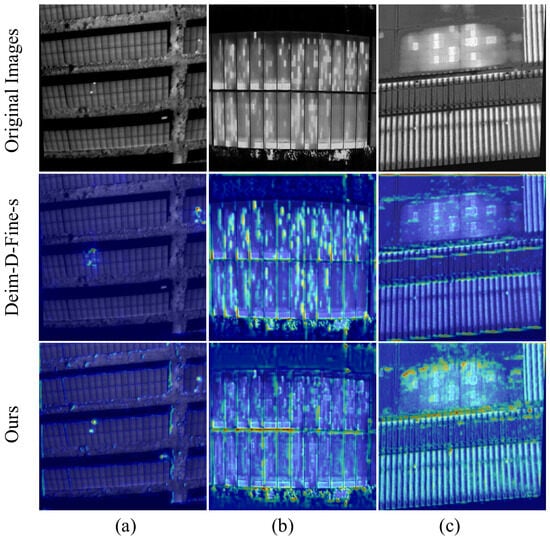
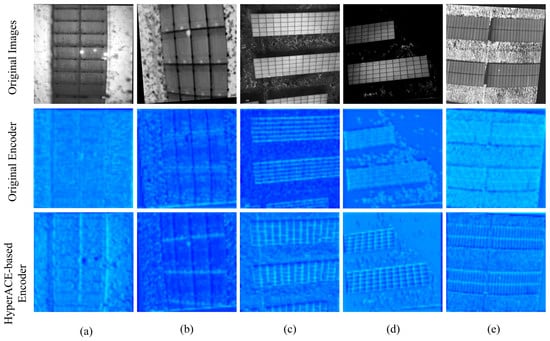
With the increasing demand for low-carbon energy, automated defect detection using unmanned aerial vehicle (UAV)-based thermal inspection has become essential for maintaining the reliability of photovoltaic systems. However, existing methods still suffer from low-contrast thermal imagery, large-scale variations of defects, and subtle thermal anomalies. To address these challenges, this study proposes Grouped-Hypergraph-Modulation DEIM (GHM-DEIM), a robust end-to-end detection framework based on an improved DEIM architecture. Specifically, a grouped multi-scale aggregation attention network is introduced to enhance global thermal perception and recover discriminative features from blurred backgrounds. In addition, an enhanced encoder incorporating a hypergraph-based context encoding mechanism is designed to model high-order non-local relationships and improve feature representation across different defect scales. Furthermore, a modulation fusion module is employed to adaptively refine multi-scale feature responses and suppress environmental noise interference. Extensive experiments conducted on the ThermoSolar-PV and PV-HSD-2025 datasets demonstrate that the proposed method consistently outperforms state-of-the-art detectors, achieving mAP@50 values of 88.6% and 74.2%, respectively, with improvements of 4.7% and 2.9% over the baseline. These results demonstrate the effectiveness and robustness of GHM-DEIM for UAV-based PV thermal defect inspection. Full article
(This article belongs to the Section Sensors and Robotics)
Show Figures

Figure 1

12 pages, 2607 KB  
Article
The Role of 3D/4D Transperineal Ultrasound in Risk Stratification for Pelvic Organ Prolapse Recurrence: Native Tissue Versus Mesh Repair
by José Antonio García-Mejido, María José Nuñez-Matas, Olaya Salas-Álvarez, Alejandro Crespo-Rodriguez, Ana Fernández-Palacín and José Antonio Sainz-Bueno
J. Clin. Med. 2026, 15(12), 4627; https://doi.org/10.3390/jcm15124627 (registering DOI) - 14 Jun 2026
Abstract
Background/Objectives: Pelvic organ prolapse (POP) management requires precise patient selection for surgical techniques to balance clinical efficacy and safety. The primary aim of this study was to evaluate the role of preoperative 3D/4D transperineal ultrasound in the risk stratification of POP recurrence. [...] Read more.
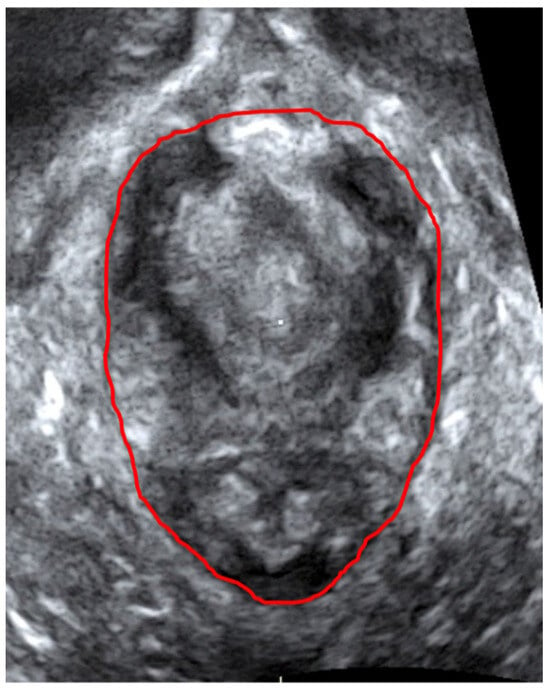
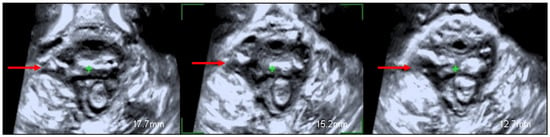
Background/Objectives: Pelvic organ prolapse (POP) management requires precise patient selection for surgical techniques to balance clinical efficacy and safety. The primary aim of this study was to evaluate the role of preoperative 3D/4D transperineal ultrasound in the risk stratification of POP recurrence. We analyzed the impact of levator ani muscle (LAM) injuries, specifically avulsion and ballooning, as identified by ultrasound, on both anatomical and subjective success rates, comparing native tissue repair versus mesh-augmented surgery. Methods: A prospective, multicenter observational study was conducted over a five-year period, January 2021 to December 2024 (recruitment), with follow-up completed in December 2025, ensuring a minimum follow-up of 12 months for all participants. The cohort included 276 women scheduled for primary surgery for symptomatic POP stage ≥ 2. Prior to intervention (116 underwent native tissue repair and 160 received mesh), all patients underwent 3D/4D transperineal ultrasound for standardized volume acquisition. Using this preoperative functional imaging technique, we measured the hiatal area and diagnosed the presence of hiatal ballooning (≥25.0 cm2) or levator muscle avulsion. Results: Ultrasound assessment revealed significant differences in surgical success based on the diagnosed baseline site-specific defects. Hiatal ballooning was the sonographic finding that demonstrated the greatest impact on risk stratification. Among patients with preoperative ballooning, mesh use significantly reduced both subjective recurrence (5.7% vs. 21.4%, p = 0.001) and objective recurrence (21.4% vs. 35.7%, p = 0.040) compared to native tissue repair. Furthermore, in women without ultrasound-documented avulsion, mesh also decreased objective recurrence (17.9% vs. 33.0%, p = 0.024). Multivariate analysis, adjusted for age, BMI, menopausal status, and parity, confirmed that, after stratifying by these preoperative ultrasound findings, a native tissue approach remains the primary independent predictor of surgical failure (OR 1.752 for objective recurrence; p = 0.041). Conclusions: In conclusion, native tissue repair was identified as the primary independent predictor of surgical failure. While 3D/4D transperineal ultrasound helps identify high-risk phenotypes such as hiatal ballooning, these sonographic findings did not maintain independent significance in the multivariate model. Therefore, ultrasound should be considered a complementary tool for surgical planning rather than a definitive predictor of recurrence. Full article
Show Figures

Figure 1

11 pages, 468 KB  
Article
Some CYP21A2 Polymorphisms in the Exon 7 Region Might Be Associated with Cortisol Secretion in Polycystic Ovary Syndrome
by Ralitsa Robeva, Silvia Andonova, Georgi Kirilov, Iglika Yordanova, Silvia Vandeva, Atanaska Elenkova, Alexey Savov and Tihomir Todorov
J. Clin. Med. 2026, 15(12), 4626; https://doi.org/10.3390/jcm15124626 (registering DOI) - 14 Jun 2026
Abstract
Background: Polycystic ovarian syndrome (PCOS) and the non-classic form of congenital adrenal hyperplasia (NC-CAH) are hyperandrogenic conditions with overlapping clinical symptoms but different genetic backgrounds. The possible interrelationships between the two conditions remain unclear; thus, the present study aims to investigate the [...] Read more.
Background: Polycystic ovarian syndrome (PCOS) and the non-classic form of congenital adrenal hyperplasia (NC-CAH) are hyperandrogenic conditions with overlapping clinical symptoms but different genetic backgrounds. The possible interrelationships between the two conditions remain unclear; thus, the present study aims to investigate the prevalence of CYP21A2 exon 7 genetic variants in patients with PCOS and to explore the possible associations of the polymorphisms with adrenocortical hormonal production. Methods: The CYP21A2 exon 7 region was genotyped in 80 unrelated female patients with PCOS and 12 women with NC-CAH. The associations between genetic variants, clinical characteristics, and adrenocortical hormones were investigated. Results: The pathogenic CYP21A2 NC-CAH variant c.844G>T; p.(Val282Leu) was found in 66.7% (8/12) of patients with NC-CAH but in none of the individuals with PCOS. The benign rs1554305325, rs6465, rs6472, and rs6477 genetic polymorphisms were not related to clinical hyperandrogenism. The rs6472 polymorphic alleles were associated with increased adrenocorticotropic hormone (ACTH) (5.5 vs. 3.4 pmol/L, p = 0.022) and cortisol (460.5 vs. 366.5 nmol/L, p = 0.016) levels. The rs6465 variant alleles were significantly associated with lower pregnenolone (1.43 vs. 3.1 ng/mL, p = 0.031) and ACTH (2.5 vs. 4.5 pmol/L, p = 0.030) levels in the unadjusted model but not after adjustment for potential confounders (p > 0.05). Conclusions: The p.(Val282Leu) variant is very common among Bulgarian patients with NC-CAH but it has not been found in our cohort of women with PCOS. The CYP21A2 exon 7 polymorphisms might be associated with cortisol levels in the patients with PCOS. Further larger studies are needed to confirm or reject the current findings in different ethnic groups. Full article
(This article belongs to the Special Issue Advances in Gynecological Diseases (Second Edition))
39 pages, 1206 KB  
Review
Agentic AI: A Perspective on Architecture, Frameworks and Applications
by Priyadarshini Raghavendra and Manob Jyoti Saikia
AI 2026, 7(6), 219; https://doi.org/10.3390/ai7060219 (registering DOI) - 14 Jun 2026
Abstract
This review examines the evolution and architectural foundations of agentic artificial intelligence (AI), with a focus on collaborative multi-agent systems for complex task execution. The paper analyzes the core components, agent architectures, coordination mechanisms, application domains, and deployment challenges that enable autonomous reasoning [...] Read more.
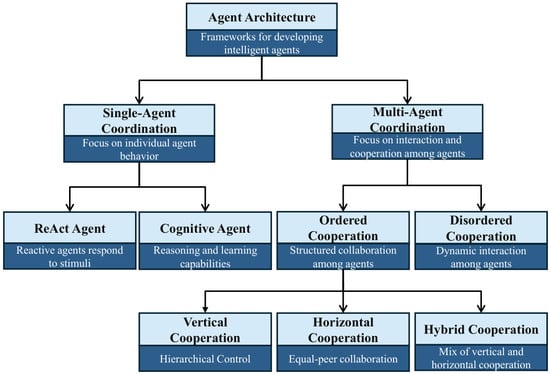
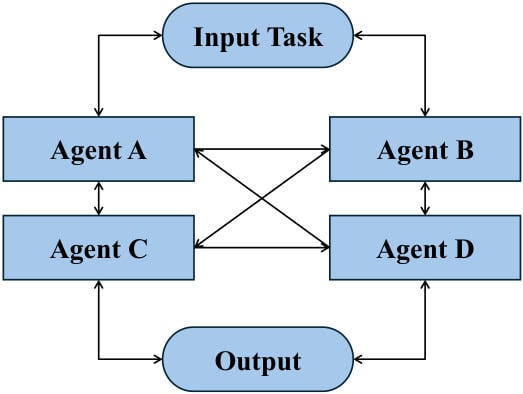
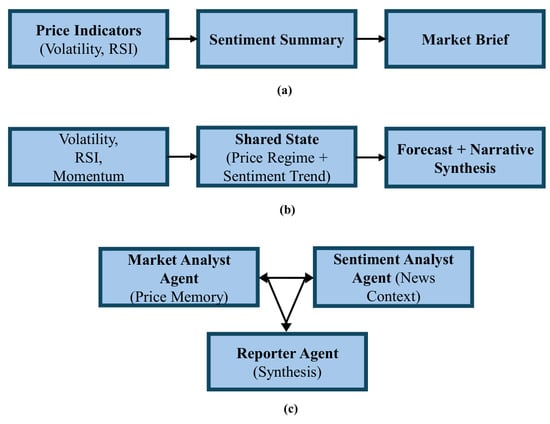
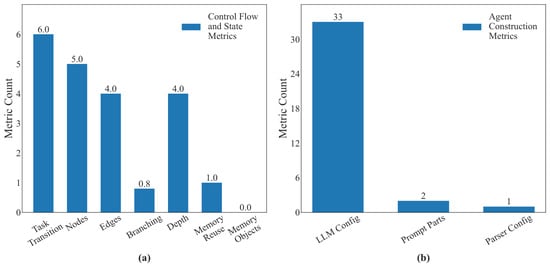
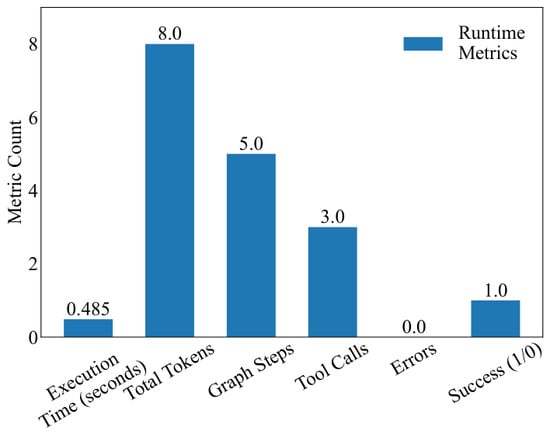
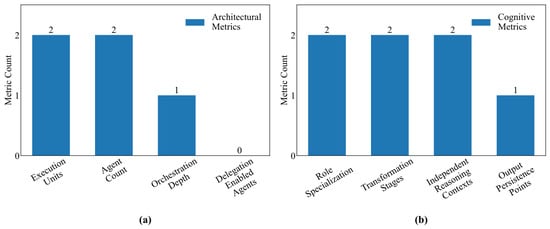
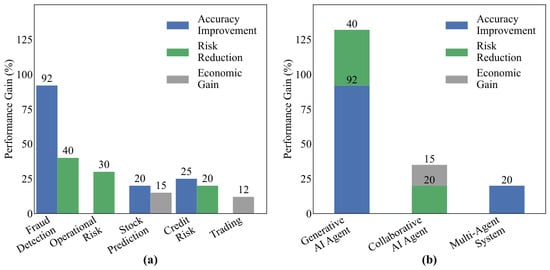
This review examines the evolution and architectural foundations of agentic artificial intelligence (AI), with a focus on collaborative multi-agent systems for complex task execution. The paper analyzes the core components, agent architectures, coordination mechanisms, application domains, and deployment challenges that enable autonomous reasoning and decision-making in real-world environments. To complement the survey, a comparative cryptocurrency market analysis case study is conducted using CrewAI, LangChain, and LangGraph focusing on workflow orchestration characteristics such as tool invocation, task transitions, orchestration depth, and memory integration. The findings are further supported by evidence from real-world financial applications reported in the literature, indicating productivity gains of 50–80% in financial data tasks and up to 20% improvement in stock prediction accuracy, highlighting the growing impact of multi-agent AI systems in market intelligence. The study highlights how architectural design choices influence reasoning continuity, coordination behavior, scalability, and system reliability, providing practical guidance for the design and deployment of agentic AI systems in complex, data-intensive domains. Full article
Show Figures

Figure 1

15 pages, 320 KB  
Article
Dental Treatment Needs and Cost Burden Among Older Adults: A K-Means Cluster Analysis to Inform Oral Health Policies
by Burcu Aksoy, Şükrü Can Akmansoy, Yasemin Özkan and Gonca Mumcu
Int. J. Environ. Res. Public Health 2026, 23(6), 797; https://doi.org/10.3390/ijerph23060797 (registering DOI) - 14 Jun 2026
Abstract
Oral health problems among older adults represent a growing public health concern due to increasing life expectancy and treatment needs. This study aimed to assess dental treatment needs and cost burden within the context of oral health policies. This retrospective study included anonymized [...] Read more.
Oral health problems among older adults represent a growing public health concern due to increasing life expectancy and treatment needs. This study aimed to assess dental treatment needs and cost burden within the context of oral health policies. This retrospective study included anonymized data from 250 patients aged ≥65 years (F/M: 121/129; 65–89 years). Sociodemographic characteristics, treatment needs, and costs were obtained from the Hospital Information Management System (HIMS). Costs were adjusted to 2025 Turkish lira values using the Consumer Price Index and converted to international dollars using purchasing power parity (PPP). Patients were classified by total treatment costs using K-means cluster analysis. Periodontal (61.2%), restorative (36.0%), and endodontic (41.2%) treatment needs, which are largely preventable through oral hygiene practices, were more frequent among patients with a lower mean age, whereas tooth loss and prosthodontic treatment needs (89.6%) increased with mean age. Cluster analysis identified two groups: a low-cost group (67.6%) and a high-cost group (32.4%). The high-cost group had a lower mean age (68.84 ± 4.27 years) compared to the low-cost group (70.73 ± 5.18 years), indicating that relatively younger patients needed more complex and costly treatments. Out-of-pocket payments were notable for prosthodontic and surgical treatments, although Social Security Institution (SSI) payments constituted most of the costs. Preventive and early dental care strategies are essential to reduce treatment complexity and cost burden among older adults within the framework of oral health policy. Full article
(This article belongs to the Special Issue Improving Oral Health for Older Adults)
20 pages, 3231 KB  
Article
Silk Fibroin/Chitosan Blended Microparticles: Preparation, Characterization, and Oil Absorption
by Ansaya Thonpho, Suchai Tanisood, Wilaiwan Simchuer, Yodthong Baimark and Prasong Srihanam
Polymers 2026, 18(12), 1496; https://doi.org/10.3390/polym18121496 (registering DOI) - 14 Jun 2026
Abstract
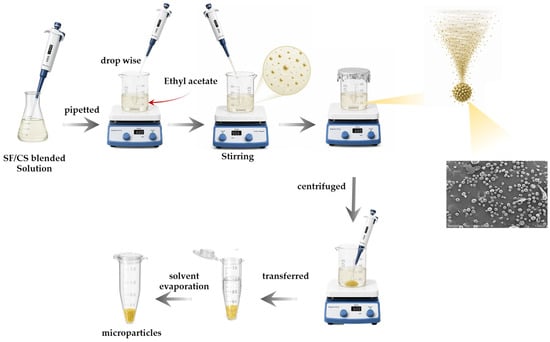
In this work, we extracted silk fibroin (SF) via a tertiary solvent system (CaCl2:Ethanol:H2O) and then blended it with chitosan (CS) solution to construct microparticles using the water-in-oil-emulsion–diffusion method. For the mixture of SF/CS solution aqueous phase (W) was [...] Read more.
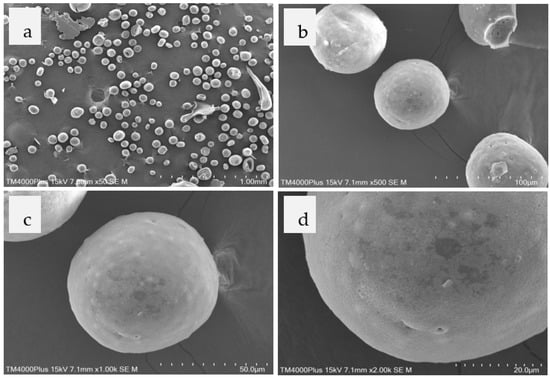
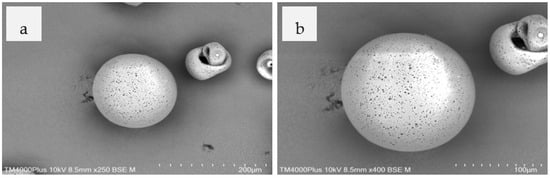
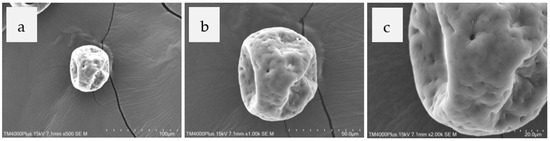
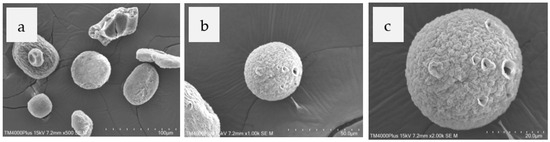
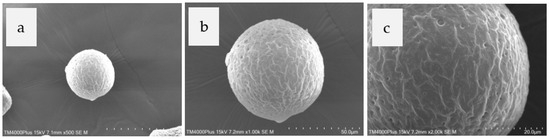
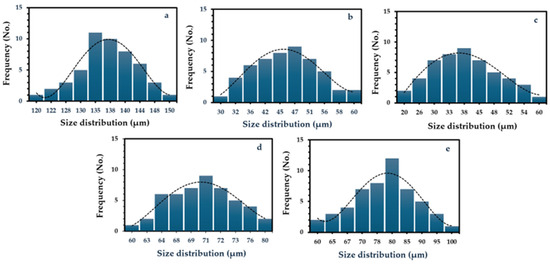
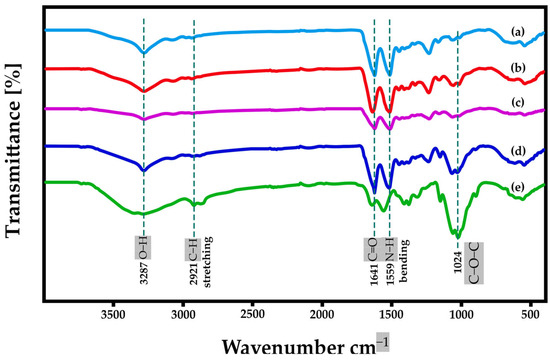
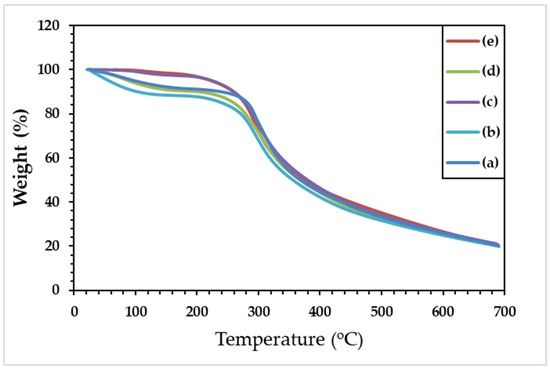
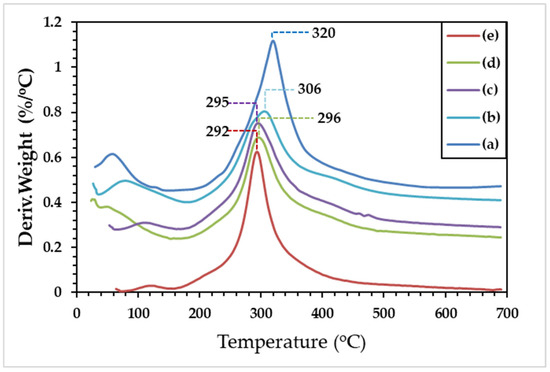
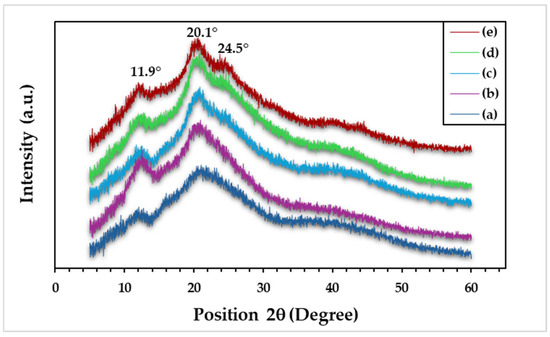
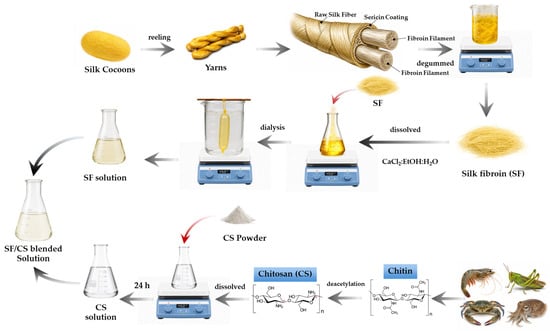
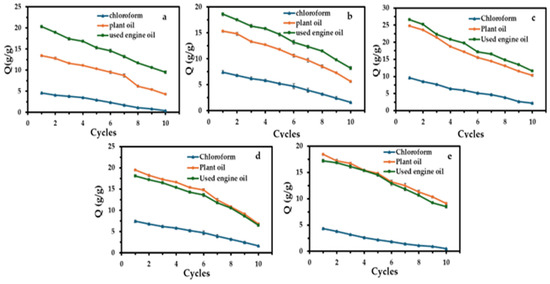
In this work, we extracted silk fibroin (SF) via a tertiary solvent system (CaCl2:Ethanol:H2O) and then blended it with chitosan (CS) solution to construct microparticles using the water-in-oil-emulsion–diffusion method. For the mixture of SF/CS solution aqueous phase (W) was prepared at ratios of 4:0, 3:1, 1:1, 1:3, and 0:4, using ethyl acetate as the oil phase (O). After the microparticles were prepared, their morphology was examined using scanning electron microscopy (SEM). The optimal preparation conditions were determined to be a 1% (w/v) aqueous phase with a volume of 1 milliliter, 100 milliliters of oil phase, and a stirring speed of 700 rpm. The average microparticle size was 50–100 micrometers. ATR−FTIR spectra showed unique functional groups of SF and CS, as well as interactions between the two polymers. The results of the thermal property study using a TGA instrument showed that SF microparticles had a higher maximum decomposition temperature (Td,max) than chitosan, and the blended microparticles’ Td,max increased with the proportion of SF. Most microparticles exhibited a semi-crystalline polymer structure, with SF microparticles being the most hydrophobic, followed by blended microparticles and CS, respectively. Testing for absorption capacity, the SF microparticles were more effective at absorbing used engine oil than vegetable oil and chloroform, while CS microparticles showed the highest capacity for vegetable oil. The experimental results indicated that all SF/CS blended particles played an efficiency of absorption variable by ratios of SF or CS blended. This suggested that the prepared microparticles might be useful for oil/water separation application. Full article
Show Figures

Figure 1

26 pages, 9275 KB  
Article
High-Resolution Mapping, Attribution, and Carbon Loss Assessment of Forest Disturbances in China’s Critical Regions Using Multi-Source Remote Sensing
by Yifei Cao, Xiaoming Wang, Zhuoyang Han, Chenlan Shi and Hongke Hao
Remote Sens. 2026, 18(12), 1982; https://doi.org/10.3390/rs18121982 (registering DOI) - 14 Jun 2026
Abstract
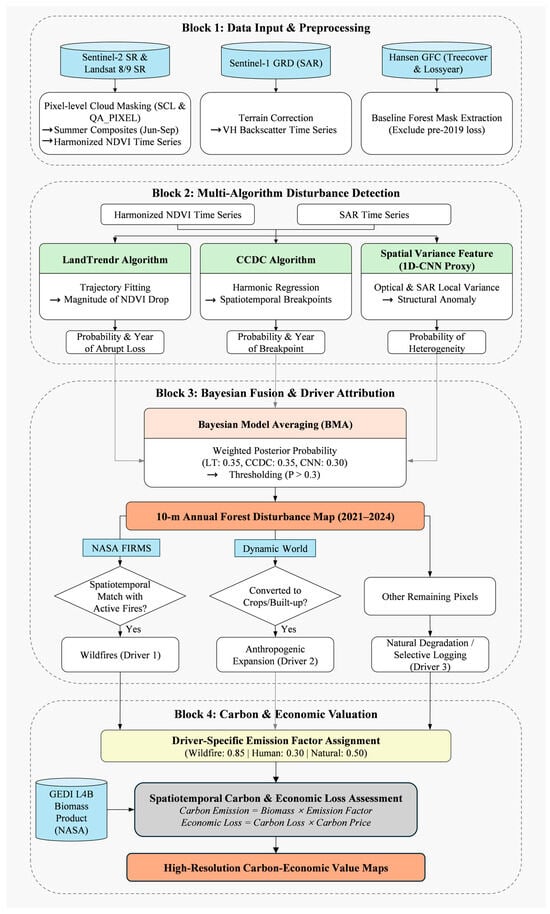
Forest disturbances significantly affect the terrestrial carbon cycle, yet high-resolution detection, driver attribution, and carbon loss quantification remain challenging in cloudy and complex terrains. Here, we investigated the Northeast China and Southwest Hengduan Mountains forest regions from 2021 to 2024. We developed a [...] Read more.
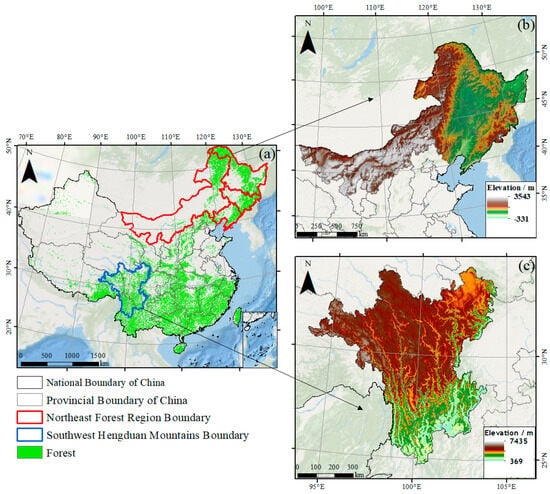
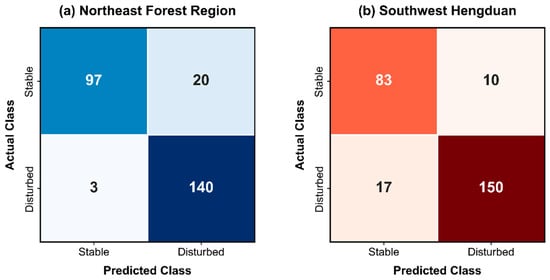
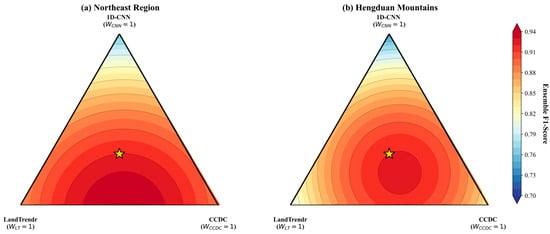
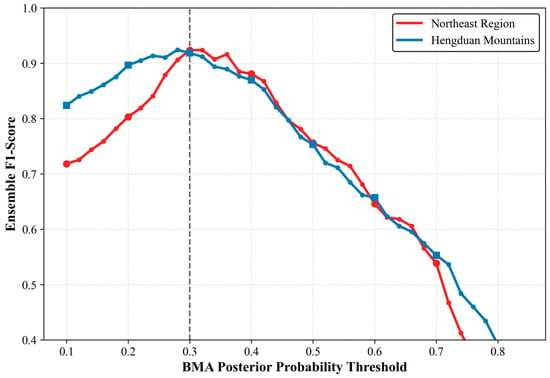
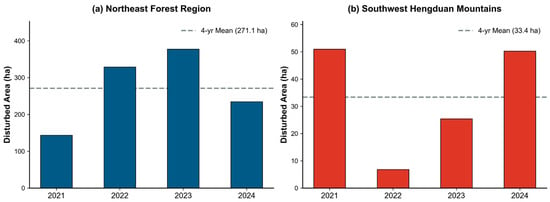
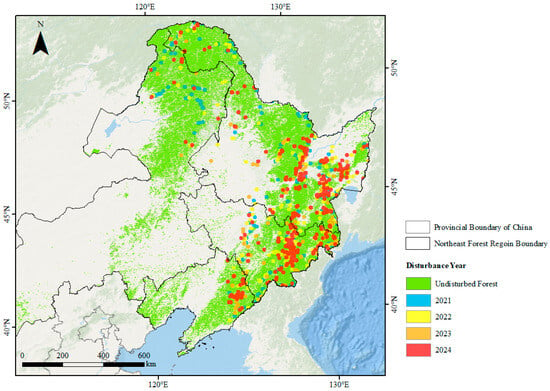
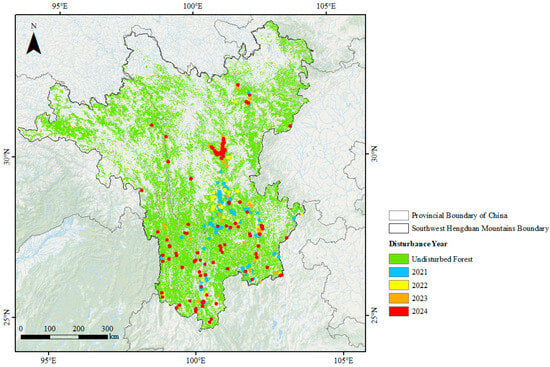
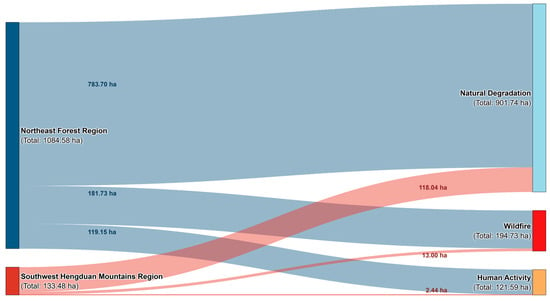
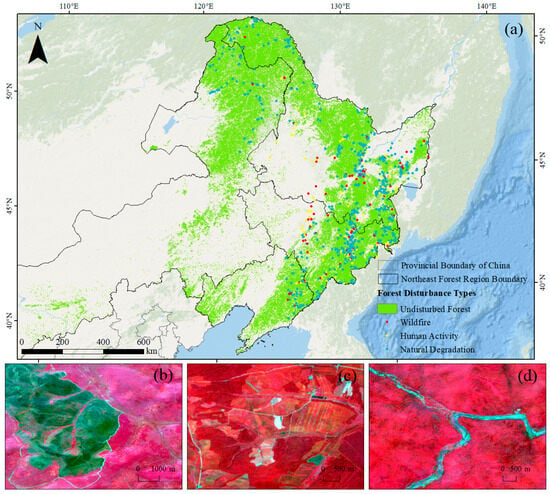
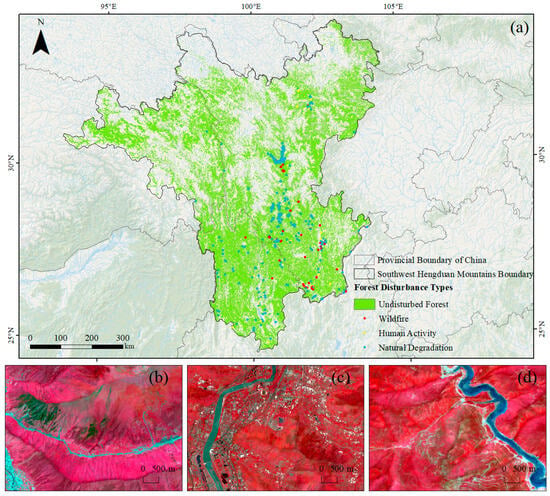
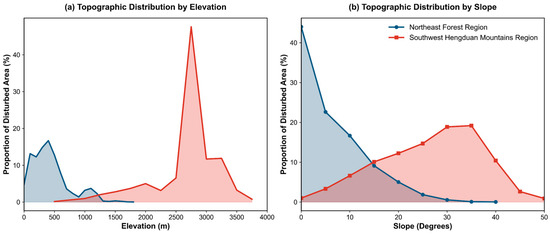
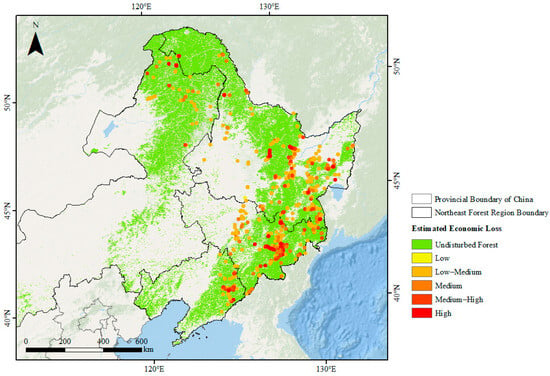
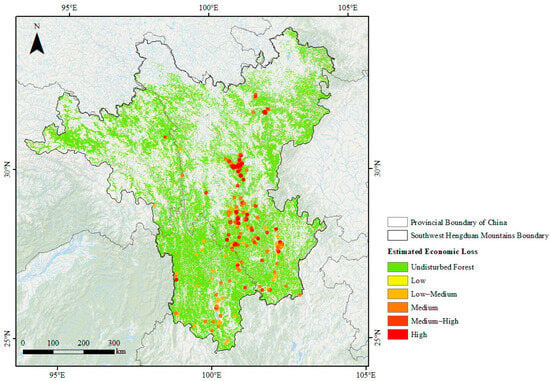
Forest disturbances significantly affect the terrestrial carbon cycle, yet high-resolution detection, driver attribution, and carbon loss quantification remain challenging in cloudy and complex terrains. Here, we investigated the Northeast China and Southwest Hengduan Mountains forest regions from 2021 to 2024. We developed a Bayesian Model Averaging (BMA) framework integrating multi-source remote sensing (Sentinel-1/2, Landsat 8/9) and multi-algorithm ensembles (LandTrendr, CCDC, 1D-CNN) to extract 10 m disturbance features. Automated driver attribution and carbon loss quantification were achieved utilizing the Fire Information for Resource Management System (FIRMS), Dynamic World, and GEDI L4B LiDAR data. Validation yielded overall spatial accuracies of 91.15% in the Northeast and 89.62% in the Hengduan Mountains, with corresponding ensemble F1-Scores of 0.92 in both regions. Results indicated the disturbed area in the Northeast (1084.58 ha) significantly exceeded the Hengduan region (133.48 ha). Natural degradation dominated both regions (Northeast: 72.25%; Hengduan: 88.43%), though the Northeast experienced more wildfires and anthropogenic activities. Topographically, Northeast disturbances clustered on low-lying, gentle landscapes, whereas Hengduan events occurred on steep, high-altitude terrains. Due to denser per-pixel carbon storage, the Hengduan area exhibited higher carbon emission costs per unit area. Ultimately, this framework provides a quantitative technical foundation supporting high-resolution forest conservation and spatial evaluations for carbon neutrality commitments. Full article
(This article belongs to the Section Forest Remote Sensing)
Show Figures

Figure 1

27 pages, 5325 KB  
Article
Multi-Modal Image Registration Problem Integrating Multi-Scale Strategy and Deep Learning
by Jiting Zhang
Mathematics 2026, 14(12), 2131; https://doi.org/10.3390/math14122131 (registering DOI) - 14 Jun 2026
Abstract
Medical image registration integrates information from different types of medical images to support and improve clinical diagnosis. Existing image registration approaches are mainly classified into two categories: model-driven methods and data driven methods. Model-driven methods can achieve high registration accuracy but suffer from [...] Read more.
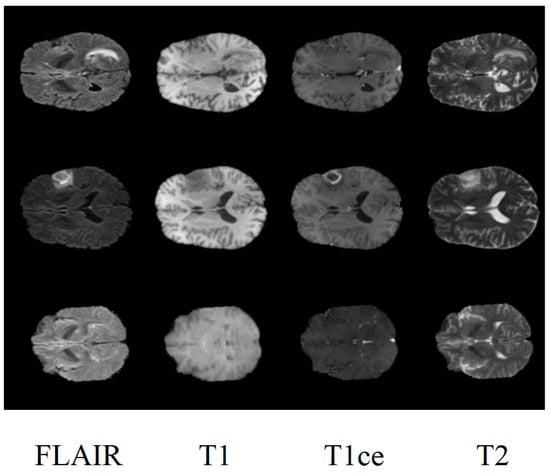
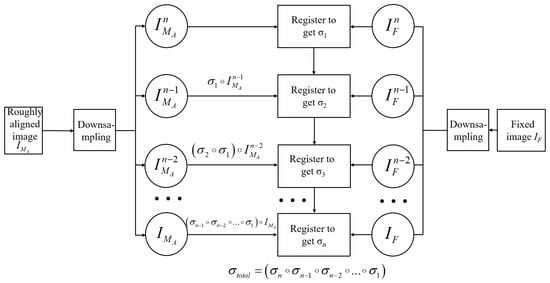
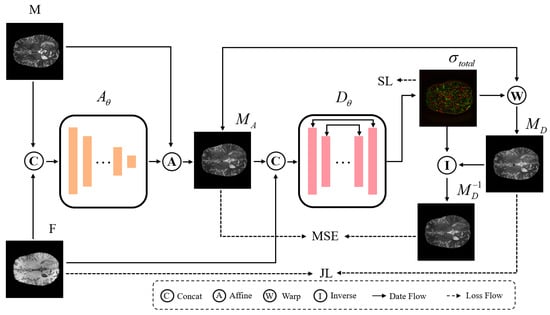
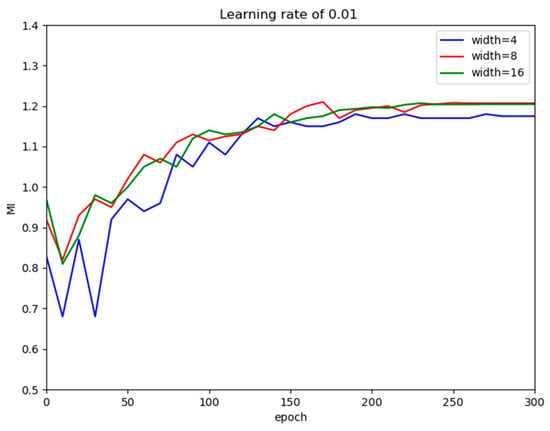
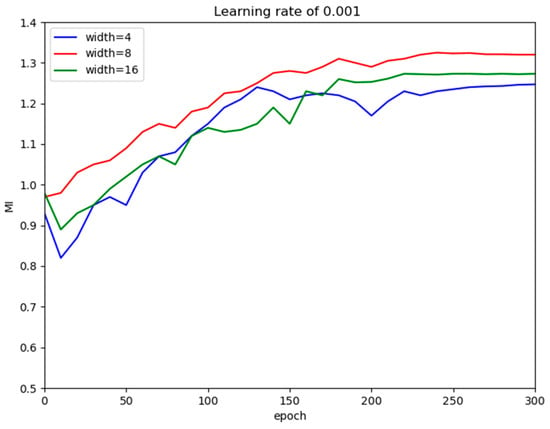
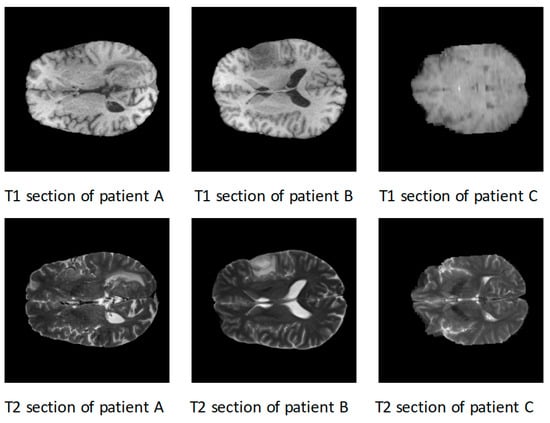
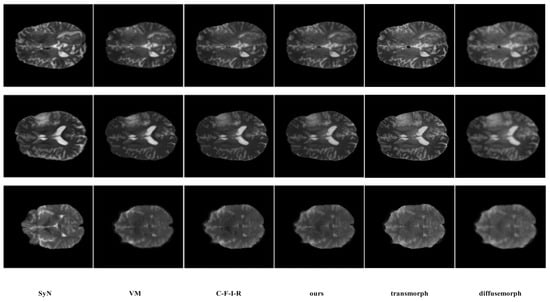
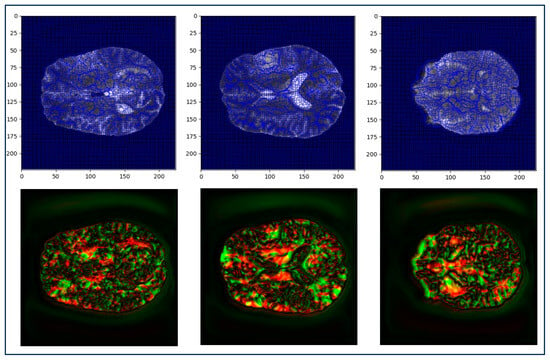
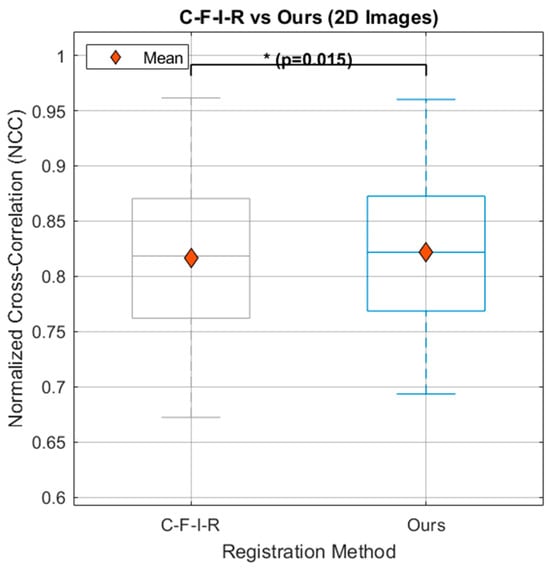
Medical image registration integrates information from different types of medical images to support and improve clinical diagnosis. Existing image registration approaches are mainly classified into two categories: model-driven methods and data driven methods. Model-driven methods can achieve high registration accuracy but suffer from low computational efficiency and long processing time. In contrast, data-driven methods stand out for their high efficiency, which gives them great practical value. Taking this advantage as the core basis, this paper proposes a simple unsupervised deep learning framework embedded with a multi-scale strategy. The overall network consists of two core modules: an Affine Transformation Network (AT-Net) and a multi-scale Deformable Transformation Network (DT-Net). The multi-scale design adopted in the DT-Net enables image registration at different feature scales, which effectively improves the overall registration accuracy. In addition, a dual consistency constraint is introduced into the framework to further enhance the model robustness. The entire network realizes end-to-end medical image registration. We verified the performance of the proposed method on a public dataset, with mutual information (MI) adopted as the evaluation metric. The experimental results show that our registration algorithm outperforms several mainstream methods, including Symmetric Image Normalization (SyN), VoxelMorph (VM), the coarse-to-fine deformable transformation framework for unsupervised multi-contrast MR image registration with dual consistency constraint (C-F-I-R), TransMorph and DiffuseMorph. The comparative experiments fully demonstrate that combining the multi-scale strategy with deep learning techniques is an effective solution for medical image registration tasks. Full article
(This article belongs to the Special Issue Mathematical Optimization Methods in Image Processing)
Show Figures

Figure 1

23 pages, 17852 KB  
Article
Retrieval of Atmospheric Microphysical Parameters Using Triple-Wavelength Lidar: Influencing Factors and Case Studies Under Clean and Lightly Polluted Urban Conditions
by Hangbo Hua, Mingxuan Li and Dongliang Huang
Remote Sens. 2026, 18(12), 1981; https://doi.org/10.3390/rs18121981 (registering DOI) - 14 Jun 2026
Abstract
To address the limited constraints of ground-based lidar with few channels in retrieving aerosol microphysical parameters in urban atmospheres, this study developed a method to retrieve aerosol volume size distribution and effective radius from a 355/532/1064 nm triple-wavelength elastic-scattering, single-polarization lidar system. The [...] Read more.
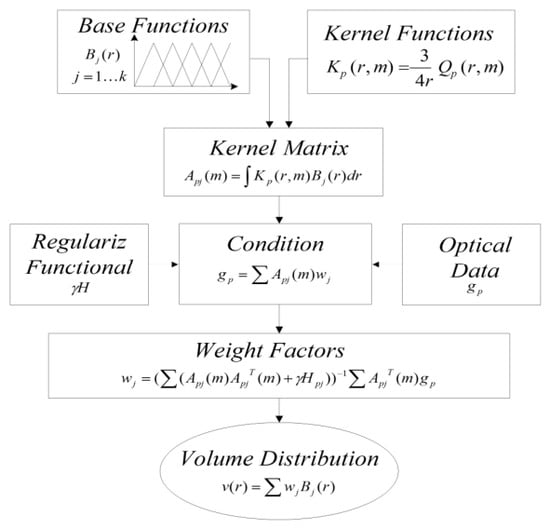
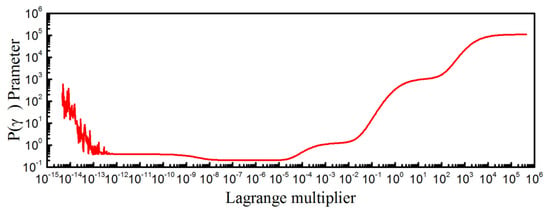
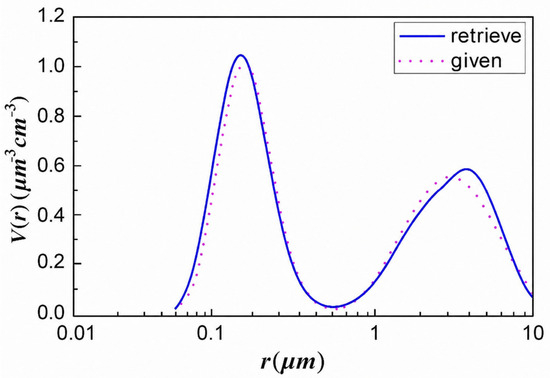
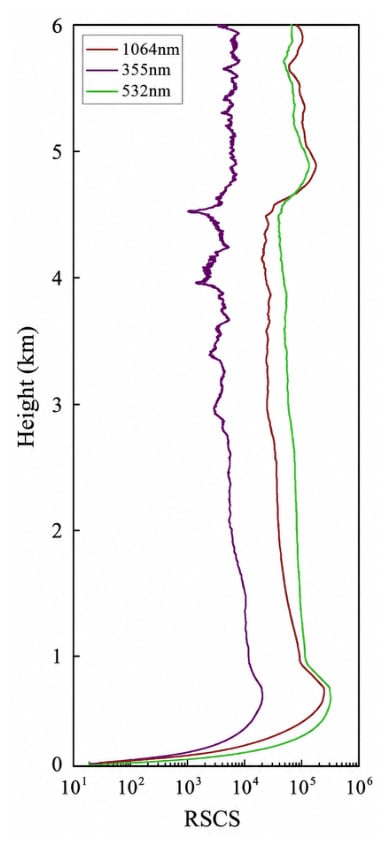
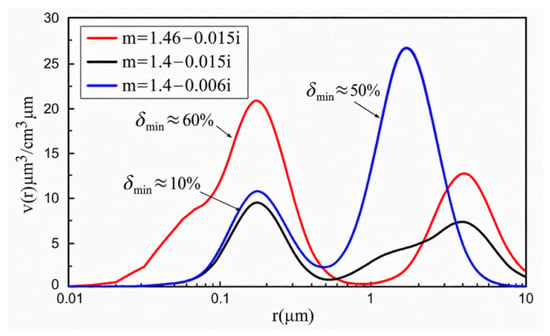
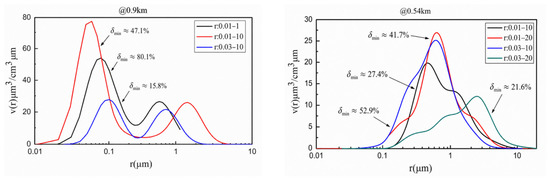
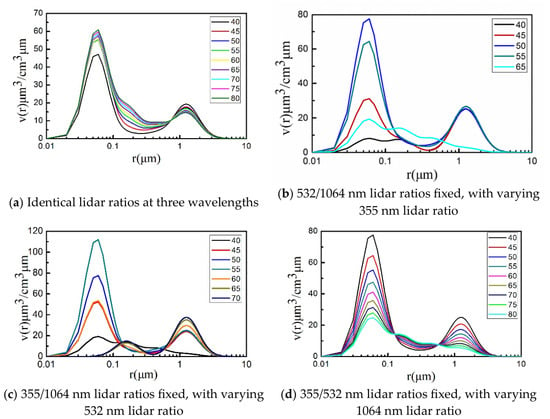
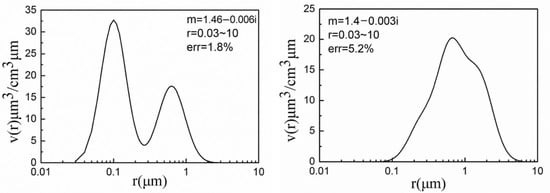
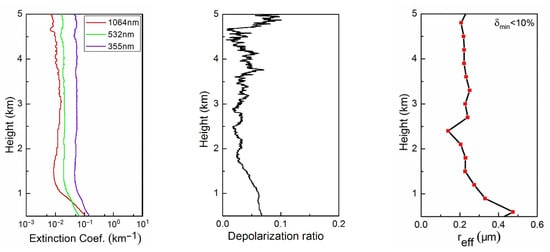
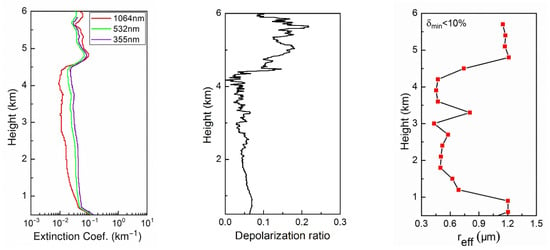
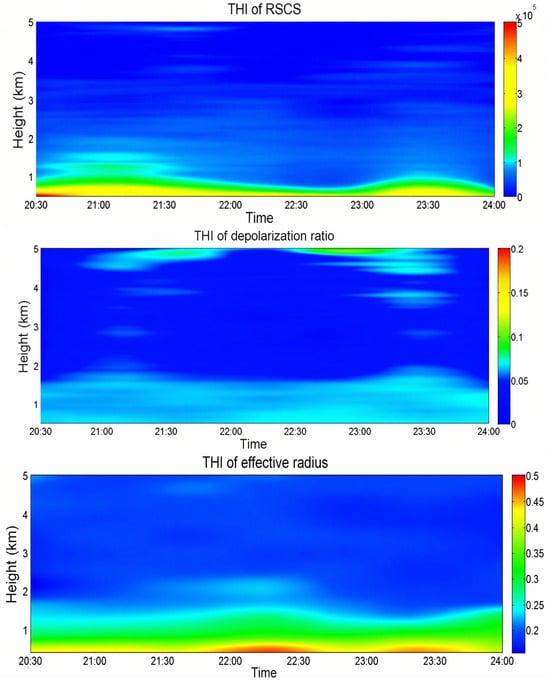
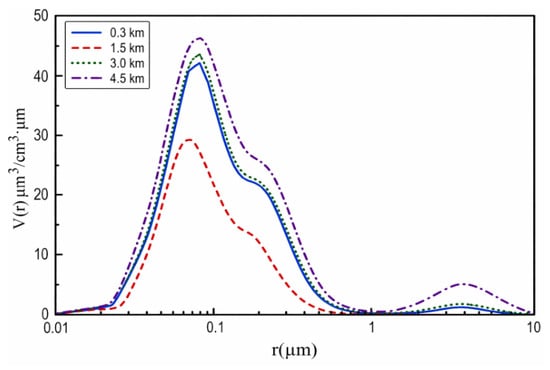
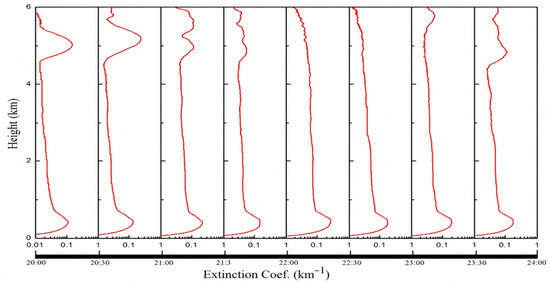
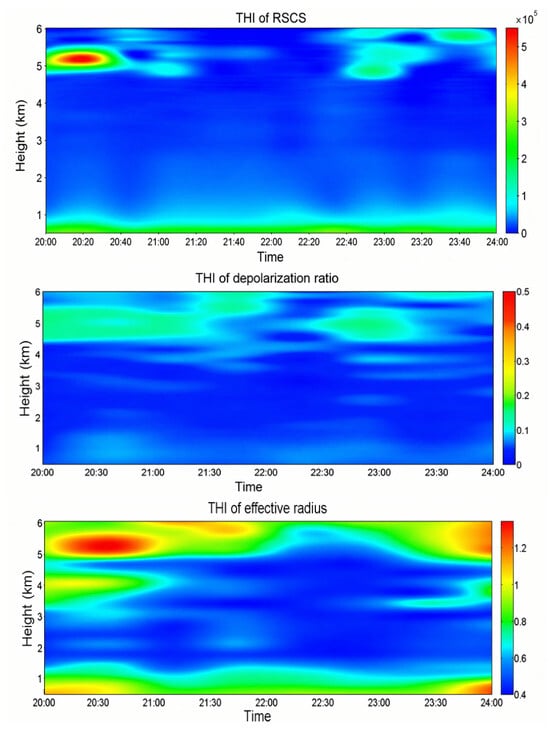
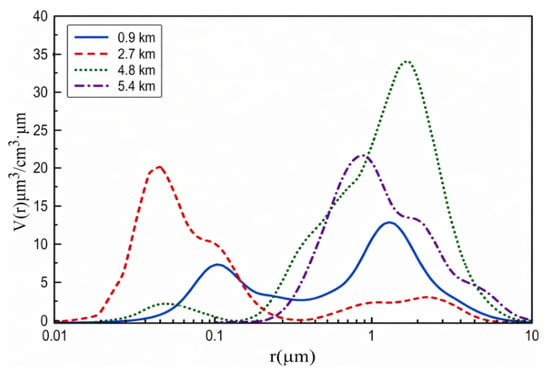
To address the limited constraints of ground-based lidar with few channels in retrieving aerosol microphysical parameters in urban atmospheres, this study developed a method to retrieve aerosol volume size distribution and effective radius from a 355/532/1064 nm triple-wavelength elastic-scattering, single-polarization lidar system. The method uses 3β + 2α optical quantities as input constraints, applies Mie scattering theory as the forward model, parameterizes the volume size distribution with B-spline functions, and achieves stable solutions through Tikhonov regularization and cross-validation. To reduce uncertainties in prior parameters, including the complex refractive index, particle size range, and lidar ratio, an optimization strategy based on parameter search, retrieval reconstruction, and error minimization was introduced. Numerical simulations showed that the method reproduced the main features of a bimodal lognormal aerosol volume size distribution with good feasibility and stability. Two case studies further showed fine-mode dominance and decreasing extinction coefficient, depolarization ratio, and effective radius with height under good air quality conditions, but enhanced coarse-mode contribution and effective radius in the upper cloud-influenced layer under lightly polluted conditions, as inferred from the combined variations in RSCS, extinction coefficient, depolarization ratio, and effective radius. Full article
(This article belongs to the Section Atmospheric Remote Sensing)
Show Figures

Figure 1

13 pages, 255 KB  
Article
The Knowledge About the Impact of Multiple Sclerosis on Pregnancy and Maternity Among Patients with Multiple Sclerosis
by Ewa Krzystanek, Paweł Gęszka, Mateusz Gawin, Magdalena Fabian, Aleksandra Foryś and Anetta Lasek-Bal
J. Clin. Med. 2026, 15(12), 4625; https://doi.org/10.3390/jcm15124625 (registering DOI) - 14 Jun 2026
Abstract
Background/Objectives: Multiple sclerosis (MS) is most frequently diagnosed in young adults of reproductive age. Although current evidence indicates that MS itself does not usually preclude pregnancy or parenthood, patients may still have insufficient knowledge in this area. The aim of this study [...] Read more.
Background/Objectives: Multiple sclerosis (MS) is most frequently diagnosed in young adults of reproductive age. Although current evidence indicates that MS itself does not usually preclude pregnancy or parenthood, patients may still have insufficient knowledge in this area. The aim of this study was to assess knowledge about the relationship of MS and pregnancy, childbirth, breastfeeding, fertility, and parenthood among women and men with MS. Methods: This single-center questionnaire-based study included 194 patients with MS: 144 women and 50 men. Participants completed a 12-item paper-and-pen questionnaire assessing general patient-level knowledge. Results were analyzed according to sex and age group: ≤35 years and >35 years. The mean number of correct answers and the proportion of participants reaching the predefined threshold of ≥50% correct answers were calculated. Results: Participants aged ≤ 35 years achieved a higher mean number of correct answers than those aged > 35 years: 5.0 versus 3.2, respectively. This difference was also observed among women: 5.9 versus 3.3 correct answers. Among men, no age-related difference was observed: 2.7 versus 2.8 correct answers. The predefined threshold of ≥50% correct answers was reached by 38.5% of participants aged ≤ 35 years and 27.9% of those aged > 35 years. Women had higher percentages of correct answers than men for all questionnaire items. Conclusions: Knowledge about MS, pregnancy, childbirth, breastfeeding, fertility, and parenthood was limited in this cohort. Women and younger adults achieved higher knowledge. Education should be proactive, repeated during routine MS care, and addressed to both women and men with MS. Full article
(This article belongs to the Section Clinical Neurology)
31 pages, 17998 KB  
Article
Bacterial and Fungal Community Responses to Long-Term Salinity Gradients in Natural Soils of Kazakhstan
by Ainash Nauanova, Aisulu Onggarbay, Anel Ordabayeva, Bolat Abdigulov, Akgul Kassipkhan, Gulzhanat Maxutbekova, Aiman Nazarova and Alexandr Shevtsov
Microorganisms 2026, 14(6), 1337; https://doi.org/10.3390/microorganisms14061337 (registering DOI) - 14 Jun 2026
Abstract
Natural saline–alkaline soils are widespread in Central Asia, yet microbial responses to salinity gradients and ionic composition remain poorly resolved. We profiled bacterial communities (16S rRNA V3–V4, Illumina MiSeq) in 20 topsoil (0–20 cm) samples from four regions of Kazakhstan spanning non-saline to [...] Read more.
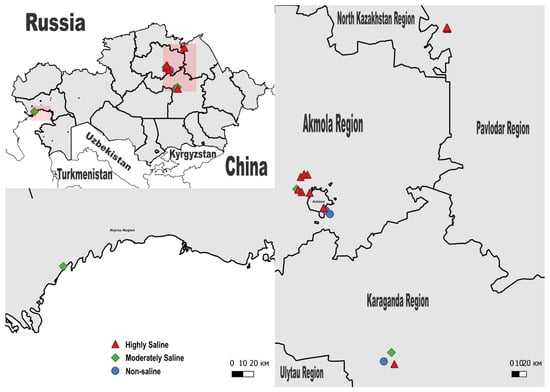
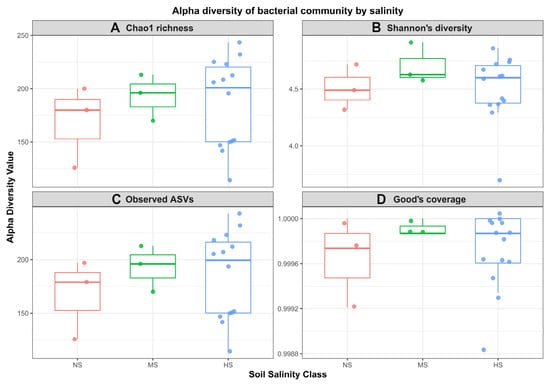
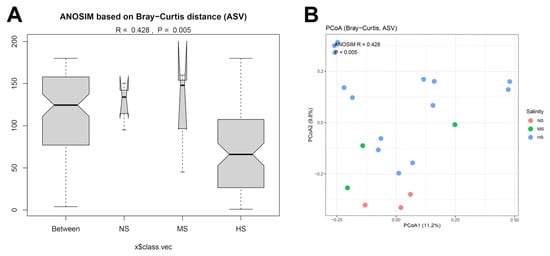
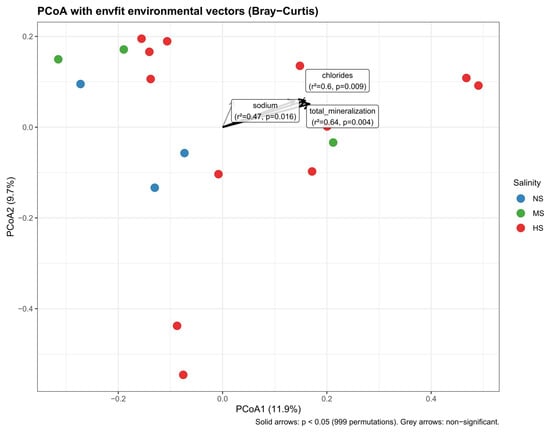
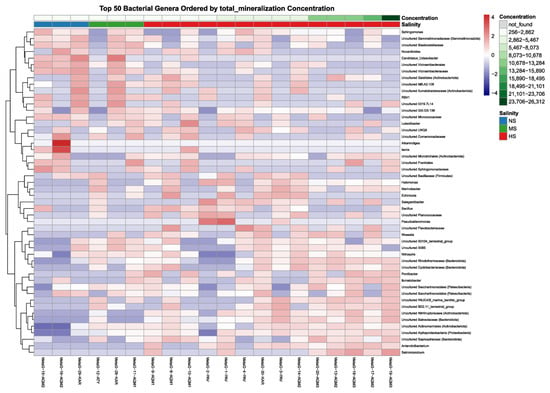
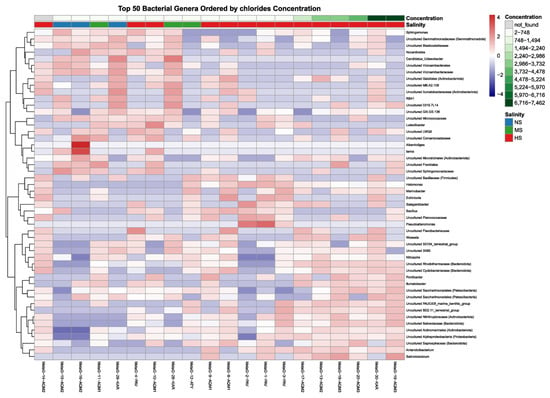
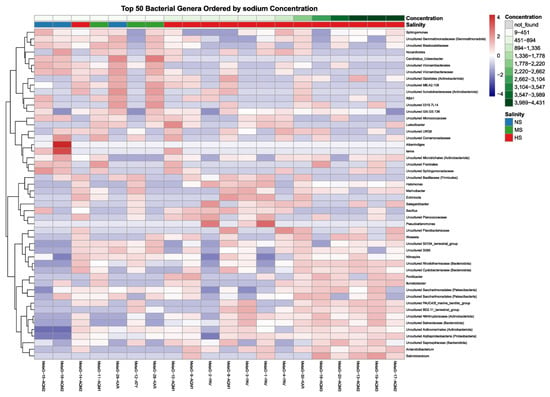
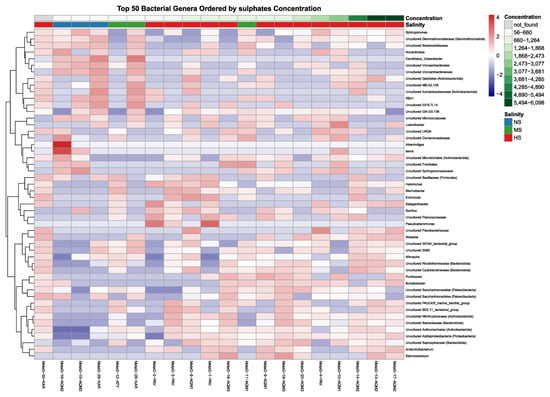
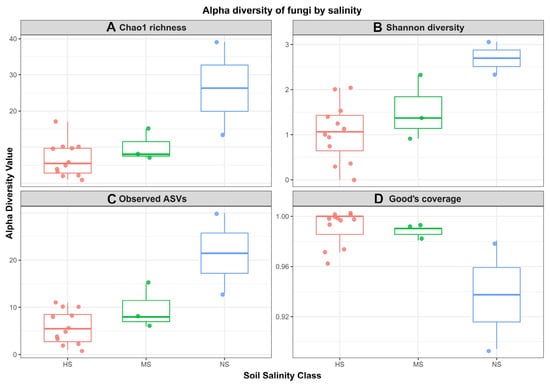
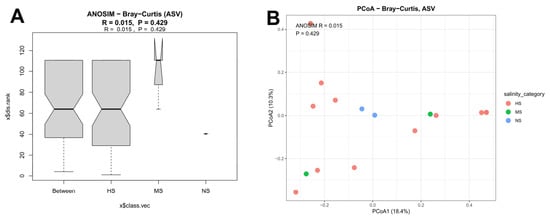
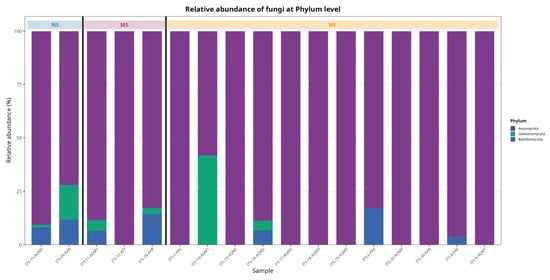
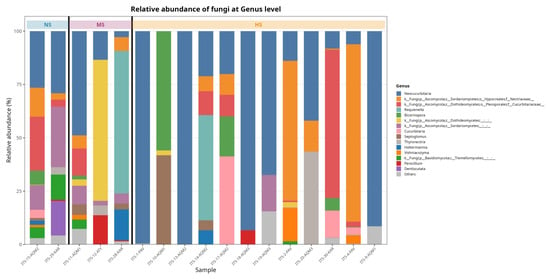
Natural saline–alkaline soils are widespread in Central Asia, yet microbial responses to salinity gradients and ionic composition remain poorly resolved. We profiled bacterial communities (16S rRNA V3–V4, Illumina MiSeq) in 20 topsoil (0–20 cm) samples from four regions of Kazakhstan spanning non-saline to highly saline conditions. Soil chemistry included pH, total mineralization (dry residue), and major ions (Na+, Cl, SO42−, HCO3, Ca2+, Mg2+, K+). Alpha (Chao1, Shannon, observed ASVs) and beta diversity (Bray–Curtis; ANOSIM; PCoA) were evaluated across salinity classes. Soils were alkaline (pH 7.91–10.47) and covered a broad salinity range (256–26,312 mg/L), driven mainly by Na+ with chloride and/or sulfate. Alpha diversity remained stable across salinity classes, though dispersion increased under high salinity. Community composition differed significantly among classes (ANOSIM R = 0.428, p = 0.005), with partial PCoA separation and overlap, indicating gradual turnover along the salinity gradient. In contrast, fungal communities showed no significant response to salinity, with stable alpha and beta diversity across all samples and consistent dominance of Ascomycota. Communities were dominated by Actinomycetota (formerly Actinobacteriota), Bacteroidota, and Pseudomonadota (formerly Proteobacteria). Bacteroidota increased in highly saline soils (FDR q = 0.036), whereas Acidobacteriota decreased (FDR q = 0.052). Thermodesulfobacteriota (formerly Desulfobacterota) correlated positively with sulfate, and Cyanobacteriota negatively with chloride. Overall, Kazakhstan’s saline–alkaline soils show stable bacterial alpha diversity but moderate, ion-linked compositional shifts with enrichment of halotolerant taxa. Full article
(This article belongs to the Special Issue Research of Soil Microbial Communities)
Show Figures

Figure 1

18 pages, 2875 KB  
Article
Correlations and Kappa Distributions: Numerical Experiment with 3D Collisions and Debye-like Shielding
by David J. McComas, George Livadiotis and Nicholas Sarlis
Entropy 2026, 28(6), 688; https://doi.org/10.3390/e28060688 (registering DOI) - 14 Jun 2026
Abstract
Contrary to the common assumption of Maxwell–Boltzmann (MB) distributions, space plasmas are characterized by kappa distributions and reside in thermodynamic stationary states out of classical thermal equilibrium, owing to the correlations between the charged plasma particles. In this study, we extend prior work [...] Read more.
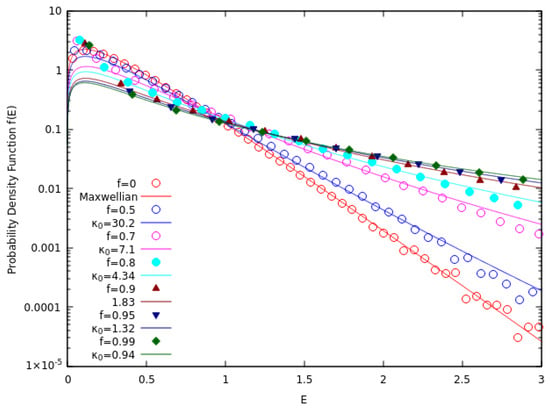
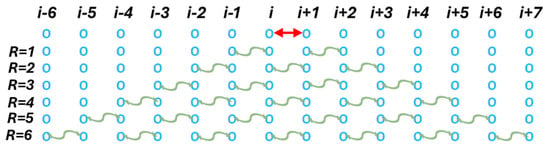
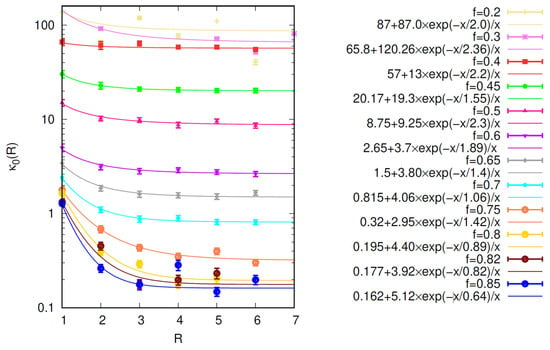
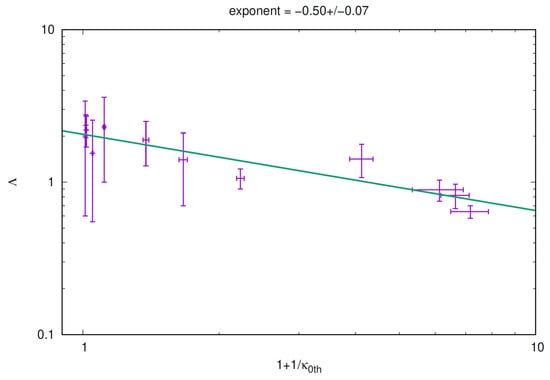
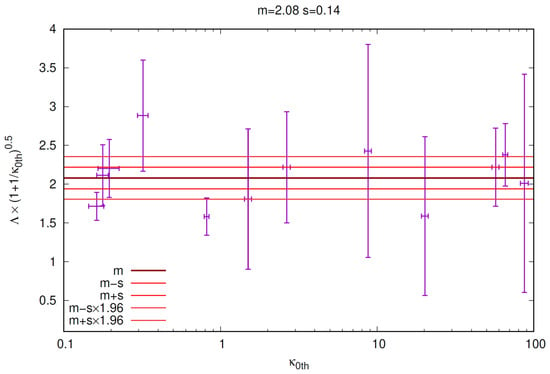
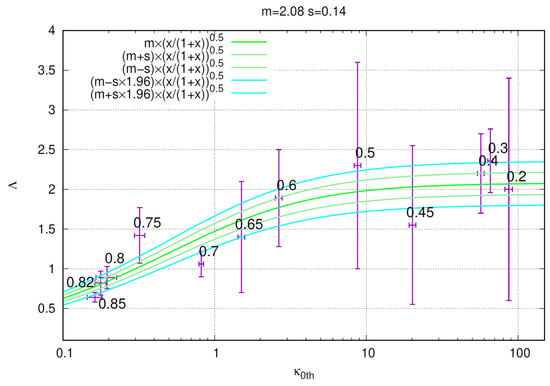
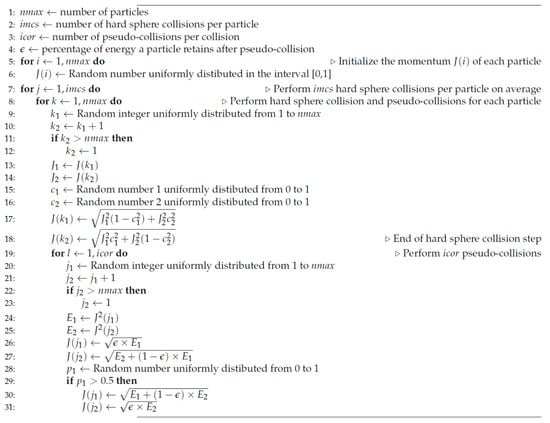
Contrary to the common assumption of Maxwell–Boltzmann (MB) distributions, space plasmas are characterized by kappa distributions and reside in thermodynamic stationary states out of classical thermal equilibrium, owing to the correlations between the charged plasma particles. In this study, we extend prior work to include realistic 3D collisions and Debye-like shielding of the correlations to show how these two processes compete in the development of realistic plasma particle velocity distributions. We modify our prior numerical experiment to incorporate both 3D collisions and correlations that include realistic Debye-like shielding of plasma particles and run it over many collisions until it becomes stationary. While 3D collisions alone produce Maxwell–Boltzmann (MB) distributions of the particles (κ → ∞), introducing correlations drives the distributions to stationary states with finite thermodynamic kappa (κ), where stronger correlations produce lower values of κ, as observed in space plasmas. Further, development of correlation clusters around each collision rapidly produces thermodynamic systems where the Debye length is proportional to 1+1/κ0th, for invariant thermal kappa κ0th, just as predicted by theory. This simple numerical experiment explores much more realistic particle interactions to show how 3D collisions and properly shielded correlations compete to produce stationary states of plasma particle kappa distributions and illuminates how long-range interactions correlate particles over the scale of the Debye lengths. Full article
Show Figures

Figure 1

13 pages, 502 KB  
Review
Sulforaphane as a Photoprotective Agent Against UV-Induced Skin Damage and Carcinogenesis: A Scoping Review
by Marco Di Filippo, Giovanni Paolino, Matteo Riccardo Di Nicola, Norbert Kiss, András Bánvölgyi, Giulio Bortone, Steven Paul Nisticò, Elia Zampini, Giovanni Pellacani and Carmen Cantisani
J. Pers. Med. 2026, 16(6), 319; https://doi.org/10.3390/jpm16060319 (registering DOI) - 14 Jun 2026
Abstract
Background/Objectives: Ultraviolet (UV) radiation is a major environmental carcinogen responsible for skin damage through oxidative stress, DNA damage, and inflammation. The nuclear factor erythroid 2-related factor 2 (Nrf2) pathway plays a central role in regulating cellular antioxidant defences against UV-induced damage. This [...] Read more.
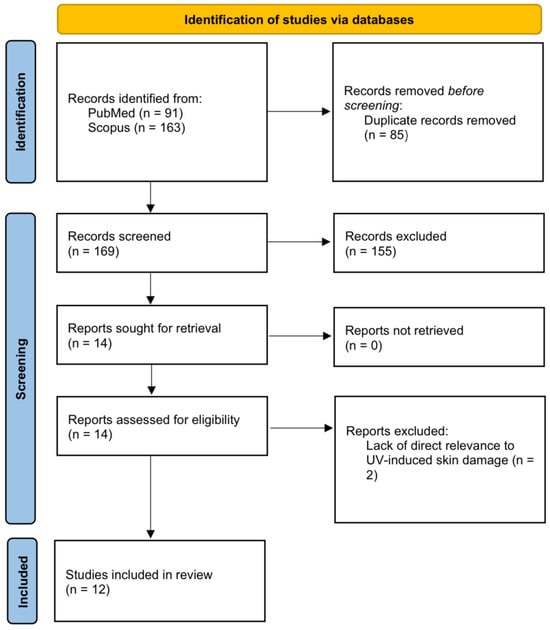
Background/Objectives: Ultraviolet (UV) radiation is a major environmental carcinogen responsible for skin damage through oxidative stress, DNA damage, and inflammation. The nuclear factor erythroid 2-related factor 2 (Nrf2) pathway plays a central role in regulating cellular antioxidant defences against UV-induced damage. This scoping review aims to evaluate the potential role of sulforaphane (SFN), a known Nrf2 inducer, in protecting against UV-induced skin damage and photocarcinogenesis. Methods: A literature search was conducted in PubMed and Scopus from inception to 27 January 2026, to identify original experimental studies investigating SFN, glucoraphanin, or broccoli sprout extracts in the context of UV-induced skin damage. Eligible studies included in vitro, ex vivo, in vivo, and human models assessing outcomes related to oxidative stress, inflammation, molecular signalling pathways, and tumour development. Following screening and eligibility assessment, twelve studies were included in the qualitative synthesis. Results: The included studies suggest that SFN exerts photoprotective effects across multiple experimental models. In murine studies, SFN and SFN-rich extracts were associated with a reduction in tumour incidence, multiplicity, and volume following UV exposure. In human studies, topical SFN application reduced UV-induced erythema and induced cytoprotective enzyme expression, although clinical evidence remains limited. Mechanistically, SFN consistently activated the Nrf2 pathway, leading to increased expression of antioxidant and phase II detoxifying enzymes, and was associated with modulation of inflammatory responses and inhibition of MAPK/AP-1 signalling. Emerging evidence also indicates potential effects on UV-induced metabolic and epigenetic alterations. Conclusions: Current evidence supports a potential role for sulforaphane in mitigating UV-induced skin damage through activation of endogenous defence pathways. However, the available data are predominantly preclinical, and further well-designed clinical studies are needed to clarify its efficacy and translational relevance in humans. Full article
(This article belongs to the Special Issue Personalized Prevention, Diagnosis and Treatment of Skin Disorders)
Show Figures

Figure 1

15 pages, 3948 KB  
Article
Machine Learning-Based Analysis of Elastic Springback in Bending of SS, Al, and Cu Sheets with Localized Heating
by Naser A. Alsaleh
J. Manuf. Mater. Process. 2026, 10(6), 207; https://doi.org/10.3390/jmmp10060207 (registering DOI) - 14 Jun 2026
Abstract
Elastic springback is a critical challenge in sheet metal bending that directly affects dimensional accuracy and manufacturing efficiency. This study presents a comparative experimental and machine learning-based analysis of elastic springback behavior in three widely used sheet metals like stainless steel, aluminum, and [...] Read more.
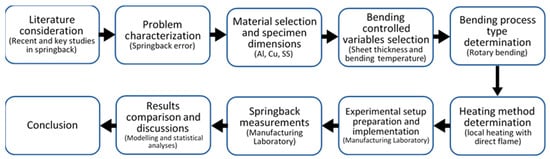
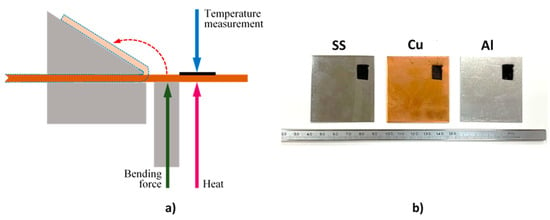
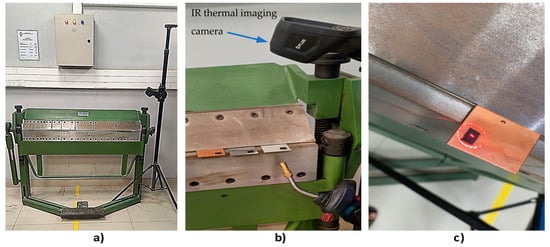
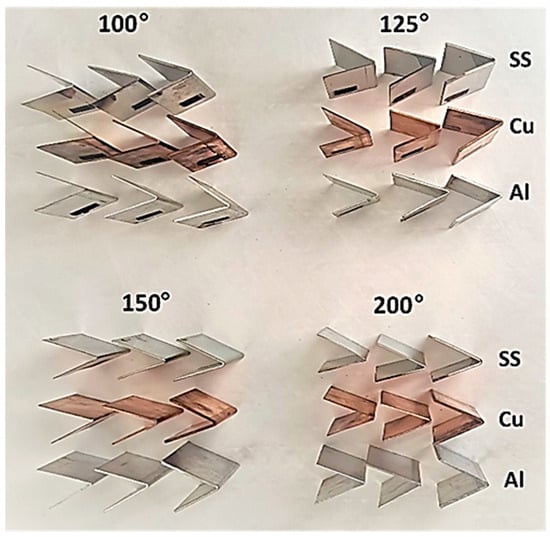
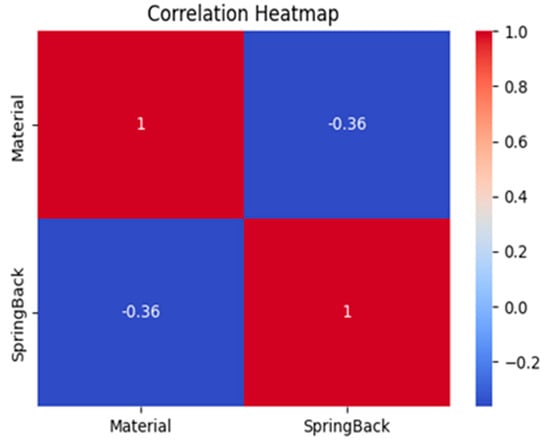
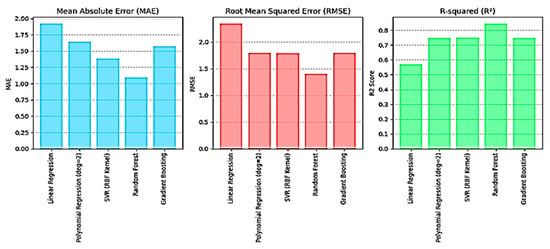
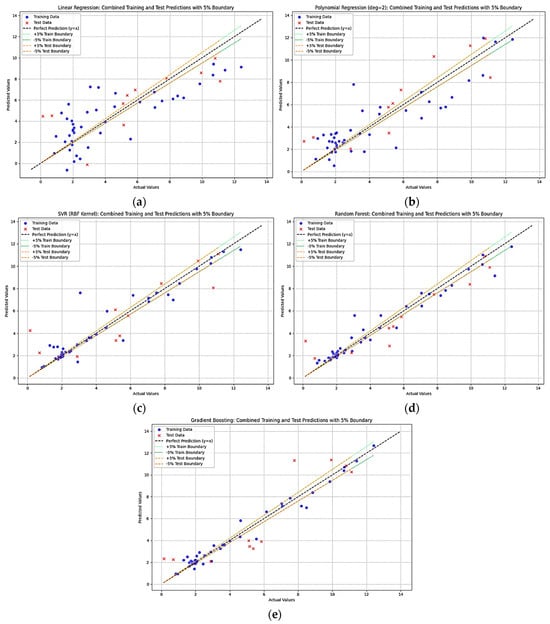
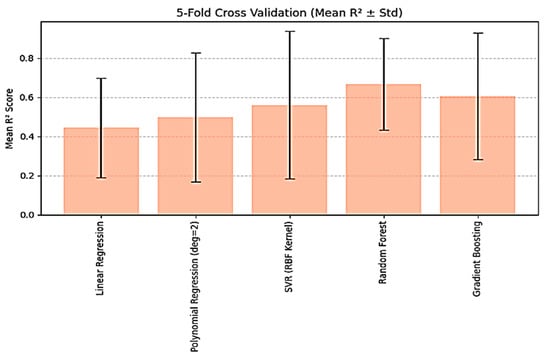
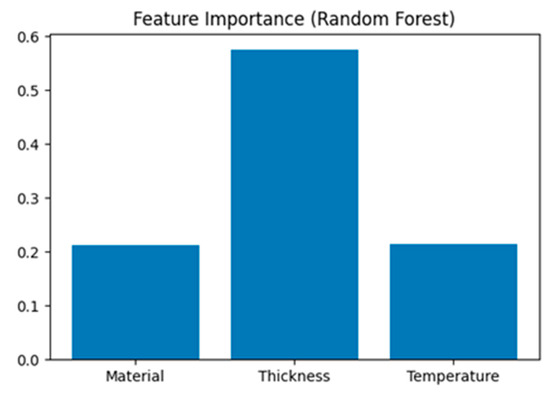
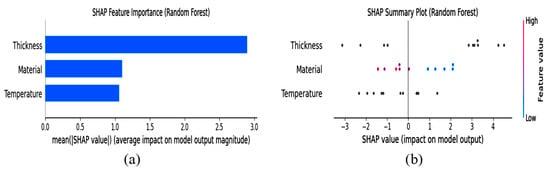
Elastic springback is a critical challenge in sheet metal bending that directly affects dimensional accuracy and manufacturing efficiency. This study presents a comparative experimental and machine learning-based analysis of elastic springback behavior in three widely used sheet metals like stainless steel, aluminum, and copper, which are subjected to folding bending. The influence of key process parameters, namely sheet thickness (0.5 to 1.5 mm) and bending temperature (room temperature to 200 °C), was systematically examined under cold working. A cost-effective localized heating approach using a direct flame was introduced to enhance process control and reduce elastic recovery without the complexity associated with heated dies. Experimental results revealed substantial variability in elastic springback, ranging from 0.15% to 12.41%, emphasizing the fact that they are nonlinear in nature. Statistical evaluation confirmed that sheet thickness is the dominant factor governing elastic springback, while material type and temperature exhibit secondary yet meaningful effects. To improve predictive capability, five regression models (Linear, Polynomial, Support Vector, Random Forest, and Gradient Boosting) were developed and assessed. Among them, Random Forest demonstrated superior performance with the lowest prediction errors and strongest explanatory power, achieving an R2 of approximately 0.85. Cross-validation further validated its robustness and generalization capability. Feature importance and SHapley Additive exPlanations (SHAP) analyses reinforced the primary role of thickness in determining elastic recovery behavior. The findings provide practical insights for selecting materials and process conditions to minimize elastic springback while highlighting the effectiveness of ensemble learning techniques for accurate prediction. This work contributes a consistent framework for enhancing bending precision and supports data-driven decision-making in modern manufacturing environments. Full article
Show Figures

Figure 1

Open Access Journals

Browse by Indexing Browse by Subject Selected Journals
Back to TopTop