


23 pages, 7900 KB  
Article
Research on Risk Assessment and Coupling Coordination Degree of Urban Sewage Pipe Network System
by Ying Tang, Chuqin Duan, Zhiwei Zhou and Hao Wang
Water 2026, 18(12), 1469; https://doi.org/10.3390/w18121469 (registering DOI) - 15 Jun 2026
Abstract
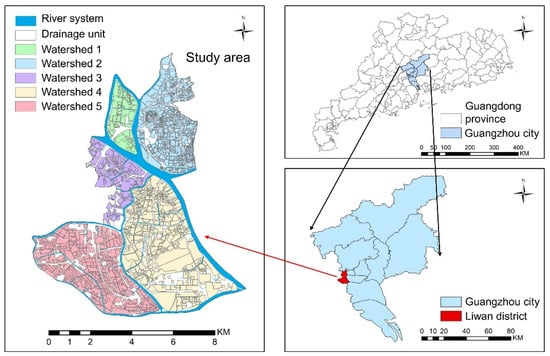
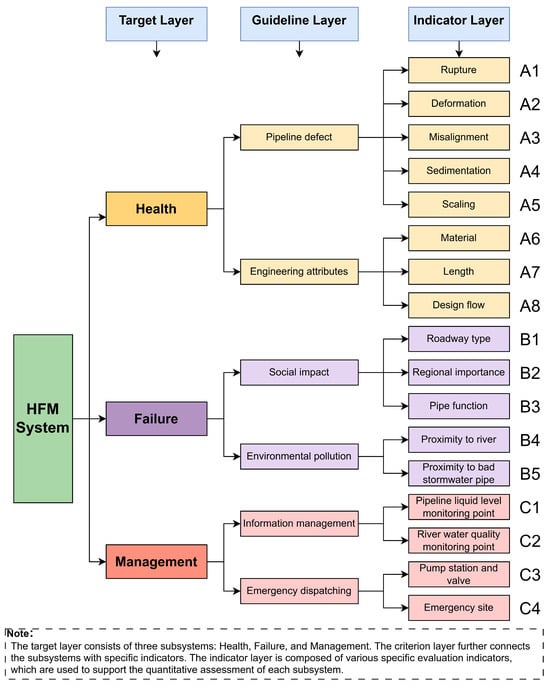
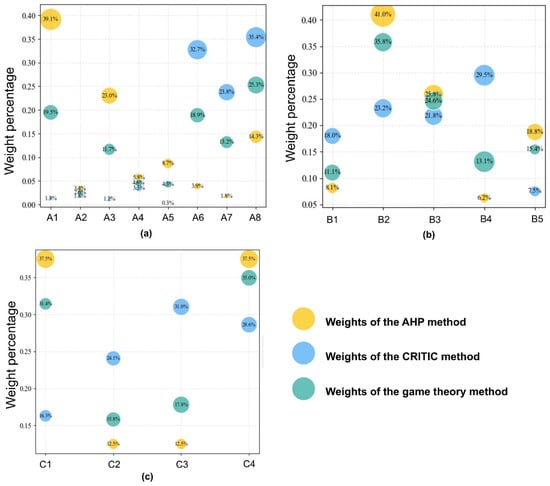
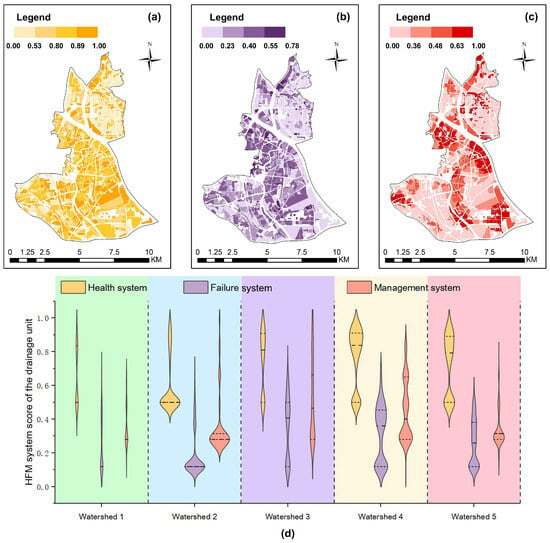
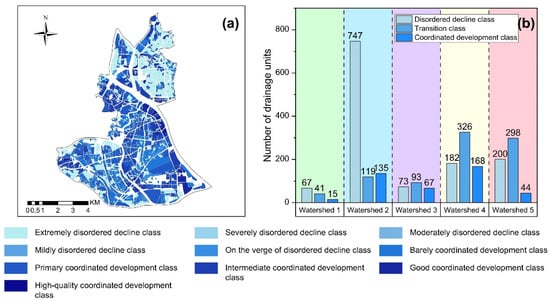
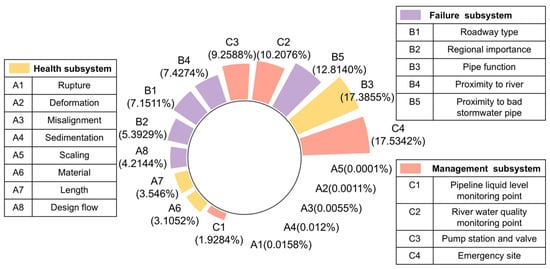
Against the backdrop of rapid urbanization, urban sewer networks face increasing challenges, including infrastructure deterioration and imbalanced resource allocation. Conventional single-dimensional risk assessment methods fail to capture the coordinated development of such complex systems. This study proposes a comprehensive HFM framework integrating Health [...] Read more.
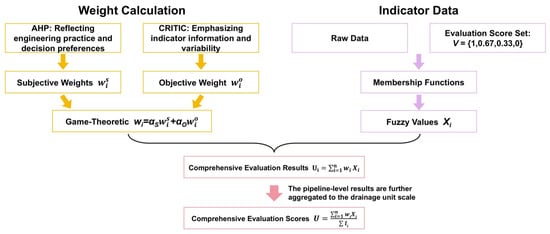
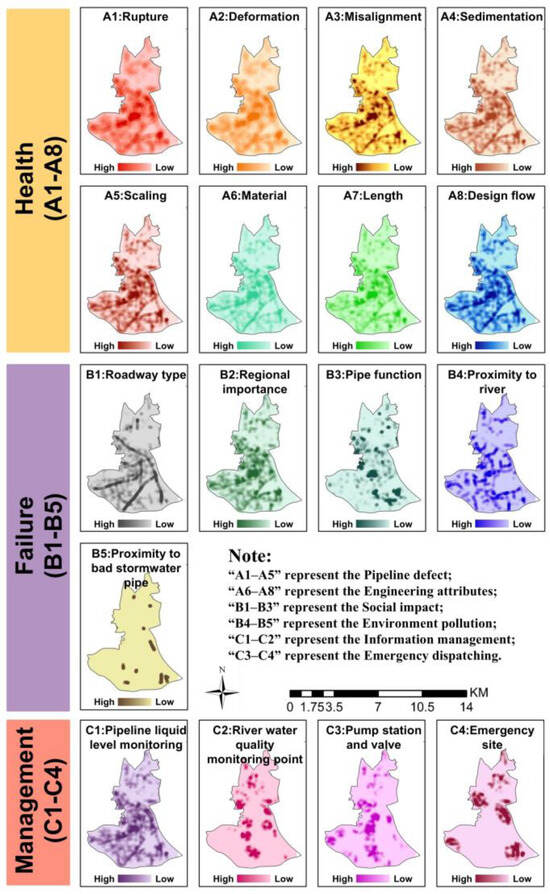
Against the backdrop of rapid urbanization, urban sewer networks face increasing challenges, including infrastructure deterioration and imbalanced resource allocation. Conventional single-dimensional risk assessment methods fail to capture the coordinated development of such complex systems. This study proposes a comprehensive HFM framework integrating Health (H), Failure (F), and Management (M), coupled with a Coupling Coordination Degree (CCD) model and an obstacle degree model to evaluate system interactions and identify key constraints. A game theory-based weighting approach combining AHP and CRITIC is applied to integrate subjective and objective weights, while fuzzy mathematics is used for multidimensional evaluation. CCD spatial analysis is conducted at the drainage unit scale. Results show that: (1) The system is in a transitional stage from disorder to coordination, with CCD values mainly ranging from 0.4 to 0.8 and exhibiting significant spatial heterogeneity. (2) High-risk areas tend to have better health conditions and stronger management inputs, whereas low-risk areas may still face latent risks due to insufficient management. (3) Key obstacles are concentrated in Failure and Management systems, particularly pipeline functionality and management capacity. Overall, system risk arises from mismatches between risk sources and management allocation rather than purely structural deficiencies. The proposed framework effectively identifies imbalance areas and priority interventions, supporting the transition toward proactive risk regulation. Full article
(This article belongs to the Special Issue "Watershed–Urban" Flooding and Waterlogging Disasters, 2nd Edition)
Show Figures

Figure 1
25 pages, 5831 KB  
Article
Towards Sustainable and Inclusive Transit Environments: Quantifying Pedestrian Accessibility Efficiency and Equity for Temporarily Mobility-Impaired Pedestrians
by Yikang Zhang, Minfeng Yao, Xiaomin Chen, Hebing Yang and Gongfu Fan
Sustainability 2026, 18(12), 6123; https://doi.org/10.3390/su18126123 (registering DOI) - 15 Jun 2026
Abstract
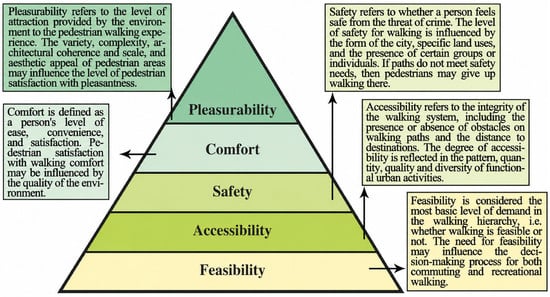
Rail transit station areas are high-volume public spaces where pedestrian efficiency directly affects the operational quality, equity, and sustainability of public transport systems. However, temporarily mobility-impaired (TMI) pedestrians, such as people carrying luggage or pushing strollers, are often overlooked in station-area pedestrian design. [...] Read more.
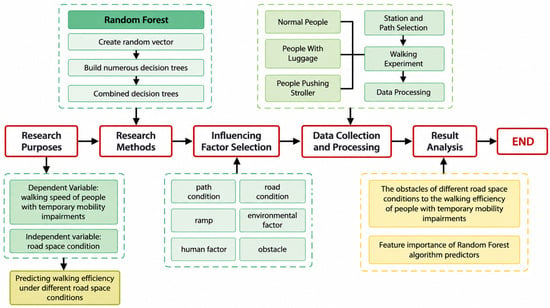
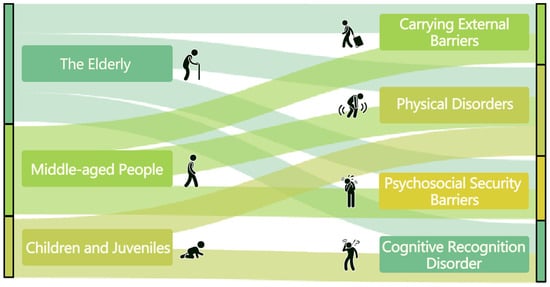
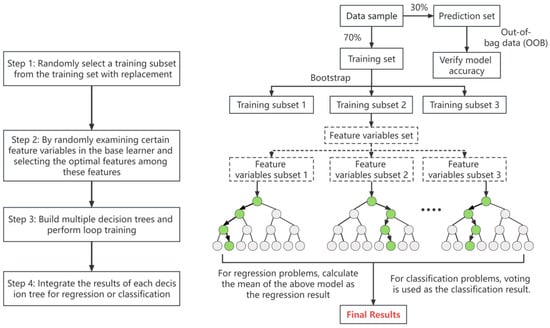
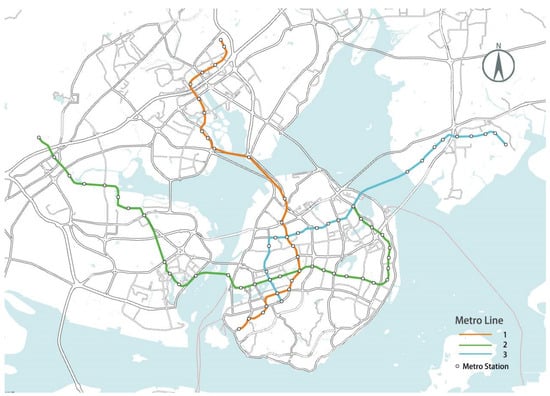
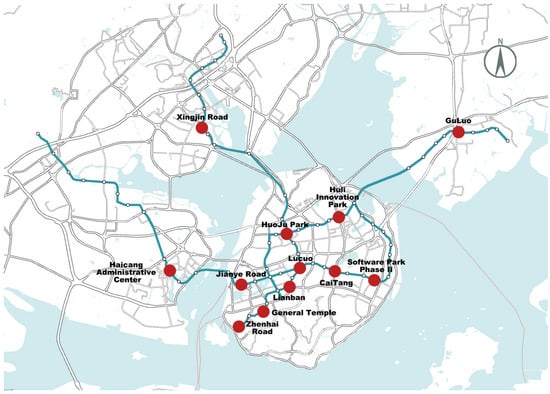
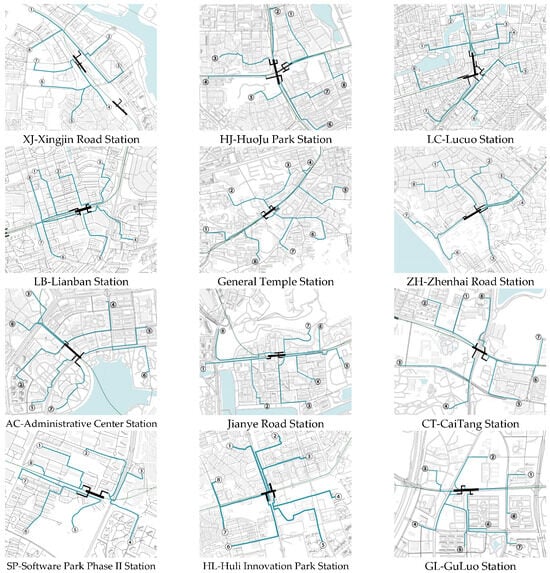
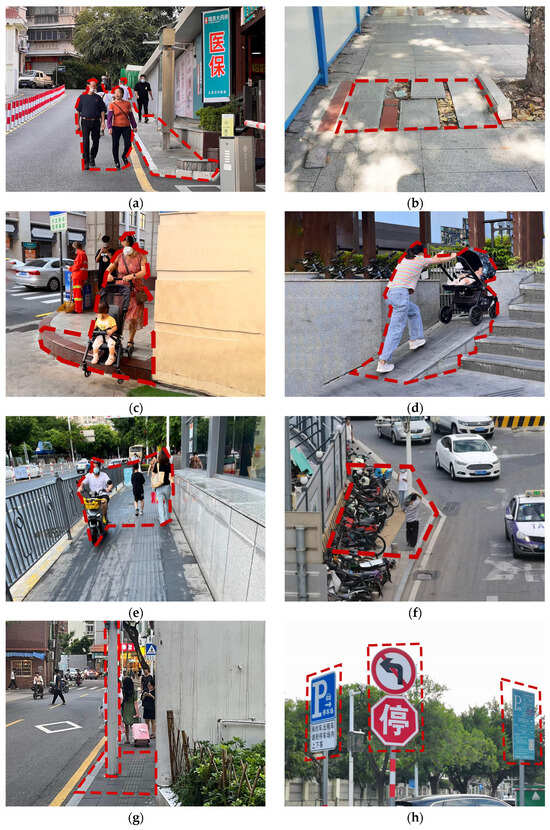
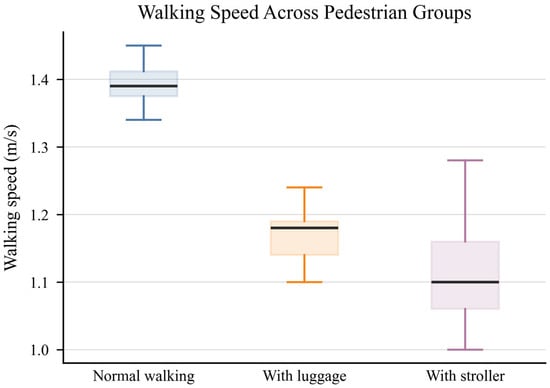
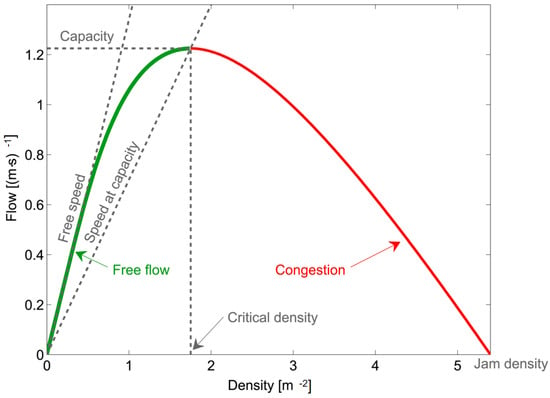
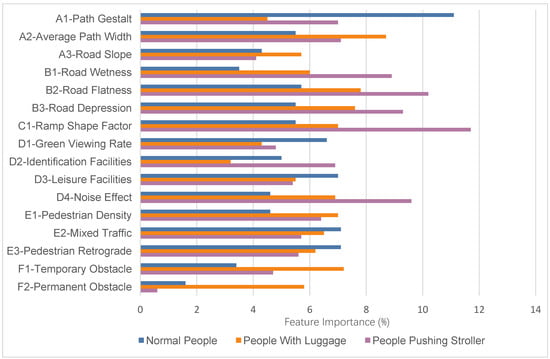
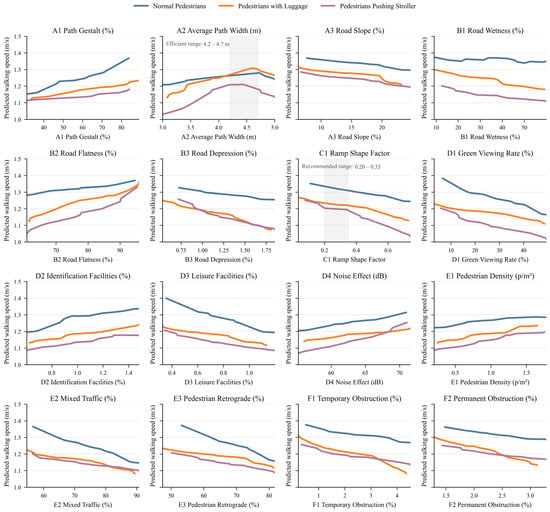
Rail transit station areas are high-volume public spaces where pedestrian efficiency directly affects the operational quality, equity, and sustainability of public transport systems. However, temporarily mobility-impaired (TMI) pedestrians, such as people carrying luggage or pushing strollers, are often overlooked in station-area pedestrian design. This study quantifies walking-efficiency attenuation among TMI groups and identifies key micro-spatial factors influencing their mobility. Based on 96 typical paths around metro stations in Xiamen, China, real-world walking experiments were conducted with 566 volunteers, producing 1152 valid observations. A Random Forest model was used to predict walking efficiency under different spatial attributes and assess factor importance. The results show that TMI pedestrians walk significantly slower than unimpaired pedestrians and can become a major bottleneck in station-area circulation. Stroller users are most affected by ramp shape, while luggage carriers are particularly sensitive to path width. Partial dependence analysis indicates that a path width of 4.2–4.7 m and a ramp shape factor of 0.2–0.35 support higher efficiency and equity. The findings provide quantitative evidence for universal design and offer practical guidance for sustainable, inclusive, and people-centered transit-oriented development. Full article
Show Figures

Figure 1
26 pages, 2569 KB  
Review
Research Status and Development Trends of Ambient-Temperature Reactive High-Performance Asphalt Binders
by Dingfeng Zhang, Enzhou Di, Yongfeng Zhao, Xiangpeng Yan, Zhiwen Wang and Zhaocheng Rui
J. Compos. Sci. 2026, 10(6), 319; https://doi.org/10.3390/jcs10060319 (registering DOI) - 15 Jun 2026
Abstract
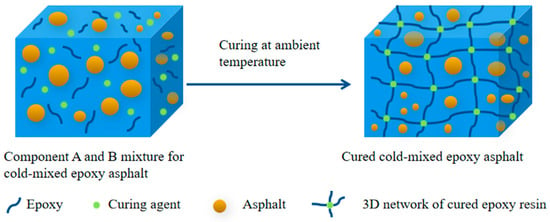
Ambient-temperature asphalt binders have emerged as a sustainable alternative to traditional hot-mix asphalt, offering significant advantages in energy conservation and emission reduction. This review systematically examines the research progress and development trends of high-performance reactive asphalt binders designed for ambient-temperature application, which achieve [...] Read more.
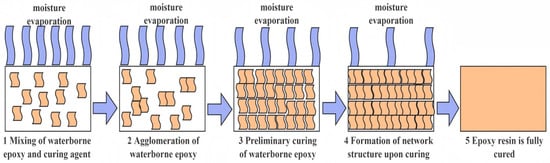
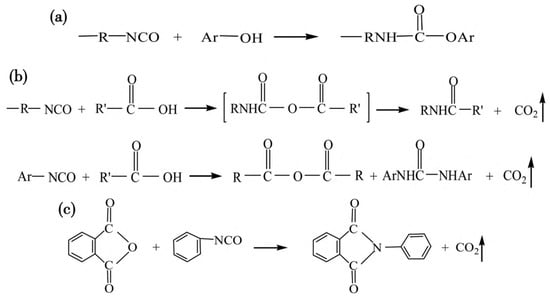
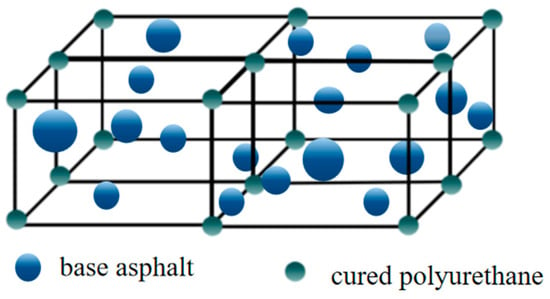
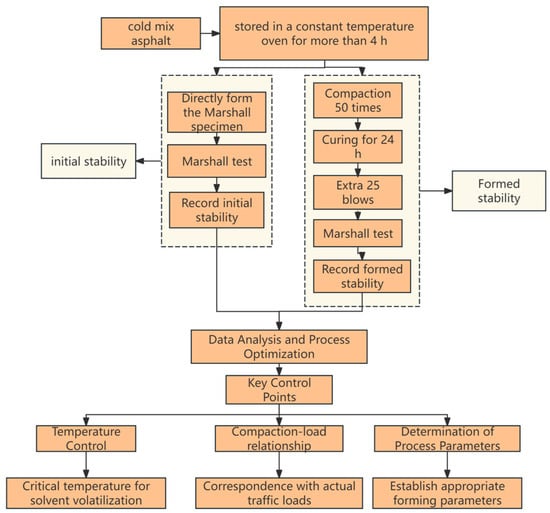
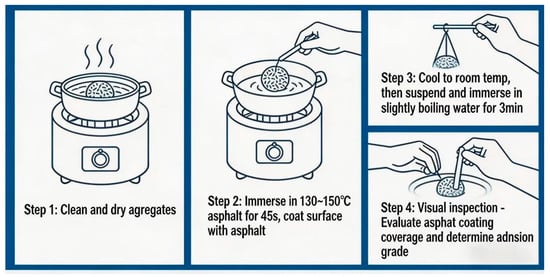
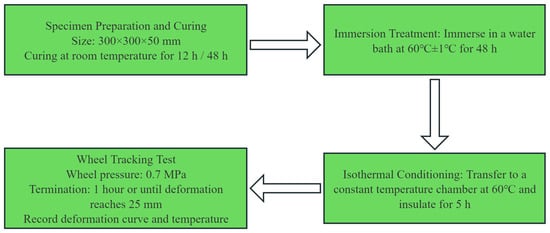
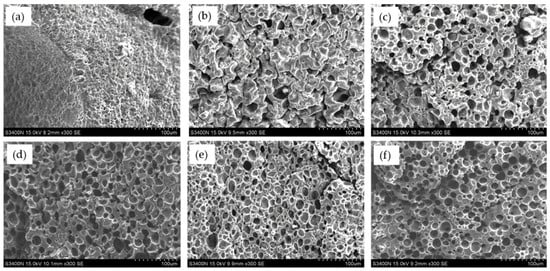
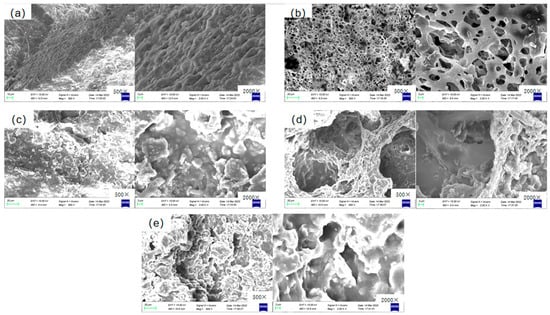
Ambient-temperature asphalt binders have emerged as a sustainable alternative to traditional hot-mix asphalt, offering significant advantages in energy conservation and emission reduction. This review systematically examines the research progress and development trends of high-performance reactive asphalt binders designed for ambient-temperature application, which achieve enhanced performance through chemical cross-linking reactions. The study focuses on three core material systems: epoxy resin, waterborne epoxy emulsified asphalt, and polyurethane. For each system, we comprehensively summarize the material composition, strength formation mechanisms, and mix design methodologies. Key evaluation methods for critical pavement performance—including strength characteristics, water stability, and high-temperature performance—are critically reviewed. Furthermore, microscopic characterization techniques including scanning electron microscopy (SEM), Fourier-transform infrared spectroscopy (FTIR), and differential scanning calorimetry (DSC) are discussed to elucidate the underlying mechanisms governing performance evolution. Analysis reveals that epoxy-based binders exhibit superior strength and stiffness, rendering them suitable for heavy-traffic pavements; waterborne epoxy emulsified asphalt binders combine environmental compatibility with construction convenience for thin-layer rehabilitation, while polyurethane-based binders demonstrate exceptional elasticity and rapid curing characteristics for quick-traffic-opening scenarios. Although current research has established a preliminary performance evaluation framework, the absence of unified technical standards constrains widespread engineering implementation. Future research priorities should focus on developing water-triggered curing systems, intelligent responsive materials, and comprehensive standardization systems to fully harness the engineering potential of these sustainable binders. Full article
(This article belongs to the Section Composites Applications)
Show Figures

Figure 1
12 pages, 761 KB  
Case Report
Review of Haematological Toxicities in Well-Differentiated Neuroendocrine Tumours: A Case Report and Comprehensive Review of the Literature
by David Gomez, Ramón Salazar, Paula Jiménez Fonseca, Ana Custodio, Beatriz Antón, Amaya Sadaba, Marta Benavent, Ana Elsa Huerta, Barbara Silvia Martinez, Itziar Gomez, Nieves Martínez Lago, Jorge Hernando and Ruth Vera
J. Clin. Med. 2026, 15(12), 4628; https://doi.org/10.3390/jcm15124628 (registering DOI) - 15 Jun 2026
Abstract
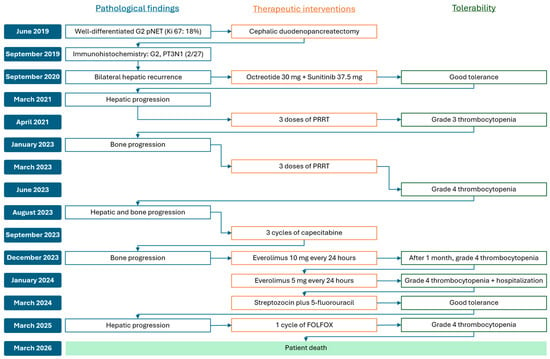
Background: Neuroendocrine tumours (NETs) are heterogeneous neoplasms with several treatment options. Response rates, disease progression, and haematological toxicities can limit the use of some indicated treatments. Case Presentation: A 73-year-old woman with a well-differentiated grade 2 pancreatic NET (Ki-67 18%) underwent surgical resection [...] Read more.
Background: Neuroendocrine tumours (NETs) are heterogeneous neoplasms with several treatment options. Response rates, disease progression, and haematological toxicities can limit the use of some indicated treatments. Case Presentation: A 73-year-old woman with a well-differentiated grade 2 pancreatic NET (Ki-67 18%) underwent surgical resection and later developed hepatic recurrence. First-line treatment with sunitinib plus octreotide achieved temporary disease stabilisation. Upon progression, peptide receptor radionuclide therapy (PRRT) with 177Lu-DOTATATE was initiated, resulting in stable disease but complicated by grade 3 thrombocytopenia. Two years later, PRRT retreatment was performed due to disease progression, which led to grade 4 thrombocytopenia. Further treatments with capecitabine and everolimus were limited by progression and significant thrombocytopenia. Therapy was switched to streptozocin plus 5-fluorouracil, which resulted in recovery of platelet counts, absence of haematological toxicity, and a sustained radiologic response until March 2025, when she presented with hepatic progression. FOLFOX chemotherapy was initiated but discontinued after one cycle due to severe thrombocytopenia. Deterioration in general condition ultimately led to supportive care and death in March 2026. Conclusions: This case highlights the risk of cumulative haematological toxicity with PRRT, particularly in retreatment settings. Careful patient selection and close monitoring are essential. Streptozocin-based chemotherapy may be an effective and well-tolerated alternative for patients with treatment-limiting toxicity. Full article
(This article belongs to the Section Oncology)
Show Figures

Figure 1
20 pages, 21925 KB  
Article
Multi-Criteria Optimization of Face Milling of Al7075 Hybrid Metal Matrix Composites Using TOPSIS and CODAS Under Hybrid MQL-Cryogenic CO2 Cooling
by Jie Yang, Qingzhe Meng, Youlei Zhao and Vinothkumar Sivalingam
Processes 2026, 14(12), 1947; https://doi.org/10.3390/pr14121947 (registering DOI) - 15 Jun 2026
Abstract
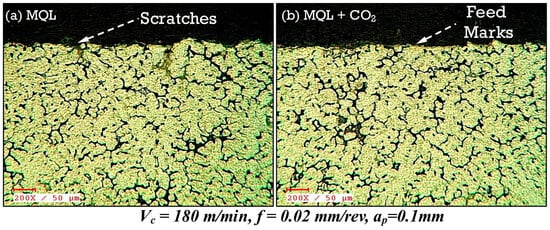
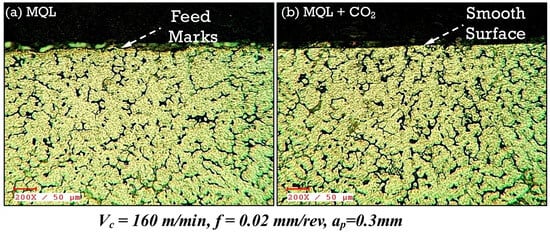
Face milling of aluminum 7075 hybrid metal matrix composites with 10 wt.% TiO2 and 3 wt.% graphite (HMMCs) are needed to improve performance and sustainability. This study focuses on optimizing the milling process for Al7075 HMMCs using the desirability approach and advanced [...] Read more.
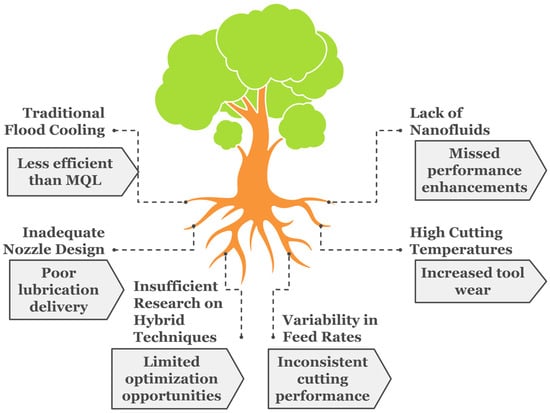
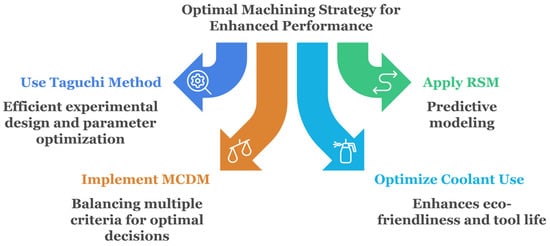
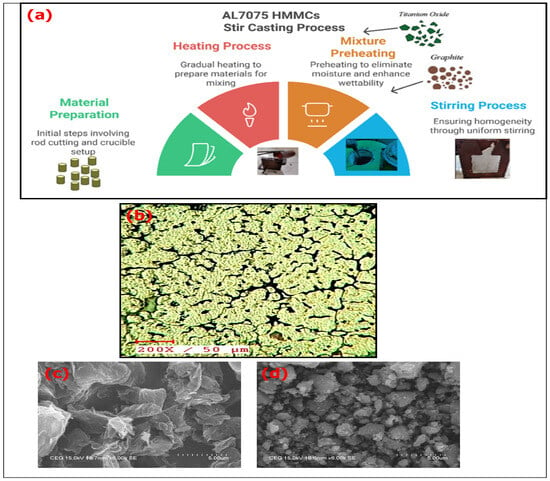
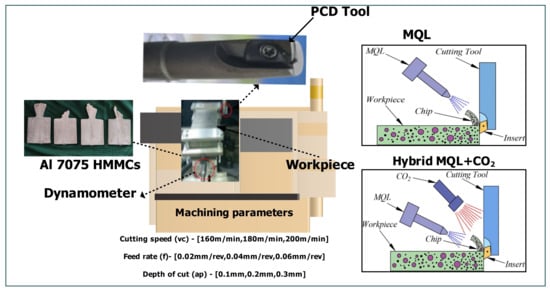
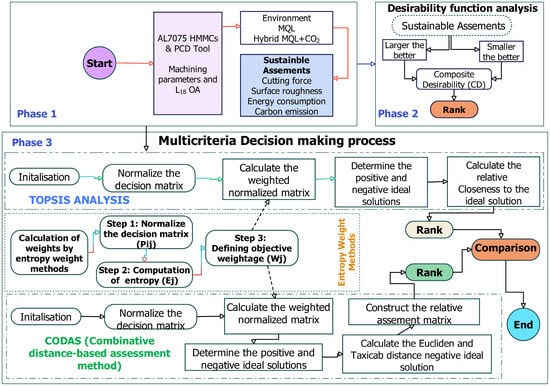
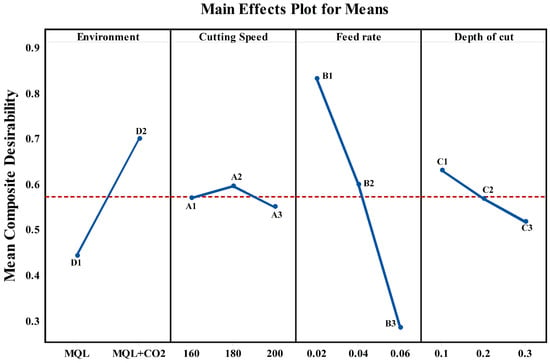
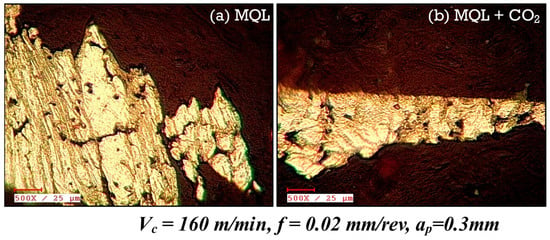
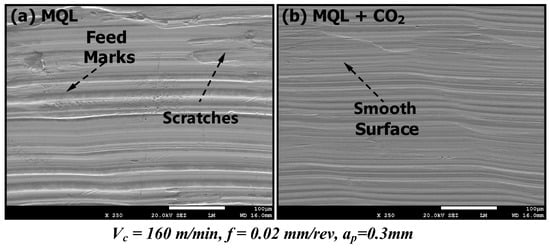
Face milling of aluminum 7075 hybrid metal matrix composites with 10 wt.% TiO2 and 3 wt.% graphite (HMMCs) are needed to improve performance and sustainability. This study focuses on optimizing the milling process for Al7075 HMMCs using the desirability approach and advanced multi-criteria decision-making (MCDM) methodologies, including the Technique for Order of Preference by Similarity to Ideal Solution (TOPSIS) and the Combined Distance-based Assessment (CODAS). Surface roughness (SR), cutting force (CF), carbon emissions (CE), and energy consumption (EC) were systematically evaluated and ranked using the L18 Taguchi Orthogonal Array. Minimum Quantity Lubrication (MQL) and cryogenic CO2 cooling techniques were used to achieve a superior surface finish and reduce friction at the tool-workpiece interface, thereby minimizing scratches and thermal damage. Desirability evaluation results showed the optimal machining conditions for milling of Al7075 (HMMCs) occurred at a cutting speed (Vc) of 200 m/min, a feed rate (f) of 0.02 mm/rev, and a depth of cut (ap) of 0.3 mm, proving the potential of integrating MCDM tools with effective cooling strategies. The desirability method favored a balanced compromise, while entropy-weighted TOPSIS/CODAS emphasized energy and carbon-related responses. Improvements of 6% in cutting force, 7% in surface roughness, and a 7% reduction in energy consumption, along with 8% lower carbon emissions, were achieved, demonstrating the effectiveness of hybrid cooling strategies in promoting eco-friendly and resource-efficient processes. Full article
(This article belongs to the Section Process Control, Modeling and Optimization)
Show Figures

Figure 1
17 pages, 5572 KB  
Article
Supramolecular Adenosine–Ectoine Complex for Enhanced Skin Delivery and Anti-Aging Efficacy
by Jiahuan Hu, Yumei Fan, Zirui He, Chunhua Wei, Yu Xie, Shuo Shan, Jinhua Li and Yuan Yuan
Cosmetics 2026, 13(3), 153; https://doi.org/10.3390/cosmetics13030153 (registering DOI) - 15 Jun 2026
Abstract
Skin aging is a central focus of skin health. Supramolecular chemistry has emerged as a powerful strategy for enhancing the performance of cosmetic active ingredients. Adenosine is a promising anti-aging ingredient in skincare products, but its cosmetic application is limited by poor water [...] Read more.
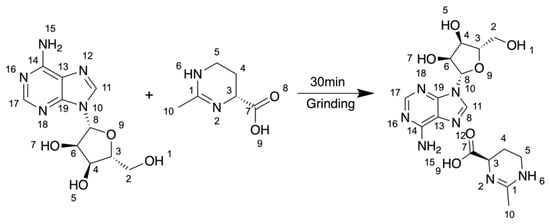
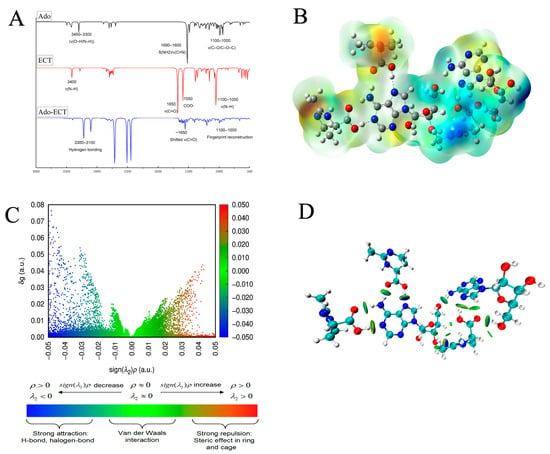
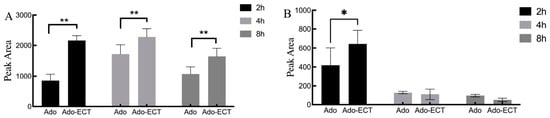
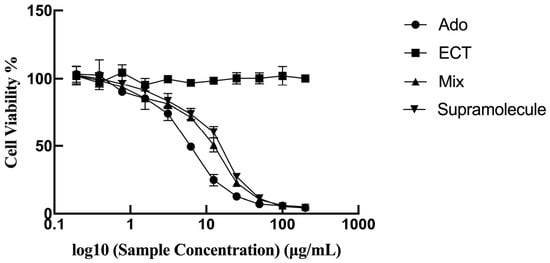
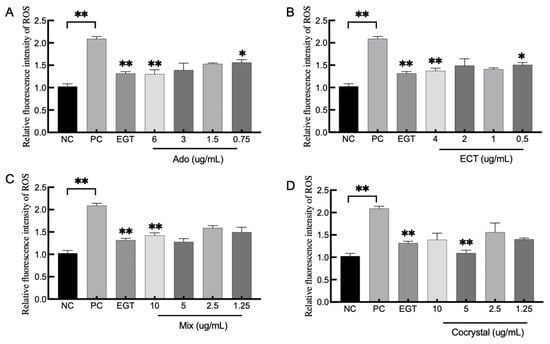
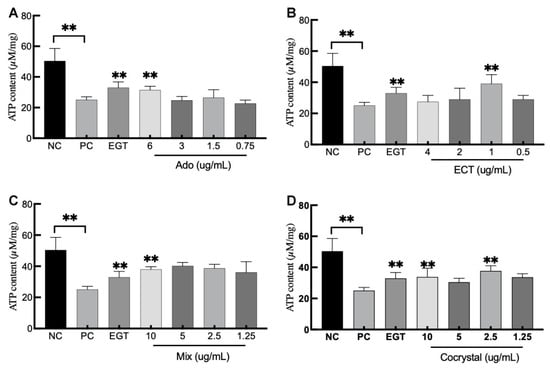
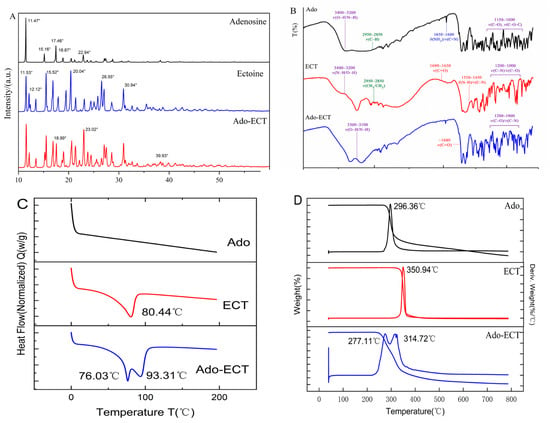
Skin aging is a central focus of skin health. Supramolecular chemistry has emerged as a powerful strategy for enhancing the performance of cosmetic active ingredients. Adenosine is a promising anti-aging ingredient in skincare products, but its cosmetic application is limited by poor water solubility and low skin penetration. This study developed a supramolecular complex combining adenosine with ectoine through cocrystallization. The supramolecular assembly was characterized by differential scanning calorimetry (DSC) and thermogravimetric analysis (TGA). Powder X-ray diffraction (PXRD), Fourier-transform infrared spectroscopy (FTIR) and density functional theory (DFT) calculations revealed extensive hydrogen-bonding networks between the components. The optimal supramolecular composition (1:1.5 molar ratio) achieved a 5.5-fold increase in water solubility. The supramolecular organization enhanced skin permeability by 3.1-fold in ex vivo porcine skin models. In fibroblast cell models, the supramolecular system exhibited superior antioxidant activity with 30.3% greater reactive oxygen species (ROS) reduction and restored cellular adenosine triphosphate (ATP) levels by 2.1-fold under H2O2-induced oxidative stress compared to individual components. These findings demonstrate that the adenosine–ectoine supramolecular complex represents an innovative multifunctional ingredient for basic anti-aging cosmetics, offering enhanced delivery, improved safety, and superior biological efficacy through supramolecular engineering. Full article
(This article belongs to the Section Cosmetic Dermatology)
Show Figures

Figure 1
17 pages, 1236 KB  
Article
Ascophyllan Supplementation Is Safe and Associated with Exploratory Modulation of Innate Immune Phenotypes, Biochemical Parameters, and the Gut Microbiome in a Randomized Pilot Trial
by Shohei Mizuno, Jorge Luis Espinoza, Lam Quang Vu, Hirona Banno, Yusuke Iida, Saki Shinohara, Do Tung Dac, Yuya Nakagami, Kaori Uchino, Tomohiro Horio, Ichiro Hanamura, Nobuhiro Asai, Megumi Enomoto, Hiroya Tani, Takayuki Nakayama, Susumu Suzuki and Akiyoshi Takami
Mar. Drugs 2026, 24(6), 213; https://doi.org/10.3390/md24060213 (registering DOI) - 15 Jun 2026
Abstract
Background: Ascophyllan, a sulfated polysaccharide extracted from brown seaweed, has shown immunomodulatory and antioxidant effects in preclinical studies, yet human clinical evidence remains scarce. This randomized, double-blind, placebo-controlled pilot trial evaluated the safety and exploratory biological effects of daily ascophyllan supplementation in healthy [...] Read more.
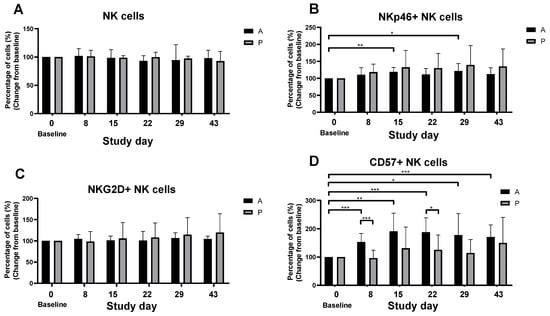
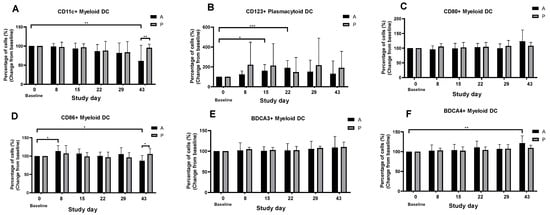
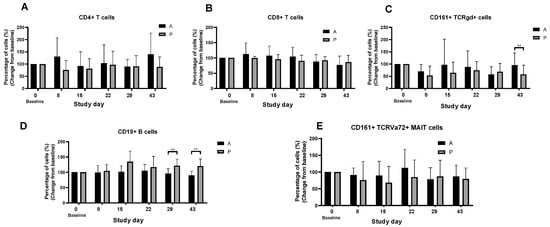
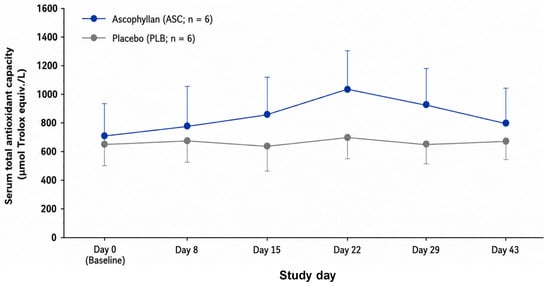
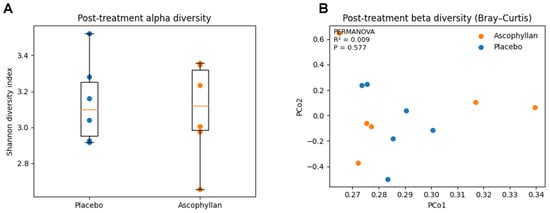
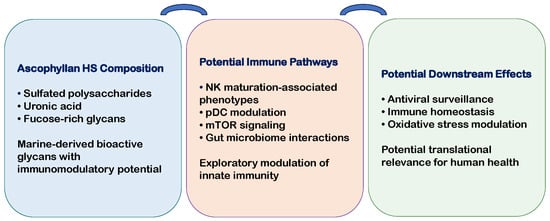
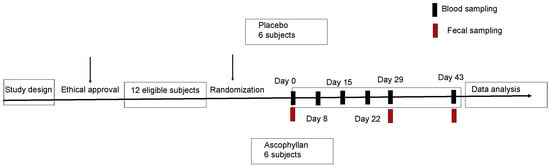
Background: Ascophyllan, a sulfated polysaccharide extracted from brown seaweed, has shown immunomodulatory and antioxidant effects in preclinical studies, yet human clinical evidence remains scarce. This randomized, double-blind, placebo-controlled pilot trial evaluated the safety and exploratory biological effects of daily ascophyllan supplementation in healthy adults. Methods: Twelve participants were randomized to receive either ascophyllan (n = 6) or placebo (n = 6) for 28 days. Safety was monitored through adverse event reporting and repeated laboratory assessments, including hematology, biochemistry, and inflammatory markers. Immune cell populations were analyzed via serial flow cytometry, serum total antioxidant capacity was measured at multiple time points, and gut microbiome composition was profiled using 16S rRNA gene sequencing. All analyses were exploratory in nature. Results: Ascophyllan supplementation proved well tolerated, with no adverse events observed and stable hematologic, renal, and biochemical parameters throughout the study. Exploratory longitudinal analyses suggested directional modulation of NK-cell-associated phenotypes during ascophyllan supplementation, including directional changes in CD57+, NKp46+, and NKG2D+ NK-cell phenotypes; however, group × time interaction analyses did not remain statistically significant after correction for multiple comparisons. Serum antioxidant capacity showed inter-individual variability with a directional but non-significant increase in the ascophyllan group at intermediate time points. Exploratory microbiome analyses suggested modest directional compositional differences involving members of the Bacteroidaceae and Bifidobacteriaceae families; however, no taxon remained statistically significant after correction for multiple comparisons. Conclusions: These preliminary findings indicate that ascophyllan is safe and well tolerated in healthy adults and may be associated with modulation of innate immune phenotypes, subtle microbiome compositional differences, and directional changes in antioxidant capacity. Larger, adequately powered clinical trials are warranted to confirm these observations and further investigate potential biological and clinical effects. Full article
Show Figures

Figure 1
15 pages, 609 KB  
Article
Postoperative Pulmonary Complications After Surgery with General Anesthesia
by Kayla Cayton, Nadina Mrkaljevic, Matthew Lumsden, Joseph Colorafi, Abdulla Mamun, Braden Hemingway, Kenneth Daratha and Karen Colorafi
Anesth. Res. 2026, 3(2), 16; https://doi.org/10.3390/anesthres3020016 (registering DOI) - 15 Jun 2026
Abstract
Background/Objectives: Postoperative pulmonary complications (PPCs) significantly contribute to surgical morbidity, mortality, and healthcare costs, yet their definition remains heterogeneous in clinical literature. We aimed to develop and apply a standardized system for defining and measuring PPCs and their severity among a general, low-risk [...] Read more.
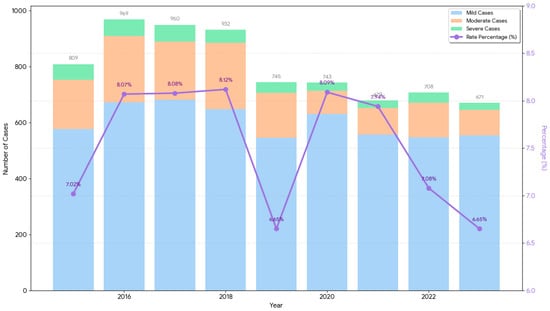
Background/Objectives: Postoperative pulmonary complications (PPCs) significantly contribute to surgical morbidity, mortality, and healthcare costs, yet their definition remains heterogeneous in clinical literature. We aimed to develop and apply a standardized system for defining and measuring PPCs and their severity among a general, low-risk surgical population. Methods: A retrospective, observational design evaluated data from 95,808 adult patients undergoing elective surgery with general anesthesia between 2015 and 2023 at a large tertiary medical center. PPCs were identified using a curated list of ICD-10 codes based on the StEP-COMPAC consensus and were categorized into mild, moderate, or severe based on the intensity of postoperative oxygen delivery. Multivariable logistic and ordinal regression models were utilized to identify risk factors for the occurrence and clinical severity of PPCs. Results: The overall incidence of PPCs was 7.52% (n = 7206), with mild cases accounting for the majority (5.65%), followed by moderate (1.47%), and severe (0.40%) cases. Key risk factors for PPCs included ASA class 3 or 4, OSA, COPD, increased case duration, and the use of home oxygen devices. Higher mean pre-operative oxygen saturation was identified as a protective factor against PPCs. Conclusions: A feasible and promising framework for standardizing PPC measurement using EHR data and interprofessional collaboration is presented for use in ongoing initiatives aimed at reducing rates of PPCs. Identified risk factors may serve as critical triggers for implementing perioperative strategies to mitigate complications in the general surgical population. Full article
Show Figures

Figure 1
26 pages, 10582 KB  
Review
Calibration of Ensemble Forecasts for Extreme Rainfall Using Bayesian Model Averaging: A Comparative Review of Gaussian and Gamma Distributions
by Defi Yusti Faidah, Gumgum Darmawan, Bertho Tantular, Febrianggi Caesar Immanuel and Norizan Mohamed
Sustainability 2026, 18(12), 6121; https://doi.org/10.3390/su18126121 (registering DOI) - 15 Jun 2026
Abstract
Global climate change is causing an increase in extreme rainfall events, which impacts the risk of hydrometeorological disasters. To support disaster mitigation and early warning systems, accurate and reliable rainfall predictions are required. Although ensemble forecasting is widely used to model atmospheric uncertainty, [...] Read more.
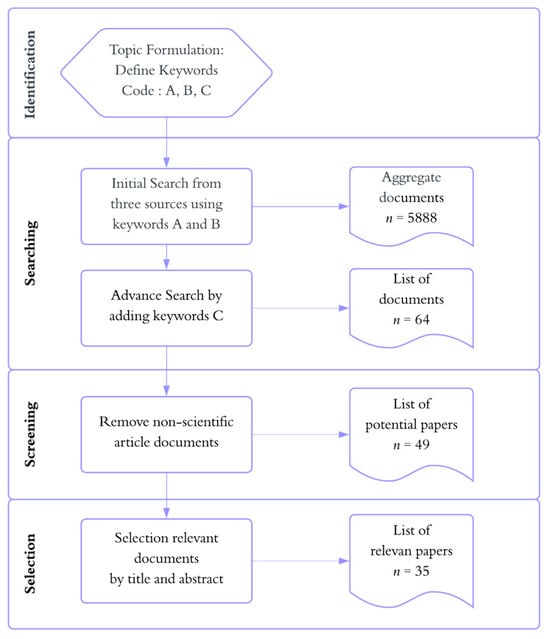
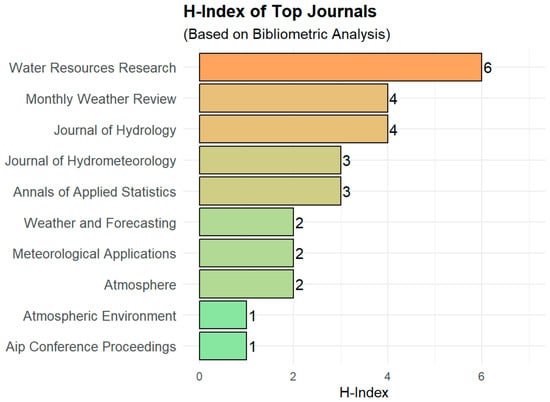
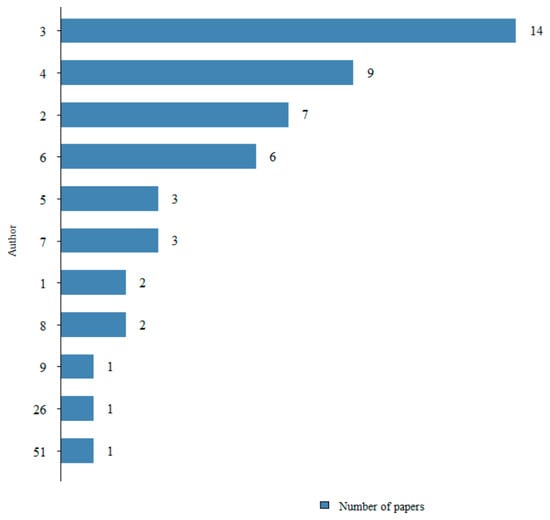
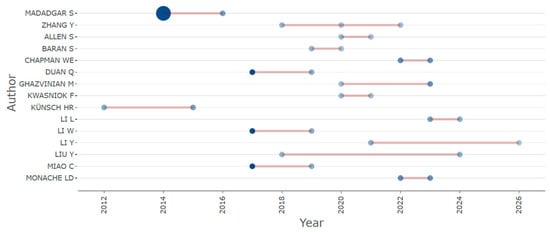
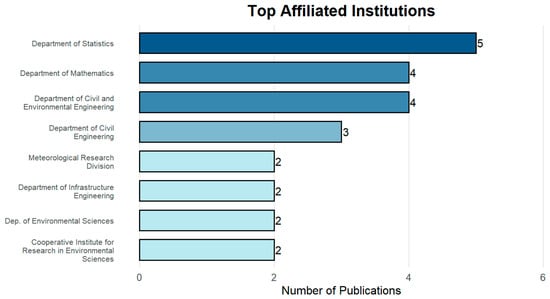
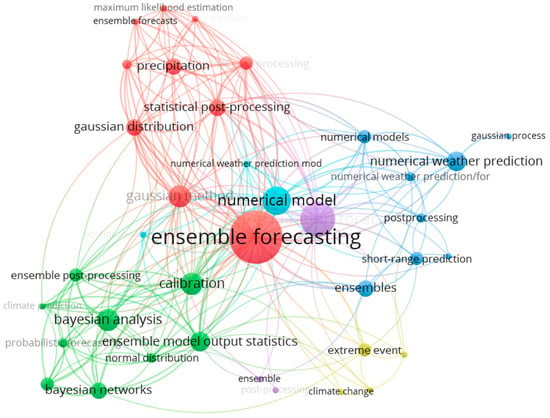
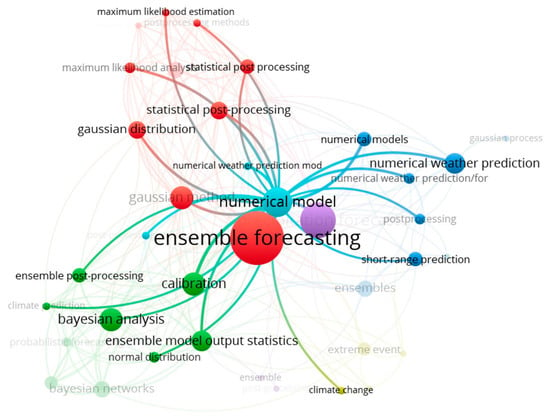
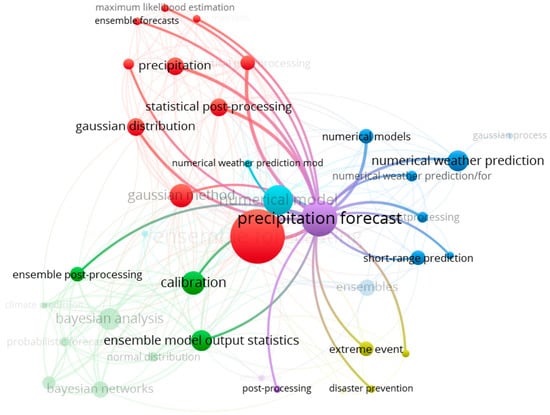
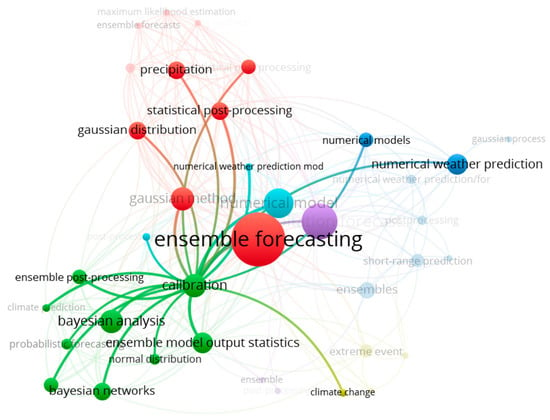
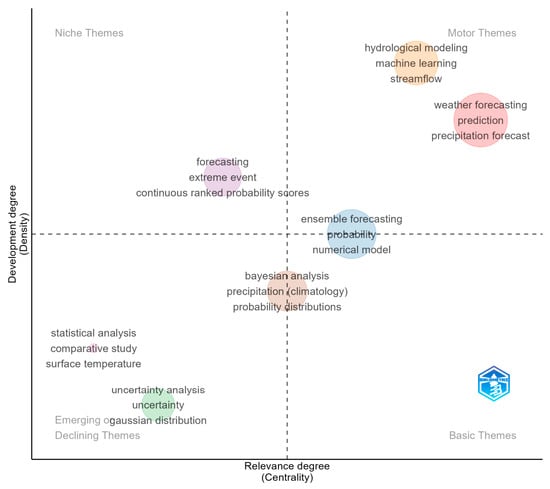
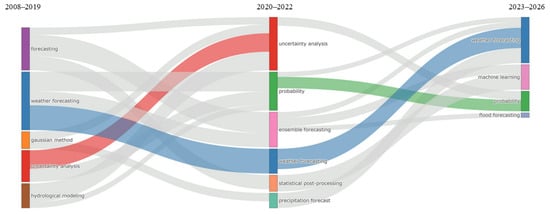
Global climate change is causing an increase in extreme rainfall events, which impacts the risk of hydrometeorological disasters. To support disaster mitigation and early warning systems, accurate and reliable rainfall predictions are required. Although ensemble forecasting is widely used to model atmospheric uncertainty, raw ensemble results often exhibit insufficient bias and dispersion. Therefore, post-processing techniques are needed to improve the quality of probabilistic predictions. The most commonly used calibration method is Bayesian Model Averaging (BMA). This study conducted a scoping review of peer-reviewed papers on ensemble forecast calibration using BMA, based on the PRISMA-ScR framework. Furthermore, this study presents a comprehensive bibliometric analysis involving co-authorship networks of productive authors and bibliometric maps with clustered terms. A total of 35 relevant articles were identified from 49 screened publications. The bibliometric analysis revealed that “ensemble forecasting” and “Gaussian distribution” are the most dominant terms in the research network, indicating that Gaussian-based approaches remain more widely used in ensemble forecast calibration studies. In contrast, studies explicitly applying Gamma-based approaches are still relatively limited despite their relevance for modeling asymmetric rainfall data. The results obtained in this study highlight the importance of developing and integrating more appropriate probability distributions, such as those within the Extreme Value Theory framework, into BMA models. These findings suggest that the selection of appropriate probabilistic distributions in BMA-based calibration frameworks plays an important role in improving forecast reliability and the representation of uncertainty in rainfall prediction. Furthermore, the development of more suitable probability distributions, including Extreme Value Theory (EVT)-based distributions, has strong potential to enhance probabilistic calibration performance for asymmetric rainfall data. This approach is expected to improve the accuracy and reliability of extreme rainfall predictions. The findings of this study provide an important contribution to the development of early warning systems for hydrometeorological disasters and support the achievement of Sustainable Development Goals (SDGs). Full article
(This article belongs to the Section Hazards and Sustainability)
Show Figures

Figure 1

18 pages, 1059 KB  
Systematic Review
Yoga and High-Intensity Interval Training Show Comparable Effects on HbA1c in Type 2 Diabetes: A Systematic Review and Preliminary Pilot Network Meta-Analysis in Adult Populations
by Saw Ye Win Thu, Sneha Patnaik and Yin-Hwa Shih
Healthcare 2026, 14(12), 1703; https://doi.org/10.3390/healthcare14121703 (registering DOI) - 15 Jun 2026
Abstract
Background/Objectives: Exercise is pivotal for glycemic control in type 2 diabetes mellitus (T2DM), yet the relative efficacy of various exercise modalities remains inconclusive. This network meta-analysis aimed to evaluate and provide a preliminary ranking of exercise interventions on HbA1c levels in adults [...] Read more.
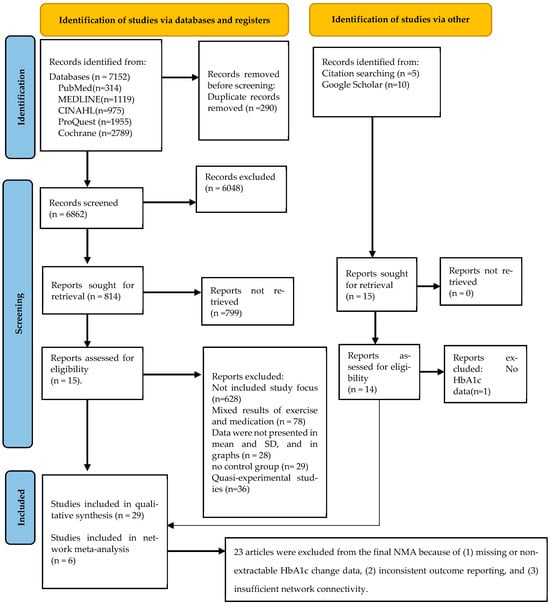
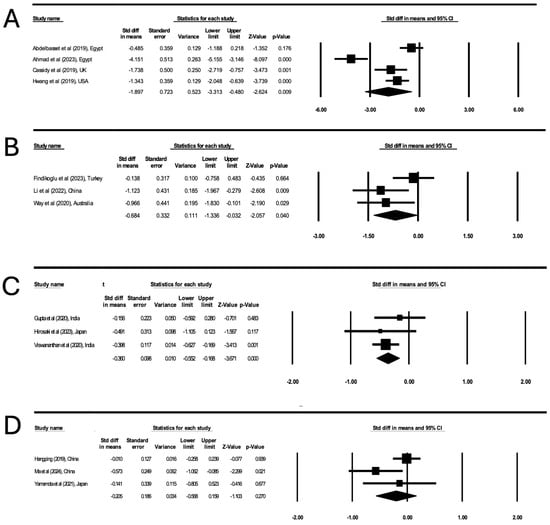
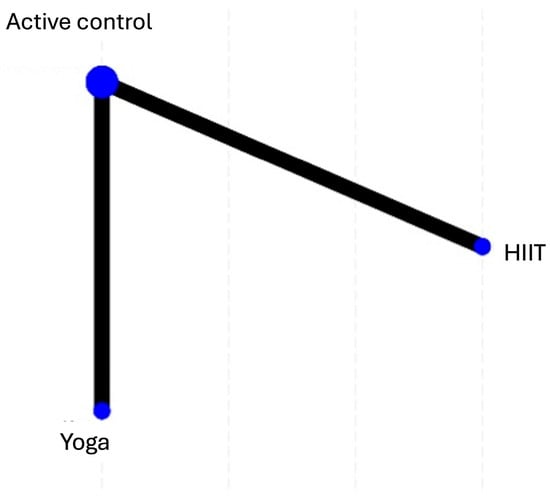
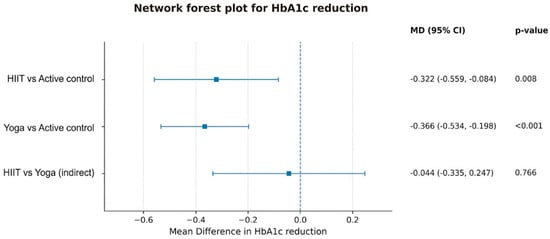
Background/Objectives: Exercise is pivotal for glycemic control in type 2 diabetes mellitus (T2DM), yet the relative efficacy of various exercise modalities remains inconclusive. This network meta-analysis aimed to evaluate and provide a preliminary ranking of exercise interventions on HbA1c levels in adults with type 2 diabetes mellitus, to facilitate clinically relevant network comparisons and to generate evidence for future large-scale comparative trials. Methods: A systematic review and network meta-analysis were conducted in accordance with PRISMA guidelines. Electronic databases (PubMed, MEDLINE, Cochrane Library, CINAHL, and ProQuest) were searched from inception to Dec 2024. Randomized controlled trials evaluating exercise interventions in adults with T2DM were included. Risk of bias was assessed independently by two reviewers using the JBI critical appraisal tool. The primary outcome was the change in HbA1c level. Results: Six randomized controlled trials involving a total of 511 participants (256 in the treatment group and 255 in the control group) were included in the final analysis. Both high-intensity interval training (MD = −0.322; 95% CI: −0.559 to −0.084; p = 0.008) and yoga (MD = −0.366; 95% CI: −0.534 to −0.198; p < 0.001) significantly reduced HbA1c compared with the active control. Although the preliminary ranking analysis suggested a higher probability of effectiveness for yoga (SUCRA 1) than for HIIT (SUCRA 0.5), the indirect comparison revealed no statistically significant difference in HbA1c reduction between the two interventions (MD = −0.044; 95% CI: −0.335 to 0.247; p = 0.766). Conclusions: These findings provide preliminary, evidence-generating; however, given the sparse network and absence of head-to-head trials, the treatment hierarchy should be interpreted with extreme caution and selected based on patients’ preferences and tolerance. Registration: PROSPERO [CRD42025650162]. Full article
Show Figures

Figure 1

17 pages, 559 KB  
Review
Overview of the Ergonomic Model of Soccer and the Training Process
by James J. Collins, Shane Malone and Kieran D. Collins
Appl. Sci. 2026, 16(12), 6029; https://doi.org/10.3390/app16126029 (registering DOI) - 15 Jun 2026
Abstract
Soccer is a complex sport with significant physical, physiological, psychological, technical, and tactical demands on players. This review presents an ergonomics-based model of soccer performance, emphasizing that no single component operates in isolation. Building on the foundational ergonomic framework, this review integrates contemporary [...] Read more.
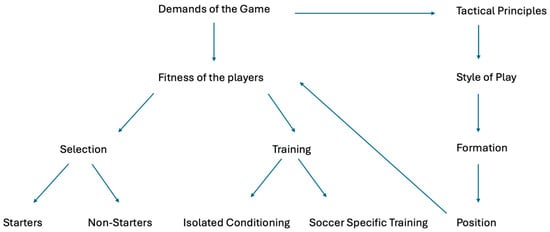
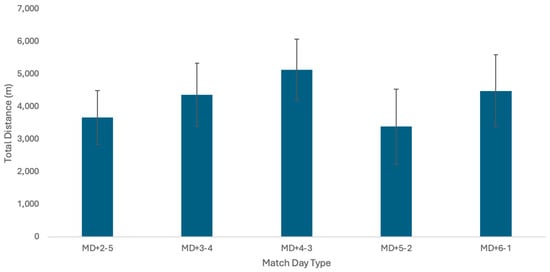
Soccer is a complex sport with significant physical, physiological, psychological, technical, and tactical demands on players. This review presents an ergonomics-based model of soccer performance, emphasizing that no single component operates in isolation. Building on the foundational ergonomic framework, this review integrates contemporary evidence on training load monitoring, ecological dynamics, and cognitive-perceptual performance dimensions not systematically addressed in prior frameworks. Elite outfield players cover 9–14 km·h−1 per match, with high-speed running (19.8–24.8 km·h−1) making up about 20% of total distance and sprinting (>25 km·h−1) around 2%. These outputs vary by playing position, tactical formation, possession dynamics, and environmental conditions. Longitudinal data from the English Premier League indicate a 35% increase in high-speed running over the past decade, suggesting intensifying physical demands. Physiological responses, including average heart rates of 156–175 bpm, reflect the aerobic and anaerobic demands on players. The review also examines benchmarks like VO2max, sprint velocity, and anthropometry, highlighting their utility and limitations as performance indicators. Regarding training load management, the review evaluates frameworks such as the Acute:Chronic ratio and high-speed running exposure protocols, noting limitations and risks of over-relying on external load metrics. Periodization approaches, including tactical periodization, are discussed for integrating physical, technical, tactical, and psychological components in training. The proposed ergonomic model conceptualizes elite soccer performance as an emergent property of interacting physical, physiological, tactical, psychological, and environmental subsystems, with direct implications for training design, selection, and load management. Selection decisions should consider cognitive and perceptual competencies like decision-making, anticipation, and situational awareness, alongside physical and physiological profiles, aligned with the team’s game model. Full article
Show Figures

Figure 1

19 pages, 2085 KB  
Article
Enhanced Bidirectional Power Flow Control for Grid-Connected Solar PV-Based Water Pumping Systems
by Geethu Krishnan, Moshe Sitbon and Shijoh Vellayikot
Electronics 2026, 15(12), 2636; https://doi.org/10.3390/electronics15122636 (registering DOI) - 15 Jun 2026
Abstract
This paper presents a bidirectional power flow control strategy for a grid-connected solar photovoltaic (PV)-based water pumping system employing a brushless DC (BLDC) motor drive. The proposed system enables continuous water pumping operation under varying solar irradiance conditions without the use of phase-current [...] Read more.
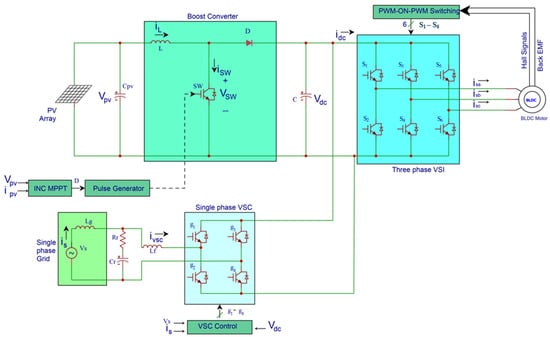
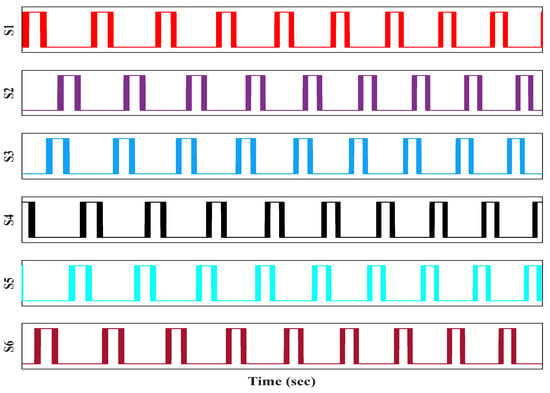
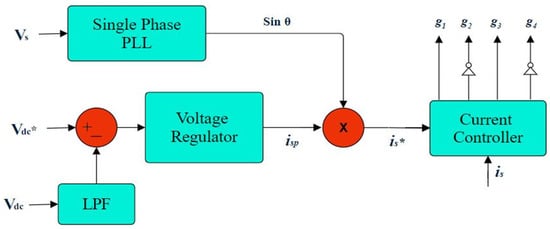
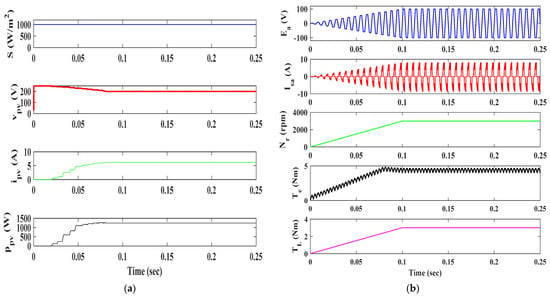
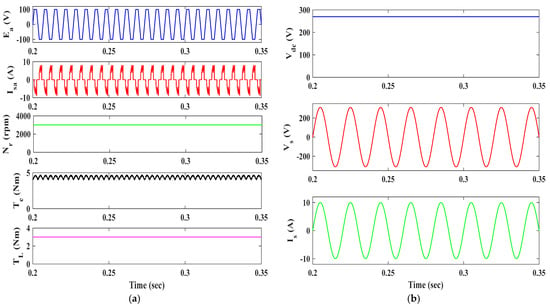
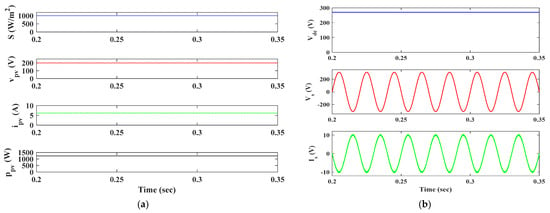
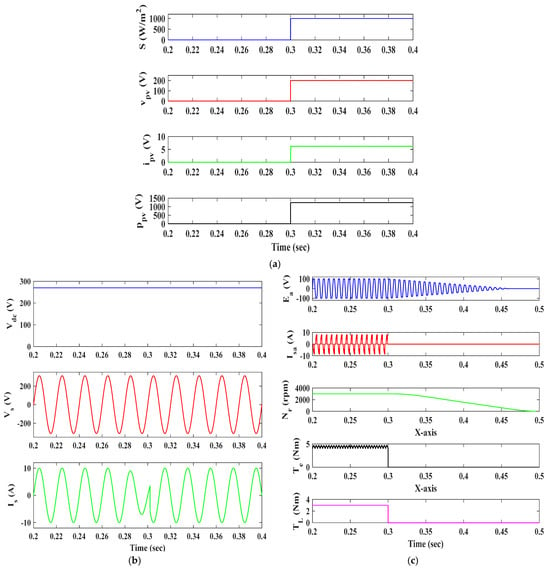
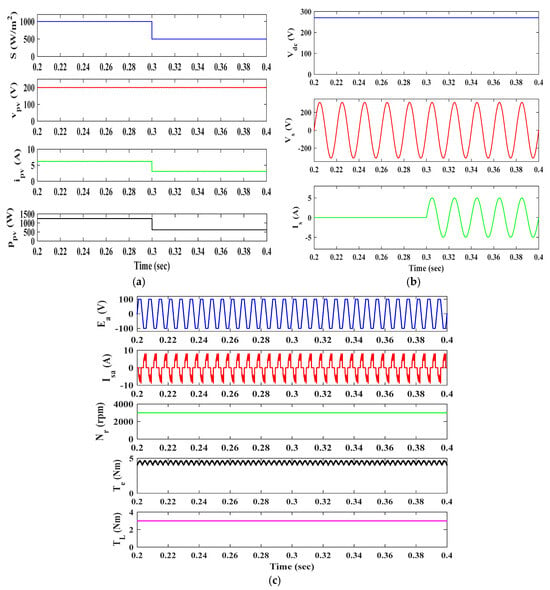
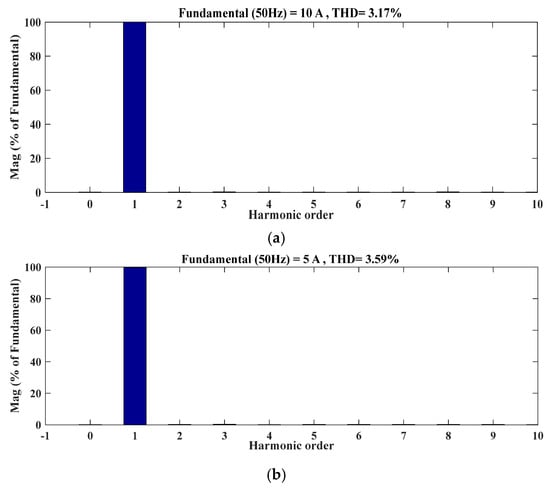
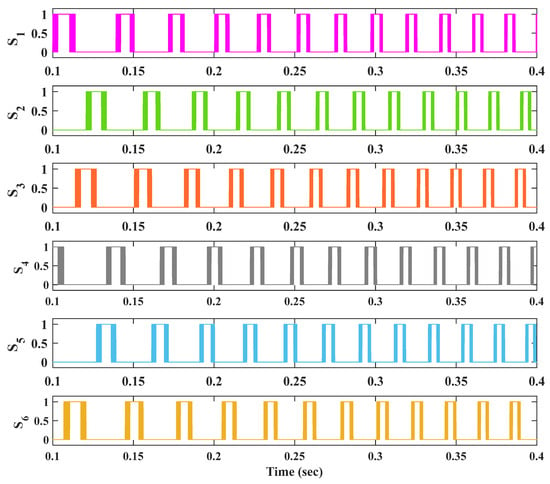
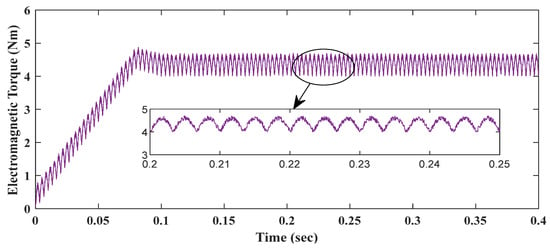
This paper presents a bidirectional power flow control strategy for a grid-connected solar photovoltaic (PV)-based water pumping system employing a brushless DC (BLDC) motor drive. The proposed system enables continuous water pumping operation under varying solar irradiance conditions without the use of phase-current sensors while maintaining the motor at its rated operating speed. A single-phase voltage source converter (VSC) employs a unit vector template (UVT)-based control scheme that regulates bidirectional power flow between the utility grid and the dc-link, thereby supporting both grid-to-load and PV-to-grid power transfer. Excess photovoltaic energy can be exported to the utility grid during periods of reduced pumping demand, improving overall utilization of the available solar power. The voltage source inverter (VSI) driving the BLDC motor employs a PWM_ON_PWM switching scheme to reduce torque ripple while operating at fundamental frequency to minimize switching losses. The proposed system also incorporates maximum power point tracking (MPPT), power factor correction, and harmonic mitigation to improve power quality and ensure compliance with IEEE-519 requirements. The effectiveness of the proposed control strategy is evaluated through detailed MATLAB/Simulink R2023a simulations under various operating conditions. The simulation results demonstrate stable dc-link voltage regulation, bidirectional power flow capability, continuous pumping operation, and reduced torque ripple, highlighting the suitability of the proposed system for grid-interactive solar water pumping applications. Full article
(This article belongs to the Special Issue Advanced DC-DC Converter Topology Design, Control, Application)
Show Figures

Figure 1

24 pages, 9473 KB  
Article
Durable Superhydrophobic F-SiO2@h-BN/PAE Composite Coating Fabricated via Scalable Facile Method
by Hui Liu, Yu Zhu, Xin Cheng, Zhenhua Dong and Qiang Liu
Coatings 2026, 16(6), 711; https://doi.org/10.3390/coatings16060711 (registering DOI) - 15 Jun 2026
Abstract
Superhydrophobic materials offer promising prospects for utilization in energy, environmental, and related fields. However, their long-term stability in natural environments is constrained by factors such as mechanical wear and aging, which compromise their practical effectiveness and service life. While notable experimental results have [...] Read more.
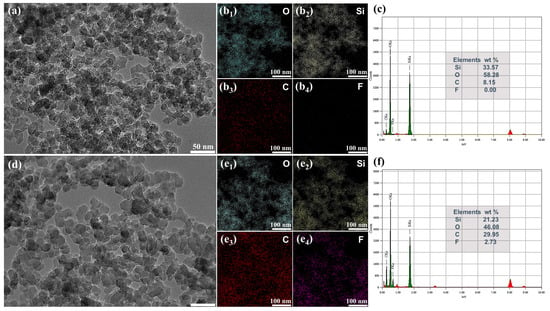
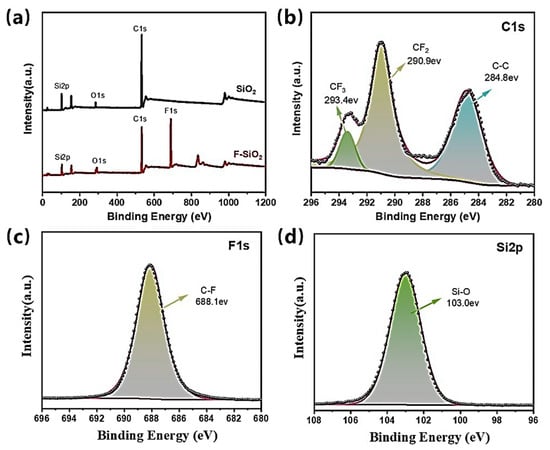
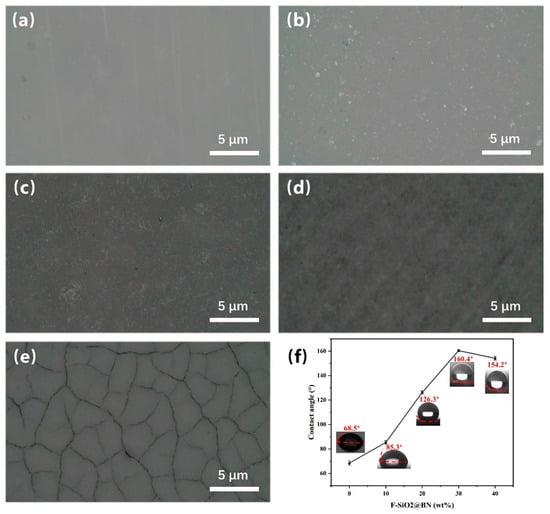
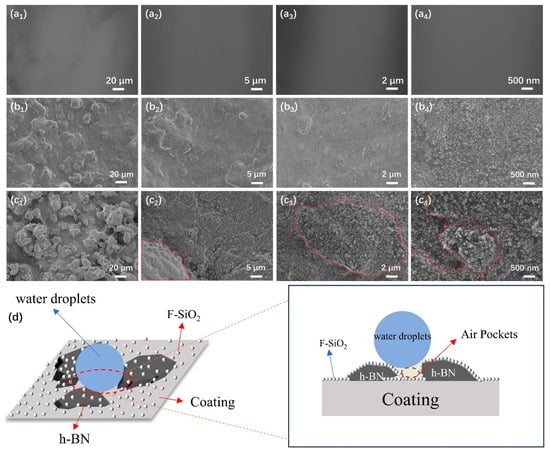
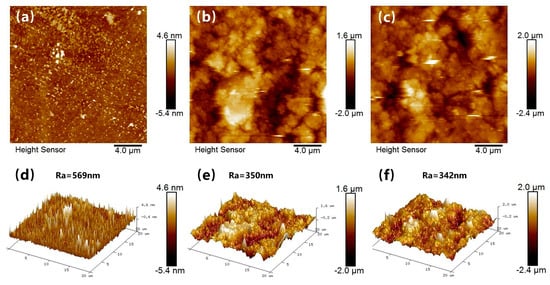
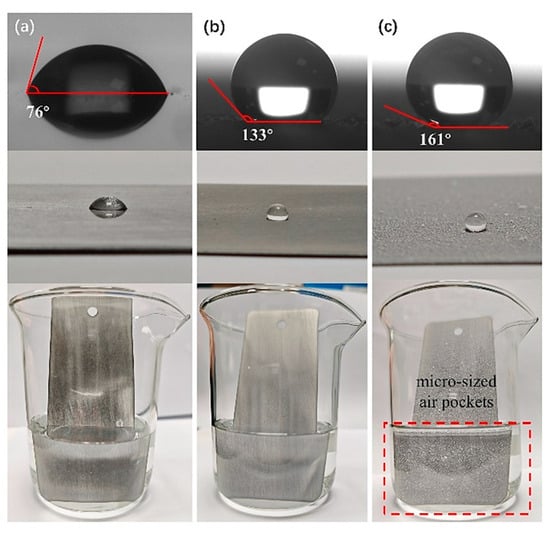
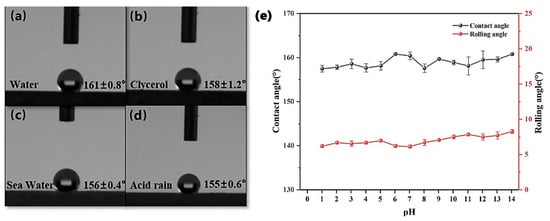
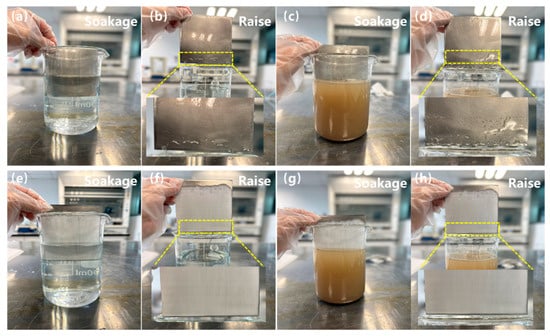
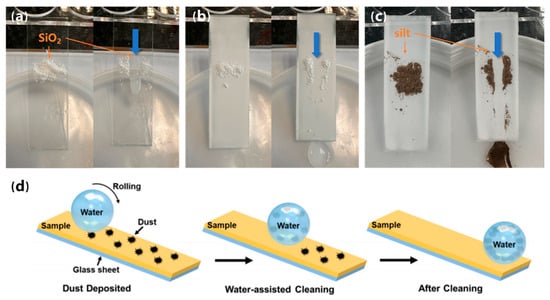
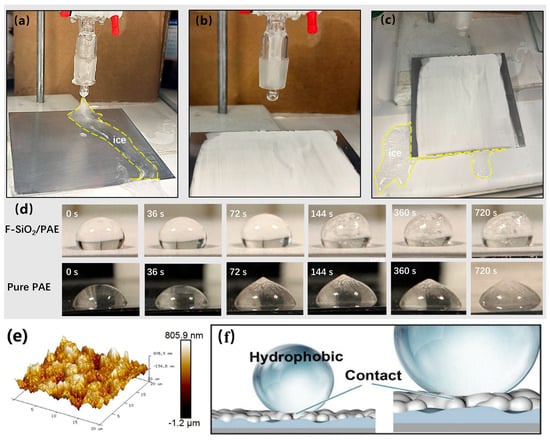
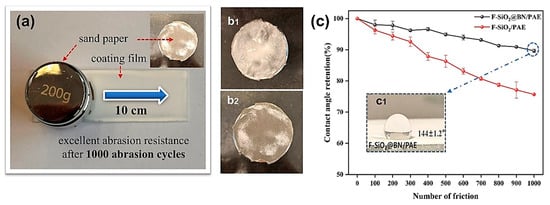
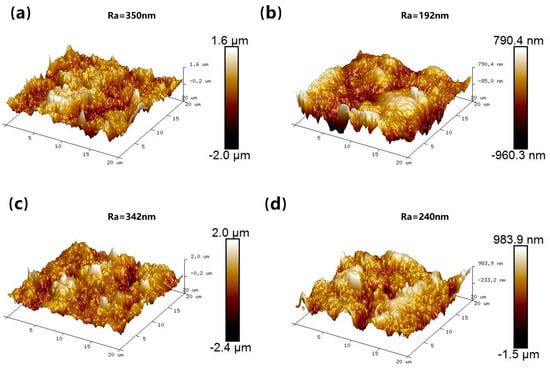
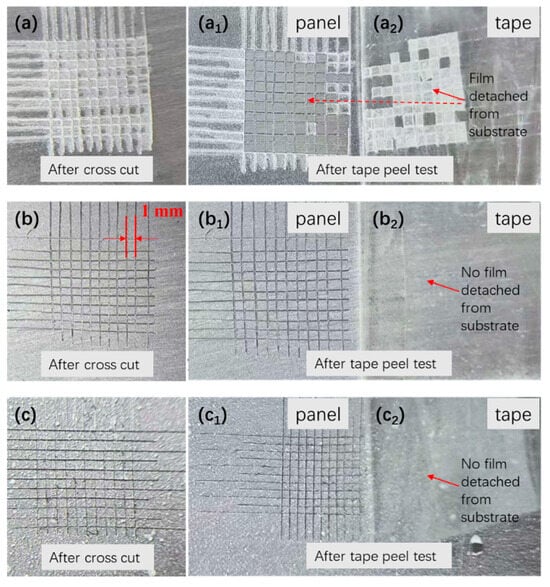
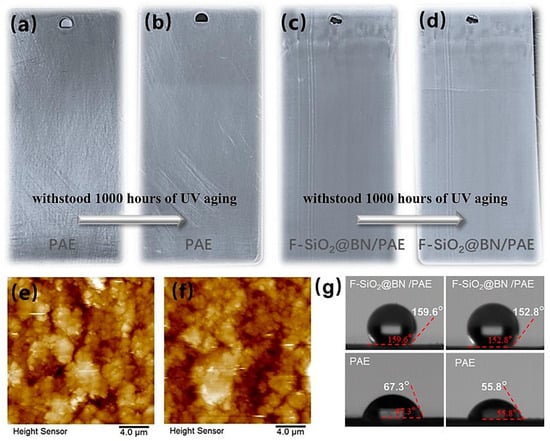
Superhydrophobic materials offer promising prospects for utilization in energy, environmental, and related fields. However, their long-term stability in natural environments is constrained by factors such as mechanical wear and aging, which compromise their practical effectiveness and service life. While notable experimental results have been obtained worldwide, scalable application remains limited by the complexity of the requisite fabrication processes. In this study, a durable superhydrophobic coating was developed through a facile one-step process, utilizing a polyaspartic ester (PAE) matrix reinforced with a composite of self-synthesized fluorinated silica (F-SiO2) and hexagonal boron nitride (h-BN) micro-/nano-structures. This strategy effectively enhanced filler dispersion within the resin matrix and promoted hydrophobicity, yielding a stable superhydrophobic surface. The resulting coating exhibits significant potential for scalable application. The optimized coating demonstrated a water contact angle of 161.2° and a roll-off angle of 7.6°, showing excellent repellency to water, corrosive liquids, and fluids across a wide pH range, along with remarkable self-cleaning performance. Benefiting from the synergistic enhancement of h-BN and F-SiO2, the coating also exhibits superior mechanical durability, maintaining a contact angle of 144.4° after 1000 abrasion cycles. Furthermore, in low-temperature anti-icing tests, the coating significantly delayed ice formation on its surface. Notably, after 1000 h of UV aging tests, the F-SiO2@BN/PAE coating retained its intact superhydrophobic structure, with the water contact angle only slightly decreasing from 159.6° to 152.8°, still within an excellent superhydrophobic state, demonstrating outstanding weather resistance. By integrating surface functionalization with mechanical reliability through a facile one-step fabrication process, this study provides significant insights for the large-scale application of hydrophobic materials in the energy and transportation sectors. Full article
(This article belongs to the Special Issue Recent Progress on Functional Films and Surface Science)
Show Figures

Figure 1

19 pages, 869 KB  
Article
Pornography, Subjectivity, and Rural Masculinities in Brazil
by Mychaell França, Samuel Santos, Washington Allysson Dantas Silva and Camilla Silva
Psychol. Int. 2026, 8(2), 36; https://doi.org/10.3390/psycholint8020036 (registering DOI) - 15 Jun 2026
Abstract
Given the moral barriers that hinder critical analysis of pornography, this study aims, through a qualitative approach with 15 participants, to examine its impacts on the construction of masculinity and the social relationships of men from the semi-arid region of Paraíba, Brazil. Data [...] Read more.
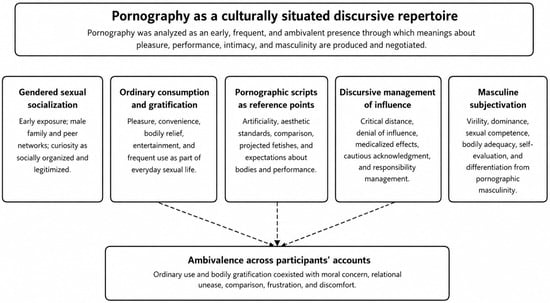
Given the moral barriers that hinder critical analysis of pornography, this study aims, through a qualitative approach with 15 participants, to examine its impacts on the construction of masculinity and the social relationships of men from the semi-arid region of Paraíba, Brazil. Data were collected via an online form, which included a sociodemographic questionnaire and open-ended questions on the topic. The data were analyzed using dialogical maps within the framework of discourse analysis. Results show that pornography is a constant and influential presence in the participants’ lives, often beginning at an early age and reinforced by social interaction. Its consumption goes beyond personal satisfaction, also serving as a tool for social comparison, shaping male subjectivity and relational dynamics. In sum, the study highlights the cultural impact of pornography in a context where critical discussions about sexuality remain limited due to the prevalence of traditional gender norms and male chauvinism. Full article
Show Figures

Figure 1

23 pages, 1225 KB  
Systematic Review
From Scripture to Soft Power: Cultural Narratives of the Bible in International Relations Scholarship
by Sotirios Despotis, Loukas Domestichos, Nikos Koutsoupias and Marios Nosios
Culture 2026, 2(2), 17; https://doi.org/10.3390/culture2020017 (registering DOI) - 15 Jun 2026
Abstract
This study examines the positioning of biblical narratives within international relations scholarship, with particular emphasis on their function as cultural resources shaping identity, geopolitical discourse, and soft power dynamics. Although religion has gained increasing recognition within international relations, the extent to which scriptural [...] Read more.
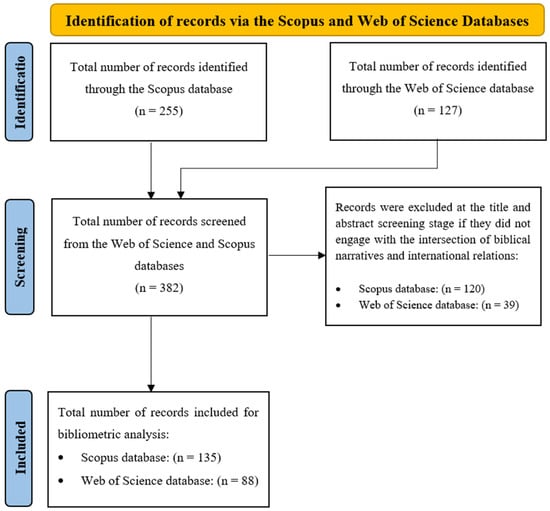
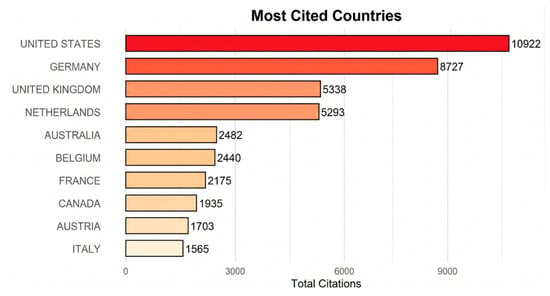
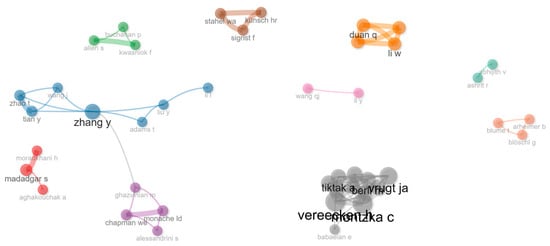
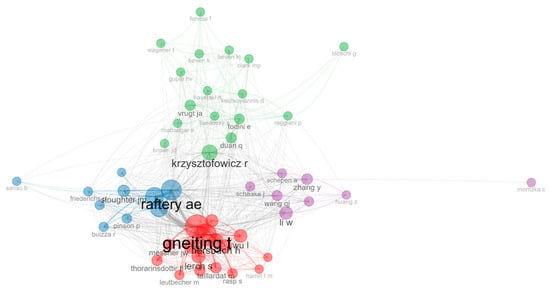
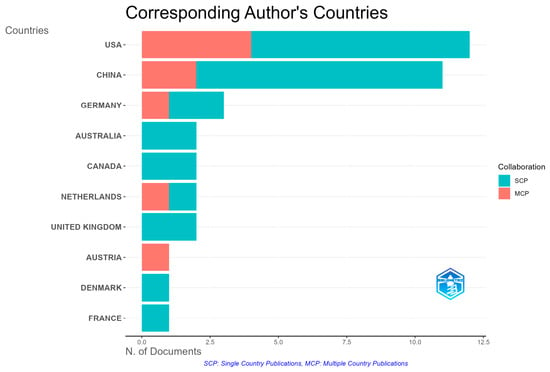
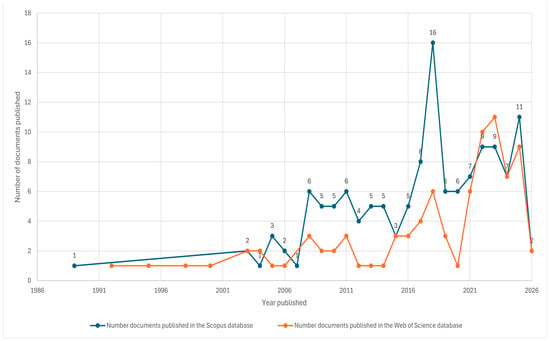
This study examines the positioning of biblical narratives within international relations scholarship, with particular emphasis on their function as cultural resources shaping identity, geopolitical discourse, and soft power dynamics. Although religion has gained increasing recognition within international relations, the extent to which scriptural narratives are systematically integrated into analytical frameworks remains insufficiently defined. To address this issue, the study employs a mixed-methods research design that combines a systematic literature review with bibliometric analysis. Bibliographic data were retrieved from the Scopus and Web of Science databases through a structured query linking biblical terminology to diplomacy, geopolitics, and religion–politics interactions, and were analyzed using the Bibliometrix package in R. The analysis draws on two datasets comprising 135 publications from Scopus and 88 from Web of Science, spanning 1989 to 2026. The findings indicate that scholarship examining biblical narratives in international relations is moderately developed and interdisciplinary, yet remains fragmented, with geopolitical themes predominating. Biblical narratives are consistently present but are primarily embedded within broader analytical categories such as identity, discourse, and legitimacy, rather than being treated as central variables. The results further suggest that religious content is often incorporated in indirect or implicit forms, reflecting a broader tendency to approach religion as a contextual rather than a constitutive element. Overall, the findings indicate that biblical narratives function primarily as interpretive and symbolic frameworks in international relations, while their analytical potential remains only partially developed, underscoring the need for more systematic integration of cultural and religious analysis in the study of global politics. Full article
Show Figures

Figure 1

14 pages, 4145 KB  
Article
Integrating High-Throughput Sequencing Data from Herbarium and Contemporary Samples Reveals a Novel Carlavirus Long Established in European Beech
by Pier P. M. de Koning, Anne K. J. Giesbers, Susanne von Bargen, Stephanie T. G. Rensen, Carmen Büttner, Marcel Westenberg, Marleen Botermans and Artemis Rumbou
Microorganisms 2026, 14(6), 1340; https://doi.org/10.3390/microorganisms14061340 (registering DOI) - 15 Jun 2026
Abstract
High-throughput sequencing (HTS) was applied to investigate the virome of European beech (Fagus sylvatica) from asymptomatic leaves and symptomatic leaves exhibiting chlorosis, line patterns and malformation. Total RNA extracted from six samples, including herbarium material collected in 1967 and 1968 and [...] Read more.
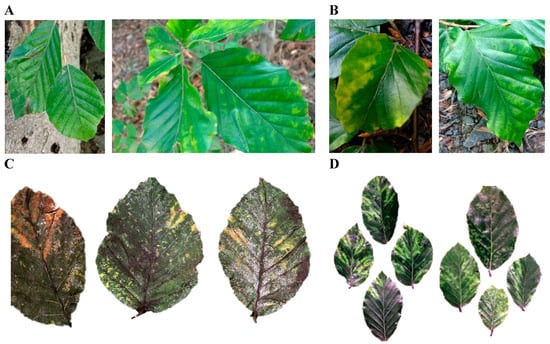
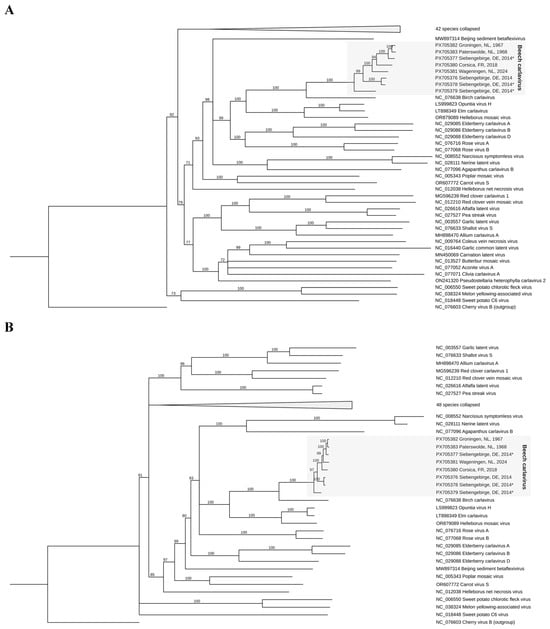
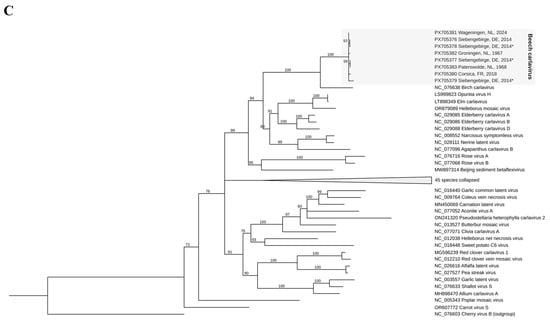
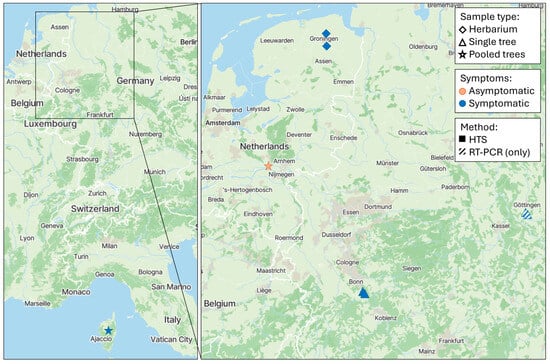
High-throughput sequencing (HTS) was applied to investigate the virome of European beech (Fagus sylvatica) from asymptomatic leaves and symptomatic leaves exhibiting chlorosis, line patterns and malformation. Total RNA extracted from six samples, including herbarium material collected in 1967 and 1968 and contemporary samples from France, Germany, and The Netherlands, was subjected to Illumina sequencing followed by de novo assembly, sequence similarity searches and phylogenetic analyses. In each sample, contigs belonging to a previously undescribed virus within the genus Carlavirus were obtained. The virus was tentatively named beech carlavirus. No additional virus contigs were detected in the samples. The detection of the virus over more than five decades and in three European countries indicates its long-term and a probable wider occurrence and circulation. Moreover, its prolonged unnoticed presence suggests that it does not induce noticeable and acute disease outbreaks. These findings underscore the value of integrating historical and recent field samples through collaborative data sharing to improve insight into virus diversity and ecology in forest trees. Full article
(This article belongs to the Section Plant Microbe Interactions)
Show Figures

Figure 1

19 pages, 8730 KB  
Article
Intestinal Barrier Dysfunction and Stem Cell Impairment Following Cardiac Surgery in Pigs: A Porcine Model Study
by Haoyang Nian, Yaqi Li, Zhihao Chen, Jianping Zhu, Ping Yang and Li Cui
Biology 2026, 15(12), 930; https://doi.org/10.3390/biology15120930 (registering DOI) - 15 Jun 2026
Abstract
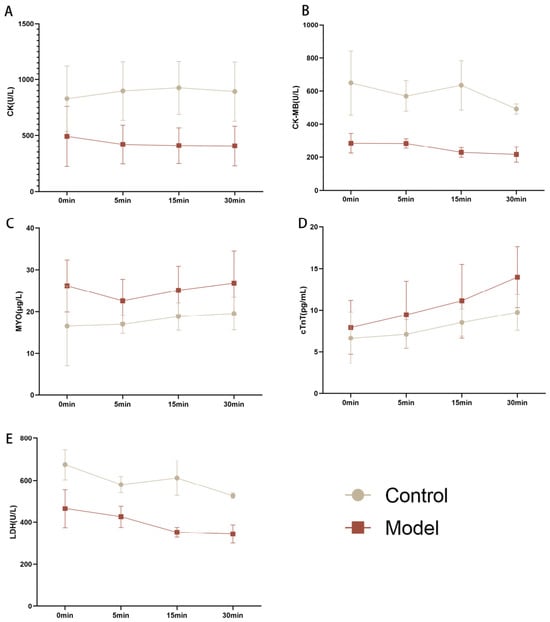
Cardiac surgery induces systemic stress responses that may compromise intestinal homeostasis in animal patients, yet the underlying mechanisms remain poorly understood. This study investigated postoperative intestinal pathophysiology in a porcine model, focusing on the activation of the NF-κB pathway and its impact on [...] Read more.
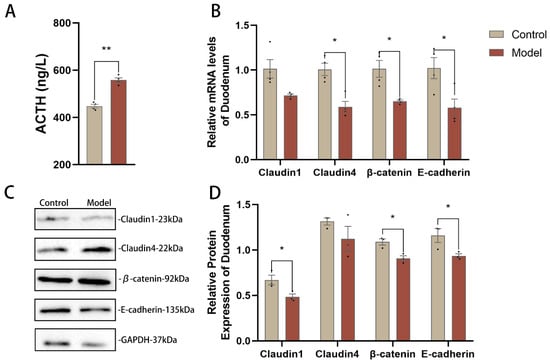
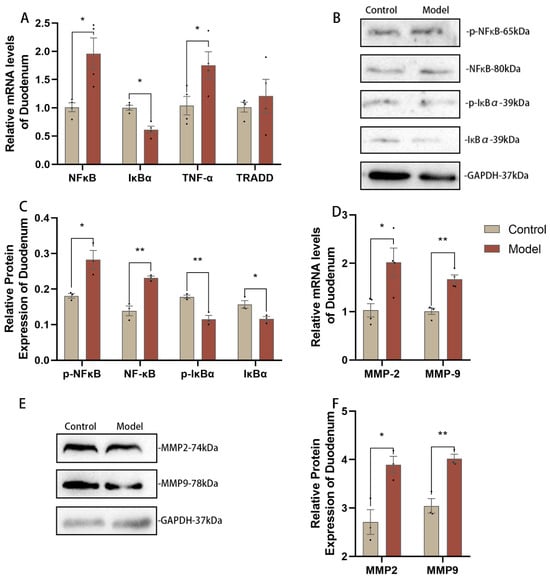
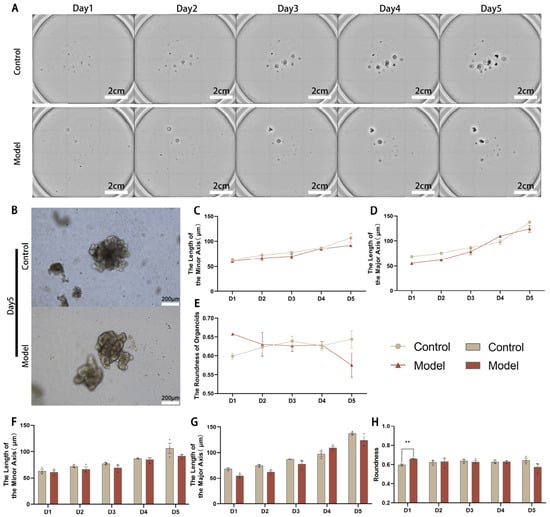
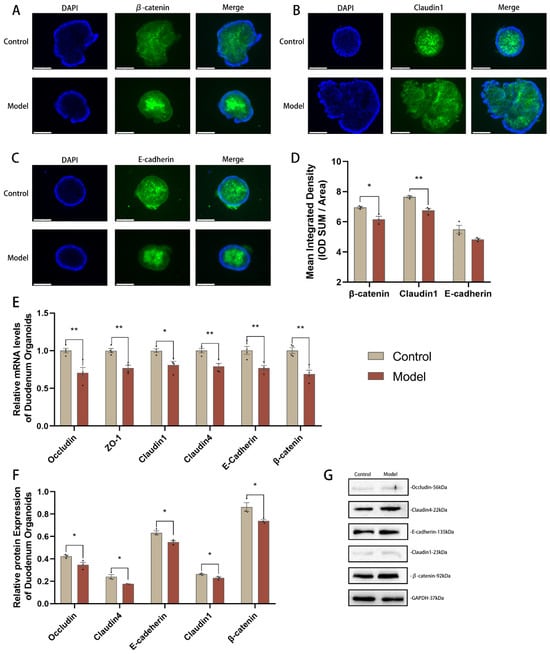
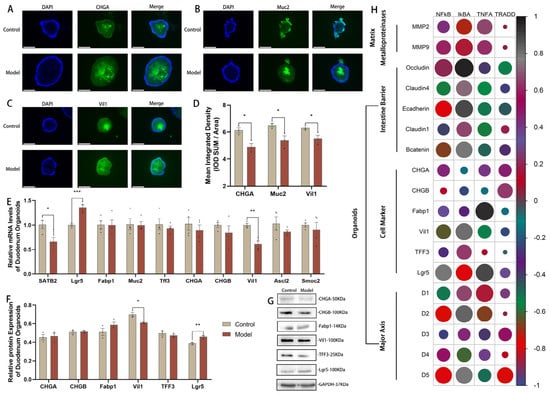
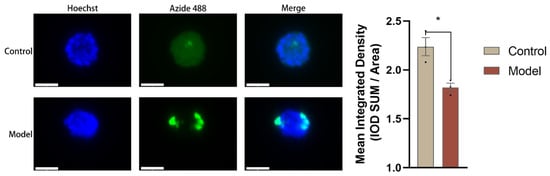
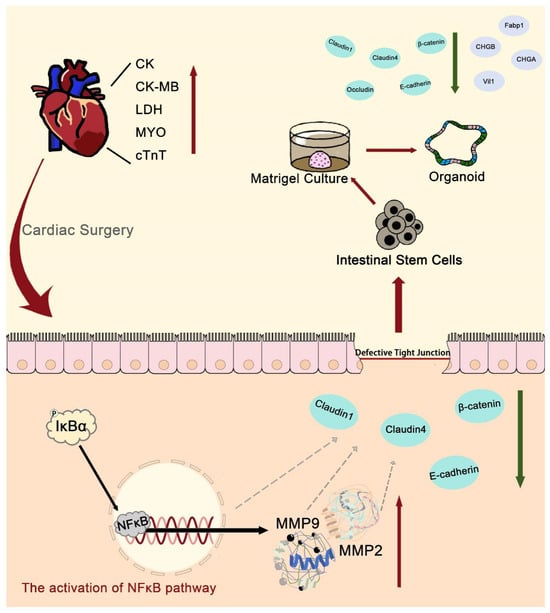
Cardiac surgery induces systemic stress responses that may compromise intestinal homeostasis in animal patients, yet the underlying mechanisms remain poorly understood. This study investigated postoperative intestinal pathophysiology in a porcine model, focusing on the activation of the NF-κB pathway and its impact on intestinal stem cell function. Thirty-two large white pigs (40–50 kg) were randomized into control and model groups; the model group underwent simulated cardiac procedures involving aortotomy and left ventricular outflow tract exposure under standardized anesthesia. Our findings revealed significant NF-κB pathway activation and upregulation of matrix metalloproteinases (MMPs) in the intestine following surgery. Intestinal stem cells isolated from crypts showed downregulated expression of key barrier proteins. Notably, organoids derived from the model group exhibited impaired early proliferative capacity and delayed morphogenesis, despite preserved differentiation potential upon extended culture. This suggests a stress-induced state that favors the maintenance of stemness over commitment to differentiation. These results delineate an NF-κB/MMP-mediated mechanism linking surgical stress to intestinal barrier dysfunction and stem cell dysregulation in this large animal model. Crucially, the study provides insights that may help improve perioperative care and reduce gastrointestinal complications in animal patients undergoing major surgeries, thereby enhancing animal welfare. The identified pathways offer potential targets for developing supportive therapies in veterinary practice. Full article
Show Figures

Figure 1

20 pages, 2940 KB  
Article
A Multi-Indicator Assessment of Soil Erodibility in Fine-Textured Soils Under Different Land Uses
by Boško Gajić, Snežana Dragović, Ivana Smičiklas, Katarina Gajić and Ranko Dragović
Agriculture 2026, 16(12), 1316; https://doi.org/10.3390/agriculture16121316 (registering DOI) - 15 Jun 2026
Abstract
Land-use changes and unsustainable agricultural practices can alter soil properties, thereby increasing soil erodibility and the risk of land degradation. This study assessed the impact of converting forest to grassland and cropland on soil erodibility in the Kolubara watershed (western Serbia) using soil [...] Read more.
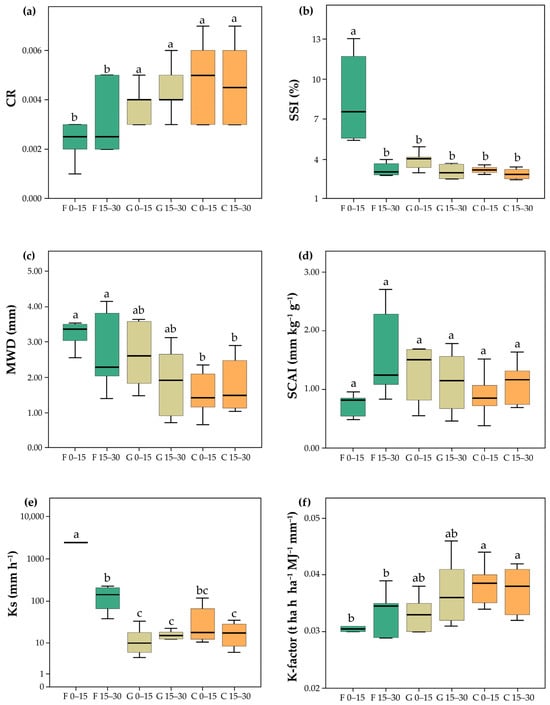
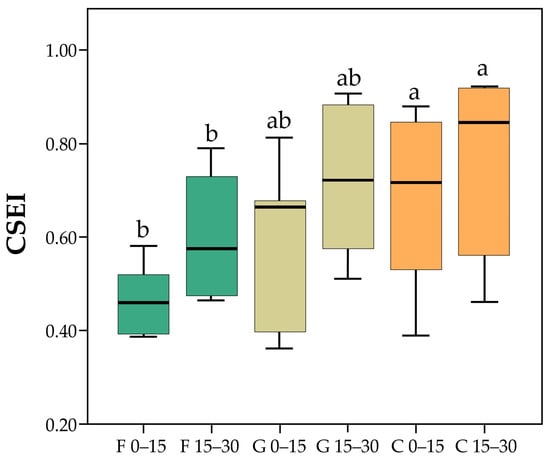
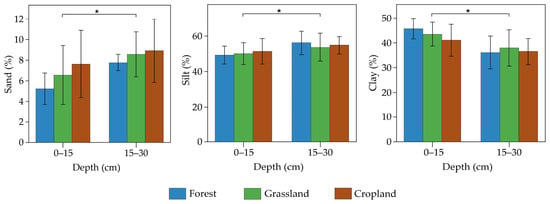
Land-use changes and unsustainable agricultural practices can alter soil properties, thereby increasing soil erodibility and the risk of land degradation. This study assessed the impact of converting forest to grassland and cropland on soil erodibility in the Kolubara watershed (western Serbia) using soil samples collected at two depths (0–15 and 15–30 cm). Soil erodibility was determined using the following indicators: clay ratio (CR), soil structure stability index (SSI), mean weight diameter (MWD), soil organic carbon cementing agent index (SCAI), saturated hydraulic conductivity (Ks), the K-factor, and a comprehensive soil erodibility index (CSEI) calculated by a weighted summation method. Most soil indicators differed significantly among land uses. Forest soils exhibited the highest MWD (2.94 mm), Ks (1119.15 mm h−1), and SSI (5.86), whereas the lowest values were recorded in cropland soils (1.64 mm, 29.68 mm h−1, and 3.07, respectively). In contrast, cropland soils showed the highest CR (0.005) and K-factor (0.038 t ha h ha−1 MJ−1 mm−1), while the lowest values occurred in forest soils (0.003 and 0.032 t ha h ha−1 MJ−1 mm−1). The significantly higher CSEI in cropland (0.75) compared with forest soils (0.62) corresponded to reduced soil structural stability and lower organic matter–related indicators. Grassland soils generally showed intermediate values for most indicators. Soil depth significantly influenced only SSI and Ks. Differences in soil erodibility among land uses are closely related to soil physical and chemical properties, particularly soil organic carbon and soil structure-related properties (total porosity and bulk density). These findings emphasize the substantial impact of land-use change on soil erodibility and highlight the need to implement effective soil conservation practices to improve soil stability and mitigate erosion. Full article
(This article belongs to the Section Agricultural Soils)
Show Figures

Figure 1

14 pages, 3276 KB  
Article
Preparation of Anti-Reduction Nano-Barium Titanate Powder via Hydroxyl Defect Regulation
by Wenjie Tang, Xingzhong Liu, Haozhe Wang, Hua Hao, Zhonghua Yao and Hanxing Liu
Crystals 2026, 16(6), 391; https://doi.org/10.3390/cryst16060391 (registering DOI) - 15 Jun 2026
Abstract
As multilayer ceramic capacitors continue to evolve toward thinner dielectric layers and lower cost, the development of barium titanate powders combining nano-scale particle size with reduction resistance has become a critical industry demand. In this paper, BT-xOH nano-powders with different hydroxyl [...] Read more.
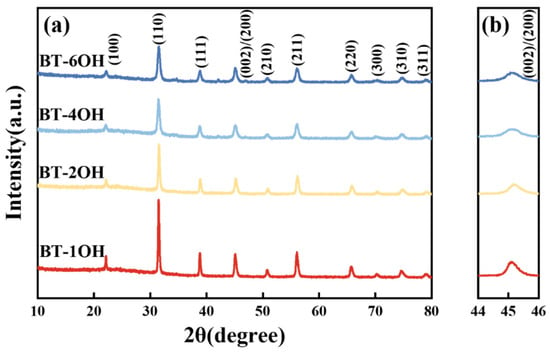
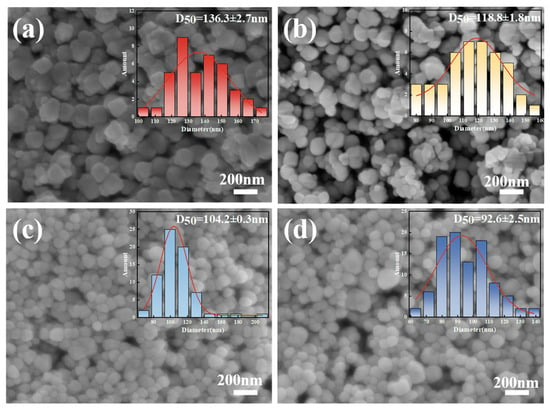
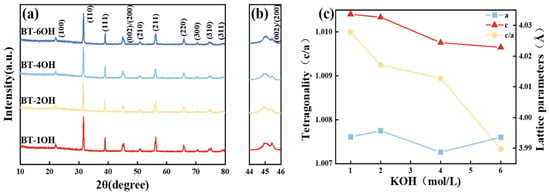
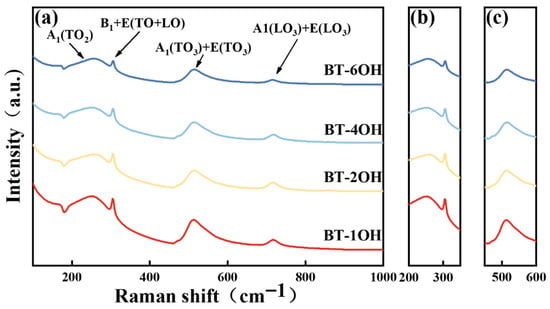
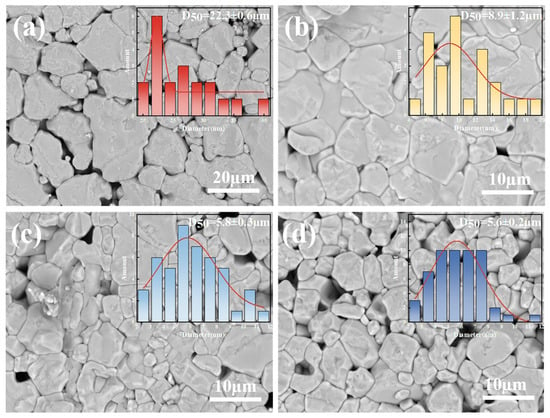
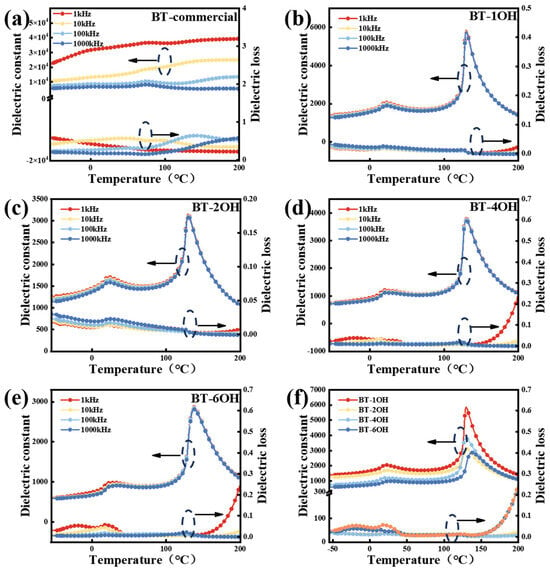
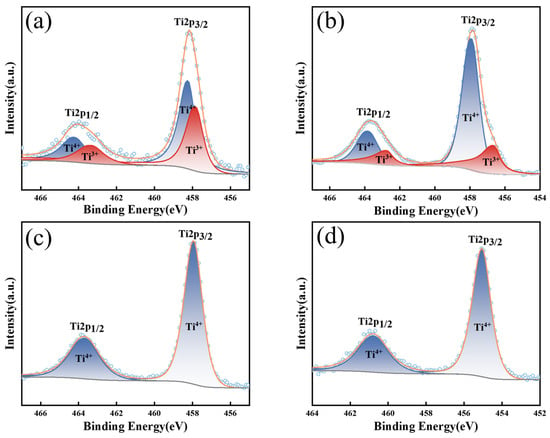
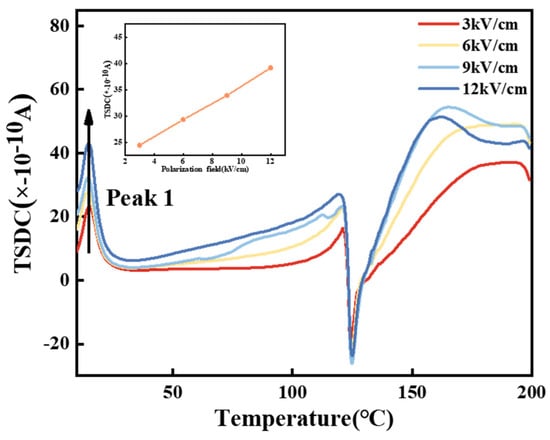
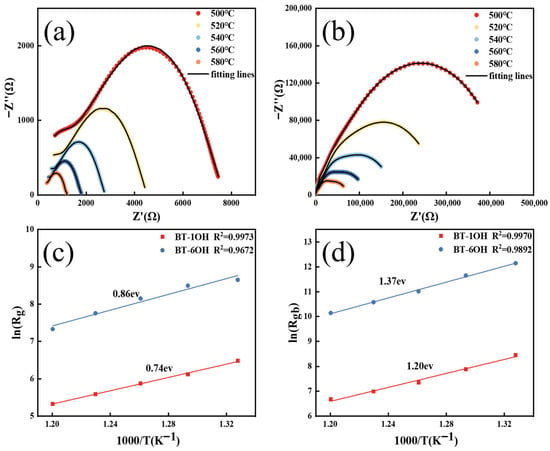
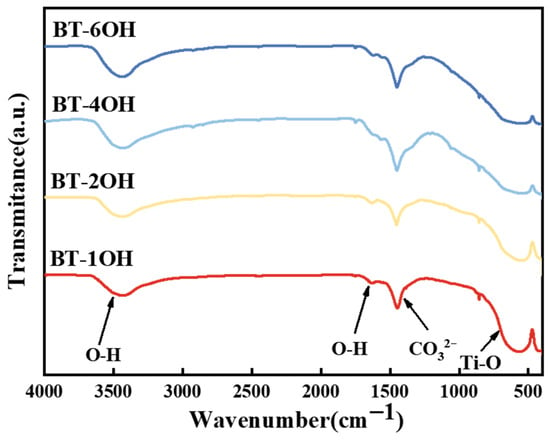
As multilayer ceramic capacitors continue to evolve toward thinner dielectric layers and lower cost, the development of barium titanate powders combining nano-scale particle size with reduction resistance has become a critical industry demand. In this paper, BT-xOH nano-powders with different hydroxyl defect contents were prepared by the sol–gel–hydrothermal method through adjusting the concentration of the mineralizer KOH, and the regulation mechanism of hydroxyl defects on the reduction resistance of barium titanate ceramics was systematically investigated. The research shows that for BT-xOH ceramics sintered under a reducing atmosphere, hydroxyl defects are converted into oxygen vacancies, disrupting the long-range order of ferroelectric domains and associating with barium vacancies to form [VBa-VO..] defect dipoles. These dipoles, in coordination with the increase in grain boundary density, enhance the charge carrier migration barrier and the suppression of oxygen vacancies and electronic conductivity by the grain boundary space charge layer, resulting in a resistivity on the order of 1011 Ω·cm under a reducing atmosphere. Meanwhile, oxygen vacancies generate a pinning effect at grain boundaries, achieving the effect of inhibiting grain growth. This study reveals the microscopic mechanism by which the reduction resistance is enhanced through the regulation of intrinsic hydroxyl defects in the powder, providing a new technical pathway for dielectric materials used in high-performance base metal electrode MLCCs. Full article
(This article belongs to the Topic High Performance Ceramic Functional Materials)
Show Figures

Figure 1

14 pages, 3489 KB  
Review
Paradoxical Immune Phenotypes and Dual-State Immune Regulators in Plants: The GSL5 Case Study
by Lixia Gao, Rong Zuo and Xiong Zhang
Int. J. Mol. Sci. 2026, 27(12), 5375; https://doi.org/10.3390/ijms27125375 (registering DOI) - 15 Jun 2026
Abstract
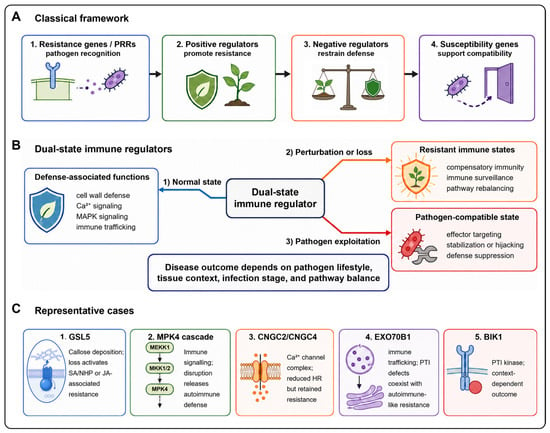
Plant immune genes are traditionally classified as resistance genes, susceptibility genes, or positive/negative regulators of defense. However, this framework does not fully explain a subset of immune-associated genes that display paradoxical disease phenotypes, in which genetic disruption enhances resistance despite the normal involvement [...] Read more.
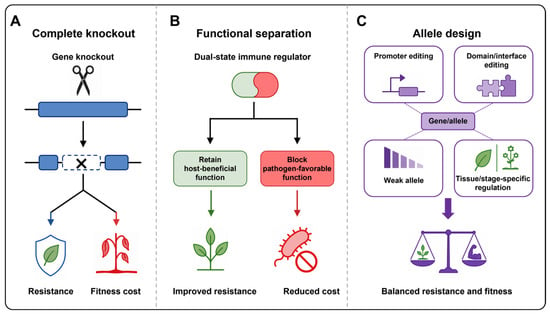
Plant immune genes are traditionally classified as resistance genes, susceptibility genes, or positive/negative regulators of defense. However, this framework does not fully explain a subset of immune-associated genes that display paradoxical disease phenotypes, in which genetic disruption enhances resistance despite the normal involvement of these genes in defense-related processes. GSL5/PMR4 is a representative example. As a pathogen-induced callose synthase, GSL5 contributes to papillary callose deposition and structural defense. Paradoxically, loss of GSL5 confers resistance to powdery mildew through salicylic acid- and N-hydroxypipecolic acid-associated pathways, as well as broad-spectrum resistance to Plasmodiophora brassicae through jasmonic acid-dependent immunity. Here, we refer to such genes as dual-state immune regulators, whose functional presence and genetic disruption promote resistance through distinct immune states. Similar regulatory patterns have been reported in several immune-related processes, including MAPK signaling, calcium influx, membrane trafficking, and receptor-proximal immune signaling. Representative examples include the MEKK1–MKK1/MKK2–MPK4 module, CNGC2/CNGC4, EXO70B1 and BIK1. This review uses GSL5 as a central example to discuss paradoxical immune phenotypes and dual-state immune regulators in plants, focusing on their biological features, potential mechanisms, and implications for resistance breeding. Full article
(This article belongs to the Special Issue Plant Physiology and Molecular Stress)
Show Figures

Figure 1

12 pages, 3522 KB  
Article
A Two-Stage Mohs Micrographic Surgery Technique to Avoid Complex Reconstruction of Large Skin Lesions
by Ariel Berl, Ofir Shir-az, Biader Samih Bilal, Din Mann and Avshalom Shalom
Life 2026, 16(6), 1005; https://doi.org/10.3390/life16061005 (registering DOI) - 15 Jun 2026
Abstract
Mohs Micrographic Surgery (MMS) is considered the most conservative and preserving procedure for removing cutaneous tumors. The major disadvantage of MMS is that tumor involvement in tissue may be underestimated. This may lead to large excisions necessitating complex reconstruction with profound effects on [...] Read more.
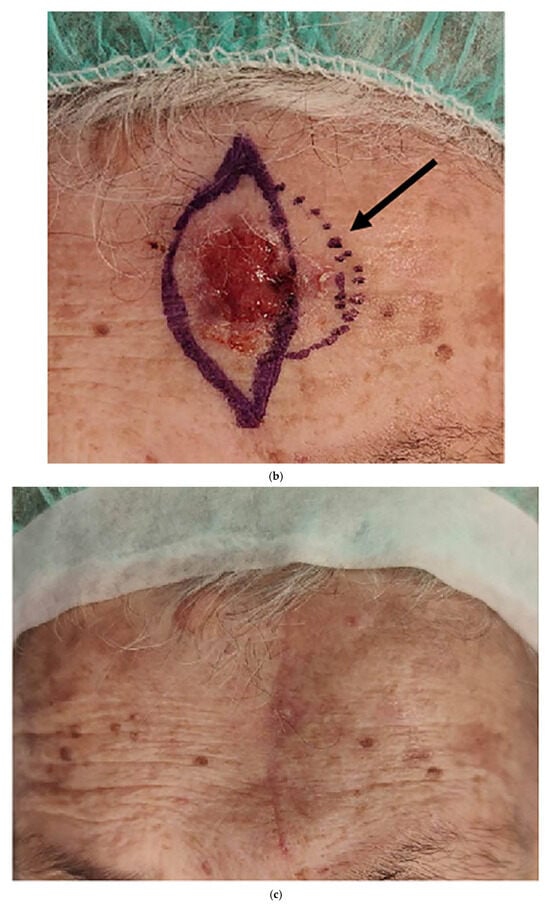
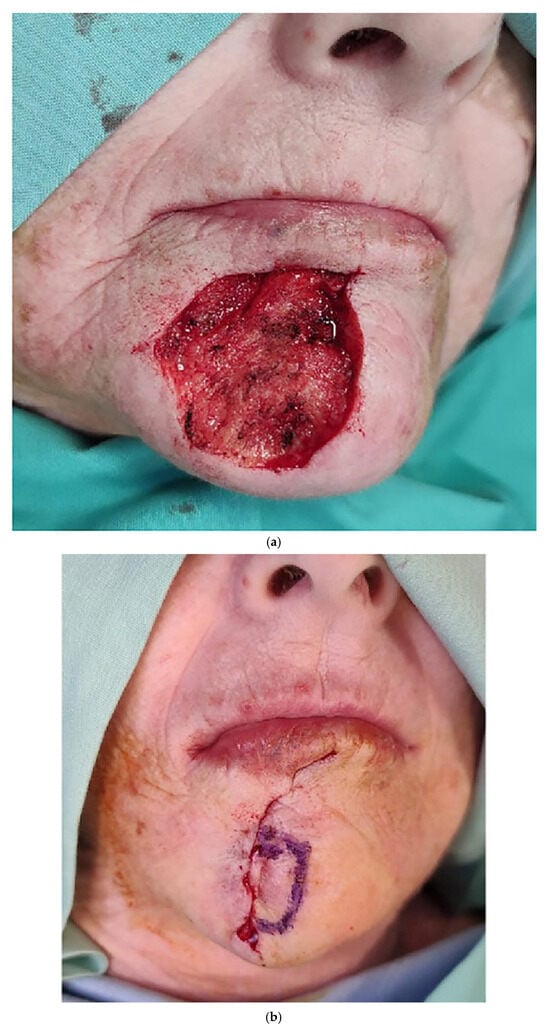
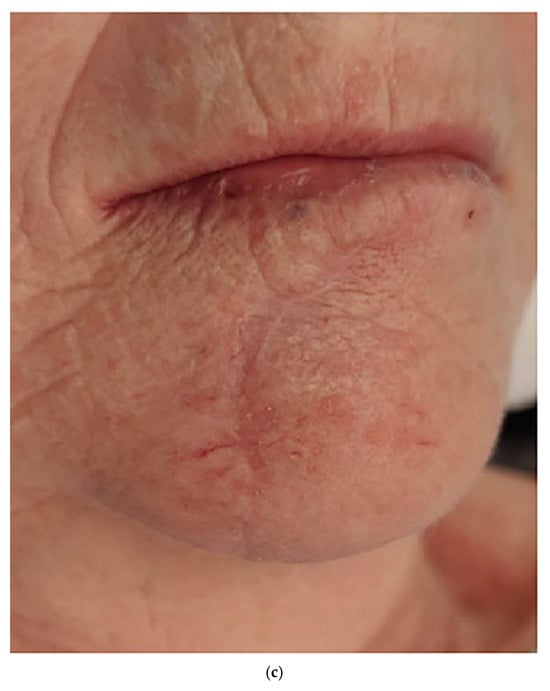
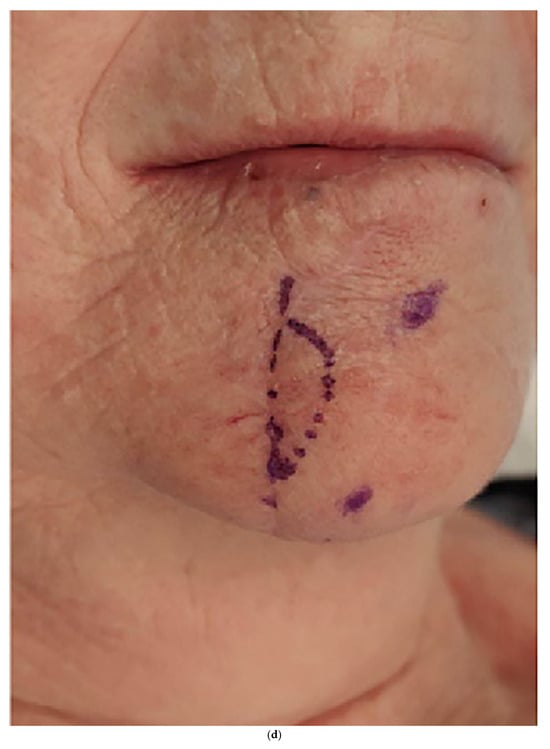
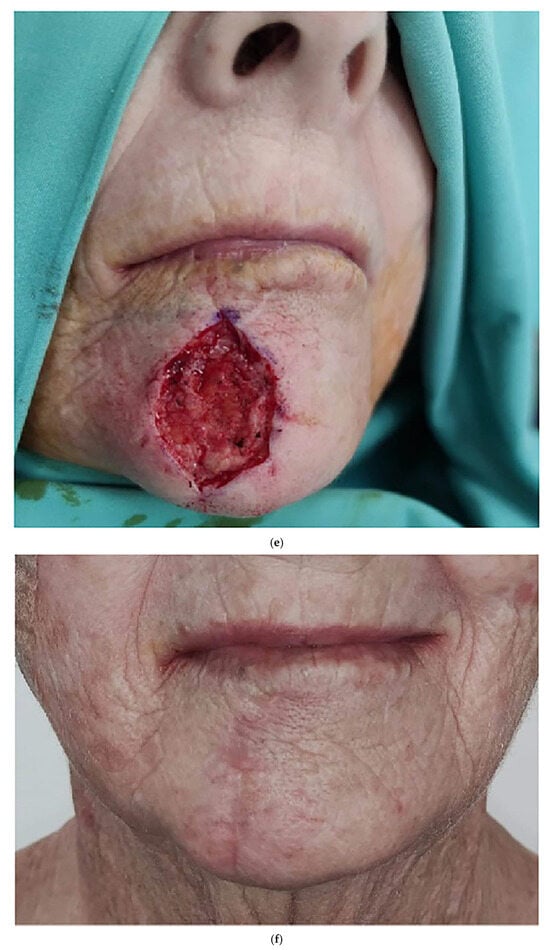
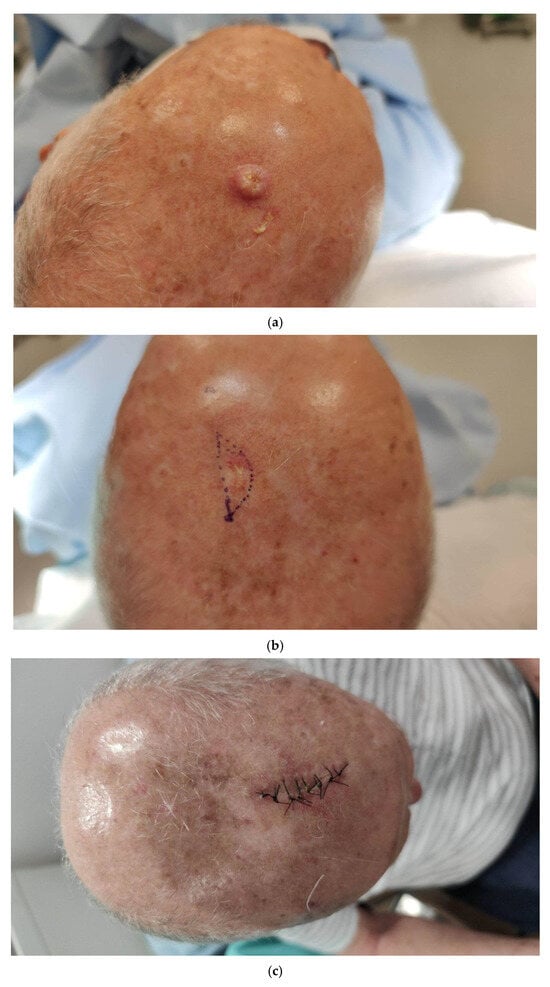
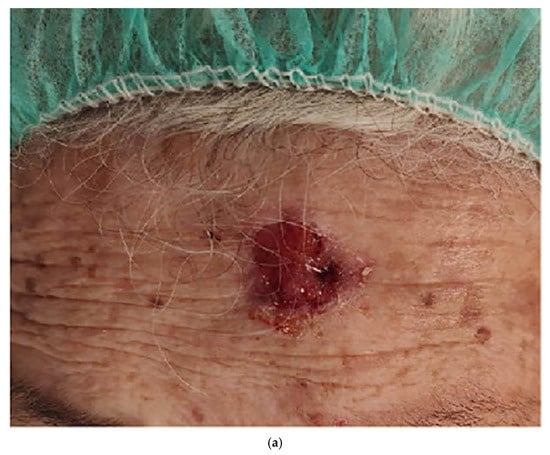
Mohs Micrographic Surgery (MMS) is considered the most conservative and preserving procedure for removing cutaneous tumors. The major disadvantage of MMS is that tumor involvement in tissue may be underestimated. This may lead to large excisions necessitating complex reconstruction with profound effects on cosmetic results. Some patients refuse complex reconstruction and demand simple closure of post-MMS skin defects. This retrospective cohort study describes our technique of serial Mohs excisions of large non-melanoma skin cancers for patients refusing flaps or skin graft reconstructions. A total of 51 patients who underwent MMS according to the described technique February 2020–May 2021 were included. The mean age was 76.5 (range 63–94) years and 55% were male. More than half of the lesions were on the nose. Mean lesion sizes were 14.25–55 mm depending on location. Most cases required two surgeries and only one needed a third surgery. Postsurgical defects were repaired using primary closure in 90% of cases. Mean follow-up was 31 months (range 6–48) with no evidence of local recurrence. In conclusion, this approach of serial excisions with MMS can be performed safely and achieve better cosmetic outcomes for patients presenting with large skin tumors of the face or other functionally important areas. Full article
Show Figures

Figure 1

14 pages, 1935 KB  
Article
Layer-Specific Retinal Perfusion as a Personalized Biomarker: Evaluating the Subclinical Microanatomical Effects of Intracameral Cefuroxime After Routine Cataract Surgery
by Chia-Yu Wang, Chun-Yao Cheng and Yi-Jie Peng
J. Pers. Med. 2026, 16(6), 320; https://doi.org/10.3390/jpm16060320 (registering DOI) - 15 Jun 2026
Abstract
Background/Objectives: The objective of this study was to evaluate macular perfusion changes after intracameral injection (ICI) of cefuroxime at the end of phacoemulsification. Methods: Patients who underwent routine phacoemulsification were enrolled. Subjects in the case group had ICI 1 mg/0.1 mL [...] Read more.
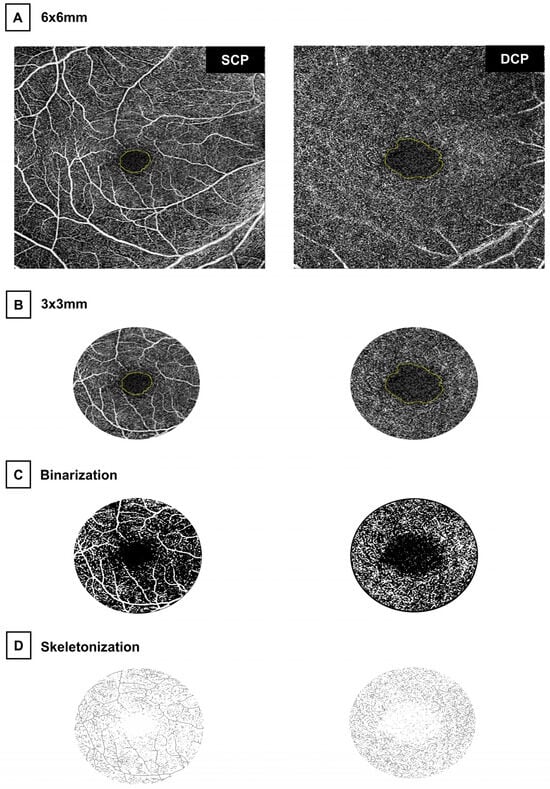
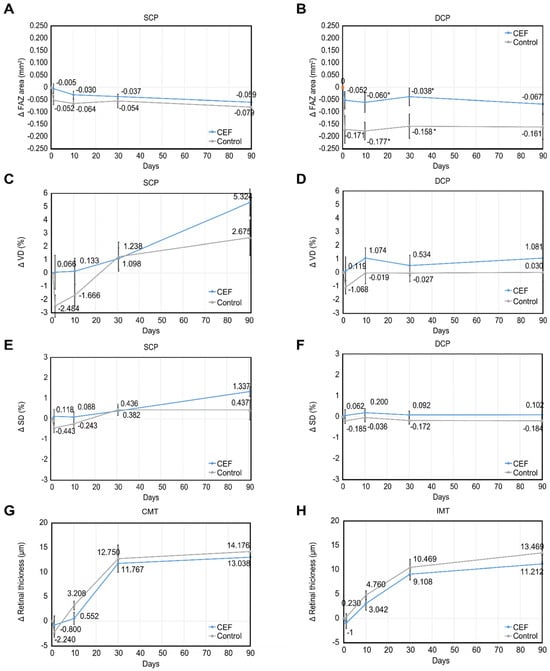
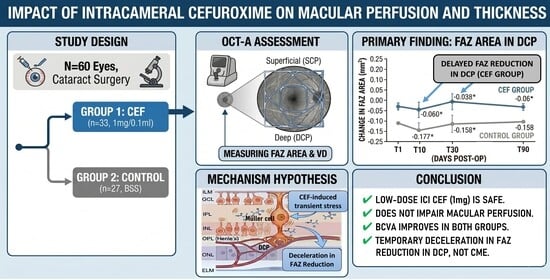
Background/Objectives: The objective of this study was to evaluate macular perfusion changes after intracameral injection (ICI) of cefuroxime at the end of phacoemulsification. Methods: Patients who underwent routine phacoemulsification were enrolled. Subjects in the case group had ICI 1 mg/0.1 mL cefuroxime at the end of surgery. Using optical coherence tomography angiography (OCT-A), macular perfusions were assessed at T0 (before surgery), T1, T10, T30, and T90 (days after surgery). Perfusion parameters were calculated in the superficial capillary plexus (SCP) and the deep capillary plexus (DCP). Independent t-tests were used to compare the changes from baseline in each parameter between groups. Results: A total of 33 eyes in the case group and 27 eyes in the control group were enrolled. After surgery, the case group showed a less pronounced reduction in the foveal avascular zone (FAZ) in the DCP at T10 (−0.06 ± 0.23 vs. −0.18 ± 0.18 mm2, p = 0.041) and T30 (−0.04 ± 0.20 vs. −0.16 ± 0.24 mm2, p = 0.050). At T90, there was no statistically significant difference in the FAZ change in the DCP between the groups. The postoperative changes in the vessel density, skeleton density, and acircularity index of the FAZ in the SCP and DCP, central retinal thickness, and best-corrected visual acuity were similar between the groups in all 3 months. Conclusions: Our findings indicate that intraoperative ICI low-dose cefuroxime is associated with a temporary deceleration in FAZ reduction in the DCP during the first postoperative month. From a personalized medicine perspective, these layer-specific microanatomic variations suggest that, while prophylactic cefuroxime is globally safe—demonstrating no evidence of inducing capillary dropout, aggravating macular thickening, or compromising visual outcomes within this cohort—preoperative and postoperative OCT-A monitoring can serve as an individualized screening framework to track subclinical perfusion dynamics, especially in patients with compromised retinal baselines. Full article
Show Figures

Graphical abstract

13 pages, 240 KB  
Entry
Democracy and the Pedagogy of the Possible in Schools
by Stelios Pantazidis
Encyclopedia 2026, 6(6), 132; https://doi.org/10.3390/encyclopedia6060132 (registering DOI) - 15 Jun 2026
Definition
The terms democracy and the pedagogy of the possible name an approach imagining schools as sites where more just, inclusive and participatory collective life can be practised, particularly in early childhood. The entry brings three traditions into dialogue. (a) Critical pedagogy, particularly in [...] Read more.
The terms democracy and the pedagogy of the possible name an approach imagining schools as sites where more just, inclusive and participatory collective life can be practised, particularly in early childhood. The entry brings three traditions into dialogue. (a) Critical pedagogy, particularly in its post-structuralist, Foucauldian, and post-Marxist readings, engages with Rancièrian critiques of pedagogical mastery and offers a vocabulary for examining how power, knowledge, subjectivity, and hegemony are produced and contested within educational life. (b) Freinet pedagogy, extended through Fernand Oury’s Institutional Pedagogy, contributes a politically grounded, practice-first repertoire of cooperative techniques, classroom institutions, and democratic forms of organisation. (c) Educational commons approaches frame knowledge, space, time, and pedagogical relations as shared goods, collectively produced, cared for, and democratically governed by a community of teachers, children, and families. In this perspective, the child is approached as a commoner and agent in the here and now. The educator, in turn, is understood as a fellow commoner and reflexive practitioner, capable of acting beyond the logics of both the state and the market. Together, they co-shape the everyday life of education. Eight shared dimensions, namely the relational, the political, praxis, agency, anti-enclosure, prefiguration, community, and the schoolized mind, traverse all three traditions, with care as their transversal thread. The framework is conceived as a hospitable theoretical and practical space, not as a self-contained doctrine. It is heuristic in orientation, bringing these traditions into conversation because each contributes a complementary layer to democratic educational life. Full article
(This article belongs to the Collection Encyclopedia of Social Sciences)
23 pages, 515 KB  
Article
BTHA: Block-Then-Hash Attention for Efficient Long Context
by Runqian Liu, Lianjun Liu and Mengxing Huang
Electronics 2026, 15(12), 2635; https://doi.org/10.3390/electronics15122635 (registering DOI) - 15 Jun 2026
Abstract
Long-context large language models incur substantial computational overhead during autoregressive decoding. Existing sparse attention methods can improve inference efficiency, but they typically rely on fixed sparse patterns, historical attention statistics, or coarse-grained proxy representations to estimate important KV positions, making it difficult to [...] Read more.
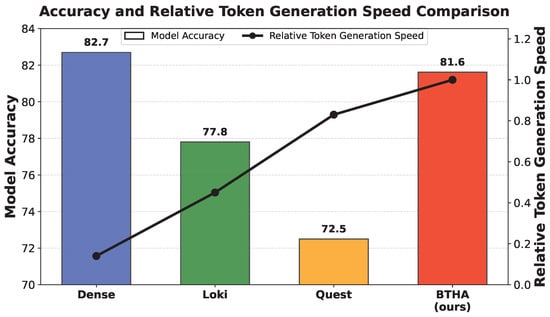
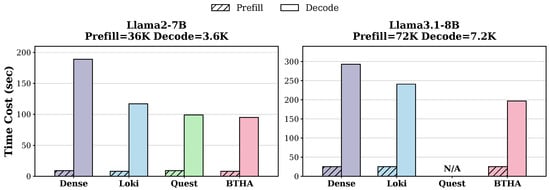
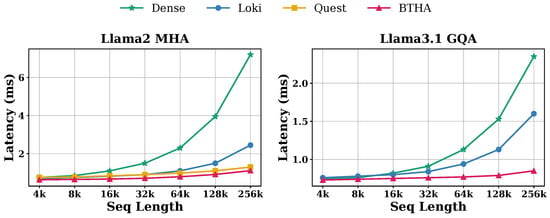
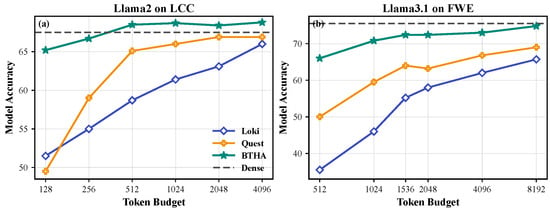
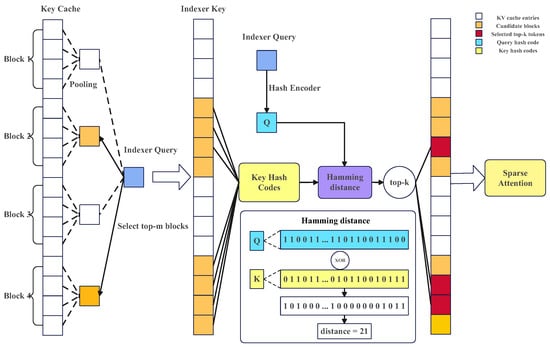
Long-context large language models incur substantial computational overhead during autoregressive decoding. Existing sparse attention methods can improve inference efficiency, but they typically rely on fixed sparse patterns, historical attention statistics, or coarse-grained proxy representations to estimate important KV positions, making it difficult to accurately capture query-dependent fine-grained relevance for dynamic KV retrieval. In this paper, we propose Block-then-Hash Attention (BTHA), a two-stage KV retrieval method: it first performs block-level routing with mean key representations to rapidly reduce the candidate search space, and then applies a learnable orthogonal hash network within the routed KV candidates for fine-grained token-level position retrieval. The hash network is trained offline to learn the hash mapping between queries and keys, with a low training cost: on Llama-3.1-8B-Instruct, training can be completed in approximately two hours using a single NVIDIA A100 GPU. During inference, BTHA implements block-level routing, hash-based retrieval, and sparse attention computation with dedicated operators, and further employs CPU–GPU collaborative scheduling to reduce memory access, synchronization, and candidate selection overhead, thereby achieving end-to-end decoding acceleration. Extensive experiments on LongBench-E show that BTHA consistently outperforms state-of-the-art top-K attention methods in both accuracy and efficiency; under a 512-position budget, it achieves the best average accuracy on both Llama-2-7B-32K-Instruct and Llama-3.1-8B-Instruct, while delivering up to 7.0× speedup over vanilla full attention. Full article
(This article belongs to the Special Issue Advanced Computer Science and Intelligent Systems Innovations)
Show Figures

Figure 1

20 pages, 2673 KB  
Article
Chemotherapeutic Loading and Delivery of Patient-Derived Extracellular Vesicles Are Influenced by Colorectal Cancer Disease Stage and Protein Corona
by Otman Saud, Dallal Blidi, Emily Hayes, Celine Souilhol, Rawan Maani, Alice Johnson, Keith Chapple and Nick Peake
Pharmaceutics 2026, 18(6), 740; https://doi.org/10.3390/pharmaceutics18060740 (registering DOI) - 15 Jun 2026
Abstract
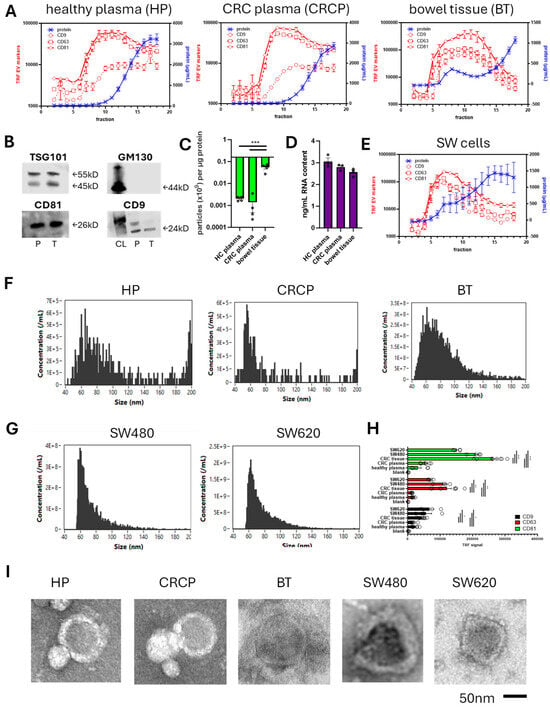
Background/Objectives: Colorectal cancer (CRC) remains a leading cause of cancer-related mortality, with poor outcomes in advanced stages and significant limitations in current chemotherapy regimens due to systemic toxicity. Extracellular vesicles (EVs) have emerged as promising natural drug delivery vehicles, offering the potential [...] Read more.

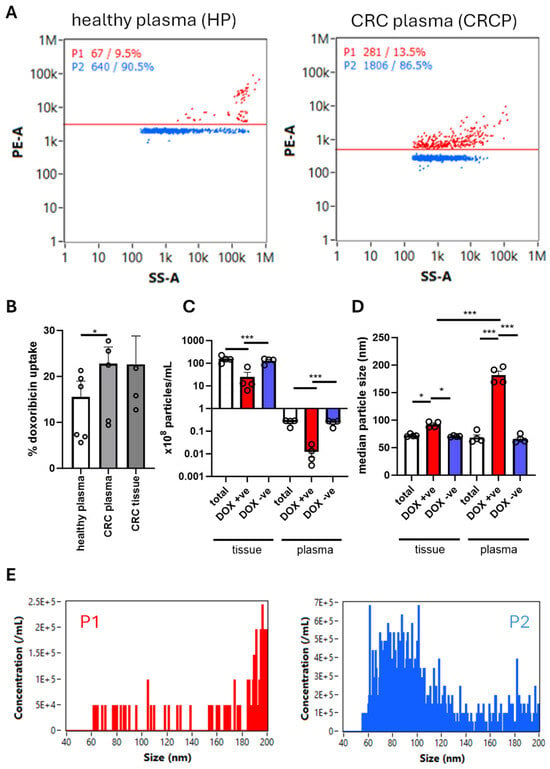
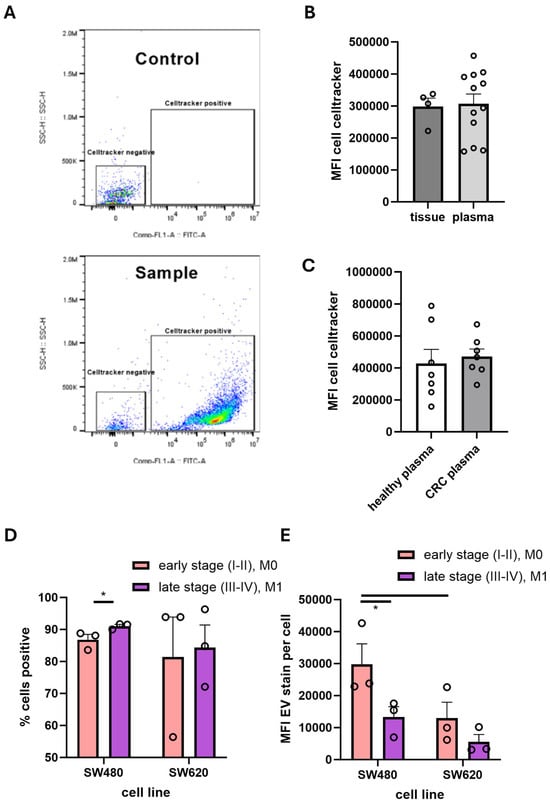
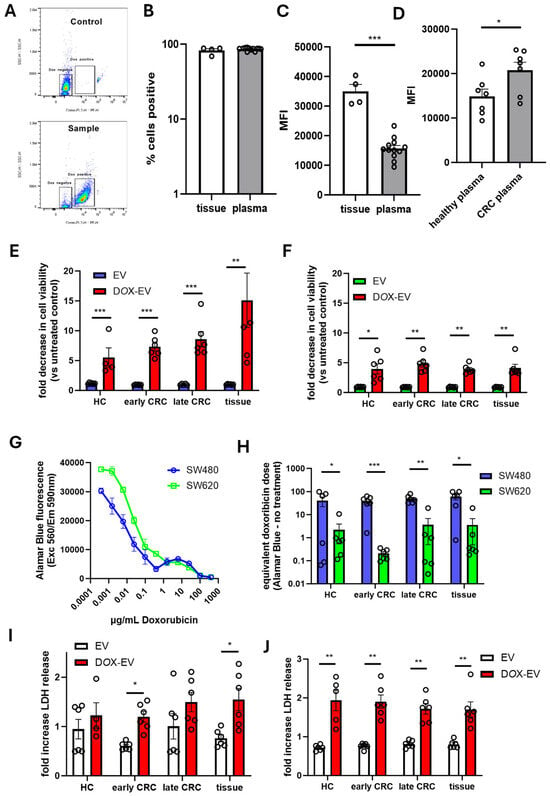
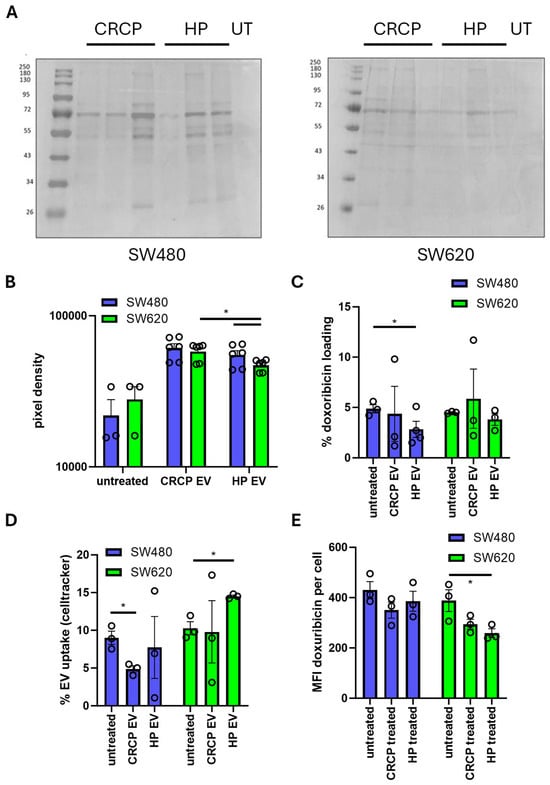
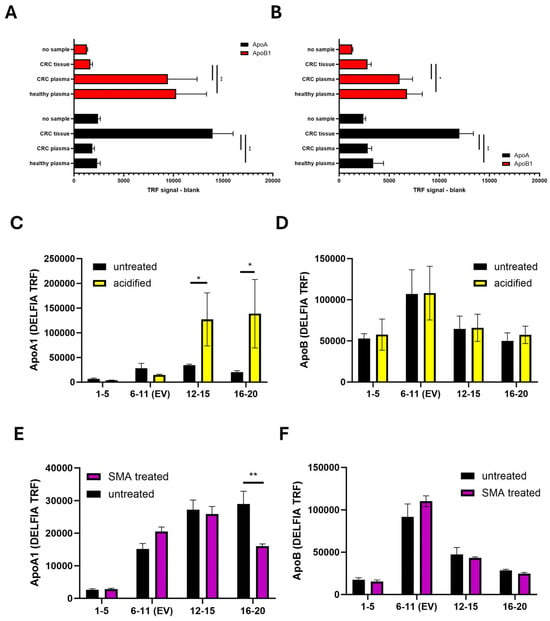
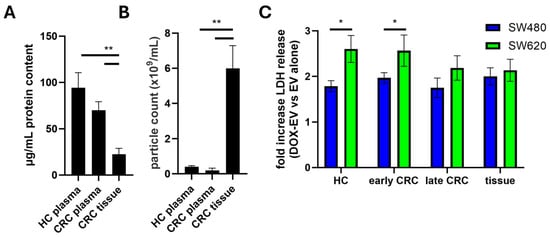
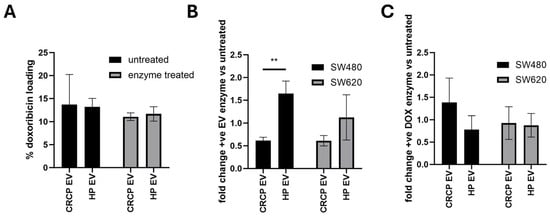
Background/Objectives: Colorectal cancer (CRC) remains a leading cause of cancer-related mortality, with poor outcomes in advanced stages and significant limitations in current chemotherapy regimens due to systemic toxicity. Extracellular vesicles (EVs) have emerged as promising natural drug delivery vehicles, offering the potential for targeted, less toxic therapies. This study investigates the feasibility of using autologous, patient-derived EVs as a delivery system for the chemotherapeutic agent doxorubicin, focusing on how disease stage and the EV protein corona influence loading and delivery efficiency. Methods: EVs were isolated from plasma and tissue samples of CRC patients at different disease stages, as well as from healthy controls, demonstrating successful isolation and characterisation of EVs, with distinct profiles across different sources. Results: Doxorubicin loading into EVs was significantly higher in CRC patient-derived EVs compared to healthy controls, and tissue-derived EVs yielded higher quantities of drug-loaded particles. Delivery of doxorubicin-loaded EVs to recipient CRC cell lines (SW480 and SW620) revealed that disease stage impacts both EV uptake and drug delivery, with late-stage EVs showing reduced uptake and delivery efficiency. The protein corona, known to coat circulating EVs, was found to influence drug loading and delivery. Pre-treatment of cell line-derived EVs with plasma proteins enhanced EV uptake but reduced doxorubicin loading and subsequent delivery, particularly when using plasma from healthy volunteers. Conclusions: These findings underscore the importance of EV source and protein corona composition in optimising drug delivery strategies. Our results suggest that autologous, patient-derived EVs hold potential as a targeted drug delivery system for CRC, but highlight the need for further optimisation of EV isolation, loading methods, and understanding of how disease progression affects EV functionality. This approach could ultimately reduce systemic toxicity and improve therapeutic outcomes for CRC patients. Full article
(This article belongs to the Special Issue Extracellular Vesicles for Targeted Delivery)
Show Figures

Figure 1

24 pages, 34283 KB  
Article
CCR2 Enhances Anti-Intracellular Bacterial Infection by Modulating Macrophage Pyroptosis to Rebalance Th Immune Responses
by Shuaini Yang, Jinxi Yu, Jiajia Zeng, Ruoyuan Sun, Yuqing Tuo, Lu Tan, Hong Zhang, Juan Li, Xuchun Che and Hong Bai
Microorganisms 2026, 14(6), 1339; https://doi.org/10.3390/microorganisms14061339 (registering DOI) - 15 Jun 2026
Abstract
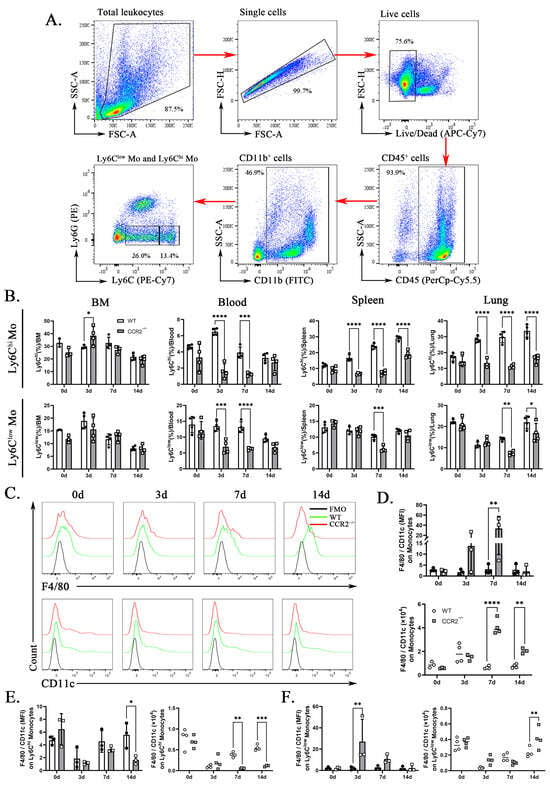
The treatment of intracellular bacterial infections such as Chlamydia remains a significant clinical challenge due to rising antibiotic resistance and persistent, immunopathology-driven tissue damage. Macrophages are essential for host defense; they can originate from both tissue-resident precursors and circulating monocytes. During infection, macrophages [...] Read more.
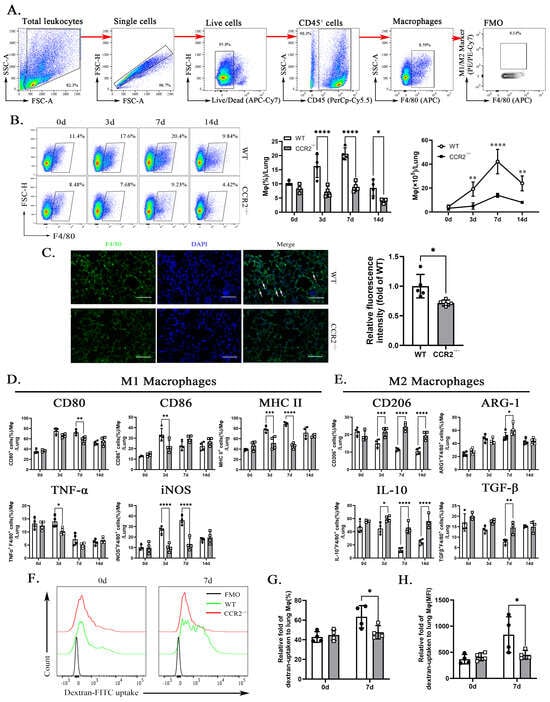
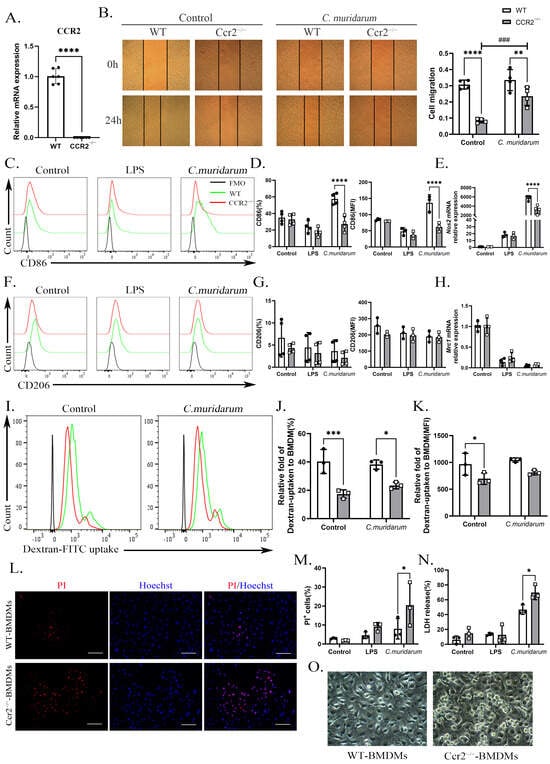
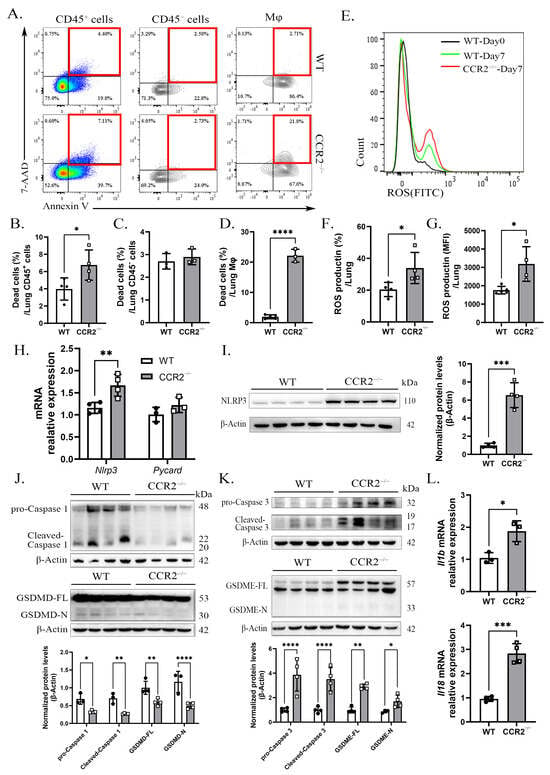
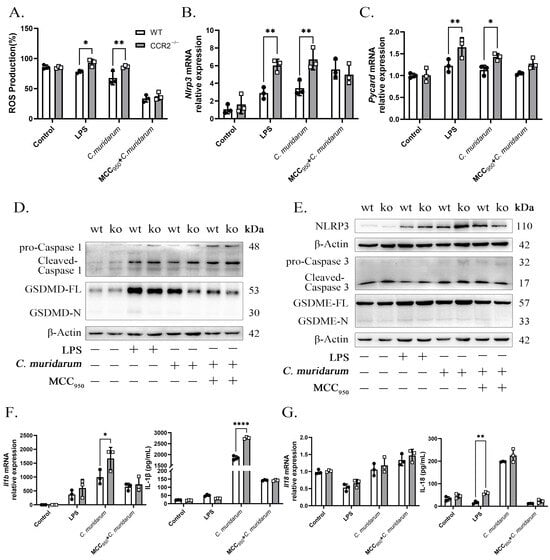
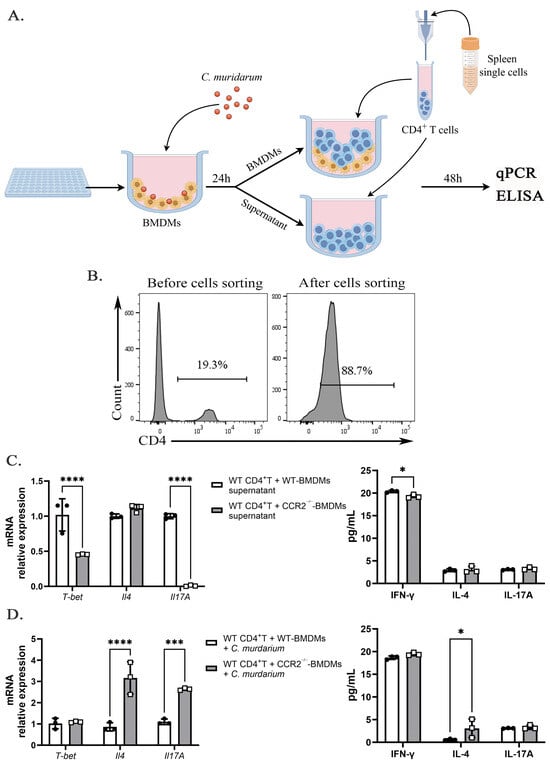
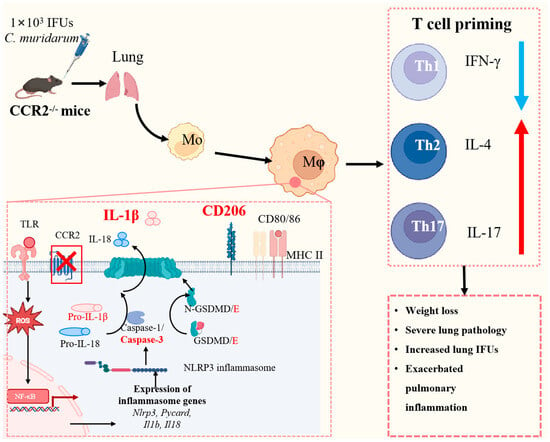
The treatment of intracellular bacterial infections such as Chlamydia remains a significant clinical challenge due to rising antibiotic resistance and persistent, immunopathology-driven tissue damage. Macrophages are essential for host defense; they can originate from both tissue-resident precursors and circulating monocytes. During infection, macrophages at infected sites are largely derived from monocytes that migrate and differentiate there, where they phagocytose pathogens and orchestrate immune responses. The chemokine receptor CCR2 is a key regulator of this process, yet its role beyond monocyte trafficking is not fully understood. Previous studies have shown that CCR2 deficiency impairs monocyte mobilization and exacerbates disease during Chlamydia infection, shifting immune responses away from protective Th1 immunity toward pathological Th2 and Th17 polarization. Here, we investigate how CCR2 regulates macrophage function to balance protective Th1 versus pathological Th2/Th17 immunity during Chlamydia respiratory infection. Our results show that CCR2 deficiency reduces pulmonary infiltration of Ly6Chi and Ly6Clow monocytes and shifts macrophage differentiation away from an M1-like toward an M2-like phenotype. Mechanistically, CCR2 deficiency compromises macrophage endocytosis and survival, elevates ROS production, and activates the NLRP3 inflammasome, leading to Caspase-3/GSDME-mediated pyroptosis with increased IL-1β and IL-18, while suppressing the Caspase-1/GSDMD pathway. These findings were recapitulated in vitro using C. muridarum-stimulated Ccr2-deficient bone marrow-derived macrophages (BMDMs), which also showed impaired migration, reduced M1-like polarization, diminished endocytosis, and enhanced ROS/NLRP3/pyroptosis. Furthermore, co-culture of these BMDMs with CD4+ T cells revealed that Th1 differentiation was inhibited, whereas Th2 and Th17 responses were promoted. Collectively, CCR2 orchestrates monocyte–macrophage function by driving M1-like polarization and inhibiting NLRP3/Caspase-3/GSDME pyroptosis to rebalance Th1/Th2/Th17 immunity, thereby enhancing bacterial clearance while mitigating immunopathological tissue damage during Chlamydia infection. Full article
(This article belongs to the Section Molecular Microbiology and Immunology)
Show Figures

Figure 1

Open Access Journals

Browse by Indexing Browse by Subject Selected Journals
Back to TopTop