


Advancing Open Science
Supporting academic communities
since 1996
 
26 pages, 9517 KB  
Article
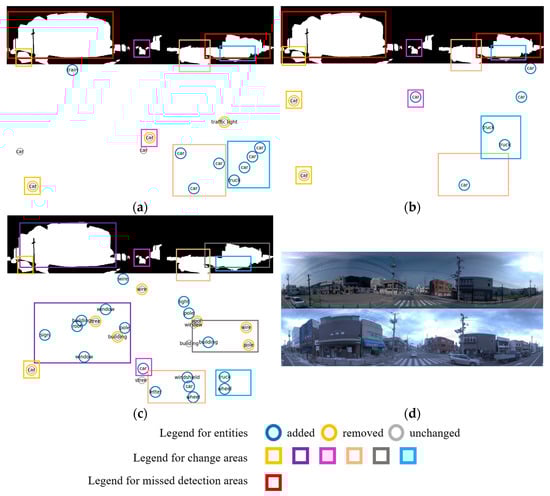
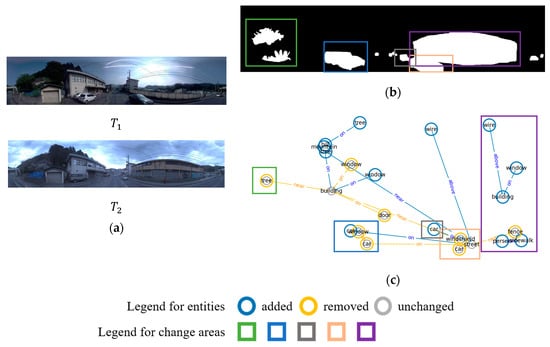
SSPRCD: Scene Graph-Based Street-Scene Spatial Positional Relation Change Detection with Graph Differencing and Structural Quantification
by Xian Guo, Wenjing Ding, Yichuan Wang and Jie Jiang
ISPRS Int. J. Geo-Inf. 2026, 15(4), 161; https://doi.org/10.3390/ijgi15040161 (registering DOI) - 9 Apr 2026
Abstract
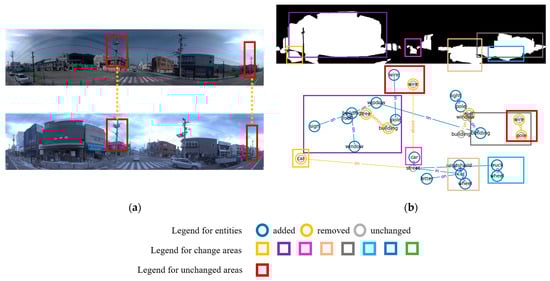
Street-view imagery supports fine-grained urban monitoring, but most street-scene change detection methods are pixel-centric or object-centric and cannot explicitly capture the evolution of inter-entity spatial relations needed for interpretable tasks (e.g., compliance inspection and post-disaster assessment). To address this, we propose SSPRCD, a [...] Read more.
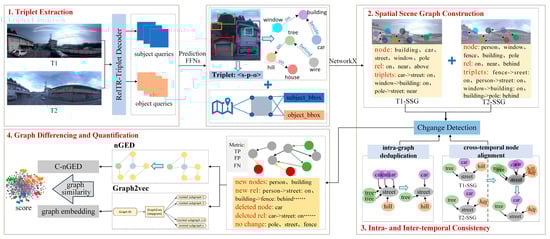
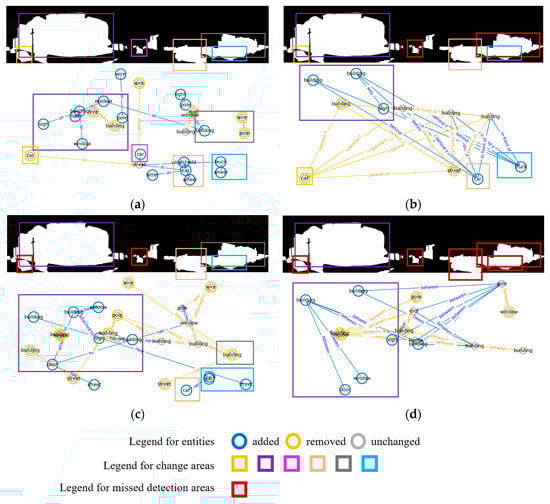
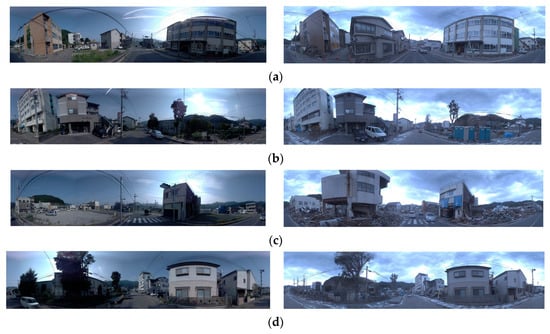
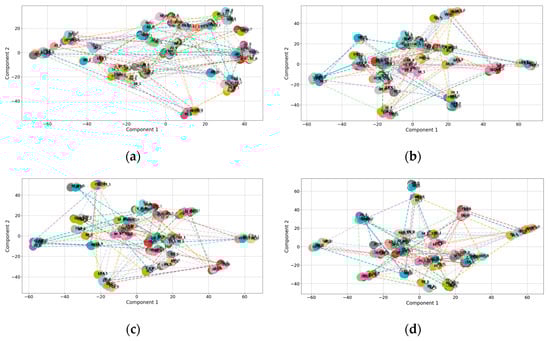
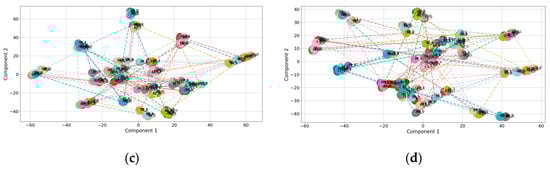
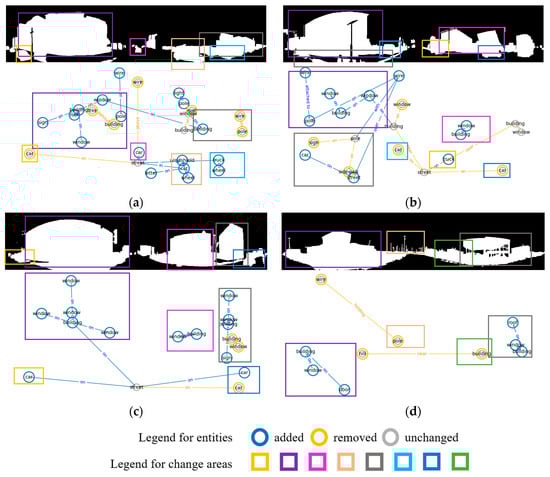
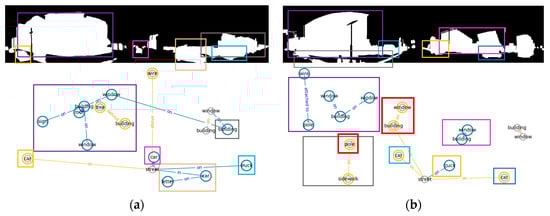
Street-view imagery supports fine-grained urban monitoring, but most street-scene change detection methods are pixel-centric or object-centric and cannot explicitly capture the evolution of inter-entity spatial relations needed for interpretable tasks (e.g., compliance inspection and post-disaster assessment). To address this, we propose SSPRCD, a scene graph-based framework that extracts entity-relation triplets with pixel locations, builds spatial knowledge graphs, and achieves stable node alignment via intra-/inter-temporal consistency. Graph differencing then identifies added, removed, and unchanged entities/relations, while nGED and graph2vec jointly quantify structural discrepancies between temporal scenes. Experiments on the TSUNAMI dataset, with comparisons across two object detectors and seven scene graph generation backbones, show that SSPRCD achieves a macro-F1 of 0.65 for the object-level task, F1 of 0.72 for binary change detection, and F1 of 0.89 for relation-level detection, consistently outperforming baseline methods. Overall, SSPRCD delivers relation-aware and topology-informed change explanations that improve the interpretability of street-block level change analysis for geospatial in-formation updating and urban applications. Full article
Show Figures

Figure 1
28 pages, 35197 KB  
Article
Real-Time Beef Cattle Body Condition Scoring Using EdgeBCS-YOLO: A Lightweight Framework for Edge Deployment
by Zitian Liu, Zhi Weng, Zhiqiang Zheng, Caili Gong, Zhuangzhuang Wang and Jun Wang
Animals 2026, 16(8), 1143; https://doi.org/10.3390/ani16081143 (registering DOI) - 9 Apr 2026
Abstract
Accurate and scalable body condition scoring (BCS) is important for health monitoring and productivity management in precision livestock farming. However, manual scoring is subjective, labor-intensive, and difficult to standardize, while many automated methods are too computationally demanding for edge deployment in real farm [...] Read more.
Accurate and scalable body condition scoring (BCS) is important for health monitoring and productivity management in precision livestock farming. However, manual scoring is subjective, labor-intensive, and difficult to standardize, while many automated methods are too computationally demanding for edge deployment in real farm environments. This study proposes EdgeBCS-YOLO, a lightweight object detection framework for real-time beef cattle BCS in unstructured farming scenarios. Built on YOLO11n, it combines Position-Sensitive Feature Fusion (PSFF), a Texture-Aware Star Module (TASM), an Efficient Grouped Detection Head (EGDH), and a Focal and Global Knowledge Distillation (FGD)-based distillation strategy. On a dynamic blurring dataset, EdgeBCS-YOLO achieved 90.8% precision, 82.7% recall, and 88.9% mAP@50. On the NVIDIA Jetson Orin NX Super, it achieved a model size of 3.95 MB, a system FPS of 33.35, and an average inference latency of 13.26 ms. These results suggest that it is a practical and potentially efficient solution for automated BCS on edge devices. Full article
(This article belongs to the Section Animal System and Management)
16 pages, 2202 KB  
Article
Evaluation of Quality Change Kinetics During Cold Storage and Shelf-Life Storage of Apple cv. Irene
by Lien Le Phuong Nguyen, Géza Hitka, Ba Thanh Nguyen, László Ferenc Friedrich and László Baranyai
Agriculture 2026, 16(8), 833; https://doi.org/10.3390/agriculture16080833 (registering DOI) - 9 Apr 2026
Abstract
Apple firmness, soluble solids content (SSC), and titratable acidity (TTA) were modeled when fruit were kept under cold storage and shelf-life conditions. These attributes are key indicators of fruit quality, storability, and organoleptic properties. Apple fruit of the ‘Irene’ cultivar were stored at [...] Read more.
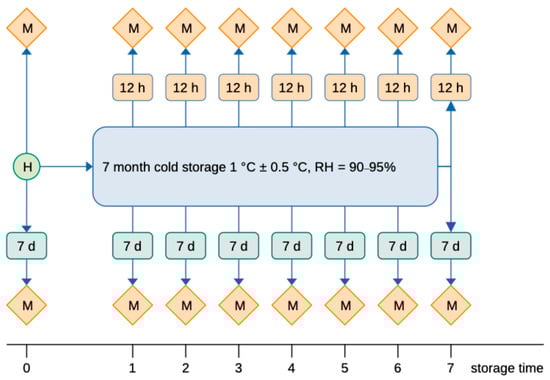
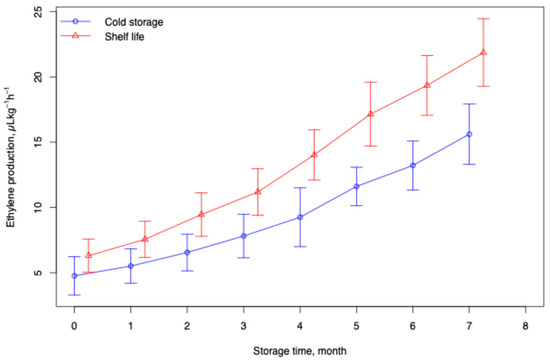
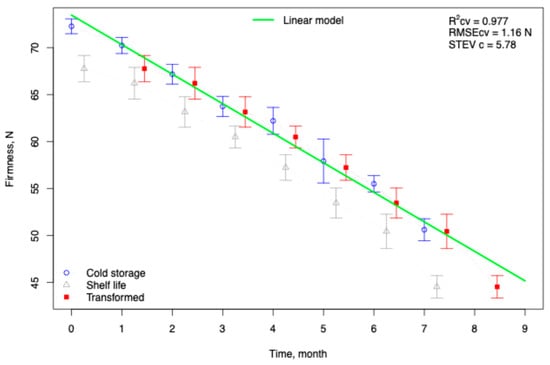
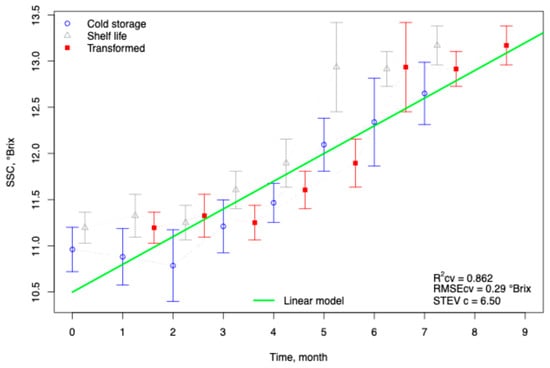
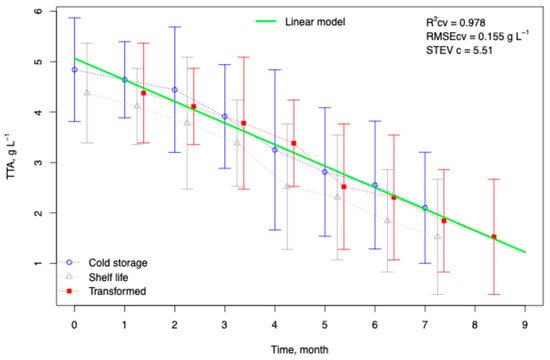
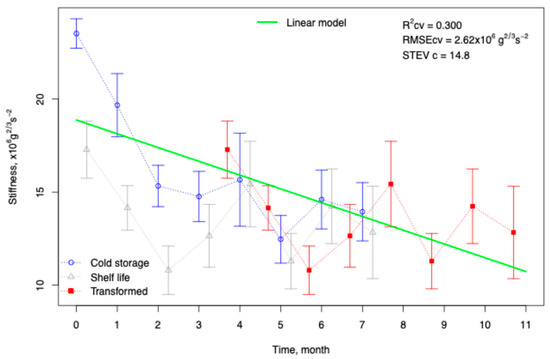
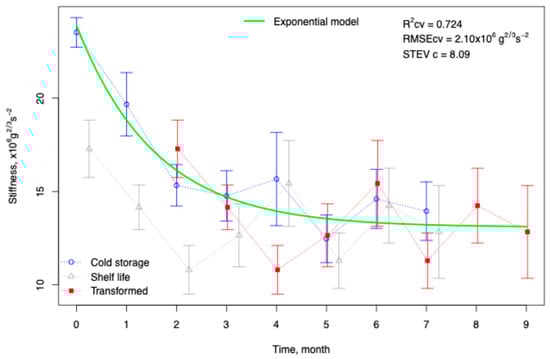
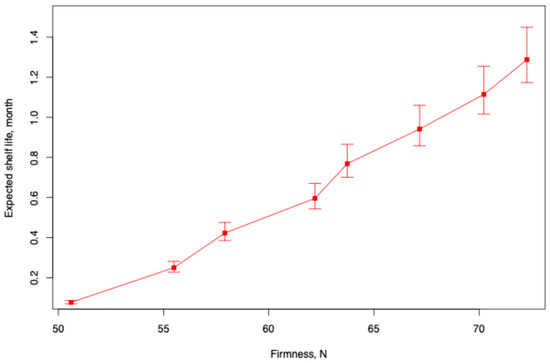
Apple firmness, soluble solids content (SSC), and titratable acidity (TTA) were modeled when fruit were kept under cold storage and shelf-life conditions. These attributes are key indicators of fruit quality, storability, and organoleptic properties. Apple fruit of the ‘Irene’ cultivar were stored at 1 °C for 7 months, with quality assessed monthly and after 7 days of shelf life. Models based on the Storage Time Equivalent Value (STEV) were applied to predict firmness, SSC, and TTA as functions of time in cold storage and shelf life. Rates of change were higher during shelf life, with acceleration factors of 5.78 for firmness, 6.50 for SSC, and 5.51 for TTA. Model performance was high (R2CV = 0.977, RMSECV = 1.16 N for firmness; R2CV = 0.862, RMSECV = 0.29 °Brix for SSC; R2CV = 0.978, RMSECV = 0.155 g L−1 for TTA). The proposed approach integrates cold storage and shelf life into a single predictive framework. The unified STEV models, incorporating acceleration factors, show potential for forecasting the shelf life of ‘Irene’ apples. Full article
Show Figures

Figure 1
19 pages, 2420 KB  
Article
Epoxy Resin Mastery: Crafting Educational Models with Precision
by Martins Bode, Gertrude Strance, Dzintra Kazoka and Mara Pilmane
Appl. Sci. 2026, 16(8), 3673; https://doi.org/10.3390/app16083673 (registering DOI) - 9 Apr 2026
Abstract
Organ preservation is a necessary and diverse process in morphological studies and is traditionally achieved through formalin fixation and plastination. A comparatively innovative method is organ embedding in epoxy resin, which provides durable and non-toxic models during manipulation. This study aimed to create [...] Read more.
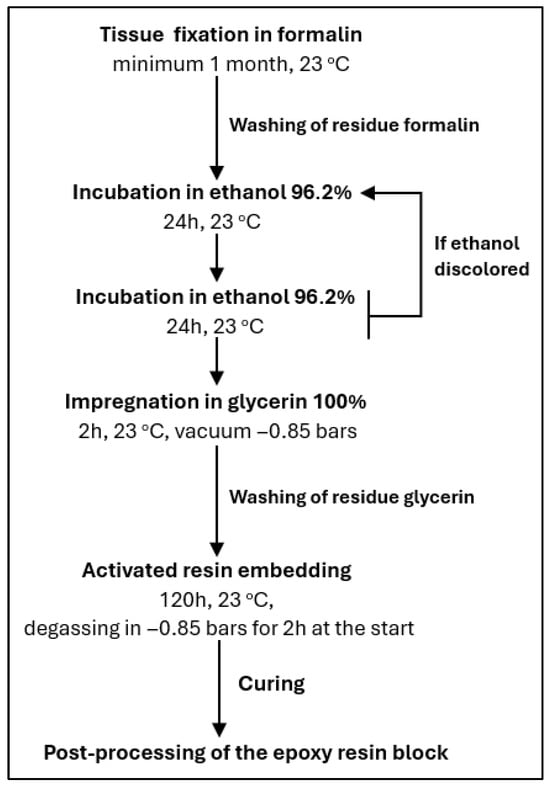
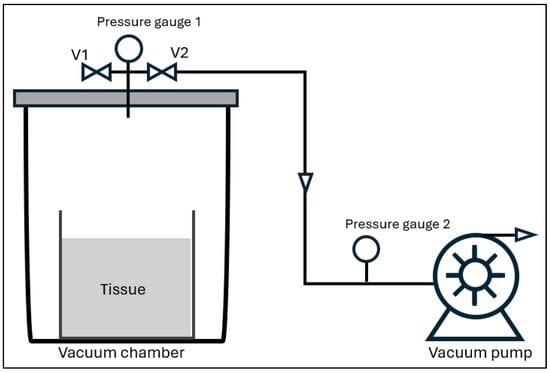
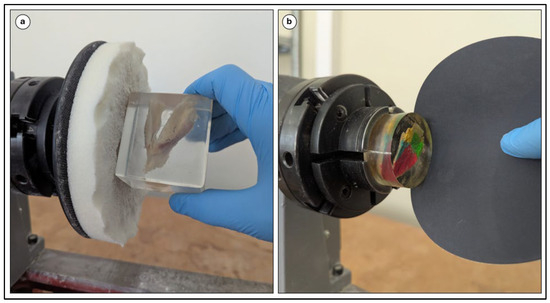
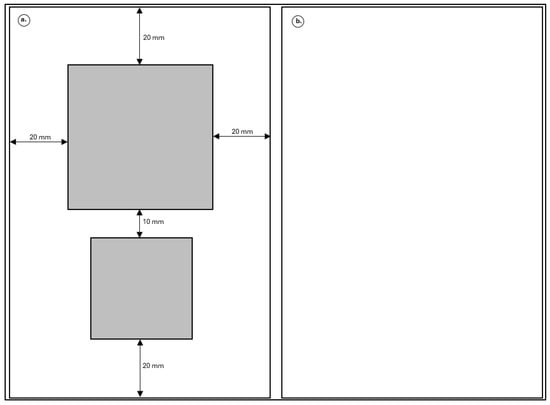
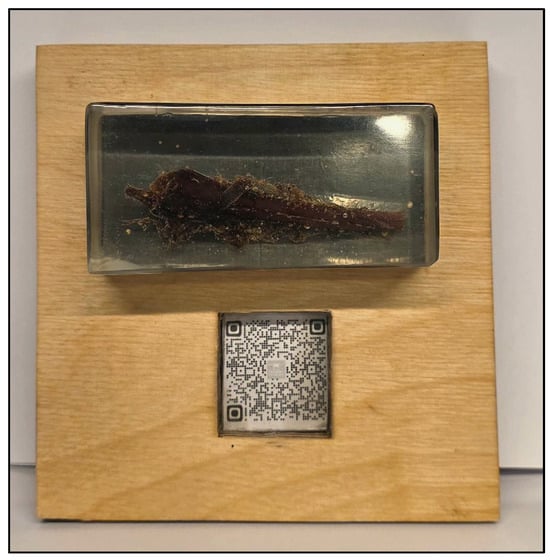
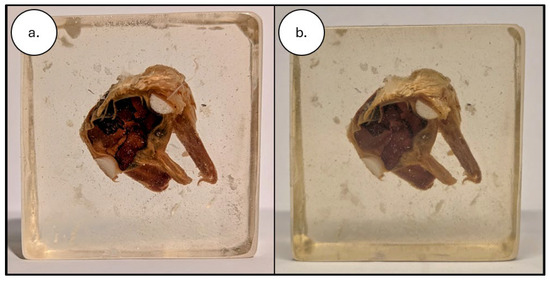
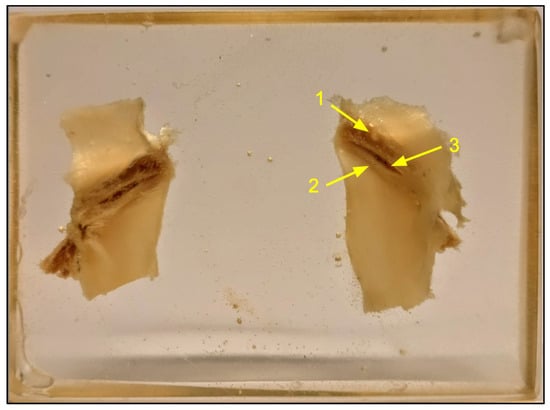
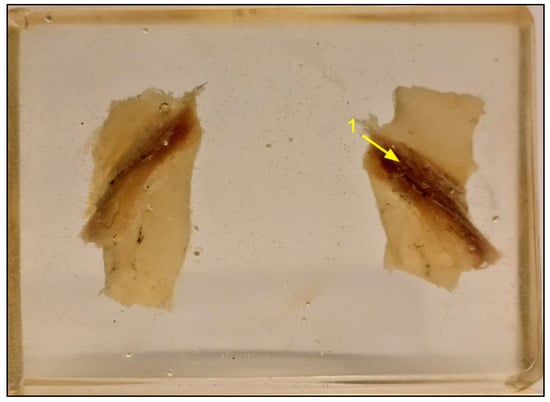
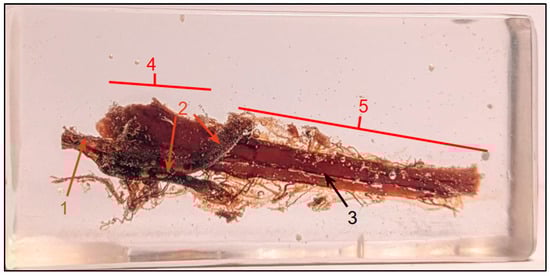
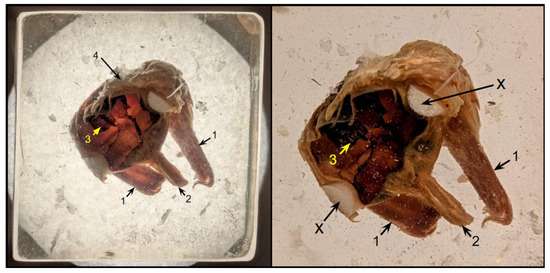
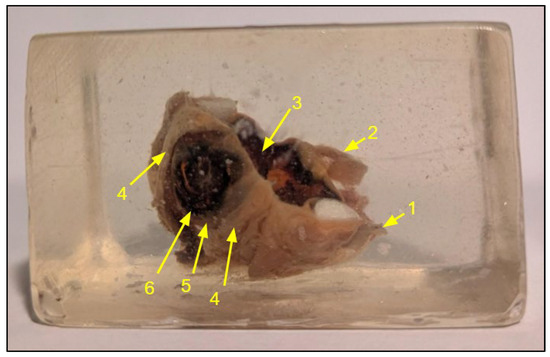
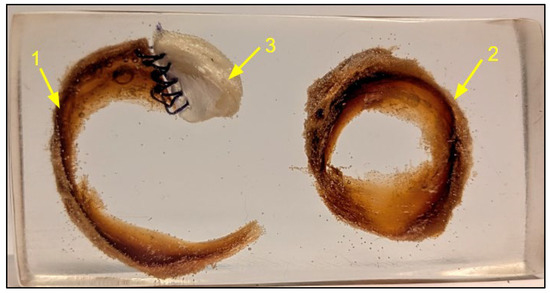
Organ preservation is a necessary and diverse process in morphological studies and is traditionally achieved through formalin fixation and plastination. A comparatively innovative method is organ embedding in epoxy resin, which provides durable and non-toxic models during manipulation. This study aimed to create 30 models: 12 from human specimens and 18 from animal specimens. Samples were incubated in 96.2% ethanol for 24 h to disinfect and remove formalin and excess fat, followed by 100% glycerol incubation for 2 h under vacuum to create a protective interface between the tissue and the activated epoxy resin. Afterward, the tissues were fixed in scaffolds and embedded in epoxy resin. Once hardened, the models were post-processed to enhance clarity and longevity. Each model was mounted on a wooden platform featuring a QR code linking to a presentation describing the visible anatomical structures. Some modifications were made to previously described protocols to optimize the method, improving quality and reducing preparation time. Among the 30 models, two anatomical and two clinical cases of organ preservation were especially interesting. Despite the numerous challenges and limitations, this method yields promising potential for morphological studies, allowing safe organ manipulation without protective equipment and anatomical documentation via QR code-linked presentations. Full article
(This article belongs to the Section Applied Biosciences and Bioengineering)
Show Figures

Figure 1
16 pages, 11528 KB  
Case Report
Dual Challenges: Addressing Post-Traumatic Retroperitoneal Urinoma in the Context of Pyeloureteral Duplication
by Marius Doru Stan, Irina Vlase, Emma Gheorghe, Bogdan Alexandru Georgescu, Dragos Fasie, Mihaela Botnarciuc, Lucian-Flavius Herlo, Ionut Ciprian Iorga, Felix Voinea, Andreea Nelson Twakor, Bogdan Cimpineanu and Iulian Catalin Bratu
Diagnostics 2026, 16(8), 1132; https://doi.org/10.3390/diagnostics16081132 (registering DOI) - 9 Apr 2026
Abstract
Background and Clinical Significance: Retroperitoneal urinomas are uncommon complications that can arise following trauma, particularly in the context of congenital anomalies such as pyeloureteral duplication. These conditions pose significant diagnostic and therapeutic challenges, requiring a comprehensive and multidisciplinary approach to ensure optimal patient [...] Read more.
Background and Clinical Significance: Retroperitoneal urinomas are uncommon complications that can arise following trauma, particularly in the context of congenital anomalies such as pyeloureteral duplication. These conditions pose significant diagnostic and therapeutic challenges, requiring a comprehensive and multidisciplinary approach to ensure optimal patient outcomes. Case Presentation: Here, we report the case of a 22-year-old male who presented to the emergency department with right lumbar and flank pain, nausea, and abrasions following a fall from a height. Initial imaging revealed a right-sided retroperitoneal urinoma and a rare congenital anomaly: complete pyeloureteral duplication with the upper pole draining into the right seminal vesicle. The patient underwent two surgical interventions, including the insertion of a ureteral stent and reimplantation of the ureter using a latero-terminal U trans U technique. Conclusions: This case highlights the complexity of managing traumatic retroperitoneal urinomas associated with congenital anomalies such as complete pyeloureteral duplication. It emphasizes the importance of timely surgical intervention to prevent complications and improve patient outcomes. Full article
(This article belongs to the Special Issue Challenges in Urology: From Diagnosis to Management—2nd Edition)
17 pages, 3771 KB  
Article
Adenophora divaricata Franch. & Sav. Attenuates Particulate Matter-Induced Inflammatory Responses in RAW264.7 Macrophage Cells
by Ji-Hye Ha, Ba-Wool Lee, Da-Hye Yi, Seong-Hun Jeong, Ju-Hong Kim, Hyeon Jin Lee, Yun-Hye Kim, Ju Hwan Jeong, Hyun-Jae Jang, Woo Sik Kim, Ji-Young Park, Hyung Jae Jeong, Hyung-Jun Kwon, Tae-Won Kim, Je-Won Ko and In-Chul Lee
Cells 2026, 15(8), 666; https://doi.org/10.3390/cells15080666 (registering DOI) - 9 Apr 2026
Abstract
Particulate matter (PM) is a complex mixture of airborne solid particles and liquid droplets originating from various environmental sources, and it has been implicated in the initiation, development, and progression of pulmonary inflammation and respiratory diseases. However, the underlying associated molecular mechanisms remain [...] Read more.
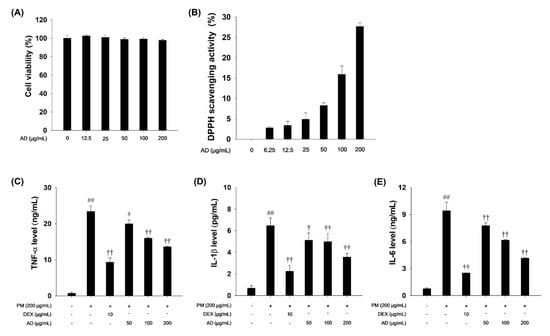
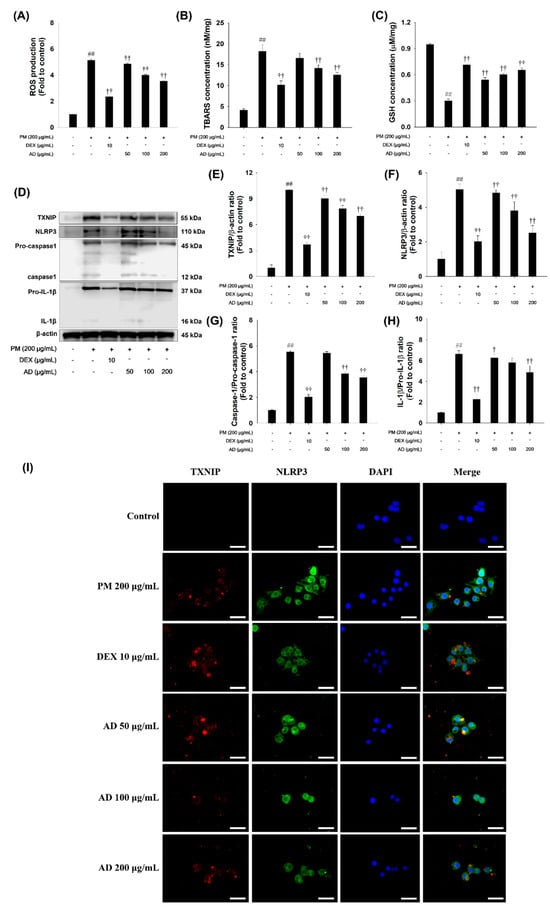
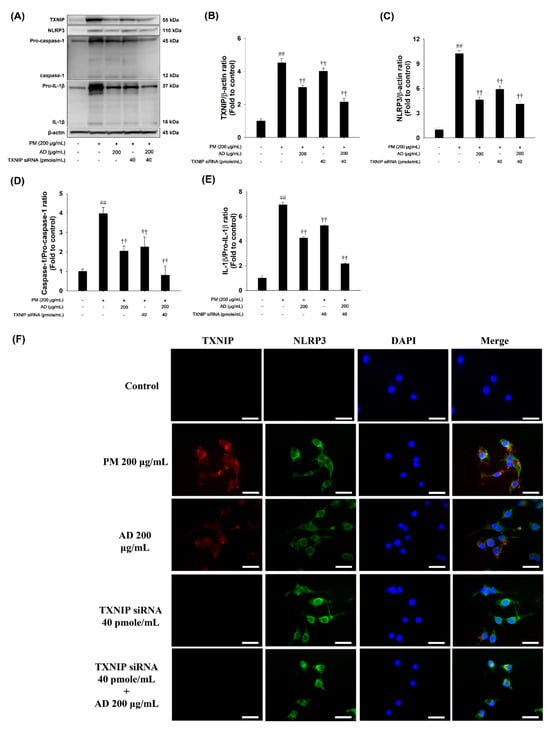
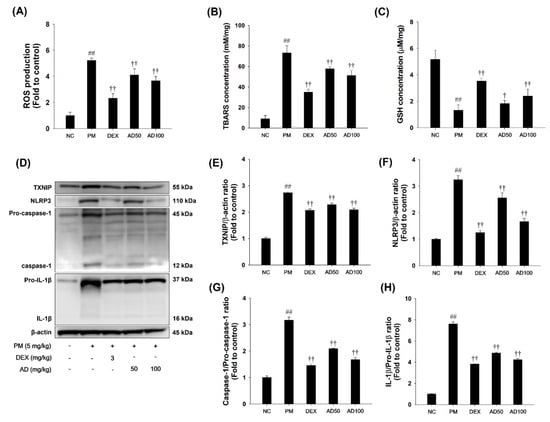
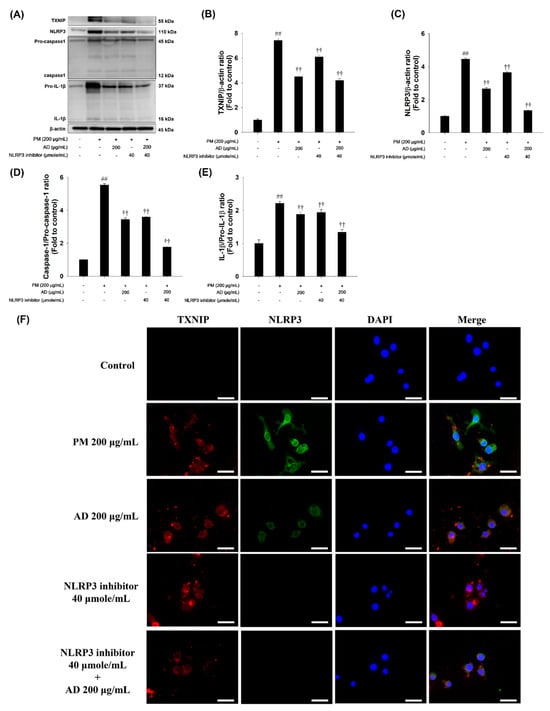
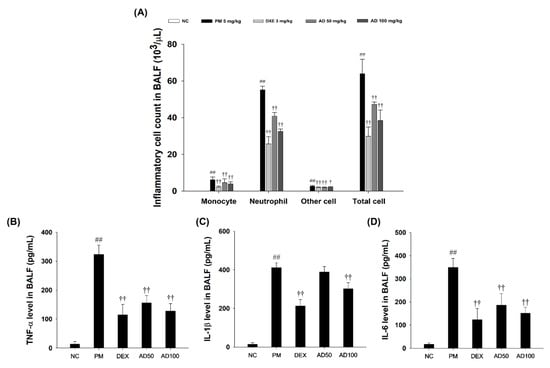
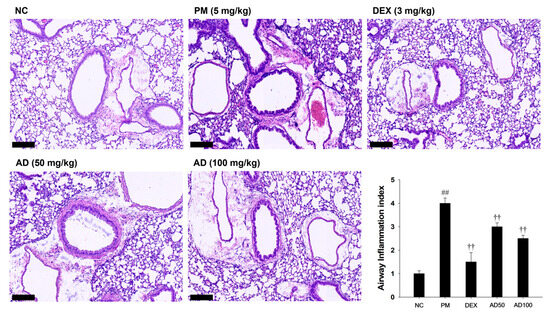
Particulate matter (PM) is a complex mixture of airborne solid particles and liquid droplets originating from various environmental sources, and it has been implicated in the initiation, development, and progression of pulmonary inflammation and respiratory diseases. However, the underlying associated molecular mechanisms remain unclear. Adenophora divaricate Franch. & Sav. (AD) is a medicinal herb classified within the Campanulaceae family and genus Adenophora, with a broad geographic distribution across East Asia, including Korea, Asia, and Russia. In this study, we investigated the mechanisms underlying the effects of AD on PM-induced lung inflammation in both PM-stimulated RAW264.7 cells and PM-exposed mice. Considering that the reactive oxygen species (ROS)-mediated thioredoxin-interacting protein (TXNIP) and NOD-like receptor pyrin domain containing (NLRP3) inflammasome pathway plays a role in PM-induced inflammatory responses, we focused on determining whether AD exerts its anti-inflammatory effects through modulation of this signaling pathway. The anti-inflammatory properties of the methanolic extract of AD were evaluated using PM-stimulated RAW264.7 cells and PM-exposed mice. PM was administered intranasally to mice for 7 days, whereas AD or dexamethasone was orally administered for the same duration. AD treatment significantly attenuated pulmonary inflammation, as evidenced by reduced inflammatory cell counts and decreased cytokine levels in bronchoalveolar lavage fluid. In addition, AD decreased oxidative stress marker (ROS and thiobarbituric acid reactive substances) while increasing glutathione content, leading to suppression of TXNIP/NLRP3 inflammasome expression. Histopathological analysis revealed a marked alleviation of inflammatory responses in lung tissue, characterized by diminished inflammatory cell infiltration and reduced alveolar wall thickening. Collectively, these findings suggest ROS-mediated TXNIP serves as a key regulatory factor, and AD may serve as a potential therapeutic agent for pulmonary inflammation. Full article
(This article belongs to the Section Cell Signaling)
Show Figures

Figure 1
26 pages, 9892 KB  
Article
Spatial Correlation Network of Carbon Emissions in Belt and Road Countries: Social Network Analysis and TERGM (2011–2020)
by Lei Zhang, Meixian Wang, Wenjing Ma, Zuojian Zheng, Hongxian Li and Chunlu Liu
Sustainability 2026, 18(8), 3714; https://doi.org/10.3390/su18083714 (registering DOI) - 9 Apr 2026
Abstract
The countries in the Belt and Road Initiative (BRI) significantly influence global carbon emissions, and the spatial correlation and driving mechanisms of their emissions are crucial for regional emission reduction and global climate governance. This study constructs a carbon emission spatial correlation network, [...] Read more.
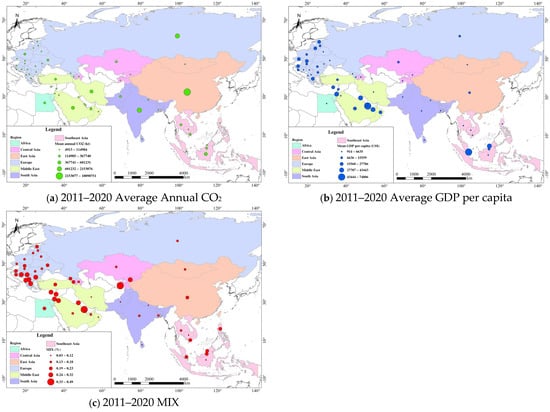
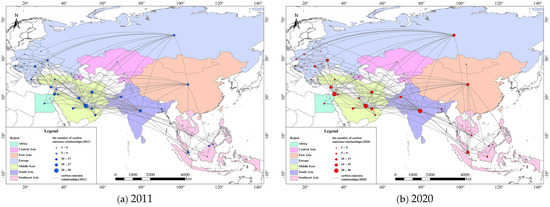
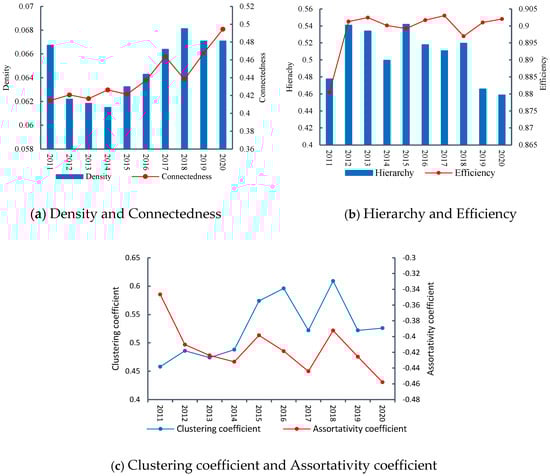
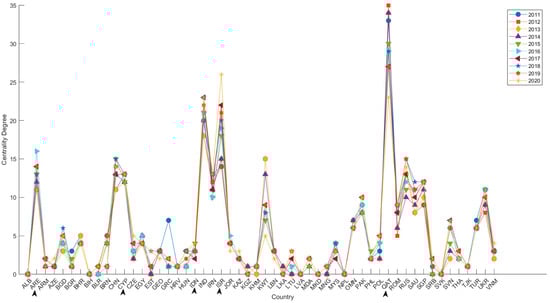
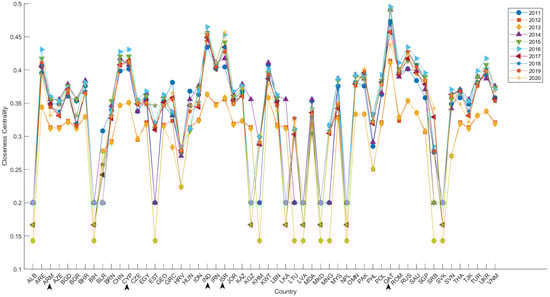
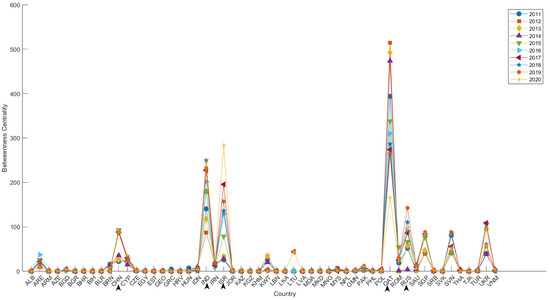
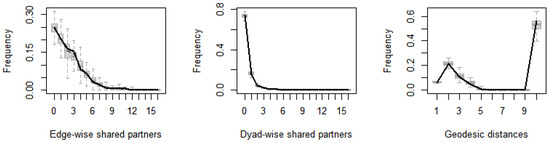
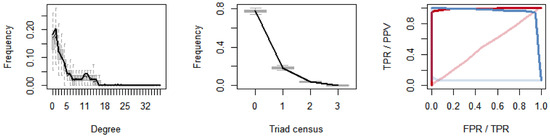
The countries in the Belt and Road Initiative (BRI) significantly influence global carbon emissions, and the spatial correlation and driving mechanisms of their emissions are crucial for regional emission reduction and global climate governance. This study constructs a carbon emission spatial correlation network, where links represent pairwise spatial correlations derived from a modified gravity model, using data from 54 BRI countries (2011–2020). It applies social network analysis (SNA) to examine the network structure and uses the Temporal Exponential Random Graph Model (TERGM) to identify influencing factors. The main findings are as follows: (1) The BRI carbon emission network has become more interconnected and cohesive, with stronger regional connectivity and reduced inequality. (2) The network shows a core–periphery structure with notable spatial association patterns. Countries like Qatar, Israel, India, China, and the UAE have rapidly established carbon emission links, positioning them at the core due to their high connectivity and influence. (3) The network displays temporal dependence, with reciprocity associated with stronger mutual connections and transitivity associated with more cohesive network structures. Technological innovation and industrial structure optimization are positively associated with the formation of carbon emission connections, while energy structure and foreign investment are negatively associated with it. Economic development and technological innovation are associated with a country’s greater involvement in carbon emission connections, and countries with similar urbanization rates, energy, and industrial structures, but large economic disparities are more likely to form carbon emission associations, reflecting potential complementarities in the network structure. Full article
Show Figures

Figure 1
24 pages, 2402 KB  
Article
Connecting Texture and Breakup in Water and Simulated Gastric Fluid with Different Food-like Tablets
by Jingying Cheng and Timothy Langrish
Foods 2026, 15(8), 1297; https://doi.org/10.3390/foods15081297 (registering DOI) - 9 Apr 2026
Abstract
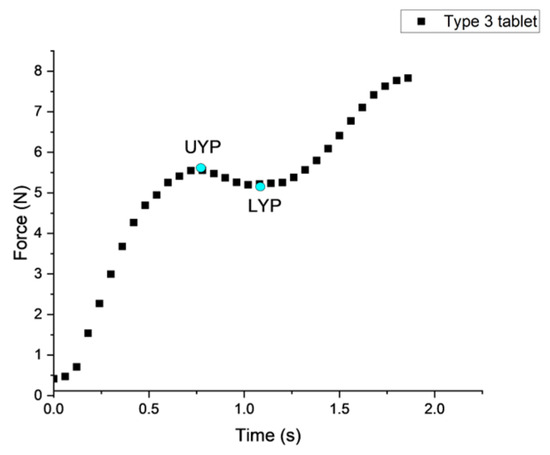
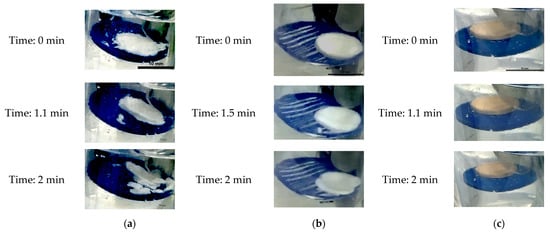
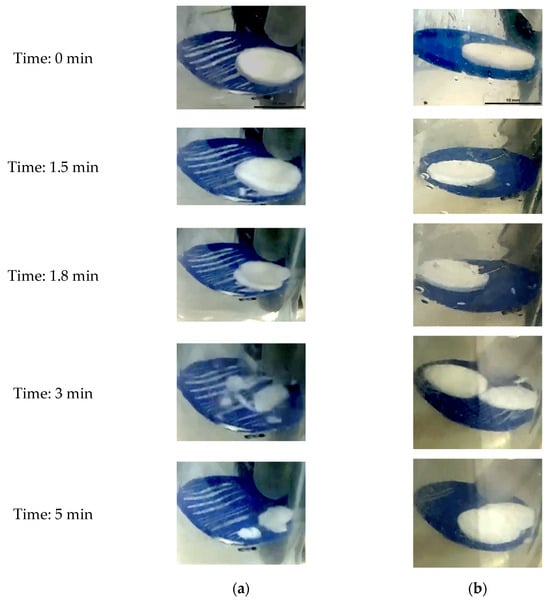
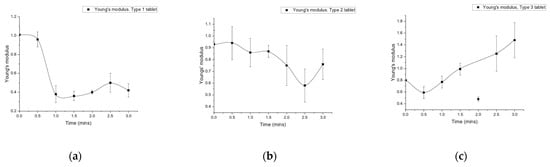
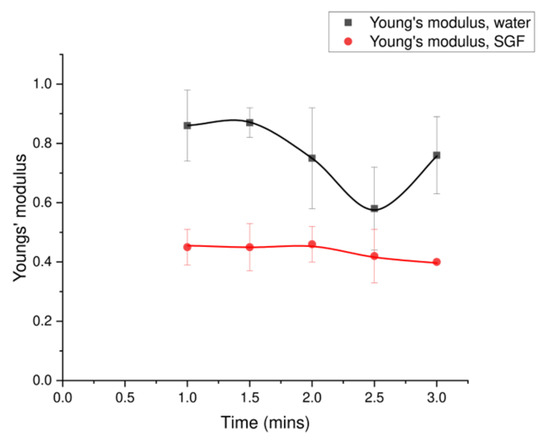
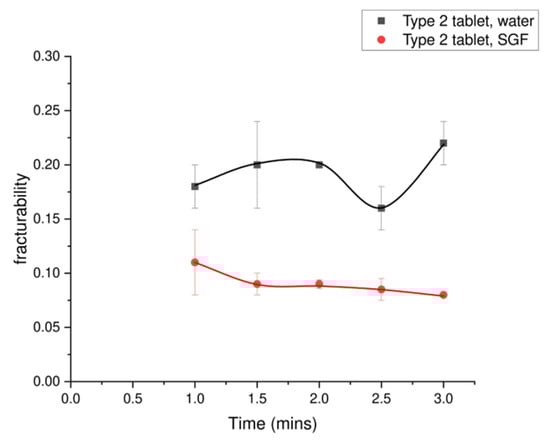
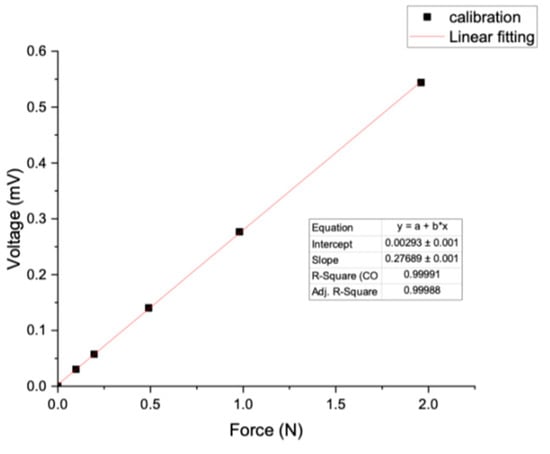
Three food-like tablet types, with Young’s moduli similar to those of real foods, were prepared to investigate breakup during digestion using caffeine as a model solute. Texture was evaluated in situ during simulated digestion by measuring Young’s moduli and fracturability at various time [...] Read more.
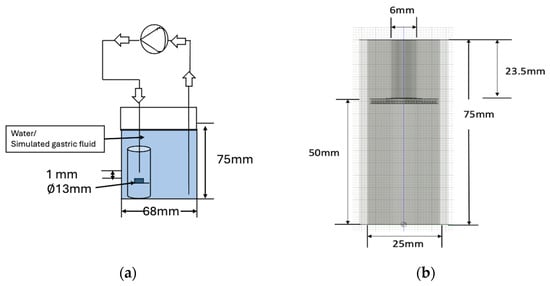
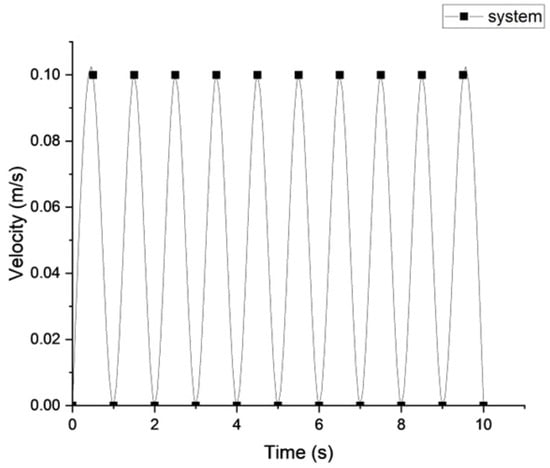
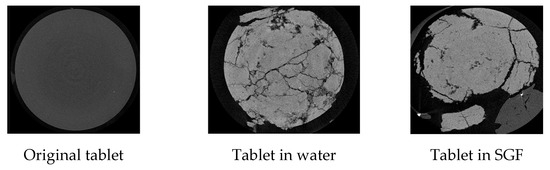
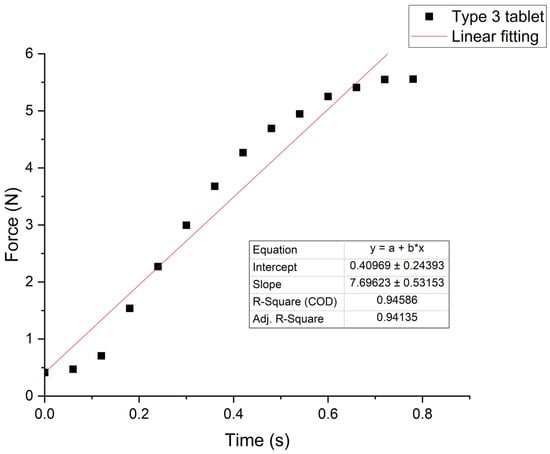
Three food-like tablet types, with Young’s moduli similar to those of real foods, were prepared to investigate breakup during digestion using caffeine as a model solute. Texture was evaluated in situ during simulated digestion by measuring Young’s moduli and fracturability at various time points, providing indicators of stiffness and toughness. Type 1 disintegrated immediately; Type 2 dissolved first, followed by breakup at (1.5 ± 0.2) min, and Type 3 underwent dissolution. Young’s modulus decreased rapidly for Type 1 within a minute (from 1.00 to 0.38 MPa), while Type 2 exhibited a decrease at 1.5 min (0.94–0.58 MPa) before breakup. Type 3 resisted disintegration due to its higher modulus of elasticity. The time-dependent decrease in Young’s modulus is consistent with previous studies, suggesting that soft materials are more readily broken down. In simulated gastric fluid (SGF), Type 2 displayed similar dissolution and breakup behaviour (1.8 ± 0.04) min, followed by structural stabilisation due to swelling, with a slight decrease in modulus and fracturability at breakup. The study introduces a novel method that combines time-resolved, in situ textural measurements with real-time visual observation under physiologically relevant pulsatile flow, using purpose-designed food-like model materials to support the prediction of food breakdown behaviour and the design of foods with controlled digestion. Full article
(This article belongs to the Section Food Engineering and Technology)
Show Figures

Figure 1
14 pages, 864 KB  
Article
Current Difficulties for General Practitioners in the Diagnosis and Management of Long COVID Patients: A Cross-Sectional Study Assessing an Online Questionnaire
by Cléa Le Breton, Timothée Klopfenstein and Souheil Zayet
J. Clin. Med. 2026, 15(8), 2855; https://doi.org/10.3390/jcm15082855 (registering DOI) - 9 Apr 2026
Abstract
Background: Long COVID presents a novel and emerging public health challenge. As the first point of contact, general practitioners (GPs) play a key role in diagnosing and coordinating the care of patients presenting with post-acute sequelae of COVID-19 (PASC), despite a lack of [...] Read more.
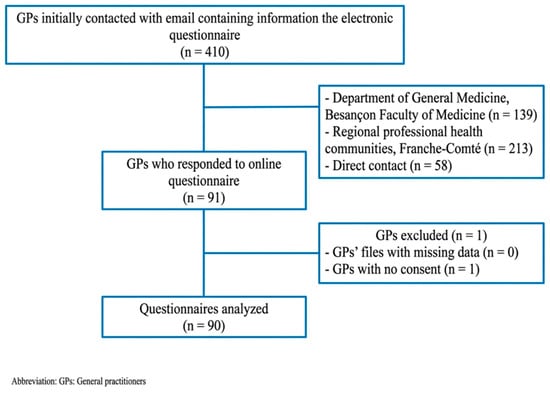
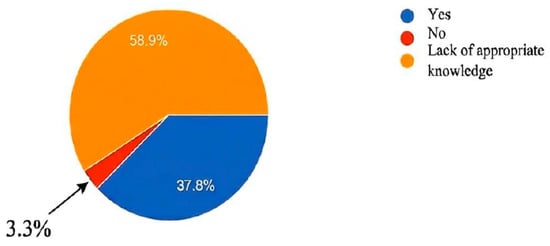
Background: Long COVID presents a novel and emerging public health challenge. As the first point of contact, general practitioners (GPs) play a key role in diagnosing and coordinating the care of patients presenting with post-acute sequelae of COVID-19 (PASC), despite a lack of experience. This study aimed to identify the main difficulties encountered by GPs in Franche-Comté, France, in managing adult outpatients with long COVID. Methods: We conducted a cross-sectional survey using an anonymous online questionnaire, which contained 21 questions and was distributed to GPs in Franche-Comté, France. The survey assessed definition, diagnostic and therapeutic challenges in managing long COVID. Results: Among the 410 questionnaires distributed, 90 general practitioners (GPs) responded (response rate: 21.9%). The mean age of participants was 34 ± 10 years, and 64.4% were women (n = 58). Regarding knowledge of long COVID, three participants (3.3%) did not recognize it as a distinct clinical entity, while more than half (58.9%, n = 53) reported insufficient knowledge. The main challenges identified were therapeutic management (76.7%, n = 69) and diagnosis (75.6%, n = 68). Only 4.5% of respondents (n = 4) reported no difficulty in defining post-acute sequelae of SARS-CoV-2 infection (PASC). The most frequently reported diagnostic difficulty was distinguishing long COVID from differential diagnoses (93.3%, n = 83/89), particularly fibromyalgia (94.3%, n = 83/88). Only 37.1% of participants (n = 33/89) reported actively following up patients with PASC. During initial management, the main challenge was the difficulty in objectively assessing patients’ complaints using available diagnostic tools (80.7%, n = 67/83). Additionally, a large majority of GPs reported difficulties in addressing patients’ questions (86.7%, n = 72/83) and managing associated anxiety disorders (75.9%, n = 63/83). Conclusions: These findings highlight the immediate need to enhance GP training in Franche-Comté, France, in dealing with long COVID. Improvements such as harmonizing long COVID definitions, testing diagnoses, and strengthening interdisciplinary coordination are essential to provide coherent and patient-centered care for this disease. Full article
(This article belongs to the Section Infectious Diseases)
Show Figures

Figure 1

24 pages, 1146 KB  
Review
Serum Biomarkers in Restless Legs Syndrome: Beyond the Classical Iron Paradigm—A Scoping Review
by Krasimir Avramov, Todor Georgiev, Aneliya Draganova and Kiril Terziyski
Int. J. Mol. Sci. 2026, 27(8), 3385; https://doi.org/10.3390/ijms27083385 (registering DOI) - 9 Apr 2026
Abstract
Restless legs syndrome (RLS) is one of the most prevalent sleep disorders, yet its diagnosis continues to rely almost entirely on subjective symptom descriptions. This persistent dependence on phenomenology reflects the absence of reliable biological markers to aid in the process of diagnosis [...] Read more.
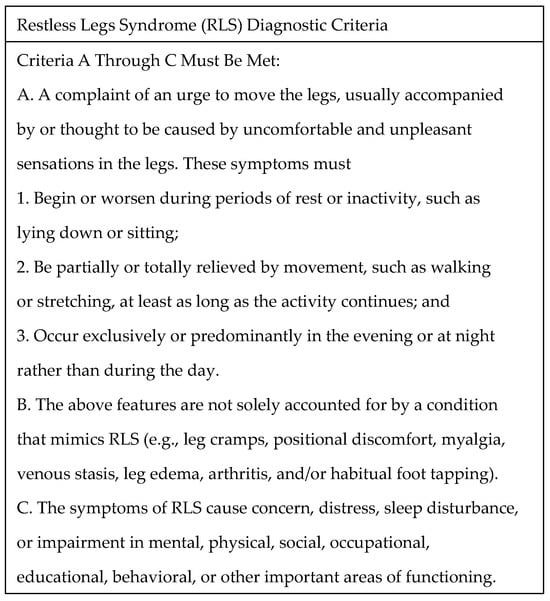
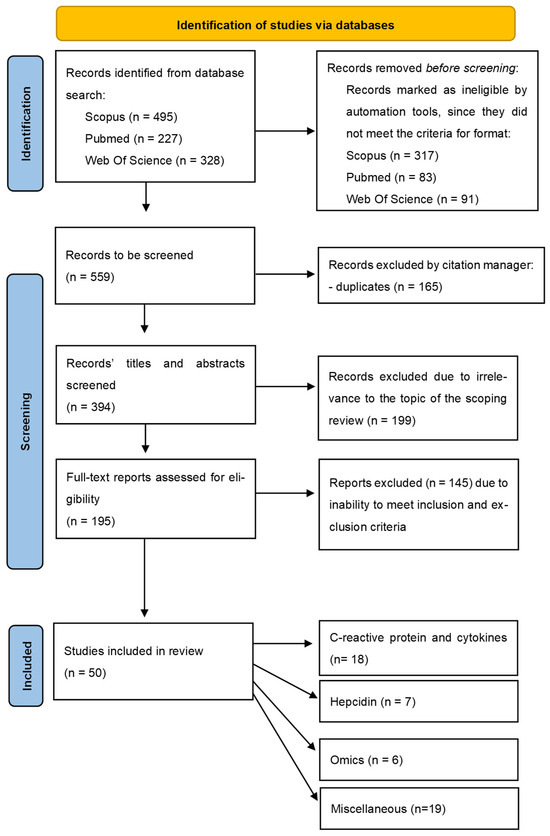
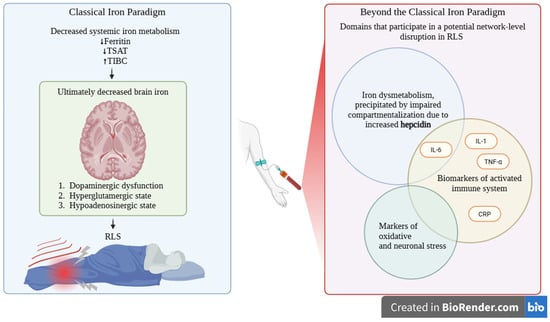
Restless legs syndrome (RLS) is one of the most prevalent sleep disorders, yet its diagnosis continues to rely almost entirely on subjective symptom descriptions. This persistent dependence on phenomenology reflects the absence of reliable biological markers to aid in the process of diagnosis or monitoring. However, there is accumulating molecular evidence that suggests that RLS is associated with systemic biological alterations. These extend beyond the traditional paradigm of iron deficiency. The present scoping review synthesizes the current research on circulating serum biomarkers investigated in RLS outside classical iron indices. A comprehensive search of PubMed, Scopus, and Web of Science databases identified 1050 records, of which 50 studies met eligibility criteria and were included. In the processing of data, clusters emerged into several recurring biological domains, including dysregulated iron regulatory signaling (hepcidin), low-grade immune activation, oxidative stress, and neuroaxonal injury markers. High-throughput omics studies reveal molecular network perturbations involving inflammatory pathways, complement activation, metabolic signaling, and cellular stress responses. Biomarker associations appear stronger when linked to objective motor burden. These findings suggest that RLS may involve multifarious molecular changes detectable in the serum. Consequently, this can support the transition from symptom-based diagnosis toward biomarker-informed stratification, which may enable more precise disease characterization and improved diagnostic accuracy. Full article
Show Figures

Figure 1

23 pages, 4289 KB  
Article
Rare-Earth-Induced Structural Modulation of NiFe2O4 for High-Energy Asymmetric Supercapacitor Devices
by Rutuja U. Amate, Pritam J. Morankar, Aviraj M. Teli, Sonali A. Beknalkar and Chan-Wook Jeon
Crystals 2026, 16(4), 250; https://doi.org/10.3390/cryst16040250 (registering DOI) - 9 Apr 2026
Abstract
The rational design of electrode materials with tailored composition and architecture is crucial for advancing high-capability electrochemical energy storage systems. This study reports that gadolinium-modified NiFe2O4 nanosheet electrodes were effectively synthesized on nickel foam via a hydrothermal approach followed by [...] Read more.
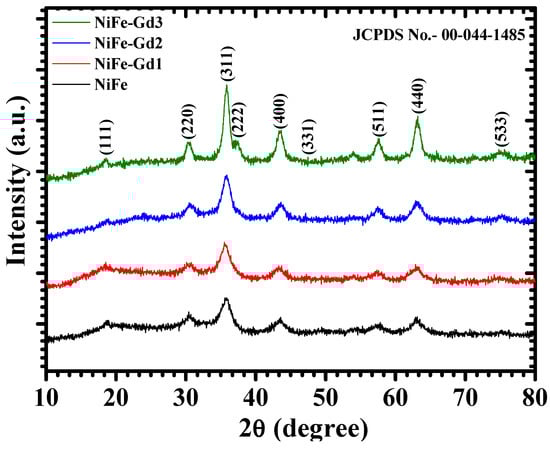
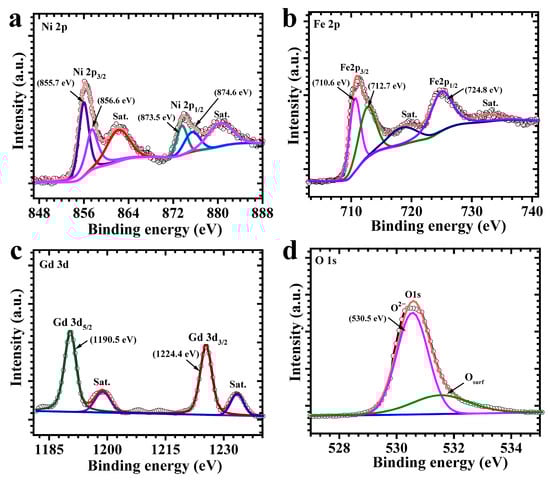
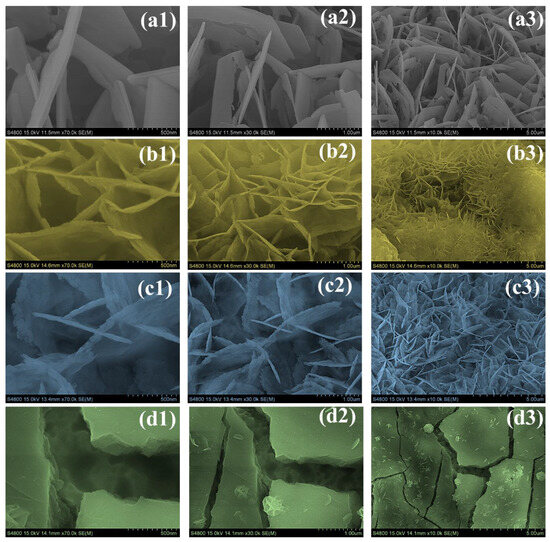
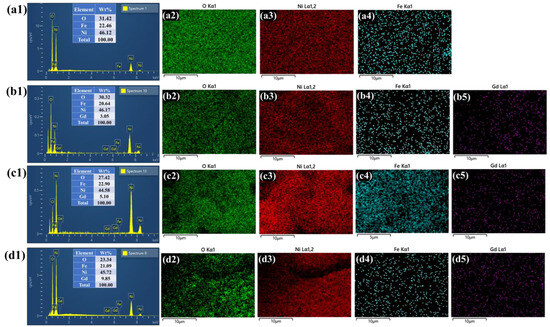
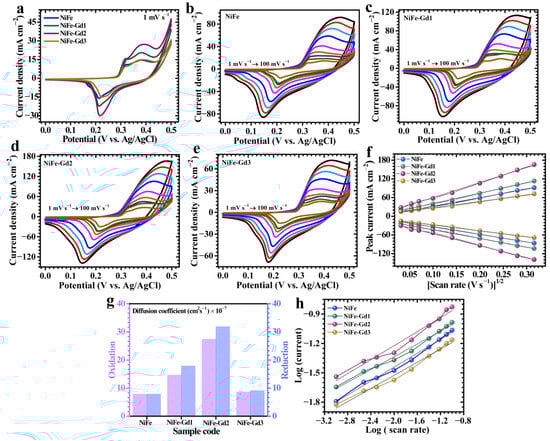
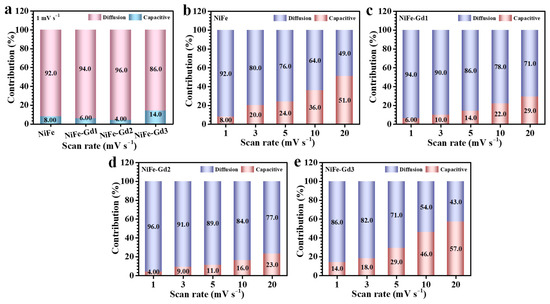
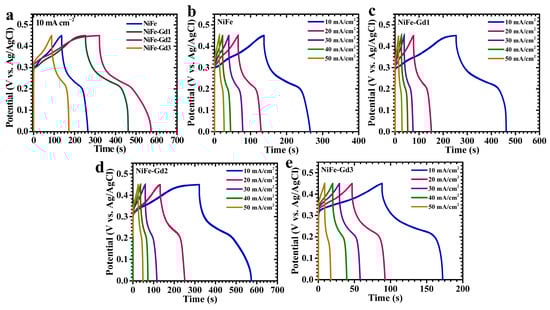
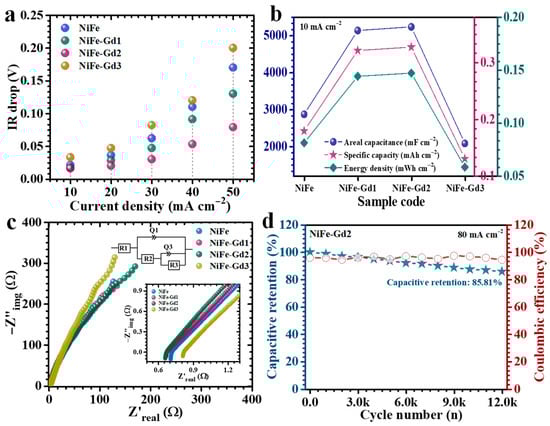
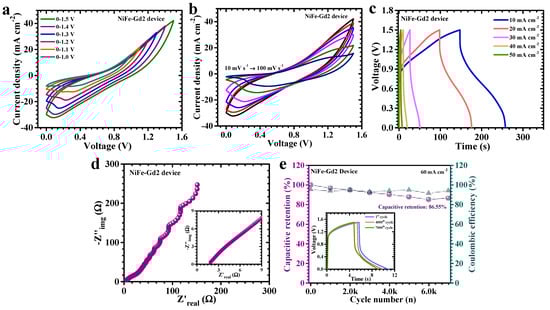
The rational design of electrode materials with tailored composition and architecture is crucial for advancing high-capability electrochemical energy storage systems. This study reports that gadolinium-modified NiFe2O4 nanosheet electrodes were effectively synthesized on nickel foam via a hydrothermal approach followed by thermal treatment. A series of compositions (NiFe, NiFe–Gd1, NiFe–Gd2, and NiFe–Gd3) were prepared to systematically examine the effect of Gd incorporation on structural features and electrochemical properties. X-ray diffraction (XRD) analysis confirmed the formation of the cubic spinel NiFe2O4 phase without detectable secondary phases, indicating that the crystal structure remains intact after Gd introduction. X-ray photoelectron spectroscopy (XPS) further verified the presence of Ni2+, Fe3+, and Gd3+ species within the lattice environment. Morphological analysis using field-emission scanning electron microscopy (FESEM) revealed a nanosheet-based architecture, where the optimized NiFe–Gd2 electrode exhibited a porous and interconnected nanosheet framework with abundant exposed edges. This structural configuration improves electrolyte penetration and facilitates efficient ion transport during charge storage processes. Electrochemical measurements demonstrated that the NiFe–Gd2 electrode delivers an areal capacitance of 5235 mF cm−2 at 10 mA cm−2, along with improved reaction kinetics and low internal resistance. An asymmetric supercapacitor assembled using NiFe–Gd2 as the positive electrode and activated carbon as the negative electrode operated stably within a 0–1.5 V potential window, achieving an energy density of 0.136 mWh cm−2 and a power density of 3.14 mW cm−2, while retaining 86.55% of its initial capacitance after 7000 cycles. These results highlight the potential of rare-earth engineering as a viable strategy for designing advanced spinel ferrite electrodes and pave the way for the development of high-performance, durable, and scalable supercapacitor systems for practical energy storage applications. Full article
Show Figures

Figure 1

25 pages, 1183 KB  
Article
A Federated Digital Twin Framework for Consumer Wellbeing Systems
by Matti Rachamim and Jacob Hornik
Systems 2026, 14(4), 417; https://doi.org/10.3390/systems14040417 (registering DOI) - 9 Apr 2026
Abstract
Consumer wellbeing systems are characterized by conceptual fragmentation, heterogeneous data sources, and multilevel interactions across economic, psychological, social, and environmental domains. Existing monitoring approaches remain largely unidimensional and lack integrative system architectures capable of supporting real-time, adaptive analysis. This paper proposes a Federated [...] Read more.
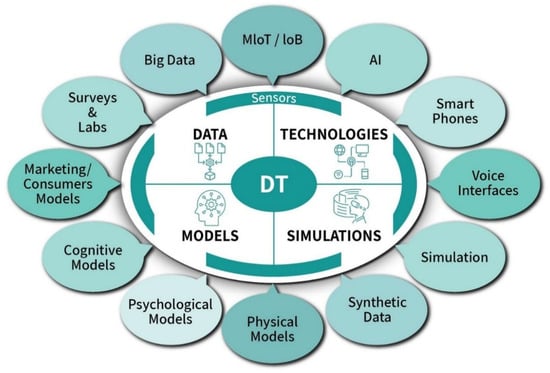
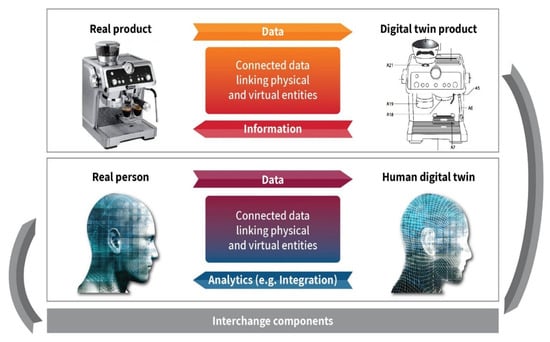
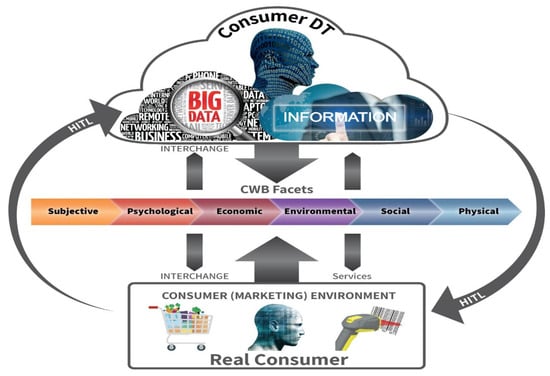
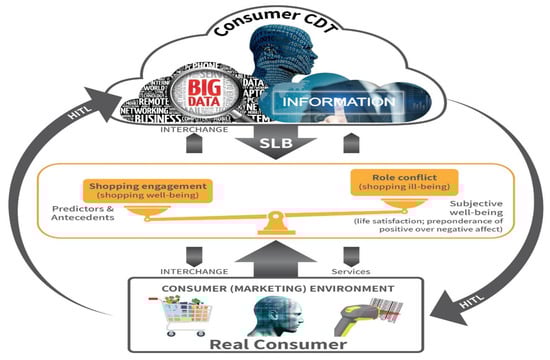
Consumer wellbeing systems are characterized by conceptual fragmentation, heterogeneous data sources, and multilevel interactions across economic, psychological, social, and environmental domains. Existing monitoring approaches remain largely unidimensional and lack integrative system architectures capable of supporting real-time, adaptive analysis. This paper proposes a Federated Digital Twin (FDT) framework for Consumer Wellbeing Systems, designed to integrate decentralized, multimodal data while preserving autonomy and privacy. The proposed architecture builds on a five-dimensional digital twin model and extends it through federated interoperability, data fusion, adaptive learning, simulation capabilities, and human-in-the-loop mechanisms. The framework enables the synchronization of observed, self-reported, contextual, and synthetic data across distributed environments, supporting system-level modeling, prediction, and optimization. As an illustrative application, the paper examines Shopping Wellbeing and Shopping–Life Balance as sub-systems within broader wellbeing ecosystems, demonstrating how federated digital twins can unify fragmented theoretical constructs into a coherent, dynamic monitoring structure. The study contributes a system-oriented conceptual architecture for modeling complex human-centric wellbeing ecosystems and outlines implications for systems design, governance, and future interdisciplinary research. Full article
(This article belongs to the Section Complex Systems and Cybernetics)
Show Figures

Figure 1

15 pages, 3117 KB  
Article
Metabolomics-Based Analysis of Geographical Origin-Driven Quality Variation in Cultivated Pyropia haitanensis
by Wenjing Zhu, Kai Xu, Yan Xu, Dehua Ji, Wenlei Wang and Chaotian Xie
Foods 2026, 15(8), 1299; https://doi.org/10.3390/foods15081299 (registering DOI) - 9 Apr 2026
Abstract
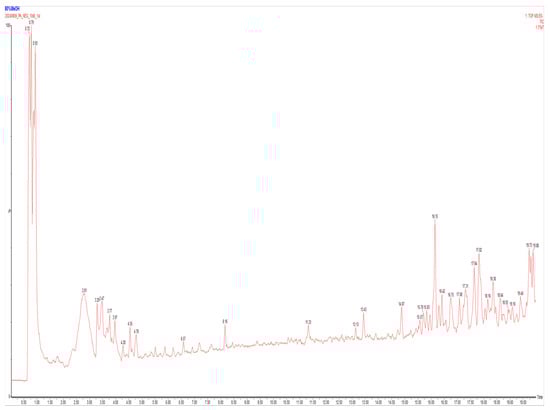
Pyropia haitanensis, an economically significant cultivated seaweed in China, exhibits substantial geographical variations in nutritional and sensory qualities that influence its market value. The nutritional quality of the samples, including total sugar, total protein, and amino acid content, as well as color [...] Read more.
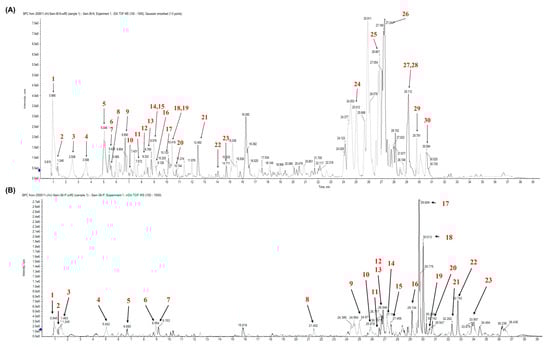
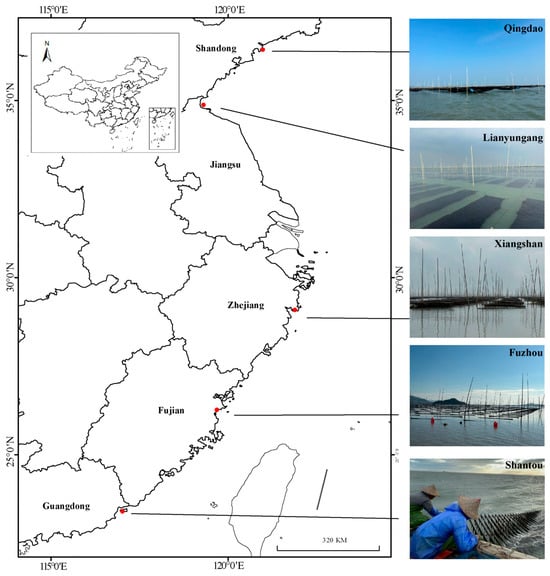
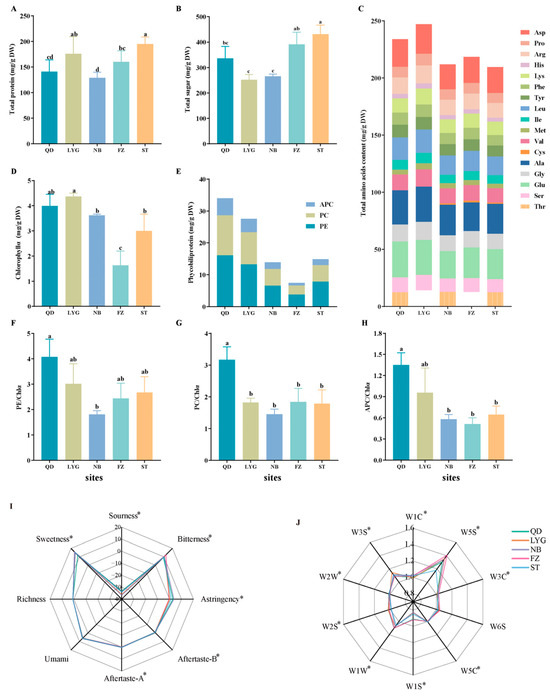
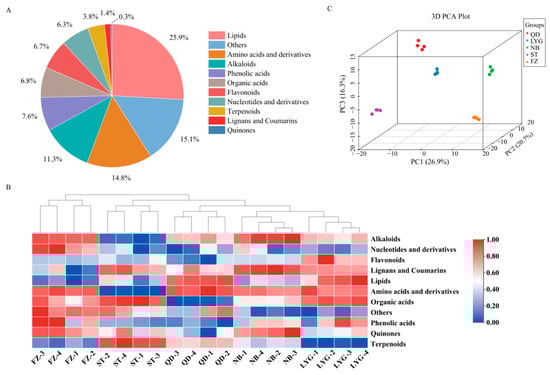
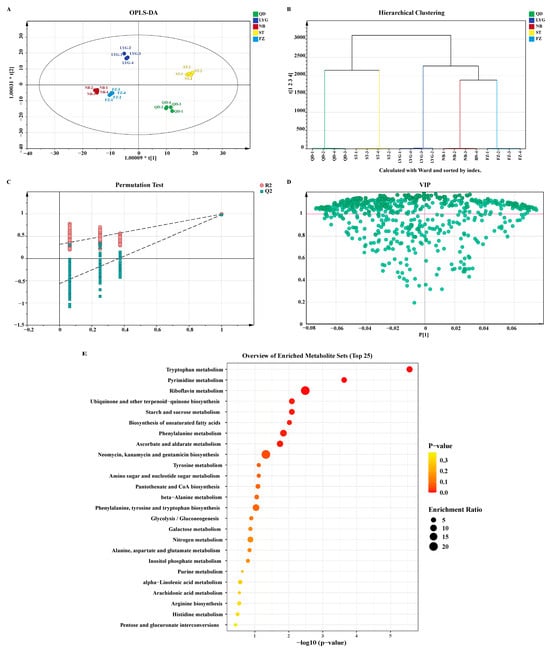
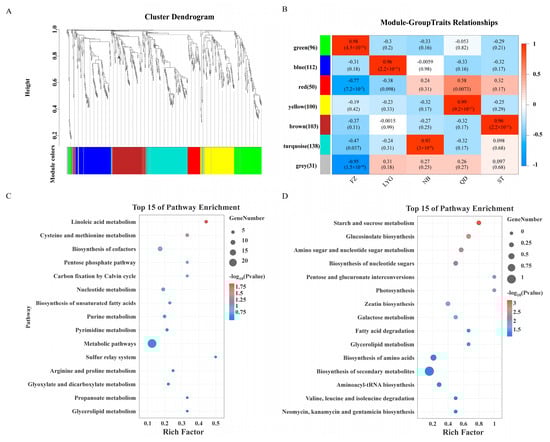
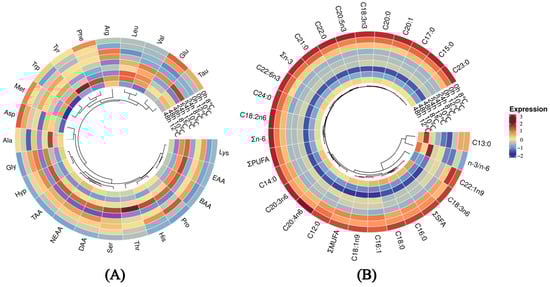
Pyropia haitanensis, an economically significant cultivated seaweed in China, exhibits substantial geographical variations in nutritional and sensory qualities that influence its market value. The nutritional quality of the samples, including total sugar, total protein, and amino acid content, as well as color quality, assessed through phycobiliprotein and chlorophyll content, and sensory quality evaluated using an electronic nose and electronic tongue, were determined. To elucidate these quality variations, this study employed an integrated metabolomics and chemometrics approach to analyze samples from five major cultivation regions. Principal component analysis (PCA) effectively differentiated the samples; orthogonal partial least squares discriminant analysis (OPLS-DA) validated this classification with robust model parameters (R2X = 0.791, R2Y = 0.995, Q2 = 0.984) and identified key discriminatory metabolites. Weighted gene co-expression network analysis (WGCNA) identified origin-specific metabolic modules correlated with quality traits, revealing that pathways such as cysteine and methionine metabolism underpin the observed differences in flavor profiles across cultivation regions. Furthermore, mediation analysis quantitatively confirmed that inorganic nitrogen primarily influences key flavor attributes by regulating sulfur-containing amino acid and nucleotide metabolism. This study systematically elucidates the metabolic mechanisms governing quality formation in P. haitanensis, providing a scientific foundation for quality control and geographical origin traceability. Full article
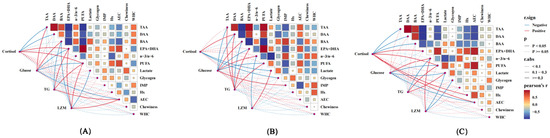
(This article belongs to the Section Food Analytical Methods)
Show Figures

Figure 1

31 pages, 3403 KB  
Review
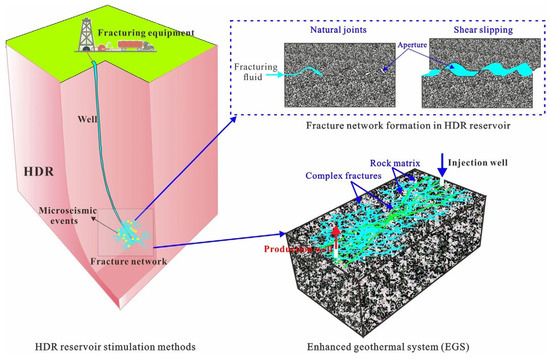
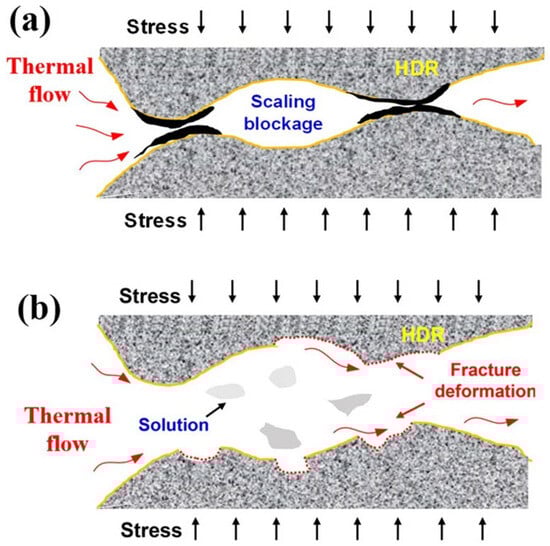
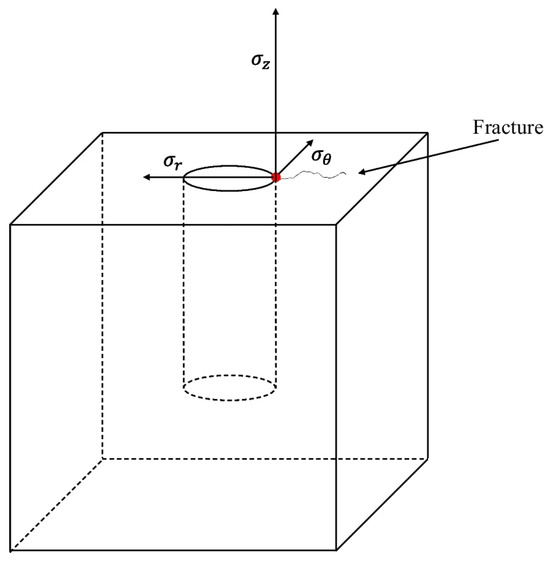
Review on Thermal Stimulation in Deep Geothermal Reservoirs: Thermo-Mechanical Mechanisms and Fracture Evolution
by Kaituo Li, Lin Zhu, Fei Xiong, Jia Liu, Yi Xue, Zhengzheng Cao, Yuejin Zhou, Xin Liang, Ming Ji, Guannan Liu and Faning Dang
Processes 2026, 14(8), 1199; https://doi.org/10.3390/pr14081199 (registering DOI) - 9 Apr 2026
Abstract
Enhanced geothermal systems (EGS) are a key technology for developing deep geothermal resources, yet they face significant challenges in constructing efficient thermal reservoirs within high-stress, high-strength, and low-permeability crystalline rock formations. Traditional hydraulic fracturing (HF) techniques encounter deep challenges in these environments, including [...] Read more.
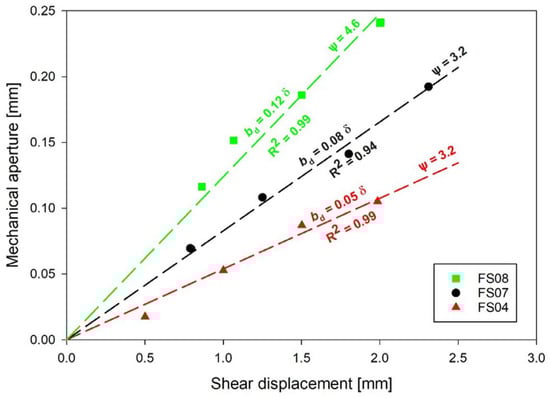
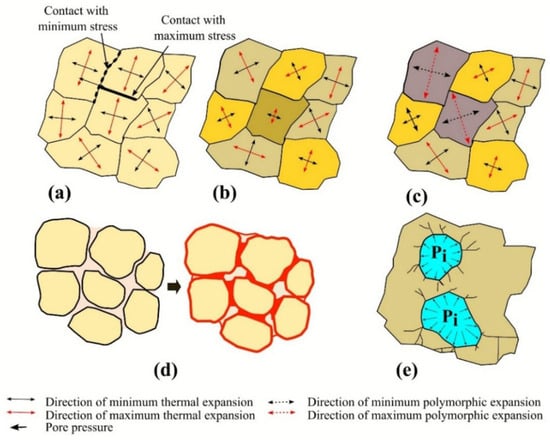
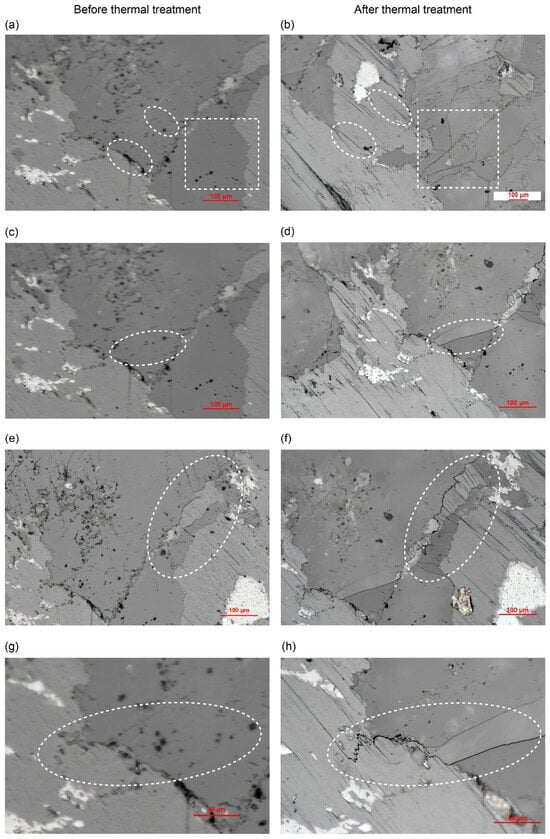
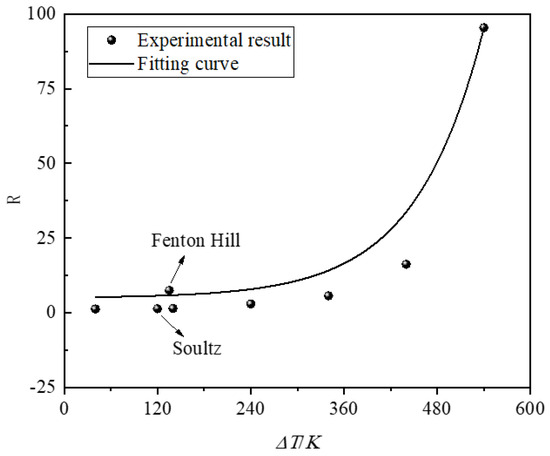
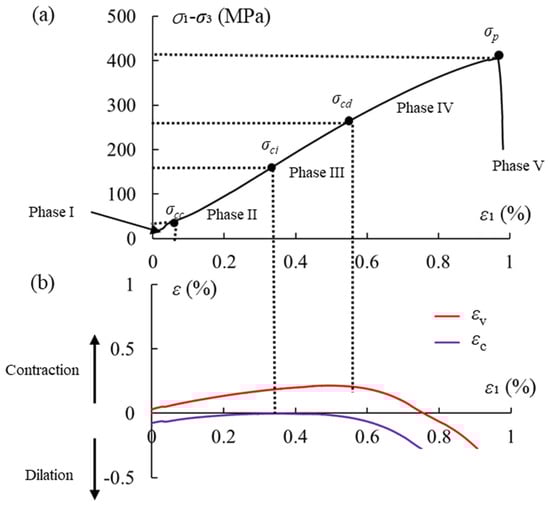
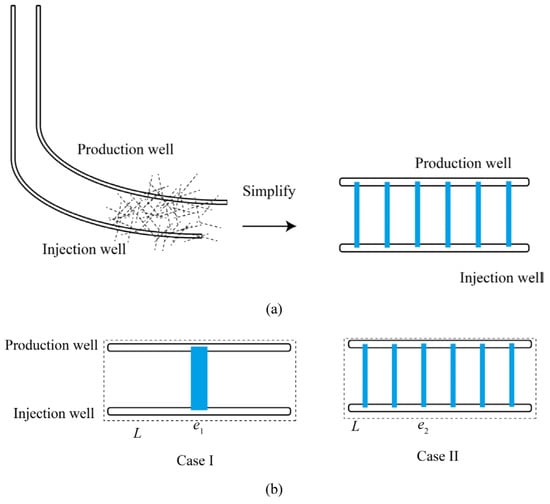
Enhanced geothermal systems (EGS) are a key technology for developing deep geothermal resources, yet they face significant challenges in constructing efficient thermal reservoirs within high-stress, high-strength, and low-permeability crystalline rock formations. Traditional hydraulic fracturing (HF) techniques encounter deep challenges in these environments, including excessively high fracturing pressures, limited fracture network patterns, and the risk of induced seismicity. This paper reviews the multi-scale thermal-mechanical mechanisms, fracture evolution patterns, and control strategies associated with thermal stimulation and permeability enhancement in the modification of deep geothermal reservoirs. Research indicates that thermally induced fracturing triggers intergranular and transgranular cracks at the microscopic scale due to mineral thermal expansion mismatches, which macroscopically manifests as nonlinear degradation of rock strength and modulus. The redistribution of the thermal elastic stress field significantly lowers the breakdown pressure, while matrix thermal contraction increases fracture aperture, leading to an exponential enhancement of permeability following a cubic law. However, the high confining pressure constraints, true triaxial stress anisotropy, and thermal short-circuiting risks present substantial suppression and challenges to the effectiveness of thermal stimulation in deep in situ environments. Different fracturing media, such as water, liquid nitrogen (LN2), and supercritical CO2, exhibit varying advantages in thermal stimulation efficiency due to their unique thermal-flow characteristics. Future research should focus on the thermal-mechanical coupling mechanisms under true triaxial stress conditions, and develop intelligent control strategies for permeability enhancement and thermal short-circuiting risk mitigation. This study synthesizes existing analyses and proposes potential engineering strategies for stimulating deep EGS reservoirs, offering significant strategic value for the development of geothermal energy as a baseload renewable resource. Full article
(This article belongs to the Section Energy Systems)
Show Figures

Figure 1

19 pages, 3668 KB  
Article
Immunoproteasome Inhibition Modulates Microglial Polarization to Facilitate Anti-Inflammatory Responses and Hematoma Resolution After Intracerebral Hemorrhage
by Wei-Fen Hu, Chien-Hui Lee, Hsin-Yi Huang, Cheng-Yoong Pang, Yi-Feng Wu, Tsung-Jen Lin, Peter Bor-Chian Lin, Sheng-Tzung Tsai, Chia-Ho Lin and Hock-Kean Liew
Cells 2026, 15(8), 664; https://doi.org/10.3390/cells15080664 (registering DOI) - 9 Apr 2026
Abstract
Intracerebral hemorrhage induces severe secondary brain injury characterized by excessive neuroinflammation and inefficient hematoma clearance, processes largely governed by microglial polarization and phagocytic activity. The immunoproteasome, an inducible proteasome isoform involved in immune regulation, has been implicated in inflammatory neurological disorders, but its [...] Read more.
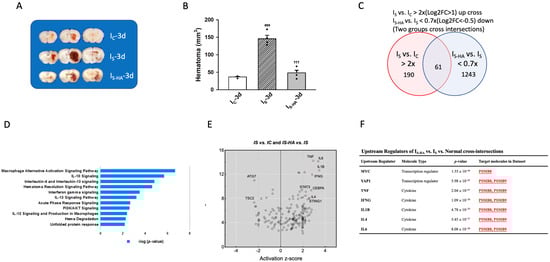
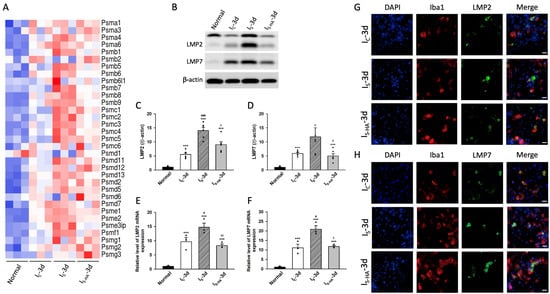
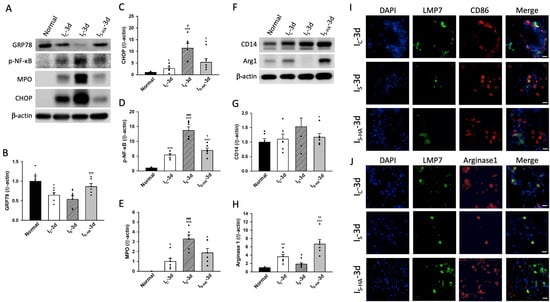
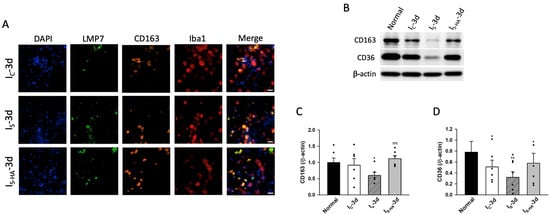
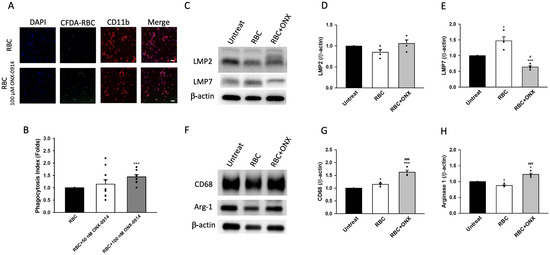
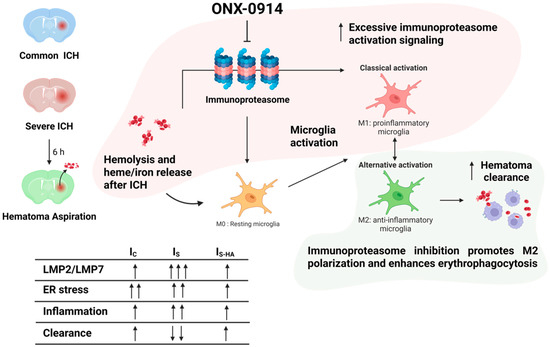
Intracerebral hemorrhage induces severe secondary brain injury characterized by excessive neuroinflammation and inefficient hematoma clearance, processes largely governed by microglial polarization and phagocytic activity. The immunoproteasome, an inducible proteasome isoform involved in immune regulation, has been implicated in inflammatory neurological disorders, but its role in microglial responses after ICH remains unclear. In this study, rat models of common hemorrhage, severe hemorrhage, and severe hemorrhage with hematoma aspiration were used to represent graded injury severity and post-evacuation recovery. Transcriptomic profiling at day 3 post-injury identified immunoproteasome-associated gene networks, while expression of the catalytic subunits LMP2 and LMP7, microglial polarization markers, and phagocytic receptors was analyzed by Western blotting and immunofluorescence. Severe hemorrhage markedly induced LMP2 and LMP7 expression, predominantly in Iba1+ microglia, accompanied by enhanced ER stress, NF-κB signaling, and M1-like polarization and reduced phagocytic marker expression. Hematoma aspiration attenuated immunoproteasome expression and restored M2-associated and phagocytic signatures. Consistently, pharmacological inhibition of immunoproteasomes in primary microglia enhanced erythrophagocytosis and promoted a reparative phenotype in vitro. These findings indicate that immunoproteasome activation links hemorrhagic severity to maladaptive microglial polarization and impaired hematoma clearance after ICH, and that reducing immunoproteasome expression may help rebalance inflammatory and phagocytic microglial functions. Full article
(This article belongs to the Section Cellular Neuroscience)
Show Figures

Figure 1

22 pages, 2704 KB  
Article
Pre-Transport Temporary Rearing Across Different Low Temperatures: Impacts on Stress Responses and Muscle Quality in Large Yellow Croaker (Larimichthys crocea)
by Shiliang Dong, Maninder Meenu, Huamao Wei, Yuhang He, Zhoudi Miao, Jinxing Xiao and Ying Liu
Fishes 2026, 11(4), 221; https://doi.org/10.3390/fishes11040221 (registering DOI) - 9 Apr 2026
Abstract
The large yellow croaker (Larimichthys crocea) is a high-value marine fish, but stress during live transport often leads to physiological disturbance and deterioration of muscle quality. This study investigated the effects of pre-transport temporary rearing at three temperatures (8, 10, and [...] Read more.
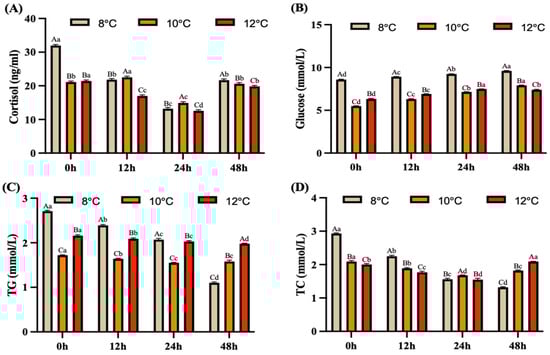
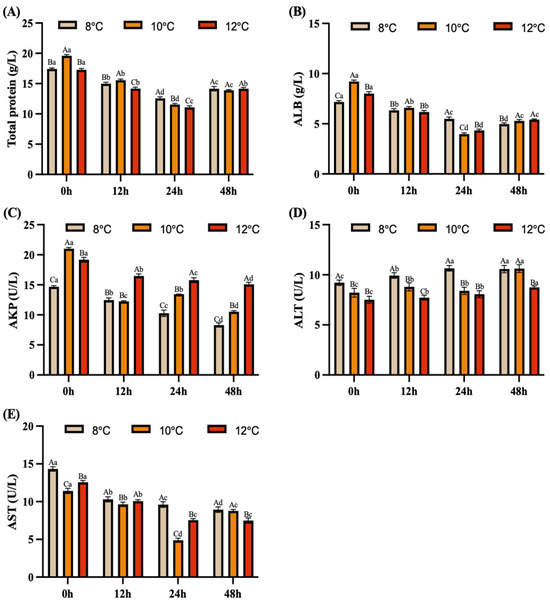
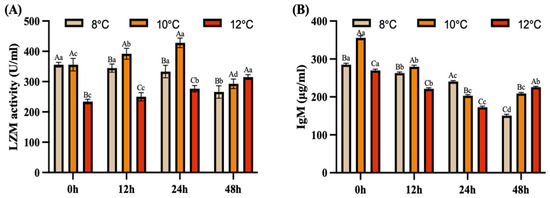
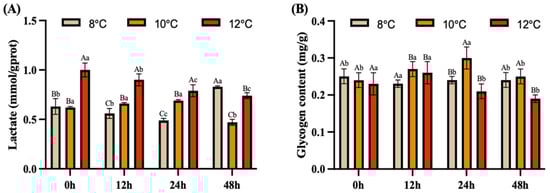
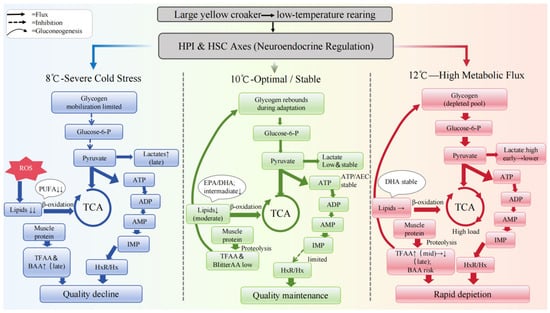
The large yellow croaker (Larimichthys crocea) is a high-value marine fish, but stress during live transport often leads to physiological disturbance and deterioration of muscle quality. This study investigated the effects of pre-transport temporary rearing at three temperatures (8, 10, and 12 °C) over 48 h on stress response, energy allocation, and muscle quality in this fish species. Temporary rearing at 8 °C induced stronger cold stress, characterised by elevated cortisol, marked lipid mobilisation, late lactate rebound, and greater loss of polyunsaturated fatty acids, indicating enhanced stress–catabolism coupling and higher risk of quality deterioration. In contrast, 12 °C did not sufficiently suppress metabolic turnover, resulting in continuous glycogen depletion, rapid ATP degradation, and accelerated accumulation of bitter-tasting nucleotide metabolites such as hypoxanthine. Among the tested temperatures, 10 °C showed the most coordinated response, with relatively stable endocrine status, moderate substrate utilisation, lower accumulation of undesirable degradation products, and better preservation of texture, water-holding capacity, and flavour-related precursors. These findings suggest that 10 °C is a promising pre-transport temporary rearing temperature for large yellow croakers under the present 48 h experimental conditions. The advantage of this temperature appears to lie in achieving a more favourable balance between metabolic suppression and physiological homeostasis, thereby providing a scientific basis for improving pre-transport rearing management and supporting safer, more stable live transport. Future studies incorporating behavioural and molecular indicators are needed to further clarify the regulatory effects of 10 °C during pre-transport rearing. Full article
Show Figures

Figure 1

24 pages, 674 KB  
Review
Defining a New IoT-Enabled Smart Grid Sustainable Business Model: Success Factors in Three EU Blockchain-Driven Projects
by Riccardo Carnevale and Cosimo Damiano Carpentiere
Sustainability 2026, 18(8), 3711; https://doi.org/10.3390/su18083711 (registering DOI) - 9 Apr 2026
Abstract
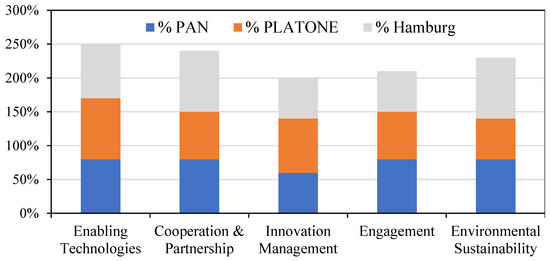
This paper investigates blockchain applications in the EU’s energy sector, particularly its integration into Internet of Things (IoT)-enabled smart grid systems. The study begins by mapping current EU regulations and incentives for smart energy solutions and reviews emerging smart grid technologies across Europe. [...] Read more.
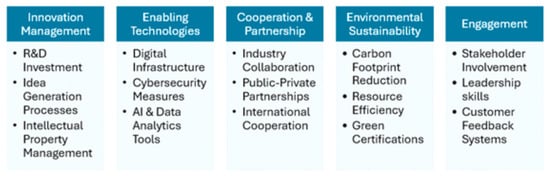
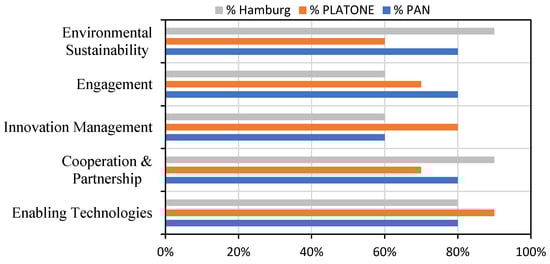
This paper investigates blockchain applications in the EU’s energy sector, particularly its integration into Internet of Things (IoT)-enabled smart grid systems. The study begins by mapping current EU regulations and incentives for smart energy solutions and reviews emerging smart grid technologies across Europe. The goal is to develop an Innovative Success Framework by analyzing European case studies, aiming to guide energy managers with practical strategies for improving smart grid efficiency. Key findings underscore the role of blockchain in ensuring secure, transparent energy transactions, addressing data security, energy distribution, and decentralized markets. Detailed case studies reveal common success factors: strong regulations, robust technology, and stakeholder engagement. The resulting framework aids energy managers in navigating smart grid complexities, promoting sustainable development through efficient, resilient, and low-carbon energy infrastructures. This research enriches discussions on smart energy, offering policymakers and industry professionals a tool to harness blockchain for advancing sustainable and secure energy systems in line with long-term EU development goals. Full article
(This article belongs to the Section Sustainable Management)
Show Figures

Figure 1

23 pages, 7609 KB  
Article
Performance Evaluation of Multi-Modal Radar Signal Processing in Dense Co-Existent Environments
by Anum Pirkani, Fatemeh Norouzian, Ali Bekar, Muge Bekar and Marina Gashinova
Sensors 2026, 26(8), 2317; https://doi.org/10.3390/s26082317 (registering DOI) - 9 Apr 2026
Abstract
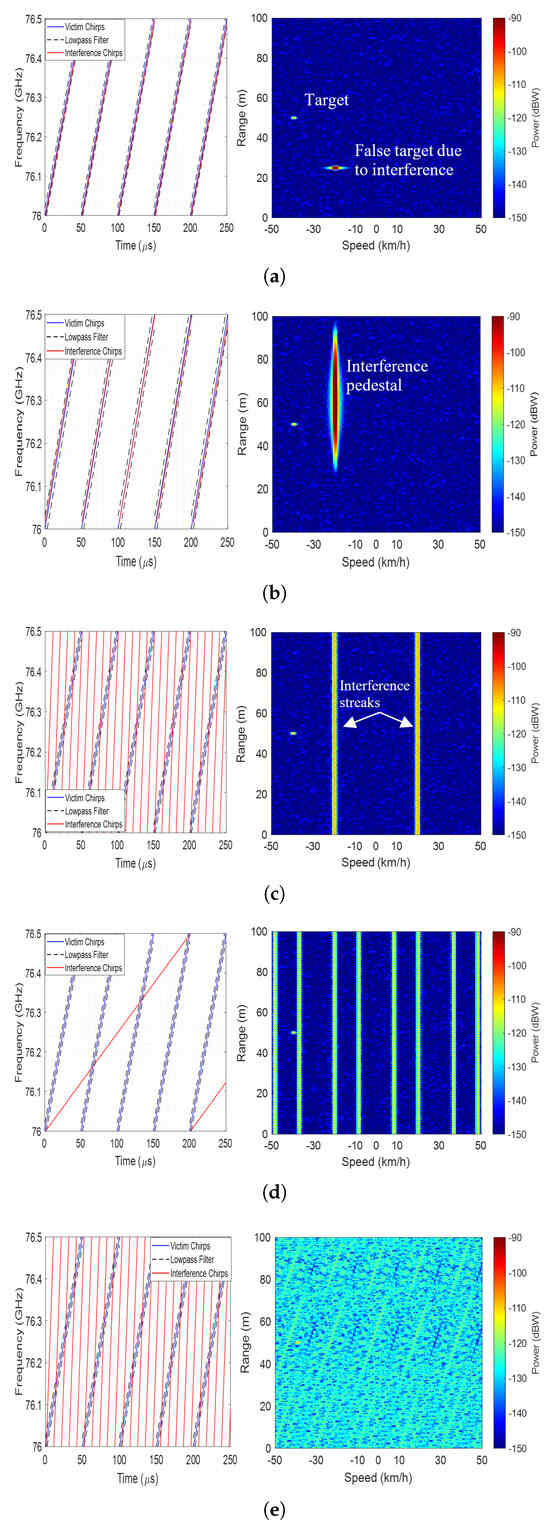
The wide-scale deployment of radars, distributed across a platform and across multiple platforms for reliable 360° situational awareness (SA), introduces the challenge of radar interference. Interference can broadly be categorised as self-interference (between radars mounted on the same platform) and mutual interference (signals [...] Read more.
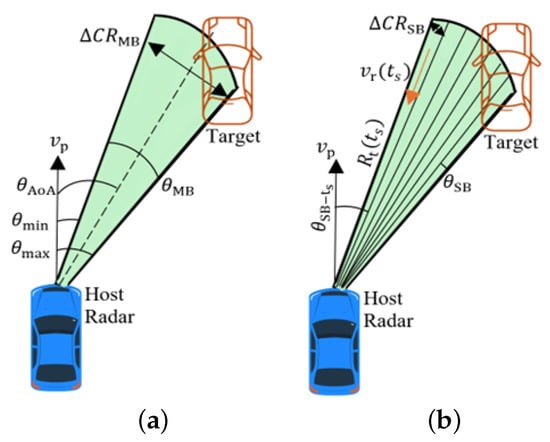
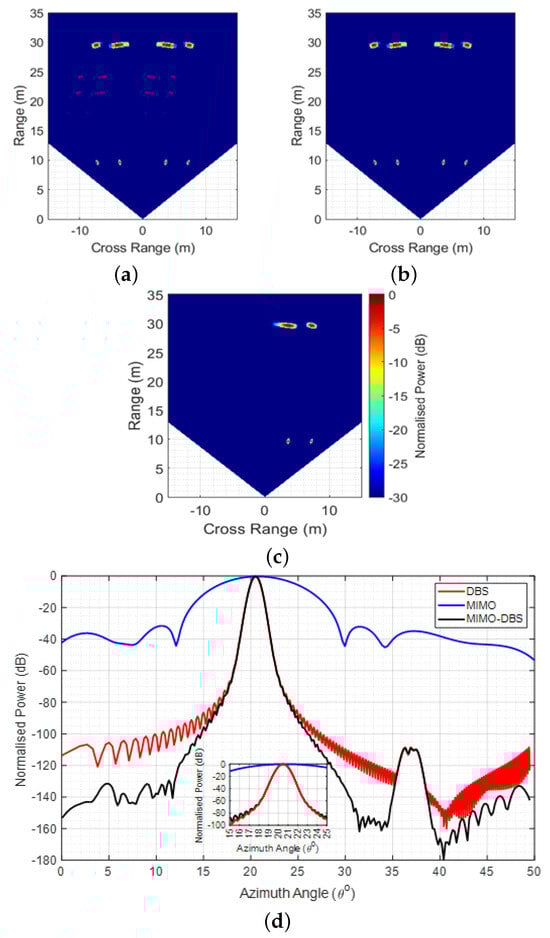
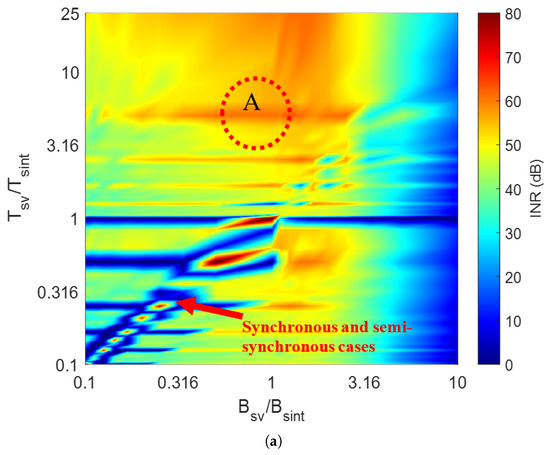
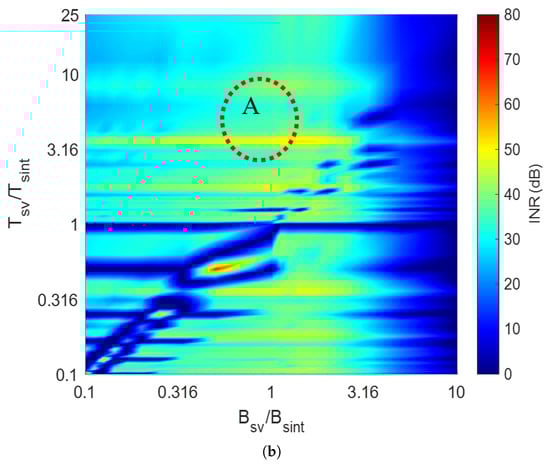
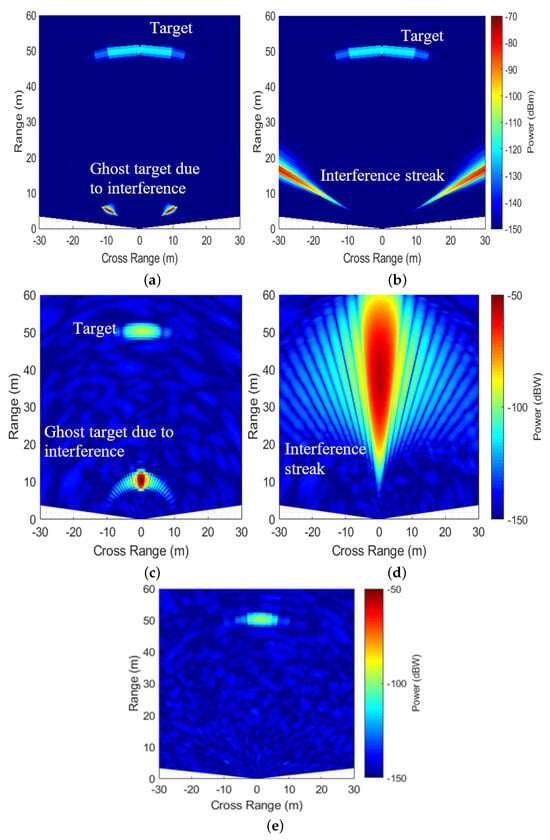
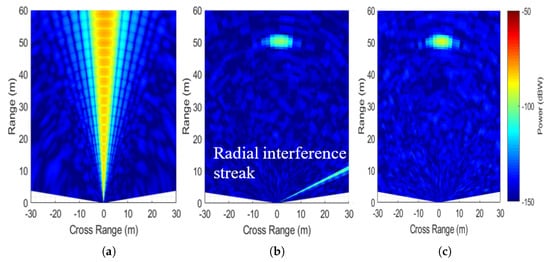
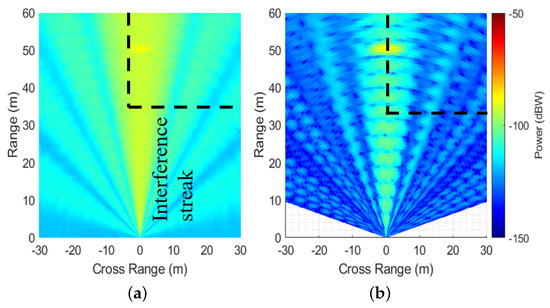
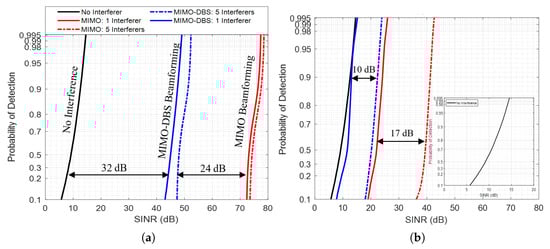
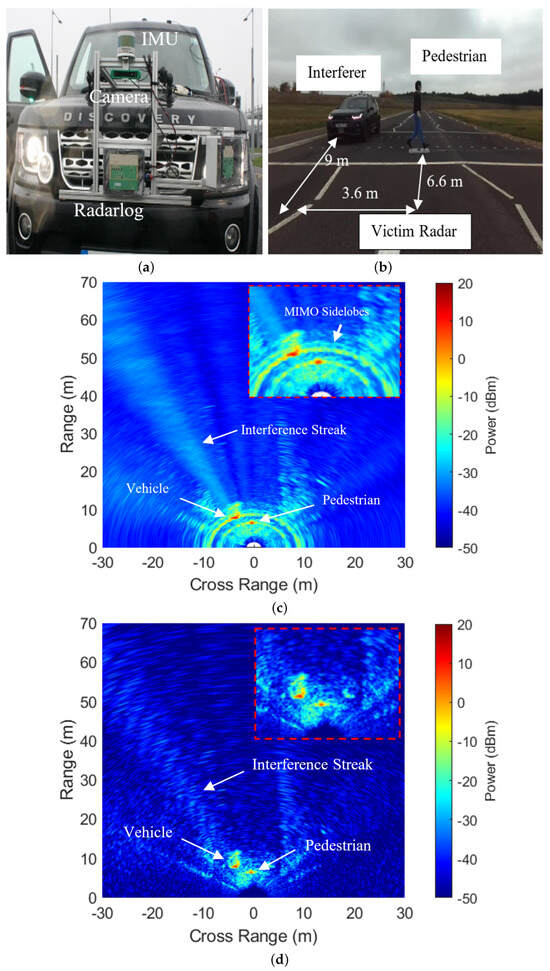
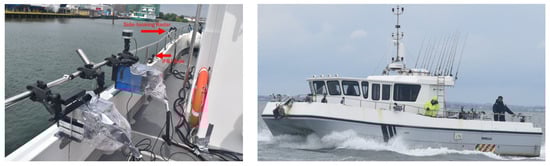
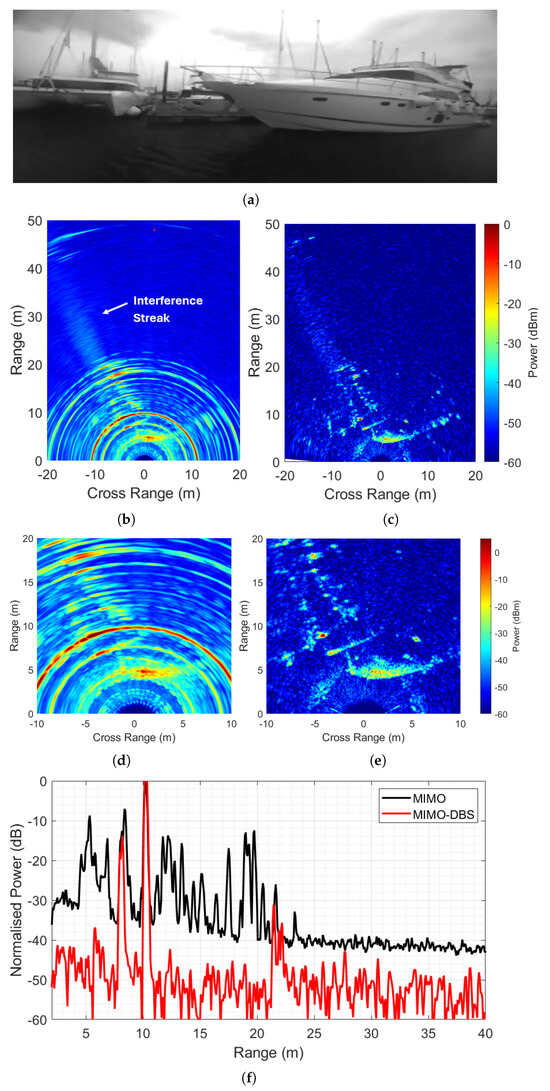
The wide-scale deployment of radars, distributed across a platform and across multiple platforms for reliable 360° situational awareness (SA), introduces the challenge of radar interference. Interference can broadly be categorised as self-interference (between radars mounted on the same platform) and mutual interference (signals received from radars on other platforms). Both types of interference impede the reliability of SA delivered by such systems, particularly in dense environments where numerous radars operate simultaneously within the same frequency band. This work presents a comprehensive evaluation of a multi-modal beamforming approach that combines unfocused synthetic aperture radar with the traditional Multiple-Input, Multiple-Output beamformer to enhance radar resolution and suppress interference. Additionally, various aspects of sensor configurations defining hardware and software capabilities of state-of-the-art radars are discussed, and a systematic analysis of signal-to-interference-plus-noise ratio at each step of the processing is presented. Extensive simulations and experimental results in both automotive and maritime environments are shown to validate the effectiveness of the proposed approach. Full article
Show Figures

Figure 1

23 pages, 309 KB  
Article
Knowledge, Attitudes and Practices Related to Antimicrobial Use and Resistance Among Livestock Sector Stakeholders in Seven Former Soviet Countries: A Multi-Country Regional Analysis
by Dora Kovacs, Eran Raizman, Anne Deckert, Chichak Aliyeva, Dragan Angelovski, Zaruhi Beglaryan, Duriya Charypkhan, Natalia Ciria, Tolibjon Khakimov, Maripa Kichinebatyrova, Elvira Maratova, Tamas Nagy, Anna Sargsyan, Oksana Yurchenko and Daniel Beltran-Alcrudo
Antibiotics 2026, 15(4), 384; https://doi.org/10.3390/antibiotics15040384 (registering DOI) - 9 Apr 2026
Abstract
Background/Objectives: Antimicrobial resistance (AMR) is one of the greatest health threats affecting humans, animals and the environment. Antimicrobial use (AMU) in the livestock sector contributes to the development and spread of AMR, highlighting the need to understand the current situation, to target knowledge [...] Read more.
Background/Objectives: Antimicrobial resistance (AMR) is one of the greatest health threats affecting humans, animals and the environment. Antimicrobial use (AMU) in the livestock sector contributes to the development and spread of AMR, highlighting the need to understand the current situation, to target knowledge gaps and non-prudent practices with tailored interventions, and improve antimicrobial stewardship. This is especially important in low- and middle-income countries (LMICs), where data on AMU and AMR are currently limited. This study assessed knowledge, attitudes and practices (KAP) among farmers, veterinarians, veterinary pharmacy personnel and feed mill personnel related to AMU (particularly considering the use of antibiotics) and AMR in seven former Soviet countries, Armenia, Azerbaijan, Georgia, Kazakhstan, Kyrgyzstan, Tajikistan and Ukraine. Methods: Face-to-face interviews were conducted between 2020 and 2025 with 3012 participants, with results analyzed using an aggregated regional approach. Results: The interviews revealed common regional knowledge gaps and practices among livestock sector stakeholders related to antimicrobials, AMR, antimicrobial residues, and prudent AMU. Non-prudent practices, such as the purchase of antimicrobials without a prescription, the use of antimicrobials as growth promoters, the inappropriate disposal of antimicrobials, and the frequent use of highest priority critically important antimicrobials (HPCIAs) were reported. Another factor that may hinder prudent AMU was the limited access of veterinarians to diagnostic laboratories. Conclusions: Despite significant global efforts to tackle AMR, there is an ongoing need to address knowledge gaps and non-prudent practices of livestock sector stakeholders in former Soviet countries. The findings highlight the importance of antimicrobial stewardship interventions that address system-level drivers of improper AMU beyond stakeholder trainings. Full article
21 pages, 8764 KB  
Article
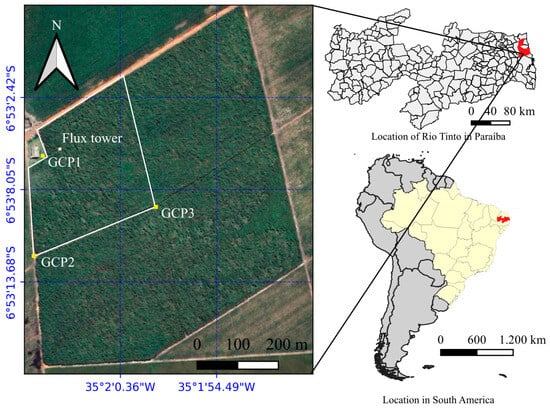
Modeling Sugar Cane Evapotranspiration Using UAV Thermal and Multispectral Images in Northeast Brazil
by Marcos Elias de Oliveira, Júnior, Alexandre Ferreira do Nascimento, Ericka Aguiar Carneiro, Guillaume Francis Bertrand, Lúcio André de Castro Jorge, Érick Rúbens Oliveira Cobalchini, Edson Wendland, Valéria Peixoto Borges and Davi de Carvalho Diniz Melo
AgriEngineering 2026, 8(4), 149; https://doi.org/10.3390/agriengineering8040149 (registering DOI) - 9 Apr 2026
Abstract
Understanding crop water use is essential for improving agricultural water management and ensuring sustainable food production, especially in regions with limited water resources. Evapotranspiration (ET) is a key component of the hydrological cycle, directly influencing irrigation planning and crop productivity. However, accurately estimating [...] Read more.
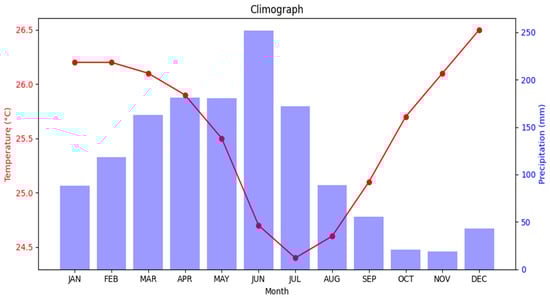
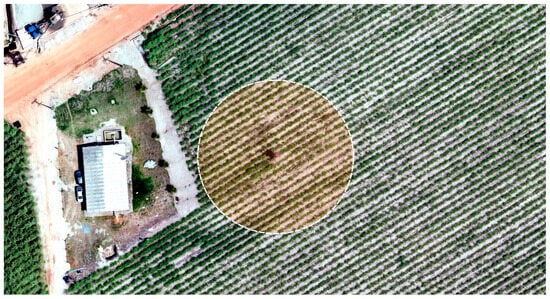
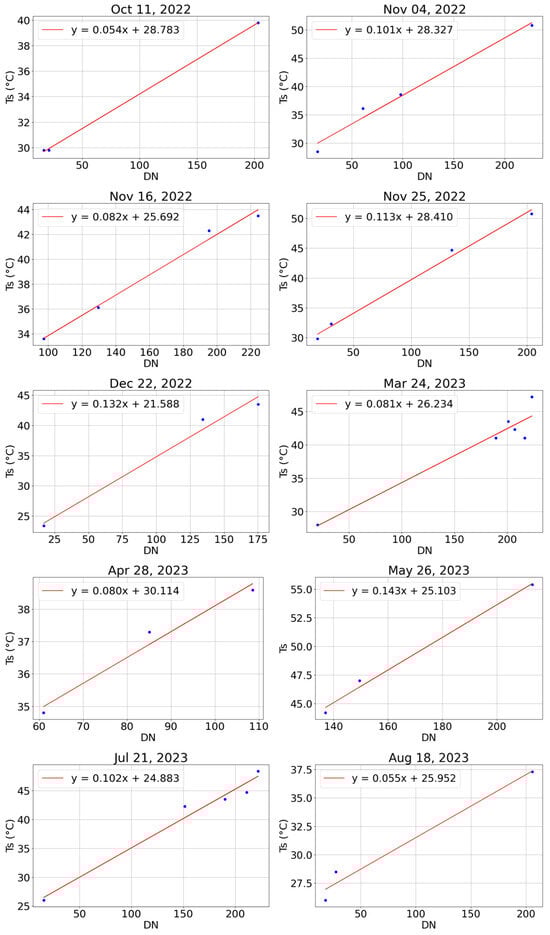
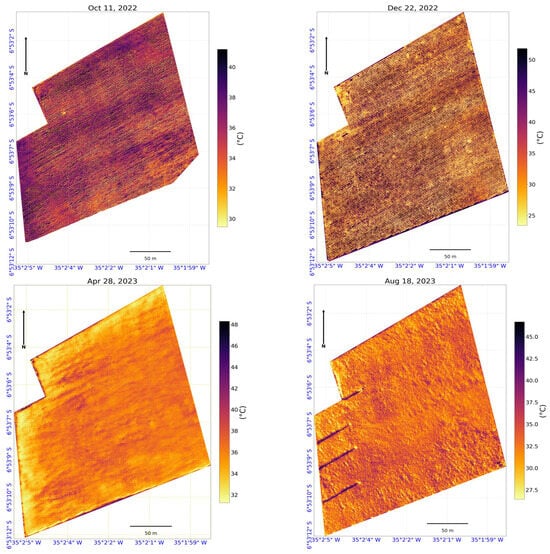
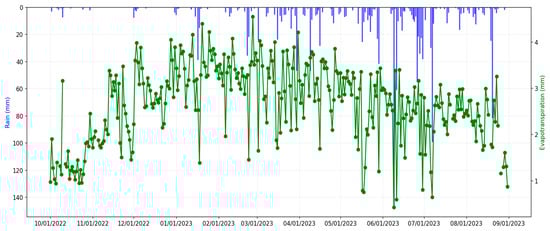
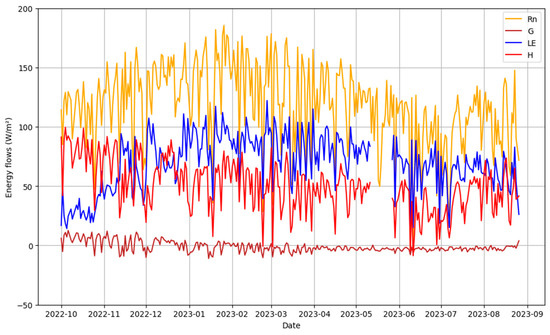
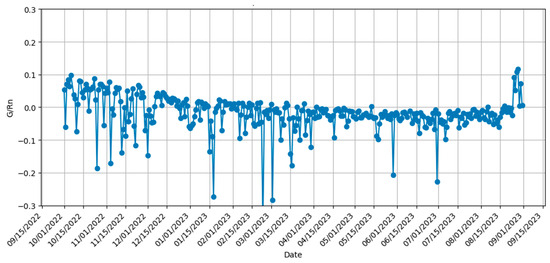
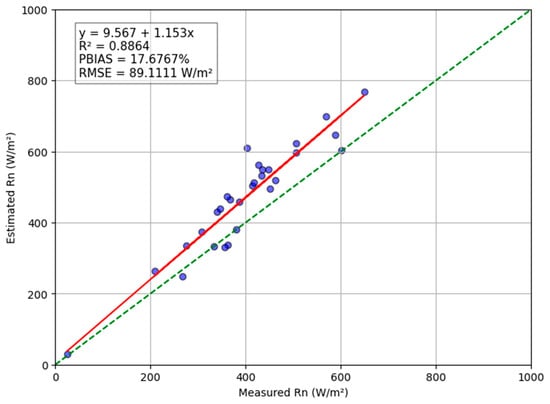
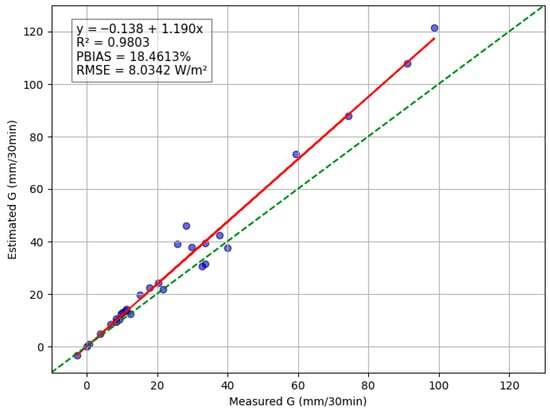
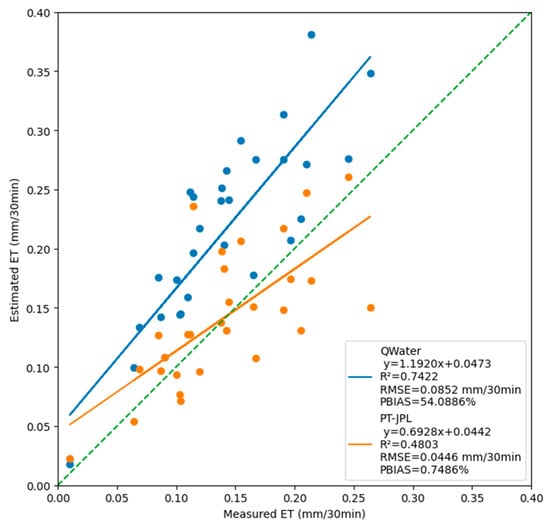
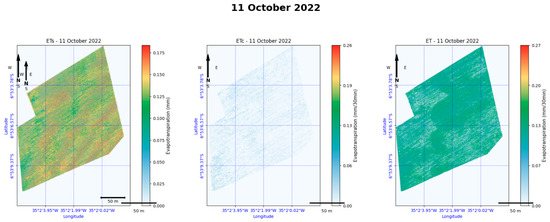
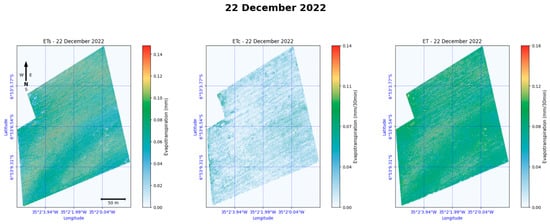
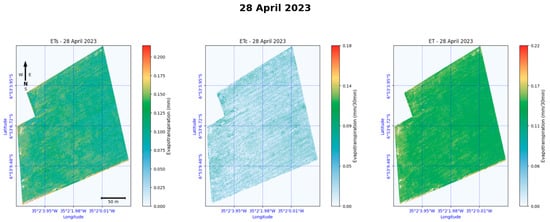
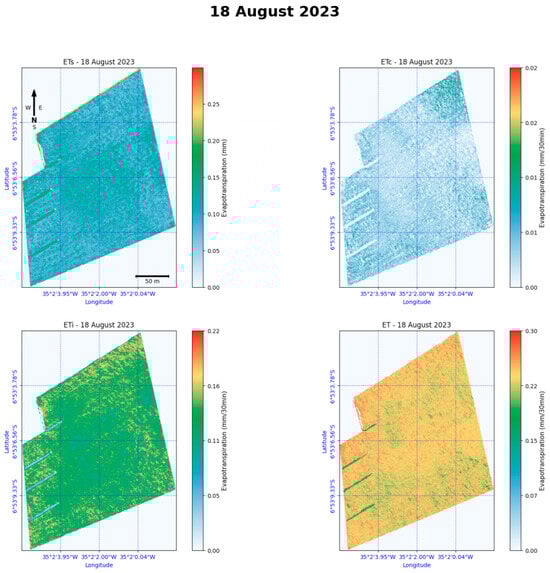
Understanding crop water use is essential for improving agricultural water management and ensuring sustainable food production, especially in regions with limited water resources. Evapotranspiration (ET) is a key component of the hydrological cycle, directly influencing irrigation planning and crop productivity. However, accurately estimating ET at local scales remains a challenge due to the limitations of conventional measurement methods and the difficulty of integrating high-resolution remote sensing data. This study investigates the estimation of terrestrial evapotranspiration (ET) in a sugarcane cultivation area located in the northern coastal region of Paraíba, Brazil, using meteorological data and aerial images acquired by an Unmanned Aerial Vehicle (UAV). We adapted the PT-JPL model to estimate ET at the local scale, using thermal and multispectral imagery obtained from UAVs. Data validation was performed using surface energy balance measurements obtained from a micrometeorological tower, thereby enabling comparison of estimated and observed ET values. The results demonstrated strong correlations between modeled predictions and field measurements of net radiation (R2 = 0.85), with performance metrics indicating moderate reliability for local-scale simulated ET when compared to flux-tower-based ET (R2 = 0.48; RMSE ≈ 0.045 mm/30 min). This research highlights the potential of integrating UAV-based remote sensing with the PT-JPL model to improve understanding of crop water use, support irrigation management, and contribute to sustainable agricultural practices. Full article
Show Figures

Figure 1

15 pages, 1310 KB  
Article
Redox Mechanisms of Silica-Supported Ni Particles: An X-Ray Absorption Fine Structure Investigation
by Eka Novitasari, Kodai Ohta, Asaka Azuma, Yasuhiro Niwa, Masao Kimura and Yasuhiro Inada
Materials 2026, 19(8), 1509; https://doi.org/10.3390/ma19081509 (registering DOI) - 9 Apr 2026
Abstract
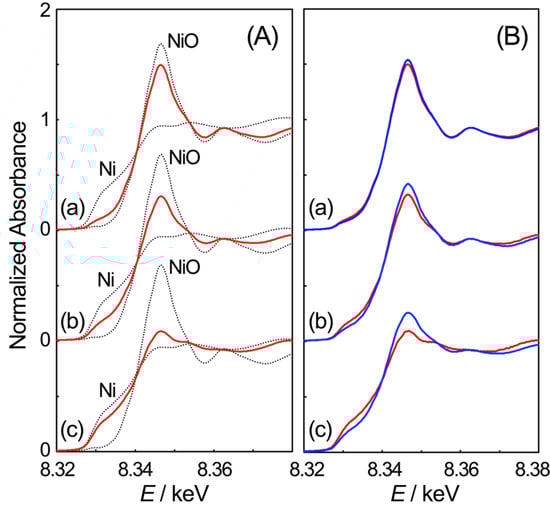
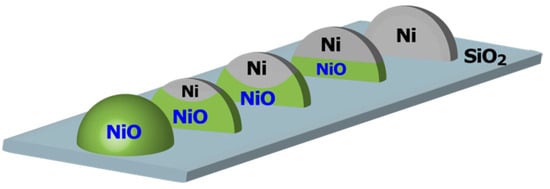
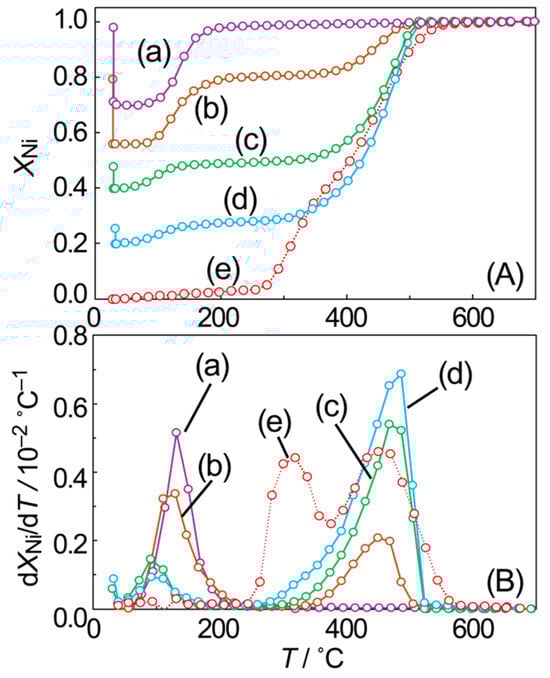
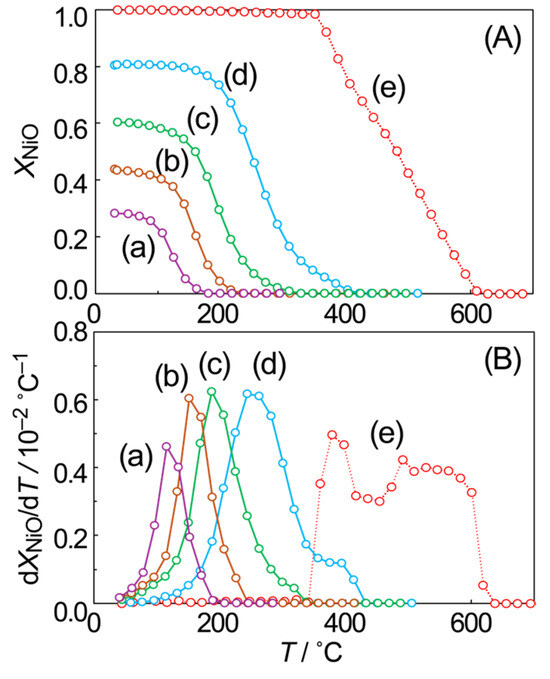
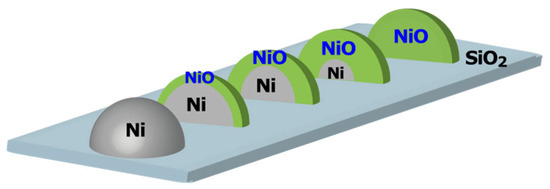
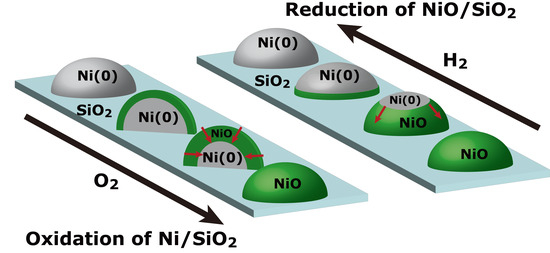
The redox mechanisms of silica-supported Ni particles were investigated using their in situ X-ray absorption fine structure, providing mechanistic insights into partially reduced NiO and partially oxidized metallic Ni. The results of surface oxidation of partially reduced NiO particles at room temperature revealed [...] Read more.
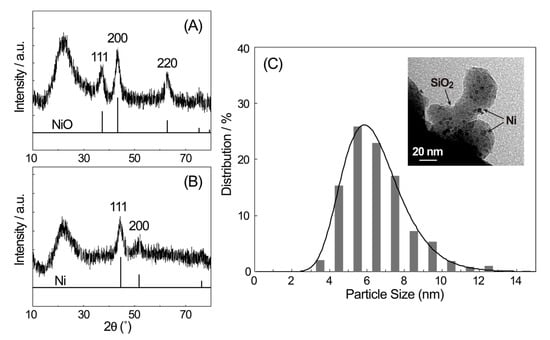
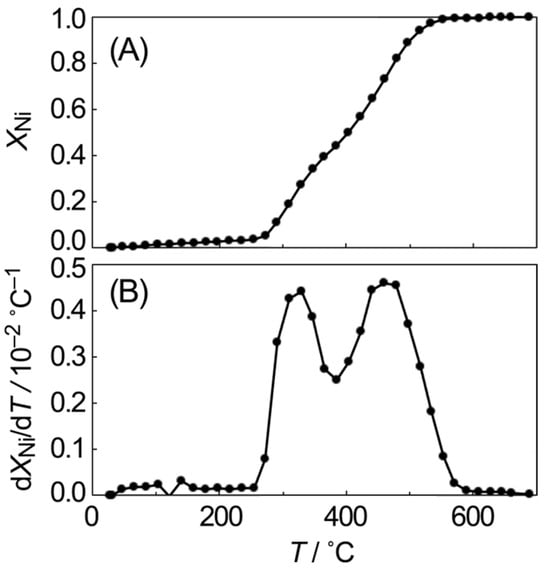
The redox mechanisms of silica-supported Ni particles were investigated using their in situ X-ray absorption fine structure, providing mechanistic insights into partially reduced NiO and partially oxidized metallic Ni. The results of surface oxidation of partially reduced NiO particles at room temperature revealed that the surface was not fully covered with metallic Ni and that metallic Ni had also formed within the particle interior. During NiO particle reduction, the process initiates at specific surface sites, and before the metallic Ni phase fully covers the surface, O2− ions are expelled from the particle. Conversely, the oxidation of metallic Ni particles progresses inward from the surface, with an accompanying increase in the thickness of the NiO layer that forms upon O2 exposure at room temperature. This mechanism is supported by observations that the reduction of a thin NiO shell on metallic Ni particles was completed below 200 °C, while reduction temperatures shifted to higher values as the NiO layer thickness increased. The distinct oxidation and reduction mechanisms are attributed to differences in the migration direction of O2− ions. During reduction, it is proposed that O2− ions within the particles migrate to the surface along the interface between the NiO phase and the metallic Ni phase. This study elucidates the detailed mechanism behind the redox interconversion between NiO and metallic Ni in solid catalyst particles. Full article
(This article belongs to the Section Catalytic Materials)
Show Figures

Graphical abstract

19 pages, 2371 KB  
Article
Ethanolic Extract of Padina arborescens Suppresses Melanogenesis and Attenuates UVB-Induced Photodamage in Cellular and Zebrafish Models
by Yun-Su Lee, Wook-Chul Kim, Kyeong Min Lee, Seo-Rin Jung, Seung Tae Im, Min-Cheol Kang and Seung-Hong Lee
Int. J. Mol. Sci. 2026, 27(8), 3382; https://doi.org/10.3390/ijms27083382 (registering DOI) - 9 Apr 2026
Abstract
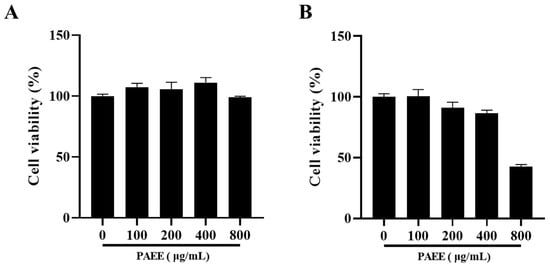
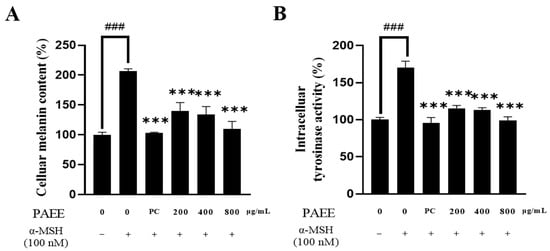
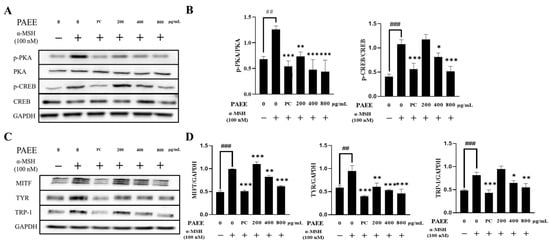
Ultraviolet (UV) irradiation induces complex skin damage, including hyperpigmentation, oxidative stress, and alterations in proteins related to keratinocyte differentiation and epidermal barrier-associated status. This study investigated the multifunctional protective effects of Padina arborescens ethanolic extract (PAEE) against skin damage in melanocytes, keratinocytes, and [...] Read more.
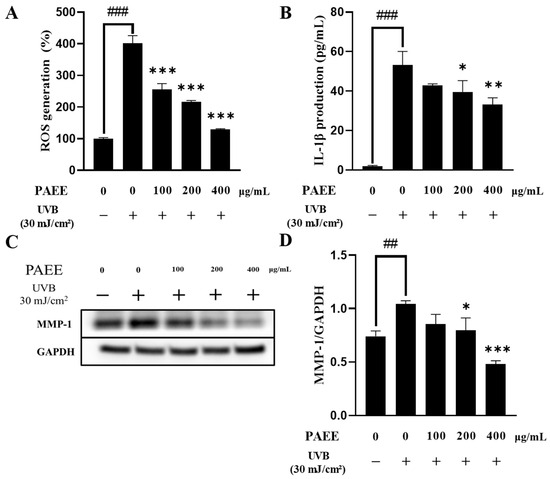
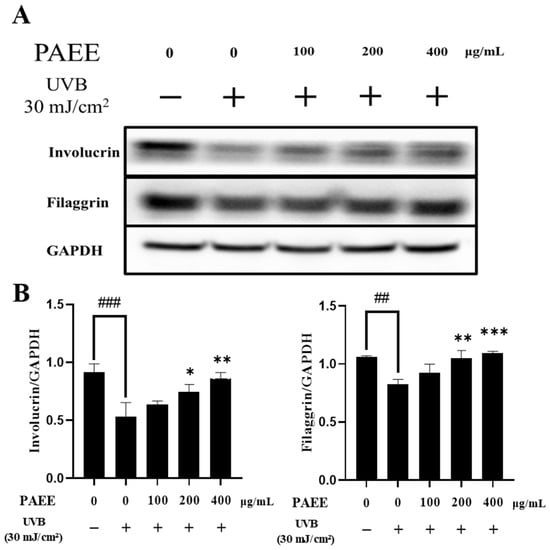
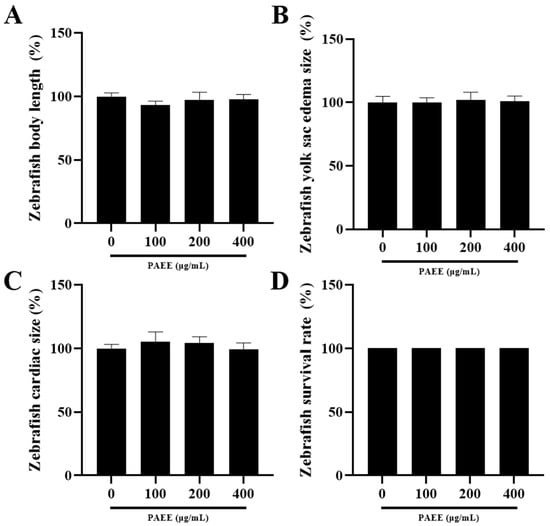
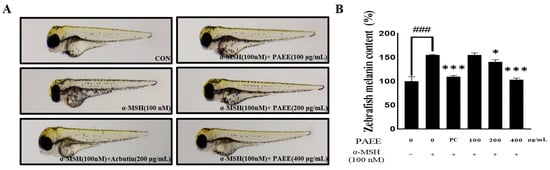
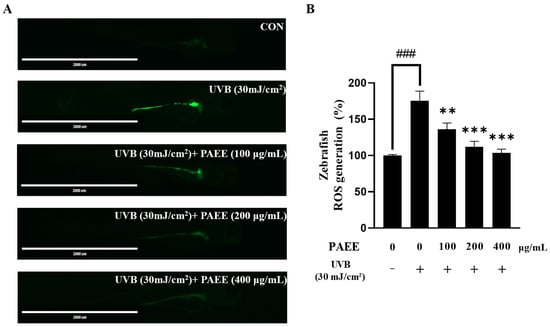
Ultraviolet (UV) irradiation induces complex skin damage, including hyperpigmentation, oxidative stress, and alterations in proteins related to keratinocyte differentiation and epidermal barrier-associated status. This study investigated the multifunctional protective effects of Padina arborescens ethanolic extract (PAEE) against skin damage in melanocytes, keratinocytes, and zebrafish. In alpha-melanocyte-stimulating hormone (α-MSH)-stimulated B16F10 cells, PAEE effectively suppressed the protein kinase A (PKA)/cyclic adenosine monophosphate (cAMP) response element-binding protein (CREB) signaling pathway, which was associated with reduced expression of microphthalmia-associated transcription factor (MITF) and tyrosinase, leading to decreased melanin synthesis. PAEE also exhibited photoprotective properties by reducing reactive oxygen species (ROS), inhibiting interleukin-1 beta (IL-1β), and attenuating matrix metalloproteinase-1 (MMP-1) upregulation associated with UVB (ultraviolet B)-induced photodamage in HaCaT keratinocytes. Notably, PAEE restored the UVB-reduced expression of filaggrin and involucrin, representative markers of keratinocyte differentiation and epidermal barrier-associated status, in HaCaT keratinocytes. In zebrafish embryos, PAEE suppressed α-MSH-induced melanin accumulation and UVB-induced ROS generation at non-toxic concentrations. Taken together, these results suggest that PAEE exerts anti-melanogenic and photoprotective effects in cellular and zebrasfish models and may serve as a promising marine-derived ingredient for cosmeceutical applications targeting UVB-related skin damage. Full article
(This article belongs to the Special Issue Functions and Applications of Natural Products: 2nd Edition)
Show Figures

Figure 1

27 pages, 1991 KB  
Review
Oxygen-Releasing Calcium Peroxide Nanoparticles for Biomedical Applications: From Synthesis to Clinical Relevance
by Beatriz Pereira and Catarina Santos
Appl. Sci. 2026, 16(8), 3678; https://doi.org/10.3390/app16083678 (registering DOI) - 9 Apr 2026
Abstract
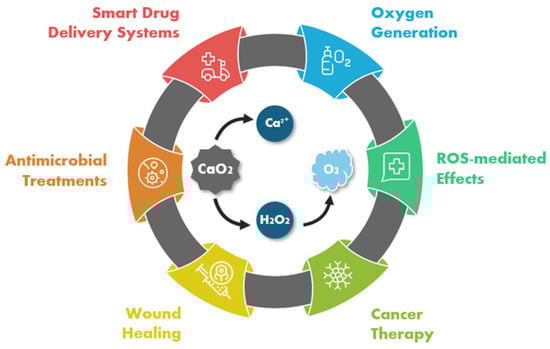
Calcium peroxide nanoparticles (CaO2 NPs) have recently attracted increasing attention as oxygen-generating nanomaterials with potential biomedical applications. Their ability to release molecular oxygen and reactive oxygen species (ROS) in aqueous environments enables modulation of hypoxic and oxidative microenvironments, which play critical roles [...] Read more.
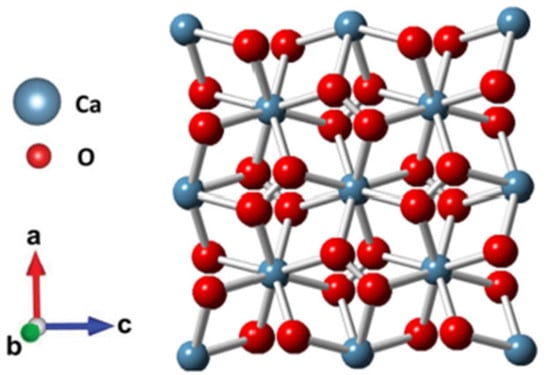
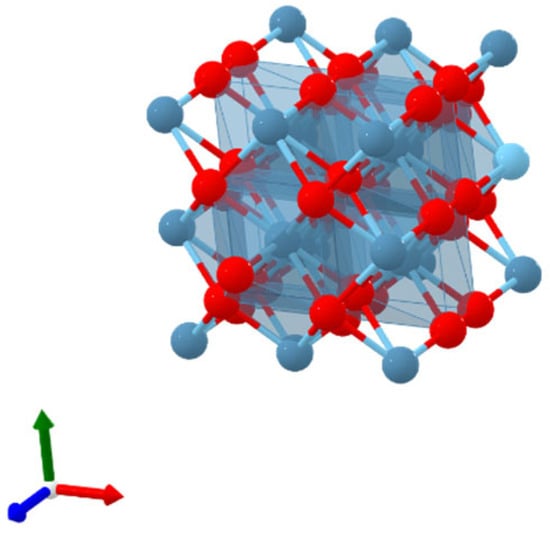
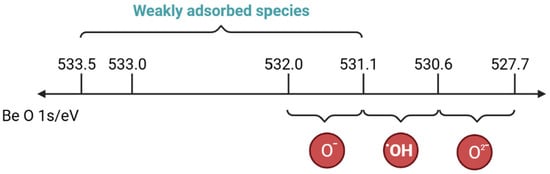
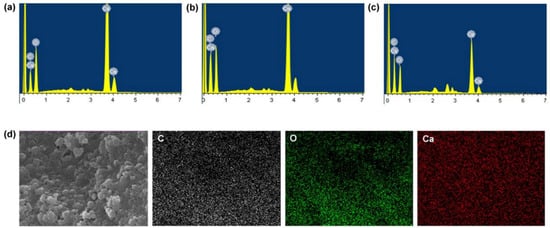
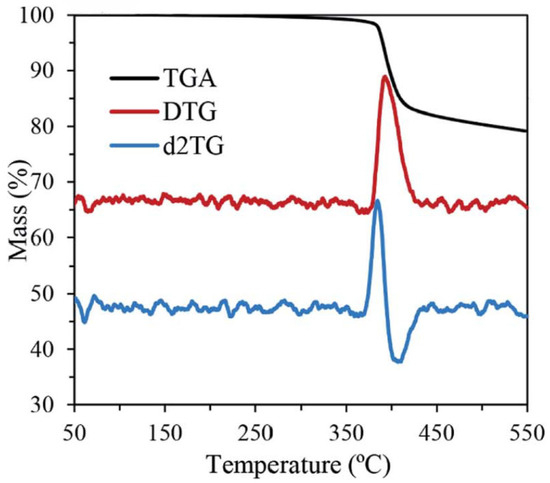
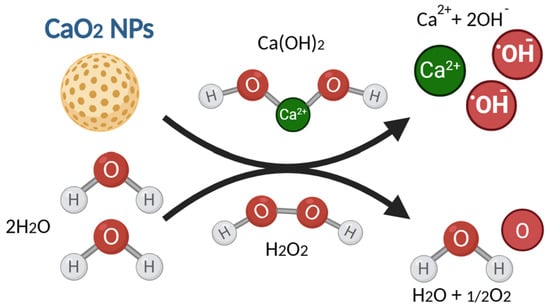
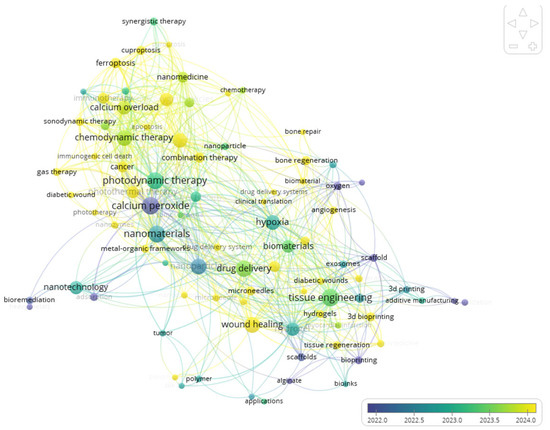
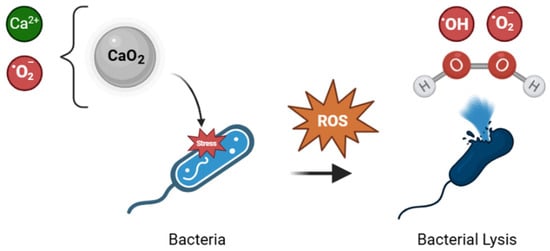
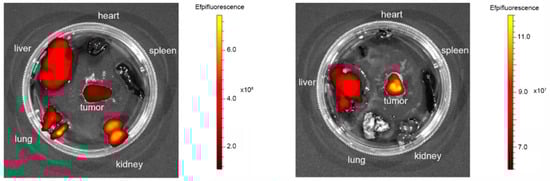
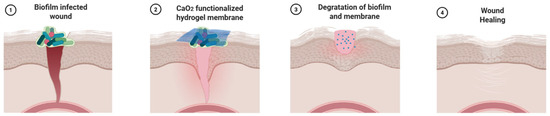
Calcium peroxide nanoparticles (CaO2 NPs) have recently attracted increasing attention as oxygen-generating nanomaterials with potential biomedical applications. Their ability to release molecular oxygen and reactive oxygen species (ROS) in aqueous environments enables modulation of hypoxic and oxidative microenvironments, which play critical roles in infection control, tumor progression, and tissue regeneration. Despite growing interest in oxygen-releasing biomaterials, the literature specifically addressing CaO2 nanomaterials remains comparatively limited and fragmented, particularly when compared with the extensive body of work on calcium oxide-based systems. This review provides a comprehensive overview of CaO2 nanoparticles, focusing on synthesis strategies, physicochemical properties, and emerging biomedical applications. Conventional bottom-up synthesis routes based on calcium salts, calcium hydroxide, and calcium oxide are critically compared, highlighting the influence of reaction parameters and stabilizing agents on particle size, morphology, crystallinity, and colloidal stability. Surface modification strategies, including polyethylene glycol, polyvinylpyrrolidone, and hyaluronic acid, are also discussed for their role in improving nanoparticle stability, regulating decomposition kinetics, and enhancing biocompatibility. The mechanisms governing oxygen and ROS generation are analysed in relation to antibacterial activity, hypoxia alleviation in tumor microenvironments, and oxygen-supplying biomaterials for tissue engineering and wound healing. In addition, key challenges associated with oxidative stress responses are discussed. Finally, the review outlines current limitations and perspectives regarding the clinical translation of CaO2-based nanotherapeutic systems. Overall, this work aims to consolidate the currently dispersed knowledge on CaO2 nanoparticles and provide a critical framework to guide future research in oxygen-releasing nanomedicine. Full article
Show Figures

Figure 1

27 pages, 4848 KB  
Article
Exploring Domestic Lighting Practices in Adulthood and Early Ageing
by Turid Borgestrand Øien, Nanet Mathiasen, Anne Kathrine Frandsen and Senja Ruohonen
Appl. Sci. 2026, 16(8), 3671; https://doi.org/10.3390/app16083671 (registering DOI) - 9 Apr 2026
Abstract
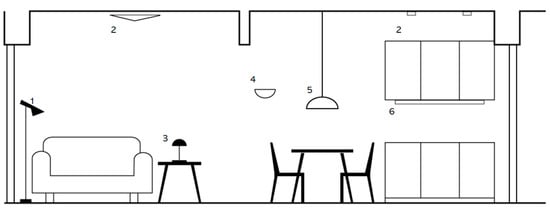
Understanding lighting practices is crucial for ensuring social robustness and sensitivity to context when implementing technical solutions in real-life settings. As lighting can create functional, sustainable, and aesthetically pleasing environments, it is important to bridge the gap between scientific knowledge and social and [...] Read more.
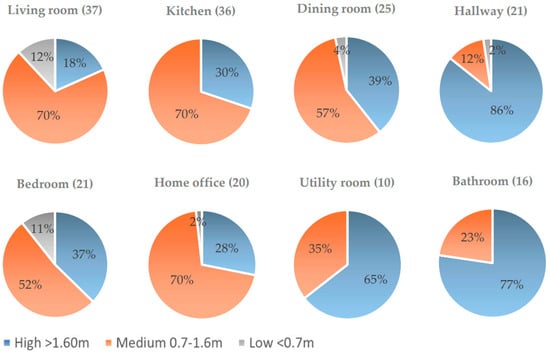
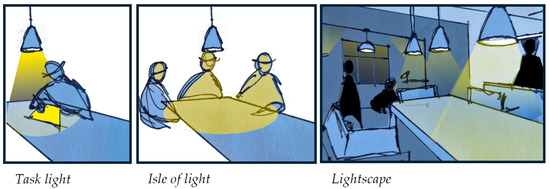
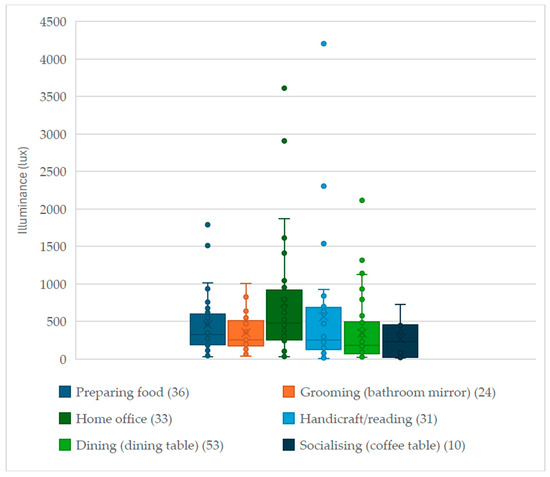
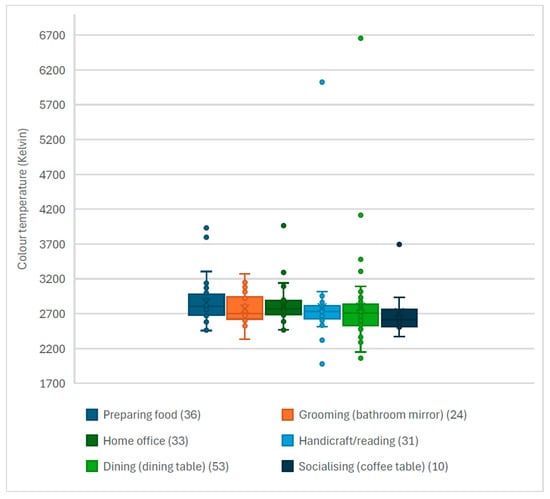
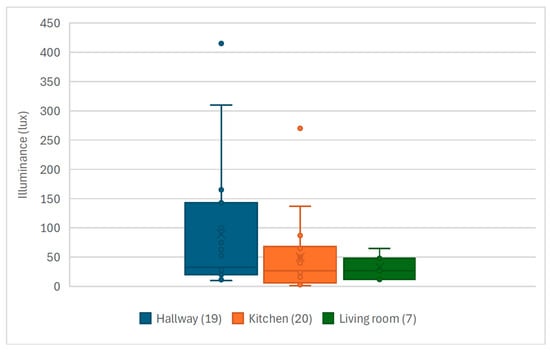
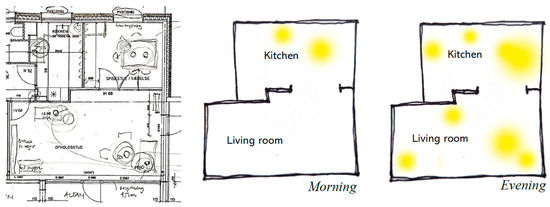
Understanding lighting practices is crucial for ensuring social robustness and sensitivity to context when implementing technical solutions in real-life settings. As lighting can create functional, sustainable, and aesthetically pleasing environments, it is important to bridge the gap between scientific knowledge and social and physical situations. Domestic lighting is no exception; however, the sociocultural, perceptual, and sensory qualities of light have been neglected in engineering-oriented practices, while ethnographic approaches to domestic lighting seldom cover the material and technical aspects of the phenomenon. The role of light evolves according to people’s changing needs and abilities, as seen in age-related changes and incipient vision loss, so a broader understanding of domestic lighting practices can help in preparing for senior life. Combining methods from ethnography, architecture, and engineering, this article provides new knowledge on the dynamics of the socio-technical elements of domestic lighting. Interviews, lighting measurements, and field observations conducted in 37 Danish homes revealed that the mundane, everyday practices of the home environment embody patterns as well as diverging conventions and norms. People navigate their domestic lighting in accordance with specific activities and orchestrate micro-atmospheres between light and darkness, resulting in a composite palette of task light, isles of light, and lightscapes. Full article
Show Figures

Figure 1

26 pages, 1016 KB  
Review
Burn Infections and Sepsis: Challenges and Future Prospects of Antibacterial Therapy
by Ghazaleh Dadashizadeh, Margarita Elloso and Marc G. Jeschke
Antibiotics 2026, 15(4), 383; https://doi.org/10.3390/antibiotics15040383 (registering DOI) - 9 Apr 2026
Abstract
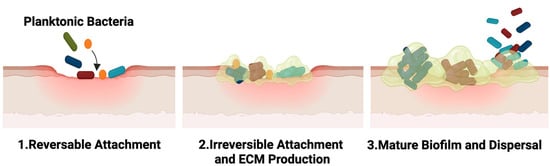
Infectious complications remain a principal determinant of late morbidity and mortality following major thermal injury, reflecting a convergence of barrier disruption, microbial adaptation, and host immune dysfunction. The post-burn environment creates a uniquely permissive niche for pathogen persistence, characterized by altered tissue perfusion, [...] Read more.
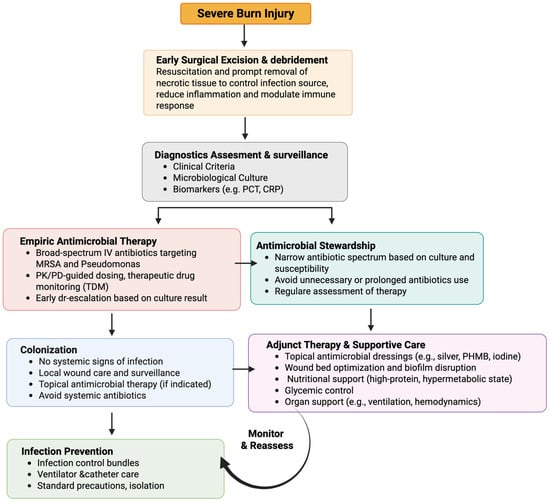
Infectious complications remain a principal determinant of late morbidity and mortality following major thermal injury, reflecting a convergence of barrier disruption, microbial adaptation, and host immune dysfunction. The post-burn environment creates a uniquely permissive niche for pathogen persistence, characterized by altered tissue perfusion, biofilm formation, and dynamic shifts in microbial ecology toward multidrug-resistant organisms. Concurrently, profound and evolving changes in host immunity and metabolism reshape both susceptibility to infection and response to therapy. This review integrates current evidence across pathophysiology, microbiology, diagnostics, and treatment, with a focus on challenges that limit effective infection control in burn patients. Particular attention is given to diagnostic uncertainty arising from overlap between sterile inflammation and true infection, the clinical implications of biofilm-associated tolerance, and the impact of burn-specific pharmacokinetic variability on antimicrobial efficacy. We further examine emerging diagnostic and therapeutic innovations, including host-response profiling, rapid molecular detection platforms, and next-generation anti-infective strategies targeting microbial virulence, biofilm structure, and host immune pathways. Despite substantial scientific advances, translation into clinical practice remains constrained by limited burn-specific trials, heterogeneous definitions, and systemic barriers to antimicrobial development. Collectively, these challenges underscore the need for integrated, precision-based approaches that combine early source control, individualized antimicrobial optimization, and advanced diagnostic frameworks. Future progress will depend on coordinated efforts to standardize definitions, generate high-quality multicenter data, and align innovation with clinical applicability across diverse healthcare settings. Full article
Show Figures

Figure 1

21 pages, 2524 KB  
Review
Autophagy–Actin Crosstalk: Implications for Cellular Homeostasis and Disease
by Adelaide Ohui Fierti, Rachel Geneva Rozsa, Anjali Potu, Anam Tajammal and Hui Li
Cells 2026, 15(8), 665; https://doi.org/10.3390/cells15080665 (registering DOI) - 9 Apr 2026
Abstract
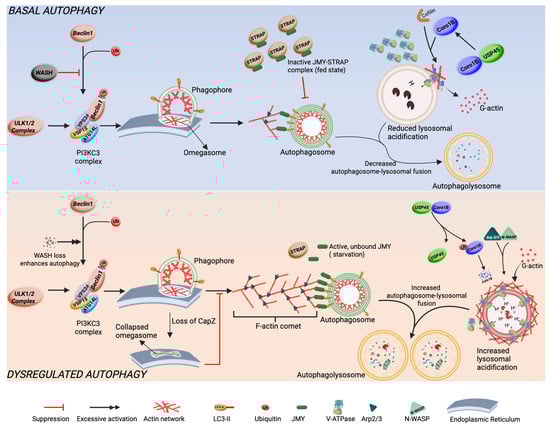
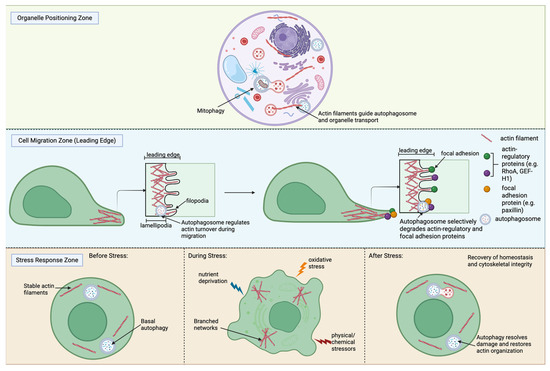
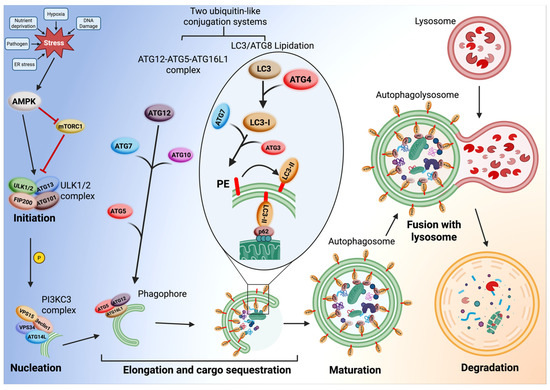
Actin is a key component of the cytoskeleton and plays diverse roles in cellular processes. Autophagy regulates homeostasis through various mechanisms that recycle nutrients and degrade unnecessary or harmful cellular components and aggregates. These two processes are engaged in a highly conserved crosstalk [...] Read more.
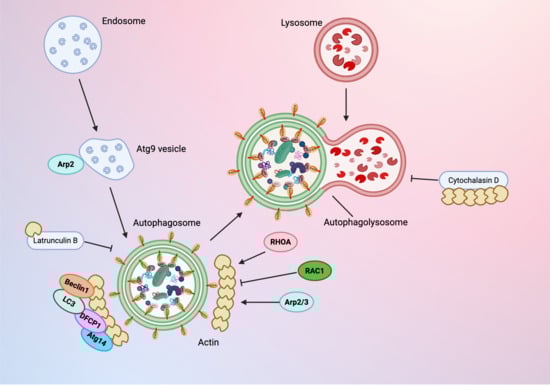
Actin is a key component of the cytoskeleton and plays diverse roles in cellular processes. Autophagy regulates homeostasis through various mechanisms that recycle nutrients and degrade unnecessary or harmful cellular components and aggregates. These two processes are engaged in a highly conserved crosstalk through which they regulate each other, including autophagolysosomal formation and regulation of actin dynamics. The regulation of autophagy is involved in cancer, neurodegeneration, infectious diseases, and inflammation, providing possible avenues for treatments for these diseases. In this review, we summarize current knowledge of the actin–autophagy interplay and regulation, and explore the possible implications for disease progression and therapies. Although more research is necessary to strengthen the effectiveness of therapies that target the regulation of autophagy and actin dynamics, significant strides have already been made, clearly indicating the potential benefit of targeting these processes. Full article
(This article belongs to the Section Autophagy)
Show Figures

Figure 1

Open Access Journals

Browse by Indexing Browse by Subject Selected Journals
Back to TopTop