



Advancing Open Science
A global leader in open access publishing, supporting research
communities and accelerating scientific discovery
 
43 pages, 2555 KB  
Review
Brown Seaweeds and Their Bioactive Compounds in Type 2 Diabetes: Mechanisms Underlying Metabolic Regulation
by Un Ju Jung and Sang Ryong Kim
Int. J. Mol. Sci. 2026, 27(11), 4753; https://doi.org/10.3390/ijms27114753 (registering DOI) - 25 May 2026
Abstract
Type 2 diabetes (T2D) is a multifactorial metabolic disorder characterized by chronic hyperglycemia, insulin resistance, and progressive β-cell dysfunction. Chronic hyperglycemia in T2D causes multi-organ and systemic damage, leading to a wide range of complications, including cardiovascular disease and metabolic dysfunction-associated steatotic liver [...] Read more.
Type 2 diabetes (T2D) is a multifactorial metabolic disorder characterized by chronic hyperglycemia, insulin resistance, and progressive β-cell dysfunction. Chronic hyperglycemia in T2D causes multi-organ and systemic damage, leading to a wide range of complications, including cardiovascular disease and metabolic dysfunction-associated steatotic liver disease (MASLD). Brown seaweeds are increasingly recognized as promising marine-derived functional foods because they contain structurally unique bioactive compounds, including fucoidan, alginate, phlorotannins, and fucoxanthin. A growing body of evidence suggests that these compounds influence glucose homeostasis through multiple mechanisms, including improvement of pancreatic β-cell function, regulation of gut-mediated metabolic processes, and modulation of glucose metabolism and insulin signaling in the liver, adipose tissue, and skeletal muscle, and attenuation of chronic inflammation and oxidative stress. Brown seaweed-derived bioactive compounds have also been reported to improve abnormal lipid metabolism, a key pathological process implicated in metabolic disorders associated with T2D, including MASLD. This review provides an overview of the antidiabetic potential of brown seaweeds, with a particular focus on the mechanisms of action of their major bioactive compounds, including fucoidan, alginate, phlorotannins, and fucoxanthin. Full article
24 pages, 2109 KB  
Article
Shifting the Dial: Does Exposure to Climate Change Efficacy Messages Boost Individual and Collective Political Activism Intentions?
by Nimmagadda Bhargav and Jagadish Thaker
Journal. Media 2026, 7(2), 112; https://doi.org/10.3390/journalmedia7020112 (registering DOI) - 25 May 2026
Abstract
Media primarily frames climate change as a threat or disaster, which may dampen public interest and engagement. Does shifting communication strategies to emphasize people’s ability to enact change increase political engagement with climate change? This study examines whether exposure to a news story [...] Read more.
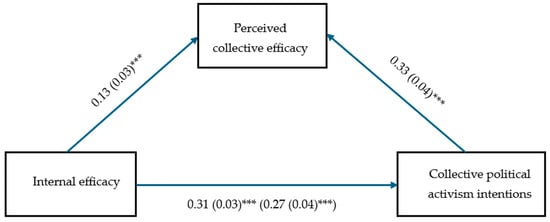
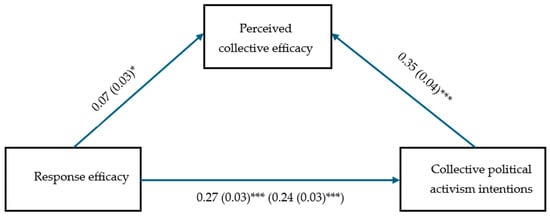
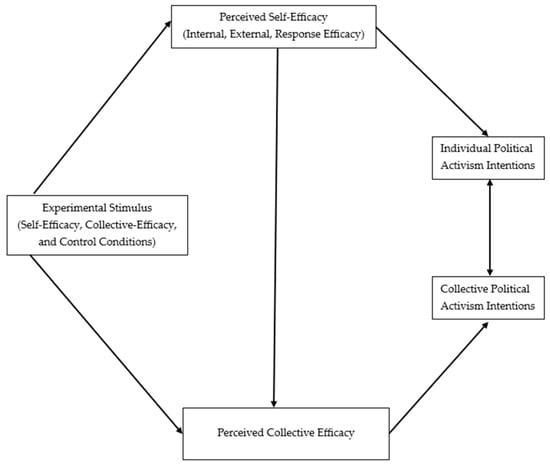
Media primarily frames climate change as a threat or disaster, which may dampen public interest and engagement. Does shifting communication strategies to emphasize people’s ability to enact change increase political engagement with climate change? This study examines whether exposure to a news story containing efficacy information is associated with changes in self-efficacy, collective efficacy, and intentions to engage in political activism. Using a quasi-experimental classroom-based design, a single exposure to a news story embedded with efficacy information was not associated with higher levels of any of the three dimensions of political self-efficacy—internal, external, and response—as well as perceived collective efficacy among undergraduate students (N = 731) in a large city in India. Exposure to efficacy information was not associated with intentions to engage in individual or political activism indirectly either. However, internal efficacy, response efficacy, and collective efficacy were positively associated with intentions to engage in individual and collective political action. In addition, perceived collective efficacy mediated the association between internal and response efficacies with collective political action intentions, highlighting the critical role of collective efficacy in collective political action. The findings suggest that while perceived self- and collective efficacies are important for increasing public engagement, they may not be readily amenable to change through single or infrequent exposure to efficacy-oriented messages. Full article
(This article belongs to the Special Issue Media, Journalism and Environmental Resilience)
Show Figures

Figure 1

25 pages, 1430 KB  
Article
When Models Fail: Trustworthy Anomaly Detection Under Distributional Drift via Dual-Layer Monitoring of Data and AI Behaviour
by Tymoteusz Miller and Irmina Durlik
Appl. Sci. 2026, 16(11), 5293; https://doi.org/10.3390/app16115293 (registering DOI) - 25 May 2026
Abstract
Artificial intelligence (AI) plays an increasingly important role in maritime systems, enabling advanced monitoring, anomaly detection, and decision support. However, the reliability of such systems is challenged by distributional drift, which may significantly degrade model performance over time. While anomaly detection has been [...] Read more.
Artificial intelligence (AI) plays an increasingly important role in maritime systems, enabling advanced monitoring, anomaly detection, and decision support. However, the reliability of such systems is challenged by distributional drift, which may significantly degrade model performance over time. While anomaly detection has been extensively studied in the context of data irregularities, considerably less attention has been devoted to detecting anomalies in AI model behaviour itself. In this study, we propose MARLIN-AD (Maritime AI Reliability and Learning Intelligence Network—Anomaly Detection), a dual-layer anomaly detection framework designed to jointly monitor anomalies in data streams and anomalies in model behaviour. The framework integrates data-centric detection methods with model-centric monitoring techniques, including distributional shift detection and prediction stability analysis, within a unified anomaly scoring mechanism. The evaluation is conducted using a fully controlled synthetic data generation process, enabling precise injection of anomalies and systematic simulation of distributional drift across multiple scenarios. Experimental results demonstrate a strong and consistent degradation of model performance under drift conditions. Statistical validation using non-parametric tests, permutation-based inference, and Bayesian bootstrap analysis confirms that the observed degradation is both statistically significant and practically meaningful. In particular, posterior distributions of performance differences indicate a near-zero probability that drifted configurations outperform the baseline model. The results highlight that model degradation under drift exhibits a consistent and structured pattern, reproducible across multiple independent random seeds. Furthermore, the study shows that model-centric monitoring provides the primary signal for detecting degradation—a finding corroborated by ablation analysis—while data-centric monitoring enhances interpretability and root-cause attribution. A pilot validation on publicly available Automatic Identification System (AIS) data from the Danish Maritime Authority confirms the applicability of the data-level component to real operational trajectories. The proposed framework contributes to the development of trustworthy AI systems by enabling comprehensive monitoring of both data integrity and model behaviour in dynamic environments. Full article
(This article belongs to the Special Issue AI Applications in the Maritime Sector)
21 pages, 3792 KB  
Article
Effect of Ion Polarity Regime and Ventilation on Particle Removal Efficiency
by Justinas Masionis, Darius Čiužas, Edvinas Krugly, Martynas Tichonovas, Tadas Prasauskas, Justina Kukelkaitė and Dainius Martuzevičius
Sustainability 2026, 18(11), 5305; https://doi.org/10.3390/su18115305 (registering DOI) - 25 May 2026
Abstract
Ensuring the effective removal of airborne particles is essential for maintaining indoor air quality, particularly in environments with limited ventilation. This study examines how ion polarity regime, voltage, and relative humidity influence aerosol particle removal in a controlled, room-sized chamber (35.8 m3 [...] Read more.
Ensuring the effective removal of airborne particles is essential for maintaining indoor air quality, particularly in environments with limited ventilation. This study examines how ion polarity regime, voltage, and relative humidity influence aerosol particle removal in a controlled, room-sized chamber (35.8 m3) using a custom-built air ionizer. Experiments were conducted under stagnant and ventilated conditions (0.5 h−1) while varying ionizer polarity (positive, negative, bipolar, alternating), voltage (6 kV, 10 kV), humidity (40%, 70%), and aerosol type (incense smoke, nebulized KCl). Positive and negative unipolar ionization achieved over 90% removal within 60 min, with decay rates of 0.04–0.05 min−1, half-lives of 13–17 min, and clean air delivery rates (CADR) of 60–90 m3 h−1. Bipolar ionization was less efficient due to ion-ion recombination, yielding CADR values below 25 m3 h−1, while alternating polarity improved deposition (40–70 m3 h−1) by reducing recombination losses. Relative humidity had a minimal influence on unipolar performance but moderated efficiency in bipolar and alternating modes. Under low ventilation, unipolar negative ionization sustained high removal (96.7%), while ozone remained below the detection limits of the methods used. These findings indicate that ion polarity control and field strength strongly influence particle removal and that unipolar or alternating-polarity operation can provide effective particle removal under controlled chamber conditions, including a low-ventilation case of 0.5 h−1. Full article
18 pages, 1556 KB  
Article
Laser-Induced Breakdown Spectroscopy for Rapid Elemental Characterization of Vine Shoot Biomass for Carbon Material Production
by Marjetka Savić, Milovan Stoiljković, Aleksandr N. Chumakov, Andrija Savić, Ljiljana Janković Mandić, Vyacheslav V. Luchkouski and Dragan Ranković
Appl. Sci. 2026, 16(11), 5291; https://doi.org/10.3390/app16115291 (registering DOI) - 25 May 2026
Abstract
Rapid and efficient elemental characterization of lignocellulosic biomass, such as grapevine cane residues, is essential for its effective utilization in energy and material applications; however, conventional analytical methods typically require extensive sample preparation and are therefore not suitable for rapid screening purposes. In [...] Read more.
Rapid and efficient elemental characterization of lignocellulosic biomass, such as grapevine cane residues, is essential for its effective utilization in energy and material applications; however, conventional analytical methods typically require extensive sample preparation and are therefore not suitable for rapid screening purposes. In this study, laser-induced breakdown spectroscopy (LIBS) based on TEA CO2 laser ablation is applied as a direct and minimally destructive approach for the analysis of grapevine cane biomass. Emission spectra recorded in the 190–780 nm range enabled qualitative identification of the elements present in the biomass, supporting the applicability of LIBS for multi-element analysis of complex solid matrices. Quantitative determination of Mg, Ca, K, and Na was achieved using an external calibration approach with solid-spiked standards, yielding good linearity (R2 = 0.976–0.990), with concentrations in good agreement with reference ICP–OES measurements. Plasma diagnostics indicated a temperature of approximately 10,500 K and an electron number density on the order of 1016 cm−3, supporting the assumption of local thermodynamic equilibrium (LTE) conditions. The results demonstrate that LIBS provides a rapid and practical tool for direct elemental screening of vine shoot biomass, with potential application in the assessment of agricultural residues for carbon-based material production and related valorization pathways. Full article
(This article belongs to the Section Optics and Lasers)
17 pages, 1871 KB  
Article
Research on the Coupled Deterioration Mechanism of Ship Lock Concrete Under Surface Wearing and Carbonation
by Benkun Lu, Xuesong Han, Jiawei Zong, Jie Chen, Muzi Yang and Fei Xu
J. Mar. Sci. Eng. 2026, 14(11), 974; https://doi.org/10.3390/jmse14110974 (registering DOI) - 25 May 2026
Abstract
Ship lock concrete is simultaneously subjected to surface wearing and carbonation under service, yet the coupled deterioration mechanism has not been systematically clarified. In this study, an equivalent cycling test is established to elucidate the synergistic effect of surface wearing and carbonation on [...] Read more.
Ship lock concrete is simultaneously subjected to surface wearing and carbonation under service, yet the coupled deterioration mechanism has not been systematically clarified. In this study, an equivalent cycling test is established to elucidate the synergistic effect of surface wearing and carbonation on carbonation kinetics, pore structure development and mechanical performance. By employing micro-hardness profiling, the thermogravimetric analysis (TGA), mercury intrusion porosimetry (MIP) and scanning electron microscope (SEM), the coupled mechanism is revealed and a carbonation model of ship lock concrete under the influence of surface wearing was established. Results show that surface wearing significantly promotes ship lock carbonation, which is confirmed by the increasing carbonation depth and surface densification. Meanwhile, the changes in concrete porosity and carbonation products further emphasize the promoting effect of surface wear on carbonation. Accordingly, the carbonation showed a persistently accelerated deterioration pattern. By revealing the coupled deterioration mechanism of surface wearing and carbonation, this study systematically provides theoretical insights into the durability of ship lock concrete. Full article
(This article belongs to the Section Ocean Engineering)
21 pages, 494 KB  
Article
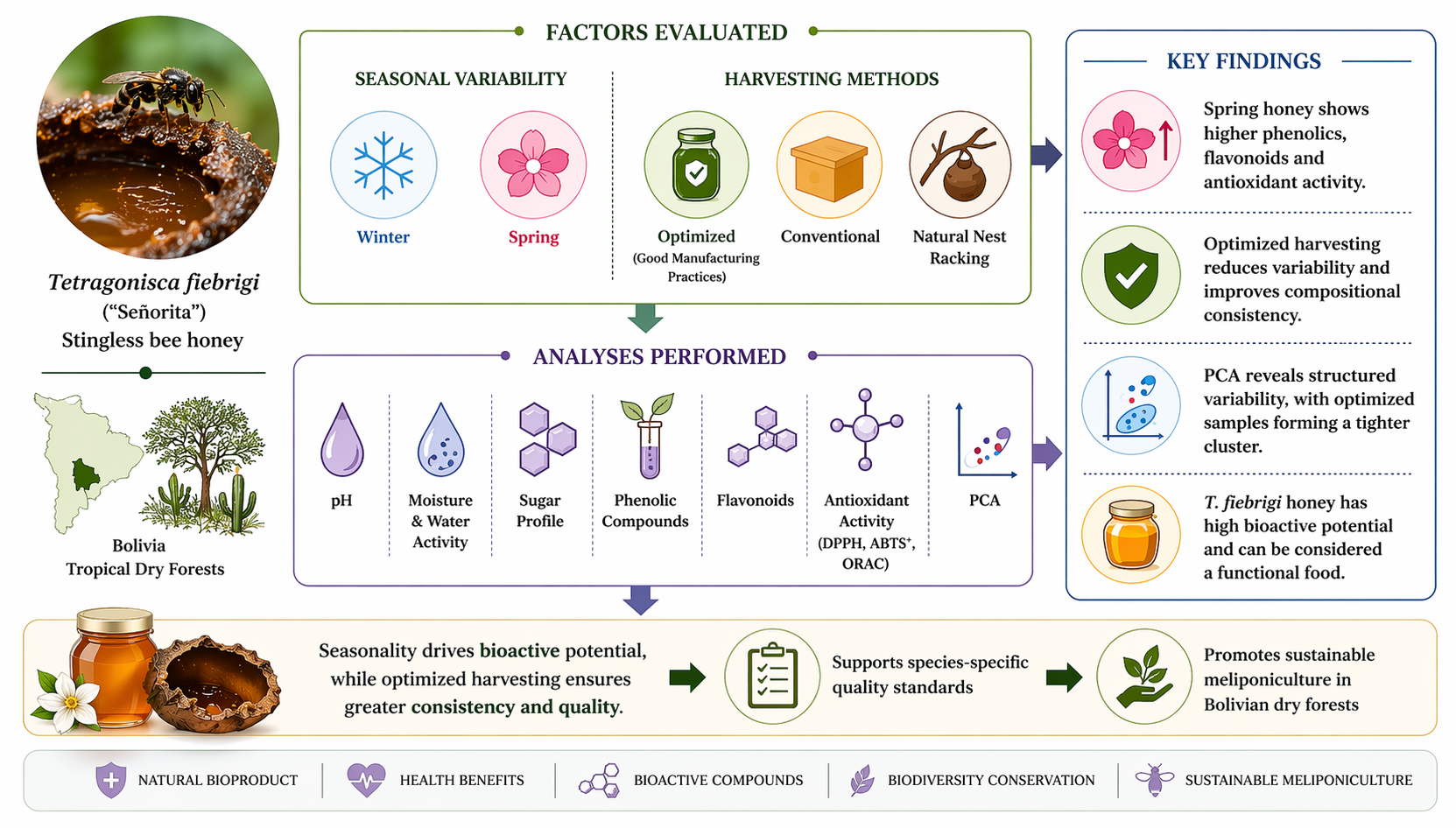
Influence of Harvesting and Seasonal Variability on the Physicochemical and Antioxidant Properties of Native Bee (Tetragonisca fiebrigi) Honey from Bolivia’s Tropical Dry Forests
by Alejandra Romero-Padilla, Luís M. G. Castro, Manuela Pintado and María Emilia Brassesco
Molecules 2026, 31(11), 1819; https://doi.org/10.3390/molecules31111819 (registering DOI) - 25 May 2026
Abstract
This study evaluates the influence of harvesting methods and seasonal variability on the physicochemical and antioxidant properties of Tetragonisca fiebrigi honey produced in the tropical dry forest of Bolivia. Despite the growing interest in stingless bee honey, studies addressing the combined effects of [...] Read more.
This study evaluates the influence of harvesting methods and seasonal variability on the physicochemical and antioxidant properties of Tetragonisca fiebrigi honey produced in the tropical dry forest of Bolivia. Despite the growing interest in stingless bee honey, studies addressing the combined effects of seasonality and collection practices in this region remain scarce. Honey samples were collected during winter and spring using three approaches: conventional, optimized (based on good manufacturing practices), and direct racking from natural nests. Physicochemical parameters (pH 4.60–6.15; moisture 28-34%; water activity 0.69–0.75) and sugar composition (glucose 10.60–29.03 g/100 g; fructose 9.01–21.97 g/100 g; sucrose 0.70–3.23 g/100 g) showed variability primarily associated with season rather than harvesting method. Bioactive compounds exhibited a marked seasonal effect, with higher total phenolic content (up to 11.03 mg GAE/100 g), flavonoids (up to 23.08 mg QE/100 g), and antioxidant capacity (DPPH up to 1.33 mol TE/100 g; ORAC up to 25.93 mol TE/100 g) in spring samples. Multivariate analysis (PCA) revealed that honey variability is structured along bioactive and physicochemical axes, with samples obtained using the optimized method showing reduced dispersion and greater compositional consistency. These results indicate that while seasonality governs the compositional and functional properties of T. fiebrigi honey, improved harvesting practices contribute to reducing variability and enhancing product standardization. This study provides one of the first comprehensive datasets on Bolivian stingless bee honey and highlights its potential as a functional food, supporting the development of species-specific quality criteria and sustainable meliponiculture in tropical dry forest ecosystems. Full article
(This article belongs to the Special Issue Bioproducts for Health, 4th Edition)
Show Figures

Graphical abstract

24 pages, 3470 KB  
Article
BerryFlowerNet: A Customized Convolutional Neural Network for Blueberry Flower Cluster Detection and Flowering Stage Prediction with a Field Phenotyping Robot
by Chenjiao Tan, Nolan Gao, Ye Chu and Changying Li
Agriculture 2026, 16(11), 1159; https://doi.org/10.3390/agriculture16111159 (registering DOI) - 25 May 2026
Abstract
Blueberry production has rapidly expanded over the past decade, accompanied by growing demand for efficient and accurate methods to monitor the flowering and fruiting phases of blueberry development, which has a direct impact on yield potential. Accurate determination of blueberry phenology enables growers [...] Read more.
Blueberry production has rapidly expanded over the past decade, accompanied by growing demand for efficient and accurate methods to monitor the flowering and fruiting phases of blueberry development, which has a direct impact on yield potential. Accurate determination of blueberry phenology enables growers to make data-driven decisions on freeze protection applications and harvest windows. In addition, objective phenology data of blueberry mapping populations will provide high-quality phenotype data for the discovery of genetic mechanisms regulating blueberry flowering and fruiting times. Traditional approaches, such as manual counting and visual ratings, are labor-intensive and subjective in capturing variation across genotypes. Recent progress in computer vision and deep learning has enabled automated flower detection, but most existing studies on blueberries remain restricted to narrow flowering windows or close-up images, limiting their application at the bush level and across the seasonal development. In this study, we developed BerryFlowerNet, a customized YOLO-based model to detect and count blueberry flower clusters from bud to green fruit stages. A comprehensive dataset was collected on three dates using a field phenotyping robot, covering five flowering stages. The integration of CFNet, a custom module fusing shallow spatial features, and PIoU loss improved the detection performance. Additionally, the Slicing Aided Hyper Inference algorithm was employed to address small-object detection in bush-level images. Experimental results demonstrated that BerryFlowerNet outperformed the baseline YOLO model and three additional detectors, achieving an average mAP0.5 of 0.644 across five independent training runs. The model achieved an accuracy of 0.88 when predicting blueberry flowering stages, indicating its effectiveness and accuracy. Additionally, the results of the bush-level image analysis showed the capability of the model to capture genotype-level differences in flowering dynamics. Overall, this approach offers new opportunities for growers and breeders to determine blueberry phenological development that is critical for optimizing on-farm management strategies and advancing precision phenotyping to facilitate the development of climate-resilient blueberries. Full article
(This article belongs to the Section Artificial Intelligence and Digital Agriculture)
25 pages, 2582 KB  
Article
A Subspace-Guided Constrained Optimization Framework for M-Class Synchrophasor Estimation Under Nonstationary Conditions
by Cagri Altintasi
Energies 2026, 19(11), 2537; https://doi.org/10.3390/en19112537 (registering DOI) - 25 May 2026
Abstract
In recent years, the integration of renewable energy sources and the widespread use of nonlinear loads have increased dynamic uncertainties in modern power systems, making real-time and synchronized monitoring essential. Accurate M-class synchrophasor estimation under these nonstationary and spectrally uncertain conditions remains a [...] Read more.
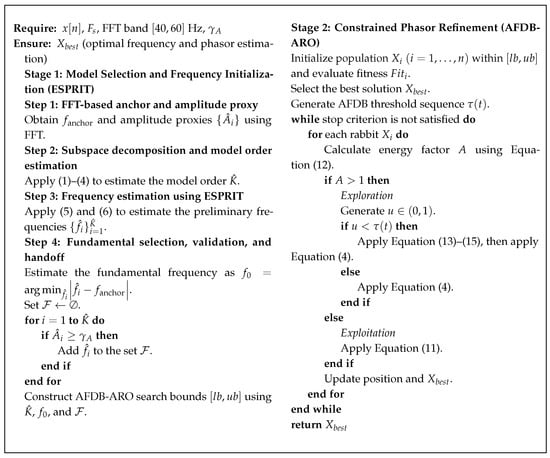
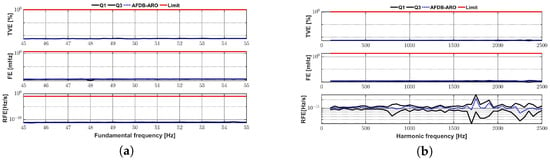
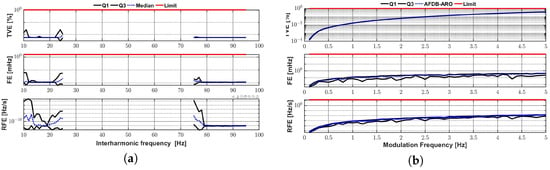
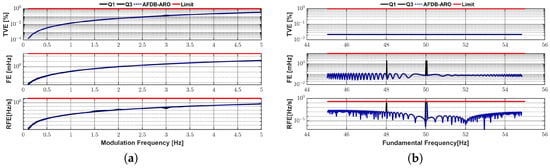
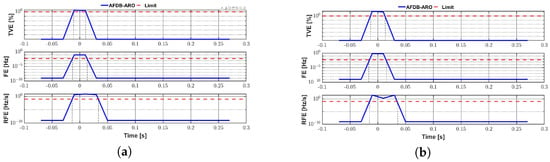
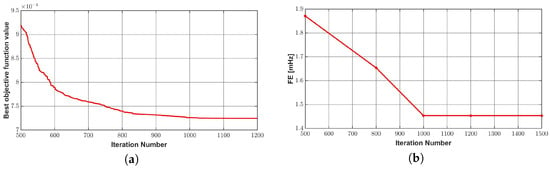
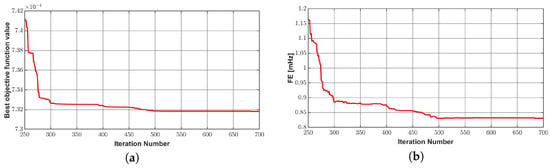
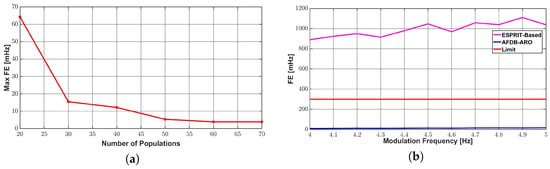
In recent years, the integration of renewable energy sources and the widespread use of nonlinear loads have increased dynamic uncertainties in modern power systems, making real-time and synchronized monitoring essential. Accurate M-class synchrophasor estimation under these nonstationary and spectrally uncertain conditions remains a challenging problem due to dynamic variations, harmonics/interharmonics, out-of-band interference, and measurement noise. This study proposes a suitably constrained optimization-based framework for M-class synchrophasor estimation, in which a hybrid structure integrating an ESPRIT-based subspace method with the Adaptive Fitness Distance Balance Artificial Rabbit Optimization (ES-AFDB-ARO) algorithm is employed. In this framework, the optimization stage is guided by spectral information obtained via the subspace stage to narrow the search space and improve convergence stability. Performance is evaluated under IEEE C37.118 steady-state and dynamic conditions via Monte Carlo simulations, showing that total vector error, frequency error, and rate-of-change-of-frequency error values remain within standard limits. Comparative analyses at 60 dB and 40 dB SNR demonstrate that the ES-AFDB-ARO method exhibits improved and more stable performance than the widely used interpolated discrete Fourier transform, Taylor weighted least squares and Taylor–Kalman filter methods. The results show that the proposed framework offers a reliable solution for synchrophasor estimation under dynamic operating conditions. Full article
Show Figures

Figure 1

40 pages, 1989 KB  
Article
Examining the Dynamic Nexus Between Income and Carbon Emissions with R&D Spending for Environmental Sustainability: Insights from Indian States
by Indrani Basu, Promila Das, Vaishali Singh and Ramesh Chandra Das
Sustainability 2026, 18(11), 5303; https://doi.org/10.3390/su18115303 (registering DOI) - 25 May 2026
Abstract
India has been witnessing a high growth rate of aggregate income in the current era of globalization. Even though the per capita income is yet to catch up, this led to an improved global status in 2025, with India becoming the fifth largest [...] Read more.
India has been witnessing a high growth rate of aggregate income in the current era of globalization. Even though the per capita income is yet to catch up, this led to an improved global status in 2025, with India becoming the fifth largest economy in terms of aggregate GDP. However, the economic gains have been accompanied by a host of environmental problems. In particular, the increase in carbon emissions is emerging as the biggest challenge in achieving the Sustainable Development Goals by 2030. While some national policy initiatives exist, Indian states have also started implementing new public policies for a contextualized environmental management at a sub-national level to curtail the negative impact of carbon emissions on sustainable development. In this context, this study seeks to explore three aspects: first, the characteristics of the series for per capita CO2 (PCCO2) emissions, per capita state domestic product (PCGSDP), and per capita R&D (PCR&D) spending aimed at safeguarding the environment in Indian states; second, the prevalence of both enduring and near-term linkages among the three variables in distinct panels; and third, the constantly changing interplay involving income and carbon emissions in the midst of R&D spending for the environment in the Indian states from 2008–2025. While the series for PCGSDP and PCR&D is seen rising along with PCCO2 in most states, there are some exceptional states like Delhi and Kerala where trends of PCCO2 are falling. The panel cointegration and VECM results show that the three indicators, viz., income, PCCO2 and R&D spending, have a stable long-run relationship, and that income and R&D cause CO2 emissions in all states’ panels and the panel of developed states. Using several polynomials between the income and CO2 emission nexus over several panels of states and using panel cointegration techniques, the study reveals that static panel fixed effects models are most appropriate in the case of all states’ panels and the panel of developed states to establish an inverted Environmental Kuznets Curve (EKC), and that R&D spending has worked as a significant control variable to justify the declining shape of the EKC. The study recommends a continuous increase in R&D spending by all states of any development stature to achieve sustainable development in the earliest possible time. Full article
28 pages, 4844 KB  
Article
Numerical Simulation of the Influence of Heterogeneity and Fracture Geometry on Rock Mechanical Properties and Energy Characteristics
by Bao Cao, Chunwei Ling, Zhenyu Tai, Liangchen Zhao and Jiyuan You
Processes 2026, 14(11), 1709; https://doi.org/10.3390/pr14111709 (registering DOI) - 25 May 2026
Abstract
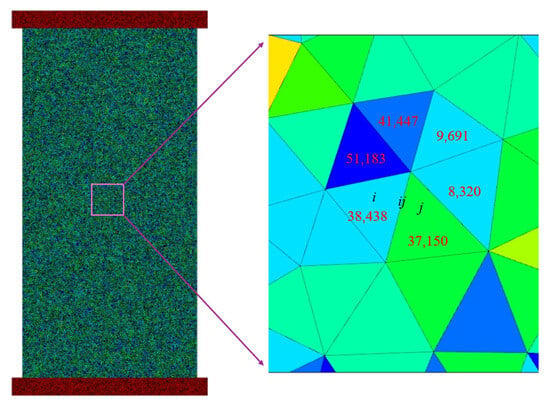
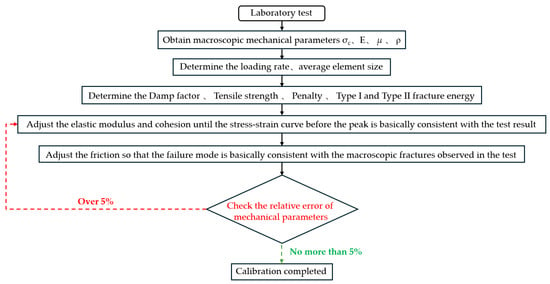
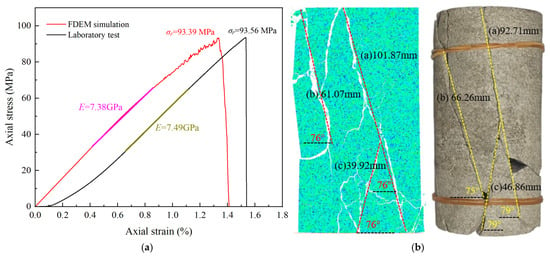
The geometric characteristics of these fractures have a substantial influence on the mechanical and energy properties of heterogeneous rocks. This study calibrated the experimental results using the finite-discrete element method (FDEM). An orthogonal design was employed to investigate the effects of the homogeneity [...] Read more.
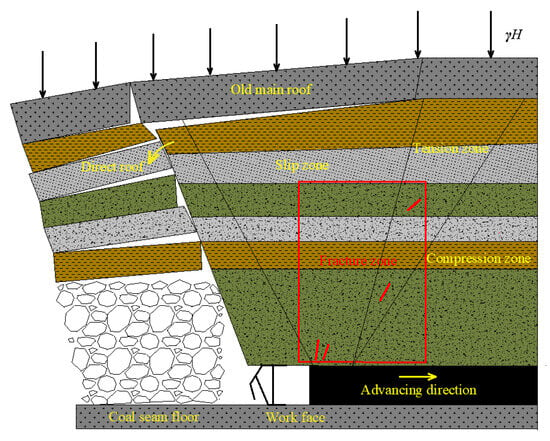
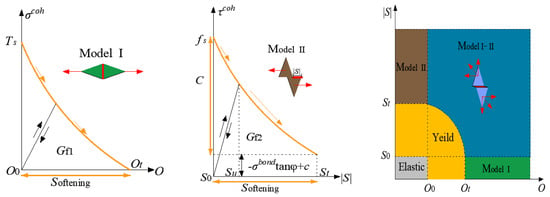
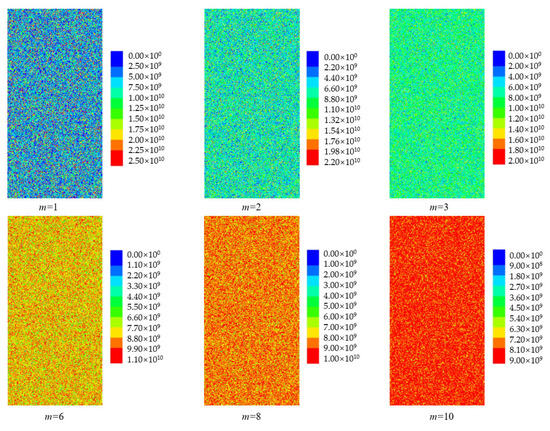
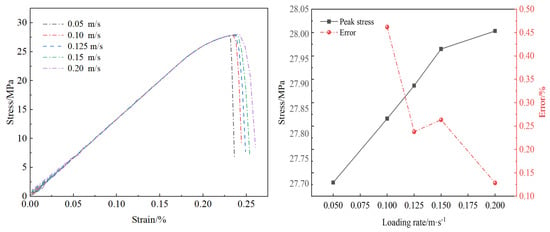
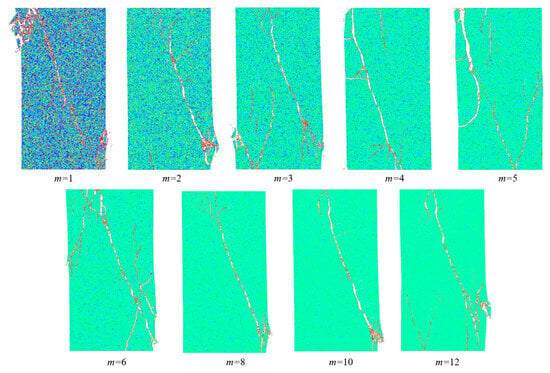
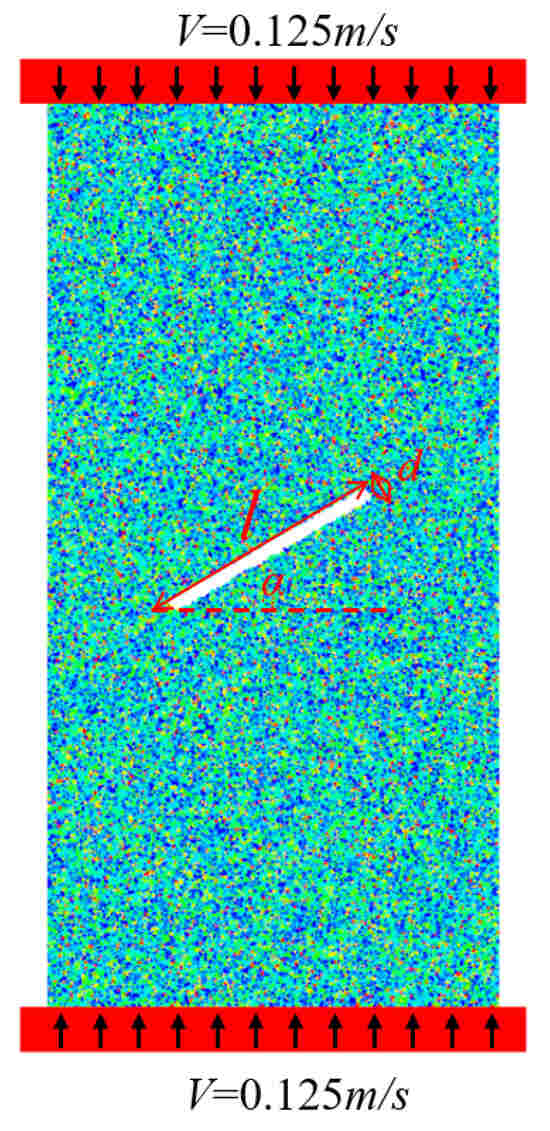
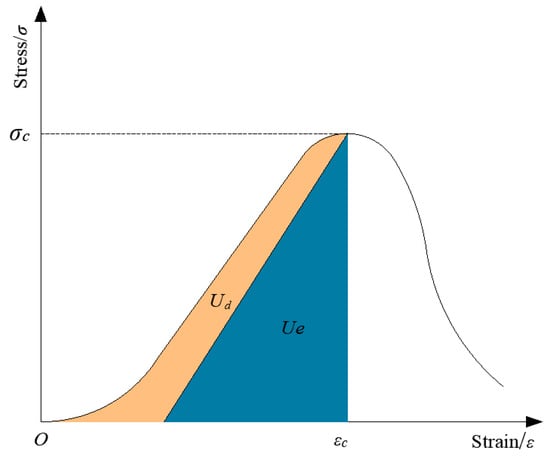
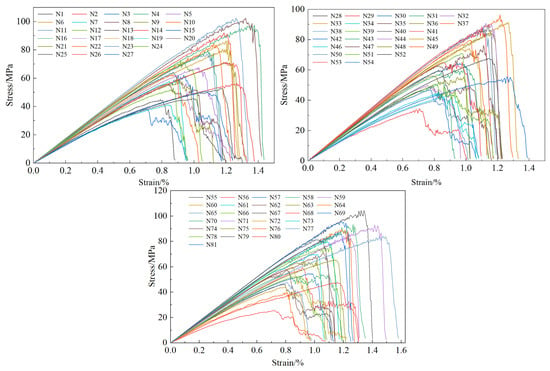
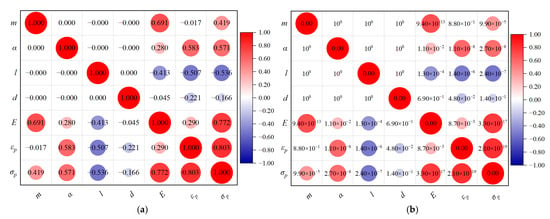
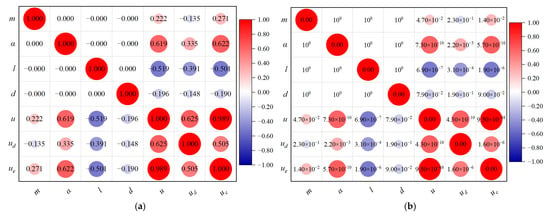
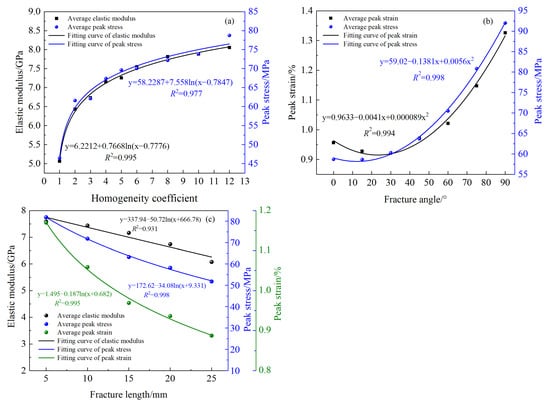
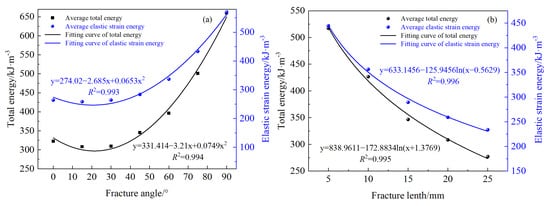
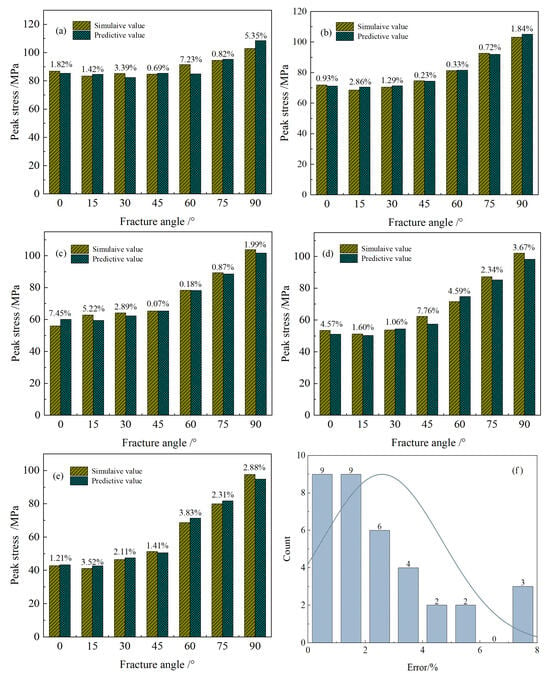
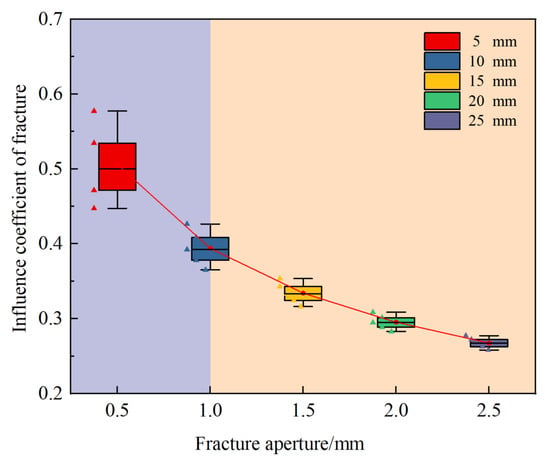
The geometric characteristics of these fractures have a substantial influence on the mechanical and energy properties of heterogeneous rocks. This study calibrated the experimental results using the finite-discrete element method (FDEM). An orthogonal design was employed to investigate the effects of the homogeneity coefficient, fracture angle, fracture length, and fracture aperture on the mechanical and energy characteristics of fractured sandstone. The main factors influencing the mechanical properties and energy characteristics of rocks were explored through multi-factor correlation analysis. The effects of fracture geometric features and heterogeneity on the mechanical properties and energy characteristics of rocks were analyzed by single-factor analysis. A regression model between peak stress and fracture geometric features was established. The results show the following: The homogeneity coefficient and fracture length have a significant impact on the elastic modulus of fractured sandstone. The fracture angle and fracture length have a significant influence on the peak strain, elastic strain energy and total energy of fractured sandstone. The fracture angle, fracture length and homogeneity coefficient have a significant effect on the peak stress of fractured sandstone. The elastic modulus and peak stress show a logarithmic relationship with the homogeneity coefficient, while the elastic strain energy and total energy have a logarithmic relationship with the crack length. The peak strain and peak stress have a quadratic polynomial relationship with the crack angle, and the elastic strain energy and total energy also have a quadratic polynomial relationship with the crack angle. The elastic modulus, peak strain, and peak stress have a logarithmic relationship with the crack length. The predicted values of peak stress and numerical calculation errors of fractured rocks mainly range from 0.07% to 7.76%, with an average error of 2.58%. Both the peak stress prediction values and the numerical calculation results show a “U”-shaped change trend, first decreasing and then increasing with the increase in the fracture angle. This study investigates the influence of fracture geometric characteristics on the mechanical and energy characteristics of heterogeneous rocks, which is of great significance for the stability control of fractured rock masses and the optimization of underground engineering parameters. The core challenge for future research lies in revealing the intrinsic connection among fracture geometric features, rock mass heterogeneity, and multi-field coupling effects to meet the complex engineering demands of deep mining, thereby serving the safe production and disaster prevention of deep mines. Full article
Show Figures

Figure 1

21 pages, 714 KB  
Review
Benefits of Incretin Therapy on Ovarian Function: A Scientific Literature Review
by Sandro La Vignera and Rosita A. Condorelli
Int. J. Mol. Sci. 2026, 27(11), 4752; https://doi.org/10.3390/ijms27114752 (registering DOI) - 25 May 2026
Abstract
Incretin-based therapies, particularly glucagon-like peptide-1 receptor agonists (GLP-1 RAs), have emerged as potentially promising therapeutic agents for improving ovarian function, especially in women with polycystic ovary syndrome (PCOS) and obesity-related reproductive dysfunction. This comprehensive review synthesizes evidence from 30 highly relevant studies examining [...] Read more.
Incretin-based therapies, particularly glucagon-like peptide-1 receptor agonists (GLP-1 RAs), have emerged as potentially promising therapeutic agents for improving ovarian function, especially in women with polycystic ovary syndrome (PCOS) and obesity-related reproductive dysfunction. This comprehensive review synthesizes evidence from 30 highly relevant studies examining the mechanisms of action, clinical outcomes, and safety profile of incretin therapies on ovarian function. The evidence suggests that GLP-1 RAs may exert beneficial effects through multiple molecular pathways, including FOXO1 signaling, modulation of steroidogenesis, and enhancement of insulin sensitivity, although most mechanistic data derive from animal models and in vitro studies without validation in human ovarian tissue. Clinical outcomes from randomized controlled trials and meta-analyses show improvements in menstrual regularity, hormonal profiles, and spontaneous conception rates, though evidence certainty is limited by small sample sizes, short duration, high heterogeneity, and restriction to overweight/obese populations. While preliminary safety data regarding inadvertent early pregnancy exposure are reassuring, animal studies suggest potential dose-dependent risks that warrant careful consideration. Importantly, GLP-1 RAs are not currently approved or guideline-recommended for fertility restoration, and substantial uncertainty remains regarding long-term reproductive safety, optimal patient selection, and clinical guidelines. This review provides a balanced synthesis of current evidence and identifies critical gaps requiring further investigation before routine clinical use can be recommended. Full article
(This article belongs to the Section Molecular Endocrinology and Metabolism)
23 pages, 4359 KB  
Article
Machine Learning-Assisted Multi-Objective Optimization of Surface Pretreated Coal Gangue Lightweight Shotcrete
by Wencan Huang, Wei Huang, Wenjia Huang, Qingxiang Zhao, Lingyu Zhong, Wendi Deng, Yufei Wang, Qianqian Dong, Jianxiong Liao and Cai Min
Infrastructures 2026, 11(6), 184; https://doi.org/10.3390/infrastructures11060184 (registering DOI) - 25 May 2026
Abstract
The large-scale accumulation of coal gangue has created increasing environmental pressure, while its use as aggregate in cementitious materials remains limited by its high water absorption, porous structure and unstable mechanical performance. This study develops a machine learning-assisted multi-objective optimization framework for lightweight [...] Read more.
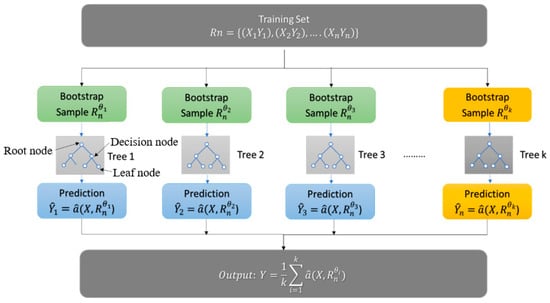
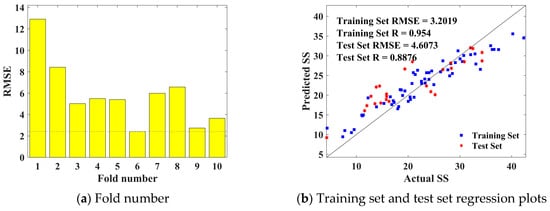
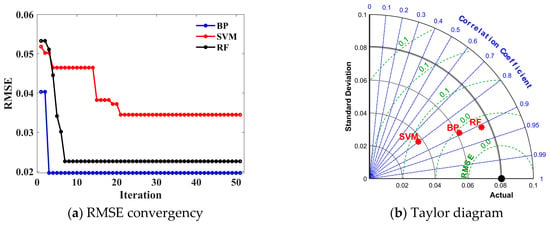
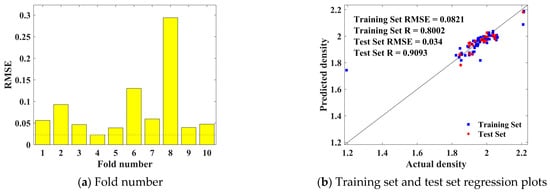
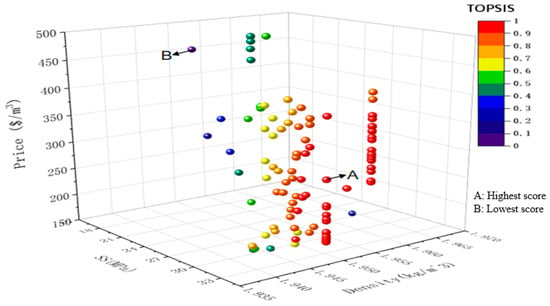
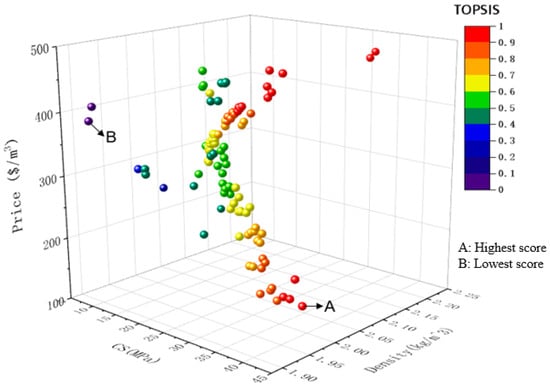
The large-scale accumulation of coal gangue has created increasing environmental pressure, while its use as aggregate in cementitious materials remains limited by its high water absorption, porous structure and unstable mechanical performance. This study develops a machine learning-assisted multi-objective optimization framework for lightweight shotcrete incorporating surface-pretreated coal gangue aggregates and polyvinyl alcohol fibres. Two pretreatment methods—namely, silica-fume slurry coating (CGACM) and dry adsorption activation (CGACD)—were applied to improve the aggregate surface characteristics. Experimental data on compressive strength, splitting strength and density were used to train backpropagation neural networks and support vector machine and random forest models, with hyperparameters optimized by the Beetle Antennae Search algorithm. The trained models were then coupled with a multi-objective optimization procedure to balance mechanical performance, density, material cost and CO2 emissions. The results show that surface pretreatment can improve the performance of coal gangue lightweight shotcrete, while the proposed optimization framework can identify mixture designs with balanced strength, reduced density and improved economic and environmental performance. Compared with untreated or non-optimized mixtures, the optimized surface-pretreated mixtures achieved a more favorable trade-off among mechanical, cost and carbon-emission objectives. This study provides a data-driven approach for the sustainable design and practical utilization of coal gangue in lightweight shotcrete. Full article
Show Figures

Figure 1

23 pages, 1256 KB  
Article
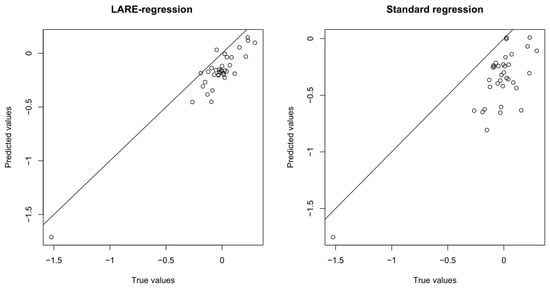
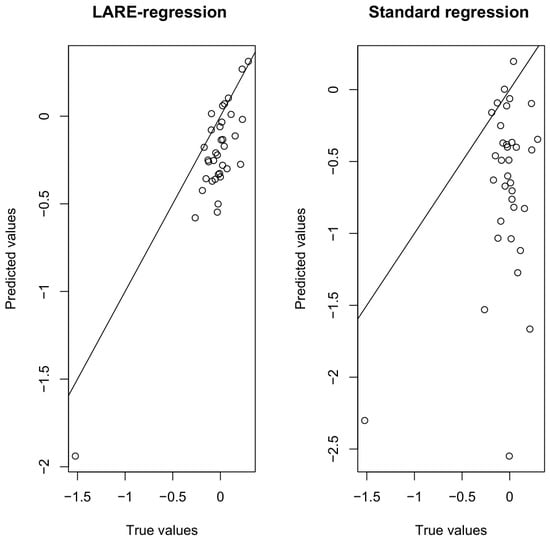
Nonparametric Analysis of Functional Time Series Data Using Least Absolute Relative Error Regression
by Fatimah A. Almulhim, Mohammed B. Alamari and Ali Laksaci
Axioms 2026, 15(6), 397; https://doi.org/10.3390/axioms15060397 (registering DOI) - 25 May 2026
Abstract
In this paper, we introduce a novel kernel-based estimator for the regression operator of a scalar response variable R given a functional covariate F taking values in a semi-metric space. The estimator is constructed through the minimization of the least absolute relative error [...] Read more.
In this paper, we introduce a novel kernel-based estimator for the regression operator of a scalar response variable R given a functional covariate F taking values in a semi-metric space. The estimator is constructed through the minimization of the least absolute relative error (LARE) criterion, which provides an invariant scale and more balanced measure of predictive performance than conventional squared error methods. By focusing on relative deviations, the LARE approach effectively reduces the influence of extreme response values and enhances robustness in the presence of heteroscedasticity. From a theoretical point of view, we investigate the asymptotic behavior of the proposed estimator under strong mixing conditions for functional time series data. We show that, despite the temporal dependence structure, the estimator remains consistent and achieves convergence rates comparable to those obtained under independence. In the computational part, we show that the proposed method is computationally efficient and straightforward to implement. Its empirical performance is evaluated through simulation studies conducted under different dependence scenarios. In addition, the applicability of the method is illustrated through the analysis of a real data set. Full article
Show Figures

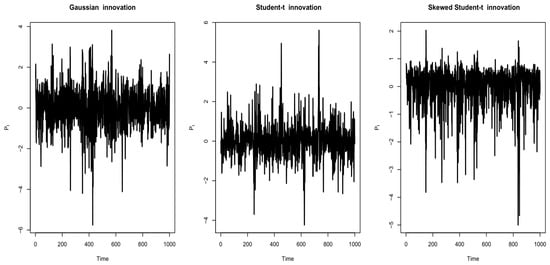
Figure 1

25 pages, 3387 KB  
Article
Sustainable Conversion of Pistachio Shells into Functional Biocarbons: Structural Evolution, Surface Properties, and Adsorptive Removal of Methyl Orange
by Barbara Charmas, Katarzyna Jedynak, Barbara Wawrzaszek and Lizaveta Tuflina
Materials 2026, 19(11), 2231; https://doi.org/10.3390/ma19112231 (registering DOI) - 25 May 2026
Abstract
This study aimed to produce biocarbons from pistachio shells and estimate the effect of physical activation with CO2 and overheated steam on their physicochemical, thermal, and adsorption properties in relation to methyl orange. Biocarbons were obtained by pyrolysis at 800 °C and [...] Read more.
This study aimed to produce biocarbons from pistachio shells and estimate the effect of physical activation with CO2 and overheated steam on their physicochemical, thermal, and adsorption properties in relation to methyl orange. Biocarbons were obtained by pyrolysis at 800 °C and subsequently activated under different conditions. From the results, the type of activating agent substantially determined the development of pore structure and surface chemistry. CO2 activation favored the formation of primarily microporous materials with a very large specific surface area, whereas steam activation led to a more open, hierarchical pore system with a greater pore volume and a larger contribution to external surface area. The most favorable textural properties were found for the samples PM-8-CO2-3 and PM-8-H2O-2. The FTIR, Raman, Boehm titration, CHN, SEM-EDS, and TG/DTG/DTA analyses confirmed that activation caused reconstruction of the carbon matrix, modification of the surface functional groups, and a decrease in thermal stability with increasing activation intensity. The adsorption studies proved that the sample PM-8-H2O-2 exhibited the largest efficiency in methyl orange removal. The adsorption kinetics were best described by the pseudo-second-order model, whereas the equilibrium data were best fitted by the Freundlich model. The adsorption process was spontaneous and exothermic. Full article
(This article belongs to the Special Issue Advanced Adsorbent Materials: Preparation, Performance, Applications)
20 pages, 1730 KB  
Article
Zeno and Anti-Zeno Effects in Dark-State Dynamics Under Thermal Dephasing: A Numerical Study
by Ran Chen, Jiangchuan You, Alexey Vladimirovich Kulagin, Hui-hui Miao and Yuri Igorevich Ozhigov
Mathematics 2026, 14(11), 1836; https://doi.org/10.3390/math14111836 (registering DOI) - 25 May 2026
Abstract
The quantum Zeno and anti-Zeno effects describe how frequent measurements can either suppress or accelerate quantum dynamics. While extensively studied in various platforms, their manifestation in dark-state dynamics remains largely unexplored. Here we investigate the stability of dark states in a cavity quantum [...] Read more.
The quantum Zeno and anti-Zeno effects describe how frequent measurements can either suppress or accelerate quantum dynamics. While extensively studied in various platforms, their manifestation in dark-state dynamics remains largely unexplored. Here we investigate the stability of dark states in a cavity quantum electrodynamics (QED) system consisting of two atoms coupled to a single-mode cavity, subject to thermal dephasing that models continuous quantum non-demolition monitoring. Using the Tavis–Cummings model within a Lindblad master equation framework, we perform numerical simulations to investigate how measurement-induced dephasing affects dark-state retention and stabilization time. Through systematic numerical scans, we identify distinct parameter regimes corresponding to Zeno and anti-Zeno behavior: at low dephasing intensities, increasing the measurement strength accelerates the loss of dark-state coherence (anti-Zeno regime), while at higher intensities, it slows down the dynamics and partially recovers dark-state weight (Zeno regime). The transition between these regimes is controlled by the dephasing rates, the cavity photon exchange, and the asymmetry in atom–field couplings. We show that even under strong dephasing, a finite dark-state component persists, demonstrating remarkable robustness. Our results provide insights into the interplay between measurement back-action and decoherence in open quantum systems, with implications for quantum control and information storage. Full article
(This article belongs to the Special Issue Mathematics Methods in Quantum Physics and Its Applications)
16 pages, 2172 KB  
Article
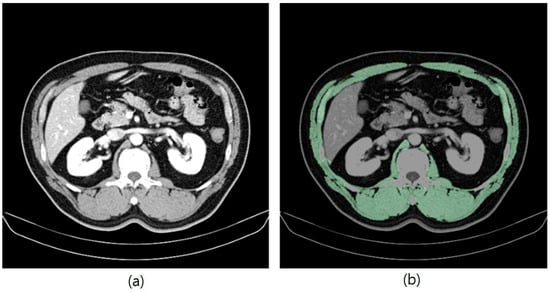
Radiomics-Based Machine Learning for Sarcopenia Detection in Abdominal and Low-Dose CT
by Soo-Been Kim, Young Jae Kim and Kwang Gi Kim
Diagnostics 2026, 16(11), 1617; https://doi.org/10.3390/diagnostics16111617 (registering DOI) - 25 May 2026
Abstract
Background: Sarcopenia, characterized by progressive loss of skeletal muscle mass and function, is becoming increasingly prevalent with the global population aging. Computed tomography (CT) is widely used for muscle assessment; however, concerns regarding radiation exposure have prompted interest in lower-dose imaging protocols. [...] Read more.
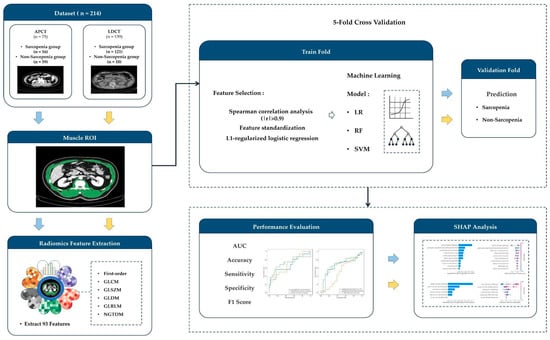
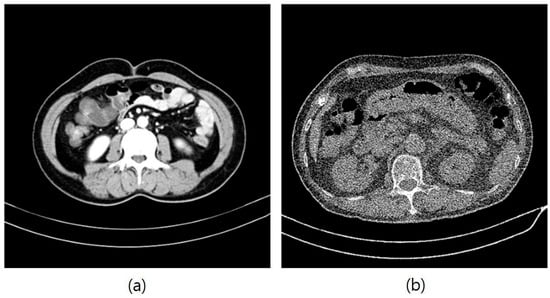
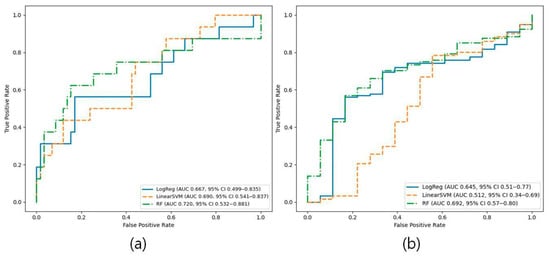
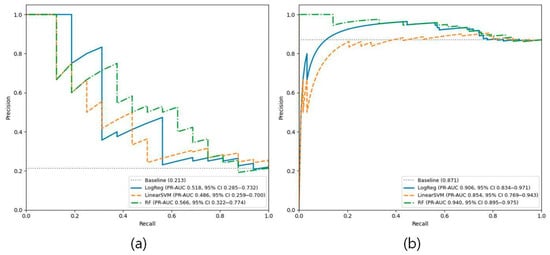
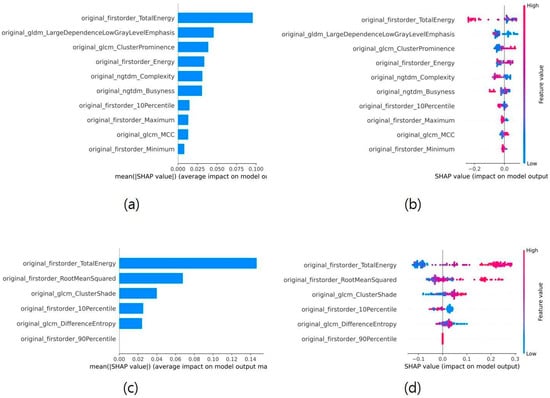
Background: Sarcopenia, characterized by progressive loss of skeletal muscle mass and function, is becoming increasingly prevalent with the global population aging. Computed tomography (CT) is widely used for muscle assessment; however, concerns regarding radiation exposure have prompted interest in lower-dose imaging protocols. This study investigated the performance of radiomics-based machine learning (ML) models for sarcopenia detection using abdominal CT (APCT) and low-dose CT (LDCT). Methods: Radiomics features were extracted from CT images following skeletal muscle segmentation, and ML models were developed using logistic regression, support vector machine, and random forest. Model performance was evaluated using fivefold cross-validation with out-of-fold predictions. Results: The random forest model demonstrated the best performance among the evaluated models, achieving an area under the receiver operating characteristic curve of 0.720 (95% CI: 0.532–0.881) for APCT and 0.692 (95% CI: 0.573–0.801) for LDCT. Model interpretation using SHapley Additive exPlanations analysis identified several intensity-based radiomics features, including TotalEnergy, as important contributors to sarcopenia prediction. Conclusions: These findings suggest that radiomics features derived from LDCT images may provide useful information for sarcopenia detection. Because LDCT is widely used in clinical settings such as lung cancer screening, radiomics analysis of LDCT images may offer an additional opportunity for opportunistic sarcopenia assessment. Full article
Show Figures

Figure 1

18 pages, 2147 KB  
Article
Prediction of Annular Pressure Under Wellhead Uplift Load in Deepwater Subsea Wells
by Shen Guan, Zhiqiang Hu, Gengchen Li, Xuyue Chen, Minghe Zhang and Yamei Hao
Processes 2026, 14(11), 1714; https://doi.org/10.3390/pr14111714 (registering DOI) - 25 May 2026
Abstract
To address the large deviation in annular trapped pressure prediction during testing and production stages of deepwater high-temperature and high-pressure wells, conventional models neglect the elastic uplift effect of the wellhead. This study overcomes the limitations of the plane strain model and establishes [...] Read more.
To address the large deviation in annular trapped pressure prediction during testing and production stages of deepwater high-temperature and high-pressure wells, conventional models neglect the elastic uplift effect of the wellhead. This study overcomes the limitations of the plane strain model and establishes a three-dimensional thermos–hydro–mechanical coupled annular pressure prediction model based on the longitudinal stiffness constraint of the subsea wellhead. The deepwater wellbore–formation system is treated as a composite elastic structure. A generalized plane strain assumption is introduced to define the elastic boundary conditions and longitudinal segmentation characteristics of the wellhead. Based on generalized Hooke’s law, the three-dimensional stress–strain constitutive equation of casing is modified. A displacement model incorporating axial–radial coupling is derived, and an equivalent longitudinal stiffness coefficient of the wellhead is introduced. A coupled axial force equilibrium equation and a three-dimensional annular volume compatibility equation are established. Considering multi-annulus coupling, a volume compatibility matrix equation is formulated, and a successive approximation iterative algorithm with a relaxation factor is developed. Using a deepwater high-temperature, high-pressure gas well in the South China Sea as a case study, the effects of wellhead stiffness, free section length, and annular temperature rise on annular pressure are investigated via a single-variable method and compared with traditional rigid models. Results show that the subsea wellhead exhibits elastic uplift behavior. Its longitudinal stiffness has a reverse S-shaped nonlinear influence on annular pressure. Increasing the free section length significantly reduces annular pressure. The proposed model predicts values 17–21% lower than traditional rigid models, providing a more realistic representation of annular pressure evolution. The findings offer theoretical support and engineering guidance for deepwater well integrity design and annular pressure risk management. Full article
37 pages, 4338 KB  
Review
Chemical Terroir in Forest Understories: Hypothesis, Ecological Co-Cultivation, and Research Priorities for Saponin-Rich Medicinal Plants
by Quang Vuong Le, Thi Minh Chau Dao, Anh Dung Nguyen, Thi Thao Nguyen and Thi Bich Lien Nguyen
Forests 2026, 17(6), 643; https://doi.org/10.3390/f17060643 (registering DOI) - 25 May 2026
Abstract
Medicinal plants grown outside their native forest habitat may produce phytochemical profiles that differ from wild-harvested material, yet the ecological mechanisms underlying these differences remain poorly synthesized across disciplines. This review proposes that the forest understory functions as a multi-signal elicitation system in [...] Read more.
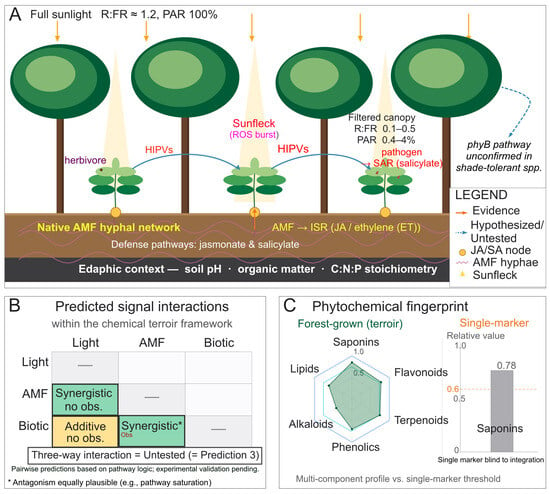
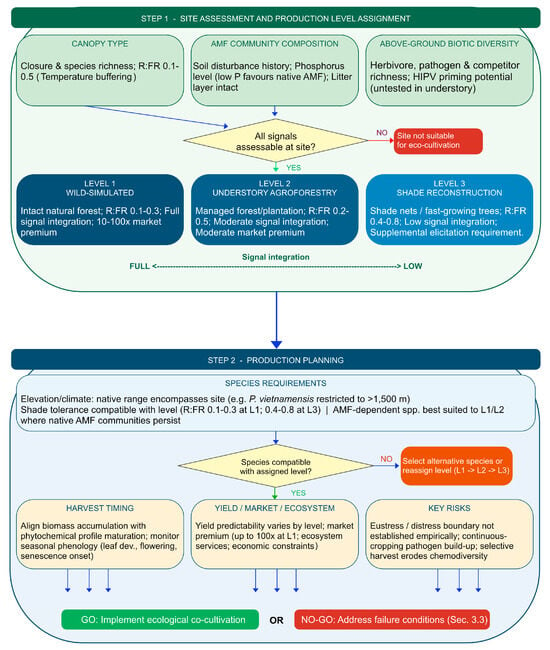
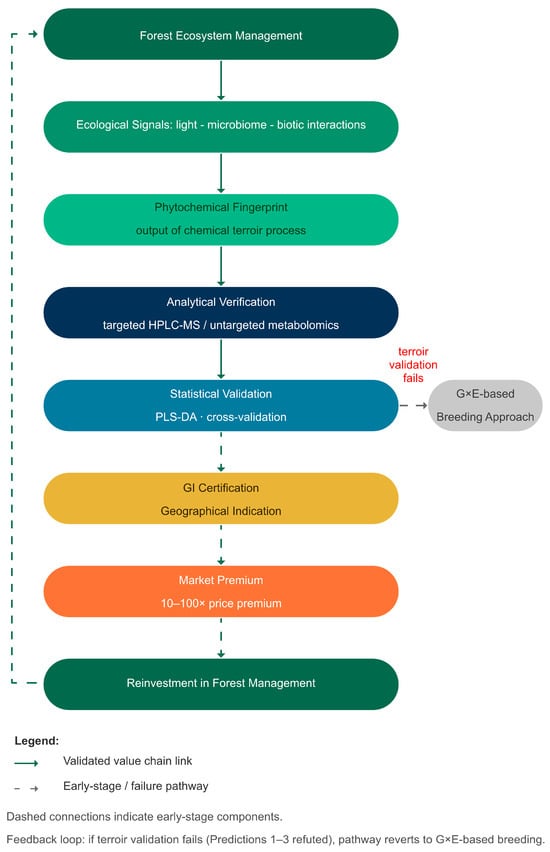
Medicinal plants grown outside their native forest habitat may produce phytochemical profiles that differ from wild-harvested material, yet the ecological mechanisms underlying these differences remain poorly synthesized across disciplines. This review proposes that the forest understory functions as a multi-signal elicitation system in which canopy light filtering, arbuscular mycorrhizal fungi (AMF), and above-ground biotic interactions collectively shape secondary metabolite profiles. AMF-mediated induced systemic resistance and above-ground biotic interactions operate through confirmed jasmonate-mediated pathways. Sunfleck-driven reactive oxygen species signaling is hypothesized but untested, and the red-to-far-red ratio modulated phytochrome B pathway characterized in Arabidopsis remains unconfirmed in shade-tolerant species. Using three saponin-rich medicinal plants (Panax vietnamensis, Panex quinquefolius, and Paris polyphylla) as case studies, we formalize this as a testable chemical terroir hypothesis with three falsifiable predictions. We also translate it into an ecological co-cultivation design principle with three production levels and a two-step operational framework, and identify priority experiments, analytical methods, and implementation challenges needed for validation. These contributions bridge forest ecology and medicinal plant science while identifying critical evidence gaps requiring resolution before field implementation. Full article
(This article belongs to the Section Forest Ecology and Management)
Show Figures

Figure 1

16 pages, 2224 KB  
Article
Study on Multi-Parameter Evolution Characteristics of 314 Ah High-Capacity LiFePO4 Batteries During Thermal Runaway Under Various Abuse Conditions
by Chuihui Zeng, Yan Gan, Jun Wu, Baolei Li, Jia Chen, Xiangde Sun, Nuo Chen and Yaqi Fang
Energies 2026, 19(11), 2536; https://doi.org/10.3390/en19112536 (registering DOI) - 25 May 2026
Abstract
High-capacity energy storage batteries contain complex physicochemical systems. The thermal runaway within batteries pose significant challenges to widespread application in energy storage systems. To better investigate the safety warning thresholds of battery energy storage systems, it is necessary to study the thermal runaway [...] Read more.
High-capacity energy storage batteries contain complex physicochemical systems. The thermal runaway within batteries pose significant challenges to widespread application in energy storage systems. To better investigate the safety warning thresholds of battery energy storage systems, it is necessary to study the thermal runaway characteristics and behavioral patterns of batteries under various abusive conditions. This study focuses primarily on energy storage batteries in actual operation and on simulating real-world operating conditions. A multi-parameter experimental monitoring platform based on temperature, voltage, expansion force, and particulate matter concentration was established to investigate the multi-parameter variation patterns and distinctive characteristics of thermal runaway in energy storage cells under electrothermal coupling and overcharging abuse conditions. The results show that under electrothermal coupling conditions, the initial critical moment of thermal runaway occurs 530 s earlier than under overcharging conditions, with a maximum temperature reaching 457.2 °C; however, under overcharging conditions, the thermal runaway process is more severe, with a maximum temperature reaching 580.9 °C. A comparative analysis of the early warning thresholds for multiple parameters revealed that the threshold based on mechanical signals appears the earliest. Under electrothermal coupling conditions, the force signal preceded the injection valve signal, voltage signal, and temperature signal by 121 s, 305 s, and 732 s, respectively, with a maximum expansion force of 6836 N; under electrical abuse conditions, the force signal preceded the aforementioned signals by 458 s, 711 s, and 1733 s, respectively, with a maximum expansion force reaching 7566 N. This study provides a basis for the thermal management design and safety control of energy storage batteries. This study offers insights for safeguarding the proper operation of battery energy storage systems. Full article
14 pages, 2683 KB  
Article
Drip Irrigation Depth and Water Salinity Synergistically Drive the Rhizosphere Soil Eukaryotic Community and Key Microbial Groups of Wheat
by Tieqiang Wang, Hanbo Wang, Yiteng Wang, Daozhi Gong and Xiyun Jiao
Agriculture 2026, 16(11), 1158; https://doi.org/10.3390/agriculture16111158 (registering DOI) - 25 May 2026
Abstract
Eukaryotic organisms play a critical role in maintaining agricultural ecosystem functions and crop health. Irrigation practices and water salinity significantly affect eukaryotic communities, yet the interactive effects of drip irrigation depth and water salinity on these communities remain unclear. This study aimed to [...] Read more.
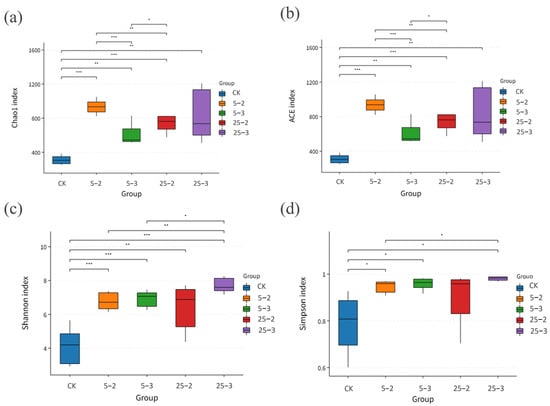
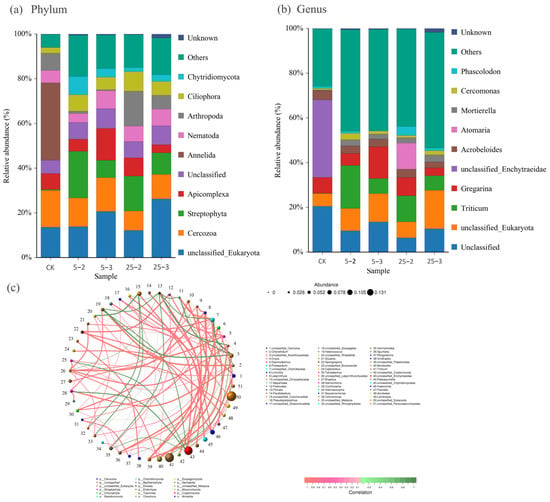
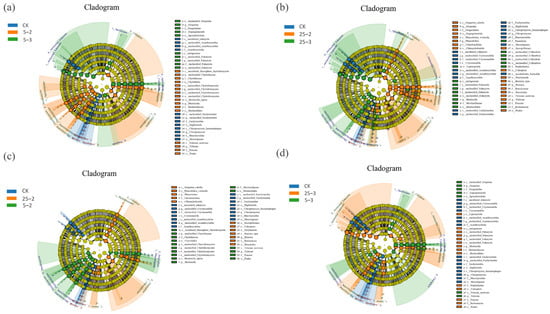
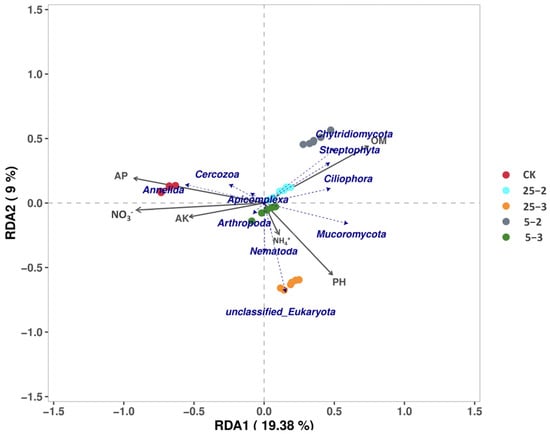
Eukaryotic organisms play a critical role in maintaining agricultural ecosystem functions and crop health. Irrigation practices and water salinity significantly affect eukaryotic communities, yet the interactive effects of drip irrigation depth and water salinity on these communities remain unclear. This study aimed to investigate the interactive effects of drip irrigation depth and water salinity on the diversity, community structure, and functional groups of winter wheat rhizosphere eukaryotes, and to examine their relationships with soil environmental factors. A two-year field experiment was conducted in Cangzhou, Hebei Province, with two drip irrigation depths (5 cm shallow, 25 cm deep) and two irrigation water salinity levels (2 g·L−1, 3 g·L−1). High-throughput sequencing was used to analyze rhizosphere microbial communities, and α/β diversity, species composition, LEfSe differential analysis, and redundancy analysis (RDA) were performed to assess the effects of environmental factors. Results showed that both irrigation depth and water salinity significantly influenced α/β diversity and community structure of soil eukaryotes. The 5 cm shallow + 2 g·L−1 salinity treatment favored species richness, while the 25 cm deep + 3 g·L−1 treatment promoted community evenness. Dominant taxa responded selectively, with Annelida markedly suppressed and groups such as Streptophyta and Chytridiomycota enriched under different treatments. Network analysis revealed that key microbial taxa occupied central positions in interspecies interactions. RDA indicated that soil pH, nitrogen, potassium, and organic matter were important drivers of community structure. In conclusion, drip irrigation depth and water salinity synergistically shape soil eukaryotic community structure. These findings provide a scientific basis for optimizing drip irrigation depth, utilizing brackish water, and enhancing agricultural ecosystem functions. Full article
(This article belongs to the Section Agricultural Water Management)
Show Figures

Figure 1

19 pages, 326 KB  
Article
On Weak e-Reflexive Rings and Their Nil Extensions
by Awn Alqahtani, Eltiyeb Ali and Khalid I. A. Ahmed
Axioms 2026, 15(6), 396; https://doi.org/10.3390/axioms15060396 (registering DOI) - 25 May 2026
Abstract
In this work, we establish the relationships between weak e-reversibility and weak e-semicommutativity, introducing weak e-reflexive rings as a natural generalization of reflexive and e-reflexive rings. We demonstrate that, under specific conditions, weak e-reflexivity and weak e-reversibility [...] Read more.
In this work, we establish the relationships between weak e-reversibility and weak e-semicommutativity, introducing weak e-reflexive rings as a natural generalization of reflexive and e-reflexive rings. We demonstrate that, under specific conditions, weak e-reflexivity and weak e-reversibility coincide in Baer rings, and we provide characterizations via corner subrings and semicentral idempotents. Furthermore, we introduce e-nilpotent reflexive rings and examine their structural stability and connections within the class of generalized reflexive rings. A comprehensive analysis is provided regarding the behavior of these properties under polynomial and Dorroh extensions, as well as within matrix rings and quotient structures. Full article
(This article belongs to the Section Algebra and Number Theory)
23 pages, 619 KB  
Article
A Transformer-Based Intrusion Detection System for Zero-Day Attack Detection in IoT Networks
by Murtadha D. Hssayeni and Imadeldin Mahgoub
Future Internet 2026, 18(6), 282; https://doi.org/10.3390/fi18060282 (registering DOI) - 25 May 2026
Abstract
The possibility of zero-day attacks on Internet of Things (IoT) networks is high, particularly in dynamic and heterogeneous IoT environments, including emerging battlefield scenarios (IoBT). Detecting these attacks requires adaptive and generalizable security mechanisms. Due to the unique and unknown signatures of these [...] Read more.
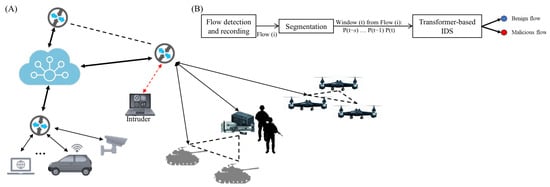
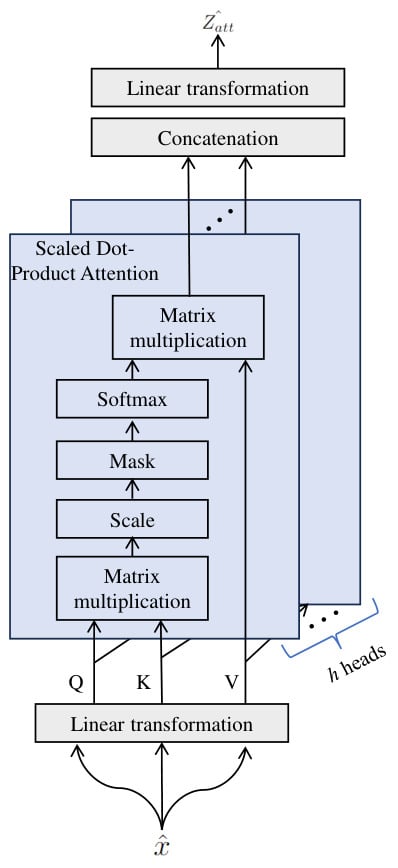
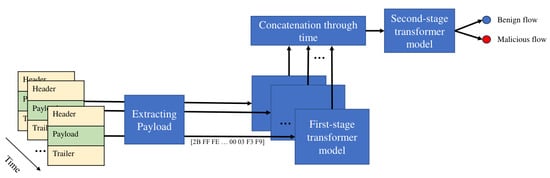
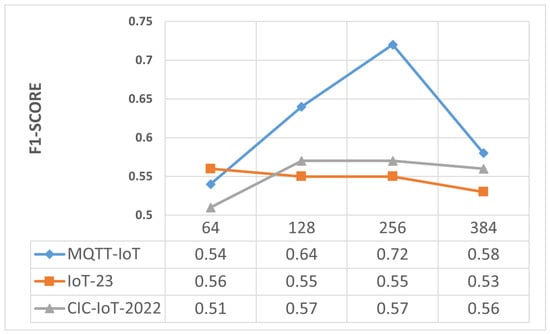
The possibility of zero-day attacks on Internet of Things (IoT) networks is high, particularly in dynamic and heterogeneous IoT environments, including emerging battlefield scenarios (IoBT). Detecting these attacks requires adaptive and generalizable security mechanisms. Due to the unique and unknown signatures of these attacks, they go undetected using signature-based Intrusion Detection Systems (IDSs) on the one side. On the other side, current anomaly-based IDSs that employ traditional machine learning on statistical features struggle to adapt and generalize to unknown networks, which is the case in IoBT. Transformer-based deep learning models have shown the capability of learning complex sequential patterns. This ability can be leveraged to analyze packet payloads that encompass opcodes capable of executing malicious patterns within an IoT network. In this work, we propose a dual-stage Transformer IDS that operates on the raw payload of network packets to detect zero-day attacks. Due to the lack of IoBT datasets, we evaluate the algorithm on three comprehensive IoT traffic benchmarks—MQTT-IoT, IoT-23, and CIC-IoT-2022—which have a high number of IoT devices and various attacks. Importantly, model evaluation is performed in two cross-validation settings to address the key operational challenges associated with unseen scenarios and networks. The evaluation settings are split-at-scenario to evaluate the detection ability of zero-day attacks and split-at-dataset to evaluate the model’s generalizability to new environments. In the former, the average increase in the F1-score of the proposed algorithm over the baseline model is 44% in detecting four zero-day attacks presented in the MQTT-IoT dataset. In the latter, the average increase in the F1-score is 16% in detecting malicious attacks across the three datasets. These results show the benefit of advanced AI in securing the next generation of IoT systems in future Internet applications. Full article
(This article belongs to the Special Issue State-of-the-Art Future Internet Technology in USA 2026–2027)
Show Figures

Figure 1

20 pages, 1736 KB  
Article
Loganin Attenuates Rotenone-Induced Parkinsonism-like Features in Rats Through Multi-Target Neuroprotective Mechanisms
by Peng-Yuan Chang, Mao-Hsien Wang, Yu-Ling Yeh, Kuo-Chi Chang and Hung-Sheng Soung
Biomedicines 2026, 14(6), 1195; https://doi.org/10.3390/biomedicines14061195 (registering DOI) - 25 May 2026
Abstract
Background/Objectives: Rotenone (RT)-induced neurotoxicity is widely used to model Parkinsonism-like nigrostriatal injury and recapitulates several PD-relevant pathological features, including oxidative stress, mitochondrial dysfunction, neuroinflammation, and dopaminergic neurochemical disturbance. Loganin (LG), an iridoid glycoside isolated from Cornus officinalis, has been reported to possess [...] Read more.
Background/Objectives: Rotenone (RT)-induced neurotoxicity is widely used to model Parkinsonism-like nigrostriatal injury and recapitulates several PD-relevant pathological features, including oxidative stress, mitochondrial dysfunction, neuroinflammation, and dopaminergic neurochemical disturbance. Loganin (LG), an iridoid glycoside isolated from Cornus officinalis, has been reported to possess antioxidant, anti-inflammatory, anti-apoptotic, and neuroprotective properties. However, its protective effects in a unilateral stereotaxic RT lesion model have not been fully elucidated. This study aimed to investigate the neuroprotective potential of LG against RT-induced Parkinsonism-like pathology in rats and to explore the possible involvement of antioxidant-related signaling mechanisms. Methods: Adult male Wistar rats were randomly assigned to twelve experimental groups (n = 8/group), including control, sham, RT, sham + LG, RT + LG, RT + trigonelline (TG) + LG, and RT + selegiline (SL). RT was stereotaxically injected once into the right substantia nigra pars compacta (SNpc) on Day 0 to induce unilateral nigrostriatal injury. LG was administered orally once daily from Day 1 to Day 21 at doses of 3, 10, and 30 mg/kg. TG was given intraperitoneally 30 min before LG treatment, while SL served as a reference antiparkinsonian drug. Behavioral assessments and biochemical analyses were conducted to evaluate motor dysfunction, oxidative and nitrosative stress, endogenous antioxidant status, mitochondrial dysfunction, inflammatory and apoptotic responses in the SNpc, and striatal catecholamine disturbances. Results: RT lesioning produced significant motor deficits, oxidative and nitrosative stress, depletion of endogenous antioxidant defenses, mitochondrial dysfunction, inflammatory and apoptotic activation in the SNpc, and abnormalities in striatal catecholamine levels. LG treatment significantly attenuated these pathological changes, with more pronounced protective effects observed at 10 and 30 mg/kg. Co-administration of TG partially weakened the beneficial effects of LG, suggesting the possible involvement of antioxidant defense-related signaling while not providing direct proof of a single pathway. SL also ameliorated RT-induced behavioral and biochemical abnormalities. Conclusions: These findings suggest that LG confers multi-target neuroprotective effects against RT-induced Parkinsonism-like features in rats. The protective actions of LG were associated with attenuation of oxidative stress, mitochondrial dysfunction, neuroinflammation, apoptosis, and catecholaminergic disturbances. Because the pathway analysis remains pharmacological and indirect, additional studies using direct molecular validation are warranted before LG can be considered a disease-modifying candidate for PD-related neurodegeneration. Full article
(This article belongs to the Special Issue Animal Models for Neurological Disease Research)
20 pages, 739 KB  
Article
Language-Specific Differences in Large Language Model Diagnostic Reasoning: A Translation-Controlled Clinical Vignette Study
by Jakub Magdziarz Ibrahim-El-Nur, Wojciech Kaczmarek, Weronika Winiarska, Adrian Kuś and Magdalena Łoś
J. Clin. Med. 2026, 15(11), 4082; https://doi.org/10.3390/jcm15114082 (registering DOI) - 25 May 2026
Abstract
Background: Large language models (LLMs) are increasingly being evaluated for clinically relevant diagnostic tasks, yet their performance may vary across languages. We aimed to determine whether input language influences LLM diagnostic reasoning in vignette-based clinical tasks and to inform multilingual predeployment evaluation [...] Read more.
Background: Large language models (LLMs) are increasingly being evaluated for clinically relevant diagnostic tasks, yet their performance may vary across languages. We aimed to determine whether input language influences LLM diagnostic reasoning in vignette-based clinical tasks and to inform multilingual predeployment evaluation for non-English healthcare systems. Methods: In this translation-controlled in silico study, 30 real-patient’s clinical vignettes were presented in paired English- and Polish-language conditions using back-translated prompts and cases. Six LLMs were evaluated with a structured reflection framework adapted from medical education. The study included 720 rater-level evaluations and 360 unique model–language–vignette responses. Responses were independently scored by 2 physician raters, with major discrepancies adjudicated by a third physician. The primary outcome was total rubric score. Secondary outcomes included differential diagnosis quality, justification, appropriateness of additional examinations, final diagnosis, and triage accuracy. Exploratory analyses assessed the number and cost of recommended examinations. Results: The effect of language differed significantly by model. Qwen2.5, Llama3.3, Meditron3, and OpenBioLLM performed significantly better in English, with the largest gap observed for Qwen2.5. GPT-5 and Bielik showed no statistically detectable English-Polish difference in overall score in this sample. Language-related differences were most evident in differential diagnosis quality, justification, and examination planning rather than in final diagnosis alone. Exploratory economic analyses suggested model- and language-dependent differences in testing burden, with broader suggested workups generally associated with higher diagnostic costs. Language robustness was not a consistent property of clinically evaluated LLMs. Performance differences were concentrated in reasoning and workup domains that are safety-relevant if these systems are used clinically. Conclusions: Multilingual clinical performance of LLMs is strongly model dependent. Language-specific evaluation should be considered before deployment in non-English healthcare systems. Full article
25 pages, 1821 KB  
Article
Large Eddy Simulation-Based Modeling of Sub-Zero Cold-Air Inhalation
by Xinlei Huang, Anne-Marie Schlesinger, Goutam Saha and Suvash C. Saha
Mathematics 2026, 14(11), 1835; https://doi.org/10.3390/math14111835 (registering DOI) - 25 May 2026
Abstract
In extremely cold environments, inhaling frigid, dry air can pose significant health risks, potentially leading to airway inflammation and respiratory injury. While previous studies have examined thermal exchange within lung airways under hot-air inhalation, the majority have focused on localized regions rather than [...] Read more.
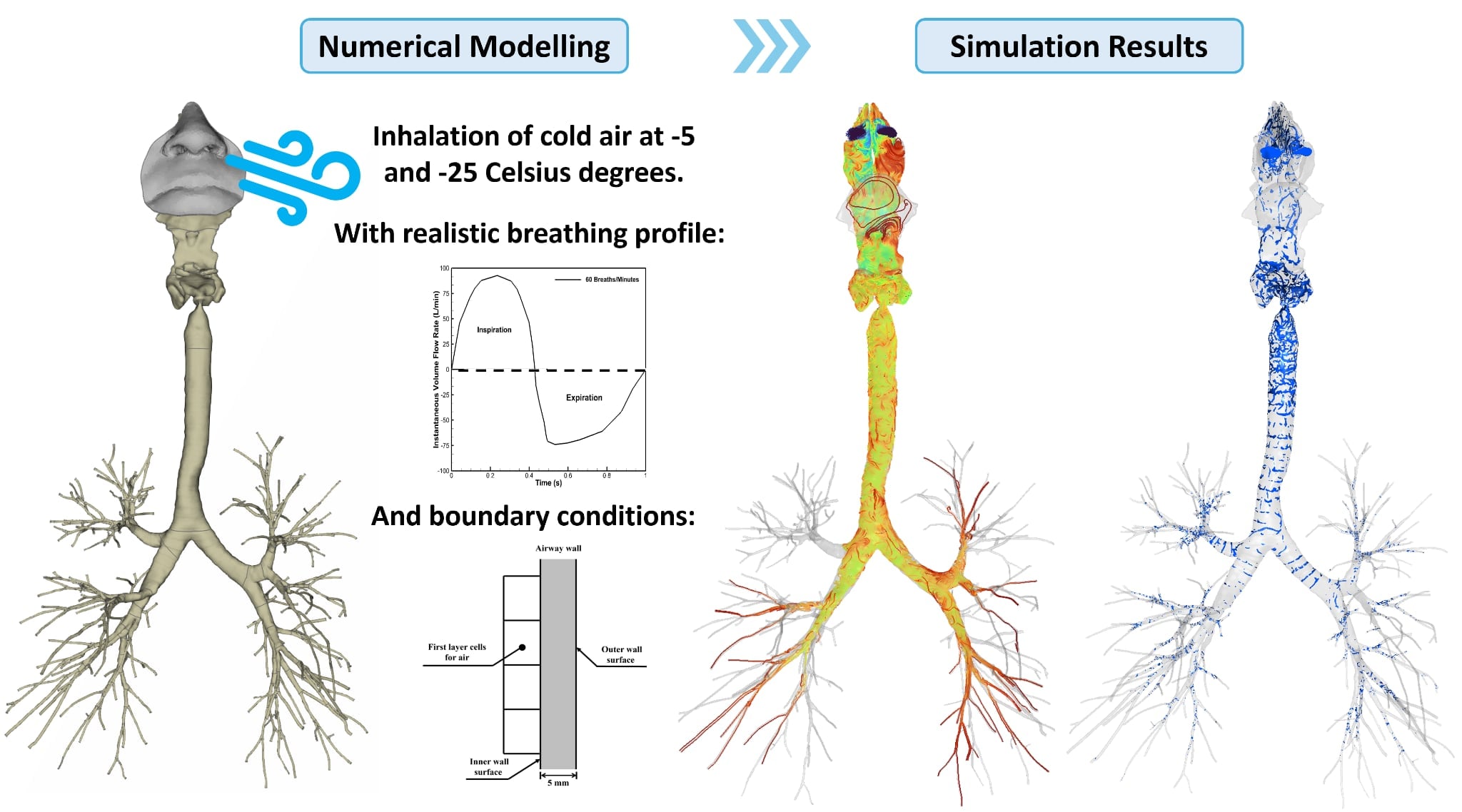
In extremely cold environments, inhaling frigid, dry air can pose significant health risks, potentially leading to airway inflammation and respiratory injury. While previous studies have examined thermal exchange within lung airways under hot-air inhalation, the majority have focused on localized regions rather than the entire respiratory tract. This study expands the scope of inquiry by simulating airflow and heat transfer throughout a more complete computed tomography (CT)-based respiratory tract, from the nasal cavity to the larynx and trachea and extending down to the 13th generation of the bronchial tree, under two cold-air inhalation scenarios at −5 °C and −20 °C. Using computational fluid dynamics, this study integrates Large Eddy Simulation with the Smagorinsky–Lilly subgrid-scale model to capture the complex interaction of turbulent flow and thermal transport in the human respiratory system. By analyzing temperature distributions, heat flux, heat-transfer coefficients, Nusselt numbers, and mass flux across the airways, the research shows how varying degrees of cold inhalation influence respiratory thermodynamics and associated biomechanical responses. As such, this study establishes a rigorous scientific foundation for the development of more sophisticated and predictive respiratory-tract models in sub-zero environments in future work. Full article
(This article belongs to the Special Issue Modeling and Simulation in Engineering, 4th Edition)
Show Figures

Graphical abstract

Open Access Journals

Browse by Indexing Browse by Subject Selected Journals
Back to TopTop