


Advancing Open Science
A global leader in open access publishing, supporting research
communities and accelerating scientific discovery
 
11 pages, 508 KB  
Article
Influence of Sepsis on Clinical Outcomes During Mechanical Circulatory Support by Microaxial Flow Pump in Patients with Cardiogenic Shock Following Acute Myocardial Infarction
by Philip Düsing, Julia Markgraf, Baravan Al-Kassou, Marko Bulic, Thomas Beiert, Sebastian Zimmer, Nikos Werner, Felix Jansen, Georg Nickenig and Andreas Zietzer
J. Clin. Med. 2026, 15(10), 3989; https://doi.org/10.3390/jcm15103989 (registering DOI) - 21 May 2026
Abstract
Background: Cardiogenic shock (CS) is characterized as a state of low cardiac output that is frequently associated with multisystem organ failure. For over two decades, revascularization of the culprit lesion remained the only interventional treatment option to improve outcomes in CS following acute [...] Read more.
Background: Cardiogenic shock (CS) is characterized as a state of low cardiac output that is frequently associated with multisystem organ failure. For over two decades, revascularization of the culprit lesion remained the only interventional treatment option to improve outcomes in CS following acute myocardial infarction. However, recently published data provide evidence that the use of a microaxial flow pump for mechanical circulatory support (MCS) in STEMI-related cardiogenic shock significantly reduced mortality after 180 days. Increased rates of complications such as sepsis were observed under MCS. The present study aimed to investigate the influence of sepsis on prognoses in patients with CS receiving temporary MCS with a microaxial flow pump. Methods and Results: This retrospective cohort study included 38 patients who received a microaxial flow pump for CS between 2014 and 2017. All patients were analyzed for the presence of sepsis, defined as infection and an increase in the Sequential Organ Failure Assessment (SOFA) score of ≥2 points. Analyzed clinical outcomes included all-cause mortality after 30 and 365 days and changes in renal function. A total of 38 patients were included in the final analysis. The 30-day all-cause mortality was significantly higher in the sepsis group than in the no-sepsis group (53.9% vs. 8.3%, p = 0.014). The findings were consistent for mortality at 365 days (65.4% vs. 16.7%, p = 0.008). Conclusions: These results indicate that sepsis significantly increases the risk of all-cause mortality at 30 and 365 days among patients with CS following AMI and receiving MCS via a microaxial flow pump. Full article
(This article belongs to the Section Cardiology)
10 pages, 526 KB  
Article
Necroptosis in SJS/TEN: RIPK1 and RIPK3 Expression and Implications for Disease Pathogenesis
by Chandana Sooranahalli, Charles Bouchard and Omer Iqbal
Curr. Issues Mol. Biol. 2026, 48(5), 540; https://doi.org/10.3390/cimb48050540 (registering DOI) - 21 May 2026
Abstract
Necroptosis has been implicated in the pathogenesis of Stevens–Johnson syndrome and toxic epidermal necrolysis (SJS/TEN), with prior studies demonstrating tissue-level involvement of receptor-interacting protein kinases RIPK1 and RIPK3. However, their systemic expression in the circulatory compartment remains incompletely characterized. The objective of this [...] Read more.
Necroptosis has been implicated in the pathogenesis of Stevens–Johnson syndrome and toxic epidermal necrolysis (SJS/TEN), with prior studies demonstrating tissue-level involvement of receptor-interacting protein kinases RIPK1 and RIPK3. However, their systemic expression in the circulatory compartment remains incompletely characterized. The objective of this study is to evaluate circulating levels of RIPK1 and RIPK3 in patients with SJS/TEN and explore their potential association with diseases. Serum samples from patients with SJS/TEN and control groups were analyzed for RIPK1 and RIPK3 levels using ELISA. Group differences were assessed using non-parametric statistical methods. Circulating levels of RIPK1 and RIPK3 were elevated in patients with SJS/TEN compared with controls. These findings were consistent across analyses; however, variability within groups and overlap between cohorts were observed. These results suggest an association between increased circulating RIPK1 and RIPK3 levels and SJS/TEN. Given the limited sample size, heterogeneous control populations, and lack of functional or phosphorylation-specific assays, these findings should be considered exploratory. Further studies incorporating larger cohorts and mechanistic validation are needed to clarify the role of necroptosis-related pathways in the systemic manifestations of SJS/TEN. Full article
13 pages, 1583 KB  
Article
Influence of Caliper Position on Particle Emission Test Results in Heavy-Duty Brake Emission Test Systems
by Sampsa Martikainen, Michael Peter Huber, Harald Mayrhofer and Christoph Weidinger
Atmosphere 2026, 17(5), 527; https://doi.org/10.3390/atmos17050527 (registering DOI) - 21 May 2026
Abstract
Brake wear is a major contributor to non-exhaust particulate emissions, and standardized measurement methods are currently being extended from light-duty (LD) to heavy-duty (HD) vehicles. However, differences in brake geometry and operating conditions may influence particle transport and sampling representativeness in HD brake [...] Read more.
Brake wear is a major contributor to non-exhaust particulate emissions, and standardized measurement methods are currently being extended from light-duty (LD) to heavy-duty (HD) vehicles. However, differences in brake geometry and operating conditions may influence particle transport and sampling representativeness in HD brake emission test systems. This study investigates the influence of brake caliper position on particle emissions and mixing uniformity in an HD brake emission test setup. Experiments were conducted using a dynamometer-based system with four sampling probes distributed across the sampling plane. Emissions of particulate mass (PM10, PM2.5) and particle number (solid and total particle number emissions for particles >10 nm) were measured for two caliper orientations (horizontal and vertical). Mixing quality was assessed by comparing probe-specific emission results to the plane-averaged value. The results show that the vertical orientation was associated with 34% higher PM10 and 40% higher PM2.5 emissions on average, a significant increase. Particle number emissions also increased on average, but the differences were small relative to test repeatability. The more pronounced effect on PM suggests that the caliper position mainly influences the transport and losses of larger particles, which contribute more to PM. In contrast, the uniformity of particle concentration across the sampling plane was similar for both configurations, with deviations comparable to those reported for LD systems. These findings should be considered in the interpretation of results obtained with any similar test systems, comparisons between such systems, and literary reviews. Full article
19 pages, 470 KB  
Article
Secrecy Energy Efficiency Maximization for RSMA-UAV Assisted Communications with Cooperative Jamming
by Yutao Liu, Jihan Feng and Yifan Wang
Aerospace 2026, 13(5), 485; https://doi.org/10.3390/aerospace13050485 (registering DOI) - 21 May 2026
Abstract
In this paper, we investigate secrecy energy efficiency (SEE) maximization in a rate-splitting multiple access (RSMA)-enabled UAV communication system, which consists of a communication UAV serving legitimate ground users (GUs) and a cooperative jamming UAV transmitting jamming signals to degrade the channel of [...] Read more.
In this paper, we investigate secrecy energy efficiency (SEE) maximization in a rate-splitting multiple access (RSMA)-enabled UAV communication system, which consists of a communication UAV serving legitimate ground users (GUs) and a cooperative jamming UAV transmitting jamming signals to degrade the channel of the eavesdropper (Eve). Taking into account the propulsion energy consumption of fixed-wing UAVs, we formulate a non-convex SEE maximization problem by jointly optimizing communication scheduling, CUAV transmit power, and the trajectories of both UAVs. To tackle the non-convex problem, an iterative optimization algorithm combined with the Dinkelbach method and successive convex approximation (SCA) is developed to obtain a suboptimal solution. Simulation results demonstrate the convergence of the proposed algorithm and show the proposed joint optimization scheme significantly improves SEE compared with benchmark schemes. Full article
18 pages, 3163 KB  
Article
The Upregulation of AIM2 in the Central Nucleus of the Amygdala Correlates with Pain Induced by Tooth Movement
by Rui Wang, Yutong Guo, Weining Wang, Yuhuan Jiang, Tingting Lin, Wenhui Liang, Bing Qi and Hu Qiao
Int. J. Mol. Sci. 2026, 27(10), 4647; https://doi.org/10.3390/ijms27104647 (registering DOI) - 21 May 2026
Abstract
Pain is an unavoidable experience during orthodontic treatment. The central nucleus of the amygdala (CeA) plays a key role in regulating emotion and pain. Meanwhile, Absent in Melanoma 2 (AIM2) has been demonstrated in multiple neuroinflammatory and pain models for promoting inflammatory responses [...] Read more.
Pain is an unavoidable experience during orthodontic treatment. The central nucleus of the amygdala (CeA) plays a key role in regulating emotion and pain. Meanwhile, Absent in Melanoma 2 (AIM2) has been demonstrated in multiple neuroinflammatory and pain models for promoting inflammatory responses then enhancing nociceptive signaling. However, its role in pain caused by orthodontic tooth movement has not yet been clarified. In this study, C57BL/6J mice were used to establish an experimental tooth movement (ETM) model and were assigned to a control group, sham group, and experimental group. The face grooming and von Frey results showed that pain behaviors reached a peak on 1 d and returned to baseline levels by 7 d. After 14 days of continuous force application, mice developed obvious anxious behaviors and progressively worsened over time. The Western blot results revealed that tooth movement significantly increased AIM2 protein expression in the CeA. This was accompanied by a marked upregulation of NLRP3, caspase-1 and pp65. These findings suggest a potential role of NLRP3-NF-κB signaling in orthodontic tooth movement and also provide a new central target for the precise regulation of orthodontic pain. Full article
(This article belongs to the Special Issue Oral Soft Tissue Repair and Oral Diseases: 2nd Edition)
22 pages, 3548 KB  
Article
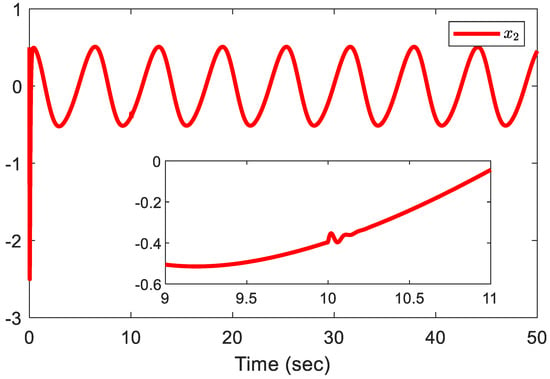
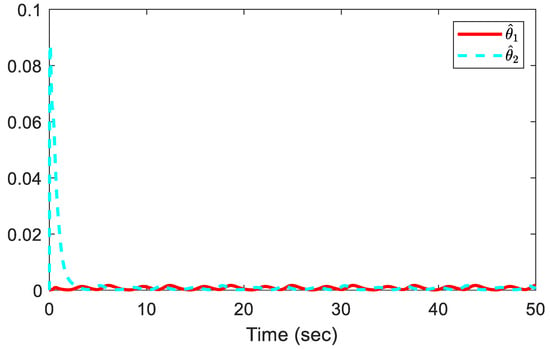
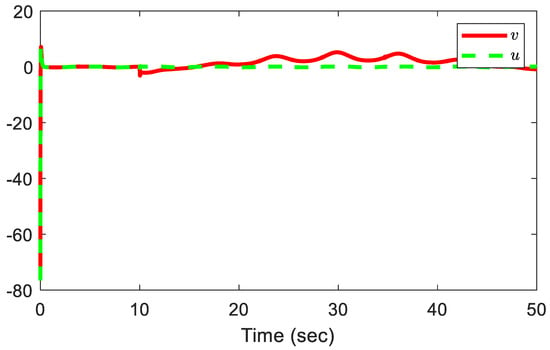
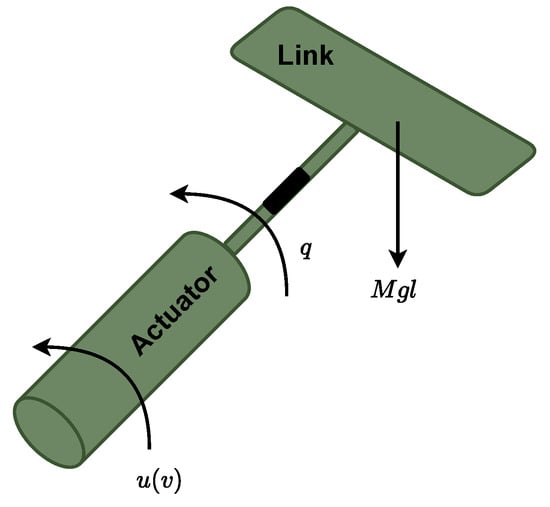
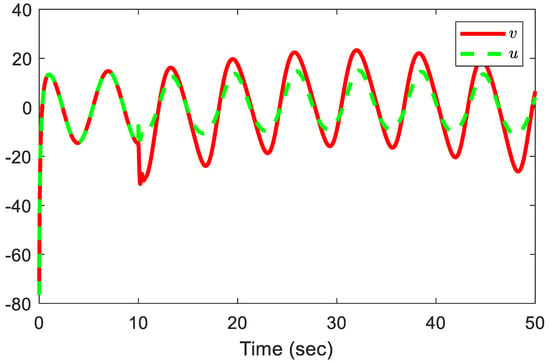
Adaptive Fixed-Time Prescribed Performance Command-Filtered Control for Nonlinear Systems with Unknown Control Gains and Actuator Faults
by Hadil Alhazmi, Mohamed Kharrat, Asma Al-Jaser and Paolo Mercorelli
Mathematics 2026, 14(10), 1781; https://doi.org/10.3390/math14101781 (registering DOI) - 21 May 2026
Abstract
This paper investigates the adaptive prescribed performance fixed-time control problem for uncertain strict-feedback nonlinear systems in the presence of unknown control coefficients and actuator faults. A switching-based control strategy is developed to address the uncertainty in control coefficients, where adaptive parameters are adjusted [...] Read more.
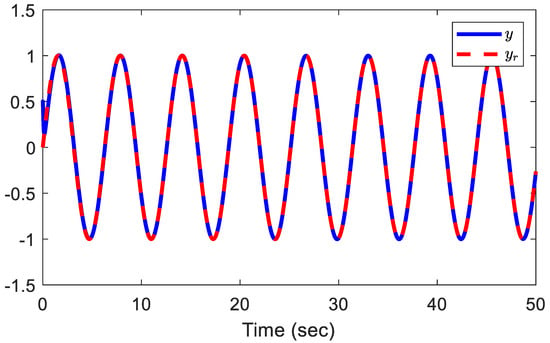
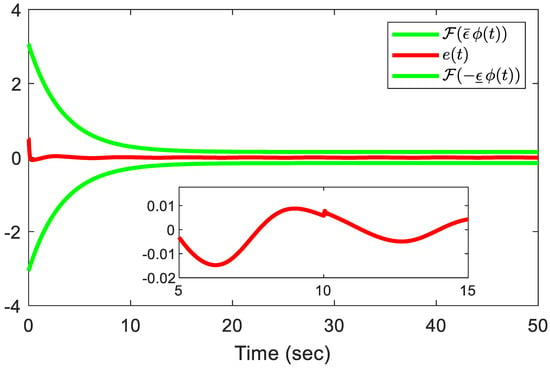
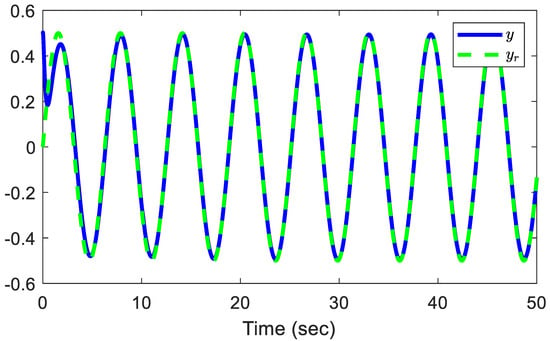
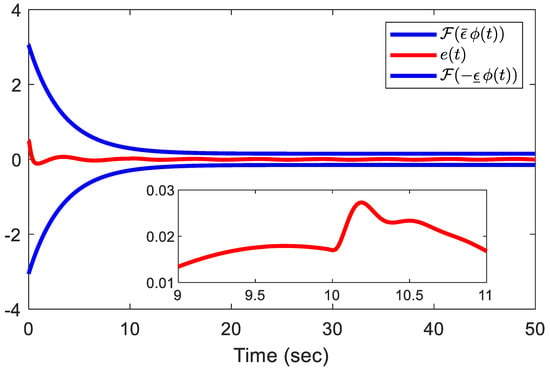
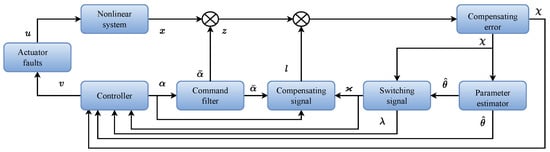
This paper investigates the adaptive prescribed performance fixed-time control problem for uncertain strict-feedback nonlinear systems in the presence of unknown control coefficients and actuator faults. A switching-based control strategy is developed to address the uncertainty in control coefficients, where adaptive parameters are adjusted online according to design requirements. To regulate the transient and steady-state behavior, a fixed-time prescribed performance function is incorporated into the control design, ensuring that the tracking error evolves within predefined bounds. The command filter technique is employed to simplify the backstepping procedure and avoid the issue of complexity growth, while filter-induced errors are compensated using auxiliary signals. Rigorous Lyapunov analysis establishes that all closed-loop signals remain bounded and that the tracking error converges to a small neighborhood of zero within a fixed time, independent of initial conditions. The effectiveness of the proposed method is demonstrated through numerical simulations and a practical example. Full article
(This article belongs to the Special Issue Mathematics and Applications, 2nd Edition)
Show Figures

Figure 1

27 pages, 2227 KB  
Article
Causal Structure Learning Assumptions Shape Counterfactual Safety: Expert-Guided Constraints vs. Data-Driven DAGs with Probabilistic Logic Twin Networks
by Héctor Avilés, Ingridh Gracia, Rafael Kiesel, Verónica Rodríguez, Rubén Machucho, Alberto Reyes, Marco Negrete, Gabriel Ramírez, Nicolás Luévano, Myriam Pequeño, Jesús Medrano and Felix Weitkämper
Entropy 2026, 28(5), 577; https://doi.org/10.3390/e28050577 (registering DOI) - 21 May 2026
Abstract
We investigate how causal DAG learning algorithms and structural assumptions influence counterfactual decision safety. Four structure learning regimes are compared: expert-guided edge-constrained HC+BIC, unconstrained HC+BIC, MMPC+HC+BIC, and the PC-Stable algorithm. Evaluation is conducted using a leave-one-state-out protocol over a fully enumerated state–action space [...] Read more.
We investigate how causal DAG learning algorithms and structural assumptions influence counterfactual decision safety. Four structure learning regimes are compared: expert-guided edge-constrained HC+BIC, unconstrained HC+BIC, MMPC+HC+BIC, and the PC-Stable algorithm. Evaluation is conducted using a leave-one-state-out protocol over a fully enumerated state–action space in a controlled offline autonomous driving setting. The environment is characterized by seven Boolean state variables and six actions, allowing us to disentangle the effects of learning strategies on counterfactual decisions. All models are implemented as probabilistic logic twin networks (PLTNs), with additional sensitivity analysis across parameter configurations. The learning regimes produce markedly different counterfactual decisions. Edge-constrained HC+BIC recommends a diverse set of safe actions, while unconstrained HC+BIC yields fewer but consistently safe alternatives. MMPC+HC+BIC frequently fails to identify safe actions, often associated with weak connectivity of the outcome variable. PC-Stable produces varied recommendations but may include unsafe actions, which is linked to incorrect edge orientations between actions and outcomes. These findings show that structure learning choices and prior knowledge influence counterfactual decisions through the learned structure, affecting the identification of safe alternatives in safety-critical applications. Full article
(This article belongs to the Special Issue Causal Graphical Models and Their Applications, 2nd Edition)
37 pages, 938 KB  
Article
Explainable and Computationally Efficient NLP Framework for Detecting Psycho-Emotional Risk Signals in Social Media
by Orazmukhamed Bekmurat, Darkhan Akpanbetov, Ainur Tursynkhan, Laura Demeubayeva, Zhansaya Duisenbekkyzy, Kanibek Sansyzbay, Shingis Kadirkulov and Yelena Bakhtiyarova
Computers 2026, 15(5), 327; https://doi.org/10.3390/computers15050327 (registering DOI) - 21 May 2026
Abstract
The timely detection of psycho-emotional risks has become increasingly important due to the rapid growth of social media platforms. This study examines user-generated text as a potential source of early indicators of psychological vulnerability. The proposed NLP-based framework incorporates behavioral features to improve [...] Read more.
The timely detection of psycho-emotional risks has become increasingly important due to the rapid growth of social media platforms. This study examines user-generated text as a potential source of early indicators of psychological vulnerability. The proposed NLP-based framework incorporates behavioral features to improve the interpretation of users’ psycho-emotional states. In addition to text classification, the study considers structured behavioral indicators to support psycho-emotional risk analysis. Particular attention is given to interpretability. SHAP-based techniques are applied to reveal the contribution of individual features and to provide a clearer explanation of model predictions. The evaluation was conducted on publicly available datasets containing textual data and aggregated behavioral/physiological indicators. No raw physiological streams, wearable sensor data, or biometric recordings were used. The two datasets were employed in complementary experimental settings and were not aligned at the individual-sample level; accordingly, the broader analytical perspective explored in this study should not be interpreted as a single end-to-end or fully aligned multimodal learning framework. The proposed BERT-based model with SHAP interpretability achieved an accuracy of 96.3%, an F1-score of 0.96, and a ROC–AUC score of 0.98, showing consistent improvement over baseline models, including Random Forests and Support Vector Machines. Full article
(This article belongs to the Section Human–Computer Interactions)
29 pages, 1472 KB  
Article
An Exploratory Cross-National Study of K–12 Teachers’ Generative AI Literacy and Classroom Enactment
by Rosie Le Xiu, Stephen J. Aguilar, Andrea Jackelyn Macías, Yuqing Xing, Reem Al-Sulaiti, Maimoona Junjunia and Selma Talha Jebril
Educ. Sci. 2026, 16(5), 811; https://doi.org/10.3390/educsci16050811 (registering DOI) - 21 May 2026
Abstract
Guided by Social Cognitive Theory (SCT) and the Technology Acceptance Model (TAM), this qualitative study examines how K–12 teachers across five countries, the United States (n = 7), India (n = 5), Qatar (n = 5), Colombia (n = [...] Read more.
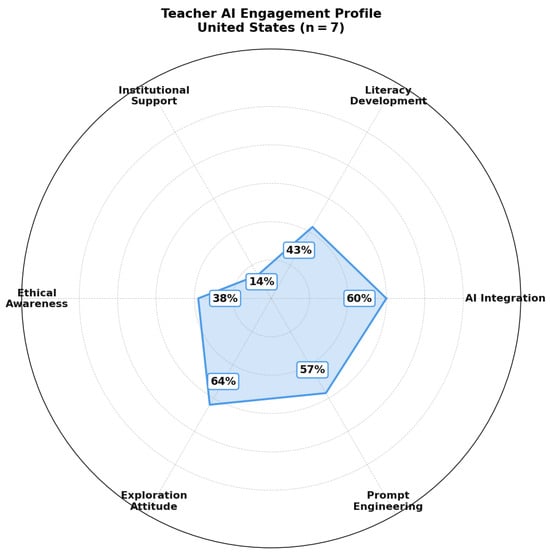
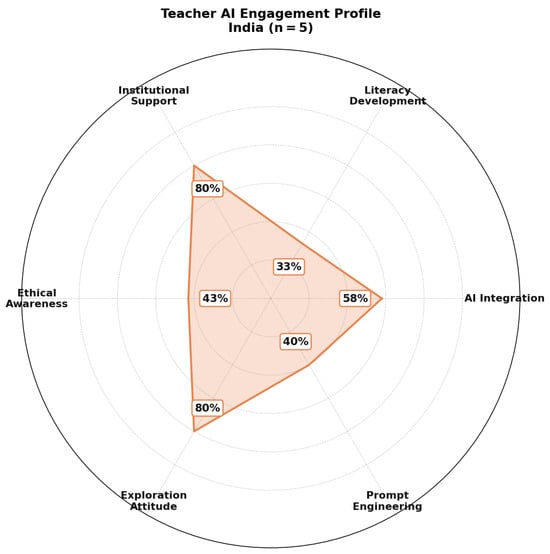
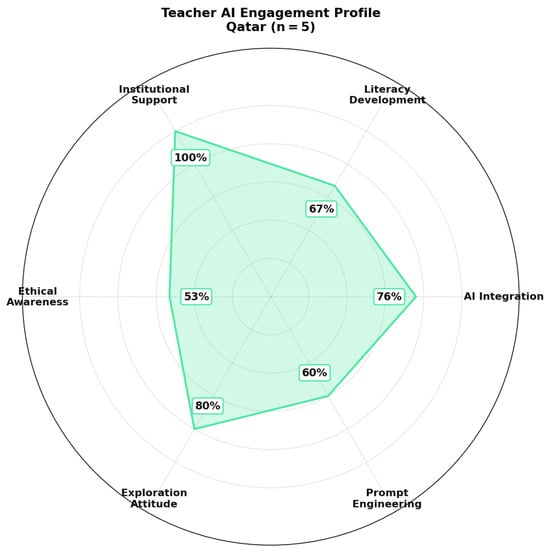
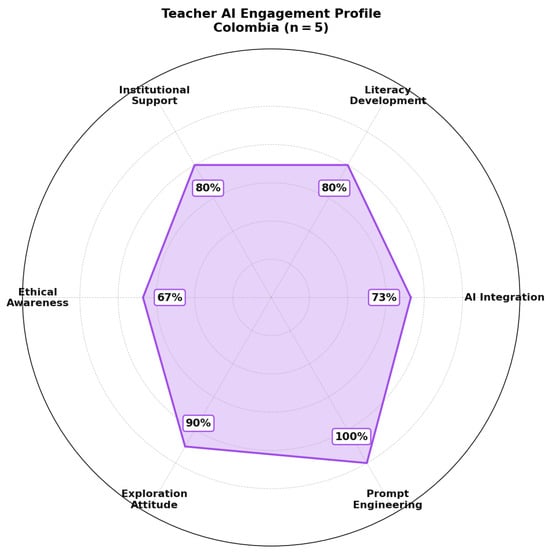
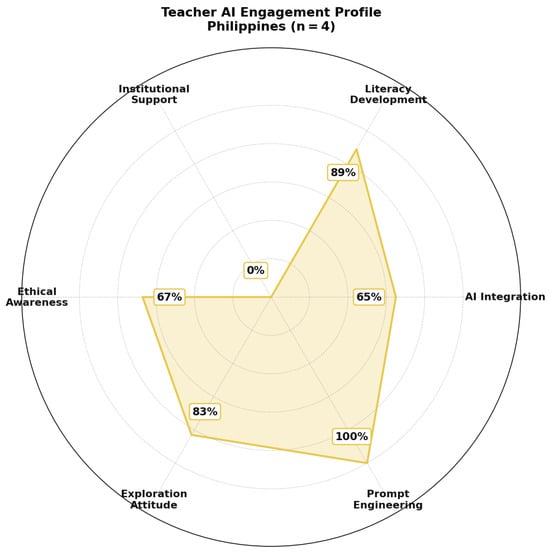
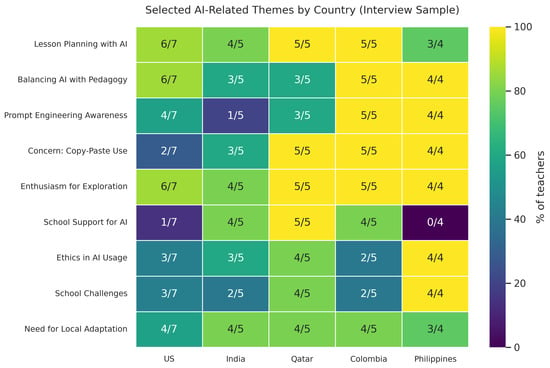
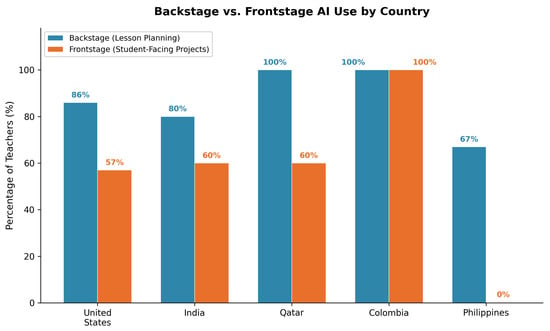
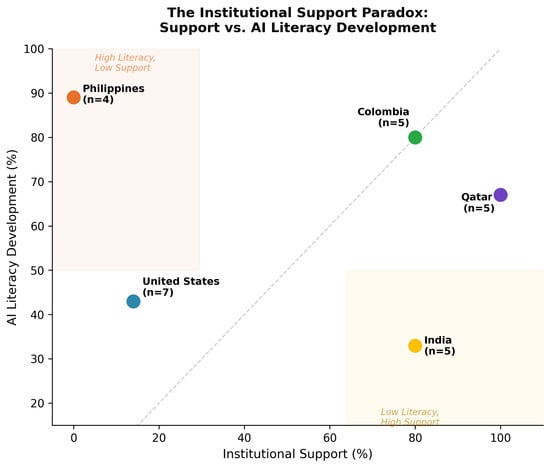
Guided by Social Cognitive Theory (SCT) and the Technology Acceptance Model (TAM), this qualitative study examines how K–12 teachers across five countries, the United States (n = 7), India (n = 5), Qatar (n = 5), Colombia (n = 5), and the Philippines (n = 4), conceptualize AI literacy and integrate generative AI into their practice. Through 26 semi-structured interviews conducted in summer and fall 2025, we identified three cross-national patterns that challenge dominant narratives about AI adoption in education. First, institutional support did not uniformly predict AI literacy depth: the four Filipino teachers developed sophisticated prompt engineering competencies despite low institutional backing, while the five Indian teachers showed the lowest awareness despite strong organizational support. Second, prompt engineering awareness functioned as a critical differentiator between teachers who engaged with AI as a pedagogical skill and those who treated it as an opaque productivity tool. Third, AI use for lesson preparation far outpaced classroom-facing application across all contexts. These findings reframe AI readiness as a question not of access and support but of whether conditions cultivate the interaction competence that meaningful integration demands. Full article
Show Figures

Figure 1

17 pages, 712 KB  
Article
Measuring the Level of Circularity in a Ho.Re.Ca. Organization According to UNI/TS 11820:2024
by Agata Matarazzo, Salvatore Ingenito, Marcella Bucca, Carla Zarbà, Gaetano Chinnici and Alessandro Scuderi
Sustainability 2026, 18(10), 5208; https://doi.org/10.3390/su18105208 (registering DOI) - 21 May 2026
Abstract
Assessing the level of circularity in the Hotel, Restaurant and Catering (HoReCa) sector is a significant challenge due to the lack of standardized quantification methods and the absence of structured environmental and material accounting systems, features that are typical of a sector largely [...] Read more.
Assessing the level of circularity in the Hotel, Restaurant and Catering (HoReCa) sector is a significant challenge due to the lack of standardized quantification methods and the absence of structured environmental and material accounting systems, features that are typical of a sector largely composed of micro-enterprises. The technical standard UNI/TS 11820:2024 has developed a set of 71 indicators for the circular economy, structured across six domains (material resources and components; energy and water; waste and emissions; logistics; products and services; and human resources, assets, policies, and sustainability), allowing the assessment of circularity levels in a replicable and comparable manner. The present research measures circularity in a table-service restaurant micro-enterprise, which has voluntarily adopted circular economy practices since its foundation. The purpose is to test the applicability of UNI/TS 11820:2024 in the HoReCa context, improve knowledge about this technical standard, and highlight its strengths and weaknesses from the managerial, methodological and public authorities’ perspective. The overall organization’s circularity score achieved is 31.88%, with performance ranging from 14.40% for “material resources and components” to 56.25% for “human resources, assets and policies”. Although UNI/TS 11820:2024 aims at bridging theoretical and practical gaps towards a harmonized set of measurement tools, sector-specific indicators for the foodservice context remain underrepresented, and public authorities and universities should promote both basic and advanced education in the field of circular economy measurement to support wider adoption. Full article
18 pages, 2109 KB  
Review
Application of g-C3N4-Based Photoelectrochemical Sensor in Water Environment Monitoring
by Mingjuan Zhang, Ziyi Wei, Jingyi Zhao and Jisui Tan
Water 2026, 18(10), 1248; https://doi.org/10.3390/w18101248 (registering DOI) - 21 May 2026
Abstract
Graphitic carbon nitride (g-C3N4), an emerging metal-free semiconductor material, has attracted considerable attention in the field of photoelectrochemical (PEC) sensing due to its unique electronic structure, excellent chemical stability, and visible-light responsiveness. This article systematically reviews recent advances in [...] Read more.
Graphitic carbon nitride (g-C3N4), an emerging metal-free semiconductor material, has attracted considerable attention in the field of photoelectrochemical (PEC) sensing due to its unique electronic structure, excellent chemical stability, and visible-light responsiveness. This article systematically reviews recent advances in research on g-C3N4-based PEC sensors applied to water environment monitoring. First, the fundamental physicochemical properties of g-C3N4 are introduced, along with its advantages and limitations in PEC sensing applications. Subsequently, four main performance enhancement strategies are outlined: heterojunction construction (including type II, Z-scheme, and S-scheme heterojunction), elemental doping and defect engineering, morphology control and nanostructure design, as well as various signal amplification approaches such as self-powered systems, dual-mode detection, and cyclic amplification. Furthermore, the current application status of these sensors in detecting typical water pollutants, including heavy metal ions (e.g., Pb2+, Cu2+, Cd2+, Hg2+), antibiotics (e.g., tobramycin, norfloxacin, kanamycin), pesticide residues (e.g., chlorpyrifos, atrazine, glyphosate), and pathogenic microorganisms (e.g., Salmonella, Candida albicans), is comprehensively reviewed, with particular emphasis on detection sensitivity, selectivity, and real-sample performance. Finally, the remaining challenges in terms of long-term stability, anti-interference capabilities in complex matrices, portability, and multifunctional integration are analyzed, and future development directions are proposed, including smartphone-based intelligent sensing, CRISPR/Cas12a-assisted signal amplification, and multi-target high-throughput detection. This review aims to provide a reference for the rational design and practical application of g-C3N4-based PEC sensors in the field of water environment monitoring. Full article
20 pages, 3165 KB  
Article
Prediction of Potential Forest Risk Areas for Phytopythium helicoides in China Under Climate Change Based on Maximum Entropy Modeling
by Yuzhe Kong, Binbin Jiao, Size Dai, Chun Yang, Qing Chen and Tingting Dai
Forests 2026, 17(5), 626; https://doi.org/10.3390/f17050626 (registering DOI) - 21 May 2026
Abstract
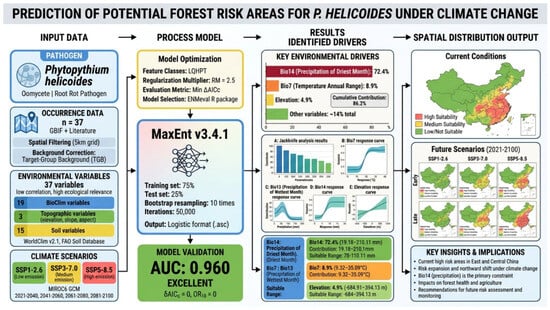
Despite the growing threat of Pythium helicoides to forest plantations in China, a nationwide assessment of climatic suitability remains unavailable, limiting the development of preventive strategies. This study applied the Maximum Entropy model combined with geographic information system analysis to predict the potential [...] Read more.
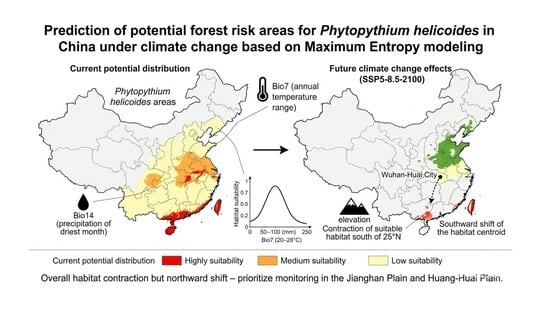
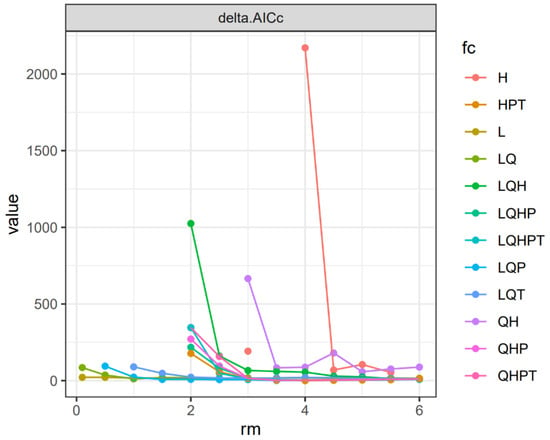
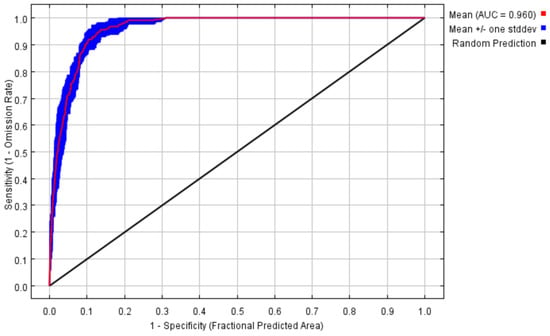
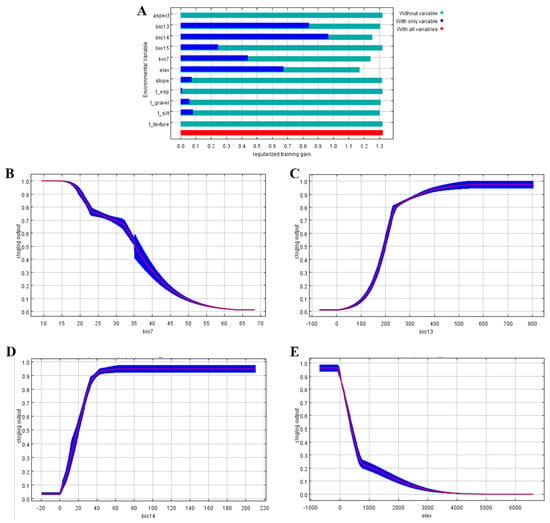
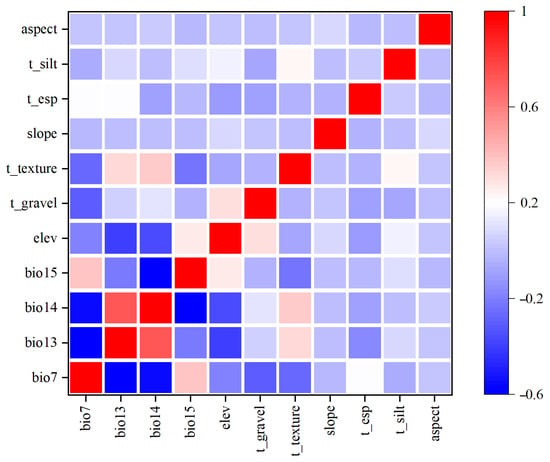
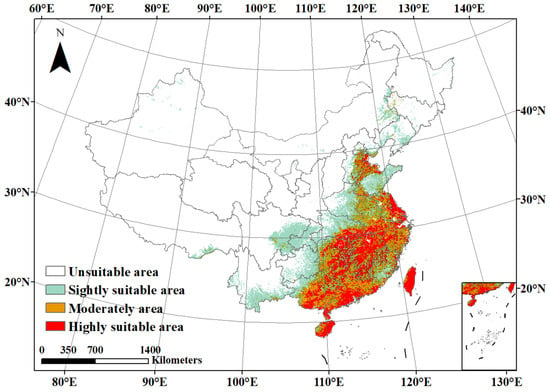
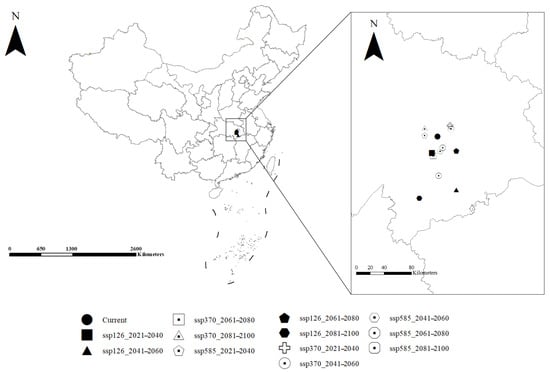
Despite the growing threat of Pythium helicoides to forest plantations in China, a nationwide assessment of climatic suitability remains unavailable, limiting the development of preventive strategies. This study applied the Maximum Entropy model combined with geographic information system analysis to predict the potential distribution and suitable habitats of the pathogen across China. The model was constructed using occurrence records from the Global Biodiversity Information Facility and published literature, together with bioclimatic, topographic, and soil variables. Simulations were performed under current and future climate conditions throughout the twenty-first century across low, medium, and high emission scenarios. The model performed reliably, with Area Under the Curve values indicating favorable predictive accuracy across all periods. Habitat suitability was governed primarily by precipitation of the driest month, temperature annual range, and elevation. Under current conditions, highly suitable areas are concentrated in tropical and subtropical monsoon regions, particularly eastern Hainan and Taiwan. Under future scenarios, suitable habitats are projected to shift toward warm temperate regions while contracting overall, with plains, basin floors, and valleys retaining high suitability due to favorable moisture retention. Windward mountain slopes are generally unsuitable, although scattered medium-suitable habitats may form in lower-lying depressions with gentler slopes. Full article
(This article belongs to the Special Issue Pathogenic Fungi in Forests: 2nd Edition)
Show Figures

Graphical abstract

28 pages, 4319 KB  
Article
Reliability-Based Multi-Objective Design of an FOPID Controller for Solar Furnaces Under Stochastic Parameter Uncertainties
by Mohamed Nejlaoui and Abdullah Alghafis
Mathematics 2026, 14(10), 1778; https://doi.org/10.3390/math14101778 (registering DOI) - 21 May 2026
Abstract
Reliable solar energy harvesting demands advanced control strategies capable of maintaining thermal precision despite inherent environmental unpredictability. This research addresses the critical challenge of temperature regulation in the solar furnace system, which is hindered by severe non-linearities and stochastic environmental uncertainties. The study [...] Read more.
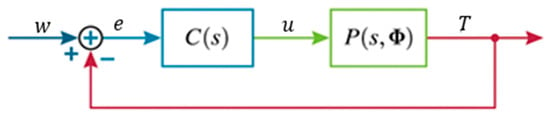
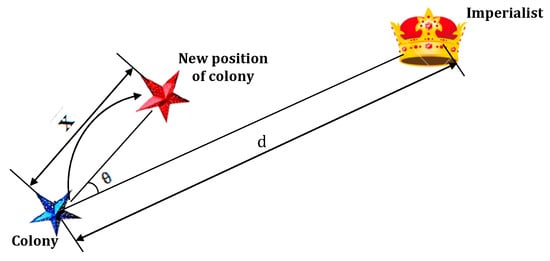
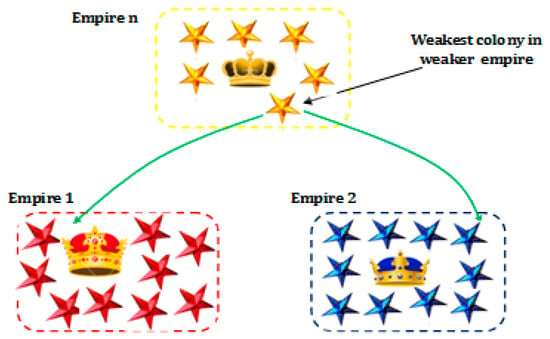
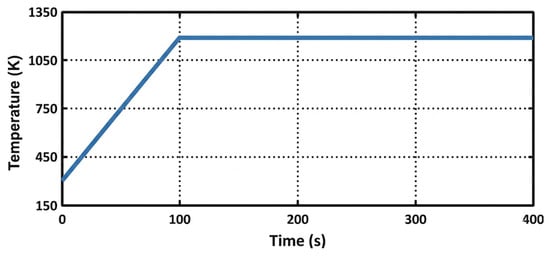
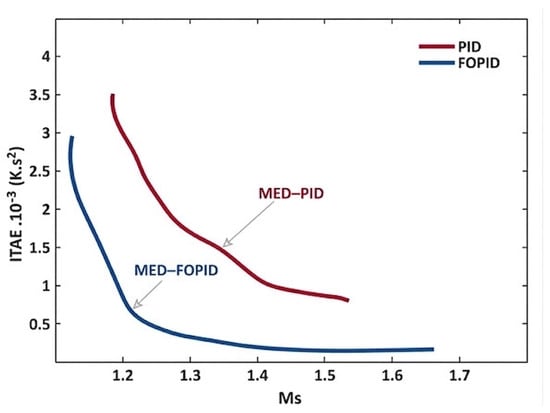
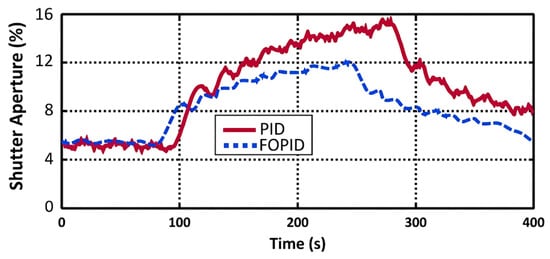
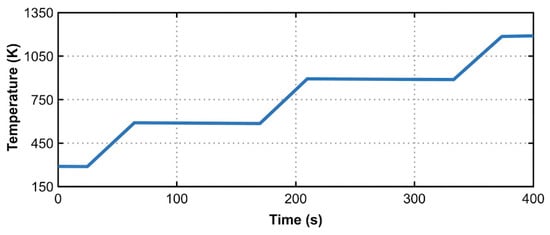
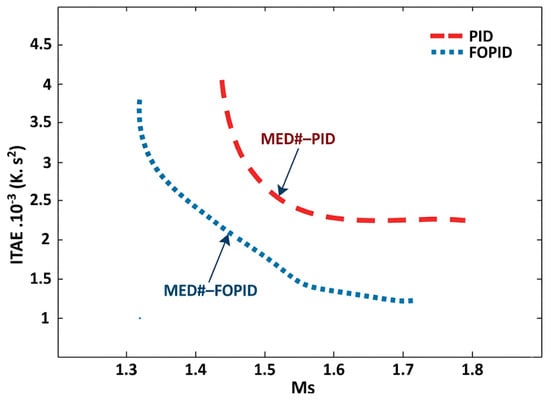
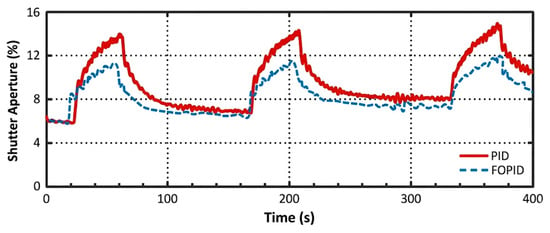
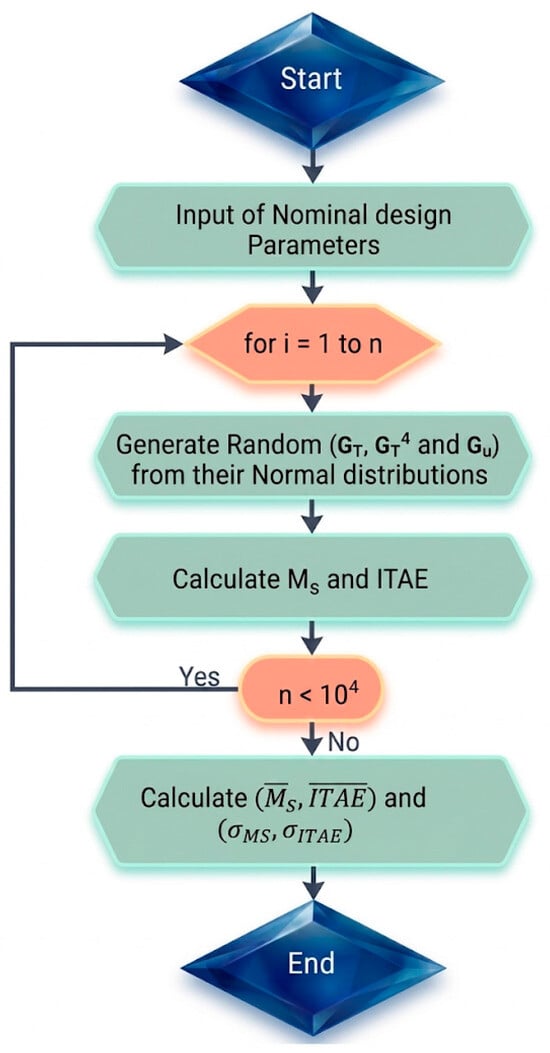
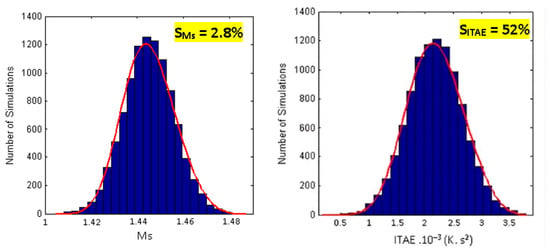
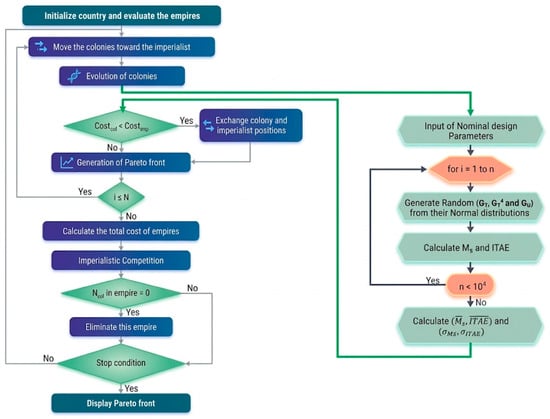
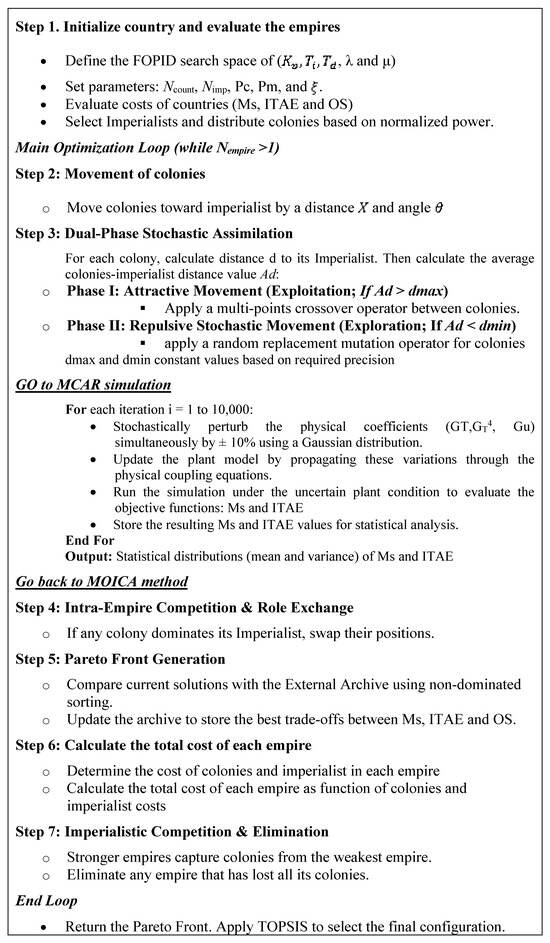
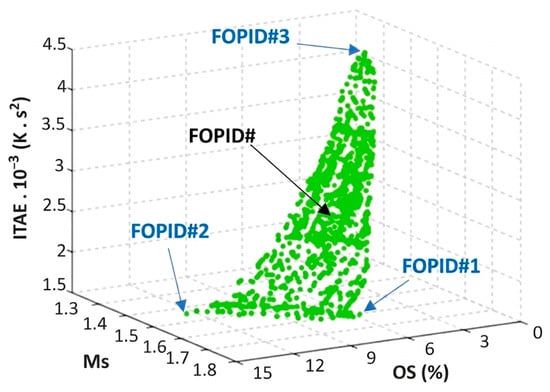
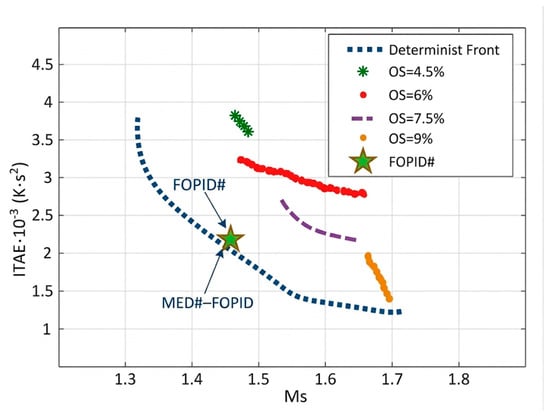
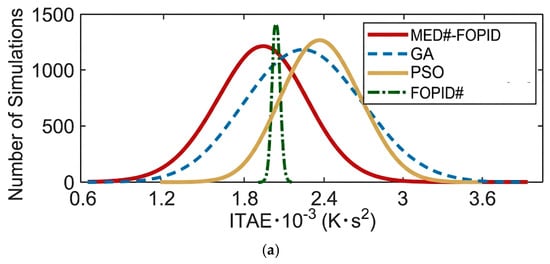
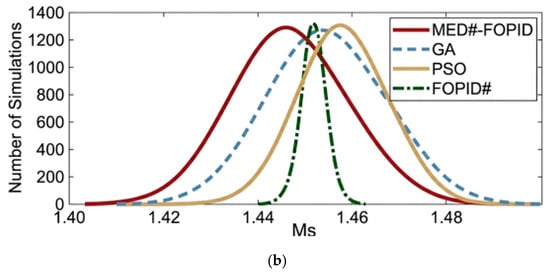
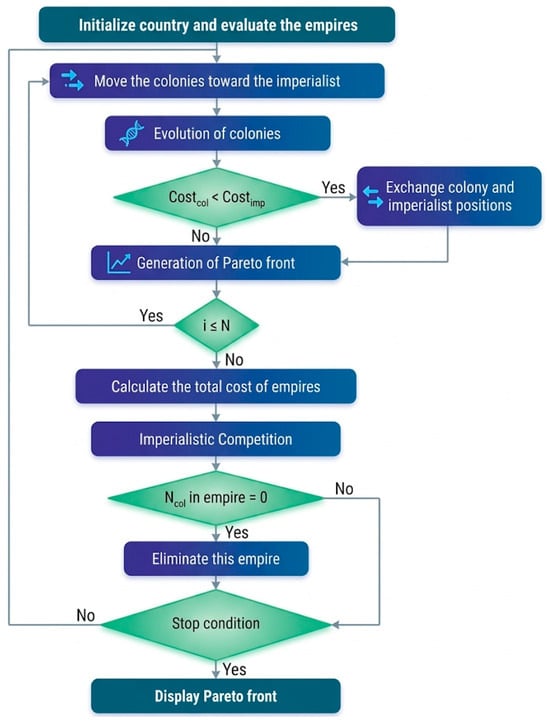
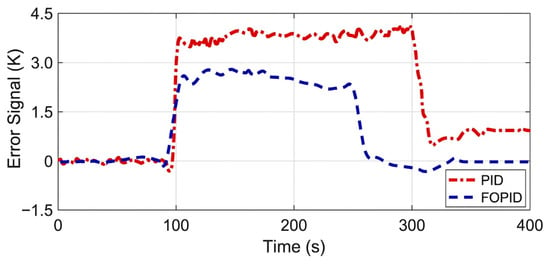
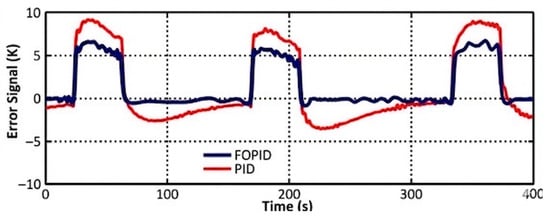
Reliable solar energy harvesting demands advanced control strategies capable of maintaining thermal precision despite inherent environmental unpredictability. This research addresses the critical challenge of temperature regulation in the solar furnace system, which is hindered by severe non-linearities and stochastic environmental uncertainties. The study aims to transition Fractional-Order PID (FOPID) control from theoretical design to reliable industrial application by accounting for the Uncertain Design Vector (UDV) during the tuning phase. A Reliability-Based Design Optimization (RBDO) framework is proposed, utilizing a hybrid Multi-Objective Imperialist Competitive Algorithm (MOICA) integrated with Monte Carlo Analysis (MCAR). This approach simultaneously optimizes the Maximum Sensitivity (Ms), the integral of Time-weighted Absolute Error (ITAE) and their sensitivities, while ensuring physical realizability through the FOPID structure. Crucially, the simulation results demonstrate that the RBDO-tuned FOPID design achieves optimal performance levels comparable to deterministic methods while significantly reducing the overall system sensitivity by 35% to 55% compared to both deterministic and literature-based methods (GA-FOPID and PSO-FOPID). The study concludes that integrating probabilistic reliability into multi-objective metaheuristics provides a robust control strategy for high-temperature solar facilities, effectively mitigating the performance degradation caused by real-world parameter fluctuations and ensuring consistent operational stability. Full article
(This article belongs to the Section E: Applied Mathematics)
Show Figures

Figure 1

41 pages, 1339 KB  
Review
Risk Factors for Hepatocellular Carcinoma in Latino Populations in Texas: A Scoping Review
by Lais Yuki Tuzino Kamia, Emily Gonzalez, Cassandra M. Swanson, Stephanie L. Gomez, Ariann M. Canales and Ramona Salcedo Price
Int. J. Mol. Sci. 2026, 27(10), 4648; https://doi.org/10.3390/ijms27104648 (registering DOI) - 21 May 2026
Abstract
Hepatocellular carcinoma (HCC) incidence in Texas is 45% higher than the national average, with disproportionate burden among the Hispanic/Latino population. Despite significant health disparities, comprehensive evidence on HCC risk factors specific to this population remains limited. This scoping review of 20 primarily observational [...] Read more.
Hepatocellular carcinoma (HCC) incidence in Texas is 45% higher than the national average, with disproportionate burden among the Hispanic/Latino population. Despite significant health disparities, comprehensive evidence on HCC risk factors specific to this population remains limited. This scoping review of 20 primarily observational studies utilized PubMed, EbscoHost, and the PRISMA-ScR checklist to map risk factors in south Texas. Results show that metabolic dysfunction, specifically diabetes and obesity, increases advanced liver disease odds by 7- to 12-fold compared to non-Hispanic groups. Environmental exposures are also significant: aflatoxin was detected in 5.7 to 7.3% of Hispanic/Latino HCC tumors, and cases demonstrated 6-fold higher odds of aflatoxin biomarkers, while alcohol contributed to 3.0% of cancers. Furthermore, PNPLA3 genetic variants exerted synergistic effects with obesity and heavy alcohol consumption. Among four intervention studies, strategies included low-dose calcium montmorillonite clay for aflatoxin reduction, community-health-worker-integrated chronic care, and hospital-based hepatitis screening. However, critical research gaps remain regarding multirisk factor interactions, toxin dose–response characterization, dietary interventions, and longitudinal data. These findings underscore the urgent need for culturally tailored, community-engaged prevention programs and ethnicity-specific HCC guidelines for the Texas Hispanic/Latino population to effectively address these rising health disparities. Full article
20 pages, 409 KB  
Article
When Learned Action Rules Matter: A Matched-Seed Ablation in an Agent-Based Spatial Ecology
by Vladimir Ternovski
Algorithms 2026, 19(5), 420; https://doi.org/10.3390/a19050420 (registering DOI) - 21 May 2026
Abstract
Whether learned cognition can affect evolutionary outcomes remains a long-standing question. This study addresses a narrower mechanism: whether a model-based planner benefits from learned rules that explicitly condition on the action just taken. The testbed is a spatial artificial ecology with plants, shelters, [...] Read more.
Whether learned cognition can affect evolutionary outcomes remains a long-standing question. This study addresses a narrower mechanism: whether a model-based planner benefits from learned rules that explicitly condition on the action just taken. The testbed is a spatial artificial ecology with plants, shelters, a predator, reproduction, and a day/night cycle. Five rule-use arms are evaluated on matched simulation seeds. At age 200, agents switch to a weaker learned-lite planner that relies more strongly on learned rule predictions. The pre-specified hypothesis is that access to filtered action-conditioned rules improves outcomes relative to an otherwise identical no-rule-policy baseline, in which rules are still induced and stored but are not used for action selection. In thirty paired replicates under the default reproductive gates, the action-conditioned arm outperforms the no-rule baseline on all four pre-specified primary endpoints. The strongest effect is behavioural: the action arm produces 91.4 additional successful post-switch eating events per run (dz=1.56, 93.3% paired win rate, p<104). It also produces 10 additional crystallized clean-causal rules per replicate (dz=0.58, pt=0.0034). All four primary paired-tp-values remain significant after Bonferroni correction across the four-endpoint family. A diagnostic check shows that omitting reproductive cooldown from the planner’s rollout reverses the arm ordering on the same paired seeds; reinstating cooldown recovers the reported result. Two exploratory checks delimit the claim: broad unfiltered rule access can impair foraging, and a means–ends extension shifts behaviour toward reproduction without producing a robust whole-life fitness gain. Within this simulation, access to action-conditioned rules has a measurable effect on post-switch behaviour that is distinct from passive environmental prediction and from clean-crystallized rules alone. Full article
(This article belongs to the Section Evolutionary Algorithms and Machine Learning)
28 pages, 7951 KB  
Article
Task-Heterogeneous Formation Planning and Control for Unmanned Surface Vehicles Based on Hybrid Deep Reinforcement Learning
by Yawen Zhang, Wenkui Li, Chenyang Shan, Haoyu Bu and Bing Han
J. Mar. Sci. Eng. 2026, 14(10), 959; https://doi.org/10.3390/jmse14100959 (registering DOI) - 21 May 2026
Abstract
To address the control coupling challenges arising from task heterogeneity of unmanned surface vehicle (USV) formation, a distributed hybrid deep reinforcement learning (HDRL) framework is proposed. The framework decomposes the formation task into two subtasks: leader path planning using the single-agent deep reinforcement [...] Read more.
To address the control coupling challenges arising from task heterogeneity of unmanned surface vehicle (USV) formation, a distributed hybrid deep reinforcement learning (HDRL) framework is proposed. The framework decomposes the formation task into two subtasks: leader path planning using the single-agent deep reinforcement learning (SADRL) algorithm and follower formation tracking using the multi-agent deep reinforcement learning (MADRL) algorithm. By embedding the physical constraints of the real Otter USV into the training loop, the policy network outputs are mapped to propeller revolutions that conform to its dynamic characteristics. To optimize control performance, a dynamic gating mechanism triggered by formation position error is developed to mitigate multi-objective interference through temporal task scheduling. Concurrently, a mirror mapping mechanism leveraging the physical symmetry of the formation is designed to achieve policy sharing and data augmentation. Furthermore, the desired velocity calculated based on rigid-body kinematics is used to achieve kinematic-compensated formation tracking. The simulation results indicate that, compared to the SADRL algorithm, the planning success rate of HDRL is improved by 44.59%. Furthermore, compared to the MADRL algorithm, the integrated tracking performance is enhanced by 21.79–39.64%. Full article
(This article belongs to the Section Ocean Engineering)
35 pages, 1173 KB  
Article
Displacement Centre of Gravity and Stability Arm in Longitudinal Tilt of a Floating Body with Circular Floats
by Leopold Hrabovský, Pavla Karbanová and Ladislav Kovář
Machines 2026, 14(5), 576; https://doi.org/10.3390/machines14050576 (registering DOI) - 21 May 2026
Abstract
Floating belt conveyor routes consisting of serially arranged belt conveyors, the end parts of which are mechanically attached to floating bodies, are designed for the continuous transport of extracted granular materials from water. This paper deals with the analytical determination of the position [...] Read more.
Floating belt conveyor routes consisting of serially arranged belt conveyors, the end parts of which are mechanically attached to floating bodies, are designed for the continuous transport of extracted granular materials from water. This paper deals with the analytical determination of the position of the centre of gravity of the buoyancy force, the coordinates of which change depending on the longitudinal deflection of the floating body from the equilibrium state, which acts as a supporting element of individual conveyor belts. Analysis of the individual phases of deflection of the floating body, consisting of a pair of floats with a circular cross-section, shows that the complete submergence of one of the floats occurs at a higher value of the angle of inclination in the case when the floats are initially submerged under the surface to exactly half their diameter. On the realized experimental device, the buoyancy force was detected using strain gauges during the deflection of the floating body from the equilibrium position for three defined levels of immersion. The floating body of the experimental device consists of a pair of floats with a circular cross-section with a diameter of 80 mm. The output is a structured methodological procedure for determining the position of the centre of gravity of the displacement (centre of buoyancy) of a floating body when it deviates from the equilibrium position and a methodology for calculating the stability arm, which is a key parameter for assessing the buoyancy and stability of the body. On the basis of the laboratory measurements, the magnitude of the buoyancy force can be quantified as a function of the immersion depth of the floating body. It was found that the buoyancy force remains constant when the body deflects only when the immersion corresponds to half the diameter of a float with a circular cross-section. If the depth of the immersion is less than the radius of the float, the buoyancy force increases during deflection; however, if the immersion is greater than the radius of the float, the buoyancy force decreases. Full article
(This article belongs to the Section Automation and Control Systems)
21 pages, 354 KB  
Article
Reappraising the Origins of Exclusion in Late Medieval Castile: Across the Boundaries Between Religion, Politics and Customs
by Esther Pascua-Echegaray and Pablo Sánchez-León
Histories 2026, 6(2), 33; https://doi.org/10.3390/histories6020033 (registering DOI) - 21 May 2026
Abstract
Over the past two decades, research on issues of agency and liminality around borders has highlighted the mutual permeability, fluidity and overlapping of spheres such as religion and politics, providing arguments on the construction of identity and otherness that allow us to reappraise [...] Read more.
Over the past two decades, research on issues of agency and liminality around borders has highlighted the mutual permeability, fluidity and overlapping of spheres such as religion and politics, providing arguments on the construction of identity and otherness that allow us to reappraise long-standing historical debates. This framework is particularly illuminating for the case of 15th-century Castile, when consolidation of a pioneering centralized monarchy in Europe witnessed the end of the coexistence between Christian, Jewish and Muslim communities, eventually leading to the persecution of converts and the expulsion of cultural and religious minorities. Drawing upon both primary and secondary sources, and adopting the analytical framework of frontier-crossing, this article identifies the conditions under which particular social agents reconfigured the boundaries between religion and politics in 15th-century Castile. It further examines the process by which border crossing by various agents made customs and everyday practices crystallize into a third sphere for the construction of alterity and exclusion and analyzes the specific context in which the intersection of these three domains contributed to the stigmatization of Jews, Muslims and converts, ultimately leading to their exclusion and expulsion. Initially subordinated to theological and legal concerns, social practices, rituals and ceremonies became central to discourse intersecting the political, religious and moral domains, underpinning social stigmatization and the institutional mechanisms of rising monarchical centralization. Full article
28 pages, 1121 KB  
Article
Comparative Evaluation of Polymeric Nanocarriers for DNA Vaccine Delivery Against Avian Orthoavulavirus 1 in Chickens
by Ahmed H. Khattab, Mahmoud Bayoumi, Zienab E. Eldin, Basem M. Ahmed and Haitham M. Amer
Viruses 2026, 18(5), 581; https://doi.org/10.3390/v18050581 (registering DOI) - 21 May 2026
Abstract
Vaccination represents the cornerstone of Newcastle disease control. Nanotechnology offers a promising approach to improve the effectiveness of DNA vaccines, supporting their use as an alternative to conventional platforms. Herein, the Avian Orthoavulavirus 1 (AOAV-1) fusion (F) gene was cloned into [...] Read more.
Vaccination represents the cornerstone of Newcastle disease control. Nanotechnology offers a promising approach to improve the effectiveness of DNA vaccines, supporting their use as an alternative to conventional platforms. Herein, the Avian Orthoavulavirus 1 (AOAV-1) fusion (F) gene was cloned into a DNA expression plasmid (pDNA). After validating the constructed pDNA-F and confirming robust intracellular protein expression in vitro, three polymeric nanoparticles (NPs)-based formulations were generated using Chitosan (Cs), poly(lactic-co-glycolic) (PLGA), and poly(amidoamine) (PAMAM)-Dendrimers. Physicochemical characterization, stability assessment, and in vitro release analysis confirmed nanoparticle formation and effective DNA incorporation. In vivo experiments were conducted to comparatively evaluate the immunogenicity, particularly the immune priming capacity, and protective efficacy of nanoparticle-based formulations and naked pDNA-F, all tested in parallel at standardized pDNA doses via intranasal (IN) and intramuscular routes. PAMAM-Dendrimers-pDNA-F IM group demonstrated superior efficacy, with 100% survival, the highest post-challenge anamnestic antibody titers, and a pronounced reduction in viral RNA shedding. PLGA-NPs-pDNA-F IN group demonstrated enhanced efficacy, with 90% survival. Naked pDNA-F surpassed the Cs-NPs-pDNA-F in both immune priming and clinical protection, with Cs-NPs-pDNA-F exhibiting the lowest overall performance. These findings highlight that DNA vaccine performance depends on both carrier type and administration route, with PAMAM dendrimers and PLGA enhancing efficacy, whereas chitosan demonstrated reduced efficacy under the tested conditions. Full article
(This article belongs to the Section Animal Viruses)
13 pages, 854 KB  
Article
Liquid–Liquid Interfacial Self-Assembly of Au-Ag Nanoparticles for High-Performance SERS Detection of Thiram in Environmental Water Samples
by Jiali Liu, Jiafan Liu, Lianxiu Yu, Yeqi Fang, Li Jiang, Zheng Ma and Jie Hu
Photonics 2026, 13(5), 507; https://doi.org/10.3390/photonics13050507 (registering DOI) - 21 May 2026
Abstract
Gold and silver nanoparticles have attracted extensive attention in SERS detection due to their excellent plasmonic properties. In this study, a high-performance SERS substrate was successfully prepared by a liquid–liquid self-assembly strategy. Driven by the Marangoni effect, Au-Ag nanoparticles spontaneously form a uniform [...] Read more.
Gold and silver nanoparticles have attracted extensive attention in SERS detection due to their excellent plasmonic properties. In this study, a high-performance SERS substrate was successfully prepared by a liquid–liquid self-assembly strategy. Driven by the Marangoni effect, Au-Ag nanoparticles spontaneously form a uniform and dense monolayer structure on the silicon wafer, constructing an efficient plasmon ”hotspot” region, which significantly improves the detection sensitivity of the substrate. The performance of the SERS substrate was systematically evaluated using CV and Me B as Raman probe molecules. The results show that the substrate exhibits an excellent enhancement effect and good SERS sensitivity for both probe molecules. The characteristic vibration peak can be clearly identified, and the detection limit (LOD) of crystal violet is 6.76 × 10⁻¹¹ M. The substrate was applied to detect thiram residues in lake water with a LOD of 1.084 × 10⁻⁷ M, achieving highly sensitive detection. This study shows that Au-Ag nanoparticles deposited on silicon wafers by liquid–liquid self-assembly strategy can be used as a high-performance SERS substrate. It can be used for rapid and sensitive detection of thiram pesticide residues in water, and provides an efficient and feasible analysis tool for water environment safety monitoring. Full article
(This article belongs to the Special Issue Novel Developments in Optoelectronic Materials and Devices)
22 pages, 399 KB  
Article
Multiple Points with Increasing Multiplicities on a Fixed Projective Set
by Edoardo Ballico
Symmetry 2026, 18(5), 877; https://doi.org/10.3390/sym18050877 (registering DOI) - 21 May 2026
Abstract
Take a finite subset S of an n-dimensional projective space. We study the Hilbert function of the multiples mS of S, mainly when S is general or at least very general. We recall several classical conjectures on this problem, raise new [...] Read more.
Take a finite subset S of an n-dimensional projective space. We study the Hilbert function of the multiples mS of S, mainly when S is general or at least very general. We recall several classical conjectures on this problem, raise new open questions, and prove some particular cases. An open question is if all mS have the expected Hilbert function. We find cases in which there are Zariski open subsets of sets S with maximal rank for all m and pairs (n,#S) for which no such open set exists. We start the study of the m-Terracini sets proving when the first one is nonempty for Veronese embeddings. Full article
(This article belongs to the Special Issue Mathematics: Feature Papers 2026)
19 pages, 5216 KB  
Article
Pre-Symptomatic Identification of CMV and PVX Infection in Nicotiana benthamiana Using Spectral–Spatial Fusion of Hyperspectral Imaging
by Chi Zhang, Linfeng Su, Jiacheng Sun and Juan Zhao
Agronomy 2026, 16(10), 1018; https://doi.org/10.3390/agronomy16101018 (registering DOI) - 21 May 2026
Abstract
Early detection of cucumber mosaic virus (CMV) and potato virus X (PVX) infection at the pre-symptomatic stage is essential for timely disease management and for limiting viral spread. Conventional molecular assays are accurate, but they generally require destructive sampling and are time-consuming. To [...] Read more.
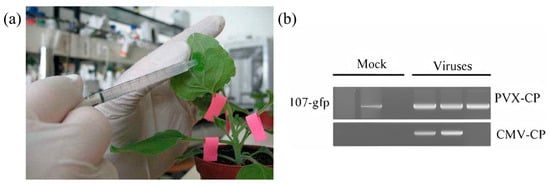
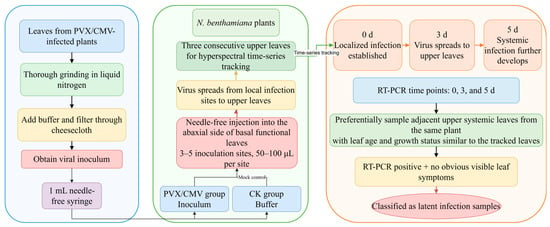
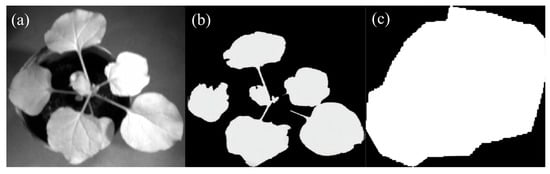
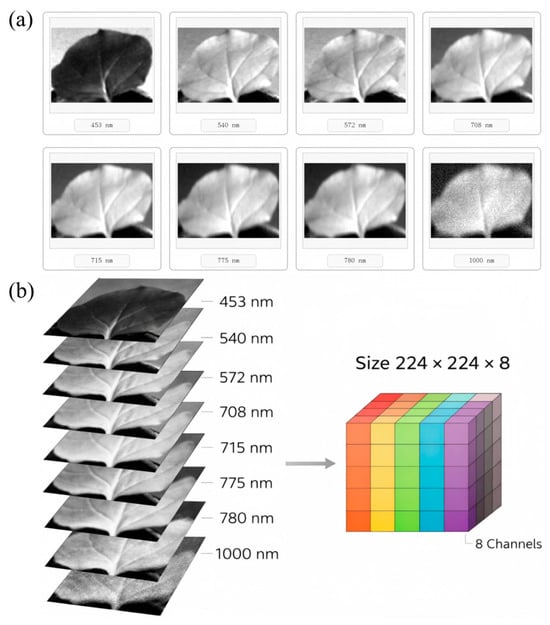
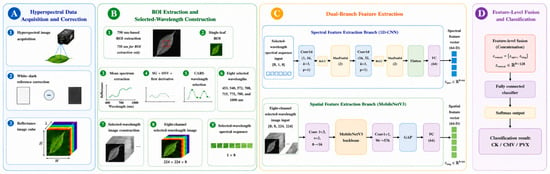
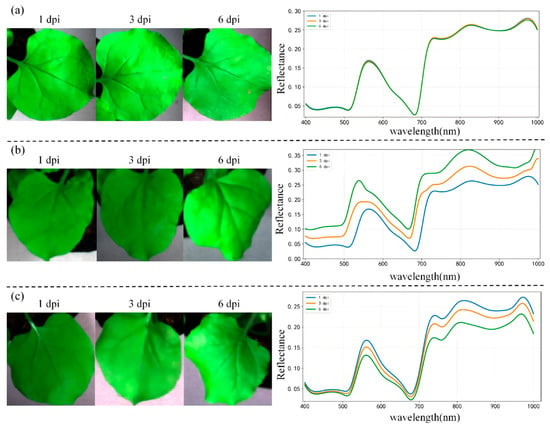
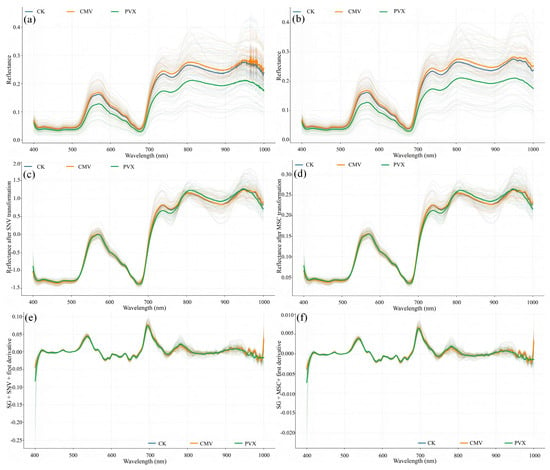
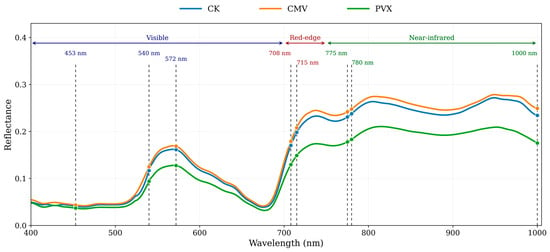
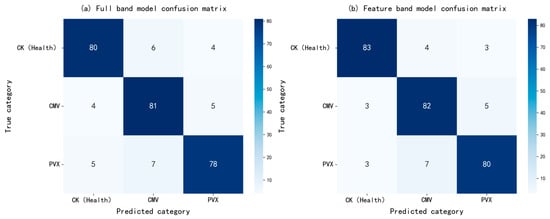
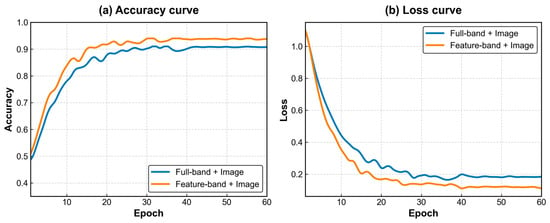
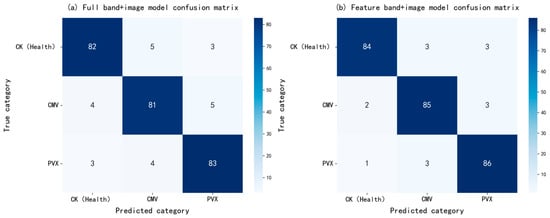
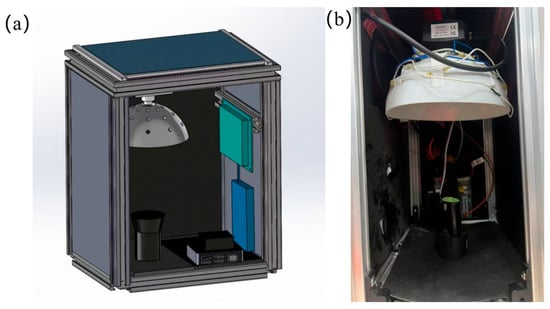
Early detection of cucumber mosaic virus (CMV) and potato virus X (PVX) infection at the pre-symptomatic stage is essential for timely disease management and for limiting viral spread. Conventional molecular assays are accurate, but they generally require destructive sampling and are time-consuming. To enable rapid and non-destructive identification of these two viruses before visible symptom development, Nicotiana benthamiana seedling leaves were used as experimental materials, and CMV and PVX were selected as target viruses. A hyperspectral dataset of healthy, CMV-infected, and PVX-infected pre-symptomatic samples was constructed and validated by RT-PCR. After spectral preprocessing, eight selected wavelengths were identified and used to develop a 1D-CNN model, a MobileNetV3 model, and a spectral–spatial dual-branch fusion model. The 1D-CNN achieved an accuracy of 0.9074, whereas MobileNetV3 achieved 0.6835. The feature-level fusion model performed best, with an accuracy of 0.944, a precision of 0.945, a recall of 0.944, and an F1-score of 0.944. These results suggest that spectral information provides the primary discriminative basis, while image information offers complementary spatial and textural features for early non-destructive detection of plant viruses. Full article
Show Figures

Figure 1

18 pages, 2281 KB  
Article
Effects of IncobotulinumtoxinA in the Infraorbital Nerve Chronic Constriction Injury Model of Trigeminal Pain in Rats
by Wojciech Danysz, Paulina Nunez-Badinez, Andreas Gravius, Klaus Fink and Jens Nagel
Biomedicines 2026, 14(5), 1175; https://doi.org/10.3390/biomedicines14051175 (registering DOI) - 21 May 2026
Abstract
Background/Objectives: Trigeminal neuralgia (TN) is a debilitating neurological condition characterized by recurrent, severe pain linked to peripheral and central sensitization within trigeminal pathways. Current pharmacologic treatments are limited by inadequate efficacy or dose-limiting side effects, and botulinum neurotoxin type A (BoNT/A) has [...] Read more.
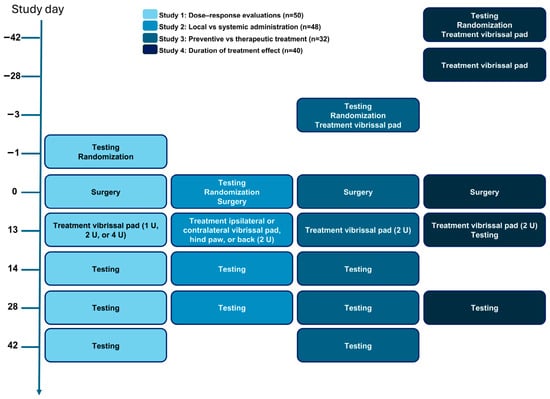
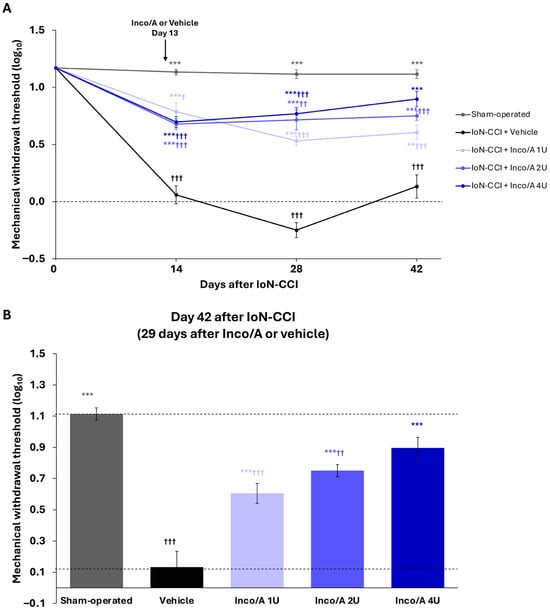
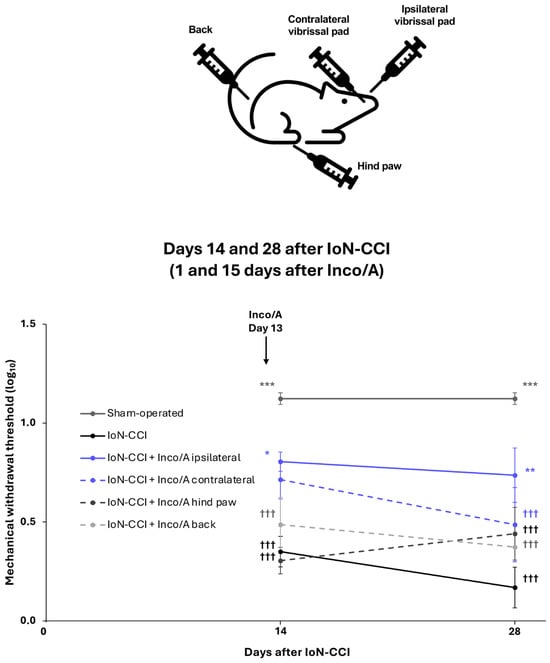
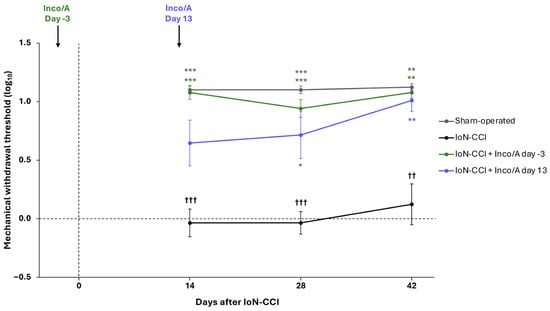
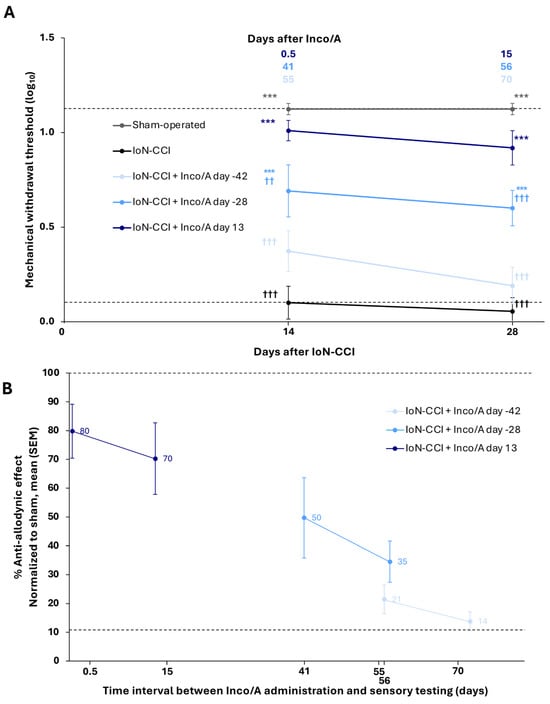
Background/Objectives: Trigeminal neuralgia (TN) is a debilitating neurological condition characterized by recurrent, severe pain linked to peripheral and central sensitization within trigeminal pathways. Current pharmacologic treatments are limited by inadequate efficacy or dose-limiting side effects, and botulinum neurotoxin type A (BoNT/A) has emerged as a viable option. However, its potential use in the management of TN is hampered by methodological limitations in existing studies and a lack of pivotal clinical trials. This study investigated the efficacy, optimal treatment site, preventive utility, and duration of effect of incobotulinumtoxinA (Inco/A), a BoNT/A, in a model of TN. Methods: An infraorbital nerve chronic constriction injury model was used to induce mechanical allodynia in male Sprague–Dawley rats, reproducing the trigeminal sensitization seen in TN. The effects of subcutaneous Inco/A (1, 2, and 4 U) were measured using the mechanical sensitivity (von Frey) test to evaluate the dose response, effect of injection location, potential preventive nature of treatment, and duration of benefit. Results: Inco/A produced a robust, dose-dependent reduction in mechanical allodynia, predominantly via a local mechanism of action. Both preventive and therapeutic administration of Inco/A was efficacious, with significant reduction in allodynia even when administered up to 28 days before nerve injury. The anti-allodynic effect persisted up to 56 days post-injection. Conclusions: Inco/A is highly effective in alleviating mechanical allodynia in a validated rat model of TN. The findings highlight Inco/A as a promising candidate for clinical translation in TN and related neuropathic pain syndromes and support systematic investigation in well-controlled human trials. Full article
Show Figures

Figure 1

21 pages, 907 KB  
Article
Breathing Under Pressure: Psychological Burden and Recovery Trajectories in Patients Receiving Non-Invasive Respiratory Support from Acute COVID-19 to Respiratory Rehabilitation
by Eleonora Volpato, Valentina Poletti, Maria Luisa de Candia, Lavinia Palma, Alessandro Pilon, Giovanna Elisiana Carpagnano, Paolo Banfi and Paola Pierucci
Med. Sci. 2026, 14(2), 270; https://doi.org/10.3390/medsci14020270 (registering DOI) - 21 May 2026
Abstract
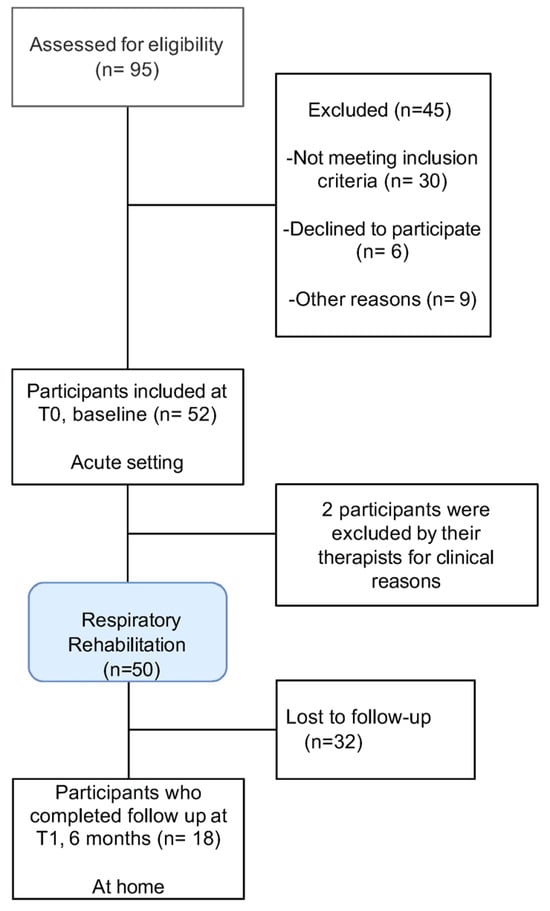
Background: Non-invasive respiratory supports (High-Flow Nasal Oxygen, HFNO; Continuous Positive Airway Pressure, CPAP; Non-Invasive Ventilation, NIV) are frequently used in Acute Hypoxemic Respiratory Failure (AHRF). However, the experience of assisted breathing may profoundly affect patients’ psychological balance, particularly during acute critical illness and [...] Read more.
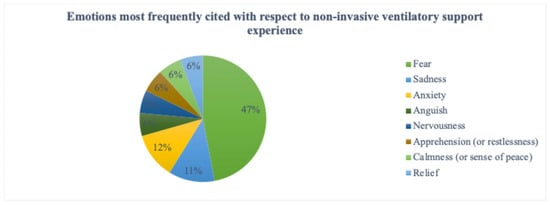
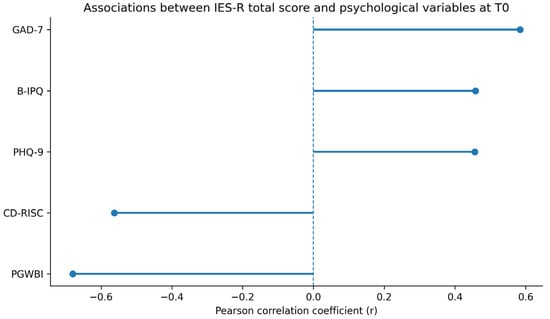
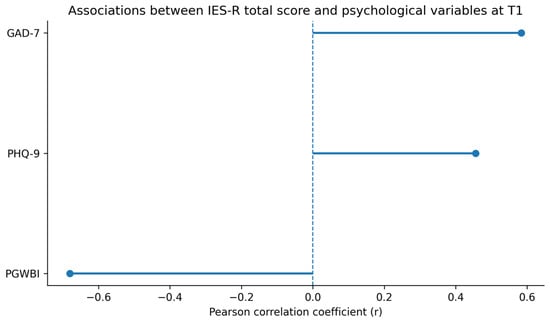
Background: Non-invasive respiratory supports (High-Flow Nasal Oxygen, HFNO; Continuous Positive Airway Pressure, CPAP; Non-Invasive Ventilation, NIV) are frequently used in Acute Hypoxemic Respiratory Failure (AHRF). However, the experience of assisted breathing may profoundly affect patients’ psychological balance, particularly during acute critical illness and subsequent rehabilitation. Aims and objectives: This longitudinal study investigated the psychological burden associated with non-invasive respiratory support use in patients with COVID-19-related AHRF, exploring changes in psychological functioning from acute hospitalization (RICU/ICU) (T0) to follow-up, conducted at a mean of 6.0 ± 3.1 months after respiratory rehabilitation (T1). Methods: Fifty-two patients (mean age = 66.9 ± 9.17 years) were assessed at T0 and T1. Standardized measures evaluated anxiety, psychological distress, post-traumatic stress symptoms, depression, and resilience, in relation to perceived illness severity and subjective experience of non-invasive respiratory support. Results: During acute care, patients reported high levels of fear and anxiety related to illness severity and uncertainty. The experience of non-invasive respiratory support, often perceived as a marker of critical condition, was associated with increased fear and anxiety (t(14) = 2.79, p = 0.014) compared to the recovery phase, leading to feelings of loss of control and diminished psychological well-being (t(17) = 2.35, p = 0.031). However, resilience significantly improved over time (t(16) = −4.78, p < 0.001). Conclusions: Non-invasive respiratory support may represent a psychologically demanding experience, often perceived as challenging to patients’ sense of safety and control. Encouragingly, psychological adaptation and resilience can improve during rehabilitation. Integrating structured psychological support within respiratory rehabilitation pathways may promote recovery and restore psychological balance in patients requiring assisted ventilation. Full article
Show Figures

Figure 1

32 pages, 1197 KB  
Article
Cost-Optimal Decarbonization Pathways for Data Centers in Japan: A Bottom-Up Model Integrating Location, Energy Systems, and Carbon Pricing
by Jin Toyohara and Weisheng Zhou
Energies 2026, 19(10), 2485; https://doi.org/10.3390/en19102485 (registering DOI) - 21 May 2026
Abstract
This study develops a bottom-up cost optimization model (DC-DECOM) to evaluate decarbonization pathways for Japan’s data center industry, targeting carbon neutrality of the information and communications technology (ICT) sector by 2040. The model represents Power Usage Effectiveness (PUE) as a dynamic function of [...] Read more.
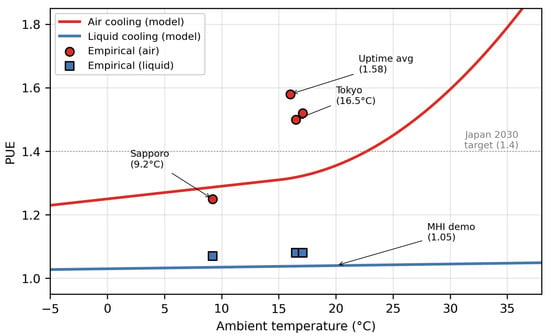
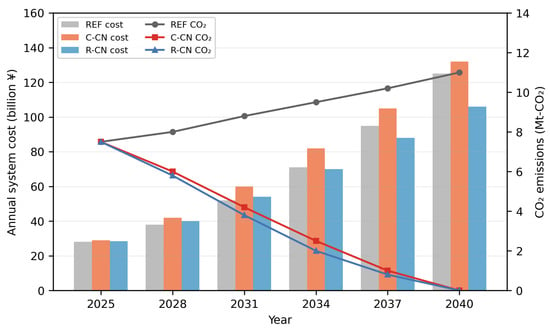
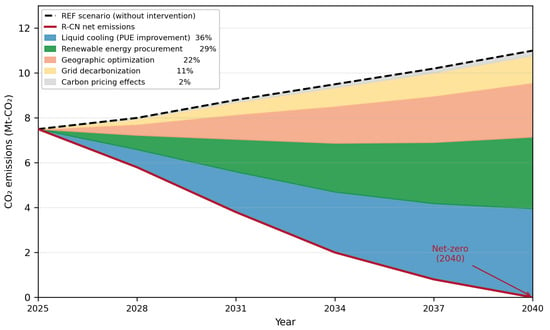
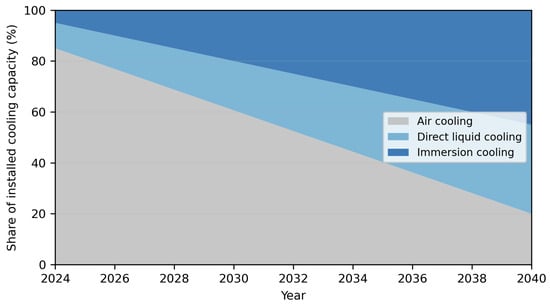
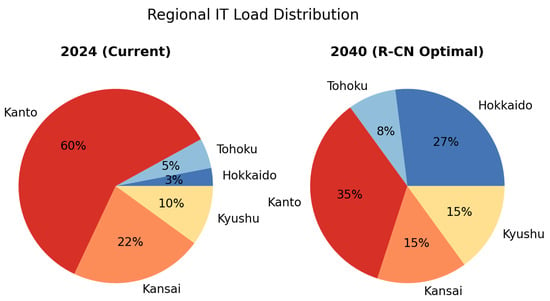
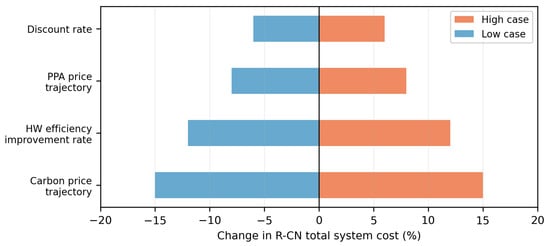
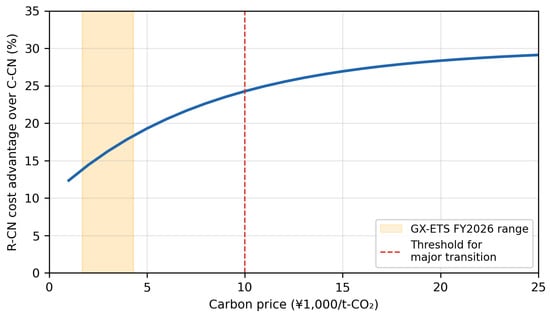
This study develops a bottom-up cost optimization model (DC-DECOM) to evaluate decarbonization pathways for Japan’s data center industry, targeting carbon neutrality of the information and communications technology (ICT) sector by 2040. The model represents Power Usage Effectiveness (PUE) as a dynamic function of ambient temperature and cooling technology, and integrates technology selection, regional energy supply, and carbon pricing within a single cost-minimization framework. Three scenarios are compared: a reference case (REF), a centralized carbon-neutral scenario (C-CN) that restricts new capacity to metropolitan areas, and a regional decentralization scenario (R-CN) that allows for nationwide siting. Input parameters are calibrated against data from the International Energy Agency (IEA), the Uptime Institute, Japan’s Ministry of Internal Affairs and Communications (MIC) White Papers, and the Japan Science and Technology Agency (JST). The R-CN scenario achieves the 2040 net-zero target at 18–23% lower total system cost than C-CN. The cost gap decomposes into four channels (cooling-energy reduction ∼35%, lower regional renewable procurement cost ∼30%, lower carbon cost ∼25%, and lower siting-related cost ∼10%). Sensitivity analysis identifies the carbon-price trajectory and the hardware-efficiency improvement rate as the most influential parameters; the R-CN advantage remains positive across all ±1σ parameter variations and across two combined-scenario stress tests. Full article
(This article belongs to the Special Issue Sustainable Energy Systems: Progress, Challenges and Prospects)
Show Figures

Figure 1

34 pages, 1415 KB  
Article
CMTF-Net: A Complex-Valued Multi-Scale Time–Frequency Cross-Domain Attention Network for MIMO CSI Prediction
by Bin Ren and Chengqun Wang
Electronics 2026, 15(10), 2225; https://doi.org/10.3390/electronics15102225 (registering DOI) - 21 May 2026
Abstract
With the widespread adoption of multiple-input–multiple-output (MIMO) technology, channel state information (CSI) prediction has become a crucial technique for enhancing the performance of wireless communication systems. Traditional channel prediction methods face performance bottlenecks under high-speed mobility and complex channel conditions, making it difficult [...] Read more.
With the widespread adoption of multiple-input–multiple-output (MIMO) technology, channel state information (CSI) prediction has become a crucial technique for enhancing the performance of wireless communication systems. Traditional channel prediction methods face performance bottlenecks under high-speed mobility and complex channel conditions, making it difficult to meet the requirements of modern communication systems. To address this issue, this paper proposes a fully complex-valued cross-domain modeling framework, termed a complex-valued multi-scale transformer with time–frequency cross-attention network (CMTF-Net), for MIMO CSI prediction. CMTF-Net integrates a learnable multi-scale short-time Fourier transform (LMS-STFT), complex-valued multi-head self-attention (C-MHSA), and bidirectional cross-domain attention for complex-valued sequences (BCDA-CVS). These modules are designed to preserve amplitude–phase consistency, adapt time–frequency representations to CSI evolution, and enable information interaction between temporal and spectral features. On the simulated Overall Test set, CMTF-Net achieves the lowest MAE of 0.000032 and the highest Corr. (ρ) of 0.8230 among the compared methods, while maintaining competitive SE and BER values of 0.4240 and 0.2411 at SNR = 10 dB. On the DICHASUS measured datasets, CMTF-Net also shows favorable Test-ID and Test-OOD performance. For example, on DICHASUS-2186, it obtains Corr. (ρ)/SE/BER values of 0.8367/0.4935/0.2243 on Test-ID and 0.8061/0.4697/0.2351 on Test-OOD. These results indicate that CMTF-Net provides a balanced performance profile across prediction accuracy, spatial alignment, and communication-oriented evaluation. Full article
(This article belongs to the Section Microwave and Wireless Communications)

Open Access Journals

Browse by Indexing Browse by Subject Selected Journals
Back to TopTop