



19 pages, 1245 KB  
Review
Otologic Manifestations of Temporomandibular Disorders
by Fatemeh Ebrahimi, Ali Akbar, Vivian Jin, Vivian F. Kaul and Craig B. Pearl
Diagnostics 2026, 16(12), 1757; https://doi.org/10.3390/diagnostics16121757 (registering DOI) - 7 Jun 2026
Abstract
Background/Objectives: Temporomandibular disorder (TMD) affects a third of the adult population and has been associated with otologic symptoms. These symptoms are frequently misattributed to primary otologic diseases, leading to delays in diagnosis and treatment. This review aims to summarize the reported prevalence, [...] Read more.
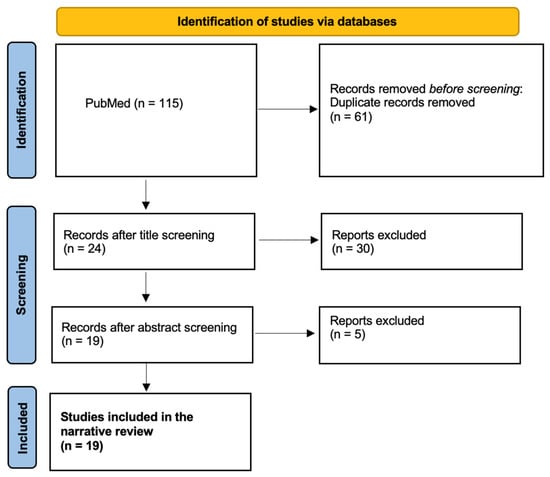
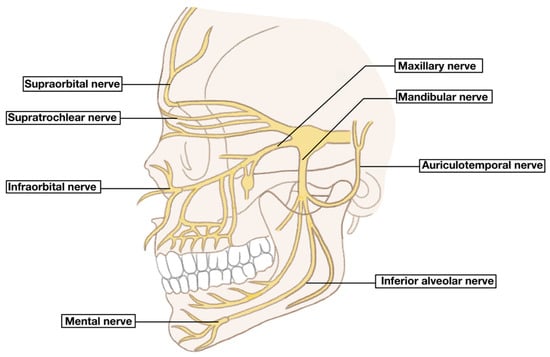
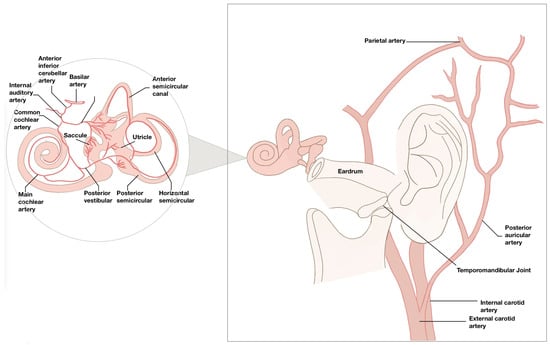
Background/Objectives: Temporomandibular disorder (TMD) affects a third of the adult population and has been associated with otologic symptoms. These symptoms are frequently misattributed to primary otologic diseases, leading to delays in diagnosis and treatment. This review aims to summarize the reported prevalence, proposed pathophysiologic mechanisms, and management strategies of otologic manifestations in patients with TMD. Methods: A literature review was conducted using the MeSH terms “temporomandibular joint disease” and “otologic symptoms.” Five additional searches were performed using “temporomandibular disease/dysfunction” combined with each of the five most common otologic symptoms. Meta-analyses, randomized controlled trials, reviews, and systematic reviews were prioritized, with preference for studies published within the last 10 years. Inclusion criteria focused on human studies addressing the etiology, clinical presentation, and management of otologic symptoms in TMD populations. Results: The literature supports an association between TMD and otologic symptoms in the absence of primary ear disease. The most commonly described symptoms were aural fullness, otalgia, tinnitus, vertigo, and hearing loss. Conservative approaches, including occlusal splints, physical therapy, behavioral modification, and pharmacologic therapy, demonstrated partial or complete symptom resolution after management of underlying TMD. Conclusions: The literature demonstrates a consistent association between otologic symptoms and TMD, although the underlying mechanisms remain incompletely understood. While conservative TMD management may improve symptoms, exact mechanisms remain unproven. Clinicians should consider TMD in the differential diagnosis when patients present with unexplained otologic complaints. Further research is necessary to establish causality, confirm the efficacy of management protocols, and improve diagnostic accuracy in this overlapping domain. Full article
Show Figures

Figure 1

22 pages, 1647 KB  
Article
Clinical Severity and Organ Dysfunction as Drivers of Mortality in Antimicrobial-Resistant Acinetobacter baumannii Pneumonia: A Retrospective Cohort Study
by Ioana Adelina Stoian, Bianca Balas Maftei, Constantin Aleodor Costin, Radu Crișan-Dabija, Costin Damian, Robert Paval and Carmen Manciuc
Antibiotics 2026, 15(6), 578; https://doi.org/10.3390/antibiotics15060578 (registering DOI) - 7 Jun 2026
Abstract
Background/Objectives: Acinetobacter baumannii is a major cause of hospital-acquired and ventilator-associated pneumonia and is associated with high mortality among critically ill patients. Although antimicrobial resistance remains a major therapeutic challenge, the relative contribution of clinical severity, organ dysfunction, and laboratory parameters to [...] Read more.
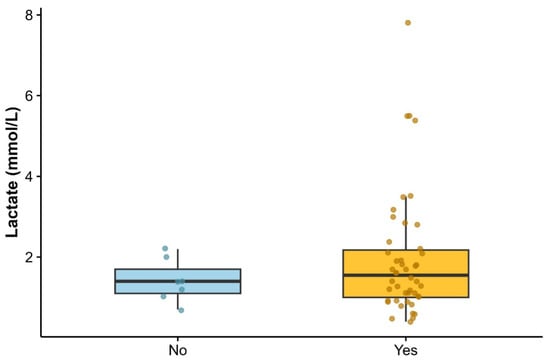
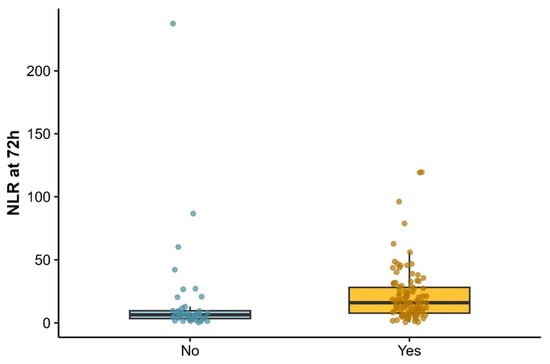
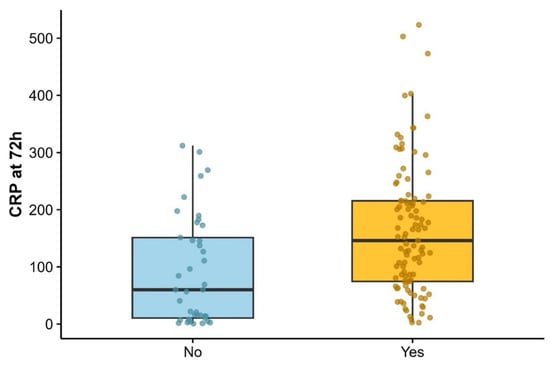
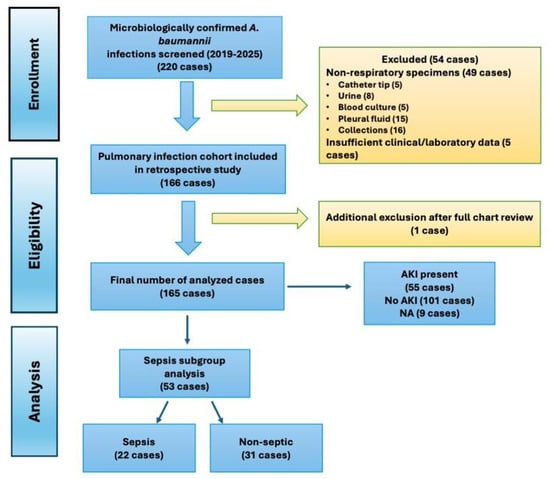
Background/Objectives: Acinetobacter baumannii is a major cause of hospital-acquired and ventilator-associated pneumonia and is associated with high mortality among critically ill patients. Although antimicrobial resistance remains a major therapeutic challenge, the relative contribution of clinical severity, organ dysfunction, and laboratory parameters to patient outcomes requires further clarification. Methods: We conducted a retrospective single-center cohort study including 165 patients with microbiologically confirmed A. baumannii pneumonia admitted to the Clinical Hospital of Pneumology Iași, Romania, between 2019 and 2025. Clinical, laboratory, and outcome data were analyzed, and multivariable logistic regression was performed to identify independent predictors of in-hospital mortality. Results: In-hospital mortality was independently associated with older age (OR: 1.05 per year, 95% CI: 1.01–1.08, p = 0.005), sepsis (OR: 5.23, 95% CI: 1.93–16.5, p = 0.002), and mechanical ventilation (OR: 6.71, 95% CI: 3.02–15.6, p < 0.001). In exploratory analyses restricted to patients with available lactate measurements, lactate levels were not significantly associated with mortality, whereas acute kidney injury and dynamic renal deterioration were associated with increased mortality. Inflammatory markers, particularly neutrophil-to-lymphocyte ratio and C-reactive protein at 72 h, were significantly higher in non-survivors. Conclusions: These findings suggest that mortality in A. baumannii pneumonia is more closely associated with clinical severity, sepsis, respiratory failure, and evolving organ dysfunction than with isolated laboratory parameters. Early recognition of sepsis, acute kidney injury, and respiratory failure, together with serial assessment of inflammatory biomarkers, may support improved risk stratification in this high-risk population. Full article
Show Figures

Figure 1

15 pages, 462 KB  
Review
Eccentric-Oriented Strength Training in Anterior Cruciate Ligament Rehabilitation: A Scoping Review
by Boris Žigmund and Erika Zemková
Medicina 2026, 62(6), 1109; https://doi.org/10.3390/medicina62061109 (registering DOI) - 7 Jun 2026
Abstract
Background and Objectives: Persistent quadriceps weakness, muscle atrophy, and functional deficits are common following anterior cruciate ligament (ACL) reconstruction and may compromise return to sport and increase the risk of reinjury. Eccentric-oriented strength training has been widely used to enhance muscle strength and [...] Read more.
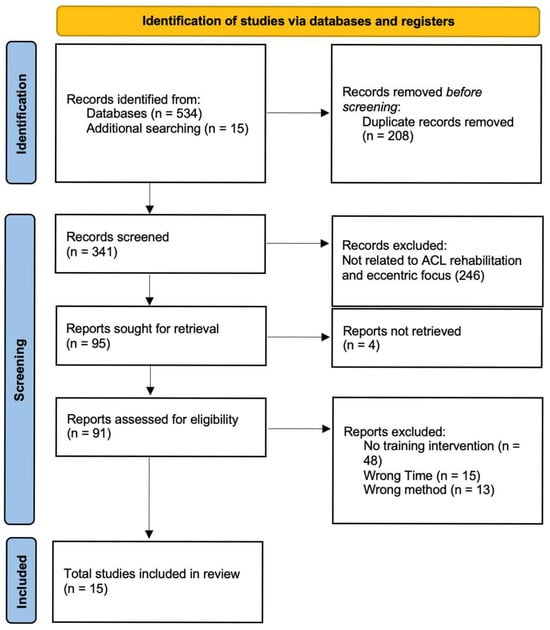
Background and Objectives: Persistent quadriceps weakness, muscle atrophy, and functional deficits are common following anterior cruciate ligament (ACL) reconstruction and may compromise return to sport and increase the risk of reinjury. Eccentric-oriented strength training has been widely used to enhance muscle strength and hypertrophy in various musculoskeletal conditions; however, its specific application within ACL rehabilitation remains insufficiently explored. The aim of this scoping review was to map the existing evidence on the use of eccentric-oriented strength training in ACL rehabilitation, identify gaps in the current literature, and provide suggestions for future research. Materials and Methods: A scoping review search was conducted in PubMed, Scopus, Web of Science, and PEDro from inception to February 2026 using the following keywords and Boolean operators: (“anterior cruciate ligament”, “ACL”, “anterior cruciate ligament reconstruction”, “ACLR”) AND (“eccentric training”, “eccentric exercise”, “eccentric loading”, “flywheel training”, “isoinertial training”). Eligible studies included studies that investigated eccentric exercises as part of ACL rehabilitation and reported outcomes related to muscle strength, muscle morphology, functional performance, or return to sport. Data were extracted and synthesized descriptively in accordance with the PRISMA-ScR extension for Scoping Reviews guidelines. Methodological quality and risk of bias were evaluated using the PEDro scale (RCTs) and the ROBINS-I tool (non-randomized studies). Results: Fifteen studies met the inclusion criteria. The included literature primarily examined isokinetic eccentric exercise, eccentric cycling, early progressive eccentric resistance training, Nordic hamstring exercise, eccentric ergometry, and flywheel strength training. Most studies reported improvements in quadriceps strength and muscle morphology, with additional benefits observed in functional performance measures (i.e., hop tests), gait mechanics, and limb symmetry. Evidence was unevenly distributed across rehabilitation phases, with relatively few studies focusing on the mid-phase of ACL rehabilitation. Conclusions: Eccentric-oriented strength training represents a promising but underexplored component of ACL rehabilitation. However, the existing literature lacks standardized protocols, comprehensive outcome measures, and phase-specific guidance, particularly during the mid and late stages of rehabilitation. Further high-quality studies are needed to clarify the optimal timing, dosage, and integration of eccentric training across rehabilitation phases. Full article
(This article belongs to the Special Issue ACL: From Injury to Return to Sport)
Show Figures

Figure 1

3 pages, 130 KB  
Editorial
Nutrition, Safety and Storage of Seafoods
by Zhe Xu and Deyang Li
Foods 2026, 15(12), 2058; https://doi.org/10.3390/foods15122058 (registering DOI) - 7 Jun 2026
Abstract
Marine resources are abundant and are often referred to as humanity’s second granary, playing a key role in optimizing food production through their development [...] Full article
(This article belongs to the Special Issue Nutrition, Safety and Storage of Seafoods)
16 pages, 2224 KB  
Article
Additively Manufactured Carbon Fiber-Reinforced Siliconized Silicon Carbide Composites Using Carbon Fiber-Reinforced Poly-Ether-Ether-Ketone (PEEK) as a Precursor
by Bola Yoon, James W. Klett, Ryan M. Paul, Michael J. Lance, Hsin Wang, Kashif Nawaz and Edgar Lara-Curzio
Ceramics 2026, 9(6), 60; https://doi.org/10.3390/ceramics9060060 (registering DOI) - 7 Jun 2026
Abstract
Herein, we report a method to additively manufacture carbon fiber-reinforced siliconized silicon carbide composites. The process involves the pyrolysis of a 3D-printed carbon fiber-reinforced poly-ether-ether-ketone (PEEK) composite to produce a porous carbon fiber-reinforced carbon matrix composite preform, which is subsequently infiltrated with molten [...] Read more.
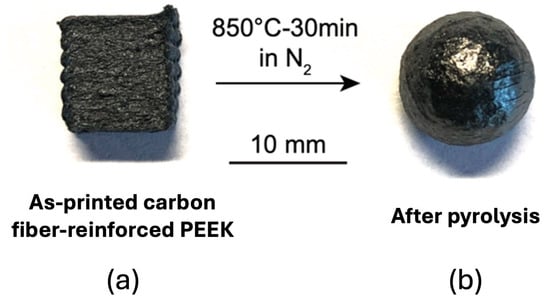
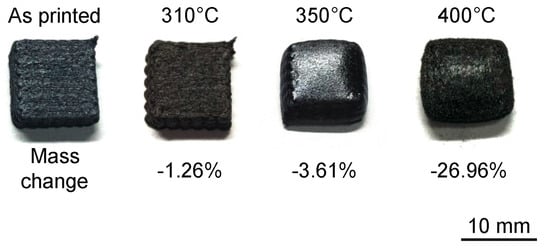
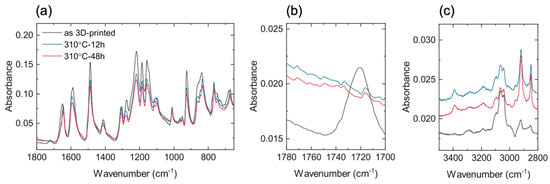
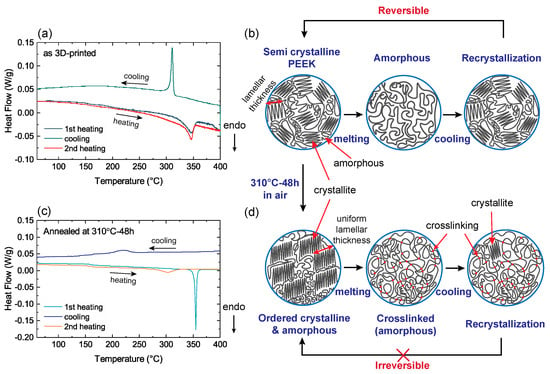
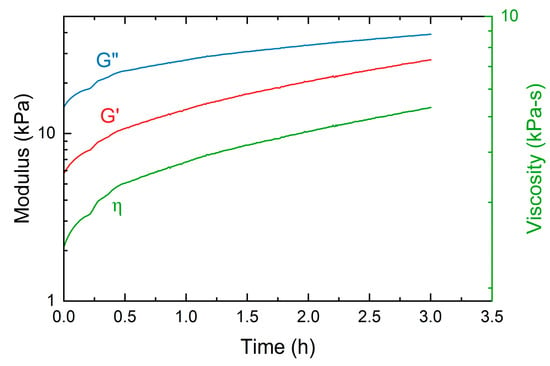
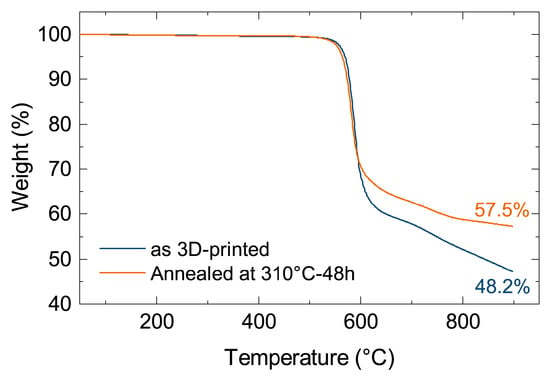
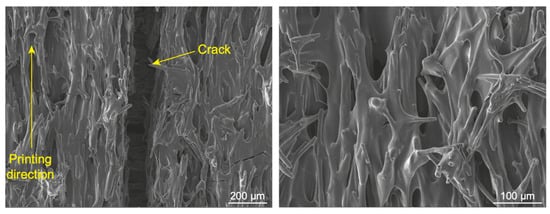
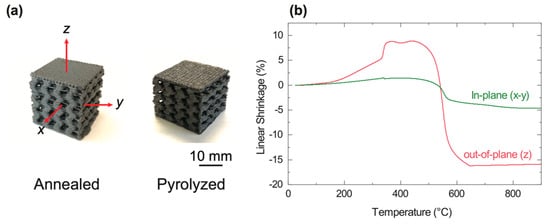
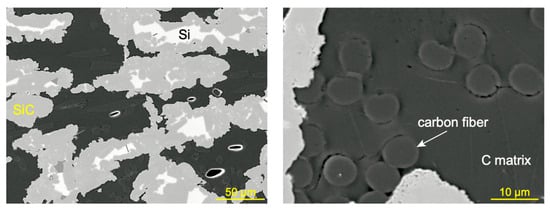
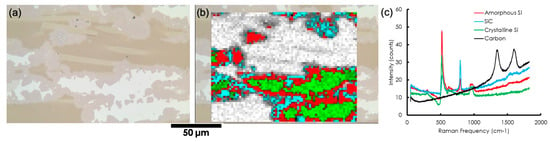
Herein, we report a method to additively manufacture carbon fiber-reinforced siliconized silicon carbide composites. The process involves the pyrolysis of a 3D-printed carbon fiber-reinforced poly-ether-ether-ketone (PEEK) composite to produce a porous carbon fiber-reinforced carbon matrix composite preform, which is subsequently infiltrated with molten silicon to obtain a carbon fiber-reinforced siliconized silicon carbide composite. A key aspect of the method is limiting polymer melt flow during pyrolysis of PEEK, which is achieved by thermally annealing the 3D-printed carbon fiber-reinforced PEEK preform in air at a temperature below PEEK’s melting temperature. Rheological and differential scanning calorimetry (DSC) measurements demonstrate that the thermal annealing treatment altered the melting behavior of PEEK, while NMR and FTIR measurements provided a mechanistic explanation for the structural changes responsible for the behavior. It was also found that dimensional changes during pyrolysis were anisotropic with greater shrinkage in the stacking direction of the material. Full article
(This article belongs to the Special Issue Ceramic Materials for Industrial Decarbonization)
Show Figures

Figure 1

14 pages, 2449 KB  
Article
Functionalized Graphene and Aramid Fiber Synergistically Enhanced Anti-Corrosion and Toughened Epoxy Coating
by Zipeng Yin, Zhensheng Yang, Hansheng Liu, Zhiying Wang and Zhongyu Duan
Coatings 2026, 16(6), 684; https://doi.org/10.3390/coatings16060684 (registering DOI) - 7 Jun 2026
Abstract
The corrosion of metal components leads to substantial economic losses and poses serious safety hazards. While organic coatings are regarded as an effective countermeasure, conventional epoxy resins (EPs) often exhibit high brittleness and insufficient corrosion resistance after curing. To overcome these limitations, this [...] Read more.
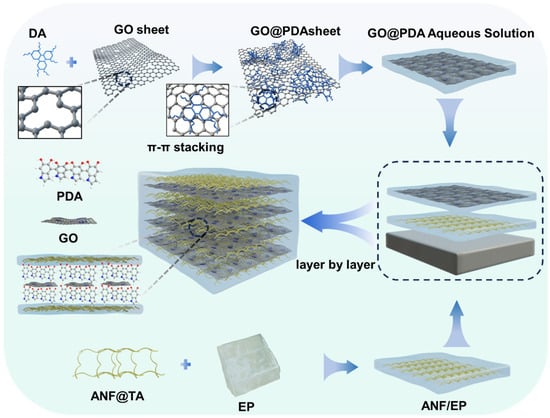
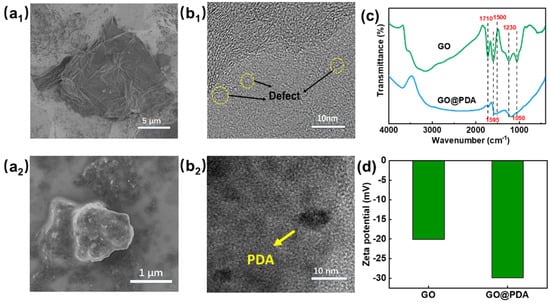
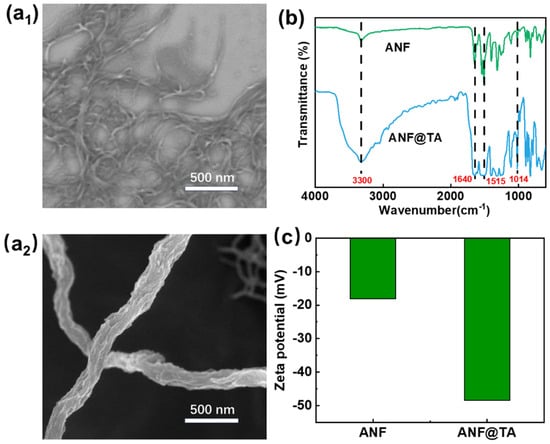
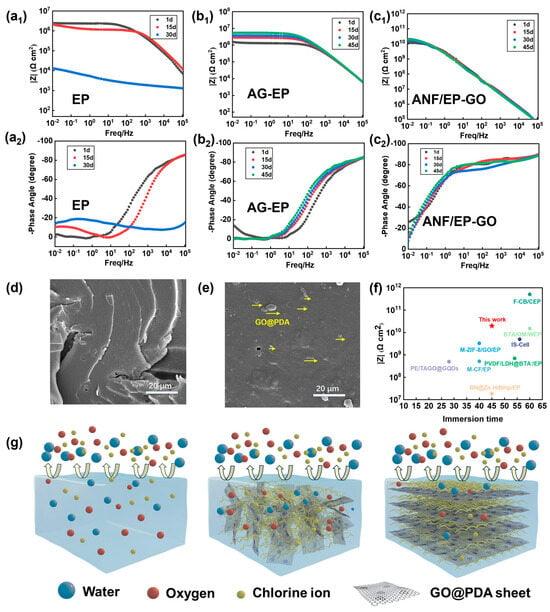
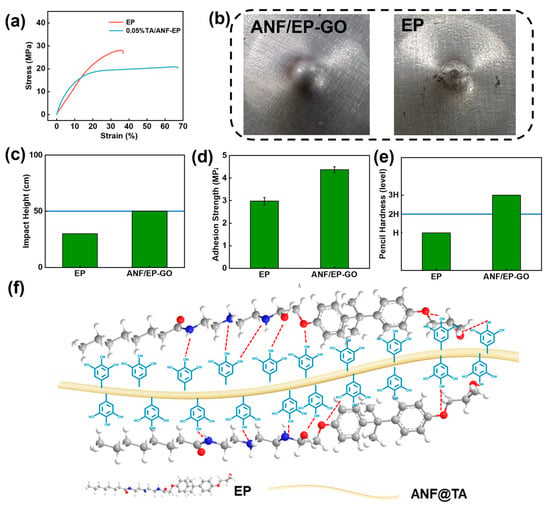
The corrosion of metal components leads to substantial economic losses and poses serious safety hazards. While organic coatings are regarded as an effective countermeasure, conventional epoxy resins (EPs) often exhibit high brittleness and insufficient corrosion resistance after curing. To overcome these limitations, this study proposes a novel modification strategy. A multilayer graphene-reinforced epoxy composite coating was fabricated via a layer-by-layer spraying process, employing uniformly dispersed modified aramid nanofibers (ANFs) and low-defect graphene as functional fillers. Polydopamine (PDA) was utilized to improve the dispersion of graphene oxide (GO), mitigate defect-associated permeation pathways, and enhance the interfacial bonding between the graphene layer and the epoxy matrix, thereby ensuring coating integrity. Tannic acid (TA) effectively improves the dispersion of ANF within the epoxy, preventing stress concentration. The corrosion resistance and mechanical properties of the composite coating were systematically evaluated. Results demonstrate that the coating achieves a low-frequency impedance of 1.98 × 10¹⁰ Ω·cm2. With the incorporation of 0.05% TA-modified ANFs, the elongation at break increases to 68.79%, and the impact resistance is significantly enhanced, with the impact height reaching 50 cm. The composite coating preparation strategy in this work offers a novel approach for constructing multifunctional composite coatings, demonstrating broad application prospects. Full article
(This article belongs to the Section Corrosion, Wear and Erosion)
Show Figures

Figure 1

17 pages, 14708 KB  
Article
Structural and Phase State and Properties of Gradient and Bilayer Al2O3/Cr2O3 Coatings Obtained by Detonation Spraying
by Bauyrzhan Rakhadilov, Aibol Mural, Dauir Kakimzhanov and Zhangabay Turar
Coatings 2026, 16(6), 683; https://doi.org/10.3390/coatings16060683 (registering DOI) - 7 Jun 2026
Abstract
This study aims to compare the structural, mechanical, tribological, and corrosion properties of gradient and bilayer Al2O3/Cr2O3 coatings obtained by detonation spraying on 316L stainless steel. The coatings were characterized using X-ray diffraction, scanning electron microscopy, [...] Read more.
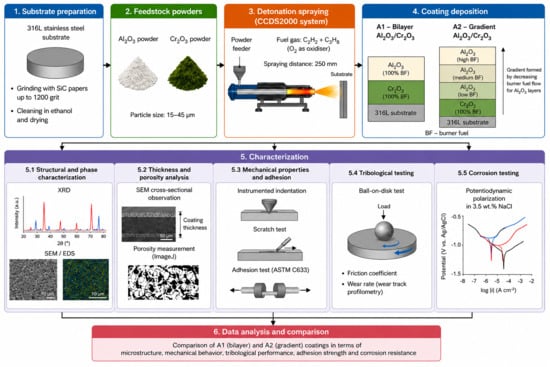
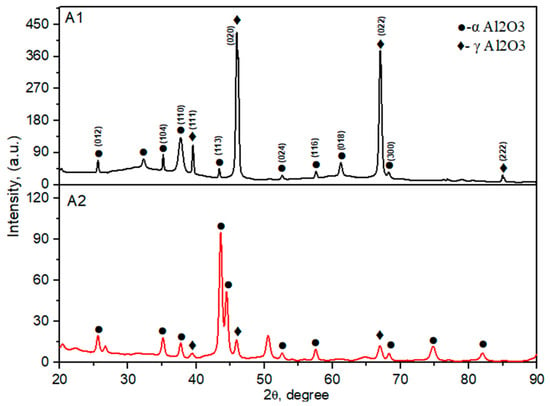
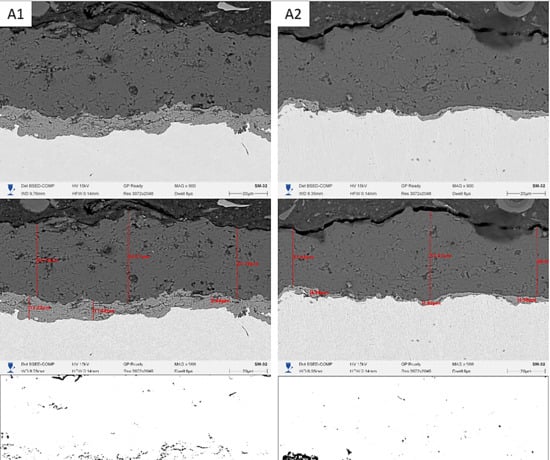
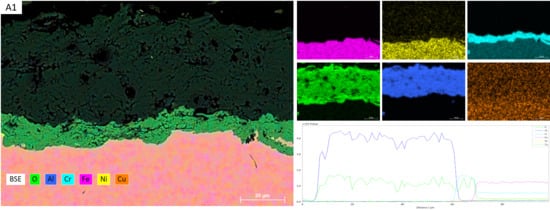
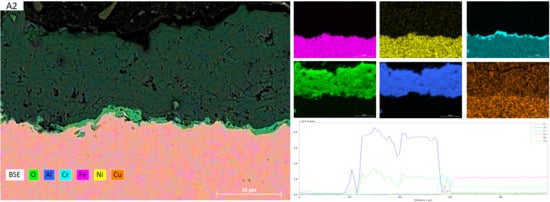
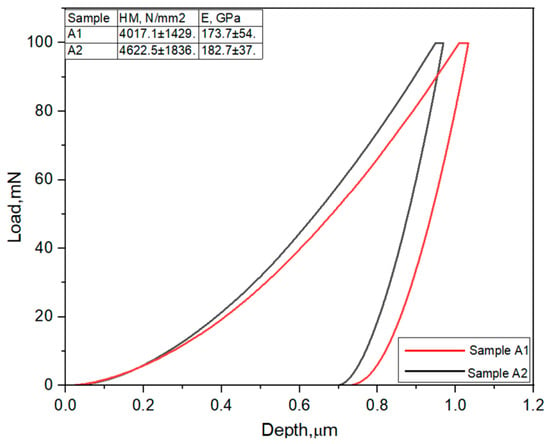
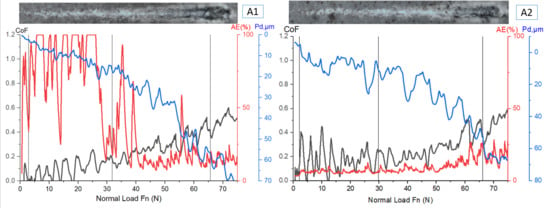
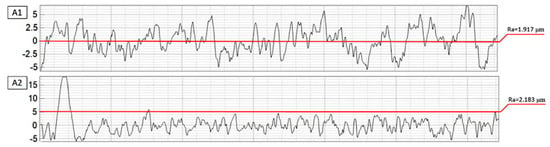
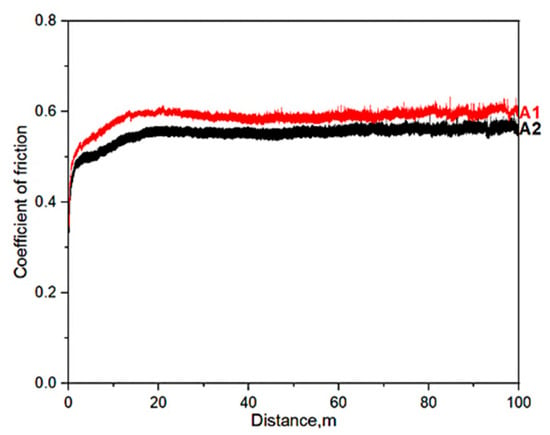
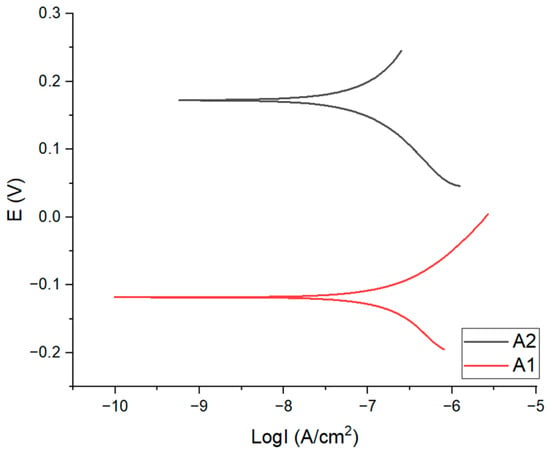
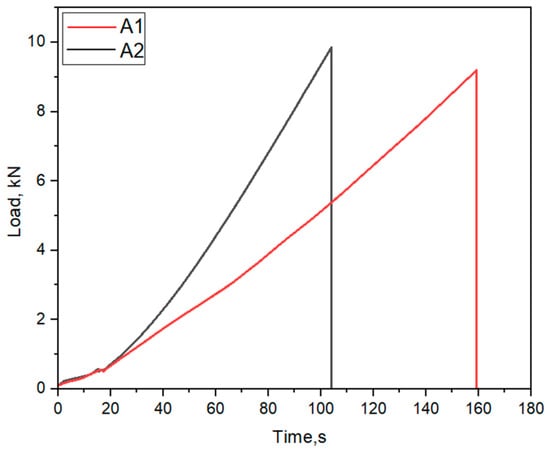
This study aims to compare the structural, mechanical, tribological, and corrosion properties of gradient and bilayer Al2O3/Cr2O3 coatings obtained by detonation spraying on 316L stainless steel. The coatings were characterized using X-ray diffraction, scanning electron microscopy, energy-dispersive spectroscopy, instrumental indentation, scratch testing, ball-on-disk tribological testing, and potentiodynamic polarization in a 3.5% NaCl solution. The results showed that the gradient Al2O3/Cr2O3 coating had a denser and more homogeneous structure than the bilayer coating. Quantitative SEM image analysis showed that the apparent porosity decreased from 1.285% for the bilayer coating to 0.934% for the gradient coating. Instrumental indentation revealed an increase in hardness from approximately 401 HV to 462 HV and an increase in elastic modulus from about 173 GPa to 183 GPa. The gradient coating also demonstrated higher critical loads during scratch testing, indicating improved resistance to crack initiation and coating failure. Tribological tests showed a lower and more stable coefficient of friction for the gradient coating, decreasing from approximately 0.58–0.60 to 0.52–0.55. Potentiodynamic polarization measurements showed that the corrosion current density decreased from 0.50540 to 0.24155 µA/cm2, while the corrosion rate decreased from 0.00894 to 0.00428 mm/year. These results demonstrate that the gradient coating architecture improves the performance of Al2O3/Cr2O3 coatings by reducing porosity, increasing structural integrity, and promoting an improved structural integrity and reduced defect-related stress concentration through the coating thickness. Therefore, gradient Al2O3/Cr2O3 coatings obtained by detonation spraying are promising for applications requiring enhanced wear and corrosion resistance. Full article
(This article belongs to the Section Composite Coatings)
Show Figures

Figure 1

14 pages, 8123 KB  
Article
Achilles Tendon Laceration and Rupture in Dromedary Camels (Camelus dromedarius): Clinical, Radiographic, Ultrasonographic, and Anatomical Findings
by Madeh Sadan, Gamal Mounir Allouch and Fahad Abdullah Alshanbari
Vet. Sci. 2026, 13(6), 563; https://doi.org/10.3390/vetsci13060563 (registering DOI) - 7 Jun 2026
Abstract
This study aimed to describe the anatomical composition of the Achilles tendon in dromedary camels and to characterize the clinical, radiographic, and ultrasonographic features of tendon laceration and rupture. Six pelvic limbs from an adult healthy Mejhem camel were dissected following fixation in [...] Read more.
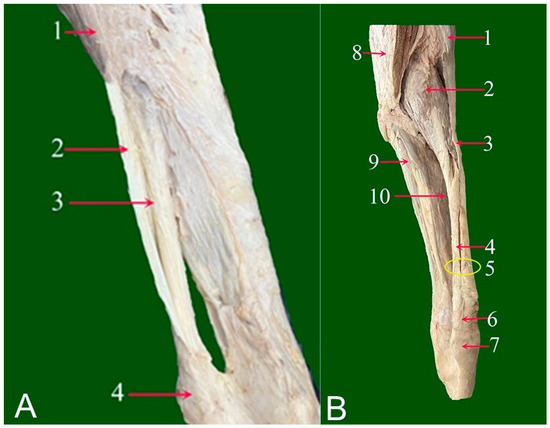
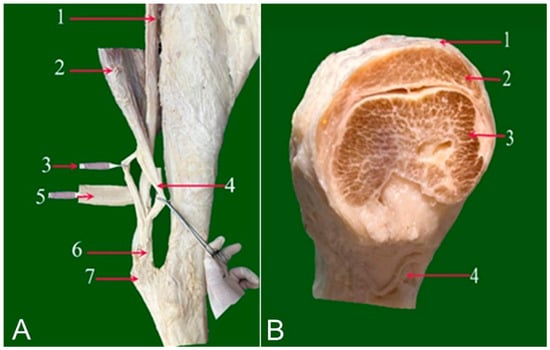
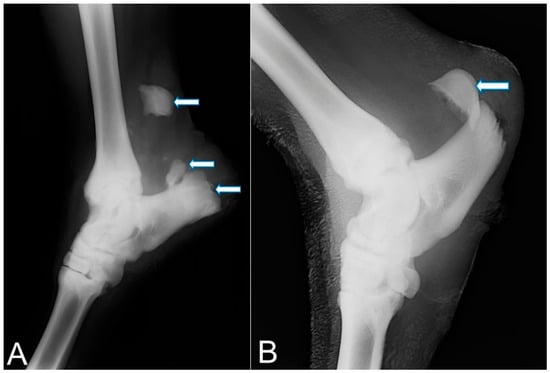
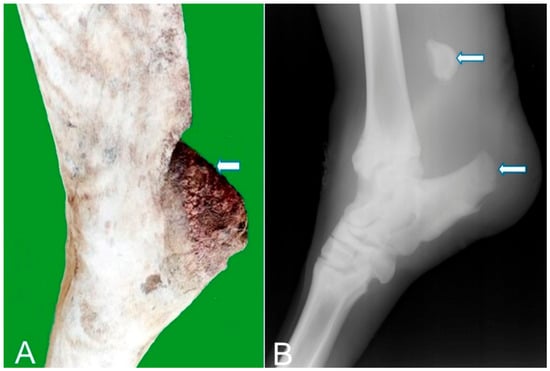
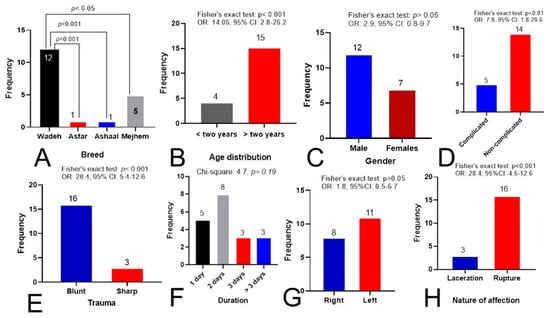
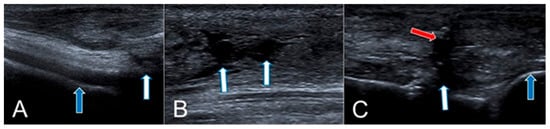
This study aimed to describe the anatomical composition of the Achilles tendon in dromedary camels and to characterize the clinical, radiographic, and ultrasonographic features of tendon laceration and rupture. Six pelvic limbs from an adult healthy Mejhem camel were dissected following fixation in 10% formaldehyde. Additionally, 19 camels with confirmed Achilles tendon injuries were evaluated clinically and by imaging. Anatomically, the tendon is a composite structure formed by the semitendinosus, gastrocnemius (medial and lateral heads), and superficial digital flexor muscles, arranged in superficial and deep layers and inserting at the tuber calcanei. Clinically, affected camels showed acute hindlimb lameness, reduced weight-bearing, and swelling near the calcaneus. Wadeh camels were more frequently affected than other breeds (p < 0.05–0.001). Age > 2 years (OR = 14.06; p < 0.001) and male sex (OR = 28.4; p < 0.001) were significant risk factors, with blunt trauma as the main cause (p < 0.001). Ruptures were more common than lacerations (OR = 28.4; p < 0.001). Radiography revealed soft tissue swelling and occasional calcaneal avulsion fractures, while ultrasonography showed tendon enlargement, fiber disruption, and hypoechoic gaps. These findings highlight the diagnostic value of combined imaging for accurate evaluation and management. Full article
(This article belongs to the Special Issue Advances in Morphology and Histopathology in Veterinary Medicine)
Show Figures

Figure 1

22 pages, 3563 KB  
Article
Characteristics of Smart City Discourse in South Korea: A Policy Mobility Perspective Using Semantic Network Analysis
by Sihyun Ban, Seunghwan Hwang and Jihyun Kim
Sustainability 2026, 18(12), 5809; https://doi.org/10.3390/su18125809 (registering DOI) - 7 Jun 2026
Abstract
This study examines how smart city discourse is structurally configured across different contexts from the perspective of policy mobility. To this end, three types of data were analyzed: South Korean policy reports, South Korean academic literature, and global academic literature. Based on these [...] Read more.
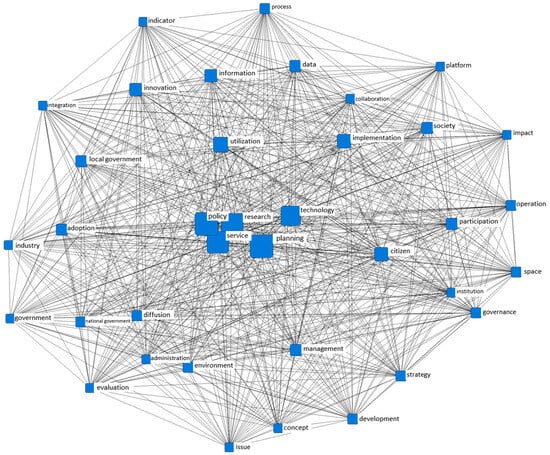
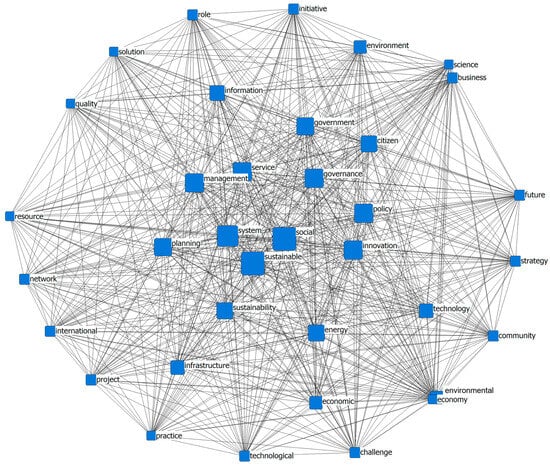
This study examines how smart city discourse is structurally configured across different contexts from the perspective of policy mobility. To this end, three types of data were analyzed: South Korean policy reports, South Korean academic literature, and global academic literature. Based on these sources, text datasets were constructed and analyzed using text mining-based semantic network analysis to identify key concepts and their relational structures. The results show that while similar keywords appear across datasets, differences are observed in the relative positions and relational patterns of key concepts. In South Korean policy reports, implementation- and operation-related concepts such as “service,” “information,” and “management” exhibit relatively higher centrality. In South Korean academic literature, “planning,” “policy,” “research,” and “technology” appear alongside governance- and actor-related concepts, indicating broader relational configurations. In global academic literature, concepts such as “sustainable,” “social,” “governance,” and “policy” show relatively similar levels of centrality, suggesting the coexistence of multiple dimensions within the discourse. These findings suggest that smart city discourse may be configured differently depending on institutional and discursive contexts, rather than converging into a single uniform structure. However, the observed differences should not be interpreted solely as reflecting national contextual differences, as variations in dataset composition may also have partially influenced the results. By conceptualizing the smart city as a structured policy discourse, this study contributes to understanding how policy-related concepts may be selectively emphasized and reconfigured across contexts. Methodologically, the study demonstrates the applicability of semantic network analysis for examining relational patterns within smart city discourse across different data types and contexts. Full article
(This article belongs to the Section Sustainable Urban and Rural Development)
Show Figures

Figure 1

17 pages, 1096 KB  
Article
Sustainable Agritourism Under the Shadow of Nostalgia: How Pro-Environmental Behavior and Motivation Influence Revisit and Recommendation Intentions
by Alaa M. S. Azazz and Ibrahim A. Elshaer
Sustainability 2026, 18(12), 5808; https://doi.org/10.3390/su18125808 (registering DOI) - 7 Jun 2026
Abstract
Sustainable agritourism has been raised as a vital ally for rural development, green preservation, and experiential tourism enrichment. However, guests’ behavioral intentions in the agritourism context are regularly shaped not only by sustainability concerns but also by nostalgic ties to rural life and [...] Read more.
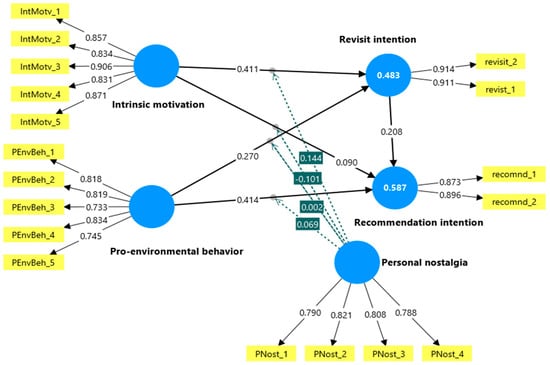
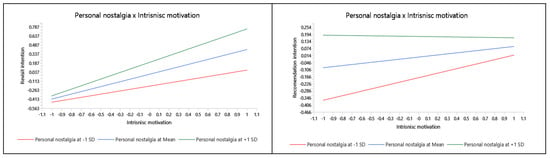
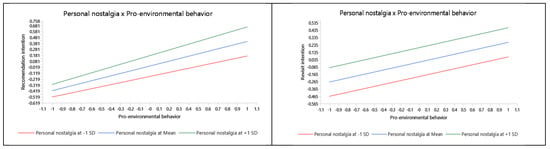
Sustainable agritourism has been raised as a vital ally for rural development, green preservation, and experiential tourism enrichment. However, guests’ behavioral intentions in the agritourism context are regularly shaped not only by sustainability concerns but also by nostalgic ties to rural life and traditional farming practices. This study explored how pro-environmental behavior (PEB) and intrinsic motivation can influence visitors’ revisit and recommendation intentions in agritourism settings, while testing the moderating effects of personal nostalgia. Based on Self-Determination Theory (SDT) and the PEB literature, this study assumes that visitors who are internally driven by learning, enjoyment, and personal achievement, as well as those who exhibit environmentally accountable orientations, are more likely to develop favorable revisit intentions toward agritourism places. Data was collected from 420 visitors to agritourism sites using a self-administered questionnaire and tested using PLS-SEM. The results revealed that both intrinsic motivation and PEB have significant positive impacts on revisit and recommendation intentions. Furthermore, personal nostalgia can intensify these relationships. The study can contribute to the sustainable tourism and agritourism literature by emphasizing the joint roles of internal motivation, PEB, and emotional bond in reshaping visitors’ revisit intention and positive word of mouth. Full article
Show Figures

Figure 1

25 pages, 71066 KB  
Article
Development and Deployment of IoT-Based Early Warning System for Rainfall-Induced Landslides Using Surface and Subsurface Sensors and Its Application
by Arghya Uthpal Mondal, Xiaonan Liu and Bingqi Li
Appl. Sci. 2026, 16(12), 5738; https://doi.org/10.3390/app16125738 (registering DOI) - 6 Jun 2026
Abstract
Rainfall-induced landslides are destructive natural hazards that require timely detection and early warning to protect lives and infrastructure. This study presents the development and deployment of an IoT-based, cost-effective, real-time monitoring and early warning system that integrates surface and subsurface sensors to detect [...] Read more.
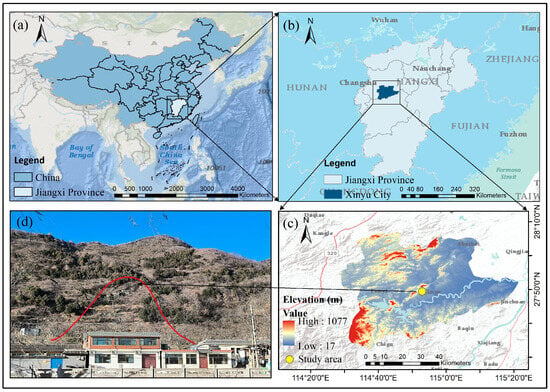
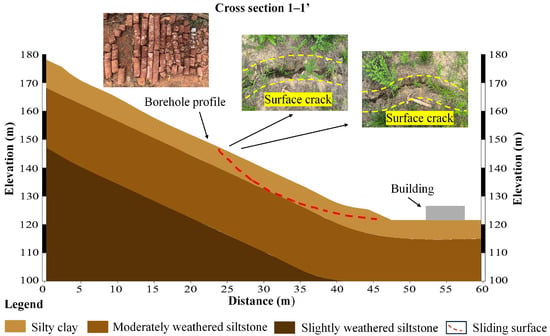
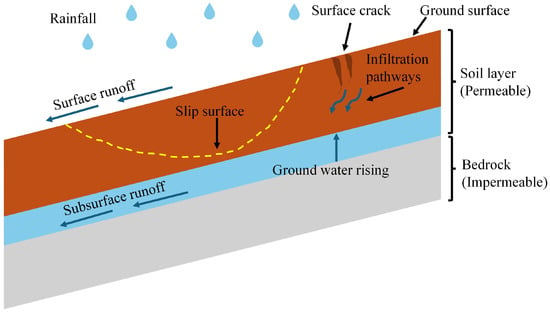
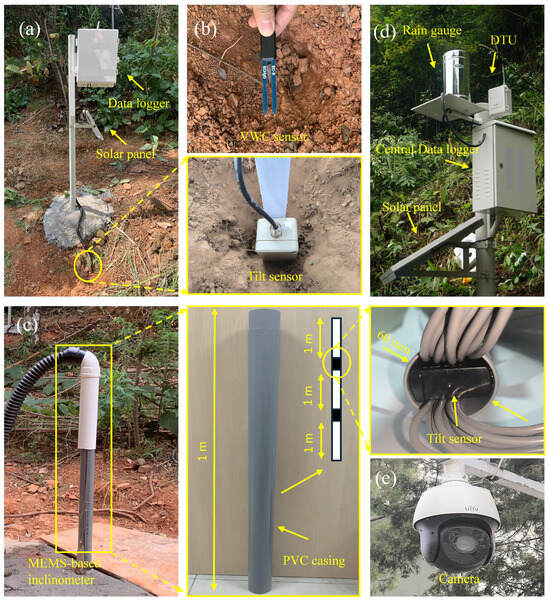
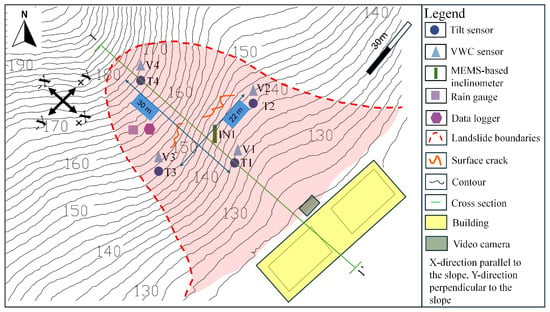
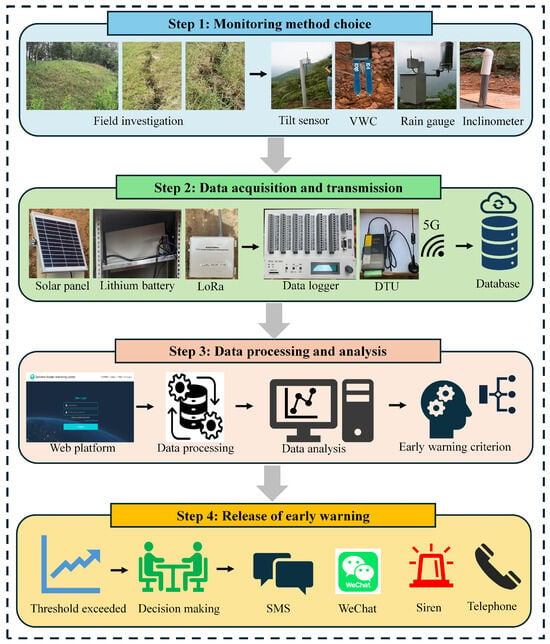
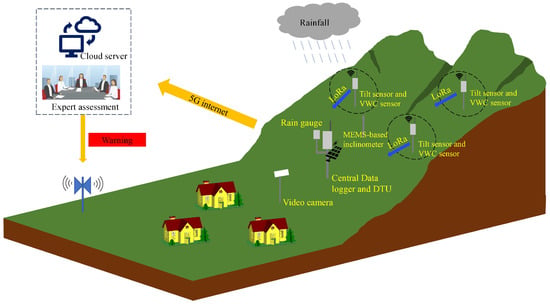
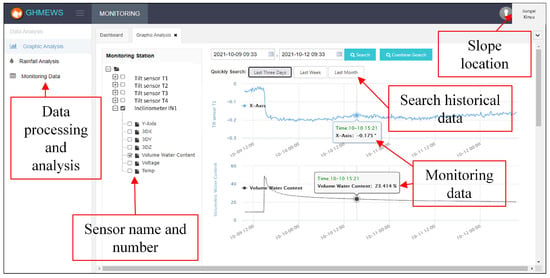
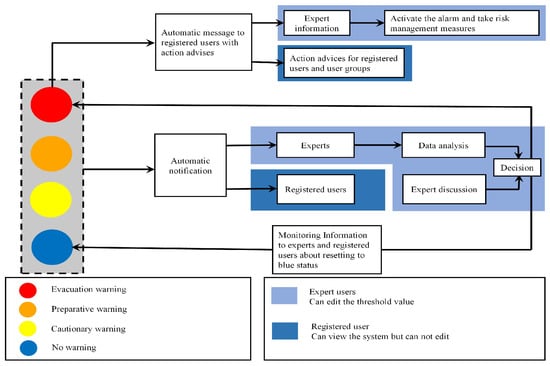
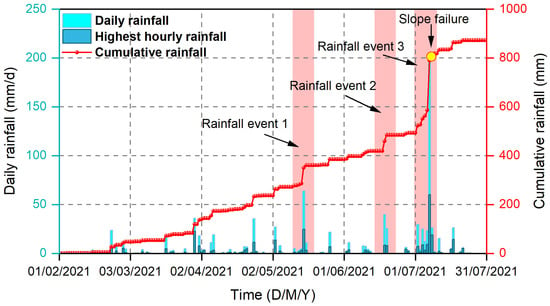
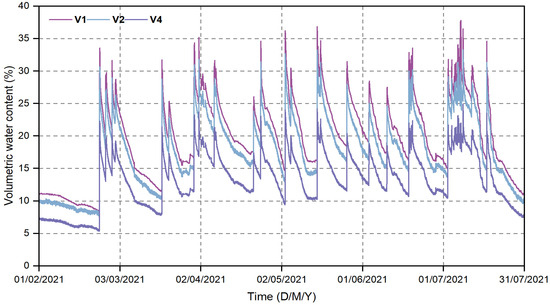
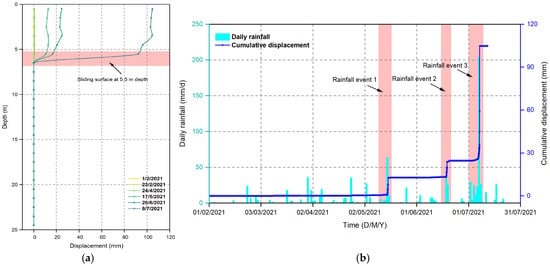
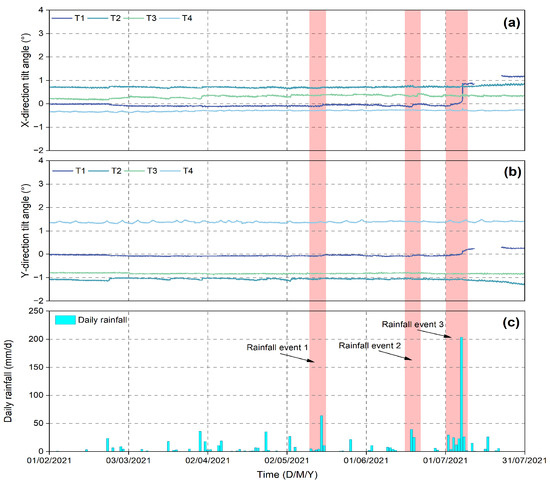
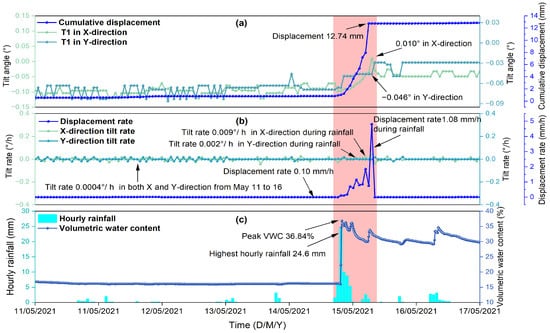
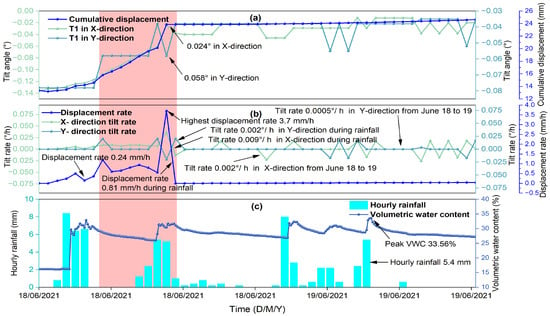
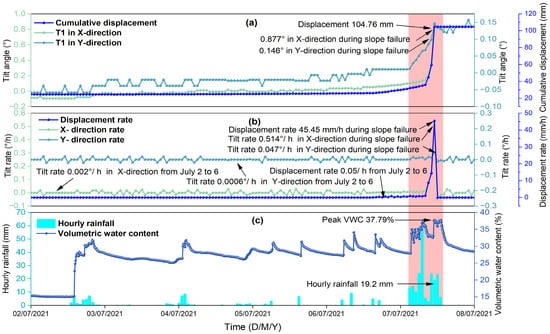
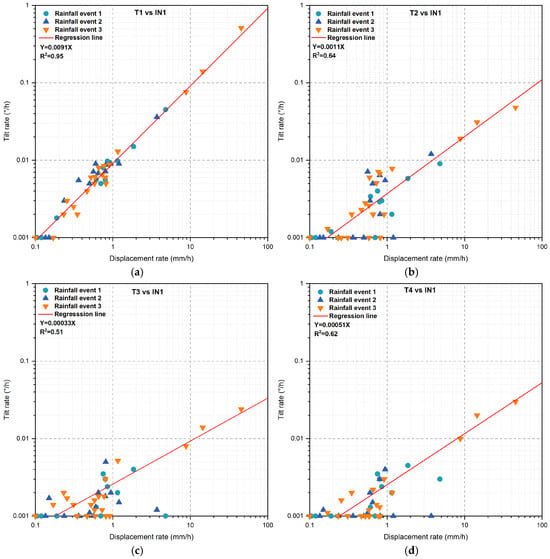
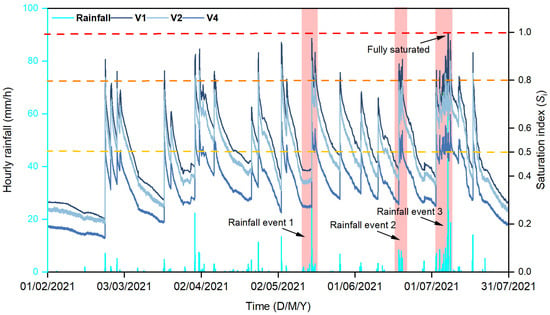
Rainfall-induced landslides are destructive natural hazards that require timely detection and early warning to protect lives and infrastructure. This study presents the development and deployment of an IoT-based, cost-effective, real-time monitoring and early warning system that integrates surface and subsurface sensors to detect slope instability and issue timely warnings for disaster prevention. The monitoring system integrates tilt sensors, volumetric water content sensors, a MEMS-based inclinometer, a rain gauge, and a video camera, all linked to a web-based platform. Field results demonstrated that the tilt sensors effectively detected surface displacement, the volumetric water content sensors responded rapidly to rainfall infiltration, and the MEMS-based inclinometer captured subsurface displacement during rainfall events. Detailed analysis was conducted using multisource monitoring datasets collected during three specific rainfall events. An early warning method for landslides was proposed by combining the tilt rate, horizontal displacement rate derived from the MEMS-based inclinometer, and saturation index. Accordingly, critical threshold values for different warning levels were established based on tilt rate (Tr), displacement rate (Dr), and saturation index (Si). This study provides a robust strategy and guidelines for early warning systems, enabling generation of warning alarms and demonstrating immense potential to reduce the impacts of rainfall-induced shallow landslides and enhance risk management. Full article
(This article belongs to the Section Civil Engineering)
Show Figures

Figure 1

3 pages, 203 KB  
Editorial
Special Issue on “Advances in the Design, Analysis and Evaluation of Functional Foods”
by Jovana Petrović, Ivana Nikolić and Dragana Šoronja-Simović
Processes 2026, 14(12), 1845; https://doi.org/10.3390/pr14121845 (registering DOI) - 6 Jun 2026
Abstract
The growing demand for healthier, safer, and more sustainable food products has significantly accelerated scientific research focused on functional ingredients, innovative food formulations, and advanced processing technologies [1]. [...] Full article
(This article belongs to the Special Issue Advances in the Design, Analysis and Evaluation of Functional Foods)
21 pages, 2135 KB  
Article
Model-Informed Speech Enhancement Using Virtual Room Acoustics and Acoustic Descriptor Optimization
by Samuel Yaw Mensah, Tao Zhang, Xin Zhao and Nahid-Al Mahmud
Sensors 2026, 26(12), 3630; https://doi.org/10.3390/s26123630 (registering DOI) - 6 Jun 2026
Abstract
Reverberation and background noise remain persistent obstacles to achieving clear and intelligible speech in enclosed environments. Conventional data-driven or purely empirical dereverberation systems often perform well only under training conditions but lack robustness and physical interpretability when exposed to new acoustic spaces. To [...] Read more.
Reverberation and background noise remain persistent obstacles to achieving clear and intelligible speech in enclosed environments. Conventional data-driven or purely empirical dereverberation systems often perform well only under training conditions but lack robustness and physical interpretability when exposed to new acoustic spaces. To address these limitations, this paper proposes a physics-informed speech enhancement algorithm that integrates analytical room acoustics modeling with a descriptor-guided optimization framework. The method employs virtual field simulations based on the Helmholtz equation to estimate key acoustic descriptors, reverberation time (RT60), direct-to-reverberant ratio (DRR), and clarity index (C50), which are then used to adaptively control a model-informed dereverberation filter. This hybrid formulation bridges physical modeling and signal processing, allowing the algorithm to minimize late reverberation energy while maintaining spectral fidelity. Experimental results across multiple simulated and real-room conditions demonstrate measurable improvements over baseline methods, achieving average gains of +6.4 dB in SNR, +1.2 in PESQ, and +0.13 in STOI, along with reduced RT60 and enhanced clarity. The proposed approach offers both computational efficiency and interpretability, making it suitable for real-time deployment in teleconferencing, hearing-assistive, and smart audio applications. Full article
32 pages, 4523 KB  
Article
Performance-Based Evaluation of Nanomaterials for Enhancing Moisture Damage Resistance in Asphalt Concrete
by Fatima Shamal Atiyah and Amjad H. Albayati
J. Compos. Sci. 2026, 10(6), 310; https://doi.org/10.3390/jcs10060310 (registering DOI) - 6 Jun 2026
Abstract
Moisture-induced damage is one of the primary causes of premature distress in asphalt pavements, leading to reduced service life and increased maintenance costs. Although nanomaterials have shown potential in enhancing asphalt performance, the underlying composite interaction mechanisms among nanomaterials, asphalt binder, and aggregate [...] Read more.
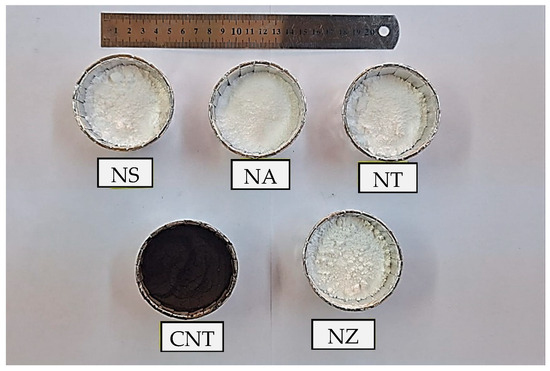
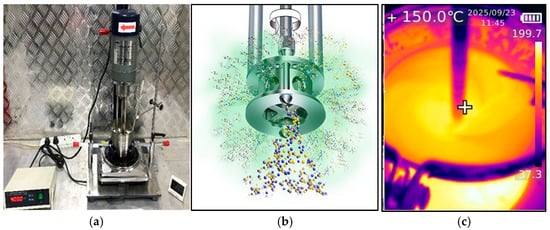
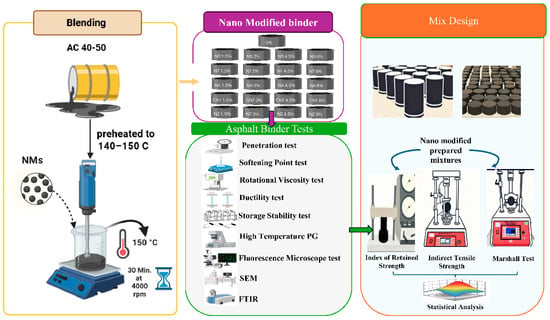
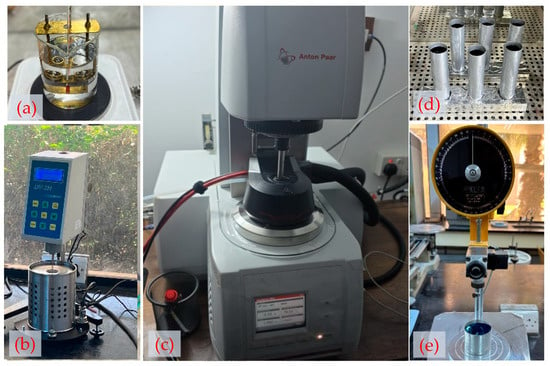
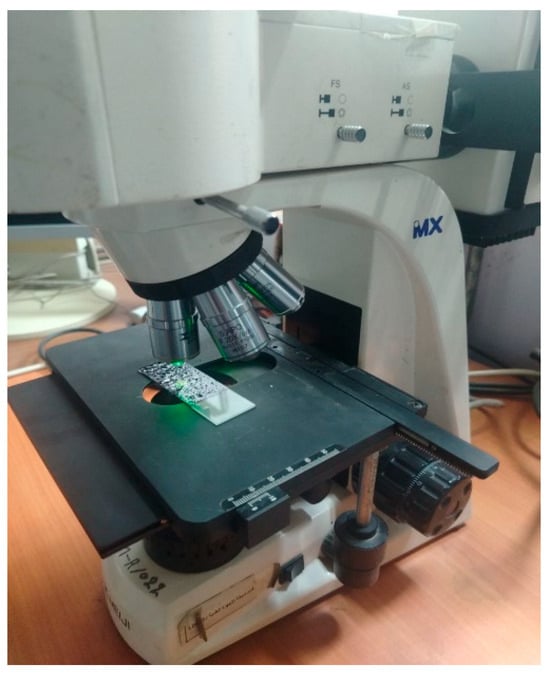
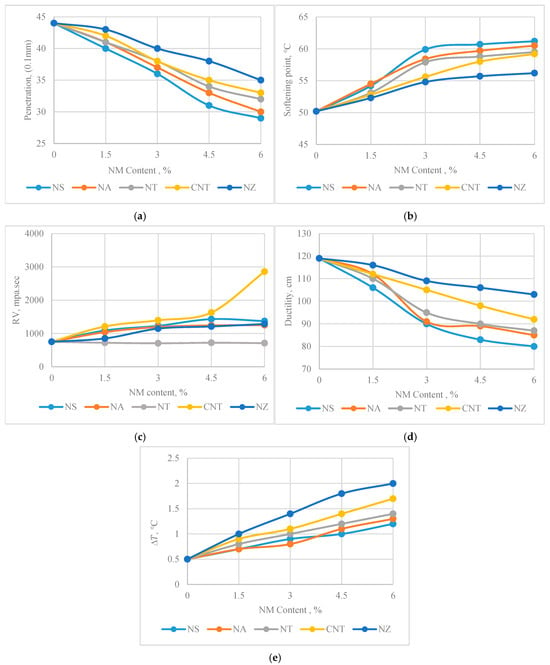
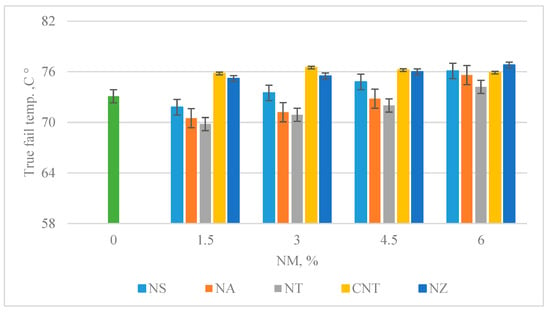
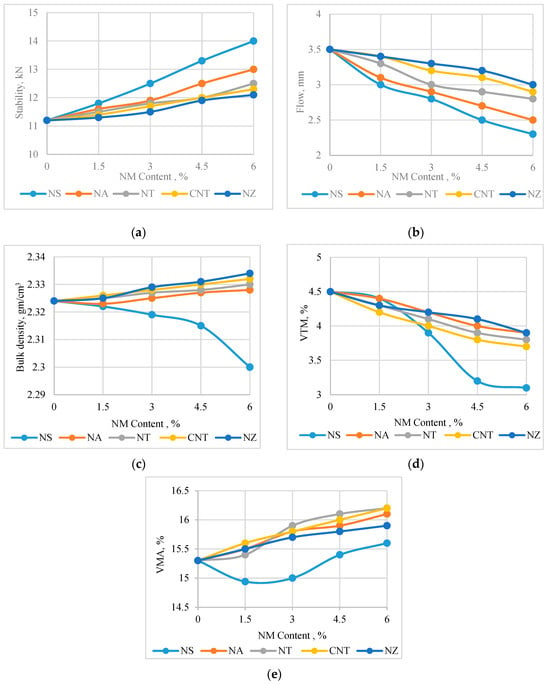
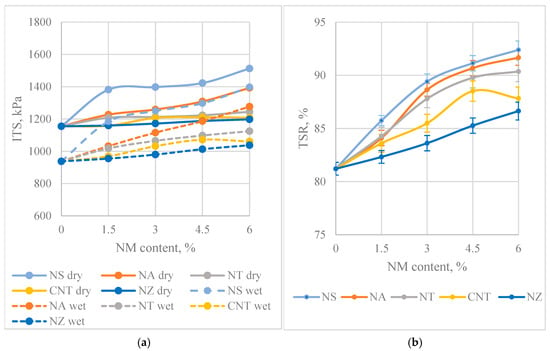
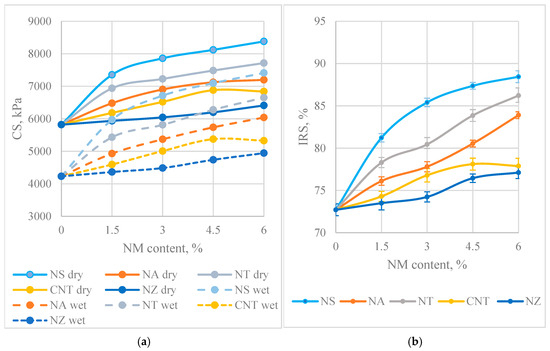
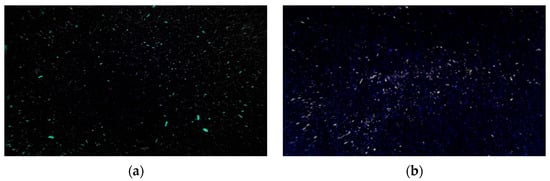
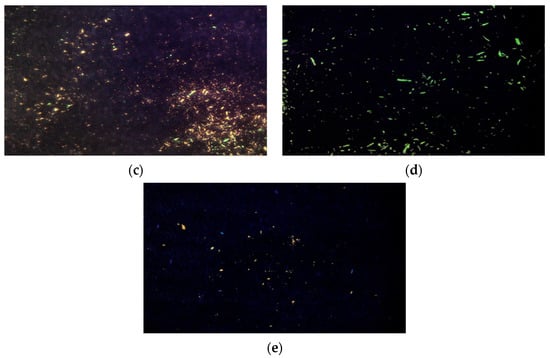
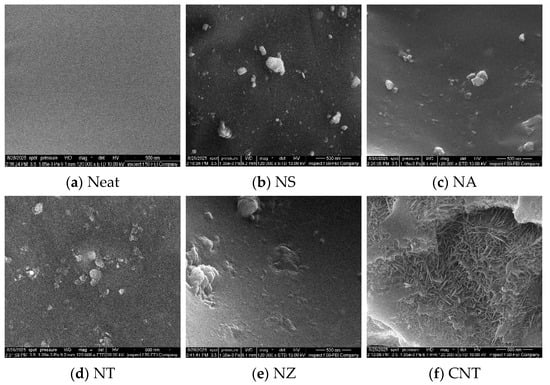
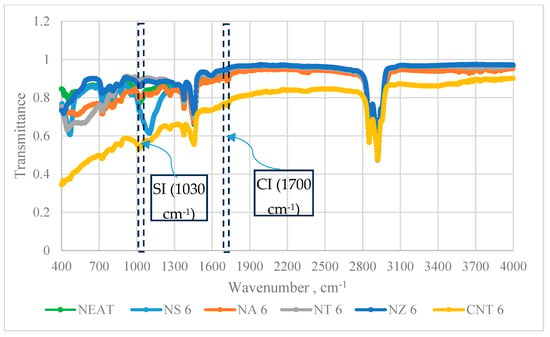
Moisture-induced damage is one of the primary causes of premature distress in asphalt pavements, leading to reduced service life and increased maintenance costs. Although nanomaterials have shown potential in enhancing asphalt performance, the underlying composite interaction mechanisms among nanomaterials, asphalt binder, and aggregate phases under moisture exposure are still not fully understood. In addition, comparative evaluations under consistent experimental conditions remain limited. This study investigates the influence of five nanomaterials: nano-silica (NS), nano-alumina (NA), nano-titanium dioxide (NT), nano-zinc oxide (NZ), and carbon nanotubes (CNT) on the physical and mechanical properties of asphalt binders and mixtures, with particular emphasis on moisture damage resistance. The nanomaterials were incorporated at dosages of 1.5%, 3.0%, 4.5%, and 6.0% by binder weight. Binder performance was evaluated using conventional and performance grading (PG) tests, while mixture performance was assessed through Marshall properties and moisture susceptibility indicators, including the tensile strength ratio (TSR) and the index of retained strength (IRS). Fluorescence microscopy (FM), scanning electron microscopy (SEM), and Fourier transform infrared spectroscopy (FTIR) were employed to investigate nanomaterial dispersion characteristics, microstructural morphology, and physicochemical interactions within the asphalt composite system. The results indicate that nanomaterial modification reduced penetration and increased softening point and Marshall stability, reflecting enhanced stiffness and thermal resistance, although ductility decreased at higher dosages. Significant improvements in moisture resistance were observed, particularly under conditioned states. The TSR increased from 81.2% for the control mixture to 92.4% for NS and 91.7% for NA, while the IRS improved from 72.7% to 88.5% for NS. Statistical analysis indicated that both nanomaterial type and dosage significantly affected TSR and IRS performance, with dosage exhibiting comparatively greater influence on moisture resistance improvement. FM and SEM analyses revealed comparatively better dispersion and lower agglomeration tendency for NS and NA, which corresponded to their superior moisture resistance performance. FTIR analysis indicated that the modification process was predominantly physical, with no major formation of new chemical functional groups. Among the investigated nano materials, NS at 6% dosage exhibited the most pronounced improvement, followed by NA at similar dosage levels. Overall, the findings suggest that nanomaterial modification can considerably improve the moisture resistance and mechanical performance of asphalt mixtures under laboratory conditions. However, higher nanomaterial dosages may adversely affect binder workability due to increased viscosity, particularly in CNT-modified binders. Full article
(This article belongs to the Section Composites Applications)
Show Figures

Figure 1

20 pages, 6563 KB  
Communication
Consistency-Guided Distillation from Vision Foundation Models for Zero-Shot Airborne Point Cloud Segmentation
by Yuan Gao, Jindong Zhao, Shaobo Xia, Sheng Nie, Cheng Wang and Xiaohuan Xi
Remote Sens. 2026, 18(12), 1875; https://doi.org/10.3390/rs18121875 (registering DOI) - 6 Jun 2026
Abstract
Semantic segmentation of large-scale airborne point clouds traditionally relies on labor-intensive 3D manual annotations. While recent zero-shot methods attempt to alleviate this burden by distilling knowledge from 2D Vision–Language Models (VLMs) via 2D-to-3D projection, they suffer from performance degradation in complex urban environments. [...] Read more.
Semantic segmentation of large-scale airborne point clouds traditionally relies on labor-intensive 3D manual annotations. While recent zero-shot methods attempt to alleviate this burden by distilling knowledge from 2D Vision–Language Models (VLMs) via 2D-to-3D projection, they suffer from performance degradation in complex urban environments. Specifically, lacking 3D geometric awareness, 2D VLMs frequently exhibit “semantic bleeding”, where large-scale background categories (e.g., ground) erroneously submerge small-scale targets (e.g., vehicles and street elements). To address this issue, we propose a geometry-constrained pseudo-label generation and purification framework. Our approach tackles the problem through a dual-branch design: extracting open-vocabulary semantics via SAM3-based multi-view projection while simultaneously deriving sharp, class-agnostic instances using SAM2 on Gamma-transformed elevation maps. By introducing a geometric–semantic consistency module, we evaluate the internal semantic purity and external spatial homogeneity of these instances, detecting and filtering out semantic misclassifications. The purified pseudo-labels are then used to supervise a 3D sparse convolutional network via a Masked Cross-Entropy Loss. Experiments on the H3D and Turin3D datasets demonstrate that our method recovers small-scale targets that are prone to being submerged, outperforming existing zero-shot baselines by improving mIoU from 52.15% to 63.45% on H3D and from 29.52% to 58.51% on Turin3D, thereby narrowing the performance gap with fully-supervised approaches. Full article
(This article belongs to the Section AI Remote Sensing)
15 pages, 969 KB  
Article
Healthcare-Associated Infections, Antibiotic Use, and Invasive Devices: A Repeated Point Prevalence Survey
by Maria Costantino, Anna Maria Della Corte, Valentina Giudice, Luigi Fortino, Maria Nappo, Giovanni Boccia, Vittoria Satriani, Giuseppe Panzuto, Walter Longanella, Francesco De Caro and Antonella Maisto
Hygiene 2026, 6(2), 34; https://doi.org/10.3390/hygiene6020034 (registering DOI) - 6 Jun 2026
Abstract
Background: Healthcare-associated infections (HAIs) and antimicrobial resistance are major global public health challenges, influenced by patient clinical complexity and prescribing practices. Methods: Three-point prevalence surveys (PPSs) were conducted (P1: November 2024; P2: June 2025; P3: November 2025), involving 456 patients at the University [...] Read more.
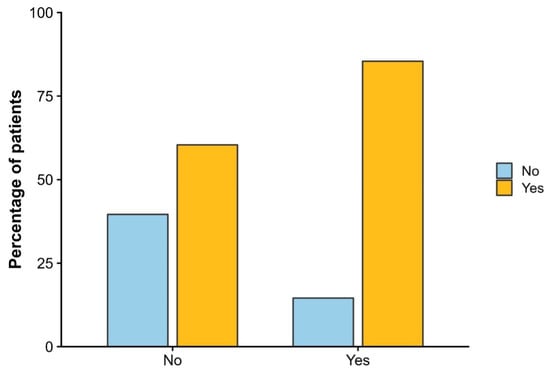
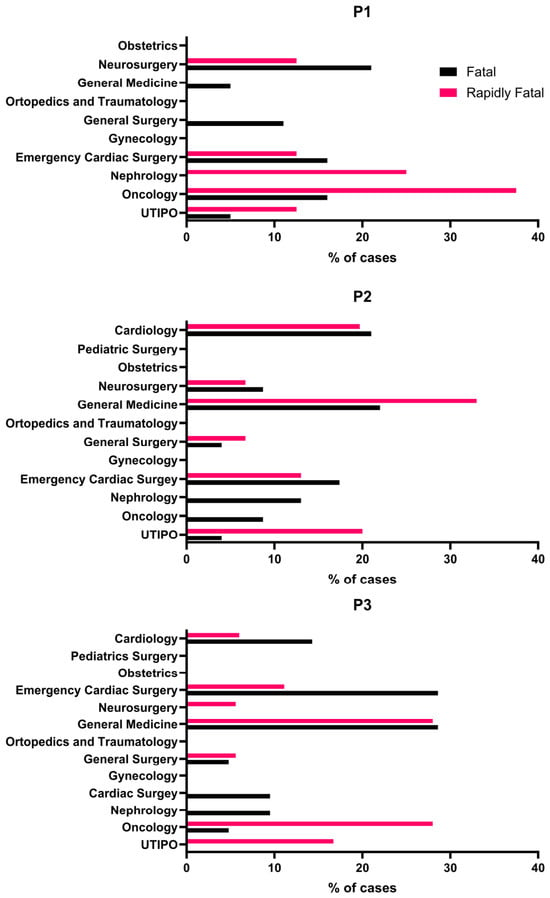
Background: Healthcare-associated infections (HAIs) and antimicrobial resistance are major global public health challenges, influenced by patient clinical complexity and prescribing practices. Methods: Three-point prevalence surveys (PPSs) were conducted (P1: November 2024; P2: June 2025; P3: November 2025), involving 456 patients at the University Hospital “San Giovanni di Dio e Ruggi d’Aragona”, Salerno, Italy. Results: The prevalence of HAIs fluctuated between 3.1% (P1) and a peak of 6.1% (P2), before decreasing to 1.9% (P3), correlating with the presence of multidrug-resistant pathogens in critical care areas. The prevalence of antibiotic use remained stable (~48%), with a decrease in carbapenem use (from 12% to 9%). A decline in ‘unknown’ McCabe scores from 24.6% to 6.8% (p < 0.001) was also observed, suggesting an improvement in completeness of prognostic data, although changes in data collection practices may also have contributed to this change. Conclusions: We showed an association between clinical severity, prolonged hospitalization, invasive device use, and infection risk in a single tertiary-care hospital, within an exploratory, cross-sectional framework. Despite high healthcare pressure, improvements were observed in antimicrobial stewardship and clinical surveillance. Future strategies should focus on optimal device management and on extending surveillance activities to medical wards with increasing patient complexity. Full article
Show Figures

Figure 1

17 pages, 7599 KB  
Article
Miniaturized Wearable System for Multimodal EEG/ECG/EMG Sensing and Real-Time Physiological Monitoring
by Yunxiang Zhang, Xueyang Meng, Chengbang Lu, Yingning He and Xiangyu Liang
Micromachines 2026, 17(6), 697; https://doi.org/10.3390/mi17060697 (registering DOI) - 6 Jun 2026
Abstract
Real-time physiological state awareness is central to next-generation wearable computing, yet most existing electrophysiological signal acquisition platforms remain limited to single-modality sensing, high component cost, or bulky form factors that hinder everyday deployment. Here, we present a compact, low-cost wearable platform for simultaneous [...] Read more.
Real-time physiological state awareness is central to next-generation wearable computing, yet most existing electrophysiological signal acquisition platforms remain limited to single-modality sensing, high component cost, or bulky form factors that hinder everyday deployment. Here, we present a compact, low-cost wearable platform for simultaneous electroencephalography (EEG), electromyography (EMG), and electrocardiography (ECG) acquisition. The system integrates an analog front-end, a microcontroller, and a Bluetooth wireless link on a compact single-board platform (5.6 × 3.8 cm, approximately 12.8 g with the selected lithium-polymer battery installed), with an estimated bill-of-materials cost of 67.40 USD. Experimental validation across three healthy subjects, with the ECG channel additionally benchmarked against a commercial clinical-grade ambulatory ECG recorder, demonstrates that the platform captures ECG waveforms with recognizable P-QRS-T morphology under controlled recording conditions, supports reliable R-peak detection and heart rate estimation, records stable resting-state EEG spectral features, and distinguishes EMG activation from resting baseline in both time-domain amplitude and time-frequency structure. Leveraging the real-time wireless data link between the wearable hardware and a PC-hosted MATLAB environment, we further explore application-oriented signal processing scenarios. As an offline algorithm-pipeline compatibility demonstration, a CNN-based seizure detection pipeline is applied to the Bonn EEG benchmark for five-class epileptic state classification, achieving 86.60% mean classification accuracy. The proposed system offers a scalable and affordable foundation for wearable human-state-aware interaction, with potential applications in clinical monitoring, rehabilitation, and brain–computer interfaces. Full article
(This article belongs to the Special Issue Bioelectronics and Its Limitless Possibilities)
23 pages, 2649 KB  
Article
Investigating Machine Learning Surrogates for the Design of a Solar Thermal DHW System with a Heat Pump Auxiliary
by Michalis Sourgoutsidis, Leonidas Zouloumis, Vasileios Kilis, Effrosyni Giama, Andreas P. Vouros, Manolis Souliotis, Nikolaos Ploskas and Giorgos Panaras
Energies 2026, 19(12), 2740; https://doi.org/10.3390/en19122740 (registering DOI) - 6 Jun 2026
Abstract
Accurate design and performance assessment of solar thermal domestic hot water systems coupled with a heat pump auxiliary typically requires transient simulation, as the system’s behavior depends on multiple interactions among collector characteristics, storage stratification, control logic, weather, and draw-off timing. Monthly methods [...] Read more.
Accurate design and performance assessment of solar thermal domestic hot water systems coupled with a heat pump auxiliary typically requires transient simulation, as the system’s behavior depends on multiple interactions among collector characteristics, storage stratification, control logic, weather, and draw-off timing. Monthly methods such as the f-chart are useful for first-pass estimates, but they do not resolve stratification, thermostat operation, or demand timing, and they may become inaccurate for stratified thermostat-controlled systems. Direct comparisons of locally inspectable symbolic and black-box surrogate families for this system class remain limited. A 10,982-case development dataset was generated from minute-resolved annual MATLAB simulations, parameterized by collector area, optical efficiency, and first- and second-order loss coefficients. Three surrogate families were benchmarked under a unified protocol, random forest-assisted shape-constrained symbolic regression (SR), feed-forward artificial neural network (ANN) models, and Automatic Learning of Algebraic Models for Optimization (ALAMO), with the f-chart used as a monthly reference method. The targets were the 12 monthly solar fractions under the direct solar heat definition and the corresponding annual mean solar fraction, evaluated on the same independent 991-case test set. SR achieved the lowest average error (mean absolute percentage error, MAPE = 0.82%; root mean square error, RMSE = 0.006), followed by the ANN (MAPE = 2.07%, RMSE = 0.028) and ALAMO (MAPE = 3.67%, RMSE = 0.060), with Nash–Sutcliffe efficiency (NSE) values above 0.98 for all models. Evaluation times were 0.0026–0.124 s per target, compared with about 1000 s for one full-year simulation. These results define the study as a common protocol benchmark within the studied simulator-defined envelope. SR gives the strongest accuracy with local symbolic inspectability, the ANN remains the flexible retrainable option, and ALAMO provides compact algebraic evaluation with the shortest learned model runtime. Full article
(This article belongs to the Section G: Energy and Buildings)
31 pages, 69214 KB  
Article
AquaFishNet: A Binocular Vision-Based Method for Fish Body Mass Estimation
by Longquan Xu, Haixiong Ye, Shuai Wang, Xiangde Cao and Jingxiang Xu
Fishes 2026, 11(6), 341; https://doi.org/10.3390/fishes11060341 (registering DOI) - 6 Jun 2026
Abstract
Accurate monitoring of fish body length and mass is essential for evaluating growth status, optimizing feeding strategies, and supporting intelligent aquaculture management. However, conventional manual measurements are labor-intensive and may induce stress or injury due to repeated fish handling. To address these limitations, [...] Read more.
Accurate monitoring of fish body length and mass is essential for evaluating growth status, optimizing feeding strategies, and supporting intelligent aquaculture management. However, conventional manual measurements are labor-intensive and may induce stress or injury due to repeated fish handling. To address these limitations, this study developed AquaFishNet, a binocular vision-based framework for non-contact underwater body length and mass estimation of Leiocassis longirostris. Underwater images were collected in a real recirculating aquaculture environment using a calibrated binocular camera system. AquaFishNet integrates lightweight fish body segmentation, stereo vision-based length estimation, and deep regression-based mass prediction. Experimental results showed that body length estimation errors were mostly within approximately ±2 cm, with relative errors generally below 8%. For body mass prediction, most relative errors were within approximately ±7%, and the model achieved an R2 of 0.9851, RMSE of 18.38 g, and MAE of 12.92 g. These findings demonstrate that AquaFishNet provides an effective non-contact solution for fish growth monitoring and biomass estimation in precision aquaculture. Full article
(This article belongs to the Section Fishery Facilities, Equipment, and Information Technology)
10 pages, 228 KB  
Review
Climate Change and Global Public Health: Advancing SDG 3 in Light of COP30
by Mohammad Darwish, Shatha Elnakib, Osama Ali Maher, Catello M. Panu Napodano and Saverio Bellizzi
Climate 2026, 14(6), 120; https://doi.org/10.3390/cli14060120 (registering DOI) - 6 Jun 2026
Abstract
Climate change represents one of the defining global health challenges of the 21st century, with far-reaching implications for population health, health systems, and health equity. The acceleration of environmental change, evidenced by record-breaking global temperatures, extreme weather events, and ecological degradation, poses a [...] Read more.
Climate change represents one of the defining global health challenges of the 21st century, with far-reaching implications for population health, health systems, and health equity. The acceleration of environmental change, evidenced by record-breaking global temperatures, extreme weather events, and ecological degradation, poses a direct threat to achieving Sustainable Development Goal 3 (SDG 3), which aims to ensure healthy lives and promote well-being for all. This manuscript presents a narrative review and policy analysis of the intersection of climate change and global public health in light of the outcomes of the 2025 United Nations Climate Change Conference (COP30) in Belém, Brazil. Drawing on peer-reviewed literature, major institutional reports, and relevant policy documents, we explore how climate change exacerbates communicable and non-communicable diseases, undermines health system resilience, and disproportionately affects vulnerable populations worldwide. Particular attention is given to heat-related morbidity, infectious disease expansion, air pollution, food and water insecurity, displacement, gender inequities, antimicrobial resistance, and mental health impacts. The paper highlights the significance of the Belém Health Action Plan (BHAP), which is treated here as a COP30-associated action framework that places health more centrally within climate policy discussions. However, major challenges remain, including its voluntary orientation, the absence of dedicated financing mechanisms within the framework itself, and limited clarity on accountability arrangements, as identified through our synthesis of the available policy and evidence base. We argue that achieving SDG 3 is no longer feasible without integrating climate adaptation and mitigation into health systems and policies, and that progress will depend on translating global commitments into context-specific country strategies, governance arrangements, and implementation pathways. Full article
28 pages, 715 KB  
Article
Employee Perceptions of Their Company’s Employee Retention Strategy: A Case Study of a Manufacturing Company
by Zikhona Prudence Ndlela, Cebile Tebele and Samuel Siwela
Adm. Sci. 2026, 16(6), 271; https://doi.org/10.3390/admsci16060271 (registering DOI) - 6 Jun 2026
Abstract
The global and national skills shortages, shifting employee work attitudes post-COVID pandemic, and the presence of a multigenerational workforce with diverse needs and preferences have sparked interest in employee retention. Traditional one-size-fits-all retention strategies are becoming less effective, and contemporary organisations are focusing [...] Read more.
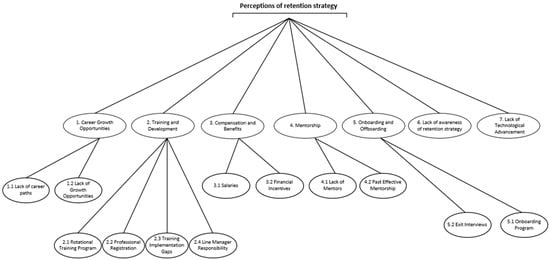
The global and national skills shortages, shifting employee work attitudes post-COVID pandemic, and the presence of a multigenerational workforce with diverse needs and preferences have sparked interest in employee retention. Traditional one-size-fits-all retention strategies are becoming less effective, and contemporary organisations are focusing on tailored retention strategies. The effectiveness of the tailored retention strategy does not only rely on its design but also on how it is perceived and experienced by employees. However, few studies have explored employees’ perceptions of their organisation’s employee retention strategy in the South African context. Hence, the objective of this study is to explore professional engineers’ perceptions of their organisation’s employee retention strategy and how these perceptions influence their intention to stay or leave the organisation. A qualitative research approach underpinned by the constructivism paradigm was employed in this study. A single case study was adopted, and data were collected through semi-structured interviews with 12 professional engineers working at a manufacturing organisation participating in the study. Thematic analysis was used to analyse the data. The findings indicated that the professional engineers were unaware of, and did not fully understand, their organisation’s employee retention strategy, and they felt that their organisation was not adequately implementing a robust, dynamic one, which resulted in high turnover. They indicated that the retention strategy seemed to lack provisions for career growth opportunities and formal mentorship programs and failed to embrace technological advancement, which influenced engineers to leave the organisation. They perceived that their organisation provided competitive compensation, onboarding, and offboarding, as well as training and development, though implementation gaps existed. This study suggests that organisations should develop a robust, dynamic employee retention strategy and widely communicate it to their workforce. A robust, well-communicated employee retention strategy is likely to positively influence employee perceptions and enhance the organisation’s employer brand, thereby facilitating retention. Full article
Show Figures

Figure 1

24 pages, 10365 KB  
Review
Molecular Views into the Synthesis and Activation of Flavocytochrome b558 in Phagocytic Cells—Focus on the Role of EROS
by Perrine Rochas, Maria Val-Pevida, Sylvain Beaumel, Isabelle Petit-Härtlein, Caroline Plazy, Franck Fieschi and Marie José Stasia
Antioxidants 2026, 15(6), 724; https://doi.org/10.3390/antiox15060724 (registering DOI) - 6 Jun 2026
Abstract
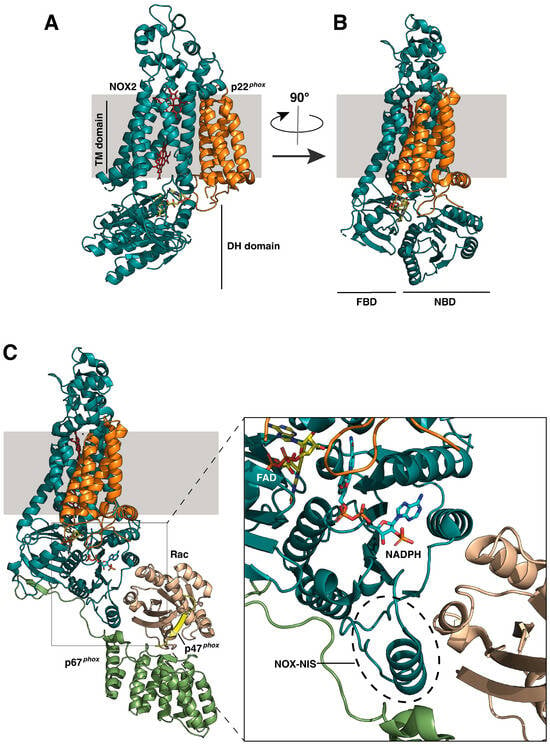
Recent advances in the structural characterization of the phagocyte NADPH oxidase coupled with the description of its chaperone EROS for Essential for Reactive Oxygen Species have led to a better understanding of its function and activation in phagocytic cells. This review examines the [...] Read more.
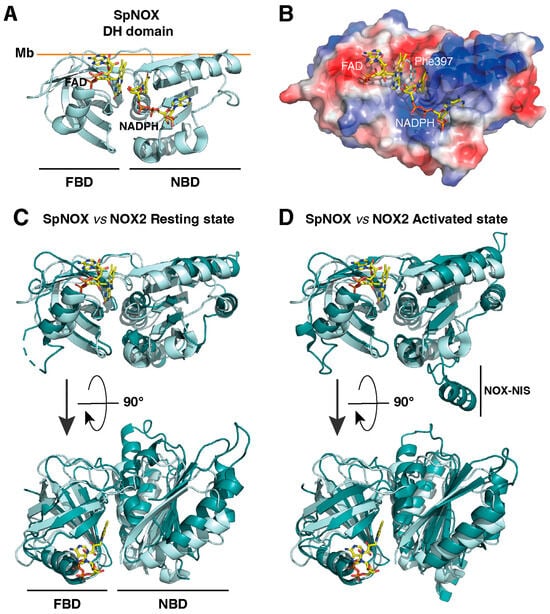
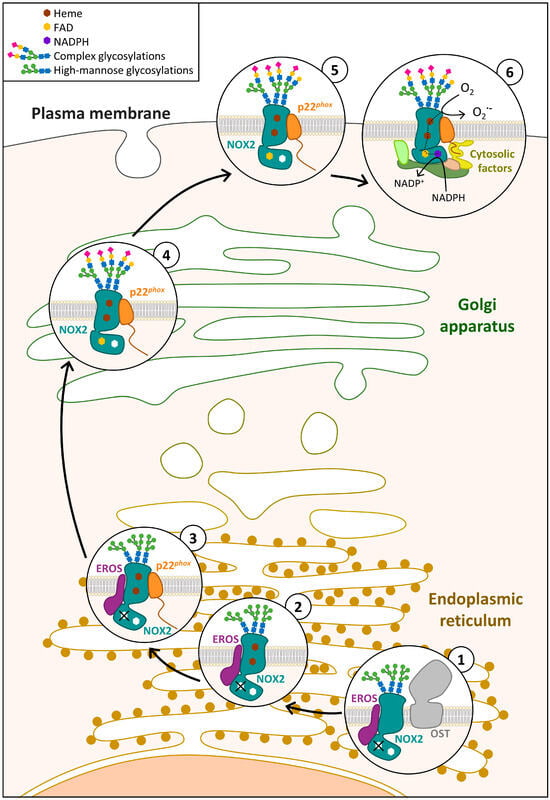
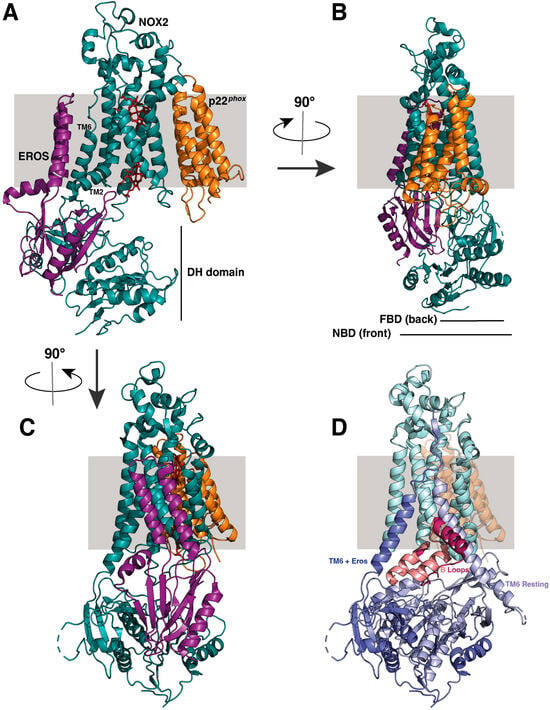
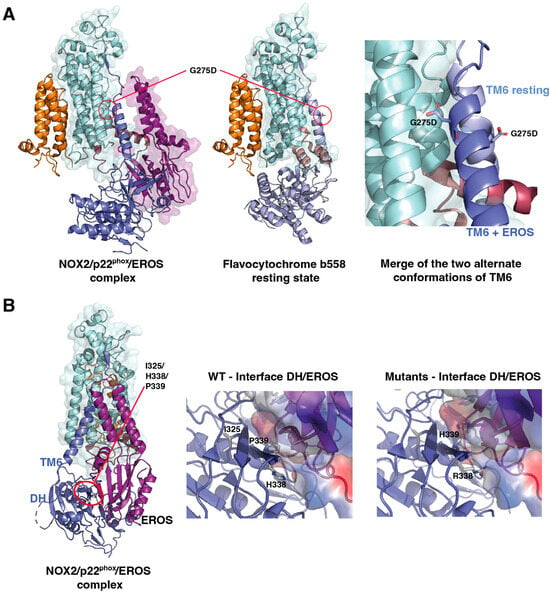
Recent advances in the structural characterization of the phagocyte NADPH oxidase coupled with the description of its chaperone EROS for Essential for Reactive Oxygen Species have led to a better understanding of its function and activation in phagocytic cells. This review examines the role of EROS chaperone in flavocytochrome b558 biosynthesis and function and in physiological and pathological conditions. Based on experimental data and structural insights, we synthesize knowledge from former work on flavocytochrome b558 synthesis and structure combined with recent advances on the specific role of EROS chaperone on the potential control of Reactive Oxygen Species (ROS) production by c flavocytochrome b558. We particularly emphasize its role in the pathological context of Chronic Granulomatous Disease (CGD), with already described EROS mutations (known as CGD5), as well as rare X91minus-CGD (or X91-CGD) cases characterized by low flavocytochrome b558 expression in phagocytes that could be due to a lack of interaction with EROS. Future works should address in more detail how EROS binding and release from flavocytochrome b558 is regulated, and whether the inhibitory effect on ROS production that was observed in EROS overexpression studies is relevant in a more physiological context. Full article
(This article belongs to the Special Issue NADPH Oxidases (NOXs))
Show Figures

Figure 1

26 pages, 712 KB  
Article
Regional Innovation-Driven Platforms and Entrepreneurial Confidence: Evidence from Technology-Based SMEs in China
by Bin Tang, Zeming Cheng, Xiaoli Lin, Yunhui Ma, Xiaowen Li, Yaojiang Shi and Han Liu
Sustainability 2026, 18(12), 5805; https://doi.org/10.3390/su18125805 (registering DOI) - 6 Jun 2026
Abstract
This paper investigates the impact of a regional innovation-driven platform (Qinchuangyuan Innovation-driven Platform) on entrepreneurial confidence, particularly in technology-based small and medium-sized enterprises (TSMEs) during their start-up period. By analyzing data collected from 132 TSMEs, this study explores how regional innovation-driven [...] Read more.
This paper investigates the impact of a regional innovation-driven platform (Qinchuangyuan Innovation-driven Platform) on entrepreneurial confidence, particularly in technology-based small and medium-sized enterprises (TSMEs) during their start-up period. By analyzing data collected from 132 TSMEs, this study explores how regional innovation-driven platforms influence entrepreneurial confidence. The main findings are as follows: First, the results of ordinary least squares (OLS) regression reveal that the innovation-driven platform significantly improves entrepreneurial confidence, and the results of propensity score matching (PSM) remain still positive. Second, we conduct instrumental variable (IV) estimation as supplementary robustness evidence for potential endogeneity concerns, using whether an enterprise participates in market expansion activities and whether an enterprise uses government support services as two instrumental variables. Third, the innovation-driven platform is mediated by entrepreneurial satisfaction with the business environment and entrepreneurial satisfaction with the government, thereby enhancing entrepreneurial confidence. This paper provides a new perspective for assessing business development through entrepreneurial confidence rather than traditional performance metrics and provides a valuable reference for the development and optimization of innovation-driven platforms in similar regional contexts, especially in supporting sustained entrepreneurial activity, technology transformation, and regional economic resilience. Full article
(This article belongs to the Section Economic and Business Aspects of Sustainability)
17 pages, 5092 KB  
Article
Novel Potential Risk Loci for Migraine in the Portuguese Population
by Rodrigo De Marco, Kevin Pucci, Mariana Santos, Raquel Gil-Gouveia, Bruno Cavadas, Alda Sousa, Miguel Alves-Ferreira, Luísa Azevedo, Carolina Lemos and Andreia Dias
Int. J. Mol. Sci. 2026, 27(12), 5165; https://doi.org/10.3390/ijms27125165 (registering DOI) - 6 Jun 2026
Abstract
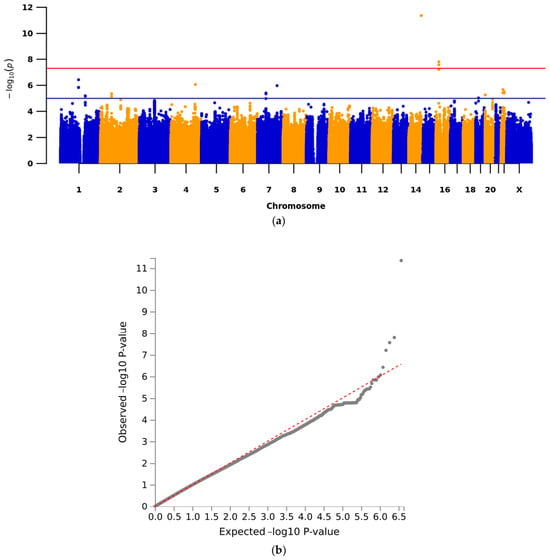
Common forms of migraine are complex disorders characterized by significant clinical diversity. Their genetic basis has been extensively studied but remains unclear. This study represents the first pilot genome-wide association study (GWAS) integrating a polygenic risk score (PRS) in the Portuguese population, designed [...] Read more.
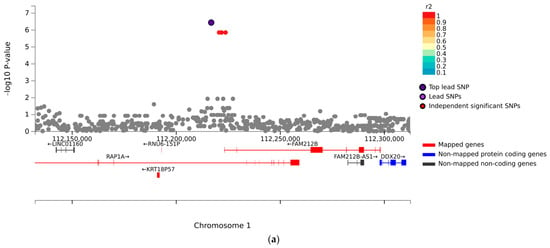
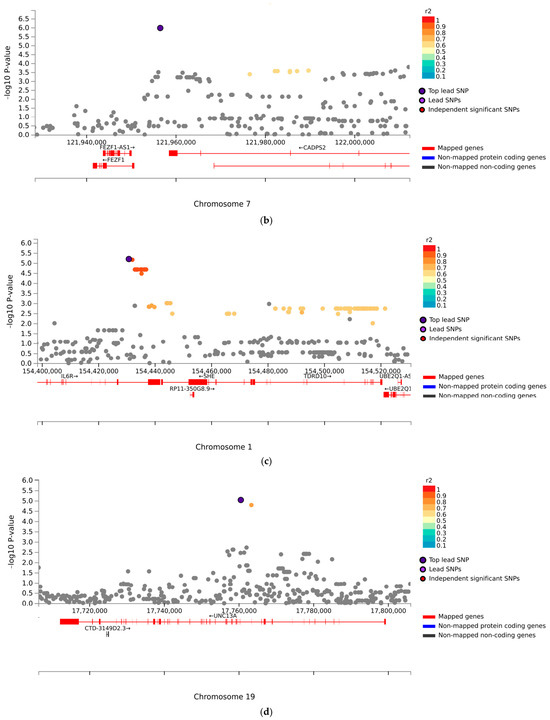
Common forms of migraine are complex disorders characterized by significant clinical diversity. Their genetic basis has been extensively studied but remains unclear. This study represents the first pilot genome-wide association study (GWAS) integrating a polygenic risk score (PRS) in the Portuguese population, designed to identify migraine susceptibility loci through a case–control study and unravel population-specific variants. Genotyping data was acquired with Applied Biosystems Axiom™ PMDA array, producing 12,035,248 single-nucleotide polymorphisms (SNPs) post-imputation, providing a comprehensive scope for GWAS analysis. PRS models were created and tested using a k-folds cross-validation framework and the optimal significance threshold was assessed. We detected 12 potential risk loci corresponding to 12 lead SNPs (RP11-204N11.2, CTA-481E9.4/CTA-481E9.3, RAP1A, TIGD4, CADPS2, RP11-46E17.6, RP4-569D19.5, RP11-398K14.1, PCBP1-AS1, TCF15, IL6R and UNC13A). The top three variants (RP11-204N11.2, CTA-481E9.4/CTA-481E9.3 and RAP1A) were also supported by the PRS model. We highlight that several variants present putative biological relevance to migraine pathophysiology, reinforcing the importance of neurotransmitter release, synaptic transmission and the involvement of vascular components in migraine pathophysiology. Full article
(This article belongs to the Section Molecular Genetics and Genomics)
Show Figures
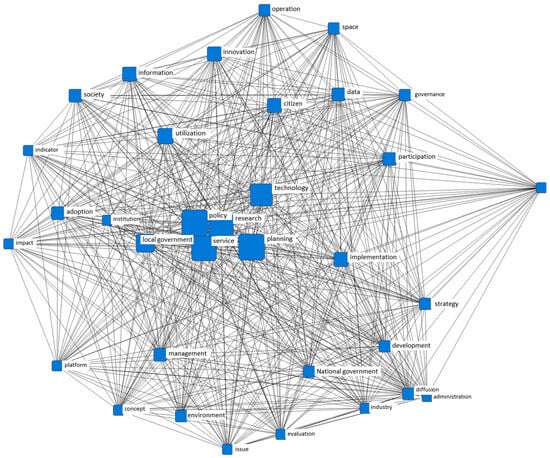
Figure 1

14 pages, 1516 KB  
Article
High-Frequency Ultrasound Radiomics Combined with Clinical Features for Detecting OMERACT-Defined Metacarpophalangeal Joint Cartilage Damage in Early Rheumatoid Arthritis
by Minghui Yao, Wenxue Li, Yuwei Xin, Diancheng Li, Li Yang and Jia’an Zhu
Diagnostics 2026, 16(12), 1758; https://doi.org/10.3390/diagnostics16121758 (registering DOI) - 6 Jun 2026
Abstract
Background/Objectives: The aim of this study was to develop and validate a high-frequency ultrasound radiomics-based model for quantitative assessment of metacarpophalangeal (MCP) joint cartilage damage in early rheumatoid arthritis (RA). Methods: 656 MCP joints from 99 early RA patients and 65 [...] Read more.
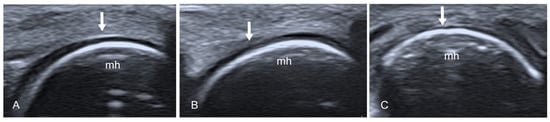
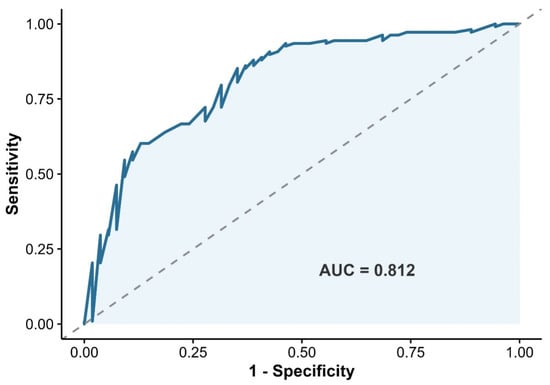
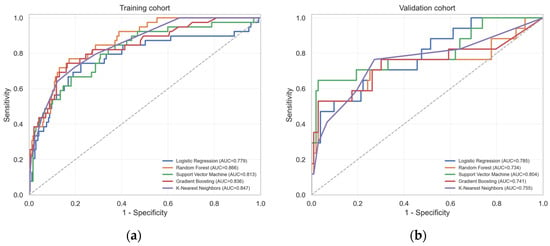
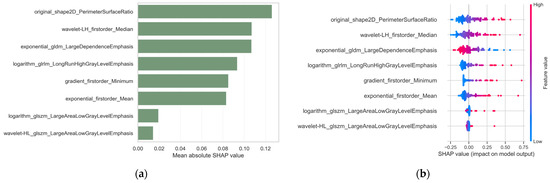
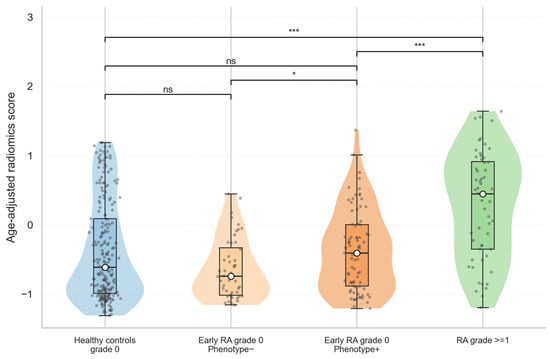
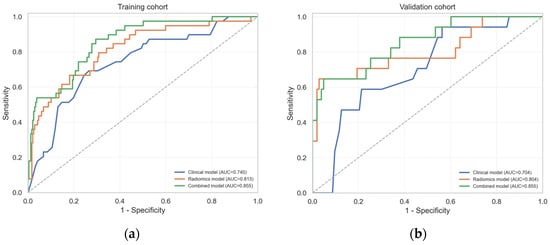
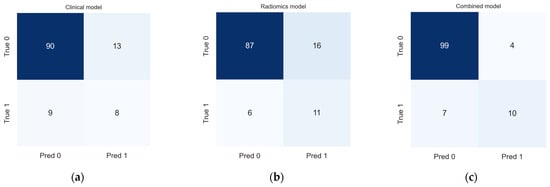
Background/Objectives: The aim of this study was to develop and validate a high-frequency ultrasound radiomics-based model for quantitative assessment of metacarpophalangeal (MCP) joint cartilage damage in early rheumatoid arthritis (RA). Methods: 656 MCP joints from 99 early RA patients and 65 healthy controls were prospectively enrolled and graded according to the Outcome Measures in Rheumatology (OMERACT) system. After radiomics feature extraction, five machine learning classifiers were evaluated. Radiomics, clinical, and combined models were constructed and assessed. Radiomics scores were compared among healthy grade 0 joints, early RA grade 0 joints stratified into two risk subgroups, and RA grade ≥ 1 joints. SHapley Additive exPlanations (SHAP) analysis was used for interpretation. Results: Eight stable radiomics features were selected. Among classifiers, support vector machine achieved the highest cross-validated performance and was selected as the final radiomics classifier (validation AUC = 0.804). The combined model, integrating radiomics features with age, disease duration, and Disease Activity Score in 28 joints, achieved the best diagnostic performance (AUC = 0.855), significantly outperforming both the radiomics and clinical models. Among OMERACT grade 0 joints, the high-risk subgroup demonstrated elevated radiomics-derived scores. SHAP analysis identified original_shape2D_PerimeterSurfaceRatio as the strongest contributor. Conclusions: High-frequency ultrasound radiomics combined with clinical features demonstrated strong performance in detecting MCP joint cartilage damage in early RA and may provide a quantitative extension to conventional semiquantitative assessment. Full article
(This article belongs to the Special Issue The Role of AI in Ultrasound, 2nd Edition)
Show Figures

Figure 1

24 pages, 37298 KB  
Article
Innovative Facial Contouring Using a Monopolar Radiofrequency Device with Continuous Water Cooling: An Integrated Clinical and Preclinical Study
by Hyojin Roh, Young In Lee, Jinyoung Jung, Ngoc Ha Nguyen, Jewan Kaiser Hwang and Jihee Kim
Int. J. Mol. Sci. 2026, 27(12), 5162; https://doi.org/10.3390/ijms27125162 (registering DOI) - 6 Jun 2026
Abstract
Monopolar radiofrequency (MRF) is a well-established modality for non-invasive facial rejuvenation; however, its clinical utility is frequently constrained by patient discomfort and inconsistent thermal delivery. This study evaluated the efficacy, safety, and mechanistic profile of a novel MRF system incorporating continuous water cooling [...] Read more.
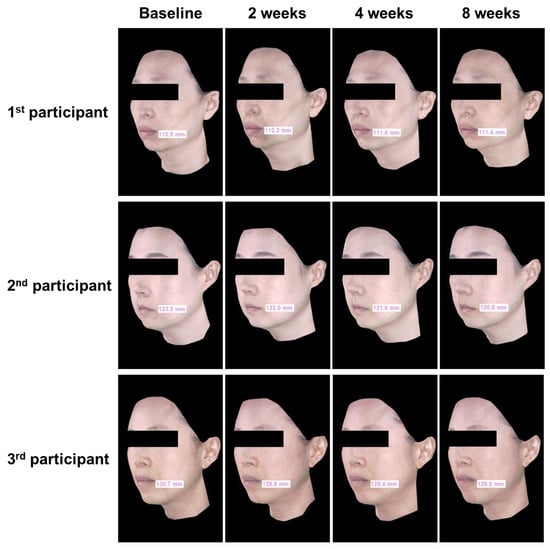
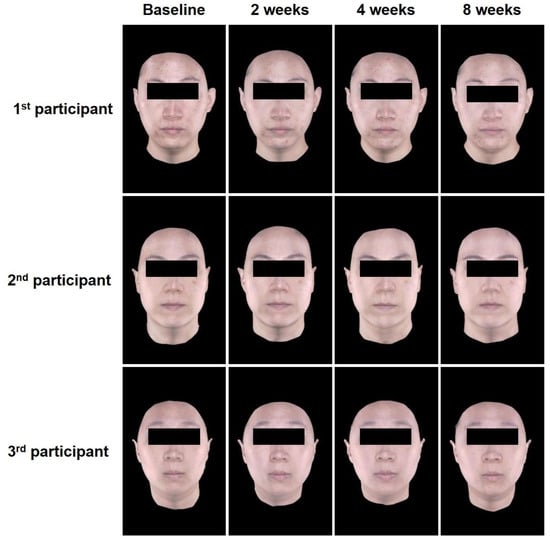
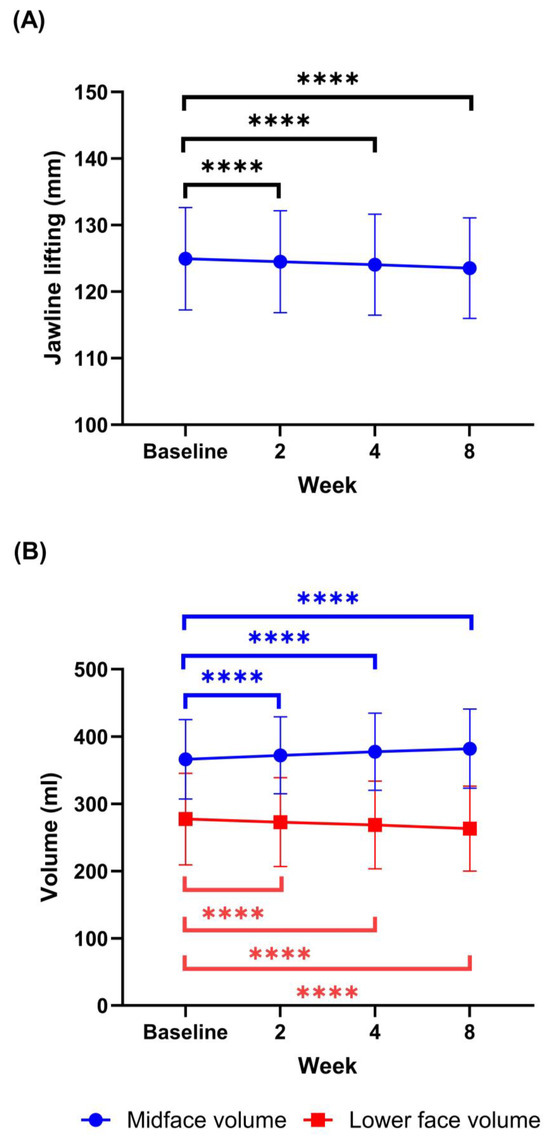
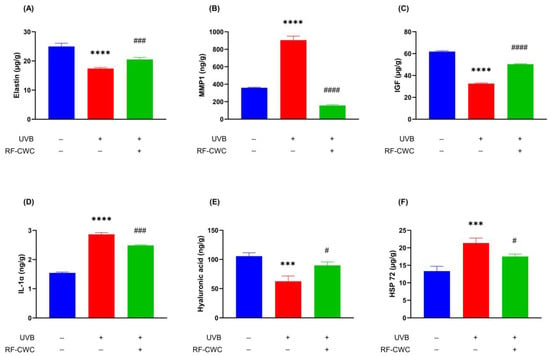
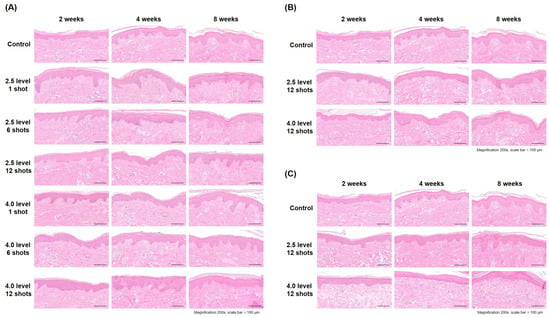
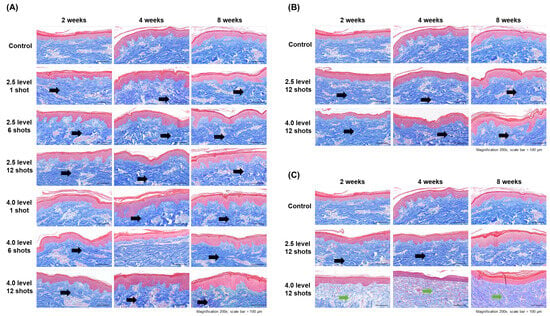
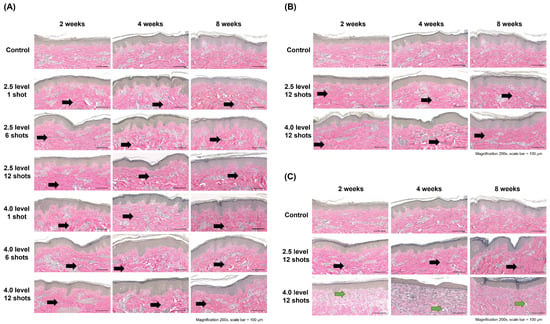
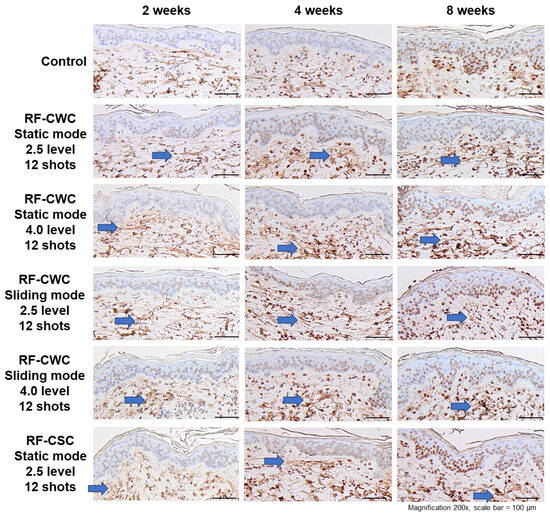
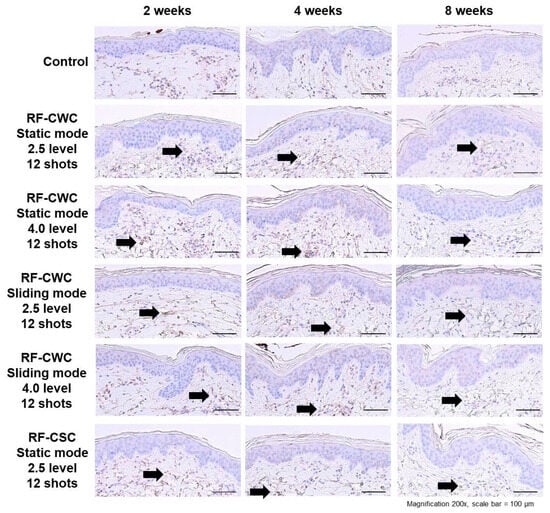
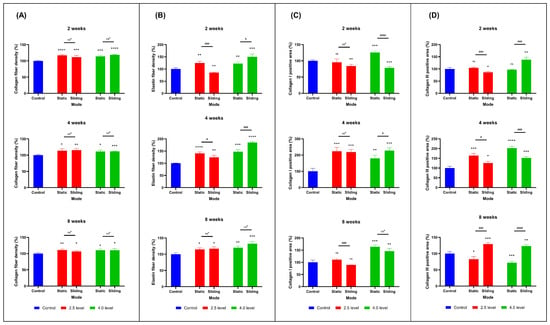
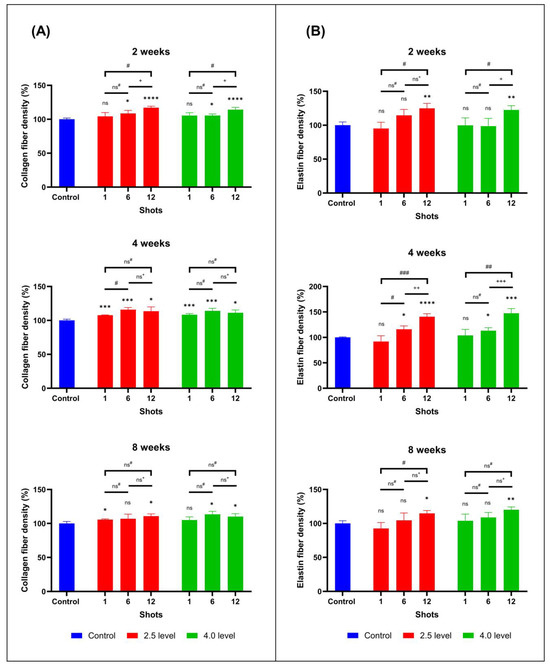
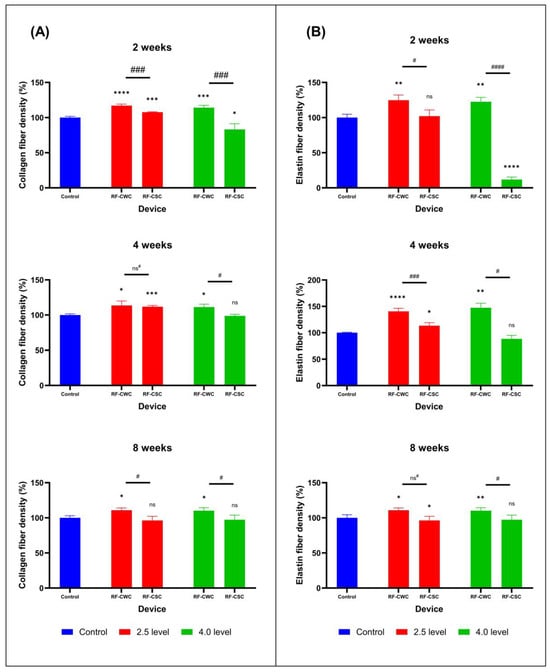
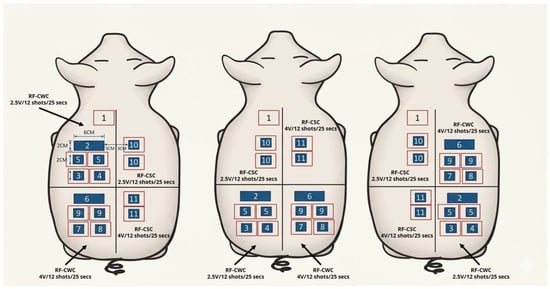
Monopolar radiofrequency (MRF) is a well-established modality for non-invasive facial rejuvenation; however, its clinical utility is frequently constrained by patient discomfort and inconsistent thermal delivery. This study evaluated the efficacy, safety, and mechanistic profile of a novel MRF system incorporating continuous water cooling (RF-CWC) designed to optimize thermal distribution and enhance patient tolerance. In a prospective, single-arm clinical trial involving 22 female participants, a single RF-CWC treatment utilizing region-specific static and sliding delivery modes yielded statistically significant improvements in jawline lifting, alongside a volumetric increase in the midface and a concomitant volumetric reduction in the lower face (p < 0.001) over an 8-week follow-up period, with no adverse events reported. To elucidate the underlying cellular mechanisms, the system was further evaluated using an ultraviolet B (UVB)-induced ex vivo human skin model and an in vivo porcine model. Histological, immunohistochemical, and ELISA analyses revealed that RF-CWC effectively mitigated UVB-induced dermal degradation ex vivo by significantly up-regulating elastin, insulin-like growth factor, and hyaluronic acid, while down-regulating matrix metalloproteinase-1, interleukin-1α, and heat shock protein 72 (p < 0.05). Furthermore, the in vivo model demonstrated time-dependent increases in collagen types I and III and elastin without thermal tissue damage, with the sliding mode and higher shot counts correlating with enhanced extracellular matrix (ECM) remodeling. Comparative analyses demonstrated that RF-CWC achieved superior ECM restoration and reduced inflammatory cell infiltration relative to traditional cryogen spray-cooled RF systems. Taken together, these findings suggest that the RF-CWC system may promote robust ECM remodeling and significant facial neocollagenesis while minimizing inflammatory responses, potentially presenting an optimized, highly effective, and patient-friendly advancement in MRF technology. Full article
(This article belongs to the Special Issue Skin Extracellular Matrix and Basement Membrane)
Show Figures

Figure 1

Open Access Journals

Browse by Indexing Browse by Subject Selected Journals
Back to TopTop