

Advancing Open Science
Supporting academic communities
since 1996
 
17 pages, 2374 KB  
Article
The Effects of Dynamic Balance Training on Balance and Walking Function in Stroke Patients
by Jianhua Li, Jian Wang and Renxiu Bian
Healthcare 2026, 14(8), 985; https://doi.org/10.3390/healthcare14080985 (registering DOI) - 9 Apr 2026
Abstract
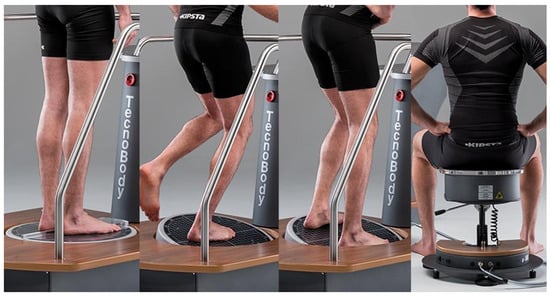
Background: Stroke-related impairments in balance and gait are among the most common and disabling sequelae, significantly limiting functional independence and increasing fall risk. This study investigated the effects of short-term dynamic balance training on balance and gait in post-stroke hemiplegic patients. Methods: In [...] Read more.
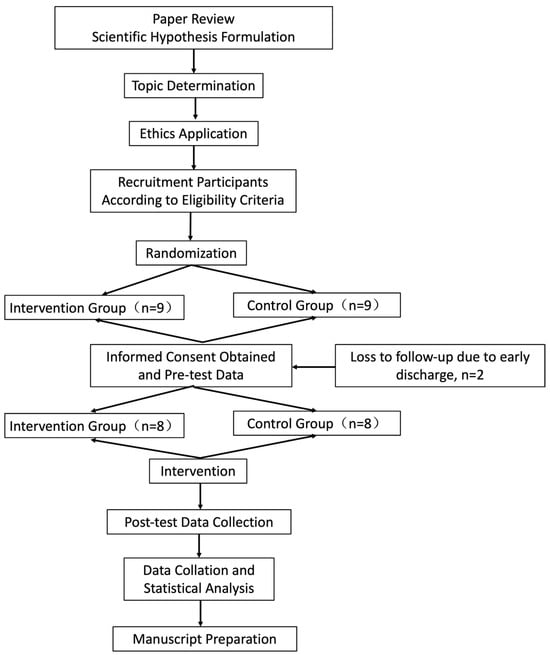
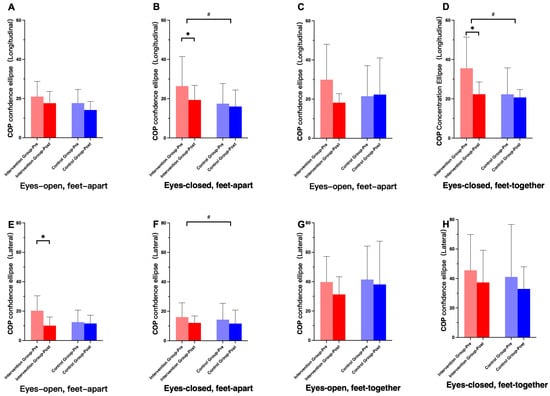
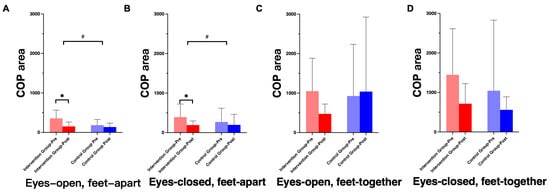
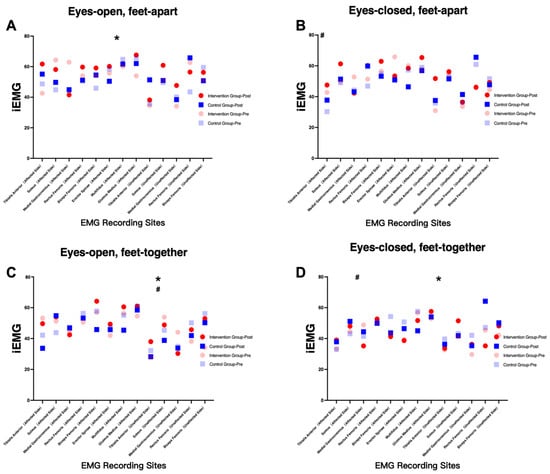
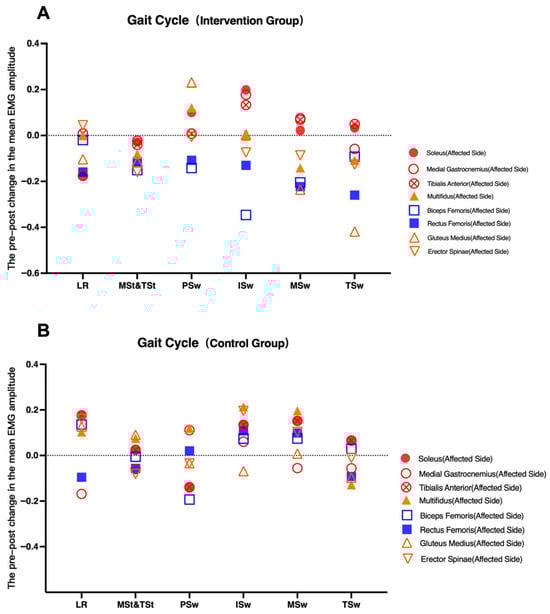
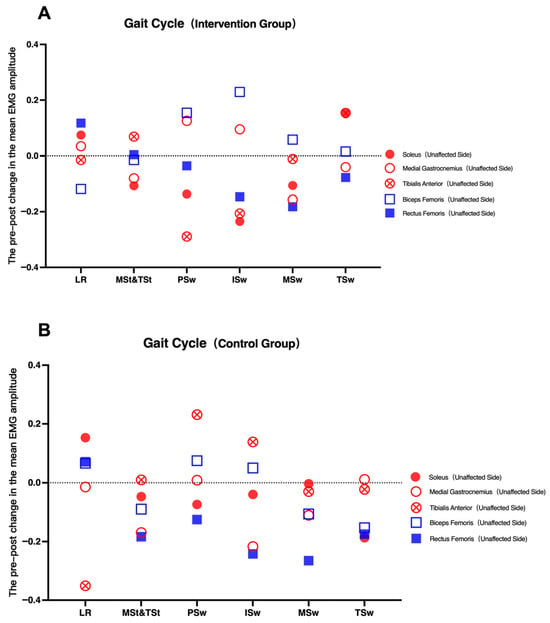
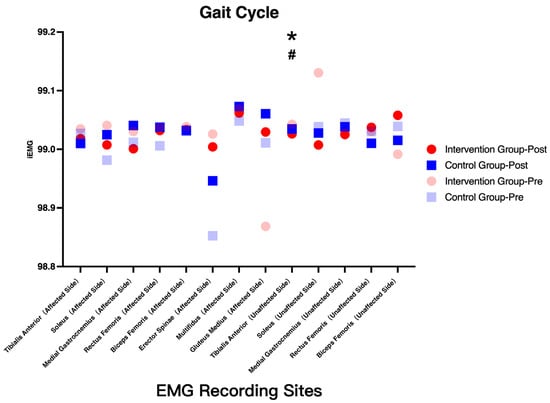
Background: Stroke-related impairments in balance and gait are among the most common and disabling sequelae, significantly limiting functional independence and increasing fall risk. This study investigated the effects of short-term dynamic balance training on balance and gait in post-stroke hemiplegic patients. Methods: In this randomized controlled pilot trial, 16 post-stroke hemiplegic patients (intervention group, n = 8; control group, n = 8; mean age ≈ 58 years; predominantly male) were assigned to either a control group receiving conventional rehabilitation or an intervention group receiving additional daily dynamic balance training using the Prokin-252 system (30 min/day, 5 days/week, 3 weeks). Primary outcome measures included balance performance (Berg Balance Scale, mini-BESTest, single-leg stance), center-of-pressure (COP) parameters, gait performance (Timed Up and Go Test), and surface electromyography (sEMG) activity. Results: Following the intervention, both groups demonstrated improvements; however, the intervention group showed significantly greater gains in balance and gait outcomes. Specifically, Berg Balance Scale scores improved significantly (p = 0.012), as did mini-BESTest scores (p = 0.004). Eyes-closed single-leg stance time increased significantly on both sides (p < 0.05). COP analysis revealed reductions in sway area and trajectory length under challenging conditions. sEMG analysis indicated increased activation of the affected-side gluteus medius. In terms of gait performance, the intervention group demonstrated greater improvements in Timed Up and Go Test performance (p = 0.002), dual-task walking, and gait phase symmetry. Conclusions: Supplementing conventional rehabilitation with dynamic balance training effectively enhances balance and gait function in post-stroke patients, potentially through improved neuromuscular control. The integration of sensor-based COP analysis and sEMG provides additional mechanistic insight into rehabilitation outcomes. Full article
Show Figures

Figure 1
22 pages, 8842 KB  
Article
The Low-Velocity Oblique Impact Resistance of 3D-Printed Bouligand Laminates
by Shuo Wang, Yangbo Li, Xianqiang Ge, Yahui Yang and Junjie Li
Materials 2026, 19(8), 1502; https://doi.org/10.3390/ma19081502 (registering DOI) - 9 Apr 2026
Abstract
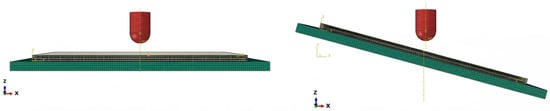
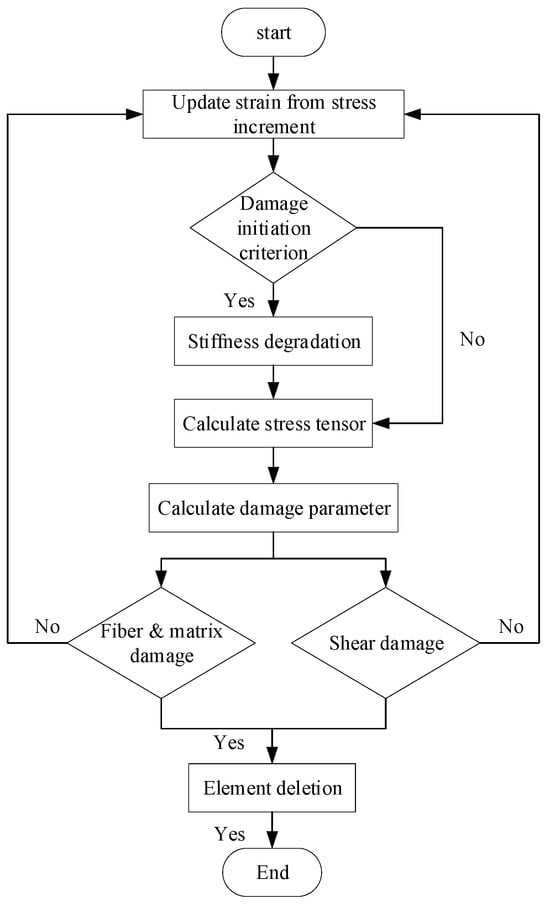
Traditional homogeneous materials often face an inherent trade-off between strength and toughness, restricting their application in high-performance impact protection. Mechanical metamaterials overcome this fundamental limitation by integrating structure and material. The 3D-printed Bouligand laminates (3DPBLs), a type of mechanical metamaterial, are renowned for [...] Read more.
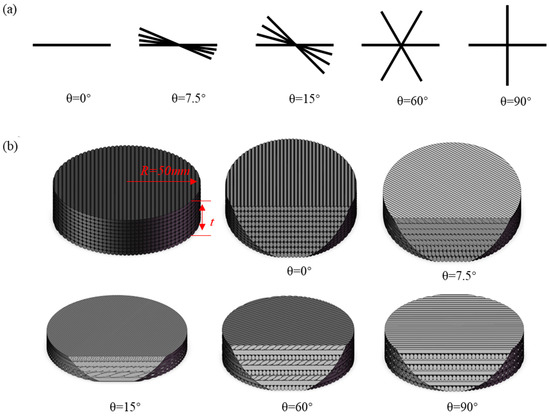
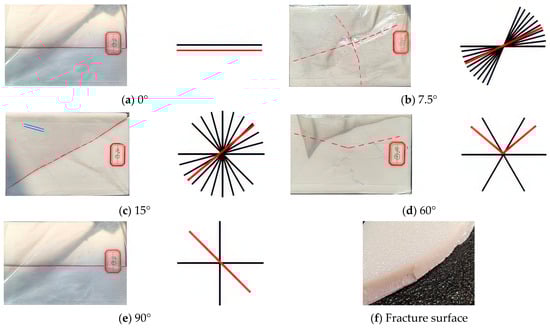
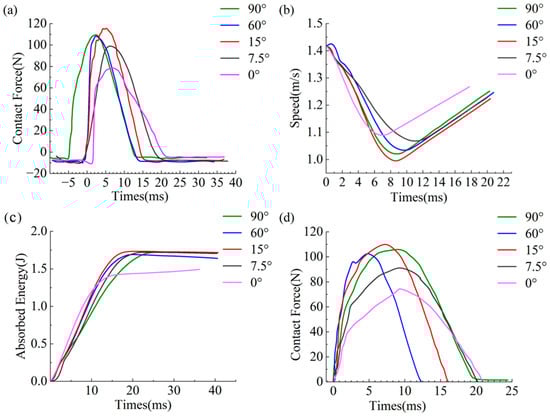
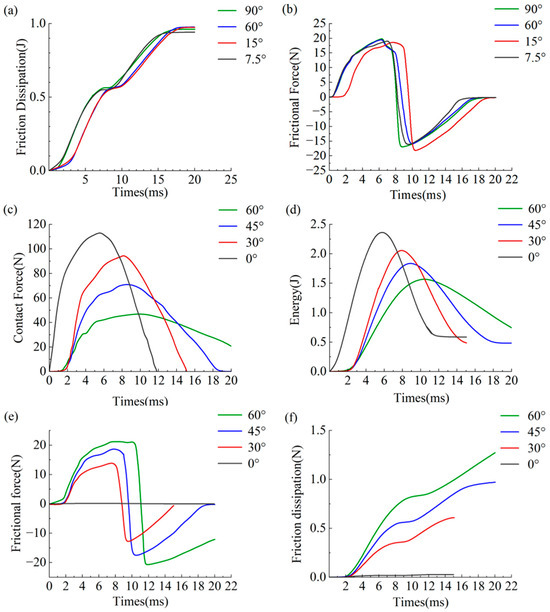
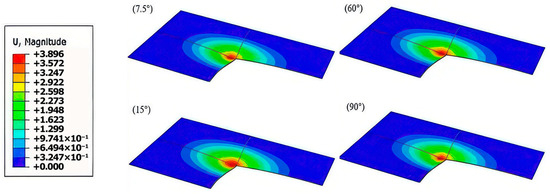
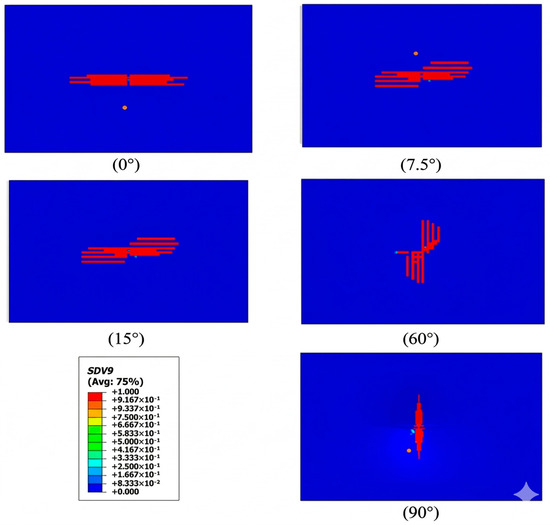
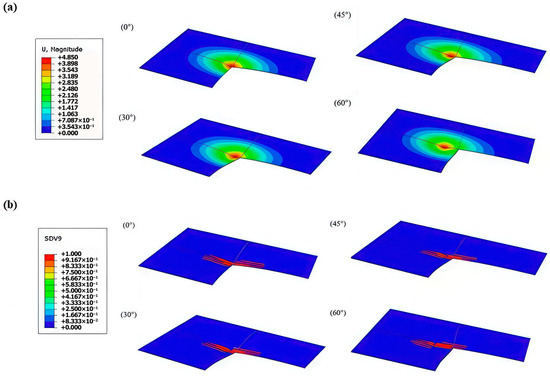
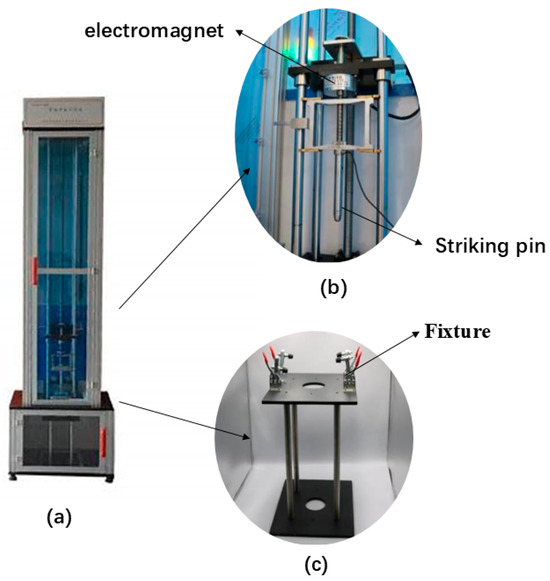
Traditional homogeneous materials often face an inherent trade-off between strength and toughness, restricting their application in high-performance impact protection. Mechanical metamaterials overcome this fundamental limitation by integrating structure and material. The 3D-printed Bouligand laminates (3DPBLs), a type of mechanical metamaterial, are renowned for their exceptional impact resistance. While the 3DPBLs have been proven to provide superior resistance under normal impact, actual service conditions inevitably involve complex, multi-directional loading. We aimed to investigate the 3DPBLs’ oblique impact resistance here. To this purpose, samples of 3DPBLs with varying helical angles (0°, 7°, 15°, 60°, 90°) were fabricated and subjected to low-velocity drop-weight impact tests at impact angles of 0°, 30°, 45°, and 60° to evaluate their damage evolution and energy dissipation. The experimental investigation exhibited distinct temporal evolutions of contact forces, with the 15° helical configuration identified as the optimal design. Further numerical analysis using a finite element model (validated with a deviation < 10%) is conducted to simulate performance under diverse impact angles in order to validate the reasonability of the experimental investigation. Mechanistically, 3DPBLs enhance impact resistance by increasing fracture tortuosity through their periodically rotated layered structure. These findings establish a theoretical foundation for developing high-performance, lightweight, and toughened protective materials. Full article
Show Figures

Graphical abstract

27 pages, 2786 KB  
Review
4-Hydroxynonenal, a Potential Biomarker for Lung Inflammatory Diseases
by Nancy Kaushal, Alexandria K. Vo, Nathan C. Kobus, Riddhi B. Dave and Kota V. Ramana
Int. J. Mol. Sci. 2026, 27(8), 3366; https://doi.org/10.3390/ijms27083366 (registering DOI) - 9 Apr 2026
Abstract
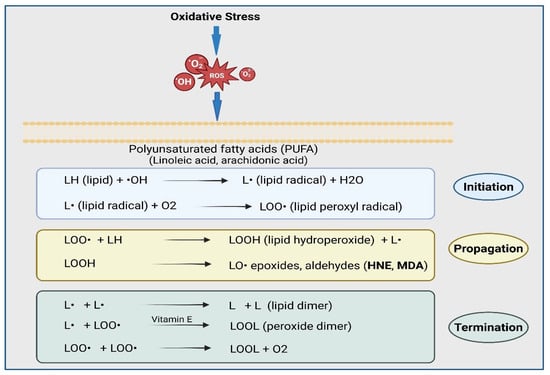
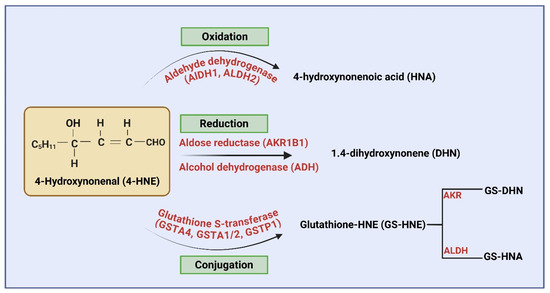
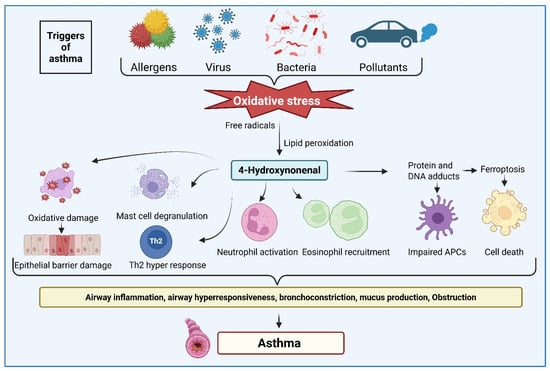
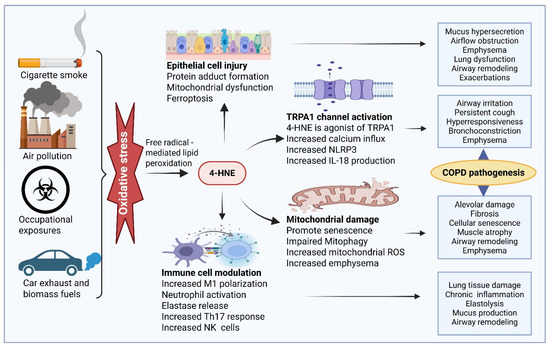
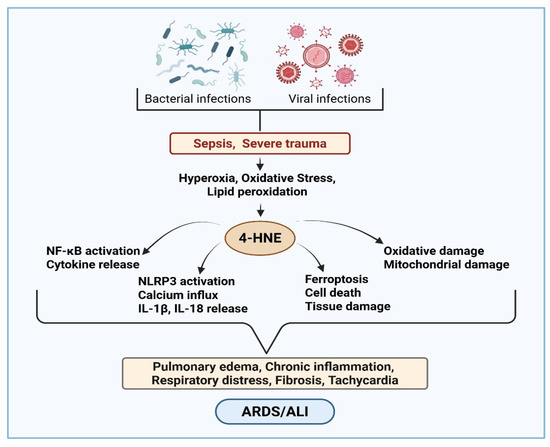
Asthma, chronic obstructive pulmonary disease (COPD), and acute respiratory distress syndrome (ARDS) are the major lung inflammatory complications affecting the global population. Exposure to allergens, infections, smoking, and environmental pollutants could cause persistent oxidative stress and dysregulated immune responses, leading to lung inflammatory [...] Read more.
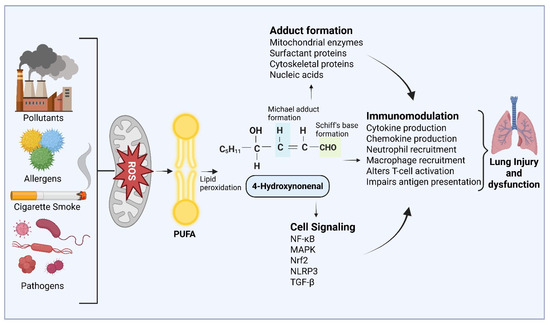
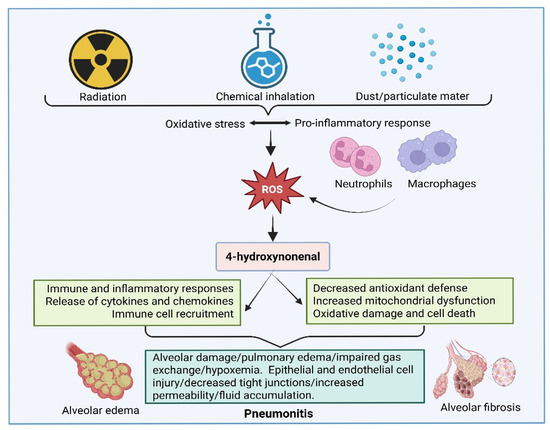
Asthma, chronic obstructive pulmonary disease (COPD), and acute respiratory distress syndrome (ARDS) are the major lung inflammatory complications affecting the global population. Exposure to allergens, infections, smoking, and environmental pollutants could cause persistent oxidative stress and dysregulated immune responses, leading to lung inflammatory complications. Increased oxidative stress can lead to lipid peroxidation and the formation of toxic lipid aldehydes. One of the major lipid aldehydes formed during lipid peroxidation is 4-hydroxy-2-nonenal (4-HNE). 4-HNE is well known to covalently modify proteins, nucleic acids, and lipids, thus modifying cellular signaling pathways and inflammatory cascades. Increased levels of 4-HNE have been identified in lung tissues, bronchoalveolar lavage (BAL) fluid, and the serum of patients with inflammatory lung conditions. Further, 4-HNE contributes to airway remodeling, mitochondrial dysfunction, and modulation of inflammatory responses in the lung epithelial cells. Recent studies also indicate the potential role of 4-HNE as an important mediator and a potential biomarker of various human disease progression, including the diagnosis and monitoring of lung inflammatory diseases. In this narrative review, we discuss current evidence on the pathological role of 4-HNE, its potential as a biomarker, and its importance for early detection and for potential therapeutic strategies in lung inflammatory complications. Full article
Show Figures

Figure 1
18 pages, 1190 KB  
Review
Parameter Uncertainty in Multibody Models of the Natural Knee Joint: A Scoping Review
by Mehran Hatamzadeh, Karolina Sowa, Raphaël Dumas and Adam Ciszkiewicz
Biomechanics 2026, 6(2), 38; https://doi.org/10.3390/biomechanics6020038 (registering DOI) - 9 Apr 2026
Abstract
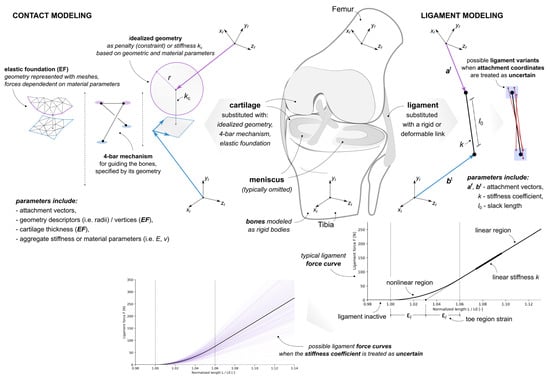
Background: Multibody models are essential for studying knee joint mechanics, but their reliability and subsequent clinical utility are limited by uncertainties in ligament and contact parameters. Currently, no consensus exists on which parameters to prioritize or which statistical distributions best establish model credibility. [...] Read more.
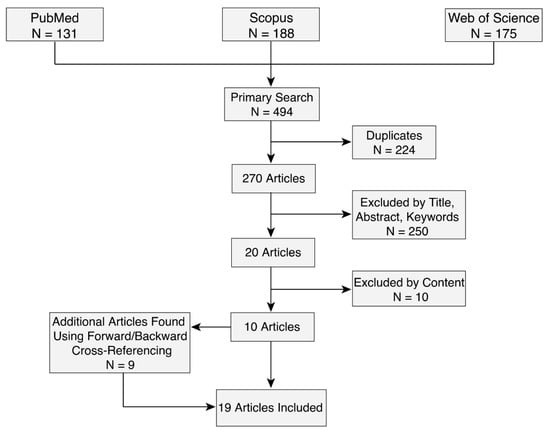
Background: Multibody models are essential for studying knee joint mechanics, but their reliability and subsequent clinical utility are limited by uncertainties in ligament and contact parameters. Currently, no consensus exists on which parameters to prioritize or which statistical distributions best establish model credibility. Objectives: This scoping review aims to systematize reported uncertainty values for ligament and contact parameters in multibody models of the natural knee to identify trends and research gaps. Methods: Following PRISMA-ScR guidelines, a systematic search was conducted across PubMed, Scopus, and Web of Science. Methodological quality was assessed using a customized 13-item checklist, and the data were synthesized via a narrative approach by charting parameter types, quantification methods, and model structures. Results: In total, 19 articles were included (out of 494 identified), showing a wide variability in uncertain parameter types, values, and modeling approaches. Ligaments were typically represented as deformable cables with quadratic–linear behavior, while articular contact utilized elastic foundation formulations or mechanisms. Standard deviations of 30% of the mean for ligament stiffness and 0.02 for reference strain (typically modeled within Gaussian distributions) were the most frequently quantified uncertain parameters. Geometric uncertainties for ligament attachment points varied widely, ranging from 1.0 to 5.0 mm. Idealized contact geometry also varied within 2.5 mm for linear coordinates and 15° for angular coordinates. Conclusions: Wide variability and inconsistent reports highlight a need for standardized definitions of parameter uncertainty in multibody knee modeling to improve reproducibility of musculoskeletal knee simulations and ensure a reliable transition of these models into clinical practice. Full article
(This article belongs to the Section Injury Biomechanics and Rehabilitation)
Show Figures

Figure 1
14 pages, 4309 KB  
Article
Multifunctional Shape-Memory Polyurethane/MnO2 Composites for Postsurgical Osteosarcoma Adaptive Treatment
by Deju Gao, Yuhan Du, Junjie Deng, Zhengxin Gan, Wei Zhang, Yuxiao Lai and Yuanchi Zhang
Materials 2026, 19(8), 1504; https://doi.org/10.3390/ma19081504 (registering DOI) - 9 Apr 2026
Abstract
Treatment of postsurgical osteosarcoma remains one of the major challenges in orthopedic clinics. Conventional implants often fail to address complex pathological issues, including irregular bone defects, residual tumor cells, and delayed bone regeneration. Herein, this study reports a multifunctional shape-memory polyurethane (SMPU)/manganese dioxide [...] Read more.
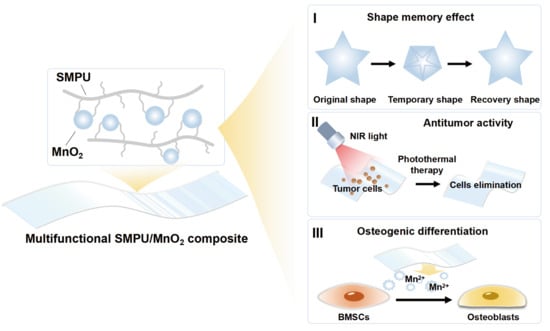
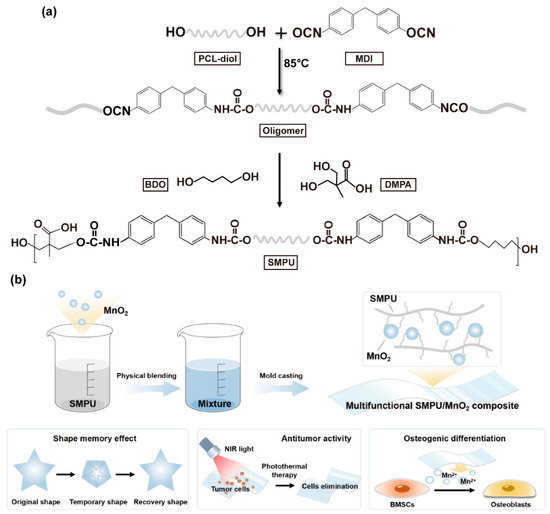
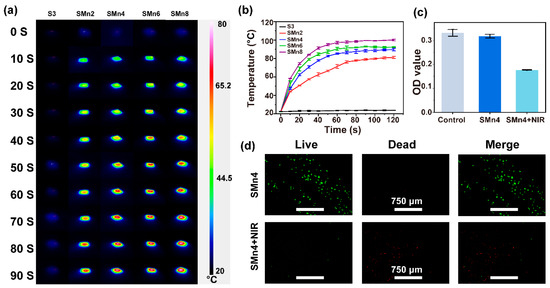
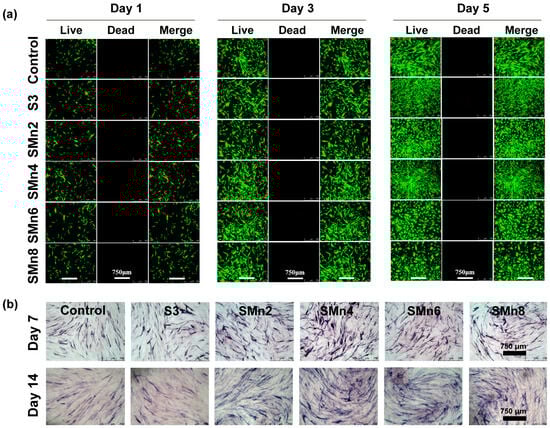
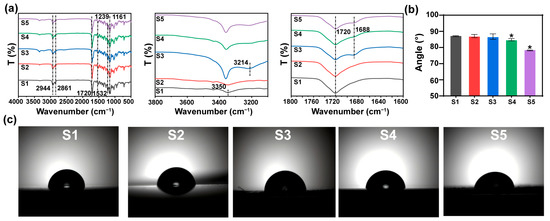
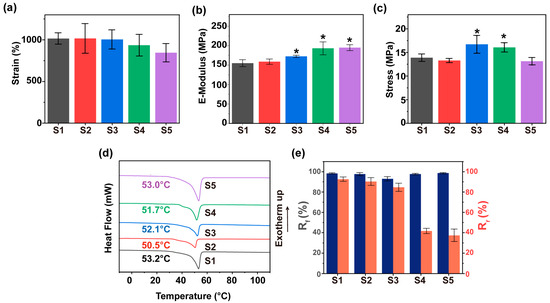
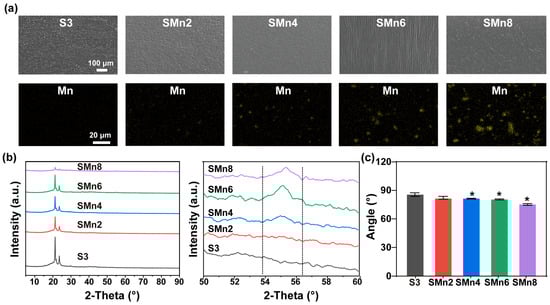
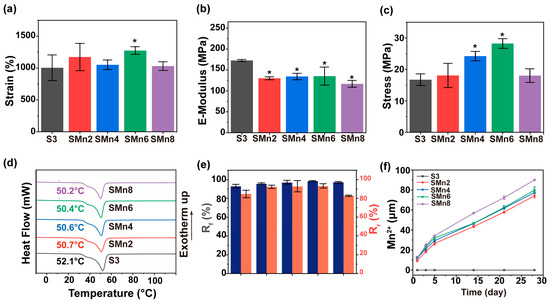
Treatment of postsurgical osteosarcoma remains one of the major challenges in orthopedic clinics. Conventional implants often fail to address complex pathological issues, including irregular bone defects, residual tumor cells, and delayed bone regeneration. Herein, this study reports a multifunctional shape-memory polyurethane (SMPU)/manganese dioxide (MnO2) composite that provides adaptive support, antitumor activity, and osteogenic bioactivity. SMPU was synthesized by introducing 1,4-butanediol (BDO) and dimethylolpropionic acid (DMPA) as chain extenders at a specific ratio. Commercial MnO2 nanoparticles were incorporated as both a photothermal agent and a bioactive component to achieve multifunctionality. As designed, a coordination system was formed between the polymer chains and MnO2 nanoparticles within the composites. The influence of MnO2 content was systematically investigated. Although increasing MnO2 amounts improved photothermal and mechanical performance, excessive incorporation adversely affected the molecular structure and compromised the composite’s biocompatibility. By adjusting the MnO2 content, the composites were demonstrated to possess robust mechanical performance, good shape-memory behavior, and controllable Mn2+ release. Additionally, the composites exhibited tunable photothermal performance under near-infrared (NIR) irradiation. Furthermore, in vitro studies confirmed that the composites containing 4 wt% MnO2 could eliminate tumor cells via photothermal effects and promote the osteogenic differentiation of human bone marrow-derived mesenchymal stem cells (hBMSCs). Overall, the SMPU/MnO2 composites had superior multifunction for treating irregular bone defects following bone tumor surgery. Full article
Show Figures

Graphical abstract

23 pages, 5012 KB  
Article
Field Evaluation of Temperature and Wind-Speed Sensor Performance Under Natural Icing Conditions for Power Meteorological Monitoring
by Hualong Zheng and Xiaoyu Liu
Sensors 2026, 26(8), 2312; https://doi.org/10.3390/s26082312 (registering DOI) - 9 Apr 2026
Abstract
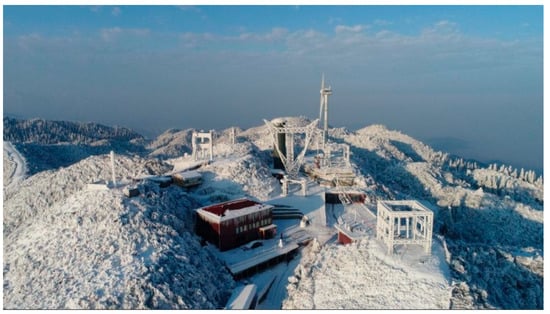
Micro-meteorological monitoring systems have been widely deployed in power grids, providing essential data to support the prevention and mitigation of ice- and wind-related disasters. However, understanding of the associated error mechanisms and quantitative evaluations under freezing rain and snow remains limited, particularly in [...] Read more.
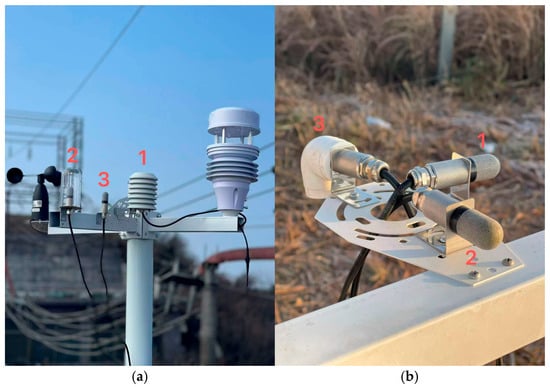
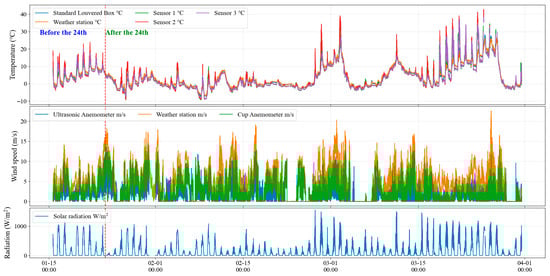
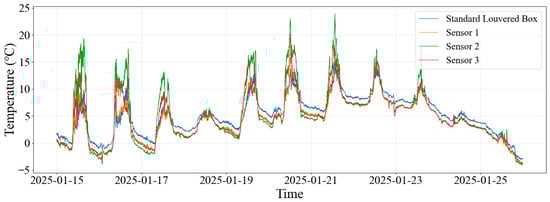
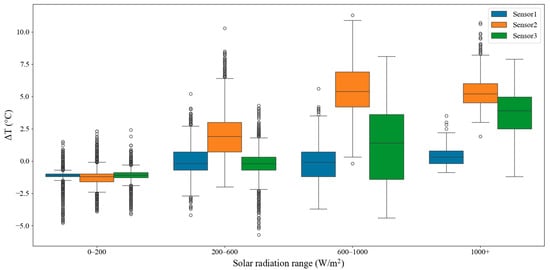
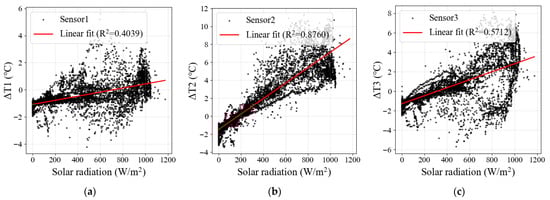
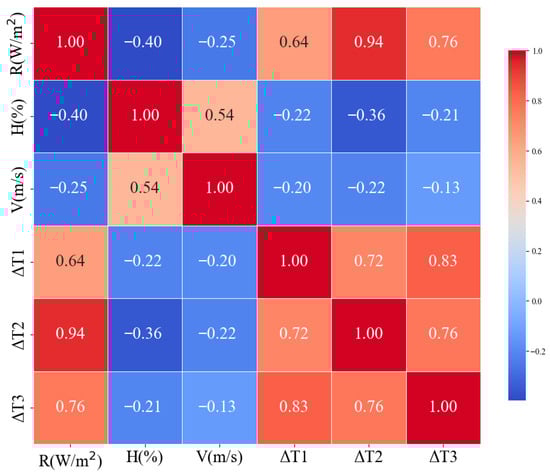
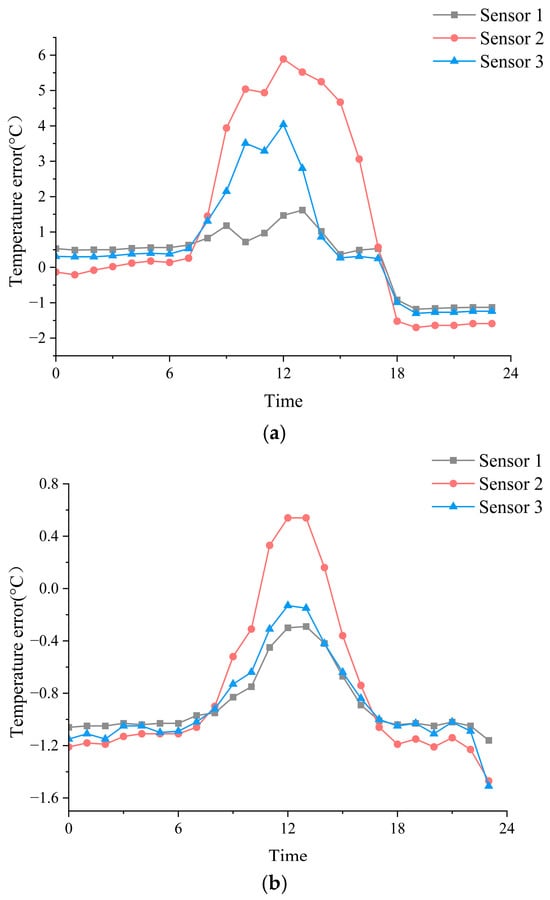
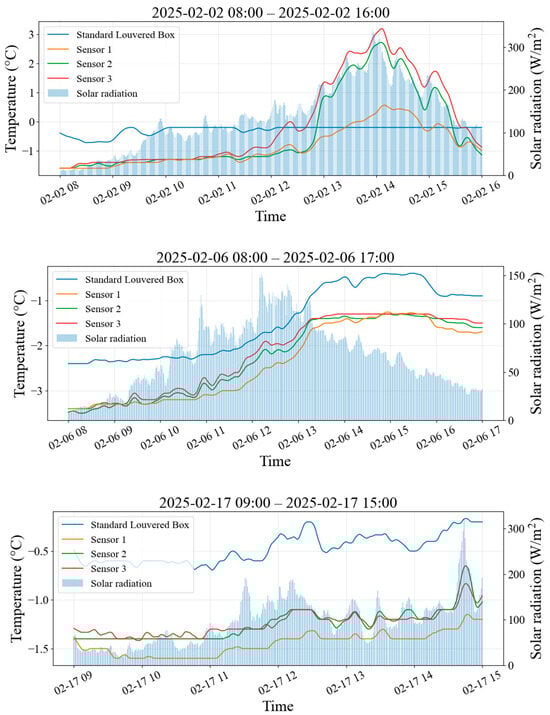
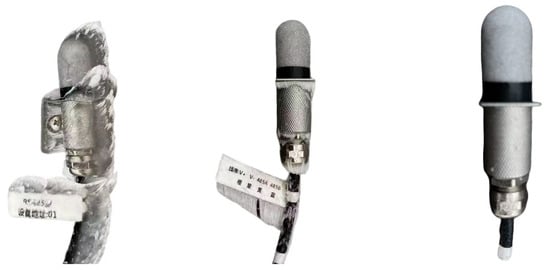
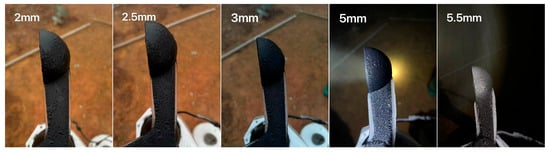
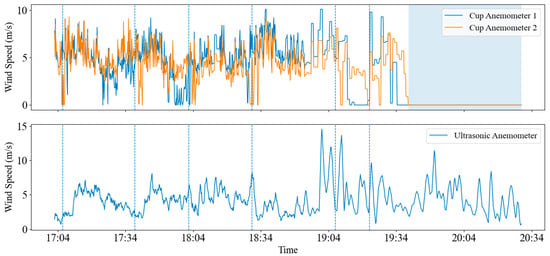
Micro-meteorological monitoring systems have been widely deployed in power grids, providing essential data to support the prevention and mitigation of ice- and wind-related disasters. However, understanding of the associated error mechanisms and quantitative evaluations under freezing rain and snow remains limited, particularly in complex field environments. This study presents a field-based quantitative assessment of two key variables, air temperature and wind speed, based on comparative observations collected over multiple winter icing cycles. We analyze the coupled effects of low temperature, ice accretion, and solar radiation on temperature measurements through multi-configuration sensor comparison, and characterize the dynamic response of cup anemometers under icing conditions using cross-correlation lag analysis. Results show that temperature error is dominated by sensor installation configuration and solar radiation. Under weak solar radiation, unshielded sensors tend to record lower temperatures than a standard Stevenson screen, but once radiation exceeds 200 W/m2, they warm rapidly and exhibit maximum positive biases of ~8–10 °C. Ice accretion further induces a cold bias of ~1 °C and a response lag of 5–18 min, while suppressing the rapid warming driven by shortwave radiation. For wind measurements, cup anemometers show clear underestimation during ice accretion, with the error increasing nonlinearly with ice thickness to ~20% before freezing-induced failure occurs. These findings provide a basis for improved sensor deployment and interpretation of field monitoring data in cold, humid, and icing-prone environments, although the quantitative results are site-dependent. Full article
(This article belongs to the Special Issue Remote Sensors for Climate Observation and Environment Monitoring)
Show Figures

Figure 1
17 pages, 2574 KB  
Article
One-Pot Green Synthesis of Ashy Single-Crystalline NiO Nanoparticles Using Date Molasses for Enhanced Photo-Fenton-Like Degradation of Pyronin Y Under Solar Illumination
by Amr A. Essawy
Catalysts 2026, 16(4), 339; https://doi.org/10.3390/catal16040339 (registering DOI) - 9 Apr 2026
Abstract
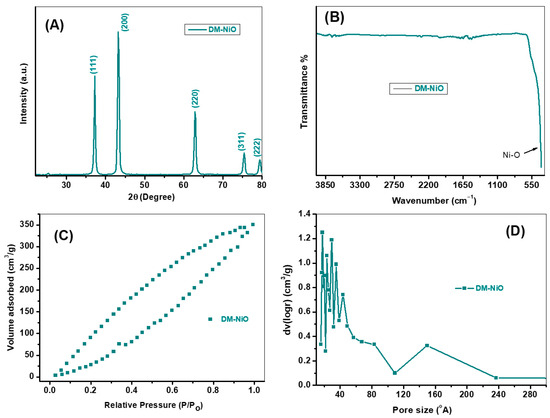
A one-pot green combustion route was developed for the synthesis of ashy single-crystalline NiO nanoparticles using date molasses as a biogenic fuel and complexing medium. The obtained DM–NiO showed phase-pure cubic NiO with an average crystallite size of about 18 nm, a mesoporous [...] Read more.
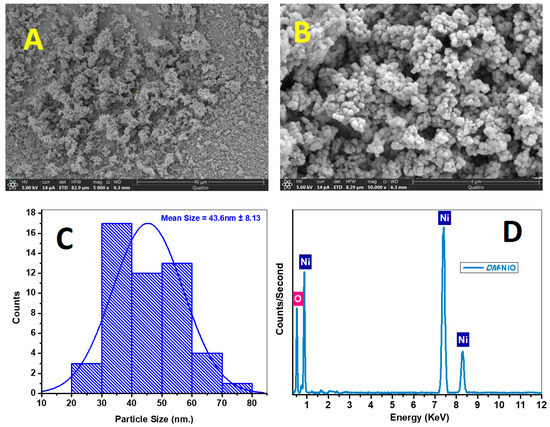
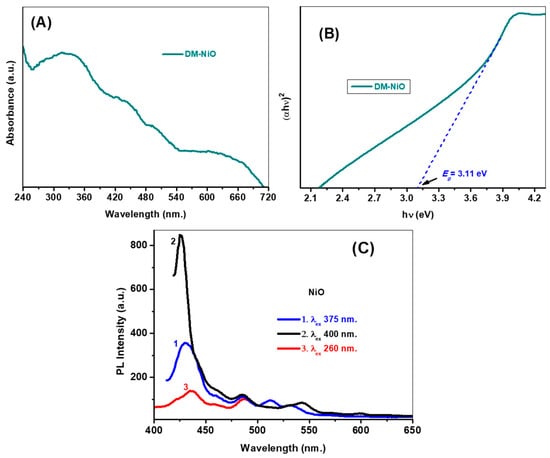
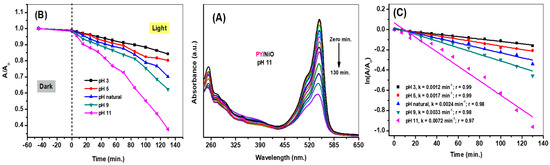
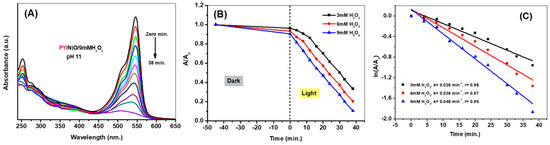
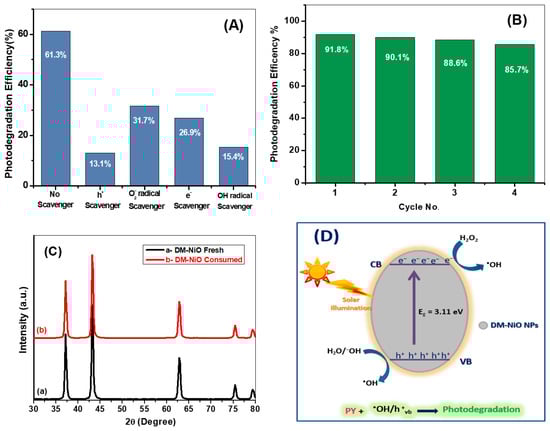
A one-pot green combustion route was developed for the synthesis of ashy single-crystalline NiO nanoparticles using date molasses as a biogenic fuel and complexing medium. The obtained DM–NiO showed phase-pure cubic NiO with an average crystallite size of about 18 nm, a mesoporous texture with a BET surface area of 68.9 m2 g−1, a pore volume of 0.59 cm3 g−1, an average pore diameter of 17.6 nm, and a mean particle size of 43.6 ± 8.13 nm. Optical characterization revealed defect-mediated light absorption with an energy gap of 3.11 eV, supporting solar-light-driven activity. In the photocatalytic degradation of pyronin Y, the catalyst exhibited strong pH dependence, reaching its best H2O2-free performance at pH 11 with a pseudo-first-order rate constant of 0.0072 min−1, nearly six times higher than that at pH 3. The introduction of H2O2 markedly intensified the process, and at 9 mM H2O2, the rate constant increased to 0.048 min−1, representing more than a sixfold enhancement over photocatalysis alone, while complete disappearance of the main visible absorption band was achieved within 38 min under solar illumination. Radical trapping experiments identified photogenerated holes and hydroxyl radicals as the dominant oxidative species. The catalyst also retained high activity over four successive cycles, with degradation efficiencies decreasing only slightly from 91.8% to 85.7%. These results demonstrate that date-molasses-assisted combustion synthesis provides a sustainable route to defect-active mesoporous NiO with highly enhanced solar photo-Fenton-like performance for dye-contaminated wastewater treatment. Full article
Show Figures

Figure 1

21 pages, 9288 KB  
Article
Mix Proportion Optimization and Fiber Reinforcement Research on an Alkali-Activated GGBS-FA-SF Ternary System
by Xiaoxi Li, Huanbao Liu, Chuanpeng Li, Xigang Wang, Kejie Wang and Xiang Cheng
J. Compos. Sci. 2026, 10(4), 201; https://doi.org/10.3390/jcs10040201 (registering DOI) - 9 Apr 2026
Abstract
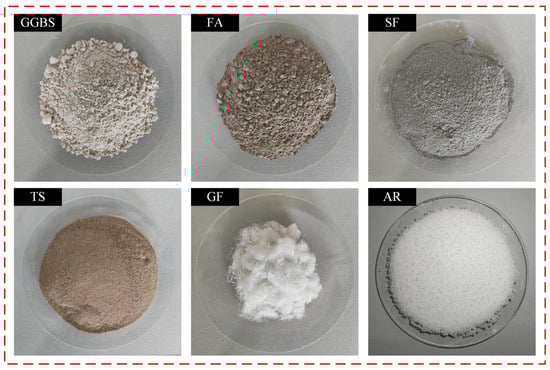
The production of cement is associated with significant CO2 emissions, while the escalating volume of solid waste poses severe environmental challenges. To reduce the dependence on cement and fully utilize solid waste materials to address these challenges, this study prepared alkali-activated concrete [...] Read more.
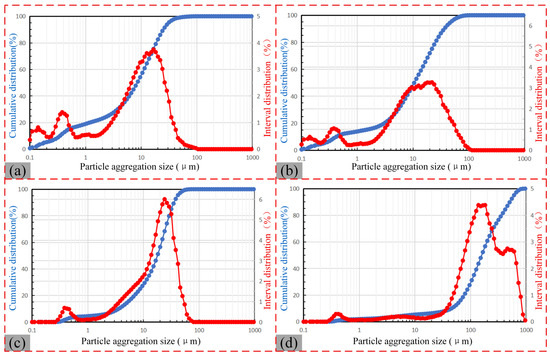
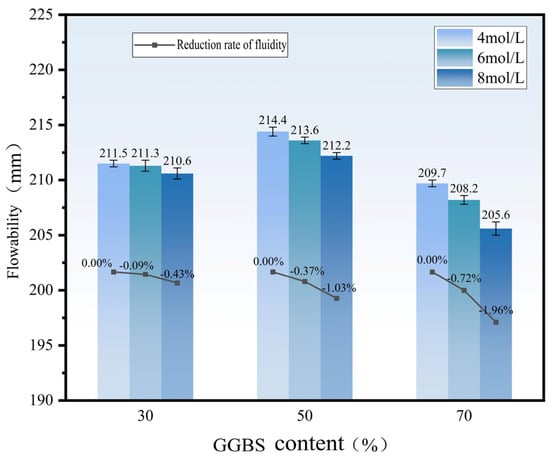
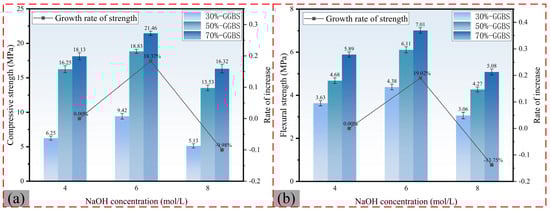
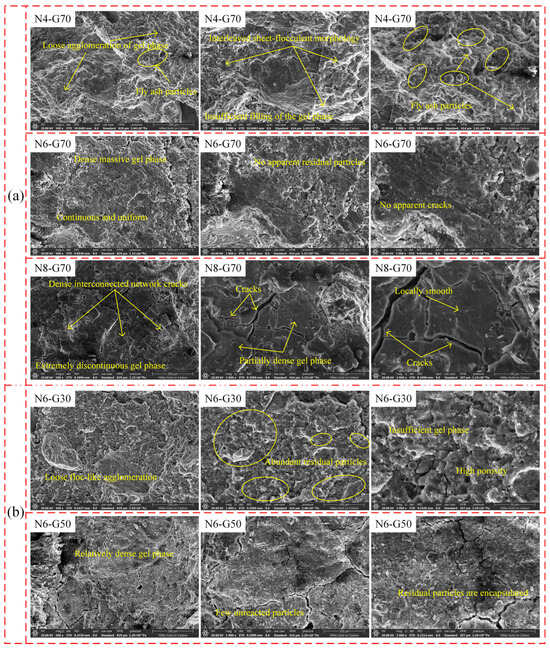
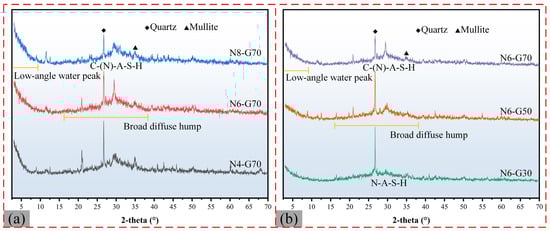
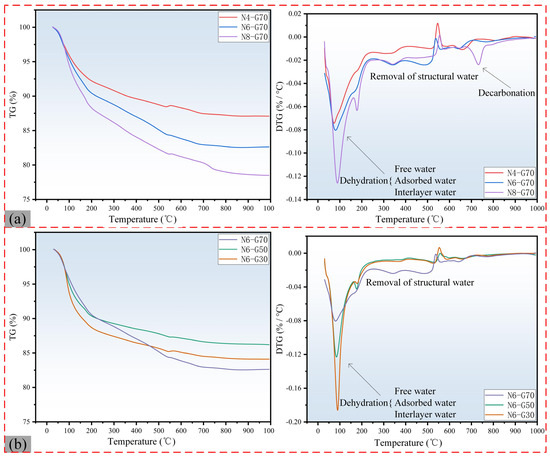
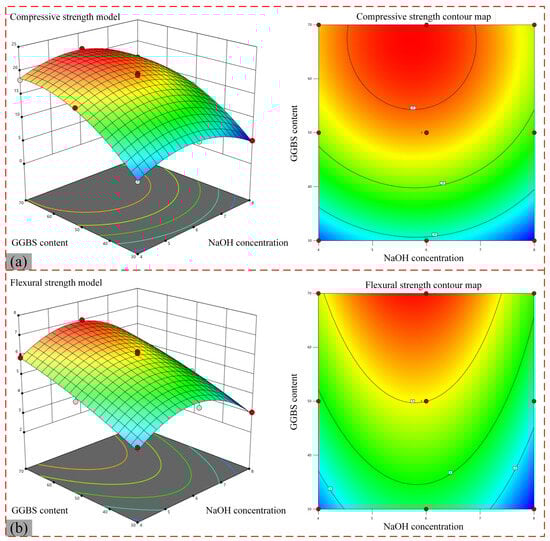
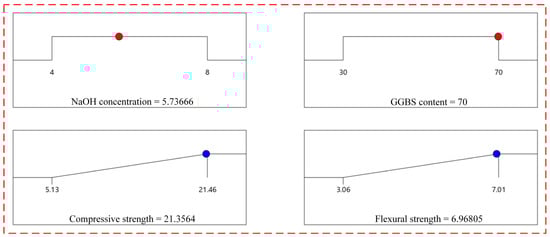
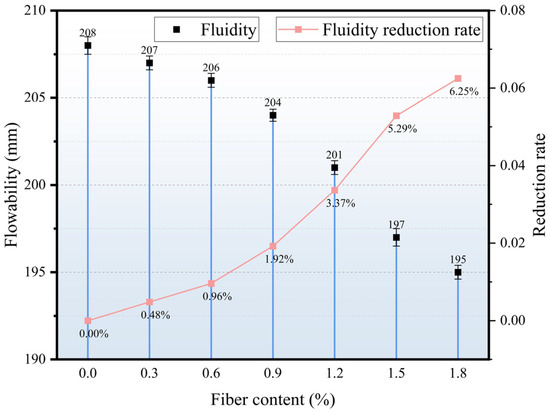
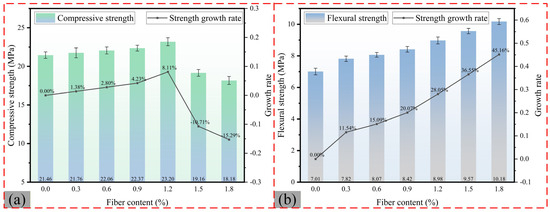
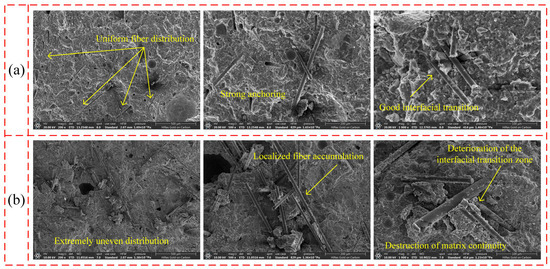
The production of cement is associated with significant CO2 emissions, while the escalating volume of solid waste poses severe environmental challenges. To reduce the dependence on cement and fully utilize solid waste materials to address these challenges, this study prepared alkali-activated concrete by completely replacing cement with solid waste materials (slag, fly ash, and silica fume). Research was conducted on the optimization of material mix design and fiber reinforcement. From macro–micro perspectives and through advanced characterization methods (SEM, XRD, and TG), the action mechanism of activator concentration and precursor material content on alkali-activated concrete was revealed, as well as the influence law of glass fiber on material properties. Meanwhile, the optimal activator concentration, precursor material content and fiber content were determined. The results show that appropriately increasing the activator concentration and slag proportion can effectively promote the formation of cementitious products, thereby improving the mechanical properties of the material. However, excessive alkalinity will lead to an uncontrolled reaction and adverse effects. The addition of fibers significantly enhances the mechanical properties of the material, especially the flexural strength. When the fiber content is 1.8%, the flexural strength is increased by 45.16%. This work establishes a sustainable pathway for construction materials, while addressing industrial waste management and carbon neutrality goals. Full article
(This article belongs to the Section Composites Manufacturing and Processing)
Show Figures

Figure 1
25 pages, 8514 KB  
Article
Fatigue Life Evaluation and Structural Optimization of Rubber Damping Components in Metro Resilient Wheels
by Qiang Zhang, Zhiming Liu, Yiliang Shu, Guangxue Yang and Wenhan Deng
Polymers 2026, 18(8), 915; https://doi.org/10.3390/polym18080915 (registering DOI) - 9 Apr 2026
Abstract
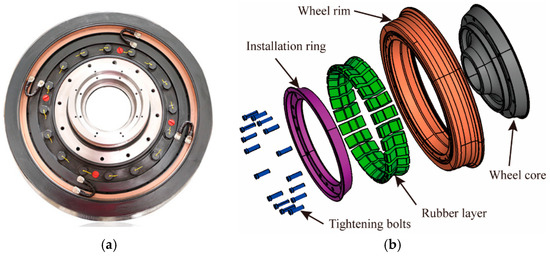
Resilient wheels are widely employed in metro vehicles to mitigate vibration and noise, in which rubber damping components play a critical role in load transmission and fatigue resistance. However, stress concentration and cyclic loading can significantly compromise their durability and service life. In [...] Read more.
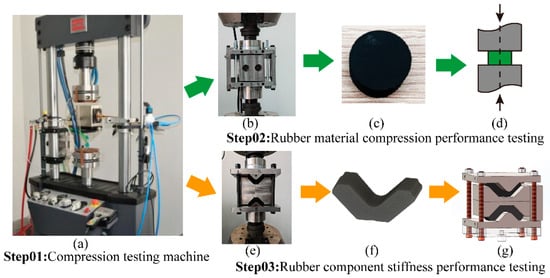
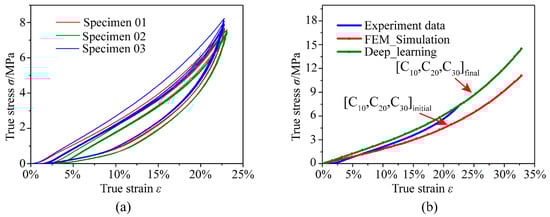
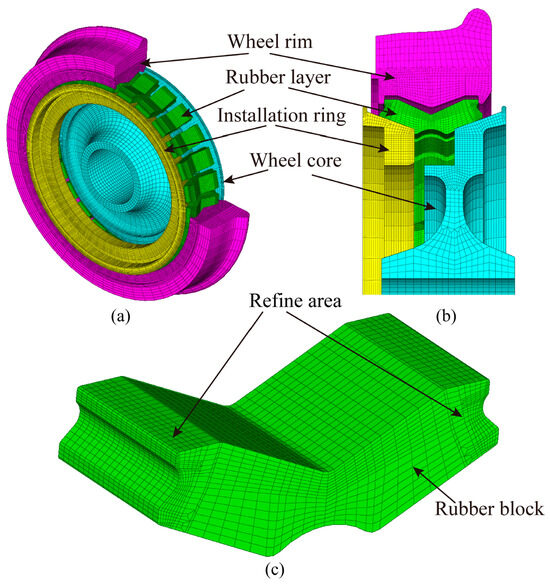
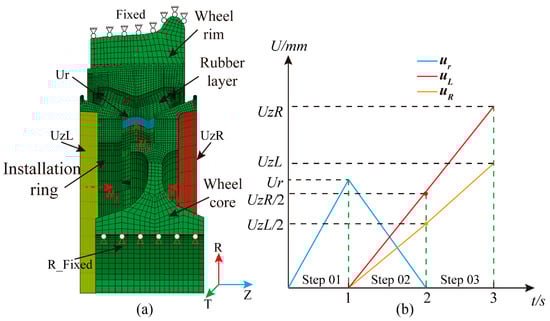
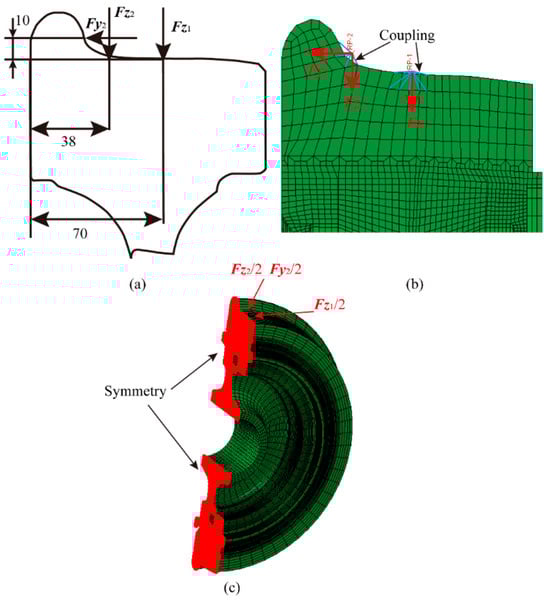
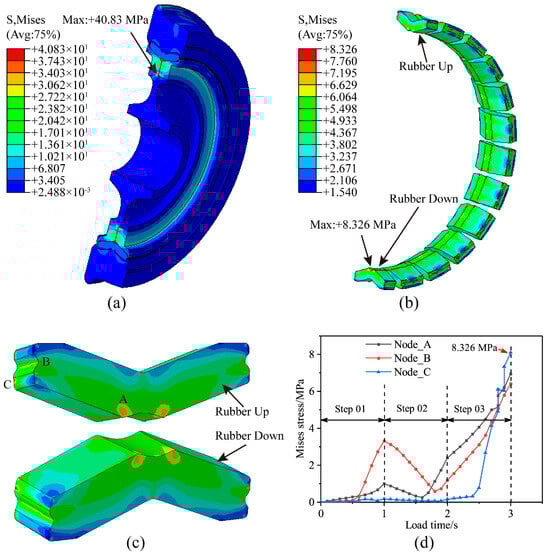
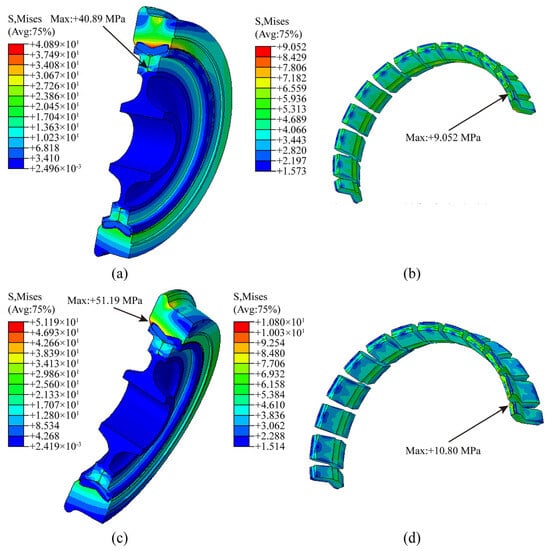
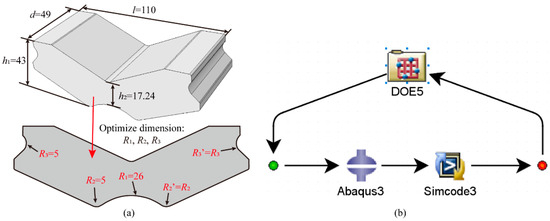
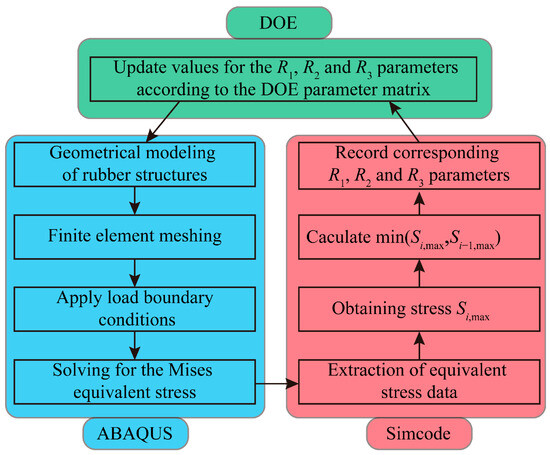
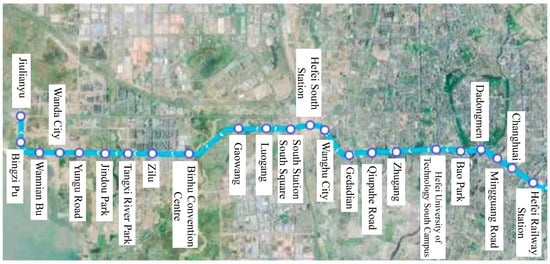
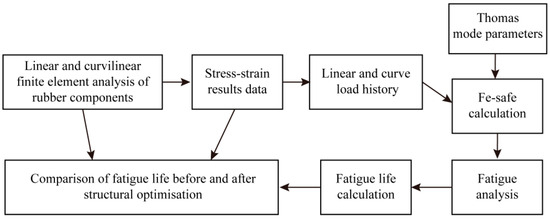
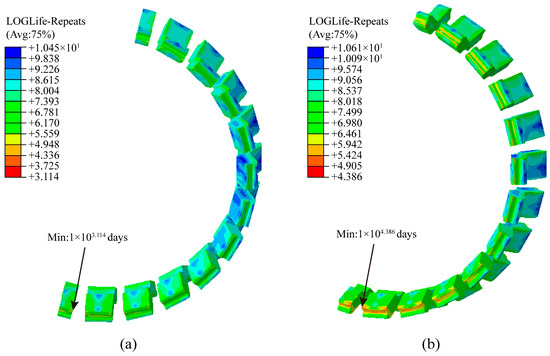
Resilient wheels are widely employed in metro vehicles to mitigate vibration and noise, in which rubber damping components play a critical role in load transmission and fatigue resistance. However, stress concentration and cyclic loading can significantly compromise their durability and service life. In this study, the structural optimization and fatigue life of rubber damping components in resilient wheels are systematically investigated based on finite element analysis and in-service metro operational data. A three-dimensional finite element model incorporating hyperelastic material behavior is developed to evaluate stress distributions under three representative conditions: press-fit assembly, straight-line operation, and curved-track operation. Based on the resulting stress fields, critical high-stress regions within the rubber component are identified and selected as targets for structural optimization. The Design of Experiments (DOE) methodology, integrated with the Isight 2022 optimization platform, is employed to determine the optimal geometric parameters that minimize the von Mises equivalent stress. Furthermore, a fatigue life prediction framework is established using actual metro service mileage data. Fatigue performance is assessed using Fe-safe 2022 software in conjunction with rubber fatigue crack propagation theory, and the results before and after optimization are systematically compared. This study demonstrates that stress concentrations in resilient wheel rubber damping components predominantly occur at fillet transition regions, governed by load transfer characteristics under press-fitting and service conditions. Through DOE-based structural optimization, the critical geometric parameters are effectively refined, leading to a significant reduction in stress levels in key regions. As a result, the proposed approach markedly improves fatigue performance, extending the minimum fatigue life from 1300 days to 24,322 days, thereby substantially enhancing the durability and reliability of the resilient wheel system. Full article
(This article belongs to the Section Polymer Processing and Engineering)
Show Figures

Figure 1

25 pages, 18904 KB  
Article
Protective Effects of Polysaccharides from Pyropia suborbiculata Against UVB-Induced Photodamage in HaCaT Cells
by Kaiyue Chen, Hongchang Ding, Jiawei Zhong, Qinwen Zhou, Yujia Li, Long Zhang, Quancai Sun, Ye Peng, Wenhui Wu, Xichang Wang and Wanqiang Wu
Foods 2026, 15(8), 1292; https://doi.org/10.3390/foods15081292 (registering DOI) - 9 Apr 2026
Abstract
Porphyra suborbiculata exhibits strong heat tolerance and has considerable commercial potential under rising sea temperatures; however, its bioactive components remain insufficiently explored. In this study, a heat-tolerant new strain of P. suborbiculata (PS-M4), cultivated by the College of Fisheries, was used as the [...] Read more.
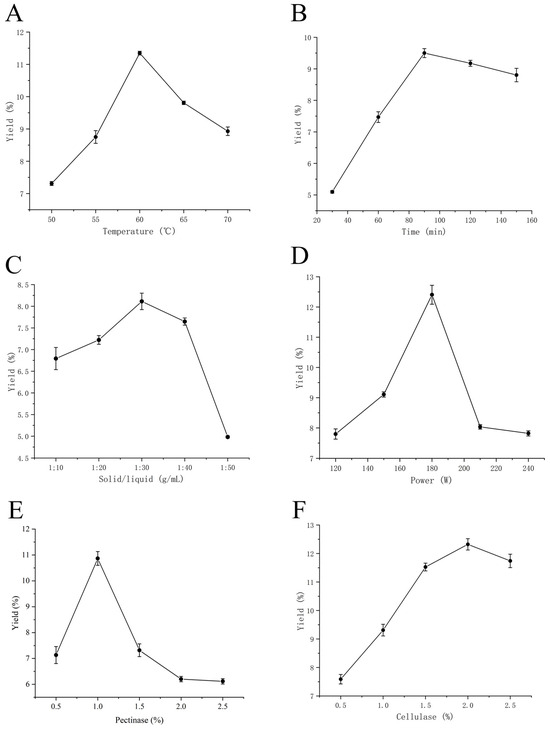
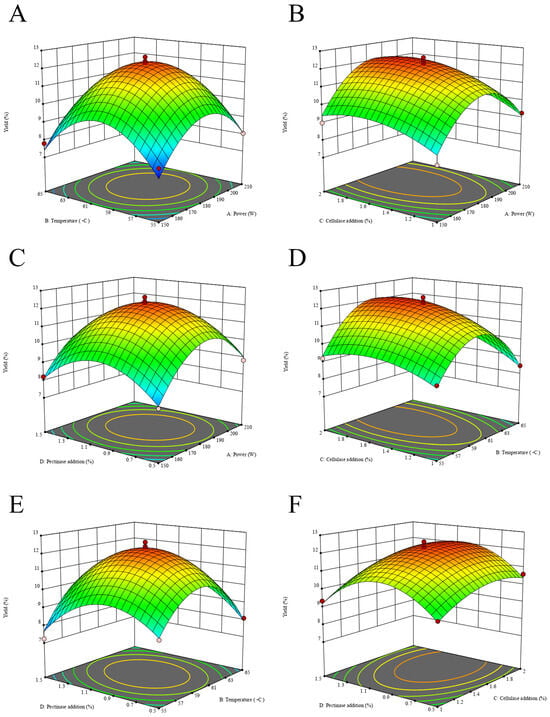
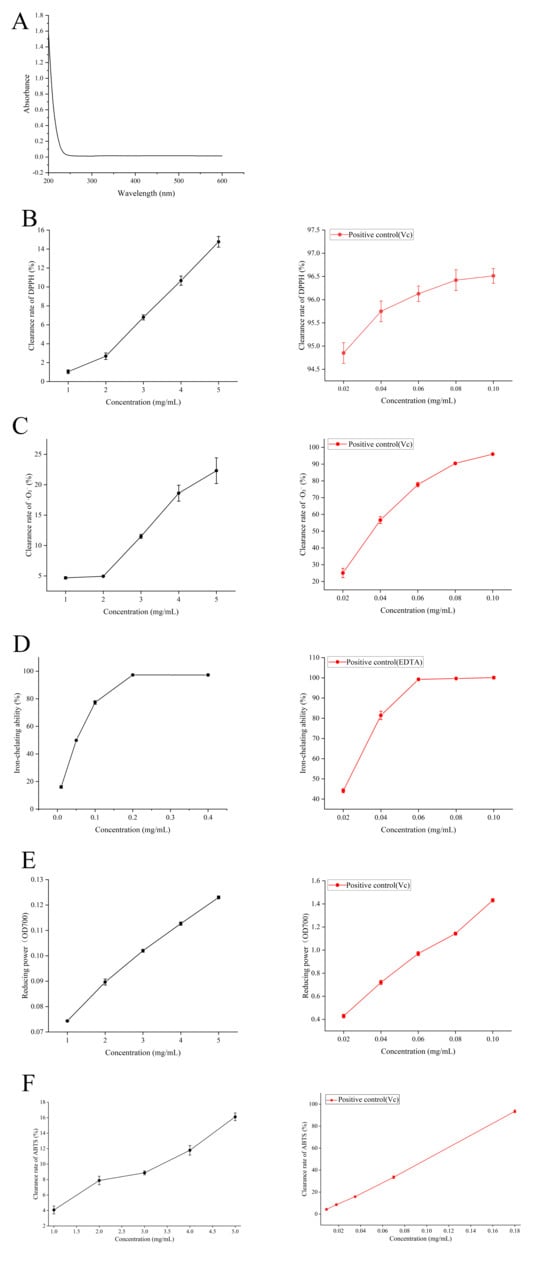
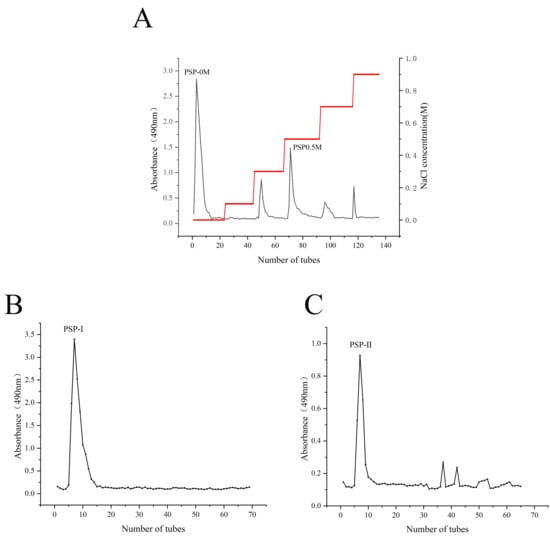
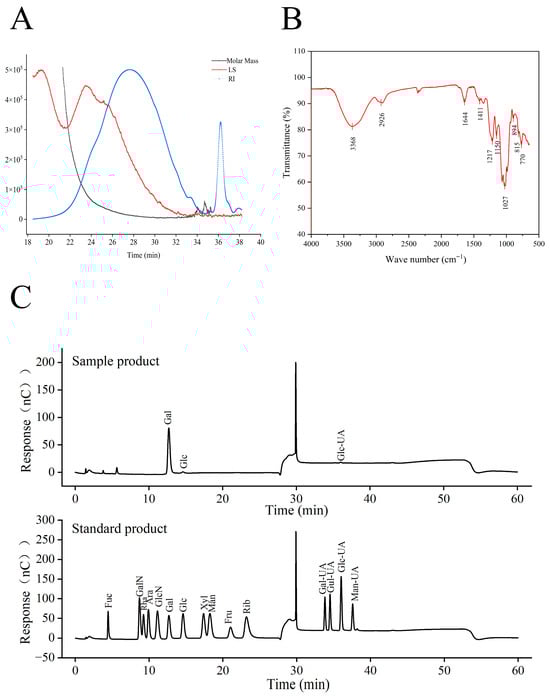
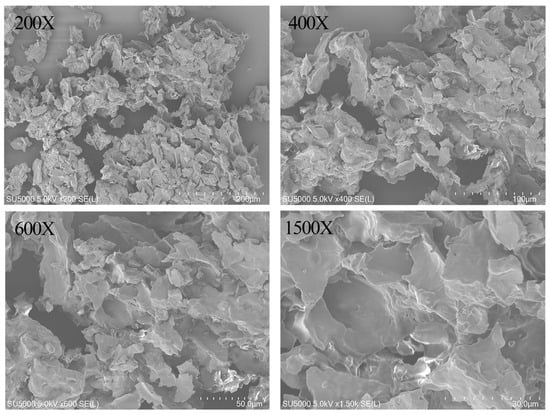
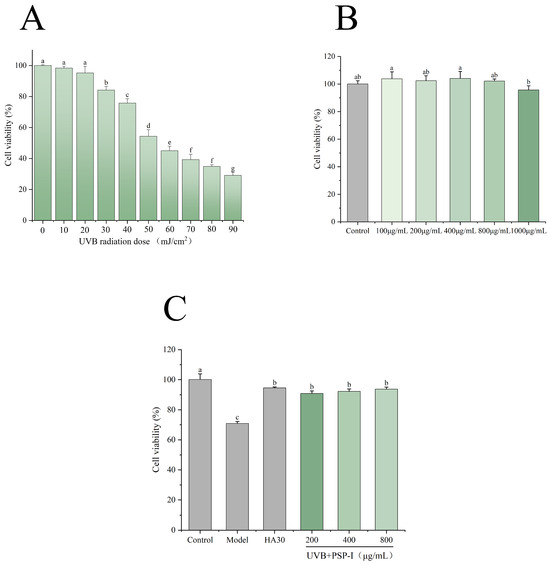
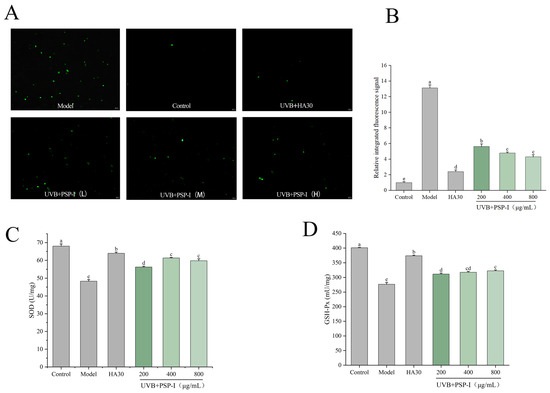
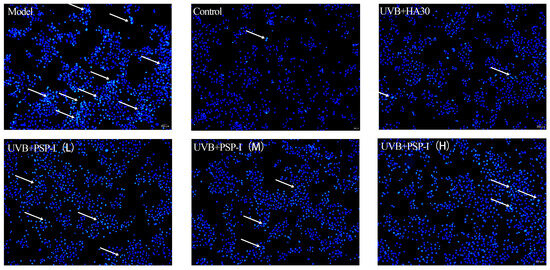
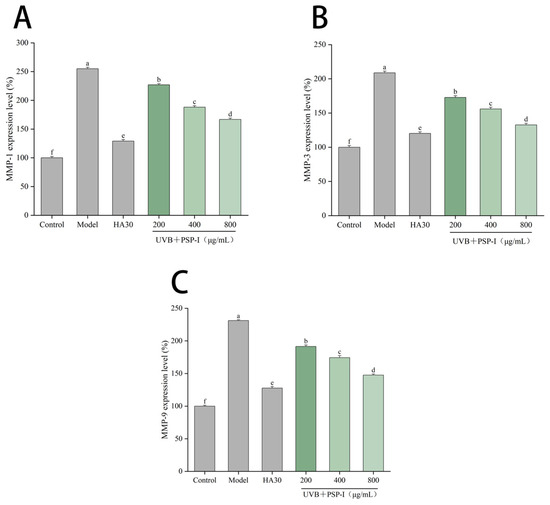
Porphyra suborbiculata exhibits strong heat tolerance and has considerable commercial potential under rising sea temperatures; however, its bioactive components remain insufficiently explored. In this study, a heat-tolerant new strain of P. suborbiculata (PS-M4), cultivated by the College of Fisheries, was used as the experimental material. Polysaccharides were extracted using an ultrasound-assisted composite enzymatic method, and extraction conditions were optimized through single-factor experiments and response surface methodology, yielding a maximum extraction yield of 12.45 ± 0.09%. Crude polysaccharides were further purified using a purification apparatus, yielding two fractions, designated PSP-I and PSP-II. Preliminary structural characterization showed that PSP-I possessed a weight-average molecular weight (Mw) of 26.149 kDa, a number-average molecular weight (Mn) of 11.267 kDa, and a polydispersity index of 2.321. Monosaccharide composition analysis indicated that PSP-I was predominantly composed of galactose. Fourier transform infrared spectroscopy (FT-IR) revealed typical polysaccharide functional groups, and scanning electron microscopy (SEM) analysis revealed a porous lamellar morphology. In vitro cell-based assays demonstrated that PSP-I significantly alleviated ultraviolet B (UVB)-induced damage in HaCaT cells by reducing intracellular reactive oxygen species (ROS) levels, enhancing antioxidant enzyme activities, inhibiting apoptosis, and downregulating the expression of matrix metalloproteinases (MMPs). These results suggest that PSP-I has potential as a functional ingredient for mitigating UVB-induced skin damage. Full article
(This article belongs to the Section Nutraceuticals, Functional Foods, and Novel Foods)
Show Figures

Figure 1

22 pages, 7930 KB  
Article
Bridging Green Certification and Occupant Well-Being: A Mixed Methods Study of IEQ and Quality of Life in Certified and Non-Certified Malaysian Office Buildings
by Abdelfatah Bousbia Laiche, Armstrong Ighodalo Omoregie, Alaa Abdalla Saeid Ali, Nur Dalilah Dahlan, Zalina Shari, Taki Eddine Seghier, Khair Eddine Demdoum and Thangaraj Pramila
Architecture 2026, 6(2), 59; https://doi.org/10.3390/architecture6020059 (registering DOI) - 9 Apr 2026
Abstract
Indoor environmental quality (IEQ) significantly impacts people’s comfort, health, and productivity in buildings, and modern green rating systems are primarily focused on energy efficiency rather than the direct user experience. This paper analyses the relationship between IEQ and the perceived quality of life [...] Read more.
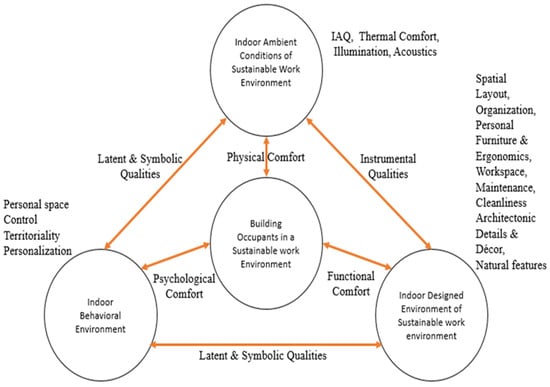
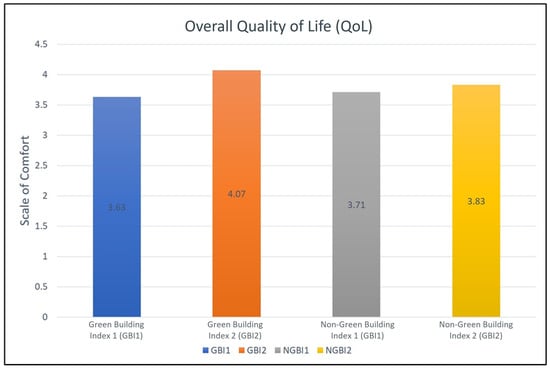
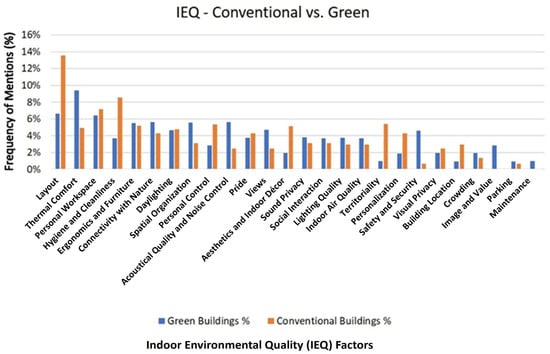
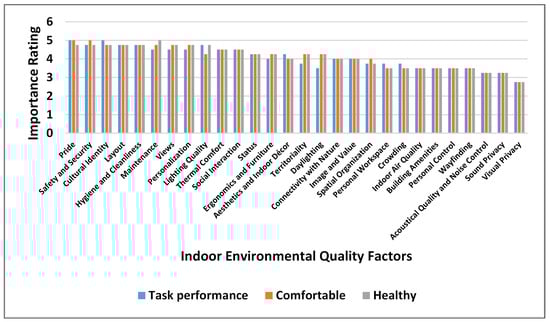
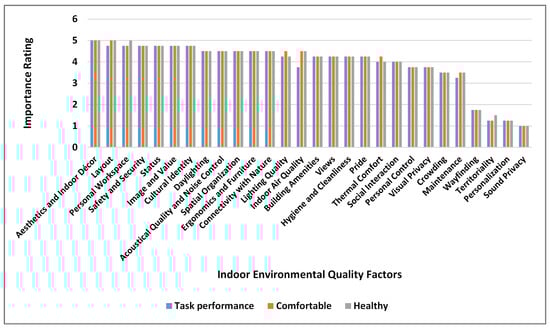
Indoor environmental quality (IEQ) significantly impacts people’s comfort, health, and productivity in buildings, and modern green rating systems are primarily focused on energy efficiency rather than the direct user experience. This paper analyses the relationship between IEQ and the perceived quality of life (QoL) of certified and conventional office buildings in Malaysia using a mixed-methods design. The questionnaires were completed by 162 employees working in four open-plan offices: two were certified under the Green Building Index (GBI) established in Malaysia, and two were traditional. This was supplemented by 14 semi-structured interviews and 2 focus groups. The factors of IEQ were divided into ambient, designed, and behavioral environments. It was statistically determined that behavioral factors, such as visual privacy, personalization, ergonomics, and control, exhibited the strongest correlations with overall QoL, compared to ambient factors such as air quality or thermal comfort. Green buildings performed better in terms of daylighting and esthetics than conventional buildings, though they did not always deliver higher occupant satisfaction. The results indicate that current green certification frameworks pay insufficient attention to occupant-centered aspects. The proposed research adds a validated IEQ-QoL framework that predicts the incorporation of subjective user experience into building performance indicators, which can be important for certification reform, post-occupancy evaluation (POE), and human-centered sustainable design approaches. Full article
Show Figures

Figure 1

16 pages, 5289 KB  
Article
Flexural Behavior of Desert Sand Concrete Beams Using DIC
by Li Han, Haifeng Liu, Shihao Li, Zhenyu Jia, Qiaoli Chen and Fuling Zheng
Buildings 2026, 16(8), 1481; https://doi.org/10.3390/buildings16081481 (registering DOI) - 9 Apr 2026
Abstract
Desert sand concrete (DSC) cube and beam (DSCB) specimens were prepared to investigate the influence of desert sand from Ningxia, China, on the flexural behavior of concrete beams. Specimens were produced with different desert sand replacement ratios (DSRRs), and the cubic compressive strength [...] Read more.
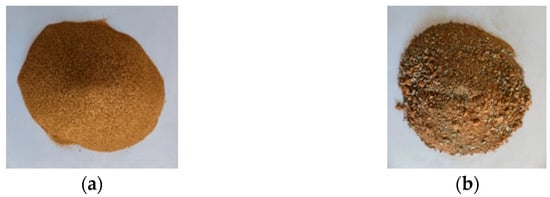
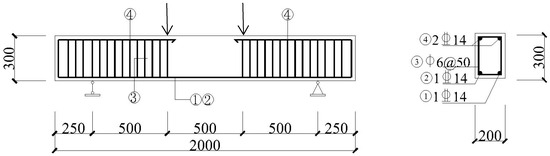
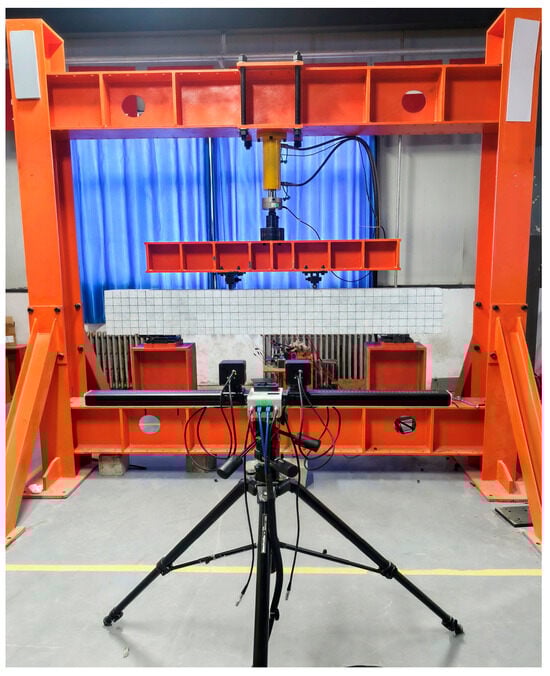
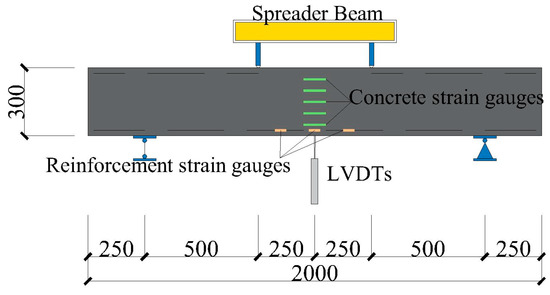
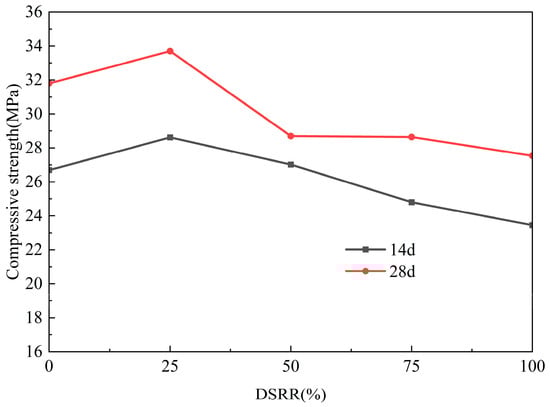
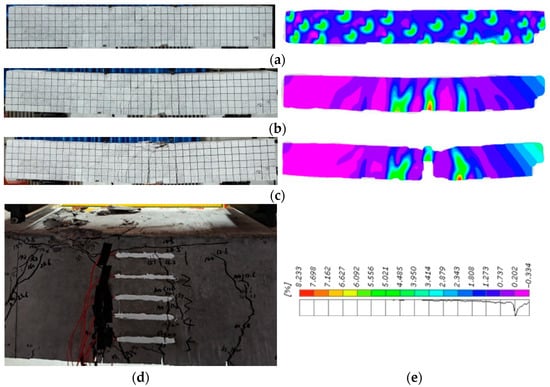
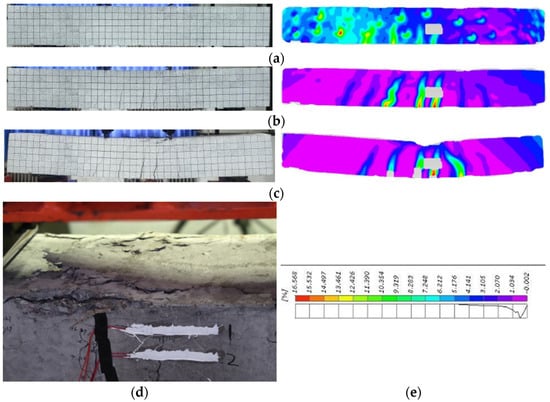
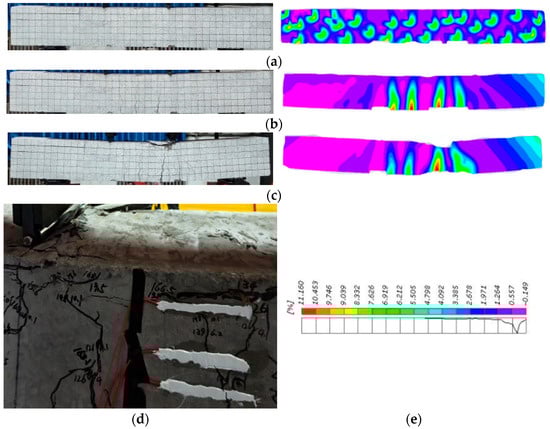
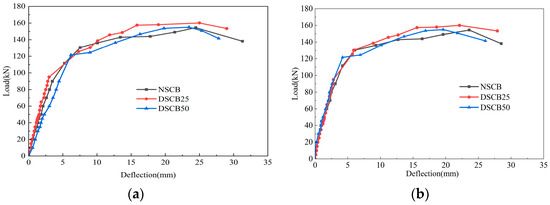
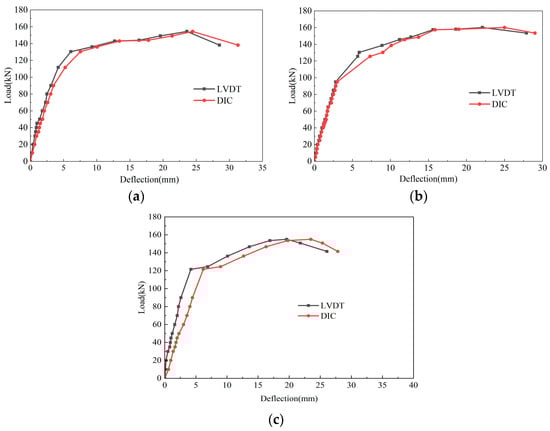
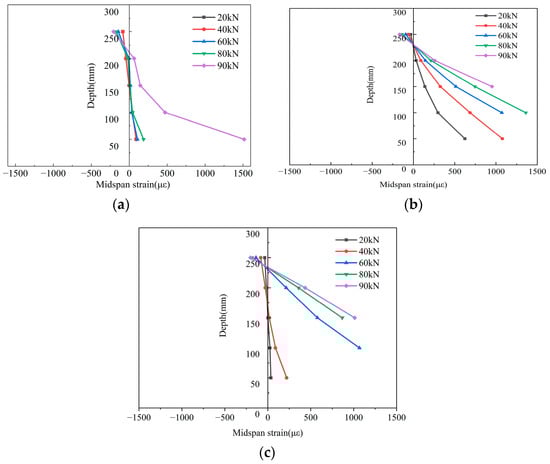
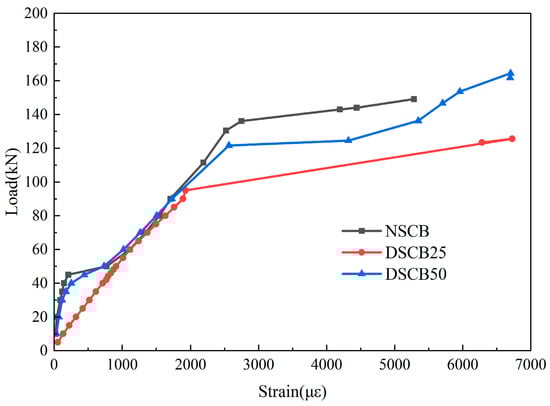
Desert sand concrete (DSC) cube and beam (DSCB) specimens were prepared to investigate the influence of desert sand from Ningxia, China, on the flexural behavior of concrete beams. Specimens were produced with different desert sand replacement ratios (DSRRs), and the cubic compressive strength (CCS) of DSC cubes were measured. Digital image correlation (DIC) was applied during four-point bending tests to characterize full-field strain distributions and to track crack initiation and propagation. The results indicate that CCS peaked at a DSRR of 25%. This value represented a 6% increase relative to natural sand concrete (NSC). The ultimate flexural capacity of DSCBs reached its maximum at this DSRR. This corresponded to a 2.5% increase relative to a natural sand concrete beam (NSCB). The cracks in DSCBs developed more significantly. Failure mode of DSCBs transformed from ductile to brittle at a DSRR of 50%. The current Chinese code can provide a reference for the engineering design of DSCBs, and appropriate modifications considering the DSRR are recommended for different stress stages. These findings provide a theoretical basis and technical support for the practical application of DSC. Full article
(This article belongs to the Special Issue Research on Performance of Buildings Structures and Materials)
Show Figures

Figure 1

29 pages, 841 KB  
Article
Factors Influencing Building Information Modeling (BIM) Adoption Intention Among Multiple Stakeholders to Promote the Sustainable Development of the Construction Industry: Insights from the Technology–Organization–Environment (TOE) Theoretical Framework
by Mingjia Huang and Guanfeng Yan
Sustainability 2026, 18(8), 3704; https://doi.org/10.3390/su18083704 (registering DOI) - 9 Apr 2026
Abstract
BIM is a key technology for the digital transformation and sustainable development of the construction industry through enhanced productivity, transparency, and fostered innovation. Although scholars have investigated the constructs driving BIM adoption intention, a comprehensive framework has seldom been adopted, and thus some [...] Read more.
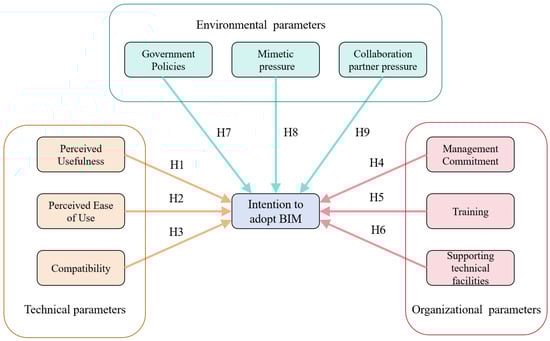
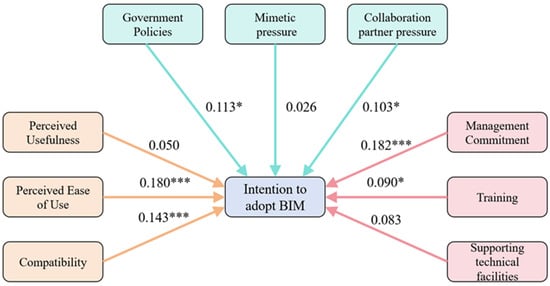
BIM is a key technology for the digital transformation and sustainable development of the construction industry through enhanced productivity, transparency, and fostered innovation. Although scholars have investigated the constructs driving BIM adoption intention, a comprehensive framework has seldom been adopted, and thus some vital factors have been overlooked, such as collaboration partner pressure. Meanwhile, the targeted group is usually practitioners of a certain type of company while a construction project requires the participation of multiple types of companies. To address these research gaps, the aim of this study is to explore the factors driving various stakeholders’ intention to adopt BIM by applying the TOE framework, considering nine factors across three dimensions. A total of 512 valid responses from owners, consulting firms, design firms, construction companies, suppliers, engineering surveying firms, and universities or research institutes were collected and analyzed through the structural equation modeling (SEM) method. The SEM results indicated that six factors were positively related to the intention to employ BIM, among which management commitment (β = 0.182, p < 0.001) and perceived ease of use (β = 0.180, p < 0.001) exhibited the strongest effects. However, three factors (perceived usefulness, supporting technical facilities, and mimetic pressure) exerted no significant influence. The findings of this study may provide a valuable reference for promoting the application of BIM technology in the construction industry. Full article
Show Figures

Figure 1

20 pages, 767 KB  
Article
Real-World Adherence to Asthma and COPD Medications in Belgium: A Nationwide Analysis of Determinants Using Dispensing Data and Mixed-Effects Modeling
by Amélie Rosière, Sebastian Riemann, Olfa Guaddoudi, Stéphanie Pochet, Guy Brusselle and Carine De Vriese
Healthcare 2026, 14(8), 982; https://doi.org/10.3390/healthcare14080982 (registering DOI) - 9 Apr 2026
Abstract
Background/Objectives: Therapeutic adherence to asthma and COPD medications remains worryingly low and varies widely across patient groups, underscoring persistent challenges in chronic respiratory care. The aim of this nationwide study is to quantify real-world adherence and to identify its demographic and clinical [...] Read more.
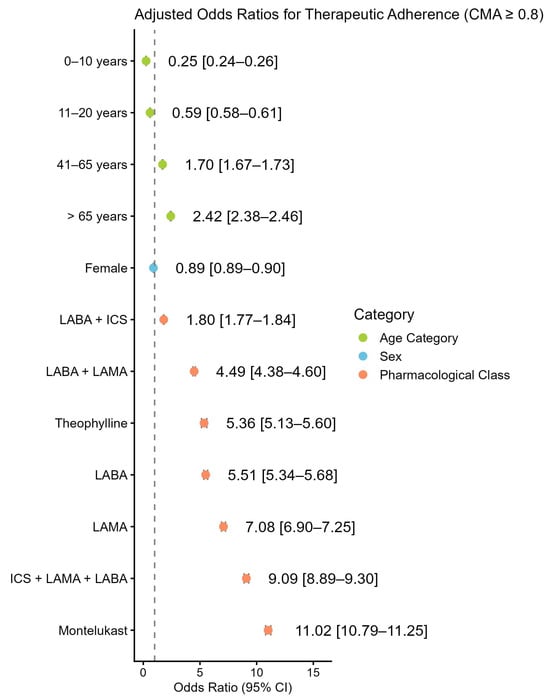
Background/Objectives: Therapeutic adherence to asthma and COPD medications remains worryingly low and varies widely across patient groups, underscoring persistent challenges in chronic respiratory care. The aim of this nationwide study is to quantify real-world adherence and to identify its demographic and clinical determinants using the Belgian health care claims database of the National Institute for Health and Disability Insurance (NIHDI). Methods: Adherence was assessed using the Continuous Multiple Interval Measure of Medication Availability (CMA) among patients treated between 2020 and 2023. Mixed-effects logistic regression was applied to identify determinants of adherence. Results: Only 30.5% of patients achieved good adherence (CMA ≥ 0.8). Adherence varied substantially across pharmacological classes, ranging from 8.1% for inhaled corticosteroids to 66.4% for triple therapy. Age emerged as a major determinant, with adherence increasing steadily across age groups: only 4.0% of children and 15.7% of adolescents reached good adherence, compared with progressively higher rates in adults. Mixed-effects logistic regression confirmed age, sex, and pharmacological class as robust predictors of adherence. Conclusions: These findings highlight the magnitude of the therapeutic adherence gap in chronic respiratory diseases and clearly identify children, adolescents, and ICS or LABA + ICS users as the highest-risk groups. Recognizing these profiles has direct implications for clinical practice, as it provides concrete targets for future patient-centered interventions and guideline-concordant adherence-enhancing strategies. Full article
(This article belongs to the Topic Optimization of Drug Utilization and Medication Adherence)
Show Figures

Figure 1

21 pages, 3553 KB  
Article
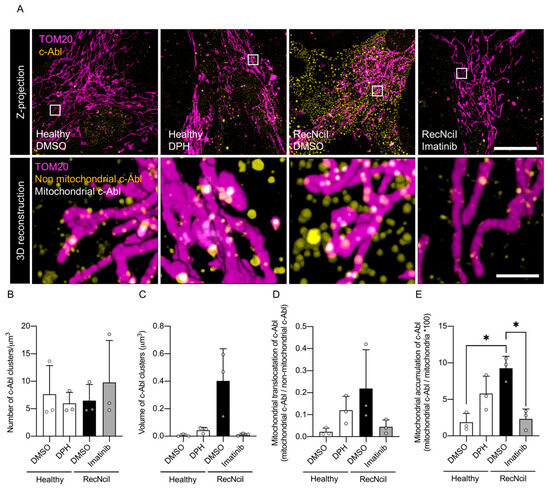
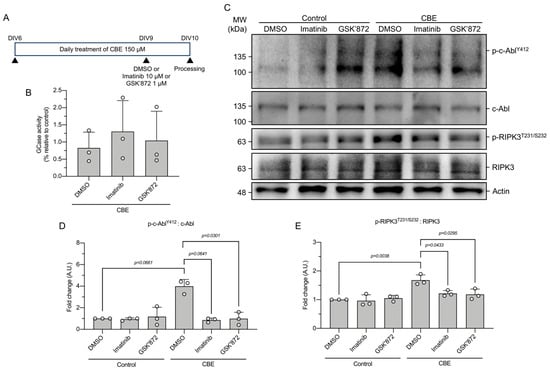
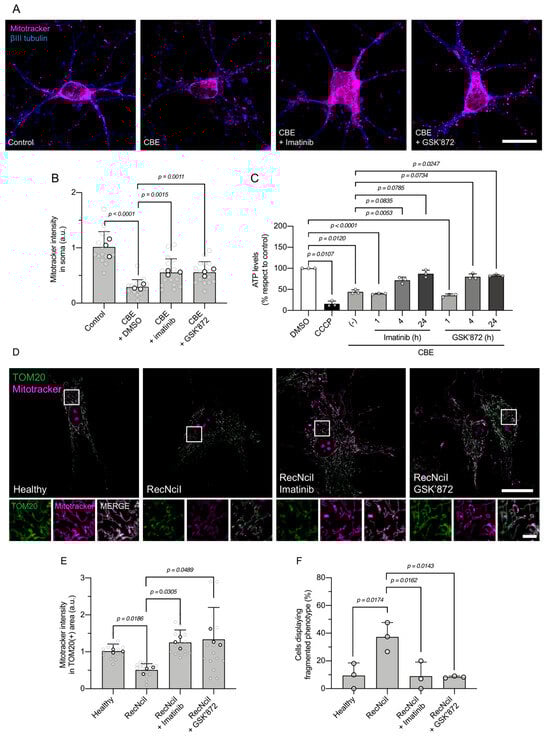
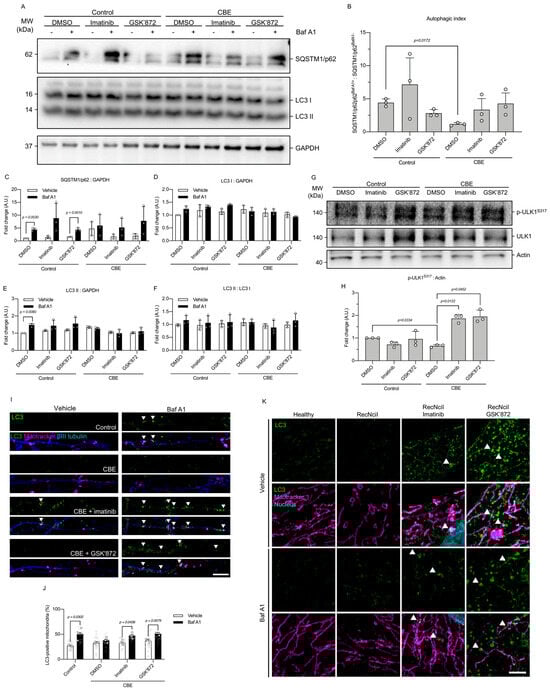
The c-Abl-RIPK3 Axis Drives Mitochondrial Dysfunction and Impaired Mitophagy in Gaucher Disease Models
by Cristian M. Lamaizon, Renatta Tironi-Hernández, Nohela B. Arévalo, Sebastián D. Ahumada, Daniela A. Gutiérrez, Laura Brito-Fernández, Andrea del Campo, Silvana Zanlungo and Alejandra R. Álvarez
Antioxidants 2026, 15(4), 465; https://doi.org/10.3390/antiox15040465 (registering DOI) - 9 Apr 2026
Abstract
Gaucher disease (GD) is characterized by the accumulation of glucosylceramide within lysosomes due to mutations in the GBA1 gene, which encodes the enzyme glucocerebrosidase. Current treatments are ineffective for patients suffering from severe neuronopathic forms of the disease. In this context, new therapeutic [...] Read more.
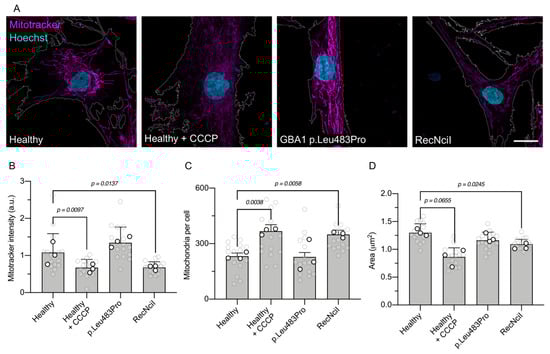
Gaucher disease (GD) is characterized by the accumulation of glucosylceramide within lysosomes due to mutations in the GBA1 gene, which encodes the enzyme glucocerebrosidase. Current treatments are ineffective for patients suffering from severe neuronopathic forms of the disease. In this context, new therapeutic approaches for neuronopathic GD forms are needed. Lysosomal and mitochondrial dysfunction associated with increased oxidative stress and disturbances in the autophagic process have been described in GD. Here, we address c-Abl-RIPK3 signaling and its contribution to the accumulation of dysfunctional mitochondria in GD. Fibroblasts from patients with GBA1 mutations and neurons treated with the glucocerebrosidase inhibitor CBE exhibited alterations in the ΔΨm and mitochondrial morphology, as well as reduced capacity to form autophagosomes. Pharmacological inhibition of c-Abl or RIPK3 restored mitochondrial function and promoted autophagosome formation, along with an increase in autophagic engulfment of mitochondria in both GD models. In conclusion, the c-Abl-RIPK3 signaling pathway contributes to mitochondrial dysfunction and blockade of autophagy components in the mitochondria, both of which are altered in the neuronopathic forms of GD. Full article
Show Figures

Figure 1

18 pages, 2621 KB  
Article
Genetic and Phenotypic Characterization of a Salmonella Enteritidis ST11 Clinical Isolate Carrying blaNDM-13 in Jiaxing City, China
by Ping Li, Weiming Yang, Zhongwen Chen, Henghui Wang, Miaomiao Jia, Xuejuan Liu, Yong Yan and Guoying Zhu
Antibiotics 2026, 15(4), 381; https://doi.org/10.3390/antibiotics15040381 (registering DOI) - 9 Apr 2026
Abstract
Background/Objectives: Multidrug-resistant Salmonella enterica serovar Enteritidis, especially those isolated from humans, remains a public concern. In the present study, S. Enteritidis strain 31404 was obtained clinically from a fecal sample of a fifteen-year-old girl, who was positive for blaNDM-13. [...] Read more.
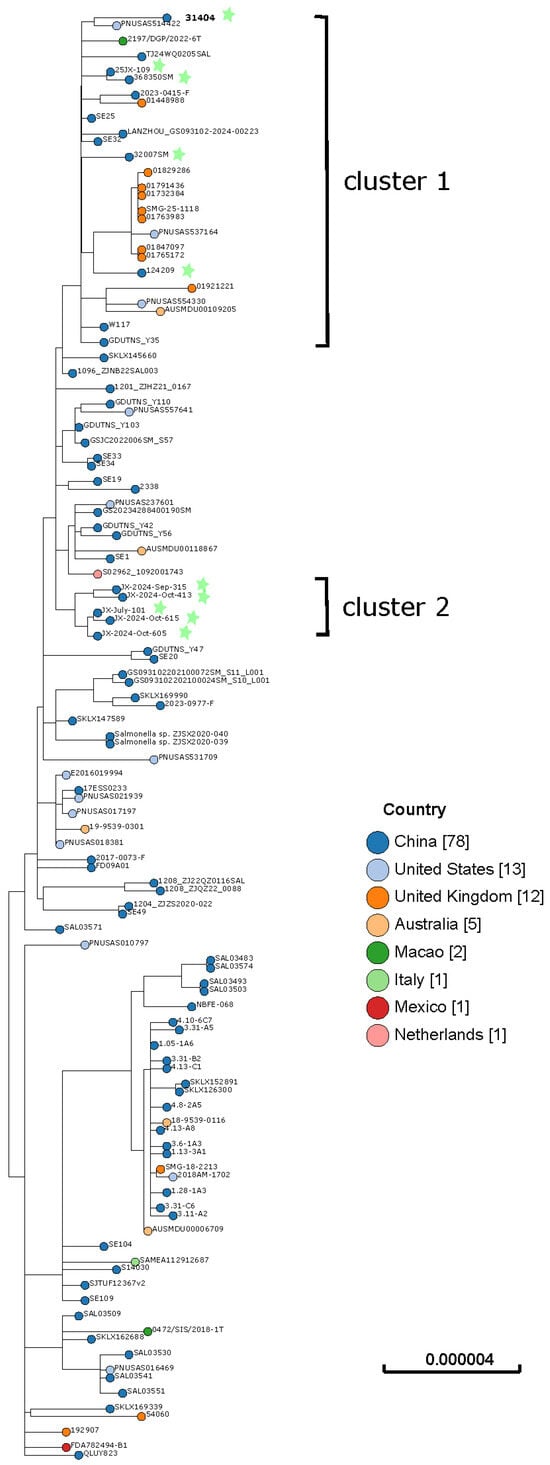
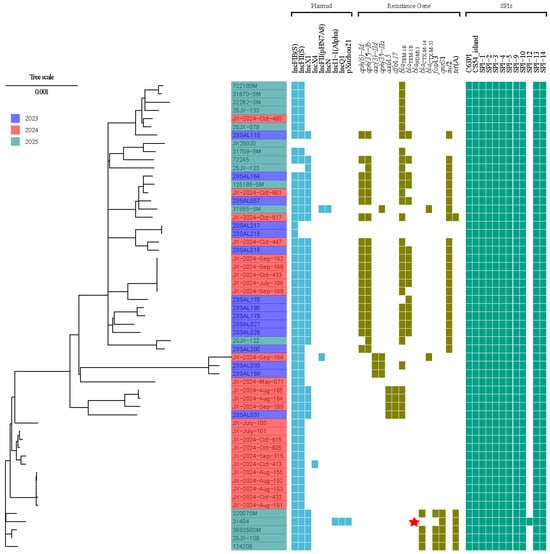
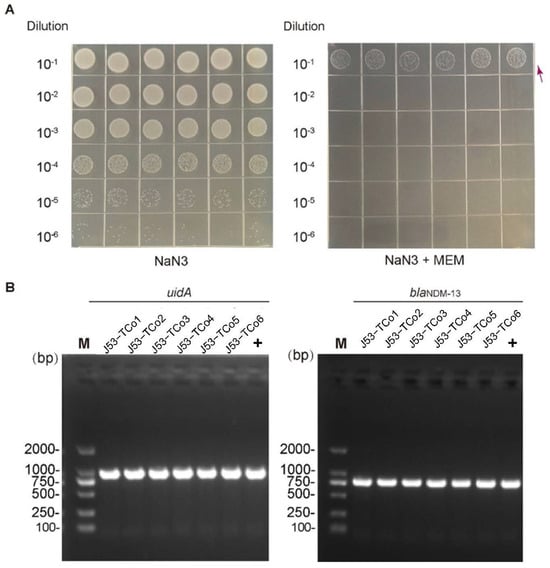
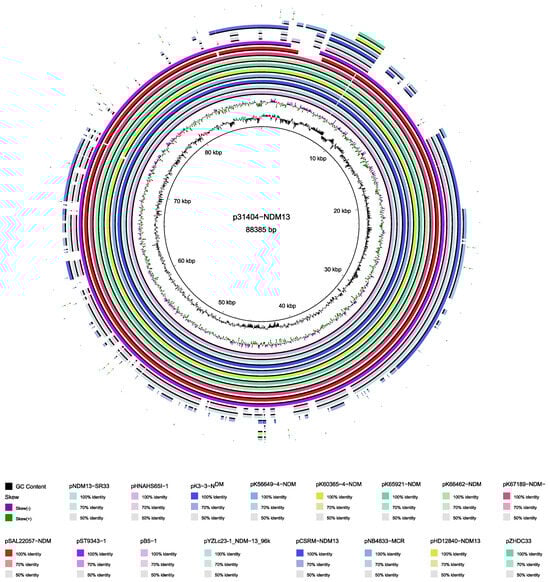
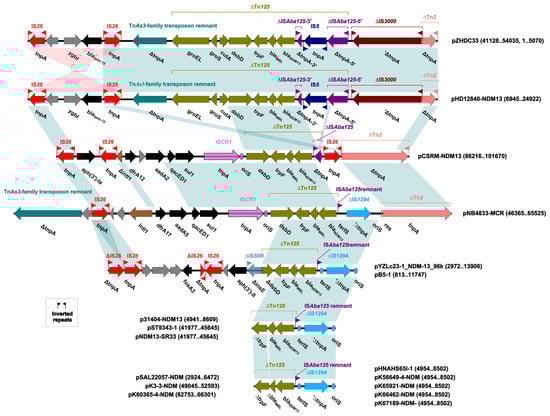
Background/Objectives: Multidrug-resistant Salmonella enterica serovar Enteritidis, especially those isolated from humans, remains a public concern. In the present study, S. Enteritidis strain 31404 was obtained clinically from a fecal sample of a fifteen-year-old girl, who was positive for blaNDM-13. Methods: Antibiotic susceptibility testing and whole genome sequencing were performed. Core genome MLST and hierarchical clustering (HierCC) were performed using EnteroBase. Population structure analysis of 57 S. Enteritidis isolates collected between 2023 and 2025 in Jiaxing city was conducted. A comparative structure analysis of blaNDM-13-positive plasmids was also performed. Results: S. Enteritidis strain 31404 was resistant to 13 antimicrobial agents. We found that strain 31404 belonged to ST11 and carried resistance genes, such as blaNDM-13, blaCTX-M-14, bleMBL, fosA3, qnrS, and tet (A). blaNDM-13 was located on an IncI1-I (α) plasmid designated as p31404-NDM13. S. Enteritidis isolate 31404 was closely related to PNUSAS514422, which was isolated from the United States in 2025. Comparative genetic environment related to blaNDM-13-positive plasmids available in the NCBI database indicates that ΔTn125-mediated contexts were commonly associated with blaNDM-13. IS1294 (IS91 family), which replaces ISAba125, is likely to mobilize blaNDM-13. Conclusions: The findings in this study provide insights into the molecular characterization and diversification of blaNDM-13. The identification of blaNDM-13-containing transferable plasmids in different serotypes of Salmonella isolates (such as S. Rissen, S. Typhimurium, and S. Enteritidis) in different cities in China highlights the risk of the spread of carbapenem-resistant genes among Salmonella isolates. Full article
(This article belongs to the Special Issue Antibiotic Resistance Genes: Mechanisms, Evolution and Dissemination)
Show Figures

Figure 1

8 pages, 171 KB  
Editorial
Construction in Urban Underground Space
by Yonggang Zhang and Mingming He
Buildings 2026, 16(8), 1482; https://doi.org/10.3390/buildings16081482 (registering DOI) - 9 Apr 2026
Abstract
Geotechnical engineering, as an interdisciplinary field bridging geomechanics and engineering construction, has the core mission of ensuring the mechanical stability of rock and soil masses under both natural conditions and engineering activities [...] Full article
(This article belongs to the Special Issue Construction in Urban Underground Space)
8 pages, 326 KB  
Communication
Osmium Abundances in Galactic Halo Stars at Intermediate Metallicities
by Francesca Lucertini and Linda Lombardo
Galaxies 2026, 14(2), 31; https://doi.org/10.3390/galaxies14020031 (registering DOI) - 9 Apr 2026
Abstract
Osmium is a third-peak neutron-capture element predominantly produced by the rapid (r-) process, and it is a valuable tracer of early Galactic chemical enrichment. However, osmium abundance measurements in Galactic stars remain limited due to observational challenges. We present new osmium abundances for [...] Read more.
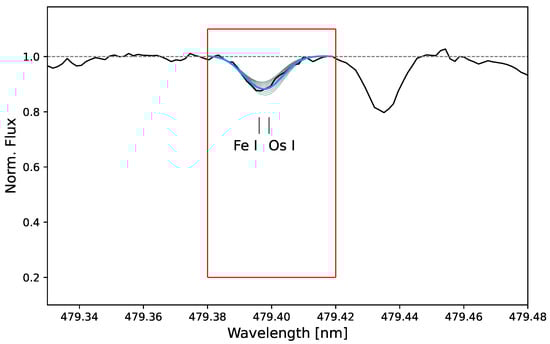
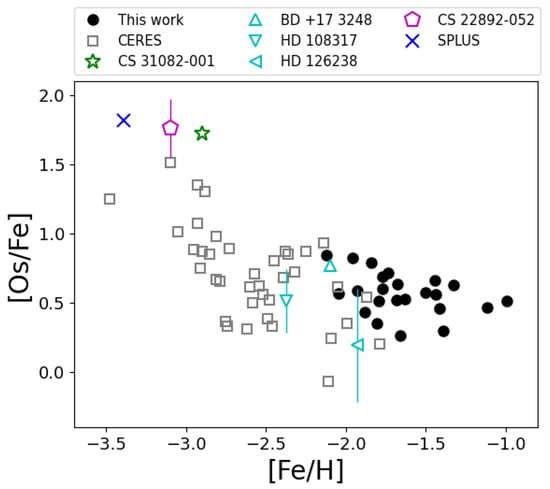
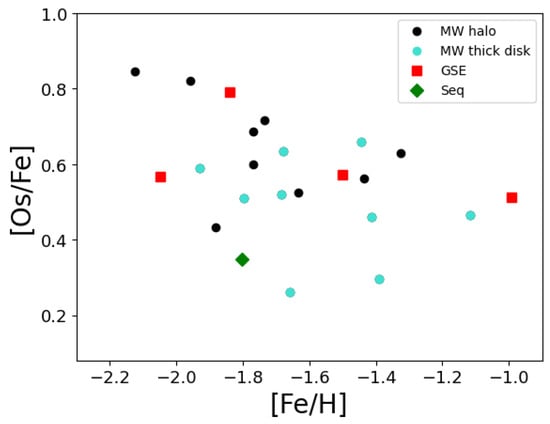
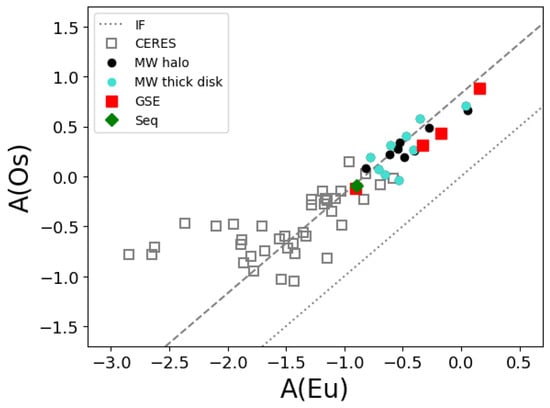
Osmium is a third-peak neutron-capture element predominantly produced by the rapid (r-) process, and it is a valuable tracer of early Galactic chemical enrichment. However, osmium abundance measurements in Galactic stars remain limited due to observational challenges. We present new osmium abundances for 23 stars at intermediate metallicities (2.5 [Fe/H] 1.0) within the framework of the MINCE (Measuring at Intermediate Metallicity Neutron-Capture Elements) project. A standard abundance analysis was carried out using one-dimensional LTE model atmospheres and the optical Os I line at 479 nm observed in high-quality UVES spectra. The derived [Os/Fe] ratio exhibits an anticorrelation with [Fe/H], supporting efficient r-process enrichment during the early phases of the Milky Way’s evolution. We also investigated Os abundances across different Galactic components, finding that halo and Gaia–Sausage–Enceladus stars are more Os-rich than thick-disk stars. A comparison between Os and europium abundances supports a common r-process origin for these elements at intermediate metallicities. Full article
(This article belongs to the Special Issue Neutron Capture Processes in the Universe)
Show Figures

Figure 1

14 pages, 2591 KB  
Article
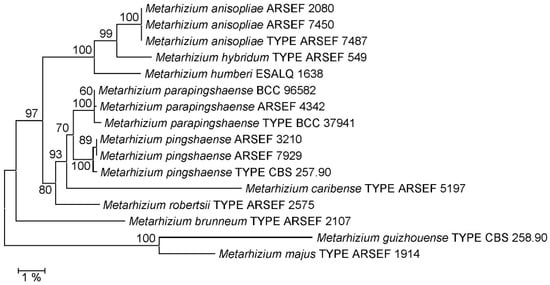
Species-Discriminating Diagnostic PCR, Ribosomal Intergenic Spacer-Based Single-Marker Taxonomy and Cryptic Descriptions of the Fungal Entomopathogens Metarhizium hybridum and Metarhizium parapingshaense
by Christina Schuster, Haifa Ben Gharsa, Yamilé Baró Robaina, Romina G. Manfrino, Saikal Bobushova, Alejandra C. Gutierrez, Claudia C. López Lastra and Andreas Leclerque
J. Fungi 2026, 12(4), 272; https://doi.org/10.3390/jof12040272 (registering DOI) - 9 Apr 2026
Abstract
(1) Background: Potentially arthropod-pathogenic and plant-associated Metarhizium fungi are of high interest for basic research, biological pest control and plant growth promotion. Unambiguous species delineation enabling the taxonomic assignment of new isolates and the identification of new Metarhizium species is of crucial importance [...] Read more.
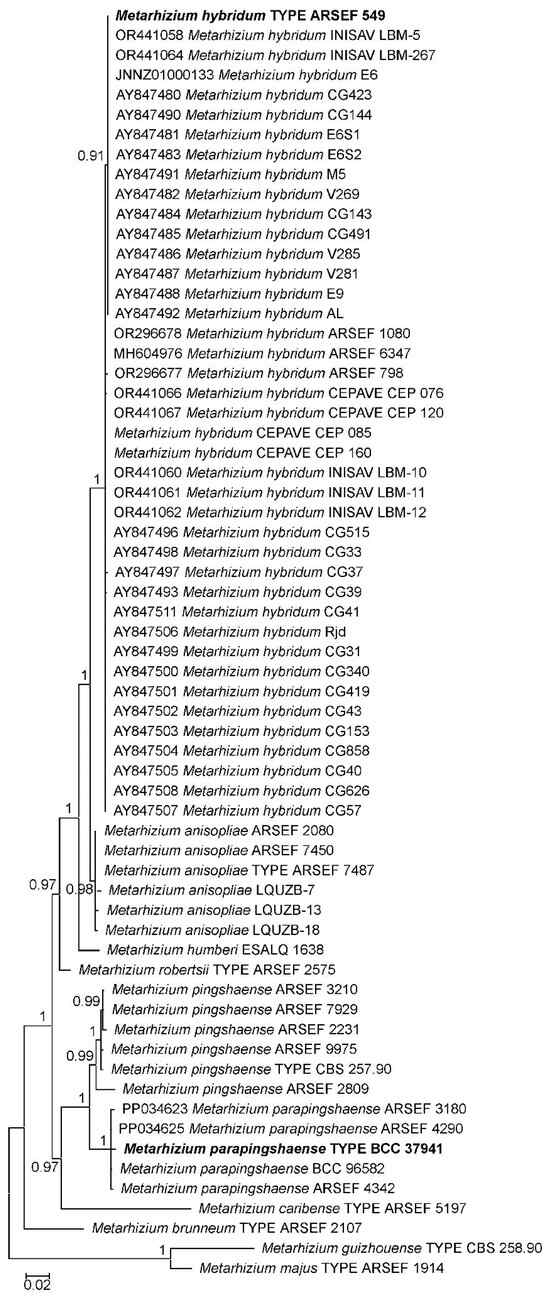
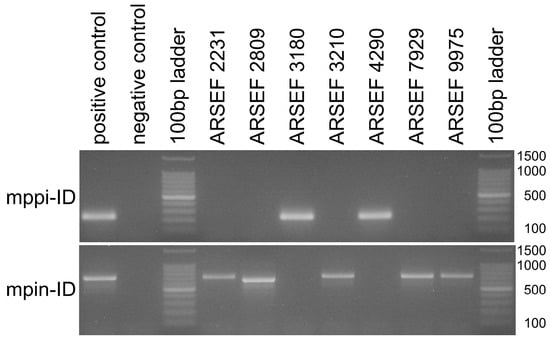
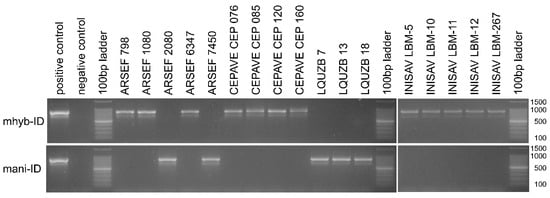
(1) Background: Potentially arthropod-pathogenic and plant-associated Metarhizium fungi are of high interest for basic research, biological pest control and plant growth promotion. Unambiguous species delineation enabling the taxonomic assignment of new isolates and the identification of new Metarhizium species is of crucial importance for both research and application. Recently, the new species Metarhizium hybridum and Metarhizium parapingshaense were introduced on the basis of phylogenomic studies. (2) Methods: Neighbor- joining and Bayesian inference-based phylogenetic reconstruction of ribosomal intergenic spacer (rIGS) sequences were used to critically evaluate new species introductions. A species-discriminating diagnostic PCR tool for Metarhizium was adapted to M. hybridum and M. parapingshaense. GenBank database mining was performed to identify cryptic descriptions of the new species. (3) Results: The introduction of M. hybridum and M. parapingshaense was corroborated by rIGS sequence comparison. Data mining revealed cryptic first descriptions of M. hybridum from Canada, China, Colombia, Costa Rica, Cuba, Honduras, Mexico, New Zealand, the USA and the Philippines, and of M. parapingshaense from China, India, Japan, the Philippines and South Korea. (4) Conclusions: Results support the reliability of rIGS as a single taxonomic marker for species-level identification of Metarhizium fungi. Species-discriminating diagnostic PCR was successfully adapted to enable the sequencing-independent identification of the confirmed new species M. hybridum and M. parapingshaense. Full article
(This article belongs to the Topic Diversity of Insect-Associated Microorganisms)
Show Figures

Figure 1

26 pages, 5800 KB  
Article
Agentic AI-Based IoT Precision Agriculture Framework—Our Vision and Challenges
by Danco Davcev, Slobodan Kalajdziski, Ivica Dimitrovski, Ivan Kitanovski and Kosta Mitreski
AgriEngineering 2026, 8(4), 147; https://doi.org/10.3390/agriengineering8040147 (registering DOI) - 9 Apr 2026
Abstract
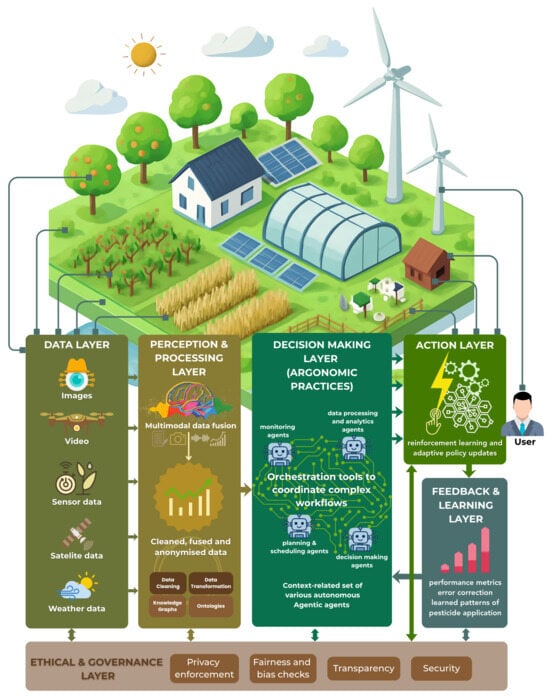
Accurate, timely, and resource-efficient decision-making is critical for sustainable precision agriculture. This paper proposes an agentic AI-based Internet of Things (IoT) framework that enables coordinated, closed-loop perception–decision–action processes across heterogeneous sensing and actuation components. The framework models agricultural systems as distributed collections of [...] Read more.
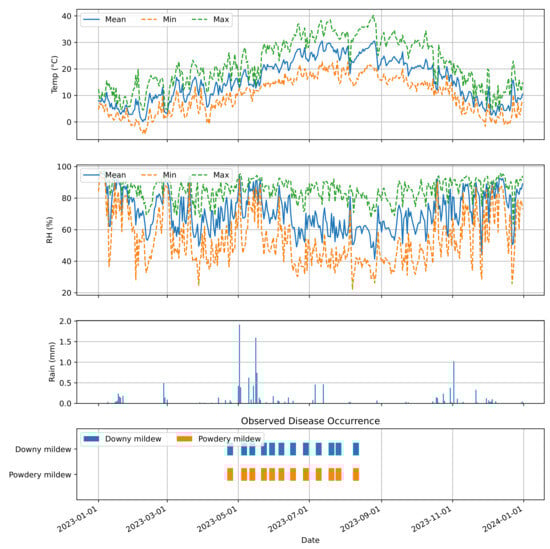
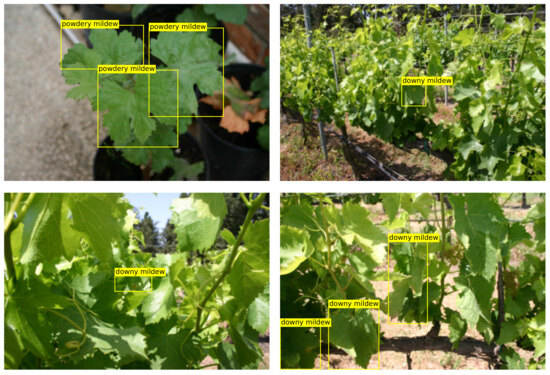
Accurate, timely, and resource-efficient decision-making is critical for sustainable precision agriculture. This paper proposes an agentic AI-based Internet of Things (IoT) framework that enables coordinated, closed-loop perception–decision–action processes across heterogeneous sensing and actuation components. The framework models agricultural systems as distributed collections of goal-driven agents responsible for multimodal sensing, uncertainty-aware reasoning, and adaptive decision-making. To provide a structured foundation, the proposed architecture is formalized within a Multi-Agent Partially Observable Markov Decision Process (MPOMDP) perspective, enabling systematic treatment of coordination, uncertainty, and decision policies. The framework integrates multimodal information sources, including vision-based perception and environmental sensing, and defines mechanisms for their fusion and use in system-level decision-making. A proof-of-concept instantiation is presented using publicly available datasets, combining visual perception models and tabular reasoning models within the proposed agentic workflow. The experiments are designed to demonstrate the feasibility, modularity, and coordination capabilities of the framework, rather than to benchmark predictive performance or provide field-validated evaluation. The results illustrate how multimodal information can be integrated to support adaptive and resource-aware decision processes. Finally, the paper discusses key challenges and outlines directions for future work, including real-world deployment, integration with physical actuation systems, and validation under operational conditions. Full article
(This article belongs to the Special Issue The Future of Artificial Intelligence in Agriculture, 2nd Edition)
Show Figures

Figure 1

11 pages, 4036 KB  
Article
Label-Free Malignancy Phenotyping of Living Cancer Cells by High-Performance Surface-Enhanced Raman Spectroscopy Substrates
by Jiwon Yun, Hyeim Yu, Youngho Yun and Wonil Nam
Micromachines 2026, 17(4), 461; https://doi.org/10.3390/mi17040461 (registering DOI) - 9 Apr 2026
Abstract
Surface-enhanced Raman spectroscopy (SERS) amplifies Raman scattering by placing molecules in the near-field of plasmonic nanostructures, enabling label-free molecular fingerprinting. While attractive for living cell phenotyping, many cellular SERS works rely on internalized colloidal nanoparticles, leading to variable uptake/localization, aggregation-driven hotspot fluctuations, and [...] Read more.
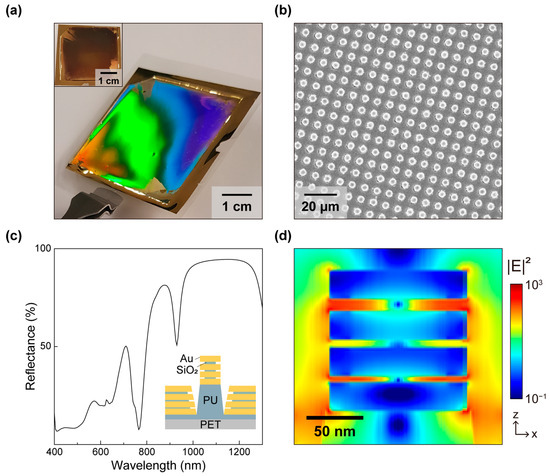
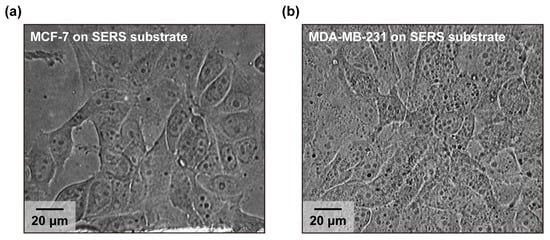
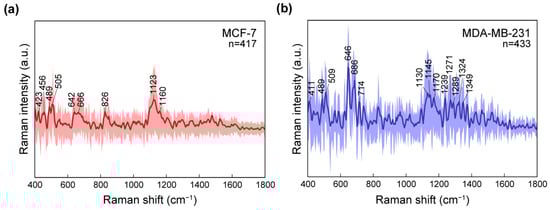
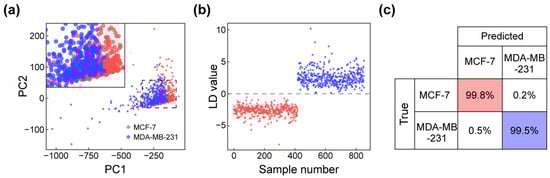
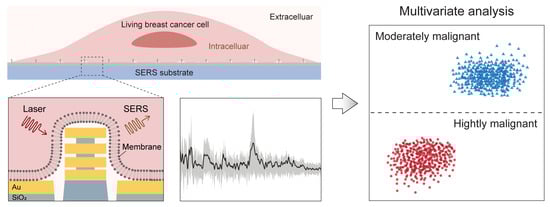
Surface-enhanced Raman spectroscopy (SERS) amplifies Raman scattering by placing molecules in the near-field of plasmonic nanostructures, enabling label-free molecular fingerprinting. While attractive for living cell phenotyping, many cellular SERS works rely on internalized colloidal nanoparticles, leading to variable uptake/localization, aggregation-driven hotspot fluctuations, and potential cellular perturbation. Here, we report a chip-like Au/SiO2 nanolaminate SERS substrate that supports direct culture and label-free measurements of living cells on spatially defined hotspots without nanoparticle uptake. The periodic nanolaminate forms dense nanogaps and is engineered for 785 nm excitation, providing uniform enhancement over a large, culture-compatible area with high hotspot uniformity. By engineering the cell–substrate nano–bio interface, the platform enables reproducible acquisition of intrinsic cellular vibrational fingerprints under physiological conditions without Raman tags. Using MCF-7 and MDA-MB-231 breast cancer cells, we collected hundreds of spectra per line, and MDA-MB-231 exhibited broader spectral variations, indicating greater heterogeneity. Principal component analysis and linear discriminant analysis achieved 99% classification accuracy for MCF-7 and MDA-MB-231, and bright-field imaging confirmed preserved adhesion and canonical morphologies. This chip-based, label-free living cell SERS platform enables scalable, nonperturbative phenotyping and may support rapid malignancy classification and treatment response screening across subtle cancer states. Full article
(This article belongs to the Special Issue Optical Biosensors and Their Biomedical Applications)
Show Figures

Figure 1

14 pages, 280 KB  
Article
Impact of Joint Commission International (JCI) Accreditation on Patient Satisfaction with Outpatient Departments: Comparative Cross-Sectional Study in Astana, Kazakhstan
by Kaisar Kudabayev, Aigul Ismailova, Kenesh Dzhusupov, Oxana Tsigengagel, Yerlan Naubetov, Bakhyt Yeleussizova and Yedil Omyrzakov
Int. J. Environ. Res. Public Health 2026, 23(4), 473; https://doi.org/10.3390/ijerph23040473 (registering DOI) - 9 Apr 2026
Abstract
The current study aimed to examine whether Joint Commission International (JCI) accreditation is associated with higher patient satisfaction. A cross-sectional, questionnaire-based comparative study was conducted between April and July 2025 in outpatient departments of one JCI-accredited hospital (University Medical Center) and two nationally [...] Read more.
The current study aimed to examine whether Joint Commission International (JCI) accreditation is associated with higher patient satisfaction. A cross-sectional, questionnaire-based comparative study was conducted between April and July 2025 in outpatient departments of one JCI-accredited hospital (University Medical Center) and two nationally accredited public polyclinics in Astana, Kazakhstan. The questionnaire was designed to assess satisfaction across four domains: communication, staff responsiveness, hospital environment, and perceived quality of care. The patients attending the JCI-accredited hospital demonstrated significantly higher satisfaction across all domains compared to those of nationally accredited hospitals (p < 0.01). The largest difference was observed in staff responsiveness. In the multivariable regression analysis, the accreditation status emerged as the strongest independent predictor of overall patient satisfaction score (β = 0.42; 95% CI: 0.31–0.53; p < 0.001), even after adjusting for age, gender, education, employment status, and prior hospital visits. Education level and previous hospital experience were modest yet statistically significant predictors, whereas age, gender, and employment status were not significant in the adjusted analyses. JCI accreditation was associated with higher patient satisfaction scores in outpatient care settings, indicating a positive relationship between accreditation status and patient-centered outcomes. Full article
21 pages, 315 KB  
Article
Heterogeneous Environmental Regulations and Green Total Factor Productivity: A Study on China’s Animal Husbandry Sector
by Xinglong Yang, Huaiyao Chen, Hengxing Guo and Lei Zhang
Sustainability 2026, 18(8), 3701; https://doi.org/10.3390/su18083701 (registering DOI) - 9 Apr 2026
Abstract
The rapid expansion of China’s livestock husbandry has boosted the supply of meat, eggs, and dairy products, while concurrently giving rise to environmental pollution issues. Research on the effects of various environmental regulations on the green total factor productivity (GTFP) of the livestock [...] Read more.
The rapid expansion of China’s livestock husbandry has boosted the supply of meat, eggs, and dairy products, while concurrently giving rise to environmental pollution issues. Research on the effects of various environmental regulations on the green total factor productivity (GTFP) of the livestock sector and their underlying mechanisms is still lacking, despite the Chinese government’s implementation of corresponding environmental regulatory policies to address this practical challenge. As a key instrument for fostering green economic transformation, examining the relationship between environmental regulation and the green total factor productivity (GTFP) of animal husbandry is crucial for the sector’s sustainable development. In order to estimate the GTFP of China’s livestock sector for the years 2010–2022, this study uses the super-slack-based measure (Super-SBM) methodology. It conducts an empirical analysis to examine the mechanisms through which different environmental regulations influence livestock GTFP, alongside an investigation of regional heterogeneity. The results show that different environmental regulations have different effects on animal husbandry GTFP, with notable regional differences. Specifically, incentive-based environmental regulations enhance livestock GTFP by facilitating technological innovation; however, the level of regional economic development negatively moderates the association between incentive-based environmental regulations and livestock GTFP. The findings confirm that incentive-based environmental regulations are successful in encouraging livestock GTFP through technical innovation. They further emphasize that regions should formulate context-specific environmental regulatory policies to balance environmental protection and industrial development, thereby supporting the green and sustainable growth of China’s livestock industry. Full article
17 pages, 4742 KB  
Article
Compact High-Q Bandpass Filter Using 3-D Stacked Stripline
by Yu Cao, Yong Liu, Junling He and Xin Xu
Micromachines 2026, 17(4), 460; https://doi.org/10.3390/mi17040460 (registering DOI) - 9 Apr 2026
Abstract
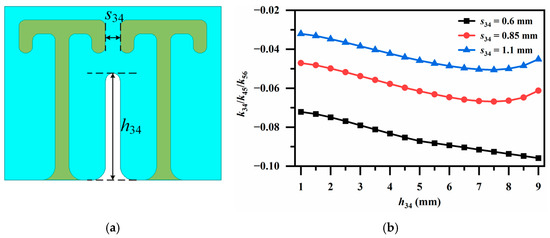
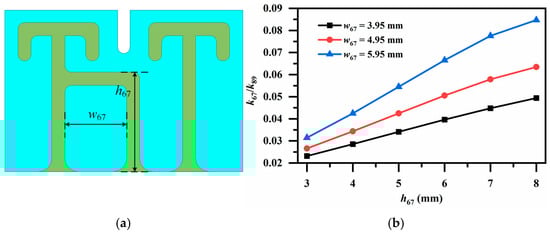
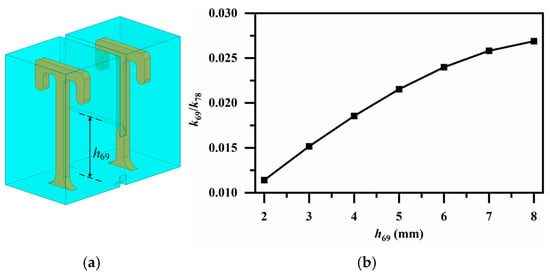
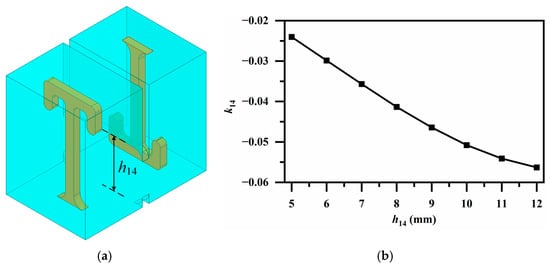
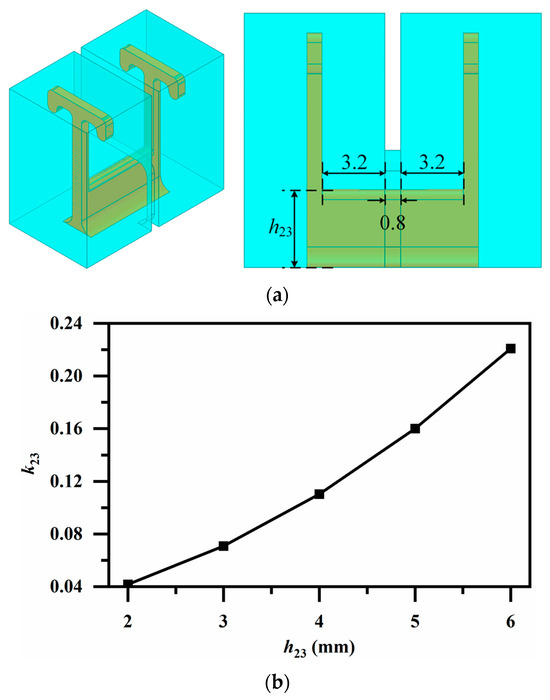
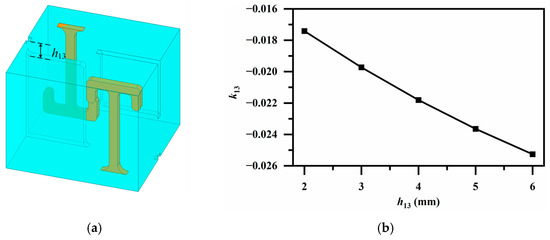
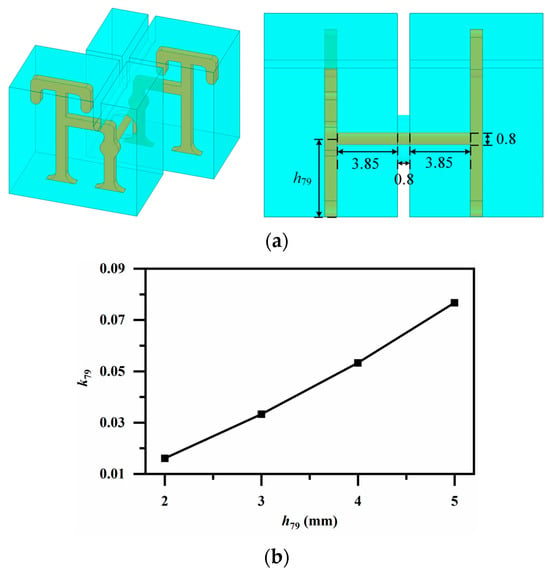
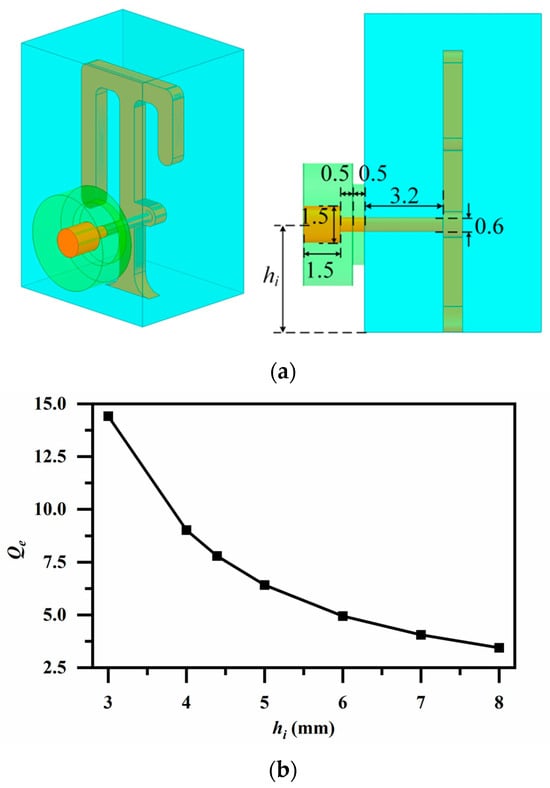
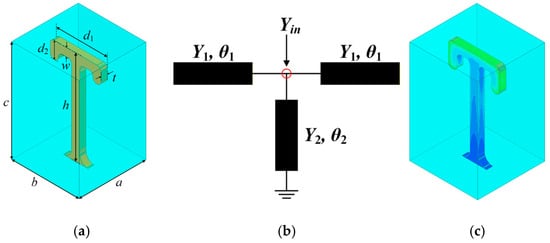
This article presents a novel compact high-Q bandpass filter (BPF) utilizing a 3-D stacked stripline configuration. T-shaped stepped impedance resonators (SIRs) are employed to achieve miniaturization. By folding the filter geometry from an inline arrangement into a U-shape along the broadside direction, [...] Read more.
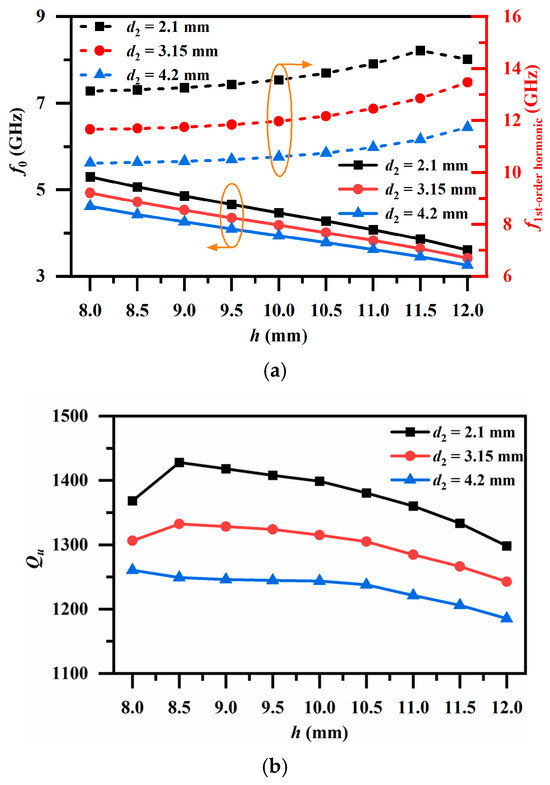
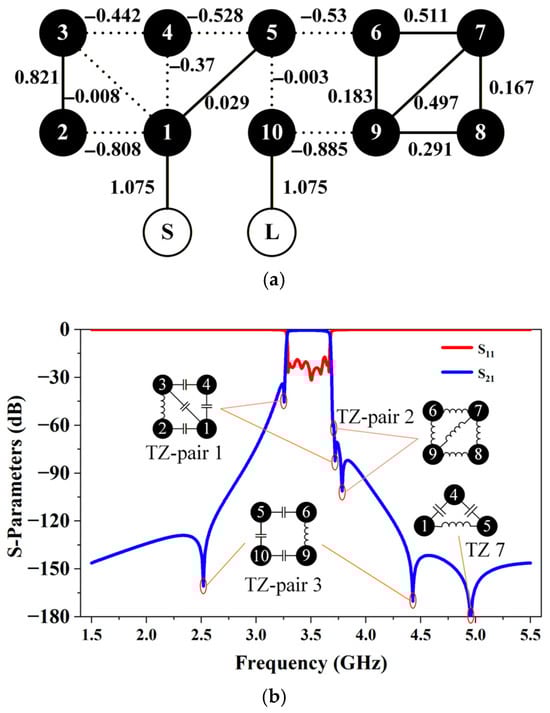
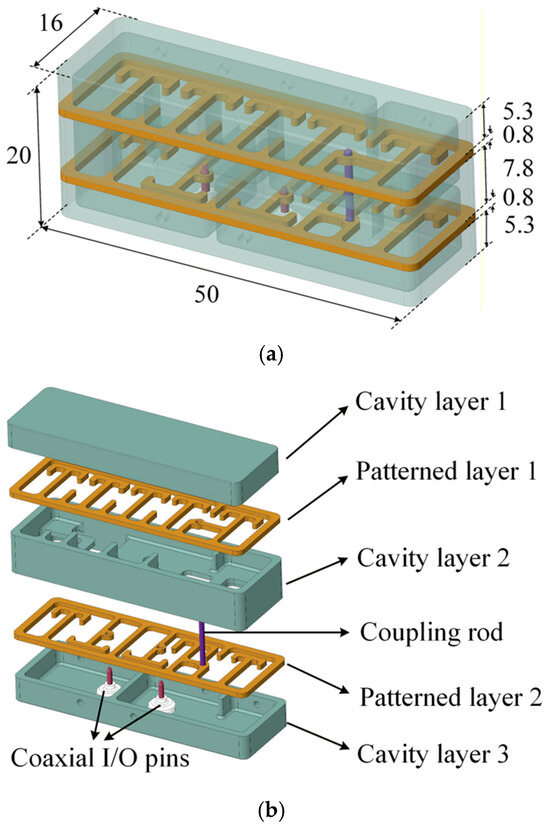
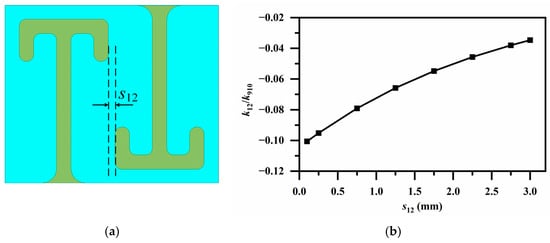
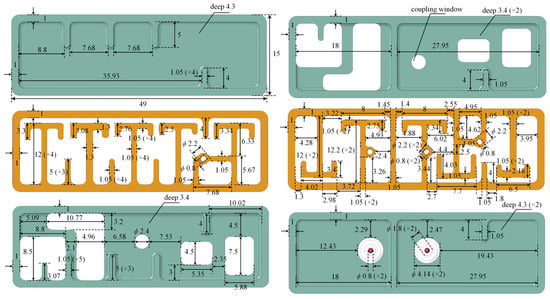
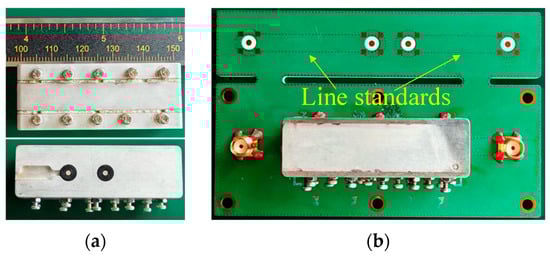
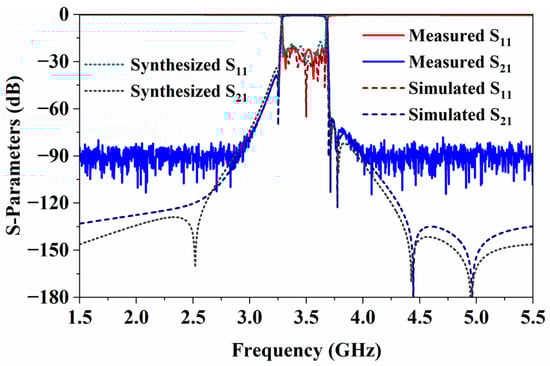
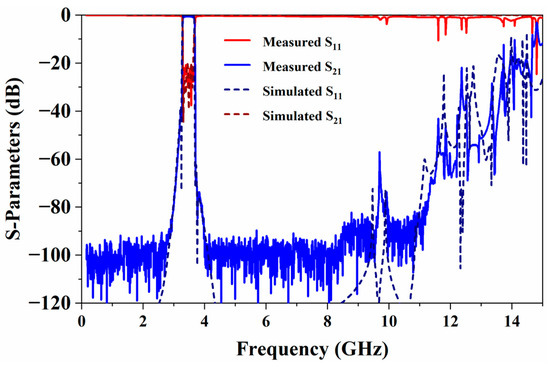
This article presents a novel compact high-Q bandpass filter (BPF) utilizing a 3-D stacked stripline configuration. T-shaped stepped impedance resonators (SIRs) are employed to achieve miniaturization. By folding the filter geometry from an inline arrangement into a U-shape along the broadside direction, both broadside and edge coupling structures are realized, enabling various cross-coupling schemes for flexible placement of transmission zeros (TZs). A comprehensive analysis of both electric and magnetic coupling structures is conducted to support the overall filter design. To validate the concept, a tenth-order general Chebyshev BPF prototype centered at 3.485 GHz with a 1 dB bandwidth of 380 MHz is designed, fabricated, and measured. The filter is constructed by vertically soldering two patterned sheet metal layers together with three stacked cavities. Despite having an electrical size of only 0.58 × 0.23 × 0.19 λg3, the filter exhibits a high unloaded Q-factor (Qu) of 1200, along with up to six TZs and a spurious-free frequency range extending to 12 GHz. Measured results show an insertion loss of 0.58 dB at the center frequency and a return loss of better than 20 dB within the passband, demonstrating favorable agreement with simulations. Featuring solid electrical performance, the proposed filter is ideally suited for 5G and 5G-Advanced (5G-A) communication base stations. Full article
Show Figures

Figure 1

22 pages, 3840 KB  
Article
An Integrated Vision–Mobile Fusion Framework for Real-Time Smart Parking Navigation
by Oleksandr Laptiev, Ananthakrishnan Thuruthel Murali, Nathalie Saab, Nihad Soltanov and Agnė Paulauskaitė-Tarasevičienė
Logistics 2026, 10(4), 84; https://doi.org/10.3390/logistics10040084 (registering DOI) - 9 Apr 2026
Abstract
Background: Efficient parking navigation in large and dynamic parking areas requires systems that can adapt to real-time conditions and provide precise vehicle localization. Methods: This paper presents a smart car parking navigation module that integrates camera-based vehicle perception, homography-based ground-plane localization, [...] Read more.

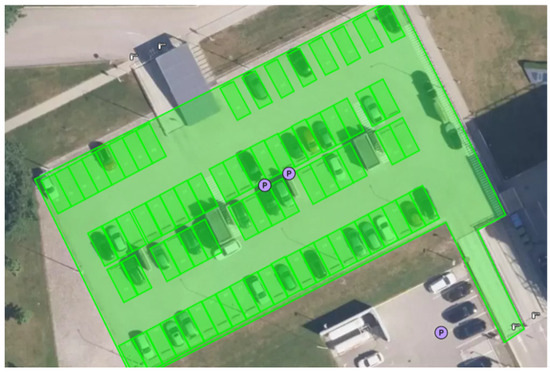
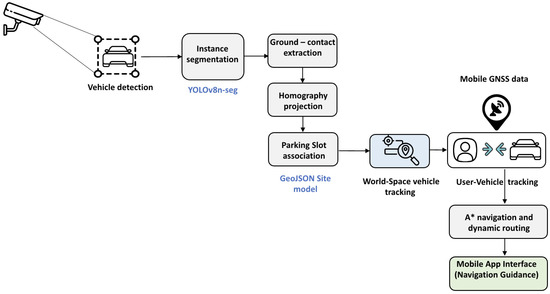
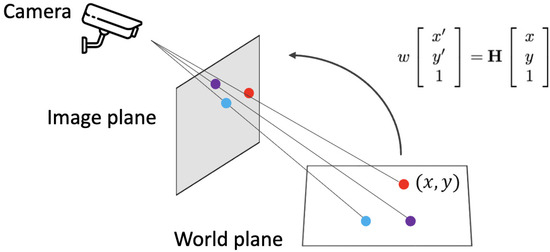
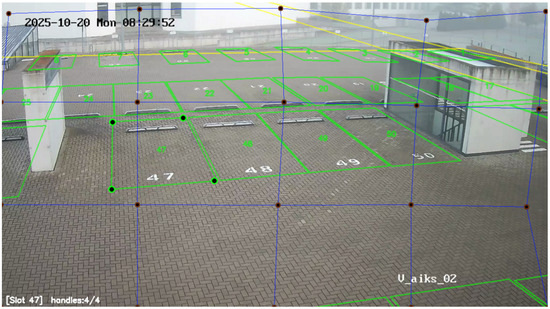
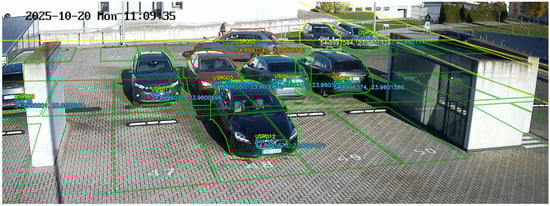
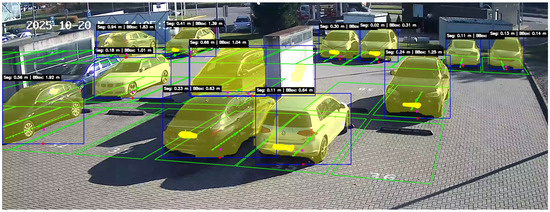
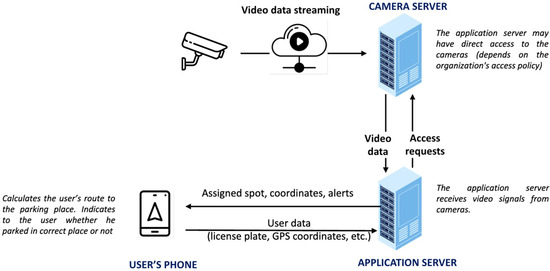
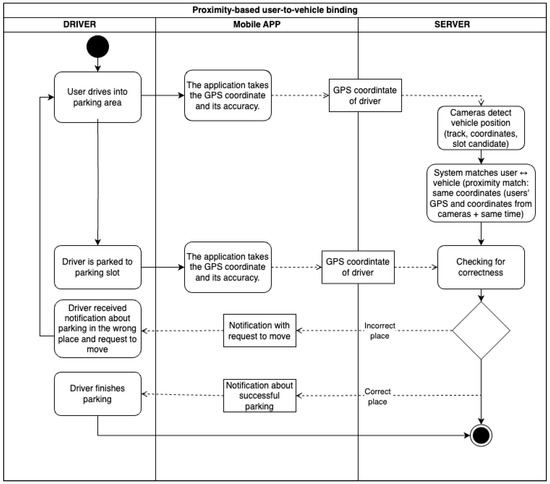
Background: Efficient parking navigation in large and dynamic parking areas requires systems that can adapt to real-time conditions and provide precise vehicle localization. Methods: This paper presents a smart car parking navigation module that integrates camera-based vehicle perception, homography-based ground-plane localization, mobile GNSS positioning, and dynamic route planning into a unified framework. Instance segmentation (YOLOv8n-seg) is used to detect vehicles and extract ground-contact regions, which are associated with parking slots defined in a GeoJSON-based site model. Mobile GNSS data are fused with visual observations via spatio-temporal proximity scoring to enable robust user–vehicle matching without optical identification. An A* routing algorithm dynamically computes and updates navigation paths, adapting to lane obstructions and slot availability in real time. Results: Experimental evaluation on a real six-camera parking facility shows that the proposed segmentation-based localization reduces mean error from 0.732 m to 0.283 m (61.3% improvement), with the 95th-percentile error dropping from 1.892 m to 0.908 m, and outperforming the bounding-box baseline in 85.3% of detections. Conclusions: These results demonstrate that sub-meter vehicle localization and reliable user–vehicle association are achievable using standard surveillance cameras without specialized infrastructure, offering a scalable and cost-effective solution for intelligent parking navigation. Full article
Show Figures

Figure 1

29 pages, 1271 KB  
Article
Understanding User Perceptions of Gardening Apps Supporting Sustainability
by Marcin Wyskwarski, Iwona Zdonek, Beata Hysa and Dariusz Zdonek
Sustainability 2026, 18(8), 3703; https://doi.org/10.3390/su18083703 (registering DOI) - 9 Apr 2026
Abstract
Research on information and communication technologies (ICTs) in sustainable agriculture has largely been technocentric, focusing on effectiveness, efficiency, and adoption, with limited consideration of end-user perceptions in practice. This study addresses this gap by examining perceptions of mobile gardening apps as accessible ICT [...] Read more.
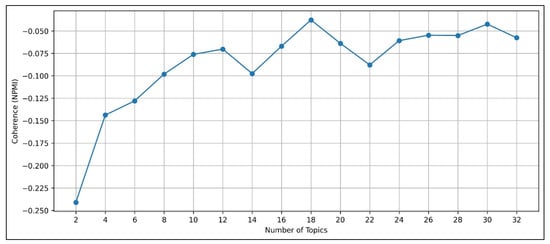
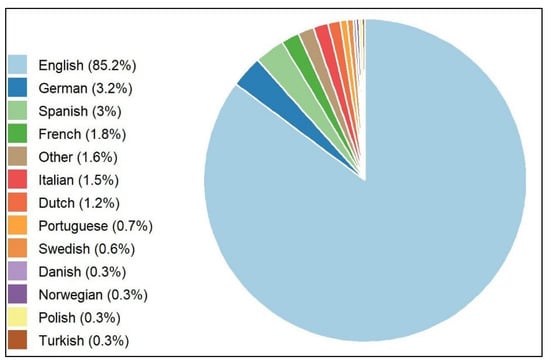
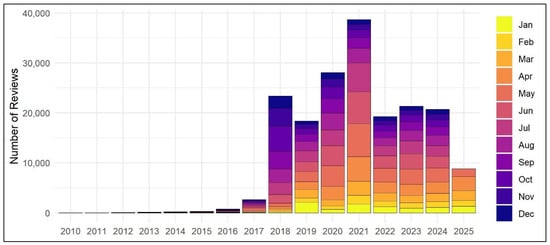
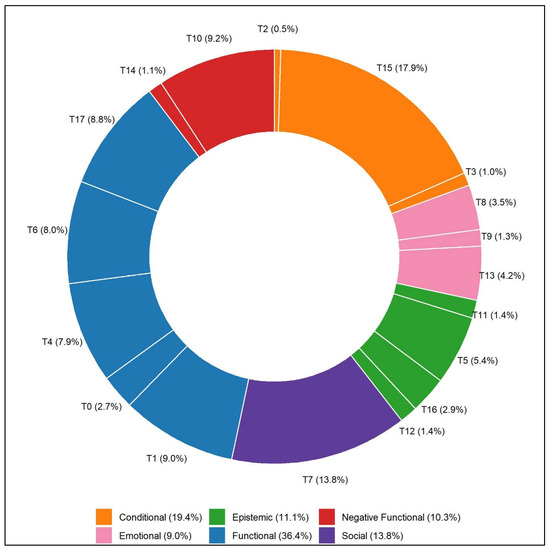
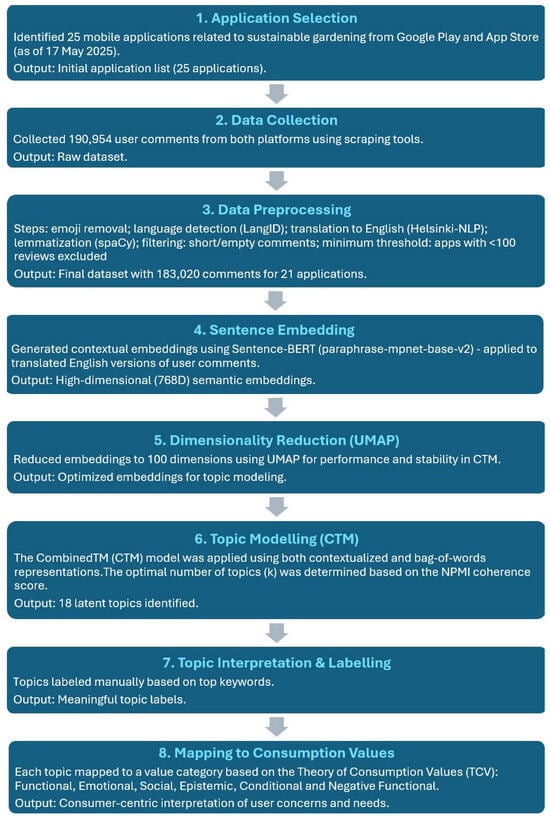
Research on information and communication technologies (ICTs) in sustainable agriculture has largely been technocentric, focusing on effectiveness, efficiency, and adoption, with limited consideration of end-user perceptions in practice. This study addresses this gap by examining perceptions of mobile gardening apps as accessible ICT tools that may support sustainable behaviours. Based on over 180,000 user reviews from Google Play and the Apple App Store, Contextualized Topic Modeling (CTM) was used to identify key themes and interpret them within the Theory of Consumption Value (TCV) framework. This approach allows for the analysis of functional, emotional, and epistemic dimensions of user experiences based on large-scale, real-world data. The results indicate that functional aspects, such as reliability and usability, dominate app evaluation, but emotional engagement and knowledge acquisition also play a significant role. By combining a data-driven approach with a well-established behavioural framework, this study bridges the gap between technological and user perspectives. It simultaneously extends the application of the TCV to the field of ICT solutions supporting sustainable development and provides practical guidance for designing more effective gardening apps. Full article
(This article belongs to the Special Issue Innovation in Circular Economy and Sustainable Development)
Show Figures

Figure 1

Open Access Journals

Browse by Indexing Browse by Subject Selected Journals
Back to TopTop