All articles published by MDPI are made immediately available worldwide under an open access license. No special
permission is required to reuse all or part of the article published by MDPI, including figures and tables. For
articles published under an open access Creative Common CC BY license, any part of the article may be reused without
permission provided that the original article is clearly cited. For more information, please refer to
https://www.mdpi.com/openaccess.
Feature papers represent the most advanced research with significant potential for high impact in the field. A Feature
Paper should be a substantial original Article that involves several techniques or approaches, provides an outlook for
future research directions and describes possible research applications.
Feature papers are submitted upon individual invitation or recommendation by the scientific editors and must receive
positive feedback from the reviewers.
Editor’s Choice articles are based on recommendations by the scientific editors of MDPI journals from around the world.
Editors select a small number of articles recently published in the journal that they believe will be particularly
interesting to readers, or important in the respective research area. The aim is to provide a snapshot of some of the
most exciting work published in the various research areas of the journal.
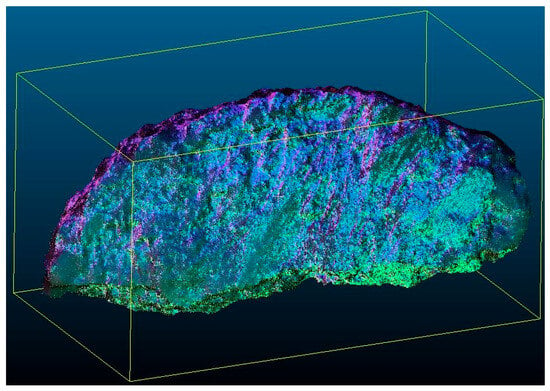
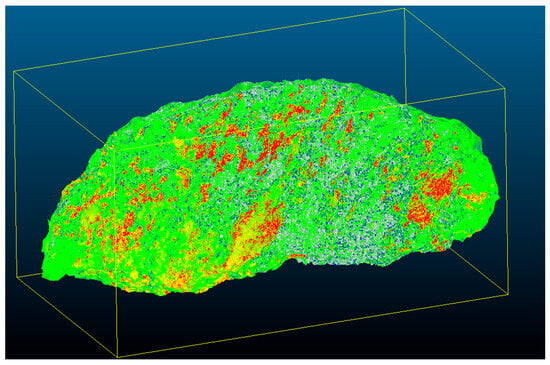
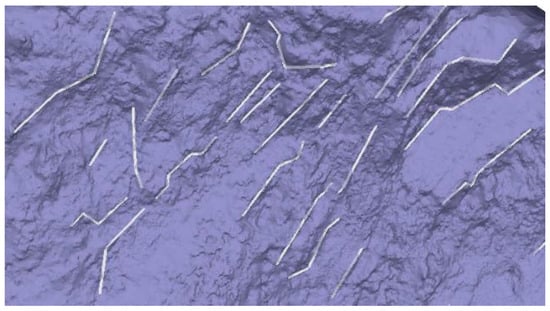
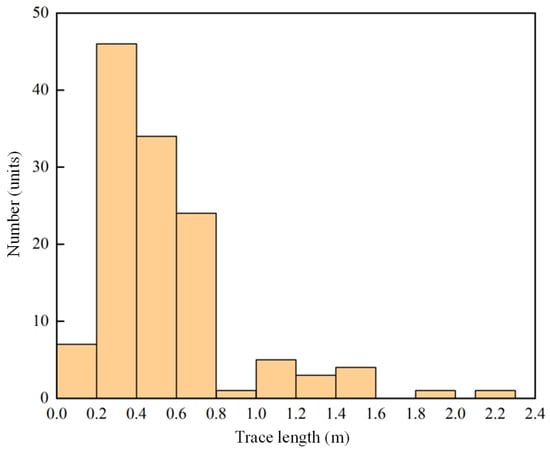
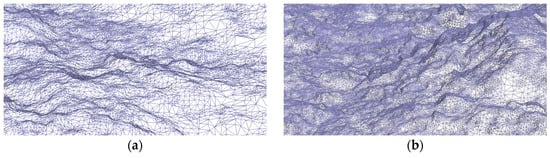
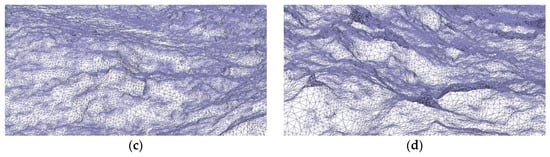
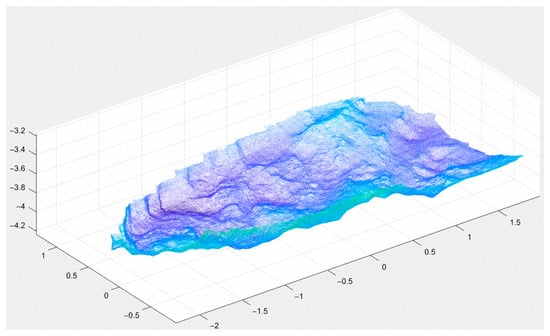
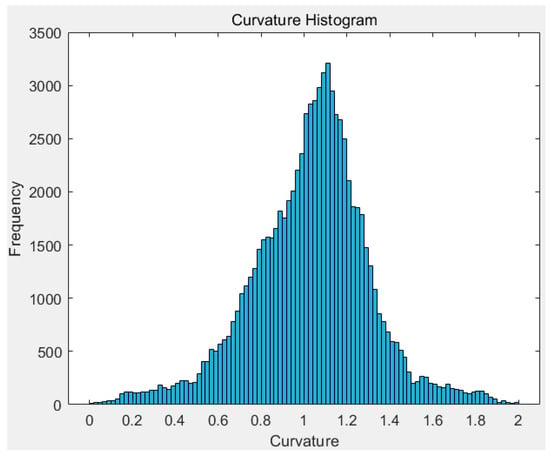
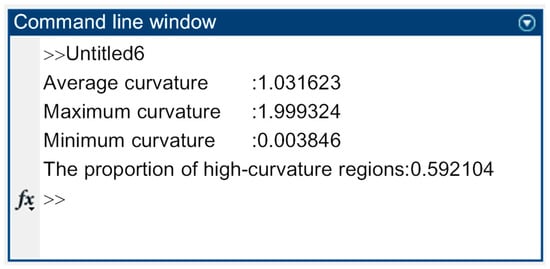
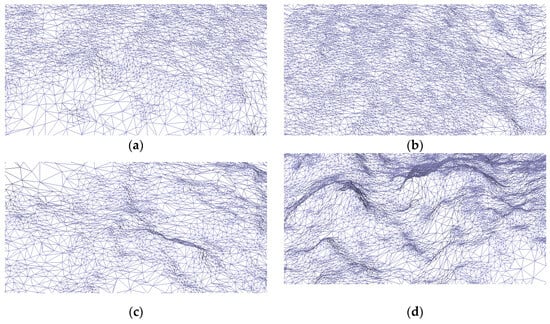
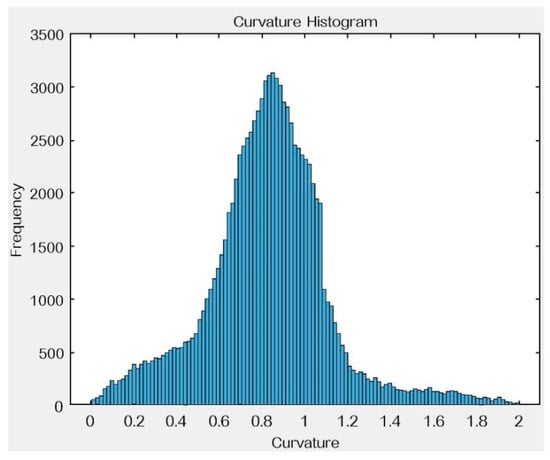
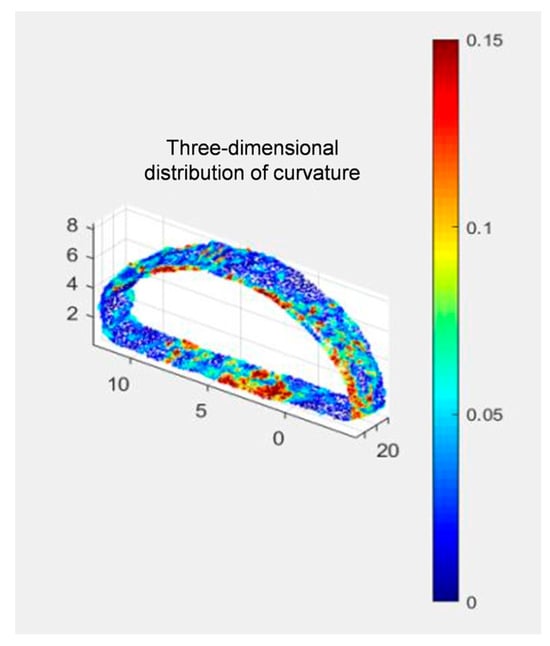
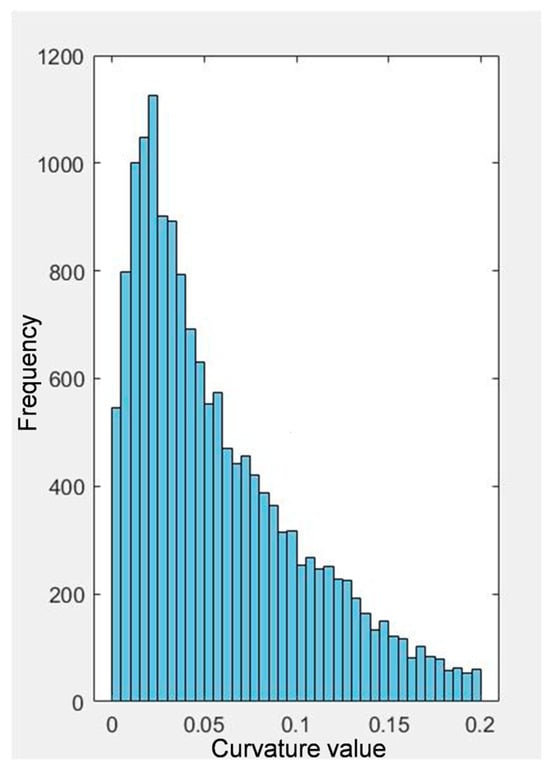
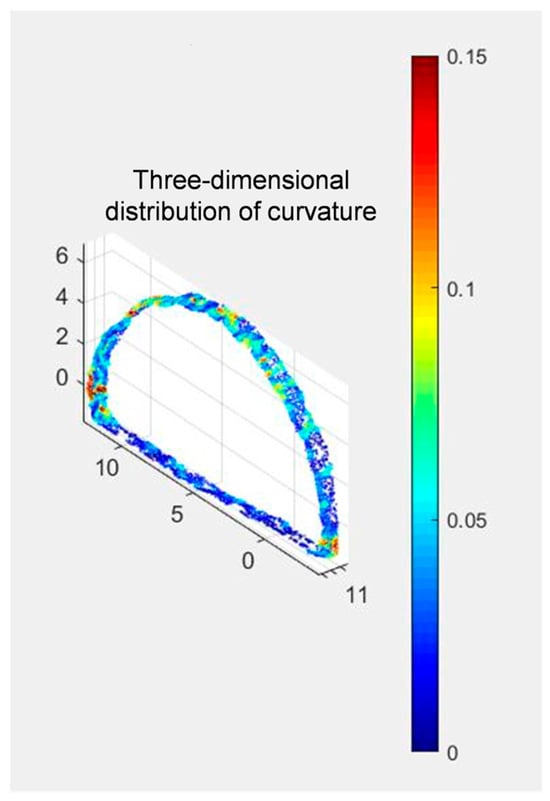
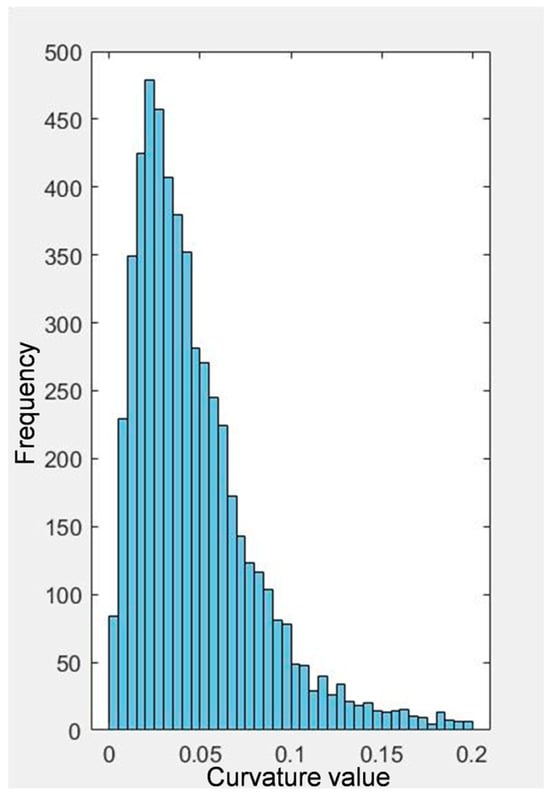
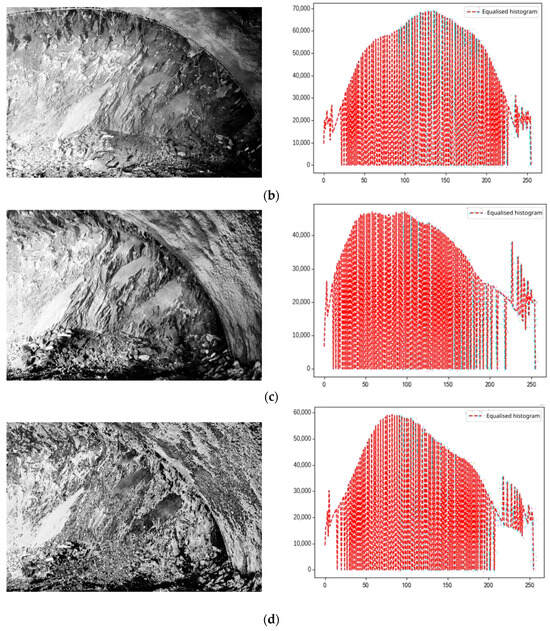
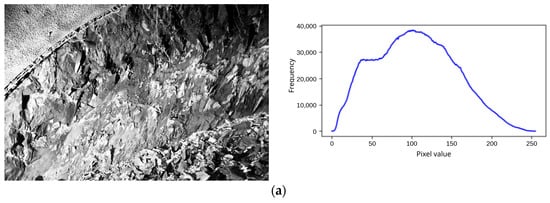
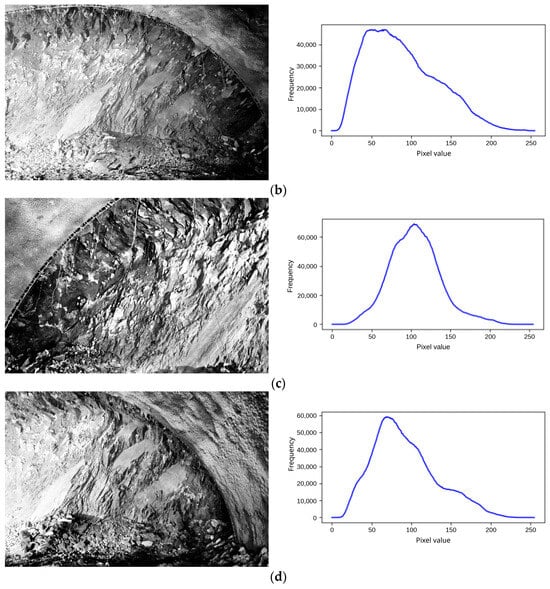
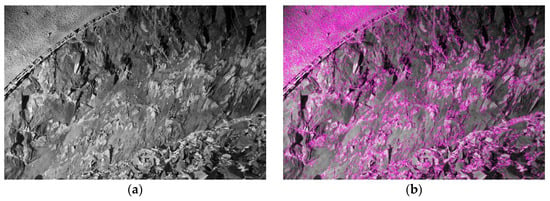
The assessment of tunnel blasting effects traditionally relies on manual inspection and contact measurements, which are subjective, inefficient, and lack comprehensive quantification. To address this, this study proposes a novel closed-loop framework that integrates multi-view 3D reconstruction with intelligent recognition for quantitative blasting
[...] Read more.
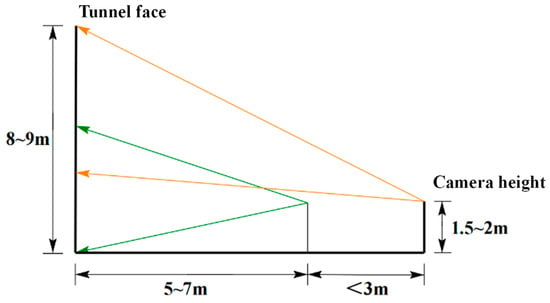
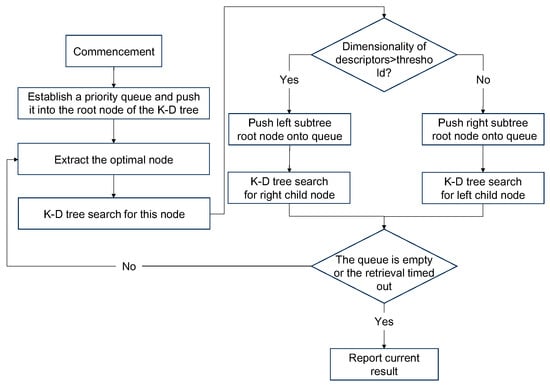
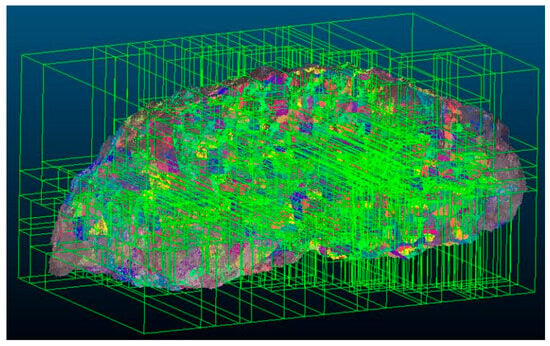
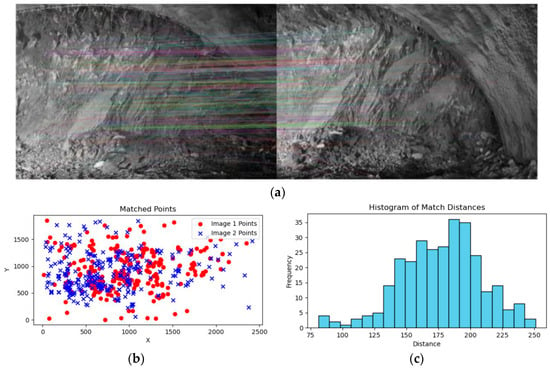
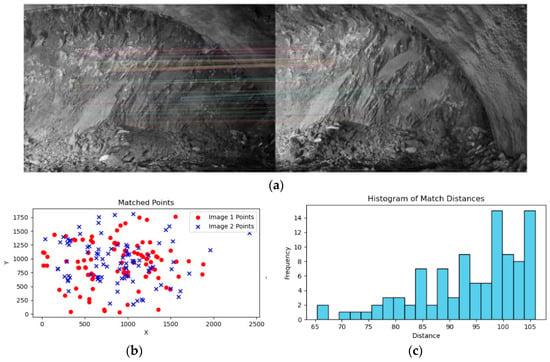
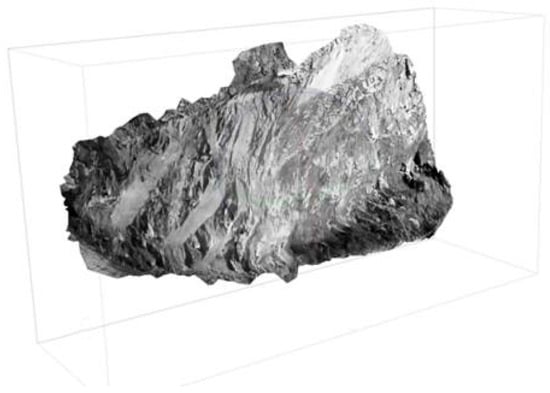
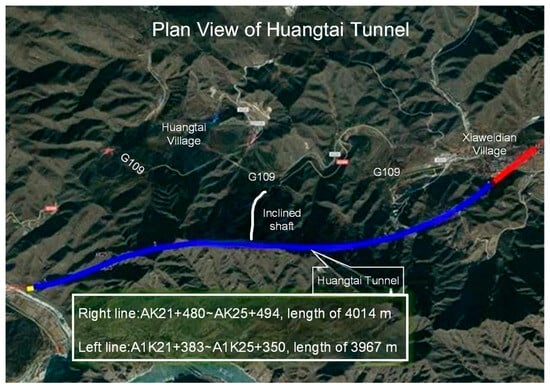
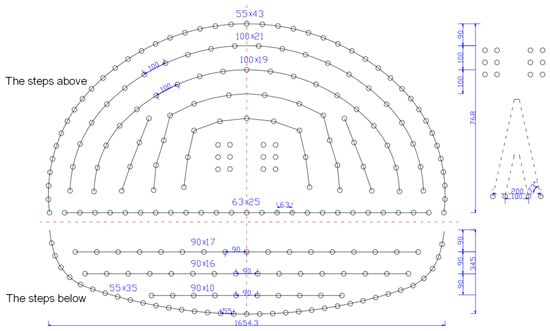
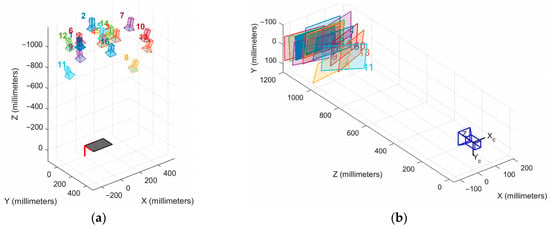
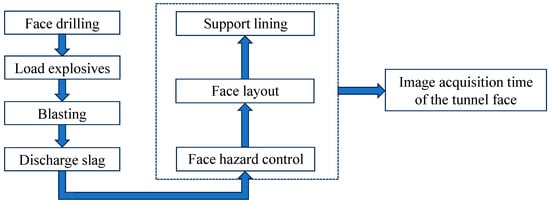
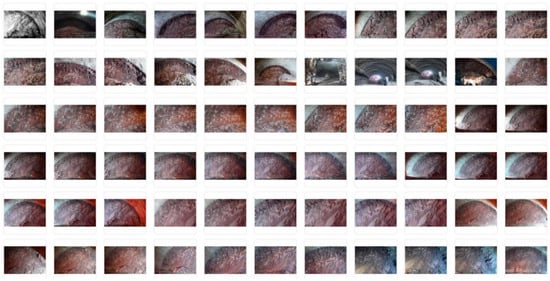
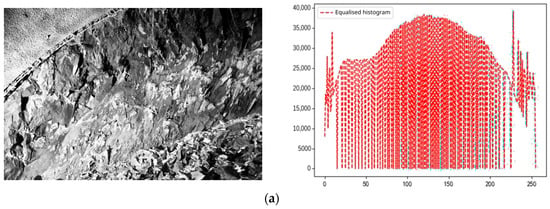
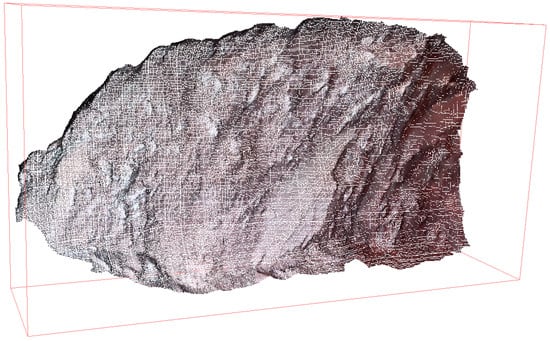
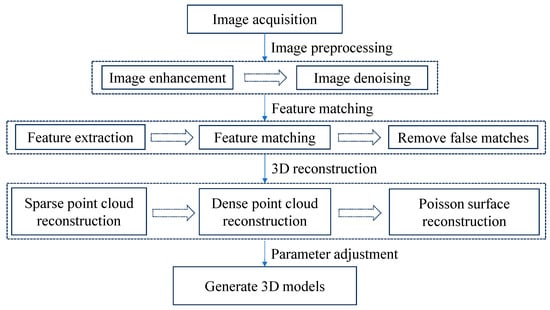
The assessment of tunnel blasting effects traditionally relies on manual inspection and contact measurements, which are subjective, inefficient, and lack comprehensive quantification. To address this, this study proposes a novel closed-loop framework that integrates multi-view 3D reconstruction with intelligent recognition for quantitative blasting evaluation and parameter optimization. Rather than claiming novelty in these basic computer vision algorithms, the novelty of this work lies in their tunnel blasting oriented integration: reconstructed geometry is converted into blasting relevant indicators and then linked to parameter adjustment decisions within a closed-loop workflow. The framework begins with a standardized image acquisition workflow designed for challenging tunnel environments (e.g., dust, uneven light), followed by image enhancement using histogram equalization and bilateral filtering. A key improvement is an enhanced SIFT feature matching strategy, which incorporates a BBF optimized K-D tree and RANSAC to achieve robust correspondence establishment on texture-repetitive rock surfaces. This enables the generation of high-precision 3D models of the tunnel face via Structure from Motion (SfM) and Poisson surface reconstruction. From these models, quantitative indices are automatically extracted: rock mass structural planes are clustered via the ISODATA algorithm, structural traces are delineated using a minimum cost path method, and face flatness is evaluated through curvature analysis. These indices form the basis for intelligent blasting assessment. Crucially, the assessment results are directly fed back to optimize blasting parameters (e.g., adding cut holes, adjusting auxiliary hole spacing). Field application in the Huangtai Tunnel demonstrated that this closed-loop framework significantly improved face flatness (achieving over 50% improvement in the high-curvature area ratio) and contour control. Further verification in the Donghongshan Tunnel showed that the proportion of the sharp feature region decreased from 20.3% to 7.9% after optimization. The proposed framework transitions blasting management from empirical judgment to a data driven, intelligent optimization process, offering a scalable solution for enhancing quality and efficiency in tunnel construction.
Full article
This study assesses the possibility of identifying non-through defects in dielectric coatings, specifically interfacial defects located at the metal–coating boundary, by means of high-voltage non-destructive testing. It is demonstrated that partial discharges causing characteristic distortions of the applied test-voltage pulse can be used
[...] Read more.
This study assesses the possibility of identifying non-through defects in dielectric coatings, specifically interfacial defects located at the metal–coating boundary, by means of high-voltage non-destructive testing. It is demonstrated that partial discharges causing characteristic distortions of the applied test-voltage pulse can be used as a reliable diagnostic feature of such defects. Using an equivalent capacitive representation of a defective coating, a relationship is established between the apparent charge and the geometry of the air-filled gap. The proposed approach is supported by COMSOL simulations of the electric-field distribution and by experiments performed on Plexiglas specimens containing blind holes of different depths. In addition, a method is developed for isolating the partial-discharge signal based on a weighted sum of increments in the root-mean-square deviations of the second derivative of the voltage waveform. The resulting relationships enable estimation of the residual coating thickness in the defect region.
Full article
by
Mario J. Abril-Serván, Fernando García-Sanz, Adrián Cases-Sebastia, Jorge Rodríguez-Jiménez, Gracia María Gallego-Sendarrubias, Joshua A. Cleland and José L. Arias-Buría
Healthcare2026, 14(11), 1471; https://doi.org/10.3390/healthcare14111471 (registering DOI) - 26 May 2026
Background/Objectives: Arthroscopic shoulder surgery is associated with postoperative pain and loss of function. Percutaneous electrical nerve stimulation (PENS) may serve as an effective adjunct to postoperative rehabilitation. This randomized clinical trial examined whether adding ultrasound-guided PENS to a multimodal rehabilitation program improves pain,
[...] Read more.
Background/Objectives: Arthroscopic shoulder surgery is associated with postoperative pain and loss of function. Percutaneous electrical nerve stimulation (PENS) may serve as an effective adjunct to postoperative rehabilitation. This randomized clinical trial examined whether adding ultrasound-guided PENS to a multimodal rehabilitation program improves pain, disability, pressure pain sensitivity, shoulder range of motion, and muscle strength in individuals with postoperative pain following shoulder arthroscopy. Methods: A randomized, parallel-group clinical trial (registry: NCT06331871) was conducted. Seventy patients who had undergone shoulder arthroscopy were randomized to receive manual therapy/exercise alone (n = 35) or manual therapy/exercise/PENS (n = 35). All participants received the multimodal program including manual therapy and exercises four weeks after surgery for a duration of 12 weeks (five sessions/week). Those allocated to the PENS group also received two sessions (once per week) of ultrasound-guided PENS targeting the suprascapular and axillary nerves. Pain intensity (Numeric Pain Rating Scale (NPRS)) and disability (Disabilities of the Arm, Shoulder and Hand (DASH)) were the primary outcomes, whereas function (Shoulder Pain and Disability Index (SPADI)), pressure pain threshold (PPT), isometric strength, and shoulder range of motion (ROM) were secondary outcomes. Pain, PPT, strength, and ROM were assessed before and after treatment, and at 1 and 3 months. Disability and function were assessed at baseline and 3 months after treatment. Results: Patients receiving PENS showed greater improvements in shoulder pain (F2.72, 182.32 = 7.76, p = 0.007, η2p = 0.10), disability (F1, 68 = 5.63, p = 0.020, η2p = 0.08), function (F1, 68 = 4.15, p = 0.046, η2p = 0.02) and PPT over the infraspinatus muscle (F3.20, 217.28 = 2.93, p = 0.032, η2p = 0.04) than those receiving manual therapy/exercise alone. No between-group differences were observed for PPT at the deltoid or tibialis anterior muscles. The PENS group also showed greater improvements in some, but not all, measures of shoulder strength and range of motion; however, the effect sizes were small and the clinical relevance of these differences remains uncertain. Conclusions: Adding ultrasound-guided PENS targeting the suprascapular and axillary nerves to a multimodal physical therapy program resulted in greater improvements in pain, disability, and shoulder-specific function, with limited additional benefits for some measures of strength and range of motion, compared with physical therapy alone, in individuals with postoperative shoulder pain. However, many of the lower-bound estimates of the 95% confidence interval did not surpass the minimal clinically important difference. Therefore, the clinical relevance of the results should be considered with caution.
Full article
The present study examined whether offensive play-type indicators in professional basketball reflect broader latent playing-style dimensions and whether play-type usage or efficiency is more strongly associated with competitive success. Data were obtained from the official NBA statistics website and included 6400 games across
[...] Read more.
The present study examined whether offensive play-type indicators in professional basketball reflect broader latent playing-style dimensions and whether play-type usage or efficiency is more strongly associated with competitive success. Data were obtained from the official NBA statistics website and included 6400 games across five seasons (2019–2020 to 2023–2024), comprising 5979 regular-season games and 421 playoff games. For each offensive play type, two indicators were analysed separately: usage percentage and efficiency, operationalised as points per possession (PPP). Principal component analyses were conducted independently for regular-season and playoff data, and for usage and efficiency variables. In addition, linear mixed-effects models were used to examine the relationship between play-type indicators and competitive success while accounting for games nested within teams. Only regular-season efficiency variables showed adequate sampling adequacy for factorial analysis (KMO = 0.774), yielding a four-component solution that explained 58.85% of the total variance. In the mixed-effects models, usage variables were not significantly associated with success, whereas efficiency indicators showed greater explanatory value. Specifically, pick-and-roll ball handler PPP and spot-up PPP emerged as the strongest positive predictors of success, with smaller effects observed for roll-man PPP and cut PPP. The efficiency-only model improved model fit relative to the frequency-only model (marginal R2 = 0.799 vs. 0.755), whereas adding usage variables to efficiency provided only a negligible additional contribution (marginal R2 = 0.803). These findings suggest that, in the NBA, competitive success is more closely related to the effectiveness with which offensive actions are executed than to the relative frequency with which they are used. From an applied perspective, play-type efficiency appears to provide more actionable information than usage-based summaries for performance analysis and tactical decision-making.
Full article
Addressing the dual challenges of green agricultural transformation and the national carbon neutrality targets, the traditional pest control systems in the mulberry plantations of Nantong, Jiangsu Province, face concurrent problems, including excessive pesticide use, high direct carbon emissions, and low economic returns. This
[...] Read more.
Addressing the dual challenges of green agricultural transformation and the national carbon neutrality targets, the traditional pest control systems in the mulberry plantations of Nantong, Jiangsu Province, face concurrent problems, including excessive pesticide use, high direct carbon emissions, and low economic returns. This study establishes a comprehensive evaluation framework integrating technical, environmental, and economic dimensions. Utilizing a lightweight mobile sensing system, this research enables the early identification of white powdery mildew on mulberry trees and facilitates precise spatial pesticide management. Unlike traditional life cycle assessment (LCA) studies that rely on static data, this case study uses real-time field monitoring data as dynamic input to drive the standardized life cycle assessment model. In this pilot-scale validation (n = 3 pairs, one growing season), the proposed model reduced pesticide usage by an average of 28.7% (±3.1%), achieved a carbon emission reduction of 23.1 (±2.7) g/m2, and increased net income by 0.199 (±0.018) yuan/m2. Precision pest control driven by mobile sensing effectively enhances the synergy between ecological and economic benefits in specialty crop systems. Consequently, the study proposes a data-driven framework that shows promise for pesticide–carbon–income synergy, pending further validation across more sites and seasons.
Full article
This paper presents a 10 kW outer-rotor field-modulated permanent magnet vernier generator tailored for low-speed direct-drive applications. It employs an outer-rotor Spoke-array configuration, which effectively mitigates the leakage flux between adjacent pole pairs. First, the topology and operating principle of the proposed generator
[...] Read more.
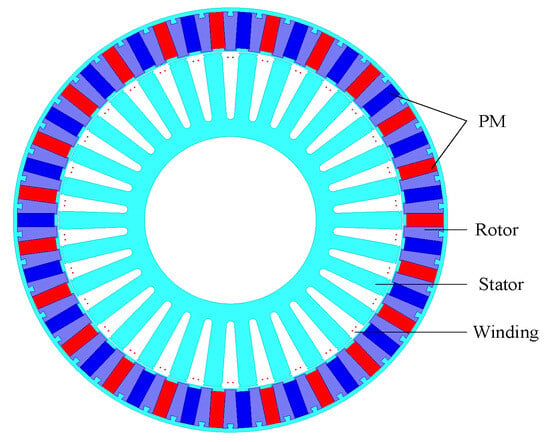
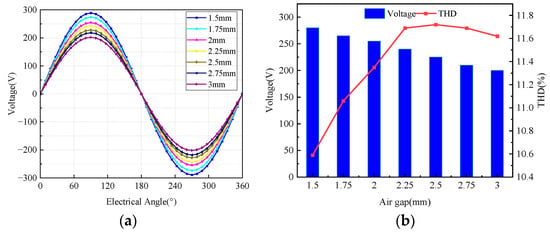
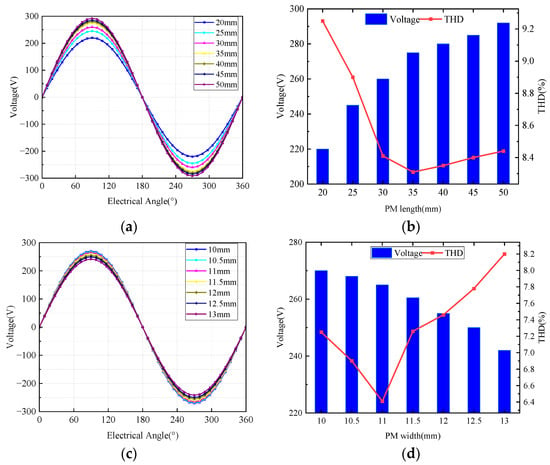
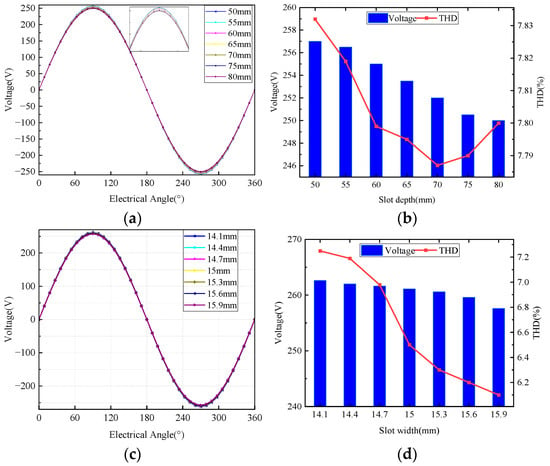
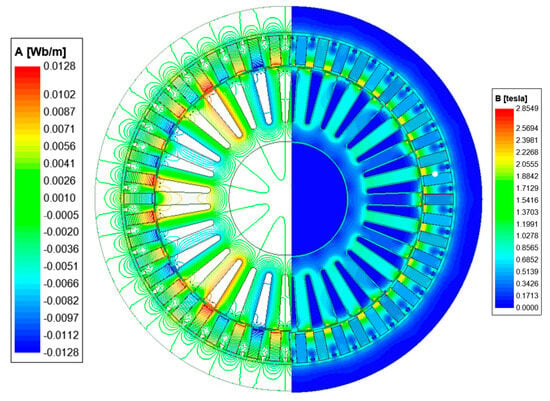
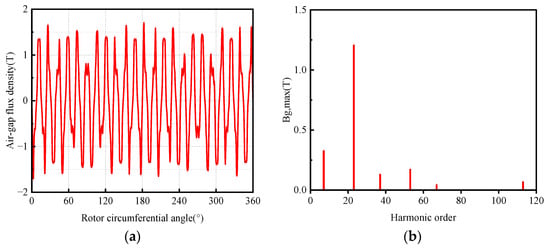
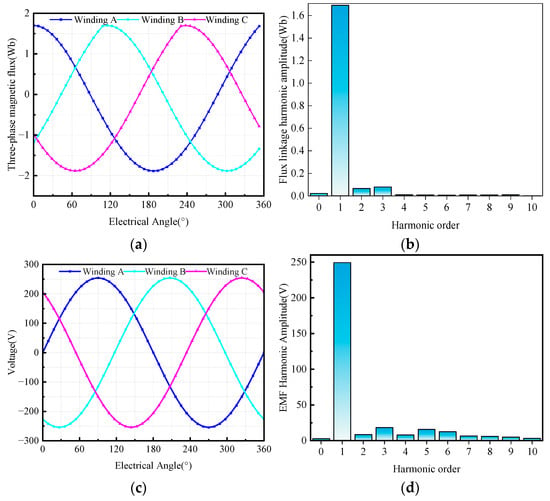
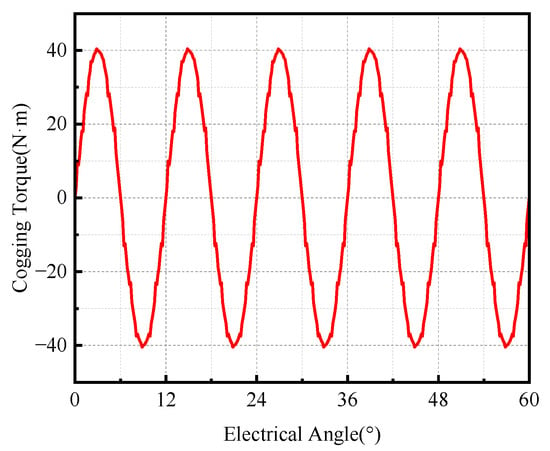
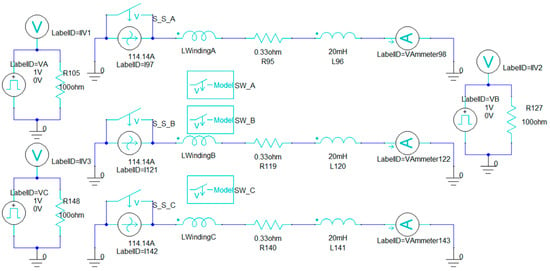
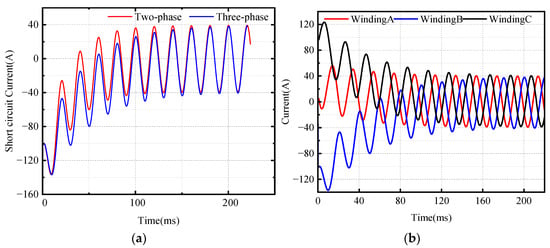
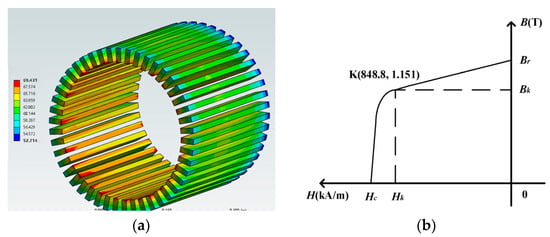
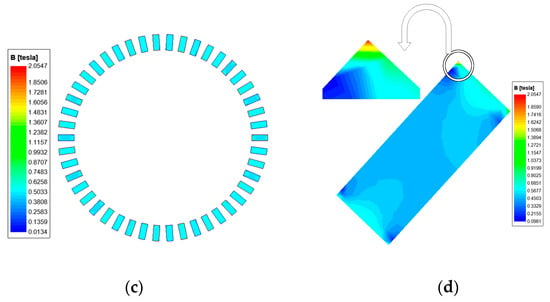
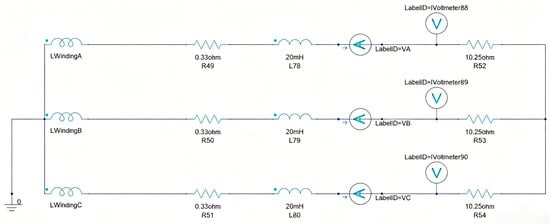
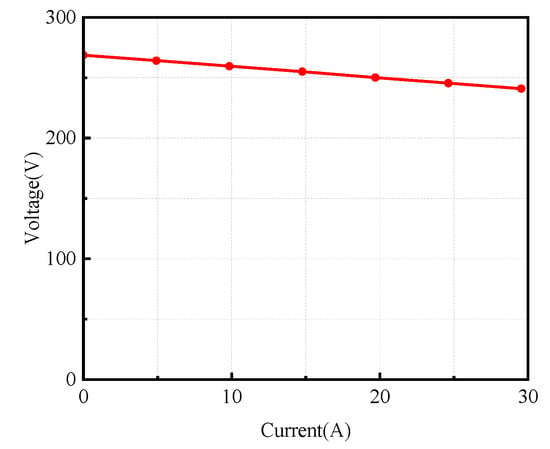
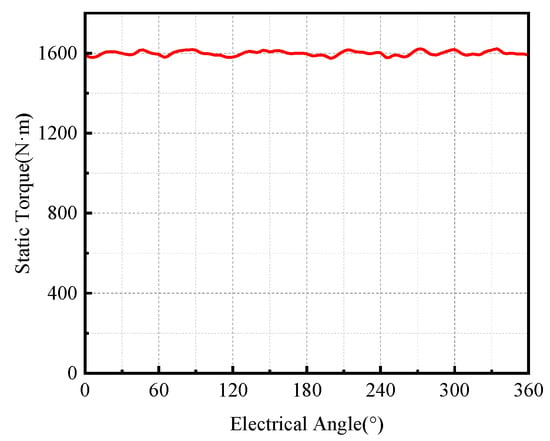
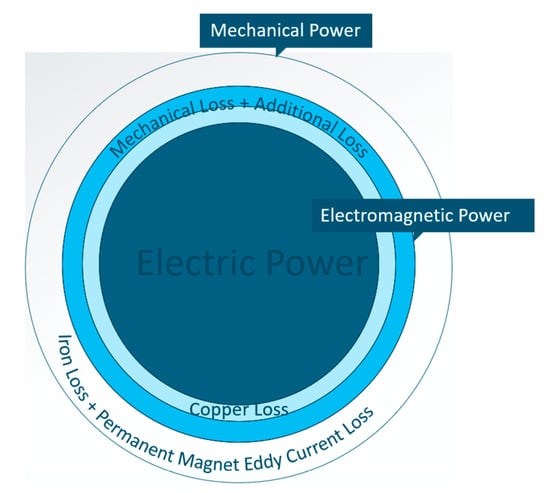
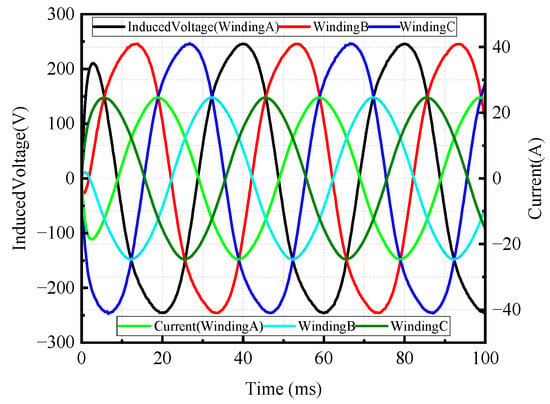
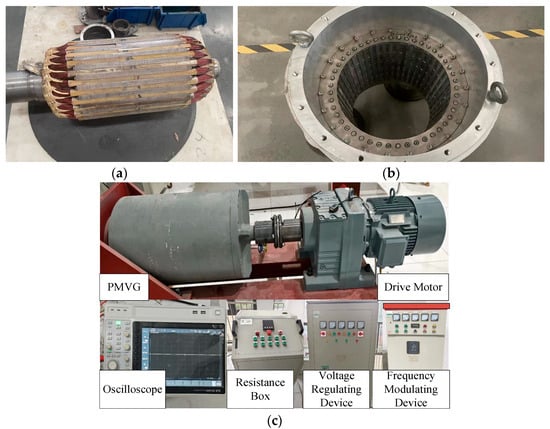
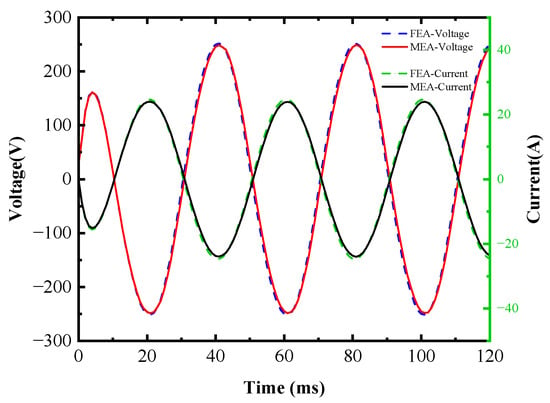
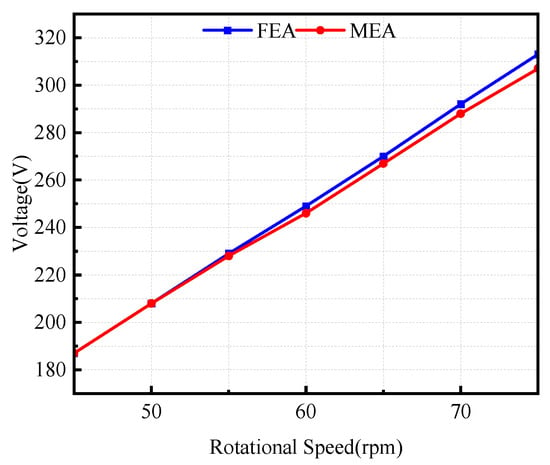
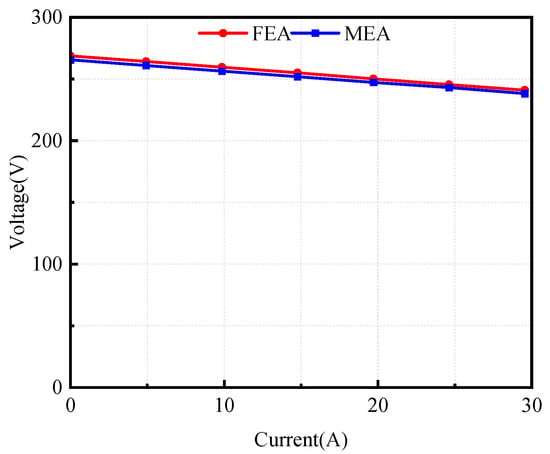
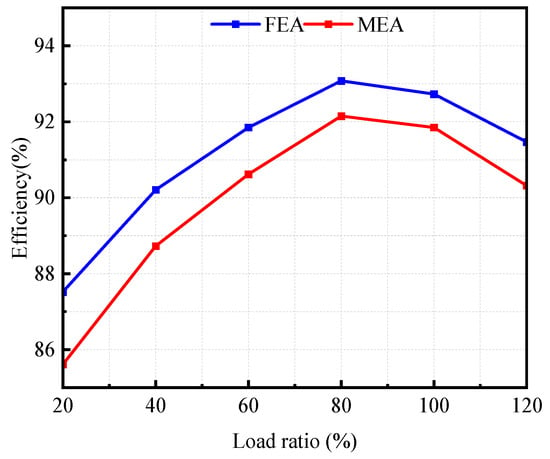
This paper presents a 10 kW outer-rotor field-modulated permanent magnet vernier generator tailored for low-speed direct-drive applications. It employs an outer-rotor Spoke-array configuration, which effectively mitigates the leakage flux between adjacent pole pairs. First, the topology and operating principle of the proposed generator are elaborated. Analytical calculations of key design parameters are then performed to accelerate the modeling process. A systematic parametric sweep is conducted to optimize the motor parameters, based on which a 2D finite element analysis model is established. Comprehensive FEA simulations are carried out to investigate its flux regulation capability, static and dynamic characteristics, and permanent magnet demagnetization risk. The results demonstrate that the Spoke-array permanent magnet array effectively suppresses leakage flux, achieving a volumetric power density of 387.5 kW/m3, and the no-load back electromotive force achieves a peak amplitude of 270 V with a total harmonic distortion as low as 3.7%, which is significantly higher than that of conventional permanent magnet vernier generators. Finally, a 30-slot/23-pole prototype is fabricated and tested. The experimental results show excellent agreement with the simulation predictions, validating the effectiveness of the proposed design.
Full article
The overuse of mineral fertilizers has brought about numerous matters such as deteriorating soil health, crop safety concerns, and environmental pollution. The global requirements for effective waste handling and sustainable agricultural production have been growing continuously. Therefore, integrated nutrient management method might be
[...] Read more.
The overuse of mineral fertilizers has brought about numerous matters such as deteriorating soil health, crop safety concerns, and environmental pollution. The global requirements for effective waste handling and sustainable agricultural production have been growing continuously. Therefore, integrated nutrient management method might be a key way to achieve circular agriculture, such as replacing chemical fertilizers with organic fertilizers. In modern agriculture, digestate that is a byproduct of anaerobic digestion as a fertilizer is becoming increasingly favored as a viable method for improving crop yield and quality. However, the application of digestate in agriculture have not yet been fully explored. This review addresses a knowledge gap by synthesizing current research on digestate as a fertilizer. Firstly, the physical–chemical and biological properties of digestate are discussed. Following that, this review focuses on its specific impact on crop growth and quality. Lastly, it outlines the challenges faced in the application of digestate and looks ahead to future trends. With appropriate policy support and technological innovation, digestate holds promise for advancing environmental sustainability. This review aims to provide direction and reference for future research on the application of digestate.
Full article
Multiphase electric drives have gained significant attention in recent years due to their enhanced efficiency and inherent fault-tolerant capability, making them a promising solution for modern high-performance applications. In this context, finite control set model predictive control (FCS-MPC) has emerged as an effective
[...] Read more.
Multiphase electric drives have gained significant attention in recent years due to their enhanced efficiency and inherent fault-tolerant capability, making them a promising solution for modern high-performance applications. In this context, finite control set model predictive control (FCS-MPC) has emerged as an effective control strategy due to its flexibility in handling multivariable systems and multiple control objectives. Among its recent developments, variable-sampling-time approaches introduce an additional degree of freedom that enables more efficient adaptation of the control action, particularly reducing switching frequency. This variant of FCS-MPC schemes is based on a sequential structure, in which the direction of the desired current response is prioritized over its magnitude, even when implementation constraints limit its achievement. This work proposes an adaptive sampling time multivector model predictive control strategy (AST-MPC) for six-phase induction motor (6ph-IM) drives. The proposed AST-MPC combines multivector control actions with a threshold-based mechanism to incorporate magnitude information into the selection of control actions, typically governed by directional criteria. The designed approach is experimentally validated and compared under steady-state and transient conditions using multiple performance metrics. Results demonstrate that AST-MPC achieves improved current quality and reduced switching frequency, maintaining suitable dynamic performance and providing natural fault tolerance.
Full article
by
Michele Zacchilli, Giulia Raimondi, Sara Manganelli, Elisa Cavicchiolo, Tommaso Palombi, James Dawe, Barbara Cazzolli, Fabio Lucidi and Fabio Alivernini
Academically resilient students achieve high performance despite socioeconomic disadvantages. Although this population has received increasing attention, little is known about its motivational heterogeneity, a critical gap given the central role of motivation in persistence and success. Guided by Self-Determination Theory (SDT), this study
[...] Read more.
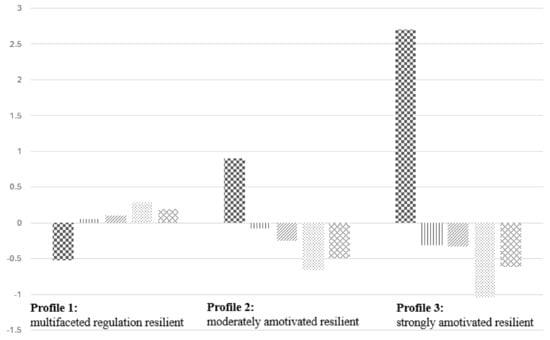
Academically resilient students achieve high performance despite socioeconomic disadvantages. Although this population has received increasing attention, little is known about its motivational heterogeneity, a critical gap given the central role of motivation in persistence and success. Guided by Self-Determination Theory (SDT), this study examined motivational profiles among a population of academically resilient 10th-grade students in Italy (N = 15,751). Using a person-centered approach, Latent Profile Analysis (LPA) identified three profiles: a “multifaceted regulation resilient” profile (72%), marked by low amotivation and high levels across regulations; a “moderately amotivated resilient” profile (21%), with higher amotivation and lower levels of regulation; and a “strongly amotivated resilient” profile (7%), characterized by the highest amotivation and the lowest levels of regulation. Auxiliary analyses indicated that the amotivated profiles, particularly the “strongly amotivated resilient” profile, exhibited higher school dropout intentions than the “multifaceted regulation resilient” profile. Overall, although the majority of academically resilient students displayed multiple coexisting forms of regulation, a non-negligible subgroup showed significant motivational vulnerability, with amotivation emerging as a central risk factor. These findings challenge the assumption that academic resilience is sufficient to protect students from motivational disengagement and dropout risk. High academic achievement, in other words, should not be taken to imply the absence of motivational concerns. This highlights the importance of moving beyond a one-size-fits-all approach, recognizing that even within resilient populations, specific subgroups remain motivationally vulnerable and in need of tailored support.
Full article
Despite Mozambique’s substantial natural gas reserves, most households rely on solid biomass for cooking, with serious consequences for public health, livelihoods, and the environment. The domestic use of these resources could improve energy efficiency, security, and sustainable development. This mixed-methods study uses household
[...] Read more.
Despite Mozambique’s substantial natural gas reserves, most households rely on solid biomass for cooking, with serious consequences for public health, livelihoods, and the environment. The domestic use of these resources could improve energy efficiency, security, and sustainable development. This mixed-methods study uses household interviews, descriptive statistics, multinomial, and conditional logit models, analyzing data from a random survey of 434 households in energy-rich peripheries of northern Inhambane and Maputo City to ascertain the determinants of household cooking energy choice. Results reveal that rising income increases the odds of choosing electricity, LPG, and biomass over natural gas. In energy-rich peripheries, the odds of selecting biomass over natural gas are reduced by 96.2% compared to non-energy-rich regions. Educational and urban habitation are positively correlated with the adoption of electricity and liquefied petroleum gas (LPG). Price serves as a significant negative predictor of fuel selection (OR ≈ 0.000001), whereby each unit increase in price per GJ substantially diminishes the likelihood of opting for alternatives over domestic gas. Monthly fuel expenditure positively predicts electricity, LPG, and biomass adoption (OR = 1.0042), with effects accumulating meaningfully across realistic spending ranges. Households that experienced energy system incidents were more than twice as likely to switch away from natural gas (OR = 2.072), reflecting the critical role of infrastructure reliability in fuel choice. Given natural gas’s potential as a clean cooking transition fuel, the government should prioritize investment in gas infrastructure, expand domestic supply, and promote public awareness of the health and environmental benefits of clean cooking energy.
Full article
Disruptions in supply networks have caused many logistical and planning challenges in the last few years. The previous predictability of the shipping times of raw materials changed drastically due to various global issues, which affected many production areas, including the wood industry. This
[...] Read more.
Disruptions in supply networks have caused many logistical and planning challenges in the last few years. The previous predictability of the shipping times of raw materials changed drastically due to various global issues, which affected many production areas, including the wood industry. This work is motivated by a case study of a Central European plywood production facility, where supply-side disruptions caused difficulties in meeting deadlines for downstream companies of the construction and furniture industry. As a result, the objective of production planners shifted towards mitigating the financial burden caused by cancellation penalties. Three MILP (Mixed-Integer Linear Programming) models and a genetic algorithm were developed to tackle the scheduling of a plywood production plant with raw material shipments and order deadlines. The novelty of the considered problem lies in the flexibility of swapping order deadlines from the same client, which was inspired by the real-life deals of the aforementioned company. The methods were tested on 120 benchmark instances of different sizes generated from real industrial data. The genetic algorithm terminated within 60 s for all instances and found the optimal or best-known solution in 71 of 80 short-horizon instances, while also remaining efficient on larger 30-day cases. As the solution approach is not specific to plywood production, it can be applied to scheduling problems in other fields as well, where similar disruptions can develop, and the production process features are covered by the Multi-Mode Resource-Constrained Project Scheduling Problem class.
Full article
by
Achilleas Kechagias, Andreas Giannakas, Panagiotis Stathopoulos, Maria Xenaki, Areti A. Leontiou, Anna Kopsacheili, Nikolaos Chalmpes, Emmanuel P. Giannelis, Constantinos E. Salmas, Charalampos Proestos and Aris E. Giannakas
Molecules2026, 31(11), 1833; https://doi.org/10.3390/molecules31111833 (registering DOI) - 26 May 2026
Olive leaves are an abundant agro-industrial by-product rich in oleuropein, yet they remain largely underutilized. The objective of this study is to a) develop a green microwave-assisted extraction (MAE) method for an oleuropein-rich extract, b) encapsulate it into edible natural zeolite to form
[...] Read more.
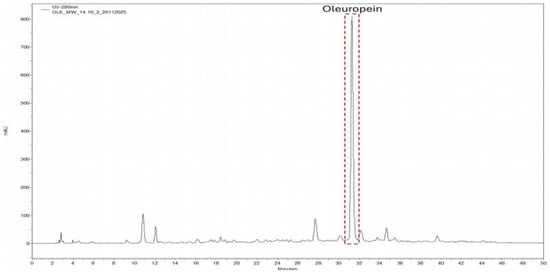
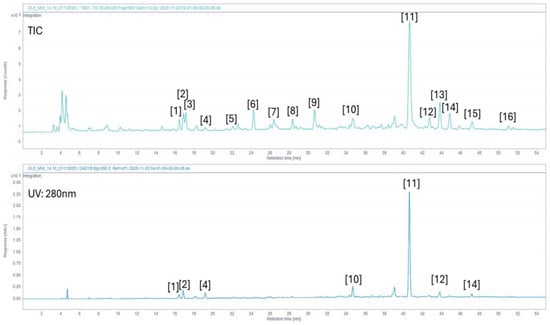
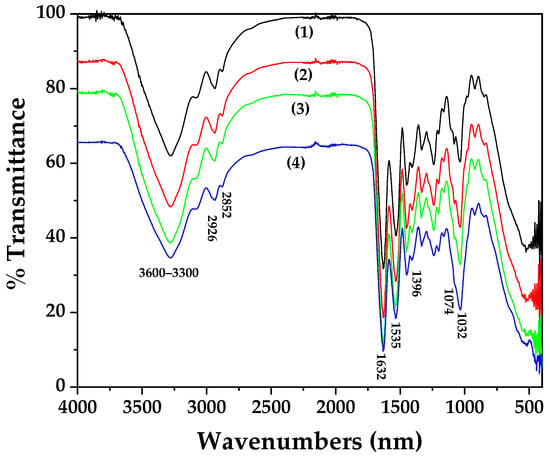
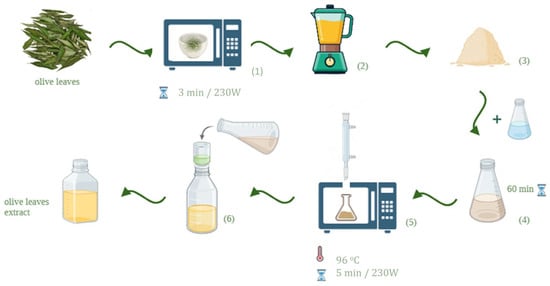
Olive leaves are an abundant agro-industrial by-product rich in oleuropein, yet they remain largely underutilized. The objective of this study is to a) develop a green microwave-assisted extraction (MAE) method for an oleuropein-rich extract, b) encapsulate it into edible natural zeolite to form OLE@NZ nanohybrids, and, c) evaluate their application in fortified salt and active gelatin films. MAE using only water at 96 °C for 5 min yielded a dry extract with 25.4% (w/w) oleuropein and a total phenolic content of 781 mg GAE/100 mL. The extract was successfully adsorbed onto clinoptilolite-type zeolite and the resulting nanohybrids showed strong antioxidant activity (EC50,DPPH = 2.74 mg, TPC = 426 mg GAE/g). A fortified salt containing 5% w/w OLE@NZ fully preserved the nanohybrid’s antioxidant activity. Extruded gelatin films incorporating 5–15% OLE@NZ exhibited a concentration-dependent increase in antioxidant activity (up to 14-fold higher than the blank film), together with a 5- to 7-fold enhancement, while maintaining good mechanical properties. The total phenolic content of the films correlated linearly with nanohybrid loading, with phenolic recovery of 68% both at 5 and 10% loading and 58% at 15%). Overall, these findings demonstrate that MAE is a rapid, and environ-mentally friendly approach for obtaining oleuropein-rich olive leaf extract (OLE), while OLE@NZ nanohybrids provide effective antioxidant additives for functional salt formulations and active gelatin films, supporting a circular bioeconomy strategy.
Full article
The phase transition of the majority vote model with inertia has been investigated by means of extensive Monte Carlo simulations on directed Erdös–Rényi networks. Besides the usual average connectivity and local field that adds the opinion of the site itself, an additional term
[...] Read more.
The phase transition of the majority vote model with inertia has been investigated by means of extensive Monte Carlo simulations on directed Erdös–Rényi networks. Besides the usual average connectivity and local field that adds the opinion of the site itself, an additional term of inertia is considered. The relaxation time of the average opinion state of the network, together with the average opinion state fourth-order Binder cumulant and the corresponding opinion state susceptibility, have been analyzed for several different network sizes and local field and inertia parameter values, for average connectivity of 20 connections. The present results show that the phase transition of this model strongly depends on the inertia parameter, being quite different and richer than previous results of the same model on other regular networks. For inertia parameters between zero and 0.1 the system undergoes a continuous phase transition; for values in the range 0.1 and 0.2 no transition can be seen; for still larger values of inertia up to 0.5 a first-order phase transition takes place; finally, for values larger than 0.5 the dynamics is fully dominated by the inertia, and again no phase transition is observed.
Full article
The increase in small satellites demands the integration of commercial components to reduce costs and development time. However, the lack of standardized system-level methodologies to mitigate radiation-induced degradation limits their adoption. Although majority-carrier technologies such as MOSFET transistors dominate space power electronics, modern
[...] Read more.
The increase in small satellites demands the integration of commercial components to reduce costs and development time. However, the lack of standardized system-level methodologies to mitigate radiation-induced degradation limits their adoption. Although majority-carrier technologies such as MOSFET transistors dominate space power electronics, modern commercial off-the-shelf BJT transistors present a robust and cost-effective alternative. This paper evaluates the viability of the new-generation commercial off-the-shelf BJT transistors in space radiation environments by analyzing their response to total ionizing dose (measured at the circuit level) and single-event effects (inferred from component-level data). A fault-tolerant design methodology is proposed based on the strict definition of the safe operating area: the collector-emitter voltage is limited to safe values to mitigate single-event burnout, and an overdrive margin, specifically a 5× worst-case factor, is applied to compensate for the parametric degradation of the current gain. These strategies are empirically validated through two circuits: a voltage clamp and a proportional base driver operating in the 5 W to 40 W range. Experimental tests on the voltage clamp demonstrate stable operation up to one hundred kilorads, exceeding the 50 krad mission requirement by 100%. This indirectly supports the proportional base driver through shared mitigation principles, which rely on base current over-dimensioning to compensate for TID degradation. In conclusion, by applying appropriate derating rules, commercial off-the-shelf BJT transistors constitute a viable and robust alternative for small satellite power systems, mitigating the need for expensive radiation-hardened components.
Full article
Fiber Bragg Grating (FBG) sensors are widely used for strain and temperature monitoring due to their high sensitivity, compact size, electromagnetic immunity, and multiplexing capability. While conventional FBG interrogators remain bulky and costly, Photonic Integrated Circuit (PIC) platforms provide a promising route toward
[...] Read more.
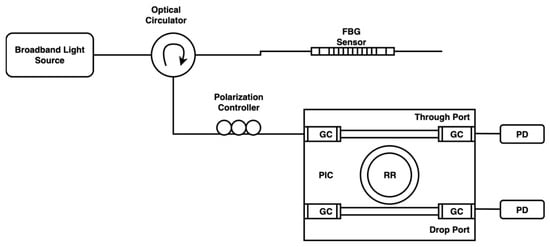
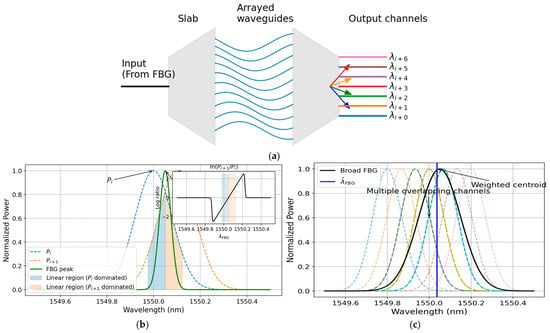
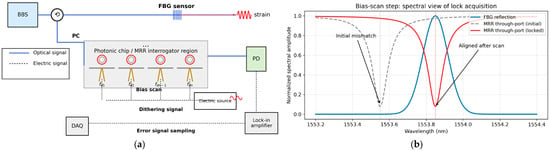
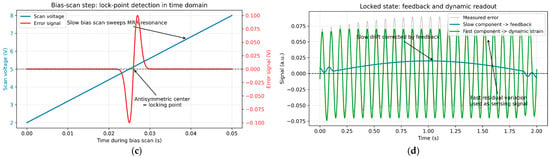
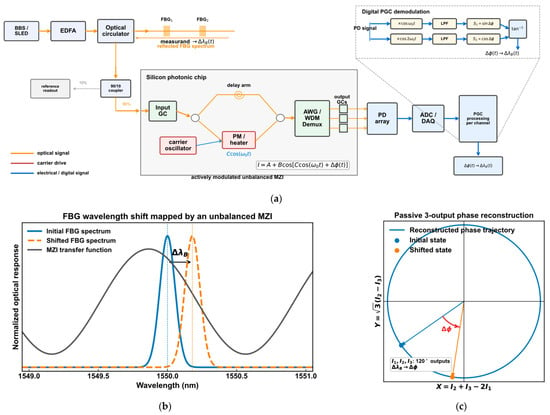
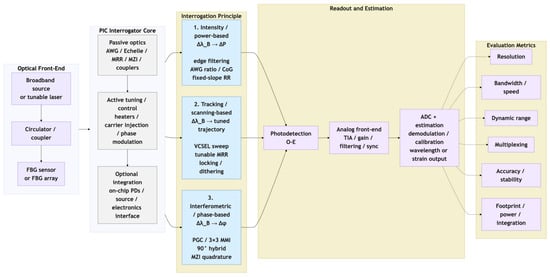
Fiber Bragg Grating (FBG) sensors are widely used for strain and temperature monitoring due to their high sensitivity, compact size, electromagnetic immunity, and multiplexing capability. While conventional FBG interrogators remain bulky and costly, Photonic Integrated Circuit (PIC) platforms provide a promising route toward compact, scalable, and low-power FBG interrogation. However, the choice of architecture strongly determines the achievable resolution, bandwidth, multiplexing capacity, and robustness. This review compares on-chip demodulation architectures, evaluating their performance in resolution, bandwidth, and interrogation speed. We show that the optimal architecture depends strongly on the application: AWG-based schemes excel in compact, multi-FBG readout; ring-resonator systems are highly effective for tunable filtering; and interferometric phase-domain schemes offer the highest sensitivity for dynamic strain sensing. Despite these architectural advances, practical deployment remains constrained by system-level bottlenecks. These challenges primarily include source/detector integration, fiber–chip coupling, packaging robustness, and thermal drift. Overcoming these barriers requires a shift in future development from isolated photonic-device optimization toward comprehensive, system-level co-design.
Full article
Climate change is expected to increase the overheating risk and cooling demand in buildings. This study investigates the thermal comfort and energy performance of a retrofitted glazed healthcare space using an integrated approach combining long-term field measurements with validated dynamic energy simulation. The
[...] Read more.
Climate change is expected to increase the overheating risk and cooling demand in buildings. This study investigates the thermal comfort and energy performance of a retrofitted glazed healthcare space using an integrated approach combining long-term field measurements with validated dynamic energy simulation. The analysed space, originally an external terrace later enclosed for medical use, is characterised by a high glazing ratio and substantial solar exposure. Continuous in situ measurements of indoor air temperature, relative humidity, and CO2 concentration were conducted during winter and summer periods. Thermal comfort and indoor air quality were assessed according to international standards. A calibrated EnergyPlus model was used to evaluate performance under present (TMY) and future (2050, 2080) climate scenarios. The results show frequent overheating under current conditions, with peak operative temperatures exceeding 30 °C and comfort maintained for as little as 41% of the summertime in highly exposed zones. By 2080, overheating will intensify (up to 33 °C in simulations), while the cooling demand will nearly double (from 14 to 29 kWh/m2). Hybrid ventilation cooling strategies reduce cooling demand by up to 39% and maintain acceptable comfort for up to 78% of annual hours. The findings highlight the critical role of solar protection, hybrid control, and vegetation in improving the climate resilience of glazed healthcare spaces.
Full article
Radiotherapy is a highly effective, safe cancer treatment, and about half of all cancer treatments involve lifesaving radiotherapy. Despite huge advances in technology that have made it safer and more effective, it is still not without side effects. They differ from patient to
[...] Read more.
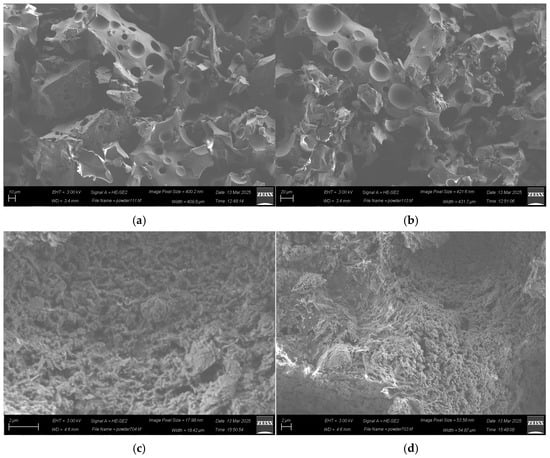
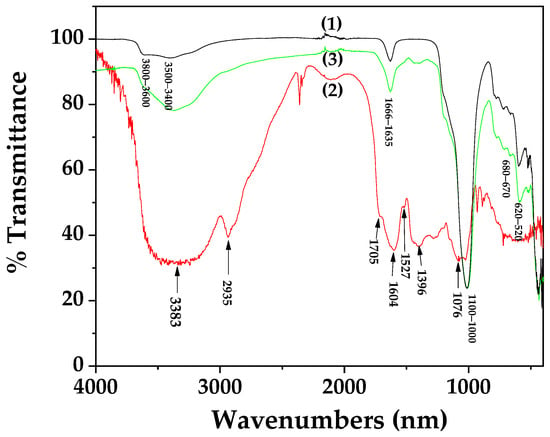
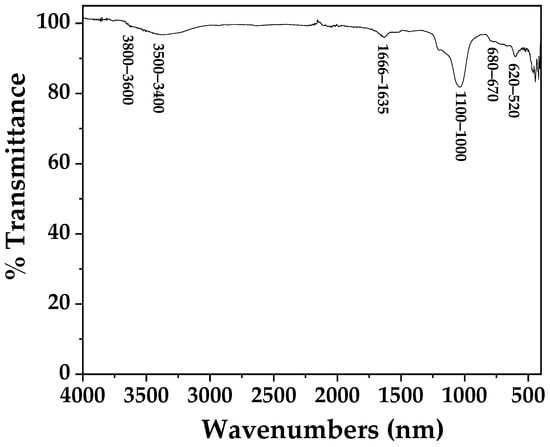
Radiotherapy is a highly effective, safe cancer treatment, and about half of all cancer treatments involve lifesaving radiotherapy. Despite huge advances in technology that have made it safer and more effective, it is still not without side effects. They differ from patient to patient and can include fatigue, nausea, skin reactions, and hair loss, but dysbiosis is the most common complication associated with radiotherapy. Probiotics aimed at restoring the microbiome have found widespread use, but the problem of their rapid inactivation in the gastrointestinal tract has not yet been solved. Our study aims to confirm the effectiveness of a novel biomineral complex, based on a powdered clinoptilolite containing a rock loaded with lactobacilli for restoring the intestinal microbiome of mice exposed to radiation. Based on the 16S rRNA gene analysis, alpha-diversity and dynamics of changes in the fecal metagenome, as well as the functional potential of mice exposed to radiation, were studied, and the prospects of administering the biomineral complex to achieve positive effects were assessed. NMR analysis of the mineral carrier was carried out, and its safety was confirmed. Moreover, per os administration of the complex following irradiation led to a reduction in the level of chromosomal aberrations induced by irradiation. Thus, the biomineral complex has a microbiome-restoring effect and reduces radiation-induced clastogenesis.
Full article
Convolutional Neural Networks (CNNs) and Vision Transformers (ViTs) have achieved significant success in various computer vision applications, including the classification of high-resolution imagery. However, a notable limitation of these deep learning approaches is their tendency to inadequately preserve the precise edges and shapes
[...] Read more.
Convolutional Neural Networks (CNNs) and Vision Transformers (ViTs) have achieved significant success in various computer vision applications, including the classification of high-resolution imagery. However, a notable limitation of these deep learning approaches is their tendency to inadequately preserve the precise edges and shapes of target objects. In contrast, Object-Based Image Analysis (OBIA) offers a methodology that emphasizes the preservation of object boundaries by segmenting images into meaningful objects. Combining CNNs and ViTs with OBIA leverages the feature extraction capabilities of these deep learning algorithms and the boundary-preserving advantages of OBIA, leading to enhanced classification accuracy and improved delineation of object boundaries in high-resolution images. Still, the main challenge for combining these methods lies in effectively aligning the irregularly shaped image objects produced by OBIA with the regular image patches required by CNNs and ViT architectures. In this study, we propose a novel approach that integrates superpixel segmentation with CNNs and ViTs for the automatic classification of benthic habitats using high-resolution orthomosaic images. Initially, the Simple Linear Iterative Clustering (SLIC) algorithm was applied to segment the high-resolution orthomosaic images into superpixels. Subsequently, the central points of the resulting superpixels were utilized to generate square image patches. These patches performed as inputs for ConvNeXt-Base and EfficientNet-B0 pre-trained CNNs to extract fine-grained features and Dinov2 ViTs to extract high-level features. Then, a Support Vector Machine (SVM) classifier was trained using these attributes to classify benthic habitats. Eventually, the classification label derived from the SVM defined the class of each superpixel segment. This method achieved an average overall accuracy of 0.96 in classifying benthic habitats. Overall, we demonstrate that combining CNNs, ViTs, and superpixel segmentation is an effective approach to benthic habitats classification, providing accurate high-resolution maps of heterogeneous reef environments.
Full article
Although the psychological consequences of the empty-nest period are heterogeneous, depressive symptoms remain an important concern among empty-nest older adults in China. However, little is known about how depressive symptoms are associated with the self-reported use of emotion regulation (ER) strategies following positive
[...] Read more.
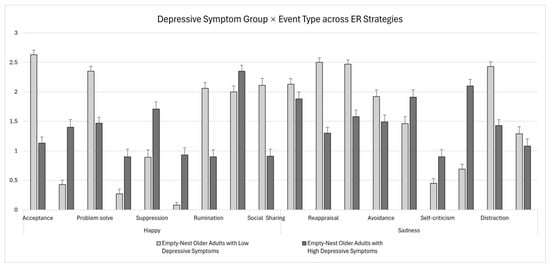
Although the psychological consequences of the empty-nest period are heterogeneous, depressive symptoms remain an important concern among empty-nest older adults in China. However, little is known about how depressive symptoms are associated with the self-reported use of emotion regulation (ER) strategies following positive and negative emotional events. This study compared the self-reported use of nine ER strategies following recalled happy and sad events among empty-nest older adults with high versus low depressive symptoms (N = 145) using generalized estimating equations. Older adults with higher depressive symptoms reported more frequent use of rumination and self-criticism following sad events, and more frequent use of cognitive reappraisal, expressive suppression, experiential avoidance, and self-criticism following happy events. They also reported less frequent problem-solving across both event types and less frequent acceptance and social sharing following happy events. In addition, they reported more frequent rumination following sad events and more frequent cognitive reappraisal and distraction following happy events, whereas the low-depressive-symptom group showed the reverse pattern. They also showed lower overall strategy-use ratings, a smaller strategy repertoire following sad events, and less differentiated repertoire patterns across happy and sad events. These findings provide descriptive evidence that depressive symptoms among empty-nest older adults are associated with distinct patterns of self-reported ER strategy use and repertoire size following recalled sad events.
Full article
Multisystem inflammatory syndrome in children (MIS-C) is a severe systemic inflammatory complication triggered by prior SARS-CoV-2 infection. It predominantly affects the cardiovascular system, and coronary artery injury, myocardial dysfunction, and myocardial ischemia are closely associated with disease severity and clinical outcomes. This article
[...] Read more.
Multisystem inflammatory syndrome in children (MIS-C) is a severe systemic inflammatory complication triggered by prior SARS-CoV-2 infection. It predominantly affects the cardiovascular system, and coronary artery injury, myocardial dysfunction, and myocardial ischemia are closely associated with disease severity and clinical outcomes. This article reviews the immunopathological characteristics and clinical manifestations of MIS-C-related coronary artery lesions, including coronary artery dilation and aneurysm formation, as well as the key pathophysiological mechanisms leading to myocardial ischemia. Based on recent clinical and translational research, we summarize current approaches to diagnosis, risk stratification, acute medical management, and long-term follow-up strategies. By synthesizing updated evidence, this review aims to provide theoretical support and practical clinical guidance for the early identification, timely intervention, and optimized management of affected children, ultimately improving their long-term cardiovascular prognosis.
Full article
This study evaluates the potential of motorhome tourism to catalyze socioeconomic development in rural municipalities of southeastern Spain (provinces of Jaén, Granada, and Almería). Addressing the critical challenge of rural depopulation in “Empty Spain” (España Vaciada), the research employs a mixed-methods approach covering
[...] Read more.
This study evaluates the potential of motorhome tourism to catalyze socioeconomic development in rural municipalities of southeastern Spain (provinces of Jaén, Granada, and Almería). Addressing the critical challenge of rural depopulation in “Empty Spain” (España Vaciada), the research employs a mixed-methods approach covering the period 2022–2024. The methodology is centered on a two-tier empirical design: (i) a provincial-level analysis of eight municipalities, and (ii) an in-depth case study of Vélez-Blanco. A fundamental component of the research was the direct ethnographic validation and field audit conducted by the Fernández-Dutto family during an extensive journey from March to September 2025. By staying two to three nights at each location, the researchers performed in situ assessments of infrastructure quality and bioclimatic efficiency, providing a primary “ground-truth” dataset. These observations calibrate the longitudinal data obtained from the National Statistics Institute (INE) and digital platforms, which were utilized strictly as secondary screening tools for site selection. The results indicate statistically significant correlations between infrastructure quality, proximity to heritage attractions, and increases in local tourism-related expenditure. The study highlights how experiential fieldwork captures nuances in traveler behavior and site functionality that official records often overlook. The paper concludes by identifying strategic investment opportunities, specifically recommending the development of a motorhome service area in the municipality of María (María-Los Vélez area). This intervention is proposed as a vital catalyst to complete the regional tourism circuit and foster economic resilience in the heart of Almería’s rural landscape.
Full article
Lightweight alloys in aerospace precision structures undergo slow but cumulative creep deformation during long-term storage, wherein strain accumulation over years can compromise dimensional stability and operational reliability. However, continuum damage mechanics (CDM) constitutive models, while physically grounded, require extensive parameter calibration and exhibit
[...] Read more.
Lightweight alloys in aerospace precision structures undergo slow but cumulative creep deformation during long-term storage, wherein strain accumulation over years can compromise dimensional stability and operational reliability. However, continuum damage mechanics (CDM) constitutive models, while physically grounded, require extensive parameter calibration and exhibit degraded accuracy during the primary creep stage. Meanwhile, purely data-driven approaches are impractical for the sparse datasets typical of accelerated creep testing, wherein as few as 14 data points may be available per condition. Although physics-informed neural networks (PINNs) have shown promise in computational mechanics, existing PINN-based creep studies predict only scalar life quantities rather than the full strain–time curve , and none embed damage evolution equations as differential constraints. This study proposes a damage-coupled PINN framework (termed DC-PINN) that predicts the complete creep strain evolution by embedding CDM damage evolution ordinary differential equations (ODEs) as hierarchical differential constraints within the learning process. The framework couples the predicted strain rate with the damage state through material-specific constitutive ODEs, supplemented by monotonicity enforcement and boundary conditions. Alloy-specific formulations are developed for 2A12-T4 aluminum (Arrhenius kinetics, no damage) and ZM6 magnesium (Sandström dislocation model with Ostwald-ripening-driven grain coarsening damage). Validated on 13 experimental conditions spanning both alloys (50–100C, 20–60 MPa, 14–100 points per condition), DC-PINN achieves for 2A12-T4 and for ZM6 across all tested conditions. Ablation studies show that the total physics-driven improvement is 5.8 times larger for the data-sparse ZM6 (14–34 points) than for the data-rich 2A12-T4 (∼100 points), with the CDM damage coupling alone accounting for 22% of the improvement in ZM6. To the best of our knowledge, this represents the first integration of CDM damage evolution ODEs as differential constraints within PINNs for creep strain modeling, providing a physically consistent and data-efficient tool for the storage life assessment of aerospace structures.
Full article
This article explores, from a historical and comparative perspective, how Chinese and Japanese theatre inspired the revolutionary theatre movement in 1920s and 1930s Moscow, which in turn influenced German theatre. One notable example of this intercultural transmission of aesthetics can be seen in
[...] Read more.
This article explores, from a historical and comparative perspective, how Chinese and Japanese theatre inspired the revolutionary theatre movement in 1920s and 1930s Moscow, which in turn influenced German theatre. One notable example of this intercultural transmission of aesthetics can be seen in the play I Want a Child! by Sergei Tretiakov. It showcases the impact of Asian traditions, embodying theatre as a Eurasian phenomenon—a style of staging recognised by Brecht and Meyerhold as a means of actively educating the audience. Inspired by the power of this medium in China, Tretiakov who was a friend of Brecht, attempted to develop a theatrical language that would have the strongest impact on the masses with socialist values. The selected play exemplifies art as a communicative transfer zone where Asian, Soviet, and Western theatre traditions converge. Brecht later adopted these aesthetics in relation to gender roles and conventional (“epic”) theatre techniques, with the aim of politicising the audience. The article considers these dimensions, after delving into the context of I Want a Child! and revising Tretiakov’s activities related to his work in China. Finally, it situates the Brechtian alienation effect in the intercultural, Euro-Asian dimension of instructive modernist theatre.
Full article
The IGF-1Eb isoform has been proposed as a stress-responsive variant of IGF-1, yet its significance in cancer remains unclear. This investigation aims to clarify its role across breast, prostate and liver cancer cell lines and determine whether its loss or supplementation is associated
[...] Read more.
The IGF-1Eb isoform has been proposed as a stress-responsive variant of IGF-1, yet its significance in cancer remains unclear. This investigation aims to clarify its role across breast, prostate and liver cancer cell lines and determine whether its loss or supplementation is associated with alterations in cellular behavior and stress adaptation. Eb expression was modulated through targeted silencing and exogenous peptide addition. Cellular responses were evaluated under normal conditions and UV stress using proliferation, viability and rescue experiments, wound healing, immunofluorescence for Eb-knockdown confirmation, qRT-PCR, Annexin V/PI apoptosis, and PI cell-cycle evaluation. Across six cancer cell lines, Eb peptide given before UV stress was associated with partial protective effects, whereas post-UV treatment was associated with improved recovery and partial restoration of proliferative capacity. The rescue effect differed by cell type, with prostate and breast cells showing the strongest responses and liver-derived lines displaying more modest improvements. Eb knockdown revealed clear cell-type-specific dependencies. PC3 cells showed markedly reduced proliferation (p < 0.01) and sharply decreased post-UV viability (p < 0.0001). HepG2 cells maintained higher growth without UV but displayed reduced recovery following UV exposure, whereas MDA-MB-231 exhibited elevated apoptosis (p < 0.05) with limited additional UV sensitivity. Eb peptide may exert a dual, timing-dependent role, supporting protection before UV damage and facilitating recovery-associated responses afterward, with its impact differing across cell lines.
Full article
Accurate dynamic state reconstruction in complex multi-node coupled systems is critical for ensuring operational stability and reliability. However, this task is highly challenging due to spatially sparse measurement sensors, strong dynamic coupling among nodes, and the intractability of explicitly modeling the underlying physical
[...] Read more.
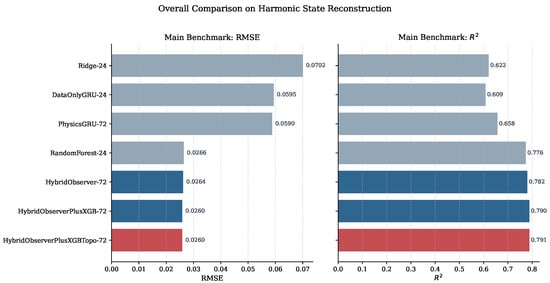
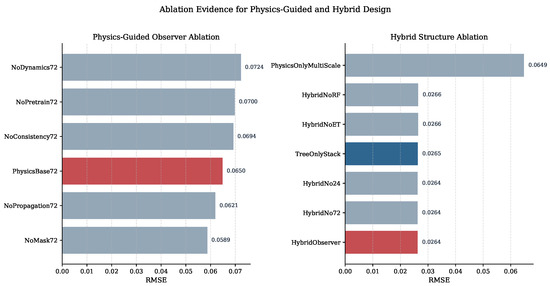
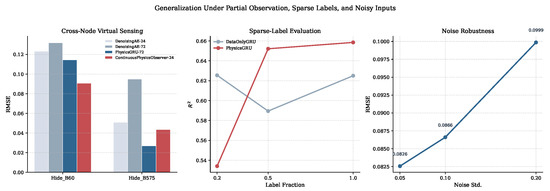
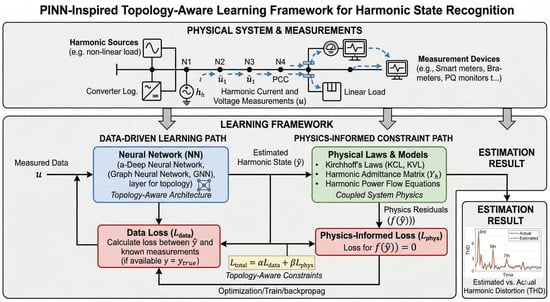
Accurate dynamic state reconstruction in complex multi-node coupled systems is critical for ensuring operational stability and reliability. However, this task is highly challenging due to spatially sparse measurement sensors, strong dynamic coupling among nodes, and the intractability of explicitly modeling the underlying physical mechanisms. Conventional data-driven methods exhibit limited generalization under sparse labels or out-of-distribution conditions, whereas strict physics-driven solvers often fail to converge in complex environments with unmodeled dynamics. To address these limitations, this paper proposes a physics-informed neural network (PINN)-inspired topology-aware learning framework for multi-node state reconstruction. Rather than acting as a strict physical equation solver, the proposed method innovatively injects physical priors into data-driven temporal modeling. By incorporating physical consistency constraints, latent dynamic regularization, topology-aware priors, and an observer-style multi-branch hybrid fusion strategy, the framework effectively overcomes the drawbacks of single-paradigm models to enhance estimation accuracy and robustness. Extensive experiments on real-world coupled system data demonstrate that the proposed framework outperforms state-of-the-art linear, tree-based, and pure sequential models. Specifically, the proposed topology-aware hybrid observer achieves a Root Mean Square Error (RMSE) ≈ 0.02604 and an 0.79060 on the multi-node harmonic reconstruction task, demonstrating superior accuracy and dynamic tracking capability compared to the other baselines. Furthermore, cross-node virtual sensing and ablation experiments verify that the constructed physics-guided observer achieves stable cross-node reconstruction under limited physical observations. The results indicate that integrating PINN-inspired learning with topology-aware modeling provides a highly robust and feasible paradigm for ubiquitous sensing and state estimation in complex networks under restricted measurement conditions.
Full article
In 1999, 107,493 juveniles were in residential placements; by 2023 this number declined to 29,314, a decrease of 73%. This extraordinary decline in juvenile incarceration—which we refer to as juvenile decarceration—has been reported primarily by justice advocacy groups without rigorous explanation or exploration.
[...] Read more.
In 1999, 107,493 juveniles were in residential placements; by 2023 this number declined to 29,314, a decrease of 73%. This extraordinary decline in juvenile incarceration—which we refer to as juvenile decarceration—has been reported primarily by justice advocacy groups without rigorous explanation or exploration. In this paper, we provide a state-level exploration in which we consider how relevant characteristics of states relate to their levels of decarceration. We analyze data from the Office of Juvenile Justice and Delinquency Prevention and several publicly available sources and find correlations between the extent of a state’s rate of decarceration and that state’s poverty rate, high school dropout rate, adult incarceration rate, and voting results in the 2020 presidential election. Most striking, however, is the relative consistency of decarceration across states, and the absence of more robust patterns.
Full article






 Sustainability
 Applied Sciences
 IJMS
IJMS
 JCM
JCM
 Sensors
 Energies
 Materials
 Electronics
 Buildings
 Foods
Foods
 Mathematics
 Remote Sensing
 Molecules
 Processes
 Diagnostics
 Cancers
 Nutrients
 Animals
 Plants
 Healthcare
 Polymers
 Water
Water
 Biomedicines
 Microorganisms
 Agriculture
 Medicina
 Land
Land
 Cells
Cells
 JMSE
JMSE
 Life
Life
 Symmetry
 Agronomy
 Behavioral Sciences
 Education Sciences
 Pharmaceuticals
 Biology
 Biomolecules
 IJERPH
 Children
 Antioxidants
 Horticulturae
 Pharmaceutics
 Micromachines
 Forests
 Nanomaterials
 Coatings
 Entropy
 Religions
 Bioengineering
 Genes
Genes
 Machines
 Systems
 Pathogens
 Metals
 Brain Sciences
 Viruses
 CIMB
CIMB
 Minerals
 Atmosphere
 Veterinary Sciences
 Antibiotics
 Information
 Catalysts
 Insects
 Photonics