



Advancing Open Science
A global leader in open access publishing, supporting research
communities and accelerating scientific discovery
 
19 pages, 6951 KB  
Article
Effects of Plant Detritus Manipulation on Available Nitrogen and Phosphorus in Topsoil of Two Forest Types in Northeast China
by Jing Gao, Wenjing Li, Chuankuan Wang and Quanzhi Zhang
Forests 2026, 17(6), 645; https://doi.org/10.3390/f17060645 (registering DOI) - 26 May 2026
Abstract
Plant detritus plays a pivotal role in regulating soil nutrient dynamics within forest ecosystems. Understanding short-to-medium-term responses of soil-available nitrogen (AN) and phosphorus (AP) to altered detritus inputs is important for forest nutrient management. In this study, we investigated the effects of changing [...] Read more.
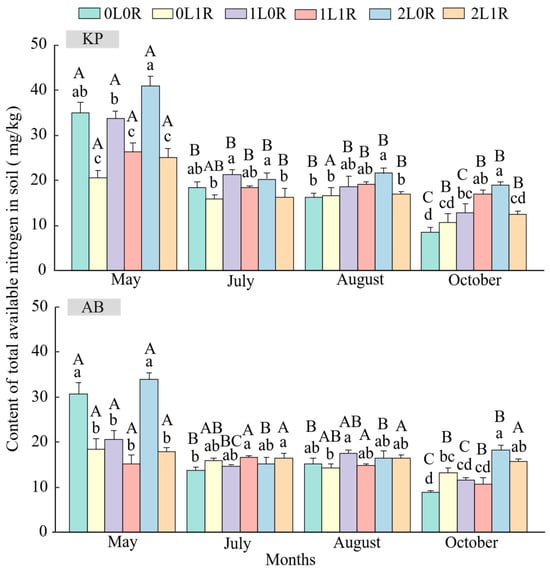
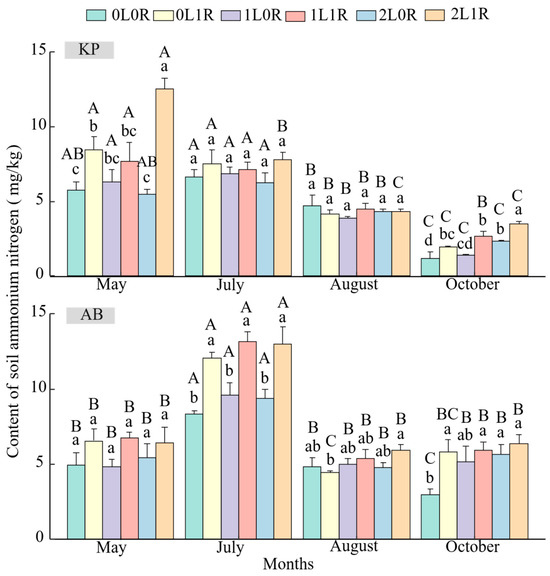
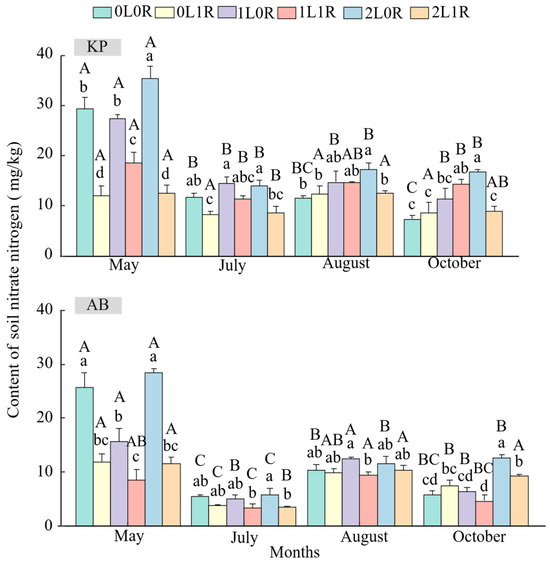
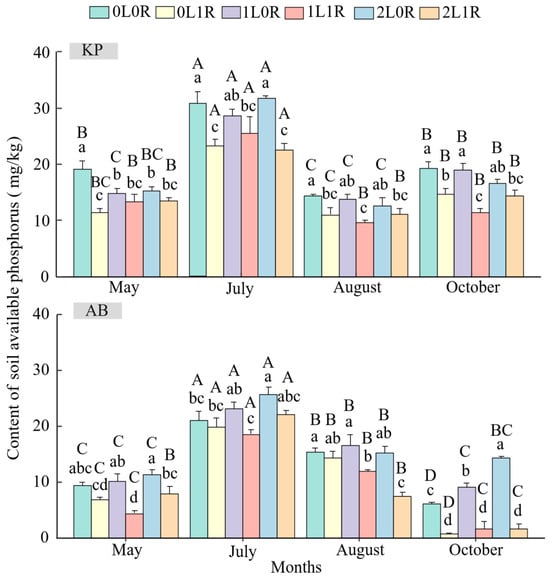
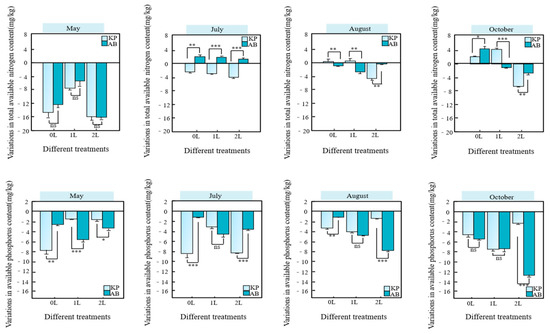
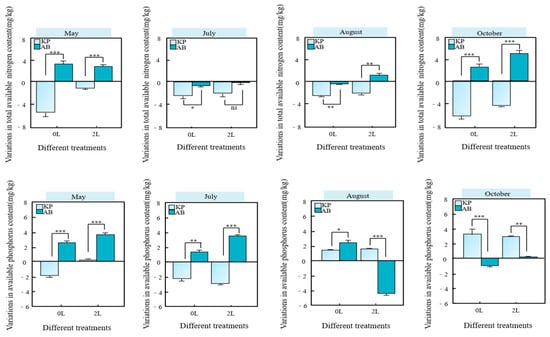
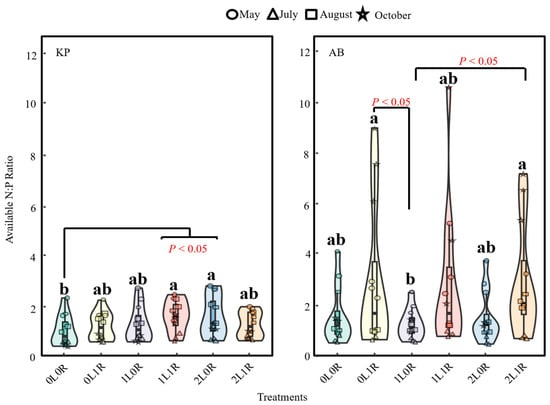
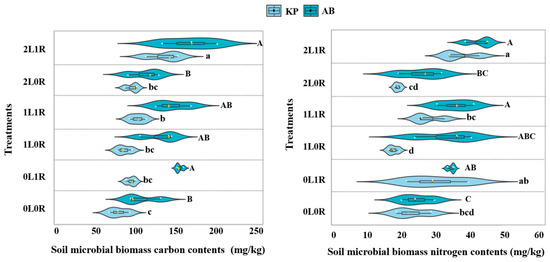
Plant detritus plays a pivotal role in regulating soil nutrient dynamics within forest ecosystems. Understanding short-to-medium-term responses of soil-available nitrogen (AN) and phosphorus (AP) to altered detritus inputs is important for forest nutrient management. In this study, we investigated the effects of changing detritus inputs on soil AN and AP in two representative forest types in Northeast China—Korean pine (Pinus koraiensis Siebold et Zucc.) forest (KP) and Aspen (Populus ussuriensis Kom.)−birch (Betula platyphylla Sukaczev) forest (AB). Using the detritus input and removal treatments (DIRTs) method, we established six experimental treatments and measured soil ammonium nitrogen (NH4+-N), soil nitrate nitrogen (NO3-N), and AP contents monthly from May to October. The results showed that significant differences in NH4+-N, NO3-N, and AP contents were observed among treatments. Under the six DIRTs, the fluctuation ranges of NH4+-N, NO3-N, and AP contents in KP soil were 1.16–12.52 mg/kg, 7.34–35.40 mg/kg, and 9.63–31.72 mg/kg, respectively. For AB soil, the fluctuation ranges of the above three nutrients under the six DIRTs were 2.94–13.17 mg/kg, 3.45–28.47 mg/kg, and 1.77–25.60 mg/kg, respectively. Root treatments exerted stronger effects on AN and AP than litter: root exclusion generally reduced NH4+-N but increased NO3-N and AP, with the direction and magnitude of the response to this treatment varying with month and forest type, whereas litter treatments showed no consistent trends. The soil-available N:P ratio was lower in the KP forest than in the AB forest; root exclusion significantly reduced the N:P ratio in the AB forest but had no significant effect on that in the KP forest. In terms of seasonal dynamics, the study found that AN peaked in May and AP in July. In conclusion, these findings reflect the short-to-medium-term effects of plant detritus, forest type, and month on soil-available nitrogen and phosphorus, providing scientific insights into how detritus changes alter soil nutrients in temperate forests. Full article
(This article belongs to the Section Forest Soil)
Show Figures

Figure 1
19 pages, 251 KB  
Article
The Origin and Impact of Sophianic Theology: The Transfiguration of Sophia and the Doctrines of Creation and Deification in the Lifework of Sergius Bulgakov
by Byron Belitsos
Religions 2026, 17(6), 642; https://doi.org/10.3390/rel17060642 (registering DOI) - 26 May 2026
Abstract
This work of historical theology profiles the unique role of Sergius Bulgakov (1877–1944) in the unfolding of Russian Orthodox theology over the last century. It narrates the role in his thought of the contested figure of Sophia (the personification of divine wisdom), with [...] Read more.
This work of historical theology profiles the unique role of Sergius Bulgakov (1877–1944) in the unfolding of Russian Orthodox theology over the last century. It narrates the role in his thought of the contested figure of Sophia (the personification of divine wisdom), with special focus on to how his creative appropriation of this ancient concept led him to propose modifications of the church’s doctrines of creation and deification. Our focus on deification acknowledges that patristic sources regarding this topic were only made ready for Russian theological research in the first decades of the twentieth century. Concurrently, another novelty came into vogue among the Russian intelligentsia during these same years: the evocation of both esoteric and biblical versions of Sophia, along with the promulgation of an original theological framework known as sophiology, a development pioneered by Vladimir Solovyov. These unique cultural and religious vectors, deification, creation theology, and sophiology, and their relation to Orthodox trinitarianism, converged around the year 1910 in the life and scholarship of Sergius Bulgakov, while also being firmly resisted by conservatives. A brilliant, wide-ranging, and independent thinker, Bulgakov began as a Marxist economist whose midlife conversion led him to the priesthood and a professorship at a prominent Russian seminary. Bulgakov went on to create one of the last century’s most ambitious and creative Orthodox systematic theologies, an endeavor made possible through his sheer mastery of numerous scholarly sources that, over three decades, he explicated in light of the emergence of sophiology, the worldview of which he became the leading proponent. Against opposition by colleagues at the St. Sergius Theological Institute, where he served as dean, Bulgakov expanded sophiology into a panentheistic theological system that highlighted and integrated concepts of religious living, deification, and cosmology within a vast panoply of other Christian theological dogmas that he examined. This introductory historical account summarizes a selection of Bulgakov’s pioneering innovations, with special emphasis on the reception of his ideas during his lifetime and the decades since. Full article
(This article belongs to the Special Issue Christian Theologies of Deification)
17 pages, 763 KB  
Article
A Real-World Study in Non-Functional Adrenal Tumours: Refining Central DXA Results
by Nina Ionovici, Alexandra-Ioana Trandafir, Oana-Claudia Sima, Mihai Costachescu and Mara Carsote
J. Clin. Med. 2026, 15(11), 4114; https://doi.org/10.3390/jcm15114114 (registering DOI) - 26 May 2026
Abstract
Background: Osteoporosis, a chronic disease with a major epidemiologic impact amid menopause might be aggravated by co-ailments such as adrenal tumours, with an increasing incidence due to a larger access to imaging evaluation. The objective was to evaluate bone profile in relationship [...] Read more.
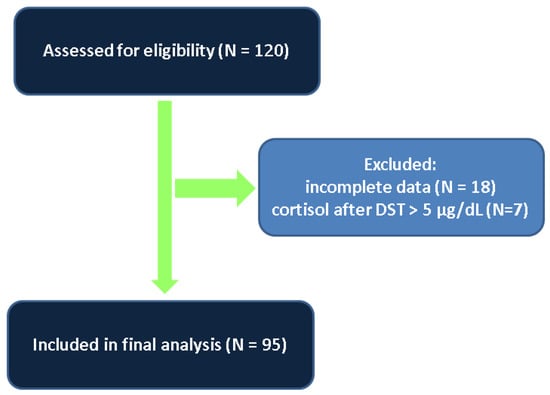
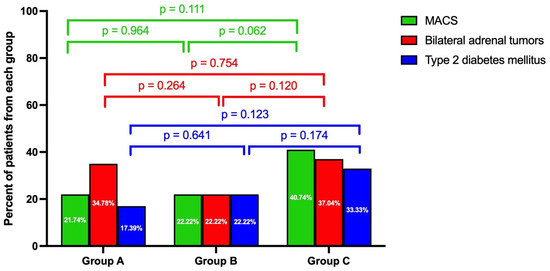
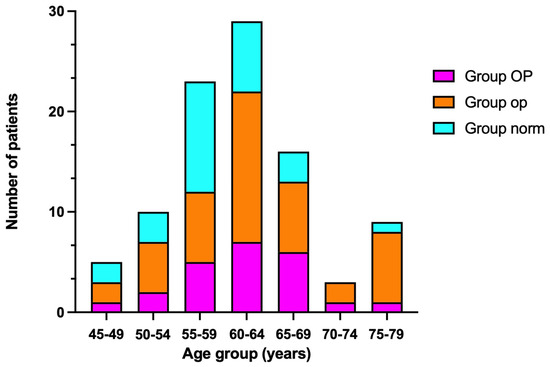
Background: Osteoporosis, a chronic disease with a major epidemiologic impact amid menopause might be aggravated by co-ailments such as adrenal tumours, with an increasing incidence due to a larger access to imaging evaluation. The objective was to evaluate bone profile in relationship with adrenal profile in non-functioning adrenal tumours (NFATs), based on menopausal DXA categories (osteoporosis, osteopenia and normal). Methods: A retrospective real-life study was conducted amid a cross-sectional analysis in anti-osteoporotic drugs naïve subjects. Adrenal profile included baseline morning plasma cortisol (base-cortisol), second-day cortisol (DST-cortisol) after 1 mg dexamethasone testing, ACTH, and largest tumour diameter at CT (D-CT). Results: Ninety-five patients (mean age 61.59 ± 7.83 years) had 24.21% osteoporosis, 47.37% osteopenia, and 28.42%—normal DXA. Base-cortisol, DST-cortisol, ACTH and D-CT were similar between the groups. Total serum calcium was lower in osteoporosis versus osteopenia, versus normal DXA (9.26 ± 0.52 versus 9.61 ± 0.41 mg/dL, p = 0.005, respectively, 9.79 ± 0.47 mg/dL, p < 0.001). Osteocalcin, respectively, CrossLaps were elevated in osteoporosis versus osteopenia. MACS prevalence was 27.37% (no between-group difference). Osteoporosis group: CrossLaps correlated with DST-cortisol (r = −0.550, p = 0.019). Multiple linear regression model to predict lumbar BMD explained 47.1% of the variance in lumbar BMD (R2 = 0.471). ACTH was an independent variable for lumbar BMD (p = 0.007). BMI represented the main influential contributor to this model having the highest β of 0.490, and it also explained 49.1% (R2 = 0.491) of total hip BMD variation. Conclusions: This study emphasises a heterogeneous connection between adrenal profile in NFATs and clinical evaluation of the bone status. More comprehensive prospective studies are mandatory to assess this multifactorial bone–adrenal interplay in order to improve the overall management. Full article
(This article belongs to the Section Endocrinology & Metabolism)
Show Figures

Figure 1

26 pages, 2829 KB  
Article
Inverse Problem of Heat Conduction in a Multilayer Cylindrical System
by Aigul Satybaldina, Bolatbek Rysbaiuly, Aizhan Ydyrys, Sultan Alpar, Korlan Rysbayeva and Auzhan Sakabekov
Symmetry 2026, 18(6), 908; https://doi.org/10.3390/sym18060908 (registering DOI) - 26 May 2026
Abstract
This study investigates steady-state heat transfer in a three-layer cylindrical system with angular non-uniformity of the temperature field. For the considered geometry, a mathematical model of heat conduction is formulated in cylindrical coordinates with piecewise constant thermophysical properties and continuity conditions at the [...] Read more.
This study investigates steady-state heat transfer in a three-layer cylindrical system with angular non-uniformity of the temperature field. For the considered geometry, a mathematical model of heat conduction is formulated in cylindrical coordinates with piecewise constant thermophysical properties and continuity conditions at the interfaces between layers. The direct problem is solved analytically using a Fourier series expansion of the temperature field with respect to the angular coordinate. Based on experimental temperature measurements obtained for various configurations of soil layers, an inverse problem is formulated and solved to reconstruct the thermal conductivities of the individual layers and the heat transfer coefficient at the external boundary. To stabilize the solution, a regularized least-squares approach is employed. The convergence of the recovered parameters with respect to the harmonic number is analyzed, and the averaged reconstructed values are compared with the exact parameters used in the direct problem. The obtained results demonstrate the stability and accuracy of the proposed method, confirming its applicability to the identification of thermophysical parameters in multilayer soil systems based on experimental data. Full article
(This article belongs to the Special Issue Symmetry in Numerical Analysis and Applied Mathematics)
15 pages, 43724 KB  
Article
Study on the Effect of Annealing on Ga2O3 Thin Films Deposited on Silicon by RF Sputtering
by Ana Sofia Sousa, Duarte M. Esteves, Tiago T. Robalo, Mário S. Rodrigues, Katharina Lorenz and Marco Peres
Electron. Mater. 2026, 7(2), 10; https://doi.org/10.3390/electronicmat7020010 (registering DOI) - 26 May 2026
Abstract
Gallium oxide is an ultra-wide bandgap semiconductor with excellent opto-electronic properties, making it a highly promising material for a wide range of applications and devices. In this article, we report how the optical, morphological, structural, and compositional properties of β-Ga2O [...] Read more.
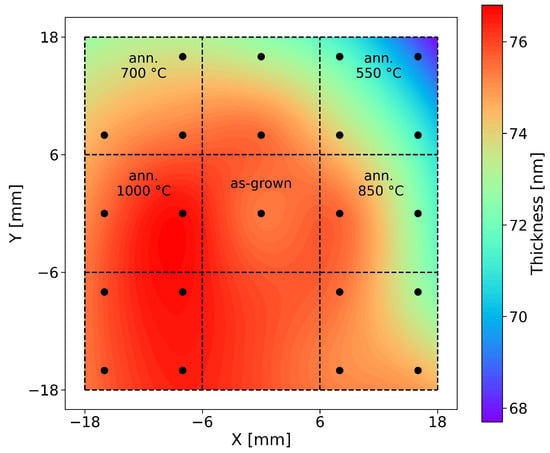
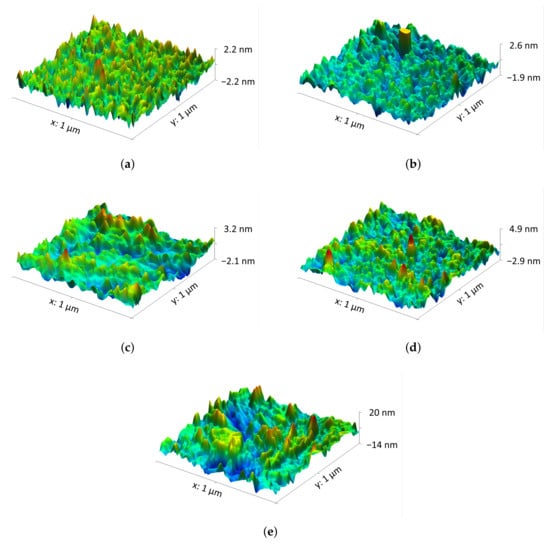
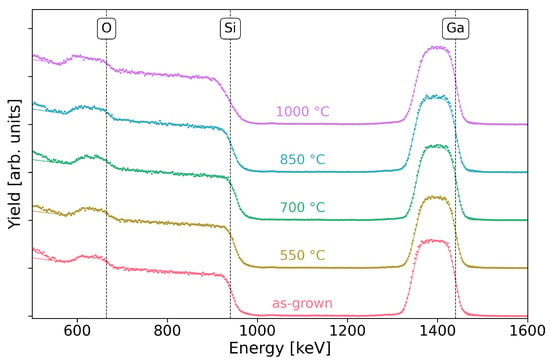
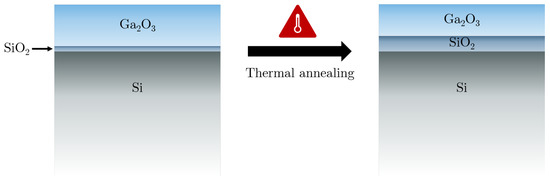
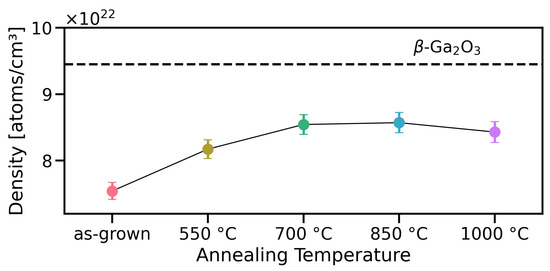
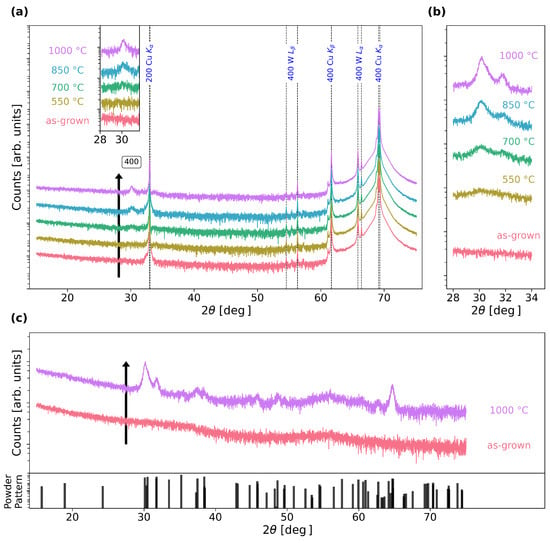
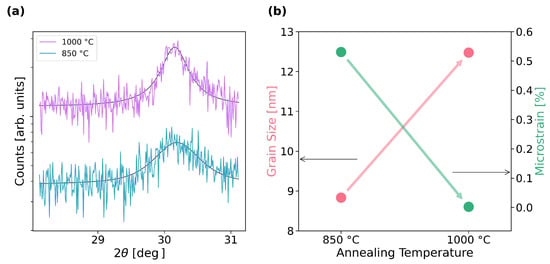
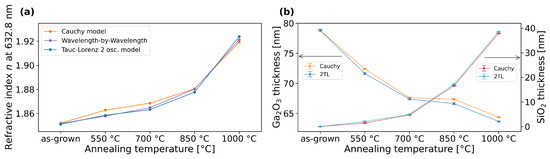
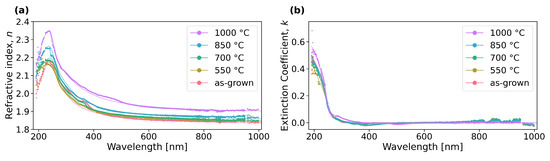
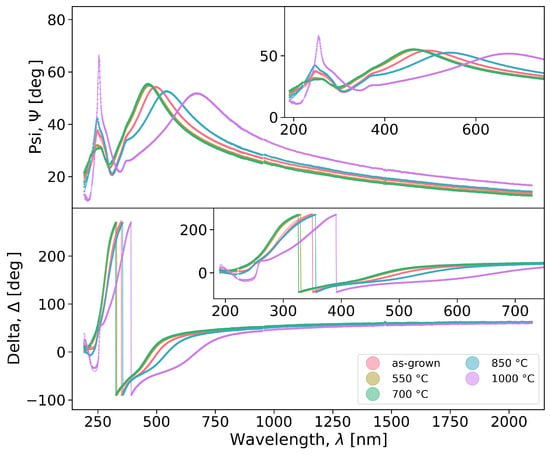
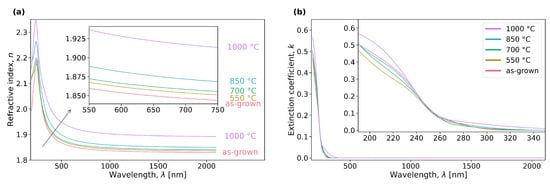
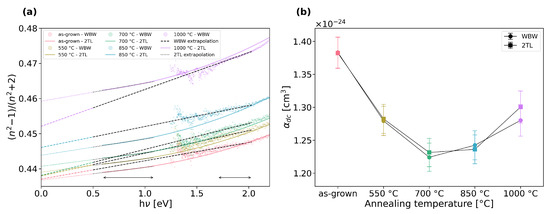
Gallium oxide is an ultra-wide bandgap semiconductor with excellent opto-electronic properties, making it a highly promising material for a wide range of applications and devices. In this article, we report how the optical, morphological, structural, and compositional properties of β-Ga2O3 thin films deposited by RF Sputtering on silicon substrates are affected by thermal treatments. Ellipsometric spectra recorded at multiple angles of incidence from several samples subjected to thermal annealing in the range of 550–1000 °C were analyzed to extract the optical functions using appropriate multilayer models. This analysis is complemented by compositional, structural, and morphological characterization techniques. We observed two main stages of crystallization with increasing annealing temperature; up to 700 °C, there is an increase in density and then, for 700–1000 °C, there is an improvement in crystallinity. While the refractive index increases continuously throughout this process, we found that the polarizability of the samples decreases in the first stage and increases in the second. These observations demonstrate that thermal treatments are a powerful tool to tune the optical properties of Ga2O3 thin films for device applications. Full article
Show Figures

Figure 1
13 pages, 535 KB  
Article
Maternal Methyl-Group Donor Intake and Neonatal Birth Size in Singleton IVF Pregnancies
by Szilvia Bokor, Regina Felső, Ildikó Csölle, Tícia Oláh, Noémi Szabó, Róbert Herczeg, Attila Gyenesei, Reka Anna Vass, Simone Funke, Tibor Ertl and Dénes Molnár
Nutrients 2026, 18(11), 1693; https://doi.org/10.3390/nu18111693 (registering DOI) - 26 May 2026
Abstract
Background/Objectives: Maternal intake of methyl-group donors (MGD) during pregnancy may influence fetal development, yet its role in in vitro fertilization (IVF) pregnancies remains poorly understood. The aim of the present study was to investigate maternal intake of MGDs during late pregnancy and [...] Read more.
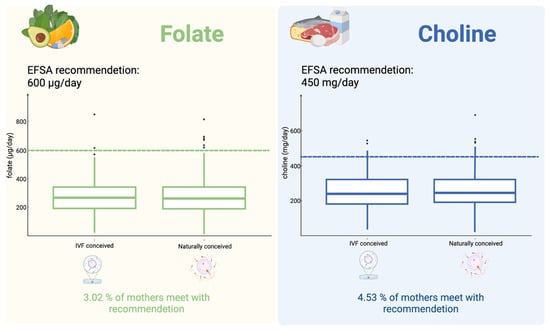
Background/Objectives: Maternal intake of methyl-group donors (MGD) during pregnancy may influence fetal development, yet its role in in vitro fertilization (IVF) pregnancies remains poorly understood. The aim of the present study was to investigate maternal intake of MGDs during late pregnancy and its association with neonatal outcomes in IVF versus spontaneously (S) conceived pregnancies. Methods: We assessed third-trimester, daily maternal intake of MGD (folate, betaine, choline, methionine, and folic acid) using a validated food-frequency questionnaire, and maternal supplement intake using a structured questionnaire. Methyl-donor nutrient score (MDNS) was calculated based on deciles of MGD intake. Serum folic acid and vitamin B12 concentrations were measured using standardized immunochemical assay. Predefined inclusion and exclusion criteria were applied. Anthropometric data were measured from singleton newborns (weight, length, head- and waist circumference, body composition) and mothers (height, weight, body composition) after delivery. Statistical analysis was conducted using R (4.1.2v). Results: 265 mother–child pairs were included in the study (IVF n = 83). Daily dietary intake of MGDs was similar between groups, but IVF mothers reported significantly higher daily folic acid (668.7 ± 1050.9 vs. 418.8 ± 419.2 µg, p = 0.0034) and vitamin B12 (11.07 ± 31.58 vs. 7.95 ± 29.00 µg, p = 0.0078) supplementation. Serum analyses were available in a subgroup (n = 131, IVF n = 61) of mothers, showing higher postpartum folate (IVF: 10.96 ± 5.54 vs. S: 8.29 ± 4.72 µg/L, p = 0.0064) and vitamin B12 (IVF: 288.22 ± 113.82 vs. S: 233.70 ± 78.23 ng/L, p = 0.0053). Maternal daily dietary choline intakes were significantly below recommendations (IVF: 251.9 ± 98.5 mg, S: 243.8 ± 106.8 mg). Among 151 singleton neonates (IVF n = 57), anthropometric parameters did not differ between IVF and spontaneously conceived groups and were not associated with MDNS tertiles. Conclusions: Maternal MGD intake during third trimester of pregnancy was not associated with neonatal anthropometric outcomes in singleton pregnancies. Consistently low dietary choline intake highlights a potential nutritional gap warranting improved dietary guidance and supplementation strategies. Full article
Show Figures

Figure 1
16 pages, 8675 KB  
Article
A Model for Comprehensive Material Degradation and Strength Characteristics Assessment of Historic Masonry Structures
by Czesław Miedziałowski, Romuald Szeląg and Adam Walendziuk
Materials 2026, 19(11), 2250; https://doi.org/10.3390/ma19112250 (registering DOI) - 26 May 2026
Abstract
Historic buildings are susceptible to damage resulting from material degradation, deterioration of structural properties, changes in loads, overloading, and extraordinary events, which manifest as defects and flaws. These structures are also modernised, rebuilt, and adapted to new functions. In some cases, a rapid [...] Read more.
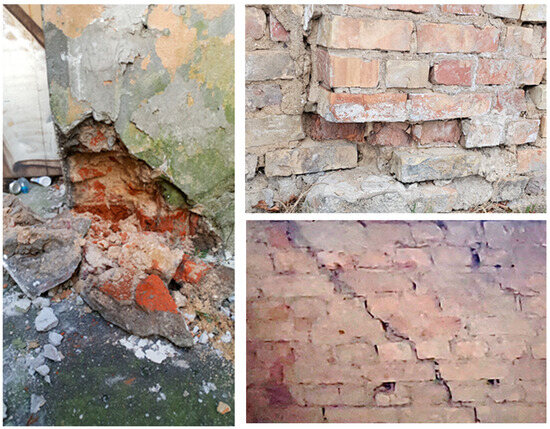
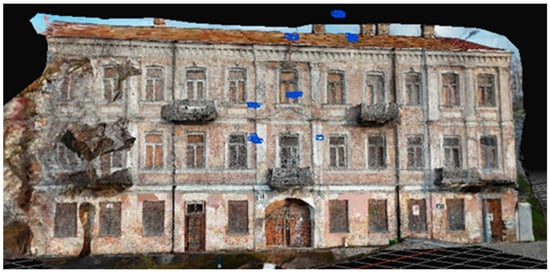
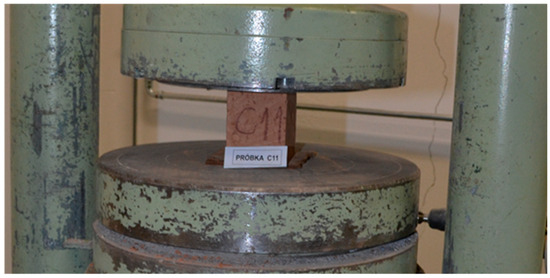
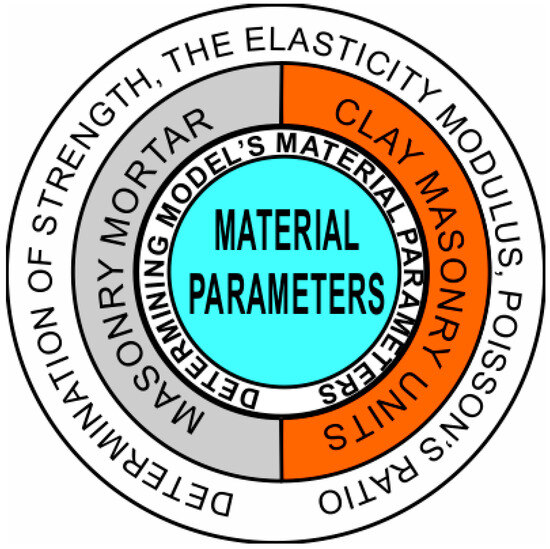
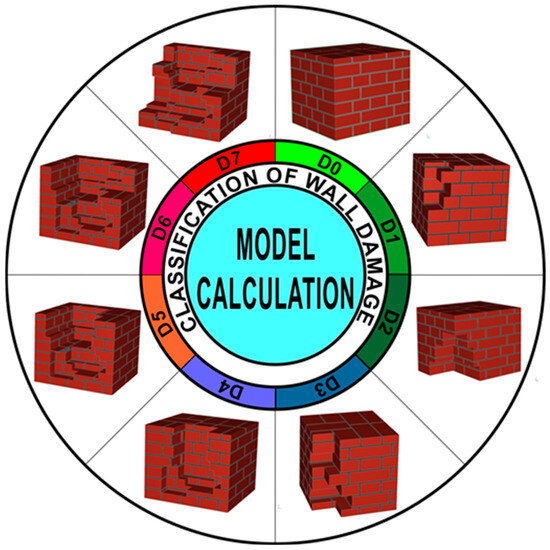
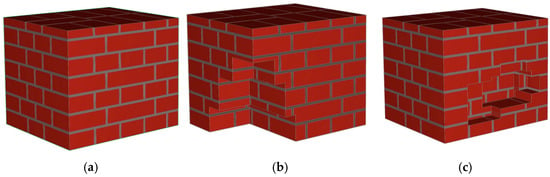
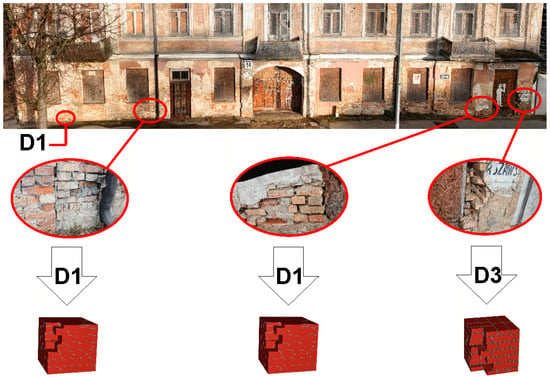
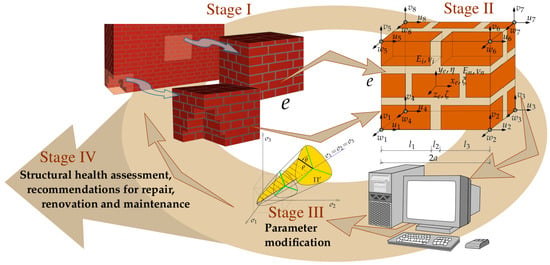
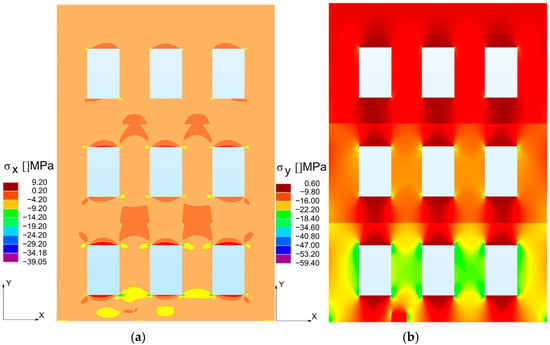
Historic buildings are susceptible to damage resulting from material degradation, deterioration of structural properties, changes in loads, overloading, and extraordinary events, which manifest as defects and flaws. These structures are also modernised, rebuilt, and adapted to new functions. In some cases, a rapid assessment of the structural condition is necessary. In practice, it is essential to maintain the safety of structures and their components, which is achieved by conducting an inventory and assessing the technical condition of structural elements and built-in materials. A numerical model was developed using macro-elements, and the practical applications of this model in strength analyses of degraded materials and sections of masonry structures are presented herein. The proposed approach was generalised and extended to include a classification of damaged masonry structures, which can be helpful and applied in indexing and searching databases of building structures, as well as in AI-assisted automatic pattern recognition. This resulted in a coherent and comprehensive approach to assessing the technical and structural condition of historic masonry buildings in use, as well as those undergoing repair, reconstruction, and modernisation. Full article
(This article belongs to the Special Issue Testing of Materials and Elements in Civil Engineering (4th Edition))
Show Figures

Figure 1
19 pages, 3446 KB  
Article
Research on Reverse Path Tracking Control for Hinged Unmanned Mining Truck Based on NN-SMC
by Yongkang Yang, Qing Ye, Yuchen Ding and Ruochen Wang
Machines 2026, 14(6), 590; https://doi.org/10.3390/machines14060590 (registering DOI) - 26 May 2026
Abstract
This paper addresses the impact of complex mining environments and the nonlinear dynamics of hinged mining trucks on reverse path tracking control for autonomous mining trucks. We propose a neural-network-based sliding mode control (NN-SMC)-based control strategy for reverse motion to improve tracking accuracy [...] Read more.
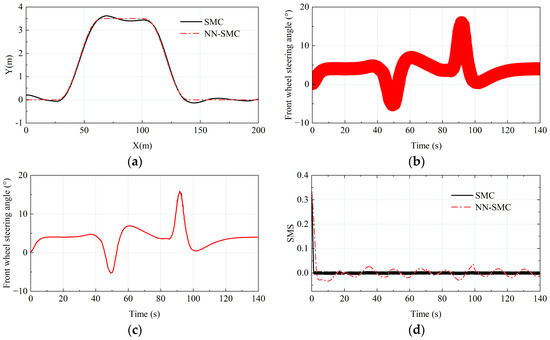
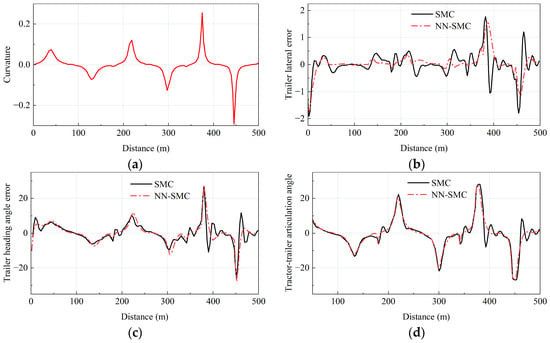
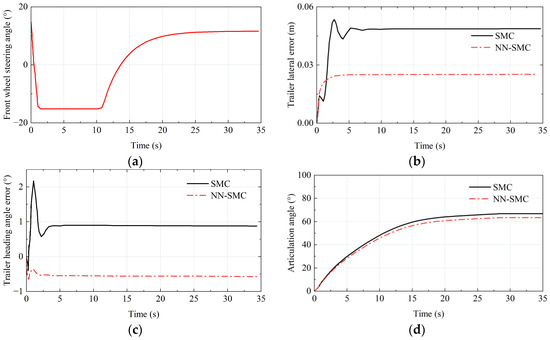
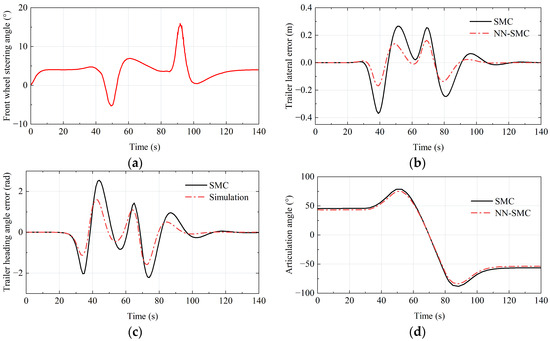
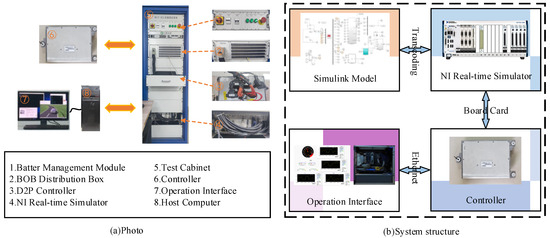
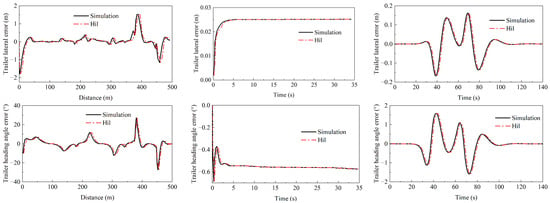
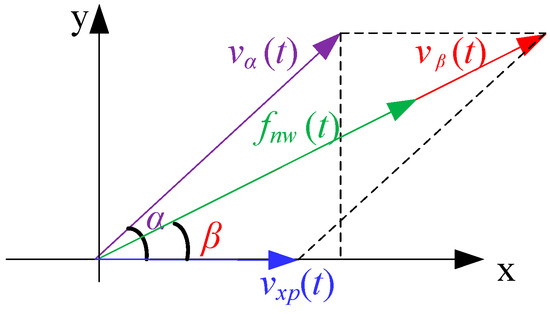
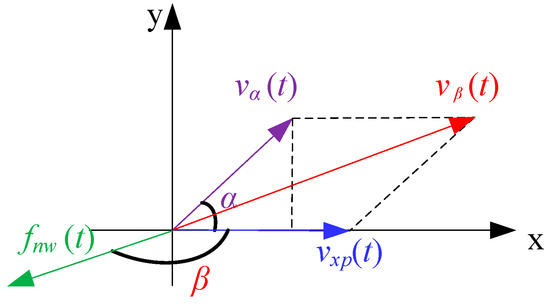
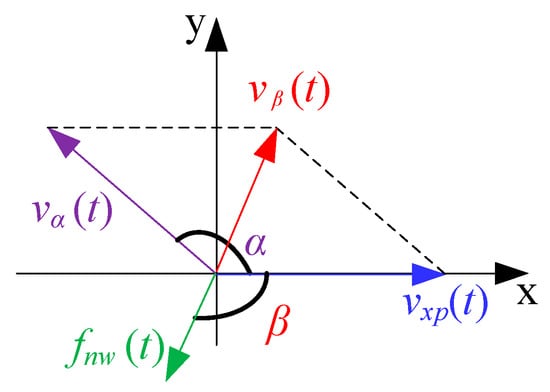
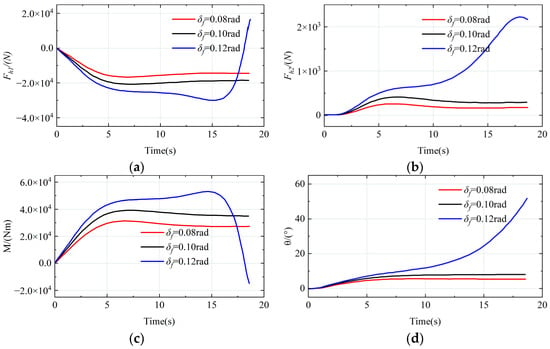
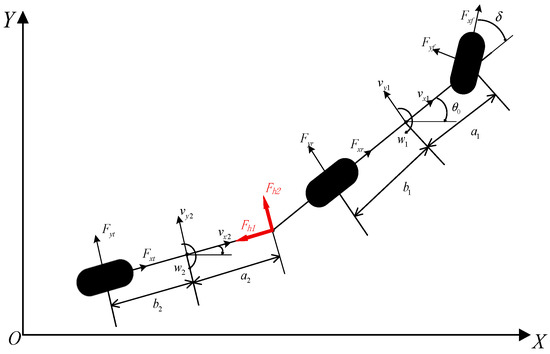
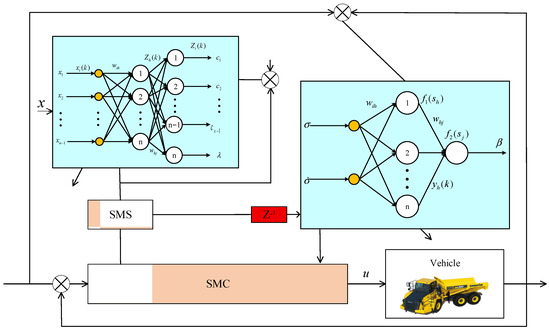
This paper addresses the impact of complex mining environments and the nonlinear dynamics of hinged mining trucks on reverse path tracking control for autonomous mining trucks. We propose a neural-network-based sliding mode control (NN-SMC)-based control strategy for reverse motion to improve tracking accuracy and robustness. First, a tractor–trailer dynamic model is built, and the force characteristics at the coupling joint are analyzed to derive the reverse interaction forces, which simplifies trailer modeling and avoids the influence of uncertain tractor parameters. Next, a control scheme matching the simplified model is developed, where an optimized sliding surface is designed and a neural network adaptively tunes control parameters to reduce chattering and improve adaptability to challenging conditions. Finally, hardware-in-the-loop tests validate the simulation results. Both simulation and experiments show that, compared with conventional SMC, the proposed method reduces lateral displacement error by 13.98% and heading error by 18.96%, demonstrating the effectiveness of the control approach. Full article
(This article belongs to the Special Issue New Journeys in Vehicle System Dynamics and Control)
Show Figures

Figure 1

23 pages, 4182 KB  
Article
The Effect of Lactic Acid Bacteria Fermentation on the Anti-Diabetic Activity of Pumpkin Puree
by Aqsa Qayyum, Shahid Ahmed Junejo, Zuoting Xu, Muhammad Zubair Hassan, Bingjie Liu and Zhong Chen
Foods 2026, 15(11), 1882; https://doi.org/10.3390/foods15111882 (registering DOI) - 26 May 2026
Abstract
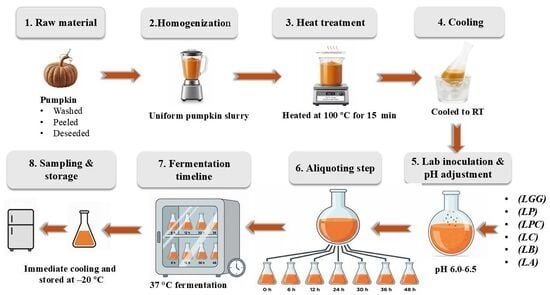
The purpose of this study was to evaluate the effects of multi-strain lactic acid bacteria (LAB) fermentation on the functional and antidiabetic properties of pumpkin (Cucurbita moschata) puree using integrated physicochemical, biochemical, and cellular analyses. Fermentation induced significant (p < [...] Read more.
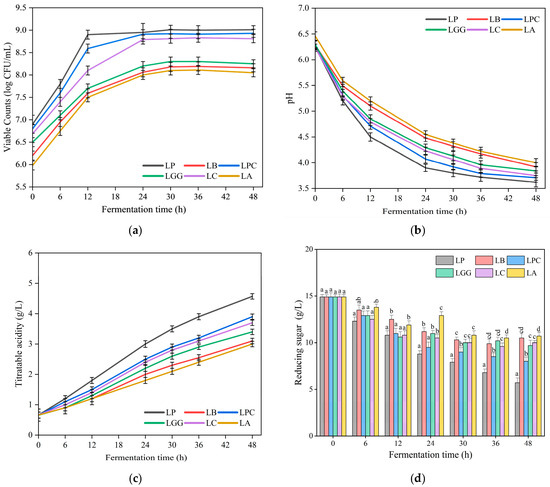
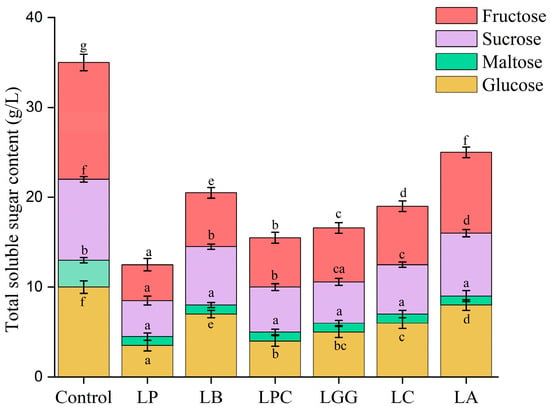
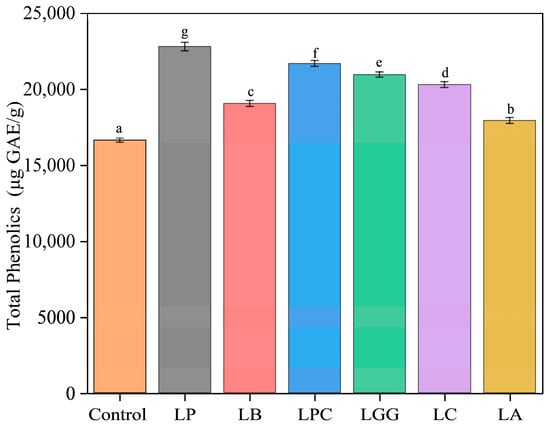
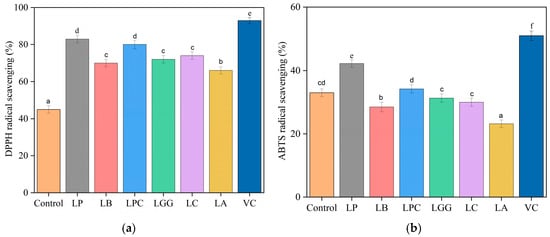
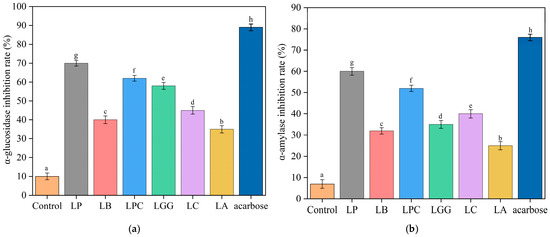
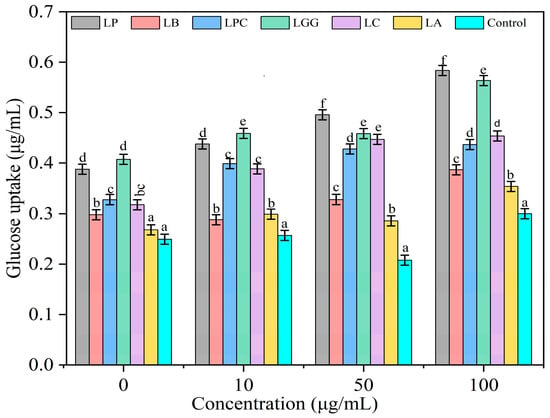
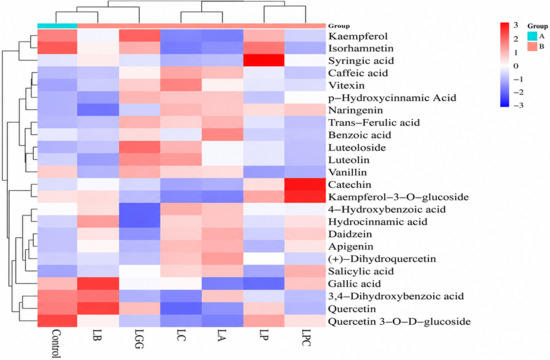
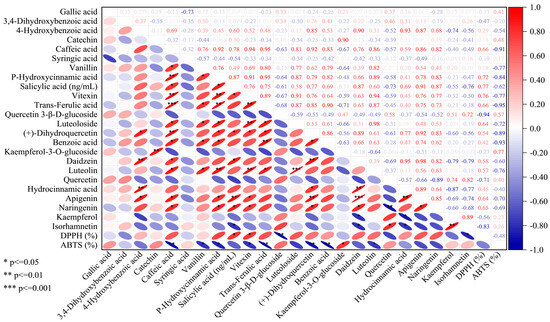
The purpose of this study was to evaluate the effects of multi-strain lactic acid bacteria (LAB) fermentation on the functional and antidiabetic properties of pumpkin (Cucurbita moschata) puree using integrated physicochemical, biochemical, and cellular analyses. Fermentation induced significant (p < 0.05) physiochemical changes, including a decrease in pH from 6.2 to 6.5 to 3.5–3.6, increased titratable acidity, and higher viable cell counts, indicating active microbial fermentation. Levels of reducing and soluble sugars (glucose, fructose, sucrose, and maltose) decreased significantly due to microbial utilization during fermentation. Fermented pumpkin puree exhibited markedly enhanced antioxidant activity, with DPPH radical scavenging activity increasing from 45% in the control to 83.2%, while ABTS radical scavenging activity increased from 33% to 42%. In vitro enzyme inhibition assays demonstrated enhanced antidiabetic potential, with α-amylase inhibition increasing from 7% to 60% and α-glucosidase inhibition from 10% to 70%. Moreover, glucose uptake in insulin-resistant L6 myotubes was significantly enhanced, indicating improved cellular glucose utilization. HPLC analysis revealed significant enrichment of phenolic compounds, particularly trans-ferulic acid (3894 µg/g), gallic acid (1996 µg/g), and caffeic acid (1894 µg/g), suggesting microbial-mediated release and biotransformation of bound phenolics during fermentation. Correlation analysis showed strong positive relationships among phenolic content, antioxidant activity, and enzyme inhibition. Among the tested LAB strains, Lactobacillus plantarum and Lactobacillus paracasei competitively exhibited the highest functional and anti-diabetic properties. Overall, LAB fermentation effectively enhanced the functional and antidiabetic properties of pumpkin puree. Full article
Show Figures

Graphical abstract

24 pages, 41139 KB  
Article
Trace Metal Enrichment and Radiological Risk in Coastal Sediments: Implications for Ecological and Human Health Safety
by El Saeed R. Lasheen, Tamader Alhazani, Gehad M. Saleh, Basma A. El-Badry, Mabrouk Sami, Ioan V. Sanislav and Ahmed Abdelaal
Toxics 2026, 14(6), 464; https://doi.org/10.3390/toxics14060464 (registering DOI) - 26 May 2026
Abstract
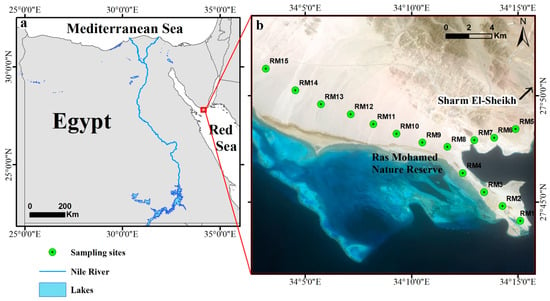
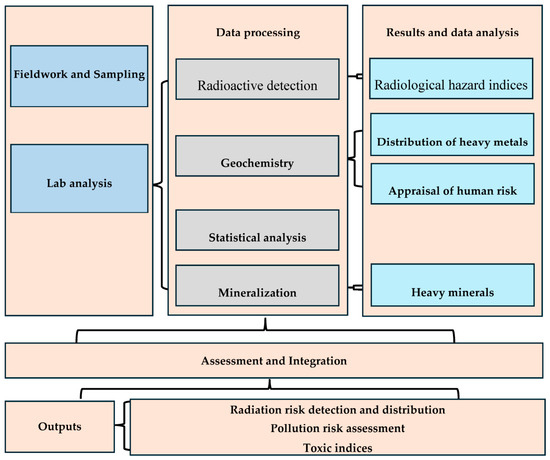
Coastal environments are becoming more susceptible to enrichment of trace elements from human activities and natural processes. This research presents a detailed assessment of heavy metal pollution and radiological risks in coastal sediments from the Ras Mohamed area, South Sinai, at the northern [...] Read more.
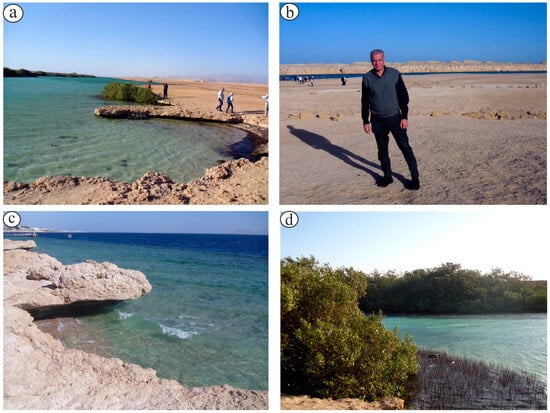
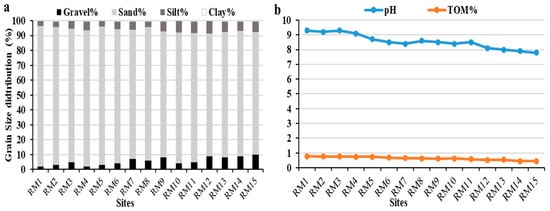
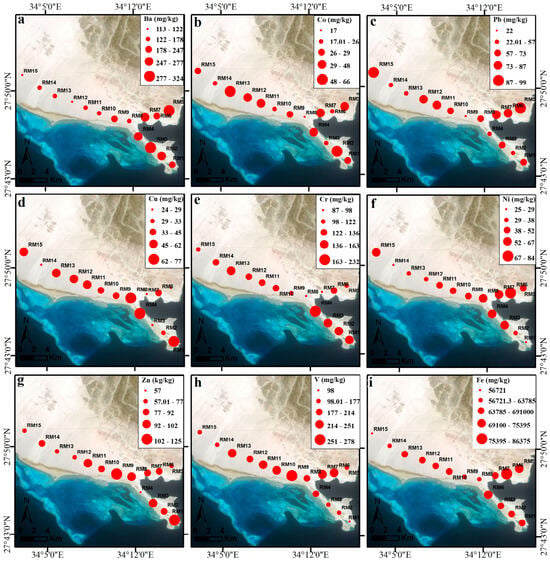
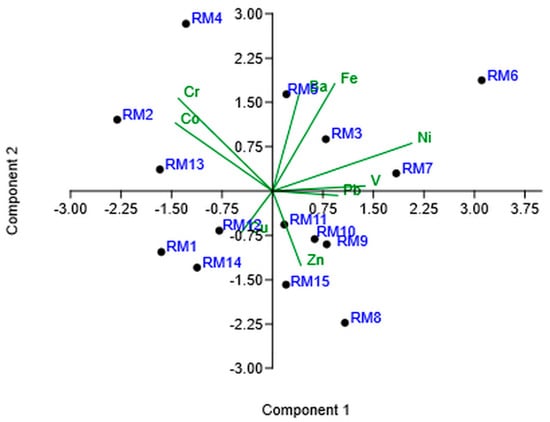
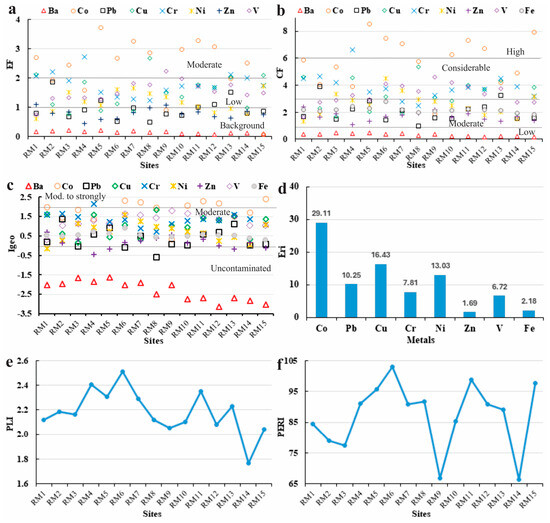
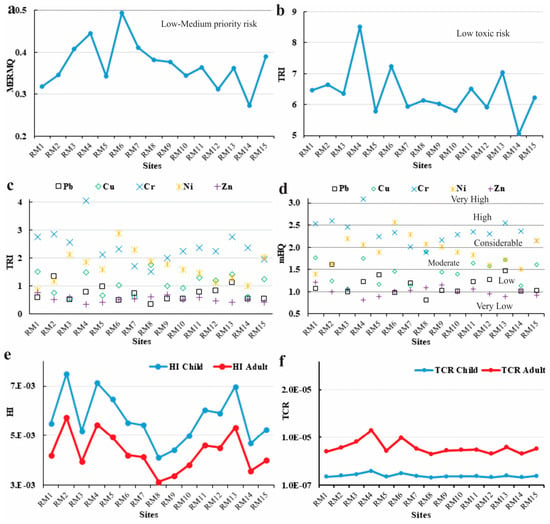
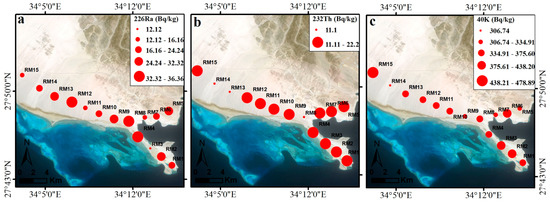
Coastal environments are becoming more susceptible to enrichment of trace elements from human activities and natural processes. This research presents a detailed assessment of heavy metal pollution and radiological risks in coastal sediments from the Ras Mohamed area, South Sinai, at the northern Red Sea. Fifteen surface sediment samples were examined for nine trace metals and naturally occurring radionuclides (226Ra, 232Th, and 40K) using ICP-OES and gamma spectrometry techniques, respectively. Geochemical analyses showed the concentration sequence Fe > Ba > V > Cr > Zn > Co > Ni > Cu > Pb, where average levels of Cr, V, and Co were higher than Canadian Soil Quality Guidelines (CSQGs) and global crustal background values. Environmental evaluation using the pollution load index = 2.16 reflected ongoing contamination, and the Geo-Accumulation Index indicated low to moderate polluted sediment conditions. Nevertheless, ecological risk results (PERI = 87.21) together with toxicity indicators pointed to low to moderate biological effects. Human exposure assessments for adults and children revealed no significant non-carcinogenic risk (HI < 1), and the Total Cancer Risk remained below the acceptable regulatory threshold (1 × 10⁻⁴). From the other side, all recorded radiation activities were low, falling below internationally recognized safety limits. An evaluation of radiological hazard indices further confirmed that the sediments present no significant radiation risk, as all measurements remain within the low-level classification of international standards. Overall, the results indicate that although localized sediment transport and tourism-related pressures have increased certain metal levels, the region is radiologically secure and currently presents negligible risk to human health. Full article
(This article belongs to the Section Metals and Radioactive Substances)
Show Figures

Figure 1

14 pages, 1264 KB  
Article
Observed RET-Positive Findings Across Routine Comprehensive Genomic Profiling Platforms in Japan: A Nationwide Descriptive Benchmark
by Shinya Kajiura and Ryuji Hayashi
Cancers 2026, 18(11), 1735; https://doi.org/10.3390/cancers18111735 (registering DOI) - 26 May 2026
Abstract
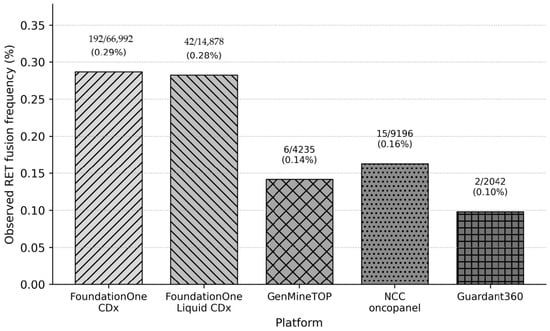
Background: RET fusion is an actionable tumor-agnostic biomarker, but its observed frequency in routine comprehensive genomic profiling (CGP) may vary across testing platforms and clinical contexts. We conducted a nationwide descriptive analysis to benchmark observed RET fusion frequency in Japanese routine practice. Methods: [...] Read more.
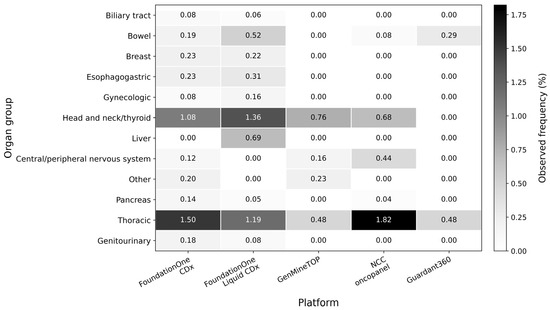
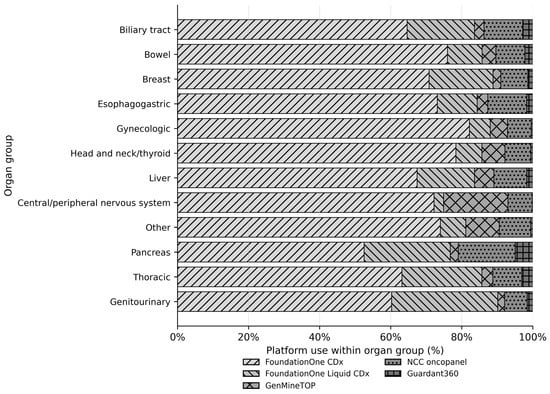
Background: RET fusion is an actionable tumor-agnostic biomarker, but its observed frequency in routine comprehensive genomic profiling (CGP) may vary across testing platforms and clinical contexts. We conducted a nationwide descriptive analysis to benchmark observed RET fusion frequency in Japanese routine practice. Methods: This retrospective descriptive study used anonymized aggregated data from the Center for Cancer Genomics and Advanced Therapeutics (C-CAT), including CGP-tested cases through 31 March 2025. Observed RET fusion frequency was summarized overall, across five standardized CGP platforms, across 12 prespecified organ groups, and in pooled tissue-based versus liquid-based comparisons. Exact binomial 95% confidence intervals were calculated to provide descriptive precision for low-frequency estimates. Results: Among 97,343 cases, 257 were RET-positive, corresponding to an overall observed RET fusion frequency of 0.26%. Platform-specific frequencies were 0.29% (192/66,992) for FoundationOne CDx, 0.28% (42/14,878) for FoundationOne Liquid CDx, 0.14% (6/4235) for GenMineTOP, 0.16% (15/9196) for NCC oncopanel, and 0.10% (2/2042) for Guardant360. Thoracic tumors showed the highest observed frequency (1.39%, 94/6740), followed by head and neck/thyroid tumors (1.04%, 42/4030). In a crude pooled comparison not adjusted for organ mix or clinical context, tissue-based and liquid-based CGP yielded numerically similar crude pooled frequencies of 0.265% (213/80,423) and 0.260% (44/16,920), respectively. Conclusions: This nationwide analysis benchmarks how RET-positive findings are surfaced to clinicians across heterogeneous routine CGP implementations in Japan. The data support platform-aware interpretation of RET results in practice, but should not be construed as biologic prevalence estimates or comparative assay performance. Full article
(This article belongs to the Section Cancer Biomarkers)
Show Figures

Figure 1

18 pages, 281 KB  
Review
Whither CRM?—30 Years on: A Narrative Review and Position Paper on the Future of Aviation CRM Training
by Alex Pollitt, Daan Vlaskamp, James Blundell and Annemarie Landman
Aerospace 2026, 13(6), 500; https://doi.org/10.3390/aerospace13060500 (registering DOI) - 26 May 2026
Abstract
For almost fifty years, Crew Resource Management (CRM) has been a cornerstone of aviation safety and training. This narrative review examines the current state of CRM training and identifies key directions for future development, including the integration of artificial intelligence, increasing attention on [...] Read more.
For almost fifty years, Crew Resource Management (CRM) has been a cornerstone of aviation safety and training. This narrative review examines the current state of CRM training and identifies key directions for future development, including the integration of artificial intelligence, increasing attention on mental health and resilience, and workforce diversity. While there is evidence of gradual evolution in CRM practices, reflected in updated regulatory frameworks, competency-based approaches, and a growing community of human factors and aviation psychology specialists, progress remains uneven across the industry. We argue that many aviation operators and training organizations still lack robust institutional mechanisms to systematically translate emerging scientific evidence into training design and delivery. As a result, advances in research on teaching and learning methods and human performance are not consistently brought forward into everyday training practices. The review concludes with a set of practical recommendations aimed at strengthening knowledge exchange between researchers and operational stakeholders, enhancing evidence-informed training, and supporting the modernization of CRM in a rapidly changing operational environment. Full article
(This article belongs to the Special Issue Human Factors and Performance in Aviation Safety)
43 pages, 7210 KB  
Article
Economic Resilience and Pesticide Use Practices Among GAP Certified and Non-Certified Mango Farmers in Northern Thailand
by Yuichiro Amekawa, Surat Hongsibsong, Panamas Treewannakul, Udomsap Jaitham, Pichamon Yana, Kanlayanee Boonthawee, Phannika Tongchai, Sumed Yadoung, Peerapong Jeeno and Nid Lungmala
Agriculture 2026, 16(11), 1167; https://doi.org/10.3390/agriculture16111167 (registering DOI) - 26 May 2026
Abstract
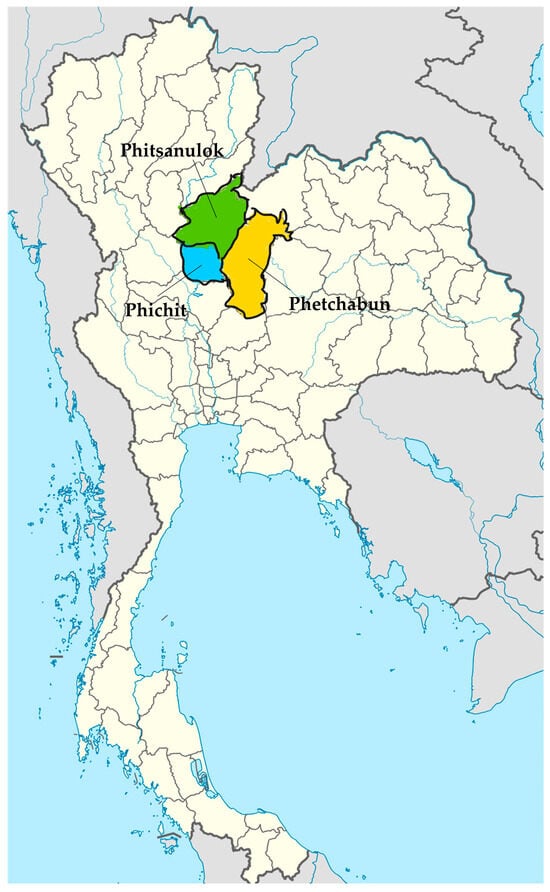
This multi-level study investigates the economic resilience of mango farmers during the COVID-19 pandemic and their pesticide management practices under Thailand’s Q-GAP (Quality Good Agricultural Practices) certification standard. Field surveys compared the economic outcomes of 104 certified and 151 non-certified farmers from 2019 [...] Read more.
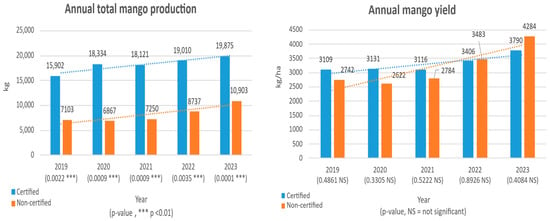
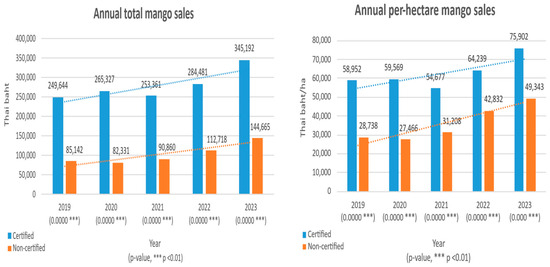
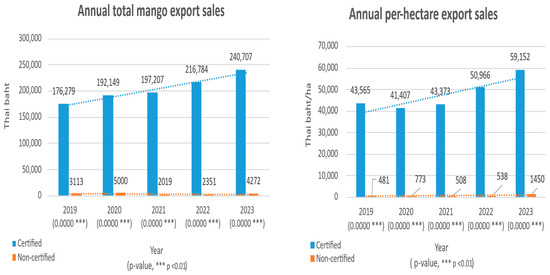
This multi-level study investigates the economic resilience of mango farmers during the COVID-19 pandemic and their pesticide management practices under Thailand’s Q-GAP (Quality Good Agricultural Practices) certification standard. Field surveys compared the economic outcomes of 104 certified and 151 non-certified farmers from 2019 to 2023, together with pesticide use practices during the year preceding the 2024 survey. The sample was drawn from three provinces in northern Thailand: Phitsanulok, Phetchabun, and Phichit. The statistical analysis of the collected information produced several key findings. Certified farms achieved significantly higher production and sales than non-certified farms over the five-year period, mainly due to larger farm size and higher prices obtained from premium export market sales. Certified farmers also adopted a wider range of coping strategies during the pandemic, whereas non-certified farmers mainly reduced mango investments related to mango cultivation. Certified farmers reported significantly higher rates of insecticide and fungicide adoption, as well as significantly higher annual pesticide application frequencies across all three pesticide categories. Residue analysis showed no significant difference in organophosphate (OP) residues between the two groups; however, pyrethroid (PY) residues were significantly higher among certified farms. This pattern suggests that certified farmers may apply pesticides more intensively to satisfy the aesthetic requirements of premium export markets. Regression results further showed that herbicide application frequency was the only factor marginally associated with PY-type residue levels among certified farmers, although this finding should be interpreted cautiously because of the weak model fit. Full article
(This article belongs to the Section Agricultural Economics, Policies and Rural Management)
Show Figures

Figure 1

35 pages, 17553 KB  
Article
Mechanism of Ultra-Low-Speed Smoothness in Ultrasonic Motors Based on a Macro-Micro Multi-Scale Finite Element Model
by Weijun Zeng, Tong Xie, Qiaoliang Peng, Hengyu Zhang, Yifan Jiang and Lin Yang
Micromachines 2026, 17(6), 659; https://doi.org/10.3390/mi17060659 (registering DOI) - 26 May 2026
Abstract
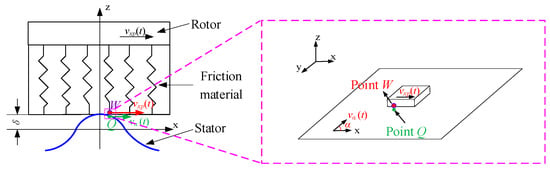
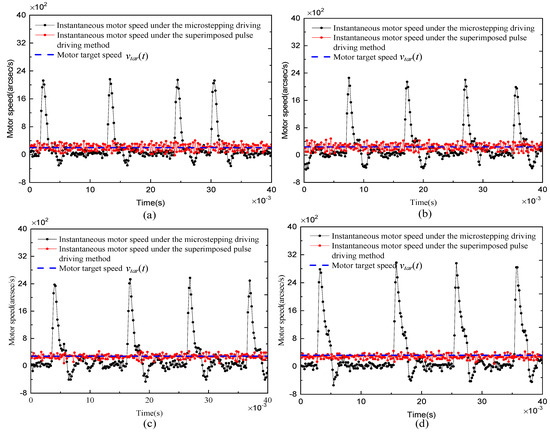
The conventional microstepping driving method suffers from significant periodic speed oscillations under ultra-low-speed conditions, which fail to meet the stringent demand for smooth operation of ultrasonic motors in semiconductor packaging. Most existing theories and simulations of ultrasonic motors adopt a macroscopic mechanical perspective; [...] Read more.
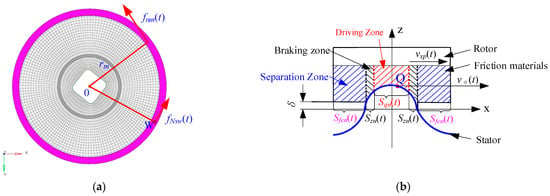
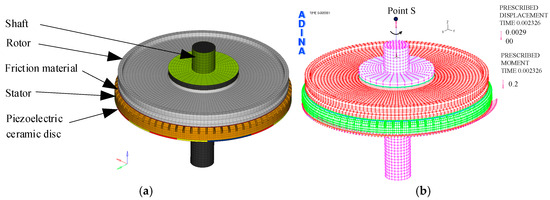
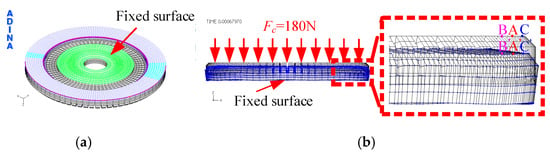
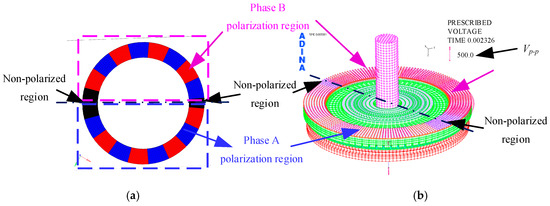
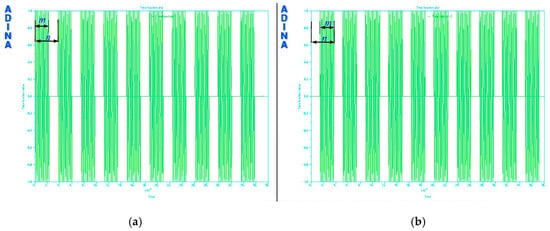
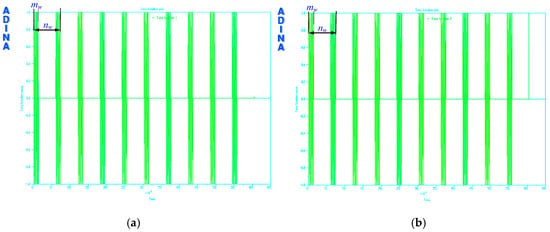
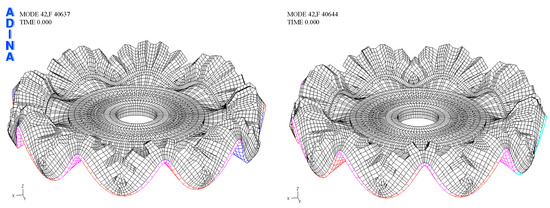
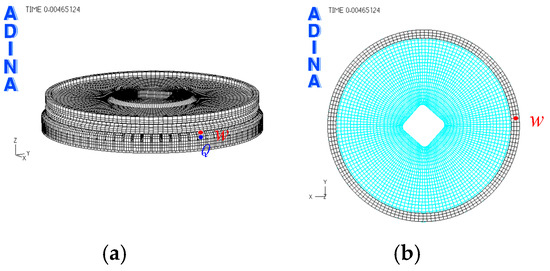
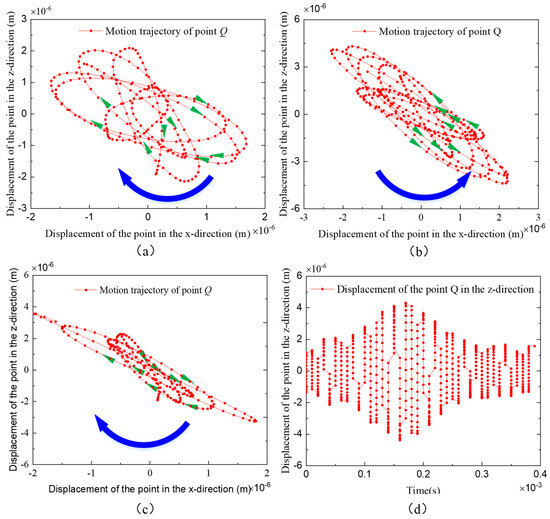
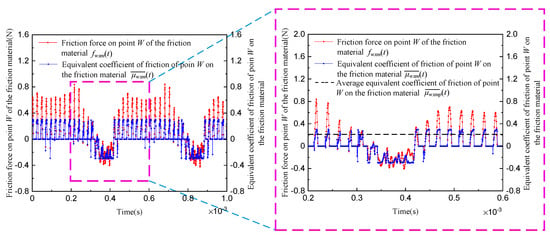
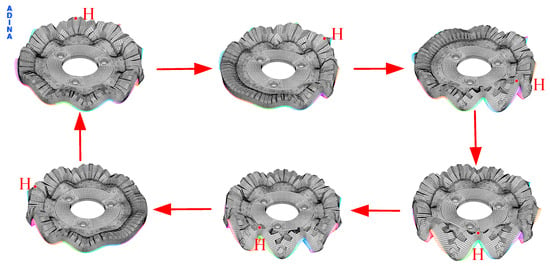
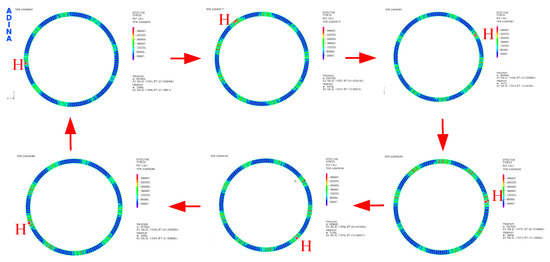
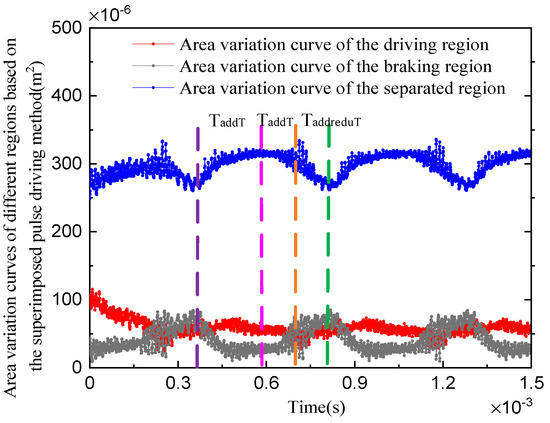
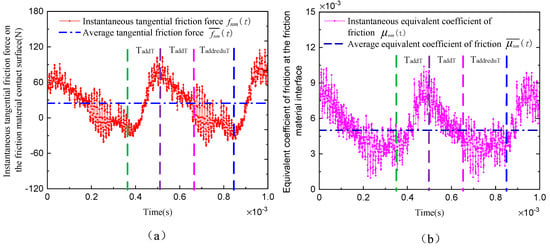
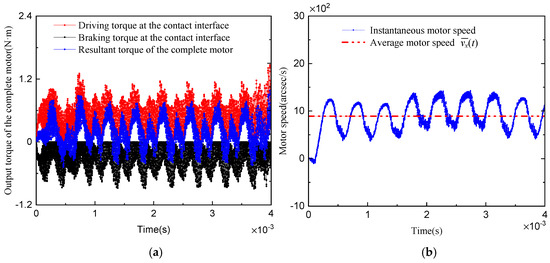
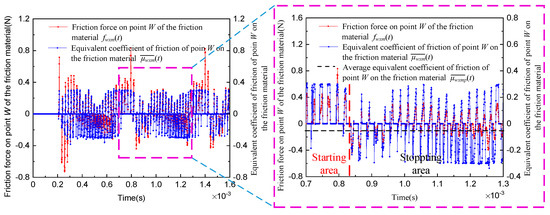
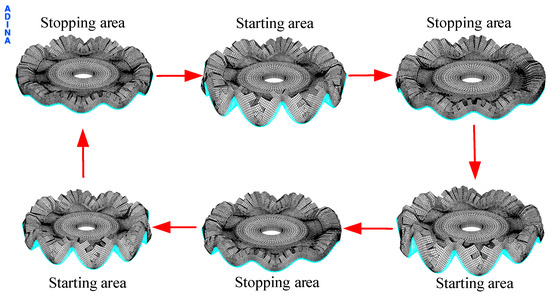
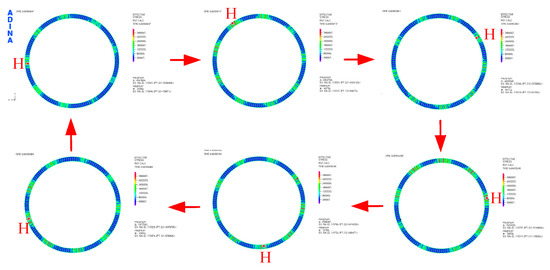
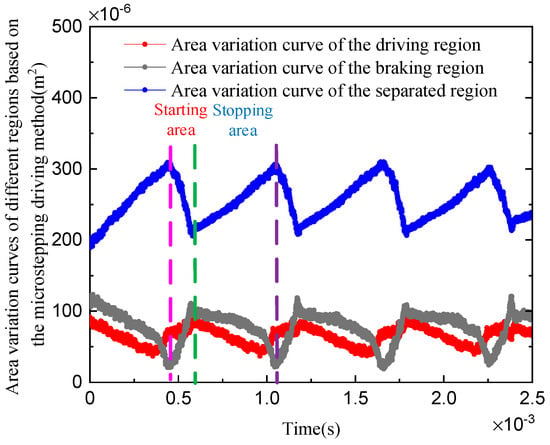
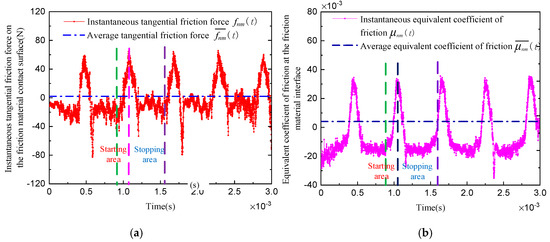
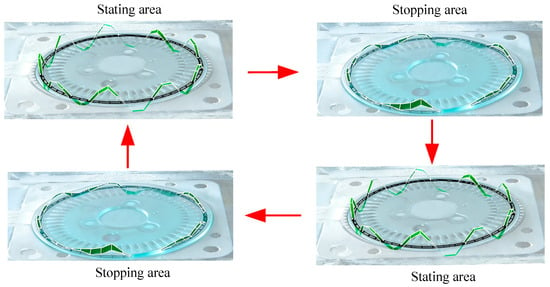
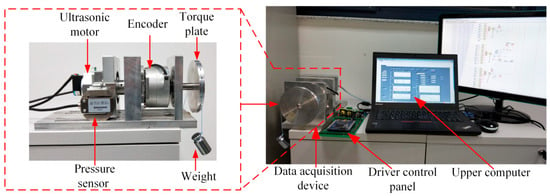
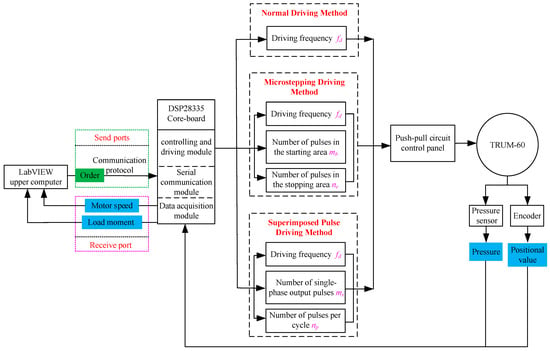
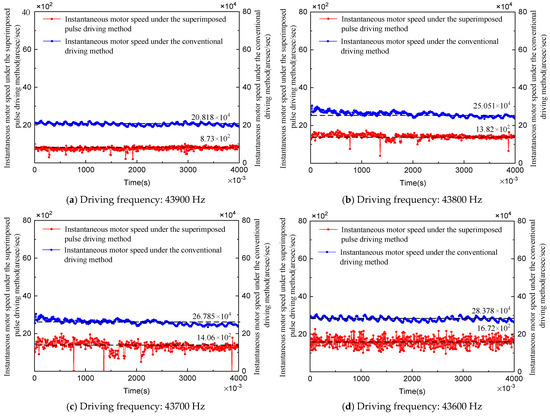
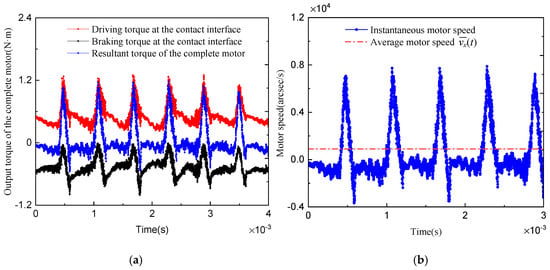
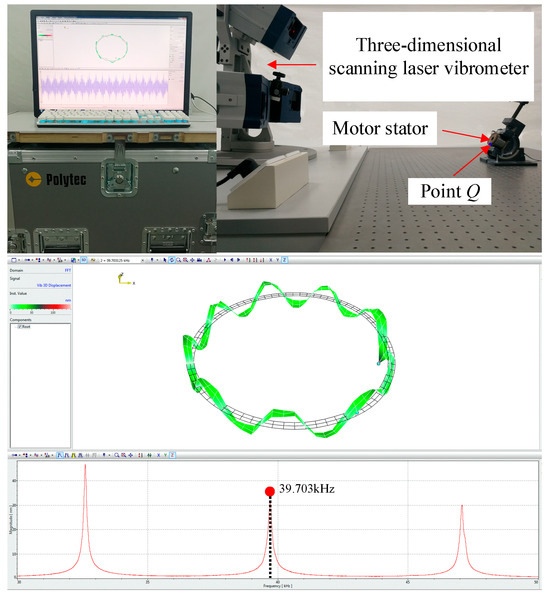
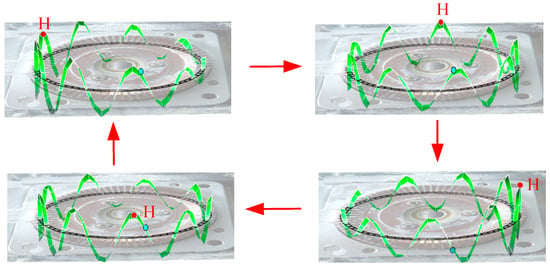
The conventional microstepping driving method suffers from significant periodic speed oscillations under ultra-low-speed conditions, which fail to meet the stringent demand for smooth operation of ultrasonic motors in semiconductor packaging. Most existing theories and simulations of ultrasonic motors adopt a macroscopic mechanical perspective; after extensive linearization and idealization, they can only provide preliminary mechanism analysis and fail to achieve precise quantitative computation. Moreover, they neglect critical factors such as the microstructure of contact surfaces, preload distribution, and vibration mode transmission, making it difficult to reflect the true characteristics of the motor—including strong nonlinearity, multiphysics coupling, and complex interface behavior—resulting in considerable discrepancies between theory and experiment. In this paper, a macro-micro multi-scale finite element model of a traveling-wave ultrasonic motor is established using ADINA and HyperMesh, fully accounting for the strong nonlinearity and multiphysics coupling effects. Based on the ultrasonic friction reduction theory and the beat traveling wave mechanism, the stator deformation, interface zoning characteristics, and torque output of the superimposed pulse driving method and the microstepping driving method are systematically compared. The simulated stator mode shapes are validated by laser scanning vibrometry experiments, and multiple speed tests ranging from 200 to 320 arcsec/s are conducted. Simulation results show that at a target speed of 900 arcsec/s, the superimposed pulse driving method reduces the speed fluctuation rate from 228% to 32%. Experimental results confirm that the speed fluctuation rate of the superimposed pulse driving method is consistently much lower than that of the microstepping driving method across the entire tested speed range. This study reveals the low-speed smooth operation mechanism of the superimposed pulse driving method, characterized by single-peak dominance and smooth alternation between the driving and braking zones, thereby fundamentally overcoming the inherent shortcomings of the traditional microstepping driving method. The proposed model can effectively replace costly direct interface measurements, providing a new method and reference for ultra-low-speed precision control of ultrasonic motors and for investigating the driving mechanisms of similar motors. Full article
(This article belongs to the Section E:Engineering and Technology)
Show Figures

Figure 1

33 pages, 12417 KB  
Article
From Organic Waste to Clean Fuel and Water: Plant-Extract-Assisted TiO2 Nanoparticles for Simultaneous 2-Naphthol Degradation and H2 Production
by Osama Y. Al-Madanat
Nanoenergy Adv. 2026, 6(2), 18; https://doi.org/10.3390/nanoenergyadv6020018 (registering DOI) - 26 May 2026
Abstract
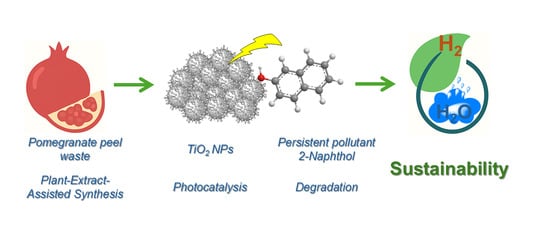
The development of sustainable technologies capable of simultaneously addressing environmental pollution and renewable energy production remains a major scientific challenge. In this work, titanium dioxide nanoparticles (GTiO2) were synthesized through a plant-extract-assisted route using Punica granatum (pomegranate) peel extract and subsequently [...] Read more.
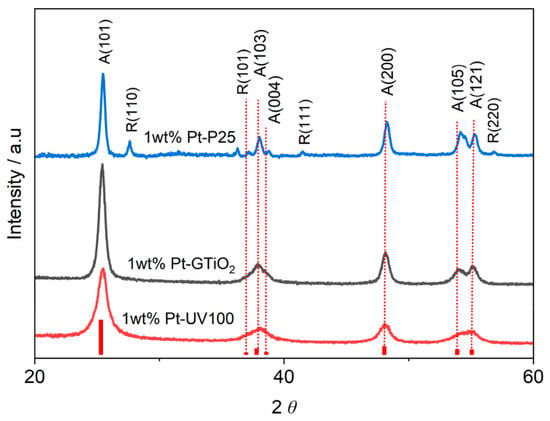
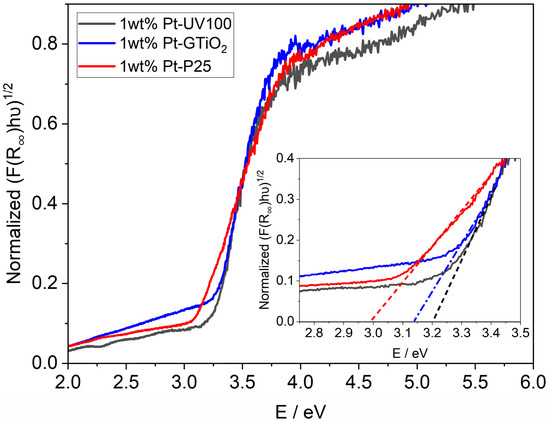
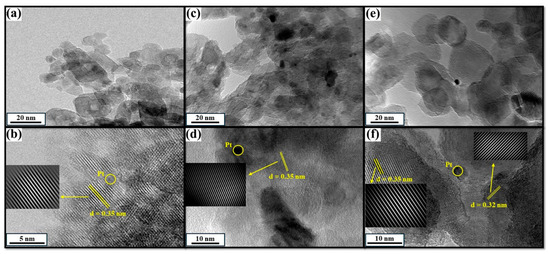
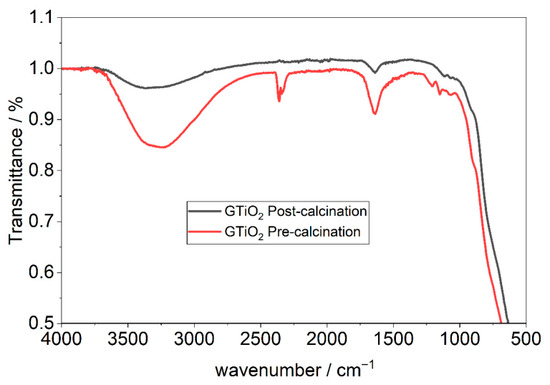
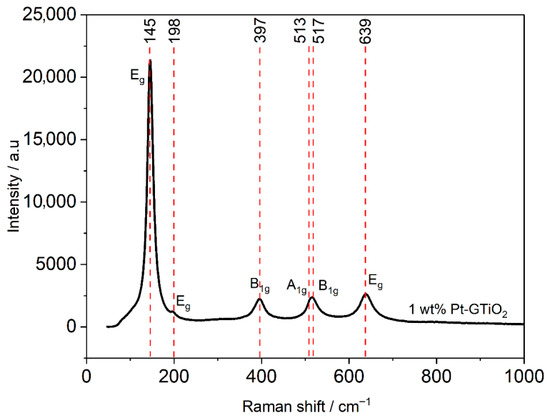
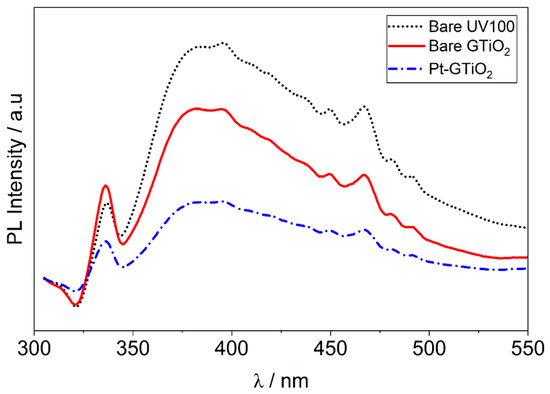
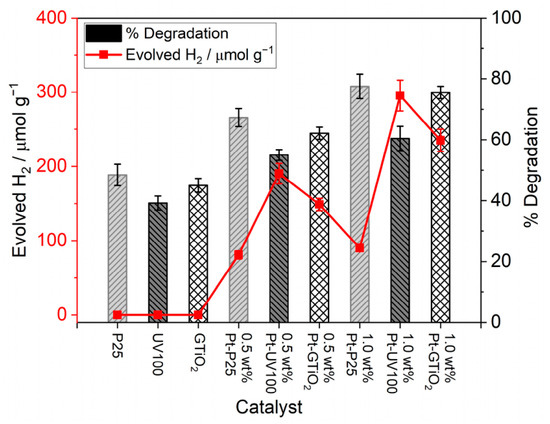
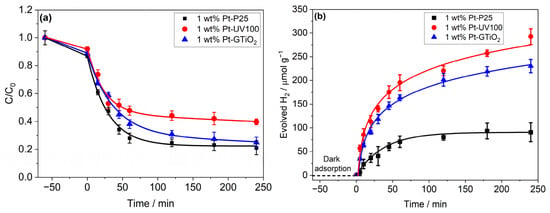
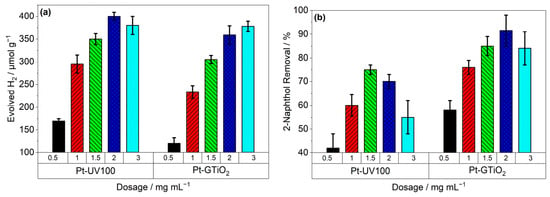
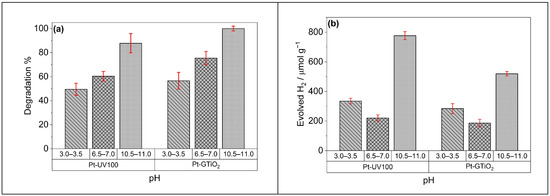
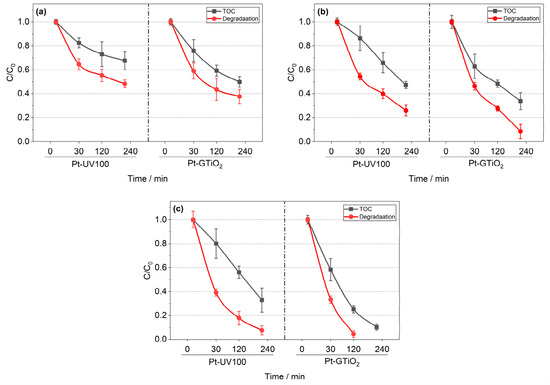
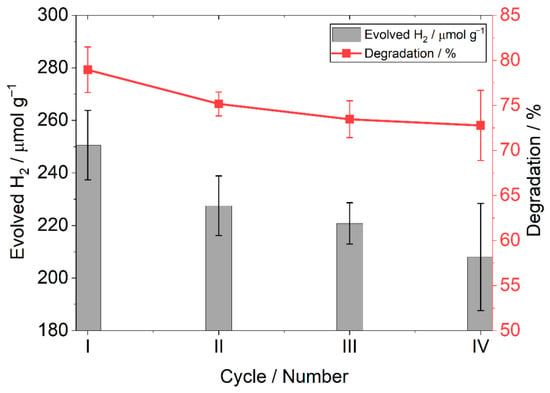
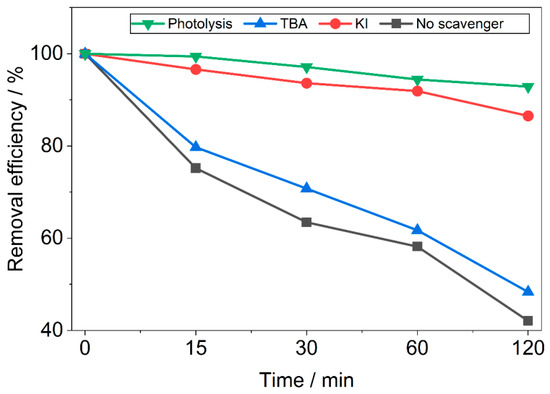
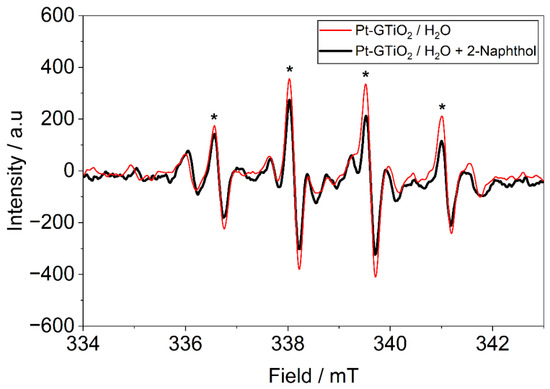
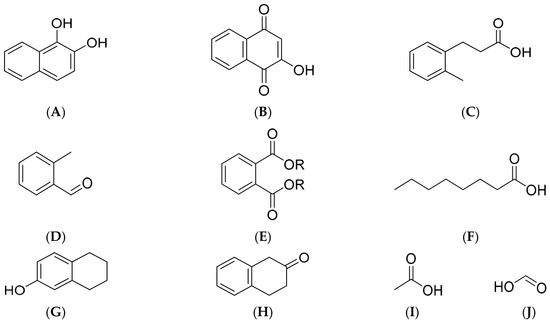
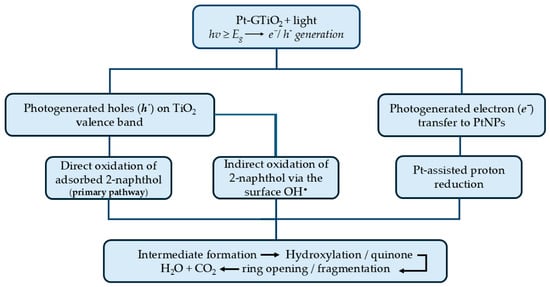
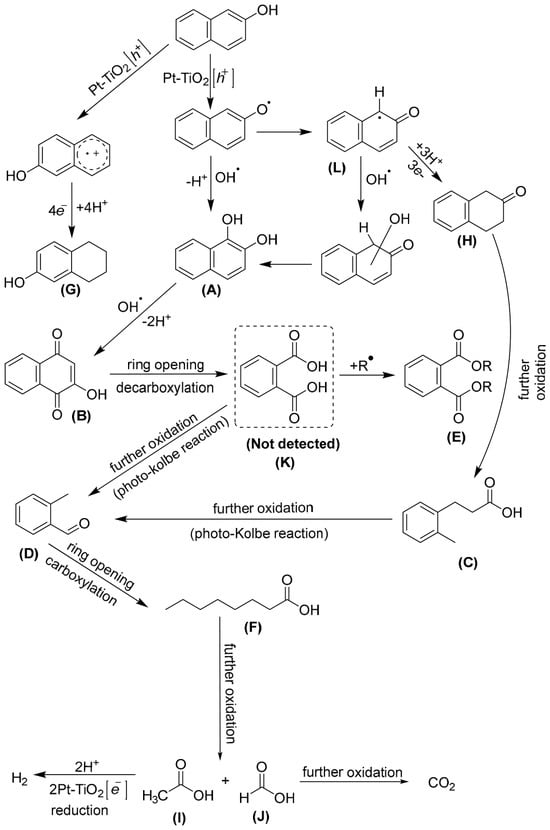
The development of sustainable technologies capable of simultaneously addressing environmental pollution and renewable energy production remains a major scientific challenge. In this work, titanium dioxide nanoparticles (GTiO2) were synthesized through a plant-extract-assisted route using Punica granatum (pomegranate) peel extract and subsequently modified with platinum nanoparticles (Pt NPs) to obtain an efficient photocatalyst for the photoreforming of organic pollutants. The resulting Pt-GTiO2 material exhibited an anatase crystal structure with an average crystallite size of approximately 12 nm and a specific surface area of about 140 m2 g−1. Comprehensive characterization using XRD, BET, TEM, FTIR, Raman, and photoluminescence spectroscopy (PL) revealed favorable structural and optoelectronic properties that promote efficient charge separation. The photocatalytic performance of Pt-GTiO2 was evaluated through the simultaneous degradation of 2-naphthol, a priority aromatic pollutant, and hydrogen evolution under simulated solar irradiation in anaerobic conditions. Under the investigated conditions, Pt-GTiO2 effectively promoted 2-naphthol degradation, with substantial but incomplete mineralization, as confirmed by TOC removal. The synthesized catalyst showed degradation efficiency higher than Pt-UV100 and comparable to Pt-P25, while exhibiting superior hydrogen evolution when compared with Pt-P25. Mechanistic investigations combining scavenger experiments, electron paramagnetic resonance (EPR) spectroscopy, and the identification of reaction intermediates suggest that photogenerated holes play a major role in the initial oxidation step under the mechanistic test conditions. The detected intermediates indicate that photoreforming proceeds via multiple pathways, including hydroxylation, ring-opening, reduction, and fragmentation. These findings highlight the potential of biogenic TiO2-based photocatalysts for converting hazardous organic pollutants into clean hydrogen fuel while simultaneously achieving wastewater purification, offering a promising route toward sustainable environmental and energy technologies. Full article
Show Figures

Graphical abstract

16 pages, 844 KB  
Article
Influencer-Led Communities and Consumer–Brand Identification: A Parasocial Perspective on Hospitality
by Can Olgun and Brijesh Thapa
Tour. Hosp. 2026, 7(6), 153; https://doi.org/10.3390/tourhosp7060153 (registering DOI) - 26 May 2026
Abstract
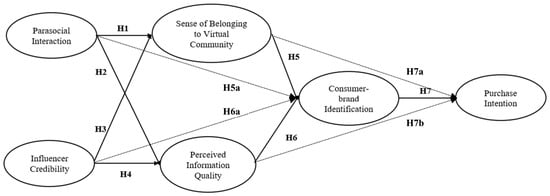
This study investigates how parasocial interactions with travel influencers shape consumer–brand identification and purchase intention within hospitality-related virtual communities. Grounded in social influence theory and the literature on parasocial interaction, the study examines the mediating roles of perceived information quality and a sense [...] Read more.
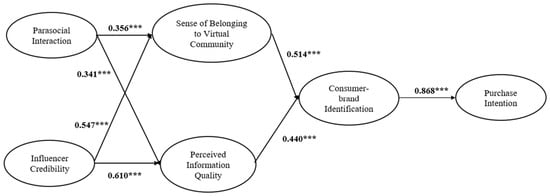
This study investigates how parasocial interactions with travel influencers shape consumer–brand identification and purchase intention within hospitality-related virtual communities. Grounded in social influence theory and the literature on parasocial interaction, the study examines the mediating roles of perceived information quality and a sense of belonging in influencer-led digital environments. Data were collected from 940 consumers and analyzed using confirmatory factor analysis and structural equation modeling. The findings demonstrate that parasocial interaction significantly enhances perceived information quality and consumers’ sense of belonging to influencer-led virtual communities, thereby strengthening consumer–brand identification and purchase intention. The results further suggest that influencer-led social environments function not only as promotional channels but also as psychologically meaningful communities that shape consumer perceptions and behavioral outcomes. By integrating parasocial interaction, virtual community belonging, and consumer–brand identification within a hospitality context, this study contributes to the growing literature on influencer marketing and digital consumer behavior. Full article
Show Figures

Figure 1

17 pages, 3436 KB  
Article
Third-Component-Regulated Choline Chloride–Monoethanolamine-Based Solvent Systems for Enhanced Valorization of Bamboo Toward Concurrent Bioethanol and Carbon Dot Production
by Sicheng Jin, Yongan Meng, Dongtian Miao, Chun Shi, Jing Yang, Zhengjun Shi and Haiyan Yang
Molecules 2026, 31(11), 1832; https://doi.org/10.3390/molecules31111832 (registering DOI) - 26 May 2026
Abstract
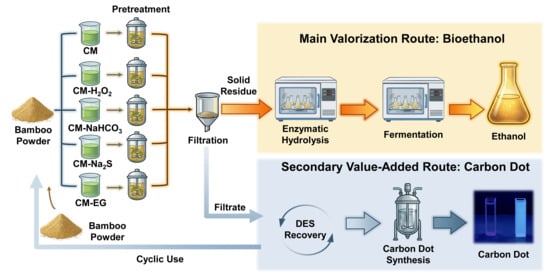
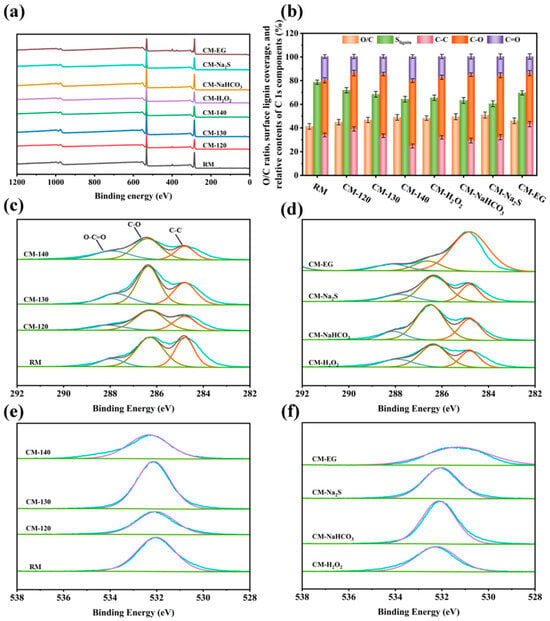
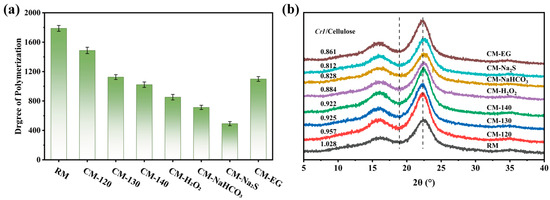
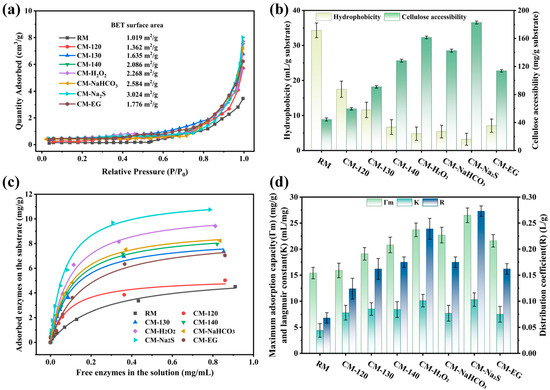
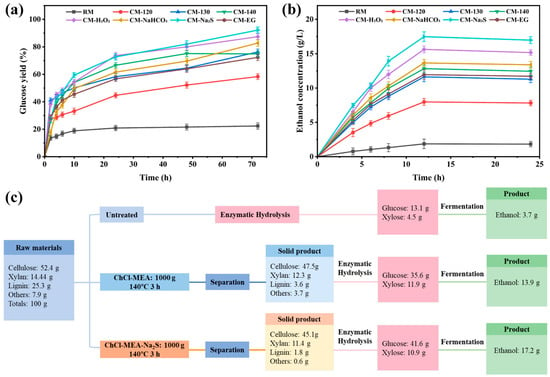
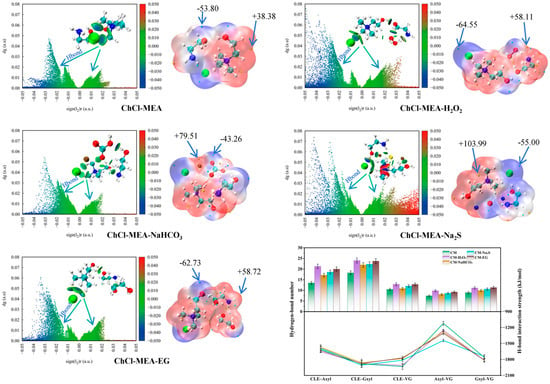
Efficient pretreatment is essential for improving the conversion of lignocellulose into fermentable sugars and bioethanol. In this study, choline chloride–monoethanolamine (ChCl-MEA)-based solvent systems containing H2O2, NaHCO3, Na2S, or ethylene glycol were prepared and applied for [...] Read more.
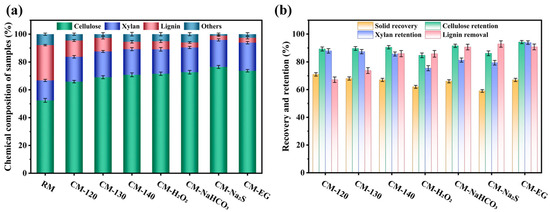
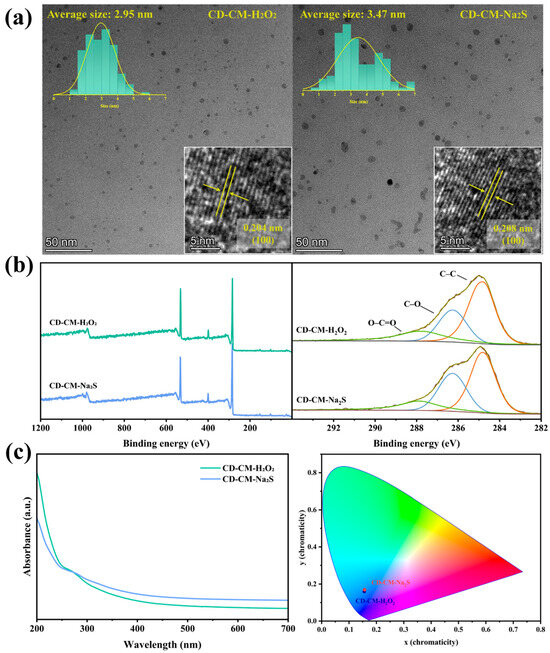
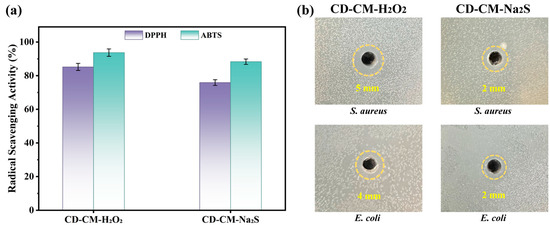
Efficient pretreatment is essential for improving the conversion of lignocellulose into fermentable sugars and bioethanol. In this study, choline chloride–monoethanolamine (ChCl-MEA)-based solvent systems containing H2O2, NaHCO3, Na2S, or ethylene glycol were prepared and applied for the pretreatment of Dendrocalamus brandisii. Among the tested systems, ChCl-MEA-Na2S showed the best overall pretreatment performance, achieving 92.8 ± 2.3% delignification and 86.1 ± 1.7% cellulose retention. It also effectively disrupted lignin–carbohydrate associations, reduced lignin shielding and generated a more accessible cellulose-rich substrate for bioconversion. In the following separation enzymatic hydrolysis and fermentation, 92.2 ± 2.2% cellulose in substrate was converted to glucose, and 17.49 ± 0.7 g/L ethanol was obtained via the fermentation of enzymatic hydrolysate. Taking the bioconversion of substrate into consideration, the ChCl-MEA-H2O2 and ChCl-MEA-Na2S were recovered for full component utilization. Especially, the carbon dots produced from the degradation compounds in ChCl-MEA-H2O2 DESs had favorable antioxidation and antibacterial performance due to the oxygen-containing group caused by oxidation of H2O2. Full article
Show Figures

Graphical abstract

20 pages, 14107 KB  
Article
Residual Mechanical Properties of Printable Concrete Subjected to Elevated Temperatures
by Kai Xiong, Junyi Zhao, Yao Rong, Youhua Zhang, Zewen Zhu, Chengke Zhang, Huijie Zou and Yong Yuan
Buildings 2026, 16(11), 2125; https://doi.org/10.3390/buildings16112125 (registering DOI) - 26 May 2026
Abstract
The construction industry is under increasing pressure to reduce its carbon footprint, driving the development of low-carbon construction technologies. Printable concrete has attracted increasing attention in the construction sector due to its advantages in automation and material efficiency, which are considered beneficial for [...] Read more.
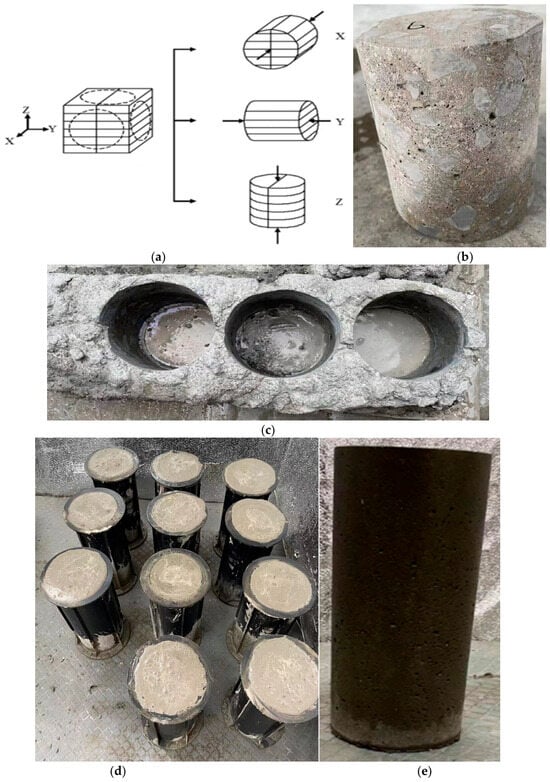
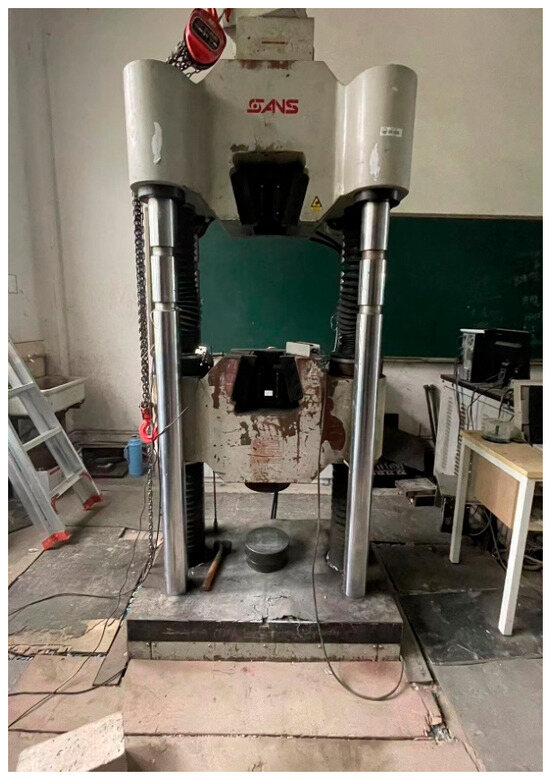
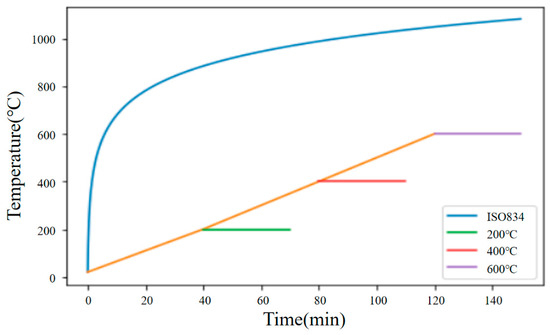
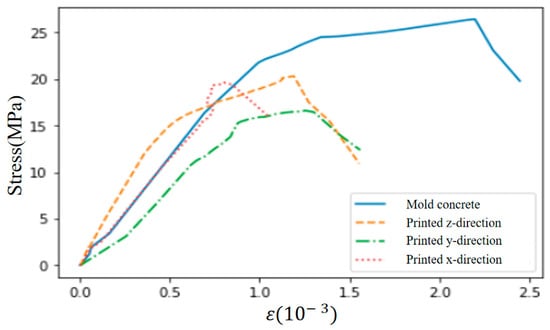
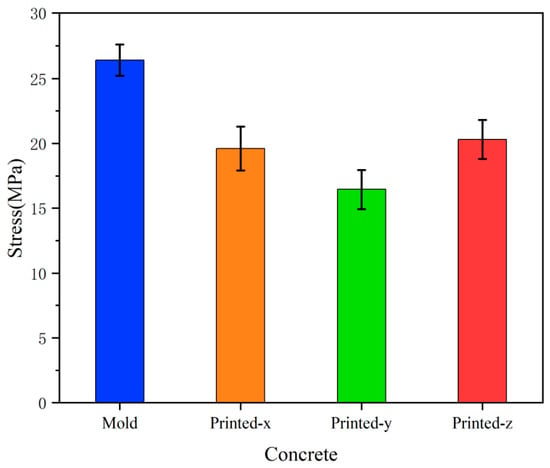
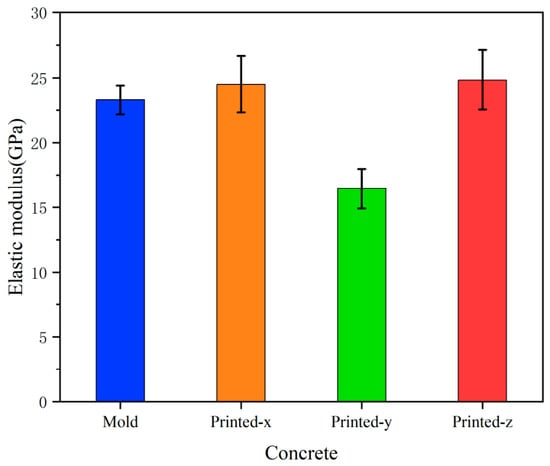
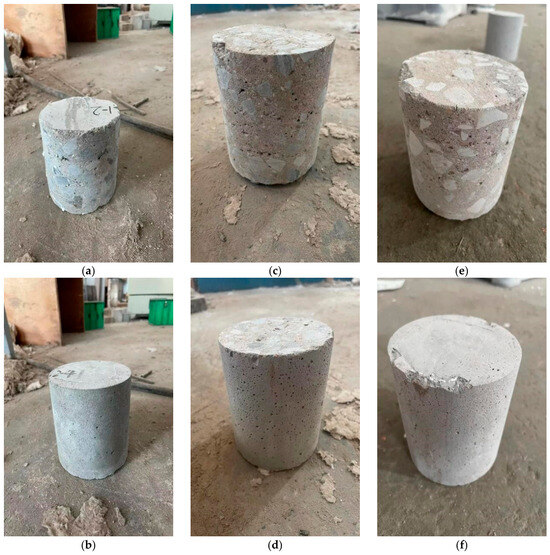
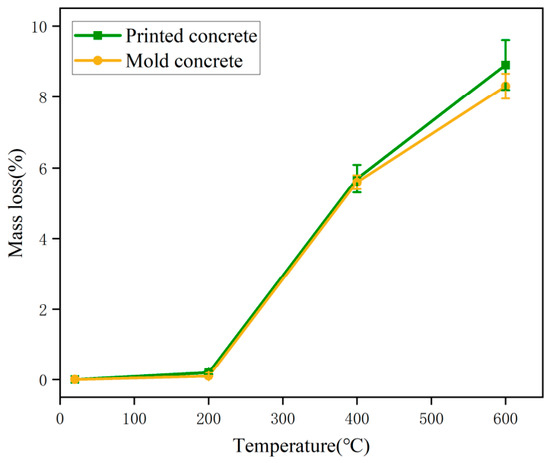
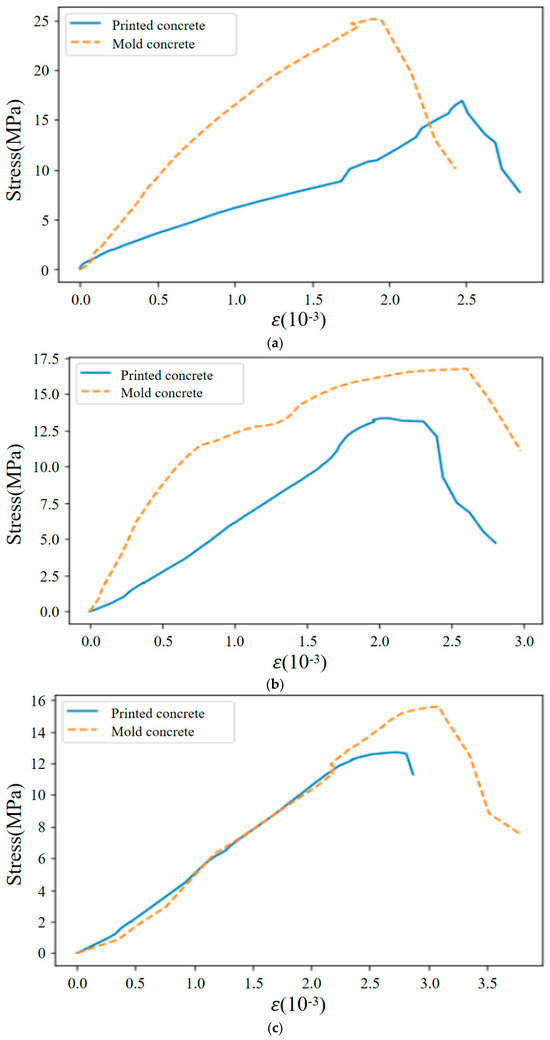
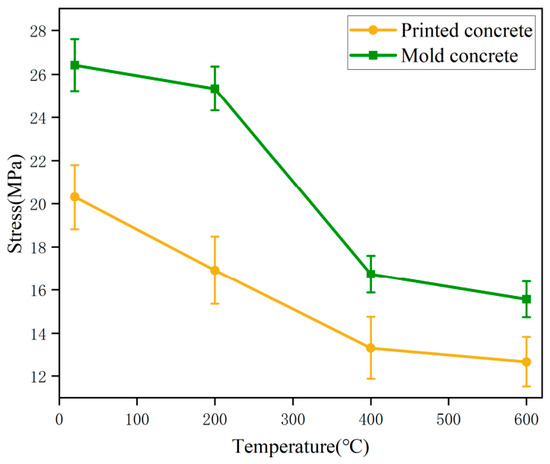
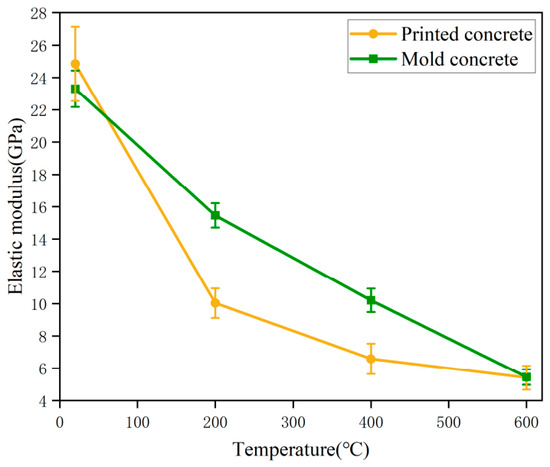
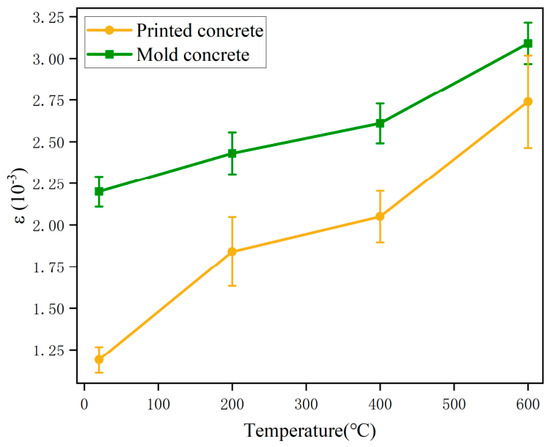
The construction industry is under increasing pressure to reduce its carbon footprint, driving the development of low-carbon construction technologies. Printable concrete has attracted increasing attention in the construction sector due to its advantages in automation and material efficiency, which are considered beneficial for sustainable and low-carbon construction practices. However, its structural performance under fire exposure remains insufficiently understood, particularly regarding the anisotropic mechanical response induced by layer-by-layer fabrication. This study experimentally investigates the mechanical behavior of printable concrete at ambient temperature and after exposure to elevated temperatures of 200 °C, 400 °C, and 600 °C. Manually printed specimens were prepared to replicate the layered characteristics of printable concrete, while cast concrete specimens served as a reference. Results show clear anisotropy in compressive strength among the X, Y, and Z loading directions, with the Z-direction exhibiting the highest strength due to improved interlayer integrity. Compared with cast concrete, printable concrete showed up to 37.77% lower compressive strength at ambient temperature. After thermal exposure, the compressive strength of printable concrete decreased by 16.68%, 34.40%, and 37.54% after exposure to 200 °C, 400 °C, and 600 °C, respectively, while the elastic modulus decreased by up to 78.18%. Mass loss and surface cracking intensified with increasing temperature, reflecting progressive dehydration and microstructural deterioration. These findings provide important insights into the fire performance and post-fire structural assessment of printable concrete. Full article
Show Figures

Figure 1

20 pages, 5604 KB  
Article
Some Predictions on Behavior of the Nuclear Matter in Nuclear Collisions at FAIR-GSI Energies
by Nicolae George Țuțuraș, Alexandru Jipa, Dănuț Argintaru, Oana Ristea, Marius Călin, Cătălin Ristea, Ionel Lazanu, Tiberiu Eșanu, Adam Jinaru and Murat Ablai
Particles 2026, 9(2), 62; https://doi.org/10.3390/particles9020062 (registering DOI) - 26 May 2026
Abstract
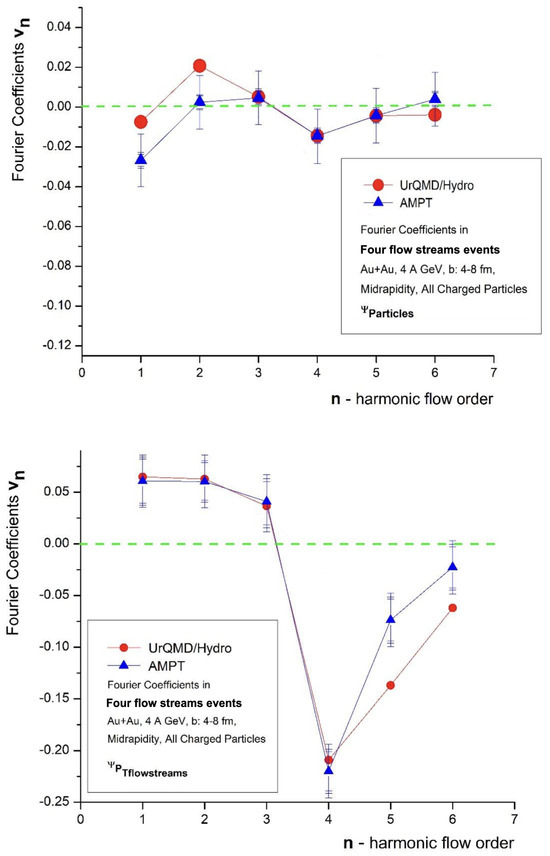
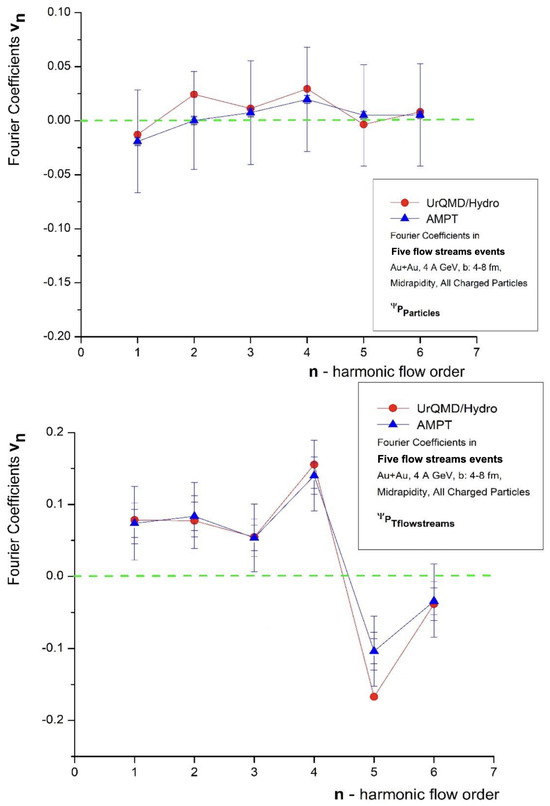
In order to describe the heavy ion collision dynamics which implies the formation of hot and very dense nuclear matter in the overlapping region of the two colliding nuclei, we used simulated numerical calculations for FAIR available energies. We used the anti- [...] Read more.
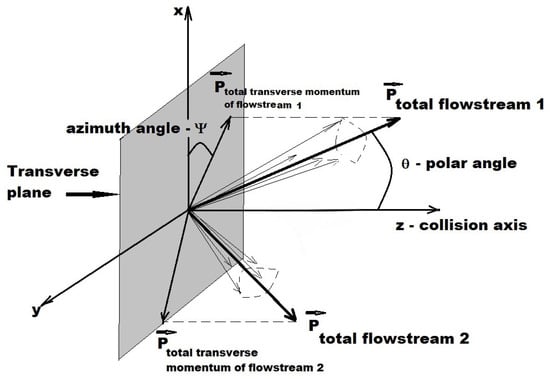
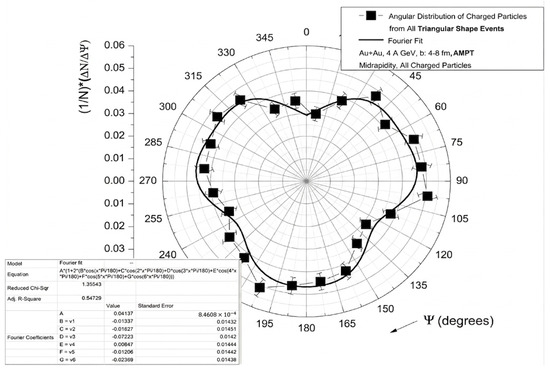
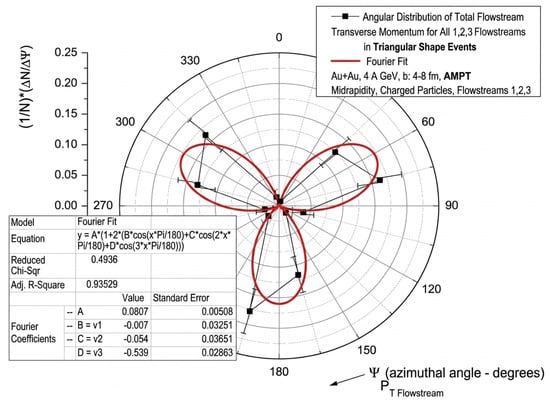
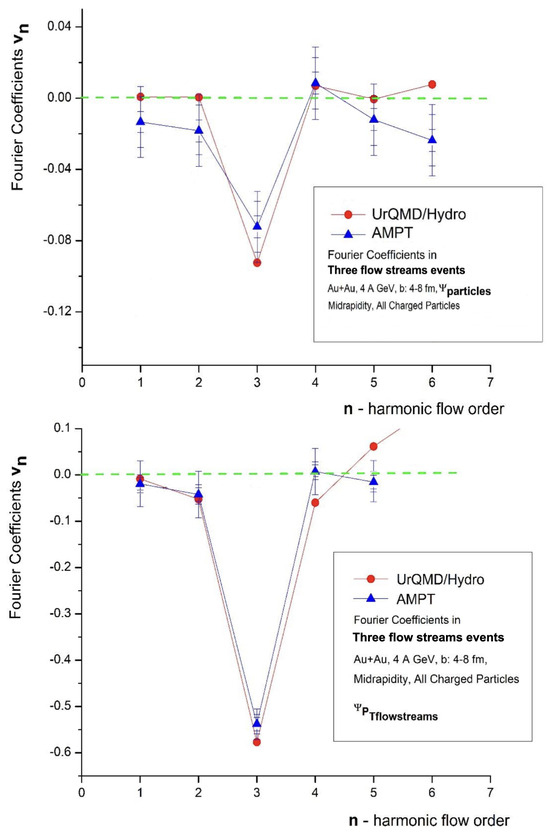
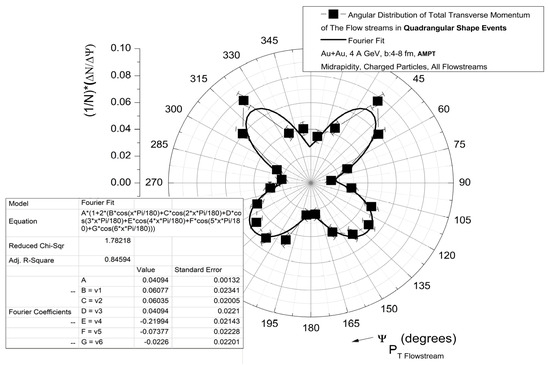
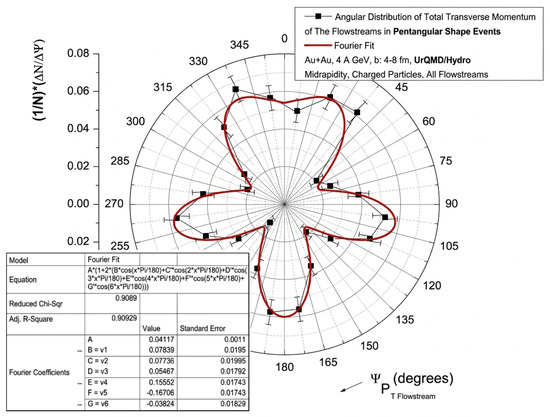
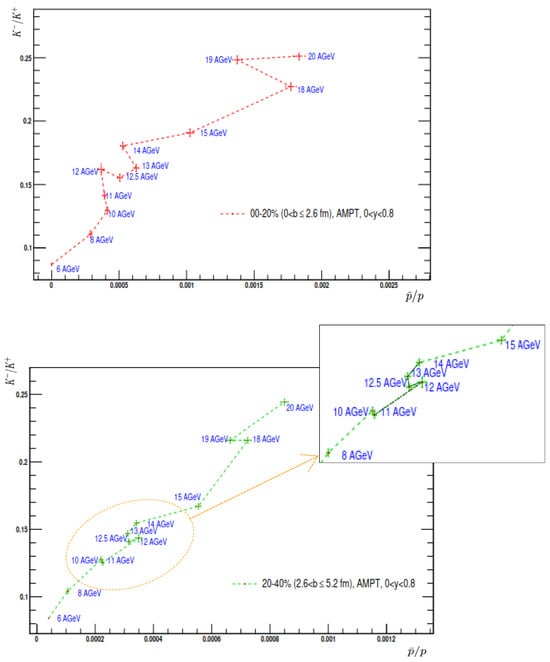
In order to describe the heavy ion collision dynamics which implies the formation of hot and very dense nuclear matter in the overlapping region of the two colliding nuclei, we used simulated numerical calculations for FAIR available energies. We used the anti-kT jet-detection algorithm for highlighting the main directions of flow in Au-Au collisions at CBM energies, thus obtaining structures of the events depending on the number of flow streams. The jet-finder algorithm identified domains in the y-ψ (rapidity-azimuthal angle) plane, where the number of charged particles, momenta and energy take higher values compared to other areas of this plane. The anisotropic flow coefficients vn may offer information about the pressure gradients in the early stages of the collision and about the high-density nuclear matter properties. The observation of K+ mesons in heavy ion collisions is of interest since K+ mesons, due to their strangeness, have a mean free path that exceeds the dimensions of the “fireball”. In the numerical calculations the interval of rapidity 0<y<0.8 is highlighted, for which the fluctuations of the antiparticle to particle ratio excitation functions show non-monotonic behavior in the 10–13 A GeV energy interval. Full article
(This article belongs to the Section Nuclear and Hadronic Theory)
Show Figures

Figure 1

20 pages, 756 KB  
Article
Sustainable Public Procurement and Capability-Dependent Participation: Coordination and SMEs in Agri-Food Supply Chains
by Silvia Lucciarini, Annamaria La Chimia and Massimiliano Crisci
Sustainability 2026, 18(11), 5353; https://doi.org/10.3390/su18115353 (registering DOI) - 26 May 2026
Abstract
This paper investigates how sustainable public procurement (SPP) is operationalised in school catering in the Metropolitan City of Rome and how it reshapes market conditions affecting the participation of small and medium-sized enterprises (SMEs) in the region. While SPP is widely framed as [...] Read more.
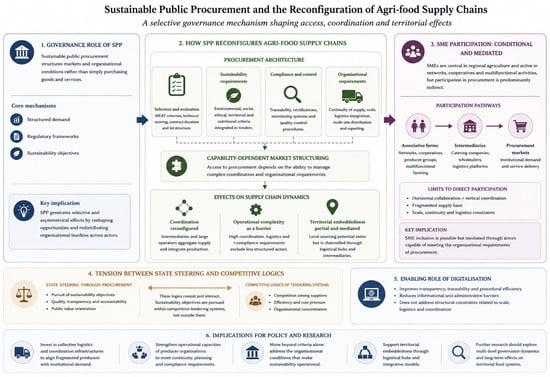
This paper investigates how sustainable public procurement (SPP) is operationalised in school catering in the Metropolitan City of Rome and how it reshapes market conditions affecting the participation of small and medium-sized enterprises (SMEs) in the region. While SPP is widely framed as a lever for sustainability and local development, its concrete effects on SME inclusion and supply-chain organisation remain underexplored. Drawing on procurement document analysis and supply-chain reconstruction in the Metropolitan City of Rome, the study examines how sustainability criteria—such as organic quotas, traceability requirements and quality standards—are translated into operational requirements. The findings show that SPP goes beyond the simple performative addition of sustainability requirements to existing markets and actively reorganises market coordination structures and supply-chain relations. Procurement shapes not only what is sourced, but also how logistics, continuity of supply, and coordination are organised across the agri-food chain. SME participation emerges as conditional and capability-dependent rather than automatically enabled by sustainability-oriented procurement. In fragmented agri-food systems, smaller firms often participate indirectly through intermediaries or larger catering operators rather than through direct access to contracts. Rather than interpreting these dynamics as a simple exclusion of SMEs, the paper argues that SPP operates as a form of selective and asymmetrical market-shaping, redistributing participation opportunities unevenly across actors depending on their organisational and coordination capacities. The paper contributes to the literature by conceptualising procurement as a governance instrument whose effects depend on the interaction between procurement architecture, sustainability requirements, and the structural characteristics of the supply base. More broadly, it highlights the importance of aligning sustainability objectives with existing supply-chain capacities and territorial market structures when designing procurement policies. Full article
(This article belongs to the Section Social Ecology and Sustainability)
Show Figures

Figure 1

28 pages, 1491 KB  
Review
Antioxidant Polymeric and Non-Polymeric Nanoformulations for the Treatment of Autoimmune Diseases
by Michail Varras, Fani-Niki Varra, Viktoria-Konstantina Varra and Panagiotis Theodosis-Nobelos
Curr. Issues Mol. Biol. 2026, 48(6), 557; https://doi.org/10.3390/cimb48060557 (registering DOI) - 26 May 2026
Abstract
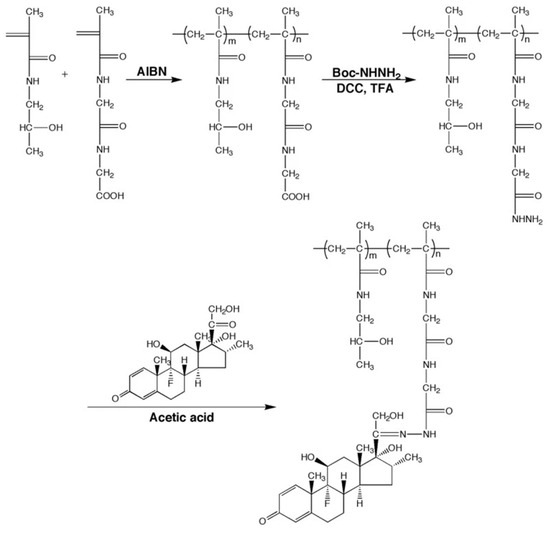
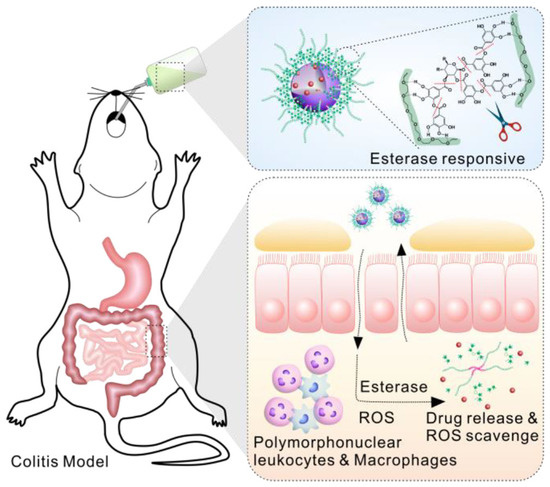
Autoimmune diseases are characterized by chronic inflammation, immune dysregulation, and excessive oxidative stress, which collectively contribute to a progressive tissue damage and organ dysfunction. Although conventional immunosuppressive and anti-inflammatory therapies remain the main therapeutic approach, their clinical efficacy is often limited by poor [...] Read more.
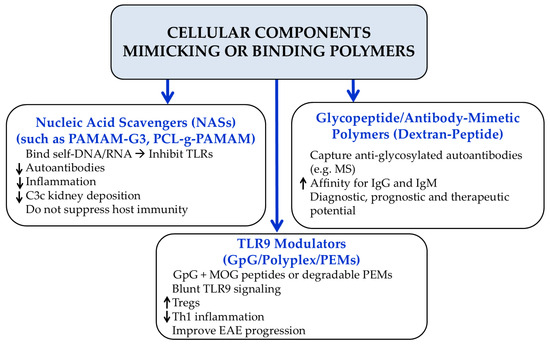
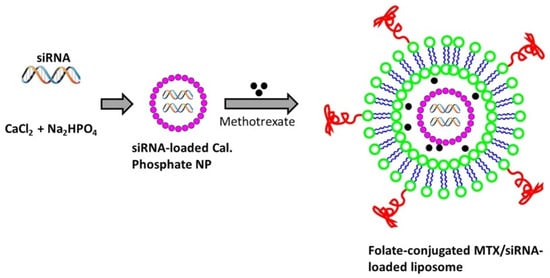
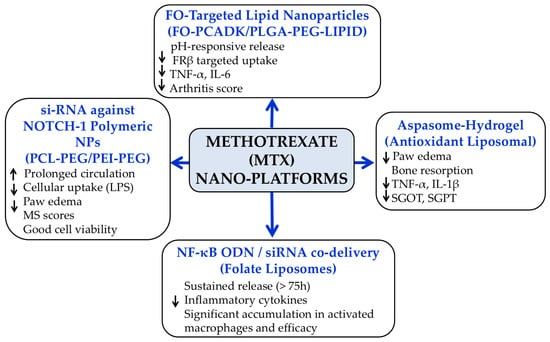
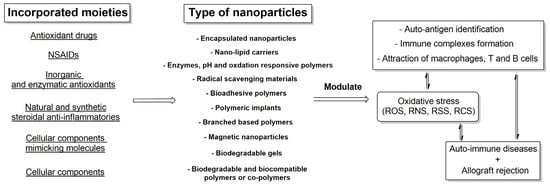
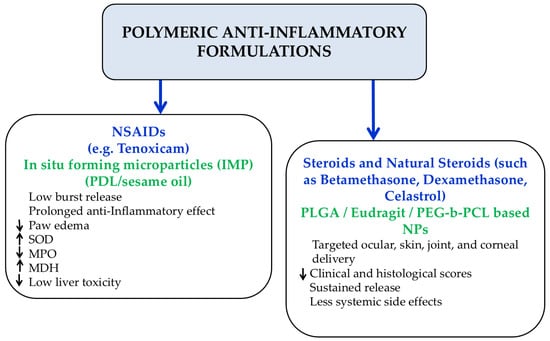
Autoimmune diseases are characterized by chronic inflammation, immune dysregulation, and excessive oxidative stress, which collectively contribute to a progressive tissue damage and organ dysfunction. Although conventional immunosuppressive and anti-inflammatory therapies remain the main therapeutic approach, their clinical efficacy is often limited by poor pharmacokinetic properties, low tissue selectivity, systemic toxicity, and adverse effects following long-term administration. In this context, antioxidant-based nanoformulations have emerged as promising multi-target therapeutic strategies for the modulation of oxidative and inflammatory pathways involved in autoimmune disorders. This review focuses on polymeric and non-polymeric nanoformulations designed to improve the solubility, stability, bioavailability, controlled release, and targeted delivery of antioxidant and anti-inflammatory agents for autoimmune disease treatment. Recent advances in nanocarrier systems applications, including nanogels, poly(lactic-co-glycolic acid) (PLGA), polyethylene glycol (PEG), polymethacrylate, chitosan, hyaluronic acid, hydroxyapatite (HAP), lipid-based and ROS-responsive nanosystems, are discussed. The therapeutic potential of nanoencapsulated steroidal and non-steroidal anti-inflammatory drugs, antioxidant compounds, enzymes, inorganic elements, and nucleic acid-binding systems is evaluated through preclinical and limited clinical evidence. Many of these reported nanoformulations exhibit enhanced therapeutic efficacy, improved tissue targeting, reduced systemic toxicity, and the ability to simultaneously modulate oxidative stress and inflammatory signaling pathways. Despite the encouraging findings, important challenges remain regarding clinical translation, long-term safety, reproducibility, and large-scale production. In overall, antioxidant nanoformulations represent a promising and evolving platform for the development of more effective and targeted therapies against autoimmune diseases. Full article
Show Figures

Figure 1

16 pages, 924 KB  
Article
Promoting Nature Connectedness: Insights into the Roles of Mindfulness and Nonattachment
by Hasan Erguler and Luca Simione
Sustainability 2026, 18(11), 5352; https://doi.org/10.3390/su18115352 (registering DOI) - 26 May 2026
Abstract
Nature connectedness, a sense of identification with the natural world, has been identified as an important psychological antecedent of pro-environmental attitudes and behaviour. Understanding its psychological correlates therefore carries both theoretical and practical relevance. Mindfulness and nonattachment, two dispositional qualities rooted in contemplative [...] Read more.
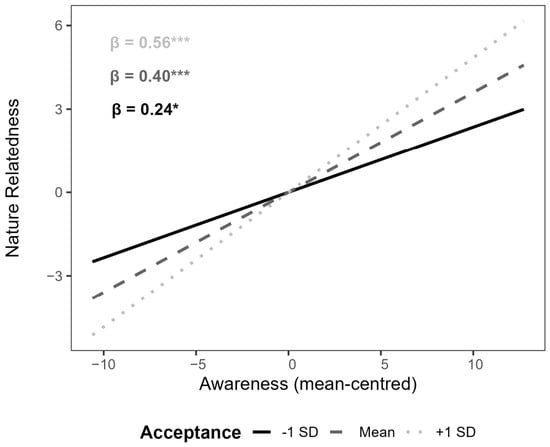
Nature connectedness, a sense of identification with the natural world, has been identified as an important psychological antecedent of pro-environmental attitudes and behaviour. Understanding its psychological correlates therefore carries both theoretical and practical relevance. Mindfulness and nonattachment, two dispositional qualities rooted in contemplative traditions, have each been associated with enhanced well-being and a greater appreciation of one’s interconnectedness with the environment, yet their specific interrelationships with nature connectedness remain poorly understood. The present cross-sectional study therefore examined conditional indirect associations between trait nonattachment, dispositional mindfulness, and nature connectedness in a sample of 152 university students completing validated self-report measures. Two alternative models including conditional indirect effects were tested via structural equation modelling with bootstrapped confidence intervals. Correlational analyses revealed positive associations between study variables, with mindful awareness, but not acceptance, significantly correlated with nature connectedness. Structural equation modelling revealed a significant indirect effect of nonattachment on nature connectedness through mindful awareness. These findings contribute to the growing literature on psychological antecedents of nature connectedness and carry theoretical implications for mindfulness-based approaches to pro-environmental attitudes. Future longitudinal and intervention studies are needed to establish the directionality and practical relevance of the observed associations. Full article
Show Figures

Figure 1

26 pages, 19735 KB  
Article
Solar-Assisted Hydroxyl Radical-Driven Photo-Fenton-like Catalytic Oxidation of Reactive Azo Dye Using an Iron-Based Metal–Organic Framework
by M. M. Nour, Hossam A. Nabwey and Maha A. Tony
Catalysts 2026, 16(6), 495; https://doi.org/10.3390/catal16060495 (registering DOI) - 26 May 2026
Abstract
The present study investigates the solar-assisted photo-Fenton-like degradation of a reactive azo dye (Red SPR) using an iron-based metal–organic framework, MIL-100(Fe), as a heterogeneous catalyst. The synthesized MIL-100(Fe) was successfully characterized by XRD, SEM, EDX, and FTIR analyses, confirming the formation of a [...] Read more.
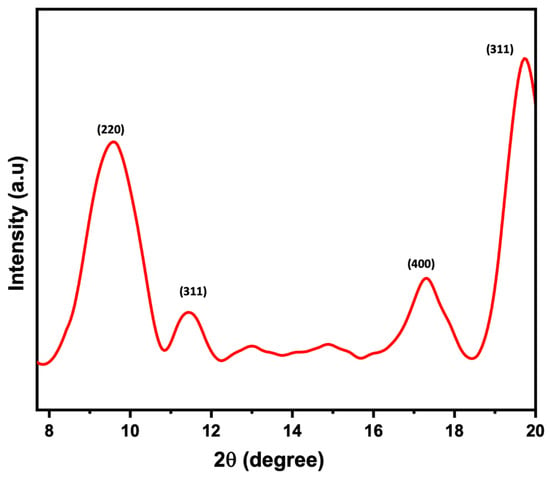
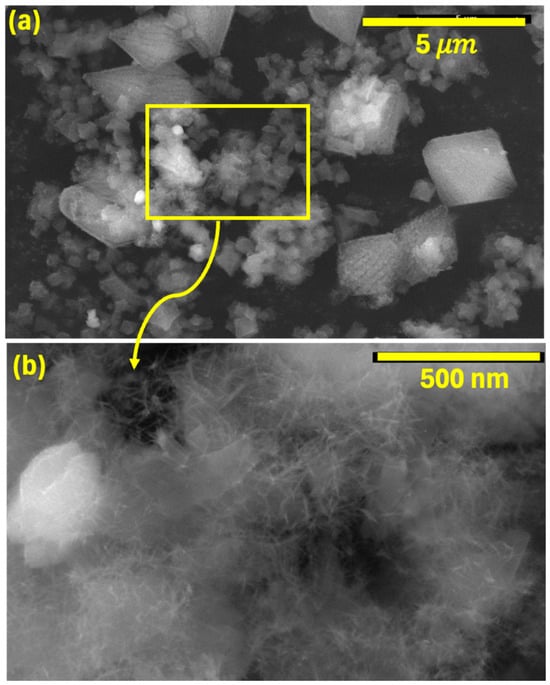
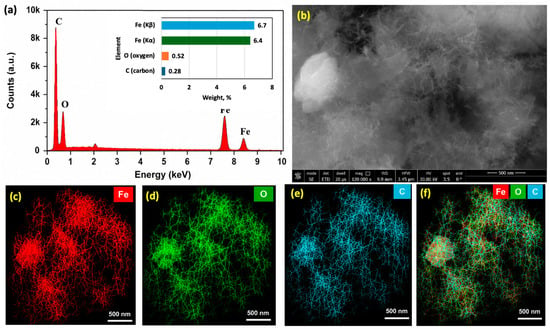
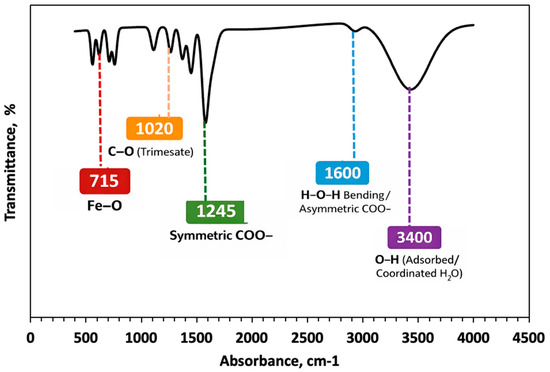
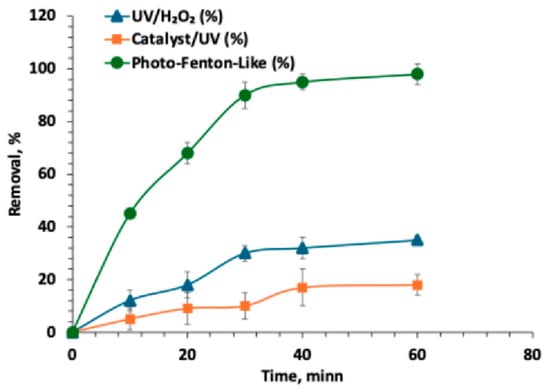
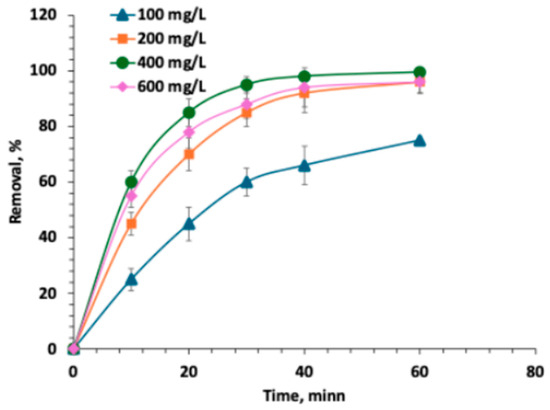
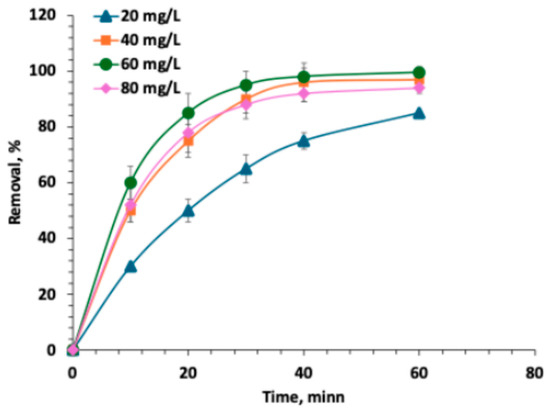
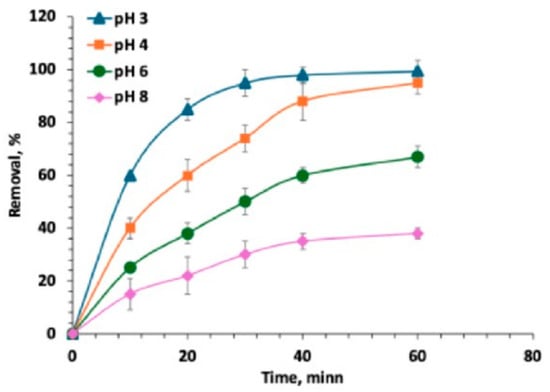
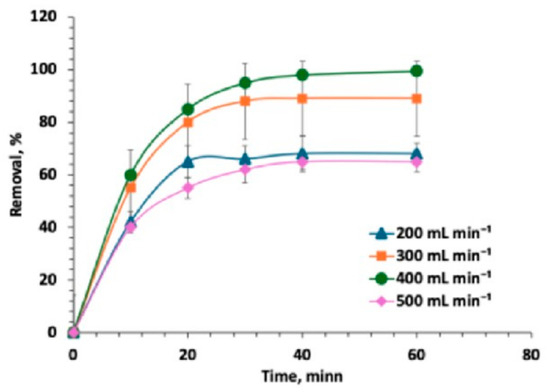
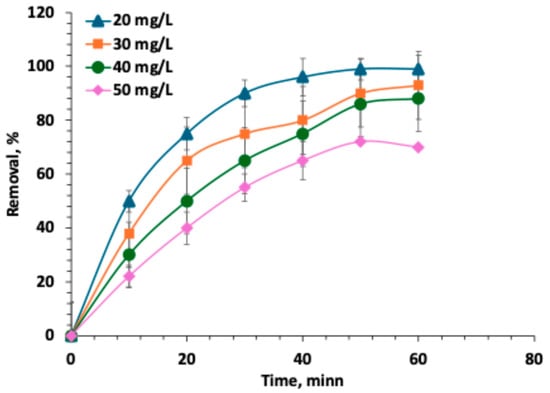
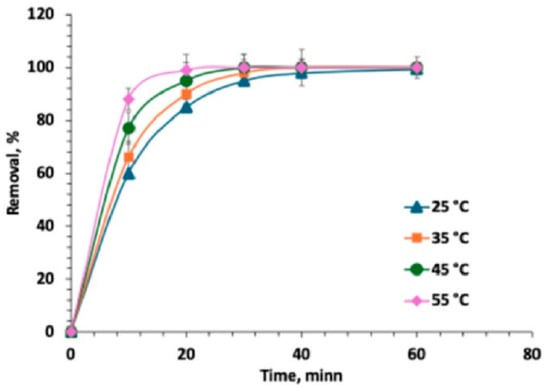
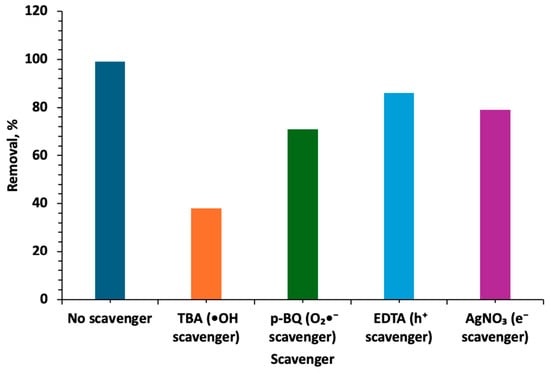
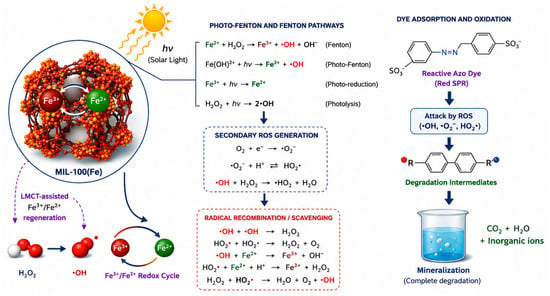
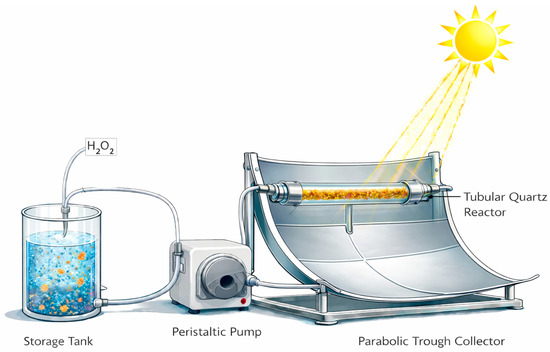
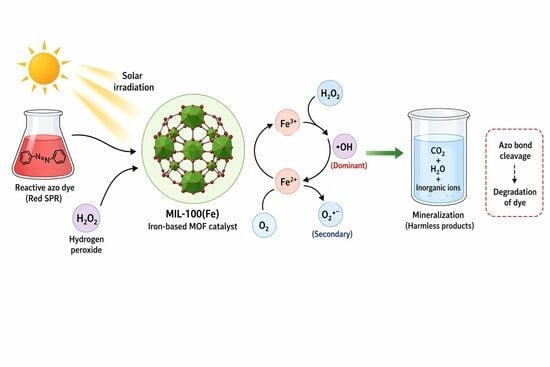
The present study investigates the solar-assisted photo-Fenton-like degradation of a reactive azo dye (Red SPR) using an iron-based metal–organic framework, MIL-100(Fe), as a heterogeneous catalyst. The synthesized MIL-100(Fe) was successfully characterized by XRD, SEM, EDX, and FTIR analyses, confirming the formation of a crystalline, porous structure with well-dispersed Fe active sites. The catalytic performance was systematically evaluated under various operational parameters, including hydrogen peroxide dosage, catalyst loading, pH, circulation flow rate, initial dye concentration, and temperature. The results demonstrated that optimal degradation efficiency was achieved at pH 3.0, H2O2 concentration of 400 mg L−1, and catalyst dosage of 40 mg L−1, while a circulation flow rate of 400 mL min−1 ensured optimal hydrodynamic conditions. The system exhibited rapid degradation kinetics, achieving nearly complete dye removal within 60 min under solar irradiation. Kinetic analysis revealed that the degradation process follows pseudo-first-order behavior, with rate constants increasing from 0.1040 to 0.1589 min−1 as temperature increased from 25 to 55 °C. Thermodynamic analysis indicated that the process is endothermic (ΔH` = 8.72 kJ mol−1) and kinetically favorable with a low activation energy (Ea = 11.32 kJ mol−1), while negative entropy values suggested the formation of an ordered transition state. Radical scavenger experiments confirmed that hydroxyl radicals (•OH) are the dominant reactive species, with secondary contributions from superoxide radicals (O2). The enhanced performance is attributed to the synergistic effect of solar irradiation and Fe3+/Fe2+ redox cycling within the MIL-100(Fe) framework. Hence, the study demonstrates that MIL-100(Fe) is a highly efficient and sustainable catalyst for solar-driven wastewater treatment applications. Full article
(This article belongs to the Special Issue Catalytic Processes in Environmental Applications)
Show Figures

Graphical abstract

29 pages, 9018 KB  
Article
Integrative Multi-Omics Analysis Identifies Tissue, Cellular and Splicing Programs Associated with Exercise-Mediated Improvement in Type 2 Diabetes
by Jingzhe Xiao, Yuwei Ding, Songbo Li, Yi Yan, Ziyue Yu, Pengyu Fu, Chunyan Xu and Lijing Gong
Cells 2026, 15(11), 979; https://doi.org/10.3390/cells15110979 (registering DOI) - 26 May 2026
Abstract
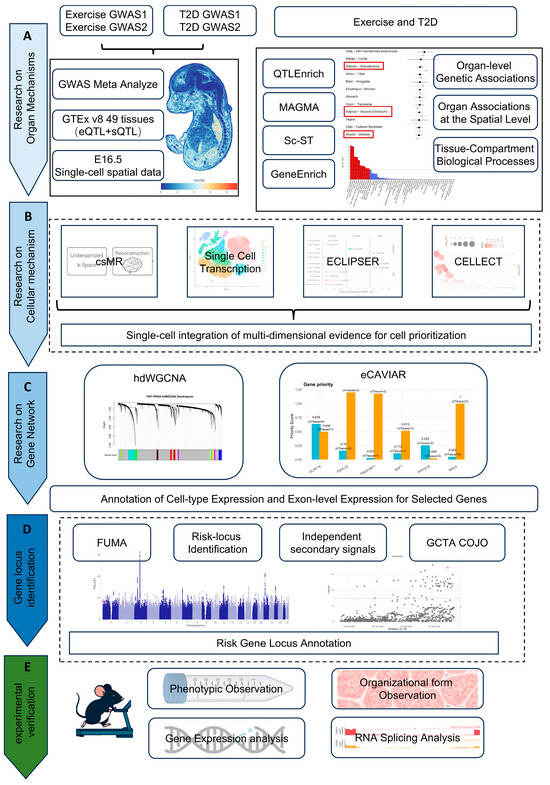
Physical inactivity contributes to type 2 diabetes (T2D), but the molecular links between exercise and metabolic improvement remain incompletely understood. We meta-analyzed genome-wide association studies of vigorous physical activity and T2D (combined n ≈ 1.95 million) and integrated eQTL/sQTL maps with single-cell and [...] Read more.
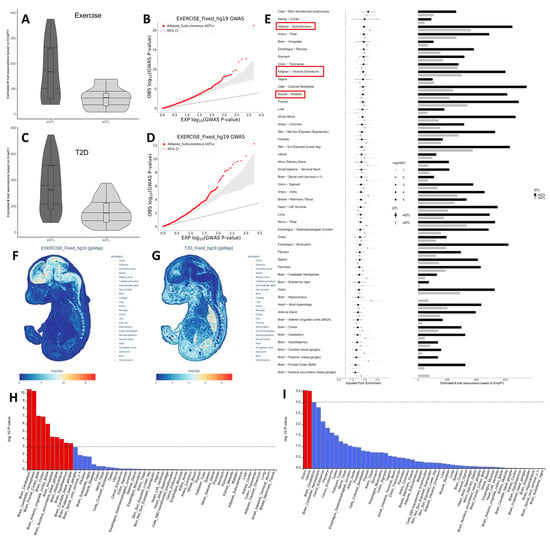
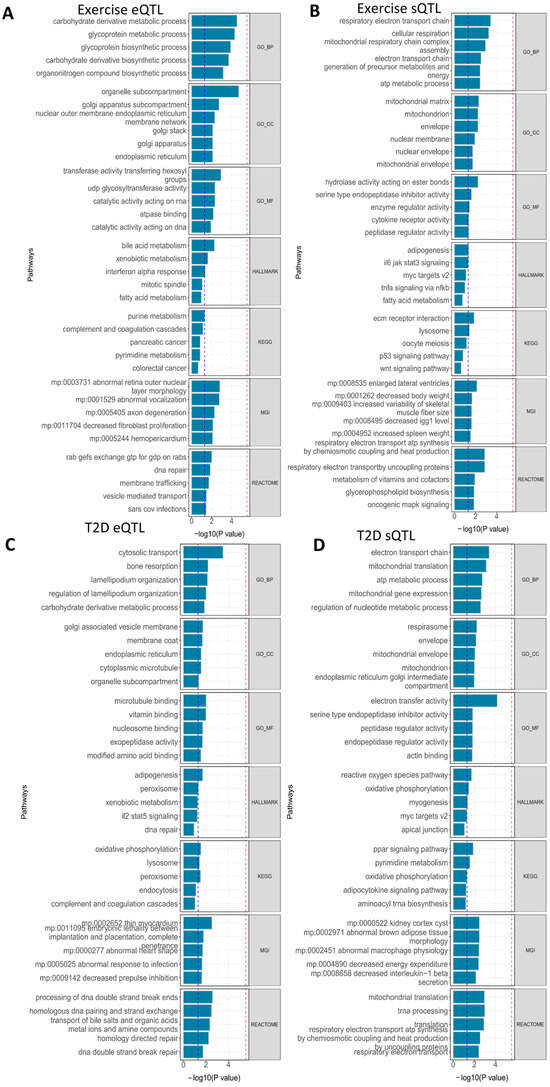
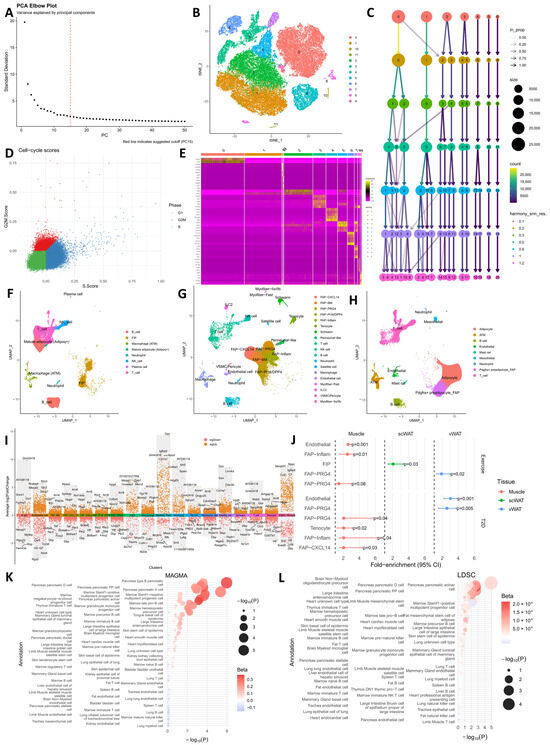
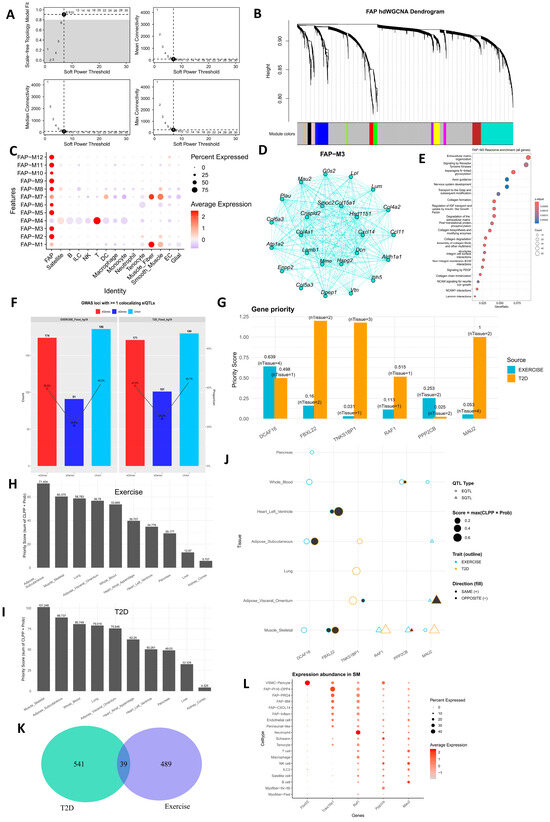
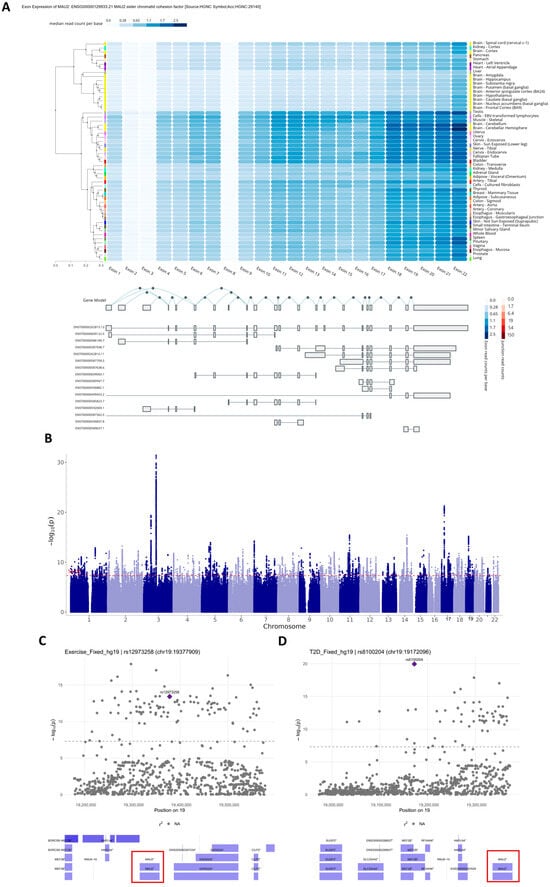
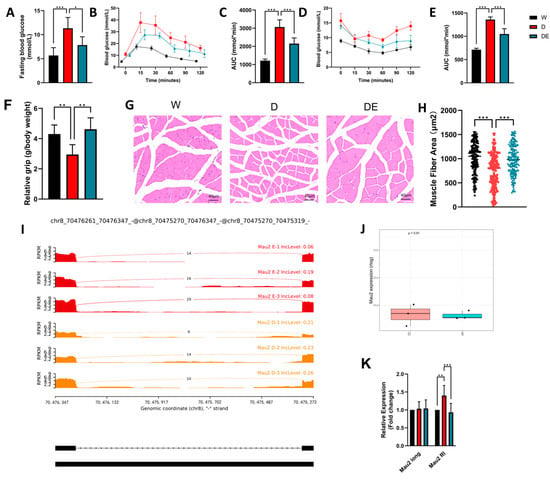
Physical inactivity contributes to type 2 diabetes (T2D), but the molecular links between exercise and metabolic improvement remain incompletely understood. We meta-analyzed genome-wide association studies of vigorous physical activity and T2D (combined n ≈ 1.95 million) and integrated eQTL/sQTL maps with single-cell and spatial transcriptomic datasets to connect genetic risk with tissues, cell types, and regulatory programs. Tissue and cell-type enrichment, colocalization, and network analyses were performed. Computational findings were further examined in male 10-week-old C57BL/6J mice with high-fat diet-induced diabetes. After 1 week of acclimatization, mice were randomly assigned to normal chow, high-fat diet, or high-fat diet plus exercise groups (n = 6 per group; high-fat diet with 60% of total energy from fat). The exercise intervention consisted of treadmill running (10 m/min for 50 min per day, 5 days per week, total 16 weeks), followed by metabolic phenotyping, skeletal muscle histology, bulk RNA sequencing, alternative splicing analysis, and RT-qPCR of Mau2 isoforms. Exercise- and T2D-associated variants showed joint enrichment in skeletal muscle and adipose eQTL/sQTL signals. Integrated single-cell analyses prioritized fibro-adipogenic progenitors and endothelial cells, and identified an extracellular matrix- and collagen-related module in fibro-adipogenic progenitors associated with both exercise and T2D. Mau2 emerged as a shared candidate gene with tissue-specific splicing signals. In diabetic mice, exercise improved glucose homeostasis and muscle fiber structure, and reduced Mau2 intron retention in skeletal muscle without changing total Mau2 expression. These findings support a multiscale framework linking exercise-responsive regulation to T2D-related tissue remodeling and splicing plasticity. Full article
(This article belongs to the Special Issue Skeletal Muscle: Structure, Physiology and Diseases)
Show Figures

Figure 1

18 pages, 313 KB  
Article
Normalisation Between Belgrade and Pristina: Binding Force and Legal Effects of the Brussels and Ohrid Agreements
by Andrej Semenov
Laws 2026, 15(3), 46; https://doi.org/10.3390/laws15030046 (registering DOI) - 26 May 2026
Abstract
This article revisits the debate on whether the Brussels Agreement and the Ohrid Agreement, including its Implementation Annex, are legally binding. It develops a three-test framework that separates international-law binding force from EU-law legal effects. Tests A and B adapt the International Court [...] Read more.
This article revisits the debate on whether the Brussels Agreement and the Ohrid Agreement, including its Implementation Annex, are legally binding. It develops a three-test framework that separates international-law binding force from EU-law legal effects. Tests A and B adapt the International Court of Justice (ICJ) indicators of animus contrahendi and acceptance through subsequent conduct, acquiescence and silence. Test C examines whether the agreements produce legal effects through EU enlargement conditionality, monitoring and reporting. The analysis finds that the treaty status of both instruments remains contestable. The Brussels Agreement is textually specific, yet intent signals are mixed, practice remains reversible and treaty-type obligation structures are weak. The Ohrid Agreement is drafted in a more treaty-like register, but references to a future “legally binding agreement” and the politics of non-signature leave inter se binding force unsettled. Nonetheless, both agreements can produce EU legal effects. They operate as enlargement benchmarks that shape assessments of Serbia’s and Kosovo’s progress, while Commission reporting and standardised compliance indicators may indirectly bind EU institutions through consistency, equal treatment and legitimate expectations. Full article
18 pages, 5868 KB  
Article
Impact of a Mediterranean Diet Supplemented with Extra Virgin Olive Oil on Gut Microbiota in Fibromyalgia: A Randomized Controlled Trial
by Elena Durán González, Jorge Antolín Ramírez Tejero, Ismael San Mauro Martín, Ana Terrén Lora, Marta Pérez Sánchez, Rosa Gómez Morano, Claudia Díaz López, Antonio Martínez Lara, Marta Aguilar Díaz and David Cotán Marín
Life 2026, 16(6), 894; https://doi.org/10.3390/life16060894 (registering DOI) - 26 May 2026
Abstract
Fibromyalgia is a chronic syndrome associated with pain, fatigue, and cognitive symptoms, often linked to gut microbiota alterations. The Mediterranean Diet (MD), particularly extra-virgin olive oil (EVOO), has antioxidant and anti-inflammatory properties that may beneficially modulate the microbiota. We conducted a prospective, randomized, [...] Read more.
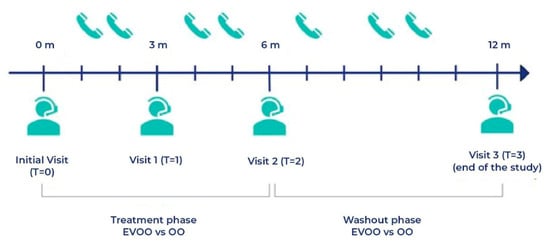
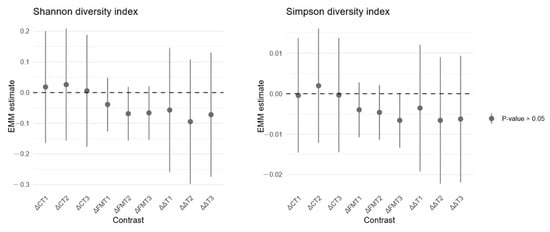
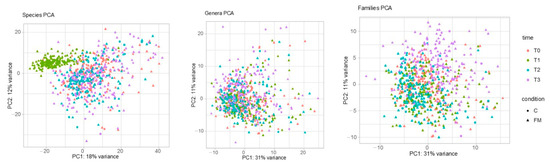
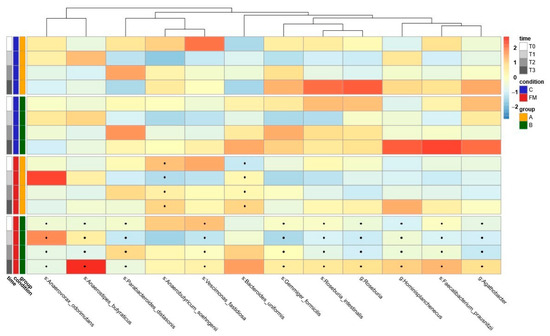
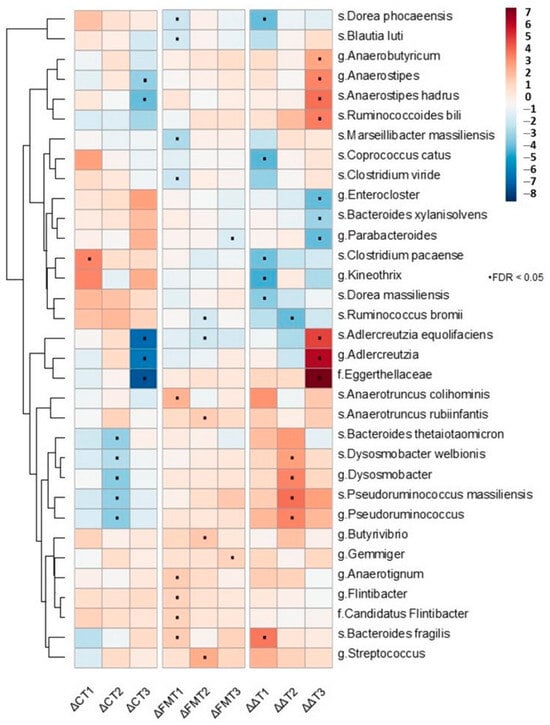
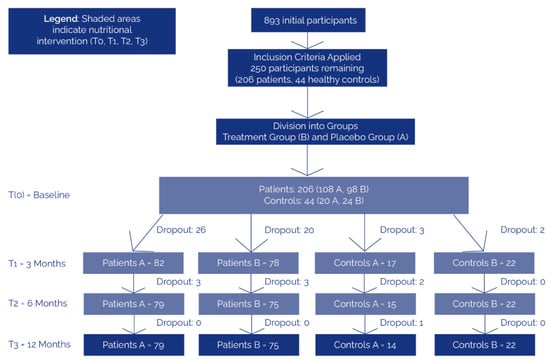
Fibromyalgia is a chronic syndrome associated with pain, fatigue, and cognitive symptoms, often linked to gut microbiota alterations. The Mediterranean Diet (MD), particularly extra-virgin olive oil (EVOO), has antioxidant and anti-inflammatory properties that may beneficially modulate the microbiota. We conducted a prospective, randomized, double-blind, placebo-controlled clinical trial that included 250 women (206 with fibromyalgia, 44 controls). Participants followed a MD supplemented with EVOO or refined olive oil (placebo) for six months. Microbiota composition was analyzed at four time points (T0–T3) by 16S rRNA sequencing (V3–V4). At baseline, fibromyalgia patients exhibited reduced microbial diversity compared to controls. While global diversity did not change after intervention, specific taxa increased significantly with EVOO, including Bacteroides fragilis, Anaerotruncus colihominis, Adlercreutzia equolifaciens, and butyrate producers such as Faecalibacterium prausnitzii, Roseburia intestinalis, and Agathobacter. These shifts suggest EVOO supplementation might promote anti-inflammatory and metabolic bacteria, suggesting diet as a complementary strategy to modulate gut microbiota in fibromyalgia. Full article
(This article belongs to the Section Microbiology)
Show Figures

Figure 1

Open Access Journals

Browse by Indexing Browse by Subject Selected Journals
Back to TopTop