


Advancing Open Science
A global leader in open access publishing, supporting research
communities and accelerating scientific discovery
 
17 pages, 249 KB  
Article
Navigating Stereotypes: Indian Immigrant Technocrats in the United States
by Roli Varma
World 2026, 7(6), 90; https://doi.org/10.3390/world7060090 (registering DOI) - 26 May 2026
Abstract
While the “model minority” stereotype has been extensively studied in relation to Asian Americans, there is limited research that distinguishes these experiences by specific national origins. This paper explores the stereotypes faced by India-born scientists and engineers in the United States. They represent [...] Read more.
While the “model minority” stereotype has been extensively studied in relation to Asian Americans, there is limited research that distinguishes these experiences by specific national origins. This paper explores the stereotypes faced by India-born scientists and engineers in the United States. They represent a significant segment of the foreign-born workforce in the U.S., accounting for one-third of this population and comprising the largest group of H-1B visa holders. Through qualitative data gathered from 40 India-born scientists and engineers employed in U.S. high-tech firms, this study examines how these individuals perceive and navigate the cultural stereotypes that shape their professional and personal lives. The paper delves into the intersections of ethnicity, nationality, and gender in shaping their experiences, challenging the characterization of Indians as “model immigrants”. Full article
30 pages, 7624 KB  
Article
Hierarchical Adaptive Gear Shift Strategy Considering Transmission Operating States for Two-Speed Electric Vehicles
by Bolin He, Yong Chen, Qiang Wei and Changyin Wei
Actuators 2026, 15(6), 293; https://doi.org/10.3390/act15060293 (registering DOI) - 26 May 2026
Abstract
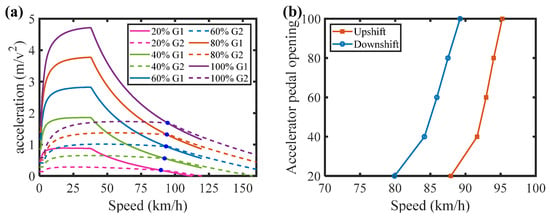
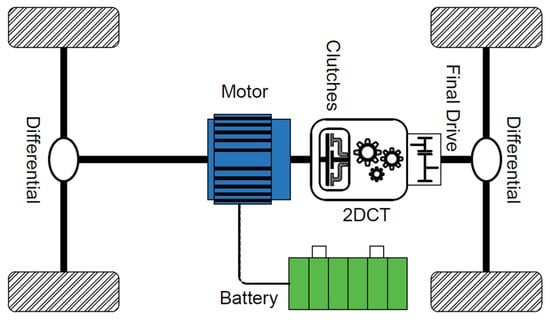
Two-speed transmissions can regulate the motor operating point by changing the transmission ratio of drive systems and are an effective approach to improving both dynamic performance and energy efficiency of battery electric vehicles. However, existing gear shift strategies rarely consider the impact of [...] Read more.
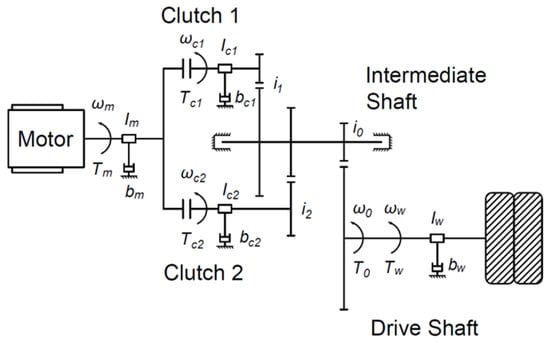
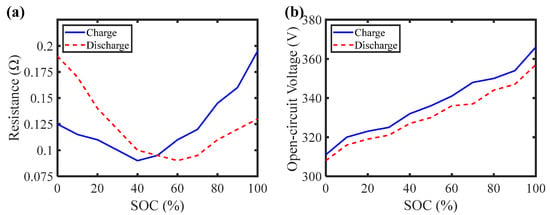
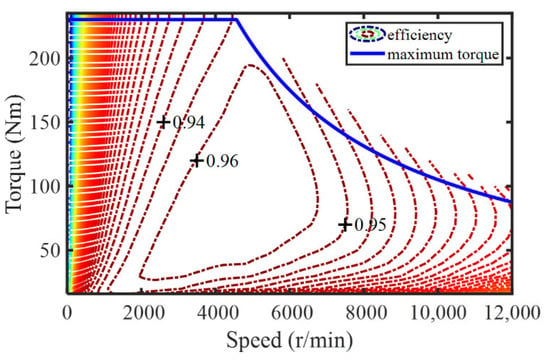
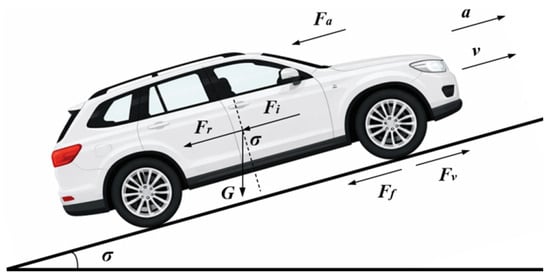
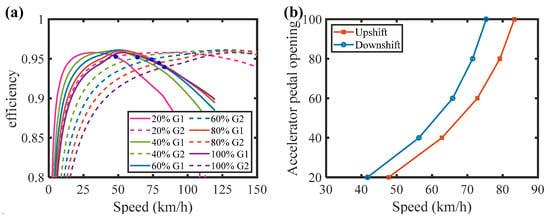
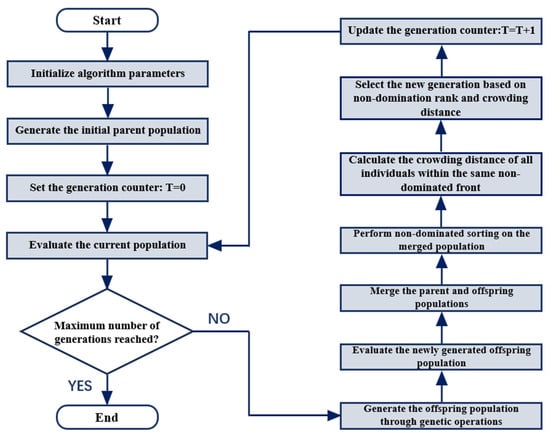
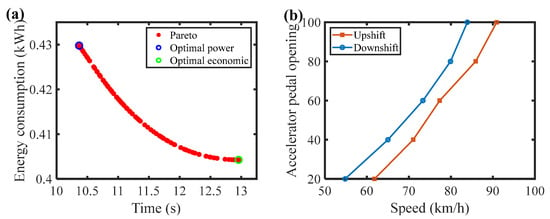
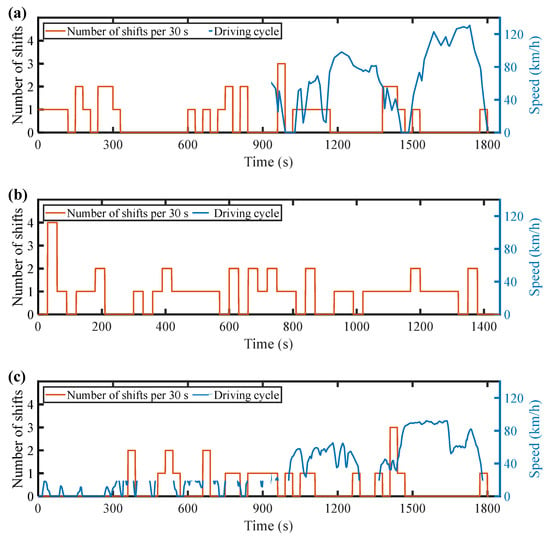
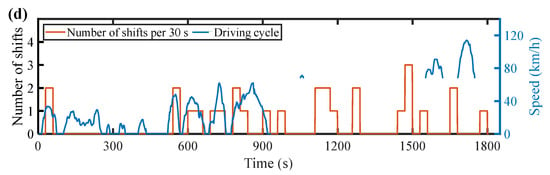
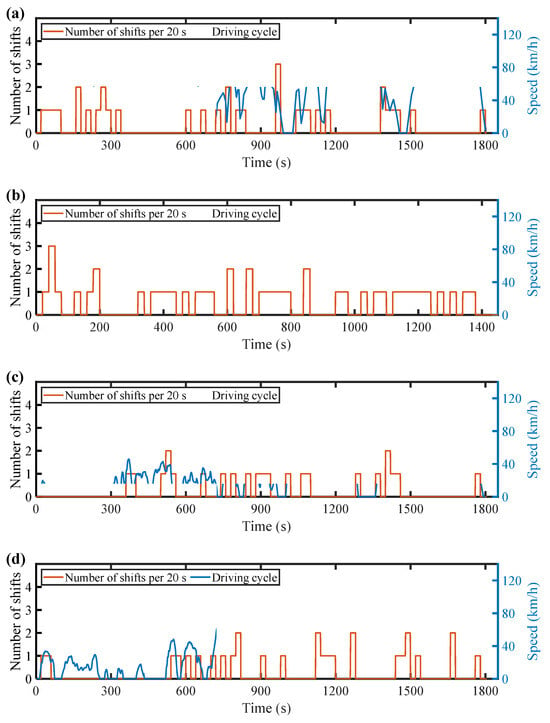
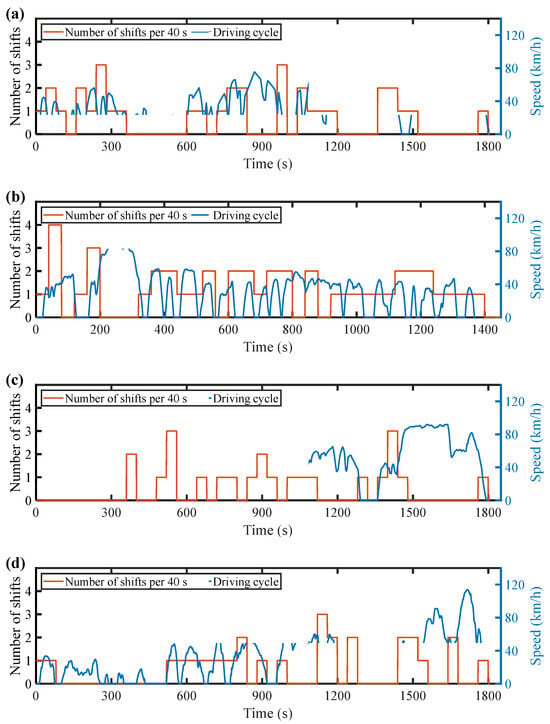
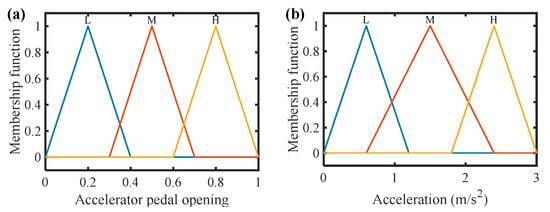
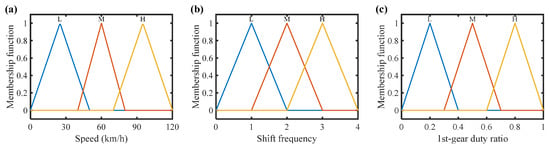
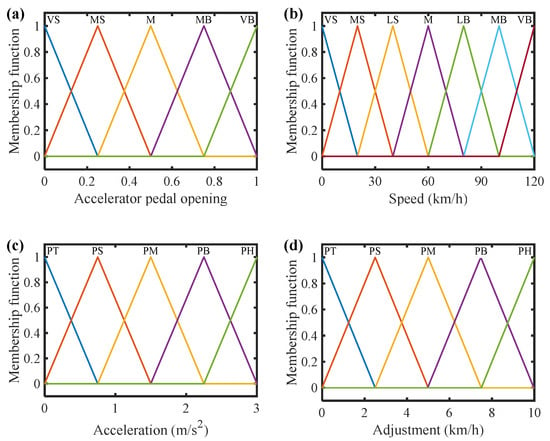
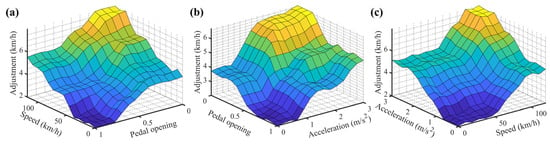
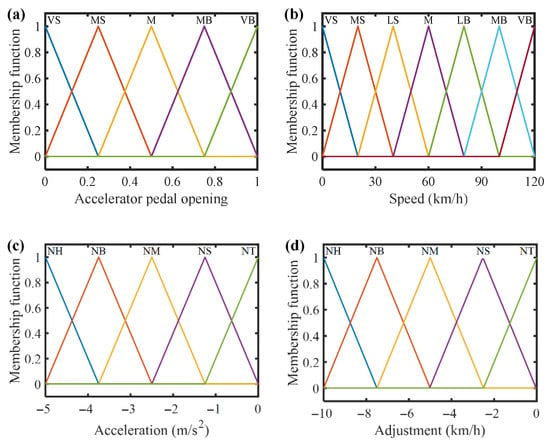
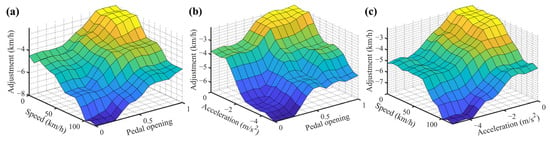
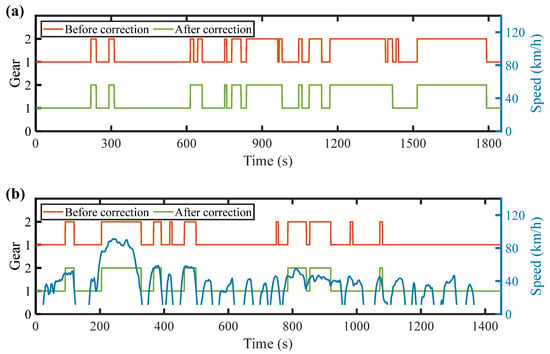
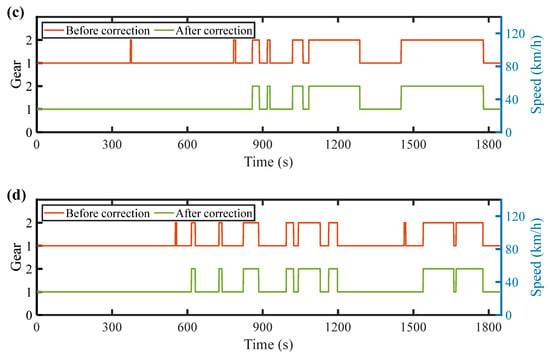
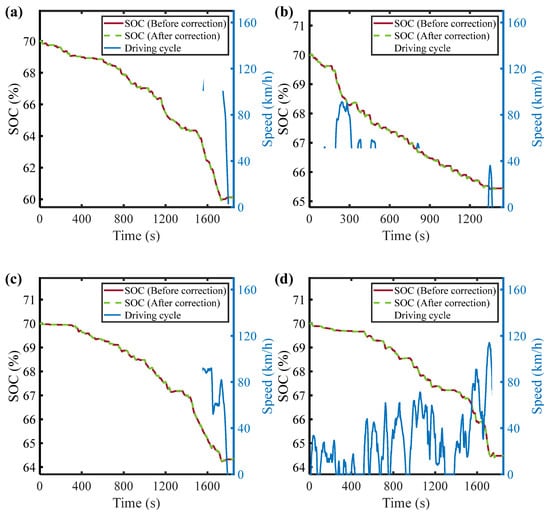
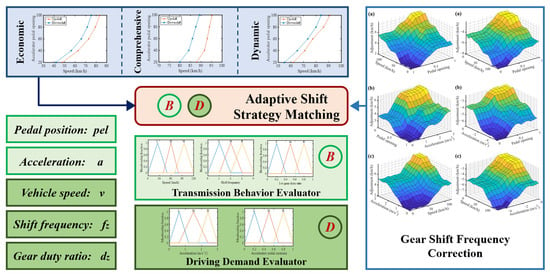
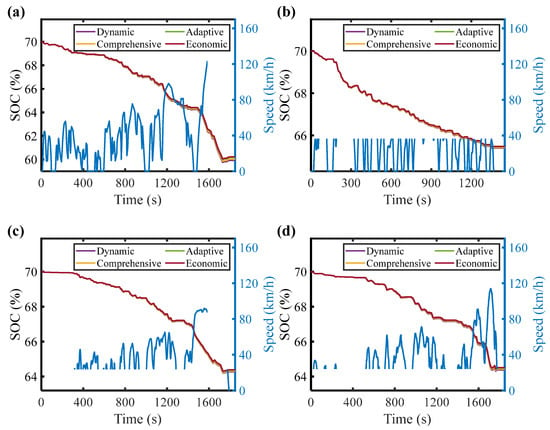
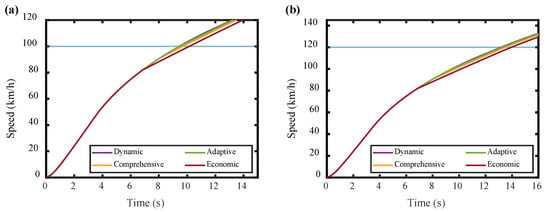
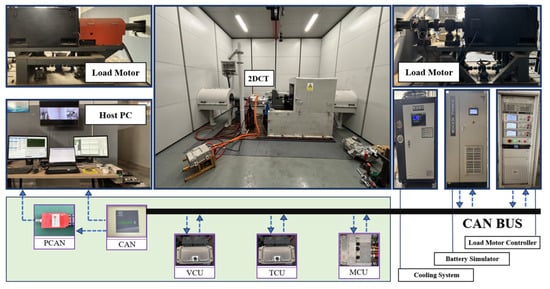
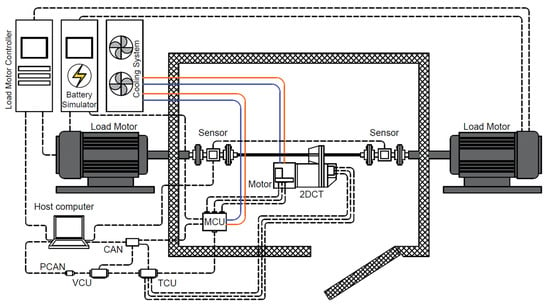
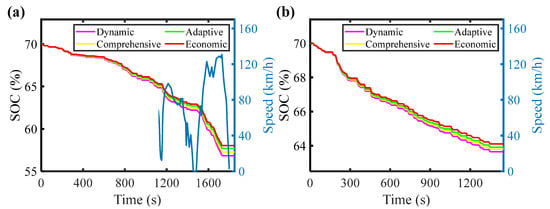
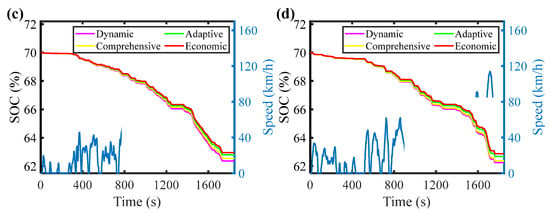
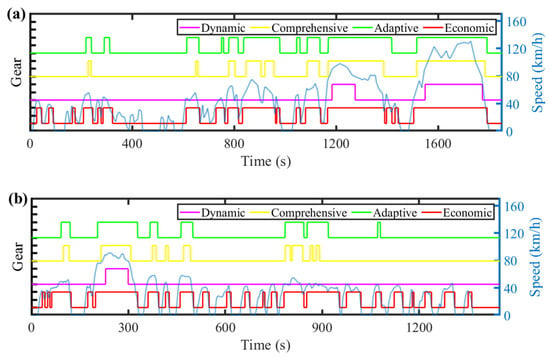
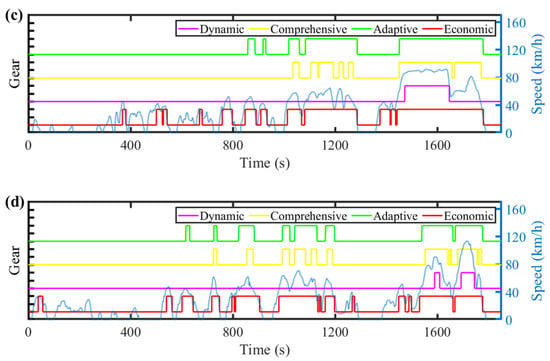
Two-speed transmissions can regulate the motor operating point by changing the transmission ratio of drive systems and are an effective approach to improving both dynamic performance and energy efficiency of battery electric vehicles. However, existing gear shift strategies rarely consider the impact of transmission operating states on shift rationality and system stability, leading to limited adaptability under complex driving conditions. To address this issue, a hierarchical fuzzy evaluation and gear shift strategy matching method based on transmission operating states is proposed. First, three basic strategies are designed. Then, shift frequency and gear duty ratio are introduced to characterize transmission behavior, and a hierarchical decision framework consisting of driving demand evaluation, transmission behavior evaluation, and strategy matching is constructed to enable adaptive selection among different strategies. Furthermore, a fuzzy shift frequency correction strategy is proposed to adjust shift thresholds online, thereby reducing frequent and unnecessary shifting. Finally, simulations are conducted under multiple typical driving cycles based on a vehicle model, and experimental validation is carried out using a high-speed dual motor load test bench. The results demonstrate that the proposed strategy can effectively balance dynamic performance and energy efficiency while reducing unnecessary shifts. Full article
(This article belongs to the Special Issue Integrated Intelligent Vehicle Dynamics and Control—2nd Edition)
Show Figures

Figure 1

32 pages, 14990 KB  
Article
Early Apple Bruise Detection via Discrete Hyperspectral Signatures with SHAP-Guided Feature Selection and a CNN–Transformer Model
by Ying Liu, Chen Yu, Chaoxian Liu, Zhilian Xu, Bin Xiong, Chengyu Zhang, Weiqiang Yang and Wei Tao
Foods 2026, 15(11), 1884; https://doi.org/10.3390/foods15111884 (registering DOI) - 26 May 2026
Abstract
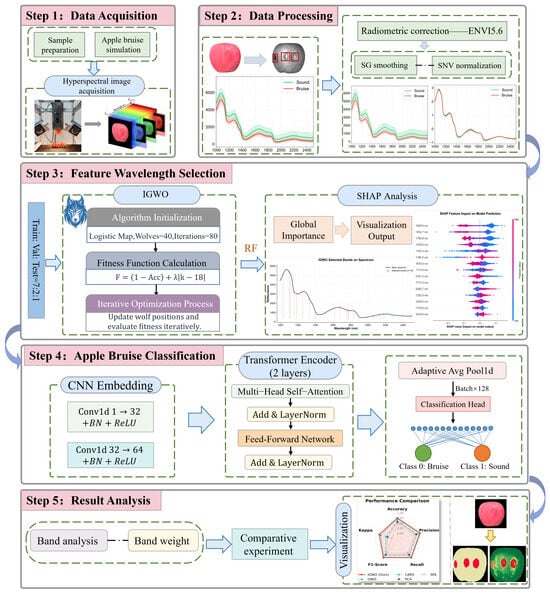
Accurate detection of early invisible apple bruises is important for post-harvest quality assessment. Although hyperspectral imaging (HSI) provides rich spectral information, its high dimensionality introduces substantial redundancy and weak-signal interference. This study proposes an integrated framework combining waveband optimization and discrete spectral modeling [...] Read more.
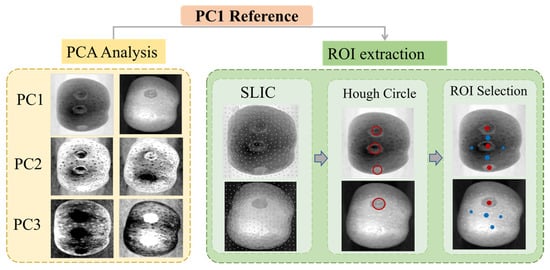
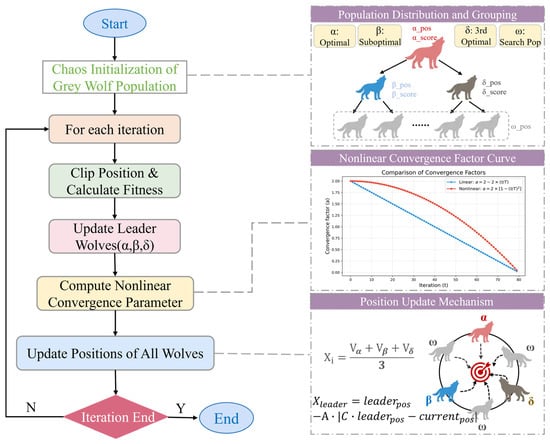
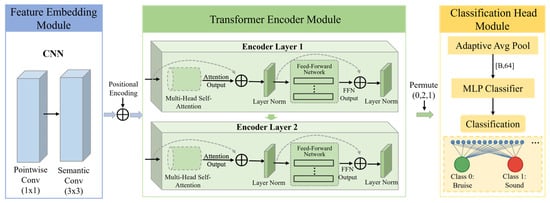
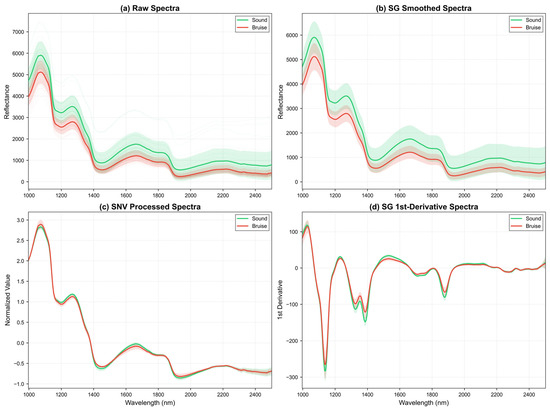
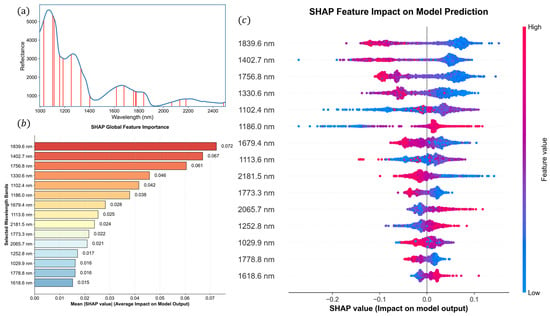
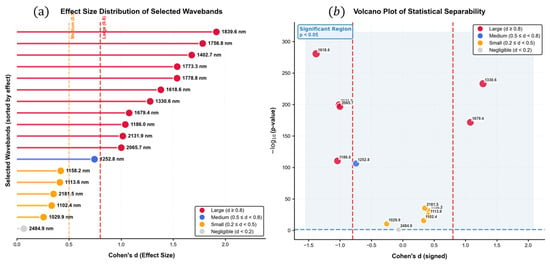
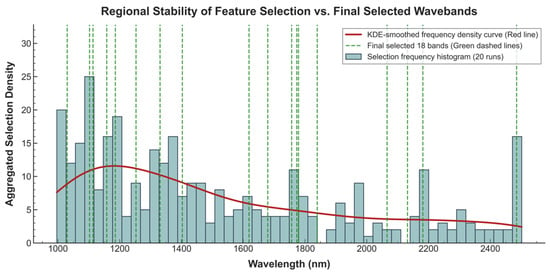
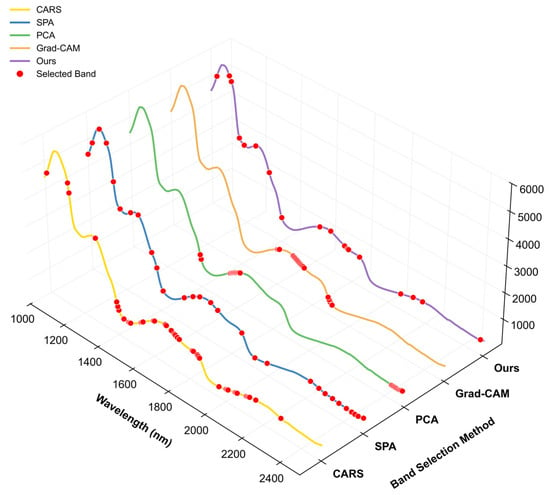
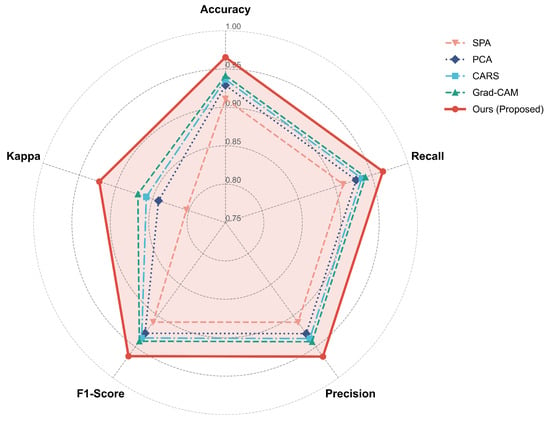
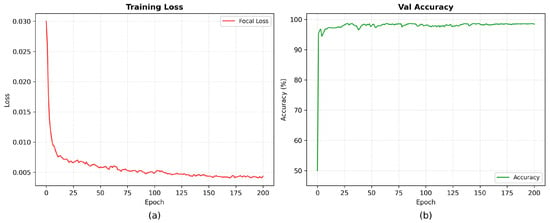
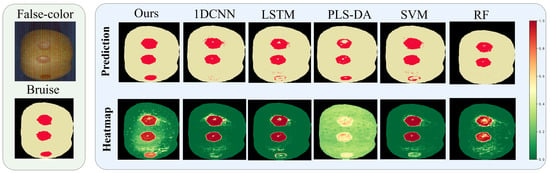
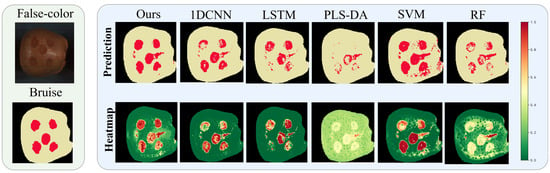
Accurate detection of early invisible apple bruises is important for post-harvest quality assessment. Although hyperspectral imaging (HSI) provides rich spectral information, its high dimensionality introduces substantial redundancy and weak-signal interference. This study proposes an integrated framework combining waveband optimization and discrete spectral modeling for efficient bruise detection. A Selection-Refined Improved Grey Wolf Optimization (SR-IGWO) algorithm was developed to select 18 bruise-sensitive wavebands from 273 channels (996–2501 nm), achieving a 93.4% reduction in spectral dimensionality. SHAP analysis was further used to interpret the selected bands in relation to biochemical responses associated with bruising. To address the mismatch between conventional CNNs and sparse discrete spectral inputs, a CNN–Transformer hybrid model (DSFormer) was designed using pointwise convolution for band embedding and a Transformer encoder to capture global dependencies. Experimental results across ten independent runs achieved a classification accuracy of 99.11% ± 0.08%, a recall of 96.04% ± 1.08%, and an F1-score of 95.95% ± 0.39% under the tested conditions. Ablation studies suggest that the proposed architecture supports effective detection under sparse spectral conditions. Although validation was limited to a single cultivar and controlled sampling, the proposed framework provides a promising preliminary exploration of reduced hyperspectral data for non-destructive fruit bruise detection. Full article
(This article belongs to the Section Food Analytical Methods)
Show Figures

Figure 1

26 pages, 8090 KB  
Article
Eco-Socioeconomic Coordination and Driving Mechanisms in an Inland River Basin Under a Major Water Transfer Project: A Case Study of the Shiyang River Basin
by Mi Zhang, Zengchuan Dong, Daoli Wang, Yizhou Jiang, Jitao Zhang and Wenzhuo Wang
Water 2026, 18(11), 1293; https://doi.org/10.3390/w18111293 (registering DOI) - 26 May 2026
Abstract
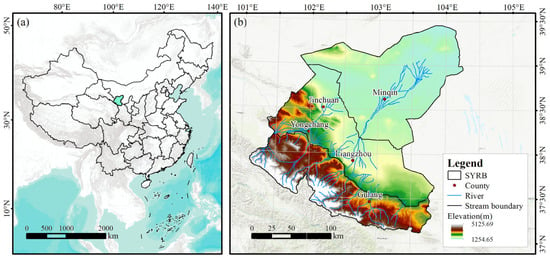
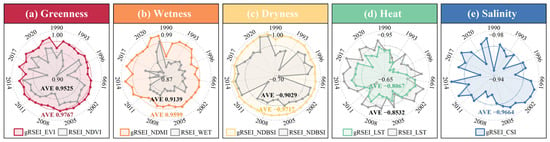
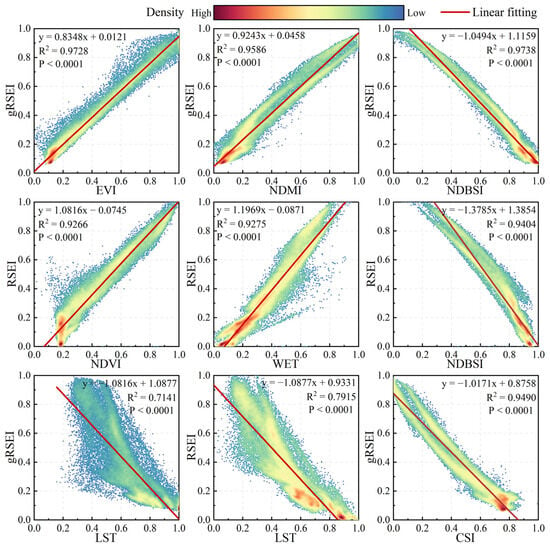
Arid inland river basins are constrained by severe water scarcity and fragile ecosystems. Although large-scale water transfer projects are critical interventions, studies of their comprehensive impacts on eco-socioeconomic systems remain limited. To address this gap, this study proposes an integrated assessment framework. A [...] Read more.
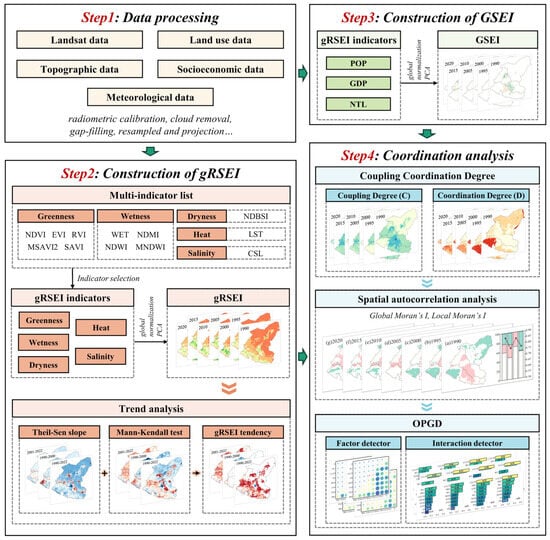
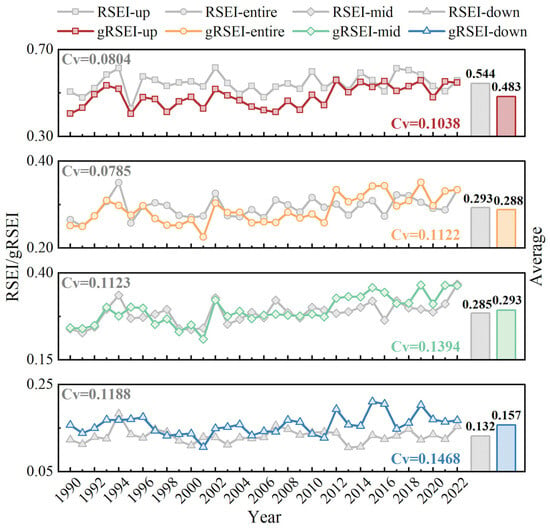
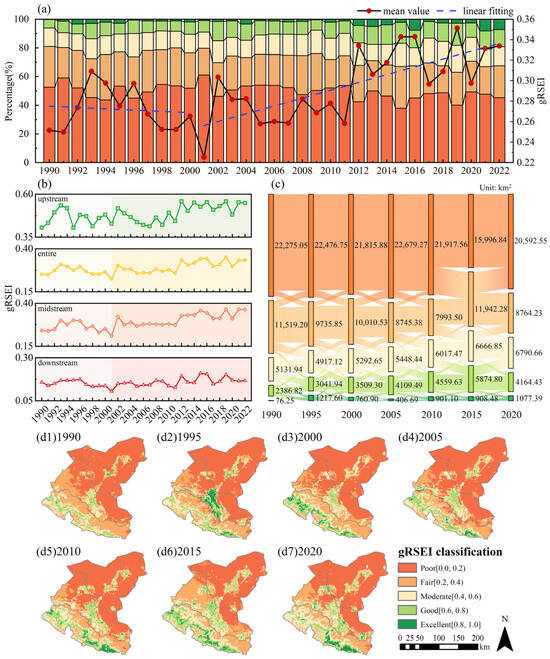
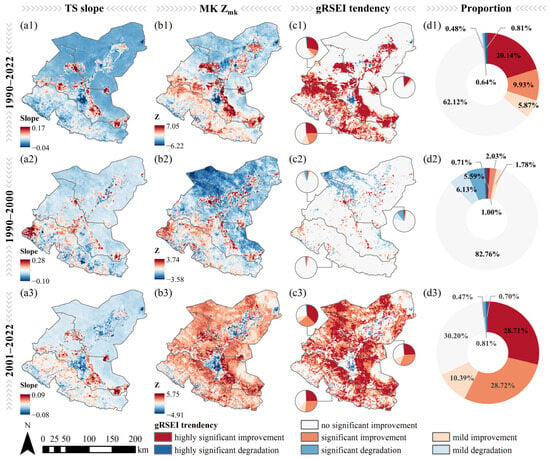
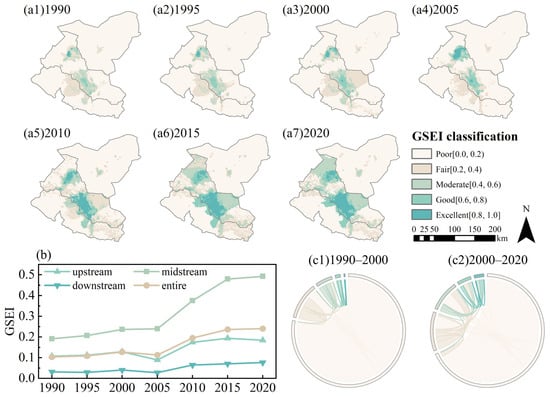
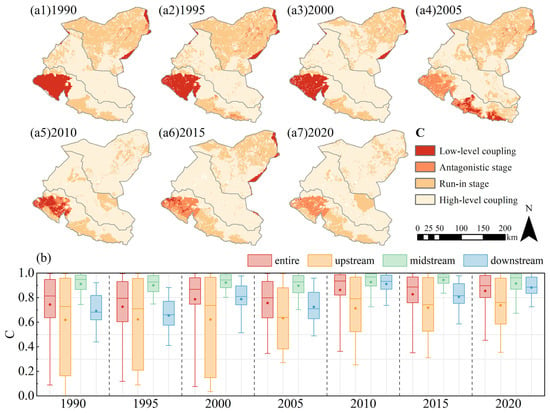
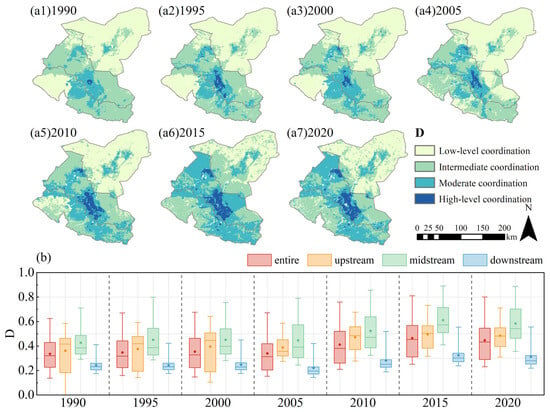
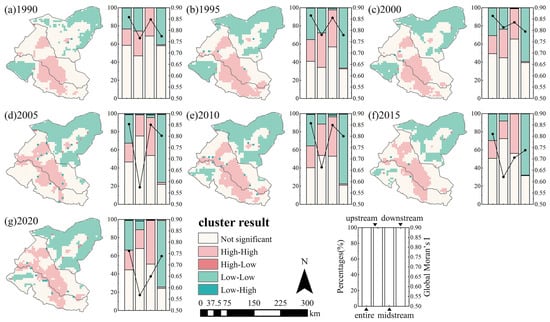
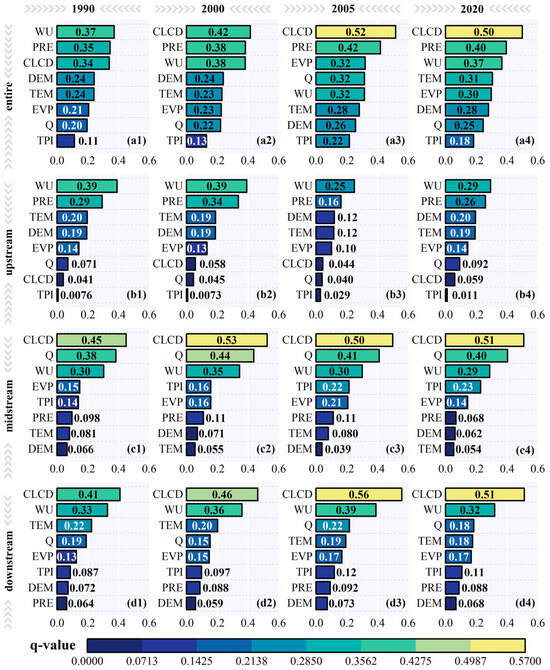
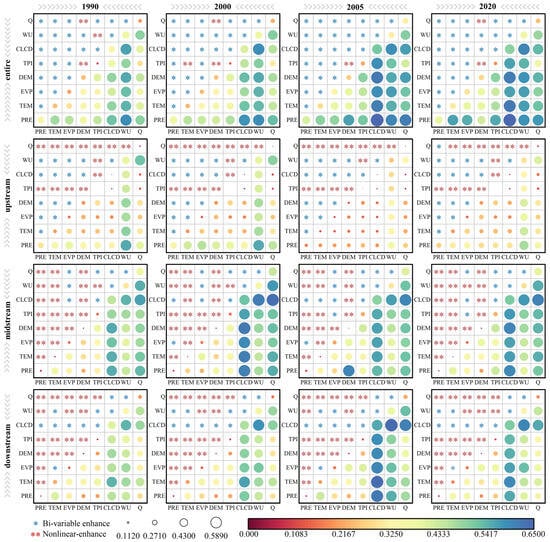
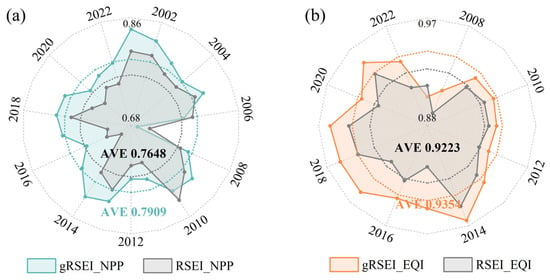
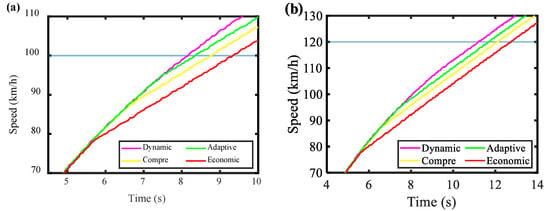
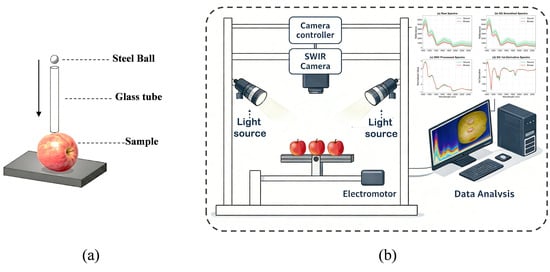
Arid inland river basins are constrained by severe water scarcity and fragile ecosystems. Although large-scale water transfer projects are critical interventions, studies of their comprehensive impacts on eco-socioeconomic systems remain limited. To address this gap, this study proposes an integrated assessment framework. A global Remote Sensing Ecological Index (gRSEI) was developed by incorporating a salinity indicator, employing optimal indicator selection, and utilizing a full-period global normalization strategy. A Gridded Socioeconomic Index (GSEI) was constructed by integrating nighttime light (NTL), population (POP), and gross domestic product (GDP) data. The coupling coordination degree (CCD) model, spatial autocorrelation analysis, and the optimal parameters-based geographical detector (OPGD) were applied to analyze spatial patterns across subregions. Focusing on the Shiyang River Basin (SYRB), this study analyzed the spatiotemporal responses and coupling coordination of the eco-socioeconomic system to the 2001 Jingdian Phase II Water Transfer Project. Results indicate that ecological quality improved significantly after the water transfer, with gRSEI increasing from 0.225 to 0.334. Socioeconomic development also improved overall. The eco-socioeconomic system exhibited high coupling but moderate coordination. The coupling degree (C) and coordination degree (D) increased from 0.824 and 0.370 to 0.852 and 0.442, respectively, with clear regional heterogeneity. The water transfer project shifted the dominant driver of coordinated development from water-related factors to land cover. This study provides a practical framework for assessing ecological and socioeconomic dynamics and their interactions in arid basins under major water transfer project interventions. Full article
Show Figures

Figure 1

16 pages, 1269 KB  
Review
Mobile Health Interventions Across the Stroke Care Continuum: A Scoping Review
by Dahyeon Koo, Seunggyun Jeong, Kyumin Jang, Younghwan Jang, Seo Yeong Bae, Soonmi Kwon and Dougho Park
J. Clin. Med. 2026, 15(11), 4121; https://doi.org/10.3390/jcm15114121 (registering DOI) - 26 May 2026
Abstract
Stroke causes approximately 12.2 million new cases and 6.5 million deaths annually, with survivors requiring coordinated care across pre-hospital, acute, rehabilitative, and preventive phases. Mobile health (mHealth) technologies, including smartphone applications, wearable sensors, and tablet-based platforms, have shown clinical potential across these contexts, [...] Read more.
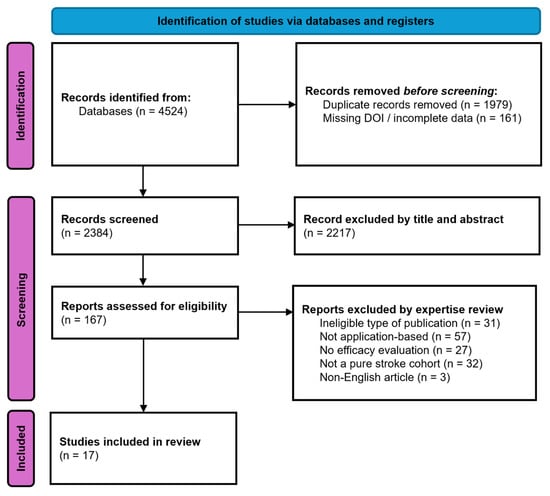
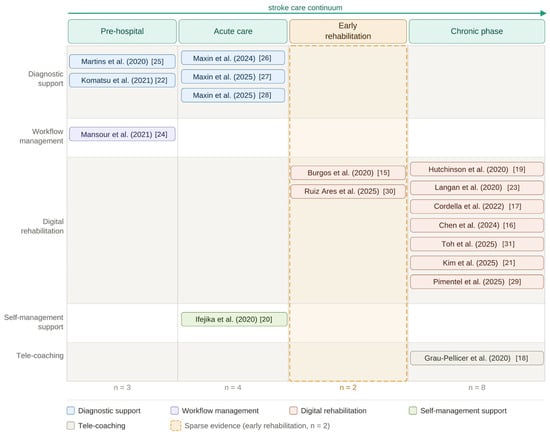
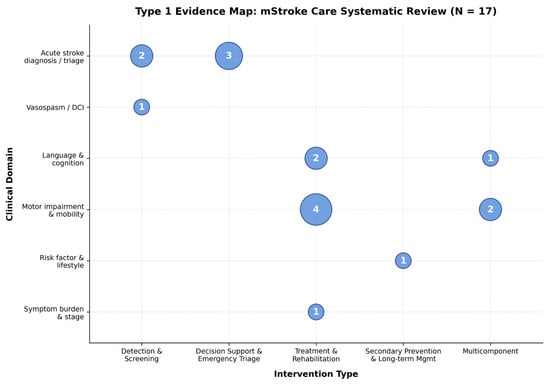
Stroke causes approximately 12.2 million new cases and 6.5 million deaths annually, with survivors requiring coordinated care across pre-hospital, acute, rehabilitative, and preventive phases. Mobile health (mHealth) technologies, including smartphone applications, wearable sensors, and tablet-based platforms, have shown clinical potential across these contexts, yet a structured mapping of their distribution across the full stroke care continuum is lacking. We searched PubMed, Scopus, and Web of Science for publications from January 2019 to March 2025. Studies evaluated mHealth interventions in which the mobile platform directly performed diagnostic, therapeutic, or rehabilitative functions in stroke populations. Of 4524 records identified, 17 met the inclusion criteria. Studies originated from eight countries and used heterogeneous designs: five randomized controlled trials, five non-randomized studies, four cohort studies, and three diagnostic accuracy studies. Median sample size was 37 participants (range 10–2249). Evidence concentrated at two poles: six studies addressed acute diagnosis and ten addressed rehabilitation, predominantly in the chronic phase. One study addressed secondary prevention; two targeted early rehabilitation, the period of maximum neuroplasticity after discharge. All seventeen studies covered a single care phase. Smartphone platforms dominated acute contexts; wearable and mixed-modality systems were confined to rehabilitation. The mHealth stroke landscape is fragmented and phase-specific, exhibiting a silo effect in which interventions operate as isolated tools rather than components of an integrated care system. An important gap is the near-absence of research in early rehabilitation. Future priorities include cross-continuum design, expansion into cognitive and secondary prevention domains, and progression toward adequately powered trials. Full article
Show Figures

Figure 1

24 pages, 4458 KB  
Article
Energy-Efficient Pitch Control for a 1000 m-Class Underwater Glider: A Comparative Study of PID, Fuzzy, and ANFIS Controllers Based on Experimental Power Models
by Sung-Hyub Ko, Hyunjoon Cho, Daehyeong Ji, Jong-Wu Hyeon, Seom-Kyu Jung and Joon-Young Kim
J. Mar. Sci. Eng. 2026, 14(11), 986; https://doi.org/10.3390/jmse14110986 (registering DOI) - 26 May 2026
Abstract
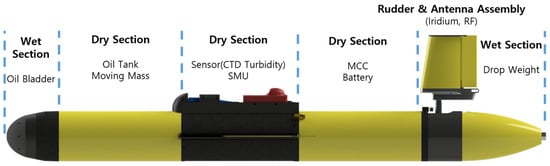
Underwater gliders are suited for long-duration oceanographic observation, but their endurance is bounded by onboard energy capacity. An overlooked source of energy loss is the attitude control system, which repeatedly repositions the internal moving mass to hold the desired pitch angle throughout each [...] Read more.
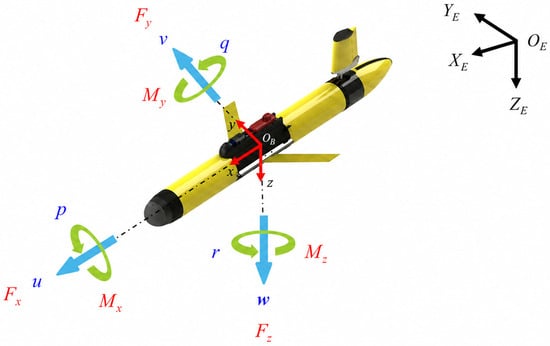
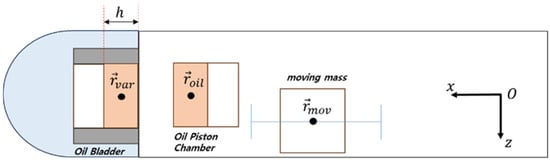
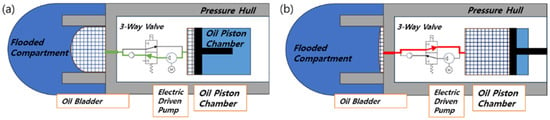
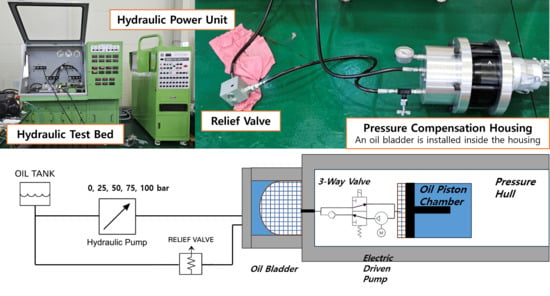
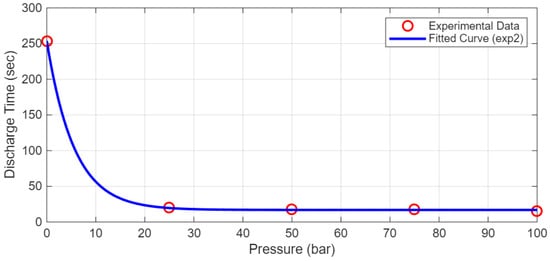
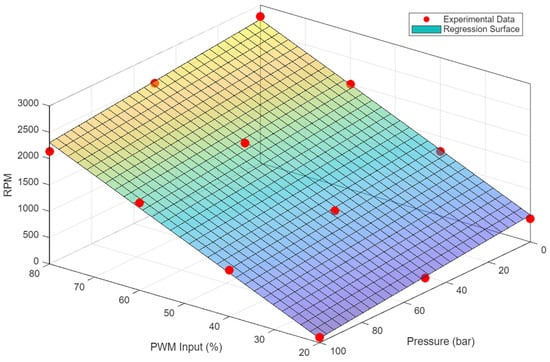
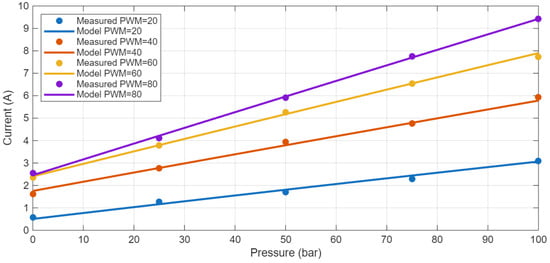
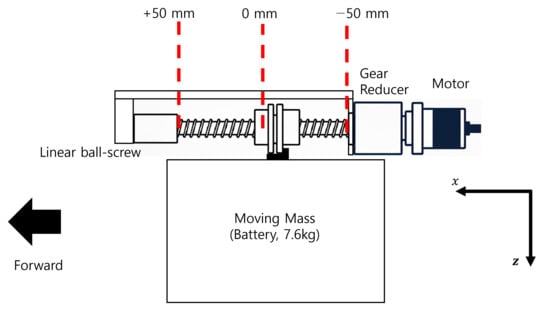
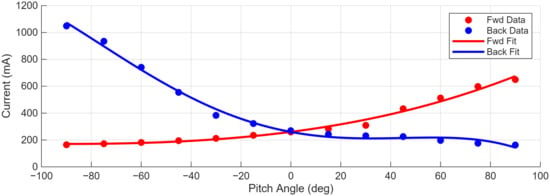
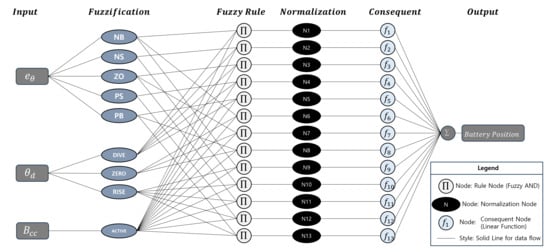
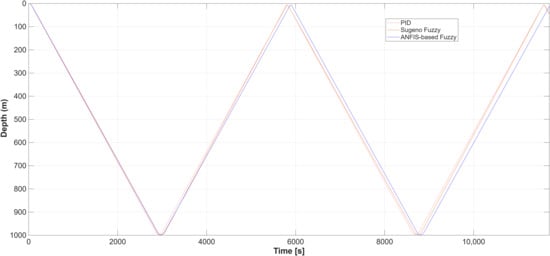
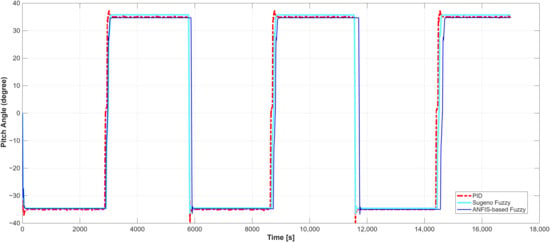
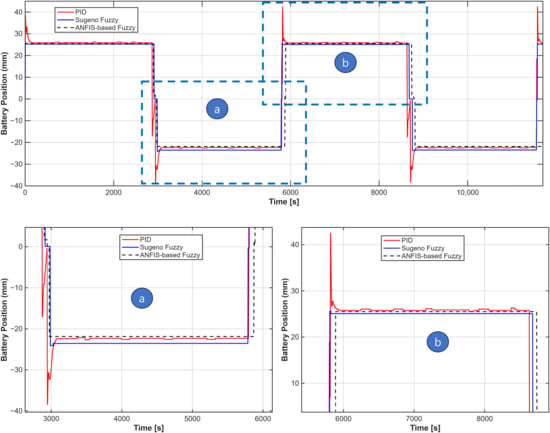
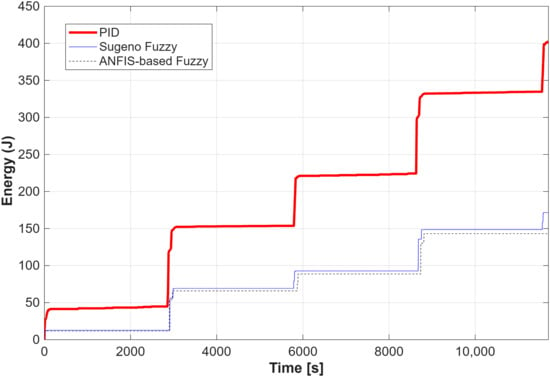
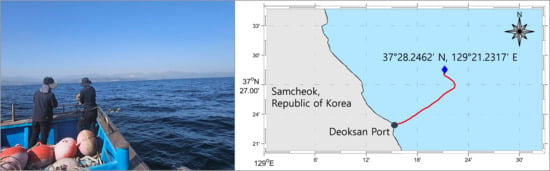
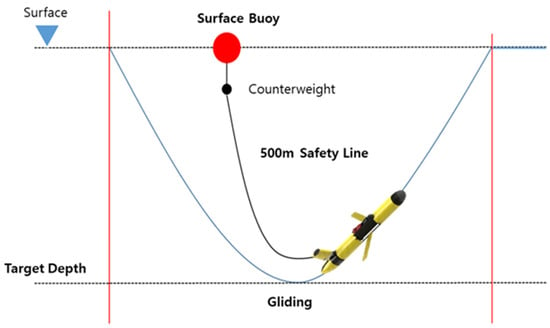
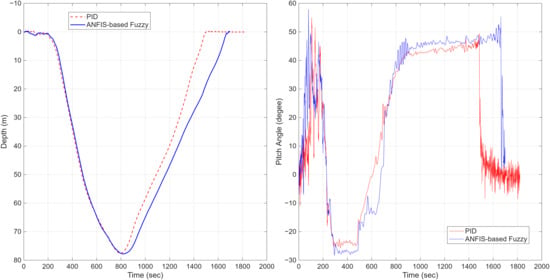
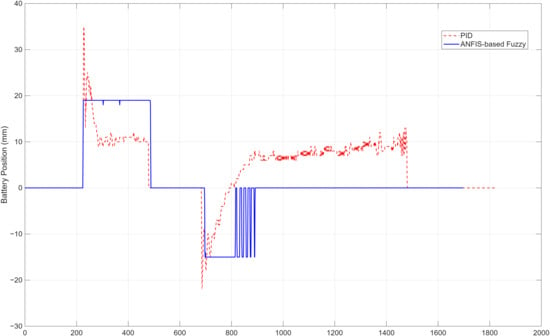
Underwater gliders are suited for long-duration oceanographic observation, but their endurance is bounded by onboard energy capacity. An overlooked source of energy loss is the attitude control system, which repeatedly repositions the internal moving mass to hold the desired pitch angle throughout each gliding cycle. Conventional PID and manually tuned fuzzy controllers continue driving the actuator after pitch convergence and adapt poorly to nonlinear buoyancy variations at depth. To address this, we propose an ANFIS (Adaptive Neuro-Fuzzy Inference System)-based pitch control strategy for a 1000 m-class underwater glider. A nonlinear 6-DOF dynamic simulator incorporating experimentally derived power models for the buoyancy engine and attitude controller was validated up to 100 bar. A 13-rule Sugeno-type fuzzy inference system was optimized through ANFIS hybrid learning using approximately 5500 samples from PID steady-state data. Simulation results show energy savings of 57.05% over PID and 4.98% over a manually tuned fuzzy controller, with no degradation in tracking accuracy. Sea trials confirm a reduction in moving mass displacement under real disturbance conditions, providing qualitative evidence consistent with the simulation results. Further quantitative validation of the energy reduction effect through free-running sea trials remains as future work. Full article
(This article belongs to the Special Issue Advances in Marine Autonomous Vehicles)
Show Figures

Figure 1

18 pages, 663 KB  
Article
A Stress-Induced Digital Escapism Framework for Understanding the Link Between Stress and Problematic Social Media Use
by Hwajin Yang, Frosch Y. X. Quek, Salin X. H. Yap, Germaine Y. Q. Tng and Gilaine Rui Ng
Behav. Sci. 2026, 16(6), 853; https://doi.org/10.3390/bs16060853 - 26 May 2026
Abstract
Given that stress is a significant risk factor for problematic social media use, understanding the underlying psychological mechanisms is essential. We introduce the Stress-Induced Digital Escapism (SIDE) framework, which posits that negative internal emotional responses to external stressors may increase reliance on maladaptive [...] Read more.
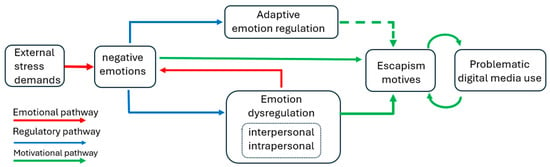
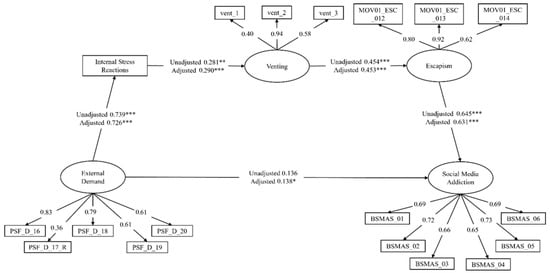
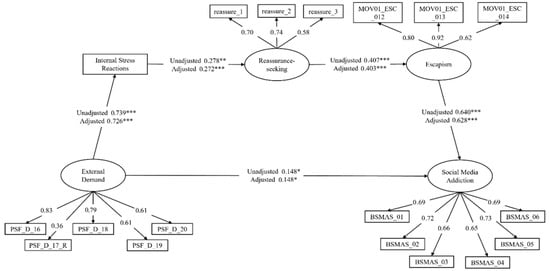
Given that stress is a significant risk factor for problematic social media use, understanding the underlying psychological mechanisms is essential. We introduce the Stress-Induced Digital Escapism (SIDE) framework, which posits that negative internal emotional responses to external stressors may increase reliance on maladaptive emotion regulation strategies that fail to alleviate distress. These processes may, in turn, strengthen escapism motives that lead to seeking emotional relief through compulsive social media use. Using structural equation modeling (N = 238), we examined three integrated psychological pathways—negative stress reactions, maladaptive emotion regulation strategies, and escapism motives—as sequential mediators linking external demands to problematic social media use. Consistent with the proposed framework, external demands showed significant indirect associations with problematic social media use through negative emotional responses, maladaptive interpersonal emotion regulation strategies (venting, reassurance-seeking), and escapism motives as sequential mediators. Sensitivity analysis supported the robustness of the serial mediation model over alternative models with reversed pathways. These findings support the SIDE framework as a unified account of the psychological mechanisms underlying stress-related problematic social media use. Full article
(This article belongs to the Section Social Psychology)
Show Figures

Figure 1

16 pages, 6108 KB  
Article
Characterization of Kitasatospora hibisci Strain 21007 Isolated from Mangrove Soil Against Magnaporthe oryzae
by Sarah Violet Michael, Ruixue Li, Zilin Cui, Jiahao Wang, Qinyong Shen, Yanlin Lin, Jianbo Huang, Yongcheng Lan, Songbiao Chen, Yijuan Han and Xiaofeng Chen
Agronomy 2026, 16(11), 1055; https://doi.org/10.3390/agronomy16111055 - 26 May 2026
Abstract
Rice (Oryza sativa L.) production is severely threatened by rice blast disease caused by the hemibiotrophic fungus Magnaporthe oryzae. Chemical fungicides, although effective, cause environmental pollution, disrupt soil microbiomes, and select for resistant pathogen populations, creating an urgent need for sustainable [...] Read more.
Rice (Oryza sativa L.) production is severely threatened by rice blast disease caused by the hemibiotrophic fungus Magnaporthe oryzae. Chemical fungicides, although effective, cause environmental pollution, disrupt soil microbiomes, and select for resistant pathogen populations, creating an urgent need for sustainable alternatives. In this study, we isolated Kitasatospora hibisci strain 21007 from mangrove soil and evaluated its biocontrol potential through integrated phenotypic and transcriptomic analyses. The cell-free culture filtrate (CFCF) extract showed potent antifungal activity, inhibiting M. oryzae mycelial growth and suppressing conidial germination as well as appressorium formation in a concentration-dependent manner via antibiosis. Fermentation optimization identified Gauze’s Synthetic Medium No. 1 as optimal for metabolite production. Both inoculation of M. oryzae spores with 21007 CFCF extract and pre-treatment of rice seedlings with 21007 CFCF significantly reduced disease severity under greenhouse conditions. Transcriptomic analysis revealed extensive reprogramming of gene expression in leaves of rice seedlings cultured with 21007 CFCF extract. KEGG pathway enrichment analysis indicated activation of the plant–pathogen interaction and MAPK signaling pathways in rice seedlings cultured with 5% and 10% CFCF extract, suggesting that 21007 CFCF induces host defense signaling. These results support the potential of K. hibisci 21007 as a candidate for sustainable biocontrol of rice blast disease and establish a foundation for future metabolomic and genomic investigations. Full article
59 pages, 7081 KB  
Article
ICDL-Agent: A Tool-Augmented LLM Agent for Automatic Instrument Workflows in Incoherent Doppler LiDAR Analysis
by Jiawei Li, Yuli Han, Chong Chen, Tingdi Chen, Xianghui Xue, Liangyu Pu, Zhaowang Su, Hengjia Liu, Shuhua Zhang, Jing Yang and Dongsong Sun
ISPRS Int. J. Geo-Inf. 2026, 15(6), 238; https://doi.org/10.3390/ijgi15060238 - 26 May 2026
Abstract
Large language models (LLMs) offer new possibilities for natural-language interaction with geospatial analysis systems, but their use in remote sensing instrument data analysis remains limited by weak execution control, poor reproducibility, and limited integration with domain-specific computation. The paper presents an agent for [...] Read more.
Large language models (LLMs) offer new possibilities for natural-language interaction with geospatial analysis systems, but their use in remote sensing instrument data analysis remains limited by weak execution control, poor reproducibility, and limited integration with domain-specific computation. The paper presents an agent for Incoherent Doppler wind LiDAR (ICDL) data analysis, named ICDL-Agent, a tool-augmented LLM framework for remote sensing instrument workflows. The system maps conversational user requests to executable analysis pipelines for wind retrieval, uncertainty estimation, visualization, and higher-level diagnostics through structured planning over a registry of domain-specific tools. To improve execution reliability, the system combines schema-constrained workflow generation, shared-state reuse of intermediate scientific products, and validation with bounded repair. In addition to supporting routine LiDAR processing, the framework can generate new tools when required and adapt to related analytical tasks through domain-aware guidance and procedural documentation. We evaluate the system on multiple atmospheric wind-observation datasets in China and show that it faithfully reproduces the refined Doppler wind-retrieval pipeline, achieving representative R2/MAE values of 0.52/3.73 m/s against ERA5 and 0.80/2.31 m/s against radiosonde observations, while supporting downstream analyses such as profile comparison, climatological interpretation, and gravity-wave diagnostics. More broadly, this study demonstrates how constrained LLM orchestration can support LiDAR researchers, remote-sensing instrument teams, and geospatial analysts seeking transparent, reproducible, and automated scientific data-processing workflows. Full article
(This article belongs to the Special Issue LLM4GIS: Large Language Models for GIS)
19 pages, 1427 KB  
Article
Pollen Analysis of Bees’ Crop Nectar as an Effective Method to Determine Nectar Sources: Comparison with Traditional Approaches
by Nandita Das, Rajib Mondal, Ujjwal Layek and Prakash Karmakar
Appl. Biosci. 2026, 5(2), 42; https://doi.org/10.3390/applbiosci5020042 - 26 May 2026
Abstract
Identifying the nectar sources of stingless bees is essential for understanding plant–pollinator interactions and for promoting sustainable meliponiculture. Traditionally, this has been achieved through melissopalynological analysis of honey; however, this approach has certain limitations. Here, we aimed to evaluate whether pollen analysis of [...] Read more.
Identifying the nectar sources of stingless bees is essential for understanding plant–pollinator interactions and for promoting sustainable meliponiculture. Traditionally, this has been achieved through melissopalynological analysis of honey; however, this approach has certain limitations. Here, we aimed to evaluate whether pollen analysis of bee crop nectar can reliably identify nectar sources for stingless bees. We conducted palynological analyses of honey samples (n = 12) and crop nectar samples (n = 757, considering individual foragers), and conducted field surveys to determine nectar sources for the stingless bee Tetragonula pagdeni in West Bengal, India. From the honey analysis, 42 pollen types were identified, with Eucalyptus tereticornis as the predominant pollen type. In contrast, 67 pollen types were recorded from the crop nectar samples. The most frequently occurring pollen types were Acacia auriculiformis, Borassus flabellifer, Eucalyptus tereticornis, Peltophorum pterocarpum, Tridax procumbens, and Ziziphus mauritiana. Through field surveys, 73 plant species were identified as nectar sources. By integrating these methods, 85 plant species were recognised as nectar sources for stingless bees. The findings indicate that palynological analysis of bees’ crop nectar is an effective method for identifying the nectar sources of a bee species. Furthermore, combining palynological analysis of crop nectar with melissopalynological analysis of honey provides a more comprehensive and potentially more accurate assessment of nectar sources than reliance on honey analysis alone. Full article
34 pages, 10700 KB  
Article
Heat Propagation Through Fins Made of Polymeric Materials Manufactured by 3D Printing
by Florin Negoescu, Vasile Merticaru, Andrei Marius Mihalache, Vasile Ermolai, Oana Dodun, Nicolae-Răzvan Mititelu, Gheorghe Nagîț, Marius-Ionuț Rîpanu, Adelina Hrițuc and Laurențiu Slătineanu
Polymers 2026, 18(11), 1315; https://doi.org/10.3390/polym18111315 - 26 May 2026
Abstract
To investigate simultaneously both the effect of fin cross-sectional shape on heat transfer and the influence of different polymeric materials, test samples were manufactured by 3D printing in the form of bushings with attached radial fins of varying cross-sections. Through the research undertaken, [...] Read more.
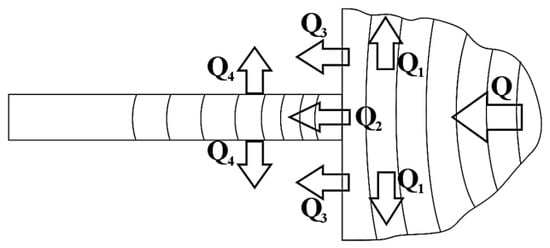
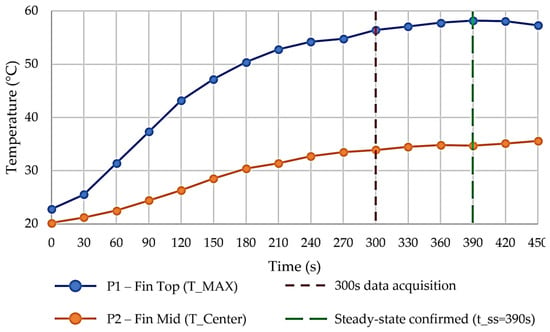
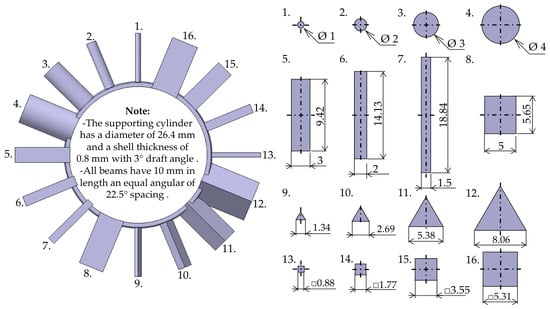
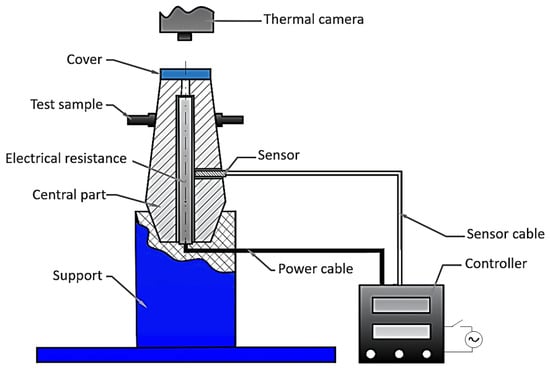
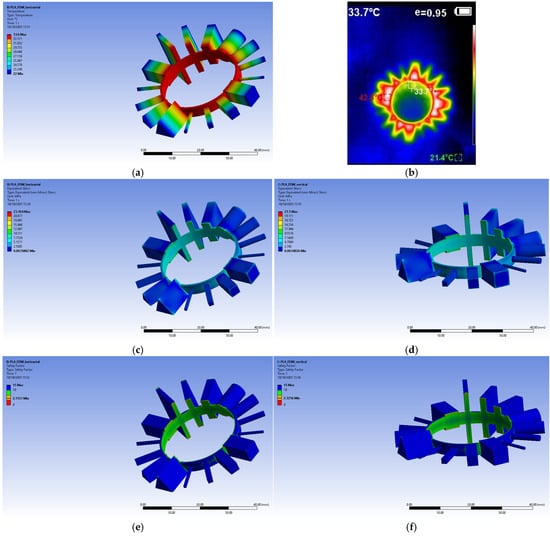
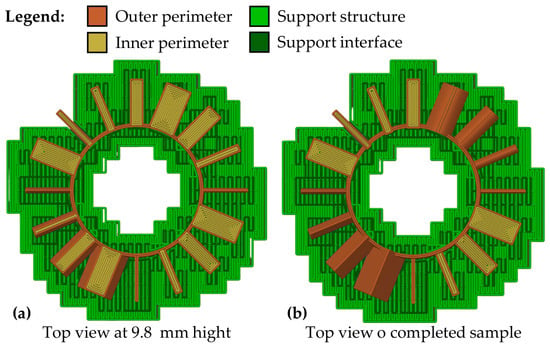
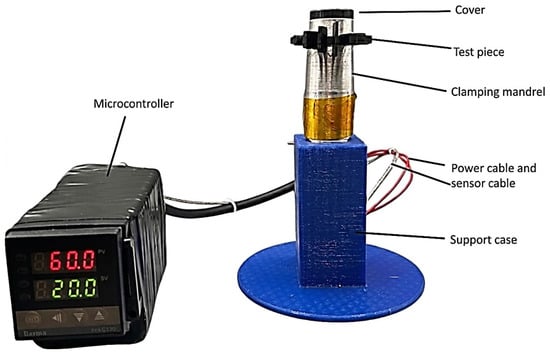
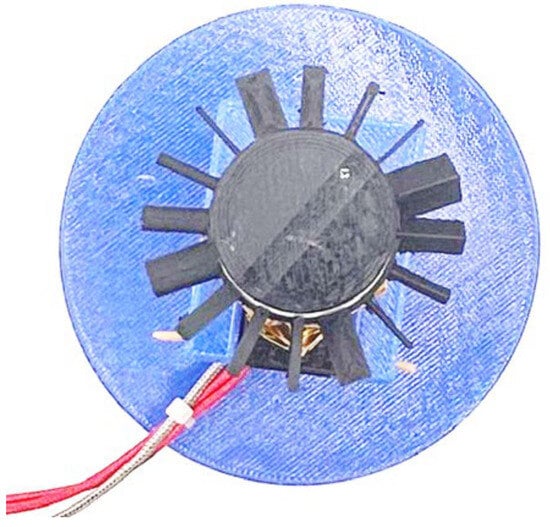
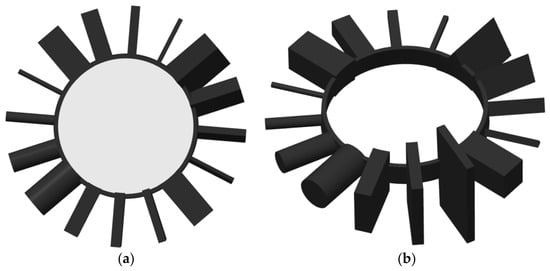
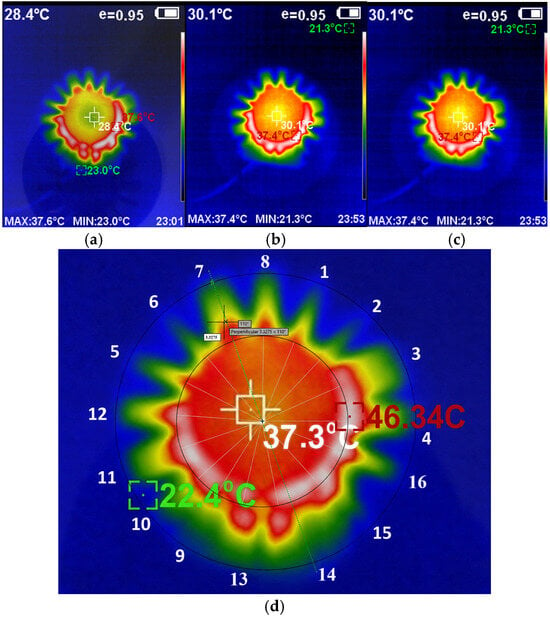
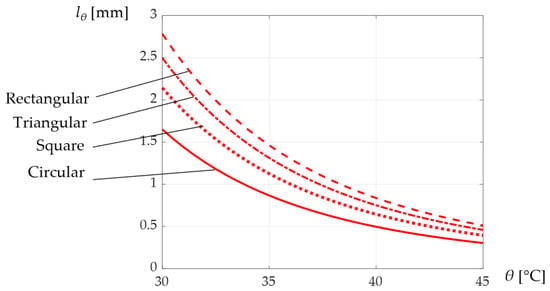
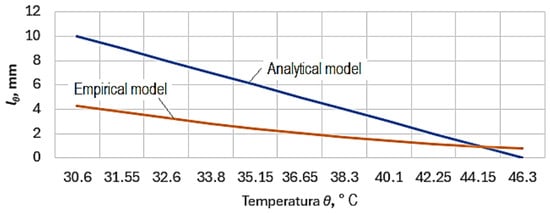
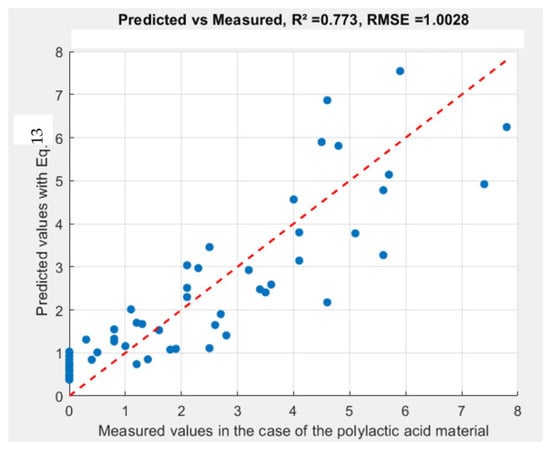
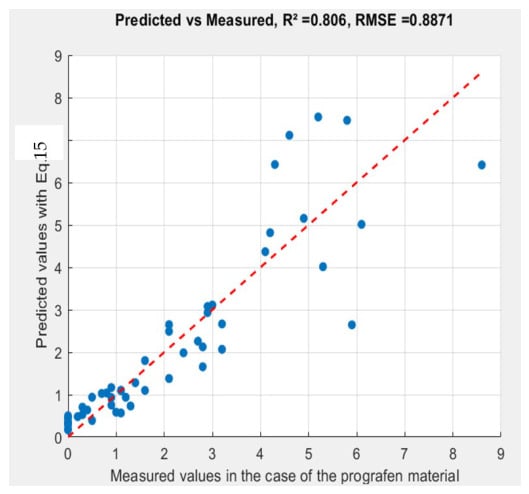
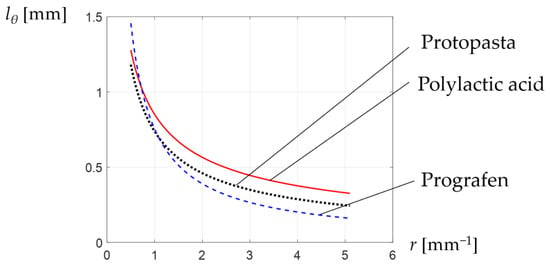
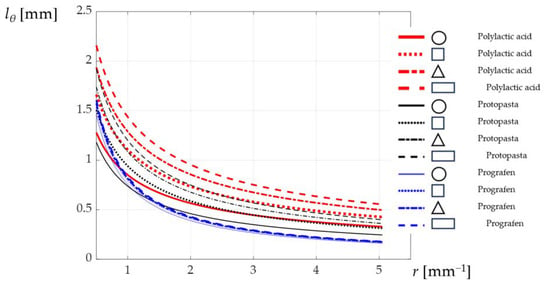
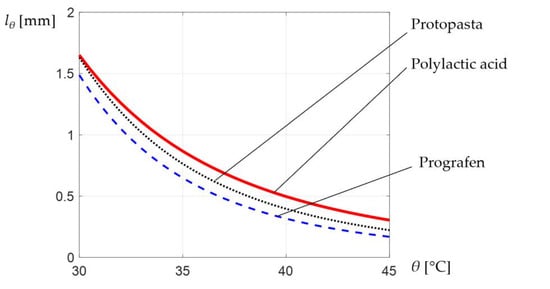
To investigate simultaneously both the effect of fin cross-sectional shape on heat transfer and the influence of different polymeric materials, test samples were manufactured by 3D printing in the form of bushings with attached radial fins of varying cross-sections. Through the research undertaken, the aim was to obtain information regarding the length of the fin at which a certain temperature is reached; therefore, the length that ensures efficient heat transfer to the external environment. Dedicated testing equipment was designed and built to test the thermal transfer in fins made of three different materials (polylactic acid (PLA)-based materials, i.e., standard PLA, PLA with carbon black (protopasta), and PLA with graphene (prografen)) and, respectively, with different sizes and shapes of the cross-section (circular, square, equilateral triangular, and rectangular). The experimental results were mathematically processed to develop empirical models that illustrate both the direction and the intensity of the influence of the input factors on the fin length at which a specific temperature is reached. Under certain conditions, radial components with a circular cross-sectional area of 20 mm2 showed significant differences depending on the polymer type. For the polylactic acid material, this length was 42% higher than for prografen and 25% higher than for protopasta. Full article
(This article belongs to the Section Polymer Processing and Engineering)
Show Figures

Figure 1

16 pages, 2921 KB  
Article
Characterization of Novel Lachancea thermotolerans Strains for Application in Table Olive Fermentation
by Patricia Gil-Flores, David Penco-Parra and Joaquín Bautista-Gallego
Foods 2026, 15(11), 1883; https://doi.org/10.3390/foods15111883 - 26 May 2026
Abstract
Lachancea thermotolerans is a non-Saccharomyces yeast characterized by its biotechnological potential, due, among other reasons, to its capacity to produce L-lactic acid and its impact on the organoleptic profiles of final fermented products. While its traits have been widely studied in fermented [...] Read more.
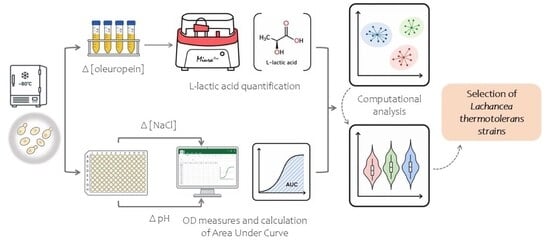
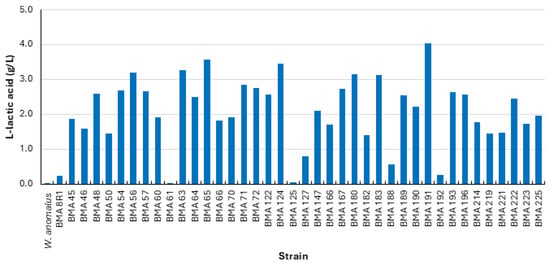
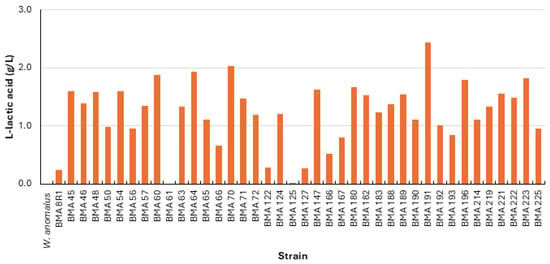
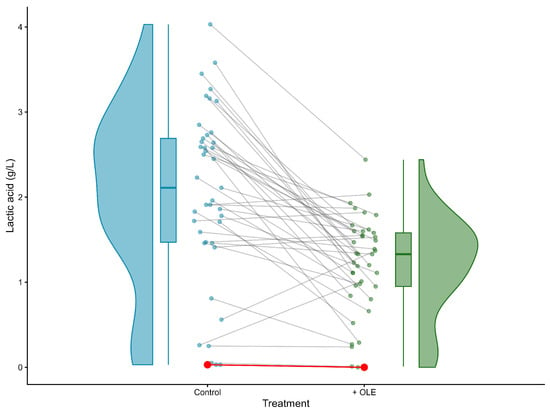
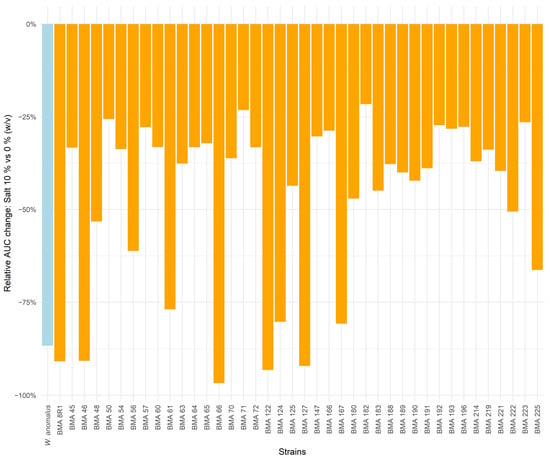
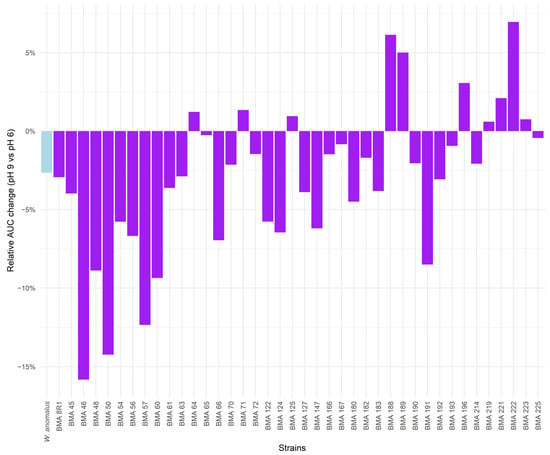
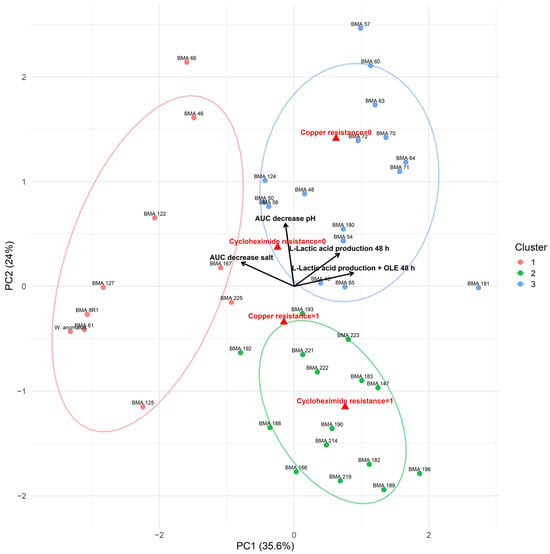
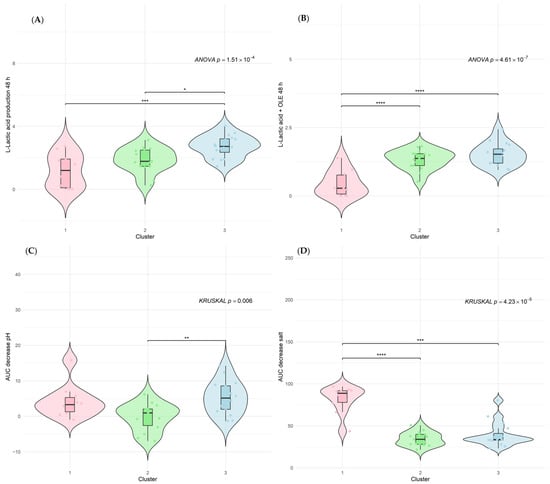
Lachancea thermotolerans is a non-Saccharomyces yeast characterized by its biotechnological potential, due, among other reasons, to its capacity to produce L-lactic acid and its impact on the organoleptic profiles of final fermented products. While its traits have been widely studied in fermented beverages and vinification, its potential use in other fermented foods, such as table olives, has been poorly studied. For this reason, the characterization and laboratory screening of Lachancea thermotolerans strains were performed in the present study. In this context, the potential use of forty L. thermotolerans strains in Spanish-style table olives was discussed based on pH and salt concentration tolerance, two key stress factors in the production process. Furthermore, the effect of oleuropein—the most abundant polyphenol in raw drupes—on L-lactic acid production was described to better understand and predict the behavior of L. thermotolerans under real conditions. In addition to stress resistance and L-lactic acid production, the suitability of the strains was assessed through their resistance to cycloheximide and copper, key indicators of tolerance to antimicrobial agents and agricultural residues. Finally, Principal Component Analysis of mixed data (PCAmix) and Hierarchical Clustering on Principal Components (HCPC) were performed to stratify and describe the intraspecific variability of this species, leading to the preselection of fifteen promising L. thermotolerans strains for use as starter cultures in Spanish-style table olive elaboration. Full article
(This article belongs to the Special Issue Microorganisms in Fermented Foods: Diversity, Function, and Safety)
Show Figures

Graphical abstract

30 pages, 1509 KB  
Review
End-Effector Technologies for Fruit Harvesting Robots: A Review of Structures, Actuation, and Field Deployability
by Senming Zhong, Chen Shu, Liancai Shen, Zhangjun Wu, Minglong Xue, Xiaojun Wang and Weiwei Zhu
Sensors 2026, 26(11), 3382; https://doi.org/10.3390/s26113382 - 26 May 2026
Abstract
This review summarizes the research on the end effectors of agricultural harvesting robots (2010–2025) and extracts two core design principles. First of all, the selection of end effectors must follow the biological characteristics of fruits: rigid grippers are suitable for hard skinned and [...] Read more.
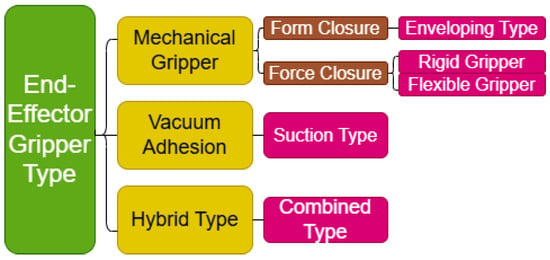
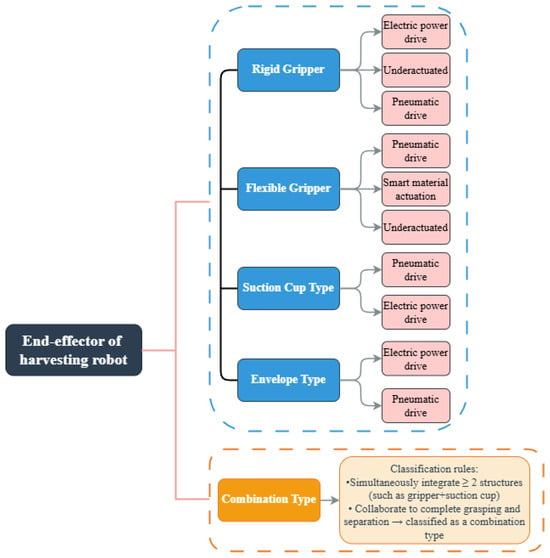
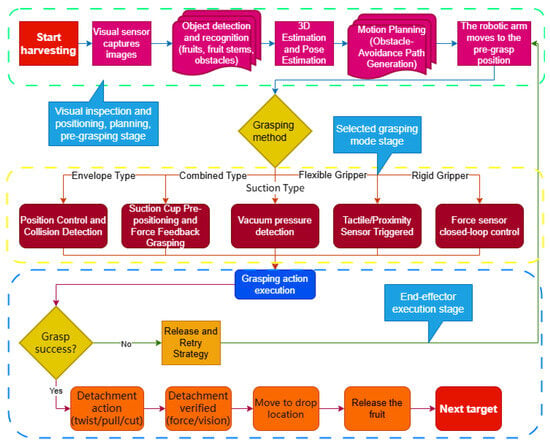
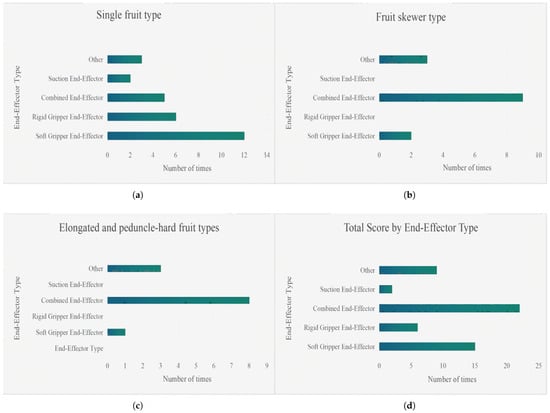
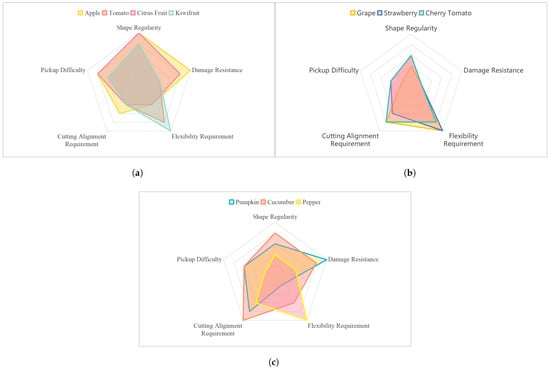
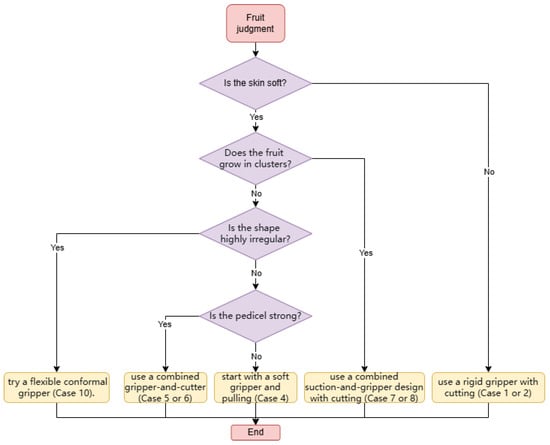
This review summarizes the research on the end effectors of agricultural harvesting robots (2010–2025) and extracts two core design principles. First of all, the selection of end effectors must follow the biological characteristics of fruits: rigid grippers are suitable for hard skinned and regular fruits; soft grippers can reduce the damage of fragile crops to a certain extent; suction cups are suitable for smooth, barrier free surfaces; the envelope type is suitable for soft and lossless picking scenes; the combined suction and grip design is more suitable for unstructured environments. Secondly, the separation mode should match the characteristics of the stem: motion separation (torsion/pull) is suitable for weak stems, while cutting is mainly used for hard stems. Unlike previous literature, this review provides a field deployability checklist (including dust/water proofing, cleanliness, maintenance, aging prevention, and aspiration prevention) to narrow the results of the laboratory and the real field environment. The three future directions of multimodal perception, variable stiffness driving and reinforcement learning are logically related to the analysis in this paper: multimodal perception optimizes the perception limit, variable stiffness solves the rigid–flexible trade-off, and reinforcement learning provides adaptive strategies for different crops. This framework can match the end effector design with the crop-specific field conditions. Full article
(This article belongs to the Section Smart Agriculture)
Show Figures

Figure 1

12 pages, 3198 KB  
Article
First Report of Leaf Spot of Spinacia oleracea Caused by Alternaria burnsii: Aerobiological Implications and Enzymatic Virulence Factor
by Tayyaba Afzal and Roshaan Ahmed
Aerobiology 2026, 4(2), 11; https://doi.org/10.3390/aerobiology4020011 - 26 May 2026
Abstract
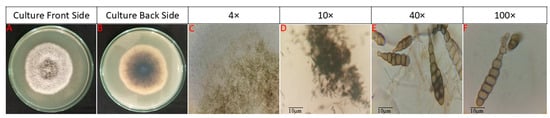
Spinacia oleracea L. cultivation in South Asia is severely compromised by leaf spot disease caused by fungal plant pathogens, resulting in significant yield and quality losses. In this study, we report the first molecularly confirmed case of an Alternaria burnsii leaf spot on [...] Read more.
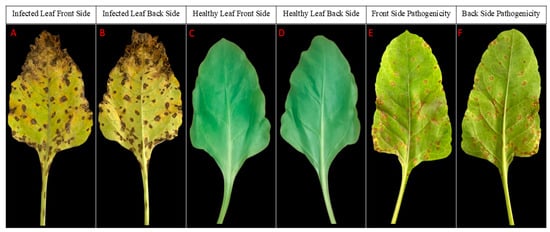
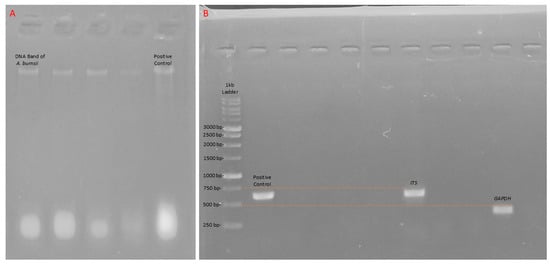
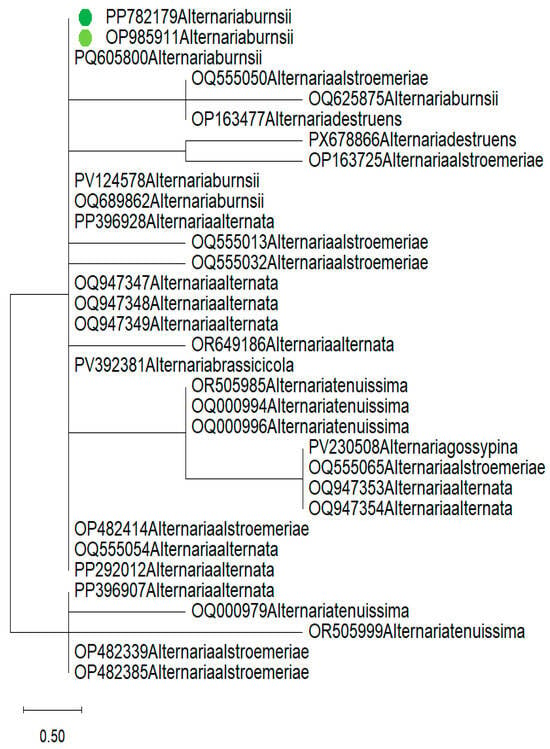
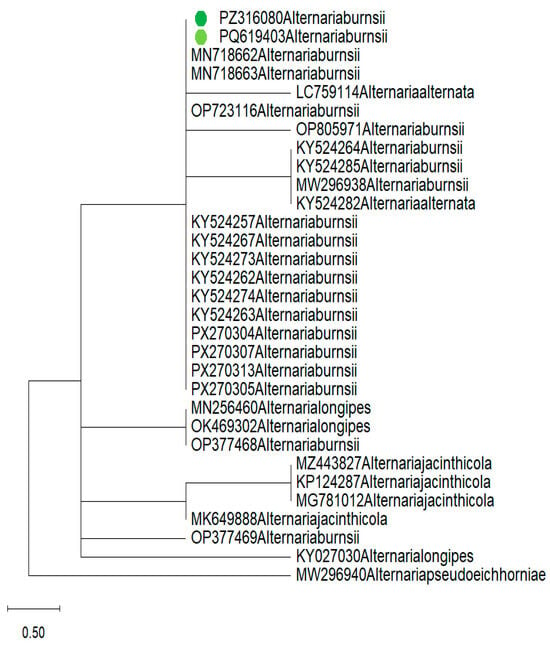
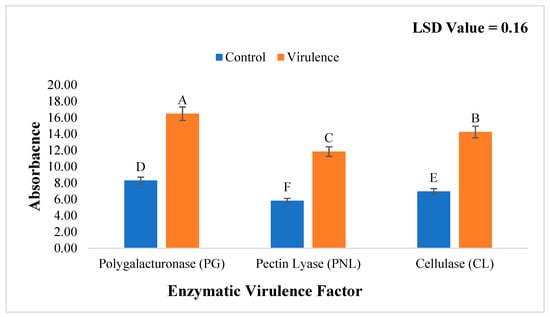
Spinacia oleracea L. cultivation in South Asia is severely compromised by leaf spot disease caused by fungal plant pathogens, resulting in significant yield and quality losses. In this study, we report the first molecularly confirmed case of an Alternaria burnsii leaf spot on S. oleracea in Pakistan. Symptomatic S. oleracea leaves exhibiting necrotic lesions with concentric rings were collected during a field survey across Bahawalpur district, Punjab, Pakistan in 2024. After isolation, purification and morphological identification it was identified that it belongs to the Alternaria genus. For the confirmation of species, molecular identification was performed; using the ITS and GAPDH primer revealed that the fungal plant pathogen causing leaf spot of S. oleracea is A. burnsii which was also confirmed by phylogenetic analysis. Koch’s postulates were carried out to confirm pathogenicity on detached leaf assays. To assess the virulence of A. burnsii enzymatic analysis was performed. Notably, enzymatic virulence profiling demonstrated a markedly increased production of polygalacturonase (PG: 16.0 ± 0.8 AU), pectin lyase (PNL: 12.0 ± 0.6 AU) and cellulase (CL: 14.0 ± 0.7 AU) relative to controls (all p < 0.001; LSD = 0.16), with PG having the greatest relative increase. This report expands the known host range for A. burnsii and highlights its two-fold threat: as a bioaerosol disseminable by wind and an enzymatic pathogen. These findings highlight the urgent need for integrated disease management strategies for suppressing leaf spot disease in S. oleracea agroecosystems. Full article
Show Figures

Figure 1

12 pages, 733 KB  
Article
Evaluation of Hand Hygiene Technique in Uzbekistan: First Experience from Semmelweis Scanner-Based Digital Assessment in Educational Institutions
by Shavkat Azimov, Peter Szeremy, Sherzod Nematov, Jamoliddin Razzokov, Temurbek Daminov, Durdona Rasulova and Tamás Haidegger
Healthcare 2026, 14(11), 1474; https://doi.org/10.3390/healthcare14111474 - 26 May 2026
Abstract
Background: Hand Hygiene (HH) plays a crucial role in preventing Hospital-Acquired Infections (HAIs), yet compliance and technique often remain inadequate. To our knowledge, this study is among the first large-scale Semmelweis Scanner-based evaluations of hand hygiene technique among both medical and non-medical students [...] Read more.
Background: Hand Hygiene (HH) plays a crucial role in preventing Hospital-Acquired Infections (HAIs), yet compliance and technique often remain inadequate. To our knowledge, this study is among the first large-scale Semmelweis Scanner-based evaluations of hand hygiene technique among both medical and non-medical students in Uzbekistan and the wider Central Asian region. Methods: A cross-sectional study was conducted between March 2024 and July 2025 at the Tashkent Medical Academy and the Tashkent State Technical University, resulting in 4191 data scans and 16,764 pictures analyzed. Hand surface coverage was evaluated using the Semmelweis digital monitoring system, which provides image-based feedback on insufficiently covered areas. Adequate performance was defined as achieving at least 95% hand surface coverage. Results: The findings showed that only 43.4% of hand hygiene measurements achieved the ≥95% hand coverage threshold, while 56.6% showed incomplete coverage. The sixth WHO-recommended step, i.e., rotational rubbing of the thumb and fingertips was identified as the most frequently missed moment. Significant variation was observed across faculties and departments, with bachelors achieving the highest success (n = 1012, 51.8%) and Ph.D. students reaching the lowest (18.4%). Conclusions: Hand hygiene technique among students in Uzbekistan is highly variable and frequently inadequate when evaluated using scanner-based digital assessment. The findings suggest that incomplete hand surface coverage, rather than the absence of sanitization attempts, is the principal challenge. Digital hand hygiene monitoring systems can provide an effective complementary tool for technique-focused education and can support infection prevention practices in both medical and non-medical training environments. Full article
(This article belongs to the Section Public Health and Preventive Medicine)
36 pages, 1933 KB  
Article
Populus nigra Bud Extract as a Standardized Alternative to Propolis: Evidence of Compositional Similarity—Functional Properties of an Oral Spray Containing Populus nigra Bud Extract
by Luisa Mattoli, Andrea Lugli, Michela Burico, Giada Fodaroni, Denise Decarli, Mattia Gianni, Anna Maidecchi, Giulia Antonini, Silvia Tondi, Anna Gaetano, Valentina Fiordelli, Rita Pagiotti, Jacopo Lucci, Claudio Buttarini, Stefano Garetto, Raffaele Saladino, Donatella Pietrella, Valentina Mercati and Emiliano Giovagnoni
Molecules 2026, 31(11), 1836; https://doi.org/10.3390/molecules31111836 - 26 May 2026
Abstract
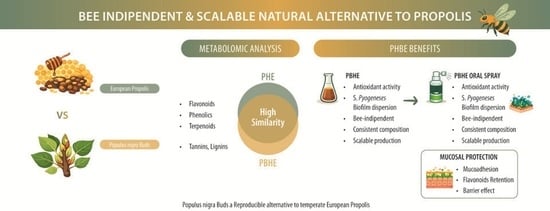
Populus nigra buds contain resinous exudates rich in flavonoids, phenolic acids, terpenoids and other bioactive constituents. These exudates are the main botanical source of European Poplar-type propolis. Since hive-collected propolis shows strong botanical, geographical and hive contaminant variability, P. nigra bud resin exudate [...] Read more.
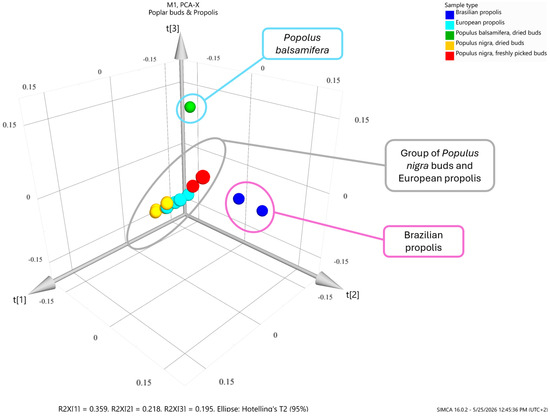
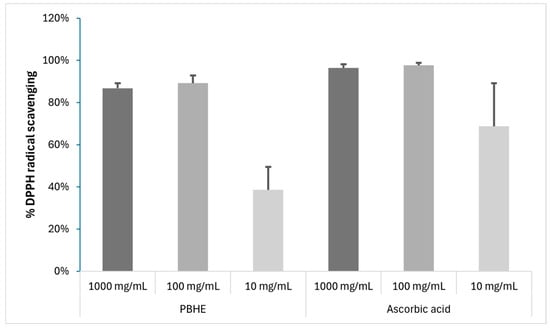
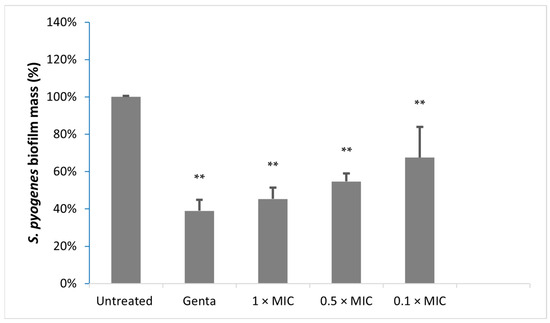
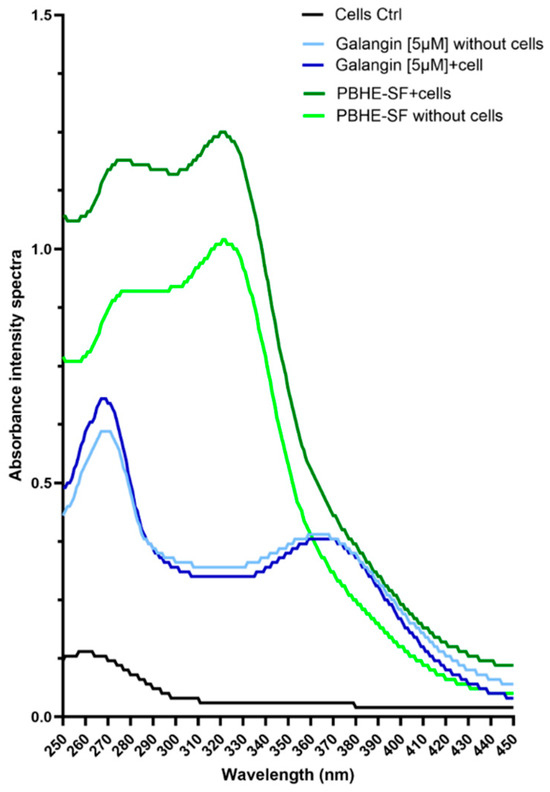
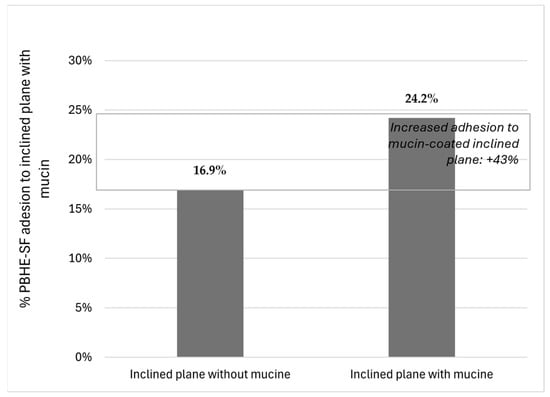
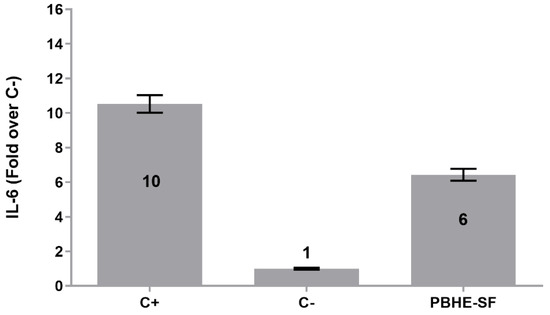
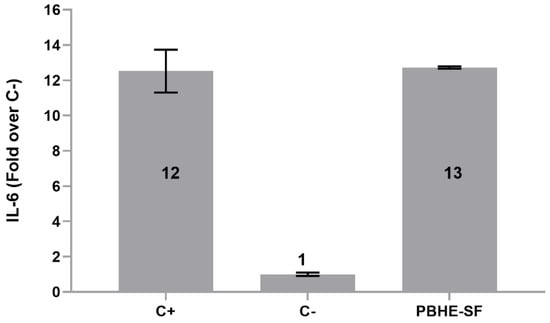
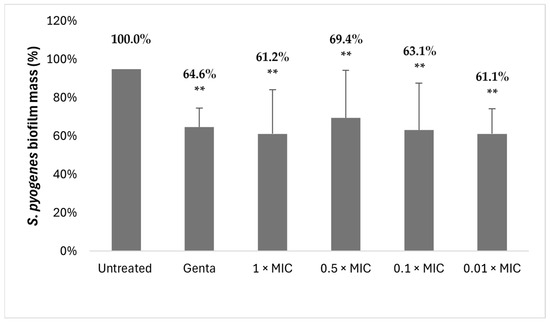
Populus nigra buds contain resinous exudates rich in flavonoids, phenolic acids, terpenoids and other bioactive constituents. These exudates are the main botanical source of European Poplar-type propolis. Since hive-collected propolis shows strong botanical, geographical and hive contaminant variability, P. nigra bud resin exudate represents an attractive, standardizable and reproducible alternative for obtaining natural-complex ingredients. This study investigates the compositional relationship between Propolgemma® standardized P. nigra buds (PBHE) and European propolis (PHE) hydroalcoholic extracts through integrated analytical approaches and evaluates the functional bioactivity of PBHE and a related oral spray formulation (Propolgemma® spray forte, PBHE-SF). Untargeted metabolomic fingerprinting revealed clear clustering of P. nigra bud exudate with European propolis, demonstrating high compositional similarity. Targeted analyses confirmed that PBHE belongs to the poplar-type propolis family, while retaining additional bud-derived constituents such as salicylates, lignins and tannins, typical of bud tissue and largely absent from hive-collected propolis. Functionally, PBHE showed concentration-dependent antioxidant activity and significant inhibition of Streptococcus pyogenes biofilm at sub-MIC levels. PBHE, incorporated into a patented oral spray formulation (PBHE-SF), demonstrated strong mucoadhesion, high resistance to salivary wash-off, retention of antioxidant flavonoids on epithelial substrates and a mechanical barrier effect, reducing LPS-induced IL-6 release by 39%. It also showed dispersion of pre-formed S. pyogenes biofilms. PBHE emerges as a reproducible, plant-derived, bee-independent alternative to European propolis. Its chemical consistency, functional reliability, independence from bee foraging and from hive-derived contaminants improve the therapeutic potential on mucosal protection in medical device formulations and the suitability for scalable, controlled and industrially sustainable production. Full article
Show Figures

Graphical abstract

22 pages, 10893 KB  
Article
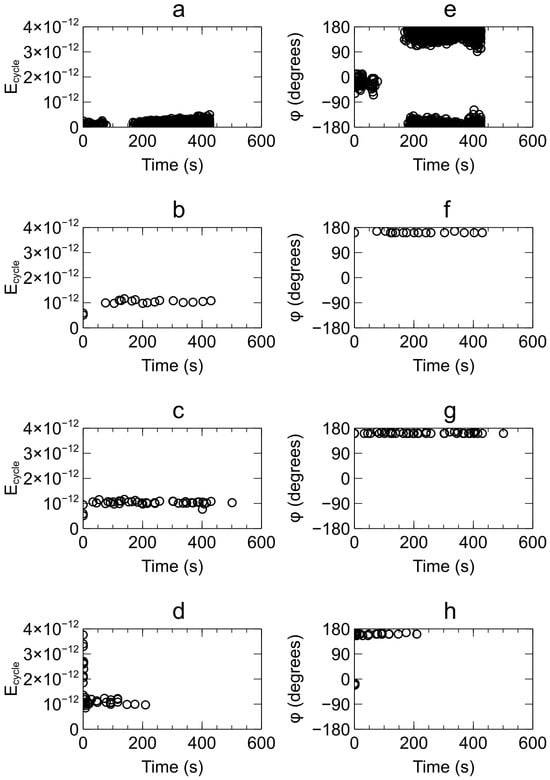
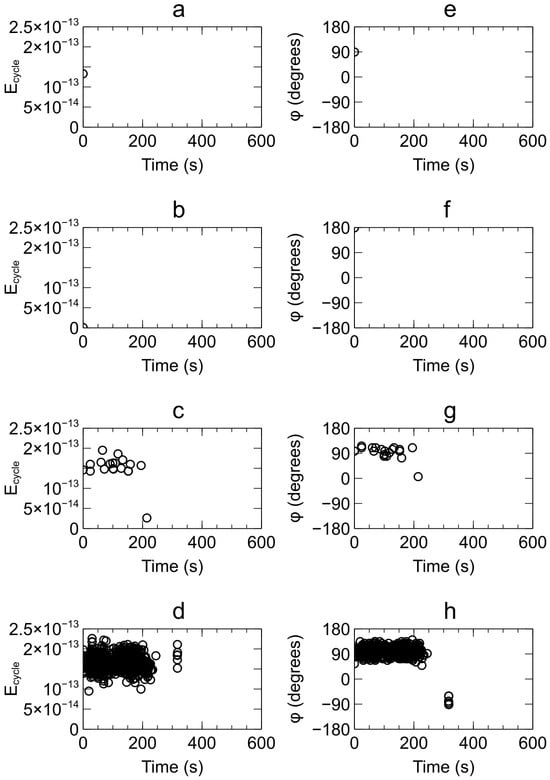
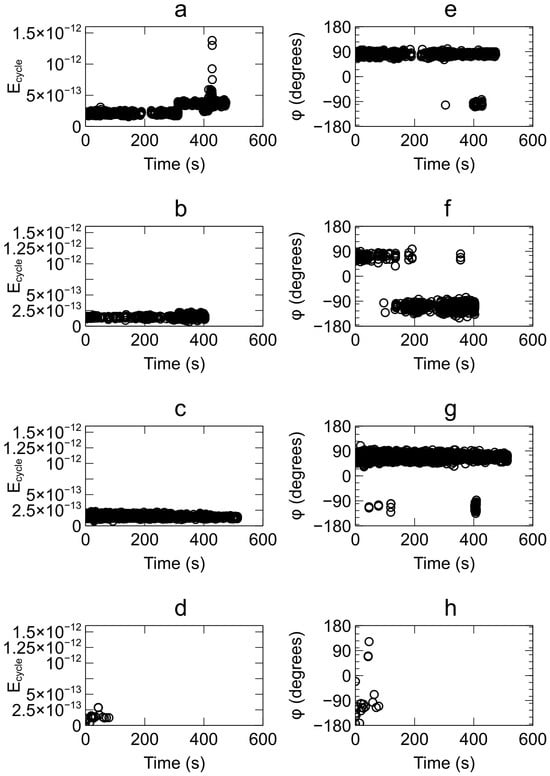
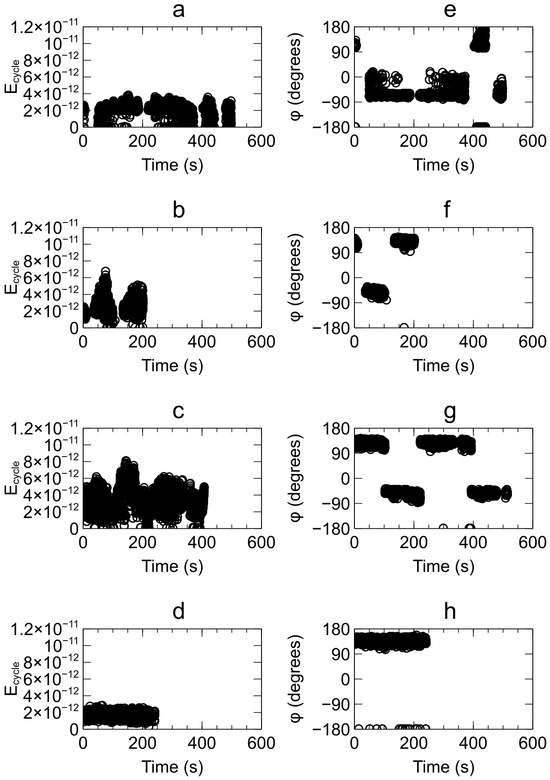
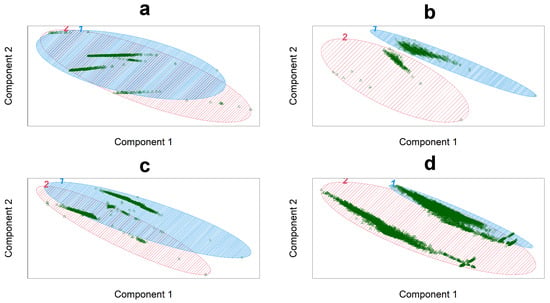
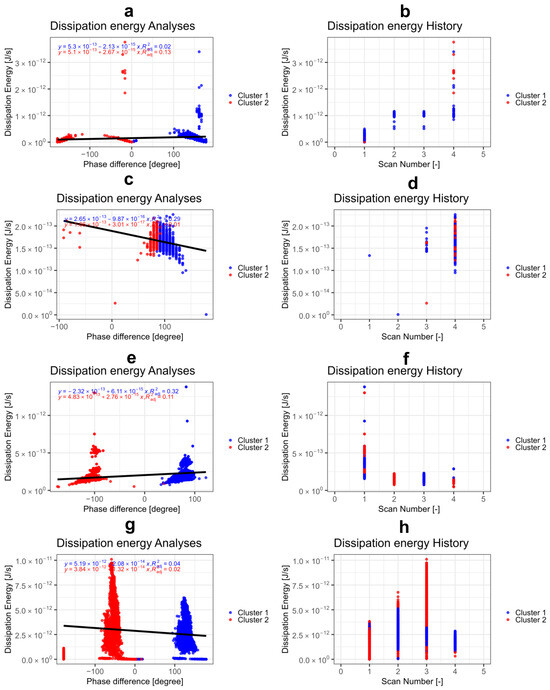
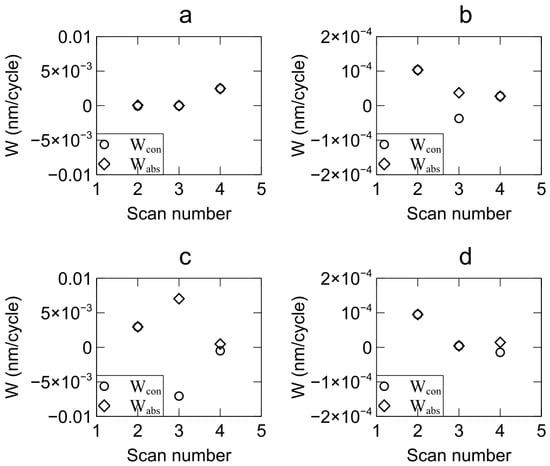
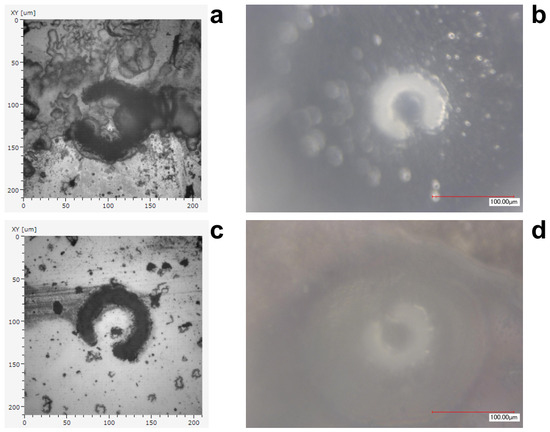
Direct Measurement of Energy Dissipation in Nanoscale Tribomechanical Interfaces: Dissipative Transfer Steady State
by Dinh Dat Pham, Yuichi Otsuka and Yukio Miyashita
Materials 2026, 19(11), 2258; https://doi.org/10.3390/ma19112258 - 26 May 2026
Abstract
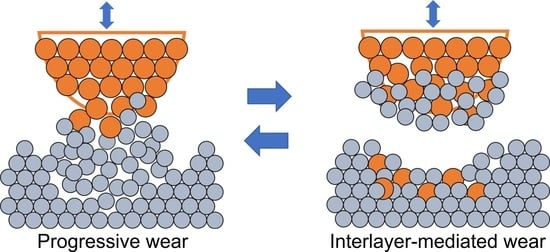
This study examines the development of a steady state in the cyclic wear process for various combinations of metallic and inorganic materials. Energy dissipation is widely acknowledged as a significant parameter in wear mechanisms. However, at the nanoscale, the linear correlation between energy [...] Read more.
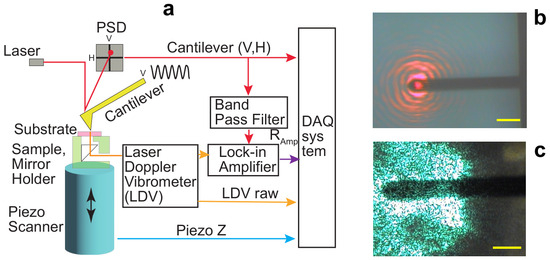
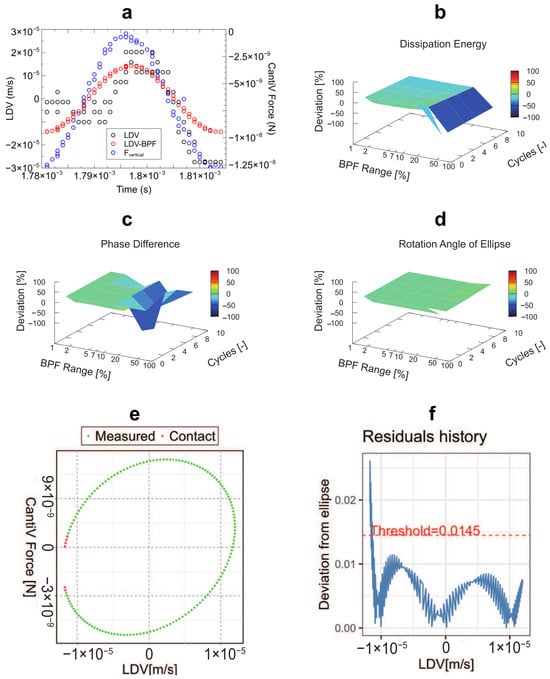
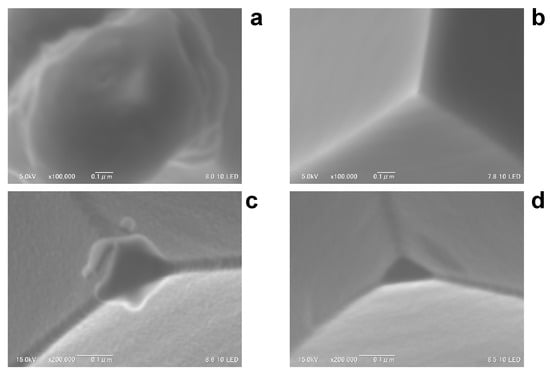
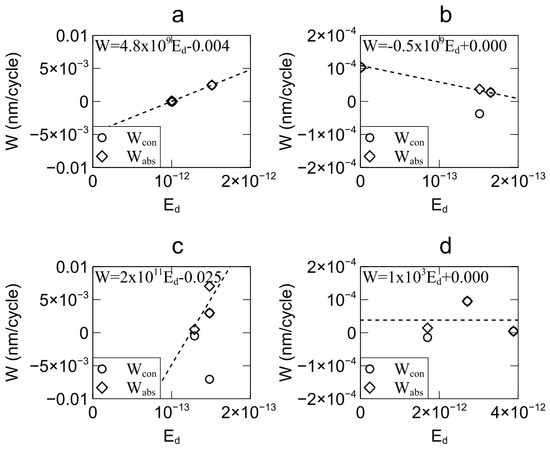
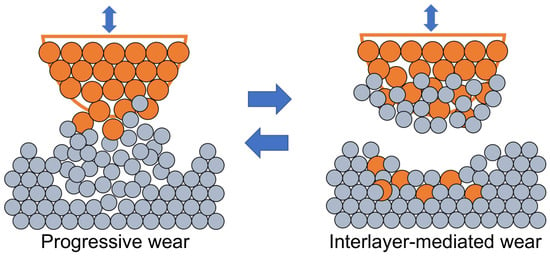
This study examines the development of a steady state in the cyclic wear process for various combinations of metallic and inorganic materials. Energy dissipation is widely acknowledged as a significant parameter in wear mechanisms. However, at the nanoscale, the linear correlation between energy dissipation and wear progression is not consistently applicable. In this study, experimental observations of cyclic wear between scanning probe microscopy (SPM) cantilevers and substrate displacement were conducted. Substrate vibrations were monitored using a laser Doppler vibrometer, which facilitated the direct estimation of energy dissipation at nanocontacts during cyclic loading. The wear rates of the substrates decreased with an increase in the number of cyclic loadings, indicating the formation of a transfer steady state at the interface. Symmetric contact mode, based on the viscoelastic behavior of the contact, and asymmetric mode, based on adhesion between the interfaces, are commonly observed. The asymmetric mode evolved in the later stages of cyclic wear, suggesting the transfer of the steady state between the interfaces. A linear relationship between energy dissipation and wear rates was still observed for metallic substrates, whereas a steady state was observed for inorganic materials. This difference can be attributed to material exchange at the interfaces. Full article
(This article belongs to the Special Issue Corrosion and Materials in Interacting Systems)
Show Figures

Graphical abstract

18 pages, 296 KB  
Article
Immunonutritional Indices, Inflammatory Markers, and Thyroid-Related Parameters in Adults with Hashimoto’s Thyroiditis
by Hulya Yilmaz Onal, Songul Aktas, Aysun Yuksel, Tutku Tuncalı Yaman, Ozcan Keskin and Hafize Uzun
Nutrients 2026, 18(11), 1698; https://doi.org/10.3390/nu18111698 - 26 May 2026
Abstract
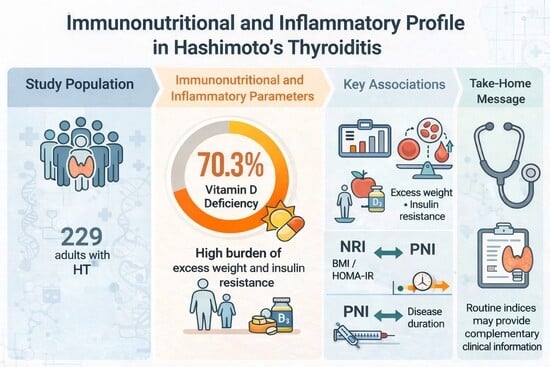
Background: Hashimoto’s thyroiditis (HT) is a chronic autoimmune disorder characterized not only by thyroid dysfunction but also by metabolic disturbances, micronutrient inadequacies, and low-grade inflammation. Composite indices derived from routine laboratory parameters may therefore help capture the broader systemic profile of the disease. [...] Read more.
Background: Hashimoto’s thyroiditis (HT) is a chronic autoimmune disorder characterized not only by thyroid dysfunction but also by metabolic disturbances, micronutrient inadequacies, and low-grade inflammation. Composite indices derived from routine laboratory parameters may therefore help capture the broader systemic profile of the disease. This study explored within-cohort associations of immunonutritional indices including the Prognostic Nutritional Index (PNI), Nutritional Risk Index (NRI), and Controlling Nutritional Status (CONUT), and hemogram-derived inflammatory markers including the Neutrophil-to-Lymphocyte Ratio (NLR), Monocyte-to-Lymphocyte Ratio (MLR), Platelet-to-Lymphocyte Ratio (PLR), and Systemic Immune-Inflammation Index (SII), with thyroid function, thyroid autoimmunity, metabolic characteristics, disease duration, and vitamin D status in adults with Hashimoto’s thyroiditis. Methods: This cross-sectional study included 229 adults diagnosed with HT. PNI, NRI, CONUT, and complete blood count-derived inflammatory markers were evaluated in relation to thyroid function, thyroid autoimmunity, disease duration, metabolic characteristics, and vitamin D status. Because most variables were not normally distributed, the main analyses were conducted using non-parametric tests. Correlations were evaluated using Spearman’s rank correlation coefficients. Exploratory regression models were estimated using HC3 heteroscedasticity-consistent robust standard errors, and CRP-based sensitivity analyses were performed by excluding participants with CRP > 10 mg/L. Results: Vitamin D deficiency was highly prevalent and affected 70.3% of the participants. Among the immunonutritional indices, NRI differed significantly according to BMI category and HOMA-defined insulin resistance (both p < 0.001), indicating a closer relationship with metabolic burden. PNI was associated with disease duration (p = 0.009), whereas the inflammatory indices were largely similar across the clinical groupings examined. In exploratory robust regression models, the explanatory power remained modest (R2 = 0.066–0.171). PLR showed the most consistent index-related association with TSH, whereas the CONUT–FT3 association observed in the full-sample robust model was not retained after CRP-based sensitivity analysis. Conclusions: Adults with HT in this study showed frequent vitamin D deficiency together with a substantial burden of excess weight and insulin resistance. Routine immunonutritional and inflammatory indices may provide supportive information on within-cohort biochemical and metabolic heterogeneity, but they should not be interpreted as stand-alone diagnostic or prognostic markers. In particular, NRI appeared to reflect metabolic and adiposity-related burden more than nutritional risk alone, while PLR showed the most internally consistent index-related association with TSH. Full article
(This article belongs to the Section Nutritional Immunology)
Show Figures

Graphical abstract

14 pages, 821 KB  
Article
Machine Learning-Based Support for Monitor Unit and Lung Shielding Estimation in Conventional Total Body Irradiation
by Christian Fiandra, Francesca Romana Giglioli, Elena Gallio, Veronica Richetto, Paola Trevisiol, Matteo Carvutto, Erica Maria Cuffini, Chiara Cavallin, Umberto Ricardi and Mario Levis
Cancers 2026, 18(11), 1740; https://doi.org/10.3390/cancers18111740 - 26 May 2026
Abstract
Background/Objectives: Total body irradiation (TBI) is widely used in conditioning regimens before hematopoietic stem cell transplantation. In conventional opposed-field TBI, monitor unit (MU) calculation and lung shielding definition are often based on manual procedures that may introduce operator-dependent variability. This study aimed to [...] Read more.
Background/Objectives: Total body irradiation (TBI) is widely used in conditioning regimens before hematopoietic stem cell transplantation. In conventional opposed-field TBI, monitor unit (MU) calculation and lung shielding definition are often based on manual procedures that may introduce operator-dependent variability. This study aimed to develop machine learning (ML) models to support the prediction of these treatment parameters using routinely available clinical and imaging data. Methods: A retrospective analysis was performed on 80 patients treated with conventional opposed-field TBI. Clinical, geometric, and CT-derived variables were used to train regression models for MU prediction. Feature selection was performed using LASSO regression, followed by Ridge regression for final modeling. Lung shielding thickness prediction was developed using planning CT data from 66 patients through recursive feature elimination and Random Forest regression. Model performance was assessed using nested 5-fold cross-validation and mean absolute error (MAE). Results: The final Ridge model achieved an MAE of 74.0 ± 6.9 MU, improving compared with the full-feature model 115.6 ± 44.0 MU. The Random Forest benchmark achieved an MAE of 81.1 ± 10.3 MU. For lung shielding thickness prediction (6–9 mm), the Random Forest model achieved an MAE of 0.60 mm. Prediction uncertainties were consistent with clinically accepted in vivo dosimetric tolerances. Conclusions: ML-based models can support the estimation of key TBI treatment parameters, potentially improving workflow efficiency and reducing operator-dependent variability while complementing standard treatment planning and verification procedures. Full article
18 pages, 468 KB  
Article
Burn Injuries at Jordan University Hospital: A Five-Year Retrospective Study with Historical Comparison
by Bareqa Salah, Mohammad Al-Hanaktah, Ehab Alroud, Omar Awadallah, Mahmoud Shehabat and Ahmad AL-Qunbar
Healthcare 2026, 14(11), 1473; https://doi.org/10.3390/healthcare14111473 - 26 May 2026
Abstract
Background: Burn injuries remain a major health problem in low- and middle-income countries. Contemporary data from Jordan are scarce, and the last report from Jordan University Hospital (JUH) was published more than four decades ago. This study describes the epidemiology, characteristics, management, [...] Read more.
Background: Burn injuries remain a major health problem in low- and middle-income countries. Contemporary data from Jordan are scarce, and the last report from Jordan University Hospital (JUH) was published more than four decades ago. This study describes the epidemiology, characteristics, management, and outcomes of burn admissions to JUH during 2016–2020 and compares them with historical and regional data. Methods: We conducted a retrospective cohort study of all consecutive patients admitted to the JUH burn unit with acute burn injury between 1 January 2016 and 31 December 2020. Demographic and clinical variables were abstracted from electronic and paper records using a standardised case-report form. Descriptive statistics summarised injury patterns, while bivariate tests and multivariable linear regression were used to identify factors associated with hospital length of stay (LOS). Results: A total of 575 patients were included (50.3% male; median age 19 years). Children constituted 43.5% of admissions. Median TBSA was 7%, and partial-thickness burns predominated (73.9%). Scalds were the leading aetiology (60.7%), followed by flame burns (19.5%). Most injuries occurred at home (92.5%). The median LOS was 6 days, and 2.1% of patients died. Burn degree, aetiology, TBSA, surgical grafting, and adverse clinical events were independently associated with longer LOS, whereas escharectomy shortened hospitalisation. Conclusions: Domestic scald injuries in children remain the dominant burn pattern in Jordan, although mortality has fallen markedly compared with the 1980 JUH cohort. Prevention efforts should prioritise household safety and child supervision, while continued investment in specialised burn care is likely to further improve outcomes. Full article
24 pages, 6611 KB  
Article
Biological Interactions in Rat Tibial Osteogenesis: Micro-CT, Histomorphometric, and Histological Analyses of Bioglass, Fibrin Biopolymer, and Photobiomodulation
by Lívia Maluf Menegazzo Bueno, Livia Cristina Dias, Ana Carolina Cestari Bighetti, Camila Pascoal Correia dos Santos, Benedito Barraviera, Rui Seabra Ferreira Júnior, Murilo Priori Alcalde, Marco Antonio Hungaro Duarte, Carlos Henrique Bertoni Reis, Daniela Vieira Buchaim and Rogerio Leone Buchaim
Biomolecules 2026, 16(6), 783; https://doi.org/10.3390/biom16060783 - 26 May 2026
Abstract
The study evaluated bone repair in tibial defects of Wistar rats treated with 45S5 bioactive glass, either alone or combined with lyophilized heterologous fibrin biopolymer (HFB) and/or photobiomodulation therapy (PBM). Thirty-five animals were randomly assigned to five groups: control (CG), Bioactive glass (BG), [...] Read more.
The study evaluated bone repair in tibial defects of Wistar rats treated with 45S5 bioactive glass, either alone or combined with lyophilized heterologous fibrin biopolymer (HFB) and/or photobiomodulation therapy (PBM). Thirty-five animals were randomly assigned to five groups: control (CG), Bioactive glass (BG), Bioactive glass + HFB (BFG), Bioactive glass + PBM (BPG), and Bioactive glass + HFB + PBM (BFPG). After 42 days, the samples were analyzed by micro-computed tomography, histology (Hematoxylin–Eosin, Masson’s Trichrome, and Picrosirius Red), and histomorphometry. Histological and micro-CT findings demonstrated improved defect closure and better matrix organization in the BG and BFG groups. Histomorphometric analysis revealed significant differences among the groups (ANOVA, p < 0.0001), with the BG group showing the highest percentage of new bone formation (40.35 ± 4.14%), significantly higher than the BPG and BFPG groups. The addition of HFB did not impair bone repair and yielded intermediate results, whereas PBM did not demonstrate a positive effect on bone regeneration at the 42-day time point under the parameters used in this study. It can be concluded that bioactive glass, especially when used alone or in combination with heterologous fibrin biopolymer, promoted superior bone regeneration, while its association with photobiomodulation did not demonstrate additional benefit at 42 days. Full article
17 pages, 2943 KB  
Article
A Pediatric Case of Rapidly Progressing Disseminated Human Adenovirus C1 Infection with Multiorgan Failure and Evidence of Intra-Host Variation
by William Otto, Lindsey Rickerman, Maria Deza Leon, Felicia Scaggs Huang, Krithivasan Sankaranarayanan, Christopher Dandoy, Daryl M. Lamson and Adriana E. Kajon
Viruses 2026, 18(6), 607; https://doi.org/10.3390/v18060607 - 26 May 2026
Abstract
A strain of human adenovirus type C1 was isolated from multiple anatomical compartments in a pediatric patient with late-onset Pompe disease. Over a period of 23 days from the appearance of fever and respiratory symptoms until death, disease progression was rapid with severe [...] Read more.
A strain of human adenovirus type C1 was isolated from multiple anatomical compartments in a pediatric patient with late-onset Pompe disease. Over a period of 23 days from the appearance of fever and respiratory symptoms until death, disease progression was rapid with severe disseminated disease and complications that included respiratory distress, liver failure, cardiac dysfunction, and hemophagocytic lymphohistiocytosis. Detected viral DNAemia peaked at log10 9.52 copies/mL on the last hospitalization day. Next-generation whole-genome sequencing with depth > 2700 reads/position identified the virus as closely related to the prototype strain Adenoid 71 isolated in the US in 1953, and to strains circulating worldwide in recent years. Sequence data analysis revealed the presence of intra-host single nucleotide variants (iSNV) at low frequency in the isolates recovered from a nasopharyngeal swab, blood, urine, and stool specimens obtained during the last three days of life and from lung, liver, and kidney tissue obtained at autopsy. Evidence of iSNVs was found in only three coding regions (E1A, DNA polymerase, and pVII). Different variant combinations were found in different anatomical compartments. The contribution of intrahost genetic diversity to HAdV-associated disease development and progression warrants investigation. Full article
(This article belongs to the Special Issue Human Adenovirus (HAdV) Infection in Children)
18 pages, 8021 KB  
Article
Phase-Dependent MoS2 Nanosheets-Embedded Urinary Catheter for Advanced Photothermal Sterilization
by Muhammad Saukani, Chien-Hung Lai, Dyah Ika Krisnawati, Hsiu-Yi Chu, Andy C. Huang and Tsung-Rong Kuo
Int. J. Mol. Sci. 2026, 27(11), 4806; https://doi.org/10.3390/ijms27114806 - 26 May 2026
Abstract
The high prevalence of catheter-associated urinary tract infections (CAUTIs) has become a significant concern in the healthcare system, prompting the development of antibacterial urinary catheters to effectively prevent these infections in clinical settings. In this work, metallic phase and semiconducting phase molybdenum disulfide [...] Read more.
The high prevalence of catheter-associated urinary tract infections (CAUTIs) has become a significant concern in the healthcare system, prompting the development of antibacterial urinary catheters to effectively prevent these infections in clinical settings. In this work, metallic phase and semiconducting phase molybdenum disulfide (MoS2) embedded polydimethylsiloxane (PDMS) were developed as antibacterial urinary catheters with photothermal sterilization. The metallic phase MoS2 (1T-MoS2) was synthesized using a facile hydrothermal method, and an annealing process transformed it into the semiconducting phase (2H-MoS2). The optical and structural characterizations confirmed the successful preparations of 1T-MoS2 nanosheets (1T-MoS2 NSs) and 2H-MoS2 NSs. The increase in the contents of 1T-MoS2 NSs and 2H-MoS2 NSs in PDMS resulted in enhanced photothermal conversion, a slight decrease in the water contact angle, and no significant changes in the mechanical properties of the samples. The bacterial growth curves demonstrated the remarkable ability of phase-dependent 1T- and 2H-MoS2 NSs-embedded PDMS urinary catheters to inhibit the growth of E. coli and S. aureus with near-infrared (NIR) laser irradiation. In the agar plate test, exposing PDMS with 0.3% 1T-MoS2 or 2H-MoS2 to NIR for 10 min demonstrated excellent antibacterial effects, completely eradicating E. coli and eliminating over 99.9% of S. aureus. The SEM image results highlighted the significant photothermal antibacterial effect of 1T-MoS2 PDMS and 2H-MoS2 PDMS urinary catheters, effectively damaging and eradicating both E. coli and S. aureus. The 1T-MoS2 PDMS and 2H-MoS2 PDMS urinary catheters, with excellent photothermal effects, good hydrophobicity, and superior mechanical properties, demonstrated their potential as photothermal antibacterial catheters for clinical applications. Full article
(This article belongs to the Section Molecular Nanoscience)
49 pages, 10038 KB  
Review
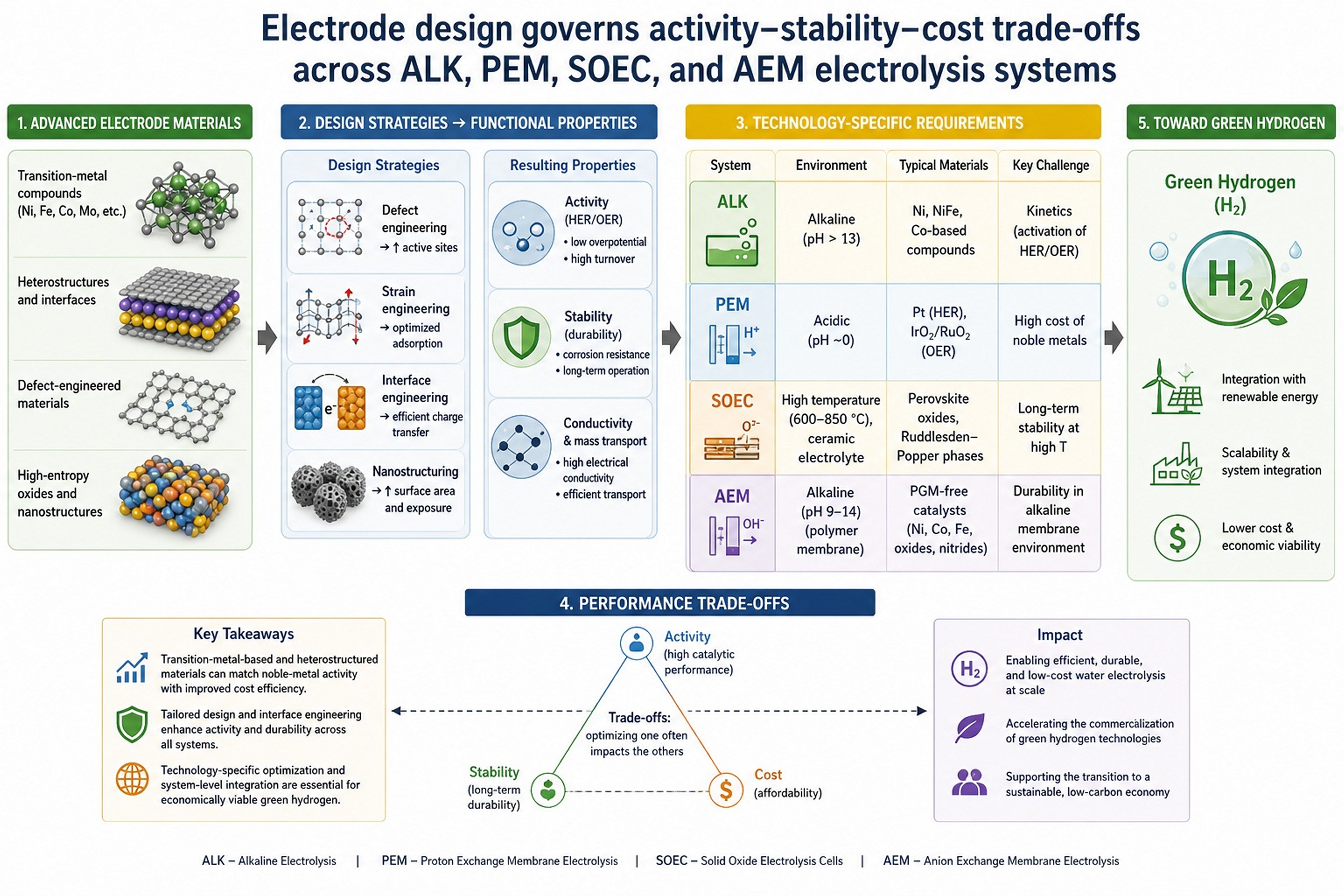
Advanced Electrode Materials for Water Electrolysis: Design Principles, Performance Trade-Offs, and Technology Pathways Across ALK, PEM, SOEC, and AEM Systems
by Bożena Łosiewicz
Materials 2026, 19(11), 2259; https://doi.org/10.3390/ma19112259 - 26 May 2026
Abstract
The transition toward low-carbon energy systems has intensified interest in sustainable hydrogen production technologies. One of the most promising methods for producing green hydrogen is water electrolysis powered by renewable energy. This work reviews recent advances in electrode materials used in four major [...] Read more.
The transition toward low-carbon energy systems has intensified interest in sustainable hydrogen production technologies. One of the most promising methods for producing green hydrogen is water electrolysis powered by renewable energy. This work reviews recent advances in electrode materials used in four major electrolysis technologies: alkaline (ALK), proton exchange membrane (PEM), solid oxide electrolysis cells (SOEC), and anion exchange membrane (AEM). A bibliometric analysis of scientific publications from 2021 to 2025 highlights the rapid growth of research and the increasing importance of electrode materials in improving electrolysis performance. Operating environments, material requirements, and catalytic properties are compared across these systems. Recent developments in electrocatalysts—including transition-metal alloys, heterostructured catalysts, defect-engineered materials, and nanostructured systems—are evaluated in terms of catalytic activity, durability, and scalability. Particular attention is given to reducing noble metal usage while maintaining high electrochemical performance. Results indicate that transition-metal-based catalysts and engineered interfaces can achieve activity comparable to noble-metal systems while offering better cost efficiency. However, challenges related to long-term durability, large-scale synthesis, and standardized testing persist. Continued interdisciplinary research in materials design and electrochemical engineering is essential to enable efficient, durable, and cost-effective green hydrogen production. Full article
Show Figures

Graphical abstract

25 pages, 12359 KB  
Article
Seismic Reservoir Monitoring Using Wavelet Transforms and Machine Learning: A Double-Compression Approach
by Ahmed M. Ahmed, Jeffrey Shragge and Ilya Tsvankin
Appl. Sci. 2026, 16(11), 5352; https://doi.org/10.3390/app16115352 - 26 May 2026
Abstract
Real-time seismic reservoir monitoring of geologic reservoirs requires both large-scale data management and efficient computational workflows. Addressing these challenges is facilitated by developing techniques capable of selectively capturing critical geologic features, thereby increasing computational efficiency and reducing data storage requirements. This paper proposes [...] Read more.
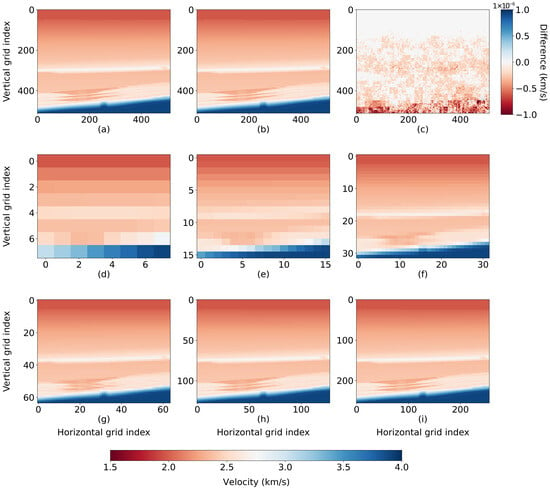
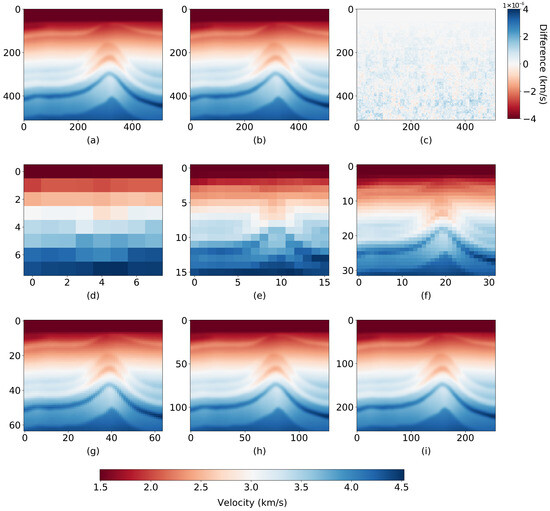
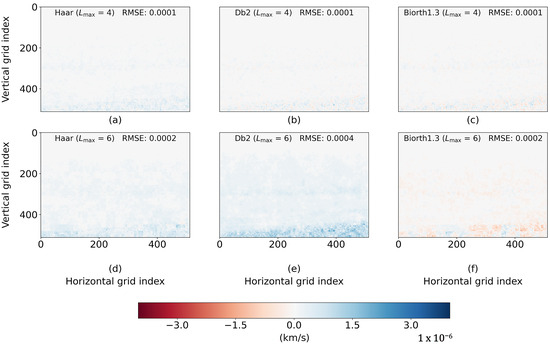
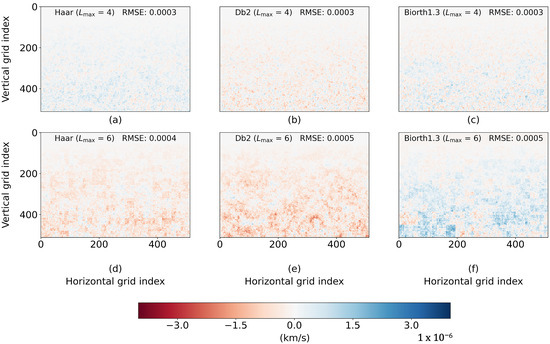
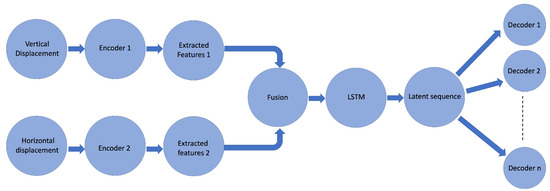
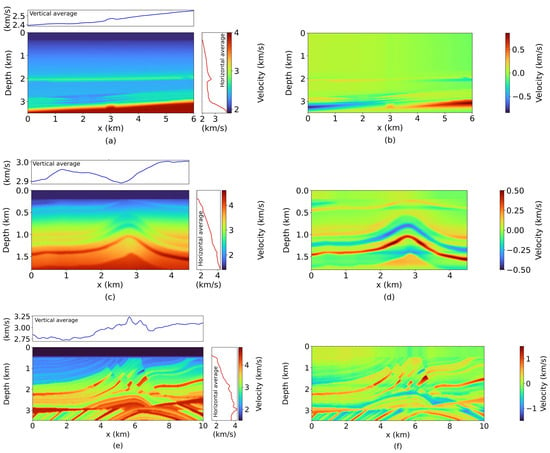
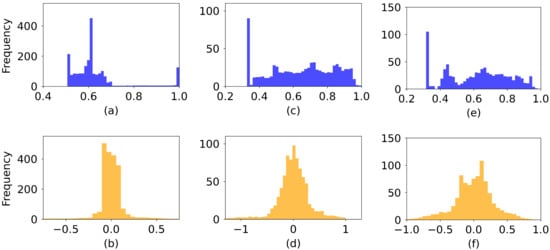
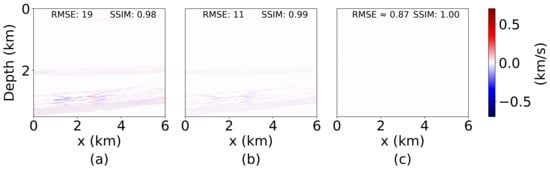
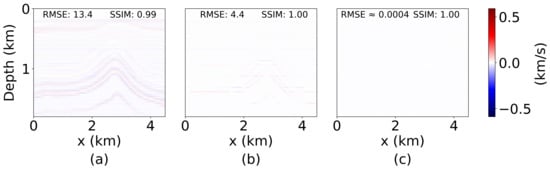
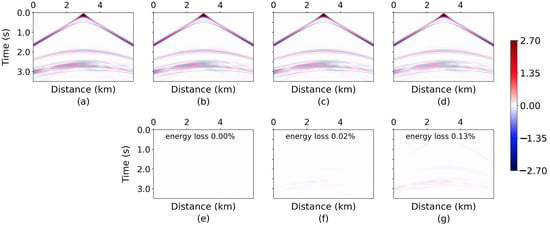
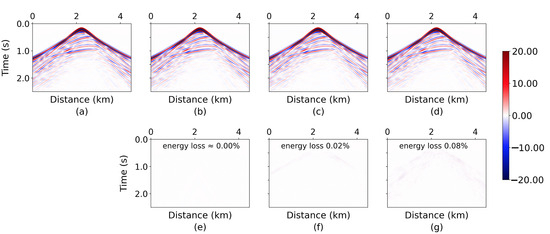
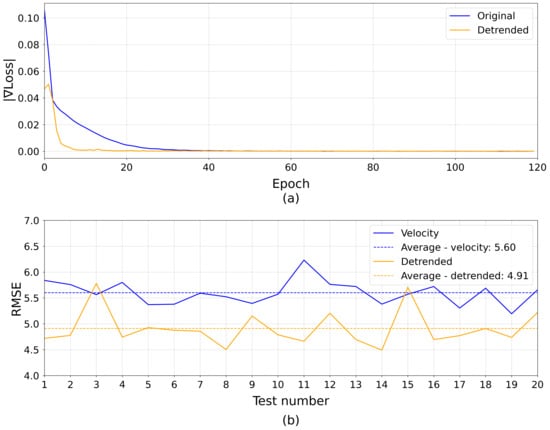
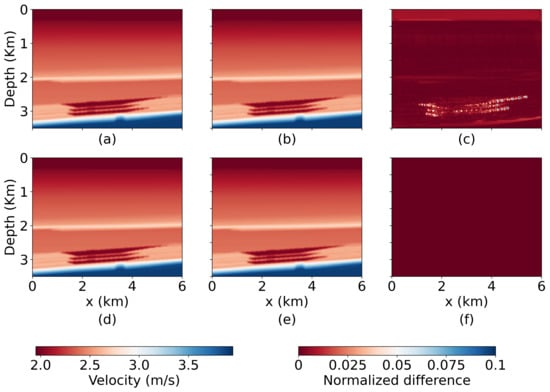
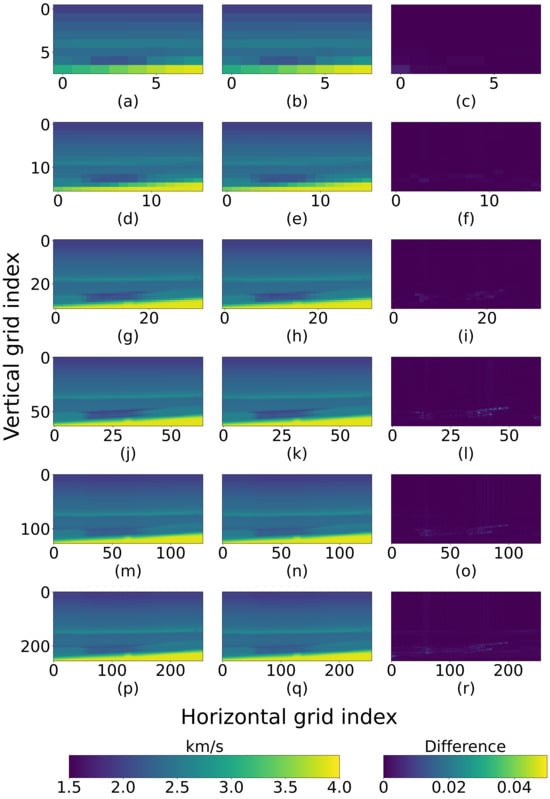
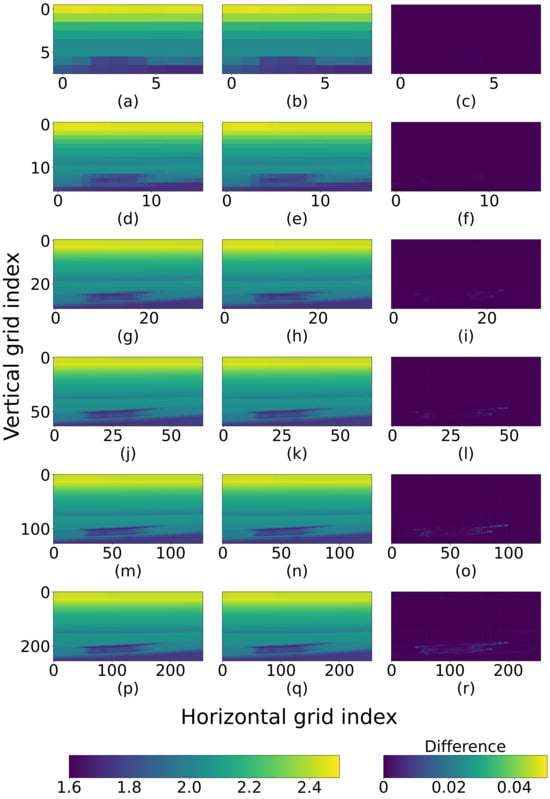
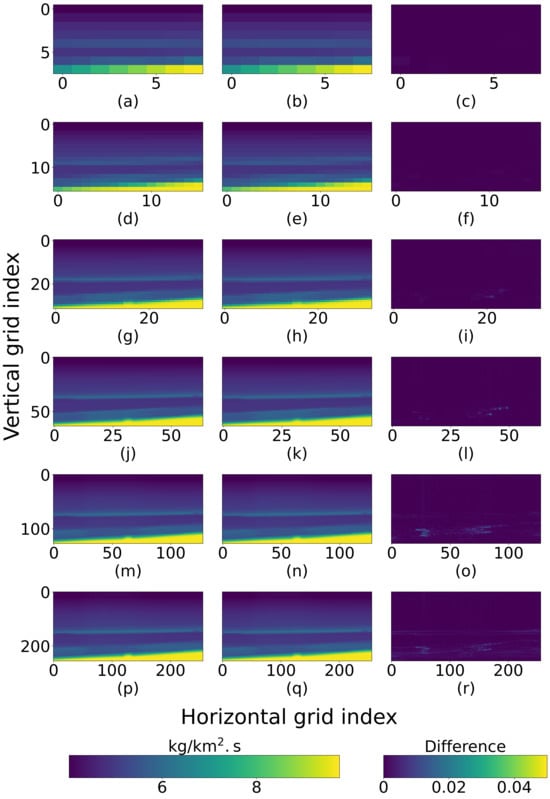
Real-time seismic reservoir monitoring of geologic reservoirs requires both large-scale data management and efficient computational workflows. Addressing these challenges is facilitated by developing techniques capable of selectively capturing critical geologic features, thereby increasing computational efficiency and reducing data storage requirements. This paper proposes a double-compression framework integrating Haar wavelet transforms with machine learning (ML) for efficient multiparameter seismic inversion. First, Haar wavelet compression significantly reduces the dimensionality of the input elastic models, preserving essential geologic structures while limiting data volumes. Next, a convolutional neural network with the long short-term memory (CNN-LSTM) architecture, including dual encoders and multi-decoders, compresses seismic data into a latent space to generate a multi-scale P-wave velocity estimate. By leveraging transfer learning to speed up convergence and enhance prediction accuracy, we fine-tune the latent representation to estimate the P-to-S-wave velocity ratio and acoustic impedance at multiple resolution scales. Tests on the synthetic CO2-injection Kimberlina model show that wavelet-based compression—including detuning large-scale trends—minimizes artifacts in simulated wavefields and accelerates neural-network training. The results demonstrate that combining wavelet-based pre-compression for reservoir models with data-driven latent encodings for seismic data achieves high compression ratios, reduces computational costs, and maintains the fidelity of subsurface imaging. Compared with a redundant-decimation baseline, the proposed framework reduces network training time by approximately 70% and GPU memory usage by 33–73%, achieves a wavefield energy loss below 0.1% at a 16:1 model-dimension reduction, and produces multi-resolution predictions of VP, VP/VS, and acoustic impedance with normalized errors below 0.04 across all six wavelet decomposition levels. Thus, the double-compression framework enables robust and scalable seismic monitoring of elastic reservoir parameters. Full article
(This article belongs to the Special Issue Applied Geophysical Imaging and Data Processing, 2nd Edition)
Show Figures

Figure 1

16 pages, 4500 KB  
Article
The Anti-Inflammatory Activity of No-Ozone Cold Plasma Can Be Delivered Through a Conductive Metal Needle on TNFα-Treated C2C12 Mice Muscle Cells In Vitro
by Jeong-Hae Choi, Seung-Ah Park, Hyun-Young Lee, Wonkyu Hong, Jaehong Kim, Jin-Woo Hong and Gyoo-Cheon Kim
Plasma 2026, 9(2), 17; https://doi.org/10.3390/plasma9020017 - 26 May 2026
Abstract
Recently, an anti-inflammatory effect of no-ozone cold plasma (NCP) has been reported, but the direct use of NCP for treating muscle inflammation is very difficult since NCP is a form of gas. In this study, we tested whether the anti-inflammatory effect of the [...] Read more.
Recently, an anti-inflammatory effect of no-ozone cold plasma (NCP) has been reported, but the direct use of NCP for treating muscle inflammation is very difficult since NCP is a form of gas. In this study, we tested whether the anti-inflammatory effect of the NCP could be delivered through conductive metal needles to reduce muscle inflammation. C2C12 mouse muscle cells were treated with TNFα to induce muscle inflammation and then treated with NCP and a conductive metal needle separately or in combination. The effects of NCP and a needle were monitored by performing RT‒PCR and Western blot analysis. As a result, NCP effectively suppressed the TNFα-mediated expression of the TNFα, IL1β, and FasL genes, but this effect weakened as the distance between the cells and the NCP increased. On the other hand, treatment of cells with a plasma-needle (PN) had an anti-inflammatory effect regardless of distance, and the anti-inflammatory effect of the PN was maintained under conditions where the gas flow of NCP was not delivered to the cells. It is believed that the PN-mediated activation of media plays a pivotal role in the anti-inflammatory effect of the PN. Finally, this study also showed that electroacupuncture can inhibit TNFα-induced inflammatory gene expression in a manner like a PN. Taken together, the results of this study demonstrate that the anti-inflammatory effect of NCP can be delivered through metal needles, suggesting that PN may be useful for treating inflammatory muscle pain. Full article

Open Access Journals

Browse by Indexing Browse by Subject Selected Journals
Back to TopTop