


Advancing Open Science
Supporting academic communities
since 1996
 
41 pages, 10790 KB  
Review
Shaping Circularity in the Food Industry: Strategic Pillars Enabled by Biorefinery Systems
by Maximilian Espuny, Ana Luiza de Oliveira Maia, Camila Fabrício Poltronieri, Cleginaldo Pereira de Carvalho and Otávio José de Oliveira
Foods 2026, 15(9), 1600; https://doi.org/10.3390/foods15091600 (registering DOI) - 6 May 2026
Abstract
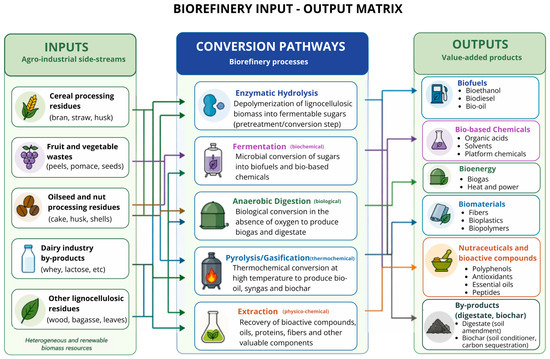
Food systems are currently challenged by a difficult balance: they rely heavily on natural resources while simultaneously generating significant volumes of waste, all under increasing pressure to decarbonize operations and close material loops. In this context, this study proposes strategic pillars for circular [...] Read more.
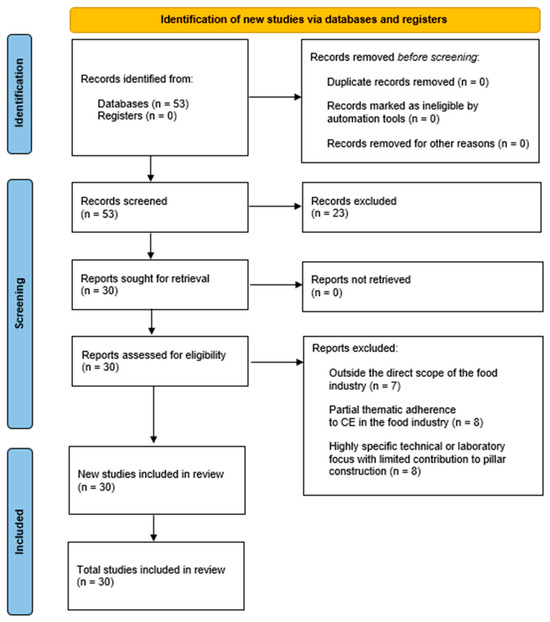
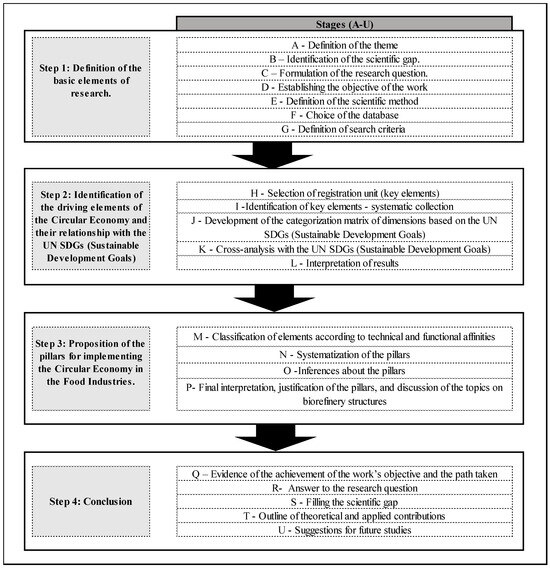
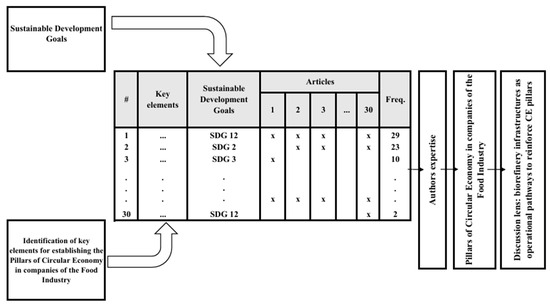
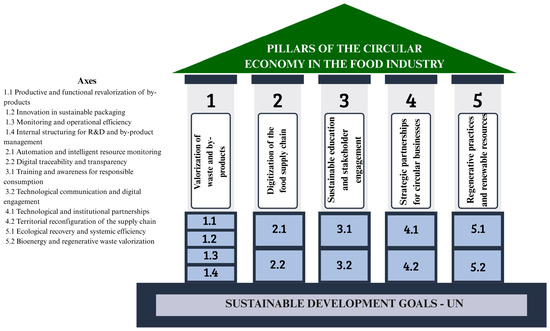
Food systems are currently challenged by a difficult balance: they rely heavily on natural resources while simultaneously generating significant volumes of waste, all under increasing pressure to decarbonize operations and close material loops. In this context, this study proposes strategic pillars for circular practices in the food industry, with an emphasis on the transformation of waste and by-products into high value-added resources through bio-based processes supported by biorefineries, in line with the Sustainable Development Goals (SDGs). To underpin this proposal, a PRISMA-guided content analysis of the literature published between 2019 and 2024 (Scopus) identified 30 recurrent CE elements. These elements were systematized into five strategic pillars: valorization of residues and by-products; digitalization of the food supply chain; sustainable education and stakeholder engagement; strategic partnerships for circular business; and regenerative practices based on renewable resources. Together, these pillars point to practical pathways, including the reuse of residues to produce functional ingredients and nutraceuticals, the creation of innovative, sustainable packaging, the generation of renewable energy from biomass, the strengthening of local supply networks, and the use of digital technologies to enhance traceability and transparency. By integrating and organizing fragmented evidence, the proposed framework delivers effective guidance to food industry actors, helping overcome economic and operational barriers to circular practices while supporting collaboration with local partners and research institutions. In doing so, it additionally contributes to advancing key SDGs, particularly SDGs 2, 7, 9, 12, 13, and 17. Full article
Show Figures

Figure 1

36 pages, 5893 KB  
Article
Epidermal PPARγ Signaling as a Suppressor of Toll-Like Receptor-Mediated Inflammation and Fibrosis: Relevance to Cutaneous Squamous Cell Carcinoma
by Raymond L. Konger and Ethel Derr-Yellin
Int. J. Mol. Sci. 2026, 27(9), 4136; https://doi.org/10.3390/ijms27094136 (registering DOI) - 5 May 2026
Abstract
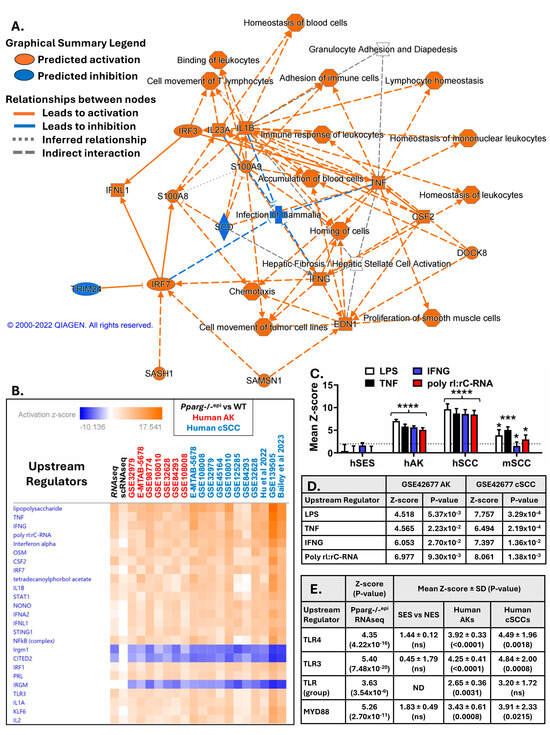
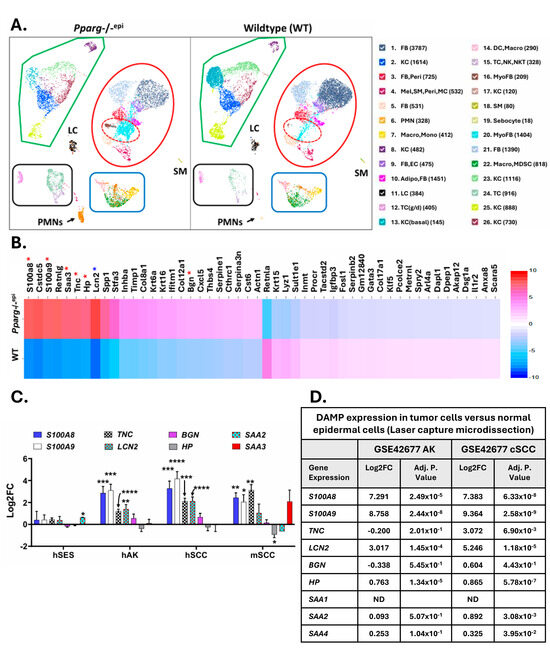
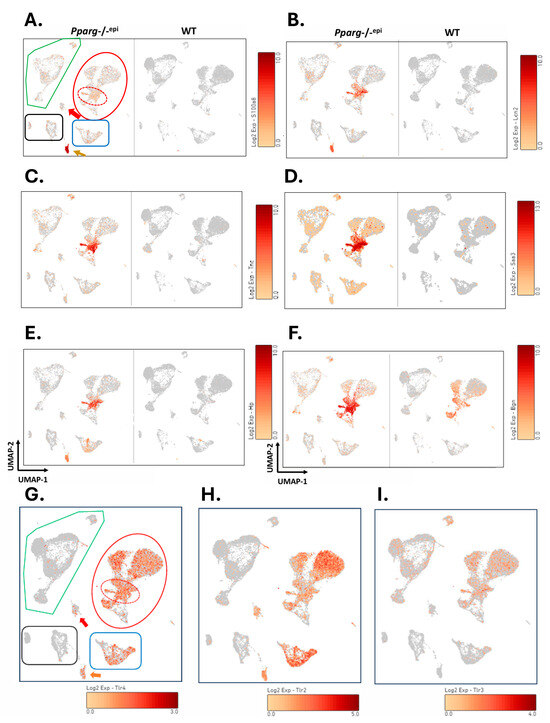
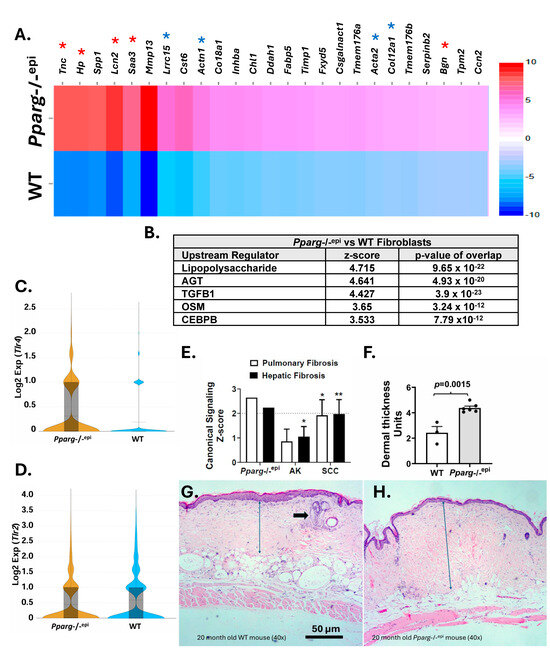
Mice lacking epidermal Pparg (Pparg-/-epi) exhibit increased cutaneous carcinogenesis, while PPARγ signaling is reduced in actinic keratoses (AKs) and cutaneous squamous cell carcinomas (cSCCs). Using transcriptomic analysis, we now show that the top upregulated genes in Pparg-/-epi [...] Read more.
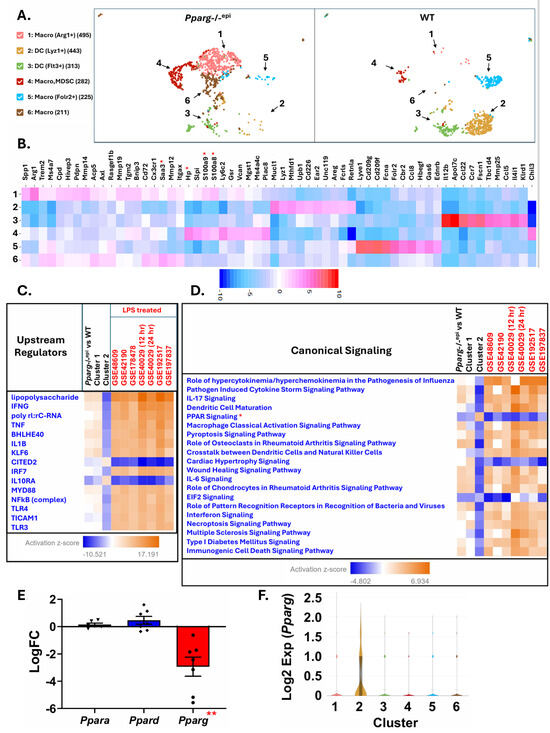
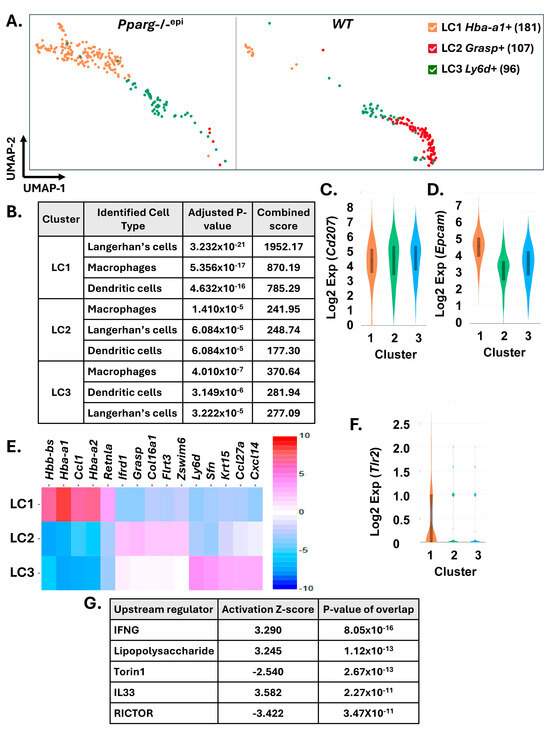
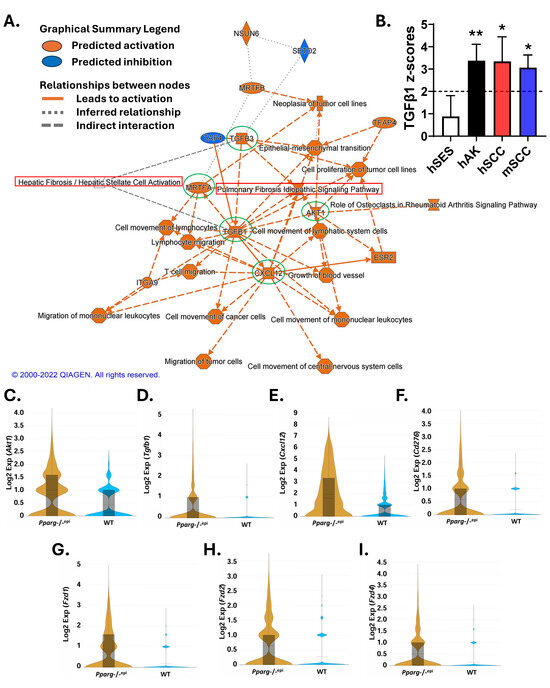
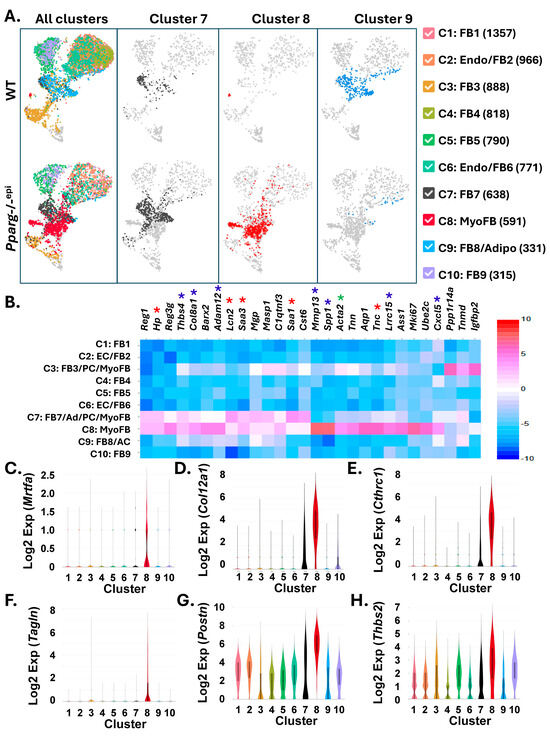
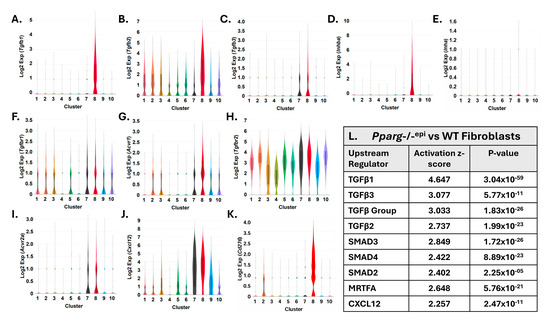
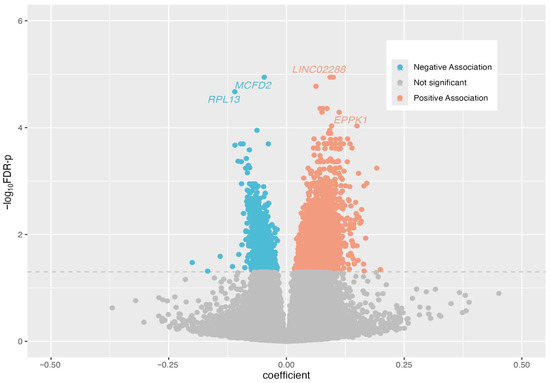
Mice lacking epidermal Pparg (Pparg-/-epi) exhibit increased cutaneous carcinogenesis, while PPARγ signaling is reduced in actinic keratoses (AKs) and cutaneous squamous cell carcinomas (cSCCs). Using transcriptomic analysis, we now show that the top upregulated genes in Pparg-/-epi mouse skin, human AKs and cSCCs encode multiple damage-associated molecular patterns (DAMPs) that are TLR4 ligands, while the TLR4 agonist lipopolysaccharide (LPS) is also predicted to be the top common activated upstream regulator in both Pparg-/-epi mouse skin and in tumor datasets. By single-cell sequencing, DAMP expression was particularly elevated in myeloid cells and myofibroblasts of Pparg-/-epi mice, and these cell types exhibit transcriptional changes consistent with TLR4 signaling. Myeloid cells also exhibited a loss of Pparg expression and activity. Transcriptional analysis of published LPS-treated macrophages also reveals a decrease in PPARγ activity. Fibroblasts from Pparg-/-epi mice included cells with a gene expression profile resembling myofibroblasts found in cancer and fibrotic diseases. This was accompanied by increased dermal fibrosis in aged mice and a transcriptomic profile that indicates a key role for both TLR4 and TGFβ signaling. These data suggest that loss of epidermal PPARγ may disrupt counterbalancing PPARγ–TLR4 signals, leading to chronic inflammation and fibrosis, hallmarks of cutaneous neoplasia. Full article
(This article belongs to the Special Issue Advances in Pathogenesis and Treatment of Skin Cancer (2nd Edition))
Show Figures

Figure 1

14 pages, 300 KB  
Systematic Review
Racial and Ethnic Disparities in the Diagnosis and Treatment of Obstructive Sleep Apnea: A Systematic Review
by Siji Thomas, Shafer G. Tharrington, Aditya Patel, Mevelyn Kaalla, Adarsh Thomas, Nikhil Madala, Younghoon Kwon and William J. Healy
Int. J. Environ. Res. Public Health 2026, 23(5), 614; https://doi.org/10.3390/ijerph23050614 (registering DOI) - 5 May 2026
Abstract
Background: Sleep apnea is identified and treated less frequently among racial and ethnic minorities. Objective: The purpose of this systematic review was to examine disparities among racial and ethnic minorities and to understand the reasons for poor sleep health. Methods: The authors conducted [...] Read more.
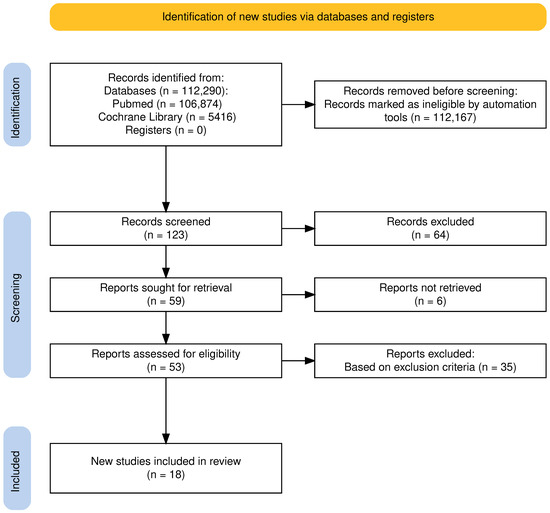
Background: Sleep apnea is identified and treated less frequently among racial and ethnic minorities. Objective: The purpose of this systematic review was to examine disparities among racial and ethnic minorities and to understand the reasons for poor sleep health. Methods: The authors conducted a literature search using PubMed and Cochrane Library databases, last accessed in September 2025, using regular and MeSH keywords. A total of 123 articles were identified. PRISMA guidelines were followed, the PICO framework was applied, and the inclusion criteria were based on studies conducted in the past 10 years. After quality assessment, 18 studies were included for in-depth analysis. Results: The 18 studies included meta-analyses and observational cohort studies. In total, 51,489 patients were represented. Studies revealed that sleep apnea is underdiagnosed and undertreated in ethnic minority populations. Resident location, gender, economic status, and marital status also play an important role. One study noted clinically insignificant differences in positive airway pressure requirements between black and white populations. Nocturnal hypertension and increased left ventricle size are also observed in untreated sleep apnea. Given the heterogenous nature of the studies, quality risk assessment was not possible, which is a limitation of this study. Conclusions: Sleep apnea is underdiagnosed and undertreated among ethnic minorities. Factors such as ancestry, comorbidities, social determinants, geography, and healthcare access drive global inequities. Further sleep apnea phenotyping may be of value in planning treatment strategies. Full article
Show Figures

Figure 1

22 pages, 3974 KB  
Article
Neuromuscular Performance Characteristics of Elite Colombian Sunfish Sailors: A Pilot Study
by Samuel Hormiga López, Alex Ojeda-Aravena, María Alejandra Camacho-Villa, Luis Gabriel Rangel Caballero, Jorge Enrique Buitrago-Espitia and Adrián De la Rosa
Sports 2026, 14(5), 182; https://doi.org/10.3390/sports14050182 (registering DOI) - 5 May 2026
Abstract
Background: Sunfish sailing requires a combination of morphological and neuromuscular characteristics to effectively manage sail control and maintain postural stability during hiking maneuvers. Objectives: We aimed to describe the anthropometric and neuromuscular characteristics of elite Colombian Sunfish sailors and explore potential sex-related patterns. [...] Read more.
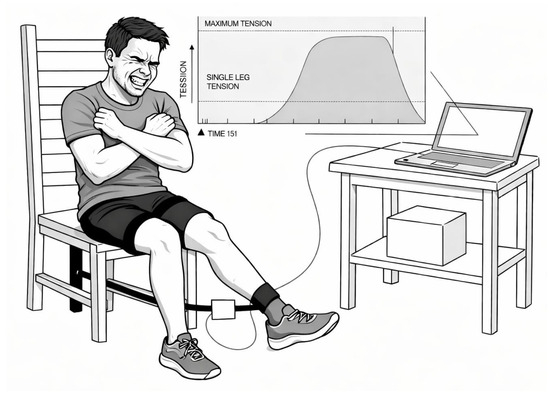
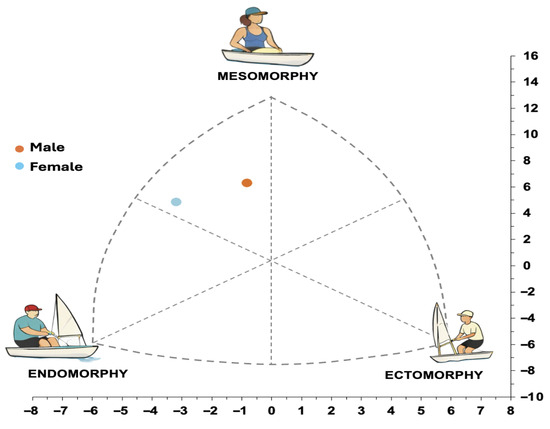
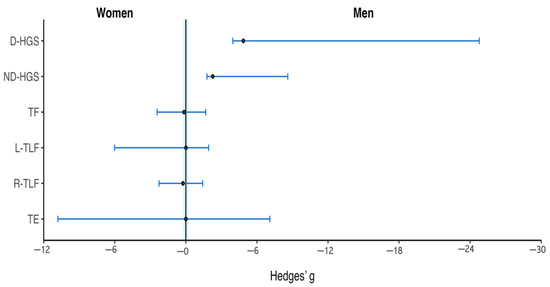
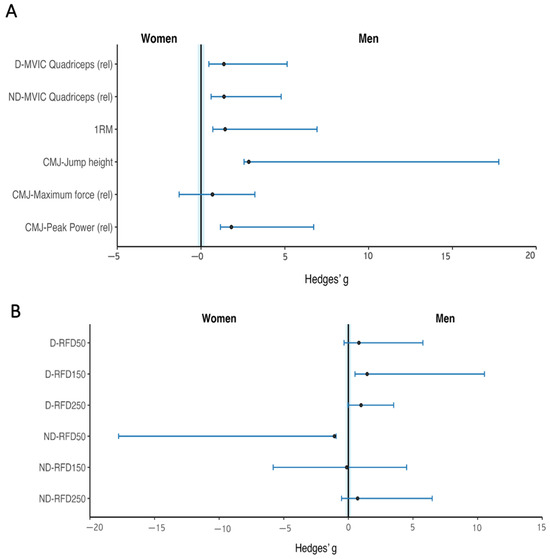
Background: Sunfish sailing requires a combination of morphological and neuromuscular characteristics to effectively manage sail control and maintain postural stability during hiking maneuvers. Objectives: We aimed to describe the anthropometric and neuromuscular characteristics of elite Colombian Sunfish sailors and explore potential sex-related patterns. Methods: Six competitive sailors (three men and three women) underwent anthropometric assessment and somatotype calculation. Neuromuscular performance was evaluated using handgrip strength (HGS), quadriceps maximal voluntary isometric contraction, rate of force development (RFD), one-repetition maximum (1RM) lower-limb assessment, countermovement jump (CMJ), trunk endurance tests, and the Y-balance test for dynamic balance. Descriptive statistics and standardized effect sizes (Hedges’ g) were used to characterize between-sex patterns. Results: Anthropometric assessments suggested descriptive sex-related differences in body composition and skeletal dimensions, with a predominance of mesomorphic characteristics. Descriptive data suggested higher HGS values among men (g = 2.27–4.85), while lower-limb neuromuscular performance showed higher values among men across several RFD time windows (g = 0.81–1.45). Conversely, dynamic balance and trunk endurance outcomes showed minimal variation between sexes. Conclusions: This pilot study provides a preliminary physical profile of elite Colombian Sunfish sailors. The observed patterns in strength-related and morphological variables, especially HGS, quadriceps MVIC, and lower-limb power, should be interpreted as exploratory. Further research with larger samples is required to confirm these findings. Full article
(This article belongs to the Special Issue Neuromuscular Performance: Insights for Athletes and Beyond)
Show Figures

Figure 1

50 pages, 1274 KB  
Systematic Review
Perspectives and Challenges of Healthcare Professionals, Patients, and Caregivers Regarding Utilizing Antibiotics and Implementing Antibiotic Stewardship in Healthcare Facilities in Low- and Middle-Income Countries: A Systematic Review of Qualitative Studies
by Bode Ireti Shobayo, Cecilia Stålsby Lundborg, Helena Nordenstedt, Hager Saleh, Tolulope Babawarun, Elizabeth Abisola Oyewole, Mosoka Papa Fallah and Megha Sharma
Antibiotics 2026, 15(5), 468; https://doi.org/10.3390/antibiotics15050468 (registering DOI) - 5 May 2026
Abstract
Background: Antibiotic resistance (ABR) is a critical global health threat, disproportionately affecting low- and middle-income countries (LMICs) where systemic constraints, economic pressures and sociocultural factors drive inappropriate antibiotic use. While quantitative studies describe prevalence patterns, they fail to capture the underlying motivations and [...] Read more.
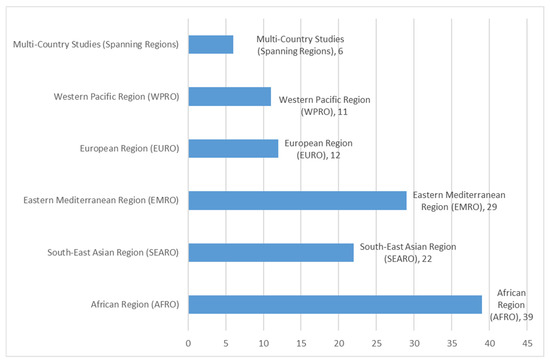
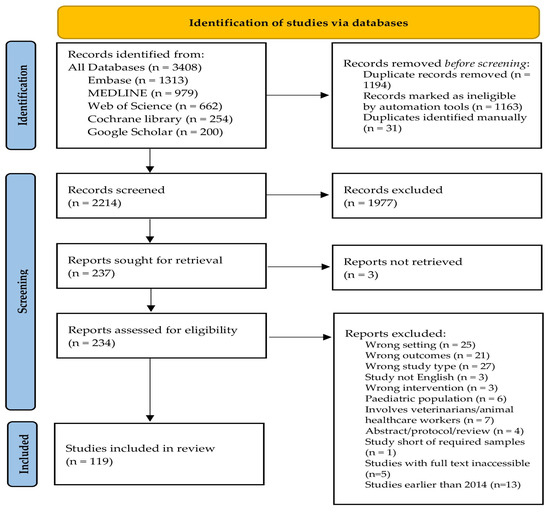
Background: Antibiotic resistance (ABR) is a critical global health threat, disproportionately affecting low- and middle-income countries (LMICs) where systemic constraints, economic pressures and sociocultural factors drive inappropriate antibiotic use. While quantitative studies describe prevalence patterns, they fail to capture the underlying motivations and contextual barriers influencing prescribing and dispensing behaviors. This systematic review synthesizes qualitative evidence on the perceptions of healthcare professionals, patients, and caregivers regarding antibiotic use and explores the barriers and facilitators for implementing antibiotic stewardship programs in LMIC healthcare settings. Methods: We conducted a systematic review following PRISMA 2020 guidelines, based on a registered protocol in PROSPERO ID: CRD42024583749. Searches were performed in Medline, Embase, Cochrane Library, Web of Science, and Google Scholar for English-language studies published between 2014 and 2024. Qualitative and mixed-method studies examining stakeholder perspectives on antibiotic use and antibiotic stewardship implementation in LMICs were included. Studies were excluded if they focused exclusively on pediatric or neonatal populations, veterinary medicine, or quantitative outcomes without qualitative components. The data were analyzed using thematic analysis to identify and categorize codes and identify themes following methodological quality assessment of included studies using the Critical Appraisal Skills Programme Qualitative Studies Checklist by two independent reviewers. Results: Out of 2214 studies screened, a total of 119 studies from 33 LMICs were included, encompassing over 4000 participants across hospital, primary care, and community settings. Five interlinked themes emerged: (1) antibiotic use as a pragmatic response to diagnostic uncertainty and resource constraints; (2) financial and commercial drivers shaping prescribing and dispensing practices; (3) the disconnect between knowledge, sociocultural norms, and clinical behavior; (4) multi-level structural and professional barriers to antibiotic stewardship implementation; and (5) the critical role of health system vulnerabilities in perpetuating misuse. Conclusions: Inappropriate antibiotic use in LMICs reflects rational adaptations to systemic limitations rather than isolated knowledge gaps. Effective ABS strategies must address structural deficiencies, economic incentives, and sociocultural norms, while integrating context-specific interventions that strengthen health systems and engage all levels of care. The findings should, however, be evaluated in light of the geographic unevenness of the evidence base, the exclusion of non-English and gray literature, and lack of certainty assessments for synthesized themes. Full article
(This article belongs to the Section Antibiotic Therapy in Infectious Diseases)
Show Figures

Figure 1

29 pages, 1722 KB  
Article
A User Recognition Methodology Based on Voice Biometrics and Dynamic Clustering for Social Robots
by Arecia Segura-Bencomo, Marcos Maroto-Gómez, Juan José Gamboa-Montero and José Carlos Castillo
Appl. Sci. 2026, 16(9), 4548; https://doi.org/10.3390/app16094548 (registering DOI) - 5 May 2026
Abstract
Social robots are systems designed to assist people across different fields. During their operation, they have to interact with people with different characteristics and necessities. Consequently, correctly recognising the user interacting with the robot facilitates the generation of a personalised experience that satisfies [...] Read more.
Social robots are systems designed to assist people across different fields. During their operation, they have to interact with people with different characteristics and necessities. Consequently, correctly recognising the user interacting with the robot facilitates the generation of a personalised experience that satisfies the user’s needs. In robotics, user recognition is typically based on face recognition from image processing and datasets that require retraining the network to include new users. However, some robots, such as pet-like companions, often lack a camera due to reduced dimensions, limited computational resources, or privacy constraints. Additionally, robots can occasionally encounter new users, requiring online recognition to provide a personalised interaction experience. To address these limitations, this article presents a user recognition system based on voice biometrics and dynamic clustering for adaptive social robots. We evaluate a set of open-source models for voice biometric extraction using different clustering algorithms to identify the best combination for our application. The resulting system is implemented in a pet-like robot companion that is used for the affective support of older adults, demonstrating its capacities in a real-world scenario. The system achieves more than 73% accuracy in recognising users who had previously spoken to the robot and more than 71% success in recognising new users who had not previously interacted with the robot and creating a personal profile for them. However, the system still detects noise, especially when the speaker has never interacted with the robot. Full article
(This article belongs to the Section Robotics and Automation)
15 pages, 1216 KB  
Article
Effect of Pressure and Surfactants with Different IFT and Wettability Alteration Abilities on Imbibition Oil Recovery in Tight Sandstone Reservoir Under High Pressure
by Tianjiang Wu, Teng Wang, Hong He, Baoqiang Wu, Jiajun Chen and Zhuojun Liu
Processes 2026, 14(9), 1494; https://doi.org/10.3390/pr14091494 (registering DOI) - 5 May 2026
Abstract
The water huff-n-puff imbibition oil recovery technique has been recognized as an important approach to supplementing formation energy and recovering the remaining oil, attracting increasing attention. To further improve imbibition efficiency, a surfactant-aided huff-n-puff imbibition technique under high pressure was proposed. However, the [...] Read more.
The water huff-n-puff imbibition oil recovery technique has been recognized as an important approach to supplementing formation energy and recovering the remaining oil, attracting increasing attention. To further improve imbibition efficiency, a surfactant-aided huff-n-puff imbibition technique under high pressure was proposed. However, the imbibition mechanisms under high pressure, particularly under variable pressurization modes, remain insufficiently understood. In this study, the effects of different pressurization methods (constant vs. variable pressure) and surfactant types on imbibition behavior were systematically investigated. The results show that, compared with spontaneous imbibition, high-pressure imbibition increases oil recovery by 7–10% and the imbibition rate by 1–2 times, with the variable pressurization mode demonstrating a more pronounced enhancement. Surfactant selection should not pursue ultra-low interfacial tension (IFT) alone; instead, the wettability alteration ability is more critical. An optimal IFT–wettability synergy window is identified, through which the best imbibition performance is achieved when the IFT ranges from 10−2 to 10−1 mN/m and the contact angle ranges from 30° to 60°. Furthermore, the slug injection mode provides a synergistic effect with high-pressure variable pressurization and surfactant action. Compared with high-pressure formation water imbibition, surfactant-aided imbibition increases oil recovery by 10.44% and the imbibition rate by three times. These findings provide a deeper understanding of the key factors governing imbibition behavior and support the application of surfactant-aided huff-n-puff imbibition under high pressure in tight sandstone reservoirs. Full article
6 pages, 478 KB  
Editorial
Newborn Critical Congenital Heart Disease Screening Using Pulse Oximetry in a Global Context: Progress, Disparities, and the Importance of Early Detection
by Lisa A. Hom and Gerard R. Martin
Int. J. Neonatal Screen. 2026, 12(2), 31; https://doi.org/10.3390/ijns12020031 (registering DOI) - 5 May 2026
Abstract
Congenital heart disease (CHD) remains the number one cause of mortality due to congenital defects in children under the age of one [...] Full article
(This article belongs to the Special Issue Global Updates on the Advancements in CCHD Screening)
21 pages, 4974 KB  
Article
TGBWDriver: A Cancer Driver Gene Identification Method Based on GraphSAGE and Bidirectional Weighted Feature Aggregation
by Jiaxin Chen, Yingzan Ren, Haihui Wang, Cong Zhan and Yusen Zhang
Int. J. Mol. Sci. 2026, 27(9), 4135; https://doi.org/10.3390/ijms27094135 (registering DOI) - 5 May 2026
Abstract
Identifying cancer driver genes is fundamental for understanding tumor initiation and guiding therapeutic strategies. However, most existing methods assess gene importance from a global or static perspective, overlooking sample-specific functional differences in the same gene. To address this, we propose TGBWDriver, which integrates [...] Read more.
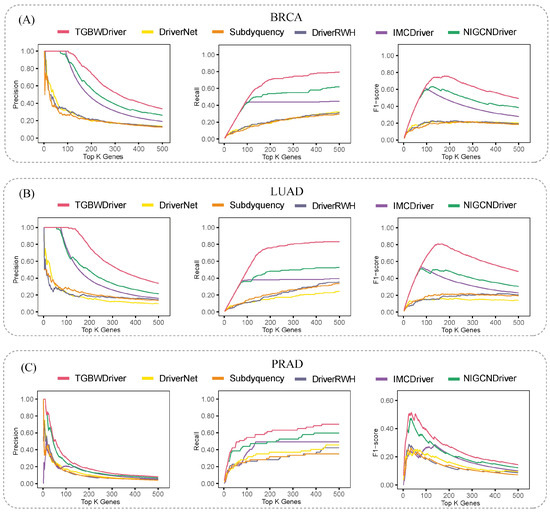
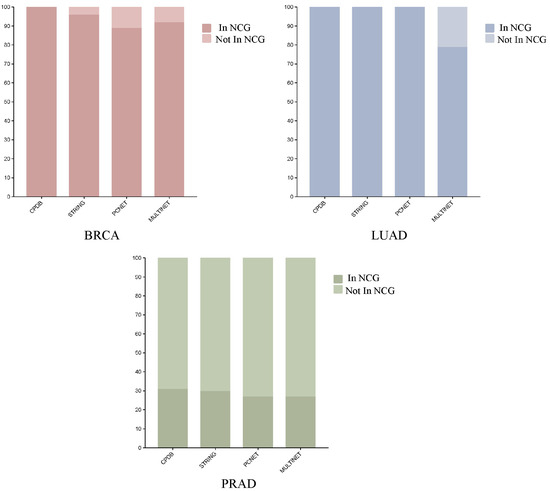
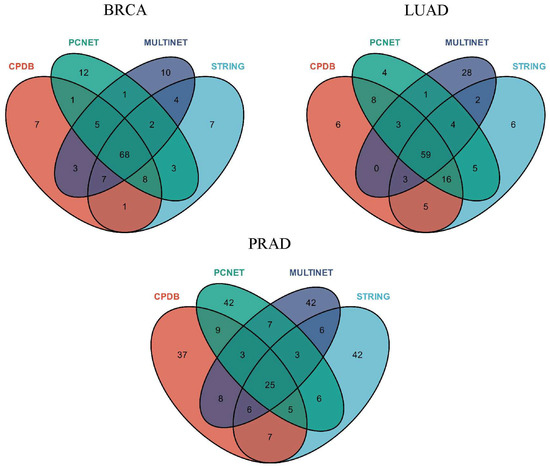
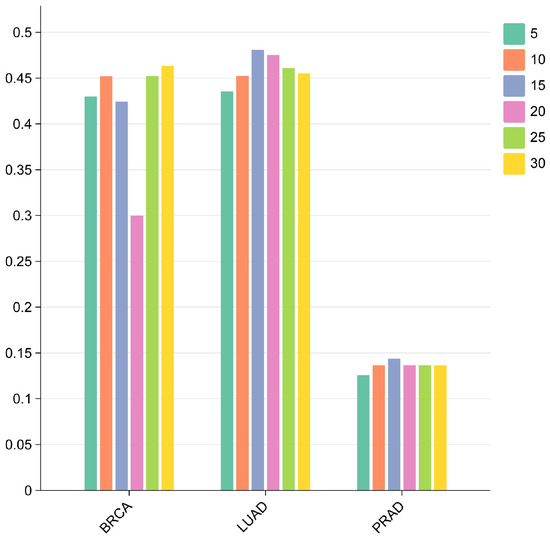
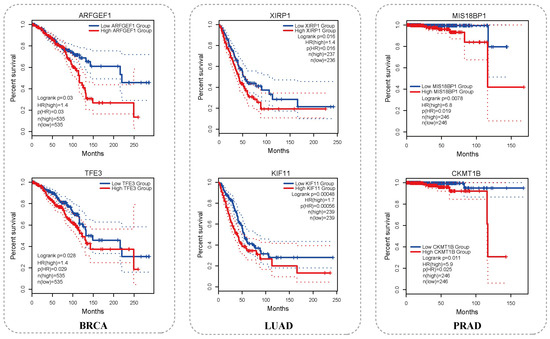
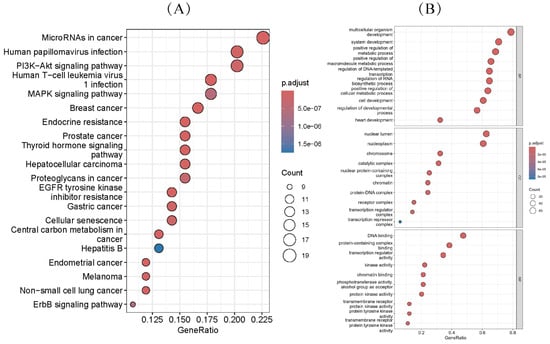
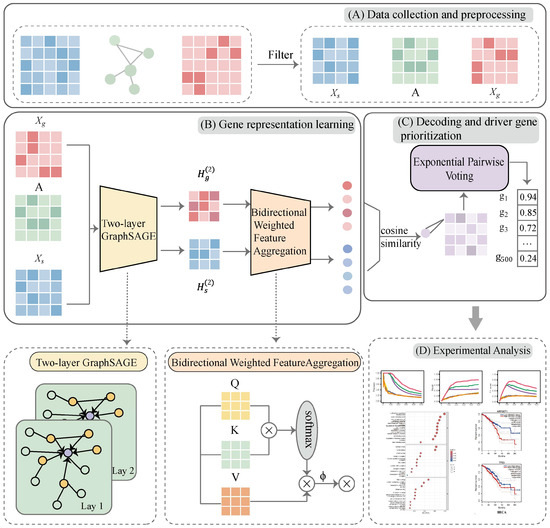
Identifying cancer driver genes is fundamental for understanding tumor initiation and guiding therapeutic strategies. However, most existing methods assess gene importance from a global or static perspective, overlooking sample-specific functional differences in the same gene. To address this, we propose TGBWDriver, which integrates a two-layer GraphSAGE with bidirectional weighted feature aggregation to capture structural characteristics while distinguishing context-dependent gene functions. An exponential pairwise voting strategy prioritizes candidate driver genes, improving ranking stability and accuracy. Systematic experiments on BRCA, LUAD, and PRAD datasets show that TGBWDriver outperforms five existing methods in precision, recall, and F1-score. Ablation studies confirm the critical role of each component. Moreover, TGBWDriver demonstrates strong capability in identifying potential novel cancer driver genes, with predictions showing significant biological relevance in GO enrichment and KEGG pathway analyses. The method provides an effective computational framework for cancer driver gene identification. The source code and datasets are freely available at https://github.com/SCSMDyeah/TGBW [Accessed on 4 May 2026]. Full article
Show Figures

Figure 1

20 pages, 2030 KB  
Article
Clostridium butyricum WL-53 Ameliorates High-Fat-Diet-Induced Obesity and Inflammatory Response in Mice by Regulating the Intestinal Microbiota and Liver Metabolism
by Qiuyan Li, Qianqian Wang, Yaqin Tang, Peiyun Gao, Cunxi Nie, Junli Niu and Wenju Zhang
Foods 2026, 15(9), 1599; https://doi.org/10.3390/foods15091599 (registering DOI) - 5 May 2026
Abstract
This study induced obesity in mice through a high-fat diet (HFD) to investigate the regulatory effects of Clostridium butyricum WL-53 (C. butyricum WL-53) on lipid metabolism and intestinal inflammation. Thirty 6-week-old male C57 mice were randomly divided into three groups: the normal [...] Read more.
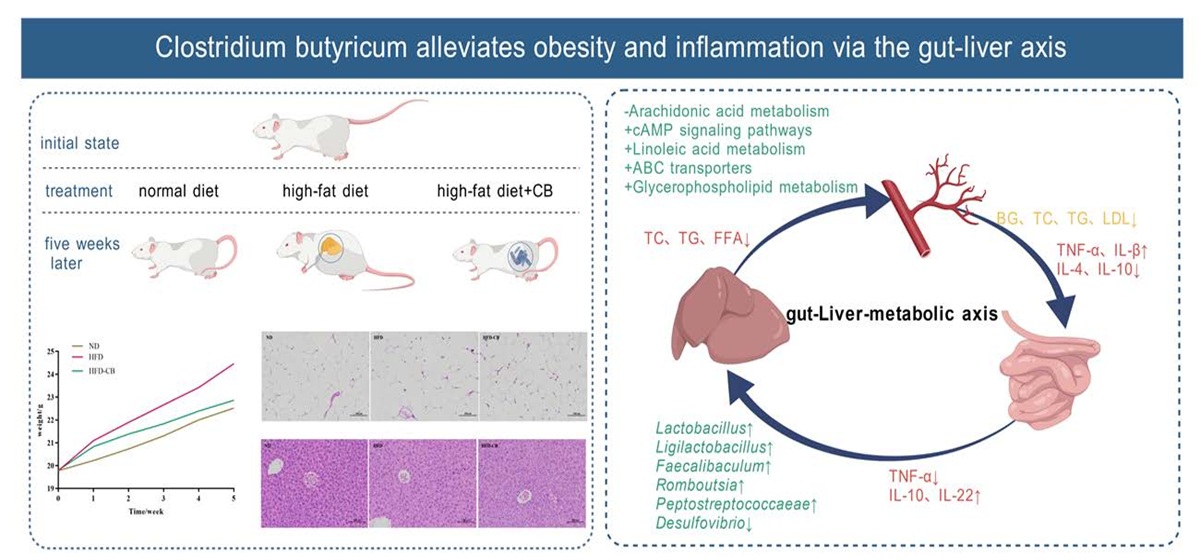
This study induced obesity in mice through a high-fat diet (HFD) to investigate the regulatory effects of Clostridium butyricum WL-53 (C. butyricum WL-53) on lipid metabolism and intestinal inflammation. Thirty 6-week-old male C57 mice were randomly divided into three groups: the normal diet group (ND), the high-fat diet group (HFD), and the HFD supplemented with Clostridium butyricum (CB, C. butyricum) group (HFD-CB). The experiment lasted for five weeks. The results demonstrated that mice in the HFD-CB group exhibited significantly alleviated weight gain, reduced fat mass, and decreased hepatic lipid deposition. C. butyricum WL-53 treatment improved serum and hepatic lipid markers (TC, TG), decreased the levels of pro-inflammatory factors (TNF-α, IL-1β), and increased those of anti-inflammatory factors (IL-10, IL-4). Gut microbiota analysis indicated that HFD reduced microbial diversity and increased the abundance of Firmicutes. Meanwhile, C. butyricum WL-53 intervention reversed these changes and enriched beneficial genera. Metabolomics analysis revealed that C. butyricum WL-53 regulated glycerophospholipid metabolism, arachidonic acid metabolism, and cAMP signaling pathways, reversing metabolites to ameliorate lipid deposition and inflammation. In summary, C. butyricum WL-53 alleviates HFD-induced obesity and inflammation via gut microbiota modulation and metabolic reprogramming. Full article
Show Figures

Graphical abstract

23 pages, 4564 KB  
Review
Breast Cancer-Associated Venous Thromboembolism: Risk Factors, Mechanisms, and Clinical Management
by Panlin Xie, Yunbo Luo, Lingmi Hou, Jia Xu and Qun Yi
Cancers 2026, 18(9), 1486; https://doi.org/10.3390/cancers18091486 (registering DOI) - 5 May 2026
Abstract
Venous thromboembolism (VTE) is a clinically significant complication in patients with breast cancer (BC) and may disrupt treatment continuity while contributing to adverse outcomes. Although BC is generally regarded as a relatively low-risk malignancy for VTE compared with several other cancer types, its [...] Read more.
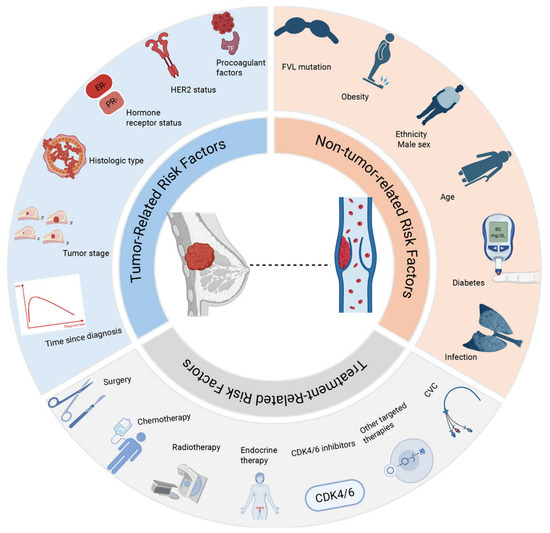
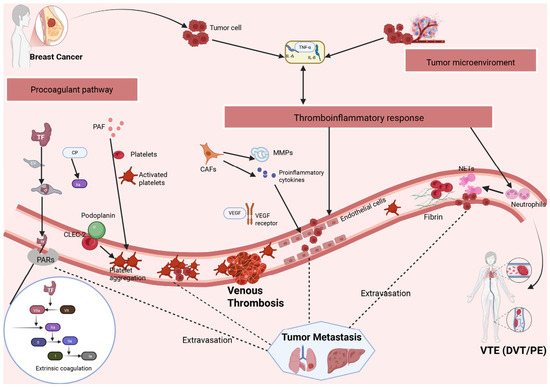
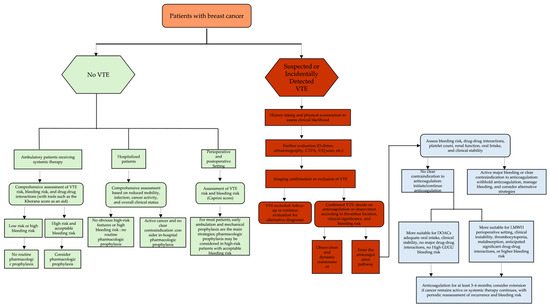
Venous thromboembolism (VTE) is a clinically significant complication in patients with breast cancer (BC) and may disrupt treatment continuity while contributing to adverse outcomes. Although BC is generally regarded as a relatively low-risk malignancy for VTE compared with several other cancer types, its high incidence and the increasing use of multimodal therapies have resulted in a growing clinical burden of breast cancer-associated VTE. This review summarizes the epidemiological features, risk factors, biological mechanisms, and advances in the prevention and management of breast cancer-associated VTE. Current evidence indicates that patients with cancer have an approximately 4- to 7-fold higher risk of VTE than the general population, with the risk in BC being particularly pronounced during the first 3–6 months after diagnosis. Older age, metabolic comorbidities, advanced disease, and exposure to multiple anticancer therapies have all been associated with an increased risk of VTE. Mechanistically, tissue factor, procoagulant extracellular vesicles, neutrophil extracellular traps, and inflammatory signaling pathways may contribute to breast cancer-associated VTE by promoting coagulation activation and endothelial dysfunction, while also linking thrombosis to immune evasion and Smetastatic progression. Improved identification of high-risk patients, optimization of dynamic risk assessment, and the implementation of individualized prophylactic and anticoagulant strategies may help improve outcomes in patients with BC. Full article
(This article belongs to the Section Molecular Cancer Biology)
Show Figures

Figure 1

16 pages, 1298 KB  
Article
Pilot Newborn Screening for Vitamin B12 Deficiency in the Czech Republic: Results and Detailed Studies on Identified Babies and Their Mothers
by Samuel Stanovský, Josef Bártl, Petr Chrastina, Viktor Kožich, Jakub Krijt, Kristýna Nelicová, Jitka Sokolová, Truong An Nguyen, Richard Plavka, Květa Pelinková, Drahomíra Springer, Klára Berková, Zbyněk Straňák, Jan Janota, Katarína Tichá, Jiří Zach and Tomáš Honzík
Int. J. Neonatal Screen. 2026, 12(2), 30; https://doi.org/10.3390/ijns12020030 (registering DOI) - 5 May 2026
Abstract
Neonatal vitamin B12 (B12) deficiency can cause neurodevelopmental harm, and newborn screening (NBS) may enable early detection and treatment. We conducted a multicenter pilot project in four Prague university hospitals between 1 June 2022 and 30 June 2025. Algorithms included the determination of [...] Read more.
Neonatal vitamin B12 (B12) deficiency can cause neurodevelopmental harm, and newborn screening (NBS) may enable early detection and treatment. We conducted a multicenter pilot project in four Prague university hospitals between 1 June 2022 and 30 June 2025. Algorithms included the determination of propionylcarnitine-derived primary markers using flow-injection tandem mass spectrometry and second-tier methylmalonic acid (MMA), with total homocysteine measured only when MMA was increased. Of 34,302 screened newborns with consent, 1365 (3.98%) triggered second-tier testing; 9 had MMA >2.5 µmol/L, of which 8 met the case definition after confirmatory testing, giving a birth frequency of 1:4228 (95% CI 1:2176–1:9931). Positive predictive value was 0.59% (95% CI 0.25–1.15%) and 88.89% (95% CI 51.75–99.72%) for the primary test and second-tier MMA, respectively, with a false positive rate of 0.00292% (95% CI 0.000074–0.01625%). All affected infants were treated orally with cyanocobalamin. Maternal work-up identified confirmed B12 deficiency in four of eight mothers and premalignant gastric changes in two of four positive women. These data support the feasibility, low cost, and clinical utility of incorporating B12 deficiency into Czech NBS, with benefits extending beyond newborn health. Full article
17 pages, 501 KB  
Article
Beyond Breathlessness Intensity: A Prospective Psychometric Validation of the Multidimensional Dyspnea Profile in Heart Failure with Reduced and Mildly Reduced Ejection Fraction
by Monira I. Aldhahi, Rakan I. Nazer and Ali M. Albarrati
J. Clin. Med. 2026, 15(9), 3533; https://doi.org/10.3390/jcm15093533 (registering DOI) - 5 May 2026
Abstract
Background/Objectives: Dyspnoea in heart failure with reduced or mildly reduced ejection fraction (HFrEF/HFmrEF) is multidimensional, yet conventional unidimensional scales do not capture its sensory and affective components. The Multidimensional Dyspnea Profile (MDP) addresses this gap; however, its psychometric properties have not been established [...] Read more.
Background/Objectives: Dyspnoea in heart failure with reduced or mildly reduced ejection fraction (HFrEF/HFmrEF) is multidimensional, yet conventional unidimensional scales do not capture its sensory and affective components. The Multidimensional Dyspnea Profile (MDP) addresses this gap; however, its psychometric properties have not been established in a dedicated HFrEF/HFmrEF cohort. We assessed structural validity, internal consistency, test–retest reliability, and construct validity of the MDP using COSMIN methodology. Methods: In this prospective, single-centre psychometric validation study, 101 clinically stable adults with HFrEF or HFmrEF were enrolled at a tertiary outpatient cardiac clinic in Riyadh, Saudi Arabia. Participants completed the MDP alongside Dyspnea-12, modified Medical Research Council scale, Kansas City Cardiomyopathy Questionnaire-12, Fatigue Severity Scale, and 6 min walk test. Test–retest data were obtained at 12 days in patients confirmed stable by the Global Rating of Change (n = 87). Psychometric evaluation included Cronbach’s α, intraclass correlation (ICC2,1), standard error of measurement, minimum detectable change (MDC95), confirmatory factor analysis (comparative fit index [CFI], root mean square error of approximation [RMSEA], standardised root mean square residual [SRMR]), and 12 a priori construct hypotheses. A preliminary minimal clinically important difference (MCID) was estimated using anchor- and distribution-based methods. Results: The mean age was 55 ± 11 years and 80% were male. CFA supported the two-factor model (CFI = 0.96; RMSEA = 0.061; SRMR = 0.058). Cronbach α was 0.92 for the full scale, 0.88 for immediate perception, and 0.91 for emotional response. ICC2,1 was 0.94 (95% CI: 0.91–0.96), and MDC95 was 4.2 points. All 12 hypotheses were confirmed. The preliminary MCID was 8 points. Conclusions: The MDP is a reliable, valid, and clinically interpretable multidimensional dyspnoea measure in HFrEF/HFmrEF. The 8-point MCID is preliminary and requires confirmation in larger longitudinal intervention studies. Full article
(This article belongs to the Section Cardiology)
16 pages, 1794 KB  
Review
Advances in Fruit Organic Acid Metabolism and Molecular Regulation in Fruit Trees
by Xufeng Guo, Yanxia Zhang, Zhenghai Liu, Min Tan, Jinyu He, Qifeng Zhao and Zhigang Dong
Horticulturae 2026, 12(5), 566; https://doi.org/10.3390/horticulturae12050566 (registering DOI) - 5 May 2026
Abstract
Organic acids are the core of fruit flavor quality and cell metabolism, but a comprehensive review of their metabolism and regulatory networks in fruit trees is still limited. Here, we systematically summarized the biosynthesis, degradation and transport of major organic acids in fruits [...] Read more.
Organic acids are the core of fruit flavor quality and cell metabolism, but a comprehensive review of their metabolism and regulatory networks in fruit trees is still limited. Here, we systematically summarized the biosynthesis, degradation and transport of major organic acids in fruits of horticultural crops. We focused on the distribution and molecular regulation of organic acids in citrus, pome fruits, stone fruits, grapes and tropical–subtropical fruits, and emphasized the regulation of transcription factors, epigenetic modifications and environmental signals. We also evaluated the progress of various omics strategies for dissecting organic acid metabolism and identifying key regulatory genes. Finally, we discuss the current research gaps and propose future directions for multi-gene editing and molecular design breeding. This review provides a theoretical framework for improving fruit flavor quality and breeding excellent varieties. Full article
27 pages, 2510 KB  
Article
Multi-Parameter Simultaneous Optimization of LDWC-IR Systems Based on the SaDE Algorithm
by Qiuli Zhang, Jiasen He, Huaiyu Zhao, Jing Zhang, Chengbin Shen and Lei Wu
Processes 2026, 14(9), 1493; https://doi.org/10.3390/pr14091493 (registering DOI) - 5 May 2026
Abstract
The liquid-only transfer dividing wall column (LDWC) eliminates the difficulty of controlling the vapor-phase distribution ratio; however, it involves numerous structural and operating parameters, resulting in high initialization difficulty and convergence challenges. This paper proposes a Matlab-SaDE-Aspen Plus (Aspen Plus V14) framework that [...] Read more.
The liquid-only transfer dividing wall column (LDWC) eliminates the difficulty of controlling the vapor-phase distribution ratio; however, it involves numerous structural and operating parameters, resulting in high initialization difficulty and convergence challenges. This paper proposes a Matlab-SaDE-Aspen Plus (Aspen Plus V14) framework that reformulates the convergence problem through a multi-parameter simultaneous optimization approach, thereby enabling the efficient design of the LDWC. Building upon this framework, two intermediate reboiler intensification schemes (IR-LDWC1 and IR-LDWC2) are proposed based on CGCC analysis, and four key parameters are simultaneously optimized using the Matlab-SaDE-Aspen Plus framework to eliminate the cumulative errors inherent in independent sequential parameter optimization. The results indicate that, compared with conventional distillation sequences, the LDWC achieves reductions of 17.62% in total energy consumption, 19.35% in total annual cost, and 16.53% in CO2 emissions, with the most significant improvement observed in exergy efficiency. Among the intensified configurations, IR-LDWC2 exhibits the best overall performance, with total energy consumption, TAC, and CO2 emissions further reduced by 30.15%, 33.17%, and 31.24%, respectively. Full article
(This article belongs to the Section Energy Systems)
23 pages, 1423 KB  
Article
Epigenome-Wide DNA Methylation Levels During Pregnancy: Associations with Parity Across Diverse Populations
by Su Chen, Yunsung Lee, Siri E. Håberg, Per Magnus, Christian Magnus Page, Emese H. C. Kovács, Anne L. Dunlop, Alicia K. Smith, John W. Holloway, Syed Hasan Arshad, Wilfried Karmaus and Susan L. Ewart
Epigenomes 2026, 10(2), 30; https://doi.org/10.3390/epigenomes10020030 (registering DOI) - 5 May 2026
Abstract
Background/Objectives: Parity, the number of times a woman carries a pregnancy to viability, has been linked to long-term maternal health outcomes. The mechanisms linking parity to health outcomes are poorly understood but may reflect influences of pregnancy on the maternal epigenome. Methods: This [...] Read more.
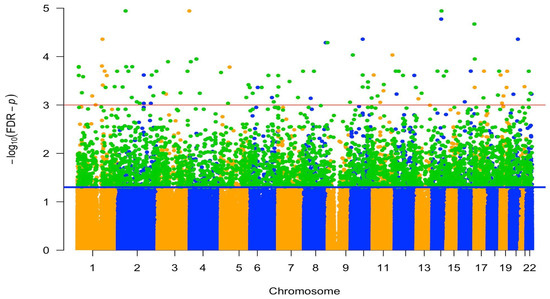
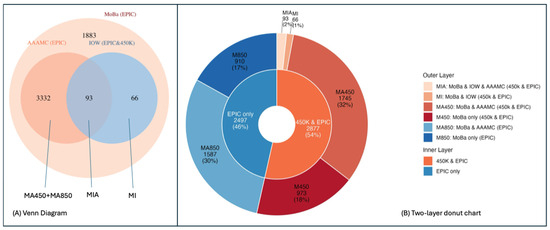
Background/Objectives: Parity, the number of times a woman carries a pregnancy to viability, has been linked to long-term maternal health outcomes. The mechanisms linking parity to health outcomes are poorly understood but may reflect influences of pregnancy on the maternal epigenome. Methods: This study examines the relationship between parity and DNA methylation (DNAm) during pregnancy using data from three cohorts: the Norwegian Mother, Father and Child Cohort Study (MoBa), the Atlanta African American Maternal-Child (AAAMC) cohort, and the Isle of Wight (IOW) Birth Cohort. Results: An epigenome-wide association study (EWAS) in MoBa identified 5374 cytosine–phosphate–guanine sites (CpGs) that were statistically significantly associated with parity, of which 69% were positively and 31% negatively correlated. Replication analyses confirmed 3491 CpGs in at least one cohort, and 93 CpGs in both AAAMC and IOW. Gene enrichment analysis revealed significant involvement of developmental and signaling pathways, including calcium signaling and neuroactive ligand–receptor interaction. Additionally, 584 differentially methylated regions (DMRs) were detected, with 90% overlapping individual parity-related CpGs. Conclusions: These findings suggest that parity influences epigenetic patterns, potentially affecting biological processes and molecular functions relevant to maternal health later in life. Full article
(This article belongs to the Collection Feature Papers in Epigenomes)
Show Figures

Figure 1

14 pages, 8675 KB  
Article
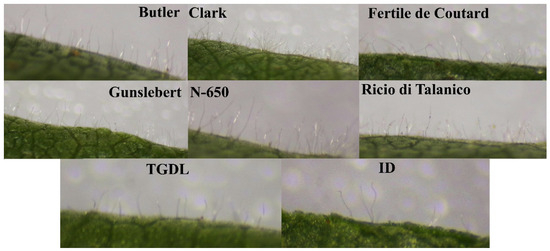
Leaf Trichome Density Rather than Phenolic Compounds Determines the Resistance of Hazelnut Cultivars to Erysiphe corylacearum
by Aljaz Medic, Mariana Cecilia Grohar and Petra Kunc
Horticulturae 2026, 12(5), 565; https://doi.org/10.3390/horticulturae12050565 (registering DOI) - 5 May 2026
Abstract
Erysiphe corylacearum, a newly emerging pathogen of hazelnut (Corylus avellana L.), has rapidly spread across Europe, causing severe outbreaks and threatening the sustainability of hazelnut production. This study investigated the biochemical and morphological traits associated with cultivar susceptibility to E. corylacearum [...] Read more.
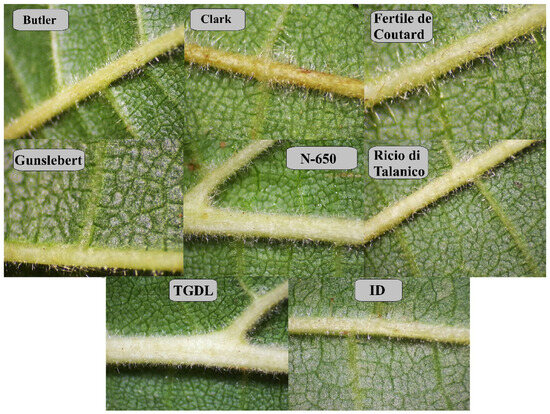
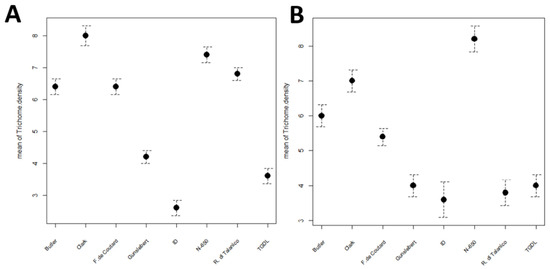
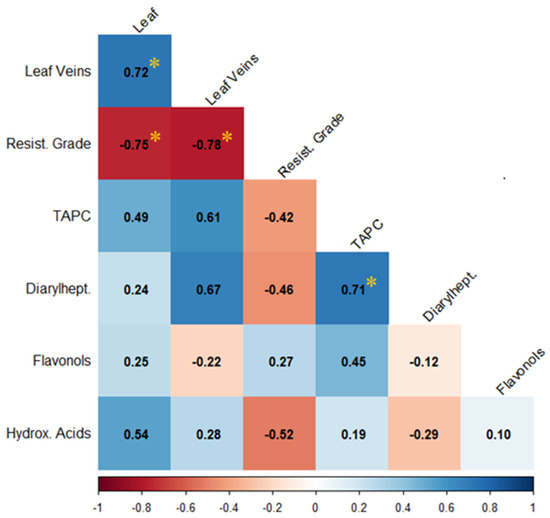
Erysiphe corylacearum, a newly emerging pathogen of hazelnut (Corylus avellana L.), has rapidly spread across Europe, causing severe outbreaks and threatening the sustainability of hazelnut production. This study investigated the biochemical and morphological traits associated with cultivar susceptibility to E. corylacearum. Eight cultivars representing a range of resistance levels were analyzed for leaf phenolic composition and trichome density. A total of 22 phenolic compounds were identified, with myricetin-3-O-rhamnoside, 1,7-bis-(4-hydroxyphenyl)-4,6-heptadien-3-one-hexoside, hirsutenone-hexoside, and quercetin-3-O-rhamnoside as dominant metabolites; however, no correlation was found between constitutive phenolic content/profile and disease resistance. In contrast, leaf trichome density showed a strong negative association with susceptibility, suggesting that denser trichomes act as a physical barrier to infection. Our results indicate that trichome density is a key morphological trait conferring resistance to E. corylacearum and could serve as a practical marker for breeding and selection of more resistant hazelnut cultivars. Full article
(This article belongs to the Section Fruit Production Systems)
Show Figures

Figure 1

18 pages, 1773 KB  
Article
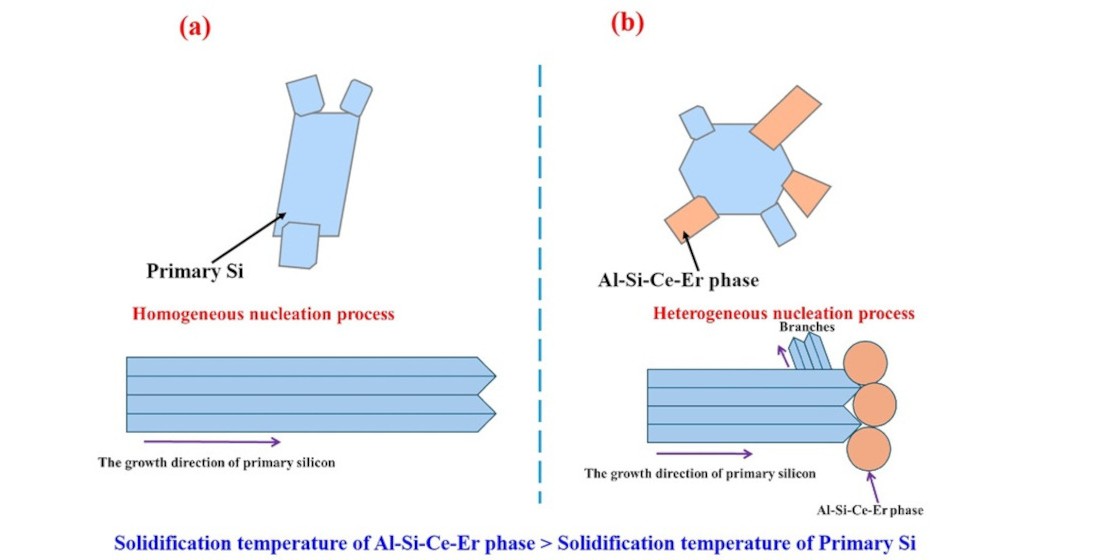
The Synergistic Refinement of Primary Si in Hypereutectic Al-Si Alloys Using Ce and Er Elements
by Zhendong Zhang, Shijie Li, Yakun Zhang, Guoqiang Lv, Zhengjie Chen, Kuixian Wei and Wenhui Ma
Materials 2026, 19(9), 1901; https://doi.org/10.3390/ma19091901 (registering DOI) - 5 May 2026
Abstract
Hypereutectic Al-Si alloys are used in a number of industries; however, the large size of primary Si grains significantly limits their industrial applications. Grain refinement through the addition of modifiers has become a crucial technical approach to overcome this challenge. Rare earth elements, [...] Read more.
Hypereutectic Al-Si alloys are used in a number of industries; however, the large size of primary Si grains significantly limits their industrial applications. Grain refinement through the addition of modifiers has become a crucial technical approach to overcome this challenge. Rare earth elements, particularly Ce and Er, are promising modifiers, and they have a synergistic effect on the refining of Si in hypereutectic Al-Si alloys. However, the synergistic mechanism between Ce and Er is rarely reported. Thus, this study aimed to reveal the mechanism underlying the synergistic effect of Ce and Er on refining the grains in hypereutectic Al-25wt.% Si alloy. The results indicate that the synergistic doping of Ce and Er significantly reduces the size of the primary Si grains. The addition of 0.5 wt.% Ce and 1 wt.% Er to the alloy reduced the primary Si grain size to 428.51 μm, achieving an overall refinement rate of up to 55.1% compared with the alloy without Ce and Er. Microstructural analysis revealed that Ce and Er accumulated around the primary Si crystals, resulting in the formation of complex intermetallic phases. These intermetallic complex phases provided additional nucleation sites for the growth of primary Si, thereby promoting its heterogeneous nucleation and inhibiting grain growth. Furthermore, they reduced the intensity of crystal growth in the direction of the preferred growth orientation of the primary Si, thereby further inhibiting its growth. This study provides essential experimental evidence supporting the synergistic refinement of hypereutectic Al-Si alloys using Ce and Er. Full article
(This article belongs to the Section Metals and Alloys)
Show Figures

Graphical abstract

25 pages, 5542 KB  
Article
A General Finite Beam on Tensionless Foundation Model for Rail Track Characterization and Evaluation
by Hamoud H. Alshallaqi and Brett A. Story
Sensors 2026, 26(9), 2897; https://doi.org/10.3390/s26092897 (registering DOI) - 5 May 2026
Abstract
Rail infrastructure plays an important role in freight and passenger mobility, and the assessment of rail track structure depends critically on understanding how the rail interacts with the supporting foundation. When rail support degrades (e.g., due to ballast fouling, settlement, etc.), the rail [...] Read more.
Rail infrastructure plays an important role in freight and passenger mobility, and the assessment of rail track structure depends critically on understanding how the rail interacts with the supporting foundation. When rail support degrades (e.g., due to ballast fouling, settlement, etc.), the rail exhibits greater localized deformation that can lead to serious deleterious conditions. Track modulus represents a fundamental diagnostic measure of rail support, encompassing the vertical stiffness characteristics of the foundation and its resistance against downward rail movement. Existing track modulus characterization methodologies typically comprise deflection measurements of railway track (e.g., tie deflections) under known loads. Track modulus estimations result from analyzing deflection and load under assumptions of a traditional Winkler foundation, which can oversimplify mechanic relationships. Specifically, in the context of rail–ballast–subgrade interaction, a tensionless foundation permits gap development which can occur as track structure separates from the supporting ballast; additionally, track modulus may vary along the track length as conditions vary spatially. This paper presents a general analytical solution of ballasted track support characterization based on an iterative algorithm for the static response of a finite beam resting on a tensionless Winkler foundation. The method relates to multiple loads (e.g., concentrated axle loads and distributed self-weight), deflection along the track, and track condition through singularity functions, superposition of discrete support springs, and moment–curvature relationships. The model estimates rail deflections, lift-off points and shear and moment diagrams along the track. The technique permits: (1) validations against benchmark solutions and previously published results, (2) estimations of track modulus from known loads and measured deflections, and ultimately, (3) a framework for designing and processing sensor data streams for use in analyses and evaluations of railway track structure. Full article
21 pages, 1008 KB  
Review
Beyond the Maze: Hybrid Ablation and Left Atrial Appendage Occlusion in Cardiac Surgery: Evidence Synthesis and the MESAGE Study Protocol
by Sotirios C. Kotoulas, Vasileios Kolovos, Nikolaos Tsiamis, Athanasios Kotoulas, Charalampos Georgiou, Panteleimon Tsipas, Ioannis Panagiotou, Dimitrios Antoniadis and Christophoros Kotoulas
Medicina 2026, 62(5), 890; https://doi.org/10.3390/medicina62050890 (registering DOI) - 5 May 2026
Abstract
Background and Objectives: Atrial fibrillation (AF) is the most common cardiac arrhythmia, present in up to 14–20% of patients undergoing cardiac surgery, with the number of patients expected to double within the next decade. Despite a Class I recommendation for concomitant surgical [...] Read more.
Background and Objectives: Atrial fibrillation (AF) is the most common cardiac arrhythmia, present in up to 14–20% of patients undergoing cardiac surgery, with the number of patients expected to double within the next decade. Despite a Class I recommendation for concomitant surgical ablation and a Class I-B recommendation for left atrial appendage (LAA) occlusion in patients with AF undergoing cardiac surgery (Class IIa for endoscopic or hybrid AF ablation), both procedures remain substantially underutilized in clinical practice. The design of the Mapping atrial fibrillation after Epicardial Surgical Ablation plus AtriClip to Guide Endocardial ablation (MESAGE) prospective study is presented. Materials and Methods: A narrative literature review was conducted using PubMed through March 2025. Randomized controlled trials, multicenter registries, meta-analyses and current clinical guidelines were prioritized. The MESAGE study protocol is presented in accordance with the SPIRIT recommendations. Results: Randomized evidence demonstrates that hybrid ablation achieves 32–48% greater arrhythmia freedom than catheter ablation (CA) alone in persistent and long-standing persistent AF, with comparable safety and significantly fewer interventions at two-year follow-up. Epicardial LAA occlusion with the AtriClip device achieves complete occlusion in all patients with an 87.5% relative reduction in ischemic stroke risk in anticoagulation-free follow-up. Continuous implantable loop recorder (ILR)-based monitoring reveals AF recurrence in substantially more patients than conventional monitoring, with AF burden emerging as a more meaningful endpoint than arrhythmia freedom. The MESAGE study enrolls 40 patients undergoing cardiac surgery who have pre-existing AF, pre-randomized 1:1 to pulmonary vein isolation (PVI) alone versus PVI-BOX, with mandatory pre-operative ILR implantation, intra-operative AtriClip LAA exclusion, and systematic Day-60 endocardial mapping and supplementary ablation using the Affera dual-energy system. Conclusions: Hybrid epicardial–endocardial ablation combined with LAA exclusion and continuous ILR monitoring represents a comprehensive, mechanistically rational and evidence-informed approach to AF management in patients undergoing cardiac surgery, although current evidence remains heterogeneous, and the benefits depend on the AF phenotype and monitoring strategy. The MESAGE pilot study will generate hypothesis-generating prospective comparative data on epicardial PVI versus PVI-BOX in the concomitant surgical setting, assessed through systematic post-surgical endocardial mapping and continuous rhythm monitoring. Full article
(This article belongs to the Special Issue Recent Advances in Cardiovascular Surgery)
18 pages, 481 KB  
Systematic Review
Maternal Iodine Status During Pregnancy and Child Neurodevelopment: A Systematic Review and Dose–Response Meta-Analysis of Prospective Cohort Studies
by Qingshan Luo, Zhou Wang, Jie Jiang, Xianru Luo, Tingxuan Feng, Chao Wang, Shasha Ruan and Xiaoheng Li
Nutrients 2026, 18(9), 1474; https://doi.org/10.3390/nu18091474 (registering DOI) - 5 May 2026
Abstract
Background: Iodine deficiency during pregnancy remains a leading cause of preventable neurodevelopmental impairment worldwide, yet quantitative characterization of the dose–response relationship between maternal iodine status and child neurodevelopment is lacking. Methods: A systematic search of PubMed, Embase, the Cochrane Library, and Web of [...] Read more.
Background: Iodine deficiency during pregnancy remains a leading cause of preventable neurodevelopmental impairment worldwide, yet quantitative characterization of the dose–response relationship between maternal iodine status and child neurodevelopment is lacking. Methods: A systematic search of PubMed, Embase, the Cochrane Library, and Web of Science was conducted for prospective cohort studies published up to February 2026 reporting associations between maternal iodine status and child neurodevelopmental outcomes across at least three exposure categories. All continuous effect estimates were converted to standardized mean differences (Hedges’ g) to permit pooling across heterogeneous assessment instruments, and meta-analyses were stratified by neurodevelopmental domain (cognitive, language, motor, behavior, academic). A two-stage dose–response meta-analysis was used to characterize non-linearity. Risk of bias was evaluated using the Newcastle–Ottawa Scale (NOS). Results: Ten prospective cohort publications corresponding to eight independent cohorts were included. After converting all continuous effect estimates to standardized mean differences (Hedges’ g) and consolidating the three overlapping MoBa publications into a single cohort, the pooled analysis revealed a significant negative association between suboptimal maternal iodine status and child neurodevelopmental performance (Hedges’ g = −0.13, 95% CI: −0.20 to −0.06, p < 0.001; I2 = 95.2%). Domain-stratified analysis identified cognitive outcomes as most consistently affected (g = −0.22, 95% CI: −0.30 to −0.14; I2 = 37.5%), followed by motor (g = −0.17; I2 = 0%) and language outcomes (g = −0.16; I2 = 92.5%), with between-domain heterogeneity explaining 38.6% of the total variance (p = 0.012). Binary outcome analysis confirmed increased odds of adverse neurodevelopmental outcomes (OR = 1.19, 95% CI: 1.03 to 1.39, p = 0.026). Subgroup analysis by iodine exposure indicator showed directionally consistent negative effects across dietary intake (g = −0.11), UIC (g = −0.11) and UI/Cr (g = −0.28), with no significant between-subgroup difference (p = 0.237). Exploratory dose–response modeling on the Hedges’ g scale suggested that neurodevelopmental performance in the fitted curves approached its maximum within a mid-range of dietary iodine intake (approximately 150–300 µg/d); however, the quadratic non-linearity terms did not reach statistical significance after cohort consolidation (p = 0.612 for dietary intake; p = 0.436 for UI/Cr), and these findings should therefore be interpreted as exploratory. Conclusions: Suboptimal maternal iodine status during pregnancy was associated with modest decrements in child neurodevelopmental performance, with exploratory dose–response analyses suggesting that the fitted curves approached their maximum within a mid-range of dietary iodine intake. Although statistical evidence for quadratic non-linearity was attenuated after consolidating overlapping cohorts, the directional pattern across indicators remained consistent with an inverted U-shaped relationship, supporting maintenance of adequate but not excessive iodine nutrition during pregnancy. Full article
(This article belongs to the Section Nutrition in Women)
9 pages, 209 KB  
Article
A Retrospective Study on Perioperative IV Fluid Restriction After a Disaster-Induced Fluid Shortage: Postoperative Pain and Complication Outcomes in Pediatric Adenotonsillectomies
by Jaeyi Hahn, Ajay Bharathan, Benjamin Oakes, Jason Liu and Ajay Patel
Complications 2026, 3(2), 10; https://doi.org/10.3390/complications3020010 (registering DOI) - 5 May 2026
Abstract
Intravenous fluids are integral to pediatric perioperative care, yet optimal fluid volumes during adenotonsillectomy remain debated. In 2024, Hurricane Helene disrupted IV fluid supply chains, necessitating an involuntary shift to restrictive intraoperative fluid administration. This event created an opportunity to evaluate whether reduced [...] Read more.
Intravenous fluids are integral to pediatric perioperative care, yet optimal fluid volumes during adenotonsillectomy remain debated. In 2024, Hurricane Helene disrupted IV fluid supply chains, necessitating an involuntary shift to restrictive intraoperative fluid administration. This event created an opportunity to evaluate whether reduced intraoperative fluids affected postoperative pain or complication rates in pediatric adenotonsillectomies. We conducted a retrospective cohort study of children under 12 years who underwent adenotonsillectomy between 1 October 2024, and 31 January 2025. Patients were stratified into a restrictive fluid group (<10 mL/kg) and a non-restrictive group (≥10 mL/kg). Collected data included demographics, intraoperative fluid volumes, postoperative FLACC pain scores, and documented complications. Pain scores were compared using Mann–Whitney U tests, due to non-normal data distribution with descriptive analysis. A total of 133 patients were included (63 restrictive, 70 non-restrictive). Mean postoperative FLACC scores were similar between groups (4.53 ± 2.62 vs. 4.57 ± 3.44; p = 0.50), with comparable operative times. Complications occurred in both groups without a consistent association with fluid strategy. These findings suggest that intraoperative fluid restriction below 10 mL/kg does not significantly affect postoperative pain or overall complication rates in pediatric adenotonsillectomy. Short-term fluid restriction may be safe in resource-limited settings, though prospective studies are warranted. Full article
35 pages, 3623 KB  
Article
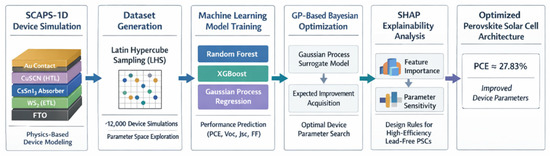
PerovskiteOpt-AI: A Machine Learning-Driven Multi-Parameter Optimization Framework for Lead-Free Perovskite Solar Cell Device Architecture Using SCAPS-1D Simulation and Gaussian Process Surrogate Modeling
by Mohammed Saleh Alshaikh
Crystals 2026, 16(5), 310; https://doi.org/10.3390/cryst16050310 (registering DOI) - 5 May 2026
Abstract
The commercialization of perovskite solar cells (PSCs) hinges on replacing toxic lead-based absorbers with environmentally benign alternatives while maintaining competitive power conversion efficiencies (PCE). However, the enormous parameter space governing lead-free device architectures—spanning absorber thickness, defect density, doping concentration, and charge transport layer [...] Read more.
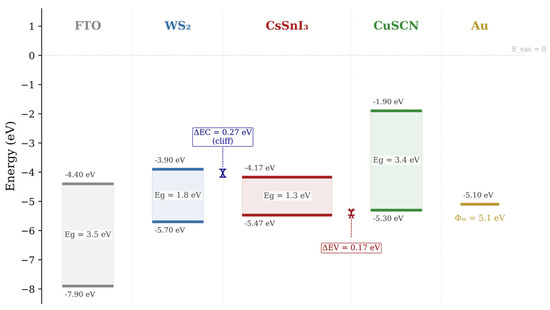
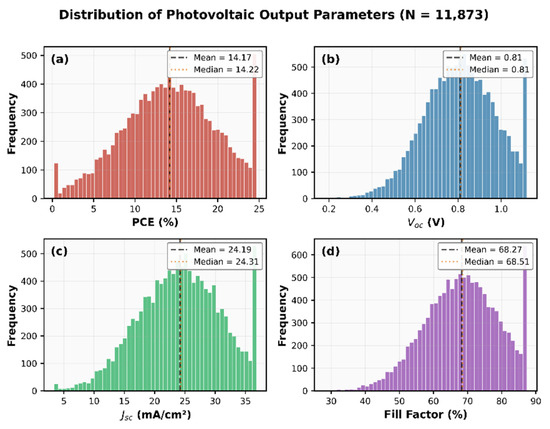
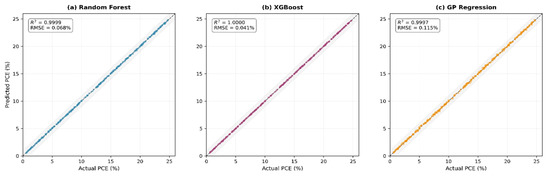
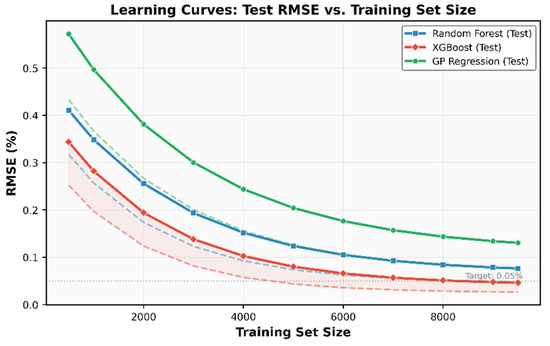
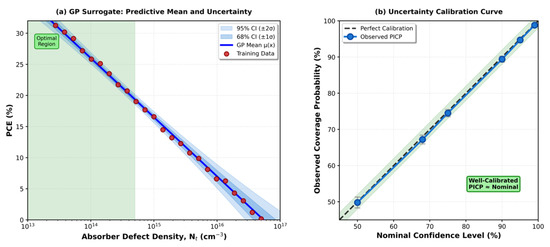
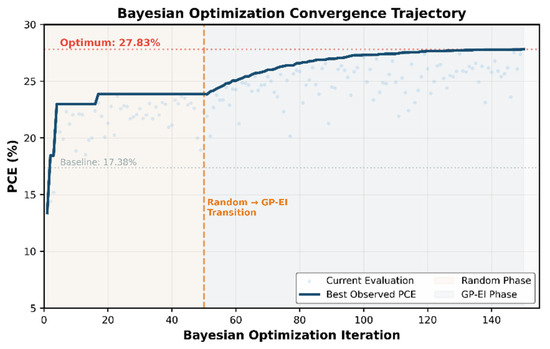
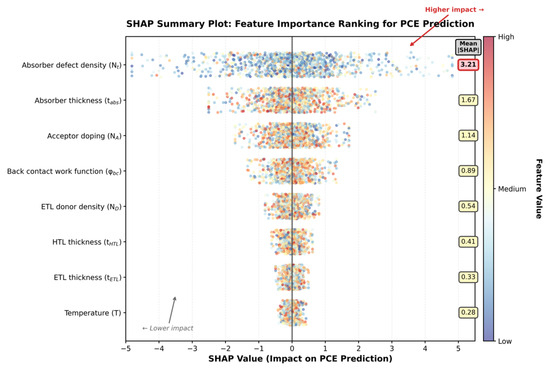
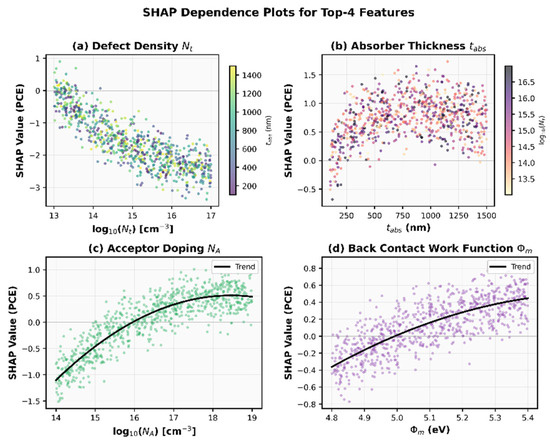
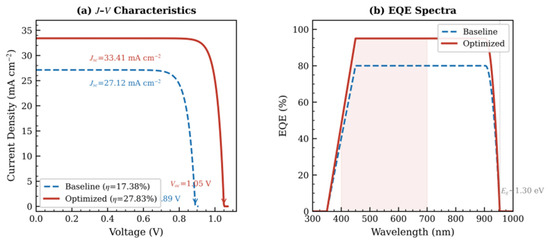
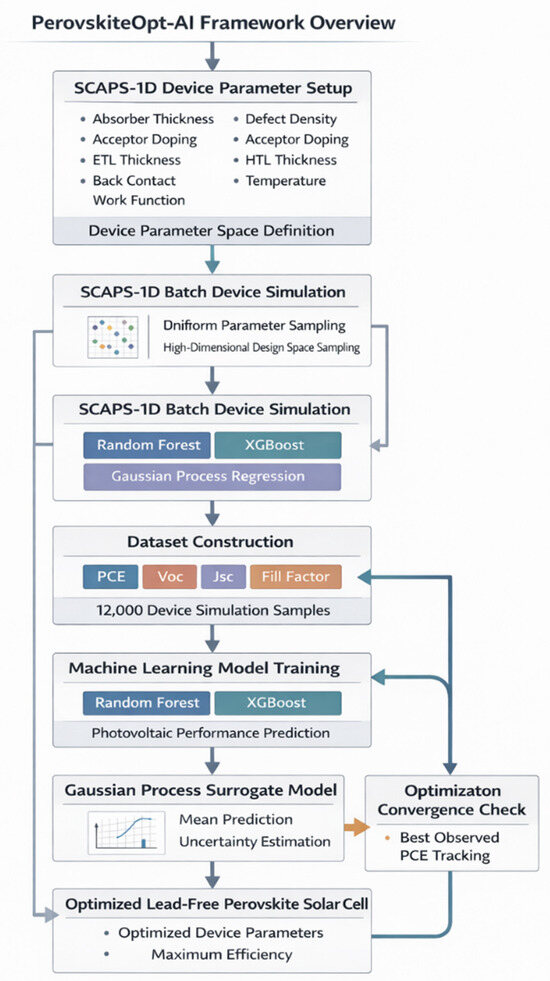
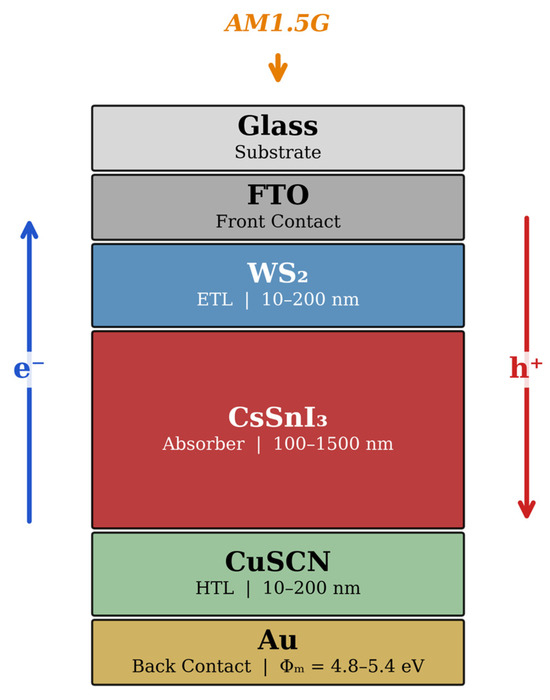
The commercialization of perovskite solar cells (PSCs) hinges on replacing toxic lead-based absorbers with environmentally benign alternatives while maintaining competitive power conversion efficiencies (PCE). However, the enormous parameter space governing lead-free device architectures—spanning absorber thickness, defect density, doping concentration, and charge transport layer (CTL) selection—renders traditional trial-and-error optimization impractical. This paper introduces PerovskiteOpt-AI, a machine learning (ML)-driven multi-parameter optimization framework that integrates SCAPS-1D device simulation with Gaussian process (GP) surrogate modeling and Bayesian optimization (BO) to systematically identify high-efficiency lead-free PSC configurations. A synthetic dataset of 12,000 device-level simulations generated for the FTO/WS2/CsSnI3/CuSCN/Au architecture by varying eight critical parameters. An ensemble of ML models—random forest (RF), XGBoost, and GP regression (GPR)—is trained and benchmarked, with XGBoost achieving an R2 of 0.9987 and RMSE of 0.041% for PCE prediction. The GP surrogate is then coupled with a BO loop employing expected improvement (EI) acquisition to navigate the design space, converging on an optimized PCE of 27.83% ± 0.21% within 150 iterations—a 38.6% relative improvement over the baseline. Shapley additive explanations (SHAP) analysis reveals that absorber defect density and perovskite thickness are the dominant efficiency drivers, while conduction band offset at the ETL/absorber interface governs open-circuit voltage. The proposed framework reduces the computational cost of full-factorial parametric sweeps by over 95%, establishing a scalable paradigm for accelerated, interpretable design of next-generation lead-free consumer-grade photovoltaic devices. Full article
(This article belongs to the Section Inorganic Crystalline Materials)
Show Figures

Figure 1

15 pages, 784 KB  
Article
Symptom Improvement and Interrelated ESAS Domains Following Outpatient Palliative Care in Hungarian Cancer Patients
by Nóra Frank, Csilla Busa, Eszter Sághy, Éva Pozsgai and Ágnes Csikós
J. Clin. Med. 2026, 15(9), 3532; https://doi.org/10.3390/jcm15093532 (registering DOI) - 5 May 2026
Abstract
Background: Outpatient palliative care effectively alleviates symptom burden in advanced cancer patients, yet data from Central–Eastern Europe remain scarce. This retrospective study examined changes in revised Edmonton Symptom Assessment Scale (ESAS) scores from initial outpatient palliative consultation to first follow-up in Hungarian cancer [...] Read more.
Background: Outpatient palliative care effectively alleviates symptom burden in advanced cancer patients, yet data from Central–Eastern Europe remain scarce. This retrospective study examined changes in revised Edmonton Symptom Assessment Scale (ESAS) scores from initial outpatient palliative consultation to first follow-up in Hungarian cancer patients, assessing clinically meaningful improvement and inter-symptom associations. Methods: Revised ESAS scores from 119 patients attending an outpatient palliative care clinic (2017–2020) were analyzed using paired baseline and first follow-up assessments (7–30 days). Symptom changes (Time 2–Time 1) were evaluated using Wilcoxon signed-rank tests. Clinically meaningful improvement was assessed with minimal clinically important difference thresholds (0.5× baseline SD). Sankey diagrams visualized symptom transitions, and multivariable linear regression examined inter-symptom associations. Results: Baseline pain was highest (mean 6.29, median 7), followed by fatigue, sleep disorder, and impaired well-being. At follow-up, significant reductions were observed in pain (mean 4.52, p = 0.001), nausea, dyspnea, constipation, sleep disorder, depression, and anxiety (all p < 0.05). Sankey diagrams showed shifts from severe to mild/moderate pain (50% to 24%) and constipation. Clinically meaningful improvement occurred in pain, nausea, and constipation, with 59–65% achieving ≥1-point pain reduction. Regression analyses showed that pain reduction was associated with concurrent improvements in sleep disorder (β = 0.31), depression (β = 0.20), fatigue (β = 0.20), and anxiety (β = 0.14), while dyspnea reduction was associated with concurrent improvements in depression (β = 0.22) and anxiety (β = 0.14). Conclusions: Outpatient palliative care in Hungarian cancer patients resulted in clinically meaningful symptom reductions, particularly pain and dyspnea. Improvements in these core symptoms were associated with concurrent improvements in other symptom domains, underscoring the clinical relevance of inter-symptom associations and supporting early, integrated outpatient palliative care and symptom cluster-based management. Full article
(This article belongs to the Section Oncology)
25 pages, 3115 KB  
Review
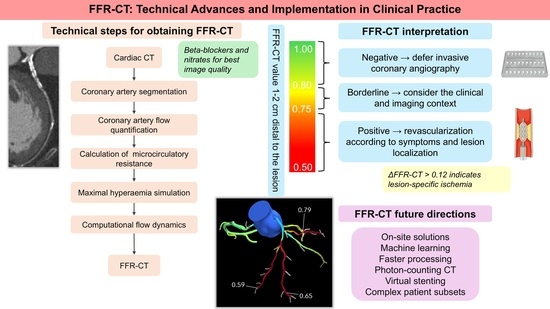
FFR-CT: Technical Advances and Implementation in Clinical Practice
by Kamil Stankowski, Amedeo Pellizzon, Luca Signorelli, Andrea Baggiano, Nicola Cosentino, Alberico Del Torto, Fabio Fazzari, Daniele Junod, Maria Elisabetta Mancini, Riccardo Maragna, Manuela Muratori, Luigi Tassetti, Alessandra Volpe, Saima Mushtaq and Gianluca Pontone
J. Imaging 2026, 12(5), 202; https://doi.org/10.3390/jimaging12050202 (registering DOI) - 5 May 2026
Abstract
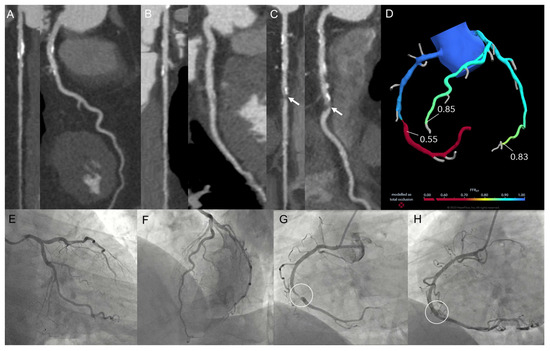
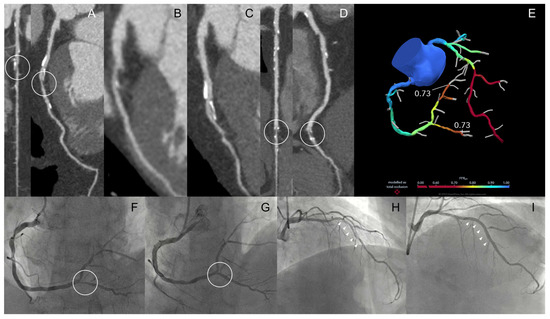
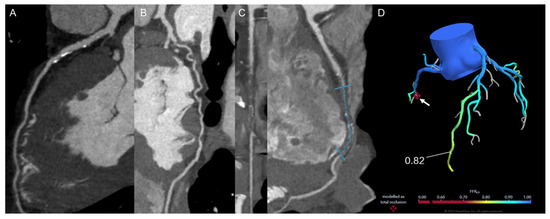
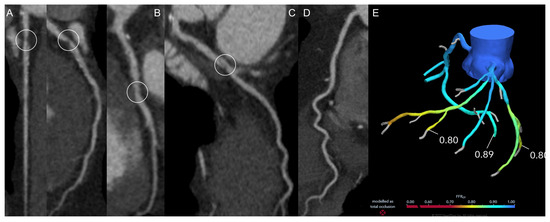
Fractional flow reserve derived from coronary computed tomography angiography (FFR-CT) has emerged as a non-invasive modality for the functional assessment of coronary artery disease. By using computational fluid dynamics, particularly in its most extensively validated off-site implementation, FFR-CT enables lesion-specific estimation of pressure [...] Read more.
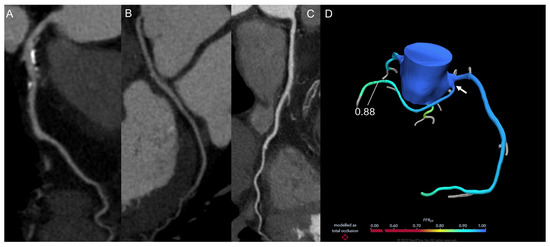
Fractional flow reserve derived from coronary computed tomography angiography (FFR-CT) has emerged as a non-invasive modality for the functional assessment of coronary artery disease. By using computational fluid dynamics, particularly in its most extensively validated off-site implementation, FFR-CT enables lesion-specific estimation of pressure gradients across coronary stenoses without the need for invasive catheterization. This narrative review summarizes the technical foundations of FFR-CT as well as the evidence demonstrating that FFR-CT enhances the diagnostic accuracy of coronary CT angiography alone by improving specificity for hemodynamically significant stenoses when compared with invasive fractional flow reserve. Beyond diagnosis, FFR-CT provides incremental prognostic information, supporting risk stratification and guiding revascularization decisions. Suggestions for clinical implementation of FFR-CT and guidance on interpreting results within the appropriate clinical context are provided. Despite these advantages, limitations remain, including dependence on image quality, reduced performance in heavily calcified vessels, assumptions regarding hyperemic flow conditions, and limited validation in certain populations. While computational fluid dynamics-based FFR-CT remains the most commonly adopted approach in clinical settings, machine learning-based on-site FFR-CT is rapidly evolving and is expected to become a reliable alternative. As technical refinements continue, FFR-CT is poised to play an expanding role in precision-guided management of coronary artery disease. Full article
(This article belongs to the Special Issue Advances and Challenges in Cardiovascular Imaging)
Show Figures

Graphical abstract

20 pages, 2295 KB  
Article
System-Level Power and Usable Energy Characterization for Heterogeneous Multi-Pack Battery Configuration
by Jaijeet Singh Rathore, Shreyas Hosakere Rajashekharachar and Linus Hallberg
World Electr. Veh. J. 2026, 17(5), 248; https://doi.org/10.3390/wevj17050248 (registering DOI) - 5 May 2026
Abstract
The performance attributes of a heterogeneous multi-battery pack system significantly impact the electric vehicle's performance. This study aims to investigate the power reduction and energy utilization phenomena in heterogeneous battery pack configurations that arise due to an uneven current split, focusing on defining [...] Read more.
The performance attributes of a heterogeneous multi-battery pack system significantly impact the electric vehicle's performance. This study aims to investigate the power reduction and energy utilization phenomena in heterogeneous battery pack configurations that arise due to an uneven current split, focusing on defining the power ability curves and usable energy for the mixed system. A Multiphysics-based system model has been developed to investigate the factors contributing to power loss and usable energy when the aged packs are mixed with fresh packs. Different methods, viz., scaled, aged, and interpolation, are proposed to estimate the power retention curves for one and two fresh packs mixing into the homogeneous system. Also, energy evaluation helps in identifying the impact on vehicle range, which is an important attribute of vehicle performance. Altogether, having power ability curves and usable battery energy (UBE) for a heterogeneous multi-pack system helps in defining the decision-making strategies for the refurbishment of ESS during replacement and maintenance activities in EVs. Some strategies are introduced at the end using aged and scaled methods to conduct the most conservative power estimations while pack mixing. Energy evaluation is performed at the ESS level, highlighting the impact of fresh pack on the aged system usable energy. Full article

Open Access Journals

Browse by Indexing Browse by Subject Selected Journals
Back to TopTop