Article

Multi-Parameter Simultaneous Optimization of LDWC-IR Systems Based on the SaDE Algorithm

by
Qiuli Zhang
*,
Jiasen He
,
Huaiyu Zhao
,
Jing Zhang
,
Chengbin Shen
and
Lei Wu
School of Chemistry and Chemical Engineering, Xi’an University of Architecture and Technology, Xi’an 710055, China
*
Author to whom correspondence should be addressed.
Processes 2026, 14(9), 1493; https://doi.org/10.3390/pr14091493
Submission received: 5 April 2026 / Revised: 28 April 2026 / Accepted: 30 April 2026 / Published: 5 May 2026
(This article belongs to the Section Energy Systems)

Abstract

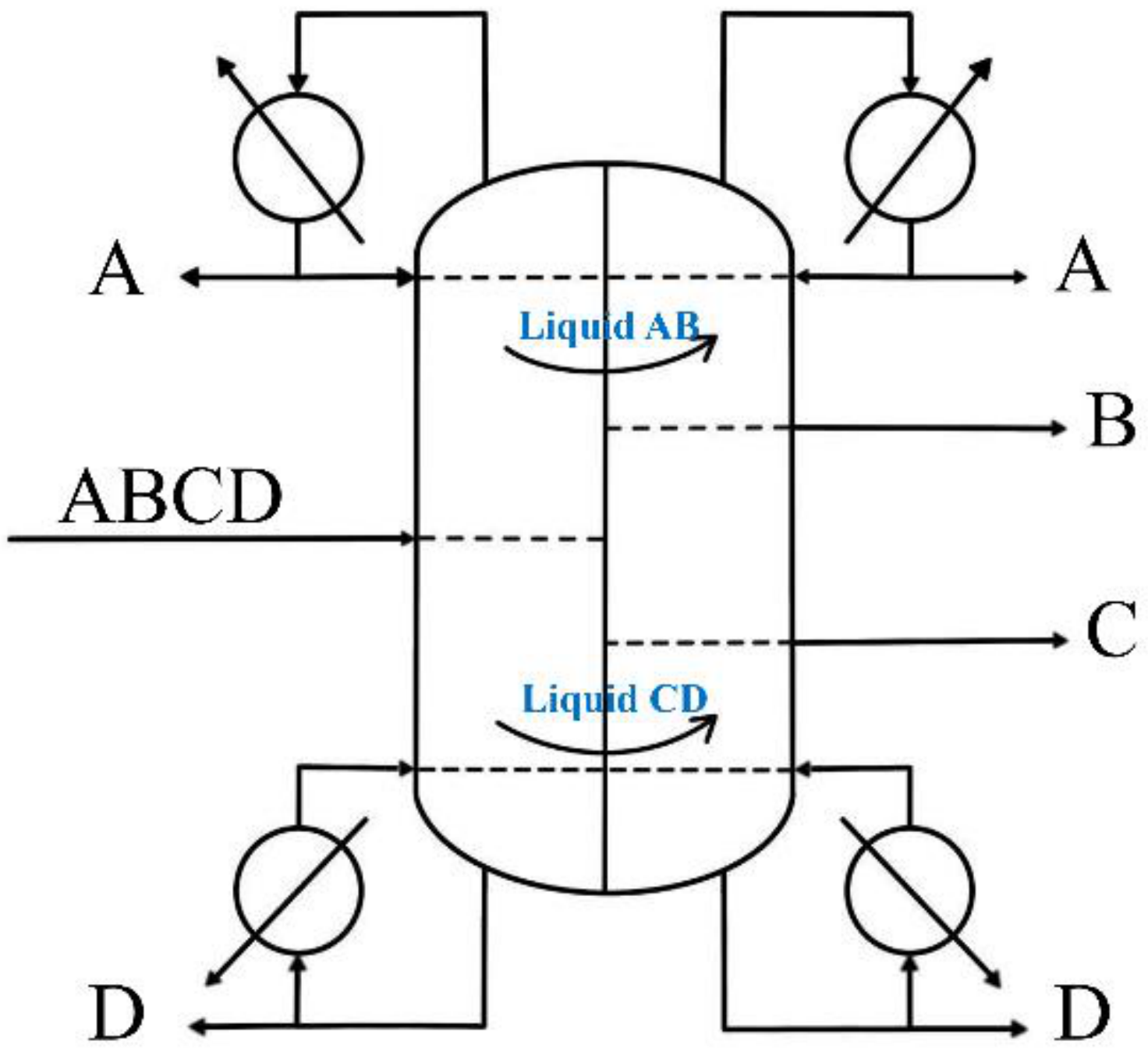
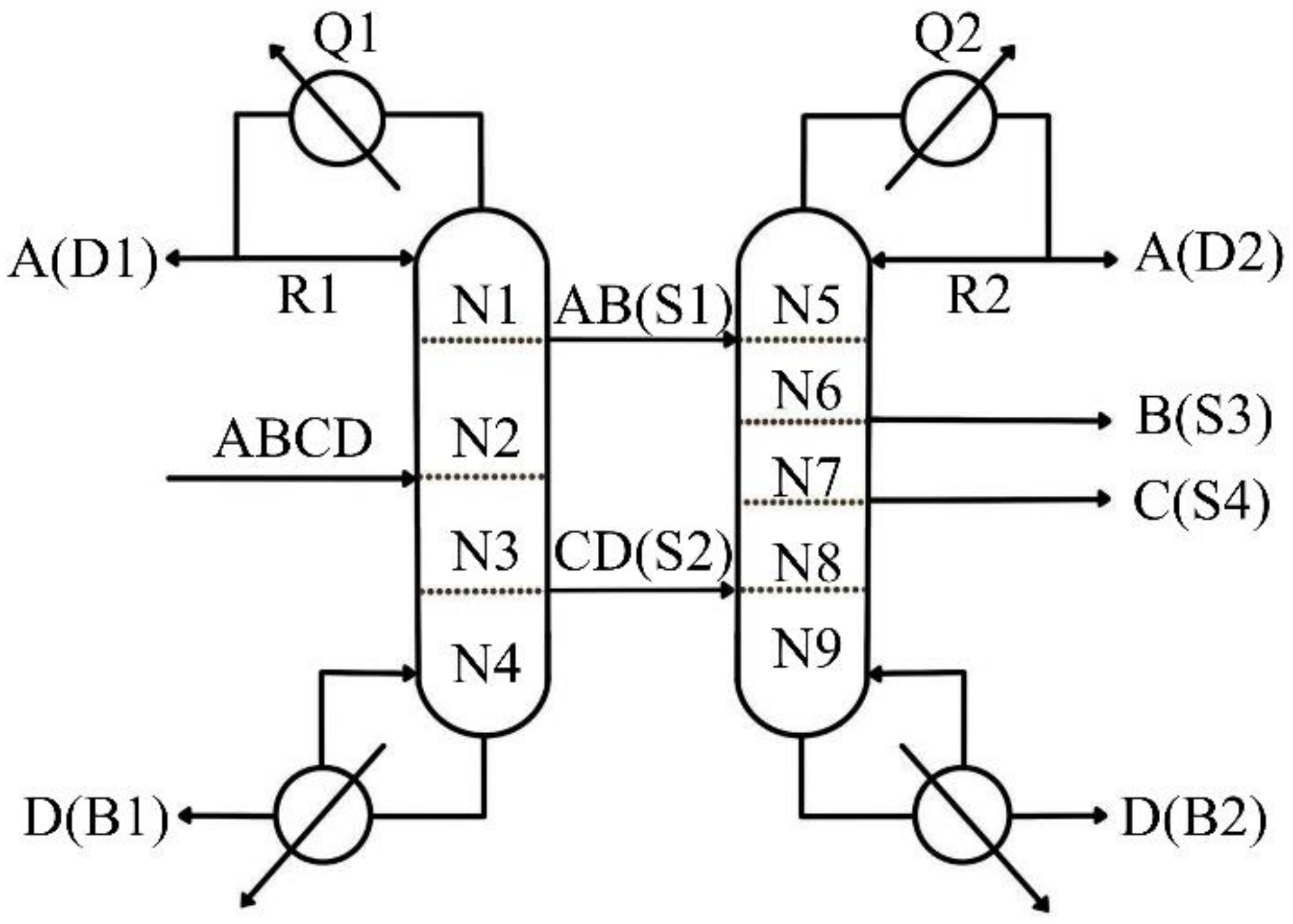
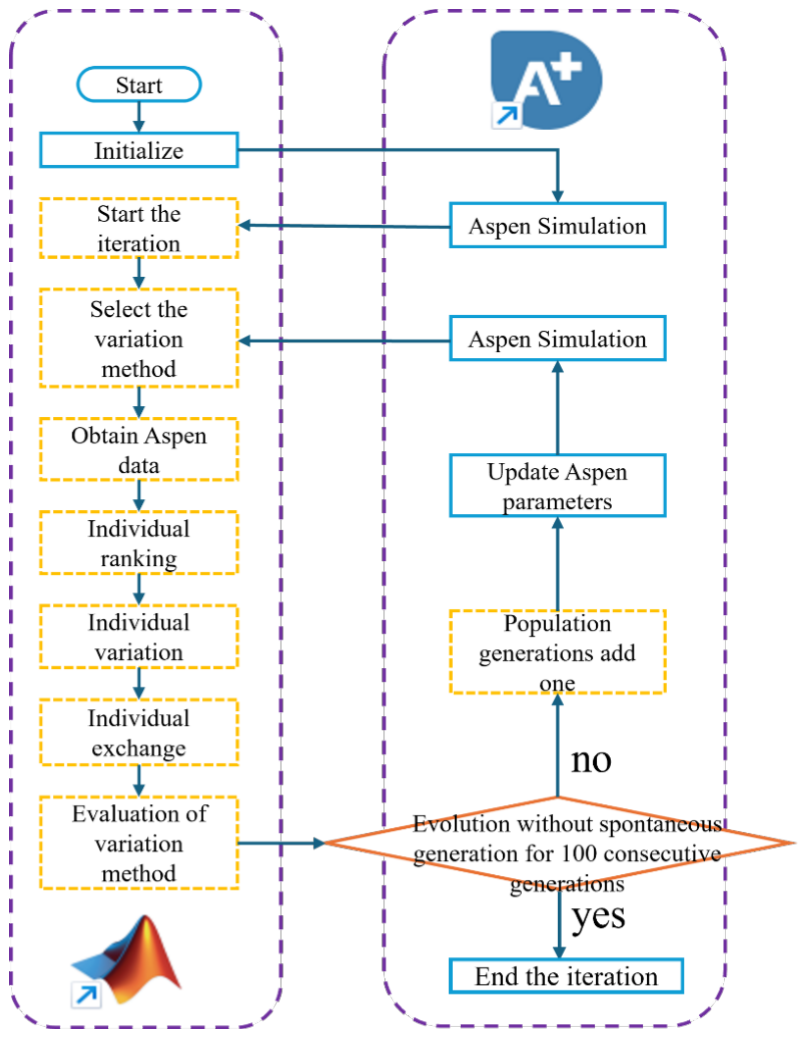
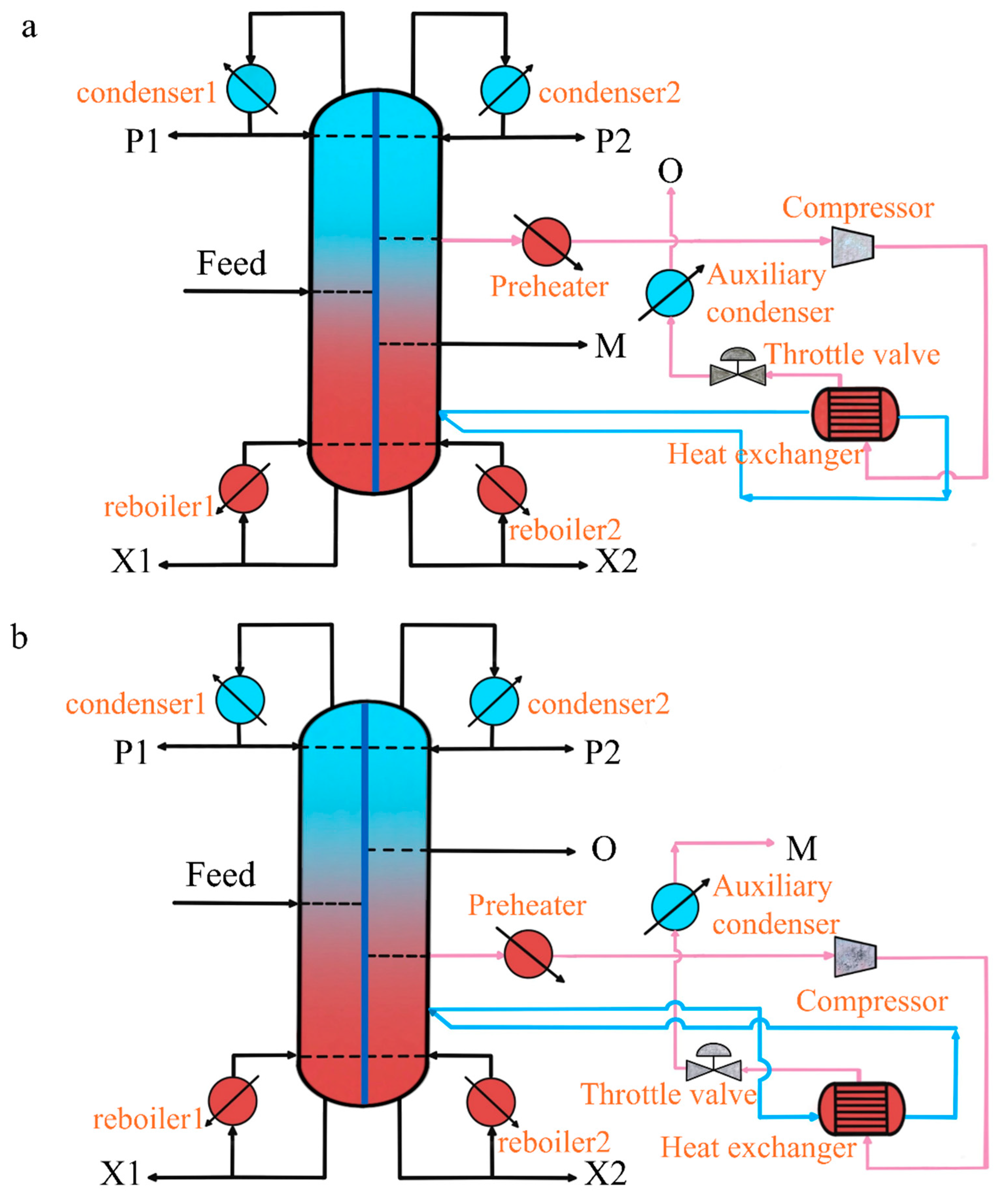
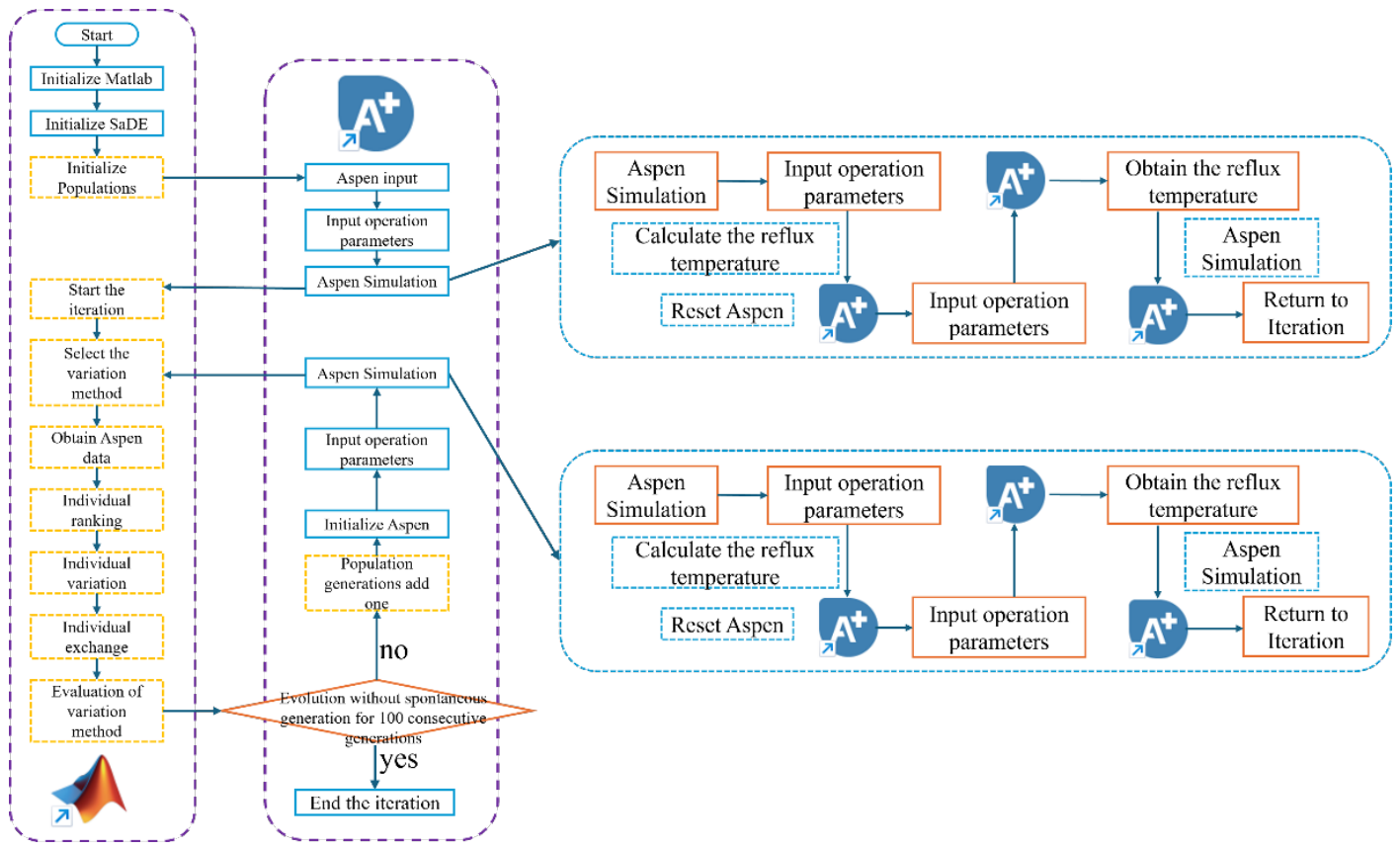
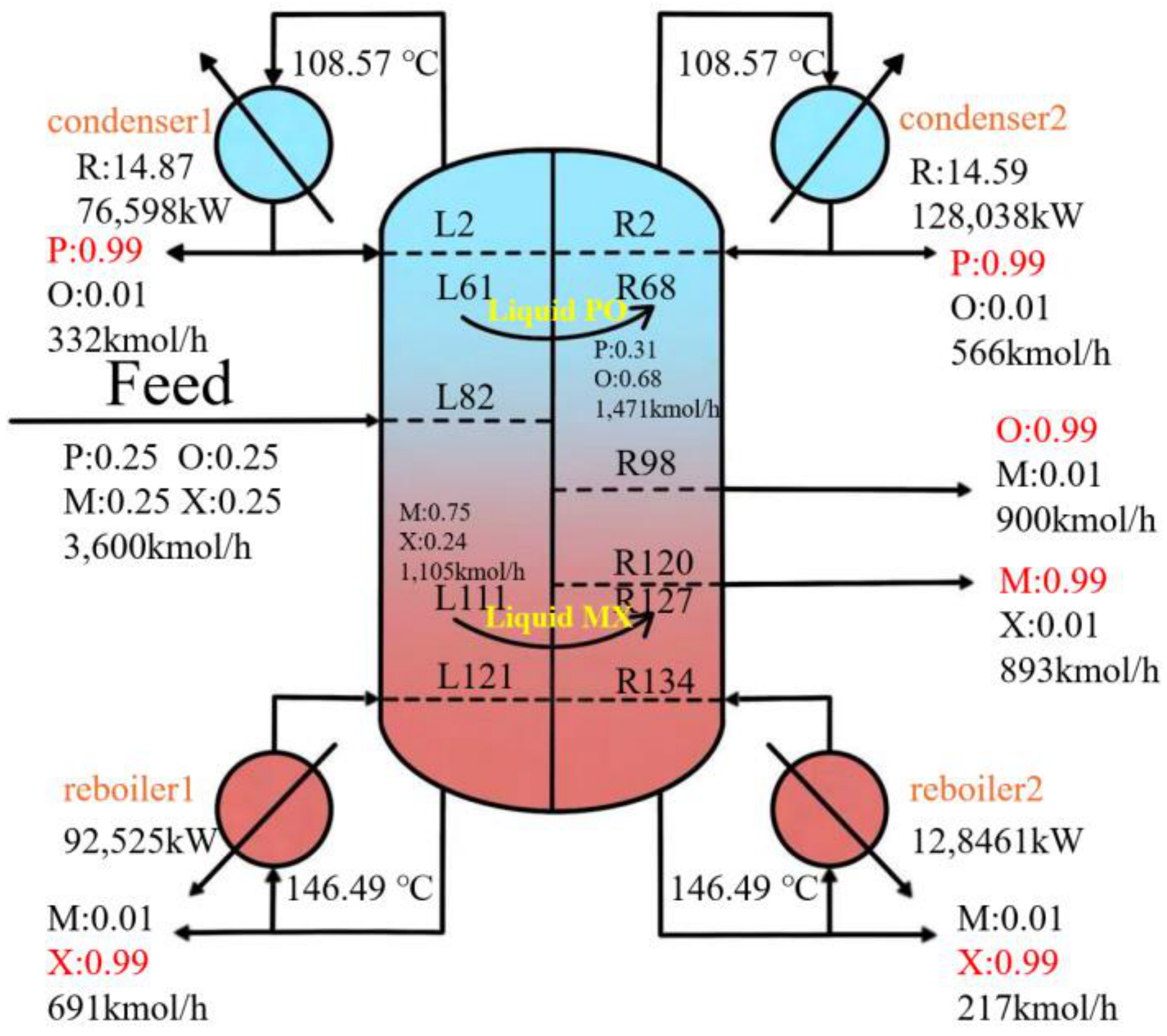
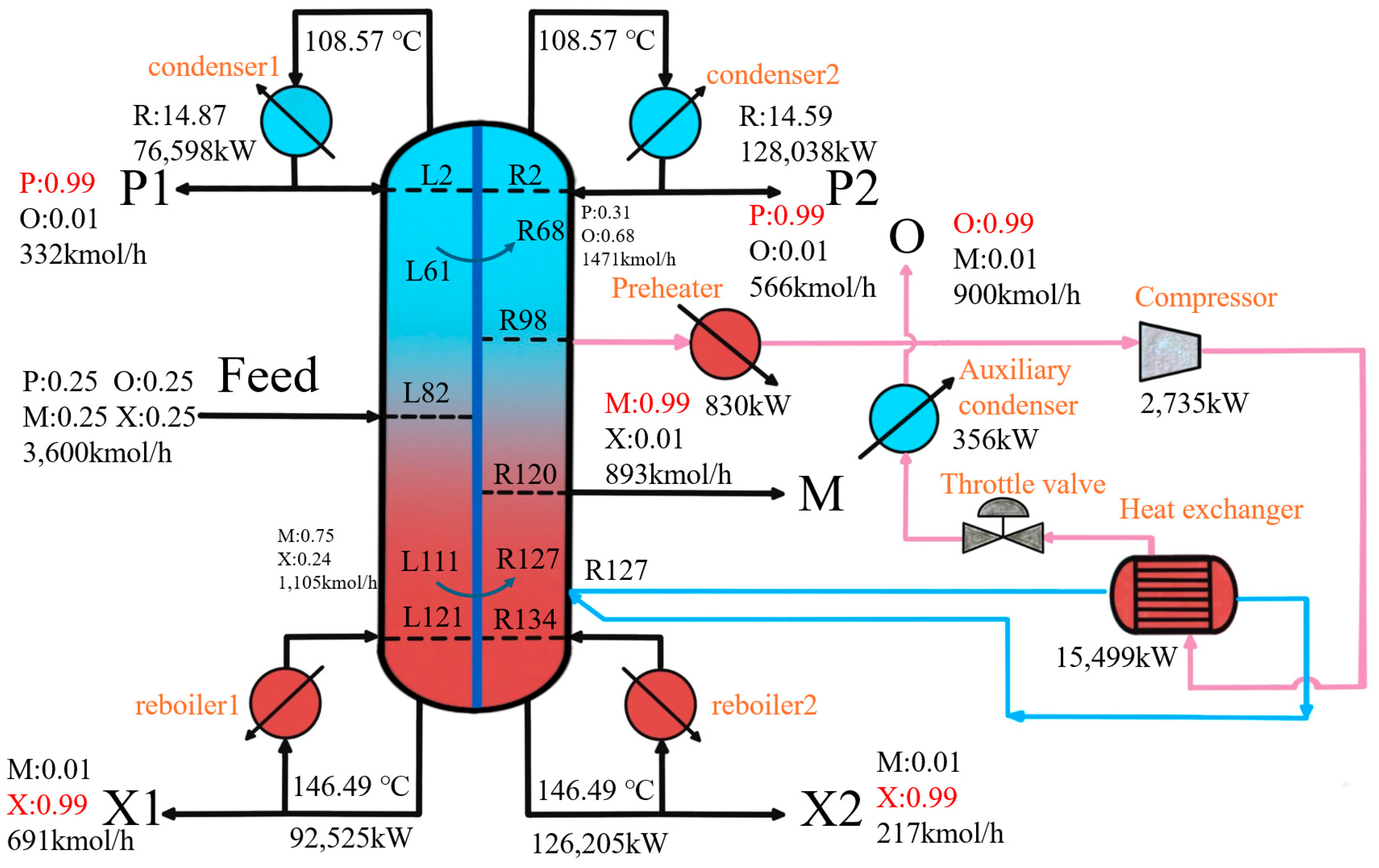
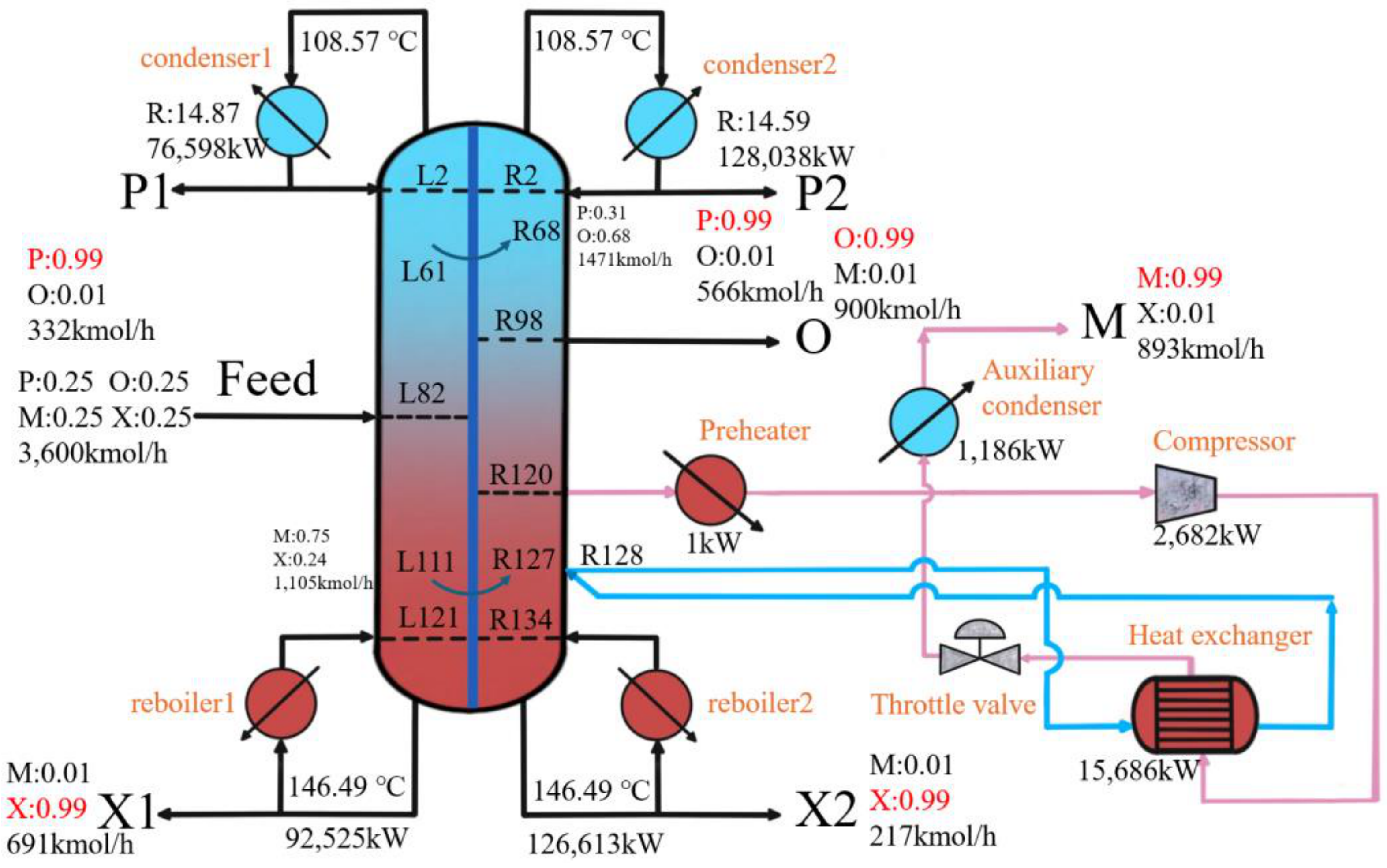
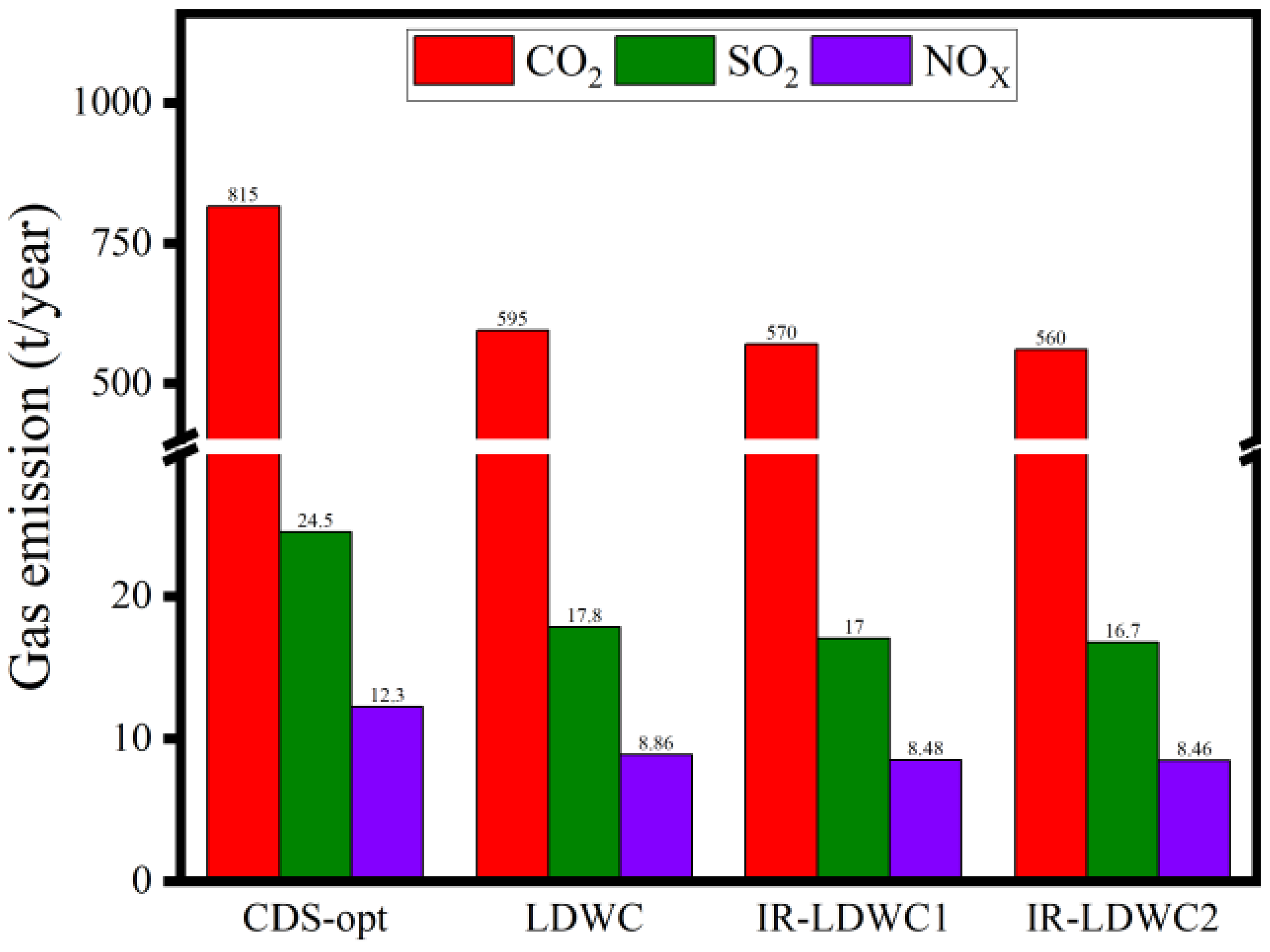
The liquid-only transfer dividing wall column (LDWC) eliminates the difficulty of controlling the vapor-phase distribution ratio; however, it involves numerous structural and operating parameters, resulting in high initialization difficulty and convergence challenges. This paper proposes a Matlab-SaDE-Aspen Plus (Aspen Plus V14) framework that reformulates the convergence problem through a multi-parameter simultaneous optimization approach, thereby enabling the efficient design of the LDWC. Building upon this framework, two intermediate reboiler intensification schemes (IR-LDWC1 and IR-LDWC2) are proposed based on CGCC analysis, and four key parameters are simultaneously optimized using the Matlab-SaDE-Aspen Plus framework to eliminate the cumulative errors inherent in independent sequential parameter optimization. The results indicate that, compared with conventional distillation sequences, the LDWC achieves reductions of 17.62% in total energy consumption, 19.35% in total annual cost, and 16.53% in CO2 emissions, with the most significant improvement observed in exergy efficiency. Among the intensified configurations, IR-LDWC2 exhibits the best overall performance, with total energy consumption, TAC, and CO2 emissions further reduced by 30.15%, 33.17%, and 31.24%, respectively.
Keywords: multicomponent distillation; liquid-only transfer dividing wall column; process intensification; self-adaptive differential evolution algorithm multicomponent distillation; liquid-only transfer dividing wall column; process intensification; self-adaptive differential evolution algorithm