



Advancing Open Science
A global leader in open access publishing, supporting research
communities and accelerating scientific discovery
 
18 pages, 1922 KB  
Article
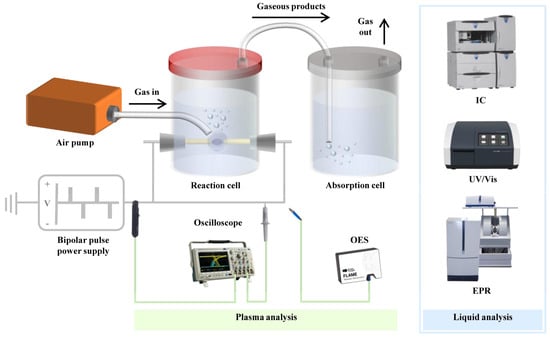
Selective Synthesis of Nitrite and Nitrate by Liquid-Phase Plasma Using a Dual-Cell: Role of Active Species
by Uijun Kim, Changhyeon Park and Seunghyo Lee
Processes 2026, 14(10), 1668; https://doi.org/10.3390/pr14101668 (registering DOI) - 21 May 2026
Abstract
Plasma-assisted nitrogen fixation has emerged as a promising strategy for sustainable nitrate production. However, the coexistence of multiple interfaces and complex multi-step reaction pathways within the plasma-liquid system often leads to the formation of mixed nitrogen species, posing a significant challenge for achieving [...] Read more.
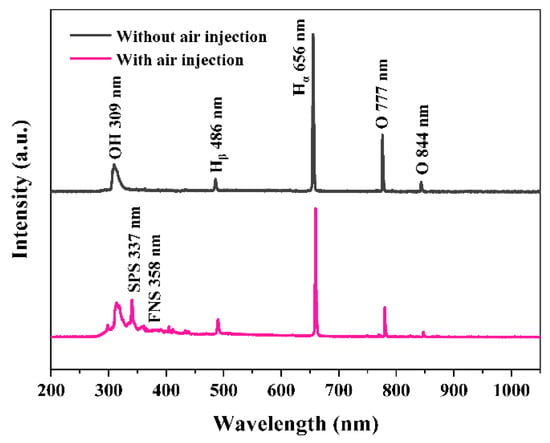
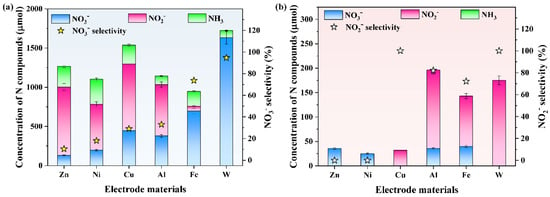
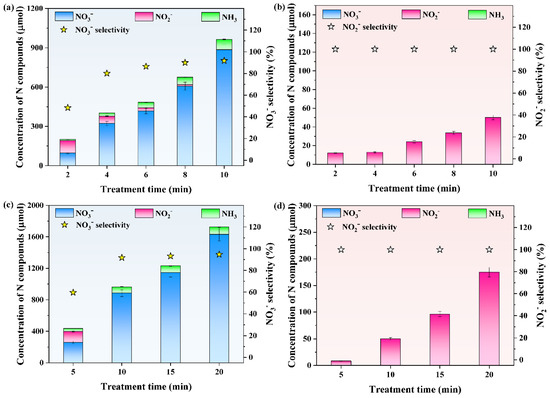
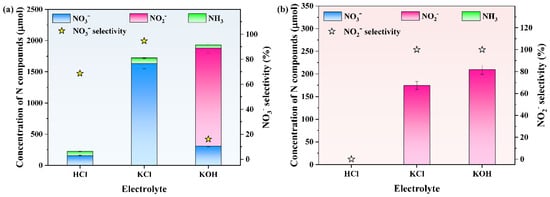
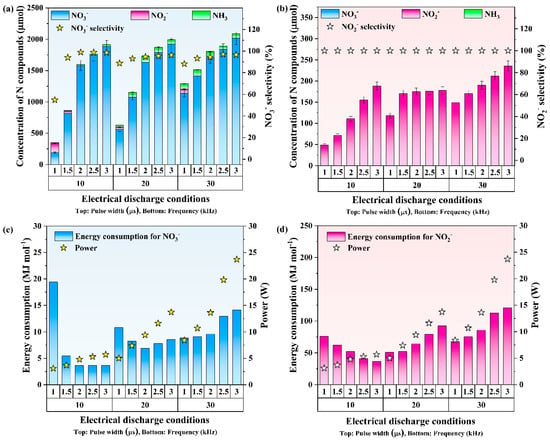
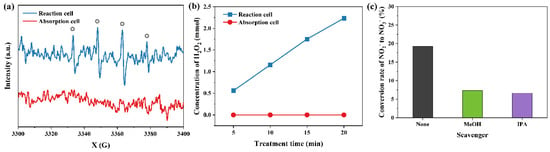
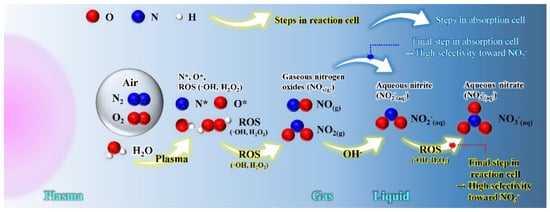
Plasma-assisted nitrogen fixation has emerged as a promising strategy for sustainable nitrate production. However, the coexistence of multiple interfaces and complex multi-step reaction pathways within the plasma-liquid system often leads to the formation of mixed nitrogen species, posing a significant challenge for achieving high product selectivity. In this study, a dual-cell reactor was introduced in liquid-phase plasma (LPP) system, enabling selective product distribution. Optical emission spectroscopy revealed pronounced signals corresponding to the second positive system (SPS) of N2 and the first negative system (FNS) of N2+, indicative of strong plasma excitation and ionization processes that facilitated the formation of reactive nitrogen oxide intermediates. These species were subsequently converted into aqueous NO2 and further oxidized into NO3 only in the reaction cell where reactive species are generated. The effects of key parameters, including electrode material, treatment time, solution pH, and discharge conditions, were comprehensively evaluated. As a result, the reaction cell achieved a nitrate selectivity of 98.9%, whereas the absorption cell achieved a nitrite selectivity of 100%. Findings from EPR and scavenger analyses collectively provide a detailed mechanistic understanding of LPP-driven nitrogen fixation and highlight the importance of controlling plasma parameters to achieve highly selective production of nitrogen compounds. Full article
(This article belongs to the Section Environmental and Green Processes)
Show Figures

Figure 1
25 pages, 719 KB  
Review
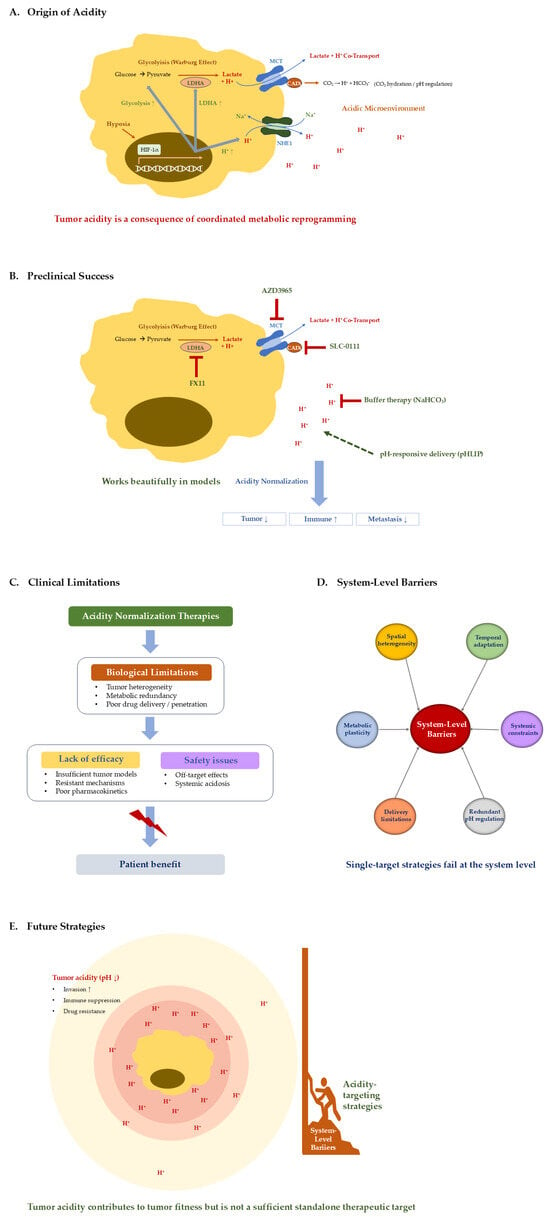
Why Targeting Tumor Acidity Fails: Translational Barriers and Emerging Solutions
by Kyung-Hee Kim and Byong Chul Yoo
Int. J. Mol. Sci. 2026, 27(10), 4623; https://doi.org/10.3390/ijms27104623 (registering DOI) - 21 May 2026
Abstract
Tumor acidity is a hallmark of the tumor microenvironment (TME) and has been widely regarded as a promising therapeutic target due to its ubiquity, functional relevance, and apparent selectivity for malignant tissues. Extensive preclinical studies have demonstrated that targeting tumor acidity—through inhibition of [...] Read more.
Tumor acidity is a hallmark of the tumor microenvironment (TME) and has been widely regarded as a promising therapeutic target due to its ubiquity, functional relevance, and apparent selectivity for malignant tissues. Extensive preclinical studies have demonstrated that targeting tumor acidity—through inhibition of lactate production, blockade of proton transport, systemic buffering, and pH-responsive drug delivery—can suppress tumor growth, reduce metastasis, and enhance antitumor immunity. However, despite strong mechanistic rationale and consistent preclinical efficacy, these strategies have failed to achieve meaningful and durable clinical success. In this review, we examine the underlying reasons for this translational discrepancy. We highlight key mechanistic and systemic barriers, including spatial heterogeneity of tumor pH, temporal dynamics and adaptive evolution, metabolic plasticity, redundancy of pH-regulating systems, systemic physiological constraints, and drug delivery limitations in hypoxic and acidic regions. We further argue that tumor acidity is not a sufficient standalone driver of tumor progression but rather a feature of a complex and adaptive system shaped by metabolic and microenvironmental interactions. Finally, we discuss emerging strategies that may overcome these limitations, including combination therapies integrating metabolic targeting with immunotherapy, pH-responsive drug delivery systems, microenvironment reprogramming, and biomarker-guided patient stratification. Overall, current evidence suggests that future therapeutic approaches may benefit more from exploiting tumor acidity as a feature of the tumor microenvironment rather than attempting to directly neutralize it. Full article
(This article belongs to the Special Issue Tumor Markers and Tumor Microenvironment)
Show Figures

Figure 1
23 pages, 4001 KB  
Article
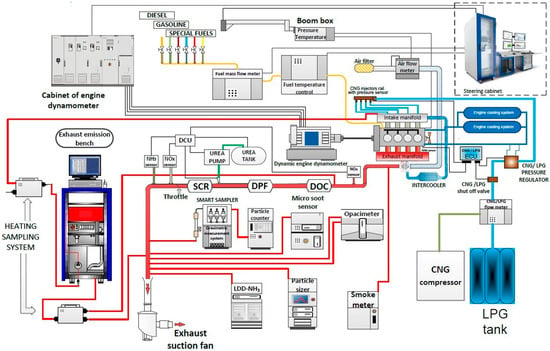
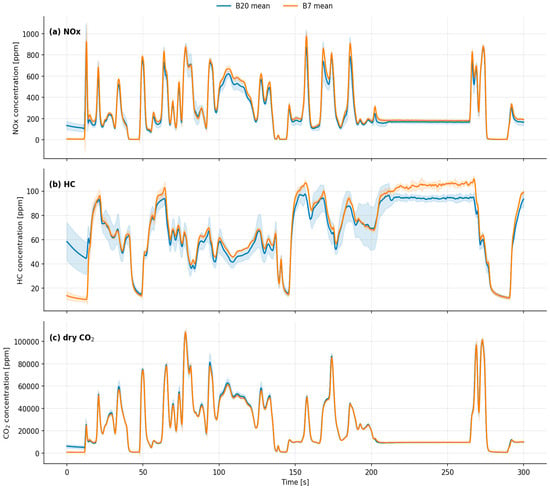
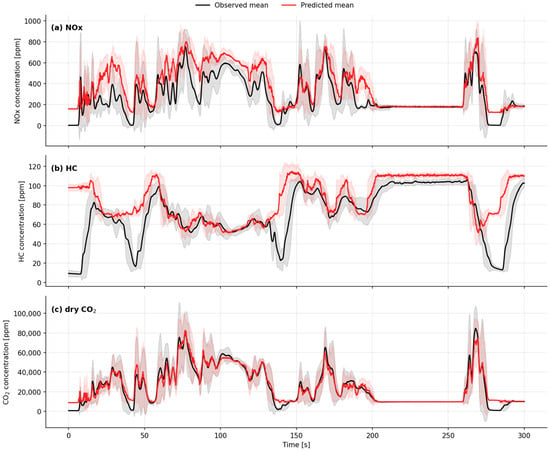
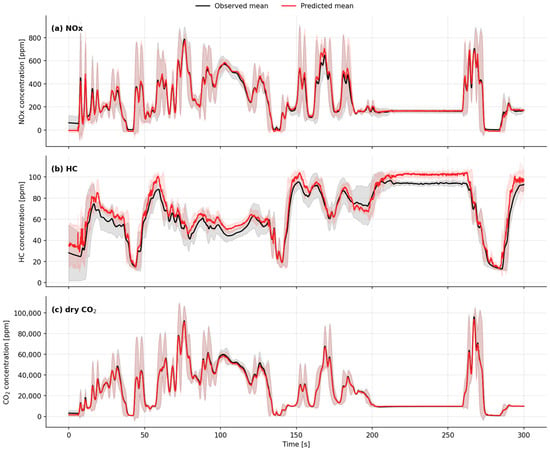
Data-Driven Tailpipe Emission Prediction for Heavy-Duty Diesel Engines During B7–B20 Fuel Transition
by Anna Borucka, Mariusz Klimas, Jerzy Merkisz and Adam Sordyl
Energies 2026, 19(10), 2471; https://doi.org/10.3390/en19102471 (registering DOI) - 21 May 2026
Abstract
The use of biodiesel blends in heavy-duty diesel engines changes the relationship between engine operating conditions, fuel properties, and exhaust emissions, which may limit the reliability of data-driven emission models trained under a single fuel condition. This study investigates the cross-fuel transferability of [...] Read more.
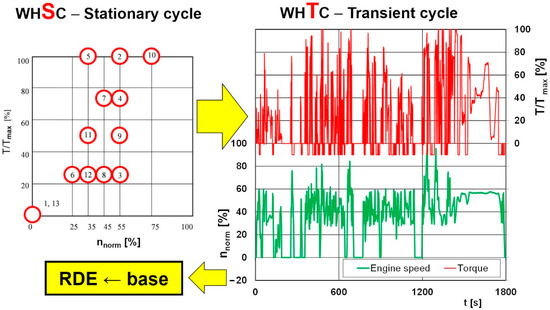
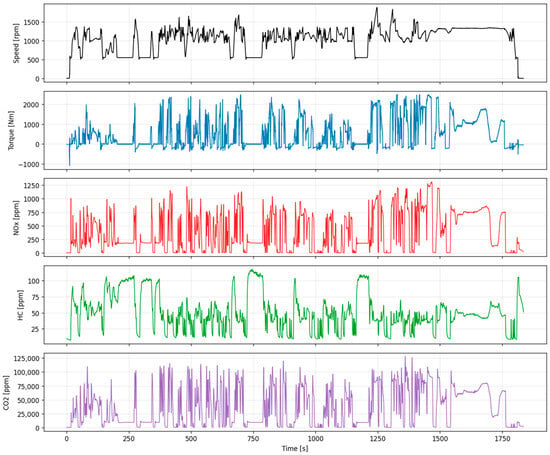
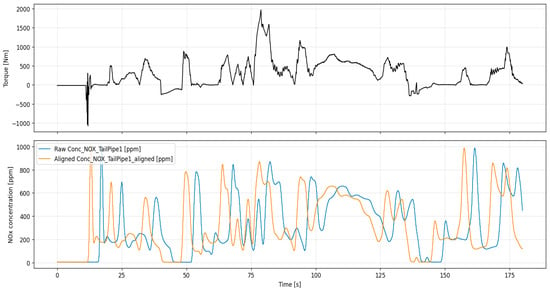
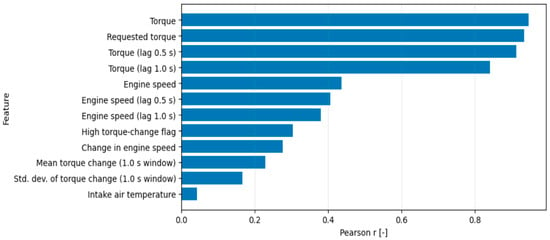
The use of biodiesel blends in heavy-duty diesel engines changes the relationship between engine operating conditions, fuel properties, and exhaust emissions, which may limit the reliability of data-driven emission models trained under a single fuel condition. This study investigates the cross-fuel transferability of virtual emission sensors for a heavy-duty diesel engine operating on B7 and B20 fuel blends. The analysis was carried out for three target signals: nitrogen oxides concentration, hydrocarbon concentration, and dry carbon dioxide concentration, using data from the World Harmonized Transient Cycle (WHTC) and World Harmonized Stationary Cycle (WHSC) tests. A structured modelling workflow was developed, including signal time alignment, construction of baseline, dynamic, and memory-based features, feature selection, and separate evaluation scenarios: within-domain, cross-cycle, and cross-fuel transfer. Three tree-based regression algorithms were compared: Random Forest (RF), Histogram-Based Gradient Boosting (HGB), and Extreme Gradient Boosting (XGBoost). XGBoost achieved the best predictive performance in the source domain and was selected as the reference model. The results showed that a change in cycle characteristics led to a significant decrease in predictive performance, whereas the transition from B7/WHTC to B20/WHTC resulted in a clearly smaller drop in the evaluation metrics. The relationship between engine operating signals and emission response remained partially transferable across fuels. The highest stability was observed for carbon dioxide, intermediate stability for nitrogen oxides, and the lowest stability for hydrocarbons. The findings support the development of robust data-driven virtual sensing methods for emission monitoring and calibration of heavy-duty diesel engines operating with biodiesel blends. Full article
(This article belongs to the Section I2: Energy and Combustion Science)
Show Figures

Figure 1
17 pages, 2012 KB  
Article
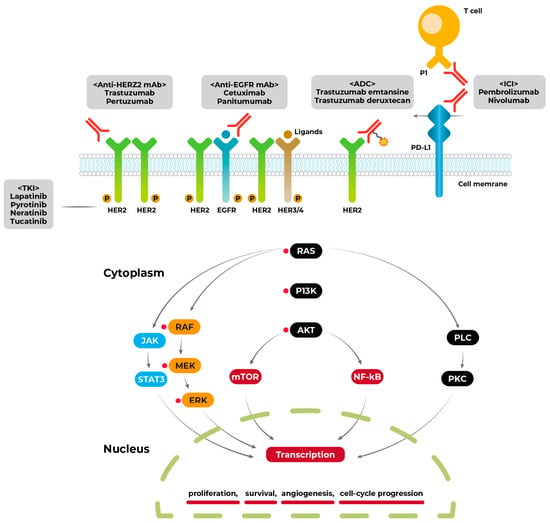
Prognostic and Treatment-Specific Predictive Implications of HER2 Expression in RAS Wild-Type Metastatic Colorectal Cancer: A Multicenter Retrospective Real-World Study
by Özlem Özdemir, Damla Günenç, Halil Taşkaynatan, Pınar Peker, Emir Gökhan Kahraman, Sedat Biter, Semra Paydaş, Tuğba Önder, Öztürk Ateş, Muhammed Muhiddin Er, Murat Araz, Ahmet Melih Arslan, Hüseyin Salih Semiz, Nilüfer Avcı, İzzet Doğan, Akif Doğan, Teoman Şakalar, Timur Köse, Asuman Argon, Enver İlhan, Başak Doğanavşargil Yakut, Murat Sezak and Bülent Karabulutadd Show full author list remove Hide full author list
J. Clin. Med. 2026, 15(10), 3979; https://doi.org/10.3390/jcm15103979 (registering DOI) - 21 May 2026
Abstract
Background: Human epidermal growth factor receptor 2 (HER2) alterations have been implicated as mechanisms of resistance to anti-epidermal growth factor receptor (anti-EGFR) therapy in metastatic colorectal cancer (mCRC). We aimed to evaluate the predictive and prognostic significance of HER2 expression in patients with [...] Read more.
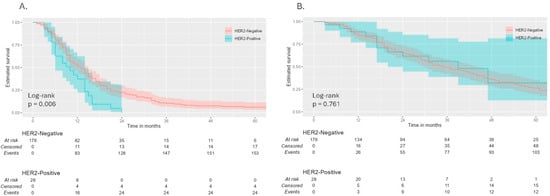
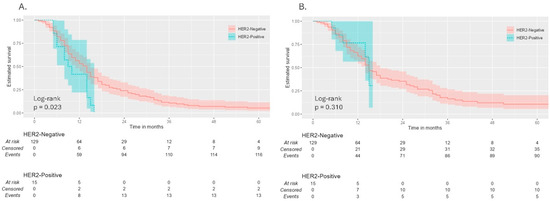
Background: Human epidermal growth factor receptor 2 (HER2) alterations have been implicated as mechanisms of resistance to anti-epidermal growth factor receptor (anti-EGFR) therapy in metastatic colorectal cancer (mCRC). We aimed to evaluate the predictive and prognostic significance of HER2 expression in patients with RAS wild-type mCRC in a real-world setting. Methods: We conducted a multicenter retrospective cohort study across ten oncology centers in Turkey, including patients with RAS wild-type mCRC treated between 2015 and 2022. Clinical outcomes, including progression-free survival (PFS) and overall survival (OS), were compared between HER2-positive and HER2-negative groups. Multivariable Cox proportional hazards models were used to identify independent predictors of survival outcomes. Results: Among 204 patients, 28 (13.7%) were HER2-positive. Baseline characteristics were generally comparable; however, HER2-positive patients showed a trend toward higher-grade tumors and were significantly less likely to receive anti-EGFR therapy. HER2-positive patients had significantly shorter PFS compared to HER2-negative patients (median 10 vs. 13 months; p = 0.006). In multivariable analysis, HER2 positivity remained an independent predictor of shorter PFS (HR 1.76, 95% CI 1.01–3.07; p = 0.045). In the subgroup of 144 patients receiving anti-EGFR therapy, HER2-positive patients also demonstrated significantly shorter PFS (median 9.0 vs. 14.0 months; p = 0.023). No significant differences in OS were observed between groups. Conclusions: HER2 positivity is associated with reduced response to anti-EGFR therapy and independently predicts shorter PFS in patients with RAS wild-type mCRC. These findings further support the role of HER2 as a clinically relevant biomarker in RAS wild-type mCRC, particularly in predicting response to anti-EGFR therapy, while highlighting the need for optimized patient selection strategies in the era of HER2-targeted treatments. Full article
(This article belongs to the Section Oncology)
Show Figures

Figure 1
21 pages, 4449 KB  
Article
Effects of Dietary Salvia sclarea L. Extract Supplementation on the Gut Microbiota, and Serum Metabolome in Lambs
by Xiaoling Ma, Shanshan Nan, Li Zhang, Yuyang Xue and Wenju Zhang
Microorganisms 2026, 14(5), 1163; https://doi.org/10.3390/microorganisms14051163 (registering DOI) - 21 May 2026
Abstract
Salvia sclarea L. extract contains various bioactive components such as flavonoids and fatty acids, exhibiting anti-inflammatory, antioxidant, and antibacterial properties. This study aimed to investigate the effects of Salvia sclarea L. extract on the gut microbiota and serum metabolome in lambs. Sixty 2-month-old [...] Read more.
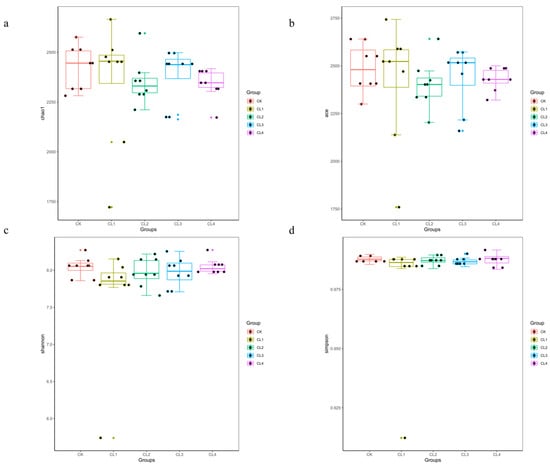
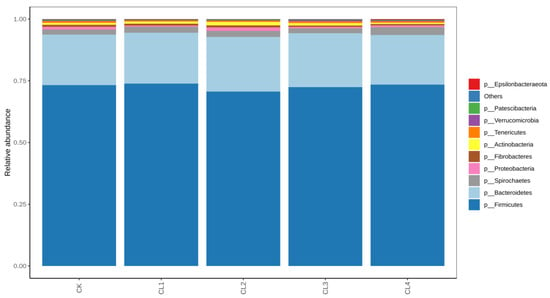
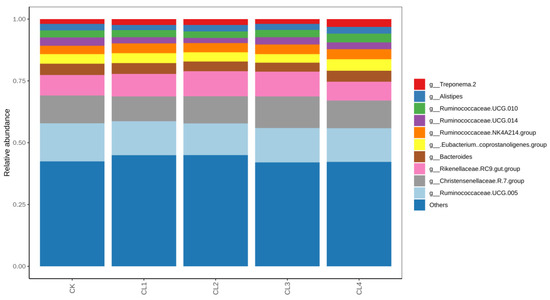
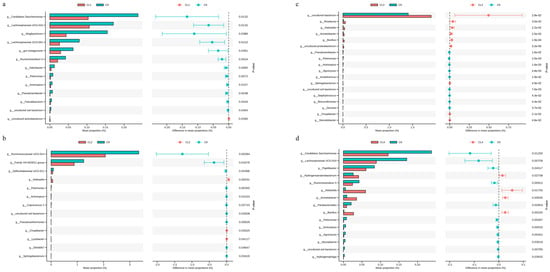
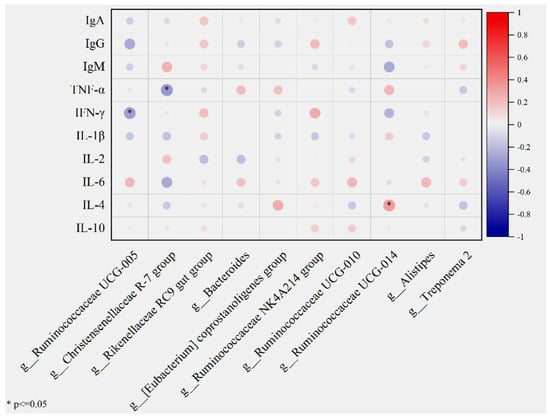
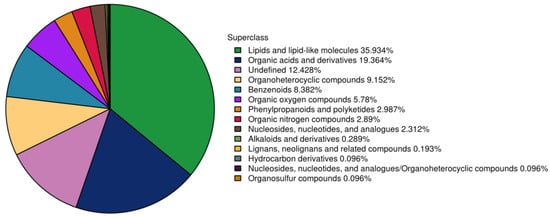
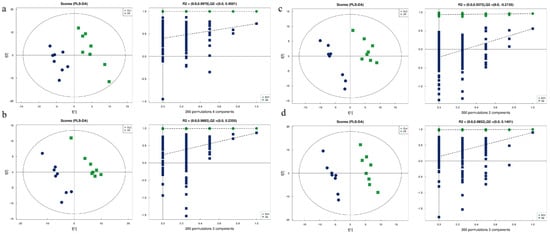
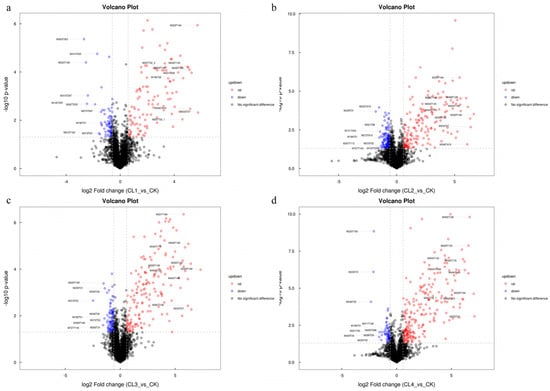
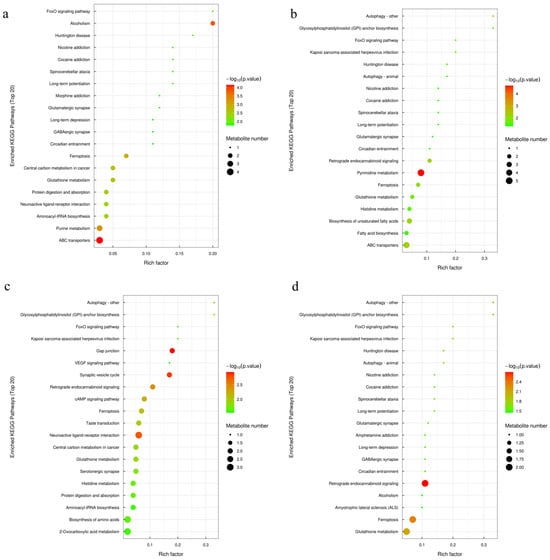
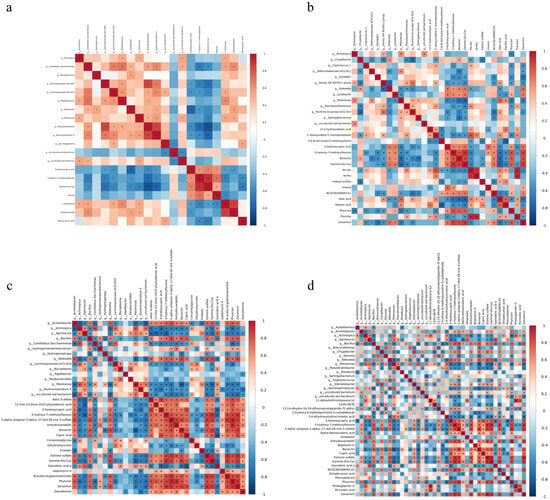
Salvia sclarea L. extract contains various bioactive components such as flavonoids and fatty acids, exhibiting anti-inflammatory, antioxidant, and antibacterial properties. This study aimed to investigate the effects of Salvia sclarea L. extract on the gut microbiota and serum metabolome in lambs. Sixty 2-month-old Chinese Merino female lambs (body weight 20 ± 2 kg) were randomly assigned to five groups. The control (CK) group received the basal diet only, while the treatment groups received the basal diet supplemented with 0.04 mL/kg (CL1), 0.08 mL/kg (CL2), 0.12 mL/kg (CL3), and 0.16 mL/kg (CL4) of Salvia sclarea L. extract, respectively. The results showed that Firmicutes, Bacteroidetes, Spirochaetes, and Proteobacteria were identified as the dominant phyla across all groups (>90%). Compared with the CK group, CL1 and CL2 groups significantly reduced the relative abundance of Tenericutes (decreased by 38.2% and 32.9%, respectively, p < 0.05); the relative abundance of Patescibacteria in the CL1 group was significantly lower (decreased by 55.2%, p < 0.05). At the genus level, Ruminococcaceae constituted a substantial proportion, including Ruminococcaceae UCG-005, UCG-010, UCG-014, and NK4A214 group. STAMP analysis revealed that Klebsiella was significantly enriched in CL2, CL3, and CL4 groups compared to the CK group (p < 0.05). Correlation analysis between microbiota and immune indices showed that Christensenellaceae R-7 group was significantly negatively correlated with TNF-α (p < 0.05); Ruminococcaceae UCG-005 was significantly negatively correlated with IFN-γ (p < 0.05) and showed a negative correlation trend with immunoglobulins (IgA, IgG, IgM). Conversely, Ruminococcaceae UCG-014 was significantly positively correlated with IL-4 (p < 0.05) but showed a negative correlation trend with IgM. Untargeted metabolomics analysis identified 8, 18, 25, and 20 differential metabolites in CL1, CL2, CL3, and CL4 groups, respectively. Notably, 3-hydroxy-7-methoxyflavone and Gamma-Glu-Cys were significantly upregulated across all treatment groups. KEGG pathway enrichment analysis indicated that these differential metabolites were primarily involved in nucleotide metabolism, fatty acid biosynthesis, and oxidative stress-related pathways. Further Spearman correlation analysis revealed significant associations between gut microbiota and differential metabolites. Specifically, g_Klebsiella was significantly positively correlated with 3-Hydroxycapric acid and 3-hydroxy-7-methoxyflavone (p < 0.05). In conclusion, Salvia sclarea L. extract modulates host energy metabolism by regulating nucleotide metabolism and fatty acid biosynthesis, and enhances immune function by alleviating oxidative stress, through the remodeling of gut microbiota and serum metabolome. Full article
(This article belongs to the Special Issue Effects of Diet and Nutrition on Gut Microbiota)
Show Figures

Figure 1
23 pages, 5490 KB  
Article
Effect of Tooth Count and Rim Thickness on the Operational Durability of Cylindrical Involute Gears
by Milan Perkušić, Stipe Pleština, Vjekoslav Tvrdić and Karlo Dvornik
Appl. Mech. 2026, 7(2), 45; https://doi.org/10.3390/applmech7020045 (registering DOI) - 21 May 2026
Abstract
This paper presents a numerical assessment of bending-fatigue durability in the tooth root region of cylindrical involute gears. Multiple gear pairs were modelled with different numbers of teeth and varying gear rim thicknesses. The generated geometry was implemented in the ANSYS 2025 R2 [...] Read more.
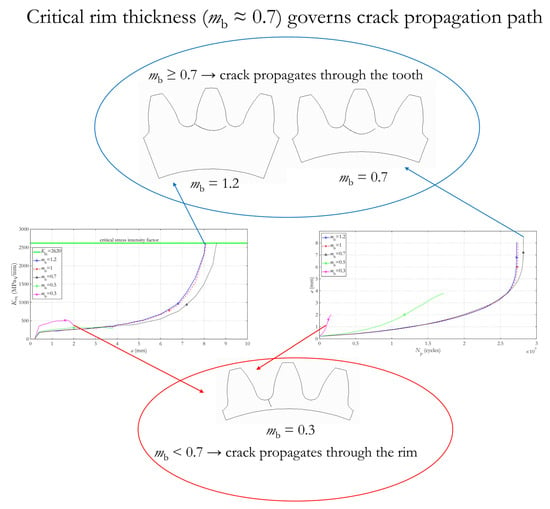
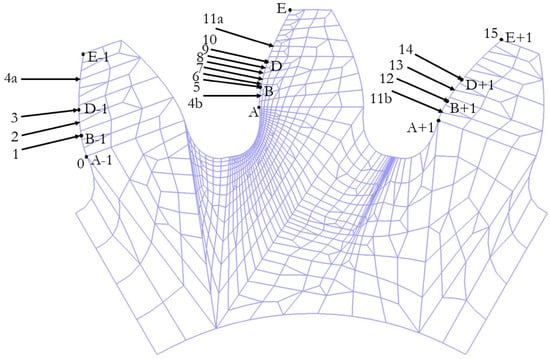
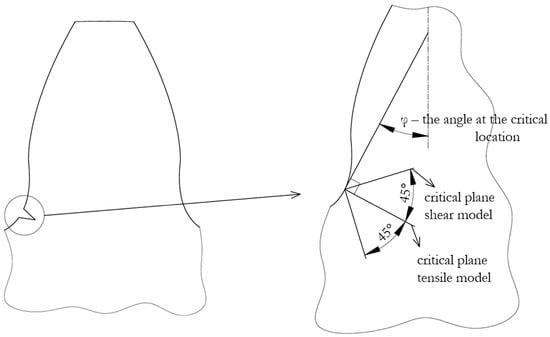
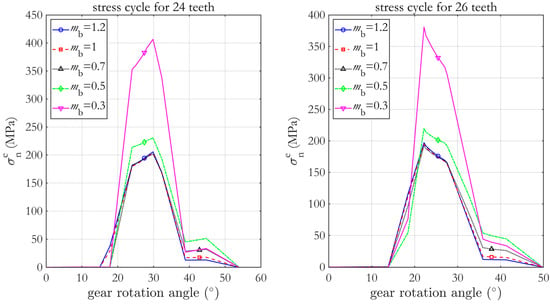
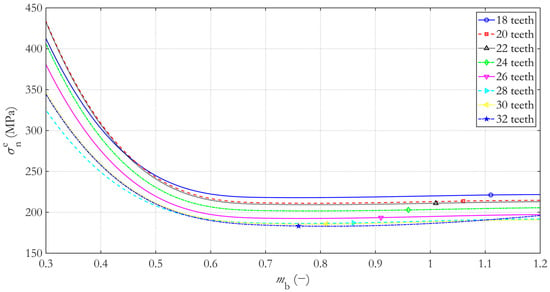
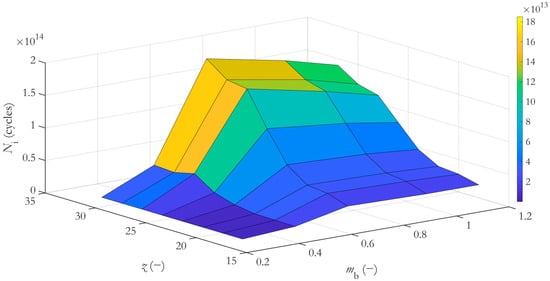
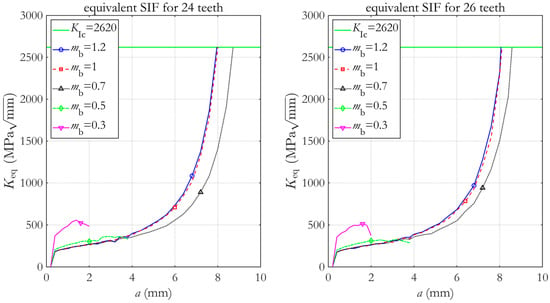
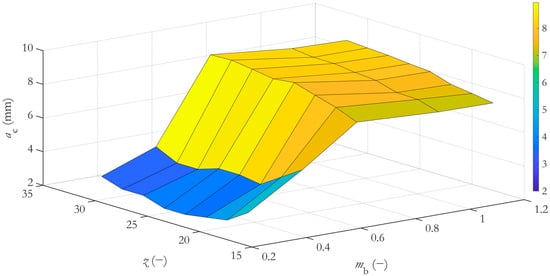
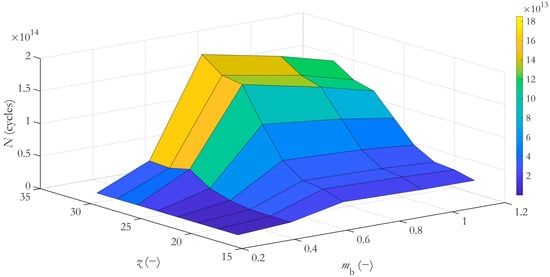
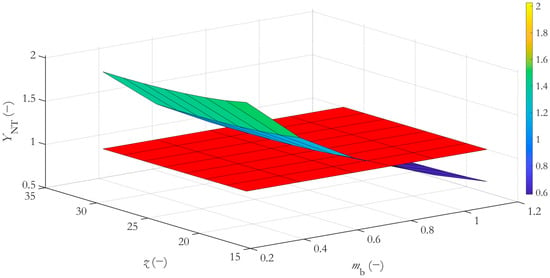
This paper presents a numerical assessment of bending-fatigue durability in the tooth root region of cylindrical involute gears. Multiple gear pairs were modelled with different numbers of teeth and varying gear rim thicknesses. The generated geometry was implemented in the ANSYS 2025 R2 software suite, where the maximum normal stresses at critical locations in the tooth root region were determined through numerical simulation. A deformation-based method derived from Socie’s models was applied to estimate the duration of the phase leading up to fatigue crack formation in terms of load cycle accumulation. The gear geometry, together with the generated finite element mesh, was transferred to the FRANC2D/L version 4 software suite, where fatigue crack propagation was numerically simulated. Numerical analysis provided effective stress intensity factors, which then enabled an estimation of the number of load cycles required for an initiated crack to grow to the critical length associated with tooth failure. The total fatigue life in the tooth root region was evaluated as the sum of load cycles in the crack initiation phase and the crack propagation phase up to the critical crack length. The results show that all analysed factors exhibit very high resistance to fatigue fractures in the tooth root region. Furthermore, for gears with a rim thickness ratio greater than 0.7, the fatigue crack propagates through the tooth and reaches the fracture toughness limit of the material (KIc), whereas for lower rim thickness ratios, crack propagation occurs through the gear rim itself. Full article
Show Figures

Graphical abstract

21 pages, 26356 KB  
Article
Fringe-Enhanced Phase Unwrapping Method Based on an Iterative Bayes–Sard Quadrature Kalman Filter
by Mingsi Lin, Xiangzhen Zeng and Xiaomao Chen
Remote Sens. 2026, 18(10), 1661; https://doi.org/10.3390/rs18101661 (registering DOI) - 21 May 2026
Abstract
Phase unwrapping plays a vital role in interferometric synthetic aperture radar (InSAR) processing. However, the presence of noise can introduce inconsistencies in phase discontinuities, giving rise to residue points that may cause unwrapping errors. To address this challenge, this paper for the first [...] Read more.
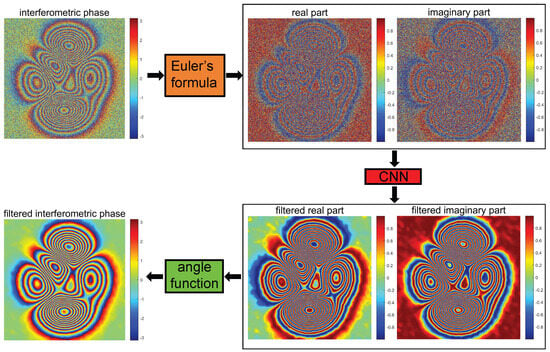
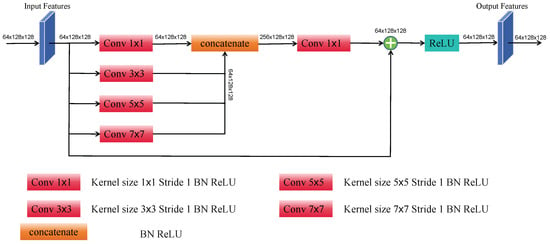
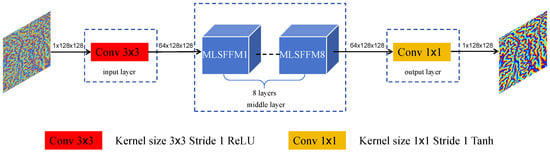
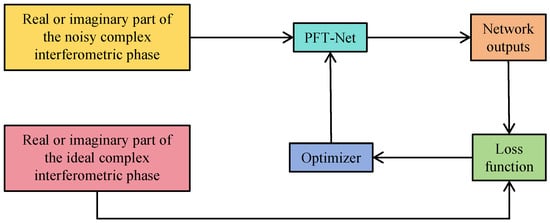
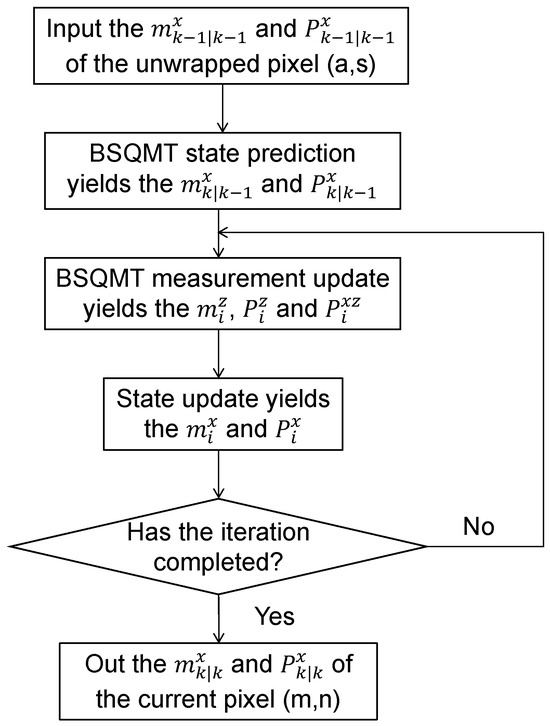
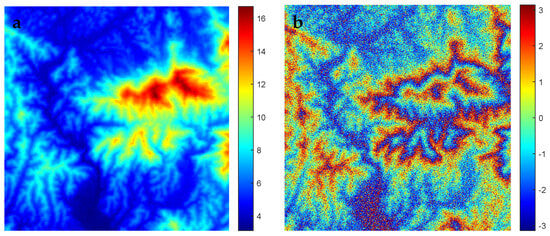
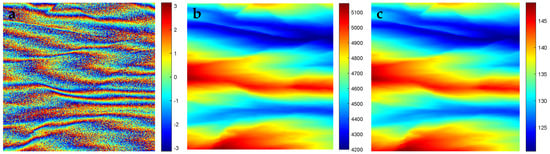
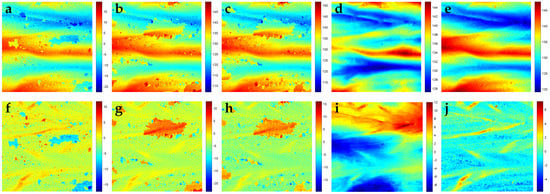
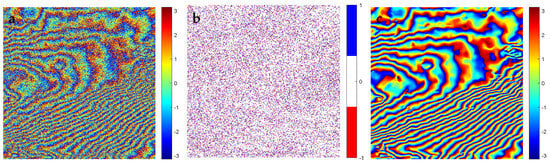
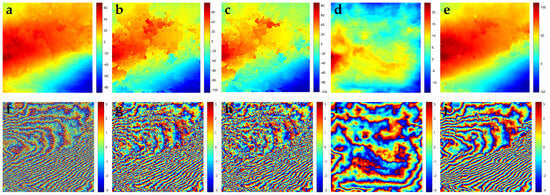
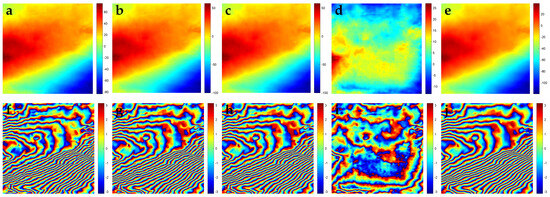
Phase unwrapping plays a vital role in interferometric synthetic aperture radar (InSAR) processing. However, the presence of noise can introduce inconsistencies in phase discontinuities, giving rise to residue points that may cause unwrapping errors. To address this challenge, this paper for the first time applies the Bayes–Sard quadrature transform to the phase unwrapping problem and proposes an iterative Bayes–Sard quadrature Kalman filter phase unwrapping method (IBSQKF). In contrast to the conventional unscented Kalman filter algorithm, the Bayes–Sard moment transform can quantify the additional uncertainty introduced by quadrature errors. Through integration with the proposed iterative strategy, it enables more accurate calibration of state estimation and effectively reduces the root mean square error. To further enhance unwrapping accuracy, a multi-level and multi-scale feature fusion neural network (PFTNet) is developed as a pre-filtering module to independently process the real and imaginary components of the complex interferometric phase representation, which can effectively enhance the clarity of the interferometric fringes. By integrating PFTNet with IBSQKF, a complete phase unwrapping framework (PFT-IBSQKF) is constructed to further improve unwrapping accuracy. Experiments on both simulated and real data demonstrate that IBSQKF can reliably restore phase continuity, while PFT-IBSQKF can further reduce unwrapping errors, especially in low signal-to-noise-ratio or fringe-blurred scenarios. Despite the introduction of the iterative strategy, the proposed framework still maintains an acceptable computational cost while achieving high unwrapping accuracy. Full article
Show Figures

Figure 1
20 pages, 1055 KB  
Review
Targeting Microglia–Neuron Crosstalk to Regulate Neuronal Excitability: Novel Translational Approaches for Chronic Pain Intervention
by Zhenzhen Xu, Yong Lv, Shiqiang Chen and Qingping Wu
Int. J. Mol. Sci. 2026, 27(10), 4622; https://doi.org/10.3390/ijms27104622 (registering DOI) - 21 May 2026
Abstract
Chronic pain is a complex and widespread pathological state that severely impairs the quality of life of millions worldwide and imposes a heavy socioeconomic burden. Current therapeutic regimens often fail to provide adequate relief, frequently accompanied by dose-limiting side effects. Emerging evidence suggests [...] Read more.
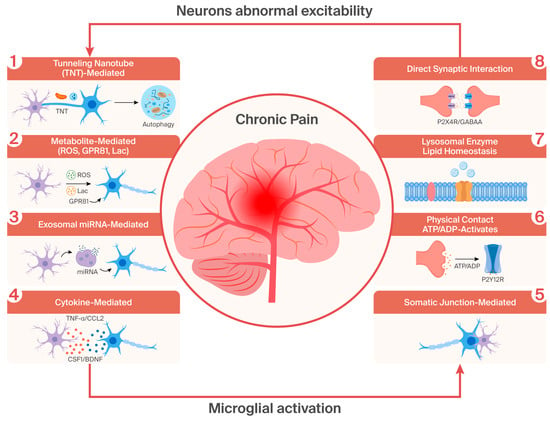
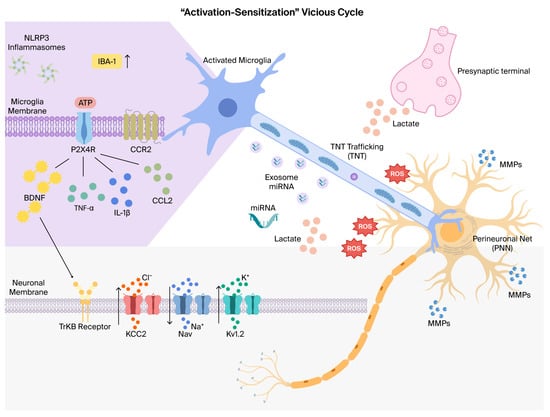
Chronic pain is a complex and widespread pathological state that severely impairs the quality of life of millions worldwide and imposes a heavy socioeconomic burden. Current therapeutic regimens often fail to provide adequate relief, frequently accompanied by dose-limiting side effects. Emerging evidence suggests that the bidirectional crosstalk between microglia and neurons plays a fundamental role in the development and maintenance of chronic pain. This interaction contributes to central sensitization and enhanced neuronal excitability. This review elucidates the molecular mechanisms underlying microglia–neuron communication. with particular emphasis on its modulation of neuronal excitability. We also discuss innovative translational strategies such as gene therapy, cell therapy, and nanomedicine. Modulating these neuroimmune interfaces represents a promising frontier for developing more precise and efficacious analgesic interventions. Full article
(This article belongs to the Topic Research in Pharmacological Therapies, 2nd Edition)
Show Figures

Figure 1
25 pages, 17733 KB  
Article
Spatio-Temporal Variability of Macrobenthic Assemblages and Ecological Status of a Tropical River-Estuarine System: A Multi-Model Approach
by Mahbubur Rahman, Md. Shafawat Hossain, Mohammad Maruf Adnan Chowdhury, M Akram Ullah, Md. Maheen Mahmud Bappy, Bilal Ahamad Paray, Takaomi Arai, Md. Abu Noman and M. Belal Hossain
Diversity 2026, 18(5), 310; https://doi.org/10.3390/d18050310 (registering DOI) - 21 May 2026
Abstract
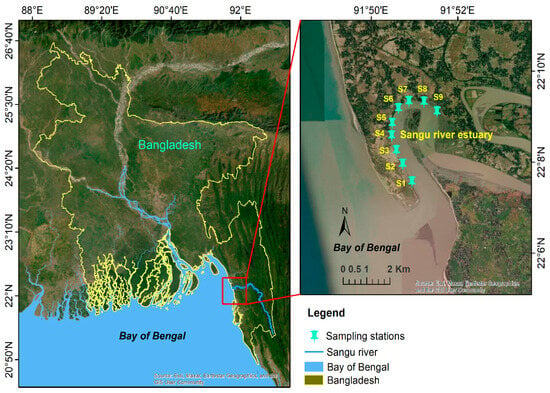
Tropical estuaries are highly productive yet increasingly threatened by natural and anthropogenic pressures, necessitating robust ecological assessments for sustainable management. This study assesses the spatio-seasonal distribution of macrobenthic assemblages and evaluates the ecological health of the Sangu River estuary based on their bioindicator [...] Read more.
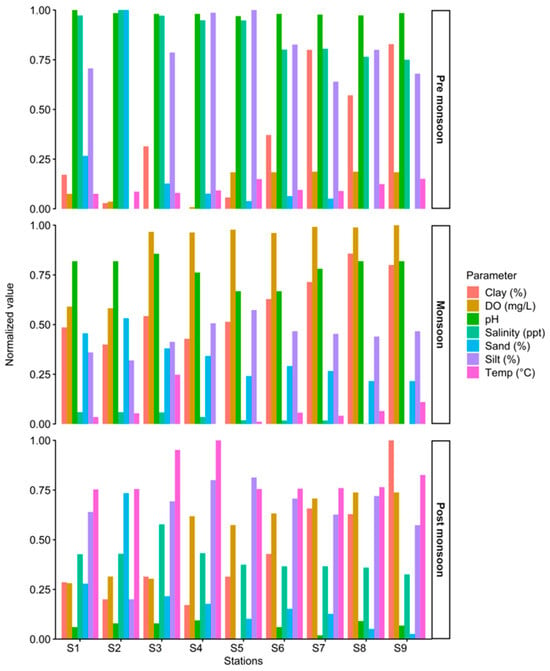
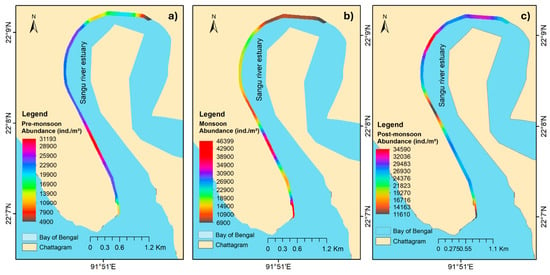
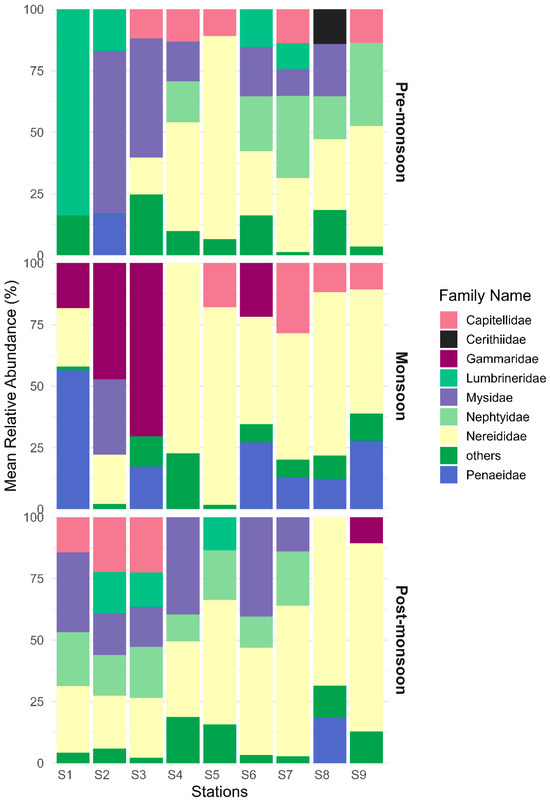
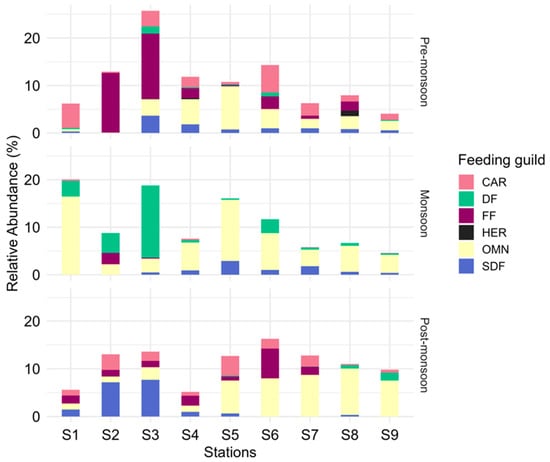
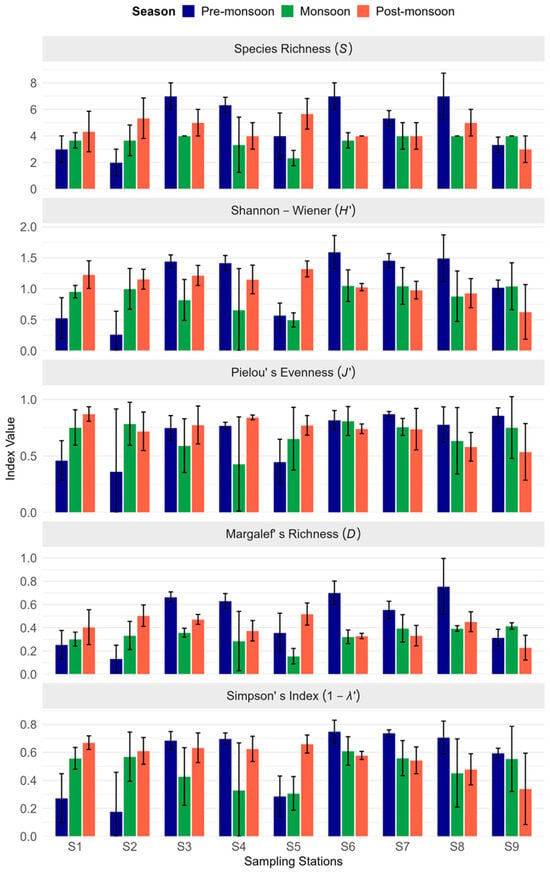
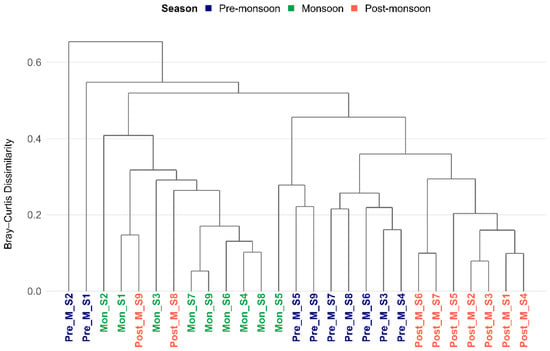
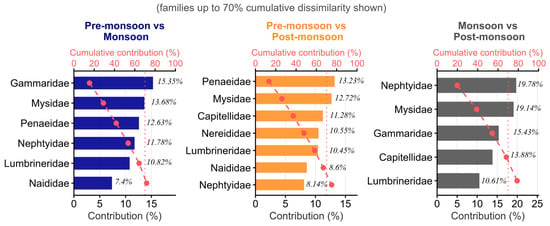
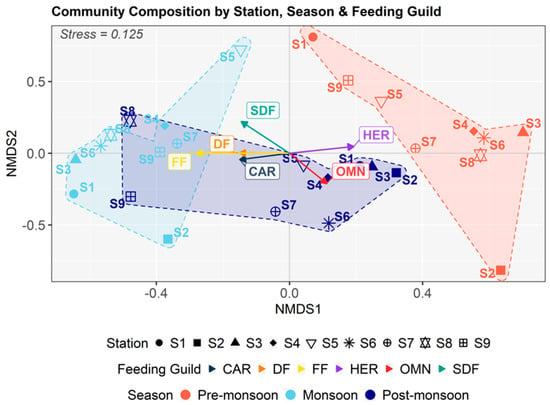
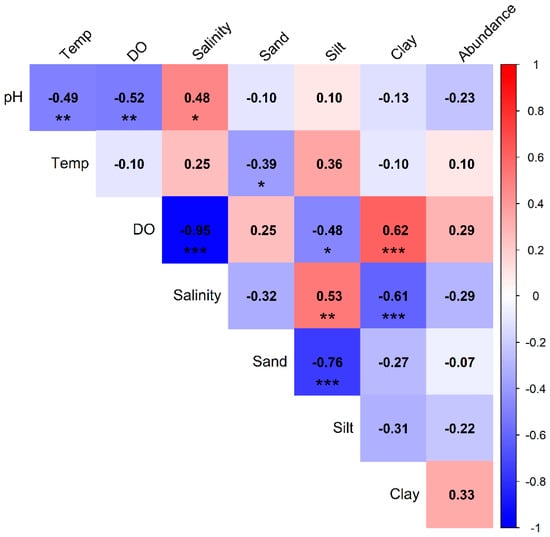
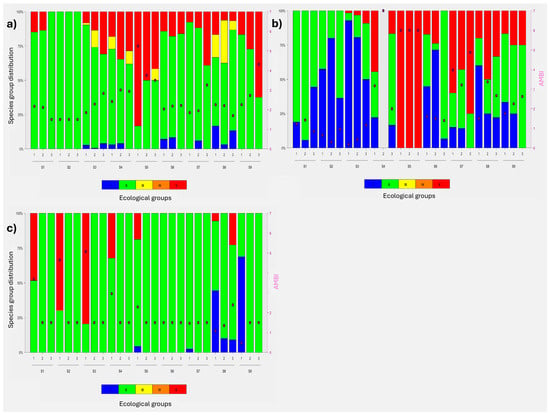
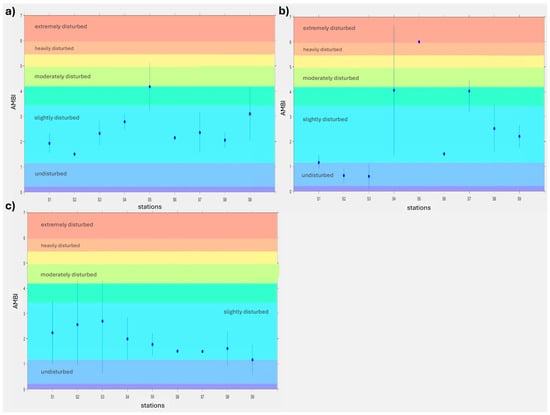
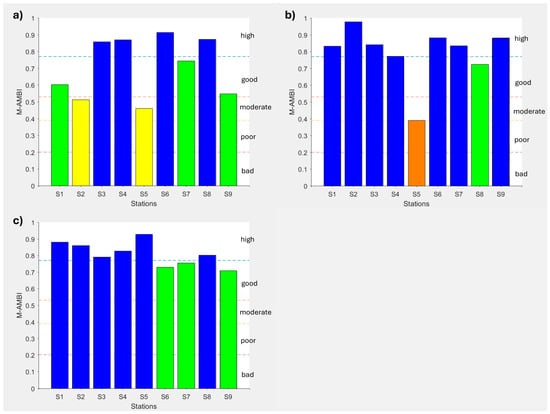
Tropical estuaries are highly productive yet increasingly threatened by natural and anthropogenic pressures, necessitating robust ecological assessments for sustainable management. This study assesses the spatio-seasonal distribution of macrobenthic assemblages and evaluates the ecological health of the Sangu River estuary based on their bioindicator potential. Sediment samples for macrobenthos analysis were collected during three seasons (pre-monsoon, monsoon, and post-monsoon) from nine stations across three estuarine zones influenced by sedimentation, aquaculture, and terrestrial runoff. We employed microbenthic diversity indices, multivariate analyses, the AZTI’s Marine Biotic Index (AMBI), and multivariate-AMBI (M-AMBI) to evaluate the ecological health status of the study area. Our study recorded 13 taxa, dominated by Nereididae (40.90%), Mysidae (14.29%), and Capitellidae (10.20%). Macrobenthos diversity (Shannon diversity) ranged from 0.80 to 1.22, and abundance showed negative correlations with salinity (r = −0.29) and silt (r = −0.22), and a positive correlation with dissolved oxygen (r = 0.29). Analysis of Similarities (ANOSIM) indicated that seasonal variation was the primary driver of community structure (p < 0.001). AMBI classified most stations as having good to moderate ecological status, while M-AMBI indicated moderate disturbance across seasons, with elevated proportions of opportunistic taxa (EG V: 14.4–32%) reflecting persistent anthropogenic stress. This study provides the first empirical ecological baseline for the Sangu River estuary and highlights the applicability of family-level AMBI assessments in data-limited tropical estuarine systems. Full article
Show Figures

Figure 1
21 pages, 3946 KB  
Article
Automated Facial Emotion Recognition System Detects Altered Emotional Processing During Craving Induction in Individuals with Substance Use Disorder
by Joaquin García-Estrada, Diana Emilia Martínez-Fernández, Iris del Socorro Pérez-Alcaraz, Carlos Joel Mondragón-Gomar, Irene G. Aguilar-García, Sonia Luquin and David Fernández-Quezada
Healthcare 2026, 14(10), 1422; https://doi.org/10.3390/healthcare14101422 (registering DOI) - 21 May 2026
Abstract
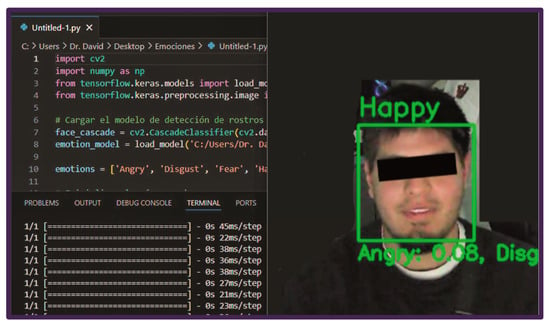
Background: Substance Use Disorder (SUD) is characterized by recurrent craving episodes frequently associated with emotional dysregulation and altered reward processing. This study aimed to evaluate whether emotional states associated with craving episodes can be detected through automated facial emotion recognition during controlled [...] Read more.
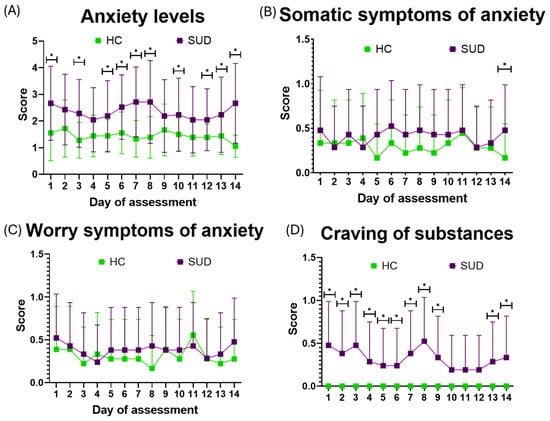
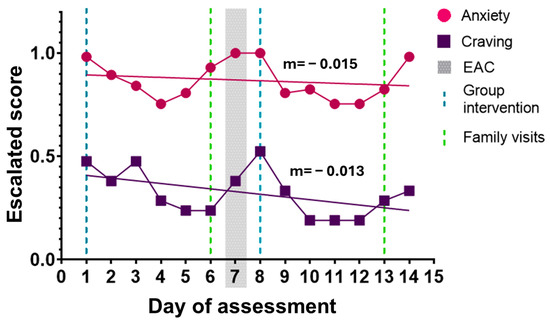
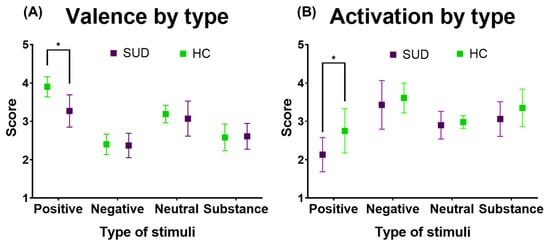
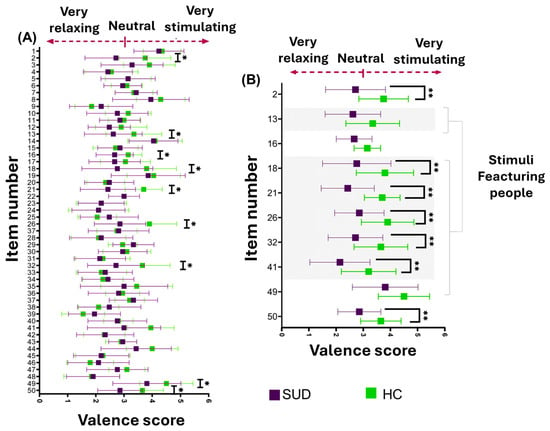
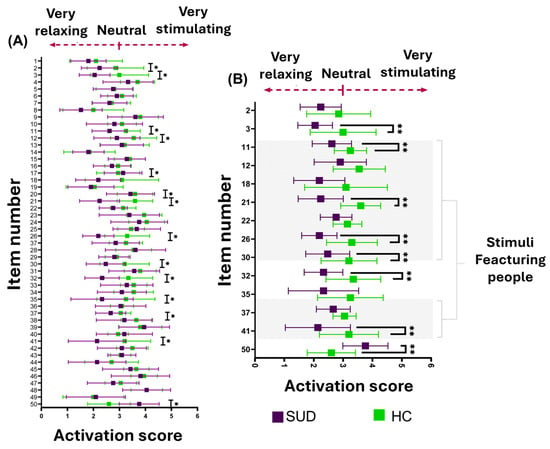
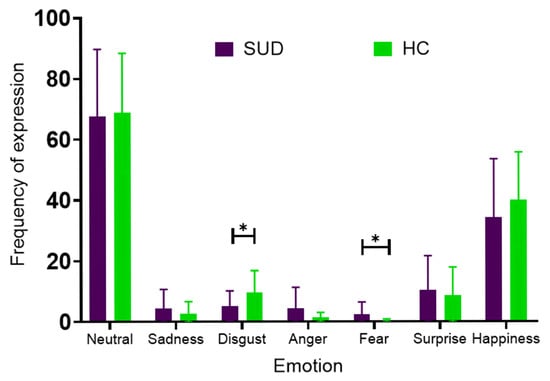
Background: Substance Use Disorder (SUD) is characterized by recurrent craving episodes frequently associated with emotional dysregulation and altered reward processing. This study aimed to evaluate whether emotional states associated with craving episodes can be detected through automated facial emotion recognition during controlled emotional induction. Methods: Forty-one participants completed a 14-day ecological momentary assessment (EMA) monitoring anxiety and craving levels, followed by an emotional induction task using standardized stimuli from the EmoMadrid database and addiction-related images. Facial expressions were recorded and analyzed in real time using a computational facial emotion recognition model trained on the FER-2013 dataset. Results: Participants with SUD exhibited significantly reduced positive emotional valence and emotional activation in response to positive stimuli compared with healthy controls (HC), with large effect sizes observed for emotional valence (Hedges’ g = 1.76) and emotional activation (Hedges’ g = 1.33). Item-level analyses revealed that most between-group differences occurred in stimuli depicting social interactions. Individuals with SUD also showed higher frequencies of fear-related facial expressions and lower frequencies of disgust-related expressions compared with HC, with moderate effect sizes observed for both emotional dimensions (Hedges’ g = 0.72; p = 0.02). Conclusions: These results suggest that people with SUD have changes in how they process emotions, showing less response to positive things and unique facial expressions related to craving. However, given the relatively modest and clinically heterogeneous sample, the findings should be interpreted cautiously and require replication in larger and more homogeneous populations. Full article
(This article belongs to the Special Issue Substance Abuse, Mental Health Disorders, and Intervention Strategies)
Show Figures

Figure 1

30 pages, 2103 KB  
Systematic Review
Total Neoadjuvant Therapy, Organ Preservation and Beyond: A State-of-the-Art Systematic Review and Critical Appraisal of Locally Advanced Rectal Cancer Management
by Nabil Ismaili
Diseases 2026, 14(5), 182; https://doi.org/10.3390/diseases14050182 (registering DOI) - 21 May 2026
Abstract
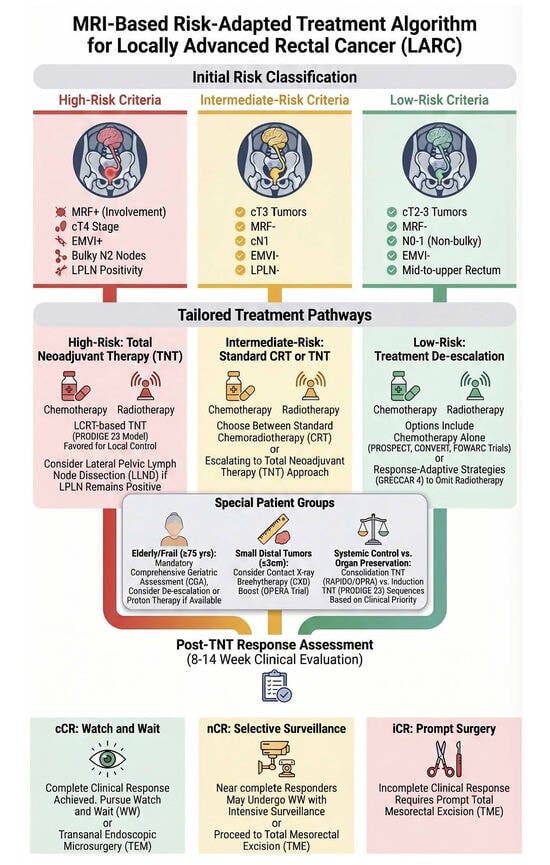
Background: Locally advanced rectal cancer (LARC) management has evolved, but surgery (total mesorectal excision, TME) remains the curative cornerstone. Total neoadjuvant therapy (TNT) and organ preservation (OP) have emerged as response-adaptive strategies. We conducted a state-of-the-art systematic review to critically appraise TNT efficacy, [...] Read more.
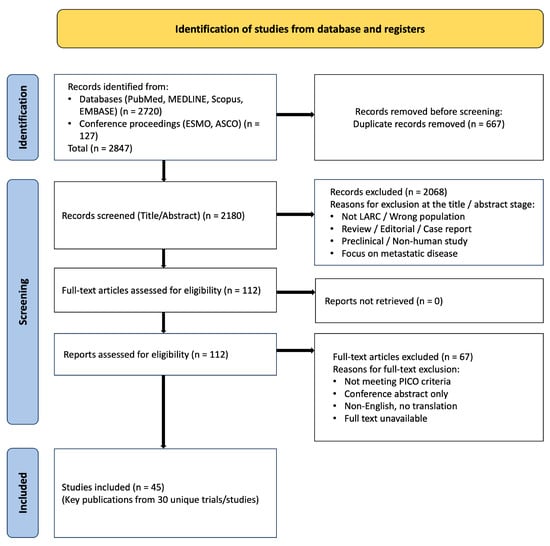
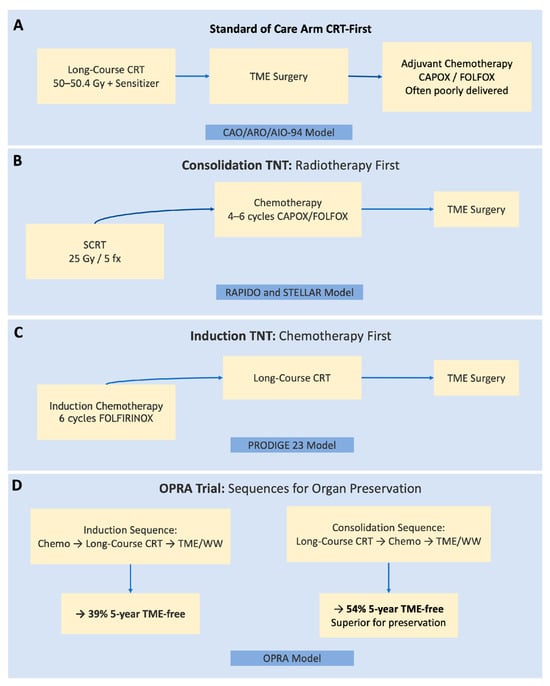
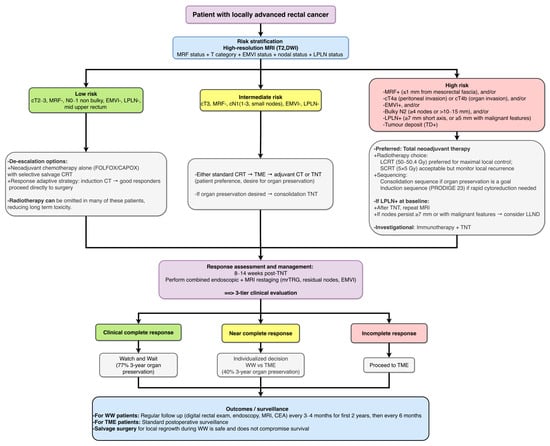
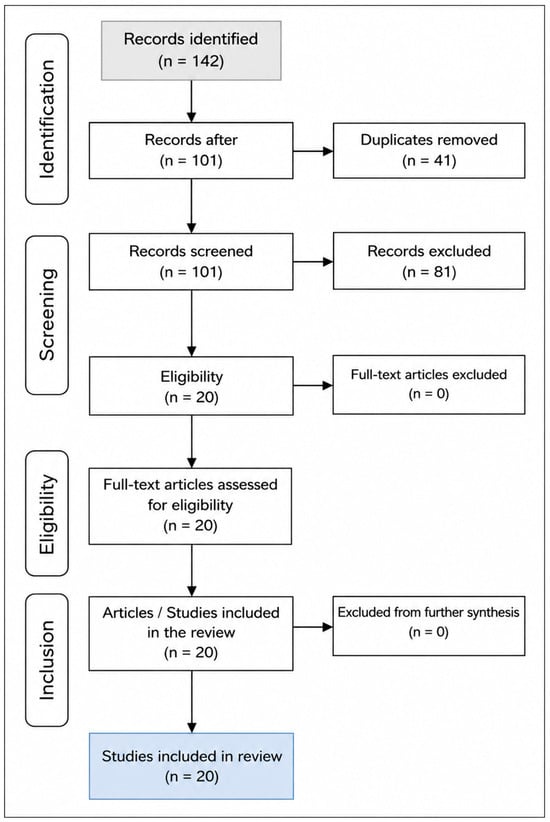
Background: Locally advanced rectal cancer (LARC) management has evolved, but surgery (total mesorectal excision, TME) remains the curative cornerstone. Total neoadjuvant therapy (TNT) and organ preservation (OP) have emerged as response-adaptive strategies. We conducted a state-of-the-art systematic review to critically appraise TNT efficacy, trade-offs, OP feasibility, and emerging biomarkers. Methods: Following PRISMA 2020 guidelines, we searched PubMed, MEDLINE, Scopus, and EMBASE (1990–March 2026) plus ASCO/ESMO abstracts (2020–2026). We included phase II/III randomised controlled trials and major prospective studies evaluating neoadjuvant strategies in non-metastatic LARC. Risk of bias was assessed using RoB 2. Given heterogeneity, a narrative synthesis was performed (PROSPERO: CRD420251252675). Results: From 2847 records, 45 publications (30 trials) were included. For high-risk LARC (cT4, cN2, EMVI+, MRF+, tumour deposits), TNT improves disease-free survival and reduces distant metastases versus standard chemoradiotherapy (RAPIDO, PRODIGE 23, STELLAR, TNTCRT). However, TNT increases locoregional recurrence risk with short-course radiotherapy (RAPIDO: 10% vs. 6%; Polish II: no sustained overall survival benefit). Organ preservation is achievable in expert centres (OPRA: 54% 5-year TME-free survival; OPERA; CAO/ARO/AIO-16), but surgery remains the durable standard for most patients. De-escalation (PROSPECT, CONVERT, FOWARC, OCUM) avoids radiotherapy in low-risk (mrMRF−) patients without compromising local control. Lateral pelvic lymph node involvement (LPLN+) remains a negative prognostic factor even after TNT. Immunotherapy added to TNT (UNION, STELLAR II, SPRING-01, PRECAM) increases pCR rates (40–60%) but remains investigational. ctDNA-guided adaptation (CINTS-R) is feasible but requires mature data. Conclusions: Surgery (TME) is the definitive curative treatment for LARC. TNT is a preferred intensification strategy for high-risk patients, but trade-offs between systemic and local control must be individualised. Organ preservation is safe only for selected patients in expert centres. Immunotherapy-TNT combinations and ctDNA guidance are promising but not yet standard. This review provides an evidence-based roadmap for integrating these advances without losing sight of surgery’s central role. Full article
Show Figures

Graphical abstract

11 pages, 1150 KB  
Article
High-Frequency Adventitious Shoot Regeneration from Leaf Explants of Jatropha curcas L.
by Bobin Liu, Jienan Chen, Lin Zhang, Meng-Zhu Lu, Jiakai Liao and Jin Zhang
Plants 2026, 15(10), 1577; https://doi.org/10.3390/plants15101577 (registering DOI) - 21 May 2026
Abstract
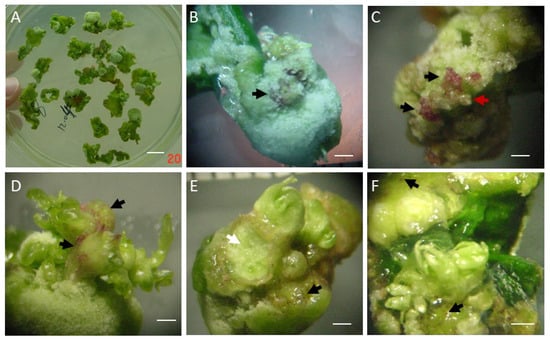
Jatropha curcas L. is an important biofuel plant, but its narrow cultivation range and low seed yield limit its large-scale commercialization. Both genetic improvement and the large-scale clonal propagation of elite genotypes require an efficient and reliable regeneration system. In this study, a [...] Read more.
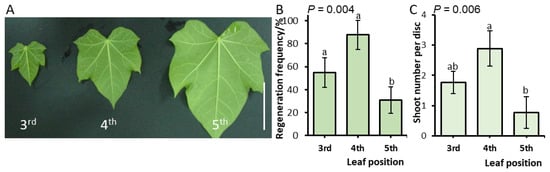
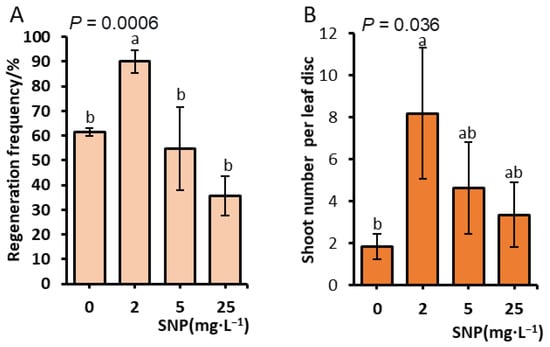
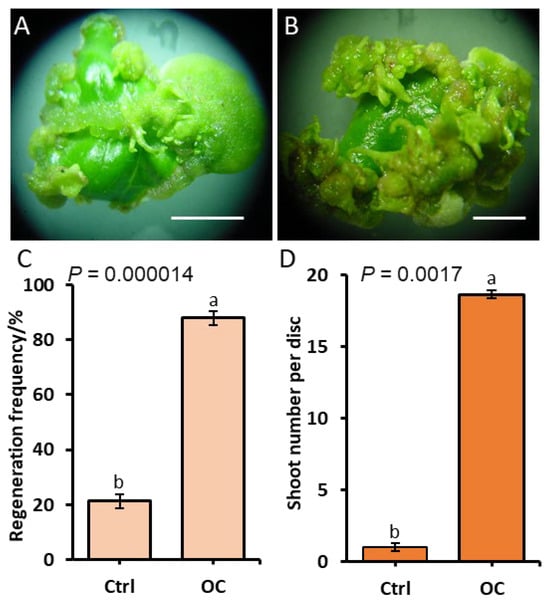
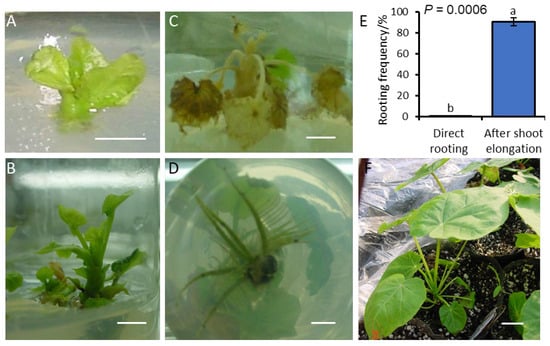
Jatropha curcas L. is an important biofuel plant, but its narrow cultivation range and low seed yield limit its large-scale commercialization. Both genetic improvement and the large-scale clonal propagation of elite genotypes require an efficient and reliable regeneration system. In this study, a high-frequency adventitious shoot regeneration protocol was developed using leaf explants from one-year-old greenhouse-grown plants derived from seeds. An L9(33) orthogonal design was employed to optimize the concentrations of plant growth regulators (PGRs). The optimal combination for adventitious shoot induction was 1.0 mg·L−1 TDZ, 0.5 mg·L−1 IBA, and 1.5 mg·L−1 BA. Furthermore, the effect of sodium nitroprusside (SNP), a nitric oxide donor, was investigated. Supplementation with 2.0 mg·L−1 SNP significantly increased both the regeneration frequency and the shoot number per explant when compared to the control. Leaf maturity also significantly influenced the regeneration capacity, with the fourth expanded leaf at the light-green stage showing the greatest response. Under optimized conditions, including PGRs, SNP, and appropriate explant maturity, adventitious shoots were observed within 4 weeks, with a regeneration frequency of 88.0% and an average of 18.7 shoots per explant. This system provides a practical basis for the propagation and genetic improvement of J. curcas. Full article
(This article belongs to the Special Issue Hormonal Regulation of Plant Growth and Resilience)
Show Figures

Figure 1

23 pages, 2430 KB  
Article
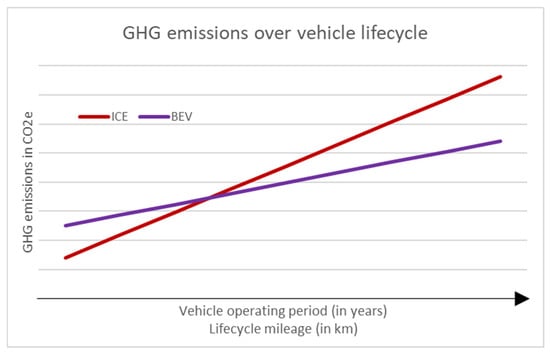
How Greenhouse Gas Emissions Evolve When Changing from an ICE to a BEV Fleet
by Benjamin Reuter
World Electr. Veh. J. 2026, 17(5), 273; https://doi.org/10.3390/wevj17050273 (registering DOI) - 21 May 2026
Abstract
There is an important debate about the appropriate policy measures for reducing greenhouse gas (GHG) emissions in the transport sector. Strong expansion of battery electric vehicles (BEVs) following a ban on the registration of new vehicles with internal combustion engines (ICEs) by 2035 [...] Read more.
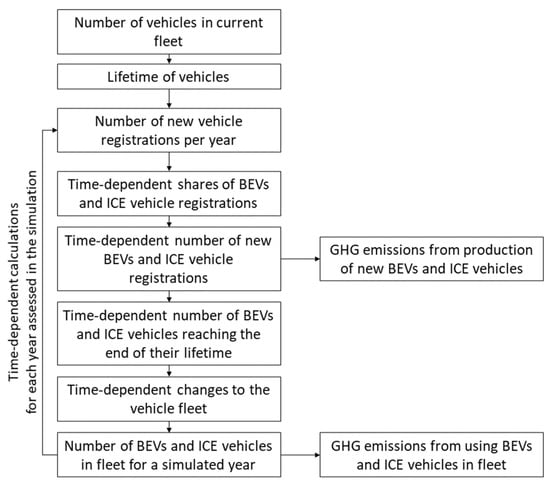
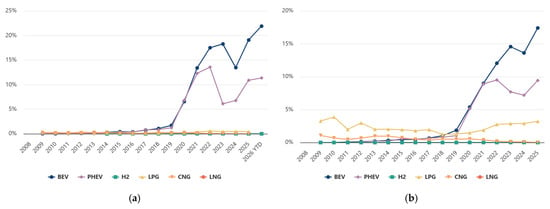
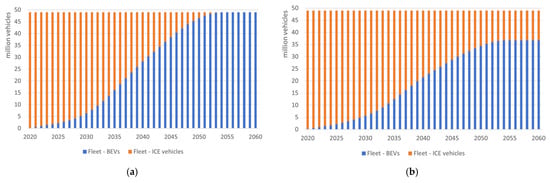
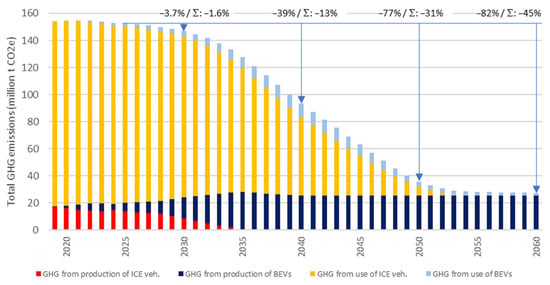
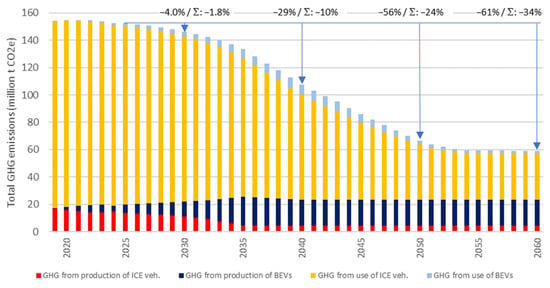
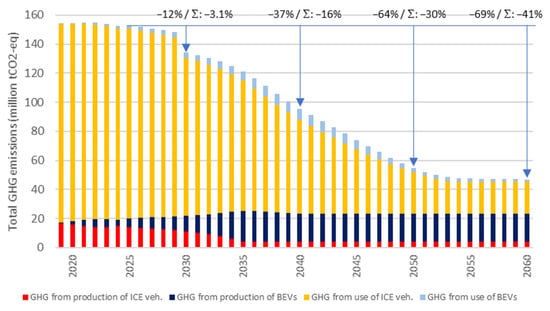
There is an important debate about the appropriate policy measures for reducing greenhouse gas (GHG) emissions in the transport sector. Strong expansion of battery electric vehicles (BEVs) following a ban on the registration of new vehicles with internal combustion engines (ICEs) by 2035 is a prominent but controversial proposal. To evaluate achievable GHG emission reductions, it is essential to understand the temporal dynamics of such a fleet transition. This study provides a time-resolved, policy-oriented quantification of annual and cumulative lifecycle GHG emissions during this process. Therefore, it uses an annual simulation model to assess GHG emissions from vehicle production and use during the transition of Germany’s passenger car fleet between 2019 and 2060. The analysis compares an ICE registration ban by 2035 with alternative scenarios and evaluates the effects of electricity decarbonization, greener BEV production, and the supply of additional Zero Emission Fuels (ZEFs). This study reveals a substantial time lag of 10–20 years between changes in new vehicle registrations and effective emission reductions. Even with a complete ICE ban by 2035, annual GHG emissions decline by only 3.7% by 2030 relative to 2025, while cumulative emissions over this period fall by just 1.6%. Larger reductions occur later, reaching 39% in 2040, 77% in 2050, and 82% in 2060 compared with 2025; cumulative emissions until 2060 decrease by 45%. Without an ICE ban and with a 75% BEV share from 2035 onward, cumulative reductions fall to 34%. Introducing additional ZEFs equivalent to 10% of 2030 fuel demand increases this value to 41%, compensating for much of the lower BEV uptake. Full article
Show Figures

Figure 1

41 pages, 2698 KB  
Review
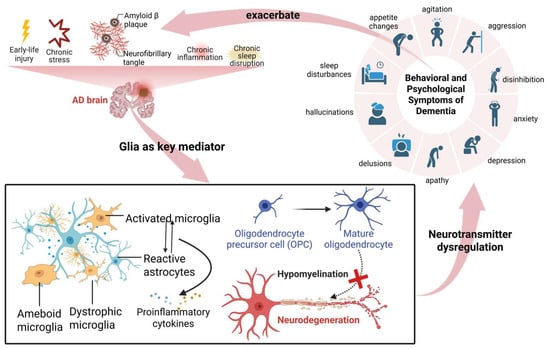
Glial Cells in Behavioral and Psychological Symptoms of Alzheimer’s Disease
by Ilminur Hasan, Xiaoyu Tang and Jianrong Xu
Int. J. Mol. Sci. 2026, 27(10), 4621; https://doi.org/10.3390/ijms27104621 (registering DOI) - 21 May 2026
Abstract
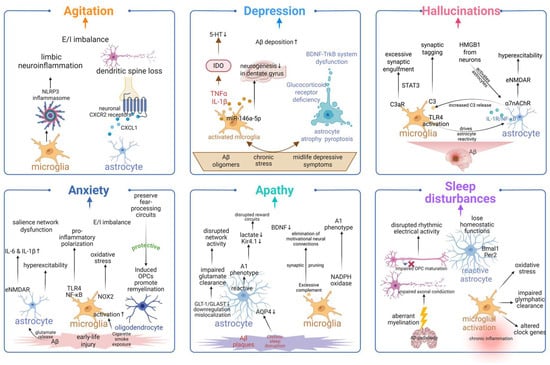
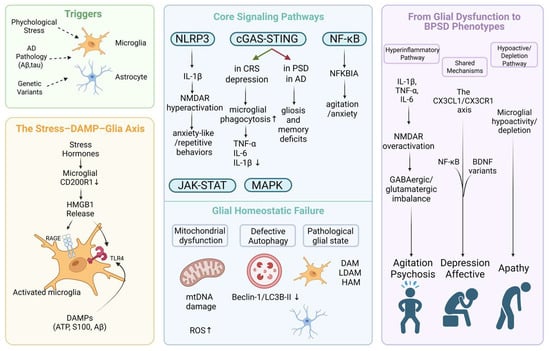
Behavioral and psychological symptoms of dementia (BPSD) affect the majority of patients with Alzheimer’s disease (AD), substantially increasing caregiver burden and the likelihood of institutionalization. The clinical management of BPSD remains challenging because of its poorly understood pathogenesis, the limited efficacy of conventional [...] Read more.
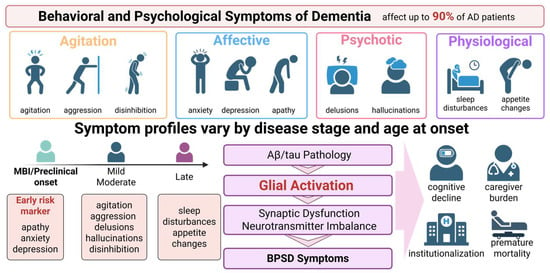
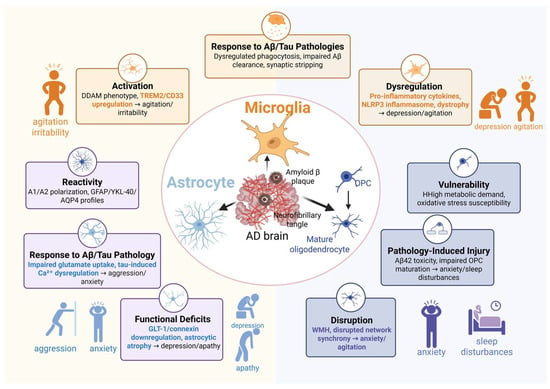
Behavioral and psychological symptoms of dementia (BPSD) affect the majority of patients with Alzheimer’s disease (AD), substantially increasing caregiver burden and the likelihood of institutionalization. The clinical management of BPSD remains challenging because of its poorly understood pathogenesis, the limited efficacy of conventional interventions, and significant safety concerns associated with current treatments. These limitations underscore the urgent need to identify novel therapeutic targets and develop glia-centered treatment strategies. As essential components of the central nervous system, glial cells maintain neural homeostasis, regulate neurotransmission, and mediate neuroinflammatory responses. Increasing evidence suggests that glial dysfunction contributes to the development of BPSD, thereby linking AD neuropathology and neuropsychiatric symptoms. Aberrant microglial activation, astrocytic dysfunction, and oligodendrocyte injury collectively compromise neural circuit integrity, disrupt neurotransmitter balance, and impair neuron–glia communication, ultimately promoting the progression of diverse BPSDs. Given the critical role of glial cells in regulating neurotransmitter systems, the dysregulation of which is closely associated with BPSD, this review summarizes the involvement of glial cells in BPSD, elucidates the underlying molecular mechanisms, and discusses recent advances in glia-based therapeutic strategies, thereby providing insights into the pathogenesis of BPSD in AD. Full article
(This article belongs to the Special Issue Research on New Targets and New Drugs for Dementia)
Show Figures

Figure 1

15 pages, 582 KB  
Article
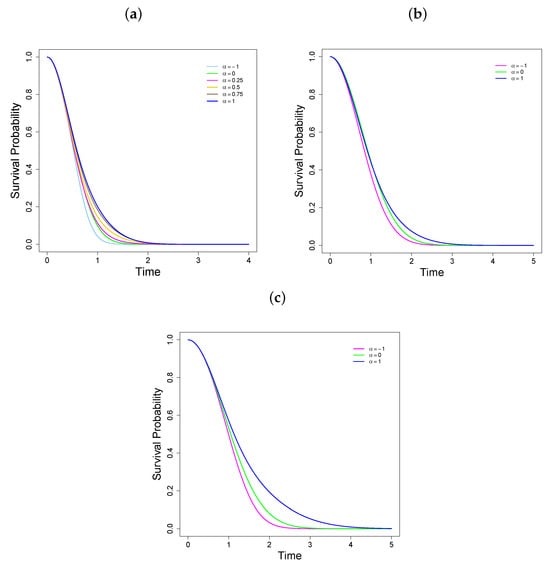
Bayesian Estimation for α-Mixture Survival Models
by Feng Luan, Duchwan Ryu, Zhexuan Yang and Devrim Bilgili
Mathematics 2026, 14(10), 1772; https://doi.org/10.3390/math14101772 (registering DOI) - 21 May 2026
Abstract
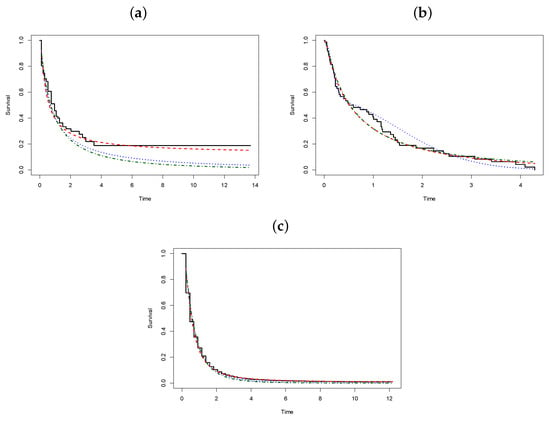
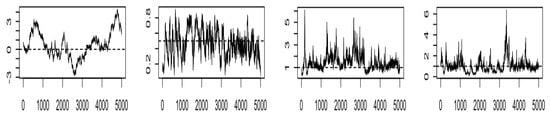
Heterogeneity in survival data poses substantial challenges for identifying appropriate mixture structures. The α-mixture family provides a flexible class of survival models that generalizes standard mixture formulations through a continuous weighting parameter, allowing it to balance failure rates and distributional shapes. Despite [...] Read more.
Heterogeneity in survival data poses substantial challenges for identifying appropriate mixture structures. The α-mixture family provides a flexible class of survival models that generalizes standard mixture formulations through a continuous weighting parameter, allowing it to balance failure rates and distributional shapes. Despite its theoretical appeal, the Bayesian inference for α-mixture survival models has received limited attention. In this paper, we develop a Bayesian framework for inference for α-mixture survival models, with a particular emphasis on estimation and structural identification. The posterior inference is conducted using Markov chain Monte Carlo methods, and simulation studies demonstrate accurate recovery of model parameters across a range of heterogeneous survival settings. The posterior distribution of the mixing parameter α offers a principled mechanism for model selection by identifying the mixture structure most consistent with the observed data. Applications to real-world datasets illustrate the interpretability and practical utility of the proposed approach in survival analysis. Full article
Show Figures

Figure 1

19 pages, 1416 KB  
Article
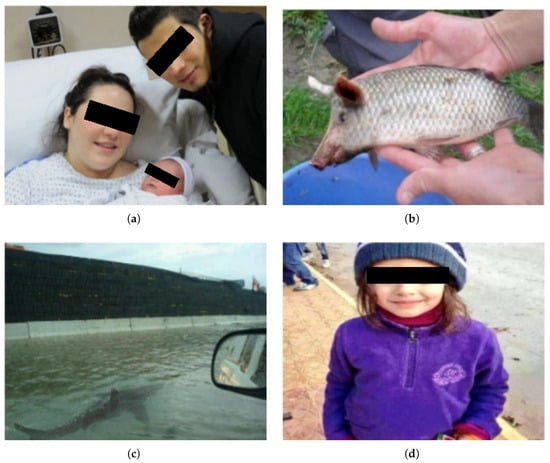
A Multimodal Fake News Detection Method Based on Contrastive Learning and Variational Autoencoder
by Baowen Wu, Ruijiao Hu, Jilin Wang, Xin Sui, Jiaxing Sun, Jie Liu and Youli Qu
Mathematics 2026, 14(10), 1773; https://doi.org/10.3390/math14101773 (registering DOI) - 21 May 2026

Abstract
Fake news often exhibits pronounced bias and misleading content. To foster a harmonious information environment, there is an urgent need for rapid fake news identification. Fake news detection can assess news authenticity by analyzing multidimensional information such as text, images, and comments. This [...] Read more.
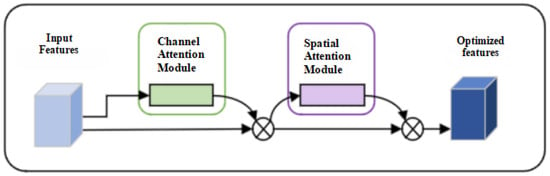
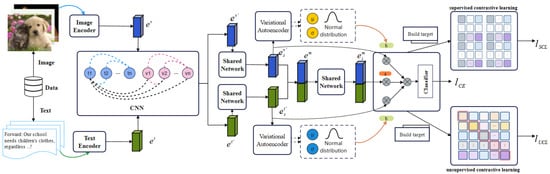
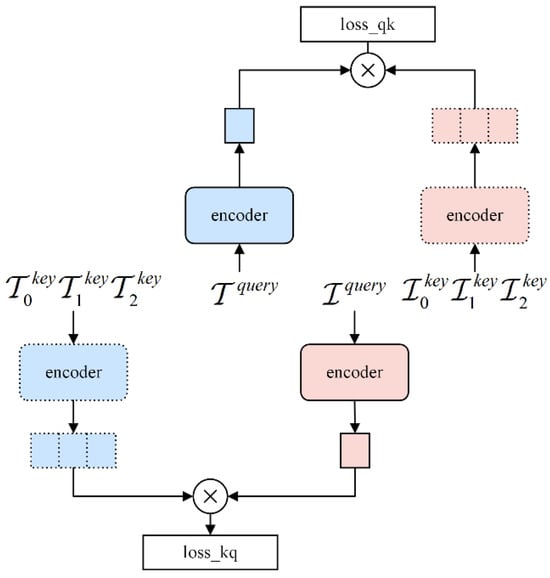
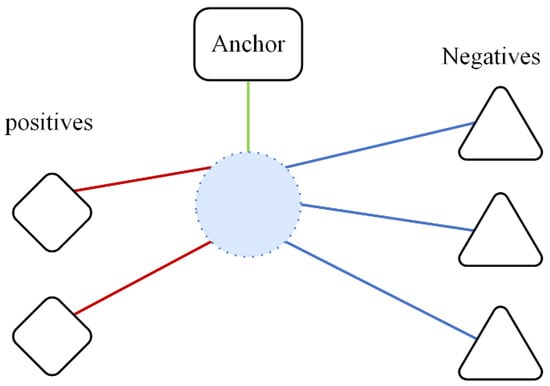
Fake news often exhibits pronounced bias and misleading content. To foster a harmonious information environment, there is an urgent need for rapid fake news identification. Fake news detection can assess news authenticity by analyzing multidimensional information such as text, images, and comments. This automated approach significantly reduces human and material resource costs. However, existing detection methods often focus on extracting textual features, employing coarse-grained fusion techniques when integrating multi-modal information, and neglecting the inherent correlations between different modalities. Meanwhile, these methods rely on static network structures and fixed feature weighting strategies, lacking targeted neural network optimization and adaptive learning mechanisms, which results in insufficient interpretability and limited generalization performance across most detection approaches. To address these challenges, from the perspective of neural network optimization and regularization enhancement, this paper proposes a multi-modal fake news detection method based on contrastive learning and variational autoencoders. Firstly, we design a dual-contrastive learning loss function as a specialized regularization strategy for multimodal neural networks. By learning features through comparing similar and dissimilar samples, it more effectively captures correlations across multimodal data, optimizing the feature distribution and enhancing the model’s generalization capability via contrastive regularization. Second, it introduces a variational autoencoder to realize adaptive learning and dynamic weight optimization assigned to unimodal and multimodal features during decision-making. This adaptive mechanism enables the model to distinguish the relative importance of different modal information, optimizing the decision-making process of the multimodal neural network and thereby improving detection accuracy. Experiments conducted on the public Chinese dataset Weibo and English dataset Twitter demonstrate that the proposed optimized network architecture outperforms other multimodal methods by 3% to 8% in terms of detection accuracy, validating the superiority of this neural network optimization-based approach for multimodal fake news detection tasks. Full article
Show Figures

Figure 1

11 pages, 362 KB  
Article
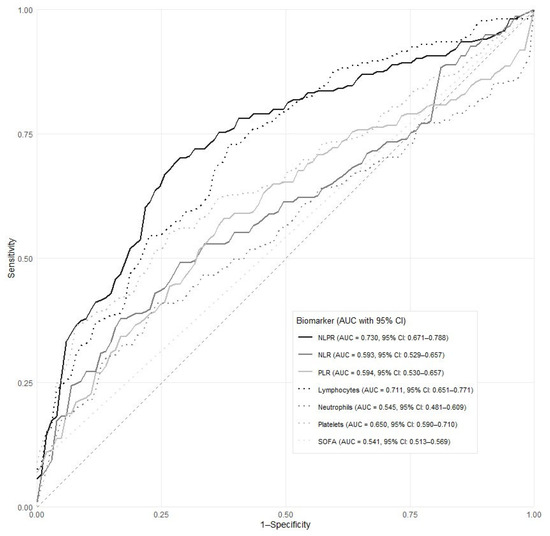
Neutrophil–Lymphocyte–Platelet Ratio for Predicting Bacteremia in Immunosuppressed Cancer Patients: A Retrospective Diagnostic Accuracy Study
by José Manuel Martinez, Ana Espírito Santo, Pedro Leite, Ana Pinho, Ana Rita Carneiro, Ana Maria Oliveira, Diana Ramada and Rui Medeiros
Biomedicines 2026, 14(5), 1170; https://doi.org/10.3390/biomedicines14051170 (registering DOI) - 21 May 2026
Abstract
Background: Early identification of bacteremia in immunosuppressed cancer patients remains difficult, especially in neutropenia. This study evaluated the diagnostic accuracy of NLR, PLR, and NLPR for identifying bacteremia and sepsis in patients undergoing blood culture episode. Methods: We conducted a retrospective diagnostic accuracy [...] Read more.
Background: Early identification of bacteremia in immunosuppressed cancer patients remains difficult, especially in neutropenia. This study evaluated the diagnostic accuracy of NLR, PLR, and NLPR for identifying bacteremia and sepsis in patients undergoing blood culture episode. Methods: We conducted a retrospective diagnostic accuracy study at a tertiary oncology center between January 2023 and December 2024. All bacteremia identified were included as cases. Culture-negative episodes were subsequently sampled as controls using a frequency-matching strategy. Hematological parameters were obtained within ±24 h of first blood culture episode. Diagnostic performance was assessed using ROC curve analysis and multivariable logistic regression. Results: Of 369 screened episodes, 337 from 323 unique patients were included after excluding 31 records. NLPR showed the highest accuracy for bacteremia (AUC 0.730; 95% CI 0.671–0.788). The optimal cut-off was 0.038 (sensitivity 69.2%, specificity 72.3%) and remained consistent after excluding episodes with antibiotic therapy (AUC 0.768), corticosteroids (AUC 0.708), or growth factor use (AUC 0.718). In severe neutropenia, NLPR showed the highest accuracy (AUC 0.887; 95% CI 0.797–0.978). In multivariable analysis (n = 304), NLPR remained independently associated with bacteremia (p < 0.001), with good model discrimination (AUC 0.815; 95% CI 0.763–0.866). Diagnostic performance for sepsis was lower and not statistically significant. Conclusions: These findings suggest that NLPR may represent a simple, inexpensive, widely accessible adjunctive biomarker to support early bacteremia risk stratification in immunosuppressed cancer patients, particularly in patients with severe neutropenia. Although its overall discrimination was comparable to isolated lymphocyte count, NLPR may provide clinically relevant contextual information by integrating multiple dimensions of immune dysregulation. Further prospective multicenter validation is warranted. Full article
Show Figures

Figure 1

28 pages, 8420 KB  
Article
A Case of Rural Revitalization in China: Rural Landscape Characteristics, Visual Attention and Physiological Responses Based on Multimodal Data
by Wei Nie, Kejia Zha, Gang Li, Zhaotian Li, Yongchao Jin and Jie Xu
Buildings 2026, 16(10), 2036; https://doi.org/10.3390/buildings16102036 (registering DOI) - 21 May 2026
Abstract
This study investigates how different rural landscape types shape visual attention and physiological responses, with the aim of informing more targeted rural landscape renewal. Four typical rural landscape types in the suburbs of Hefei, China, were examined: Flat Farmland (FF), Hilly Forest (HF), [...] Read more.
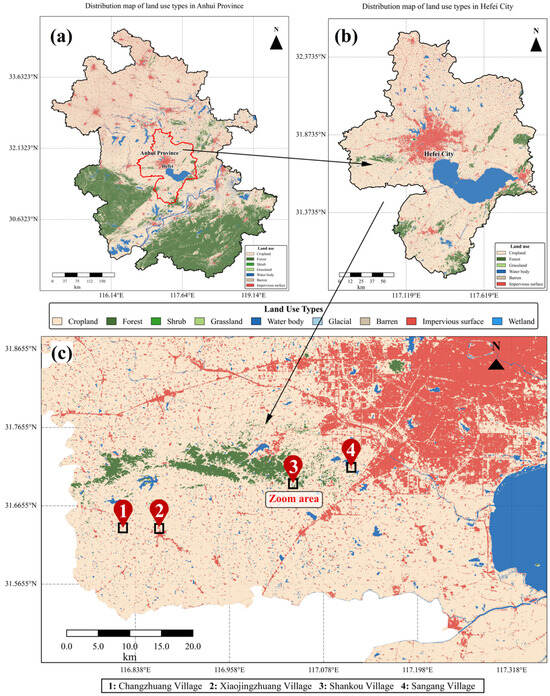
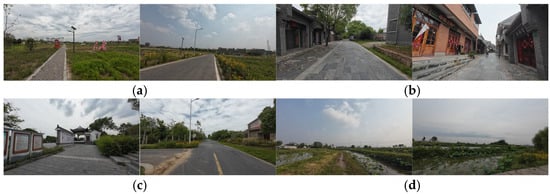
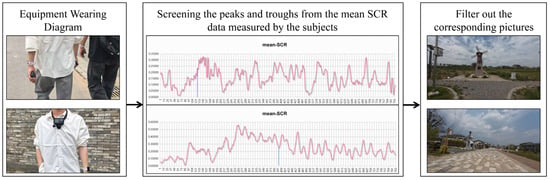
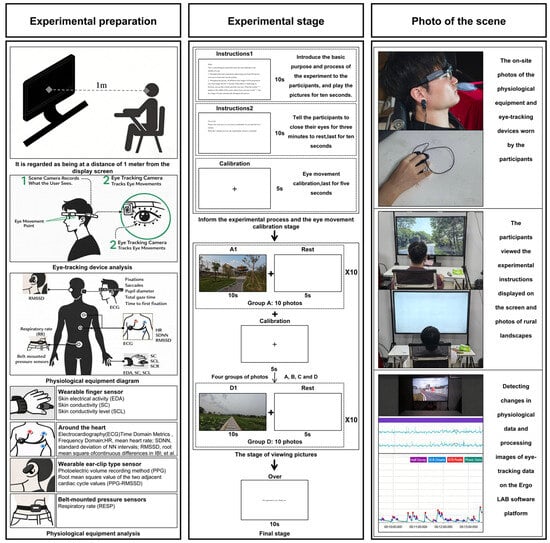
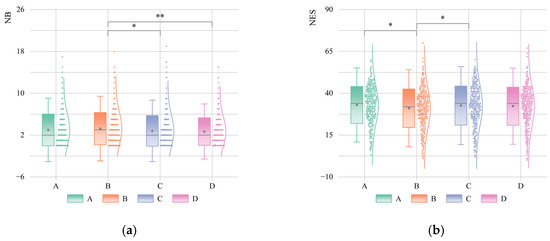
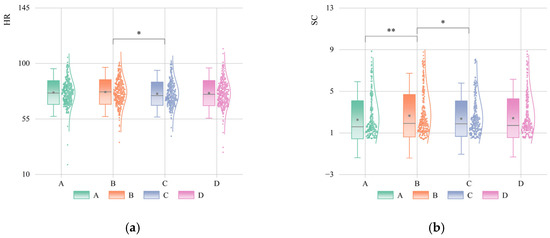
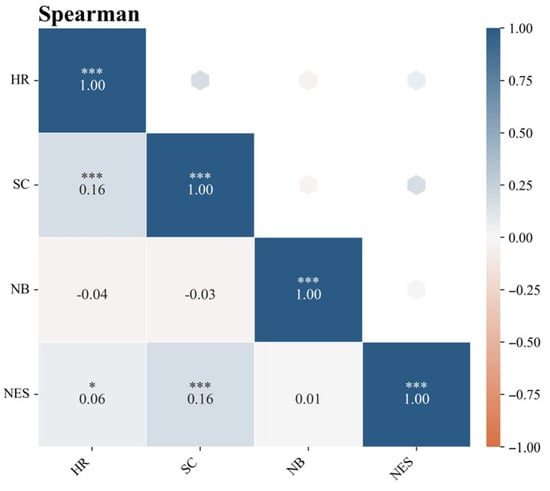
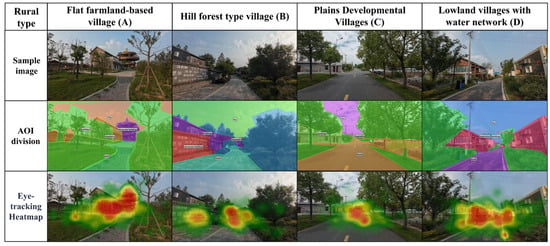
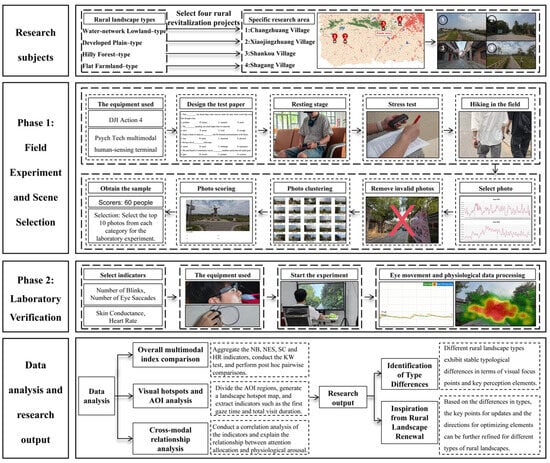
This study investigates how different rural landscape types shape visual attention and physiological responses, with the aim of informing more targeted rural landscape renewal. Four typical rural landscape types in the suburbs of Hefei, China, were examined: Flat Farmland (FF), Hilly Forest (HF), Developed Plain (DP), and Water-network Lowland (WNL). All four study villages are project villages in the suburban area of Hefei where rural revitalization is currently being advanced. This study therefore treats them as empirical cases within the context of rural revitalization in China, using them to examine perceptual differences among rural landscape types and their implications for rural landscape renewal. A two-stage research design was adopted to balance field realism and laboratory control. In the first stage, 40 representative scene images were selected by combining field video records with fluctuations in on-site skin conductance response (SCR). In the second stage, laboratory experiments were conducted while participants viewed the selected images, during which eye-tracking, skin conductance, and heart rate data were recorded simultaneously. These measures were used to characterize visual attention allocation and autonomic physiological responses across different rural landscape types, rather than to directly measure landscape preference. For Area of Interest (AOI) analysis, each image was coded into six landscape element categories: vegetation, buildings, roads, sky, vernacular buildings, and water bodies. The results revealed significant typological differences in overall visual search patterns and autonomic responses. Gaze hotspots were concentrated on identifiable targets and boundary regions in the foreground and midground, whereas the sky attracted relatively limited attention. FF primarily emphasized vernacular buildings and farmland boundaries, HF emphasized settlement interfaces and spatial transition nodes, DP emphasized road junctions and facilities along routes, and WNL emphasized water bodies and water–land interface zones. These findings suggest that a two-stage multimodal design can provide supporting evidence for understanding type-specific perceptual responses and can support more targeted strategies for rural landscape renewal. Full article
(This article belongs to the Section Architectural Design, Urban Science, and Real Estate)
Show Figures

Figure 1

28 pages, 2537 KB  
Article
XCrime-LLM: An Explainable Spatio-Temporal Crime Prediction Framework
by Bayan Baz, Afraa Attiah, Abeer Hakeem and Nada M. Almani
Computers 2026, 15(5), 325; https://doi.org/10.3390/computers15050325 (registering DOI) - 21 May 2026
Abstract
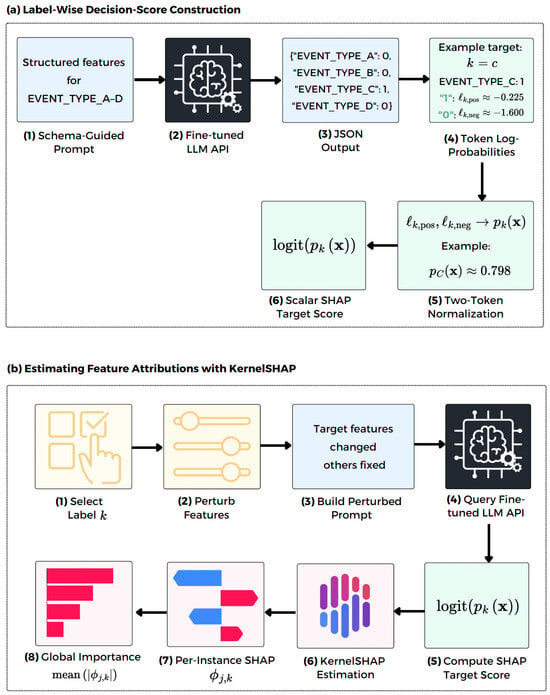
Crime prediction can support proactive public-safety planning, but practical deployment also requires outputs that are reliable and explainable. This study proposes XCrime-LLM for next-week crime occurrence prediction, in which engineered spatio-temporal features are serialized into a fixed prompt format and used to fine-tune [...] Read more.
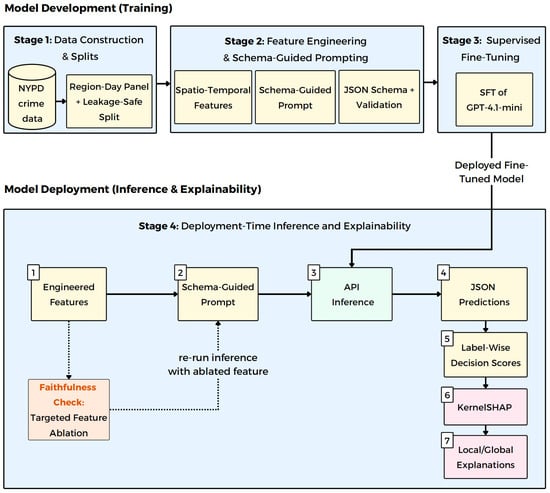
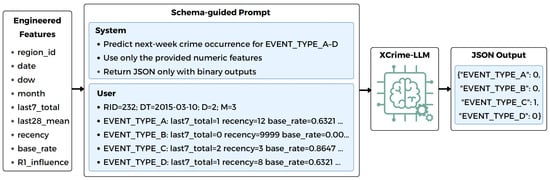
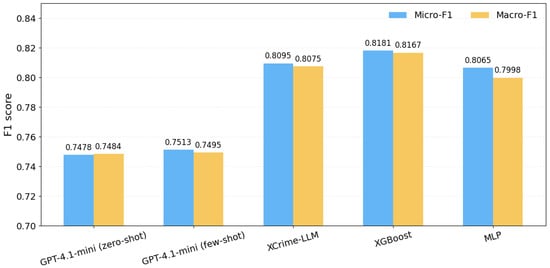
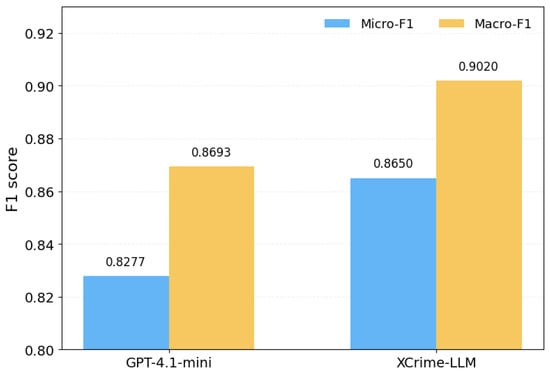
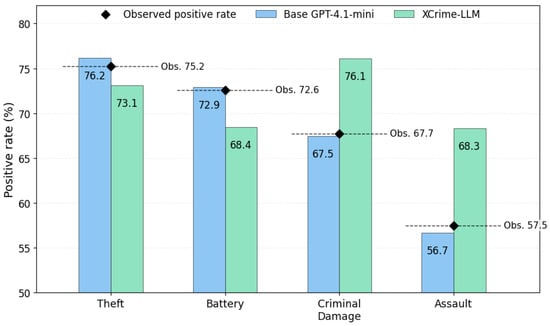
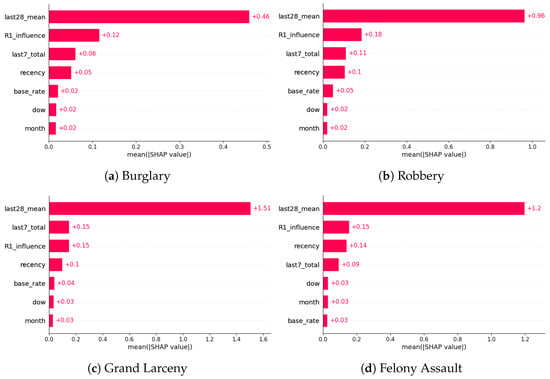
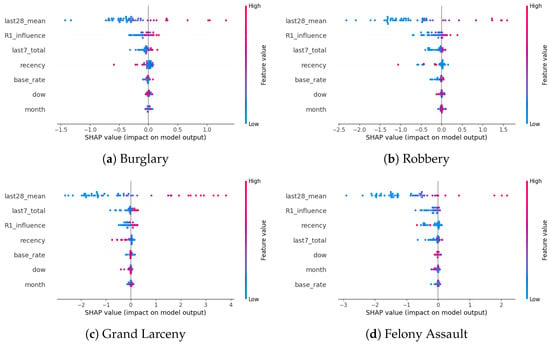
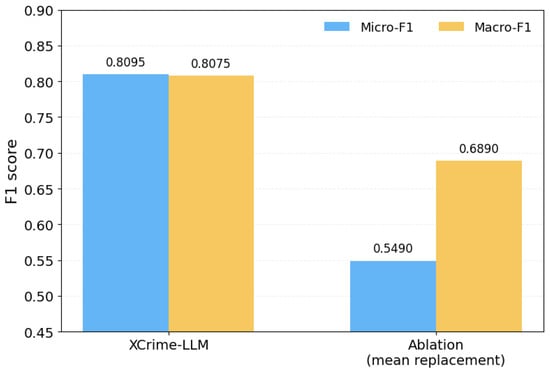
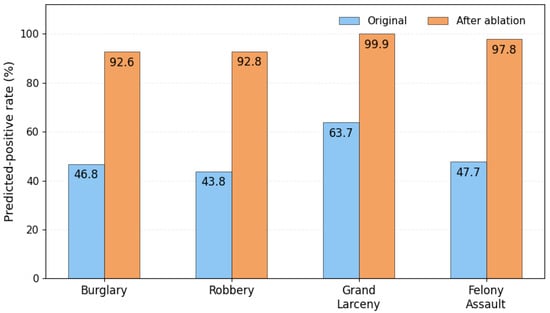
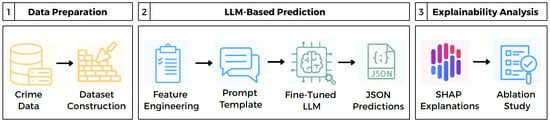
Crime prediction can support proactive public-safety planning, but practical deployment also requires outputs that are reliable and explainable. This study proposes XCrime-LLM for next-week crime occurrence prediction, in which engineered spatio-temporal features are serialized into a fixed prompt format and used to fine-tune GPT-4.1-mini to produce schema-guided JSON outputs from New York City Police Department (NYPD) incident records. The proposed XCrime-LLM framework is evaluated against prompting and trained baselines in New York City and further examined for cross-city transfer in Chicago. Supervised fine-tuning improved GPT-4.1-mini compared with the prompting baselines, increasing Micro-F1 from 0.7478 to 0.8095 and Macro-F1 from 0.7485 to 0.8075, while remaining competitive with the trained baselines. In the cross-city evaluation on Chicago, the fine-tuned GPT-4.1-mini outperformed the base GPT-4.1-mini without further fine-tuning or city-specific adaptation, raising Micro-F1 from 0.8277 to 0.8650 and Macro-F1 from 0.8693 to 0.9020. For explainability under black-box access, KernelSHAP identified last28_mean as the most influential feature across all crime types, while targeted ablation provided additional evidence of the model’s reliance on this feature. These findings suggest that the framework supports competitive next-week crime occurrence prediction while remaining explainable under black-box deployment constraints. Full article
(This article belongs to the Special Issue Using New Technologies in Cyber Security Solutions (3rd Edition))
Show Figures

Figure 1

22 pages, 707 KB  
Article
From Stress to Burnout: Exploring the Protective and Predictive Factors for Nurses’ Well-Being
by Suad Dukhaykh and Shaikhah Bawzeer
Healthcare 2026, 14(10), 1423; https://doi.org/10.3390/healthcare14101423 (registering DOI) - 21 May 2026
Abstract
Background/Objectives: Occupational stress is a prevalent issue in healthcare settings, particularly among nurses, and is often associated with increased levels of burnout and reduced well-being. This study aims to examine the relationship between occupational stress and burnout among nurses, with a particular focus [...] Read more.
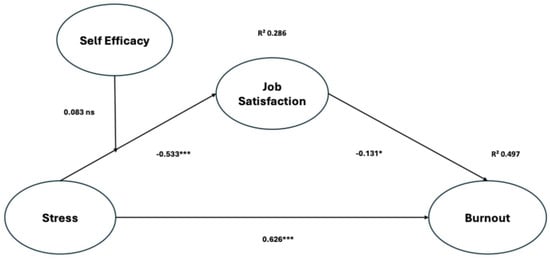
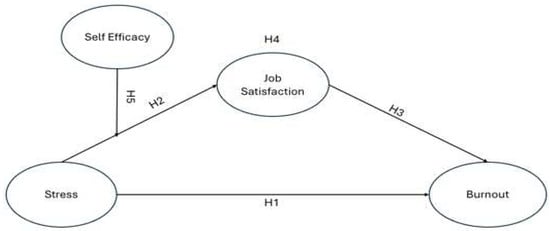
Background/Objectives: Occupational stress is a prevalent issue in healthcare settings, particularly among nurses, and is often associated with increased levels of burnout and reduced well-being. This study aims to examine the relationship between occupational stress and burnout among nurses, with a particular focus on the mediating role of job satisfaction and the moderating role of self-efficacy. Methods: A quantitative research design was employed using data collected from 245 nurses in Saudi Arabia through a bilingual survey instrument incorporating validated psychological measures. Statistical analyses were conducted to test the direct, mediating, and moderating relationships among the study variables. Results: The findings indicate that occupational stress is positively associated with burnout and negatively related to job satisfaction. Job satisfaction was found to partially mediate the relationship between stress and burnout, suggesting that reduced job satisfaction serves as a key mechanism through which stress contributes to burnout. In contrast, self-efficacy did not demonstrate a significant moderating effect in this relationship. Conclusions: This study contributes to the occupational health literature by highlighting the critical role of job satisfaction in mitigating the adverse effects of stress on burnout among nurses. The findings offer practical implications for healthcare leaders and policymakers seeking to design targeted interventions aimed at enhancing job satisfaction, reducing burnout, and improving nurses’ overall well-being. Full article
Show Figures

Figure 1

25 pages, 1722 KB  
Systematic Review
The Impact of Environmental Regulation on Enterprise Management Practices in the Yangtze River Economic Belt: A Systematic Review
by Jiajun He, Amjad Khalid, Rong Zhang and Tingting Zhang
Sustainability 2026, 18(10), 5191; https://doi.org/10.3390/su18105191 (registering DOI) - 21 May 2026
Abstract
This study evaluates how environmental regulation influences enterprise management practices in the YREB of China, which faces a dilemma between economic growth and ecological conservation. Following the Preferred Reporting Items for Systematic Reviews and Meta-Analyses (PRISMA 2020) guidelines, a qualitative systematic review of [...] Read more.
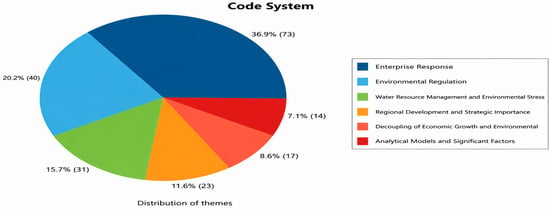
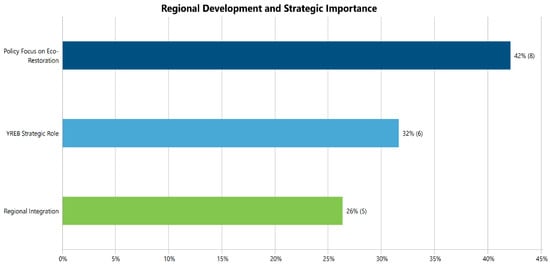
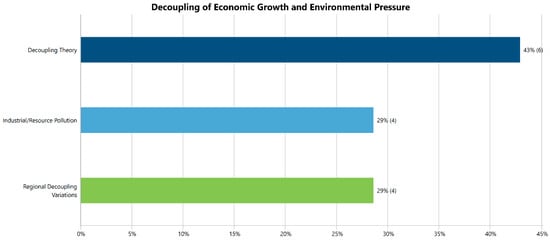
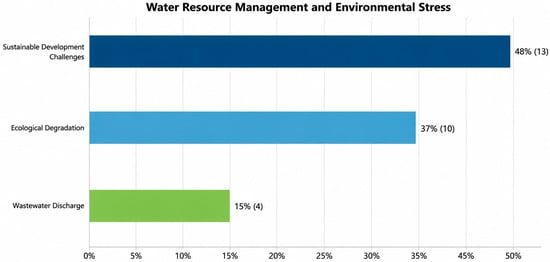
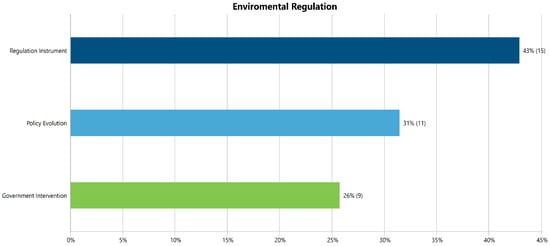
This study evaluates how environmental regulation influences enterprise management practices in the YREB of China, which faces a dilemma between economic growth and ecological conservation. Following the Preferred Reporting Items for Systematic Reviews and Meta-Analyses (PRISMA 2020) guidelines, a qualitative systematic review of empirical studies published between 2015 and 2025 was conducted. The data were retrieved via Web of Science and Scopus, supplemented by Google Scholar and ScienceDirect. Subsequently, thematic analysis and data visualization were conducted by MAXQDA 2024. The findings synthesize evidence across key themes, environmental information disclosure (EID), green innovation, governance adaptation, and regional disparity themes to synthesize key empirical findings. From the perspectives of Institutional Theory and Stakeholder Theory, the findings suggest that environmental regulation is not only a compliance burden, but also a force for enterprise change, driving EID practices and innovation-oriented competitive advantages. The results further suggest that when institutions are more developed or policy implementation is more stable, enterprises are better able to adjust, implying that downstream regions are more flexible than upstream regions. Other instruments to close the implementation gap and support sustainable development are multi-level governance, context-specific policy instruments, and Integrated Water Resource Management. Also, it may be highlighted that effectiveness in environmental governance relies on governance quality, institutional capacities, and regionally differentiated aspects. Future research should better identify causal mechanisms and improve cross-region learning to improve equitable and effective environmental governance in China’s evolving socio-ecological context. Full article
(This article belongs to the Section Economic and Business Aspects of Sustainability)
Show Figures

Figure 1

16 pages, 8255 KB  
Article
A Novel Cross Injection Analysis for Simultaneous Multi-Determination of Diabetic Nephropathy Biomarkers in Urine
by Prawpan Inpota and Nathawut Choengchan
Molecules 2026, 31(10), 1772; https://doi.org/10.3390/molecules31101772 (registering DOI) - 21 May 2026
Abstract
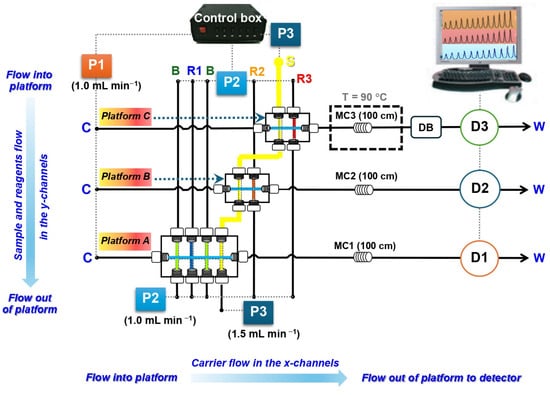
This work presents, for the first time, a novel cross injection analysis (CIA) system for the simultaneous multi-determination of key biomarkers associated with diabetic nephropathy—namely, albumin, creatinine, and glucose—within a single analytical run. Unlike conventional flow-based techniques that rely on sequential measurements, the [...] Read more.
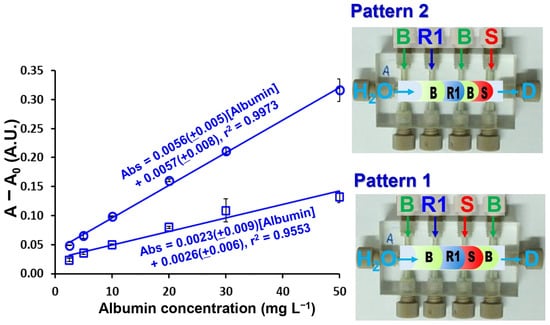
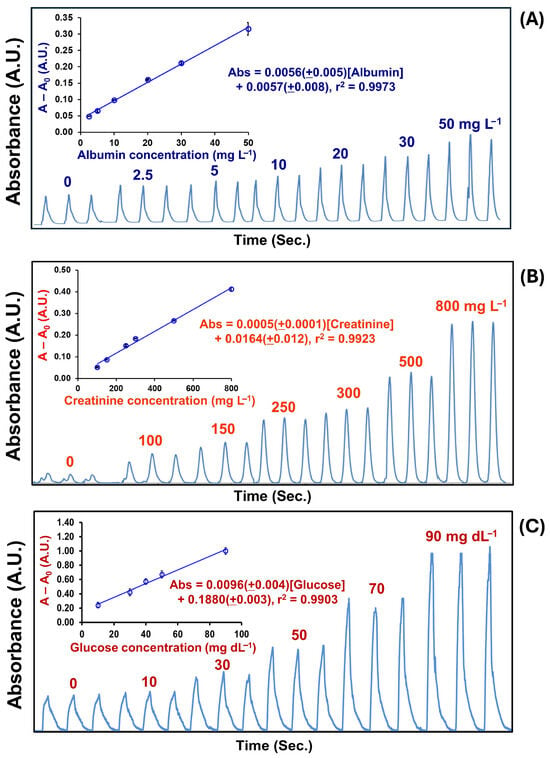
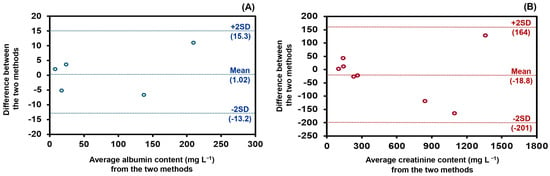
This work presents, for the first time, a novel cross injection analysis (CIA) system for the simultaneous multi-determination of key biomarkers associated with diabetic nephropathy—namely, albumin, creatinine, and glucose—within a single analytical run. Unlike conventional flow-based techniques that rely on sequential measurements, the proposed CIA platform integrates multiple analytical pathways into a unified design, enabling one-shot multi-analyte analysis without the need for complex separation units or injection valves. The system employs peristaltic pumps and a rectangular platform with orthogonal flow channels, allowing concurrent aspiration and efficient transport of reaction products to compact detectors. Albumin determination was based on ion-association with tetrabromophenolphthalein ethyl ester. Creatinine was measured using the Jaffé reaction. Glucose was colorimetrically detected via its reaction with 3,5-dinitrosalicylic acid. The developed CIA provides enhanced sensitivity through its pre-mixing effect, enabling reliable quantification of trace analytes. Excellent analytical performance was achieved, including wide linear ranges (r2 > 0.99), good precision (RSD < 7%), and rapid analysis (5 min). The method was validated against established reference methods, showing no significant differences, and successfully applied to urine with satisfactory recoveries (84.8–107.3%). Importantly, the proposed system adheres to green chemistry by minimizing reagent consumption and waste generation, offering a sustainable approach for multi-parameter clinical analysis. Full article
Show Figures

Figure 1

13 pages, 2117 KB  
Article
Increased Osteoclast Activity Contributes to Bone Resorption and Osteopenia in a Rett Syndrome Mouse Model
by Nadeem Samee, Lou Belz, Nicolas Narboux-Nême, Jean-Christophe Roux, Nicolas Panayotis and Giovanni Levi
Cells 2026, 15(10), 948; https://doi.org/10.3390/cells15100948 (registering DOI) - 21 May 2026
Abstract
Rett syndrome is a severe neurodevelopmental disorder caused predominantly by loss-of-function mutations in the X-linked gene MECP2. In addition to a vast array of neurological and physiological impairments, patients also frequently develop severe osteopenia with increased fracture risk; however, the mechanisms underlying [...] Read more.
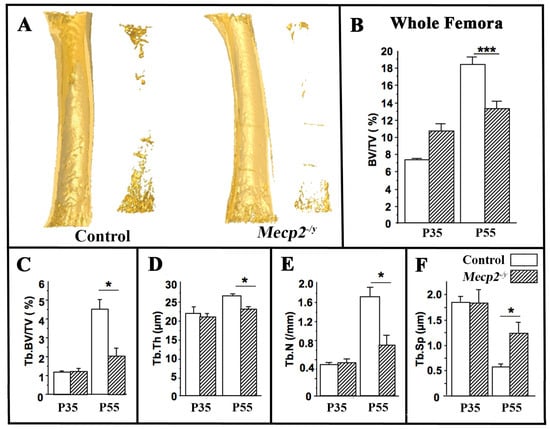
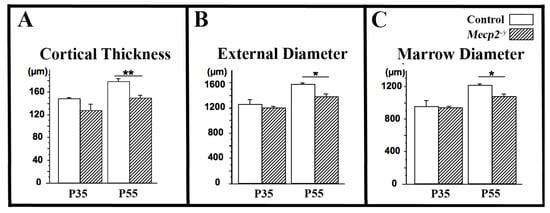
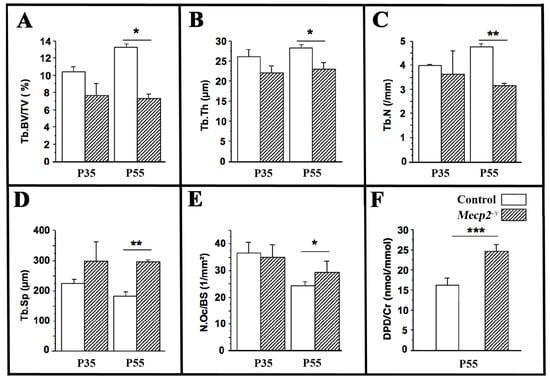
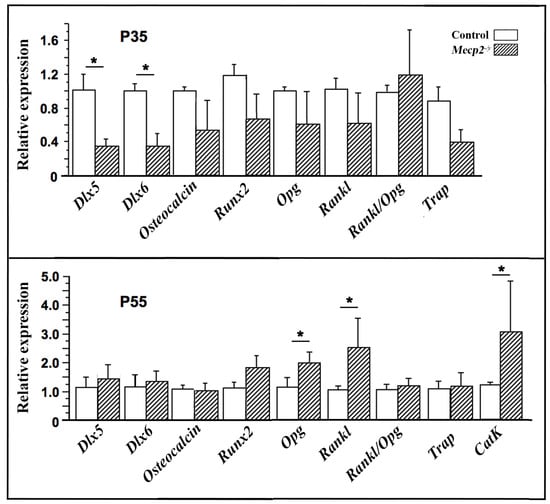
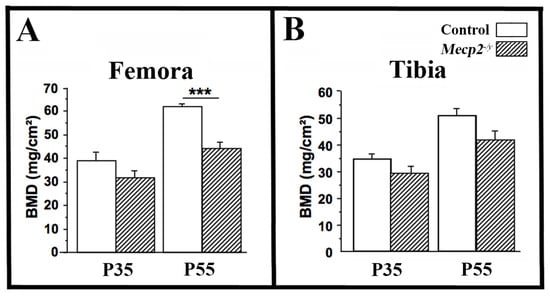
Rett syndrome is a severe neurodevelopmental disorder caused predominantly by loss-of-function mutations in the X-linked gene MECP2. In addition to a vast array of neurological and physiological impairments, patients also frequently develop severe osteopenia with increased fracture risk; however, the mechanisms underlying these skeletal defects are not completely understood. Previous work in Mecp2-null mouse models has suggested that osteopenia is mainly due to impaired osteoblast function and reduced bone formation. Here, we examined bone mass, microarchitecture, and remodeling parameters in a Mecp2-null mouse model during postnatal development, with a particular focus on osteoclast involvement. Microcomputed tomography and histomorphometric analyses showed reduced bone mineral density and trabecular bone volume, which are associated with increased trabecular separation and cortical thinning. These structural alterations were accompanied by increased osteoclast number per bone surface, elevated urinary deoxypyridinoline, and higher expression of osteoclast-associated genes, including Cathepsin K. Furthermore, gene expression analysis revealed an age-dependent shift in bone remodeling. At postnatal day 35, mutant mice showed reduced expression of Dlx5 and Dlx6, consistent with low bone turnover. By postnatal day 55, Rankl and Cathepsin K were markedly upregulated, suggesting an increase in osteoclast resorptive activity, while key osteoblast markers and the RANKL/OPG ratio did not change significantly. A potential cell-autonomous contribution of Mecp2 to osteoclast maturation is also suggested by the analysis of public transcriptomic datasets on human osteoclast differentiation. Together, our findings identify increased osteoclast activity as a significant contributor to Rett-associated osteopenia and suggest that skeletal pathology in Mecp2 deficiency progresses from an early low-turnover state to a later phase of increased osteoclast resorption. Full article
Show Figures

Figure 1

20 pages, 308 KB  
Article
Prevalence and Correlates of Mental Health Issues Among University Students in Punjab, Pakistan: Insights into Academic Performance and Psychological Well-Being
by Nauman Ali Chaudhry, Rubeena Zakar, Gulzar H. Shah, Alexander Kraemer and Bushra Shah
Healthcare 2026, 14(10), 1421; https://doi.org/10.3390/healthcare14101421 (registering DOI) - 21 May 2026
Abstract
Background/Objectives: Mental health problems are common among university students and are more consistently associated with dissatisfaction with academic performance than with low grades alone. This study examined the prevalence and determinants of perceived stress, depressive symptoms, and low psychological well-being among university students [...] Read more.
Background/Objectives: Mental health problems are common among university students and are more consistently associated with dissatisfaction with academic performance than with low grades alone. This study examined the prevalence and determinants of perceived stress, depressive symptoms, and low psychological well-being among university students in Punjab, Pakistan, and assessed their association with academic performance. Methods: A cross-sectional survey was conducted among students aged 15 to 29 years at three public universities in Punjab, Pakistan. A total of 1308 questionnaires were completed, yielding a response rate of 91.4%. This study uses data collected in 2015 as a pre-COVID historical baseline, providing valuable insights into student mental health before the global pandemic. This temporal context offers a benchmark for future comparative studies, especially when assessing the mental health impact of COVID-19 on university students. Data were analyzed using SPSS with descriptive statistics, chi-square tests, binary logistic regression, and multinomial logistic regression. Results: The findings revealed that perceived stress and depressive symptoms were prevalent, with 54.9% of students reporting high levels of stress (mean PSS score = 27.6, SD = 8.3), and 44.2% experiencing depressive symptoms (mean M-BDI score = 33.8, SD = 16.2). Female students exhibited higher stress and depressive symptoms compared to male students. Year of study was also a factor, with second- and third-year students experiencing more stress than their final-year counterparts (p < 0.05). Financial strain was associated with poorer mental health outcomes; 62% of students who reported inadequate financial support also reported higher stress levels (p < 0.05). In contrast, students with sufficient financial resources had lower odds of experiencing stress and depressive symptoms (AOR = 0.55, p < 0.05). Additionally, students living in university or private hostels reported better psychological well-being than those living at home (AOR = 0.47, p < 0.01). Mental health issues, particularly high stress and depression, were more strongly linked with academic dissatisfaction than low grades alone, with students in the “low grades and unsatisfied” group exhibiting higher odds of mental health problems (AOR = 2.30, p < 0.05). Conclusions: Mental health problems were common among university students and were associated with poorer academic experiences, particularly dissatisfaction with academic performance. Universities should strengthen accessible mental health support through counseling services, stress-management programs, and stigma-reduction initiatives. Full article
26 pages, 680 KB  
Article
Can Public Data Openness Improve Carbon Emission Efficiency? A Quasi-Natural Experiment Analysis Based on the Launch of Public Data Platforms
by Yufan Dong, Shuangling Sun, Hongli Jiang and Na Lu
Sustainability 2026, 18(10), 5188; https://doi.org/10.3390/su18105188 (registering DOI) - 21 May 2026
Abstract
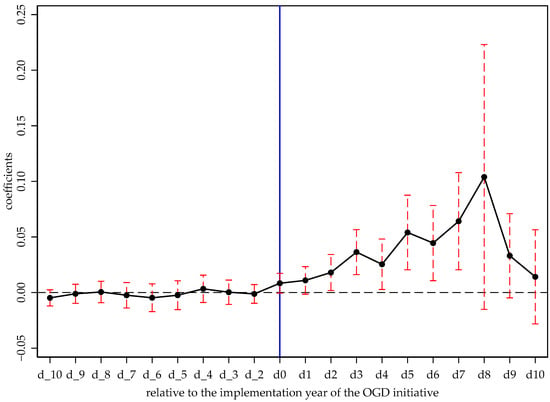
Public data openness (PDO) is critical for advancing digital government initiatives and sustainable development. This study investigates the impact and underlying mechanisms of PDO on carbon emission efficiency (CEE) using a staggered difference-in-differences (DID) approach. The results reveal that the PDO significantly improves [...] Read more.
Public data openness (PDO) is critical for advancing digital government initiatives and sustainable development. This study investigates the impact and underlying mechanisms of PDO on carbon emission efficiency (CEE) using a staggered difference-in-differences (DID) approach. The results reveal that the PDO significantly improves CEE. Mechanism analysis demonstrates that PDO enhances CEE by facilitating digital technology innovation, improving capacity utilization, and fostering industrial structure upgrading. The positive effect of PDO on CEE exhibits heterogeneity across the dimensions of data themes, human capital, green finance development, and land marketization. Furthermore, the Broadband China Strategy (BCS) and the New Energy Demonstration City (NEDC) policy amplify PDO’s positive effect on CEE. This study quantitatively evaluates the economic and environmental effects of data resource openness and sharing, offering insights into deepening data infrastructure development and unleashing data’s potential to promote sustainable development. Full article
Show Figures

Figure 1

20 pages, 4694 KB  
Article
Green Chitosan Bioplastics: How the Filler Impacts the Biological Activity and the Biodegradability?
by Natalia Wrońska, Mohamed Amine Benzaouia, Beata Bielska, Agata Majkut, Maria Bryszewska, Katarzyna Miłowska, Abdelkrim El Kadib and Katarzyna Lisowska
Materials 2026, 19(10), 2167; https://doi.org/10.3390/ma19102167 (registering DOI) - 21 May 2026
Abstract
The growing environmental plastic pollution triggered research for biodegradable and safe materials, among which biopolymer-based films stand as the most promising. Among these, chitosan has gained significant attention due to its biocompatibility, film-forming ability, and inherent antimicrobial properties. In this context, the use [...] Read more.
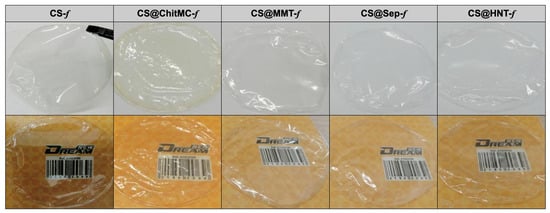
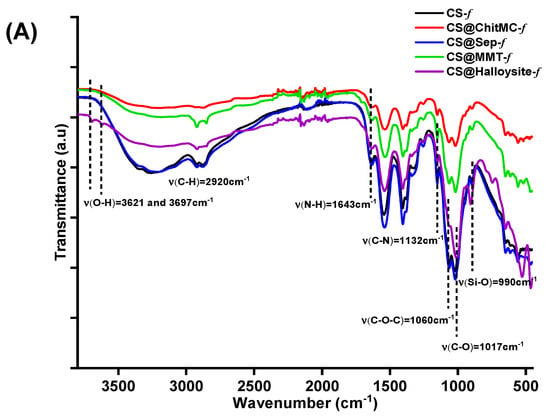
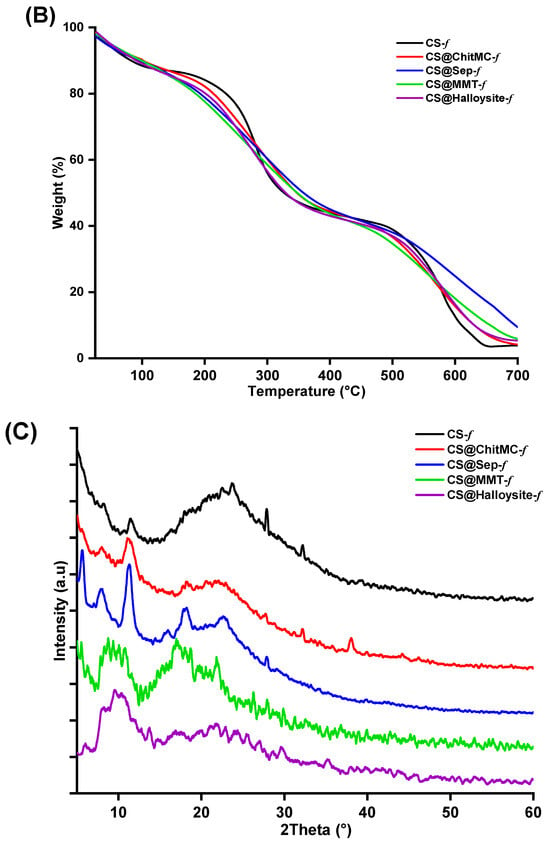
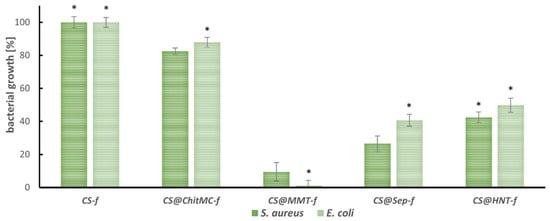
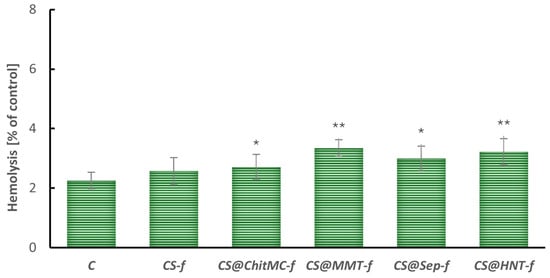
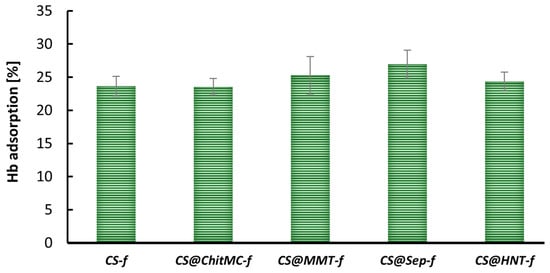
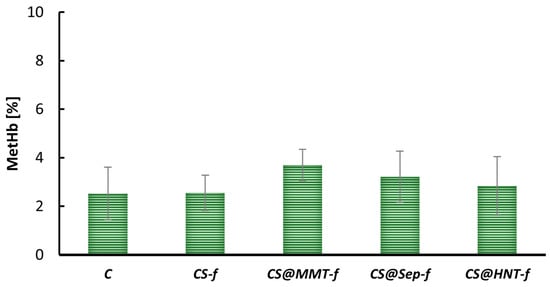
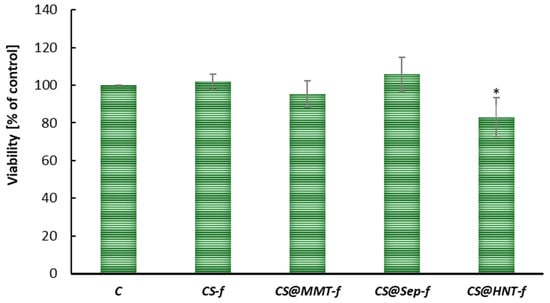
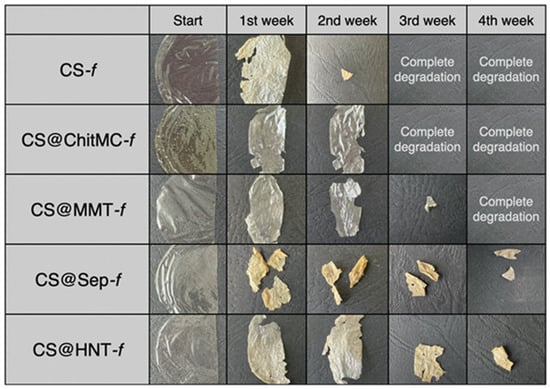
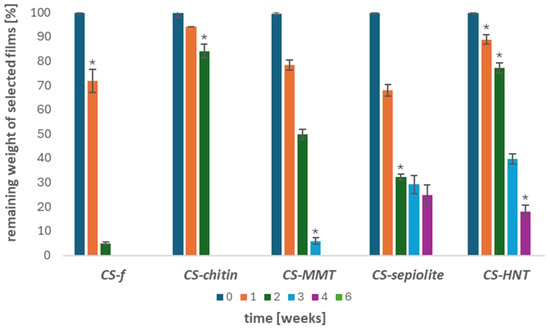
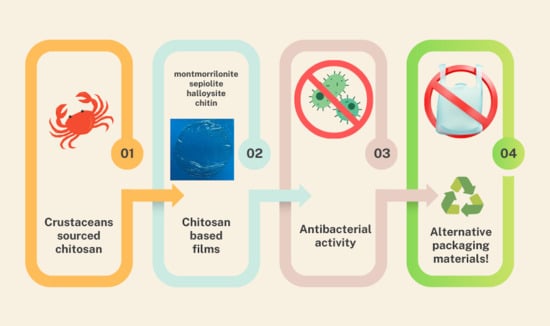
The growing environmental plastic pollution triggered research for biodegradable and safe materials, among which biopolymer-based films stand as the most promising. Among these, chitosan has gained significant attention due to its biocompatibility, film-forming ability, and inherent antimicrobial properties. In this context, the use of fillers to design chitosan nanocomposite films has been shown to enhance the mechanical, barrier, thermal, optical, and antimicrobial properties of the resulting bioplastics. However, the fate and destiny of these fillers, as well as their impact on the biological properties and biodegradability of chitosan films, remain underexplored. We herein report a more comprehensive screening of a set of fillers, encompassing three clay variants (montmorillonite, sepiolite, and halloysite) and microcrystalline chitin. The films were systematically characterized to assess their antibacterial performance, cytocompatibility, hemocompatibility, and biodegradability. The highest antibacterial activity was observed for CS@MMT-f film towards Staphylococcus aureus and Escherichia coli. Importantly, all developed films demonstrated negligible hemolytic activity and low cytotoxicity, indicating their safety for potential biomedical or food-contact applications. Moreover, the selected films completely degrade within four to six weeks under soil burial conditions, demonstrating their potential as environmentally friendly packaging materials. Full article
(This article belongs to the Section Green Materials)
Show Figures

Graphical abstract

Open Access Journals

Browse by Indexing Browse by Subject Selected Journals
Back to TopTop