All articles published by MDPI are made immediately available worldwide under an open access license. No special
permission is required to reuse all or part of the article published by MDPI, including figures and tables. For
articles published under an open access Creative Common CC BY license, any part of the article may be reused without
permission provided that the original article is clearly cited. For more information, please refer to
https://www.mdpi.com/openaccess.
Feature papers represent the most advanced research with significant potential for high impact in the field. A Feature
Paper should be a substantial original Article that involves several techniques or approaches, provides an outlook for
future research directions and describes possible research applications.
Feature papers are submitted upon individual invitation or recommendation by the scientific editors and must receive
positive feedback from the reviewers.
Editor’s Choice articles are based on recommendations by the scientific editors of MDPI journals from around the world.
Editors select a small number of articles recently published in the journal that they believe will be particularly
interesting to readers, or important in the respective research area. The aim is to provide a snapshot of some of the
most exciting work published in the various research areas of the journal.
The efficient development of coalbed methane (CBM) faces persistent challenges due to low recovery rates. While CO2 thermal displacement offers a promising approach, the pore–fracture structure (PFC) evolution and gas displacement mechanisms under temperature–pressure coupling remain insufficiently clear. To address this knowledge
[...] Read more.
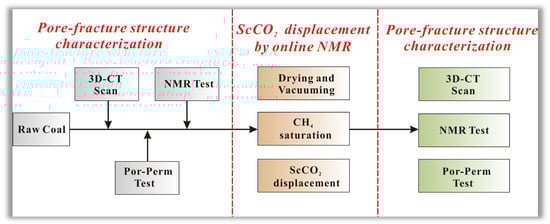
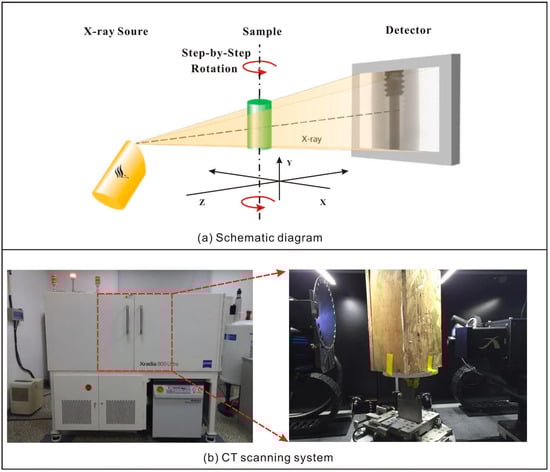
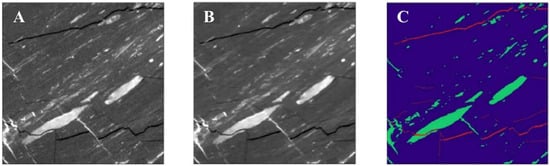
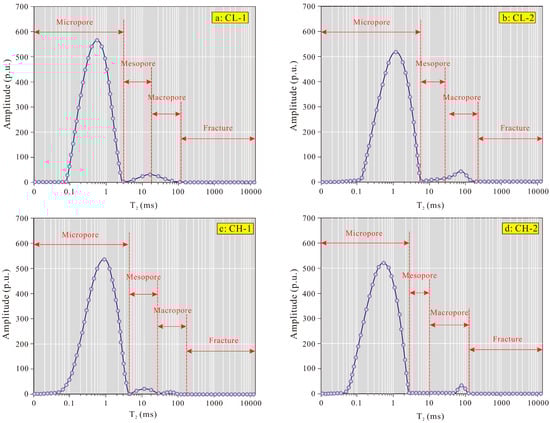
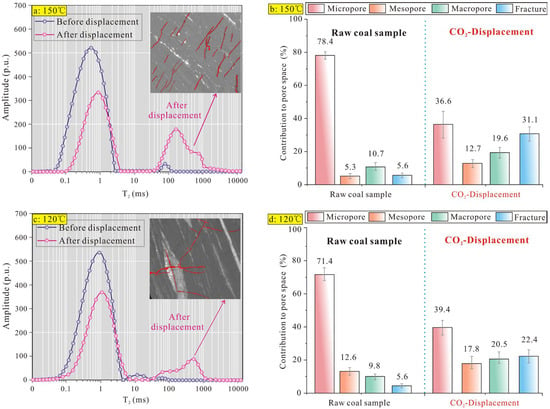
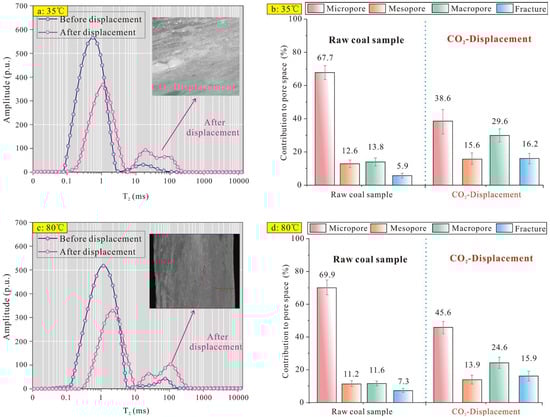
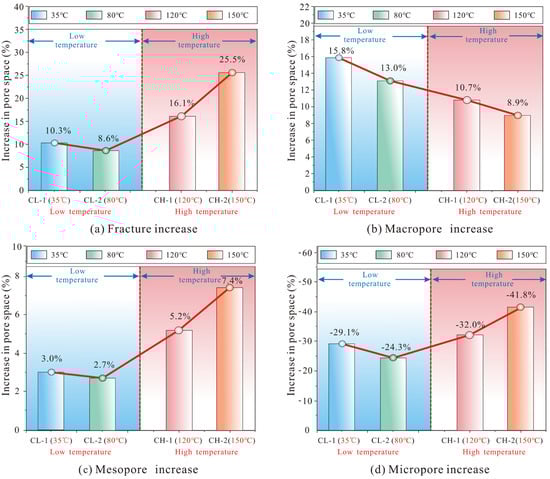
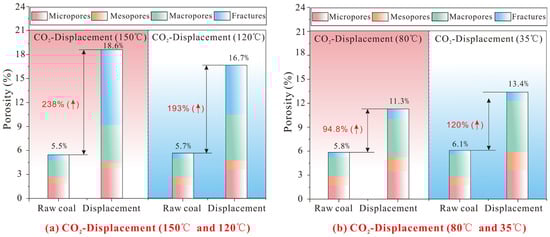
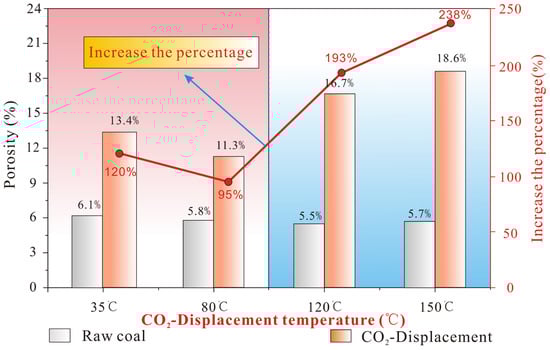
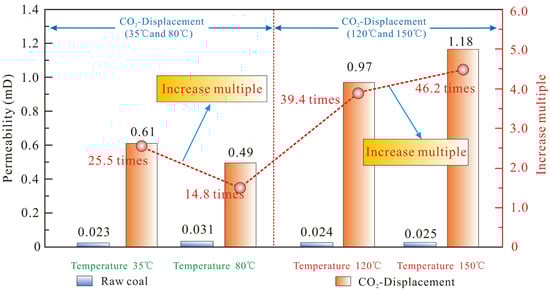
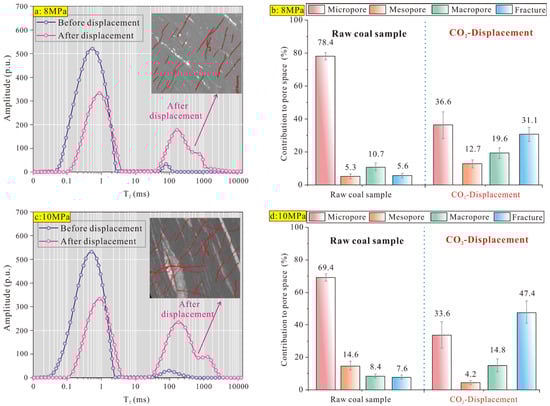
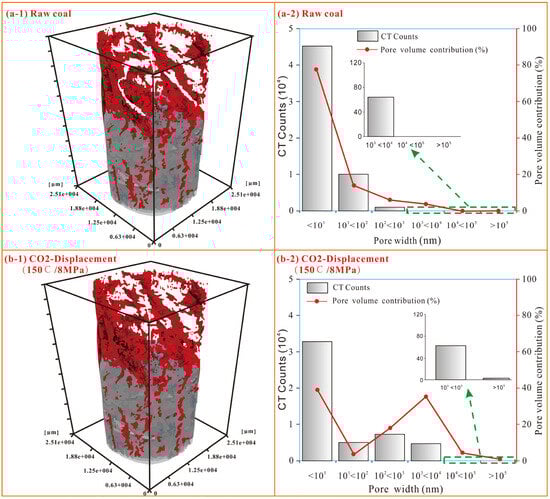
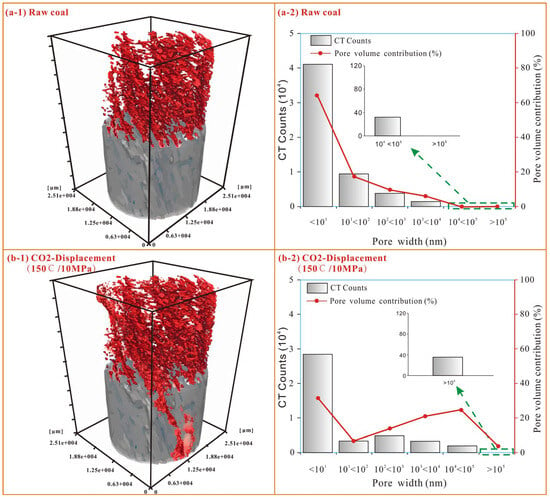
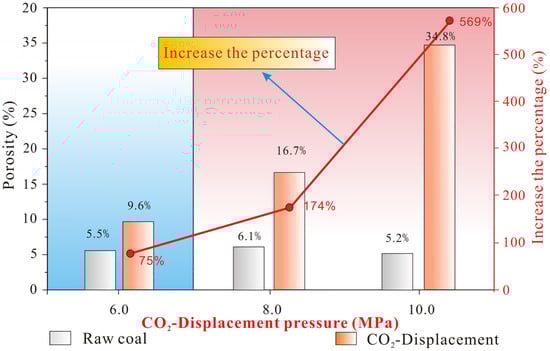
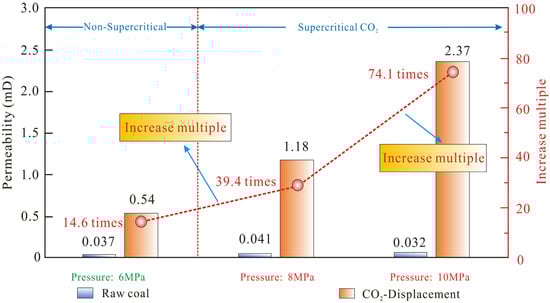
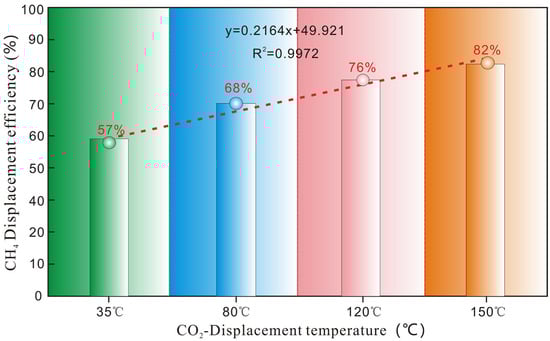
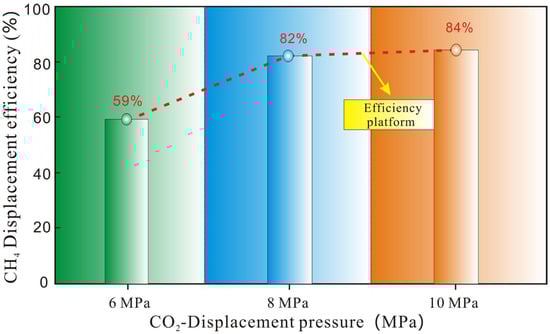
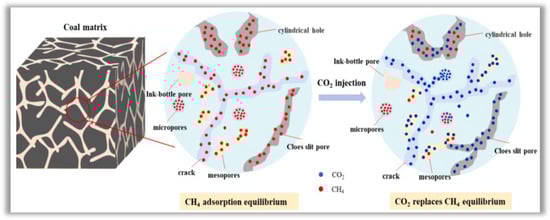
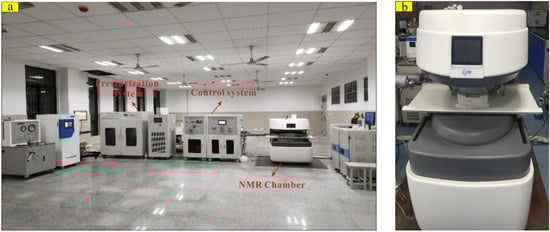
The efficient development of coalbed methane (CBM) faces persistent challenges due to low recovery rates. While CO2 thermal displacement offers a promising approach, the pore–fracture structure (PFC) evolution and gas displacement mechanisms under temperature–pressure coupling remain insufficiently clear. To address this knowledge gap, the in situ, dynamic quantification of pore–fracture evolution during CO2 displacement was achieved by an integrated system with NMR and CT scanning, revealing the expansion, connection, and reconfiguration of coal PFC under temperature–pressure synergy and establishing the intrinsic relationship between supercritical CO2 (ScCO2)-induced permeability enhancement and methane displacement efficiency. Experimental results identify an observed transition in permeability near 80 °C under the tested conditions as a critical permeability transition point: below this value, permeability declines from 0.61 mD to 0.49 mD, reflecting pore structure adjustment; above it, permeability rises markedly to 1.18 mD, indicating a structural shift toward fracture-dominated flow. A “pressure-dominated, temperature-assisted” mechanism is elucidated, wherein pressure acts as the primary driver in creating macro-fractures and forming percolation pathways, while temperature—mainly via thermal stress—promotes micro-fracture development and assists gas desorption, offering only limited direct contribution to permeability. Although elevated injection pressure enhances permeability and establishes fracture networks, displacement efficiency eventually reaches a physical limit. To transcend this constraint, a synergistic production mechanism is proposed in which pressure builds flow channels while temperature activates microporous desorption. This study provides an integrated, in situ quantification of the pore–fraction evolution under high-temperature ScCO2 conditions. The elucidated synergy between pressure and temperature offers insights and an experimental basis for the design of deep CBM recovery and CO2 storage strategies.
Full article
This study investigates the influence of different sintering protocols and resin cement shades on the optical properties of monolithic zirconia restorations. Zirconia, widely used in dentistry for its superior mechanical strength and esthetic potential, demonstrates phase transformations influenced by stabilizing oxides and processing
[...] Read more.
This study investigates the influence of different sintering protocols and resin cement shades on the optical properties of monolithic zirconia restorations. Zirconia, widely used in dentistry for its superior mechanical strength and esthetic potential, demonstrates phase transformations influenced by stabilizing oxides and processing conditions. While increasing yttria content enhances translucency, it compromises mechanical durability. Factors such as sintering temperature, grain size, porosity, and cement selection further affect translucency parameter, contrast ratio, and opalescence. In this research, 36 zirconia samples were divided into three groups according to sintering procedure performed; conventional, fast, and super-fast sintering. Each was tested with two shades of dual-cure resin cement (yellow and transparent). Optical parameters including translucency parameter (TP), contrast ratio (CR), and opalescence parameter (OP) were measured using a spectrophotometer under controlled conditions. Statistically significant differences in OP values between the conventional sintering protocol and both the rapid and super-fast sintering protocols were found. A statistically significant difference was observed in OP values between the yellow and transparent cement groups. Neither the main effects of the sintering protocol nor the cement type were statistically significant on TP and CR values. However, a statistically significant interaction effect between the sintering protocol and cement type was observed for CR values. The findings highlight that both processing parameters and cement selection interaction play crucial roles in optimizing the TP and CR values of zirconia restorations, enabling improved esthetic outcomes in clinical practice.
Full article
Background/Objectives: Diagnosing ASD becomes more difficult with age, especially in girls. This study explores developmental factors and diagnostic tools that affect ASD diagnoses after age six. The study also integrates the neurodiversity paradigm to evaluate how diagnostic tools like the ADOS-2 and
[...] Read more.
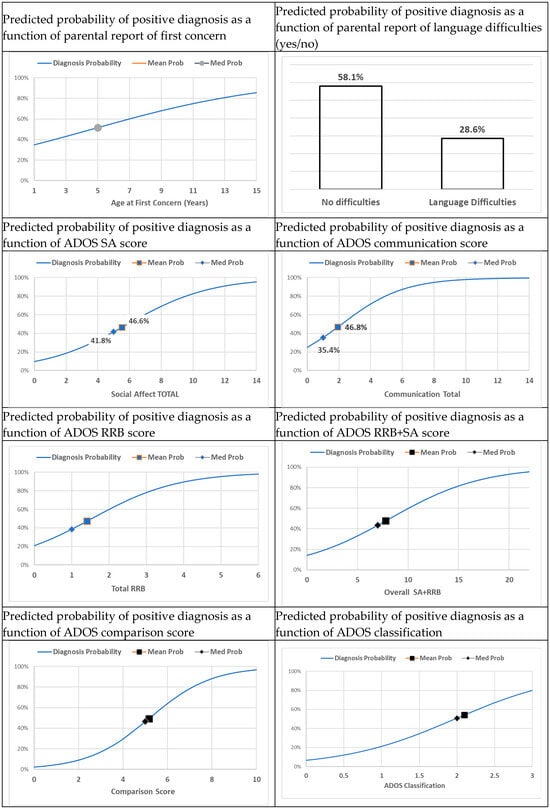
Background/Objectives: Diagnosing ASD becomes more difficult with age, especially in girls. This study explores developmental factors and diagnostic tools that affect ASD diagnoses after age six. The study also integrates the neurodiversity paradigm to evaluate how diagnostic tools like the ADOS-2 and Social Attribution Test (SAT) capture the heterogeneous presentation of ASD across genders. Methods: This retrospective study analyzed data from 91 children (73 boys, 18 girls) assessed for ASD between ages 6–18. Multivariate Generalized Linear Models (GLMs) were employed to identify independent predictors of diagnosis, controlling for age, gender, and language difficulties. Results: Notable gender differences emerged: boys showed more atypical development and restricted interests, while girls showed higher sensory sensitivity. Multivariate analysis confirmed that Social Affect (SA), age of initial concern, and the absence of structural language difficulties significantly impacted diagnosis likelihood. Conclusions: This study emphasizes the need for gender-sensitive criteria and implicit measures like the SAT to identify “masking” phenotypes. It emphasizes current tool limitations, the risk of diagnostic overshadowing, and the importance of longitudinal studies with comprehensive assessments to better capture ASD diversity, especially in social and language skills.
Full article
Addressing the climate crisis requires mobilizing younger generations, yet engagement is often limited to those with strong environmental identities. This study explores the largely unexamined potential of motivating a broader segment of youth by connecting climate action to the pursuit of their personal
[...] Read more.
Addressing the climate crisis requires mobilizing younger generations, yet engagement is often limited to those with strong environmental identities. This study explores the largely unexamined potential of motivating a broader segment of youth by connecting climate action to the pursuit of their personal life goals. We investigated how different types of life purpose predict engagement across a spectrum of climate actions, from everyday pro-environmental behaviors to activism leadership. A sample of 901 Canadian undergraduate students completed measures assessing life purpose, coping strategies, and climate actions. Factor analysis of the Revised Youth Purpose Survey confirmed a three-factor structure of life purposes: self-enhancing (SELP), responsibility-enhancing (RELP), and world-enhancing (WELP). Moderated mediation analyses revealed distinct motivational pathways: both WELP and RELP indirectly increase participation in climate activism via problem-focused coping, and this effect is moderated by self-efficacy. However, SELP indirectly decreases participation in climate activism via problem-focused coping, and this effect is moderated by self-efficacy. These findings demonstrate there is no single pathway to climate engagement and suggest that career development can be leveraged to connect diverse life purposes with sustainability, thereby aligning personal aspirations with the collective goals of the Sustainable Development Goals.
Full article
The increasing core counts and architectural heterogeneity of modern processors make performance optimization insufficient if energy consumption is not simultaneously considered. By providing a novel characterization of how the interaction between hybrid architectures and system software disrupts the traditional correlation between execution speed
[...] Read more.
The increasing core counts and architectural heterogeneity of modern processors make performance optimization insufficient if energy consumption is not simultaneously considered. By providing a novel characterization of how the interaction between hybrid architectures and system software disrupts the traditional correlation between execution speed and energy efficiency, this research study analyzes the performance–energy trade-offs of parallel LU matrix decomposition algorithms implemented in Java, focusing on the Crout and Doolittle variants. This study is conducted on four different platforms, including ARM-based, Hybrid x86, and many-core accelerators. Execution time and speedup are evaluated for varying thread counts, while energy consumption is measured externally to capture whole-system energy usage. Experimental results show that the configuration yielding the maximum speedup does not necessarily minimize energy consumption. While x86 systems showed energy savings exceeding 80% under optimal parallel configurations, the ARM-based platform required distinct thread counts to minimize energy consumption compared with maximizing speed. These findings demonstrate that energy-efficient configurations represent a distinct optimization space that often contradicts traditional performance metrics. In the era of hybrid computing, green software optimization must transition from a simplistic “race-to-sleep” paradigm toward sophisticated, architecture-aware strategies that account for the specific power profiles of heterogeneous cores to achieve truly sustainable high-performance computing.
Full article
The flexural behavior of reinforced rubberized concrete beams was assessed, and it was demonstrated that they exhibited a constant performance decline with an increase in rubber content. Numerical simulations are critically important in the study and engineering of concrete elements due to several
[...] Read more.
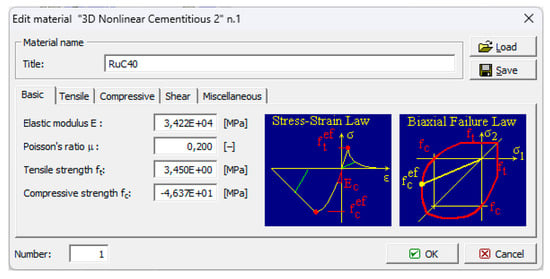
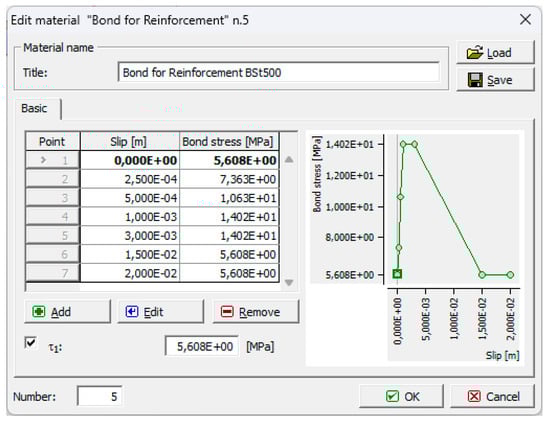
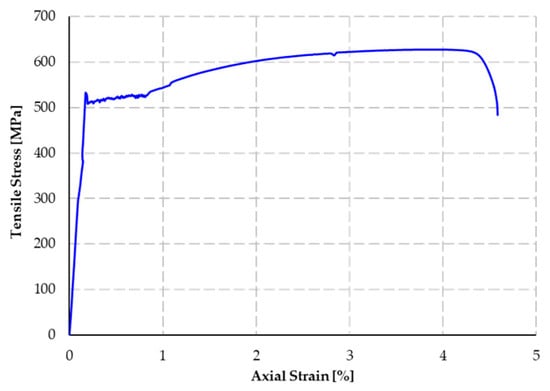
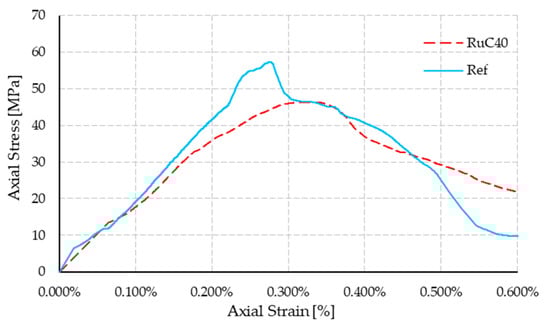
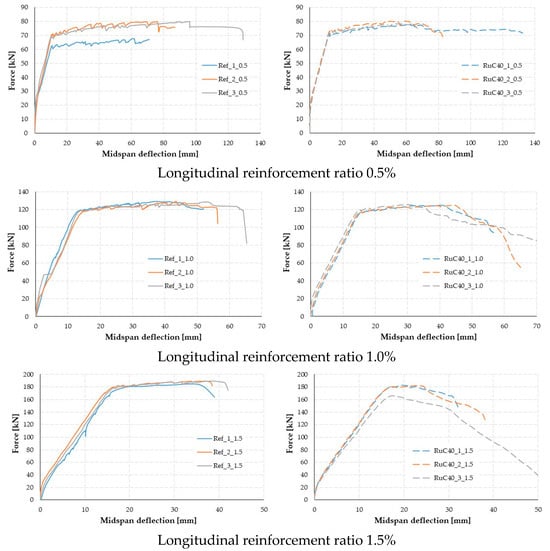
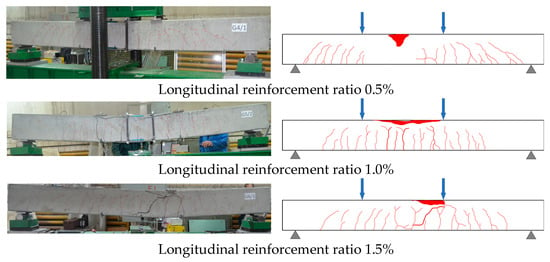
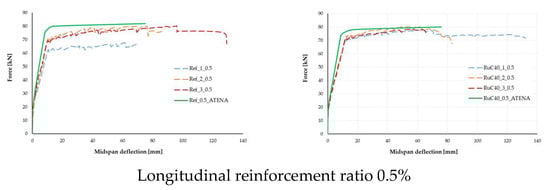
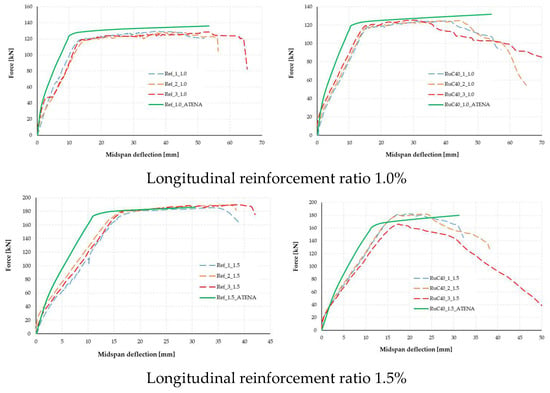
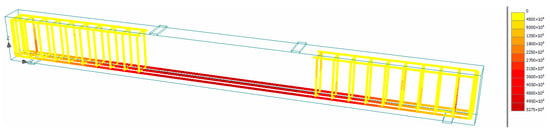
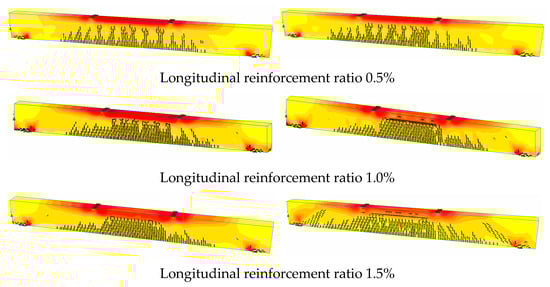
The flexural behavior of reinforced rubberized concrete beams was assessed, and it was demonstrated that they exhibited a constant performance decline with an increase in rubber content. Numerical simulations are critically important in the study and engineering of concrete elements due to several key reasons, as follows: to allow engineers to anticipate the behavior of concrete components under diverse loads; to help elucidate intricate mechanisms such as crack initiation, propagation, and fracture processes; and to explore new materials, geometries, and reinforcement layouts without the need for extensive prototyping. This paper presents both experimental and numerical investigations on the flexural behavior of conventional and rubberized concrete reinforced beams. The parameters of the research included the percentage replacement of natural aggregates by rubber particles and the change in the longitudinal reinforcement ratio. The results showed an increase in the load-carrying capacity and a decrease in the midspan deflection with an increase in reinforcement ratio. Substituting natural aggregates with rubber particles resulted in a slight decrease in the load-carrying capacity but an increase in the midspan deflections. Numerical simulations using ATENA v5 software predicted the load-carrying capacity, failure mode, and cracking patterns of the reinforced concrete beams.
Full article
Passive acoustic monitoring (PAM) is an automatic and non-invasive method for long-term monitoring of bird vocal activity. PAM generates a large amount of data, and the automatic recognition of data poses significant challenges. BirdNET is a free-to-use sound algorithm. We evaluated the effectiveness
[...] Read more.
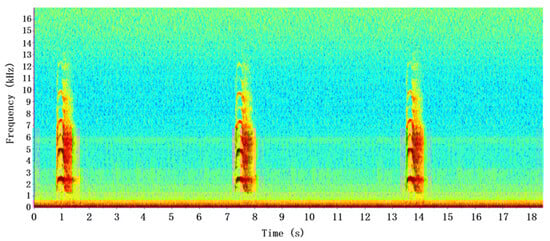
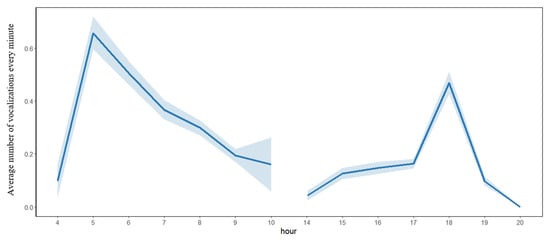
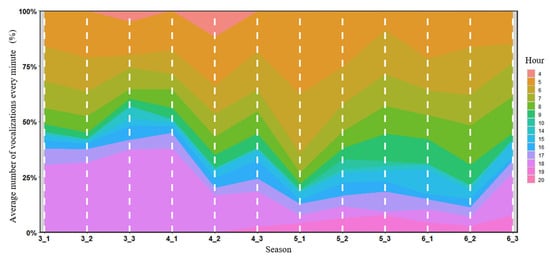
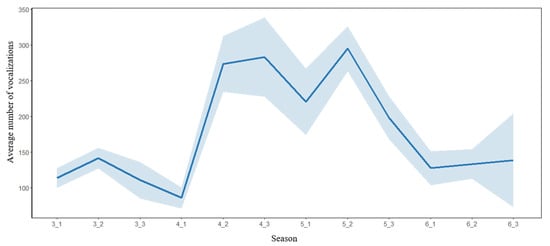
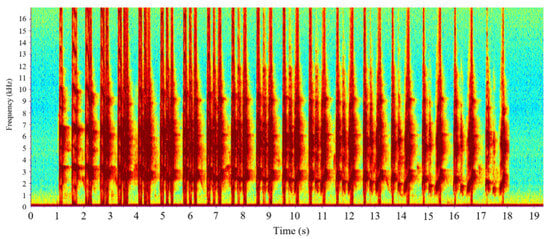
Passive acoustic monitoring (PAM) is an automatic and non-invasive method for long-term monitoring of bird vocal activity. PAM generates a large amount of data, and the automatic recognition of data poses significant challenges. BirdNET is a free-to-use sound algorithm. We evaluated the effectiveness of BirdNET in identifying the vocalizations of Chinese Bamboo Partridge (a Chinese endemic species) and proposed a random forest (RF) method to improve the result based on the detection of BirdNET. The diurnal and seasonal patterns of calling activity were described based on the identification results. The results showed that the recall of BirdNET-Analyzer was 16.6%, the precision of BirdNET-Analyzer-XHS was 50.8%, and the recall and precision of the RF model were 75.2% and 74.4%, respectively. The diurnal vocal activity of the Chinese Bamboo Partridge showed a bimodal pattern, with peaks around sunrise and sunset and low vocal activity during the central hours of the day. The seasonal vocal activity displayed a unimodal pattern, with a peak in vocal activity during April and May. This study used the Chinese Bamboo Partridge as an example and proposes an improved RF model, built on BirdNET recognition results, for species identification, providing a practical approach for recognizing the vocalizations of regional species.
Full article
This paper investigates robust high-dimensional convoluted rank regression in distributed environments. We propose an estimation method suitable for sparse regimes, which remains effective under heavy-tailed errors and outliers, as it does not impose moment assumptions on the noise distribution. To facilitate scalable computation,
[...] Read more.
This paper investigates robust high-dimensional convoluted rank regression in distributed environments. We propose an estimation method suitable for sparse regimes, which remains effective under heavy-tailed errors and outliers, as it does not impose moment assumptions on the noise distribution. To facilitate scalable computation, we develop a local linear approximation algorithm, enabling fast and stable optimization in high-dimensional settings and across distributed systems. Our theoretical results provide non-asymptotic error bounds for both one-round and multi-round communication schemes, explicitly quantifying how estimation accuracy improves with additional communication rounds. Specifically, after a number of communication rounds (logarithmic in the number of machines), the proposed estimator achieves the minimax-optimal convergence rate, up to logarithmic factors. Extensive simulations further demonstrate stable performance across a wide range of error distributions, with accurate coefficient estimation and reliable support recovery.
Full article
by
Dermot Farrell, Houda Bahig, Richard Khor, Luiz P. Kowalski, Remco de Bree, Avraham Eisbruch, Heleen Bollen, Fernando Lopez, M. P. Sreeram, Orlando Guntinas-Lichius, Juan P. Rodrigo, Nabil F. Saba, Karthik N. Rao, Sandra Nuyts, Anna Luíza Damaceno Araújo, Alfio Ferlito and Sweet Ping Ng
Cancers2026, 18(2), 303; https://doi.org/10.3390/cancers18020303 (registering DOI) - 19 Jan 2026
HPV-positive OPSCC shows a favourable prognosis, prompting evaluation of de-escalated and adaptive strategies. Quantitative imaging may provide scalable biomarkers to individualise care. Quantitative imaging can support baseline risk stratification, early on-treatment decision-making, and posttreatment surveillance in HPV-positive OPSCC. Real-world translation requires standardised reporting,
[...] Read more.
HPV-positive OPSCC shows a favourable prognosis, prompting evaluation of de-escalated and adaptive strategies. Quantitative imaging may provide scalable biomarkers to individualise care. Quantitative imaging can support baseline risk stratification, early on-treatment decision-making, and posttreatment surveillance in HPV-positive OPSCC. Real-world translation requires standardised reporting, calibration/harmonisation across centres, rigorous model validation, and workflow integration with radiotherapy planning. Quantitative MRI, CT, and PET, augmented by radiomics and AI, show convergent promise as non-invasive biomarkers to enable safe individualisation of therapy in HPV-positive OPSCC, contingent on methodological rigour and prospective, externally validated studies. Despite this promise, clinical translation faces substantial barriers, including limited external validation, heterogeneous methodologies, and the need for standardised, prospectively validated pipelines.
Full article
Artificial intelligence (AI) refers to autonomous or semi-autonomous systems capable of interpreting data, generating inferences, and guiding decisions, thereby reshaping the foundations of work and organizational processes. Its rapid integration into productive settings gives rise to emerging risks, understood as new or
[...] Read more.
Artificial intelligence (AI) refers to autonomous or semi-autonomous systems capable of interpreting data, generating inferences, and guiding decisions, thereby reshaping the foundations of work and organizational processes. Its rapid integration into productive settings gives rise to emerging risks, understood as new or evolving hazards that stem from human–machine interaction, algorithmic decision-making, and shifting sociotechnical conditions. Within occupational safety and health (OSH), these risks encompass novel cognitive, psychosocial, organizational, and ethical challenges, making it necessary to develop preventive frameworks that align technological innovation with human well-being, transparency, and responsible governance.
Full article
(E)-Flavokawain A (FKA), the primary chalcone constituent of Piper methysticum, exhibits diverse pharmacological properties and holds significant potential for therapeutic development. Objectives: This study aims to investigate the anti-colorectal cancer effects and mechanisms of FKA. Methods: Using AOM/DSS-induced colorectal cancer
[...] Read more.
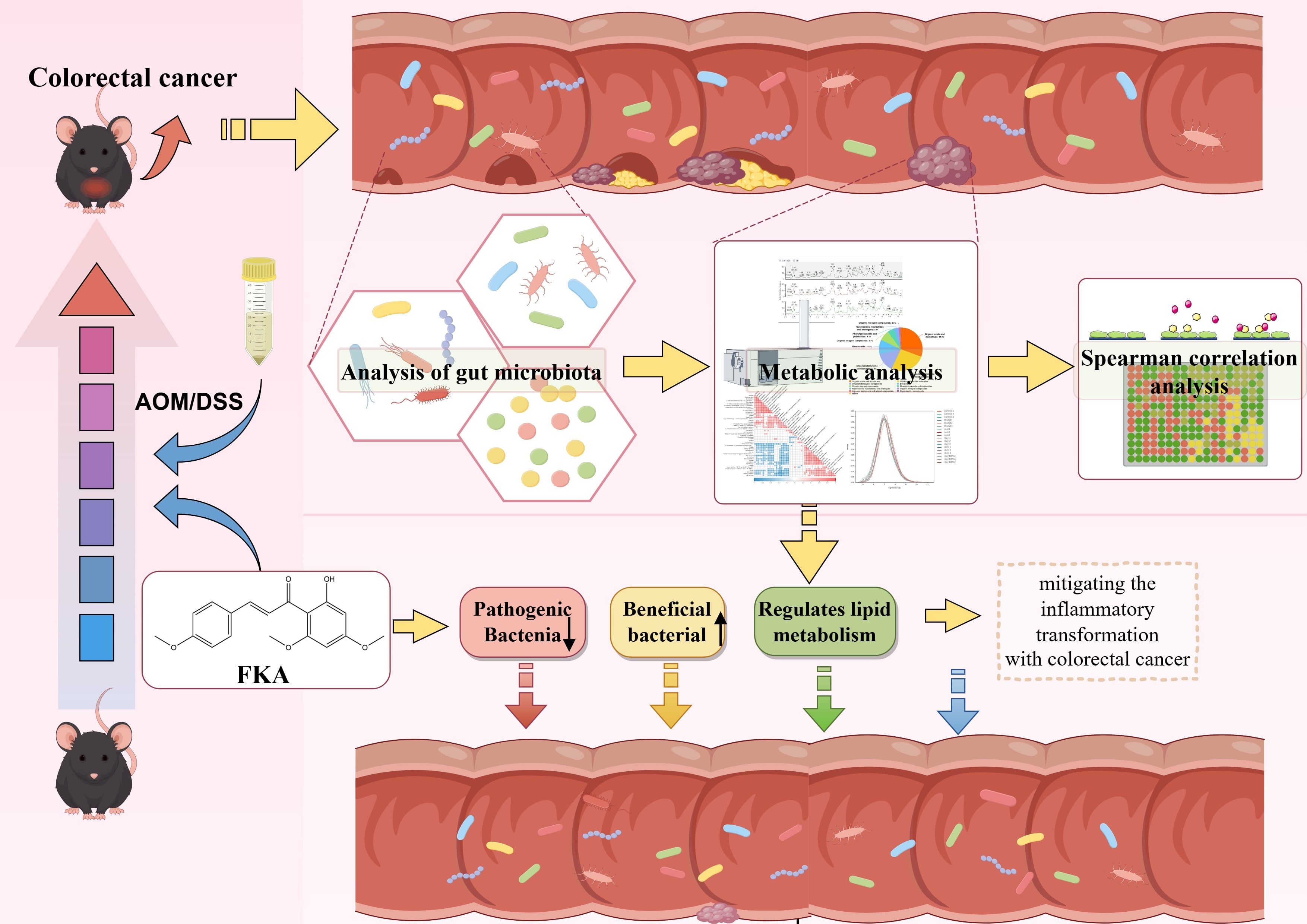
(E)-Flavokawain A (FKA), the primary chalcone constituent of Piper methysticum, exhibits diverse pharmacological properties and holds significant potential for therapeutic development. Objectives: This study aims to investigate the anti-colorectal cancer effects and mechanisms of FKA. Methods: Using AOM/DSS-induced colorectal cancer models in C57 mice, the research examines the impact of different FKA doses, employing 16S rRNA and metabolomics to explore the potential mechanism. Results: The findings indicated that FKA significantly inhibited the progression of colorectal cancer in C57 mice by modulating the composition of the gut microbiota. This modulation involved the suppression of endotoxin secretion by pathogenic bacteria and the concurrent augmentation of beneficial bacteria. Furthermore, in the context of metabolic pathways, FKA regulates lipid metabolism and arachidonic acid metabolism, thereby mitigating the inflammatory transformation associated with colorectal cancer. Conclusions: These findings provide valuable insights supporting the potential of FKA as a viable preventive strategy against CRC.
Full article
Eugenia pyriformis Cambess., popularly known as uvaia, is a native Brazilian species belonging to the Myrtaceae family that has attracted pharmacological interest due to its richness in bioactive secondary metabolites. Previous studies have reported antimicrobial and antioxidant activities of the essential oil obtained
[...] Read more.
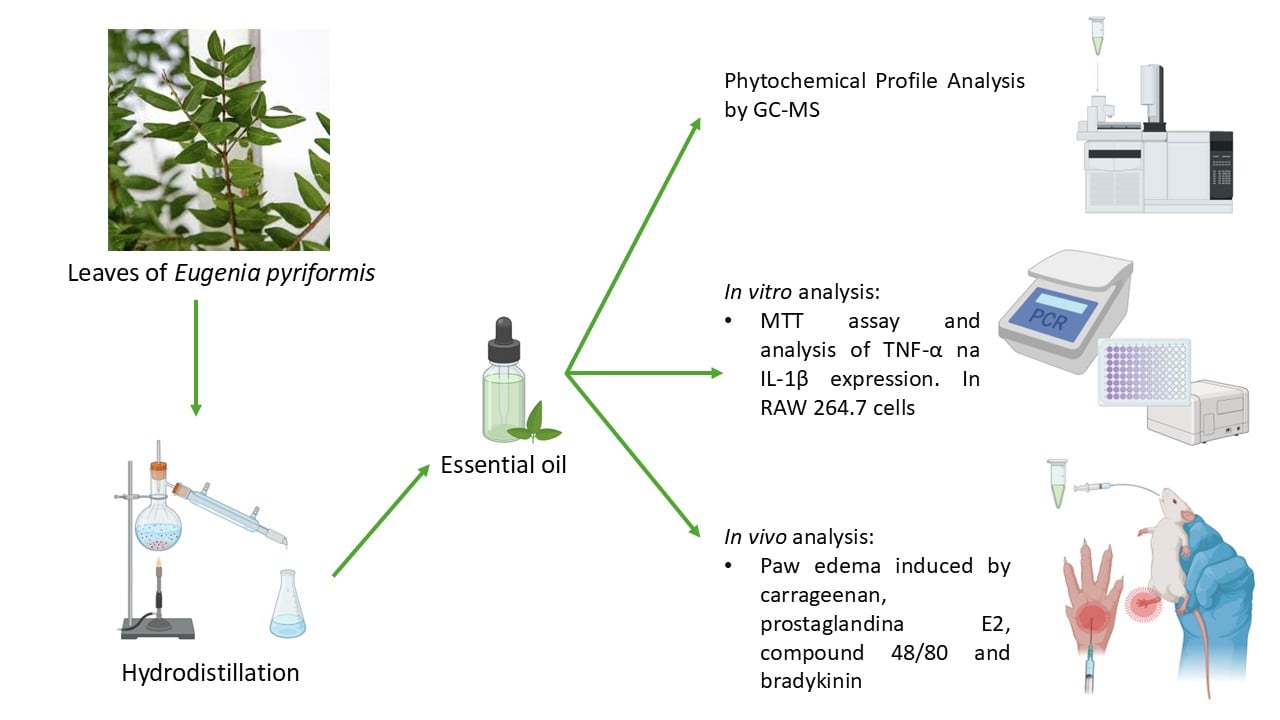
Eugenia pyriformis Cambess., popularly known as uvaia, is a native Brazilian species belonging to the Myrtaceae family that has attracted pharmacological interest due to its richness in bioactive secondary metabolites. Previous studies have reported antimicrobial and antioxidant activities of the essential oil obtained from its leaves, reinforcing its therapeutic potential. In this context, the present study aimed to extract and characterize the essential oil from E. pyriformis leaves cultivated in the mountainous region of Rio de Janeiro, Brazil, and to evaluate its anti-inflammatory potential through in vitro and in vivo models. Gas chromatography mass spectrometry (GC–MS) analysis revealed a predominance of sesquiterpene hydrocarbons, mainly γ-muurolene, δ-cadinene, and β-caryophyllene. The oil exhibited significant anti-edematogenic activity in carrageenan-, prostaglandin E2-, and bradykinin-induced paw edema models in adult female Swiss mice, suggesting modulation of inflammatory mediators, possibly through inhibition of the cyclooxygenase (COX) pathway. Conversely, no effect was observed in the compound 48/80-induced model, indicating the absence of activity on histamine- and serotonin-mediated processes. In vitro assays demonstrated that the oil reduced TNF-α and IL-1β gene expression in RAW 264.7 macrophages, confirming its ability to modulate pro-inflammatory cytokines. Taken together, these findings demonstrate that the essential oil of E. pyriformis exerts anti-inflammatory activity through multiple targets.
Full article
Effective disaster management is critical for safeguarding lives, infrastructure and economies in an era of escalating natural hazards like floods and landslides. Despite advanced early-warning systems and coordination frameworks, a persistent “last-mile” challenge undermines response effectiveness: transforming fragmented and unstructured multimodal data into
[...] Read more.
Effective disaster management is critical for safeguarding lives, infrastructure and economies in an era of escalating natural hazards like floods and landslides. Despite advanced early-warning systems and coordination frameworks, a persistent “last-mile” challenge undermines response effectiveness: transforming fragmented and unstructured multimodal data into timely and accountable field actions. This paper introduces ResQConnect, a human-centered, AI-powered multimodal multi-agent platform that bridges this gap by directly linking incident intake to coordinated disaster response operations in hazard-prone regions. ResQConnect integrates three key components. It uses an agentic Retrieval-Augmented Generation (RAG) workflow in which specialized language-model agents extract metadata, refine queries, check contextual adequacy and generate actionable task plans using a curated, hazard-specific knowledge base. The contribution lies in structuring the RAG for correctness, safety and procedural grounding in high-risk settings. The platform introduces an Adaptive Event-Triggered (AET) multi-commodity routing algorithm that decides when to re-optimize routes, balancing responsiveness, computational cost and route stability under dynamic disaster conditions. Finally, ResQConnect deploys a compressed, domain-specific language model on mobile devices to provide policy-aligned guidance when cloud connectivity is limited or unavailable. Across realistic flood and landslide scenarios, ResQConnect improved overall task quality scores from 61.4 to 82.9 (+21.5 points) over a standard RAG baseline, reduced solver calls by up to 85% compared to continuous re-optimization while remaining within 7–12% of optimal response time, and delivered fully offline mobile guidance with sub-500ms response latency and 54 tokens/s throughput on commodity smartphones. Overall, ResQConnect demonstrates a practical and resilient approach to AI-augmented disaster response. From a sustainability perspective, the proposed system contributes to Sustainable Development Goal (SDG) 11 by improving the speed and coordination of disaster response. It also supports SDG 13 by strengthening adaptation and readiness for climate-driven hazards. ResQConnect is validated using real-world flood and landslide disaster datasets, ensuring realistic incidents, constraints and operational conditions.
Full article
Background/Objectives: The use of zirconia implants is gaining traction as a potential alternative to titanium. Although having excellent properties, the zirconia surface has limited osteogenic potential. The purpose of this study was to produce, for the first time, mechanically stable, thick micron-scale
[...] Read more.
Background/Objectives: The use of zirconia implants is gaining traction as a potential alternative to titanium. Although having excellent properties, the zirconia surface has limited osteogenic potential. The purpose of this study was to produce, for the first time, mechanically stable, thick micron-scale hydroxyapatite coatings on zirconia implant material using radiofrequency (RF) magnetron sputtering. Methods: Zirconia samples were coated with HA using an RF magnetron sputtering device at a temperature of 125 °C for 20 h with 155 W of power. The procedure included rotating the substrate at a speed of 10 rpm while an argon gas flow was maintained continuously. Field emission scanning electron microscopy (FESEM), energy-dispersive X-ray (EDX) analysis, atomic force microscopy, and Vickers hardness measurements were used to evaluate the coat’s characteristics. Results: A smooth hydroxyapatite coating layer that was consistent and free of cracks was observed in all FESEM pictures. The EDX study revealed that the substrate surface contains HA particles, and the ratio of calcium (Ca) to phosphorus (P) was 16.58 to 11.31, which is very close to the ratio in original HA. FESEM cross-section pictures showed good adhesion between the coating and substrate without any gaps, and the coating thickness was 5 µm on average. A statistically significant difference was found in the roughness analysis between the samples of uncoated Zr and HA-coated Zr (p-value < 0.05). Conclusions: Zirconia implant material can be coated with a uniform layer of HA, displaying good adhesion and a thickness of a few micrometers when using magnetron sputtering for an extended period of time.
Full article
The article presents a method that supports the evaluation of design manufacturability in the area of input material selection, enabling the reduction in material diversity under single-piece and small-batch production conditions. The proposed approach combines the analysis of alternative materials with activity-based costing
[...] Read more.
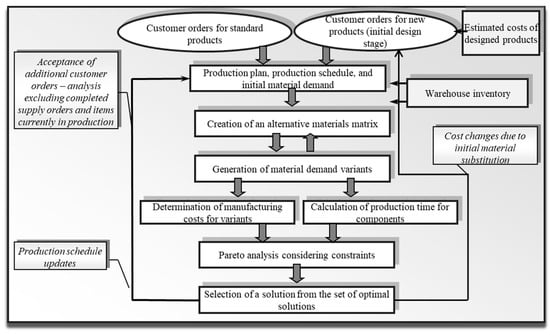
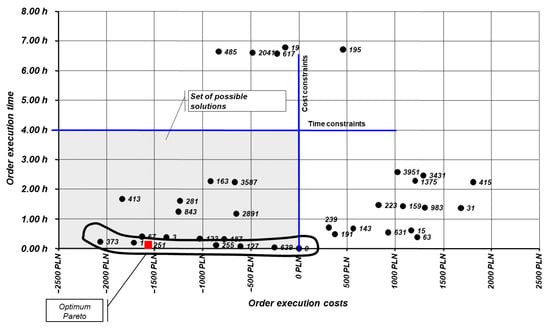
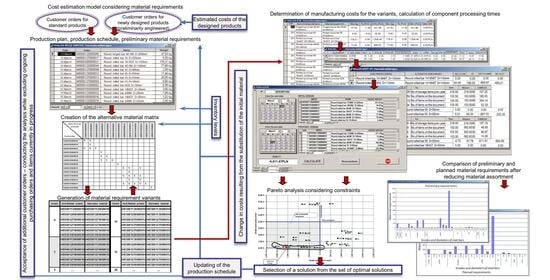
The article presents a method that supports the evaluation of design manufacturability in the area of input material selection, enabling the reduction in material diversity under single-piece and small-batch production conditions. The proposed approach combines the analysis of alternative materials with activity-based costing (ABC) and data concerning actual and planned material requirements. The method enables the assessment of the impact of semi-finished product substitution on material costs, processing costs, production organisation, and material-management costs before order execution is launched. In the conducted case study, it was demonstrated that effective management of material diversity can significantly reduce the range of materials and decrease total manufacturing costs. For the analysed period, the number of material items was reduced from 32 to 19 (a 41% reduction), resulting in cost savings of approximately 11,000 PLN. In addition to total cost, the approach supports the assessment of operational benefits associated with reduced material diversity, such as a lower number of material items, fewer suppliers, reduced inbound inspection and receipt operations, and decreased inventory levels and capital tied up in stock. Material substitution may decrease or increase direct material costs and may increase machining time when larger dimensions are used; therefore, the method jointly evaluates cost and lead-time impacts prior to order release. The results confirm that integrating design, technological, and logistics data is an effective approach to rationalising material management in machinery manufacturing enterprises.
Full article
Stone powder is an inevitable by-product generated during the processing of manufactured sand and gravel. Waste stone powder has been proven to affect concrete properties and has been applied in the transportation and hydropower fields. This study aims to convert waste granite stone
[...] Read more.
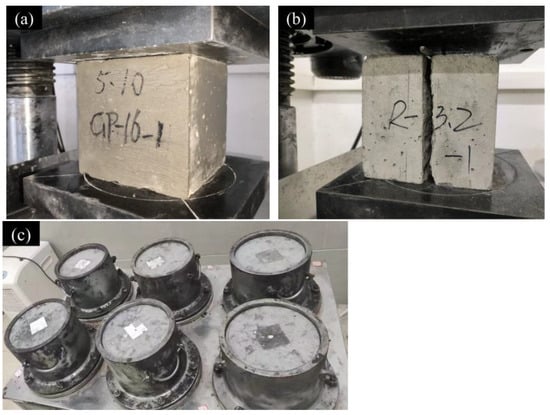
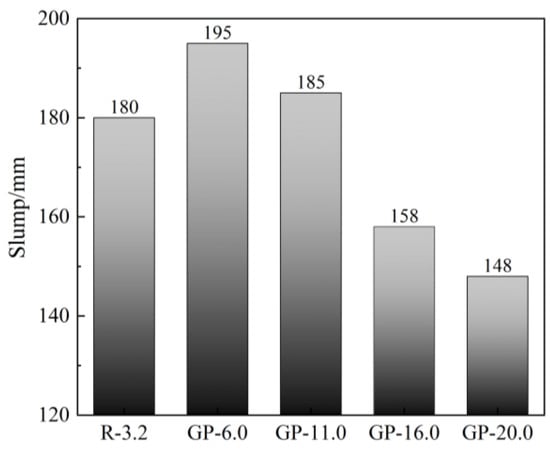
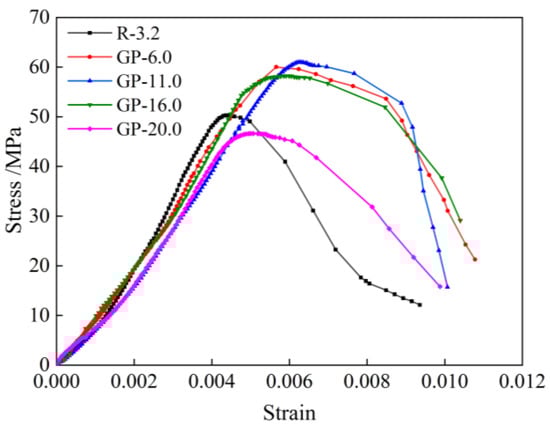
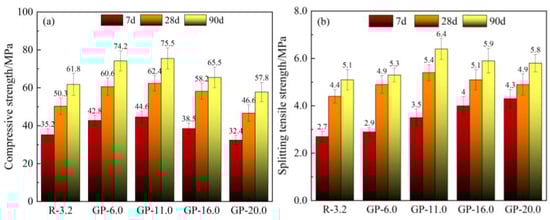
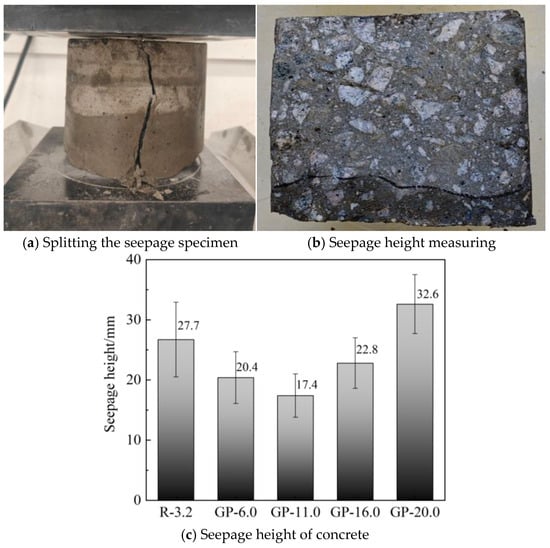
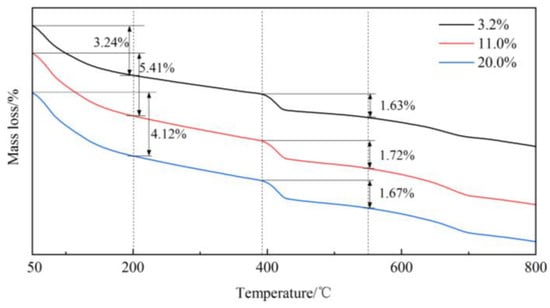
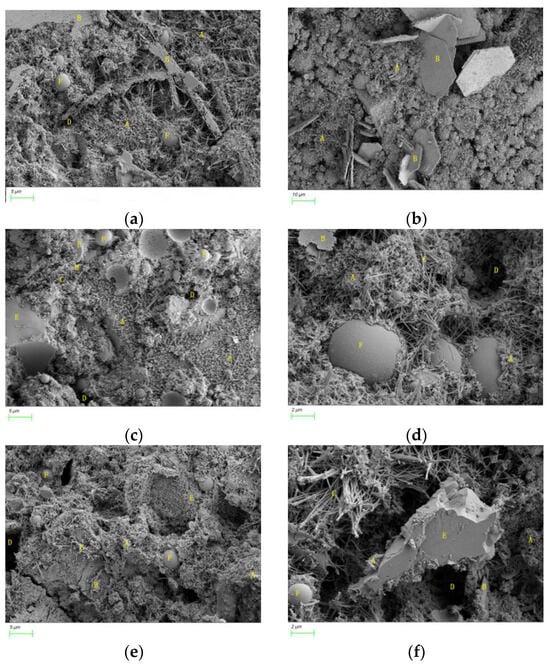
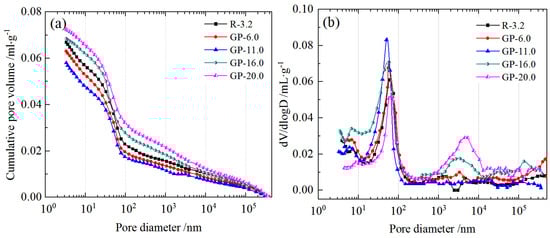
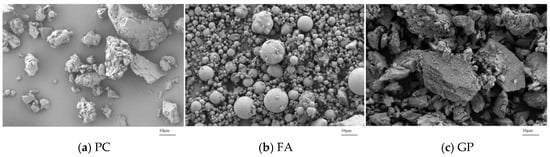
Stone powder is an inevitable by-product generated during the processing of manufactured sand and gravel. Waste stone powder has been proven to affect concrete properties and has been applied in the transportation and hydropower fields. This study aims to convert waste granite stone powder (GP) to nuclear power concrete by replacing manufactured sand, investigating its effect on the workability, compressive strength, splitting tensile strength, impermeability, and freezing resistance of nuclear power concrete. The mechanism was further elucidated through thermogravimetric (TG), scanning electron microscopy (SEM), and mercury intrusion porosimetry (MIP) techniques. The results show that with the increase in GP content, the slump, compressive strength, and splitting tensile strength of concrete increase first and then decrease, and the seepage height under pressure water decreases first and then increases. The workability, strength, and impermeability of concrete are optimal when GP content is 11.0%. Reasonable GP content improves the compactness of concrete by filling pores and optimizing aggregate gradation, resulting in decreases in porosity, with the size being the most probable and average pore size.
Full article
Although many long-distance migratory birds choose stable wintering sites and staging posts, irruptive migrants may exhibit considerable interannual variability in their migratory patterns, often depending on food availability. The Franklin’s gull (Leucophaeus pipixcan) is a common long-distance migrant along Chile’s coast
[...] Read more.
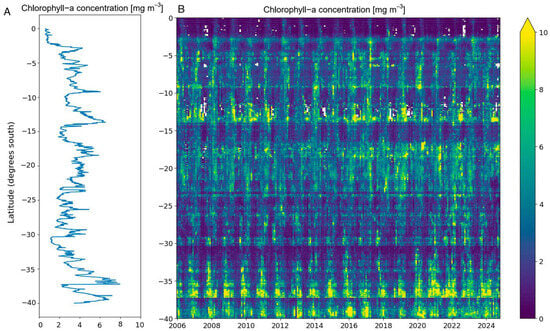
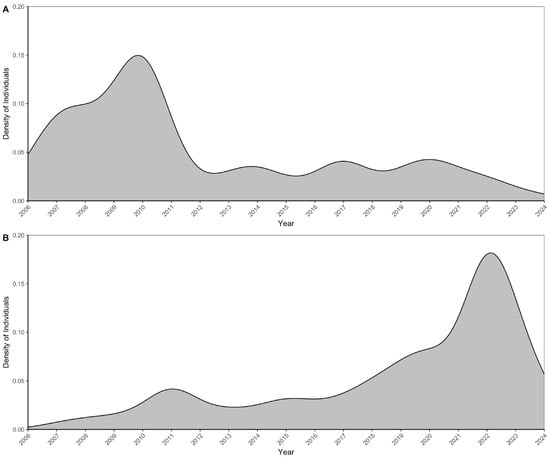
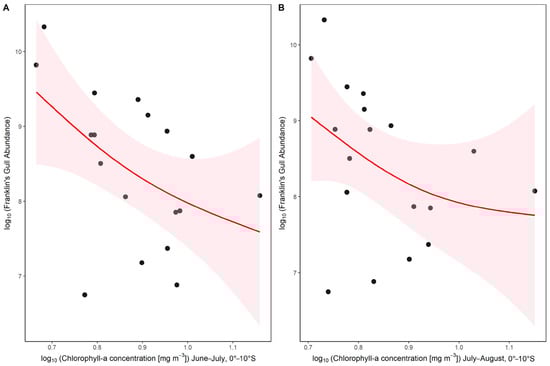
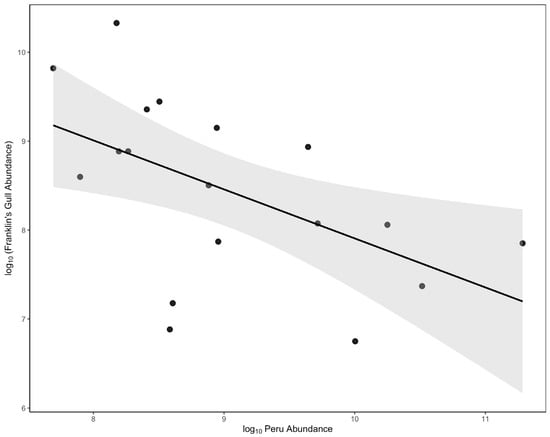
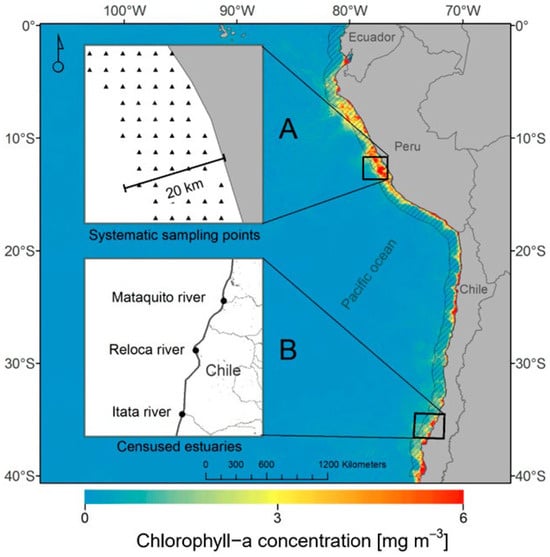
Although many long-distance migratory birds choose stable wintering sites and staging posts, irruptive migrants may exhibit considerable interannual variability in their migratory patterns, often depending on food availability. The Franklin’s gull (Leucophaeus pipixcan) is a common long-distance migrant along Chile’s coast during the austral summer. Using census data from three estuaries in central Chile (2006–2023), we analyzed variation in summer populations in relation to chlorophyll-a (chl-a) concentration along the migration route, used as a proxy for food availability. The best model predicting the number of gulls reaching Chile included a negative effect of chl-a concentration on the Peruvian coast (0–10° S) during winter (June–July). Considering the time lag associated with the transformation of phytoplankton into seagull food, this result suggests that primary productivity along the route may influence how far south these birds migrate in search of food. We also found a negative correlation between the summer abundance of Franklin’s gulls in Chile and an eBird index for the species in Peru during the same period, suggesting redistribution of individuals between the two countries in response to resource availability. Models such as ours provide a useful tool for understanding and managing populations of migratory waterbirds.
Full article
Background/Objectives: Sleep-Disordered Breathing (SDB) in children is closely associated with craniofacial growth and orthodontic conditions. Early identification of SDB risk in orthodontic populations is crucial, yet evidence remains fragmented. This systematic review aimed to summarize the prevalence of high SDB risk in
[...] Read more.
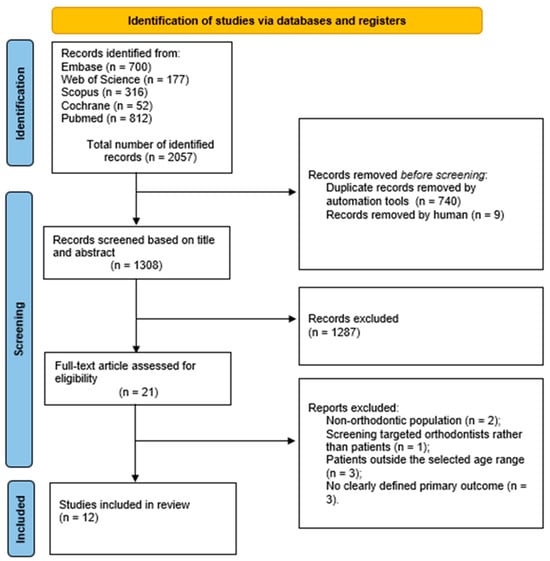
Background/Objectives: Sleep-Disordered Breathing (SDB) in children is closely associated with craniofacial growth and orthodontic conditions. Early identification of SDB risk in orthodontic populations is crucial, yet evidence remains fragmented. This systematic review aimed to summarize the prevalence of high SDB risk in pediatric orthodontic patients assessed through validated questionnaires. Methods: A systematic search was conducted across PubMed, Scopus, Web of Science, Cochrane Library and Embase following PRISMA guidelines. Inclusion criteria comprised analytical cross-sectional studies assessing SDB risk in children undergoing or seeking orthodontic treatment, using validated questionnaires such as the Pediatric Sleep Questionnaire (PSQ), OSA-18, or Sleep Clinical Record (SCR). The methodological quality of the included studies was assessed using the “JBI Critical Appraisal Checklist for Studies Reporting Prevalence Data”. The certainty of the evidence was additionally evaluated using the GRADE approach. Results: Twelve studies published between 2011 and 2025 met the inclusion criteria, totaling 3737 participants. Across studies, the mean prevalence of high SDB risk ranged from a minimum of 1.2% to a maximum of 69%, with consistently higher values in populations exhibiting malocclusions, oral breathing patterns, or craniofacial risk markers. All studies clearly described their populations and used validated screening tools, resulting in moderate overall quality. Conclusions: Pediatric orthodontic populations demonstrate a substantial prevalence of high SDB risk, suggesting that orthodontists should systematically incorporate validated questionnaires into routine screening. The evidence base, although consistent, remains limited by methodological weaknesses. Further well-designed studies are needed to clarify causal relationships between craniofacial development and SDB.
Full article
The brittle characteristics of fiber-reinforced concrete make it difficult to capture the time-varying properties during its flexural failure. This study employed high-speed imaging to investigate the effects of polypropylene fiber, polyvinyl alcohol fiber (PVA), and basalt fiber on the fracture behavior of concrete.
[...] Read more.
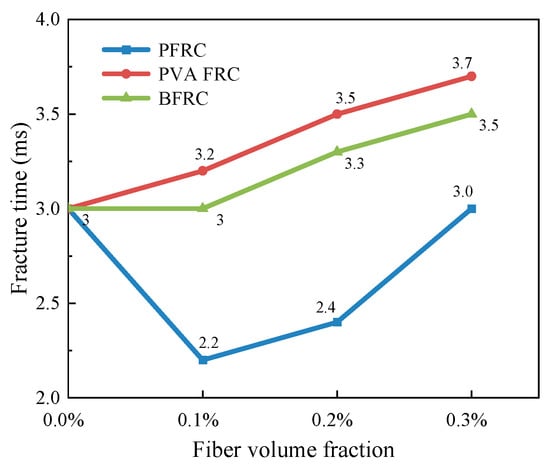
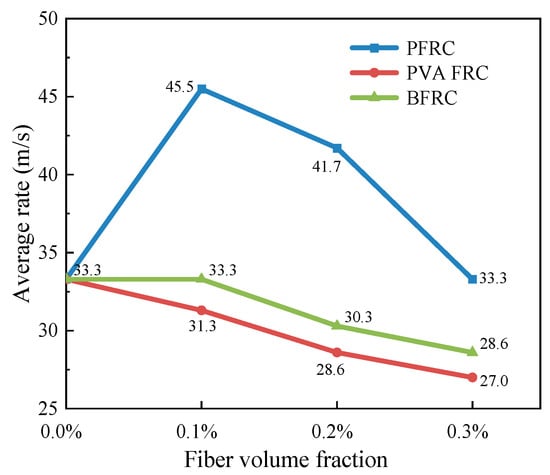
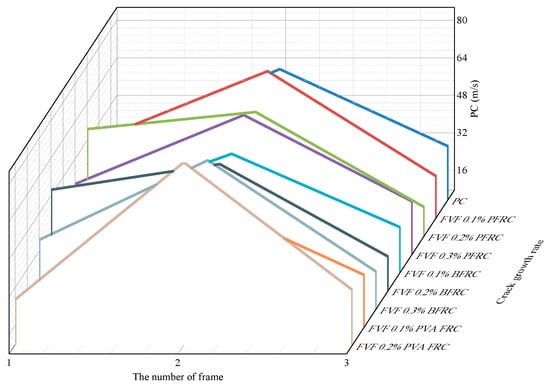
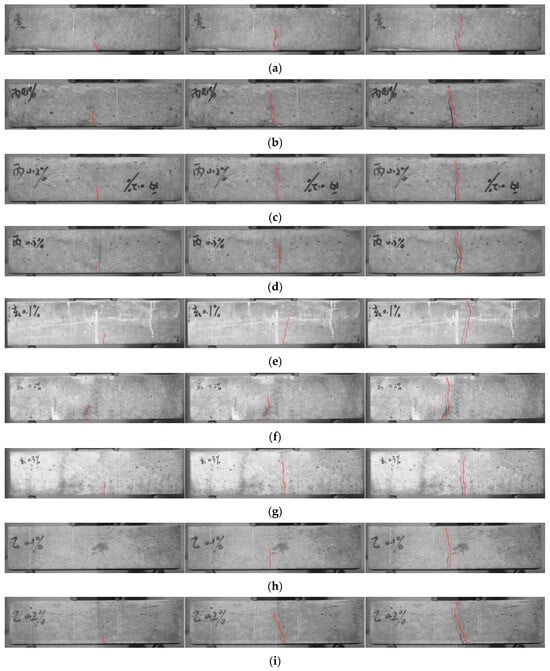
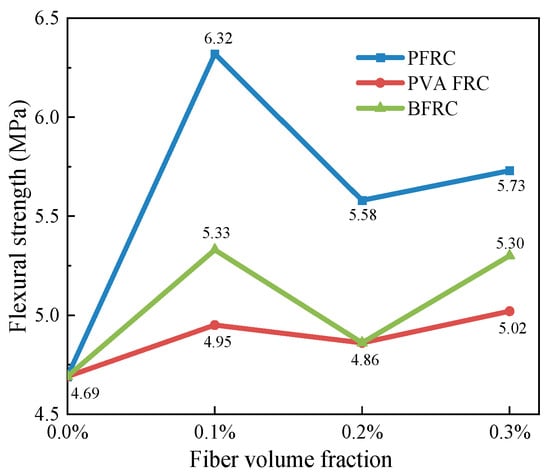
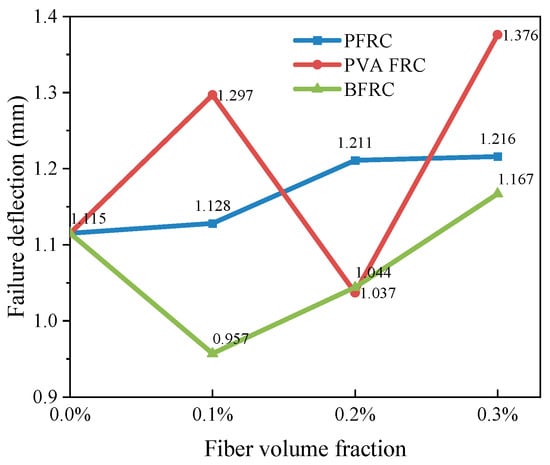
The brittle characteristics of fiber-reinforced concrete make it difficult to capture the time-varying properties during its flexural failure. This study employed high-speed imaging to investigate the effects of polypropylene fiber, polyvinyl alcohol fiber (PVA), and basalt fiber on the fracture behavior of concrete. The influence mechanisms of fibers on concrete fracture performance were thoroughly revealed by analyzing failure time, crack growth rate, fracture development process, and flexural strength. The results show that fibers significantly extend the time to flexural failure in concrete. At a fiber volume fraction (FVF) of 0.3%, the fracture times of PVA-reinforced concrete and basalt fiber-reinforced concrete increased by 23% and 17%, respectively, compared to plain concrete. Their average crack growth rates were 27.0 m/s and 28.6 m/s, respectively, which are lower than the 33.3 m/s observed in plain concrete. In the initial frame capturing crack initiation, the average crack growth rate was 35.7 m/s for fiber-reinforced concrete and 31.5 m/s for plain concrete. By the second frame, these rates increased to 67.8 m/s and 63.1 m/s, respectively. The cracking process in both plain and fiber-reinforced concrete specimens exhibited a “fast-to-slow” pattern. At approximately 1.5 ms, the crack shown in the second frame had propagated to about two-thirds of the specimen height. Compared to plain concrete, the flexural strengths of polypropylene fiber-reinforced concrete increased by 39.2%, 22.9%, and 26.2%; basalt fiber-reinforced concrete increased by 10.0%, 0.2%, and 9.3%; and PVA-reinforced concrete increased by 9.0%, 7.0%, and 10.6% at FVFs of 0.1%, 0.2%, and 0.3%, respectively.
Full article
The principal global sources of platinum-group elements (Os, Ir, Ru, Rh, Pt, Pd), collectively referred to as PGEs, are magmatic Ni-Cu sulfide deposits associated with large, layered intrusions, such as the Bushveld Complex. Recent exploration efforts have identified rock types with elevated PGE
[...] Read more.
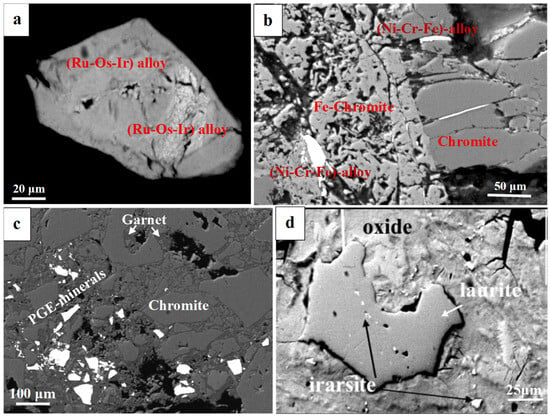
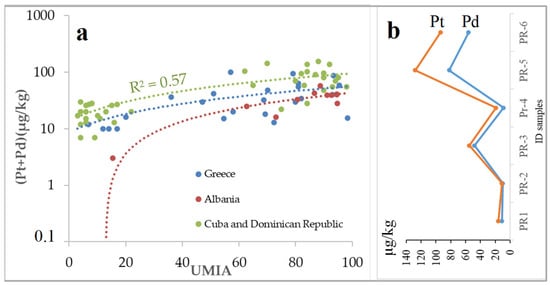
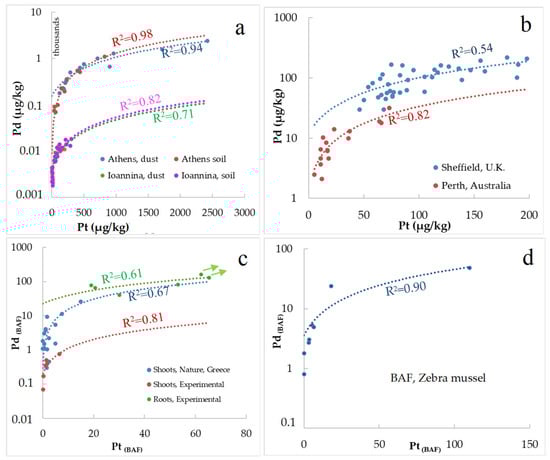
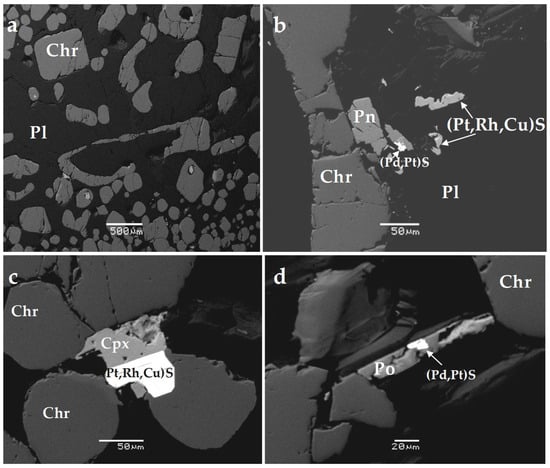
The principal global sources of platinum-group elements (Os, Ir, Ru, Rh, Pt, Pd), collectively referred to as PGEs, are magmatic Ni-Cu sulfide deposits associated with large, layered intrusions, such as the Bushveld Complex. Recent exploration efforts have identified rock types with elevated PGE concentrations, although their potential remains uncertain. This comprehensive review synthesizes the current knowledge regarding potential sources from both natural magmatic and anthropogenic activities, as well as the environmental risks associated with the Pt, Pd, and Rh sub-group, or PPGEs. The order of Pd > Pt > Rh content in emitted particulates has been documented in dust and soil along roadsides, whereas in Fe-Ni laterite, Pt tends to accumulate residually at the top of profiles due to the higher mobility of Pd compared to Pt and Rh. The greater mobility and transfer of Pd are evidenced by higher bioaccumulation factors for Pd in plants and crops, with a higher Pd content observed in roots than in shoots. The effects of chronic occupational exposure to Pt compounds, such as allergic reactions affecting the skin and respiratory system of workers, are well-documented. Although no established permissible limits for Pt, Pd, and Rh in soil, water, or plants exist within major regulatory frameworks, the increasing applications of PPGEs and the use of Pd in catalytic converters (due to its lower cost) underscore the need for further studies on the recycling of spent catalytic converters, health impacts, ecotoxicological assessments, and the application of current technological advances to mitigate exhaust emissions.
Full article
The rapid expansion of private universities in the past a few decades has created a unique sector in Chinese higher education system. Unlike public research-oriented institutions, Chinese private universities are tuition-dependent, resource-constrained, and primarily vocation-oriented. Lacking the prestige of academics, the campus physical
[...] Read more.
The rapid expansion of private universities in the past a few decades has created a unique sector in Chinese higher education system. Unlike public research-oriented institutions, Chinese private universities are tuition-dependent, resource-constrained, and primarily vocation-oriented. Lacking the prestige of academics, the campus physical environment in these institutions becomes a key strategic asset for student recruitment, retention, and performance. However, academic research addressing these contexts remains scarce. This study aims to develop a reliable measurement tool—the University Campus Environment Satisfaction Scale (UCESS)—specifically tailored to assess student satisfaction with the physical environment in Chinese private universities. Based on 1050 valid questionnaires from 4 representative universities in Guangdong province, exploratory and confirmatory factor analyses revealed a hierarchical structure comprising 10 first-order factors and 3 second-order dimensions: (1) Safety and accessibility; (2) Core living and learning environment; and (3) Developmental and amenity resources. The findings reveal that students in Chinese private universities prioritize tangible living, teaching and safety conditions over higher-level developmental amenities, reflecting a layered satisfaction logic. Furthermore, this study demonstrates the differentially weighted relationships between campus elements and overall campus satisfaction, providing administrators with a scientific diagnostic tool to optimize resource allocation and implement student-centered planning strategies.
Full article
With the rapid expansion of pulsar survey data driven by advanced radio telescopes such as FAST, automated detection methods have become crucial for the efficient and accurate identification of single-pulse signals. A key challenge in this task is the extreme class imbalance between
[...] Read more.
With the rapid expansion of pulsar survey data driven by advanced radio telescopes such as FAST, automated detection methods have become crucial for the efficient and accurate identification of single-pulse signals. A key challenge in this task is the extreme class imbalance between genuine pulsar pulses and radio frequency interference (RFI), which significantly hampers classifier performance—particularly in low signal-to-noise ratio (S/N) environments. To address this issue and improve detection accuracy, we propose Pulsar-WRecon, a Wasserstein GAN with Gradient Penalty (WGAN-GP)-based framework designed to generate realistic single-pulse profiles. The synthetic samples generated by Pulsar-WRecon are used to augment training data and alleviate class imbalance. Building upon the enhanced dataset, Convolutional Kolmogorov–Arnold Network (CKAN) is further introduced as a novel hybrid model that integrates convolutional layers with KAN-based functional decomposition to better capture complex patterns in pulse signals. On the three-channel pulsar images from the HTRU1 dataset, our method achieves a recall of 97.5% and a precision of 98.5%. On the DM time series image dataset, FAST-DATASET, it achieves a recall of 93.2% and a precision of 92.5%. These results validate that combining generative data augmentation with an improved model architecture can effectively enhance the precision of single-pulse detection in large-scale pulsar surveys, especially in challenging, real-world conditions.
Full article
Resistance to imatinib remains a therapeutic challenge, largely driven by point mutations within the kinase domain of the BCR-ABL, among which the T315I substitution constitutes the most clinically significant barrier. Ponatinib effectively inhibits this mutant form but is limited by dose-dependent cardiovascular
[...] Read more.
Resistance to imatinib remains a therapeutic challenge, largely driven by point mutations within the kinase domain of the BCR-ABL, among which the T315I substitution constitutes the most clinically significant barrier. Ponatinib effectively inhibits this mutant form but is limited by dose-dependent cardiovascular toxicity, prompting efforts to develop safer and more selective agents. Recent advances highlight aminopyrimidine-derived scaffolds and their evolution into thienopyrimidines, oxadiazoles, and pyrazines with improved activity against BCR-ABLT315I. Further progress has been achieved with benzothiazole–picolinamide hybrids incorporating a urea-based pharmacophore, which benefit from strategic hinge-region substitutions and phenyl linkers that enhance potency. Parallel research into dual-mechanism inhibitors, including Aurora and p38 kinase modulators, demonstrates additional opportunities for overcoming resistance. Combination strategies, such as vorinostat with ponatinib, provide complementary therapeutic avenues. Natural-product-inspired approaches utilizing fungal metabolites provided structurally diverse scaffolds that could engage sterically constrained mutant kinases. Hybrid molecules derived from approved TKIs, including GNF-7, olverembatinib, and HG-7-85-01, exemplify rational design trends that balance efficacy with improved safety. Molecular modeling continues to deepen understanding of ligand engagement within the T315I-mutated active site, supporting the development of next-generation inhibitors. In this review, we summarized recent progress in the design, optimization, and biological evaluation of small molecules targeting the BCR-ABLT315I mutation.
Full article
Fluorine-containing polyarylates (F-PARs) were synthesized via interfacial polycondensation of hexafluorobisphenol A (BPAF), bisphenol A (BPA), and two acyl chloride monomers under four feeding strategies. Sequential feeding affords the highest Mw (2.02 × 10⁵ g/mol) and high alternating sequence content; the one-pot
[...] Read more.
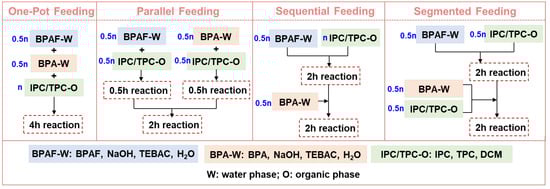
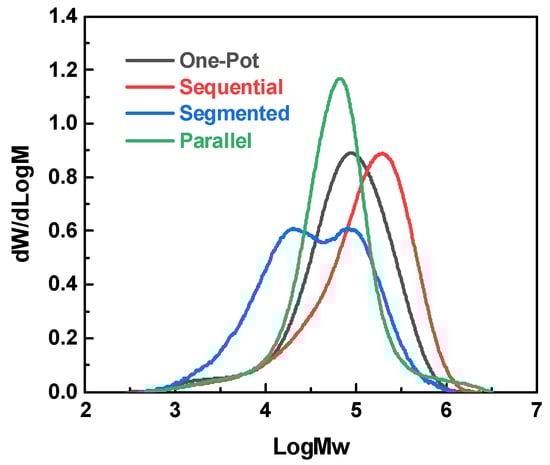
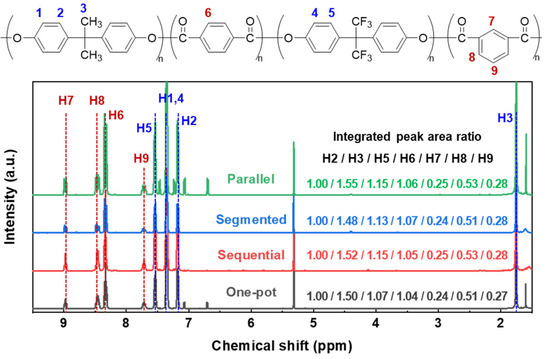
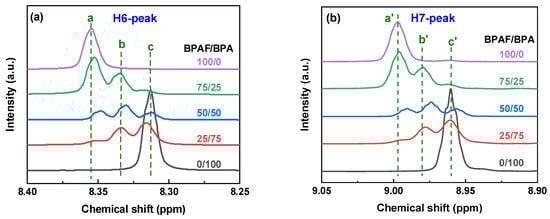
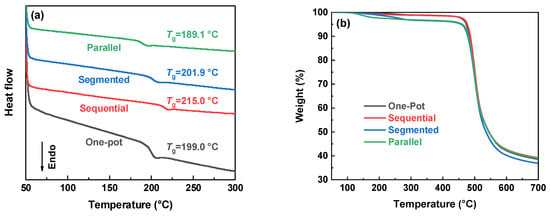
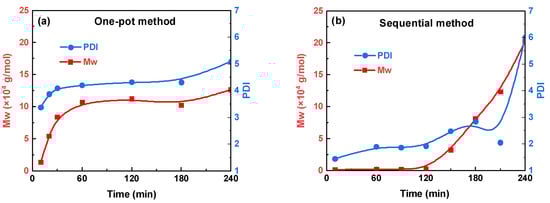
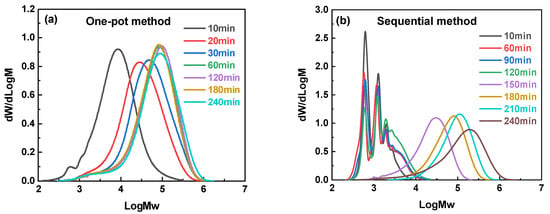
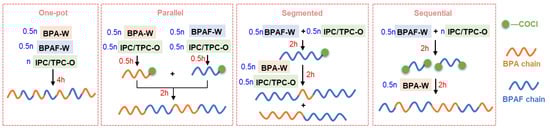
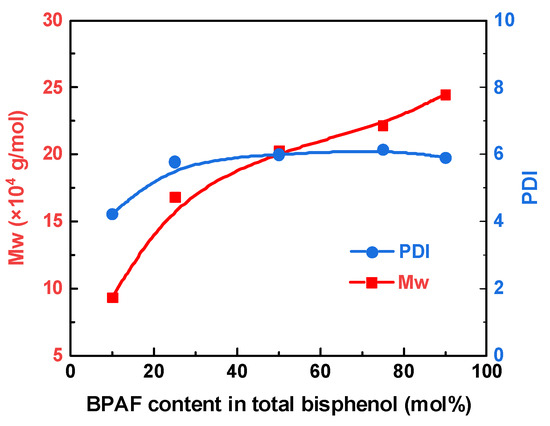
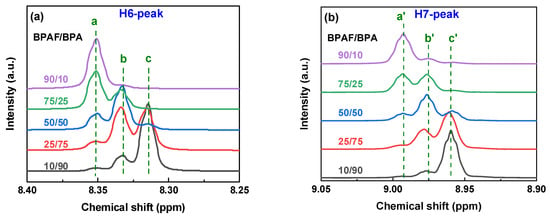
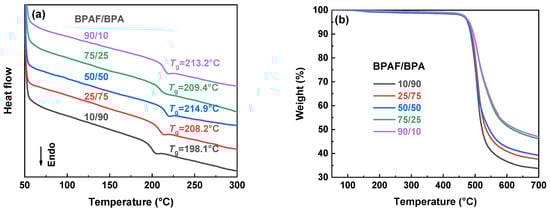
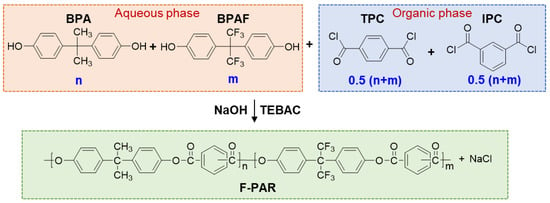
Fluorine-containing polyarylates (F-PARs) were synthesized via interfacial polycondensation of hexafluorobisphenol A (BPAF), bisphenol A (BPA), and two acyl chloride monomers under four feeding strategies. Sequential feeding affords the highest Mw (2.02 × 10⁵ g/mol) and high alternating sequence content; the one-pot method gives intermediate Mw and a random sequence; and segmented and parallel methods yield lower-Mw polymers and pseudo-block sequences. Time-resolved GPC results reveal that the concentration of -CF3-activated acyl chloride termini during chain propagation controls the subsequent chain propagation and, thus, the final Mw. Consequently, sequential feeding delivers the highest Tg (215 °C) and stiffness (2.51 GPa) for thermal–mechanical loads; the one-pot protocol maximizes optical clarity (T450 = 85%) for transparent films. Systematic variation in the BPAF/BPA ratio via sequential feeding further reveals that higher BPAF content increases Mw, enhances thermal stability, and blue-shifts UV absorption, whereas BPA-rich compositions improve the tensile strength and modulus. These findings provide a quantitative roadmap for the rational design of F-PAR chain architectures, enabling on-demand tuning of thermal, mechanical, and optical properties without additional synthetic complexity.
Full article
Background and Objectives: Pneumonia is a leading cause of intensive care unit (ICU) admission and is associated with high mortality, particularly among patients with multiple comorbidities. Accurate early risk stratification is essential for guiding clinical decision-making in critically ill patients. However, the
[...] Read more.
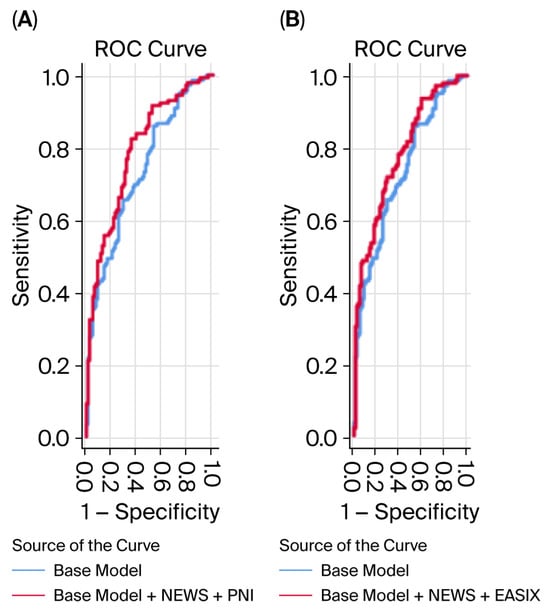
Background and Objectives: Pneumonia is a leading cause of intensive care unit (ICU) admission and is associated with high mortality, particularly among patients with multiple comorbidities. Accurate early risk stratification is essential for guiding clinical decision-making in critically ill patients. However, the prognostic benefit of combining clinical scoring systems with nutritional and endothelial stress indices in ICU patients with pneumonia remains unclear. Materials and Methods: This retrospective, single-center cohort study included adult patients admitted to the ICU with a diagnosis of pneumonia between 1 January 2023 and 1 July 2025. Demographic characteristics, comorbidities, clinical variables, laboratory parameters, and prognostic scores were obtained from electronic medical records. The National Early Warning Score (NEWS), Prognostic Nutritional Index (PNI), and Endothelial Activation and Stress Index (EASIX) were calculated at ICU admission. The primary outcome was in-hospital mortality. Univariate and multivariate logistic regression analyses were performed to examine variables associated with in-hospital mortality. The discriminative performance of individual and combined prognostic models was evaluated using receiver operating characteristic (ROC) curve analysis. Results: A total of 221 patients were included; 79 (35.7%) survived and 142 (64.3%) died during hospitalization. Non-survivors had significantly higher NEWS and EASIX values and lower PNI values compared with survivors (all p < 0.05). In multivariate analysis, endotracheal intubation (OR: 12.46; p < 0.001), inotropic use (OR: 5.14; p = 0.001), and serum lactate levels (OR: 1.75; p = 0.003) were identified as being independently associated with in-hospital mortality. Models combining NEWS with PNI or EASIX demonstrated improved discriminatory performance. Conclusions: In critically ill patients with pneumonia, integrating NEWS with nutritional and endothelial stress indices provides numerically improved discrimination compared with NEWS alone, although the incremental gain did not reach statistical significance.
Full article
by
Marco Antonio Gómez-Guzmán, José Jaime Esqueda-Elizondo, Laura Jiménez-Beristain, Gilberto Manuel Galindo-Aldana, Oscar Adrian Aguirre-Castro, Edgar Rene Ramos-Acosta, Cynthia Torres-Gonzalez, Enrique Efren García-Guerrero and Everardo Inzunza-Gonzalez
Electronics2026, 15(2), 434; https://doi.org/10.3390/electronics15020434 (registering DOI) - 19 Jan 2026
Brain tumors, encompassing subtypes with distinct progression and risk profiles, are a serious public health concern. Magnetic resonance imaging (MRI) is the primary imaging modality for non-invasive assessment, providing the contrast and detail necessary for diagnosis, subtype classification, and individualized care planning. In
[...] Read more.
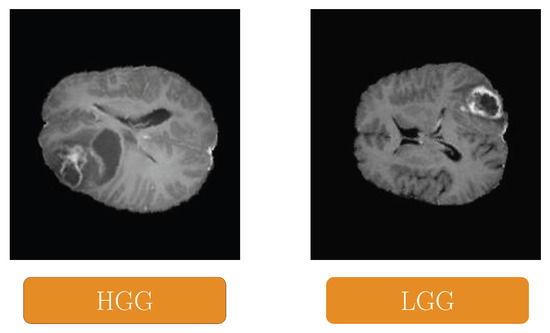
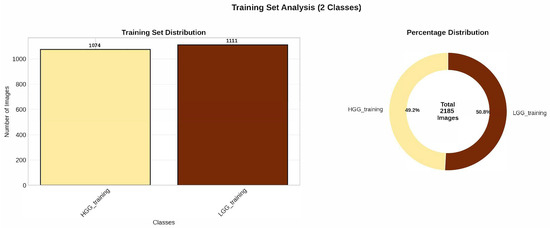
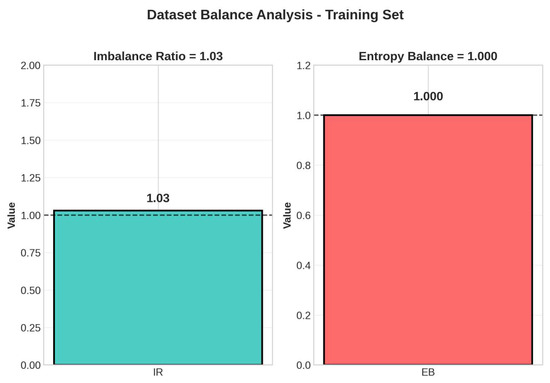
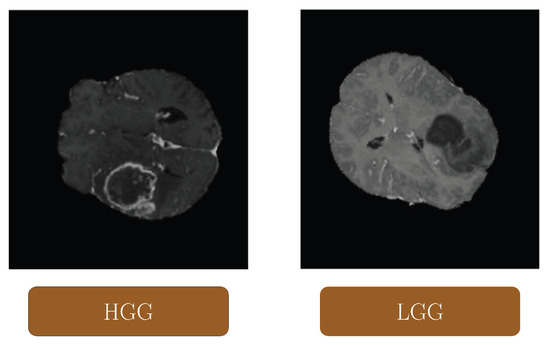
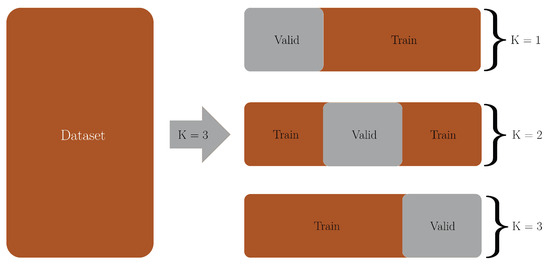
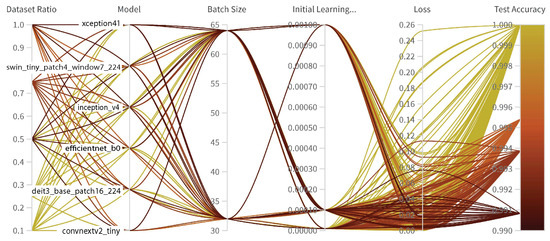
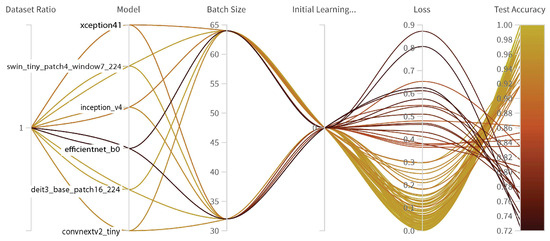
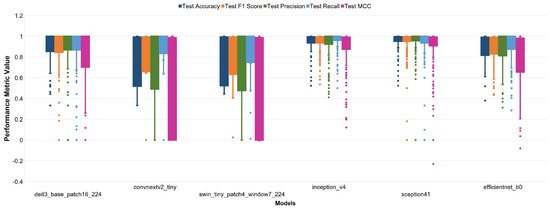
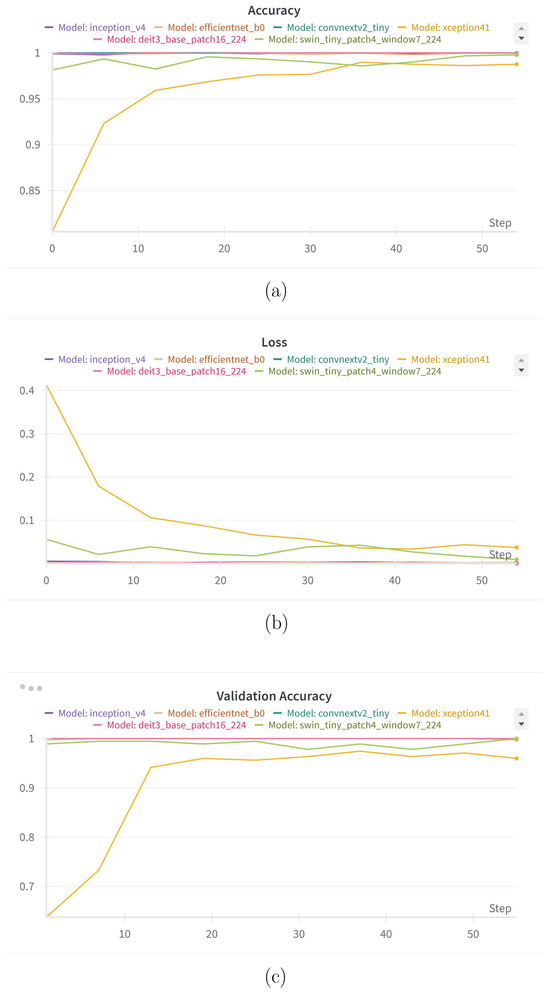
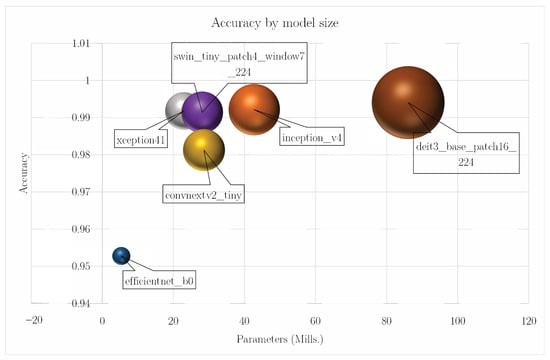
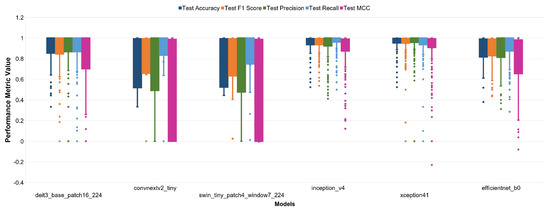
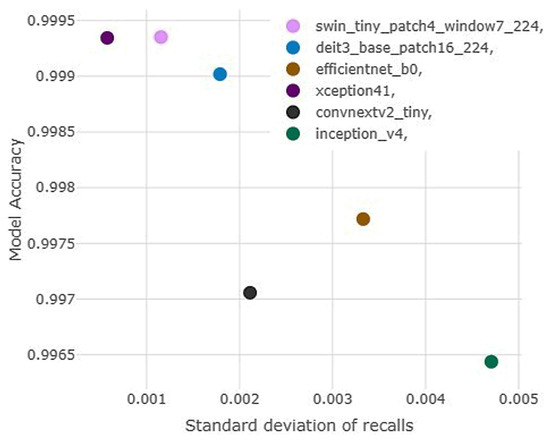
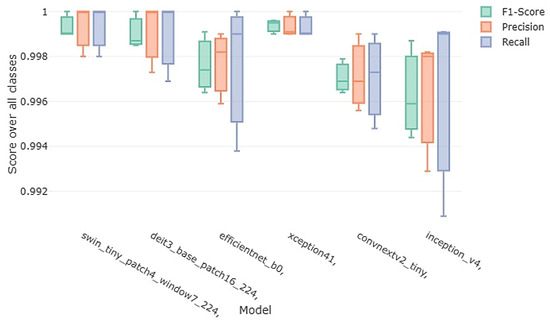
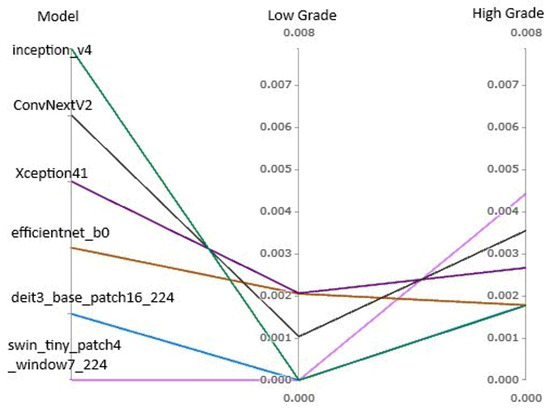
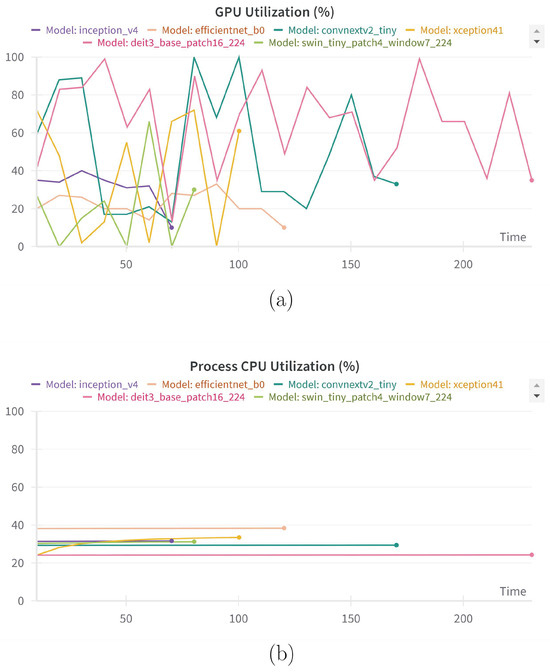
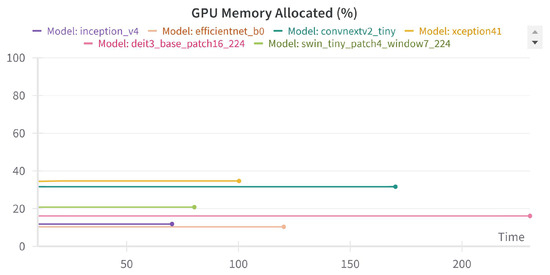
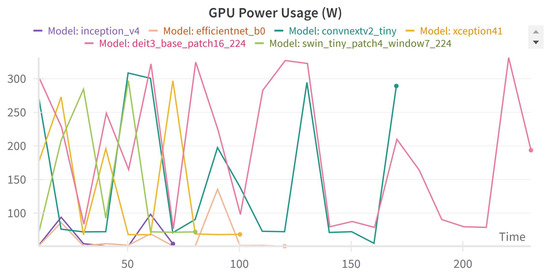
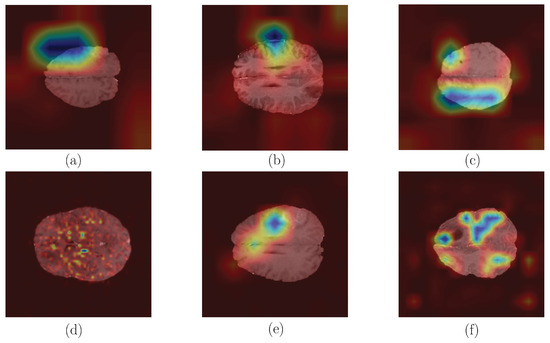
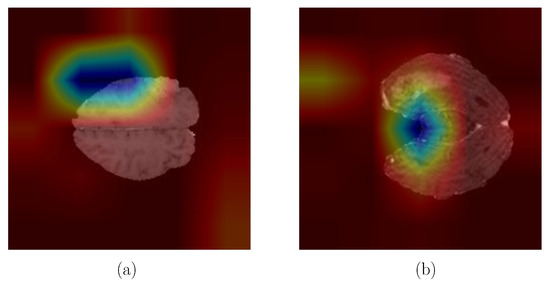
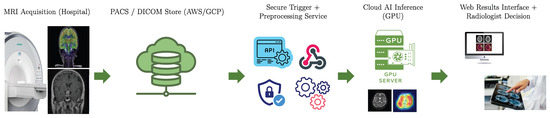
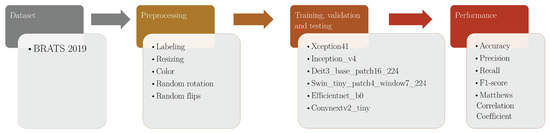
Brain tumors, encompassing subtypes with distinct progression and risk profiles, are a serious public health concern. Magnetic resonance imaging (MRI) is the primary imaging modality for non-invasive assessment, providing the contrast and detail necessary for diagnosis, subtype classification, and individualized care planning. In this paper, we evaluate the capability of modern deep learning models to classify gliomas as high-grade (HGG) or low-grade (LGG) using reduced training data from MRI scans. Utilizing the BraTS 2019 best-slice dataset (2185 images in two classes, HGG and LGG) divided in two folders, training and testing, with different images obtained from different patients, we created subsets including 10%, 25%, 50%, 75%, and 100% of the dataset. Six deep learning architectures, DeiT3_base_patch16_224, Inception_v4, Xception41, ConvNextV2_tiny, swin_tiny_patch4_window7_224, and EfficientNet_B0, were evaluated utilizing three-fold cross-validation (k = 3) and increasingly large training datasets. Explainability was assessed using Grad-CAM. With 25% of the training data, DeiT3_base_patch16_224 achieved an accuracy of 99.401% and an F1-Score of 99.403%. Under the same conditions, Inception_v4 achieved an accuracy of 99.212% and a F1-Score of 99.222%. Considering how the models performed across both data subsets and their compute demands, Inception_v4 struck the best balance for MRI-based glioma classification. Both convolutional networks and vision transformers achieved superior discrimination between HGGs and LGGs, even under data-limited conditions. Architectural disparities became increasingly apparent as training data diminished, highlighting unique inductive biases and efficiency characteristics. Even with a relatively limited amount of training data, current deep learning (DL) methods can achieve reliable performance in classifying gliomas from MRI scans. Among the architectures evaluated, Inception_v4 offered the most consistent balance between accuracy, F1-Score, and computational cost, making it a strong candidate for integration into MRI-based clinical workflows.
Full article






 Sustainability
 Applied Sciences
 IJMS
IJMS
 JCM
JCM
 Sensors
 Energies
 Electronics
 Materials
 Buildings
 Processes
 Foods
Foods
 Mathematics
 Molecules
 Cancers
 Nutrients
 Plants
 Animals
 Healthcare
 Remote Sensing
 Diagnostics
 Water
Water
 Polymers
 Biomedicines
 Agronomy
 Microorganisms
 Agriculture
 Symmetry
 JMSE
JMSE
 Cells
Cells
 Medicina
 Biology
 Land
Land
 Pharmaceuticals
 Behavioral Sciences
 Life
Life
 Children
 Education Sciences
 Nanomaterials
 Biomolecules
 Horticulturae
 Coatings
 IJERPH
 Genes
Genes
 Forests
 Pharmaceutics
 Viruses
 Antioxidants
 Religions
 Micromachines
 Bioengineering
 Pathogens
 Antibiotics
 Metals
 Brain Sciences
 Insects
 CIMB
CIMB
 Minerals
 Atmosphere
 Veterinary Sciences
 Entropy
 Photonics
 Systems
 Information
 Machines