Thermal Displacement with CO2 for E-CBM Recovery: Mechanisms and Efficacy of Temperature–Pressure Synergy in Permeability Enhancement


 and
and
Abstract
1. Introduction
2. Experiments Methods
2.1. Coal Sample Preparation
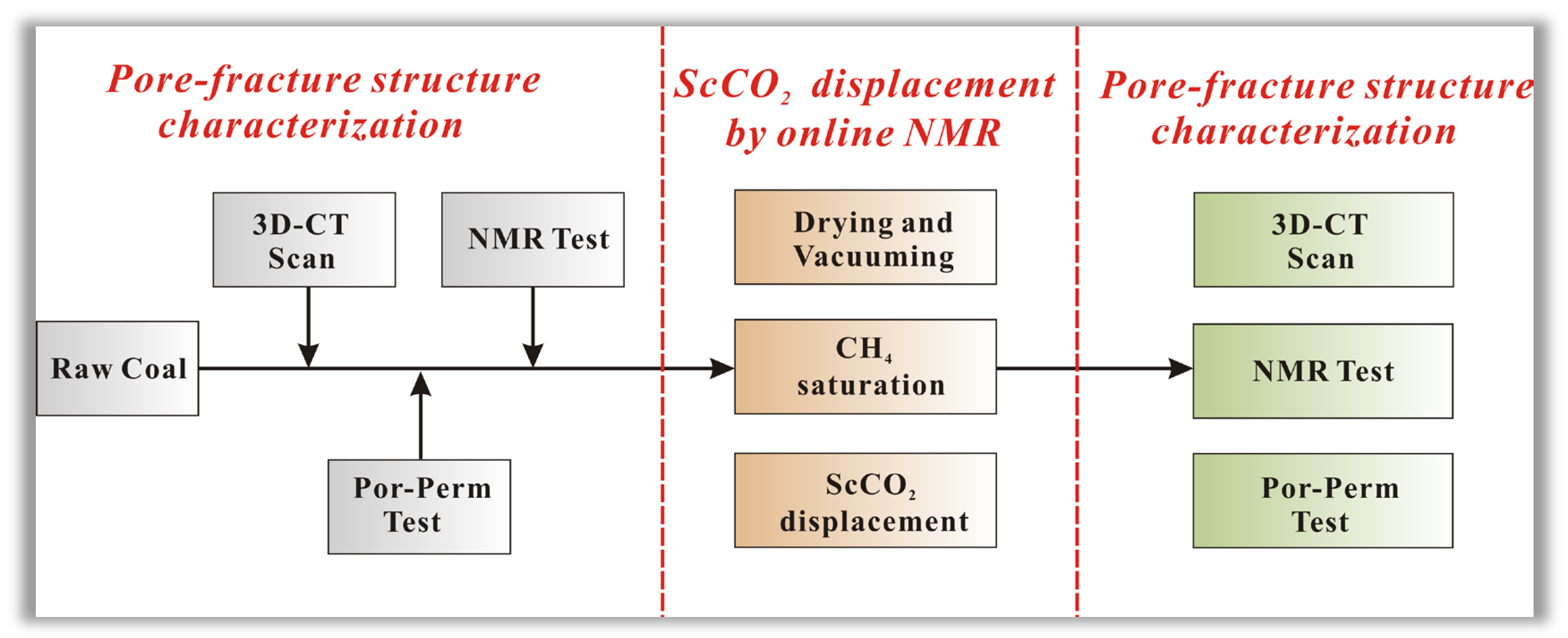
2.2. Experimental Procedure
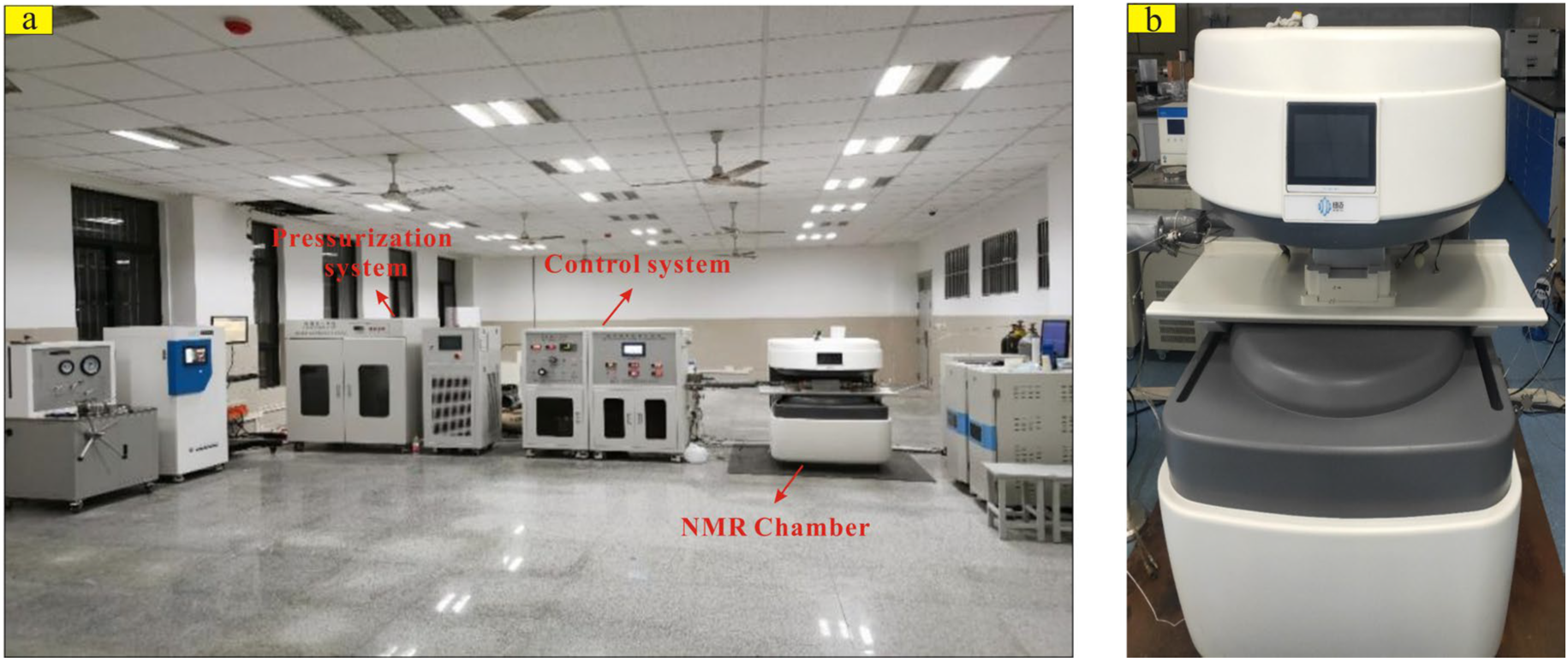
2.2.1. CO2 Thermal Displacement with Online NMR Monitoring
- (1)
- CH4 Saturation and Adsorption
- (2)
- Online NMR CO2 Displacement under High Temperature and Pressure
2.2.2. Pore–Fracture Characterization via NMR Before and After Displacement
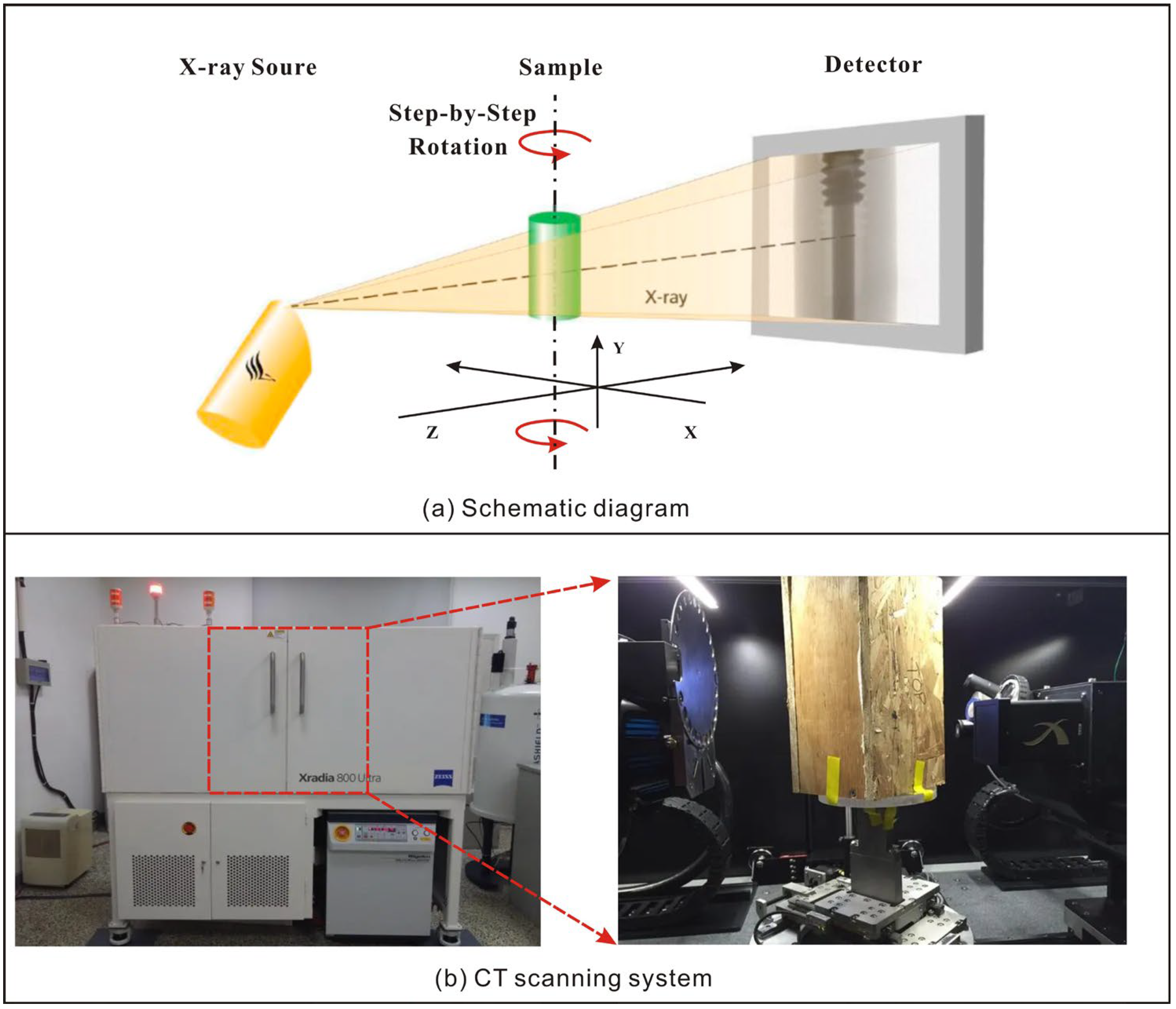
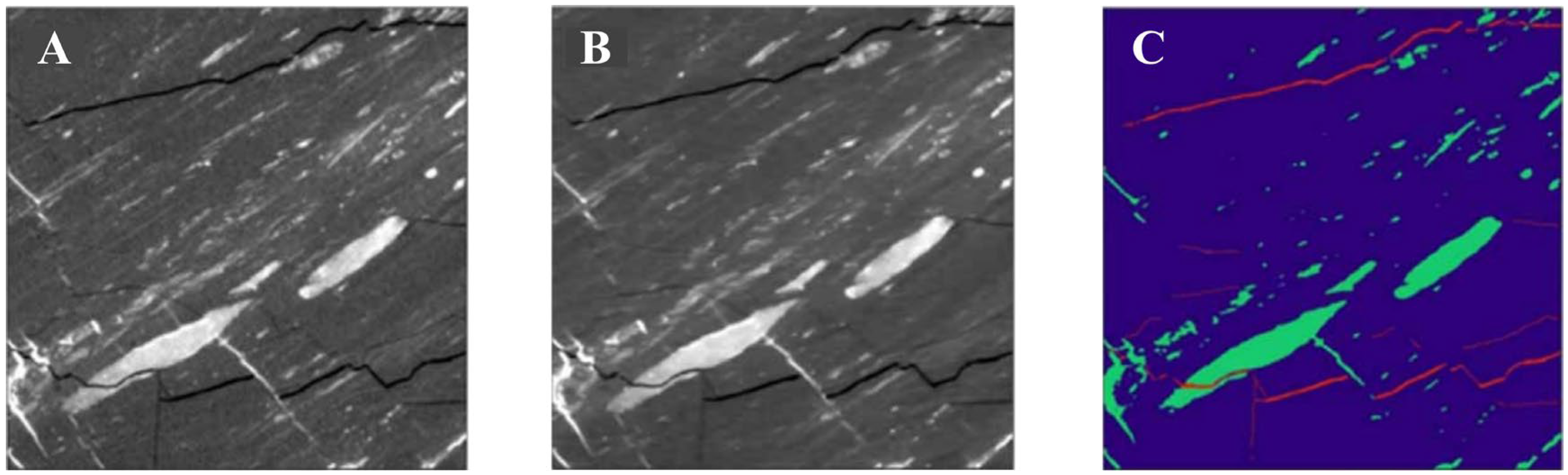
2.2.3. Pre- and Post-Displacement 3D CT Scanning
3. Experimental Results and Analysis
3.1. Temperature-Dependent Permeability Enhancement During Thermal Flooding
3.1.1. PFC Evolution at Different Temperatures
3.1.2. Evolution of Poro-Permeability Across Thermal Flooding Temperatures
3.2. Pressure-Dependent Permeability Enhancement During Thermal Flooding
3.2.1. Pore–Fracture Evolution Under Different Injection Pressures by NMR
3.2.2. Pore–Fracture- Evolution Under Different Injection Pressures by C
3.3. Permeability Enhancement Mechanism During ScCO2 Thermal Flooding
4. Discussion
5. Conclusions
- (1)
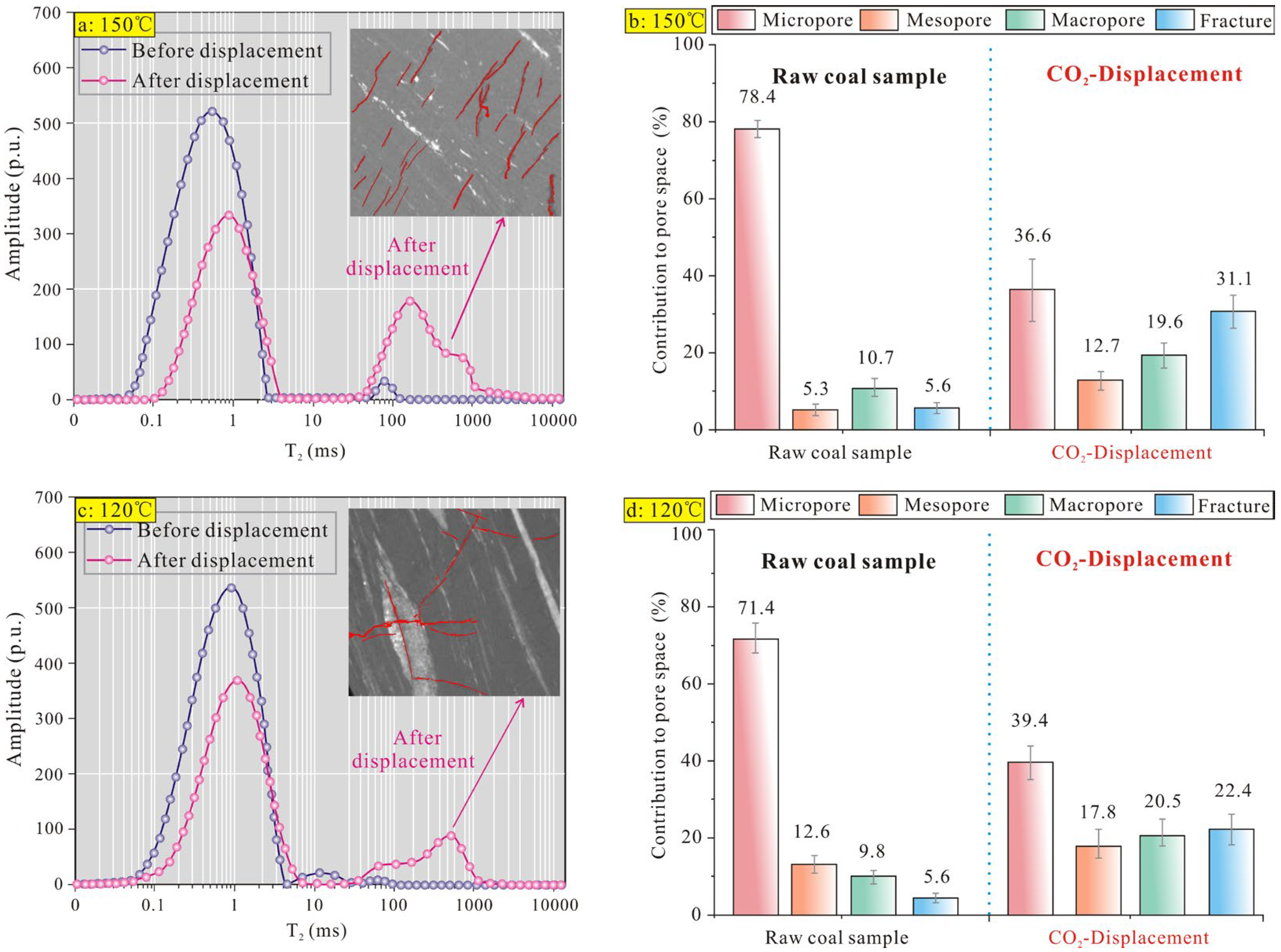
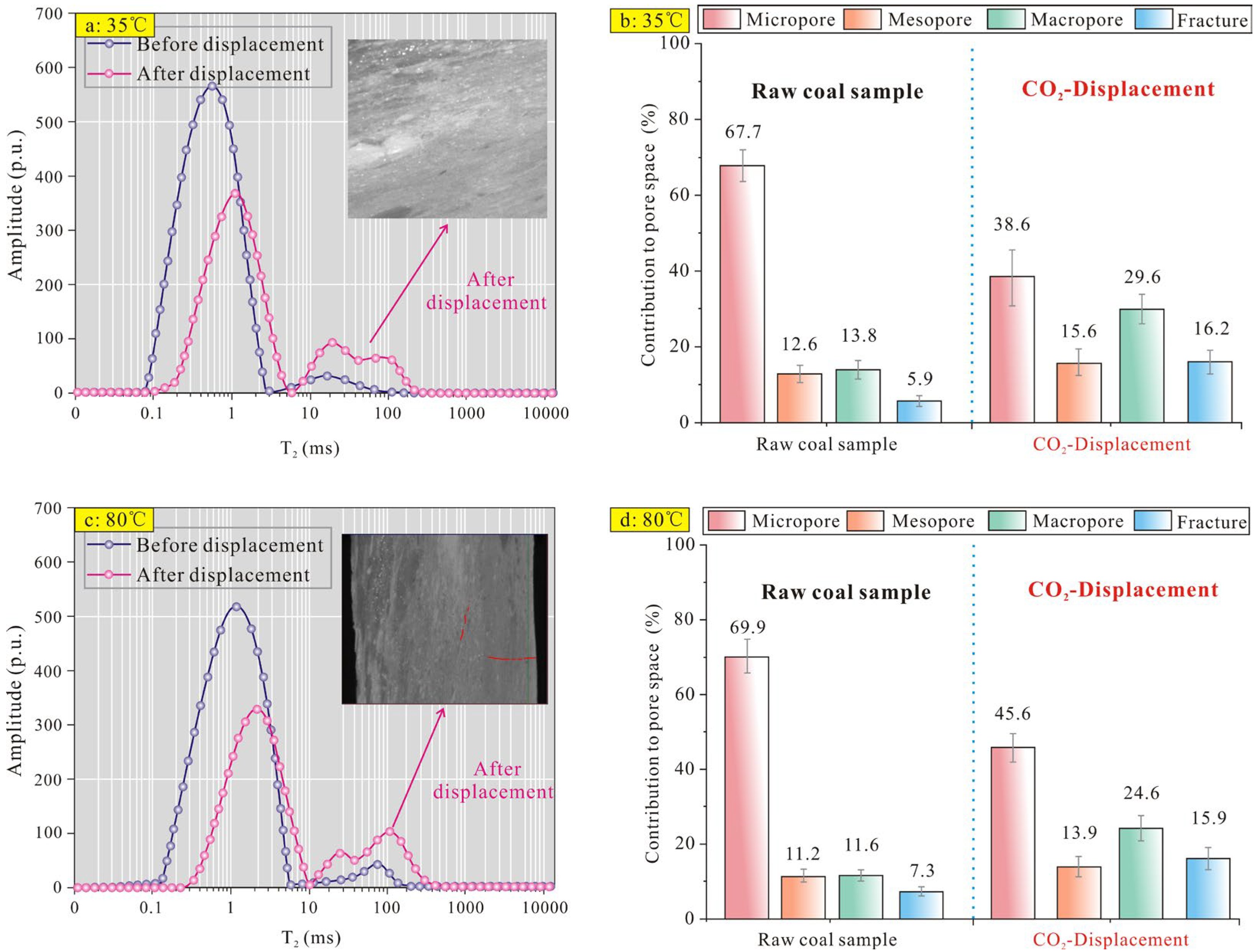
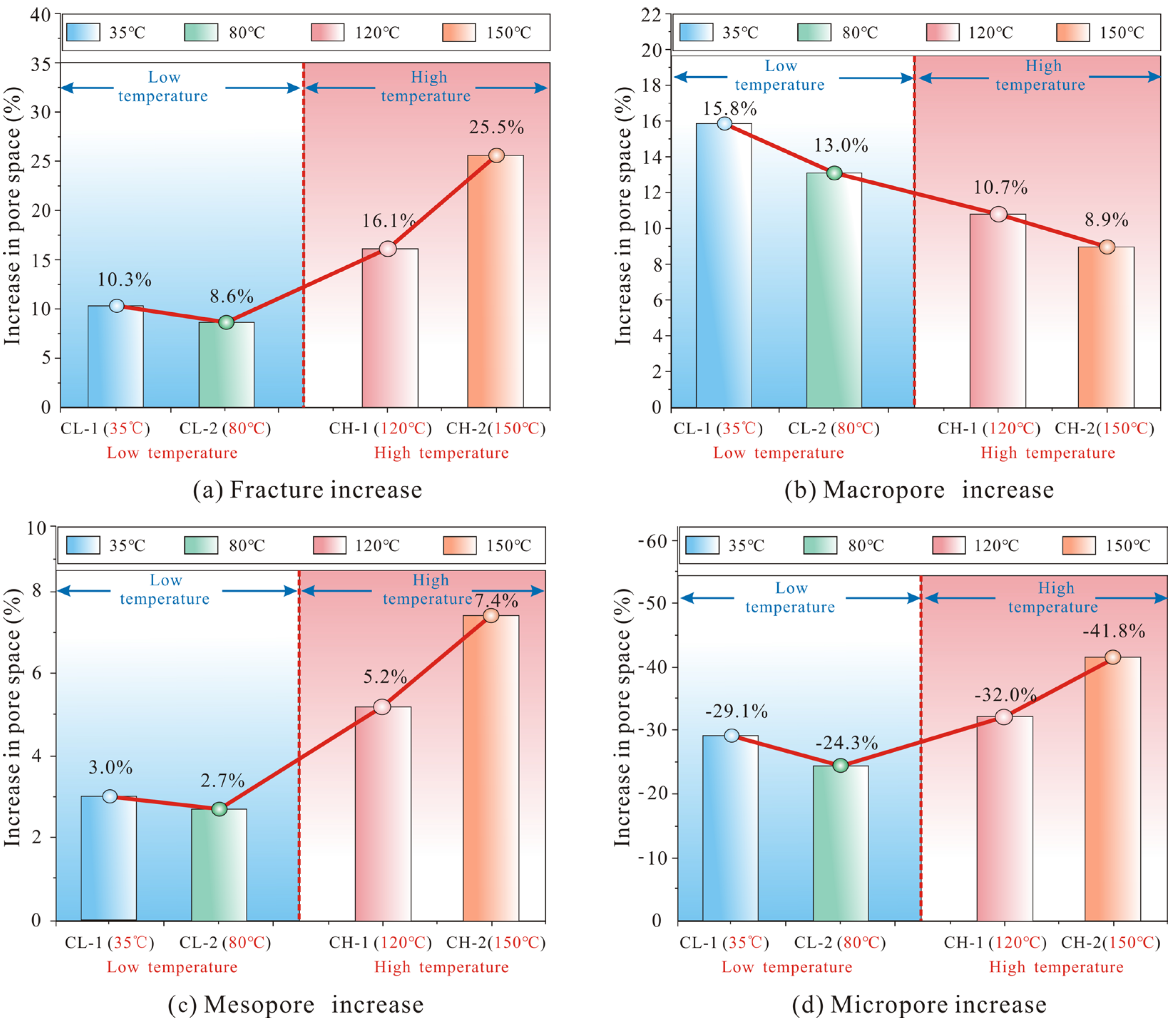
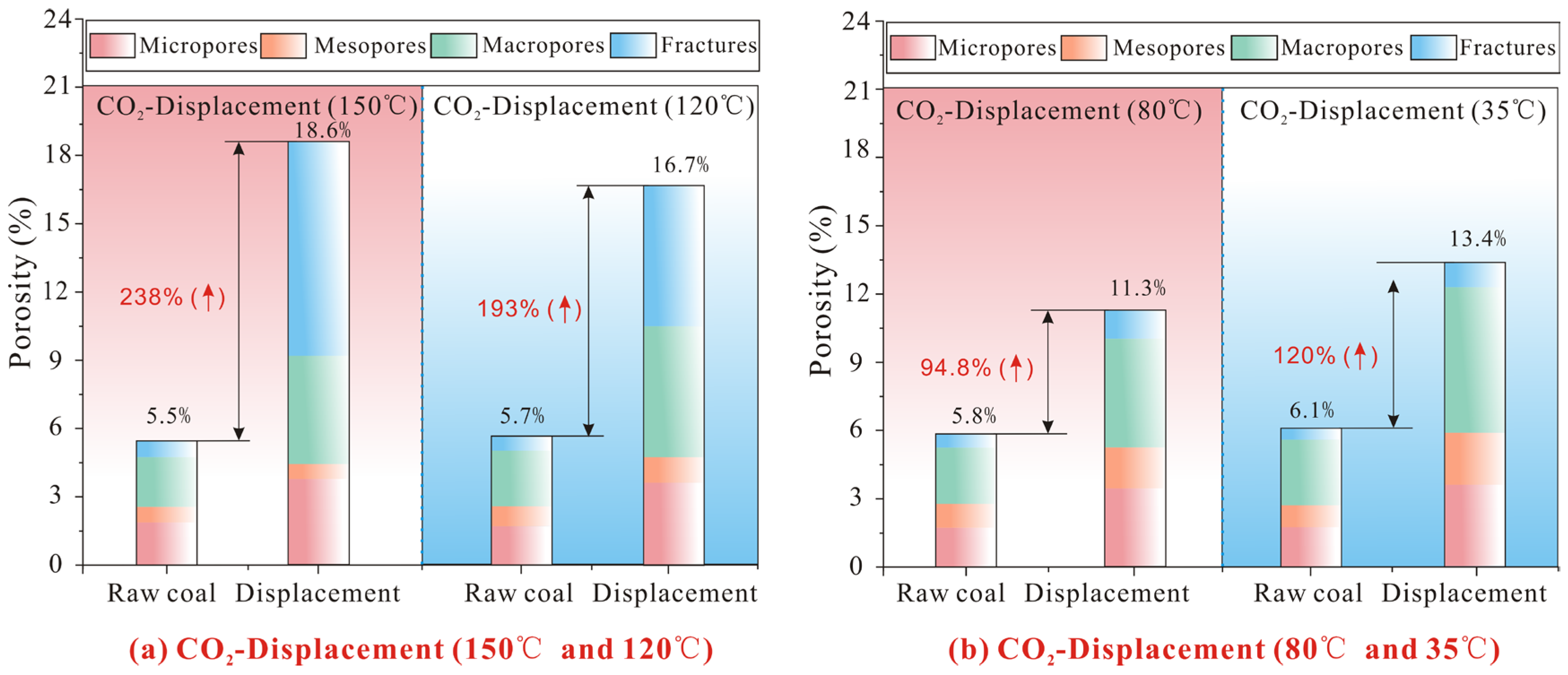
- Based on the experimental data, a temperature-dependent shift in the dominant modification mechanism during thermal CO2 displacement was identified. Below 80 °C, pore restructuring dominates, characterized by a reduction in micropores and an expansion of macropores. Beyond this temperature, thermal stress becomes predominant, converting micropores to macropores and generating thermal fractures, thereby shifting the system from a pore-adjusted to a fracture-dominated regime. Consequently, the permeability trend exhibits a distinct transition near 80 °C under the tested conditions, marking the change from pore-adjusted to fracture-dominated flow.
- (2)
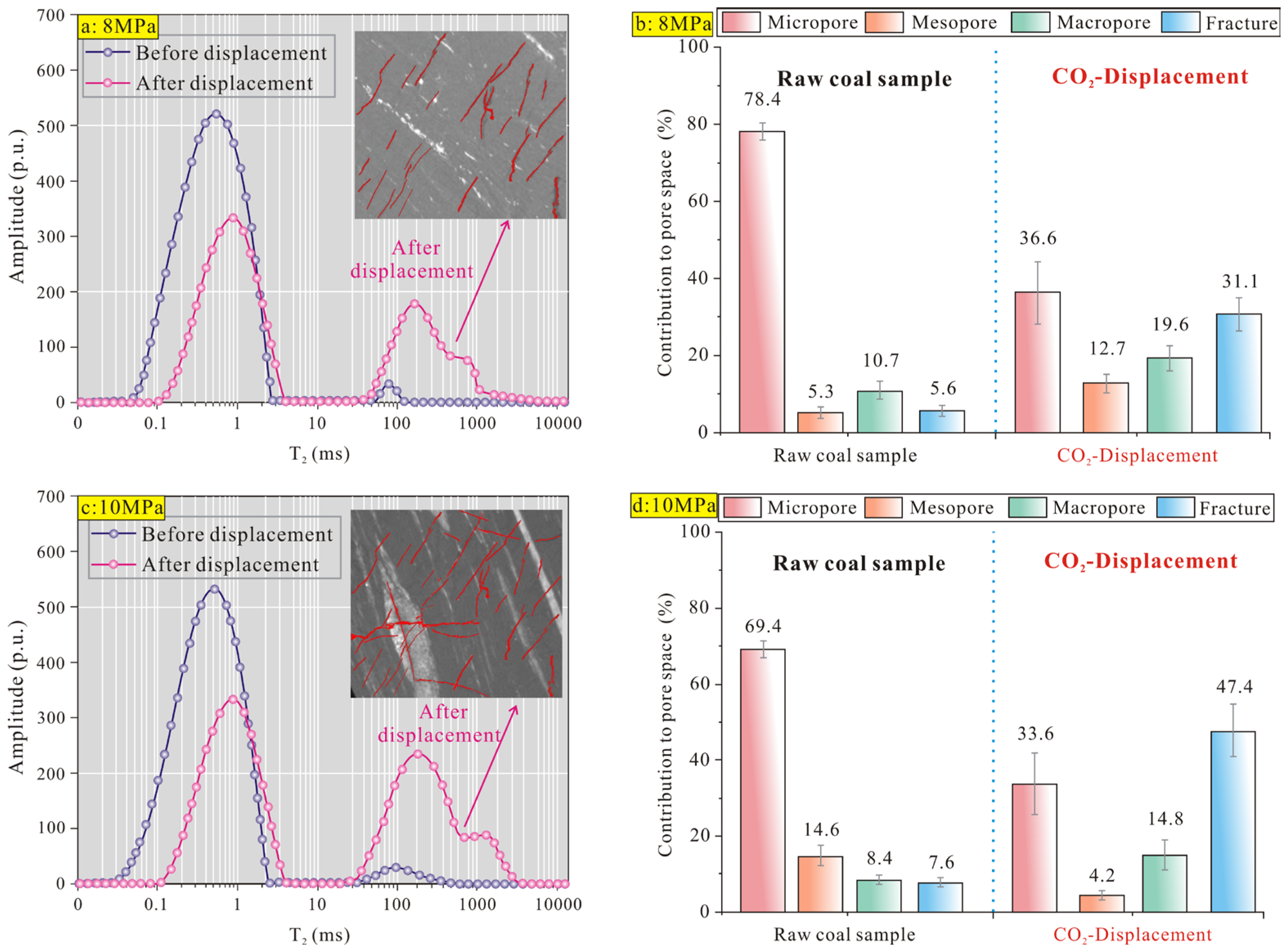
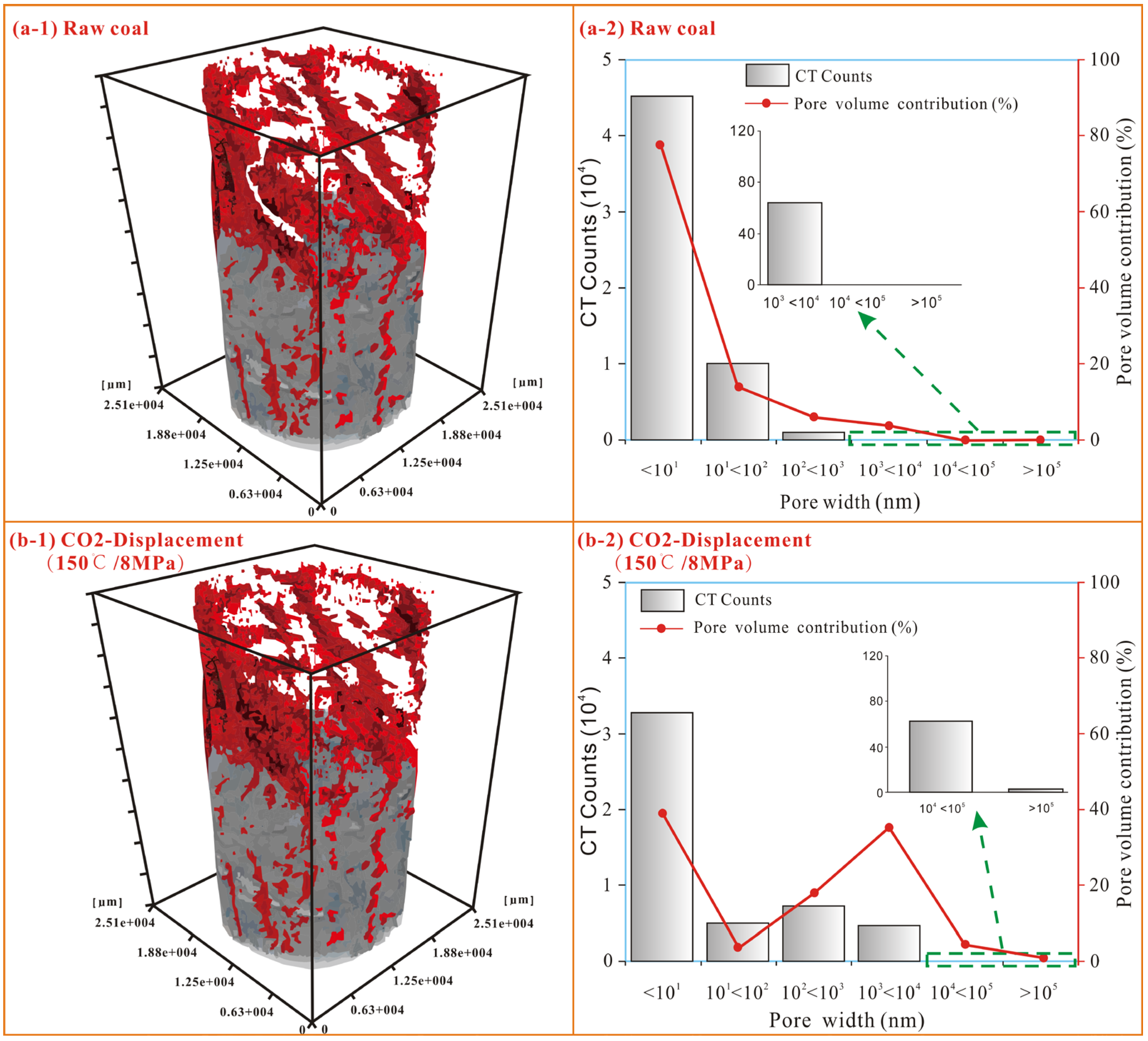
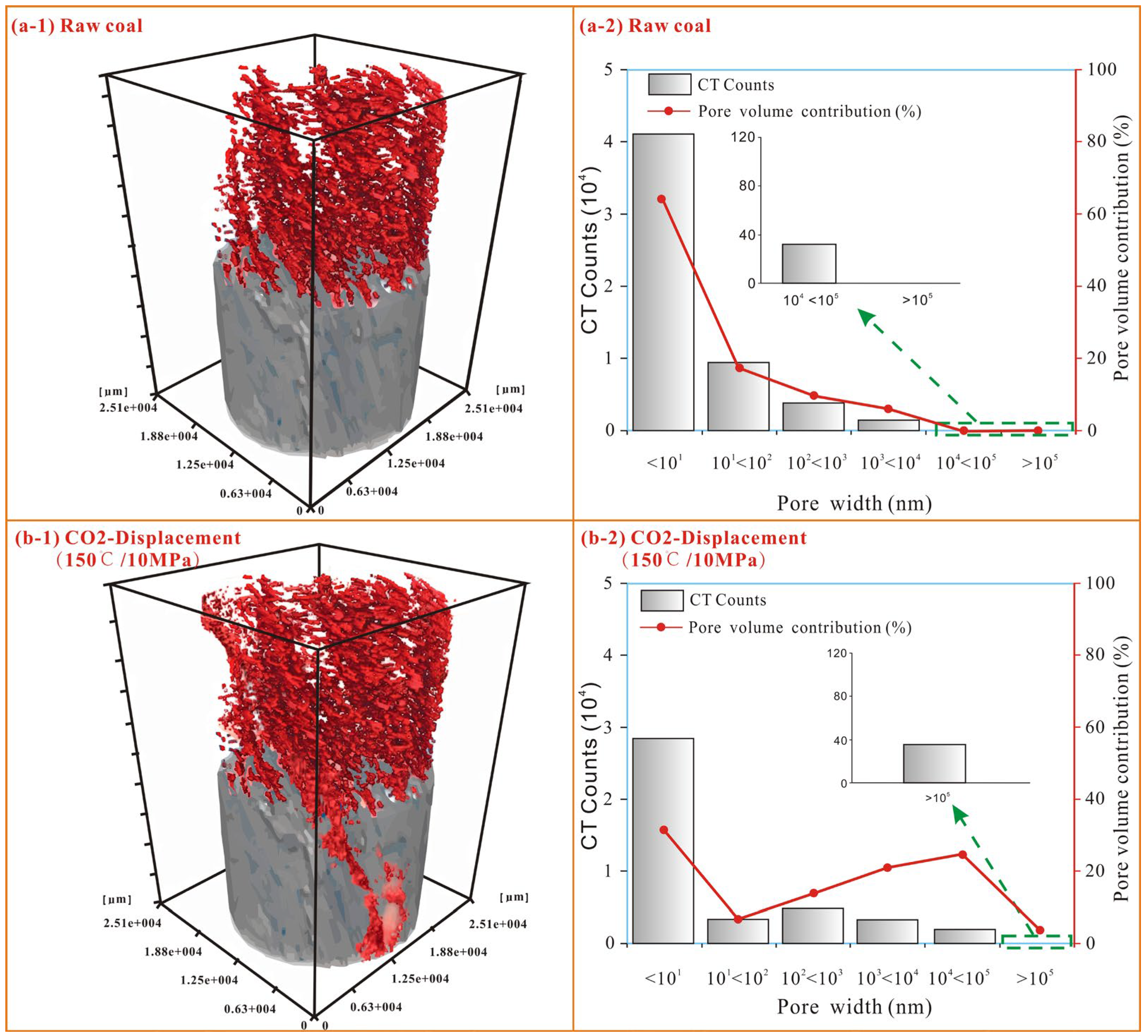
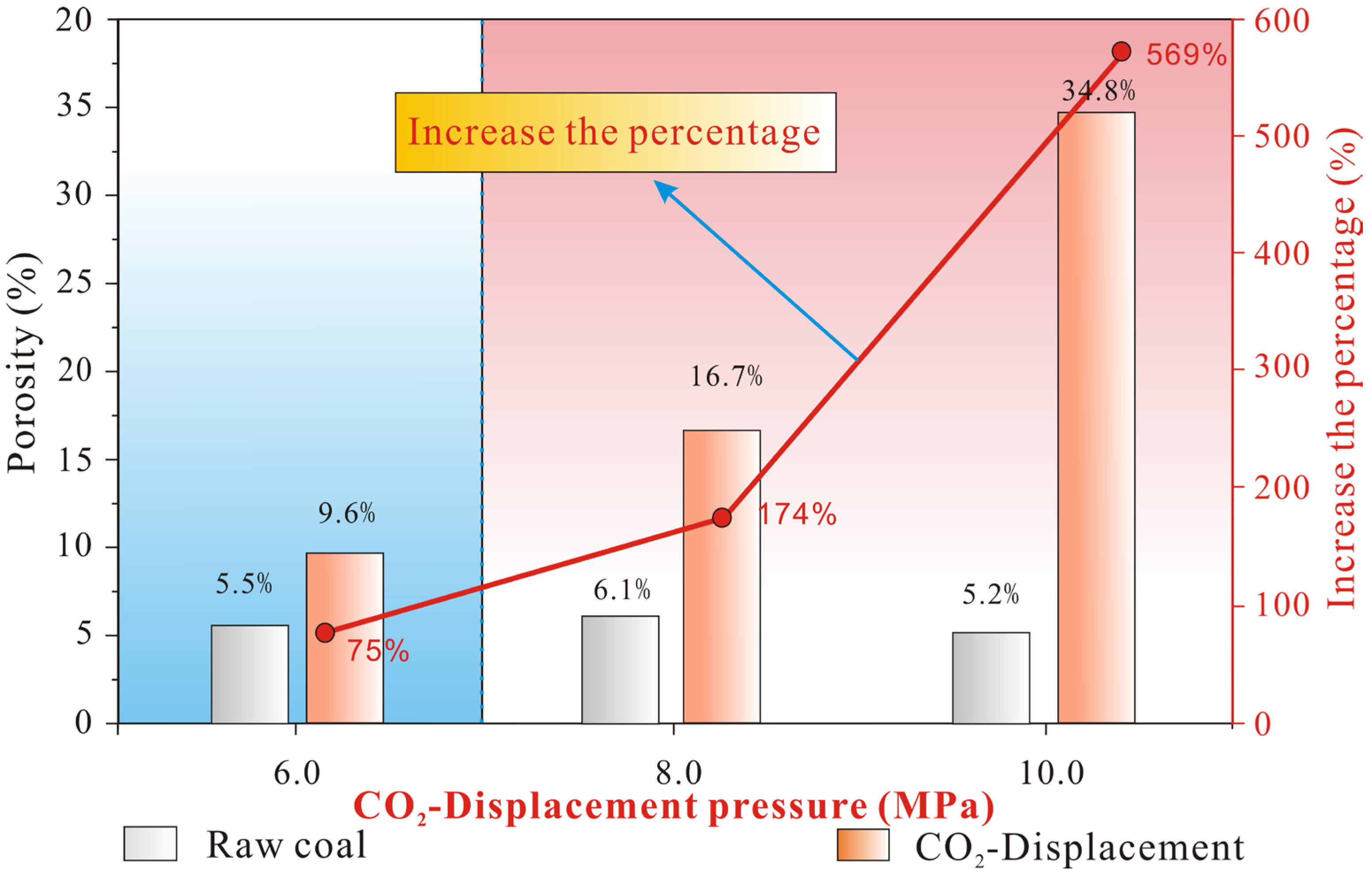
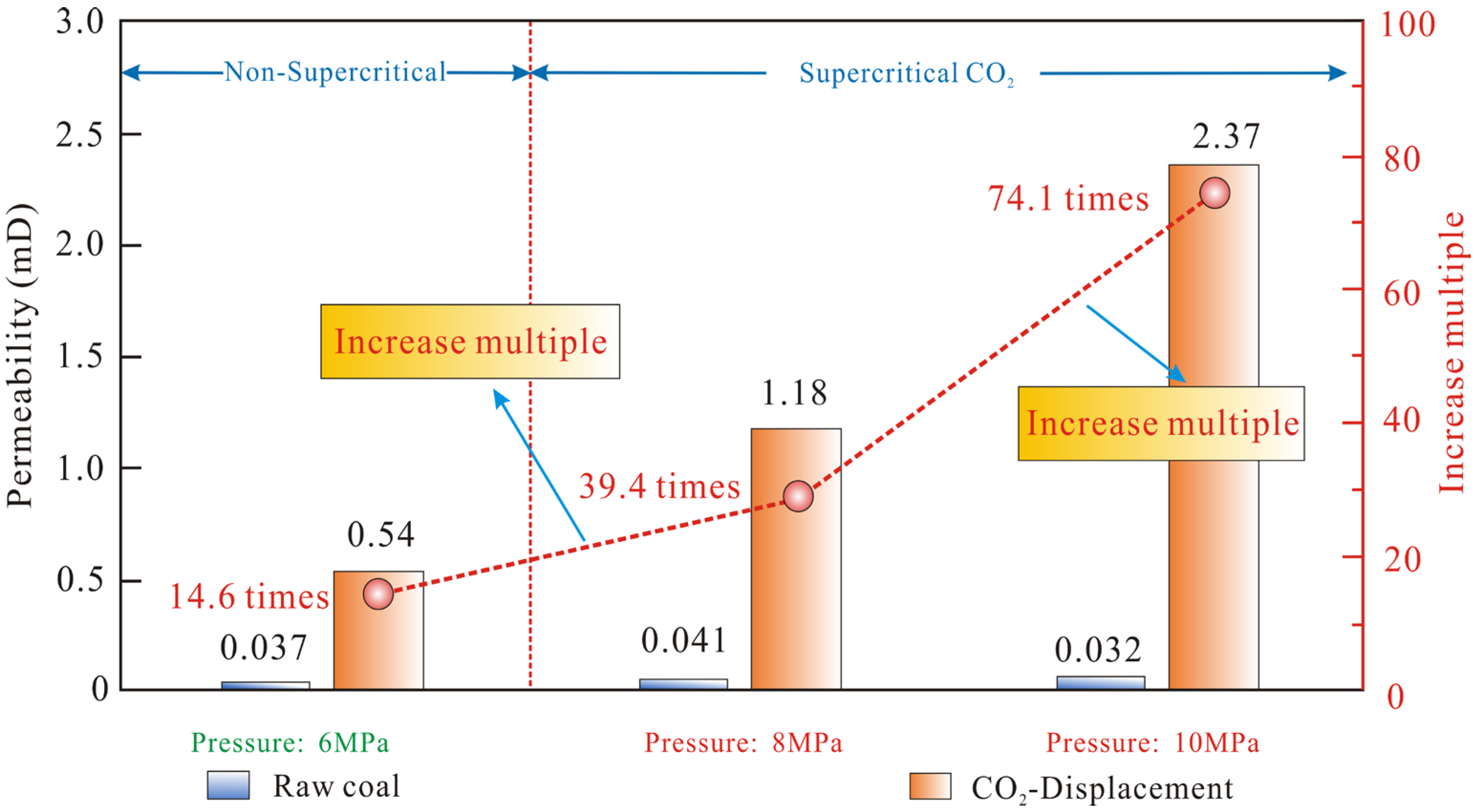
- NMR and CT scans demonstrate that elevated injection pressure promotes the expansion and interconnection of micro-fractures, forming dominant macro-fracture networks. Fracture proportion increased from 31.7% to 47.4%, with corresponding micropore reduction and macropore growth. This structural reorganization enhanced permeability from 0.54 mD to 2.37 mD (339% growth). The multi-scale analysis reveals the transition from localized propagation to global connectivity under pressure, providing key theoretical support for deep CBM extraction.
- (3)
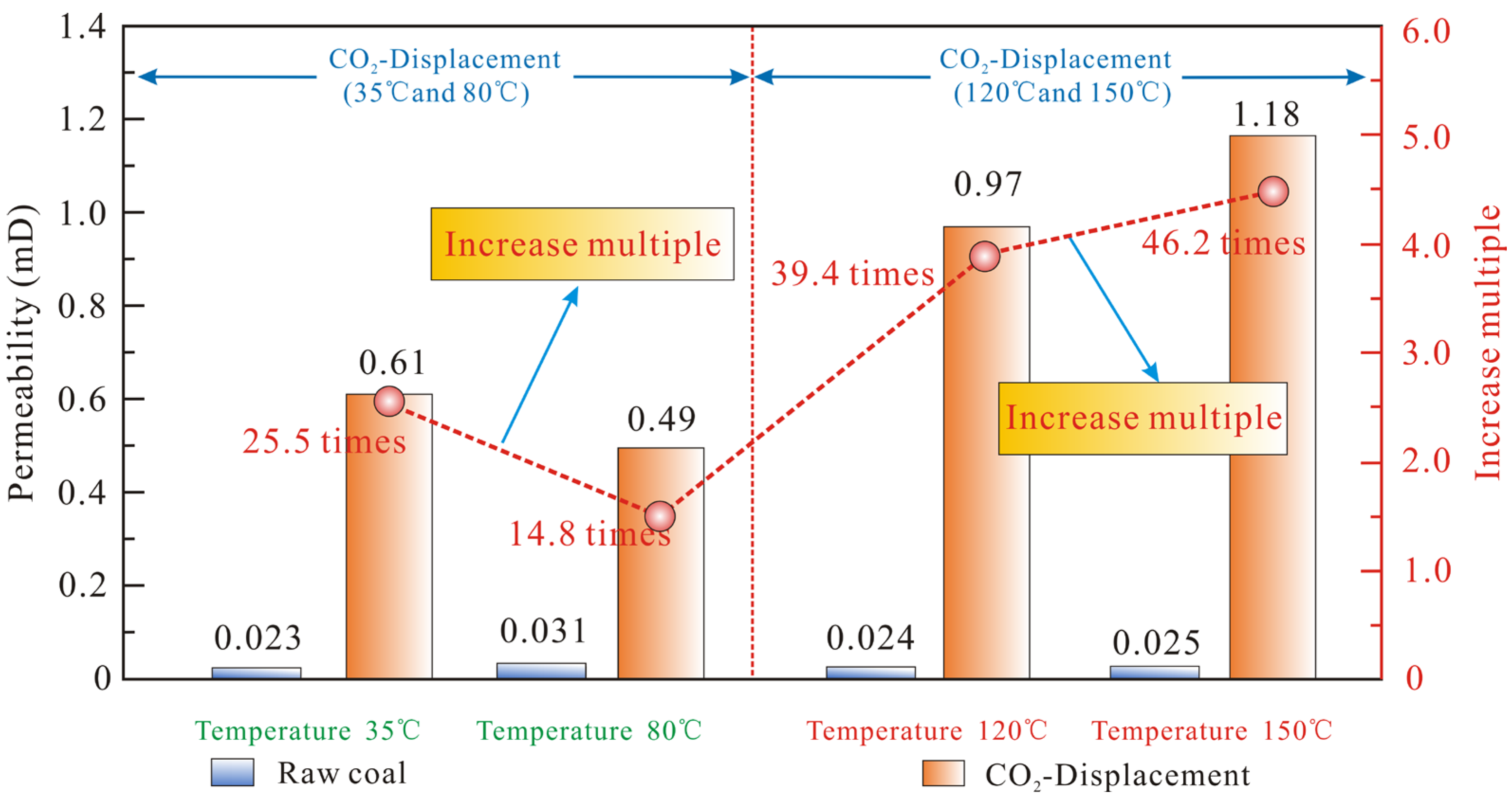
- Based on the experimental data, this investigation supports a “pressure-dominated, temperature-assisted” synergistic mechanism for permeability enhancement under the tested conditions. The experimental data demonstrate that the absolute increase in permeability driven by elevated injection pressure (e.g., from 0.54 to 2.37 mD between 6 and 10 MPa at 150 °C) was substantially greater than that induced by temperature increase alone (e.g., from 0.49 to 1.18 mD between 80 and 150 °C at 8 MPa). This supports the dominant role of pressure in creating and interconnecting macro-fractures, establishing efficient percolation pathways. Temperature primarily assists by promoting gas desorption and facilitating the initiation of micro-fractures through thermal stress.
- (4)
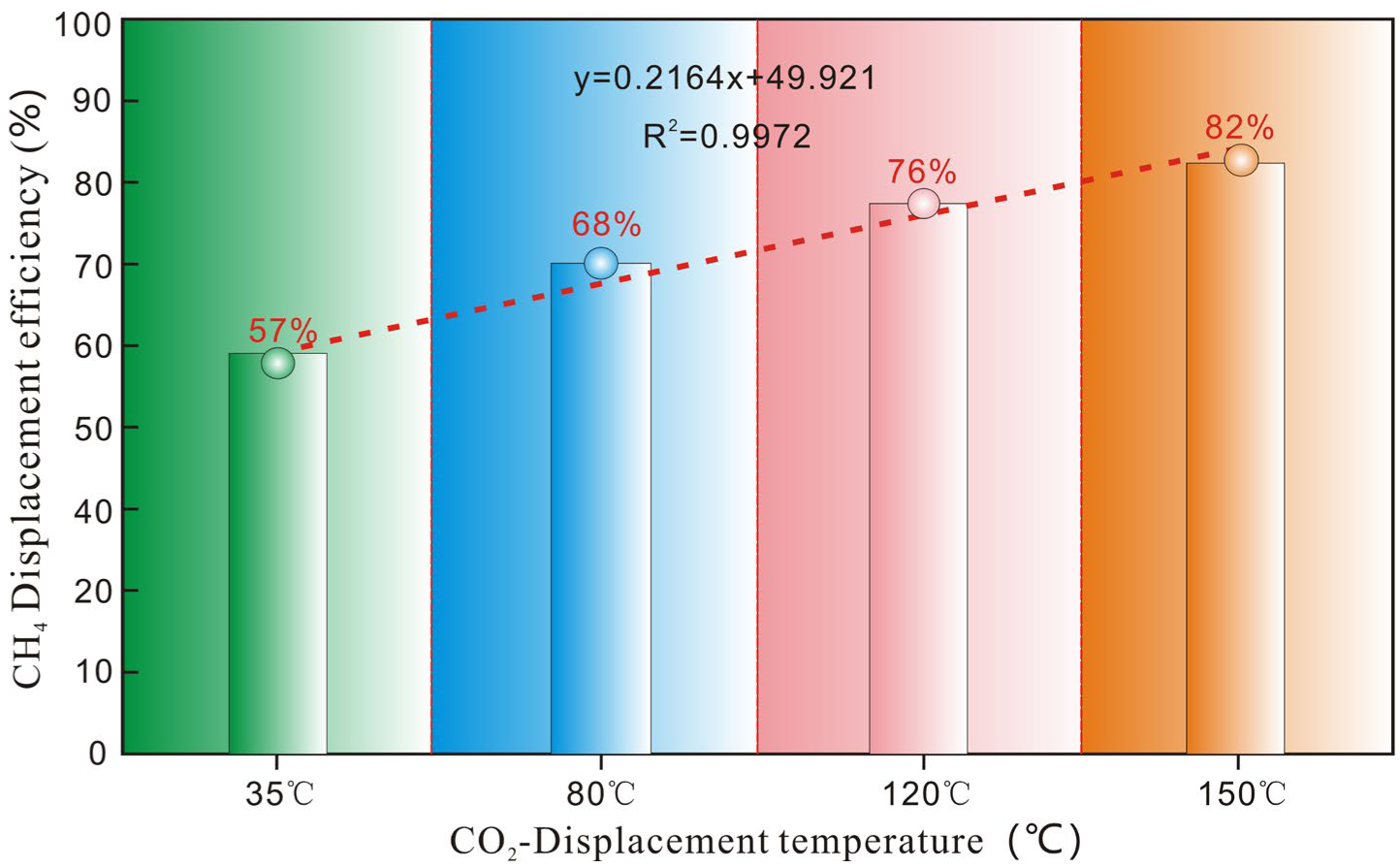
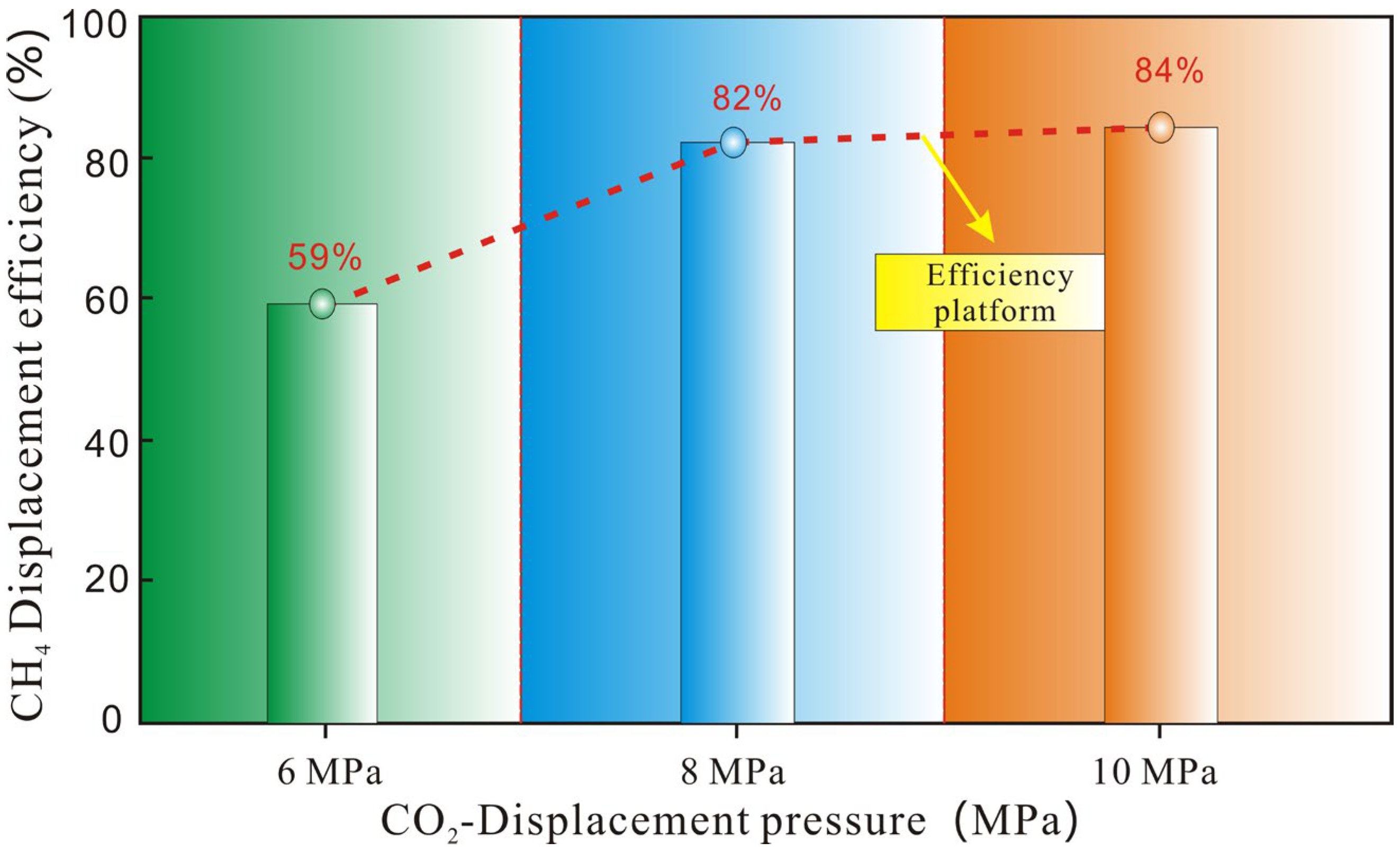
- Experimental results demonstrate a clear temperature–pressure synergy during CO2 displacement. At 150 °C, permeability increased by 339% as pressure rose from 6 to 10 MPa, while displacement efficiency improved by only 2.4% beyond 8 MPa, indicating a pressure-driven limitation. Thermal activation effectively overcomes this constraint by enhancing CO2 diffusion and providing activation energy for CH4 desorption from isolated micropores, thereby mobilizing residual gas unreachable by pressure alone. This finding establishes a new theoretical framework for efficient coalbed methane extraction, challenging conventional pressure-centric approaches.
Author Contributions
Funding
Data Availability Statement
Conflicts of Interest
References
- Gu, J.Y.; Zhang, B.; Guo, M.Q. Deep coalbed methane enrichment rules and its exploration and development prospect in Linxing Block. J. China Coal Soc. 2016, 41, 72–79. [Google Scholar] [CrossRef]
- Hou, S.H.; Wang, X.M.; Wang, X.J.; Yuan, Y.; Zhuang, X. Geological controls on gas saturation in the yanchuan nan coalbed methane field, southeastern Ordos basin, China. Mar. Pet. Geol. 2016, 78, 254–270. [Google Scholar] [CrossRef] [Scilit]
- Hou, X.; Liu, S.; Zhu, Y.; Yang, Y. Evaluation of gas contents for a multi-seam deep coalbed methane reservoir and their geological controls: In situ direct method versus indirect method. Fuel 2020, 265, 116917. [Google Scholar] [CrossRef] [Scilit]
- Kolak, J.J.; Burruss, R.C. Geochemical investigation of the potential for mobilizing non-methane hydrocarbons during carbon dioxide storage in deep coal beds. Energy Fuels 2006, 20, 566–574. [Google Scholar] [CrossRef] [Scilit]
- Pan, Z.; Ye, J.; Zhou, F.; Tan, Y.; Connell, L.D.; Fan, J. CO2 storage in coal to enhance coalbed methane recovery: A review of field experiments in China. Int. Geol. Rev. 2017, 60, 754–776. [Google Scholar] [CrossRef] [Scilit]
- Zhou, F.; Hussain, F.; Cinar, Y. Injecting pure N2 and CO2 to coal for enhanced coalbed methane: Experimental observations and numerical simulation. Int. J. Coal Geol. 2013, 116, 53–62. [Google Scholar] [CrossRef] [Scilit]
- Guo, X.L.; Yan, X.Q.; Yu, J.L.; Zhang, Y.; Chen, S.; Mahgerefteh, H.; Martynov, S.; Collard, A.; Proust, C. Pressure response and phase transition in supercritical CO2 releases from a large-scale pipeline. Appl. Energy 2016, 178, 189–197. [Google Scholar] [CrossRef] [Scilit]
- Cao, Y.X.; Zhang, J.S.; Zhai, H.; Fu, G.; Tian, L.; Liu, S. CO2 gas fracturing: A novel reservoir simulation technology in low permeability gassy coal seams. Fuel 2017, 203, 197–207. [Google Scholar] [CrossRef] [Scilit]
- Fathi, E.; Akkutlu, I.Y. Multi-component gas transport and adsorption effects during CO2 injection and enhanced shale gas recovery. Int. J. Coal Geol. 2014, 123, 52–61. [Google Scholar] [CrossRef] [Scilit]
- Zhang, X.G.; Ranjith, P.G.; Li, D.Y.; Perera, M.S.A.; Ranathunga, A.S.; Zhang, B.N. CO2 enhanced flow characteristics of naturally-fractured bituminous coals with N2 injection at different reservoir depths. J. CO2 Util. 2018, 28, 393–402. [Google Scholar] [CrossRef] [Scilit]
- Wang, Q.; Ye, J.B.; Yang, H.Y.; Liu, Q. Chemical composition and structural characteristics of oil shales and their kerogens using Fourier Transform Infrared (FTIR) Spectroscopy and Solid-State 13C Nuclear Magnetic Resonance (NMR). Energy Fuels 2016, 30, 6271–6280. [Google Scholar] [CrossRef] [Scilit]
- Fang, H.H.; Sang, S.X.; Liu, S.Q. The coupling mechanism of the thermal-hydraulic-mechanical fields in CH4-bearing coal and its application in the CO2-enhanced coalbed methane recovery. J. Pet. Sci. Eng. 2019, 181, 106177. [Google Scholar] [CrossRef] [Scilit]
- Chai, D.; Yang, G.; Fan, Z.; Li, X. Gas transport in shale matrix coupling multilayer adsorption and pore confinement effect. Chem. Eng. J. 2019, 370, 1534–1549. [Google Scholar] [CrossRef] [Scilit]
- Yu, H.G.; Zhou, G.Z.; Fan, W.T.; Ye, J. Predicted CO2 enhanced coalbed methane recovery and CO2 sequestration in China. Int. J. Coal Geol. 2007, 71, 345–357. [Google Scholar] [CrossRef] [Scilit]
- Yang, Z.Z.; Yuan, J.F.; Zhu, J.Y.; Li, X.; Li, Y.; Wang, H. Thermal injection stimulation to enhance coalbed methane recovery. Pet. Reserv. Eval. Dev. 2022, 12, 617–625. [Google Scholar] [CrossRef]
- Xu, J.; Zhai, C.; Liu, S. Investigation of temperature effects from LCO2 with different cycle parameters on the coal pore variation based on infrared thermal imagery and low-field nuclear magnetic resonance. Fuel 2018, 215, 528–540. [Google Scholar] [CrossRef] [Scilit]
- Han, S.; Sang, S.; Liang, J.; Zhang, J. Supercritical CO2 adsorption in a simulated deep coal reservoir environment, implications for geological storage of CO2 in deep coals in the southern Qinshui Basin, China. Energy Sci. Eng. 2019, 7, 488–500. [Google Scholar] [CrossRef] [Scilit]
- Hao, Z.Y.; Yue, L.X.; Sun, K.M.; Wang, S. Experiment study on the porosity and permeability of low permeability coal by supercritical CO2 temperature variation. Coal Geol. Explor. 2018, 46, 64–71. [Google Scholar] [CrossRef]
- Zhang, S.S. Seepage Characteristics of Coal and Pyrolysis Model Optimization in the Context of Underground Coal Gasification. Ph.D. Thesis, China University of Mining and Technology, Beijing, China, 2020. [Google Scholar] [CrossRef]
- Li, B.B.; Gao, Z.; Yang, K.; Li, J.H.; Ren, C.H.; Xu, J.; Cao, J. Study on coal adsorption-permeability model under the coupling of temperature and pore pressure. Chin. J. Rock Mech. Eng. 2020, 39, 668–681. [Google Scholar] [CrossRef]
- Liu, J.J.; Nie, Z.S.; Yu, B.Z.; Yang, D. Analysis of the mechanism and influencing factors of supercritical carbon dioxide on coal permeability enhancement. Coal Sci. Technol. 2023, 51, 204–216. [Google Scholar] [CrossRef]
- Su, E.; Liang, Y.; Chang, X. Effects of cyclic saturation of supercritical CO2 on the pore structures and mechanical properties of bituminous coal: An experimental study. J. CO2 Util. 2020, 40, 101208. [Google Scholar] [CrossRef] [Scilit]
- Lu, J.; Hawthorne, S.; Sorensen, J.; Pekot, L.; Kurz, B.; Smith, S. Advancing CO2 enhanced oil recovery and storage in unconventional oil play—Experimental studies on Bakken shales. Appl. Energy 2017, 208, 171–183. [Google Scholar] [CrossRef] [Scilit]
- Middleton, R.S.; Carey, J.W.; Currier, R.P.; Hyman, J.D.; Kang, Q.; Karra, S.; Jiménez-Martínez, J.; Porter, M.L.; Viswanathan, H.S. Shale gas and non-aqueous fracturing fluids: Opportunities and challenges for supercritical CO2. Appl. Energy 2015, 147, 500–509. [Google Scholar] [CrossRef] [Scilit]
- Liu, S.Q.; Sang, S.X.; Ma, J.S.; Wang, T.; Du, Y.; Fang, H.H. Effects of supercritical CO2 on micropores in bituminous and anthracite coal. Fuel 2019, 242, 96–108. [Google Scholar] [CrossRef] [Scilit]
- Bai, G.; Zhou, Z.J.; Li, X.M.; Cheng, Y.T.; Hu, K.; Chen, Y.; Zhou, X.H. Quantitative analysis of carbon dioxide replacement of adsorbed methane in different coal ranks using low-field NMR technique. Fuel 2022, 326, 124980. [Google Scholar] [CrossRef] [Scilit]
- Zhang, K.Z.; Cheng, Y.P.; Li, W.; Wu, D.M.; Liu, Z.D. Influence of supercritical CO2 on pore structure and functional groups of coal: Implications for CO2 sequestration. J. Nat. Gas Sci. Eng. 2017, 40, 288–298. [Google Scholar] [CrossRef] [Scilit]
- Liu, S.Q.; Ma, J.S.; Sang, S.X.; Wang, T.; Du, Y.; Fang, H.H. The effects of supercritical CO2 on mesopore and macropore structure in bituminous and anthracite coal. Fuel 2018, 223, 32–43. [Google Scholar] [CrossRef] [Scilit]
- Li, L.; Liang, W.G.; Li, Z.G.; He, W. Experimental investigation on enhancing coalbed methane recovery by injecting high-temperature CO2. J. China Coal Soc. 2017, 42, 2044–2050. [Google Scholar] [CrossRef]
- Zheng, S.J.; Yao, Y.B.; Sang, S.X.; Liu, D.M.; Wang, M.; Liu, S.Q. Dynamic characterization of multiphase methane during CO2-ECBM: An NMR relaxation method. Fuel 2022, 324, 124526. [Google Scholar] [CrossRef] [Scilit]
- Mazumder, S.; van Hemert, P.; Busch, A.; Wolf, K.A.A.; Tejera-Cuesta, P. Flue gas and pure CO2 sorption properties of coal: A comparative study. Int. J. Coal Geol. 2006, 67, 267–279. [Google Scholar] [CrossRef] [Scilit]
- Huang, Y.; Saipeng, H.; Jian, H.; Liu, X.; Huang, L.; Fang, C. Numerical Simulation of the Effect of Injected CO2 Temperature and Pressure on CO2-Enhanced Coalbed Methane. Appl. Sci. 2020, 10, 1385. [Google Scholar] [CrossRef] [Scilit]
- Liu, J.; Yao, Y.B.; Liu, D.M.; Elsworth, D. Experimental evaluation of CO2 enhanced recovery of adsorbed-gas from shale. Int. J. Coal Geol. 2017, 179, 211–218. [Google Scholar] [CrossRef] [Scilit]
- Meng, M.; Qiu, Z.; Zhong, R.; Liu, Z.; Liu, Y.; Chen, P. Adsorption characteristics of supercritical CO2/CH4 on different types of coal and a machine learning approach. Chem. Eng. J. 2019, 368, 847–864. [Google Scholar] [CrossRef] [Scilit]
- Fan, C.; Yang, L.; Wang, G.; Huang, Q.; Fu, X.; Wen, H. Investigation on coal skeleton deformation in CO2 injection enhanced CH4 drainage from underground coal seam. Front. Earth Sci. 2021, 9, 766011. [Google Scholar] [CrossRef] [Scilit]
- Liu, Y.L.; Xu, H.; Tang, D.Z.; Xu, F.Y.; Jonathan, P.M.; Hou, W.; Yan, X.; Ding, F.F. Coalbed methane production of a heterogeneous reservoir in the Ordos Basin, China. J. Nat. Gas Sci. Eng. 2020, 82, 103502. [Google Scholar] [CrossRef] [Scilit]
- Hodot, B.B. Coal and Gas Outburst; China Industry Publishing House: Beijing, China, 1966. [Google Scholar]



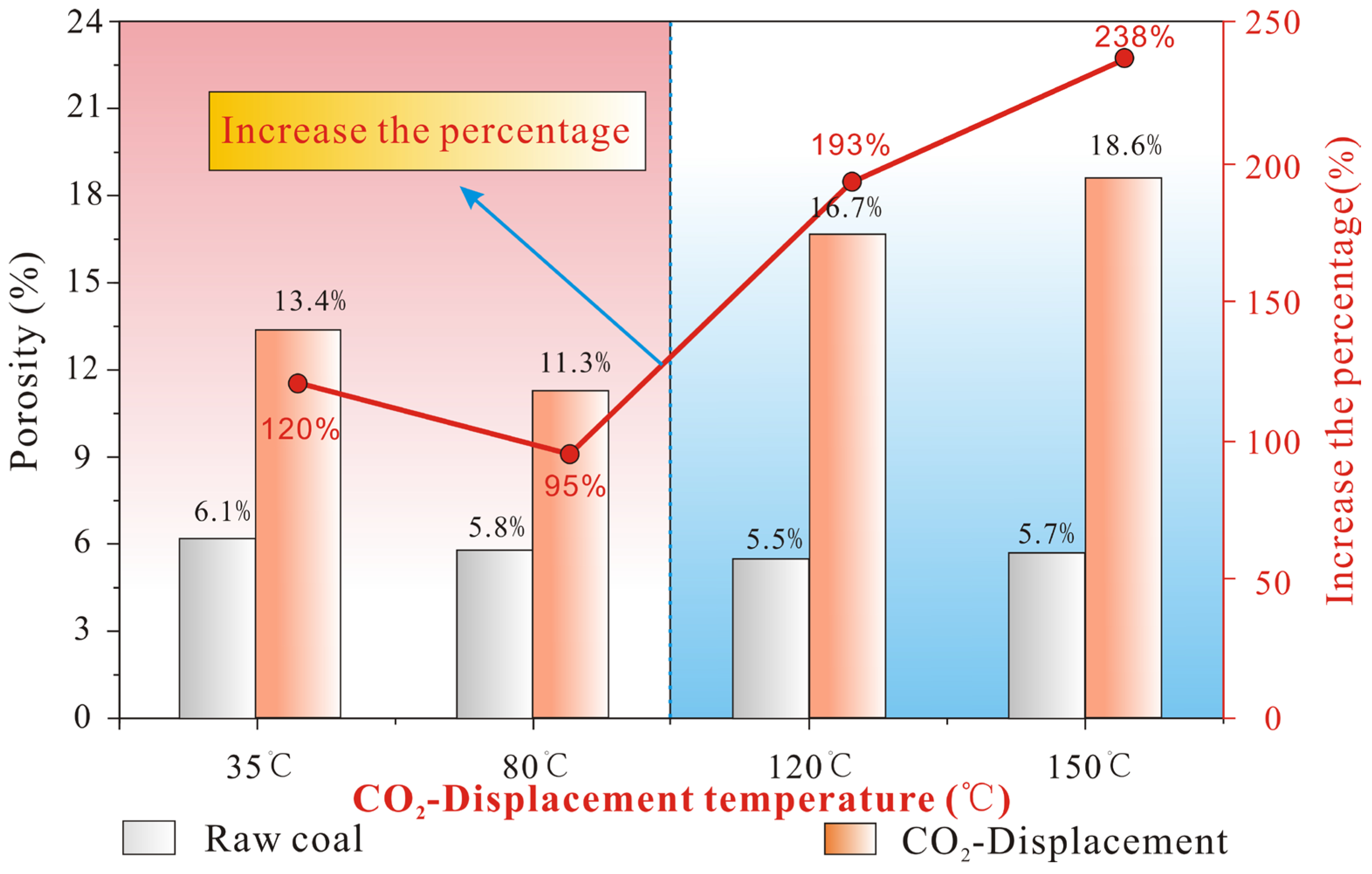
| Samples | R0,max/% | Maceral Content/% | Porosity/% | Permeability (mD) | Density (g/cm3) | ||
|---|---|---|---|---|---|---|---|
| Vitrinite | Inertinite | Minerals | |||||
| CL-1 | 1.222 | 75.6 | 21.8 | 2.6 | 6.1 | 0.023 | 1389.6 |
| CL-2 | 1.235 | 74.3 | 22.4 | 3.3 | 5.8 | 0.031 | 1392.1 |
| CH-1 | 1.288 | 78.3 | 20.3 | 1.4 | 5.5 | 0.024 | 1401.4 |
| CH-2 | 1.246 | 73.8 | 23.5 | 2.7 | 5.7 | 0.025 | 1396.3 |
Disclaimer/Publisher’s Note: The statements, opinions and data contained in all publications are solely those of the individual author(s) and contributor(s) and not of MDPI and/or the editor(s). MDPI and/or the editor(s) disclaim responsibility for any injury to people or property resulting from any ideas, methods, instructions or products referred to in the content. |
© 2026 by the authors. Licensee MDPI, Basel, Switzerland. This article is an open access article distributed under the terms and conditions of the Creative Commons Attribution (CC BY) license.
Share and Cite
Xu, X.; Ge, T.; Gao, E.; Li, S.; Wei, K.; Liu, Y.; Wang, A. Thermal Displacement with CO2 for E-CBM Recovery: Mechanisms and Efficacy of Temperature–Pressure Synergy in Permeability Enhancement. Energies 2026, 19, 496. https://doi.org/10.3390/en19020496
Xu X, Ge T, Gao E, Li S, Wei K, Liu Y, Wang A. Thermal Displacement with CO2 for E-CBM Recovery: Mechanisms and Efficacy of Temperature–Pressure Synergy in Permeability Enhancement. Energies. 2026; 19(2):496. https://doi.org/10.3390/en19020496
Chicago/Turabian StyleXu, Xiaohu, Tengze Ge, Ersi Gao, Shuguang Li, Kai Wei, Yulong Liu, and Ao Wang. 2026. "Thermal Displacement with CO2 for E-CBM Recovery: Mechanisms and Efficacy of Temperature–Pressure Synergy in Permeability Enhancement" Energies 19, no. 2: 496. https://doi.org/10.3390/en19020496
APA StyleXu, X., Ge, T., Gao, E., Li, S., Wei, K., Liu, Y., & Wang, A. (2026). Thermal Displacement with CO2 for E-CBM Recovery: Mechanisms and Efficacy of Temperature–Pressure Synergy in Permeability Enhancement. Energies, 19(2), 496. https://doi.org/10.3390/en19020496