Article

Surface Modification of Zirconia with Thick Hydroxyapatite Film Using RF Magnetron Sputtering Technique


by
Ihab Nabeel Safi
,
Hasanain K. A. Alalwan
,
Mustafa S. Tukmachi
*,
Dhuha H. Mohammed
and
Maryam Sinan Abdulaali Al-Yasari
Department of Prosthodontics, College of Dentistry, University of Baghdad, Baghdad 10047, Iraq
*
Author to whom correspondence should be addressed.
Prosthesis 2026, 8(1), 11; https://doi.org/10.3390/prosthesis8010011
Submission received: 24 November 2025 / Revised: 1 January 2026 / Accepted: 10 January 2026 / Published: 19 January 2026
(This article belongs to the Collection Oral Implantology: Current Aspects and Future Perspectives)

Abstract

Background/Objectives: The use of zirconia implants is gaining traction as a potential alternative to titanium. Although having excellent properties, the zirconia surface has limited osteogenic potential. The purpose of this study was to produce, for the first time, mechanically stable, thick micron-scale hydroxyapatite coatings on zirconia implant material using radiofrequency (RF) magnetron sputtering. Methods: Zirconia samples were coated with HA using an RF magnetron sputtering device at a temperature of 125 °C for 20 h with 155 W of power. The procedure included rotating the substrate at a speed of 10 rpm while an argon gas flow was maintained continuously. Field emission scanning electron microscopy (FESEM), energy-dispersive X-ray (EDX) analysis, atomic force microscopy, and Vickers hardness measurements were used to evaluate the coat’s characteristics. Results: A smooth hydroxyapatite coating layer that was consistent and free of cracks was observed in all FESEM pictures. The EDX study revealed that the substrate surface contains HA particles, and the ratio of calcium (Ca) to phosphorus (P) was 16.58 to 11.31, which is very close to the ratio in original HA. FESEM cross-section pictures showed good adhesion between the coating and substrate without any gaps, and the coating thickness was 5 µm on average. A statistically significant difference was found in the roughness analysis between the samples of uncoated Zr and HA-coated Zr (p-value < 0.05). Conclusions: Zirconia implant material can be coated with a uniform layer of HA, displaying good adhesion and a thickness of a few micrometers when using magnetron sputtering for an extended period of time.

1. Introduction

The performance of dental and orthopedic implants is closely associated with the characteristics of the implant topography rather than merely its bulk material properties. Although conventional implant substrates, such as titanium (Ti) and its alloys, and the unconventional alternative substrates, such as zirconia (Zr) implants, offer satisfactory mechanical strength and corrosion resistance, their bioactivity remains inherently limited. Such a limitation can preclude earlier osseointegration and enhanced long-term bone anchorage; therefore, this drawback was managed with surface modification using bioactive materials, particularly calcium phosphate (CaP) material derivatives, which have been widely harnessed via several coating techniques [1,2].
The deposition of osteoconductive calcium phosphate coatings on metals using a radiofrequency (RF) magnetron sputtering technique was presented 30 years ago. The coatings produced with this technique are characterized by distinguished physicochemical and mechanical properties [3,4]. Moreover, several reports have shown the superiority of RF magnetron sputtering in producing high-crystallinity calcium phosphate coatings that may result in highly satisfactory biomedical properties [4,5]. The biomedical properties of implants with calcium phosphate-modified surfaces showed a positive impact on stem cell adhesion and proliferation and stimulated osteogenic differentiation [6].
Hydroxyapatite (HA) Ca10(PO4)6(OH)2 is a notable calcium phosphate material that is present in biological hard tissues (teeth and bone) and represented in the inorganic components. It is proven that hydroxyapatite coatings have outstanding biocompatible and osteoconductive capabilities for metal implants in biomedical and dental fields [5,7].
A plethora of technical methods have been reported in the literature that have explained the effective fabrication of biocompatible coatings on metal and non-metal substrates—like zirconia—for biomedical uses, such as electrophoretic deposition, cathode electrolysis, laser deposition, plasma spraying, dip-coating crystallization, micro-arc oxidation, biomimetic precipitation, wet powder spraying, RF magnetron sputtering, slip coating, and sol-gel techniques. Nevertheless, limitations have been reported for some methods, frequently caused by low film–substrate adhesion strength and complicated phase composition control [1,2,8]. The plasma-spray coating technique is the most commonly implemented technique for commercial purposes, although it still has some drawbacks, such as debonding of the coating, which may indicate the need for an alternative technique [9,10]. RF magnetron sputtering has the potential to surpass plasma spraying. RF magnetron sputtering is moderately expensive and characterized by a relatively low deposition rate; however, its capability to manage the film properties and produce high substrate–coating bonding strength endorses the potential to implement this technique in prospective commercial applications [8].
Zirconia dental implants have been successfully used as an alternative to titanium (Ti) alloys in the fabrication of implant bulk material. Zirconia implants are characterized by an aesthetically acceptable tooth-like color that does not show the Ti grayish cervical collar in the thin gingival biotype, which reduces the aesthetic outcome, especially in the anterior region [11]. Nevertheless, zirconia has shown the need to be coated with osteoconductive materials to present better osseointegration-related results [12].
Despite the well-documented advantages of RF magnetron-sputtered CaP coatings on Ti substrates, the literature on the coating of non-metal zirconia substrates with the CaP magnetron sputtering technique remains extremely limited. Recent reviews related to the surface modification of zirconia implants have not reported RF magnetron sputtering as one of the coating techniques used [13,14]. One recent, valuable systematic review included RF magnetron sputtering in the listed studied methodologies, albeit with only three studies that had harnessed magnetron sputtering. Despite the comprehensive and insightful nature and analysis of that review, two of these three cited studies had not actually used magnetron sputtering, but had used the femtosecond laser irradiation and wet powder spray methodologies, and are inaccurately cited [2], highlighting the gap and scarcity of research on this specific topic. Notably, several studies focused on the modification of bioinert zirconia substrates with CaP-derived coatings, and employed different other techniques such as the two-step biomimetic immersion method [15], wet powder spraying [16], direct laser melting [17], femtosecond laser irradiation [18], and chemical grafting of L-Serine molecules [19].
There is a scarcity in the literature of studies that have examined the coating of zirconia with calcium phosphate coatings using the magnetron sputtering technique. To the best of our knowledge, there are only two reports [12,20]. However, these reports showed a maximum coating thickness of 150 nm to 1 µm and failed to obtain thicker film, while several reports have endorsed the biomedical and mechanical advantages and superiority of a few microns of film thickness over very thick (>30 µm) and very thin (<1 µm) coatings [17,21,22,23].
Coatings of a few micrometers thickness would enhance its mechanical durability and minimize degradation stresses, as mechanical testing of the coating at the bone–Ti implant interface has proven [24]. Furthermore, an optimized thickness of micrometer-scale would warrant improved biological responses because of the maximized surface area of a thicker coating, which recruit more specific bone cells and improve bone–implant osseointegration [25]. Additionally, the rate of dissolution of the optimized micro-scale coating would be diminished in comparison to the very thin sub-micron coatings in the physiological fields due to reduced sustained bioactivity, especially if the crystallinity is preserved [26].
Remarkably, RF magnetron sputtering is used instead of DC magnetron because of the use of zirconia (a dielectric substrate), although DC magnetron is a more cost-effective technique [27]. In the present study, we tailored the deposition parameters, especially the deposition time, to obtain several micrometers of film thickness on zirconia substrates using the RF magnetron sputtering methodology with hot-pressed HA targets, aiming to produce a potential coating with more clinical durability, sustained bioactivity, and long-term biological success of zirconia implants.

2. Materials and Methods

2.1. HA Target Preparation

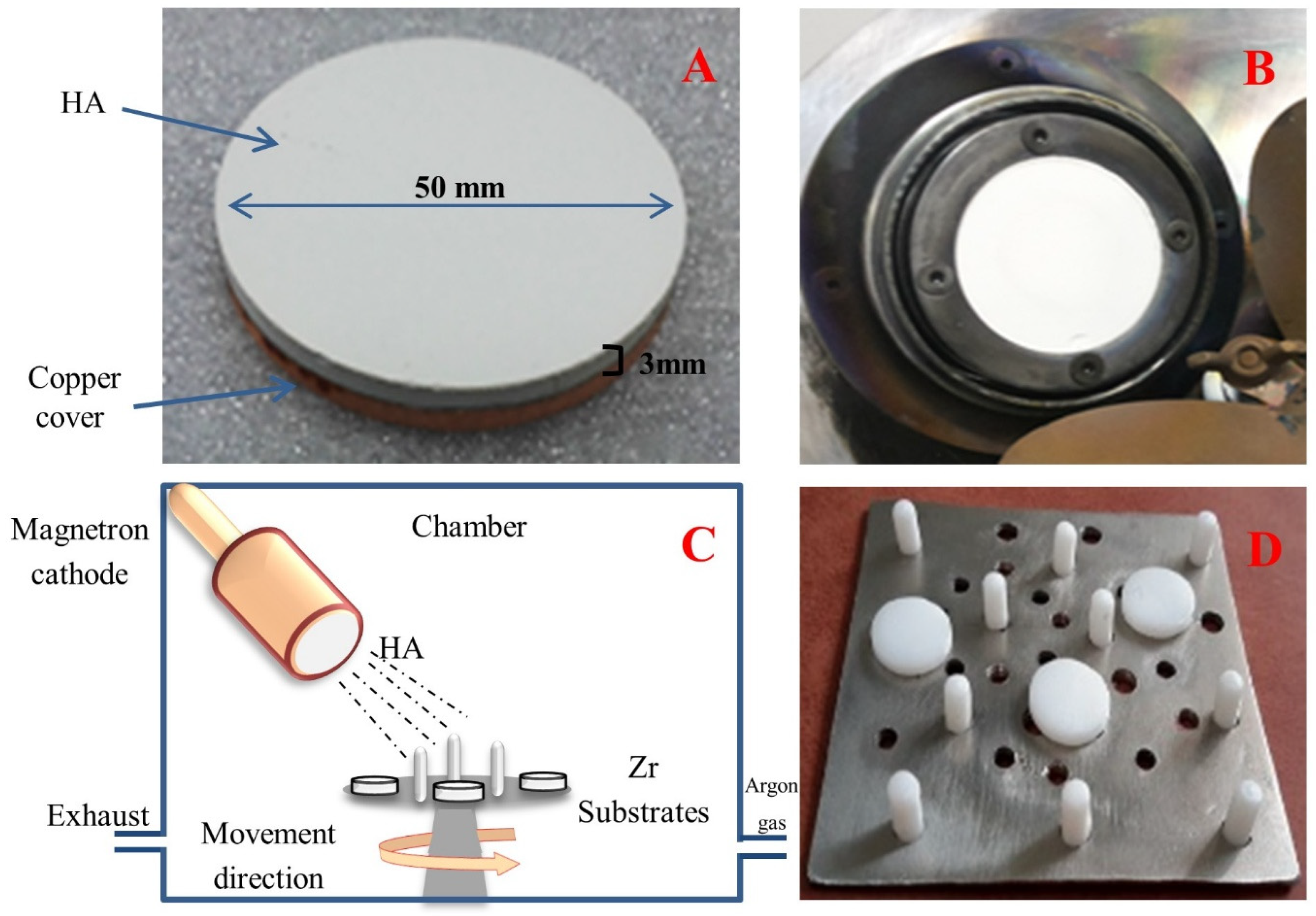
HA powder of 99.99% approximate purity and 2.13 g/cm3 density was used to fabricate customized magnetron sputtering targets (50 mm in diameter and 3 mm in thickness) by sintering technique. These targets were manufactured using vacuum hot-press sintering (Jiangyin Entret Coating Technology Co., Ltd., Jiangyin, China). The temperature used for sintering was 1100 °C with a 50 MPa pressure load. A metal cover (copper) was utilized to protect the customized targets from cracking (Figure 1A,B).

2.2. Preparation of Samples

To test the zirconia substrate, two different patterns were made. The first substrate design features a disc-shaped sample with dimensions of 6 mm in diameter and 2 mm in thickness; the second design was a root-form implant sample in a cylindrical shape with dimensions of 3 mm in diameter and 6 mm in length. Partially sintered zirconia from (VITA Zahnfabrik H. Rauter GmbH & Co. KG, Bad Säckingen, Germany) was used to manufacture these samples. The zirconia designs were created using dental digital 3-axis CAD/CAM milling equipment (CORiTEC 250i Loader PRO, imes-icore GmbH, Hesse, Germany) after they were digitally designed in ExoCad, a dental CAD program. The samples underwent final sintering in a sintering furnace (VITA ZYRCOMAT 6000 MS, Bad Säckingen, Germany) set to 1600–1700 °C, as directed by the manufacturer. After thirty minutes of ultrasonic cleaning in 100% ethanol, the samples were allowed to air dry.
A separate study (in vivo biomechanical and histological assessment) made use of the cylindrical designs, whereas the disc-shaped ones were utilized for coating optimization and characterization in this in vitro investigation. In order to ensure that a uniform coating was sputtered, a stainless-steel plate holder was made with the express purpose of holding the cylindrical substrates vertically in the vacuum chamber while sputtering and the disc-shaped substrates in a specified grip (Figure 1C,D).

2.3. Sputtering Process

Several sputtering trials were carried out to find the optimal settings for the two-hour deposition duration in order to achieve the best-sputtered film before the full-scale research project. Power, operating pressure, and target-to-substrate distance are some of the characteristics that vary with the magnetron sputtering device (Torr International Inc., Marlboro, NY, USA) (Table 1). In order to optimize the sputtering settings, the thickness of the coated film was measured using a laser ellipsometer (SE 800 SENTECH, Berlin, Germany) in conjunction with square quartz microscope slides (TED PELLA, Inc., Redding, CA, USA) measuring 25.4 mm × 25.4 mm × 1 mm thick.

2.4. Final Coating Process

The sputtering trials showed that the sputtering parameters of sample D produced the optimal required film. Cleaning under vacuum of the substrate and the target was performed for 10 min at 125 W power prior to deposition. A base pressure of less than 1.5 × 10⁻³ Torr was established inside the sputtering compartment. Then, the introduction of argon gas was permitted into the compartment as a sputtering gas with a flow rate of 150 cm3/min and a working pressure of 1.5 × 10⁻³ Torr.
RF sputtering was conducted at 155 W power, and throughout the coating process, the power applied was increased by 15 W every 5 min until reaching the 155 W level, after which the power level was maintained until the completion of the process. The applied deposition temperature was stabilized at 125 °C, and the target was protected from elevated temperatures through a specific water-cooling system. The target-to-substrate distance was 35–45 mm (Figure 1C). Twenty hours of deposition were enough to obtain the minimally optimized 5 µm coat thickness. Throughout the coating process, the samples were rotated at an 8 rpm rotation speed. Next, the sintering process for all HA-treated substrates was performed in a sintering oven. The temperature of heat treatment was steadily increased by 15 °C/min up to 600 °C for 1 h in the presence of air [28] (Figure 1D).

2.5. Surface Characterization of HA Coating

Examination of the coating thickness and surface morphology was performed using field emission scanning electron microscopy (FESEM) (MIRA3 TESCAN, Brno, Czech Republic). Scanning electron microscopy–energy-dispersive X-ray analysis (SEM-EDX) was used to investigate the elemental analysis, while EDX mapping was used to determine the distribution of the elements. The surface roughness was assessed by atomic force microscopy (AFM). The hardness of the coating was measured by the Vickers hardness test (VH). Phase analysis was performed using X-ray diffraction (XRD). For cross-section examination, the disc samples were perpendicularly embedded in cold-cured acrylic resin. Then, the disc-acrylic block was ground using 400-grit silicon carbide abrasive paper and polished with 2000-grit silicon carbide paper [17,29,30].

3. Results

3.1. Surface Microstructure

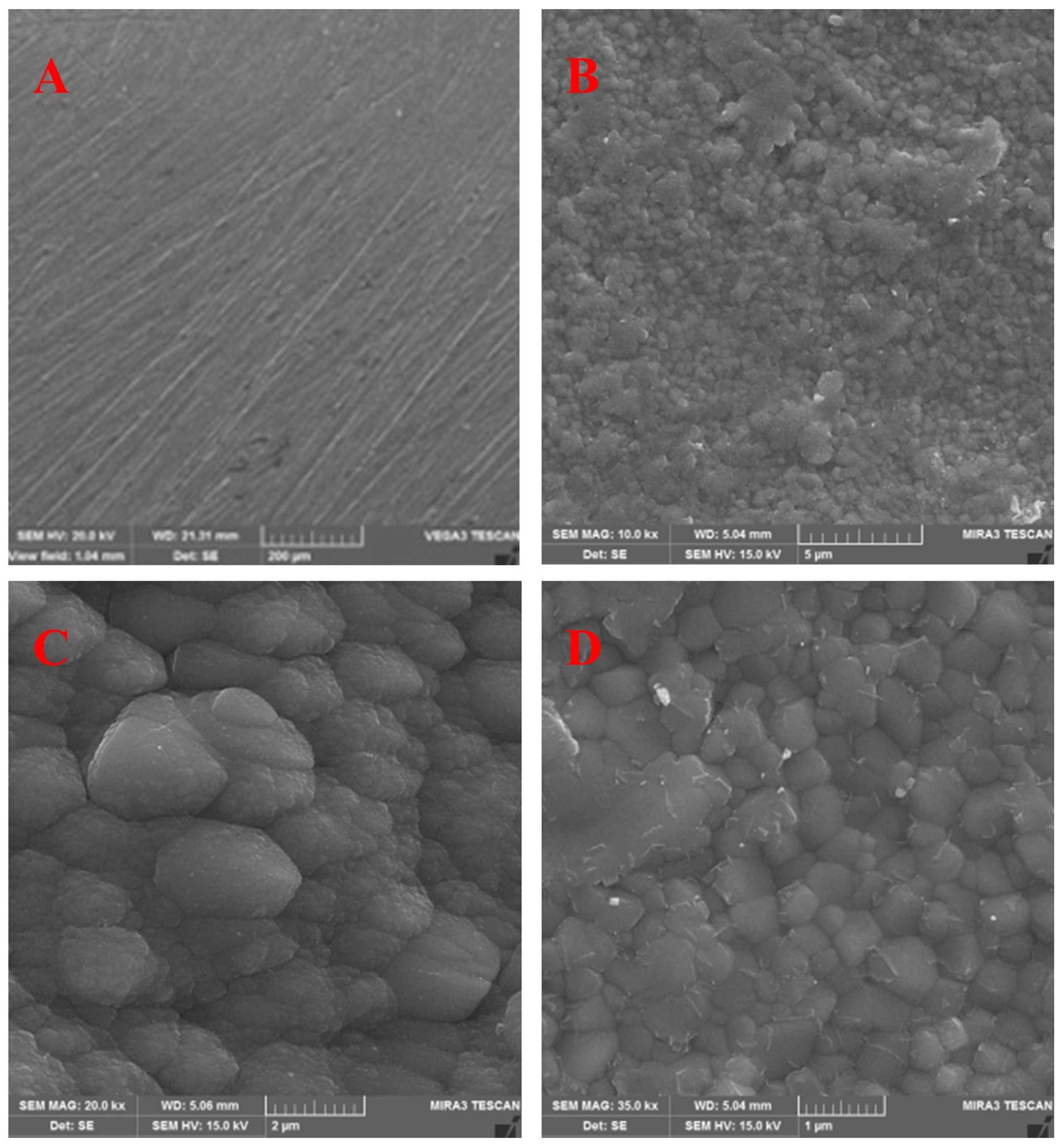
The FESEM images of HA-coated and uncoated zirconia substrates are shown in (Figure 2). The surface of the HA coating is continuous, crack-free, with uniformly distributed HA particles and few aggregates of different sizes.

3.2. Chemical Analysis for Zirconia Substrate and HA-Coated Substrate

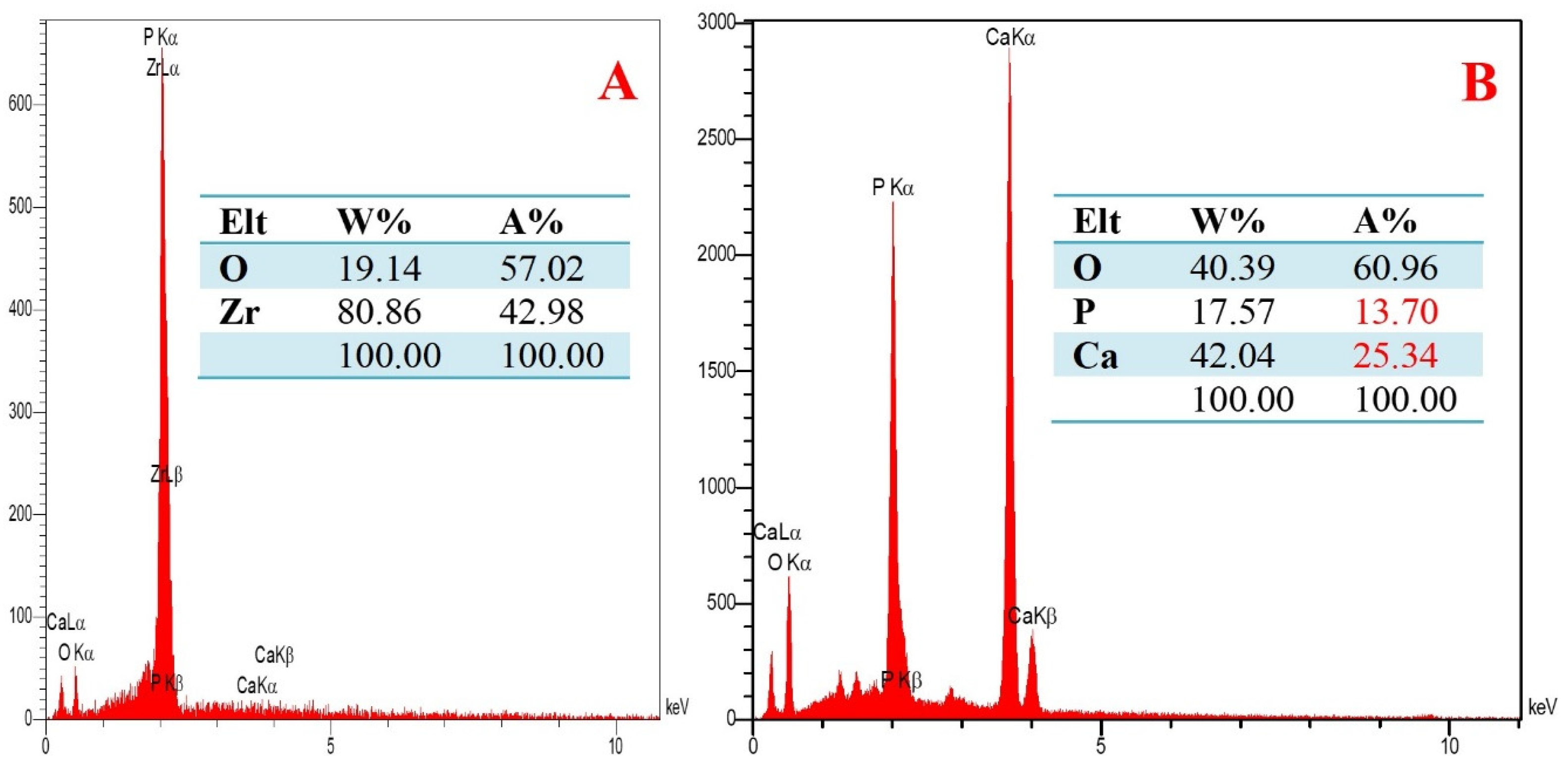
The EDX of the uncoated Zr surface shows that it is composed of Zr and O. For the Zr substrate coated with HA, the EDX showed the presence of HA particles on the surface, which are composed of P, Ca, and O, as illustrated in Figure 3. The EDX results also show that the coating has no contamination with other elements.

3.3. Ca/P Ratio of HA Coating

Based on Table 2, the Ca/P ratio in the 25.34/13.70 coat layer is around 1.84. This is quite similar to the Ca/P ratio in Ca10(PO4)6.2H2O, which is 10/6, since the HA powder has a stoichiometric Ca/P ratio of 1.6. The Ca/P ratio was unaffected by the RF magnetron sputtering procedure.
This finding provides more evidence that HA is the coating’s primary component phase. What this means is that the coating material’s chemical makeup remained unchanged as it was sputtered.
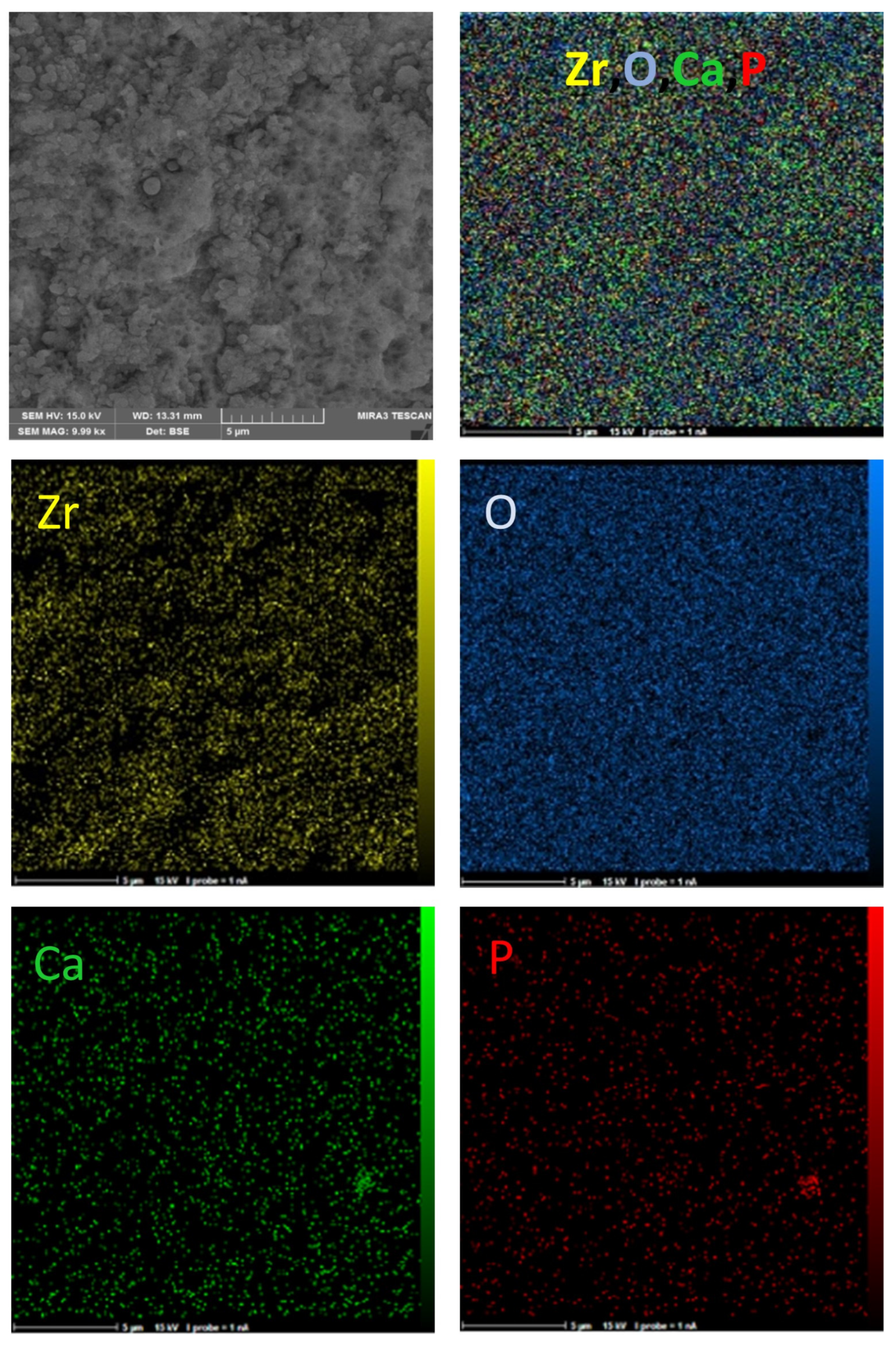
Figure 4 shows that there is no surface agglomeration and a fairly even dispersion of Ca and P particles according to the EDX maps.
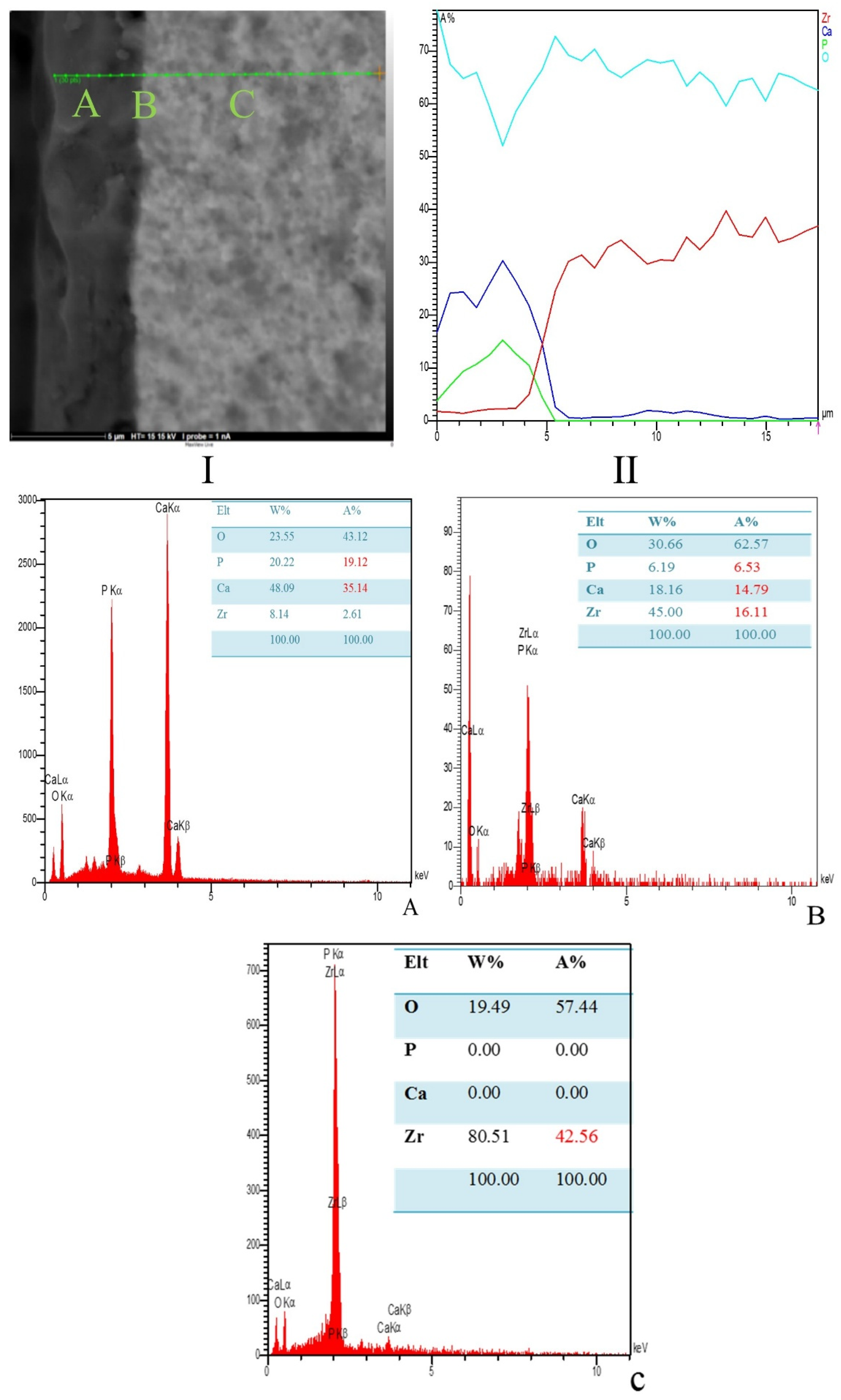
The EDX line scan was performed for cross-section line elemental analysis at the HA–Zr interface at different areas (Figure 5). The EDX at the coating area indicates that the coating is composed of abundant Ca, P, and O elements. At the interface area, EDX analysis shows that it is composed of Zr, Ca, P, and O elements. The EDX elemental analysis at the Zr substrate indicates that it is composed of abundant Zr. The EDX line scans show that Ca and P increased to higher levels, whereas Zr decreased when going from the Zr substrate area to the coating area.

3.4. Coat Thickness and Microstructure of Interface

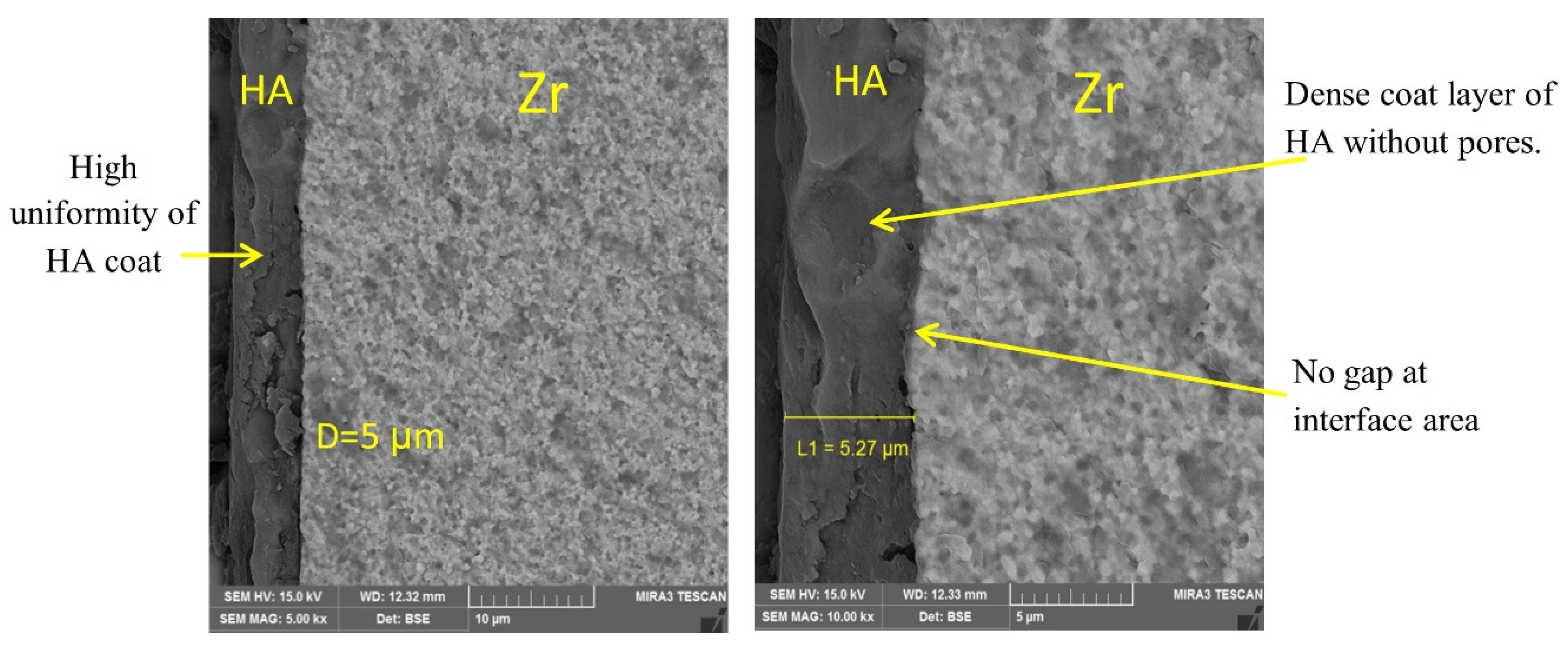
The coated zirconia samples’ coat layer thickness was determined using cross-sectional FESEM images in this work. The coating layer had an average thickness of 5 µm, as shown in Figure 6. Photos taken of the interface using FESEM revealed that the Zr substrate successfully embedded the HA particles, enclosing them in the Zr surface layer and forming a bond (no gap) between the two.

3.5. Surface Roughness

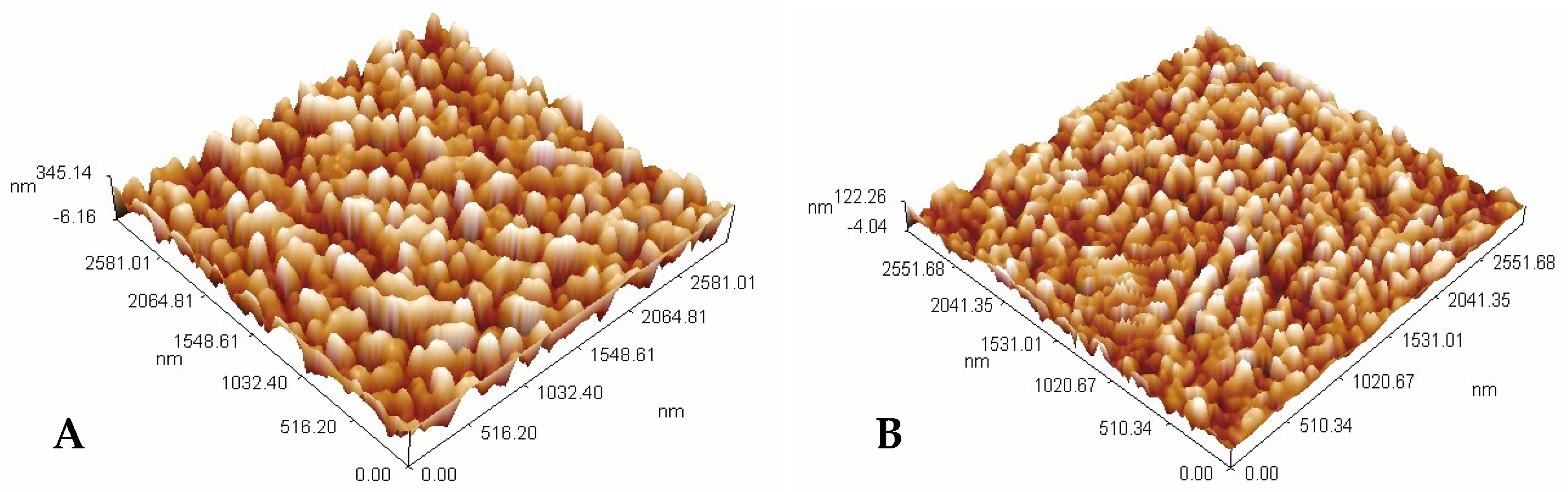
Three-dimensional roughness characteristics (nm) were examined using AFM in this investigation. Three distinct locations were used to test and analyze the mean values of five substrates (Figure 7 and Table 2).
The t-test showed that there was a highly significant difference between the uncoated Zr and HA-coated zirconia (p-value < 0.05).

3.6. Vickers Hardness of Coating

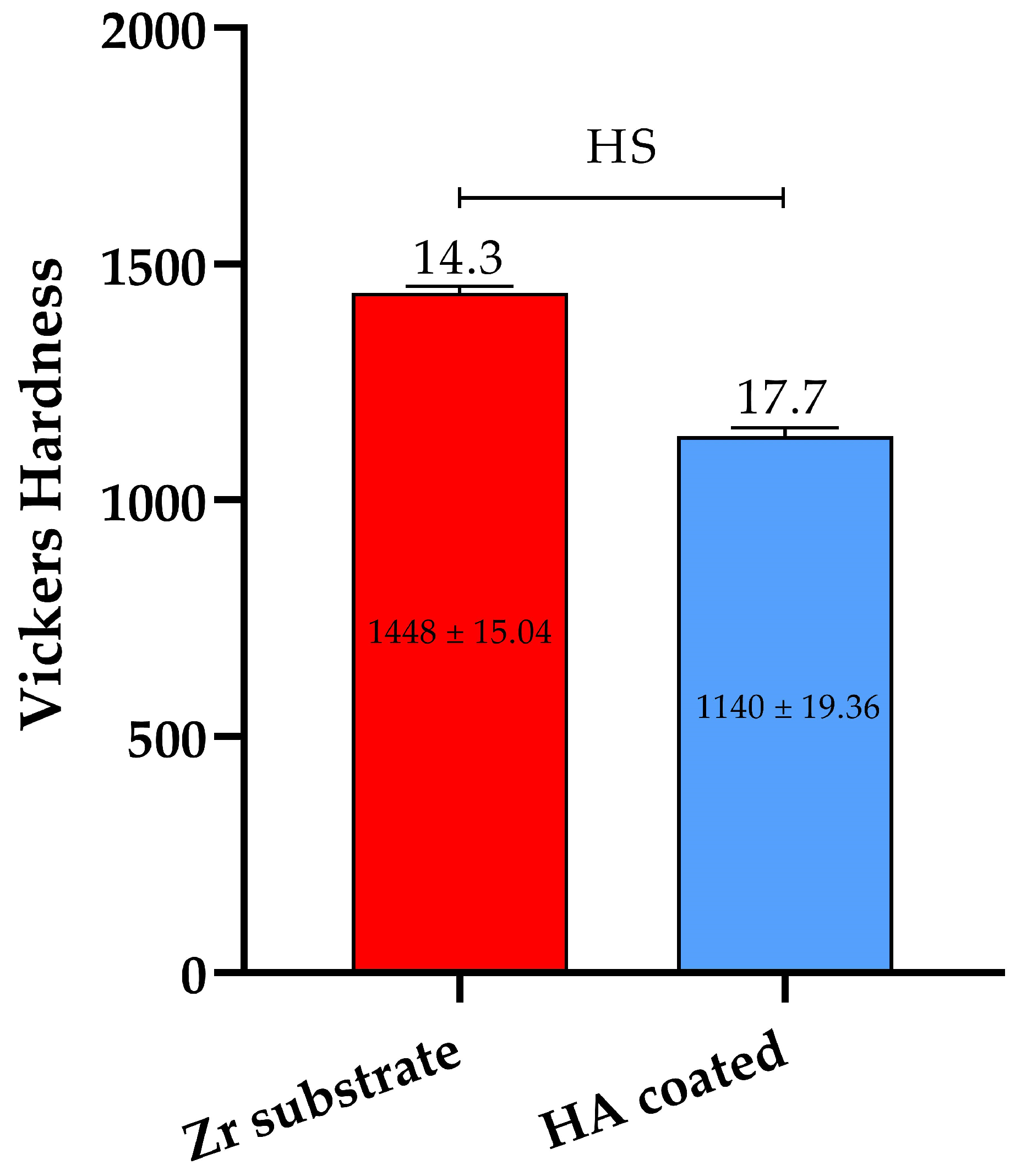
The hardness of the HA-coated zirconia substrates is found to be 1050–1200 VH, which is significantly lower than that of the zirconia substrate (1510–1355 VH).
The result indicates a highly significant difference, at p-value < 0.05, between the coated and uncoated substrates (Table 3 and Figure 8).

3.7. Phase Analysis

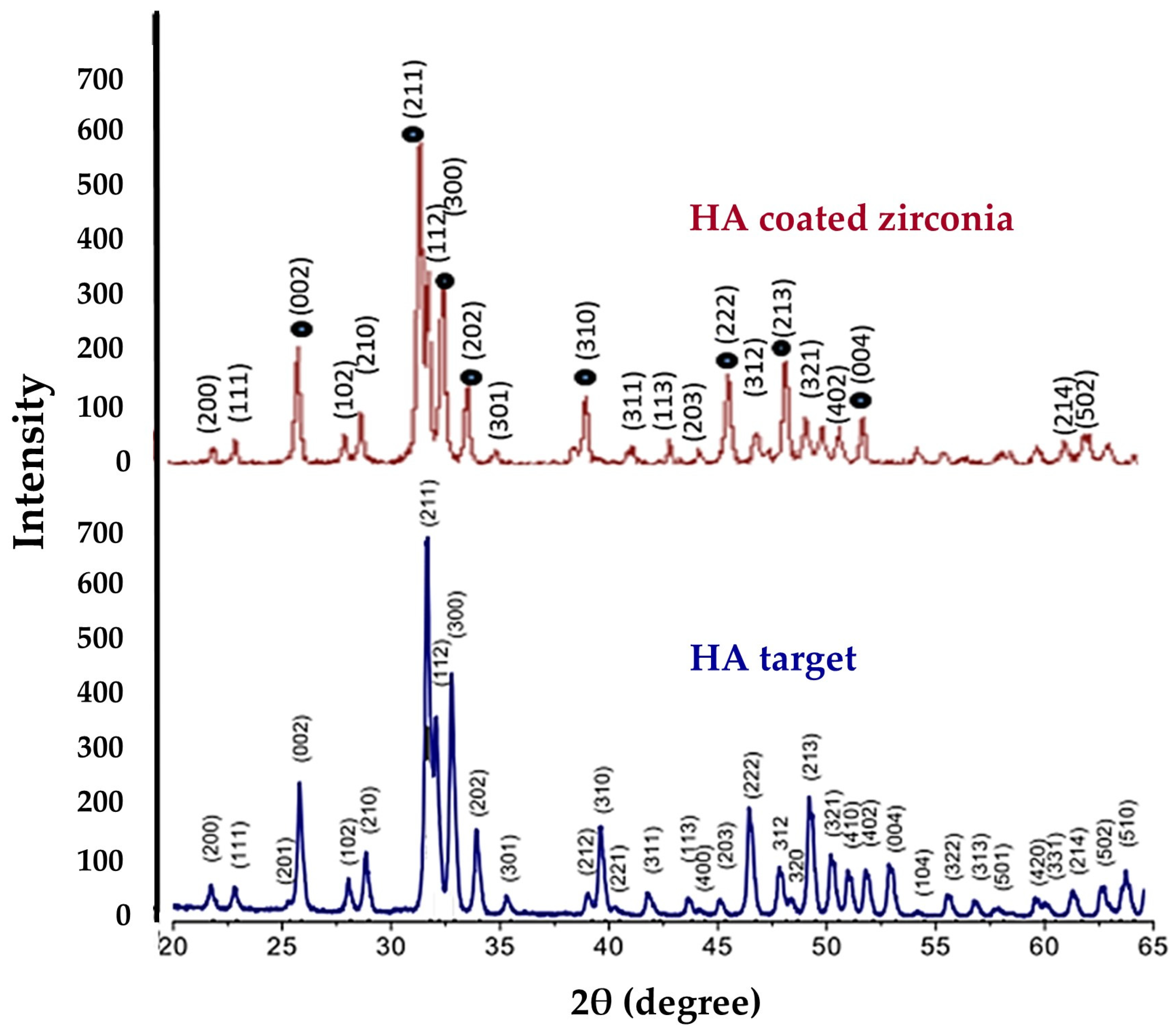
The XRD patterns of HA-coated zirconia substrates and the HA target are shown in Figure 9. The HA-coated zirconia shows distinctive peaks at 2θ of roughly 25.9°, 31.8°, 32.9°, 34.1°, 39.8°, 46.7°, and 49.5°. These peaks correspond to the (002), (211), (300), (202), (310), (222), and (213) crystallographic planes of hexagonal hydroxyapatite (space group P63/m) according to reference patterns from the ICSD/JCPDS database. The Ha-coated zirconia did not show peaks corresponding to secondary calcium phosphate phases, such as β-tricalcium phosphate (β-TCP), tetracalcium phosphate (TTCP), or calcium oxide. These results show that prolonged RF magnetron sputtering did not change the crystallinity of the HA and did not cause any phase transformation.

4. Discussion

4.1. Surface Microstructure

SEM with magnification higher than 30,000× demonstrated the production of sub-micron roughened non-ordered honeycomb-like structural dome features on the HA film surface. It is imperative that bone tissue interlocks to the implant, where increased roughness is considered critical to obtain optimal interlocking. The honeycomb structural features represent a potential development in dental implant bone growth-related research [31]. Consequently, bioactive ceramics are effective in enhancing the rate of osseointegration and improving long-term implant success. Modification of surfaces with pit or protrusion-like topographical features—dimensions close to the biological bodies and substances (proteins ∼1–10 nm; cells 1–100 μm)—have a more vital impact on the biological interactions in comparison to interactions responding to smooth surfaces [32,33]. Indeed, the literature indicates that ultra-structural integration can be generated from implant surfaces characterized with nanoscale features, where such integration has an enhancing effect on the interlocking at the sub-micron scale [34].

4.2. Chemical Analysis of the Coated Sample

Manifestations of Ca, P, and O elements were observed on the coating surface, which represent the coating’s composition. Despite the long-term deposition time, the chemical analysis showed no contamination with other elements, except for a trace amount of substrate element (Zr); this relative purity can be attributed to the extent of power used by the sputtering device, preventing the coating material from thermally decomposing and leading to a potentially negative impact on the coating’s biocompatibility. Furthermore, the deposited coating’s relative purity may be ascribed to the vacuum’s safe, uncontaminated sputtering compartment (chamber) and the controlled coating parameters. The slight contamination of the coating with the substrate Zr element can be attributed to an unavoidable substrate contamination mechanism. These mechanisms involve re-sputtering, backscattering due to the high-energy ion bombardment, substrate bias, and secondary electron emission, which are well-demonstrated in the literature; although optimal sputtering parameters can limit substrate contamination, they cannot entirely prevent it [8,35,36].

4.3. Ca/P Ratio of HA Coating

The produced HA-based coating has a comparable Ca/P ratio (1.84) to the standard HA Ca/P ratio (1.67). The approximation of these values can be attributed to optimal parameters used during the sputtering procedure; these controlled parameters did not lead to alteration of the material phase of the HA and did not permit the HA to undergo thermal decomposition despite the long deposition time [37]. The structural and chemical purity of HA impacts its biocompatibility, whereas the HA Calcium-to-Phosphate (Ca/P) molar ratio represents a significant indicator of HA integrity [38]. Because of the high similarity in the chemical structure between the HA and natural bone, including the crystallographic features, HA coatings improve cell adhesion and anchorage [24].

4.4. Coat Thickness and Microstructure

The long-lasting osseoinductive and osseoconductive effects of implant coatings necessitate a thicker coating film to support bone regeneration over an extended period; meanwhile, contradictorily, very thick coatings > 50 µm could compromise the formation of strongly adhered coating [39]. Despite the advantages of thick coating layers, potential defects of coat cracking, delamination, and failure are associated with very thick film layers [22,40].
In this study, the formation of a dense, compact, and uniform coating layer of 5–6 µm was displayed by the field emission-SEM images, whereas the coating showed no observable microcracks or defective pores and appeared to appropriately bond to the zirconium substrate. A dense HA film would be more resistant to dissolution than a porous HA film [41]. It has been endorsed by many researchers that a film thickness of 5–50 µm is optimal for achieving robust osseointegration [22,23].

4.5. Surface Roughness

Although the comparison of results between coated and uncoated zirconium samples did not significantly prove any difference in surface roughness, the AFM images displayed that the roughness was at the nanoscale level. Research has revealed that submicron-scale surface roughness can stimulate osteoblastic differentiation and activity, enhancing the growth of bone and osseointegration of the implant [42,43]. Dental implants with specific nanoscale-featured surfaces (one to a hundred nanometers) are believed to positively impact the protein and cellular interactions between the implant and the adhered cells [44]. Considering that the modification of biomedical surfaces has demonstrated a powerful positive impact at multiple levels—chemical, physical, and biological—osseointegration would be instigated due to the enhanced adherence of osteoblast cells [45].

4.6. Vickers Hardness of Coating

In order for osseointegrated implants to be successful in the long-term, it is essential that sufficient bone remodeling occurs close to the implant surface. This is achieved by the gradual and slow degradation rate of the firm coating film at the bone–implant interface. Research has shown that coating film layers with a higher hardness are characterized with a slower resorption rate, which would permit more comprehensive and significant osseointegration [37,46,47].

4.7. Phase Analysis

Despite the prolonged sputtering process, alterations in the phase composition of the HA coating film after the magnetron sputtering process were not observed. The absence of reconstructive phase transformation plays a vital role in maintaining the inherent attribute of the HA material from the biocompatibility point of view and preserving the osteoblastic activity, especially at the initial phase of healing [48]. The sharp peaks observed at the 2θ values of 25.7° (002), 31.8° (211), 32.9° (300), 33.9° (202), 40.1° (310), and 50° (213) are similar, without any significant changes in the XRD spectra. Sharp peak configurations in the XRD results proved to be almost completely crystalline in nature in the HA coating film, as the sputtering process parameters used did not negatively impact the coating film.

5. Conclusions

Coating Zr dental implants with HA may be accomplished by the use of magnetron sputtering. Over the course of a prolonged sputtering period of up to twenty hours, it is possible to acquire a coat thickness that is ideal. Magnetron sputtering allows for the proper coating thickness and hardness, as well as proper adhesion and interconnection. This approach is suitable for all types of implant surfaces, whether they are designed as roots or screws.

Author Contributions

I.N.S.: Conceptualization, Methodology, Formal Analysis, Resources, Supervision. H.K.A.A.: Methodology, Investigation, Data Curation, Writing—Original Draft. M.S.T.: Methodology, Software, Formal Analysis, Writing—Review and Editing, Visualization. D.H.M.: Methodology, Data Curation, Investigation, Writing—Original Draft. M.S.A.A.-Y.: Investigation, Project Administration. All authors have read and agreed to the published version of the manuscript.

Funding

This research received no external funding.

Institutional Review Board Statement

Not applicable.

Informed Consent Statement

Not applicable.

Data Availability Statement

All data are embedded within the article.

Conflicts of Interest

The authors declare no conflicts of interest.

References

  1. Inchingolo, A.M.; Malcangi, G.; Ferrante, L.; Del Vecchio, G.; Viapiano, F.; Inchingolo, A.D.; Mancini, A.; Annicchiarico, C.; Inchingolo, F.; Dipalma, G.; et al. Surface coatings of dental implants: A review. J. Funct. Biomater. 2023, 14, 287. [Google Scholar] [CrossRef]
  2. Matys, J.; Rygus, R.; Kensy, J.; Okoniewska, K.; Zakrzewski, W.; Kotela, A.; Struzik, N.; Gerber, H.; Fast, M.; Dobrzyński, M. Enhancing osseointegration of zirconia implants using calcium phosphate coatings: A systematic review. Materials 2025, 18, 4501. [Google Scholar] [CrossRef]
  3. Wolke, J.G.C.; van Dijk, K.; Schaeken, H.G.; de Groot, K.; Jansen, J.A. Study of the surface characteristics of magnetron-sputter calcium phosphate coatings. J. Biomed. Mater. Res. 1994, 28, 1477–1484. [Google Scholar] [CrossRef] [PubMed]
  4. Hulshoff, J.E.G.; van Dijk, K.; van der Waerden, J.P.C.M.; Wolke, J.G.C.; Kalk, W.; Jansen, J.A. Evaluation of plasma-spray and magnetron-sputter ca-p-coated implants: An in vivo experiment using rabbits. J. Biomed. Mater. Res. 1996, 31, 329–337. [Google Scholar] [CrossRef]
  5. Xu, S.; Long, J.; Sim, L.; Diong, C.H.; Ostrikov, K. Rf plasma sputtering deposition of hydroxyapatite bioceramics: Synthesis, performance, and biocompatibility. Plasma Process. Polym. 2005, 2, 373–390. [Google Scholar] [CrossRef]
  6. Wang, P.; Zhao, L.; Liu, J.; Weir, M.D.; Zhou, X.; Xu, H.H.K. Bone tissue engineering via nanostructured calcium phosphate biomaterials and stem cells. Bone Res. 2014, 2, 14017. [Google Scholar] [CrossRef] [PubMed]
  7. Sun, L.; Berndt, C.C.; Gross, K.A.; Kucuk, A. Material fundamentals and clinical performance of plasma-sprayed hydroxyapatite coatings: A review. J. Biomed. Mater. Res. 2001, 58, 570–592. [Google Scholar] [CrossRef]
  8. Vladescu, A.; Surmenev, R.; Surmeneva, M.; Braic, M.; Ivanova, A.; Grubova, I.; Cotrut, C.M. Radio frequency magnetron sputter deposition as a tool for surface modification of medical implants. In Modern Technologies for Creating the Thin-Film Systems and Coatings; Nikitenkov, N.N., Ed.; IntechOpen: London, UK, 2017. [Google Scholar]
  9. Xuereb, M.; Camilleri, J.; Attard, N.J. Systematic review of current dental implant coating materials and novel coating techniques. Int. J. Prosthodont. 2015, 28, 51–59. [Google Scholar] [CrossRef]
  10. Kim, H.-W.; Kim, H.-E.; Salih, V.; Knowles, J.C. Sol-gel-modified titanium with hydroxyapatite thin films and effect on osteoblast-like cell responses. J. Biomed. Mater. Res. Part A 2005, 74A, 294–305. [Google Scholar] [CrossRef]
  11. Özkurt, Z.; Kazazoğlu, E. Zirconia dental implants: A literature review. J. Oral Implantol. 2011, 37, 367–376. [Google Scholar] [CrossRef]
  12. Ozeki, K.; Goto, T.; Aoki, H.; Masuzawa, T. Fabrication of hydroxyapatite thin films on zirconia using a sputtering technique. Bio-Med. Mater. Eng. 2014, 24, 1793–1802. [Google Scholar] [CrossRef]
  13. Sun, L.; Hong, G. Surface modifications for zirconia dental implants: A review. Front. Dent. Med. 2021, 2, 733242. [Google Scholar] [CrossRef]
  14. Srinivasan, G.; Manickam, A.; Sivakumar, S.; Murugan, J.; Elangomannan, S.; Mohan, S. A comprehensive review: Surface modification strategies to enhance corrosion resistance of zirconia-based biomaterials in implant applications. J. Mater. Sci. Mater. Eng. 2025, 20, 76. [Google Scholar] [CrossRef]
  15. Stefanic, M.; Krnel, K.; Pribosic, I.; Kosmac, T. Rapid biomimetic deposition of octacalcium phosphate coatings on zirconia ceramics (y-tzp) for dental implant applications. Appl. Surf. Sci. 2012, 258, 4649–4656. [Google Scholar] [CrossRef]
  16. Pardun, K.; Treccani, L.; Volkmann, E.; Streckbein, P.; Heiss, C.; Destri, G.L.; Marletta, G.; Rezwan, K. Mixed zirconia calcium phosphate coatings for dental implants: Tailoring coating stability and bioactivity potential. Mater. Sci. Eng. C 2015, 48, 337–346. [Google Scholar] [CrossRef]
  17. Safi, I.N.; Hussein, B.M.A.; Al-Shammari, A.M. Testing and characterization of sintered β-tricalcium phosphate coat upon zirconia dental implant using nd:Yag laser. J. Laser Appl. 2019, 31. [Google Scholar] [CrossRef]
  18. Mutsuzaki, H.; Yashiro, H.; Kakehata, M.; Oyane, A.; Ito, A. Femtosecond laser irradiation to zirconia prior to calcium phosphate coating enhances osteointegration of zirconia in rabbits. J. Funct. Biomater. 2024, 15, 42. [Google Scholar] [CrossRef] [PubMed]
  19. Sharifi, S.; Javadpour, J.; Rezaie, H.; Jamshidi, M.; Ghamarpoor, R. Developing a deposited calcium-phosphate layer on zirconia surface by chemical grafting of l-serine molecules. J. Mater. Res. Technol. 2024, 28, 66–77. [Google Scholar] [CrossRef]
  20. Kozelskaya, A.I.; Bolbasov, E.N.; Golovkin, A.S.; Mishanin, A.I.; Viknianshchuk, A.N.; Shesterikov, E.V.; Ashrafov, A.; Novikov, V.A.; Fedotkin, A.Y.; Khlusov, I.A.; et al. Modification of the ceramic implant surfaces from zirconia by the magnetron sputtering of different calcium phosphate targets: A comparative study. Materials 2018, 11, 1949. [Google Scholar] [CrossRef]
  21. Zhou, P.; Akao, M. Preparation and characterization of double layered coating composed of hydroxyapatite and perovskite by thermal decomposition. Bio-Med. Mater. Eng. 1997, 7, 67–81. [Google Scholar]
  22. Sugiyama, T.; Miake, Y.; Yajima, Y.; Yamamoto, K.; Sakurai, K. Surface observation of thin hydroxyapatite-coated implants at 80 months after insertion. J. Oral Implantol. 2011, 37, 273–278. [Google Scholar] [CrossRef]
  23. Klein, C.P.A.T.; Wolke, J.G.C.; de Blieck-Hogervorst, J.M.A.; De Groot, K. Features of calcium phosphate plasma-sprayed coatings: An in vitro study. J. Biomed. Mater. Res. 1994, 28, 961–967. [Google Scholar] [CrossRef] [PubMed]
  24. Safi, I.N.; Hussein, B.M.A.; Aljudy, H.J.; Tukmachi, M.S. Effects of long durations of rf-magnetron sputtering deposition of hydroxyapatite on titanium dental implants. Eur. J. Dent. 2021, 15, 440–447. [Google Scholar] [CrossRef] [PubMed]
  25. Safavi, M.S.; Surmeneva, M.A.; Surmenev, R.A.; Khalil-Allafi, J. Rf-magnetron sputter deposited hydroxyapatite-based composite & multilayer coatings: A systematic review from mechanical, corrosion, and biological points of view. Ceram. Int. 2021, 47, 3031–3053. [Google Scholar] [CrossRef]
  26. Graziani, G.; Boi, M.; Bianchi, M. A review on ionic substitutions in hydroxyapatite thin films: Towards complete biomimetism. Coatings 2018, 8, 269. [Google Scholar] [CrossRef]
  27. Swann, S. Magnetron sputtering. Phys. Technol. 1988, 19, 67–75. [Google Scholar] [CrossRef]
  28. Urquia Edreira, E.R.; Wolke, J.G.C.; Aldosari, A.A.; Al-Johany, S.S.; Anil, S.; Jansen, J.A.; van den Beucken, J.J.J.P. Effects of calcium phosphate composition in sputter coatings on in vitro and in vivo performance. J. Biomed. Mater. Res. Part A 2015, 103, 300–310. [Google Scholar] [CrossRef]
  29. Levingstone, T.J.; Ardhaoui, M.; Benyounis, K.; Looney, L.; Stokes, J.T. Plasma sprayed hydroxyapatite coatings: Understanding process relationships using design of experiment analysis. Surf. Coat. Technol. 2015, 283, 29–36. [Google Scholar] [CrossRef]
  30. AM, A.; L., T.; J, I. Studying biomimetic coated niobium as an alternative dental implant material to titanium (in vitro and in vivo study). Baghdad Sci. J. 2018, 15, 253–261. [Google Scholar] [CrossRef]
  31. Hayashi, K.; Shimabukuro, M.; Kishida, R.; Tsuchiya, A.; Ishikawa, K. Structurally optimized honeycomb scaffolds with outstanding ability for vertical bone augmentation. J. Adv. Res. 2022, 41, 101–112. [Google Scholar] [CrossRef]
  32. Mohammed, D.h.; Alnakkash, W.A.H. Biomechanical evaluation of porous titanium implants (cpti) fabricated by powder technology. J. Baghdad Coll. Dent. 2015, 27, 18–25. [Google Scholar] [CrossRef]
  33. Smeets, R.; Stadlinger, B.; Schwarz, F.; Beck-Broichsitter, B.; Jung, O.; Precht, C.; Kloss, F.; Gröbe, A.; Heiland, M.; Ebker, T. Impact of dental implant surface modifications on osseointegration. BioMed Res. Int. 2016, 2016, 6285620. [Google Scholar] [CrossRef]
  34. Palmquist, A.; Snis, A.; Emanuelsson, L.; Browne, M.; Thomsen, P. Long-term biocompatibility and osseointegration of electron beam melted, free-form–fabricated solid and porous titanium alloy: Experimental studies in sheep. J. Biomater. Appl. 2013, 27, 1003–1016. [Google Scholar] [CrossRef] [PubMed]
  35. Pichugin, V.F.; Surmeneva, M.A.; Surmenev, R.A.; Khlusov, I.A.; Epple, M. Study of physicochemical and biological properties of calcium phosphate coatings prepared by rf magnetron sputtering of silicon-substituted hydroxyapatite. J. Surf. Investig. X-Ray Synchrotron Neutron Tech. 2011, 5, 863–869. [Google Scholar] [CrossRef]
  36. Prosolov, K.A.; Lastovka, V.V.; Khimich, M.A.; Chebodaeva, V.V.; Khlusov, I.A.; Sharkeev, Y.P. Rf magnetron sputtering of substituted hydroxyapatite for deposition of biocoatings. Materials 2022, 15, 6828. [Google Scholar] [CrossRef]
  37. Chien, C.S.; Han, T.J.; Hong, T.F.; Kuo, T.Y.; Liao, T.Y. Effects of different hydroxyapatite binders on morphology, ca/p ratio and hardness of nd-yag laser clad coatings. Mater. Trans. 2009, 50, 2852–2857. [Google Scholar] [CrossRef]
  38. Cheng, G.J.; Pirzada, D.; Cai, M.; Mohanty, P.; Bandyopadhyay, A. Bioceramic coating of hydroxyapatite on titanium substrate with nd-yag laser. Mater. Sci. Eng. C 2005, 25, 541–547. [Google Scholar] [CrossRef]
  39. Heimann, R.B. Plasma-sprayed hydroxylapatite-based coatings: Chemical, mechanical, microstructural, and biomedical properties. J. Therm. Spray Technol. 2016, 25, 827–850. [Google Scholar] [CrossRef]
  40. Ozeki, K.; Okuyama, Y.; Fukui, Y.; Aoki, H. Bone response to titanium implants coated with thin sputtered ha film subject to hydrothermal treatment and implanted in the canine mandible. Bio-Med. Mater. Eng. 2006, 16, 243–251. [Google Scholar] [CrossRef]
  41. Katto, M.; Ishibashi, K.; Kurosawa, K.; Yokotani, A.; Kubodera, S.; Kameyama, A.; Higashiguchi, T.; Nakayama, T.; Katayama, H.; Tsukamoto, M.; et al. Crystallized hydroxyapatite coatings deposited by pld with targets of different densities. J. Phys. Conf. Ser. 2007, 59, 75. [Google Scholar] [CrossRef]
  42. Alhilfi, M.S.; Al-Hijazi, A.a.Y. Physical and histological evaluation of coated implant with nano zro2 after creation titania nanotubes. J. Baghdad Coll. Dent. 2016, 28, 89–95. [Google Scholar] [CrossRef]
  43. Awasthi, S.; Pandey, S.K.; Arunan, E.; Srivastava, C. A review on hydroxyapatite coatings for the biomedical applications: Experimental and theoretical perspectives. J. Mater. Chem. B 2021, 9, 228–249. [Google Scholar] [CrossRef]
  44. Mendonça, G.; Mendonça, D.B.S.; Aragão, F.J.L.; Cooper, L.F. Advancing dental implant surface technology—From micron- to nanotopography. Biomaterials 2008, 29, 3822–3835. [Google Scholar] [CrossRef]
  45. Coelho, P.G.; Jimbo, R.; Tovar, N.; Bonfante, E.A. Osseointegration: Hierarchical designing encompassing the macrometer, micrometer, and nanometer length scales. Dent. Mater. 2015, 31, 37–52. [Google Scholar] [CrossRef]
  46. Tanimoto, Y.; Nishiyama, N. Preparation and physical properties of tricalcium phosphate laminates for bone-tissue engineering. J. Biomed. Mater. Res. Part A 2008, 85A, 427–433. [Google Scholar] [CrossRef] [PubMed]
  47. Safi, I.N.; Hussein, B.M.A.; Al Shammari, A.M.; Tawfiq, T.A. Implementation and characterization of coating pure titanium dental implant with sintered β-tcp by using nd:Yag laser. Saudi Dent. J. 2019, 31, 242–250. [Google Scholar] [CrossRef] [PubMed]
  48. Jung, U.-W.; Hwang, J.-W.; Choi, D.-Y.; Hu, K.-S.; Kwon, M.-K.; Choi, S.-H.; Kim, H.-J. Surface characteristics of a novel hydroxyapatite-coated dental implant. J. Periodontal Implant Sci. 2012, 42, 59–63. [Google Scholar] [CrossRef]
Figure 1. (A) HA target, (B) target holder, (C) a scheme of an experimental sputtering setup, and (D) disc- and cylindrical-shaped (root form) samples on a customized holder.
Prosthesis 08 00011 g001
Figure 2. FESEM surface topography of the substrates: (A) uncoated substrate at 20,000×, (BD) HA-coated substrate at different magnifications of 10,000×, 20,000×, and 35,000×.
Prosthesis 08 00011 g002
Figure 3. EDX findings: (A) control Zr substrate, (B) HA-coated Zr.
Prosthesis 08 00011 g003
Figure 4. SEM-EDS mapping of coated substrate surface.
Prosthesis 08 00011 g004
Figure 5. (I) Cross-sectional picture of the coat taken using FESEM. (II) Data from an EDX compositional line scan of the Zr-HA layer interface at the selected locations, (A) of the HA coat, (B) of the interface, and (C) of the zirconia substrate.
Prosthesis 08 00011 g005
Figure 6. FESEM images illustrating the substrate cross-section at the Zr-HA interface area, obtained at different magnifications of 5000× and 10,000×, over a duration of 20 h, using 155 W sputtering power.
Prosthesis 08 00011 g006
Figure 7. AFM images: (A) uncoated Zr, (B) HA-coated zirconia.
Prosthesis 08 00011 g007
Figure 8. Bar chart of mean Vickers hardness values for control Zr substrate and the HA-coated substrate.
Prosthesis 08 00011 g008
Figure 9. Phase analysis of the HA coating and target.
Prosthesis 08 00011 g009
Table 1. Settings for the sputtering procedure.
SampleMagnetron Power (W)Working Pressure (Torr)The Target-to-Substrate Distance (mm)Coat Thickness (nm)
A803 × 10−325–7580 ± 4
B1103 × 10−325–75115 ± 9
C1353 × 10−325–75160 ± 13
D1553 × 10−325–75175 ± 16
E<155 The target cracks and the stoichiometry changes.
Table 2. Topographic examinations of the Zirconia base and HA covering for surface roughness (in nanometers).
SubstratesSa (nm)Sdr (%)Sdq (/nm2)Sq (nm)
Untreated ZrO255.28 ± 4.619.7 ± 2.30.78 ± 0.0916 ± 1.6
HA coat40.46 ± 2.79.18 ± 0.90.47 ± 0.0511.3 ± 1.2
The roughness average, slope root mean square, increment in the interfacial surface area relative to a flat plane baseline, and height root mean square of the surface are represented by the abbreviations Sa, Sdq, Sdr, and Sq, respectively, alongside their standard deviations.
Table 3. Zr substrate and HA coat hardness test results in Vickers Number (HV) with descriptive statistics and t-test.
GroupMin.Max.MeanSDt-Testp-Value
Zr13551510144815.0412.58<0.05 [HS]
HA10501200114019.36
Disclaimer/Publisher’s Note: The statements, opinions and data contained in all publications are solely those of the individual author(s) and contributor(s) and not of MDPI and/or the editor(s). MDPI and/or the editor(s) disclaim responsibility for any injury to people or property resulting from any ideas, methods, instructions or products referred to in the content.