


Advancing Open Science
A global leader in open access publishing, supporting research
communities and accelerating scientific discovery
 
27 pages, 2160 KB  
Article
A Two-Criteria Remodelling Model for Loading-Dependent Morphological Adaptation of Individual Trabeculae
by Zihao Liu, Simin Li and Vadim V. Silberschmidt
Biomechanics 2026, 6(2), 48; https://doi.org/10.3390/biomechanics6020048 (registering DOI) - 19 May 2026
Abstract
Background: Trabecular-bone adaptation (TBA) continuously reshapes the trabecular-bone (TB) microstructure at the microscale in response to mechanical loading. While organ-scale adaptation has been extensively studied, the mechanisms governing the evolution of individual trabeculae remain inadequately understood. Methods: This study proposes a new remodelling [...] Read more.
Background: Trabecular-bone adaptation (TBA) continuously reshapes the trabecular-bone (TB) microstructure at the microscale in response to mechanical loading. While organ-scale adaptation has been extensively studied, the mechanisms governing the evolution of individual trabeculae remain inadequately understood. Methods: This study proposes a new remodelling model: under finite remodelling capacity, surface regions that satisfy mechanostat criteria compete for remodelling events according to the spatial non-uniformity of local mechanical stimulus. This model uses a two-criteria remodelling scheme that combines (i) a mechanostat criterion for bone formation and resorption and (ii) a distance-weighted non-uniformity criterion. The model is implemented with a 2D finite-element framework using a USDFLD subroutine in the Abaqus/Standard software package. Idealised X- and I-shaped trabecular geometries are subjected to controlled bending, compression, and shear load cases to examine loading-dependent morphology evolution. Results: Compared with the corresponding one-criterion models, the two-criteria framework produces a lower fraction of active remodelling surface and a more clearly bounded convergence process. The numerical simulations reproduce characteristic plate-like morphologies of trabeculae under bending and rod-like morphologies under compression, while additional variations in thresholds and loading conditions shift the response towards resorption-biased structures. Conclusions: The results indicate that the mechanostat criterion primarily stabilises the global bone mass, whereas the non-uniformity criterion governs where remodelling is preferentially located on the trabecular surface. The proposed framework therefore provides a microscale and mechanistically interpretable basis for analysing loading-dependent morphological adaptation of individual trabeculae. Full article
(This article belongs to the Section Tissue and Vascular Biomechanics)
16 pages, 455 KB  
Article
Cognitive Style Shaped by Framing: Implications for Rational vs. Intuitive Thinking
by Marcus Selart
Behav. Sci. 2026, 16(5), 823; https://doi.org/10.3390/bs16050823 (registering DOI) - 19 May 2026
Abstract
This article investigates how cognitive style shaped by framing influences rational and intuitive thinking. We extend existing research on cognitive styles, specifically the construct of holistic dependence/independence on framing, and examine its relationship with reasoning performance, self-rated intuition, and analytical intelligence. We conduct [...] Read more.
This article investigates how cognitive style shaped by framing influences rational and intuitive thinking. We extend existing research on cognitive styles, specifically the construct of holistic dependence/independence on framing, and examine its relationship with reasoning performance, self-rated intuition, and analytical intelligence. We conduct tests with university students and find that individuals with high holistic independence on framing perform better on rationality tests and are better predictors of rational thinking than traditional measures of intelligence. Additionally, holistic independence on framing was found to be marginally related to lower self-rated reliance on intuition. These findings suggest that holistic dependence/independence on framing may provide additional insight into reasoning styles beyond traditional intelligence measures, highlighting its potential relevance for understanding individual differences in decision-making processes. Full article
16 pages, 1139 KB  
Article
Phosphate Fertilizer Sources and Doses Affect Yield and Nutritional Quality of Kale Under Organic Management
by Thatiane Nepomuceno Alves, Joseantonio Ribeiro de Carvalho, Ramón De Marchi Garcia, Vitor Augusto dos Santos Garcia, Santino Seabra Júnior and Antonio Ismael Inácio Cardoso
Horticulturae 2026, 12(5), 631; https://doi.org/10.3390/horticulturae12050631 (registering DOI) - 19 May 2026
Abstract
The search for a healthy diet has increased the consumption of kale, a vegetable recognized for its high nutritional value, mineral content, and antioxidant properties. Phosphorus is an essential nutrient in this context, acting in energy transfer and root development, which favors productivity [...] Read more.
The search for a healthy diet has increased the consumption of kale, a vegetable recognized for its high nutritional value, mineral content, and antioxidant properties. Phosphorus is an essential nutrient in this context, acting in energy transfer and root development, which favors productivity and product quality. This study evaluated the effect of two phosphorus sources, bone meal (BM) and thermophosphate Yoorin® (TY), and five phosphorus (P2O5) doses (0, 160, 320, 480, and 640 kg ha−1) on kale yield and quality. The experiment used a randomized complete block design with four replications and ten treatments in a 2 × 5 factorial arrangement in a protected environment over a cycle of 155 days after transplanting. Marketable yield with BM reached an estimated maximum of 1.54 kg plant−1 at 525 kg ha−1 P2O5 (54% over control), while TY showed a linear increase up to 1.57 kg plant−1 (59%). Photosynthetic pigments, antioxidant activity, ascorbic acid, and total phenolic compounds fitted quadratic models, with gains of up to 36%, 73%, 51%, and 57%, respectively. Contents of P, K, Ca, and Fe increased significantly with P doses, with Fe gains reaching 110–180%. Phosphate fertilization with BM, a renewable P source, increases kale yield and nutritional quality, highlighting its potential for organic farming systems. Full article
(This article belongs to the Special Issue Nutrient Dynamics in Horticultural Crops from Absorption to Quality)
Show Figures

Figure 1

22 pages, 738 KB  
Article
Effects of a Complex Functional Ingredient Based on Beef Offal Paste and Plant Ingredients on the Quality, Fatty Acid Profile, Texture, and Storage Stability of Meat Cutlets
by Anuarbek Suychinov, Eleonora Okuskhanova, Zhanibek Yessimbekov and Guldana Kapasheva
Processes 2026, 14(10), 1645; https://doi.org/10.3390/pr14101645 (registering DOI) - 19 May 2026
Abstract
This study developed a complex functional ingredient based on beef offal paste, whey, rapeseed and sunflower cake powder, and flax flour, and evaluated its effect on beef cutlets formulated with 0, 5, 10, and 15% additive. The study examined chemical composition, pH, water [...] Read more.
This study developed a complex functional ingredient based on beef offal paste, whey, rapeseed and sunflower cake powder, and flax flour, and evaluated its effect on beef cutlets formulated with 0, 5, 10, and 15% additive. The study examined chemical composition, pH, water activity, functional and technological properties, color, fatty acid profile, texture, sensory quality, and refrigerated storage stability. The additive improved the nutritional profile of the cutlets by increasing the protein content from 16.20% in the control to 17.78% at the highest inclusion level, while reducing fat content from 12.50% to 11.20%. The lipid fraction also became more favorable, as total polyunsaturated fatty acids increased from 7.03% to 13.34%, and α-linolenic acid appeared only in additive-containing samples. The additive also modified the functional and structural characteristics of the products. The 10% formulation showed the most pronounced improvement in texture, with the highest hardness, gumminess, and chewiness values, while sensory quality remained comparable to the control at 5 and 10% inclusion but declined at 15%. During 7 days of refrigerated storage, additive-containing samples showed lower acid and peroxide values than the control, together with a slight reduction in microbial growth. Overall, the developed additive acted as a multifunctional ingredient that improved nutritional and technological quality. Among the tested formulations, the 10% inclusion level provided the best balance between quality, storage stability, and sensory acceptability. Full article
24 pages, 3478 KB  
Article
Perspective for Improving Energy Efficiency and Indoor Climate Towards Prediction of Energy Use: A Generalized LSTM-Based Model for Non-Residential Buildings
by Anna Romańska, Marek Dudzik, Piotr Dudek, Mariusz Górny, Sabina Kuc and Mark Bomberg
Energies 2026, 19(10), 2446; https://doi.org/10.3390/en19102446 (registering DOI) - 19 May 2026
Abstract
The emergence of Artificial Neural Networks (ANNs) and their deep learning form called Artificial Intelligence (AI) opened a new path to improve energy efficiency and the indoor environment. A small collaborating network team is now extending the passive house approach, in a book [...] Read more.
The emergence of Artificial Neural Networks (ANNs) and their deep learning form called Artificial Intelligence (AI) opened a new path to improve energy efficiency and the indoor environment. A small collaborating network team is now extending the passive house approach, in a book entitled Retrofitting, the Energy and Environment of Buildings (Gruyter Publishers), and presenting generalized AI modeling in the following paper. This concept uses a long-term neural network with a short-term memory (LSTM) and three stages (training, validation, and test) for optimalization to hourly data collected for one full year. The non-residential buildings are less affected by the space occupants. This paper examines the feasibility of a uniform, climate modified technology, as our objective is to create a universal and affordable approach to buildings assisting in slowing the rate of climate change. Hence, the idea of creating a generalized neural network for predicting electricity consumption linked with weather conditions was born. This network is to forecast the electricity consumption for buildings linked to the local weather conditions, but different categories of buildings are put together in one set. While this will lower the large set precision, still our question is if such a network would work. If so, in the future we will create multi-variant, local residential systems with the capability of predicting energy use. Full article
(This article belongs to the Special Issue Science and Practice of Energy Technology in Residential Buildings)
18 pages, 6817 KB  
Article
An Investigation of the Influence of the Main Wellbore on the Wellbore Stability of Sidetracked Wellbore of the Deep Earth TK-1
by Xuwu Luo, Ning Li, Yan Jin, Jiaqi Luo, Wentong Fan, Yang Xia and Yunhu Lu
Processes 2026, 14(10), 1644; https://doi.org/10.3390/pr14101644 (registering DOI) - 19 May 2026
Abstract
Deep Earth TK-1, China’s first 10,000 m scientific exploration well, encountered severe wellbore instability during sidetracking at a depth of approximately 9500 m under ultra-deep, high-stress conditions (maximum horizontal stress σH = 230 MPa, minimum horizontal stress σh = 200 MPa). [...] Read more.
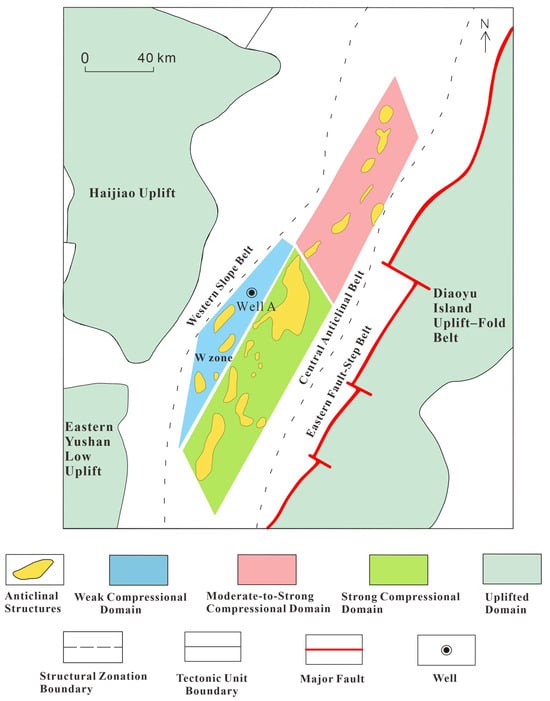
Deep Earth TK-1, China’s first 10,000 m scientific exploration well, encountered severe wellbore instability during sidetracking at a depth of approximately 9500 m under ultra-deep, high-stress conditions (maximum horizontal stress σH = 230 MPa, minimum horizontal stress σh = 200 MPa). To clarify how the original wellbore affects the stability of the sidetracked wellbore, single- and dual-well numerical models were established in COMSOL Multiphysics using the solid mechanics module and finite element method. The stress redistribution around the wellbore was analyzed before and after the collapse of the main wellbore, and the influences of well spacing and breakout geometry were quantified. The results show that a stress-relief “safe zone” forms along the direction of maximum horizontal stress before collapse and expands after collapse, allowing safer sidetracking within this range. In the dual-well model, the maximum stress difference around the sidetracked wellbore increases with well spacing and eventually approaches that of a single circular wellbore. The safe zone boundary was quantified for well spacings between 2.0 m and 3.5 m, depending on the major-axis enlargement ratio of the collapsed main wellbore. A larger major-axis enlargement ratio reduces far-field stress interference and expands the safe zone, whereas changes in the minor-axis enlargement ratio have little effect. These findings provide theoretical support for optimizing sidetracking design in ultra-deep wells. Full article
Show Figures

Figure 1

26 pages, 10963 KB  
Article
Noise-Resilient Whitened Domain Adaptation for Intelligent Mechanical Fault Diagnosis Under Non-Stationary Sensor Signals
by Qinyue Chen and Yunxin Xie
Sensors 2026, 26(10), 3222; https://doi.org/10.3390/s26103222 (registering DOI) - 19 May 2026
Abstract
Intelligent mechanical fault diagnosis plays a key role in maintaining rotating machinery. Although data-driven unsupervised domain adaptation methods have achieved considerable progress, their industrial applications are often restricted by low-quality sensor data. Non-stationary vibration signals and background noise easily corrupt target pseudo-labels, while [...] Read more.
Intelligent mechanical fault diagnosis plays a key role in maintaining rotating machinery. Although data-driven unsupervised domain adaptation methods have achieved considerable progress, their industrial applications are often restricted by low-quality sensor data. Non-stationary vibration signals and background noise easily corrupt target pseudo-labels, while conventional methods focusing on global statistical matching usually neglect local structures, leading to confirmation bias under dynamic loads. To improve diagnostic reliability, we propose a Noise-Resilient Whitened Domain Adaptation (NRWDA) framework. To handle covariance fluctuations caused by changing working conditions, a Lipschitz-bounded Temporal Whitening (LTW) module is designed as a low-pass filter. An Entropy-guided Prototype Truncation (EPT) mechanism is adopted to discard ambiguous labels and better calibrate semantic centers. In addition, a Dispersion-Adaptive Contrastive Sharpening (DACS) strategy is introduced to dynamically adjust the contrastive temperature based on predictive dispersion, thus tightening decision boundaries. The proposed method is evaluated on CWRU, PU, and MFPT datasets. The PU dataset, featuring fluctuating loads and non-stationary signals, poses a strict test, yet our model maintains its stability even at a 0 dB SNR—a condition where standard approaches usually break down. During the P0P3 transfer task involving substantial radial force variations, NRWDA secures a 72.36% accuracy and surpasses established baselines. These findings confirm that our technique successfully isolates dependable diagnostic features from corrupted sensor measurements within actual industrial settings. Full article
11 pages, 462 KB  
Article
Prevalence of Hepatitis E Virus Infection Among Pregnant Women in Tunisia: Findings from a Large Cohort Study
by Kaouther Ayouni, Mariem Gdoura, Rania Allègue, Majdi Ben Ameur, Henda Touzi, Nesrine Abderahmane, Khaoula Magdoud, Hiba Mkadmi, Rim Ben Hmid, Henda Triki and Anissa Chouikha
Pathogens 2026, 15(5), 549; https://doi.org/10.3390/pathogens15050549 (registering DOI) - 19 May 2026
Abstract
Hepatitis E is a liver inflammation caused by the hepatitis E virus (HEV). In pregnant women, the infection significantly increases the risk of acute liver failure, fetal loss, and maternal death. According to the World Health Organization, infection by HEV during the third [...] Read more.
Hepatitis E is a liver inflammation caused by the hepatitis E virus (HEV). In pregnant women, the infection significantly increases the risk of acute liver failure, fetal loss, and maternal death. According to the World Health Organization, infection by HEV during the third trimester of pregnancy may increase the risk of maternal mortality in 20–25% of cases. In Tunisia, little is known about HEV infection and its outcome, especially in pregnant women. This study aims to evaluate the prevalence of HEV infection in a large cohort of pregnant women in Tunisia. A total of 891 women who attended the Centre of Maternity and Neonatology of Tunis during 2021–2023 were included. Serum samples were screened to detect HEV-antibodies and RNA using commercial ELISA tests and molecular assays, respectively. Statistical analyses were conducted using SPSS 21.0 software and the EPISTAT package version 7.2.6. Seroprevalence of HEV infection was 3.82%, based on the detection of anti-HEV IgG. The distribution of the seroprevalence according to age was statistically significant (p < 0.05), showing a higher seroprevalence among women over 30 years. Among the 51 women with composite outcomes, viral RNA was detected in one case by real-time RT-PCR. Our findings indicate a low HEV prevalence among pregnant women in Tunisia. Expanding the study to other cohorts and to environmental surveillance would improve understanding of HEV burden in Tunisia and support hepatitis elimination efforts. Full article
(This article belongs to the Special Issue Hepatitis E: Virus, Disease and Vaccine)
Show Figures

Figure 1

17 pages, 695 KB  
Article
Detection and Measurement of Hypopyon on Slit Lamp Examination Versus Anterior Segment Optical Coherence Tomography
by Kamini N. Reddy, Folahan Ibukun, Kaiyang Huang, Ji Yi, Elesh Jain, Subeesh Kuyyadiyil, Gautam Parmar and Nakul S. Shekhawat
Bioengineering 2026, 13(5), 582; https://doi.org/10.3390/bioengineering13050582 (registering DOI) - 19 May 2026
Abstract
Purpose: To compare hypopyon detection using anterior segment optical coherence tomography (ASOCT) versus slit lamp examination (SLE) in microbial keratitis, and to evaluate intra- and inter-grader agreement for ASOCT hypopyon measurement. Methods: Two masked graders independently evaluated ASOCT images for hypopyon [...] Read more.
Purpose: To compare hypopyon detection using anterior segment optical coherence tomography (ASOCT) versus slit lamp examination (SLE) in microbial keratitis, and to evaluate intra- and inter-grader agreement for ASOCT hypopyon measurement. Methods: Two masked graders independently evaluated ASOCT images for hypopyon presence or absence in eyes with microbial keratitis, with disagreements resolved by consensus. A subset of hypopyon eyes underwent triplicate height measurement using two methods (endothelial length and vertical height). The proportion of eyes with hypopyon, Cohen’s kappa, and intraclass correlation coefficients (ICCs) were calculated comparing diagnostic performance of ASOCT versus SLE. Results: Inter-grader agreement for hypopyon detection on ASOCT was excellent (κ = 0.94; 95% CI 0.84–1.00) and intra-grader agreement was excellent (κ = 0.89–1.00). ASOCT detected hypopyon in 67.1% of eyes versus 57.0% by SLE. Using ASOCT consensus grading as the reference standard, SLE demonstrated a detection proportion of 83.0% (95% CI, 71.4–92.1%). Intra-grader reproducibility was excellent for both endothelial length and vertical height measurements (ICC 0.977–0.996). Inter-grader agreement was good for endothelial length (ICC 0.831) and vertical height (ICC 0.827), though a statistically significant inter-grader bias was identified for vertical height only (Wilcoxon exact p = 0.006). Conclusions: Among eyes with gradable ASOCT images, ASOCT detected a greater proportion of hypopyon than SLE and demonstrated excellent intra-grader and good inter-grader measurement reproducibility. Endothelial length showed slightly superior inter-grader concordance to vertical height measurement. Full article
24 pages, 2396 KB  
Article
A Unified Framework Based on Distribution Shift Modeling for Revealing and Eliminating Backdoor Attacks in Diffusion Models
by Kairui Yang, Xu Gu, Fanglin An, Jun Ye and Zhengqi Zhang
Appl. Sci. 2026, 16(10), 5077; https://doi.org/10.3390/app16105077 (registering DOI) - 19 May 2026
Abstract
Diffusion models have achieved groundbreaking progress in image generation, text-to-image, and other multimodal generation tasks, becoming the mainstream architecture in the field of generative artificial intelligence. However, studies have shown that diffusion models are vulnerable to backdoor attacks. By injecting specific triggers into [...] Read more.
Diffusion models have achieved groundbreaking progress in image generation, text-to-image, and other multimodal generation tasks, becoming the mainstream architecture in the field of generative artificial intelligence. However, studies have shown that diffusion models are vulnerable to backdoor attacks. By injecting specific triggers into the training data, attackers can manipulate the model to generate preset target images during the inference phase, posing a serious security threat. Existing defense methods suffer from three major limitations: detection methods typically rely on prior knowledge of specific attack types or require large amounts of real data; removal methods lack theoretical modeling of the intrinsic mechanism of backdoor injection; and there is no unified, low-data-dependency defense framework. To address the above issues, this paper proposes a unified defense framework named DIFFDEFEND. For the first time, it summarizes the essence of backdoor injection as “layer-by-layer propagation of distribution shifts” and designs a complete solution that achieves high-precision detection and effective removal without requiring real data. Specifically, this paper first proposes a multi-stage joint trigger inversion method that exploits the consistency constraints of distribution shifts across multiple time steps to achieve stable recovery of the trigger. Second, it constructs a dual-modal detector that combines the uniformity score of generated images with total variation loss to achieve high-precision identification of backdoored models. Finally, it designs a distribution-guided purification mechanism that freezes a clean reference model and optimizes the removal loss and retention loss, rapidly eliminating backdoor effects without relying on real data while preserving the model’s generation quality. Extensive experiments on three mainstream architectures—DDPM, NCSN, and LDM—and 13 different samplers demonstrate that DIFFDEFEND achieves near-100% detection accuracy, reduces the backdoor attack success rate to nearly 0, and keeps the model’s generation quality essentially unchanged, significantly outperforming existing methods. Full article
12 pages, 263 KB  
Article
Formal Educational Preparation and Continuing Professional Development Needs in Specialized Palliative Care Nursing: A Nationwide, Cross-Sectional Study
by Tina Košanski, Marijana Neuberg, Mateja Križaj Grabant and Tomislav Meštrović
Nurs. Rep. 2026, 16(5), 175; https://doi.org/10.3390/nursrep16050175 (registering DOI) - 19 May 2026
Abstract
Background: Specialized palliative care requires nursing professionals to address the complex physical, psychological, social and spiritual needs of patients with advanced incurable illness. This study aimed to assess the perceived adequacy of formal educational preparation among nurses working in specialized palliative care services [...] Read more.
Background: Specialized palliative care requires nursing professionals to address the complex physical, psychological, social and spiritual needs of patients with advanced incurable illness. This study aimed to assess the perceived adequacy of formal educational preparation among nurses working in specialized palliative care services in the Republic of Croatia and examine its association with self-assessed knowledge and the perceived need for additional education. Methods: A nationwide cross-sectional survey was conducted among nursing professionals employed in specialized palliative care services across Croatia. Data were collected using a structured questionnaire assessing sociodemographic characteristics, perceived adequacy of formal education, self-assessed knowledge, as well as the need for additional education in physical, psychological, social and spiritual care domains. An Educational Sufficiency Discrepancy Index (ESDI) was calculated to quantify the difference between perceived educational sufficiency and continuing education needs. For inferential statistics significance was set at p < 0.05 (two-tailed). Results: Among the 194 nursing professionals who participated in the study, perceived educational sufficiency was highest in the physical domain (87.5%), where it exceeded the reported need for additional education (31.6%). Negative discrepancies were observed in social (–12.9) and spiritual care (–17.6), indicating perceived educational deficits. Representation of physical care content in formal education was significantly associated with higher self-assessed knowledge across several domains (physical p < 0.001; psychological p = 0.008; social p < 0.001; spiritual p = 0.008). No significant associations were found between self-assessed knowledge and age, work experience or level of education. Conclusions: Formal nursing education alone may not fully meet the multidimensional competency requirements of specialized palliative care practice. Strengthening structured continuing professional development, particularly in psychosocial and spiritual care, may support holistic palliative care delivery and sustained professional competence. Full article
(This article belongs to the Special Issue Nursing Leadership: Contemporary Challenges)
16 pages, 1256 KB  
Article
Luminescence Characteristics of Rare-Earth-Doped Microsphere Cavities
by Chaoqun Gong, Yao Zhou, Nannan Gong, Songzhu Lv, Rui Hong, Chonge Wang, Yue Zhang and Jianhong Zhou
Appl. Sci. 2026, 16(10), 5076; https://doi.org/10.3390/app16105076 (registering DOI) - 19 May 2026
Abstract
Rare-earth-doped microsphere cavities have attracted significant interest for applications in miniaturized photonic devices due to their unique optical properties. In this work, Yb3+/Er3+ co-doped microsphere cavities were fabricated via a melting method, which enables uniform interior doping at high and [...] Read more.
Rare-earth-doped microsphere cavities have attracted significant interest for applications in miniaturized photonic devices due to their unique optical properties. In this work, Yb3+/Er3+ co-doped microsphere cavities were fabricated via a melting method, which enables uniform interior doping at high and tunable rare-earth concentrations through a simpler and more cost-effective process compared with existing coating and fiber-etching approaches. Whispering gallery modes (WGMs) enhanced upconversion luminescence, which was observed using tapered fiber coupling, producing a vivid green fluorescence ring near the equatorial region of the microsphere. The luminescence characteristics of the microsphere cavity were investigated by measuring the fluorescence spectra under varying excitation powers. The results indicated that the fluorescence emission follows a two-photon absorption process, consistent with the upconversion emission mechanism of Er3+. A finite difference time domain (FDTD) model was employed to simulate the optical field distribution within the microsphere cavity. At a microsphere diameter of 90 μm and a coupling gap of 0 μm, both the 980 nm pump light and the emitted light were effectively confined near the equatorial region of the microsphere, forming WGM confinement patterns. These findings are expected to advance the application of rare-earth-doped microsphere cavities in fields such as biosensing, bioimaging, optical communications, and upconversion microlasers. Full article
(This article belongs to the Section Optics and Lasers)
12 pages, 1106 KB  
Article
Internal Short-Circuit Fault Diagnosis for Lithium-Ion Batteries Based on Multivariate Information Entropy
by Peiyu Chen, Bin Xu, Qian Li, Zhiyong Gan, Chao Li and Zeng Kaidi
Appl. Sci. 2026, 16(10), 5078; https://doi.org/10.3390/app16105078 (registering DOI) - 19 May 2026
Abstract
Lithium-ion battery energy storage systems (BESSs) face significant safety challenges arising from internal short-circuit (ISC) faults, which can ultimately trigger thermal runaway. To address this, this paper proposes an ISC fault diagnosis method based on multivariate information entropy (MIE). The proposed approach fuses [...] Read more.
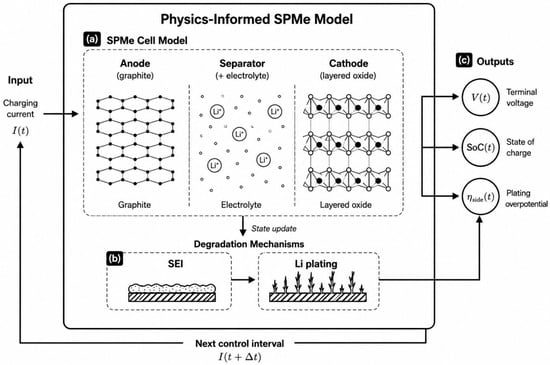
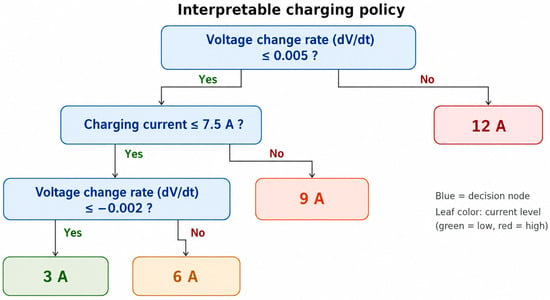
Lithium-ion battery energy storage systems (BESSs) face significant safety challenges arising from internal short-circuit (ISC) faults, which can ultimately trigger thermal runaway. To address this, this paper proposes an ISC fault diagnosis method based on multivariate information entropy (MIE). The proposed approach fuses voltage and temperature time series from battery cells to extract fault features via MIE. Furthermore, a hierarchical diagnosis framework incorporating statistical confidence intervals is developed to enable robust ISC fault diagnosis. Experiments were conducted on 180 Ah lithium iron phosphate batteries, utilizing external resistors to simulate ISC faults of varying severity. The method was further validated using real-world fault data from an electric vehicle accident. Results demonstrate that the proposed method effectively distinguishes between normal and faulty cells, with MIE values exhibiting a monotonic increase as fault severity intensifies. In the real-world dataset, the method identifies the faulty cell 240 s before a discernible voltage drop, demonstrating its capability for early ISC detection. Full article
(This article belongs to the Section Electrical, Electronics and Communications Engineering)
30 pages, 1414 KB  
Article
SL-LDA: LDA-Based Storage Location Assignment for Automated Warehouses Under MAPD Constraints
by Tatsuto Ito, Taisei Hirayama, Naoki Hattori, Hiroki Sakaji and Itsuki Noda
Systems 2026, 14(5), 581; https://doi.org/10.3390/systems14050581 (registering DOI) - 19 May 2026
Abstract
Storage location assignment in automated warehouses strongly affects order-processing efficiency. Existing co-occurrence-based approaches often rely on pointwise mutual information (PMI) statistics or direct frequency co-occurrence. This paper compares two deliberately chosen representation families for storage assignment in automated warehouses operated under Multi-Agent Pickup [...] Read more.
Storage location assignment in automated warehouses strongly affects order-processing efficiency. Existing co-occurrence-based approaches often rely on pointwise mutual information (PMI) statistics or direct frequency co-occurrence. This paper compares two deliberately chosen representation families for storage assignment in automated warehouses operated under Multi-Agent Pickup and Delivery (MAPD) constraints: Pointwise Positive PMI (PPPMI), representing direct pairwise co-occurrence, and Latent Dirichlet Allocation (LDA), representing latent-topic smoothing. The purpose is not to benchmark every possible representation space, but to make the pairwise-versus-latent contrast interpretable under a fixed execution pipeline consisting of task construction, visit-order selection, path planning, and collision avoidance. The broader research setting is motivated by real warehouse order data in which SKU co-occurrence structure is present, but such logs mix latent-topic effects, explicit family-based co-occurrence, noise, and demand variation. We therefore use two controlled abstractions of order structure: one generator with latent-topic mixtures and one generator with more direct family co-occurrence. We embed the proposed LDA representation and the PPPMI baseline in constrained-clustering and simulated-annealing placement methods and evaluate them against frequency-based, load-balancing, and random baselines. Evaluation is conducted in a fixed extended MAPD simulator that explicitly models orientation-aware motion, turning costs, service times, dynamic task release, and collision avoidance. In the latent-topic regime, LDA-based methods tended to form the leading group in average finite-horizon makespan, computed over completed combinations of random seeds and operating conditions. In the supplementary direct-co-occurrence condition, PPPMI was competitive in the plain representation comparison, while LDA-driven local search on top of a frequency-based initial layout remained strong. These results do not imply that LDA is universally superior; rather, they indicate that the relative suitability of PPPMI and LDA depends on the order structure and on how the representation interacts with the placement optimizer. The controlled generators are useful for isolating those effects, but they do not replace external validation on real warehouse logs. Full article
Show Figures

Figure 1

20 pages, 13885 KB  
Article
Development of the Urogenital Microbiota in Healthy Beagle Puppies: A Longitudinal Comparison with the Dam
by Marielle Somville, Bernard Taminiau, Virginie Gronsfeld, Sophie Egyptien, Flore Brutinel, Annick Hamaide, Georges Daube, Marie-Lys Van de Weerdt, Stefan Deleuze and Stéphanie Noël
Life 2026, 16(5), 841; https://doi.org/10.3390/life16050841 (registering DOI) - 19 May 2026
Abstract
Characterizing the microbiota is essential to improve the understanding and management of urogenital disorders. Using 16S rDNA sequencing, this study investigated the urogenital microbiota, including urine, vaginal, and prostatic communities, in a litter of 10 healthy beagle puppies from 4 months of age [...] Read more.
Characterizing the microbiota is essential to improve the understanding and management of urogenital disorders. Using 16S rDNA sequencing, this study investigated the urogenital microbiota, including urine, vaginal, and prostatic communities, in a litter of 10 healthy beagle puppies from 4 months of age until the completion of the first estrous cycle in females and 18 months in males. A further objective was to compare these microbial profiles with those of their dam. Significant differences were observed between urinary and genital microbiota in both sexes, evolving over time. Notably, in females, puberty and the first estrous cycle were associated with marked changes in the vaginal microbiota, outweighing individual variability. In contrast, urinary microbiota remained stable during female growth. In males, microbiota showed time-dependent and individual-specific progression, with distinct microbial communities identified in the urinary bladder and prostate. Shared genera between the dam and her offspring were observed, but inter-individual variability suggested a limited maternal influence. Further investigation is needed to clarify vertical transmission patterns. In conclusion, the urogenital microbiota of healthy dogs undergoes dynamic and distinct site-specific changes during early life. Full article
(This article belongs to the Special Issue Developmental Programming in Cats and Dogs)
Show Figures

Figure 1

20 pages, 12660 KB  
Article
Faunal Restoration and Shellfish Farming: An Ecological–Economic Win-Win Framework for Sporobolus alterniflorus Control in Mangrove Habitats
by Dinglin Liu, Pingping Guo, Yufeng Lin, Hongkun Cai, Kaiyuan Zhao, Mao Wang and Wenqing Wang
Land 2026, 15(5), 882; https://doi.org/10.3390/land15050882 (registering DOI) - 19 May 2026
Abstract
In Luoyuan Bay, China, Sporobolus alterniflorus invasion has hindered mangrove restoration and disrupted faunal communities within mangrove habitats. This study investigated its impact on mollusk, crab, and fish assemblages across mangrove, mudflat, and invaded habitats from 2019 to 2020. Results showed that species [...] Read more.
In Luoyuan Bay, China, Sporobolus alterniflorus invasion has hindered mangrove restoration and disrupted faunal communities within mangrove habitats. This study investigated its impact on mollusk, crab, and fish assemblages across mangrove, mudflat, and invaded habitats from 2019 to 2020. Results showed that species diversity of three assemblages did not differ significantly between invaded and non-invaded mangrove habitats; however, assemblage structure was altered and functional traits declined markedly in invaded areas. Compared with non-invaded mangroves, invaded habitats showed decreases of 81.6% in mollusk density, 50.7% in mollusk biomass, 66.6% in crab density and 84.2% in crab biomass. Dominant fish species (Acanthogobius ommaturus, Liza carinata, Stolephorus chinensis) also exhibited lower body size, total size and biomass in invaded habitats. Given the close dependence of coastal residents on these faunal resources, a socioeconomic analysis of livelihood strategies was conducted, revealing Sinonovacula constricta aquaculture achieved the highest net income-to-investment ratio, 122.7% higher than nearshore fishery and 308.3% higher than shallow-sea oyster cultivation, while professional shellfish farming yielded the highest net income per hectare, 23.6% higher than oyster cultivation. Thus, both forms of shellfish aquaculture provide greater economic returns than other livelihood options. Based on these findings and niche theory, we propose a management framework: after removing S. alterniflorus, plant native mangroves (Kandelia obovata) in mid-to-high intertidal zones and lease lower flats for shellfish farming. This framework has the potential to integrate ecological restoration with local livelihoods and may inform similar efforts in other regions facing biological invasions and restoration challenges. Full article
(This article belongs to the Section Land, Biodiversity, and Human Wellbeing)
Show Figures

Figure 1

14 pages, 1516 KB  
Article
Cross Scale Tribological Behavior of Textured High-Entropy Alloy Coatings
by Yazhou Mao, Linlin Guo, Aoya Wang, Ruiyi Ma and Zixuan Wangan
Lubricants 2026, 14(5), 209; https://doi.org/10.3390/lubricants14050209 (registering DOI) - 19 May 2026
Abstract
This paper presents a cross-scale model for predicting the tribological behavior of textured coatings made of high-entropy alloys. The research methodology includes molecular dynamic modeling, a modified fractal surface model, and the Green's method with fast Fourier transform. The main results demonstrate the [...] Read more.
This paper presents a cross-scale model for predicting the tribological behavior of textured coatings made of high-entropy alloys. The research methodology includes molecular dynamic modeling, a modified fractal surface model, and the Green's method with fast Fourier transform. The main results demonstrate the existence of an optimal range of parameters: a fractal dimension of 2.45–2.55 and a texturing density of 15–20%, which reduces the coefficient of friction to 40% compared with untextured surfaces. The practical significance of the work lies in the creation of a theoretical basis for the integrated design and forecasting of the tribological properties of high-entropy coatings. Full article
10 pages, 975 KB  
Article
Does Casting Material Influence the Number of Casts Required Before Achilles Tenotomy in the Ponseti Treatment of Severe Idiopathic Clubfoot?
by Valentina Di Carlo, Giulia Colin, Lucio Torelli, Michela Zorzi, Adamo Pio d’Adamo, Marco Carbone and Daniela Dibello
J. Clin. Med. 2026, 15(10), 3924; https://doi.org/10.3390/jcm15103924 (registering DOI) - 19 May 2026
Abstract
Background: Clubfoot represents a prevalent congenital deformity of the foot and ankle complex that may significantly compromise a child's walking ability. Contemporary treatment protocols encompass serial manipulations and casting procedures designed to achieve gradual correction of the deformity. Various casting materials have been [...] Read more.
Background: Clubfoot represents a prevalent congenital deformity of the foot and ankle complex that may significantly compromise a child's walking ability. Contemporary treatment protocols encompass serial manipulations and casting procedures designed to achieve gradual correction of the deformity. Various casting materials have been employed in this therapeutic approach, with plaster of Paris and fiberglass constituting the two predominant options. This study aimed to evaluate the comparative effectiveness of these casting materials and determine whether material selection influences the rate of correction and the clinical indications, specifically regarding the number of casts required before percutaneous Achilles tenotomy. Methods: We conducted a retrospective analysis of prospectively collected data on paediatric patients treated at our tertiary-level institution with both plaster of Paris (POP) and semirigid fiberglass (SRF) by a single orthopaedic surgeon between 2010 and 2020. Treatment was initiated within the first 30 days of life (median age 12 days, range 0–28 days). To reduce confounding bias related to baseline aetiology (e.g., rigid syndromic feet), the primary comparative analysis was restricted to the idiopathic clubfoot subgroup. The Pirani score was used to assess deformity severity at each clinical visit. Results: A cohort of 84 patients (137 feet) was enrolled and treated, comprising patients with a Pirani score ≥ 4.5, excluding non-idiopathic cases. The mean number of casts required was 5.8 ± 1.0 for POP and 5.7 ± 1.2 for SRF, with no statistically significant difference (p = 0.91). Conclusions: Both plaster of Paris and semirigid fiberglass are highly effective casting materials for the initial phase of Ponseti treatment. Both achieve comparable correction sufficient to proceed with Achilles tenotomy. Accordingly, material selection should be guided by clinician proficiency, institutional cost-effectiveness, and patient comfort. Further investigation is needed to evaluate long-term outcomes and the relative benefits of each material in clubfoot management. Full article
(This article belongs to the Section Orthopedics)
13 pages, 1459 KB  
Article
Porphyrin-Based Fluorescent Probe for Nanomolar Detection of Cu2+ and Ni2+ Ions
by So-Hyun Shin, Jihyun Kim, Hyungkyu Moon, T. Sheshashena Reddy and Myung-Seok Choi
Molecules 2026, 31(10), 1739; https://doi.org/10.3390/molecules31101739 (registering DOI) - 19 May 2026
Abstract
Copper is an indispensable trace element for maintaining metabolic homeostasis; however, the dysregulation and subsequent accumulation of Cu2+ are critically linked to neurodegenerative pathologies, including Alzheimer’s disease in humans. Consequently, the development of robust analytical tools for Cu2+ monitoring is of [...] Read more.
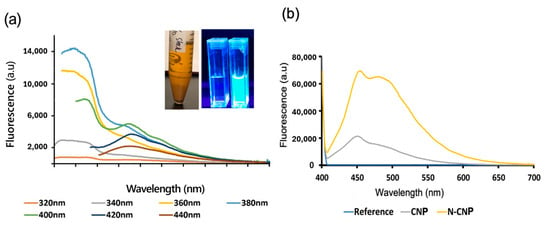
Copper is an indispensable trace element for maintaining metabolic homeostasis; however, the dysregulation and subsequent accumulation of Cu2+ are critically linked to neurodegenerative pathologies, including Alzheimer’s disease in humans. Consequently, the development of robust analytical tools for Cu2+ monitoring is of paramount importance. Here, we report a 2,2′-dipicolylamine porphyrin (DPAP)-based fluorescent sensor designed for the precise detection of metal cations. Photophysical investigations reveal that DPAP operates via a rapid turn-off fluorescence mechanism, achieving high-performance sensing in the parts-per-million range. Notably, the probe demonstrates exceptional sensitivity with detection limits of 26.3 nM for Cu2+ and 34.8 nM for Ni2+. Interference studies demonstrated the selectivity of DPAP for Cu2+ over a diverse range of competing metal ions such as Na+, Ag+, Ni2+, Cr3+, Pb2+, Al3+, Fe2+, Cd2+, and Zn2+. These results indicate that DPAP is a sensitive and selective probe suitable for copper ion detection. Full article
(This article belongs to the Section Analytical Chemistry)
62 pages, 26141 KB  
Article
Computational Analysis of Tricuspid Heart Valves
by Samikshya Neupane and Tarun Goswami
Designs 2026, 10(3), 57; https://doi.org/10.3390/designs10030057 (registering DOI) - 19 May 2026
Abstract
Understanding the mechanical behavior of valve materials and the hemodynamic characteristics of blood flow is important for improving prosthetic heart valve design. In this study, a comprehensive computational investigation was conducted to evaluate the biomechanical and hemodynamic behavior of a three-dimensional tricuspid valve [...] Read more.
Understanding the mechanical behavior of valve materials and the hemodynamic characteristics of blood flow is important for improving prosthetic heart valve design. In this study, a comprehensive computational investigation was conducted to evaluate the biomechanical and hemodynamic behavior of a three-dimensional tricuspid valve model constructed from reported prosthetic valve geometries. The structural response of the valve was evaluated using linear elastic, viscoelastic, and hyperelastic constitutive models for four different materials: pyrolytic carbon, polyurethane, porcine tissue, and bovine tissue. The results demonstrated clear material-dependent trends. Pyrolytic carbon exhibited negligible deformation (1.7166 × 10⁻⁸ m), confirming its rigid mechanical behavior, whereas biological tissues showed greater compliance, with the largest deformation observed for the bovine hyperelastic model (9.6837 × 10⁻⁵ m). Hyperelastic tissue models produced lower peak von Mises stresses (1.3951 × 10⁴–1.8603 × 10⁴ Pa) than the corresponding linear elastic tissue models (2.6842 × 10⁴–2.7017 × 10⁴ Pa), indicating improved stress redistribution under nonlinear deformation. Polyurethane showed intermediate mechanical behavior, with moderate deformation and lower stress under viscoelastic modeling than under the linear elastic assumption, suggesting its potential as a polymeric alternative to traditional valve materials. The Computational Fluid Dynamics (CFD) analysis of the rigid open valve geometry revealed a central velocity jet with a peak velocity of approximately 0.092 m/s, localized vortex formation with a maximum vorticity magnitude of about 177 s−1 and a peak instantaneous wall shear stress of 1.32 Pa near the leaflet edges and valve opening. Overall, the results highlight the trade-off between rigidity, compliance, and durability among prosthetic valve materials and suggest that polyurethane may provide a balanced alternative for tricuspid valve replacement. Full article
(This article belongs to the Section Bioengineering Design)
19 pages, 2951 KB  
Article
Characterization of Gut Bacteria in Blepharipa tibialis (Diptera: Tachinidae) Larvae Parasitizing Different Developmental Stages of Antheraea pernyi
by Peng Hou, Li Liu, Ding Yang and Chuntian Zhang
Insects 2026, 17(5), 519; https://doi.org/10.3390/insects17050519 (registering DOI) - 19 May 2026
Abstract
Blepharipa tibialis (Diptera: Tachinidae) is a typical parasitoid fly. It spends most of its lifespan inside its host (Antheraea pernyi larvae) and relies heavily on host nutrition for survival. Whether the gut bacteria characteristics of B. tibialis larvae are associated with host [...] Read more.
Blepharipa tibialis (Diptera: Tachinidae) is a typical parasitoid fly. It spends most of its lifespan inside its host (Antheraea pernyi larvae) and relies heavily on host nutrition for survival. Whether the gut bacteria characteristics of B. tibialis larvae are associated with host development during the parasitoid process remains unclear. In this study, we used high-throughput sequencing to conduct the first systematic investigation of the gut bacteria of a parasitoid fly, comprehensively revealing the composition, structure, diversity, specificity, and potential functions in B. tibialis larvae parasitizing different host developmental stages. Results show that B. tibialis larval gut bacterial species were highly abundant, with a total of 24 phyla, 41 classes, 84 orders, 127 families, and 194 genera annotated. Although the number of bacterial species in B. tibialis larvae parasitizing different host stages (3rd, 4th, and 5th instar) differed significantly, the community structures were similar, suggesting that host physiological changes and dynamic alterations in the internal microenvironment may drive changes in the larval gut bacteria. Different host developmental stages may alter the gut bacterial composition of B. tibialis larvae, but bacterial functional stability is largely maintained. PICRUSt2 functional prediction indicated that the gut bacterial community may play an important role during the parasitoid process of B. tibialis larvae. This study provides an important basis for research on gut bacteria in tachinid flies (Diptera), supplements gut microbiota data for this group, and offers references for exploring the interaction mechanisms of gut microbiota in parasitoid systems, as well as for developing green control strategies against A. pernyi pests. Full article
(This article belongs to the Special Issue Ecological Adaptation of Insect Pests)
27 pages, 1287 KB  
Article
A Semi-Analytical Finite Layer Method for Analyzing the 3D Coupled Electro-Mechanical Behavior of Exponentially Graded Piezoelectric Circular Hollow Microscale Cylinders
by Chih-Ping Wu and Hao-Ting Hsu
Appl. Mech. 2026, 7(2), 44; https://doi.org/10.3390/applmech7020044 (registering DOI) - 19 May 2026
Abstract
Within the framework of consistent couple-stress theory (CCST), we develop a semi-analytical finite layer method (FLM) to investigate the three-dimensional (3D) coupled electro-mechanical behavior of an exponentially graded (EG) piezoelectric circular hollow microscale cylinder under simply supported boundary conditions. The microscale cylinder is [...] Read more.
Within the framework of consistent couple-stress theory (CCST), we develop a semi-analytical finite layer method (FLM) to investigate the three-dimensional (3D) coupled electro-mechanical behavior of an exponentially graded (EG) piezoelectric circular hollow microscale cylinder under simply supported boundary conditions. The microscale cylinder is subjected to mechanical loads and electric voltages and is placed under closed-circuit surface conditions on its outer and inner surfaces. Using the principle of stationary potential energy, we first derive a 3D Galerkin weak formulation for this study. We divide the microscale cylinder into nl layers and select each layer’s elastic displacements and electric potential as the primary variables. We then incorporate a layer-wise generalized displacement model into the weak formulation to develop the semi-analytical FLM. The novelty of our method lies in its ability to accurately determine the electric and elastic field variables induced in the microscale cylinder. This feature has not been explored in previous research. We rigorously validate our method’s accuracy by comparing its solutions for EG piezoelectric circular hollow macroscale cylinders with the corresponding 3D solutions reported in the literature, with the material length-scale parameter set to zero. We also examine the impact of several key factors on the coupled electro-mechanical behavior of the microscale cylinder, including the radius-to-thickness ratio, inhomogeneity index, piezoelectricity, and material length-scale parameter, which appear to be significant. Full article
27 pages, 2580 KB  
Article
Agroclimatic Forecasting Under Degraded Sensor Data: A Robustness Benchmark of Machine-Learning Models
by Oleksandr Zhabko, Ivan Laktionov, Grygorii Diachenko, Oleksandr Vinyukov and Dmytro Moroz
Appl. Sci. 2026, 16(10), 5075; https://doi.org/10.3390/app16105075 (registering DOI) - 19 May 2026
Abstract
Reliable short-term agroclimatic forecasting is essential for precision agriculture, irrigation planning, disease-risk assessment, and microclimatic decision support. However, field-deployed sensor systems often operate under degraded data conditions, including missing measurements, noise, temporal interruptions, and limited local computational resources. These constraints make it necessary [...] Read more.
Reliable short-term agroclimatic forecasting is essential for precision agriculture, irrigation planning, disease-risk assessment, and microclimatic decision support. However, field-deployed sensor systems often operate under degraded data conditions, including missing measurements, noise, temporal interruptions, and limited local computational resources. These constraints make it necessary to evaluate not only forecasting accuracy under clean data, but also model robustness under realistic sensor-data degradation. The objective of this study is to compare machine-learning models for one-step-ahead agroclimatic time-series forecasting under degraded sensor-data conditions. Using a real meteorological dataset collected by a field weather station in the Dnipro region of Ukraine, twelve regression models were evaluated: Ridge Regression, Random Forest, Extra Trees, Gradient Boosting, HistGradientBoosting, Support Vector Regression, Linear SVR, KNN, PLSRegression, ElasticNet, Lasso, and MultiTaskElasticNet. The models were tested under five controlled scenarios: baseline data, missing values, additive noise, reduced training history, and combined noise–missingness degradation. Quantitatively, Ridge Regression achieved the strongest baseline temperature-forecasting performance, with MAE = 0.318 and R2 ≈ 0.98 under clean data. It also maintained R2 > 0.90 when trained on only 50% of the available history. Under Gaussian noise with σ = 0.05–0.10, Ridge Regression and HistGradientBoosting maintained R2 values in the range of 0.95–0.97, whereas under combined degradation with σ = 0.10 and 20% missing data, HistGradientBoosting retained R2 > 0.85. These findings indicate that machine-learning models differ substantially in their sensitivity to sensor-data degradation and that robustness-oriented benchmarking is necessary before selecting models for agroclimatic forecasting systems. Full article
(This article belongs to the Special Issue Application of AI, Sensors, and IoT in Modern Agriculture)
21 pages, 4402 KB  
Review
Galactooligosaccharides Based on β-Galactosidase-Catalyzed Synthesis: Function, Biosynthesis and Optimization Strategy
by Bingyi Tao, Yiping Chen, Ren He, Tingting Huang, Shaoxiong Liang, Hongkun Chen, Xiaoping Rao, Xuchong Tang and Jianchun Jiang
Foods 2026, 15(10), 1803; https://doi.org/10.3390/foods15101803 (registering DOI) - 19 May 2026
Abstract
Galactooligosaccharides (GOS) are one of the internationally recognized prebiotic products, which have become a hot research focus in the field of biofoods because of their strong prebiotic, sugar substitution and inflammation alleviation functions. β-galactosidase (Bgal) of different microorganisms is utilized industrially in order [...] Read more.
Galactooligosaccharides (GOS) are one of the internationally recognized prebiotic products, which have become a hot research focus in the field of biofoods because of their strong prebiotic, sugar substitution and inflammation alleviation functions. β-galactosidase (Bgal) of different microorganisms is utilized industrially in order to achieve the biosynthesis of GOS. Although the biosynthesis of GOS has been supported by certain technologies, there is still room for further improvement of its synthetic yield. This paper mainly introduces the function and biosynthesis of GOS and its research progress in recent years to enhance the yield of biosynthesis. This paper also combines the research progress in related fields in recent years, based on the basic theories of molecular biology and bioinformatics, discusses the research progress of green, innovative approaches including enzyme engineering, enzyme immobilization, surface display, and microbial fermentation on the synthesis of GOS. Full article
(This article belongs to the Special Issue Emerging Trends in Food Enzyme Catalysis and Food Synthetic Biology)
Show Figures

Graphical abstract

22 pages, 2714 KB  
Article
Colloidal Properties and Potential Applications of Branched Poly(Vinyl Alcohol)
by Anton V. Grivin, Il’ya I. Kraynik, Daniil A. Kabanov, Anna M. Nechaeva, Gali D. Markova, Eva S. Burmitskaya, Anton M. Shulgin, Anna V. Andreeva, Vasilina A. Zakharova, Oleg A. Raitman, Svetlana O. Samusenko, Irina I. Levina, Mikhail V. Motyakin, Valerie A. Dyatlov, Irina Yu. Gorbunova, Inessa A. Gritskova, Valeriy P. Meshalkin and Yaroslav O. Mezhuev
Colloids Interfaces 2026, 10(3), 41; https://doi.org/10.3390/colloids10030041 (registering DOI) - 19 May 2026
Abstract
Branched poly(vinyl alcohol) (PVA) was synthesized via chemical modification of linear PVA with epichlorohydrin in an alkaline aqueous medium under conditions preventing crosslinking. Branching was confirmed by IR and Heteronuclear Single Quantum Coherence (HSQC) spectroscopy, as well as by viscometric analysis. An iterative [...] Read more.
Branched poly(vinyl alcohol) (PVA) was synthesized via chemical modification of linear PVA with epichlorohydrin in an alkaline aqueous medium under conditions preventing crosslinking. Branching was confirmed by IR and Heteronuclear Single Quantum Coherence (HSQC) spectroscopy, as well as by viscometric analysis. An iterative procedure is proposed for refining the branching factor (g) and the viscosity-average molecular weight of the branched macromolecules. Coil diameters determined by viscometry and dynamic light scattering showed satisfactory agreement. While an increase in the viscosity-average molecular weight of branched PVA enhances its surface activity in the low-adsorption region, the branched geometry itself hinders subsequent adsorption due to steric shielding of the interface. This correlates with wetting behavior on Teflon: lightly branched PVA requires a higher concentration to induce wetting inversion than its linear counterpart but further increase in molecular weight shifts the inversion point to lower concentrations due to a higher density of hydroxyl groups. Concurrently, the concentration dependence of the work of adhesion degenerates with increasing molecular weight. Despite their reduced adsorption capacity, the specific geometry of branched PVA macromolecules provides effective steric stabilization of micrometer-sized particles during styrene suspension polymerization. These results demonstrate that chain branching in PVA is a powerful tool for tuning its adsorption properties, stabilizing ability, and interfacial activity. Full article
Show Figures

Figure 1

26 pages, 3007 KB  
Article
Rayleigh Wave Propagation on the Partially Saturated Poro-Thermo-Viscoelastic Half-Space Based on Fractional Order Viscoelasticity
by Li Li and Wei Zhuang
Mathematics 2026, 14(10), 1751; https://doi.org/10.3390/math14101751 (registering DOI) - 19 May 2026
Abstract
This paper probes into the propagation characteristics of Rayleigh waves in a partially saturated, porous, thermo-viscoelastic half-space, with full consideration of the fractional viscoelastic effect and thermal coupling effect. A fractional Zener model is introduced to depict the thermo-viscoelastic mechanical behavior of the [...] Read more.
This paper probes into the propagation characteristics of Rayleigh waves in a partially saturated, porous, thermo-viscoelastic half-space, with full consideration of the fractional viscoelastic effect and thermal coupling effect. A fractional Zener model is introduced to depict the thermo-viscoelastic mechanical behavior of the solid skeleton by constructing a complete set of governing equations that include mass balance, generalized Darcy’s law, momentum balance, and generalized heat conduction. Field equations are derived by means of Helmholtz vector decomposition, and the dispersion equation, and the phase velocity expression of Rayleigh waves are obtained by combining the traction-free and adiabatic boundary conditions of the medium. The impacts of key material properties, such as medium saturation, intrinsic permeability, medium viscoelasticity, and thermal expansion coefficient, on the dispersion feature of Rayleigh waves are discussed in detail. Numerical analysis results show that an increase in the thermal expansion coefficient will lead to a rise in Rayleigh wave phase velocity, in which the increase in P1 compressional wave velocity plays a dominant role among the velocities of various types of waves. Meanwhile, the attenuation coefficient of Rayleigh waves presents a decreasing trend and gradually tends to be stable with the growth of the thermal expansion coefficient. Similarly, the phase velocity of Rayleigh waves also increases with the rise in fractional order index, which is jointly dominated by the velocity enhancement of P1 waves and S waves. In addition, the attenuation coefficient of Rayleigh waves increases first and then decreases with the increase in fractional order index and reaches the peak value when the fractional order index is about 0.4. The research results reveal the influence of laws of thermal expansion characteristics and viscoelasticity on Rayleigh wave propagation and provide theoretical support for the analysis of wave propagation characteristics in porous media in relevant engineering applications. Full article
(This article belongs to the Special Issue Advances in Fractional Order Models and Applications)

Open Access Journals

Browse by Indexing Browse by Subject Selected Journals
Back to TopTop