


Advancing Open Science
A global leader in open access publishing, supporting research
communities and accelerating scientific discovery
 
21 pages, 1383 KB  
Article
Net Carbon Sink Potential of Porous Vegetated Concrete: A Life-Cycle Assessment
by Hongquan Ren, Lingling Lu, Bing Tang and Tianbin Li
Materials 2026, 19(11), 2237; https://doi.org/10.3390/ma19112237 (registering DOI) - 25 May 2026
Abstract
Porous vegetated concrete has been widely used in highway slope protection because it provides both engineering stability and ecological restoration benefits. However, its life-cycle carbon emissions and long-term carbon sequestration performance have not been systematically quantified within a unified evaluation framework. In this [...] Read more.
Porous vegetated concrete has been widely used in highway slope protection because it provides both engineering stability and ecological restoration benefits. However, its life-cycle carbon emissions and long-term carbon sequestration performance have not been systematically quantified within a unified evaluation framework. In this study, 1 m3 of porous vegetated concrete was adopted as the functional unit, and a life-cycle assessment framework integrating carbon emissions and carbon sequestration was established. The results show that the material production stage is the dominant source of life-cycle carbon emissions, with cement consumption being the primary controlling factor. Under the system boundary and carbon sequestration assumptions adopted in this study, cumulative carbon sequestration over a 50-year service period was estimated to be approximately 470–475 kgCO2eq. This exceeded the corresponding life-cycle carbon emissions of 73–124 kgCO2eq and resulted in a net carbon sink potential of approximately 351–397 kgCO2eq. Based on equal weighting of 28-day shear strength and material production-stage carbon emissions, the efficacy coefficient method identified M2 as the preferred mix proportion for balancing mechanical performance and low-carbon objectives within the selected evaluation framework. Monte Carlo simulation confirmed the statistical stability of the estimated mean carbon emissions during the material production stage. Sensitivity analysis further showed that cement-related emissions and the vegetation carbon sequestration factor were the two most influential parameters affecting life-cycle carbon performance. Overall, this study provides a quantitative basis for evaluating the net carbon sink potential of porous vegetated concrete and offers decision support for low-carbon mix design in highway slope ecological protection engineering. Full article
20 pages, 823 KB  
Article
Beyond the Single Horizon: Ecological Footprint Convergence in the Big Ten Emerging Economies Using Discrete Wavelet Transform
by Hamza Çeştepe, Havanur Ergün Tatar and Volkan Bektaş
Sustainability 2026, 18(11), 5320; https://doi.org/10.3390/su18115320 (registering DOI) - 25 May 2026
Abstract
This study investigates the ecological footprint (EF) convergence dynamics of the “Big Ten Emerging Economies” (BTEs) over the period 1967–2024. Employing the Maximum Overlap Discrete Wavelet Transform (MODWT) in conjunction with the Fourier KPSS (FKPSS) stationarity test, the analysis decomposes the EF series [...] Read more.
This study investigates the ecological footprint (EF) convergence dynamics of the “Big Ten Emerging Economies” (BTEs) over the period 1967–2024. Employing the Maximum Overlap Discrete Wavelet Transform (MODWT) in conjunction with the Fourier KPSS (FKPSS) stationarity test, the analysis decomposes the EF series into short-, medium-, and long-term frequency components, allowing the stochastic convergence hypothesis to be examined separately across multiple time horizons. The empirical results reveal that convergence is largely absent in the original series, with stochastic convergence detected only for India, Indonesia, and Türkiye at the aggregate level. Once the series are decomposed, convergence becomes considerably more visible. In the short run, convergence is supported for Argentina, Indonesia, Mexico, Poland, and Türkiye. The medium run emerges as the most robust convergence horizon, with all ten economies exhibiting stochastic convergence—a result that becomes visible only after accounting for nonlinear structural breaks through the Fourier framework. In the long run, convergence is supported for Argentina, Brazil, China, Korea, Poland, and South Africa, while India, Indonesia, Mexico, and Türkiye exhibit persistent divergence. No single country maintains convergence consistently across all time horizons, underscoring the heterogeneous and frequency-dependent nature of EF dynamics in major emerging economies. The robustness analysis based on the Fourier ADF and standard ADF tests supports the primary findings. These results contribute to the EF convergence literature by demonstrating that environmental convergence is a multi-layered and frequency-dependent phenomenon, and offer empirical insights relevant to the design of long-run sustainability policies for emerging economies. Full article
(This article belongs to the Section Air, Climate Change and Sustainability)
21 pages, 44537 KB  
Article
An All-Sky Imaging Framework for Cloud-Free Line-of-Sight Assessment in Free-Space Optical Satellite Downlinks
by Paul Matteschk, Max Aragon, Jose Gomez, Helmut Ribel, Marcus Thomas Knopp, Niklas Blum and Bijan Nouri
Photonics 2026, 13(6), 515; https://doi.org/10.3390/photonics13060515 (registering DOI) - 25 May 2026
Abstract
Free-space optical (FSO) downlinks from satellites enable high data rates but are highly sensitive to cloud-induced attenuation and blockage. We present an integrated all-sky imaging framework for optical ground stations that converts station-local sky observations into direction- and lead-time-dependent cloud-free line-of-sight (CFLOS) decision [...] Read more.
Free-space optical (FSO) downlinks from satellites enable high data rates but are highly sensitive to cloud-induced attenuation and blockage. We present an integrated all-sky imaging framework for optical ground stations that converts station-local sky observations into direction- and lead-time-dependent cloud-free line-of-sight (CFLOS) decision support along predicted satellite links. The framework combines geometric calibration of hemispheric imagery, two-line element (TLE)-based orbit propagation, stereographic remapping into a common processing domain, short-horizon autoregressive sky-frame prediction using a diffusion-based sequence model, cloud/no-cloud segmentation, and a corridor-based CFLOS decision rule along the projected satellite path. The contribution lies in the operational integration of these components into a unified CFLOS-oriented sensing, prediction, and evaluation chain for optical downlink support. The framework is demonstrated at the German Aerospace Center (DLR) optical ground-station site in Trauen and evaluated using a geometry-controlled reference-track protocol across image sequences acquired at 15 s, 30 s, and 45 s cadence. Under this protocol, nowcasting-based CFLOS decisions outperformed a constant-persistence baseline across all evaluated lead times. At a 90 s lead time, the method achieved an F1-score of 0.857 and a balanced accuracy of 0.865, corresponding to gains of +0.083 and +0.089 over persistence, respectively. Positive performance margins are maintained across the full evaluated range up to a 450 s lead time. These results show that all-sky image sequences can be translated into physically interpretable CFLOS decision support and provide a basis for future network-level site-selection and handover strategies. Full article
(This article belongs to the Special Issue Advances in Free-Space Optical Communications)
26 pages, 1796 KB  
Article
Failure-Aware Bidirectional Evolutionary Knowledge Assimilation with Dynamic Regulation for Adaptive Optimization
by Hongmei Shao, Rongguo Qu and Qinwei Fan
Symmetry 2026, 18(6), 902; https://doi.org/10.3390/sym18060902 (registering DOI) - 25 May 2026
Abstract
Efficient exploitation of evolutionary knowledge while preserving population diversity remains a central challenge in optimization. Existing knowledge-learning evolutionary algorithms primarily rely on successful experiences, overlooking structural information embedded in failed search attempts. This asymmetric learning limits adaptability and may cause premature convergence in [...] Read more.
Efficient exploitation of evolutionary knowledge while preserving population diversity remains a central challenge in optimization. Existing knowledge-learning evolutionary algorithms primarily rely on successful experiences, overlooking structural information embedded in failed search attempts. This asymmetric learning limits adaptability and may cause premature convergence in high-dimensional landscapes. To address this issue, a failure-aware bidirectional evolutionary knowledge assimilation framework is developed within the honey badger optimization algorithm. Unsuccessful offspring are treated as negative knowledge carriers and transformed through symmetric adversarial reflection, enabling simultaneous extraction of positive and negative structural information. A time-dependent regulation mechanism dynamically adjusts knowledge assimilation intensity across evolutionary phases to balance exploration and exploitation. In addition, a continuous mutation spectrum transition strategy adaptively integrates Cauchy and Gaussian perturbations, facilitating smooth migration from global exploration to local refinement. Comprehensive experiments conducted on the CEC 2017 benchmark suite across 10, 30, and 50 dimensions validate the proposed framework, establishing a novel failure-aware bidirectional evolutionary learning paradigm for knowledge-driven optimization. The results demonstrate that our method achieves statistically significant and consistent performance improvements over classical baseline algorithms. Furthermore, its robustness and cross-domain adaptability are corroborated through successful application to a real-world constrained engineering problem: welded beam design. Full article
(This article belongs to the Special Issue Symmetry and Asymmetry in Machine Learning: 2nd Edition)
22 pages, 4710 KB  
Article
Time-Varying Biological Time-Series Prediction and Pattern Recognition Using Koopman Theory and Large Language Models
by Yujie You, Yuzhu Ji, Salavat Gumerovich Mudarisov, Ilnur Rinatovich Miftakhov, Feixiang Zhao, Ming Xiao and Le Zhang
Technologies 2026, 14(6), 321; https://doi.org/10.3390/technologies14060321 (registering DOI) - 25 May 2026
Abstract
Biologically related time-series data characterize the dynamic evolution of biological systems, including genetic inheritance, disease diagnosis, and the biological microenvironment. However, accurate prediction of these data remains challenging due to their pronounced time-varying, non-stationary, and noisy characteristics. Existing approaches often fail to capture [...] Read more.
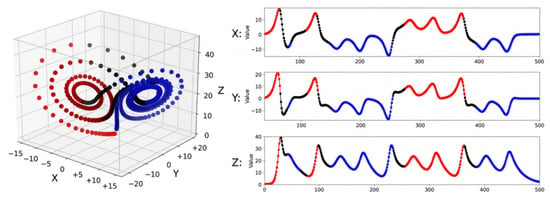
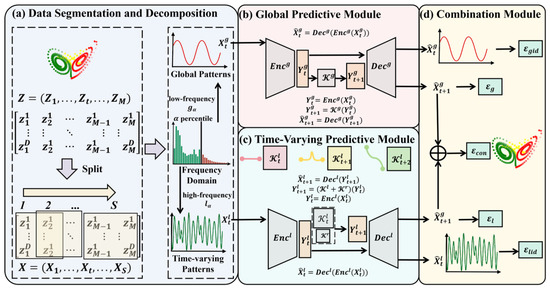
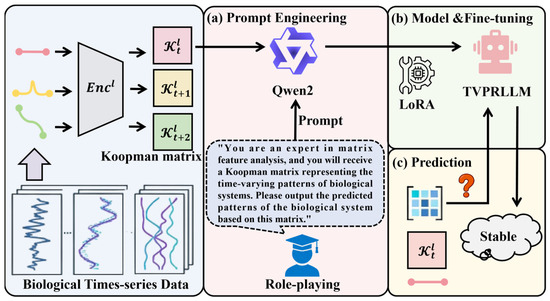
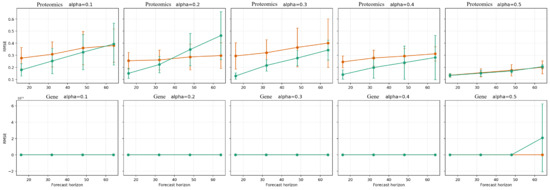
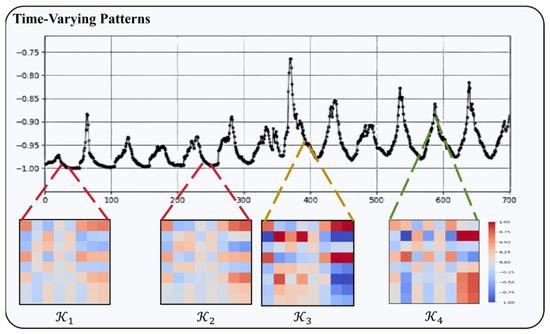
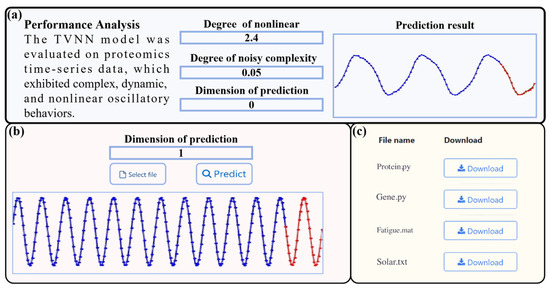
Biologically related time-series data characterize the dynamic evolution of biological systems, including genetic inheritance, disease diagnosis, and the biological microenvironment. However, accurate prediction of these data remains challenging due to their pronounced time-varying, non-stationary, and noisy characteristics. Existing approaches often fail to capture latent shifts of biologically related time series, limiting both predictive performance and time-varying pattern recognition capability. Thus, in this study, we first propose a time-varying neural network (TVNN) model that combines frequency-domain information with Koopman theory. TVNN-model Koopman transition matrices are used to model global dynamics and local time-varying behaviors for pattern extraction. Secondly, a time-varying pattern recognition large language model (TVPRLLM) is introduced to recognize and classify the extracted time-varying patterns, enabling the identification of potential pattern categories. Thirdly, we have developed a biology-related time-series predictive platform that can offer visualization, data analysis, and predictive services. Experimental results demonstrate that the TVNN model outperforms existing mainstream methods in predicting biology-related time-varying time series, and that it achieves competitive forecasting performance, though its behavior depends strongly on the design of the frequency-domain decomposition. Additional robustness analyses reveal that the choice of Fourier masking strategy can materially affect both RMSE and long-horizon stability. We further show that Koopman-derived time-varying representations are highly discriminative for dynamic state recognition. Full article
Show Figures

Figure 1

15 pages, 1486 KB  
Article
Design of Conductive Hydrogels Based on the Synergistic Effects of Hydrophobic Frameworks and Dual Antifreeze Strategies, Suitable for Wearable Flexible Sensors
by Jijun Luo, Sainan Wang, Xiangtong Jian, Kenan Yang, Bin Du, Mengwei Yin and Shisheng Zhou
Polymers 2026, 18(11), 1299; https://doi.org/10.3390/polym18111299 (registering DOI) - 25 May 2026
Abstract
This study focused on a three-dimensional cross-linked hydrophobic association (PS) hydrogel framework. Phytic acid (PA) was selected as both a dopant and an antifreeze agent, and it was combined with an ethylene glycol/water binary solvent to construct a dual antifreeze system. The resulting [...] Read more.
This study focused on a three-dimensional cross-linked hydrophobic association (PS) hydrogel framework. Phytic acid (PA) was selected as both a dopant and an antifreeze agent, and it was combined with an ethylene glycol/water binary solvent to construct a dual antifreeze system. The resulting composite conductive hydrogel, E/PS/PA-PPy, exhibited synergistically enhanced electrical conductivity, mechanical strength, and antifreeze properties. At a PA concentration of 0.1 M, a structurally uniform and ordered three-dimensional network was formed. The PS/PA-PPy hydrogel exhibited an elongation at break of 2595.7% and a high conductivity of 1.8 S/m, while maintaining excellent flexibility and adhesion. Owing to the synergistic antifreeze effect, the freezing point of the E/PS/PA-PPy hydrogel was reduced to −42.3 °C, and after 35 days of room-temperature storage, the weight loss was less than 7%, indicating outstanding water retention. The assembled flexible strain sensor exhibited a sensitivity of 2.09, with response and recovery times both less than 0.25 s. Notably, it exhibited good cyclic stability and accurately monitored human movements. Furthermore, the sensing performance remained stable without significant attenuation even at −20 °C. The results demonstrate the broad application prospects of the hydrogel in flexible electronics such as wearable health monitoring systems and human–machine interfaces in extreme environments. Full article
(This article belongs to the Section Smart and Functional Polymers)
27 pages, 1859 KB  
Article
A Novel Model-Free Predictive Current Control Method for Dual Three-Phase PMSM
by Liguo Zhang and Quanzeng Sun
Electronics 2026, 15(11), 2292; https://doi.org/10.3390/electronics15112292 (registering DOI) - 25 May 2026
Abstract
The model predictive current control (MPCC) method has the advantages of a simple structure and fast response. It has been regarded as one of the most effective methods for solving multiphase driving systems. However, mismatches in motor parameters will significantly degrade the MPCC [...] Read more.
The model predictive current control (MPCC) method has the advantages of a simple structure and fast response. It has been regarded as one of the most effective methods for solving multiphase driving systems. However, mismatches in motor parameters will significantly degrade the MPCC method’s control performance. To solve this problem, a novel model-free predictive current control (MFPCC) method for a dual three-phase permanent magnet synchronous motor (DT-PMSM) based on an extended Kalman observer (EKO) is proposed in this paper. Firstly, the modulated virtual voltage vector (MVV) is synthesized to increase the modulation range and reduce the control error. Secondly, an ultra-local model with a parameter-interference term is established to improve the system’s robustness to parameter mismatches. By combining the duty-cycle calculation method without motor parameters, the current tracking accuracy has been significantly improved. Thirdly, the EKO was introduced to observe the nonlinear part to improve the accuracy of the ultra-local model. Fourthly, the triangle wave is proposed as the carrier wave, with the reference value updated at the half-sampling period, generating an asymmetric PWM waveform that accurately tracks the reference voltage vector and simplifies software implementation on a low-cost microprocessor. Finally, the validity of the proposed method was verified experimentally by comparing it with two existing methods. Full article
(This article belongs to the Special Issue Modeling and Control of Power Converters for Power Systems)
21 pages, 350 KB  
Article
Pedagogical Interaction and Social Values in Lifelong Learning in the Age of Artificial Intelligence
by Lasma Balceraite, Olga Vindaca and Svetlana Usca
Educ. Sci. 2026, 16(6), 830; https://doi.org/10.3390/educsci16060830 (registering DOI) - 25 May 2026
Abstract
The rapid integration of artificial intelligence (AI) accelerates the need for continuous skill acquisition. Consequently, this increases the importance of lifelong learning while raising fundamental questions about pedagogical interaction and human social values. To remain competitive, individuals must constantly acquire new skills and [...] Read more.
The rapid integration of artificial intelligence (AI) accelerates the need for continuous skill acquisition. Consequently, this increases the importance of lifelong learning while raising fundamental questions about pedagogical interaction and human social values. To remain competitive, individuals must constantly acquire new skills and enhance existing ones. The aim of the article is to evaluate the stability of individual social value systems and the role of pedagogical interaction in lifelong learning during AI integration. The study uses a quantitative survey (N = 160) with a retrospective self-assessment model based on Schwartz’s Theory of Basic Human Values. The study processed data in IBM SPSS using non-parametric tests (Wilcoxon signed-rank, Kruskal–Wallis, Kendall’s rank correlation) to analyze how digital skills and sociodemographics influence technology perception. Findings reveal core value systems remain statistically stable; AI integration causes no internal value conflict. Digital skill level, rather than age, is the most significant factor in AI perception. While participants highly rate AI’s potential to customize learning, they express concerns regarding technological dependence. In the lifelong learning ecosystem, AI is viewed as a didactic tool rather than an educator replacement, as technology cannot provide essential social interaction and emotional support. Finally, higher education fosters a critical attitude toward AI’s ethical risks. Full article
(This article belongs to the Special Issue Curiosity and Its Cultivation in the Era of Generative AI)
24 pages, 1194 KB  
Article
GWAS-Guided Compact SNP Panels Enable Breeding-Relevant Prediction of Bolting and Flowering Timing of Lettuce
by Kyung-San Son, Kyung-Man Kim, Daegwan Kim, Haying Youl Lee, Sung Yi Hong, So Hyun Kim, Suk-Woo Jang, Junhui Park and Tae-Sung Kim
Plants 2026, 15(11), 1621; https://doi.org/10.3390/plants15111621 (registering DOI) - 25 May 2026
Abstract
High temperatures accelerate bolting and shorten the vegetative phase, thereby reducing the marketable yield in lettuce(Lactuca sativa L.). Using the KNOU lettuce core collection (KLC; n = 288), which represents major horticultural types, we integrated genome-wide association studies (GWAS) with genotyping-by-target-sequencing (GBTS), [...] Read more.
High temperatures accelerate bolting and shorten the vegetative phase, thereby reducing the marketable yield in lettuce(Lactuca sativa L.). Using the KNOU lettuce core collection (KLC; n = 288), which represents major horticultural types, we integrated genome-wide association studies (GWAS) with genotyping-by-target-sequencing (GBTS), a multiplex target amplicon sequencing approach, to develop compact SNP marker panels for breeding-relevant prediction of reproductive timing. The KLC was genotyped via genotyping-by-sequencing (GBS; 97,528 SNPs) and phenotyped across two spring-to-summer seasons to analyze cumulative temperature to bolting (CTTB) and cumulative temperature to anthesis (CTTA) under protected cultivation conditions, revealing broad variation and high heritability (H = 0.79 and 0.74, respectively). Multi-model GWAS consistently identified a major hotspot on chromosome 7 for both traits, whereas additional loci showed trait- and year-specific effects. A lead SNP on chromosome 7 was validated by KASP, confirming a consistent allelic effect across genetic backgrounds. GWAS-supported loci were converted into compact GBTS panels (CTTB-only, CTTA-only, and pooled), and their ability to predict genomic estimated breeding values (GEBVs) was evaluated via repeated 5-fold cross-validation. The pooled panel achieved the highest predictive performance for CTTB (up to R2 = 0.41 with random forest and R2 = 0.37 with RR-BLUP), outperforming the CTTB-only panel. In contrast, CTTA prediction was more moderate (up to R2 = 0.32). Overall, this GWAS-to-GBTS panel strategy provides a practical basis for low-cost, early selection of reproductive timing in lettuce breeding. Full article
21 pages, 2497 KB  
Article
Fermentation Process Optimization for High 2-Phenylethanol Aroma Whisky
by Kadireya Tuerxun, Zhuoling Ding, Xueqing Luo and Shishui Zhou
Int. J. Mol. Sci. 2026, 27(11), 4759; https://doi.org/10.3390/ijms27114759 (registering DOI) - 25 May 2026
Abstract
2-Phenylethanol (2-PE) is a key aromatic alcohol contributing to the rose-like odor in brewed wines, primarily synthesized by yeast metabolism with a typical yield of less than 100 mg/L. To enhance the 2-PE content in brewed wines, this study used CRISPR-Cas9 gene editing [...] Read more.
2-Phenylethanol (2-PE) is a key aromatic alcohol contributing to the rose-like odor in brewed wines, primarily synthesized by yeast metabolism with a typical yield of less than 100 mg/L. To enhance the 2-PE content in brewed wines, this study used CRISPR-Cas9 gene editing technology to delete the ARO8 gene (encoding aromatic transaminase I) in Saccharomyces cerevisiae SY. The single-factor experiments were performed to optimize the fermentation process, and the 2-PE content in the brewed wine was measured by high-performance liquid chromatography. The results demonstrated that the 2-PE content in whisky fermented by the SY-A8 was 0.73 g/L, increasing 23.73% compared to SY. The fermentation conditions of SY-A8 were optimized through single-factor experiments and the Box–Behnken design. The optimal conditions were a sugar concentration of 46.30 g/L, a fermentation time of 6 days, and an L-phenylalanine concentration of 1.43 g/L. The high 2-phenylethanol aroma whisky was brewed with a higher 2-phenylethanol content of 3.68 g/L in a 1 L fermenter at the optimal conditions. In conclusion, the modification of Saccharomyces cerevisiae by CRISPR-Cas9 gene editing combined with fermentation process optimization provides an effective technical strategy for improving the 2-PE content in whisky, thereby providing a research perspective for the flavor enhancement of whisky and other brewed wines. Full article
44 pages, 7491 KB  
Article
SemNet Explorer: An Evidence-Grounded Knowledge Graph–LLM Framework for Multi-Scale Mechanistic Reporting Across Biomedical Domains
by Xin He, David Camacho, Lama Moukheiber, Meghna Iyer, Benjamin Zhao, Christophe Ye, Batuhan Nursal, Xinyu Guo, Albert J. B. Lee and Cassie S. Mitchell
Big Data Cogn. Comput. 2026, 10(6), 171; https://doi.org/10.3390/bdcc10060171 (registering DOI) - 25 May 2026
Abstract
Background: Mechanistic reporting from large-scale biomedical knowledge graphs remains challenging, particularly when integrating structured graph evidence with large language model (LLM)–based explanation in a reproducible and auditable manner. Existing approaches either rely on manual synthesis of graph-derived results or generate unconstrained narratives that [...] Read more.
Background: Mechanistic reporting from large-scale biomedical knowledge graphs remains challenging, particularly when integrating structured graph evidence with large language model (LLM)–based explanation in a reproducible and auditable manner. Existing approaches either rely on manual synthesis of graph-derived results or generate unconstrained narratives that lack traceability to underlying evidence. Methods: We present SemNet Explorer, an evidence-grounded knowledge graph–LLM unified framework for automated mechanistic reporting across biomedical domains using SemNet 2.0, a PubMed-scale heterogeneous knowledge graph. Given a set of target concepts and a selected semantic layer, the framework organizes graph-derived evidence into structured regions and generates two complementary report types: global reports for process-level mechanisms and anchor-centric reports for localized mediator-based explanations. A central methodological contribution is an ablation-derived adaptive grounding policy: we systematically compare alternative evidence-integration strategies across report types, semantic layers, and region structures, and use the resulting preferences to guide prompt selection in the deployed system. Results: SemNet Explorer produces stable region decompositions and interpretable report scaffolds across molecular (AAPP), disease-level (DSYN), and pharmacologic (PHSU) representations. For global reports, explicit evidence grounding improves expression quality more consistently than content accuracy, with benefits dependent on evidence density and semantic abstraction. In contrast, anchor-centric reports show consistent improvements in both content and expression under stronger, mediator-constrained prompting. These findings are supported by both pairwise ablation comparisons and absolute score analyses. Conclusions: SemNet Explorer establishes a generalizable unified framework and interactive platform for transforming knowledge graph evidence into reproducible mechanistic narratives across biomedical domains, including multimorbidity analysis, comparative pathophysiology, drug repurposing, and adverse event discovery. The results demonstrate that effective knowledge graph–LLM integration requires adaptive, context-dependent evidence grounding rather than fixed prompting strategies. Full article
20 pages, 2652 KB  
Article
Mendelian Randomization Analysis of Systemic Iron Status and Risk of Metabolic Dysfunction-Associated Steatotic Liver Disease
by Wuyang Yue, Yi Yang, Jinling Ma, Jiale Zhang, Xinhui Wang, Junxia Min and Fudi Wang
Metabolites 2026, 16(6), 356; https://doi.org/10.3390/metabo16060356 (registering DOI) - 25 May 2026
Abstract
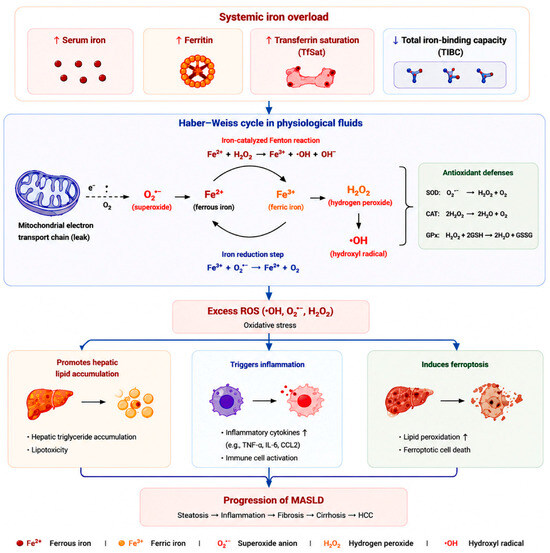
Objective: Metabolic dysfunction-associated steatotic liver disease (MASLD) is a global public health crisis, progressing to hepatic cirrhosis and hepatocellular carcinoma. This study investigated the causal role of systemic iron status in MASLD progression. Methods: A two-sample Mendelian randomization (MR) design was [...] Read more.
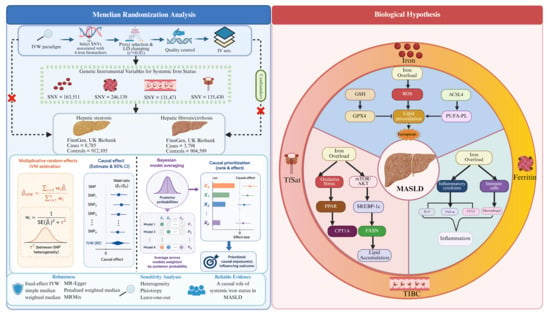
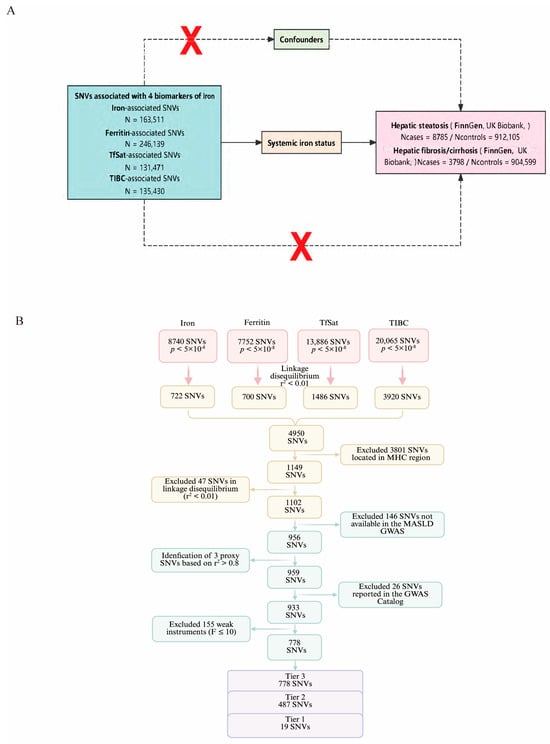
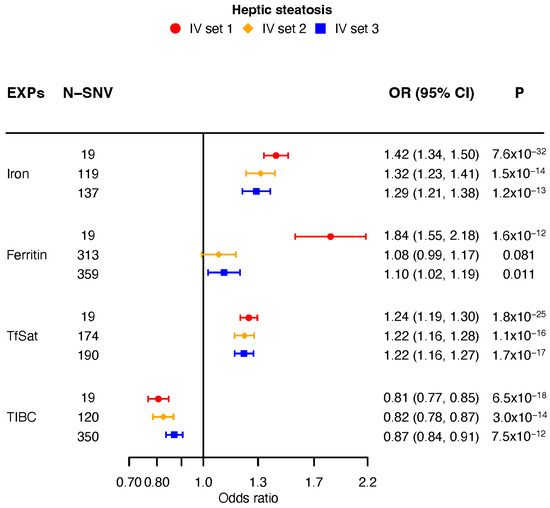
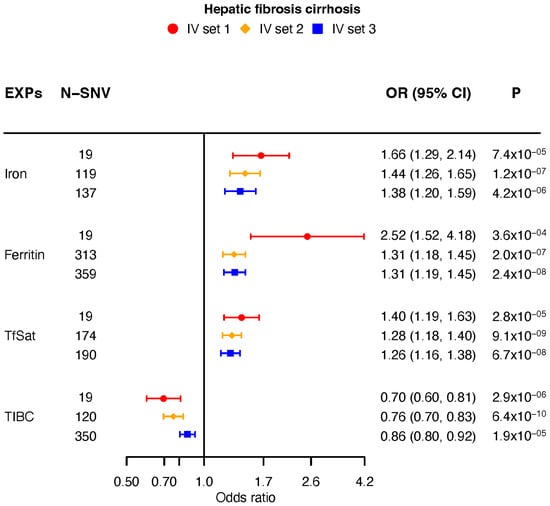
Objective: Metabolic dysfunction-associated steatotic liver disease (MASLD) is a global public health crisis, progressing to hepatic cirrhosis and hepatocellular carcinoma. This study investigated the causal role of systemic iron status in MASLD progression. Methods: A two-sample Mendelian randomization (MR) design was implemented, with genetic variants serving as instrumental variables for four core systemic iron biomarkers. Outcome data for hepatic steatosis (8785 cases; 912,105 controls) and hepatic fibrosis/cirrhosis (3798 cases; 904,599 controls) were extracted from the FinnGen and UK Biobank databases. Multiple complementary MR methodologies and three instrumental variable selection strategies were applied to ensure robust causal inference. Results: Genetically predicted higher serum iron (odds ratio, OR: 1.42, 95% confidence interval, 95% CI: 1.34, 1.50), ferritin (OR: 1.84, 95% CI: 1.55, 2.18), and transferrin saturation (TfSat, OR: 1.24, 95% CI: 1.19, 1.30), together with lower total iron-binding capacity (TIBC, OR: 0.81, 95% CI: 0.77, 0.85), were significantly associated with increased hepatic steatosis risk (p < 0.00625). Similar associations were observed for hepatic fibrosis/cirrhosis: serum iron (OR: 1.66, 95% CI: 1.29, 2.14), ferritin (OR: 2.52, 95% CI: 1.52, 4.18), TfSat (OR: 1.40, 95% CI: 1.19, 1.63), and reduced TIBC (OR: 0.70, 95% CI: 0.60, 0.81). MR-Bayesian model averaging prioritized serum iron (MIP: 0.85, θ^MACE: 0.295; PP: 0.725; θ^λ: 0.344) as the top-ranked factors for steatosis and TIBC (MIP: 0.604, θ^MACE: −0.240; PP: 0.476, θ^λ: −0.358) for fibrosis/cirrhosis. Conclusions: Elevated systemic iron status causally drives MASLD onset and progression, highlighting iron homeostasis and ferroptosis as potential targets for prevention and clinical management. Full article
Show Figures

Graphical abstract

23 pages, 1817 KB  
Article
Targeting Autoimmune Myocarditis with Lemon Balm Extract: In Vivo Molecular Approach
by Nevena Lazarevic, Marijana Andjic, Marina Nikolic, Aleksandar Kocovic, Jovana Novakovic, Jasmina Sretenovic, Vladimir Zivkovic, Vladimir Jakovljevic, Sergey Bolevich and Isidora Milosavljevic
Int. J. Mol. Sci. 2026, 27(11), 4761; https://doi.org/10.3390/ijms27114761 (registering DOI) - 25 May 2026
Abstract
Due to the complex pathophysiology and serious outcomes of autoimmune myocarditis, we sought to determine whether ethanolic lemon balm extract (LBE) could attenuate disease progression and development of dilative cardiomyopathy (DCM). EAM was induced in Dark Agouti rats by immunization with porcine myosin. [...] Read more.
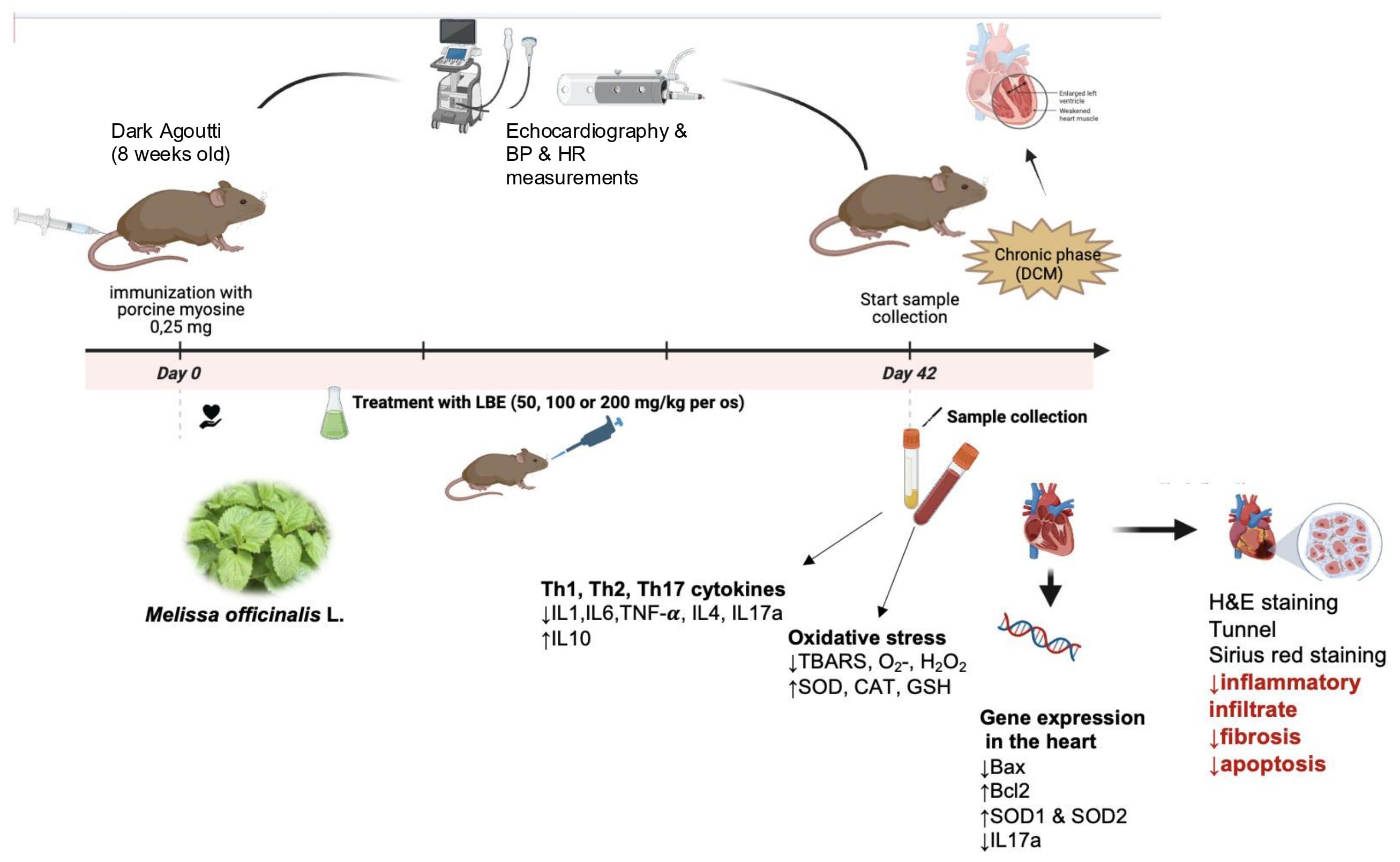
Due to the complex pathophysiology and serious outcomes of autoimmune myocarditis, we sought to determine whether ethanolic lemon balm extract (LBE) could attenuate disease progression and development of dilative cardiomyopathy (DCM). EAM was induced in Dark Agouti rats by immunization with porcine myosin. Fifty animals were allocated to five groups: healthy controls, untreated EAM, and EAM treated with LBE (50, 100, or 200 mg/kg) for six weeks. Hemodynamic parameters were monitored, and echocardiography assessed cardiac structure and function. Inflammatory, oxidative, fibrotic, and apoptotic markers were analyzed. Immunological profiling revealed that LBE significantly decreased proinflammatory cytokines (IL-1, IL-6, TNF-α, IL-4, IL-17) while restoring anti-inflammatory IL-10 levels (p < 0.05). Antioxidant activity was confirmed by reduced levels of O2, H2O2, and TBARS, accompanied by significant increases in SOD, CAT, and GSH activity (p < 0.05), and upregulation of SOD1 and SOD2 gene expression. Additionally, LBE (200 mg/kg) markedly reversed fibrotic remodeling through suppression of TGF-β expression and collagen deposition, as shown by Sirius Red staining, and mitigated apoptosis by modulating Bax/Bcl-2 balance and reducing TUNEL-positive cells. Collectively, these findings suggest that LBE exerts strong cardioprotective effects in EAM by regulating inflammatory, oxidative, fibrotic, and apoptotic pathways, thereby preventing myocarditis progression toward DCM. Full article
(This article belongs to the Special Issue Pharmacological Research on Autoimmune Disease)
Show Figures

Graphical abstract

26 pages, 6770 KB  
Article
Predictive Modeling and SHAP-Based Interpretability of Manganese and Iron Dissolution in Multi-Acid Leaching Systems Using Hybrid Machine Learning
by Emrah Kuzu, Soner Top, Sait Kursunoglu and Mahmut Altiner
Processes 2026, 14(11), 1716; https://doi.org/10.3390/pr14111716 (registering DOI) - 25 May 2026
Abstract
Hydrometallurgical leaching processes contain complex and nonlinear parameter interactions that are difficult to capture with conventional empirical models. In this study, a multiple hybrid machine learning approach was developed to predict manganese (Mn) and iron (Fe) dissolution efficiency in leaching systems and performed [...] Read more.
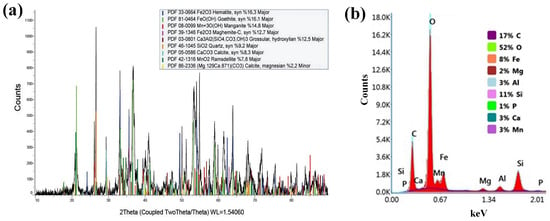
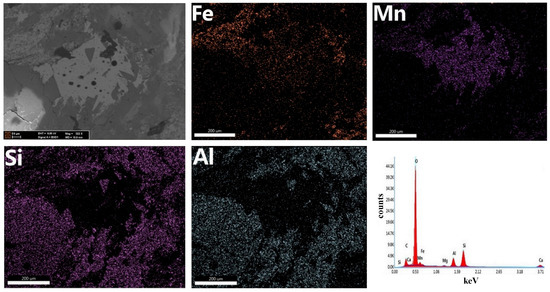
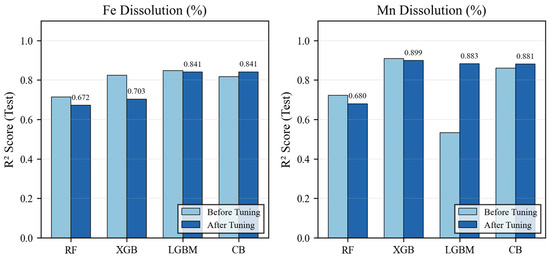
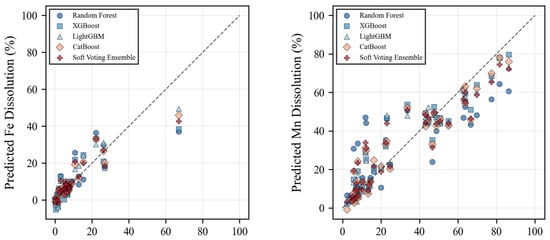
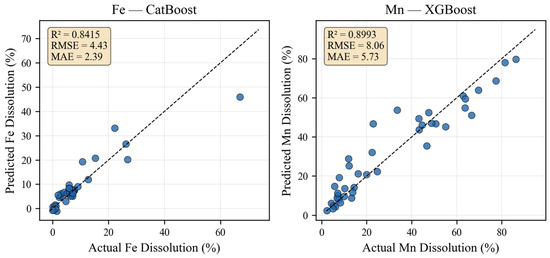
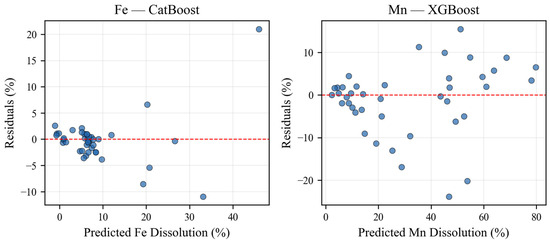
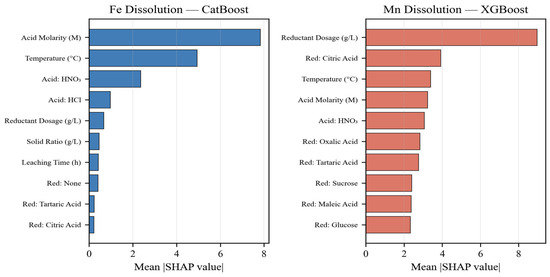
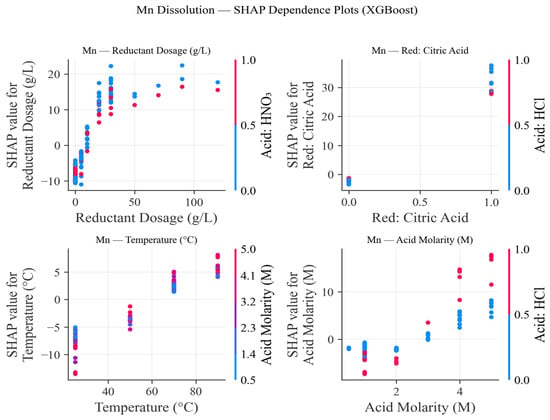
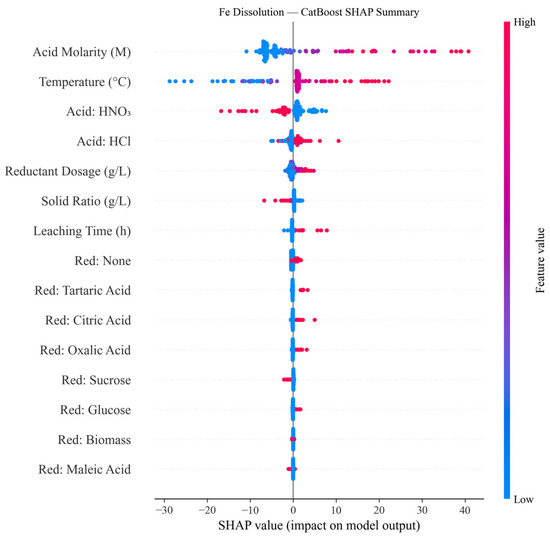
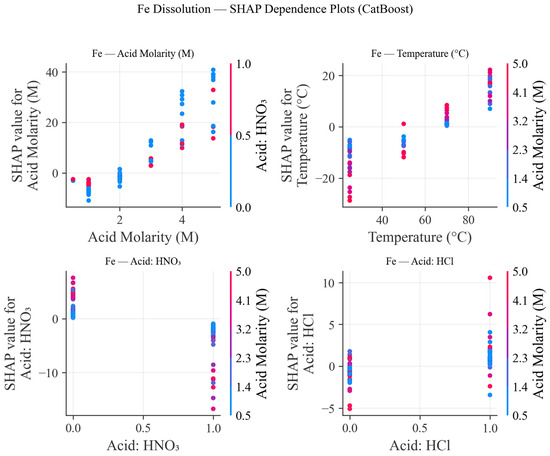
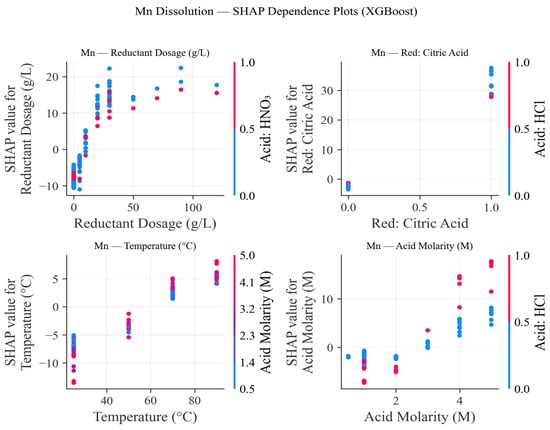
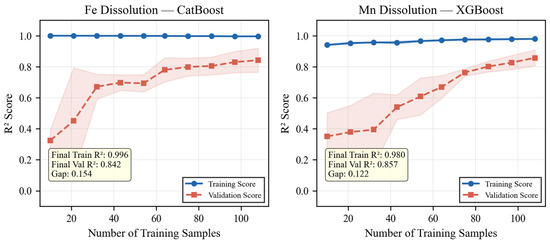
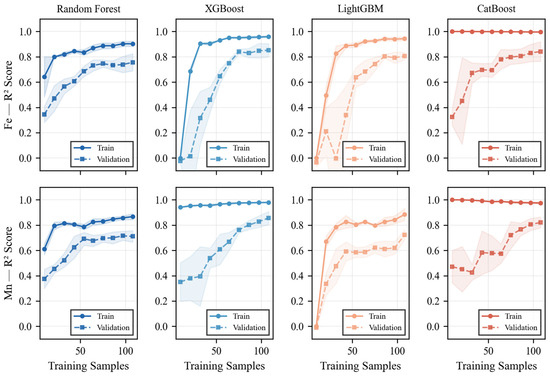
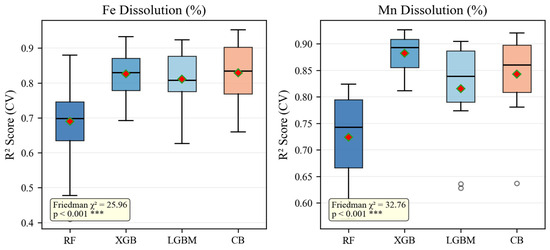
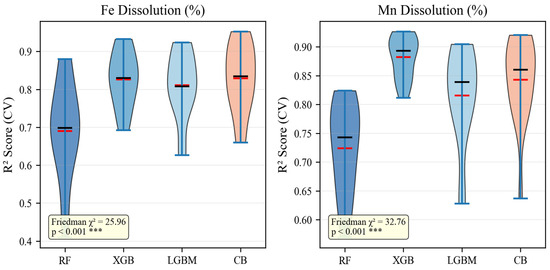
Hydrometallurgical leaching processes contain complex and nonlinear parameter interactions that are difficult to capture with conventional empirical models. In this study, a multiple hybrid machine learning approach was developed to predict manganese (Mn) and iron (Fe) dissolution efficiency in leaching systems and performed using sulfuric acid (H2SO4), hydrochloric acid (HCl), and nitric acid (HNO3). A large-format dataset consisting of 204 independent leaching experiments was generated in which acid type, acid concentration (0.5–5 M), temperature (25–90 °C), solid/liquid ratio (100–200 g/L), leaching time (1–4 h), and eight different reducing agent types were systematically varied. XGBoost, LightGBM, CatBoost, and Random Forest algorithms were individually trained and subsequently combined with a Soft Voting Ensemble architecture. Hyperparameters were optimized using the RandomizedSearchCV method with 3-fold cross-validation. The XGBoost model achieved the highest prediction accuracy for Mn dissolution (R2 = 0.8993, RMSE = 8.06%), while CatBoost demonstrated the best performance in Fe dissolution (R2 = 0.8415, RMSE = 4.43%). SHAP analysis suggested that the dosage and type of reducing agents are the most influential predictive features for Mn dissolution, while acid molarity and temperature were identified as the dominant predictors for Fe leaching. Friedman test confirmed that performance differences among both Mn and Fe models were statistically significant (Mn: χ2 = 32.76, p < 0.001; Fe: χ2 = 25.96, p < 0.001). The developed models contribute significantly to hydrometallurgical process optimization by predicting the nonlinear effects of leaching parameters on metal dissolution with high accuracy. This study presents a comprehensive and interpretable machine learning framework supported by an extensive experimental dataset, a substantial portion of which has not been previously utilized or comparatively analyzed within a unified multi-acid framework, enabling systematic modeling of selective Mn–Fe dissolution across multiple acid systems and reducing agents. Full article
(This article belongs to the Special Issue Advanced Technologies in Mineral Processing and Extractive Metallurgy)
Show Figures

Figure 1

24 pages, 318 KB  
Article
Disentangling the Macro-Effects of Foreign Aid: The Role of Institutional Conditions in 132 Recipient Countries
by Paulo Francisco, Sandrina B. Moreira and Jorge Caiado
World 2026, 7(6), 89; https://doi.org/10.3390/world7060089 (registering DOI) - 25 May 2026
Abstract
This study revisits the debate surrounding the impact of Official Development Assistance (ODA), also known as foreign aid, on two macro-indicators: economic growth and child mortality. Unlike previous studies, which assessed the interaction of aid with composite indicators of recipient countries, this study [...] Read more.
This study revisits the debate surrounding the impact of Official Development Assistance (ODA), also known as foreign aid, on two macro-indicators: economic growth and child mortality. Unlike previous studies, which assessed the interaction of aid with composite indicators of recipient countries, this study examines the impacts of individual recipient factors, such as corruption, democracy, income, wars and exports. To overcome the issue of an inverse causal relationship potentially existing between the amount of aid received and macro-performance, a model of donor aid allocation is specified within an instrumental variables framework. The results show that ODA is more likely to be positively associated with economic growth in countries with lower levels of corruption. This positive association is evident when the level of corruption is at least one standard deviation lower than the recipient’s average. The interaction of ODA with recipients’ levels of democracy, income, wars or exports does not show a significant association with growth. The association between ODA and child mortality appears to be generally more significant, with a positive sign, than that obtained for economic growth, although the magnitude is relatively modest. Full article
(This article belongs to the Special Issue Public Policy and Sustainable Development: Regional Perspectives)
16 pages, 1480 KB  
Article
Assessment of Thermal Stability and Surface Morphology of Modern Flat Leather Belts
by Piotr Krawiec, Grzegorz Domek, Radomir Majchrowski, Michał Jakubowicz and Adam Piasecki
Appl. Sci. 2026, 16(11), 5299; https://doi.org/10.3390/app16115299 (registering DOI) - 25 May 2026
Abstract
Flat leather belts were the first to be used in drive and transport technology and were later replaced by plastic belts. Recently, there has been a return to hybrid designs, where belts are constructed as a “sandwich” with a technical leather outer layer [...] Read more.
Flat leather belts were the first to be used in drive and transport technology and were later replaced by plastic belts. Recently, there has been a return to hybrid designs, where belts are constructed as a “sandwich” with a technical leather outer layer and a polyamide or TPU inner core. This study analyses the thermal behavior of a modern leather belt transmission as a function of braking torque at different rotational speeds of the active pulley. A linear temperature response was observed, with temperature differences between the passive and active belts of 4 °C at 500 rpm (R2 = 0.93), 5.4 °C at 1000 rpm (R2 = 0.96), and 4 °C at 1500 rpm (R2 = 0.98). Due to the specific structure of the outer layer, non-contact surface measurement methods were applied. Surface topography analysis showed only minor changes in average roughness, with Sq = 37.8 µm (new belt) and 37.9 µm (used belt) and Sa decreasing from 26.5 µm to 25.1 µm. However, clear morphological changes were observed: Ssk decreased from 2.63 to 2.00, Sku from 14.3 to 8.19, Sp from 449 µm to 308 µm, and Sz from 557 µm to 400 µm, indicating reduced peak sharpness after wear. Profile parameters increased after operation, with Ra rising from 18.6 µm to 21.9 µm, Rq from 26.7 µm to 30.7 µm, and Rz from 116 µm to 143 µm. Microscopy confirmed wear-related smoothing and fragmentation of surface asperities. The results demonstrate that the applied methods are effective for evaluating thermal response and wear mechanisms in modern leather composite belts. Full article
(This article belongs to the Special Issue Surface Metrology in Advanced and Precision Manufacturing)
60 pages, 1332 KB  
Review
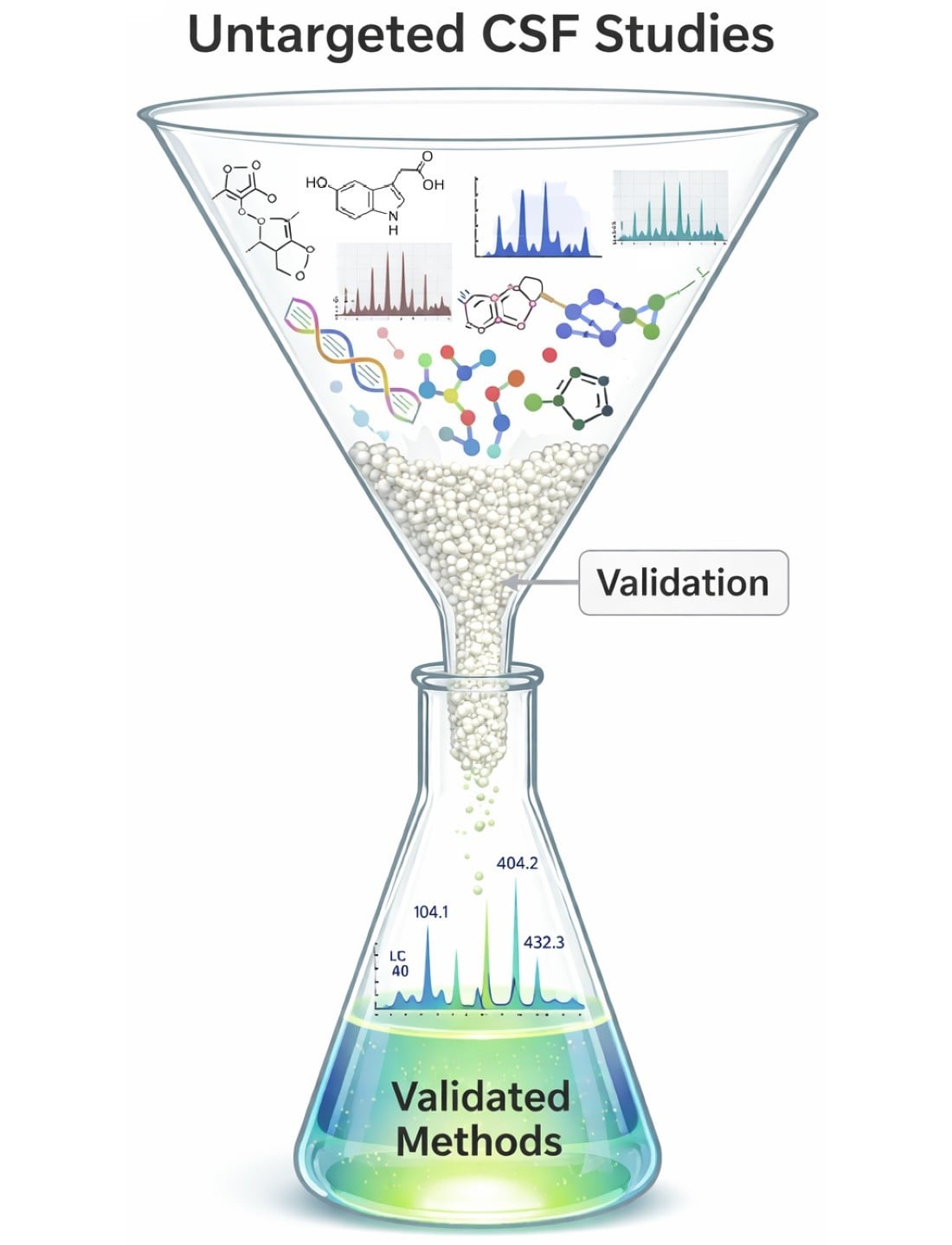
Untargeted and Targeted Cerebrospinal Fluid Neurometabolomics via Chromatography–Mass Spectrometry-Based Methods
by Alisa K. Pautova
Molecules 2026, 31(11), 1822; https://doi.org/10.3390/molecules31111822 (registering DOI) - 25 May 2026
Abstract
Neuroscience is a rapidly advancing field; however, a comprehensive understanding of brain function at the molecular, cellular, and systems levels remains incomplete. Neurological and psychiatric disorders represent a major global health burden, highlighting the need for improved diagnostic and therapeutic strategies. Cerebrospinal fluid [...] Read more.
Neuroscience is a rapidly advancing field; however, a comprehensive understanding of brain function at the molecular, cellular, and systems levels remains incomplete. Neurological and psychiatric disorders represent a major global health burden, highlighting the need for improved diagnostic and therapeutic strategies. Cerebrospinal fluid (CSF) is one of the most informative biofluids for investigating central nervous system (CNS) pathology due to its close biochemical relationship with brain tissue. Recent advances in neurometabolomics, defined as the comprehensive analysis of small-molecule metabolites in CSF, have been driven by the development of highly sensitive and informative mass spectrometry-based techniques. These approaches enable the identification of disease-associated metabolic signatures. This review summarizes current chromatography–mass spectrometry-based methods used in both untargeted and targeted CSF metabolomics, with particular emphasis on their analytical performance, reproducibility, and limitations. Special attention is given to method standardization and validation, as well as to the identification of reliable metabolic biomarkers for the diagnosis and monitoring of neurological disorders, including neurodegenerative, psychiatric, oncological, and neuroinflammatory diseases. Full article
(This article belongs to the Special Issue Chromatography—The Ultimate Analytical Tool, 3rd Edition)
Show Figures

Graphical abstract

26 pages, 9524 KB  
Article
Simulation of a Range-Extended Electric Bus with a Fuel Cell Power Generator Under Low-Temperature Environments
by Jongbin Woo, Byeongrok Chu, Dinh Hoang Trinh and Sangseok Yu
Energies 2026, 19(11), 2545; https://doi.org/10.3390/en19112545 (registering DOI) - 25 May 2026
Abstract
The reduction in driving range during winter remains a major barrier to the widespread adoption of battery electric buses (BEBs), as battery performance degradation and increased Heating, Ventilation and Air Conditioning (HVAC) energy demand significantly raise total energy consumption. This study investigates the [...] Read more.
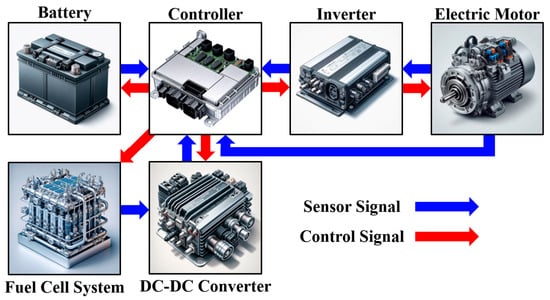
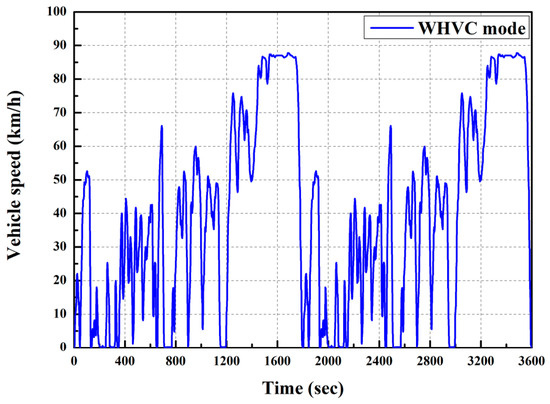
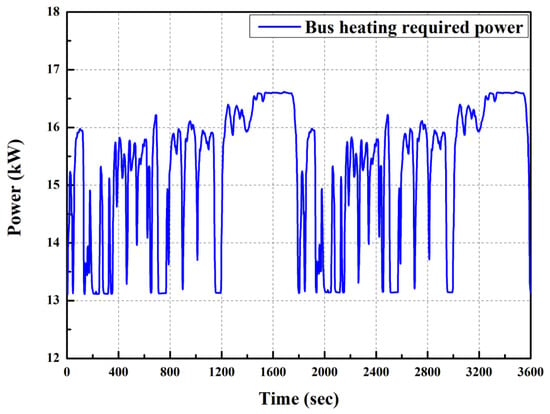
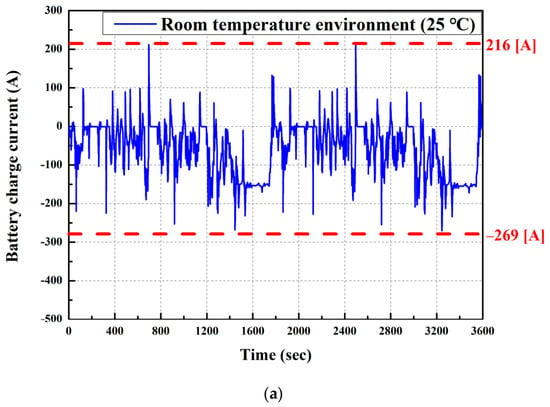
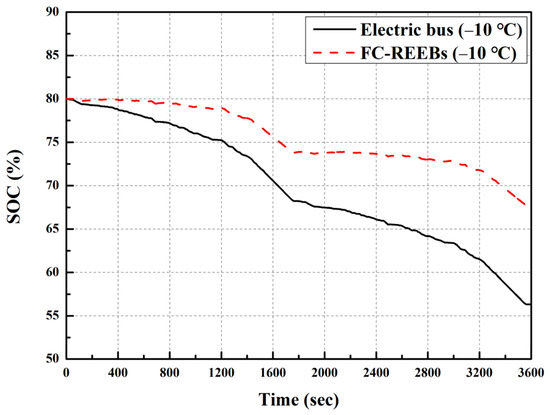
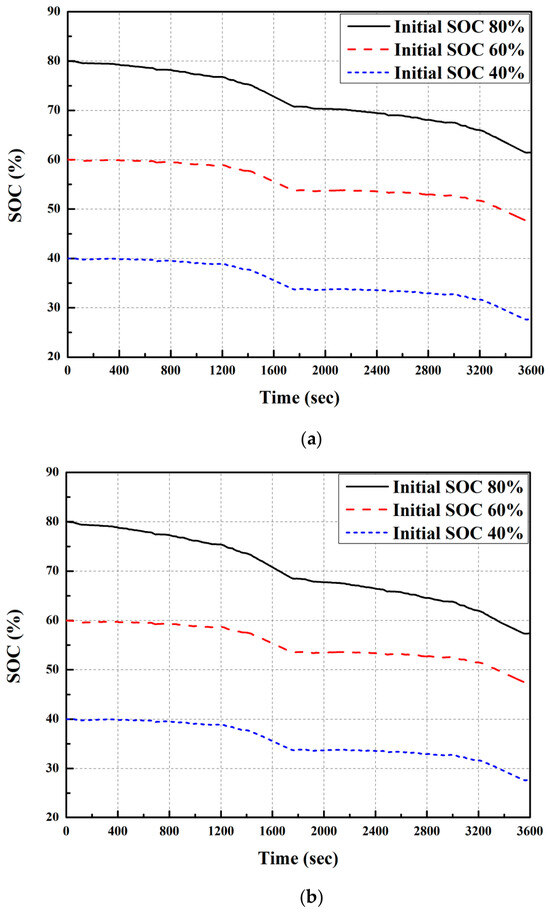
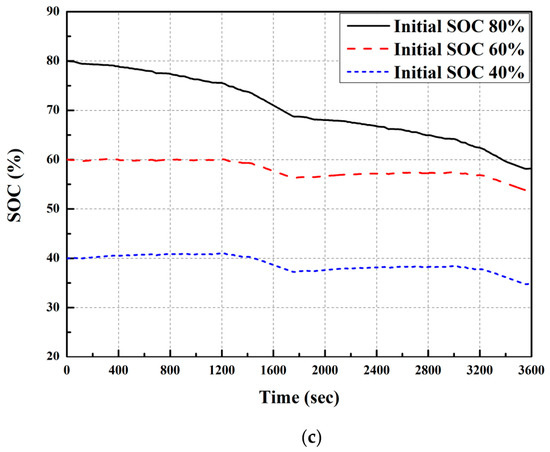
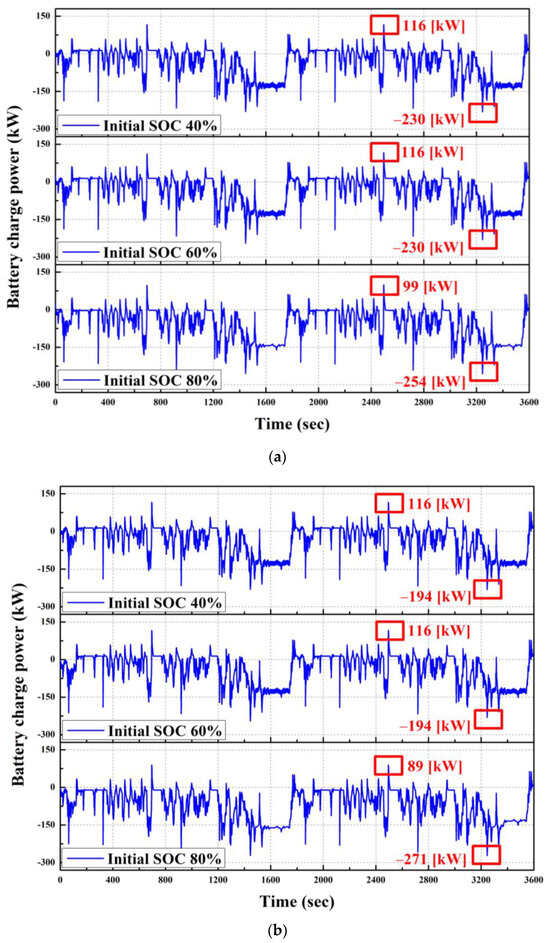
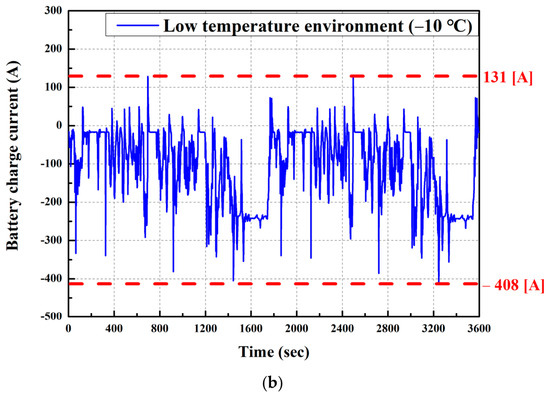
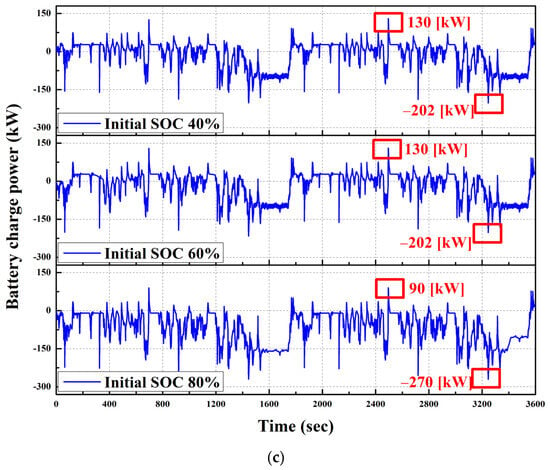
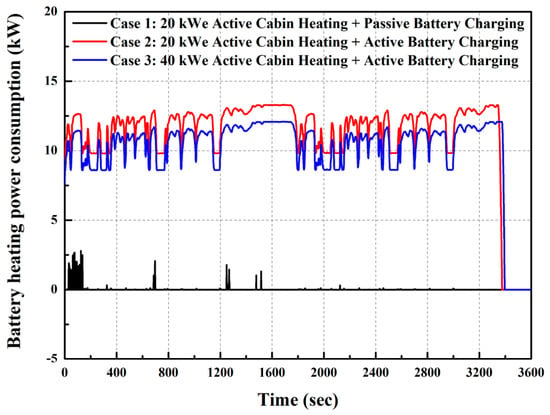
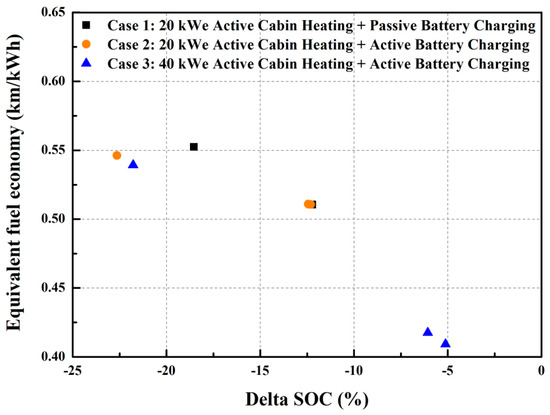
The reduction in driving range during winter remains a major barrier to the widespread adoption of battery electric buses (BEBs), as battery performance degradation and increased Heating, Ventilation and Air Conditioning (HVAC) energy demand significantly raise total energy consumption. This study investigates the use of proton exchange membrane fuel cells (PEMFCs) as auxiliary power units for range-extended electric buses (FC-REEBs) under low-temperature conditions to address this challenge. A comprehensive dynamic model was developed in MATLAB/Simulink 2025a version, integrating a fuel cell system, lithium-ion battery, power conversion unit, vehicle dynamics, and cabin thermal model. The model was evaluated under the World Harmonized Vehicle Cycle (WHVC) to compare three fuel cell operation strategies defined by fuel cell capacity and operating modes for cabin heating and battery charging. Performance was compared in terms of SOC variation, fuel cell loading patterns, hydrogen consumption, and equivalent fuel economy. Results indicate that the high-capacity strategy improves SOC stability but increases hydrogen consumption and reduces overall efficiency. In contrast, the strategy prioritizing cabin heating with minimal battery charging effectively utilizes waste heat and achieves the highest equivalent fuel economy. These findings highlight key trade-offs among different operating strategies and demonstrate that fuel cells can significantly enhance BEB efficiency and driving performance in cold environments while reducing battery load. Full article
(This article belongs to the Special Issue High-Performance and Sustainable Electrochemical Energy Conversion)
Show Figures

Figure 1

39 pages, 3046 KB  
Article
Polarization Recovery-Based Screening of Lithium-Ion Cells After Pulse Multisine Loading
by Adrienn Dineva
Electronics 2026, 15(11), 2291; https://doi.org/10.3390/electronics15112291 (registering DOI) - 25 May 2026
Abstract
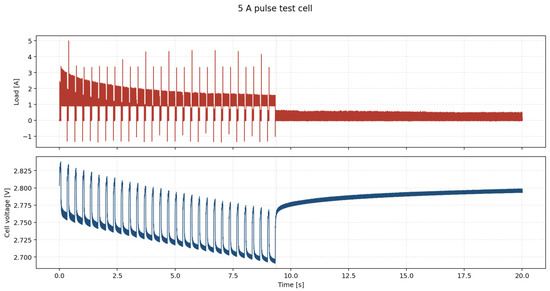
Fast and scalable lithium-ion cell diagnostics require measurements that are shorter and simpler than full impedance analysis, yet richer and more interpretable than single scalar resistance indicators or raw waveform classification alone. This paper introduces a practical recovery stamp screening method in which [...] Read more.
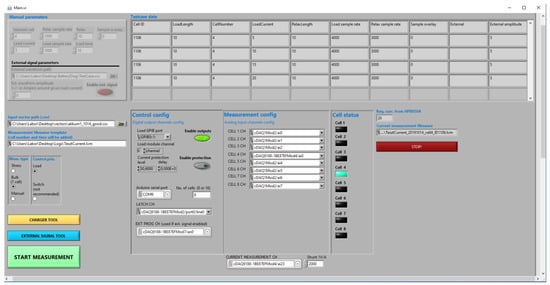
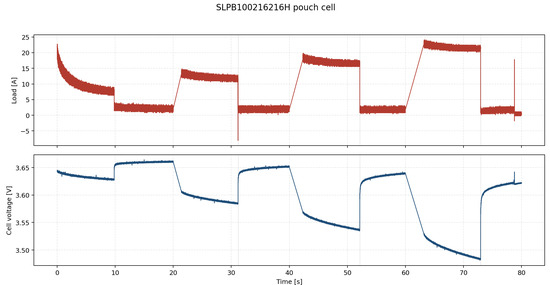
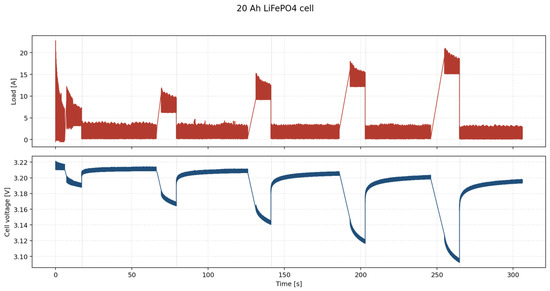
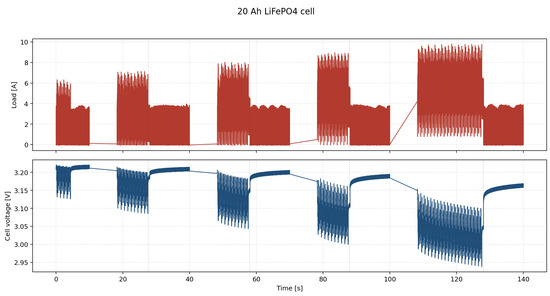
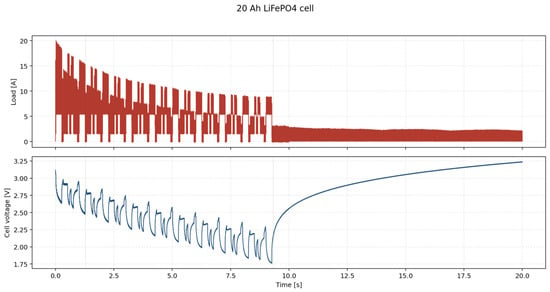
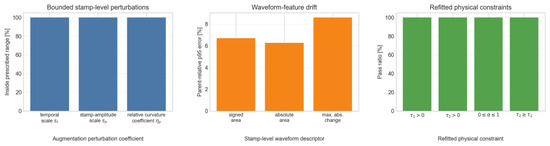
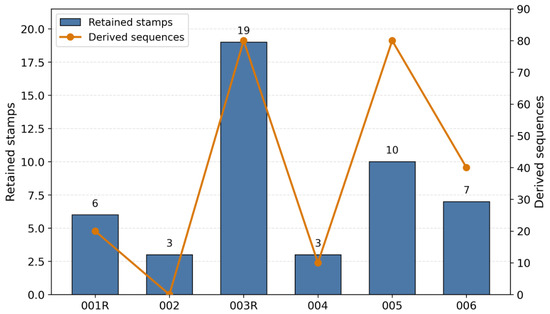
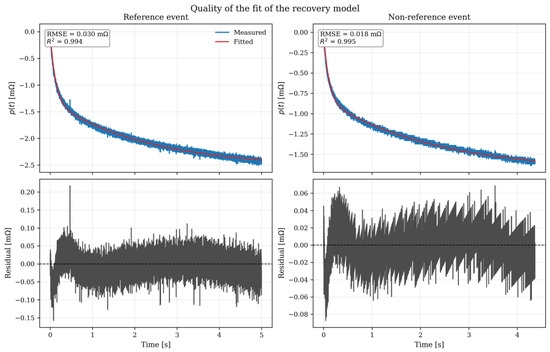
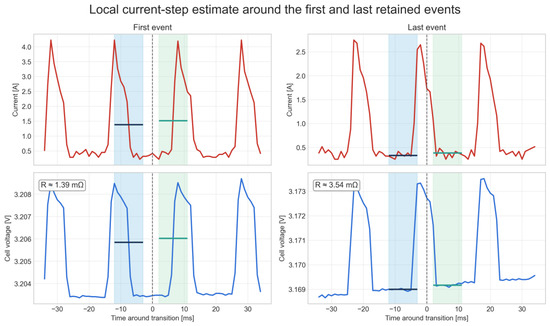
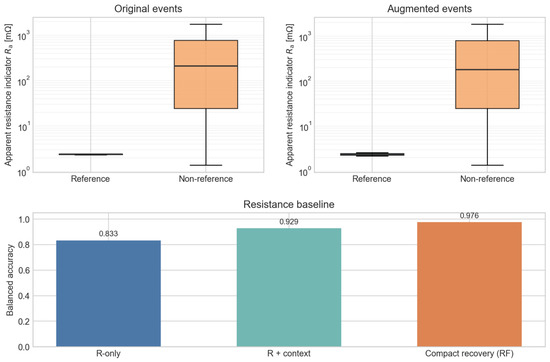
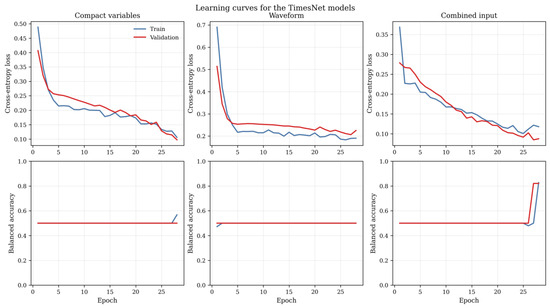
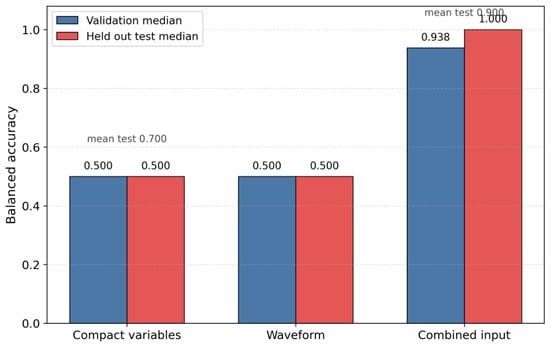
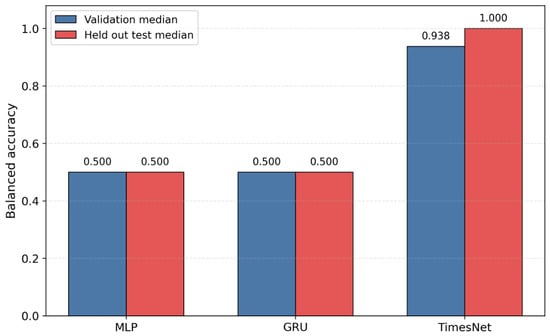
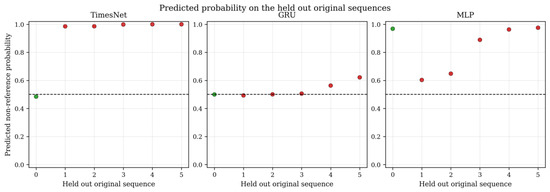
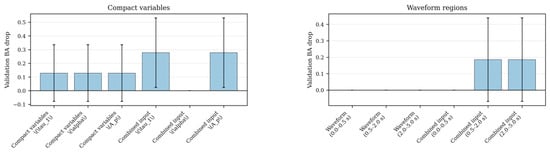
Fast and scalable lithium-ion cell diagnostics require measurements that are shorter and simpler than full impedance analysis, yet richer and more interpretable than single scalar resistance indicators or raw waveform classification alone. This paper introduces a practical recovery stamp screening method in which short post-load voltage recovery intervals after pulse and pulse–multisine excitation are treated as compact diagnostic events, rather than as single resistance-like indices or parameter identification segments. For this purpose, a constrained two-timescale relaxation model is introduced to retain fast and slower recovery contributions in a low-dimensional form. Using laboratory measurements on two lithium-ion pouch cell families based on nickel manganese cobalt oxide (NMC)/graphite and LiFePO4/graphite chemistry, each retained load removal event is converted into a signed, current-normalized recovery curve and parameterized by the proposed model. The fitted parameters provide a compact, physics-informed recovery state, while the resampled local waveform preserves transition morphology and short-time relaxation structure that are not fully retained by compact variables alone. These two inputs are evaluated separately and jointly in ordered event sequences under a reference-centered binary screening formulation. The curated dataset comprises 48 original recovery events. Local label-preserving augmentation is applied as training-side regularization, yielding 490 event instances and 230 event sequences. A scalar recovery-amplitude baseline has reached balanced accuracies of 0.833 without and 0.929 with operating context, whereas the best deep learning result is obtained only when fitted variables and waveform are combined. In that setting, TimesNet has reached a median validation balanced accuracy of 0.938. These findings show that post-load polarization recovery contains diagnostically useful information beyond scalar amplitude measures and can support rapid, interpretable reference-deviation screening. Full article
Show Figures

Figure 1

29 pages, 5047 KB  
Review
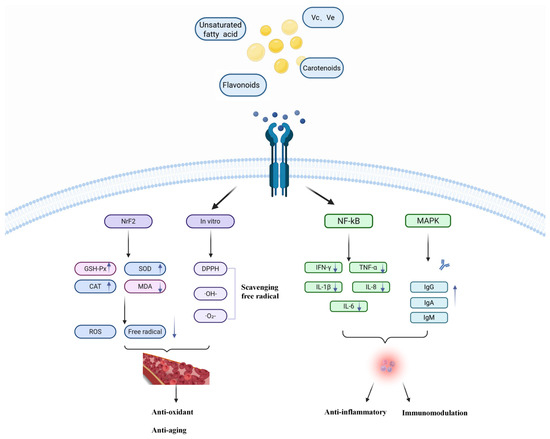
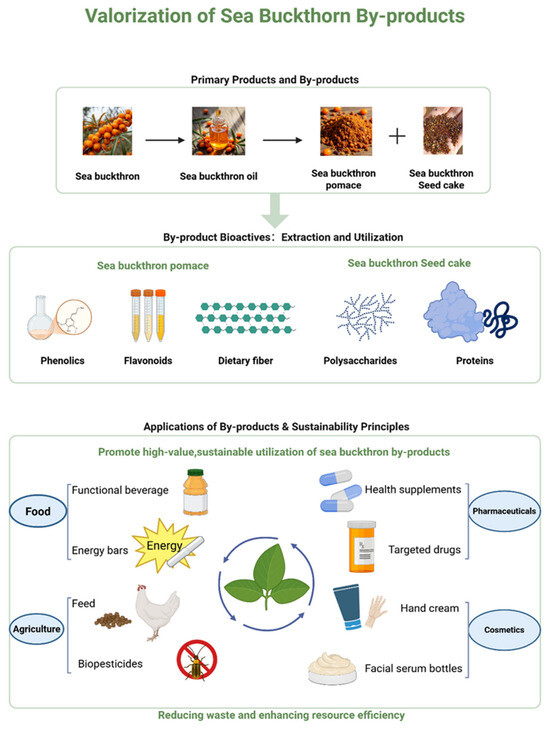
From Nutritional Profile to Circular Bioeconomy: A Review of Sea Buckthorn Oil and By-Product Valorization
by Xiaojing Jiang, Menghuan Sun, Wenqi Deng, Min Zhu, Liang Wang, Li Zheng, Jun Xing and Jingyang Hong
Foods 2026, 15(11), 1873; https://doi.org/10.3390/foods15111873 (registering DOI) - 25 May 2026
Abstract
Background: This review summarizes the current knowledge on the composition, bioactive constituents, health-related effects, and by-product utilization of sea buckthorn (Hippophaë rhamnoides L.) seed and pulp oils. Review approach: This review covers studies on fatty acid composition, minor bioactive compounds, antioxidant and [...] Read more.
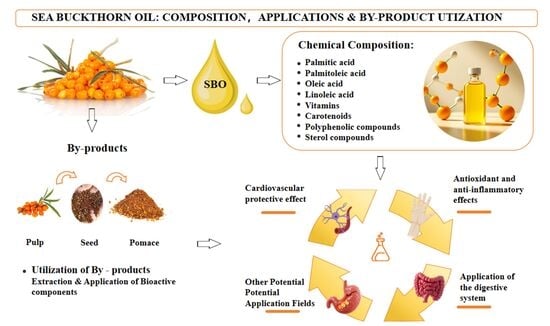
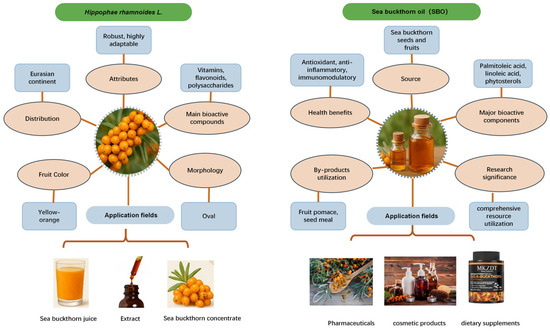
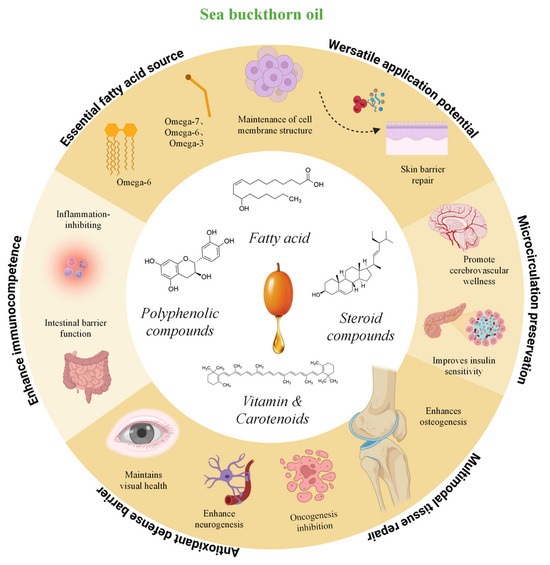
Background: This review summarizes the current knowledge on the composition, bioactive constituents, health-related effects, and by-product utilization of sea buckthorn (Hippophaë rhamnoides L.) seed and pulp oils. Review approach: This review covers studies on fatty acid composition, minor bioactive compounds, antioxidant and anti-inflammatory activities, lipid metabolism-related effects, and the valorization of processing by-products, with evidence primarily derived from in vitro and in vivo studies. Results: Sea buckthorn produces two distinct oils: seed oil, characterized by high levels of polyunsaturated fatty acids, tocopherols, and phytosterols, and pulp oil, which is rich in palmitoleic acid and carotenoids. These compositional differences contribute to their antioxidant, anti-inflammatory, and lipid-regulating activities. In addition, the utilization of by-products, particularly polyphenol- and fiber-rich residues, has gained increasing attention for improving resource efficiency and sustainability of the industry. Conclusions: Sea buckthorn oil is a promising source of functional lipids and bioactive compounds. However, current evidence is largely based on experimental studies, and further research is needed to clarify the mechanisms of action, bioavailability, dose–response relationships, and clinical efficacy. Advances in green extraction technologies and integrated utilization strategies may further support the sustainable development of sea buckthorn resources. Full article
(This article belongs to the Section Plant Foods)
Show Figures

Graphical abstract

37 pages, 3471 KB  
Article
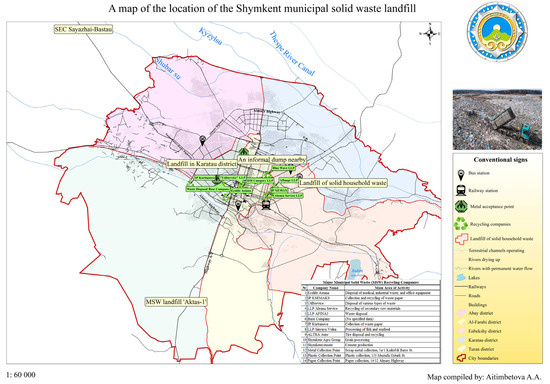
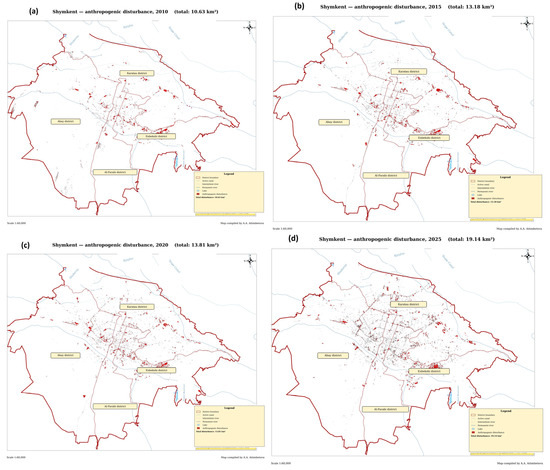
Sustainable Municipal Solid Waste Treatment in a Central Asian City: A Geographic Information System and Scenario-Based Framework for Technology Prioritization in Shymkent, Kazakhstan
by Akbota Aitimbetova and Zhaksylyk Pernebayev
Sustainability 2026, 18(11), 5318; https://doi.org/10.3390/su18115318 (registering DOI) - 25 May 2026
Abstract
Sustainable municipal solid waste (MSW) treatment in rapidly urbanizing secondary cities requires evidence-based, district-level prioritization of technologies. We integrate GIS hotspot mapping, Random Forest, and AnyLogic System Dynamics into a decision-support framework and apply it to Shymkent, Kazakhstan (population 1.19 million; ≈301,400 tonnes [...] Read more.
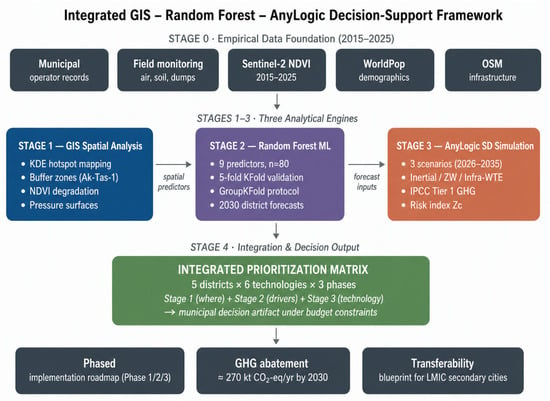
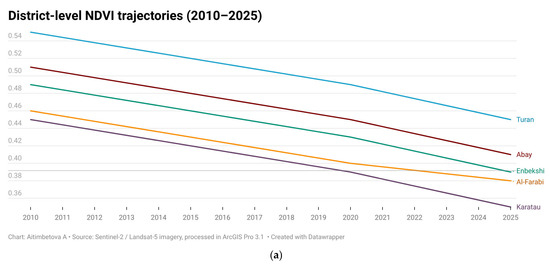
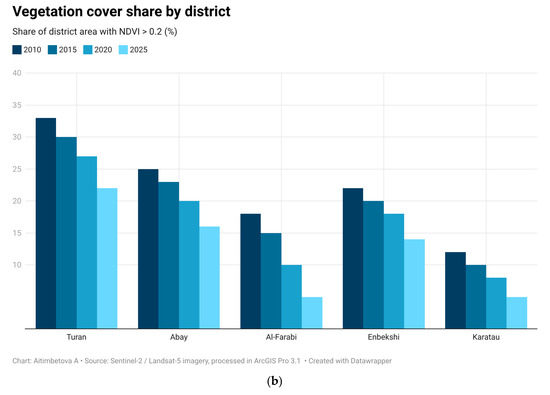
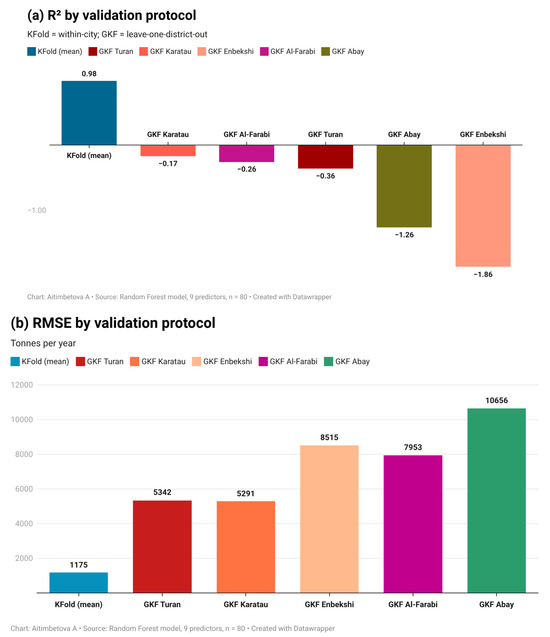
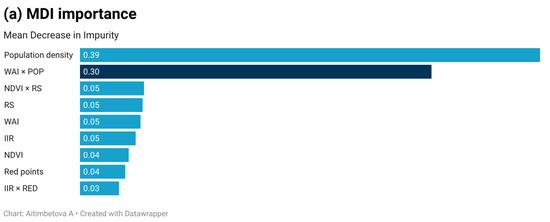
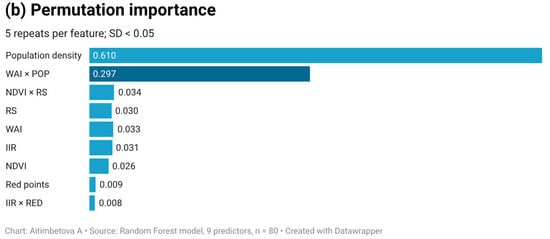
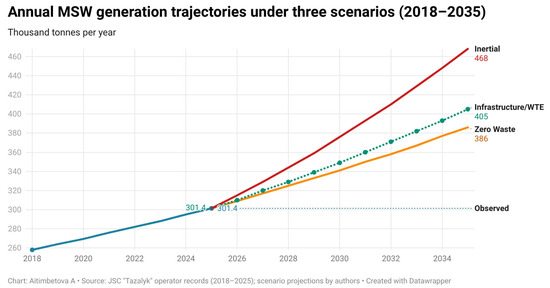
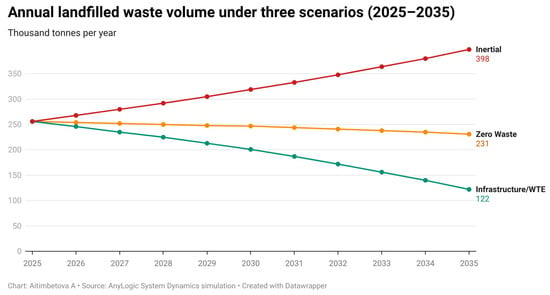
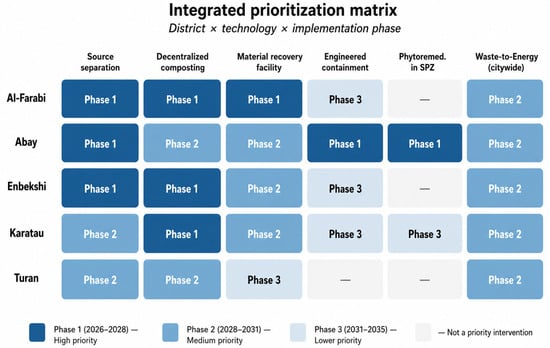
Sustainable municipal solid waste (MSW) treatment in rapidly urbanizing secondary cities requires evidence-based, district-level prioritization of technologies. We integrate GIS hotspot mapping, Random Forest, and AnyLogic System Dynamics into a decision-support framework and apply it to Shymkent, Kazakhstan (population 1.19 million; ≈301,400 tonnes of MSW in 2025). This is the first application of such a framework to MSW management in a Kazakhstani secondary city and, to our knowledge, the first regional application across Central Asia; the integration concept has prior precedents in Latin American, South Asian, and East Asian metropolitan studies, and the present contribution lies in empirical calibration to a Central Asian upper-middle-income context using 2015–2025 morphological audits, air-quality and soil monitoring, and Sentinel-2 NDVI. Random Forest (n = 80, 9 predictors) achieved R2 = 0.976 ± 0.011 under 5-fold cross-validation; a complementary GroupKFold protocol confirms the model is Shymkent-calibrated while the methodology remains transferable. AnyLogic simulation shows an Infrastructure/Waste-to-Energy pathway reduces the 2030 annual landfilled volume to ≈201 kt, environmental risk by 70%, and methane emissions by 86% (≈270 kt CO2-eq/year) relative to the Inertial baseline. The principal deliverable is a District × Technology × Phase prioritization matrix for sequencing sustainable investment under realistic budget constraints. Full article
(This article belongs to the Special Issue Advances in Research on Sustainable Waste Treatment and Technology)
Show Figures

Figure 1

19 pages, 2506 KB  
Article
Biophysical Diffusion MRI Models Better Identify White Matter Tracts in Edema
by Isaac E. Prentiss, Sasha Hakhu, Jennapher Lingo VanGilder, Parvathy Hareesh, Andrew Hooyman, Jason Yalim, Justin Hines, Gabe LaFond, Edward Ofori, Leslie C. Baxter, Yuxiang Zhou, Leland S. Hu, Kurt G. Schilling and Scott C. Beeman
Tomography 2026, 12(6), 78; https://doi.org/10.3390/tomography12060078 (registering DOI) - 25 May 2026
Abstract
Background/Objectives: White matter (WM) tract detection is critical in the presurgical planning of tumor resection. However, standard-of-care imaging techniques including T1-weighted, T2-weighted, and Diffusion Tensor Imaging (DTI) often fail to identify WM tracts within edematous regions. In T1 [...] Read more.
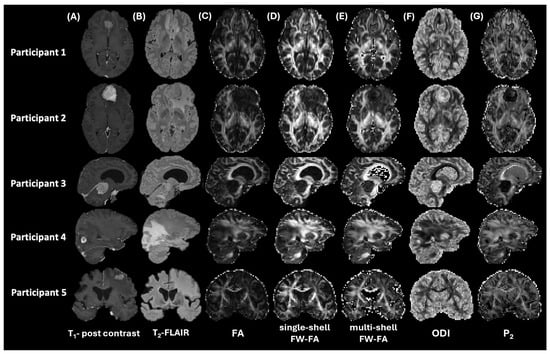
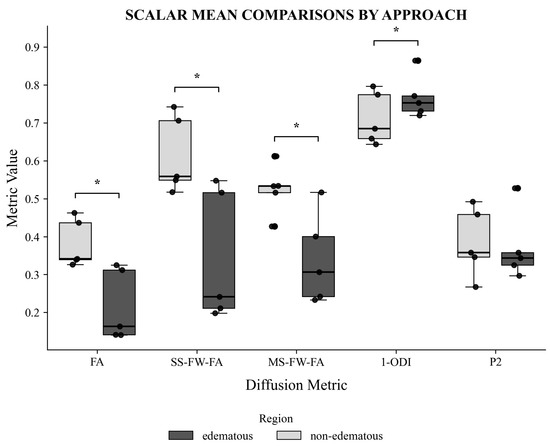
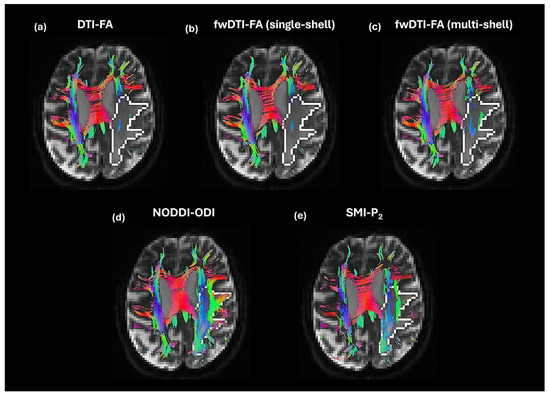
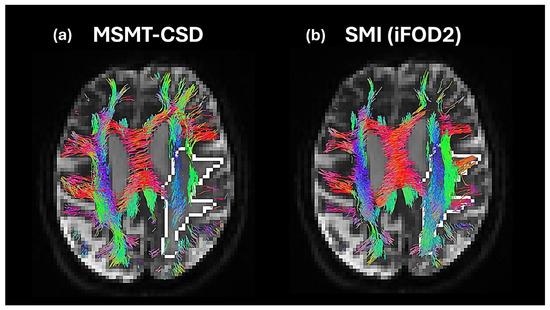
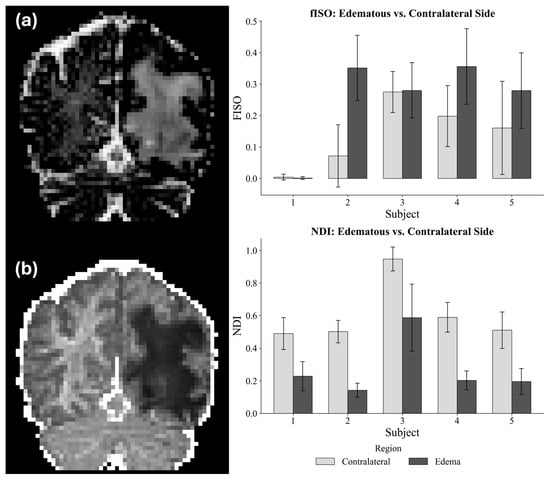
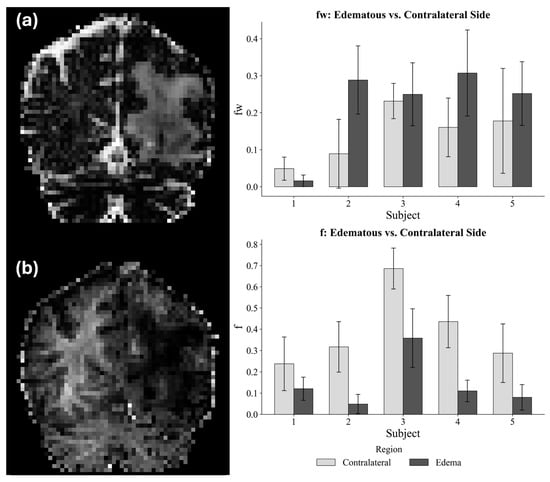
Background/Objectives: White matter (WM) tract detection is critical in the presurgical planning of tumor resection. However, standard-of-care imaging techniques including T1-weighted, T2-weighted, and Diffusion Tensor Imaging (DTI) often fail to identify WM tracts within edematous regions. In T1/T2-weighted imaging, edema increases extracellular water and reduces tissue contrast, and in diffusion-weighted imaging, edema elevates isotropic diffusion, reducing sensitivity to anisotropic diffusion along WM tracts. Advanced biophysical diffusion modeling techniques such as Neurite Orientation Dispersion and Density Imaging (NODDI) and the Standard Model (SM) address this limitation by compartmentalizing the diffusion signal into free-water, intra-neurite, and extra-neurite contributions. Here, we test if biophysical multi-compartment models can robustly identify WM tracts and recover tractography streamlines within edematous regions. Methods: In this study, we use multi-shell diffusion-weighted MRI data obtained from patients with meningiomas—a pathology allowing for isolation of the effects of edema without the confounding effects of tumor cell invasion. We compared FA from standard and free-water-corrected DTI, the orientation dispersion index (ODI) from NODDI, and P2 (a scalar descriptor of fiber orientation coherence) from the SM fODF in edematous and unaffected contralateral WM regions. As a proof of concept, we visually evaluated the tractography performance across models. Results: Our results show that (1 − ODI) and P2 values in edema remained close to within-subject contralateral measurements, contrasting with substantial reductions in FA and FW-FA. (1 − ODI) showed a small but statistically significant increase in edema (~8%, p = 0.02), while P2 was unchanged. Conclusions: These results highlight the potential of biophysical diffusion models for preoperative mapping in edema. Full article
(This article belongs to the Special Issue Imaging in Cancer Diagnosis)
Show Figures

Figure 1

27 pages, 553 KB  
Article
Understanding Attitudes, Benefits and Acceptance of Artificial Intelligence (AI) in Travel and Tourism: Evidence from Generation Z
by Petra Vašaničová, Kateryna Melnyk, Ivan Bukrieiev and Natalie Konkoľová
Tour. Hosp. 2026, 7(6), 150; https://doi.org/10.3390/tourhosp7060150 (registering DOI) - 25 May 2026
Abstract
This study examines the perceived usefulness, perceived benefits, and acceptance of artificial intelligence (AI) technologies in tourism, with a specific focus on Generation Z. Drawing on established technology acceptance frameworks, the research investigates how key perceptual factors influence the adoption of AI in [...] Read more.
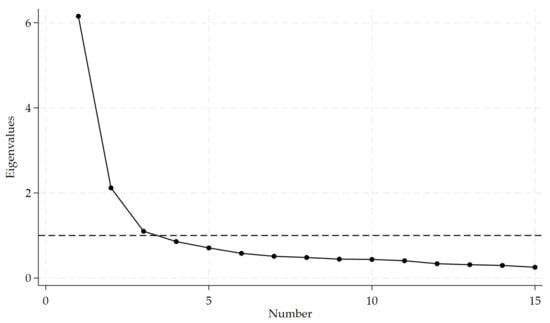
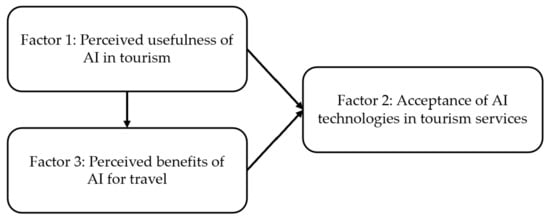
This study examines the perceived usefulness, perceived benefits, and acceptance of artificial intelligence (AI) technologies in tourism, with a specific focus on Generation Z. Drawing on established technology acceptance frameworks, the research investigates how key perceptual factors influence the adoption of AI in travel planning and tourism services. The empirical analysis is based on a questionnaire survey conducted among 531 university students from Slovakia. The study employs factor analysis, correlation analysis, regression modeling, and non-parametric tests to explore relationships between perceived usefulness, perceived benefits, acceptance, trust, and experience with AI technologies. The results reveal strong and statistically significant relationships among all three core constructs. However, regression analysis indicates that perceived usefulness does not directly influence acceptance when perceived benefits are included, suggesting a mediating effect. Perceived benefits emerge as the strongest predictor of acceptance, emphasizing the importance of experiential value, such as efficiency, personalization, and improved decision-making. Trust in AI-generated travel information and perceptions of AI’s contribution to quality of life significantly influence all constructs. Additionally, prior experience with AI tools positively affects user attitudes. The findings suggest that AI adoption can enhance tourism competitiveness and support tourism development, provided that trust, information quality, and human–technology balance are effectively managed. Full article
Show Figures

Figure 1

21 pages, 830 KB  
Review
Spatial Attributes and Level-Based Assessment of Age-Friendly Built Environments: A Scoping Review for Sustainable Urban Development
by Agnieszka Ptak-Wojciechowska
Sustainability 2026, 18(11), 5315; https://doi.org/10.3390/su18115315 (registering DOI) - 25 May 2026
Abstract
Despite an ageing society emerging as a global challenge, urban spaces still do not adequately address the spatial needs of older citizens. Numerous studies analyse built environment characteristics in relation to the mobility of older citizens, yet studies on the quality of older [...] Read more.
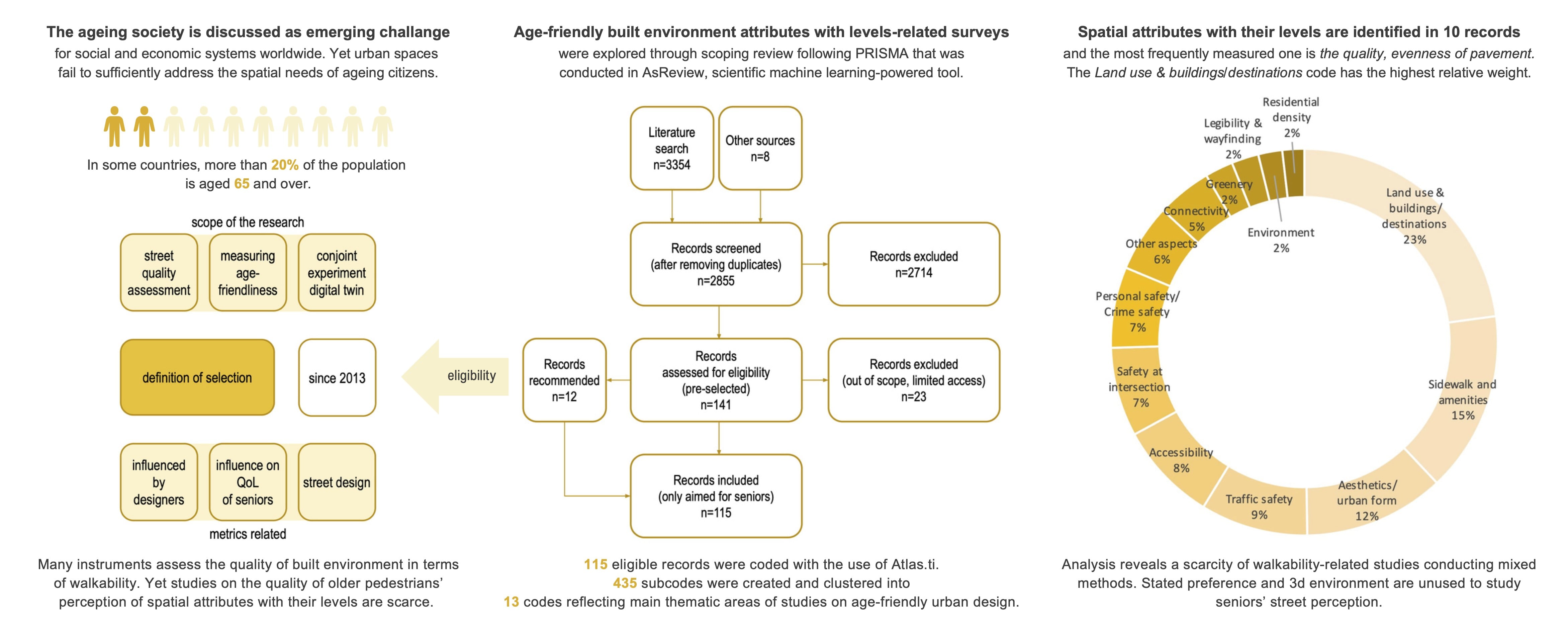
Despite an ageing society emerging as a global challenge, urban spaces still do not adequately address the spatial needs of older citizens. Numerous studies analyse built environment characteristics in relation to the mobility of older citizens, yet studies on the quality of older pedestrians’ perception of spatial attributes with their levels are scarce. This scoping review of 2855 records from 2013 to 2023, exported from Scopus and Web of Science, aimed to identify common patterns with respect to the aspects used in the assessment of the quality of urban spaces for older adults, with the emphasis placed on spatial attributes measured through different levels. Following PRISMA-ScR, the analysis was conducted in AsReview, a scientific tool using ML. Inclusion criteria were: peer-reviewed English-language journal articles and conference papers; the inclusion of spatial attributes in urban planning, measuring the perception of pedestrians, using a conjoint experiment, or urban digital twins; and taking into account an ageing society. The author performed the coding of 115 eligible records in four iterative rounds with the use of Atlas.ti. The findings show that Land Use & Buildings/Destinations, Sidewalk and Amenities, and Aesthetics/Urban Form were the most frequently occurring aspects. Attribute levels were proposed only in 10 records. No study incorporated stated preference and 3D walk-through environments to quantify older adults’ perception of walkability-related attributes. This represents a methodological gap for future research on older adults’ walkability perception. Urban planners and other decision-makers may use the findings of this study to support the design and management of age-friendly, sustainable, and inclusive street environments. Full article
(This article belongs to the Section Health, Well-Being and Sustainability)
Show Figures

Graphical abstract

23 pages, 3351 KB  
Article
A Complete Impedance-Based Characterization of a High-Frequency Transformer in Triple Active Bridge Converters for EV Onboard Chargers
by Ali Arshad, Giuseppe Bossi and Alfonso Damiano
Energies 2026, 19(11), 2547; https://doi.org/10.3390/en19112547 (registering DOI) - 25 May 2026
Abstract
This paper proposes an experimental methodology for the systematic determination of the equivalent circuit parameters of three winding high frequency transformers (3W-HFTs) for modeling the electrical behavior and the power losses of triple active bridge (TAB) power converters intended for onboard electric vehicle [...] Read more.
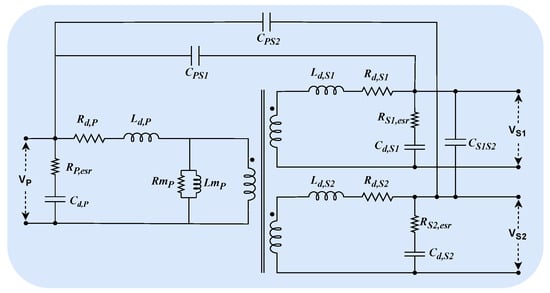
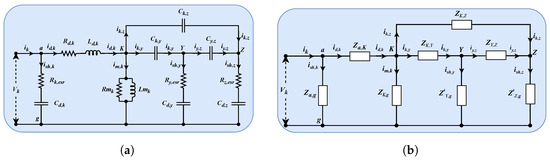
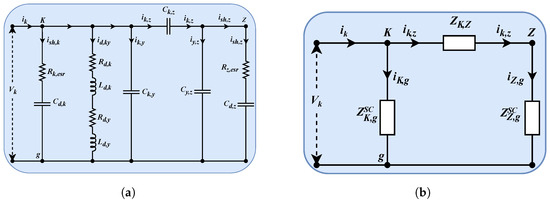
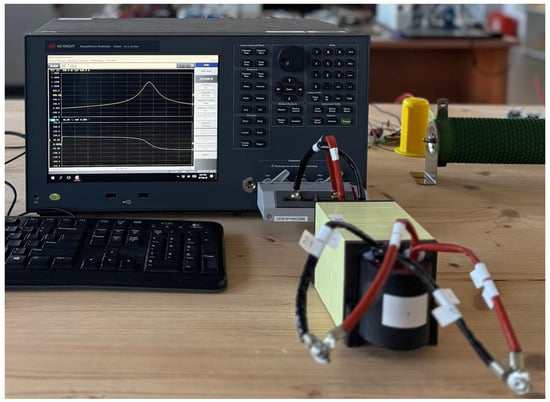
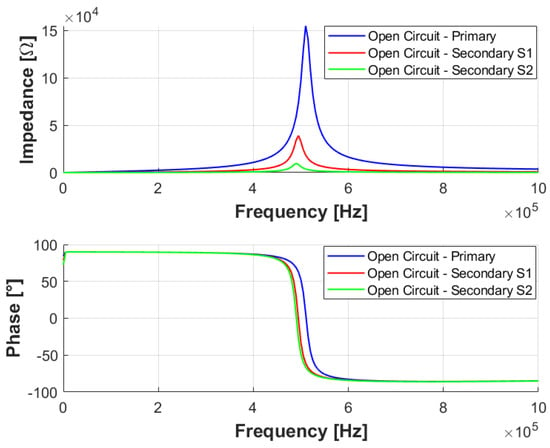
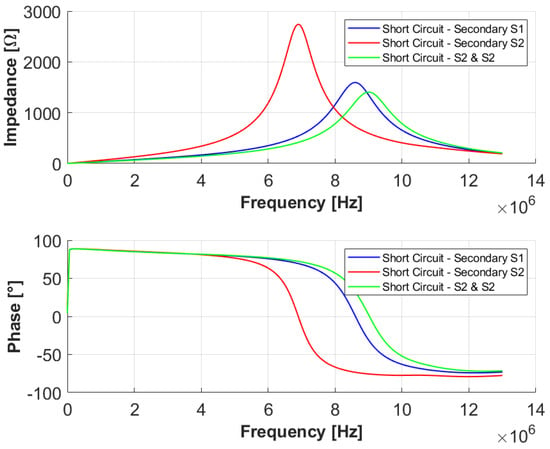
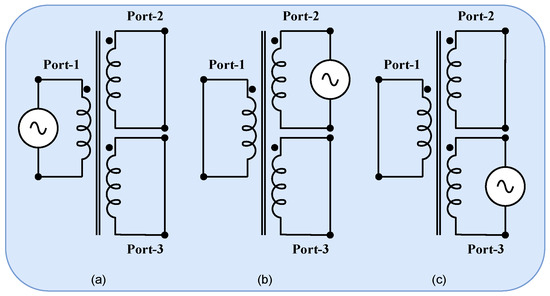
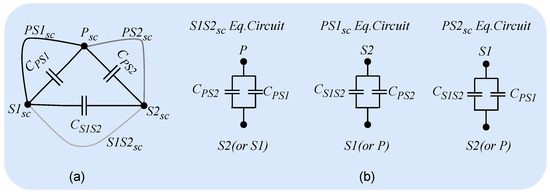
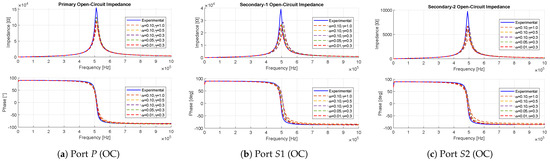
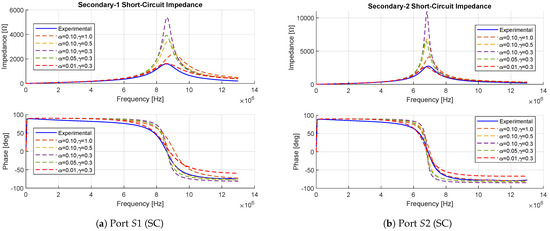
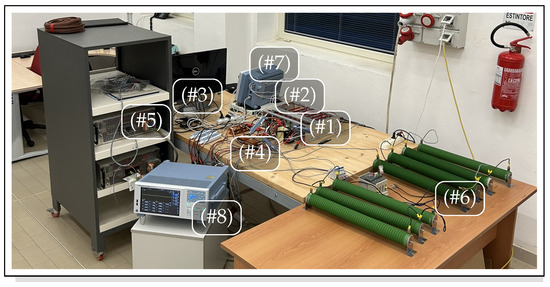
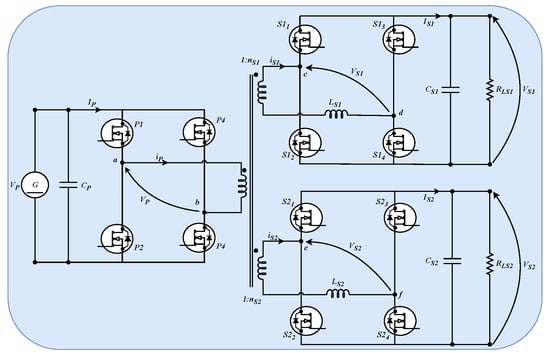
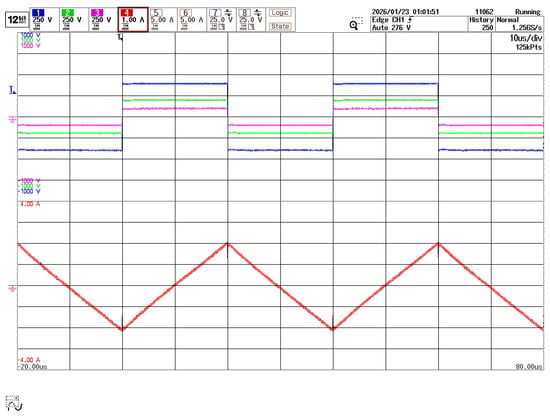
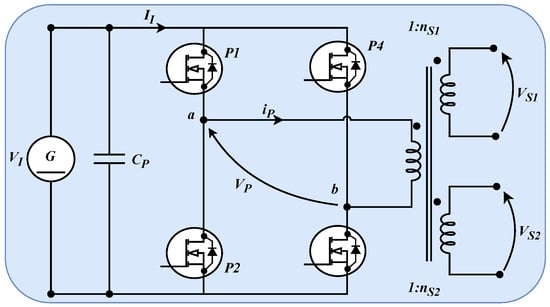
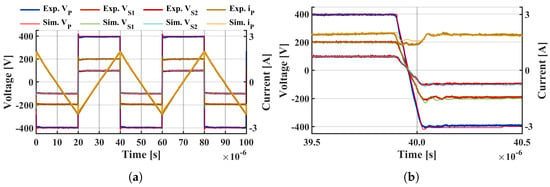
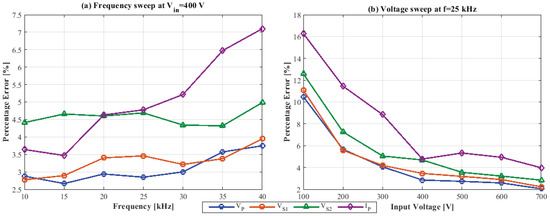
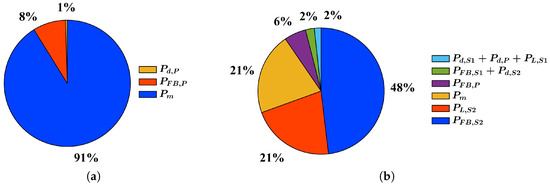
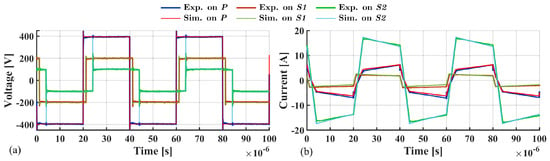
This paper proposes an experimental methodology for the systematic determination of the equivalent circuit parameters of three winding high frequency transformers (3W-HFTs) for modeling the electrical behavior and the power losses of triple active bridge (TAB) power converters intended for onboard electric vehicle charging applications. For modeling the 3W-HFTs, a comprehensive lumped element equivalent circuit is adopted, and its electrical and electromagnetic parameters are determined through a structured sequence of open-circuit and short-circuit measurements performed over a wide frequency range from 20 Hz to 13 MHz using a precision impedance analyzer to thoroughly investigate impedance resonance behavior, while wide-bandgap power electronic devices are employed. The comparison between the lumped element impedance model and the measured impedance responses demonstrates strong agreement in terms of both magnitude and phase across the frequency range under study. Furthermore, the comparison of simulation results and experimental measurements performed on a TAB prototype under both open-circuit and load operating conditions validates the 3W-HFT electrical characteristics and the estimation of TAB’s power losses distribution. The close consistency between experimental results and simulation outcomes confirms the effectiveness of the proposed characterization approach. Full article
(This article belongs to the Section F3: Power Electronics)
Show Figures

Figure 1

34 pages, 4920 KB  
Review
Microalgae-Based Treatment of Cheese Whey Wastewater for Circular Bioeconomy Applications
by Tugba Atatoprak-Gonçalves, Bruno Esteves and Luísa Cruz-Lopes
Sustainability 2026, 18(11), 5317; https://doi.org/10.3390/su18115317 (registering DOI) - 25 May 2026
Abstract
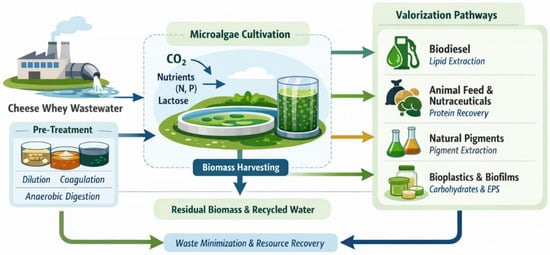
Cheese production generates large volumes of whey, and high-strength wastewater with elevated organic load, salinity, and nutrient content. Although whey contains valuable components including lactose, proteins, and minerals, approximately half of global production remains underutilized, contributing to eutrophication and oxygen depletion in aquatic [...] Read more.
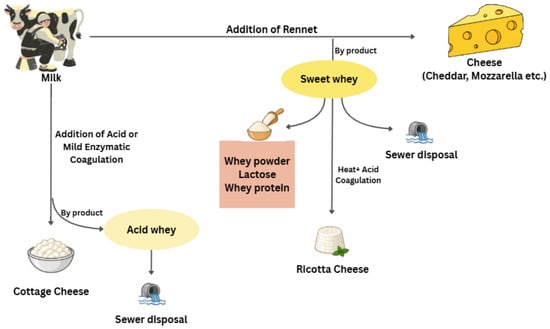
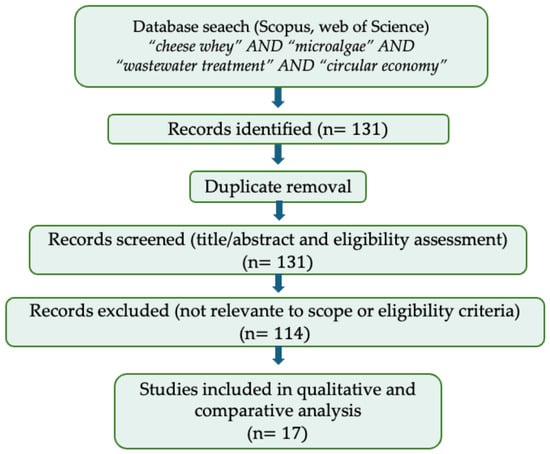
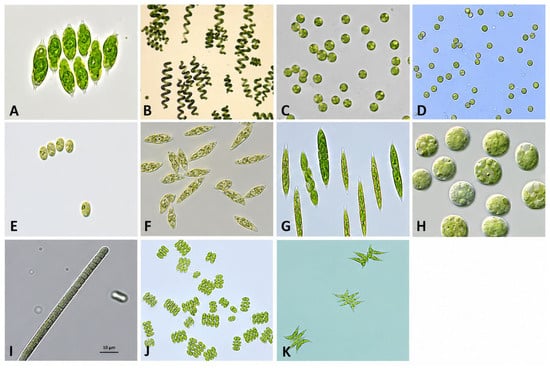
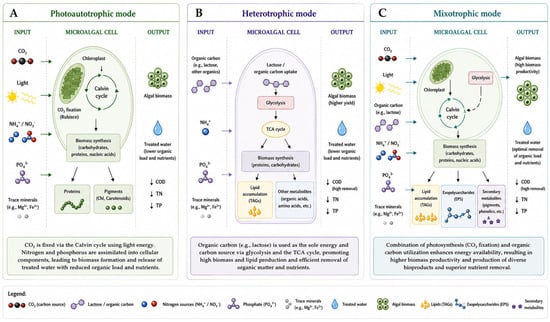
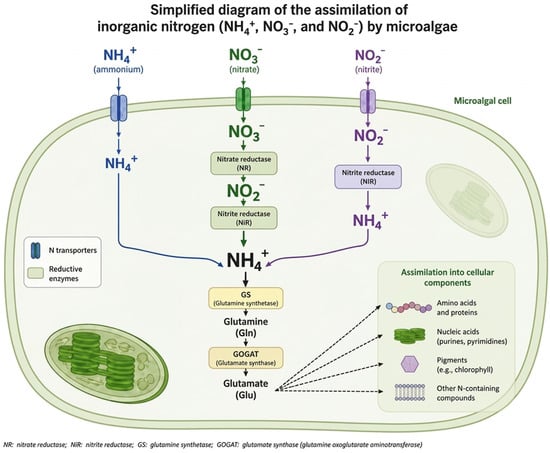
Cheese production generates large volumes of whey, and high-strength wastewater with elevated organic load, salinity, and nutrient content. Although whey contains valuable components including lactose, proteins, and minerals, approximately half of global production remains underutilized, contributing to eutrophication and oxygen depletion in aquatic ecosystems. Conventional physicochemical and biological treatment methods are limited by high operational costs, energy demands, and secondary waste generation. Microalgae-based bioremediation has emerged as a promising sustainable strategy for whey valorization, enabling simultaneous nutrient removal and biomass production. Through a focused review of the current literature, this study analyzes microalgal strains commonly applied in whey remediation, their cultivation modes (photoautotrophic, heterotrophic, and mixotrophic), nutrient uptake mechanisms, and operational conditions. The review highlights cultivation systems, biomass recovery techniques, and potential conversion of microalgal biomass into high value bioproducts, including biofuels, pigments, proteins, and biofertilizers. Critically, a major research gap exists: no studies systematically examine whey-grown microalgal biomass for bioplastic or film production, despite its elevated polysaccharide and protein content. Future development requires integrated biorefinery approaches, optimized cultivation strategies, and supportive policy frameworks to enable large-scale circular economy implementation within the dairy industry. Full article
Show Figures

Figure 1

Open Access Journals

Browse by Indexing Browse by Subject Selected Journals
Back to TopTop