



Advancing Open Science
Supporting academic communities
since 1996
 
12 pages, 1532 KB  
Article
Association Between Autonomic Symptoms and the Choroidal Vascularity Index in Fibromyalgia Patients
by Dilara Ekici Zincirci, İrem Nur Yılmaz, Sevgi Atar, Esma Demirhan, İmran Arkan Emre, Gamze Karataş, Mehmet Zincirci, Demet Ferahman and Ömer Kuru
Medicina 2026, 62(4), 748; https://doi.org/10.3390/medicina62040748 (registering DOI) - 13 Apr 2026
Abstract
Background and Objectives: Fibromyalgia syndrome (FMS) is frequently accompanied by autonomic symptoms and autonomic dysregulation, which may influence ocular blood flow regulation. The choroid is a densely vascular, autonomically innervated tissue, and optical coherence tomography (OCT)-derived markers have been used to explore [...] Read more.
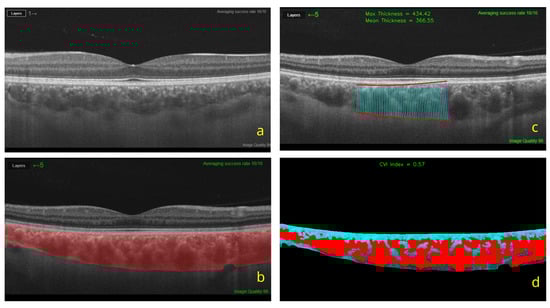
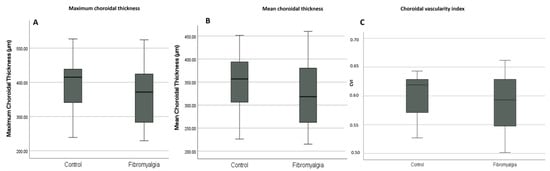
Background and Objectives: Fibromyalgia syndrome (FMS) is frequently accompanied by autonomic symptoms and autonomic dysregulation, which may influence ocular blood flow regulation. The choroid is a densely vascular, autonomically innervated tissue, and optical coherence tomography (OCT)-derived markers have been used to explore potential ocular microvascular changes in FMS, with inconsistent findings. The choroidal vascularity index (CVI), defined as the proportion of luminal area within the total choroidal area, has been proposed as a potentially more robust marker of choroidal vascular status than thickness alone. We aimed to compare CVI and choroidal thickness between patients with FMS and healthy controls and examine the association between autonomic symptom burden and CVI in FMS. Materials and Methods: This single-centre observational cross-sectional case–control study enrolled adults aged 18–65 years. Swept-source OCT was performed; low-quality scans were excluded, and only right eyes were analysed. CVI, subfoveal maximum and mean choroidal thickness were obtained using an artificial intelligence-assisted analysis platform. Autonomic symptom burden, fibromyalgia impact, and central sensitization-related symptoms were assessed using the Composite Autonomic Symptom Score-31 (COMPASS-31), the Revised Fibromyalgia Impact Questionnaire (FIQ-R), and the Central Sensitization Inventory (CSI), respectively. Group comparisons, Spearman correlations, and multivariable linear regression were performed. Results: COMPASS-31, FIQ-R, and CSI scores were higher in the FMS group (all p < 0.001). CVI and choroidal thickness did not differ significantly between groups (CVI p = 0.124; maximum thickness p = 0.136; mean thickness p = 0.097). CVI was not correlated with COMPASS-31, FIQ-R, or CSI within either group. In adjusted models, age was independently associated with CVI (p < 0.001), whereas FMS status and COMPASS-31 total score were not. Conclusions: CVI and choroidal thickness were similar in FMS and controls, and CVI was not associated with self-reported autonomic symptom burden in FMS. Studies incorporating objective autonomic testing and dynamic vascular imaging paradigms are warranted. Full article
(This article belongs to the Topic New Advances in Musculoskeletal Disorders, 2nd Edition)
Show Figures

Figure 1
12 pages, 1347 KB  
Article
Velimir Khlebnikov and the Fourth Dimension
by Willem G. Weststeijn
Arts 2026, 15(4), 77; https://doi.org/10.3390/arts15040077 (registering DOI) - 13 Apr 2026
Abstract
The developments in mathematics in the nineteenth century, in particular non-Euclidean geometry, which was not concerned with flat space, but with curvature, led at the end of the century and the beginning of the next one to much discussion of and experiments with [...] Read more.
The developments in mathematics in the nineteenth century, in particular non-Euclidean geometry, which was not concerned with flat space, but with curvature, led at the end of the century and the beginning of the next one to much discussion of and experiments with the fourth dimension. The idea of a fourth dimension played a major role in the arts. In literature the Symbolists were convinced that there existed a “higher” reality behind the visible one and tried to suggest it in their poetry. In pictorial art and sculpture completely new forms emerged that distorted reality and in that way showed that one had to look at the world in a different way; there was something beyond the usual three dimensions. Many artists consciously tried to visualize this “beyondness”, the fourth dimension. The followers of the idea of a higher reality considered the fourth dimension as time, most artists as space. Much influence in the discussion about the fourth dimension had Charles Howard Hinton and, especially in Russia, Pyotr Ouspensky; both wrote a book entitled The Fourth Dimension (1904 and 1909, respectively), in which they propagated their ideas. The Futurist poet Velimir Klebnikov did not explicitly mention the fourth dimension in his work, but in view of his scientific interests (he studied mathematics at the University of Kazan, one of whose most celebrated scientists was Nikolai Lobachevsky, the founder of non-Euclidean geometry) and his close ties with the avant-garde painters, he was undoubtedly aware of the ideas about the fourth dimension in his time. Khlebnikov compared himself with Lobachevsky and used his geometry in his own description of the cities of the future. With his experiments with language and numerals he tried to find a new meaning behind the usual ones, and he made endless calculations to determine the laws of time: there must be some principle that rules the continuous stream of events. Establishing this principle, one might transcend history and ultimately find a solution for fate and death. His entire work is devoted to the search of a new dimension. Full article
26 pages, 4138 KB  
Article
Self-Supervised Cascade Denoising Auto-Encoder for Accurate Spatial Positioning of Target by Fusing Uncalibrated Video and Low-Cost GNSS
by Xiaofei Zeng, Ruliang He, Songchen Han, Wei Li, Menglong Yang and Binbin Liang
Remote Sens. 2026, 18(8), 1161; https://doi.org/10.3390/rs18081161 (registering DOI) - 13 Apr 2026
Abstract
Accurate measurement of the spatial position of targets in a fixed camera is critical in remote sensing applications. Visual spatial positioning methods that rely solely on images are susceptible to adverse factors such as inaccurate camera calibration, imprecise image target detection, and incorrect [...] Read more.
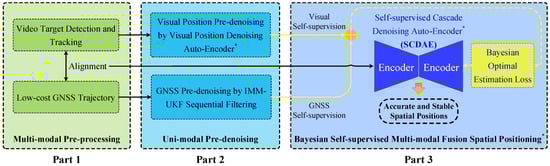
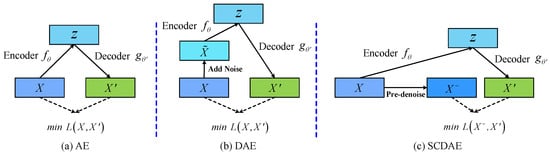
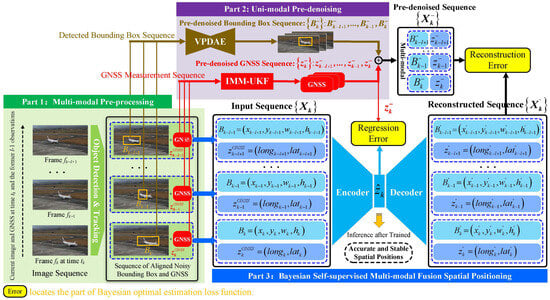
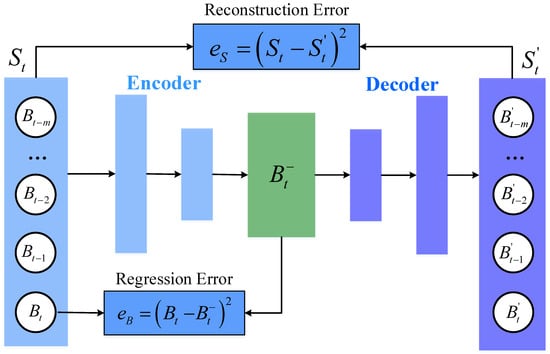
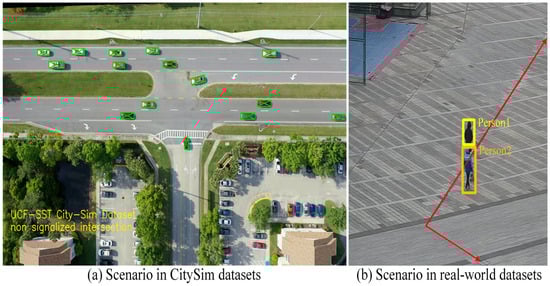
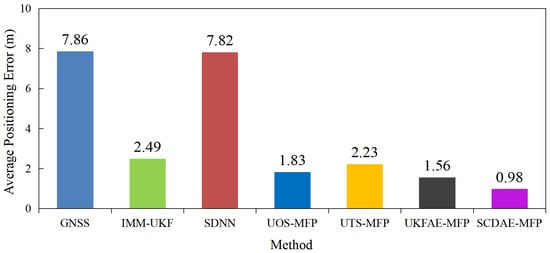
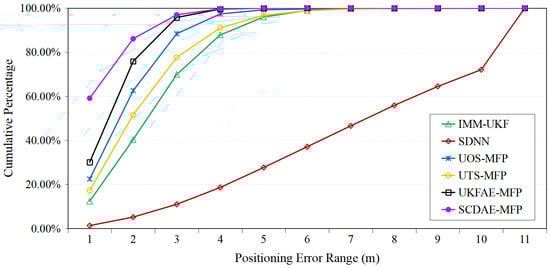
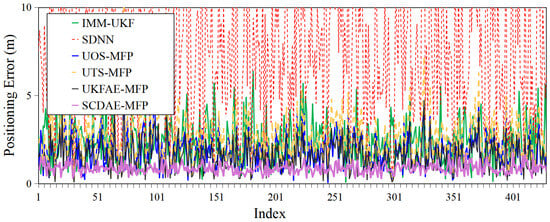
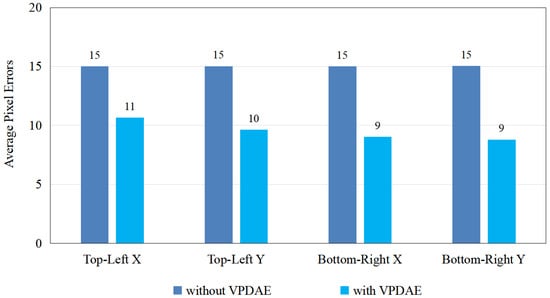
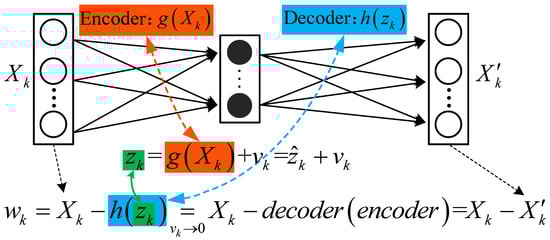
Accurate measurement of the spatial position of targets in a fixed camera is critical in remote sensing applications. Visual spatial positioning methods that rely solely on images are susceptible to adverse factors such as inaccurate camera calibration, imprecise image target detection, and incorrect feature point selection. Complementary to images, the ubiquitous Global Navigation Satellite System (GNSS) data can provide spatial positions of targets, but most of them are low-cost GNSSs with significant positioning noise. In order to fuse these two valuable but flawed positioning measurements to improve the accuracy and stability of spatial positioning, we propose a deep learning multi-modal spatial positioning method by fusing sequential uncalibrated video images and low-cost GNSSs. Firstly, a self-supervised cascade denoising auto-encoder (SCDAE) architecture is built to endow the auto-encoder with robustness to noise in the raw inputs. Then, based on the SCDAE and Bayesian optimal estimation, a Bayesian self-supervised multi-modal fusion positioning method SCDAE-MFP is presented to achieve accurate and stable spatial positioning by self-supervised manifold learning. Specifically, to provide visual self-supervision to the SCDAE-MFP, a visual position denoising auto-encoder module based on dual unsupervised learning is proposed. Extensive experimental results on public datasets showed that SCDAE-MFP outperformed five other classical and state-of-the-art baseline methods by an average of 56.79% in reducing positioning errors. Full article
(This article belongs to the Special Issue GNSS and Multi-Sensor Integrated Precise Positioning and Applications)
Show Figures

Figure 1

19 pages, 8972 KB  
Article
Population Genetic Architecture of the Streptococcus suis Antigen HP0197
by Guopeng Mei, Junfeng Zhang, Lijun Guan, Shangbo Ning, Yun Xue and Zhanqin Zhao
Vet. Sci. 2026, 13(4), 376; https://doi.org/10.3390/vetsci13040376 (registering DOI) - 13 Apr 2026
Abstract
S. suis is a major zoonotic infectious disease whose serological diversity brings challenges to vaccine development. Based on the whole-genome data of 169 S. suis strains, this study conducted a systematic bioinformatics analysis of the surface antigen protein HP0197 that reveals its distribution [...] Read more.
S. suis is a major zoonotic infectious disease whose serological diversity brings challenges to vaccine development. Based on the whole-genome data of 169 S. suis strains, this study conducted a systematic bioinformatics analysis of the surface antigen protein HP0197 that reveals its distribution characteristics, sequence diversity, domain composition and antigenic epitope distribution. The results showed that the HP0197 gene, which has a detection rate of 91.72%, can be divided into seven major phylogroups (I–VII) and the following two structural types: short form (HP0197-S) and long form (HP0197-L). All sequences contained signal peptides, transmembrane structures, LPXTG anchoring motifs, as well as conserved GAGBD and G5 domains, among which tandem repeats of the G5 domain existed in the long HP0197-L type. Tertiary structure prediction indicated that HP0197 has a spatial architecture of “conserved at both ends and flexible in the middle”, in which B-cell epitopes are mainly enriched near the GAGBD and G5 domains, suggesting these regions are the key targets for inducing cross-immune protection. It systematically elucidates the diversity and structural characteristics of the HP0197 protein from the perspective of population genetics, which provides a theoretical basis for optimizing existing subunit vaccines, designing broad-spectrum multi-epitope vaccines and exploring novel anti-infection strategies. Full article
23 pages, 4992 KB  
Article
Gait Classification Based on Micro-Doppler Effect
by Yong Chen, Sicheng Li, Chao Qin, Kun Liang, Zuxiang Wei and Hang Zhang
Sensors 2026, 26(8), 2390; https://doi.org/10.3390/s26082390 (registering DOI) - 13 Apr 2026
Abstract
In this paper, an improved state-space method (SSM) is proposed for gait feature extraction. By introducing zero-phase component analysis Whitening (ZCA Whitening) and an algorithm to search estimated echo as the preprocessing method, pedestrian echoes are divided into three groups according to the [...] Read more.
In this paper, an improved state-space method (SSM) is proposed for gait feature extraction. By introducing zero-phase component analysis Whitening (ZCA Whitening) and an algorithm to search estimated echo as the preprocessing method, pedestrian echoes are divided into three groups according to the frequency probability density: torso, feet, and other segments. Two channels of echoes are selected as inputs to the SSM, which is employed to identify the corresponding micro-Doppler trajectory. On this basis, five gait features of torso amplitude, stride length, walking cycle, torso maximum speed, and feet maximum speed are extracted. Simulation based on the Boulic model, compared with the traditional SSM, demonstrated that there is no need to estimate the model order and that a more accurate torso micro-Doppler trajectory and effective micro-motion features of the feet can be obtained by the proposed method. Finally, 77 GHz FMCW radar was used to collect the echoes of four pedestrians. The classifier was designed based on a support vector machine (SVM), and the classification experiment verified the effectiveness of the extracted gait features. Full article
(This article belongs to the Section Radar Sensors)
12 pages, 1144 KB  
Article
Comparison of Postoperative Outcomes of Duhamel and Transanal Endorectal Pull-Through in Hirschsprung Disease: A Propensity Score Study
by Jiraporn Khorana, Juthamas Jenyongsak, Kanokkan Tepmalai and Sireekarn Chantakhow
Pediatr. Rep. 2026, 18(2), 56; https://doi.org/10.3390/pediatric18020056 (registering DOI) - 13 Apr 2026
Abstract
Background/Objectives: Hirschsprung disease (HSCR) is a congenital condition characterized by absence of ganglion cells in the distal bowel. The principle of surgical treatment is resection of the aganglionic bowel with restoration of intestinal continuity. Several operative techniques have been developed. This study aimed [...] Read more.
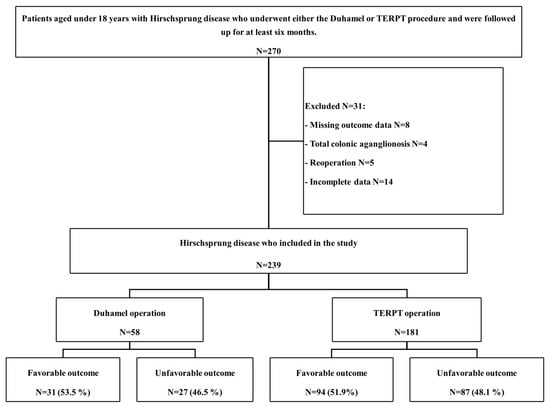
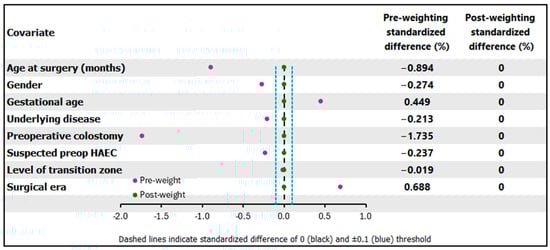
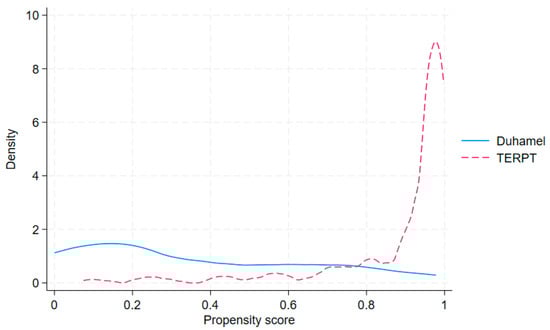
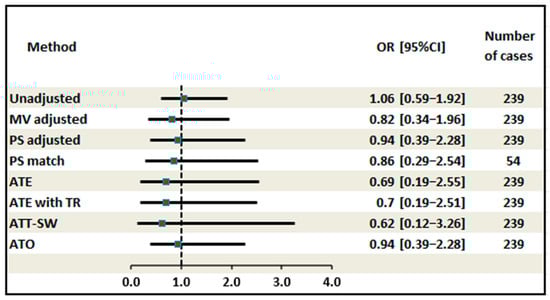
Background/Objectives: Hirschsprung disease (HSCR) is a congenital condition characterized by absence of ganglion cells in the distal bowel. The principle of surgical treatment is resection of the aganglionic bowel with restoration of intestinal continuity. Several operative techniques have been developed. This study aimed to compare outcomes between the Duhamel procedure and transanal endorectal pull-through (TERPT) in Hirschsprung disease using propensity score-based methods. Methods: Hirschsprung patients who underwent Duhamel or TERPT from January 2006 to December 2021 were included. The primary outcome was a composite endpoint at 6 months comprising obstructive symptoms, fecal soiling, or Hirschsprung-associated enterocolitis. Propensity scores were estimated via logistic regression incorporating eight preoperative covariates. The primary analysis employed overlap weighting (ATO), with multiple sensitivity analyses performed to assess robustness. Results: A total of 239 patients were included (TERPT, n = 181; Duhamel, n = 58). Before weighting, seven of eight covariates demonstrated meaningful imbalance (SMD > 0.10); ATO weighting achieved satisfactory balance across all covariates (all SMD < 0.10). A good composite outcome was achieved in 51.9% of TERPT and 53.4% of Duhamel patients, with no significant difference in the primary ATO-weighted analysis (OR 0.94, 95% CI 0.39–2.28; p = 0.897). No significant differences were observed in individual outcome components. Findings were consistent across all sensitivity analyses. TERPT was associated with significantly shorter operative time, lower estimated blood loss, and shorter hospital stay (all p < 0.001). Conclusions: No statistically significant differences were detected in 6-month postoperative functional outcomes between TERPT and the Duhamel operation. TERPT was associated with improved perioperative outcomes. However, these findings should be interpreted with caution due to limited statistical power and baseline differences between groups. Prospective multicenter studies with standardized outcome definitions and longer follow-up are warranted. Full article
Show Figures

Figure 1

19 pages, 2341 KB  
Article
The Potential of Bergamot and Pomegranate Wastes as Putative Plant-Based Antifungal Products Against Soilborne Pathogens of Tomato: Preliminary Experiments
by Thomas Conte, Maria Grazia Morea, Gaetana Ricciardi, Angela Libutti and Antonia Carlucci
Agriculture 2026, 16(8), 861; https://doi.org/10.3390/agriculture16080861 (registering DOI) - 13 Apr 2026
Abstract
Traditional disease management, which is based on the application of synthetic chemical products, has negatively affected human health and the environment. A sustainable approach based on the application of natural compounds and microorganisms is potentially better for consumer health. Thus, the aim of [...] Read more.
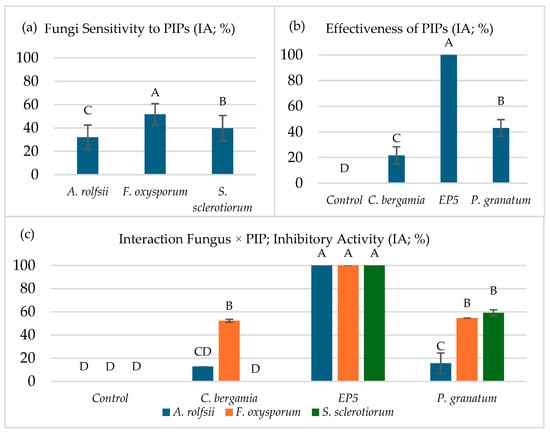
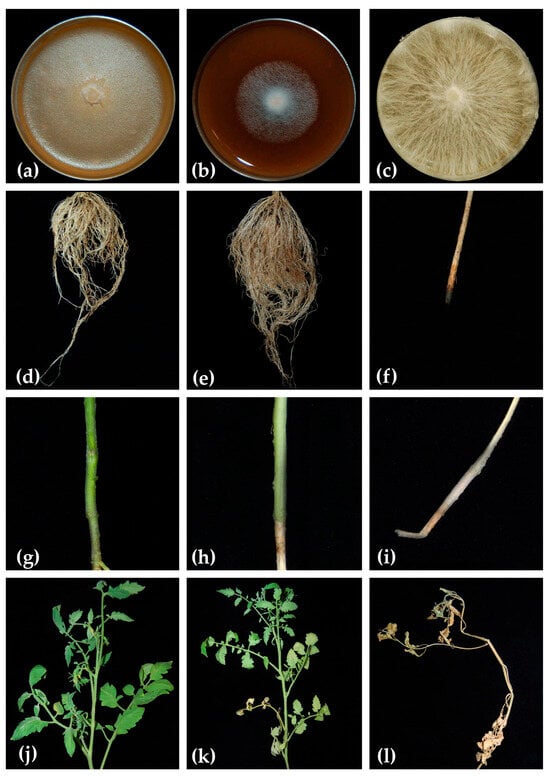
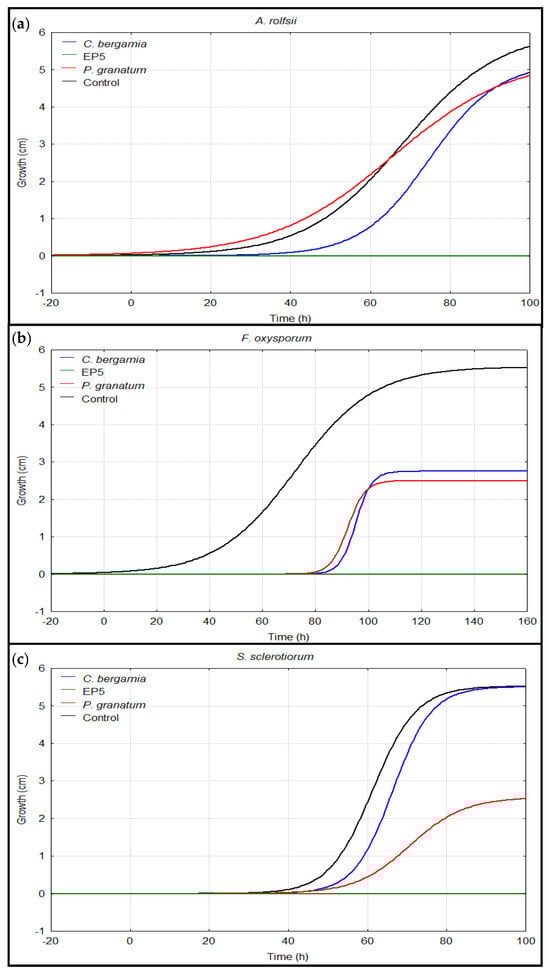
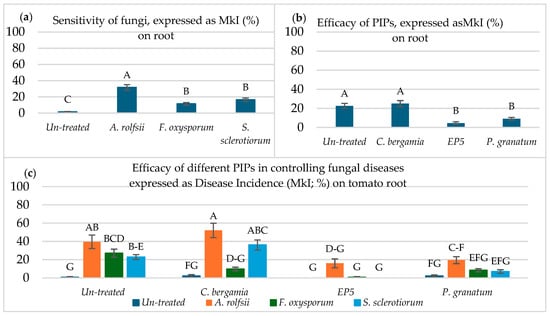
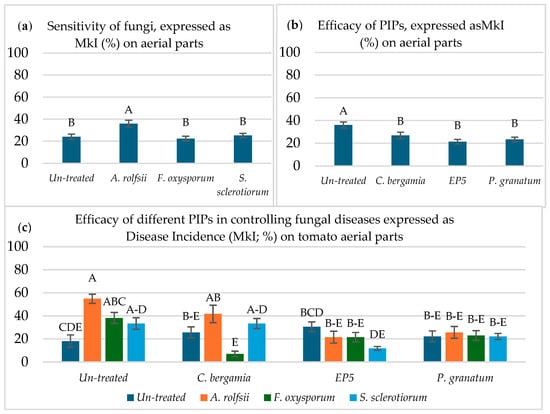
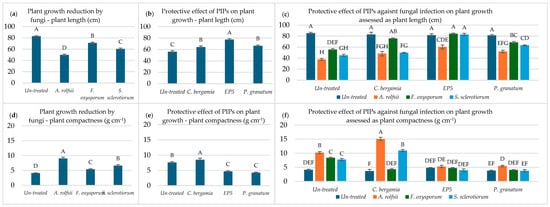
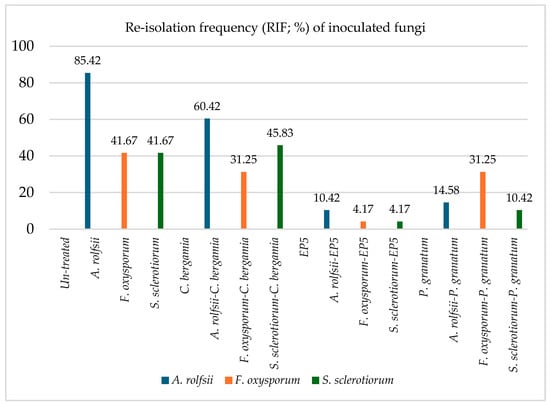
Traditional disease management, which is based on the application of synthetic chemical products, has negatively affected human health and the environment. A sustainable approach based on the application of natural compounds and microorganisms is potentially better for consumer health. Thus, the aim of this study was to evaluate the efficacy of plant-based and/or organic products against soilborne fungal pathogens of tomato. A preliminary in vitro experiment was performed to select potential putative inhibitory products (PIPs) and fungal pathogens that were then used in an in vivo experiment conducted inside a greenhouse that mimics real-world field conditions. For the greenhouse experiment, bergamot and pomegranate wastes and the commercial product EP5 were selected as the PIPs to control Agroathelia rolfsii, Fusarium oxysporum and Sclerotinia sclerotiorum growth. Each pot was artificially inoculated three days before the low-dose treatment, and one tomato seedling was transplanted into each pot four days after the treatment. Data regarding the phytosanitary status of the plants and roots, as well as their length and weight, were collected after 45 days, and the results obtained demonstrate that plant-derived products were able to mitigate fungal diseases, with pomegranate waste being the most effective. Also, the EP5 product, as a resistant inducer, was able to significantly improve the natural defense of tomato plants, resulting in it being the best PIP used. Mycological analyses were performed on the roots to assess the presence of inoculated fungal pathogens after natural product treatment. Overall, the results confirm that the PIPs are suitable for crop management, but the outcomes are variable. In general, pomegranate waste and EP5 significantly protected the roots against fungal attacks, while bergamot waste showed lower efficacy. This trend was not observed for plant length and weight, as the treated plants showed results similar to those of the untreated controls. In conclusion, natural products are a valid alternative to chemicals, as they demonstrate both efficacy and safety, but their potential should be further investigated in field trials. Full article
(This article belongs to the Section Crop Protection, Diseases, Pests and Weeds)
Show Figures

Figure 1

22 pages, 1449 KB  
Article
Definition-Anchored Unsupervised Word Sense Induction Using LLM-Generated Glosses
by Shota Yoshikawa and Minoru Sasaki
Appl. Sci. 2026, 16(8), 3797; https://doi.org/10.3390/app16083797 (registering DOI) - 13 Apr 2026
Abstract
Word sense induction (WSI) aims to automatically discover the different senses of a word from contextual usage without predefined sense inventories. However, existing distributional clustering methods often suffer from dominant-sense bias and struggle to correctly identify minority senses. In this paper, we propose [...] Read more.
Word sense induction (WSI) aims to automatically discover the different senses of a word from contextual usage without predefined sense inventories. However, existing distributional clustering methods often suffer from dominant-sense bias and struggle to correctly identify minority senses. In this paper, we propose a definition-anchored reclassification framework for WSI that leverages large language models (LLMs) to generate explicit sense descriptions and refine cluster assignments. Unlike purely distributional approaches, our method integrates semantic definitions into the induction process. Our method improves instance-level alignment by introducing a trade-off with global structural consistency, as it shifts the decision process from geometric clustering to definition-based semantic matching. Experiments on the SemEval-2010 and SemEval-2013 datasets demonstrate that the proposed method consistently outperforms traditional clustering baselines and existing WSI systems across both structural metrics (NMI and V-measure) and instance-level metrics (F-B3 and Fuzzy-F-B3). In particular, our approach effectively mitigates dominant-sense bias and improves the recovery of minority senses by preserving them as distinct clusters while correctly assigning their instances. These results suggest that explicit semantic representations generated by LLMs provide a promising direction for addressing long-standing challenges in unsupervised word sense induction. Furthermore, unlike purely distributional clustering approaches, our method explicitly introduces LLM-generated semantic definitions as anchors, enabling more robust mitigation of dominant-sense bias and improved recall of minority senses. Full article
(This article belongs to the Special Issue The Advanced Trends in Natural Language Processing)
12 pages, 8834 KB  
Perspective
Human Mobility and Social Inequality: Limitations of Mobility Data and Future Directions
by Xuan Luo, Peiran Zhang, Weipeng Nie, Pavel L. Kirillov, Alla G. Makhrova, Chaoyang Zhang and Liang Gao
Complexities 2026, 2(2), 11; https://doi.org/10.3390/complexities2020011 (registering DOI) - 13 Apr 2026
Abstract
Human mobility is a fundamental determinant of urban spatial and social organization, profoundly influencing patterns of social interaction, integration, and inequality. However, prevailing research is constrained by mobility datasets that are often non-representative, reliant on static spatial proxies, and incapable of distinguishing physical [...] Read more.
Human mobility is a fundamental determinant of urban spatial and social organization, profoundly influencing patterns of social interaction, integration, and inequality. However, prevailing research is constrained by mobility datasets that are often non-representative, reliant on static spatial proxies, and incapable of distinguishing physical co-presence from meaningful social interaction. These limitations impede a mechanistic understanding of how mobility drives core urban social phenomena such as segregation, disparity, and inequity. This perspective critically examines these empirical and theoretical blind spots, framing them around the interconnected dynamics of social mixing, segregation, disparity, inequality, and inequity. We then delineate a research agenda to transcend these limitations, focused on (1) leveraging AI and data fusion to overcome representativeness and validation bottlenecks; (2) incorporating longitudinal dynamics through deep learning models; (3) developing contextualized models of social interactions that move beyond simple co-presence; and (4) harnessing generative models to synthesize realistic mobility flows in data-scarce contexts. We argue that advancements in computational social science are essential to forge a more accurate, dynamic, and equitable understanding of human mobility’s role in shaping social inequality. Full article
19 pages, 19846 KB  
Article
Influence of Microstructure Evolution on Tribological and Corrosion Performances of QPQ-Treated 40Cr Steel
by Jingtao Yang, Chengyuan Ni, Sen Feng, Chengdong Xia and Minghua Yin
Materials 2026, 19(8), 1557; https://doi.org/10.3390/ma19081557 (registering DOI) - 13 Apr 2026
Abstract
Quench–polish–quench (QPQ) of 40Cr steel was performed to improve its tribological properties and corrosion resistance, thereby enhancing the service performance of components such as gears and bearings. The 40Cr steel was treated by QPQ at 580 °C and 620 °C for 90 or [...] Read more.
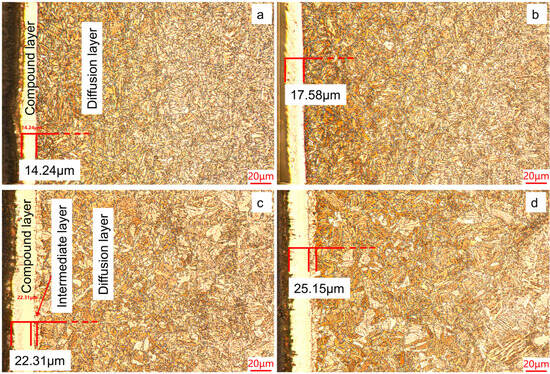
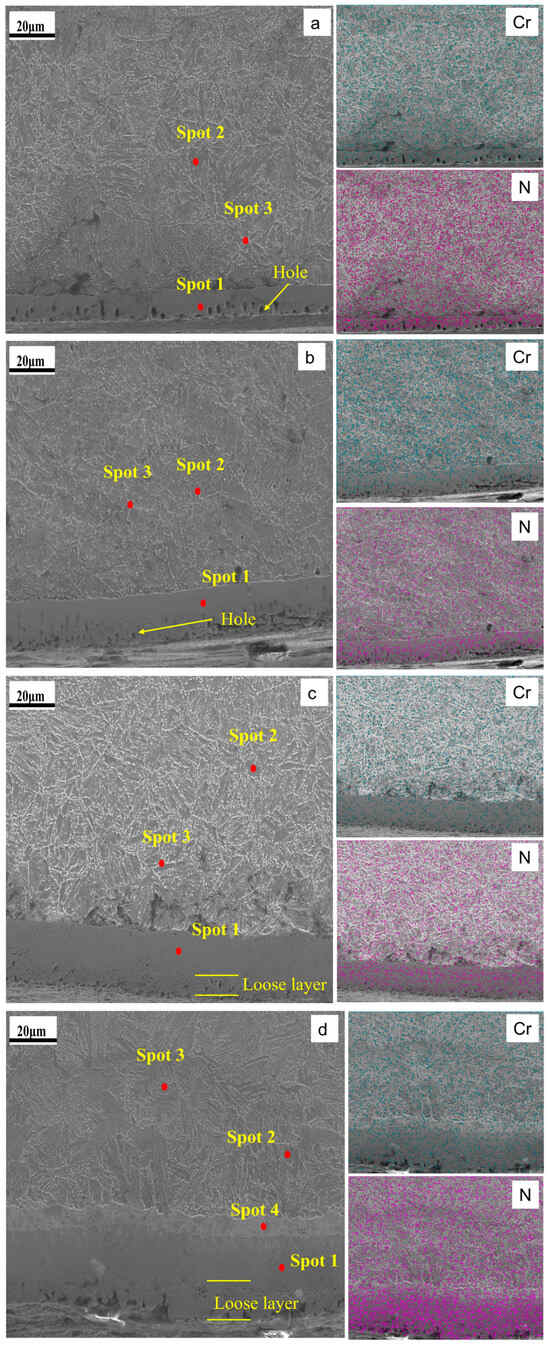
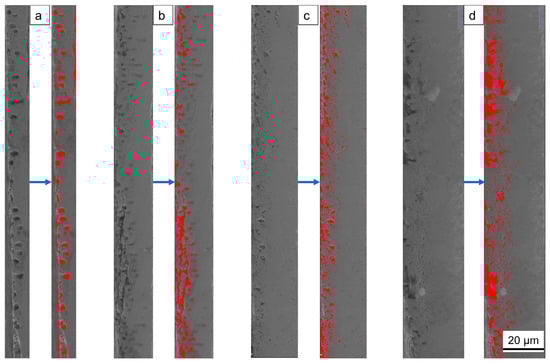
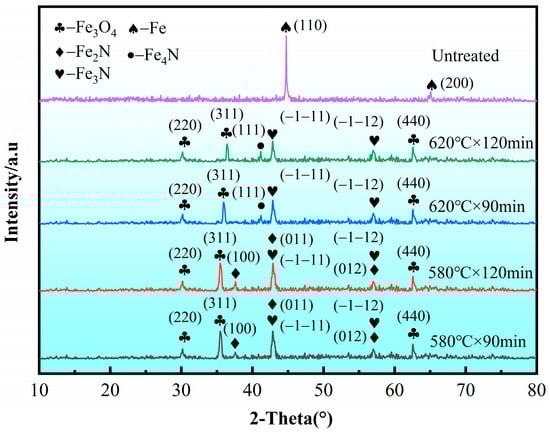
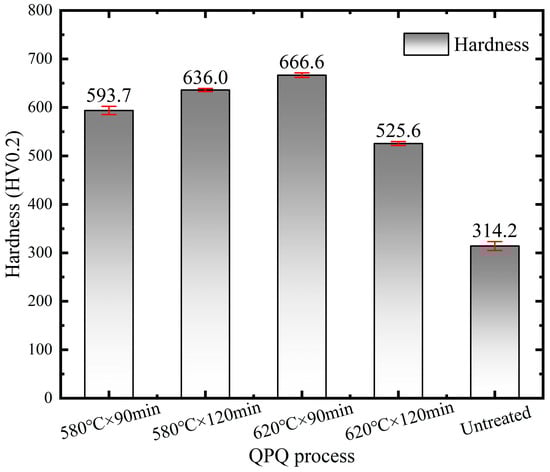
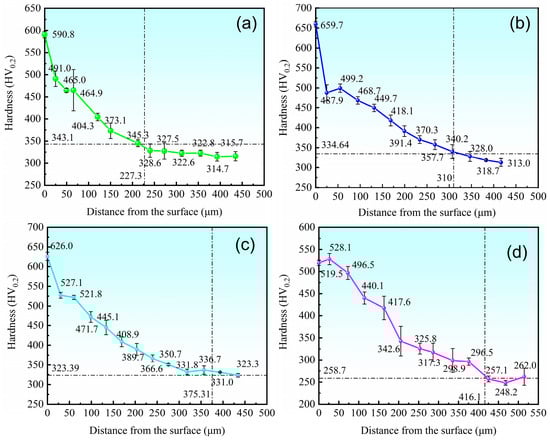
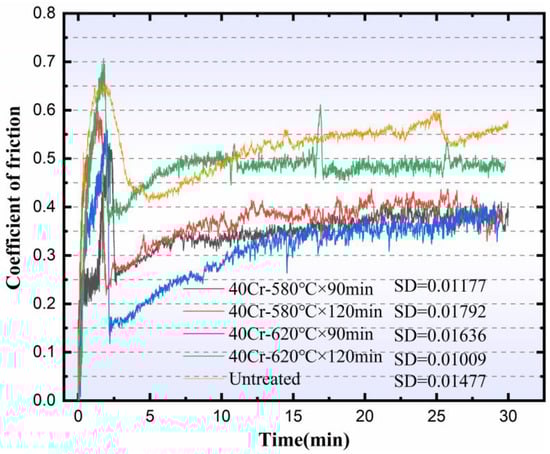
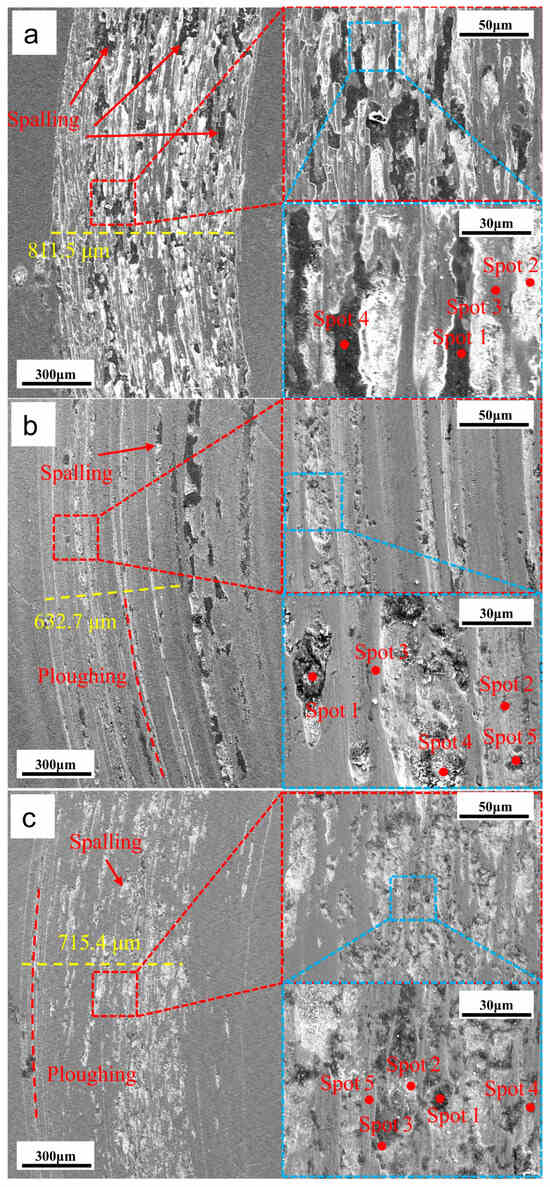
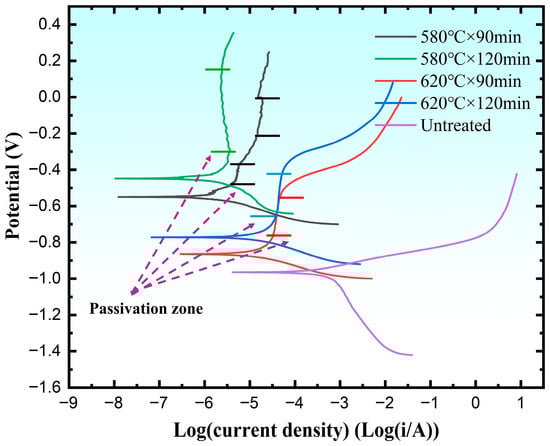
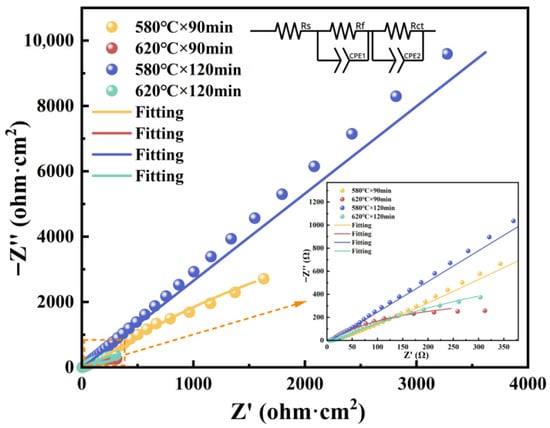
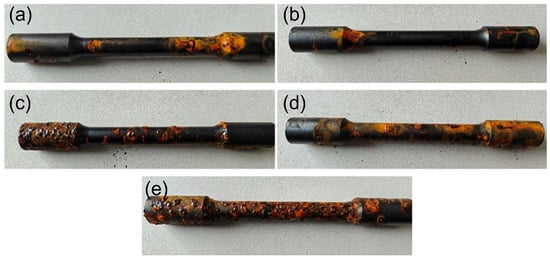
Quench–polish–quench (QPQ) of 40Cr steel was performed to improve its tribological properties and corrosion resistance, thereby enhancing the service performance of components such as gears and bearings. The 40Cr steel was treated by QPQ at 580 °C and 620 °C for 90 or 120 min. Optical microscopy (OM, Sunny Group, Ningbo, China), scanning electron microscopy (SEM, Hitachi, Tokyo, Japan), and X-ray diffraction (XRD Rigaku Corporation, Tokyo, Japan) were used to characterise the microstructure and phase constitution. Ball-on-disk tribometry, electrochemical tests, and salt spray tests in 3.5 wt.% NaCl evaluated surface performance. At 580 °C, a composite structure of Fe3O4 and ε-Fe2−3N formed on the surface. When the temperature rose to 620 °C, ε-Fe2–3N gradually transformed into γ′-Fe4N. Within the scope of this study, the diffusion layer depth exhibits an approximately linear relationship with increasing processing temperature and holding time, and the surface hardness is 67–112% higher than that of the untreated sample. After QPQ treatment, the wear mechanism changed from adhesive wear to abrasive wear. However, under the treatment conditions of 620 °C × 120 min, brittle surface spalling increased roughness, thereby increasing the coefficient of friction. As treatment time increases, nitrogen atoms continue to diffuse outward as Fe2N transforms to the γ′ phase. This increases the composite layer’s porosity and decreases its corrosion resistance. The best corrosion resistance was observed at 580 °C for 120 min, with a corrosion potential of −0.4325 V, corrosion current density of 1.80 × 10⁻⁶ A·cm−2, and polarisation resistance of 24,500 Ω. Corrosion performance depends on overall surface integrity. Porosity morphology strongly influences this property. For 40Cr steel, the results show that surface properties are primarily determined by the quality of the compound layer’s microstructure. Specifically, density, phase-composition stability, and defect control are more important than the commonly held view of layer thickness. Full article
Show Figures

Figure 1

18 pages, 469 KB  
Review
Generative Artificial Intelligence Transitions Pharmaceutical Development from Empirical Screening to Predictive Molecular Design and Clinical Trial Optimization
by Ghaith K. Mansour and Hatouf H. Sukkarieh
Pharmaceuticals 2026, 19(4), 614; https://doi.org/10.3390/ph19040614 (registering DOI) - 13 Apr 2026
Abstract
The traditional paradigm of pharmaceutical research is characterized by substantial inefficiency, requiring extensive timelines and billions of dollars while suffering from high clinical attrition rates. The integration of generative artificial intelligence (AI) is driving a paradigm shift from empirical experimentation toward predictive, data-driven [...] Read more.
The traditional paradigm of pharmaceutical research is characterized by substantial inefficiency, requiring extensive timelines and billions of dollars while suffering from high clinical attrition rates. The integration of generative artificial intelligence (AI) is driving a paradigm shift from empirical experimentation toward predictive, data-driven innovation. This review evaluates state-of-the-art applications of these technologies across the drug discovery and development pipeline. By analyzing multi-omics data streams, AI models can elucidate complex disease mechanisms and identify novel therapeutic targets. Deep generative architectures facilitate the algorithmic creation of novel molecular entities, enabling the design of therapeutics with complex polypharmacological profiles. Furthermore, AI is enhancing the clinical testing phase through large language models (LLMs) that improve patient enrollment and through synthetic control arms (SCAs) that provide computational alternatives to traditional placebo groups. Despite these advances, the scientific community must address inherent algorithmic biases stemming from demographic underrepresentation and mitigate the risks of data hallucinations. Ultimately, realizing the full translational potential of generative AI in precision medicine may require the widespread adoption of explainable AI (XAI) frameworks and rigorous data standards. Full article
(This article belongs to the Section AI in Drug Development)
16 pages, 1470 KB  
Article
Physics-Guided Deep Learning for Interpretable Biomedical Image Reconstruction and Pattern Recognition in Diagnostic Frameworks
by Akeel Qadir, Saad Arif, Prajoona Valsalan and Osama Khan
Bioengineering 2026, 13(4), 457; https://doi.org/10.3390/bioengineering13040457 (registering DOI) - 13 Apr 2026
Abstract
This study introduces a physics-guided deep learning architecture designed for the simulation, reconstruction, and pattern recognition of biomedical images. By explicitly integrating physical priors into the learning model, the framework addresses the black-box nature of traditional artificial intelligence (AI). It provides an explainable [...] Read more.
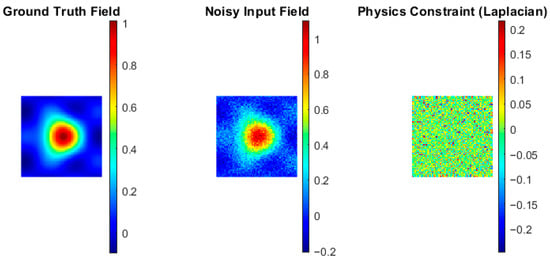
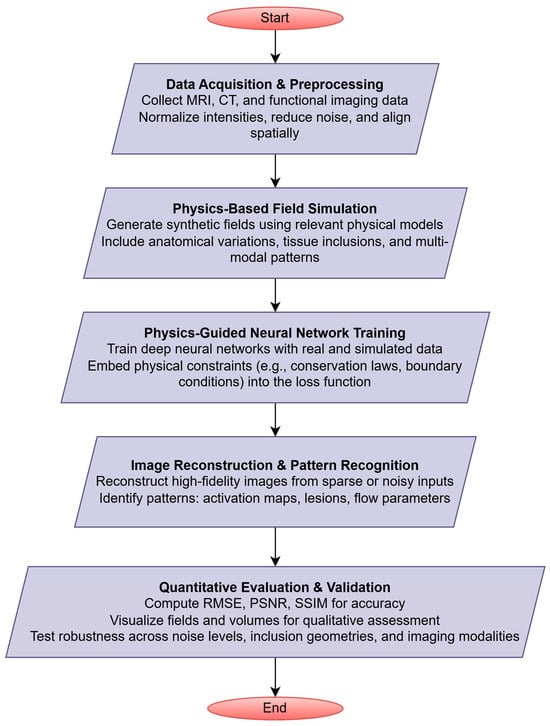
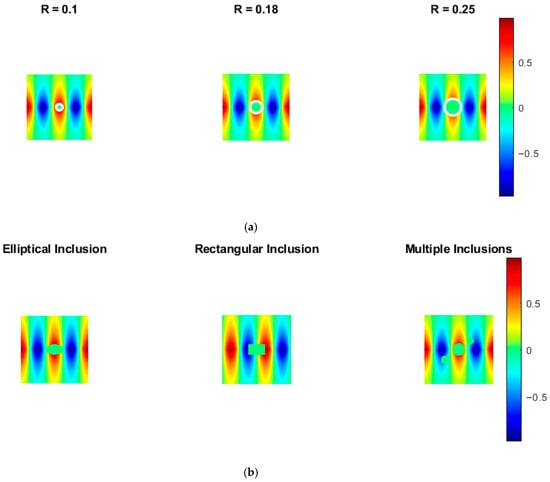
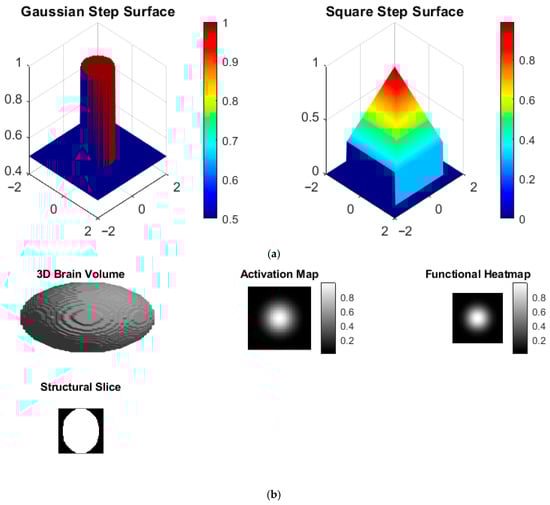
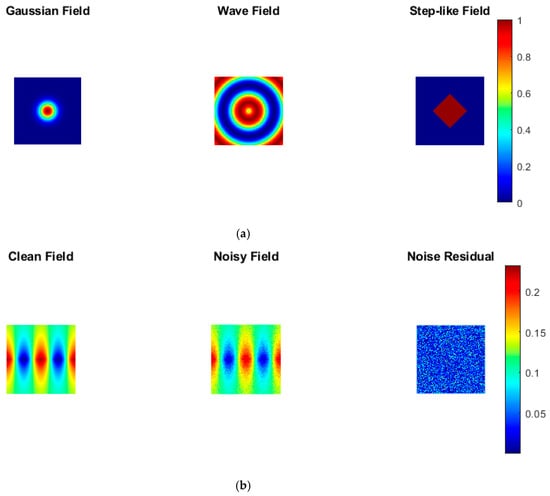
This study introduces a physics-guided deep learning architecture designed for the simulation, reconstruction, and pattern recognition of biomedical images. By explicitly integrating physical priors into the learning model, the framework addresses the black-box nature of traditional artificial intelligence (AI). It provides an explainable AI pathway that enhances diagnostic accuracy, robustness, and clinical interpretation. The proposed framework was evaluated through systematic simulation studies. It involved complex geometric configurations, multimodal physical fields, and noise-corrupted synthetic three-dimensional brain volumes. Quantitative analysis demonstrates consistent improvements in reconstruction fidelity, with the peak signal-to-noise ratio (PSNR) reaching 47 dB and the structural similarity index exceeding 0.90 across all scenarios. Notably, at moderate noise levels (0.05), the framework maintains a PSNR greater than 32 dB, ensuring structural integrity essential for computer-aided diagnosis. Volumetric brain experiments further reveal a 38–44% reduction in activation localization errors, highlighting the framework’s utility in functional imaging and disease prognosis. By grounding deep learning in physical constraints, this study provides a transparent and robust solution for automated disease classification and advanced biomedical imaging tasks within clinical decision support systems. Full article
Show Figures

Figure 1

12 pages, 1068 KB  
Article
A 20-Year Analysis of Analgesic Enquiries to an Obstetric Medicines Information Service
by Nabeelah Mukadam, Lynne Emmerton, Petra Czarniak, Oksana Burford, Stephanie W. K. Teoh and Tamara Lebedevs
Anesth. Res. 2026, 3(2), 9; https://doi.org/10.3390/anesthres3020009 (registering DOI) - 13 Apr 2026
Abstract
Background: Access to reliable medicines information is essential to support safe medicine use during pregnancy and breastfeeding, where concerns regarding fetal and neonatal safety complicate clinical decision-making. Analgesics are widely used during these periods, yet uncertainty regarding safety persists due to evolving [...] Read more.
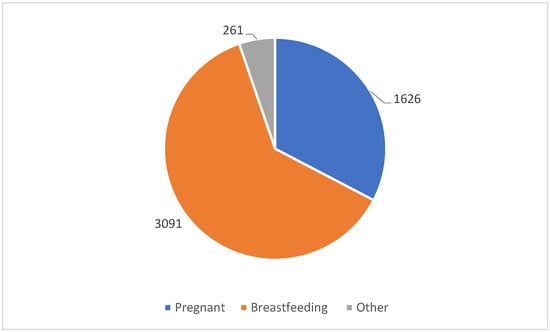
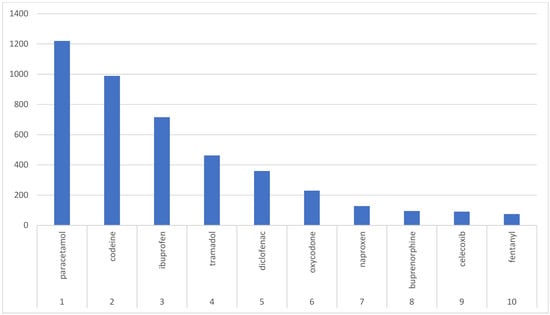
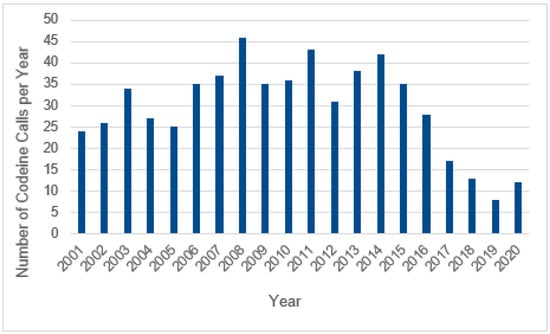
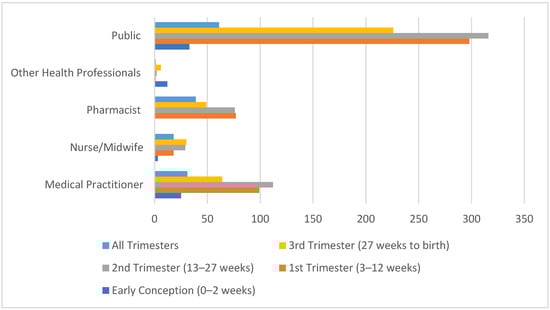
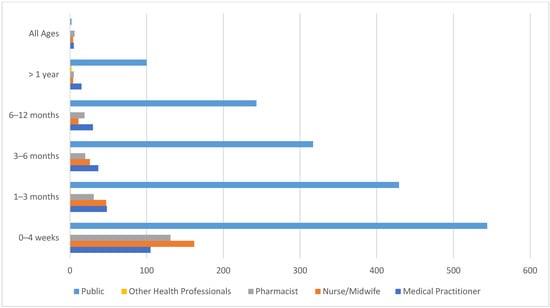
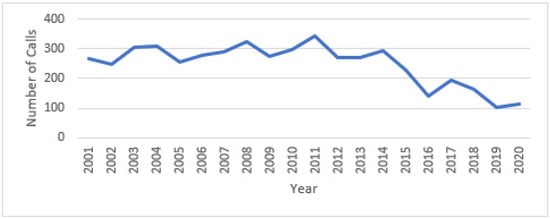
Background: Access to reliable medicines information is essential to support safe medicine use during pregnancy and breastfeeding, where concerns regarding fetal and neonatal safety complicate clinical decision-making. Analgesics are widely used during these periods, yet uncertainty regarding safety persists due to evolving evidence, regulatory changes, and inconsistent information sources. Obstetric medicines information services play a critical role in addressing these information needs. This study aimed to evaluate patterns of analgesic-related enquiries to a pharmacist-led specialist obstetric medicines information service over a 20-year period. Methods: A retrospective observational study was conducted using enquiry data from the King Edward Memorial Hospital Obstetric Medicines Information Service (KEMH OMIS), Western Australia. All enquiries recorded between 1 January 2001 and 31 December 2020 were extracted from the Microsoft Access® database. Records with incomplete data were excluded. Data were standardised, coded, and analysed using Microsoft Excel® and SPSS® Version 25. Descriptive statistics were used to summarise enquiry characteristics, caller type, the timing of exposure, and analgesic medicines involved. Trends over time were analysed. Results: A total of 48,458 enquiries were analysed, of which 4,978 (10.3%) related to analgesics, making this the third most common medicine class. Most enquiries related to breastfeeding (62.1%), followed by pregnancy (32.7%). The public accounted for 60.9% of calls, while health professionals contributed 39.1%. The highest frequency of breastfeeding enquiries occurred within the first four weeks postpartum, and pregnancy enquiries were most common in the second trimester. Paracetamol was the most frequently enquired analgesic (24.5%), followed by codeine (19.8%), ibuprofen (14.4%), diclofenac (7.2%), and tramadol (9.3%). Analgesic-related enquiries declined significantly over time (p < 0.001), particularly codeine-related enquiries following regulatory safety warnings. Conclusions: Analgesics represent a substantial proportion of medicines information enquiries in pregnancy and breastfeeding, reflecting widespread use and ongoing safety concerns. Pharmacist-led medicines information services play a critical role in supporting safe analgesic use. Full article
Show Figures

Figure 1

20 pages, 1886 KB  
Article
TranSim: A Transient Thermal Simulation for Sustainable Data Centers in the Running Process
by Danyang Li, Jie Song and Hui Liu
Processes 2026, 14(8), 1241; https://doi.org/10.3390/pr14081241 (registering DOI) - 13 Apr 2026
Abstract
With the rise of computer-related fields, data centers have become essential infrastructure. Thermal analysis helps to improve data center performance and reduce data center energy consumption. Due to the variable load, the scheduling of the data center is frequent, and the thermal state [...] Read more.
With the rise of computer-related fields, data centers have become essential infrastructure. Thermal analysis helps to improve data center performance and reduce data center energy consumption. Due to the variable load, the scheduling of the data center is frequent, and the thermal state also changes frequently. However, existing thermal analysis methods have a high cost regarding mesh division and thermal calculation and cannot provide dynamic thermal simulation for data centers. To address this challenge, this paper proposes a cost-compensated spatial–temporal meshing method for transient thermal simulation (TranSim) of the data center. TranSim adaptively adjusts the mesh boundaries according to the workload gradient of a location, and it can adaptively adjust the meshing step time according to the workload change frequency in order to achieve transient simulation. Cost-compensated thermal calculation replaces the CFD model, considering air flow, by adding the thermal source, thermal medium, thermal radiation and thermal lagging in order to gain a simple thermal calculation. This paper designs an experiment for comparing TranSim with several popular data center thermal simulation methods, such as a structured mesh with a CFD model, regarding their transient effect, time cost, and error cost. The results show that TranSim has a good transient effect, low error cost (the simulation error decreases by 13.5% compared with the average error) and low time cost (the simulation time is only about 7% that of the most accurate data center thermal simulation method). Full article
15 pages, 733 KB  
Review
Towards Precision Medicine in Metastatic Renal Cell Carcinoma: The Role of Emerging Biomarkers
by Rugile Pikturniene, Alvydas Cesas, Sonata Jarmalaite, Edita Baltruskeviciene and Vincas Urbonas
Cancers 2026, 18(8), 1228; https://doi.org/10.3390/cancers18081228 (registering DOI) - 13 Apr 2026
Abstract
RCC remains a therapeutically challenging malignancy, particularly in its metastatic stage, in which treatment resistance and limited response durability persist despite recent advances in immunotherapy and targeted therapies. Although immune checkpoint inhibitors (ICIs) have significantly improved outcomes for a subset of patients, reliable [...] Read more.
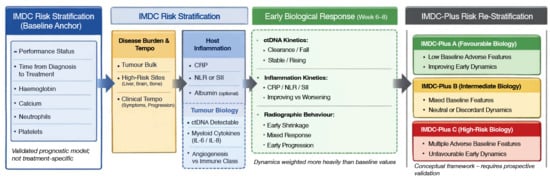
RCC remains a therapeutically challenging malignancy, particularly in its metastatic stage, in which treatment resistance and limited response durability persist despite recent advances in immunotherapy and targeted therapies. Although immune checkpoint inhibitors (ICIs) have significantly improved outcomes for a subset of patients, reliable prognostic and predictive biomarkers to guide therapy selection are still lacking. Current clinical models, such as the International Metastatic RCC Database Consortium (IMDC) risk score, offer only limited insight into the molecular and immunologic complexity of RCC. Emerging molecular biomarkers implicated in resistance mechanisms reflect the underlying heterogeneity of RCC and may inform future therapeutic strategies. Kidney Injury Molecule-1 (KIM-1), a transmembrane protein that is up-regulated in RCC and detectable in circulation, has demonstrated potential as a non-invasive biomarker for diagnosis, prognosis, and treatment monitoring. Liquid-biopsy approaches, including the analysis of circulating tumour DNA (ctDNA), microRNAs (miRNAs), and long non-coding RNAs (lncRNAs), are also gaining traction due to their minimally invasive nature and potential for real-time disease monitoring. This review aims to provide a structured overview of emerging biomarkers in metastatic RCC, critically evaluate their current clinical applicability, and propose a biologically informed framework for their integration into clinical decision-making. In addition, we propose a conceptual IMDC-Plus framework that integrates clinical, biological, and early dynamic markers to improve risk stratification in the era of immunotherapy (IO). Full article
(This article belongs to the Special Issue Approaches in Metastatic Renal Cell Carcinoma Management)
Show Figures

Figure 1

15 pages, 1045 KB  
Article
A Reproducible Plasmid Platform for Sporomusa sphaeroides to Support Bioelectrochemical Studies
by Yuki Iwasaki, Yuto Mine and Zen-ichiro Kimura
Fermentation 2026, 12(4), 196; https://doi.org/10.3390/fermentation12040196 (registering DOI) - 13 Apr 2026
Abstract
Robust genetic tools are a prerequisite for causal, perturbation-based tests of redox physiology in acetogens. Here we establish practical genetic entry points for Sporomusa sphaeroides DSM 2875 under strictly anaerobic handling. We first attempted genome editing via double-crossover allelic exchange targeting pyrF using [...] Read more.
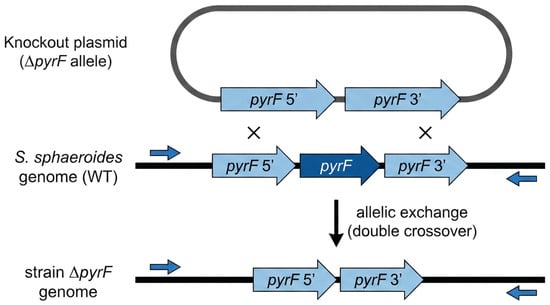
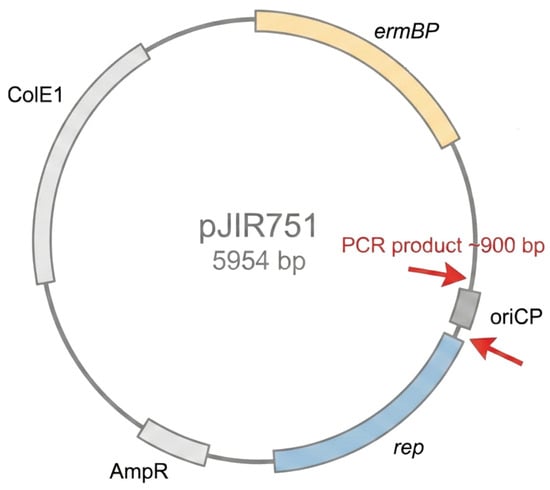
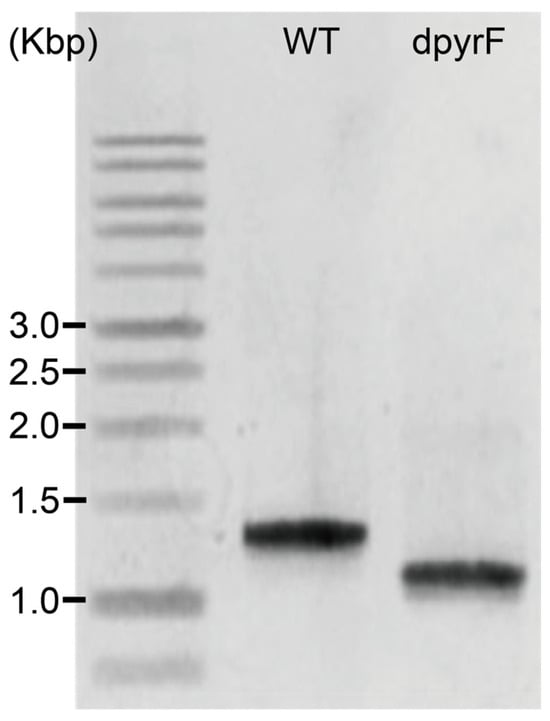
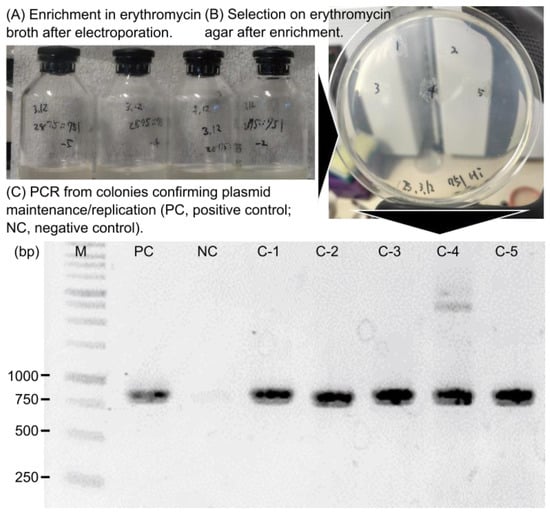
Robust genetic tools are a prerequisite for causal, perturbation-based tests of redox physiology in acetogens. Here we establish practical genetic entry points for Sporomusa sphaeroides DSM 2875 under strictly anaerobic handling. We first attempted genome editing via double-crossover allelic exchange targeting pyrF using a non-replicative pUC19-based knockout construct and 5-fluoroorotic acid counterselection. Diagnostic PCR identified ΔpyrF candidates with the expected size shifts, demonstrating that homologous recombination is technically feasible in DSM 2875; however, the ΔpyrF genotype exhibited severe growth defects and could not be stably maintained over repeated passages, indicating a key limitation of a pyrF-based workflow under our current conditions. We then evaluated multiple E. coli–anaerobe shuttle plasmids for introduction and maintenance. Among the tested vectors, pJIR751 reproducibly yielded erythromycin-resistant transformants after prolonged incubation and supported serial passaging on selective media. Plasmid retention was confirmed by diagnostic PCR from liquid cultures in all tested isolates. Importantly, this maintainable plasmid platform enables genetically grounded perturbation-and-rescue experiments under electrode- or Fe0-assisted conditions, allowing mechanistic hypotheses in bioelectrochemical acetogenesis to be tested causally rather than inferred from phenotypes alone. Together, these results define current practical boundaries for S. sphaeroides genetics and establish pJIR751 as a practical foundation for downstream genetic manipulation in bioelectrochemical studies. Full article
Show Figures

Figure 1

16 pages, 3476 KB  
Article
Insecticides Promote Inflammation and Gut Barrier Alteration in In-Vitro Human Models
by Carlos Sanchez-Martin, Mariagrazia D’Agostino, Stefano Miglietta, Veronica Cocetta, Luna Laera, Isabella Giacomini, Martina Lanza, Marica Mennini, Maria Maddalena Storelli, Ettore Cicinelli, Monica Montopoli and Alessandra Castegna
J. Xenobiot. 2026, 16(2), 66; https://doi.org/10.3390/jox16020066 (registering DOI) - 13 Apr 2026
Abstract
Background: The extensive use of insecticides in modern agriculture has raised concerns about potential chronic effects on human health beyond acute toxicity. Limited evidence exists regarding their impact on immune regulation and intestinal barrier integrity, two key components of host-environment interactions. Methods: Human [...] Read more.
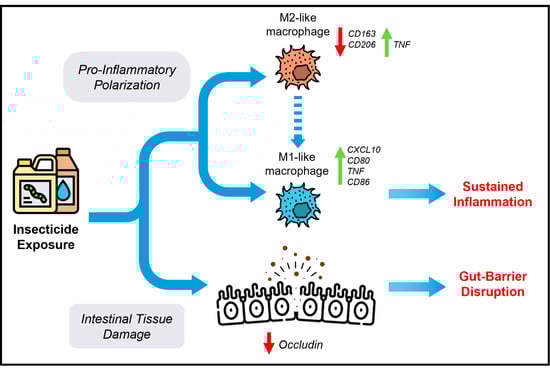
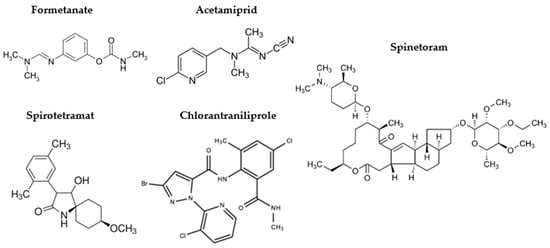
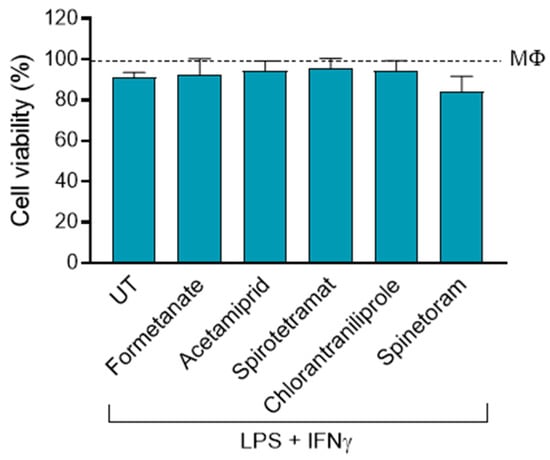
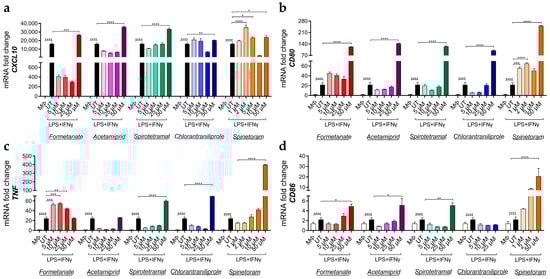
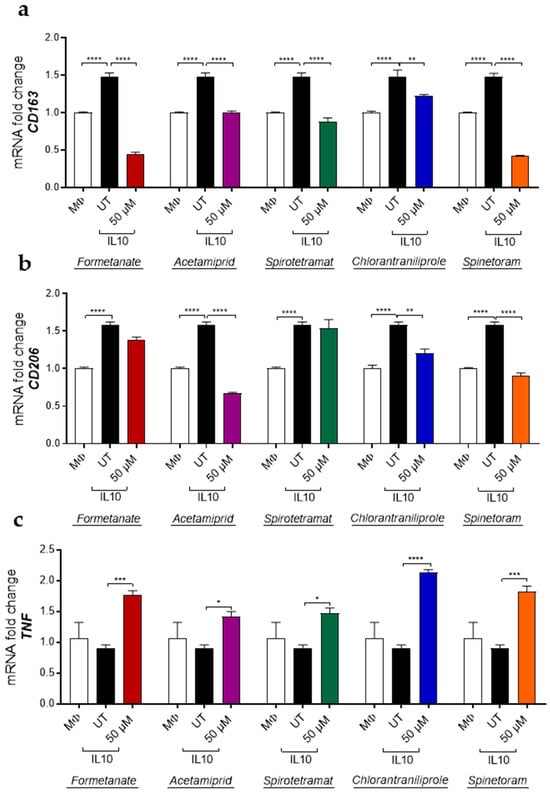
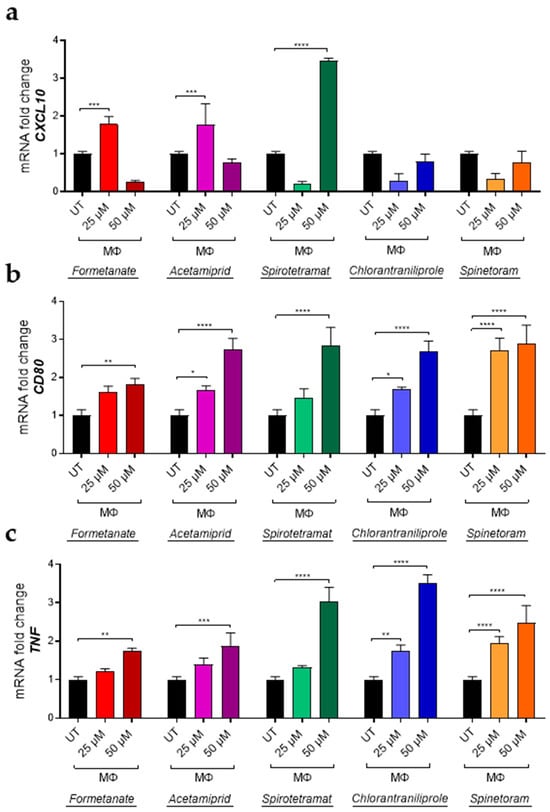
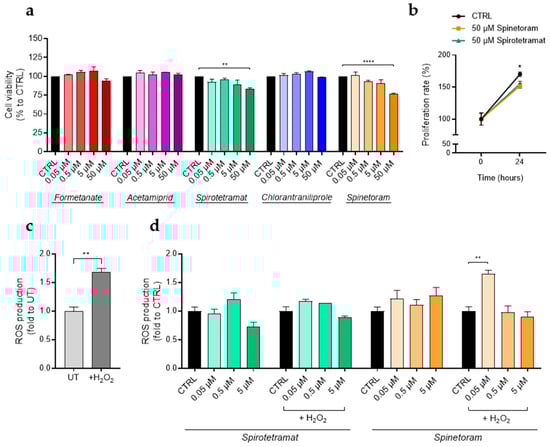
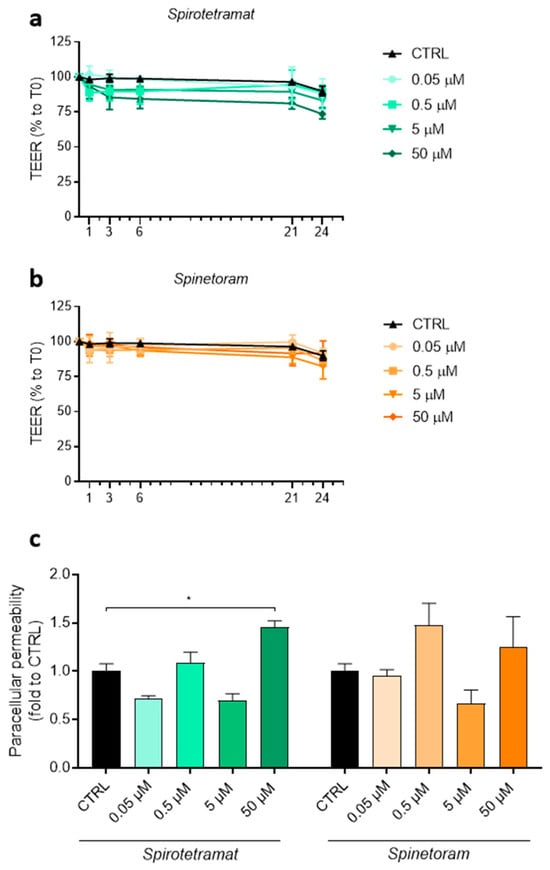
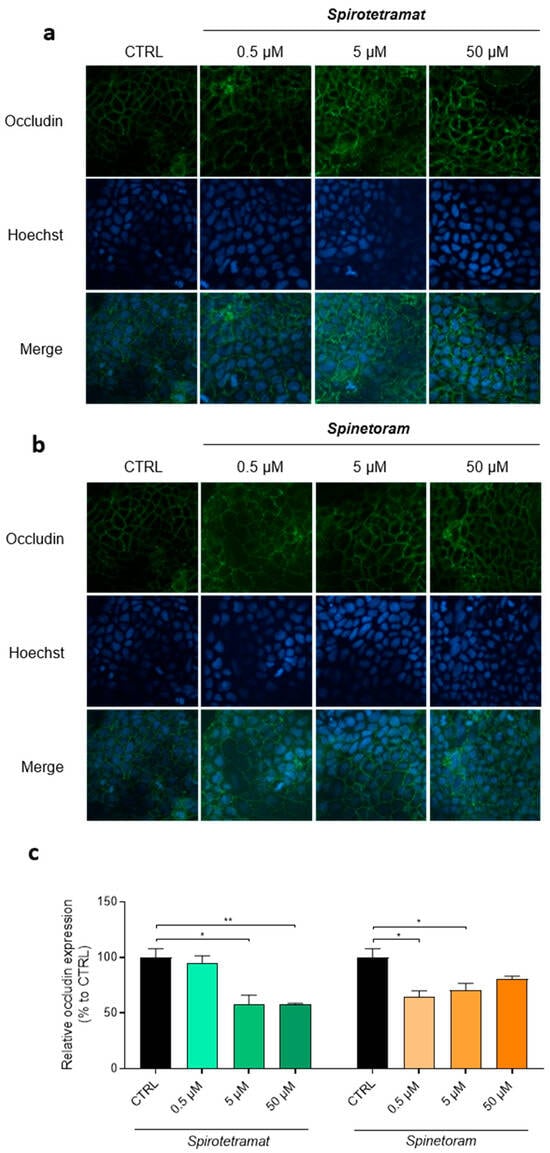
Background: The extensive use of insecticides in modern agriculture has raised concerns about potential chronic effects on human health beyond acute toxicity. Limited evidence exists regarding their impact on immune regulation and intestinal barrier integrity, two key components of host-environment interactions. Methods: Human in-vitro models were used to investigate the immunomodulatory and intestinal effects of several commonly used agricultural insecticides. Primary human macrophages derived from peripheral blood mononuclear cells were exposed to insecticides to assess cell viability and polarization status. Intestinal barrier function was evaluated using Caco-2 cell monolayers by measuring oxidative stress, epithelial integrity, paracellular permeability, and tight junction organization. Results: The tested insecticides induced a pro-inflammatory macrophage phenotype, characterized by increased expression of M1 markers and reduced M2 markers, without affecting cell viability. In Caco-2 cells, insecticide exposure compromised epithelial barrier integrity and disrupted tight junction organization. In this context, neither Spinetoram nor Spirotetramat induced notable oxidative stress under pro-oxidant conditions. However, Spirotetramat caused a significant increase in paracellular permeability. Conclusions: These findings indicate that commonly used insecticides can modulate immune responses and impair intestinal barrier function, suggesting potential mechanisms by which chronic low-level exposure may contribute to immune dysregulation and epithelial dysfunction in humans. Full article
Show Figures

Graphical abstract

17 pages, 665 KB  
Review
The Promise and Challenges of Mesenchymal Stem Cell-Derived Extracellular Vesicles in Periodontal Disease
by Jonghoe Byun
Pathogens 2026, 15(4), 420; https://doi.org/10.3390/pathogens15040420 (registering DOI) - 13 Apr 2026
Abstract
Periodontal disease represents a major global health burden, beginning with gingivitis and progressing to periodontitis, which causes connective tissue breakdown, alveolar bone resorption, and eventual tooth loss. Beyond local pathology, periodontitis is a chronic inflammatory condition with systemic associations, including cardiovascular disease, diabetes, [...] Read more.
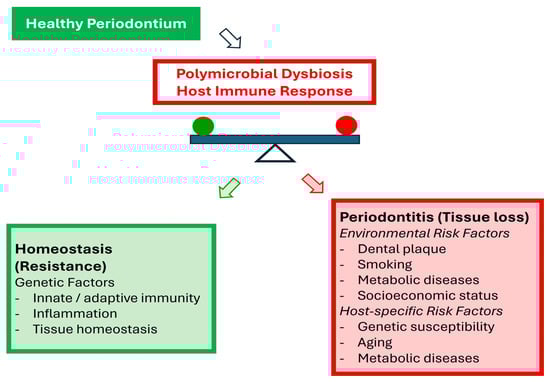
Periodontal disease represents a major global health burden, beginning with gingivitis and progressing to periodontitis, which causes connective tissue breakdown, alveolar bone resorption, and eventual tooth loss. Beyond local pathology, periodontitis is a chronic inflammatory condition with systemic associations, including cardiovascular disease, diabetes, and metabolic disorders. Mesenchymal stem cells (MSCs) and their extracellular vesicles (EVs) have emerged as promising candidates for periodontal regeneration. This review aimed to map the current evidence on MSC-derived EVs (MSC-EVs) in periodontal regeneration, focusing on their mechanisms of action, therapeutic potential, and translational challenges. A comprehensive literature search was conducted across a major biomedical database (PubMed) to identify preclinical and clinical studies investigating MSC-EVs in the context of periodontitis. Data were charted on EV cargo composition, biological functions, regenerative outcomes, and reported limitations. Evidence indicates that MSC-EVs encapsulate bioactive molecules—including antimicrobial peptides, proteins, lipids, and microRNAs—that modulate immune responses, suppress pro-inflammatory signaling, and promote angiogenesis and tissue repair. In periodontal models, MSC-EVs attenuate osteoclast activity, enhance fibroblast proliferation, and stimulate extracellular matrix remodeling, supporting regeneration of periodontal ligament and alveolar bone. Exosome-based approaches demonstrate advantages such as reduced immunogenicity, improved safety, and feasibility for storage and standardization. However, most findings remain preclinical, with limited human data available. To bridge the translational gap, well-designed clinical trials are needed to confirm efficacy and safety while addressing regulatory challenges, GMP standards, and outcome measures. Harnessing their regenerative capacity while mitigating side effects may guide precision-targeted therapies, and continued mechanistic studies with standardized production will be key to advancing MSC-EVs into clinical practice. Full article
(This article belongs to the Section Vaccines and Therapeutic Developments)
Show Figures

Figure 1

16 pages, 1848 KB  
Article
Multivariate Correlation of the Physicochemical and Sensory Profile of Milk Quality from Small Producers in Barranca, Lima-Peru
by José N. Jiménez-Bustamante, Jose C. Vergaray-Huamán, Carlos E. García-Soto, Tito A. Jara-Pajuelo, Nil E. Mendoza-Virhuez, Thalia A. Rivera-Ashqui, Emmanuel A. Sessarego-Dávila, Angel G. Vásquez-Requena and Reynaldo J. Silva-Paz
Appl. Sci. 2026, 16(8), 3796; https://doi.org/10.3390/app16083796 (registering DOI) - 13 Apr 2026
Abstract
The comprehensive quality assessment of raw milk from small-scale producers remains essential for improving dairy sector competitiveness. This study employed a multivariate approach to correlate the physicochemical, colorimetric, and sensory profiles of raw milk from eleven producers in the town of Supe, Barranca, [...] Read more.
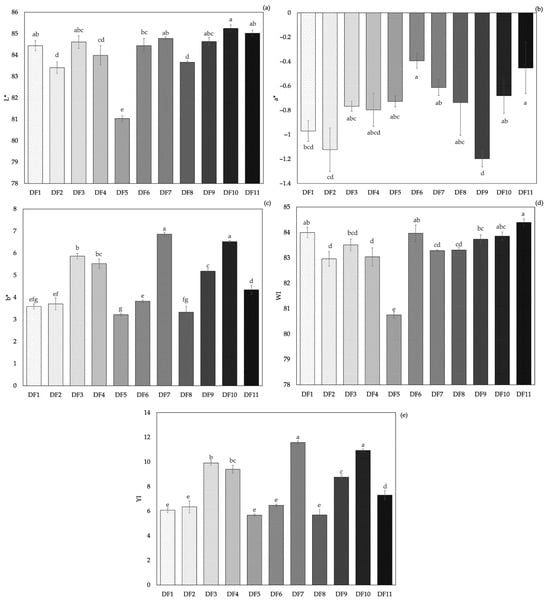
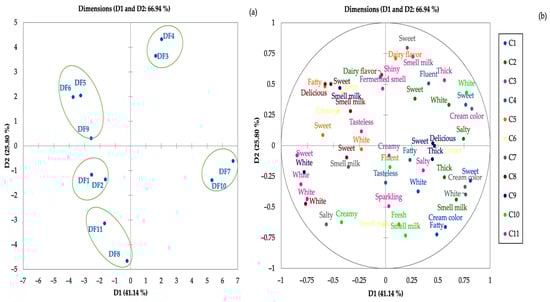
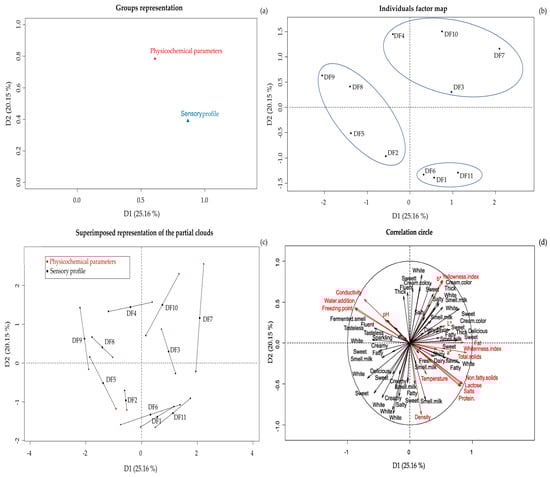
The comprehensive quality assessment of raw milk from small-scale producers remains essential for improving dairy sector competitiveness. This study employed a multivariate approach to correlate the physicochemical, colorimetric, and sensory profiles of raw milk from eleven producers in the town of Supe, Barranca, Lima, Peru. Milk samples were analyzed using a Lactoscan MCC ultrasonic analyzer, CIEL*a*b* colorimetry, and the Flash Profile sensory method. Data integration and interpretation were performed using Analysis of Variance (ANOVA), Generalized Procrustes Analysis (GPA) and Hierarchical Multiple Factor Analysis (HMFA). The results revealed significant heterogeneity, identifying two distinct producer groups. A high-quality group (DF7, DF10, DF11) presented adequate physicochemical parameters: high fat content (>3.77%), total solids (>12.06%), normal freezing point (≈−0.53 °C), creamy color (high L* and b*), and positive sensory attributes (“fatty”, “creamy”). In contrast, a low-quality group (DF4, DF5, DF8, DF9) showed evidence of water adulteration (12–16%), reflected in an elevated freezing point (up to −0.44 °C), low solids-not-fat, and defective sensory profiles (“tasteless”, “salty”). The HMFA demonstrated a strong concordance between instrumental and sensory data sets, identifying water adulteration and fat content as the primary drivers of quality variation. This integrated methodology provides a robust diagnostic tool for quality-based payment systems and targeted technical assistance, offering a replicable model for enhancing quality control and valorizing raw milk in smallholder dairy systems. Full article
(This article belongs to the Section Food Science and Technology)
Show Figures

Figure 1

6 pages, 470 KB  
Communication
Synthesis of 2-Methylcamalexin
by Yordan Stremski, Maria Bachvarova, Stela Statkova-Abeghe and Plamen Angelov
Molbank 2026, 2026(2), M2163; https://doi.org/10.3390/M2163 (registering DOI) - 13 Apr 2026
Abstract
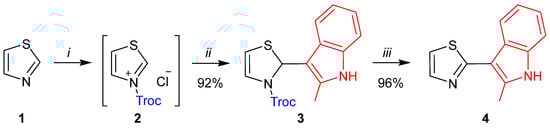
2-methylcamalexin, a novel derivative of the phytoalexin Camalexin, was synthesized for the first time, using a convenient two-step approach. The approach realizes coupling of two aromatic heterocyclic moieties (2-methylindole and thiazole) by sequential α-amidoalkylation/oxidative re-aromatization. The target product was obtained in a cost-effective [...] Read more.
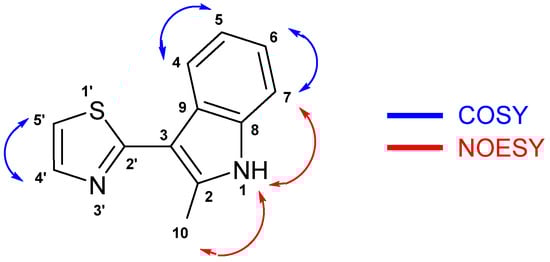
2-methylcamalexin, a novel derivative of the phytoalexin Camalexin, was synthesized for the first time, using a convenient two-step approach. The approach realizes coupling of two aromatic heterocyclic moieties (2-methylindole and thiazole) by sequential α-amidoalkylation/oxidative re-aromatization. The target product was obtained in a cost-effective manner, with 88% yield over two steps. The structure of the synthesized product was unequivocally determined on the basis of NMR, HRMS and FTIR spectral measurments. Full article
(This article belongs to the Section Organic Synthesis and Biosynthesis)
Show Figures

Figure 1

13 pages, 1599 KB  
Article
VCMA-MRAM In-Memory Stochastic Sampling for Edge Boltzmann Machine Inference
by Xuesheng Deng, Yuesheng Li, Bin Fang and Lin Wang
Electronics 2026, 15(8), 1622; https://doi.org/10.3390/electronics15081622 (registering DOI) - 13 Apr 2026
Abstract
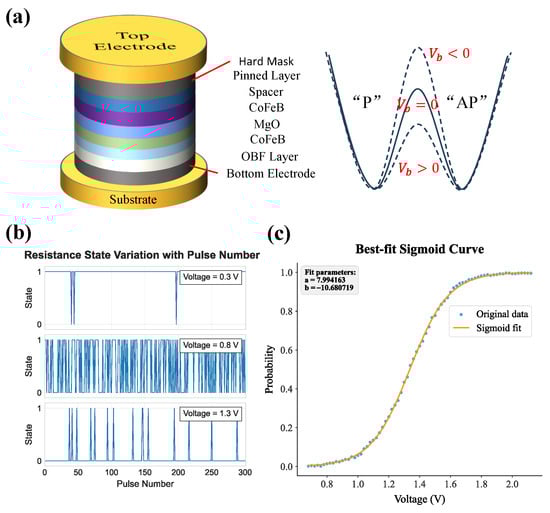
Edge intelligence is often limited by the computation–energy trade-off in resource-constrained devices. Boltzmann machines (BMs) provide strong unsupervised learning capability, yet their reliance on Gibbs sampling makes digital implementations costly in both computation and energy. In this paper, we present a voltage-controlled magnetic [...] Read more.
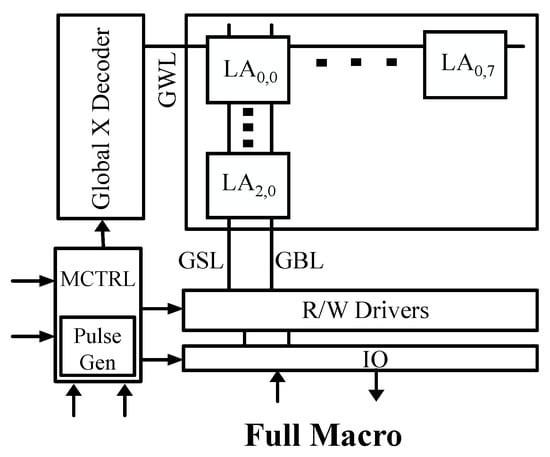
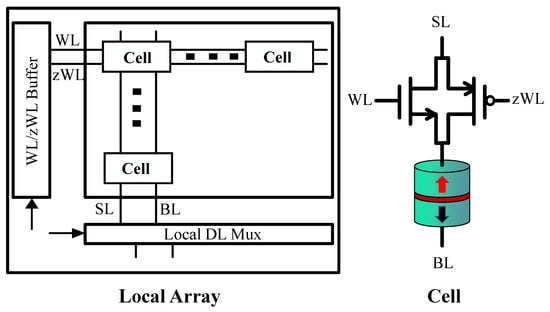
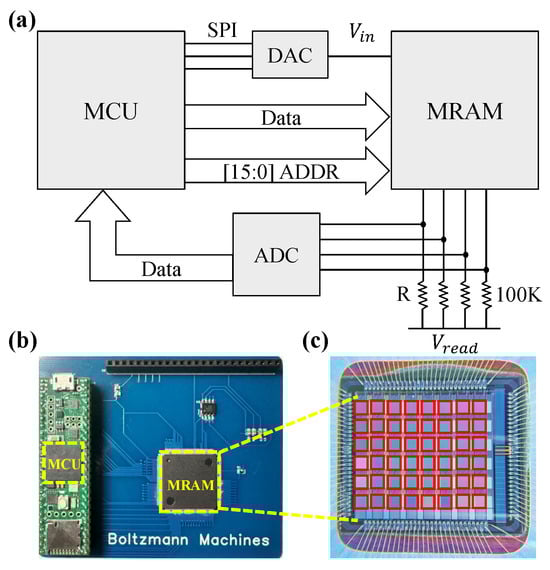
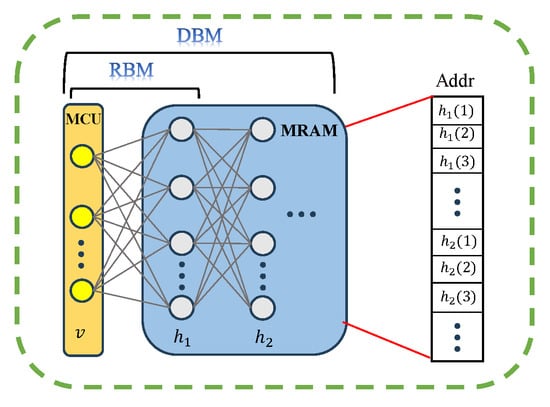
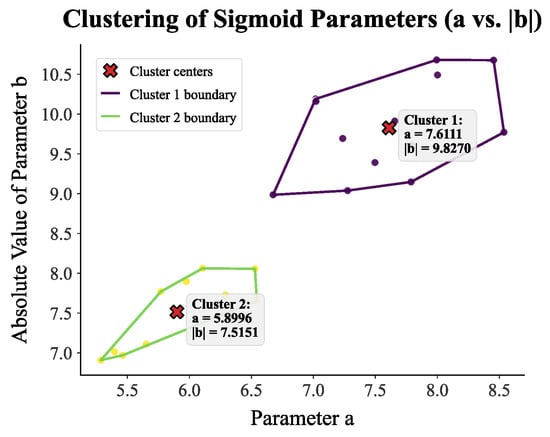
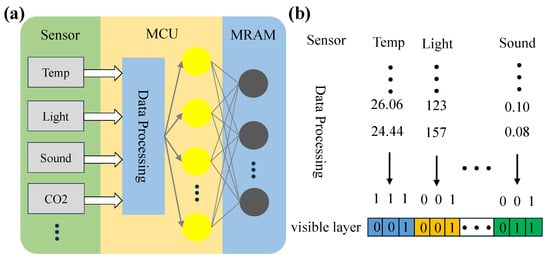
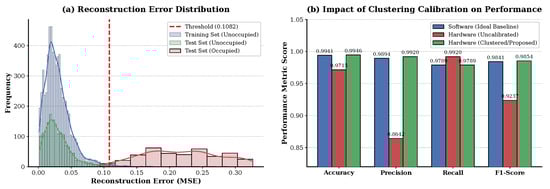
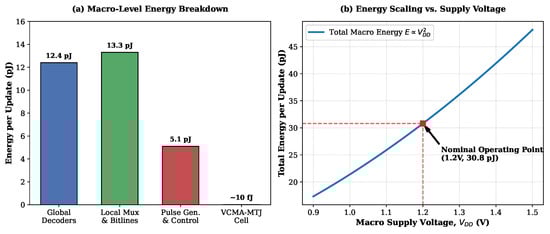
Edge intelligence is often limited by the computation–energy trade-off in resource-constrained devices. Boltzmann machines (BMs) provide strong unsupervised learning capability, yet their reliance on Gibbs sampling makes digital implementations costly in both computation and energy. In this paper, we present a voltage-controlled magnetic anisotropy magnetic tunnel junction (VCMA-MTJ)-based MRAM system that performs in-memory stochastic sampling for state generation and updates in restricted/deep Boltzmann machines (RBMs/DBMs). By exploiting the intrinsic stochastic switching of VCMA-MTJs, the proposed system achieves probabilistic sampling with an energy as low as ∼10 fJ per sample. Implemented on a microcontroller-based edge platform, it enables real-time multi-sensor anomaly detection with an F1-score of 0.9854 and stable operation. The proposed hardware–algorithm co-design achieves in situ stochastic computing and storage within a single MRAM cell, providing an ultra-low-power substrate for probabilistic inference at the edge. Full article
(This article belongs to the Section Electronic Materials, Devices and Applications)
Show Figures

Figure 1

19 pages, 4099 KB  
Article
Differential Effects of Five Rearing Systems on Immune-Related Gene Expression in the Blood and Spleen of Termond White Rabbits
by Zuzanna Siudak, Paweł Bielański, Katarzyna Ropka-Molik, Katarzyna Piórkowska and Dorota Kowalska
Genes 2026, 17(4), 451; https://doi.org/10.3390/genes17040451 (registering DOI) - 13 Apr 2026
Abstract
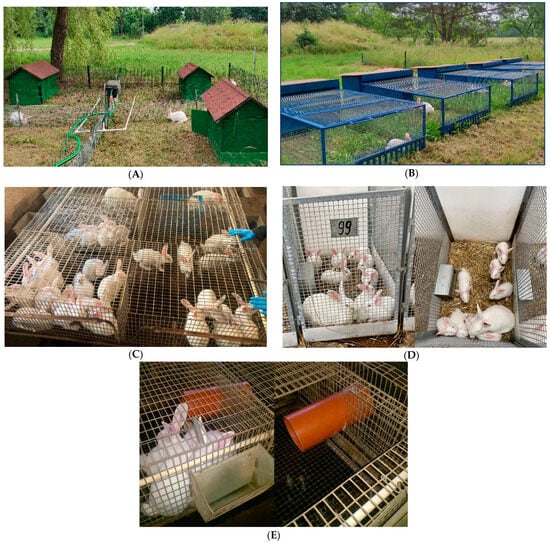
Background/Objectives: Improving rabbit welfare through alternative housing systems requires a better understanding of how environmental conditions modulate physiological and immune responses at the molecular level. This study aimed to evaluate the influence of different rearing systems on the expression of genes associated with [...] Read more.
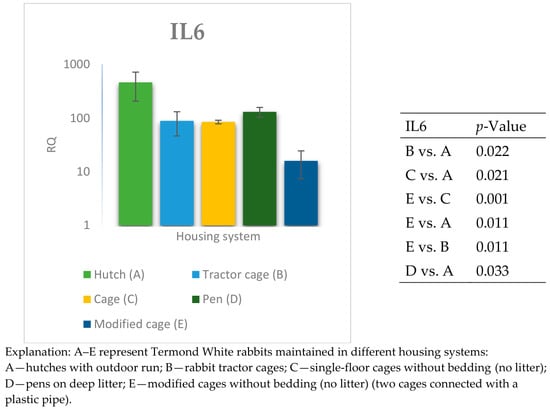
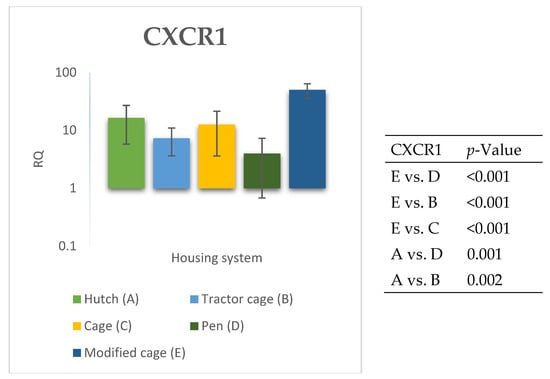
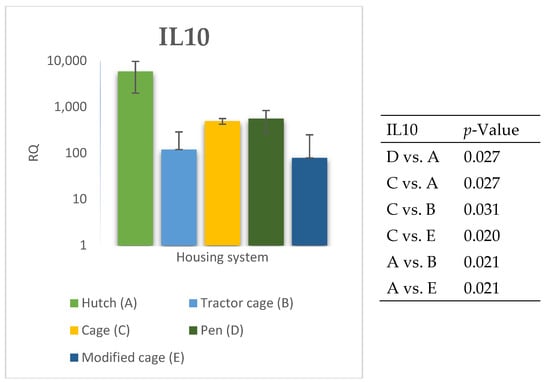
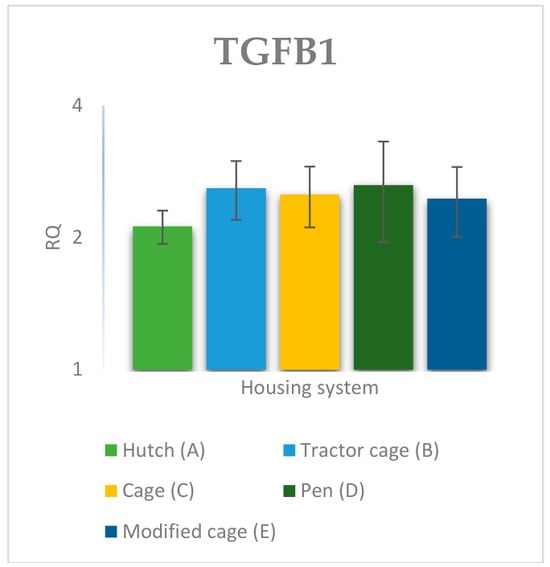
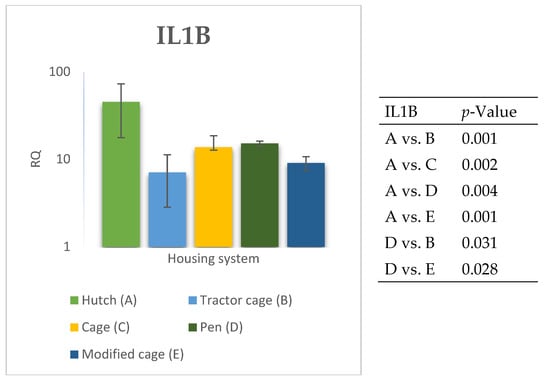
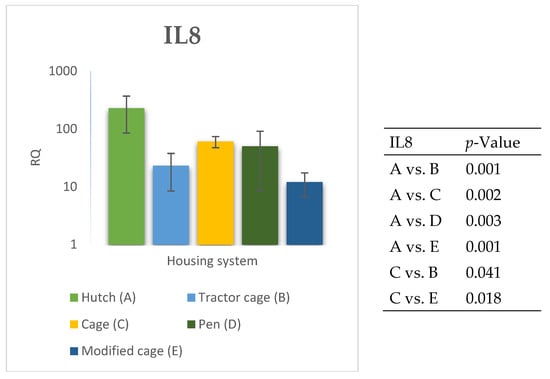
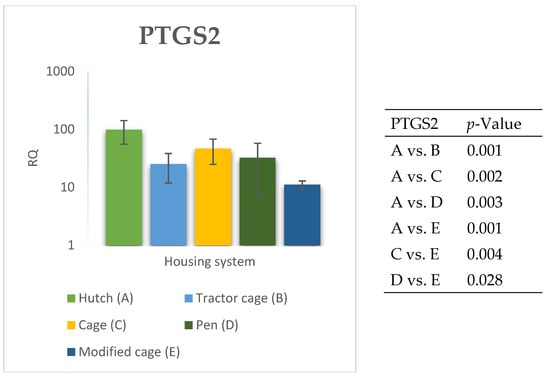
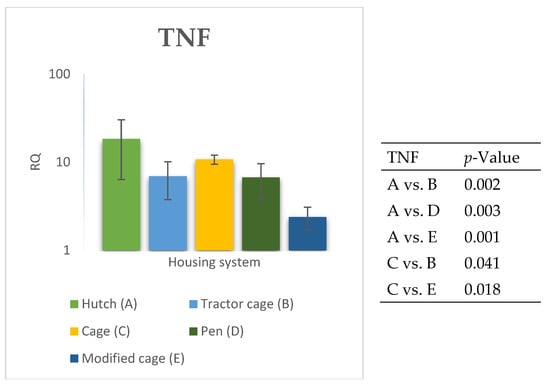
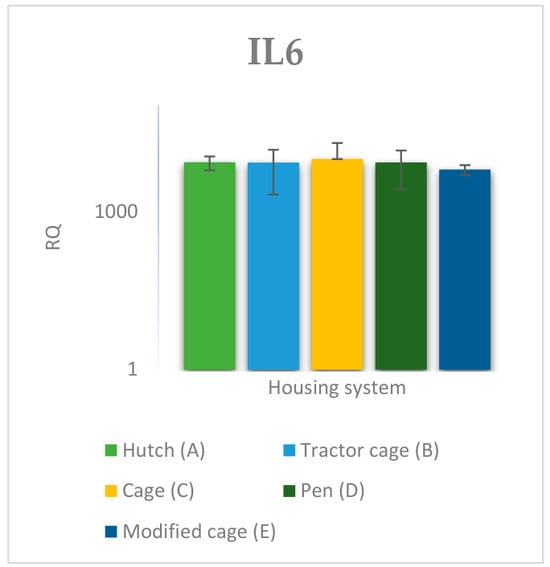
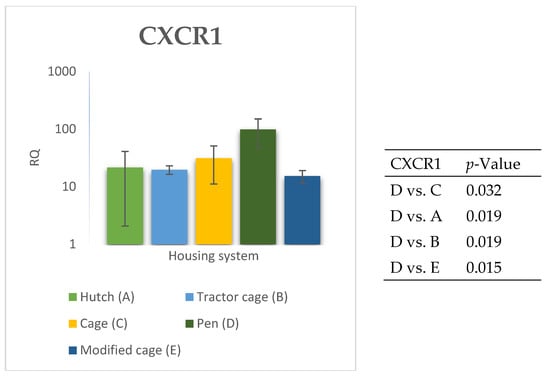
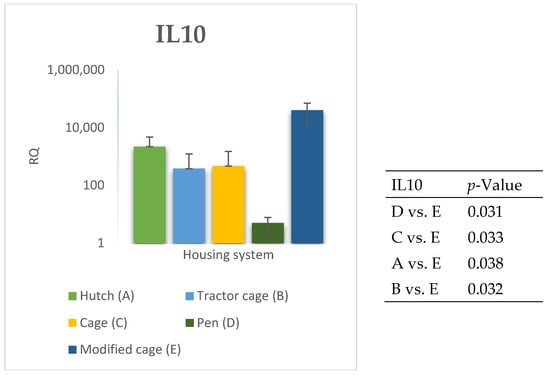
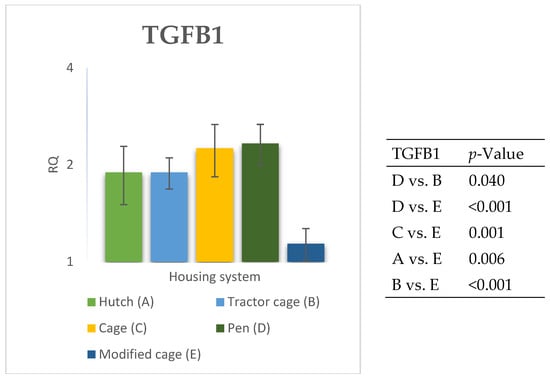
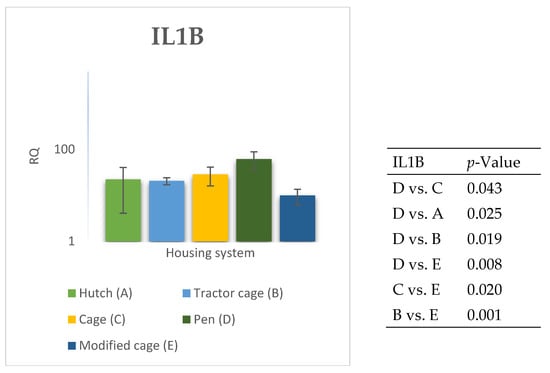
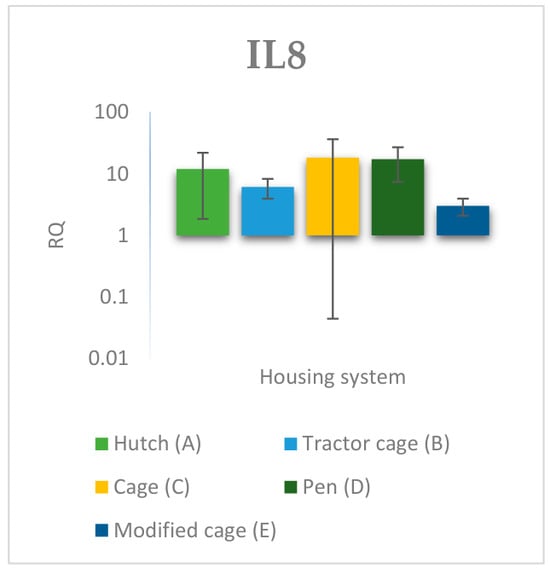
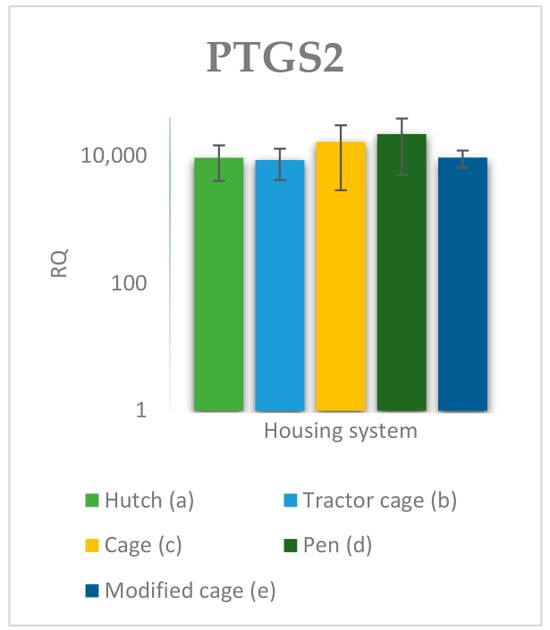
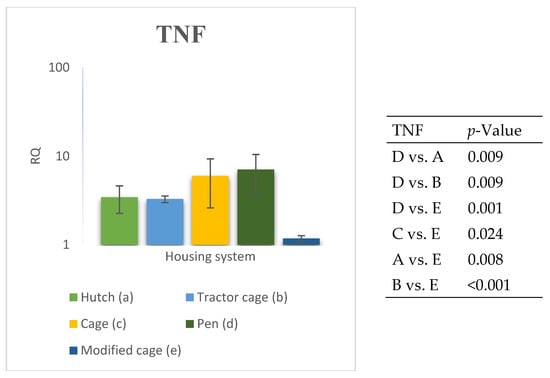
Background/Objectives: Improving rabbit welfare through alternative housing systems requires a better understanding of how environmental conditions modulate physiological and immune responses at the molecular level. This study aimed to evaluate the influence of different rearing systems on the expression of genes associated with inflammation, immune regulation, and stress response in Termond White rabbits. Methods: After weaning (35 days of age), Termond White females (n = 16 per group) were allocated to five housing systems differing in space allowance and activity opportunities: hutches with outdoor runs, rabbit tractor cages with outdoor runs, single-floor indoor cages without bedding, indoor pens on deep litter, and modified indoor cages (two cages connected with a plastic pipe). At slaughter weight (2600–2900 g; 90–120 days), blood and spleen samples were collected. The relative expression of IL6, CXCR1, IL10, TGFB1, IL8, PTGS2, IL1B, and TNF was quantified by RT-qPCR using the 2−ΔΔCt method, with ACTB and B2M as reference genes. Results: The housing system significantly affected the expression of most analysed genes in peripheral blood (IL6, CXCR1, IL1B, PTGS2, IL8, TNF, and IL10; p ≤ 0.05), whereas in the spleen significant differences were observed only for selected genes (IL1B, TNF, CXCR1, IL10, and TGFB1), with no effect detected for IL6, IL8, and PTGS2 (p > 0.05). In blood, system-dependent differences were observed for both pro-inflammatory and regulatory genes, with some housing conditions associated with higher expression of inflammatory markers. In the spleen, the response was more selective and gene-specific, suggesting tissue-dependent modulation of immune-related pathways. Conclusions: Rearing environment influences the expression of immune-related genes in Termond White rabbits; however, these effects appear to be tissue-dependent and vary among specific genes. The observed transcriptional changes suggest potential associations between housing conditions and immune responses, but further studies integrating behavioural, physiological, and protein-level data are required to confirm their relevance for animal welfare assessment. Full article
(This article belongs to the Section Animal Genetics and Genomics)
Show Figures

Figure 1

28 pages, 4360 KB  
Article
Enhanced YOLOv8s with Multi-Teacher Distillation for Steel Cord Ply Defect Detection
by Peng Huang, Zhongyi Xie, Rui Long, Feiqiang Zhou, Xinlong Zhang, Zejie Ke and Guangzhan Huang
Appl. Sci. 2026, 16(8), 3795; https://doi.org/10.3390/app16083795 (registering DOI) - 13 Apr 2026
Abstract
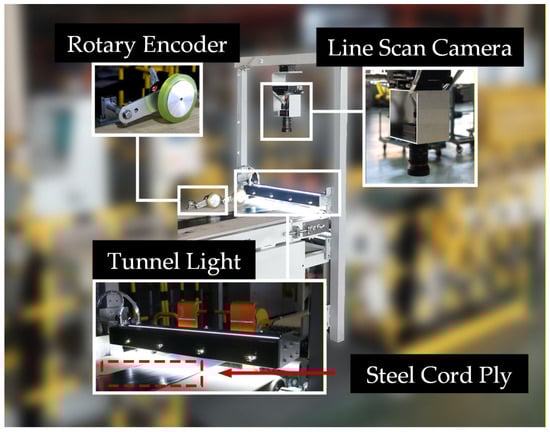
To improve detection accuracy for color-sensitive and small-target defects in steel cord ply, this paper introduces an improved YOLOv8s algorithm using multi-teacher stepwise hierarchical knowledge distillation for better adaptation across production lines. The improvements include: replacing the initial backbone convolutional layer with RGBV [...] Read more.
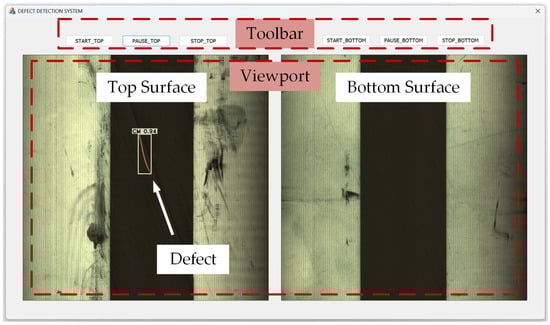
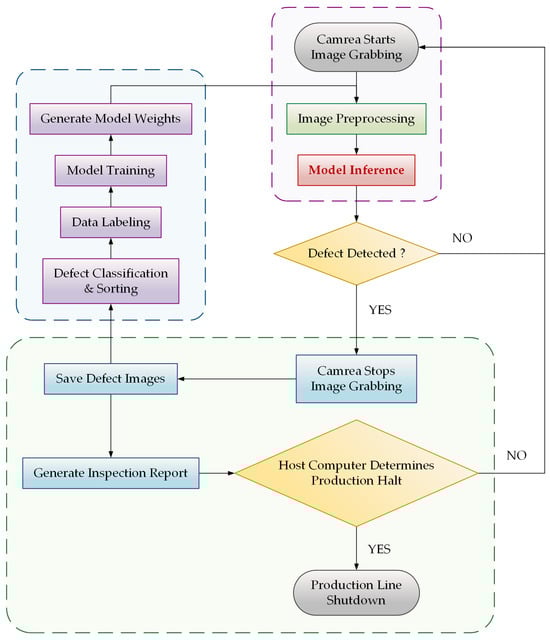
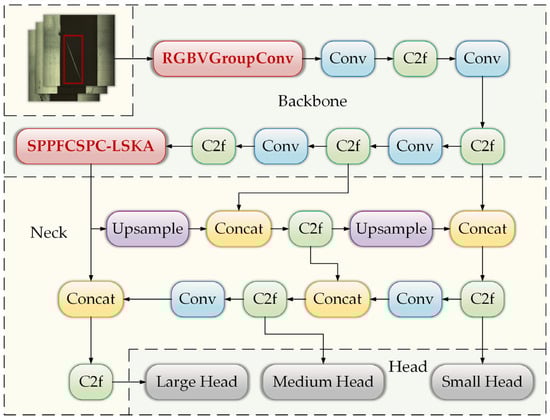
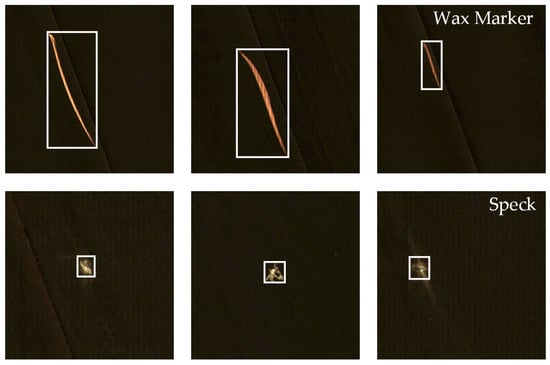
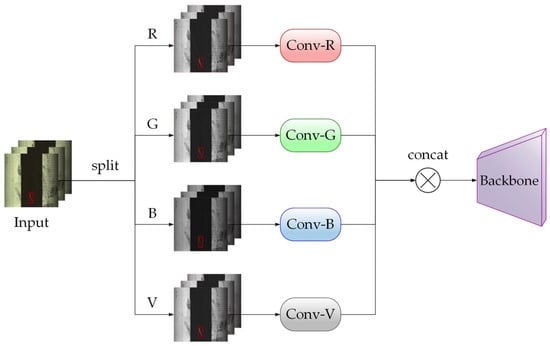
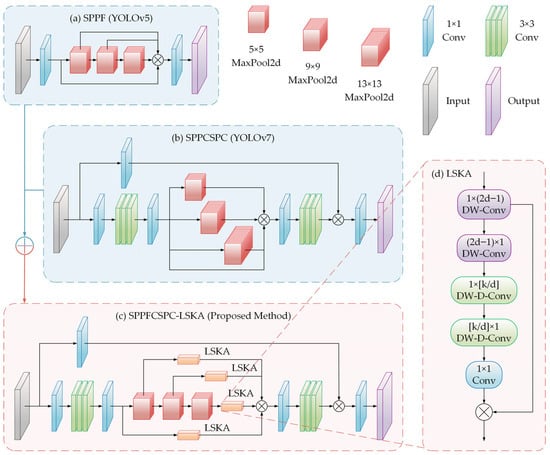
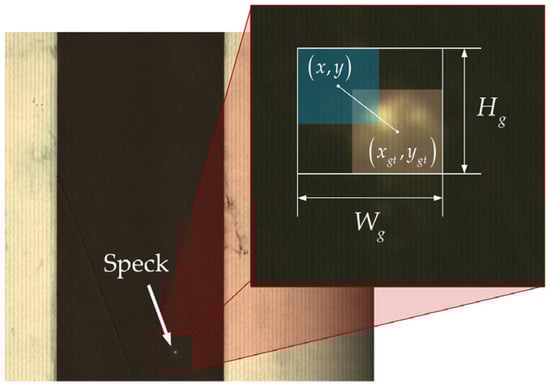
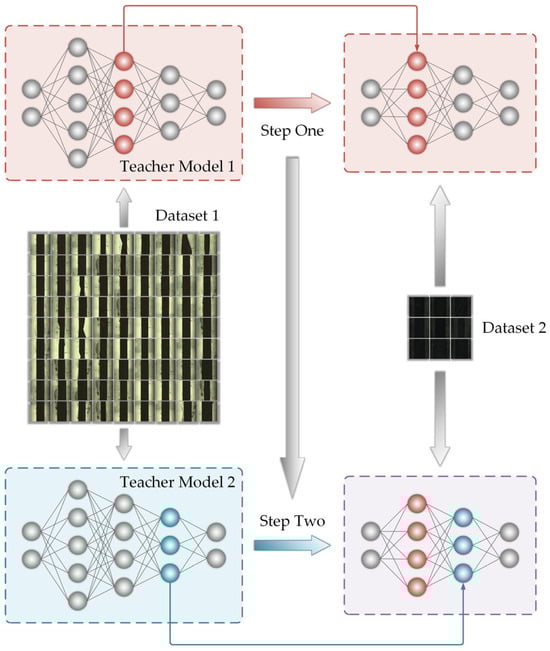
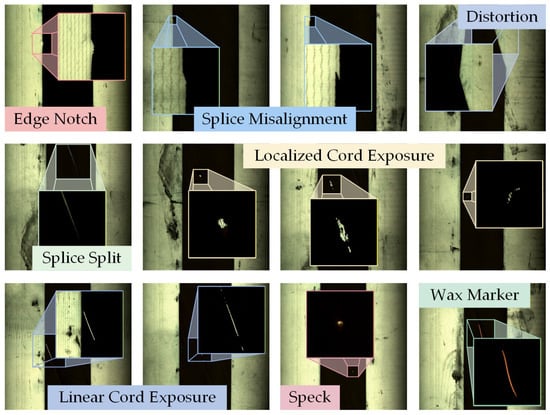
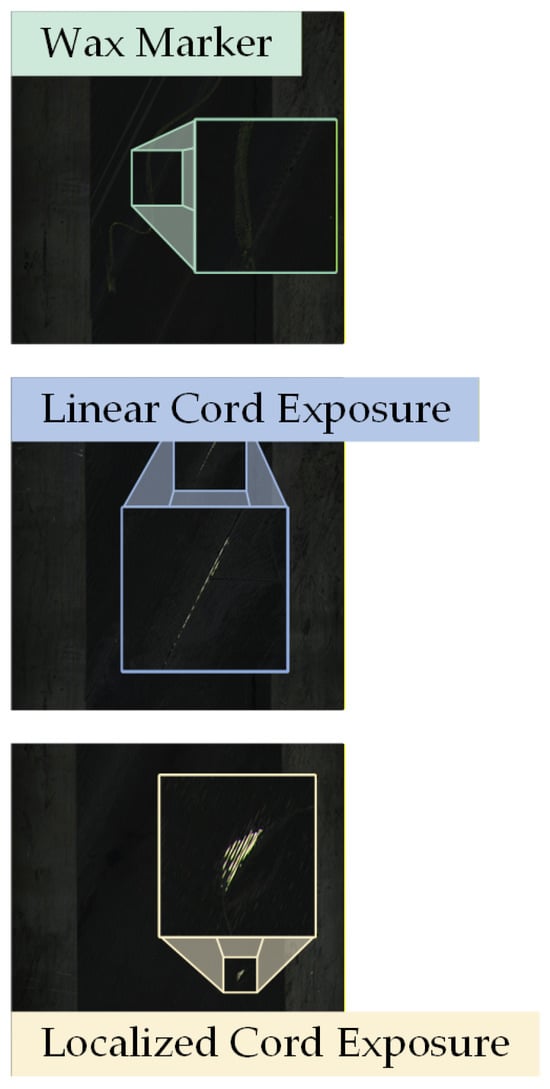
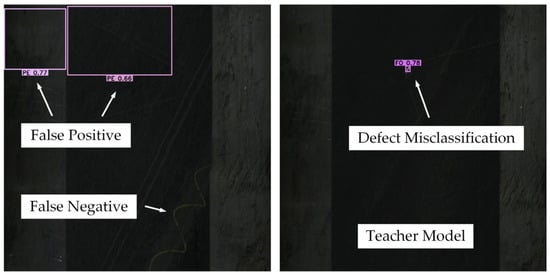
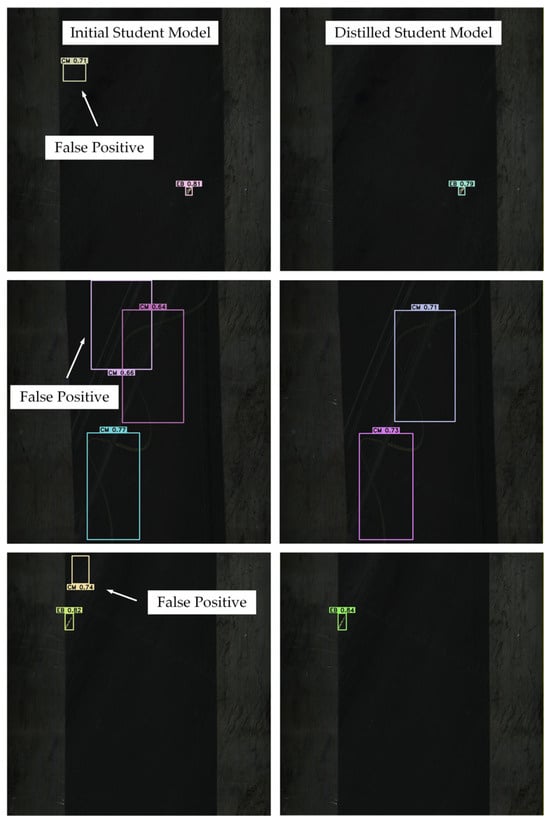
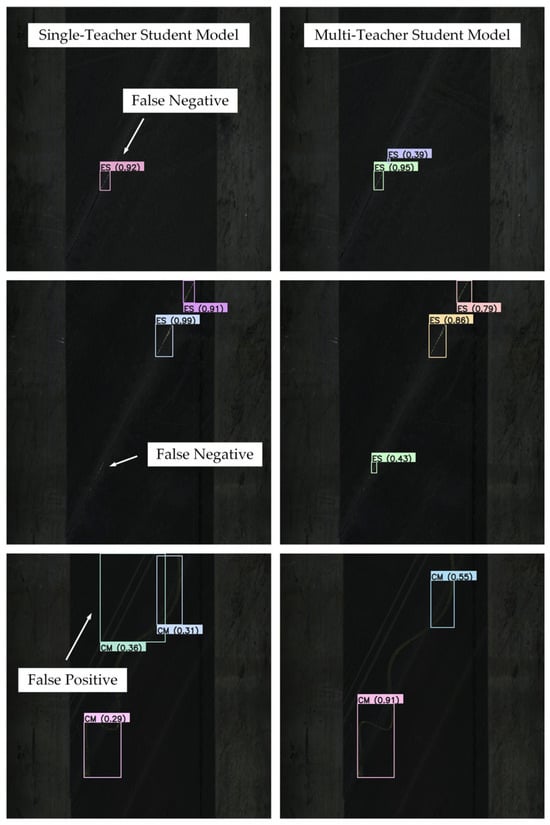
To improve detection accuracy for color-sensitive and small-target defects in steel cord ply, this paper introduces an improved YOLOv8s algorithm using multi-teacher stepwise hierarchical knowledge distillation for better adaptation across production lines. The improvements include: replacing the initial backbone convolutional layer with RGBV grouped convolution to enhance color feature extraction; substituting the SPPF module with SPPFCSPC-LSKA to improve multi-scale perception; and optimizing bounding box accuracy with the WIoU loss function. The multi-teacher distillation approach first transfers color feature learning using an RGBV-only teacher, then multi-scale feature learning with an SPPFCSPC-LSKA-only teacher. Experimental results show the improved model achieved 90.4% precision, 92.0% recall, 91.2% F1-score, and 97.2% mAP@0.5, surpassing the baseline YOLOv8s by 1.9, 2.2, 2.1, and 3.4 percentage points, respectively. The proposed model also achieves an inference time of 3.9 ms, representing a 1.0 ms reduction compared to the baseline. On a smaller dataset from another production line, single-teacher distillation increased precision, recall, F1-score, and mAP@0.5 to 84.6%, 82.0%, 83.3%, and 88.8%, respectively, albeit with an increase in inference time. The multi-teacher strategy further increased metrics to 97.5% precision, 88.8% recall, 92.9% F1-score, and 94.3% mAP@0.5, providing additional gains over single-teacher distillation while maintaining the same parameter count of 11.127 M and achieving a faster inference time of 4.1 ms on the target production line. Full article
Show Figures

Figure 1

19 pages, 1335 KB  
Article
A Comprehensive HPLC-HRMS/MS Targeted Screening Method to Detect 90 New Psychoactive Substances in Oral Fluid Samples
by Ilaria Spinella, Fabio Altieri, Simona Pichini, Adele Minutillo and Annagiulia Di Trana
Biology 2026, 15(8), 616; https://doi.org/10.3390/biology15080616 (registering DOI) - 13 Apr 2026
Abstract
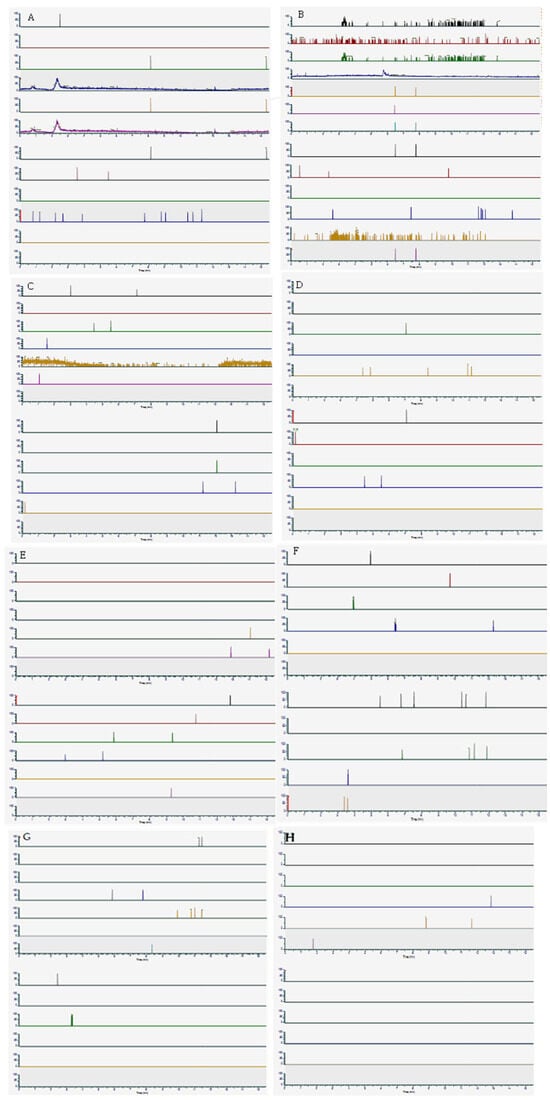
The continuous emergence of New Psychoactive Substances (NPS) poses a significant challenge to public health and forensic toxicology due to their unpredictable pharmacology and rapid turnover on the illicit market. This study describes the development and validation of a high-resolution screening method for [...] Read more.
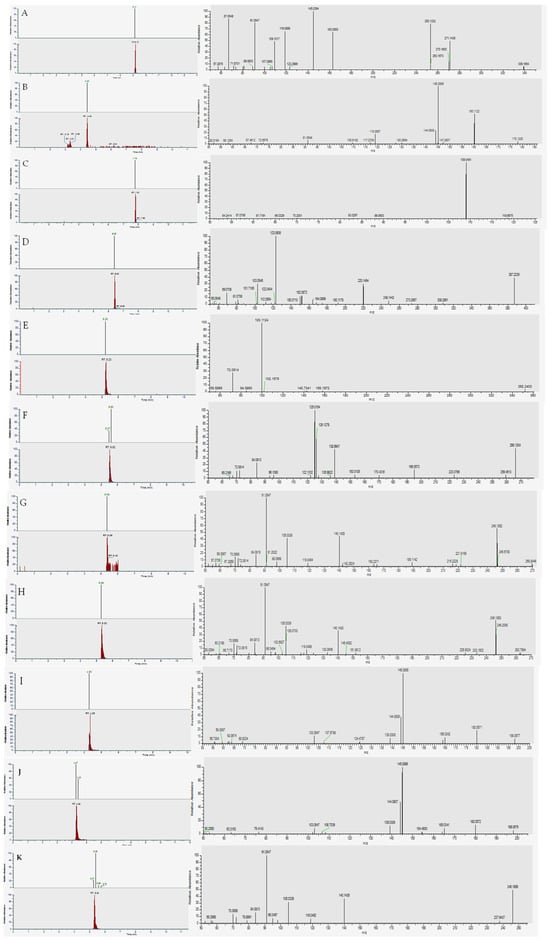
The continuous emergence of New Psychoactive Substances (NPS) poses a significant challenge to public health and forensic toxicology due to their unpredictable pharmacology and rapid turnover on the illicit market. This study describes the development and validation of a high-resolution screening method for the simultaneous detection of 90 NPS in oral fluid (OF), a matrix of choice for non-invasive sampling and roadside testing. The analytical workflow utilizes a “dilute-and-shoot” approach (1:2 v/v dilution) followed by ultra-high-performance liquid chromatography coupled with a quadrupole-Orbitrap hybrid mass spectrometer (UHPLC-HRMS/MS). Chromatographic separation was achieved in 11 min using a biphenyl column and a gradient elution. The method was validated according to ANSI/ASB Standard 036 guidelines, covering 90 substances including synthetic cannabinoids (e.g., HHC, MDMB-4en-PINACA), synthetic cathinones, and high-risk synthetic opioids such as nitazenes and fentanyl analogues. Results showed high sensitivity, with limits of identification (LOI) reaching 1 ng/mL for 44.4% of the analytes and 5 ng/mL for 37.8%, while the remaining compounds showed higher LOIs ranging from 10 to 100 ng/mL. No significant matrix interference or carryover was observed. The method was successfully applied to real samples from external quality control programs and forensic cases. This robust and versatile screening tool is suitable for clinical and forensic applications, supporting the monitoring of emerging NPS trends. Full article
Show Figures

Figure 1

15 pages, 592 KB  
Article
How Do Portuguese Care Providers Address Disability and LGBT Identity in Their Work?
by Inês Soares, Ana R. Pinho, Liliana Rodrigues, Catarina Maria Rêgo-Moreira and Conceição Nogueira
Healthcare 2026, 14(8), 1026; https://doi.org/10.3390/healthcare14081026 (registering DOI) - 13 Apr 2026
Abstract
Despite growing interest in the sexuality and gender identity of people with disabilities (PWD), this topic remains underexplored in both research and institutional policies, owing to prevailing views that ignore PWD sexual life. This contributes to the invisibility of individuals who identify as [...] Read more.
Despite growing interest in the sexuality and gender identity of people with disabilities (PWD), this topic remains underexplored in both research and institutional policies, owing to prevailing views that ignore PWD sexual life. This contributes to the invisibility of individuals who identify as lesbian, gay, bisexual, and trans (LGBT) and to inadequate attention to the specific needs of LGBT people with disabilities (LGBT PWD). Background/Objectives: Given the lack of Portuguese studies that examine the intersection of LGBT and disability identities, this study aimed to understand professionals’ attitudes and practices toward PWD regarding sexuality and LGBT belonging. Methods: We conducted qualitative research using semi-structured interviews with eleven professionals (two psychologists, three occupational therapists, and six personal assistants). We analyzed the data using reflexive thematic analysis. Results: Key findings highlight professionals’ limited knowledge, prevailing cis-heteronormative attitudes, and emerging affirmative practices. Conclusions: Training and institutional changes are needed to make services more inclusive and responsive to the needs of LGBT PWD. Full article
(This article belongs to the Special Issue Gender, Sexuality and Mental Health)
18 pages, 9410 KB  
Article
Impact of Purge Regime and Reactor Volume on ALD ZnO and ZrO2 Growth: From Structural Properties to Applications
by Lukasz Wachnicki and Sylwia Gieraltowska
Materials 2026, 19(8), 1556; https://doi.org/10.3390/ma19081556 (registering DOI) - 13 Apr 2026
Abstract
ALD is a precise thin-film deposition technique based on self-limiting surface reactions. A crucial stage in each ALD cycle is the purge step, which removes excess precursor molecules and reaction by-products from the reactor chamber, preventing uncontrolled gas-phase reactions that could degrade film [...] Read more.
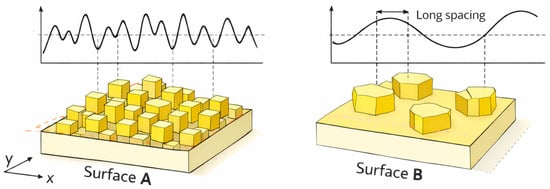
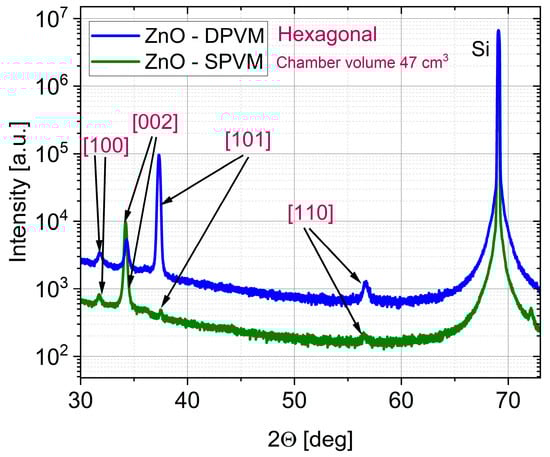
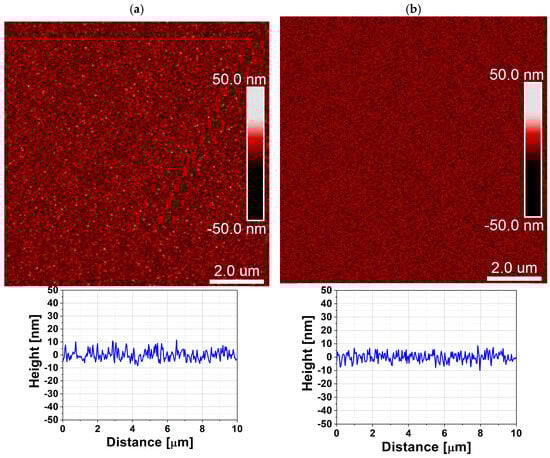
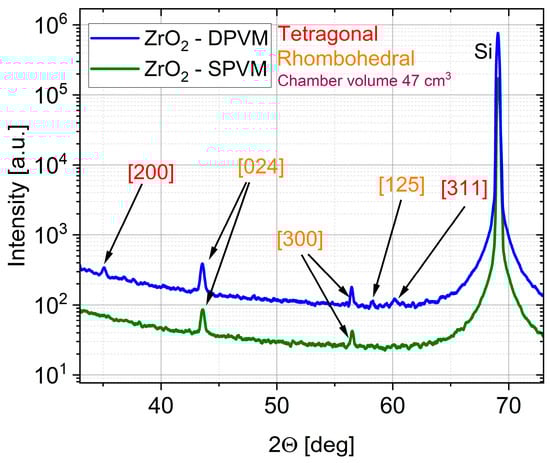
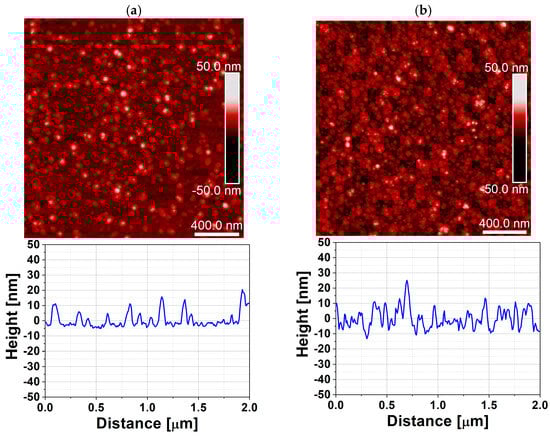
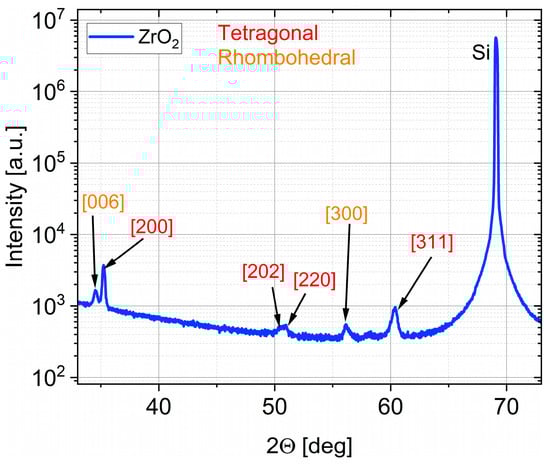
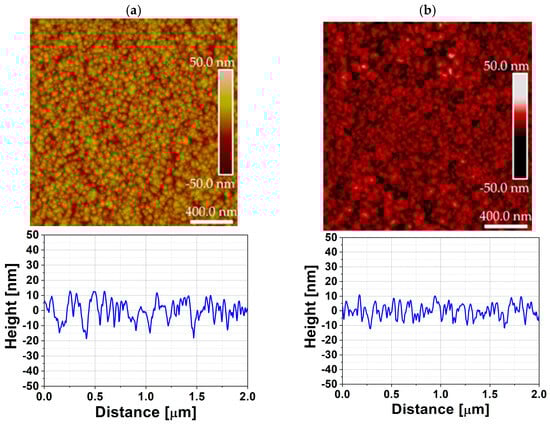
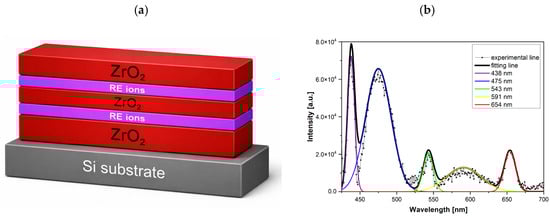
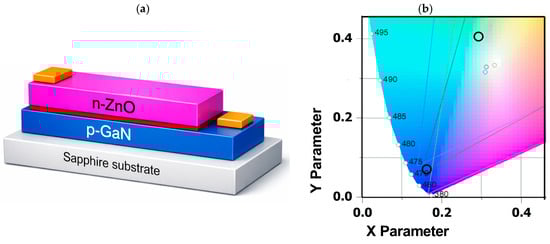
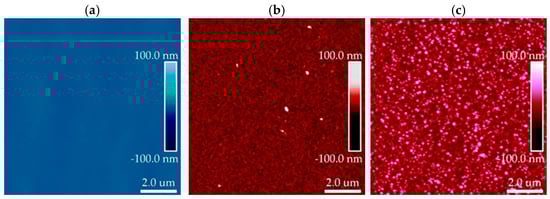
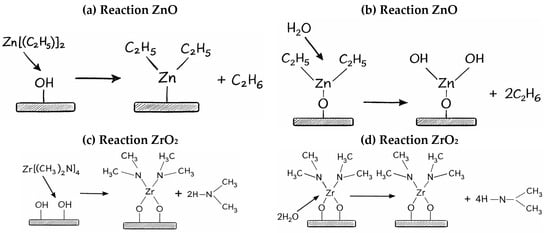
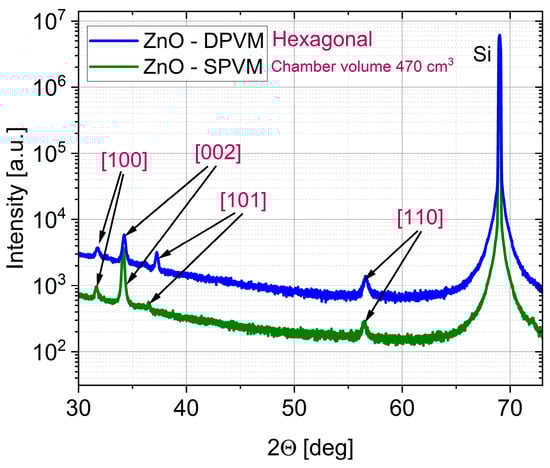
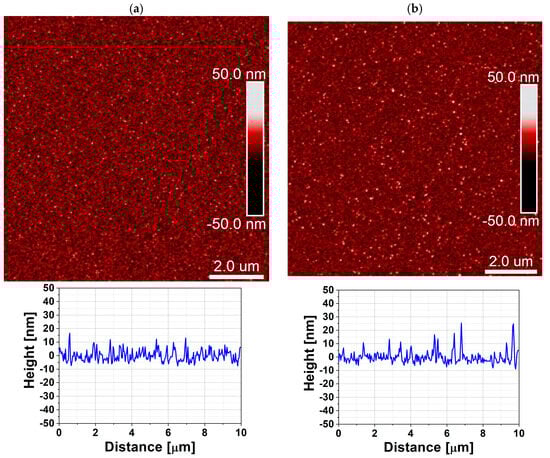
ALD is a precise thin-film deposition technique based on self-limiting surface reactions. A crucial stage in each ALD cycle is the purge step, which removes excess precursor molecules and reaction by-products from the reactor chamber, preventing uncontrolled gas-phase reactions that could degrade film quality. Despite its fundamental importance, the impact of purge dynamics on film growth and structure remains insufficiently explored. ZnO and ZrO2 films were deposited in reactors with different effective chamber volumes (47 and 470 cm3), enabling a systematic study of gas residence time effects. Our results demonstrate that the purge mode—dynamic versus static vacuum—strongly affects the growth behavior, crystallinity, and surface morphology of ALD oxides. Dynamic purging leads to smoother, more uniform, and better-crystallized films, whereas static exposure results in lower structural and morphological quality, particularly for ZrO2. Importantly, these results demonstrate that purge-mode engineering provides a powerful and cost-effective route for tailoring oxide film structure without altering the precursor chemistry or deposition temperature. To validate the practical integration of these optimized films, functional phosphor and LED structures were fabricated, confirming that the controlled microstructure is well-suited for optoelectronic applications. This approach also offers new possibilities for controlling film properties in sensors and catalysts. Full article
Show Figures

Figure 1

Open Access Journals

Browse by Indexing Browse by Subject Selected Journals
Back to TopTop