All articles published by MDPI are made immediately available worldwide under an open access license. No special
permission is required to reuse all or part of the article published by MDPI, including figures and tables. For
articles published under an open access Creative Common CC BY license, any part of the article may be reused without
permission provided that the original article is clearly cited. For more information, please refer to
https://www.mdpi.com/openaccess.
Feature papers represent the most advanced research with significant potential for high impact in the field. A Feature
Paper should be a substantial original Article that involves several techniques or approaches, provides an outlook for
future research directions and describes possible research applications.
Feature papers are submitted upon individual invitation or recommendation by the scientific editors and must receive
positive feedback from the reviewers.
Editor’s Choice articles are based on recommendations by the scientific editors of MDPI journals from around the world.
Editors select a small number of articles recently published in the journal that they believe will be particularly
interesting to readers, or important in the respective research area. The aim is to provide a snapshot of some of the
most exciting work published in the various research areas of the journal.
Students are frequently assigned factual readings to learn disciplinary knowledge, yet such readings are often experienced as effortful, externally imposed, and assessment-driven. By contrast, fiction read for pleasure can absorb readers so deeply that they voluntarily learn characters, histories, places, rules, and lore
[...] Read more.
Students are frequently assigned factual readings to learn disciplinary knowledge, yet such readings are often experienced as effortful, externally imposed, and assessment-driven. By contrast, fiction read for pleasure can absorb readers so deeply that they voluntarily learn characters, histories, places, rules, and lore from imaginary worlds. This contrast is not simply a matter of facts versus fiction. It reflects several overlapping dimensions, including narrative versus expository structure, assigned versus self-chosen reading, assessment pressure versus voluntary engagement, and isolated information versus richly connected worlds. In this Perspective paper, I provide: (1) an examination of why fictional worlds and fiction more generally can be so engaging, (2) an overview of mechanisms that support engagement, comprehension, and memory, and (3) design principles for making assigned factual readings more engaging. This is a conceptual synthesis rather than a systematic review or report of new empirical data. I distinguish less-mutable differences between pleasure reading and assigned reading from mutable design levers that educators and authors can use. My goal is not to suggest that educational readings should become fiction, nor that pleasure is a substitute for rigour, but rather to identify how factual readings can be made more engaging by leveraging narrative schema, mental imagery, prior knowledge, self-relevance, topic interest, and social reading, alongside assessments that reward meaningful understanding.
Full article
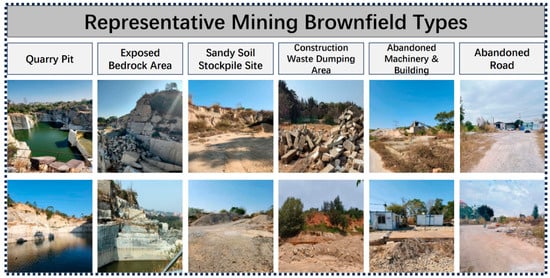
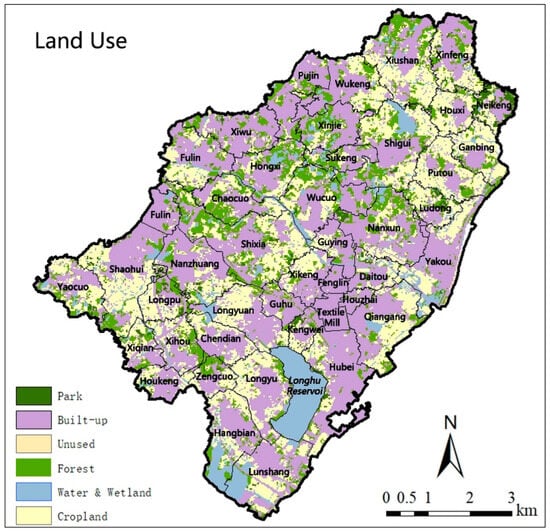
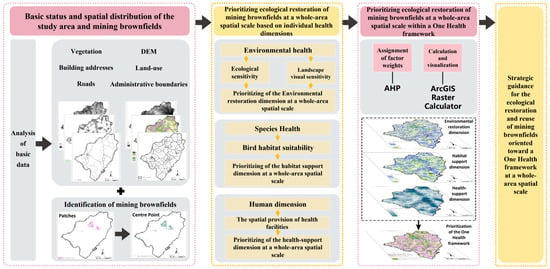
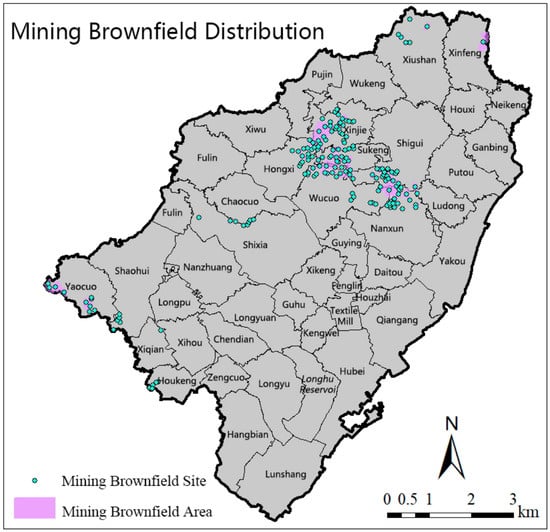
As an important part of territorial ecological restoration, existing research on mine ecological restoration largely focuses on individual mine restoration projects from an engineering perspective or the identification of restoration priorities from a purely ecological viewpoint. There is little consideration of integrated decision-making
[...] Read more.
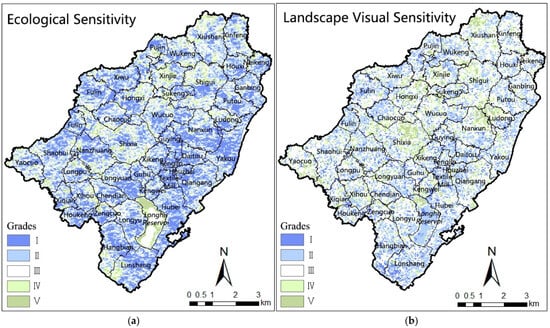
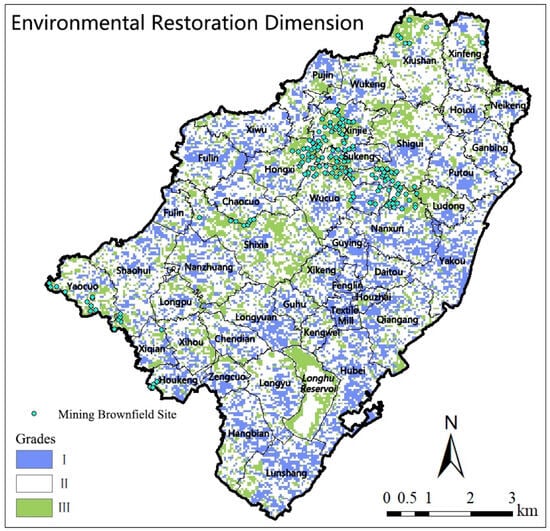
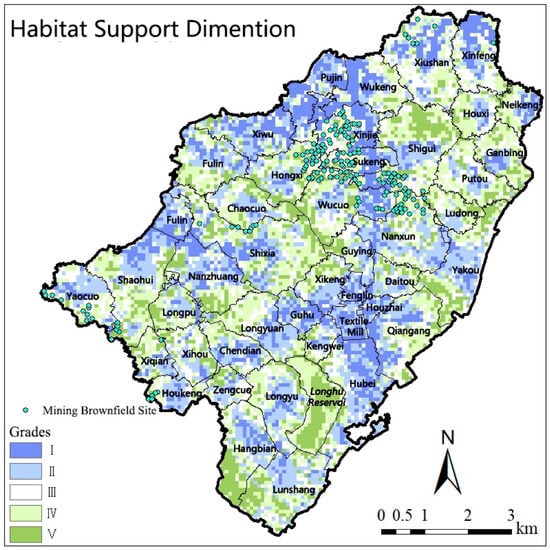
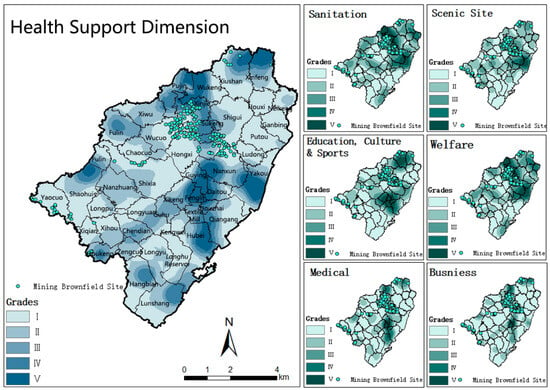
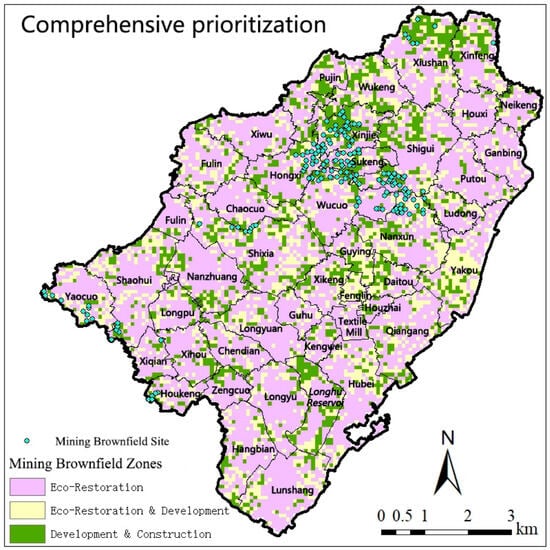
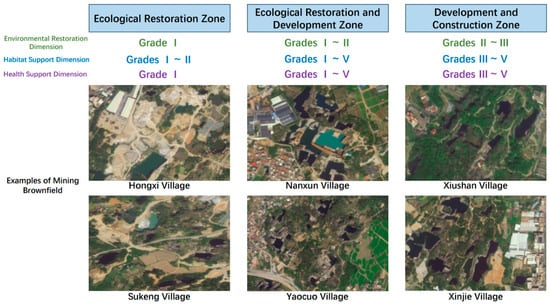
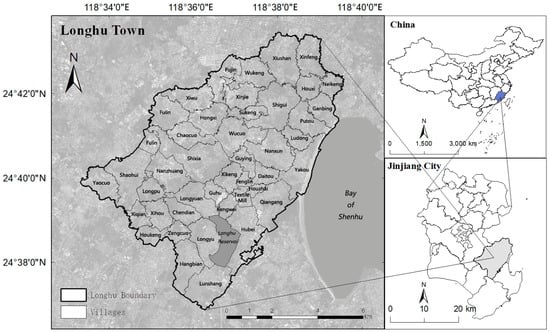
As an important part of territorial ecological restoration, existing research on mine ecological restoration largely focuses on individual mine restoration projects from an engineering perspective or the identification of restoration priorities from a purely ecological viewpoint. There is little consideration of integrated decision-making for mine ecological restoration at a whole-area spatial scale, and a spatial prioritization framework that simultaneously integrates ecological, habitat, and health-support dimensions remains absent. This study introduces a One Health framework, taking 169 mining brownfields in Longhu Town, Jinjiang City, Fujian Province as the study objects. Based on a whole-area spatial scale, ArcGIS (10.8) spatial analysis was conducted to construct a three-dimensional evaluation framework of environment, species, and health support from the three dimensions of ecological sensitivity and landscape visual sensitivity, bird habitat suitability, and the spatial provision of health facilities. The Analytic Hierarchy Process (AHP) was then combined to identify ecological restoration priorities and reuse zones, further exploring strategic guidance for the ecological restoration and reuse of mining brownfields oriented toward a One Health framework at the whole-area spatial scale. The results show that the 169 mine brownfields are concentrated around stone processing areas. Among them, 21 sites are prioritized for environmental restoration, 67 for bird habitat suitability improvement, and 93 for enhancing health facility provision; these are ultimately classified into three comprehensive restoration zones. This study can provide decision support for the differentiated restoration, reuse zoning, and spatial governance of mine brownfields within a whole-area spatial planning system.
Full article
Biomass–plastic co-pyrolysis has emerged as a promising thermochemical route for the valorization of mixed biomass and plastic waste streams, addressing growing challenges in waste management and resource efficiency. This review summarizes current knowledge on feedstock interactions, reactor technologies, operating conditions, and resulting product
[...] Read more.
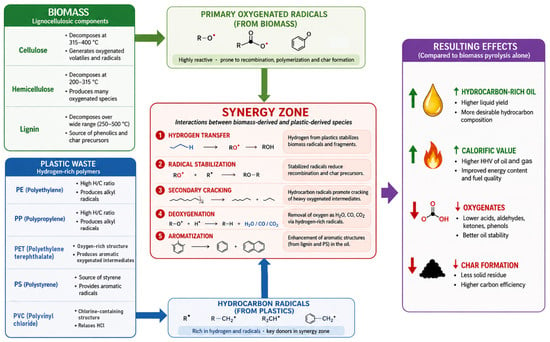
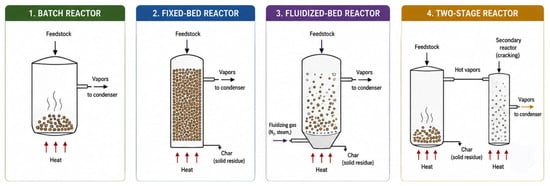
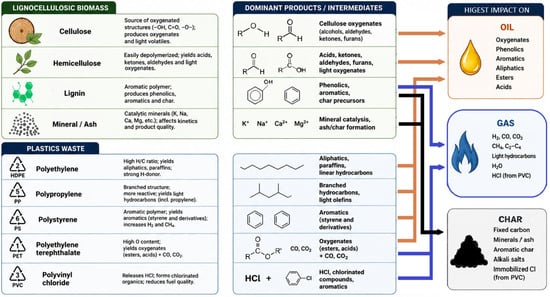
Biomass–plastic co-pyrolysis has emerged as a promising thermochemical route for the valorization of mixed biomass and plastic waste streams, addressing growing challenges in waste management and resource efficiency. This review summarizes current knowledge on feedstock interactions, reactor technologies, operating conditions, and resulting product distributions. The literature indicates that co-processing biomass with plastics can enhance process performance compared to single-feedstock pyrolysis. Improvements are mainly observed in liquid product quality, increased energy content of gaseous fractions, and modified char properties, although outcomes strongly depend on feedstock composition and process conditions. Beyond technical aspects, the review highlights the relevance of co-pyrolysis within circular economy systems. Oil can be considered a secondary feedstock for the refining and chemical industries, process gas can support internal energy integration, and char may be utilized in material or environmental applications, contributing to partial closure of carbon and resource loops. Despite these advantages, the transition from laboratory-scale studies to large-scale implementation remains the major challenge for biomass–plastic co-pyrolysis. This limitation is associated with feedstock heterogeneity, contamination issues, scale-up difficulties, regulatory uncertainty, and the need for downstream upgrading of products. Overall, biomass–plastic co-pyrolysis represents a promising pathway toward circular waste valorization, but its practical relevance depends on successful system-level integration rather than laboratory-scale performance alone.
Full article
Background: Biotrauma from invasive mechanical ventilation (IMV) and extracorporeal membrane oxygenation (ECMO) drives systemic inflammation, metabolic dysregulation, and organ dysfunction in critically ill patients. Therefore, this study aimed to identify clinical and metabolomic features associated with ICU mortality in patients receiving IMV
[...] Read more.
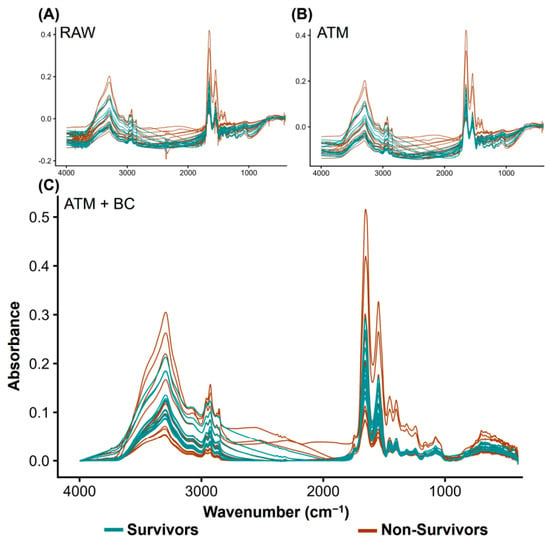
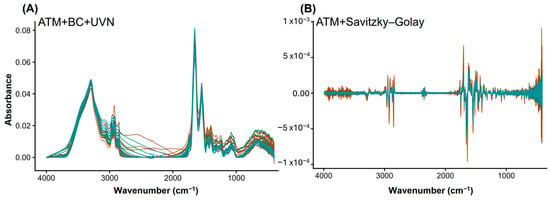
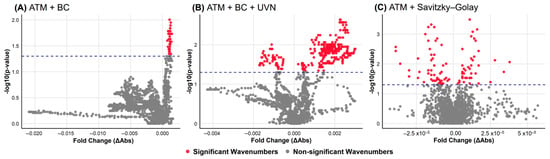
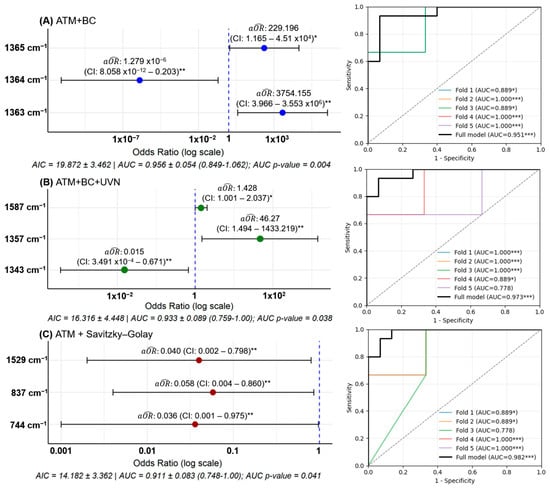
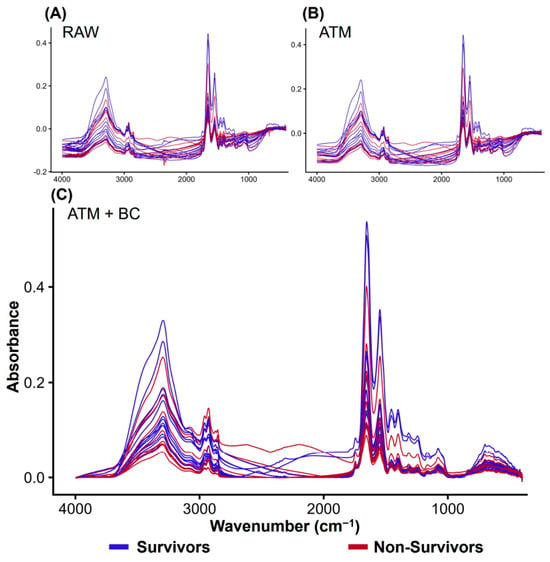
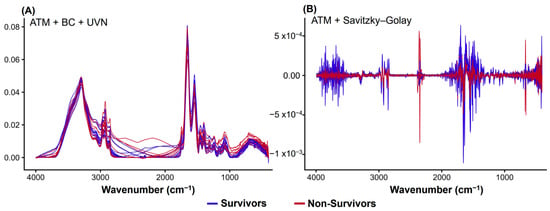
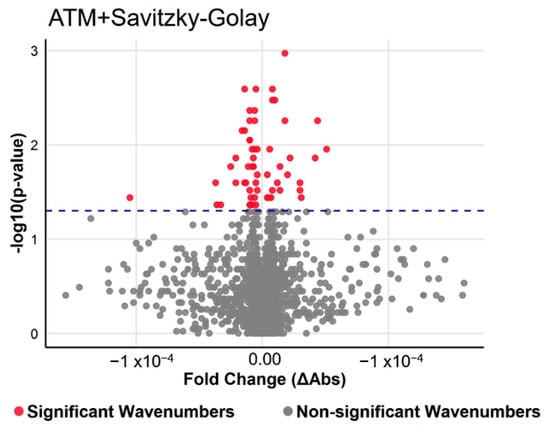
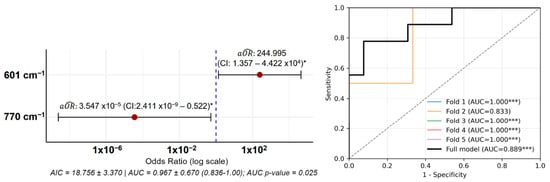
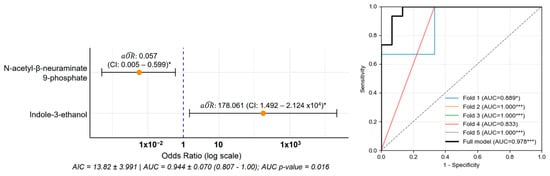
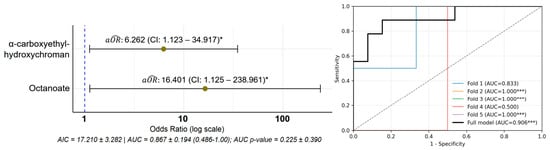
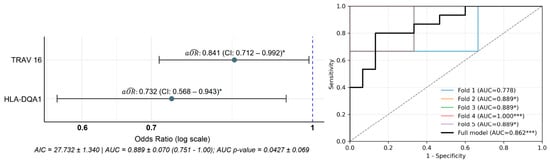
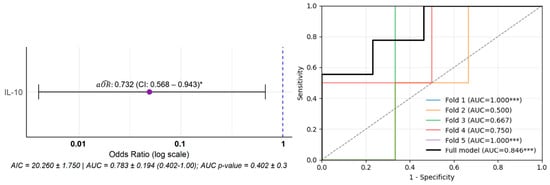
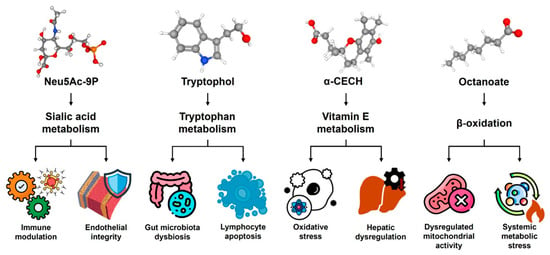
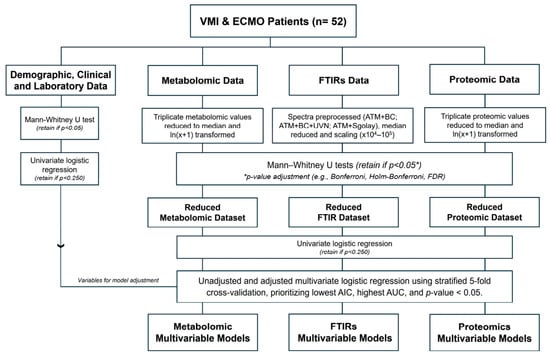
Background: Biotrauma from invasive mechanical ventilation (IMV) and extracorporeal membrane oxygenation (ECMO) drives systemic inflammation, metabolic dysregulation, and organ dysfunction in critically ill patients. Therefore, this study aimed to identify clinical and metabolomic features associated with ICU mortality in patients receiving IMV or ECMO, as these remain incompletely characterized. Methods: The retrospective analysis included 30 ICU patients on IMV and 22 on ECMO. Metabolomic and proteomic profiling were performed using ultra-high-performance liquid chromatography coupled with high-resolution mass spectrometry (UHPLC-HRMS), and serum spectral analysis by Fourier-transform infrared spectroscopy (FTIRS). Significant variables were incorporated into multivariate logistic regression models, ranked by AIC, AUC, and statistical significance. Model performance was evaluated using stratified 5-fold cross-validation. Final models were adjusted for relevant demographic and clinical covariates. Results: The IMV cohort showed discriminatory FTIRS wavenumbers across all preprocessings, and 155 metabolites plus 14 proteins were significantly altered, with unadjusted models achieving mean AUCs above 0.9. The ECMO cohort showed discriminatory FTIRS wavenumbers in one preprocessing, and 15 metabolites plus 3 proteins were highlighted. FTIRS, metabolomic, and proteomic models reached mean AUCs of 0.967, 0.867, and 0.783, respectively, with lower stability during cross-validation. Adjustment for demographic and clinical covariates reduced model robustness. Conclusions: Stronger and more reproducible molecular signatures related to ICU mortality were observed in the IMV cohort, whereas the ECMO cohort showed reduced model stability, likely reflecting increased biological heterogeneity and small sample size. These findings support the utility of integrated omics for characterizing critical illness and outcome stratification, while reinforcing the need for validation in larger and independent cohorts.
Full article
In low-voltage distribution networks, load switching, induction motor start-up, photovoltaic output variations, and short-circuit faults may produce highly overlapping electrical characteristics, which can lead to maloperation or failure to operate in conventional protection. To address this problem, this paper proposes an adaptive protection
[...] Read more.
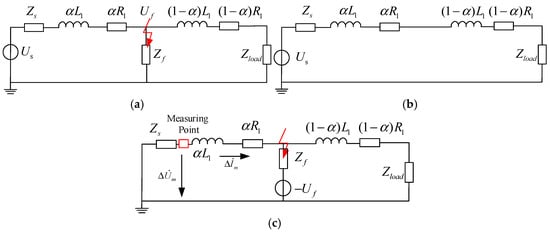
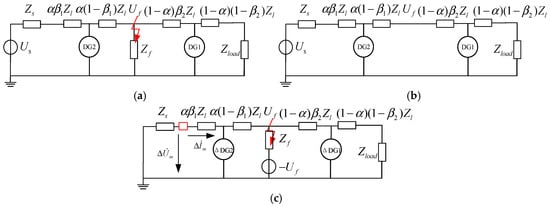
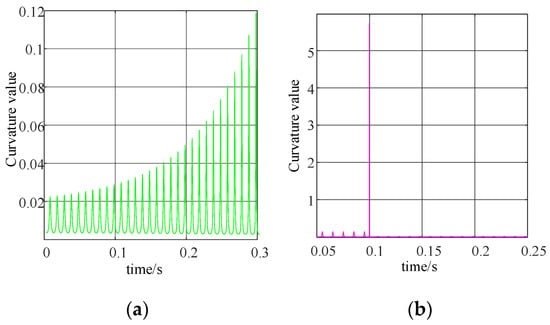
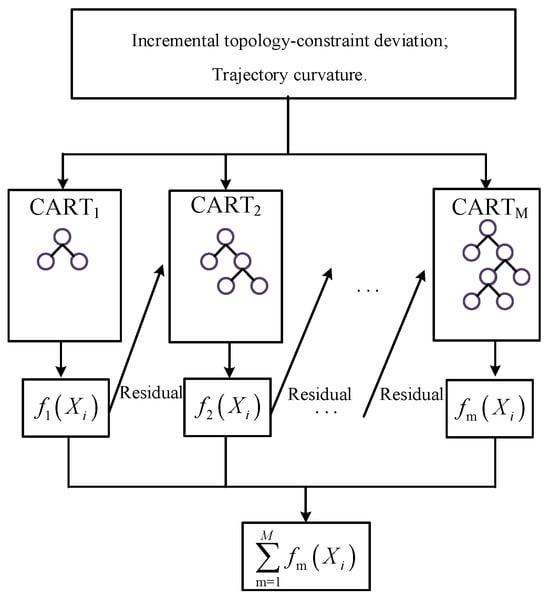
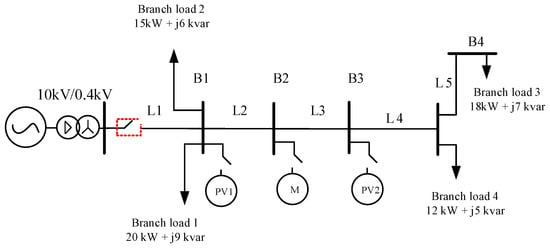
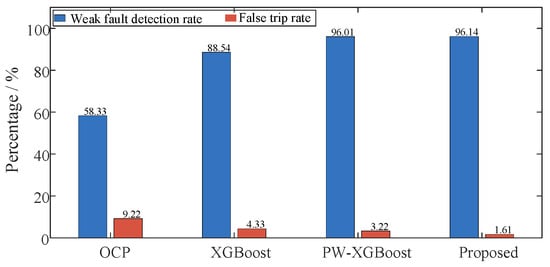
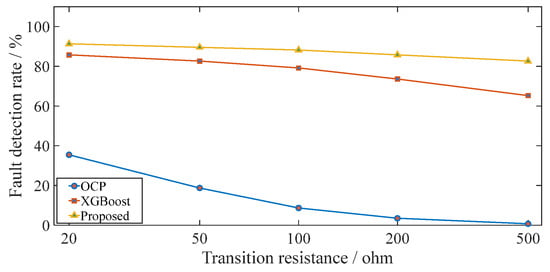
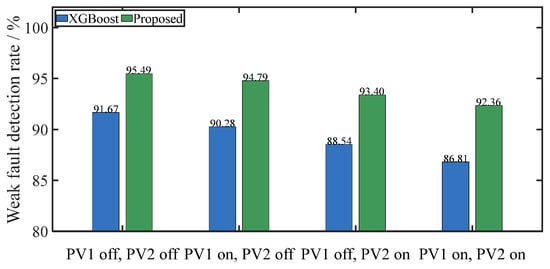
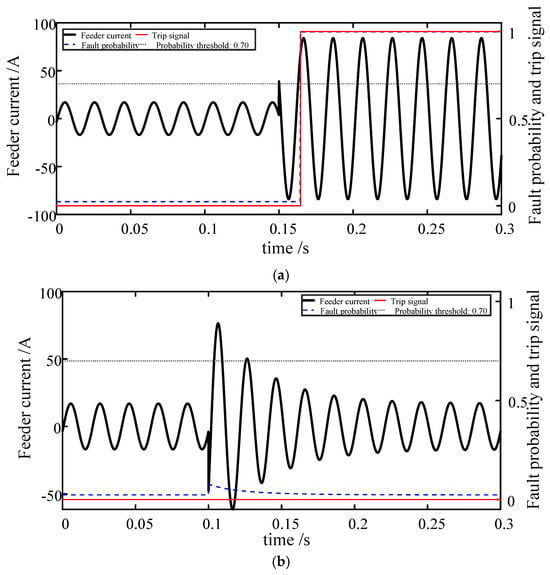
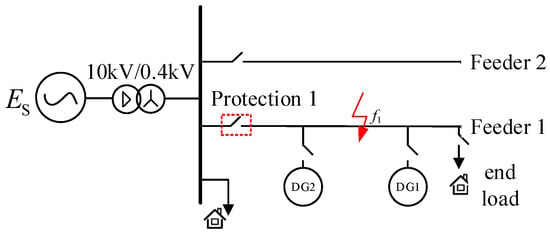
In low-voltage distribution networks, load switching, induction motor start-up, photovoltaic output variations, and short-circuit faults may produce highly overlapping electrical characteristics, which can lead to maloperation or failure to operate in conventional protection. To address this problem, this paper proposes an adaptive protection method integrating physically guided and cost-sensitive learning. First, an incremental topology-constraint deviation and a voltage-current trajectory curvature are constructed based on the fault-superimposed network constraint and the variation characteristics of system equivalent impedance, enabling the discrimination of short-circuit faults from non-fault transient disturbances. Then, a cost-sensitive physically guided extreme gradient boosting (XGBoost) model is developed, in which a fault-current-increment-based weight is introduced into the objective function to enhance the learning capability for weak-fault samples. Furthermore, a temporal-consistency-based protection operation logic is designed using sliding-window confirmation and majority voting to suppress isolated abnormal predictions. Simulation and RTDS-based real-time validation results on a 0.4-kV low-voltage distribution network with distributed photovoltaic generation show that the proposed method improves weak-fault detection sensitivity and reduces maloperation under complex source–load disturbances. The method relies only on local measurements and has potential for deployment in low-voltage intelligent protection terminals.
Full article
by
Florin Dan Simiz, Doru Morar, Cristina Văduva, Simina Velescu, Liviu Todescu, Bogdan Alexandru Florea, Daniela Elena Brăslașu, Corina Marina Kracunovic, Janos Degi and Diana Maria Degi
MRSA is an important antimicrobial-resistant pathogen reported in a wide range of animal species; however, information regarding its occurrence in captive large felids remains limited. This report describes the detection and characterization of MRSA associated with a dental abscess in a captive jaguar
[...] Read more.
MRSA is an important antimicrobial-resistant pathogen reported in a wide range of animal species; however, information regarding its occurrence in captive large felids remains limited. This report describes the detection and characterization of MRSA associated with a dental abscess in a captive jaguar (Panthera onca) from a zoological collection in Romania. A 10-year-old male jaguar presented with clinical signs suggestive of a localized oral infection. Samples collected from the dental lesion, nasal mucosa, external ear canal, and skin surface were subjected to bacteriological examination. Bacterial isolates were identified using conventional microbiological methods and Matrix-Assisted Laser Desorption/Ionization Time-of-Flight Mass Spectrometry (MALDI-TOF MS). Antimicrobial susceptibility testing was performed using the VITEK® 2 system, while molecular confirmation was achieved by PCR targeting the nuc, mecA, and mecC genes. All isolates were identified as S. aureus and demonstrated a methicillin-resistant phenotype. PCR confirmed the presence of the species-specific nuc gene and the methicillin-resistance determinant mecA, while mecC was not detected. The isolates exhibited resistance to multiple antimicrobial classes, including β-lactams, fluoroquinolones, and macrolides, while remaining susceptible to linezolid, vancomycin, teicoplanin, rifampicin, and tigecycline. This case documents the occurrence of MRSA in a captive jaguar and highlights the value of integrated microbiological and molecular investigations for the diagnosis and characterization of resistant bacterial infections in zoological species.
Full article
The Late Ediacaran Dengying Formation in the Sichuan Basin is a key target for deep-gas exploration, yet the controls on facies differentiation in the Penglai area, on the northern slope of the Central Sichuan Paleo-Uplift, remain debated. This study integrates 3D seismic data,
[...] Read more.
The Late Ediacaran Dengying Formation in the Sichuan Basin is a key target for deep-gas exploration, yet the controls on facies differentiation in the Penglai area, on the northern slope of the Central Sichuan Paleo-Uplift, remain debated. This study integrates 3D seismic data, well logs, cores, and thin sections from 20 wells to characterize the microfacies, microfacies associations, and sedimentary architecture of the Dengying Formation. Nine microfacies types are recognized and grouped into three microfacies associations: tidal flat, mound–shoal complex, and inter-mound. The same nine microfacies types occur in both members, but the mound–shoal complex association in the third and fourth members is more grain-rich, more strongly overprinted by recrystallization, and makes up meter-scale shallowing-upward cycles. The lateral variations in microfacies types across the study area are minor; facies differentiation is instead expressed through variations in microfacies associations and their cumulative thicknesses. Facies distribution analysis and 3D seismic paleogeomorphology demonstrate that the Penglai area developed a broad, gently NW-dipping carbonate ramp without distinct slope breaks, in contrast with the previously proposed rimmed platform model of the Gaoshiti–Moxi area. Within this ramp, mound–shoal complexes record large-scale lateral migration driven by high-frequency relative sea-level fluctuations, but their along-strike continuity is constrained by NE-trending basement faults oriented sub-perpendicular to the NW-trending rift axis. A hierarchical three-level control on facies differentiation is proposed: regional paleogeomorphology provides the first-order NW-dipping ramp framework; syn-sedimentary basement faults impose a second-order segmentation; and high-frequency sea-level fluctuations drive the third-order stacking patterns. This hierarchical mechanism refines the sedimentary model of the Dengying Formation and provides a predictive basis for delineating high-quality reservoir targets along the northern slope of the Central Sichuan Paleo-Uplift.
Full article
Chickpea (Cicer arietinum L.) is a highly nutritious legume with significant potential as a food plant. With the advent of climate change and the challenge of feeding a growing population, strategies to produce high-nutrient crops are of utmost importance. In this context,
[...] Read more.
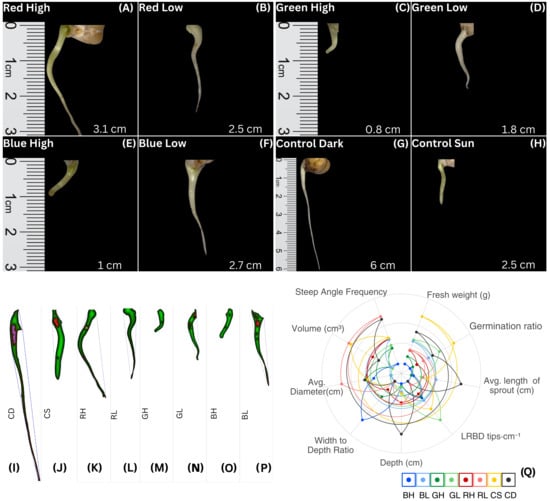
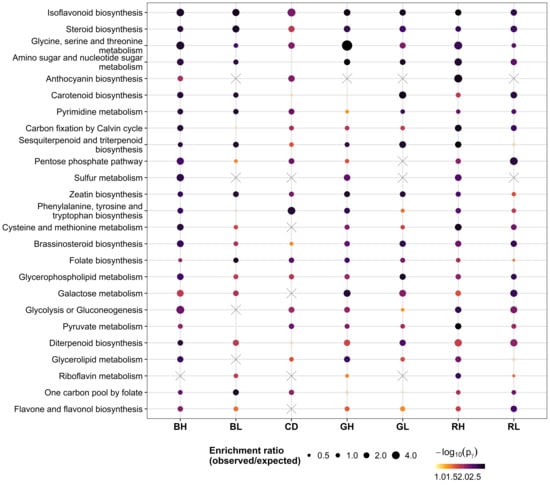
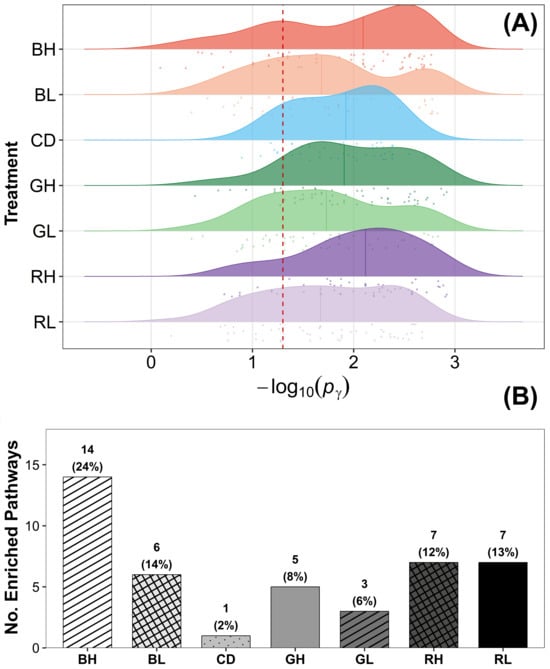
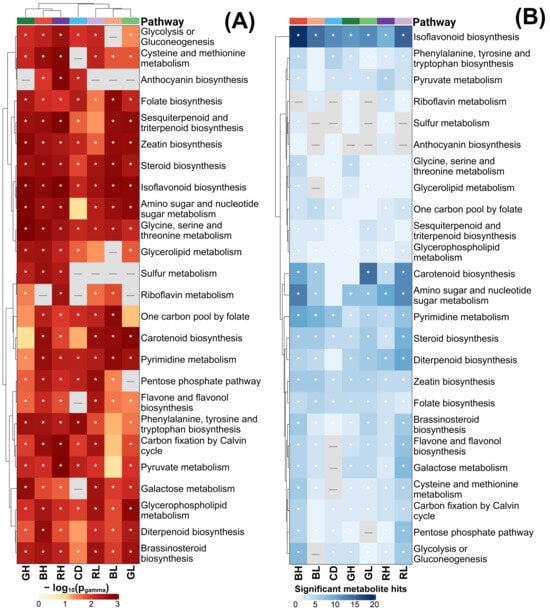
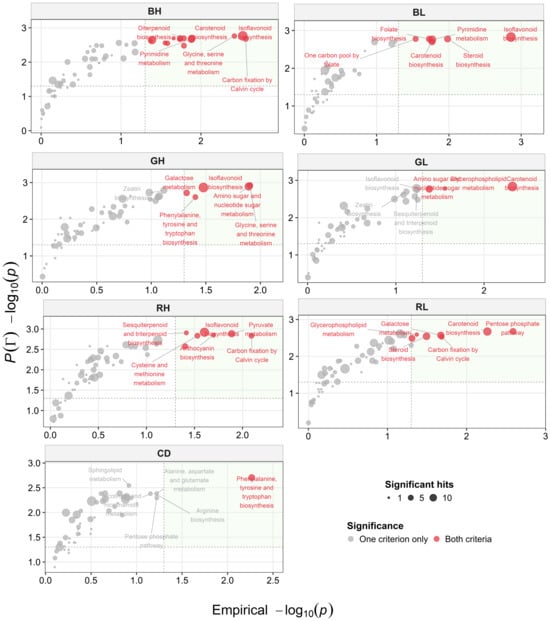
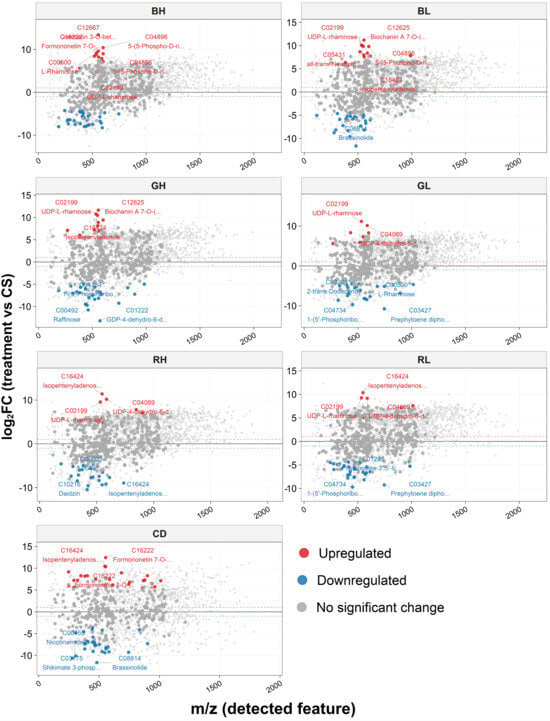
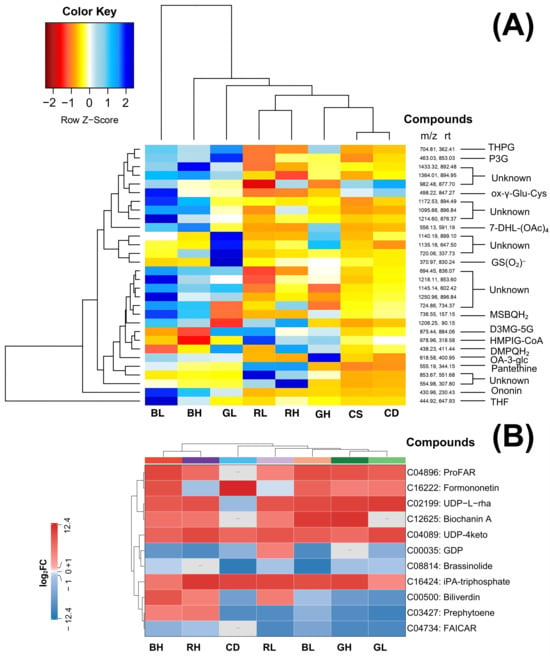
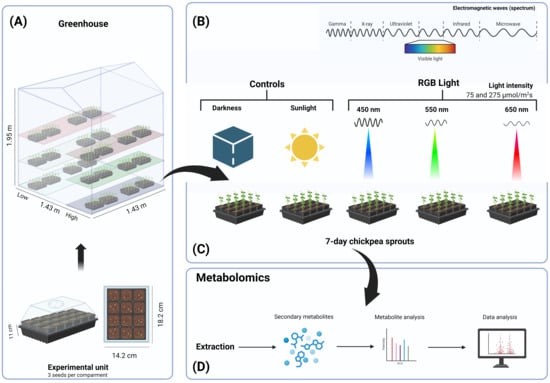
Chickpea (Cicer arietinum L.) is a highly nutritious legume with significant potential as a food plant. With the advent of climate change and the challenge of feeding a growing population, strategies to produce high-nutrient crops are of utmost importance. In this context, this study describes how light intensity and wavelength affect the embryonic axis of chickpea sprout metabolism, using untargeted metabolomics. Chickpea sprouts were grown under varying light wavelengths (red—650, green—550, and blue—450 nm) at two intensities (75 and 275 µmol·m−2·s−1). Analyses were restricted to the embryonic axis (hypocotyl), excluding the cotyledons, which are a reserve-rich tissue. Results showed that high-intensity red light (RH) increased phenolic content by more than 300% compared to controls. Green and blue light treatments significantly increased the protein content by more than twice that of the dark control. Antioxidant activity was significantly higher in sprouts grown under high-intensity blue light (BH). Additionally, the results suggested that pathway regulation is affected not only by wavelength but also by light intensity, with greater significance and effect under BH and RH treatments in isoflavonoid biosynthesis. High quercetin concentration found under BH is hypothesized to explain the high antioxidant activity when compared to the rest. For instance, these findings highlight the potential of light manipulation to modulate and enhance the nutritional and functional qualities of chickpea sprouts’ embryonic axis, contributing to food security and human health. Further studies need to be conducted to answer whether these metabolite changes directly translate to the nutritional quality of the whole edible sprouts.
Full article
by
Natalie A. Pride, Siobhan Banks, Dinberu Shebeshi, Shelley S. Arnold, Kristina Haebich, Jessica Habib, Crystal Yates, Hayley Darke, Kathryn N. North, Jack Nguyen and Jonathan M. Payne
Background: This study applies Buysse’s sleep health framework to examine sleep in children and adolescents with neurofibromatosis type 1 (NF1). By examining sleep timing, daytime sleepiness, sleep quality, sleep behavior, sleep duration, and sleep efficiency together, this framework captures the multidimensional nature of
[...] Read more.
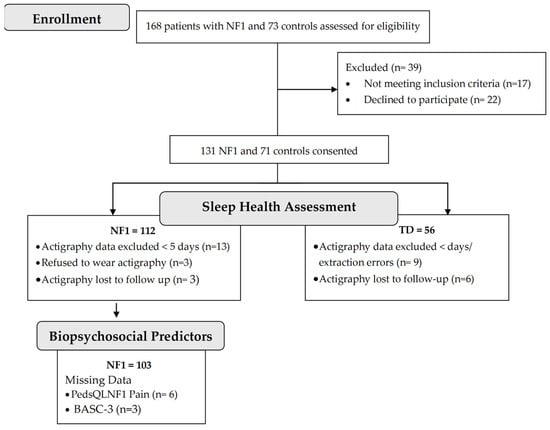
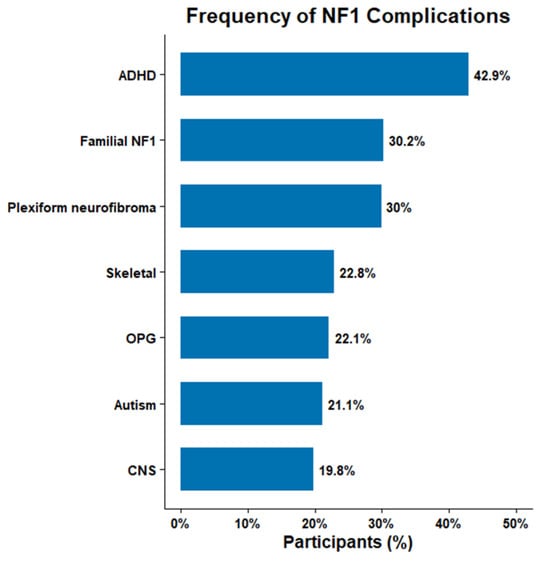
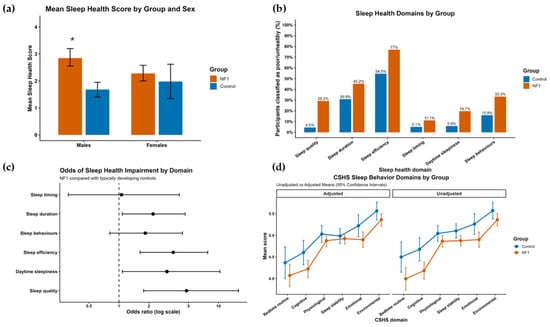
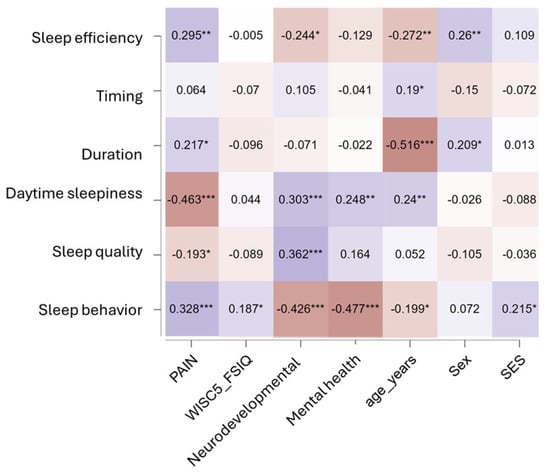
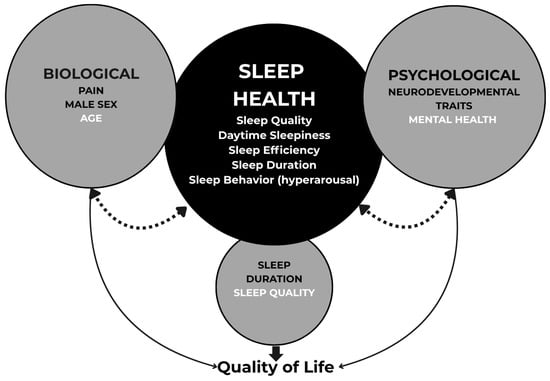
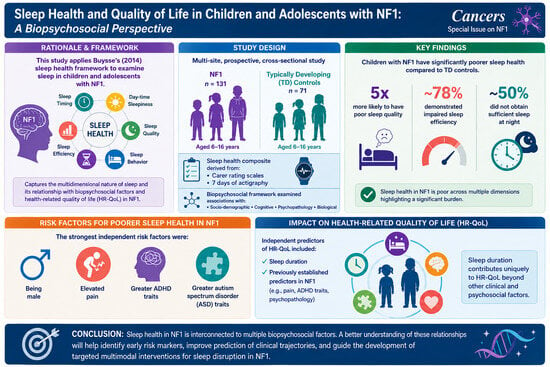
Background: This study applies Buysse’s sleep health framework to examine sleep in children and adolescents with neurofibromatosis type 1 (NF1). By examining sleep timing, daytime sleepiness, sleep quality, sleep behavior, sleep duration, and sleep efficiency together, this framework captures the multidimensional nature of sleep and its relationship with biopsychosocial factors and health-related quality of life (HR-QoL) in NF1. Methods: This multi-site, prospective, cross-sectional study included 131 children and adolescents with NF1 and 71 typically developing (TD) controls aged 6 to 16 years. A sleep health composite was derived from carer rating scales and 7 days of actigraphy. A biopsychosocial framework was used to examine factors associated with sleep health in NF1, including sociodemographic, cognitive, psychopathology, and biological variables. Independent predictors of QoL were examined to assess the unique contributions of sleep quality, sleep duration, and previously established predictors of HR-QoL in NF1. Results: Poorer sleep health was evident in children with NF1. Compared with TD controls, children with NF1 were five times as likely to have poor sleep quality, with almost 78% demonstrating impaired sleep efficiency and nearly half not obtaining sufficient sleep at night. The strongest risk factors were being male, elevated pain, and having greater levels of ADHD and autism spectrum disorder traits. Conclusions: Findings suggest sleep health in NF1 is interconnected with multiple biopsychosocial factors. A better understanding of these relationships will help identify early risk markers, improve prediction of clinical trajectories, and guide the development of targeted multimodal interventions for sleep disruption in NF1.
Full article
k-entanglement, including entanglement relative to full separability and genuinely multipartite entanglement, is a fundamental quantum resource in multipartite quantum systems. Its identification and quantification play essential roles in quantum information processing, quantum simulation, and quantum metrology. However, the practical computation of rigorous
[...] Read more.
k-entanglement, including entanglement relative to full separability and genuinely multipartite entanglement, is a fundamental quantum resource in multipartite quantum systems. Its identification and quantification play essential roles in quantum information processing, quantum simulation, and quantum metrology. However, the practical computation of rigorous k-entanglement measures remains highly challenging due to the need for high-dimensional optimization. In this work, we propose a machine-learning-based surrogate framework for approximating the witness-based k-entanglement measure . The numerical evaluation of the computationally realized quantity is reformulated as a supervised regression problem, where the input is the density matrix and the labels are obtained from finite witness databases. The framework combines multilayer perceptrons (MLPs), convolutional neural networks (CNNs), and light gradient boosting machine (LightGBM) through a stacking ensemble. Numerical experiments are performed for 3- and 4-qubit systems as representative demonstrations of the proposed workflow. The results show that the learned models achieve high predictive accuracy in terms of MAE, MSE, and , while providing millisecond-level inference for single-state evaluation. Werner state tests serve as symmetric benchmark checks, and an additional four-qubit noisy circuit-generated state family, obtained from finite-depth circuit preparation followed by local amplitude-damping noise, is used as a structured physical test beyond random density matrices. Compared with the optimization-based evaluation, the trained surrogate model significantly reduces the computational time while maintaining accuracy within the tested system sizes and data distributions. These results show that the proposed framework provides an efficient numerical surrogate for rapid approximation of witness-based k-entanglement measures, while extensions to larger systems and experimental data require further validation.
Full article
Bentonite slurry (BS) and steel slag powder (SS) were co-utilized to develop bentonite-slurry/steel-slag foamed concrete (BS-SSFC). The evolution of compressive strength and the associated deterioration mechanisms were examined after repeated wetting–drying exposure in four environments, namely H2O, H2SO4 [...] Read more.
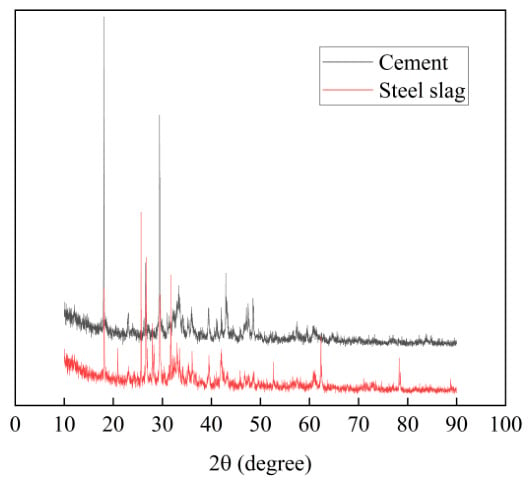
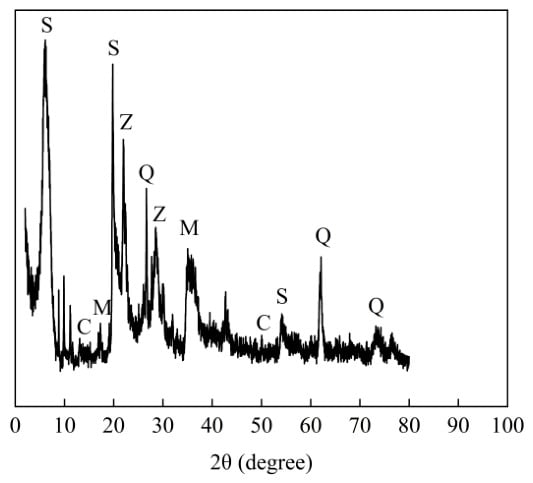
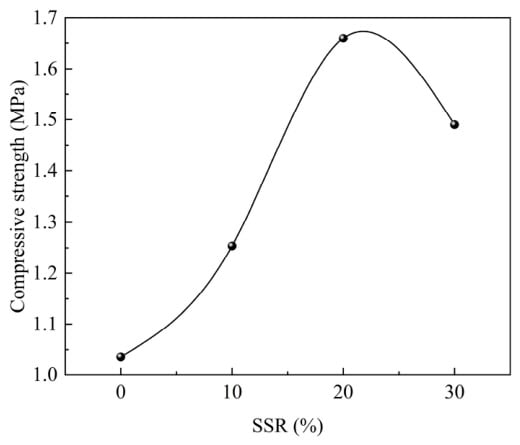
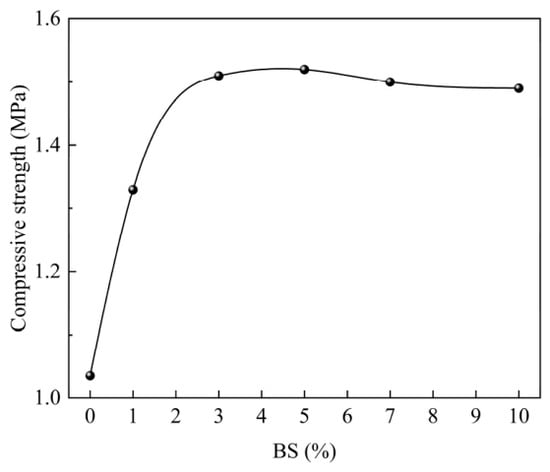
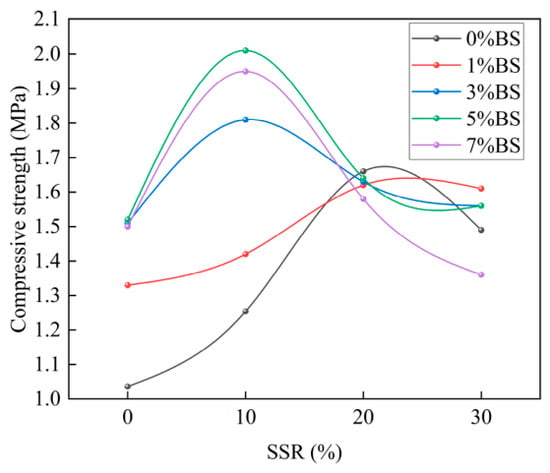
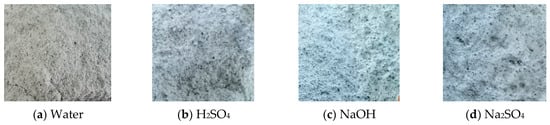
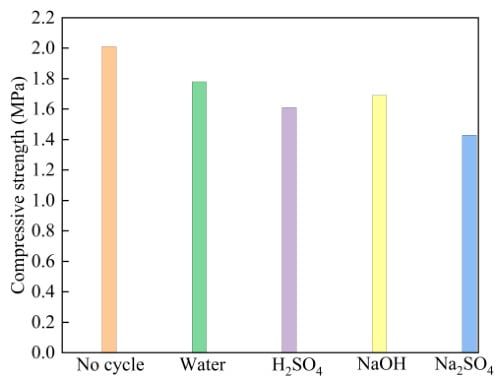
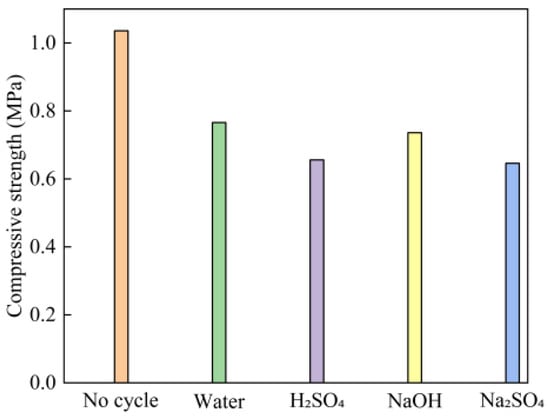
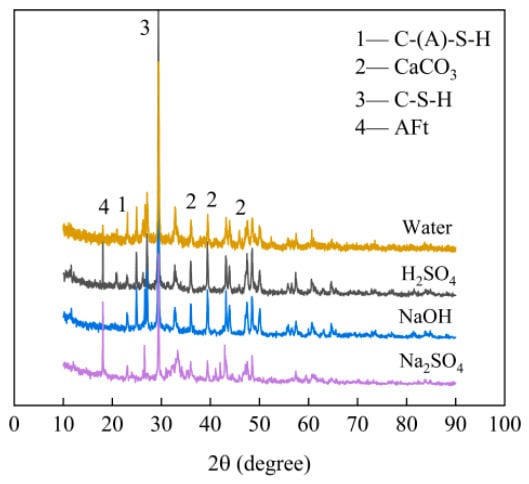
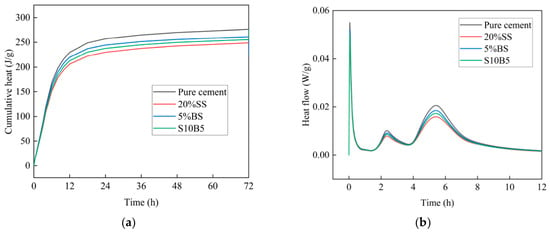
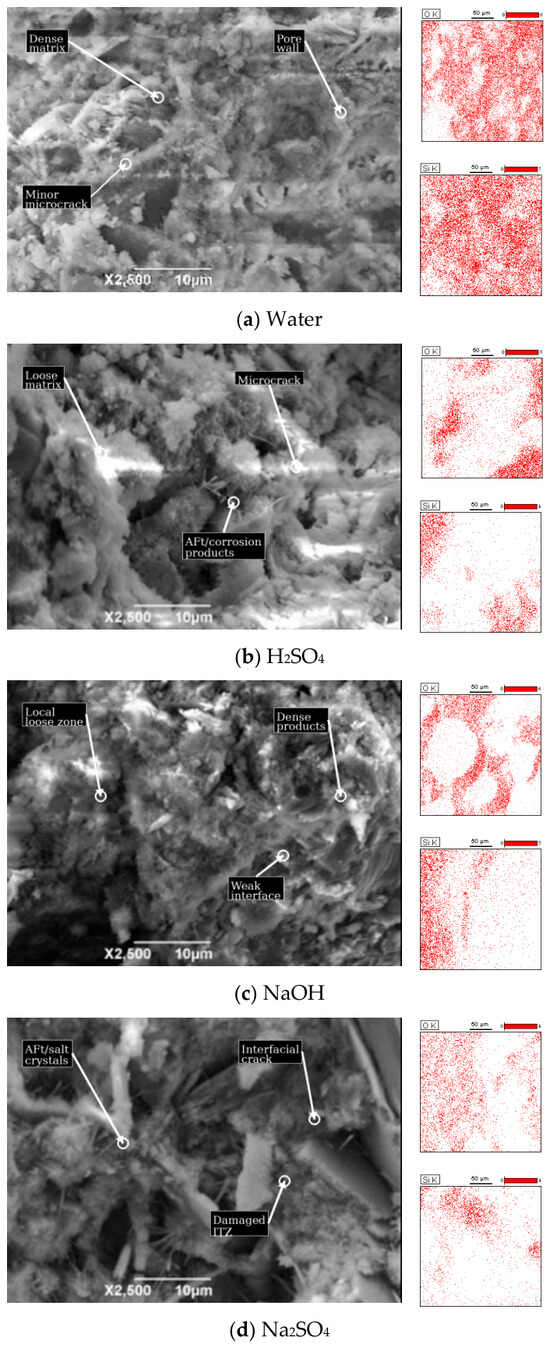
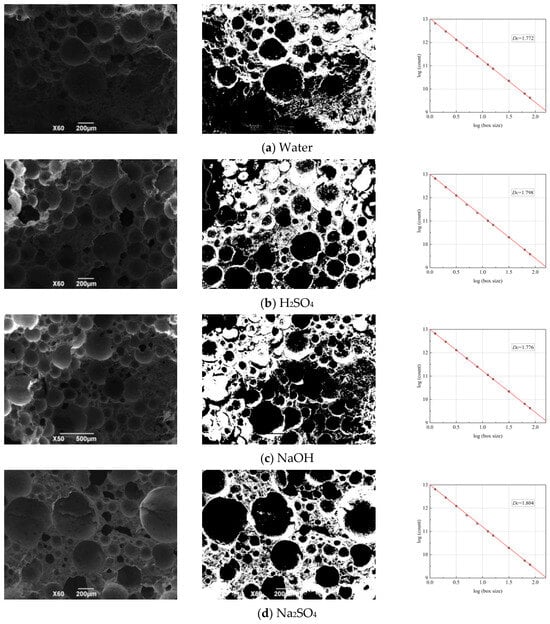
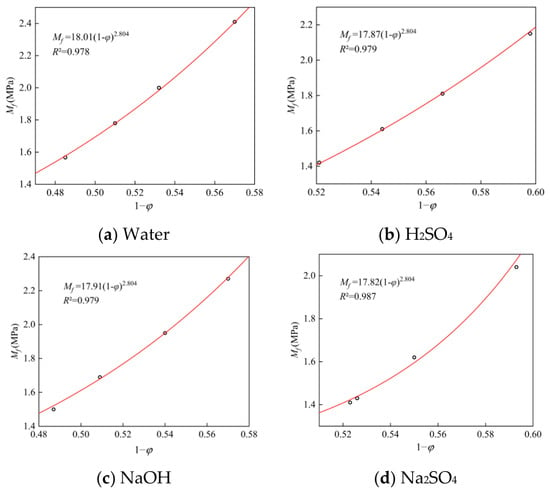
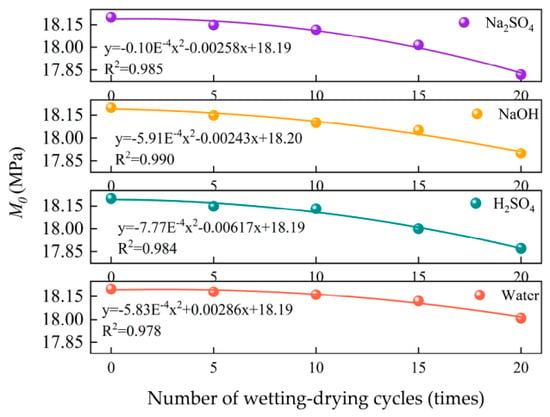
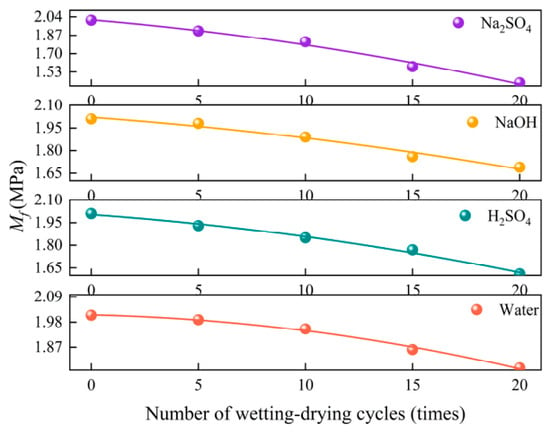
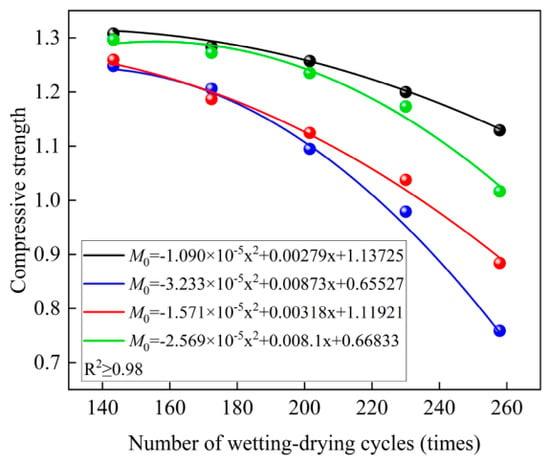
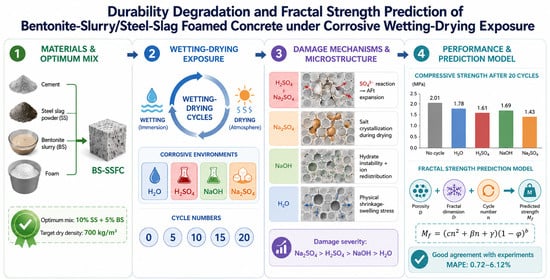
Bentonite slurry (BS) and steel slag powder (SS) were co-utilized to develop bentonite-slurry/steel-slag foamed concrete (BS-SSFC). The evolution of compressive strength and the associated deterioration mechanisms were examined after repeated wetting–drying exposure in four environments, namely H2O, H2SO4, NaOH, and Na2SO4, by combining mechanical testing with microstructural observations. The mix-design results indicate that, for the SS-only mixtures, 20% SS replacement produced a relatively high strength, whereas the binary SS-BS system reached its maximum strength at 10% SS and 5% BS; this combination was consequently adopted for the durability experiments. After 20 cycles, the severity of degradation followed Na2SO4 > H2SO4 > NaOH > H2O. XRD and SEM-EDS evidence shows that sulfate ions in the H2SO4 and Na2SO4 solutions favored ettringite-type expansive products, and Na2SO4 further caused salt-crystallization pressure during drying. For NaOH exposure, the main damage was related to reduced stability of cementitious phases together with ion redistribution and localized re-precipitation in a strongly alkaline pore environment. Based on fractal theory, an empirical strength–degradation correlation model was established by using SEM-derived two-dimensional apparent areal porosity as a structural parameter and by linking fractal dimension with the number of cycles. Within the scope of the present experiments, the model captures the empirical link between strength loss and apparent pore-structure deterioration in BS-SSFC; however, its use remains dependent on the image-acquisition procedure, thresholding method, and material system considered. The results provide useful support for using BS-SSFC in aggressive engineering settings such as saline ground and acid-rain regions.
Full article
Iron (Fe) and selenium (Se) deficiencies are global health concerns associated with adverse health outcomes. Plants constitute a dietary source of these elements, particularly for individuals following plant-based diets. However, plant Fe availability is limited by soil processes that reduce Fe mobility and
[...] Read more.
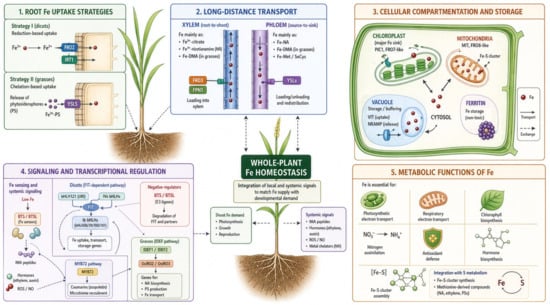
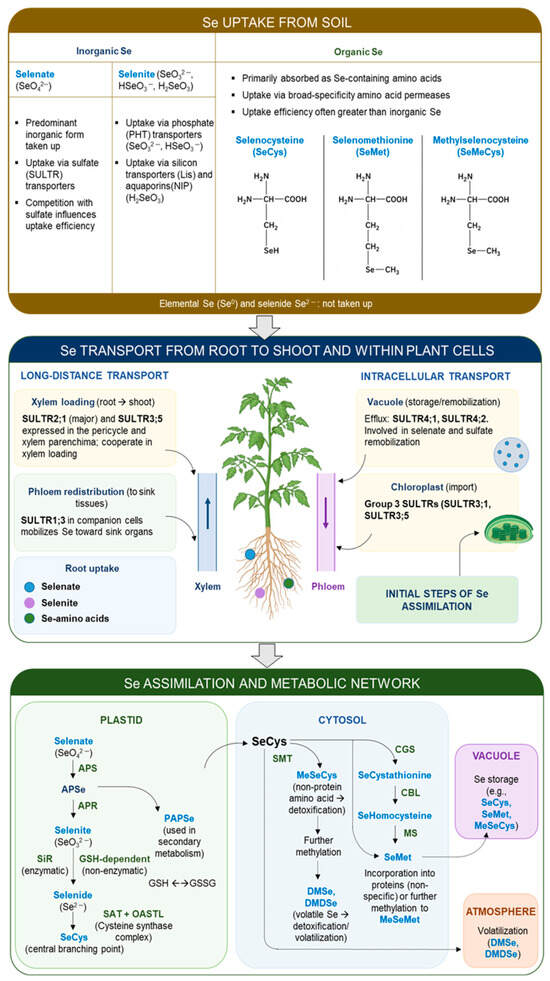
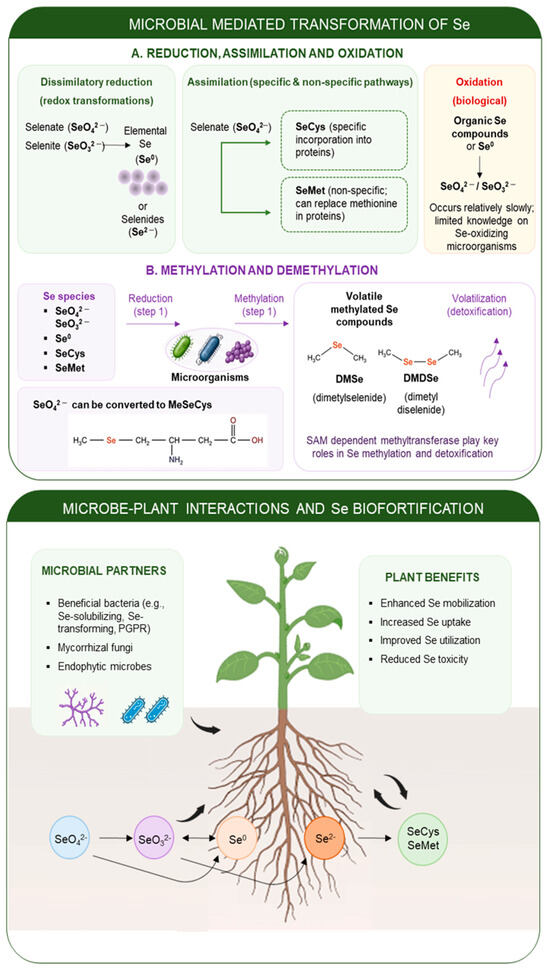
Iron (Fe) and selenium (Se) deficiencies are global health concerns associated with adverse health outcomes. Plants constitute a dietary source of these elements, particularly for individuals following plant-based diets. However, plant Fe availability is limited by soil processes that reduce Fe mobility and uptake, whereas Se accumulation is constrained by the low abundance of Se in soils. Increasing Fe and Se concentrations in edible plant parts through biofortification represents a sustainable strategy to alleviate micronutrient deficiency. This review examines the mechanisms governing Fe and Se uptake, translocation, metabolism, and genetic regulation, and discusses current biofortification strategies, including agronomic practices, natural and microbial-based approaches, conventional breeding and marker-assisted selection, transgenic technologies, and nanoparticles. While cereals remain the principal targets of large-scale biofortification programs, recent advances in horticultural crops are also highlighted because of their growing nutritional and commercial importance. Current evidence indicates that integrated agronomic and genetic approaches are more effective than single interventions, although simultaneous Fe and Se biofortification remains largely underexplored. Successful biofortification is also strongly influenced by soil properties, nutrient interactions, and crop genotype. Emerging tools, including plant–microbe interactions and synthetic biology, offer promising opportunities to enhance micronutrient accumulation and bioavailability. Further research should optimize integrated Fe–Se biofortification strategies while addressing agronomic and socioeconomic constraints to support their large-scale adoption and contribute to sustainable food systems.
Full article
Nucleosides are extensively employed for the development of pharmaceuticals, chemotherapeutic agents, and bioregulators. Background/Objectives: The introduction of an additional chiral functionality into a carbohydrate or heterocyclic base fragment may increase the selectivity of interactions with nucleos(t)ide-metabolizing enzymes and receptors and, in some
[...] Read more.
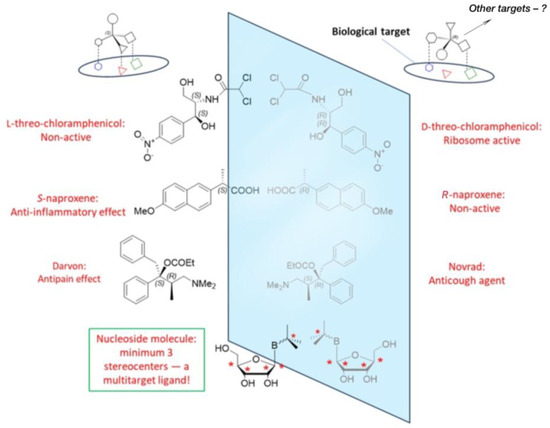
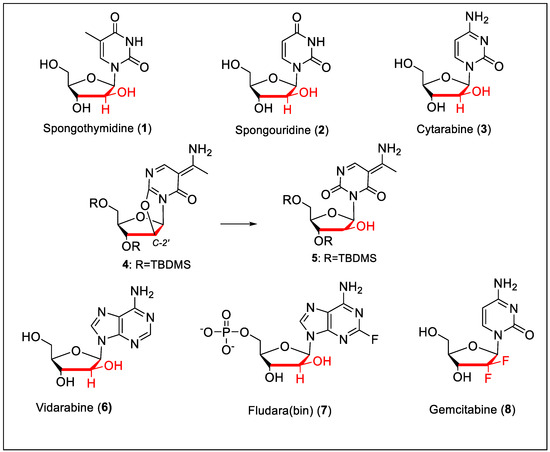
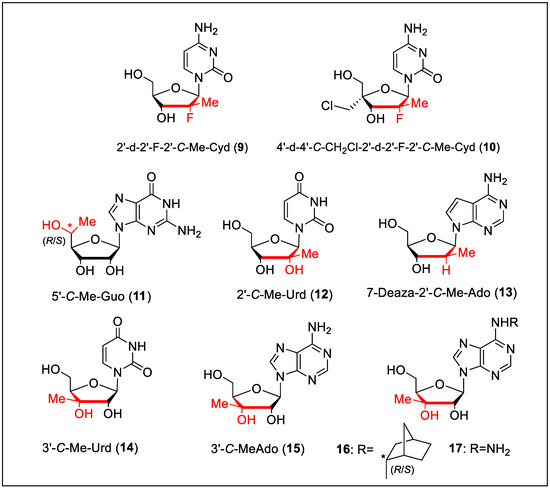
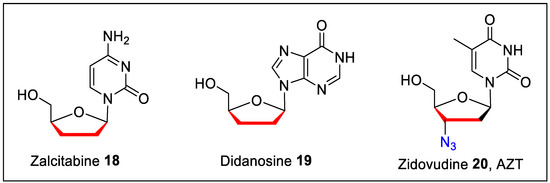
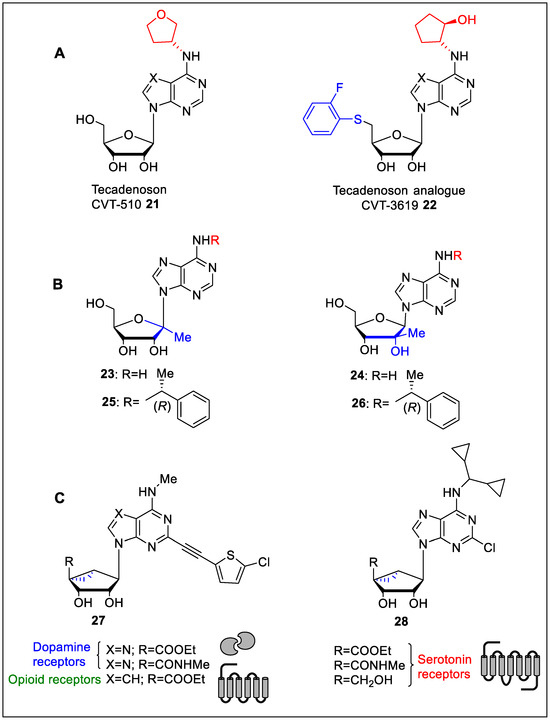
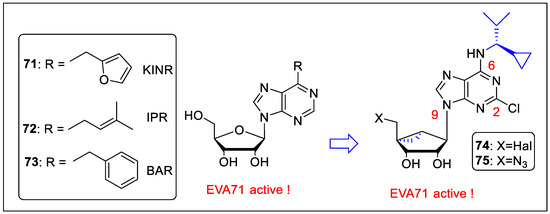
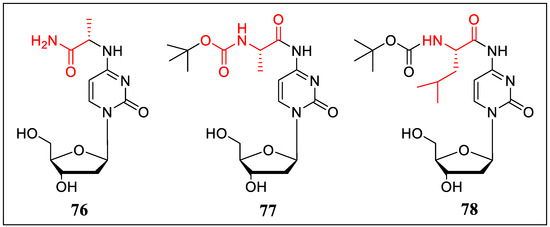
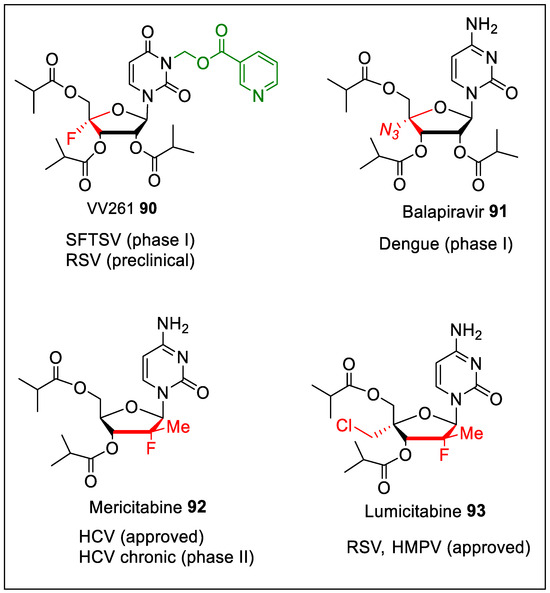
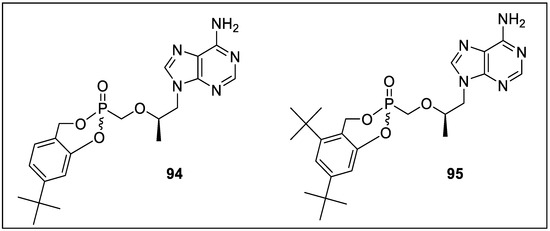
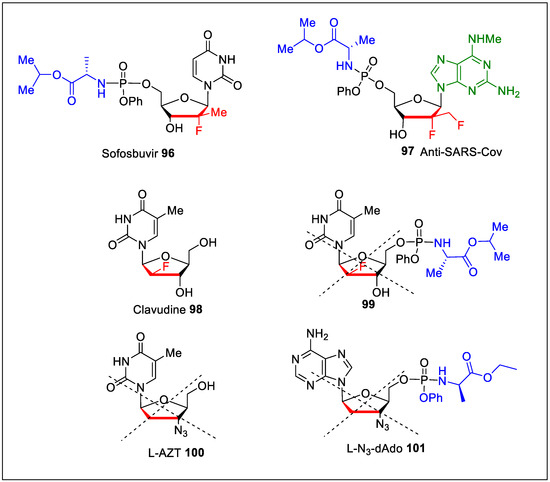
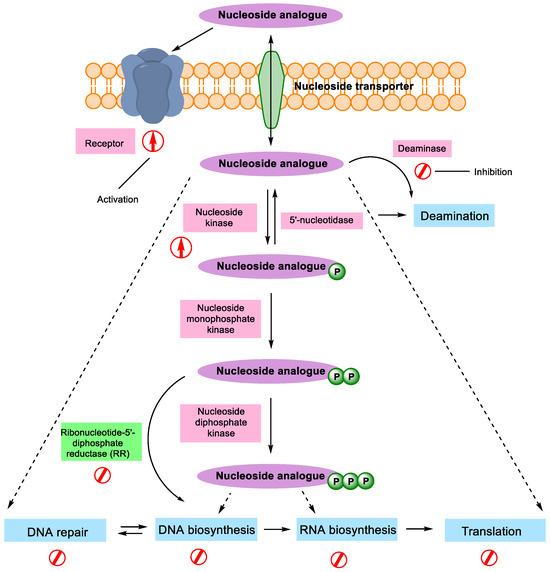
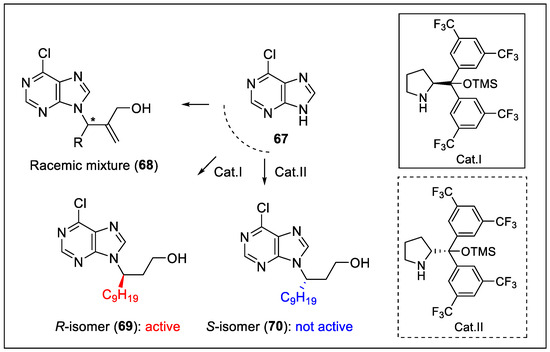
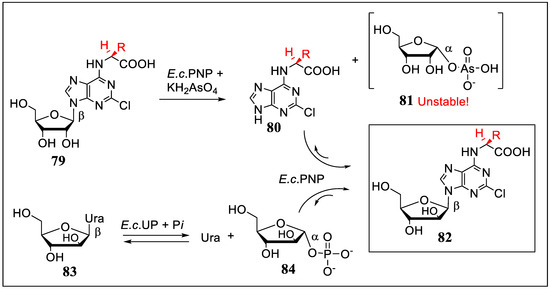
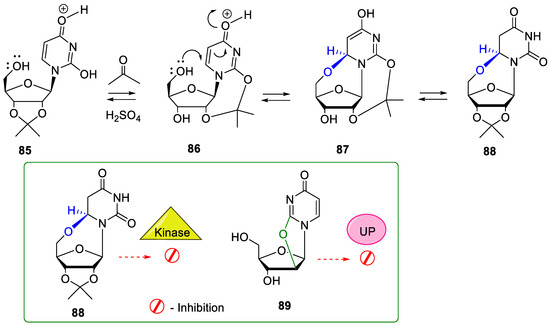
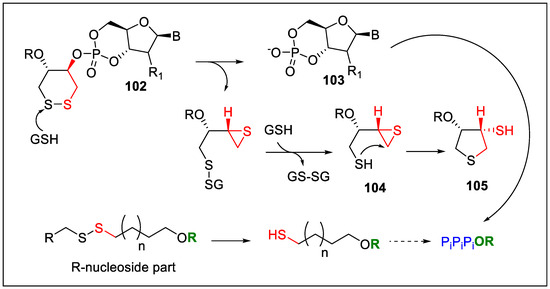
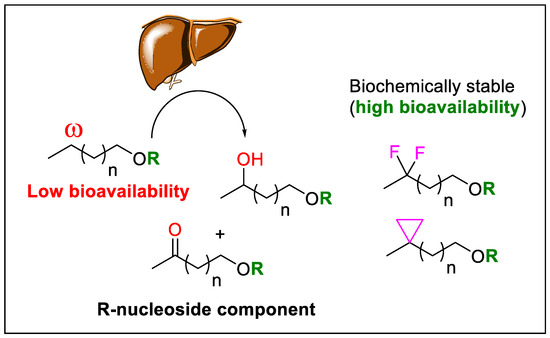
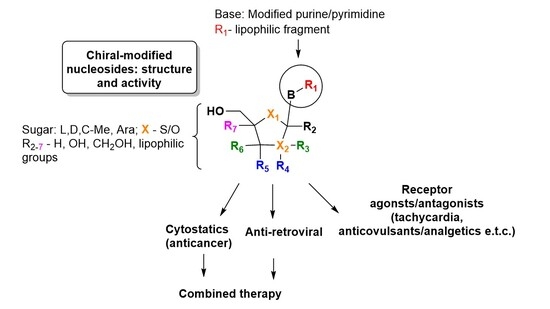
Nucleosides are extensively employed for the development of pharmaceuticals, chemotherapeutic agents, and bioregulators. Background/Objectives: The introduction of an additional chiral functionality into a carbohydrate or heterocyclic base fragment may increase the selectivity of interactions with nucleos(t)ide-metabolizing enzymes and receptors and, in some cases, lead to more specific physiological activities. Methods: An improvement of the selectivity of nucleoside-based drugs can be achieved either by the chemical modification of a carbohydrate or a base constituent or by a combination of these two approaches. Additionally, stereospecific enzymatic cleavage of nucleos(t)ide prodrugs containing biodegradable substituents can reduce cytotoxicity and enhance bioavailability. Results: A series of enantiomerically pure nucleosides modified at the ribose or heterocyclic base were obtained by chemical and enzymatic methods. Novel antiviral or anticancer active compounds, inhibiting viral or cellular enzymes or activating cellular nucleoside kinases have been found among chemically synthesized derivatives. Some exhibit strengthened “ligand–receptor” interaction, acting on receptors of the purinergic signaling system. During recent extensive structure–activity studies, several drugs and their prototypes have been proposed for the treatment of viral infections: the 2′C-fluoromethyl derivative of sofosbuvir (anti-SARS-CoV, preclinical), VV-261 (SFTSV, phase I clinical), balapiravir (dengue, phase I clinical), mericitabine (approved drug for HCV), and lumicitabine (approved drug for RSV and HMPV). Conclusions: Modern literature data within the scope of the present review suggest that direct modification of nucleosides with various chiral functionalities can be considered as an approach to increase their efficacy, specificity and selectivity.
Full article
The flower color of Michelia odora, an important landscape tree plant, shows significant ornamental value, but its regulatory mechanisms remain to be further explored. The present work integrated metabolomic with transcriptomic analyses for elucidating the anthocyanin biosynthesis mechanisms in light pink and
[...] Read more.
The flower color of Michelia odora, an important landscape tree plant, shows significant ornamental value, but its regulatory mechanisms remain to be further explored. The present work integrated metabolomic with transcriptomic analyses for elucidating the anthocyanin biosynthesis mechanisms in light pink and deep pink M. odora flowers. Our metabolomic analysis identified 13 differentially expressed anthocyanins, 11 of which, especially cyanidins, were significantly accumulated within deep pink petals versus light pink ones. As revealed by our transcriptomic analysis, 33 differential genes were related to flavonoid and anthocyanin biosynthesis. Further, transcription factor genes, encompassing three MoMYB alongside two MobHLH genes, were likely the hub genes that modulated anthocyanin biosynthesis. Quantitative real-time PCR validation indicated that certain genes, like MoPAL, MoC4H, Mo4CL, MoCHS, MoCHI, MoUGT75C1, MoMYB3, MobHLH1, and MobHLH3, displayed concurrent expression with anthocyanin accumulation within deep pink petals. Collectively, these results indicate the role of anthocyanin accumulation in deep pink color, and the effect of upregulated genes on increasing anthocyanin levels. Our results shed novel light on color change mechanisms underlying M. odora, and provide a theoretical basis for flower breeding.
Full article
Accurate ocean wave sensing in polar and other low-temperature marine environments is of great significance for marine environmental observation, climate research, and navigation safety. However, conventional wave sensors rely on external power supplies and suffer from poor stability under low-temperature and high-salinity conditions,
[...] Read more.
Accurate ocean wave sensing in polar and other low-temperature marine environments is of great significance for marine environmental observation, climate research, and navigation safety. However, conventional wave sensors rely on external power supplies and suffer from poor stability under low-temperature and high-salinity conditions, making long-term self-powered waves sensing a significant challenge. Herein, a highly stable composite eutectogel electrode is developed by integrating sodium lignosulfonate, Fe3+ crosslinking, Zn2+-carboxylate coordination interactions, and a choline chloride/urea deep eutectic solvent (DES). The DES effectively suppresses solvent crystallization and endows the gel with excellent low-temperature tolerance, while the synergistic effect of metal coordination and multiple non-covalent interactions constructs a robust ion-conducting network with enhanced structural stability. Furthermore, eutectogel-based composite electrode architecture is designed to improve electrical conductivity and charge collection efficiency, thereby enabling stable electrical output under harsh marine conditions. Based on the as-prepared eutectogel electrode, a self-powered solid–liquid triboelectric nanogenerator is fabricated for ocean wave-motion sensing. The device can detect the wave amplitude, with an accuracy of 0.2 cm, and sense the frequency of waves ranging from 0.2 Hz to 1.6 Hz. More importantly, the SL-TENG exhibits excellent environmental adaptability, operating reliably in 3.5 wt% simulated seawater and at 0 °C. The current retention ratio reaches approximately 91% at 0 °C, which is significantly higher than that of the hydrogel-based device (≈6%). The remarkably low-temperature and salt-tolerant performance originates from the stable ion-transport network and anti-freezing characteristics of the eutectogel electrode. This work provides an effective strategy for constructing environmentally resilient eutectogel-based triboelectric devices and offers a promising route toward self-powered wave sensing systems for long-term deployment in harsh marine environments.
Full article
Lactation imposes substantial metabolic demands on mares, and milk composition is a major determinant of neonatal development. Although β-hydroxy-β-methylbutyrate (HMB) can regulate protein turnover and energy metabolism in several livestock species, its role in the lactation-growth axis of equids remains insufficiently defined. This
[...] Read more.
Lactation imposes substantial metabolic demands on mares, and milk composition is a major determinant of neonatal development. Although β-hydroxy-β-methylbutyrate (HMB) can regulate protein turnover and energy metabolism in several livestock species, its role in the lactation-growth axis of equids remains insufficiently defined. This study evaluated maternal HMB-Ca supplementation in lactating Yili mares, focusing on milk yield measured during a standardized five-session daytime collection schedule, calculated milk-component output during that schedule, foal growth, and day-30 serum and milk metabolomic profiles. Maternal HMB-Ca supplementation was associated with greater milk yield at day 30 and with greater foal average daily gain during early lactation. To reduce over-interpretation of pathway enrichment alone, we performed a structured phenotype-metabolite correlation analysis. First, the day-30 milk-yield endpoint was correlated with serum differential metabolites; second, the serum features showing strong correlations with this endpoint were compared with milk differential metabolites; third, these serum features were related exploratorily to foal body weight and ADG. This analysis identified 26 serum features with |rho| ≥ 0.60 and nominal p < 0.05 for milk yield, 15 of which met FDR q < 0.10. Several of these features showed annotation-level overlap with the milk differential metabolome and exploratory associations with early foal growth traits. These findings support candidate serum-milk-growth metabolic links accompanying improved lactation performance, but they do not establish a causal pathway.
Full article
A monocrystal of the natural mineral hambergite, BeBOOH, is studied by B-NMR spectroscopy. The nuclide B possesses spin , and thus for a single boron site in a periodic solid, the B spectrum
[...] Read more.
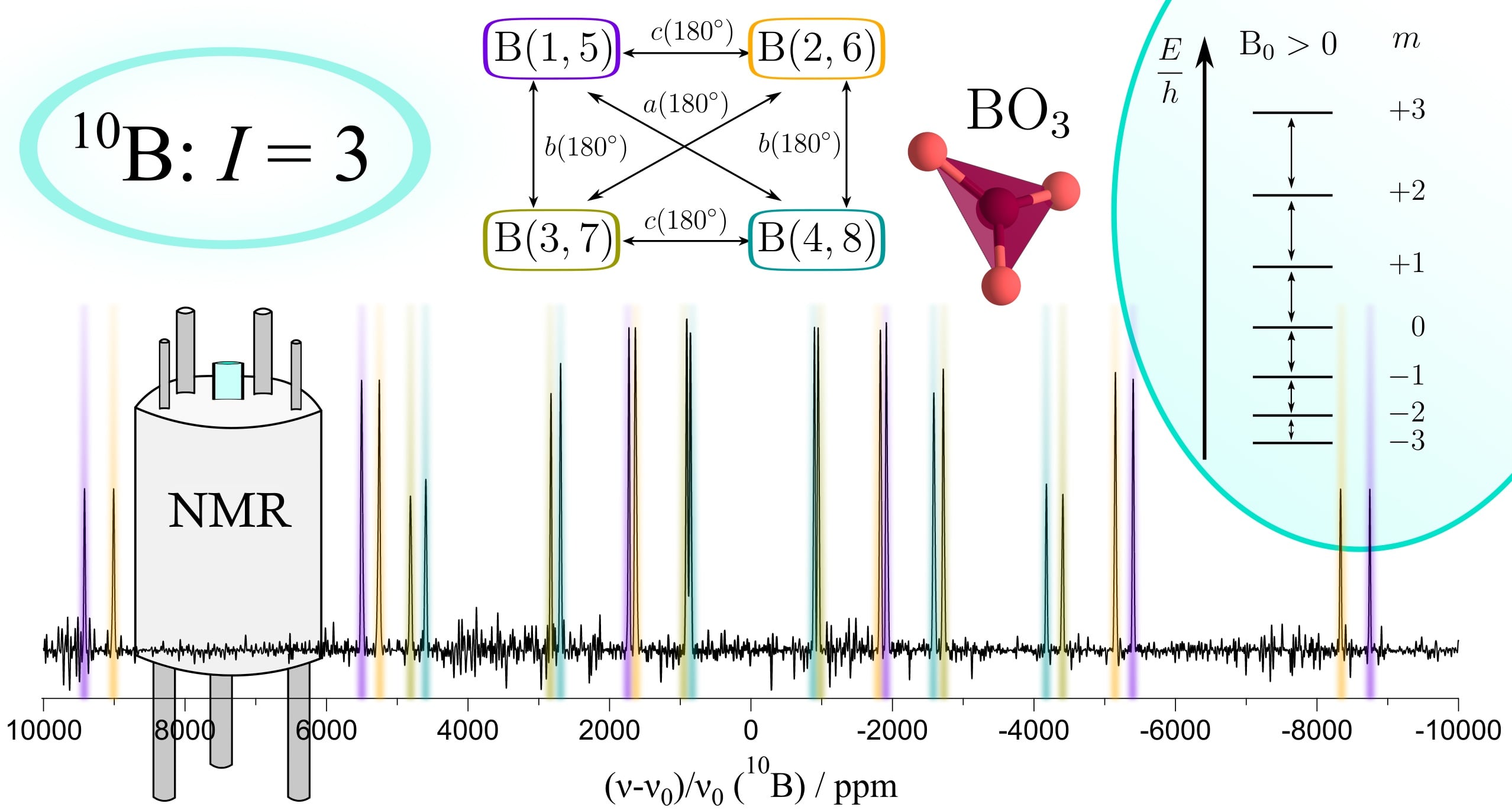
A monocrystal of the natural mineral hambergite, BeBOOH, is studied by B-NMR spectroscopy. The nuclide B possesses spin , and thus for a single boron site in a periodic solid, the B spectrum is composed of three doublets. For the four inversion-related pairs of boron sites existing in the crystal structure of hambergite, orientation-dependent B spectra are recorded and both the chemical shift and electrical field gradient (EFG) tensor are extracted. The resulting numerical values are in very good agreement with a previous B-NMR study of the same sample. Comparing the line widths of the NMR resonances of B against B, the concept of inherently better resolution being available from B due to the scaling down of dipolar interactions is confirmed.
Full article
A novel microwave biosensor operating in the C-band is developed and characterised for enhanced glucose sensing applications. The sensor is based on a single metamaterial asymmetric split-ring resonator (SASR) and has been investigated in two configurations: a single semi-circular design (SASR-S) and a
[...] Read more.
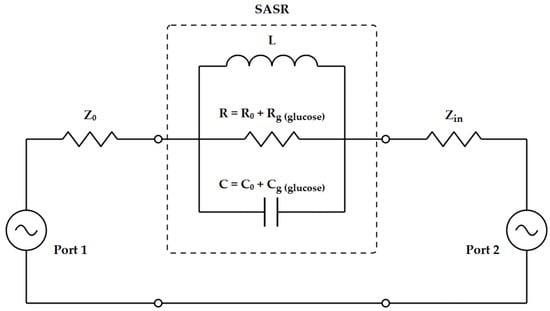
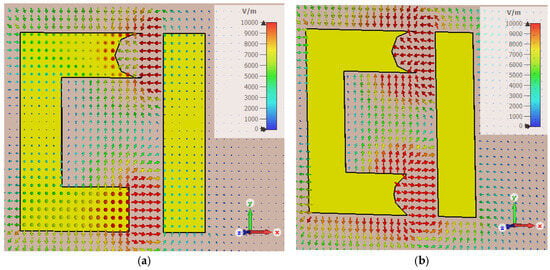
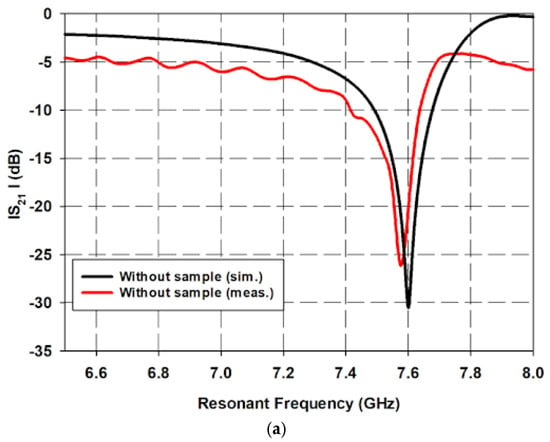
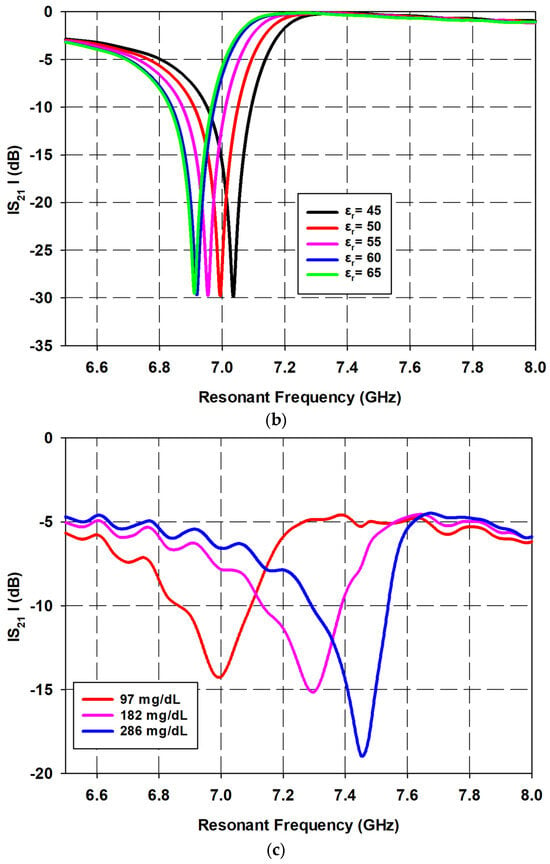
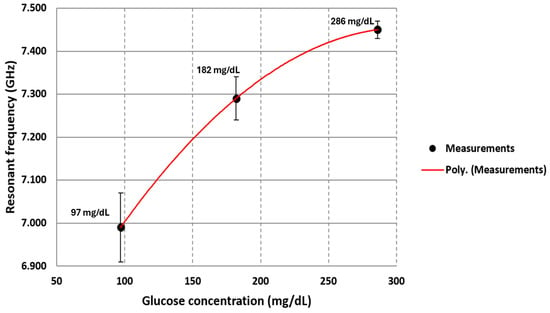
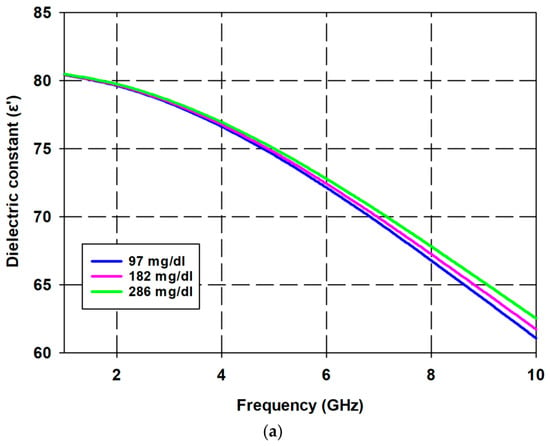
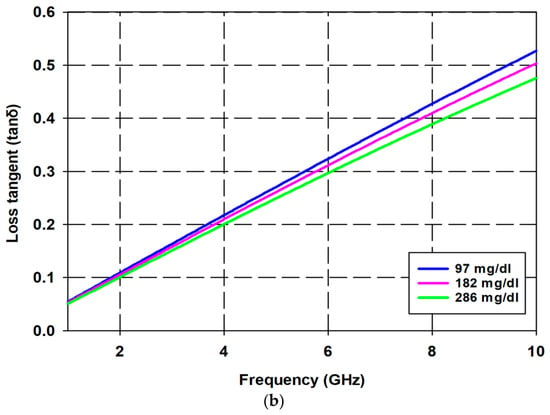
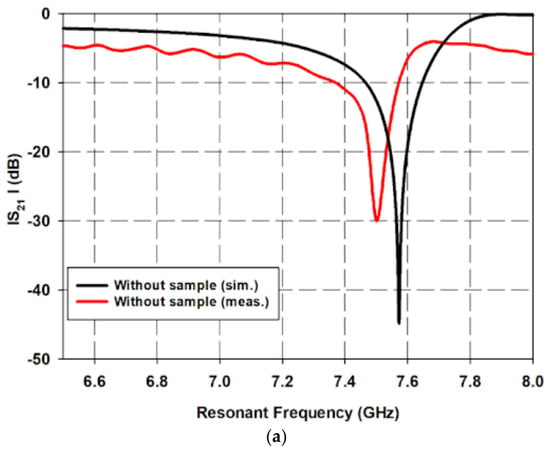
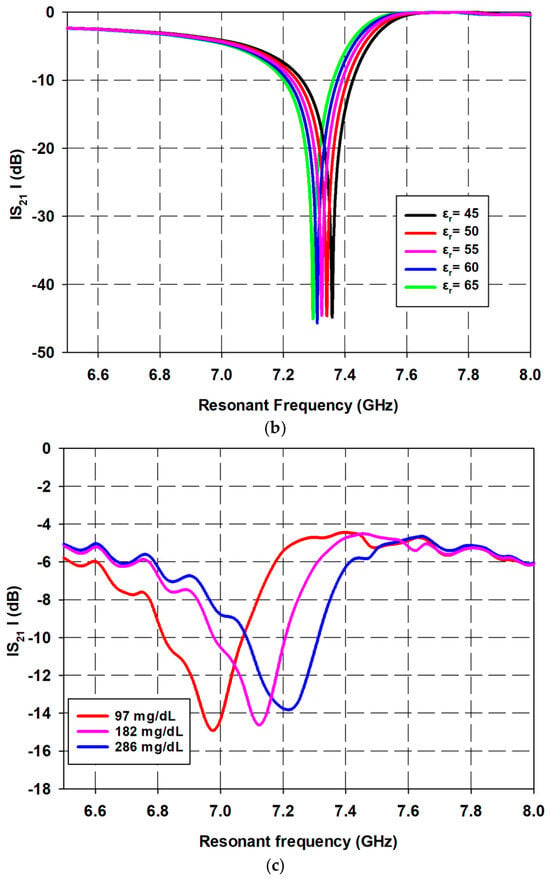
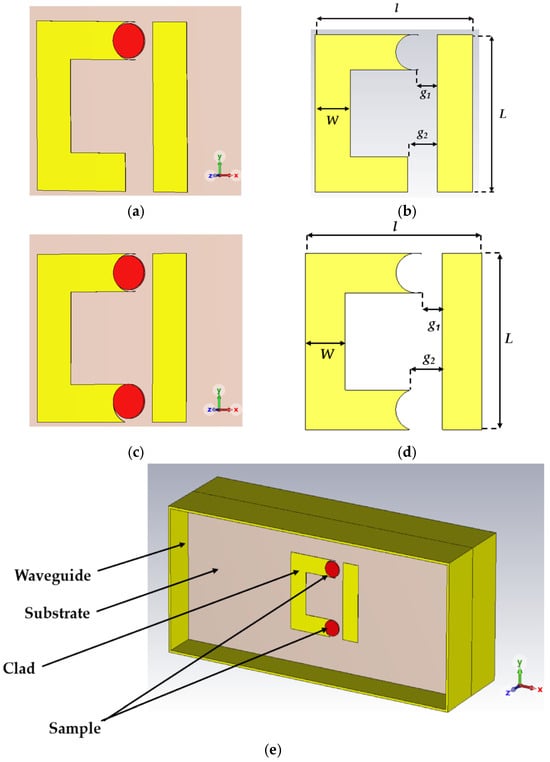
A novel microwave biosensor operating in the C-band is developed and characterised for enhanced glucose sensing applications. The sensor is based on a single metamaterial asymmetric split-ring resonator (SASR) and has been investigated in two configurations: a single semi-circular design (SASR-S) and a double semi-circular design (SASR-D). The structural modifications were introduced to enlarge the sensing area by creating two high-field hotspots, thereby increasing the interaction between the electromagnetic (EM) field and the sample, which consequently enhances the overall sensor sensitivity. The sensor is fabricated on a Rogers AD350A substrate and is optimised to detect glucose levels in a 1 µL solution applied within each semi-circle sensing region. To characterise the sensor’s enhanced sensitivity, we performed a 3D electromagnetic simulation of a small droplet positioned within a semicircular sensing region, varying the relative permittivity of the droplet from 45 to 65. The resulting shifts in resonant frequency served as a primary indicator of dielectric sensitivity. The sensor’s response was experimentally validated using a vector network analyser to measure the transmission coefficient (S21) of samples with no glucose and at glucose concentrations of 97 mg/dL to 286 mg/dL. The results demonstrate that the resonator configuration strongly influences the resonance frequency shift and sensitivity, with the SASR-D configuration being the most effective design. This has also been confirmed by measurements demonstrating a sensitivity of approximately 2.4 MHz/(mg/dL), representing an approximately two-fold improvement over the SASR-S sensor (sensitivity: 1.27 MHz/(mg/dL)) and a notable enhancement over previously reported sensors. These findings demonstrate the practical potential of the proposed sensor for blood glucose monitoring applications.
Full article
by
Manuel Antonio Abarca Zaquinaula, Carina Alexandra Serpa Andrade, Rosa Marianela Salamea Nieto, Kerly Elizabeth Dávila Dávila, Melissa Paulina Calle Íñiguez, María Gabriela Suasnavas Rodriguez, Danna Jhojebed Abarca Vásquez and Micaela Abygail Segura Flores
Residential greenness has been consistently associated with multiple health benefits; however, the underlying molecular mechanisms remain insufficiently understood. DNA methylation-based epigenetic clocks have emerged as robust biomarkers of biological aging and provide a valuable framework for investigating environmental influences on aging processes. This
[...] Read more.
Residential greenness has been consistently associated with multiple health benefits; however, the underlying molecular mechanisms remain insufficiently understood. DNA methylation-based epigenetic clocks have emerged as robust biomarkers of biological aging and provide a valuable framework for investigating environmental influences on aging processes. This systematic review synthesizes current human evidence linking greenspace exposure to epigenetic age acceleration and DNA methylation changes. Following PRISMA 2020 guidelines, we searched Scopus and Web of Science databases (inception to May 2026). Studies were eligible if they assessed quantitative indicators of greenspace exposure and DNA methylation-based aging biomarkers in human populations. Out of 97 identified records, 14 studies met the inclusion criteria. Higher levels of greenspace exposure were consistently associated with a deceleration of GrimAge acceleration, with effect sizes ranging from 1.0 to 1.6 years per interquartile range increase in greenness. At the molecular level, greenspace-associated differentially methylated regions (DMRs) were consistently enriched in genes involved in neurodevelopment (HTR2A, BDNF, SLC6A3, SDK1), immune regulation (HLA-DRB5, IL6), stress response (NR3C1), and extracellular matrix remodeling (ADAMTS2). Overall, greenspace exposure is associated with slower epigenetic aging and differential DNA methylation across key biological pathways. These findings support the concept of greenspace as an epigenomic resilience factor and highlight its potential role in modulating molecular mechanisms of aging.
Full article
Chinese Spelling Correction (CSC) is a fundamental task in Natural Language Processing (NLP) aimed at identifying and correcting character errors in Chinese texts. It significantly enhances text readability and semantic accuracy. Most deep learning-based CSC methods focus on isometric correction, ensuring identical lengths
[...] Read more.
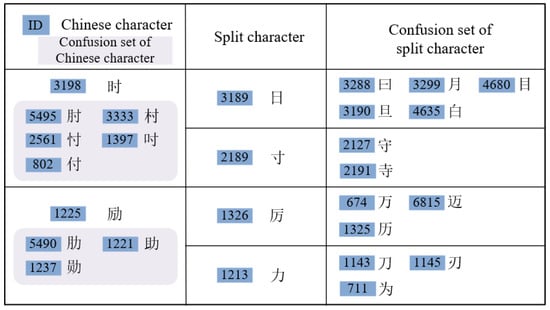
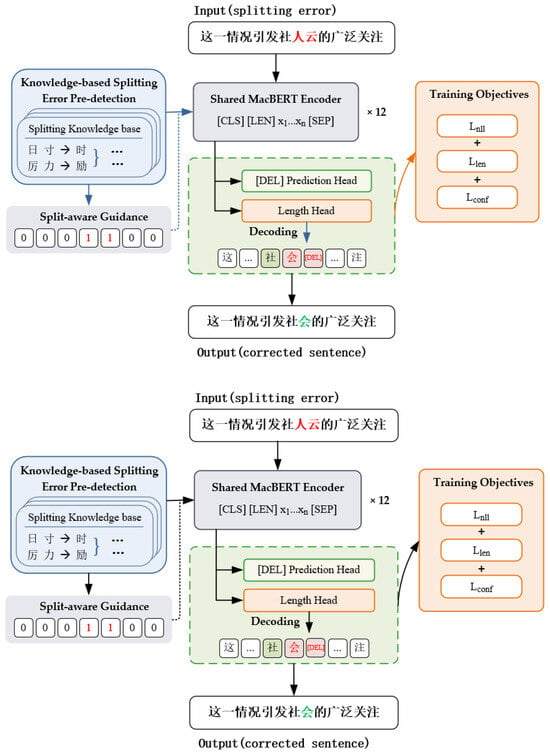
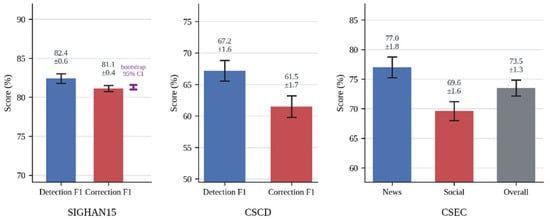
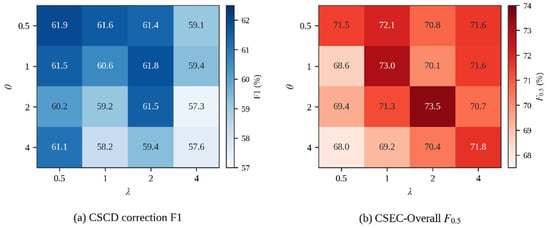
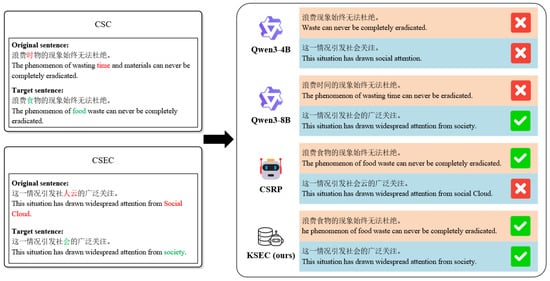
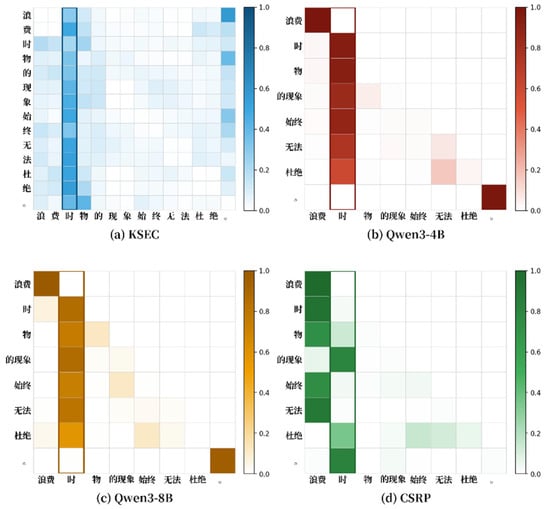
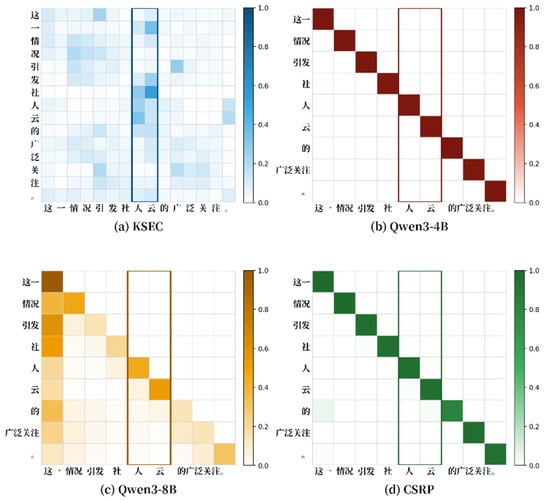
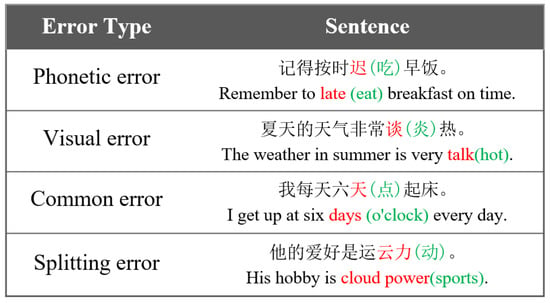
Chinese Spelling Correction (CSC) is a fundamental task in Natural Language Processing (NLP) aimed at identifying and correcting character errors in Chinese texts. It significantly enhances text readability and semantic accuracy. Most deep learning-based CSC methods focus on isometric correction, ensuring identical lengths for input and output sequences. However, they struggle with variable-length errors like splitting errors—where a single character is incorrectly divided into two (e.g., splitting “明” into “日” and “月”). These errors are challenging because they disrupt token alignment, preventing standard sequence-labeling models from mapping inputs to outputs effectively. To overcome this limitation, we propose KSEC (Knowledge-enhanced Splitting Error Corrector), a novel framework tailored for variable-length corrections. KSEC automatically constructs a splitting character knowledge base from public corpora to provide factual validation for correction outcomes. Furthermore, we design a variable-length architecture integrating an attention mechanism and introduce an alignment-aware loss function that optimizes sequence-to-sequence token mapping. Extensive experiments on standard CSC and CSEC benchmarks demonstrate that KSEC achieves state-of-the-art performance among lightweight models of similar size and outperforms existing methods across multiple evaluation metrics.
Full article
Background/Objectives: Bilateral thoracoscopic sympathectomy (BTS) is the definitive treatment for primary focal hyperhidrosis, yet postoperative pain remains an undertreated consequence with no established analgesic consensus. This study compared three analgesic regimens on pain trajectory, opioid consumption, and functional recovery following BTS. Methods: In
[...] Read more.
Background/Objectives: Bilateral thoracoscopic sympathectomy (BTS) is the definitive treatment for primary focal hyperhidrosis, yet postoperative pain remains an undertreated consequence with no established analgesic consensus. This study compared three analgesic regimens on pain trajectory, opioid consumption, and functional recovery following BTS. Methods: In this prospective observational cohort study, 300 patients undergoing BTS were allocated in a non-randomized manner reflecting institutional practice to three parallel cohorts (n = 100 each): Group 1 received systemic opioids alone; Group 2 received opioids plus pre-emptive local anesthetic wound infiltration; and Group 3 received opioids plus thoracoscopic-guided intercostal nerve block (ICNB). Primary outcomes included pain intensity on the Numerical Rating Scale and total opioid consumption. Results: ICNB patients reported significantly lower mean peak pain scores (3.8 ± 1.7) versus local infiltration (4.6 ± 1.9) and opioid-only groups (5.2 ± 2.1; p < 0.001). Total opioid consumption was reduced by 38% in the ICNB group (12.4 ± 4.8 mg vs. 20.1 ± 6.3 mg; p < 0.001). Moderate-to-severe pain occurred in 42.0% of ICNB patients versus 74.0% of controls (p < 0.001). ICNB was independently associated with reduced moderate-to-severe pain (adjusted odds ratio (AOR) 0.31; 95% confidence interval (CI) 0.17–0.56; p < 0.001). ICNB patients returned to normal activities faster (median 3 vs. 5 days; p = 0.008) with higher satisfaction (91.0% vs. 78.0%; p = 0.044). Conclusions: In this observational cohort, ICNB was associated with significantly lower postoperative pain scores, reduced opioid consumption, and faster functional recovery following BTS. These findings suggest that ICNB may be an effective adjunct analgesic strategy for ambulatory BTS, pending confirmation in randomized controlled trials.
Full article
This study explores how university students experience conversational artificial intelligence (AI) in the era of generative AI from the perspectives of algorithmic intimacy, social connection, well-being, and autonomy, and identifies their subjective meaning structures. Specifically, it examines how university students perceive conversational AI
[...] Read more.
This study explores how university students experience conversational artificial intelligence (AI) in the era of generative AI from the perspectives of algorithmic intimacy, social connection, well-being, and autonomy, and identifies their subjective meaning structures. Specifically, it examines how university students perceive conversational AI in relation to emotional regulation, self-understanding, relational boundaries, and autonomy, and how these perceptions relate to intimacy and well-being. Unlike previous studies focused primarily on AI use and acceptance, this study analyses how students interpret their experiences with conversational AI and negotiate relational boundaries. Using Q methodology, we developed 40 Q statements from literature review and in-depth interviews. Fifty-six university students in South Korea with experience using conversational AI completed the Q-sorting process. A four-factor solution explained 55% of the total variance and yielded four distinct types: (1) Relationship-Negating Instrumentalists, (2) Selective Emotional Utilizers, (3) Reflective Distancers, and (4) Autonomy Defenders. Although none of the groups viewed AI as a complete substitute for human relationships, they differed in their acceptance of algorithmic intimacy, use of AI for emotional support and regulation, concerns about dependence, and efforts to protect autonomy. These findings suggest that conversational AI experiences involve negotiating intimacy and boundaries rather than producing uniformly positive or negative outcomes. This study complements variable-centred approaches by identifying distinct subjective meaning structures in university students’ human–AI relationship experiences.
Full article
by
Monica Casiraghi, Antonio Mazzella, Lara Girelli, Giorgio Lo Iacono, Luca Bertolaccini, Matteo Chiari, Giovanni Caffarena, Claudia Bardoni and Lorenzo Spaggiari
Background: The integration of neoadjuvant and perioperative chemo-immunotherapy (CT-IO) has significantly reshaped the treatment of resectable non-small-cell lung cancer (NSCLC), improving pathological response and survival outcomes. However, its impact on surgical management—particularly robotic-assisted thoracic surgery (RATS)—remains incompletely defined. This review provides a
[...] Read more.
Background: The integration of neoadjuvant and perioperative chemo-immunotherapy (CT-IO) has significantly reshaped the treatment of resectable non-small-cell lung cancer (NSCLC), improving pathological response and survival outcomes. However, its impact on surgical management—particularly robotic-assisted thoracic surgery (RATS)—remains incompletely defined. This review provides a practical overview of current evidence and technical considerations for robotic lung resection following neoadjuvant chemo-immunotherapy. Methods: A narrative review of the literature was performed, focusing on phase III trials, meta-analyses, and surgical series reporting perioperative, oncological, and technical outcomes of minimally invasive—especially robotic—approaches after neoadjuvant or perioperative chemo-immunotherapy. Results: Randomized trials have established CT-IO as a standard treatment option for selected patients with resectable stage II–III NSCLC—although the specific standard varies according to stage, molecular and PD-L1 status, and regulatory approval—significantly improving pathological complete response and event-free survival. However, immune-related fibrosis, nodal scarring, and altered tissue planes increase surgical complexity and intra-postoperative complications. Available evidence, largely retrospective and derived from selected patient populations treated at experienced centers, suggest that RATS is feasible and safe, offering enhanced visualization and dexterity that may facilitate dissection in challenging post-induction settings. Vascular management and lymph node dissection remain critical technical aspects, and early conversion to open surgery, when required, should be regarded as an appropriate safety strategy rather than a complication. Conclusions: RATS after neoadjuvant chemo-immunotherapy appears feasible and promising in selected patients treated at experienced centers, but current evidence does not yet establish it as the preferred approach for all patients. Careful patient selection, adherence to oncological principles, and surgeon experience are essential. Prospective data are needed to define optimal surgical timing and standardize techniques.
Full article
Myocardial ischemia and reperfusion initiate spatially organized injury–repair programs that subsequently shape ventricular remodeling. Although cardiac fibroblasts are indispensable for scar formation, single-cell and spatial transcriptomic studies reveal temporally dynamic and regionally distinct fibroblast-lineage states. This critical narrative review integrates direct evidence from
[...] Read more.
Myocardial ischemia and reperfusion initiate spatially organized injury–repair programs that subsequently shape ventricular remodeling. Although cardiac fibroblasts are indispensable for scar formation, single-cell and spatial transcriptomic studies reveal temporally dynamic and regionally distinct fibroblast-lineage states. This critical narrative review integrates direct evidence from myocardial ischemia–reperfusion (I/R) with model-labeled evidence from permanent myocardial infarction, clinically heterogeneous human infarction, fibroblast-specific ubiquitin biology, cell-cycle regulation, and cardiac fibroblast atlases. A direct fibroblast I/R study identifies an HSP47–USP10–SMAD4 deubiquitination axis, whereas most other fibroblast ubiquitin–proteasome system (UPS) mechanisms derive from permanent infarction, non-ischemic cardiac stress, or in vitro systems. We propose that CCNB1-associated, G2/M-enriched cycling fibroblast-lineage states may impose heightened proteostatic demands within defined post-ischemic niches. The conceptual novelty is not that CCNB1 turnover or UPS activity is cardiac-specific; both are general features of proliferating cells. Rather, the framework asks whether fibroblast lineage, injury-model provenance, anatomical niche, temporal window, cell state, and substrate-specific UPS nodes jointly define proteostatic dependencies during post-ischemic remodeling. RNA-based ubiquitin-related signatures remain transcriptional proxies and do not directly quantify ubiquitinated substrates, ubiquitin-chain topology, enzyme activity, or proteasome flux. Resolving the proposed relationships will require spatial colocalization, protein-level and ubiquitin-remnant profiling, proteasome and ribosome assays, fibroblast-specific perturbation, and validation in human infarct tissue.
Full article
Professional online communities increasingly function as digital social infrastructures during societal disruption, yet less is known about how their support practices reorganize during prolonged crises. This study examined how social support, engagement patterns, and support-seeking behavior changed in a large Hebrew-language professional Facebook
[...] Read more.
Professional online communities increasingly function as digital social infrastructures during societal disruption, yet less is known about how their support practices reorganize during prolonged crises. This study examined how social support, engagement patterns, and support-seeking behavior changed in a large Hebrew-language professional Facebook group for Israeli educators across routine and crisis periods. Quantitative content analysis was conducted on an analytic sample of 1008 posts published between January 2022 and July 2025, covering the pre-war period and the wartime period following October 2023. Posts were coded for informational, emotional, and instrumental support and for support-seeking, and negative binomial and logistic regression models examined engagement and predictors of support-seeking. Informational support was dominant (69.3%), followed by support-seeking (30.7%), emotional support (12.8%), and instrumental support (4.4%). During wartime, support-seeking and instrumental support were less frequent, whereas informational and emotional support were more frequent. Informational posts received approximately three times more likes, while support-seeking posts received fewer likes but sustained comment activity. Anonymous authors were more likely to seek support, but posts by anonymous authors received fewer comments. The findings suggest an aggregate pattern of support flexibility in the analytic sample, reflected in a relative shift from reactive support-seeking toward proactive informational sharing and emotional processing as part of collective resilience-building during sustained societal crisis.
Full article
Background: Technological innovation in logistics (TIL), logistics capability (LC), and lean logistics (LL) are receiving wider attention in logistics and supply chain research. They are often examined in separate models and less often in relation to both business performance (BP) and market
[...] Read more.
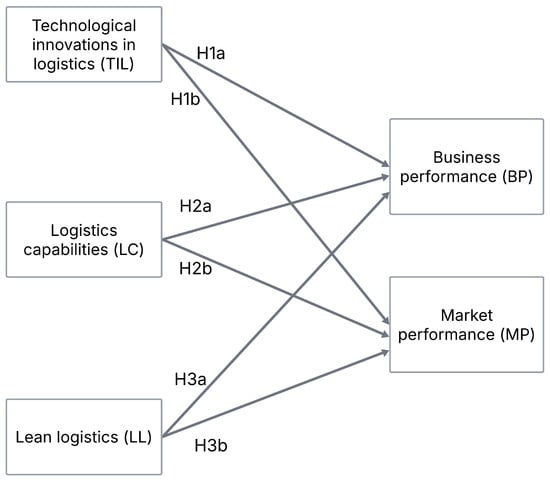
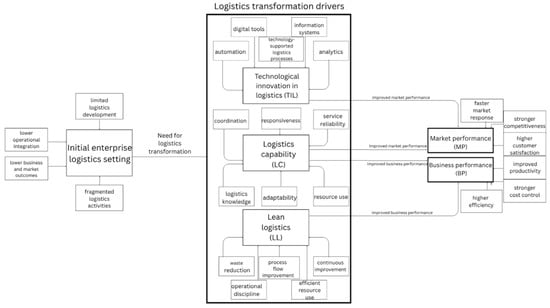
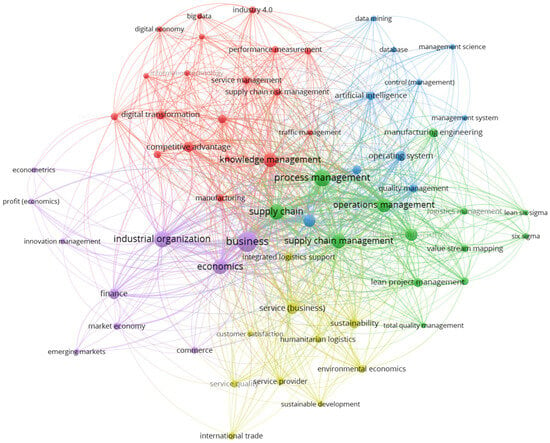
Background: Technological innovation in logistics (TIL), logistics capability (LC), and lean logistics (LL) are receiving wider attention in logistics and supply chain research. They are often examined in separate models and less often in relation to both business performance (BP) and market performance (MP). Their joint effects on organizational performance remain insufficiently examined in previous research. Methods: This study examined the effects of TIL, LC, and LL on BP and MP through a quantitative survey conducted among enterprises in Serbia, a transition economy with limited empirical evidence on these relationships. Data from 129 valid responses were analyzed through descriptive statistics, correlation analysis, linear regression analysis, and multicollinearity diagnostics. Results: The findings show that LC has a positive and significant effect on both BP and MP. LL has a positive and significant effect on BP, while TIL has a positive and significant effect on MP. The model explains a larger share of variance in BP than in MP. Conclusions: The results support a differentiated view of logistics transformation and indicate that BP and MP should be examined as related but distinct outcome dimensions. The study integrates TIL, LC, and LL within a unified performance framework.
Full article





 Sustainability
 Applied Sciences
 IJMS
IJMS
 JCM
JCM
 Sensors
 Electronics
 Materials
 Energies
 Mathematics
 Buildings
 Molecules
 Foods
Foods
 Healthcare
 Remote Sensing
 Diagnostics
 Nutrients
 Cancers
 Processes
 Plants
 Animals
 Polymers
 Water
Water
 Biomedicines
 Land
Land
 Agriculture
 Microorganisms
 Medicina
 Behavioral Sciences
 JMSE
JMSE
 Cells
Cells
 Life
Life
 Agronomy
 Symmetry
 Biology
 Education Sciences
 Biomolecules
 Pharmaceuticals
 Systems
 Antioxidants
 Nanomaterials
 Pharmaceutics
 IJERPH
 Genes
Genes
 Horticulturae
 Coatings
 Children
 Religions
 Micromachines
 Machines
 Bioengineering
 Entropy
 Metals
 Forests
 Minerals
 Brain Sciences
 Information
 Insects
 Pathogens
 CIMB
CIMB
 Catalysts
 Veterinary Sciences
 Photonics
 Antibiotics
 Atmosphere
 Viruses