


Abstract
Biomass–plastic co-pyrolysis has emerged as a promising thermochemical route for the valorization of mixed biomass and plastic waste streams, addressing growing challenges in waste management and resource efficiency. This review summarizes current knowledge on feedstock interactions, reactor technologies, operating conditions, and resulting product distributions. The literature indicates that co-processing biomass with plastics can enhance process performance compared to single-feedstock pyrolysis. Improvements are mainly observed in liquid product quality, increased energy content of gaseous fractions, and modified char properties, although outcomes strongly depend on feedstock composition and process conditions. Beyond technical aspects, the review highlights the relevance of co-pyrolysis within circular economy systems. Oil can be considered a secondary feedstock for the refining and chemical industries, process gas can support internal energy integration, and char may be utilized in material or environmental applications, contributing to partial closure of carbon and resource loops. Despite these advantages, the transition from laboratory-scale studies to large-scale implementation remains the major challenge for biomass–plastic co-pyrolysis. This limitation is associated with feedstock heterogeneity, contamination issues, scale-up difficulties, regulatory uncertainty, and the need for downstream upgrading of products. Overall, biomass–plastic co-pyrolysis represents a promising pathway toward circular waste valorization, but its practical relevance depends on successful system-level integration rather than laboratory-scale performance alone.
1. Introduction
Global waste generation continues to increase in both volume and complexity, driven by population growth, industrial development, and rising consumption of short-lived materials. Among the most challenging fractions are heterogeneous waste streams combining biogenic residues (e.g., lignocellulosic biomass from agriculture, forestry, and food processing) with synthetic polymers, particularly post-consumer plastics. These two waste categories differ fundamentally in chemical structure, degradation pathways, and conventional treatment routes, which complicates their joint management within existing waste infrastructure. As a result, significant fractions of both biomass and plastic waste are still directed to landfilling, low-efficiency incineration, or mechanically limited recycling pathways that fail to recover their full material and energetic value [1,2,3].
At the same time, global resource constraints and environmental pressures are intensifying. Dependence on virgin fossil resources for chemicals, fuels, and materials is increasingly recognized as unsustainable due to associated greenhouse gas emissions, geopolitical supply risks, and finite resource availability. Parallel to this, inefficient management of biomass residues leads to methane emissions from decomposition or CO2 emissions from uncontrolled combustion, while plastic waste contributes to persistent environmental pollution, including microplastic accumulation in terrestrial and aquatic systems [4,5]. These issues highlight the need for integrated approaches that simultaneously address waste mitigation and resource recovery, rather than treating biomass and plastic streams in isolation.
In this context, the transition toward a circular economy (CE) has emerged as a guiding framework for rethinking material flows and waste management systems. The circular economy paradigm prioritizes the retention of material value within economic systems for as long as possible through strategies such as reuse, recycling, recovery, and upcycling [6,7,8]. However, practical implementation of CE principles is hindered by the heterogeneity of waste streams and limitations of existing recycling technologies, particularly when dealing with mixed organic–polymeric waste fractions. Conventional mechanical recycling is often unsuitable for contaminated or composite plastics, while biological treatments are ineffective for synthetic polymers [1,9,10]. Similarly, biomass valorization routes such as composting or anaerobic digestion are not applicable when significant plastic contamination is present. These limitations create a clear need for processes capable of handling mixed feedstocks in a flexible and resource-efficient manner.
Biomass–plastic co-pyrolysis has therefore gained increasing attention as a promising thermochemical conversion pathway within the circular economy framework [11,12]. Compared with other waste conversion approaches, such as gasification, hydrothermal liquefaction, or advanced chemical recycling, co-pyrolysis offers a flexible route for processing mixed biomass–plastic streams while generating multiple product fractions. Gasification primarily focuses on syngas production through high-temperature partial oxidation, whereas hydrothermal liquefaction is particularly suitable for wet biomass feedstocks but requires high-pressure operation. Advanced recycling technologies can recover polymer-derived chemicals but are often limited by feedstock purity requirements and economic constraints. In contrast, co-pyrolysis enables simultaneous conversion of heterogeneous waste streams into liquid, gaseous, and solid products, providing opportunities for both energy recovery and material valorization.
Pyrolysis, as a thermal decomposition process conducted in the absence of oxygen, enables the conversion of both biomass and plastic waste into a spectrum of value-added products, including liquid oils, process gases, and solid char [13,14,15]. When biomass and plastic are processed together, interactions between the two feedstock types can lead to synergistic effects that alter reaction pathways and improve overall product distribution and quality compared to individual feedstock pyrolysis. In particular, hydrogen transfer between plastic-derived radicals and oxygenated biomass intermediates can enhance deoxygenation of bio-oil through stabilization and conversion of oxygen-containing compounds, while biomass-derived radicals may influence the cracking behavior of polymer chains [16,17].
From a system perspective, biomass–plastic co-pyrolysis is increasingly considered not only as a waste treatment technology, but as a potential enabler of integrated resource recovery. By converting mixed waste streams into energy carriers and chemical precursors, the process offers a pathway for partial substitution of fossil-derived inputs in industrial systems. Moreover, the solid char fraction may find applications in soil amendment, carbon sequestration, adsorption processes, or energy storage, further contributing to material circularity [18,19,20]. Despite these advantages, the role of co-pyrolysis within broader circular economy systems remains insufficiently quantified, particularly regarding its environmental performance, techno-economic feasibility, and integration with existing waste management and industrial infrastructures. Although numerous studies demonstrate promising product yields and synergistic effects at laboratory scale, limited information is available on the overall sustainability performance, resource efficiency, and practical implementation potential of co-pyrolysis under realistic operating conditions.
This review therefore focuses on biomass–plastic co-pyrolysis as a circular economy-oriented technology, providing a system-level assessment of its role in mixed waste valorization and resource recovery. Unlike previous reviews primarily focused on reaction mechanisms, product yields, or individual feedstock interactions, this work evaluates co-pyrolysis within the broader circular economy framework by linking feedstock characteristics, process parameters, product utilization pathways, and challenges associated with industrial implementation.
2. Co-Pyrolysis in the Context of Circular Economy
Biomass–plastic co-pyrolysis can be interpreted as a thermochemical conversion route that aligns closely with the principles of the circular economy by enabling the transformation of heterogeneous waste streams into usable secondary resources. Unlike linear waste management models, which prioritize disposal or single-step recovery, circular economy systems emphasize the continuous circulation of materials through multiple life cycles [6,7,8]. Within this framework, co-pyrolysis occupies a specific niche as a flexible waste-to-resource technology capable of processing mixed organic and polymeric feedstocks that are otherwise difficult to recycle through conventional mechanical or biological methods.
2.1. Role in Waste-to-Resource Transition
The primary contribution of co-pyrolysis lies in its ability to convert low-value or non-recyclable waste into intermediate products with potential economic and environmental utility. Through thermal decomposition in oxygen-deficient conditions, both biomass and plastics are broken down into three fractions that can be further used. This transformation effectively shifts waste materials from the disposal stream into the resource stream, thereby redefining them as secondary feedstocks [21,22].
In the context of waste-to-resource transition, co-pyrolysis is particularly relevant for mixed waste fractions that cannot be efficiently separated at source. Municipal solid waste, agricultural residues contaminated with plastics, pesticides, and soil debris, or plastic-rich biomass residues represent typical examples where conventional recycling routes fail. By accommodating feedstock heterogeneity, co-pyrolysis reduces the dependency on high-purity input streams and expands the range of materials that can be valorized [23,24]. This contributes to a more inclusive waste management system in which material recovery is not limited by strict feedstock classification.
2.2. Integration into Circular Economy Framework (R-Strategies: Recover, Recycle, Repurpose)
Within the hierarchy of the circular economy strategies, biomass–plastic co-pyrolysis is most directly associated with the recover and repurpose levels. Additionally, this process partially supports recycling objectives through chemical conversion pathways. In contrast to mechanical recycling, which preserves material structure, co-pyrolysis operates at the molecular level, enabling the breakdown of complex polymers into smaller hydrocarbon fractions that can re-enter industrial value chains [11,25,26].
From an R-strategy perspective, co-pyrolysis can also be seen as a complementary technology to recycling systems rather than a replacement. It provides an alternative route for residual streams that remain after mechanical sorting and recycling processes have been exhausted. In this sense, it strengthens the overall circularity of waste management systems by addressing the lower-value fraction of waste hierarchies that is often neglected.
Compared with conventional circular strategies, co-pyrolysis occupies an intermediate position between material recycling and energy recovery. Mechanical recycling generally provides higher material retention efficiency but requires relatively clean and homogeneous plastic streams, limiting its applicability for contaminated or mixed wastes. Biological treatment methods are suitable mainly for biodegradable fractions and cannot effectively process plastic components. In contrast, co-pyrolysis enables the conversion of complex mixed streams into secondary resources, although with higher energy requirements and the need for further upgrading of products. Therefore, its main advantage lies not in replacing established circular strategies, but in complementing them by valorizing residual waste fractions that are difficult to recover through conventional approaches.
2.3. System Value: Closing Carbon and Material Loops
Beyond individual product outputs, the broader significance of co-pyrolysis lies in its contribution to closing material and carbon loops within industrial systems. Carbon present in both biomass and plastics is largely retained within the system through their conversion into usable products rather than being released directly to the atmosphere through uncontrolled degradation or low-efficiency combustion. Although the exact carbon distribution depends on feedstock composition and process conditions, co-pyrolysis may enhance carbon utilization efficiency by increasing the retention of carbon in valuable liquid and solid products and reducing CO2 formation in the gas fraction, with some studies reporting reductions of up to approximately 10–15% compared with individual pyrolysis [27,28]. This controlled transformation enables partial decoupling of carbon flows from fossil resource extraction, particularly when pyrolysis products displace virgin fossil-derived inputs [12,16,29,30].
At a system level, co-pyrolysis contributes to circularity by integrating waste management with energy and materials production pathways. This integration reduces the overall demand for primary resources while simultaneously mitigating environmental burdens associated with waste disposal. The environmental benefits are, however, strongly dependent on process efficiency, energy integration, and the final application of recovered products, highlighting the need for system-level assessments rather than evaluation based solely on conversion performance. The co-processing of biomass and plastics further introduces synergistic effects that can improve carbon utilization efficiency, as hydrogen-rich plastic fractions may enhance deoxygenation of biomass-derived compounds, leading to higher-quality liquid products [16,30,31,32].
In addition, the process supports the concept of industrial symbiosis, in which outputs from one system become inputs for another. Pyrolysis-derived products can be redirected into refining, chemical manufacturing, or energy systems, thereby creating interconnections between waste management and industrial production networks. Although the degree of loop closure depends on downstream utilization pathways and infrastructure availability, co-pyrolysis represents a technically viable mechanism for increasing material circularity and reducing reliance on linear fossil-based supply chains.
3. Technological Aspects of Biomass–Plastic Co-Pyrolysis
3.1. Feedstock Characteristics and Compatibility
The efficiency of the co-pyrolysis process and the characteristics of the resulting products are determined primarily by both the physicochemical properties of the applied feedstocks and the mechanisms of their mutual interactions during thermal decomposition [33,34,35]. In contrast to the pyrolysis of single materials, the co-pyrolysis of biomass and plastic waste constitutes a multicomponent system in which the degradation processes of components with different elemental compositions, structures, and reactivities occur simultaneously [36,37].
3.1.1. Lignocellulosic Biomass
Lignocellulosic biomass in co-pyrolysis processes serves as a source of carbon, hydrogen, and oxygen in the form of functional groups: hydroxyl, carbonyl, and ether groups. Its chemical composition as well as its macro- and microscopic structure strongly influence reaction kinetics, the yields of the bio-oil, gas, and solid fractions, as well as the potential for synergistic effects when combined with synthetic polymers, although these effects are also highly dependent on process parameters, particularly temperature [38,39]. The literature indicates that the pyrolysis process, as well as the quality and composition of its products, are strongly influenced by both feedstock composition (including the proportions of lignin, cellulose, hemicellulose, and mineral/ash fraction) and operating conditions [40,41,42]. The composition of selected types of biomass, often used in the pyrolysis process, is presented in Table 1.
Table 1.
Composition of major lignocellulosic components and ash content in selected biomass feedstocks.
Different types of biomass exhibit significant variation in chemical composition with respect to the proportions of lignin, cellulose, and hemicellulose. This variability occurs not only between different categories of feedstocks but also within formally homogeneous materials, where the content of individual lignocellulosic fractions may fall within defined value ranges. This is primarily due to differences in cultivation conditions, such as soil type, nutrient availability, climatic conditions, and the degree of irrigation. In addition, factors related to plant variety, maturity stage at harvest, and any pre-processing also play a role [63,64,65]. Consequently, the lignocellulosic composition of biomass should be treated as a variable parameter that must be determined experimentally in each case or expressed as value ranges, rather than as a constant characteristic of a given feedstock. This variability is particularly pronounced in the case of household waste and sewage sludge, which constitute mixtures of many different organic fractions originating from diverse sources. Their composition depends on the place of generation, season, consumption patterns, and local operating conditions of sewage systems or waste management infrastructure, leading to additional material heterogeneity [66,67,68]. Furthermore, the ash content in biomass may increase significantly in materials originating from anthropogenically impacted areas, such as industrial or roadside regions, where plants may accumulate emitted heavy metals and other mineral elements in their tissues [69,70,71]. This results in an increased proportion of the inorganic fraction, which in turn further influences the thermal and energetic properties of the feedstock.
3.1.2. Plastic Waste
Plastics constitute the second group of feedstocks in the co-pyrolysis process. Their role primarily involves supplying carbon and hydrogen in the form of stable hydrocarbon chains, which promotes the deoxygenation of products derived from biomass [72,73,74]. The physicochemical properties of polymers, such as chain structure, aromatic content, crystallinity, and the presence of heteroatoms, have a significant influence on the process pathway and potential synergistic effects. Among the most abundant plastic polymers found in waste streams are polyethylene (PE), polypropylene (PP), polyethylene terephthalate (PET), polystyrene (PS), and polyvinyl chloride (PVC). These polymers represent the main groups of commonly encountered plastic wastes and exhibit diverse chemical structures, including polyolefin, aromatic, and heteroatom-containing polymers, which strongly influence their thermal decomposition behavior and interactions with biomass-derived intermediates during co-pyrolysis.
Polyethylene (PE) is a saturated hydrocarbon polymer with a linear (HDPE) or branched (LDPE) structure, characterized by a high H/C ratio and a very high calorific value of its products. In standalone pyrolysis, it undergoes a single-stage decomposition in the range of approximately 350–500 °C, with virtually no solid residue, generating mainly aliphatic liquid hydrocarbons and a moderate amount of gases. Under co-pyrolysis conditions with biomass, a reduction in the effective activation energy is observed, along with an intensification of radical reactions, which promotes a reduction in the oxygen content of bio-oil and limits char formation [75,76,77].
Polypropylene (PP) has a chemical nature similar to PE but a more branched chain structure, which increases its thermal reactivity. In standalone pyrolysis, it rapidly degrades in the range of 285–500 °C, yielding mainly light hydrocarbons (including propylene) and an approximately 50% oil fraction. In systems with biomass, the process often proceeds via a two-stage mechanism (first biomass, then PP), which promotes synergistic effects, increases oil stability, and reduces the proportion of solid phase [75,78,79].
Polyethylene terephthalate (PET) is an aromatic polyester with a high oxygen content (ester groups) and a high decomposition energy requirement. In standalone pyrolysis, it undergoes two-stage degradation in the range of approximately 380–580 °C, requiring higher activation energy than biomass, and its products are highly oxygenated (aromatic acids, esters) with CO and CO2 formation, which reduces the calorific value of the oil. In co-pyrolysis with biomass, it exhibits pronounced synergistic effects in the range of 300–550 °C, leading to increased yield and improved oil quality (higher calorific value, lower acid content, and higher ester content under optimal ratios), as well as modification of char toward a more energy-rich and less hydroxylated structure [80,81].
Polystyrene (PS) is an aromatic vinyl polymer with relatively low thermal stability within the PE/PP/PS group, resulting from its phenyl ring structure, which facilitates depolymerization. In standalone pyrolysis, it undergoes mainly single-step decomposition in the range of approximately 380–500 °C at relatively low activation energy, producing almost exclusively liquid products dominated by styrene and other aromatic compounds, with oil yields reaching up to 95% under optimal conditions. In co-pyrolysis with biomass, PS exhibits strong positive synergistic effects, particularly in mixtures with wood or lignocellulosic biomass, where a reduction in activation energy and an increase in liquid fraction yield and quality are observed, along with an increase in oil calorific value [41,75,82,83].
Polyvinyl chloride (PVC) is a chlorinated polymer whose key feature in pyrolysis is intensive chlorine release. In standalone pyrolysis, it undergoes multi-stage decomposition starting at approximately 250–350 °C with dehydrochlorination, producing mainly HCl, followed by degradation of the dechlorinated polymer backbone at higher temperatures (up to ~500 °C). This process results in significant amounts of hydrogen chloride and chlorinated organic compounds in the gas and liquid phases, which reduces the fuel quality of the products and complicates their further utilization. In co-pyrolysis with biomass, partial overlap between the PVC dehydrochlorination zone and biomass degradation range (approximately 250–580 °C) is observed, which may lead to partial immobilization of chlorine in the solid phase; however, the emission of HCl and the risk of secondary chlorinated product formation remain significant issues, negatively affecting oil and gas quality [37,73,82,83].
It should be emphasized that real polymer waste streams rarely occur as homogeneous materials; instead, they increasingly have a multicomponent and composite character (e.g., multilayer packaging), which implies substantial variability in chemical composition and physicochemical properties. The presence of different polymers, functional layers (e.g., barrier layers), and processing additives (plasticizers, stabilizers, fillers) significantly affects the pyrolysis process and product distribution [84,85,86]. An additional factor is the widespread use of dyes and pigments, often based on metal compounds (e.g., heavy metal oxides) or organic structures, which may introduce trace elements into the system and catalytically modify reactions occurring during thermal decomposition [87,88,89]. As a result, the heterogeneity of real polymer wastes represents a significant challenge for controlling the co-pyrolysis process and predicting the quality of the resulting products.
Figure 1 illustrates the dominant influence of major biomass and plastic constituents on co-pyrolysis product distribution. The scheme summarizes the primary de-composition pathways of cellulose, hemicellulose, lignin, and common plastics (PE, PP, PS, PET, and PVC), indicating their predominant contribution to the formation of oil, gas, and char fractions. It should be noted that all feedstock components may contribute to each product fraction, while the highlighted pathways represent the most significant tendencies reported in the literature.
Figure 1.
Dominant contribution of biomass and plastic constituents to co-pyrolysis product distribution (author’s own elaboration).
3.2. Thermochemical Interactions
In co-pyrolysis studies, synergistic effects are generally identified when the experimentally obtained product yields or properties differ from the values expected based on the weighted contribution of individual substrates. Positive synergy is typically associated with increased yields of desirable products, improved fuel properties, or enhanced conversion efficiency. Such effects are commonly evaluated through deviations in product yield, composition, elemental ratios, energy content, or reaction behavior between co-pyrolysis and individual feedstock pyrolysis.
Quantitative evaluation of these deviations is often performed using a synergy index (SI), calculated as the relative difference between experimental values obtained from co-pyrolysis and theoretical values estimated from individual feedstock contributions. Positive SI values indicate enhanced formation of a given product or improvement in its properties, whereas negative values suggest antagonistic interactions. In addition, kinetic analyses based on apparent activation energy changes are frequently used to assess whether interactions between biomass- and plastic-derived intermediates modify the reaction pathway.
Co-pyrolysis of biomass and plastics leads to pronounced synergistic effects, which are manifested as changes in decomposition kinetics, product composition, and the quality of the liquid fraction in a manner that deviates from a simple summation of the effects of the individual pyrolysis of both components. These phenomena are multivariate in nature; however, free-radical mechanisms play the dominant role, with their intensity depending on the type of biomass, the type of polymer, and the process conditions.
The primary mechanism responsible for synergy is hydrogen transfer and radical interactions occurring between the decomposition products of both phases. Hydrocarbon-based plastics, particularly polyolefins such as PE and PP, act as hydrogen donors, generating highly reactive hydrogen radicals and hydrocarbon fragments that can stabilize unstable oxygen-containing radicals formed during biomass degradation [49,73,74,90]. As a result, the formation of solid residues and highly oxygenated compounds is reduced, while the proportion of liquid and gaseous fractions with higher calorific value increases. At the same time, radicals generated from biomass can initiate polymer chain scission, leading to intensified plastic depolymerization and increased overall process yield [34,38].
Phase contact and heat- and mass-transfer phenomena also play an important role. During heating, plastics melt, enabling physical encapsulation of biomass particles and increasing the reaction contact surface area [33,34,91]. This phenomenon may initially limit the diffusion of volatile products (the encapsulation effect); however, in later stages it promotes secondary cracking and reforming reactions, resulting in an increased share of light hydrocarbons and improved oil quality. Gas–solid interactions, including reactions on the surface of the forming char, further intensify secondary transformations and influence the final product distribution [33,34].
Another factor enhancing synergistic effects is the catalytic activity of mineral components present in biomass, particularly alkali and alkaline earth metals. Elements such as K, Na, Ca, or Mg can catalyze polymer decomposition and secondary reactions, including deoxygenation, aromatization, and condensation, leading to a reduction in the effective activation energy and improved fuel properties of liquid products (oil) [49,73,92].
The main physicochemical mechanisms governing synergistic interactions during biomass–plastic co-pyrolysis are summarized in Figure 2.
Figure 2.
Schematic illustration of the principal mechanisms governing synergistic interactions during co-pyrolysis of biomass and plastic waste (author’s own elaboration).
The type of plastic used significantly determines the dominant interaction mechanisms. Polyolefins (PE, PP) primarily promote hydrogen transfer and reduction of oxygen content in products, resulting in increased hydrocarbon and alcohol fractions and reduced char formation [73,74,90,93]. Polystyrene (PS), as an aromatic polymer, favors the formation of aromatic compounds and increases the proportion of hydrogen and methane in the gas phase [73,91]. In contrast, oxygen-containing or heteroatom-containing polymers such as PET may introduce additional functional groups (esters, acids), affecting the balance between dehydration, condensation, and cracking processes, leading to more complex effects, simultaneously increasing the hydrocarbon content in the oil and promoting char formation [67,90,93]. In the case of PVC and other heteroatom-containing polymers, additional modification of reaction pathways is observed due to the presence of chlorine, which affects product composition and may reduce overall fuel quality. During pyrolysis, PVC typically undergoes dehydrochlorination, resulting in the release of HCl and the formation of unsaturated polyene structures. The generated HCl and chlorine-containing intermediates can influence subsequent cracking, condensation, and aromatization reactions, promoting the formation of aromatic compounds and potentially reducing the fuel quality of pyrolysis products due to chlorine-related contamination [82,92,94]. These effects can be partially mitigated through dechlorination strategies. In situ addition of calcium- and magnesium-based sorbents (e.g., CaO, MgO, or dolomite) promotes HCl capture through the formation of stable metal chlorides, thereby reducing chlorine transfer to pyrolysis vapors. However, the efficiency of sorbent-based approaches depends strongly on process conditions and reactor configuration. More effective chlorine control can be achieved through ex situ or two-stage reactor systems, where pyrolysis and subsequent upgrading/dechlorination steps are separated [95,96,97].
Process conditions are also important. The strongest synergistic effects are typically observed at elevated temperatures, where secondary reactions are intensified, and at moderate heating rates, which facilitate effective phase contact and the development of radical mechanisms. The biomass-to-plastic ratio is also significant; although many studies indicate the existence of optimal ranges, there is no universal value, as the effects depend on the specific feedstock system [49,73,98].
In summary, synergy in the co-pyrolysis of biomass and plastics arises mainly from the combination of hydrogen transfer, radical interactions, the catalytic role of biomass mineral components, and phase-contact effects. The type of polymer determines the direction of these transformations, from strong deoxygenation and hydrocarbon formation in the case of polyolefins, through aromatization in the presence of PS, to more complex and often less favorable effects in systems containing PET or PVC, while process conditions modulate the magnitude and efficiency of these phenomena.
Feedstock Composition and Product Distribution
The proportion of biomass and plastics in the reaction mixture determines the course of co-pyrolysis, directly influencing the distribution of final products (oil, gas, and char), their chemical composition, and the magnitude of synergistic effects. The literature emphasizes that there is no universal optimal feedstock ratio, and its selection depends on the process objective (maximization of a given fraction or achievement of specific product properties) as well as the available types of substrates. Moderate plastic additions, generally around 10–30%, are frequently reported as beneficial for improving liquid product quality and enhancing hydrogen transfer effects, while maintaining a substantial contribution from biomass-derived compounds [40,99]. Higher plastic fractions (40–60% and above) are usually applied when maximizing hydrocarbon-rich liquids or gaseous products, although excessive plastic content may reduce the contribution of char and decrease its quality [100]. Therefore, the optimal ratio represents a compromise between improved product quality, synergistic interactions, and the desired application of the resulting fractions.
Increasing the share of plastics, especially polyolefins such as PE and PP, typically leads to an increase in liquid fraction yield and a reduction in char formation. This is due to the high volatility of plastics, their low ash content, and their ability to supply hydrogen, which promotes stabilization of liquid products [30,73,101,102,103]. Even a relatively small addition of plastic (approximately 10–20%) can noticeably alter the process pathway, resulting in a reduction of activation energy, an increase in oil yield, and a significant improvement in its energy quality. For example, in biomass-PS or biomass-PE systems, oil calorific values of approximately ~28 MJ/kg can be achieved at moderate plastic proportions [104]. In general terms, a high hydrocarbon fraction favors oil and gas production [38,102,105], whereas biomass-dominated systems lead to increased solid-phase yield [49,100,101].
The feedstock ratio also significantly affects the chemical composition of the liquid fraction. Even a small addition of plastic leads to a pronounced reduction in oxygenated compounds, often exceeding 50%, which results from intensified hydrogen transfer and deoxygenation mechanisms [40,73]. As the plastic content increases, the proportion of hydrocarbons and aromatic compounds rises, particularly in the case of PS, whereas higher biomass content results in increased levels of acids, aldehydes, and other oxygenated species. In systems containing PET, an additional increase in ester content is observed, along with a shift in the balance between aromatic and oxygenated components depending on the biomass-to-plastic ratio [38,103].
Regarding biochar, small additions of plastic may increase its calorific value and fixed carbon content, particularly in lignin-rich biomass. However, at higher plastic proportions (≥10%), a decrease in char yield is typically observed, along with changes in its chemical structure, including increased aromaticity and reduced oxygen-containing functional groups, which may limit its applicability, for example in agriculture or soil remediation [49,100,101].
The degree of synergy, understood as the deviation of experimental results from theoretical values, is strongly dependent on the plastic content in the mixture. In many cases, an optimal range exists in which synergistic effects are maximized; however, its value is specific to a given pair or group of feedstocks [49,98,106,107]. At low temperatures and high plastic content, adverse effects may occur (e.g., physical hindrance of heat transfer by molten polymer), whereas at higher temperatures and appropriate proportions, positive effects dominate, driven by intensive hydrogen transfer and secondary reactions [106,107,108,109]. Modeling studies and machine learning approaches indicate that the biomass-to-plastic ratio is one of the most important factors affecting oil yield and the extent of synergy, comparable in significance to process temperature [105,110].
3.3. Reactor Technologies and Process Conditions
The selection of reactor type in biomass and plastic co-pyrolysis processes is of fundamental importance for the reaction pathway, the nature of interactions between components, and the final product distribution. Different reactor configurations primarily differ in the mode of heat supply, the intensity of phase mixing, and the residence time of reactants and volatile products, which directly translates into conversion efficiency and the magnitude of synergistic effects. The most commonly used reactor configurations employed in co-pyrolysis are schematically illustrated in Figure 3.
Figure 3.
Schematic representation of the most commonly used reactor types for biomass–plastic co-pyrolysis (author’s own elaboration).
The presence of inert gas flow in Figure 3 is explicitly indicated only for fluidized-bed reactors, where the gas stream is an essential operational element responsible for particle fluidization and heat transfer. Other reactor configurations may operate under different conditions, including inert gas flow, vacuum, or closed/pressurized systems depending on the specific design and research objective; therefore, gas flow was not included as a universal element in their schematic representations.
3.3.1. Batch Reactors
Batch reactors are the simplest and most commonly used reactor configuration for fundamental studies. In this type of system, a defined portion of feedstock is introduced into the reaction chamber in a single charge, where it is subjected to controlled heating without continuous feed input and without continuous product removal, except for the gradual release of gaseous and liquid products during the process. Batch reactors are characterized by simple construction and excellent control of operating parameters such as temperature and residence time, making them particularly useful for studying reaction mechanisms, kinetics, and product composition analysis. At the same time, limited heat and mass transfer, as well as the absence of intensive mixing and continuous product removal, promote prolonged contact of secondary vapors with the solid phase, increasing the tendency for char formation. Therefore, batch reactors are often used in studies focused on char properties and formation mechanisms [101,111,112,113].
3.3.2. Fixed-Bed Reactors
Fixed-bed reactors are also among the most commonly used systems in co-pyrolysis research, particularly at the laboratory scale. In this configuration, the biomass and plastics mixture is placed in a stationary bed. An inert gas flows through the bed, while the material is heated under controlled temperatures. The reactor design is relatively simple, and the absence of bed movement allows stable maintenance of process parameters, facilitating analysis of the influence of reaction conditions on product composition. Long residence times of vapors in the reaction zone and limited phase mixing promote secondary reactions such as condensation, polymerization, and aromatization, making these systems particularly useful for studying synergistic effects. At the same time, such conditions may lead to an increased yield of char and heavier liquid fractions resulting from further secondary transformations within the bed [41,114,115,116].
3.3.3. Fluidized-Bed Reactors
Fluidized-bed reactors operate by maintaining biomass and plastic particles in a fluidized state through the flow of a carrier gas (inert gas), ensuring intensive phase mixing and highly efficient heat transfer. Unlike static systems, the material is in continuous motion, resulting in rapid and more uniform heating of the entire mixture and reduced local temperature gradients. This characteristic promotes fast pyrolysis processes and improves control over the decomposition pathway. Due to the high mixing intensity and good contact between biomass and plastic particles, fluidized-bed reactors are particularly advantageous in co-pyrolysis, where interphase interactions and radical reactions are of key importance. These conditions favor increased yields of liquid and gaseous fractions while simultaneously reducing char formation and intensifying synergistic effects resulting from hydrogen transfer and secondary gas-phase reactions. For this reason, fluidized systems are often preferred in studies aimed at achieving high oil yields and potential scale-up to technical applications [49,73,101,117,118].
3.3.4. Two-Stage Reactors
These reactors consist of two sequentially connected process zones, where the first stage is responsible for the actual (co-)pyrolysis of biomass and plastics, and the second serves as a secondary treatment zone, most often catalytic. In the first stage, thermal decomposition of the feedstock occurs and pyrolytic vapors are generated, which are then directly transferred to the second chamber, where they undergo further transformation in the presence of catalysts (e.g., zeolites such as ZSM-5 or metal oxides). This configuration allows separation of product formation from upgrading, providing greater control over the final bio-oil composition. In particular, the second stage promotes intensive deoxygenation, cracking of heavy fractions, and aromatization, leading to an increased hydrocarbon content and improved fuel quality. At the same time, the two-stage system enhances synergistic effects in co-pyrolysis, as it enables utilization of hydrogen released from plastics in catalytic upgrading reactions, resulting in more efficient biomass conversion and reduction of oxygenated compounds [42,73,119,120].
From a practical perspective, reactor selection should be determined by the intended application and desired product outcome. Batch and fixed-bed reactors remain valuable for fundamental investigations of reaction mechanisms, feedstock interactions, and product characterization. Due to their longer vapor residence times and limited mixing, these configurations may also be advantageous when the production and characterization of carbon-rich char is the primary objective. However, their limited heat transfer and scalability restrict their direct, optimal application for large-scale continuous processing. Fluidized-bed reactors are generally more suitable when the objective is maximizing liquid and gaseous product yields due to efficient heat transfer and enhanced contact between biomass and plastic phases. For applications requiring improved oil quality and targeted upgrading, two-stage reactors offer additional advantages by combining pyrolysis with catalytic treatment. Therefore, fluidized-bed and integrated two-stage configurations appear to be the most promising directions for future scale-up, although their implementation requires further validation under realistic waste-processing conditions.
A comprehensive comparison of reactor types highlighting their influence on heat transfer, mixing characteristics, and synergistic effects in biomass–plastic co-pyrolysis is provided in Table 2.
Table 2.
Comparison of reactor types for co-pyrolysis and their main properties.
3.4. Operating Parameters
Operating parameters characterize the course of co-pyrolysis, determining both product distribution and the intensity of synergistic effects between biomass and plastics. The most important parameters include:
- Reaction temperature;
- Heating rate;
- Vapor residence time;
- Process atmosphere;
- Plastic content in the mixture;
- Physical properties of the feedstock;
- Presence of catalysts.
Reaction temperature is a key factor controlling the degree of conversion and the direction of transformations. Co-pyrolysis is typically carried out in the range of 400–700 °C, with the optimal range for maximizing oil yield most often lying between 450–550 °C. An increase in temperature promotes higher yields of liquid and gaseous products and reduces char formation; however, it simultaneously intensifies secondary reactions such as cracking and aromatization [30,49,102].
Heating rate: low heating rates (slow pyrolysis) favor char formation due to prolonged interaction between solid and gas phases, whereas high heating rates (fast or flash pyrolysis) lead to increased yields of liquid and gaseous fractions. In co-pyrolysis, strong synergistic effects are often observed under conditions combining high temperature with moderate or lower heating rates, which provide more time for interphase reactions to occur [37,49,111,117,121].
Vapor residence time directly influences the extent of secondary transformations. Short residence times limit secondary decomposition of products and favor the preservation of light liquid fractions, whereas longer residence times lead to intensified cracking, aromatization, and increased formation of gaseous products and secondary char [26,101,102,117].
Atmospheric conditions also play an important role. Most studies employ an inert atmosphere (e.g., nitrogen or argon) at near-atmospheric pressure, ensuring controlled pyrolysis conditions. However, the use of reactive gases such as CO2 or steam can modify product distribution, increasing the gas fraction and influencing the structure and properties of the resulting char. Under these conditions, the char may undergo physical activation through partial gasification reactions, where CO2 and steam react with carbon structures to form CO and H2, respectively. These reactions consume part of the carbon matrix and gradually develop additional pores, increasing the specific surface area and improving the adsorption properties of the resulting carbon material [26,73,101,117].
Physical factors, such as particle size, bed height, and bed characteristics, affect heat and mass transfer efficiency. Smaller particles and more homogeneous beds promote faster heating and reduce the formation of undesirable secondary products such as tars or hard char [101,117,121].
An additional process intensification factor is the use of catalysts, applied either in situ or ex situ. Catalysts used in biomass–plastic co-pyrolysis can be broadly classified into three main groups: natural mineral catalysts, zeolitic materials, and metal-based or composite catalysts. Naturally occurring mineral components, including Ca-, Mg-, and alkali-containing phases present in biomass ash or introduced as mineral additives, can promote deoxygenation, cracking, and secondary transformation reactions. Zeolites, particularly ZSM-5, are widely applied due to their strong acidic properties, which enhance vapor cracking and aromatization, leading to increased formation of light hydrocarbons and aromatic compounds. Metal-based and composite catalysts, including Ni-, Co-, and metal oxide-based systems, are mainly investigated for applications requiring enhanced hydrogen production, reforming reactions, or deeper upgrading of oxygen-containing compounds. In biomass–plastic co-pyrolysis systems, catalysts can strengthen synergistic interactions by facilitating hydrogen transfer, reducing oxygenated compounds, and directing product distribution toward more desirable fuel fractions [28,73,110]. However, their long-term effectiveness may be limited by catalyst deactivation phenomena, particularly coke deposition on active sites and chlorine poisoning in systems containing PVC-derived compounds. Therefore, catalyst regeneration, stability, and resistance to contaminants are critical factors for practical implementation. In situ catalytic approaches provide direct contact between the catalyst and reacting feedstock, which can enhance interaction intensity, whereas ex situ configurations allow better control over vapor upgrading and reduce direct exposure of catalysts to inorganic impurities and solid residues [104,122,123].
Finally, as previously described, the composition of the feedstock mixture, particularly the proportion and type of plastics, has a significant influence on the process behavior. A comparative overview of key operating parameters and their impact on product distribution, reaction pathways, and synergistic interactions in biomass–plastic co-pyrolysis is summarized in Table 3.
Table 3.
Effect of operating parameters on product distribution in co-pyrolysis.
3.5. The Influence of Process Parameters on the Pyrolysis Effect
Synergistic effects in the co-pyrolysis of biomass and plastics are strongly dependent on operating conditions. These parameters govern both radical reaction pathways and the extent of interactions between the decomposition products of both components.
Temperature and heating rate play a fundamental role in shaping synergy. High temperatures promote positive synergistic effects by intensifying radical reactions between volatile products of biomass and plastics as well as secondary cracking reactions [30,34,122]. Synergy is mainly concentrated in the range of 250–580 °C, corresponding to the main thermal decomposition zone. Within this range, a significant reduction in effective activation energy is observed, by as much as approximately 30% compared to individual components, indicating strong chemical interactions [36,79]. At too low temperatures, negative synergy may occur, where molten plastic surrounds biomass particles, limiting the release of volatile products [34,78,98]. Only at higher temperatures is this barrier overcome, leading to a transition toward clearly positive synergistic effects. Heating rate further modulates these effects by influencing shifts in the decomposition range and the intensity of interphase interactions.
The residence time of products and reactor characteristics are also important. A longer vapor residence time in the high-temperature zone promotes secondary reactions such as cracking, aromatization, and volatile–char interactions, which often enhance synergistic effects and lead to significant changes in gas and oil composition [83,106,115]. At the same time, the efficiency of phase contact is a key factor, both solid–solid (molten plastic and biomass particles) and gas–solid (volatile products and char surface) [33]. In reactors with limited mixing, such as conventional fixed-bed systems, mass transfer limitations may occur, whereas in fluidized systems, enhanced mixing and more uniform heating promote stronger interactions and higher yields of liquid and gaseous products [117,118].
An additional factor enhancing synergistic effects is the presence of catalysts and natural mineral components in biomass. Alkali and alkaline earth metals present in biomass act as in situ catalysts, lowering activation energy and promoting deoxygenation and aromatization reactions [26,30,34,122]. The use of external catalysts, such as zeolites (e.g., ZSM-5) or metal oxide systems (e.g., Co/CeO2/Al2O3), further shifts synergy toward increased production of light hydrocarbons and hydrogen while reducing solid residues. In this context, improved oil quality refers primarily to reduced oxygen content, lower acidity, higher heating value, increased hydrocarbon fraction, and enhanced chemical stability, which improve its suitability for further upgrading or utilization as a fuel or chemical feedstock. In particular, two-stage configurations enable effective utilization of synergy between hydrogen donation from plastics and catalytic upgrading of products, leading to a significant improvement in the fuel quality of oil [38,109].
Feedstock preparation also plays an important role. Pre-treatment of biomass (e.g., drying, ash removal, or chemical modification) can enhance synergistic interactions by improving contact between biomass and plastic phases, increasing the accessibility of reactive functional groups, and modifying the catalytic effect of mineral components. For example, drying reduces moisture-related limitations during heat transfer, while controlled ash removal can alter the contribution of inorganic species to secondary cracking and deoxygenation reactions. Appropriate selection of material pairs with compatible structural properties can further promote hydrogen transfer and radical interactions between biomass-derived intermediates and plastic-derived hydrocarbons [124,125].
3.6. Product Yields and Properties
3.6.1. Liquid Fraction (Oil)
The liquid fraction obtained from co-pyrolysis is widely considered the most valuable product due to its potential use as a fuel precursor and chemical feedstock. In conventional biomass pyrolysis, the resulting bio-oil typically shows low fuel quality, with a calorific value (HHV) in the range of approximately 15–20 MJ/kg, often 35–50% oxygen content, difficulty in ignition, high water content if the feedstock was not completely dry, and significant acidity and instability [41,57,126]. These properties arise from the decomposition of lignocellulosic components, which generate large amounts of oxygenated compounds such as acids, aldehydes, ketones, and phenolics.
The addition of plastics can significantly improve the quality of the liquid product. Plastics such as PE, PP, or PS contain high hydrogen and carbon contents, which support hydrogen transfer reactions during co-pyrolysis. As a result, the produced oil often exhibits a higher H/C ratio, lower oxygen content, improved calorific value, and reduced acidity compared with oil derived solely from biomass. This indicates that plastic-rich feedstocks may promote partial upgrading directly during thermal conversion [42,127,128].
Numerous studies have also reported increased liquid yields under co-pyrolysis conditions. The extent of improvement depends on feedstock composition, blending ratio, and operating conditions. Synergistic effects are frequently observed at intermediate biomass-to-plastic ratios, where interactions between biomass volatiles and plastic-derived radicals enhance the conversion of oxygenated intermediates into hydrocarbon-rich condensable vapors. Plastic type strongly influences oil composition; PS generally favors the formation of aromatic hydrocarbons [75,128], while PE and PP tend to generate more aliphatic compounds and lighter hydrocarbon fractions [129,130,131]. Therefore, product quality can be tailored to some extent through feedstock selection and process optimization.
3.6.2. Gas Fraction (Pyrogas)
The gaseous products from biomass–plastic co-pyrolysis are mainly composed of CO, CO2, H2, CH4 and light hydrocarbons (C1–C4). Compared with single biomass pyrolysis, the presence of plastics shifts gas formation toward more reduced species, increasing the share of hydrogen and hydrocarbon gases while suppressing oxygenated components [132,133,134].
This compositional change is reflected in the energy characteristics of the gas phase. Reported lower heating values are typically in the range of 14–16 MJ/Nm3, indicating an improvement in fuel quality. This represents a significant upgrade compared with biomass-derived gases, which are typically in the range of 6–9 MJ/Nm3 [73,135,136].
Gas yield is strongly dependent on both plastic type and operating severity. Mixtures containing polyolefins (e.g., PE, PP) generally produce moderate gas fractions, while systems involving polystyrene may lead to significantly higher gas formation due to enhanced depolymerization and secondary cracking reactions. At higher temperatures, the formation of hydrocarbons (alkanes and alkenes) is promoted, whereas the fraction of oxygenated species such as CO2 and low-molecular oxygenates is reduced [133,134,135].
Overall, co-pyrolysis improves the energetic quality of the gas phase by increasing its reducing character and hydrocarbon content, making it a more viable in-process energy carrier and reducing external energy requirements for the system.
3.6.3. Solid Fraction (Char)
The solid fraction from biomass–plastic co-pyrolysis consists of a carbon-rich char whose yield and properties depend strongly on feedstock composition and operating conditions. In biomass-only pyrolysis, char yields are typically in the range of 20–35%, depending mostly on the temperature of the process [137,138].
Polyolefins such as PE and PP generally favor secondary deposition of hydrocarbon fragments onto the char surface, which may slightly maintain or moderately increase char yield (often around 18–28%) while increasing carbon content and reducing oxygen functionality. This results in lower O/C ratios and higher carbon density compared to biomass-derived char [100,129,139]. In contrast, oxygen-containing polymers such as PET tend to influence char formation less through yield changes (~15%) and more through modification of surface chemistry and structural properties [134,140].
Specific surface area and porosity can also be significantly affected. In some cases, co-pyrolysis leads to a reduction in surface area due to partial pore blockage by condensed volatiles, while in others pore development is enhanced depending on temperature and feedstock ratio. This leads to a decrease in the specific surface area to an order of even less than 10 m2/g [140,141]. However, with appropriate process conditions and feedstock combination, the surface can even exceed 450 m2/g [142]. The observed differences are mainly related to the type of plastic and the balance between pore formation and pore blockage by plastic-derived carbon species. Polyolefin-based plastics such as PE and PP may reduce the accessible surface area due to the deposition of hydrocarbon-derived carbon on char surfaces, whereas oxygen-containing polymers such as PET can promote changes in pore structure through additional gas-forming reactions [140,141,142].
Overall, the solid fraction produced via co-pyrolysis shows strong variability in both yield and physicochemical properties, primarily driven by plastic type and process severity. A summary of yields and selected properties of co-pyrolysis products, together with the biomass pyrolysis products themselves, is presented in Table 4.
Table 4.
Distribution and characteristics of co-pyrolysis products compared to biomass-only pyrolysis.
The notified variations in char properties result from different reaction pathways during co-pyrolysis. The addition of polyolefins (PE and PP) generally decreases char yield due to enhanced volatilization and hydrogen transfer, while increasing the carbon content and calorific value of the remaining solid fraction. In contrast, PET and PVC may promote condensation and carbonization reactions, contributing to higher char formation. Changes in surface area and porosity are associated with the balance between pore development during secondary reactions and pore blockage caused by deposition of condensed volatiles [100,134,137,141,142].
Overall, plastic-rich mixtures, particularly those containing PE or PP, generally favor liquid and gaseous hydrocarbon production due to enhanced hydrogen transfer, whereas biomass-dominated systems tend to increase char formation. Therefore, the optimal feedstock ratio should be selected according to the desired product pathway rather than a universal composition.
4. Valorization of Co-Pyrolysis Products for Circular Economy Applications
4.1. Bio-Oil as Secondary Feedstock in Circular Carbon Systems
The liquid fraction obtained from biomass–plastic co-pyrolysis should be interpreted primarily through the lens of circular carbon management rather than conventional fuel production. Its systemic relevance lies in its ability to act as an intermediate carrier of carbon that can be reintroduced into industrial value chains. In this sense, bio-oil does not represent a final product but rather a transitional stream between waste-derived feedstocks and established petrochemical infrastructures [11,12].
Within circular economy frameworks, the most relevant pathway for co-pyrolysis oils is their integration into refinery systems, where they may partially substitute fossil-derived inputs after appropriate upgrading. This substitution potential is particularly important in the context of reducing dependency on virgin crude oil and improving the circularity of carbon flows. Although direct use of raw pyrolysis oils is generally limited by their complexity and lower quality, their role as blending components or chemical intermediates enables partial closure of material loops that would otherwise remain linear [143,144].
From a system perspective, the significance of bio-oil lies in its ability to bridge waste management and industrial production sectors. Instead of treating biomass and plastic waste as end-of-life materials, co-pyrolysis enables their transformation into streams that can be redistributed across existing industrial networks. This integration reduces the need for new fossil extraction while simultaneously increasing the functional lifespan of carbon contained in waste materials. As such, bio-oil acts as a key enabler of circular carbon flow re-entry into the economy [145,146,147].
4.2. Gas Fraction in Energy Integration and Process Self-Sufficiency
The gaseous fraction produced during co-pyrolysis plays a fundamentally different role compared to the liquid product, as its primary value is internal rather than external. Instead of serving as a marketable fuel, it functions most effectively within the process itself as an energy carrier. This internal recycling of energy aligns directly with circular economy principles focused on minimizing external inputs and maximizing resource efficiency within industrial systems [32,148].
In practical implementations, non-condensable gases are commonly redirected to support reactor heating or auxiliary energy demand, thereby reducing the requirement for external fossil-based energy sources. This internal loop significantly improves the overall energy balance of the process and enhances operational sustainability. In more integrated systems, the gas fraction can also be coupled with combined heat and power units, further extending its role in decentralized energy recovery [32,149,150].
At a broader system level, the gas fraction contributes to energy loop closure within waste-to-resource pathways. While its economic value may be lower compared to liquid or solid fractions, its functional importance lies in process intensification and self-sufficiency. By enabling partial autonomy of the conversion system, it reduces the environmental footprint associated with external energy supply and strengthens the circularity of the overall process chain.
4.3. Char in Material Circularity and Functional Applications
The solid fraction generated in biomass–plastic co-pyrolysis represents a stable carbon reservoir with multiple potential applications in circular systems. Unlike liquid and gaseous products, which are primarily associated with energy and chemical substitution, char is more closely linked to long-term material retention and functional material applications [23,101].
In circular economy contexts, char can be directed toward several valorization pathways depending on its structural and physicochemical characteristics. One of the most relevant applications is its use in environmental remediation, particularly in adsorption processes for organic pollutants and heavy metals. In this role, char functions as a low-cost carbon-based material that replaces more energy-intensive adsorbents, contributing to resource efficiency. Another important pathway is its use in soil-related applications, where it may improve soil structure and contribute to long-term carbon sequestration. This introduces a temporal dimension to circularity, as carbon is not only recycled but also stabilized within environmental systems for extended periods [100,151,152,153].
Additionally, char can serve as a precursor for more advanced carbon materials, including energy storage and water filtration systems, expanding its role from waste-derived residue to functional industrial input [20,154,155].
From a circular systems perspective, the importance of char lies in its ability to retain carbon in solid form while simultaneously displacing virgin materials in environmental and industrial applications. This dual function of carbon storage and material substitution makes it a key component of solid-phase resource recovery strategies.
4.4. System-Level Circularity of Co-Pyrolysis Products
The evaluation of biomass–plastic co-pyrolysis should not be limited to product yields or individual material properties, as these parameters alone do not capture its contribution to circular economy objectives. Instead, the process must be assessed at the system level, where the interaction between different product streams and their integration into existing infrastructures becomes the central consideration.
Each product fraction contributes differently to circularity. The liquid fraction enables partial substitution of fossil-derived carbon in refining and chemical industries, thereby reducing upstream resource extraction. The gaseous fraction enhances internal energy efficiency and reduces reliance on external energy inputs, contributing to energy loop closure within the process boundary. The solid fraction supports long-term carbon retention and material substitution in environmental and industrial applications. Together, these pathways form a multi-stream recovery system that extends beyond simple waste conversion [93,156].
A comprehensive circularity assessment therefore requires moving beyond traditional yield-based metrics toward system-oriented indicators. These include resource substitution efficiency, degree of integration into industrial value chains, and overall contribution to closing material and carbon loops. Such an approach allows for a more accurate representation of the role of co-pyrolysis within broader sustainability strategies [156,157,158].
In this context, biomass–plastic co-pyrolysis should be understood not as an isolated conversion technology, but as a functional component of integrated circular economy systems that connect waste management, energy production, and material recovery into a unified framework.
5. Barriers, Challenges, and Future Development of Co-Pyrolysis in Circular Economy Systems
Despite the growing recognition of biomass–plastic co-pyrolysis as a promising route for mixed waste valorization, the main barrier to its commercialization is the transition from controlled laboratory-scale systems to reliable industrial operation. This challenge is not associated with a single limitation but results from the combination of feedstock variability, process scale-up difficulties, regulatory uncertainty, and economic requirements related to downstream product upgrading. While laboratory and pilot-scale studies consistently demonstrate its potential for producing valuable liquid, gas, and solid fractions, the validation of long-term technical and economic feasibility under realistic waste-processing conditions remains the key unresolved issue.
One of the primary technical barriers is feedstock variability. In real-world waste streams, both biomass residues and plastic wastes exhibit significant heterogeneity in composition, moisture content, contamination level, and physical form. Biomass may contain varying proportions of lignocellulosic components as well as inorganic impurities such as ash [63,64], while plastic waste often consists of complex mixtures of polymers, additives, dyes, and degradation products. This variability directly affects process stability, product distribution, and reproducibility of results. Contaminants such as chlorine-containing plastics (e.g., PVC) or heavy metals in biomass further complicate thermal conversion processes, potentially leading to corrosion, catalyst deactivation, or the formation of undesired by-products [26,139,159,160]. As a result, effective pre-treatment and feedstock conditioning strategies remain a critical requirement for reliable system operation.
In addition to technical issues, regulatory and market-related constraints significantly influence the feasibility of co-pyrolysis deployment. In many regions, pyrolysis-derived products are not yet fully integrated into existing fuel or chemical classification frameworks, which limits their market acceptance and commercial utilization. Uncertainty regarding product standards, quality requirements, and environmental compliance creates barriers for industrial investment [16,161]. Furthermore, policy frameworks governing waste classification and end-of-waste criteria are often not harmonized across jurisdictions, complicating cross-border development of co-pyrolysis technologies. Market competitiveness is also affected by the relatively low cost of fossil-derived fuels and established recycling pathways, which may reduce the economic attractiveness of alternative conversion technologies [162,163,164].
Another important challenge concerns scale-up and infrastructure development. While laboratory-scale systems demonstrate controlled reaction conditions and optimized yields, industrial-scale reactors face difficulties in maintaining heat transfer efficiency, feedstock uniformity, and product consistency. The design of reactors capable of handling mixed waste streams at high throughput remains a key engineering challenge. In addition, the integration of co-pyrolysis units into existing waste management and industrial infrastructures requires significant investment in logistics, preprocessing facilities, and downstream upgrading systems. Without such integration, the potential benefits of circular resource recovery remain limited to localized or experimental applications [11,121,165].
Future development of biomass–plastic co-pyrolysis should therefore focus on several specific research and implementation priorities. First, standardized feedstock characterization and improved preprocessing strategies are required to reduce the influence of waste variability on process performance and enable more reliable comparison between studies. Second, catalyst development should focus not only on improving product selectivity but also on long-term catalytic stability, resistance to deactivation, and practical regeneration strategies. Third, more comprehensive techno-economic and life cycle assessments are needed to evaluate the feasibility of industrial deployment beyond laboratory-scale performance, including energy demand, upgrading requirements, and environmental impacts [161]. In addition, artificial intelligence and machine learning approaches may provide new opportunities for process optimization by predicting product distribution and identifying optimal operating conditions. Finally, future studies should emphasize system-level integration, including coupling co-pyrolysis with existing refinery, energy, and waste management infrastructures to support practical circular economy implementation.
6. Conclusions
The reviewed literature confirms that biomass–plastic co-pyrolysis represents a promising pathway for circular waste valorization by enabling the conversion of heterogeneous waste streams into secondary resources. The main benefit identified across the reviewed studies is the ability of plastic-derived hydrogen and biomass-derived reactive intermediates to modify product distribution and improve liquid fraction properties compared with individual pyrolysis processes. Compared with biomass-only pyrolysis, the addition of plastics generally enhances the quality of the liquid fraction through higher energy content and lower oxygenation, while the gaseous fraction can support internal energy recovery and process efficiency. At the same time, the solid residue may provide a carbon-rich material suitable for further valorization, although its final application depends on its physicochemical properties and potential contaminants.
Beyond product quality improvements, the main advantage of co-pyrolysis lies in its system-level relevance within circular economy frameworks. The process enables partial reintegration of waste-derived carbon into fuel, chemical, and material value chains, while reducing reliance on virgin fossil resources and limiting landfilling or low-value disposal routes. In this sense, co-pyrolysis should be understood not only as a thermochemical conversion technology, but also as a connecting platform between waste management and industrial resource use.
However, the transition from laboratory-scale studies to real circular deployment still faces several limitations. Feedstock heterogeneity, contamination, scale-up challenges, uncertain regulatory frameworks, and the need for downstream upgrading remain important barriers to commercialization. Therefore, future development should move beyond isolated laboratory optimization toward integrated assessments that include technical feasibility, environmental performance, and compatibility with existing industrial infrastructure. A key research gap identified from the reviewed literature is the limited understanding of how laboratory-scale synergistic effects translate into long-term performance under realistic operating conditions. Future efforts should therefore focus on pilot- and industrial-scale validation, supported by standardized feedstock characterization and comprehensive techno-economic and life cycle assessments, to determine the actual potential of co-pyrolysis as a circular waste valorization strategy.
Overall, the future role of biomass–plastic co-pyrolysis will depend less on further demonstrating additional laboratory synergy effects and more on proving measurable system-level impacts in practical circular economy applications.
Author Contributions
M.L.: conceptualization; methodology; investigation; data curation; writing—review and editing; writing—original draft preparation; visualization. K.P.: conceptualization; validation; writing—review and editing; formal analysis; resources; supervision; project administration; funding acquisition. All authors have read and agreed to the published version of the manuscript.
Funding
The publication was prepared with the support of a grant for scientific activities awarded to the Silesian University of Technology for 2026 (08/030/BK_26/0178).
Institutional Review Board Statement
Not applicable.
Informed Consent Statement
Not applicable.
Data Availability Statement
No new data were created or analyzed in this study. Data sharing is not applicable to this article.
Conflicts of Interest
The authors declare no conflicts of interest.
References
- Alrazen, H.A.; Aminossadati, S.M.; Mahmood, H.A.; Hussein, A.K.; Ahmad, K.A.; Dol, S.S.; Jabbar, S.; Algayyim, S.J.M.; Konarova, M.; Fattah, I.M.R. A Review of the Pathways, Limitations, and Perspectives of Plastic Waste Recycling. Mater. Renew. Sustain. Energy 2025, 14, 50. [Google Scholar] [CrossRef] [Scilit]
- Banu, J.R.; Sharmila, V.G.; Ushani, U.; Amudha, V.; Kumar, G. Impervious and Influence in the Liquid Fuel Production from Municipal Plastic Waste through Thermo-Chemical Biomass Conversion Technologies—A Review. Sci. Total Environ. 2020, 718, 137287. [Google Scholar] [CrossRef] [Scilit] [PubMed]
- Wang, Y.; Wang, Q.; Li, Y.; Wang, H.; Gao, Y.; Sun, Y.; Wang, B.; Bian, R.; Li, W.; Zhan, M. Impact of Incineration Slag Co-Disposed with Municipal Solid Waste on Methane Production and Methanogens Ecology in Landfills. Bioresour. Technol. 2023, 377, 128978. [Google Scholar] [CrossRef] [Scilit] [PubMed]
- Yılbaşı, Z. Biofuels, E-Fuels, and Waste-Derived Fuels: Advances, Challenges, and Future Directions. Sustainability 2025, 17, 6145. [Google Scholar] [CrossRef] [Scilit]
- Bravo-Yagüe, J.C.; Paniagua-González, G.; Garcinuño, R.M.; García-Mayor, A.; Fernández-Hernando, P. Functional Polymeric Materials for Micro- and Nanoplastic Removal from Waters. Polymers 2026, 18, 1081. [Google Scholar] [CrossRef] [Scilit] [PubMed]
- Velenturf, A.P.M.; Purnell, P. Principles for a Sustainable Circular Economy. Sustain. Prod. Consum. 2021, 27, 1437–1457. [Google Scholar] [CrossRef] [Scilit]
- Hadfield, P.; Ningrum, D.; Aditya, B.; Hardesty, B.D.; Holden, J.; Maheshwari, T.; Marthanty, D.R.; Ombasta, O.; Prescott, M.; Priadi, C.; et al. Transformative Principles for Circular Economy Transitions in the Global South. npj Urban. Sustain. 2025, 5, 34. [Google Scholar] [CrossRef] [Scilit]
- Kim, H.; Park, H. PV Waste Management at the Crossroads of Circular Economy and Energy Transition: The Case of South Korea. Sustainability 2018, 10, 3565. [Google Scholar] [CrossRef] [Scilit]
- Lee, J.E.; Lee, D.; Lee, J.; Park, Y.-K. Current Methods for Plastic Waste Recycling: Challenges and Opportunities. Chemosphere 2025, 370, 143978. [Google Scholar] [CrossRef] [Scilit] [PubMed]
- Singh, N.; Walker, T.R. Plastic Recycling: A Panacea or Environmental Pollution Problem. npj Mater. Sustain. 2024, 2, 17. [Google Scholar] [CrossRef] [Scilit] [PubMed]
- Nawaz, A.; Razzak, S.A. Co-Pyrolysis of Biomass and Different Plastic Waste to Reduce Hazardous Waste and Subsequent Production of Energy Products: A Review on Advancement, Synergies, and Future Prospects. Renew. Energy 2024, 224, 120103. [Google Scholar] [CrossRef] [Scilit]
- Seah, C.C.; Tan, C.H.; Arifin, N.; Hafriz, R.; Salmiaton, A.; Nomanbhay, S.; Shamsuddin, A. Co-Pyrolysis of Biomass and Plastic: Circularity of Wastes and Comprehensive Review of Synergistic Mechanism. Results Eng. 2023, 17, 100989. [Google Scholar] [CrossRef] [Scilit]
- Bezuszko, A.; Landrat, M.; Pikoń, K.; Ferreira, A.F.; Rodrigues, A.; Olejarz, G.; Lewandowski, M. Slow Pyrolysis as a Method of Treating Household Biowaste for Biochar Production. Appl. Sci. 2025, 15, 7858. [Google Scholar] [CrossRef] [Scilit]
- Talwar, P.; Agudelo, M.A.; Nanda, S. Pyrolysis Process, Reactors, Products, and Applications: A Review. Energies 2025, 18, 2979. [Google Scholar] [CrossRef] [Scilit]
- Aboelela, D.; Saleh, H.; Attia, A.M.; Elhenawy, Y.; Majozi, T.; Bassyouni, M. Production and Characterization of Bio-Oil from Camelthorn Plant Using Slow Pyrolysis. J. Therm. Anal. Calorim. 2024, 149, 10633–10645. [Google Scholar] [CrossRef] [Scilit]
- Nawaz, A.; Haddad, H.; Shah, M.A.; Uddin, S.; Hossain, M.M.; Razzak, S.A. Fueling Sustainability: Co-Pyrolysis of Microalgae Biomass and Waste Plastics for Renewable Energy and Waste Mitigation. Biomass Bioenergy 2024, 187, 107303. [Google Scholar] [CrossRef] [Scilit]
- Önal, E.; Uzun, B.B.; Pütün, A.E. Bio-Oil Production via Co-Pyrolysis of Almond Shell as Biomass and High Density Polyethylene. Energy Convers. Manag. 2014, 78, 704–710. [Google Scholar] [CrossRef] [Scilit]
- Simić, M.; Koprivica, M.; Dimitrijević, J.; Ercegović, M.; Anđić, D.; Fiol, N.; Petrović, J. Valorization of Corn Processing Waste as Adsorbents for Soil and Water Remediation: A Systematic and Comparative Review of Native Biomass, Hydrochar, and Biochar. Processes 2026, 14, 1376. [Google Scholar] [CrossRef] [Scilit]
- González-Morales, M.; Díaz-Rodríguez, N.; Fernández-Pozo, L.F.; Rodríguez-González, M.Á. Circular Management of Lavandula stoechas L. Post-Phytoremediation of Contaminated Soils—From Essential Oil to Potential Biochar for Supercapacitors. Life 2026, 16, 716. [Google Scholar] [CrossRef] [Scilit] [PubMed]
- Arévalo-Cid, P.; Alcaraz, L.; Sampaio, R.; López-Gómez, F.A.; Carvalho, P.A.; Montemor, M.; Alves, M.M. Biochar-Ni Nanocomposites Derived from Broccoli as an Efficient Ecoconscious Approach for Sustainable Supercapacitive Materials. J. Energy Storage 2025, 113, 115527. [Google Scholar] [CrossRef] [Scilit]
- Yang, R.; Jan, K.; Chen, C.; Chen, W.; Wu, K.C.-W. Thermochemical Conversion of Plastic Waste into Fuels, Chemicals, and Value-Added Materials: A Critical Review and Outlooks. ChemSusChem 2022, 15, e202200171. [Google Scholar] [CrossRef] [Scilit] [PubMed]
- Hoang, T.; Van Anh, N.; Yusuf, M.; Ali S. A, M.; Subramanian, Y.; Nam, N.H.; Ky, N.M.; Le, V.; Huyen, N.T.T.; Bianasari, A.A.; et al. Valorization of Agriculture Residues into Value-Added Products: A Comprehensive Review of Recent Studies. Chem. Rec. 2024, 24, e202300333. [Google Scholar] [CrossRef] [Scilit]
- Adeniyi, A.G.; Iwuozor, K.O.; Emenike, E.C.; Ajala, O.J.; Ogunniyi, S.; Muritala, K.B. Thermochemical Co-Conversion of Biomass-Plastic Waste to Biochar: A Review. Green Chem. Eng. 2024, 5, 31–49. [Google Scholar] [CrossRef] [Scilit]
- Nandhini, R.; Berslin, D.; Sivaprakash, B.; Rajamohan, N.; Vo, D.-V.N. Thermochemical Conversion of Municipal Solid Waste into Energy and Hydrogen: A Review. Environ. Chem. Lett. 2022, 20, 1645–1669. [Google Scholar] [CrossRef] [Scilit] [PubMed]
- Wan Mahari, W.A.; Azwar, E.; Foong, S.Y.; Ahmed, A.; Peng, W.; Tabatabaei, M.; Aghbashlo, M.; Park, Y.-K.; Sonne, C.; Lam, S.S. Valorization of Municipal Wastes Using Co-Pyrolysis for Green Energy Production, Energy Security, and Environmental Sustainability: A Review. Chem. Eng. J. 2021, 421, 129749. [Google Scholar] [CrossRef] [Scilit]
- Ansari, K.B.; Hassan, S.Z.; Bhoi, R.; Ahmad, E. Co-Pyrolysis of Biomass and Plastic Wastes: A Review on Reactants Synergy, Catalyst Impact, Process Parameter, Hydrocarbon Fuel Potential, COVID-19. J. Environ. Chem. Eng. 2021, 9, 106436. [Google Scholar] [CrossRef] [Scilit]
- Anusuya, M.; Kumar, P.S.; Ommurugadhasan, D.; Palaniappan, M.; Megala, J.; Karthikeyan, S.; Rajakumar, I.P.T.; Dhivya, S.; Hadish, K.M. Investigating Synergistic Effects in Co-Prolysis of Groundnut Shell and Waste Tyres on Product Distribution under Different Blend Ratios. Sci. Rep. 2026, 16, 11208. [Google Scholar] [CrossRef] [Scilit] [PubMed]
- Tahir, M.H.; Vasudev, V.; Ibrahim, M.; Alotaibi, M.O.; Abbas, F.M.; Asseri, T.A.Y.; Irfan, R.M. Optimizing Waste Valorization: Catalytic Co-Pyrolysis of Cabbage Waste and Tire Waste for Enhanced Bio-Oil and Syngas Production Utilizing Char as a Reforming Catalyst. RSC Adv. 2025, 15, 19937–19946. [Google Scholar] [CrossRef] [Scilit] [PubMed]
- Chew, K.W.; Chia, S.R.; Chia, W.Y.; Cheah, W.Y.; Munawaroh, H.S.H.; Ong, W.-J. Abatement of Hazardous Materials and Biomass Waste via Pyrolysis and Co-Pyrolysis for Environmental Sustainability and Circular Economy. Environ. Pollut. 2021, 278, 116836. [Google Scholar] [CrossRef] [Scilit] [PubMed]
- Uzoejinwa, B.B.; He, X.; Wang, S.; Abomohra, A.E.-F.; Hu, Y.; Wang, Q. Co-Pyrolysis of Biomass and Waste Plastics as a Thermochemical Conversion Technology for High-Grade Biofuel Production: Recent Progress and Future Directions Elsewhere Worldwide. Energy Convers. Manag. 2018, 163, 468–492. [Google Scholar] [CrossRef] [Scilit]
- Muniyappan, D.; Shrikar, B.; Azhagu, U.; Begum K. M, M.S.; Vinayakaselvi M., A.; Ramanathan, A. Research Progress in the Co-Pyrolysis of Renewable Biomass with Plastic Wastes for the Synergetic Production of Chemicals and Biofuels: A Review. J. Renew. Sustain. Energy 2023, 15, 022701. [Google Scholar] [CrossRef] [Scilit]
- Koumpakis, D.-A.; Michailidou, A.V.; Vlachokostas, C.; Mertzanakis, C. Closing the Loop between Plastic Waste Management and Energy Cogeneration: An Innovative Design for a Flexible Pyrolysis Small-Scale Unit. Recycling 2024, 9, 92. [Google Scholar] [CrossRef] [Scilit]
- Xing, B.; Hu, Y.; Wang, S. Study of Synergistic Effects in Co-Pyrolysis of Biomass and Plastics from the Perspective of Phase Reactions. J. Anal. Appl. Pyrolysis 2025, 186, 106951. [Google Scholar] [CrossRef] [Scilit]
- Dong, R.; Tang, Z.; Song, H.; Chen, Y.; Wang, X.; Yang, H.; Chen, H. Co-Pyrolysis of Vineyards Biomass Waste and Plastic Waste: Thermal Behavior, Pyrolytic Characteristic, Kinetics, and Thermodynamics Analysis. J. Anal. Appl. Pyrolysis 2024, 179, 106506. [Google Scholar] [CrossRef] [Scilit]
- Fang, Y.; Tang, Y.; Li, G.; Song, M.; Ye, C.; Guo, W.; Wang, L.; Cen, J.; Ma, J.; Zheng, Y. Co-Pyrolysis of Waste Biomass and Plastics from Food Packaging Waste: Pyrolysis Characteristics, Synergetic Effects, and Reaction Kinetics. J. Environ. Manag. 2025, 395, 127800. [Google Scholar] [CrossRef] [Scilit] [PubMed]
- Liu, X.; Burra, K.G.; Wang, Z.; Li, J.; Che, D.; Gupta, A.K. On Deconvolution for Understanding Synergistic Effects in Co-Pyrolysis of Pinewood and Polypropylene. Appl. Energy 2020, 279, 115811. [Google Scholar] [CrossRef] [Scilit]
- Shagali, A.A.; Hu, S.; Li, H.; Chi, H.; Qing, H.; Xu, J.; Jiang, L.; Wang, Y.; Su, S.; Xiang, J. Thermal Behavior, Synergistic Effect and Thermodynamic Parameter Evaluations of Biomass/Plastics Co–Pyrolysis in a Concentrating Photothermal TGA. Fuel 2023, 331, 125724. [Google Scholar] [CrossRef] [Scilit]
- Kumar, A.; Swarnalatha, A.P.; Shwetha, J.; Saravanan, P.; Hatamleh, A.A.; Al-Dosary, M.A.; Mani, R.R.; Chung, W.J.; Chang, S.W.; Ravindran, B. Pyrolysis Behaviour and Synergistic Effect in Co-Pyrolysis of Wheat Straw and Polyethylene Terephthalate: A Study on Product Distribution and Oil Characterization. Heliyon 2024, 10, e37255. [Google Scholar] [CrossRef] [Scilit] [PubMed]
- Jovancicevic, I.; Antic, V.; Schwarzbauer, J. Co-Pyrolysis of Corn Stalks and Plastic Waste: Chemical Composition of the Pyrolyzates as a Base for Producing Environmentally Sustainable Fuels. Hem. Ind. 2025, 79, 179–189. [Google Scholar] [CrossRef] [Scilit]
- Dyer, A.C.; Nahil, M.A.; Williams, P.T. Catalytic Co-Pyrolysis of Biomass and Waste Plastics as a Route to Upgraded Bio-Oil. J. Energy Inst. 2021, 97, 27–36. [Google Scholar] [CrossRef] [Scilit]
- Vo, T.A.; Tran, Q.K.; Ly, H.V.; Kwon, B.; Hwang, H.T.; Kim, J.; Kim, S.-S. Co-Pyrolysis of Lignocellulosic Biomass and Plastics: A Comprehensive Study on Pyrolysis Kinetics and Characteristics. J. Anal. Appl. Pyrolysis 2022, 163, 105464. [Google Scholar] [CrossRef] [Scilit]
- Chaturvedi, E.; Roy, P.; Upadhyay, R.; Chowdhury, P. Enhanced Yield and Production of Aromatics Rich Fractions in Bio-Oil through Co-Pyrolysis of Waste Biomass and Plastics. J. Anal. Appl. Pyrolysis 2024, 178, 106379. [Google Scholar] [CrossRef] [Scilit]
- Tufail, T.; Saeed, F.; Imran, M.; Arshad, M.U.; Anjum, F.M.; Afzaal, M.; Bader Ul Ain, H.; Shahbaz, M.; Gondal, T.A.; Hussain, S. Biochemical Characterization of Wheat Straw Cell Wall with Special Reference to Bioactive Profile. Int. J. Food Prop. 2018, 21, 1303–1310. [Google Scholar] [CrossRef] [Scilit]
- Plazonić, I.; Barbarić-Mikočević, Ž.; Antonović, A. Chemical Composition of Straw as an Alternative Material to Wood Raw Material in Fibre Isolation. Drv. Ind. 2016, 67, 119–125. [Google Scholar] [CrossRef] [Scilit]
- Zhang, L.; Larsson, A.; Moldin, A.; Edlund, U. Comparison of Lignin Distribution, Structure, and Morphology in Wheat Straw and Wood. Ind. Crops Prod. 2022, 187, 115432. [Google Scholar] [CrossRef] [Scilit]
- Mazhari Mousavi, S.M.; Hosseini, S.Z.; Resalati, H.; Mahdavi, S.; Rasooly Garmaroody, E. Papermaking Potential of Rapeseed Straw, a New Agricultural-Based Fiber Source. J. Clean. Prod. 2013, 52, 420–424. [Google Scholar] [CrossRef] [Scilit]
- Housseinpour, R.; Latibari, A.J.; Farnood, R.; Fatehi, P.; Javad Sepiddehdam, S. Fiber Morphology and Chemical Composition of Rapeseed (Brassica Napus) Stems. IAWA J. 2010, 31, 457–464. [Google Scholar] [CrossRef] [Scilit]
- Kolajo, T.E.; Onilude, M.A. Physical and Chemical Assays of Maize Stalk Fractions for Ethanol Production. Energy Ecol. Environ. 2019, 4, 49–55. [Google Scholar] [CrossRef] [Scilit]
- Longaresi, R.H.; de Menezes, A.J.; Pereira-da-Silva, M.A.; Baron, D.; Mathias, S.L. The Maize Stem as a Potential Source of Cellulose Nanocrystal: Cellulose Characterization from Its Phenological Growth Stage Dependence. Ind. Crops Prod. 2019, 133, 232–240. [Google Scholar] [CrossRef] [Scilit]
- Kindzera, D.; Kochubei, V. Comparison of the Energy Properties of Sunflower Stalk Fibers for Solid Biofuel Production. J. Chem. 2025, 2025, 7990012. [Google Scholar] [CrossRef] [Scilit]
- Brazil, O.A.V.; Vilanova-Neta, J.L.; Silva, N.O.; Vieira, I.M.M.; Lima, Á.S.; Ruzene, D.S.; Silva, D.P.; Figueiredo, R.T. Integral Use of Lignocellulosic Residues from Different Sunflower Accessions: Analysis of the Production Potential for Biofuels. J. Clean. Prod. 2019, 221, 430–438. [Google Scholar] [CrossRef] [Scilit]
- Satbaev, B.; Yefremova, S.; Zharmenov, A.; Kablanbekov, A.; Yermishin, S.; Shalabaev, N.; Satbaev, A.; Khen, V. Rice Husk Research: From Environmental Pollutant to a Promising Source of Organo-Mineral Raw Materials. Materials 2021, 14, 4119. [Google Scholar] [CrossRef] [Scilit] [PubMed]
- Ishida, S.; Kudo, S.; Asano, S.; Hayashi, J. Multi-Step Pre-Treatment of Rice Husk for Fractionation of Components Including Silica. Front. Chem. 2025, 13, 1538797. [Google Scholar] [CrossRef] [Scilit] [PubMed]
- Qiu, L.; Li, C.; Zhang, S.; Wang, S.; Li, B.; Cui, Z.; Tang, Y.; Hu, X. Distinct Property of Biochar from Pyrolysis of Poplar Wood, Bark, and Leaves of the Same Origin. Ind. Crops Prod. 2023, 202, 117001. [Google Scholar] [CrossRef] [Scilit]
- Fetisova, O.Y.; Mikova, N.M.; Chudina, A.I.; Kazachenko, A.S. Kinetic Study of Pyrolysis of Coniferous Bark Wood and Modified Fir Bark Wood. Fire 2023, 6, 59. [Google Scholar] [CrossRef] [Scilit]
- Ruiz-Aquino, F.; Ruiz-Ángel, S.; Feria-Reyes, R.; Santiago-García, W.; Suárez-Mota, M.E.; Rutiaga-Quiñones, J.G. Wood Chemical Composition of Five Tree Species from Oaxaca, Mexico. BioResources 2019, 14, 9826–9839. [Google Scholar] [CrossRef] [Scilit]
- Lewandowski, M.; Pikoń, K. Valorization of Waste Oxytree Biomass for Impregnated Solid Fuel Production—Process Assessment and Fuel Property Evaluation. Energies 2026, 19, 1817. [Google Scholar] [CrossRef] [Scilit]
- Apaydın Varol, E.; Mutlu, Ü. TGA-FTIR Analysis of Biomass Samples Based on the Thermal Decomposition Behavior of Hemicellulose, Cellulose, and Lignin. Energies 2023, 16, 3674. [Google Scholar] [CrossRef] [Scilit]
- Sidhu, A.S.; Siddique, R.; Singh, G. Review on the Effect of Sewage Sludge Ash on the Properties of Concrete. Constr. Build. Mater. 2024, 449, 138296. [Google Scholar] [CrossRef] [Scilit]
- Chan, W.P.; Wang, J.-Y. Comprehensive Characterisation of Sewage Sludge for Thermochemical Conversion Processes—Based on Singapore Survey. Waste Manag. 2016, 54, 131–142. [Google Scholar] [CrossRef] [Scilit] [PubMed]
- Ghosh, S.; Pramanik, K. Extraction of Lignin from Sustainable Lignocellulosic Food Waste Resources Using a Green Deep Eutectic Solvent System and Its Property Characterization. Int. J. Biol. Macromol. 2025, 307, 142094. [Google Scholar] [CrossRef] [Scilit] [PubMed]
- Singh, R.P.; Sarkar, A. (Eds.) Management of Agricultural Wastes Using Microbial Agents. In Waste Management: Challenges, Threats and Opportunities; Nova Science Publishers: New York, NY, USA, 2015; pp. 7–10. [Google Scholar]
- Scheffel, A.J.; Johnsrude, L.M.; Allen, B.L.; Wettstein, S.G. Composition Analysis and Environmental Factors Influencing Biomass Quality: A Comparative Study of Montana-Grown Biomasses. BioEnergy Res. 2023, 17, 956–963. [Google Scholar] [CrossRef] [Scilit]
- Esteves, B.; Sen, U.; Pereira, H. Influence of Chemical Composition on Heating Value of Biomass: A Review and Bibliometric Analysis. Energies 2023, 16, 4226. [Google Scholar] [CrossRef] [Scilit]
- Chen, X.; Hu, Y.; Feng, S.; Rui, Y.; Zhang, Z.; He, H.; He, X.; Ge, T.; Wu, J.; Su, Y. Lignin and Cellulose Dynamics with Straw Incorporation in Two Contrasting Cropping Soils. Sci. Rep. 2018, 8, 1633. [Google Scholar] [CrossRef] [Scilit] [PubMed]
- Edjabou, M.E.; Boldrin, A.; Astrup, T.F. Compositional Analysis of Seasonal Variation in Danish Residual Household Waste. Resour. Conserv. Recycl. 2018, 130, 70–79. [Google Scholar] [CrossRef] [Scilit]
- Lohani, A.; Bista, B.; Mahato, A.B.; Khanal, A.J.; Dulal, B.; Tripathee, B.R.; Karki, K.; Gurung, S.B.; Kafle, S.; Karki, B.K. Seasonal Variation in Solid Waste Composition and Characteristics in a Newly Formed Semi-Urban Municipality of Nepal. Clean. Waste Syst. 2025, 10, 100228. [Google Scholar] [CrossRef] [Scilit]
- Adelodun, B.; Kim, S.H.; Choi, K.-S. Assessment of Food Waste Generation and Composition among Korean Households Using Novel Sampling and Statistical Approaches. Waste Manag. 2021, 122, 71–80. [Google Scholar] [CrossRef] [Scilit] [PubMed]
- Rashid, A.; Schutte, B.J.; Ulery, A.; Deyholos, M.K.; Sanogo, S.; Lehnhoff, E.A.; Beck, L. Heavy Metal Contamination in Agricultural Soil: Environmental Pollutants Affecting Crop Health. Agronomy 2023, 13, 1521. [Google Scholar] [CrossRef] [Scilit]
- Lewandowski, M.; Landrat, M.; Kowalczyk, A. The Impact of Continuous Heavy Metal Emissions from Road Traffic on the Effectiveness of the Phytoremediation Process of Contaminated Soils. Appl. Sci. 2025, 15, 9748. [Google Scholar] [CrossRef] [Scilit]
- Lewandowski, M. Assessment of Heavy Metal Accumulation in Local Vegetation Due to Road Traffic. Archit. Civ. Eng. Environ. 2025, 18, 75–85. [Google Scholar] [CrossRef] [Scilit]
- Zheng, M.; Li, X. Co-Pyrolysis Behaviors of Biomass and Polymer Plastics by Using Reactive Molecular Dynamics Simulation. Energy 2024, 296, 131165. [Google Scholar] [CrossRef] [Scilit]
- Wang, Z.; Burra, K.G.; Lei, T.; Gupta, A.K. Co-Pyrolysis of Waste Plastic and Solid Biomass for Synergistic Production of Biofuels and Chemicals-A Review. Prog. Energy Combust. Sci. 2021, 84, 100899. [Google Scholar] [CrossRef] [Scilit]
- Nardella, F.; Bellavia, S.; Mattonai, M.; Ribechini, E. Co-Pyrolysis of Biomass and Plastic: Synergistic Effects and Estimation of Elemental Composition of Pyrolysis Oil by Analytical Pyrolysis–Gas Chromatography/Mass Spectrometry. Bioresour. Technol. 2022, 354, 127170. [Google Scholar] [CrossRef] [Scilit] [PubMed]
- Xuan, W.; Yan, S.; Dong, Y. Exploration of Pyrolysis Behaviors of Waste Plastics (Polypropylene Plastic/Polyethylene Plastic/Polystyrene Plastic): Macro-Thermal Kinetics and Micro-Pyrolysis Mechanism. Processes 2023, 11, 2764. [Google Scholar] [CrossRef] [Scilit]
- Fan, H.; Gu, J.; Hu, S.; Yuan, H.; Chen, Y. Co-Pyrolysis and Co-Gasification of Biomass and Polyethylene: Thermal Behaviors, Volatile Products and Characteristics of Their Residues. J. Energy Inst. 2019, 92, 1926–1935. [Google Scholar] [CrossRef] [Scilit]
- Zheng, Y.; Tao, L.; Yang, X.; Huang, Y.; Liu, C.; Zheng, Z. Study of the Thermal Behavior, Kinetics, and Product Characterization of Biomass and Low-Density Polyethylene Co-Pyrolysis by Thermogravimetric Analysis and Pyrolysis-GC/MS. J. Anal. Appl. Pyrolysis 2018, 133, 185–197. [Google Scholar] [CrossRef] [Scilit]
- Huang, Z.; Wu, J.; Yang, T.; Wang, Z.; Zhang, T.; Gao, F.; Yang, L.; Li, G. Synergistic Effects and Kinetic Analysis in Co-Pyrolysis of Peanut Shells and Polypropylene. Foods 2024, 13, 1191. [Google Scholar] [CrossRef] [Scilit] [PubMed]
- Singh, S.; Patil, T.; Tekade, S.P.; Gawande, M.B.; Sawarkar, A.N. Studies on Individual Pyrolysis and Co-Pyrolysis of Corn Cob and Polyethylene: Thermal Degradation Behavior, Possible Synergism, Kinetics, and Thermodynamic Analysis. Sci. Total Environ. 2021, 783, 147004. [Google Scholar] [CrossRef] [Scilit] [PubMed]
- Abdullahi Shagali, A.; Qing, H.; Hu, S.; Mostafa, M.E.; Xu, K.; Xu, J.; Jiang, L.; Wang, Y.; Su, S.; Xiang, J. Fast Co-Pyrolysis of Corncob with Plastics: Evaluation of Thermal Behavior Using Deconvolution Procedure, Kinetic Analysis and Product Characterization. Fuel 2025, 381, 133300. [Google Scholar] [CrossRef] [Scilit]
- Çepelioğullar, Ö.; Pütün, A.E. Thermal and Kinetic Behaviors of Biomass and Plastic Wastes in Co-Pyrolysis. Energy Convers. Manag. 2013, 75, 263–270. [Google Scholar] [CrossRef] [Scilit]
- Adachi, W.; Kumagai, S.; Shao, Z.; Saito, Y.; Yoshioka, T. Selective Recovery of Pyrolyzates of Biodegradable (PLA, PHBH) and Common Plastics (HDPE, PP, PS) during Co-Pyrolysis under Slow Heating. Sci. Rep. 2024, 14, 16476. [Google Scholar] [CrossRef] [Scilit] [PubMed]
- Hu, Q.; Tang, Z.; Yao, D.; Yang, H.; Shao, J.; Chen, H. Thermal Behavior, Kinetics and Gas Evolution Characteristics for the Co-Pyrolysis of Real-World Plastic and Tyre Wastes. J. Clean. Prod. 2020, 260, 121102. [Google Scholar] [CrossRef] [Scilit]
- Freitag, N.; Schneider, J.; Decottignies, V.; Fell, T.; Kucukpinar, E.; Schlummer, M. Waste Study on Flexible Food and Non-Food Packaging: Detailed Analysis of the Plastic Composition of European Polyethylene-Containing Waste Streams. Materials 2024, 17, 3202. [Google Scholar] [CrossRef] [Scilit] [PubMed]
- Schmidt, J.; Grau, L.; Auer, M.; Maletz, R.; Woidasky, J. Multilayer Packaging in a Circular Economy. Polymers 2022, 14, 1825. [Google Scholar] [CrossRef] [Scilit] [PubMed]
- Roosen, M.; Mys, N.; Kusenberg, M.; Billen, P.; Dumoulin, A.; Dewulf, J.; Van Geem, K.M.; Ragaert, K.; De Meester, S. Detailed Analysis of the Composition of Selected Plastic Packaging Waste Products and Its Implications for Mechanical and Thermochemical Recycling. Environ. Sci. Technol. 2020, 54, 13282–13293. [Google Scholar] [CrossRef] [Scilit] [PubMed]
- Turner, A.; Filella, M. Polyvinyl Chloride in Consumer and Environmental Plastics, with a Particular Focus on Metal-Based Additives. Environ. Sci. Processes Impacts 2021, 23, 1376–1384. [Google Scholar] [CrossRef] [Scilit] [PubMed]
- Klöckner, P.; Reemtsma, T.; Wagner, S. The Diverse Metal Composition of Plastic Items and Its Implications. Sci. Total Environ. 2021, 764, 142870. [Google Scholar] [CrossRef] [Scilit] [PubMed]
- Binda, G.; Carnati, S.; Passignani, N.; Hurley, R.; Nizzetto, L.; Spanu, D.; Kalčíková, G.; Pozzi, A. A Screening of Metal(Loid) Content in Conventional and Compostable Plastic Polymers: Understanding the Sources and the Connected Environmental Implications. Environ. Pollut. 2025, 375, 126364. [Google Scholar] [CrossRef] [Scilit] [PubMed]
- Berthold, E.E.S.; Deng, W.; Zhou, J.; Bertrand, A.M.E.; Xu, J.; Jiang, L.; Su, S.; Hu, S.; Hu, X.; Wang, Y.; et al. Impact of Plastic Type on Synergistic Effects during Co-Pyrolysis of Rice Husk and Plastics. Energy 2023, 281, 128270. [Google Scholar] [CrossRef] [Scilit]
- Burra, K.R.G.; Liu, X.; Wang, Z.; Li, J.; Che, D.; Gupta, A.K. Quantifying the Sources of Synergistic Effects in Co-Pyrolysis of Pinewood and Polystyrene. Appl. Energy 2021, 302, 117562. [Google Scholar] [CrossRef] [Scilit]
- Abdullahi Shagali, A.; Hu, S.; Li, H.; He, L.; Han, H.; Chi, H.; Qing, H.; Xu, J.; Jiang, L.; Wang, Y.; et al. Synergistic Interactions and Co-Pyrolysis Characteristics of Lignocellulosic Biomass Components and Plastic Using a Fast Heating Concentrating Photothermal TGA System. Renew. Energy 2023, 215, 118936. [Google Scholar] [CrossRef] [Scilit]
- Wu, M.; Wang, Z.; Chen, G.; Zhang, M.; Sun, T.; Wang, Q.; Zhu, H.; Guo, S.; Chen, Y.; Zhu, Y.; et al. Synergistic Effects and Products Distribution during Co-Pyrolysis of Biomass and Plastics. J. Energy Inst. 2023, 111, 101392. [Google Scholar] [CrossRef] [Scilit]
- Burra, K.G.; Gupta, A.K. Kinetics of Synergistic Effects in Co-Pyrolysis of Biomass with Plastic Wastes. Appl. Energy 2018, 220, 408–418. [Google Scholar] [CrossRef] [Scilit]
- Hubáček, J.; Lederer, J.; Kuráň, P.; Koutník, P.; Gholami, Z.; Zbuzek, M.; Bačiak, M. Dechlorination during Pyrolysis of Plastics: The Potential of Stepwise Pyrolysis in Combination with Metal Sorbents. Fuel Process. Technol. 2022, 231, 107226. [Google Scholar] [CrossRef] [Scilit]
- Wang, L.; Wang, Q.; Wang, M.; Li, J.; Chen, Y.; Ren, E.; Pang, Y.; Qu, Z. Removal of HCl Produced by PVC’s Pyrolyzation with CaO. J. Appl. Polym. Sci. 2025, 143, 107226. [Google Scholar] [CrossRef] [Scilit]
- Kim, S.W.; Fu, S.; Andrew Lin, K.-Y.; Lee, J. Control of Chlorine Migration in Catalytic Co-Pyrolysis of PVC with Other Plastics. Rev. Chem. Eng. 2026, 42, 333–351. [Google Scholar] [CrossRef] [Scilit]
- Wang, Z.; An, S.; Zhao, J.; Sun, P.; Lyu, H.; Kong, W.; Shen, B. Plastic Regulates Its Co-Pyrolysis Process with Biomass: Influencing Factors, Model Calculations, and Mechanisms. Front. Ecol. Evol. 2022, 10, 964936. [Google Scholar] [CrossRef] [Scilit]
- Ayub, Y.; Ren, J. Co-Pyrolysis of Biomass and Plastic Waste: Process Prediction and Optimization Based on Artificial Intelligence and Response Optimizer Surrogate Model. Process Saf. Environ. Prot. 2024, 186, 612–624. [Google Scholar] [CrossRef] [Scilit]
- Rathnayake, D.; Ehidiamhen, P.O.; Egene, C.E.; Stevens, C.V.; Meers, E.; Mašek, O.; Ronsse, F. Investigation of Biomass and Agricultural Plastic Co-Pyrolysis: Effect on Biochar Yield and Properties. J. Anal. Appl. Pyrolysis 2021, 155, 105029. [Google Scholar] [CrossRef] [Scilit]
- Al-Rumaihi, A.; Shahbaz, M.; Mckay, G.; Mackey, H.; Al-Ansari, T. A Review of Pyrolysis Technologies and Feedstock: A Blending Approach for Plastic and Biomass towards Optimum Biochar Yield. Renew. Sustain. Energy Rev. 2022, 167, 112715. [Google Scholar] [CrossRef] [Scilit]
- Ayub, Y.; Ren, J. Revealing the Synergistic Effect of Feedstock Compositions and Process Parameters in Co-Pyrolysis: A Review Based on Bibliometric Analysis and Experimental Studies. J. Clean. Prod. 2024, 459, 142540. [Google Scholar] [CrossRef] [Scilit]
- Amrullah, A.; Farobie, O.; Septarini, S.; Satrio, J.A. Synergetic Biofuel Production from Co-Pyrolysis of Food and Plastic Waste: Reaction Kinetics and Product Behavior. Heliyon 2022, 8, e10278. [Google Scholar] [CrossRef] [Scilit] [PubMed]
- Mo, F.; Ullah, H.; Zada, N.; Shahab, A. A Review on Catalytic Co-Pyrolysis of Biomass and Plastics Waste as a Thermochemical Conversion to Produce Valuable Products. Energies 2023, 16, 5403. [Google Scholar] [CrossRef] [Scilit]
- Sharma Timilsina, M.; Chaudhary, Y.; Bhattarai, P.; Uprety, B.; Khatiwada, D. Optimizing Pyrolysis and Co-Pyrolysis of Plastic and Biomass Using Artificial Intelligence. Energy Convers. Manag. X 2024, 24, 100783. [Google Scholar] [CrossRef] [Scilit]
- Gao, S.; Li, S.; Shen, J.; Liu, J.; Cao, D.; Li, J.; Liu, K.; Gao, X. Assessment of Heating Rate and Mixing Ratio on the Synergistic Effects of Co-Pyrolysis of Pine Sawdust and High-Density Polyethylene. J. Anal. Appl. Pyrolysis 2024, 181, 106615. [Google Scholar] [CrossRef] [Scilit]
- Salvilla, J.N.V.; Ofrasio, B.I.G.; Rollon, A.P.; Manegdeg, F.G.; Abarca, R.R.M.; de Luna, M.D.G. Synergistic Co-Pyrolysıs of Polyolefin Plastics with Wood and Agricultural Wastes for Biofuel Production. Appl. Energy 2020, 279, 115668. [Google Scholar] [CrossRef] [Scilit]
- Xu, D.; Xiong, Y.; Zhang, S.; Su, Y. The Synergistic Mechanism between Coke Depositions and Gas for H2 Production from Co-Pyrolysis of Biomass and Plastic Wastes via Char Supported Catalyst. Waste Manag. 2021, 121, 23–32. [Google Scholar] [CrossRef] [Scilit] [PubMed]
- Chattopadhyay, J.; Pathak, T.S.; Srivastava, R.; Singh, A.C. Catalytic Co-Pyrolysis of Paper Biomass and Plastic Mixtures (HDPE (High Density Polyethylene), PP (Polypropylene) and PET (Polyethylene Terephthalate)) and Product Analysis. Energy 2016, 103, 513–521. [Google Scholar] [CrossRef] [Scilit]
- Prasertpong, P.; Onsree, T.; Khuenkaeo, N.; Tippayawong, N.; Lauterbach, J. Exposing and Understanding Synergistic Effects in Co-Pyrolysis of Biomass and Plastic Waste via Machine Learning. Bioresour. Technol. 2023, 369, 128419. [Google Scholar] [CrossRef] [Scilit] [PubMed]
- Jerzak, W.; Acha, E.; Li, B. Comprehensive Review of Biomass Pyrolysis: Conventional and Advanced Technologies, Reactor Designs, Product Compositions and Yields, and Techno-Economic Analysis. Energies 2024, 17, 5082. [Google Scholar] [CrossRef] [Scilit]
- Rizzo, A.M.; Nistri, R.; Buffi, M.; Marsili-Libelli, I.; Bettucci, L.; Prussi, M.; Chiaramonti, D. Effect of Feedstock Composition on Quality and Yield of Bio-Oil from the Pyrolysis of Three Microalgae Species from Open Pond and Closed Photobioreactor. In Proceedings of the 21st European Biomass Conference and Exhibition 2013, Copenhagen, Denmark, 3–7 June 2013; pp. 494–499. [Google Scholar] [CrossRef] [Scilit]
- Varma, A.K.; Mondal, P. Pyrolysis of Sugarcane Bagasse in Semi Batch Reactor: Effects of Process Parameters on Product Yields and Characterization of Products. Ind. Crops Prod. 2017, 95, 704–717. [Google Scholar] [CrossRef] [Scilit]
- Anshu, K.; Kenttämaa, H.I.; Thengane, S.K. A Comprehensive Review on Co-Pyrolysis of Lignocellulosic Biomass and Polystyrene. Renew. Sustain. Energy Rev. 2024, 205, 114832. [Google Scholar] [CrossRef] [Scilit]
- Jin, Q.; Wang, X.; Li, S.; Mikulčić, H.; Bešenić, T.; Deng, S.; Vujanović, M.; Tan, H.; Kumfer, B.M. Synergistic Effects during Co-Pyrolysis of Biomass and Plastic: Gas, Tar, Soot, Char Products and Thermogravimetric Study. J. Energy Inst. 2019, 92, 108–117. [Google Scholar] [CrossRef] [Scilit]
- Wang, X.; Ma, D.; Jin, Q.; Deng, S.; Stančin, H.; Tan, H.; Mikulčić, H. Synergistic Effects of Biomass and Polyurethane Co-Pyrolysis on the Yield, Reactivity, and Heating Value of Biochar at High Temperatures. Fuel Process. Technol. 2019, 194, 106127. [Google Scholar] [CrossRef] [Scilit]
- Ungureanu, N.; Vlăduț, N.-V.; Biriș, S.-Ș.; Gheorghiță, N.-E.; Ionescu, M. Biomass Pyrolysis Pathways for Renewable Energy and Sustainable Resource Recovery: A Critical Review of Processes, Parameters, and Product Valorization. Sustainability 2025, 17, 7806. [Google Scholar] [CrossRef] [Scilit]
- Pienihäkkinen, E.; Lindfors, C.; Ohra-aho, T.; Lehtonen, J.; Granström, T.; Yamamoto, M.; Oasmaa, A. Fast Pyrolysis of Hydrolysis Lignin in Fluidized Bed Reactors. Energy Fuels 2021, 35, 14758–14769. [Google Scholar] [CrossRef] [Scilit]
- Gandidi, I.M.; Suryadi, E.; Mardawati, E.; Kendarto, D.R.; Pambudi, N.A. Two Stage Co-Pyrolysis Improvement to Produce Synthetic Oil and Gas Simultaneously from Mixed Municipal Solid Waste Using Natural Dolomite-Based Catalyst. Results Eng. 2022, 16, 100753. [Google Scholar] [CrossRef] [Scilit]
- Marchetti, L.; Guastaferro, M.; Annunzi, F.; Tognotti, L.; Nicolella, C.; Vaccari, M. Two-Stage Thermal Pyrolysis of Plastic Solid Waste: Set-up and Operative Conditions Investigation for Gaseous Fuel Production. Waste Manag. 2024, 179, 77–86. [Google Scholar] [CrossRef] [Scilit] [PubMed]
- Suriapparao, D.V.; Tejasvi, R. A Review on Role of Process Parameters on Pyrolysis of Biomass and Plastics: Present Scope and Future Opportunities in Conventional and Microwave-Assisted Pyrolysis Technologies. Process Saf. Environ. Prot. 2022, 162, 435–462. [Google Scholar] [CrossRef] [Scilit]
- Engamba Esso, S.B.; Xiong, Z.; Chaiwat, W.; Kamara, M.F.; Longfei, X.; Xu, J.; Ebako, J.; Jiang, L.; Su, S.; Hu, S.; et al. Review on Synergistic Effects during Co-Pyrolysis of Biomass and Plastic Waste: Significance of Operating Conditions and Interaction Mechanism. Biomass Bioenergy 2022, 159, 106415. [Google Scholar] [CrossRef] [Scilit]
- Mariyam, S.; McKay, G.; Al-Ansari, T. Waste Catalyst Potential for Co-Pyrolysis of Biomass and Single-Use Plastics: Model-Free Isoconversional Kinetics and Thermodynamics. Environ. Dev. Sustain. 2023, 26, 30639–30665. [Google Scholar] [CrossRef] [Scilit]
- Chang, W.; Wang, X.; Xie, X.; Xing, L.; Li, H.; Liu, M.; Miao, L.; Huang, Y. Recent Progress on the Synergistic Preparation of Liquid Fuels by Co-Pyrolysis of Lignocellulosic Biomass and Plastic Wastes. J. Energy Inst. 2025, 119, 102019. [Google Scholar] [CrossRef] [Scilit]
- Yang, Y.; Xiao, P.; Wen, M.; Liu, T.; Yang, J.; Dai, S.; Zhao, Y.; Huang, Q.; Liu, Z.; Li, B. A Review on the Modified Red Mud for Biomass Catalytic Pyrolysis: Preparation, Mechanisms and Perspectives. J. Anal. Appl. Pyrolysis 2024, 178, 106430. [Google Scholar] [CrossRef] [Scilit]
- Parvari, E.; Mahajan, D.; Hewitt, E.L. A Review of Biomass Pyrolysis for Production of Fuels: Chemistry, Processing, and Techno-Economic Analysis. Biomass 2025, 5, 54. [Google Scholar] [CrossRef] [Scilit]
- Zulkafli, A.H.; Hassan, H.; Ahmad, M.A.; Din, A.T.M. Co-Pyrolysis of Palm Kernel Shell and Polypropylene for the Production of High-Quality Bio-Oil: Product Distribution and Synergistic Effect. Biomass Convers. Biorefin. 2022, 14, 13391–13406. [Google Scholar] [CrossRef] [Scilit]
- Suriapparao, D.V.; Boruah, B.; Raja, D.; Vinu, R. Microwave Assisted Co-Pyrolysis of Biomasses with Polypropylene and Polystyrene for High Quality Bio-Oil Production. Fuel Process. Technol. 2018, 175, 64–75. [Google Scholar] [CrossRef] [Scilit]
- Anandaram, H.; Srivastava, B.K.; Vijayakumar, B.; Madhu, P.; Depoures, M.V.; Patil, P.P.; Chhabria, S.; Patel, P.B.; Prabhakar, S. Co-Pyrolysis Characteristics and Synergistic Interaction of Waste Polyethylene Terephthalate and Woody Biomass towards Bio-Oil Production. J. Chem. 2022, 2022, 3699076. [Google Scholar] [CrossRef] [Scilit]
- Henneberg, R.U.; Nielsen, R.P.; Simonsen, M.E. Pyrolysis of Mixed Plastic Fractions—Development of Predictive Models for Yield and Oil Quality. J. Anal. Appl. Pyrolysis 2023, 173, 106037. [Google Scholar] [CrossRef] [Scilit]
- Alcazar-Ruiz, A.; Sanchez-Silva, L.; Dorado, F. Hydrocarbon Selectivity Enhancement through Catalytic Fast Co-Pyrolysis of Almond Shell and Plastic Blends. Chem. Biol. Technol. Agric. 2023, 10, 56. [Google Scholar] [CrossRef] [Scilit]
- Alzahrani, N.; Nahil, M.A.; Williams, P.T. Co-Pyrolysis of Waste Plastics and Tires: Influence of Interaction on Product Oil and Gas Composition. J. Energy Inst. 2025, 118, 101908. [Google Scholar] [CrossRef] [Scilit]
- Alcazar-Ruiz, A.; Dorado, F.; Sanchez-Silva, L. Fast Pyrolysis of Agroindustrial Wastes Blends: Hydrocarbon Production Enhancement. J. Anal. Appl. Pyrolysis 2021, 157, 105242. [Google Scholar] [CrossRef] [Scilit]
- Chen, H.; Rocha, L.A.; Zhang, H.; Xiong, Y.; Zhang, S. Evaluation of Char Properties from Co-Pyrolysis of Biomass/Plastics: Effect of Different Types of Plastics. Process Saf. Environ. Prot. 2025, 193, 228–238. [Google Scholar] [CrossRef] [Scilit]
- Muzyka, R.; Gałko, G.; Ouadi, M.; Sajdak, M. Impact of Plastic Blends on the Gaseous Product Composition from the Co-Pyrolysis Process. Energies 2023, 16, 947. [Google Scholar] [CrossRef] [Scilit]
- Supriyanto; Ylitervo, P.; Richards, T. Fast Co-Pyrolysis of Wood and Plastic: Evaluation of the Primary Gaseous Products. Energy Convers. Manag. X 2024, 22, 100613. [Google Scholar] [CrossRef] [Scilit]
- Altıkat, A.; Alma, M.H.; Altıkat, A.; Bilgili, M.E.; Altıkat, S. A Comprehensive Study of Biochar Yield and Quality Concerning Pyrolysis Conditions: A Multifaceted Approach. Sustainability 2024, 16, 937. [Google Scholar] [CrossRef] [Scilit]
- Khater, E.-S.; Bahnasawy, A.; Hamouda, R.; Sabahy, A.; Abbas, W.; Morsy, O.M. Biochar Production under Different Pyrolysis Temperatures with Different Types of Agricultural Wastes. Sci. Rep. 2024, 14, 2625. [Google Scholar] [CrossRef] [Scilit] [PubMed]
- Lu, P.; Huang, Q.; Bourtsalas, A.C.; Chi, Y.; Yan, J. Synergistic Effects on Char and Oil Produced by the Co-Pyrolysis of Pine Wood, Polyethylene and Polyvinyl Chloride. Fuel 2018, 230, 359–367. [Google Scholar] [CrossRef] [Scilit]
- Valentino, N.; Farobie, O.; Sugeng, D.A.; Masfuri, I.; Rahmawati, N.; Anindita, H.N.; Anggoro, T.; Rini, T.P.; Dwiratna, B.; Rosyadi, E. Co-Pyrolysis of Oil Palm Empty Fruit Bunch and Polypropylene: Synergistic Effects on Blending Ratios and Product Quality. BIO Web Conf. 2025, 171, 02002. [Google Scholar] [CrossRef] [Scilit]
- Hu, Q.; Zhang, H.; Mao, Q.; Zhu, J.; Zhang, S.; Yang, H.; Chen, H. The Effect of Co-Pyrolysis of Bamboo Waste and Polypropylene on Biomass Deoxygenation and Carbonization Processes. Energy 2024, 291, 130339. [Google Scholar] [CrossRef] [Scilit]
- Gale, M.; Nguyen, P.M.; Gilliard-AbdulAziz, K.L. Synergistic and Antagonistic Effects of the Co-Pyrolysis of Plastics and Corn Stover to Produce Char and Activated Carbon. ACS Omega 2022, 8, 380–390. [Google Scholar] [CrossRef] [Scilit] [PubMed]
- Calvo-Flores, F.G.; Martin-Martinez, F.J. Biorefineries: Achievements and Challenges for a Bio-Based Economy. Front. Chem. 2022, 10, 973417. [Google Scholar] [CrossRef] [Scilit] [PubMed]
- Kumar, B.; Verma, P. Biomass-Based Biorefineries: An Important Architype towards a Circular Economy. Fuel 2021, 288, 119622. [Google Scholar] [CrossRef] [Scilit]
- Kumar Sarangi, P.; Subudhi, S.; Bhatia, L.; Saha, K.; Mudgil, D.; Shadangi, K.P.; Srivastava, R.K.; Pattnaik, B.; Arya, R.K. Utilization of Agricultural Waste Biomass and Recycling toward Circular Bioeconomy. Environ. Sci. Pollut. Res. 2022, 30, 8526–8539. [Google Scholar] [CrossRef] [Scilit] [PubMed]
- Venkata Mohan, S.; Nikhil, G.; Chiranjeevi, P.; Reddy, C.N.; Rohit, M.; Kumar, A.N.; Sarkar, O. Waste Biorefinery Models towards Sustainable Circular Bioeconomy: Critical Review and Future Perspectives. Bioresour. Technol. 2016, 215, 2–12. [Google Scholar] [CrossRef] [Scilit] [PubMed]
- Wagh, M.S.; Sowjanya, S.; Nath, P.C.; Chakraborty, A.; Amrit, R.; Mishra, B.; Mishra, A.K.; Mohanta, Y.K. Valorisation of Agro-Industrial Wastes: Circular Bioeconomy and Biorefinery Process—A Sustainable Symphony. Process Saf. Environ. Prot. 2024, 183, 708–725. [Google Scholar] [CrossRef] [Scilit]
- Chavando, A.; Silva, V.B.; Tarelho, L.A.C.; Cardoso, J.S.; Eusebio, D. Simulation of a Continuous Pyrolysis Reactor for a Heat Self-Sufficient Process and Liquid Fuel Production. Energies 2024, 17, 3526. [Google Scholar] [CrossRef] [Scilit]
- Wiriyasart, S.; Unsomsri, N.; Asadamongkon, P.; Tawkaew, S.; Jansri, S.N.; Kaewluan, S. Electricity Generation from Co-Pyrolysis Gas of Fresh Palm Fruit Bunches and Medical Waste Plastic Bottles for Sustainable Energy Applications. Case Stud. Chem. Environ. Eng. 2025, 12, 101240. [Google Scholar] [CrossRef] [Scilit]
- Frantzi, D.; Zabaniotou, A. Waste-Based Intermediate Bioenergy Carriers: Syngas Production via Coupling Slow Pyrolysis with Gasification under a Circular Economy Model. Energies 2021, 14, 7366. [Google Scholar] [CrossRef] [Scilit]
- Deng, J.; Yi, B.; Mašek, O.; Yuan, X.; Hwang, S.Y.; Ong, H.C.; Hua, Z.; Ok, Y.S. Co-Pyrolysis of Biomass and Plastic Waste into Carbon Materials with Environmental Applications: A Critical Review. Green. Chem. 2025, 27, 6320–6341. [Google Scholar] [CrossRef] [Scilit]
- Nguyen, T.-B.; Sherpa, K.; Bui, X.-T.; Nguyen, V.-T.; Vo, T.-D.; Ho, H.-T.; Chen, C.-W.; Dong, C.-D. Biochar for Soil Remediation: A Comprehensive Review of Current Research on Pollutant Removal. Environ. Pollut. 2023, 337, 122571. [Google Scholar] [CrossRef] [Scilit] [PubMed]
- Blenis, N.; Hue, N.; Maaz, T.M.; Kantar, M. Biochar Production, Modification, and Its Uses in Soil Remediation: A Review. Sustainability 2023, 15, 3442. [Google Scholar] [CrossRef] [Scilit]
- Chandrasekaran, S.; Jadhav, S.; Mari Selvam, S.; Krishnamoorthy, N.; Balasubramanian, P. Biochar-Based Materials for Sustainable Energy Applications: A Comprehensive Review. J. Environ. Chem. Eng. 2024, 12, 114553. [Google Scholar] [CrossRef] [Scilit]
- Li, R.; Wu, Y.; Lou, X.; Li, H.; Cheng, J.; Shen, B.; Qin, L. Porous Biochar Materials for Sustainable Water Treatment: Synthesis, Modification, and Application. Water 2023, 15, 395. [Google Scholar] [CrossRef] [Scilit]
- Guimarães, I.d.C.; Sá, M.S.d.; Martins, T.; Wisniewski, A., Jr. Assessment of Co-Pyrolysis of Polypropylene with Triacylglycerol-Based Waste Biomass to Obtain Sustainable Hydrocarbons. Sustain. Chem. 2025, 6, 12. [Google Scholar] [CrossRef] [Scilit]
- Osman, A.I.; Farghali, M.; Ihara, I.; Elgarahy, A.M.; Ayyad, A.; Mehta, N.; Ng, K.H.; El-Monaem, E.M.A.; Eltaweil, A.S.; Hosny, M.; et al. Materials, Fuels, Upgrading, Economy, and Life Cycle Assessment of the Pyrolysis of Algal and Lignocellulosic Biomass: A Review. Environ. Chem. Lett. 2023, 21, 1419–1476. [Google Scholar] [CrossRef] [Scilit]
- Andooz, A.; Eqbalpour, M.; Kowsari, E.; Ramakrishna, S.; Ansari Cheshmeh, Z. A Comprehensive Review on Pyrolysis from the Circular Economy Point of View and Its Environmental and Social Effects. J. Clean. Prod. 2023, 388, 136021. [Google Scholar] [CrossRef] [Scilit]
- Dobrotă, D.; Bărbușiu, A.-M.; Sava, G.-A.; Oleksik, V.Ș. Functional Additives in Automotive Polymer Matrices: Compatibility, Mechanisms, and Industry Challenges. Polymers 2025, 17, 2328. [Google Scholar] [CrossRef] [Scilit] [PubMed]
- Zhao, X.; Baharinikoo, L.; Farahani, M.D.; Mahdizadeh, B.; Farizhandi, A.A.K. Experimental Modelling Studies on the Removal of Dyes and Heavy Metal Ions Using ZnFe2O4 Nanoparticles. Sci. Rep. 2022, 12, 5987. [Google Scholar] [CrossRef] [Scilit] [PubMed]
- Saxena, S. Pyrolysis and beyond: Sustainable Valorization of Plastic Waste. Appl. Energy Combust. Sci. 2025, 21, 100311. [Google Scholar] [CrossRef] [Scilit]
- Islam, S.; Ghosh, S.; Su, W. Transition from Fossil Fuels to Renewables: A Comparative Analysis Between Energy-Rich and Energy-Poor Economies. Commodities 2026, 5, 9. [Google Scholar] [CrossRef] [Scilit]
- Schulz, V.; Bell, M.G.H.; Rose, J.M.; Glenn Geers, D. From Fossil Fuels to Biofuels: Circular Economy Diversification for Fossil Fuel Ports. Transp. Res. Part D Transp. Environ. 2025, 144, 104796. [Google Scholar] [CrossRef] [Scilit]
- Lyu, J.; Shu, Y.; Han, Z. Clean Energy Transition: Review of Technologies, Material Scarcity, and Operational Challenges in Solar Photovoltaics and Wind Power. Energies 2026, 19, 1205. [Google Scholar] [CrossRef] [Scilit]
- Singh, M.; Salaudeen, S.A.; Gilroyed, B.H.; Al-Salem, S.M.; Dutta, A. A Review on Co-Pyrolysis of Biomass with Plastics and Tires: Recent Progress, Catalyst Development, and Scaling up Potential. Biomass Convers. Biorefin. 2021, 13, 8747–8771. [Google Scholar] [CrossRef] [Scilit]
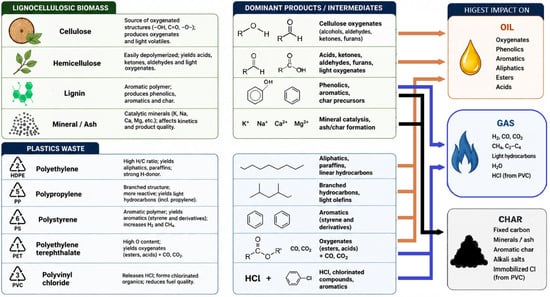
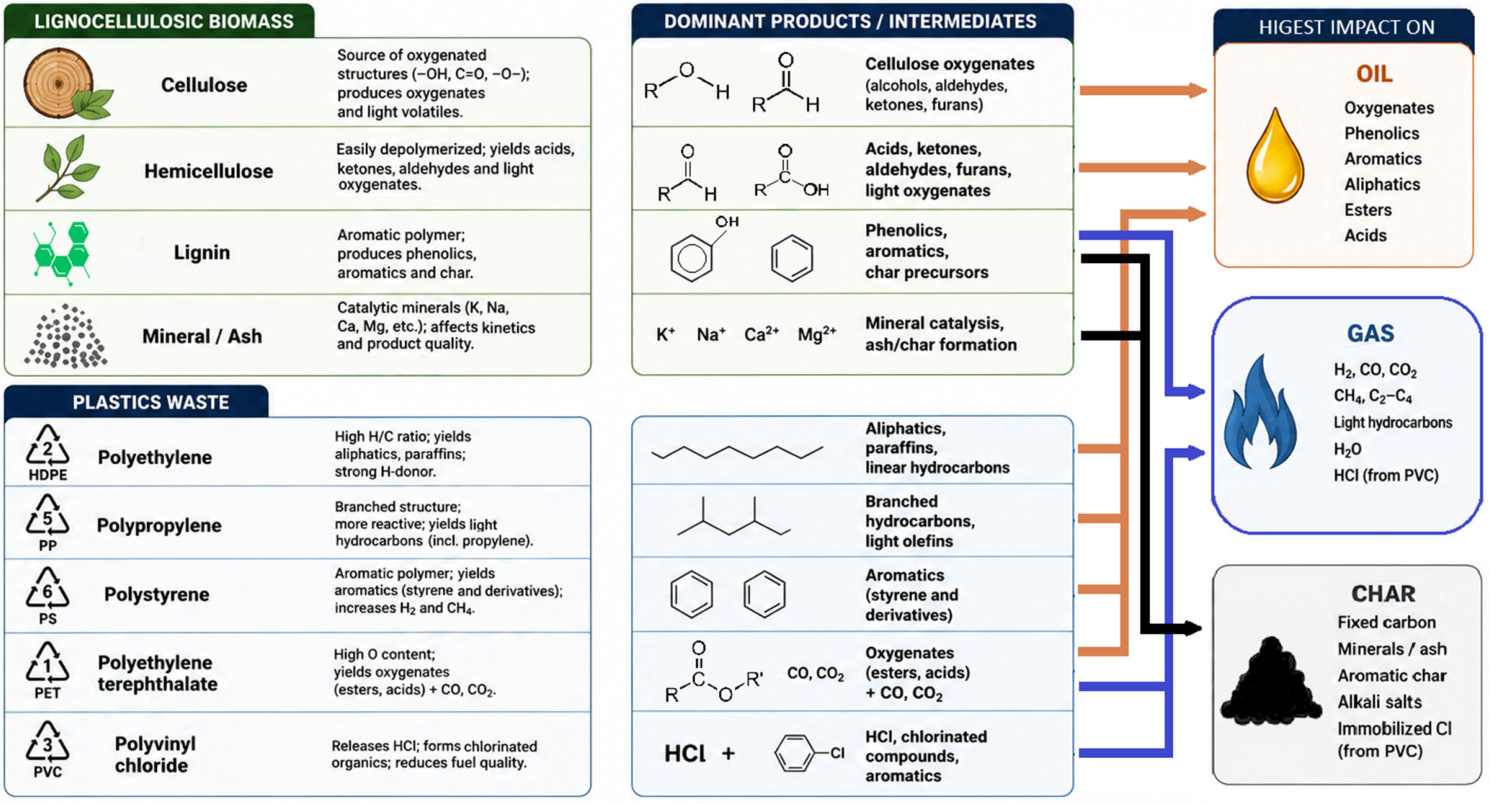
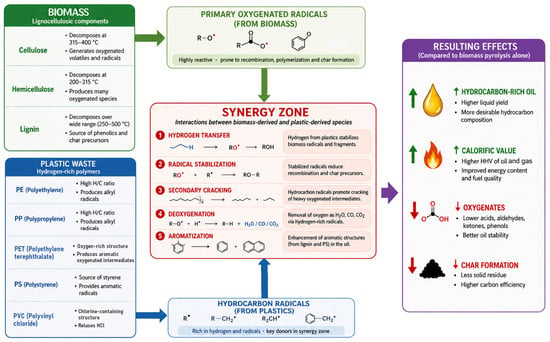
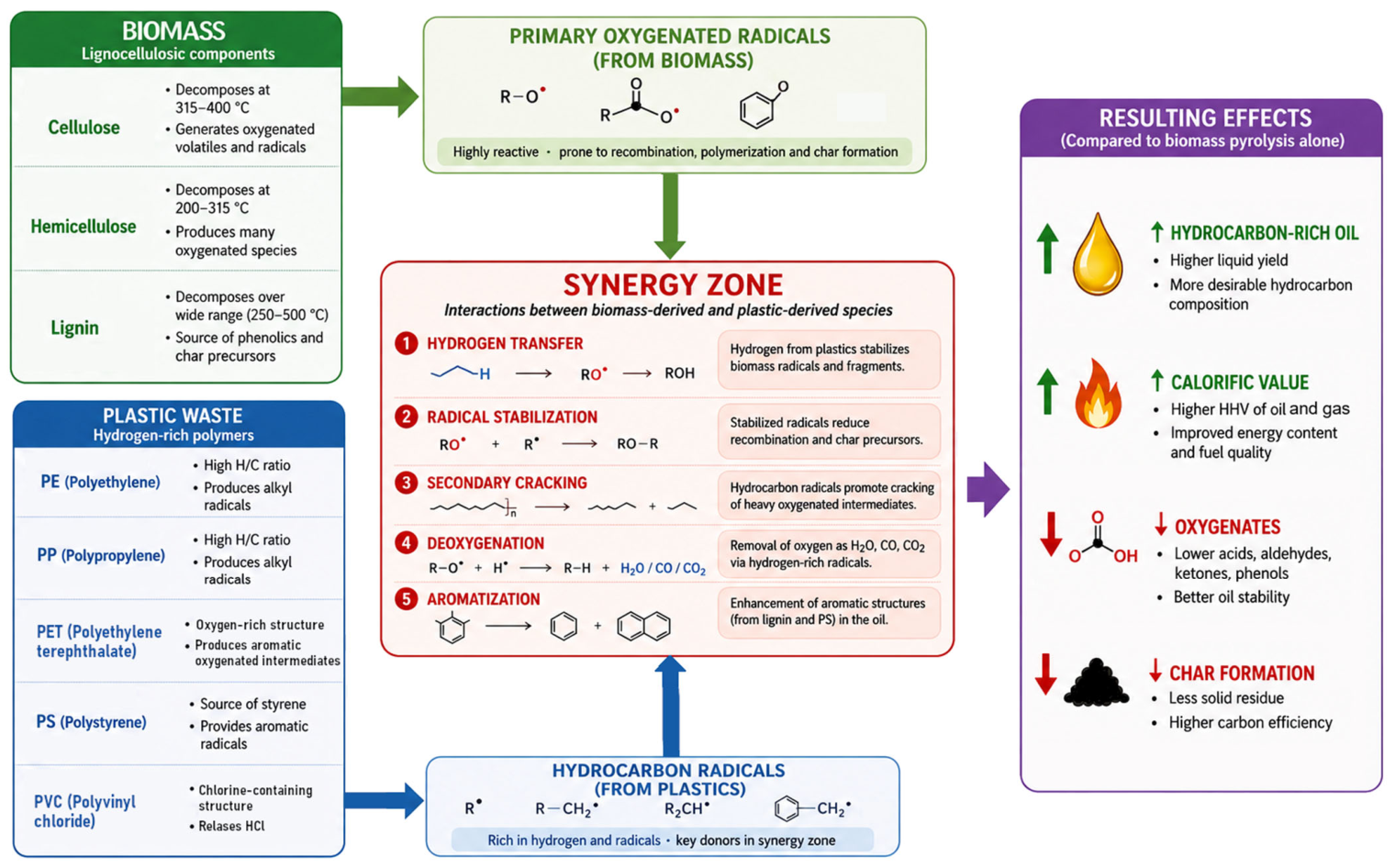
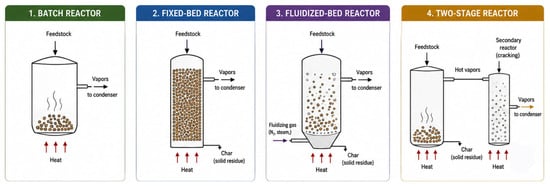

Disclaimer/Publisher’s Note: The statements, opinions and data contained in all publications are solely those of the individual author(s) and contributor(s) and not of MDPI and/or the editor(s). MDPI and/or the editor(s) disclaim responsibility for any injury to people or property resulting from any ideas, methods, instructions or products referred to in the content. |
© 2026 by the authors. Licensee MDPI, Basel, Switzerland. This article is an open access article distributed under the terms and conditions of the Creative Commons Attribution (CC BY) license.