


Abstract
Background: Technological innovation in logistics (TIL), logistics capability (LC), and lean logistics (LL) are receiving wider attention in logistics and supply chain research. They are often examined in separate models and less often in relation to both business performance (BP) and market performance (MP). Their joint effects on organizational performance remain insufficiently examined in previous research. Methods: This study examined the effects of TIL, LC, and LL on BP and MP through a quantitative survey conducted among enterprises in Serbia, a transition economy with limited empirical evidence on these relationships. Data from 129 valid responses were analyzed through descriptive statistics, correlation analysis, linear regression analysis, and multicollinearity diagnostics. Results: The findings show that LC has a positive and significant effect on both BP and MP. LL has a positive and significant effect on BP, while TIL has a positive and significant effect on MP. The model explains a larger share of variance in BP than in MP. Conclusions: The results support a differentiated view of logistics transformation and indicate that BP and MP should be examined as related but distinct outcome dimensions. The study integrates TIL, LC, and LL within a unified performance framework.
1. Introduction
TIL, LC, and LL have received growing attention in logistics [1] and supply chain [2] research. Enterprises operate in conditions shaped by cost pressure, service expectations, market uncertainty, and digital change [3]. In such conditions, logistics is not viewed only as a support activity. It is linked with process coordination, resource use, customer response, and enterprise results. Earlier studies connect LC with enterprise performance, show positive links between logistics integration capability and financial performance [4], and discuss digital innovation as a source of stronger supply chain management [5] and competitiveness [6].
Recent global trends further demonstrate the growing importance of digital transformation in logistics and supply chains. According to the World Bank, international freight movement requires an average of 44 days, with approximately 60% of that time spent in ports and terminals. The same report indicates that end-to-end supply chain digitalization can reduce port delays by up to 70% in emerging economies, while 75% of shippers seek environmentally sustainable logistics solutions. This global shift toward digital logistics is also relevant for Serbian enterprises, where stronger adoption of TIL together with the development of LC and implementation of LL may contribute to improved BP and MP. This evidence further reinforces the practical importance of examining how TIL, LC, and LL contribute to BP and MP [7].
TIL refers to the use of digital tools, data systems, analytics, automation, and related technological solutions in logistics processes. Digital innovation in supply chains is associated with higher process automation, better communication among partners [8], improved information access, and stronger competitive position [9]. Technological innovation and artificial intelligence are connected with digital supply chain management and efficiency [10]. They also improve flexibility and overall decision quality [11]. These findings support the view that TIL can shape both internal operations and market outcomes in enterprises that seek stronger logistics performance.
LC remains another central point in this discussion. LC is defined through the enterprise’s ability to use logistics resources and information in ways that support service quality and responsiveness [12]. Positive relationships between LC and enterprise performance have been reported in several studies [13], while later studies confirm that logistics integration capability and supply chain integration are associated with better financial performance [14]. Additional evidence suggests that LC mediates the link between managerial practices and organizational performance in logistics enterprises [15].
LL adds an operational and managerial dimension to this framework. Lean logic in logistics rests on waste reduction, smoother flow, shorter lead times, and better use of available resources [16]. LL relates to continuous process improvement. It also focuses on lower non-value-added activity and stronger coordination between logistics operations and customer needs [17]. LL is suitable for studies that examine BP [18] and MP [19], since operational effectiveness and waste reduction often appear together with cost efficiency and customer value.
The topic can also be viewed in the wider context of digital and organizational change in logistics. Discussions on Industry 4.0 and Industry 5.0 [20] point to the estronger use of connected technologies [21], automation, resilience, and human-centered systems [22]. Intelligent supply chains represent another important direction of logistics transformation. They combine digital technologies, real-time data exchange, analytics, and automation to improve coordination, visibility, and decision-making across logistics activities [23]. In this study that context serves only as a broader background. The focus remains TIL, LC, and LL in relation to BP and MP.
The importance of this topic is also visible in the literature that connects logistics with enterprise performance with a focus on quality [24], management systems [25] and the relationship between logistics and organizational performance [26]. It also has a big impact on competitiveness [27] and integration [28]. Both earlier studies that focus on technological trends [29] and decision-making [30] and more recent ones that focus on digital transformation [31] and innovation [32] report that logistics-related factors are linked with stronger enterprise results. This leaves room for empirical research that examines TIL, LC, and LL in relation to BP and MP.
This study addresses that need in the context of enterprises in Serbia. Existing studies often examine TIL in the form of blockchain [33] digital innovation [34] and technological innovation [35], LC in the form of logistics outsourcing [36] and logistics integration [37], LL in form of lean manufacturing [38], lean-green practices [39], lean supply chain practices [40] and implementation of lean mindset [41] and performance in form of benchmarking [42], digitalization [43] and evaluation [44] all in separate models. A further gap appears in research that focuses on enterprises from transitional and developing business environments. In these types of environments digital adoption and market pressures may differ from those in larger economies. The present study therefore examines the joint effect of TIL, LC, and LL on BP and MP in Serbian enterprises.
Although previous studies consistently report positive relationships between TIL [45], LC [36], LL [46], and organizational performance [47], several important questions remain unresolved. First, these variables are commonly examined separately or in pairs, while studies that evaluate their combined effects within a single empirical model remain limited. Second, previous research frequently focuses on a single performance dimension, although BP and MP may respond differently to logistics-related capabilities. Third, empirical evidence that jointly examines TIL, LC, and LL in transitional economies such as Serbia remains relatively scarce despite differences in digital maturity, organizational practices, and market conditions. These gaps suggest that additional empirical evidence is needed to improve understanding of the combined effects of TIL, LC, and LL on different dimensions of enterprise performance.
The paper is organized into several sections. It examines the effects of TIL, LC, and LL on BP and MP and contributes to the literature through an integrated empirical framework developed for enterprises in Serbia. The introduction presents the research topic and study purpose. The next section reviews the relevant literature and develops the hypotheses. The methodology section presents the research framework, variables, sample, and analytical procedure. The results section reports the empirical findings. The discussion section interprets the findings in relation to earlier studies. Also, in this section we discuss the limitations and implications. The final section, conclusion, presents the main findings of the study.
The present study contributes to the existing literature through the following research novelties:
- Develops an integrated empirical model that simultaneously examines the effects of TIL, LC, and LL on BP and MP.
- Distinguishes between BP and MP as separate performance dimensions, allowing for a comparison of how the same logistics capabilities influence different organizational outcomes.
- Provides empirical evidence from Serbian enterprises, offering insights from a transitional economy that remains underrepresented in the logistics literature.
2. Research Background
2.1. Technological Innovation in Logistics
TIL refers to the introduction and use of digital tools, intelligent systems, automation solutions, and data-based applications in logistics activities [48]. In the literature TIL is linked with digital supply chain management, process integration, information visibility, and faster operational response [49,50]. Research also shows that TIL is not limited to one tool or platform. It includes a broader set of solutions such as analytics and cloud systems. Artificial intelligence and digital platforms are also used to improve the management of logistics flows and decisions [51,52].
Logistics systems now operate under stronger pressure related to service speed, cost control, coordination across partners, and market uncertainty [53]. In that setting, digital tools are used to improve communication and data access. They also help with process flow. Findings indicate that digital innovation in supply chain management is associated with higher process automation and the expansion of distribution channels. Better communication with partners and wider access to operational information such as warehouse capacity and freight routes is also possible due to digital innovations [54,55,56]. These changes show that TIL relates to both internal efficiency and external market responsiveness.
TIL should be viewed as more than a technical upgrade. It is often treated as a driver of organizational adjustment and supply chain development [35]. Research on digital supply chains notes that technologies such as artificial intelligence and real-time analytics improve forecasting and inventory control. They also improve logistics coordination and decision quality due to more data [57,58,59]. Empirical evidence further suggests that artificial intelligence strengthens the effect of technological innovation on digital supply chain management through better adaptability and operational efficiency [10]. This supports the view that TIL has strategic relevance for both enterprise outcomes and operational performance.
Another important point in the literature concerns the relationship between technological innovation and competitiveness. Improved process visibility and resource use are associated with digital innovation. Service reliability is also greatly improved thanks to digital innovations. Put together, this supports a stronger competitive position [60,61]. In logistics and supply chain settings, digital technologies relate to productivity gains and better efficiency. As a result, higher added value is what helps a business acquire a better position on the market [62].
Although previous studies generally report positive effects of TIL on organizational outcomes, the reported magnitude of these effects differs across industries and organizational settings. Several studies emphasize operational improvements, whereas others report stronger impacts on competitiveness and market performance. These differences suggest that the influence of TIL may depend on its interaction with other organizational capabilities rather than on technological innovation alone.
2.2. Logistics Capability as a Driver of Enterprise Performance
LC is commonly understood as the enterprise’s ability to use logistics resources, knowledge, coordination mechanisms, and operational skills in a way that supports service quality and responsiveness. Cost control can be managed and improved with higher LC. In the literature LC is linked with delivery reliability and the ability to respond to customer requirements [63].
LC is not only a support function. It is increasingly examined as a source of differentiation and performance improvement [64]. Studies have found that strong LC is positively associated with enterprise performance in settings where customer response, order fulfillment, flexibility and distribution efficiency shape competitive outcomes [65]. Research in e-commerce settings has showed that LC is positively related to enterprise performance [66]. These results support the argument that LC can translate internal strengths into measurable business outcomes.
LC is viewed as a multidimensional concept that includes operational and organizational elements. The operational dimension is represented by delivery dependability, flexibility, responsiveness, and services [19]. Organizational dimensions are viewed as knowledge management, employee skills, integration with partners, and the ability to coordinate logistics activities with customer expectations [67]. This shows that LC is built through both operational discipline and organizational support. LC reflects what a enterprise owns and what it is able to do through its logistics system.
From the perspective of enterprise performance, LC is relevant because it supports both internal and external results. Internally, LC is associated with better coordination and improved resource use [68]. Externally, it is linked with service reliability and customer satisfaction. It also helps obtain stronger market position [69]. This is consistent with studies suggesting that logistics supports competitive advantage through business management and market outcomes [70]. LC can be treated as a driver of BP and MP.
At the same time, studies do not suggest that LC works automatically or in isolation [71]. LC in this study is viewed as an enterprise-level strength that supports performance and remains closely connected with the organizational and market environment in which logistics activities take place.
Existing studies consistently recognize LC as an important determinant of organizational performance. However, previous research differs in how LC is conceptualized and measured, with some studies emphasizing operational capabilities and others focusing on integration and service quality. This diversity suggests that further research is needed to better understand how LC contributes to different dimensions of enterprise performance when examined together with other logistics-related capabilities.
2.3. Lean Logistics and Operational Improvement
LL is commonly understood as the application of lean principles to logistics processes and supply chain flows [16]. It is associated with the improvement of internal and external logistics activities. One of the main roles of LL is the elimination of waste and improved management of flows in terms of time, place, quality, and cost [72,73,74]. This approach is not limited to transportation or warehousing alone. It extends to forecasting, procurement, inventory, deliveries, packaging, storage, and reverse logistics. These are areas where non-value-adding activities can reduce the overall quality of logistics performance.
A central idea in LL is the removal of waste from logistics processes. Prior work identifies several forms of waste that affect logistics and operational performance in the form of delays, excess inventory, downtime, variability, unnecessary movement, defects, and incomplete tasks [16,75]. The literature further notes that LL seeks to improve the flow of information, people, materials, and capital across the supply chain. LL is closely connected with better use of available resources and lower total logistics costs [76].
The operational side of this concept is often discussed through specific lean tools and routines. Studies refer to value stream mapping [75,77], Kanban [78], 5S [79], just-in-time systems [80], process standardization [69], and continuous improvement practices such as Kaizen [81]. These tools are used to identify bottlenecks and reduce unnecessary handling. The goal is a more stable and predictable process structure. LL supports shorter lead times with fewer interruptions.
The literature also links LL with broader operational improvement [47]. Research shows that lean-oriented practices are associated with lower stock levels, fewer delays, better product availability, and greater flexibility throughout the supply chain [82]. These outcomes connect process discipline with customer response and market requirements. Therefore, they contribute to both internal efficiency and the enterprise’s ability to maintain service consistency and respond to demand in a more controlled manner.
Another point in the literature is that LL depends on organizational support. Successful implementation is associated with management commitment and employee training. Without multifunctional cooperation and systematic monitoring of results, it would not be possible [46]. Rather than a narrow focus on isolated cost reduction, some studies stress that lean methods require a long-term transformation in the way logistics activities are managed [83]. This presents LL as a managerial and operational approach that shapes how enterprises organize logistics work and sustain process improvements over time [39].
From the perspective of enterprise performance, LL is relevant because it connects process improvement with measurable business outcomes [84]. The literature associates lean practices with better productivity and lower operational costs. Stronger customer satisfaction and improved organizational performance are also results of well-implemented LL concepts in an organization [85]. Waste reduction and quality improvement are repeatedly presented as mechanisms through which lean-oriented systems support performance [86]. Because of this, LL in this study is treated as a factor that can influence both BP and MP through more efficient and reliable logistics operations.
Although the benefits of LL are widely recognized, previous studies do not fully agree on the extent to which these practices influence broader organizational outcomes beyond operational efficiency. Much of the existing evidence concentrates on manufacturing environments, while fewer studies examine how LL interacts with TIL and LC in explaining BP and MP.
Previous studies do not provide a uniform interpretation of how logistics-related factors affect enterprise performance. Some studies report stronger operational effects of digital tools, while others link digital innovation mainly with market outcomes and competitiveness. Similar variation appears for LC and LL because studies differ in sector, enterprise size, digital maturity, and performance measures. This creates an unresolved issue: the same logistics driver may improve internal efficiency in one context but customer response or competitiveness in another. The model therefore separates BP and MP and tests the combined effect of TIL, LC, and LL.
2.4. Bibliometric Overview of the Research Field
A bibliometric overview was conducted in order to provide an additional perspective on the broader research field relevant to this study. The bibliographic data were collected from the OpenAlex using search terms related to TIL, LC, LL, BP, and MP together with related logistics and supply chain expressions. Zotero was used to organize and manage the retrieved records. The analysis covered the period from 1991 to 2026. After the initial search, the literature was screened according to predefined criteria. The analysis included publications directly related to logistics, innovation, lean practices, and performance. Duplicates, non-relevant records, and sources outside the selected scope were excluded. The final bibliometric sample consisted of 141 publications. The map was developed in VOSviewer 1.6.20 through keyword co-occurrence analysis, with the minimum occurrence threshold set at 3. The final map included 62 items grouped into 5 clusters, which were used as the basis for interpreting the structure of the research field.
The bibliographic dataset was compiled through multiple independent searches conducted in the OpenAlex database. Separate searches were performed for each research concept using predefined keywords and their closely related expressions. The retrieved records were subsequently merged into a single dataset, duplicates were removed, and the remaining publications were screened according to the predefined inclusion and exclusion criteria. Table 1 summarizes the primary keywords used for the retrieval of publications corresponding to each research concept.
Table 1.
Primary Keywords Used for Bibliographic Data Retrieval in OpenAlex.
The search strategy presented in Table 1 guided the identification of publications included in the bibliometric analysis. Following the retrieval of records, the screening and selection process was conducted according to the predefined criteria and is summarized in Figure 1.
Figure 1.
Bibliometric map of the research field.
One stream is centered on digital transformation and technological innovation. Another is built around supply chain and process-oriented concepts such as supply chain management, process management, operations management, and logistics management. A third stream is related to lean and operational improvement, including lean manufacturing, lean six sigma, value stream mapping, and total quality management. A fourth stream includes data, analytics, and intelligent systems, while a fifth relates to business and performance-related concepts such as customer satisfaction, service quality, sustainability, and market outcomes [46,82,87,88,89].
Overall, the map shows that the literature connects technology, logistics processes, lean improvement, and performance, but these domains are still not fully integrated within a unified line of inquiry. This structure supports the view that there is room for research that jointly examines TIL, LC, and LL within a single empirical framework, with BP and MP as outcome variables [22,39,90,91,92,93,94].
The bibliometric map directly informed the development of the hypotheses. The technology-oriented cluster supports H1a and H1b because it links digital transformation, artificial intelligence, and technological innovation with performance-related concepts. The logistics and process management cluster supports H2a and H2b because it connects logistics capability, integration, service management, and supply chain management. The lean-oriented cluster supports H3a and H3b because it groups lean tools with operations management and quality improvement. The business and market cluster justifies BP and MP as separate outcome dimensions. For this reason, the hypotheses follow the thematic structure identified in the bibliometric overview.
2.5. Research Gap and Hypotheses Development
The bibliometric overview presented in the previous section shows that the research field is organized around several connected, but still partly separated, thematic streams. One stream is centered on digital transformation, information technology, big data, and Industry 4.0. Another is built around supply chain management, process management, and operations management. A third focuses on lean concepts such as lean manufacturing, lean six sigma, and value stream mapping. A further part of the field is linked with business, economics, customer satisfaction, and sustainability. This structure suggests that the literature recognizes the importance of technology, logistics processes, lean improvement, and business outcomes. These topics are still often examined in parallel rather than within a single integrated empirical model.
This fragmentation is also visible in the broader literature reviewed in the earlier subsections. Studies on TIL usually focus on digital supply chains, automation, artificial intelligence, information visibility, and process efficiency [50,95,96]. Studies on LC mainly examine coordination, integration, responsiveness, and logistics service quality [88,97,98,99]. Studies on LL place stronger attention on waste reduction, process flow, better usage of resources and operational efficiency [87,100]. Although all three lines of research are relevant to enterprise outcomes, they are often developed as separate discussions. There is still limited empirical evidence on how TIL, LC, and LL act together within a single framework oriented toward BP and MP.
TIL, LC, and LL are examined together because they represent connected dimensions of logistics transformation. TIL reflects the technological side of logistics through digital tools, information visibility, automation, and data-supported decisions. LC reflects the organizational side through coordination, responsiveness, service reliability, and the effective use of logistics resources. LL reflects the process side through waste reduction, flow improvement, and operational discipline. Separate examination of these constructs can explain individual effects, but it cannot show how technology, capability, and lean routines jointly contribute to BP and MP. For this reason, the present framework treats TIL, LC, and LL as complementary logistics-related capabilities within one empirical model.
A second gap concerns the dependent side of the model. Many earlier studies use a single performance point or focus only on operational or financial outcomes. Some examine competitiveness, some organizational performance, some market performance and some financial performance [88,101]. Fewer studies distinguish between BP and MP as separate, but related, dimensions of enterprise results. This distinction is important because internal business results and external market results do not always move in the same way. Therefore, examining both BP and MP provides a more precise view of how logistics factors influence enterprise outcomes.
A third gap concerns the research context. Much of the prior literature comes from larger economies, more developed countries, highly digitalized sectors, and specific industry settings such as e-commerce and manufacturing systems [102,103,104,105]. Although some studies have addressed logistics, innovation, performance, and related management issues in Serbia, there is still less empirical work that jointly examines TIL, LC, and LL in enterprises operating in Serbia [106,107,108,109]. This is relevant because enterprises in such an environment may differ in logistics practices, digital maturity, market pressures, and resource availability. A model tested in that context may therefore add useful evidence to the literature and offer a more grounded understanding of how these concepts relate to enterprise outcomes in transitional business settings.
Taken together, these three research gaps indicate that further empirical investigation is warranted despite the substantial body of literature on TIL, LC, and LL. The present study addresses these gaps by examining the combined effects of TIL, LC, and LL on both BP and MP within a single empirical framework based on data collected from Serbian enterprises. The proposed hypotheses translate these identified research gaps into empirically testable relationships.
Beyond addressing these research gaps, the study contributes to the theoretical understanding of logistics performance by integrating TIL, LC, and LL within a single empirical framework. Previous studies have generally examined these constructs independently or focused on selected relationships. The proposed framework suggests that TIL, LC, and LL should be viewed as complementary organizational capabilities that jointly influence both BP and MP. This integrated perspective extends the existing logistics literature by providing empirical evidence from enterprises operating in a transitional economy and demonstrates how multiple logistics-related capabilities collectively contribute to enterprise performance.
Literature associates TIL with stronger process automation, better information access, improved coordination, and higher supply chain responsiveness [49]. These improvements can contribute to internal business results such as efficiency and control. They also support external results such as service quality and market position. Therefore, the following hypotheses are proposed:
- H1a. Technological innovation in logistics positively affects business performance.
- H1b. Technological innovation in logistics positively affects market performance.
Earlier studies consistently connect LC with stronger logistics operations, service reliability, responsiveness, and coordination across internal and external logistics activities [37,67]. These properties suggest that enterprises with higher LC are better able to convert logistics resources and processes into stronger business results and improved market outcomes. Therefore, the following hypotheses are proposed:
- H2a. Logistics capability positively affects business performance.
- H2b. Logistics capability positively affects market performance.
Literature connects LL practices with operational improvement, reduction in waste, lower inefficiencies, and stronger customer response [82,110]. Such effects support the expectation that LL will influence both the internal and external dimensions of enterprise performance. Therefore, the following hypotheses are proposed:
- H3a. Lean logistics positively affects business performance.
- H3b. Lean logistics positively affects market performance.
Put together, these hypotheses respond to the gaps identified in the literature. They also reflect the structure of the research field shown in the bibliometric overview, where technology-oriented, capability-oriented, lean-oriented, and performance-oriented concepts are clearly connected but still insufficiently integrated into a single empirical framework. The present study addresses that gap through a model that examines the effects of TIL, LC, and LL on BP and MP in enterprises in Serbia.
3. Methodology
3.1. Research Framework and Data Set
The research framework was designed to examine the effects of TIL, LC, LL on BP and MP in enterprises operating in Serbia. The independent variables were selected based on their relevance in the literature on logistics, supply chain management, innovation, and operational improvement. The dependent variables were defined to capture two related but distinct dimensions of enterprise results, namely internal business outcomes and external market outcomes.
To test the proposed model, a quantitative research design was applied. Data were collected through a structured survey administered to enterprises operating in Serbia. The questionnaire was developed based on relevant literature and adjusted to the context of the study. All items were measured using a 7-point Likert scale, where respondents expressed their degree of agreement with each statement. This approach allowed for a more detailed assessment of perceptions related to the observed variables.
Each variable was measured through multiple items to capture its main dimensions. TIL was operationalized through items related to the use of digital tools, information systems, automation, and technology-supported logistics processes. LC was measured through items reflecting coordination, responsiveness, service reliability, and the effective use of logistics resources and knowledge. LL was measured through items related to waste reduction, better resource use, process flow improvement, operational organization, and continuous improvement in logistics activities. BP and MP were measured through separate groups of items to distinguish business-related and market-related performance outcomes.
A non-probability purposive sampling approach was adopted. The questionnaire was distributed via e-mail to enterprises operating in Serbia, targeting organizations from different economic sectors. The objective was to obtain responses from companies familiar with logistics activities and related business processes.
The respondents were managers or employees with relevant knowledge of logistics activities and organizational processes. They also had insight into enterprise performance. A total of 129 valid responses were collected out of more than 500 e-mails sent corresponding to an approximate response rate exceeding 20%. Responses were gathered over a period of 4 months. The sample included enterprises of different sizes and from different sectors, which allowed for better insight into the Serbian business context. The sampling frame consisted of enterprises operating in the Republic of Serbia across manufacturing, agriculture, mining and quarrying, construction, electricity, gas, steam and air conditioning supply, and water supply, sewerage, waste management, and remediation activities. Within these enterprises, the questionnaire was directed to employees holding managerial positions with responsibilities related to logistics and supply chain management.
Table 2 presents the demographic characteristics of the respondents. The sample consisted mainly of male respondents (57.4%), individuals between 30 and 50 years of age (48.1%), and respondents with a bachelor’s degree (64.3%). Most participants were employed in private enterprises (87.6%), while small and medium-sized enterprises each represented 38.0% of the sample. Manufacturing (53.5%) and agriculture, forestry and fishing (24.0%) were the most represented industry sectors.
Table 2.
Demographic characteristics of respondents.
The demographic structure of the sample indicates that the responses were mainly obtained from experienced and formally educated respondents working in private enterprises. The age distribution suggests that most respondents had substantial professional exposure, which is relevant for assessing logistics practices and enterprise performance. The strong presence of respondents with bachelor’s degrees and college education also indicates that the sample includes individuals likely to understand organizational processes and logistics-related changes. The dominance of private enterprises, together with the high share of small and medium-sized enterprises, reflects the structure of the business environment in which logistics decisions are often shaped by resource constraints, flexibility requirements, and direct market pressure.
The sectoral structure, led by manufacturing and agriculture, forestry and fishing, shows that the sample is strongly oriented toward activities where logistics, supply flows, storage, transport, and operational coordination are closely connected with business and market results. At the same time, the low share of large enterprises, public enterprises, younger respondents, and several industry sectors should be considered when interpreting the findings, since the results primarily reflect the views of respondents from private, production-oriented, and SME-based enterprises.
Furthermore, the questionnaire was developed specifically for the purposes of this study based on the conceptual foundations and measurement approaches reported in previous research. Rather than directly adopting an existing instrument, the research team designed the questionnaire by adapting relevant constructs and measurement items to the objectives of the study and the context of enterprises operating in Serbia. The questionnaire development process focused on ensuring conceptual consistency with the proposed research framework and content validity through the careful selection and adaptation of measurement items from the existing literature.
The questionnaire was developed based on measurement items used in previous studies on TIL, LC, LL, BP and MP [111,112,113,114,115,116,117,118,119,120,121,122,123,124]. The original items were adapted to the context of enterprises operating in Serbia through wording adjustments that linked each construct to enterprise-level logistics activities. All items were written as agreement statements and measured on a 7-point Likert scale to ensure consistency across the questionnaire.
Because the study relied on self-reported data collected through a single survey instrument, several procedural steps were considered in order to reduce potential common method bias. The questionnaire used clearly formulated items, the respondents were assured of anonymity, and no right or wrong answers were suggested. This helped reduce response pressure. The variables were also presented as analytically distinct parts of the instrument. Although common method variance (CMV) cannot be fully ruled out in this type of research, it was not assessed as a serious threat to the interpretation of the findings.
The collected data was analyzed using descriptive statistics, correlation analysis, linear regression, and diagnostic tests for multicollinearity.
Multiple linear regression was selected because the research model examines direct predictive relationships between composite variables, with one dependent variable and several independent variables. The constructs were operationalized through multi-item scales, and composite scores were calculated after assessing internal consistency. In this context, regression analysis is appropriate because it estimates the individual contribution of each predictor to the dependent variable while controlling for the effects of the other predictors. Structural Equation Modeling was not applied because the study does not test a complex latent-variable system, mediation effects, indirect effects, or multiple dependent variables. In addition, the sample size of 129 respondents would limit the stability of a full SEM model with several constructs and multiple indicators. Therefore, regression analysis provides a more parsimonious and statistically reliable approach for the present research objective, while SEM is recognized as a suitable extension for future studies with larger samples.
These procedures were used to assess the relationships between the variables and test the hypotheses. Finally, we evaluated the explanatory strength of the proposed model. The research framework with the proposed hypotheses is presented in Figure 2.
Figure 2.
Hypotheses within the research framework.
In Table 3 short descriptions for each analyzed variable are presented.
Table 3.
Analyzed variables.
In the next table the methodology summary is presented. Table 4 summarizes the main methodological characteristics of the research, including the sample, research duration, data collection instrument, and statistical analyses.
Table 4.
Methodology summary.
Table 5 summarizes the main constructs included in the survey instrument, together with the number of items used to measure each construct and their representative measurement aspects. The complete questionnaire, including all survey items and the corresponding response scale, is provided in Appendix A.
Table 5.
Summary of the survey constructs and their measurement aspects.
3.2. Research Phases
The research was conducted through several clearly defined and structured phases. The first phase involved a review of the relevant literature to establish the research background for TIL, LC, LL, BP, and MP. This justified their inclusion in the proposed model. In the second phase, the survey instrument was developed based on the identified variables and adjusted to the context of enterprises operating in Serbia.
Phase three included pilot testing of the survey with a small group of respondents to check clarity and improve the wording of the items. After the required revisions, the final version of the survey was distributed to enterprises in Serbia. The fourth phase focused on data collection during a period of four months and included follow-up communication to improve the response rate.
In the fifth phase, the collected data was prepared for analysis through the review of missing values and possible outliers. The sixth phase involved the application of descriptive statistics, correlation analysis, linear regression analysis, and multicollinearity diagnostics to evaluate the proposed relationships and assess the explanatory strength of the model. The seventh phase was related to the interpretation of the obtained results and the discussion of their meaning in relation to earlier findings and practical implications.
Participation in the survey was voluntary, and respondents were informed about the purpose of the study before completing the questionnaire. Participants were free to discontinue the survey at any stage without providing a reason. The questionnaire was anonymous, and no personal data or information that could identify individual respondents was collected. The collected data were used exclusively for research purposes related to this study. The research protocol was reviewed and approved by the Ethics Committee of the Technical Faculty “Mihajlo Pupin”, University of Novi Sad.
4. Results
The results of the empirical analysis are presented in this section. The section includes descriptive statistics, correlation analysis, linear regression results, and multicollinearity diagnostics. These findings provide the basis for testing the proposed hypotheses and assessing the relationships between TIL, LC, LL, BP, and MP. The results of the descriptive statistics are presented in Table 6.
Table 6.
Descriptive statistics.
Table 6 shows that all observed variables were rated relatively highly, with mean values ranging from 5.03 to 5.29 on a 7-point scale. BP has the highest mean value, while the remaining variables are very close to one another, which suggests consistent respondent evaluations across the constructs. The standard deviation values, ranging from 1.24 to 1.54, indicate a moderate dispersion of responses around the mean. Cronbach’s alpha values, which range from 0.854 to 0.879, confirm good internal reliability for all scales, indicating that the measurement instruments were sufficiently consistent for further statistical analysis.
Next, to further assess the suitability of the measurement structure and potential common method bias, additional diagnostic tests were conducted. The results are presented in Table 7.
Table 7.
Preliminary statistical diagnostics and assessment of data suitability.
Table 7 shows that the data were suitable for further statistical analysis. The KMO value of 0.832 indicates meritorious sampling adequacy, while Bartlett’s Test of Sphericity was statistically significant, χ2 = 4720.111, df = 666, p < 0.001, confirming that the correlation matrix was appropriate for factor-based analysis. Harman’s single-factor test showed that the first unrotated factor explained 35.753% of the total variance, which is below the 50% threshold. Therefore, common method bias was not considered a serious concern in the study. Furthermore, the results of the correlation analysis are presented in Table 8.
Table 8.
Results of the correlation analysis.
Table 8 shows that all coefficients are positive and statistically significant at the 5% level. The strongest correlations are observed between LL and TIL at 0.698, between LL and BP at 0.679. Finally, between LC and BP at 0.668. These results indicate that the observed variables are meaningfully related and move in the same direction. At the same time, the correlation levels do not appear excessively high, which suggests that the variables are related but still sufficiently distinct for further regression analysis. The correlation values remained below 0.700, with the highest correlation between TIL and LL (r = 0.698), which provides support for discriminant validity among the constructs. Next, the results of the linear regression analysis are presented in Table 9 and Table 10.
Table 9.
Results of the linear regression analysis (BP as the dependent variable).
Table 10.
Results of the linear regression analysis (MP as the dependent variable).
The model for the linear regression with all variables has the following form:
Table 9 shows the results of the linear regression analysis with BP as the dependent variable. The overall model is statistically significant, as indicated by the F value of 76.251 and the significance level below 0.0001. The coefficient of determination (R2 = 0.647) shows that 64.7% of the variance in BP is explained by TIL, LC, and LL. Among the independent variables LC and LL have positive and statistically significant effects on BP, with p-values of 0.0004 and 0.0002, respectively. In contrast TIL does not have a statistically significant effect on BP, since its p-value is 0.6573. The Durbin–Watson value of 2.142 indicates that there is no serious issue with autocorrelation in the model residuals.
The model for the linear regression with all variables has the following form:
Table 10 presents the results of the linear regression analysis with MP as the dependent variable. The overall model is statistically significant, as shown by the F value of 141.353 and the significance level below 0.0001. The coefficient of determination (R2 = 0.456) shows that 45.6% of the variance in market performance is explained by TIL, LC, and LL. TIL and LC have positive and statistically significant effects on MP, with p-values of 0.0152 and 0.0065, respectively. In contrast, LL does not have a statistically significant effect on MP, since its p-value is 0.4383. The Durbin–Watson value of 1.709 suggests that there is no serious issue with autocorrelation in the residuals.
Taken as a whole, the regression results show that the proposed relationships are only partially supported. In the model with BP as the dependent variable, LC and LL have positive and statistically significant effects, while TIL does not show a significant effect. In the model with MP as the dependent variable, TIL and LC have positive and statistically significant effects, while LL does not show a significant effect. The model explains a higher share of variance in BP (R2 = 0.647) than in MP (R2 = 0.456), which suggests that the selected predictors are more strongly related to internal business outcomes than to external market outcomes.
The regression coefficients also show practical differences between the predictors. In the BP model, LL has the largest coefficient (β = 0.393), followed by LC (β = 0.340), which indicates that lean-oriented practices and LC have the strongest practical relevance for internal business outcomes. TIL has a very small and non-significant coefficient in the BP model (β = 0.031; p = 0.6573), so its practical contribution to BP appears limited in this sample. In the MP model, LC has the largest positive coefficient (β = 0.302), followed by TIL (β = 0.200), which indicates that LC and TIL are more relevant for market-oriented outcomes. LL has a negative and non-significant coefficient in the MP model (β = −0.093; p = 0.4383), so no practical effect on MP can be supported from these results.
Table 11 presents the multicollinearity test for the independent variables included in the regression models. The tolerance values range from 0.379 to 0.736, while the Variance Inflation Factor (VIF) values range from 1.358 to 2.642. These results indicate that multicollinearity is not a concern in the model, since all VIF values remain below commonly accepted threshold levels. Although the VIF value for LC is higher than the others, it is still not high enough to indicate a level of multicollinearity that would threaten the interpretation of the regression results.
Table 11.
Multicollinearity test.
Robustness of the regression results was assessed through model diagnostics. The Durbin–Watson values did not indicate a serious autocorrelation issue, while the VIF values remained below commonly used threshold levels. These checks support the stability of the regression estimates, although future studies could apply additional sensitivity analyses with larger samples and alternative model specifications.
Presented tables provide a consistent empirical basis for the interpretation of the proposed relationships among the observed variables. The descriptive statistics confirm stable respondent evaluations and reliable measurement scales. Correlation and regression analyses show that the relationships among the variables are meaningful, but not identical across business performance and market performance. The multicollinearity test further supports the adequacy of the regression models. Based on the literature review and bibliometric analysis, the theoretical model presented in Figure 3 summarizes the relationships between TIL, LC, LL, BP, and MP and reflects the empirical results obtained in this study. The conceptual elements included within each construct were synthesized from the literature reviewed in Section 2 and represent the principal dimensions commonly associated with each construct. The framework was not developed from interviews or open-ended responses. Instead, it integrates the theoretical foundations of the study with the statistically supported relationships identified through the empirical analysis.
Figure 3.
Theoretical model of logistics drivers and performance improvement.
The proposed framework is supported through the empirical examination of the hypothesized relationships. The conceptual links derived from the literature were tested using data collected from Serbian enterprises, and the statistically significant relationships identified in the empirical analysis provide support for the proposed framework.
The model integrates three central drivers of logistics transformation: TIL, LC, and LL, together with their links to MP and BP. The model also includes the initial enterprise logistics setting as the starting point of the transformation process. It is characterized by limited logistics development, lower operational integration, fragmented logistics activities, and lower business and market outcomes.
The connection between the transformation drivers and the performance outcomes is based on the empirical results obtained in the study. The model highlights that TIL and LC are linked with improved MP, while LC and LL are linked with improved BP. The model positions these three drivers as components of a broader logistics transformation process. It suggests that enterprises move from a less developed logistics setting toward stronger performance outcomes through the gradual adoption of digital tools, stronger LC, and lean-oriented logistics practices. The structure of the model also suggests that this transformation does not produce identical effects across all outcomes but leads to different improvements in business and market performance.
5. Discussion
5.1. Assessing the Results
Results obtained show that the selected logistics drivers do not contribute to enterprise performance in the same way. LC is the most stable factor in the model since it has statistically significant positive effects on both BP and MP. Its effect on BP is positive and significant (β = 0.340; p = 0.0004), while its effect on MP is also positive and significant (β = 0.302; p = 0.0065). This suggests that enterprises in Serbia still depend strongly on coordination, responsiveness, service reliability, and effective resource use when they seek stronger internal and external results. LL also has an effect only in relation to BP (β = 0.393; p = 0.0002). This points to the fact that lean-oriented logistics practices are more closely connected with efficiency, sustainability, productivity, and cost control than with market-oriented outcomes. In contrast, TIL shows positive effect on MP (β = 0.200; p = 0.0152), while its effect on BP is not statistically significant (β = 0.031; p = 0.6573). This pattern suggests that digital tools, AI, information systems, analytics, and automation are more quickly reflected in market-facing outcomes than in internal business improvements.
Further results also suggest that enterprises do not move through logistics transformation in the same manner. The descriptive statistics show relatively high evaluations across all observed variables, with mean values ranging from 5.03 to 5.29, while Cronbach’s alpha values between 0.854 and 0.879 confirm that the applied scales are reliable. The correlation analysis further shows that all variables are positively and significantly related at the 5% level, with the strongest correlations observed between LL and TIL (r = 0.698), LL and BP (r = 0.679), and LC and BP (r = 0.668). This shows that the observed variables move in the same direction, but the regression results show that these positive relationships do not remain equally strong once the variables are examined together in the same model. This means that the path from logistics transformation drivers to performance outcomes is differentiated rather than uniform. Some drivers are more closely tied to internal outcomes, while others are more closely tied to external outcomes.
A further point comes from the two regression models. The model with BP as the dependent variable explains a larger share of variance (R2 = 0.647) than the model with MP (R2 = 0.456). This suggests that the selected predictors are more strongly connected with internal enterprise outcomes than with external market outcomes. The multicollinearity test also supports the adequacy of this interpretation since the tolerance values range from 0.379 to 0.736 and the VIF values range from 1.358 to 2.642, which does not indicate a serious issue in the model. Taken together, the results point to a gradual process of logistics transformation in which enterprises move from limited logistics development toward stronger performance outcomes through different paths. BP appears to depend more strongly on LC and LL, while MP appears to depend more strongly on LC and TIL.
Although respondents assessed technological innovation in logistics, logistics capability, lean logistics, business performance, and market performance at a comparable level, the tested relationships were not the same across the two outcome variables. This shows that the variables are not only generally related, but that their effects differ when they are examined together in the same model.
The main contribution of the results is that they identify which logistics-related factors are more closely connected with internal business outcomes and which are more closely connected with market-oriented outcomes. Logistics capability was the most consistent predictor, while lean logistics was related to business performance and technological innovation in logistics was related to market performance. This pattern provides a more specific interpretation than the descriptive scores alone and supports the view that logistics transformation should not be treated as one uniform process.
The findings are also useful because they show that positive respondent evaluations do not necessarily lead to the same type of performance effect. For managers, this means that technology, logistics capability, and lean logistics may require different improvement priorities depending on whether the objective is business performance or market performance. For research, the value of the study is in showing that these relationships can be tested within a single model and that the results can reveal differences that are not visible in mean values alone.
5.2. Assessing Previous Findings
The results obtained are in agreement with earlier studies. They also show that the links between the selected logistics drivers and enterprise outcomes are not fully identical across performance dimensions. The strongest consistency appears in the case of LC. Its positive effect on both BP and MP is in line with earlier research that connects LC with stronger enterprise performance, service reliability, responsiveness, and supply chain integration [47,67]. These earlier findings support the view that LC remains one of the most stable predictors of enterprise outcomes. The present results confirm that this logic also applies in the Serbian context, where LC appears as the only driver with a significant contribution to both internal and external performance dimensions.
The findings related to TIL show partial agreement with previous literature. Earlier studies report that digital innovation, AI, digital transformation, and technology adoption in logistics are associated with stronger supply chain responsiveness, competitiveness, business logistics performance, and broader enterprise outcomes [54,94]. The present study supports this line of research only in part. The positive and significant effect of TIL on MP is supported by prior work that connects digital tools with stronger market responsiveness and competitive position [53,95,103]. At the same time, the absence of a significant effect on BP suggests that the internal effects of logistics technology may be less immediate in this sample than some earlier studies imply [54,60]. This difference may indicate that digital solutions in enterprises operating in Serbia are more visible in market- facing activities than in internal business improvement.
The findings for LL are similar to earlier studies, but not across both outcome dimensions. Previous research links LL and lean supply chain practices with operational efficiency, waste reduction, productivity, and stronger cost control [72,85]. The significant effect of LL on BP in the present study is fully consistent with that line of research. The absence of a significant effect on MP shows that the external effects of lean-oriented logistics practices may be weaker or less direct than their internal business effects. This partly differs from studies that connect lean practices with competitiveness and market-related benefits [19,74,84]. The magnitude of the coefficients also helps position the present findings. LL had the strongest effect on BP (β = 0.393), which supports the view that LL is mainly connected with internal business outcomes. LC showed stable effects on both BP (β = 0.340) and MP (β = 0.302), which indicates its broader practical relevance. TIL had a weaker effect and was significant only for MP (β = 0.200), suggesting that digital logistics tools may first appear in market-facing results before they affect internal business performance. Exact comparison with previous studies should be interpreted carefully because samples, sectors, measurement scales, and statistical models differ. Together, the comparison with previous findings suggests that LC is the most stable driver across performance dimensions, TIL is more closely tied to market-related outcomes, and LL is more closely tied to business-related outcomes.
The unsupported hypotheses also require a more detailed interpretation. The non-significant effect of TIL on BP does not mean that TIL has no value for enterprises. It suggests that its direct contribution to internal business outcomes was not strong enough in this sample after LC and LL were included in the same model. One possible explanation is that digital tools, automation, analytics, and information systems first improve market response, customer communication, and external visibility, while internal effects on productivity, cost control, and process efficiency require deeper process integration and more time.
The non-significant effect of LL on MP can also be explained through the nature of lean-oriented logistics practices. LL is mainly connected with waste reduction, smoother process flow, resource use, and operational discipline. These effects are more directly visible in BP through efficiency, productivity, and cost control. Market performance depends more strongly on customer perception, competitive position, sales growth, and market response, which may not improve immediately after LL practices are introduced. This suggests that the effect of LL on MP may be indirect rather than direct.
Although the present findings are broadly consistent with earlier research, they also indicate that the effects of logistics-related capabilities are more context-dependent than previously assumed. Differences between the present results and some earlier studies may reflect variations in national context, digital maturity, industry structure, and the measurement of organizational performance. These observations suggest that questions remain regarding the conditions under which TIL, LC, and LL contribute to different dimensions of enterprise performance. Additional empirical evidence from different business environments would therefore improve understanding of these relationships.
These differences reflect the Serbian business context, where TIL first improves market response and external visibility before it produces measurable internal business effects. LL in contrast, appears more directly connected with internal efficiency, process stability, and cost control than with market position. This suggests that differences from previous studies may result from context, digital maturity, sectoral structure, and the separate treatment of BP and MP.
5.3. Limitations, Future Research, and Implications
The research is based on self-reported survey data, which may introduce subjective evaluation and response bias, especially in the assessment of logistics practices and performance outcomes. The sample is limited to enterprises operating in Serbia, which means that the findings reflect a single national context and cannot be directly generalized to other countries or business environments. The cross-sectional design is another limitation. It captures the relationships among the observed variables at a single point in time and does not allow for a deeper view of how logistics transformation develops over a longer period. A further limitation comes from the selected model itself. The study focuses on TIL, LC, and LL, while other logistics and supply chain factors that may affect enterprise outcomes were not included in the present analysis.
Enterprise size, industry sector, and ownership structure may affect the strength of the observed relationships. However, a subgroup analysis was not conducted because the sample of 129 enterprises would become too small and uneven across categories. Future studies should test these differences using a larger and more balanced sample.
Future research could extend the model through additional variables that belong to the same broader research framework. Further studies will examine how sustainable logistics management (SLM), logistics risk management (LRM), logistics agility (LA), supply chain collaboration (SCC) and supply chain flexibility (SCF) relate to BP and MP. Such an approach would allow for a broader understanding of how different logistics and supply chain factors shape internal and external enterprise outcomes. Future research may also test these relationships in other national settings and compare sectors with different logistics maturity levels. There is also room for models that include mediating or moderating variables, especially in cases where some logistics drivers show significance for one performance dimension but not for the other.
Future research should further validate the proposed model through cross-country comparative studies, especially between transitional and more developed economies. Longitudinal research designs could show how the effects of TIL, LC, and LL develop over time, while SEM and mediation or moderation analysis could test more complex relationships among logistics drivers and performance outcomes. Future studies should also integrate Industry 5.0 perspectives, particularly human-centricity, resilience, sustainability, and human-technology collaboration within PI-IoT-enabled logistics systems.
Emerging concepts such as Industry 5.0, AI-enabled logistics, and resilient supply chains may further extend the proposed logistics transformation framework. Industry 5.0 can add a stronger human-centered and sustainability-oriented view to TIL, while AI-enabled logistics can improve visibility, prediction, and decision support across logistics processes. Resilient supply chains can strengthen LC and LL through better risk response, continuity planning, and adaptability under disruption.
The findings provide several theoretical implications for the logistics and supply chain management literature. First, they support an integrated view of logistics transformation, in which TIL, LC, and LL are examined together rather than as separate drivers. Second, they show that BP and MP should be treated as related but distinct outcomes, since the same logistics drivers do not affect both dimensions in the same way. Third, the results suggest that logistics-related capabilities may have context-specific effects in transitional business environments such as Serbia.
The implications of this study are both managerial and research-oriented. The findings suggest that enterprises should not treat logistics transformation as a uniform process with identical effects across all outcomes. LC appears to be the most consistent factor, which suggests that coordination, responsiveness, service reliability, and effective resource use deserve strong managerial attention. LL shows a closer connection with internal business outcomes, while TIL shows a closer connection with market-oriented outcomes. This means that managers should align logistics investments and improvement efforts with the specific type of performance they seek to improve. From a research perspective, the study supports a more differentiated view of logistics transformation, where business performance and market performance should be examined as related but distinct outcome dimensions.
The findings provide several practical recommendations for managers:
- Prioritize the development of LC. Since LC demonstrated positive effects on both business performance and market performance, managers should strengthen logistics integration, information sharing, and coordination across supply chain activities.
- Use TIL to MP. Investments in digital logistics technologies, automation, data analytics, and decision-support systems may contribute to stronger customer responsiveness and competitive positioning.
- Implement LL to improve business performance. Organizations should focus on reducing non-value-added activities, improving process efficiency, shortening lead times, and optimizing resource utilization.
- Adopt an integrated improvement strategy. The findings indicate that TIL, LC, and LL influence different performance dimensions. Rather than relying on a single initiative, managers should combine TIL, LC, and LL according to their strategic objectives and organizational priorities.
The findings also provide several practical recommendations for enterprises:
- Strengthen LC as a strategic organizational resource. Enterprises should invest in logistics integration, information sharing, and cross-functional coordination to improve both business performance and market performance.
- Accelerate digital transformation in logistics. Enterprises should expand the adoption of digital technologies, automation, data analytics, and decision-support systems to improve responsiveness to customer and market requirements.
- Integrate LL practices into daily operations. Enterprises should reduce non-value-added activities, optimize resource utilization, shorten lead times, and continuously improve logistics processes to strengthen business performance.
- Align logistics improvement initiatives with strategic objectives. Enterprises should recognize that TIL, LC, and LL do not contribute equally to all performance dimensions. Investment priorities should therefore reflect whether the primary objective is to improve business performance, market performance, or both.
- Promote continuous capability development. Enterprises should regularly evaluate their logistics processes and invest in employee competencies, organizational learning, and process improvement to sustain long-term logistics performance.
The practical implications are also relevant for logistics practitioners and policymakers in transitional economies:
- Logistics practitioners should strengthen coordination between procurement, warehousing, transport, and sales to improve logistics capability.
- Enterprises should invest in digital tools that support tracking, information visibility, customer response, and decision support.
- LL should be applied through regular process monitoring, shorter lead times, lower excess inventory, and removal of non-value-added activities.
- Policymakers should support digital logistics infrastructure, training programs, SME access to logistics technologies, and public–private cooperation.
6. Conclusions
The study examined the effects of TIL, LC, and LL on BP and MP in enterprises operating in Serbia. The results show that these drivers do not affect both outcome dimensions in the same way. LC showed a positive and significant connection with both BP and MP. This means that coordination, responsiveness, service reliability, and effective resource use are important for stronger enterprise results. LL showed a significant positive connection with BP, which points to the importance of waste reduction and process discipline. It also shows how LL plays a big role in continuous improvement for internal enterprise outcomes. TIL showed a significant positive connection with MP, which suggests that digital tools, information systems, analytics, and automation are more directly reflected in external enterprise results than in internal business improvement.
These findings support a differentiated view of logistics transformation. The study shows that BP and MP should be examined as related but distinct outcome dimensions, since the same logistics drivers do not produce identical effects across both. In that sense, the paper contributes to the literature through an integrated model tested in the Serbian context and offers a clearer view of how TIL, LC, and LL relate to enterprise outcomes.
The theoretical contribution of the study lies in the integration of TIL, LC, LL within a unified performance framework. This framework extends the existing logistics and supply chain management literature by showing that these logistics-related drivers should not be observed only as separate factors, but as connected elements that influence BP and MP in different ways.
There is also clear room for further development of this research. The next step is to extend the analysis beyond the borders of Serbia to test whether the observed relationships remain similar in other national and business contexts. Future research should also broaden the present model through the inclusion of additional independent variables, such as SLM, LRM, LA, SCC, and SCF, together with TIL, LC, and LL. Such an expanded framework would allow for a broader assessment of how a wider set of logistics and supply chain factors relate to BP and MP.
Author Contributions
Conceptualization, S.U. and S.S.; methodology, M.B.; validation, S.S., D.Ć. and M.Đ.; formal analysis, M.Đ.; investigation, S.U.; resources, E.T.S.; data curation, M.B.; writing—original draft preparation, S.U. and M.B.; writing—review and editing, S.U. and E.T.S.; visualization, M.Đ.; supervision, D.Ć. and E.T.S.; project administration, D.Ć. and S.S. All authors have read and agreed to the published version of the manuscript.
Funding
This paper has been supported by the Provincial Secretariat for Higher Education and Scientific Research of the Autonomous Province of Vojvodina, number: 003897158 2025 09418 003 000 000 001 04 004. Project name: Analysis of key factors for implementing the Entrepreneurship concept in the AP Vojvodina.
Institutional Review Board Statement
The study was conducted in accordance with the Declaration of Helsinki, and the protocol was approved by the Ethics Committee of Ethics Committee of University of Novi Sad (Project identification code 01-1373) on 15 October 2025.
Informed Consent Statement
Informed consent for participation was obtained from all subjects involved in the study.
Data Availability Statement
The data presented in this study are available on request from the corresponding author. Data are not publicly available due to privacy restrictions.
Acknowledgments
During the preparation of this manuscript/study, the authors used large language model (LLM) support tools, including ChatGPT 5.5, Grammarly and QuillBot for the purposes of improve the readability and linguistic quality of the manuscript. The authors have reviewed and edited the output and take full responsibility for the content of this publication.
Conflicts of Interest
The authors declare no conflicts of interest.
Appendix A
The variables, survey items, and available answers, are presented in Table A1.
Table A1.
Survey, attributes, available answers and predictor groups.
References
- Reznik, N. Innovative Technologies in the Logistics System. Intellectualization Logist. Supply Chain Manag. 2024, 26, 64–74. [Google Scholar] [CrossRef] [Scilit]
- Iranmanesh, M.; Zailani, S.; Hyun, S.S.; Ali, M.H.; Kim, K. Impact of Lean Manufacturing Practices on Firms’ Sustainable Performance: Lean Culture as a Moderator. Sustainability 2019, 11, 1112. [Google Scholar] [CrossRef] [Scilit]
- Castro Ijiri, G.L.; Farroñan, E.V.R.; Ganoza-Ubillús, L.M.; Gutierrez Albán, L.I.; Sandoval Rios, J.E.; Juarez Merino, C.E. Business Competitiveness in the 21st Century: Trends, Challenges, and Opportunities. J. Educ. Soc. Res. 2025, 15, 124. [Google Scholar] [CrossRef] [Scilit]
- Persson, G. Achieving Competitiveness Through Logistics. Int. J. Logist. Manag. 1991, 2, 1–11. [Google Scholar] [CrossRef] [Scilit]
- Samsuden, N.S.; Kohar, U.H.A.; Khatib, S.F.A.; Abbas, A.F. Digital Capabilities and Business Performance: A Systematic Literature Review. Sustainability 2024, 16, 11108. [Google Scholar] [CrossRef] [Scilit]
- Nowicka, K. Digital Innovation in the Supply Chain Management. Pr. Nauk. Uniw. Ekon. Wrocławiu 2019, 63, 202–214. [Google Scholar] [CrossRef] [Scilit]
- World Bank Releases Logistics Performance Index 2023. Available online: https://www.worldbank.org/en/news/press-release/2023/04/21/world-bank-releases-logistics-performance-index-2023 (accessed on 28 June 2026).
- Fan, M.; Tang, Y.; Qalati, S.A.; Ibrahim, B. Can Logistics Enterprises Improve Their Competitiveness through ESG in the Context of Digitalization? Evidence from China. Int. J. Logist. Manag. 2025, 36, 196–224. [Google Scholar] [CrossRef] [Scilit]
- Rehman, F.U. Digital Capabilities and Market Competitiveness: The Two-Fold Mediation of Internal and External Drivers. Eur. Bus. Rev. 2025, 37, 116–139. [Google Scholar] [CrossRef] [Scilit]
- Dalain, A.F.; Alnadi, M.; Allahham, M.I.; Yamin, M.A. The Impact of Technological Innovations on Digital Supply Chain Management: The Mediating Role of Artificial Intelligence: An Empirical Study. Logistics 2025, 9, 138. [Google Scholar] [CrossRef] [Scilit]
- Vărzaru, A.A.; Bocean, C.G. Digital Transformation and Innovation: The Influence of Digital Technologies on Turnover from Innovation Activities and Types of Innovation. Systems 2024, 12, 359. [Google Scholar] [CrossRef] [Scilit]
- Bhagwat, J.; Attri, R. Logistic Capabilities as a Performance Enabler for Online Retailers. Vikalpa J. Decis. Mak. 2026, 51, 58–75. [Google Scholar] [CrossRef] [Scilit]
- Do, A.D.; Ta, V.L.; Bui, P.T.; Do, N.T.; Dong, Q.T.; Lam, H.T. The Impact of the Quality of Logistics Services in E-Commerce on the Satisfaction and Loyalty of Generation Z Customers. Sustainability 2023, 15, 15294. [Google Scholar] [CrossRef] [Scilit]
- Matwiejczuk, R. Logistics Impact on Business Management and Firm Competitiveness—15 Years of Experience. Acta Logist. 2024, 11, 549–557. [Google Scholar] [CrossRef] [Scilit]
- Dabees, A.; Lisec, A.; Elbarky, S.; Barakat, M. The Role of Organizational Performance in Sustaining Competitive Advantage through Reverse Logistics Activities. Bus. Process Manag. J. 2024, 30, 2025–2046. [Google Scholar] [CrossRef] [Scilit]
- Jones, D.T.; Hines, P.; Rich, N. Lean Logistics. Int. J. Phys. Distrib. Logist. Manag. 1997, 27, 153–173. [Google Scholar] [CrossRef] [Scilit]
- Wronka, A. Lean Logistics. J. Portf. Manag. 2017, 7, 55. [Google Scholar] [CrossRef] [Scilit]
- Novais, L.; Maqueira Marín, J.M.; Moyano-Fuentes, J. Lean Production Implementation, Cloud-Supported Logistics and Supply Chain Integration: Interrelationships and Effects on Business Performance. Int. J. Logist. Manag. 2020, 31, 629–663. [Google Scholar] [CrossRef] [Scilit]
- Ike, P.N.; Ogbuefi, E.; Nnabueze, S.B.; Olatunde-Thorpe, J.; Aifuwa, S.E.; Oshoba, T.; Akokodaripon, D. Lean Supply Chain Practices Improving Operational Efficiency, Reducing Waste, and Enhancing Organizational Competitiveness Globally. J. Front. Multidiscip. Res. 2022, 3, 182–192. [Google Scholar] [CrossRef] [Scilit]
- Sariişik, G.; Demir, S. Industry 5.0: A Human-Centric Paradigm for Sustainable and Resilient Industrial Transformation. J. Soc. Perspect. Stud. 2025, 2, 50–66. [Google Scholar] [CrossRef]
- Rossini, M.; Powell, D.J.; Kundu, K. Lean Supply Chain Management and Industry 4.0: A Systematic Literature Review. Int. J. Lean Six Sigma 2023, 14, 253–276. [Google Scholar] [CrossRef] [Scilit]
- Stanisavljev, S.; Ćoćkalo, D.; Bakator, M.; Vidas-Bubanja, M.; Djordjević, L.; Novaković, B.; Ugrinov, S. Sustainable Lean Performance Potential Amidst the Transition Process from Industry 4.0 to Industry 5.0. Processes 2025, 13, 2073. [Google Scholar] [CrossRef] [Scilit]
- Teixeira, R.; Ferreira, J.; Ramos, A.L. Intelligent Supply Chain Management: A Systematic Literature Review on Artificial Intelligence Contributions. Information 2025, 16, 399. [Google Scholar] [CrossRef] [Scilit]
- Vanichchinchai, A. A Categorization of Quality Management and Supply Chain Management Frameworks. Cogent Bus. Manag. 2019, 6, 1647594. [Google Scholar] [CrossRef] [Scilit]
- Moskvichenko, I.; Stadnik, V.; Kushnir, L. Improvement of the Quality Management System in the Transport and Logistics Sector. Balt. J. Econ. Stud. 2024, 10, 301–309. [Google Scholar] [CrossRef] [Scilit]
- Aćimović, S.; Mijušković, V.; Marković, D.; Todorović-Spasenić, A. The Relationship between Logistics and Organizational Performance in a Supply Chain Context. Serbian J. Manag. 2022, 17, 333–349. [Google Scholar] [CrossRef] [Scilit]
- Polat, M.; Kara, K.; Acar, A.Z. Competitiveness Based Logistics Performance Index: An Empirical Analysis in Organisation for Economic Co-Operation and Development Countries. Compet. Regul. Netw. Ind. 2023, 24, 97–119. [Google Scholar] [CrossRef] [Scilit]
- Dağdeviren, I.E.; Erturgut, R. The Mediating Role of Supply Chain Integration in the Relationship Between Supply Chain Strategy and Logistics Performance. Sustainability 2024, 16, 9514. [Google Scholar] [CrossRef] [Scilit]
- Choi, D.; Song, B. Exploring Technological Trends in Logistics: Topic Modeling-Based Patent Analysis. Sustainability 2018, 10, 2810. [Google Scholar] [CrossRef] [Scilit]
- Erhan, T.P.; Van Doorn, S.; Japutra, A.; Ekaputra, I.A. Digital Marketing Innovation and Firm Performance: The Role of Decision-Making Comprehensiveness in Dynamic Environments. Asia Pac. J. Mark. Logist. 2024, 36, 435–456. [Google Scholar] [CrossRef] [Scilit]
- Li, Z.; Meng, H. Effects of Digital Transformation of Logistics on Urban Innovation in China: A Spatial Econometric Analysis. Appl. Econ. 2025, 57, 8450–8470. [Google Scholar] [CrossRef] [Scilit]
- Abdul Mumin, M.; Yakubu, I.N.; Adam, I.O. The Synthesis of Logistics Performance and Technological Innovation on Environmental Quality. Technol. Sustain. 2025, 4, 114–129. [Google Scholar] [CrossRef] [Scilit]
- Kutlubay, O.C.; Yayla, S. Blockchain Innovation and Logistics Performance: A Cross-Country Analysis of Institutional Factors. Int. Mark. Rev. 2025, 1–22. [Google Scholar] [CrossRef] [Scilit]
- Karp, V.; Burko, I.; Murenets, I.; Polynyak, V.; Krysovatyy, I. Enhancing Competitive Advantage through Digital Innovation and Organisational Culture in the Logistics Sector. Salud Cienc. Y Tecnol.-Ser. Conf. 2024, 3, 1165. [Google Scholar] [CrossRef] [Scilit]
- Todorovic, T.; Medic, N.; Delic, M.; Zivlak, N.; Gracanin, D. Performance Implications of Organizational and Technological Innovation: An Integrative Perspective. Sustainability 2022, 14, 2836. [Google Scholar] [CrossRef] [Scilit]
- Joong-Kun Cho, J.; Ozment, J.; Sink, H. Logistics Capability, Logistics Outsourcing and Firm Performance in an E-commerce Market. Int. J. Phys. Distrib. Logist. Manag. 2008, 38, 336–359. [Google Scholar] [CrossRef] [Scilit]
- Liu, Y.; Song, G. Role of Logistics Integration Capability in Enhancing Performance in Omni-Channel Retailing: Supply Chain Integration as Mediator. Sustainability 2023, 15, 9053. [Google Scholar] [CrossRef] [Scilit]
- Lyama, L.A.; Salema, G.L. Effect of Lean Manufacturing Practices on Manufacturing Firms’ Sustainability Performance. Int. J. Ind. Eng. Oper. Manag. 2025, 1–17. [Google Scholar] [CrossRef] [Scilit]
- Kosasih, W.; Pujawan, I.N.; Karningsih, P.D. Integrated Lean-Green Practices and Supply Chain Sustainability for Manufacturing SMEs: A Systematic Literature Review and Research Agenda. Sustainability 2023, 15, 12192. [Google Scholar] [CrossRef] [Scilit]
- Tortorella, G.; Giglio, R.; Fettermmann, D.C.; Tlapa, D. Lean Supply Chain Practices: An Exploratory Study on Their Relationship. Int. J. Logist. Manag. 2018, 29, 1049–1076. [Google Scholar] [CrossRef] [Scilit]
- Llanos-Solorzano, D.; Barboza-Quispe, Y.D.; Vidal Endara, R.F. Case Study: Implementation of Lean Logistics at Inversiones Karmont S.A.C for Enhancing Distribution Productivity. In Proceedings of the III International Congress on Technology and Innovation in Engineering and Computing CITIIC 2023, Lima, Peru, 20–24 November 2023; p. 17. [Google Scholar]
- Stević, Ž.; Ersoy, N.; Başar, E.E.; Baydaş, M. Addressing the Global Logistics Performance Index Rankings with Methodological Insights and an Innovative Decision Support Framework. Appl. Sci. 2024, 14, 10334. [Google Scholar] [CrossRef] [Scilit]
- Zaid, M.; Farooqi, R.; Azmi, S.N. Driving Sustainable Supply Chain Performance through Digital Transformation: The Role of Information Exchange and Responsiveness. Cogent Bus. Manag. 2025, 12, 2443047. [Google Scholar] [CrossRef] [Scilit]
- Dahinine, B.; Laghouag, A.; Bensahel, W.; Alsolamy, M.; Guendouz, T. Evaluating Performance Measurement Metrics for Lean and Agile Supply Chain Strategies in Large Enterprises. Sustainability 2024, 16, 2586. [Google Scholar] [CrossRef] [Scilit]
- Nguyen, K.H.; Pham, L.Q. The Impact of Digital Transformation on the Business Performance of Logistics Enterprises: A Multi-Criteria Approach. Logistics 2026, 10, 32. [Google Scholar] [CrossRef] [Scilit]
- Schwantz, P.I.; Klein, L.L.; Simonetto, E.D.O. The Relationship between Lean Practices and Organizational Performance: An Analysis of Operations Management in a Public Institution. Logistics 2023, 7, 52. [Google Scholar] [CrossRef] [Scilit]
- Green, K.W.; Whitten, D.; Inman, R.A. The Impact of Logistics Performance on Organizational Performance in a Supply Chain Context. Supply Chain Manag. Int. J. 2008, 13, 317–327. [Google Scholar] [CrossRef] [Scilit]
- Grawe, S.J. Logistics Innovation: A Literature-based Conceptual Framework. Int. J. Logist. Manag. 2009, 20, 360–377. [Google Scholar] [CrossRef] [Scilit]
- Saqib, Z.A.; Qin, L. Investigating Effects of Digital Innovations on Sustainable Operations of Logistics: An Empirical Study. Sustainability 2024, 16, 5518. [Google Scholar] [CrossRef] [Scilit]
- Cichosz, M.; Wallenburg, C.M.; Knemeyer, A.M. Digital Transformation at Logistics Service Providers: Barriers, Success Factors and Leading Practices. Int. J. Logist. Manag. 2020, 31, 209–238. [Google Scholar] [CrossRef] [Scilit]
- Morshedi, M.; Hargaden, V.; Papakostas, N.; Ghadimi, P. The Adoption of Digital Technologies in Circular Supply Chains: From Theoretical Developments to Practical Applications. Logistics 2026, 10, 18. [Google Scholar] [CrossRef] [Scilit]
- Mathauer, M.; Hofmann, E. Technology Adoption by Logistics Service Providers. Int. J. Phys. Distrib. Logist. Manag. 2019, 49, 416–434. [Google Scholar] [CrossRef] [Scilit]
- Keelson, S.A.; Cúg, J.; Amoah, J.; Petráková, Z.; Addo, J.O.; Jibril, A.B. The Influence of Market Competition on SMEs’ Performance in Emerging Economies: Does Process Innovation Moderate the Relationship? Economies 2024, 12, 282. [Google Scholar] [CrossRef] [Scilit]
- Loucanova, E.; Olsiakova, M.; Palus, H. The Relationship of Innovation and the Performance of Business Logistics in the EU. Acta Logist. 2022, 09, 479–485. [Google Scholar] [CrossRef] [Scilit]
- Nguyen, N.-A.-T.; Wang, C.-N.; Dang, T.-T. Advanced Process Optimization in Logistics and Supply Chain Management. Processes 2025, 13, 1864. [Google Scholar] [CrossRef] [Scilit]
- Zhang, H.; Aumeboonsuke, V. Technological Innovation, Risk-Taking and Firm Performance—Empirical Evidence from Chinese Listed Companies. Sustainability 2022, 14, 14688. [Google Scholar] [CrossRef] [Scilit]
- Zhang, B.; Mohammad, J. The Effects of Sustainability Innovation and Supply Chain Resilience on Sustainability Performance: Evidence from China’s Cold Chain Logistics Industry. Cogent Bus. Manag. 2024, 11, 2353222. [Google Scholar] [CrossRef] [Scilit]
- Abdallah, A.B.; Almomani, H.A.; Al-Zu’bi, Z.M.F. Industry 4.0-Enabled Supply Chain Performance: Do Supply Chain Capabilities and Innovation Matter? Logistics 2025, 9, 36. [Google Scholar] [CrossRef] [Scilit]
- Wang, D.S. Association between Technological Innovation and Firm Performance in Small and Medium-Sized Enterprises: The Moderating Effect of Environmental Factors. Int. J. Innov. Sci. 2019, 11, 227–240. [Google Scholar] [CrossRef] [Scilit]
- Artha, B.; Satriadhi, B. Performance of Business: A Review of the Literature. Juket 2023, 3, 41–47. [Google Scholar] [CrossRef] [Scilit]
- Thuy, V.T.T.; Nhung, P.T.H.; Oanh, L.T.T.; Hoa, N.T.K. Factors Affecting Business Performance: Expanding Theoretical Measurements. J. Prof. Bus. Rev. 2023, 8, e02134. [Google Scholar] [CrossRef] [Scilit]
- Ghoumrassi, A.; Kabalan, H.; Ţigu, G. The Role of Supply Chain in Improving Competitiveness. Proc. Int. Conf. Bus. Excell. 2019, 13, 589–600. [Google Scholar] [CrossRef] [Scilit]
- Wang, M.; Asian, S.; Wood, L.C.; Wang, B. Logistics Innovation Capability and Its Impacts on the Supply Chain Risks in the Industry 4.0 Era. Mod. Supply Chain Res. Appl. 2020, 2, 83–98. [Google Scholar] [CrossRef] [Scilit]
- Özgüner, Z.; Köse, Z. Relationship Between Logistics Performance, Trade Volume and Economic Growth. Iğdır Üniversitesi Sos. Bilim. Derg. 2025, 230–252. [Google Scholar] [CrossRef] [Scilit]
- Shah, S.R.; Naghi Ganji, E. Lean Production and Supply Chain Innovation in Baked Foods Supplier to Improve Performance. Br. Food J. 2017, 119, 2421–2447. [Google Scholar] [CrossRef] [Scilit]
- Kumuyi, O.A. Lean in Logistics through Autonomous Last-Mile Delivery. Int. J. Sci. Res. Arch. 2025, 14, 753–763. [Google Scholar] [CrossRef] [Scilit]
- Evangelista, P.; Kianto, A.; Hussinki, H.; Vanhala, M.; Nisula, A.-M. Knowledge-Based Human Resource Management, Logistics Capability, and Organizational Performance in Small Finnish Logistics Service Providers. Logistics 2023, 7, 12. [Google Scholar] [CrossRef] [Scilit]
- Alejandro-Chable, J.D.; Salais-Fierro, T.E.; Saucedo-Martínez, J.A.; Cedillo-Campos, M.G. A New Lean Logistics Management Model for the Modern Supply Chain. Mob. Netw. Appl. 2024, 29, 70–81. [Google Scholar] [CrossRef] [Scilit]
- Batra, R.; Nanda, S.; Singhal, S.; Singari, R. Study of Lean Production System Using Value Stream Mapping in Manufacturing Sector and Subsequent Implementation in Tool Room. In SAE Technical Papers; SAE International: Detroit, MI, USA, 2016. [Google Scholar] [CrossRef] [Scilit]
- Kasarda, J. Logistics Is about Competitiveness and More. Logistics 2016, 1, 1. [Google Scholar] [CrossRef] [Scilit]
- Kumar, P.; Singh, R.K.; Kumar, V. Managing Supply Chains for Sustainable Operations in the Era of Industry 4.0 and Circular Economy: Analysis of Barriers. Resour. Conserv. Recycl. 2021, 164, 105215. [Google Scholar] [CrossRef] [Scilit]
- Rodrigues, H.S.; Alves, W.; Silva, Â. The Impact of Lean and Green Practices on Logistics Performance: A Structural Equation Modelling. Production 2020, 30, e20190072. [Google Scholar] [CrossRef] [Scilit]
- McDermott, O.; Antony, J.; Sony, M.; Swarnakar, V. Mapping the Terrain for the Lean Supply Chain 4.0. Int. J. Logist. Manag. 2024, 35, 1483–1499. [Google Scholar] [CrossRef] [Scilit]
- Khawka, Z.M.H.; Abd Rahman, A.; Sidek, S.B.; Ahmed, S.A.B.; Al-Hadeethi, R.H.F.; Al-Dabbagh, T. Effect of Lean Supply Chain on Competitive Advantage: A Systematic Literature Review. Cogent Bus. Manag. 2024, 11, 2370445. [Google Scholar] [CrossRef] [Scilit]
- Wiśnicki, B.; Dzhuguryan, T.; Mielniczuk, S.; Petrov, I.; Davydenko, L. A Decision Support Model for Lean Supply Chain Management in City Multifloor Manufacturing Clusters. Sustainability 2024, 16, 8801. [Google Scholar] [CrossRef] [Scilit]
- Hamid, A.A.; Eshag, E.A.E.; Karim, N.H.; Abdul Rahman, N.S.F. Investigating the Mediating Effect of Logistics Capabilities on the Relationship between Logistics Information Sharing and Logistics Performance. Int. J. Product. Perform. Manag. 2025, 74, 1564–1588. [Google Scholar] [CrossRef] [Scilit]
- Hines, P.; Rich, N.; Esain, A. Value Stream Mapping: A Distribution Industry Application. Benchmarking Int. J. 1999, 6, 60–77. [Google Scholar] [CrossRef] [Scilit]
- Pekarcikova, M.; Trebuna, P.; Kliment, M.; Dic, M. Solution of Bottlenecks in the Logistics Flow by Applying the Kanban Module in the Tecnomatix Plant Simulation Software. Sustainability 2021, 13, 7989. [Google Scholar] [CrossRef] [Scilit]
- Siregar, K.; Elvira. Quality Control Analysis to Reduce Defect Product and Increase Production Speed Using Lean Six Sigma Method. IOP Conf. Ser. Mater. Sci. Eng. 2020, 801, 012104. [Google Scholar] [CrossRef] [Scilit]
- Lai, P.-Y.; Chang, A.-Y. Research on the Relationship Between Lean Management and Digital Transformation Strategy and Sustainable Development: A Case Study of the Automotive Industry in Taiwan. Sustainability 2025, 17, 9572. [Google Scholar] [CrossRef] [Scilit]
- Spasojević-Brkić, V.; Tomić, B.; Perišić, M.; Janev, N. Differences in Kaizen Implementation between Countries and Industry Types in Multinational Supply Chain. FME Trans. 2023, 51, 183–191. [Google Scholar] [CrossRef] [Scilit]
- Gomes, J.M.M.; Caiado, R.G.G.; Mareth, T.; Santos, R.S.; Scavarda, L.F. Lean Transportation Tools towards Waste Reduction and Digital Transformation in the Offshore Industry: An Action-Research. Int. J. Lean Six Sigma 2025, 16, 461–490. [Google Scholar] [CrossRef] [Scilit]
- Scriven, P.; Ledwith, A.; Nagle, T. Towards a Lean Digital Transformation Research Framework: A Literature Review. J. Decis. Syst. 2024, 33, 63–77. [Google Scholar] [CrossRef] [Scilit]
- Chishty, S.K.; Helmi, M.O.; Inkesar, A.; Khan, N.; Mallick, M.F. Managing Logistics Performance on Export and International Market Competitiveness: An Evaluation Using Firm Business Data. Int. J. Innov. Res. Sci. Stud. 2025, 8, 328–336. [Google Scholar] [CrossRef] [Scilit]
- Arif-Uz-Zaman, K.; Nazmul Ahsan, A.M.M. Lean Supply Chain Performance Measurement. Int. J. Product. Perform. Manag. 2014, 63, 588–612. [Google Scholar] [CrossRef] [Scilit]
- Kihel, Y.E.; Kihel, A.E.; Embraki, S. Methodology for Eliminating Waste Combining Lean Logistics and 4.0 Technologies With a Case Study of a Warehouse of a Food Company. In Proceedings of the Proceedings of the International Conference on Industrial Engineering and Operations Management, Rome, Italy, 26–28 July 2022; IEOM Society International: Rome, Italy, 2022; pp. 1574–1586. [Google Scholar]
- Rana, J.; Ahmad, M.Z.; Islam, M.F.; Jihad, M.N.I.; Rashed, M.; Kamruzzaman, M. Optimizing Supply Chain Performance through Sustainable Manufacturing Practices and Capabilities in Emerging Markets: An Integrated Linear (PLS-SEM) and Non-Linear (fsQCA) Approach. Clean. Logist. Supply Chain 2025, 16, 100257. [Google Scholar] [CrossRef] [Scilit]
- Obiri-Yeboah, H.; Amoatey, C.T.; Ottou, J.; Yirenkyi-Fianko, A. Supply Chain Management Practices and the Organizational Performance of Manufacturing SMEs in an Emerging Economy: The Mediating Role of Supply Chain Performance. Mod. Supply Chain Res. Appl. 2025, 7, 372–403. [Google Scholar] [CrossRef] [Scilit]
- Snarskė, O. Process Management Tools for Operation Efficiency in Logistics: Case Study. Vilnius Univ. Proc. 2025, 57–65. [Google Scholar] [CrossRef] [Scilit]
- Ugrinov, S.; Ćoćkalo, D.; Bakator, M.; Stanisavljev, S.; Zakin, M. Driving Sustainable Innovation in the Textile Industry through Circular Supply Chain Management. Tekst. Ind. 2024, 72, 36–47. [Google Scholar] [CrossRef] [Scilit]
- Hapsari, A.W.; Prastowo, H.; Pitana, T. Real-Time Fuel Consumption Monitoring System Integrated with Internet of Things (IOT). Kapal 2021, 18, 88–100. [Google Scholar] [CrossRef] [Scilit]
- Vu, V.V.; Le, P.T.; Do, T.M.T.; Nguyen, T.T.H.; Tran, N.B.M.; Paramasivam, P.; Le, T.T.; Le, H.C.; Chau, T.H. An Insight into the Application of AI in Maritime and Logistics toward Sustainable Transportation. JOIV Int. J. Inform. Vis. 2024, 8, 158. [Google Scholar] [CrossRef] [Scilit]
- Larson, P.D. Relationships between Logistics Performance and Aspects of Sustainability: A Cross-Country Analysis. Sustainability 2021, 13, 623. [Google Scholar] [CrossRef] [Scilit]
- Constantin, A.; Cetulean, M.; Radu, C.-G.; Dumitra, E.-C.; Iacob, A.T. The Impact of Digitalisation on Supply Chain Competitiveness: A Multi-Country Comparative Approach. Sustainability 2025, 17, 4038. [Google Scholar] [CrossRef] [Scilit]
- Alquraish, M. Digital Transformation, Supply Chain Resilience, and Sustainability: A Comprehensive Review with Implications for Saudi Arabian Manufacturing. Sustainability 2025, 17, 4495. [Google Scholar] [CrossRef] [Scilit]
- Tay, H.L.; Loh, H.S. Digital Transformations and Supply Chain Management: A Lean Six Sigma Perspective. J. Asia Bus. Stud. 2022, 16, 340–353. [Google Scholar] [CrossRef] [Scilit]
- Bugarčić, F.Ž.; Skvarciany, V.; Stanišić, N. Logistics Performance Index in International Trade: Case of Central and Eastern European and Western Balkans Countries. Bus. Theory Pract. 2020, 21, 452–459. [Google Scholar] [CrossRef] [Scilit]
- Bugarčić, F.Ž.; Stanišić, N.; Marinković, V. Assessing the Effects of Logistics Performance on Export and Competitiveness Using SEM Methodology: Evidence from Firm-Level Data. Int. J. Logist. Manag. 2024, 35, 1847–1866. [Google Scholar] [CrossRef] [Scilit]
- Aćimović, S.; Mijušković, V.; Bugarčić, F. Logistics System as a Factor of Business Development: The Case of the Republic of Serbia. Ekon. Preduz. 2022, 70, 325–334. [Google Scholar] [CrossRef] [Scilit]
- Meidute-Kavaliauskiene, I.; Cebeci, H.I.; Ghorbani, S.; Činčikaitė, R. An Integrated Approach for Evaluating Lean Innovation Practices in the Pharmaceutical Supply Chain. Logistics 2021, 5, 74. [Google Scholar] [CrossRef] [Scilit]
- Kijkasiwat, P.; Phuensane, P. Innovation and Firm Performance: The Moderating and Mediating Roles of Firm Size and Small and Medium Enterprise Finance. J. Risk Financ. Manag. 2020, 13, 97. [Google Scholar] [CrossRef] [Scilit]
- Liu, X. Competitiveness of Logistics Service Providers: A Cross-National Examination of Management Practices in China and the UK. Int. J. Logist. Res. Appl. 2011, 14, 251–269. [Google Scholar] [CrossRef] [Scilit]
- Guo, L.; Xu, L. The Effects of Digital Transformation on Firm Performance: Evidence from China’s Manufacturing Sector. Sustainability 2021, 13, 12844. [Google Scholar] [CrossRef] [Scilit]
- Nayak, N.; Pant, P.; Sarmah, S.P.; Tulshan, R. Development of In-Country Logistics Performance Index for Emerging Economies: A Case of Indian States. Int. J. Product. Perform. Manag. 2024, 73, 2926–2950. [Google Scholar] [CrossRef] [Scilit]
- Gupta, H.; Kusi-Sarpong, S.; Rezaei, J. Barriers and Overcoming Strategies to Supply Chain Sustainability Innovation. Resour. Conserv. Recycl. 2020, 161, 104819. [Google Scholar] [CrossRef] [Scilit]
- Mešić, A.; Miškić, S.; Stević, Ž.; Mastilo, Z. Hybrid MCDM Solutions for Evaluation of the Logistics Performance Index of the Western Balkan Countries. Economics 2022, 10, 13–34. [Google Scholar] [CrossRef] [Scilit]
- Dašić, M.; Trajković, S.; Jakšić, K. Influence of Service Quality on Customer Satisfaction in Serbian Logistics Practice. Bizinfo Blace 2022, 13, 19–24. [Google Scholar] [CrossRef] [Scilit]
- Pajić, V.; Andrejić, M.; Jolović, M.; Kilibarda, M. Strategic Warehouse Location Selection in Business Logistics: A Novel Approach Using IMF SWARA–MARCOS—A Case Study of a Serbian Logistics Service Provider. Mathematics 2024, 12, 776. [Google Scholar] [CrossRef] [Scilit]
- Ilic, D.; Tesic, A. The Relationship between Supply Chain Management Strategy, Marketing, Logistics and Company Performance for Breweries in Serbia. Ekon. Poljopr. 2016, 63, 1157–1168. [Google Scholar] [CrossRef] [Scilit]
- Ali, M.A. The Influence of Lean Manufacturing on Firm Performance through Mediation of Supply Chain Practices. South Asian J. Oper. Logist. 2024, 3, 39–53. [Google Scholar] [CrossRef] [Scilit]
- Abbasi, M.; Nilsson, F. Developing Environmentally Sustainable Logistics. Transp. Res. Part D Transp. Environ. 2016, 46, 273–283. [Google Scholar] [CrossRef] [Scilit]
- Bhamu, J.; Singh Sangwan, K. Lean Manufacturing: Literature Review and Research Issues. Int. J. Oper. Prod. Manag. 2014, 34, 876–940. [Google Scholar] [CrossRef] [Scilit]
- Bowersox, D.J. Supply Chain Logistics Management, 5th ed.; McGraw-Hill: New York, NY, USA, 2020; ISBN 978-0-07-809664-8. [Google Scholar]
- Cao, M.; Zhang, Q. Supply Chain Collaboration: Impact on Collaborative Advantage and Firm Performance. J. Oper. Manag. 2011, 29, 163–180. [Google Scholar] [CrossRef] [Scilit]
- Christopher, M. Logistics & Supply Chain Management, 4th ed.; Financial Times Prentice Hall: Harlow, UK, 2011; ISBN 978-0-273-73112-2. [Google Scholar]
- Evangelista, P.; Colicchia, C.; Creazza, A. Is Environmental Sustainability a Strategic Priority for Logistics Service Providers? J. Environ. Manag. 2017, 198, 353–362. [Google Scholar] [CrossRef] [Scilit] [PubMed]
- Fayezi, S.; Zutshi, A.; O’Loughlin, A. Understanding and Development of Supply Chain Agility and Flexibility: A Structured Literature Review. Int. J. Manag. Rev. 2017, 19, 379–407. [Google Scholar] [CrossRef] [Scilit]
- Kamalahmadi, M.; Parast, M.M. A Review of the Literature on the Principles of Enterprise and Supply Chain Resilience: Major Findings and Directions for Future Research. Int. J. Prod. Econ. 2016, 171, 116–133. [Google Scholar] [CrossRef] [Scilit]
- Sandberg, E. Strategic Logistics Management; Kogan Page: London, UK; New York, NY, USA, 2025; ISBN 978-1-3986-1805-3. [Google Scholar]
- Sanders, N.R. How to Use Big Data to Drive Your Supply Chain. Calif. Manag. Rev. 2016, 58, 26–48. [Google Scholar] [CrossRef] [Scilit]
- Scholten, K.; Sharkey Scott, P.; Fynes, B. Mitigation Processes—Antecedents for Building Supply Chain Resilience. Supply Chain Manag. Int. J. 2014, 19, 211–228. [Google Scholar] [CrossRef] [Scilit]
- Vial, G. Understanding Digital Transformation: A Review and a Research Agenda. J. Strateg. Inf. Syst. 2019, 28, 118–144. [Google Scholar] [CrossRef] [Scilit]
- Waters, C.D.J. Logistics: An Introduction to Supply Chain Management; Palgrave Macmillan: Basingstoke, UK; New York, NY, USA, 2003; ISBN 978-0-333-96369-2. [Google Scholar]
- Wamba, S.F.; Gunasekaran, A.; Akter, S.; Ren, S.J.; Dubey, R.; Childe, S.J. Big Data Analytics and Firm Performance: Effects of Dynamic Capabilities. J. Bus. Res. 2017, 70, 356–365. [Google Scholar] [CrossRef] [Scilit]
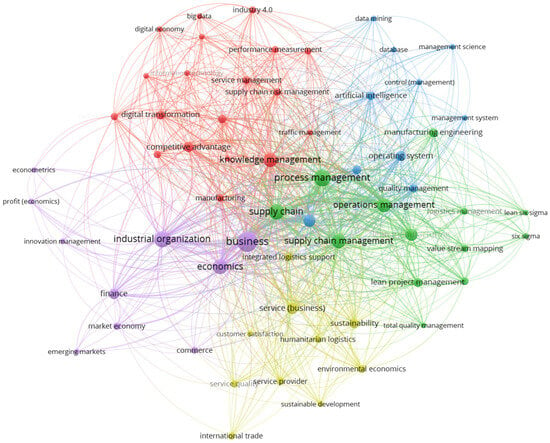
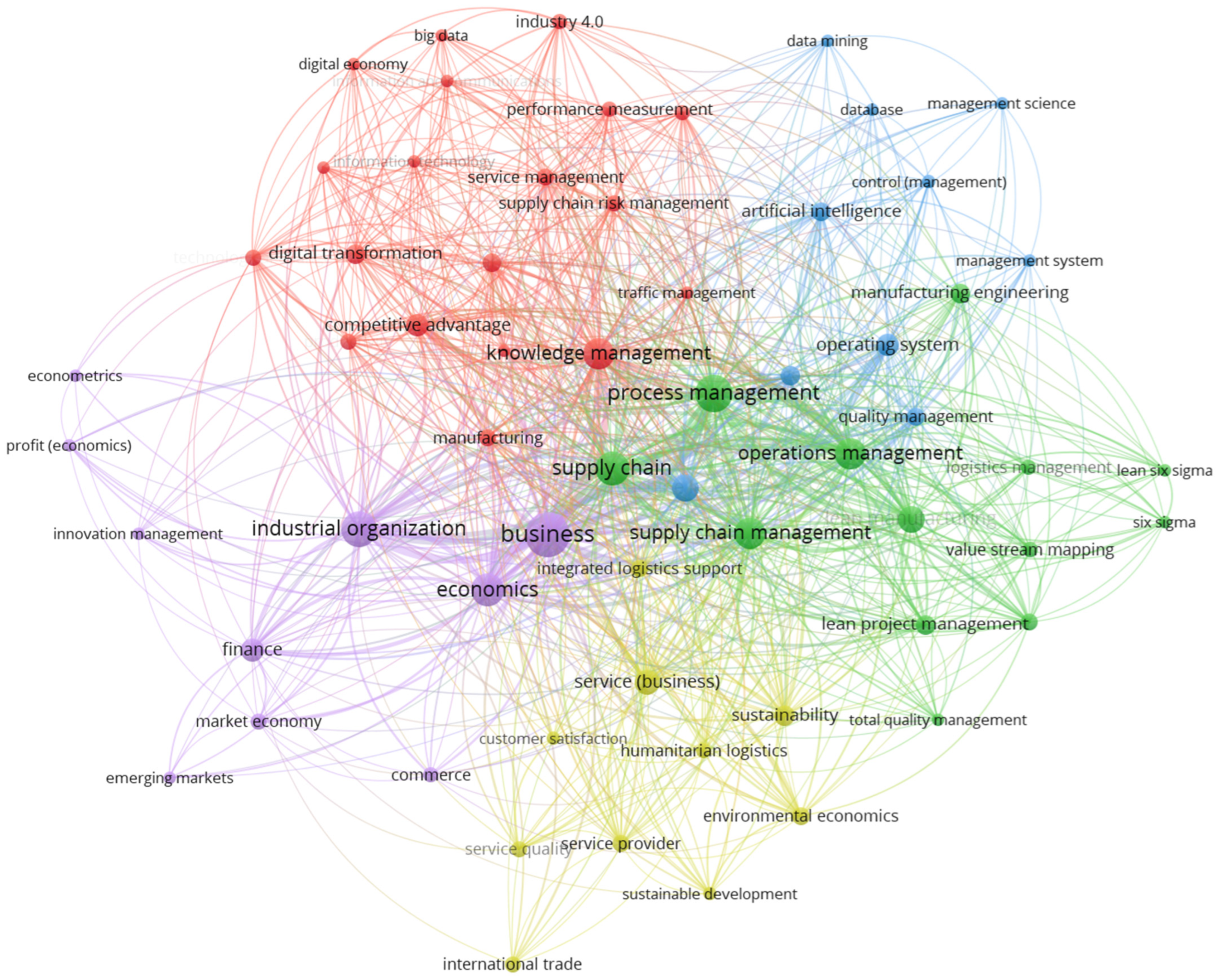
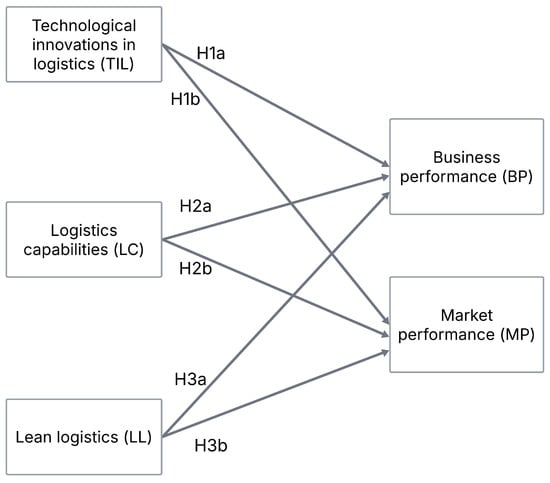
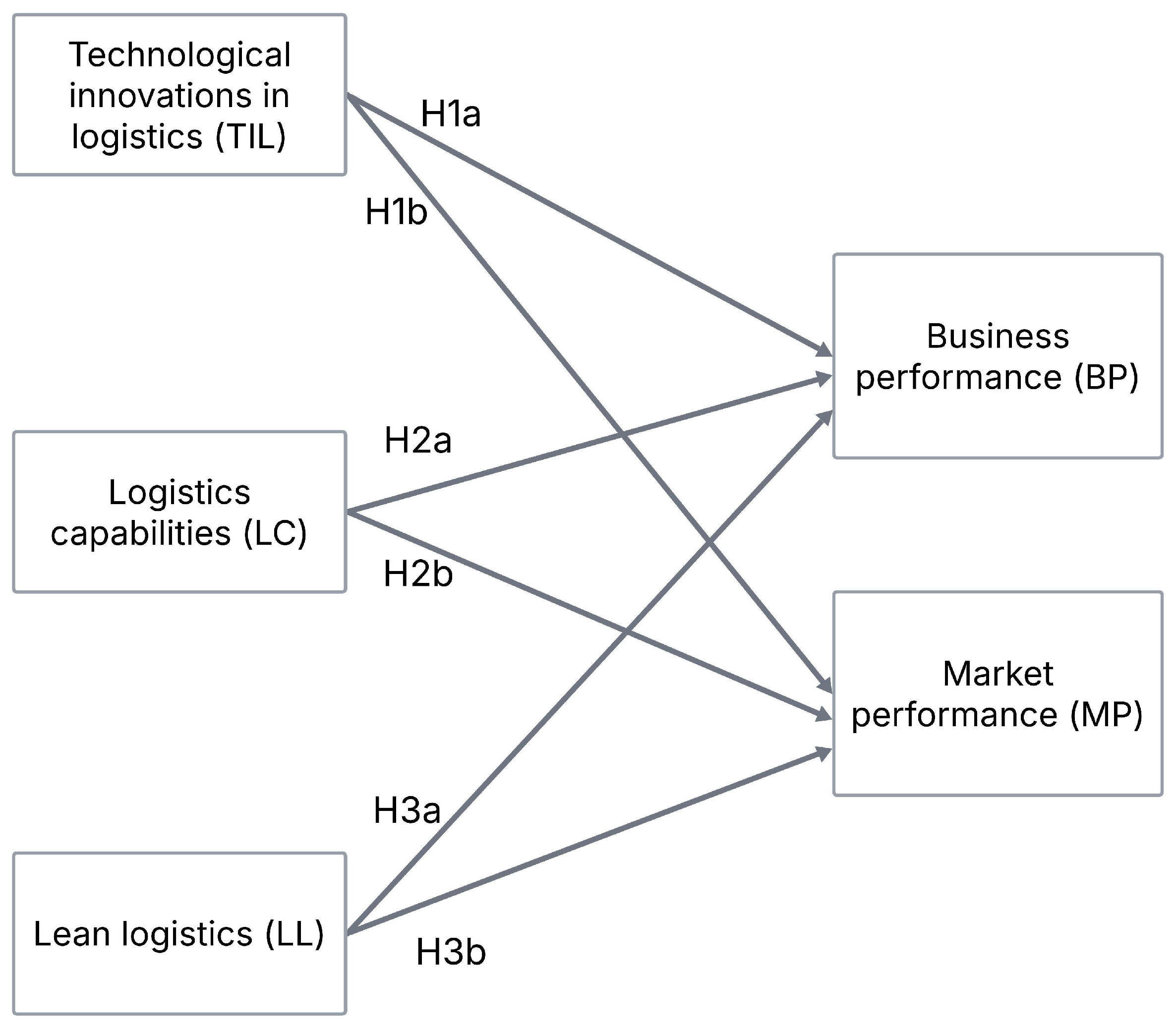
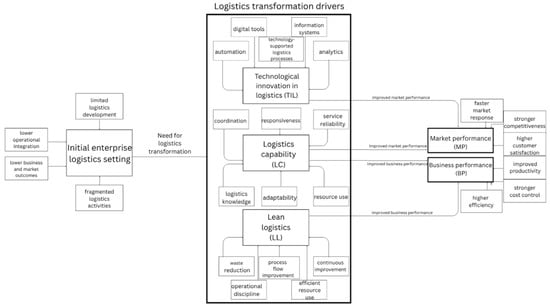
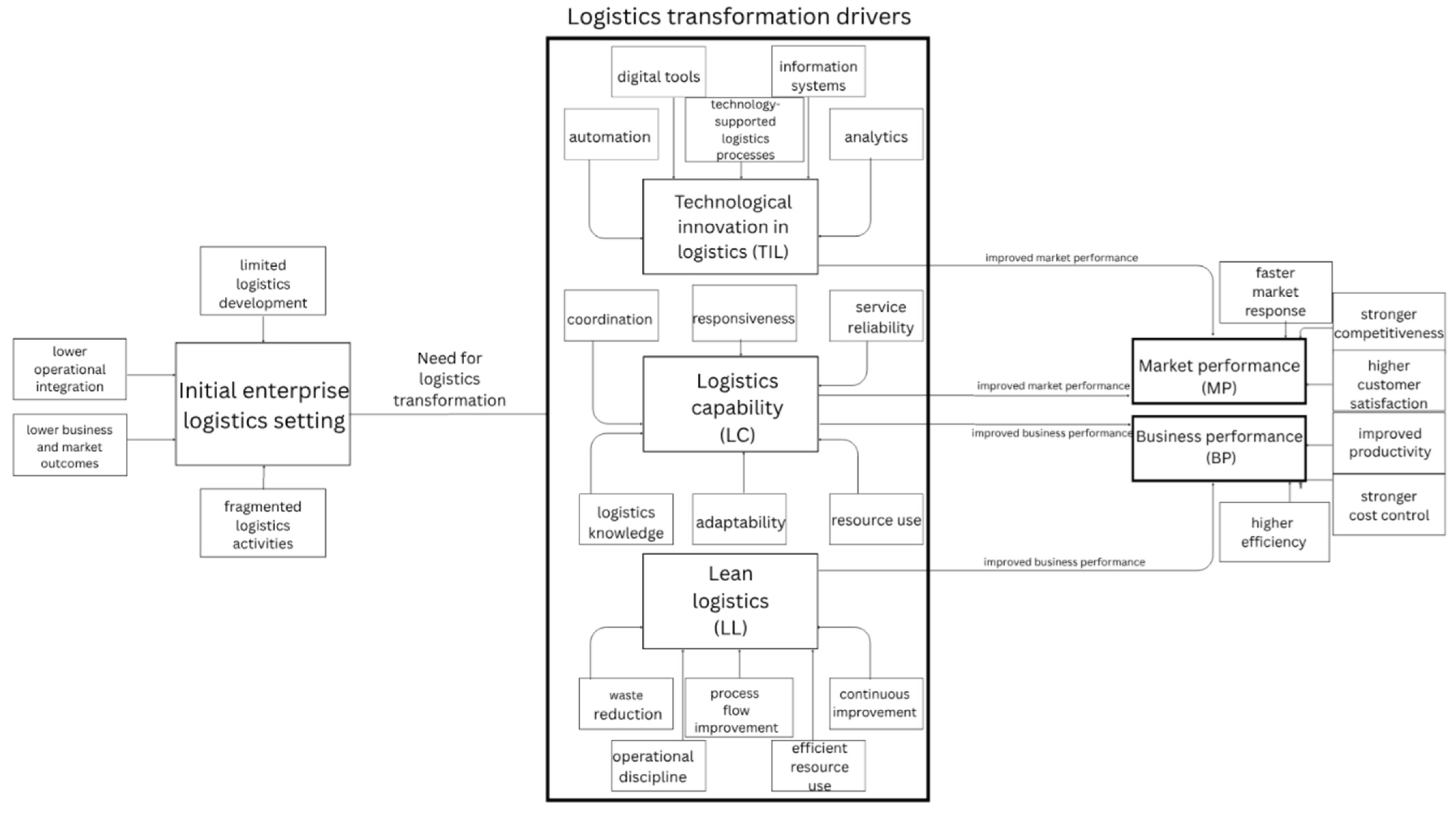

Disclaimer/Publisher’s Note: The statements, opinions and data contained in all publications are solely those of the individual author(s) and contributor(s) and not of MDPI and/or the editor(s). MDPI and/or the editor(s) disclaim responsibility for any injury to people or property resulting from any ideas, methods, instructions or products referred to in the content. |
© 2026 by the authors. Licensee MDPI, Basel, Switzerland. This article is an open access article distributed under the terms and conditions of the Creative Commons Attribution (CC BY) license.