



11 pages, 261 KB  
Article
Self-Perception of High School Preparation and Readiness for Pharmacy Education
by Shantanu Rao, Kimberly A. Pesaturo, Jennifer Grundey, Timothy Burkart and Devyn Warnement
Pharmacy 2026, 14(3), 80; https://doi.org/10.3390/pharmacy14030080 (registering DOI) - 30 May 2026
Abstract
Background: The rigor of the Doctor of Pharmacy (PharmD) curricula is reflected in its math- and science-heavy prerequisite requirements. As such, it is critical to evaluate whether students perceive high school coursework and experiences as adequate preparation for PharmD programs. Methods: Pre-professional and [...] Read more.
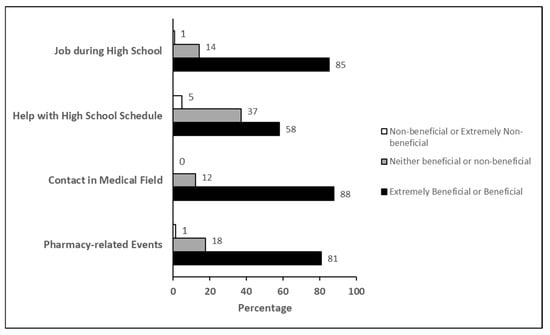
Background: The rigor of the Doctor of Pharmacy (PharmD) curricula is reflected in its math- and science-heavy prerequisite requirements. As such, it is critical to evaluate whether students perceive high school coursework and experiences as adequate preparation for PharmD programs. Methods: Pre-professional and professional PharmD students from three institutions completed a survey assessing satisfaction with high school preparation, including math and science education, skill development, and exposure to pharmacy-related experiences. Results: A total of 148 responses were analyzed; 72% identified as female and 81% as White (non-Hispanic/Latino). Most respondents reported satisfaction with their high school math (80.4%) and science (82.4%) education, and 73.7% felt academically prepared for pharmacy school. Additionally, 79.8% were satisfied with skills gained in high school. Experiences such as attending pharmacy-related events (81.1%), contact with healthcare professionals (87.8%), and prior employment (85.2%) were widely viewed as beneficial. Students highlighted communication, problem-solving, and time management as key skills developed. However, gaps were noted in study strategies, presentation abilities, and time management. Conclusions: Students generally felt well-prepared academically and skill-wise for PharmD programs. Expanding pharmacy-related exposure and targeted skill development opportunities in high school may further enhance readiness for future pharmacy students. Full article
(This article belongs to the Section Pharmacy Education and Student/Practitioner Training)
Show Figures

Figure 1

22 pages, 1135 KB  
Review
Sensor Technologies for Measuring Tongue Biomechanics Relevant to Swallowing: A Narrative Review
by Cagla Kantarcigil, Loni Arrese, Sang Jun Kim, Isabella Gianakopoulos, Marina Bulazo, Min Ku Kim and Brittany N. Krekeler
Sensors 2026, 26(11), 3453; https://doi.org/10.3390/s26113453 (registering DOI) - 30 May 2026
Abstract
Tongue biomechanics are central to swallowing, yet commonly used clinical assessments provide limited insight into the forces and coordination underlying bolus propulsion. Sensor technologies have emerged to address this gap, but the literature remains fragmented across device classes, calibration approaches, and outcome definitions. [...] Read more.
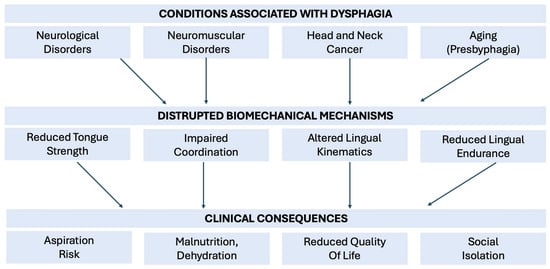
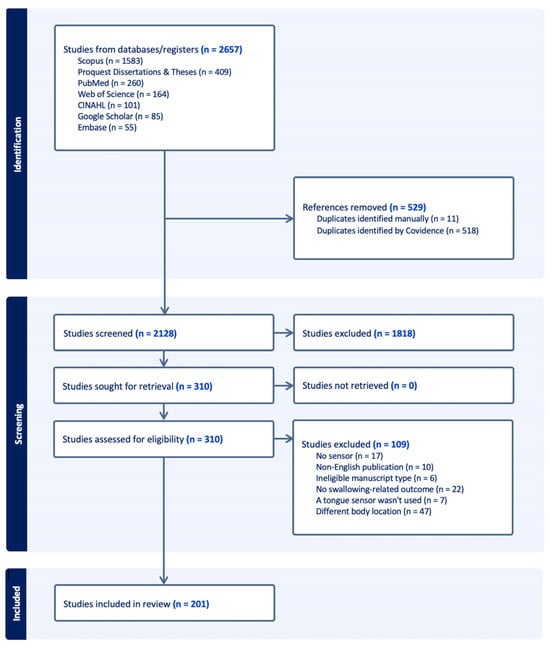
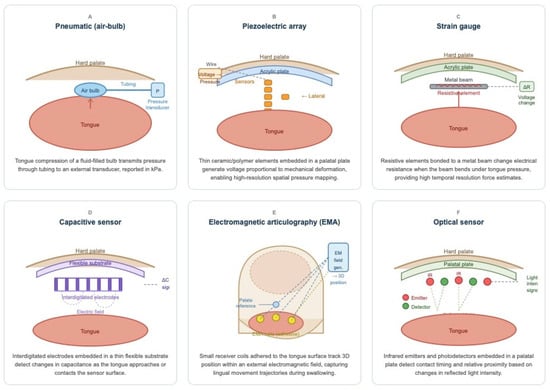
Tongue biomechanics are central to swallowing, yet commonly used clinical assessments provide limited insight into the forces and coordination underlying bolus propulsion. Sensor technologies have emerged to address this gap, but the literature remains fragmented across device classes, calibration approaches, and outcome definitions. This narrative review synthesizes sensor modalities used to characterize tongue biomechanics in dysphagia assessment and rehabilitation. A structured search of biomedical databases identified studies describing pneumatic, piezoelectric, strain gauge, capacitive, optical, and position-tracking systems. Across modalities, consistent physiological patterns are observed, including anterior-to-posterior pressure sequencing and task-dependent modulation with bolus properties. However, cross-study comparison is constrained by variability in sensor configuration, placement, and calibration, limiting the development of shared normative thresholds. To address this, we introduce a comparative maturity framework that situates modalities along a continuum from clinically established to proof-of-concept systems. Pneumatic and piezoelectric devices demonstrate the strongest evidence base and clinical integration, whereas capacitive and optical systems remain early-stage with minimal validation in patient populations. Position-tracking approaches provide complementary kinematic information but remain constrained by cost and ecological validity. Progress will require standardized calibration frameworks, harmonized protocols, and multimodal integration to support clinically interpretable metrics of tongue function. Full article
Show Figures

Figure 1

24 pages, 5815 KB  
Article
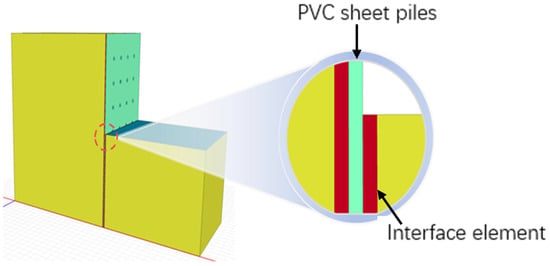
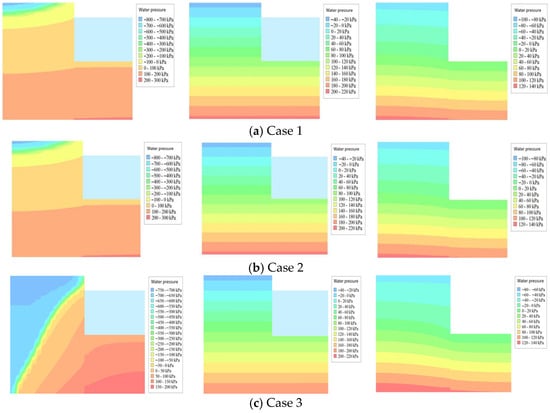
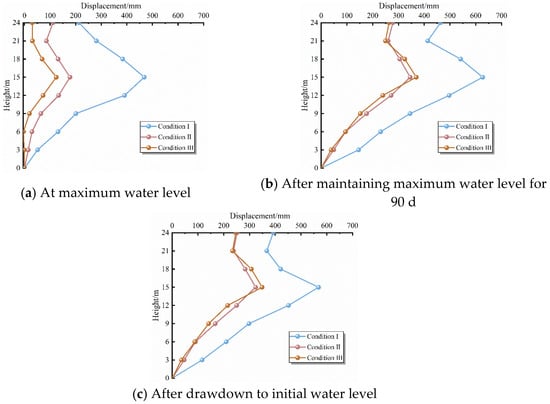
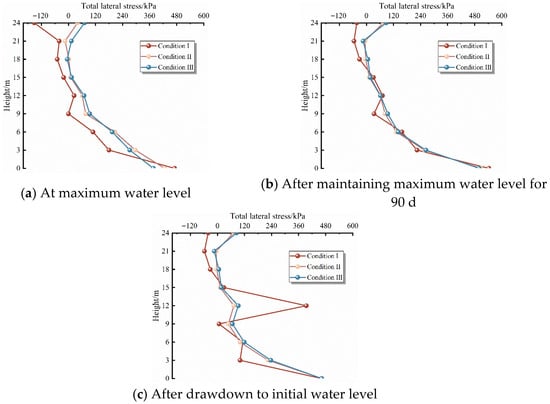
Analysis of the Mechanical Deformation of PVC Sheet Piles and Bank Slope Stability Under Water Level Fluctuations
by Gaoliang Tao, Yankai Hua and LingSan Guo
Appl. Sci. 2026, 16(11), 5443; https://doi.org/10.3390/app16115443 (registering DOI) - 30 May 2026
Abstract
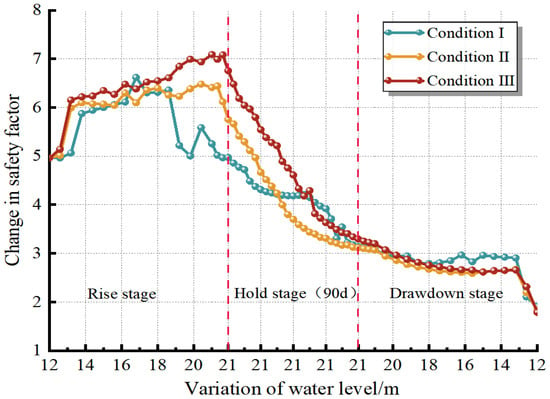
To investigate the bank protection performance of polyvinyl chloride (PVC) sheet piles subjected to water level fluctuations, this study systematically examined the mechanical responses of PVC sheet piles with varying stiffnesses and their influence mechanisms on bank slope stability using a custom-designed water [...] Read more.
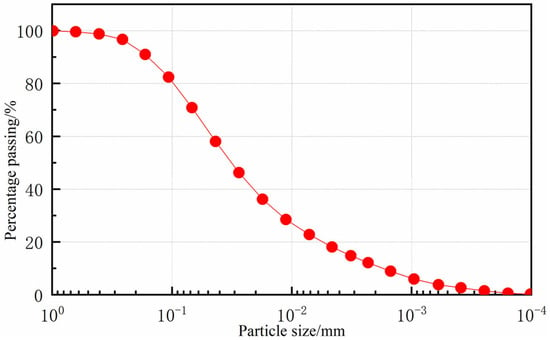
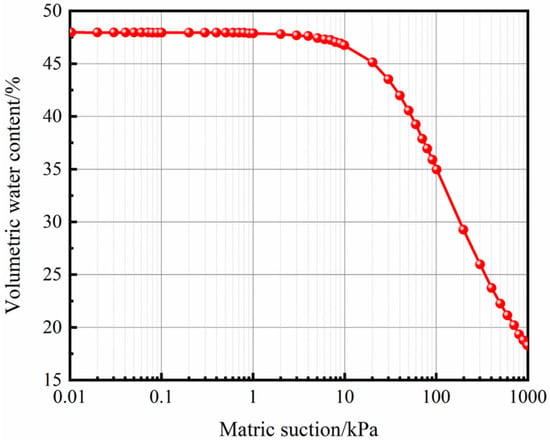
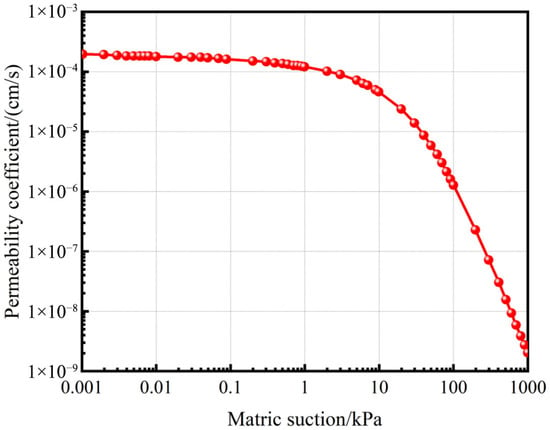
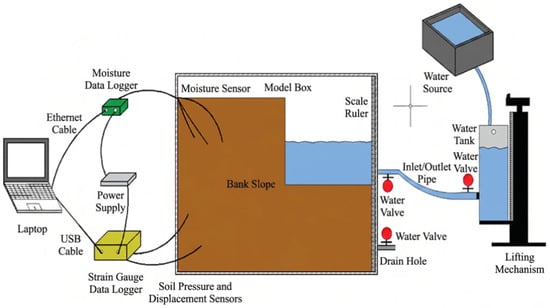
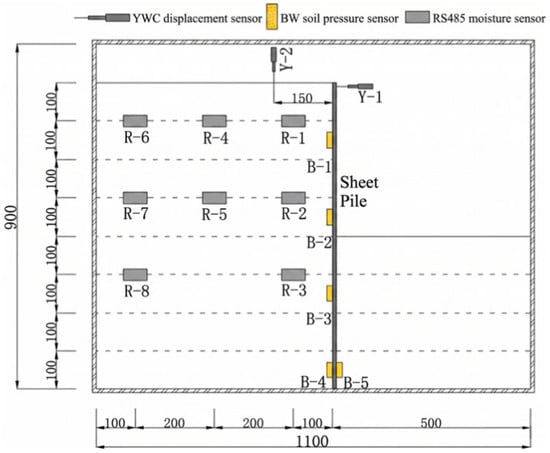
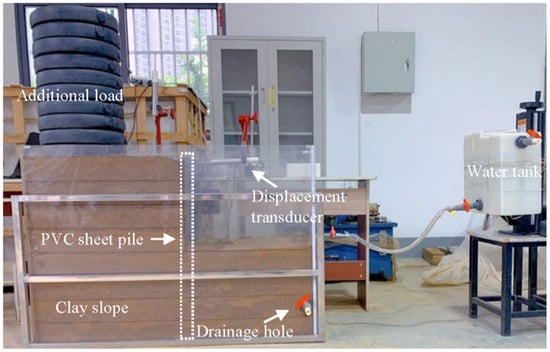
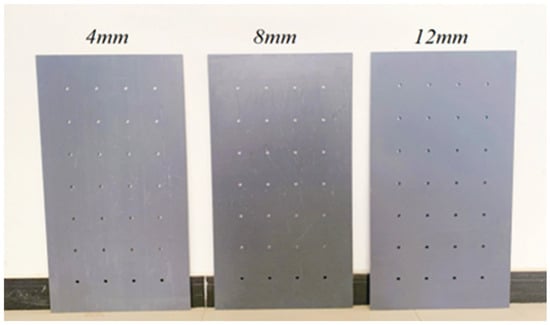
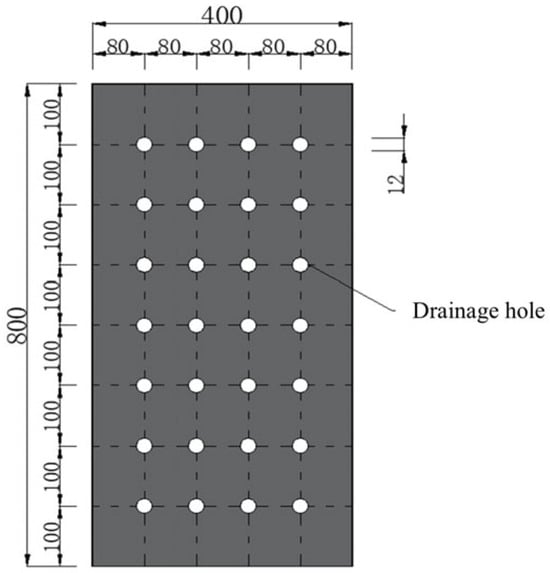
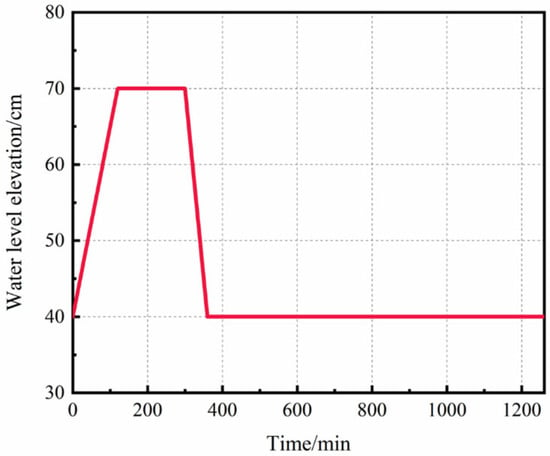
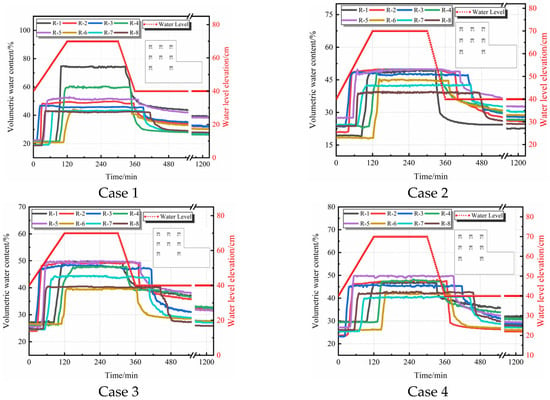
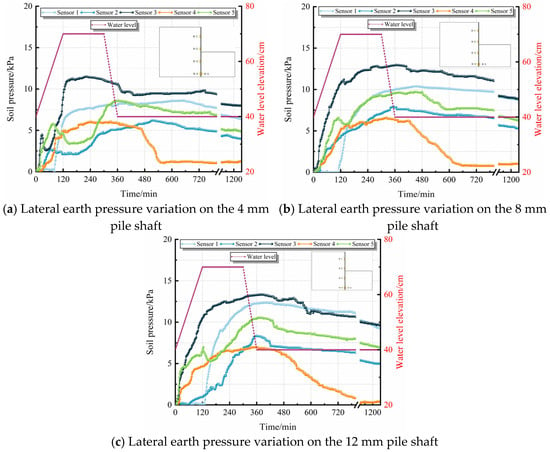
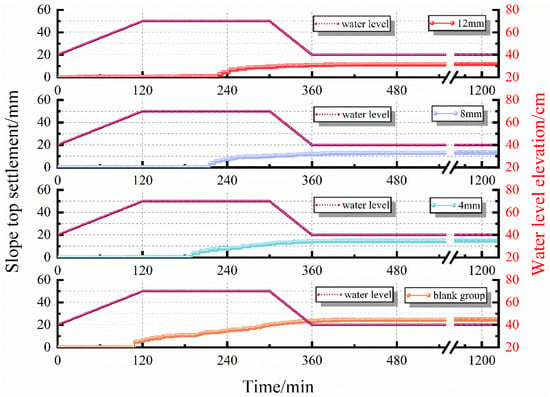
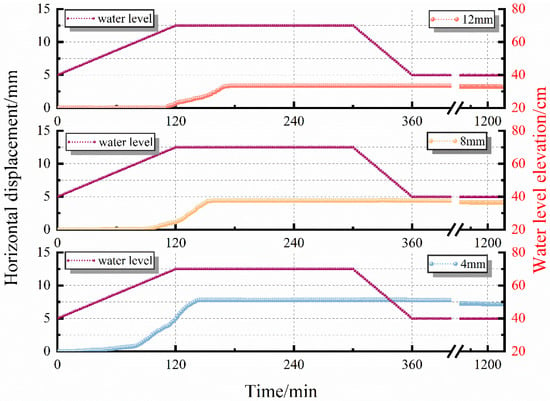
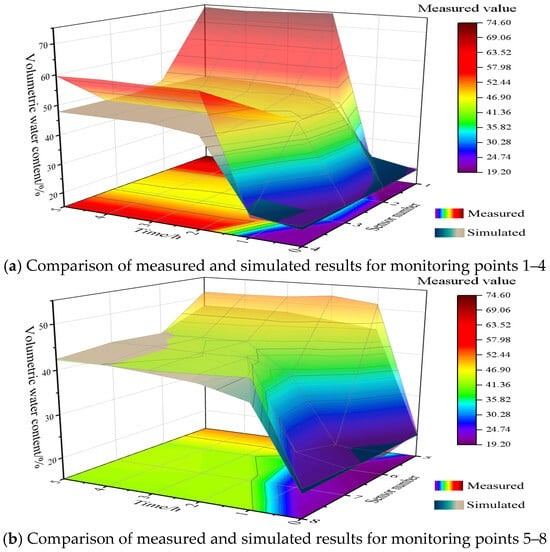
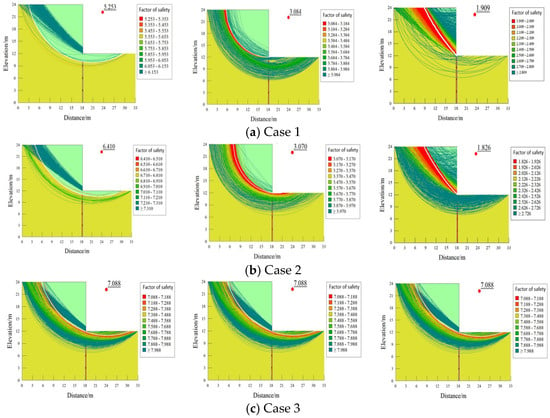
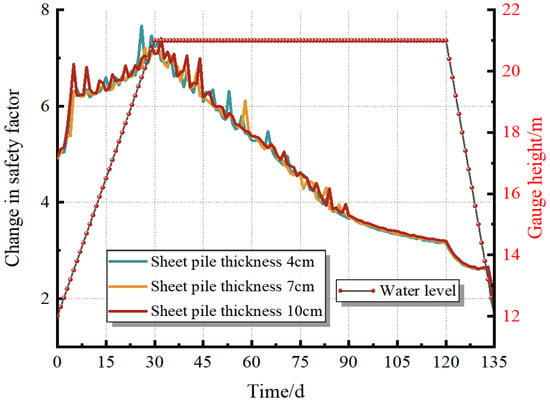
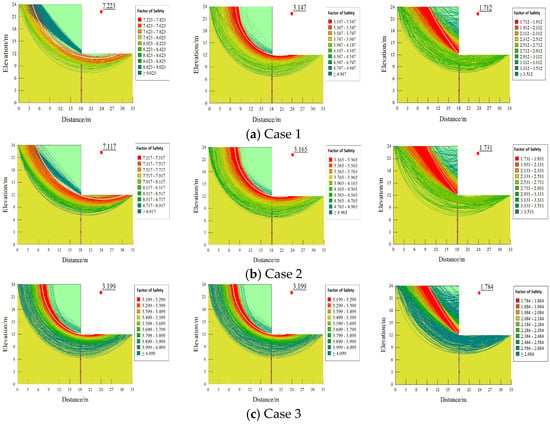
To investigate the bank protection performance of polyvinyl chloride (PVC) sheet piles subjected to water level fluctuations, this study systematically examined the mechanical responses of PVC sheet piles with varying stiffnesses and their influence mechanisms on bank slope stability using a custom-designed water level control device. The variation laws of the pile top displacement, lateral earth pressure, bank slope moisture content, and slope top settlement were revealed. Furthermore, the stability of the PVC sheet pile-protected bank slope was analyzed through numerical simulations. The results indicate that the initiation time of the slope top settlement is significantly delayed by the implementation of sheet piles with different stiffnesses. The maximum settlement decreases as the sheet pile stiffness increases; notably, the 12 mm thick sheet pile reduces the ultimate settlement by 52.0%. Correspondingly, the peak horizontal displacement at the pile top decreases from 7.8 mm to 3.4 mm with the increase in stiffness. In addition, the 4 mm thick sheet pile can release soil stress through yielding deformation, resulting in a nonlinear variation in lateral earth pressure characterized by an “initial increase–brief decrease–subsequent increase” pattern. Conversely, the deformation of the 12 mm thick sheet pile is restricted, impeding stress release and causing the lateral earth pressure to increase continuously, reaching 13.3 kPa. Finally, numerical simulations further reveal that a faster water level rising rate leads to a more significant improvement in bank slope stability, yielding a maximum safety factor of 7.088, while the maximum horizontal displacement decreases from 468.2 mm during a slow rise to 124.1 mm during a rapid rise. Full article
Show Figures

Figure 1

10 pages, 257 KB  
Article
Influence of Short-Term Fasting on the Efficacy of Albendazole Against Benzimidazole-Resistant Haemonchus contortus Under Farm Conditions
by Michal Babják, Alžbeta Königová, Tetiana A. Kuzmina, Ľudmila Burcáková and Marián Várady
Vet. Sci. 2026, 13(6), 540; https://doi.org/10.3390/vetsci13060540 (registering DOI) - 30 May 2026
Abstract
The aim of this study was to evaluate the effect of short-term dietary restriction on the in vivo efficacy of albendazole (ALB) on a goat farm with suspected reduced efficacy of benzidazoles (BZs). Initially, pooled faecal samples were analysed using the in vitro [...] Read more.
The aim of this study was to evaluate the effect of short-term dietary restriction on the in vivo efficacy of albendazole (ALB) on a goat farm with suspected reduced efficacy of benzidazoles (BZs). Initially, pooled faecal samples were analysed using the in vitro egg hatch test (EHT) to assess the level of BZ resistance. Subsequently, 58 goats were allocated into six experimental groups: three groups received a single dose of ALB (5 mg/kg body weight, BW) and three groups received a double dose (10 mg/kg BW). Each group was subdivided into animals fasted for 24 h before treatment, 24 h after treatment, and non-fasted controls. Morphological identification of third-stage larvae before and after treatment confirmed the predominance of Haemonchus contortus (91% and 100%, respectively). The in vitro EHT demonstrated reduced susceptibility to BZs, with the concentration of thiabendazole (TBZ) required to inhibit 50% of egg hatching exceeding the resistance threshold of 0.05 μg/mL, ranging from 0.166 to 0.247 μg/mL TBZ. Despite the presence of BZ resistance, fasting significantly increased the in vivo efficacy of ALB by up to 18%. These findings demonstrate that short-term dietary manipulation represents an effective strategy to enhance anthelmintic efficacy and partially overcome reduced drug performance. Full article
(This article belongs to the Section Veterinary Microbiology, Parasitology and Immunology)
14 pages, 2756 KB  
Article
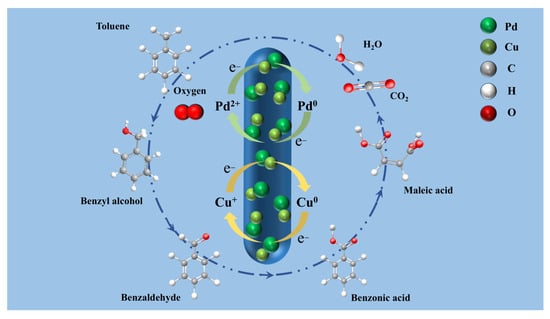
Synergistic Dual Atomically Dispersed PdCu Immobilized on Peroxide-Modified Attapulgite for Low-Temperature Catalytic Oxidation of VOCs
by Zhengyu Li, Chaoya Han, Wenqian Dang, Chao Yao and Xiazhang Li
Catalysts 2026, 16(6), 501; https://doi.org/10.3390/catal16060501 (registering DOI) - 30 May 2026
Abstract
Volatile organic compounds (VOCs) represent a significant threat to both environmental quality and public health, driving the need for efficient abatement technologies. Herein, a series of PdCu dual single-atom catalysts supported on peroxide-modified attapulgite (ATP) were synthesized via a microwave-assisted solvothermal approach, and [...] Read more.
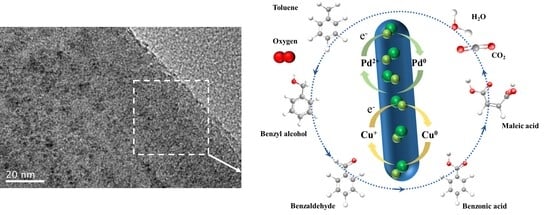
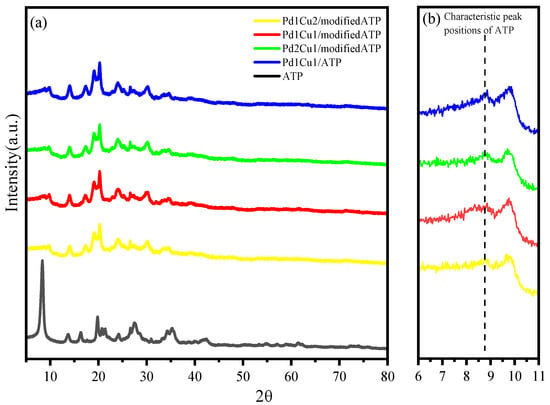
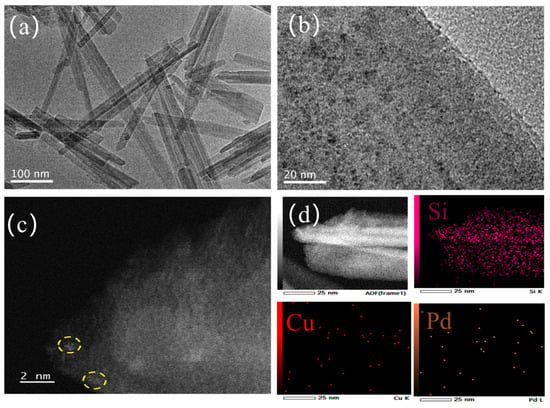
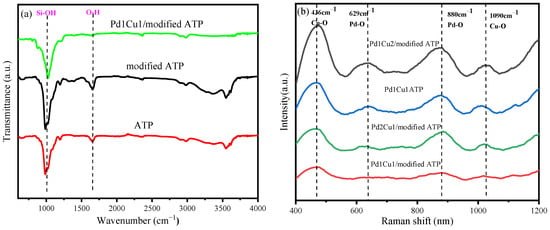
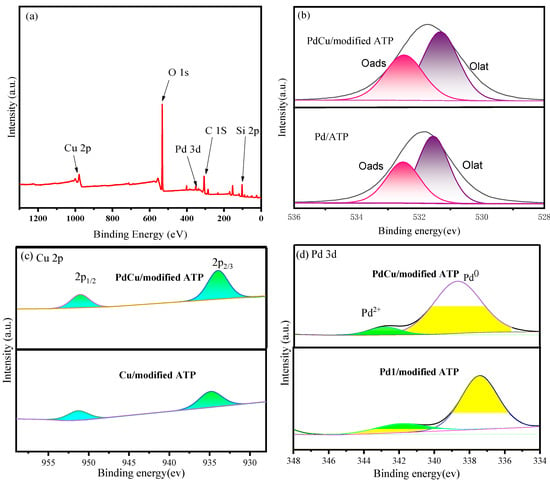
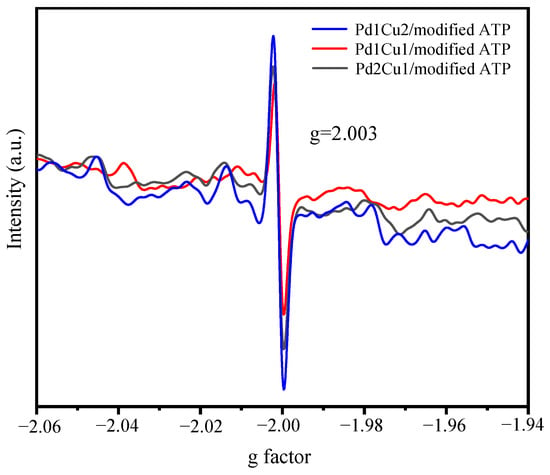
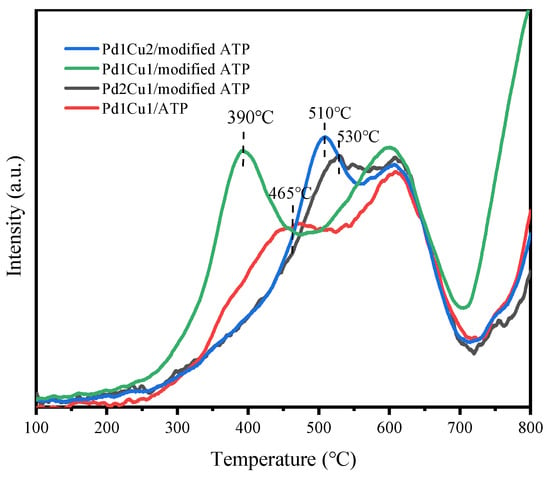
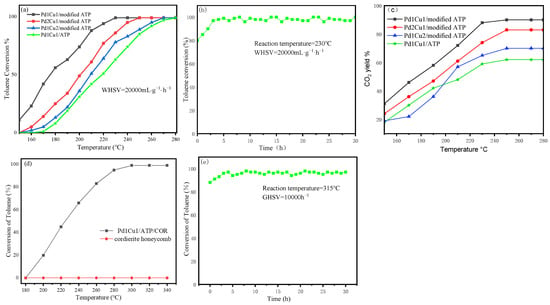
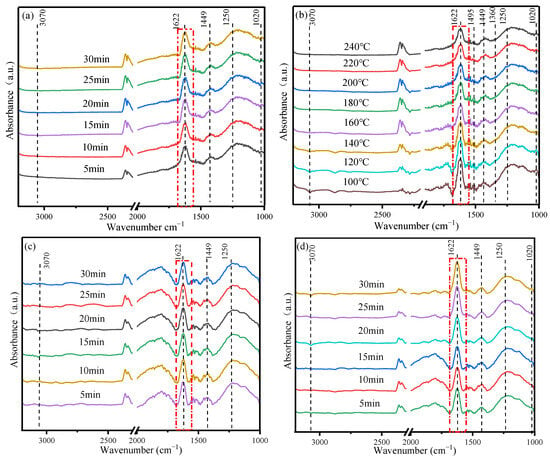
Volatile organic compounds (VOCs) represent a significant threat to both environmental quality and public health, driving the need for efficient abatement technologies. Herein, a series of PdCu dual single-atom catalysts supported on peroxide-modified attapulgite (ATP) were synthesized via a microwave-assisted solvothermal approach, and the effect of the Pd/Cu ratio on the catalytic oxidation of toluene was investigated. Results showed that the Pd1Cu1/ATP catalyst exhibited exceptional catalytic performance, achieving 99% toluene conversion at 240 °C under a high weight hourly space velocity of 20,000 mL·g−1·h−1. This high efficiency is attributed to the modification of ATP with hydrogen peroxide solution, which exposes abundant Si-OH, facilitating the immobilization of atomically dispersed atoms and enhancing the adsorption of toluene molecules. In addition, the strong metal–support interaction between the PdCu dual atoms and the ATP support significantly lowers the energy barrier of the reaction, thereby enhancing the low-temperature catalytic activity. In situ DRIFTS further elucidated the reaction pathway and intermediate evolution during toluene oxidation. This work offers an effective strategy for designing highly efficient dual single-atom catalysts for VOCs removal. Full article
(This article belongs to the Section Environmental Catalysis)
Show Figures

Graphical abstract

6 pages, 202 KB  
Editorial
Special Issue “The Role of Lipids in Health and Diseases”
by Yutang Wang
Int. J. Mol. Sci. 2026, 27(11), 4959; https://doi.org/10.3390/ijms27114959 (registering DOI) - 30 May 2026
Abstract
Lipids are hydrophobic biomolecules, typically characterized as waxy or oily and insoluble in water, encompassing a structurally diverse group that includes triglycerides, phospholipids, waxes, and steroids [...] Full article
(This article belongs to the Special Issue The Role of Lipids in Health and Diseases: 2nd Volume)
36 pages, 4336 KB  
Review
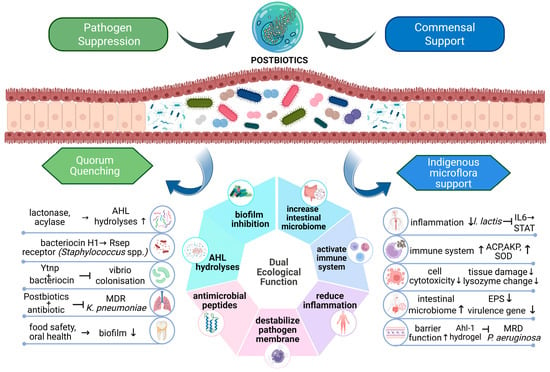
Postbiotics as Multifunctional Bioactives: Mechanistic Insights and Translational Applications in Host Physiology and Microbial Ecosystem Modulation
by Nidhisha Babysulatha Sasidharan, Sreetha Hely, Subin John, Kalyani Arun, Nandhana Joy Raveendran, Ghanta Rishitha, Sreya S. Kumar, Kongot Abhilash Nair, Sanjay Pal, Damu Sunilkumar, Bipin G. Nair and Vidhya Prakash
Microorganisms 2026, 14(6), 1230; https://doi.org/10.3390/microorganisms14061230 (registering DOI) - 30 May 2026
Abstract
Postbiotics are increasingly recognized as a predominant group of biotherapeutic agents sourced from the microbial secretome, offering functional benefits, while circumventing the safety concerns associated with the application of live microbial consortia. These microbial derivatives are emerging as promising approaches for tackling complex [...] Read more.
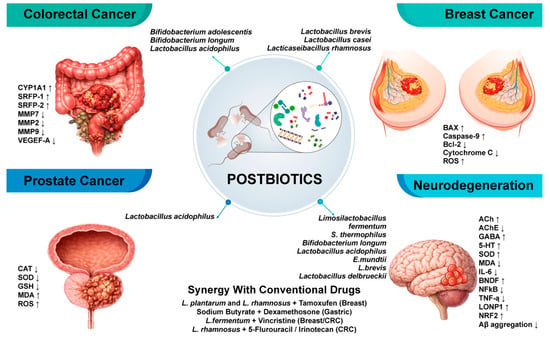
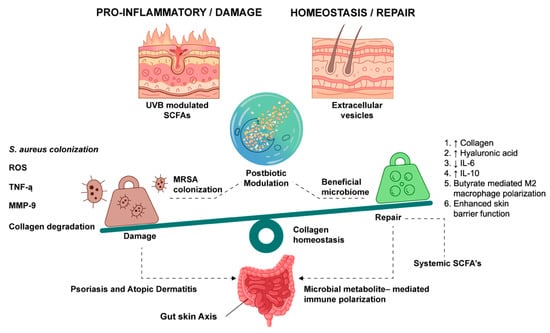
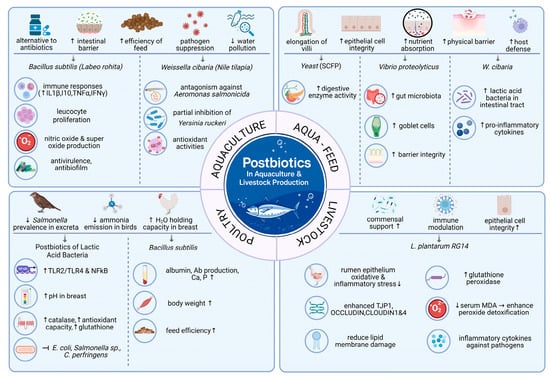
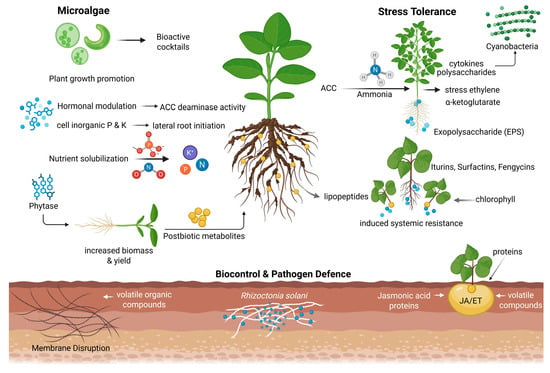
Postbiotics are increasingly recognized as a predominant group of biotherapeutic agents sourced from the microbial secretome, offering functional benefits, while circumventing the safety concerns associated with the application of live microbial consortia. These microbial derivatives are emerging as promising approaches for tackling complex diseases, encompassing cancer, autoimmune diseases, and metabolic disorders, through modulation of host cell signalling pathways, including G protein-coupled receptors (GPCRs), the NF-κB (Nuclear Factor Kappa B) pathway, and epigenetic regulatory pathways. Besides systemic effects, postbiotics may also have localized effects, such as epithelial regeneration, modulation of fibroblast functions, and control of collagen remodelling. Eventually, the scale-up in the production of postbiotics has initiated new avenues in improving sustainable agriculture and environmental biotechnology. This comprehensive review attempts to integrate mechanistic insights and translational applications, highlighting the therapeutic potential of postbiotics across biomedical and ecological domains. These observations could pave the way to bridge the gap between microbiome regulation, precision medicine, and sustainable biotechnology, thereby positioning postbiotics as a versatile tool addressing some of the most pressing health and sustainability challenges of the 21st century. Full article
Show Figures

Figure 1

15 pages, 242 KB  
Article
Doctrine as Dwelling: Irenaeus, Pasifika, and the Household of God
by Brian Philip Dunn
Religions 2026, 17(6), 660; https://doi.org/10.3390/rel17060660 (registering DOI) - 30 May 2026
Abstract
For the low-lying atolls across Pasifika, climate change is neither hoax nor hypothesis but an imminent and lived reality. If theology is always contextual, then this is our context: ecological collapse unfolding in real time, exposing the fragility of some of our most [...] Read more.
For the low-lying atolls across Pasifika, climate change is neither hoax nor hypothesis but an imminent and lived reality. If theology is always contextual, then this is our context: ecological collapse unfolding in real time, exposing the fragility of some of our most cherished doctrinal frameworks. This paper responds to the growing call to reconsider the nature and function of doctrine under such pressure. Anglican theologian Mike Higton speaks of the “unfinished conversations” and “many voices” addressing the environmental crisis. This study extends that talanoa by bringing the emerging ‘Pasifika Household of God’ tradition into conversation with the Church’s first sustained post-apostolic household theology: Irenaeus of Lyons’ vision of the oikonomia theou. Bringing the Pasifika tradition as developed in the Pasifika Conference of Churches (PCC) declarations into conversation with Irenaeus’ cosmic ktisiology, this paper challenges the dominance of Western doctrinal formulations and calls for repentance through a return to humanity’s true vocation of theosis—divine participation within and as part of what creation itself is becoming in Christ. This vision stands in stark contrast to empire’s apotheosis: the pursuit of false divinity through conquest, neoliberal success, and escapist eschatologies. In the Patristic–Pasifika partnership here proposed, doctrine is not a static catalogue of propositional beliefs but a sacramental indwelling. Doctrine becomes dwelling as depth of tradition meets depth of place. Full article
(This article belongs to the Special Issue Nature, Functions and Contexts of Christian Doctrine)
16 pages, 568 KB  
Review
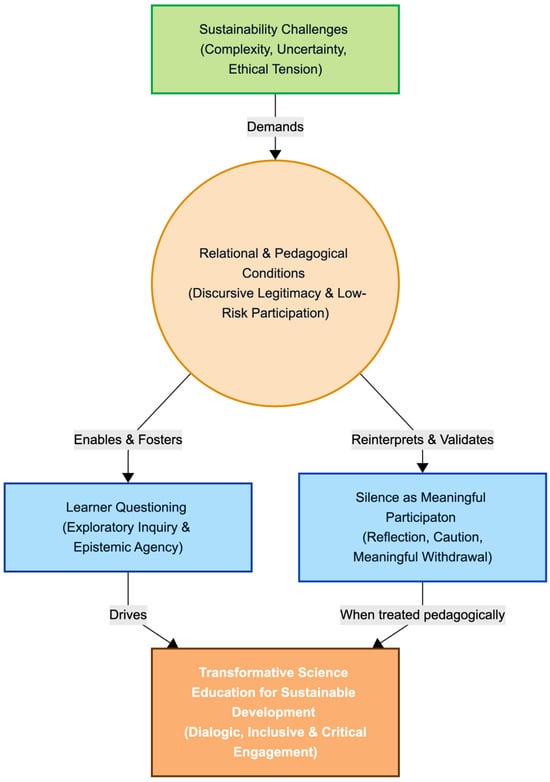
Reframing Questioning in Science Education for Sustainability: A Transformative Pedagogical and Epistemic Practice
by Patrícia Albergaria-Almeida
Sustainability 2026, 18(11), 5480; https://doi.org/10.3390/su18115480 (registering DOI) - 30 May 2026
Abstract
Questioning is widely recognised as a key dimension of learning in science education, yet learner questioning has often been treated as a secondary aspect of classroom participation rather than as a central pedagogical and epistemic practice. This article offers a conceptual examination of [...] Read more.
Questioning is widely recognised as a key dimension of learning in science education, yet learner questioning has often been treated as a secondary aspect of classroom participation rather than as a central pedagogical and epistemic practice. This article offers a conceptual examination of questioning in relation to science education for sustainability, informed by a critical interpretive engagement with literature on questioning, participation, classroom dialogue, engagement, and science education. It argues that science education for sustainability requires more than the transmission of scientific knowledge, calling instead for pedagogical spaces in which learners can engage with complexity, uncertainty, interpretation, and the ethical and social dimensions of socio-scientific issues. The article’s main contribution lies in repositioning learner questioning as a central condition of science education for sustainability and in showing that questioning is shaped not only by knowledge and motivation, but also by participation, hesitation, silence, and broader dynamics of voice, legitimacy, and power. In this perspective, fostering questioning becomes essential to more inclusive, dialogic, reflexive, and transformative approaches to science education for sustainability. The article further argues that fostering questioning in this way contributes directly to the educational ambitions embedded in SDG 4, SDG 13, and SDG 16—making questioning-centred pedagogy not merely a methodological choice, but a condition for more democratic, just, and transformative science education for sustainable development. Full article
Show Figures

Figure 1

23 pages, 332 KB  
Article
Exploring Nonlinear Relationships Between Individual-Level Bank Customer Satisfaction and Revenue
by Cecilia Hermansson, Kent Eriksson and Carin Segerlind
J. Risk Financial Manag. 2026, 19(6), 397; https://doi.org/10.3390/jrfm19060397 (registering DOI) - 30 May 2026
Abstract
This study examines the nonlinear relationship between customer satisfaction (CS) and both the levels and growth of customer revenue (CR) at the individual level in the banking sector. Utilizing a unique data on 19,054 Swedish bank customers (2013–2017), the analysis combines subjective satisfaction [...] Read more.
This study examines the nonlinear relationship between customer satisfaction (CS) and both the levels and growth of customer revenue (CR) at the individual level in the banking sector. Utilizing a unique data on 19,054 Swedish bank customers (2013–2017), the analysis combines subjective satisfaction measures with objective financial and demographic register data. Regression models test for diminishing returns at high satisfaction levels while assessing the persistence of these effects over a four-year period. The findings indicate that while CS is positively associated with both revenue level and revenue growth, the relationship with revenue level is nonlinear. Specifically, customers scoring 80–89 generate higher revenues than those scoring 90–100, providing weak evidence of a ceiling effect (at the 10% significance level) that is notably absent for revenue growth. Furthermore, CS explains less than 1% of revenue variation, highlighting the inherent limits of satisfaction-based revenue models. These ceiling effects are more pronounced among older, lower-income women without debt, whereas wealth has no observable impact. Finally, the nonlinear effects fade after one year, though gender remains a consistent moderator. These tentative findings suggest limited financial returns from maximizing satisfaction, thereby supporting the implementation of more differentiated customer segmentation strategies. Full article
(This article belongs to the Section Banking and Finance)
22 pages, 1323 KB  
Article
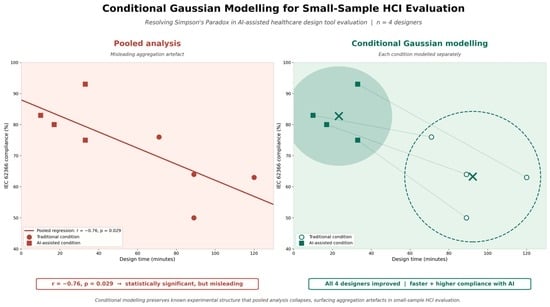
Conditional Gaussian Modelling for Small-Sample HCI Evaluation: Resolving Simpson’s Paradox in AI-Assisted Healthcare Design Tools
by Mohammad Bilal Firoz and Ashir Ahmed
AI 2026, 7(6), 199; https://doi.org/10.3390/ai7060199 (registering DOI) - 30 May 2026
Abstract
Evaluating AI-assisted tools in healthcare human–computer interaction (HCI) presents methodological challenges when practical constraints limit sample sizes. Standard pooled statistical analysis can then produce misleading results, including Simpson’s Paradox, where aggregate trends contradict patterns observed within subgroups. This paper introduces a conditional Gaussian [...] Read more.
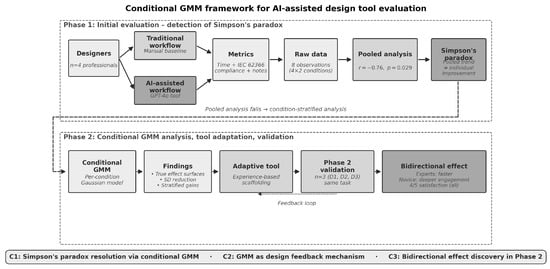
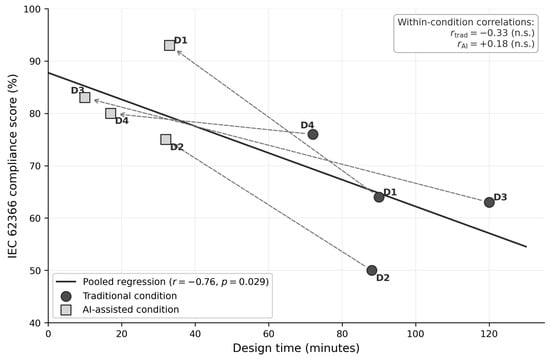
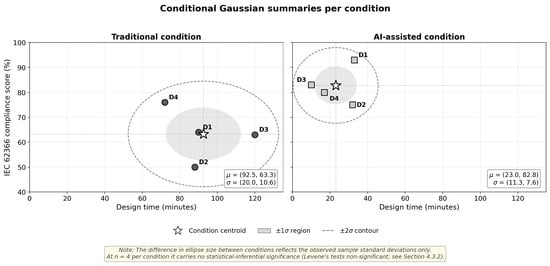
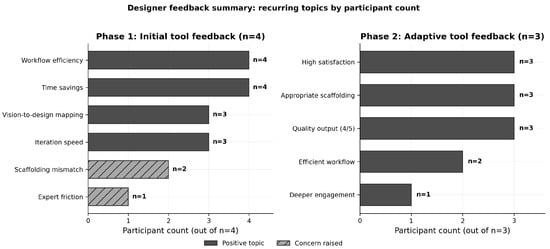
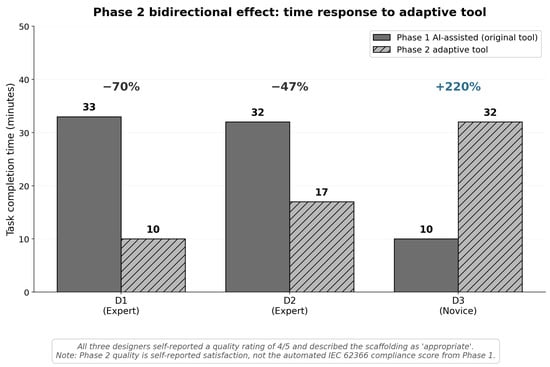
Evaluating AI-assisted tools in healthcare human–computer interaction (HCI) presents methodological challenges when practical constraints limit sample sizes. Standard pooled statistical analysis can then produce misleading results, including Simpson’s Paradox, where aggregate trends contradict patterns observed within subgroups. This paper introduces a conditional Gaussian model framework that models each experimental condition separately rather than pooling all observations. Through a within-subjects evaluation of an AI-assisted UI/UX design tool for medical software interfaces (n = 4 professional designers), we demonstrate how pooled analysis produced a misleading negative correlation between design time and IEC 62366 compliance (the medical device usability standard; pooled r=0.76, p=0.029, n=8), even though every designer achieved both faster times and higher compliance with the AI tool. Within-condition correlations were non-significant and inconsistent in sign, confirming the pooled association as an aggregation artefact rather than a within-designer trade-off. The conditional analysis surfaces experience-indexed differences: the less UI-experienced designer showed the largest time reduction (up to 92%), while the two high-AI-experience designers showed the largest automated proxy-compliance gains (+25 to +29 percentage points). Sample standard deviations were also lower in the AI-assisted condition than in the traditional condition for both outcomes (time: 20.011.3 min; compliance: 10.67.6 percentage points); at n=4 per condition, however, this difference in variance can neither be confirmed nor falsified, and we make no inferential claim about variance compression. A follow-up phase (n = 3) that adapted the tool’s scaffolding to designer experience yielded a bidirectional response, with the two high-AI-experience designers further reducing time and the less UI-experienced designer engaging more deeply with the design output. Because all participants completed the traditional condition before the AI-assisted condition, the study is interpreted as a sequentially unbalanced exploratory comparison, not as a counterbalanced causal test of tool effectiveness. We provide guidelines for healthcare HCI researchers facing sample-size constraints endemic to specialised domains. Full article
(This article belongs to the Special Issue AI in Bio and Healthcare Informatics)
Show Figures

Graphical abstract

27 pages, 8222 KB  
Article
Initial Stormwater Runoff Drives Co-Variation of Pollutants and Microbial Communities at the Sediment–Water Interface in Reclaimed Water-Receiving Rivers
by Chonghua Xue, Manman Liang, Xu Tan, Yimeng Zhao, Yaxin Ren, Xinyu Liu, Fengchang Zhao and Haiyan Li
Appl. Sci. 2026, 16(11), 5442; https://doi.org/10.3390/app16115442 (registering DOI) - 30 May 2026
Abstract
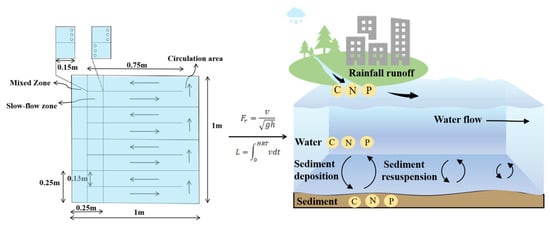
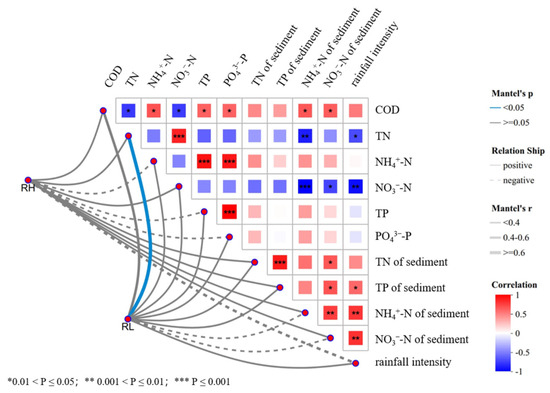
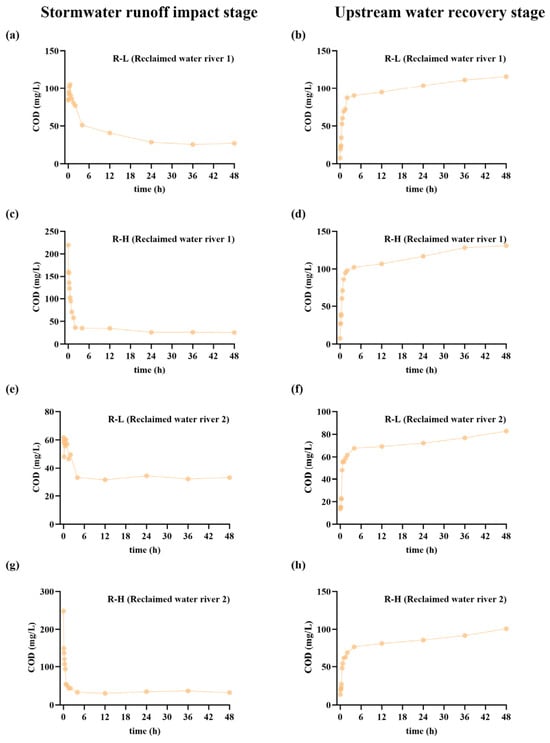
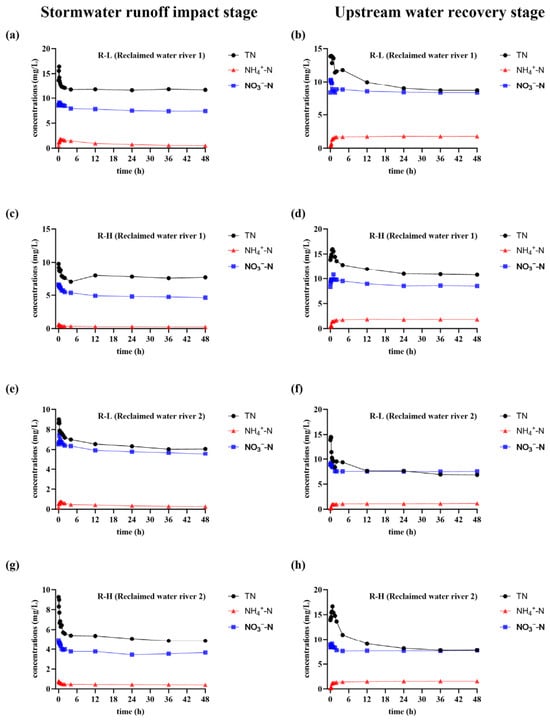
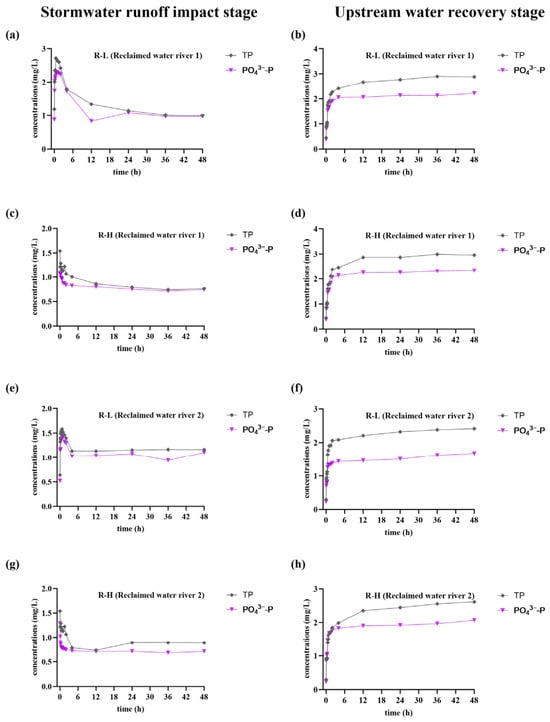
Reclaimed water-receiving rivers face increased hypoxic and malodorous risks after stormwater runoff. To investigate how initial runoff drives the co-variation of pollutants and microbial communities at the sediment–water interface (SWI), this study constructed a four-channel simulated river system based on the Froude similarity [...] Read more.
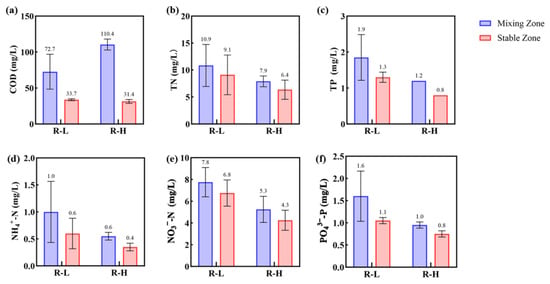
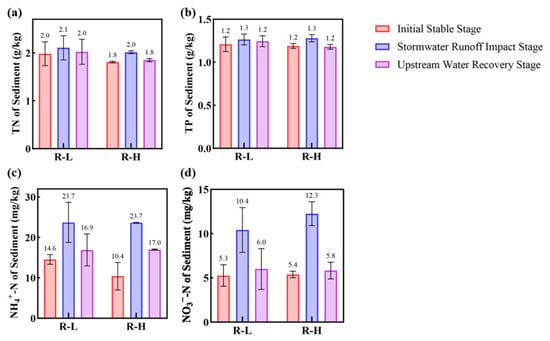
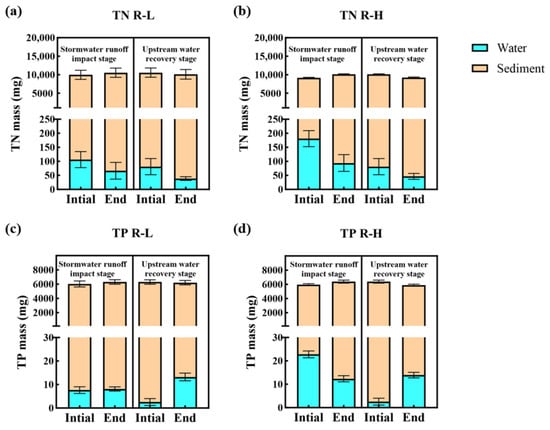
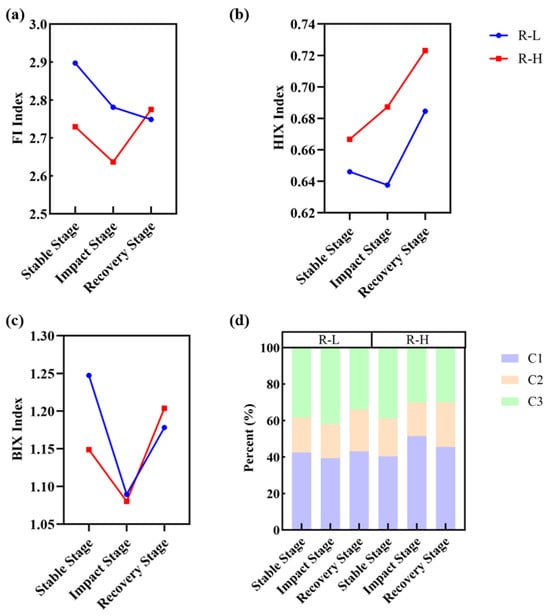
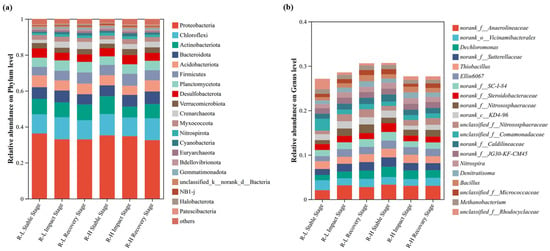
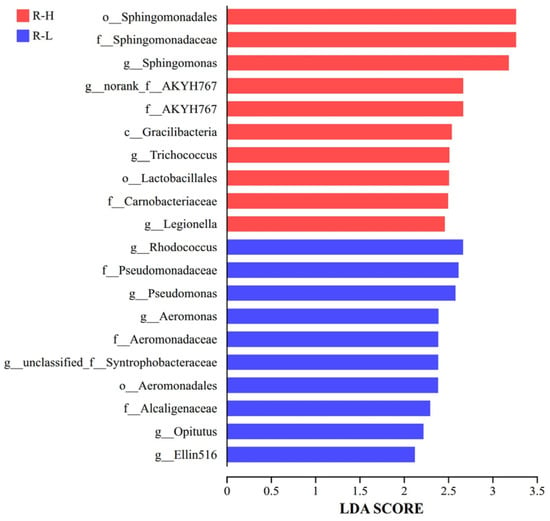
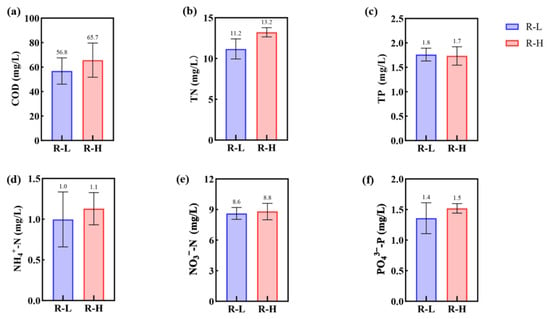
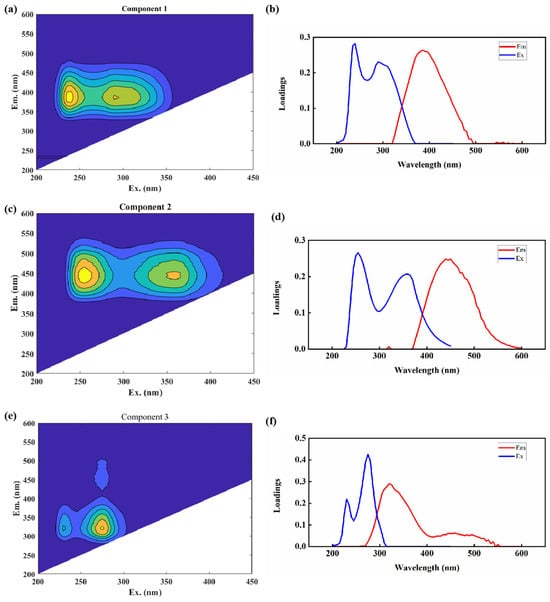
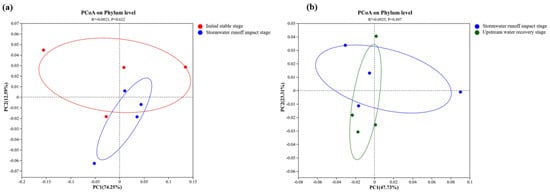
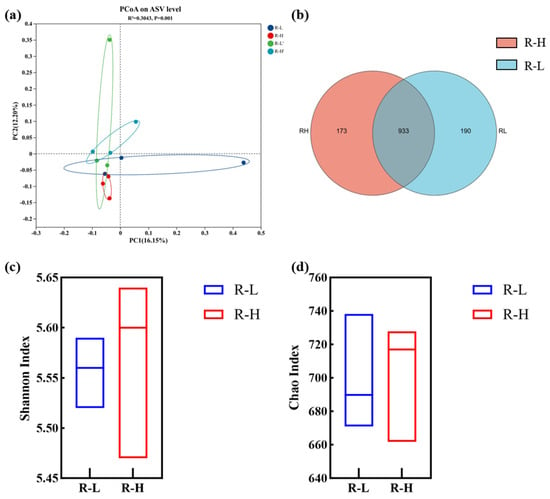
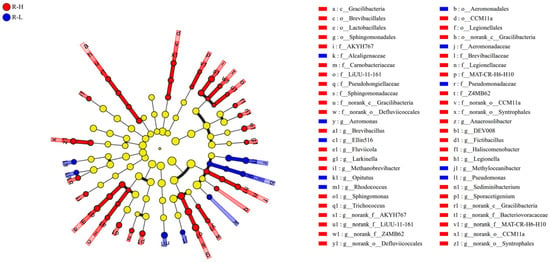
Reclaimed water-receiving rivers face increased hypoxic and malodorous risks after stormwater runoff. To investigate how initial runoff drives the co-variation of pollutants and microbial communities at the sediment–water interface (SWI), this study constructed a four-channel simulated river system based on the Froude similarity criterion, including two low-intensity rainfall (R-L) treatments and two high-intensity rainfall (R-H) treatments. Each experiment consisted of a 48 h runoff disturbance stage followed by a 48 h recovery stage. The dynamics of carbon (C), nitrogen (N), and phosphorus (P) in both water and sediments were systematically analyzed, together with variations in dissolved organic matter (DOM) composition, microbial communities based on 16S rRNA, and predicted N-cycling functional potential. Results showed that R-H exerted a pronounced dilution effect on pollutants in water but significantly enhanced SWI disturbance, facilitating nutrient accumulation within the system. DOM profiles indicated active microbial metabolism, consistent with long-term reclaimed water inputs. Microbial analyses revealed that TN was a key environmental factor influencing community differences. Nitrification and denitrification potentials were higher under R-H, whereas ammonia assimilation was higher under R-L. These findings highlight the importance of managing N accumulation and transformation following rainfall events in reclaimed water-receiving rivers. Full article
(This article belongs to the Special Issue Advances in Water Quality and Microbial Ecology)
Show Figures

Figure 1

37 pages, 2433 KB  
Hypothesis
Towards a Mathematical Structure of Global Phenomenal Consciousness
by Zoe Lee-Youngzie, Naotsugu Tsuchiya, Michael Robinson, Donna Dietz and Martin M. Monti
Entropy 2026, 28(6), 615; https://doi.org/10.3390/e28060615 (registering DOI) - 29 May 2026
Abstract
Recent work in the structural approach to consciousness has shown great promise as a research paradigm for the formal and empirical study of the phenomenal qualities of experience, i.e., qualia. In this paradigm, qualia are characterized by modeling the internal organization of [...] Read more.
Recent work in the structural approach to consciousness has shown great promise as a research paradigm for the formal and empirical study of the phenomenal qualities of experience, i.e., qualia. In this paradigm, qualia are characterized by modeling the internal organization of parts within an experience, or by modeling external relations between instances of experience. A major next step for the structural approach is to integrate these two perspectives into an account of phenomenally unified global experience. In this paper, we describe these two types of structural models and how their category-theoretic formalizations contribute to the task of identifying the physical bases of phenomenal consciousness. We then propose a sheaf-theoretic framework that integrates these two approaches by mapping mereological parts of experience to empirical measures of their qualia. Through an application to the experience of visual space, we demonstrate that this framework enables a formal description of the structure of experience and conditions for phenomenal unity. We discuss how this integrative approach supports an empirical research program for investigating the relationship between local and global phenomenal qualities, and outline directions for future work toward a structural characterization of global phenomenal consciousness. Full article
29 pages, 3640 KB  
Article
Linear and Nonlinear Feature Extraction for Transformer Partial Discharge Severity Classification: A Comparative Study Using Artificial Neural Networks
by Lucas Thobejane and Bonginkosi A. Thango
Energies 2026, 19(11), 2642; https://doi.org/10.3390/en19112642 (registering DOI) - 29 May 2026
Abstract
Accurate classification of transformer partial discharge (PD) severity is essential for insulation diagnostics yet remains challenging due to nonlinear feature relationships and class imbalance. This study evaluates whether feature extraction improves PD severity classification and compares the effectiveness of linear and nonlinear extraction [...] Read more.
Accurate classification of transformer partial discharge (PD) severity is essential for insulation diagnostics yet remains challenging due to nonlinear feature relationships and class imbalance. This study evaluates whether feature extraction improves PD severity classification and compares the effectiveness of linear and nonlinear extraction methods. A dataset of 294 samples was categorized into four IEC-aligned severity classes. Two raw measurements (discharge magnitude and applied voltage) were expanded into a 15-dimensional feature space. Principal Component Analysis (PCA) and a bottleneck Autoencoder (AE) were used for linear and nonlinear feature extraction, respectively. Extracted features were classified using an identical Multilayer Perceptron (MLP). Both feature extraction methods improved classification performance over raw and full-feature baselines (96.6%). PCA+ANN achieved 100.0% accuracy (k = 9), while AE+ANN achieved 98.3% (k = 8). The AE misclassified one minority “Normal” sample due to poor latent boundary representation. Reconstruction analysis showed the highest error for the Normal class, reflecting imbalance-driven optimization bias. Feature extraction enhances PD severity classification, with linear PCA outperforming nonlinear AE in this near-linearly separable dataset. PCA’s deterministic projection preserves minority class boundaries more effectively, whereas AE performance is limited by class imbalance. These findings suggest that nonlinear methods provide advantages only in more complex feature spaces. Full article
(This article belongs to the Special Issue Advancements in Power Transformers)
21 pages, 19534 KB  
Article
Sinomenine Regulates PSMB9 to Mediate Therapeutic Effects in Rheumatoid Arthritis
by Cui Zhang, Chonkit Lio, Nana Li, Yang Yu and Jinfang Luo
Cells 2026, 15(11), 1005; https://doi.org/10.3390/cells15111005 (registering DOI) - 29 May 2026
Abstract
Rheumatoid arthritis (RA) is a systemic immune-related disease characterized by chronic synovial inflammation and progressive joint destruction. However, the molecular mechanisms and diagnostic biomarkers underlying RA remain unclear. In this study, we aimed to identify potential biomarkers for clinical diagnosis of RA and [...] Read more.
Rheumatoid arthritis (RA) is a systemic immune-related disease characterized by chronic synovial inflammation and progressive joint destruction. However, the molecular mechanisms and diagnostic biomarkers underlying RA remain unclear. In this study, we aimed to identify potential biomarkers for clinical diagnosis of RA and to investigate their association with immune infiltration. By integrating differentially expressed genes analysis (DEGs) and weighted gene co-expression network analysis (WGCNA), we identified PSMB9 as a hub gene associated with RA. Gene set enrichment analysis (GSEA) and immune infiltration analysis revealed a strong association between RA and macrophage infiltration. Single-cell RNA sequencing datasets also suggest that PSMB9 is not only highly expressed in macrophage but is also present in synovial cells. We employed cellular thermal shift assay (CETSA) combined with Western blot to validate the interaction between sinomenine (SIN) and the target protein. CETSA results demonstrated that, compared with the control group, SIN increased the thermal stability of PSMB9, suggesting direct binding between the two. Western blot experiments further confirmed that PSMB9 protein expression was significantly downregulated following SIN treatment. PSMB9 may serve as potential diagnostic biomarker and therapeutic targets for RA. Moreover, our data suggest SIN may exert anti-inflammatory effects through regulation of PSMB9. This study also provides an additional insight into the underlying mechanisms involved in the progression of RA and discover a new molecular target for SIN. Full article
(This article belongs to the Special Issue Study on Immune Activity of Natural Products)
20 pages, 1307 KB  
Article
Synergistic Effects of Mg2Si-YH2 Composite Additives on the Microstructure and Properties of Silicon Nitride Ceramics
by Zizheng Cai, He Ma, Kun Tian, Feng Sun, Lijuan Zhou and Shuang Li
Ceramics 2026, 9(6), 58; https://doi.org/10.3390/ceramics9060058 (registering DOI) - 29 May 2026
Abstract
Sintering additives play a decisive role in the densification behavior, mechanical properties, and thermal conductivity of silicon nitride ceramics. In this study, Mg2Si and YH2 were used as sintering additives for gas pressure sintering of silicon nitride based on the [...] Read more.
Sintering additives play a decisive role in the densification behavior, mechanical properties, and thermal conductivity of silicon nitride ceramics. In this study, Mg2Si and YH2 were used as sintering additives for gas pressure sintering of silicon nitride based on the synergistic mechanism of “silicide silicon extraction-hydride dehydrogenation”. The regulation rules of the additives on ceramic densification, mechanical properties, and thermal conductivity were systematically investigated. Two optimization strategies were proposed for the technical route of replacing traditional oxide additives with non-oxide systems. (i) Rare-earth hydride YH2 was used to replace traditional rare-earth oxides. It reacts with SiO2 to achieve strong deoxidation and precisely regulate the liquid phase composition. (ii) Metal silicide Mg2Si was used to replace metal oxides. It promotes the preferred growth of β-Si3N4 grains, consumes oxygen in the system, and reduces lattice defects. Mg2Si introduces Si into the liquid phase, increasing the Si/O ratio, which lowers lattice oxygen content and supports higher thermal conductivity. YH2 consumes SiO2 on the Si3N4 surface, which reduces liquid phase oxygen content and inhibits lattice oxygen incorporation, promoting a liquid phase with a high N/O ratio. Compared with traditional Y2O3, YH2 increases the Y2O3/SiO2 ratio in the liquid phase. It promotes grain growth, reduces SiO2 activity, and further improves the thermal conductivity of ceramics. Silicon nitride ceramics prepared by gas pressure sintering at 1750 °C with 3 wt.% Mg2Si and 4 wt.% YH2 composite additives exhibit the highest thermal conductivity of 87 W/(m·K), with a Vickers hardness of 14.36 GPa and a flexural strength of 643.15 MPa. This study provides an innovative idea for the preparation of high-performance silicon nitride heat dissipation substrates. Full article
21 pages, 1064 KB  
Article
Implicit Integration of Modified Cam-Clay Model Considering Lode Angle Effect
by Maozhu Peng, Zhongkai Huang, Yiqun Wu and Wei Zhang
Appl. Sci. 2026, 16(11), 5441; https://doi.org/10.3390/app16115441 (registering DOI) - 29 May 2026
Abstract
This paper proves that existing implicit integration schemes for the modified cam-clay (MCC) cannot handle the dependency of critical state stress ratio on Lode angle, because the coaxiality between the deviatoric strain rate tensor and the deviatoric stress tensor, on which these algorithms [...] Read more.
This paper proves that existing implicit integration schemes for the modified cam-clay (MCC) cannot handle the dependency of critical state stress ratio on Lode angle, because the coaxiality between the deviatoric strain rate tensor and the deviatoric stress tensor, on which these algorithms are built, no longer holds when the Lode angle effect is considered. A more appropriate algorithm is proposed based on closet point return mapping, and a consistent tangent modulus is calculated. After detailed mathematical derivations, the proposed method is examined via four computational examples. The first example includes a series of numerical triaxial tests, for demonstrating the appropriateness of the employed constitutive equations. The second and third examples are convergence tests at the material (integration point) level and finite element (FE) level, respectively. The resulting quadratic converging rate proves that the Jacobian matrix for return mapping and the consistent tangent modulus for finite element implementation are correctly computed. The last example concerns drained penetration of a surface footing. The proposed method is demonstrated to be more efficient and robust in this case than the Abaqus built-in MCC model, which aborted halfway when simulating the same problem. Full article
23 pages, 892 KB  
Article
Knowledge, Attitudes, Practices, and Information Pathways Related to Brucellosis Among Adults in Najran City, Saudi Arabia: A Stratified Time–Location Cross-Sectional Study
by Abdullateef Abdullah Alshehri, Mohammad Y. Alqahtani, Osman AE. Elnoubi, Mohsen A. Qahtani, Dehiyyan E. Alyami, Meshal M. Alabbas, Mosa M. Bahnass, Abdullah Alshehari, Mohammed A. Alshehri and Mohammed A. Alshahrani
Trop. Med. Infect. Dis. 2026, 11(6), 149; https://doi.org/10.3390/tropicalmed11060149 - 29 May 2026
Abstract
Brucellosis remains an important zoonotic disease in southern Saudi Arabia; however, community-level knowledge, risk-related practices, and information pathways in Najran City are insufficiently characterized. This study assessed brucellosis-related knowledge, attitudes, practices, and information pathways among adults in Najran City to inform locally relevant [...] Read more.
Brucellosis remains an important zoonotic disease in southern Saudi Arabia; however, community-level knowledge, risk-related practices, and information pathways in Najran City are insufficiently characterized. This study assessed brucellosis-related knowledge, attitudes, practices, and information pathways among adults in Najran City to inform locally relevant One Health interventions. In this cross-sectional survey, adults were recruited using stratified time–location (venue-based) sampling across community and exposure-relevant sites in Najran City. A total of 608 adults completed a structured interviewer-administered questionnaire. Composite scores were calculated for knowledge (0–21), attitude (0–22), practice (0–64), and information-source breadth (0–6). Descriptive statistics, group comparisons, correlation analyses, and multivariable linear regressions were performed. The findings suggest that participants more commonly relied on interpersonal social networks, especially family and friends, for information related to brucellosis (53.9%), whereas formal sources were less commonly reported, including health professionals (7.9%), media (4.6%), internet sources (3.3%), educational institutions (2.0%), and agricultural or veterinary organizations (1.3%). Mean knowledge scores were moderate (10.7/21), attitudes were generally favorable (19.5/22), and practice scores were moderate (36.6/64). Exposure-related behaviors remained common, particularly the consumption of unpasteurized milk or dairy products (56.6%). The breadth of information sources showed a moderate positive correlation with knowledge (rho = 0.561), whereas attitude showed only small positive correlations with knowledge and practice. Finally, knowledge was weakly and inversely correlated with practice. Among adults recruited in this venue-based sample, favorable attitudes did not consistently correspond to safer practices. These findings support practical One Health interventions, including coordinated veterinary–public health messaging on animal abortion events, safe-dairy guidance at points of sale and community venues, workplace-based training for livestock-contact groups, and referral pathways linking suspected animal cases with veterinary services and human care-seeking. Because recruitment was venue-based and non-probability, the results should be interpreted as descriptive and hypothesis-generating rather than population-representative; however, they still identify practical communication and service-delivery priorities for future intervention studies in Najran. Full article
(This article belongs to the Special Issue Advances in Brucella Infections)
23 pages, 4044 KB  
Article
Genome-Wide Analysis and Expression Profiles of AhLOG Gene Family in Peanut (Arachis hypogaea L.)
by Boyang Zhang, Maoning Zhang, Guoquan Chen, Yue Wu, Pei Du, Suoyi Han, Tianlun Zhao, Liuyang Fu and Shuijin Zhu
Int. J. Mol. Sci. 2026, 27(11), 4958; https://doi.org/10.3390/ijms27114958 (registering DOI) - 29 May 2026
Abstract
Peanut (Arachis hypogaea L.) is a globally vital oilseed and cash crop. The LONELY GUY (LOG) gene family acts as a core regulator of cytokinin activation, governing plant meristem maintenance, growth, development, and stress responses. However, the genome-wide characteristics, evolutionary dynamics, and [...] Read more.
Peanut (Arachis hypogaea L.) is a globally vital oilseed and cash crop. The LONELY GUY (LOG) gene family acts as a core regulator of cytokinin activation, governing plant meristem maintenance, growth, development, and stress responses. However, the genome-wide characteristics, evolutionary dynamics, and biological functions remain largely uncharacterized in peanut. In this study, 24 AhLOG genes were identified from the cultivated peanut Tifrunner. Phylogenetic analysis, gene structure characterization, and conserved motifs validated the high evolutionary conservation of the AhLOG gene family, and subcellular localization prediction indicated most AhLOG proteins were distributed in the cytoplasm. Promoter cis-element analysis revealed abundant hormone-responsive and stress-responsive cis-elements in the promoter regions of the AhLOG genes. Synteny analysis uncovered highly conserved collinear relationships between cultivated peanut and its diploid progenitors (A. duranensis, A. ipaensis) as well as the wild tetraploid relative (A. monticola), while numerous conserved orthologous syntenic pairs were detected between peanut and the model plant Arabidopsis thaliana. Tissue expression profiles revealed remarkable functional divergence among members: AhLOG3 and AhLOG16 were widely involved in both vegetative and reproductive development, while several other AhLOG genes exhibited strict tissue-specific expression. Furthermore, qRT-PCR analysis demonstrated that AhLOG genes were significantly induced by abscisic acid (ABA), gibberellin (GA), indole-3-acetic acid (IAA), methyl jasmonate (MeJA), drought and salt treatments, with distinct expression patterns under these abiotic stress conditions. Collectively, this work provides a systematic understanding of the AhLOG gene family and offers key candidate genes along with theoretical support for further functional investigation and molecular breeding of stress-resistant peanut. Full article
17 pages, 1238 KB  
Article
Assessment of Anthropogenic Pollen Signals in Anatolian Lake Records During the Beyşehir Occupation Phase
by Hülya Caner and Gülan Güngör
Plants 2026, 15(11), 1689; https://doi.org/10.3390/plants15111689 - 29 May 2026
Abstract
Understanding the extent to which anthropogenic activity shapes vegetation dynamics is a central challenge in palaeoecology. In the Eastern Mediterranean, pollen-based studies have traditionally identified human impact through qualitative interpretations of anthropogenic indicators, particularly within the framework of the Beyşehir Occupation Phase (BOP). [...] Read more.
Understanding the extent to which anthropogenic activity shapes vegetation dynamics is a central challenge in palaeoecology. In the Eastern Mediterranean, pollen-based studies have traditionally identified human impact through qualitative interpretations of anthropogenic indicators, particularly within the framework of the Beyşehir Occupation Phase (BOP). However, proxy-based quantitative comparison of anthropogenic signals across multiple sites remains limited. This study compiles pollen datasets from multiple lacustrine records across Anatolia (Türkiye) to construct a regional multi-site dataset and evaluates anthropogenic influence using a quantitative BOP period anthropogenic taxa integrated with Principal Component Analysis (PCA). The relative representation of pollen indicators enabling the determination of anthropogenic effect was evaluated using a composite pollen index based on Olea, Juglans, Plantago lanceolata-type, Cerealia and Rumex acetosa-type taxa. The results reveal substantial spatial variability in anthropogenic signals, with combined pollen percentages ranging from less than 1% to 16% among lakes. PCA results show clear inter-site differentiation, with the first two components explaining 42.94% and 21.95% of the total variance, respectively. In particular, Olea emerges as the most influential indicator, strongly contributing to the primary ecological gradient. These findings provide a proxy-based quantitative extension of the traditionally qualitative BOP concept and show that selected anthropogenic pollen indicators are spatially heterogeneous across Anatolian lake records. By integrating a composite anthropogenic index with multivariate analysis, this study offers a robust and transferable framework for comparing human–environment interactions across different regions and ecological settings. Full article
(This article belongs to the Section Plant Systematics, Taxonomy, Nomenclature and Classification)
19 pages, 8012 KB  
Article
Machining-Induced Surface Deformation Layer and the Impact on Tensile Plasticity of 316L Stainless Steel
by Bokai Lou, Jing Ni, Jinghui Zhou, Lihua He, Zhenbing Cai and Zefei Zhu
J. Manuf. Mater. Process. 2026, 10(6), 191; https://doi.org/10.3390/jmmp10060191 - 29 May 2026
Abstract
316L stainless steel is widely used in aerospace components because of its mechanical properties and corrosion resistance. Standard tensile specimens are commonly used to evaluate material behavior, yet their measured tensile response can be affected by the final turning process. This study investigated [...] Read more.
316L stainless steel is widely used in aerospace components because of its mechanical properties and corrosion resistance. Standard tensile specimens are commonly used to evaluate material behavior, yet their measured tensile response can be affected by the final turning process. This study investigated the effects of cutting speed and depth of cut on the surface integrity and tensile properties of small standard 316L tensile specimens. Cutting-temperature measurement, optical surface characterization, EBSD analysis, fracture observation, and quasi-static tensile testing were combined to evaluate the machined specimens. A cutting speed of 45 m/min produced the most stable thermal response after repeated tool–workpiece contacts, with a temperature variation of 40.3%. Lower cutting speeds suppressed vibration-induced micro-pits and improved the morphology consistency between Area I and Area II. At the maximum depth of cut, increasing the cutting speed from 15 m/min to 60 m/min reduced the tensile strength from 1136.02 MPa to 1082.75 MPa and the tensile elongation from 56.6% to 53.5%. These results show that the tensile properties of turned specimens are governed by the combined effects of thermal response, surface morphology, deformation-layer microstructure, and fracture behavior. Among the tested conditions,  Vc = 15 m/min,  ap = 0.4 mm, and  f = 0.1 mm/rev are recommended when tensile properties are the main requirement Full article
24 pages, 2728 KB  
Article
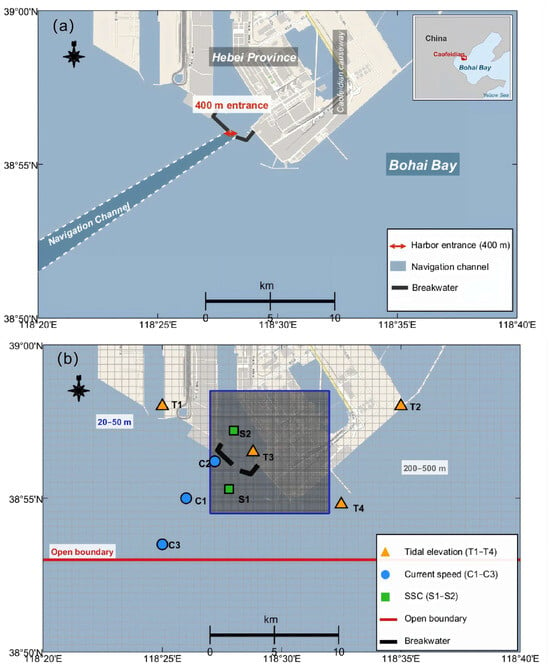
Three-Dimensional Numerical Simulation of Near-Field Hydrodynamic Response and Suspended Sediment Transport Characteristics Around the Caofeidian Port Breakwaters
by Yong-Qiang Zhang, Zhe Feng, Cong-Bo Xiong, Wan-Qing Chi and Wan-Jun Zhang
J. Mar. Sci. Eng. 2026, 14(11), 1018; https://doi.org/10.3390/jmse14111018 - 29 May 2026
Abstract
Breakwater construction at meso-tidal ports fundamentally alters near-field hydrodynamics and drives harbor sedimentation, yet the three-dimensional mechanisms linking entrance geometry to sediment flux remain poorly quantified. Here, we apply a validated Delft3D tidal–sediment coupled model to Caofeidian Port, Bohai Bay, comparing pre-construction baseline [...] Read more.
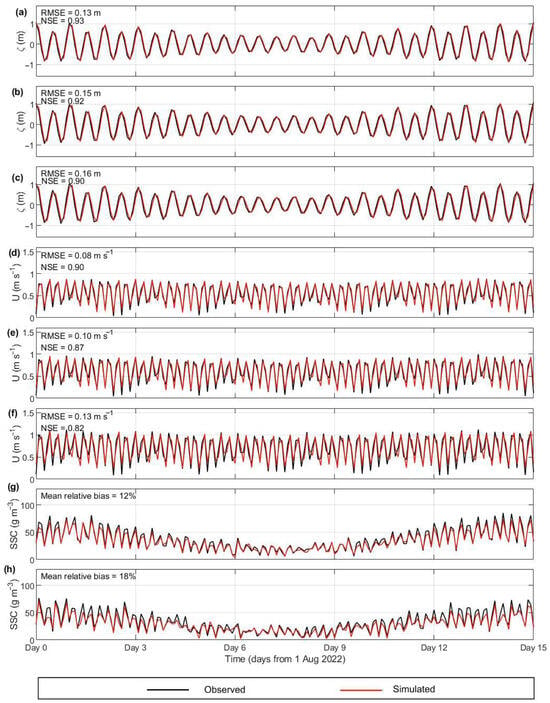
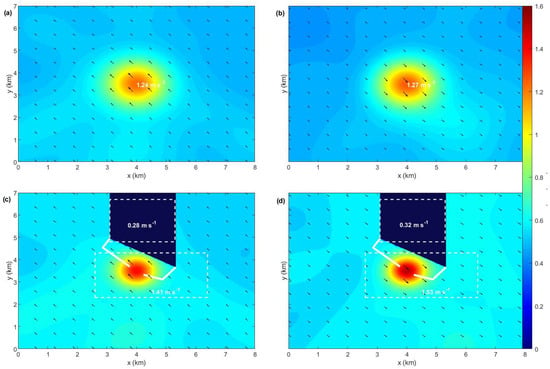
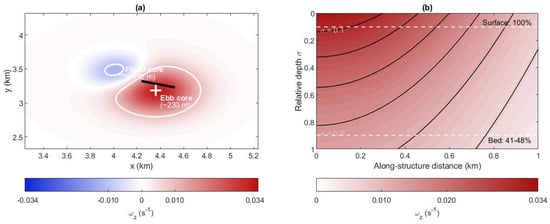
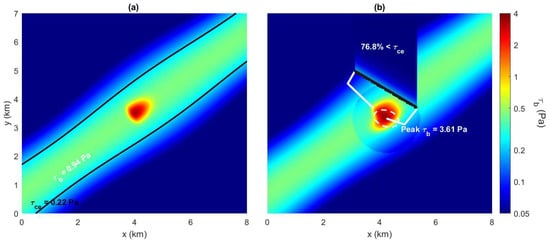
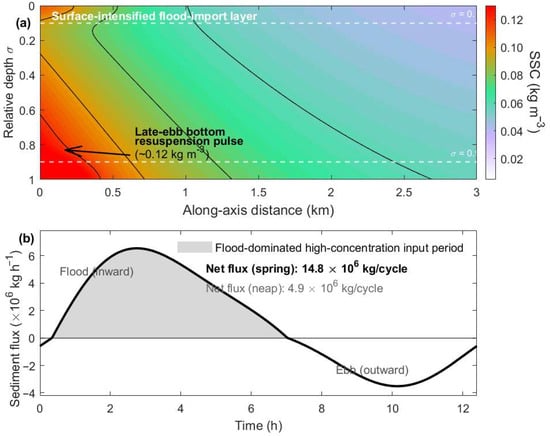
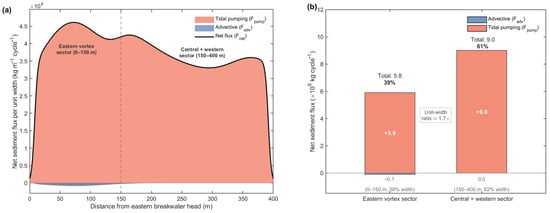
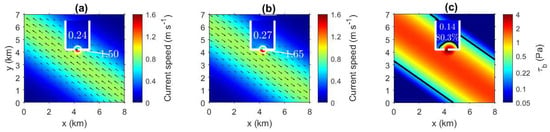
Breakwater construction at meso-tidal ports fundamentally alters near-field hydrodynamics and drives harbor sedimentation, yet the three-dimensional mechanisms linking entrance geometry to sediment flux remain poorly quantified. Here, we apply a validated Delft3D tidal–sediment coupled model to Caofeidian Port, Bohai Bay, comparing pre-construction baseline conditions against four entrance width scenarios (400, 300, 250, and 200 m). Breakwater enclosure reduces depth-averaged harbor velocities by 61.9–63.2% during spring tides, while generating tip-jet velocities of 1.41–1.53 m s−1 at the eastern breakwater head—exceeding pre-construction maxima by 14–18%. The eastern tip produces an ebb vortex (radius ~230 m; peak vorticity 0.034 s−1) approximately 34% larger and 62% more intense than its flood counterpart, driving vortex-assisted sediment recirculation toward the harbor interior despite ebb-dominant background velocities. Reynolds flux decomposition confirms that the eastern tip-vortex sector contributes ~39% of net sediment import (advective component: −0.7%), directly quantifying vortex-assisted recirculation as an independent transport mechanism. Bed shear stress falls below the critical erosion threshold (τce = 0.22 Pa) across 76.8% of the harbor area during spring tides (robust lower bound ~60% under wave-coupling correction), creating a structurally stable depositional interior, while the near-entrance zone sustains persistent tidal-cycle resuspension. Asymmetric tidal pumping—flood-phase open-sea SSC of 0.088 kg m−3 versus ebb-phase harbor SSC of 0.032–0.041 kg m−3—drives net spring-tide sediment import of 14.8 × 10⁶ kg per cycle (wave-coupled upper bound: 17.8–19.2 × 10⁶ kg per cycle). Entrance width reduction from 400 to 300 m achieves a favorable sedimentation-to-water exchange trade-off (marginal efficiency ratio 1.23), whereas further reduction to 200 m indicates onset of hydraulic choking. The marginal efficiency ratio declines sharply from 1.23 (400 → 300 m) to 1.03 (300 → 250 m) to 1.01 (250 → 200 m), indicating a hydraulic transition within the 250–300 m range that warrants targeted refinement in future studies. Full article
(This article belongs to the Section Ocean Engineering)
Show Figures

Figure 1

30 pages, 846 KB  
Review
The Hidden Link Between Intestinal Helminthiasis, Gut Microbiome Alterations, and Colorectal Cancer Risk: A Systematic Review
by Dieketseng Palesa Shemfe, Nontobeko Eunice Mvubu, Pragalathan Naidoo, Jennifer Giandhari, Doratha A. Byrd, Sayed Shakeel Kader and Zilungile L. Mkhize-Kwitshana
Int. J. Mol. Sci. 2026, 27(11), 4957; https://doi.org/10.3390/ijms27114957 (registering DOI) - 29 May 2026
Abstract
Colorectal cancer (CRC) is an increasing health concern in low- and middle-income countries (LMICs), especially in Africa, driven by dietary shifts, urbanisation, infections, and limited treatment access. The gut microbiome plays a central role in CRC, while soil-transmitted helminths (STHs) exert complex effects [...] Read more.
Colorectal cancer (CRC) is an increasing health concern in low- and middle-income countries (LMICs), especially in Africa, driven by dietary shifts, urbanisation, infections, and limited treatment access. The gut microbiome plays a central role in CRC, while soil-transmitted helminths (STHs) exert complex effects that can promote or mitigate risk depending on species, infection intensity, and host context. This systematic review synthesised 17 human studies (2000–2026) examining helminth impacts on gut microbial diversity, revealing a dualistic pattern. Several studies reported that chronic or moderate helminth infections, such as Ascaris lumbricoides and Trichuris trichiura, were associated with increased bacterial richness and the expansion of beneficial taxa, including Paraprevotellaceae, Parabacteroides, Agathobacter, Ruminococcaceae, and Lactobacillus. These taxa are associated with the production of short-chain fatty acids (SCFAs), protection of the epithelial barrier, and regulation of the immune system, suggesting a potential buffering effect against inflammation-driven carcinogenesis. On the contrary, other studies demonstrated helminth-associated dysbiosis characterised by reduced diversity and enrichment of pro-inflammatory and oncogenic taxa. T. trichiura and Strongyloides stercoralis infections were associated with the expansion of Treponema succinifaciens, Streptococcus gallolyticus, Enterobacteriaceae, and Ruminococcus torques, which are linked to reduced gut microbiome diversity, pro-inflammatory states, and oncogenic processes. Furthermore, A. lumbricoides infections altered the host microbiome at the phylum level, with increased Proteobacteria and reduced Firmicutes and Bacteroidetes, alongside metabolome shifts in amino acid and lipid pathways that have been associated with tumourigenic processes. Collectively, the evidence shows that helminthiasis may either enrich potentially protective microbes or be associated with pro-tumourigenic dysbiosis, with outcomes shaped by species, infection intensity, and host context. Notably, none of the included studies directly assessed CRC, underscoring the fact that current evidence is indirect and mechanistic. Overall, helminths are associated with gut microbiome shifts in both potentially protective and potentially harmful directions. This systematic synthesis of human evidence provides an integrated understanding of how helminth-associated microbiome shifts may influence colorectal carcinogenesis and highlights the need for longitudinal mechanistic studies to clarify causality and inform biomarker discovery and prevention in endemic regions. Full article
24 pages, 7456 KB  
Article
Preparation of Oral Artesunate-Chitosan Oligosaccharide–Retinoic Acid Copolymer Micelles for Attenuating Hepatic Fibrosis
by Shiyuan Lin, Feixian Lu, Qiao Li, Kefeng Zhang, Wei Zhang, Hui Chen and Jianxin Wang
Pharmaceutics 2026, 18(6), 682; https://doi.org/10.3390/pharmaceutics18060682 (registering DOI) - 29 May 2026
Abstract
Background: Hepatic fibrosis is characterized by the abnormal activation of hepatic stellate cells (HSCs) and excessive deposition of the extracellular matrix. Currently, effective clinical therapeutic strategies remain limited. Modulating ferroptosis-related pathways in activated HSCs has emerged as a promising therapeutic target for hepatic [...] Read more.
Background: Hepatic fibrosis is characterized by the abnormal activation of hepatic stellate cells (HSCs) and excessive deposition of the extracellular matrix. Currently, effective clinical therapeutic strategies remain limited. Modulating ferroptosis-related pathways in activated HSCs has emerged as a promising therapeutic target for hepatic fibrosis treatment. Methods: An amphiphilic copolymer was synthesized by conjugating COS with ART, which spontaneously self-assembled into micelles; subsequent modification with retinoic acid (RA) yielded RA-functionalized ART–COS copolymer micelles. Curcumin was selected as a model drug to evaluate the potential of the micelles in enhancing intestinal epithelial transport, oral absorption and bioavailability. Meanwhile, in vitro targeting ability, capacity to modulate ferroptosis in HSCs and in vivo therapeutic efficacy were systematically investigated. Results: The RA-functionalized ART–COS micelles significantly enhanced intestinal epithelial drug transport, oral absorption, and bioavailability. In vitro experiments demonstrated that the micelles preferentially accumulate in activated HSCs, inhibit GPX4 expression, and induce excessive ROS production and ferroptosis, thereby effectively attenuating hepatic fibrosis. In vivo studies confirmed that the micelles regulated extracellular matrix metabolism, reduced collagen deposition, suppressed the activation and proliferation of HSCs, and ultimately helped attenuate hepatic fibrosis progression. Conclusions: This study successfully developed RA-functionalized ART–COS copolymer micelles. The micelles improve the accumulation of artesunate in liver tissue and yield favorable anti-fibrotic effects, thereby providing a promising translational strategy for anti-fibrotic therapy. Full article
(This article belongs to the Section Drug Targeting and Design)
24 pages, 674 KB  
Review
Free Radical Formation in the Reactions of Redox-Active Drugs and Xenobiotics with Mitochondrial Flavoenzymes
by Narimantas Čėnas
Biomolecules 2026, 16(6), 810; https://doi.org/10.3390/biom16060810 (registering DOI) - 29 May 2026
Abstract
The single-electron reduction of redox-active drugs and xenobiotics (quinones, aromatic nitrocompounds, and N-oxides) by flavoenzymes, which initiates redox cycling and oxidative stress, is an important factor in their therapeutic/toxic effects. This review summarizes information on the action of mitochondrial flavoenzymes from various [...] Read more.
The single-electron reduction of redox-active drugs and xenobiotics (quinones, aromatic nitrocompounds, and N-oxides) by flavoenzymes, which initiates redox cycling and oxidative stress, is an important factor in their therapeutic/toxic effects. This review summarizes information on the action of mitochondrial flavoenzymes from various organisms in these processes, emphasizing the kinetic and mechanistic aspects. The flavoenzymes discussed also include those of which only a fraction is localized in mitochondria. According to kinetic data, the most effective generator of free radicals of xenobiotics is respiratory Complex I. However, it is unclear to what extent these reactions can compete with the rapid reduction of ubiquinone in normally functioning mitochondria. In specific cases, a very active free radical generator can be the NADPH:adrenodoxin reductase–adrenodoxin complex. The properties of other dehydrogenases–electrontransferases (succinate:ubiquinone reductase, fatty acid oxidation system) are less well characterized. Due to its high catalytic capacity, a potential but poorly studied source of free radicals of xenobiotics may be NADH:cytochrome b5 reductase and its complex with cytochrome b5. Flavoenzyme disulfide reductases, with the possible exception of Plasmodium falciparum thioredoxin reductase, are less active free radical generators. Importantly, in most cases, flavoenzymes perform the mixed single- and two-electron reduction of xenobiotics. According to the available data, the reactivity of redox cyclers depends mostly on their standard single-electron reduction potential and is little influenced by their structure. Therefore, in order to intensify these processes or achieve some structural specificity, it is necessary to focus on the selective accumulation of compounds in mitochondria. Full article
(This article belongs to the Special Issue Mitochondrial ROS in Health and Disease: 2nd Edition)
16 pages, 1004 KB  
Article
Estimation of Ramie Key Phenotypic Traits Based on UAV Remote Sensing
by Hongyu Fu, Wei Wang, Jihao Nie, Guoxian Cui, Wei She and Tao Xue
Agriculture 2026, 16(11), 1210; https://doi.org/10.3390/agriculture16111210 - 29 May 2026
Abstract
UAV-based phenotyping enables efficient high-throughput measurement of field crops. Phenotypic monitoring of ramie is critical for its cultivation management and variety breeding. However, ramie exhibits characteristics including multiple annual harvests, short growth cycles and rapid dynamic growth change, all of which increase the [...] Read more.
UAV-based phenotyping enables efficient high-throughput measurement of field crops. Phenotypic monitoring of ramie is critical for its cultivation management and variety breeding. However, ramie exhibits characteristics including multiple annual harvests, short growth cycles and rapid dynamic growth change, all of which increase the difficulty of growth monitoring and yield estimation. This study aims to utilize UAV-based multispectral remote sensing to estimate ramie plant height (PH), leaf area index (LAI), and above-ground biomass (AGB) over multiple time series, and to assess the influence of seasonal effects and different data processing strategies on the accuracy of ramie digital phenotyping. Over three ramie growth cycles, a total of 15 UAV flights were conducted over an experimental field consisting of 72 plots. The structure from motion (SfM) algorithm was applied to estimate PH. Remote sensing features derived from UAV imagery were used with background segmentation and machine learning to estimate LAI. The AGB was estimated by combining remote sensing-derived PH, LAI, and climate data. The results showed that the estimated and measured phenotypes were highly correlated, with optimal coefficients of determination of 0.961 for PH and 0.873 for LAI. Background segmentation improved LAI accuracy. Integrating climate data, remote sensing-derived PH and LAI significantly enhanced the accuracy of AGB estimation. In conclusion, this study provides a feasible method for extracting ramie phenotypes from UAV remote sensing imagery, providing methodological support for large-scale management of the crop industry and intelligent, precise monitoring of crop growth. Full article
(This article belongs to the Topic Digital Agriculture, Smart Farming and Crop Monitoring)

Open Access Journals

Browse by Indexing Browse by Subject Selected Journals
Back to TopTop