All articles published by MDPI are made immediately available worldwide under an open access license. No special
permission is required to reuse all or part of the article published by MDPI, including figures and tables. For
articles published under an open access Creative Common CC BY license, any part of the article may be reused without
permission provided that the original article is clearly cited. For more information, please refer to
https://www.mdpi.com/openaccess.
Feature papers represent the most advanced research with significant potential for high impact in the field. A Feature
Paper should be a substantial original Article that involves several techniques or approaches, provides an outlook for
future research directions and describes possible research applications.
Feature papers are submitted upon individual invitation or recommendation by the scientific editors and must receive
positive feedback from the reviewers.
Editor’s Choice articles are based on recommendations by the scientific editors of MDPI journals from around the world.
Editors select a small number of articles recently published in the journal that they believe will be particularly
interesting to readers, or important in the respective research area. The aim is to provide a snapshot of some of the
most exciting work published in the various research areas of the journal.
Gram-positive cocci of the Enterococcus genus, despite their prevalence in the environment and the microbiota of healthy people, have become a serious threat in hospitals as opportunistic pathogens. These bacteria have many virulence factors and intrinsic resistance to existing drugs, which significantly narrows
[...] Read more.
Gram-positive cocci of the Enterococcus genus, despite their prevalence in the environment and the microbiota of healthy people, have become a serious threat in hospitals as opportunistic pathogens. These bacteria have many virulence factors and intrinsic resistance to existing drugs, which significantly narrows the group of effective antimicrobials. Due to the spread of Multi-Drug-Resistant (MDR) strains, there is a need to search for new substances as potential antibiotics. Our work aimed to evaluate the antimicrobial effect of commercially available products (five oils containing cannabidiol (CBD) and its derivatives and one 99% CBD product in the form of crystals) on 20 clinical strains of E. faecalis and E. faecium. We determined the Minimal Inhibitory Concentration (MIC) of CBD oils using the microdilution method in Mueller–Hinton broth (MHB). The CBD displayed antibacterial properties against all tested Enterococcus spp. strains (MIC ≤ 1 μg/mL). The higher concentration of CBD resulted in a larger antibacterial effect. The obtained MICs of pure CBD and CBD crystals were statistically lower (W = 97, p < 0.001) for E. feacium than E. faecalis. This work confirms the antibacterial activity of CBD on Enterococcus spp., providing a solid basis for further research that can help identify new therapeutic options and gain a deeper understanding of the CBD mechanism of action.
Full article
Chitin–glucan complex (CGC) is a naturally occurring heteropolysaccharide in which chitin chains are covalently integrated with β-glucans, forming a rigid structural framework in fungal and yeast cell walls. CGC exhibits a broad spectrum of functional properties, including antimicrobial, antioxidant, adsorption, and tissue-regenerative activities;
[...] Read more.
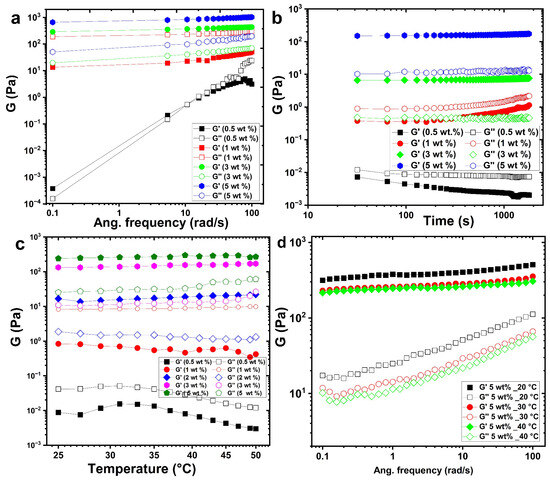
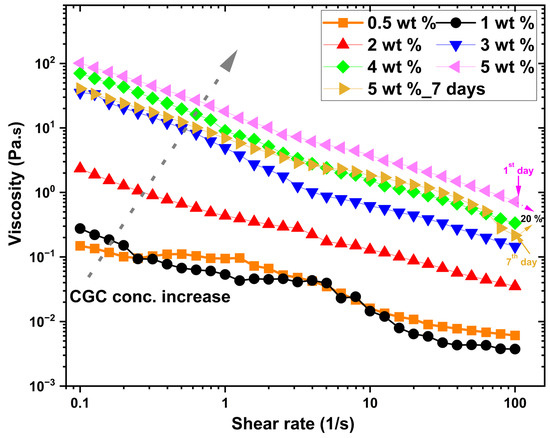
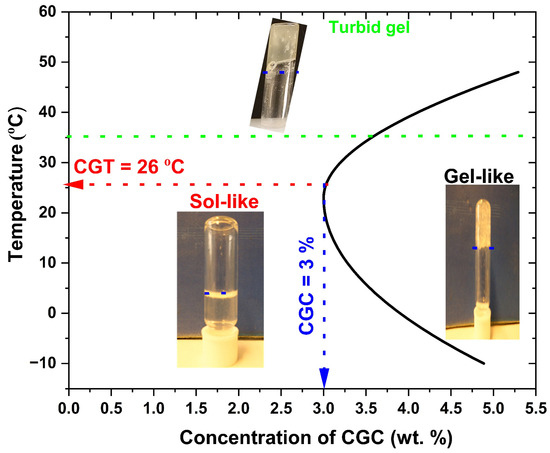
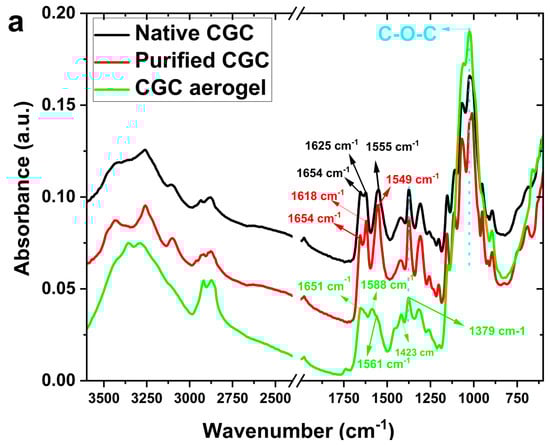
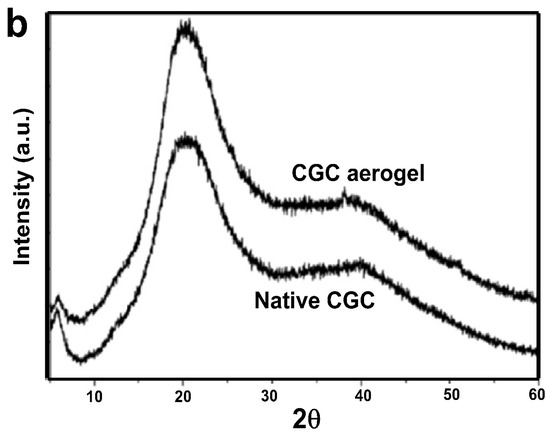
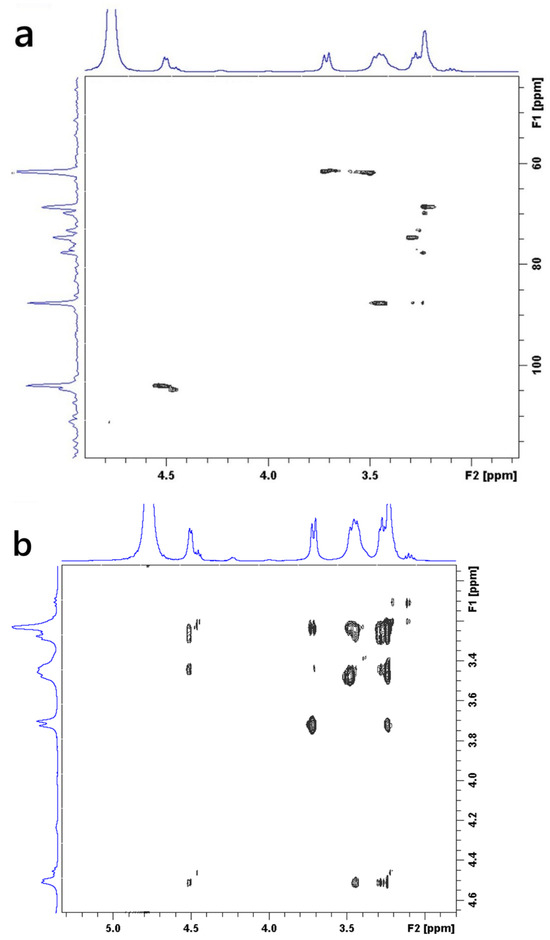
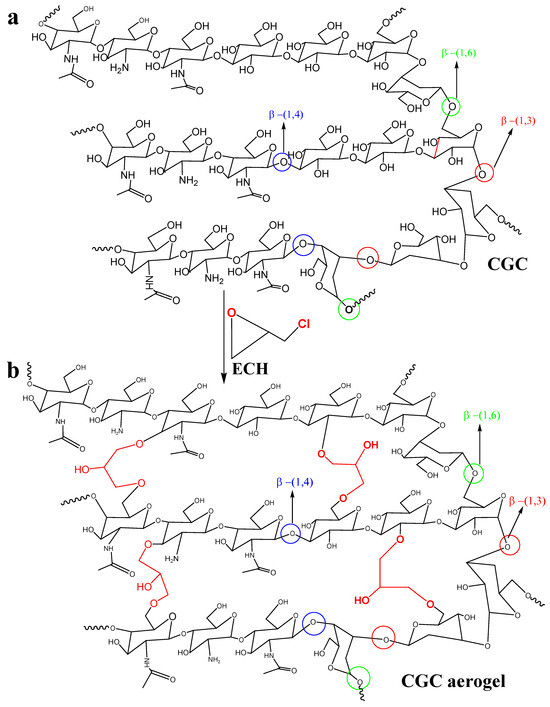
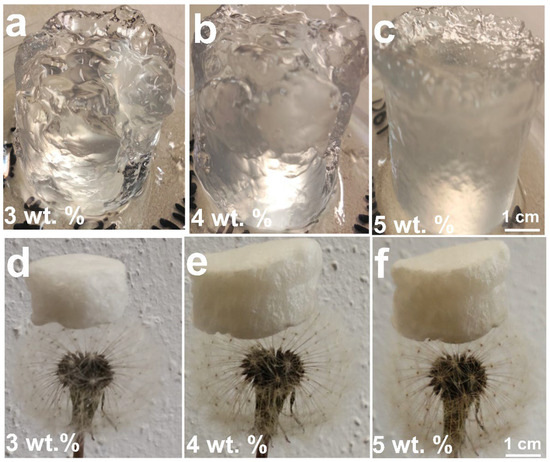
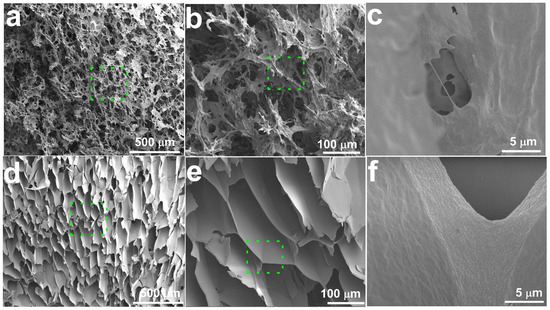
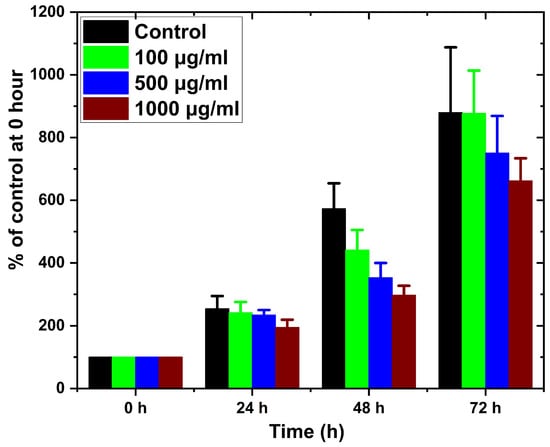
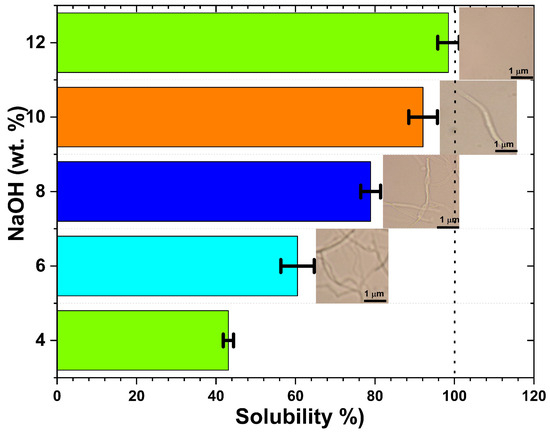
Chitin–glucan complex (CGC) is a naturally occurring heteropolysaccharide in which chitin chains are covalently integrated with β-glucans, forming a rigid structural framework in fungal and yeast cell walls. CGC exhibits a broad spectrum of functional properties, including antimicrobial, antioxidant, adsorption, and tissue-regenerative activities; however, its technological exploitation has been severely constrained by its intrinsic insolubility in water and most common solvents. In this work, CGC was isolated from Aspergillus niger mycelial biomass and, for the first time, completely dissolved in a precooled aqueous NaOH/urea solvent system (12 wt.% NaOH, 8 wt.% urea) within 5 min at ambient temperature, yielding a clear and stable solution. The influence of alkali concentration on dissolution efficiency and solution stability was systematically examined. Structural integrity and covalent linkage between chitin/chitosan and glucan segments were confirmed using FTIR spectroscopy, two-dimensional NMR, and electron microscopy. The degree of deacetylation determined by NMR was approximately 25%. Rheological analysis revealed concentration- and temperature-dependent sol–gel transitions, with well-defined storage and loss moduli during gelation. Crosslinking with epichlorohydrin enabled the fabrication of lightweight, highly porous three-dimensional CGC aerogels. In vitro cytocompatibility studies using NIH 3T3 fibroblasts demonstrated no detectable cytotoxicity over 72 h. These results establish a green, efficient route for CGC dissolution and processing and highlight the promise of CGC aerogels as sustainable biomaterials for biomedical and environmental applications.
Full article
Based on static scale inhibition experiments and molecular dynamics (MD) simulations, this study investigated the influence of concentration and temperature on the scale inhibition performance and adsorption behavior of the hydroxyphosphonic acid-based XCN scale inhibitor on calcite (104) surfaces. Experimental results demonstrate that
[...] Read more.
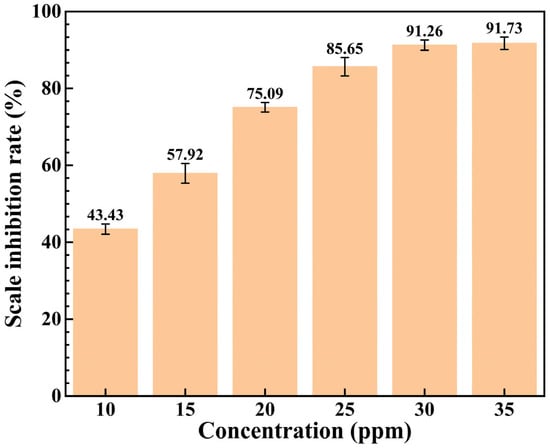
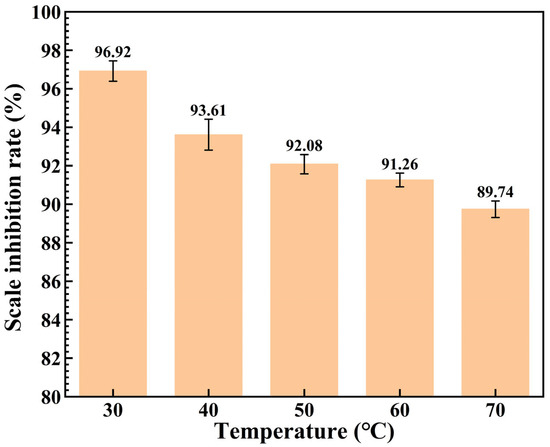
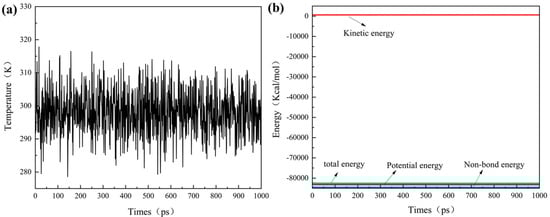
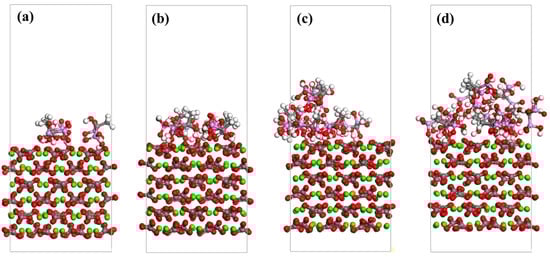
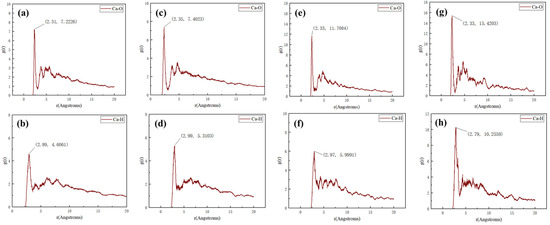
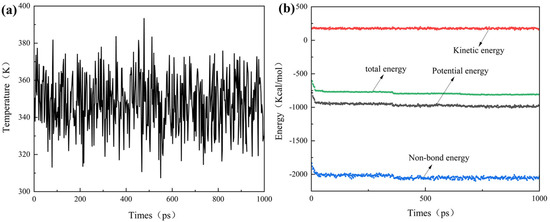
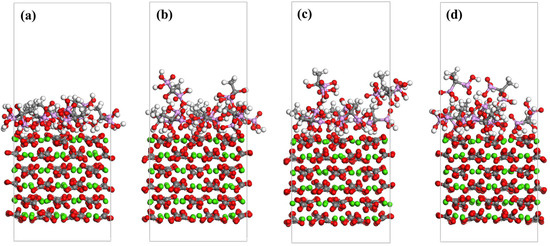
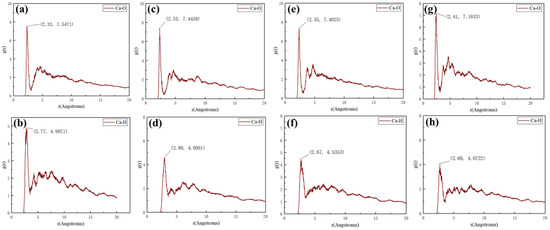
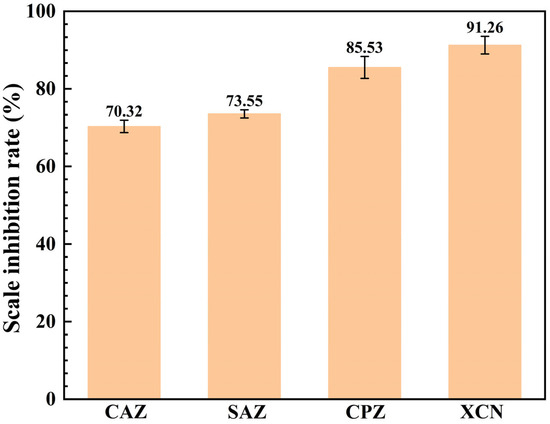
Based on static scale inhibition experiments and molecular dynamics (MD) simulations, this study investigated the influence of concentration and temperature on the scale inhibition performance and adsorption behavior of the hydroxyphosphonic acid-based XCN scale inhibitor on calcite (104) surfaces. Experimental results demonstrate that XCN exhibits excellent inhibition efficiency against CaCO3 scale, achieving 91.26% at 30 ppm and 60 °C. Further increasing the concentration to 35 ppm improves the inhibition rate by only 0.52%, a marginal gain attributable to the threshold effect. Performance improves with decreasing temperature, increasing from 91.26% at 60 °C to 96.92% at 30 °C. MD simulations reveal that the adsorption energy between XCN and calcite peaks at a specific molecular count (9 molecules), indicating optimal surface coverage. Radial distribution function analyses confirm chemisorption via Ca-O and Ca-H interactions within 1–3.5 Å, inducing lattice distortion that inhibits crystal growth. However, increasing temperature weakens adsorption and promotes molecular desorption, reducing inhibition efficiency. These findings provide molecular-level insights into the threshold and thermal behaviors of phosphonic acid scale inhibitors, supporting the optimized application of XCN in oilfield operations.
Full article
Gastrointestinal disorders negatively affect populations worldwide. Considering the side effects of synthetic drugs, natural products can be a safe and effective alternative to help treat gastric ulcers and diarrhea. In this context, the present study reviewed the antiulcerogenic and antidiarrheal activities of species
[...] Read more.
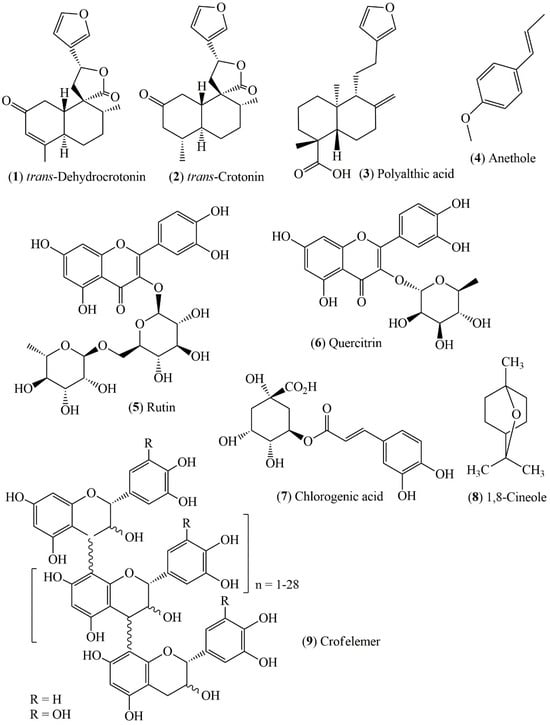
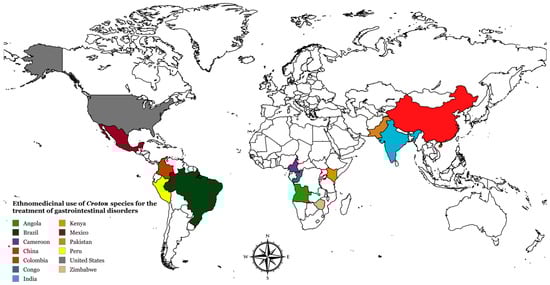
Gastrointestinal disorders negatively affect populations worldwide. Considering the side effects of synthetic drugs, natural products can be a safe and effective alternative to help treat gastric ulcers and diarrhea. In this context, the present study reviewed the antiulcerogenic and antidiarrheal activities of species of the genus Croton (Euphorbiaceae). The scientific documents were retrieved from different databases, covering publications from the first report on the topic in 1998 to October 2025. Although the genus Croton comprises approximately 1200 species, only 11 have been evaluated for their antiulcerogenic and antidiarrheal potential in in vivo and in vitro studies. Among the identified bioactive constituents, the diterpenes trans-dehydrocrotonin and trans-crotonin, isolated from Croton cajucara, demonstrated significant antiulcerogenic activity in several experimental models in vivo. Similarly, the compound crofelemer, isolated from the latex of the bark of Croton lechleri, has shown promising results in several clinical trials for the treatment of diarrhea. Furthermore, flavonoids including rutin and quercitrin have been detected in Croton campestris. Regarding gastroprotective mechanisms, evidence suggests that extracts and essential oils obtained from Croton species may act through the nitric oxide pathway, promoting an antiulcerogenic effect. Additional studies are needed to investigate the gastroprotective and antiulcerogenic potential of at least 17 Croton species used empirically in traditional medicine for the treatment of gastrointestinal disorders but still without scientific validation.
Full article
The study focuses on the design of an intelligent information-control system (ICS) for metallurgical production, aimed at robust forecasting of technological parameters and automatic self-adaptation under noise, anomalies, and data drift. The proposed architecture integrates a hybrid LSTM–DNN model with low-discrepancy hypercube sampling
[...] Read more.
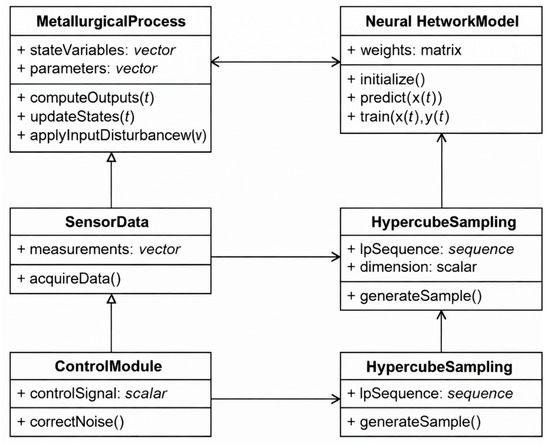
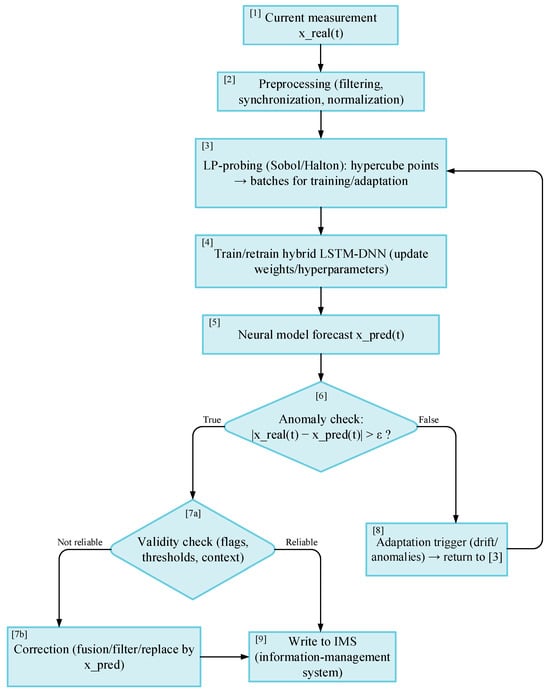
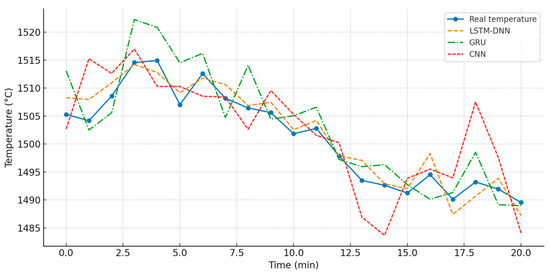
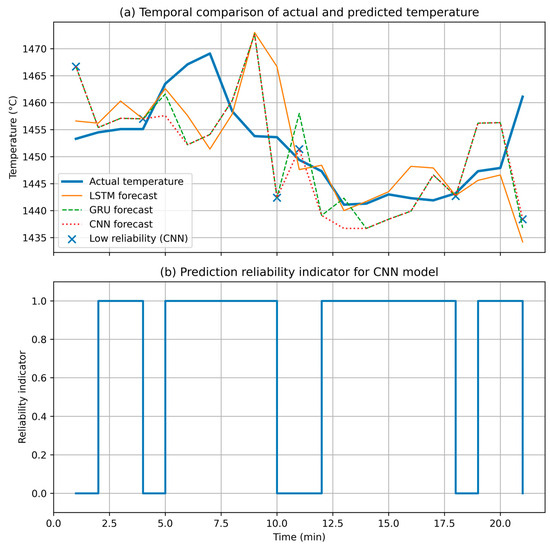
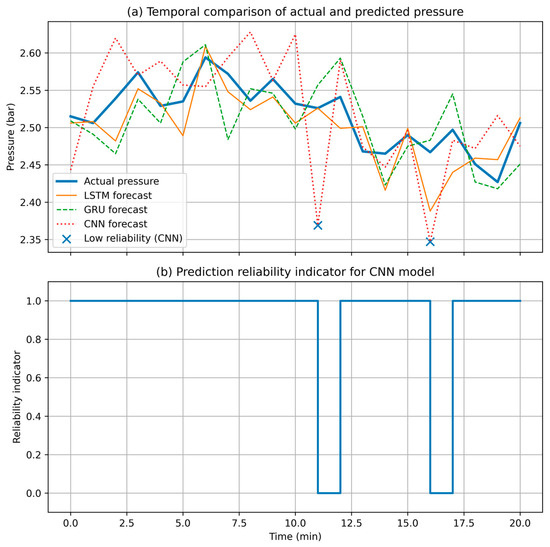
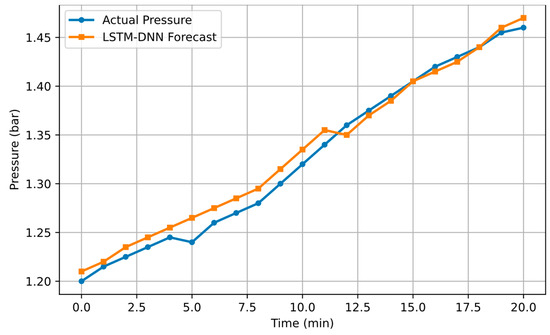
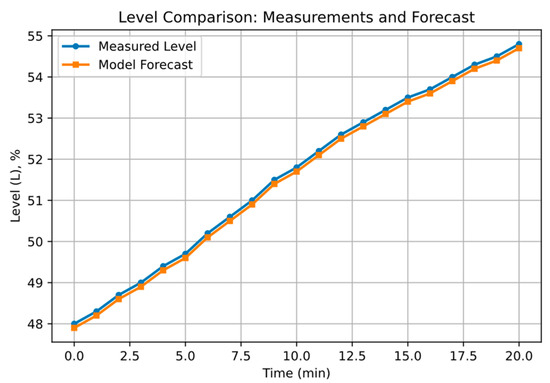
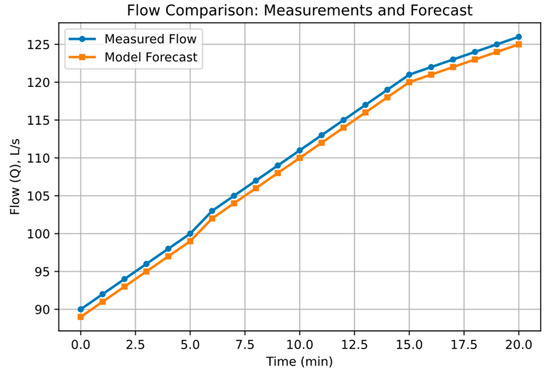
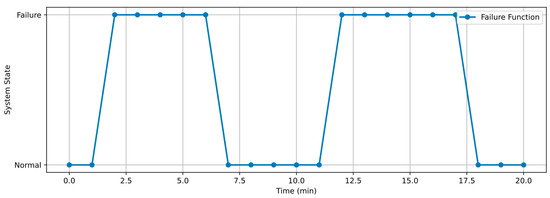
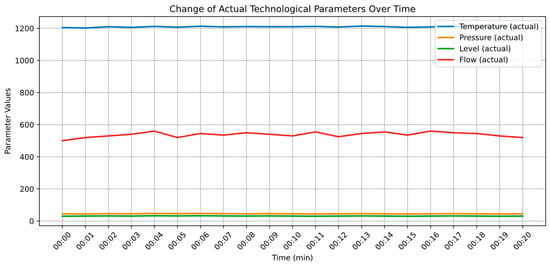
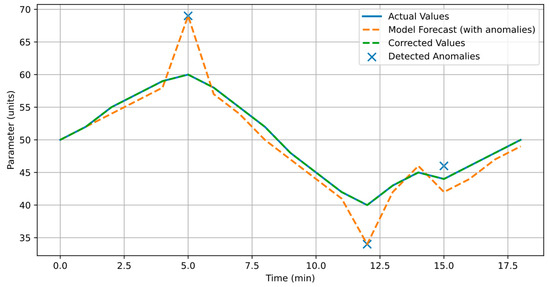
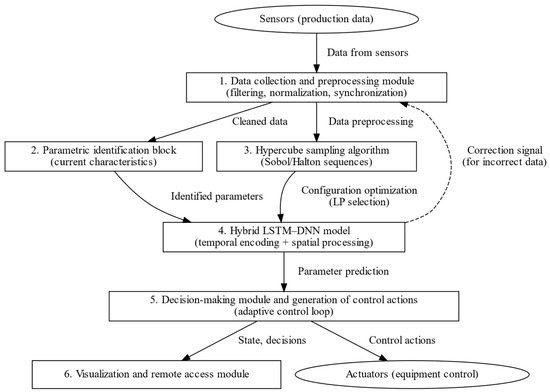
The study focuses on the design of an intelligent information-control system (ICS) for metallurgical production, aimed at robust forecasting of technological parameters and automatic self-adaptation under noise, anomalies, and data drift. The proposed architecture integrates a hybrid LSTM–DNN model with low-discrepancy hypercube sampling using Sobol and Halton sequences to ensure uniform coverage of operating conditions and the hyperparameter space. The processing pipeline includes preprocessing and temporal synchronization of measurements, a parameter identification module, anomaly detection and correction using an ε-threshold scheme, and a decision-making and control loop. In simulation scenarios modeling the dynamics of temperature, pressure, level, and flow (1 min sampling interval, injected anomalies, and measurement noise), the hybrid model outperformed GRU and CNN architectures: a determination coefficient of R2 > 0.92 was achieved for key indicators, MAE and RMSE improved by 7–15%, and the proportion of unreliable measurements after correction decreased to <2% (compared with 8–12% without correction). The experiments also demonstrated accelerated adaptation during regime changes. The scientific novelty lies in combining recurrent memory and deep nonlinear approximation with deterministic experimental design in the hypercube of states and hyperparameters, enabling reproducible self-adaptation of the ICS and increased noise robustness without upgrading the measurement hardware. Modern metallurgical information-control systems operate under non-stationary regimes and limited measurement reliability, which reduces the robustness of conventional forecasting and decision-support approaches. To address this issue, a hybrid LSTM–DNN architecture combined with low-discrepancy hypercube probing and anomaly-aware data correction is proposed. The proposed approach is distinguished by the integration of hybrid neural forecasting, deterministic hypercube-based adaptation, and anomaly-aware data correction within a unified information-control loop for non-stationary industrial processes.
Full article
Trajectory prediction constitutes a key technology for intelligent systems to forecast future movements of dynamic agents, yet it faces significant challenges due to the uncertainty of motion behavior. We propose iDMa, a stochastic trajectory prediction framework that pioneers the integration of diffusion model
[...] Read more.
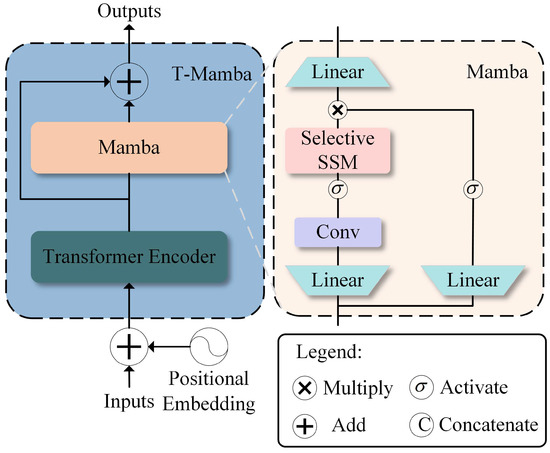
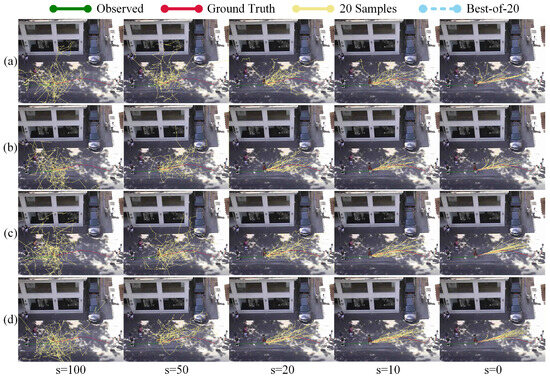
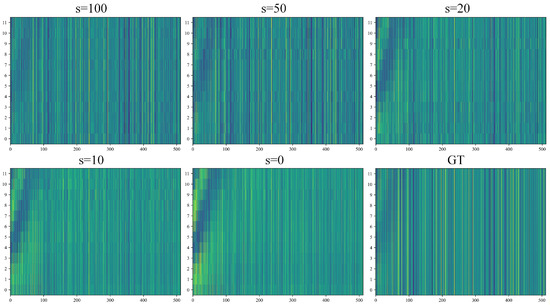
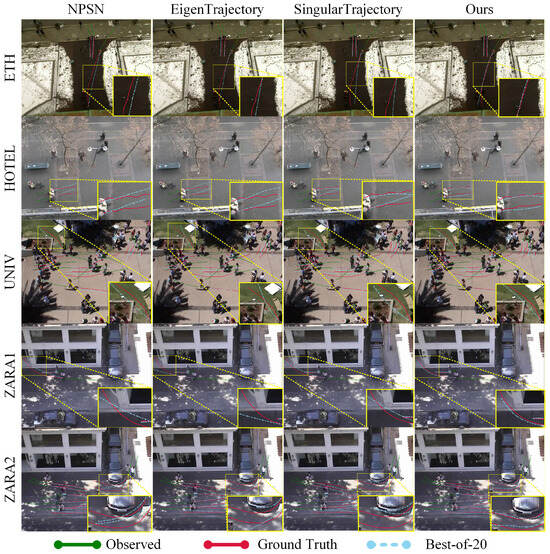
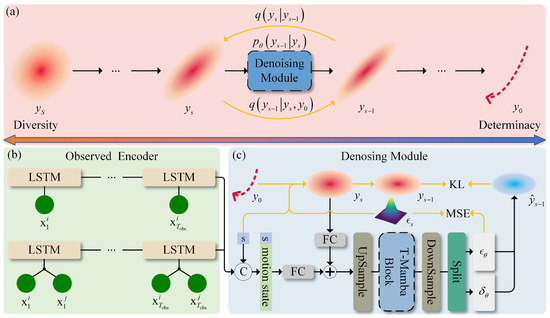
Trajectory prediction constitutes a key technology for intelligent systems to forecast future movements of dynamic agents, yet it faces significant challenges due to the uncertainty of motion behavior. We propose iDMa, a stochastic trajectory prediction framework that pioneers the integration of diffusion model with Mamba architecture to achieve high-precision and high-efficiency trajectory generation. Our approach introduces two key innovations: (1) a dual-parameter learning mechanism that optimizes noise estimation of mean and variance space, unlike conventional diffusion methods that employ fixed variance during the denoising process, so as to constrain the feasible domain more accurately; (2) a hybrid denoising backbone network that incorporates Transformer encoders and Mamba blocks. Compared to existing state-of-the-art methods, iDMa reduces the average displacement error (ADE) by 4.76% (0.20 vs. 0.21) on the ETH-UCY dataset and 1.85% (7.95 vs. 8.10) on the SDD dataset.
Full article
Plant essential oils have gained attention for their green and safe characteristics in recent years. However, negative effects on sensory attributes caused by high concentrations hinder their application in foods. The synergistic antibacterial activity and mechanism of basil (BEO) and ginger (GEO) essential
[...] Read more.
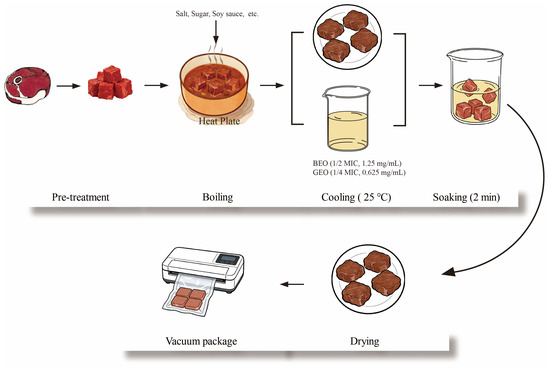
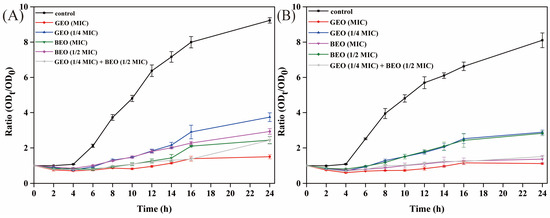
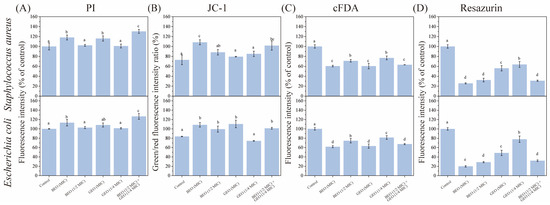
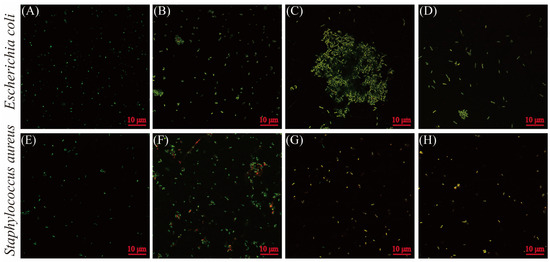
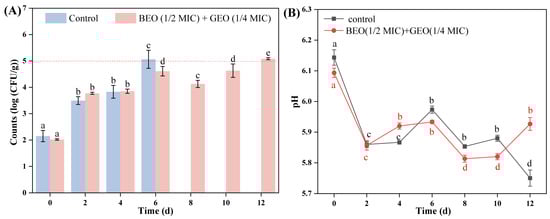
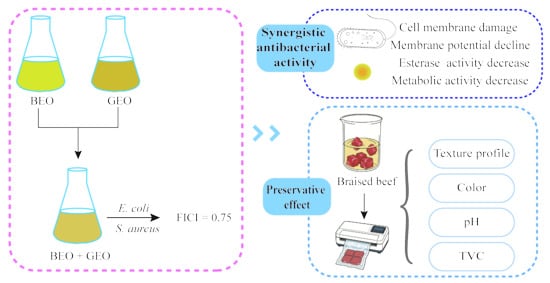
Plant essential oils have gained attention for their green and safe characteristics in recent years. However, negative effects on sensory attributes caused by high concentrations hinder their application in foods. The synergistic antibacterial activity and mechanism of basil (BEO) and ginger (GEO) essential oils against Escherichia coli and Staphylococcus aureus were investigated in this study. The preservative effect on braised beef, a Chinese traditional meat product, of combined BEO and GEO was also studied. Both BEO and GEO displayed notable antibacterial activity when applied individually against E. coli and S. aureus. Moreover, the combination of BEO and GEO exhibited synergistic activity, with a fractional inhibitory concentration index of 0.75. The BEO + GEO combination reduced bacterial metabolism, ruptured bacterial membranes, reduced membrane potential, and destructed intracellular enzymes and the membrane integrity of E. coli and S. aureus. The application of BEO + GEO in braised beef could effectively maintain its quality and prolong its shelf life by inhibiting bacterial growth, preventing texture changes and color deterioration. The combination of BEO and GEO exhibited a synergistic antibacterial activity, providing effective preservation of braised beef. The findings contribute valuable insights into the development of natural antibacterial preservatives for meat products.
Full article
Background/Objectives: Menstrual blood, a periodic uterine discharge, represents a non-invasive source for an indication of the functional status of the endometrium. While menstrual blood-derived stem cells have been extensively characterized and menstrual blood is considered a diagnostic material for the analysis of
[...] Read more.
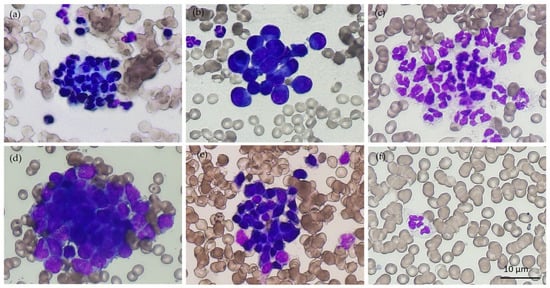
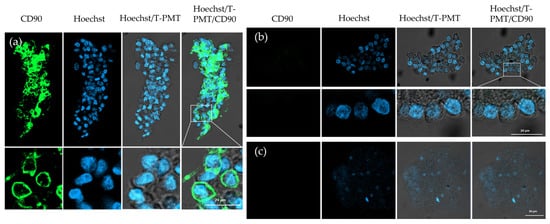
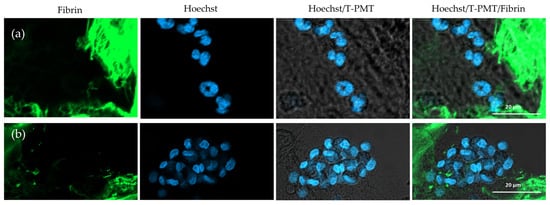
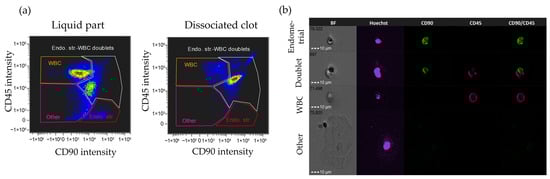
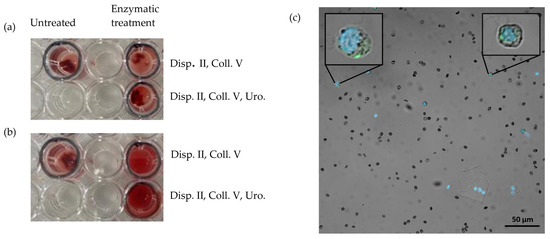
Background/Objectives: Menstrual blood, a periodic uterine discharge, represents a non-invasive source for an indication of the functional status of the endometrium. While menstrual blood-derived stem cells have been extensively characterized and menstrual blood is considered a diagnostic material for the analysis of gynecologic pathology in research studies, it is not routinely used in clinical settings. To develop novel noninvasive diagnostic tools for endometrial status assessment, we aimed to characterize the morphological and molecular markers of menstrual blood. Methods: Menstrual blood samples were obtained from healthy volunteers and characterized macroscopically and microscopically using smears (May-Grunwald-Giemsa staining), confocal microscopy, and imaging flow cytometry (cluster of differentiation [CD]90, CD45, fibrin). Clot dissociation was performed to analyze the cellular composition of clots. Results: We morphologically characterized menstrual blood cells and identified three uterine-derived cells and cell cluster types (endometrial stromal, endometrial epithelial, and vaginal epithelial). Additionally, we confirmed the specificity of CD90 for endometrial stromal cell populations, which were separately characterized in the supernatant and menstrual blood clots using light and confocal microscopy, and we analyzed the composition of the menstrual blood supernatant and dissociated clots using imaging flow cytometry. Conclusions: The results of this study may serve as a foundation for the development of new non-invasive diagnostic tools for endometrial pathology for the potential support or replacement of highly invasive procedures, such as diagnostic dilation and curettage.
Full article
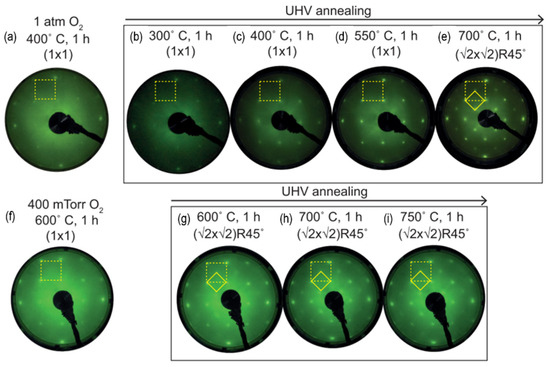
ABO3 perovskite oxides are a versatile class of materials whose surfaces and interfaces play essential roles in sustainable energy technologies, including catalysis, solid oxide fuel and electrolysis cells, thermoelectrics, and energy-relevant oxide electronics. The interplay between point defects and surface reconstructions strongly
[...] Read more.
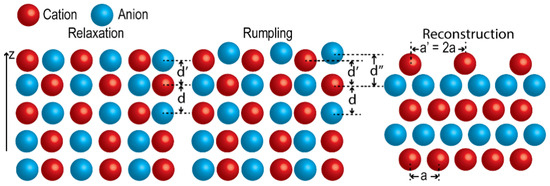
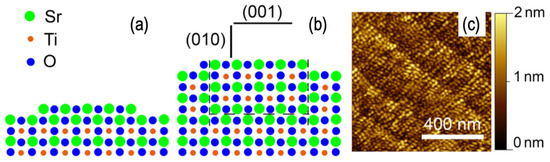
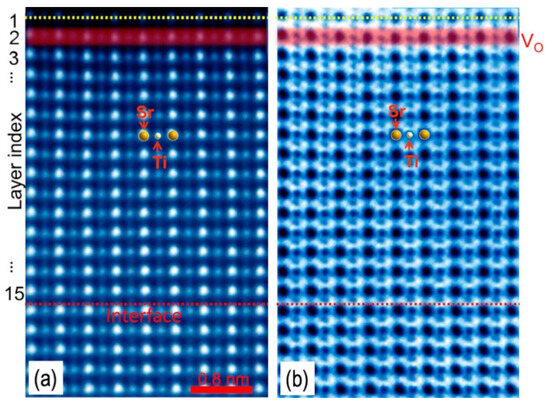
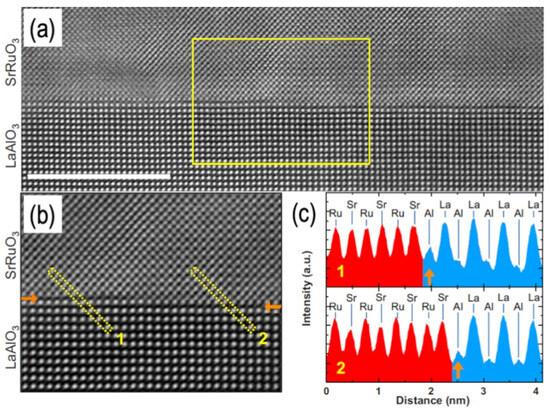
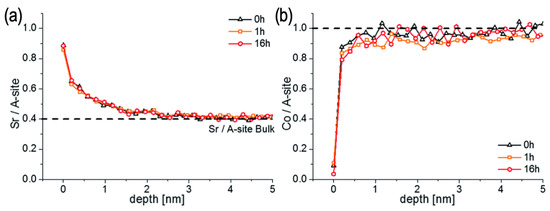
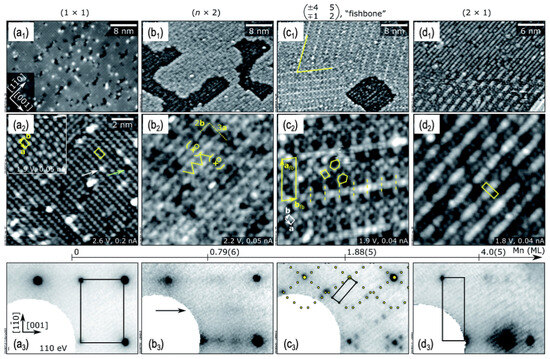
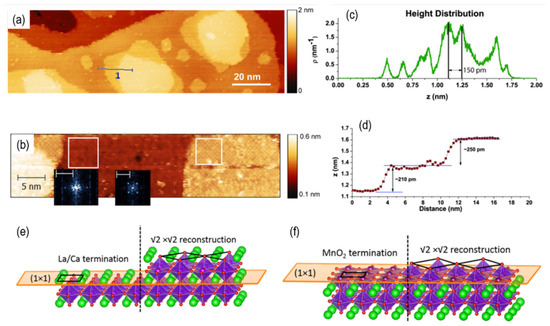
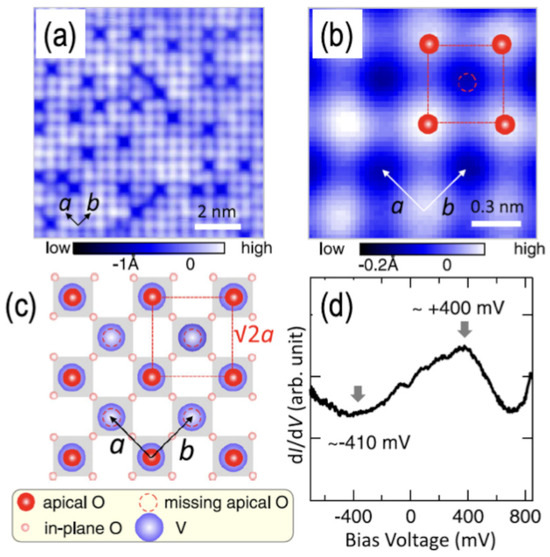
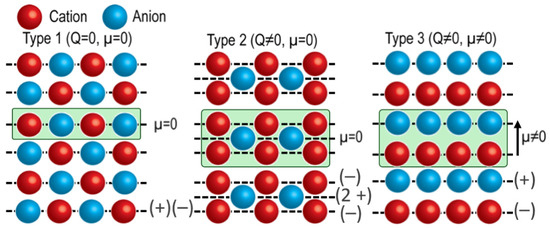
ABO3 perovskite oxides are a versatile class of materials whose surfaces and interfaces play essential roles in sustainable energy technologies, including catalysis, solid oxide fuel and electrolysis cells, thermoelectrics, and energy-relevant oxide electronics. The interplay between point defects and surface reconstructions strongly affects interfacial stability, charge transport, and catalytic activity under operating conditions. This review summarizes recent progress in understanding how oxygen vacancies, cation nonstoichiometry, and electronic defects couple to atomic-scale surface rearrangements in representative perovskite systems. We first revisit Tasker’s classification of ionic surfaces and clarify how defect chemistry provides compensation mechanisms that stabilize otherwise polar or metastable terminations. We then discuss experimental and theoretical insights into defect-mediated reconstructions on perovskite surfaces and how they influence the performance of energy conversion devices. Finally, we conclude with a perspective on design strategies that leverage defect engineering and surface control to enhance functionality in energy applications, aiming to connect fundamental surface science with practical materials solutions for the transition to sustainable energy.
Full article
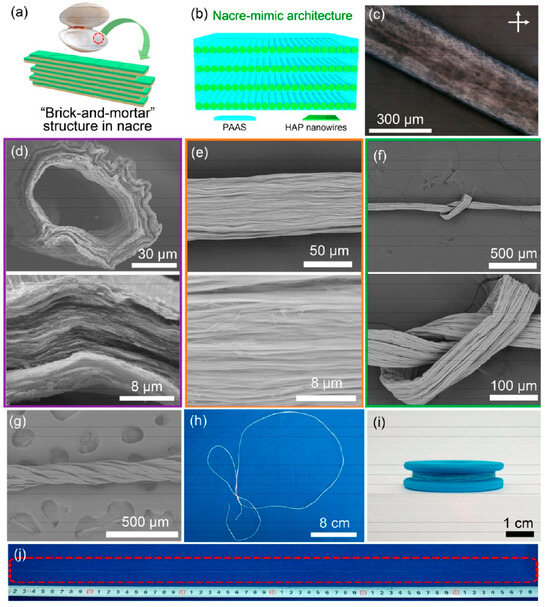
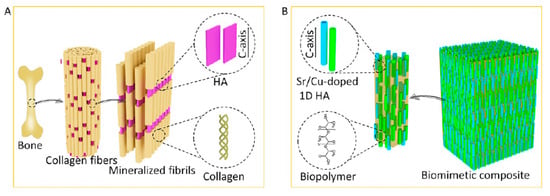
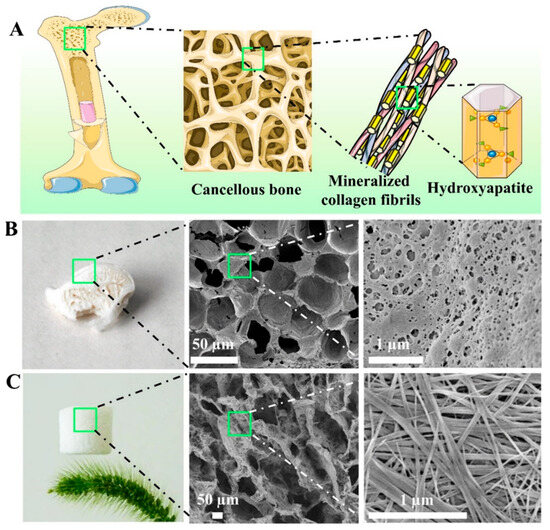
Traditional hydroxyapatite materials are inherently stiff and brittle, limiting their applications. Flexible ultralong hydroxyapatite nanowires, characterized by nano-scale diameters and micrometer-scale lengths, offer a promising alternative as one-dimensional flexible building blocks for constructing high-performance biomimetic materials. Nature has evolved a variety of high-performance
[...] Read more.
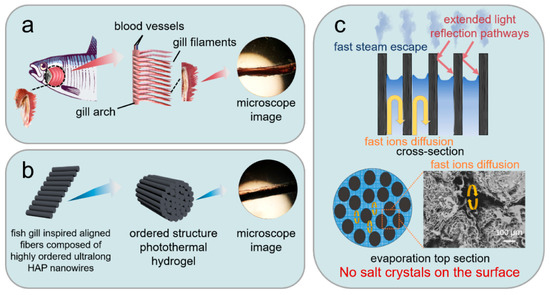
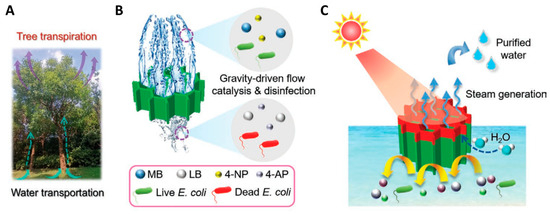
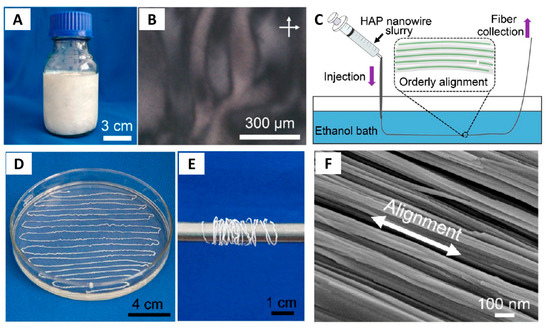
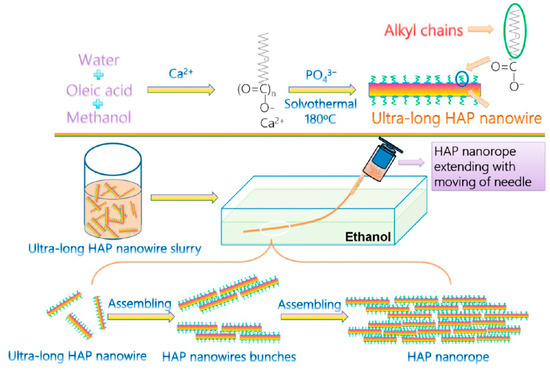
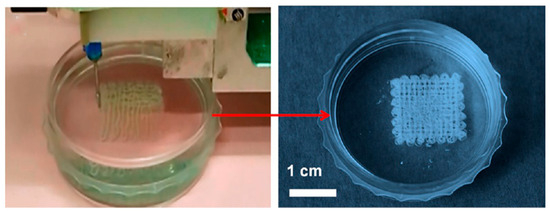
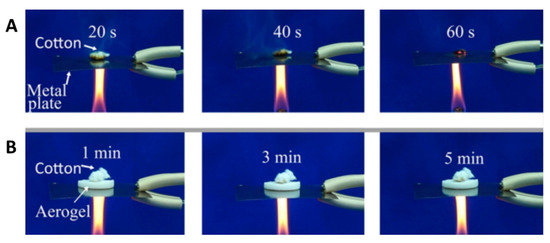
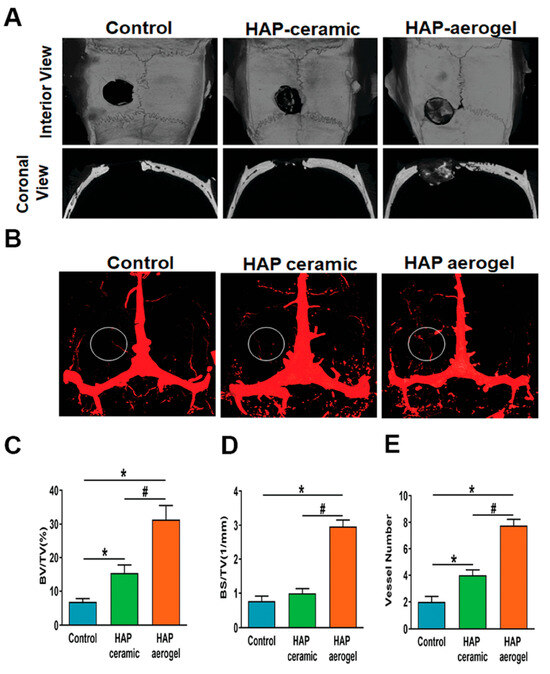
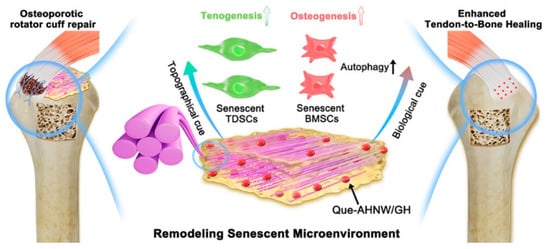
Traditional hydroxyapatite materials are inherently stiff and brittle, limiting their applications. Flexible ultralong hydroxyapatite nanowires, characterized by nano-scale diameters and micrometer-scale lengths, offer a promising alternative as one-dimensional flexible building blocks for constructing high-performance biomimetic materials. Nature has evolved a variety of high-performance materials with hierarchically ordered structures assembled from nano-scale building blocks, which provide valuable insights into the design and ordered assembly of flexible nanofibers for building high-performance biomimetic materials. Currently, how to distill the structural design principles of natural materials to engineer flexible nanofibers into advanced high-performance biomimetic materials with excellent properties and multifunctions remains a frontier scientific challenge. In 2014, the authors’ research group reported for the first time the calcium oleate precursor solvothermal method for the synthesis of flexible ultralong hydroxyapatite nanowires and their applications. Since then, many soft functional materials and high-performance biomimetic materials have been designed and prepared using flexible ultralong hydroxyapatite nanowires, and their applications in various fields have been explored. These studies demonstrate the successful assembly of flexible ultralong hydroxyapatite nanowires into hierarchical biomimetic structures inspired by natural materials such as enamel, nacre, and bone, which exhibit enhanced mechanical properties, including improved strength, toughness, and flexibility, alongside multifunctional capabilities like thermal insulation and biomedical compatibility. These findings suggest that flexible ultralong hydroxyapatite nanowires provide a versatile platform for designing and constructing advanced biomimetic materials with promising applications in various fields. This review article aims to briefly review recent advances in this exciting and rapidly evolving research field. The synthetic methods, assembly strategies, properties, and applications of flexible ultralong hydroxyapatite nanowires and their derivative biomimetic materials are discussed, enlightening their structural design principles and potential applications. Finally, we propose future research directions and future perspectives in this exciting frontier research field.
Full article
by
Rodolfo González-Peña, David Orlando Hidalgo-Martínez, Stephanie V. Laredo-Tiscareño, Herón Huerta, Erick de Jesús de Luna-Santillana, Jaime R. Adame-Gallegos, Carlos A. Rodríguez-Alarcón, Ezequiel Rubio-Tabares, Julián E. García-Rejón, Zilia Y. Muñoz-Ramírez, Chandra Tangudu and Javier A. Garza-Hernández
Insects2026, 17(1), 52; https://doi.org/10.3390/insects17010052 (registering DOI) - 1 Jan 2026
Culicoides biting midges are vectors of veterinary and zoonotic pathogens, yet the bacteriome of several species remains unexplored. Culicoides reevesi, a poorly studied species in northern Mexico, represents an opportunity to investigate microbial associations that may influence vector biology. Adults of C. [...] Read more.
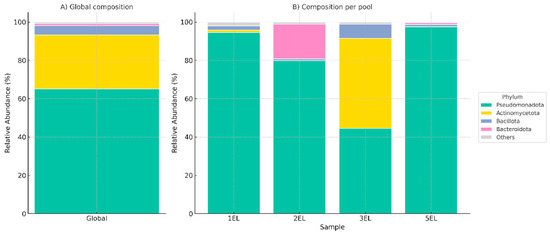
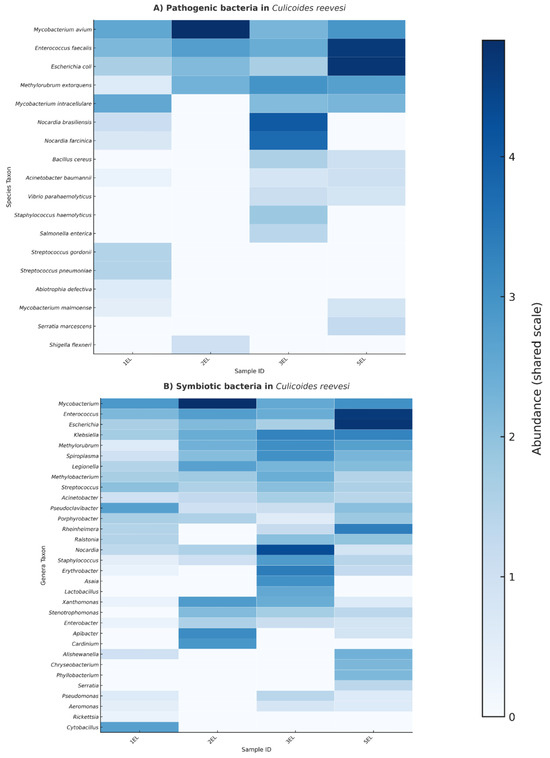
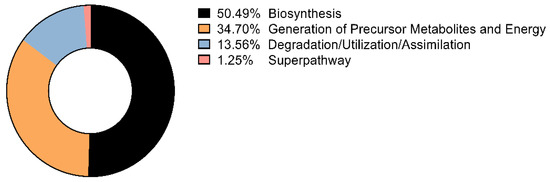
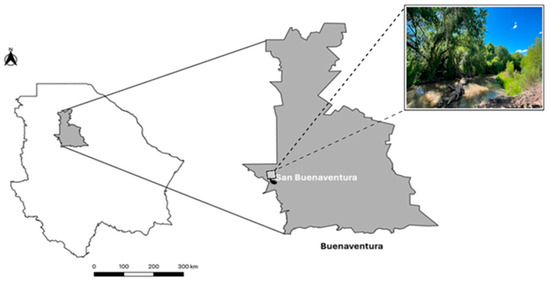
Culicoides biting midges are vectors of veterinary and zoonotic pathogens, yet the bacteriome of several species remains unexplored. Culicoides reevesi, a poorly studied species in northern Mexico, represents an opportunity to investigate microbial associations that may influence vector biology. Adults of C. reevesi were analyzed using 16S rRNA amplicon sequencing, followed by functional prediction with PICRUSt2. Heatmaps and pathway summaries were generated to highlight dominant taxa and functions. The bacteriome was dominated by Pseudomonadota, followed by Actinomycetota, Bacillota, and Bacteroidota. Symbiotic taxa such as Asaia and Cardinium were identified alongside potentially pathogenic bacteria, including Escherichia coli, Mycobacterium avium, Vibrio parahaemolyticus, and Enterococcus faecalis. Functional predictions indicated metabolic versatility, with abundant pathways related to aerobic respiration, the TCA cycle, amino acid biosynthesis, and quorum sensing. Despite all samples being collected from the same site and date, apparent differences in bacterial composition were observed across pools, suggesting microhabitat or host-related variability. This study provides the first taxonomic and functional baseline of the C. reevesi bacteriome. The detection of both symbiotic and pathogenic bacteria highlights the dual ecological role of the microbiome in host fitness and pathogen transmission potential. In conclusion, we suggest that these microbial associations influence vector physiology and competence, providing a basis for future microbiome-based control strategies. These findings emphasize the importance of integrating microbiome analyses into entomological surveillance and vector control strategies in endemic regions.
Full article
Biomedical imaging plays a critical role in medical diagnostics and research, yet image noise remains a significant challenge that hinders accurate analysis. To address this issue, we propose BDNet, a real-time biomedical image denoising network optimized for enhancing gradient and high-frequency information while
[...] Read more.
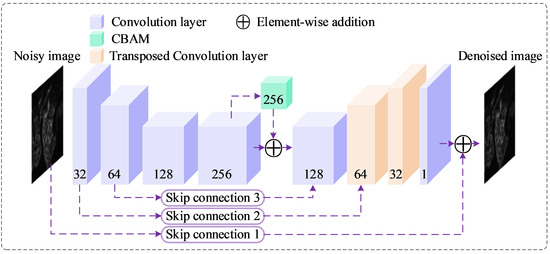
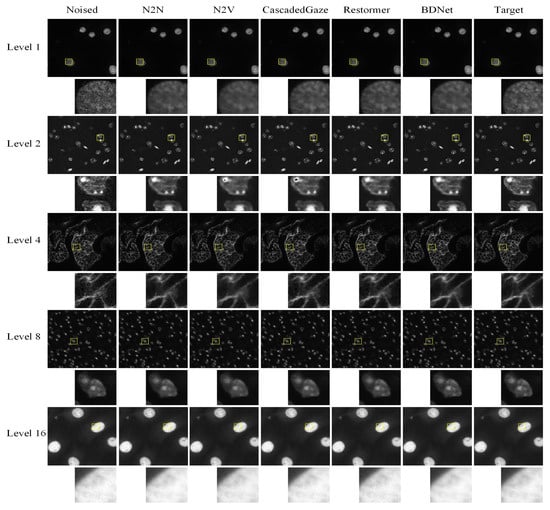
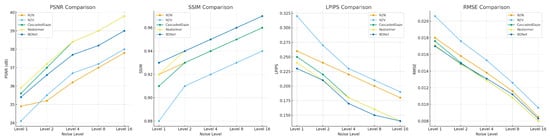
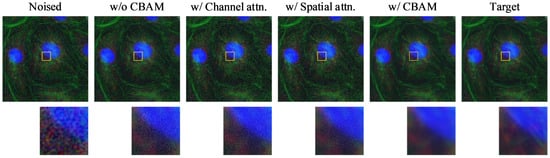
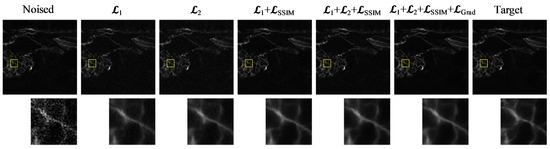
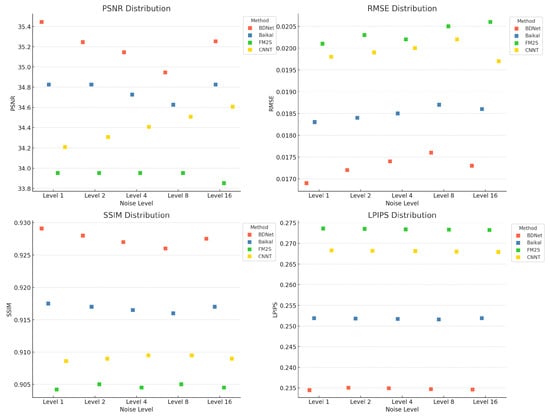
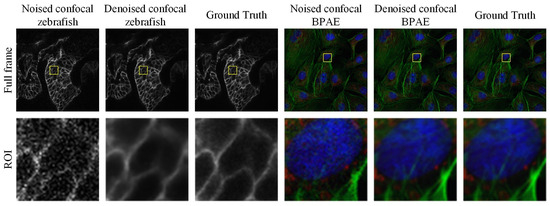
Biomedical imaging plays a critical role in medical diagnostics and research, yet image noise remains a significant challenge that hinders accurate analysis. To address this issue, we propose BDNet, a real-time biomedical image denoising network optimized for enhancing gradient and high-frequency information while effectively suppressing noise. The network adopts a lightweight U-Net-inspired encoder–decoder architecture, incorporating a Convolutional Block Attention Module at the bottleneck to refine spatial and channel-wise feature extraction. A novel gradient-based loss function—combining Sobel operator-derived gradient loss with L1, L2, and LSSIM losses—ensures faithful preservation of fine structural details. Extensive experiments on the Fluorescence Microscopy Denoising (FMD) dataset demonstrate that BDNet achieves state-of-the-art performance across multiple metrics, including PSNR, RMSE, SSIM, and LPIPS, outperforming both convolutional and Transformer-based models in accuracy and efficiency. With its superior denoising capability and real-time inference speed, BDNet provides an effective and practical solution for improving biomedical image quality, particularly in fluorescence microscopy applications.
Full article
This study investigates how consumer brand trust is shaped by the interplay of sustainability disclosure valence (positive/negative), domain (social/environmental), and information source credibility (internet influencer/scientific report). Using a mixed-methods approach, combining a series of focus groups and a 2 × 2 × 2
[...] Read more.
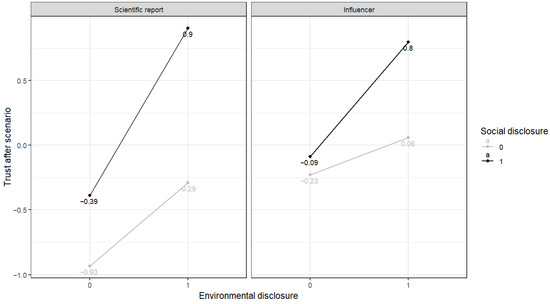
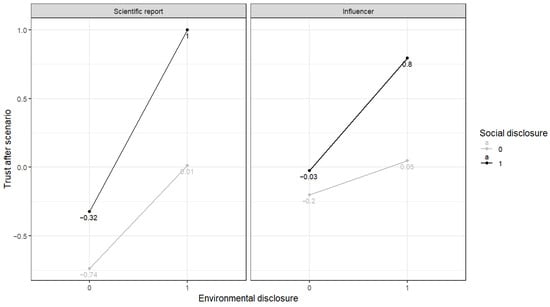
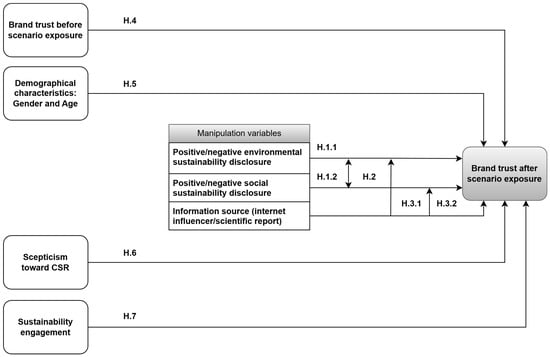
This study investigates how consumer brand trust is shaped by the interplay of sustainability disclosure valence (positive/negative), domain (social/environmental), and information source credibility (internet influencer/scientific report). Using a mixed-methods approach, combining a series of focus groups and a 2 × 2 × 2 between-subjects scenario experiment with a sample of 354 university students, we analyzed both the main and interactive effects of these factors on brand trust via hierarchical regression. The findings confirm that positive disclosures in both social and environmental domains significantly enhance brand trust. We observed a significant synergistic interaction, where consistent positive disclosures across both sustainability domains yield the greatest increase in trust. The study uncovers a domain-specific boundary condition for source credibility. While the source of information significantly moderates the impact of social sustainability disclosures—with influencers failing to generate the same punitive impact as scientific reports regarding social transgressions—source credibility exerts no significant influence on environmental disclosure processing. These findings suggest that consumers process environmental data as technical information (source-neutral) but social data as moral signals (source-dependent). Practically, the results suggest that brands require a holistic sustainability communication strategy and rely on highly credible sources for sensitive social messaging, especially when managing reputational risk or responding to negative disclosures.
Full article
Urban expansion in cold semi-arid regions poses significant threats to river ecosystems through land use changes and impervious surface proliferation. This study examined the Selbe River in Ulaanbaatar, Mongolia, integrating Landsat satellite imagery (2000–2020) with long-term water quality monitoring data (2012–2023) to assess
[...] Read more.
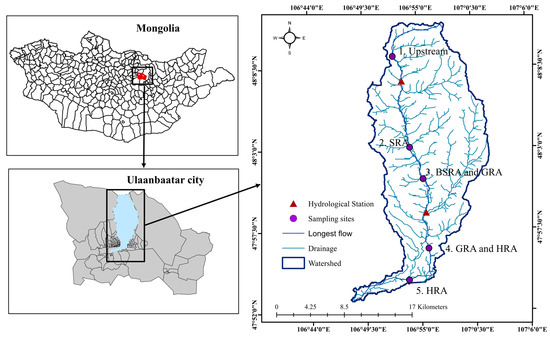
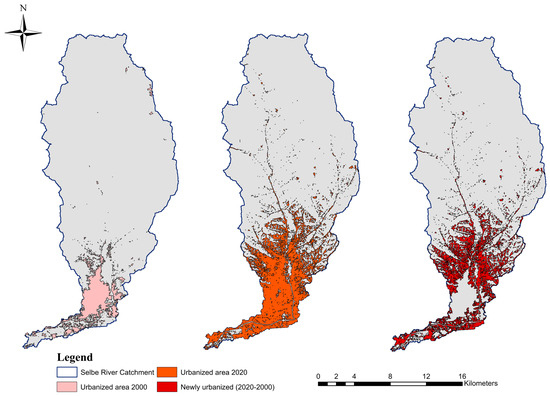
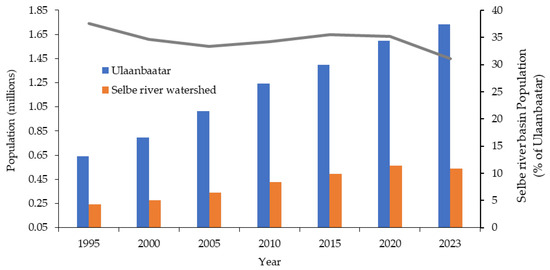
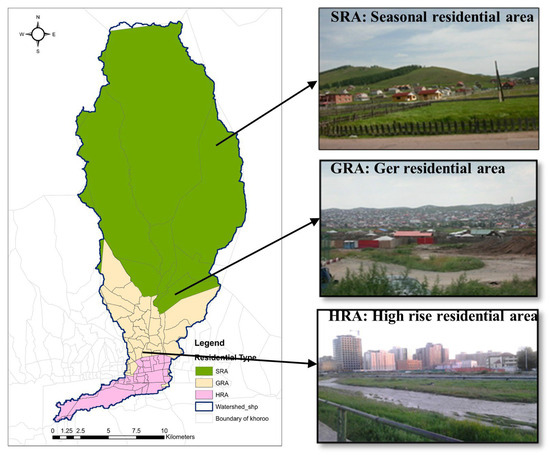
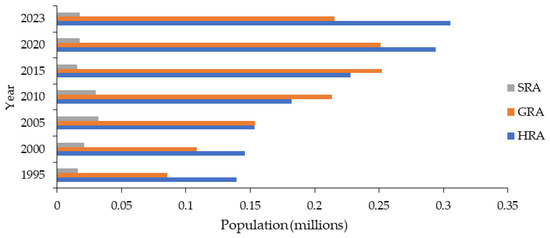
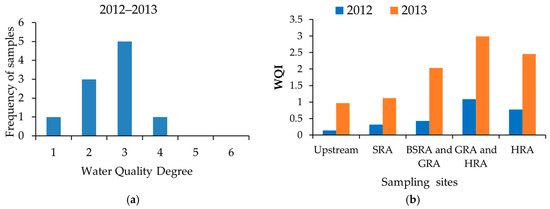
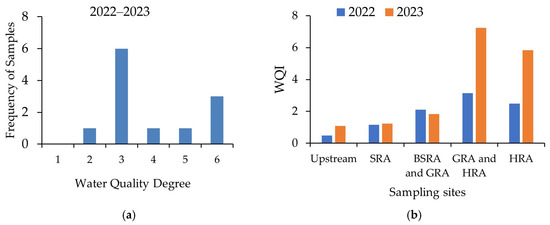
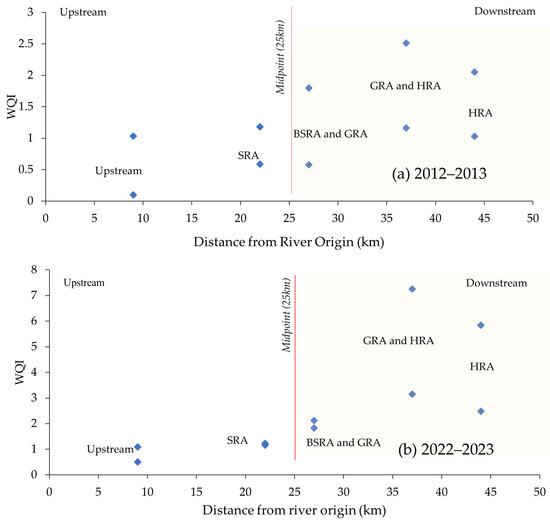
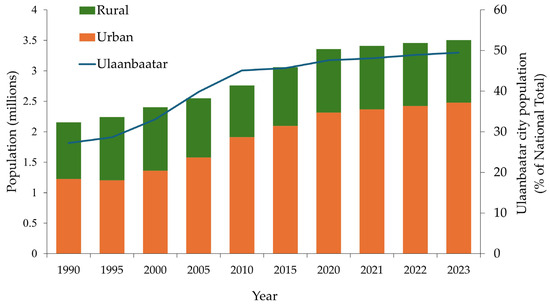
Urban expansion in cold semi-arid regions poses significant threats to river ecosystems through land use changes and impervious surface proliferation. This study examined the Selbe River in Ulaanbaatar, Mongolia, integrating Landsat satellite imagery (2000–2020) with long-term water quality monitoring data (2012–2023) to assess land use change impacts on river water quality. Land use classification revealed that built-up areas expanded 3.5-fold from 16.20 km2 (2000) to 57.9 km2 (2020), driven primarily by informal Ger residential areas and high-rise residential zones. Over the same period, barren land decreased from 149.5 km2 to 64.80 km2, while green areas increased from 156.89 km2 to 200.11 km2, which was insufficient to offset ecological stress from impervious surfaces. Water quality analysis of five sampling sites along the river showed progressive deterioration, with the Water Quality Index (WQI) increasing from 1.08 (2012) to 7.24 (2023), classifying the river as “dirty”, the most severe pollution category in Mongolia’s national classification system. Downstream sites adjacent to high-rise residential and Ger districts exhibited elevated concentrations of NH4+, NO2−, NO3−, PO43−, and suspended solids, frequently exceeding permissible limits established by MNS 4586-98. These findings underscore the cumulative impact of unregulated urban growth on aquatic ecosystems and emphasize the urgent necessity for integrated land use regulation and watershed-based planning to safeguard urban water resources in cold semi-arid environments. The study provides a replicable framework for assessing land use impacts on water quality in rapidly urbanizing regions.
Full article
(1) Background: Wound healing is a highly coordinated process encompassing hemostasis, inflammation, angiogenesis, keratinocyte migration, collagen deposition, and extracellular matrix remodeling. Successful repair also requires adequate nutrient and oxygen delivery through a well-developed vascular supply. Disruption of these processes can occur through aberrations
[...] Read more.
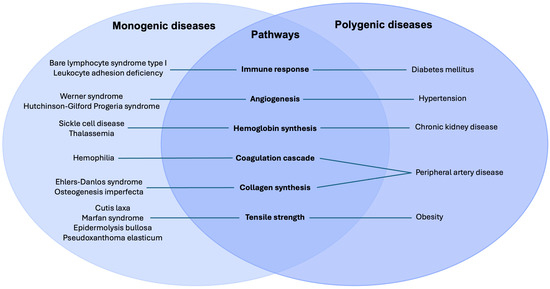
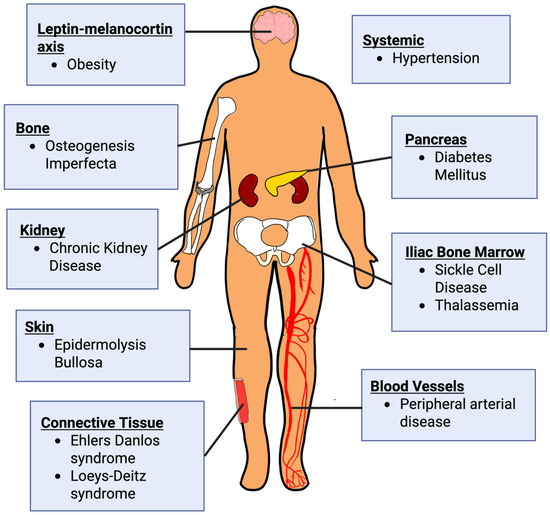
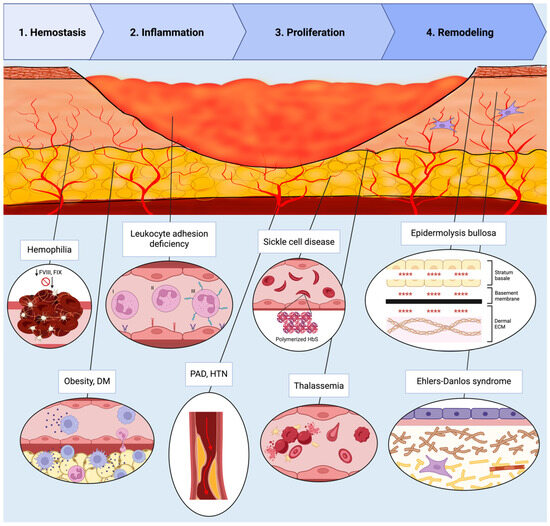
(1) Background: Wound healing is a highly coordinated process encompassing hemostasis, inflammation, angiogenesis, keratinocyte migration, collagen deposition, and extracellular matrix remodeling. Successful repair also requires adequate nutrient and oxygen delivery through a well-developed vascular supply. Disruption of these processes can occur through aberrations in diverse biological pathways, including extracellular matrix organization, cellular adhesions, angiogenesis, and immune regulation. (2) Methods: We reviewed mechanisms of impaired tissue repair in monogenic disorders by focusing on three categories—connective tissue, hematological/immunological, and aging-related disorders—to illustrate how single-gene defects disrupt inflammation, cellular proliferation, and matrix remodeling. Additionally, we reviewed various polygenic disorders—chronic kidney disease, diabetes mellitus, hypertension, and obesity—to contrast complex multifactorial pathologies with single-gene defects. (3) Results: This review establishes that genetic impediments, despite their distinct etiologies, monogenic and polygenic disorders share critical downstream failures in the wound healing cascade. While monogenic diseases illustrate direct causal links between specific protein deficits and repair failure, polygenic diseases demonstrate how multifactorial stressors overwhelm the body’s regenerative capacity. (4) Conclusions: This review synthesizes current evidence on both monogenic diseases and polygenic contributions to impaired wound healing. These findings highlight that genetic susceptibility is a decisive factor in the ability to restore tissue homeostasis. This underscores the profound impact of genetic background on the efficacy of hemostasis, inflammation, and remodeling.
Full article
Closed-section composite structures with corners present significant challenges during forming and molding for achieving the desired thickness distribution over the profile. The experimental investigation in the present work was designed to compare laminates constructed entirely from twill-weave carbon fabric prepregs with different hybrid
[...] Read more.
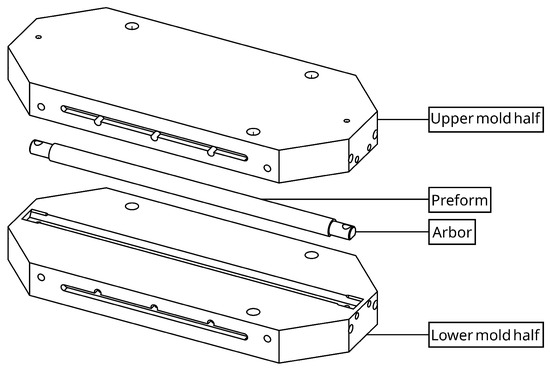
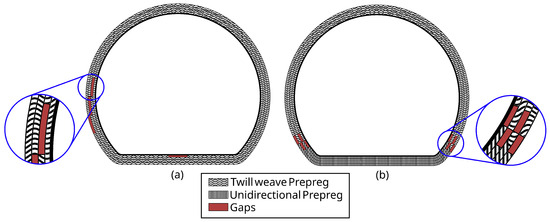
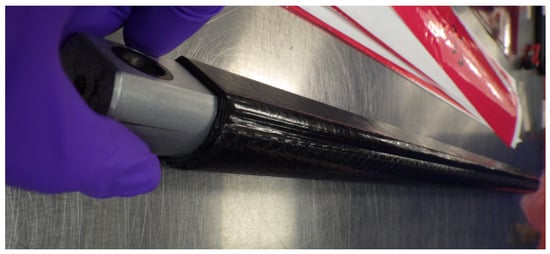
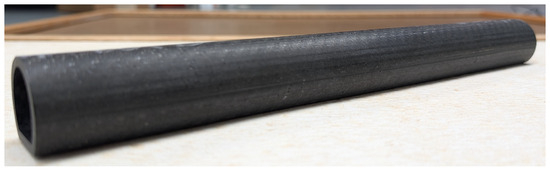
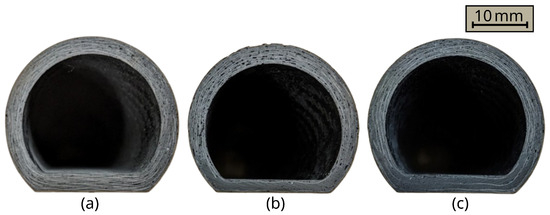
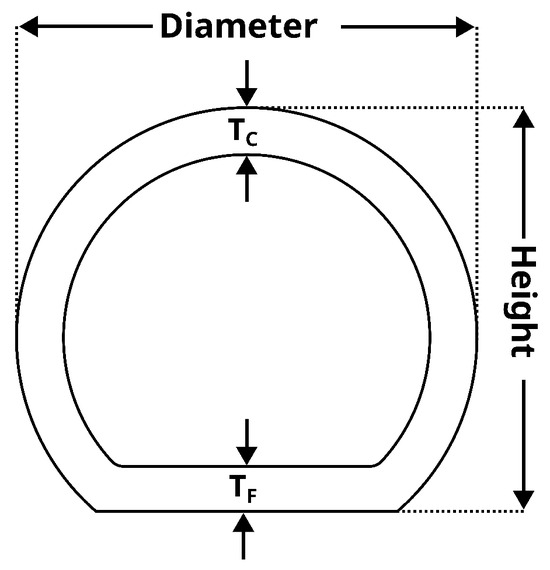
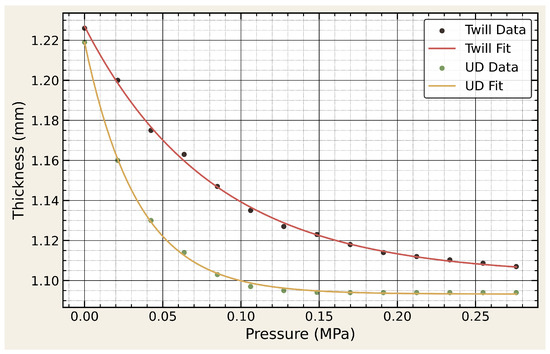
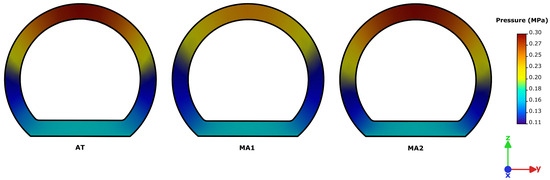
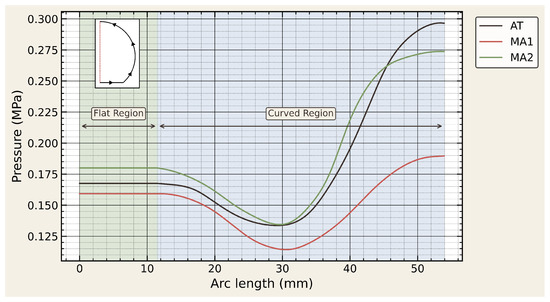
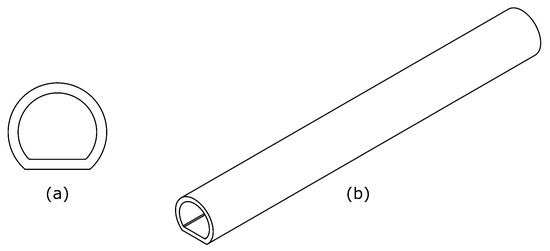
Closed-section composite structures with corners present significant challenges during forming and molding for achieving the desired thickness distribution over the profile. The experimental investigation in the present work was designed to compare laminates constructed entirely from twill-weave carbon fabric prepregs with different hybrid laminates constructed by combining unidirectional (UD) carbon fiber prepregs around the flat and twill-weave fabric prepregs around the curved section. Although the UD fiber prepregs were found to be more compressible than the twill-weave prepregs, the desired thickness distribution (to within 2% of design geometry), along with the proper level of consolidation, was obtained only with the hybrid construction that had an equal number of UD plies around the flat and twill-weave plies around the curved section. In contrast, the thickness distribution obtained with the all-twill prepreg laminate deviated from the design geometry by 5.4%. Forming simulations incorporating experimentally derived compaction behavior of different plies were used to predict the local compaction, tool–ply contact pressures, and thickness profile of the molded part. The simulation results for thickness profiles showed similar trends to those observed in experiments.
Full article
In this research paper, we introduce the notions of hyperbolic ∗-Ricci solitons and gradient hyperbolic ∗-Ricci solitons. We study the hyperbolic ∗-Ricci solitons on a three-dimensional -trans-Sasakian manifold. Specifically, we determine the hyperbolic ∗-Ricci solitons on a three-dimensional ()-trans-Sasakian manifold
[...] Read more.
In this research paper, we introduce the notions of hyperbolic ∗-Ricci solitons and gradient hyperbolic ∗-Ricci solitons. We study the hyperbolic ∗-Ricci solitons on a three-dimensional -trans-Sasakian manifold. Specifically, we determine the hyperbolic ∗-Ricci solitons on a three-dimensional ()-trans-Sasakian manifold with a conformal vector field and a proper -type vector field. Using hyperbolic ∗-Ricci solitons with a conformal vector field, we discuss some geometric symmetries on a three-dimensional ()-trans-Sasakian. In addition, we exhibit the nature of gradient hyperbolic ∗-Ricci solitons on a three-dimensional ()-trans-Sasakian manifold endowed with a scalar concircular field. Moreover, we demonstrate an example on a three-dimensional ()-trans-Sasakian manifold that admits the hyperbolic ∗-Ricci solitons and find the rate of change of the hyperbolic ∗-Ricci solitons within the same example. Lastly, we also introduce the concept of modified second hyperbolic ∗-Ricci solitons.
Full article
Background and Clinical Significance: Isolated mediastinal lymphadenopathy is an exceptionally rare and diagnostically challenging initial manifestation of microscopic polyangiitis (MPA), often mimicking malignancy or infection. This case highlights the pivotal role of an innovative minimally invasive technique in achieving a definitive diagnosis. To
[...] Read more.
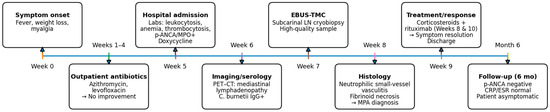
Background and Clinical Significance: Isolated mediastinal lymphadenopathy is an exceptionally rare and diagnostically challenging initial manifestation of microscopic polyangiitis (MPA), often mimicking malignancy or infection. This case highlights the pivotal role of an innovative minimally invasive technique in achieving a definitive diagnosis. To the best of our knowledge, this is the first reported case of MPA diagnosed via EBUS-TMC. Case Presentation: A 55-year-old male livestock farmer from a rural area with a history of recurrent pneumonia presented with four weeks of persistent fever, significant weight loss (7 kg), myalgia, and asthenia. Physical examination revealed fever and cachexia. Notable findings included leukocytosis (17,000/μL), normocytic anemia, thrombocytosis (672,000/μL), highly elevated inflammatory markers (CRP 145 mg/L, ESR 120 mm/h), and strongly positive MPO-ANCA (>134 U/mL). Serological testing was significant for IgG antibodies against Coxiella burnetii (Phase I 1:64, Phase II 1:256). PET-CT imaging demonstrated hypermetabolic bilateral hilar and mediastinal lymphadenopathy. Diagnostic challenges included overlapping serological findings suggestive of past Coxiella burnetii exposure. Endobronchial ultrasound–guided transbronchial mediastinal cryobiopsy (EBUS-TMC) of a subcarinal lymph node was performed, providing a high-quality sample that revealed neutrophilic small-vessel vasculitis with fibrinoid necrosis, definitive for MPA. Immunosuppressive therapy with high-dose corticosteroids and rituximab (1000 mg on days 1 and 15) was initiated, leading to the complete resolution of all constitutional symptoms. Conclusions: This case illustrates that EBUS-TMC is a safe and highly effective diagnostic tool for obtaining critical histological evidence in systemic vasculitides with atypical presentations. This technique should be considered in the diagnostic algorithm for unexplained mediastinal lymphadenopathy to avoid more invasive surgical procedures.
Full article
Species delimitation in Charipinae hyperparasitoids (Hymenoptera: Figitidae) is notoriously difficult due to their minute size and limited morphological variability. Traditional diagnostic characters sometimes show intraspecific variation, raising concerns about their reliability. Here, we applied an integrative taxonomic framework to evaluate species boundaries among
[...] Read more.
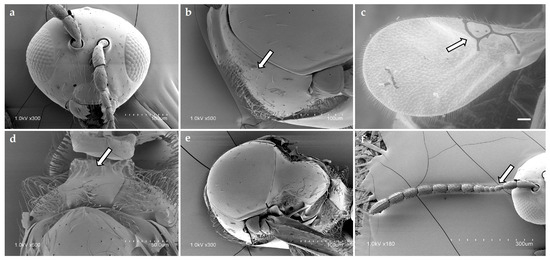
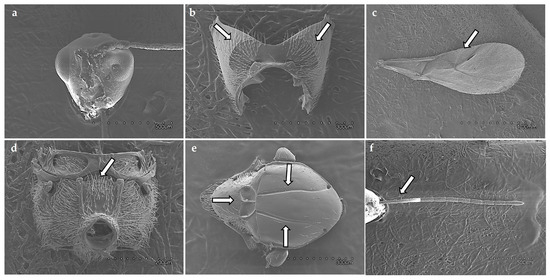
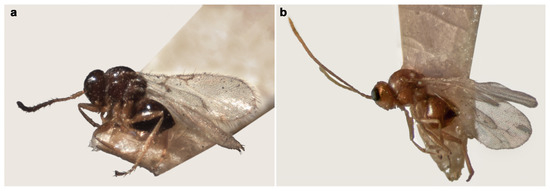
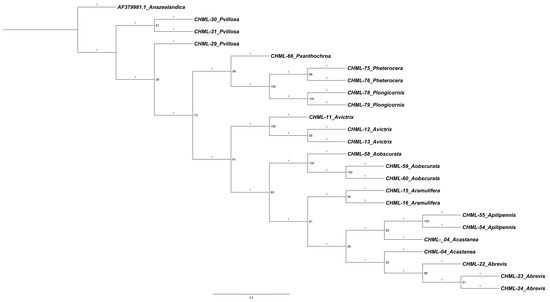
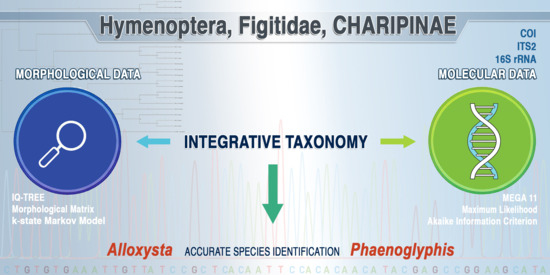
Species delimitation in Charipinae hyperparasitoids (Hymenoptera: Figitidae) is notoriously difficult due to their minute size and limited morphological variability. Traditional diagnostic characters sometimes show intraspecific variation, raising concerns about their reliability. Here, we applied an integrative taxonomic framework to evaluate species boundaries among six species of Alloxysta Förster and four species of Phaenoglyphis Förster. We combined a morphological dataset of 53 characters with data from three molecular markers (COI, ITS2, and 16S rRNA) and reconstructed phylogenies under maximum-likelihood criteria. Phylogenies consistently recovered morphologically defined taxa as well-supported clades, confirming the overall reliability of traditional characters (pronotal and propodeal carinae, radial cell shape, and flagellomere proportions). On the other hand, molecular evidence refined certain species limits and highlighted cases of potential cryptic variation. Our results demonstrate that morphology still provides a strong baseline for Charipinae taxonomy, but integration with molecular data yields more robust and stable classifications. This study underscores the value of multi-locus approaches for resolving taxonomic ambiguities and provides a framework for future ecological and evolutionary research on these hyperparasitoid wasps.
Full article
by
Boryi A. Becerra-Patiño, Aura D. Montenegro-Bonilla, Wilder Geovanny Valencia-Sánchez, Jorge Olivares-Arancibia, Rodrigo Yáñez-Sepúlveda and José Pino-Ortega
Sports2026, 14(1), 3; https://doi.org/10.3390/sports14010003 (registering DOI) - 1 Jan 2026
Background: Blind 5-A-side football is an intermittent sport that requires the development of specific physical, physiological, and technical–tactical variables, making the identification of recovery processes such as sleep, well-being, and athletes’ perceptions key factors in performance. However, to date, no systematic review has
[...] Read more.
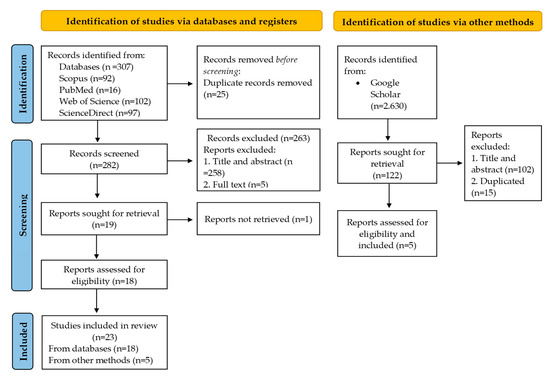
Background: Blind 5-A-side football is an intermittent sport that requires the development of specific physical, physiological, and technical–tactical variables, making the identification of recovery processes such as sleep, well-being, and athletes’ perceptions key factors in performance. However, to date, no systematic review has analyzed the scientific evidence on performance variables in players with visual impairments. Objective: To identify performance variables in blind 5-A-side football through the analysis of physical fitness factors, physiological demands, technical–tactical actions, and recovery variables. Materials and Methods: The following databases were consulted: Scopus, PubMed (Medline), Web of Science, ScienceDirect, and Google Scholar. This systematic review follows the PRISMA guidelines and those for conducting systematic reviews in sports science. The PICOS strategy was used to select and include studies. The quality of the studies was assessed methodologically using the Joanna Briggs Institute Critical Appraisal Tool. Results: The included studies evaluated multiple aspects of physical and physiological fitness in blind 5-A-side football, with a predominance of descriptive and observational research, although longitudinal interventions in national teams were also identified. The most studied physiological-physical variables are aerobic capacity and cardiovascular response; anthropometry and body composition; strength, power, and injury risk; external competition demands; balance; and postural control. The studies in the technical–tactical dimension focused on the effectiveness of shots on goal and on the characterization of control, dribbling, and shooting actions. The most studied recovery variable was sleep. Conclusions. The evidence suggests that training processes should integrate both improvements in physical fitness and physiological demands, as well as the refinement of decision-making and offensive actions. Despite advances, scientific output in this discipline remains limited, highlighting the need to promote studies with greater methodological rigor and sample diversity.
Full article
Although conceptually simple, the application of seismic isolation can pose dangerous pitfalls. It is based on decoupling the dynamic response of a structure from the ground motion by inserting isolation devices at its base. Significant displacements of the devices are typically required in
[...] Read more.
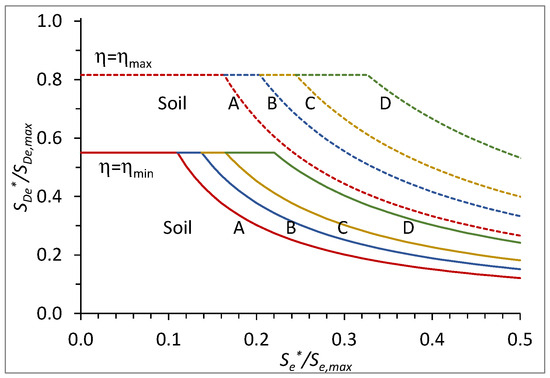
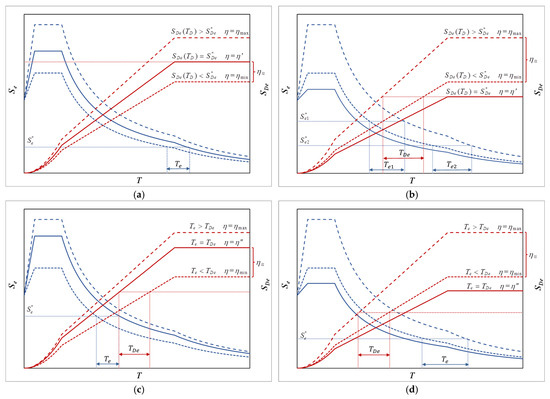
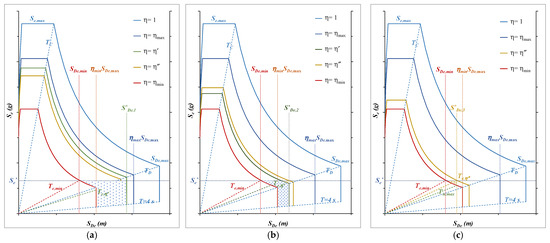
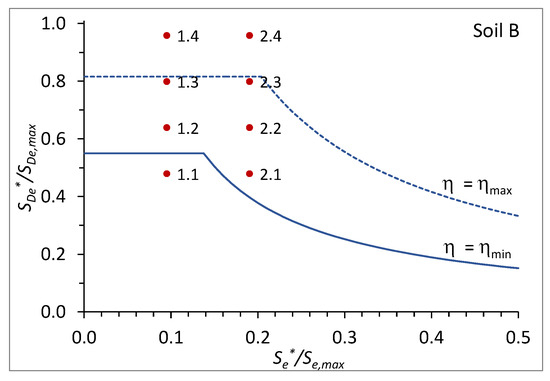
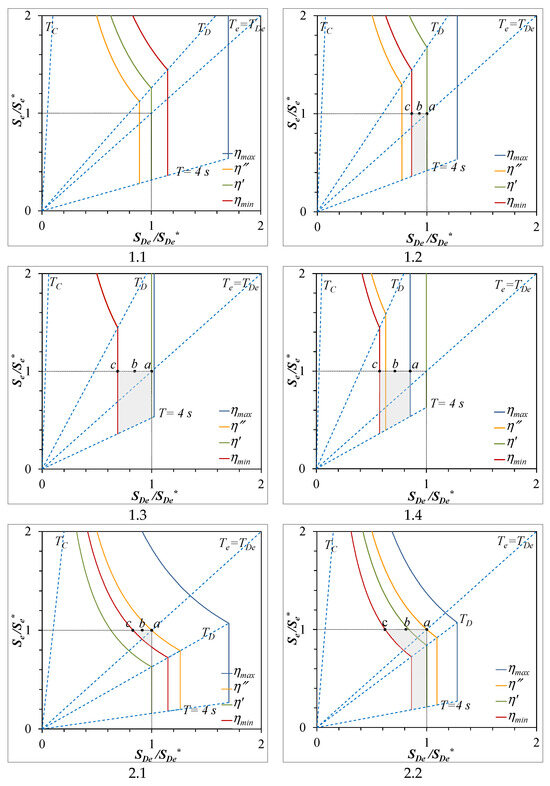
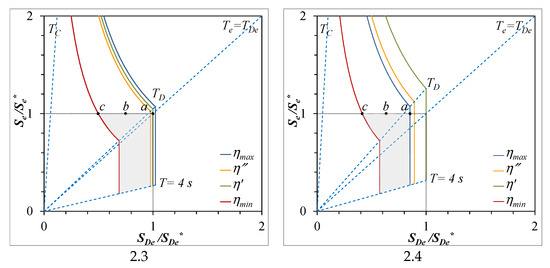
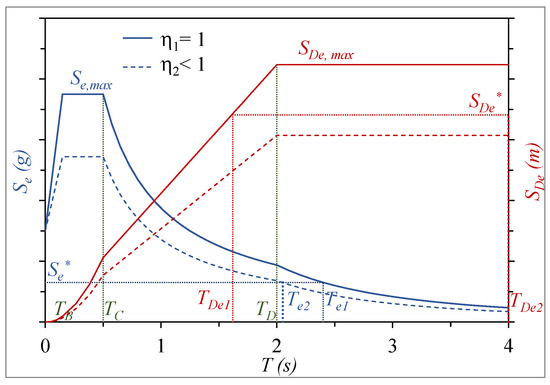
Although conceptually simple, the application of seismic isolation can pose dangerous pitfalls. It is based on decoupling the dynamic response of a structure from the ground motion by inserting isolation devices at its base. Significant displacements of the devices are typically required in return for increasing the oscillation period and reducing seismic accelerations in the building. To avoid blind guessing, the suitable values for damping and the period of vibration should be defined. The vibration period can vary in a range that depends on the capacity of the superstructure, which influences the maximum allowable acceleration, and the boundary conditions, which limit the maximum allowable displacement. In this regard, a simple and effective procedure is proposed for assessing the feasibility of seismic isolation and providing a preliminary yet reliable evaluation of the basic parameters, such as damping and the isolation period. This procedure could also highlight the need for changing the seismic protection strategy. Some application examples, aimed at including a wide range of design cases, are also provided.
Full article
Short food supply chains are an increasingly important topic within the academic community, as is research into the factors influencing consumers’ intention to buy at farmers’ markets. This study examines the influence of consumers’ product perception and product knowledge on purchase intention at
[...] Read more.
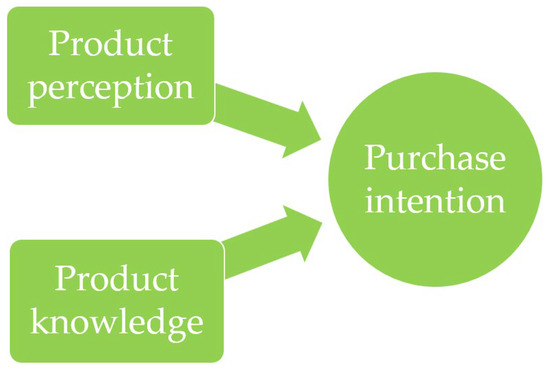
Short food supply chains are an increasingly important topic within the academic community, as is research into the factors influencing consumers’ intention to buy at farmers’ markets. This study examines the influence of consumers’ product perception and product knowledge on purchase intention at farmers’ markets. Data were collected at farmers’ markets in Croatia. A total of 255 valid responses were analysed using exploratory factor analysis and hierarchical regression. Demographically, respondents were predominantly women aged 46–55 with higher education and middle-income levels (family annual income of EUR 20,000 to 40,000). Results indicate that both product perception and product knowledge significantly affect purchase intention at farmers’ markets. Consumers generally view farmers’ market products as superior in quality and value, and they place high trust in farmers’ expertise. The findings suggest that attributes such as freshness, safety, and authenticity, combined with product knowledge-sharing by farmers, strengthen consumer trust and increase their willingness to pay and to recommend these products to family and relatives.
Full article
Dendrobium officinale is a valuable medicinal and edible homologous health food. It has immunomodulatory, antioxidant, and metabolism-regulating properties. However, its adulteration is widespread, seriously compromising product quality and safety. Traditional adulteration detection methods are complex, costly, and time-consuming, making it urgent to establish
[...] Read more.
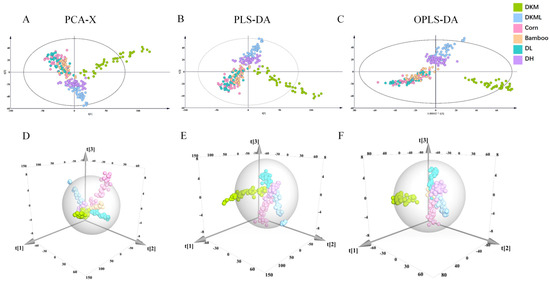
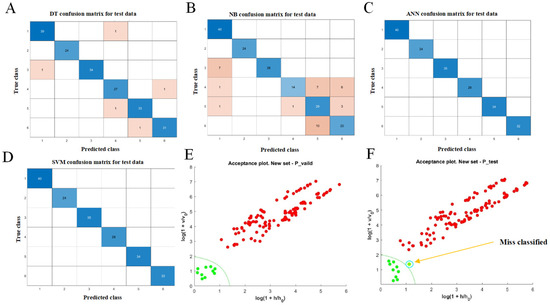
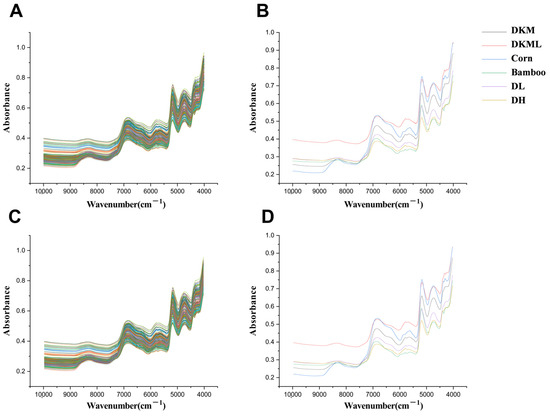
Dendrobium officinale is a valuable medicinal and edible homologous health food. It has immunomodulatory, antioxidant, and metabolism-regulating properties. However, its adulteration is widespread, seriously compromising product quality and safety. Traditional adulteration detection methods are complex, costly, and time-consuming, making it urgent to establish a rapid and non-destructive detection approach. This study developed a rapid identification and quantification method for adulterated D. officinale. The method combined near-infrared (NIR) spectroscopy with data-driven soft independent modeling of class analogy (DD-SIMCA) and partial least squares regression (PLSR) models. PCA, PLS-DA, and OPLS-DA were first used to visualize sample clustering and group differences. DT, SVM, ANN, and NB were used for classification. DD-SIMCA and PLSR were used for one-class modeling and quantitative analysis. Raw spectral data were preprocessed using multiplicative scatter correction (MSC), the standard normal variate (SNV), the first derivative, and Savitzky–Golay smoothing. In the identification analysis, the DD-SIMCA model achieved 100% sensitivity and 100% specificity in the validation set. Its overall accuracy in the independent test set was 99.2%, demonstrating excellent discrimination performance. In addition, SVM combined with NIR also achieved good accuracy. In the quantitative analysis of adulteration, the PLSR model predicted different adulteration levels. Most calibration and validation sets showed R2 values above 0.99 and RMSE values below 0.05, indicating excellent predictive performance. The results indicate that NIR combined with DD-SIMCA and PLSR can achieve rapid identification and accurate quantification of adulterated D. officinale samples. This approach provides strong support for quality control and regulatory supervision of high-value health foods.
Full article
Graphs are widely used to represent vertices and their relationships, with the subgraph counting problem being a crucial challenge in network analysis. Originating from subgraph matching, this problem aims to efficiently determine the number of subgraphs in a data graph that are isomorphic
[...] Read more.
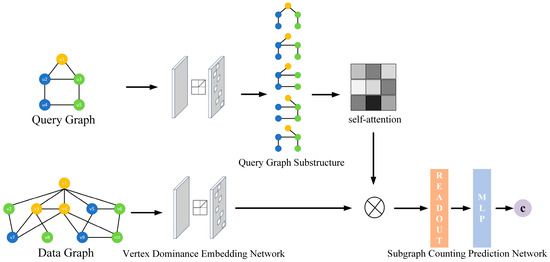
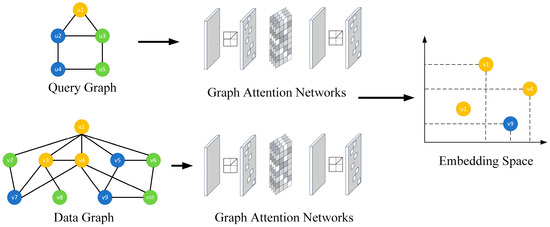
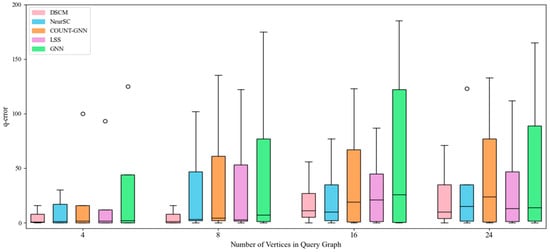
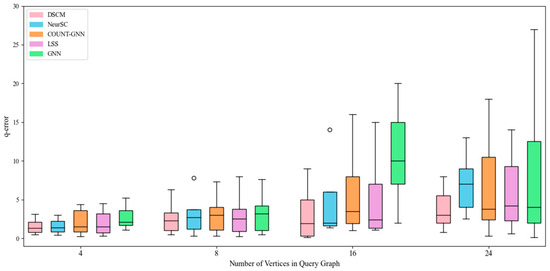
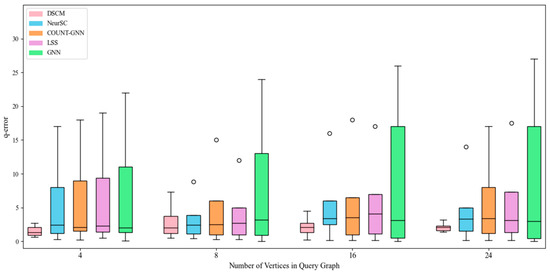
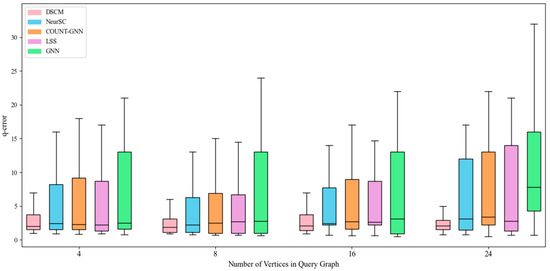
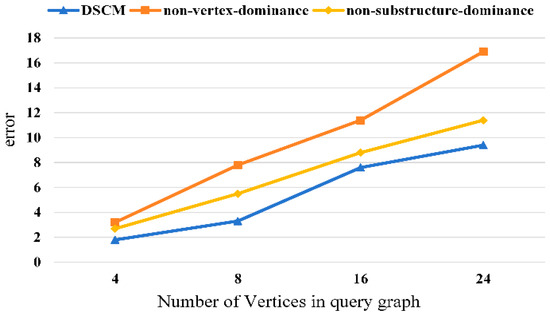
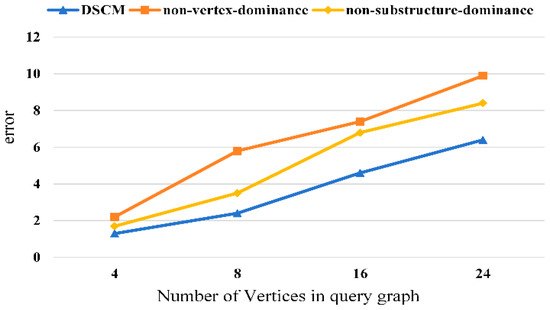
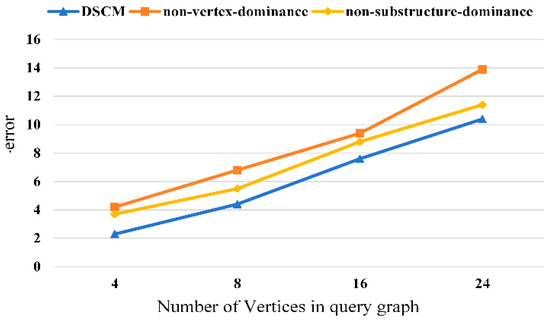
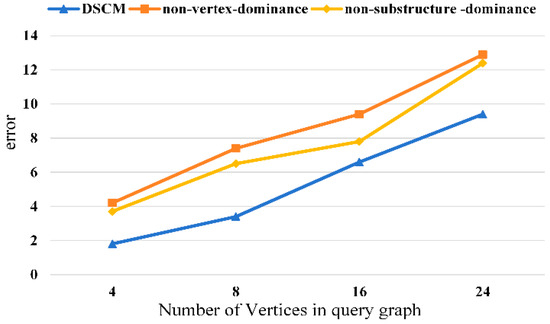
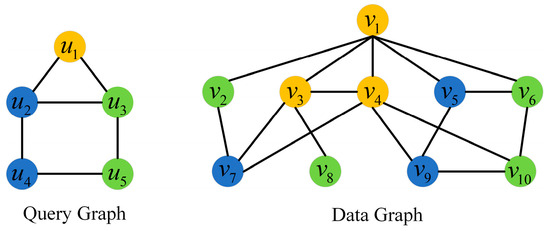
Graphs are widely used to represent vertices and their relationships, with the subgraph counting problem being a crucial challenge in network analysis. Originating from subgraph matching, this problem aims to efficiently determine the number of subgraphs in a data graph that are isomorphic to a given query graph. Since this task is NP-hard, existing approaches are typically divided into exact and approximate methods. Exact methods compute the precise number of isomorphic subgraphs but incur prohibitive computational costs on large graphs. Approximate methods, often based on Graph Neural Networks (GNNs), estimate the subgraph count more efficiently but tend to suffer when there is a large size discrepancy between the data graph and the query graph, leading to inaccurate vertex matching. To address these limitations, we propose a domination-based subgraph counting method (DSCM), which improves vertex matching by using a vertex dominance embedding method. This approach, combined with an attention mechanism, accurately computes subgraph counts. Experimental results show that DSCM outperforms existing methods, providing an efficient solution for subgraph counting in large graphs.
Full article
The global demand for new ingredients and healthier food products is on the rise. Global challenges like rapid population growth, climate change, and emerging pandemics are putting a strain on food security for future generations. This makes it crucial to seek alternatives for
[...] Read more.
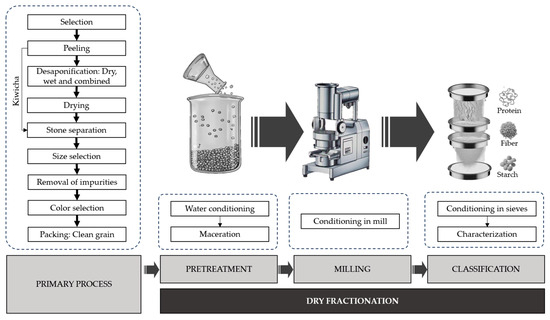
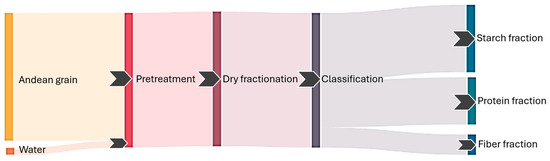
The global demand for new ingredients and healthier food products is on the rise. Global challenges like rapid population growth, climate change, and emerging pandemics are putting a strain on food security for future generations. This makes it crucial to seek alternatives for producing nutrient-rich foods using more sustainable methods. In this context, proteins are an essential macronutrient for humanity. Plant-based proteins are becoming increasingly popular for the following reasons: their sustainability, as they have a lower environmental impact compared to animal-based proteins, provided they are consumed locally; their nutritional value, since they contain all the essential nutrients when consumed in a varied way and do not contain limiting amino acids; their potential accessibility; and the health benefits they offer. Consequently, the food industry is developing an increasing market of protein concentrates and isolates from plant sources using wet or dry methods. In particular, dry fractionation is expected to play a key role in enhancing food sustainability, as it allows protein enrichment without the use of water or energy-consuming operations. This review provides a detailed description of the application of dry fractionation method to Andean grains, with quinoa, amaranth, and kañiwa as prominent examples. The narrative review covers the essential primary processing and pretreatments, assesses the properties of the resulting fractions, and discusses their applications and future trends. This work aims to promote the development of innovative and sustainable food solutions.
Full article
Background and Clinical Significance: Anti-Müllerian hormone (AMH) is a dimeric glycoprotein secreted from the granulosa cells of the preantral and small antral follicles, which has entered routine clinical practice as a valuable tool for the diagnosis of different ovarian disorders. Increased AMH
[...] Read more.
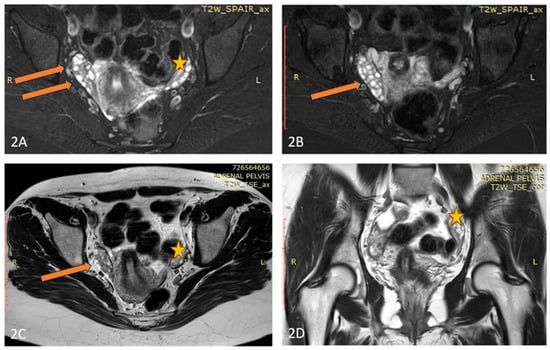
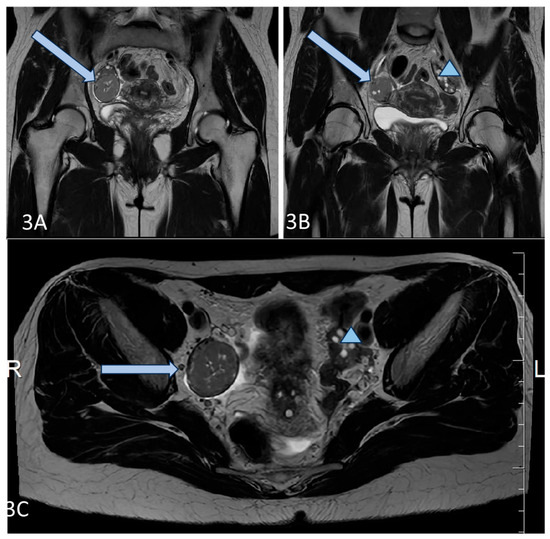
Background and Clinical Significance: Anti-Müllerian hormone (AMH) is a dimeric glycoprotein secreted from the granulosa cells of the preantral and small antral follicles, which has entered routine clinical practice as a valuable tool for the diagnosis of different ovarian disorders. Increased AMH levels have been recommended as a criterion for polycystic ovary syndrome (PCOS). However, its widespread use remains limited due to analytical diversity and contradictory age-specific thresholds, among other factors that modulate AMH levels. Case Presentation: Herein, we present a rare case series of women with increased AMH levels. The difficulties in the differential diagnosis of patients with elevated AMH levels, because of PCOS combined with pituitary dysfunction, increased ovarian volume, or granulosa cell tumors (GCTs), are discussed. Conclusions: The presented rare cases of increased AMH emphasize the important role of AMH as a diagnostic marker in women with hypogonadotropic hypogonadism and granulosa cell tumors. On the other hand, it is still unknown if increased AMH produced by unusually enlarged or supernumerary ovaries should be considered as actual PCOS cases or as a specific subgroup. Additionally, the unusual case of GCTs with pronounced AMH and LH increase but normal steroids supports the pathophysiological role of AMH for the development of neuroendocrine dysfunction. Moreover, it suggests that GCTs should be considered in the differential diagnosis of chronic anovulation even in women with normal ovarian steroid production in case of unusually high AMH levels for the age. Further studies are needed to explain PCOS heterogeneity and to ensure proper differential diagnosis for every affected woman.
Full article









 Sustainability
 Applied Sciences
 IJMS
IJMS
 JCM
JCM
 Sensors
 Energies
 Electronics
 Materials
 Buildings
 Processes
 Foods
Foods
 Mathematics
 Molecules
 Cancers
 Nutrients
 Plants
 Animals
 Healthcare
 Remote Sensing
 Diagnostics
 Water
Water
 Polymers
 Biomedicines
 Agronomy
 Microorganisms
 Agriculture
 Symmetry
 JMSE
JMSE
 Cells
Cells
 Medicina
 Biology
 Land
Land
 Pharmaceuticals
 Behavioral Sciences
 Life
Life
 Children
 Education Sciences
 Nanomaterials
 Biomolecules
 Horticulturae
 Coatings
 IJERPH
 Genes
Genes
 Forests
 Pharmaceutics
 Viruses
 Antioxidants
 Religions
 Micromachines
 Bioengineering
 Pathogens
 Antibiotics
 Metals
 Brain Sciences
 Insects
 CIMB
CIMB
 Minerals
 Atmosphere
 Veterinary Sciences
 Entropy
 Photonics
 Systems
 Information
 Machines