



Advancing Open Science
Supporting academic communities
since 1996
 
27 pages, 875 KB  
Article
Advancing the Potential of Ostericum palustre (Besser) Besser (Synonym Angelica pancicii Vandas ex. Velen.) of Bulgarian Origin as a Source of Bioactive Compounds: Metabolite Profiling and Pharmacological Activity
by Reneta Gevrenova, Gokhan Zengin, Kouadio Ibrahime Sinan, Inci Kurt-Celep, Alexandra Stefanova and Dimitrina Zheleva-Dimitrova
Plants 2026, 15(8), 1172; https://doi.org/10.3390/plants15081172 (registering DOI) - 10 Apr 2026
Abstract
Ostericum palustre (Besser) Besser (synonym Angelica pancicii Vandas ex. Velen.) is a Eurasian species from the Apiaceae family, previously related to the Balkan endemic species A. pancicii. The study aims to provide a thorough profiling of methanol-aqueous extracts from O. palustre leaves, [...] Read more.
Ostericum palustre (Besser) Besser (synonym Angelica pancicii Vandas ex. Velen.) is a Eurasian species from the Apiaceae family, previously related to the Balkan endemic species A. pancicii. The study aims to provide a thorough profiling of methanol-aqueous extracts from O. palustre leaves, roots, and inflorescences integrated with an evaluation of antioxidant potential and enzyme inhibitory activity towards some therapeutic targets. For the first time, a series of simple coumarins and furanocoumarins alongside phenolic and acylquinic acids, and flavonoids were annotated/dereplicated in the O. palustre of Bulgarian origin by liquid chromatography coupled with quadrupole—Orbitrap high resolution mass spectrometry acquisition platform. According to the discriminant analysis (sPLS-DA) of the biological potential, radical scavenging activity (47.9 mg TE/g in DPPH and 61.8 mg TE/g in ABTS), reducing power (102.2 mg TE/g in CUPRAC and 57.4 mg TE/g in FRAP), and metal-chelating capacity (20.1 mg EDTAE/g) accounted mainly for the stronger antioxidant activity of inflorescences extract than roots and leaves. Root extracts exhibited anti-collagenase, anti-elastase, and anti-hyaluronidase effects with lower IC50 values (IC50 37.22, 42.47 and 32.09 μg/mL, respectively). Pearson relationship analysis revealed potent antioxidants including furanocoumarins (oxypeucedanin hydrate, xanthotoxol/bergaptol, byakangelicin/isobyakangelicin, ostruthol) and phenolic acids, while a series of angelols alongside feruloylquinic and dicaffeoylquinic acids, and flavonol glycosides hold significance for the neuroprotective activity of the leaves extract. The enzyme inhibitory activity of the root extracts towards collagenase, elastase and hyaluronidase, related to the anti-aging activity, was ascribed to simple hydroxylated/methoxylated coumarins. The study suggests the potential health benefits of O. palustre extracts as antioxidant, anti-aging, and neuroprotective agents. Full article
16 pages, 2717 KB  
Article
Research on Dynamic Characteristics and Parameter Optimization of Hydro-Pneumatic Suspension of Mine Wide-Body Dump Truck
by Chuanxu Wan, Lu Xiao, Guolei Chen, Qingwei Kang, Peng Zhou, Gang Zhou and Guocong Lin
Processes 2026, 14(8), 1215; https://doi.org/10.3390/pr14081215 (registering DOI) - 10 Apr 2026
Abstract
Wide-body dump trucks in open-pit mines frequently operate under high loads and severe road conditions, demanding superior dynamic performance from their suspension systems. Existing studies tend to focus only on the influence of individual parameters on the dynamic characteristics of hydro-pneumatic suspensions, lacking [...] Read more.
Wide-body dump trucks in open-pit mines frequently operate under high loads and severe road conditions, demanding superior dynamic performance from their suspension systems. Existing studies tend to focus only on the influence of individual parameters on the dynamic characteristics of hydro-pneumatic suspensions, lacking systematic analysis of parameter coupling effects and optimal parameter combinations. Taking the two-stage pressure hydro-pneumatic suspension of a wide-body dump truck as the research object, this paper theoretically analyzes its working characteristics and establishes an AMESim model under multiple excitation conditions to reveal how parameter interactions affect the dynamic performance of the suspension. With peak liquid pressure, maximum liquid pressure fluctuation, and maximum vehicle body vertical acceleration as optimization objectives, a multi-objective optimization algorithm is employed to determine the optimal suspension parameters. The results indicate that the interactive responses of damping orifice diameter and check valve diameter with respect to peak pressure and body vertical acceleration exhibit strong nonlinearity. Compared with the original parameter scheme, the optimized design reduces peak liquid pressure, maximum pressure fluctuation, and peak body vertical acceleration by 8.76%, 29.1%, and 11.7%, respectively, significantly improving vehicle ride comfort and mitigating pressure oscillations in the hydro-pneumatic suspension. The research results can provide theoretical support and engineering reference for intelligent operation and maintenance of mine heavy equipment, optimization design of suspension systems and efficient and reliable operation. Full article
(This article belongs to the Section Manufacturing Processes and Systems)
25 pages, 3643 KB  
Article
Modeling Time-Varying Volatility via Multi-Scale Structures and Dynamic Attention Networks: Evidence from High-Frequency Data
by Kaidi Zhang, Shaobing Wu and Dong Zhu
Mathematics 2026, 14(8), 1257; https://doi.org/10.3390/math14081257 (registering DOI) - 10 Apr 2026
Abstract
Accurate tail risk forecasting in emerging markets is frequently compromised by the nonlinear dynamics and time-varying long memory of high-frequency volatility. In this study, we employ multifractal detrended fluctuation analysis (MF-DFA) to decode the complex market behavior, revealing pronounced multifractality and strong persistence [...] Read more.
Accurate tail risk forecasting in emerging markets is frequently compromised by the nonlinear dynamics and time-varying long memory of high-frequency volatility. In this study, we employ multifractal detrended fluctuation analysis (MF-DFA) to decode the complex market behavior, revealing pronounced multifractality and strong persistence that defy the static assumptions of classical linear models. The multifractal analysis is only used for research motivation and model design, not as input features for the model. To bridge the gap between fractal diagnostics and predictive modeling, we propose an attention-based dynamically reweighted SA-HAR-J-Net framework. This architecture uniquely integrates HAR-style multi-horizon inputs with a bidirectional LSTM (BiLSTM) encoder and a temporal self-attention mechanism. Crucially, the attention module functions as a dynamic reweighting system, allowing the model to adaptively emphasize historical patterns that receive higher attention weights under changing market conditions, thereby mimicking the time-varying correlations inherent in multifractal processes. Furthermore, we incorporate jump proxies and realized higher moments to enhance the capture of extreme tail dynamics. Utilizing a strict expanding-window out-of-sample protocol, the proposed method achieves significantly lower quantile loss and superior calibration relative to established econometric and machine learning benchmarks for Value-at-Risk (VaR) forecasting. This work provides a robust framework for tail risk monitoring by effectively aligning deep learning architectures with the stylized facts of multifractal markets. Full article
37 pages, 1134 KB  
Article
Class-Specific GAN Augmentation for Imbalanced Intrusion Detection: A Comparative Study Using the UWF-ZeekData22 Dataset
by Asfaw Debelie, Sikha S. Bagui, Dustin Mink and Subhash C. Bagui
Future Internet 2026, 18(4), 200; https://doi.org/10.3390/fi18040200 (registering DOI) - 10 Apr 2026
Abstract
Extreme class imbalance is a persistent obstacle for machine learning-driven intrusion detection, as rare but high-impact cyberattacks occur far less frequently than benign traffic in training data. In many real-world cybersecurity datasets, this imbalance becomes extreme, with certain attack types containing a handful [...] Read more.
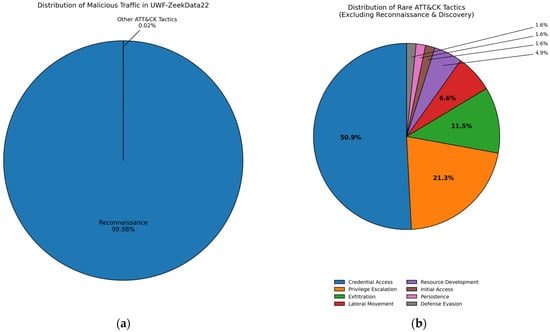
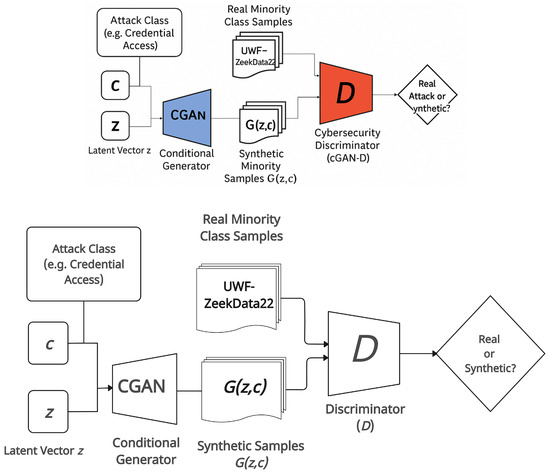
Extreme class imbalance is a persistent obstacle for machine learning-driven intrusion detection, as rare but high-impact cyberattacks occur far less frequently than benign traffic in training data. In many real-world cybersecurity datasets, this imbalance becomes extreme, with certain attack types containing a handful of samples, effectively placing the problem in a few-shot learning regime. This paper presents a controlled benchmarking study of Generative Adversarial Network (GAN) objectives for synthesizing minority-class cyberattack data. Using the UWF-ZeekData22 network traffic dataset, each MITRE ATT&CK tactic is framed as a separate binary detection task, and tactic-specific GANs are trained solely on minority samples to generate synthetic attack records. Four widely used GAN variants—Vanilla GAN, Conditional GAN (cGAN), Wasserstein GAN (WGAN), and Wasserstein GAN with Gradient Penalty (WGAN-GP)—are compared under unified training steps and fixed augmentation conditions. The utility of generated data is assessed by evaluating downstream detection performance using five traditional classifiers: Logistic Regression, Support Vector Machine, k-Nearest Neighbors, Decision Tree, and Random Forest. The results indicate that GAN augmentation generally strengthens minority-class detection across tactics and models, reducing false negatives and improving recall consistency, while not systematically harming majority-class performance. However, the effectiveness of each GAN objective varies significantly with data sparsity. Specifically, simpler adversarial objectives often outperform more complex architectures by preserving discriminative feature structure, while heavily regularized models may overly smooth minority-class distributions and reduce separability. Wasserstein-based objectives provide improved training stability, but additional regularization does not consistently translate to better detection performance. Overall, the results demonstrate that in extreme-imbalance settings, GAN effectiveness is governed more by data sparsity and structure preservation than by architectural complexity. These findings establish class-specific generative augmentation as a practical strategy for intrusion detection and provide empirical guidance for selecting appropriate GAN objectives for tabular cybersecurity data under highly imbalanced conditions. Full article
Show Figures

Figure 1

30 pages, 1101 KB  
Review
Turmeric: A Comprehensive Review of Its Botany, Traditional Uses, Phytochemistry, and Mechanisms as a Functional Food
by Zexuan Wang, Wenhao Zhong, Wenren Zhao, Qian Zhou, Yu Wang, Bing Zhang and Zhijian Lin
Nutrients 2026, 18(8), 1197; https://doi.org/10.3390/nu18081197 (registering DOI) - 10 Apr 2026
Abstract
Objectives: This review aims to systematically summarize turmeric’s botanical traits, traditional medicinal applications, phytochemical components and their biological activities, and to integrate botanical, phytochemical, molecular and clinical perspectives to provide a comprehensive theoretical foundation and practical guidance for the future scientific research and [...] Read more.
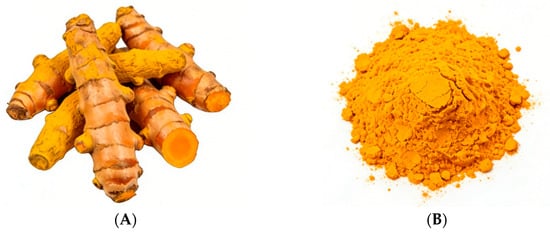
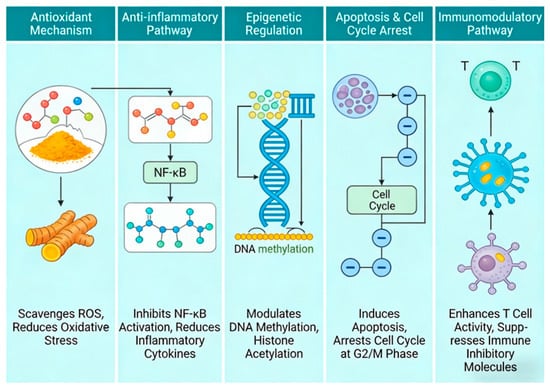
Objectives: This review aims to systematically summarize turmeric’s botanical traits, traditional medicinal applications, phytochemical components and their biological activities, and to integrate botanical, phytochemical, molecular and clinical perspectives to provide a comprehensive theoretical foundation and practical guidance for the future scientific research and clinical applications of turmeric as a functional food. Methods: A systematic overview and comprehensive analysis were conducted on the existing research about turmeric, covering its botanical characteristics, traditional medicinal application value, the biological mechanisms of major bioactive compounds (especially curcumin), pharmacokinetic properties, and the latest progress in relevant clinical trials. Results: Turmeric has important historical and cultural significance in traditional medicine, and its major bioactive compound curcumin is the core of its therapeutic potential, which can modulate antioxidant, anti-inflammatory, and antitumor signaling pathways. Recent studies have found that curcumin exerts significant biological effects by regulating noncoding RNAs (ncRNAs) and epigenetic modifications, showing a promising role in cancer chemoprevention. Meanwhile, curcumin has specific pharmacokinetic properties, and current clinical trials on turmeric and curcumin have made certain progress, yet challenges such as low bioavailability and limited therapeutic efficacy still exist. Conclusions: Turmeric, as a widely recognized functional food with rich phytochemicals and diverse biological activities, has great potential in scientific research and clinical application, especially in cancer chemoprevention. Solving the key challenges such as curcumin’s bioavailability and therapeutic efficacy is the core direction for the future development and utilization of turmeric, and the multi-dimensional research perspective can provide more comprehensive support for its practical application as a functional food. Full article
(This article belongs to the Section Phytochemicals and Human Health)
Show Figures

Figure 1

15 pages, 6921 KB  
Article
Airborne Movement of Antibiotic Resistance Genes Between Livestock Stables and Farmers’ Homes
by Hesham Amin, Tina Šantl-Temkiv, Kai Finster, Vivi Schlünssen, Torben Sigsgaard, Inge M. Wouters, Martin Tang Sørensen, Andrei Malinovschi, Hulda Thorarinsdottir and Randi J. Bertelsen
Microorganisms 2026, 14(4), 855; https://doi.org/10.3390/microorganisms14040855 (registering DOI) - 10 Apr 2026
Abstract
Antibiotic resistance genes (ARGs) are prevalent in livestock environments due to antimicrobial use, yet their airborne dispersal into human-occupied indoor spaces remains poorly characterized. We investigated whether airborne ARGs disperse from livestock stables into farmers’ homes and surrounding outdoor environments. Electrostatic dust collectors [...] Read more.
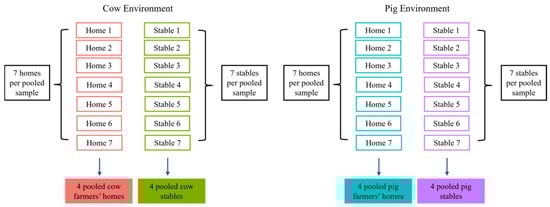
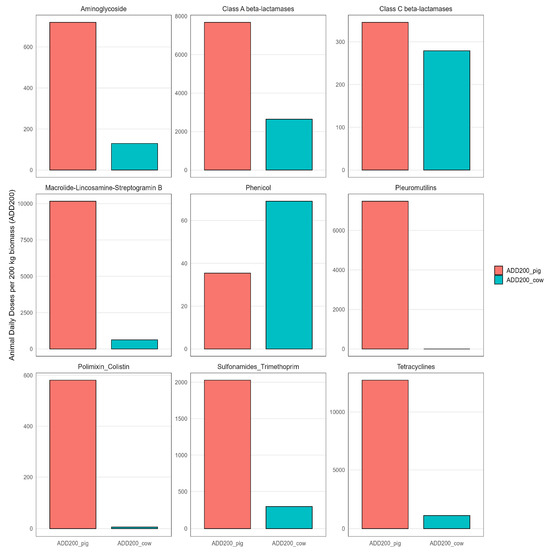
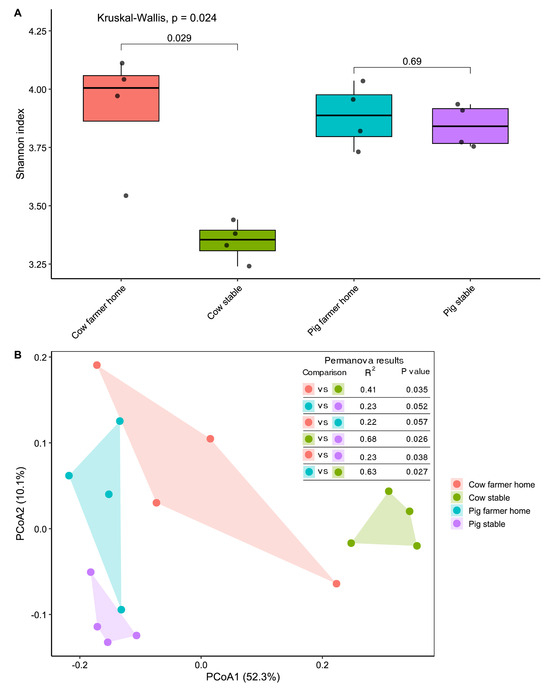
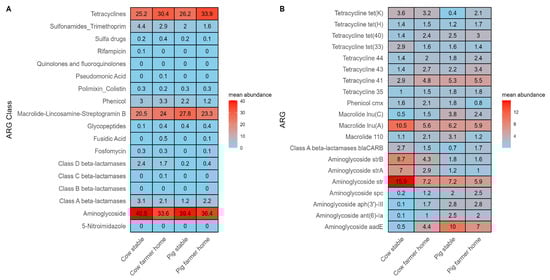
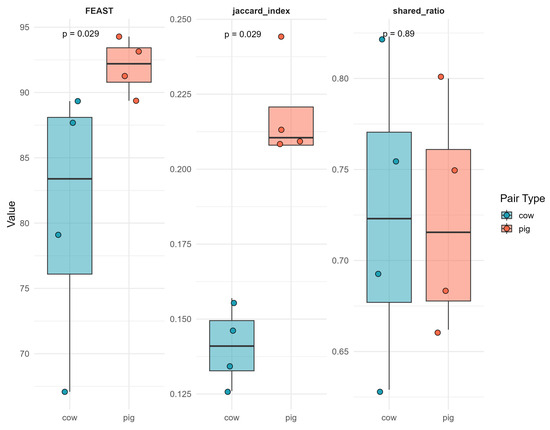
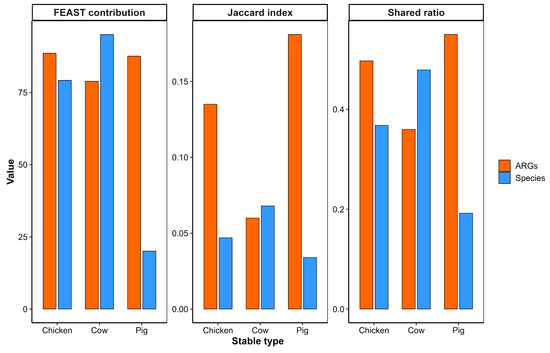
Antibiotic resistance genes (ARGs) are prevalent in livestock environments due to antimicrobial use, yet their airborne dispersal into human-occupied indoor spaces remains poorly characterized. We investigated whether airborne ARGs disperse from livestock stables into farmers’ homes and surrounding outdoor environments. Electrostatic dust collectors were deployed in paired pig and cow stables and their associated homes in Jutland, Denmark, to collect settled airborne dust. Pooled samples were analyzed using shotgun metagenomic sequencing. ARG dispersal patterns were assessed using FEAST source tracking and ecological similarity metrics, including shared ARG ratios and Jaccard indices. Pig production systems exhibited higher antibiotic use and stronger resistome continuity with farmers’ homes than cow systems, reflected by greater FEAST contributions (P = 0.029) and Jaccard similarity (P = 0.029). Beta-diversity analysis supported higher compositional similarity between pig stables and homes (PERMANOVA R2 = 0.23, p = 0.052), whereas cow environments showed greater divergence (R2 = 0.41, P = 0.035). Across environments, tetracycline, macrolide–lincosamide–streptogramin B, and aminoglycoside resistance genes dominated, consistent with livestock-specific antibiotic use patterns. Supplementary indoor–outdoor comparisons across cow, pig, and chicken stables (from an independent 2024 sampling campaign not directly comparable to the 2008 EDC-based survey) revealed contrasting dispersal dynamics, with higher bacterial species spillover from cow stables but stronger ARG overlap from pig stables. Collectively, these findings are consistent with airborne ARG connectivity across occupational and environmental interfaces and support consideration of air as a potential pathway in One Health AMR surveillance. Full article
(This article belongs to the Special Issue Advances in Airborne Microbial Communities)
Show Figures

Figure 1

34 pages, 10089 KB  
Article
GateProtoNet: A Compute-Aware Two-Stage Hybrid Framework with Prototype Evidence and Faithfulness-Verified Explainability for Wheat and Cotton Leaf Disease Classification
by Muhammad Irfan Sharif, Yong Zhong, Muhammad Zaheer Sajid and Francesco Marinello
AgriEngineering 2026, 8(4), 152; https://doi.org/10.3390/agriengineering8040152 (registering DOI) - 10 Apr 2026
Abstract
Accurate diagnosis of wheat leaf diseases in real farming conditions requires models that are not only highly accurate but also computationally efficient and interpretable for practical deployment on edge devices. We propose GateProtoNet (GPN), a two-stage, compute-aware, and explainable framework for multi-class leaf [...] Read more.
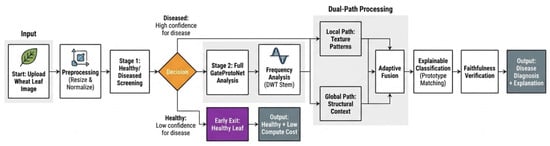
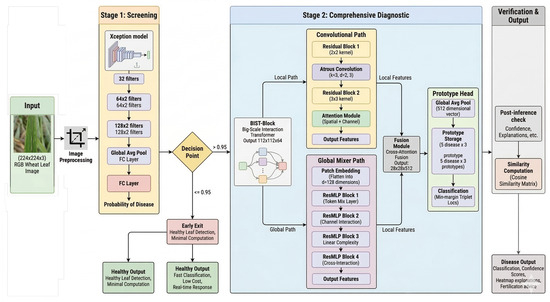
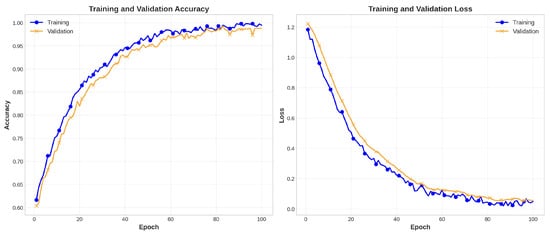
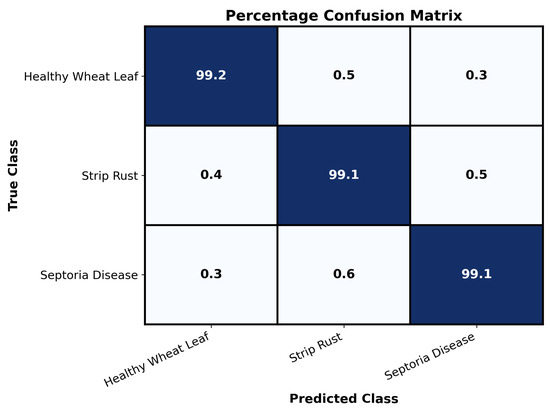
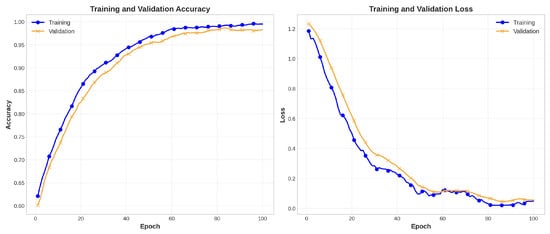
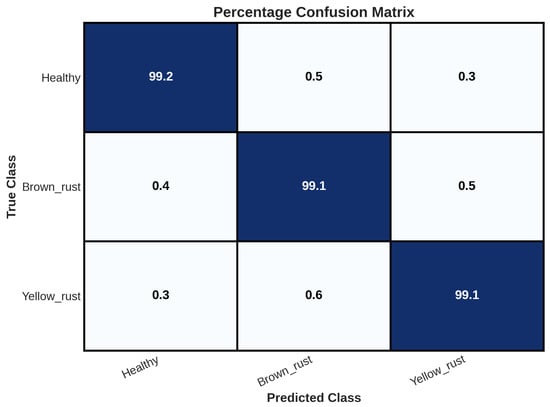
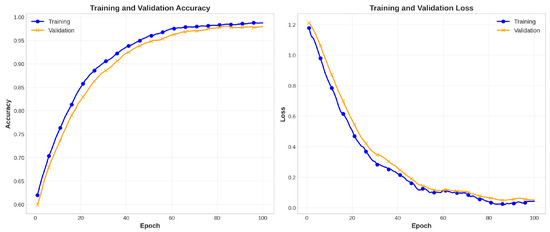
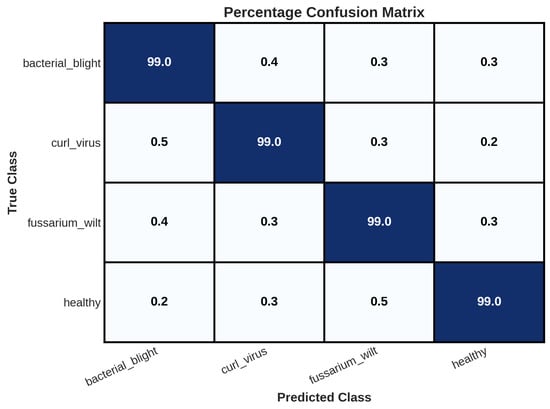
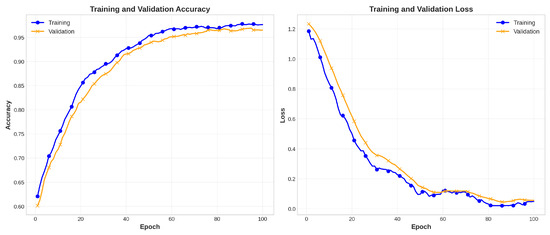
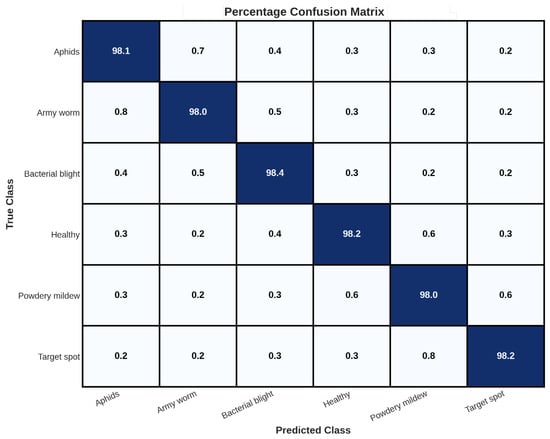
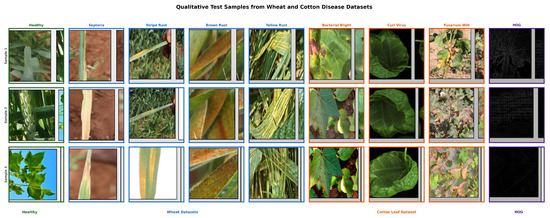
Accurate diagnosis of wheat leaf diseases in real farming conditions requires models that are not only highly accurate but also computationally efficient and interpretable for practical deployment on edge devices. We propose GateProtoNet (GPN), a two-stage, compute-aware, and explainable framework for multi-class leaf disease recognition. Stage-1 performs ultra-light healthy-versus-diseased screening, enabling early exit for healthy samples and substantially reducing average expected inference cost. For diseased samples, Stage-2 applies a novel hybrid backbone featuring a frequency-factorized Discrete Wavelet Transform (DWT) stem, parallel micro-lesion convolutional encoding for fine texture patterns, and a linear token mixer for global context modeling. A cross-gated fusion module adaptively integrates local and global evidence with minimal computational overhead. To ensure trustworthy predictions, GPN introduces a prototype evidence head that performs classification via similarity to learned class prototypes, providing human-interpretable explanations, along with a faithfulness constraint that enforces explanation reliability by measuring confidence degradation under salient region removal. Rigorous evaluation on four publicly available wheat and cotton leaf disease datasets demonstrate that GateProtoNet achieves 99.2% classification accuracy, 99.1% macro-F1 score, and 99.3% AUC, significantly outperforming existing CNN, transformer, and hybrid baselines while requiring substantially fewer parameters and FLOPs. The two-stage inference strategy reduces average computational cost by avoiding full model execution on healthy leaves, enabling real-time, on-device diagnosis for resource-constrained agricultural environments. Full article
Show Figures

Figure 1

16 pages, 3719 KB  
Article
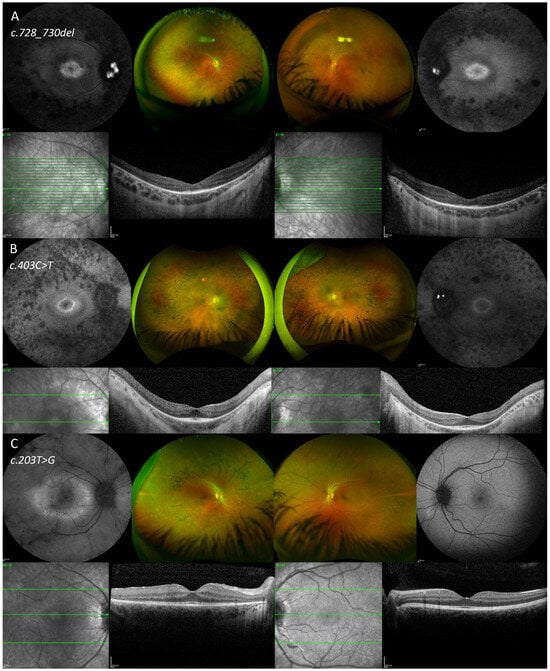
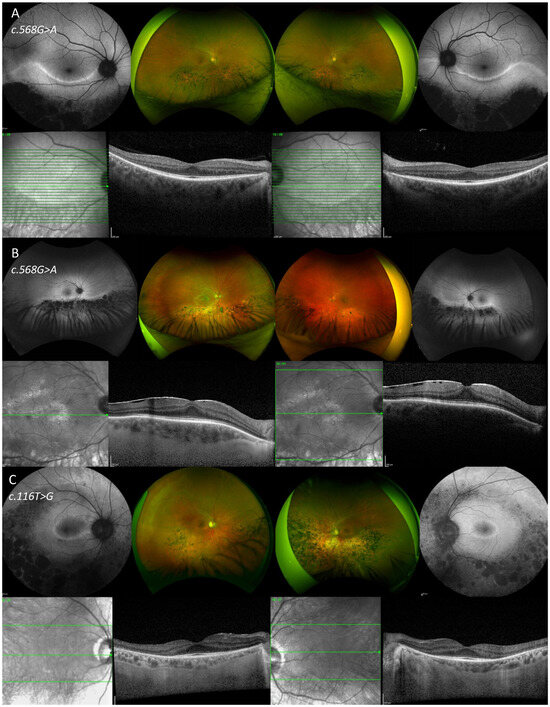
OCT and Autofluorescence Phenotypic Features in Autosomal Dominant RHO-Associated Retinitis Pigmentosa Variants
by Christina Karakosta, Saoud Al-Khuzaei, Penny Clouston, Morag Shanks and Susan M. Downes
Vision 2026, 10(2), 21; https://doi.org/10.3390/vision10020021 (registering DOI) - 10 Apr 2026
Abstract
Background/Objectives: To describe retinal imaging characteristics and the natural history of rhodopsin (RHO)-associated autosomal dominant retinitis pigmentosa (ADRP) by evaluating ellipsoid zone (EZ) width loss and measuring the degree of constriction of the area within and including the hyperautofluorescent ring. Methods: [...] Read more.
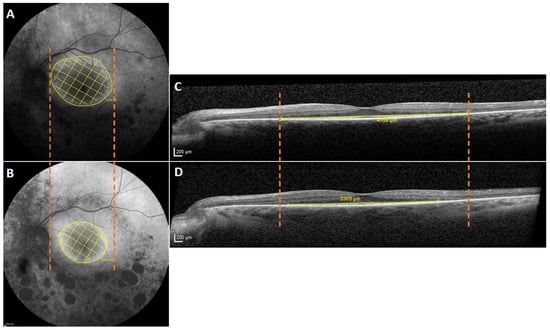
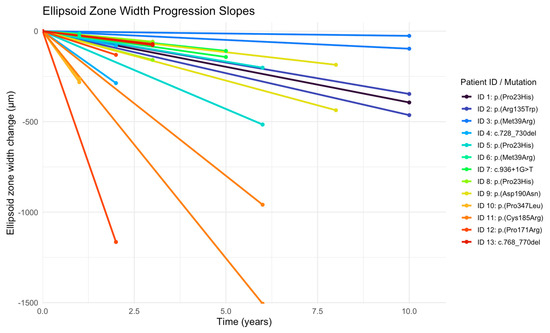
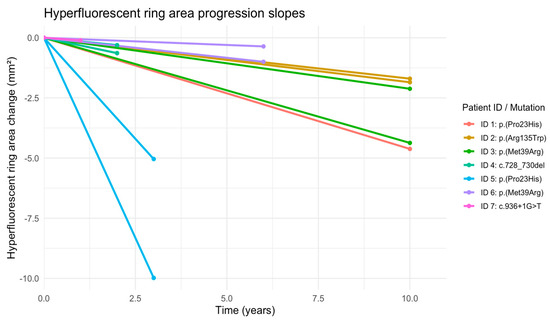
Background/Objectives: To describe retinal imaging characteristics and the natural history of rhodopsin (RHO)-associated autosomal dominant retinitis pigmentosa (ADRP) by evaluating ellipsoid zone (EZ) width loss and measuring the degree of constriction of the area within and including the hyperautofluorescent ring. Methods: Eighteen patients with molecularly confirmed RHO variants were retrospectively evaluated. EZ width on spectral-domain optical coherence tomography (SD-OCT) and the area within and including the hyperfluorescent ring on fundus autofluorescence (FAF) were measured. The correlation between EZ width and hyperfluorescent ring area was assessed using a linear mixed-effects model. Results: Mean best corrected visual acuity (BCVA) (logMAR) was 0.21 at baseline and 0.29 at last visit over a mean follow-up of 5 years. Nine patients presented with sectoral RP, eight with typical RP, and one with unilateral RP. The mean EZ width constriction rate was −93.43 µm/year (SD = 130.58), and the area within and including the hyperautofluorescent ring decreased by −0.54 mm2/year (SD = 0.50). A strong positive association was observed between the EZ width and hyperfluorescent ring area at baseline (β = 151.7 ± 17.9, p < 0.001) and at the final visit (β = 185.7 ± 18.2, p < 0.001). Conclusions: In this study, patients with RHO-associated ADRP appeared to show a relatively slow rate of progression. Quantitative imaging markers, such as EZ width and the area within and including the hyperautofluorescent ring, may offer potentially reproducible measures of disease progression. These imaging biomarkers could be useful as outcome measures in future natural history studies and therapeutic trials, pending further validation. Full article
Show Figures

Figure 1

24 pages, 3568 KB  
Article
A Self-Healing Reconfiguration Strategy to Reduce Mismatch Losses in Photovoltaic Arrays Exposed to Non-Uniform Environmental Irradiance
by Mohammed Alkahtani
Energies 2026, 19(8), 1860; https://doi.org/10.3390/en19081860 (registering DOI) - 10 Apr 2026
Abstract
Photovoltaic (PV) arrays frequently operate under non-uniform environmental conditions, including partial shading, dust accumulation, and temperature differences across the array. These factors introduce an electrical mismatch among PV modules, considerably reducing overall power output. This study proposes a self-healing reconfiguration strategy that mitigates [...] Read more.
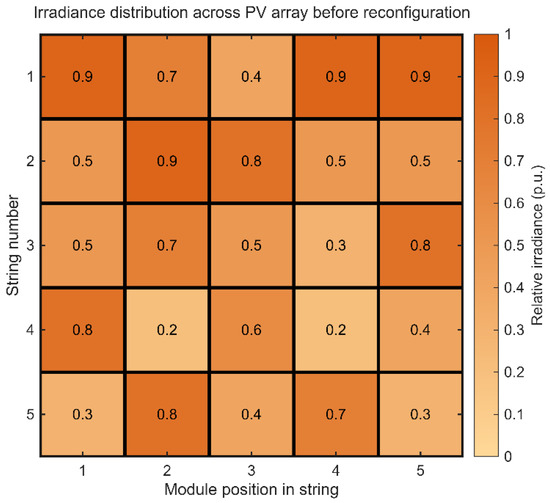
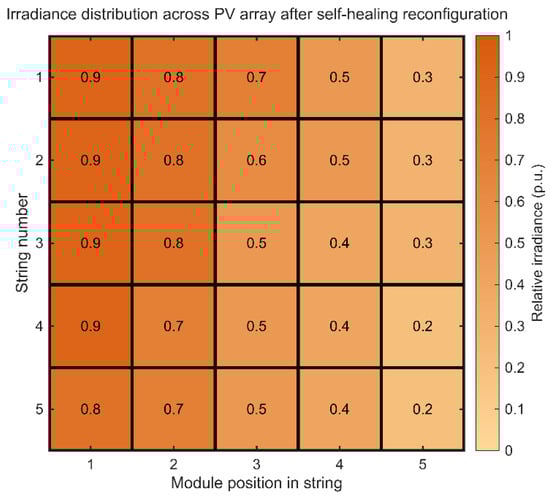
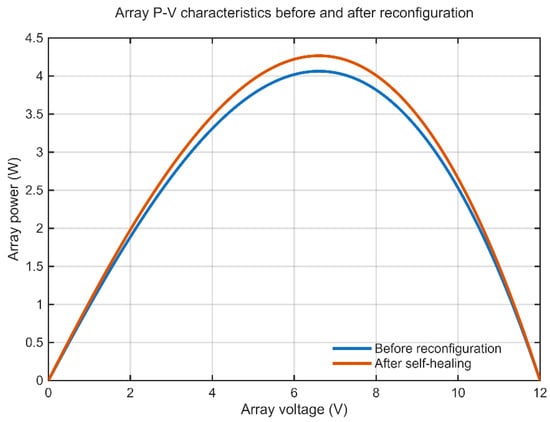
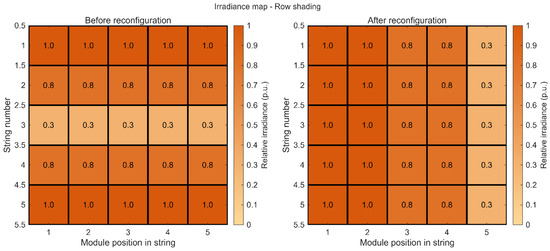
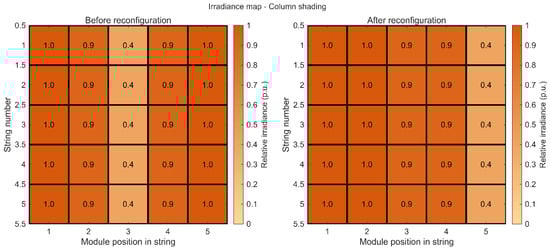
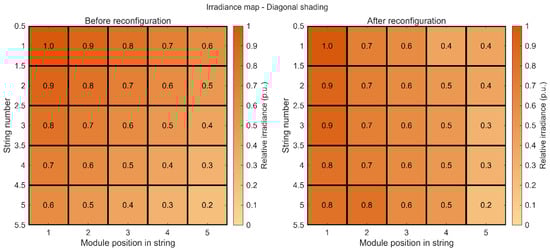
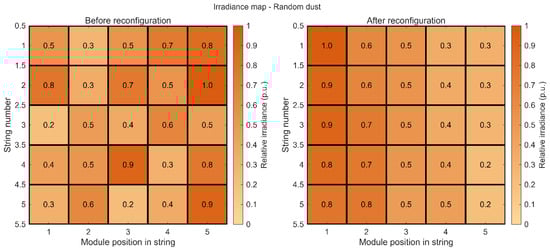
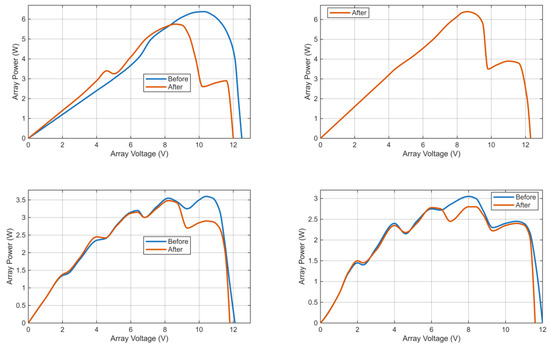
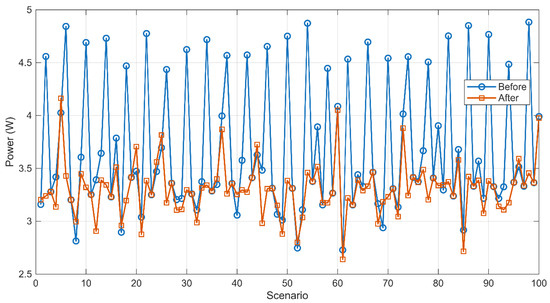
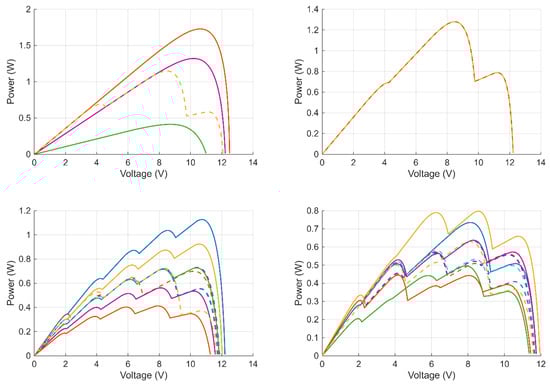
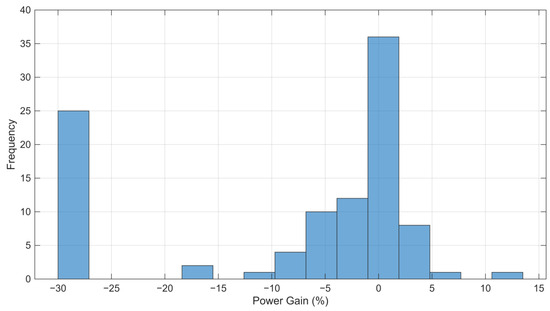
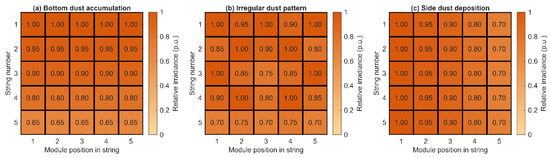
Photovoltaic (PV) arrays frequently operate under non-uniform environmental conditions, including partial shading, dust accumulation, and temperature differences across the array. These factors introduce an electrical mismatch among PV modules, considerably reducing overall power output. This study proposes a self-healing reconfiguration strategy that mitigates mismatch losses by dynamically redistributing PV modules across array strings based on irradiance levels. The main goal is to balance the current generation among strings and demonstrate performance improvements within scenarios characterised by highly uneven irradiance patterns under non-uniform operating conditions. The effectiveness of the proposed method is evaluated through simulations conducted using MATLAB R2025b (MathWorks, Natick, MA, USA) under several environmental scenarios. Deterministic shading patterns—including row shading, column shading, diagonal shading, and irregular dust distributions—are first analysed to investigate the behaviour of the PV array under regulated conditions. In addition, a statistical analysis of 100 randomly generated irradiance scenarios is carried out to assess the method’s robustness. Finally, realistic desert-dust patterns representative of environmental conditions in Saudi Arabia are used to evaluate the practical usefulness of the proposed approach. Simulation findings show that the self-healing reconfiguration strategy reduces mismatch effects and improves current balance within the PV array, enabling operation closer to the optimal power point under non-uniform irradiance conditions. These results indicate that the proposed method boosts current balance among PV strings and increases power extraction under strongly non-uniform irradiance scenarios. Full article
Show Figures

Figure 1

30 pages, 5815 KB  
Article
Engine Design Study for Free Double Piston Integrated Composite Cycle Engine
by Yu-Hsuan Lin, Gregory Uhl, Florian Winter, Alexandros Lessis, Fabio Witzgall and Arne Seitz
Aerospace 2026, 13(4), 354; https://doi.org/10.3390/aerospace13040354 (registering DOI) - 10 Apr 2026
Abstract
The Composite Cycle Engine (CCE) enhances the conventional Joule/Brayton cycle by replacing the high-pressure compressor with a high-quality piston-based gas generator that enables extremely high compression, combustion, and expansion of the working fluid before entering the classic Joule burner. This piston-based topping cycle [...] Read more.
The Composite Cycle Engine (CCE) enhances the conventional Joule/Brayton cycle by replacing the high-pressure compressor with a high-quality piston-based gas generator that enables extremely high compression, combustion, and expansion of the working fluid before entering the classic Joule burner. This piston-based topping cycle unlocks much more efficient fuel utilization. This paper studies a CCE concept featuring a system of free double piston (FDP) units for a potential long-range (LR) application in 2045, benchmarked against an advanced turbofan engine representative of the same time frame. In-house-developed simulation tools for the piston system and the overall power plant, as well as aircraft non-linear trade factor analysis, are used for different levels of conceptual assessment. First, the cooling demand inside the FDP system is determined. An engine cycle parametric study is then performed for the design point top-of-climb (ToC). Off-design performance is further studied, demonstrating a 9.3% improvement in thrust-specific fuel consumption (TSFC) in cruise relative to the baseline engine. After incorporating the engine weight and nacelle geometry effects, the engine reaches a total mission fuel burn reduction of around 14.7% compared to the baseline engine. The concept evaluation shows the fuel burn potential of the CCE in the future LR aviation sector and lays the foundation for further climate impact analysis. Full article
24 pages, 6226 KB  
Article
Enhanced IMERG SPE Using LSTM with a Novel Adaptive Regularization Method
by Seng Choon Toh, Wan Zurina Wan Jaafar, Cia Yik Ng, Eugene Zhen Xiang Soo, Majid Mirzaei, Fang Yenn Teo and Sai Hin Lai
Water 2026, 18(8), 905; https://doi.org/10.3390/w18080905 (registering DOI) - 10 Apr 2026
Abstract
Satellite-based precipitation estimates (SPE) provide essential spatial coverage and near real-time availability for hydrological applications but often exhibit systematic biases in regions characterized by complex terrain and strong climatic variability, limiting their reliability for flood-related studies. To address these limitations, this study proposes [...] Read more.
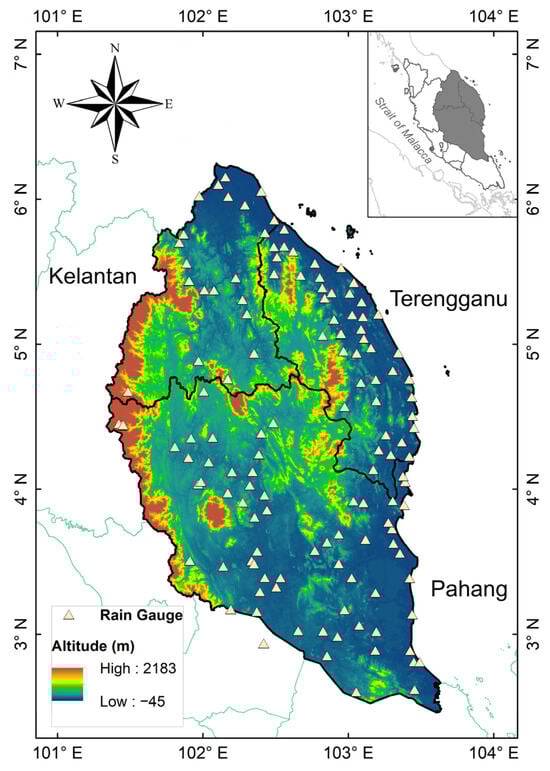
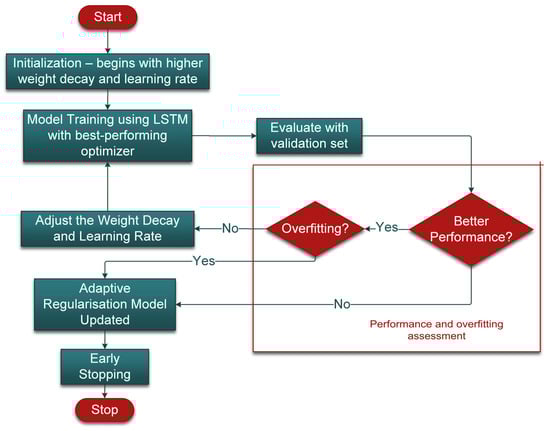
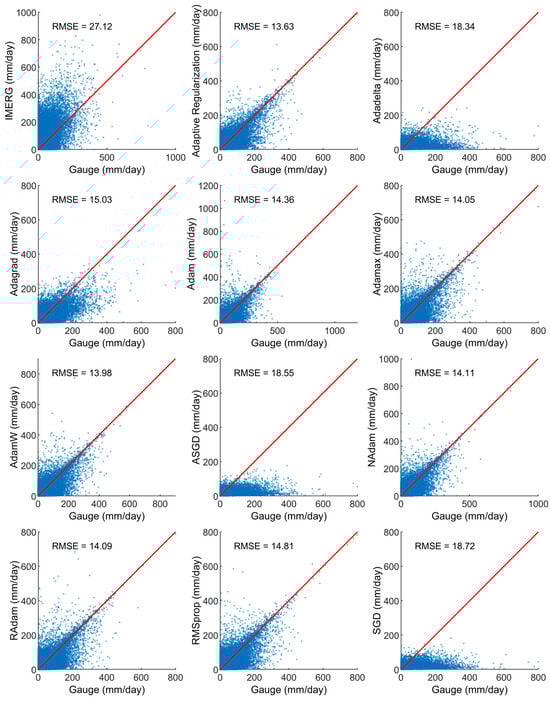
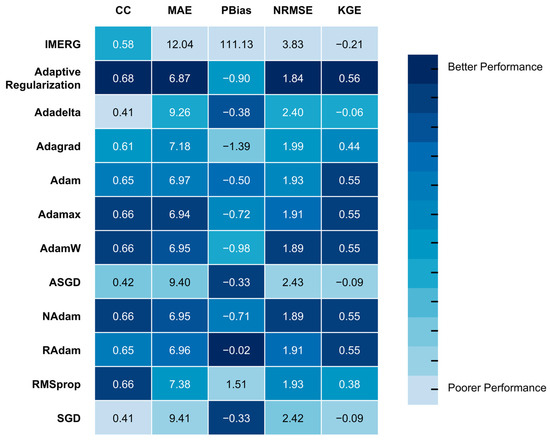
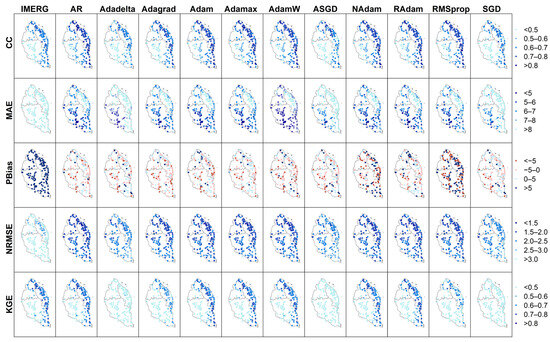
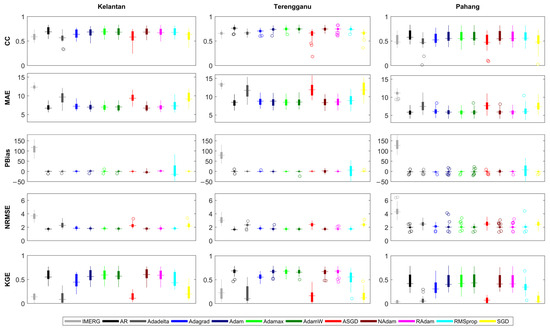
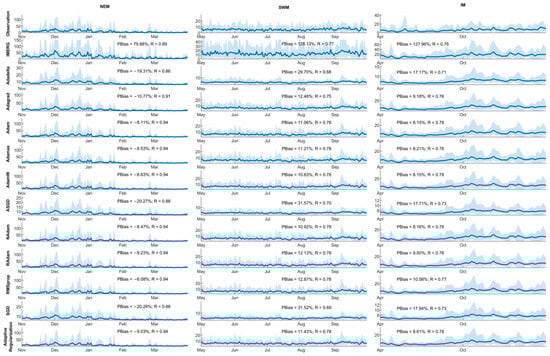
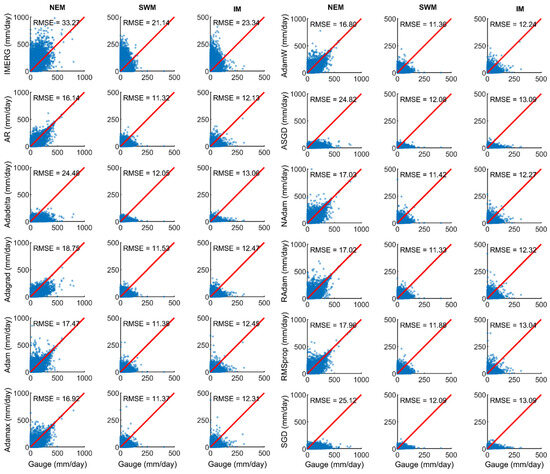
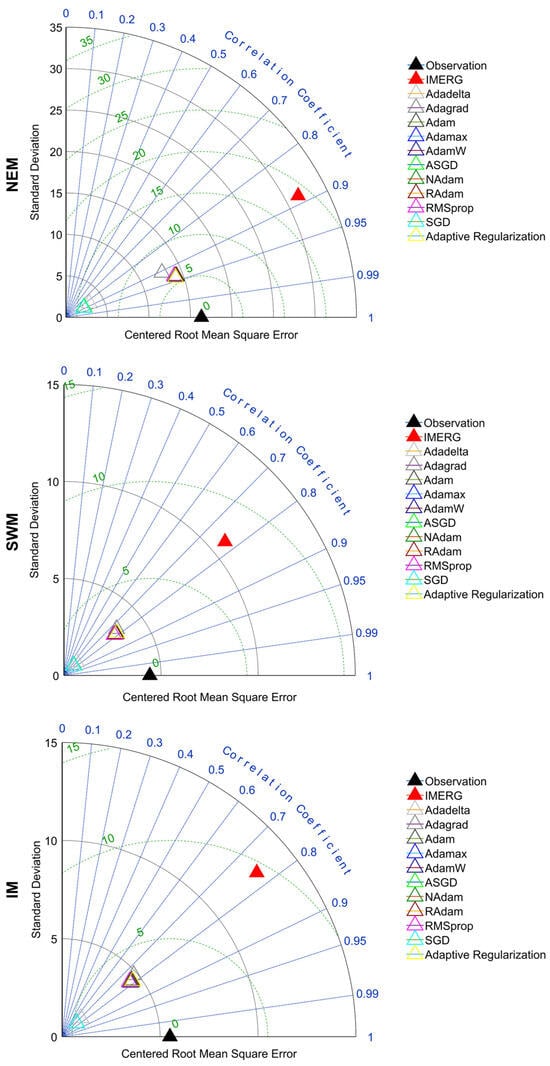
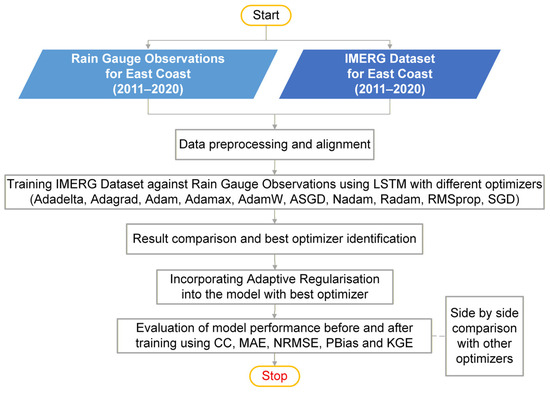
Satellite-based precipitation estimates (SPE) provide essential spatial coverage and near real-time availability for hydrological applications but often exhibit systematic biases in regions characterized by complex terrain and strong climatic variability, limiting their reliability for flood-related studies. To address these limitations, this study proposes an Adaptive Regularization framework integrated within a Long Short-Term Memory (LSTM) model to enhance satellite–gauge rainfall fusion beyond conventional optimization strategies. The framework dynamically adjusts learning rate and weight decay during training based on validation performance and overfitting indicators, improving training stability, data efficiency, and model generalization across diverse precipitation regimes. The proposed approach was applied to refine Integrated Multi-satellite Retrievals for Global Precipitation Measurement (IMERG-Final) daily rainfall estimates over the flood-prone east coast of Peninsular Malaysia. Model performance was assessed against ten optimization algorithms using correlation coefficient (CC), mean absolute error (MAE), normalized root mean squared error (NRMSE), percentage bias (PBias), and Kling–Gupta efficiency (KGE). Results show that the Adaptive Regularization framework consistently outperforms all benchmark optimizers, achieving an MAE of 6.87, CC of 0.68, NRMSE of 1.84, and KGE of 0.56. Overall, the proposed framework enhances spatial consistency and robustness across monsoon seasons, offering a scalable solution for improving SPE in flood-prone regions. Full article
(This article belongs to the Special Issue Water and Environment for Sustainability)
Show Figures

Figure 1

27 pages, 18061 KB  
Article
Effects of Drought Stress on Leaf Micromorphology, Glandular Trichomes, and the Accumulation of Essential Oils and Flavonoids in Four Lamiaceae Species
by Csilla Tóth, Enikő Bodó, Szabolcs Vigh and Brigitta Tóth
Horticulturae 2026, 12(4), 470; https://doi.org/10.3390/horticulturae12040470 (registering DOI) - 10 Apr 2026
Abstract
The effects of progressive drought stress were examined in four economically important plant species belonging to the Lamiaceae family: catnip (Nepeta cataria L.), lavender (Lavandula angustifolia Mill.), holy basil (Ocimum tenuiflorum L.), and perilla mint (Perilla frutescens (L.) Britton). [...] Read more.
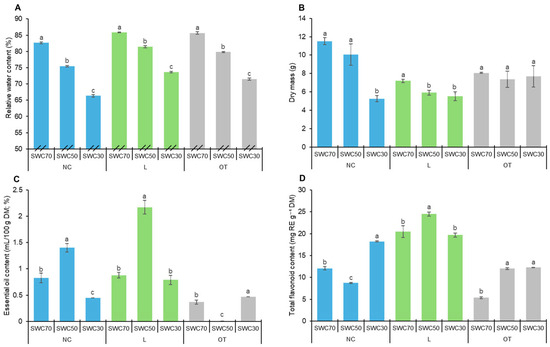
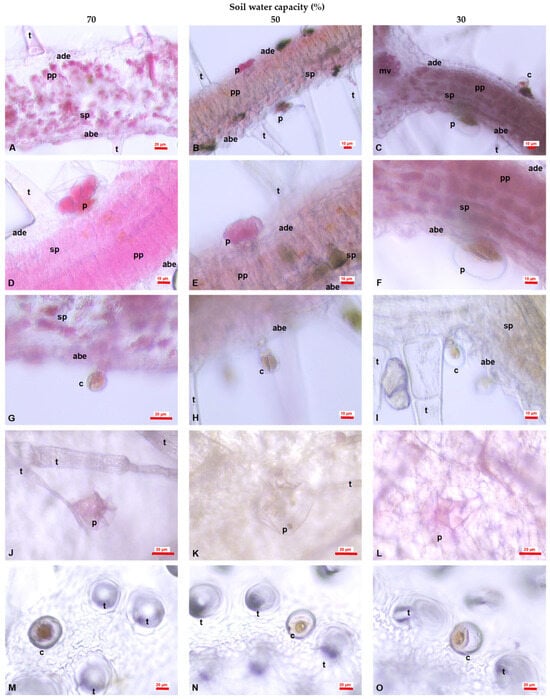
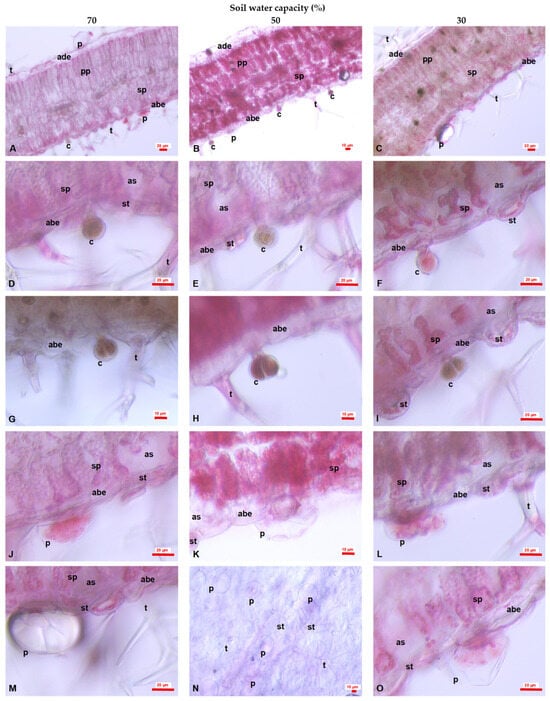
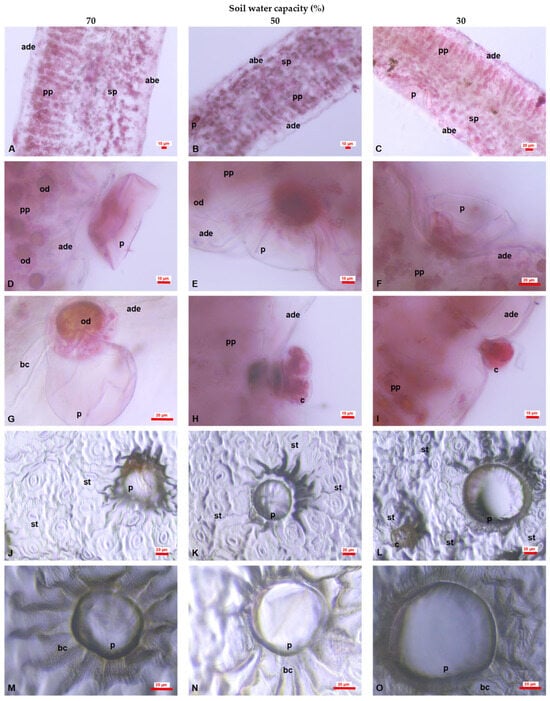
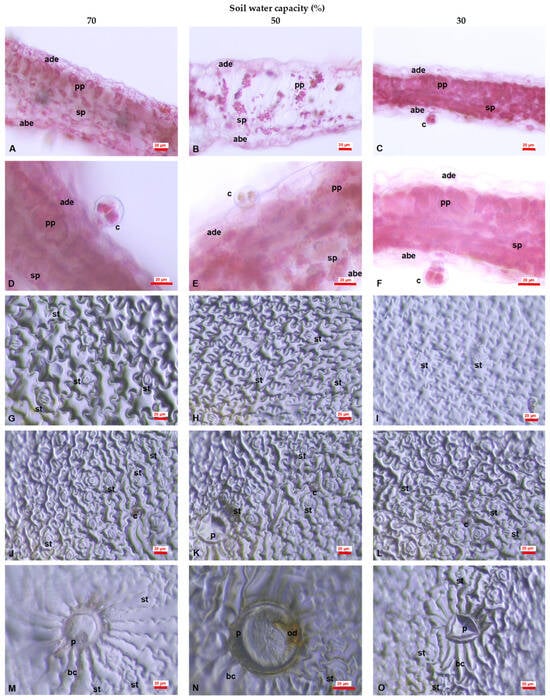
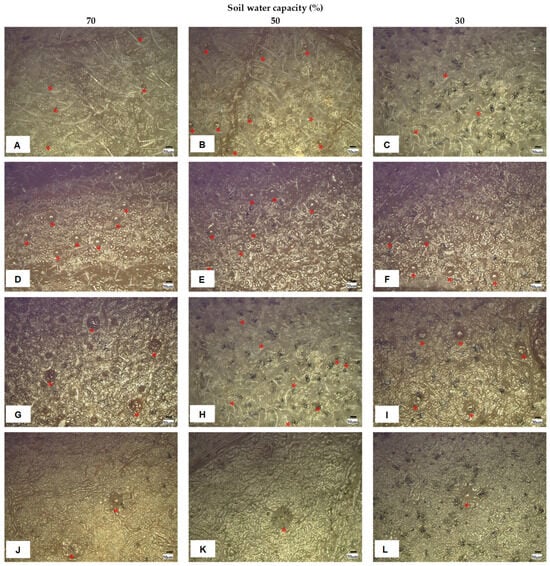
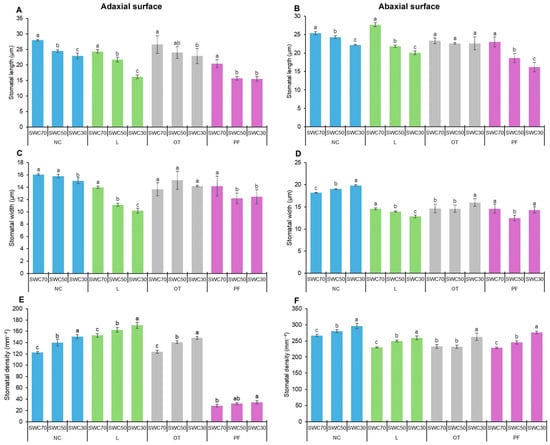
The effects of progressive drought stress were examined in four economically important plant species belonging to the Lamiaceae family: catnip (Nepeta cataria L.), lavender (Lavandula angustifolia Mill.), holy basil (Ocimum tenuiflorum L.), and perilla mint (Perilla frutescens (L.) Britton). Plants were grown in a controlled pot experiment under three soil water capacity levels: 70% (control), 50% (moderate stress), and 30% (severe stress), and the drought stress lasted for 30 days. The study evaluated a comprehensive set of leaf micromorphological parameters, including the density and diameter of glandular trichomes, stomatal density and size, and the thickness of the lamina, mesophyll, epidermis, cuticle, and parenchymal layers. In addition, essential oil (EO) content, total flavonoid content (TFC), and elemental composition were analyzed. Drought responses were strongly species-specific. O. tenuiflorum, P. frutescens, and N. cataria showed high sensitivity characterized by reduced biomass and thinning of leaf tissues. These changes were accompanied by typical xeromorphic adaptations, such as increased stomatal and glandular trichome density, and reduced stomatal size. L. angustifolia exhibited pronounced cuticle thickening, suggesting an effective structural mechanism to minimize water loss. Secondary metabolism also responded differently among species. In some cases, drought shifted metabolic allocation toward flavonoid accumulation at the expense of essential oils, whereas in others, moderate stress promoted the co-accumulation of both compounds. These patterns indicate distinct adaptive strategies linking anatomical plasticity with metabolic regulation. Overall, moderate drought supported adaptive responses, while severe water limitation impaired growth and metabolic production. From a practical perspective, maintaining moderate soil water availability appears critical to optimize both plant performance and the accumulation of valuable secondary metabolites in Lamiaceae species. Full article
Show Figures

Figure 1

24 pages, 3554 KB  
Article
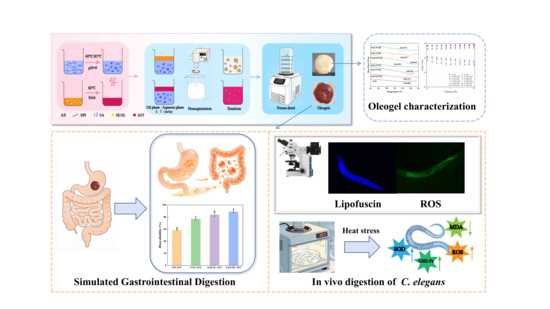
Emulsifier-Modulated Microstructure of Soy Protein–Arabinoxylan Oleogels Improves Astaxanthin Bioaccessibility and In Vivo Antioxidant Activity
by Xiaolong Shen, Wenhao Hu, Wenrong Meng, Tiancheng Sheng, Xiuhong Zhao, Jiaxin Li, Qingyu Yang and Longkun Wu
Foods 2026, 15(8), 1315; https://doi.org/10.3390/foods15081315 (registering DOI) - 10 Apr 2026
Abstract
Astaxanthin (AST), despite its high bioactivity, exhibits poor stability and low bioavailability due to its strong lipophilicity and inherent degradation susceptibility. To overcome such a challenge, we developed a food-grade oleogel delivery system using a soy protein–arabinoxylan (SA) glycosylated complex modulated by different [...] Read more.
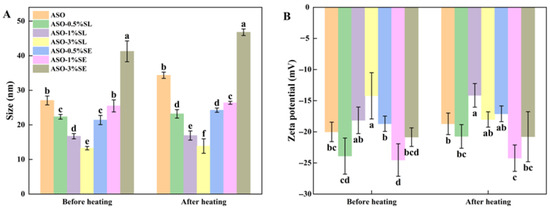
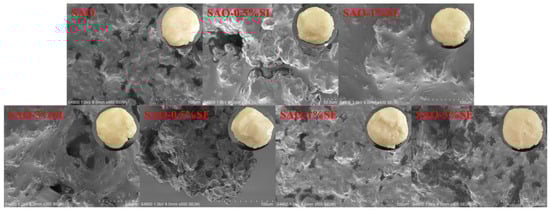
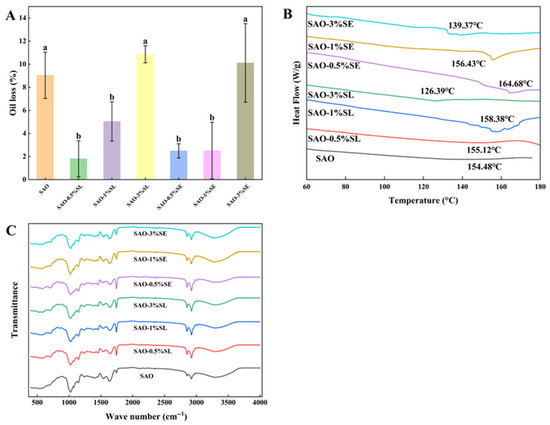
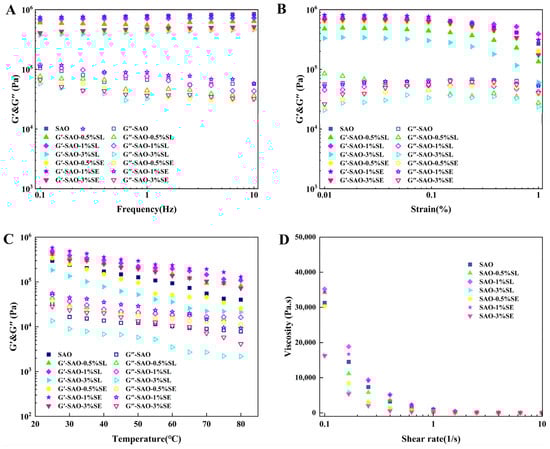
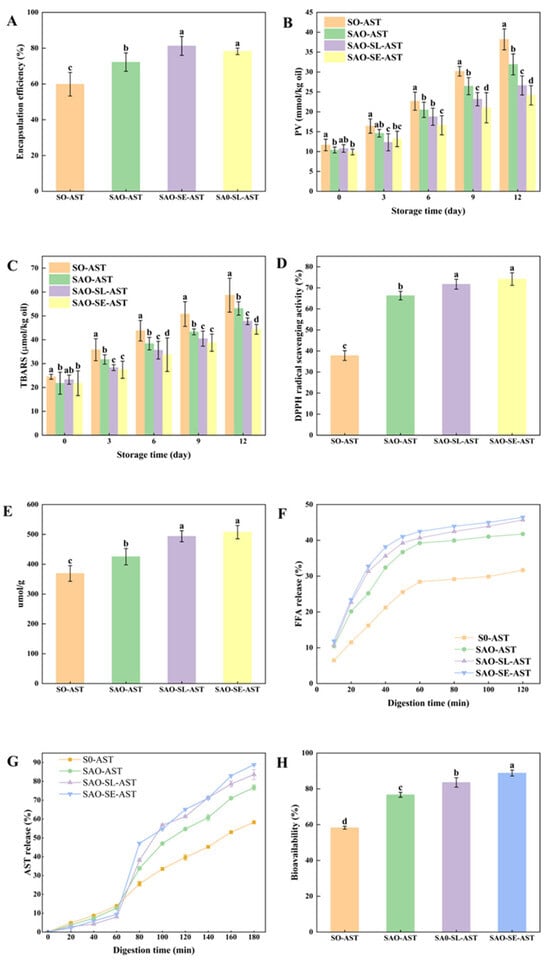
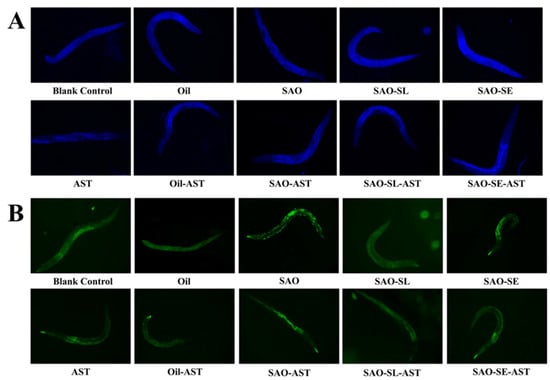
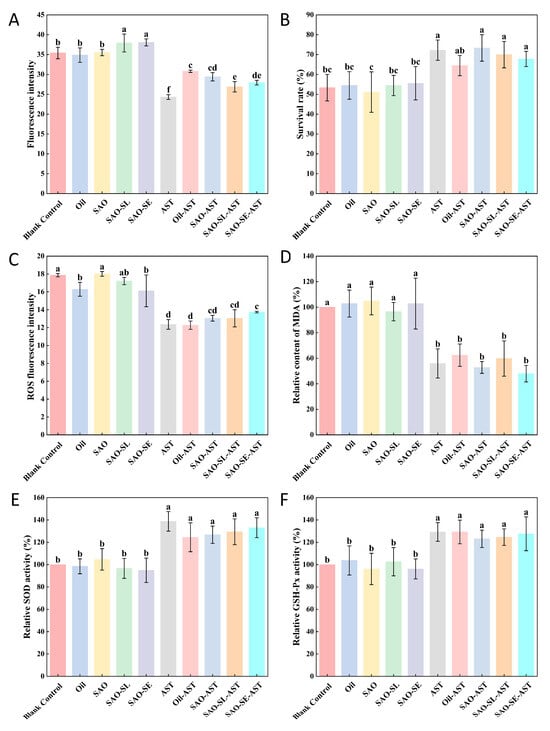
Astaxanthin (AST), despite its high bioactivity, exhibits poor stability and low bioavailability due to its strong lipophilicity and inherent degradation susceptibility. To overcome such a challenge, we developed a food-grade oleogel delivery system using a soy protein–arabinoxylan (SA) glycosylated complex modulated by different concentrations (0.5–3%) of sucrose ester (SE) or soy lecithin. We show that the emulsifier concentration has a non-linear effect on the oleogel microstructure: an optimal level of 1% had a significant impact on the interfacial compactness and network density, giving rise to improved thermal stability, rheological strength and AST encapsulation efficiency (81.27%). During in vitro digestion, the SA matrix in combination with emulsifiers allowed gastric protection and intestinal-targeted release of AST with a bioaccessibility of up to 88.84% (SAO-SE-AST). This controlled release profile directly translated into enhanced in vivo antioxidant efficacy in wild-type Bristol N2 Caenorhabditis elegans, as evidenced by reduced lipofuscin accumulation, elevated thermotolerance (survival rate: 64.44–73.33%), suppressed reactive oxygen species levels and activation of endogenous antioxidant enzymes (superoxide dismutase as well as glutathione peroxidase). Collectively, this research has uncovered that food-grade emulsifiers are not only stabilizers, but also key regulators of oleogel architecture and bioactive functionality. These results provide a structure–digestion–bioactivity correlation for protein–polysaccharide oleogels, representing a rational design strategy for high-performance delivery systems of lipid-soluble nutraceuticals. Full article
(This article belongs to the Section Nutraceuticals, Functional Foods, and Novel Foods)
Show Figures

Graphical abstract

17 pages, 1622 KB  
Article
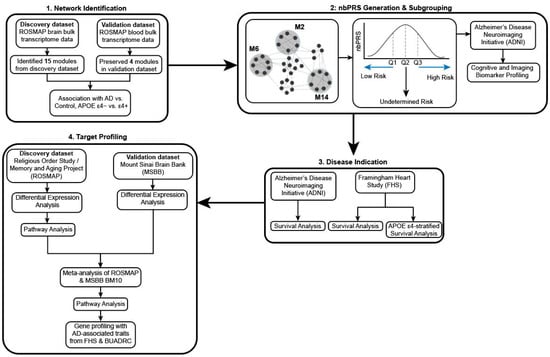
Blood–Brain Network-Based Polygenic Risk Scores Reveal Biomarker Signatures and the Progression of Alzheimer’s Disease
by Daniel Goldstein, Nathan Sahelijo, Dhawal Priyadarshi, Rebecca Panitch, Kwangsik Nho, Lindsay A. Farrer, Thor D. Stein and Gyungah R. Jun
J. Clin. Med. 2026, 15(8), 2885; https://doi.org/10.3390/jcm15082885 (registering DOI) - 10 Apr 2026
Abstract
Background: Polygenic risk scores for Alzheimer’s disease (AD), organized by gene networks shared between the blood and brain, may provide insights into underlying disease mechanisms common to both tissues. Methods: We derived a blood–brain network-based polygenic risk score (nbPRS) from AD-associated genetic variants [...] Read more.
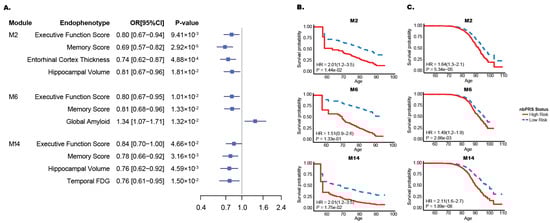
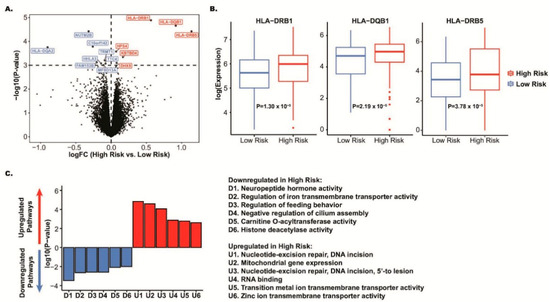
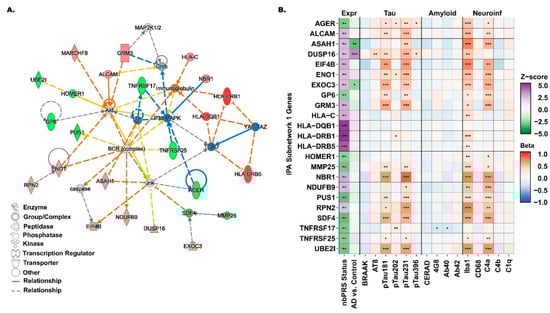
Background: Polygenic risk scores for Alzheimer’s disease (AD), organized by gene networks shared between the blood and brain, may provide insights into underlying disease mechanisms common to both tissues. Methods: We derived a blood–brain network-based polygenic risk score (nbPRS) from AD-associated genetic variants for three blood-brain networks, selected by the preservation of blood and brain gene co-expression networks, and AD association. Participants from the Alzheimer’s Disease Neuroimaging Initiative (ADNI, n = 1109), Framingham Heart Study (FHS, n = 8310), the Religious Orders Study Memory Aging Project (ROSMAP, n = 1215), and Mount Sinai Brain Bank (MSBB, n = 323) were stratified into low- and high-nbPRS subgroups, then profiled using longitudinal and cross-sectional data. We compared the conversion from normal cognition to AD between nbPRS subgroups. Genes differentially expressed among low- and high-nbPRS individuals were profiled with classical neuropathological markers and we investigated potential biologically relevant pathways for the genes significantly expressed in high-risk individuals. Results: Individuals with high nbPRS in three AD-associated networks (M2, M6, M14) demonstrated significant impairment in executive function and memory performance, whereas high-risk individuals in networks M2 and M14 had significantly reduced hippocampal volume. We observed high-risk individuals in M2 and M14 developed AD at twice the rate of low-risk individuals in these networks. HLA genes were differentially expressed with transcriptome-wide significance among low- and high-nbPRS individuals in M14 and associated with neuroinflammatory and tau pathology. Conclusions: Polygenic risk scores derived from blood and brain networks can differentiate individuals with a high risk of AD conversion. Full article
(This article belongs to the Section Clinical Neurology)
Show Figures

Figure 1

30 pages, 6016 KB  
Review
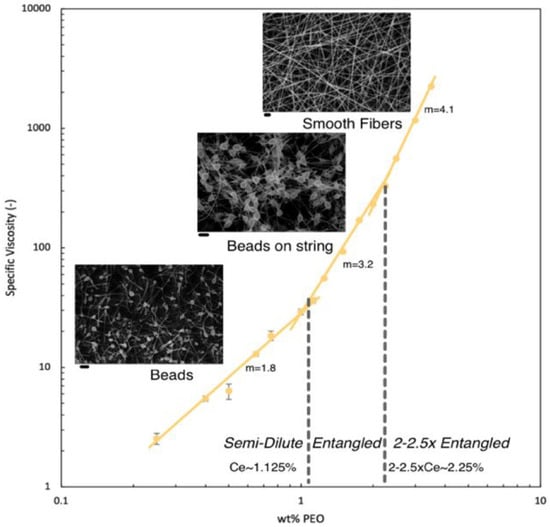
Macromolecular Design Principles Governing Electrospinning of Polymer Nanofibers
by Lan Yi and Christian Dreyer
Polymers 2026, 18(8), 929; https://doi.org/10.3390/polym18080929 (registering DOI) - 10 Apr 2026
Abstract
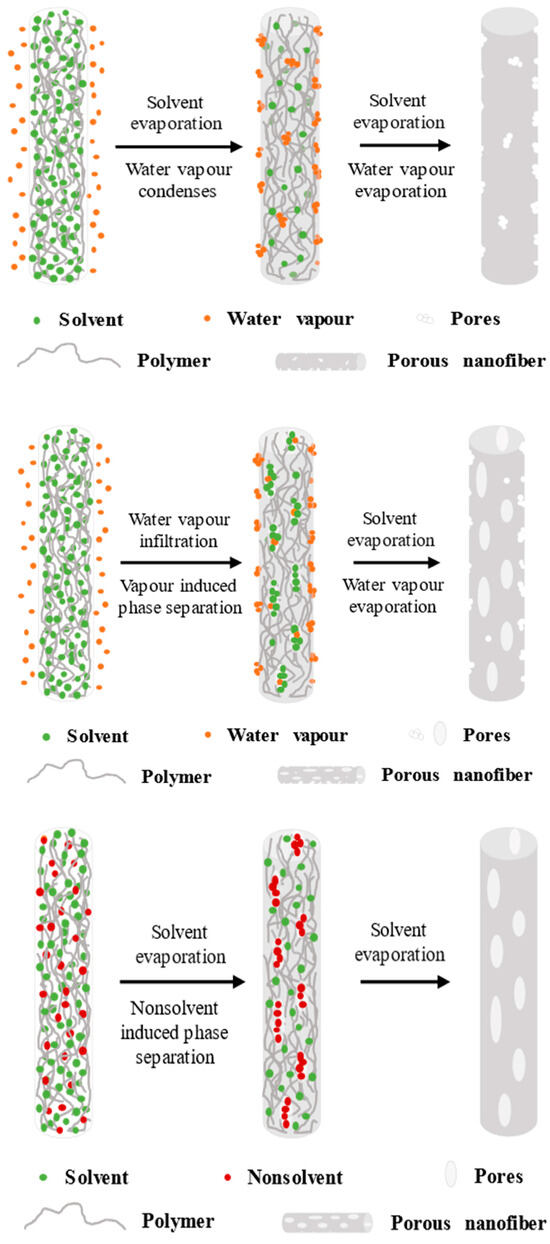
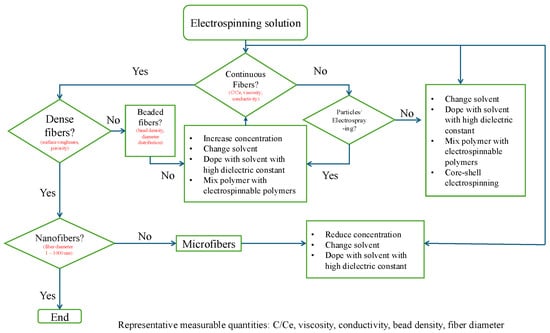
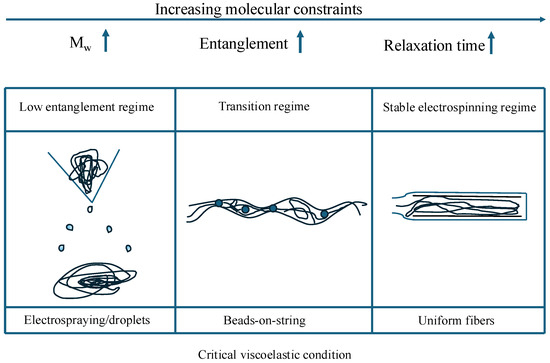
Electrospinning is a versatile technique for producing polymer nanofibers with high ratios of surface area to volume and tunable porosity. Conventional approach to the optimization of processing parameters such as voltage and flow rate frequently encounters limitations in reproducibility and scalability. This review [...] Read more.
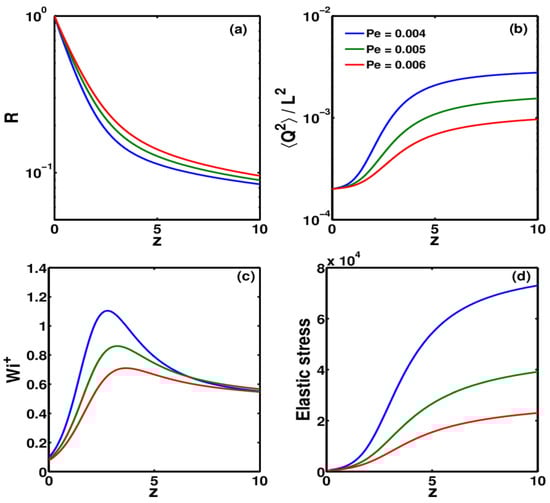
Electrospinning is a versatile technique for producing polymer nanofibers with high ratios of surface area to volume and tunable porosity. Conventional approach to the optimization of processing parameters such as voltage and flow rate frequently encounters limitations in reproducibility and scalability. This review proposes a comprehensive framework that integrates macromolecular design principles with established electrohydrodynamic theories. We analyze how intrinsic molecular traits, specifically chain entanglement density, molecular weight distribution (MWD), topological architecture, and polymer–solvent thermodynamic interactions, define the boundaries of jet stability and solidification. Key findings highlight that while molecular weight establishes a baseline for spinnability, the MWD dictates the dynamic response under extreme deformation. Notably, high-molecular-weight fractions act as elastic load-bearers that suppress capillary breakup. Furthermore, we discuss here how molecular architecture and solvent-mediated segmental mobility determine whether molecular orientation is kinetically trapped or relaxed during the nanosecond timescales of jet flight. By establishing a hierarchical design logic prioritizing molecular and formulation variables over processing parameters, this framework provides a robust strategy to overcome challenges in scalability and reproducibility, positioning electrospinning as a sensitive probe for macromolecular dynamics under extreme elongation. Full article
(This article belongs to the Section Polymer Processing and Engineering)
Show Figures

Figure 1

31 pages, 429 KB  
Review
Common Skin Diseases and Metabolic Syndrome: A Proinflammatory Chemokine Perspective
by Mateusz Matwiejuk, Hanna Myśliwiec, Agnieszka Mikłosz, Adrian Chabowski and Iwona Flisiak
Metabolites 2026, 16(4), 253; https://doi.org/10.3390/metabo16040253 (registering DOI) - 10 Apr 2026
Abstract
Skin diseases frequently coexist with other disorders, such as metabolic syndrome, diabetes mellitus, depression, psoriatic arthritis, and cardiovascular disease. Altered levels of distinct chemokines, like CCL5/RANTES, CXCL12/SDF-1a, CCL7/MCP-3, CCL2/MCP-1, CXCL1/GROa, and the eotaxin family, contribute to the development and/or exacerbation of inflammation, which [...] Read more.
Skin diseases frequently coexist with other disorders, such as metabolic syndrome, diabetes mellitus, depression, psoriatic arthritis, and cardiovascular disease. Altered levels of distinct chemokines, like CCL5/RANTES, CXCL12/SDF-1a, CCL7/MCP-3, CCL2/MCP-1, CXCL1/GROa, and the eotaxin family, contribute to the development and/or exacerbation of inflammation, which is a common feature of numerous skin diseases as well as metabolic syndrome. The pathological and molecular connections between chronic inflammatory skin diseases and metabolic syndrome are increasingly recognized as being driven by shared inflammatory pathways, oxidative stress, and adipokine dysregulation. While systemic inflammation acts as a common thread, the precise mechanisms for some conditions remain partially understood. Nevertheless, the exact pathological and molecular connections between skin diseases (i.e., psoriasis, atopic dermatitis, pemphigus vulgaris, acute and chronic spontaneous urticaria, bullous pemphigoid, squamous cell carcinoma, alopecia areata, systemic sclerosis, discoid lupus erythematosus, diffuse large B-cell lymphoma) and metabolic syndrome are not yet fully understood. This narrative review summarizes the robust association between various chronic inflammatory skin diseases and metabolic syndrome in the context of pro-inflammatory chemokines. Full article
(This article belongs to the Special Issue Psoriasis and Metabolic Syndrome)
14 pages, 1845 KB  
Article
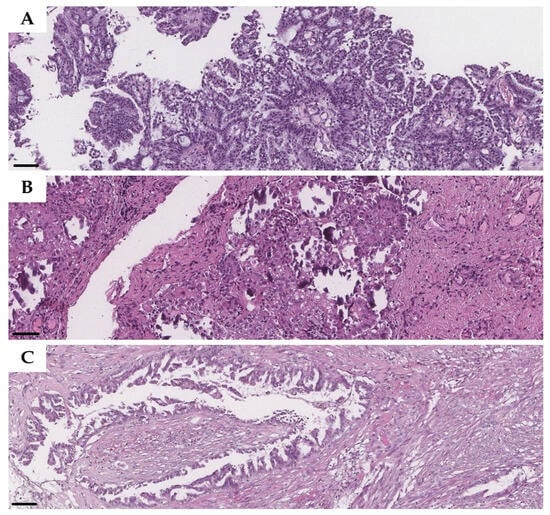
Diagnostic Consistency and Morphological Limits of Extraovarian Lesions in Ovarian Serous Tumors: A Comparative Study Between Gynecological and General Pathologists
by Alina Badlaeva, Anna Tregubova, Natalia Arzhanukhina, Alevtina Chamorovskaya, Vladimir Borzunov, Polina Sheshko, Valentina Litvinova, Larisa Ezhova and Aleksandra Asaturova
Diagnostics 2026, 16(8), 1136; https://doi.org/10.3390/diagnostics16081136 (registering DOI) - 10 Apr 2026
Abstract
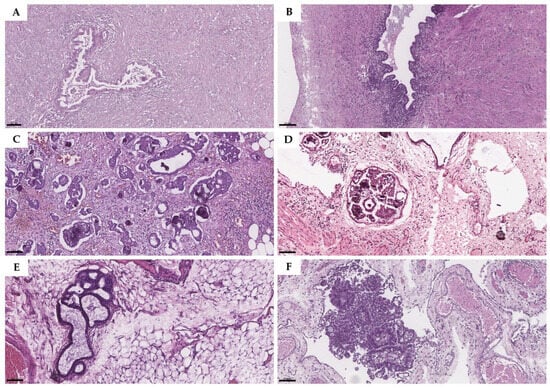
Background/Objectives: Since non-invasive implants and invasive implants (metastases) are a key point of differentiation between serous borderline tumors (SBTs) and low-grade serous carcinoma (LGSC), the correct diagnosis of these two types of extraovarian lesions is crucial for patient treatment and prognosis. However, [...] Read more.
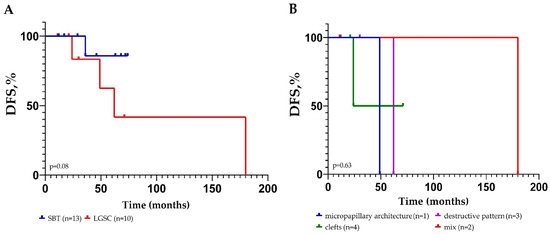
Background/Objectives: Since non-invasive implants and invasive implants (metastases) are a key point of differentiation between serous borderline tumors (SBTs) and low-grade serous carcinoma (LGSC), the correct diagnosis of these two types of extraovarian lesions is crucial for patient treatment and prognosis. However, accurate diagnosis can be challenging even for experienced pathologists. The aim of this study was to evaluate interobserver agreement in the classification of these extraovarian lesions. Methods: Twenty-four cases of ovarian SBT and LGSC with 33 samples of non-invasive implants of SBT and metastasis of LGSC were independently reviewed by three gynecologic pathologists and three general pathologists. Diagnostic criteria included destructive invasion, micropapillary architecture, and retraction clefts. To measure interobserver agreement, Fleiss’ kappa and Cohen’s kappa were calculated, with consensus diagnoses determined by the majority of gynecologic pathologists. Results: According to the consensus, diagnosis 42.4% biopsies were classified as metastases of LGSC and 57.6% as non-invasive implants of SBT. Overall reproducibility was substantial (κ = 0.61). The agreement among gynecologic pathologists, as well as between gynecologic pathologists and the consensus (using leave-one-out reference), was substantial to near-perfect (κ = 0.745–0.821). General pathologists’ agreement with the consensus was moderate (κ = 0.467–0.698). Agreement between general pathologists was also moderate, with κ values ranging from 0.413 to 0.518. The difference in pairwise agreement between the two groups was statistically significant, confirming that gynecologic pathologists outperformed general pathologists in classifying extraovarian lesions. Conclusions: The results showed that current diagnostic reproducibility remains suboptimal, particularly among general pathologists, underscoring the need for improved training and standardized criteria. Ultimately, a multidisciplinary approach combining morphological expertise, immunohistochemical validation and molecular stratification will be essential for optimizing diagnosis and treatment. Full article
(This article belongs to the Special Issue Advances in Diagnosis of Gynecological Cancers: 2nd Edition)
Show Figures

Figure 1

29 pages, 2799 KB  
Article
Ensemble Graph Neural Networks for Probabilistic Sea Surface Temperature Forecasting via Input Perturbations
by Alejandro J. González-Santana, Giovanny A. Cuervo-Londoño and Javier Sánchez
Electronics 2026, 15(8), 1583; https://doi.org/10.3390/electronics15081583 (registering DOI) - 10 Apr 2026
Abstract
Accurate regional ocean forecasting requires models that are both computationally efficient and capable of representing predictive uncertainty. This work investigates ensemble learning strategies for sea surface temperature (SST) forecasting using Graph Neural Networks (GNNs), with a focus on how input perturbation design affects [...] Read more.
Accurate regional ocean forecasting requires models that are both computationally efficient and capable of representing predictive uncertainty. This work investigates ensemble learning strategies for sea surface temperature (SST) forecasting using Graph Neural Networks (GNNs), with a focus on how input perturbation design affects forecast skill and uncertainty representation. We adapt a GNN architecture to the Canary Islands region in the North Atlantic and implement a homogeneous ensemble approach inspired by bagging, where diversity is introduced during inference by perturbing initial ocean states rather than retraining multiple models. Several noise-based ensemble generation strategies are evaluated, including Gaussian noise, Perlin noise, and fractal Perlin noise, with systematic variation of noise intensity and spatial structure. Ensemble forecasts are assessed over a 15-day horizon using deterministic metrics (RMSE and bias) and probabilistic metrics, including the Continuous Ranked Probability Score (CRPS) and the Spread–skill ratio. The results show that, while deterministic skill remains comparable to the single-model forecast, the type and structure of input perturbations influence uncertainty representation, particularly at longer lead times. Ensembles generated with spatially coherent perturbations, such as low-resolution Perlin noise, achieve improved calibration and lower CRPS compared to purely random Gaussian perturbations. These findings highlight the role of noise structure and scale in ensemble GNN design, indicating that specifically structured input perturbations can improve ensemble diversity and calibration without additional training cost. These results provide a methodological contribution toward the study of ensemble-based GNN approaches for regional ocean forecasting. Full article
(This article belongs to the Special Issue Feature Papers in Artificial Intelligence)
13 pages, 1459 KB  
Article
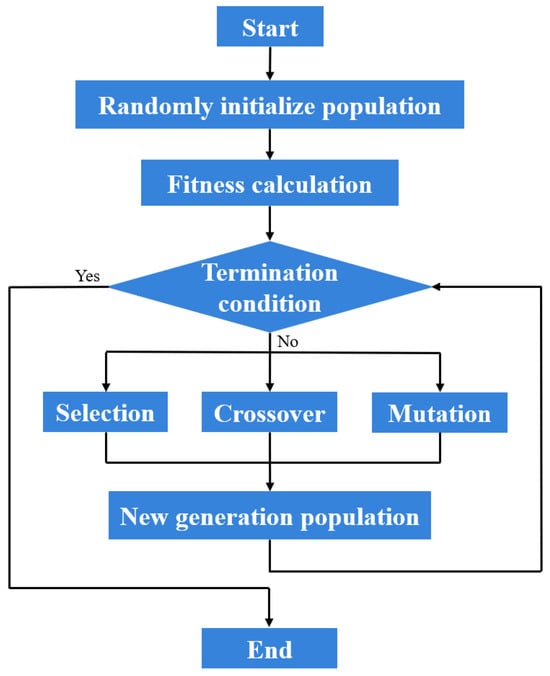
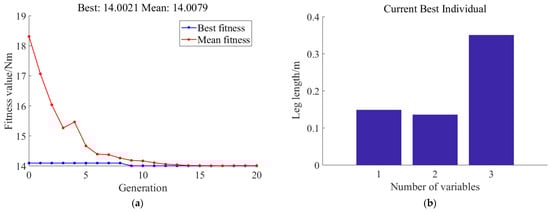
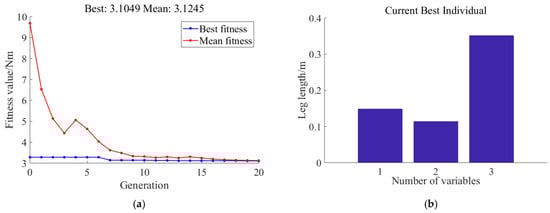
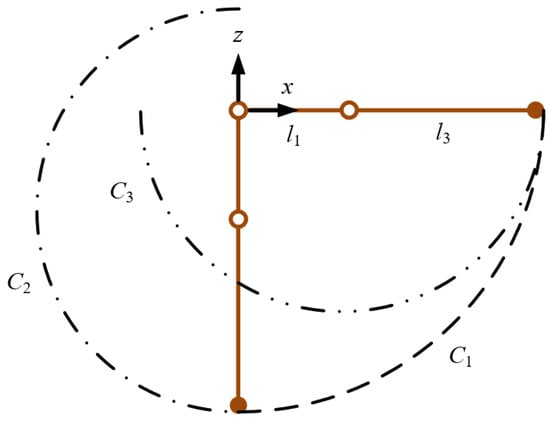
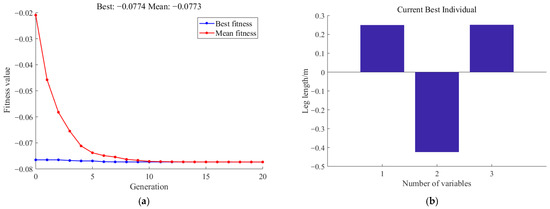
Optimal Design to Improve the Performance of Impact Resistance and Obstacle Surmounting for Legged Robots
by Jiaxu Han, Jingfu Zhao, Yue Zhu and Zhibin Song
Biomimetics 2026, 11(4), 263; https://doi.org/10.3390/biomimetics11040263 (registering DOI) - 10 Apr 2026
Abstract
Legged robots are widely used for walking, running, jumping, and landing on the ground. As mission terrains become increasingly complex, legged robots with greater adaptability are required. However, limited research attention has been paid to enhancing their impact resistance and obstacle-surmounting capabilities. Due [...] Read more.
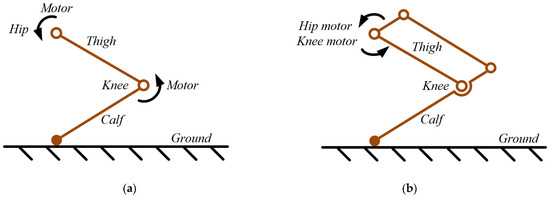
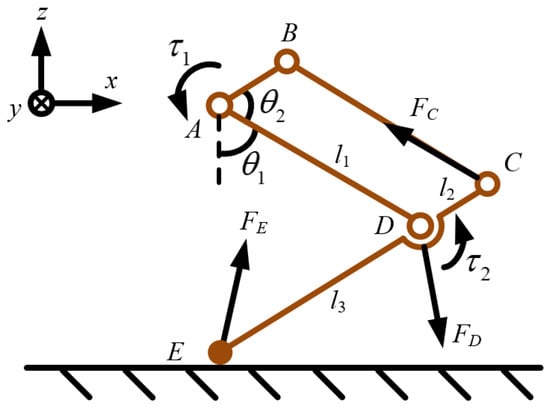
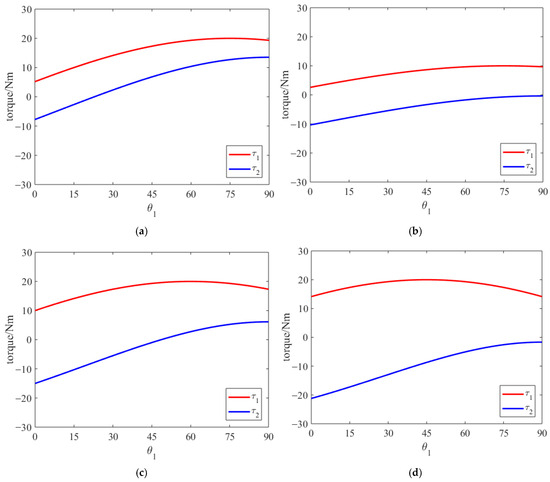
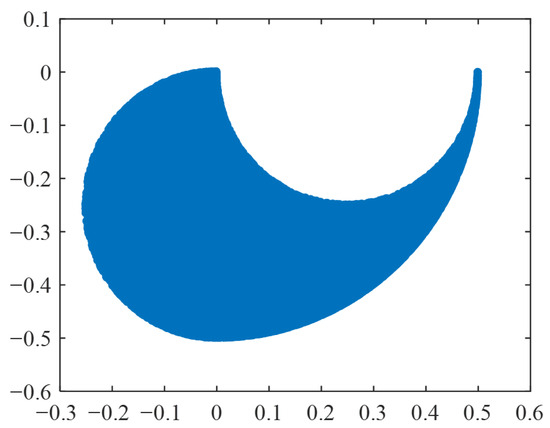
Legged robots are widely used for walking, running, jumping, and landing on the ground. As mission terrains become increasingly complex, legged robots with greater adaptability are required. However, limited research attention has been paid to enhancing their impact resistance and obstacle-surmounting capabilities. Due to the limitations of motor manufacturing and material, it is more difficult to improve the impact resistance of the motor than to design proper leg lengths. Considering rigid multi-link medium- and large-sized legged robots, we optimize leg lengths to minimize the impact torque on leg joints. An optimal leg-length combination that maximizes obstacle-surmounting capability for medium- and large-size multi-link legged robots is conducted. This research provides a concrete design basis for leg-length optimization in medium- and large-sized multi-link legged robots with the aim of improving impact resistance and obstacle surmounting. Full article
Show Figures

Figure 1

26 pages, 3269 KB  
Article
Genome-Wide Association Study of Genetic Variants Associated with Lower Extremity Amputation Risk in Peripheral Artery Disease
by Rajashekar Korutla, Tanisha Garg, Michael P. Wilczek, Elsie G. Ross and Saeed Amal
Int. J. Mol. Sci. 2026, 27(8), 3405; https://doi.org/10.3390/ijms27083405 (registering DOI) - 10 Apr 2026
Abstract
Peripheral artery disease (PAD) is a global health burden affecting over 200 million individuals and is frequently complicated by limb-threatening ischemia, leading to major amputations. Despite known clinical risk factors, the genetic basis underlying amputation risk in PAD remains poorly defined. In this [...] Read more.
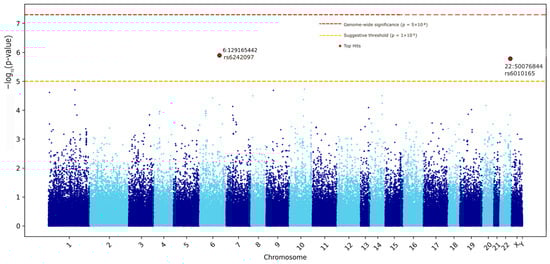
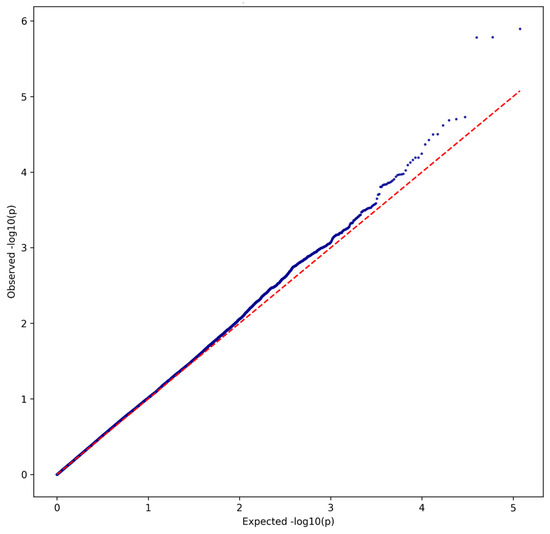
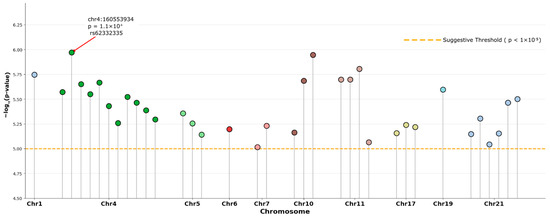
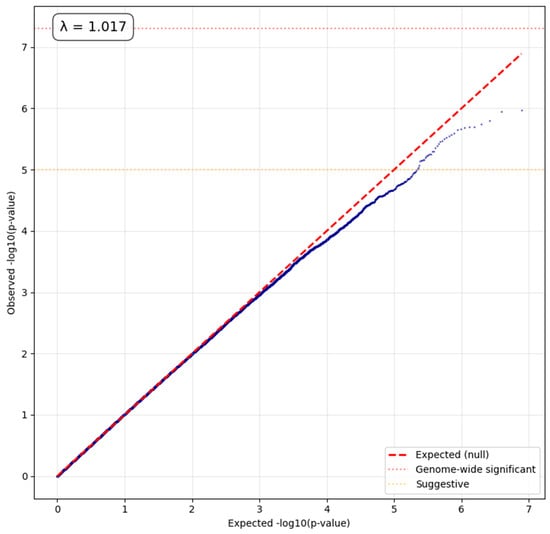
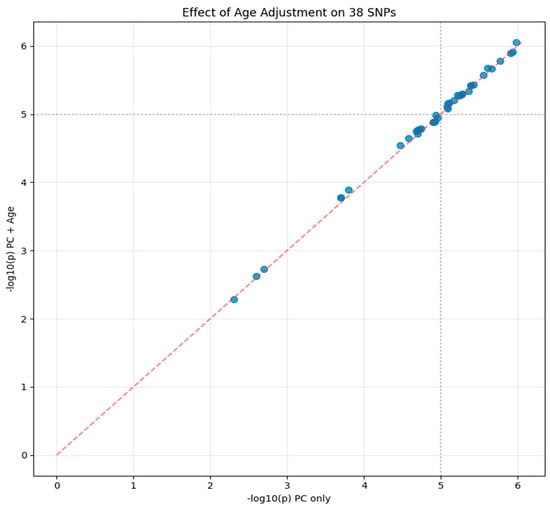
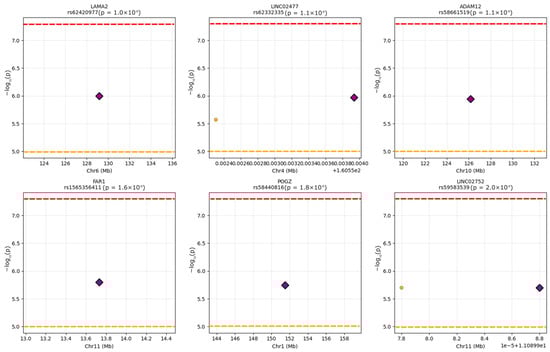
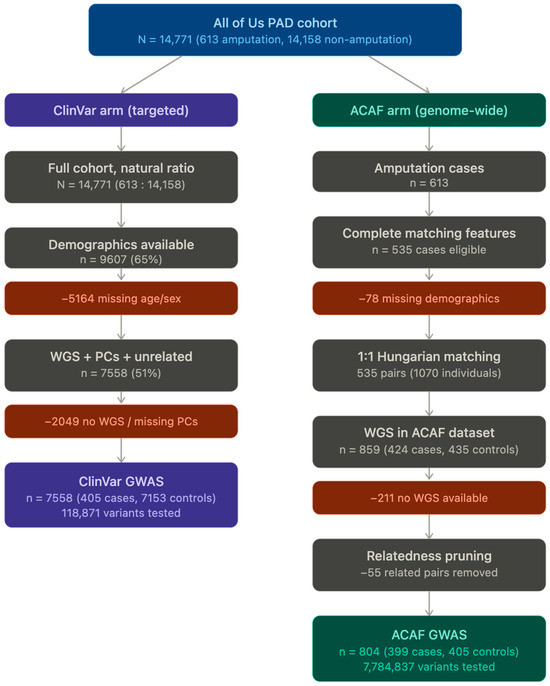
Peripheral artery disease (PAD) is a global health burden affecting over 200 million individuals and is frequently complicated by limb-threatening ischemia, leading to major amputations. Despite known clinical risk factors, the genetic basis underlying amputation risk in PAD remains poorly defined. In this study, we performed a multi-pronged genome-wide association study (GWAS) to identify genetic variants associated with lower extremity amputation in patients with PAD, using data from the All of Us Research Program. Two analytical strategies were employed: a targeted GWAS using ClinVar variants on the full cohort and a comprehensive genome-wide association study using Allele Count/Allele Frequency (ACAF) data on a balanced subset of the cohort. The ClinVar analysis of 118,871 variants in 7558 PAD patients (405 with amputation, 7153 without) identified 3 suggestive associations with a genomic inflation factor of 1.046. The ACAF analysis of 7,784,837 quality-controlled variants in 804 balanced samples (399 cases, 405 controls) yielded 35 suggestive associations (p < 1 × 10⁻⁵) with a genomic inflation factor of 1.017. No variants achieved suggestive significance in both analyses. These findings highlight candidate loci for further validation and may inform future development of risk prediction tools and targeted interventions to reduce limb loss in PAD. All associations are exploratory and require independent replication. Full article
(This article belongs to the Section Molecular Genetics and Genomics)

Show Figures

Figure 1

16 pages, 755 KB  
Article
Obstructive Sleep Apnea in Patients with Significant Coronary Artery Disease: An Underdiagnosed Condition
by Monika Kowalik-Pandyra, Klaudia Piwowar, Michał Tworek, Larysa Bielecka, Małgorzata Mazur, Anna Kabłak-Ziembicka and Jakub Podolec
J. Clin. Med. 2026, 15(8), 2877; https://doi.org/10.3390/jcm15082877 (registering DOI) - 10 Apr 2026
Abstract
Background: Obstructive sleep apnoea (OSA) is a highly prevalent yet underdiagnosed disorder in patients with cardiovascular disease. Growing evidence suggests a pathophysiological link between OSA and coronary artery disease (CAD); however, the relationship between OSA severity and anatomical complexity of coronary lesions [...] Read more.
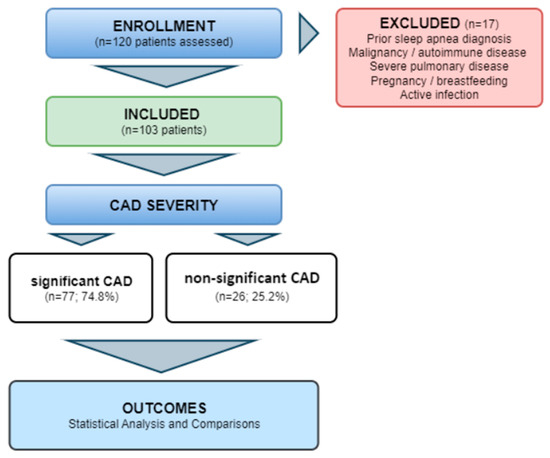
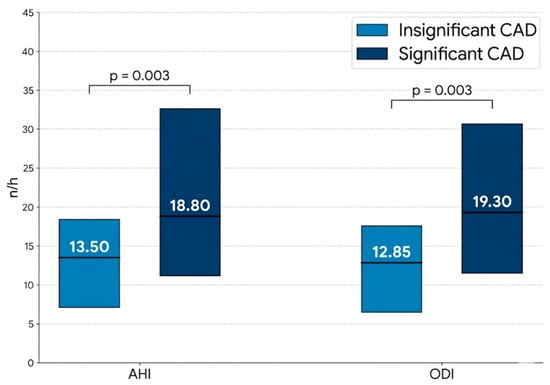
Background: Obstructive sleep apnoea (OSA) is a highly prevalent yet underdiagnosed disorder in patients with cardiovascular disease. Growing evidence suggests a pathophysiological link between OSA and coronary artery disease (CAD); however, the relationship between OSA severity and anatomical complexity of coronary lesions remains incompletely understood. Aim: The aim of this study is to assess the prevalence of OSA in patients undergoing coronary angiography and to evaluate the association between sleep-disordered breathing parameters and the severity of CAD expressed by the SYNTAX score. Methods: This prospective study enrolled 103 consecutive patients referred for invasive coronary angiography. All participants underwent overnight type III cardiorespiratory polygraphy. OSA severity was classified according to the Apnea–Hypopnea Index (AHI). The anatomical complexity of CAD was assessed using the SYNTAX score. Linear regression analyses were performed to determine associations between polysomnographic parameters and SYNTAX score. Results: Significant CAD was diagnosed in 74.8% of patients. OSA was highly prevalent, with severe OSA observed in 36.4% of patients with significant CAD compared to 3.8% in those without significant stenoses (p = 0.003). Patients with significant CAD had higher AHI (18.8 vs. 13.5 events/h; p = 0.003), higher oxygen desaturation index (ODI) (19.3 vs. 12.9 events/h; p = 0.003), and greater mean oxygen desaturation (4.1% vs. 3.8%; p = 0.008). In multivariable regression analysis, AHI (B = 0.329; 95% CI [0.083, 0.576]; p = 0.009) and nicotinism (B = 8.693; 95% CI [2.573, 14.814]; p = 0.006) independently predicted higher SYNTAX scores. Interestingly, each 1% increase in snoring percentage was associated with a 0.203-point reduction in SYNTAX score (95% CI [−0.339, −0.068]; p = 0.004). Conclusions: OSA is highly prevalent in patients undergoing coronary angiography and is independently associated with greater anatomical complexity of CAD. Sleep-disordered breathing, particularly AHI and nocturnal hypoxemia, may represent important non-traditional risk markers of advanced coronary atherosclerosis. Systematic screening for OSA should be considered in patients with suspected or confirmed CAD. Full article
Show Figures

Figure 1

19 pages, 6158 KB  
Article
Relationships Between Leaf Coloration Changes, Cellular Structure, Photosynthetic Physiology, and Hydraulic Traits in Liquidambar formosana Hance Under Drought Stress in Autumn
by Mengting Li, Xiongsheng Liu, Renjie Wang, Ying Jiang, Yufei Xiao, Rongyuan Fan, Yong Wang, Jing Huang and Fengfan Chen
Plants 2026, 15(8), 1173; https://doi.org/10.3390/plants15081173 (registering DOI) - 10 Apr 2026
Abstract
Liquidambar formosana Hance, a tree species in subtropical broad-leaved forests, exhibits a striking autumn leaf coloration. However, how drought stress during this period influences leaf color change remains poorly understood. In this study, two-year-old seedlings were subjected to four drought gradients. Leaf color [...] Read more.
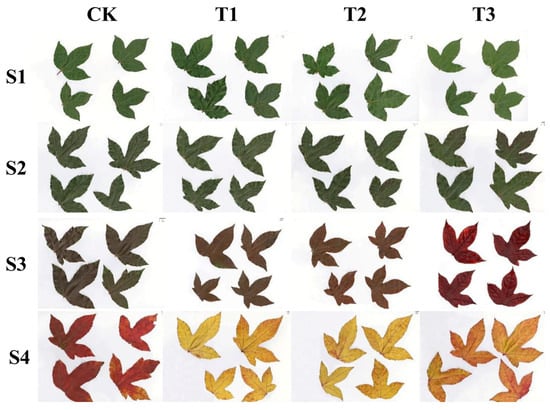
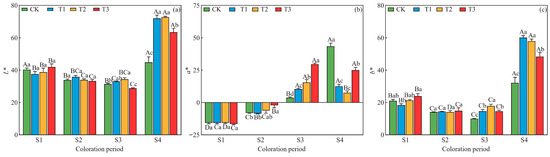
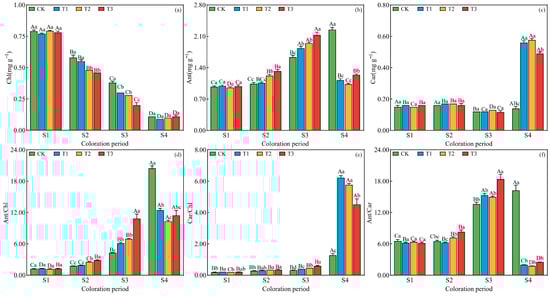
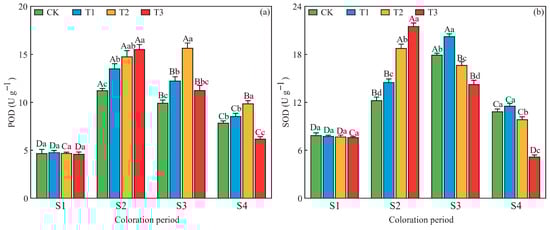
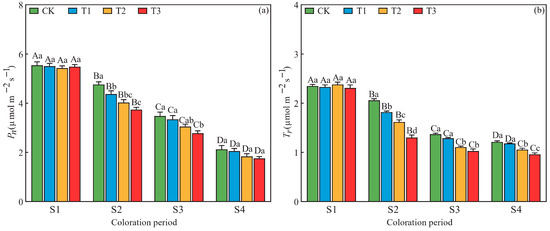
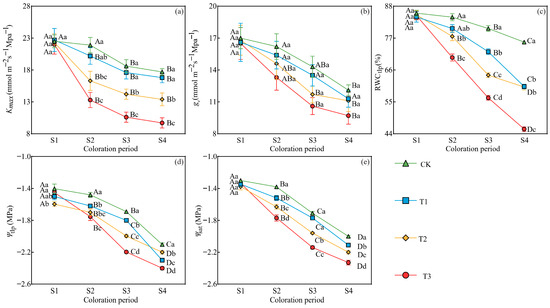
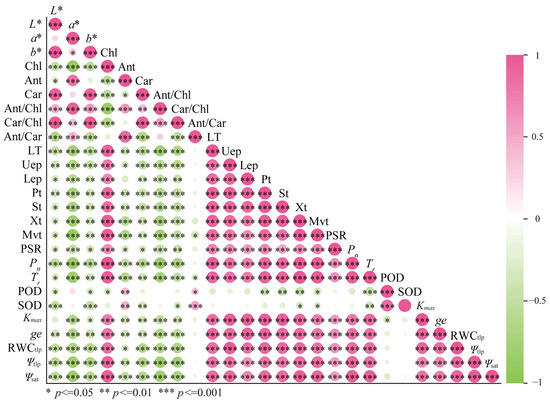
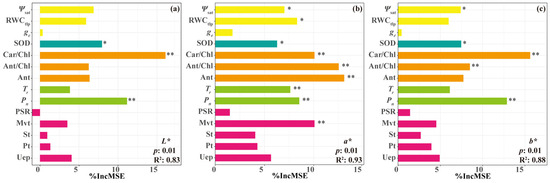
Liquidambar formosana Hance, a tree species in subtropical broad-leaved forests, exhibits a striking autumn leaf coloration. However, how drought stress during this period influences leaf color change remains poorly understood. In this study, two-year-old seedlings were subjected to four drought gradients. Leaf color parameters, pigment contents, cellular structure, photosynthetic physiology, and hydraulic properties were systematically measured throughout the leaf color transition period. The results show that, with increasing drought severity, leaf red-green coordinate a* increased significantly during early-to-middle stress (S1–S3), while lightness L* and yellow-blue coordinate b* increased at late stress (S4). Chlorophyll (Chl) content continuously decreased, anthocyanins (Ant) peaked at mid-stress, and carotenoids (Car) became enriched at late stress. Leaf cellular structure and hydraulic parameters declined, photosynthetic function was inhibited, and antioxidant enzyme activities showed an initial increase followed by a decrease. Correlation analysis and Random Forest models revealed that L* was strongly associated with superoxide dismutase (SOD) activity, carotenoid-to-chlorophyll (Car/Chl) ratio, and net photosynthetic rate (Pn); a* was closely linked to osmotic potential at full saturation (Ψsat), relative water content at the turgor loss point (RWCtlp), SOD activity, Car/Chl ratio, anthocyanin-to-chlorophyll (Ant/Chl) ratio, Ant content, transpiration rate (Tr), Pn, and main vein thickness (Mvt), while b* was primarily correlated with Ψsat, Car/Chl ratio, SOD activity, Ant/Chl ratio, and Pn. These statistical associations suggest multiple physiological processes are involved in leaf color change. Based on these findings, we propose a hypothetical sequence: drought initially disrupts leaf water status, leading to structural atrophy and hydraulic decline, followed by photosynthetic inhibition, activated antioxidant defense, and altered pigment accumulation, which are correlated with the sequential leaf color transition from green to red to yellow-orange in this species. Full article
(This article belongs to the Section Plant Response to Abiotic Stress and Climate Change)
Show Figures

Figure 1

20 pages, 4153 KB  
Article
Potentiation of a Porous Silicon Therapeutic Vaccine in Colorectal Cancer via Oxaliplatin-Mediated Regulation of Myeloid-Driven Immunosuppression
by Yongbin Liu, Busra Akay Hacan, Junjun Zheng, Xueying Ge, Dongfang Yu, Zhe Chen, Yitian Xu, Ning Shao, Haifa Shen, Xuewu Liu, Roderic I. Pettigrew, Ping-Ying Pan, Shu-Hsia Chen and Junhua Mai
J. Funct. Biomater. 2026, 17(4), 185; https://doi.org/10.3390/jfb17040185 (registering DOI) - 10 Apr 2026
Abstract
Although immunotherapy has shown great promise in treating various types of cancer, advanced tumors are often refractory due to a highly immunosuppressive tumor microenvironment (TME). We previously engineered a cancer therapeutic vaccine platform, µGCVax, by co-loading tumor antigen peptides, STING and TLR9 agonists [...] Read more.
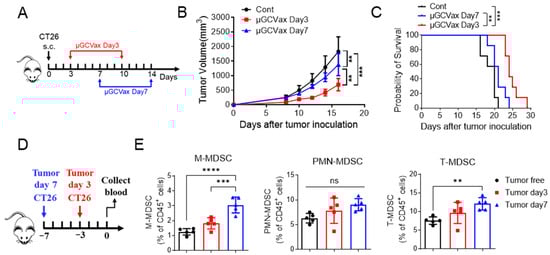
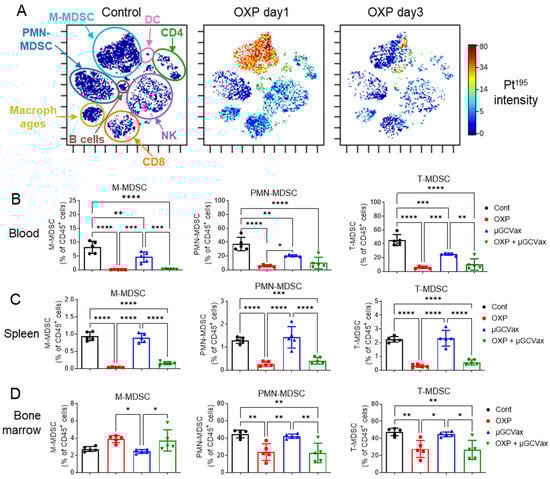
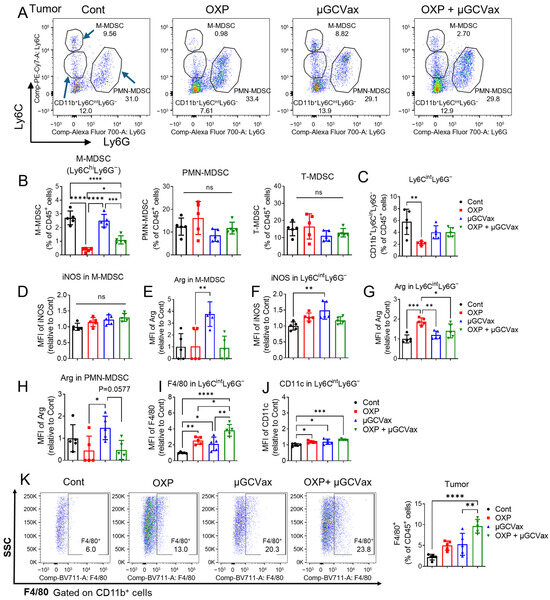
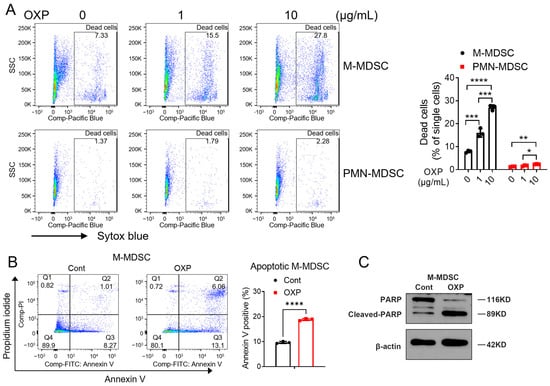
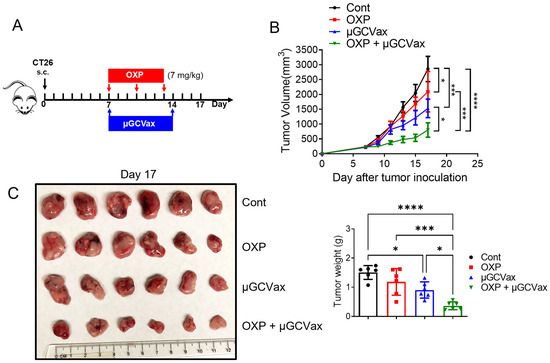
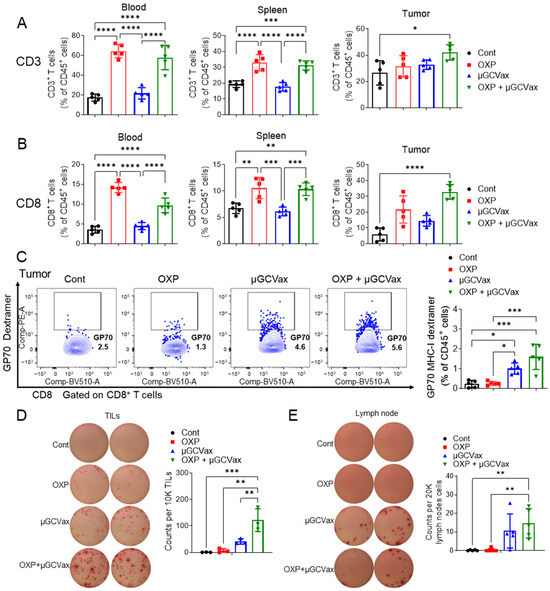
Although immunotherapy has shown great promise in treating various types of cancer, advanced tumors are often refractory due to a highly immunosuppressive tumor microenvironment (TME). We previously engineered a cancer therapeutic vaccine platform, µGCVax, by co-loading tumor antigen peptides, STING and TLR9 agonists into porous silicon microparticles. While effective in models with lower disease burden, its efficacy against advanced colorectal cancer (CRC) was less promising due to the accumulation of myeloid-derived suppressor cells (MDSCs) in TMEs. In this study, we investigated whether µGCVax-based immunotherapy in advanced CRCs could be potentiated via regulating MDSCs to reprogram the TME. In an advanced CT26 murine CRC model, we assessed µGCVax in combination with oxaliplatin, a standard CRC chemotherapeutic with established immunomodulatory effects. We demonstrated that oxaliplatin was preferentially taken up by monocytic MDSCs (M-MDSCs) and effectively reduced their abundance in the bone marrow, blood, spleen, and tumor. Relief of this immunosuppressive TME increased intratumoral infiltration of antigen-specific CD8+ T cells. Ultimately, the combination of oxaliplatin with µGCVax induced robust regression of established CRC tumors. These findings highlight that oxaliplatin synergizes with µGCVax by overcoming MDSC-mediated immunosuppression and enhancing antitumor immunity, representing a promising chemo-immunotherapy strategy for advanced CRC. Full article
(This article belongs to the Special Issue Functional Porous Materials for Biomedical Applications)
Show Figures

Figure 1

22 pages, 891 KB  
Article
Ensemble Learning with Systematic Hyperparameter Optimization for Urban-Bike-Sharing Demand Prediction
by Ivona Brajevic, Eva Tuba and Milan Tuba
Sustainability 2026, 18(8), 3766; https://doi.org/10.3390/su18083766 (registering DOI) - 10 Apr 2026
Abstract
Bike sharing is an established component of urban mobility infrastructure, offering a low-emission alternative to motorized transport for short trips in cities worldwide. Accurate demand forecasting is essential for efficient system operation: it enables better bike redistribution, reduces user wait times, and lowers [...] Read more.
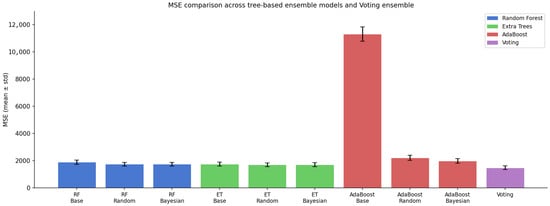
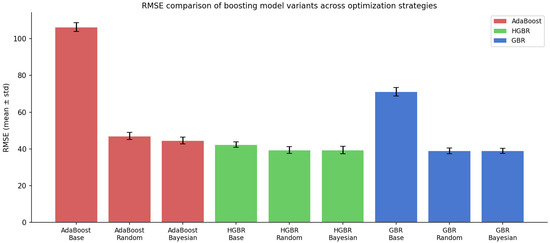
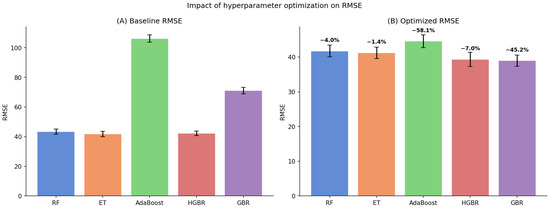
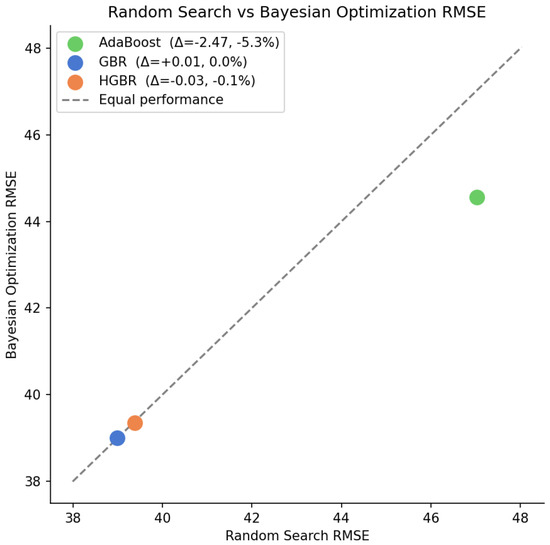
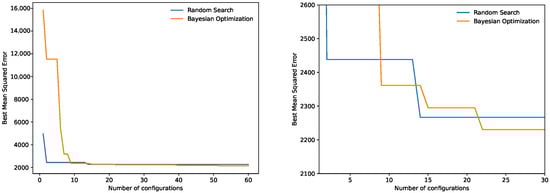
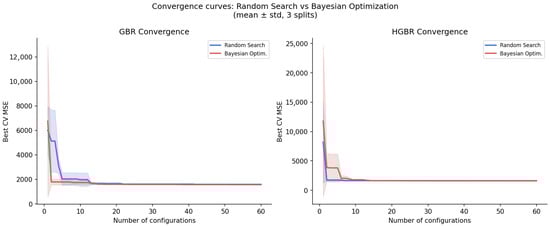
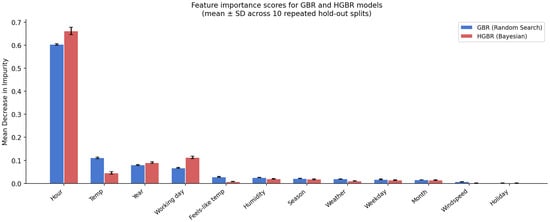
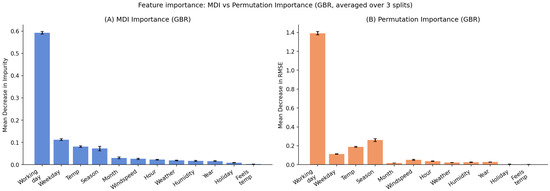
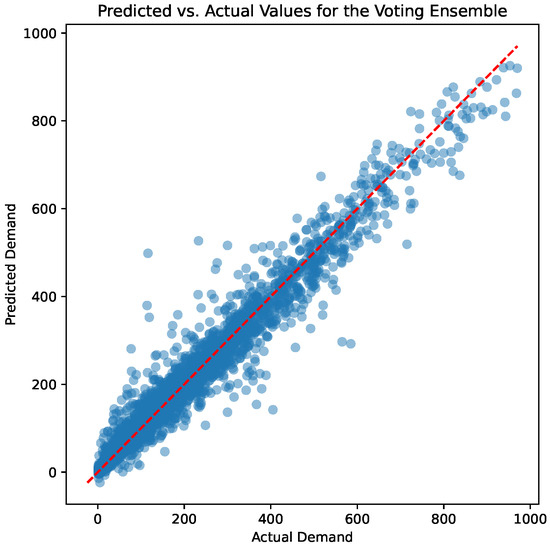
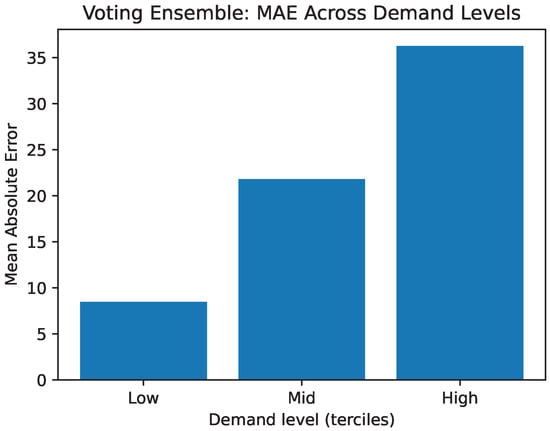
Bike sharing is an established component of urban mobility infrastructure, offering a low-emission alternative to motorized transport for short trips in cities worldwide. Accurate demand forecasting is essential for efficient system operation: it enables better bike redistribution, reduces user wait times, and lowers the operational costs associated with rebalancing. This study evaluated multiple ensemble strategies for hourly bike-sharing demand prediction, comparing bagging methods (Random Forest, Extra Trees), boosting methods (AdaBoost, Gradient Boosting Regressor, Histogram-based Gradient Boosting Regressor), and a Voting ensemble, while systematically investigating the impact of hyperparameter optimization. A repeated hold-out protocol was used, in which the dataset was randomly divided into 80% training and 20% test subsets across 10 random splits; 5-fold cross-validation was applied within each training fold exclusively for hyperparameter tuning, ensuring the test set remained unseen during model selection. Random Search and Bayesian Optimization were compared under identical budgets of 60 configurations per model. Results show that optimization substantially improves all models, with the most pronounced gains for AdaBoost (58% RMSE reduction) and Gradient Boosting Regressor (45% RMSE reduction). A Voting ensemble combining a Random Search-tuned Gradient Boosting Regressor and a Bayesian-optimized Histogram-based Gradient Boosting Regressor achieves the best overall performance (RMSE of 38.48, R2 of 0.955) with the lowest variance among all repeated splits. Feature importance analysis confirms that hour of day and temperature are the dominant demand drivers, consistent with the operational patterns of urban bike-sharing systems. The performance difference between Random Search and Bayesian Optimization is negligible for most models, suggesting that well-designed search spaces allow simpler strategies to achieve competitive results. A controlled comparison conducted under identical experimental conditions shows that the Voting ensemble is statistically equivalent to XGBoost and nominally better than LightGBM, while CatBoost achieves a statistically significant advantage, highlighting it as a strong individual alternative. Full article
(This article belongs to the Special Issue Artificial Intelligence and Sustainable Development)
Show Figures

Figure 1

19 pages, 11440 KB  
Article
Cross-Sensor Evaluation of ZY1-02E and ZY1-02D Hyperspectral Satellites for Mapping Soil Organic Matter and Texture in the Black Soil Region
by Kun Shang, He Gu, Hongzhao Tang and Chenchao Xiao
Agronomy 2026, 16(8), 781; https://doi.org/10.3390/agronomy16080781 (registering DOI) - 10 Apr 2026
Abstract
Soil health monitoring is critical for the sustainable management of the black soil region, a key resource for global food security. However, traditional field surveys are constrained by high operational costs, limited spatial coverage, and low temporal frequency, making them inadequate for high-resolution [...] Read more.
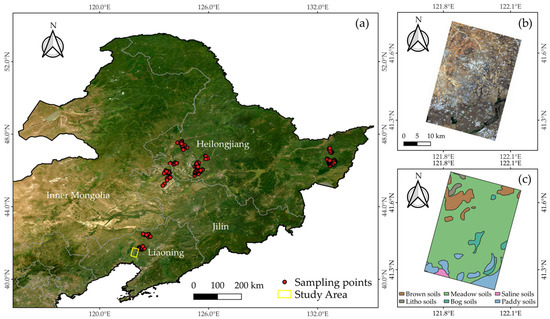
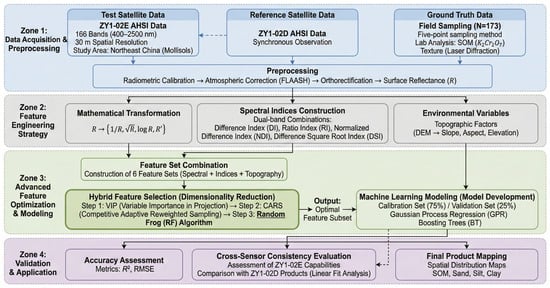
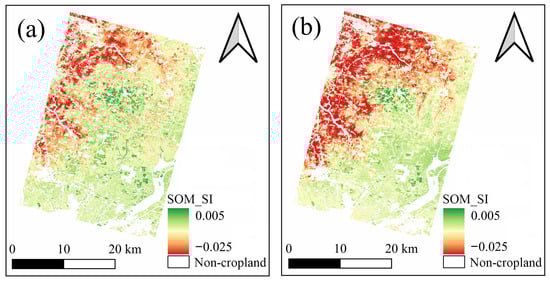
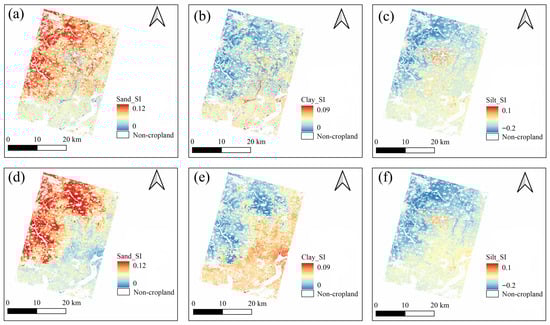
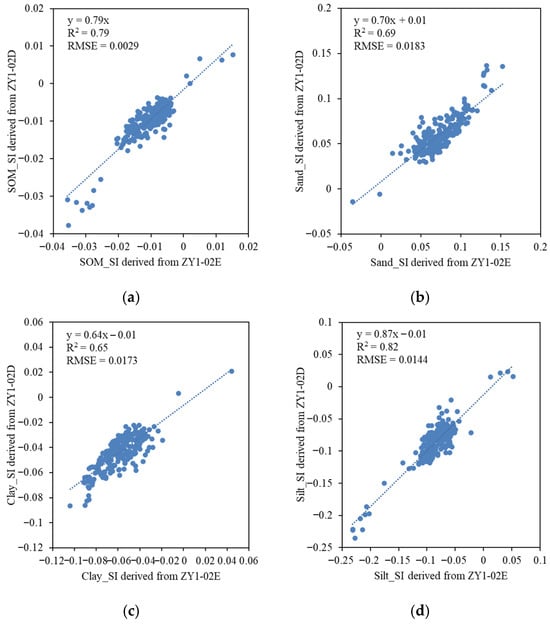
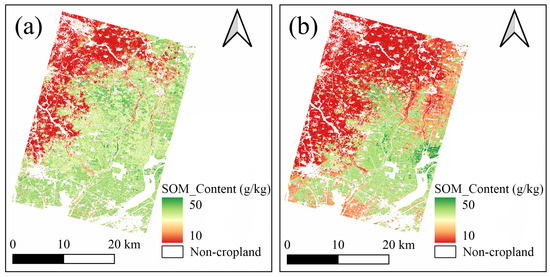
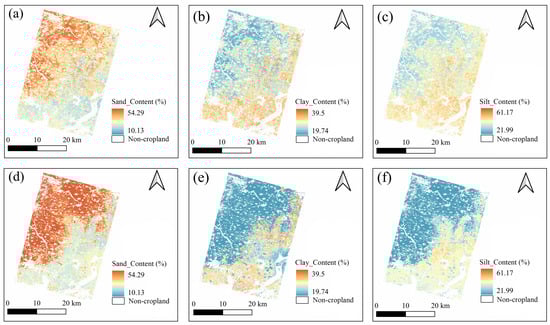
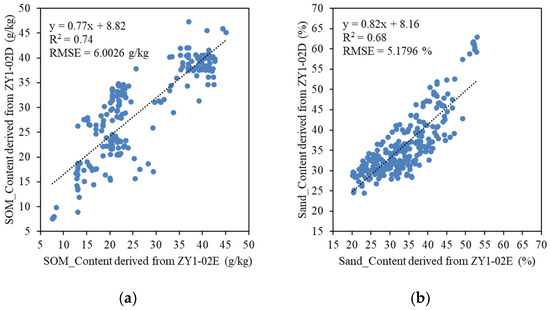
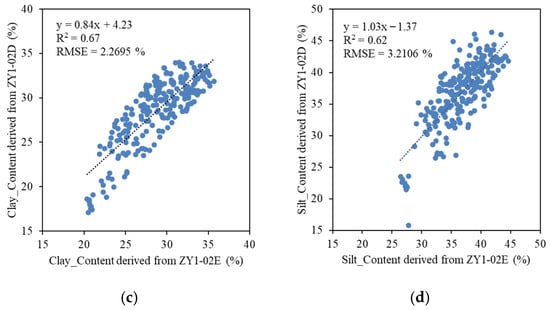
Soil health monitoring is critical for the sustainable management of the black soil region, a key resource for global food security. However, traditional field surveys are constrained by high operational costs, limited spatial coverage, and low temporal frequency, making them inadequate for high-resolution and time-sensitive soil monitoring. The recently launched ZY1-02E satellite, equipped with an advanced hyperspectral imager, offers a new potential data source, yet its capability for quantitative soil modelling requires rigorous cross-sensor validation. This study conducts a cross-sensor evaluation of ZY1-02E and its predecessor, ZY1-02D, for mapping soil organic matter (SOM) and soil texture (sand, silt, and clay) in Northeast China. Optimal spectral indices were constructed through exhaustive band combination and correlation screening, and quantitative inversion models were established using a hybrid framework integrating Random Frog feature selection with Gaussian Process Regression (GPR) and Boosting Trees, based on synchronous ground observations. Results demonstrate strong cross-sensor consistency, with spectral indices showing significant linear correlations (R2>0.65) between ZY1-02E and ZY1-02D. Furthermore, the quantitative retrieval models applied to ZY1-02E imagery achieved robust performance, with cross-sensor retrieval consistency exceeding R2=0.60 for all parameters and SOM exhibiting the highest agreement (R2=0.74). These findings confirm the radiometric stability and algorithm transferability of ZY1-02E, demonstrating its capability to generate soil parameter products comparable to ZY1-02D without extensive model recalibration. The validated interoperability of the twin-satellite constellation substantially enhances temporal observation capacity during the narrow bare-soil window, effectively mitigating cloud-induced data gaps in high-latitude agricultural regions. Importantly, the enhanced monitoring framework provides a scalable technical paradigm for high-frequency hyperspectral soil mapping, offering critical spatial decision support for precision fertilization, soil degradation mitigation, and conservation tillage management in the Mollisol belt. Full article
Show Figures

Figure 1

17 pages, 2021 KB  
Article
Clinicopathological Characteristics and BAP1 Expression in an Enucleation-Based Uveal Melanoma Cohort: A Single-Center Croatian Experience with Long-Term Follow-Up
by Domagoj Vlašić, Mira Knežić Zagorec, Antonia Jakovčević, Dina Lešin Gaćina, Marijana Ćorić and Tomislav Jukić
Cancers 2026, 18(8), 1211; https://doi.org/10.3390/cancers18081211 (registering DOI) - 10 Apr 2026
Abstract
Background/Objectives: Loss of nuclear BAP1 (BRCA1-associated protein 1) expression is a well-established adverse prognostic marker in uveal melanoma (UM). However, data from Central and Southeastern European populations are limited. This descriptive study aimed to evaluate BAP1 immunohistochemical expression in a Croatian enucleation-based UM [...] Read more.
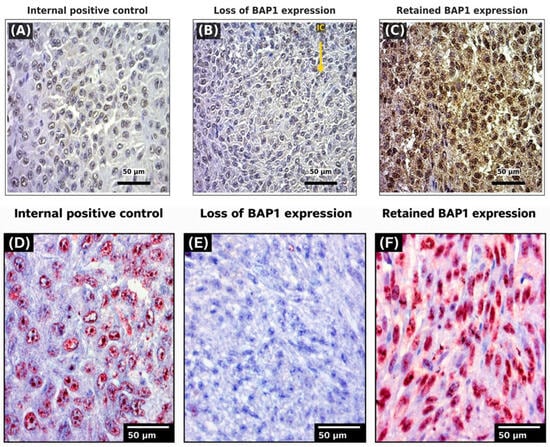
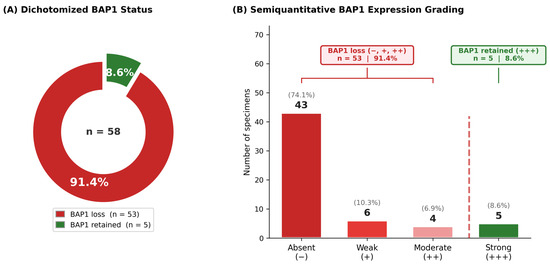
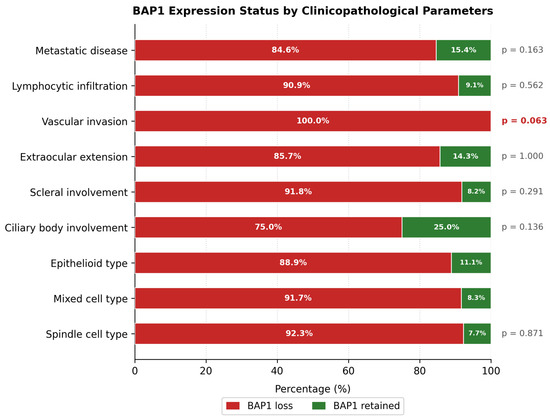
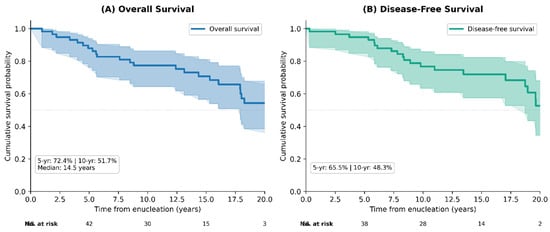
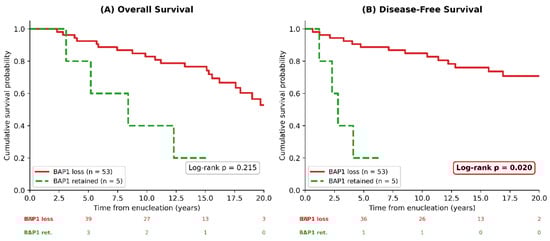
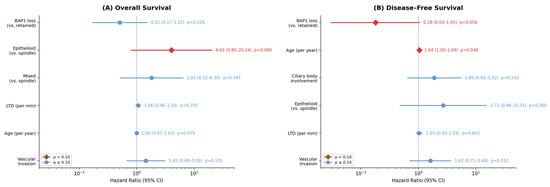
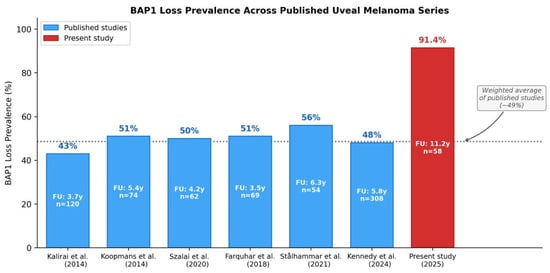
Background/Objectives: Loss of nuclear BAP1 (BRCA1-associated protein 1) expression is a well-established adverse prognostic marker in uveal melanoma (UM). However, data from Central and Southeastern European populations are limited. This descriptive study aimed to evaluate BAP1 immunohistochemical expression in a Croatian enucleation-based UM cohort, characterize its associations with clinicopathological parameters, and contextualize the findings within the published literature. Methods: Formalin-fixed, paraffin-embedded tumor tissue from 58 consecutive patients with primary choroidal and ciliary body melanoma treated with enucleation at University Hospital Centre Zagreb (2006–2016) was analyzed immunohistochemically for BAP1 nuclear expression. Associations with clinicopathological parameters were assessed using chi-square and Fisher’s exact tests. Survival analysis was performed using Kaplan–Meier estimation, log-rank tests, and Cox proportional hazards regression with a median follow-up of 11.2 years. Results: Loss of nuclear BAP1 expression was observed in 53/58 (91.4%) specimens, resulting in a severely imbalanced distribution (53 versus 5 patients) precluding meaningful comparative survival analysis. Five-year and 10-year overall survival rates were 72.4% and 51.7%, respectively, with a median overall survival of 14.5 years. BAP1 loss was associated with longer disease-free survival (log-rank p = 0.020); however, this finding likely reflects a statistical artifact attributable to the extremely small BAP1-retained group (n = 5) harboring concurrent adverse features and should not be interpreted biologically. The study was underpowered to draw prognostic inferences regarding BAP1 status. Exploratory survival analyses are presented for transparency but should not be interpreted inferentially. Conclusions: The exceptionally high prevalence of BAP1 loss reflects the selection bias inherent in enucleation-based cohorts, which are enriched for large, molecularly high-risk tumors. This study provides the first comprehensive BAP1 immunohistochemical data from Croatia, contributing to the growing evidence that enucleation cohorts represent a distinct, biologically high-risk subgroup in which BAP1 immunohistochemistry offers limited discriminatory value. The extended follow-up of 11.2 years confirms the prolonged natural history of UM. Future multi-center studies incorporating molecular validation and diverse treatment modalities are needed to establish the prognostic utility of BAP1 across the full spectrum of UM disease. Full article
(This article belongs to the Special Issue Advances in Uveal Melanoma)
Show Figures

Figure 1

Open Access Journals

Browse by Indexing Browse by Subject Selected Journals
Back to TopTop